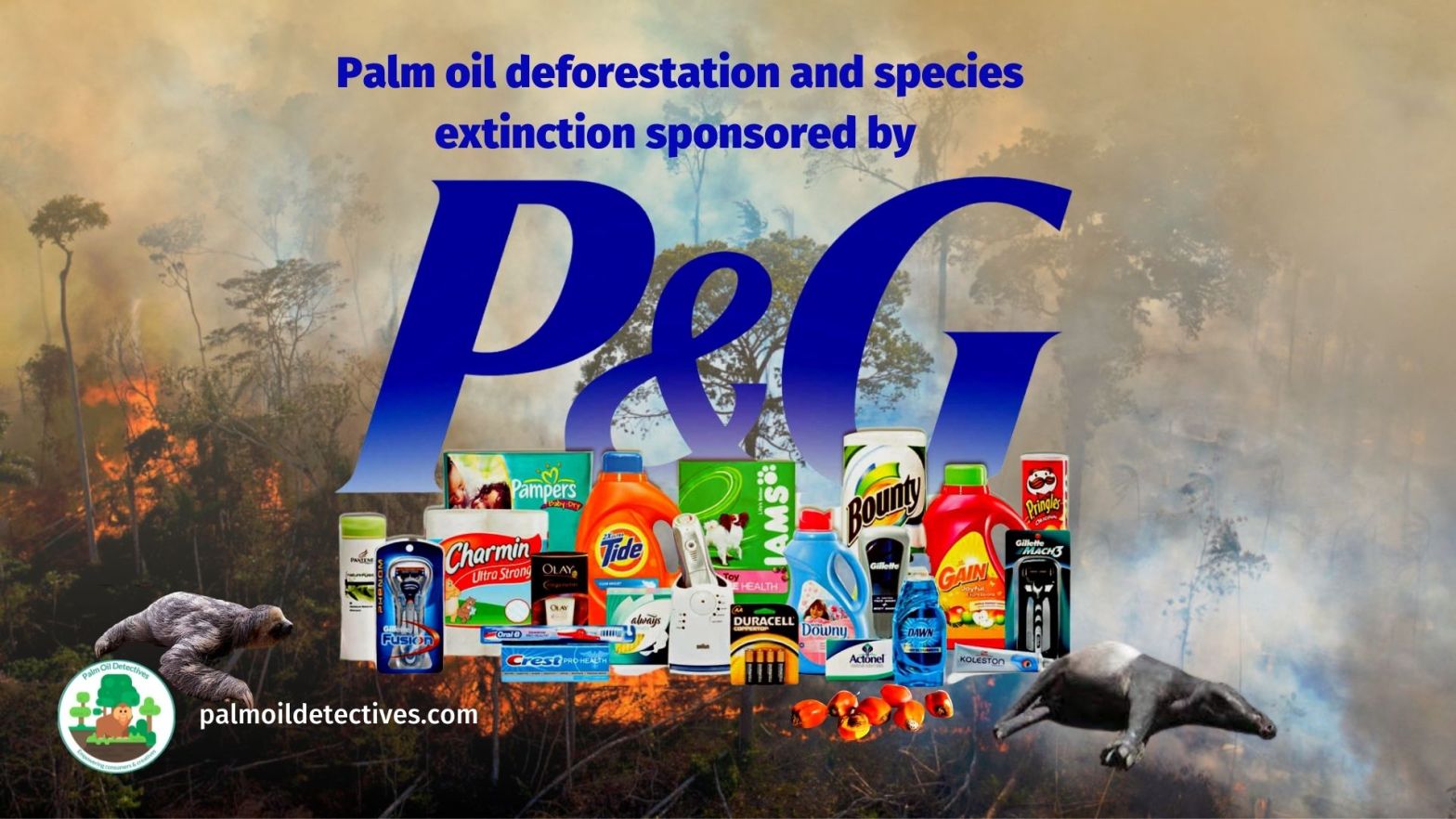
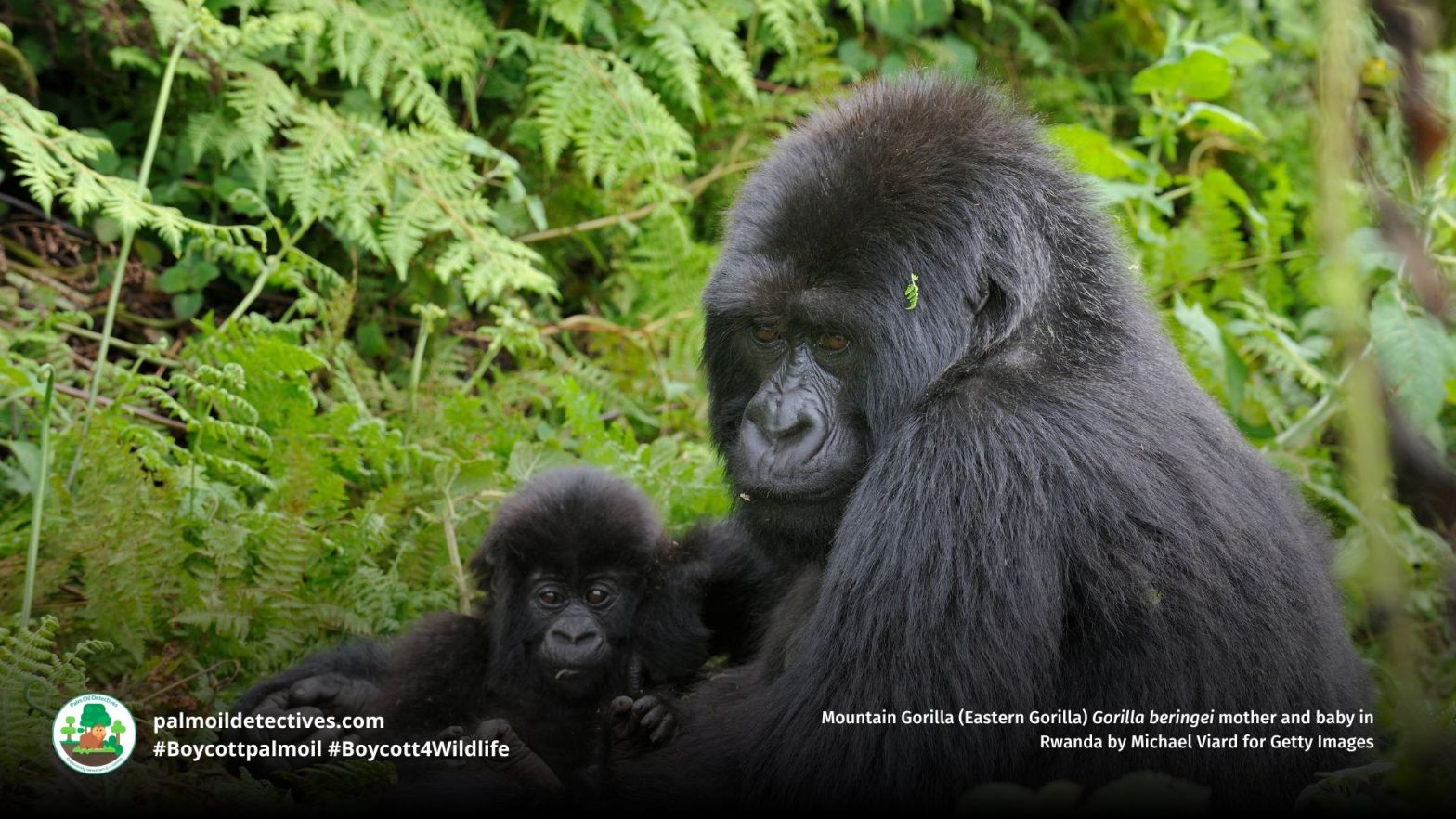
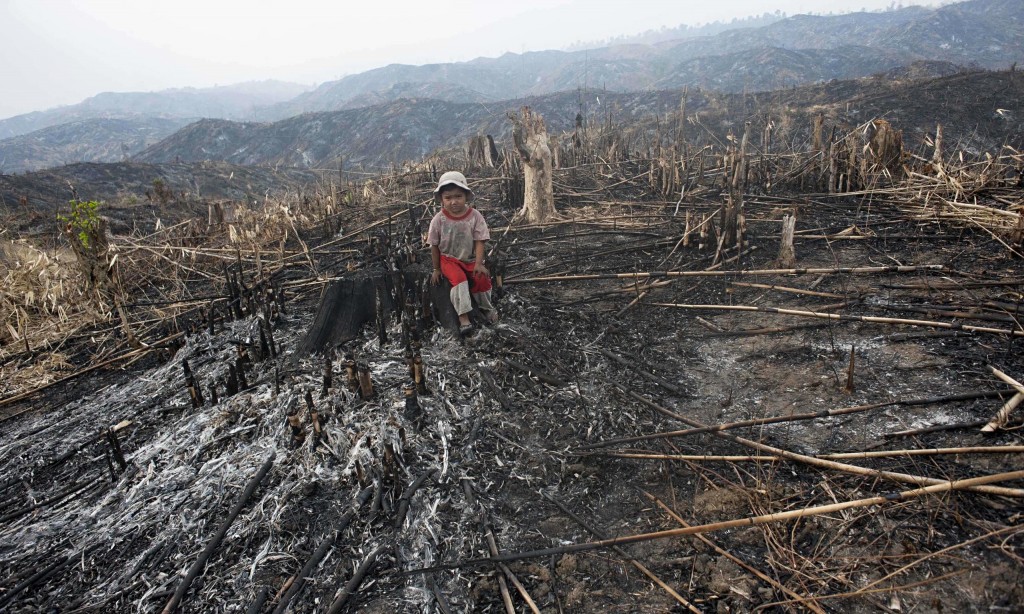
Despite decades of promises to end deforestation for palm oil Procter & Gamble or (P&G as they are also known) have continued sourcing palm oil that causes ecocide, indigenous landgrabbing, and the habitat destruction of the rarest animals on earth. All of these animals are on a knife-edge of survival. It is for this reason,Continue reading “Procter & Gamble”
Tag Archives: palm oil deforestation
Up to 90% of Cargill, Wilmar, Musim Mas’ Palm Oil Linked To Deforestation
Research finds that between 15-90% of palm oil processed by global palm oil traders: #Cargill, #MusimMas and #Wilmar is unable to be adequately traced. This is due to opaque indirect sourcing and is linked to deforestation. Palm oil deforestation is sending thousands of rare, #endangered species of #animals and #plants towards #extinction and leads to the violent displacement of indigenous peoples. The loss of carbon sinks from deforestation plays a significant role in global warming and the climate emergency. Take action every time you shop and #BoycottPalmOil #Boycott4Wildlife
Almost 90% of the world’s animal species will lose some habitat to agriculture by 2050
Scientists know that #biodiversity is declining across much of the world although less universally and dramatically than we feared. We also know that things are likely to get worse in the future, with a combination of #deforestation, #climatechange and overexploitation set to drive species and habitats ever closer to #extinction. Help them every time you shop and be #vegan #BoycottPalmOil #Boycott4Wildlife
Deforestation Raises Temperatures Up To 4.5℃
Forests directly cool the planet, like natural evaporative air conditioners. So what happens when you cut them down? In tropical countries such as #Indonesia, #Brazil and the #Congo, rapid #deforestation may have accounted for up to 75% of the observed surface #climatechange and warming between 1950 and 2010. Our new research took a closer look at this phenomenon.
Research: Small room for compromise between oil palm cultivation and primate conservation in Africa
Research shows that future palm oil expansion is a major threat to Africa’s tropical forests and their rich primate biodiversity, Fight back boycott palm oil!
Research: Zoonotic Disease Outbreaks Linked to Forest Cover and Palm Oil Expansion
#Research finds that #deforestation is a major cause of #biodiversity loss with a negative impact on human health. Outbreaks of vector-borne #zoonotic #diseases are associated with increases in areas of #palmoil plantations.
How do we stop the world’s ecosystems from going into a death spiral? A #SteadyState Economy
What is a Steady State Economy? A Steady State Economy is a mildly fluctuating economy that does not exceed ecological and planetary limits. A Steady State Economy is not an alternative economic ideology that is centred on endless GDP growth. It is neither capitalism nor communism. Economic growth, with all of its downsides, is clearlyContinue reading “How do we stop the world’s ecosystems from going into a death spiral? A #SteadyState Economy”
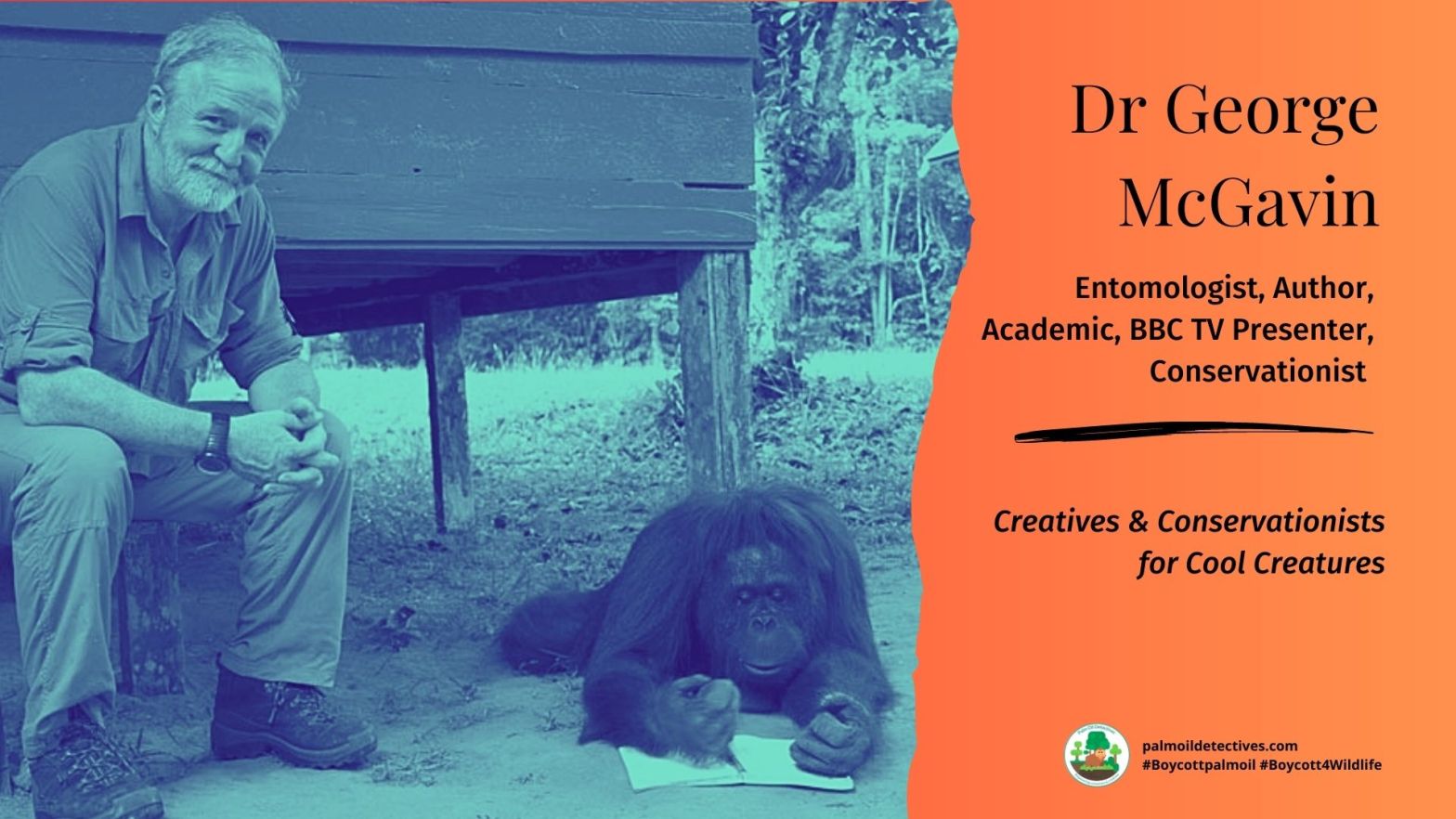
Zoologist and TV Presenter Dr George McGavin
Dr George McGavin FLS FRGS Hon. FSB Hon. FRES studied Zoology at Edinburgh University, followed by a PhD in entomology at Imperial College and the Natural History Museum in London. After 25 years as an academic at Oxford University he became an award-winning television presenter. George is an Honorary Research Associate of the Oxford University Museum of Natural History and an Honorary Principal Research Fellow at Imperial College. George is also a Fellow of the Linnean Society and the Royal Geographical Society, an Honorary Fellow of the Royal Society of Biology and an Honorary Life Fellow of the Royal Entomological Society. As well as his many TV documentaries, George has written numerous books on insects and other animals. In 2019 he became the President of the Dorset Wildlife Trust.
The Orangutan with the golden hair by Setia Budhi
The orangutan 🦧🧡 with the golden hair, a story by Setia Budhi about palm oil pesticides killing people and animals ☠️🤒🤮 Boycott palm oil 🌴🩸🚫🙊
Research: Boycotts Are Worthwhile and Effective
Despite sustained and vigorous attempts by corporates and industry certification schemes like RSPO, MSC and FSC to downplay the impact and effectiveness of consumer boycotts, it turns out that boycotts are impactful and drive social change. They force profit-first and greedy corporations to change their ways and do better. They also create a tangible sense of empowerment and agency for consumer-citizens who want to participate in civil society in a meaningful way in improving the world, both as individuals and in collective groups.
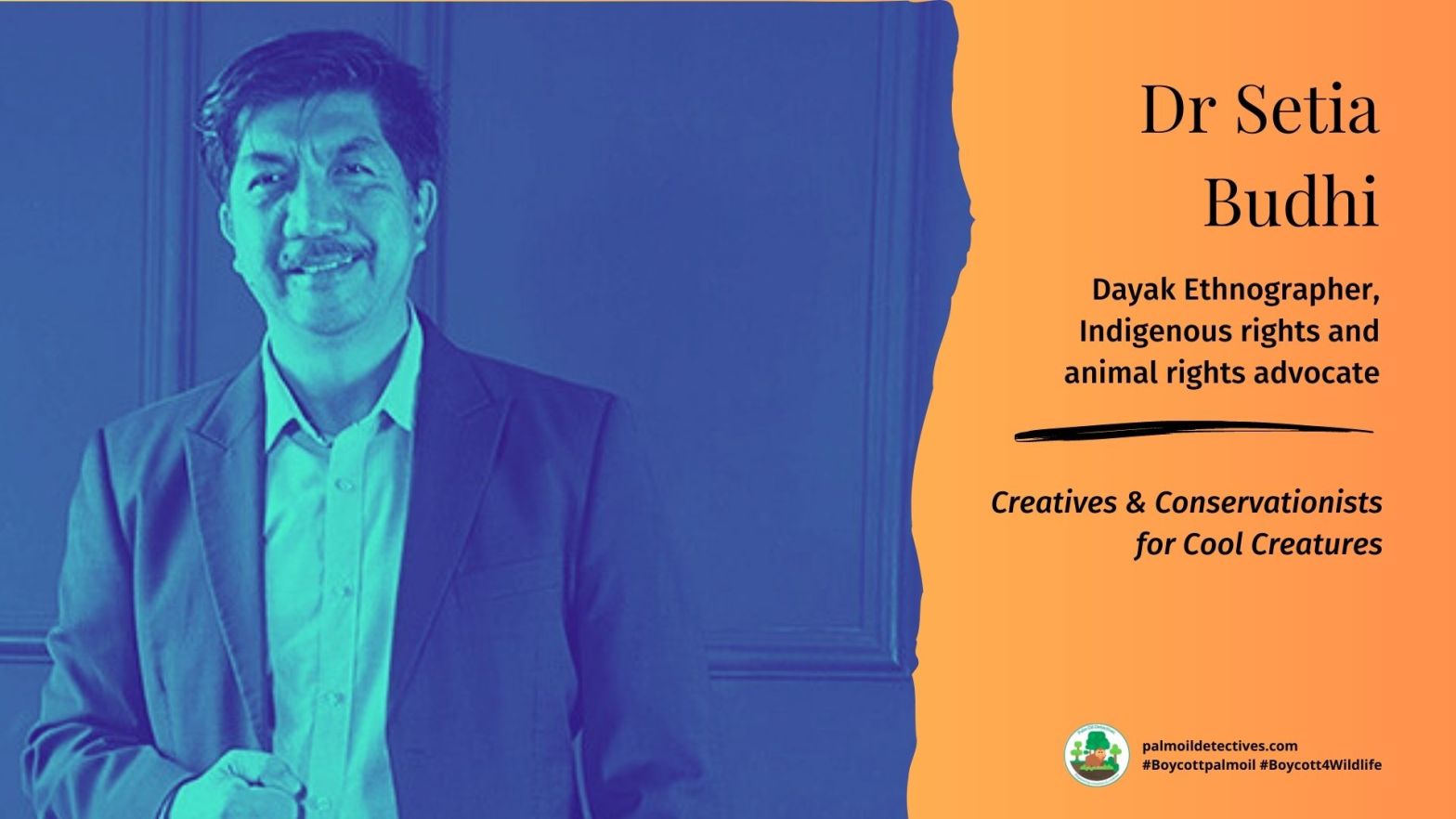
Dayak Indigenous Ethnographer Dr Setia Budhi
Dr Setia Budhi is a senior lecturer in Anthropology and Sociology at Universitas Lambung Mangkurat. He is an indigenous advocate, forest conservationist and a research specialist in Dayak ethnography in South, Central and East Kalimantan. He completed his PhD in 2010 at UKM Malaysia under the supervision of Prof. Awang Hasmadi Awang Moeis and Prof. Aishah Bt Mohamed. He now serves as Head of the Sociology Department and a member of the Indonesian Anthropology Association of South Kalimantan-Indonesia.
His research relates to the Dayak people and impact of socio-cultural changes, exploitation of natural resources and modernisation on their lives. In particular, he investigates how the depletion of the forest affects the availability of food sources for Indigenous Dayak peoples.
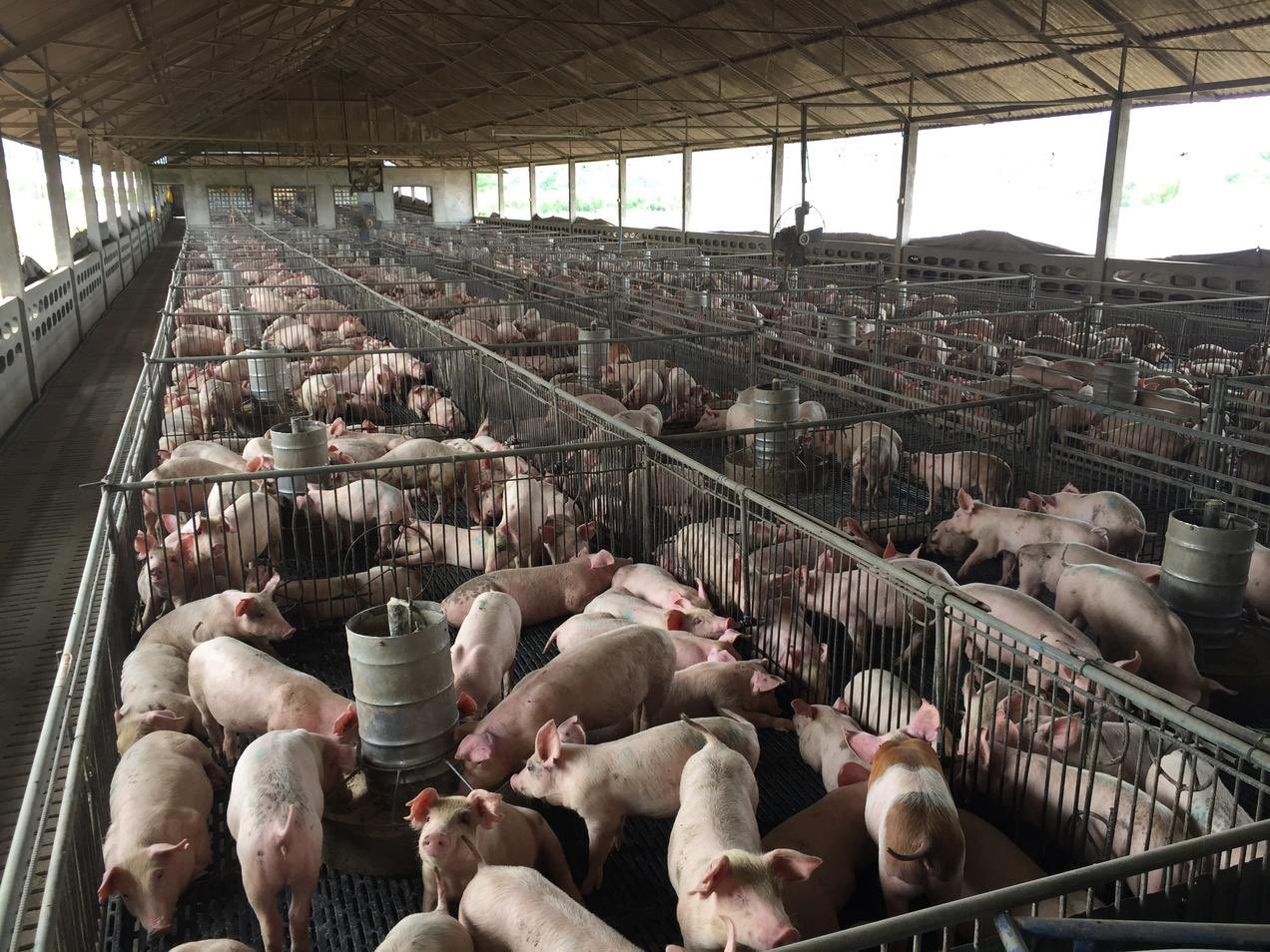
Demand for meat is driving deforestation in Brazil – changing the soy industry could stop it
For many people, soy as a commodity has a pretty innocuous reputation thanks to its association with vegan food and meat alternatives. However don’t be fooled – crops of this pale legume are behind much of Brazil’s epidemic of deforestation. Much more #soy is fed to farm animals that people eat than is used in vegan food. Since 2000, #Brazil has doubled its total area of soy plantation to 36 million hectares and become the world’s largest producer. This expansion has erased vast swathes of forest and other habitats in some of the country’s most biodiverse regions. Soy, along with palm oil and meat deforestation are the biggest land-hungry commodities in South America and threaten the world’s largest rainforest biosphere. Help fight against this ecocide every time you shop, be #vegan #BoycottPalmOil #Boycott4Wildlife
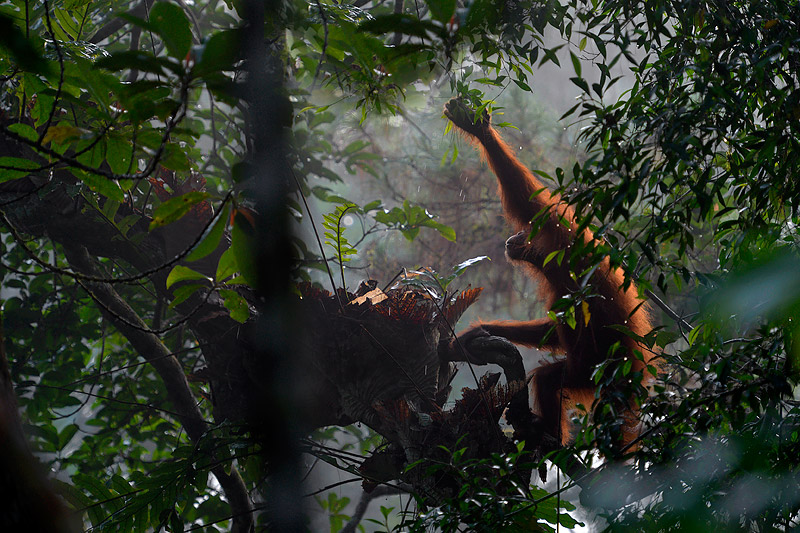
The lengthy childhood of endangered orangutans is written in their teeth
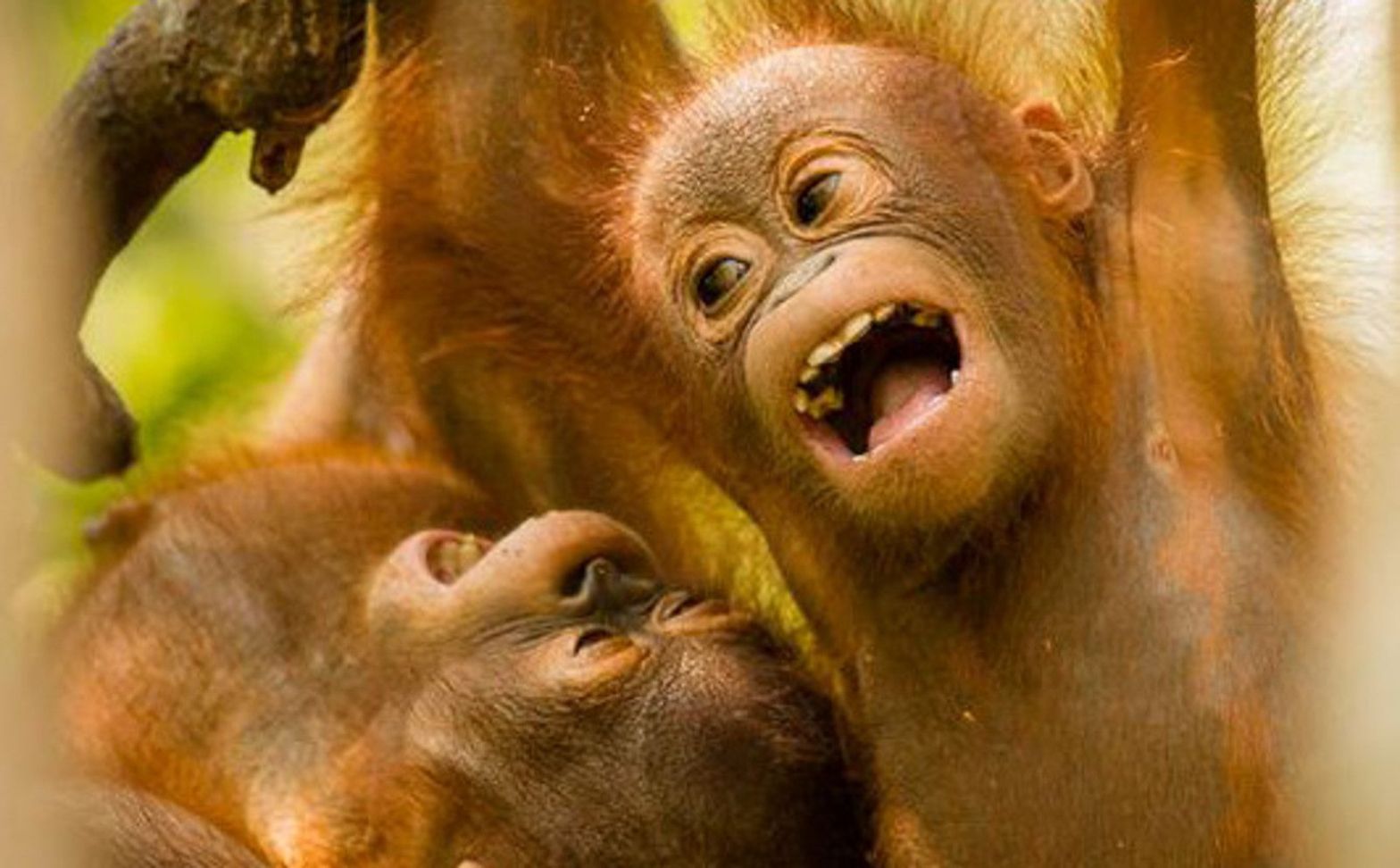
Orangutan populations of all three species are critically endangered in the wild. One of the things that may hamper their survival is the time they take to rear new generations.
Just like human mothers, primate mothers raise only a few slow-growing offspring during their reproductive years. An orangutan mother will not give birth again until she’s finished providing milk to her previous offspring. Nursing can take a long time and vary across seasons, as found in research published in Science Advances. Help these beautiful and rare great apes to survive when you #BoycottPalmOil #Boycott4Wildlife in the supermarket!

Bald-headed Uacari Cacajao calvus
With their long shaggy coats and striking bright red faces, Bald-headed Uacaris are true icons of the Amazon rainforest and are found in #Brazil, #Peru and #Colombia. When a #Uacari has a bright red face this indicates they are in good health. A pale face indicates a sickly physical state. These remarkable #monkeys spend most of the year in the tree tops to avoid the seasonal flooding of their Amazonian habitat. During the dry season, they return to the ground to look for seeds. They face an existential threat from #palmoil, #soy and #meat #deforestation in the #Amazon. Once their unmistakeable scarlet faces were a common sight in the dusky green of the rainforest. Now they are rapidly disappearing, victims of a relentless drive for land, gold, and profit. Listed as Vulnerable, you can help them to survive every time you shop! #BoycottGold be #vegan for them and #BoycottPalmOil #Boycott4Wildlife
How forest loss has changed biodiversity across the globe over the last 150 years
The Earth’s forests have been changing ever since the first tree took root. For 360 million years, trees have grown and been felled through a dynamic mix of hurricanes, #fires and natural regeneration. But with the dawn of the 17th century, humans began replacing large swathes of forest with farms and cities. The global pace of #deforestation has slowed in the 21st century, but #forests are still disappearing – albeit at different rates in different parts of the world. In the tropics, forest loss is accelerating in previously pristine wilderness. Help rainforests, wild animals and indigenous peoples to survive #BoycottPalmOil #Boycott4Wildlife
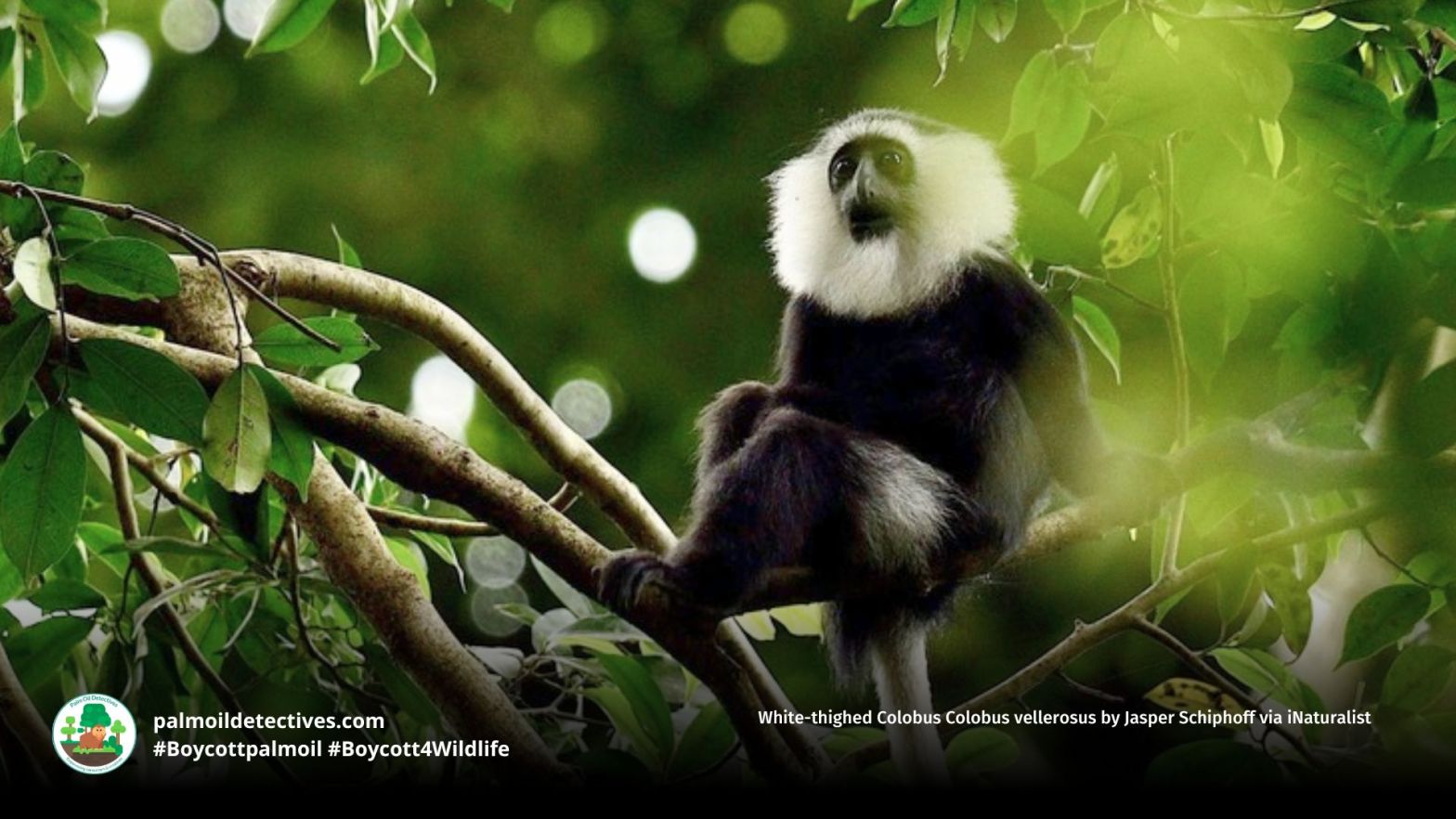
White-thighed Colobus Colobus vellerosus
The White-thighed Colobus (Colobus vellerosus), also known as the Ursine Colobus or Geoffroy’s Black-and-White Colobus, is a striking primate of West Africa and is currently listed as Critically Endangered on the IUCN Red List. Their numbers have plummeted by over 80% in just three generations due to rampant deforestation driven by logging, agriculture, and expanding palm oil plantations. Intense bushmeat hunting and weakening traditional taboos have further accelerated their decline. With fewer than 1,500 individuals thought to remain in the wild, urgent action is needed to save them. Use your wallet as a weapon—boycott products that contain palm oil and support ethical, indigenous-led conservation. BoycottPalmOil #Boycott4Wildlife #Vegan #BoycottMeat
Roloway Monkey Cercopithecus roloway
The Roloway Monkey is one of West Africa’s rarest primates, instantly recognisable by their elegant white beard and striking brow band. Once common in the lush rainforests of Ghana and Côte d’Ivoire, the Roloway Monkey now survives only in isolated pockets of old-growth forest. The Roloway Monkey’s world is shrinking rapidly—palm oil, cocoa, and logging companies clear the last ancient trees, while hunters target the Roloway Monkey for bushmeat. The air is thick with the scent of damp earth and the distant echo of chainsaws. With fewer than 2,000 Roloway Monkeys left, their future hangs by a thread. Stand with indigenous communities defending the last forests. Use your wallet as a weapon. #BoycottPalmOil #Boycott4Wildlife #Vegan
Palm Oil Deforestation Threatens Sulawesi’s Macaques
Illegal logging and palm oil destroying rainforests of Sulawesi endangering the island’s critically endangered Sulawesi black-crested macaques. Fight back!
Brands Using Deforestation Palm Oil
These brands have products that contain palm oil sourced from mills that are responsible for the destruction of precious habitats of endangered species. Just in 2020 alone, these brands (along with many others) contributed to the destruction of 38,000ha of rainforest in Indonesia, SE Asia and Papua New Guinea. Therefore, these brands are directly involved in the extinction of species.
Vordermann’s Flying Squirrel Petinomys vordermanni
In #Borneo’s twilight, the Vordermann’s flying #squirrel emerges from her nest, resplendent with orange cheeks and black-ringed eyes. This small, #nocturnal #mammal is a master of the rainforest canopy. They use an ingenious membrane called a patagium to effortlessly glide between trees. A flying squirrel’s world is one of constant motion and quiet vigilance. Don’t let this world disappear! The forests that sustain them are vanishing at an alarming rate. Palm oil-driven deforestation, logging, and land conversion are tearing through their habitat, leaving only fragmented forest. Use your wallet as a weapon and #BoycottPalmOil #Boycott4Wildlife.
Bornean Ferret Badger Melogale everetti
The Bornean Ferret Badger is an enigmatic nocturnal omnivore is endangered due to palm oil and timber deforestation in Malaysia, take action boycott palm oil!
New Britain Sparrowhawk Accipiter brachyurus
Protect the elusive New Britain Sparrowhawk. These rare birds-of-prey face extinction as palm oil deforestation and logging destroys New Guinea habitat
Woodlark Cuscus Phalanger lullulae
The Woodlark #Cuscus is a nocturnal marsupial found nowhere else but the forests of Woodlark, Madau, and Alcester islands. By day, the Woodlark Cuscus curls into tree hollows or buries themselves in tangles of epiphytes; by night, they move silently through the canopy, their marbled fur blending with the shifting shadows. The Woodlark Cuscus faces imminent extinction as palm oil plantations, logging, and gold mining threaten to erase the last forests of their island home. With all individual cuscuses known from less than 1,300 km² and new clearances looming, the Woodlark Cuscus’s world is shrinking fast. Stand with indigenous Melanesian sovereignty and safeguard these islands. Use your wallet as a weapon and #BoycottPalmOil #Boycott4Wildlife.
Dingiso Dendrolagus mbaiso
Known affectionately as the ‘Panda tree kangaroo’ for their black and white faces, dingisos are one of the rarest and most charismatic species of tree kangaroos, living only in the remote cloud forests of the Sudirman Range in Indonesian-occupied #WestPapua. While revered by the Moni people who consider them sacred and taboo to hunt, #Dingiso populations have still plummeted by over 50% due to #hunting, road construction, habitat clearing, and the expansion of industrial agriculture particularly #palmoil #deforestation. #Climatechange is now driving further habitat loss at high altitudes. Help these mysterious and gentle tree kangaroos every time you shop, use your wallet as a weapon and #BoycottPalmOil #Boycott4Wildlife
Black-spotted Cuscus Spilocuscus rufoniger
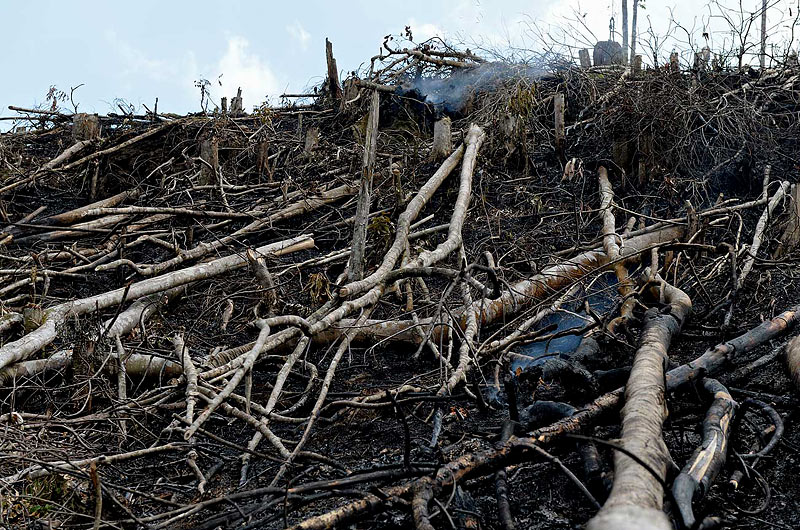
The black-spotted cuscus Spilocuscus rufoniger is one of the most striking and rare marsupials in the world. Known for their soft fur with irregular black spots on a reddish or cream background, they exemplify the biodiversity of West Papua and Papua New Guinea’s rainforests. Endemic to the island, they are incredibly elusive, primarily inhabiting dense forests.
Sadly, this arboreal species is on the brink of extinction, primarily due to habitat loss from logging and palm oil plantations. Additionally, they are hunted for bushmeat and their striking pelts, which are valued in local traditions. With their population in severe decline, urgent action is needed to save this remarkable species from disappearing. Fight for their survival and #BoycottPalmOil #Boycott4Wildlife.
Bornean Rainbow Toad Ansonia latidisca
The Bornean Rainbow Toad, also known as the Sambas Stream Toad, is a vibrantly coloured amphibian native to the rainforests of Borneo. This elusive species was rediscovered in 2011 after being unseen since 1924. Endemic to the montane rainforests, these toads are nocturnal and arboreal, with long, spindly limbs and a bright, variegated dorsal skin. Their striking appearance and nocturnal habits make them a unique sight in their natural habitat. The primary threats to their survival include habitat loss due to deforestation for agriculture, particularly palm oil plantations. Protecting their habitat is crucial for their survival. Join the cause to #Boycottpalmoil and #Boycott4Wildlife.
Proboscis Monkey Nasalis larvatus
Proboscis Monkeys are known for their large noses and pot bellies. These arboreal monkeys of Borneo are great swimmers, help them when you boycott palm oil
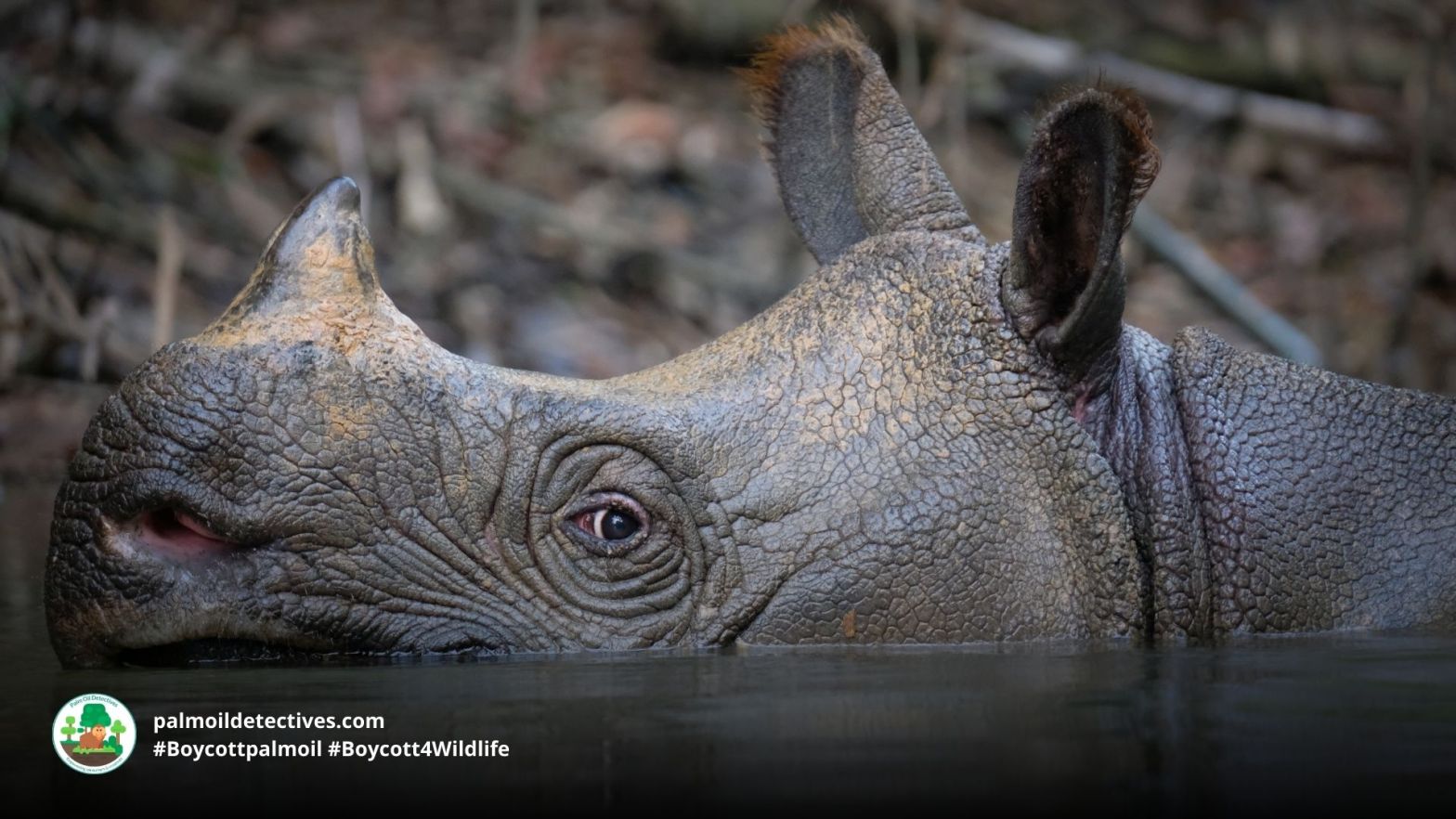
Javan Rhinoceros Rhinoceros sondaicus
The Javan rhinoceros, also called the Sunda rhinoceros, is a critically endangered species and one of the world’s rarest large mammals. There are only a few dozen left alive in Ujung Kulon National Park in Java, Indonesia. Javan rhinos once lived throughout northeast India and Southeast Asia. Vietnam’s last Javan rhino was poached in 2010. they now survive only in Ujung Kulon National Park on the island of Java, with fewer than 75 individuals remaining.
Their decline has been driven by palm oil deforestation, poaching for their horns, and competition with invasive plant species like the Arenga palm, which reduces food availability. Saving the Javan rhinoceros is critical to preserving the biodiversity of their rainforest home. Fight for their survival by boycotting products linked to deforestation. Use your wallet as a weapon. #BoycottPalmOil #Boycott4Wildlife
Thomas’s Langur Presbytis thomasi
Thomas’s Langur, also known as the North Sumatran Leaf #Monkey is famous for their bold facial stripes giving them a handsome profile. These monkeys are endemic to the lush forests of northern Sumatra, Indonesia. Listed as Vulnerable by the Red List, this striking species is facing serious population declines due to habitat loss, primarily driven by illegal logging and oil palm deforestation. Though not as globally known as some of its neighbours, such as the Sumatran Orangutan, Thomas’s Langur plays an equally vital role in forest regeneration and seed dispersal. You can help protect them by using your consumer power: always choose palm oil-free products.#BoycottPalmOil #Boycott4Wildlife #Vegan
Sumatran Cochoa Cochoa beccarii
The Sumatran Cochoa Cochoa beccarii is a rare and secretive forest-dwelling #songbird found only in the highland rainforests of #Sumatra #Indonesia. With their shimmering electric blue and smoky black plumage and elusive behaviour, this species of songbird moves in a melodic symphony of song through the middle and upper canopy, often remaining hidden from view. Although currently listed as #Vulnerable, the species is experiencing a slow but steady decline caused by #deforestation and trapping for the illegal bird trade. As demand for exotic songbirds grows, especially online, the Sumatran Cochoa faces a very real risk of disappearing from the wild. Use your wallet as a weapon. Say no to palm oil and never support the illegal wildlife trafficking and illegal songbird trade. Campaign against wildlife trafficking and #BoycottPalmOil #Boycott4Wildlife #Vegan