
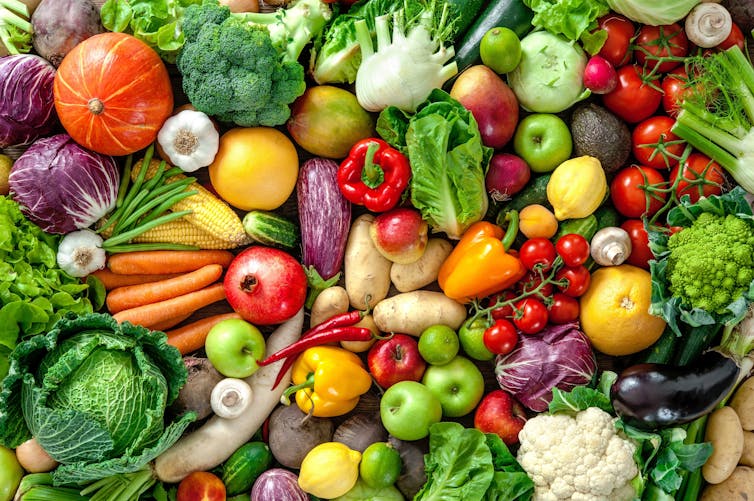
Around 800 million people in our world go hungry each day. Yet around the globe we have enough food to go around. So why the discrepancy? Market concentration and corporate monopoly of our global food system means that corporate giants control everything from access to seeds, access to land, #workersrights, #greenwashing and wages. Mergers and acquisitions take place at all stages of the global food system – from seeds and fertilisers to machinery and manufacturing. This is what contributes to bad health outcomes and food inequality. Learn how you can boycott big brands causing the corporate crush and other solutions. #Boycott4Wildlife
Tag Archives: supermarket
How banks and investors are bankrolling extinction and ecocide
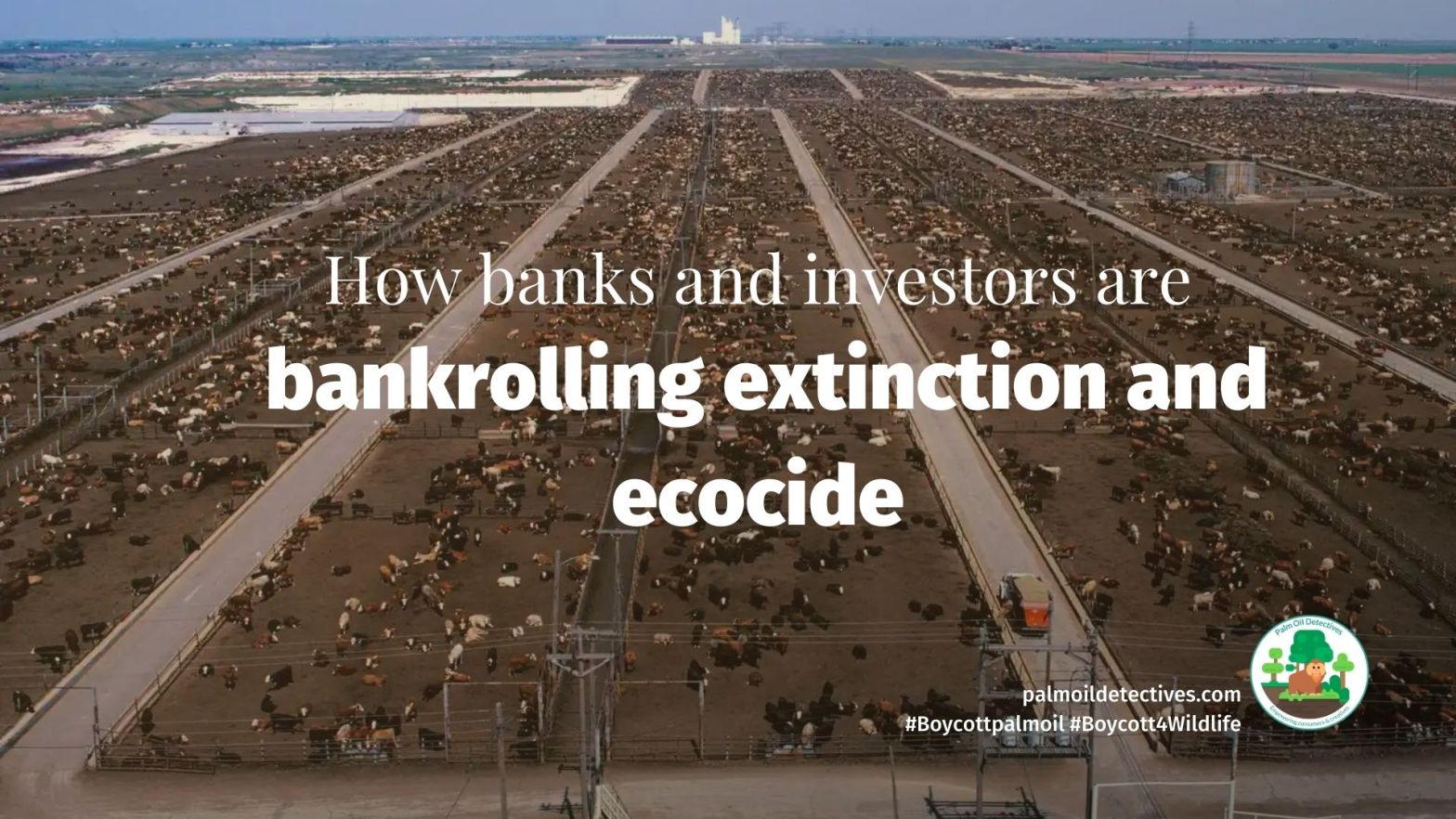
Discover the financial giants fuelling ecocide and deforestation for palm oil, meat, mining and soy in this important report about financial corruption
Protected: Private Advocate’s Page
There is no excerpt because this is a protected post.
PalmWatch: A Tool to Hold Palm Oil Greenwashers to Account
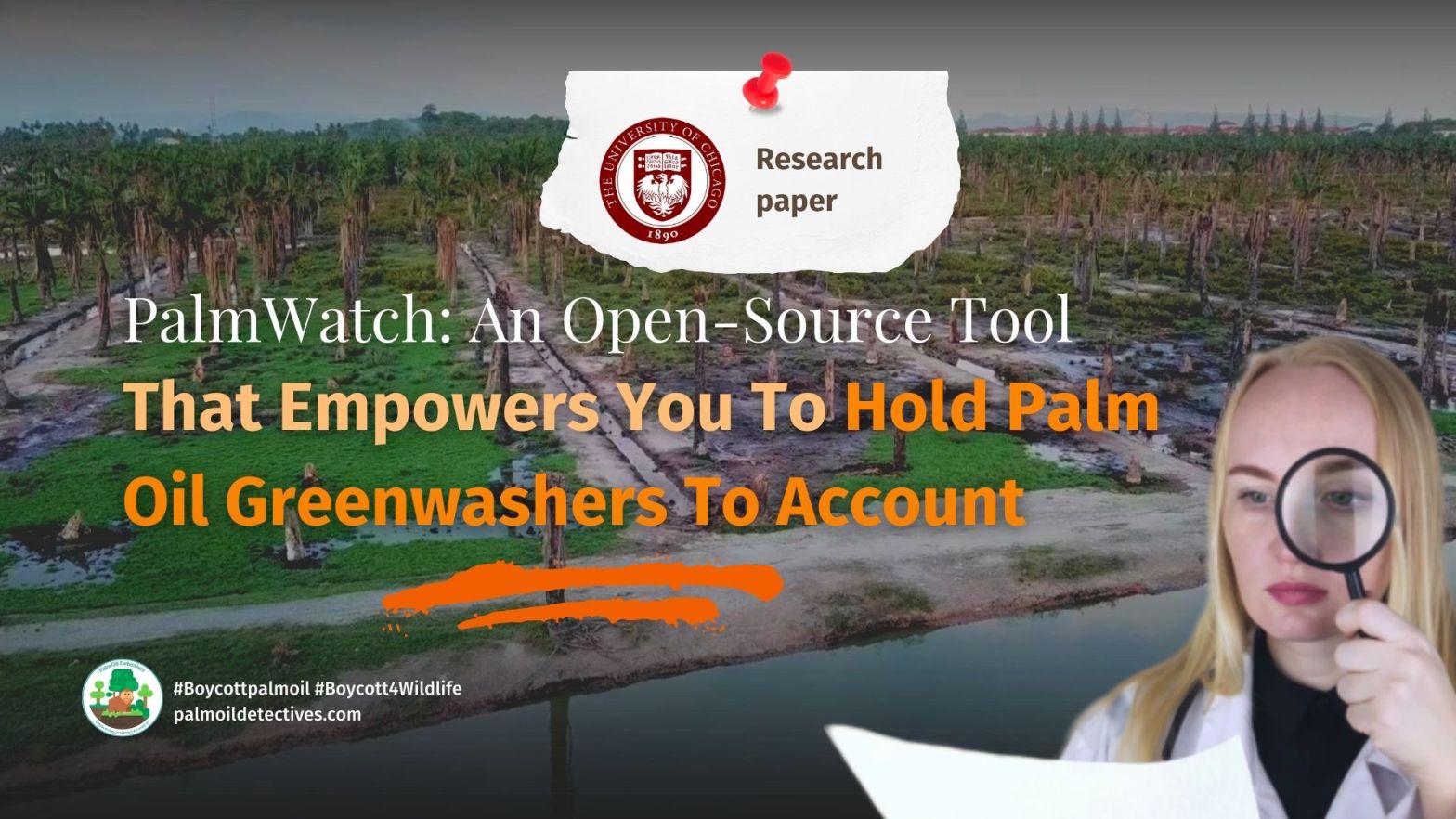
A groundbreaking open-source tool by the University of Chicago called PalmWatch, shines a light on the darkest parts of the palm oil industry.
PalmWatch is a free web-based tool that reveals links between major multinational brands using supposedly “sustainable” palm oil, and palm oil supply chain. This means that concerned consumers, animal rights advocates and human rights advocates can clearly see the toll of palm oil ecocide in their daily supermarket purchases.
Covering hundreds of thousands of kilometres, PalmWatch gives everyone open-source, free and unprecedented access to what “sustainable” palm oil really looks like.
More than simply a tool, PalmWatch is a clarion call to consumers to look carefully at their purchases. And where possible, to boycott brands causing the ecological crisis of tropical deforestation.
Help animals and indigenous peoples and #BoycottPalmOil #Boycott4Wildlife every time you shop!
Black Crested Gibbon Nomascus concolor
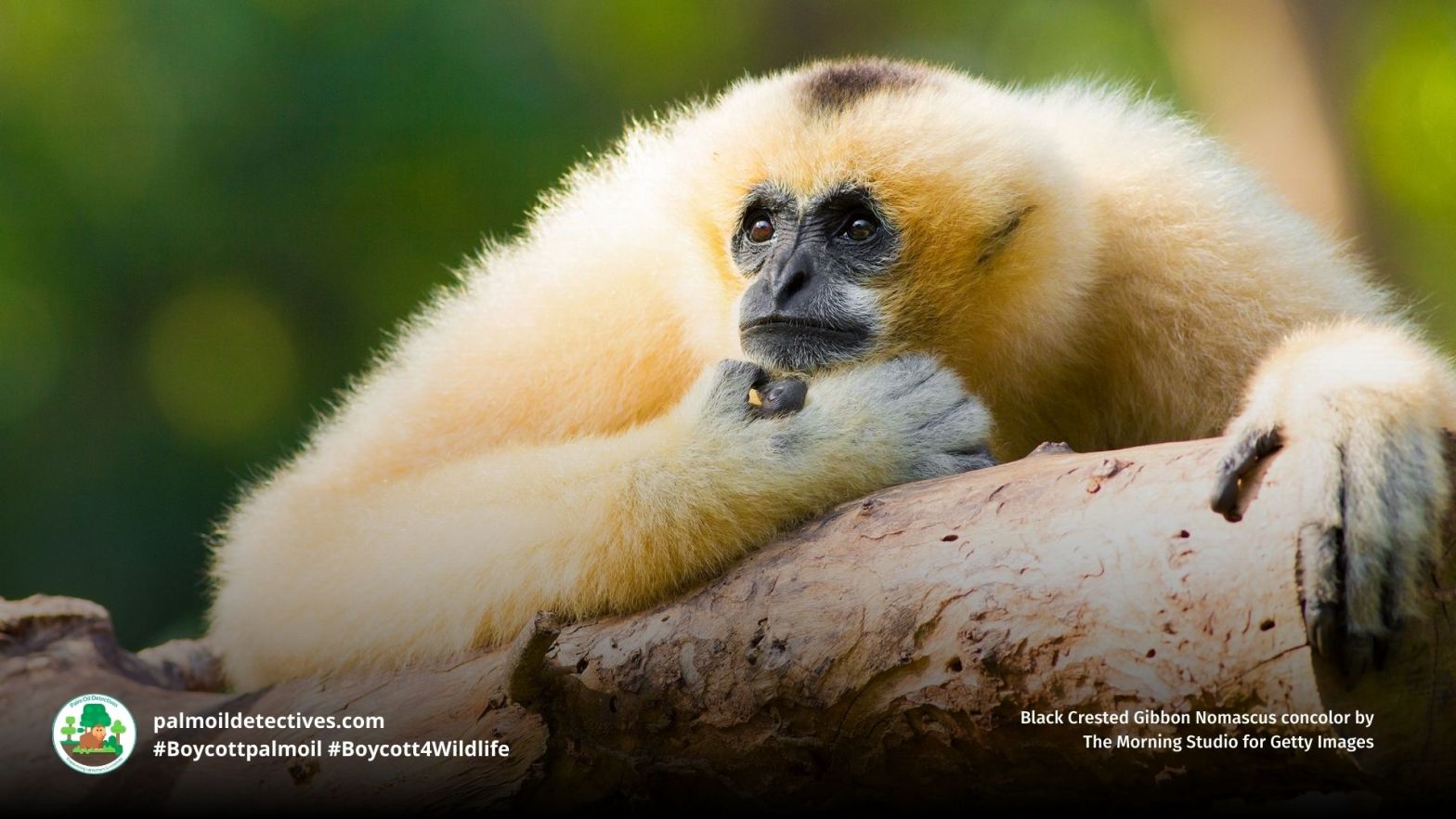
The Black-Crested Gibbon of the genus Nomascus is a truly enchanting primate, renowned for their melodic morning duets that echo through the forests of southern China, Vietnam, and Laos. What makes these calls even more remarkable is their regional variation—these gibbons sing with distinct “accents,” unique to their local populations. These complex songs not only strengthen bonds between mates but also serve as territorial markers, ensuring harmony within their fragmented forest homes.
Despite their beauty and ecological importance, Black-Crested Gibbons are at risk of extinction. Habitat destruction for agriculture, and logging, coupled with hunting for the bushmeat trade and the illegal pet trade, is rapidly shrinking their population. Protecting their future is vital for the health of their ecosystems. Take action now: Boycott the illegal wildlife trade, be #vegan and #Boycott4Wildlife.
 Palm Oil Detectives