
Around 800 million people in our world go hungry each day. Yet around the globe we have enough food to go around. So why the discrepancy? Market concentration and corporate monopoly of our global food system means that corporate giants control everything from access to seeds, access to land, #workersrights, #greenwashing and wages. Mergers and acquisitions take place at all stages of the global food system – from seeds and fertilisers to machinery and manufacturing. This is what contributes to bad health outcomes and food inequality. Learn how you can boycott big brands causing the corporate crush and other solutions. #Boycott4Wildlife
Category Archives: Palm Oil & Human Health Hazards
Ultra-processed Food: Bad For Our Bodies, Bad For The Environment

Although a lot of research has been published about the direct negative impact of these ultra-processed #foods on our #health, including obesity, cardiovascular diseases and diabetes, little has been said about the impacts of #UPF on the environment. You can help rainforests and keep yourself healthy by limiting or stopping buying and consuming #meat, #dairy, #palmoil every time you shop. #BoycottPalmOil #Boycott4Wildlife
Paraquat: Banned in EU, Destroying Lives of Palm Oil Workers in Indonesia
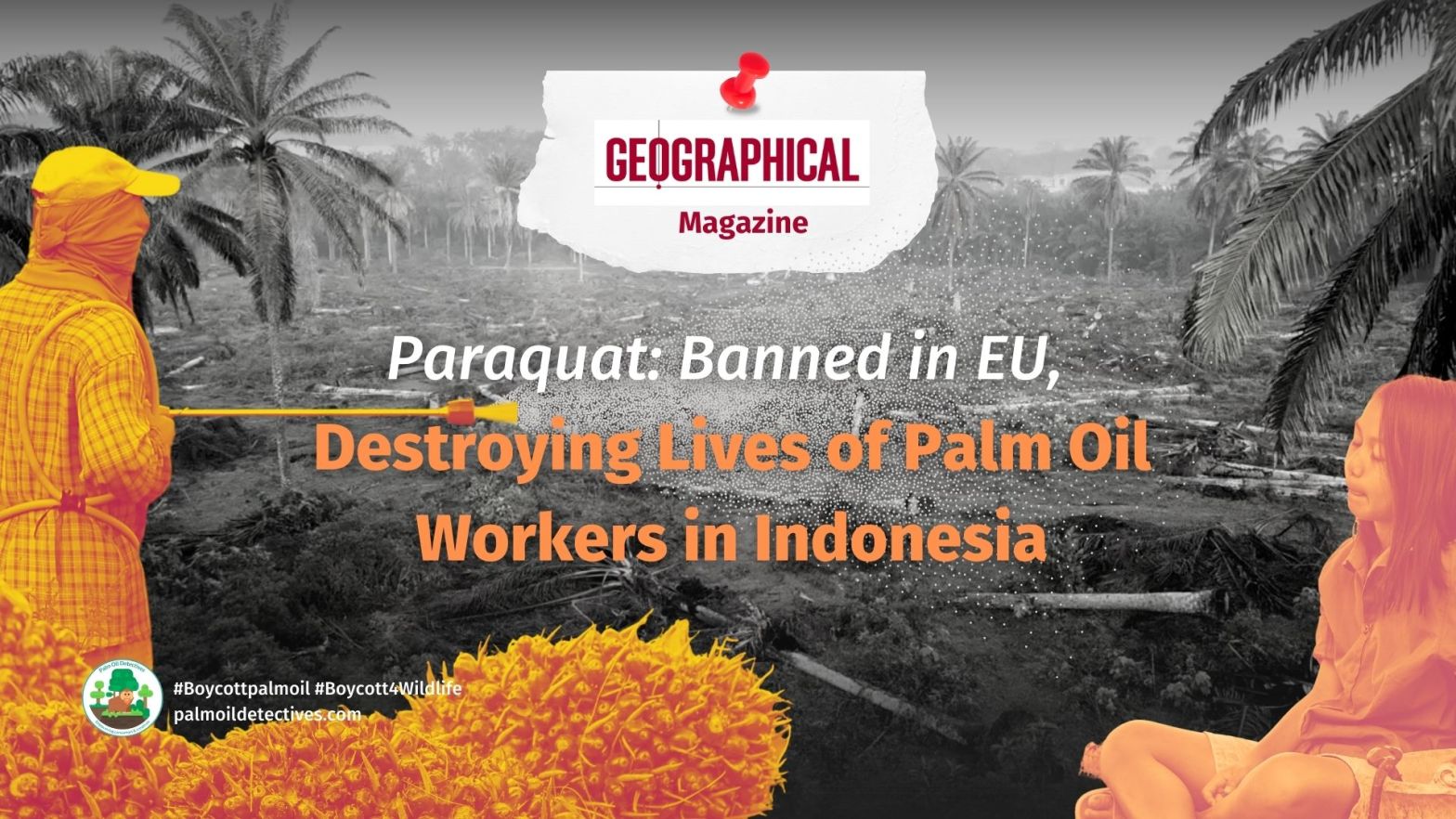
The dangerous pesticide Paraquat is banned in the EU however continues to destroy the lives of palm oil plantation workers in Indonesia. Read this story below originally published in Geographic Magazine and learn how to take action to resist the human rights abuses and ecocide below. #Boycottpalmoil #Boycott4Wildlife
Cutting Ultra-Processed Foods Could Save Lives

Recently, the CEO of breakfast giant Kelloggs Gary Pilnick promoted the benefits eating breakfast cereal for dinner as a way for people to cope with the increased cost of living and food:
“Cereal for dinner is something that is probably more on trend now, and we would expect [it] to continue as that consumer is under pressure,” Pilnick told CNBC about his stable of ultra-processed foods like Fruity Loops, Special K, and Frosted Flakes. He takes home a 4 million USD salary each year.
Many research studies released in the past decade have shown a clear link between the consumption of ultra-processed foods: [high sugar and high fat convenience foods, sugary breakfast cereals, processed baked goods and biscuits] with all of the biggest diseases that kill the most people: ischaemic heart disease, stroke, diabetes, obesity, dementia and many cancers.
Palm oil is a saturated fat that is present in many ultra-processed foods. Multiple studies including one by the World Health Organisation have linked palm oil consumption to increased mortality from heart disease and stroke. The UK’s National Health Service, Columbia Irving Medical Centre and others warn people against consuming palm oil due to its serious health risks.
Air Pollution from Palm Oil: A Human Rights Issue

Forest-fire haze from Indonesian palm oil deforestation is a crisis! Learn how toxic air pollution is a human rights issue affecting all of Southeast Asia
Preventing Pandemics: Cheaper Than Controlling Them
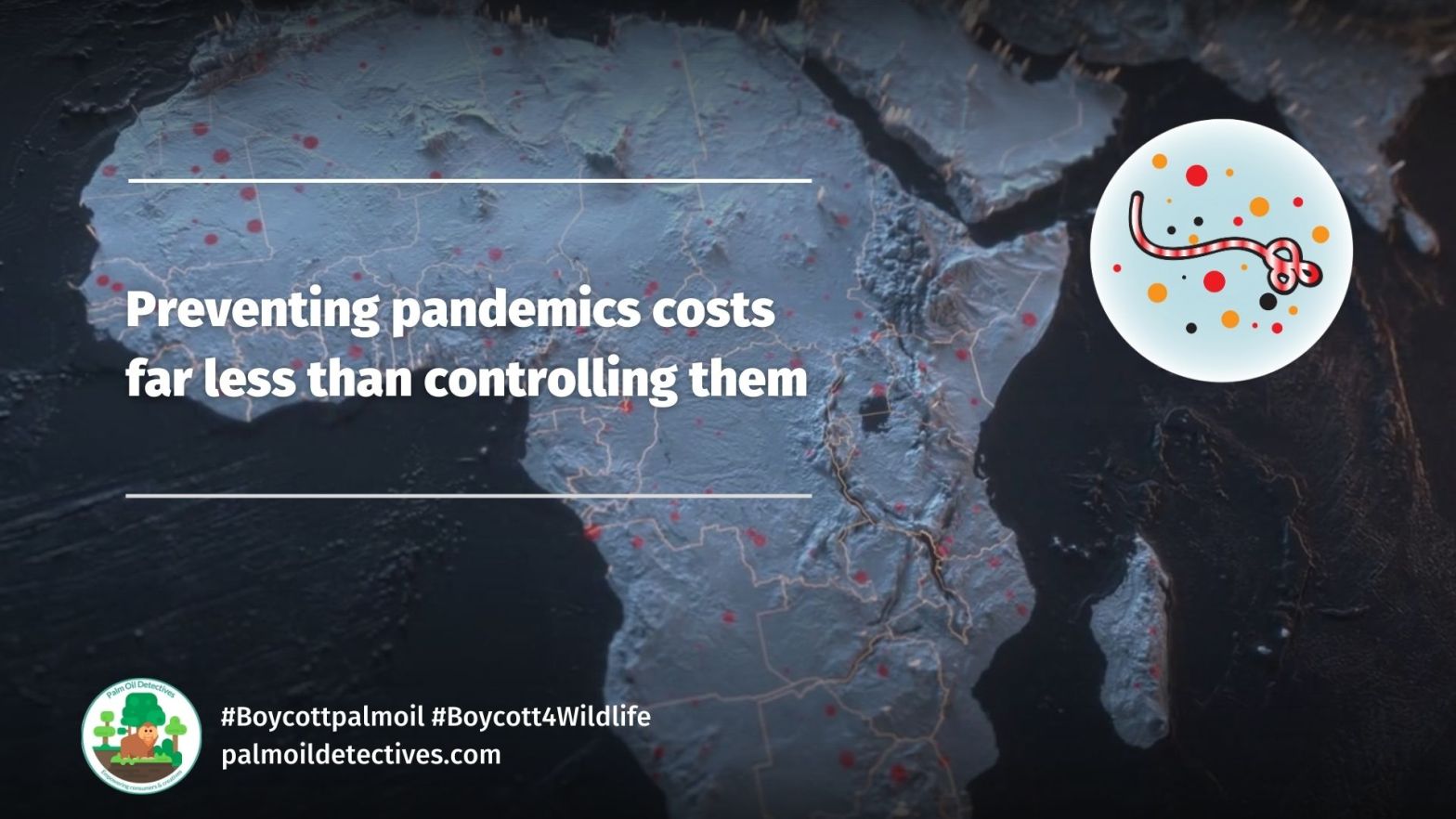
“It turns out prevention of #pandemics really is the best medicine. We estimate we could greatly reduce the likelihood of another pandemic occuring by investing as little as 1/20th of the losses incurred so far from COVID into [#wildlife and #rainforest] conservation measures designed to help stop the spread of these viruses from wildlife to humans in the first place.” Professor Stuart Pimm, Doris Duke Professor of Conservation Ecology at Duke University, who was co-lead author of the study. Fight against extinction every time you shop #BoycottPalmOil #Boycott4Wildlife
Ultra-processed Foods: Trashing Health and The Planet

Our world is facing a huge challenge: we need to create enough high-quality, diverse and nutritious food to feed a growing population – and do so within the boundaries of our planet. This means significantly reducing the environmental impact of the global food system. Below is information about how you can identify ultra processed foods containing palm oil and other harmful ingredients in order to avoid them – for your own health and the health of the planet. Help the planet, animals and indigenous peoples – #BoycottPalmOil #Boycott4Wildlife
NHS Health Guide: Lower Your Cholesterol – Reduce Palm Oil and Other Saturated Fats
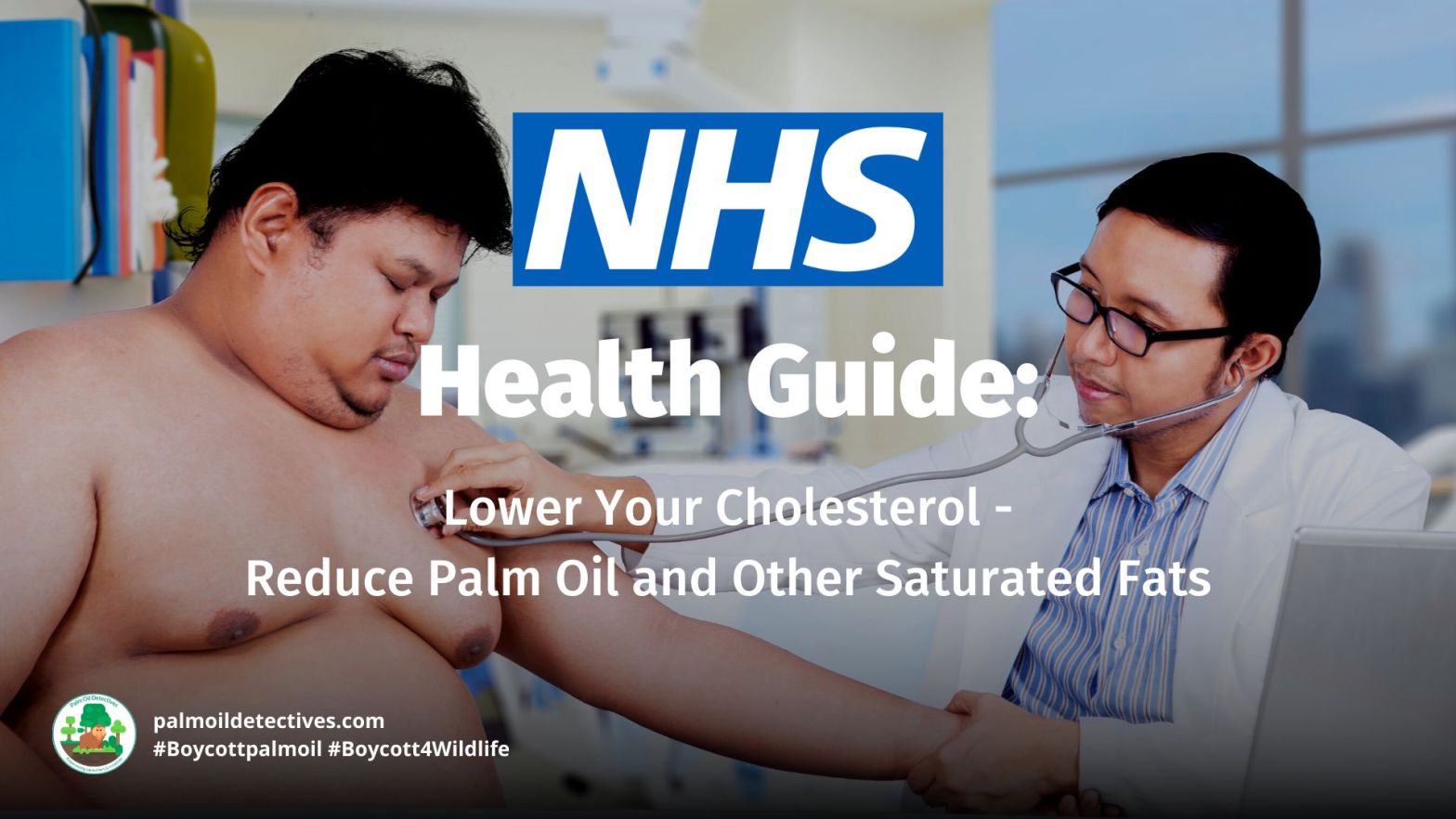
The National Health Service (NHS) is the UK government’s public health service. In this factsheet, they recommend people limit palm oil, meat, dairy and other saturated fats in their diets.
For optimal health, the NHS recommends people to adopt a largely palm oil free, plant-based diet rich in diverse plants and wholegrain foods. Adopting this diet along with exercising regularly and limiting alcohol and cigarettes substantially reduces one’s risk of dying of heart disease, stroke, diabetes, cancer and obesity, as well as many chronic health conditions.
There are other benefits to adopting a palm oil free and plant-based diet. By doing this, you are refusing to sponsor palm oil related ecocide and human rights atrocities in the developing world. #Boycottpalmoil #Boycott4Wildlife
Researchers find direct links between deforestation and reduced dietary quality
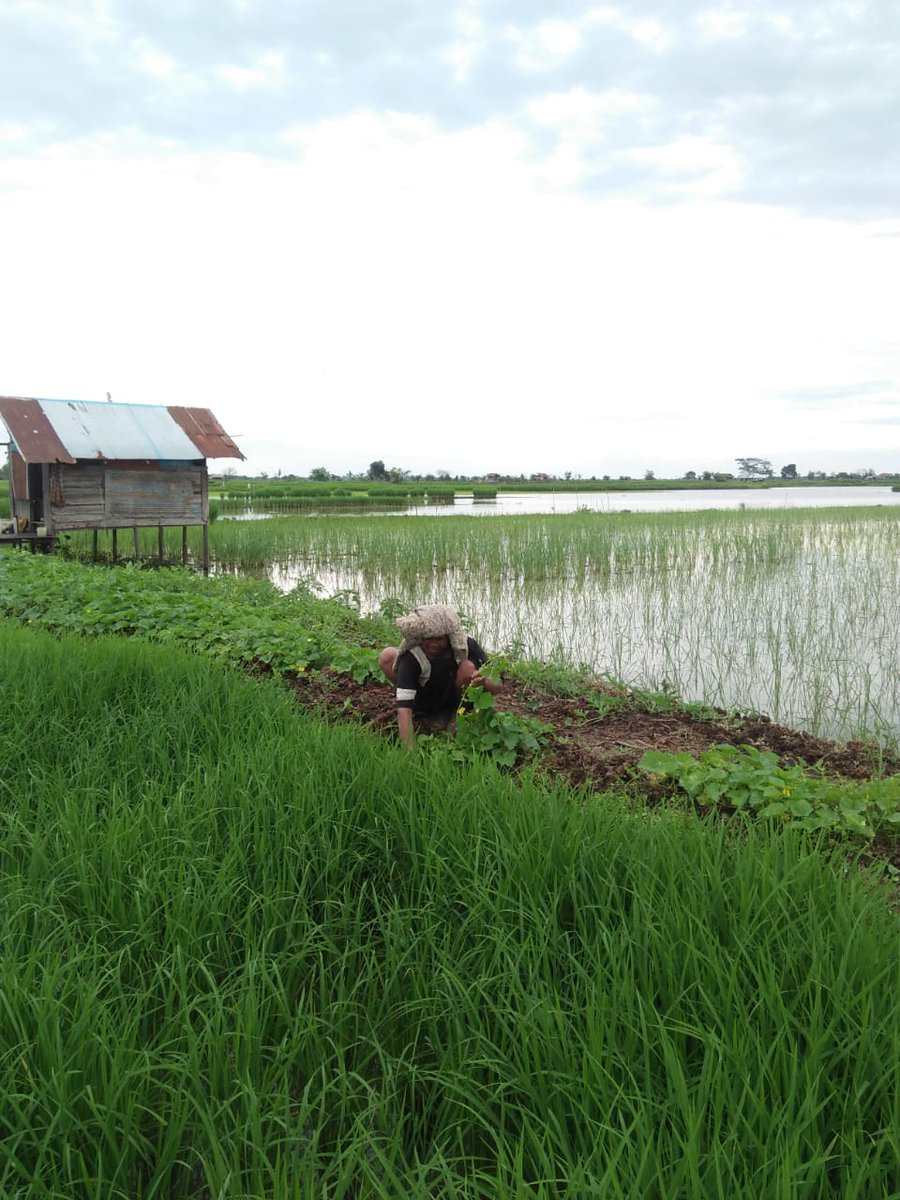
#Forests 🌳🌿🍃play a critical role in helping #indigenous communities who rely on wild #food to diversify their #diet and meet their nutritional needs. Resist in solidarity for them #Boycottpalmoil 🌴🪔🧐⛔️#Boycott4Wildlife
Palm oil substitutes can offer beleaguered rainforests a fighting chance
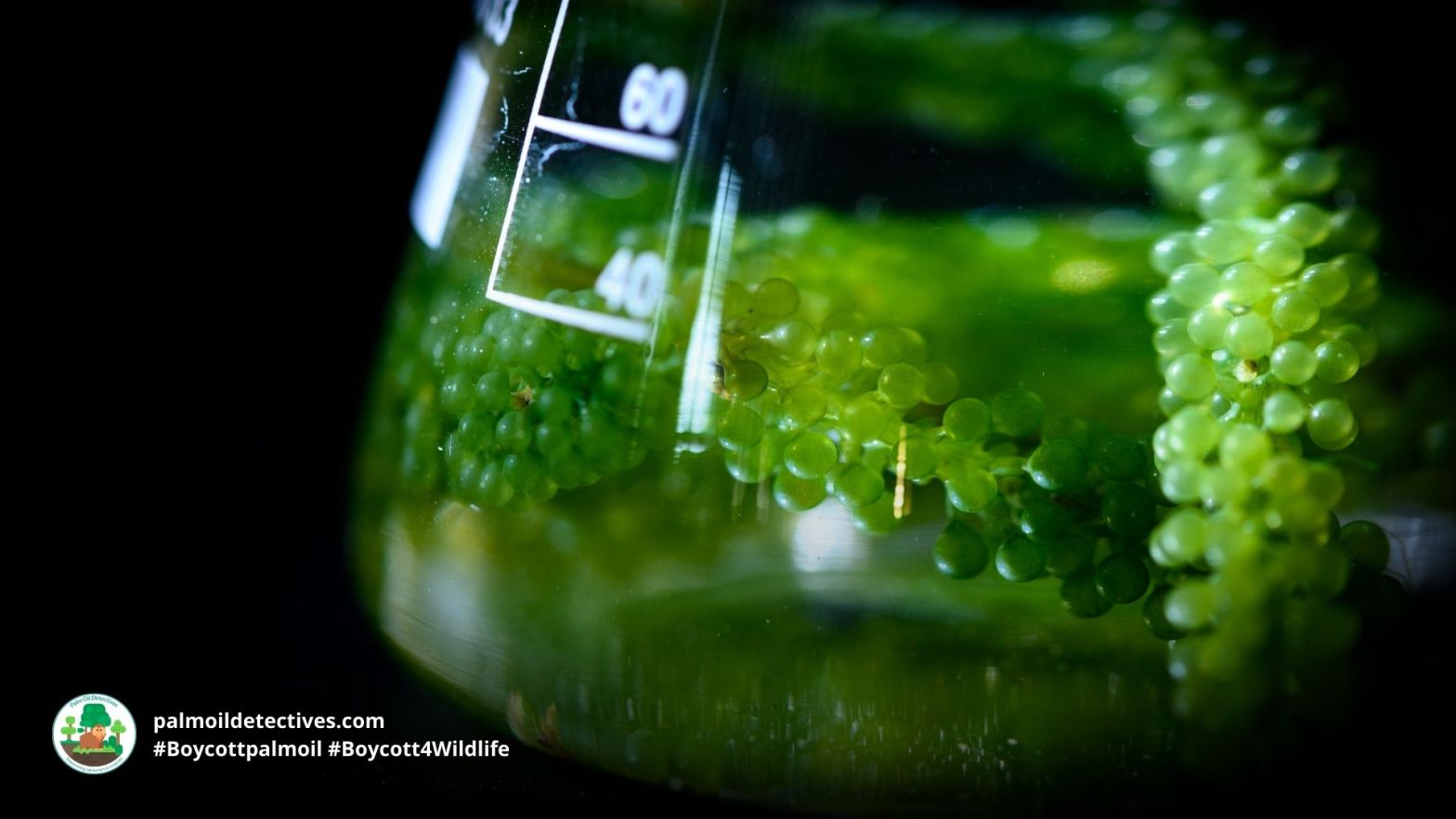
Palm oil is a versatile substance used in a wide range of products from foods to cosmetics. The trouble with it is that the cultivation of oil palm trees has caused massive enviromental harm, especially in Malaysia and Indonesia, which together account for 85% of palm oil production in the world.
But scientists from Nanyang Technological University in Singapore and the University of Malaya in Malaysia say they have an answer as to how we can wean ourselves off palm oil.
Four Things to Know about Cholesterol

Cholesterol is among the most feared substances, but why? You need cholesterol to produce some hormones and to build vital structures in your body. But too much-referred to as high cholesterol-can build up in your arteries and lead to heart attack, stroke, and other cardiovascular diseases. That’s why it’s important to get tested and knowContinue reading “Four Things to Know about Cholesterol”
What is causing the latest outbreak of Ebola in Uganda?
In light of the most recent Ebola outbreak in Uganda (over the past month), many people are experiencing a sense of déjà vu. The rapacious destruction of rainforests for palm oil, soy, meat and dairy by multinational corporations is deeply linked to the spread of infectious zoonotic diseases, such as Ebola. These diseases are becoming more and more commonplace with the destruction of the environment and growth of animal agriculture. This has enormous implications for human #health, food security, animal conservation and planetary health. #BoycottPalmOil #Boycott4Wildlife
Without Tropical Forests, The World Would Be 1°c Warmer

#Research reveals the most comprehensive and detailed evidence to date that #forests are more important to the #climate (globally and locally) than we think due to the way in which they physically transform the atmosphere. The first-ever research to pinpoint the local, regional and global non-carbon dioxide benefits of specific forest zones worldwide finds that the entire world gains the most benefits from the band of tropical rainforests spanning Latin America, Central Africa and Southeast Asia. Help #rainforests, rainforest animals and indigenous peoples every time you shop, make sure you #BoycottPalmOil #BoycottGold #Boycott4Wildlife
WHO: Palm Oil Industry Greenwashing Like Big Tobacco
What does the $60 billion USD palm oil industry have in common with Big Tobacco? A lot according to this report by the World Health Organisation. Palm oil industry lobbying tactics are used to influence research into the health impacts of palm oil and also to influence consumer buying habits. The dire health and environmental impacts of palm oil are hidden from consumers by clever marketing. These lobbying, marketing and greenwashing tactics are reminiscent of tobacco and alcohol health lobbying.
Why Peanut Butter Might Trigger the Next Pandemic
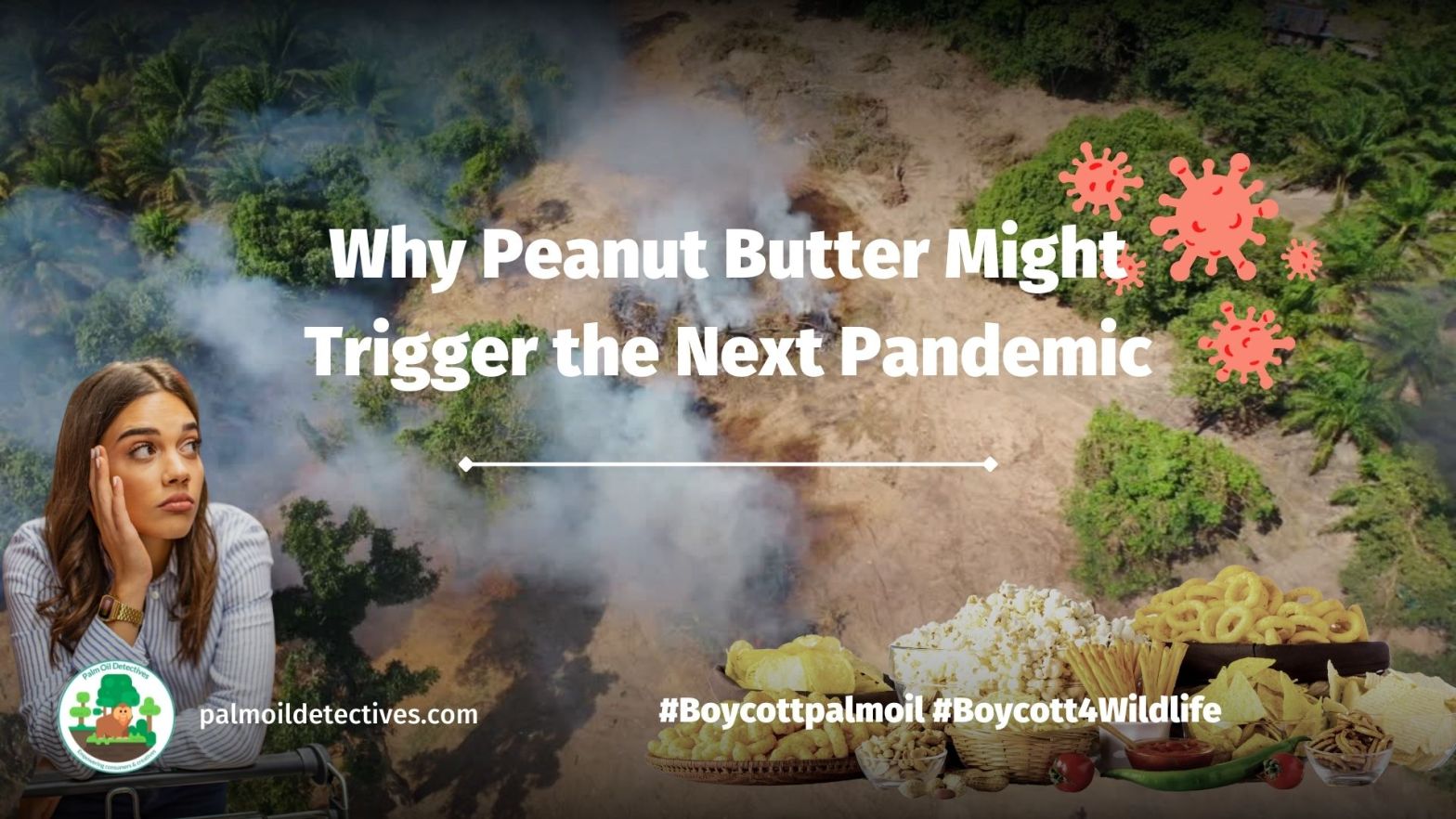
Palm oil is found in roughly 50 percent of packaged household products ranging from peanut butter to lipstick. Now, researchers link its harvesting to disease outbreaks that could spread to humans. This is the first study to examine the cause-and-effect relationship between changes in forest cover and subsequent disease outbreaks on a global scale.
Health Physician Dr Evan Allen

Bio: Dr Evan Allen Dr. Evan Allen, the author of Oversaturated, believes that a pervasive distortion of the truth ignores decades of established research and has led millions of people to embrace a diet high in saturated fat. Furthermore that this diet results in millions of people suffering the consequences of diabetes, dementia and heart diseaseContinue reading “Health Physician Dr Evan Allen”
Deforestation Allows for Deadly Viruses to Jump Species

Many pandemics originate from wildlife that jumps from animal to human. These leaps often happen at the edges of the world’s tropical forests, where #deforestation is increasingly bringing people into contact with animals’ natural habitats. Yellow fever, #malaria, Venezuelan equine encephalitis, #Ebola – all of these pathogens have spilled over from one species to another at the margins of forests. This has many scientists concerned. The next pandemic is likely to originate from either the rainforest, meat or dairy agriculture where humans have most contact with animals.
Research: Zoonotic Disease Outbreaks Linked to Forest Cover and Palm Oil Expansion
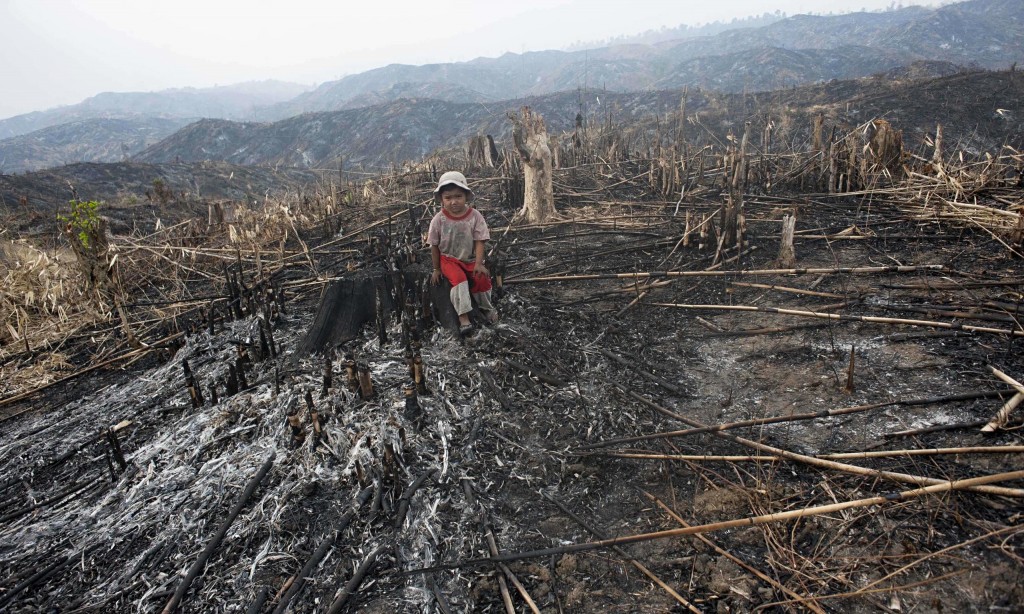
#Research finds that #deforestation is a major cause of #biodiversity loss with a negative impact on human health. Outbreaks of vector-borne #zoonotic #diseases are associated with increases in areas of #palmoil plantations.
The rise of ultra-processed foods and why they’re really bad for our health

Unlike traditionally produced foods humans have been making for many millennia, ultra-processed foods contain ingredients to prolong their shelf-life and artificially augment the food’s taste or texture. This occurs at the expense of nutritional value and as a result, human populations with a high consumption of ultra processed foods like palm oil, saturated fats and refined sugar are at high risk of chronic diseases like diabetes and obesity along with increased mortality risk from cardiovascular disease, #stroke, #dementia and gastrointestinal #cancer. Take action for your #health and #BoycottPalmOil
Video: Slowing deforestation is the key to preventing the next pandemic – but what does that cost?
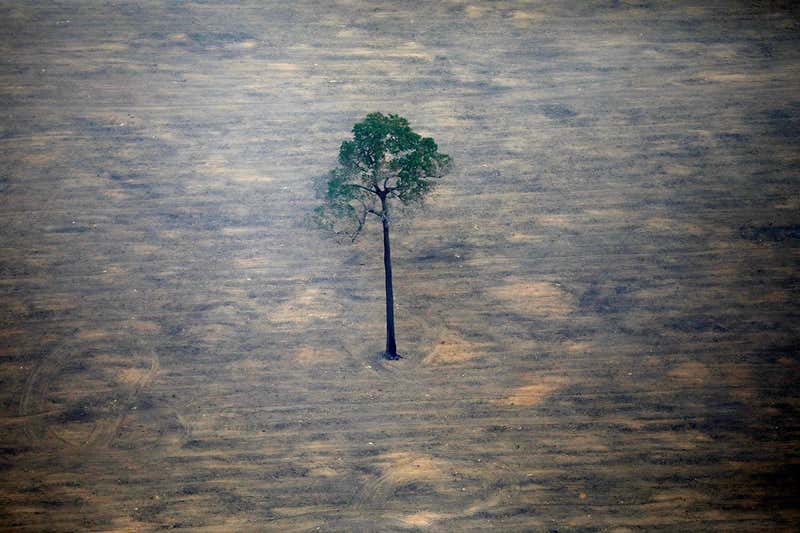
Les Kaufman, Boston University In a recent journal article, a team of biologists, medical scientists, environmental scientists and conservationists proposed a number of measures to reduce the likelihood of future pandemics, many of which originate with wild animals such as bats. They argue that spending billions of dollars per year – a fraction of theContinue reading “Video: Slowing deforestation is the key to preventing the next pandemic – but what does that cost?”
The Coronavirus Crisis: How has Lockdown Impacted Nature?

I think we can all agree that 2020 has been a very strange year. Thanks to coronavirus, modern life as we know it has been put on hold. International borders have been shut, governments have ordered businesses to close their doors, and most families have been under lockdown. For anyone wondering where this infectious virusContinue reading “The Coronavirus Crisis: How has Lockdown Impacted Nature?”
Research: Palm Oil Deforestation and its connection to RSPO members/supermarket brands
Discover the truth about palm oil from experts’ reports. Research shows RSPO members still cause deforestation and human rights abuses, despite greenwashing!
 Palm Oil Detectives