Is It The Dawn of The Greenwashing Era in Asia?

Curtailed press freedom in Asia makes the job of calling out greenwashing increasingly difficult – at a time when corporate accountability is critical in the fight against climate change. Experts think greenwashing is only just beginning as PR firms try to mislead regulators, investors and consumers writes Robin Hicks for Eco Business News.

A Broken Record on Repeat – Animal Extinction Likely if Palm Oil Expands in North East India

As with the forest kingdoms of Borneo and the Amazon rainforest, the Indian forest kingdom of the Golden Langurs and Pygmy Hogs is under siege by palm oil in the north east of India. The region is home to some of the most endangered wildlife in the world. Situated in the foothills of the Himalayas, the whole area is one of the most fertile and diverse places on the planet. This region is earmarked for destruction for palm oil. Renowned British wildlife photographer Craig Jones went there to photograph pygmy hogs and report on their dwindling home.

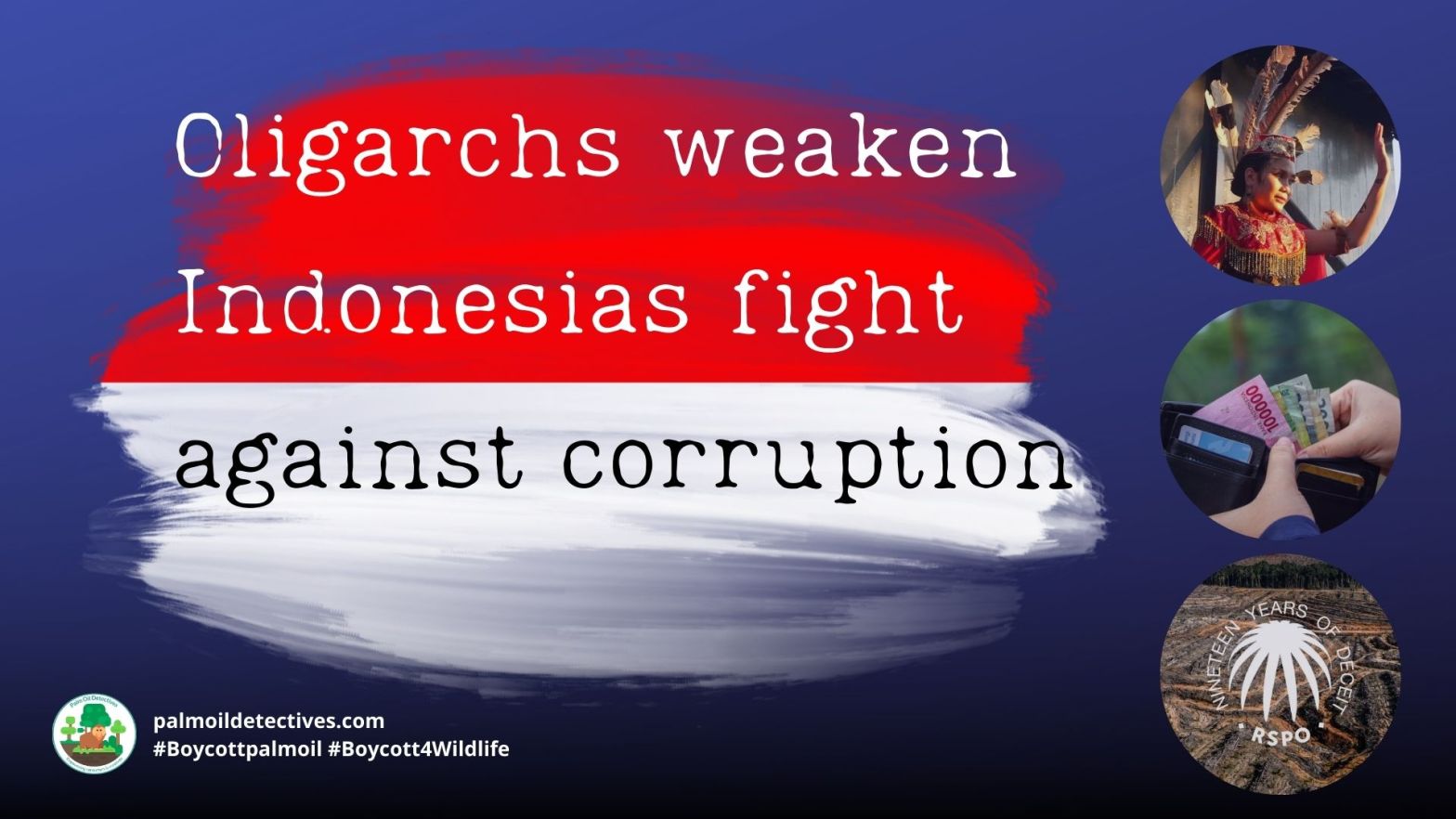
Oligarchs weaken Indonesia’s fight against corruption

The system is failing. #Indonesia’s own parliament, backed by big business interests, has succeeded in weakening the very system set up to fight corruption. Resist the corruption! #FightGreenwashing #Boycottpalmoil 🌴🩸⛔️ #Boycott4Wildlife

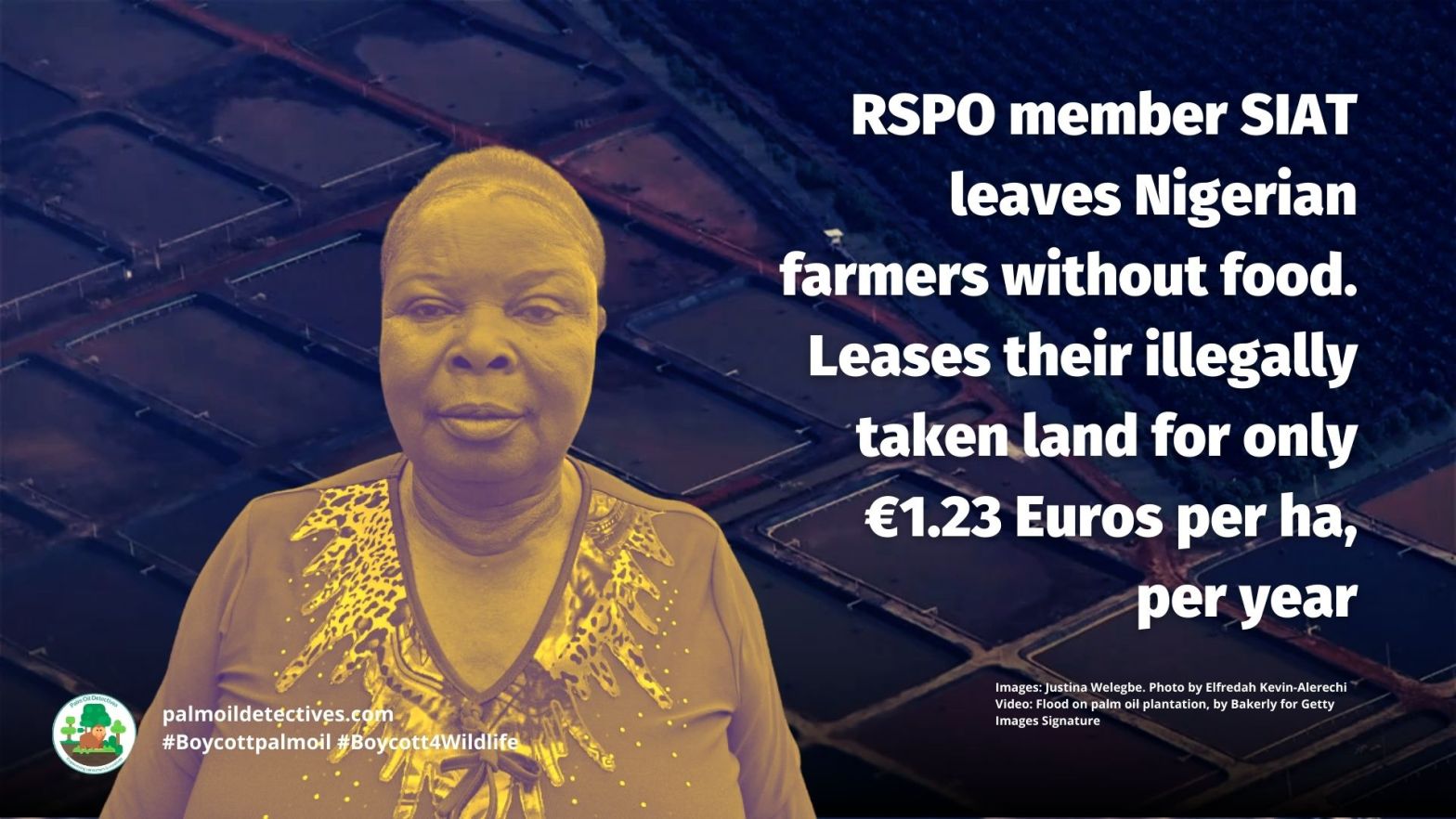
RSPO member SIAT leaves Nigerian farmers without food. Leases their illegally taken land for €1.23 Euros per hectare, per year

A 5-month investigation by Elfredah Kevin-Alerechi and Kevin Woke of Sahara Reporters reveals how RSPO member SIAT Nigeria Limited is involved in human rights abuses and land-grabbing on host communities’ lands. Journalists Elfredah Kevin-Alerechi and Kevin Woke also discovered that palm oil company SIAT who illegally took their land are leasing it for a mere 600 Naira (N600) per hectare annually – the equivalent of €1.23 Euros per year to lease it.

River pollution by pesticides and restriction by the company to land, where locals can grow food has meant that their food and water supply is contaminated – starvation is now an urgent problem.  

All of this occurs under the guise of “sustainable” palm oil pushed by the RSPO to consumers. SIAT’s palm oil is used in consumer products by PZ Cussons (source), Nestle (source) and Danone (source). This is wh you should #Boycottpalmoil

Story via Sahara Reporters. Additional info: Chain Reaction Research

Uncovering The Glasswing Butterfly’s See-through Wings

Most butterflies sport colourful, eye-catching wings. But some species flit about using mostly transparent wings. Researchers have now uncovered the tricks that one of these — the glasswing butterfly (Greta oto) — uses to hide in plain sight. The tricks of their transparency include sparse, spindly scales and a waxy coated membrane. Many thousands of insect species are threatened by large-scale deforestation for agriculture and especially pesticides. Help them to survive and #BoycottPesticides #BoycottPalmOil!  

India’s Palm Oil Goals Raise Extinction Fears

A corporate monopoly for control over land and resources for palm oil must be dismantled immediately to give humanity, animals and our natural world a fighting chance for survival and to reverse the climate crisis. In Asia, many indigenous peoples are now joining forces and rising up to resist this corruption and ecocide.

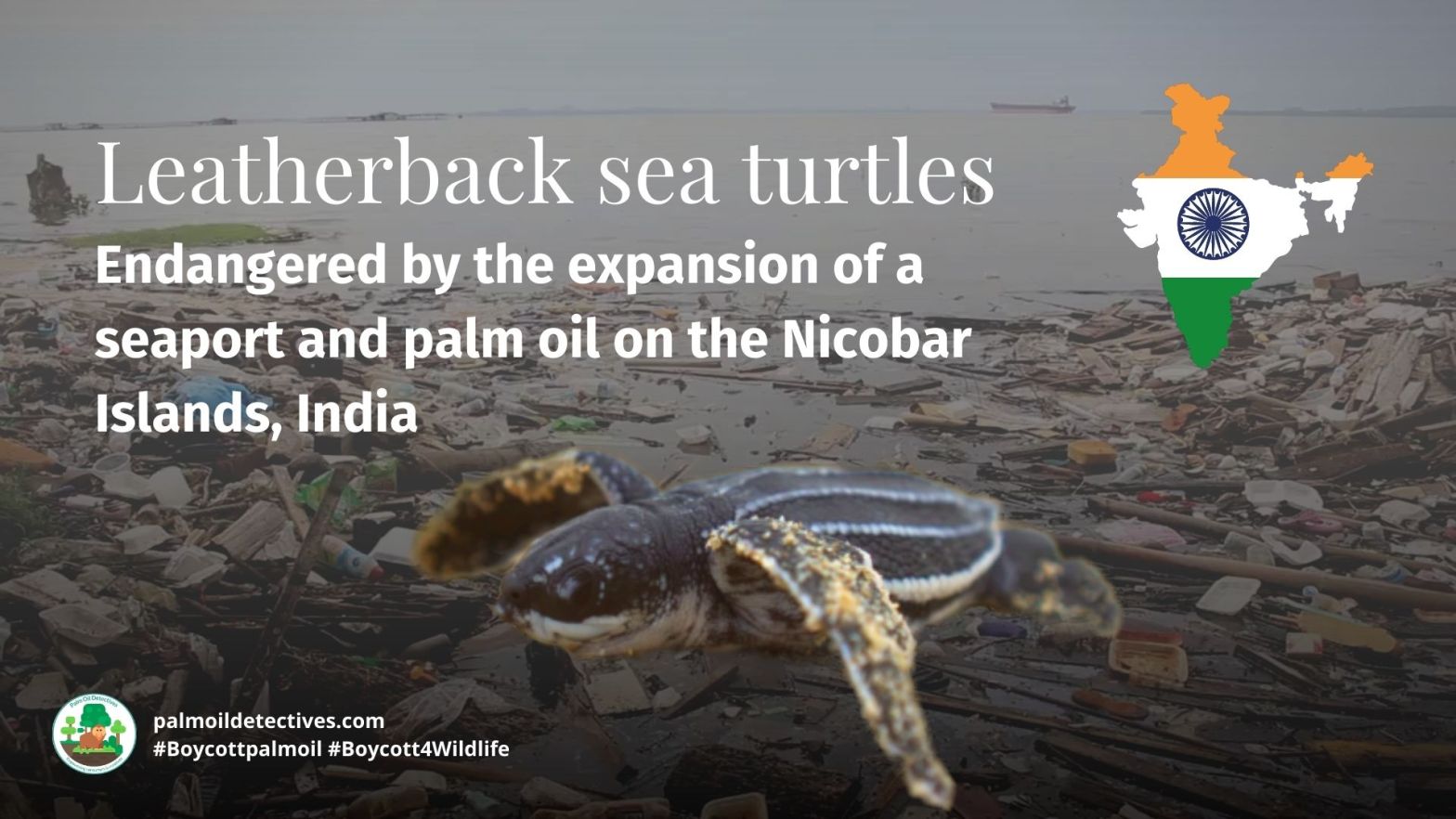
Nicobar Islands Port and Palm Oil: Threatens Giant Turtles

On Great Nicobar Island in the most southerly part of India, big plans are in motion to transform the island into a shipping hub and destroy its native ecosystems including mangroves, reef systems and forests, putting the already endangered leatherback sea turtle (along with 1000’s of other species) perilously close to extinction. Around one million trees are set to be felled to make way for palm oil and other monoculture crops on the islands, writes PhD Candidate Divya Narain for The Conversation. Read on after to discover how to help these beautiful animals.

Indonesia’s Misinformation Favours Obedience, Not Truth

Indonesia’s online space is polluted by fake news. The government’s media literacy program promotes its own interests and greenwashing, boycott palm oil!

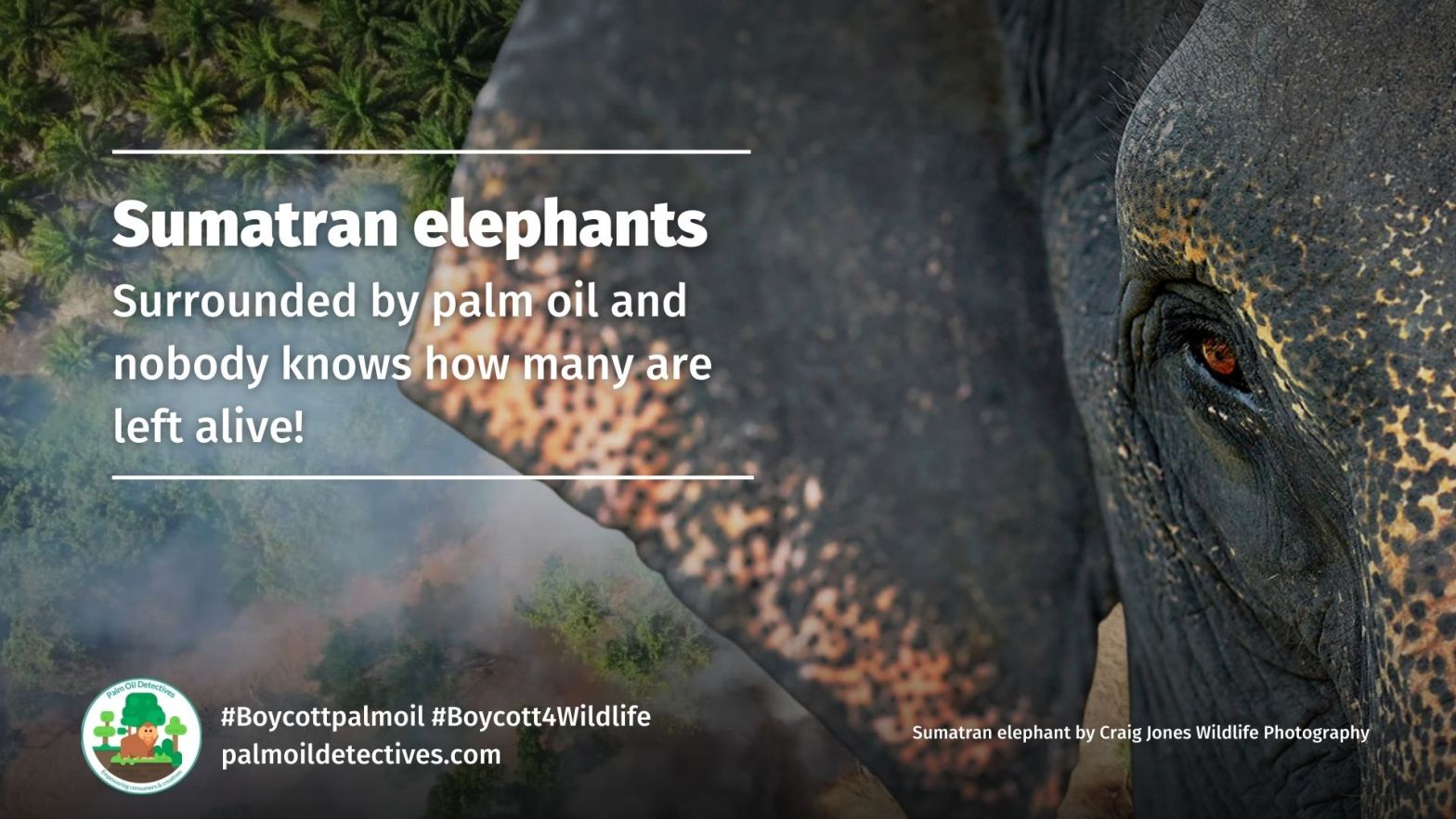
Sumatran elephants: Surrounded by palm oil and nobody knows how many are left alive!

Sumatran elephants in Indonesia’s North Aceh district are being increasingly encircled by shrinking patches of forest. Their home is being destroyed primarily for oil palm plantations.

Ongoing attempts of scientists to take a measure of their population have been hampered and oppressed by the Indonesian government, which has also attempted to prevent media coverage of the issue. Help these irreplacable beings every time you shop, #BoycottPalmOil #Boycott4Wildlife

Palm Oil: A Recipe for Disaster in India

Given the widespread destruction of rainforests and native biodiversity caused by oil palm plantations in Southeast Asia, environmental experts and politicians are warning that the move to promote palm oil cultivation in India’s northeastern States and in the Andaman and Nicobar Islands could be disastrous, writes Priscilla Jerbaraj in The Hindu.

Indonesia’s misinformation army ready for war in 2023

In 2023, Indonesia’s government is set to ratchet up greenwashing and propaganda on social media, fuelled by a well-resourced misinformation machine.
But the biggest propagator of disinformation seems not to be political renegades, but the Widodo administration. Fuelled by a well-resourced propaganda machine, the government is ready to fight dirty to win over public opinion.

Story via 360Info.org.

Written by By Ika Idris, Monash University Indonesia, Laeeq Khan, Ohio University, and Nuurrianti Jalli, Northern State University in Tangerang. January 16 2023 for 360Info.org. Dr Ika Idris is an associate professor at Public Policy & Management, Monash University Indonesia. Her works focus on government communication, misinformation, and the internet’s impacts on society. Republished here with a Creative Commons Licence.

#Boycottpalmoil #Boycott4Wildlife

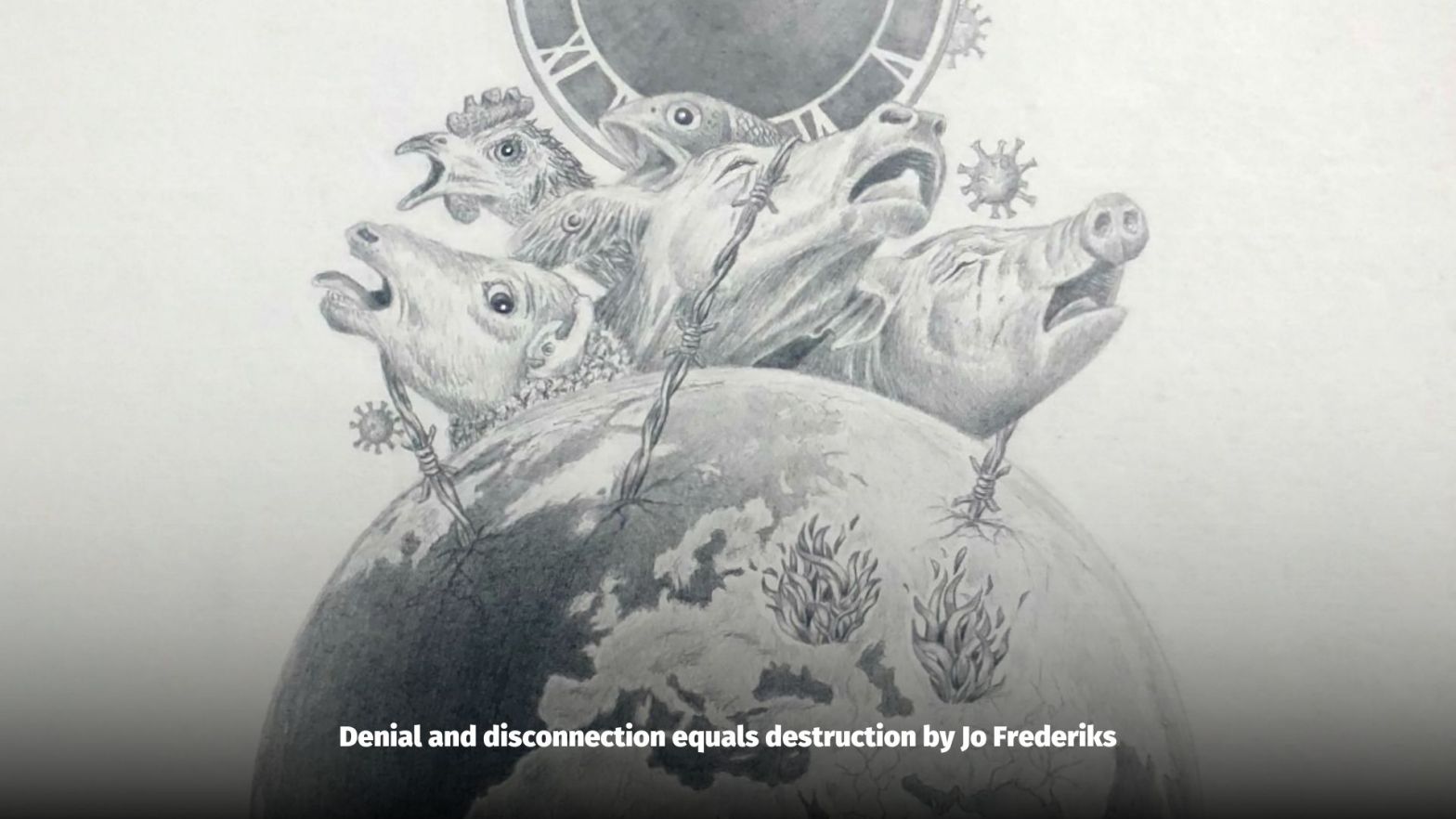
UN report says up to 850,000 animal viruses could be caught by humans, unless we protect nature

Human damage to biodiversity is leading us into a pandemic era. The virus that causes COVID-19, for example, is linked to similar viruses in bats, which may have been passed to humans via pangolins or another species.

Will palm oil watchdog RSPO rid itself of deforestation or continue to pretend its products are sustainable? – EIA

Palm oil produced through the destruction of forestland is still being sold around the world with the blessing of the Roundtable on Sustainable Palm Oil (RSPO).

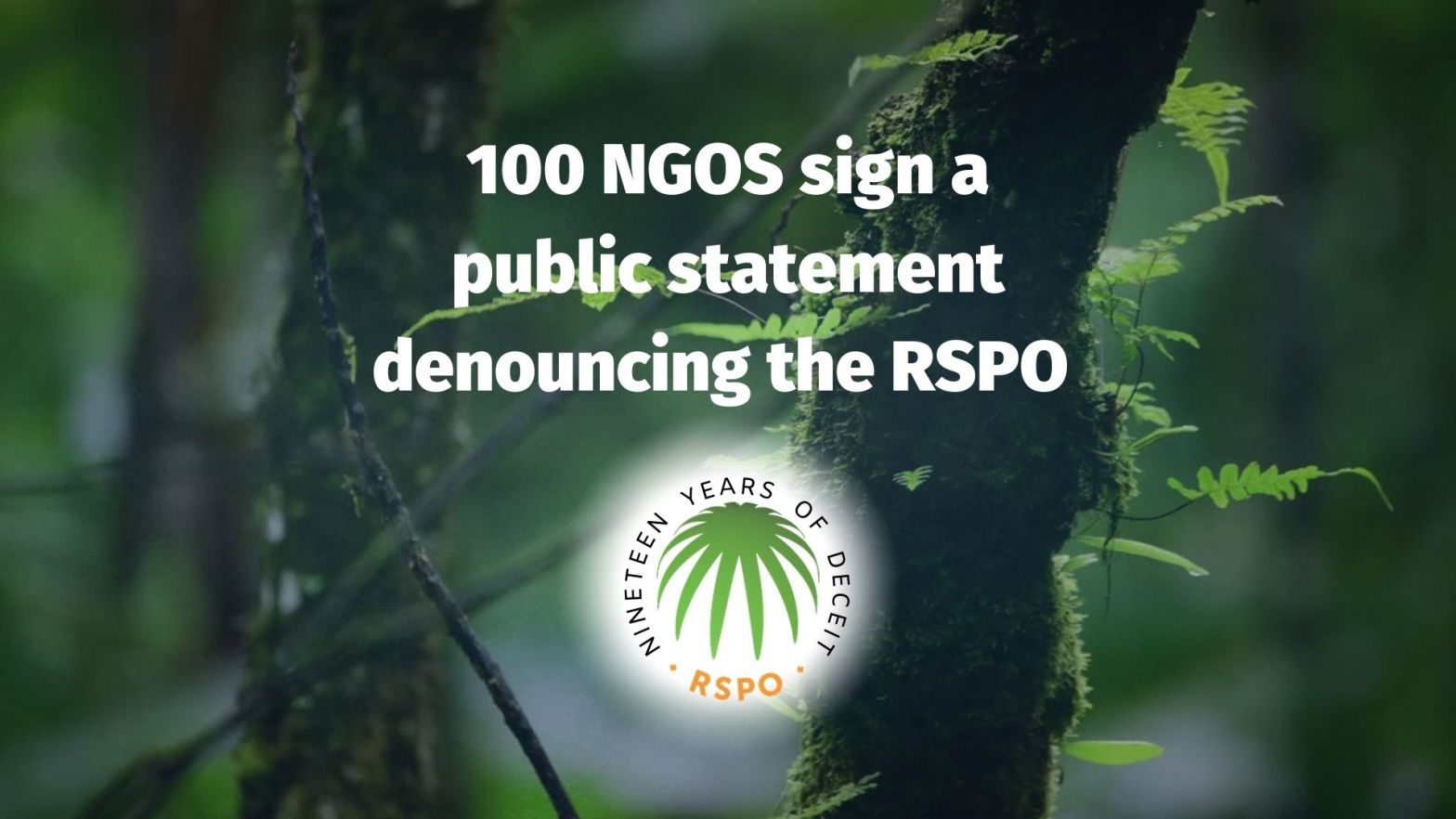
On November 30, 2022 EIA and along with 99 other organisations issued a joint statement calling time on the RSPO and its habitual greenwashing – the act of giving the public or investors misleading or false information about the environmental impacts of a company’s products and activities.

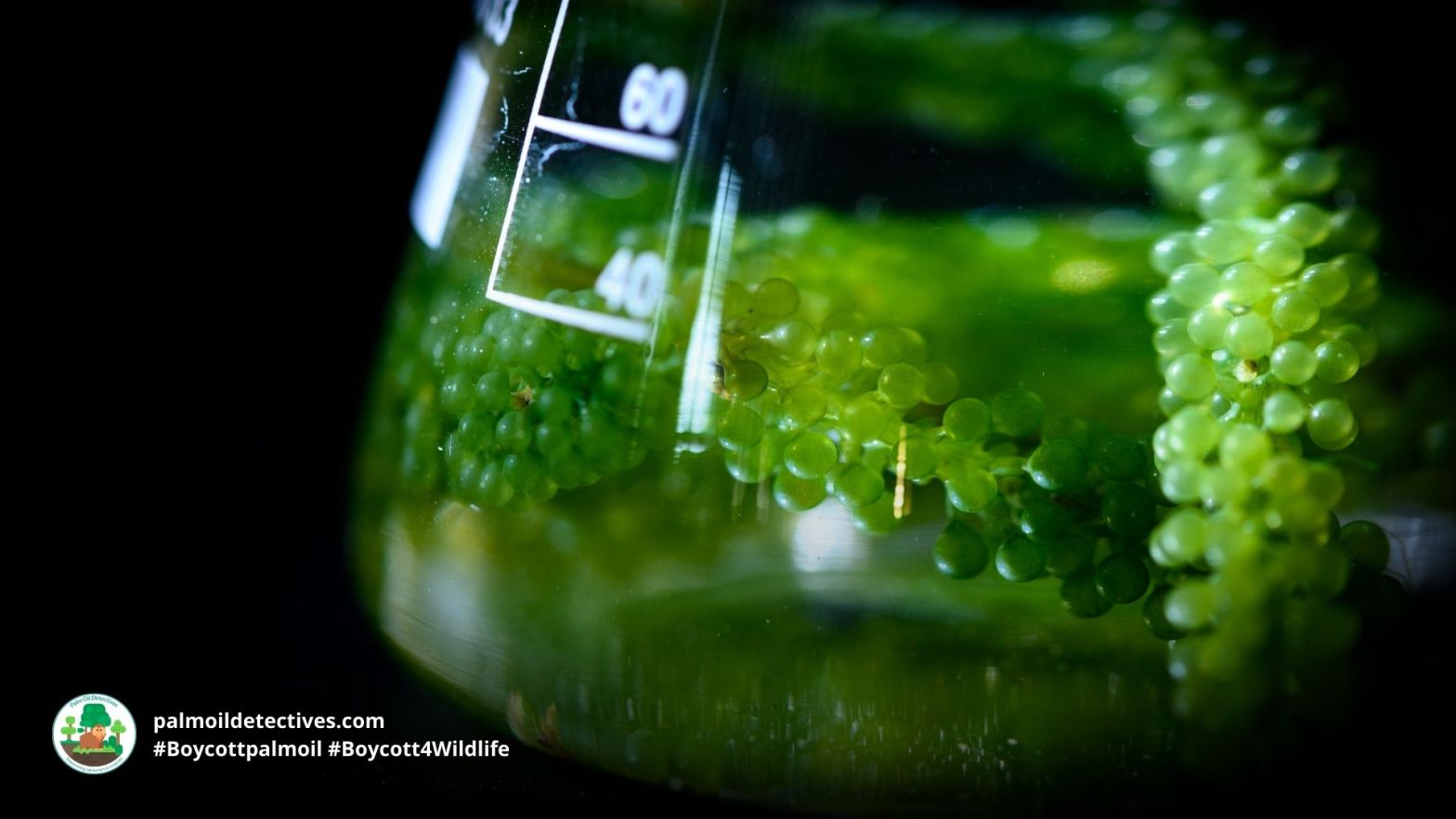
Humble Algae: The Solution to Palm Oil Ecocide

Consumers, businesses and researchers have shown growing interest in microalgae in recent years. Use of Arthrospira platensis (spirulina) as a food supplement is one example. Others include how microalgae can be used as crop support tools, bioplastics or biofuels. Take action for your health and be #vegan and #BoycottPalmOil #Boycott4Wildlife

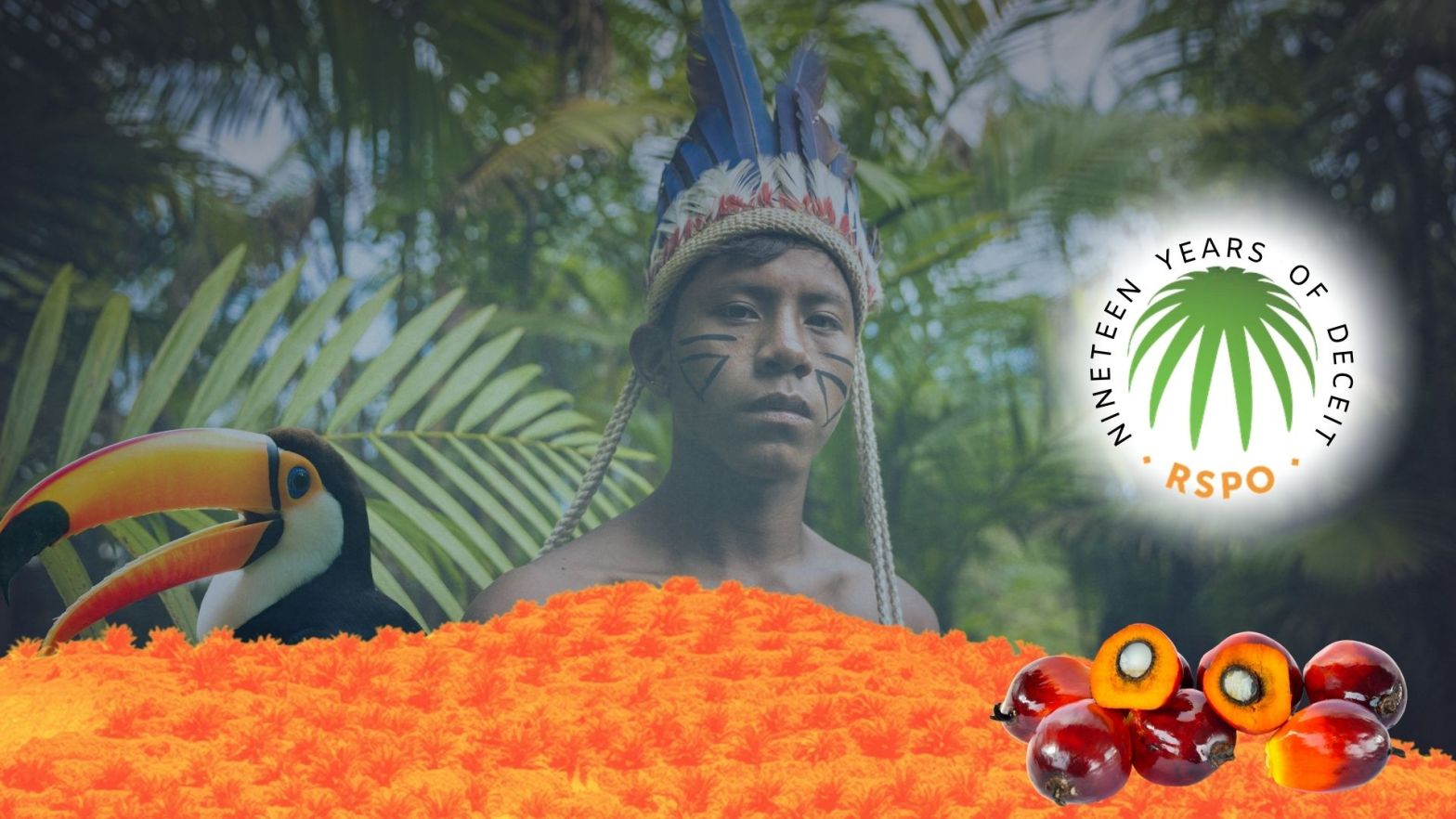
Roundtable on Sustainable Palm Oil: 19 years is enough

For nearly two decades now, the RSPO has failed in its mission to make the industrial palm oil sector “sustainable”. Instead, it has been used by the palm oil industry to greenwash environmental destruction, labour and human rights abuses and land grabbing.

Researchers find direct links between deforestation and reduced dietary quality

#Forests 🌳🌿🍃play a critical role in helping #indigenous communities who rely on wild #food to diversify their #diet and meet their nutritional needs. Resist in solidarity for them #Boycottpalmoil 🌴🪔🧐⛔️#Boycott4Wildlife

Amazon Palm Oil: Top Brands Source from Amazon Destroyers

Expose the truth about brands like Nestlé, PepsiCo, and Unilever sourcing “sustainable” palm oil from Brazil linked to violence, abuses and fraud. Shame!

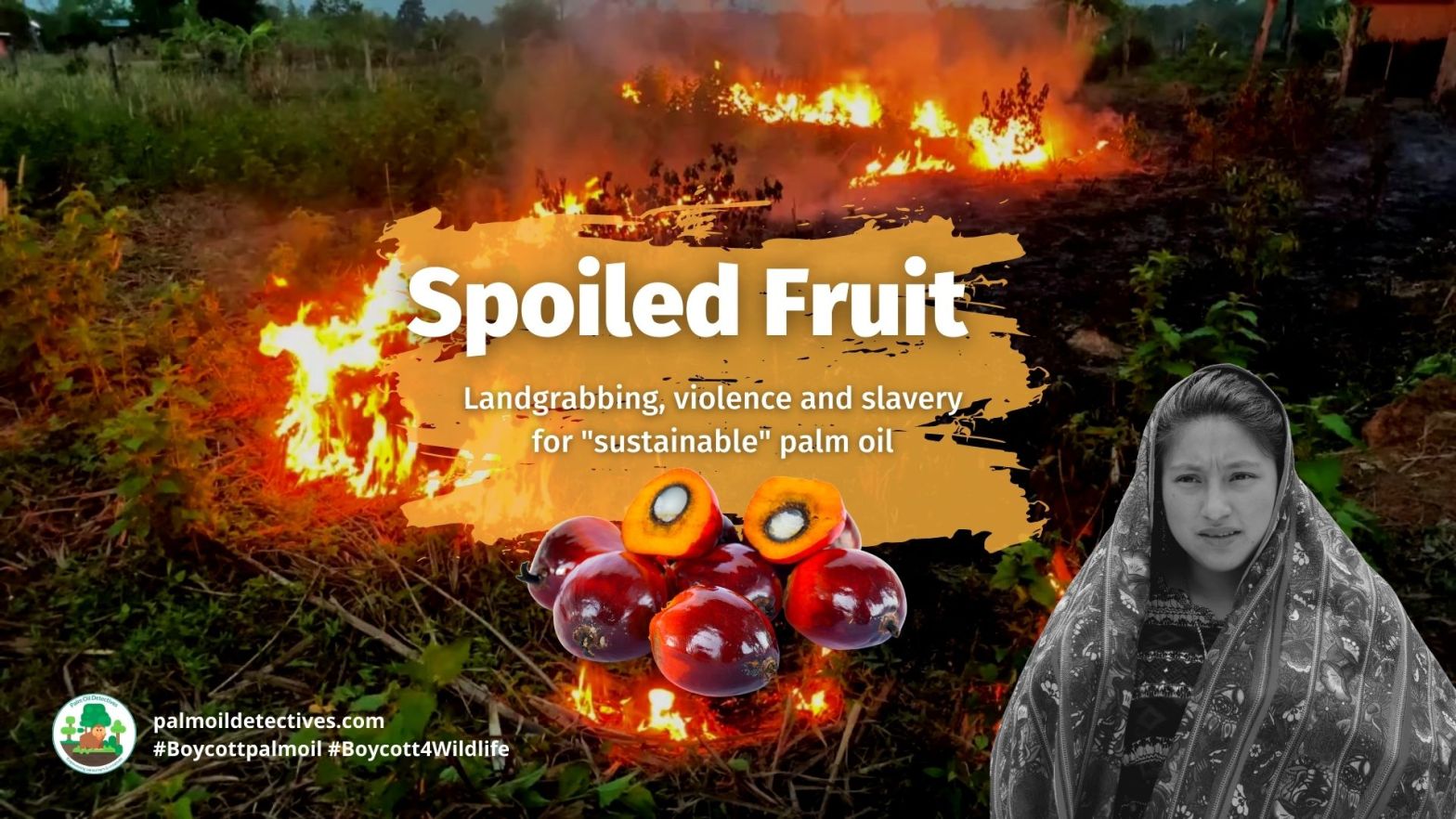
Spoiled Fruit: Land-grabbing, violence and slavery for “sustainable” palm oil

C4ADS analysis shows that the food conglomerates that feed millions—including giants such as Nestlé, Cargill, Adani Wilmar, IOI, Olenex and more —continue to enable forced labor through their indiscriminate import of tainted palm oil associated with slavery, indigenous land-grabbing, deforestation and human misery in the developing world.

Land-grabbing for palm oil and the climate crisis

Corporate monopolies drive land grabbing for palm oil, worsening the climate crisis. Indigenous peoples in Asia resist. Join the fight. #BoycottPalmOil

Thousands more species at risk of extinction than currently recorded, suggests new study

New research suggests the #extinction crisis may be even worse than we thought. More than half of species that have so far evaded any official conservation assessment are threatened with extinction. Some species that are not yet classified and are “data deficient” make up around 17% of the nearly 150,000 species currently assessed. according to predictions by researchers from the Norwegian University of Science and Technology. Help them to survive! #BoycottPalmOil #Boycott4Wildlife

Palm oil substitutes can offer beleaguered rainforests a fighting chance

Palm oil is a versatile substance used in a wide range of products from foods to cosmetics. The trouble with it is that the cultivation of oil palm trees has caused massive enviromental harm, especially in Malaysia and Indonesia, which together account for 85% of palm oil production in the world.

But scientists from Nanyang Technological University in Singapore and the University of Malaya in Malaysia say they have an answer as to how we can wean ourselves off palm oil.

Eyewitness Story: The Last Village by Dr Setia Budhi

A lone Dayak village in Borneo surrounded by palm oil plantations has held out for 14 years and resisted
corporate infiltration by global palm oil giants. My name is Dr Setia Budhi, I am a Dayak ethnographer and human rights advocate. I visited this village recently to see how they were going.

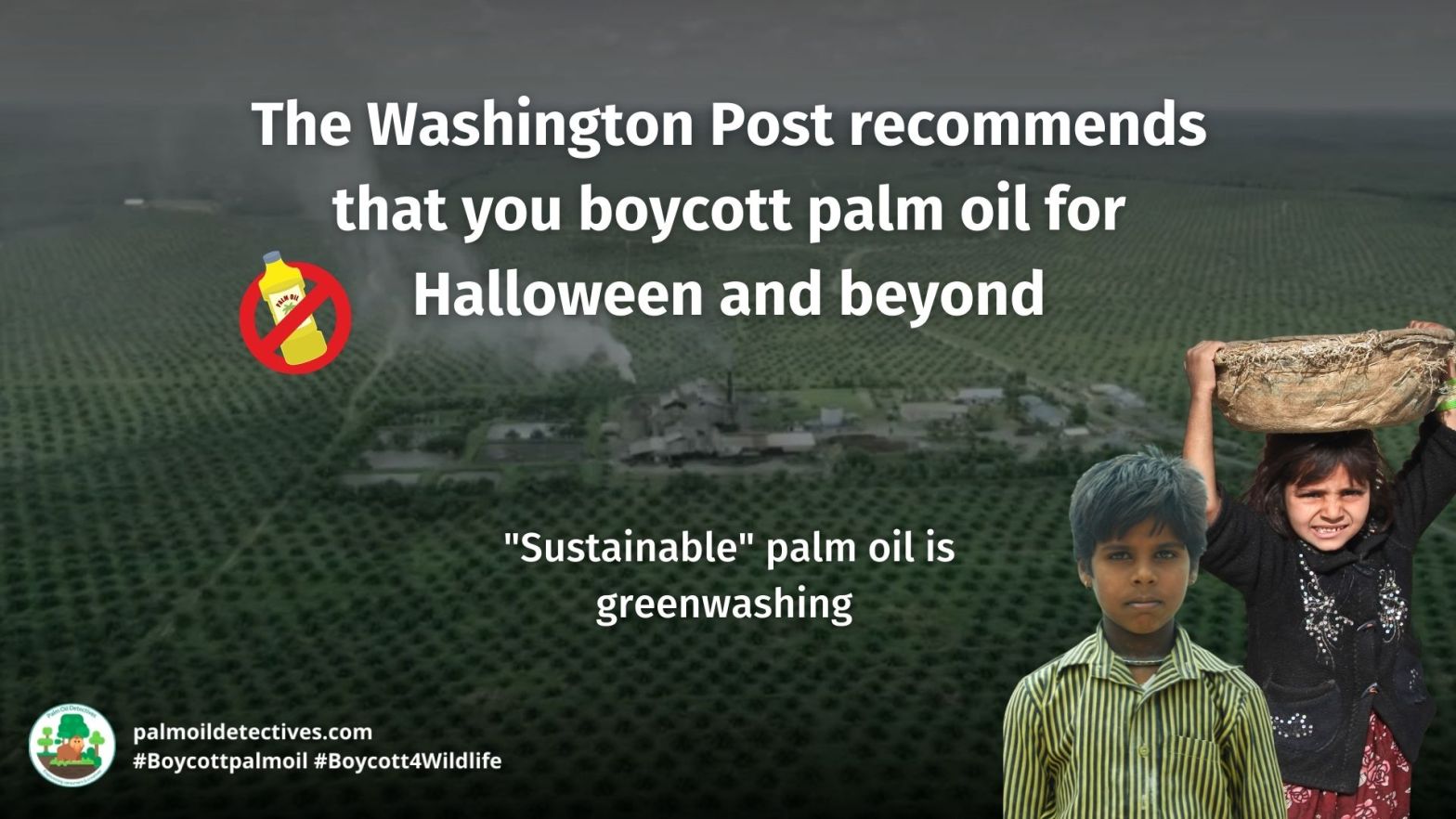
The Washington Post recommends that you boycott palm oil in 2022 and beyond

The original version of this article was published as ‘How to Make More Socially Conscious Halloween Candy Choices in The Washington Post on the 14th of October 2022. Originally written by Allyson Chiu and was republished via syndication by MSN While chocolate is a crowd-pleaser, the ubiquitous candy “has some pretty close associations with twoContinue reading “The Washington Post recommends that you boycott palm oil in 2022 and beyond”

Four Things to Know about Cholesterol

Cholesterol is among the most feared substances, but why? You need cholesterol to produce some hormones and to build vital structures in your body. But too much-referred to as high cholesterol-can build up in your arteries and lead to heart attack, stroke, and other cardiovascular diseases. That’s why it’s important to get tested and knowContinue reading “Four Things to Know about Cholesterol”

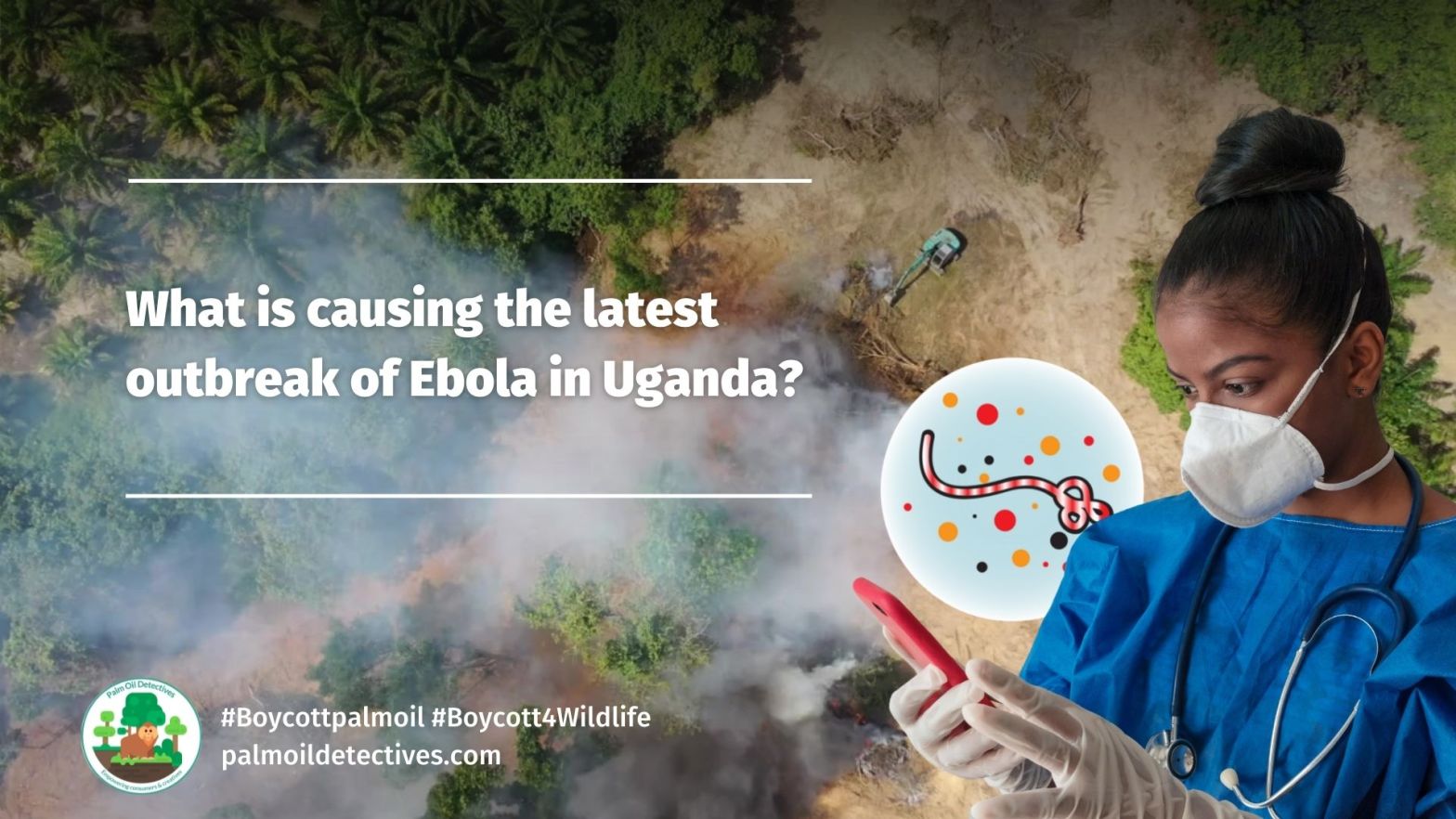
What is causing the latest outbreak of Ebola in Uganda?

In light of the most recent Ebola outbreak in Uganda (over the past month), many people are experiencing a sense of déjà vu. The rapacious destruction of rainforests for palm oil, soy, meat and dairy by multinational corporations is deeply linked to the spread of infectious zoonotic diseases, such as Ebola. These diseases are becoming more and more commonplace with the destruction of the environment and growth of animal agriculture. This has enormous implications for human #health, food security, animal conservation and planetary health. #BoycottPalmOil #Boycott4Wildlife

Caecilians: Secretive Underground Dwellers

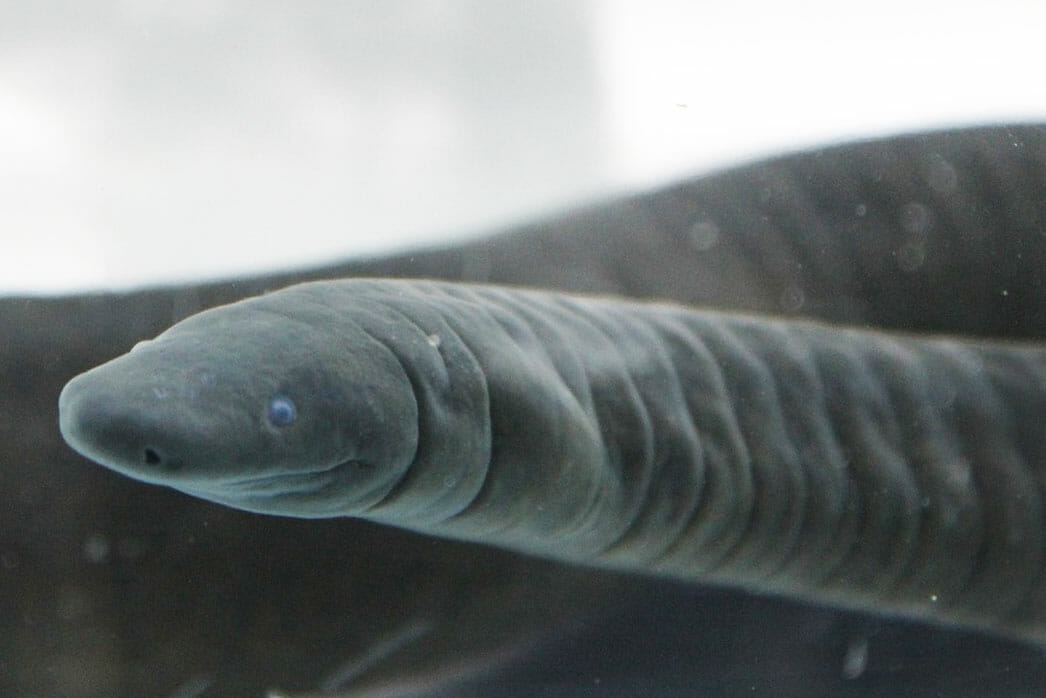
OK, Ok…I know this is quite a scary photo but hear me out. Caecilians are legless, eyeless creatures live secretive, strange lives underground and underwater. Not quite snakes, not quite worms and not quite amphibians either.

Once you know more about them they may still come to you in dreams, but you might just love them too.

They belong to the same group of animals that includes frogs and salamanders. But unlike other amphibians, caecilians lack legs. Some caecilians are as short as a pencil, while others grow as long as a child. Their eyes are tiny and hidden beneath skin and sometimes bone. And they have a pair of tentacles on their face that can sniff out chemicals in the environment.

Celebrate #WorldRhinoDay by leaving the forests alone and #Boycottpalmoil in the supermarket to save Rhinos

Indonesia is home to two of the world’s five rhinoceros species. Both the Javan rhino Rhinoceros sondaicus and the Sumatran rhino Dicerorhinus sumatrensis still exist today, uniquely only in the country. In India’s north east, the Indian Rhino hangs on to survival. Yet their existence has become increasingly fragile due to the unrelenting growth of palm oil in both of these countries.

#WorldRhinoDay is 22nd Sept. But every day should be World Rhino Day as three of the five species of rhino may go extinct as a result of #palmoil #deforestation and illegal poaching. Fight for them each time you shop and be #vegan and #Boycottpalmoil #Boycott4Wildlife.

September 21st: International Day of Struggle Against Monoculture Plantations

Today is ‘International Day of Struggle Against Monoculture Plantations’. World Rainforest Movement have produced a powerful video to highlight the Ugandan people’s struggle against BIDCO an international company partly owned by global palm oil giant #Wilmar, who are taking land by force from locals by making false promises and using coercion and #violence. They do so under the #greenwashing protection of the #RSPO

Reasons to Hope: Palm Oil Alternatives Made Without Deforestation

The race is on to find a real solution to stop palm oil ecocide. For several years now, several new #biotech companies have been busy generating alternatives to palm oil that are healthier for human consumption and don’t require the destruction of rainforests sending thousands of species to extinction. Learn more about palm oil grown in labs synthesized from algae, microbes, CO2 and more. #BoycottPalmOil #Boycott4Wildlife

A ‘mystery monkey’ in Borneo may be a rare hybrid between a Proboscis Monkey and Silvery Lutung

A new study has found that fragmentation of forests in Malaysian Borneo due to palm oil and mining has pressured two species of monkey (the Proboscis Monkey and Silvered Leaf Monkey/Silvery Lutung) to mate causing an unusual hybrid offspring. This has scientists worried as it indicates the animals are under stress