

Mountain Tapirs are the most threatened large mammals of the northern Andes, hunting, climate change and mining are threats, take action and boycott gold!
Tag Archives: mammals
Attenborough’s Long-Beaked Echidna Zaglossus attenboroughi

Attenborough’s long-beaked echidna (Zaglossus attenboroughi), known locally as “Payangko,” is one of the most evolutionarily distinct mammals and is native to the Cyclops Mountains in Papua, Indonesia. This critically endangered monotreme is distinguished by its unique feeding technique and smaller size compared to other long-beaked echidnas. Despite not being recorded by scientists since 1961, a recent expedition led to its rediscovery in 2023, offering renewed hope for the species. Facing threats from hunting and habitat degradation, we must protect this elusive creature by supporting sustainable practices and community-led conservation. #BoycottPalmOil #Boycott4Wildlife
Protected: Private Advocate’s Page
There is no excerpt because this is a protected post.
Sunda Pangolin Manis javanica
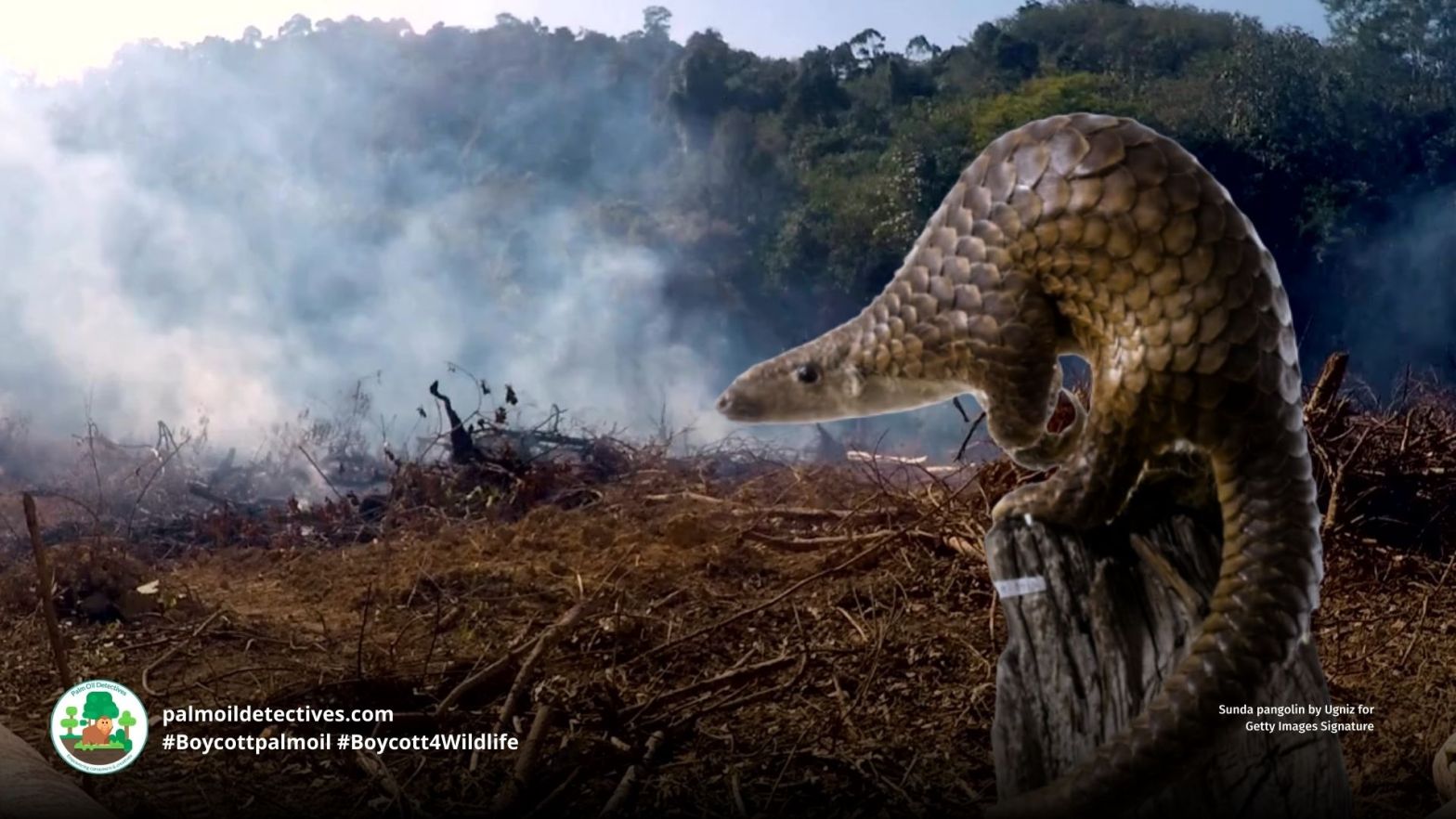
Sunda pangolins AKA Javan pangolins are capable swimmers and curl protective balls, palm oil and hunting exploitation are major threats, boycott palm oil!
Spectacled Bear Tremarctos ornatus
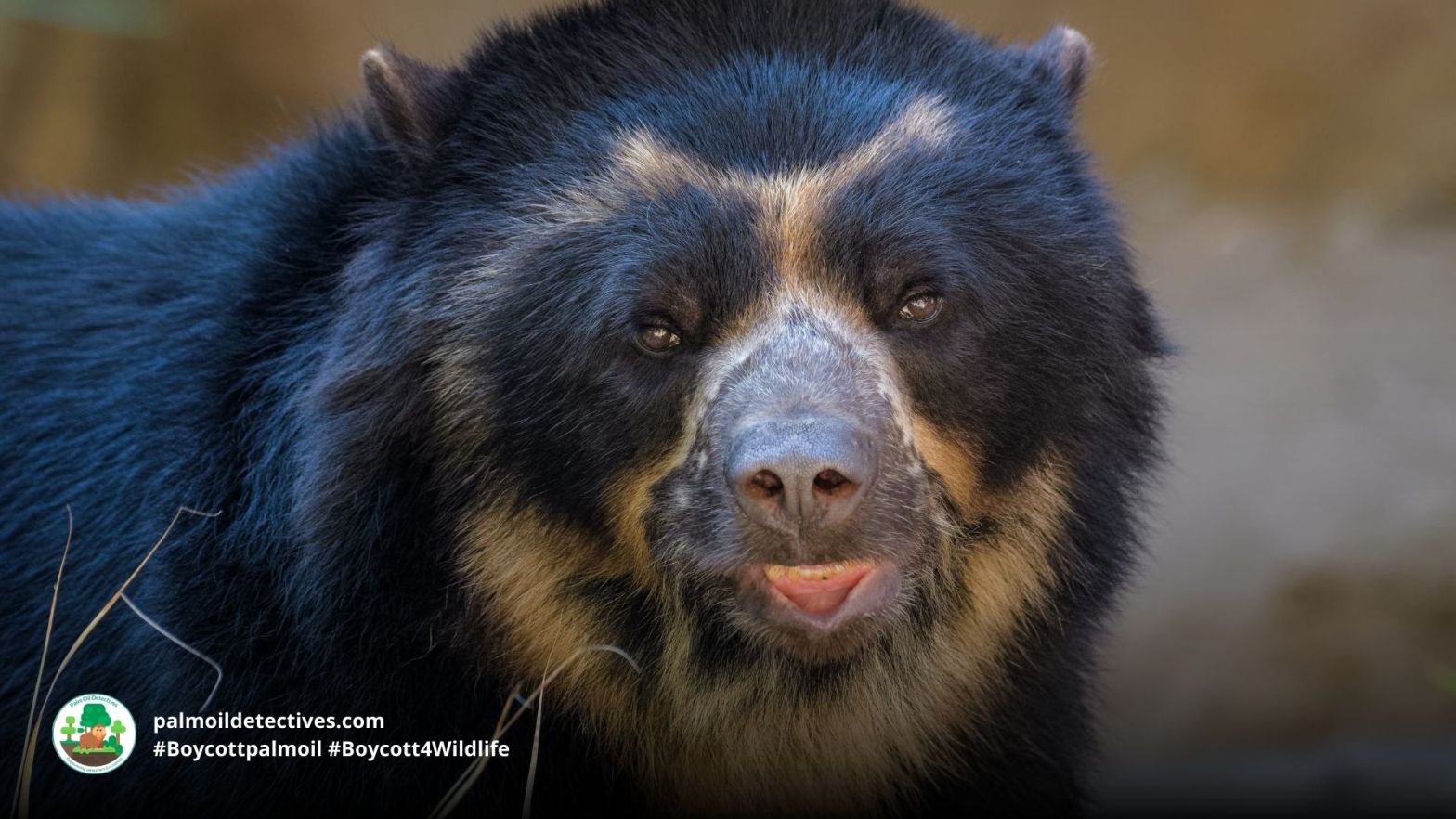
Spectacled #bears are known as the ‘peaceful and gentle bear’. They are the only bear living in the tropics of South America. Like many other animals in tropical ecosystems they are #endangered. They get their name from their eye-catching markings around their eyes, face and neck that resemble spectacles. Each bear has unique markings like a fingerprint and some bears don’t have them at all.
They are found throughout the thin line of Peruvian rainforest and their range stretches across several countries: Bolivia, Ecuador, Peru, Venezuela and Colombia. Their main threats are habitat loss to #gold #mining, timber, #meat, #palmoil and #soy as well as #hunting. Protect them each time you shop by being #boycotting meat, be #vegan #boycottpalmoil #Boycott4Wildlife
Meet Chimbu, the blue-eyed, bear-eared tree kangaroo
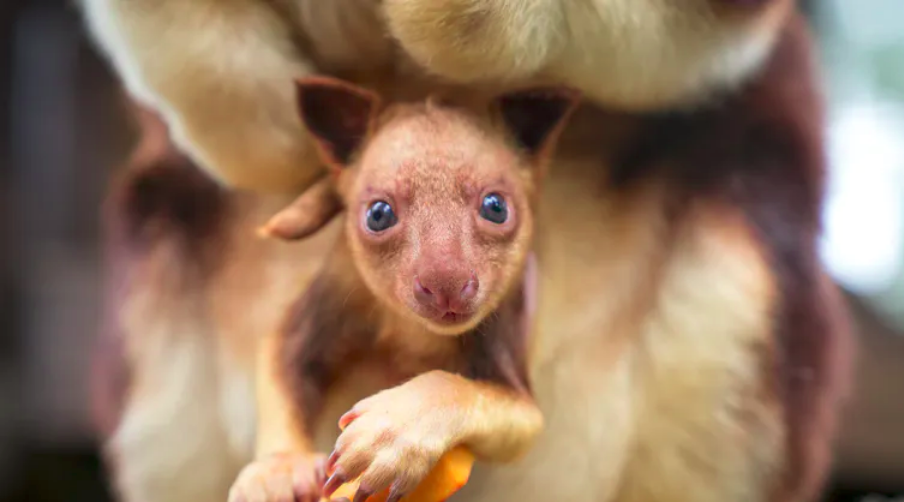
Tree kangaroos are so unusual that when Europeans first encountered them in Australia in 1872, back on the continent they were sceptical if they were real! Who would believe a #kangaroo could climb a tree? The Goodfellow’s tree kangaroo is an endangered species of the genus dendrolagus living in the Central Cordillera mountain ranges ofContinue reading “Meet Chimbu, the blue-eyed, bear-eared tree kangaroo”
African grey parrots help each other in times of need
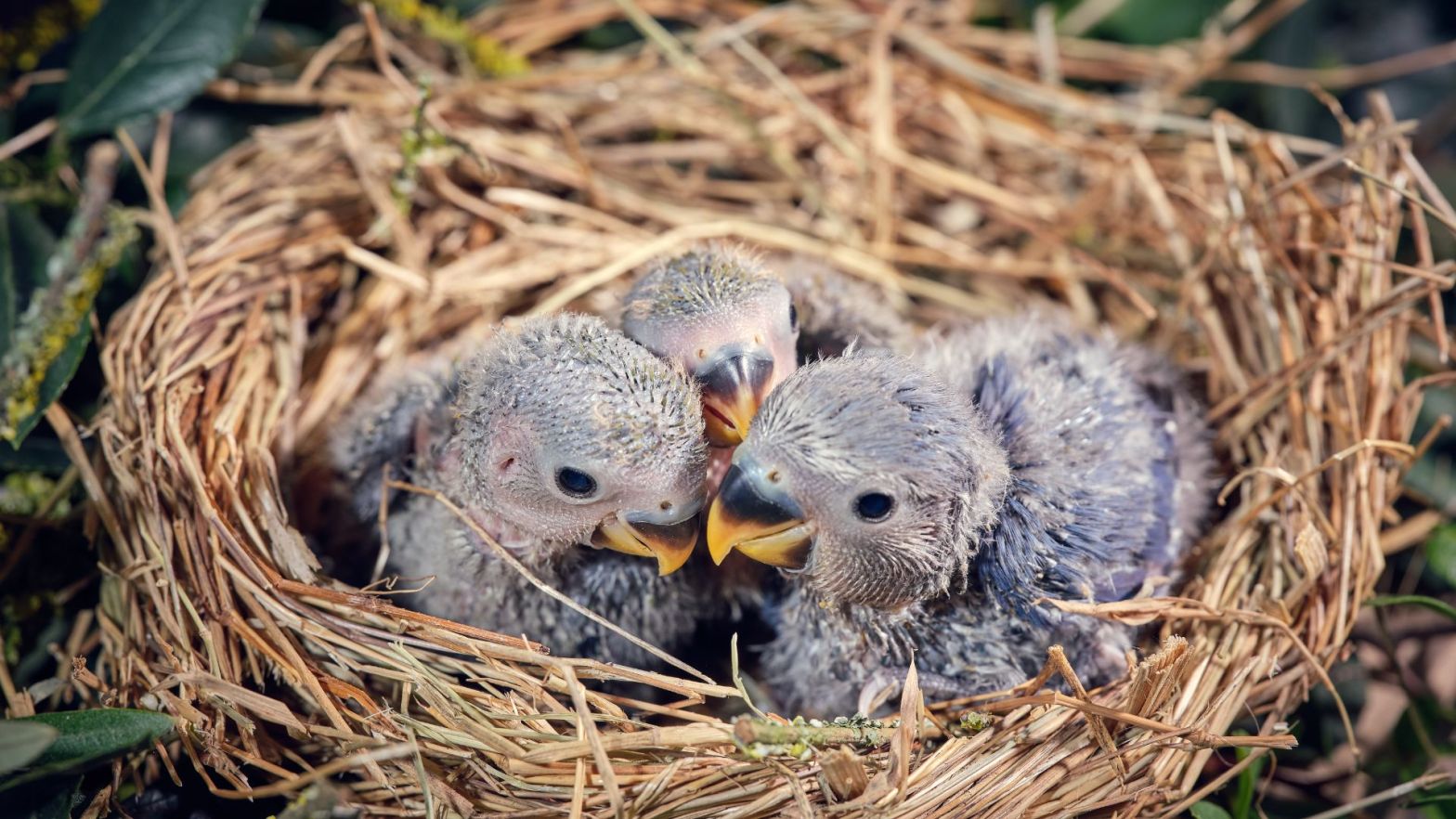
Corvids – birds such as ravens, crows, and magpies – and parrots are considered to be special among birds, as they have unusually large and densely packed brains. They show many cognitive capacities that are linked to an advanced understanding of their surroundings. This has earned them the name “feathered apes”. A recent study has found that it’s not only crows and ravens who help one another – grey parrots do as well.
Sipora Flying Squirrel Hylopetes sipora
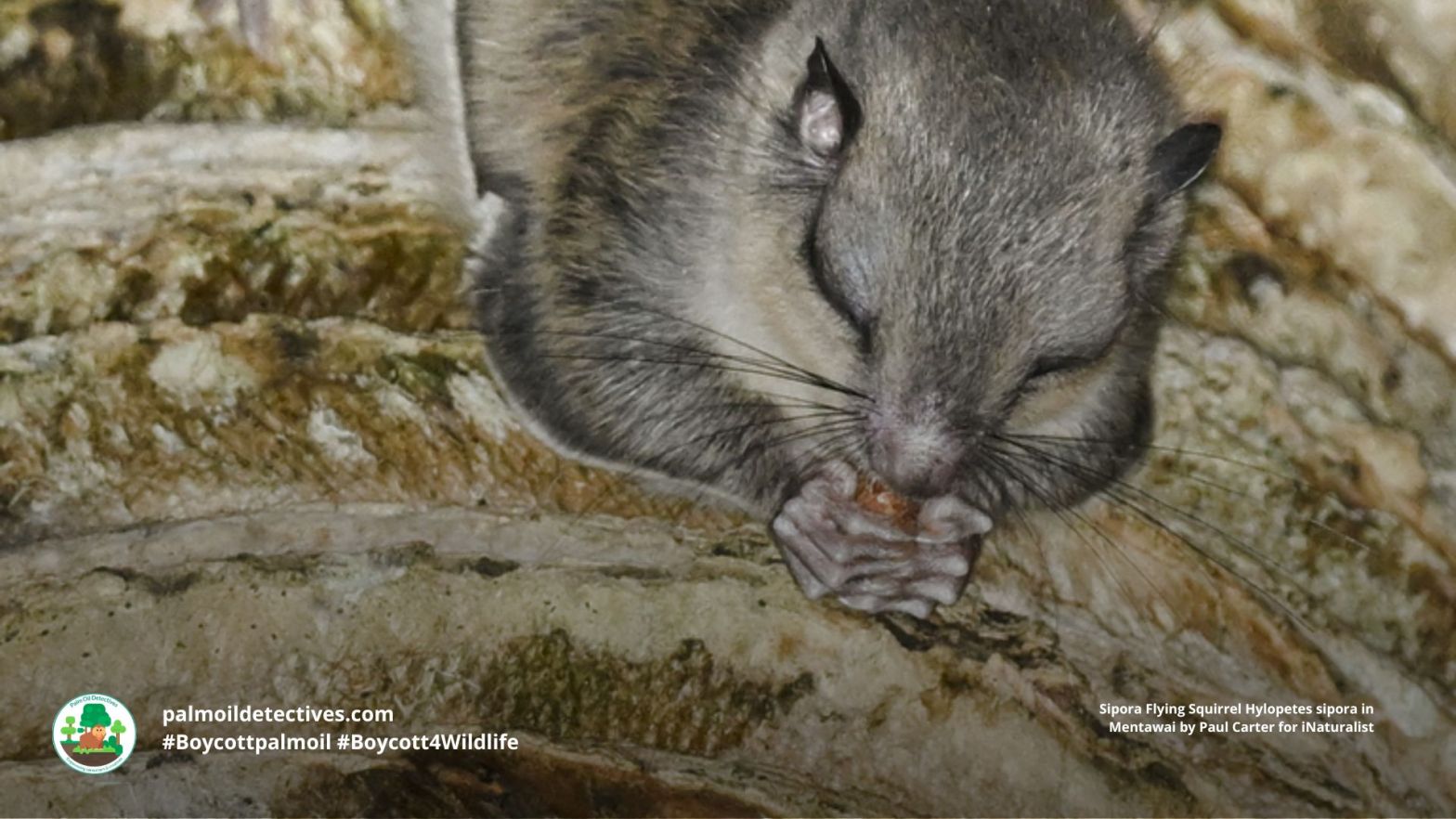
On the small, forested island of #Sipora, #Indonesia the Sipora flying #squirrel Hylopetes sipora drifts silently between ancient trees. This rare squirrel is found nowhere else on earth. At night, the Sipora flying squirrel emerges from the hollows of towering trees, their large eyes scanning the dim canopy. With a sudden leap, they unfold their patagium—a membrane stretching from wrist to ankle—and glide effortlessly through the air, landing on a distant branch with barely a sound. The forests of Sipora are being cleared for #timber, charcoal and #palmoil, leaving the Sipora flying squirrel with fewer places to hide. Use your wallet as a weapon and #BoycottPalmOil #Boycott4Wildlife.
Siberut Flying Squirrel Petinomys lugens
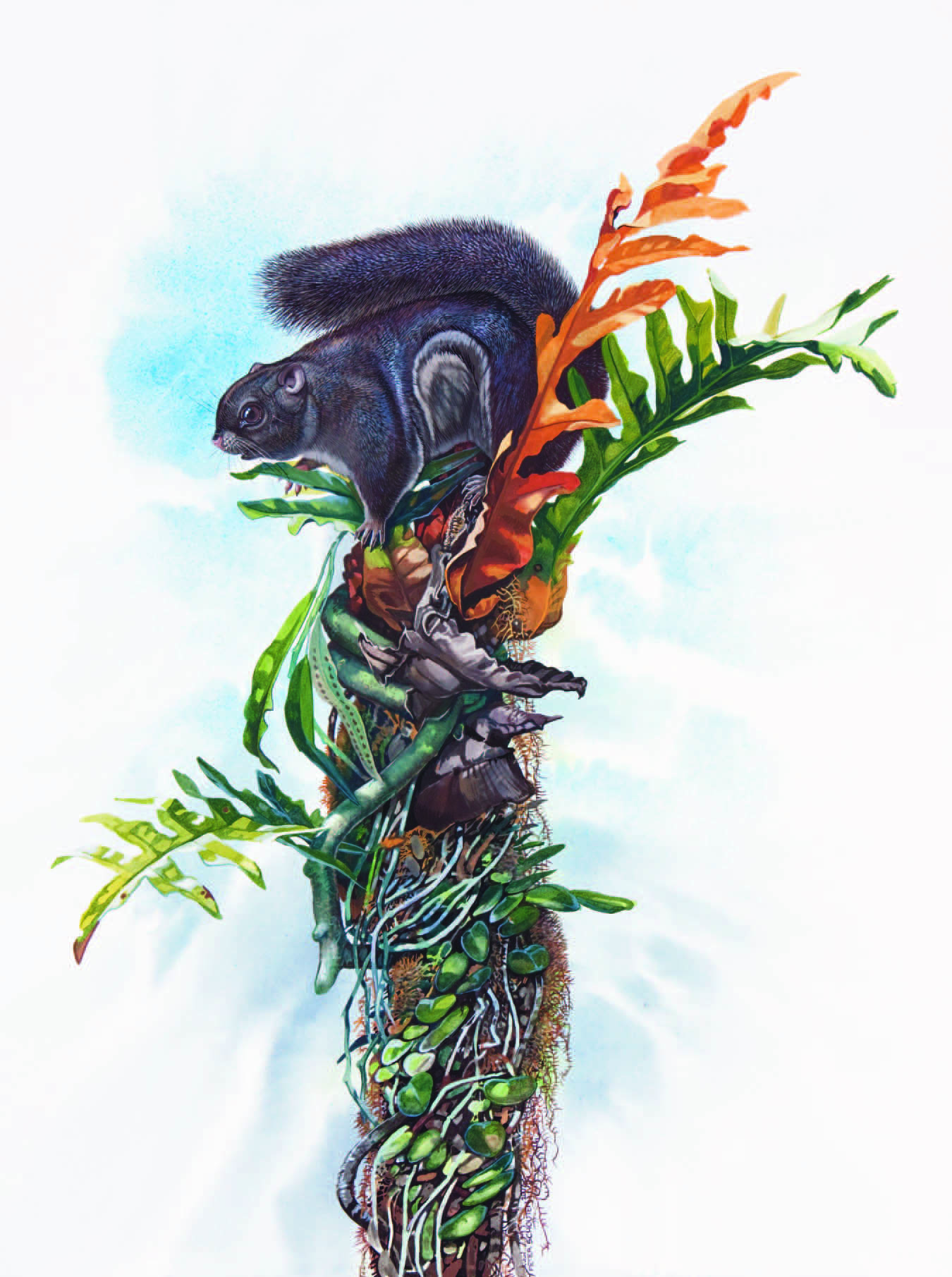
The Siberut Flying Squirrel is one of the world’s most elusive gliders, found only in the #Mentawai Archipelago’s humid forests. At dusk, the Siberut Flying Squirrel launches from high branches, spreading their soft, square-shaped patagium to drift silently between ancient trees. The air is thick with the scent of damp earth and moss, and the only sound is the faint rustle of leaves as the Siberut Flying #Squirrel lands. Their world is shrinking fast—logging and #palmoil plantations are destroying the last forests on #Siberut, #Sipora, and North Pagai. No conservation actions protect the Siberut Flying Squirrel. Stand with indigenous communities and use your wallet as a weapon. #BoycottPalmOil #Boycott4Wildlife
Vordermann’s Flying Squirrel Petinomys vordermanni
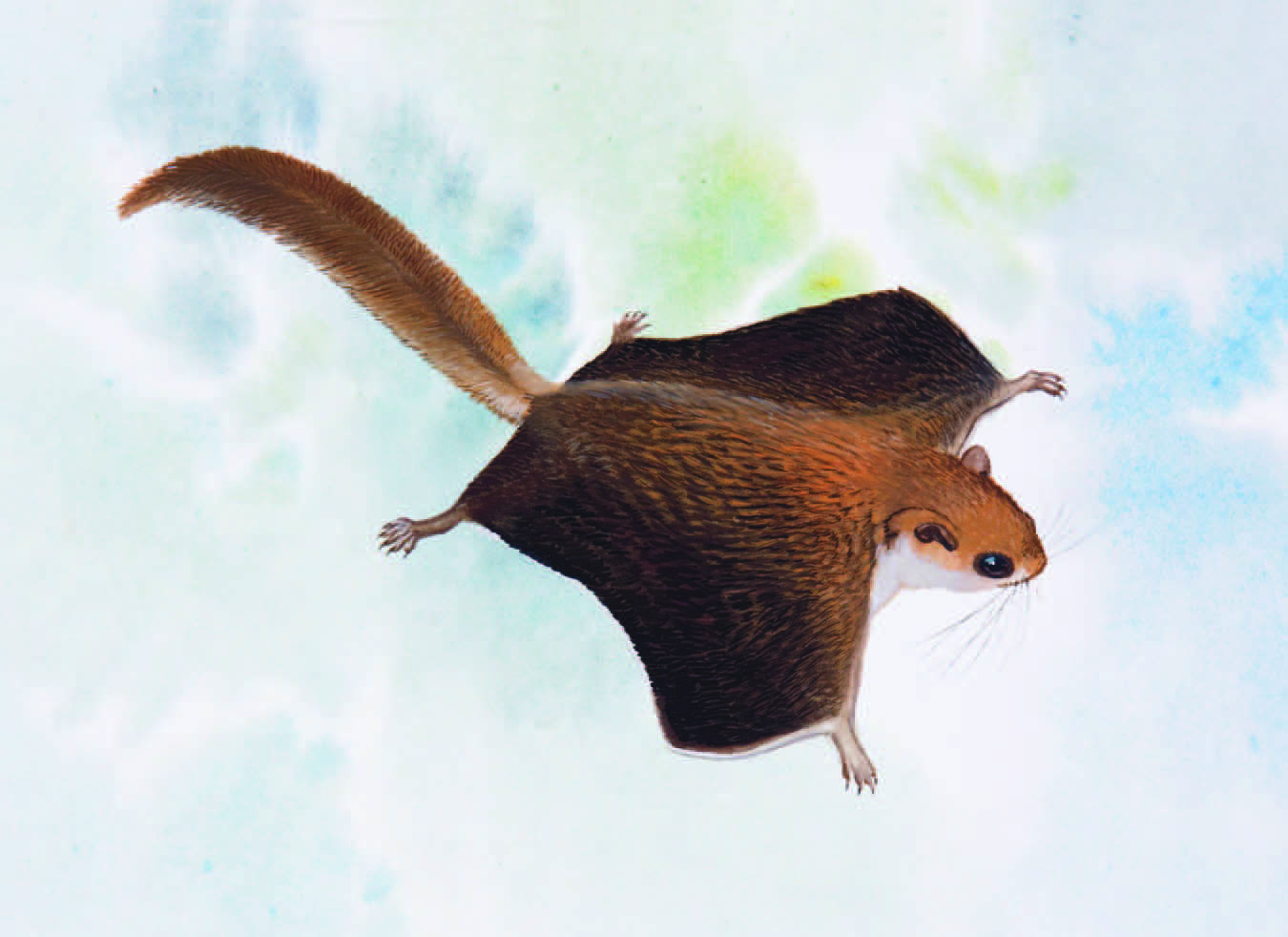
In #Borneo’s twilight, the Vordermann’s flying #squirrel emerges from her nest, resplendent with orange cheeks and black-ringed eyes. This small, #nocturnal #mammal is a master of the rainforest canopy. They use an ingenious membrane called a patagium to effortlessly glide between trees. A flying squirrel’s world is one of constant motion and quiet vigilance. Don’t let this world disappear! The forests that sustain them are vanishing at an alarming rate. Palm oil-driven deforestation, logging, and land conversion are tearing through their habitat, leaving only fragmented forest. Use your wallet as a weapon and #BoycottPalmOil #Boycott4Wildlife.
Northern Glider Petaurus abidi
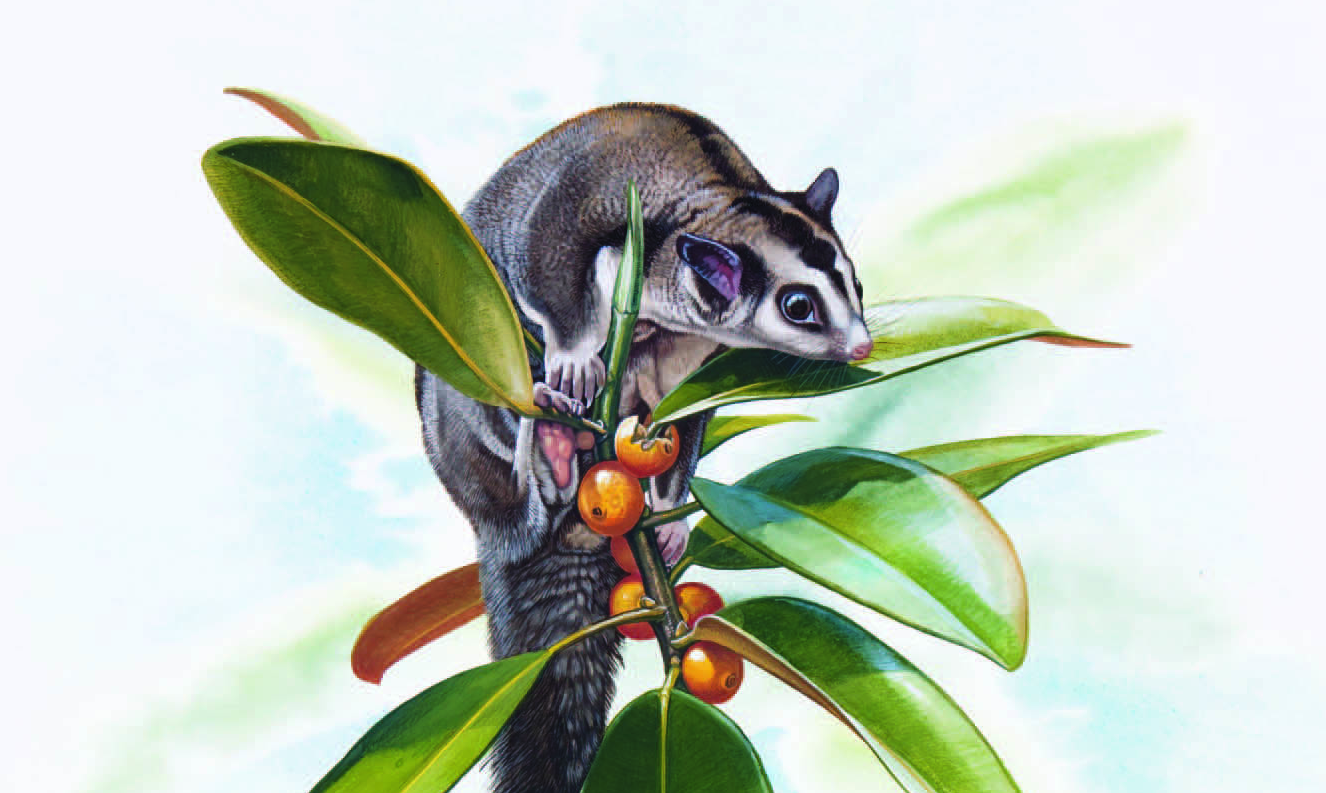
The Northern Glider is a Critically Endangered species of gliding #marsupial found only in the Torricelli Mountains of #PapuaNewGuinea. First described in 1981, they remain one of the rarest and least studied members of the Petauridae family. Their population is in steep decline due to deforestation, habitat destruction for #palmoil, and #hunting for #bushmeat. With an estimated range of less than 100 square kilometres, the Northern Glider is at extreme risk of #extinction unless urgent conservation efforts are made to protect their habitat. Take action and resist for this species every time you shop and go #BoycottPalmOil #Boycott4Wildlife in the supermarket.
Eastern Long-beaked Echidna Zaglossus bartoni
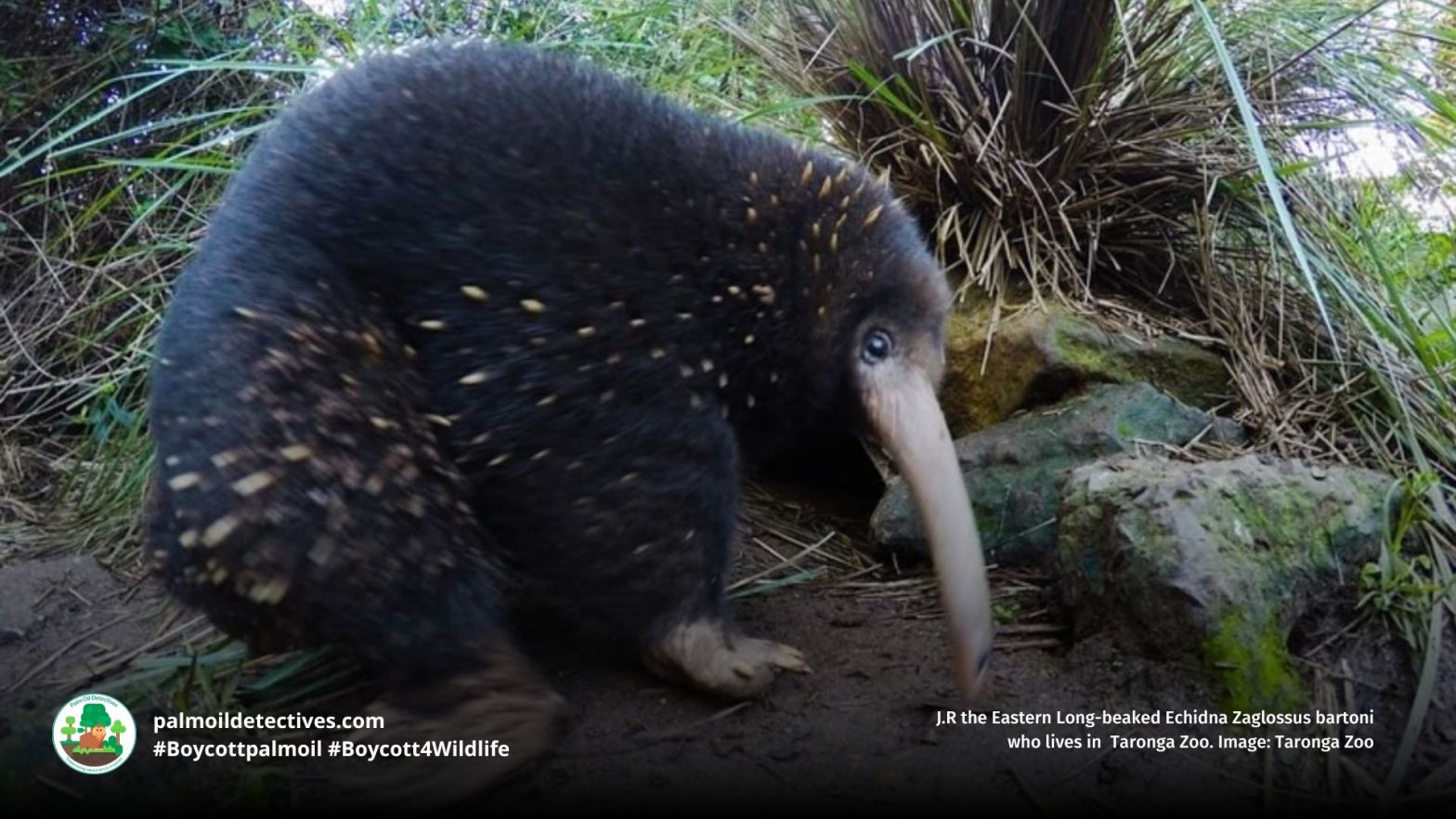
The Eastern long-beaked echidna Zaglossus bartoni is one of the planet’s most extraordinary mammals—a living relic from the dawn of mammalian evolution. Found only in the rugged, remote mountains of New Guinea, this remarkable creature is genetically and physically unlike any other animal alive today. Their existence bridges ancient evolutionary traits with the survival needs of modern species, representing a fascinating link to the distant past.
Tragically, these rare monotremes face the threat of extinction due to hunting and habitat loss for palm oil, timber and gold mining. Support indigenous-led conservation and fight for their survival. Use your wallet as a weapon and #BoycottPalmOil #Boycott4Wildlife.
Arfak Ringtail Pseudochirulus schlegeli
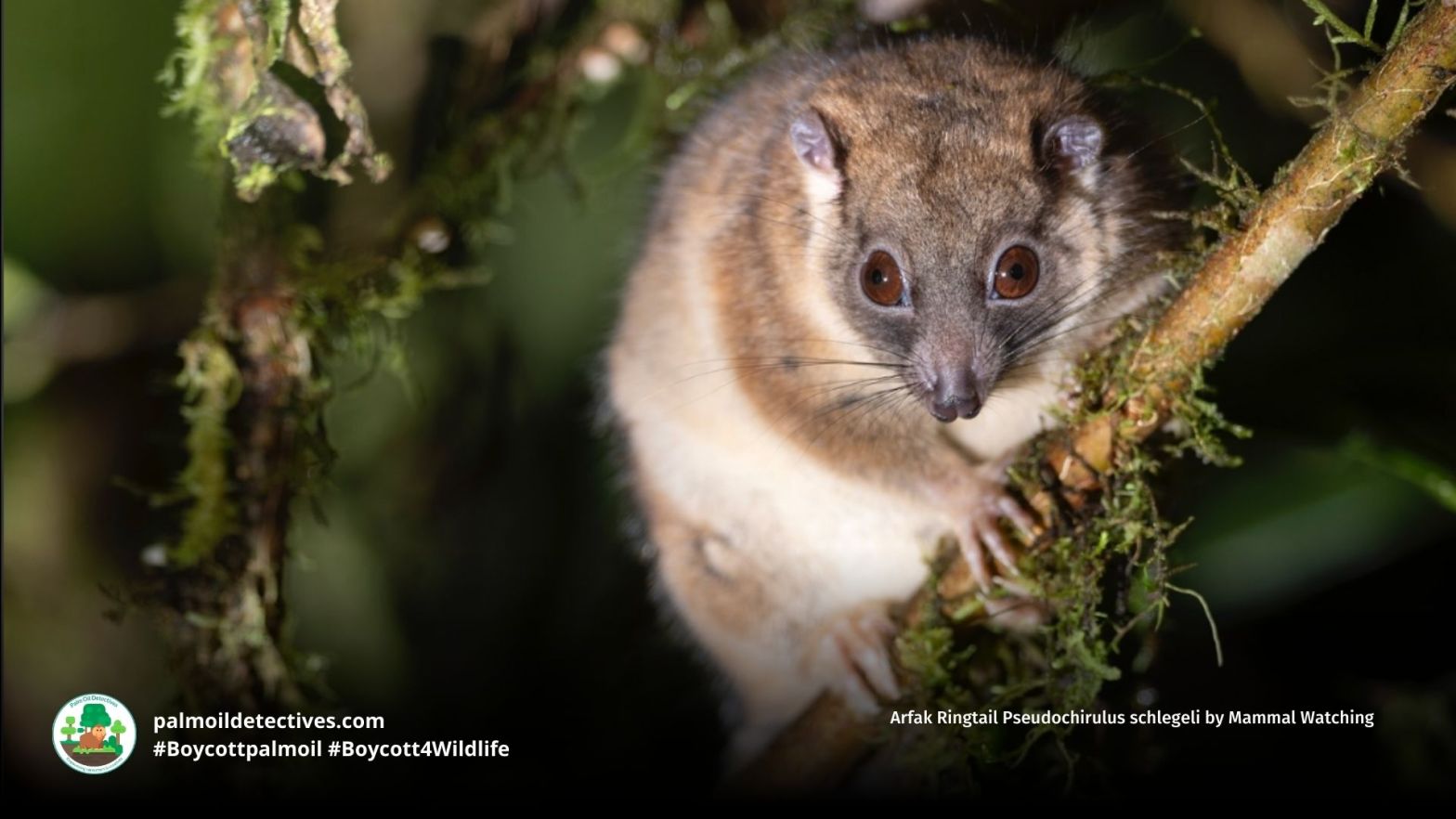
The Arfak Ringtail Pseudochirulus schlegeli is a wide-eyed and bushy tailed #possum living in the remote Arfak Mountains and cloud forests of #WestPapua. Although little is known of these tree-dwelling #marsupials, much can be gleaned from related #mammals in Australasia. These cryptic and fluffy arboreal beauties are found in the mossy, cloud-wrapped forests of the Vogelkop Peninsula’s Arfak Mountains. Listed as #Vulnerable, the species faces mounting pressure from #deforestation for #palmoil and #timber and #hunting by local communities. With fewer than five known locations and less than 20,000 km² of suitable habitat, this highland #possum could disappear quietly without urgent action. Protect #indigenous forests, say no to palm oil, and stand up against wildlife exploitation #BoycottPalmOil #Boycott4Wildlife #Vegan
Golden-mantled Tree Kangaroo Dendrolagus pulcherrimus
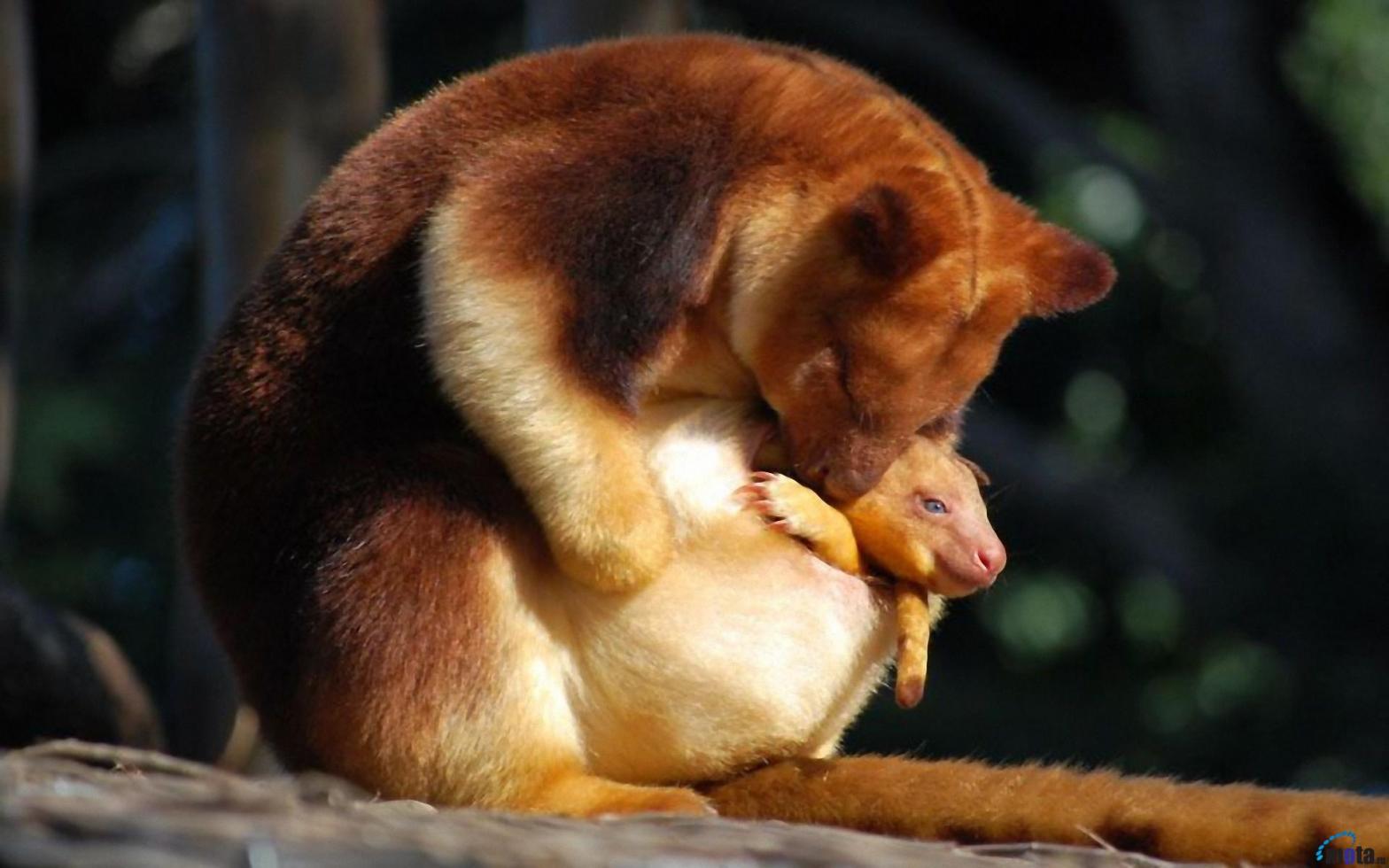
Critically Endangered Golden-mantled Tree Kangaroos are found in Papua New Guinea’s mountains. They move with grace in a vanishing world. Boycott palm oil!
Thomas’s Big-eared Bat Pharotis imogene
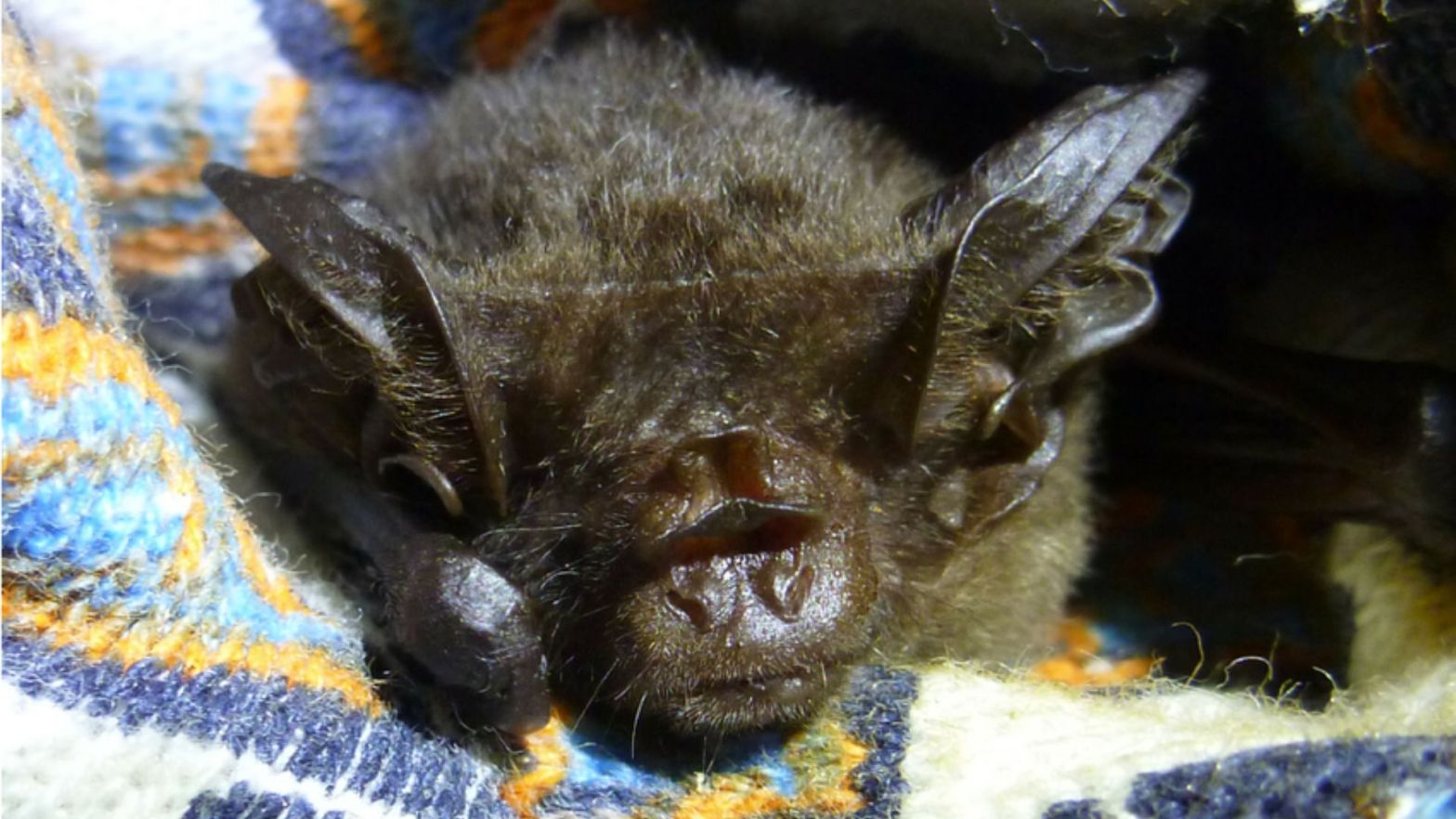
Thomas’s Big-eared #Bat Pharotis imogene, also known as the #NewGuinea Big-eared Bat, is one of the world’s rarest and most elusive #mammals- they are critically endangered by #PapuaNewGuinea. Thought to be #extinct for over a century, they were rediscovered in 2012 in Central Province, Papua New Guinea, in an area heavily impacted by palm oil deforestation, firewood collection, and land clearing for timber, mines and palm oil. Despite their rediscovery, habitat destruction due to palm oil expansion, logging, mining and human encroachment which continues to threaten their survival. Without urgent intervention, they may disappear again—this time, permanently. Help them every time you shop and #BoycottPalmOil #Boycott4Wildlife
Thailand Leaf-nosed Bat Hipposideros halophyllus
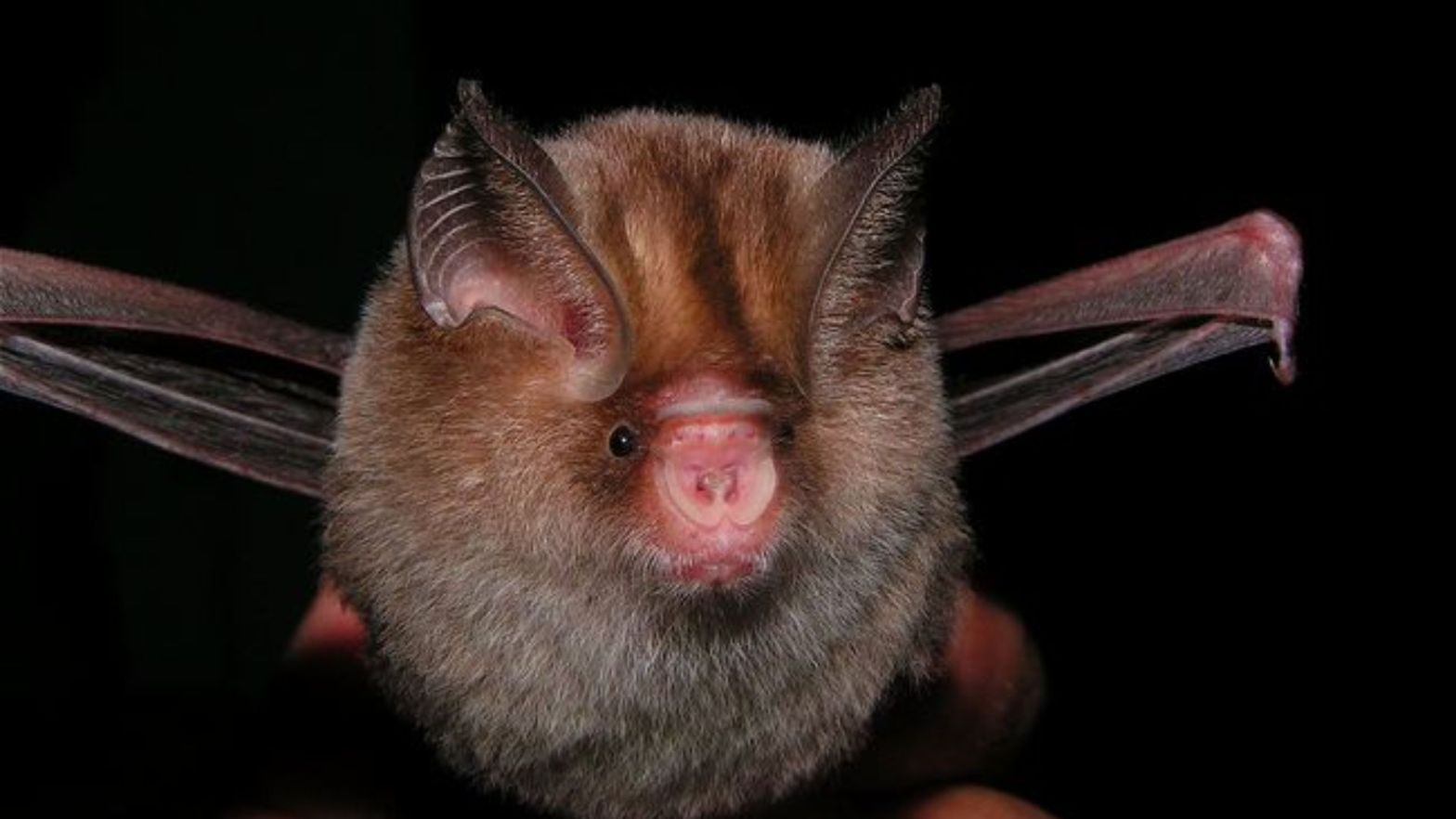
Vulnerable Thailand Leaf-nosed Bats live in limestone caves in Thailand and Malaysia. Threats include mining, palm oil and pesticide use. Take action now!
Hairy-nosed Otter Lutra sumatrana
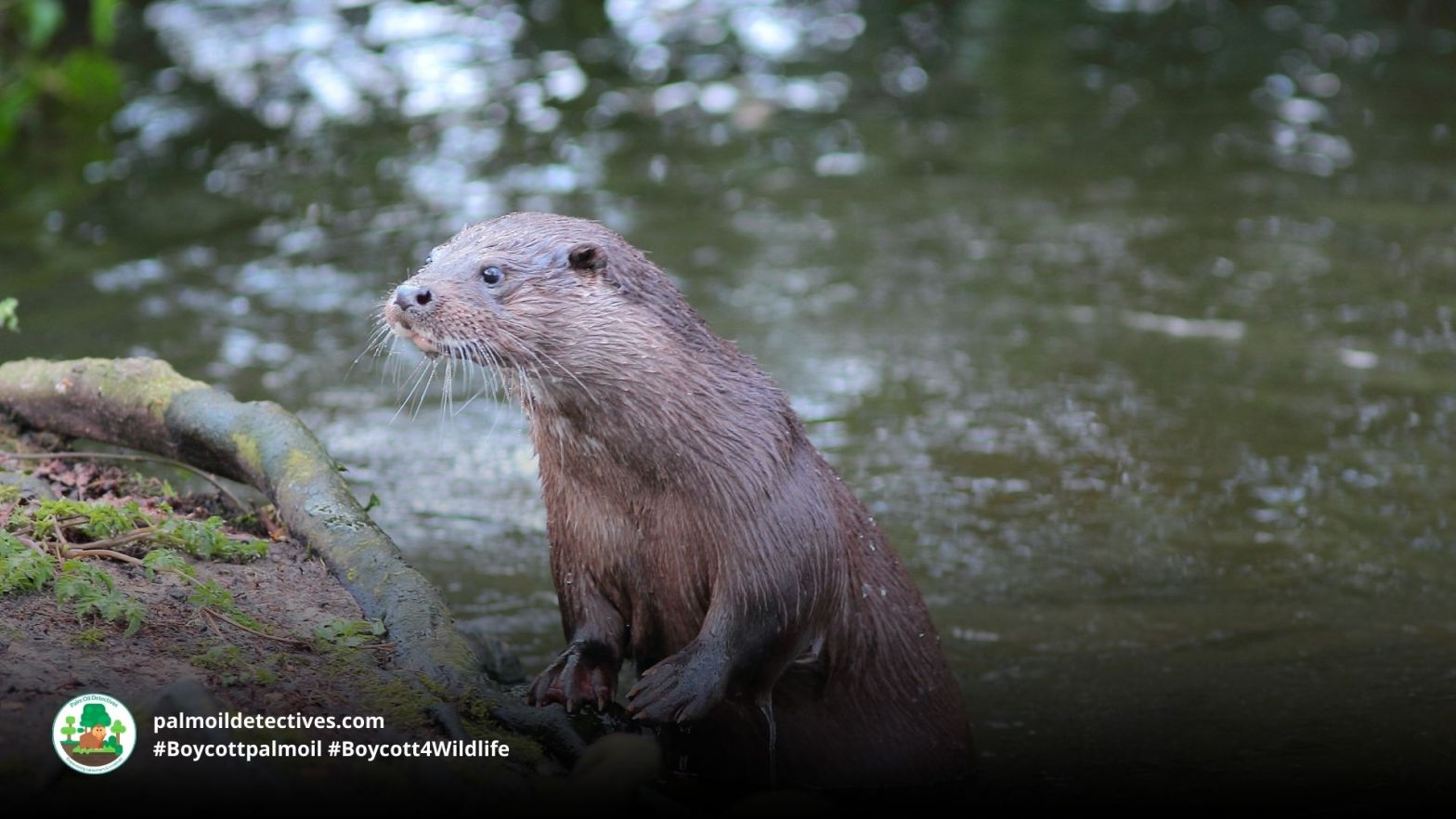
The Hairy-nosed Otter is one of the world’s rarest and least understood otter species, native to Southeast Asia. Distinguished by the unique fur covering its rhinarium (nose), this elusive mammal inhabits freshwater and coastal ecosystems, including mangroves and peat swamp forests. Now extinct in India and Myanmar, their numbers are dropping in other countries. They are severely under threat from habitat destruction for palm oil and illegal hunting. Hairy-nosed Otter have no known conservation projects in place to protect them. We urge you to boycott products linked to deforestation like palm oil and meat. Use your wallet as a weapon to fight for their survival each time you shop #BoycottPalmOil #Boycott4Wildlife!
Africa: Species Endangered by Palm Oil Deforestation
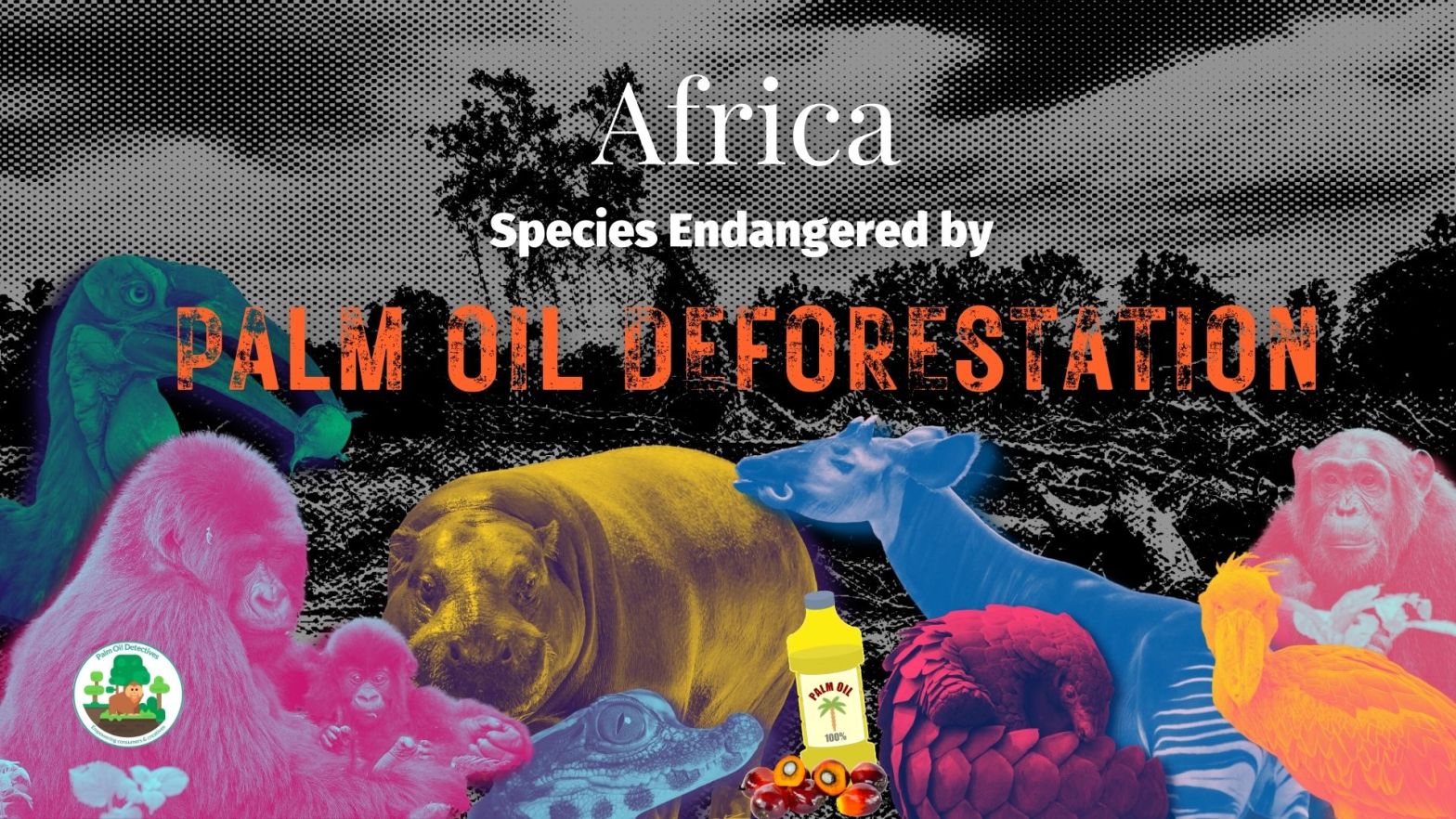
Explore the biodiversity of Africa and discover how palm oil deforestation impacts wildlife. Learn how you can help. #BoycottPalmOil #Boycott4Wildlife
 Palm Oil Detectives