
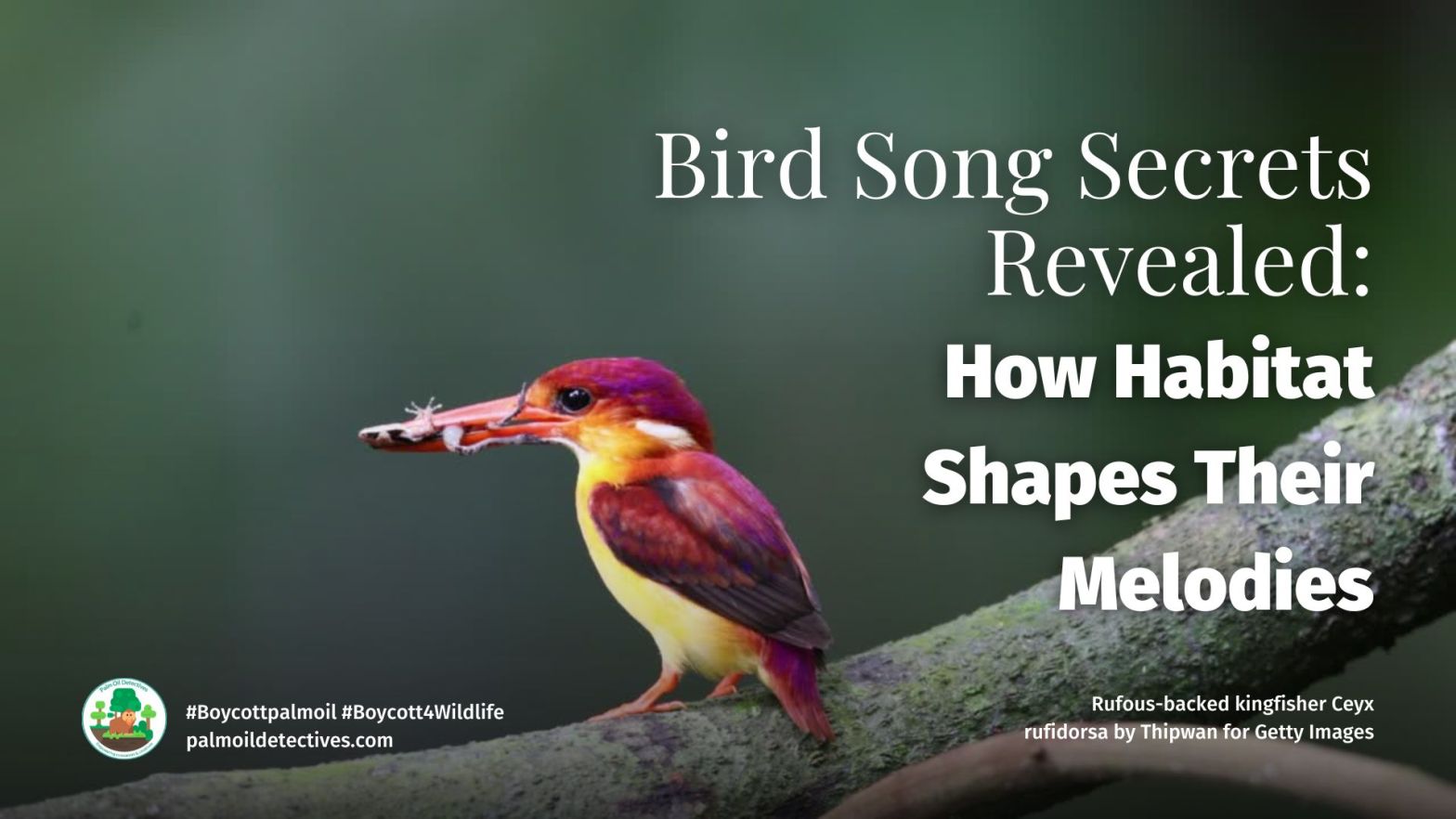
In the vast soundscape of #nature, #birds have evolved intricate ways to make themselves heard. A groundbreaking global study by University of Madison-Wisconsin has found surprising connections between a bird’s habitat, body size, beak shape, and the frequency of their calls—offering new insight into the evolutionary forces that shape and govern their songs and the jungle symphony as a whole. This discovery sheds light on the intricate relationship between nature and animal communication. Help them every time you shop and #BoycottPalmOil #Boycott4Wildlife
Tag Archives: nature
Protected: Private Advocate’s Page
There is no excerpt because this is a protected post.
The right for nature to simply exist is clear – the movement to enshrine this into law is growing

The idea that nature — forests , rivers, mountains — could have rights, in the same way that human rights, or corporate rights exist has been building momentum. A historic global agreement has been reached to try to protect the plants and animals of this world from further demise.
A Broken Record on Repeat – Animal Extinction Likely if Palm Oil Expands in North East India

As with the forest kingdoms of Borneo and the Amazon rainforest, the Indian forest kingdom of the Golden Langurs and Pygmy Hogs is under siege by palm oil in the north east of India. The region is home to some of the most endangered wildlife in the world. Situated in the foothills of the Himalayas, the whole area is one of the most fertile and diverse places on the planet. This region is earmarked for destruction for palm oil. Renowned British wildlife photographer Craig Jones went there to photograph pygmy hogs and report on their dwindling home.
Land-grabbing for palm oil and the climate crisis
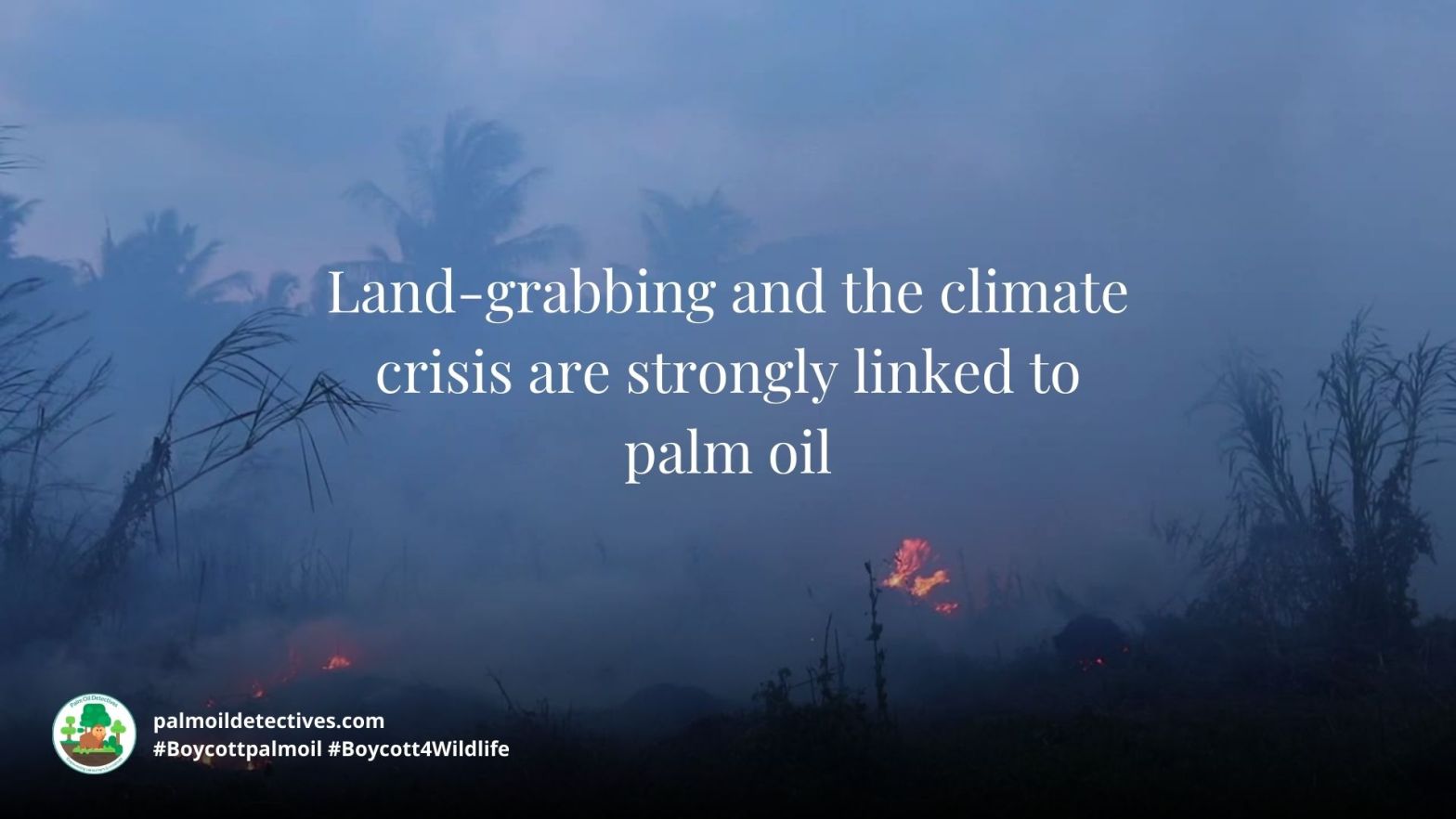
Corporate monopolies drive land grabbing for palm oil, worsening the climate crisis. Indigenous peoples in Asia resist. Join the fight. #BoycottPalmOil
The Amazonian Royal Flycatcher: A flurry of feathers

The Amazonian Royal Flycatcher is a member of a family of birds called the tyrant flycatchers, which occur throughout North and South America. This is the biggest family of birds in the world, with more than 400 species. As the name implies, the majority of tyrant flycatchers are entirely insectivorous (though they do not necessarily specialise in flies), while the ‘tyrant’ part comes from the noisy, aggressively territorial behaviour of some species in the group. Help them to survive every time you shop and #BoycottPalmOil #Boycott4Wildlife.
Nature’s Hidden Wealth: Conservation’s Opportunity

Animals and plants constitute a very small part of our native biodiversity (roughly 5%). The vast majority – fungi, bacteria and the enormous diversity of other microscopic organisms, including invertebrates – is a massive, largely unexplored economic resource.
The best known examples of commercial uses for biodiversity are the thousands of drugs secreted by bacteria and fungi. But others are examples of what is known as “bio-inspiration” and “bio-mimicry”, where wild species provide the blueprints for products. The combination of nature and biotechnology can offer us all a tentative reason to hope for the future.
The Coronavirus Crisis: How has Lockdown Impacted Nature?
I think we can all agree that 2020 has been a very strange year. Thanks to coronavirus, modern life as we know it has been put on hold. International borders have been shut, governments have ordered businesses to close their doors, and most families have been under lockdown. For anyone wondering where this infectious virusContinue reading “The Coronavirus Crisis: How has Lockdown Impacted Nature?”
Rainbow Cliffs: Why Parrots in the Amazon Eat Clay
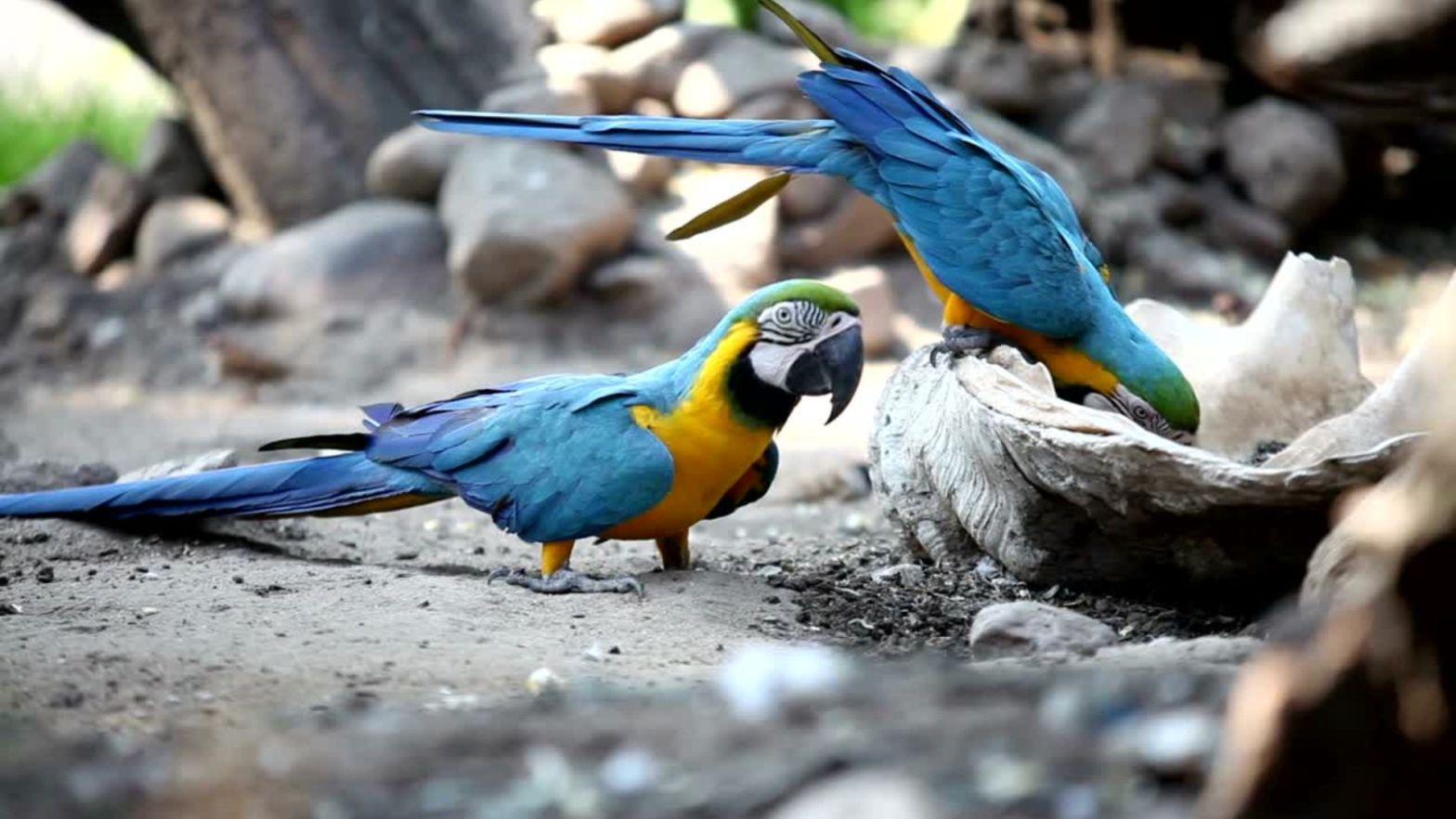
Our world holds a whole host of glorious natural spectacles, from great starling murmurations to the ethereal display of coral reef spawning. But none is more thrilling than catching a glimpse of a majestic #macaw.
Screeching their way through the #Amazon rainforest, leaving scattered fruit, broken branches, and a considerable quantity of parrot poop in their wake, #parrots are simply animals like no other. But high in the treetops, flying far above the dense, dark foliage below, how can you ensure that you see their bright colours? A safe bet is to find a clay lick.
African Greys: How politics killed the parrot
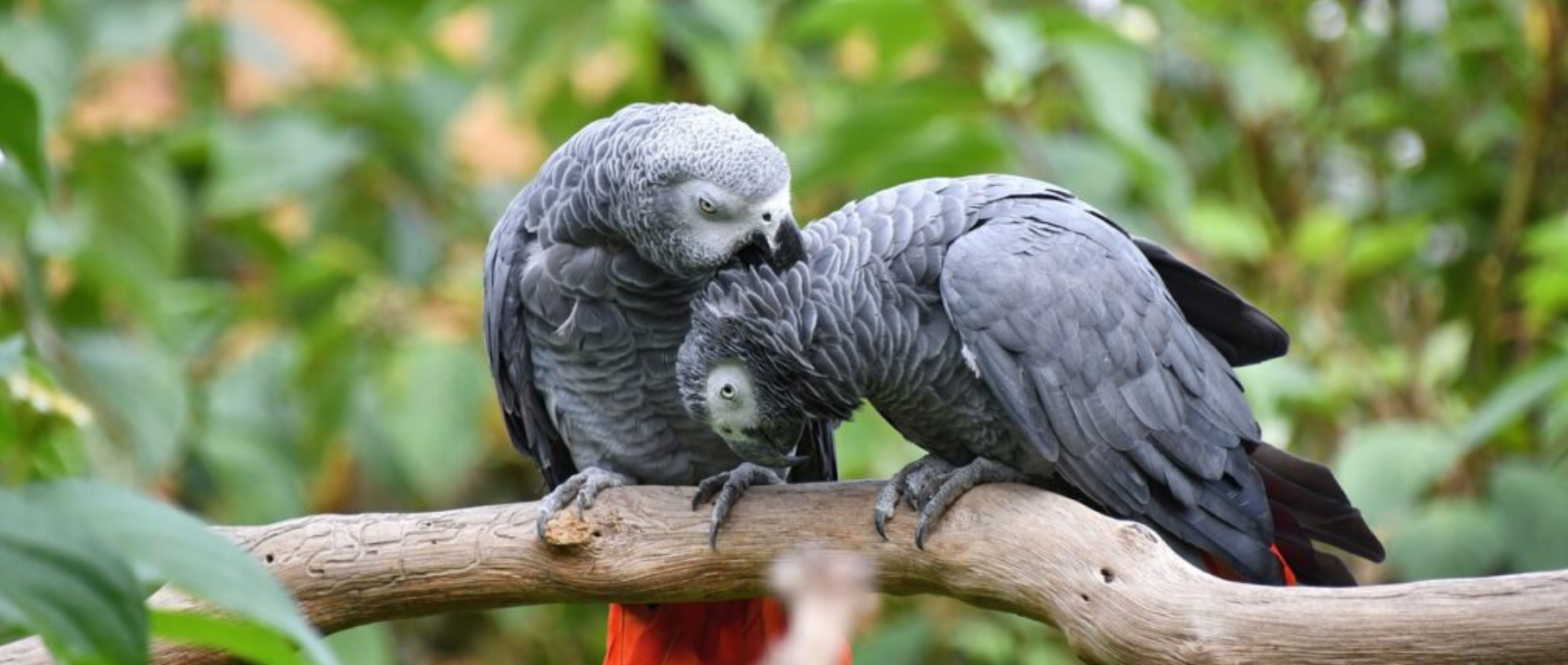
The African Grey Parrot of the Congo is an understated beauty sporting ash-grey plumage, which partially conceals the red flash of their short tails – not to be confused with the smaller and darker Timneh grey parrot. This species is found, as their name suggests, in the Democratic Republic of the Congo (DRC), along with Kenya, Tanzania and parts of Angola. Already globally threatened, any self-described bird lover must understand jus how the political environment in the DRC is threatening this gorgeous parrot. One of the most pervasive threats for these rare birds is poaching for the illegal pet trade, which, in the past 40 years alone, has resulted in almost three million birds being snatched from their homes. That’s three million birds who will never reproduce in the wild and ensure continuity of this species. Help these birds every time you shop and be #Vegan, #BoycottPalmOil #Boycott4Wildlife.
The Rarest Rhino: The Two Last Northern White Rhinos of Kenya
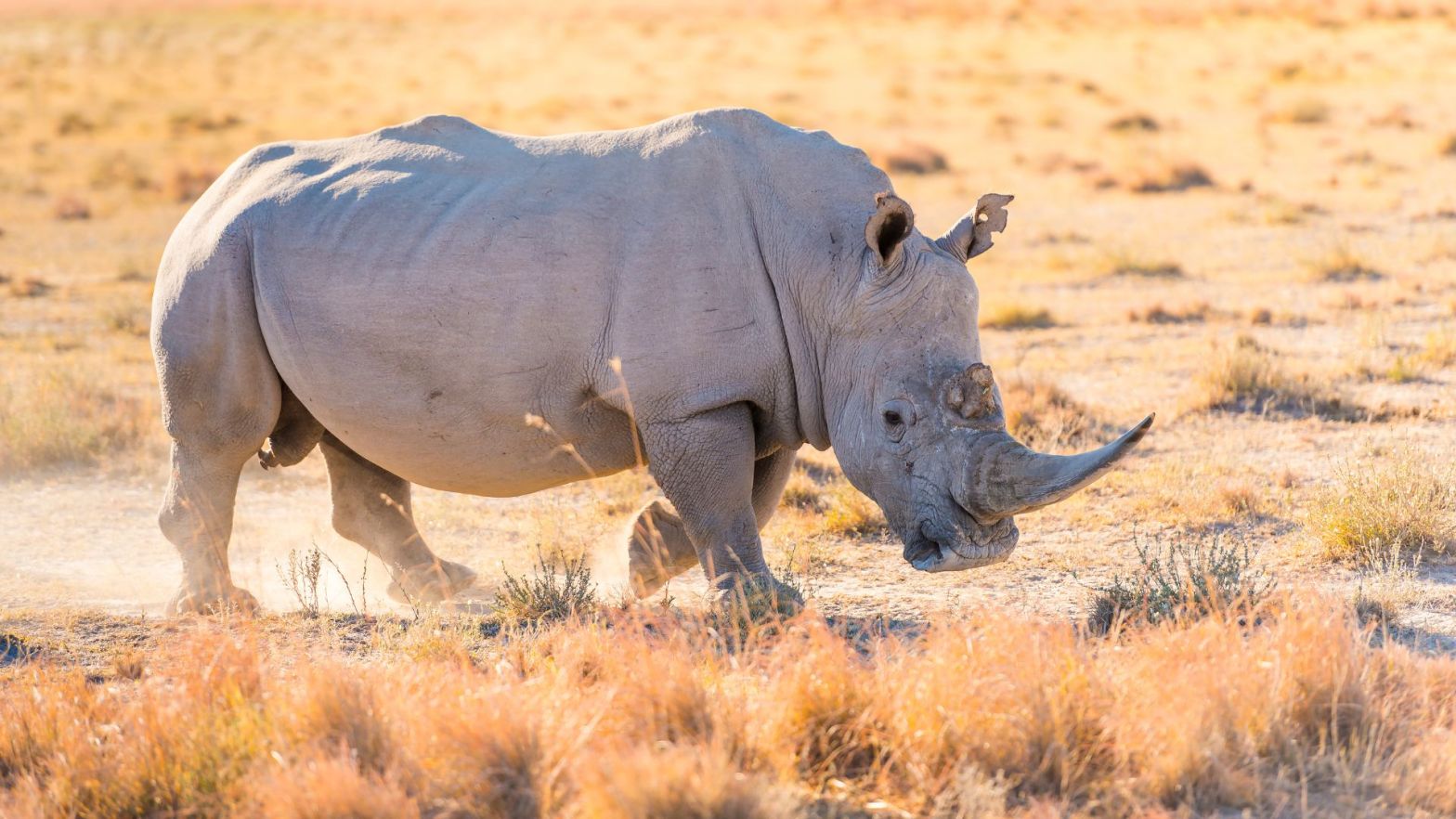
The rarest rhino in the world can be found wallowing in the mud at the Ol Pejeta Nature Conservancy in Kenya. Constantly guarded by vigilant rifle-clad guards, these two animals have no idea that they are the last members of their kind. They are northern white rhinos – the very last northern white rhinos anywhere on Earth. They have been poached to the very edge of extinction, with virtually no hope for recovery. Could this be the saddest story ever told? Likely! Vehemently and strongly oppose all forms of trophy hunting and poaching wherever you see it and #Boycott4Wildlife
The Stealth and Beauty of the Clouded Leopard
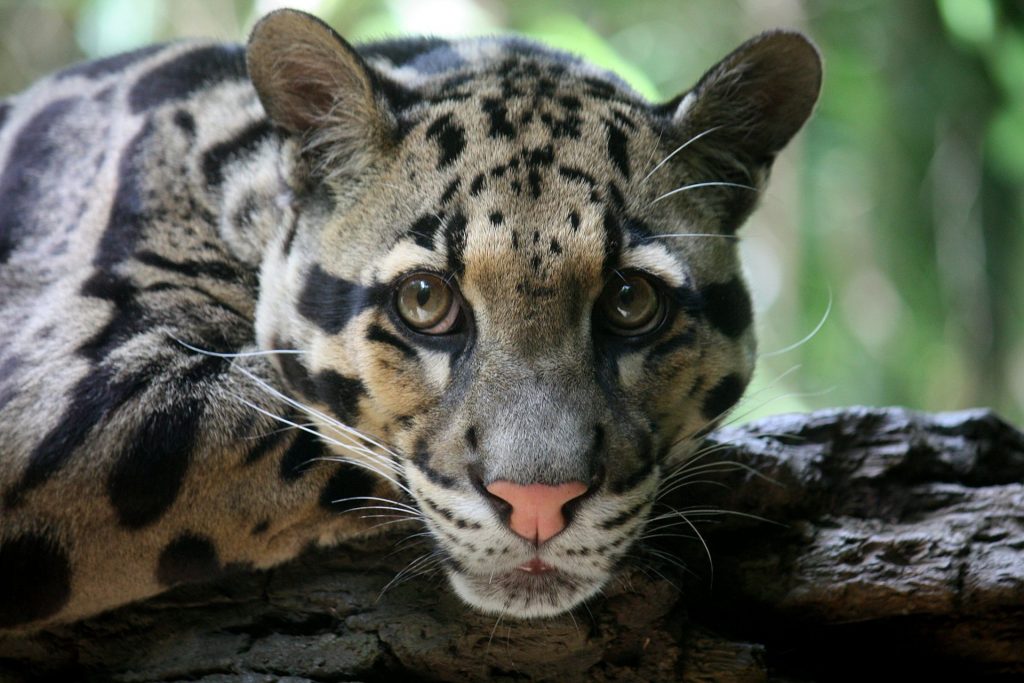
Beautiful and unique Clouded Leopards are #endangered by #palmoil, #meat #mining #deforestation and human persecution across their range. Help them every time you shop and be #vegan, #Boycottpalmoil and #Boycott4wildlife
 Palm Oil Detectives