
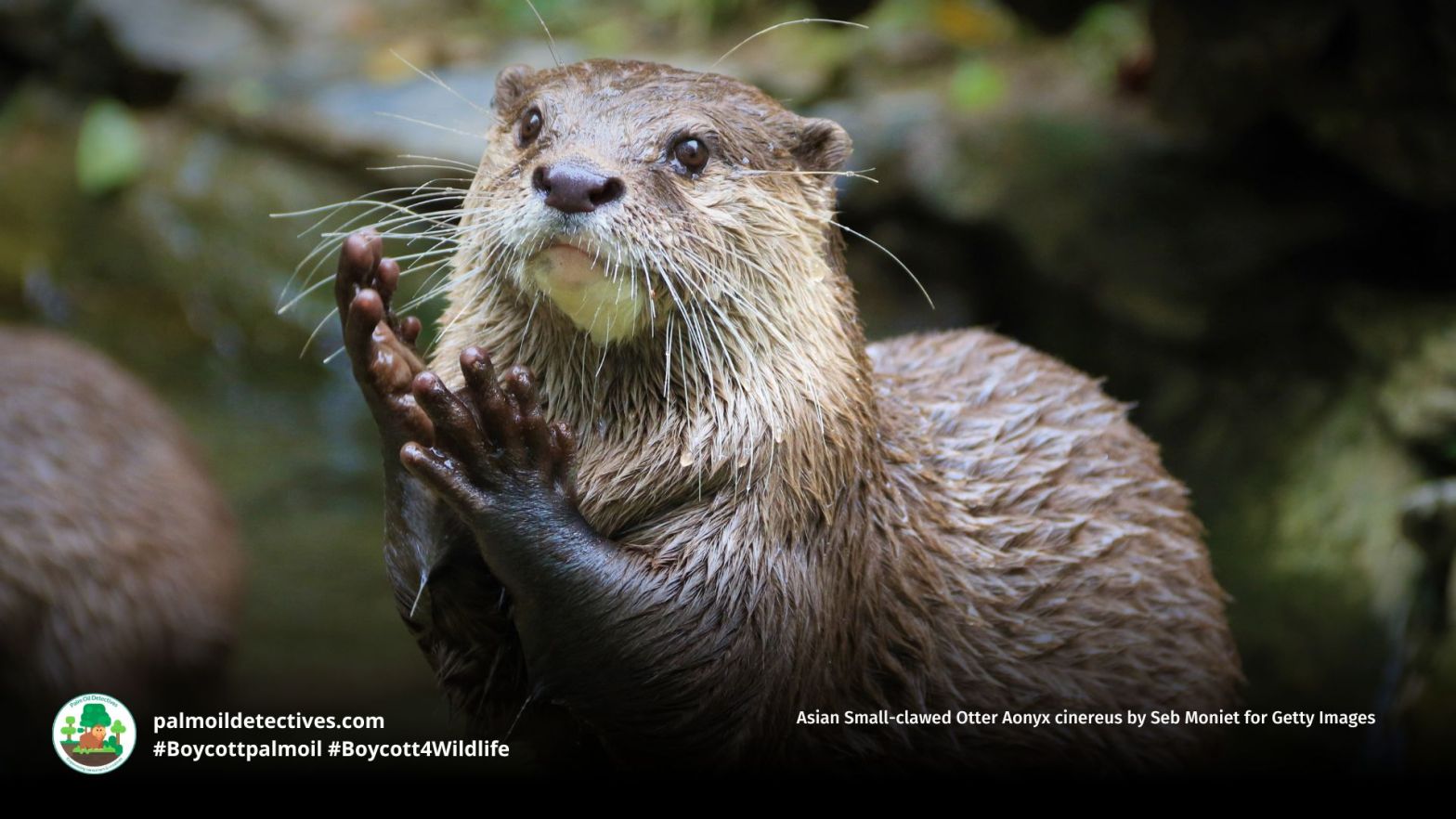
Asian Small-clawed Otters are the world’s smallest otter species and are Vulnerable from palm oil tea and coffee deforestation. Protect them, boycott palm oil!
Tag Archives: Nepal
Sloth Bear Melursus ursinus

The sloth bear (Melursus ursinus), with their distinctive “Y” or “V” shaped chest patch and shaggy fur, are unique bears native to the Indian subcontinent. Once exploited as ‘dancing bears’ by the Kalandar tribe, this phase of history is thankfully now over. They now roam across tropical forests and savannahs while snuffling through termite mounds and sucking up ants and honey. Tragically, these bears face severe threats from palm oil deforestation, human-wildlife conflict, and illegal poaching. You can fight for their survival by saying no to palm oil. Use your wallet as a weapon to make a difference! #BoycottPalmOil #Boycott4Wildlife
Protected: Private Advocate’s Page
There is no excerpt because this is a protected post.
Indian Rhinoceros (Greater One-horned Rhino) Rhinoceros unicornis
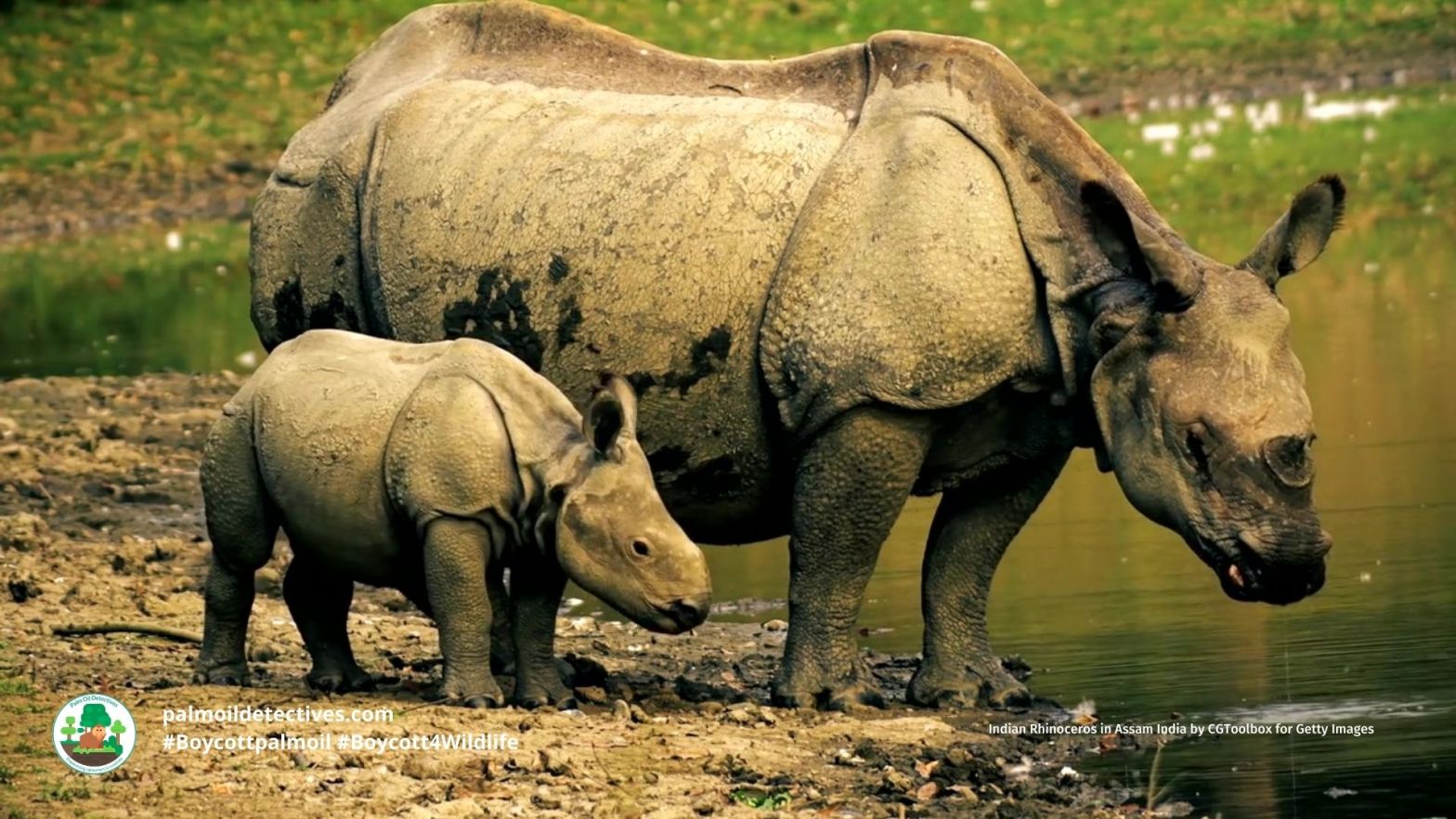
The largest of the three rhino species in Asia, the Indian Rhino has a distinctive and unique armour-plated look which lends them a fairytale quality that has captivated admirers for aeons. Although Indian rhino numbers have climbed over the past decades due to conservation, they are under imminent threat from the expansion of palm oil deforestation in the Assam region of India. A protected national park there is earmarked for destruction. Use your wallet as a weapon every time you shop and #Boycottpalmoil #Boycott4Wildlife
Barasingha Cervus duvauceli
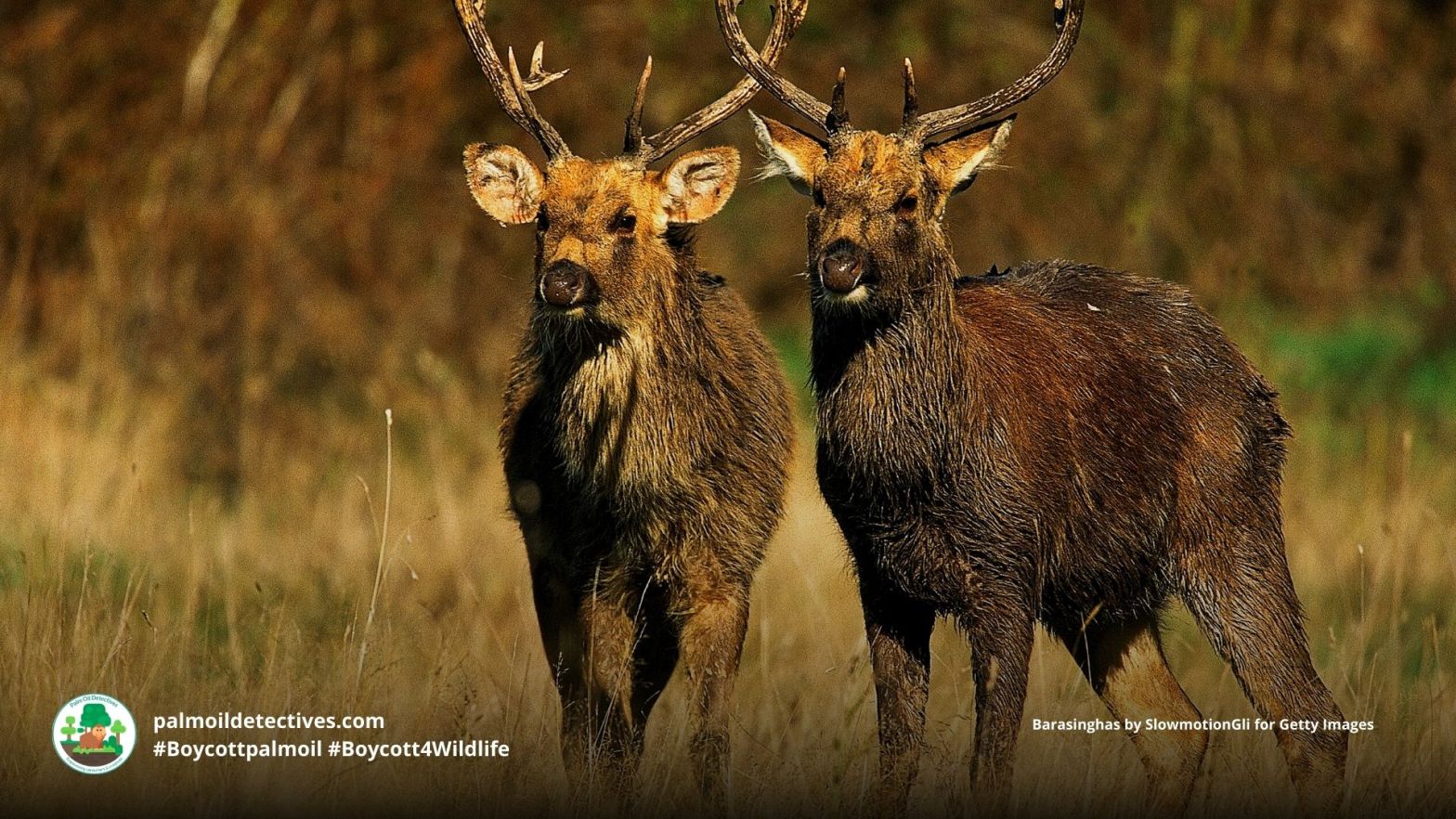
Barasinghas Cervus duvauceli also known as Swamp Deers, are instantly recognisable for their enormous handsome antlers. They can have as many as 12 antlers and their namesake Barasinghas means ’12 antlered deer’ in Hindi. They are now one of the most endangered deer species in the world due to habitat fragmentation for palm oil and beef, along with human persecution and hunting. The only remaining population live in protected sanctuaries in India and Nepal. The herd will be led by a single female and then followed by other females in a procession and then the males follow along at the rear of the group. Despite this, females are not dominant over the herd. These resilient, tough and majestic deer species are classified vulnerable on IUCN Red List. If you want to help them, adopt a #Vegan lifestyle and #BoycottPalmOil #Boycott4Wildlife in the supermarket!
Assam Rabbit (Hispid Hare) Caprolagus hispidus
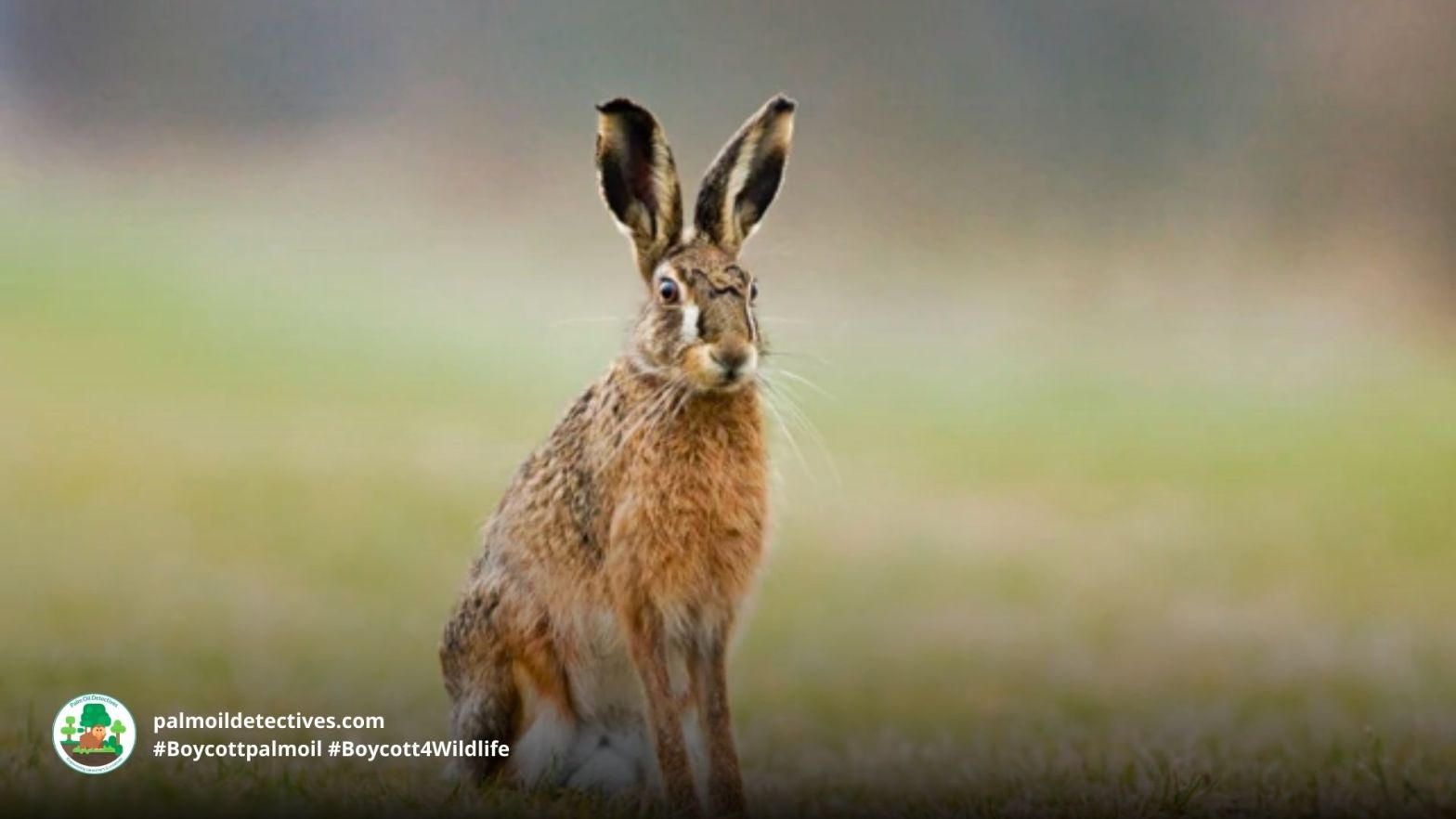
Assam Rabbit (Hispid Hare) Caprolagus hispidus Red List Status: Endangered Locations: Bhutan; India (West Bengal, Uttar Pradesh, Assam); Nepal. Presence Uncertain: Bangladesh; India (Madhya Pradesh, Bihar) Shy, solitary and wary Hispid hares are most active during dawn and dusk. They often take shelter from predation in tall grasses and the burrows of other animals. TheyContinue reading “Assam Rabbit (Hispid Hare) Caprolagus hispidus”
Dhole Canis Cuon alpinus
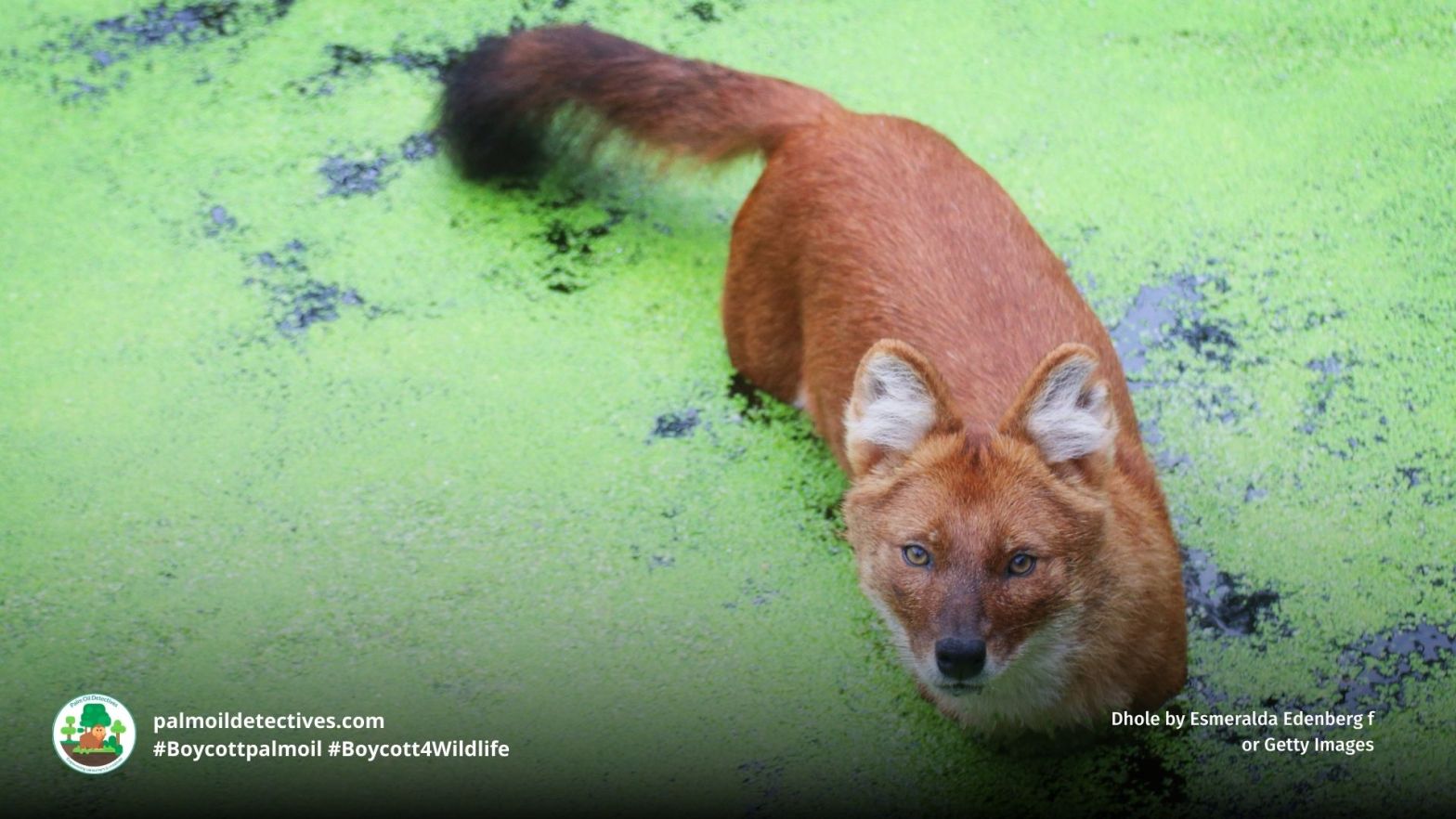
Fiercely protective, elusive and beautiful #Dholes are an ancient species of #wilddog that diverged from other dog species millions of years ago living in #Bangladesh, #Cambodia, #China, #India, #Indonesia, #Laos, #Myanmar, #Nepal and #Thailand. Dholes are also known as Asiatic Wild Dogs, Indian Wild Dogs, Red #Wolves and Mountain Wolves. Once found across the Russian Steppe, China, the Middle East and northern Asia their range has been fractured and reduced dramatically by human-related pressures and threats. Ongoing major threats are #deforestation for #meat and #palmoil along with human persecution. They are now classified as Endangered on IUCN Red List. Help them to survive, every time you shop #BoycottPalmOil #Boycott4Wildlife
Pygmy Hog Porcula salvania
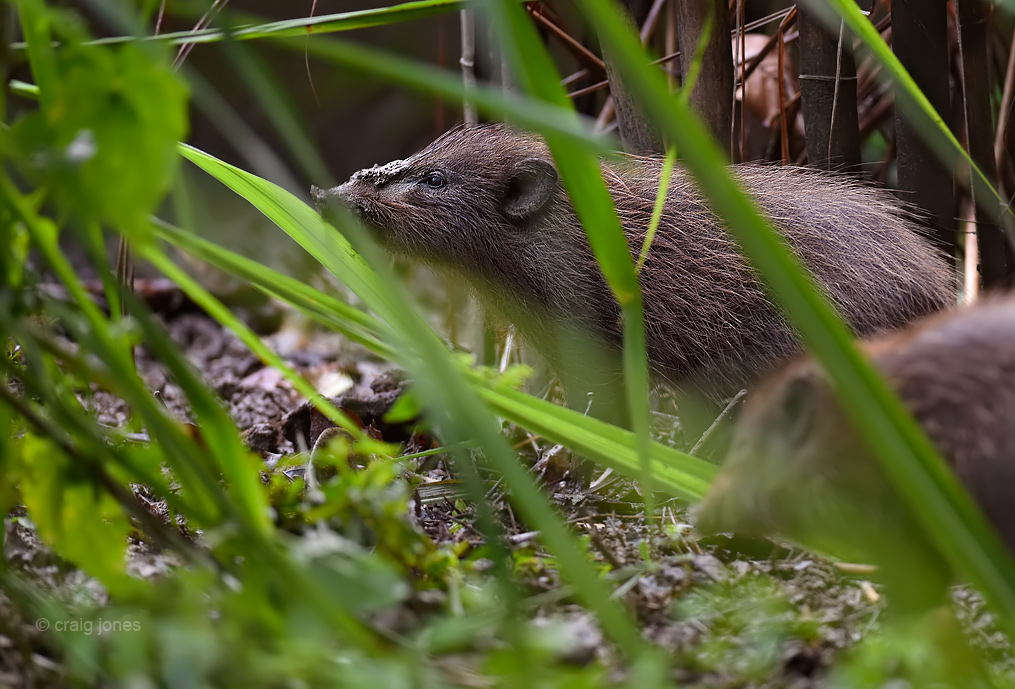
Pygmy hogs are only found in the lush and dense grasslands of Manas National Park, a small protected region in the shadows of the Himalayan mountains. These shy tiny wild pigs are the smallest pigs in the world and also the most endangered, threatened by habitat loss for palm oil and meat agriculture. Help them to survive each time you shop and #BeVegan #Boycottpalmoil and #Boycott4Wildlife
Saker Falcon Falco cherrug
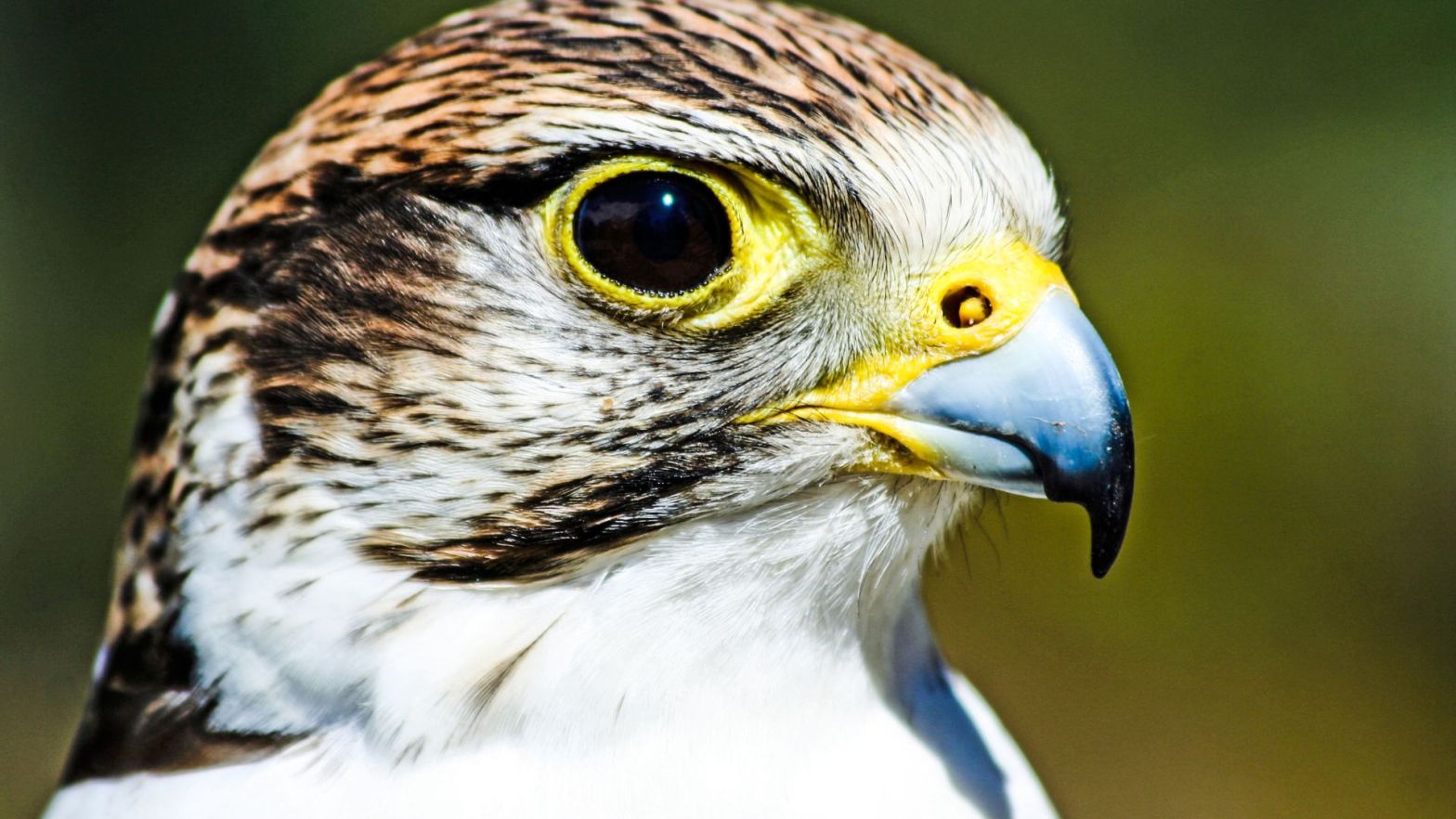
Saker #Falcons are majestic and powerful birds of prey that have a wide range throughout much of Southern Europe, the Middle East and parts of Africa. Their plumage ranges from chocolate brown in colour to a pale sandy with brown bars or streaks and can be snow white and off-white.
This species has been uplisted to Endangered because a revised population trend analysis indicates that they may be undergoing a very rapid decline. This negative trend is a result of a range of anthropogenic factors including electrocution on power lines, unsustainable capture for the falconry and #pettrade, as well as habitat degradation throughout all three continents but especially in Africa. Help them every time you shop and #Boycott4Wildlife
Wild Water Buffalo Bubalus arnee
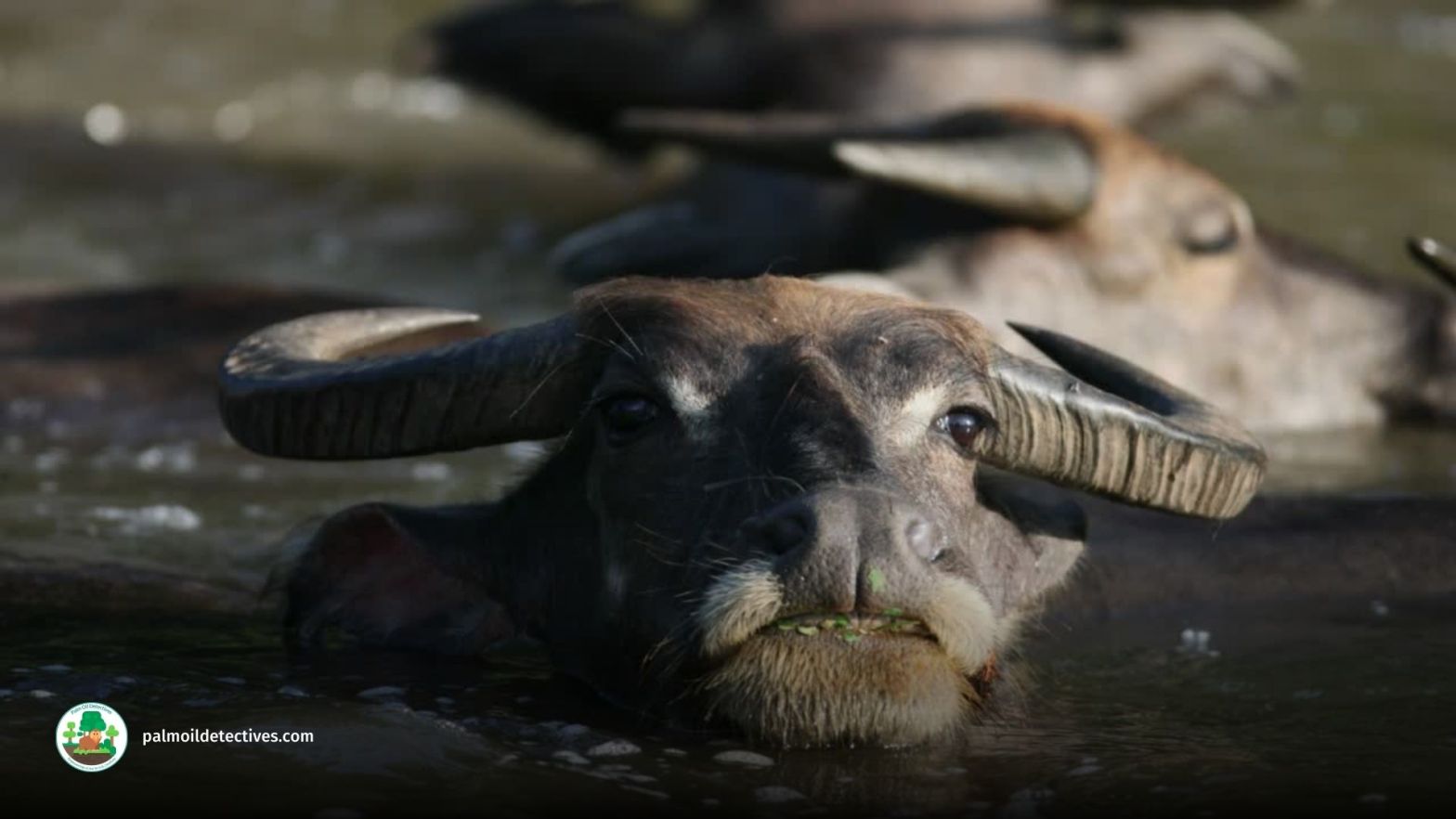
Massive, muscular, and critically under threat, the Wild Water Buffalo Bubalus arnee is the endangered ancestor of all domestic buffalo breeds. Once roaming vast swathes of South and Southeast Asia, fewer than 4,000 individual buffaloes remain today, scattered across shrinking habitats in India, Nepal, Cambodia, and a handful of neighbouring nations. Their decline is driven by interbreeding with domestic buffalo species, habitat destruction from farming and palm oil plantations, hunting, and disease transmission from livestock. This ancient grazer of flooded grasslands and braided rivers is vanishing before our eyes. Speak out for them and support indigenous-led efforts to restore their ecosystems. #BoycottPalmOil #Boycott4Wildlife
Elongated Tortoise Indotestudo elongata
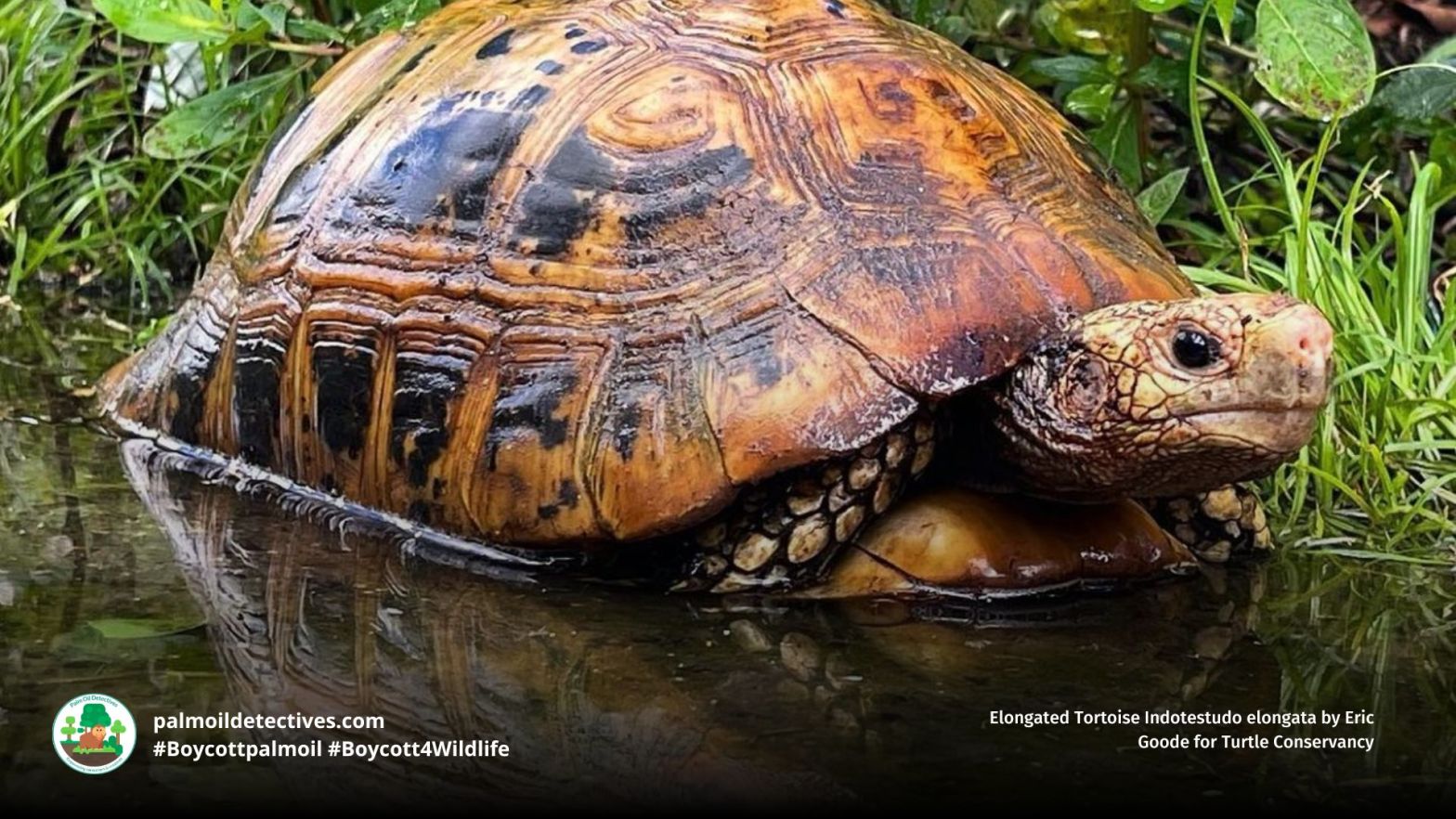
The elongated tortoise Indotestudo elongata is a Critically Endangered species native to South and Southeast Asia. They are renowned for their uniquely patterned and elongated shells and have vital roles as seed dispersers in tropical forests. However, their numbers have declined alarmingly due to palm oil deforestation, hunting, and the illegal wildlife trade.
Fewer than 20,000 mature individuals are estimated to remain in fragmented populations across their range, with significant declines reported in most countries. Deforestation for agriculture, including palm oil plantations and urbanisation has devastated their habitats, while poaching continues unabated. Fight for them every time you shop and boycott palm oil! #BoycottPalmOil #Boycott4Wildlife
 Palm Oil Detectives