
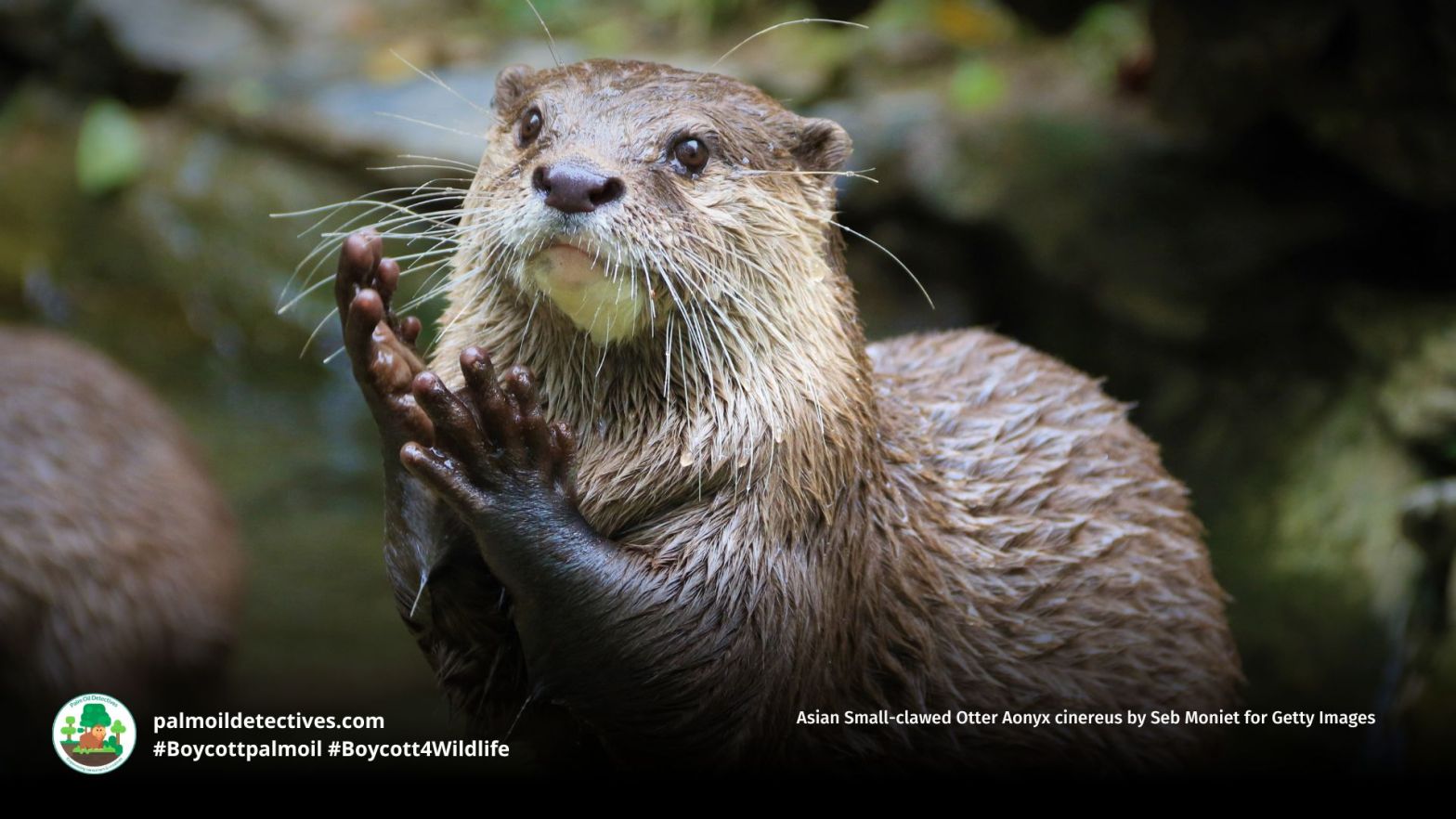
Asian Small-clawed Otters are the world’s smallest otter species and are Vulnerable from palm oil tea and coffee deforestation. Protect them, boycott palm oil!
Tag Archives: Philippines
Malayan Flying Fox Pteropus vampyrus
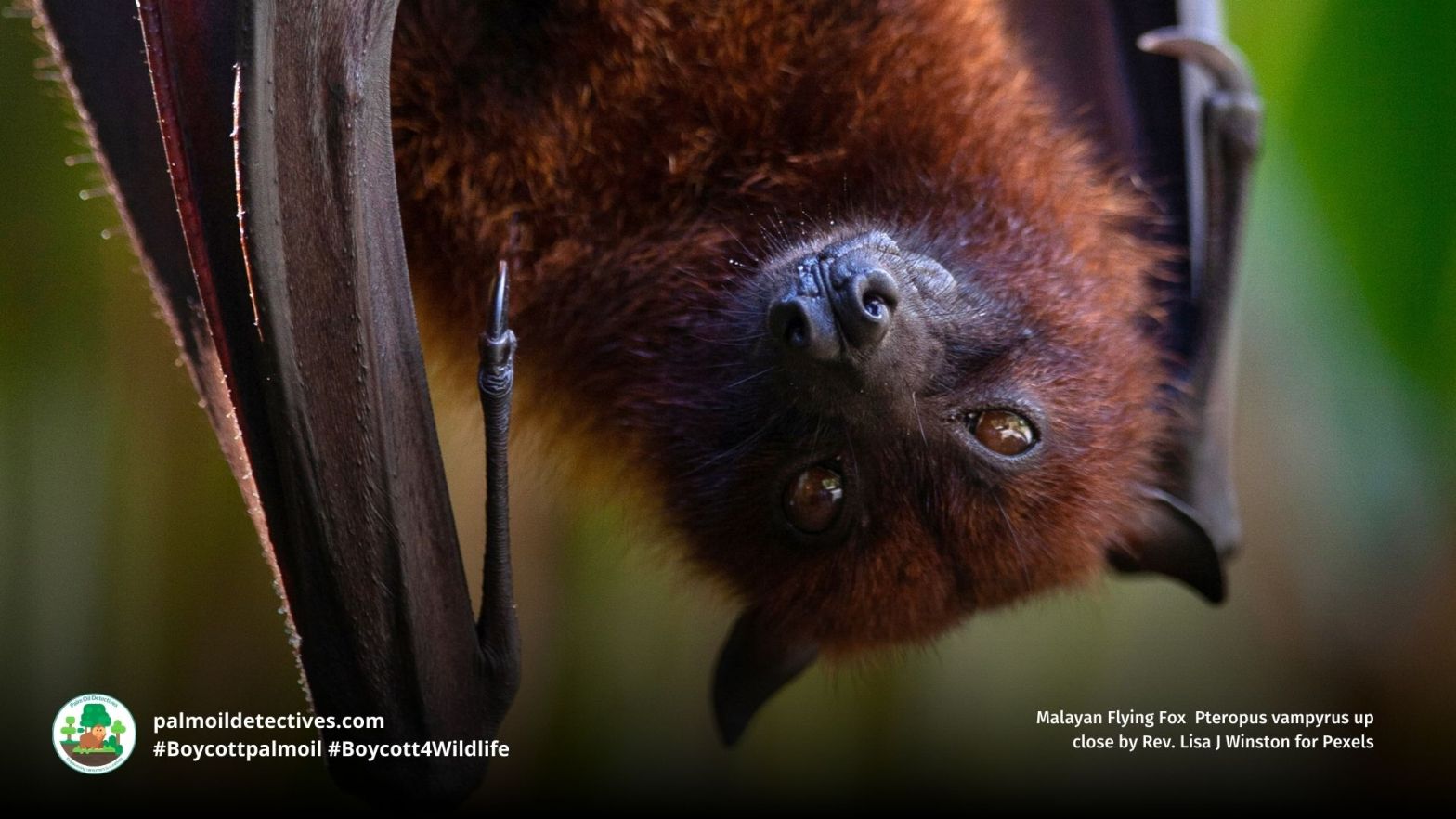
The Malayan Flying Fox, known also as the Large Flying Fox, Giant Fruit Bat, or Kalong, is an ethereal creature of the tropical Asian night. With wingspans reaching 1.7 metres, they are the largest bats in the world and glide silently through the darkness, a graceful presence in South East Asia’s moonlit forests. Their foxy almond shaped eyes and expressive faces are framed by glossy black fur and golden and russet collars, lend them a warm and mythical aura, while their immense wings are awe-inspiring to see in flight.
These nocturnal giants are the architects of tropical forests, scattering seeds and pollinating flowers as they journey across vast landscapes. Yet, despite their importance to ecosystems, they are under siege—hunted mercilessly and displaced by forests that vanish due to palm oil. Their story is a call to action: protect the guardians of the night before it is too late. #BoycottPalmOil #Boycott4Wildlife
Visayan Broadbill Sarcophanops samarensis
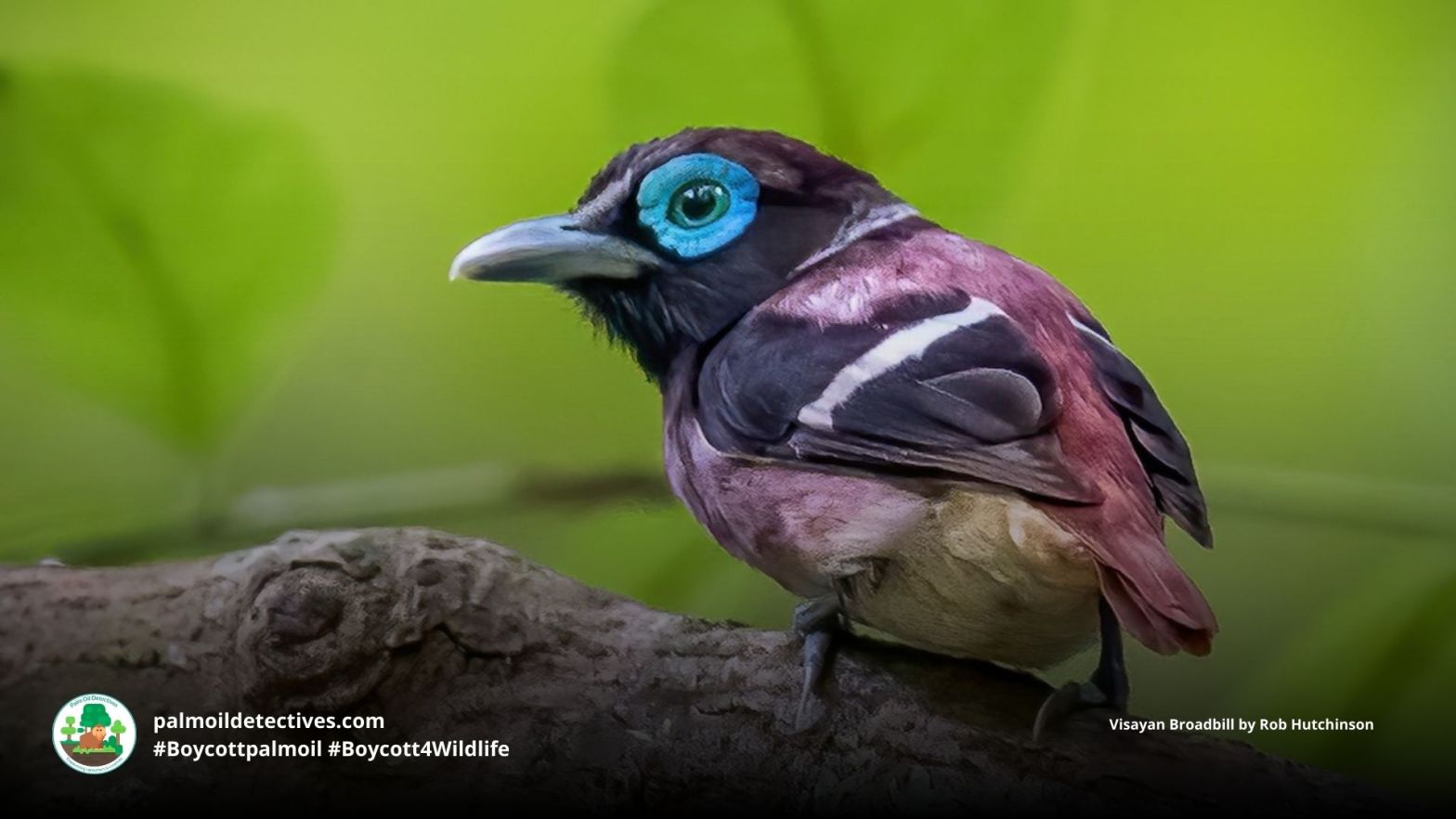
The Visayan broadbill Sarcophanops samarensis is a brightly colored bird endemic to the islands of Samar, Leyte, and Bohol in the central Philippines. Males flaunt striking reddish-pink underparts, while females are marked by a distinctive white belly and collar. Sadly, due to extensive deforestation and habitat loss for palm oil and other commodities in the Philippines, the Visayan broadbill is now classified as “Vulnerable” on the IUCN Red List. There is only an estimated population of 2,500 to 9,999 mature individuals left alive! Therefore urgent conservation measures are needed to protect this unique bird’s lowland forest habitat. Advocate for stricter protections, push back against illegal logging for palm oil #BoycottPalmOil #Boycott4Wildlife to make a difference.
Protected: Private Advocate’s Page
There is no excerpt because this is a protected post.
Irrawaddy Dolphin Orcaella brevirostris
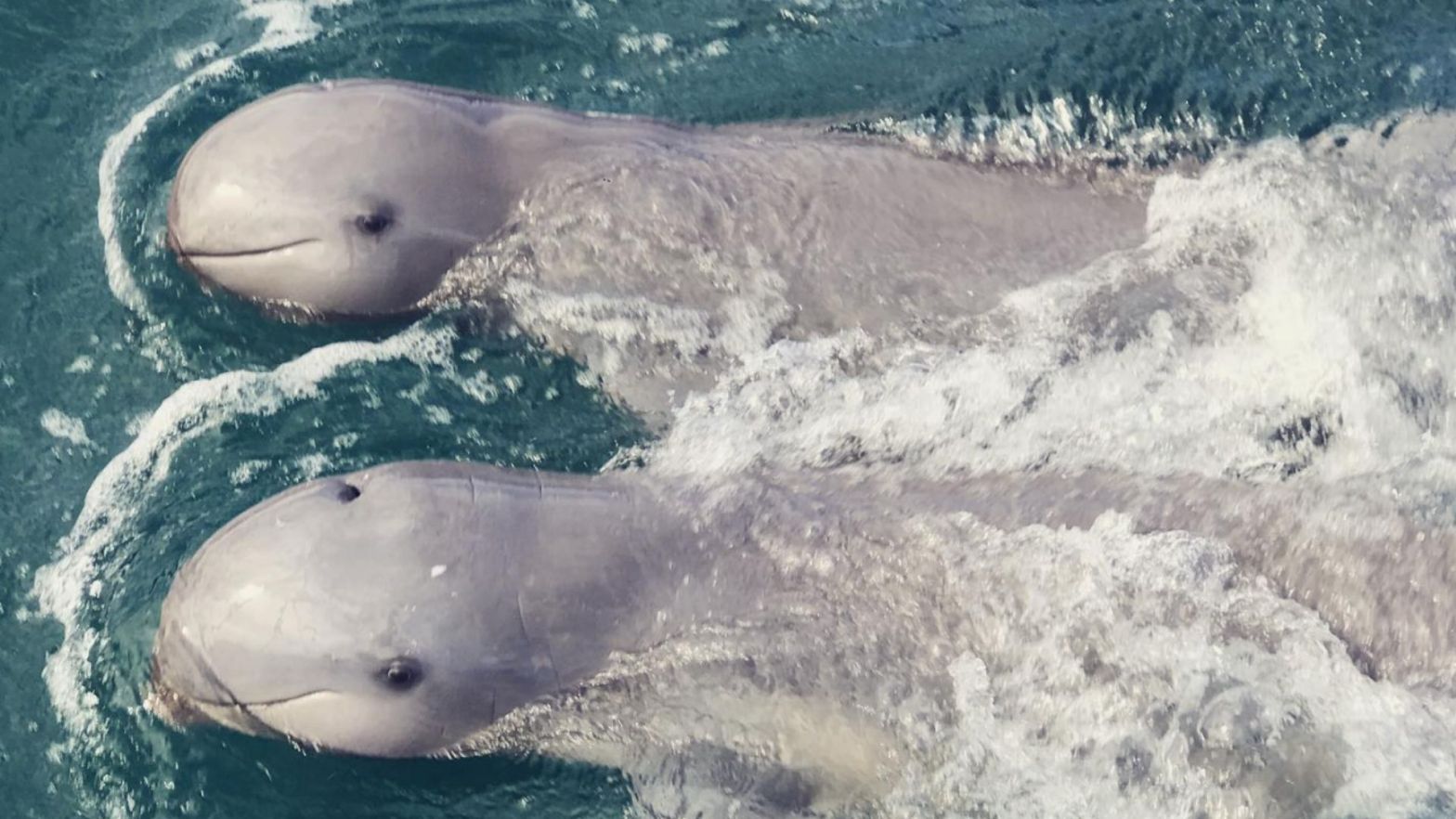
Intelligent and social Irrawaddy dolphins, also known as the Mahakam River dolphins or Ayeyarwady river #dolphins have endearing faces. Only 90 to 300 are estimated to be left living in the wild. Their rounded and expressive looking noses liken them to a baby beluga whale or the Snubfin dolphin of Australia. These shy #cetaceans are found in coastal and freshwater habitats across #SoutheastAsia, they live in small groups. Tragically, Irrawaddy dolphins face many human threats, from entanglement in fishing gear to dam construction. Palm oil deforestation, and #pesticide run-off in rivers is another major threat to their survival.
Protecting the Irrawaddy dolphin is paramount. As a keystone species, they maintain biodiversity in their fragile home. These beautiful animals are classified as endangered on IUCN Red list but are critically endangered in some ecosystems. Fight for their survival when you boycott palm oil and go vegan. Support the Boycott4Wildlife movement by using the hashtags #BoycottPalmOil and #Boycott4Wildlife on social media!
Philippine tarsier Carlito syrichta
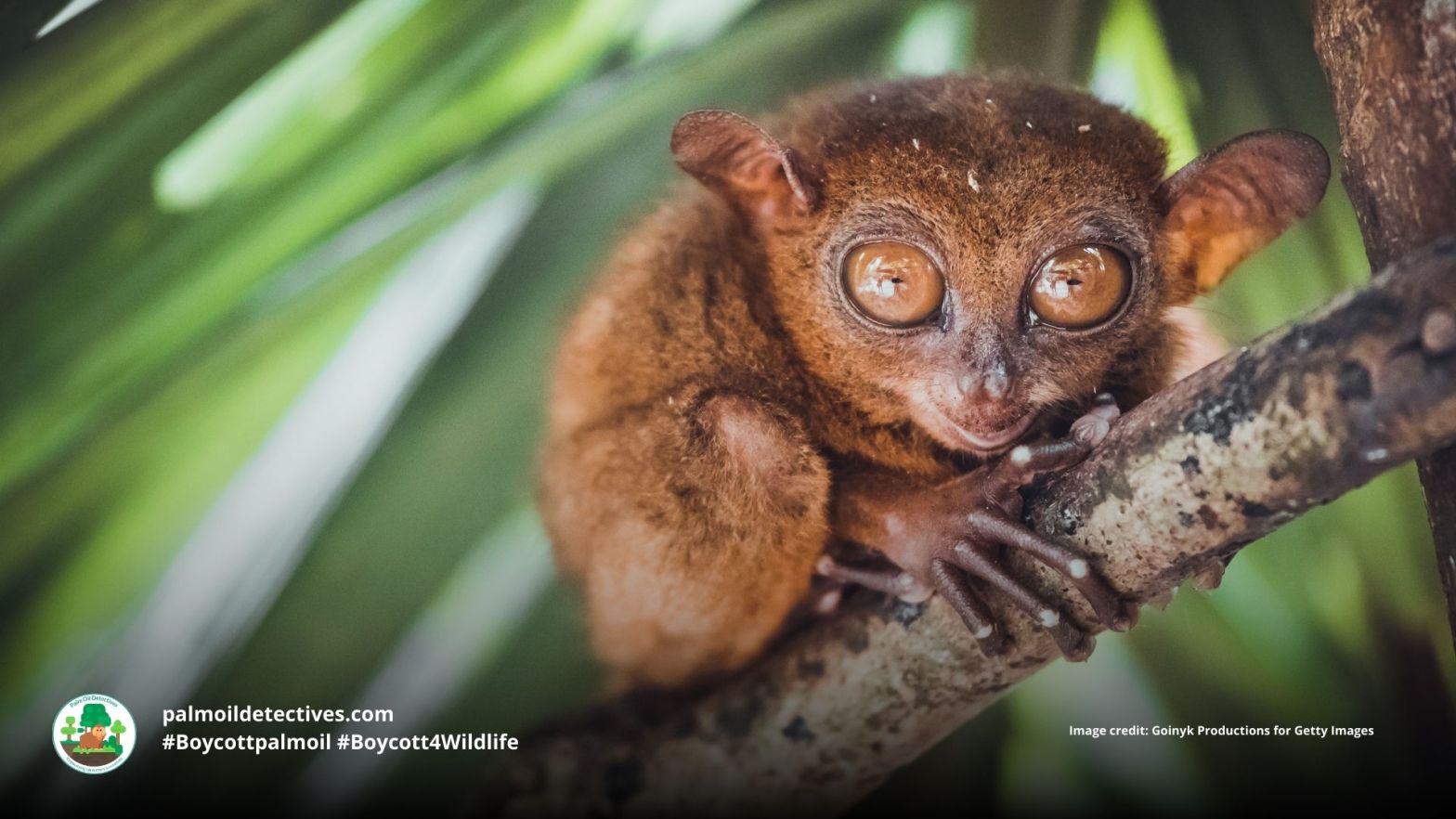
The Philippine tarsier, Carlito syrichta, epitomises nocturnal secrecy, leading a mostly concealed life in the dense recesses of impenetrable bushes and forests. They boast large and mesmerising eyes that aid in night vision, these tiny creatures have a distinct appearance. Measuring around 8 to 16 cm, their fur is soft and comes in various shades, often blending with their natural surroundings. Known for their incredible leaping abilities, tarsiers are agile hunters, relying on their keen sense of hearing to locate prey. Despite their small size, they play a vital role in maintaining the ecological balance in their habitat. They are now vulnerable due to multiple human-related threats including palm oil deforestation and the pet trade. Help them to survive #Boycottpalmoil #Boycott4Wildlife
Sulu Hornbill Anthracoceros montani
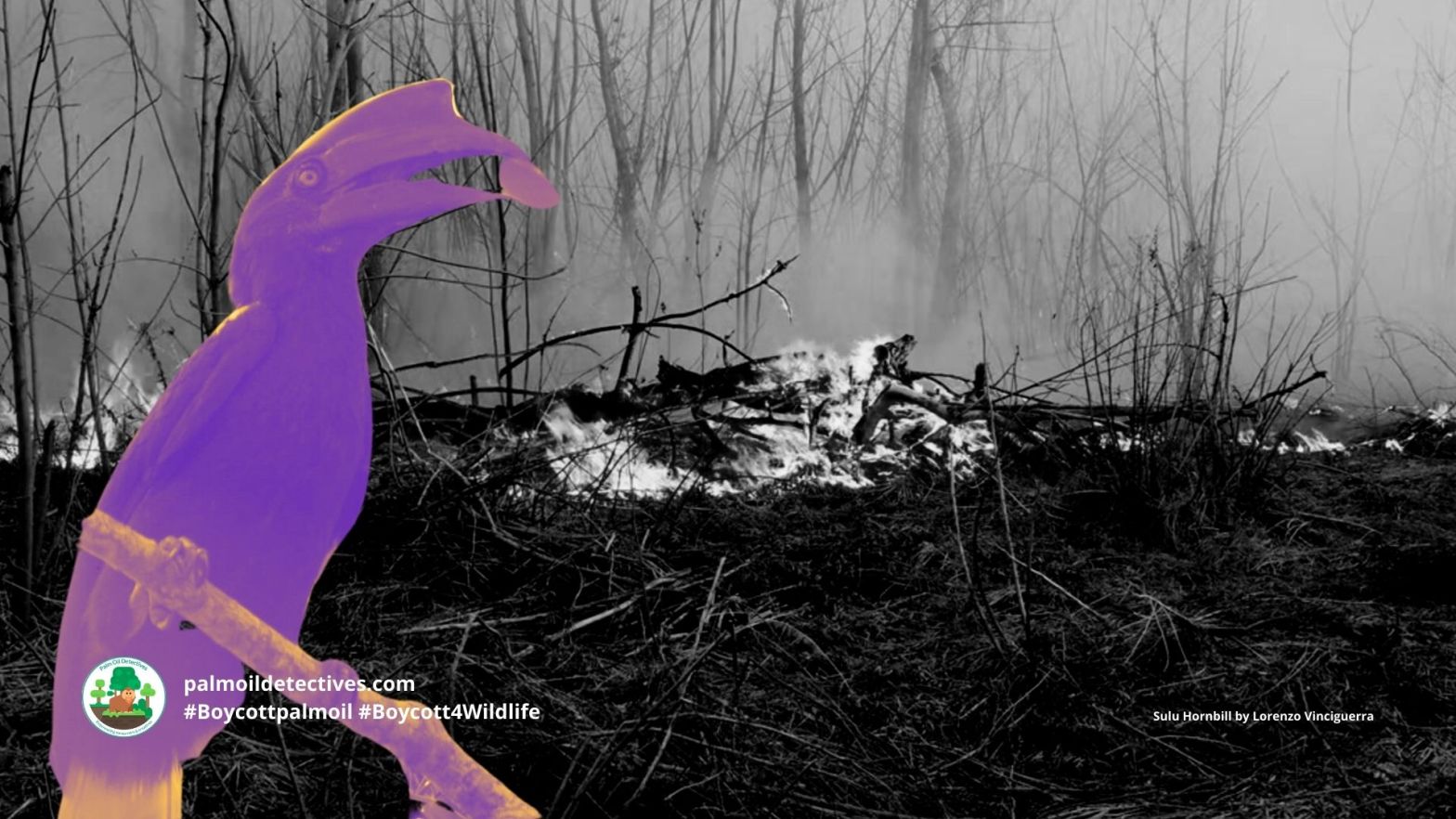
The Sulu Hornbill is one of the rarest birds in the world. They are large and almost entirely black except for a white tail, with a thick black bill, a black casque, and black skin around the eye. Males have pale eyes, females have brown eyes and a smaller casque. These striking birds are native to the Sulu Islands, possibly now only found on Tawi-Tawi due to hunting and palm oil deforestation throughout their range. In 2018 there was only a few dozen left. Help their survival and #Boycottpalmoil #Boycott4Wildlife
Nicobar pigeon Caloenas nicobarica
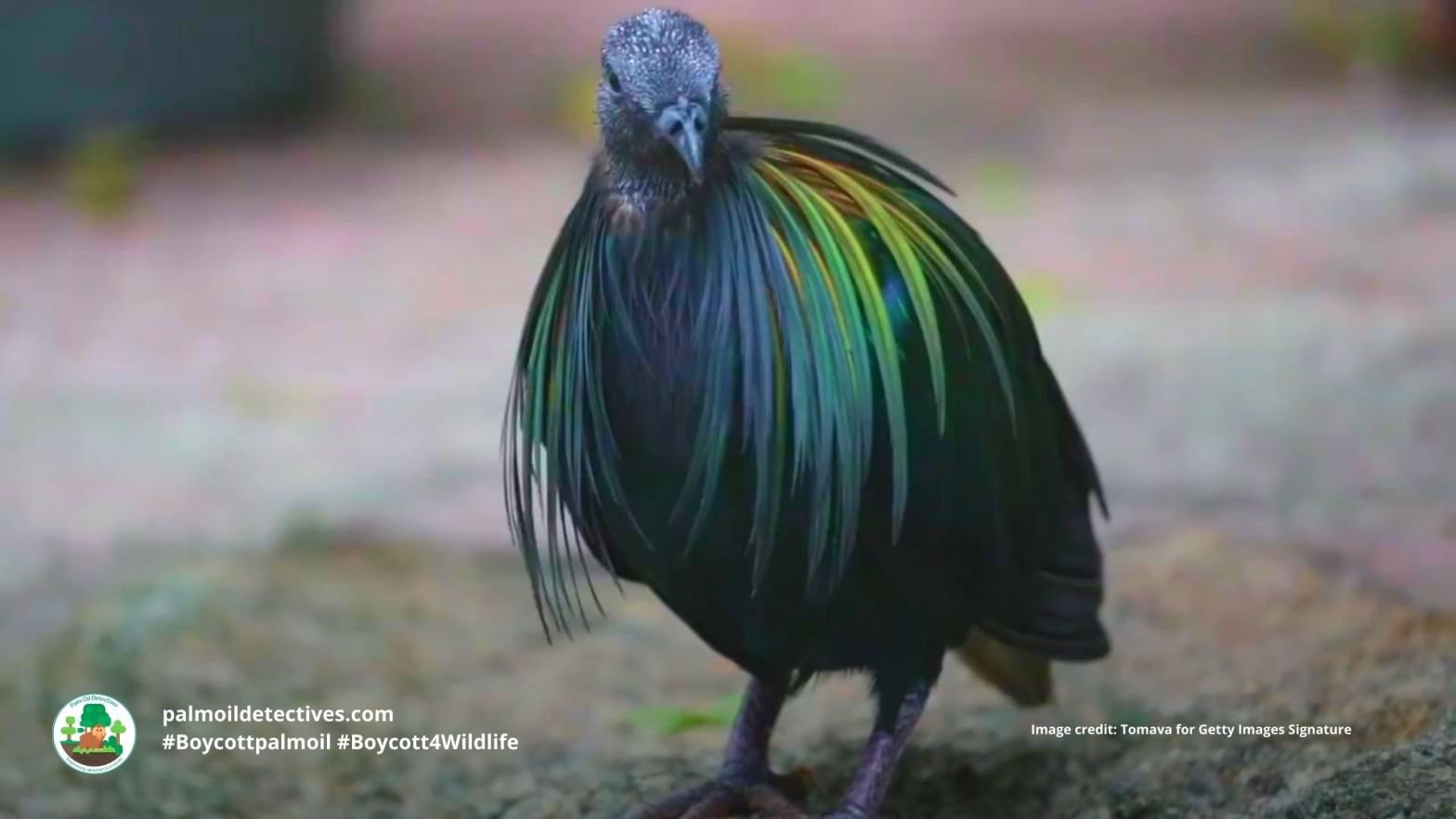
The Nicobar pigeon is the largest pigeon in the world and the closest living relative to the extinct dodo bird. They are famous for their gorgeous iridescent feathers. When threatened they make a pig-like grunt and are known for the strange way that they drink – by dunking their heads into water and sucking it up instead of sipping as other birds do. They are Near Threatened from palm oil deforestation on the Nicobar and Andaman Islands in #India along with hunting and the pet trade. Help their survival and #Boycottpalmoil #Boycott4Wildlife in the supermarket.
Philippine Sailfin Lizard Hydrosaurus pustulatus

Stunning bright coloured Philippine sailfin lizards are becoming more and more rare from palm oil deforestation across their range in #WestPapua #Philippines and eastern #Indonesia. They are also threatened by hunting and the pet trade. Males turn a dark violet colour during mating season and flare their extravagant sail-like fins to announce their mating prowess. They have a third eye on the top of their head which enables them to sense sunlight. Help them survive and #Boycottpalmoil #Boycott4Wildlife
Southeast Asian Box Turtle Cuora amboinensis
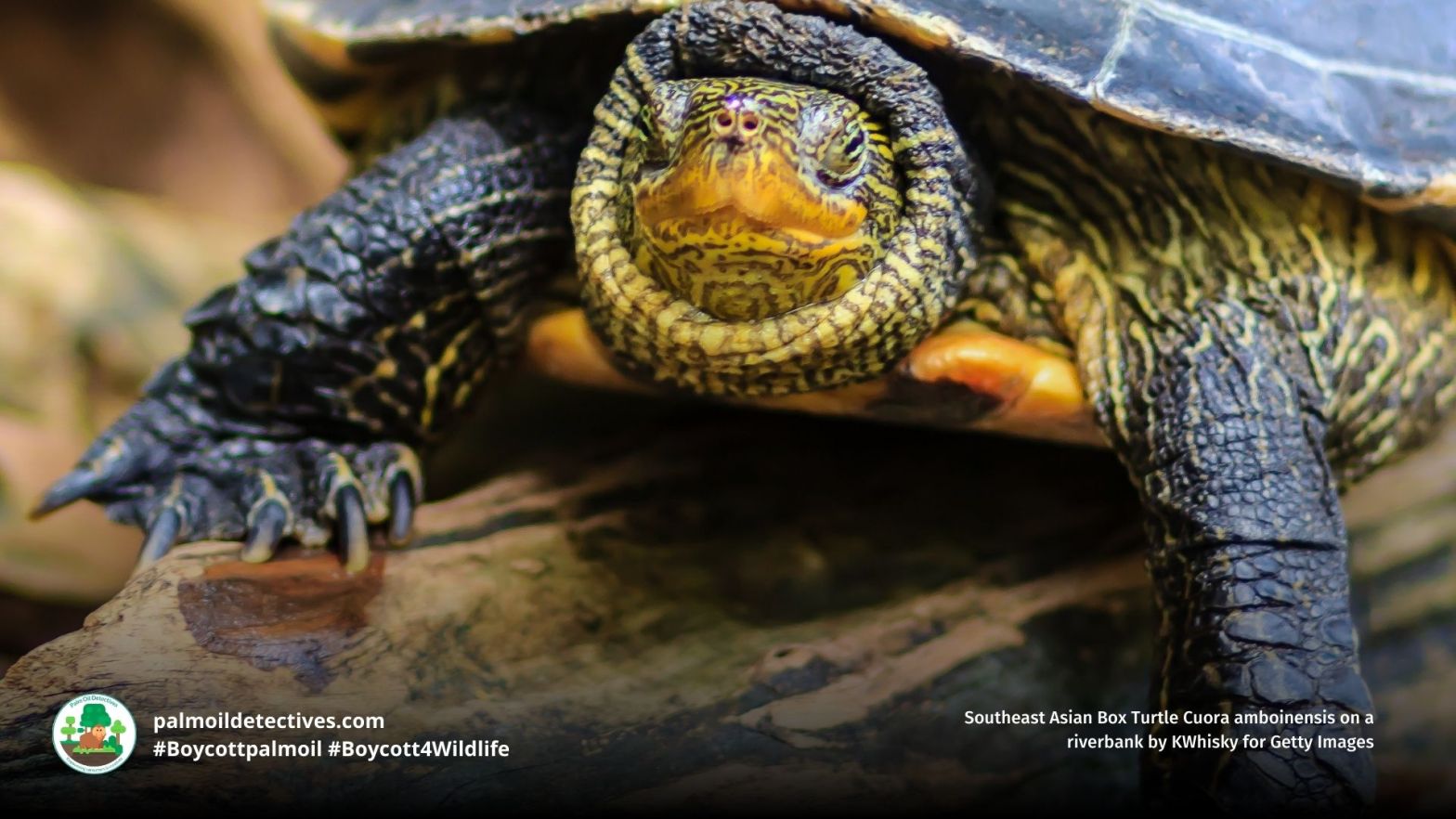
The Southeast Asian Box #Turtle Cuora amboinensis, also known as the Amboina Box Turtle, Malayan Box Turtle, or Indonesian Box Turtle, is a freshwater #reptile species found across much of Southeast Asia. This species is under severe pressure due to overexploitation for food, traditional medicine, and the #pettrade, particularly in Australia, #China, Europe, and the United States. Their semi-aquatic nature allows them to thrive in swamps, rice paddies, and slow-moving rivers, but habitat destruction from #palmoil plantations, #timber and wetland drainage threatens their survival. Their population is rapidly declining due to these threats, making urgent protections necessary. Resist destruction and fight for their survival every time you shop – #BoycottPalmOil #Boycott4Wildlife.
Balabac Mouse Deer Tragulus nigricans
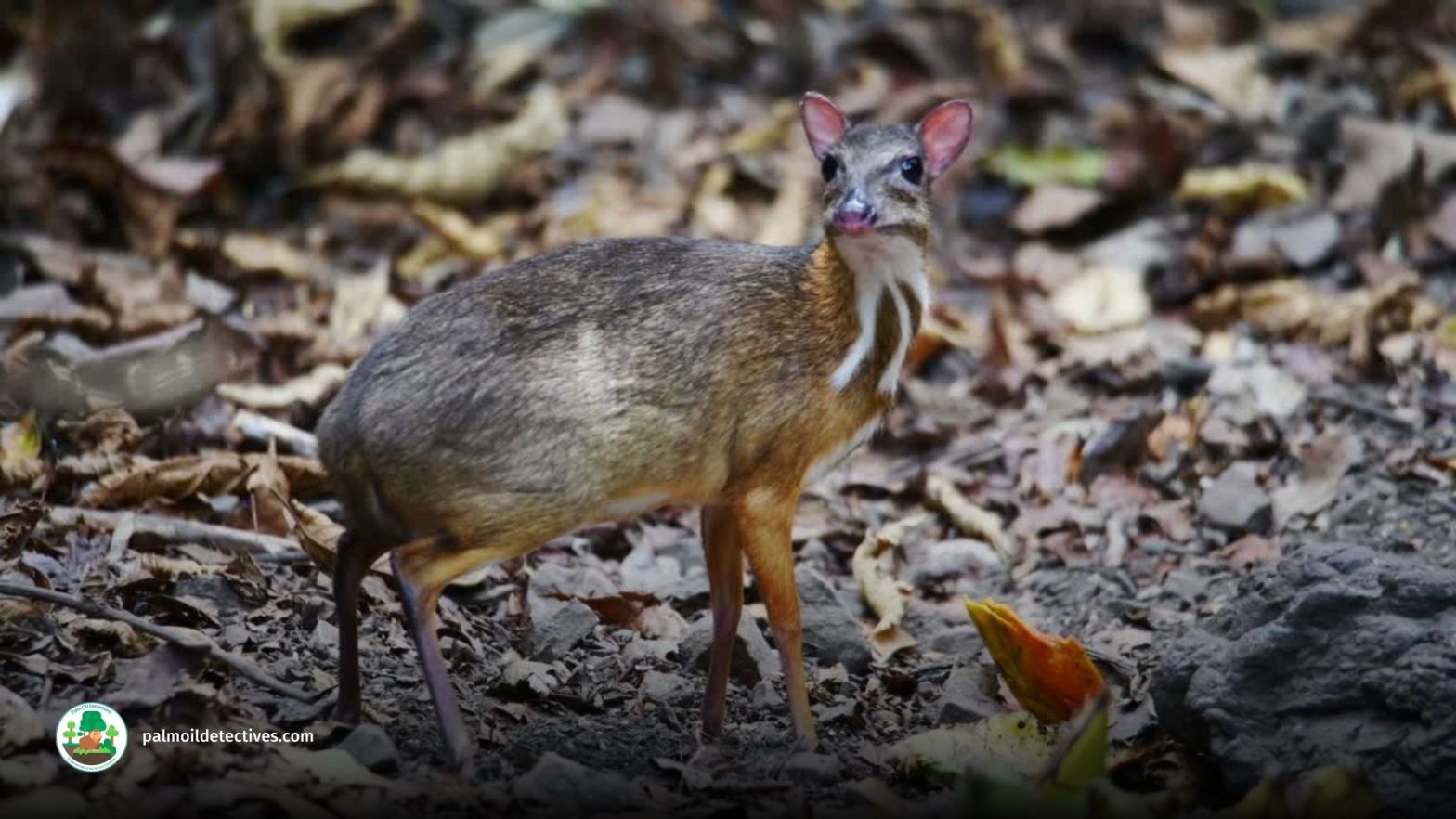
Balabac Mouse Deer Tragulus nigricans Endangered Extant (resident) Philippines; Presence Uncertain: Malaysia The Balabac Mouse-deer, also known as the Philippine Mouse-deer or locally as Pilandok, is a tiny, fragile deer most active at night. They are ruminants endemic to the Balabac Islands in the Philippines. Despite their diminutive size, the deers play a significant roleContinue reading “Balabac Mouse Deer Tragulus nigricans”
Indonesian Longfinned Eel Anguilla borneensis
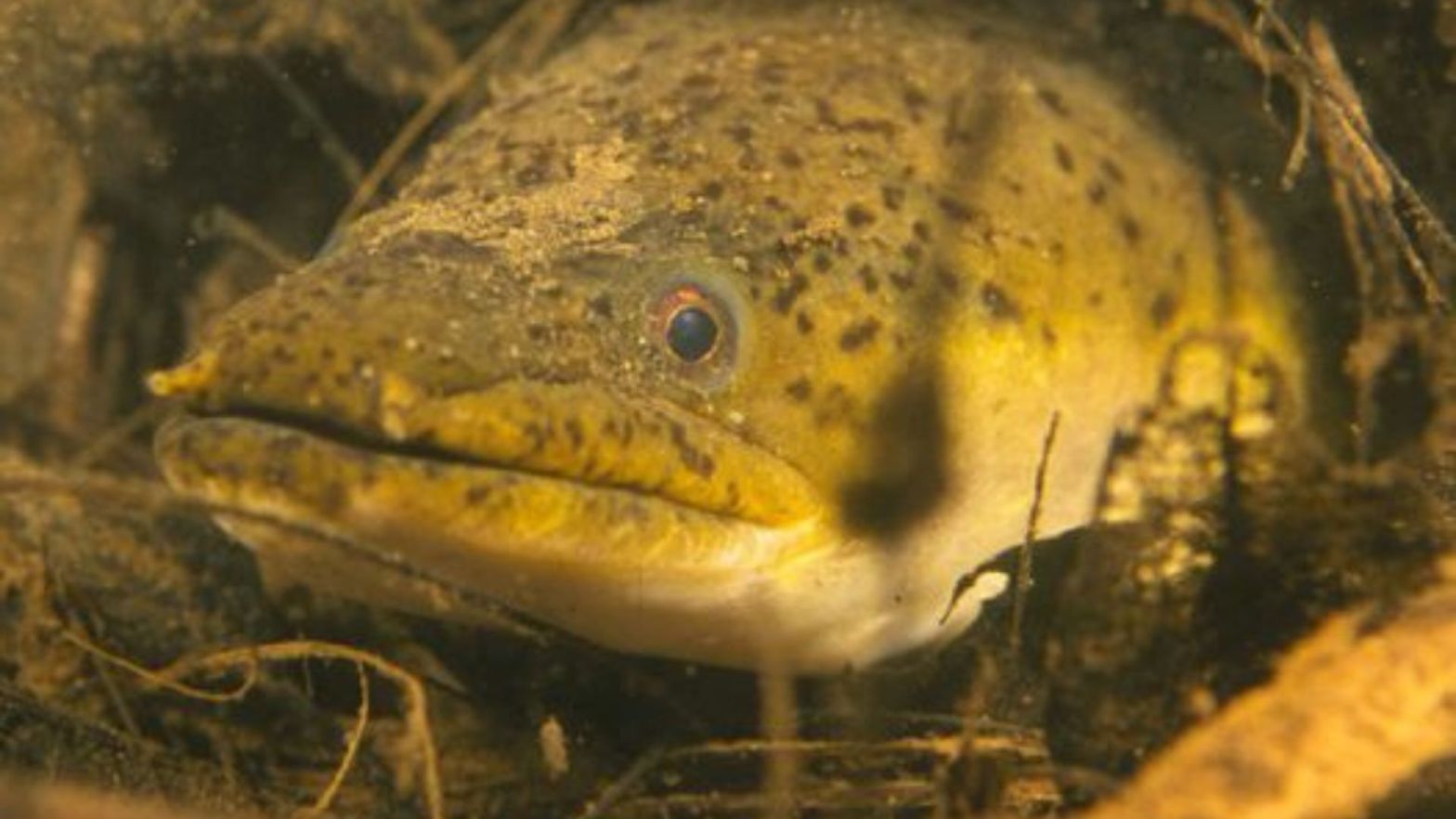
Indonesian Longfinned Eels glide like shadows in Borneo and Sulawesi rivers. Dependent on healthy rivers, take a stand for these fish, Boycott palm oil!
Blue-backed Parrot Tanygnathus everetti

The Blue-backed #Parrot, also known as Müller’s Parrot or Burbridge’s Parrot, is a striking yet elusive #bird native to the #Philippines. Their shimmering blue and green plumage allows them to blend seamlessly into the forest canopy, making sightings of this rare species increasingly difficult. Despite once being common, the relentless destruction of their rainforest home and rampant #poaching for the #pettrade have pushed this parrot to the brink. They are now classified as #Endangered, they face ongoing population declines, with some local populations feared to be extinct. Without urgent conservation efforts, this vibrant parrot may vanish forever. Help them every time you shop and #BoycottPalmOil #Boycott4Wildlife
Asia: Species Endangered by Palm Oil Deforestation
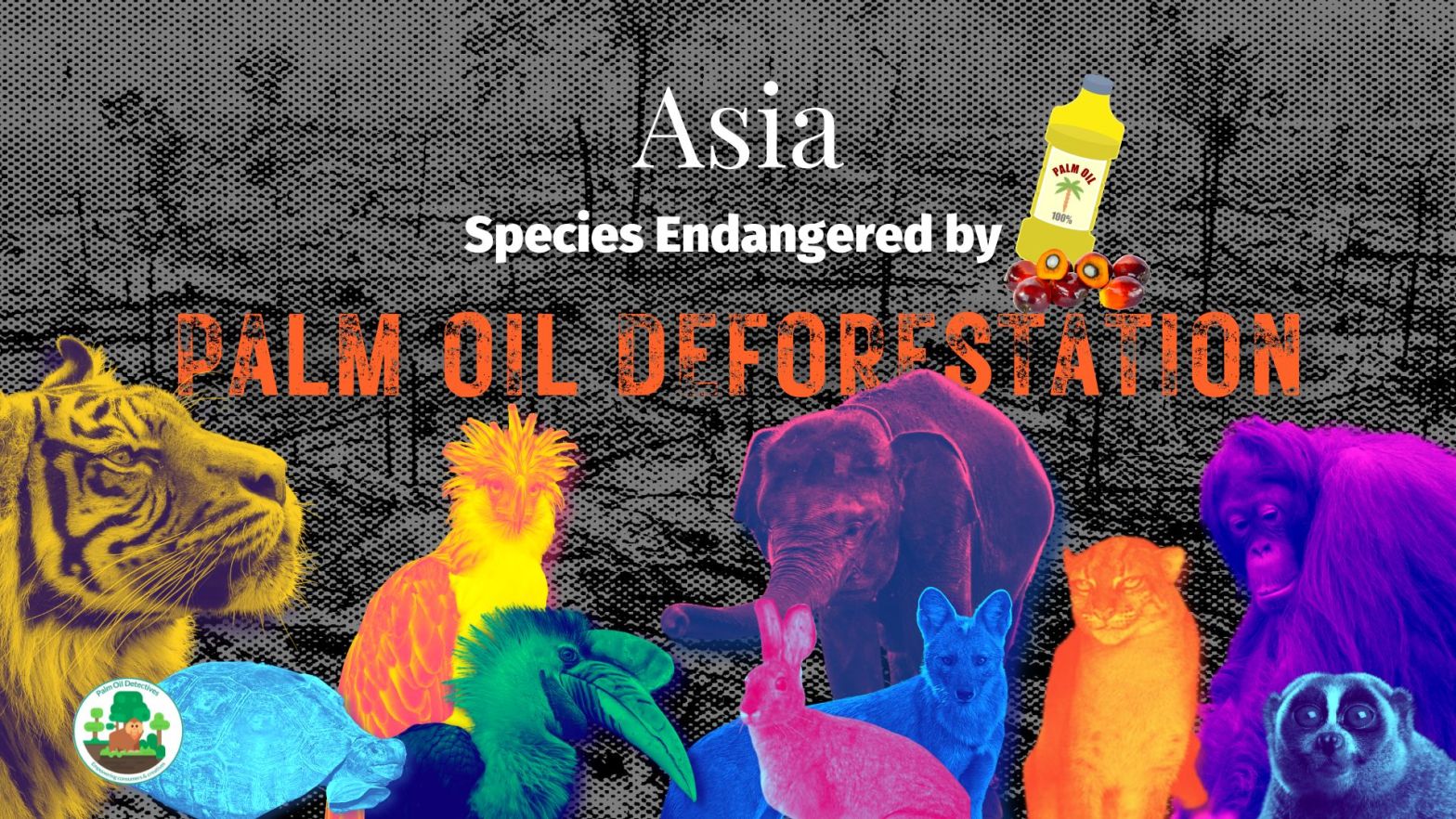
Discover the diverse wildlife of Asia and the devastating effects of palm oil deforestation. Learn how to protect these species and #BoycottPalmOil. #Boycott4Wildlife
 Palm Oil Detectives