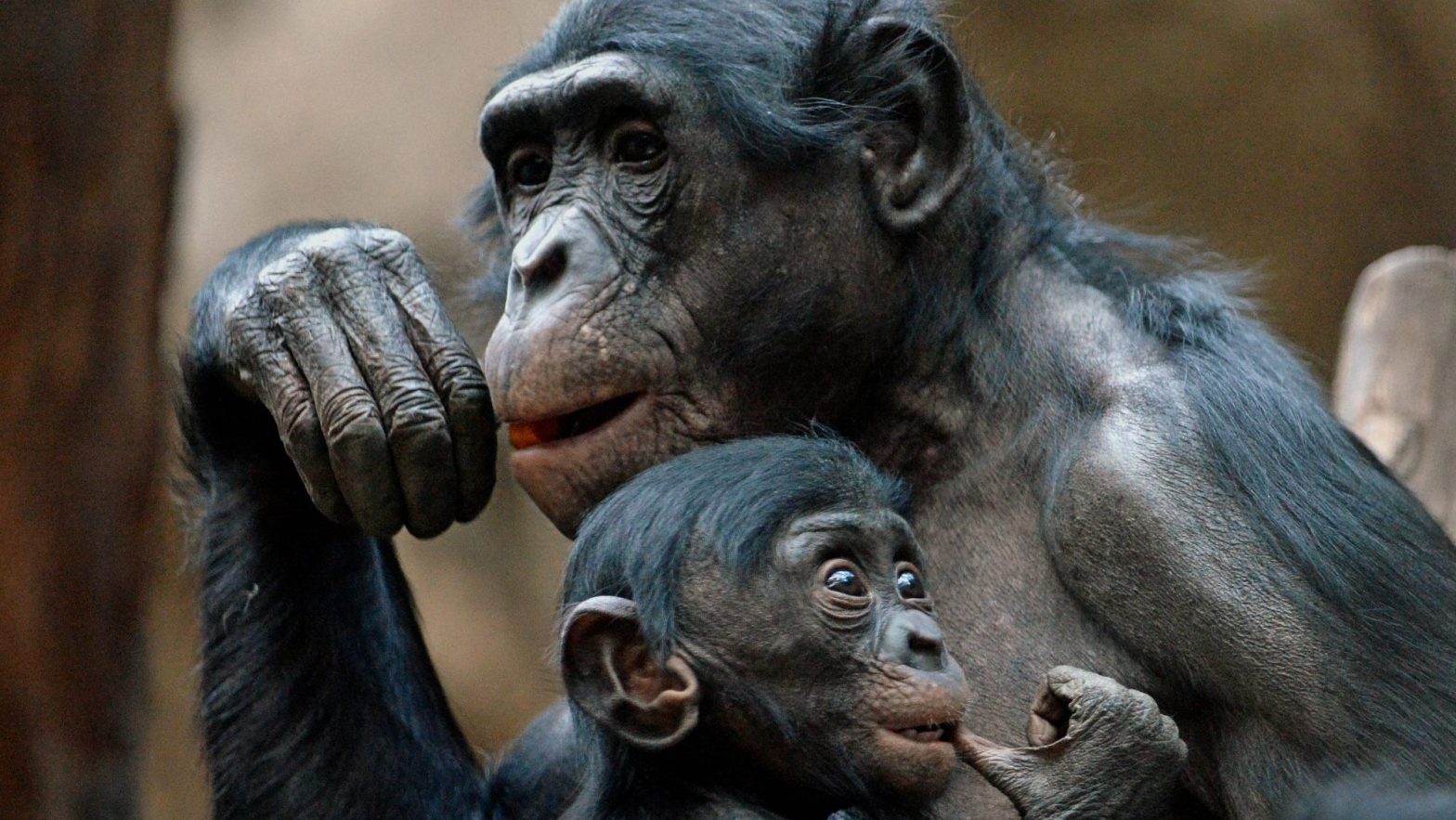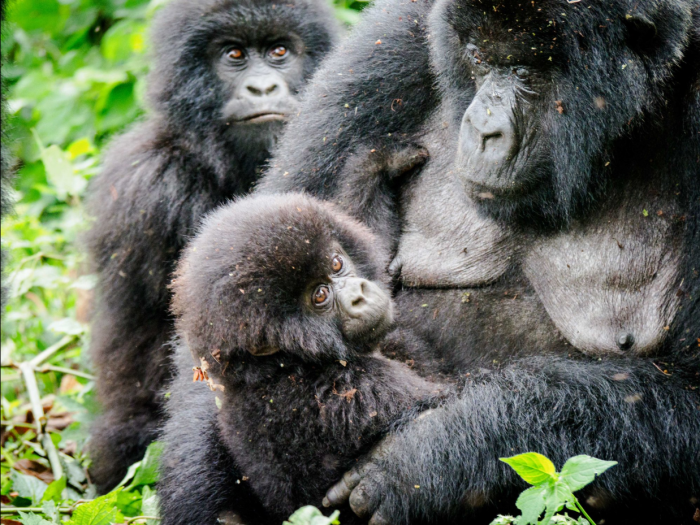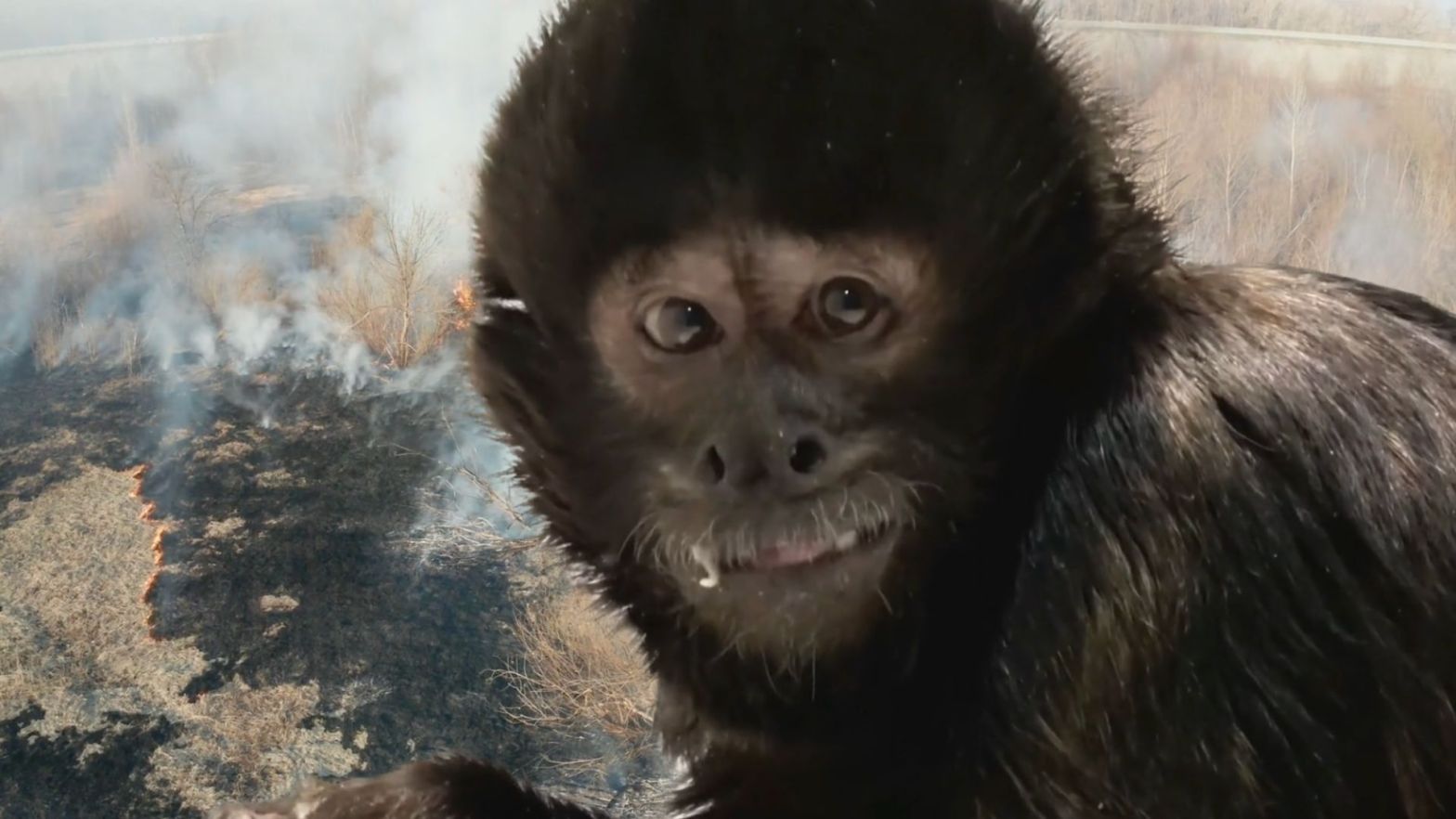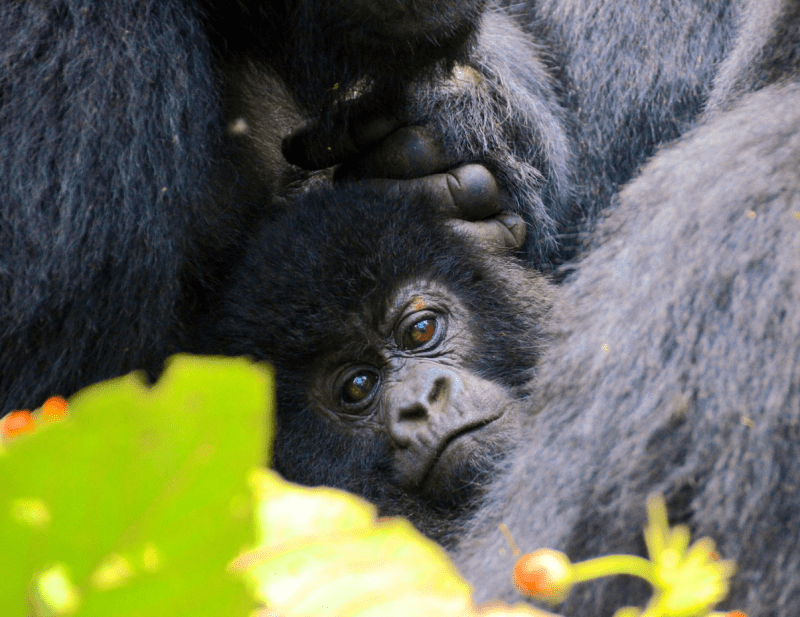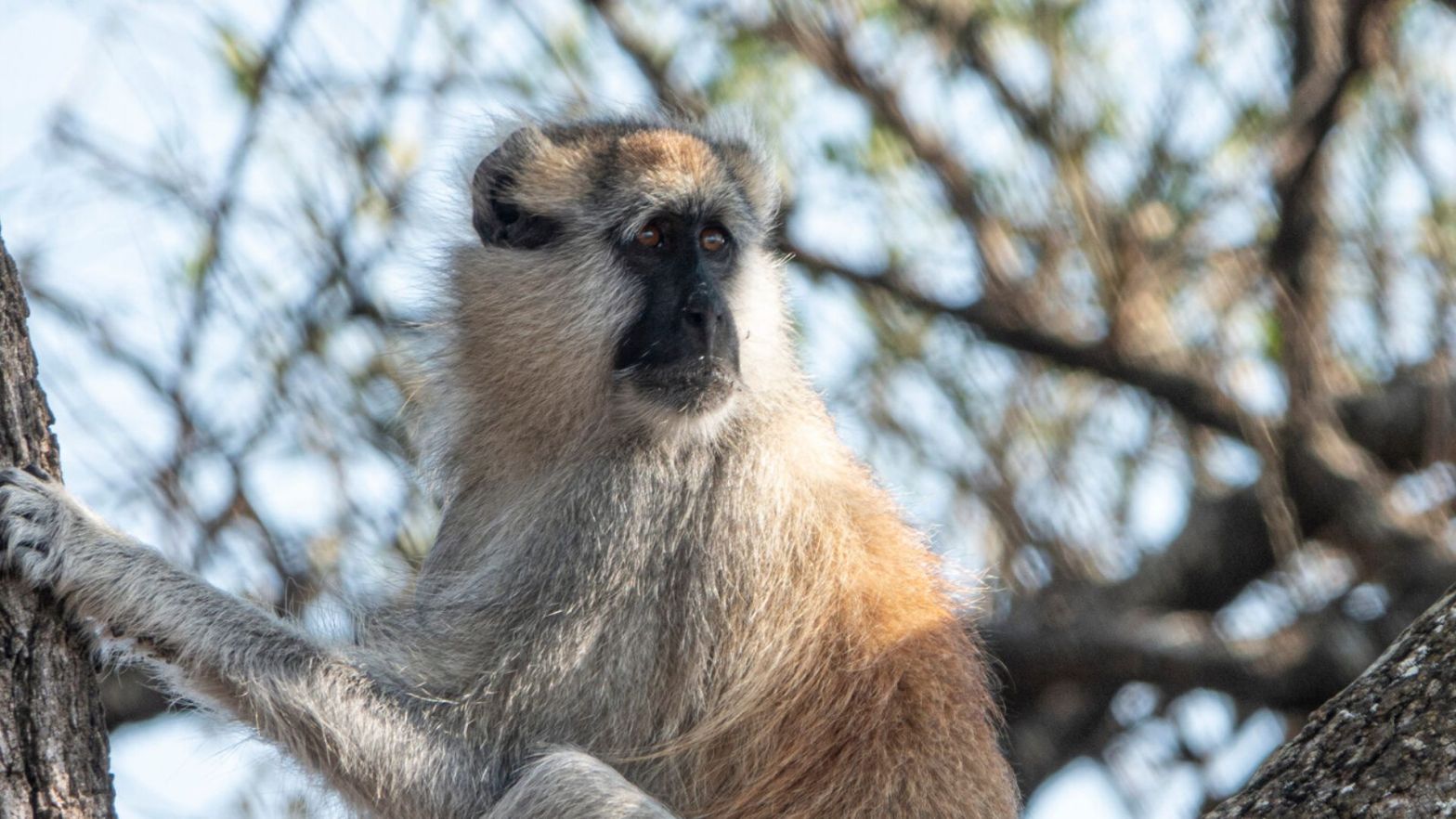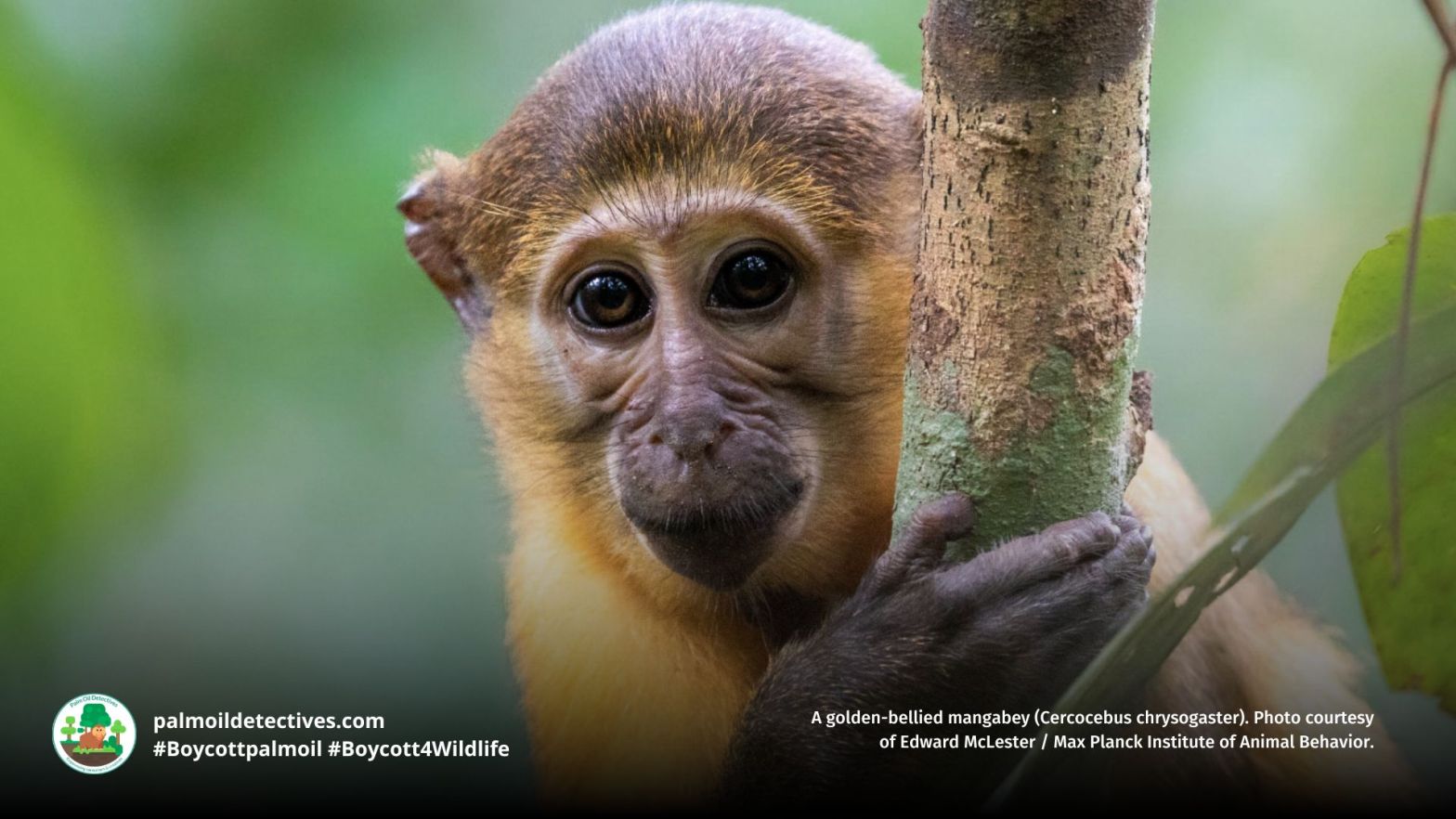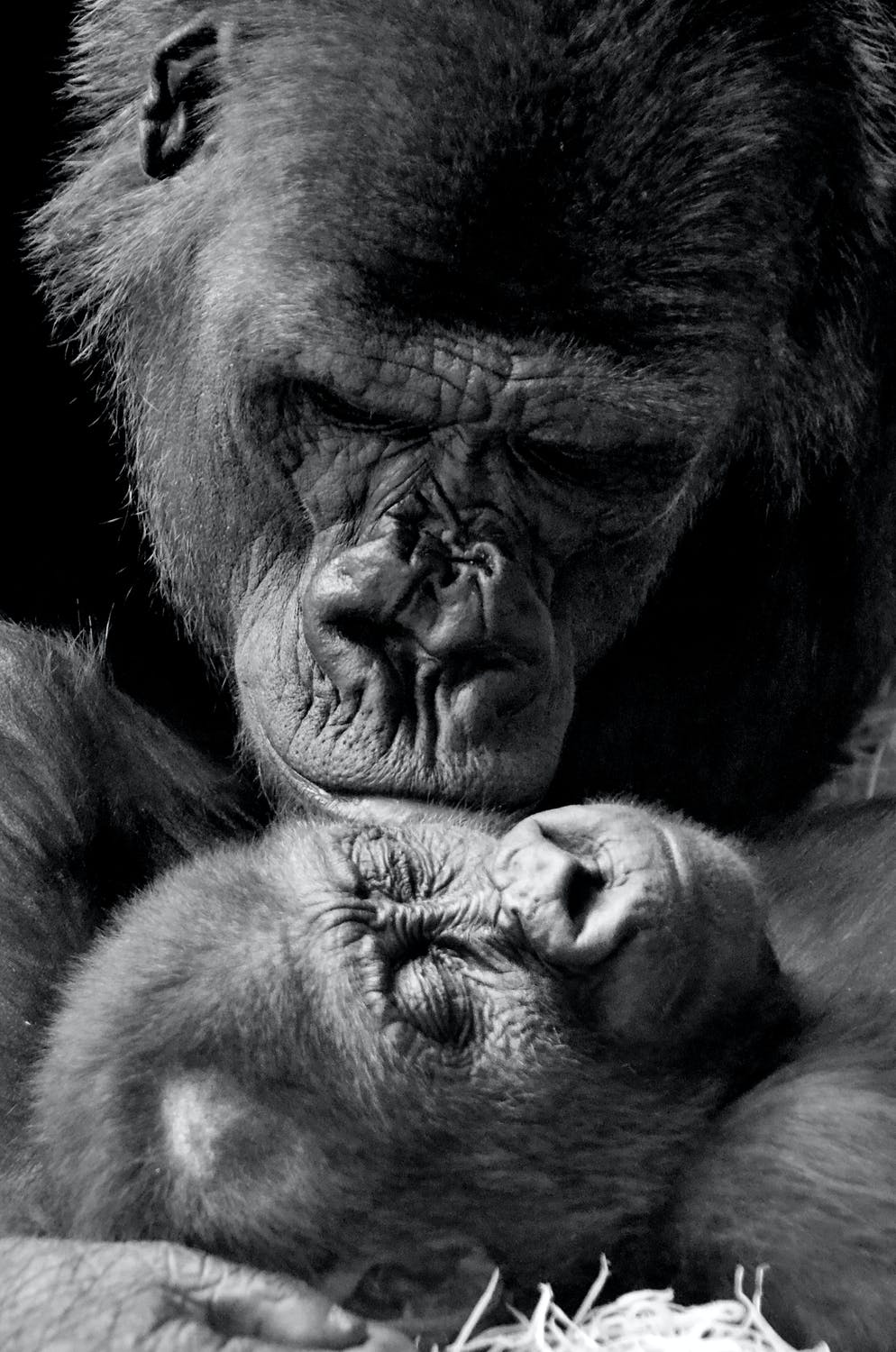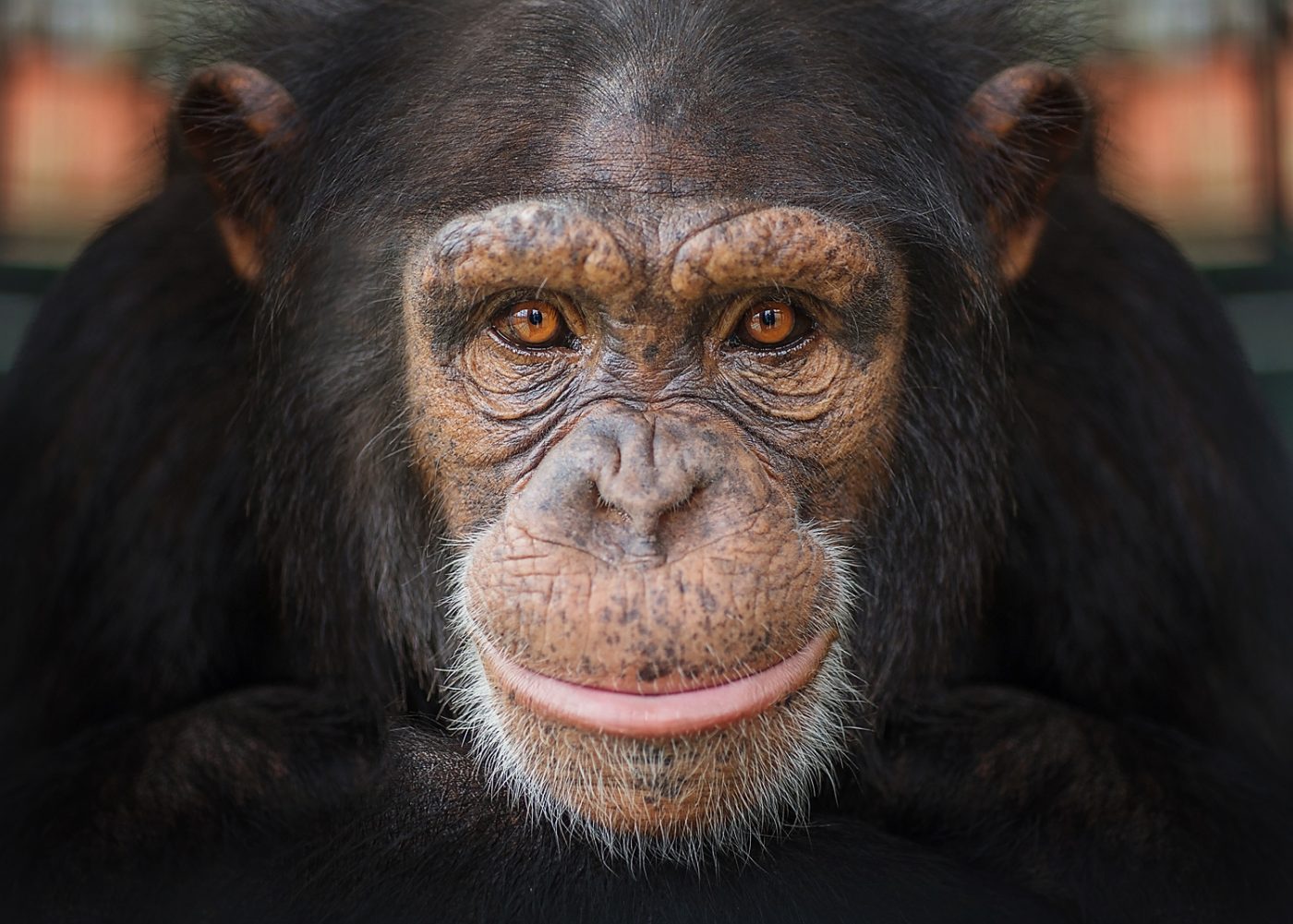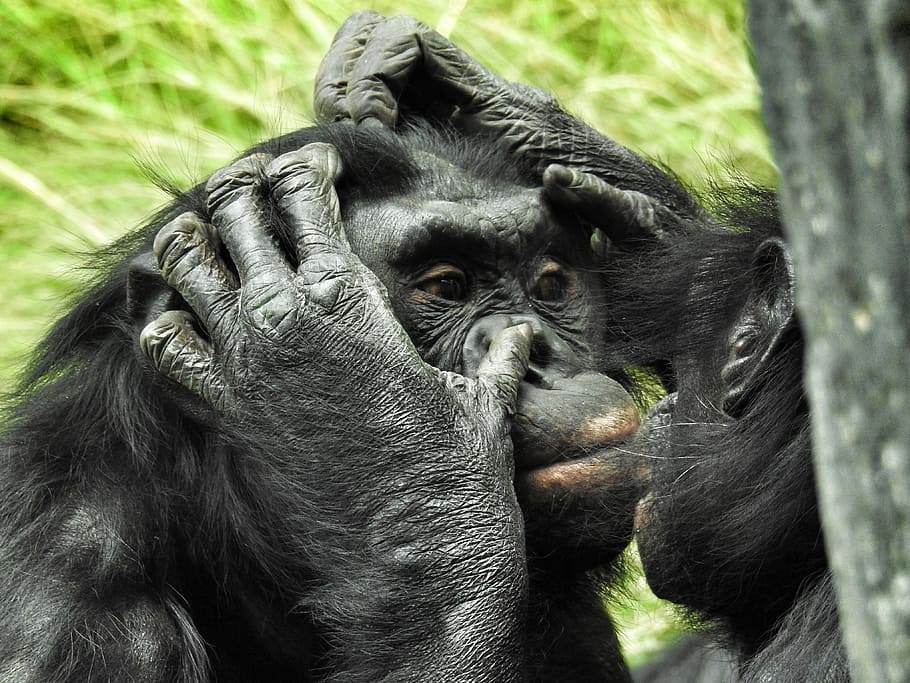
Wild #bonobos, like other Great #Apes and humans, spend long childhoods with their mothers, learning the social skills they need to function as emotionally stable members of their community. But orphaned bonobos at sanctuaries don’t have that kind of upbringing. Can they still learn the skills they need to get by in bonobo society? A study by Zanna Clay and Frans de Waal in PNAS found that the mother-infant bond is vital in developing healthy social and emotional skills. Help these mighty and intelligent primates when you shop and #BoycottPalmOil #Boycott4Wildlife
Tag Archives: Primate
Pygmy Marmoset Cebuella niveiventris and Cebuella pygmaea
The petite pygmy #marmoset, the world’s tiniest true #monkey, boasts a mix of brownish-gold, grey, and tawny fur. These little wonders, weighing just around 100 grams, communicate uniquely using chemical, vocal, and visual cues to ensure group safety and harmony. Although these #marmosets prefer river-edge forests and can adapt to secondary forests, their homes are under serious threat. Rampant #deforestation for #meat, #goldmining, and #palmoil cultivation are eroding their habitats, pushing the subspecies Cebuella niveiventris towards a “Vulnerable” status. The situation is dire, with an estimated 30% reduction in their population in just 18 years. Protect these delicate creatures and their home – use your wallet as a weapon, be #vegan, #BoycottPalmOil, and #Boycott4Wildlife.🌳🐒
Black Bearded Saki Chiropotes satanas
Beneath the towering canopy of the Amazon’s north-eastern forests, the black bearded saki moves with quiet purpose, their distinctive shaggy beard and robust body a testament to their resilience in a world under siege. The air is thick with the scent of damp earth and the distant calls of unseen creatures, but the forest is changing—#roads, #dams, and #agriculture are carving scars across the landscape, fragmenting the saki’s ancestral home. The black bearded saki’s survival is threatened by relentless deforestation and hunting, their fate bound to the fate of the forest—fight for their survival every time you shop #BoycottPalmOil #Boycott4Wildlife.
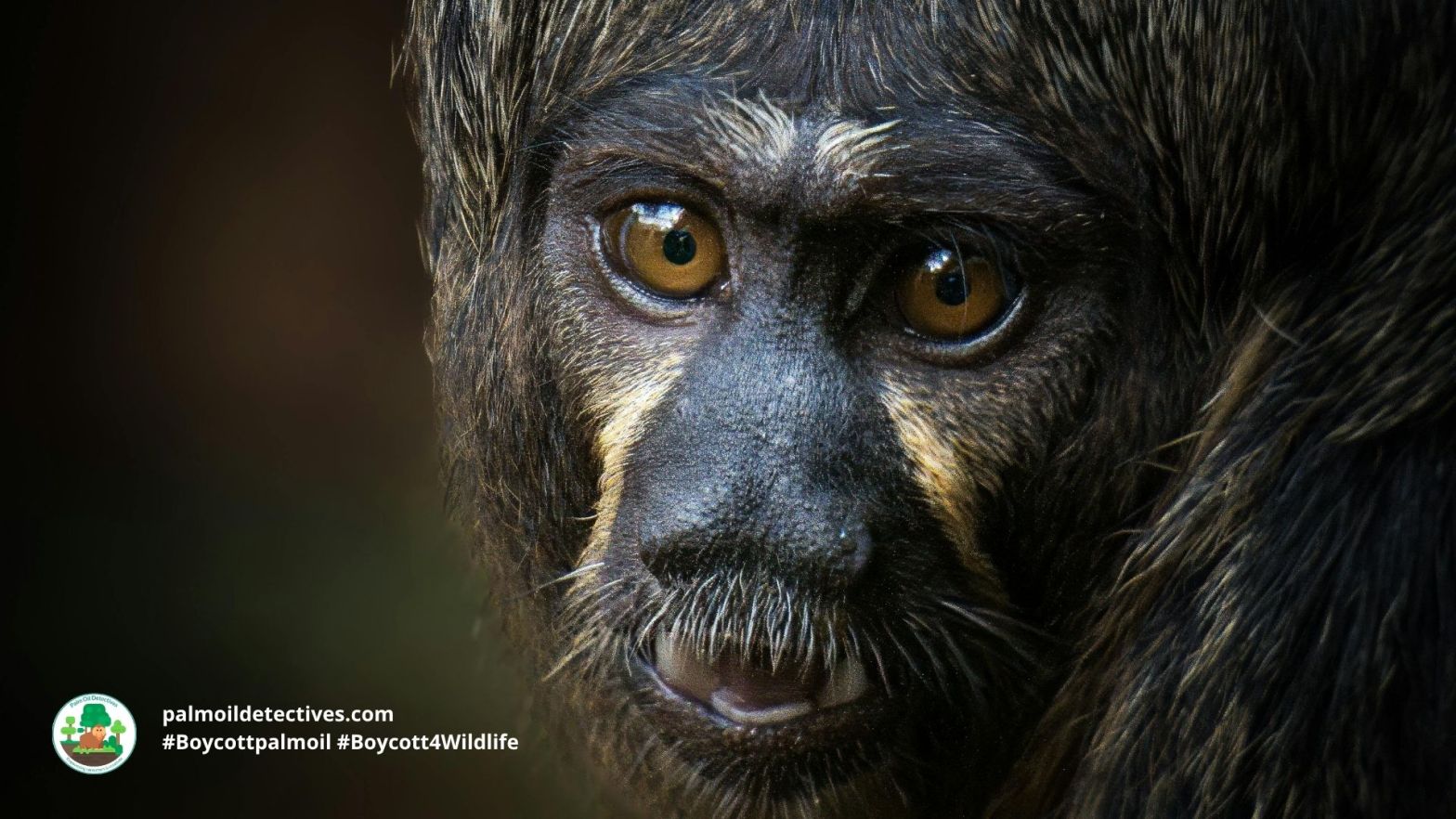
Primatologist Cleve Hicks on Chimpanzee cultures, Palm Oil deforestation
Dr Hicks speaks with Palm Oil Detectives about his chimpanzee research, veganism, deforestation, palm oil and what consumers can do to help the endangered animals of Africa.
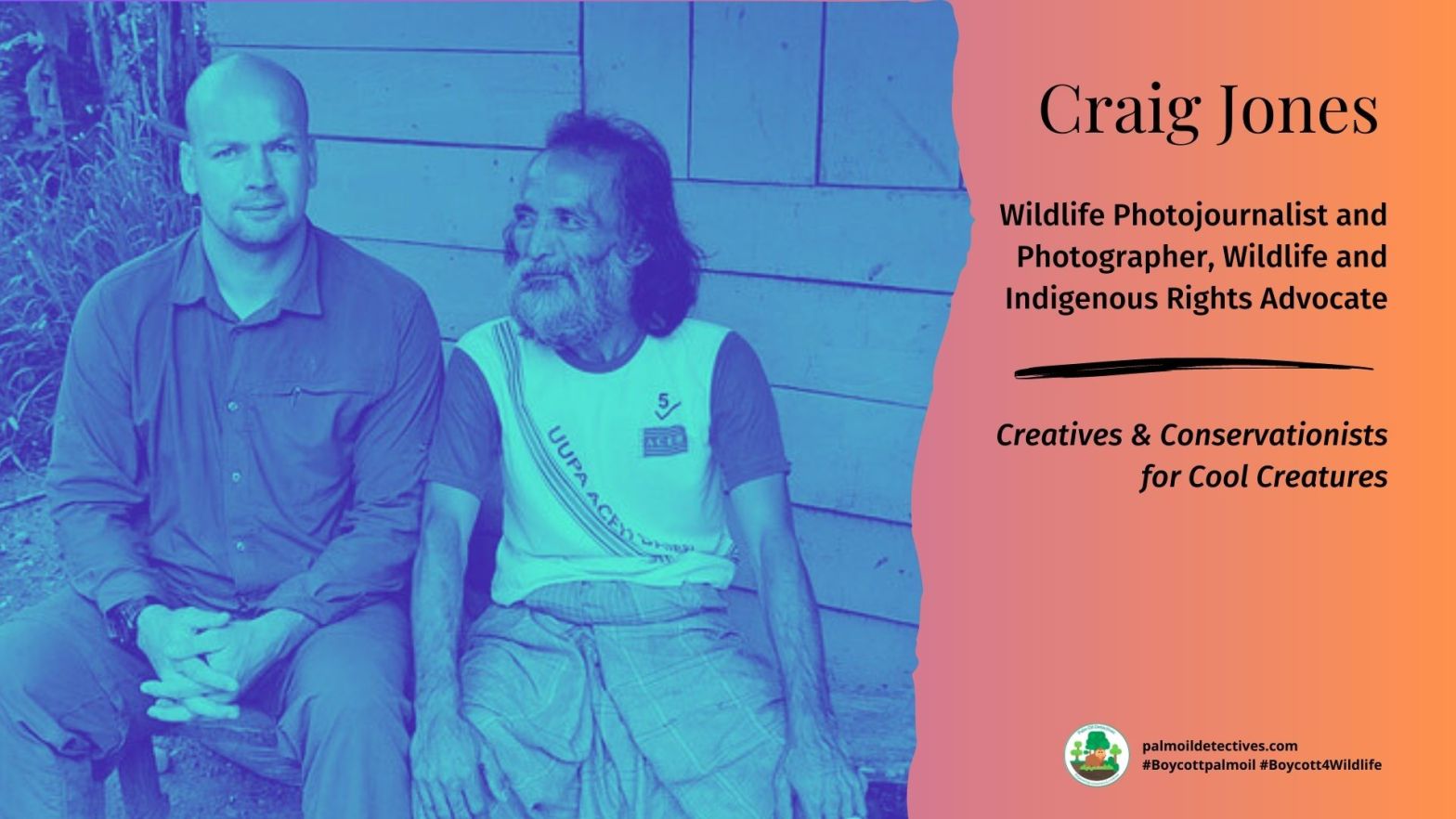
Wildlife Photographer Craig Jones
One of Britain’s finest wildlife photographers, Craig Jones uses his own words to bear witness to the awesome love and intelligence of orangutans, and also shares stories of the immense suffering of orangutans and other species within RSPO member palm oil plantations. Craig is an absolute inspiration to photographers, animal lovers and conservationists. It is an honour to showcase his work and stories on Palm Oil Detectives.
Yellow-tailed Woolly Monkey Lagothrix flavicauda
Yellow-tailed Woolly Monkeys are social and active during daylight hours, living in groups with a dominant male, mature males and females, and young monkeys. They communicate through vocalizations like a loud, barking call. Endemic to the Peruvian Andes, they thrive in montane rainforests and cloud forests. They face an existential threat from habitat loss due to palm oil, soy and meat deforestation. Let’s unite to protect these precious creatures by boycotting palm oil, adopting a vegan lifestyle, and raising awareness for them. Together, we can protect the Peruvian Yellow-tailed Woolly Monkeys and their habitat. 🌳🐒💚 #BoycottPalmOil #Boycott4Wildlife
Western Lowland Gorilla Gorilla gorilla
Mighty, intelligent and gentle Western Lowland Gorillas are well-loved apes, they are #critically endangered by #deforestation and habitat loss for #palmoil, cocoa and mining along with disease and illegal poaching in #Congo #Nigeria #Cameroon Help them to survive every time you shop! Join the #Boycott4Wildlife
Golden Monkey Cercopithecus mitis kandti
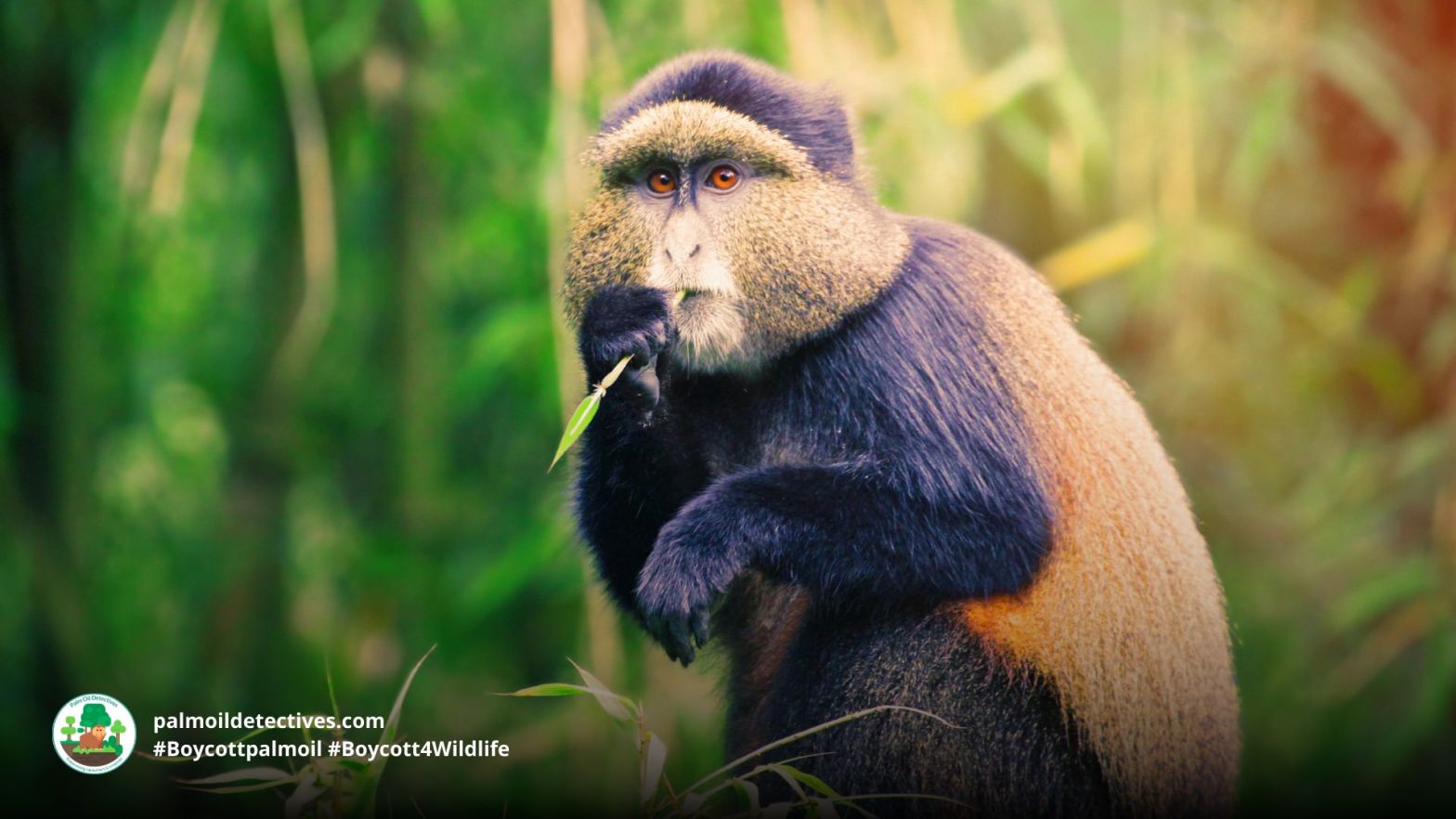
In the mist-laden bamboo forests of the Virunga massif, the golden monkey Cercopithecus mitis kandti darts through dappled sunlight and the tree canopy. This endangered primate is found only in the high-altitude forests of the Albertine Rift, nestled deeply in volcanic mountains. They are found in four national parks: Mgahinga, in south-west Uganda; Volcanoes, in north-west #Rwanda; and Virunga and Kahuzi-Biéga, in the eastern Democratic Republic of #Congo. Like many other animals in the region they are protected and yet human threats including #mining #hunting and #agriculture continue to come dangerously close. Help these sweet-faced and severely threatened #primates every time you shop #BoycottPalmOil #Boycott4Wildlife
Eyewitness by Craig Jones: A mother and baby orangutan are rescued from an RSPO palm oil plantation in Sumatra
Bio: Craig Jones One of Britain’s finest wildlife photographers, Craig Jones is also one of the most humble and down-to-earth guys you will ever meet. His photography and stories capture the lives of endangered rainforest animals that we hold so dearly to our hearts: Sumatran orangutans, Sumatran tigers, Sumatran elephants, Siamangs and more. His workContinue reading “Eyewitness by Craig Jones: A mother and baby orangutan are rescued from an RSPO palm oil plantation in Sumatra”
Dusky Langur Trachypithecus obscurus
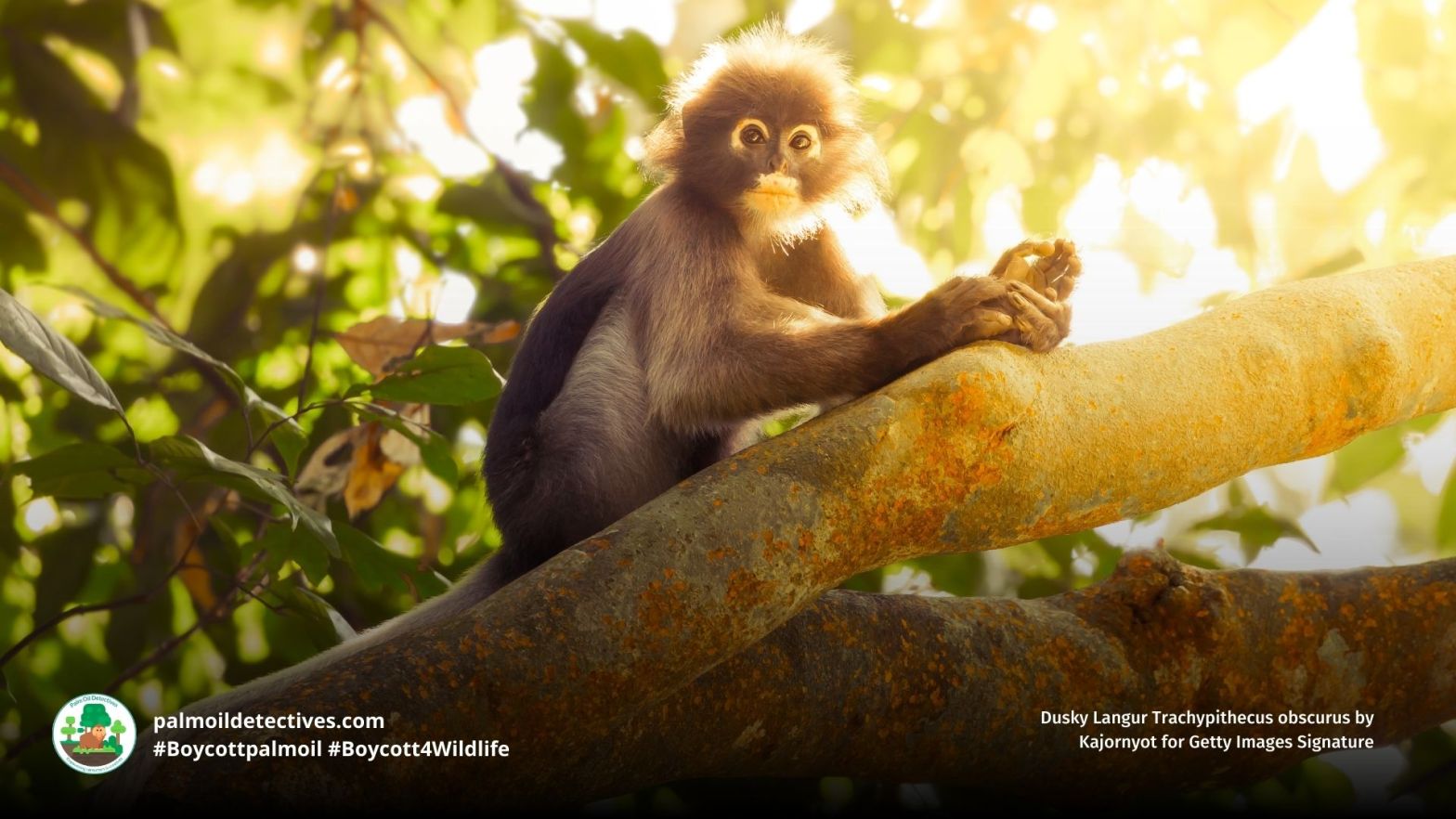
The dusky langur, also known as the spectacled langur or dusky leaf monkey, is one of Southeast Asia’s most charismatic primates. Living in #Thailand, #Myanmar and #Malaysia they have vivid white eye patches that resemble spectacles and a fluffy dark-grey coat, they cut an unmistakable figure against the rustling emerald canopy of the rainforest. These intelligent and agile #monkeys play a crucial role in their ecosystems by dispersing seeds, keeping forests healthy and thriving. Yet, deforestation for agriculture—particularly #palmoil, rubber, and durian plantations—alongside hunting and illegal #wildlifetrade, is pushing them closer to extinction. Without urgent intervention, the forests they call home will be razed, and their populations will continue to plummet. Use your voice to protect them—fight for their survival and #BoycottPalmOil #Boycott4Wildlife every time you shop
Varied White-fronted Capuchin Cebus versicolor
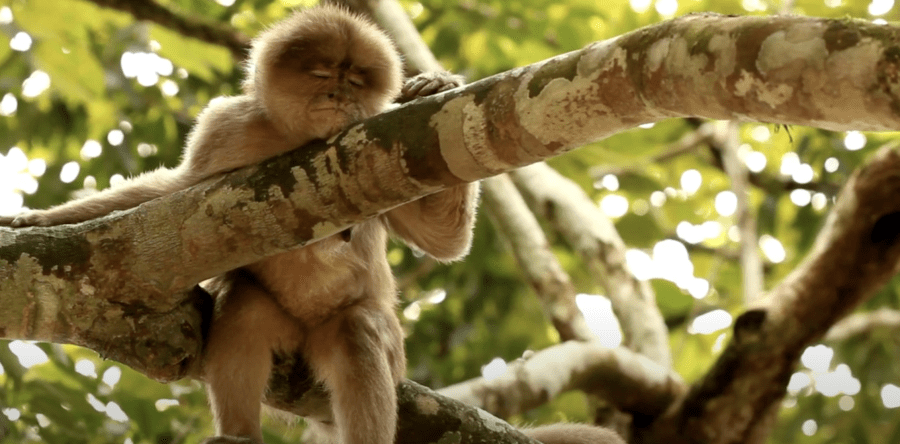
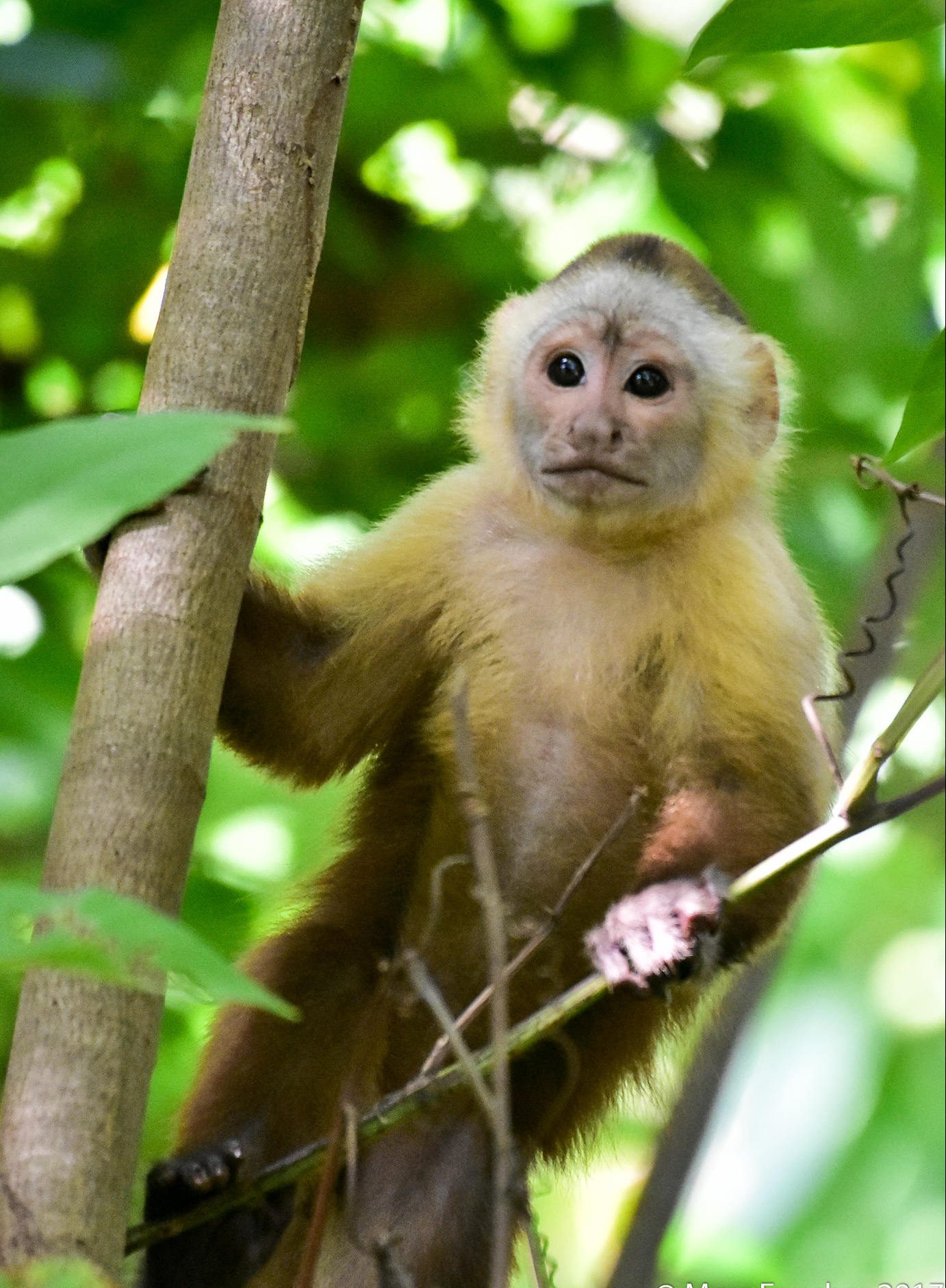
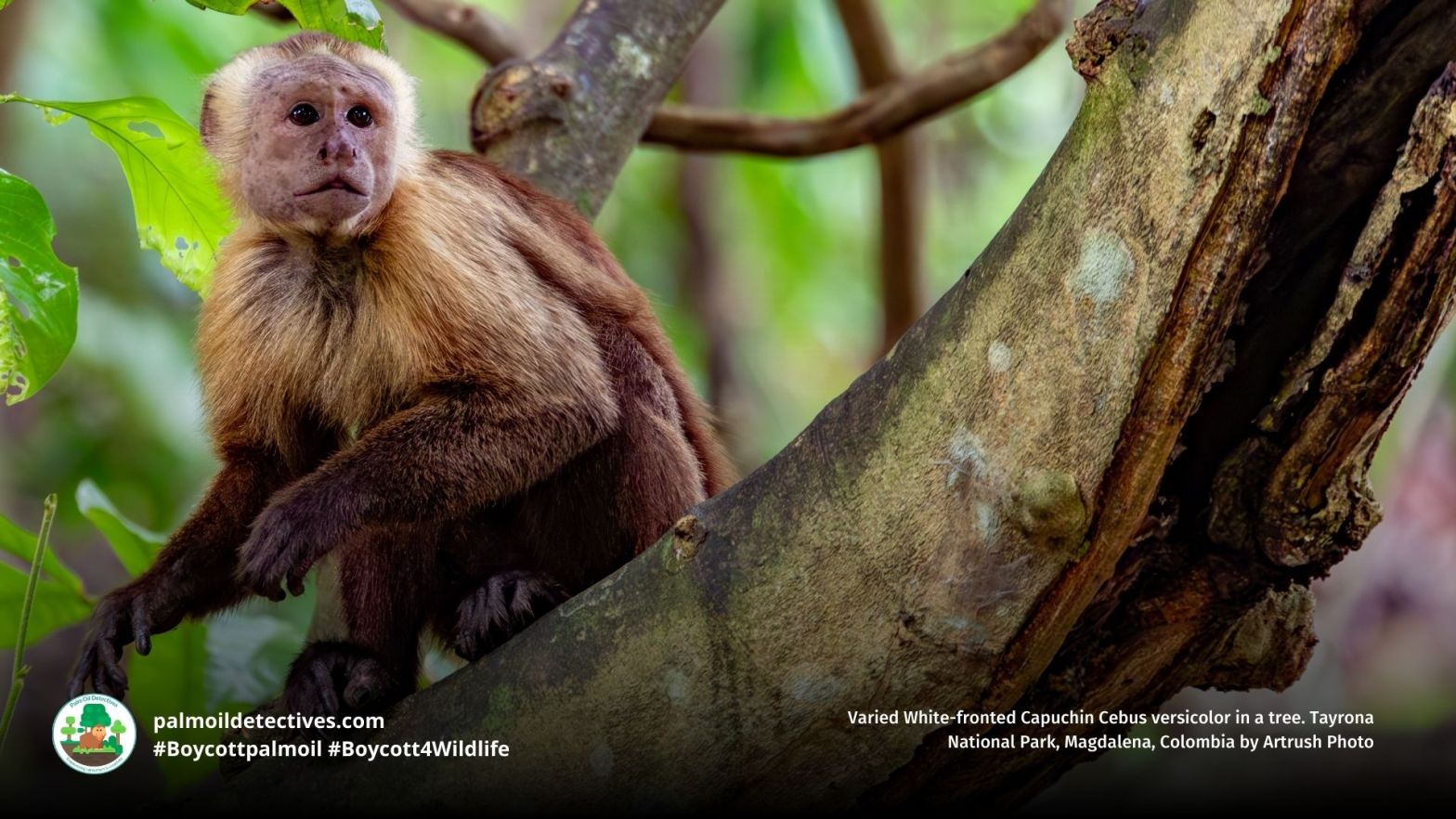
The Varied White-Fronted Capuchin Cebus versicolor is an intelligent, tenacious and resourceful small primate endemic to the forests of Colombia. With their pale white faces, reddish-gold coats, they are both striking in appearance and crucial to their ecosystems. These capuchins play an essential role in seed dispersal, ensuring the health and regeneration of their forest homes.
Tragically, their populations are declining due to deforestation, hunting, and the illegal wildlife trade. Protecting these forests is critical to their survival. Support indigenous-led conservation, adopt a vegan lifestyle and #BoycottPalmOil and #Boycott4Wildlife to take meaningful action for these incredible primates.
Crested Capuchin Sapajus robustus
Crested Capuchins are one of Brazil’s most endangered primates. A few thousand remain, facing extinction due to palm oil, mining, soy. Take action for them!
We don’t know how many mountain gorillas live in the wild. Here’s why
How important are the mountain #gorillas of Uganda’s Bwindi Impenetrable Forest National Park to global populations? Their importance to the health of the forest is immeasurable and irreplacable! Mountain gorillas are one of the two subspecies of eastern gorillas. They are divided into just two populations: one in the Virunga Massif that spans the borders of Uganda, Rwanda and the Democratic Republic of Congo (DRC) and one population that lives in the Bwindi Impenetrable National Park in Uganda and the adjacent Sarambwe Nature Reserve in DRC. Help them to survive, be #vegan and #BoycottPalmOil #Boycott4Wildlife
Southern Patas Monkey Erythrocebus baumstarki
The Southern Patas #Monkey (Erythrocebus baumstarki) is an elusive, long-limbed #primate once common across northern #Tanzania and parts of #Kenya and now on the very edge of #extinction. With a lean, agile body built for speed, they are among the fastest-running primates in the world, capable of reaching speeds up to 55 km/h. Once ranging over approximately 66,000 km², their habitat has been decimated by agriculture, human settlements, and bushmeat hunting, reducing their known range by over 85% in recent decades. By 2021, estimates suggested fewer than 200 individuals remained in the wild, restricted to small populations in western Serengeti National Park and its surroundings (de Jong & Butynski, 2021).
Without urgent intervention, this striking species could be the next primate extinction in Africa. Help them every time you shop and campaign for these rare primates, every time you shop go #vegan and #Boycott4Wildlife!
Golden-bellied Mangabey Cercocebus chrysogaster
The golden-bellied mangabey (Cercocebus chrysogaster) is an intriguing and elusive monkey endemic to the Democratic Republic of Congo (DRC). Named for the vibrant golden hue of their undersides, these primates are known for their intelligence, complex social behaviours, and unique ecological role. Found in the remote tropical forests along the Congo River Basin, these monkeys remain poorly studied due to their limited range and secretive nature.
Tragically, the golden-bellied mangabey faces mounting threats from habitat destruction, driven by logging, mining, and agricultural expansion, including palm oil plantations. Their population continues to decline due to hunting and habitat fragmentation. Act now to protect their fragile habitat—boycott palm oil and stand against deforestation. #BoycottPalmOil #Boycott4Wildlife
Monkey minds: what we can learn from primate personality
Did you know our primate cousins exhibit similar personality profiles to humans? Explore fascinating evolutionary research on primate social behaviour
Drill Mandrillus leucophaeus
The Drill is one of the most visually arresting, emotionally complex, and endangered #monkeys on Earth. Endemic to a narrow slice of rainforest in #Nigeria, #Cameroon, and Bioko Island, these intelligent primates have lost over 50% of their population in just three decades. They face a terrifying gauntlet of threats: #palmoil plantations, #hunting for the #bushmeat trade, #timber logging, and a tidal wave of new #infrastructure creation. Though rarely seen, Drills are capable of extraordinary behaviour—forming multi-species foraging alliances, mourning their dead, and navigating their crumbling world with grace and resilience. Only a few thousand of these precious #primates remain alive. Take action every time you shop, be #Vegan and #BoycottPalmOil #Boycott4Wildlife
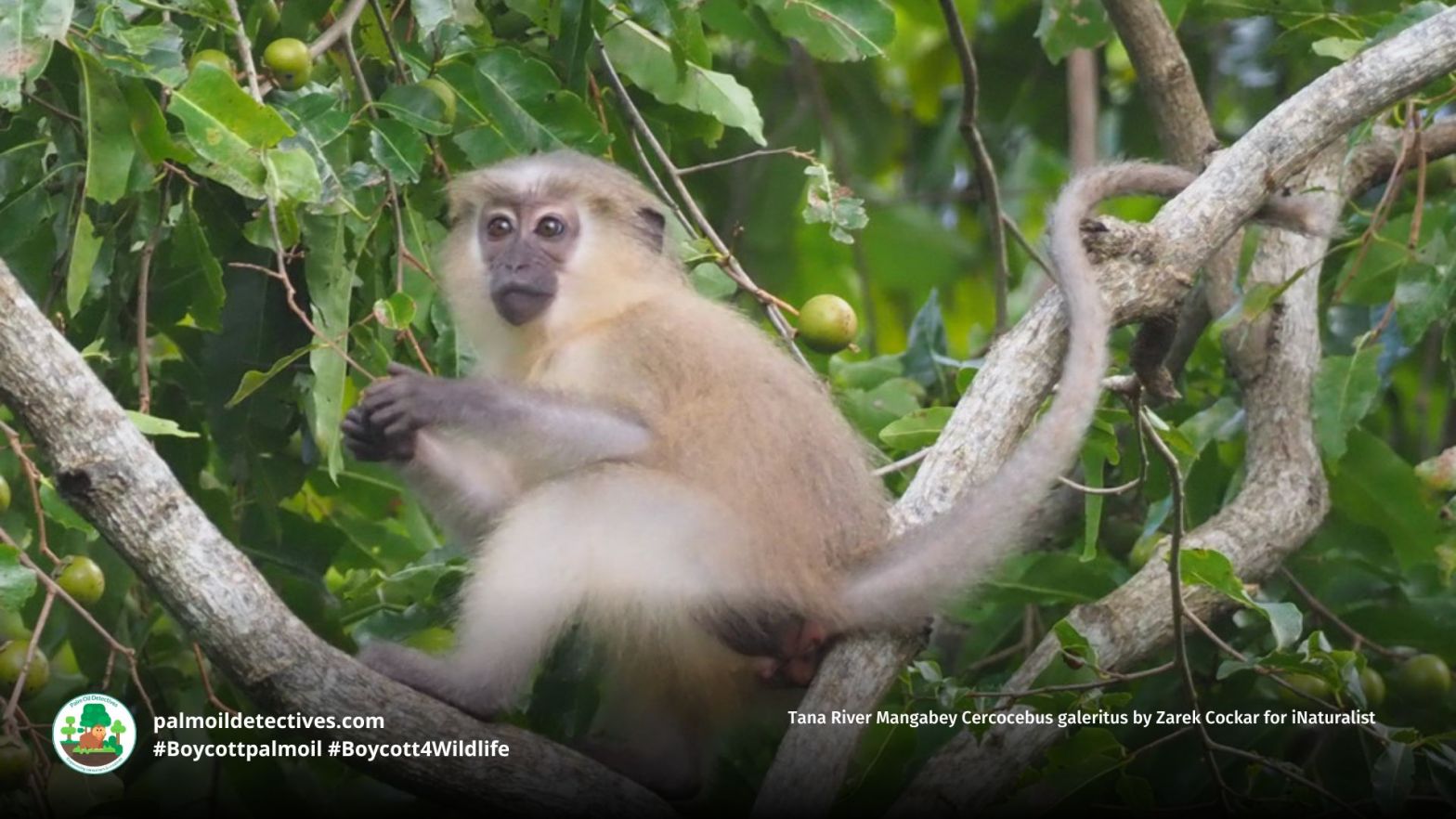
Tana River Mangabey Cercocebus galeritus
The Tana River Mangabey Cercocebus galeritus is a long-faced and slender old world monkey of #Kenya listed as Critically Endangered due to ongoing habitat destruction, dam construction, logging, and the degradation of floodplain forest ecosystems. Once protected by the Tana River #Primate Reserve, these #monkeys despite being key seed dispersers in their ecosystem are now more vulnerable than ever after the legal de-gazetting of their habitat. With only around 1,000 individuals remaining, this highly social and adaptable primate faces a devastating future unless urgent action is taken. Use your wallet as a weapon to end the destruction of their home. #BoycottPalmOil #Boycott4Wildlife #Vegan #BoycottMeat
Wildlife Photojournalist and Animal Advocate Dalida Innes
My name is Dalida Innes, I am from France originally and I live in Sydney, Australia. I love wildlife, landscape, travel photography and everything between. I am self-taught with a sincere passion for all things photographic
Adventurous spirit with camera in hand, I try to capture moments of wonder and serenity. For me, capturing images is like freezing the time and I can go back to it whenever I want. Trying to get that precise moment that your eye doesn’t have time to memorise or to remember.
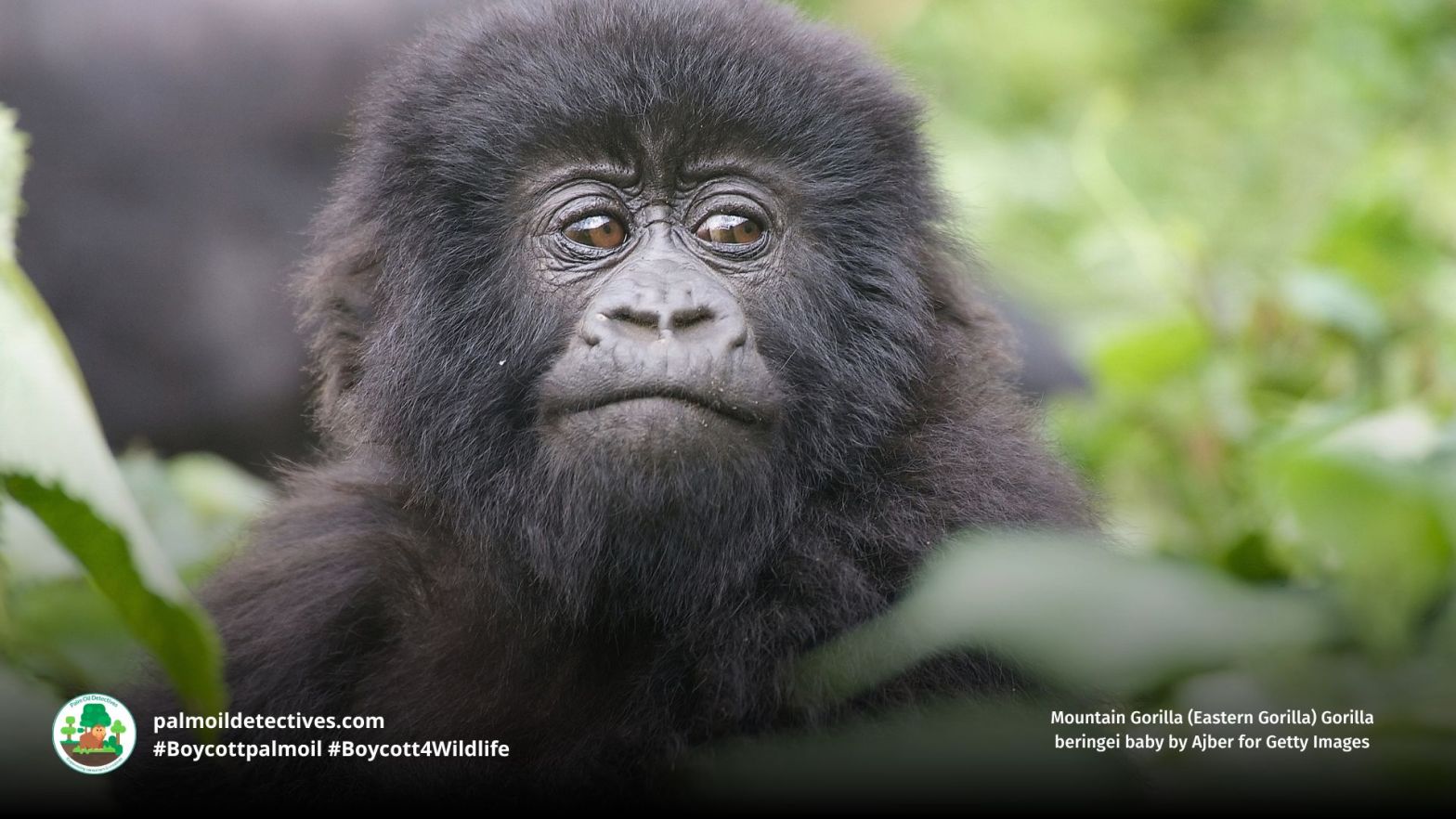
Eastern Gorilla Gorilla beringei
Eastern Gorillas, the world’s largest primates are Critically Endangered in DRC, Rwanda, and Uganda. Help them survive be vegan and boycott palm oil now
Yucatán Black Howler Monkey Alouatta pigra
Their range is being rapidly destroyed for palm oil and sugar cane deforestation and mining. They are also facing human persecution and hunting pressures. Yucatán Black Howler Monkeys have been classified as endangered since 2004. Help them every time you shop and #Boycottpalmoil #Boycott4Wildlife
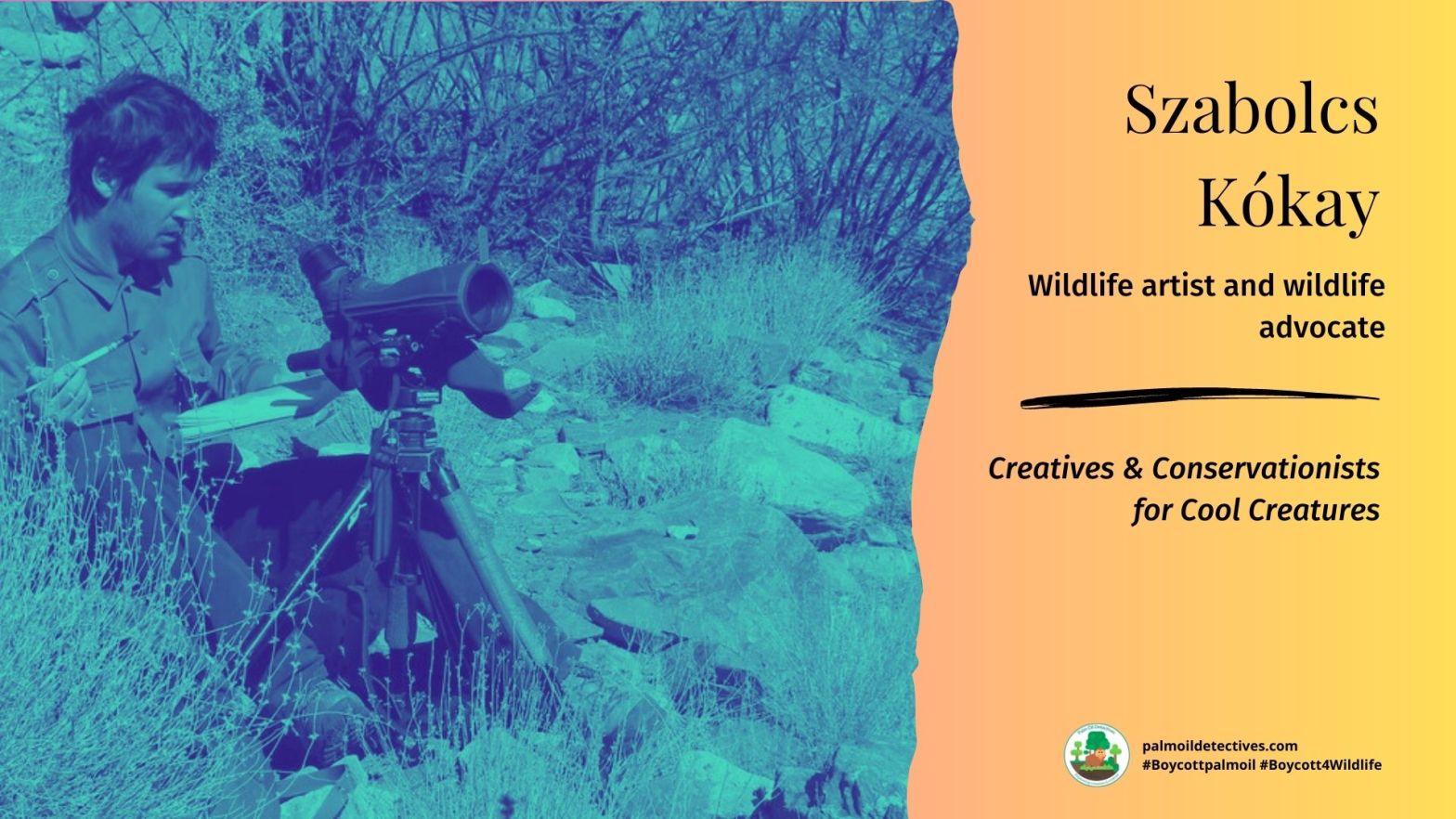
Wildlife Artist Szabolcs Kókay
Szabolcs Kókay was born in Hungary in 1976, and has been interested in nature, especially birds, since childhood. Although he has been drawing for as long as he can remember, it was only later on in his life, around the age of 20, when these two interests merged. For Szabolcs, watching and sketching nature goContinue reading “Wildlife Artist Szabolcs Kókay”
Golden-headed Lion Tamarin Leontopithecus chrysomelas
The Golden-Maned Lion Tamarin faces a battle for survival, with threats from habitat loss, particularly due to palm oil deforestation, the illegal pet trade, predation, disease, and climate change. These majestic creatures, with their striking golden manes and vibrant personalities, are teetering on the brink due to the relentless destruction of their home. But there’s hope, and it starts with us. By choosing to #BoycottPalmOil, supporting the #Boycott4Wildlife movement, and embracing a #Vegan lifestyle, we can make a profound impact. Together, we have the power to safeguard the forests, preserve the planet’s biodiversity, and ensure the survival of the Golden-Maned Lion Tamarin.
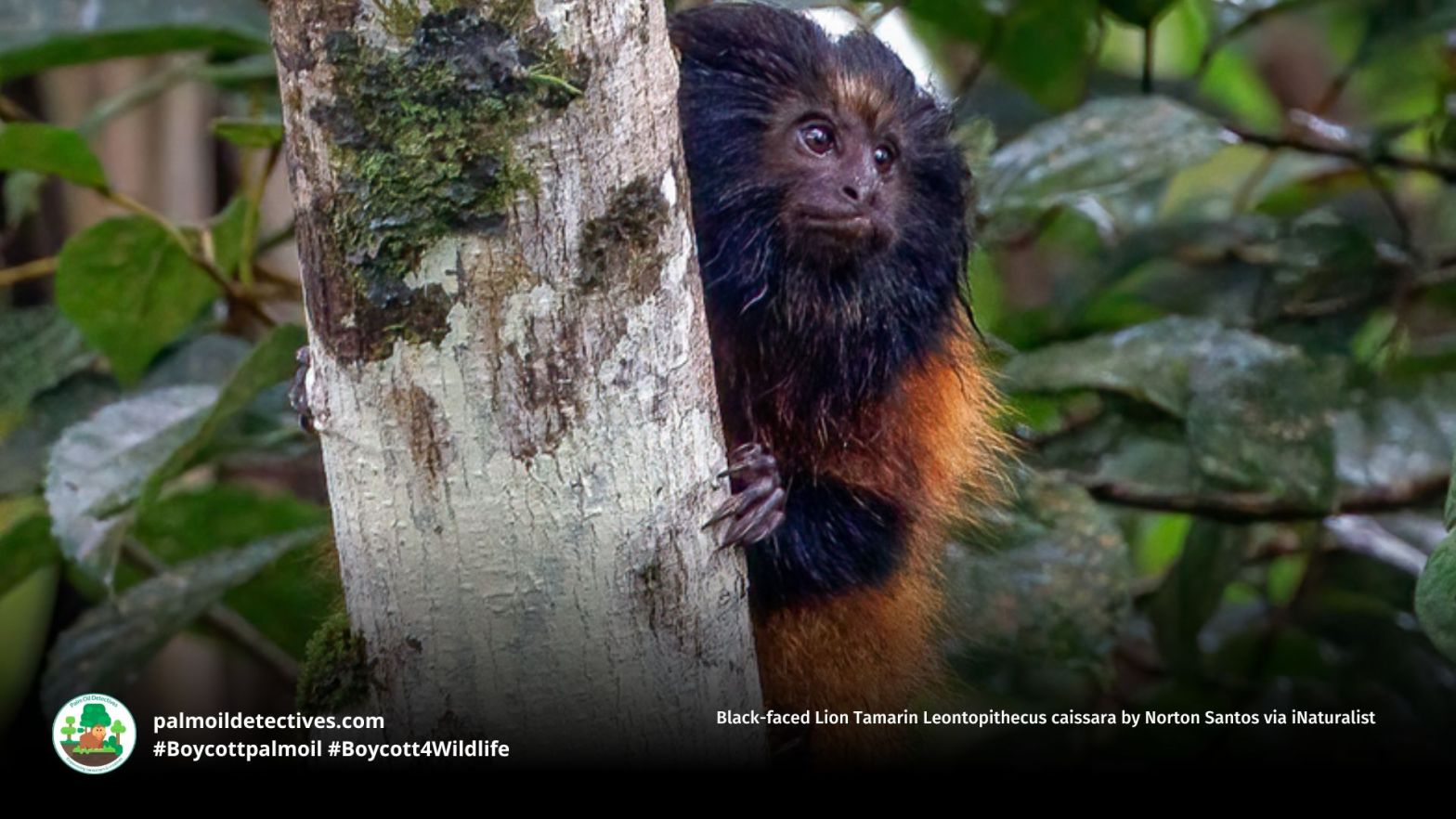
Black-faced Lion Tamarin Leontopithecus caissara
The black-faced lion #tamarin Leontopithecus caissara, also known as the Superagüi lion tamarin, is listed as Critically Endangered on the IUCN Red List. With a total population of fewer than 400 individuals and a fragmented, low-lying coastal habitat of #Brazil, this species is on the edge of extinction. Threats include logging, the illegal #pettrade, palm oil, #soy and #meat deforestation and urban expansion. Conservation efforts have begun, but there is still enormous work to do to protect these irreplaceable #primates. Protect this rare and charismatic #primate by taking urgent action. #BoycottPalmOil #Boycott4Wildlife #Vegan
Chimpanzee Pan troglodytes
Chimpanzees (Pan troglodytes) are one of humanity’s closest living relatives and the most widespread of all great apes, with a vast historical range stretching across 21 African countries. Despite this, they are now classified as Endangered by the IUCN Red List due to catastrophic declines of more than 50% over a 75-year period, from 1975 to a projected 2050. These losses are driven by a lethal cocktail of threats: rampant poaching, habitat destruction for palm oil and logging, industrial mining, disease outbreaks like Ebola, and illegal trafficking. Subspecies such as P. t. ellioti have been reduced to only a few thousand individuals, while the once widespread P. t. verus is now Critically Endangered. Protecting them means dismantling the extractive industries that are ripping Africa’s forests apart such as the meat industry and palm oil industry. Help them when you #BoycottPalmOil #Boycott4Wildlife and be #Vegan #BoycottMeat
Brown Spider Monkey Ateles hybridus
The enigmatic blue-billed curassow (Crax alberti – local name “Paujil”), endemic to the tropical humid forests of northern Colombia, is the cracid species most threatened with extinction in the wild from #deforestation
Bald-headed Uacari Cacajao calvus
With their long shaggy coats and striking bright red faces, Bald-headed Uacaris are true icons of the Amazon rainforest and are found in #Brazil, #Peru and #Colombia. When a #Uacari has a bright red face this indicates they are in good health. A pale face indicates a sickly physical state. These remarkable #monkeys spend most of the year in the tree tops to avoid the seasonal flooding of their Amazonian habitat. During the dry season, they return to the ground to look for seeds. They face an existential threat from #palmoil, #soy and #meat #deforestation in the #Amazon. Once their unmistakeable scarlet faces were a common sight in the dusky green of the rainforest. Now they are rapidly disappearing, victims of a relentless drive for land, gold, and profit. Listed as Vulnerable, you can help them to survive every time you shop! #BoycottGold be #vegan for them and #BoycottPalmOil #Boycott4Wildlife
Gibbon song may be music to the ears of human language students
#Gibbons and humans have more in common than might immediately seem apparent. Among many behavioural traits shared by our two species is singing. Not just that – the songs of gibbons have the potential to teach us about the origin of our own human capacities. Many are threatened by #palmoil #deforestation 🌳✨ #Boycottpalmoil #Boycott4Wildlife 🎶Continue reading “Gibbon song may be music to the ears of human language students”
South America: Species Endangered by Palm Oil Deforestation
As the lush equatorial rainforests of South East Asia are exhausted, increasingly focus is being placed on parts of Central and South America. Oil Palm is a growing commodity there and is found in Colombia, Brazil, Ecuador, Guatemala and Mexico. Help the rare and beautiful animals of South and Central America to survive the scourge of palm oil and #Boycottpalmoil #Boycott4Wildlife in the supermarket. Learn more
Pied Tamarin Saguinus bicolor
Pied #Tamarins are fascinating and vibrant black-faced #monkeys with a shock of white fur around their muzzle and chest and expressive brown eyes. They are found only in the shrinking forests of Manaus, #Brazil. As bulldozers carve roads and cities sprawl, their home is being destroyed for #palmoil, #soy, #beef farming, #gold #mining, and relentless urban expansion. These tamarins also face threats from disease, predators, and the illegal pet trade. Use your wallet as a weapon and BoycottPalmOil, Boycott4Wildlife, BoycottGold4Yanomami, and be #Vegan to help their survival.