
The rapid expansion of oil palm plantations across #SouthAmerica is causing significant environmental, economic and social problems. This growth is leading to #deforestation, #landgrabbing displacement of #indigenous and farming communities, and increased militarised and police #violence, particularly affecting Indigenous and Afro-descendant populations. Despite the global demand for #palmoil, the consequences of its production on peasant communities in South and Central America are raising serious questions about its viability and #humanrights rigour.
Tag Archives: slavery
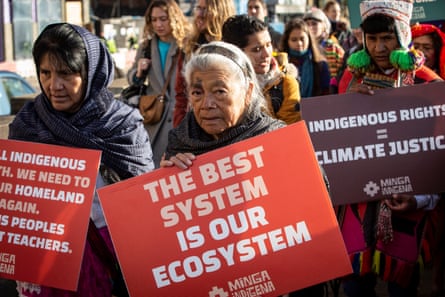
Indigenous Peoples Fight Climate Change
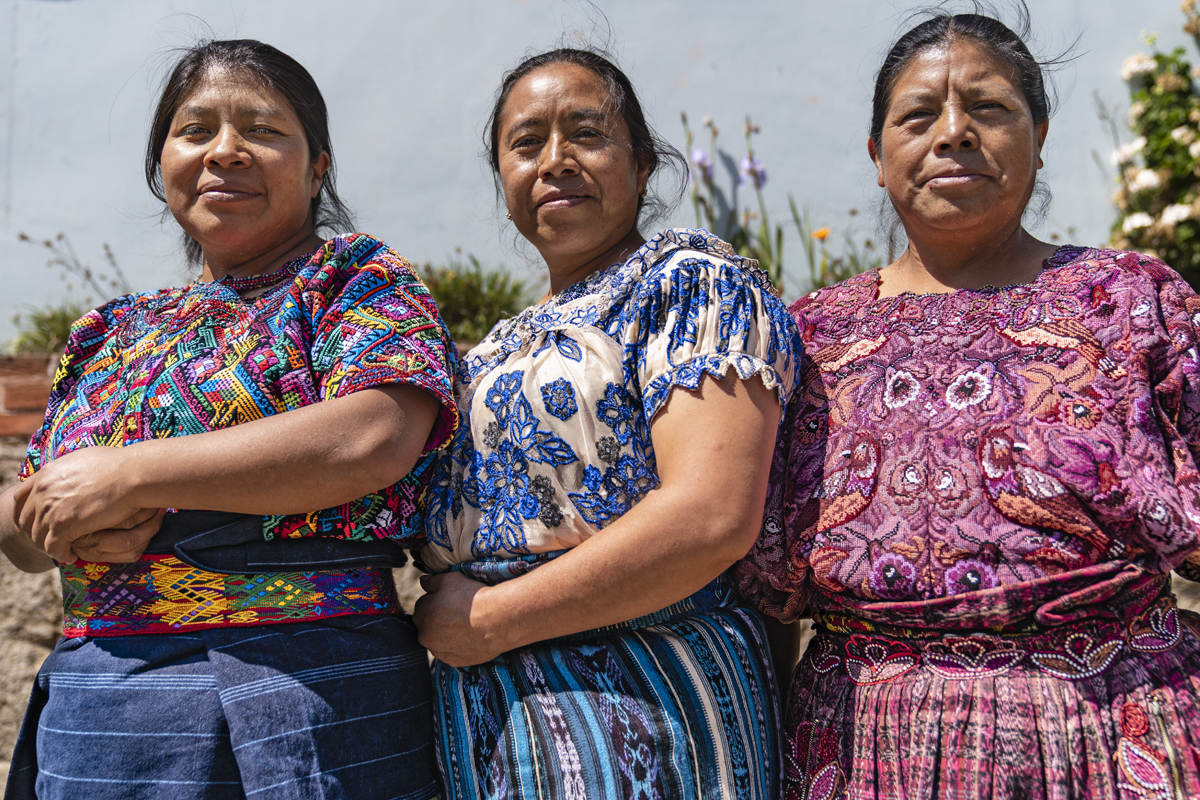
After wildfires, Belize’s indigenous people rebuild stronger based on “se’ komonil”: reciprocity, solidarity, gender equity, togetherness and community.
SOCFIN’s African Empire of Colonial Oppression: Billionaires Profit from Palm Oil and Rubber Exploitation
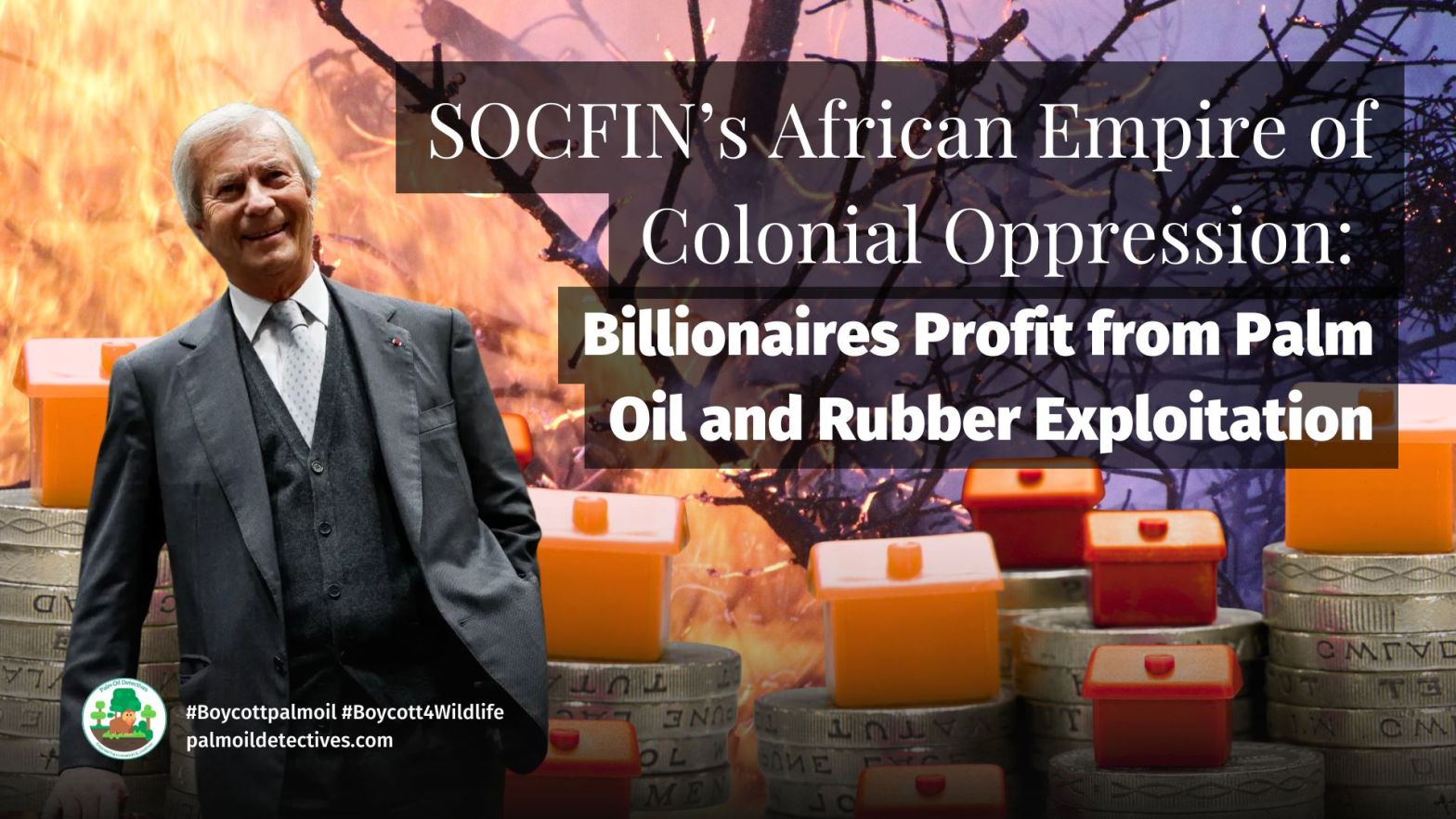
Investigation by Bloomberg exposes that despite being RSPO members, #SOCFIN plantations in #WestAfrica are the epicentre of #humanrights abuses, sexual coercion, environmental destruction, and #landgrabbing. Operating in #Liberia, #Ghana, #Nigeria, and beyond, SOCFIN’s #rubber and #palmoil plantations continue historical colonial legacies of exploitation. Despite widespread evidence of abuse and deforestation, SOCFIN and its partners benefit from weak sustainability certifications such as #FSC and #RSPO. Europe and the US buy products directly linked to these violations, greenwashing the destruction in the process. Indigenous communities and workers are actively resisting this huge injustice —They seek proper redress in the form of stricter #EUDR regulations and better protections of their health, livelihoods and families. Consumers can boycott palm oil and rubber in solidarity. #BoycottPalmOil #Boycott4Wildlife
Palm Oil Threatens Ancient Noken Weaving in West Papua
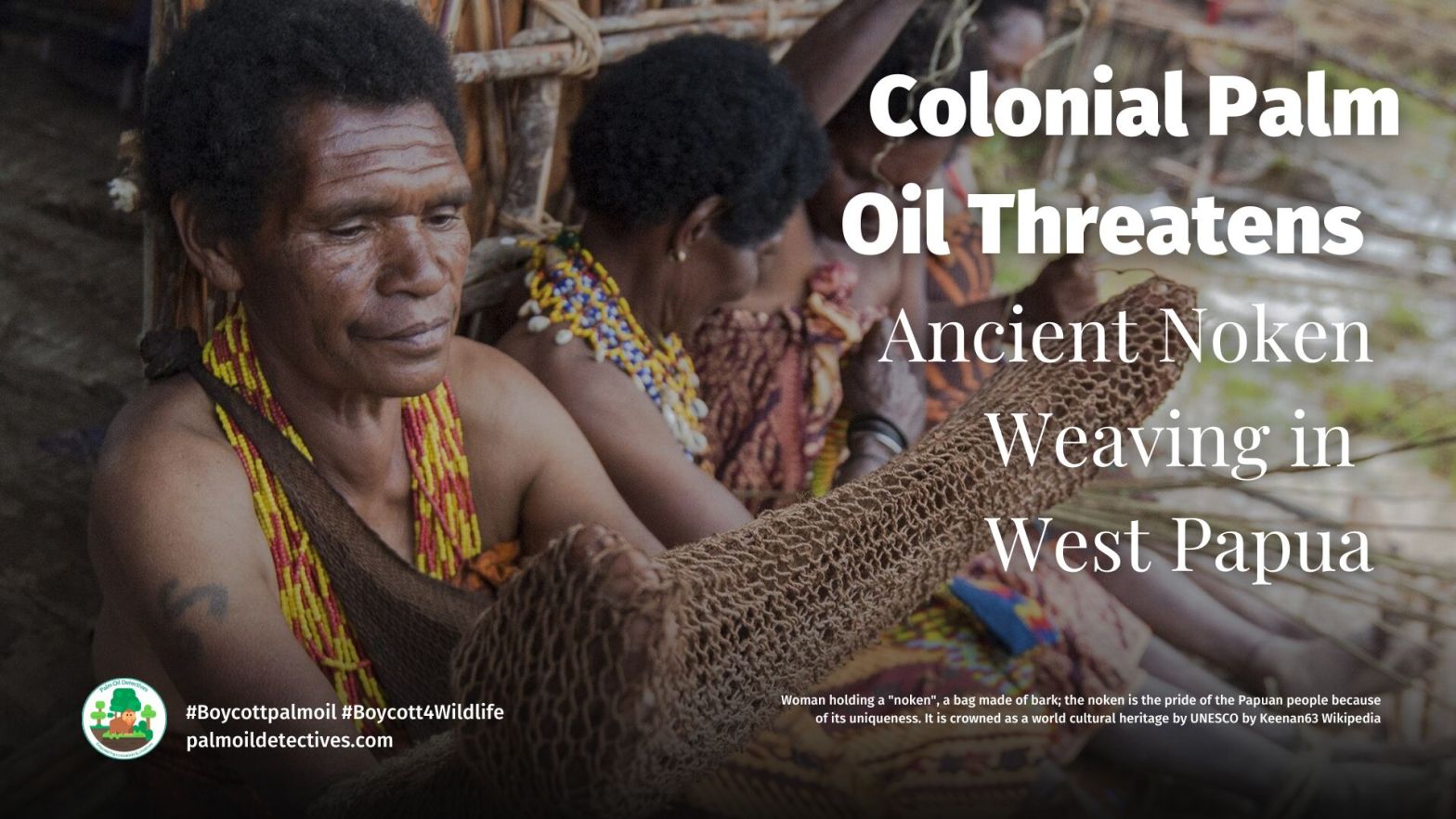
Colonial palm oil and sugarcane causing the loss of West Papuans’ cultural identity. Land grabs force communities from forests, threatening Noken weaving
Family Ties Expose Deforestation and Rights Violations in Indonesian Palm Oil
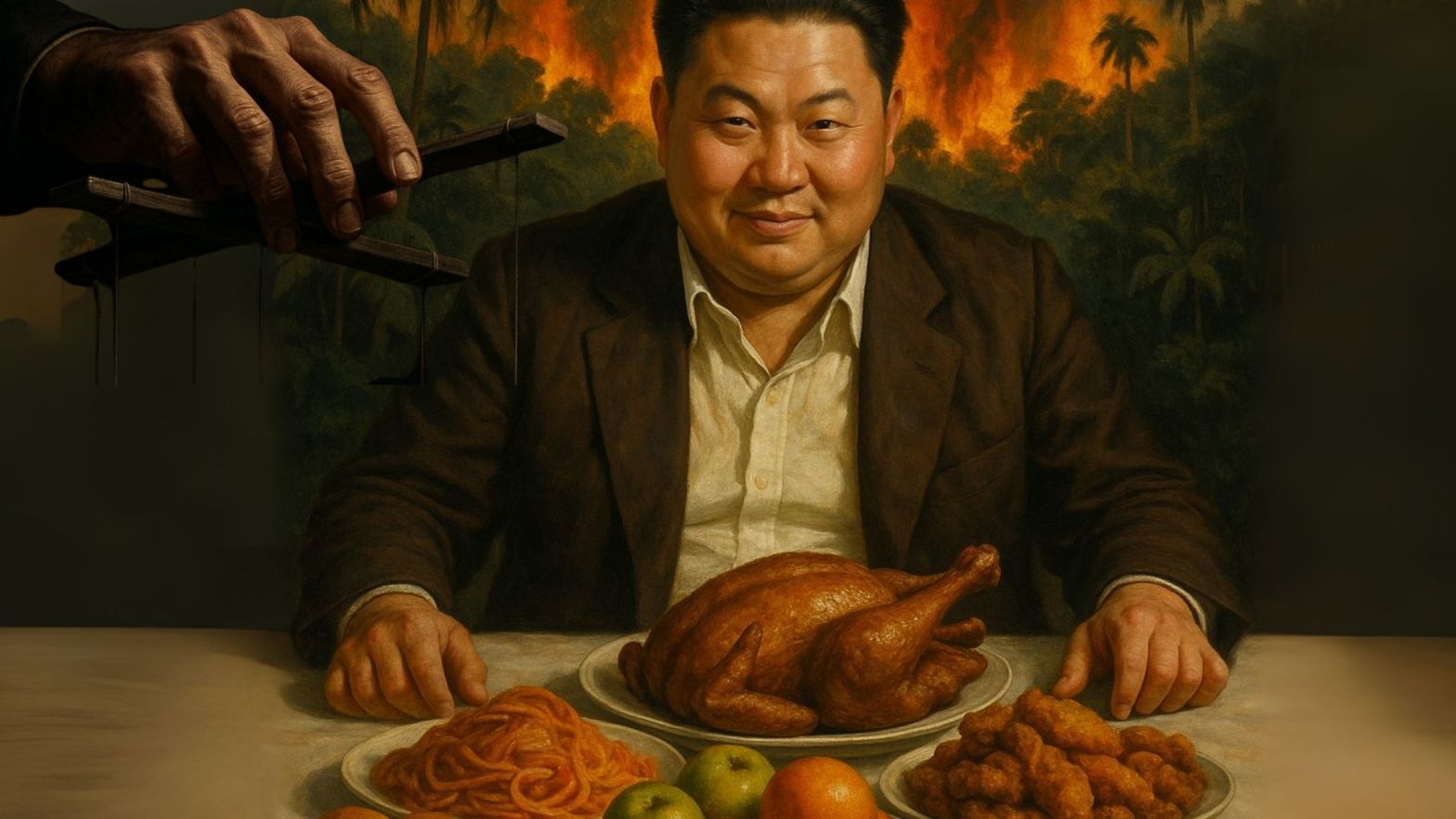
An explosive report by the Environment Investigation Agency (EIA) details how Indonesia’s Fangiono family, through a wide corporate web, is linked to ongoing #deforestation, #corruption, and #indigenousrights abuses for #palmoil. Calls mount for governments to act immediately to strengthen the #EUDR. Consumers can act when we #BoycottPalmOil #Boycott4Wildlife #HumanRights
West Papuan Indigenous Women Fight Land Seizures
Indigenous Melanesian women in West Papua fight land seizures for palm oil and sugar plantations, protecting their ancestral rights. Join #BoycottPalmOil
Greasing the Wheels of Colonialism: Palm Oil Industry in West Papua
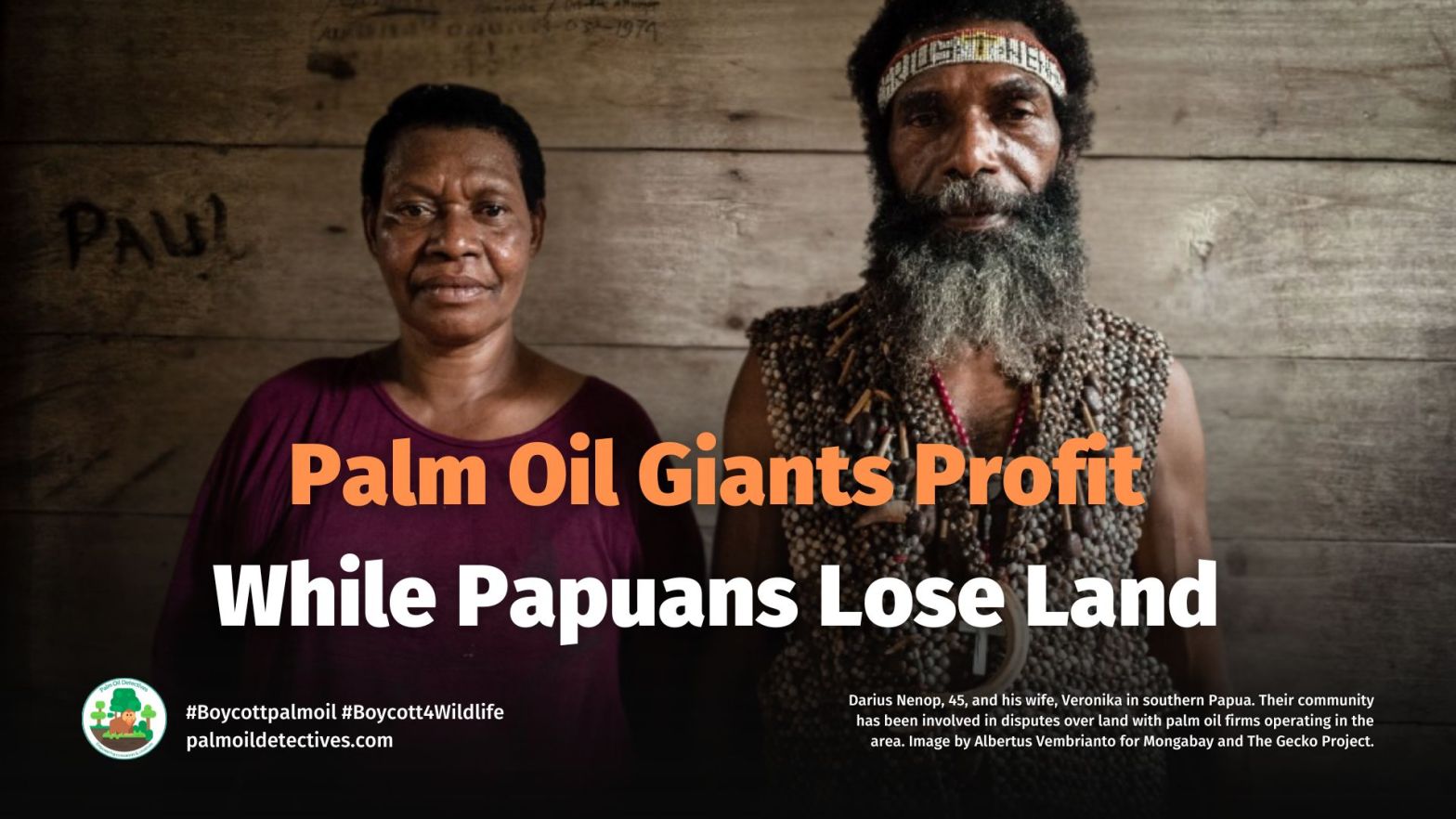
A landmark study published in Global Studies Quarterly in April 2025 has revealed that the rapid expansion of the #palmoil industry in #WestPapua is not only fuelling #deforestation, #ecocide and environmental destruction but also perpetuating colonial-era patterns of land dispossession, #violence, and erasure of #Indigenous #Papuan communities.
Palm Oil Practices Resemble Colonial Exploitation
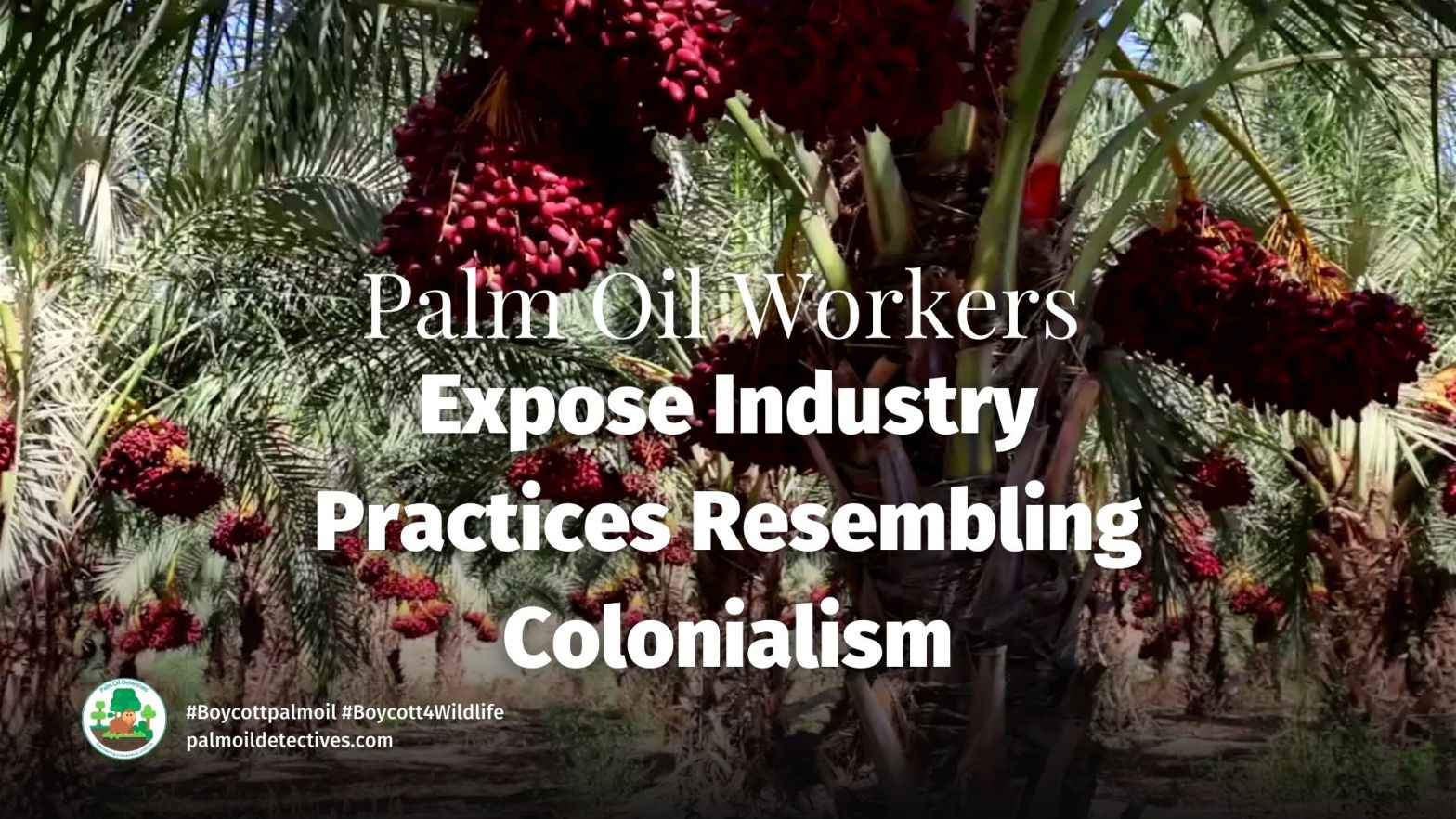
Indonesian palm oil workers expose industry practices that mirror colonial exploitation: land grabbing, bad conditions, ecocide. Systemic change is needed!
Papua’s ‘Empty Lands’: A Dangerous Myth Displacing Indigenous Peoples
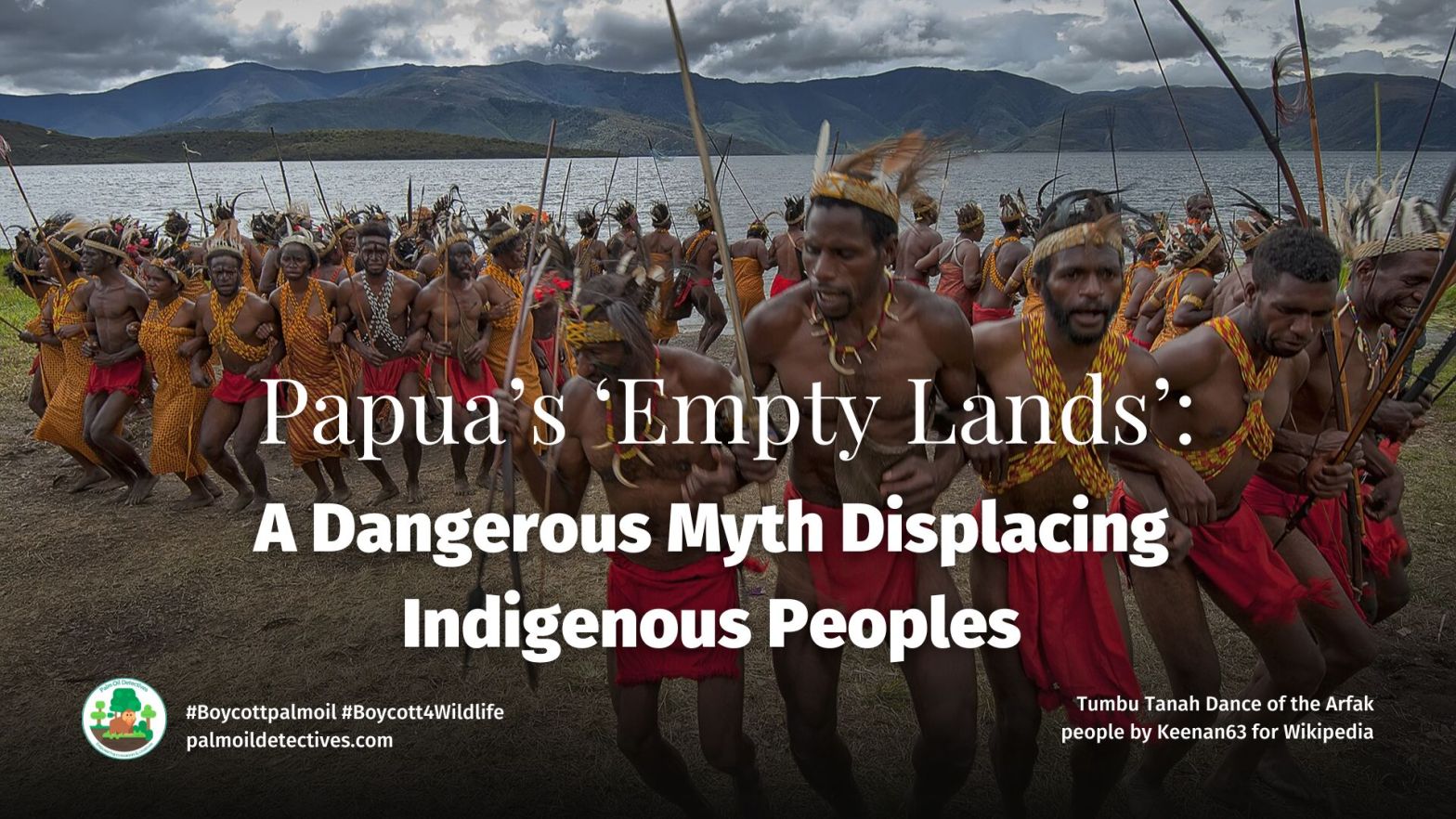
Challenge a dangerous colonial myth that West Papua is an ’empty land’. This only serves the colonial domination of Indonesia not ancient tribes living there!
Palm Oil Plantations Threaten Indigenous Waterways
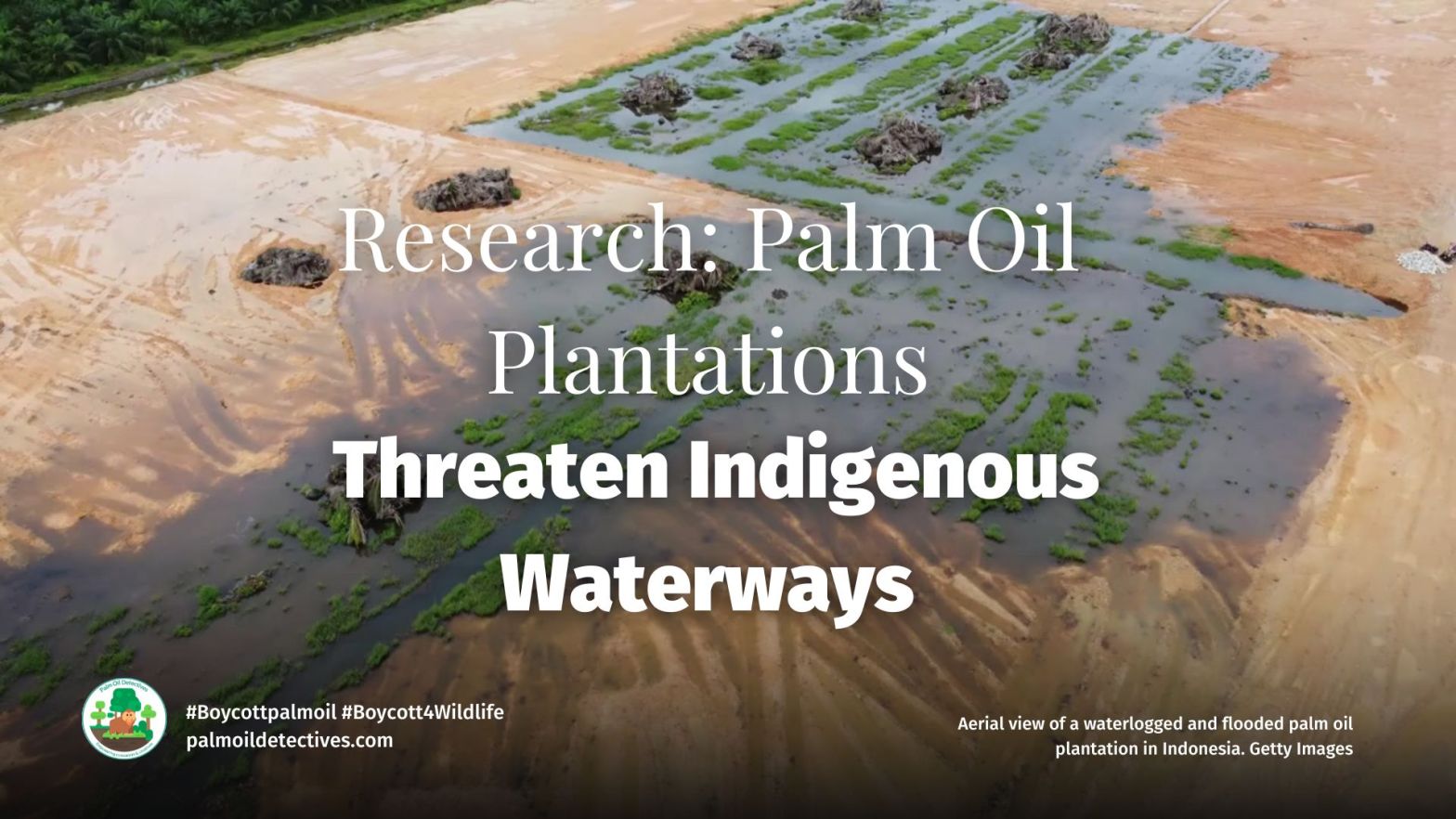
Expansion of palm oil in West Papua’s Kais River watershed degrades water quality, polluting Indigenous waterways. Take action and boycott palm oil
Concerns Mount Over Palm Oil Expansion in Nagaland
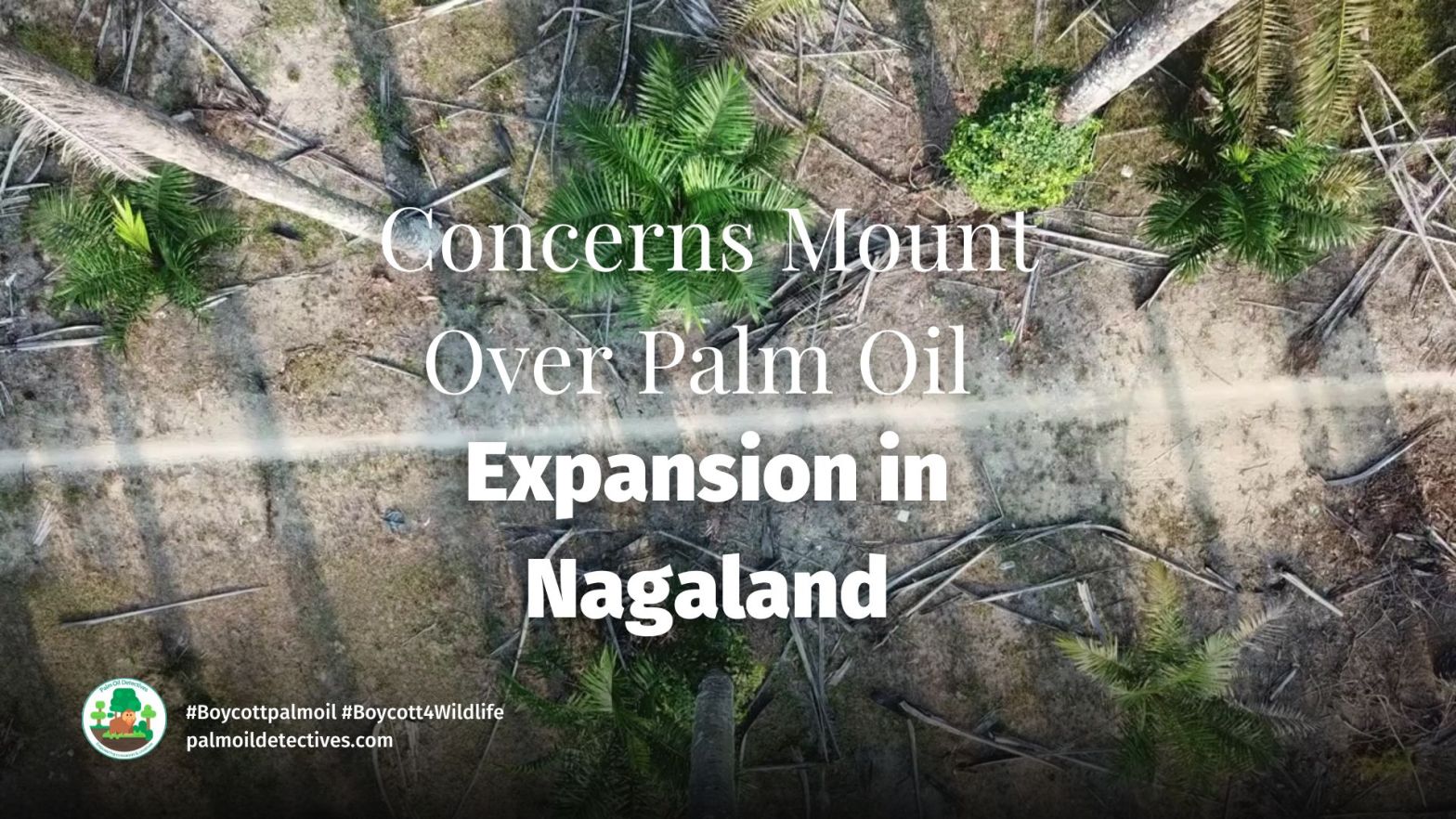
The NCCAF raises grave concerns over palm oil expansion in Nagaland, India with threats to deforestation, biodiversity, livelihoods. Take action!
Palm Oil Is Ruining Kalangala Uganda — Locals Paying the Price
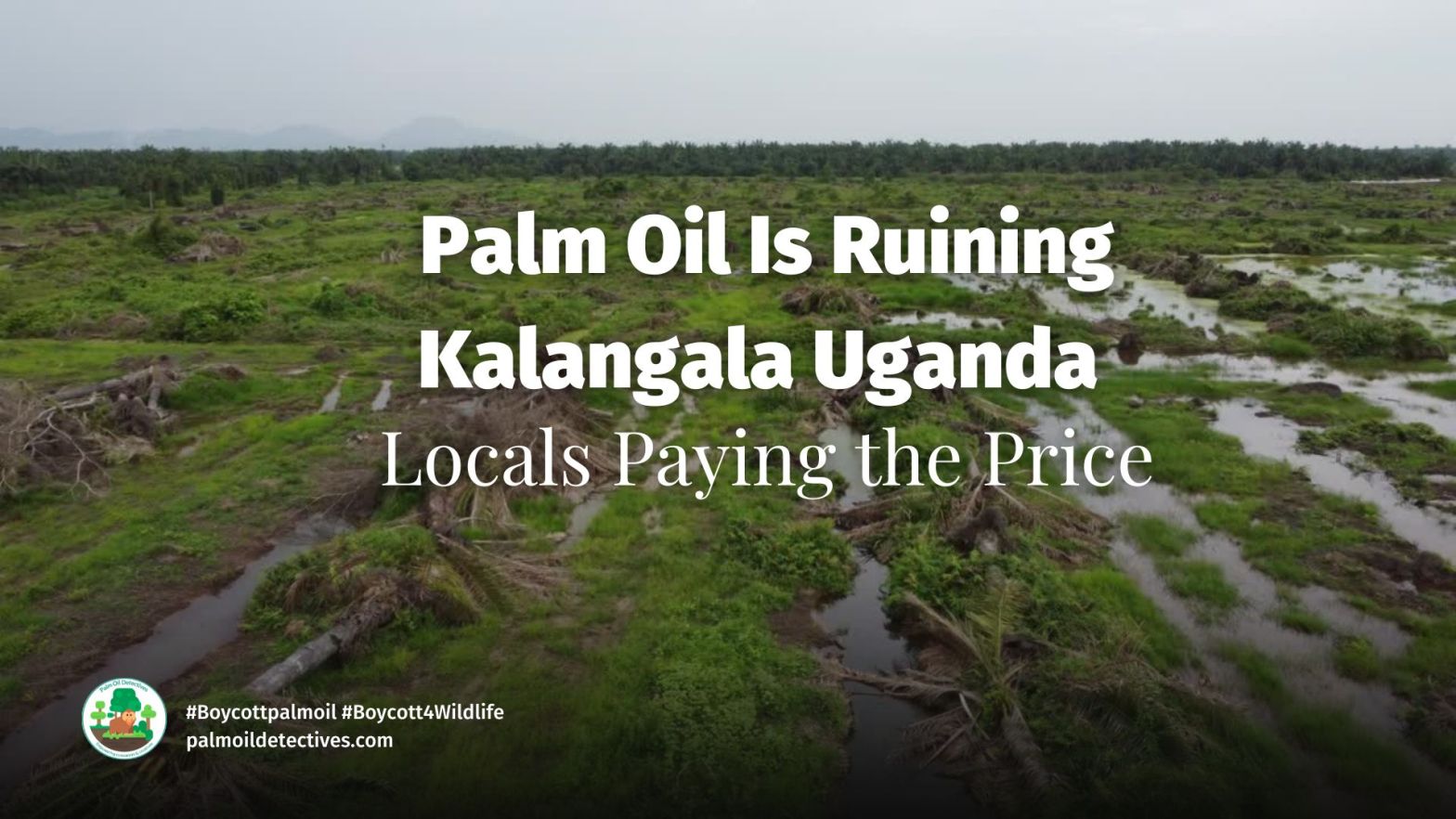
A catastrophic storm in #Uganda’s Kalangala district left nearly 1,000 households homeless. The real culprit? Rampant #deforestation for #palmoil. Once rich in native forests that buffered storms, Kalangala is now a fragile landscape dominated by monoculture palm oil and #tobacco plantations that does not keep villages safe from climate induced flooding and severe storms. This human-caused disaster is a wake-up call: palm oil profits must never come before people and planet. Support #indigenous-led reforestation and demand corporate accountability for ecocide! #BoycottPalmOil #Boycott4Wildlife #HumanRights
Violence for Palm Oil Against Peasant Communities in Honduras Meets Resistance
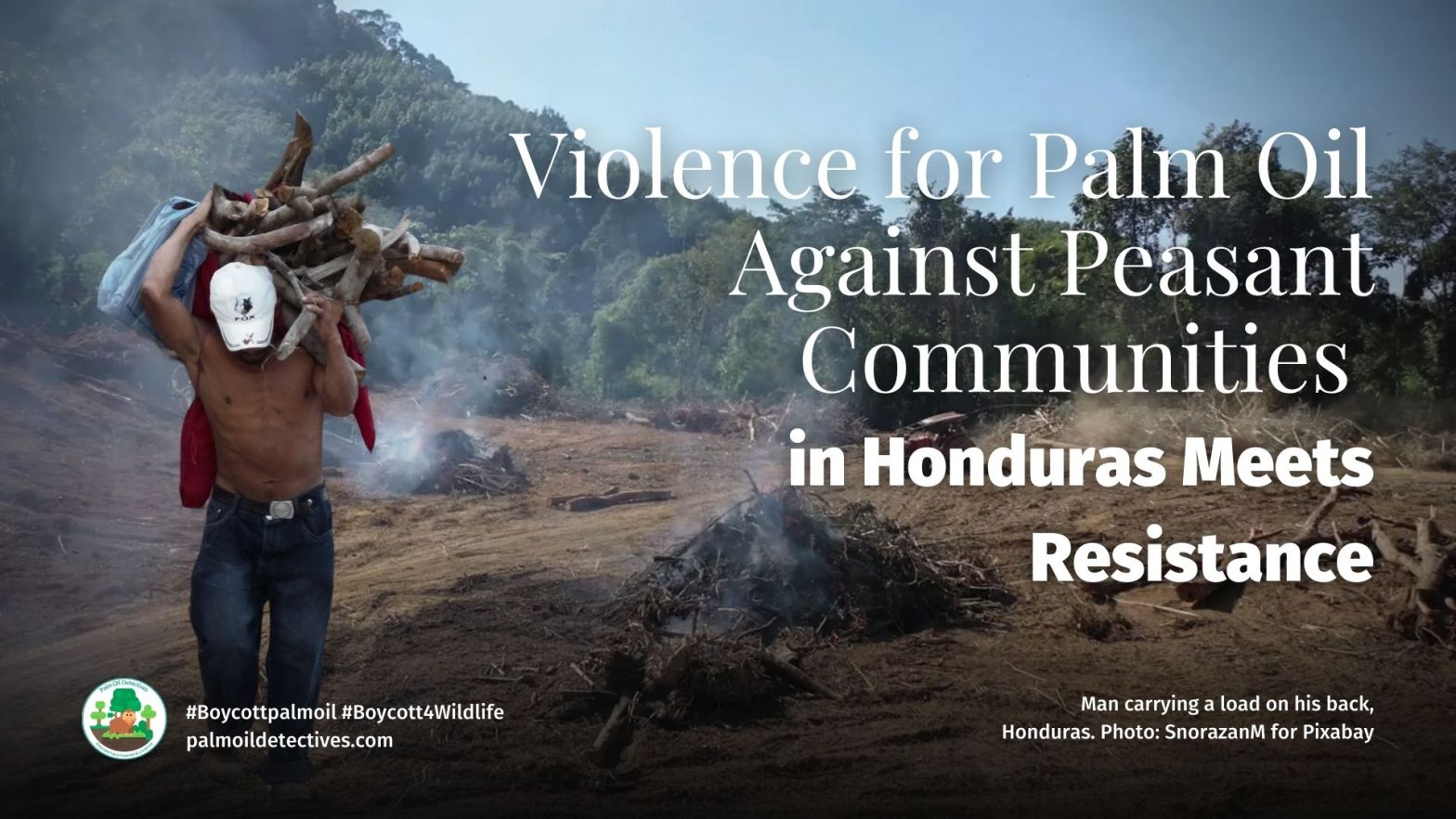
In the Aguán Valley of northern Honduras, peasant communities reclaiming ancestral lands face increasing violence and intimidation from armed groups linked to organised crime. The Dinant Corporation, a prominent palm oil producer, is accused of land theft and involvement in the murders of local activists. International organisations have condemned these human rights abuses, with a coalition of 33 organisations calling for a boycott of Dinant and for multinational companies: Pepsi, ADM, Cargill and Nestle to immediately cease business with Dinant. Despite governmental promises to address the conflict, concrete actions remain absent. You can resist for them in solidarity by boycotting their products in the supermarket! #BoycottPalmOil #LandRights #IndigenousRights #HumanRights
The Great Malaysian Timber and Palm Oil Swindle

Investigation reveals alarming deforestation in Malaysia’s Pahang caused by a large, poorly-managed palm oil plantation puts tigers at risk! Boycott Palm Oil!
Ten Victories and Challenges to Indigenous Rights in 2024
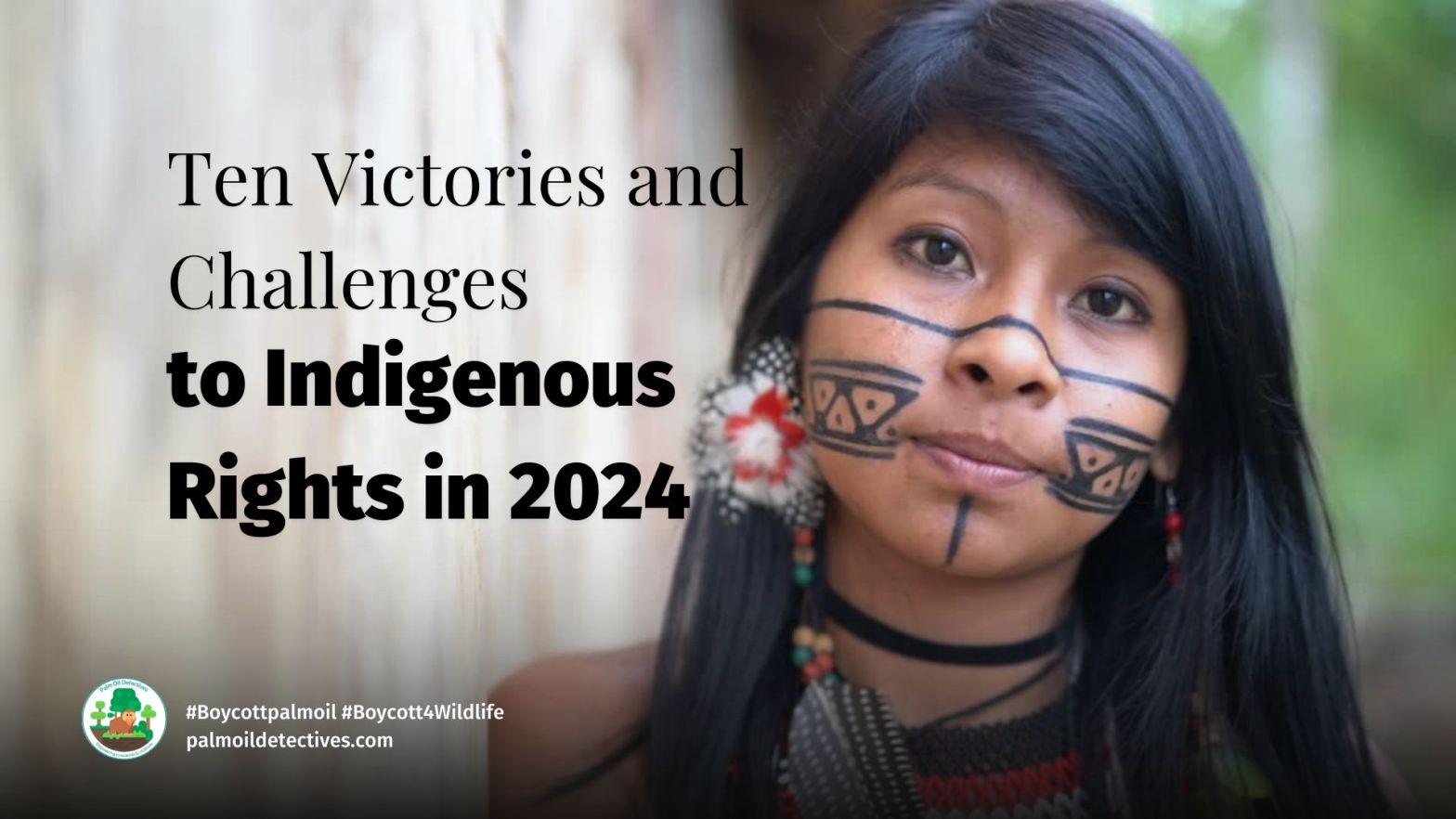
From Brazil’s action against illegal gold miners to the Sacred Headwaters Alliance defending the Amazon, these top Indigenous stories of 2024 highlight resilience and challenges. The year of 2024 underscored the importance of Indigenous sovereignty in tackling environmental and social issues. #IndigenousRights #LandBack #BoycottPalmOil #BoycottGold
Palm Oil Protesters Silenced and Arrested in Congo
Disgraceful incident in Kinshasa, DRC. During shareholder meeting for palm oil co. PHC (AKA Feronia) rights defenders were arrested, a journalist kidnapped!
Protected: Private Advocate’s Page
There is no excerpt because this is a protected post.
“Sustainable” Palm Oil No Different in Land Conflicts
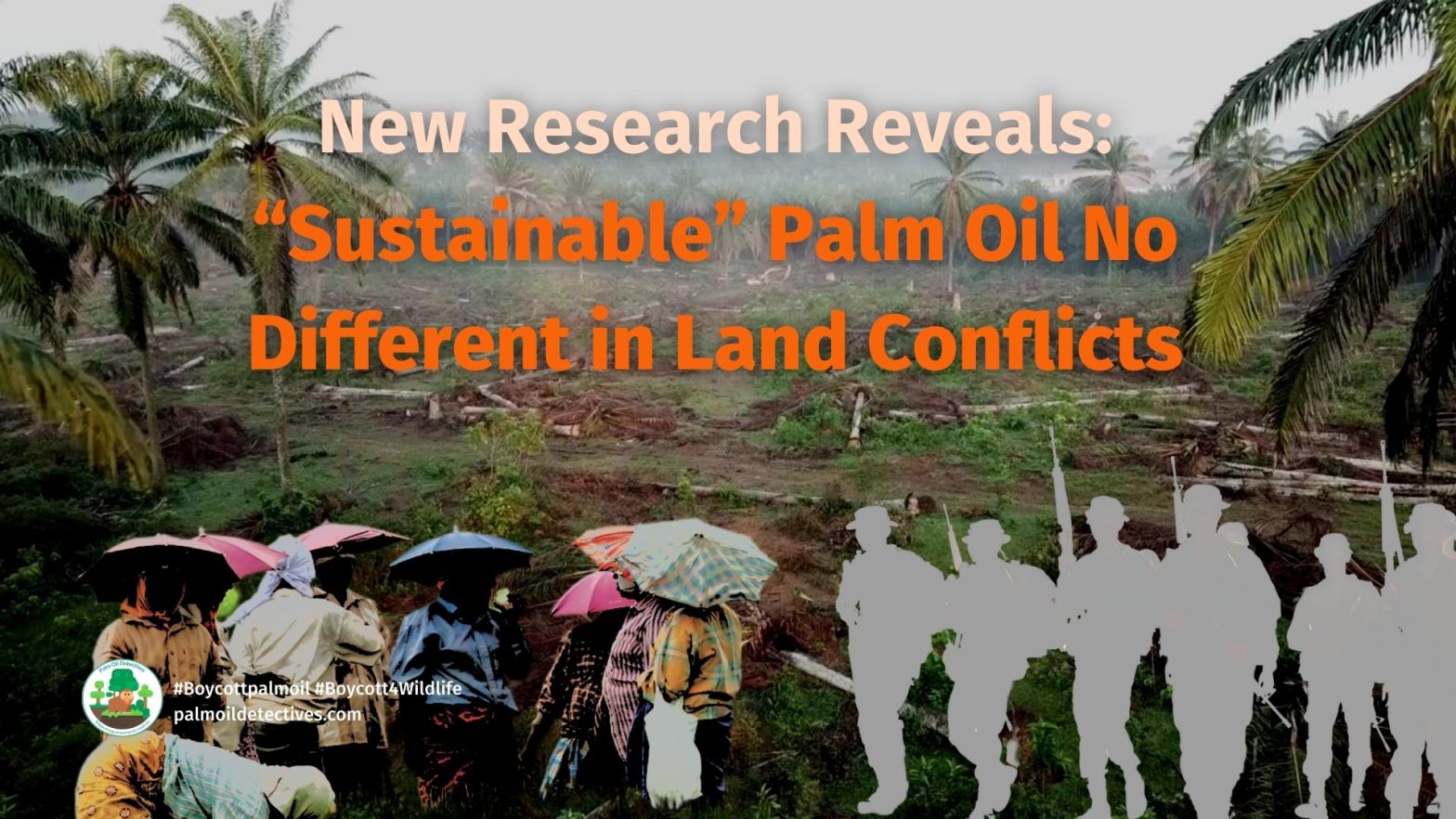
Research reveals no significant difference between RSPO-certified “sustainable” palm oil and non-certified palm in Indonesian land conflicts. Boycott palm oil!
Snack giant PepsiCo allegedly sourced “sustainable” palm oil from razed Indigenous land in Peru
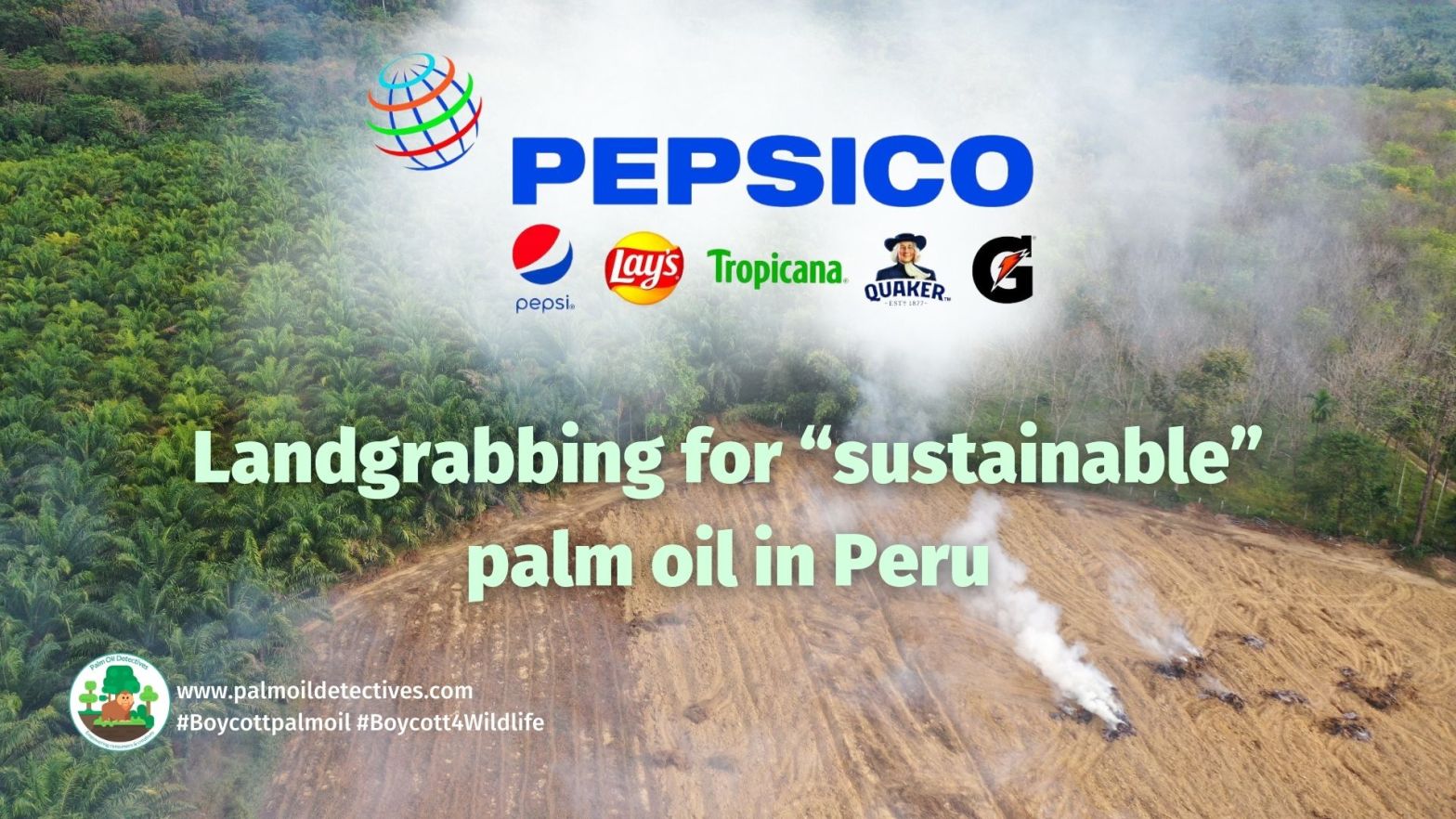
PepsiCo’s supply chain is linked to environmental and human rights violations in Peru, involving Amazon deforestation and Indigenous land invasion. For three years, palm oil from deforested Shipibo-Konibo territory has been used in products like Gatorade and Cheetos. PepsiCo sources oil from Ocho Sur, a company notorious for environmental crimes and forest loss. The palm oil industry in Peru, which doubled production in a decade, is responsible for significant illegal deforestation, violent indigenous landgrabbing, animal extinction and human rights abuses. Take action every time you shop and #Boycottpalmoil for wildlife and Indigenous people.
Encountering the World’s Most Endangered Kangaroo: The Wondiwoi Tree Kangaroo

Encounter the Wondiwoi tree-kangaroo. Rediscovered in 2018, these rare marsupials from West Papua are a symbol of hope amidst threats from palm oil, hunting
Did you know that gold kills indigenous people and rare animals?
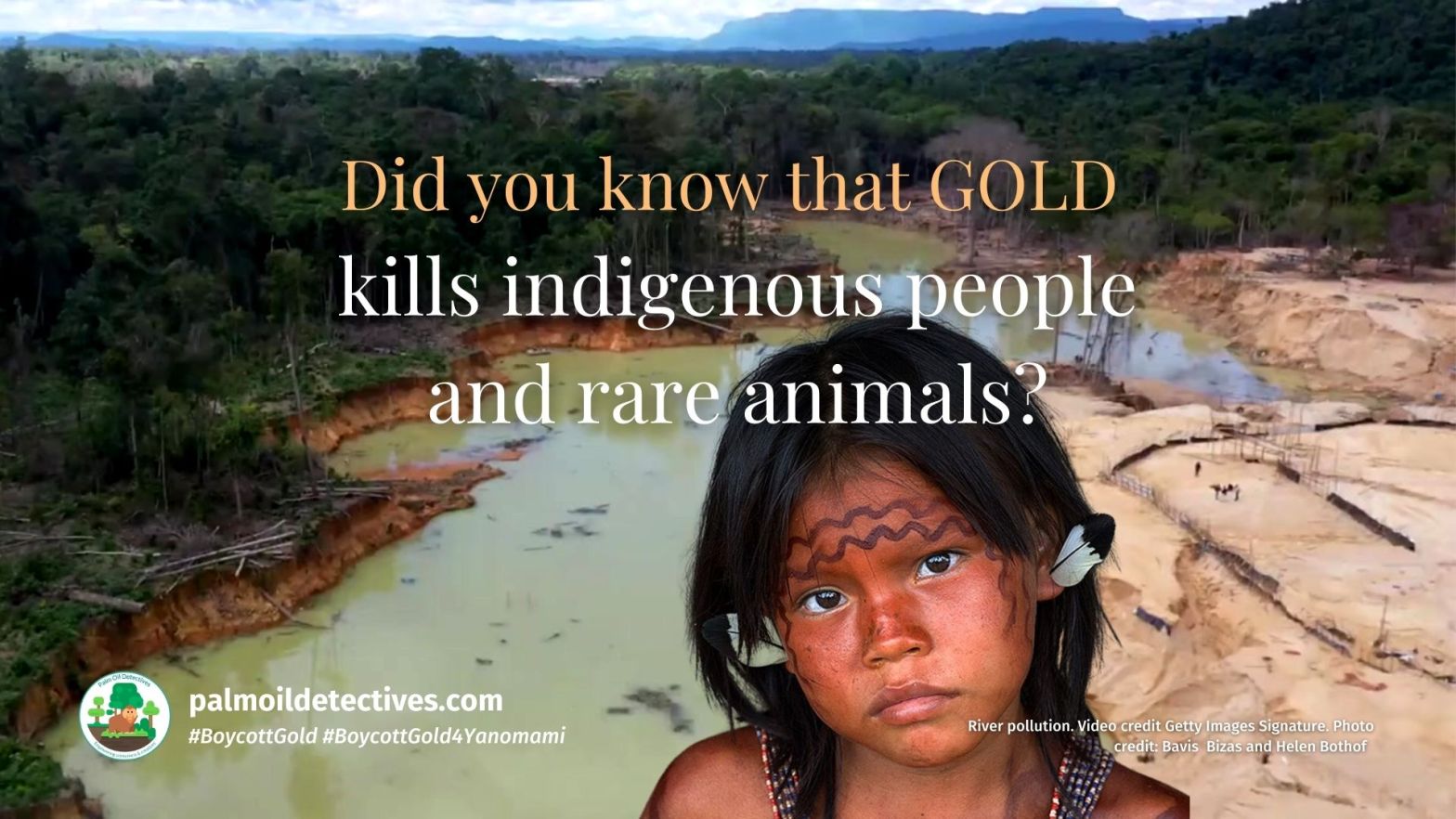
Gold mining kills indigenous peoples throughout the world like the Yanomami people of Brazil and Papuans in West Papua. The bloody, violent and greedy landgrabbing that goes on for gold forces indigenous women and children into sex slavery! Mercury poisons the water, which kills people and puts 1000’s of species closer to extinction. To help indigenous peoples to fight for their ancestral lands and help endangered animals you should #BoycottGold #BoycottGold4Yanomami
Child Labour and Debt Bondage: A Reality For ‘Sustainable’ Palm Oil
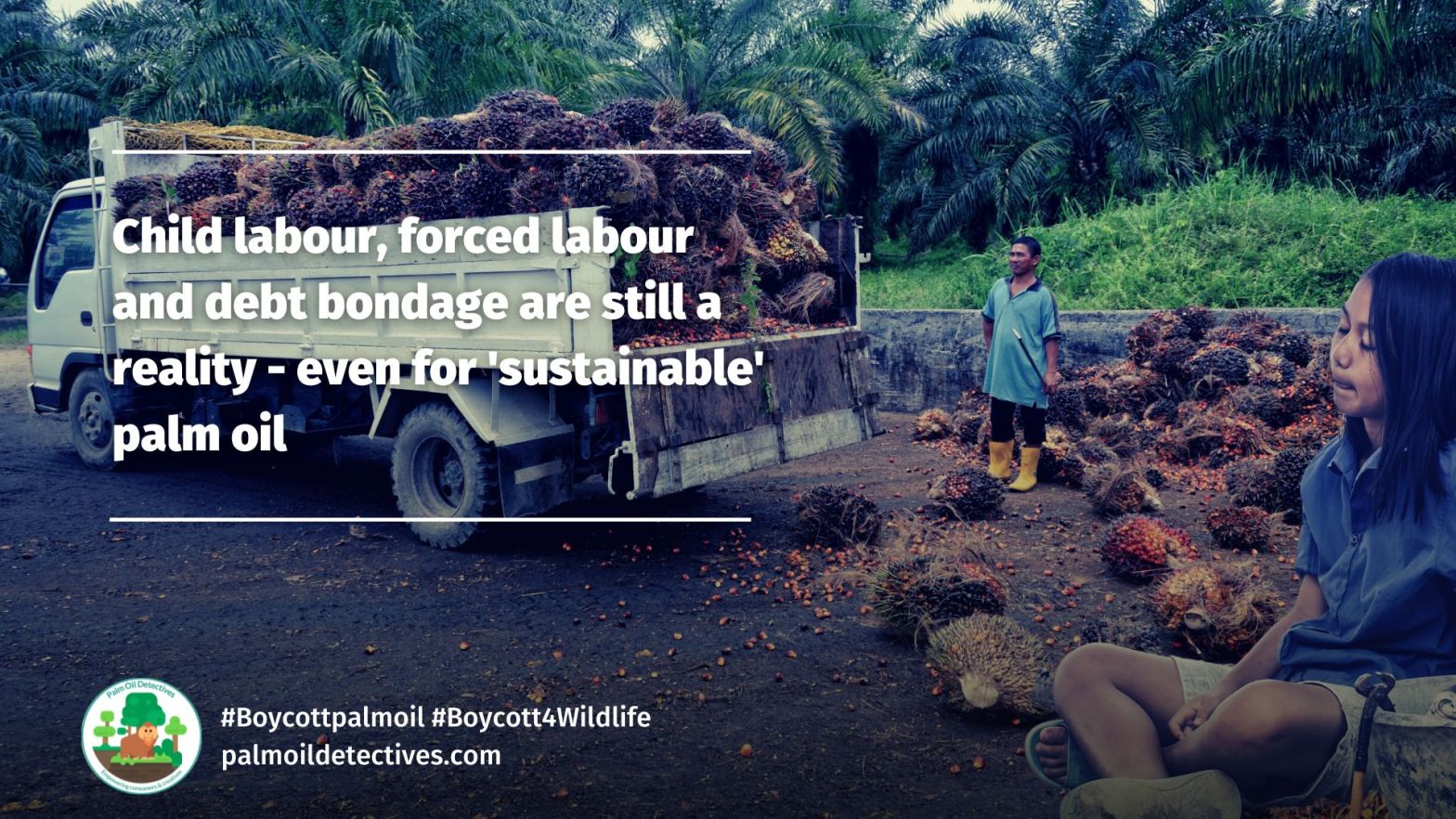
According to a new report from the Bureau for Workers’ Activities (ACTRAV) at the International Labour Organization (ILO). About 80% of the world’s poor live in rural areas where they face a myriad of human rights problems which hamper their ability to survive.
Problems include inadequate safety at work, low pay, lack of stability and security of work, and excessive working hours, with women and young workers.
Choose Indigenous Trees Over Palm Oil In India
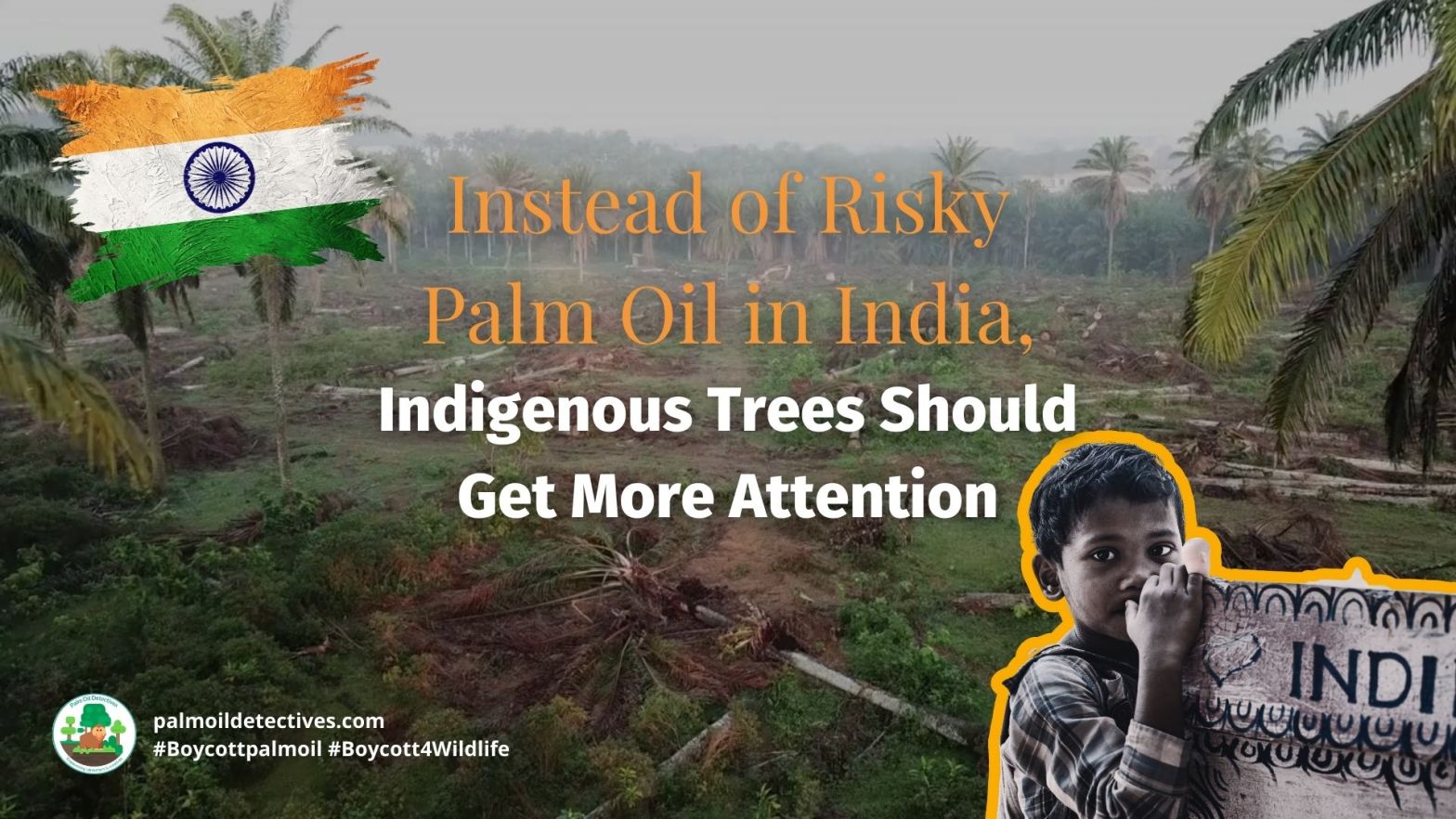
India is pushng palm oil growth, a massive mistake for local biodiversity, land rights and climate change, Indians should resist and Boycott palm oil!
Op-Ed: Preserving a Habitable Earth by Julian Cribb
Renowned and prolific science communicator and author Julian Cribb writes this op-ed piece for Palm Oil Detectives. He addresses the world’s most pressing needs for survival as we descend into the pointy end of the Anthropocene era.
Julian outlines a dozen direct and actionable solutions for preserving a healthy and habitable earth. These are taken from his interviews with the world’s brightest minds. For a more in-depth analysis, be sure to grab a copy of his most recent book, published this year – ‘How to Fix a Broken Planet’
Australia must not be a dumping ground for palm oil made from slavery: The Australian Greens

The recently released Global Slavery Index reveals that Australia risks importing goods amounting to US $17.4 billion, which are suspected to be produced via forced labour.
A ban of these goods from Australia was proposed by the Australian Greens, who along with several community organisations, are urging the Labor Party to prioritise this change following a report from the outgoing UN High Commissioner for Human Rights.
The CUT Campaign and its partners ask MP Kemi Badenoch to keep UK tariffs palm oil to prevent ecocide
Last month UK Tory MP Kemi Badenoch announced that a new UK trade deal would cut tariffs on palm oil imports from 12% to zero.
This move will likely grease the way towards the UK importing palm oil deforestation and human rights abuses from Malaysia and Indonesia into the UK.
Environmental groups: CUT Campaign, Palm Oil Detectives, Bruno Manser Fond, Save Rivers, Extinction Rebellion and many others strongly object to this decision by the UK government. Read on below to watch the video, sign the petition and join the #Boycottpalmoil #Boycott4Wildlife movement to take action against palm oil greed and ecocide.
RSPO member SIAT leaves Nigerian farmers without food. Leases their illegally taken land for €1.23 Euros per hectare, per year
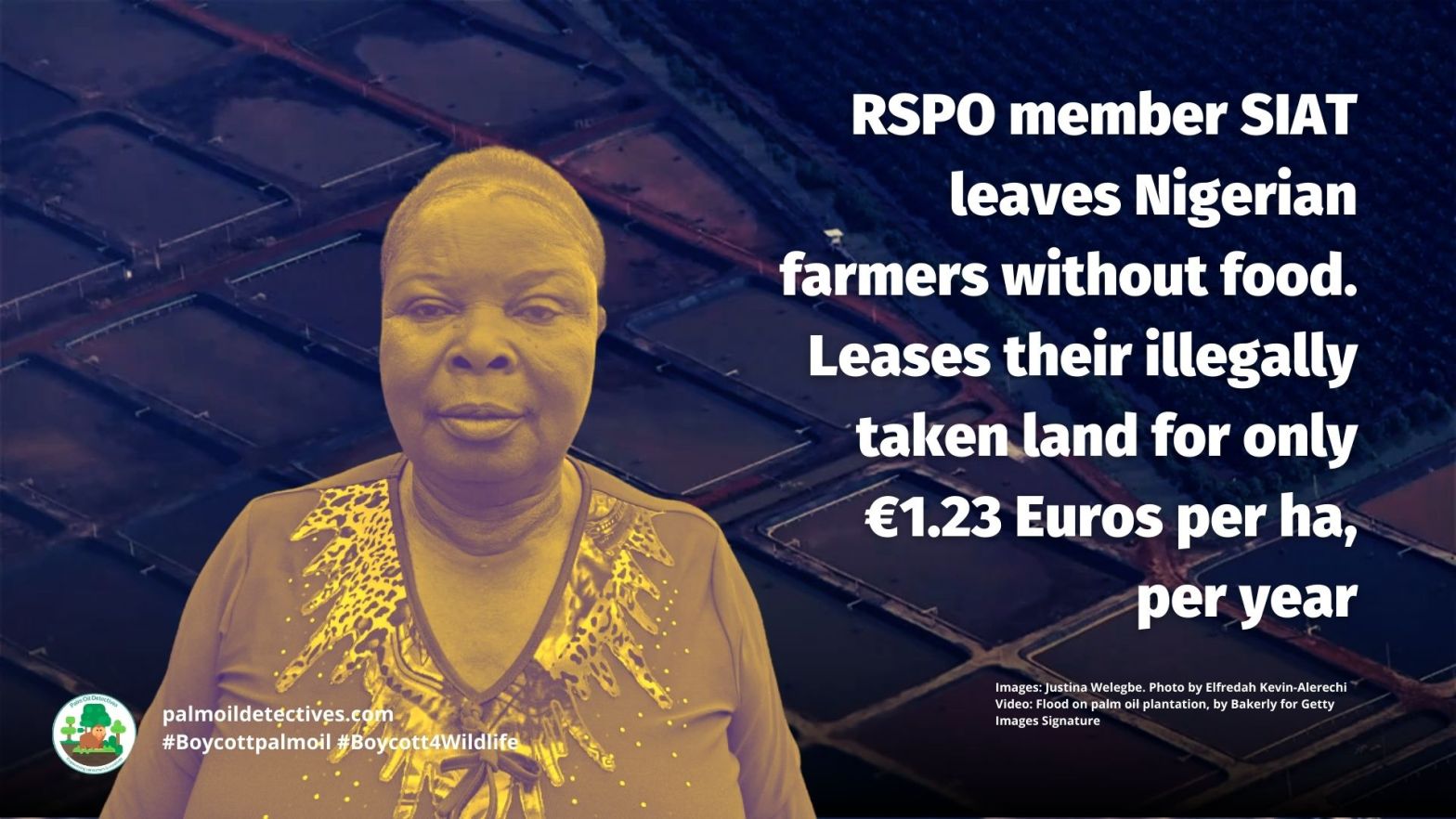
A 5-month investigation by Elfredah Kevin-Alerechi and Kevin Woke of Sahara Reporters reveals how RSPO member SIAT Nigeria Limited is involved in human rights abuses and land-grabbing on host communities’ lands. Journalists Elfredah Kevin-Alerechi and Kevin Woke also discovered that palm oil company SIAT who illegally took their land are leasing it for a mere 600 Naira (N600) per hectare annually – the equivalent of €1.23 Euros per year to lease it.
River pollution by pesticides and restriction by the company to land, where locals can grow food has meant that their food and water supply is contaminated – starvation is now an urgent problem.
All of this occurs under the guise of “sustainable” palm oil pushed by the RSPO to consumers. SIAT’s palm oil is used in consumer products by PZ Cussons (source), Nestle (source) and Danone (source). This is wh you should #Boycottpalmoil
Story via Sahara Reporters. Additional info: Chain Reaction Research
Will palm oil watchdog RSPO rid itself of deforestation or continue to pretend its products are sustainable? – EIA
Palm oil produced through the destruction of forestland is still being sold around the world with the blessing of the Roundtable on Sustainable Palm Oil (RSPO).
On November 30, 2022 EIA and along with 99 other organisations issued a joint statement calling time on the RSPO and its habitual greenwashing – the act of giving the public or investors misleading or false information about the environmental impacts of a company’s products and activities.
Roundtable on Sustainable Palm Oil: 19 years is enough
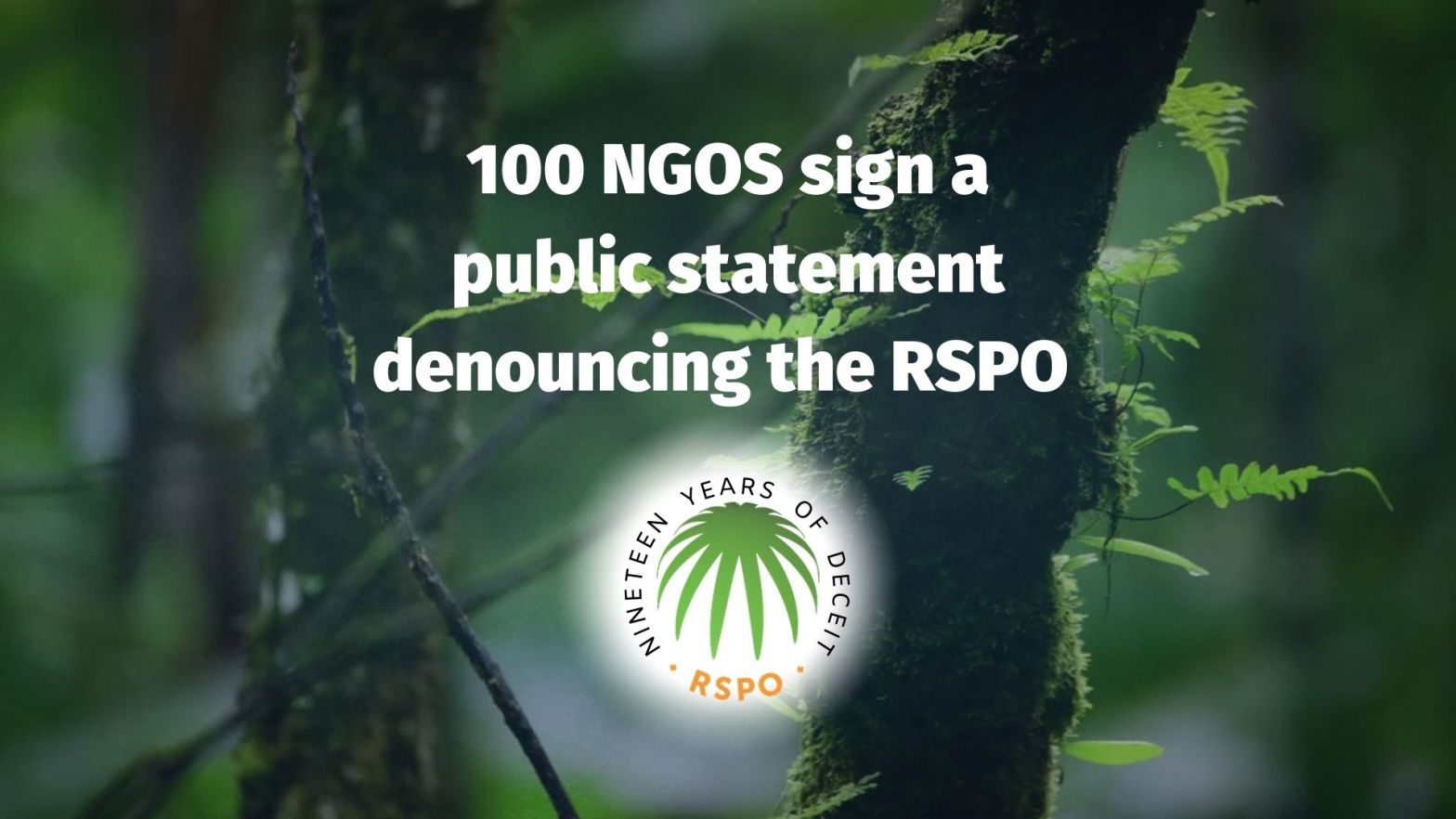
For nearly two decades now, the RSPO has failed in its mission to make the industrial palm oil sector “sustainable”. Instead, it has been used by the palm oil industry to greenwash environmental destruction, labour and human rights abuses and land grabbing.
Spoiled Fruit: Land-grabbing, violence and slavery for “sustainable” palm oil
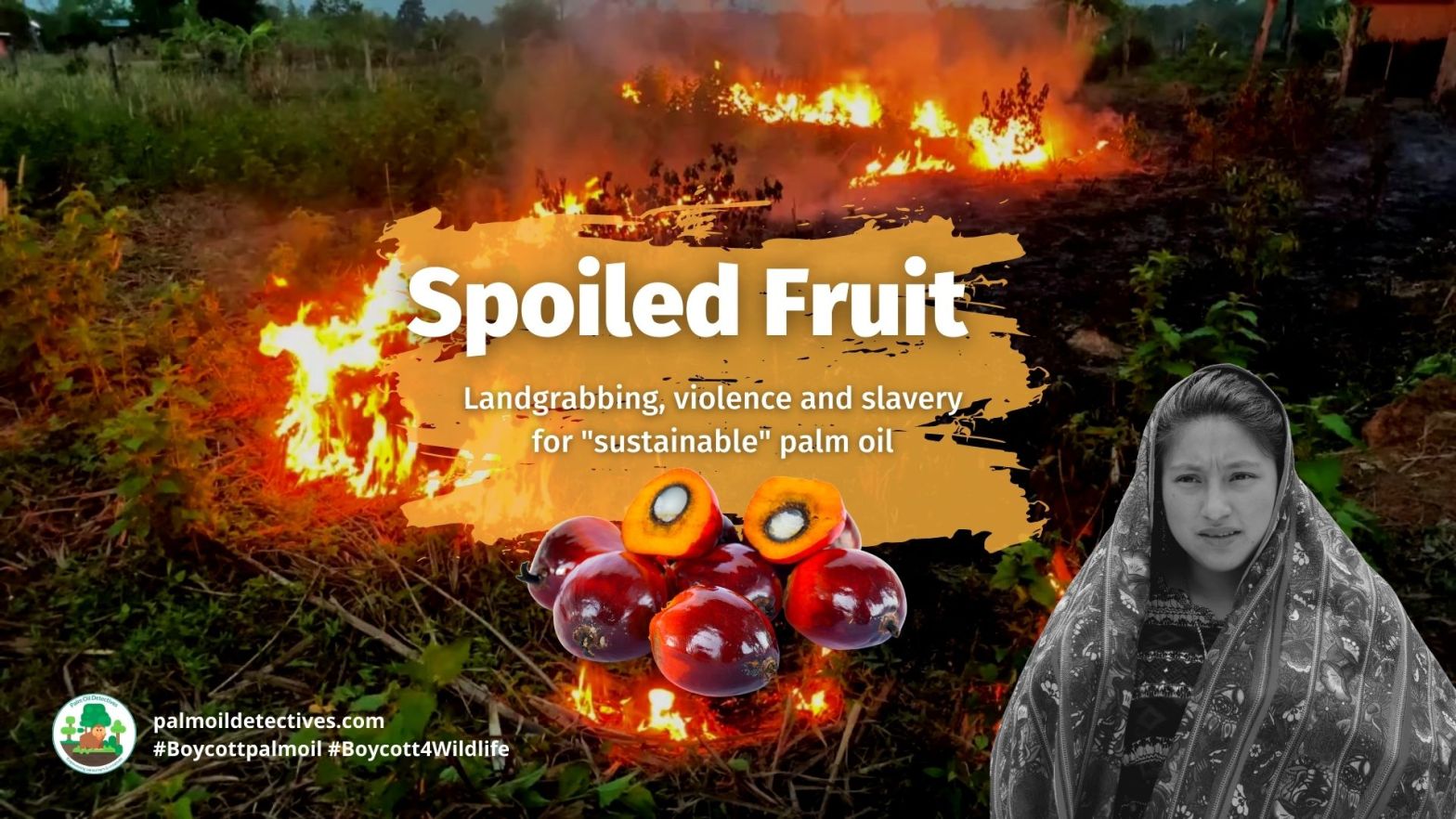
C4ADS analysis shows that the food conglomerates that feed millions—including giants such as Nestlé, Cargill, Adani Wilmar, IOI, Olenex and more —continue to enable forced labor through their indiscriminate import of tainted palm oil associated with slavery, indigenous land-grabbing, deforestation and human misery in the developing world.
 Palm Oil Detectives