
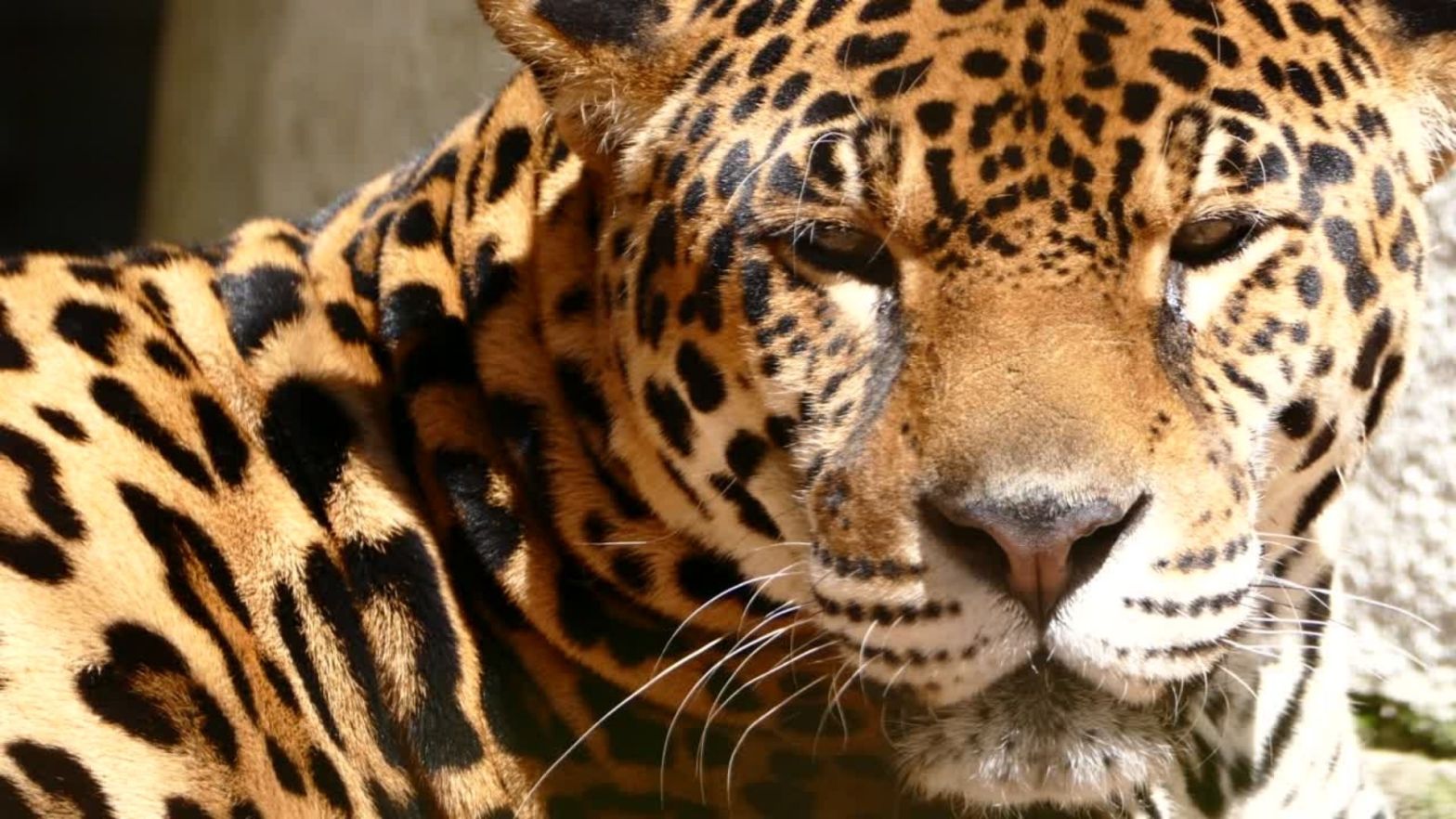
In fragmented forests of Mexico, big cats find it hard to locate prey ungulates instead seeking tree-dwelling #monkeys – that’s bad news for primates!
Tag Archives: ungulates
Mountain Tapir Tapirus pinchaque

Mountain Tapirs are the most threatened large mammals of the northern Andes, hunting, climate change and mining are threats, take action and boycott gold!
Saola Pseudoryx nghetinhensis
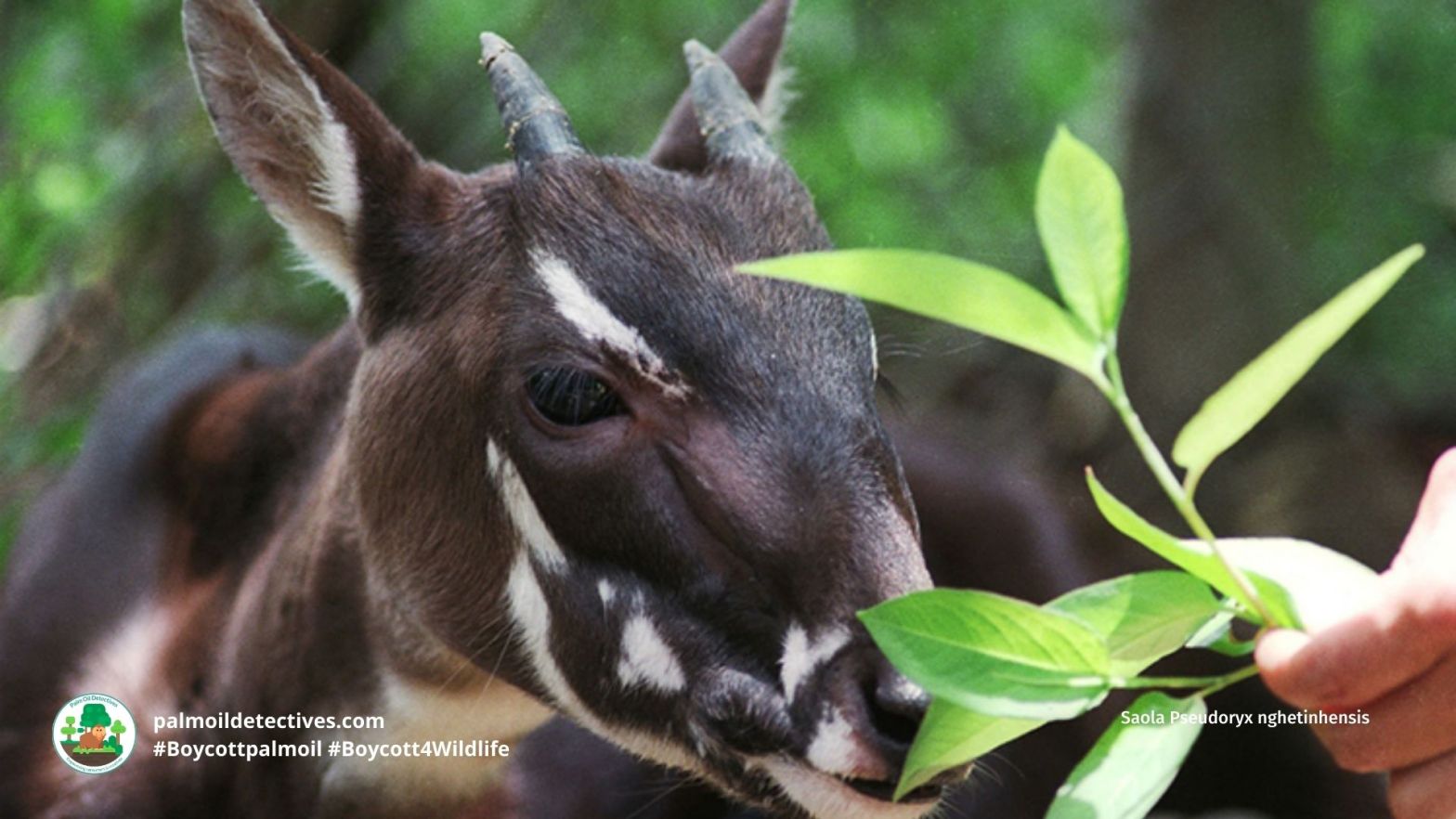
Saolas are rare and considered Southeast Asia’s ‘unicorns’, this Critically Endangered antelope is facing imminent extinction due to hunting and deforestation
Southern Pudu Pudu puda

Darting around and hiding on the forest floor, the Southern Pudu, known as püdü or püdu in Mapudungun (the language of the indigenous Mapuche people), is the world’s second-smallest #deer species. Weighing just 6.4 to 13.4 kg and standing at 35 to 45 cm at the shoulder, these miniature deer are remarkably adapted to their forested environments and communicate with each other through scent. Their short, spiky antlers curve slightly backward, and their thick chestnut-brown coat provides excellent camouflage in the undergrowth.
Despite their small size, Southern Pudus are resilient #ungulates in one of the world’s most biodiverse but increasingly threatened temperate forests in #Argentina and #Chile. However, habitat destruction for eucalyptus and pine monoculture, predation by invasive species, road collisions and disease transmission from farmed animals are pushing populations to the brink. Help them by raising awareness, it’s the #Boycott4Wildlife
Protected: Private Advocate’s Page
There is no excerpt because this is a protected post.
Marsh Deer Blastocerus dichotomus
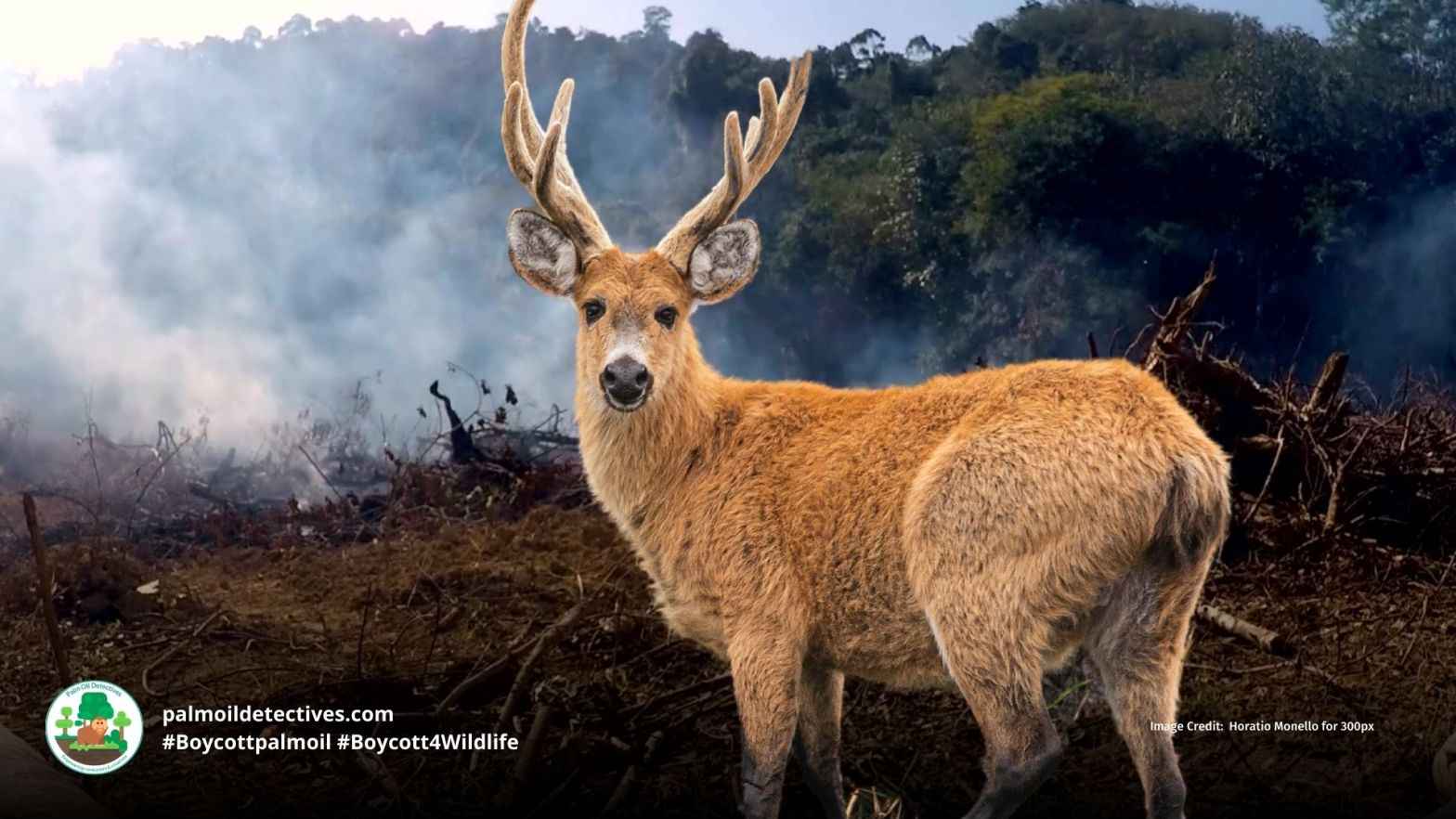
The Marsh deer are South America’s largest deer species, uniquely adapted to wetland life with their web-like hooves and preference for aquatic plants. They are prey animals for jaguars and pumas.
These majestic creatures, once widespread, are now confined to isolated pockets. Their main threat is habitat loss and fragmentation due to palm oil, soy and meat deforestation along with hydroelectric dams and gold mining.
Even as researchers strive to understand their complex and obscure social and mating behaviours, time is running out for these unique creatures. Use your wallet as a weapon and protect the Marsh deer #BoycottPalmOil #BoycottGold4Yanomami #Boycott4Wildlife.
Hippopotamus Hippopotamus amphibius
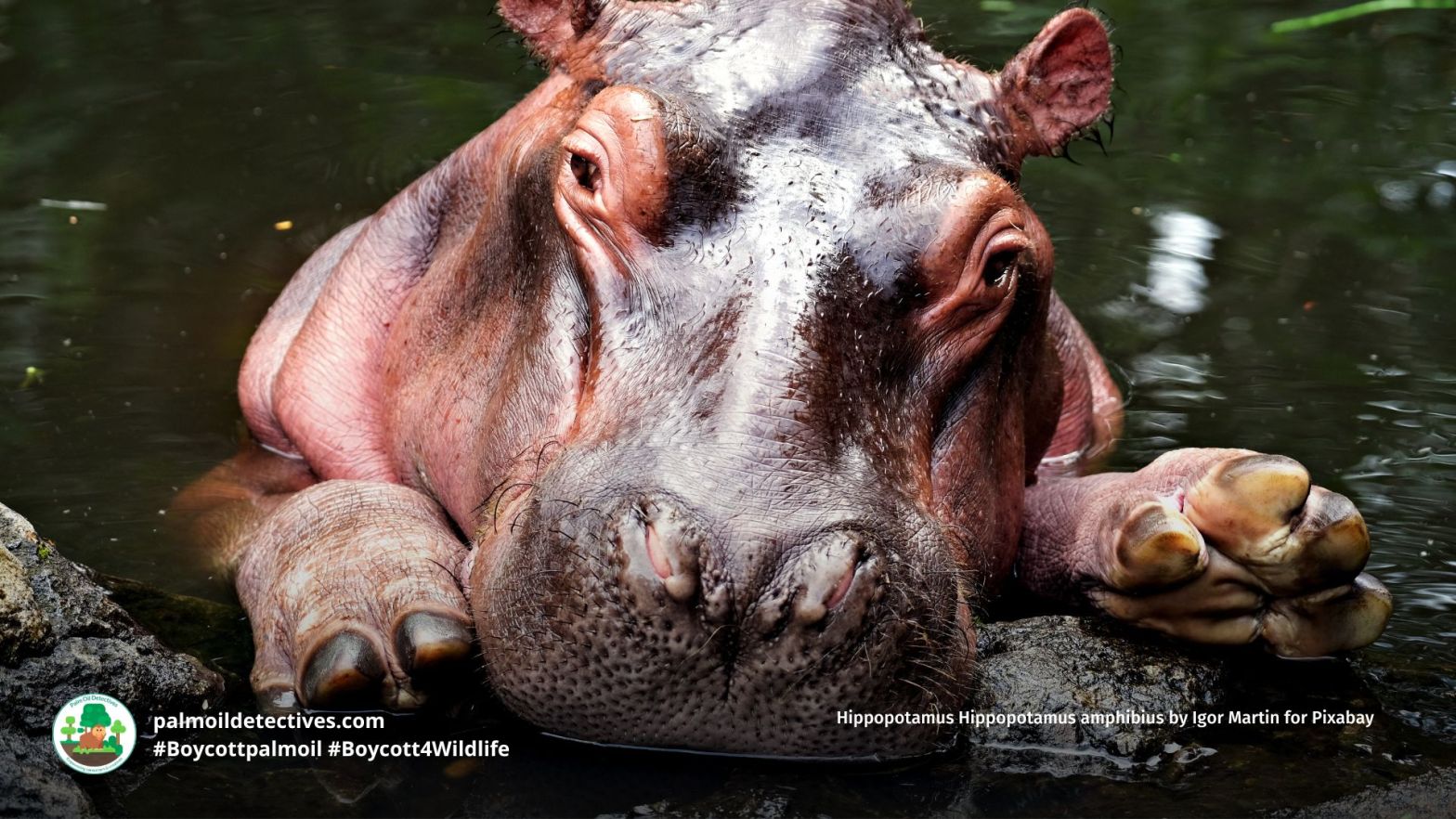
The Common Hippopotamus, or Hippo, is a powerful and enduring symbol of Africa’s rivers and wetlands. Once common throughout all of Africa and the revered subjects of African folklore —their populations are now in peril. Hippo numbers plummeted in the 1990s and early 2000s due to unregulated #hunting and land conversion for #palmoil #cocoa and #tobacco #agriculture and human settlement. Although some strongholds remain in East and Southern Africa, many populations are in decline across #WestAfrica and Central Africa. Hippos are now listed as #Vulnerable on the Red List, with threats from freshwater habitat loss, illegal hunting for meat and ivory, and increasing conflicts with people. Use your voice and your wallet to push for stronger protections for Hippos and their riverine homes. #BoycottPalmOil #Boycott4Wildlife
Borneo’s bearded pig: forest gardener and eocosysem protector!
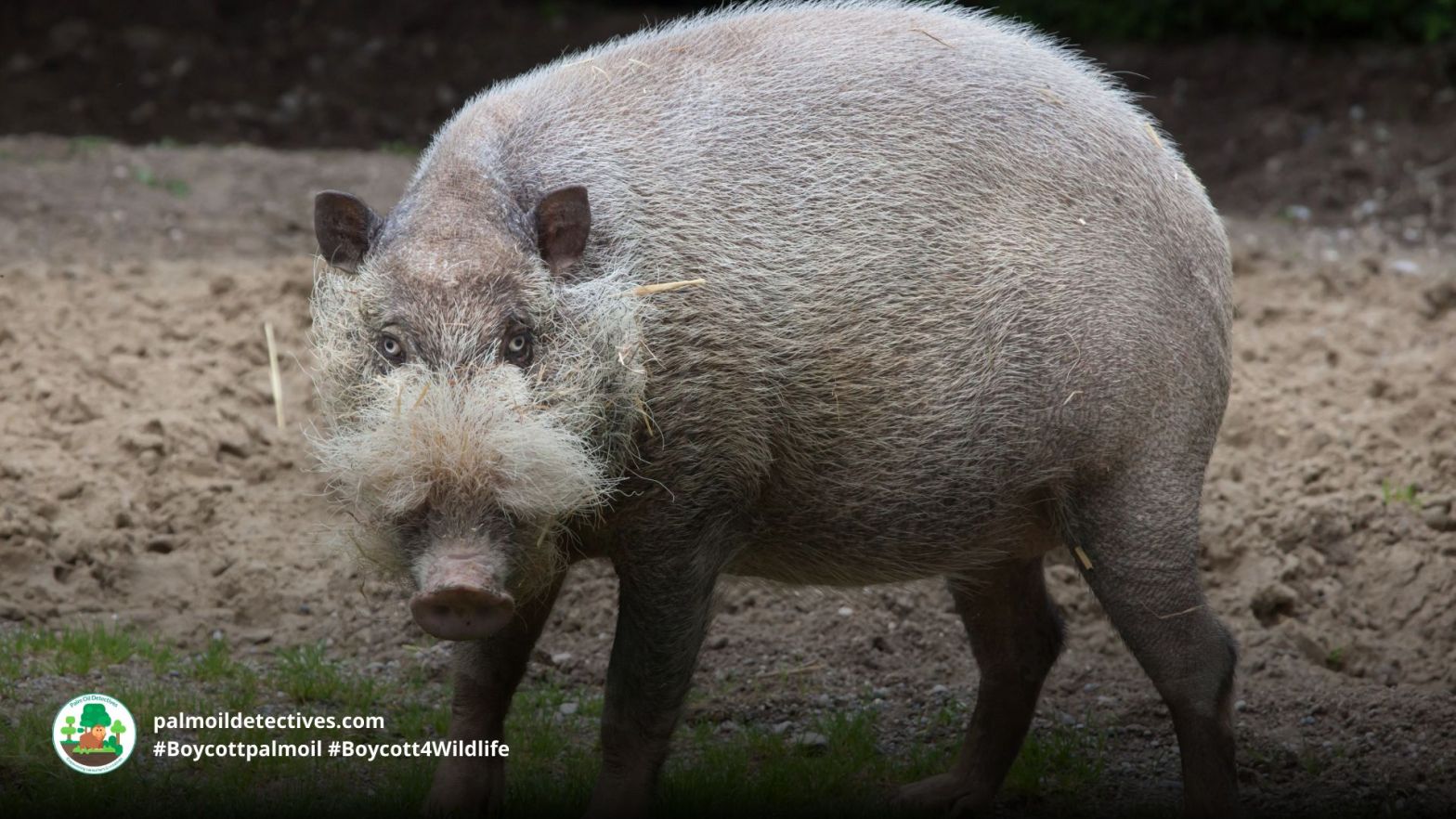
Borneo – fourth-largest island in the world, home to more than 20 million people. With so many well known species on the island like elephants, rhinos and orangutans, one species continues to fly under the radar. Sus barbatus AKA the Borneo Bearded Pig should be the most emblematic animal on the island. This wild boarContinue reading “Borneo’s bearded pig: forest gardener and eocosysem protector!”
Wild Water Buffalo Bubalus arnee
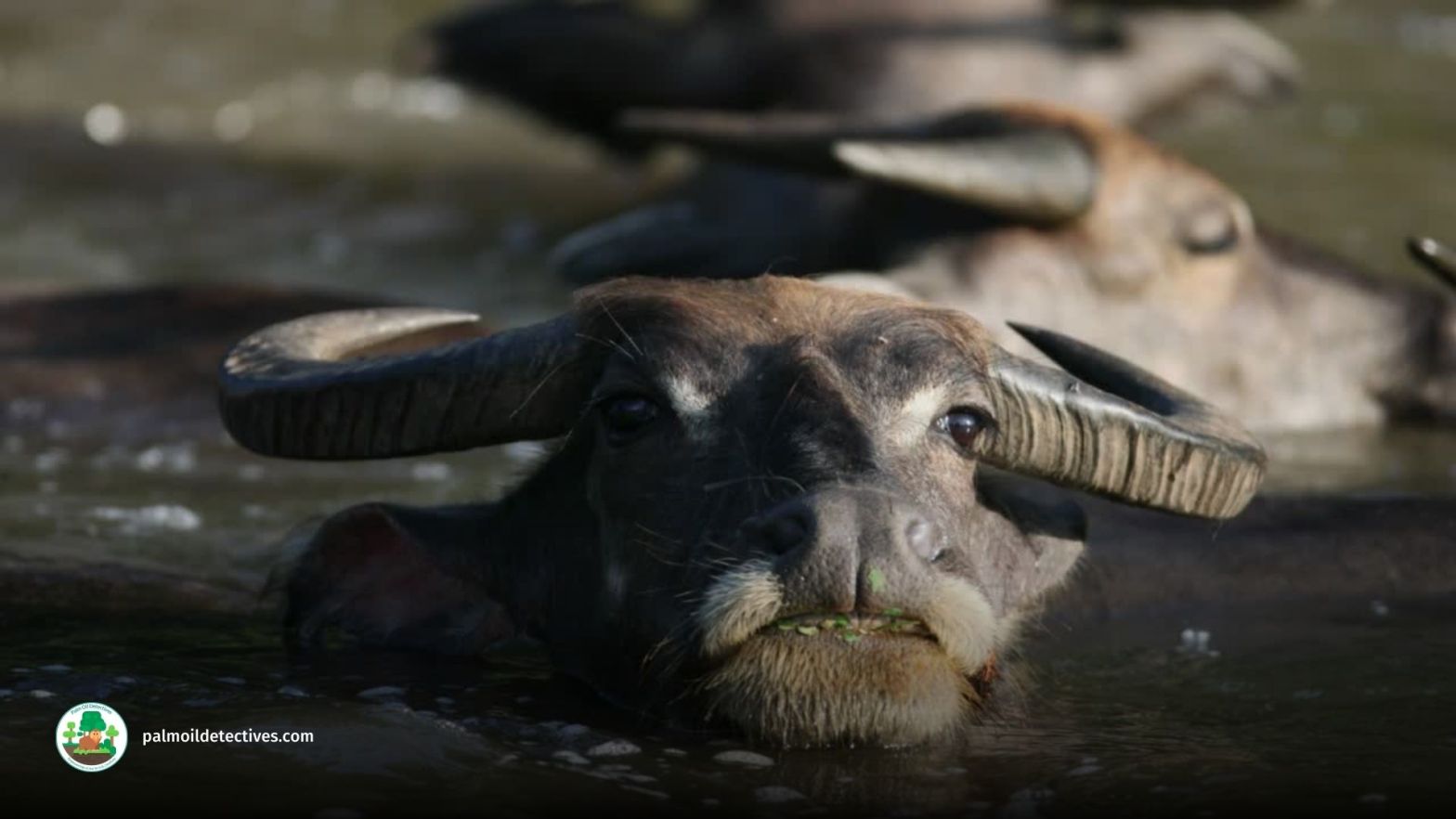
Massive, muscular, and critically under threat, the Wild Water Buffalo Bubalus arnee is the endangered ancestor of all domestic buffalo breeds. Once roaming vast swathes of South and Southeast Asia, fewer than 4,000 individual buffaloes remain today, scattered across shrinking habitats in India, Nepal, Cambodia, and a handful of neighbouring nations. Their decline is driven by interbreeding with domestic buffalo species, habitat destruction from farming and palm oil plantations, hunting, and disease transmission from livestock. This ancient grazer of flooded grasslands and braided rivers is vanishing before our eyes. Speak out for them and support indigenous-led efforts to restore their ecosystems. #BoycottPalmOil #Boycott4Wildlife
Malayan Tapir Tapirus indicus
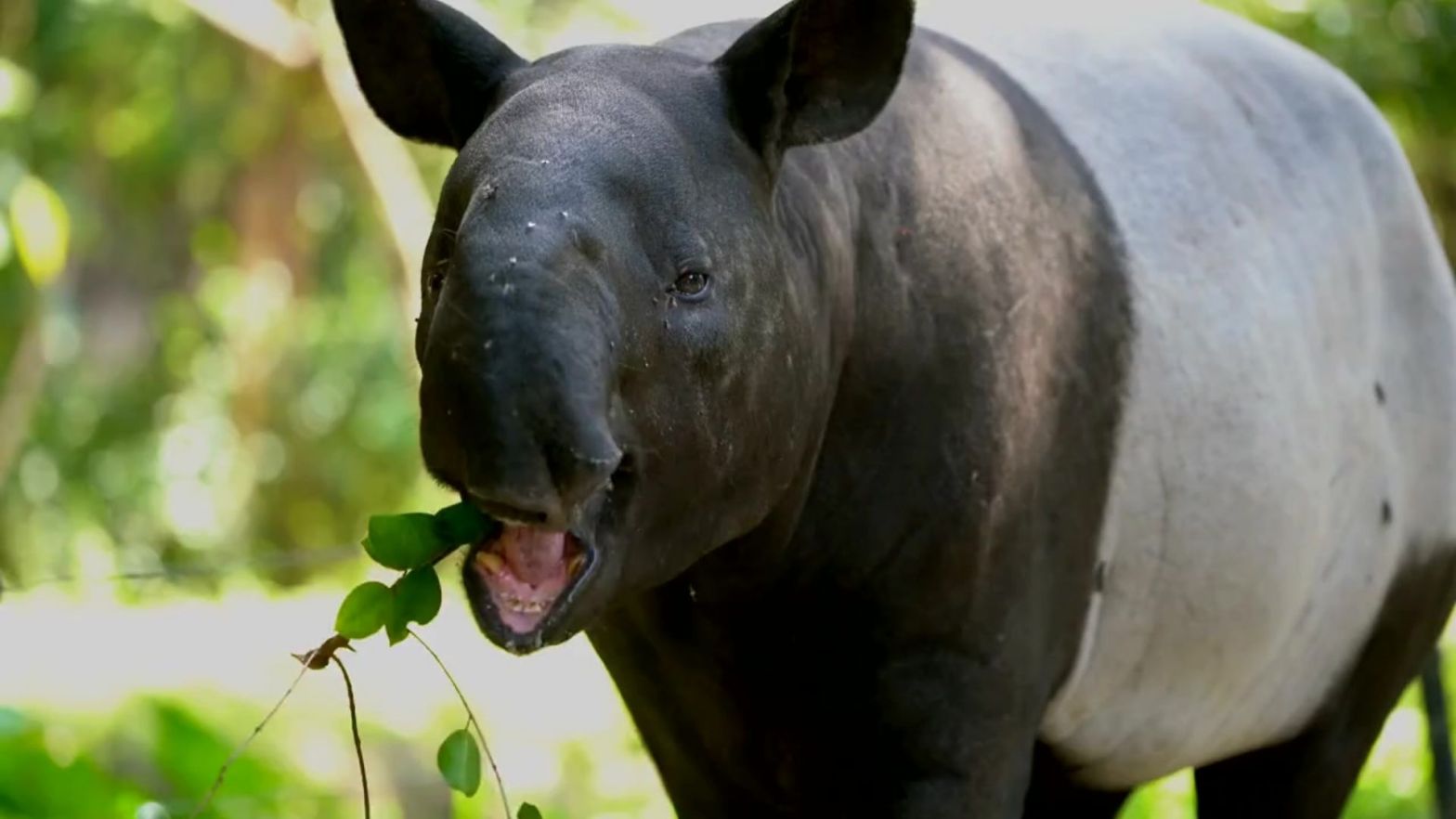
The endangered Malay Tapir faces habitat loss from palm oil plantations, road kills, and snares. Less than 2,500 remain. Support #BoycottPalmOil to save them.
Mainland Serow Capricornis sumatraensis
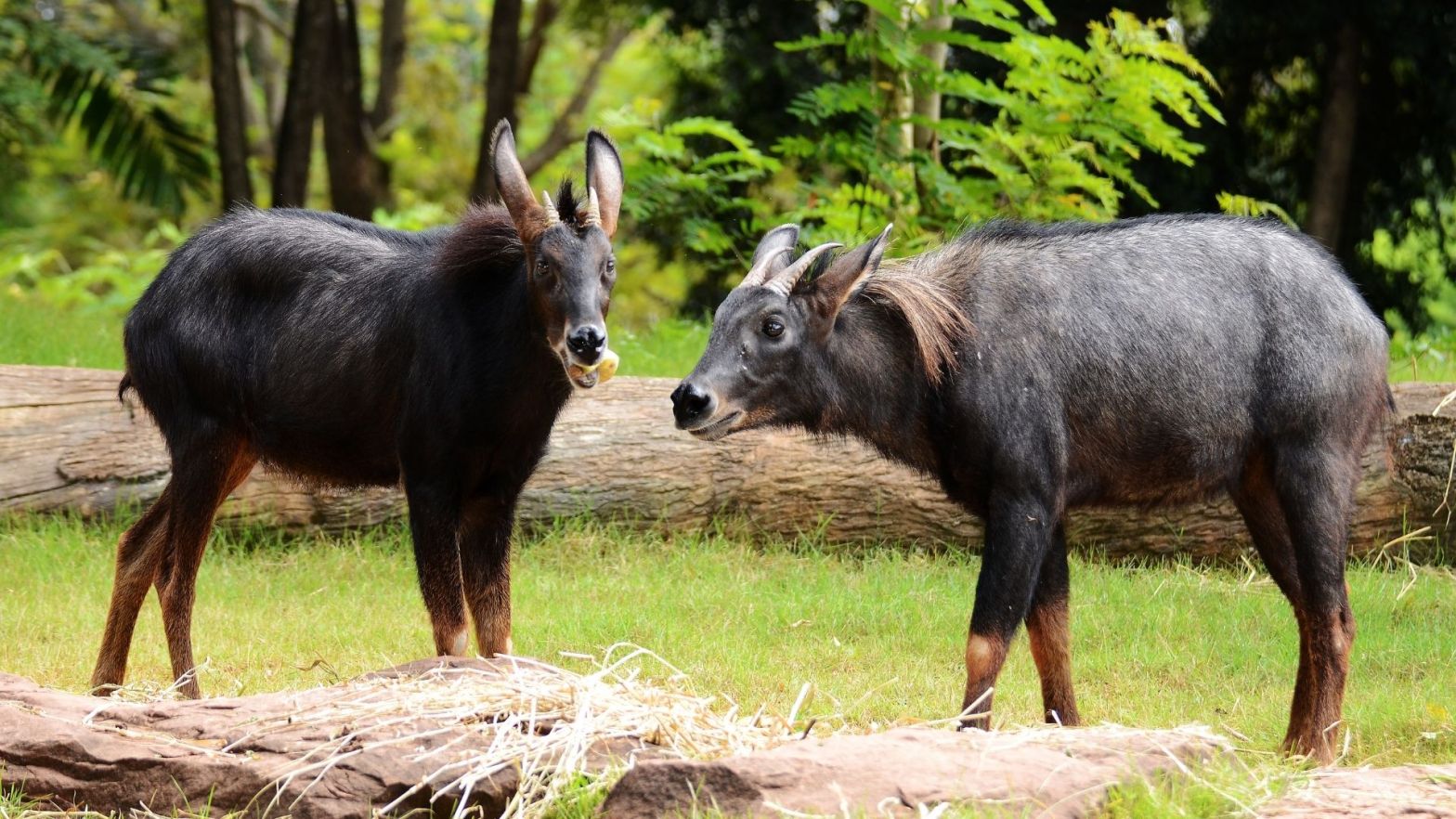
The Mainland serow, a reclusive wild goat-antelope, is a remarkable yet poorly understood resident of Southeast Asia’s rugged terrains. This enigmatic animal, with their coarse black coat and sharply curving horns, has earned a mythical status in local folklore due to their elusiveness and adaptability to steep, rocky landscapes.
However, the Mainland serow like many other ungulates is facing a precarious future. Habitat destruction from palm oil plantations, logging, and agricultural expansion has drastically reduced their numbers, leaving their population fragmented and declining. Protect these remarkable creatures and their fragile home—boycott palm oil and fight for their survival. #BoycottPalmOil #Boycott4Wildlife
 Palm Oil Detectives