Bornean #Orangutans 🦧🧡 are our intelligent tree-dwelling cousins. They are critically endangered mainly from #palmoil #deforestation. Help them survive and #Boycottpalmoil #Boycott4Wildlife 🌴🪔🔥🚫 in the supermarket! Take action! @palmoildetect https://palmoildetectives.com/2021/01/19/bornean-orangutan-pongo-pygmaeus/
Bornean #Orangutans are the largest tree-dwelling mammals in the world. Critically endangered by #palmoil #deforestation they are disappearing 😿⌛️ Help them every time you shop! 🌴💀🪔🙈⛔️#Boycottpalmoil #Boycott4Wildlife!! @palmoildetect https://palmoildetectives.com/2021/01/19/bornean-orangutan-pongo-pygmaeus/
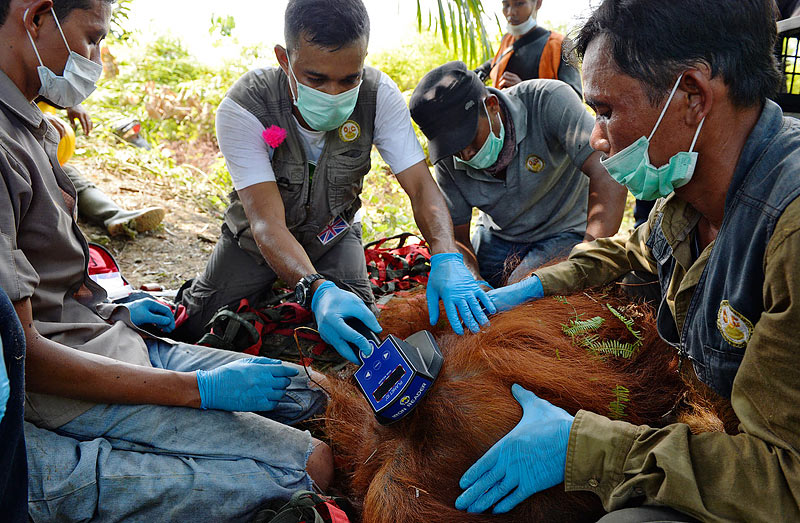
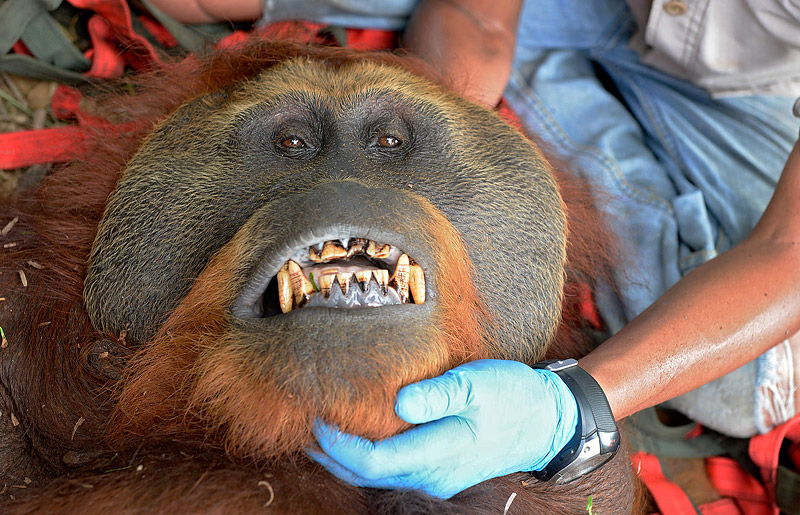
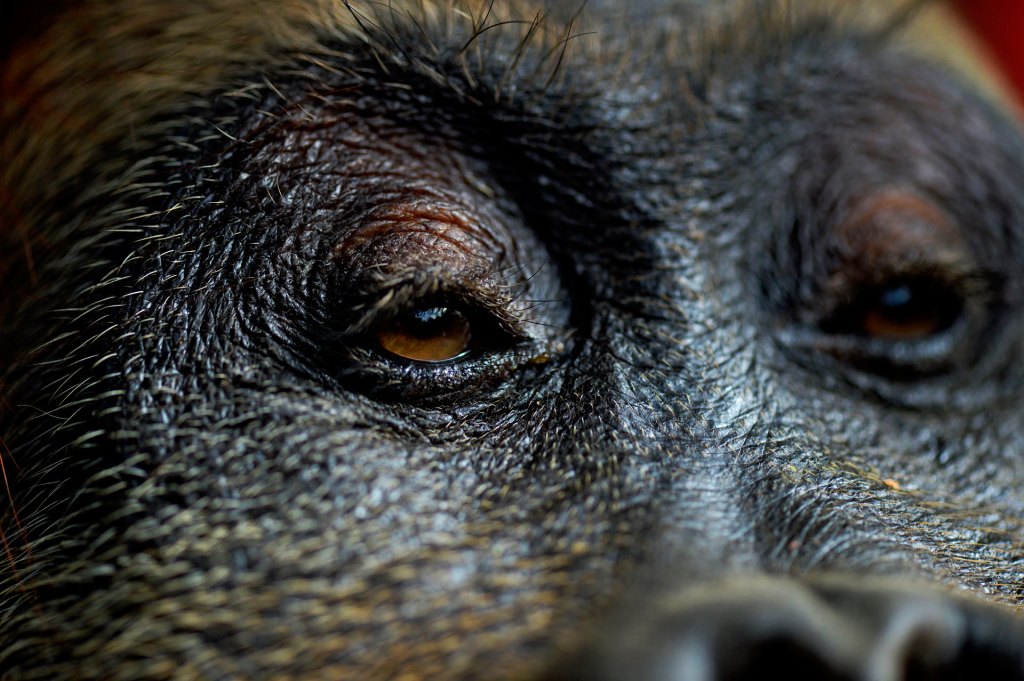
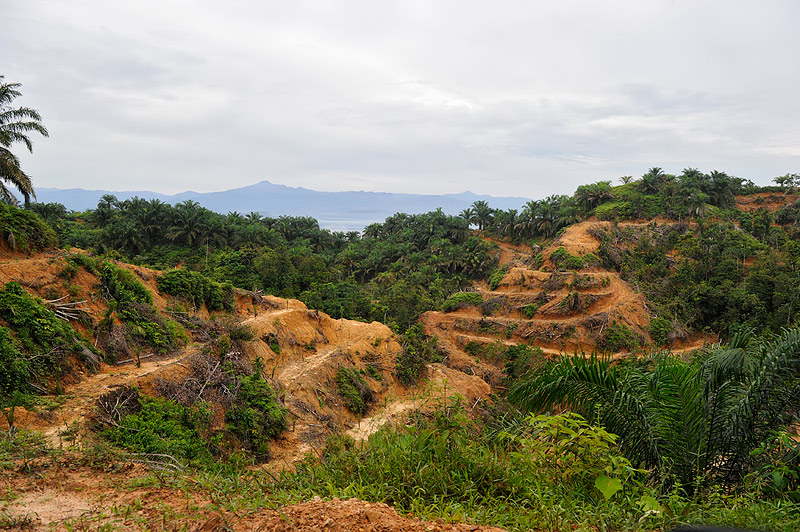
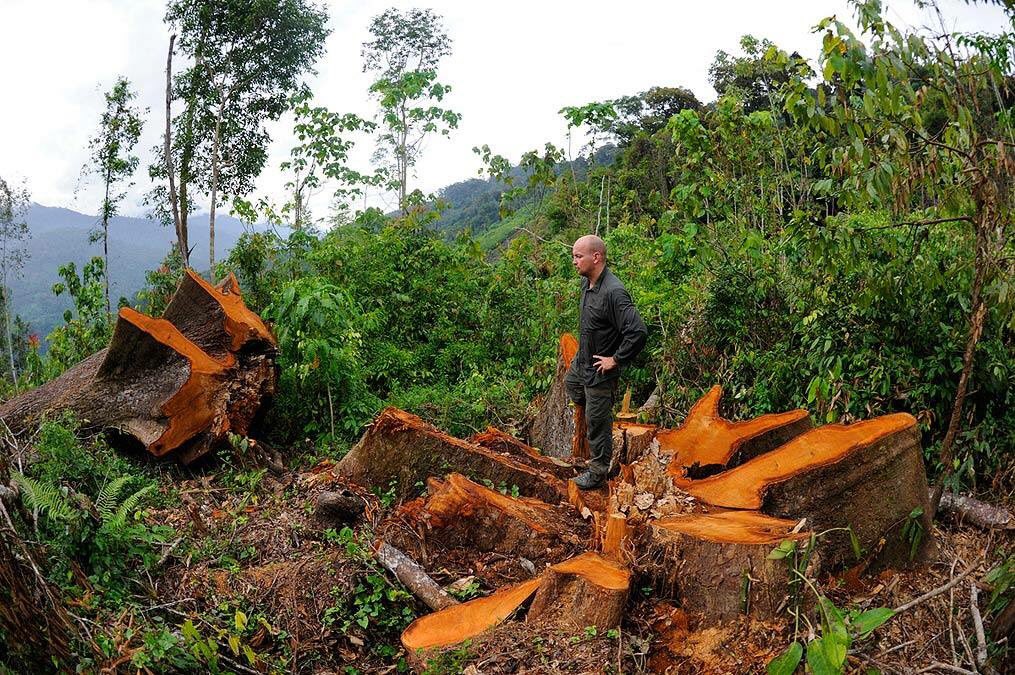
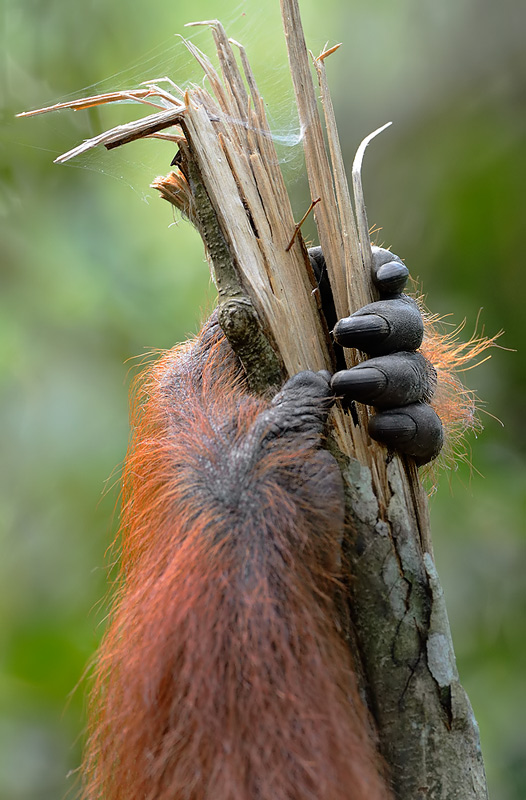
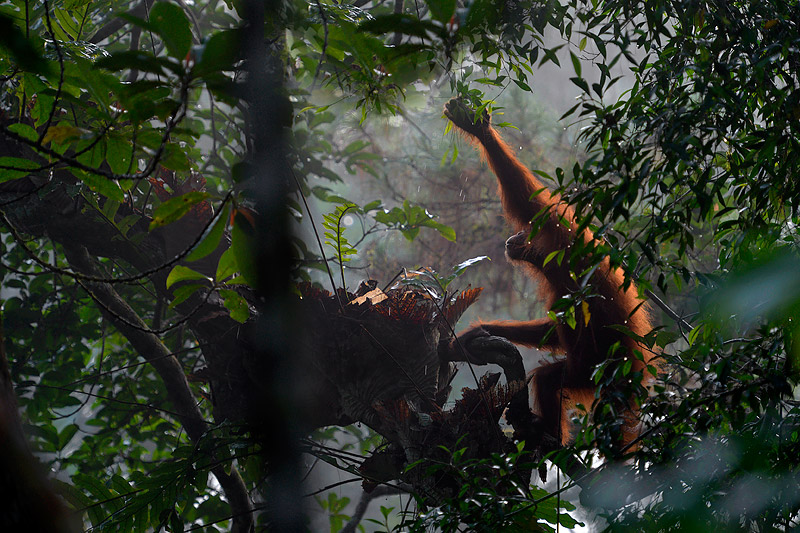
Critically endangered Bornean Orangutans are the largest arboreal mammals in the world. Although they spend a lot of time in the trees they also walk significant distances on the ground. Historically, Bornean Orangutans were most abundant in in lowland rainforests and Dipterocarp mosaic forests, where movement between different habitats when there was a shortage of food. Their diet consists primarily of fruits, but also includes leaves, barks, flowers and insects. Their entire range is earmarked for destruction for palm oil and timber deforestation. They have become the symbols of palm oil related extinction risk and face a perilous future if we don’t STOP using palm oil RIGHT NOW. Help them and #Boycottpalmoil #Boycott4Wildlife
Approximately a third of the entire Bornean Orangutan range was in commercial forest reserves exploited for timber, and about 45% was in forest areas earmarked for conversion to palm oil, agriculture or other land uses. A business-as-usual scenario, whereby non-protected forests would be converted along the lines of current development plans, will result in the loss of more than half of the current orangutan range on the island of Borneo in the next 50 years or so.
Ancrenaz, M., Gumal, M., Marshall, A.J., Meijaard, E., Wich , S.A. & Husson, S. 2016. Pongo pygmaeus (errata version published in 2018). The IUCN Red List of Threatened Species 2016: e.T17975A123809220. https://dx.doi.org/10.2305/IUCN.UK.2016-1.RLTS.T17975A17966347.en. Downloaded on 24 January 2021.
How can I help the #Boycott4Wildlife?
Take Action in Five Ways
1. Join the #Boycott4Wildlife on social media and subscribe to stay in the loop: Share posts from this website to your own network on Twitter, Mastadon, Instagram, Facebook and Youtube using the hashtags #Boycottpalmoil #Boycott4Wildlife.
2. Contribute stories: Academics, conservationists, scientists, indigenous rights advocates and animal rights advocates working to expose the corruption of the palm oil industry or to save animals can contribute stories to the website.
3. Supermarket sleuthing: Next time you’re in the supermarket, take photos of products containing palm oil. Share these to social media along with the hashtags to call out the greenwashing and ecocide of the brands who use palm oil. You can also take photos of palm oil free products and congratulate brands when they go palm oil free.
More and more palm oil free 🦧 products in Australia 🇦🇺. Customer awareness is increasing month by month. Of course Bart Van Assen will keep pushing "sustainable" palm oil with Orangutan Land Trust. Boycott palm oil to protect wildlife! There is not planet B #boycott4wildlifepic.twitter.com/rm7chub5Rb
If possible to get Ovomaltine, please promote it among your friends. It openly advertises with 0 palm oil. No RSPO no bullshit. For me it even tasts better than nuttela. It substantiates that chocolate spread can be made delicious without filthy palm oil. pic.twitter.com/cyV5Tm3tLd
4. Take to the streets: Get in touch with Palm Oil Detectives to find out more.
5. Donate: Make a one-off or monthly donation to Palm Oil Detectives as a way of saying thank you and to help pay for ongoing running costs of the website and social media campaigns. Donate here
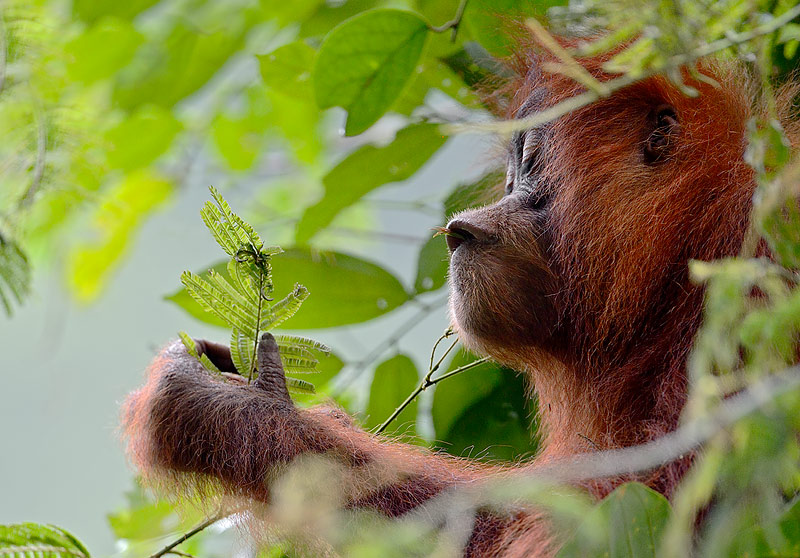
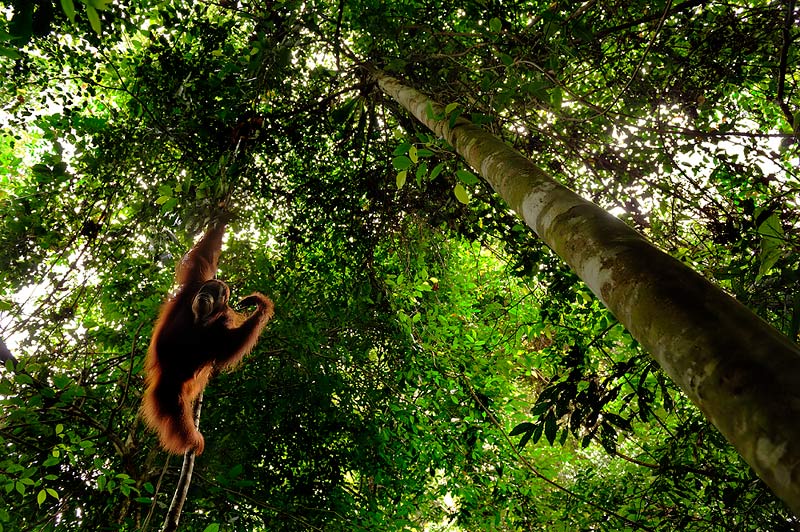
Sumatran Orangutans are iconic species of South East Asia. They live in moist lowland forest, montane forest and peat swamps of Sumatra. Rarely do they travel on the ground and spend most of their lives in the tree tops. They mostly are frugivores but will also on occasion eat meat. There are less than 14,000 Sumatran Orangutans, their main threat is #palmoil, #timber and #mining deforestation. Use your wallet as a weapon and fight for them. Help them and be #vegan, #Boycottpalmoil and #Boycott4Wildlife!
Until recent decades, #Sumatran #Orangutans 🦧🧡 were abundant in #Indonesia 🇮🇩 They are now on a knife-edge of survival 😿 critically #endangered from #palmoil #deforestation to 80% of their range. Fight hard for them! #Boycottpalmoil #Boycott4Wildlife https://palmoildetectives.com/2021/01/19/sumatran-orangutan-pongo-abelii/
#Sumatran #Orangutans are critically #endangered due to #palmoil #deforestation 🦧🧡. 80% of their rainforest habitat has been destroyed in 20 years. Protect them when u #BoycottPalmOil #Boycott4Wildlife 🌴🔥🪔⛔️ Photos: @CraigJones17 @palmoildetect https://palmoildetectives.com/2021/01/19/sumatran-orangutan-pongo-abelii/
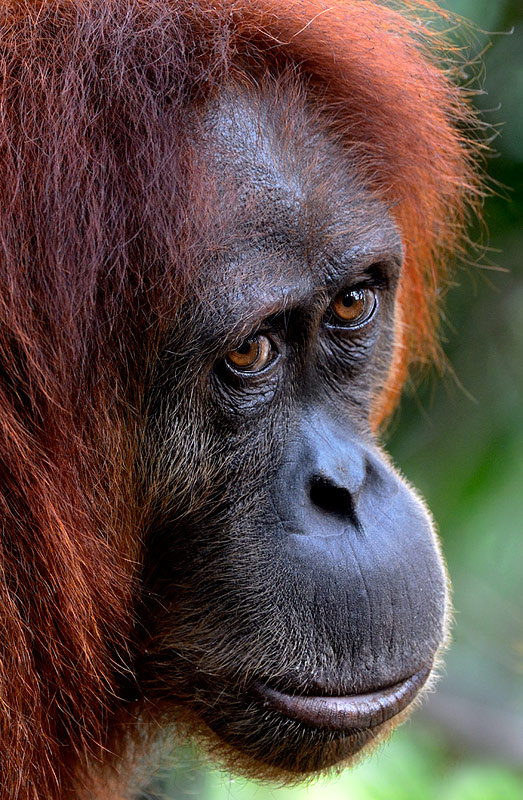
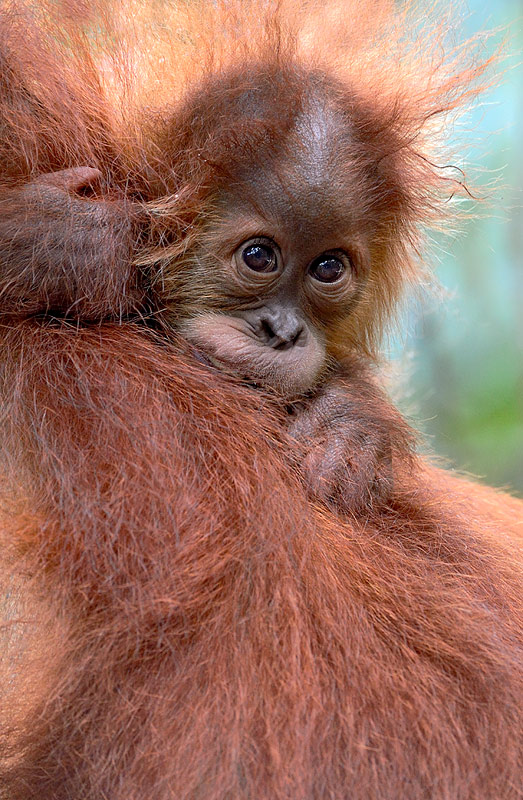
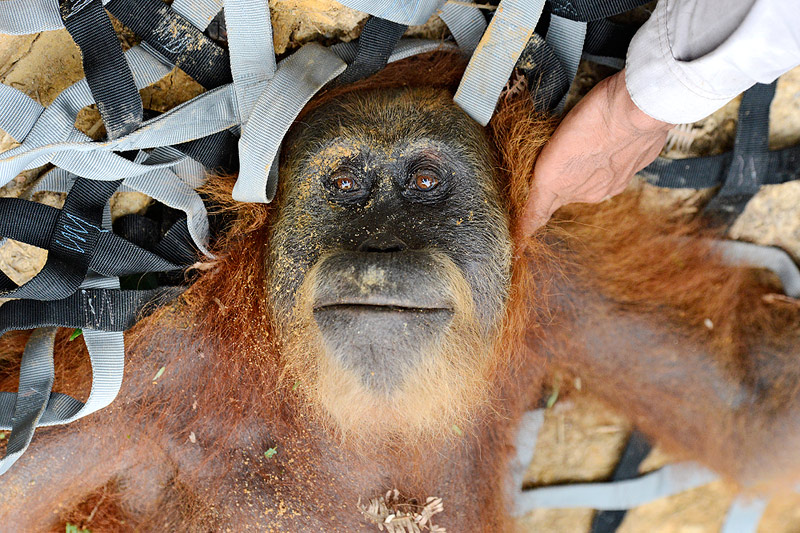
The Sumatran orangutan (Pongo abelii) is a critically endangered great ape known for their distinctive red-orange fur, arboreal lifestyle, and exceptional intelligence. Endemic to the island of Sumatra, these primates play a crucial ecological role as seed dispersers and forest gardeners, ensuring the health of their rainforest habitats.
However, their numbers have dwindled due to habitat destruction, poaching, and climate change. As one of the slowest-reproducing mammals on Earth, they are particularly vulnerable to population declines. With fewer than 14,000 individuals left in the wild, urgent conservation action is needed. Boycott palm oil and fight for their survival with #BoycottPalmOil and #Boycott4Wildlife.
Appearance and Behaviour
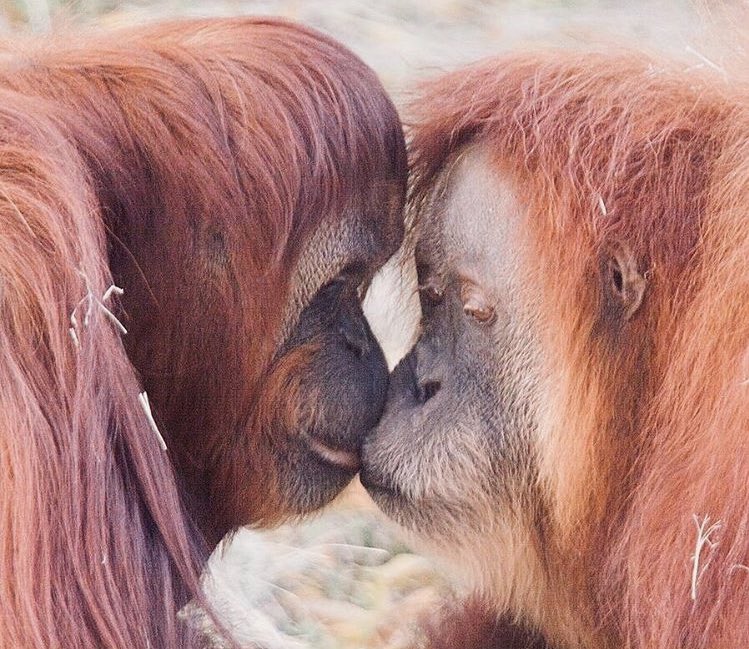
Sumatran orangutans are the smallest of the three orangutan species, with males weighing between 70–90 kg and females averaging 30–50 kg. Their shaggy, reddish fur provides insulation against the cool, humid rainforest environment. Males develop prominent cheek pads (flanges) and a throat sac that enhances their long-distance calls, allowing them to assert dominance and attract mates.
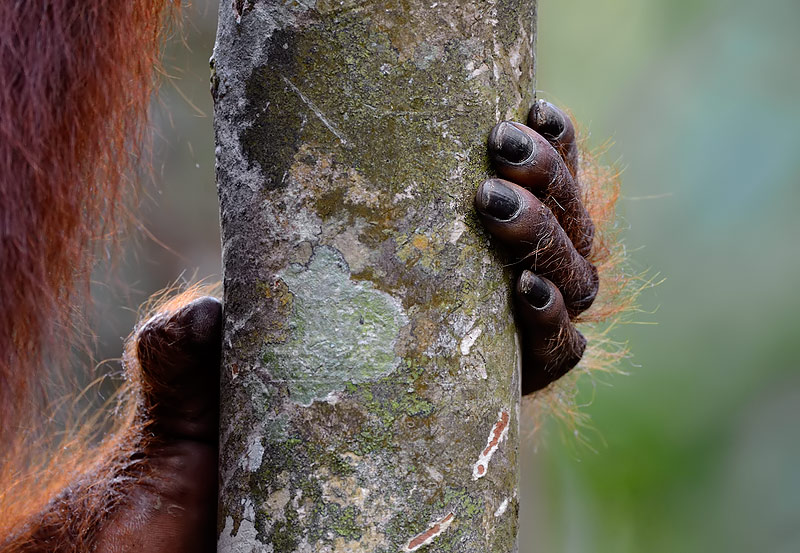
They are primarily arboreal, spending over 90% of their time in the forest canopy. Unlike their Bornean counterparts, Sumatran orangutans rarely descend to the ground due to the presence of large predators such as tigers. They exhibit advanced cognitive abilities, including tool use—fashioning sticks to extract termites or honey from tree holes—and using leaves as makeshift umbrellas during rainfall (van Noordwijk et al., 2004).
Recent studies have highlighted their complex social structures and memory capabilities. For example, individuals exhibit delayed gratification and problem-solving skills comparable to young human children, reflecting their advanced intelligence (Springer, 2024).
Geographic Range
Sumatran orangutans are confined to the forests of northern Sumatra, primarily within the Leuser Ecosystem, which encompasses Aceh and North Sumatra provinces. This area, a UNESCO World Heritage site, harbours the largest remaining population.
Once widespread across Sumatra, their range has contracted by more than 60% in the past century due to deforestation, primarily for palm oil plantations. Fragmented forest patches further isolate populations, impeding gene flow and increasing the risk of inbreeding (IUCN, 2020).
Diet
Sumatran orangutans are predominantly frugivorous, with fruits comprising around 60–70% of their diet. Figs are a dietary staple, while durian, rambutans, and mangoes are seasonal favourites. They also consume young leaves, bark, insects, and even soil to supplement their mineral intake.
During mast fruiting events—periods when forest trees synchronously produce abundant fruit—they travel long distances to forage. Seasonal foraging behaviours have been well-documented, with orangutans adapting their diets based on fruit availability, highlighting their ecological adaptability (Wich et al., 2006). As seed dispersers, they play an essential role in maintaining forest biodiversity, helping regenerate up to 500 tree species (Science Advances, 2015).
Reproduction and Mating
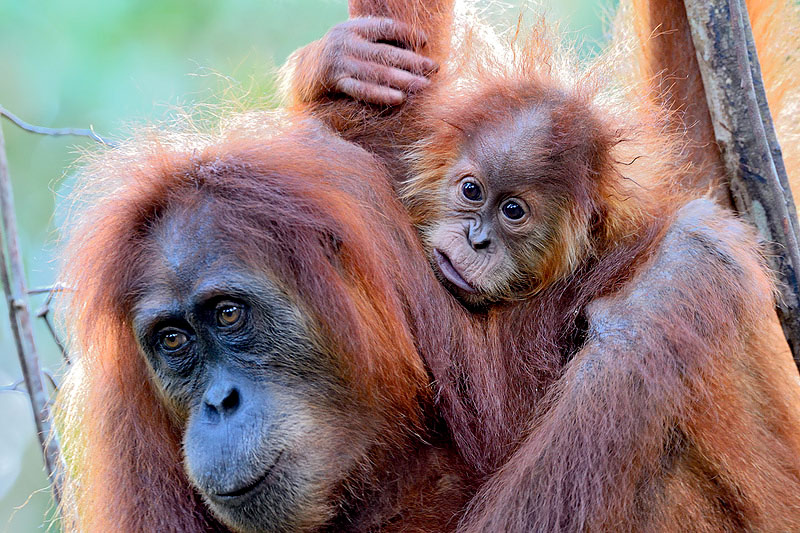
Sumatran orangutans have one of the slowest reproductive rates of all mammals. Females reach sexual maturity at around 15 years and give birth to a single offspring every 8–9 years, making them particularly vulnerable to population decline.
Infants remain with their mothers for up to eight years, during which they learn essential survival skills such as foraging, nest building, and navigating the canopy. This prolonged dependency fosters strong maternal bonds and social learning.
A longitudinal study revealed that females often delay reproduction during periods of food scarcity, ensuring optimal conditions for raising offspring (van Noordwijk et al., 2004). However, this slow reproductive rate makes population recovery exceedingly difficult.
Threats
The Sumatran orangutan is critically endangered, with fewer than 14,000 individuals remaining. Conservation efforts include habitat restoration, reforestation, anti-poaching patrols, and the establishment of wildlife corridors to reconnect fragmented forests.
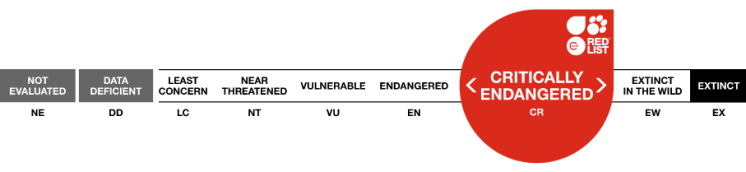
IUCN Status: Critically Endangered
Palm oil and timber deforestation:
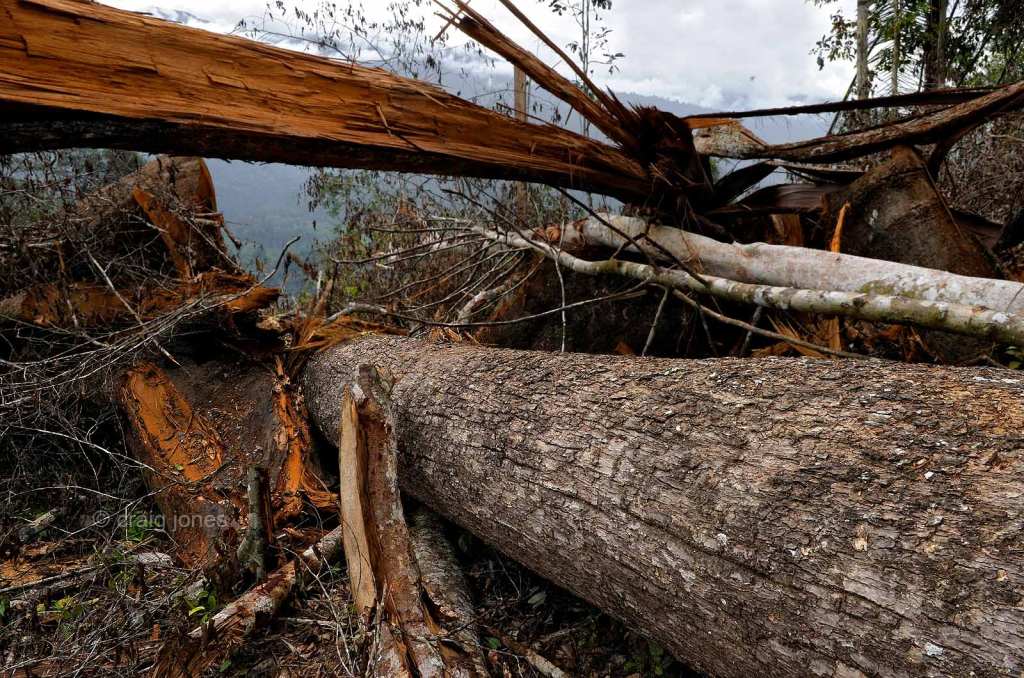
Over 80% of their rainforest habitat has been destroyed for palm oil plantations, logging, and infrastructure development. Between 2000 and 2020, Sumatra lost over 1.6 million hectares of primary forest (IUCN, 2020).
Poaching and Illegal Wildlife Trade:
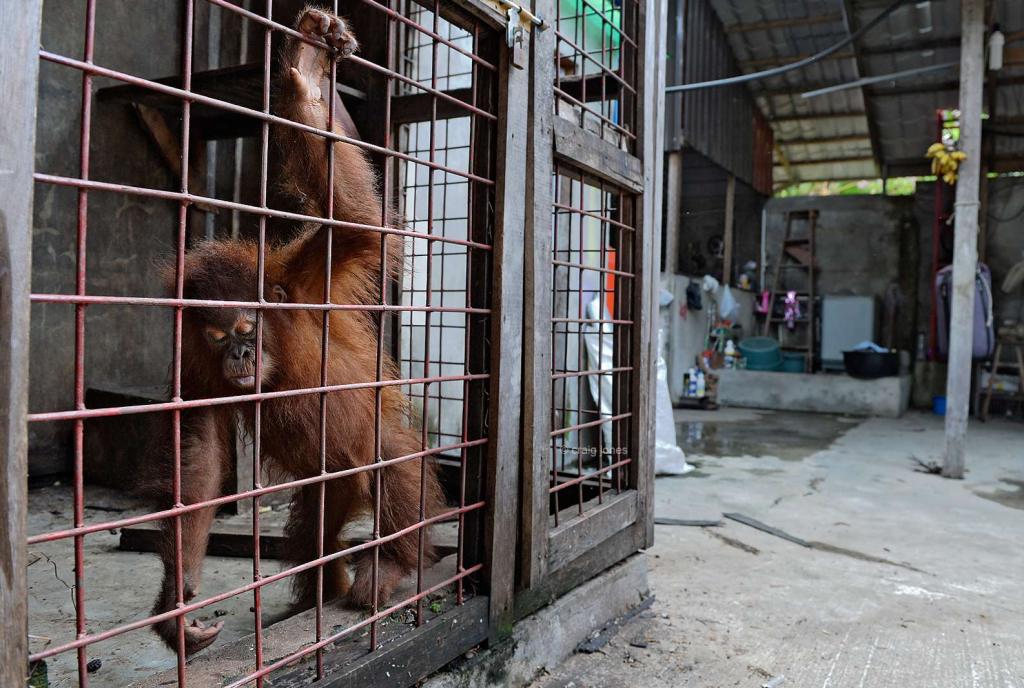
Infants are captured for the illegal pet trade, often resulting in the death of their protective mothers.
Climate Change:
Altered rainfall patterns and increased forest fires threaten food availability, leading to malnutrition and lower reproductive success (ScienceDirect, 2024).
Human-Wildlife Conflict:
As forests shrink, orangutans increasingly raid crops, leading to retaliatory killings by farmers.
Population Fragmentation:
Habitat loss isolates populations, reducing genetic diversity and increasing vulnerability to diseases and environmental changes (Yale Environment Review, 2024).
Organisations such as the Sumatran Orangutan Conservation Programme (SOCP) have rehabilitated and released over 300 rescued orangutans into the wild. Ecotourism initiatives have also provided funding for conservation while raising awareness about their plight.
However, habitat destruction for palm oil continues at an alarming rate, threatening to nullify these efforts. Stronger legal protections, international pressure, and consumer awareness are vital for their survival.
Take Action!
Protect the Sumatran orangutan by boycotting palm oil and supporting conservation organisations working to save their rainforest habitats. Use your voice to demand stronger legal protections and share their story. Together, we can ensure a future for one of the world’s most intelligent and endangered primates. #BoycottPalmOil #Boycott4Wildlife
Sumatran Orangutan photography by Craig Jones
“Orangutans are us and we are them in so many ways. Their peaceful mannerism and intelligence is just remarkable.
“I feel there is so much we still don’t know about these great apes. For as long as I walk this earth I will do my best to help them, alongside every other creature we share this planet with, by using my camera and my own voice to help them. Without direct intervention in the national parks the Orangutans along with other forest-dependent wildlife- like the Sumatran Tigers and Elephants will become progressively scarcer until their populations are no longer viable.” ~ Craig Jones, Wildlife Photographer, Conservationist.
The Sumatran Orangutan’s survival is seriously threatened by habitat loss and fragmentation (Wich et al. 2008, 2011, 2016). Forests continue to be cleared at the large and medium scale for oil-palm plantations that can each cover hundreds of square kilometres.
iUCN Red list
On a smaller scale, logging for timber (both legal and illegal) remains a threat, as does the creation of new roads, which fragment populations and gives access to illegal settlements and further encroachment for agriculture and plantations (also frequently illegal), and to wildlife poachers. When industrial plantations are established, the resident orangutans are forced to seek refuge in adjacent forest patches, if any remain, but in the long term they are likely to succumb to malnutrition and starvation due to competition and limited resources. Such forest fragments are often subsequently cleared as well. Read more
Sumatran Orangutans are frequently killed deliberately, completely illegally, and surviving infants end up in an illegal pet trade. This trade tends to be a by-product of habitat conversion, for example, if an Orangutan is found in an isolated patch of trees during the conversion process, there is a high probability they will be killed. Sumatran Orangutans are also regularly killed in human-wildlife conflict situations, for example, if raiding fruit crops on farmland at the forest edge (Wich et al. 2012).
Singleton, I., Wich , S.A., Nowak, M., Usher, G. & Utami-Atmoko, S.S. 2017. Pongo abelii (errata version published in 2018). The IUCN Red List of Threatened Species 2017: e.T121097935A123797627. https://dx.doi.org/10.2305/IUCN.UK.2017-3.RLTS.T121097935A115575085.en. Downloaded on 24 January 2021.
1. Join the #Boycott4Wildlife on social media and subscribe to stay in the loop: Share posts from this website to your own network on Twitter, Mastadon, Instagram, Facebook and Youtube using the hashtags #Boycottpalmoil #Boycott4Wildlife.
2. Contribute stories: Academics, conservationists, scientists, indigenous rights advocates and animal rights advocates working to expose the corruption of the palm oil industry or to save animals can contribute stories to the website.
3. Supermarket sleuthing: Next time you’re in the supermarket, take photos of products containing palm oil. Share these to social media along with the hashtags to call out the greenwashing and ecocide of the brands who use palm oil. You can also take photos of palm oil free products and congratulate brands when they go palm oil free.
More and more palm oil free 🦧 products in Australia 🇦🇺. Customer awareness is increasing month by month. Of course Bart Van Assen will keep pushing "sustainable" palm oil with Orangutan Land Trust. Boycott palm oil to protect wildlife! There is not planet B #boycott4wildlifepic.twitter.com/rm7chub5Rb
If possible to get Ovomaltine, please promote it among your friends. It openly advertises with 0 palm oil. No RSPO no bullshit. For me it even tasts better than nuttela. It substantiates that chocolate spread can be made delicious without filthy palm oil. pic.twitter.com/cyV5Tm3tLd
4. Take to the streets: Get in touch with Palm Oil Detectives to find out more.
5. Donate: Make a one-off or monthly donation to Palm Oil Detectives as a way of saying thank you and to help pay for ongoing running costs of the website and social media campaigns. Donate here
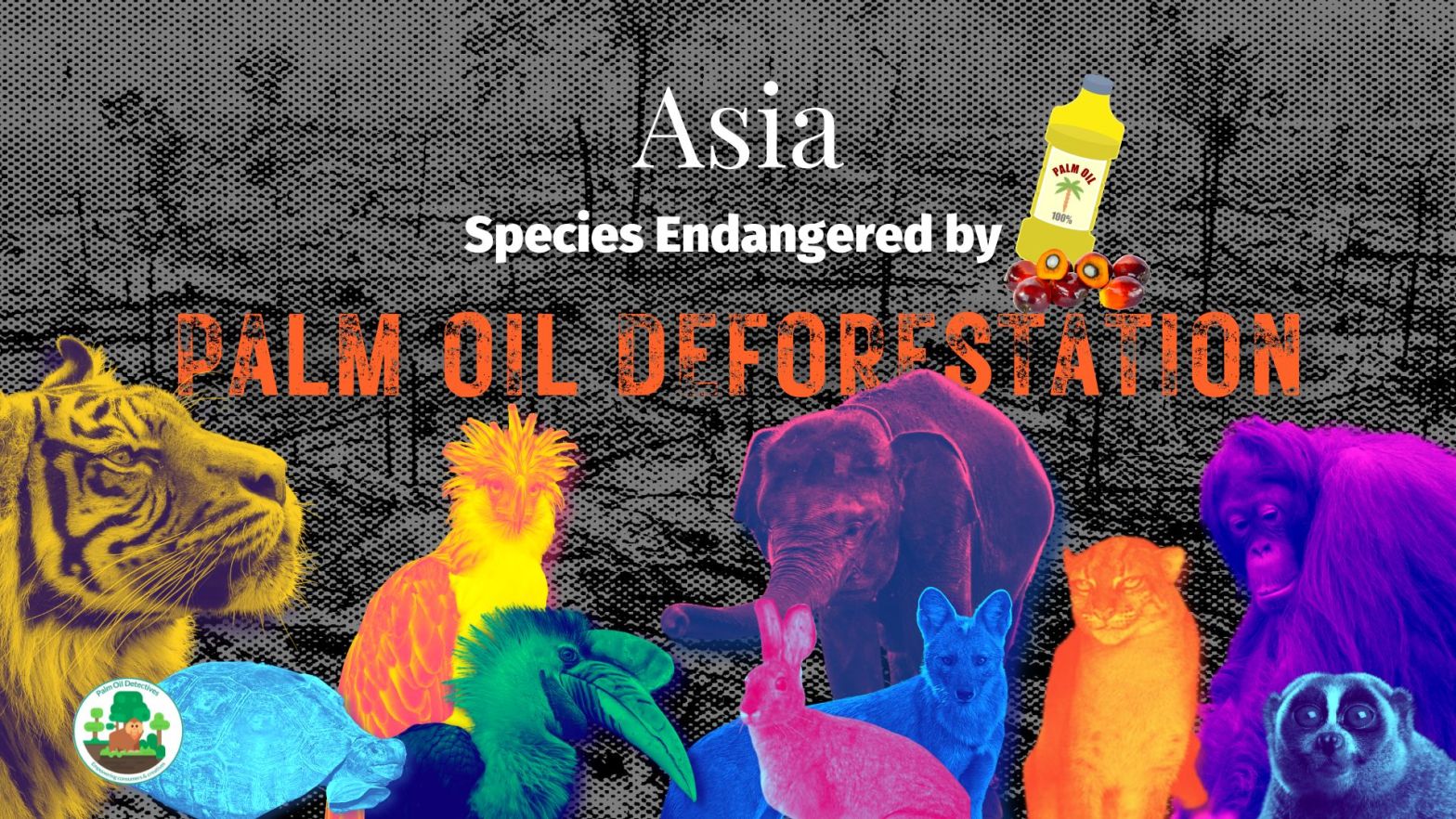
These unique and beautiful creatures face a threat to their very existence from the replacement of their rainforest home with oil palm plantations in Northern and South East Asia. These lush and fertile forests harbour an immense range of biodiversity not found anywhere on the planet. Thinking, feeling, intelligent beings that love their children and just want to survive and have their animal communities left in peace. Hot spots for palm oil deforestation include: Borneo, Sumatra, Indonesia, Vietnam, China, Burma, Thailand, Brunei, The Philippines, Malaysia, India and Sri Lanka. These animals have a IUCN Red List status of Critically Endangered, Endangered or Vulnerable and are declining. Yet there is hope and there are a number of ways you can take action to protect them.
1000’s of beautiful #animals in #Asia face #extinction from the #deforestation of their #rainforest home for #palmoil #meat #timber #soy. @RSPOtweets certification makes no difference to #deforestation. Join the #Boycott4Wildlife!
1000’s #Asian #animals face #extinction from #deforestation for #palmoil #meat #gold #mining #soy. @RSPOtweets certification makes no difference to #deforestation. #ClimateEmergency #FightGreenwashing and #Boycott4Wildlife
Something went wrong. Please refresh the page and/or try again.
Take Action in Five Ways
1. Join the #Boycott4Wildlife on social media and subscribe to stay in the loop: Share posts from this website to your own network on Twitter, Mastadon, Instagram, Facebook and Youtube using the hashtags #Boycottpalmoil #Boycott4Wildlife.
2. Contribute stories: Academics, conservationists, scientists, indigenous rights advocates and animal rights advocates working to expose the corruption of the palm oil industry or to save animals can contribute stories to the website.
3. Supermarket sleuthing: Next time you’re in the supermarket, take photos of products containing palm oil. Share these to social media along with the hashtags to call out the greenwashing and ecocide of the brands who use palm oil. You can also take photos of palm oil free products and congratulate brands when they go palm oil free.
More and more palm oil free 🦧 products in Australia 🇦🇺. Customer awareness is increasing month by month. Of course Bart Van Assen will keep pushing "sustainable" palm oil with Orangutan Land Trust. Boycott palm oil to protect wildlife! There is not planet B #boycott4wildlifepic.twitter.com/rm7chub5Rb
If possible to get Ovomaltine, please promote it among your friends. It openly advertises with 0 palm oil. No RSPO no bullshit. For me it even tasts better than nuttela. It substantiates that chocolate spread can be made delicious without filthy palm oil. pic.twitter.com/cyV5Tm3tLd
4. Take to the streets: Get in touch with Palm Oil Detectives to find out more.
5. Donate: Make a one-off or monthly donation to Palm Oil Detectives as a way of saying thank you and to help pay for ongoing running costs of the website and social media campaigns. Donate here
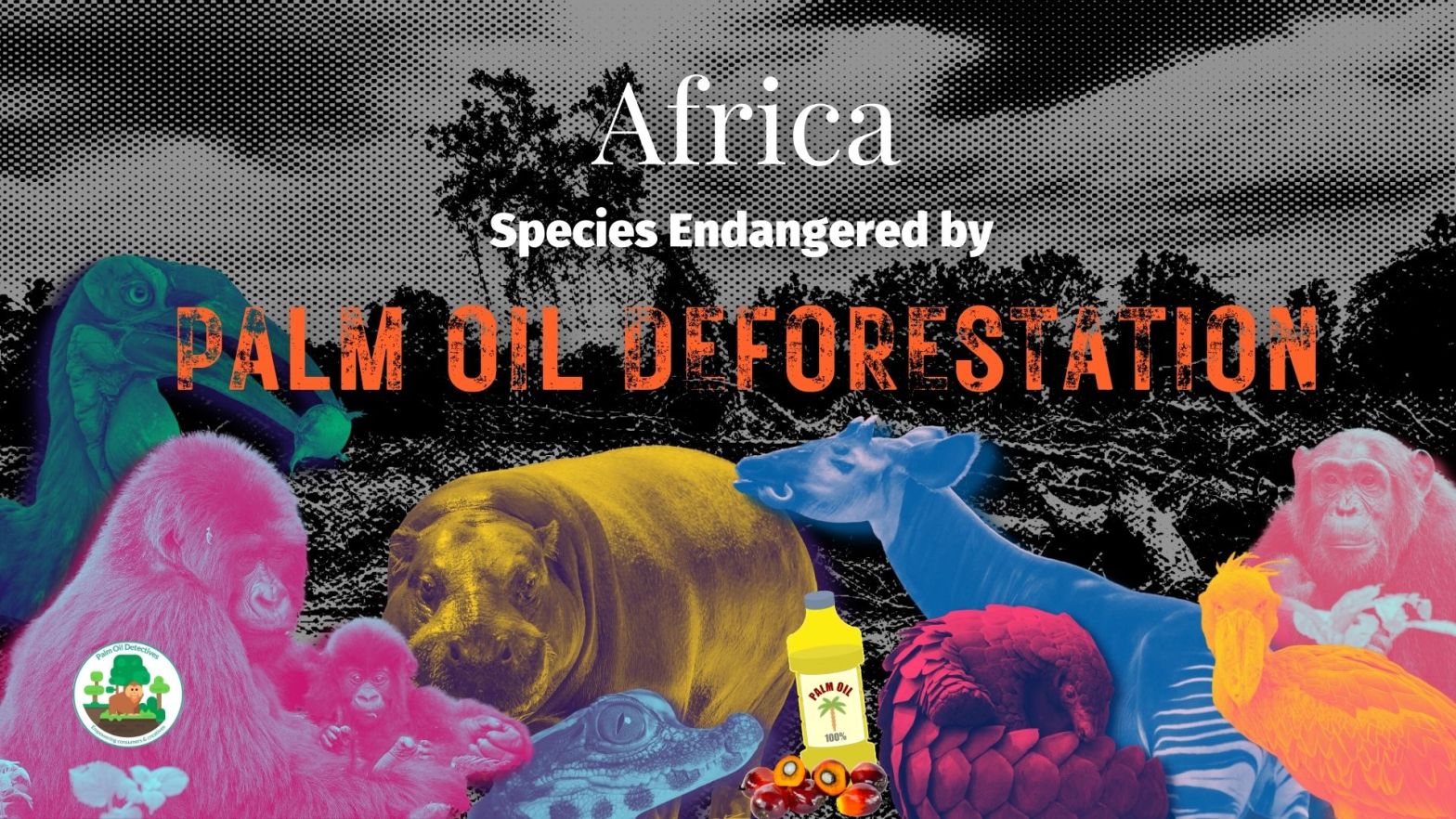
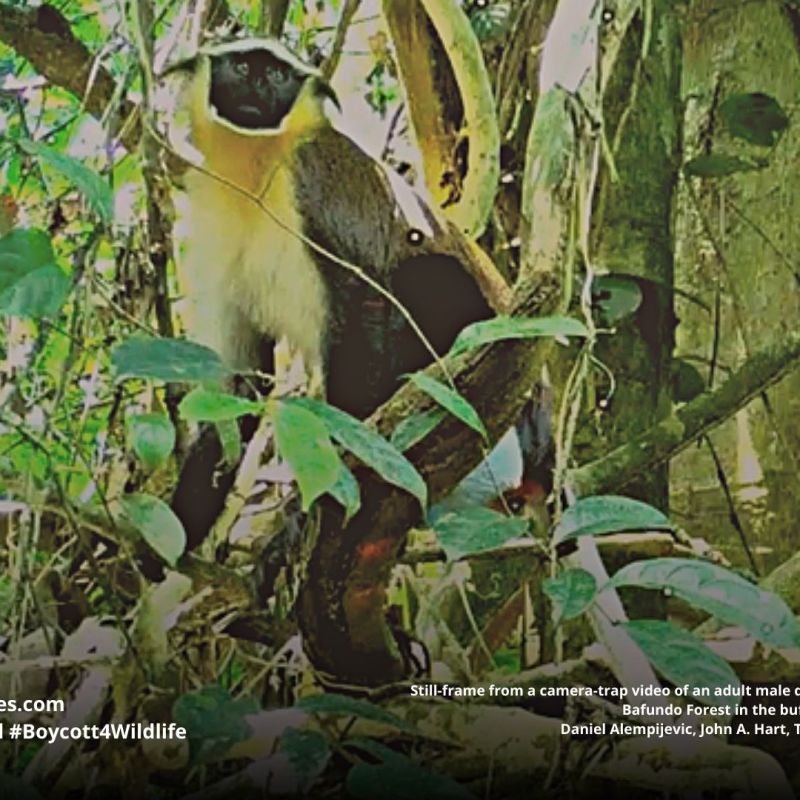
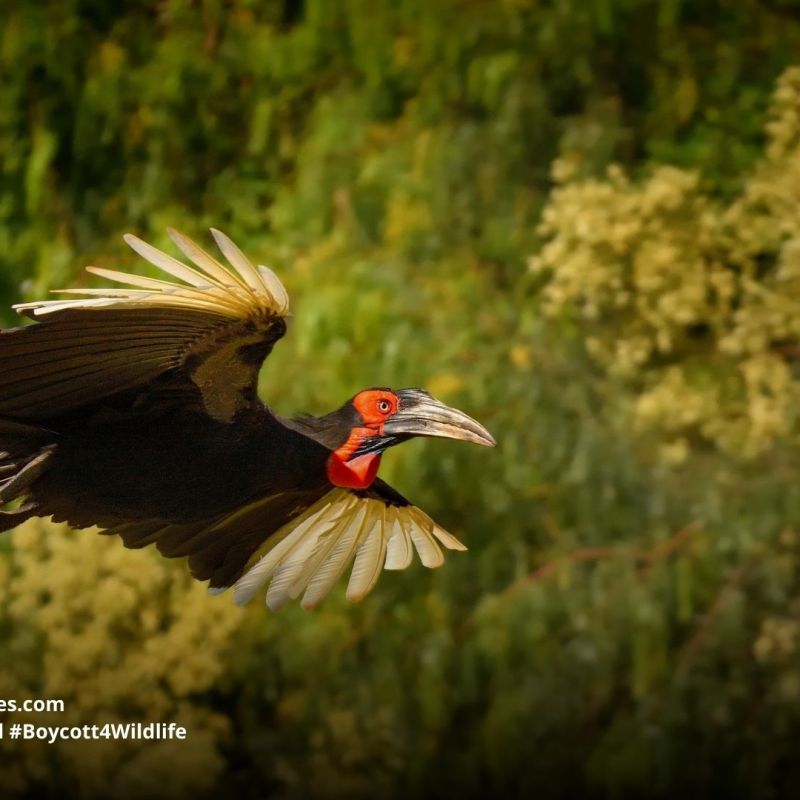
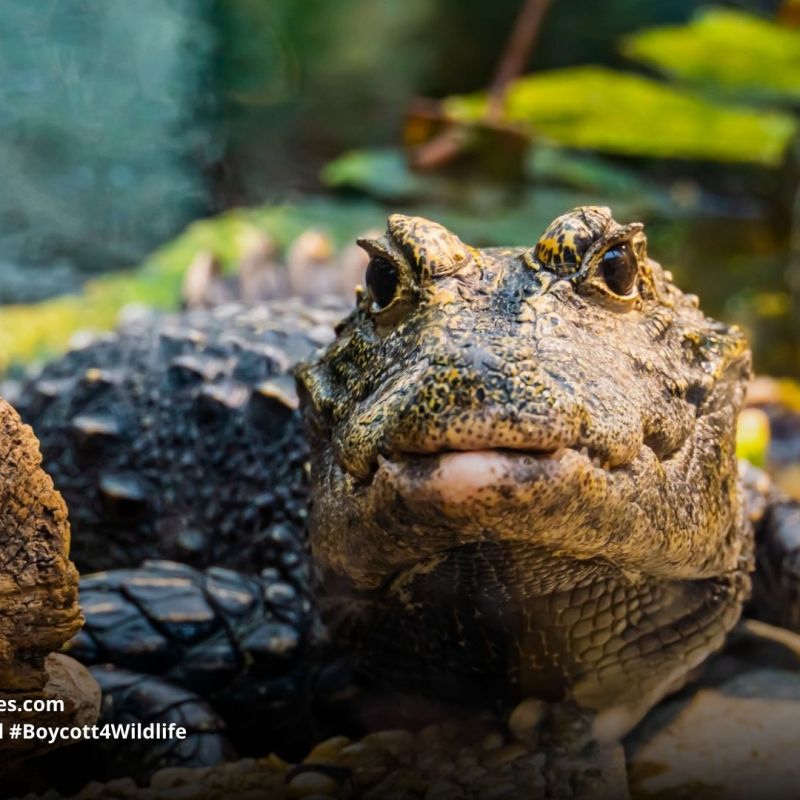
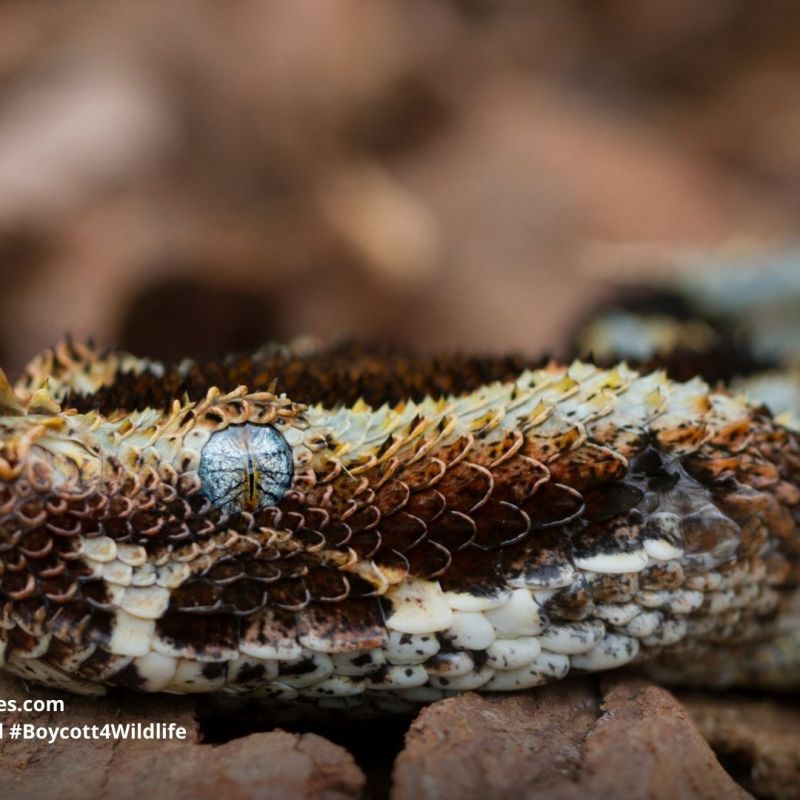
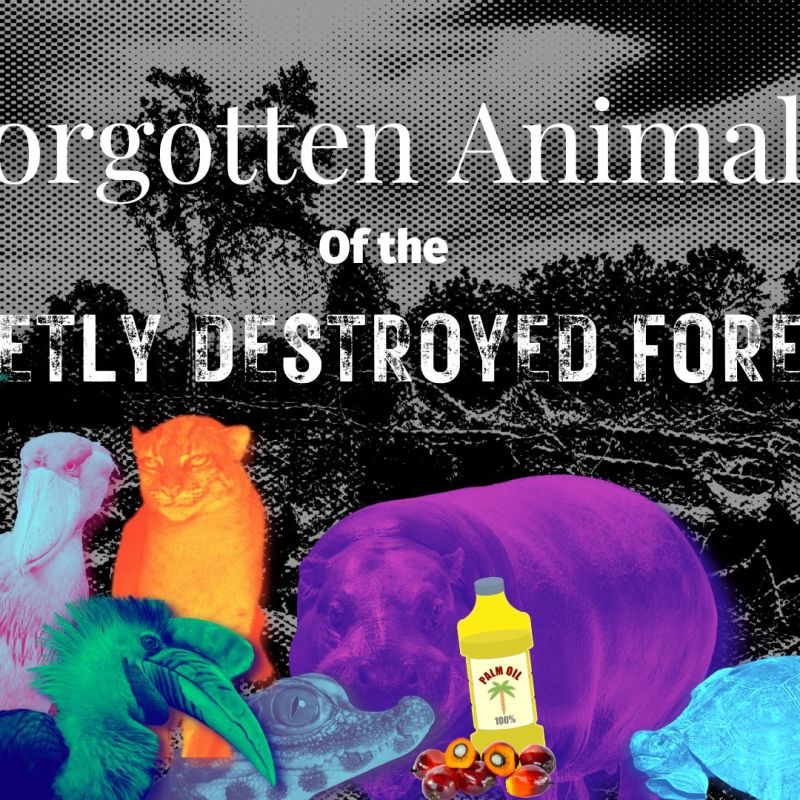
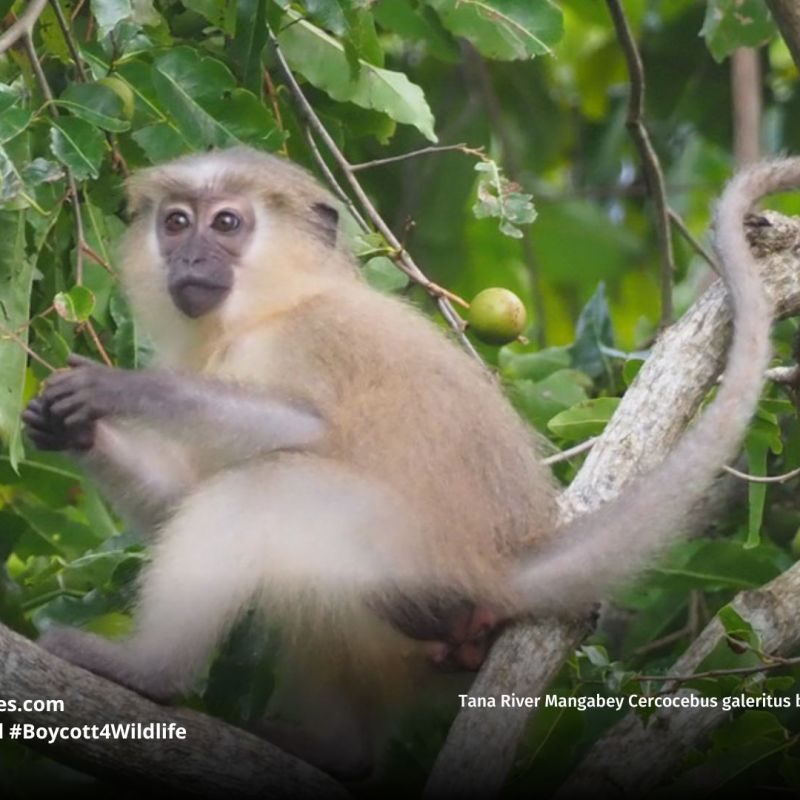
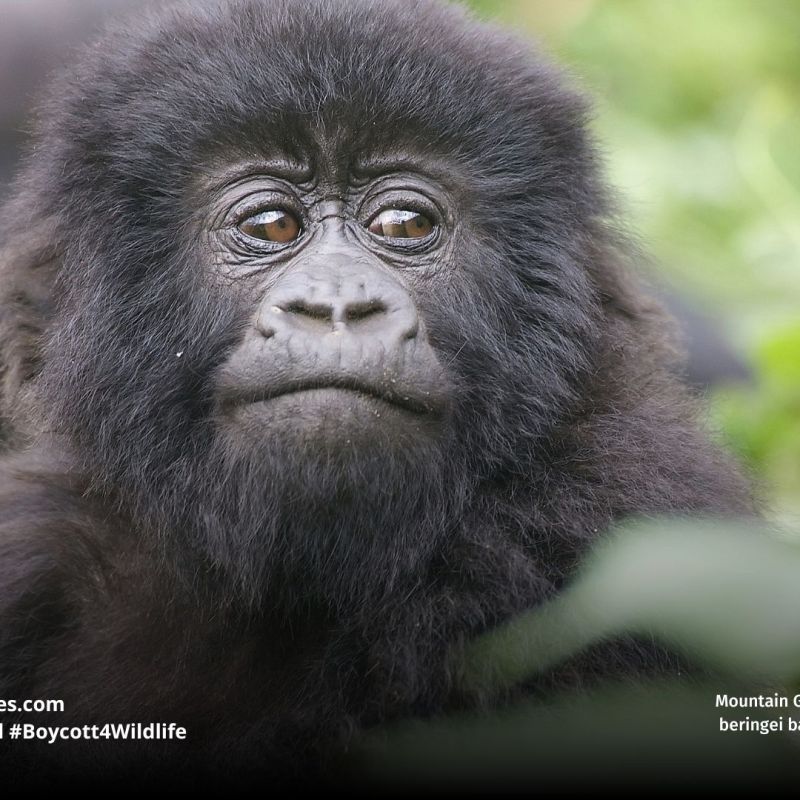
As parts of Asia’s rainforests are almost completely destroyed by palm oil, attention of palm oil companies has shifted towards Africa for industrial scale palm oil. All associated air and water pollution, human rights, greenwashing and animal extinction problems associated with palm oil are now taking place in Africa.
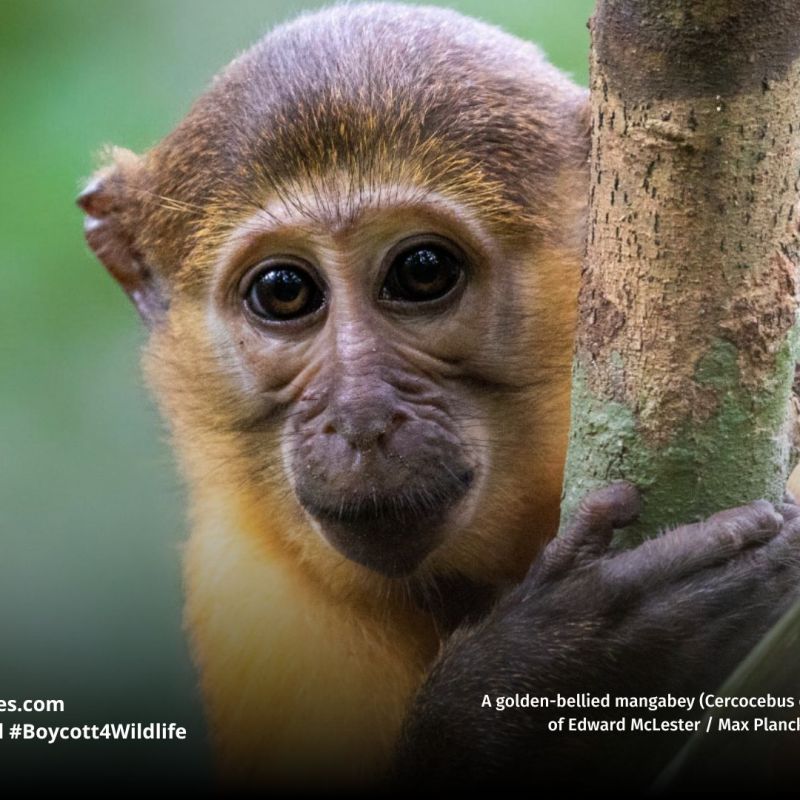
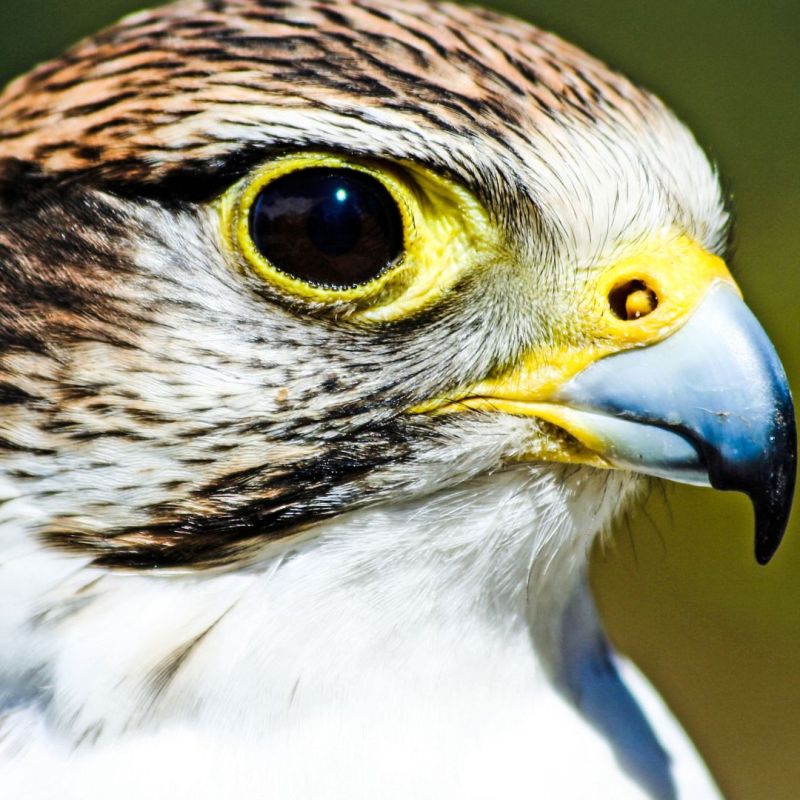
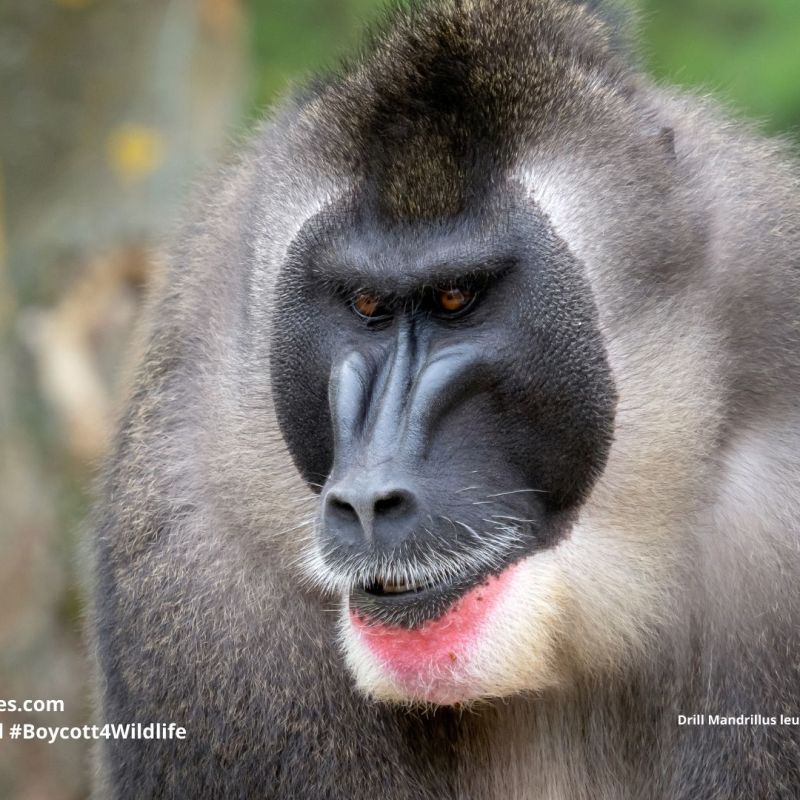
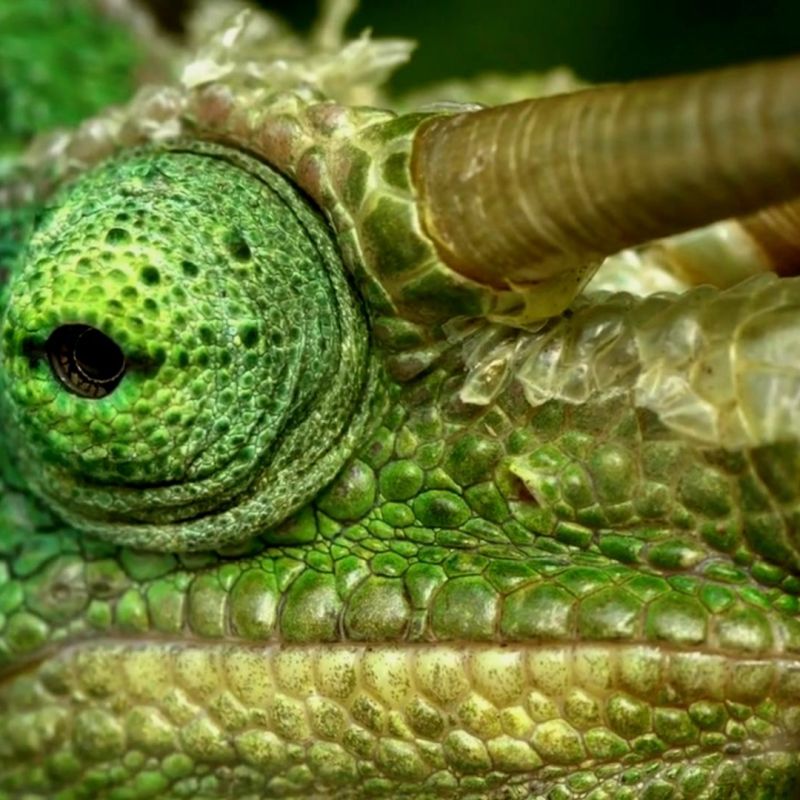
Many species of primates, birds, reptiles, insects and others are either directly or indirectly threatened by the replacement of rainforest habitat with oil palm plantations located in palm oil hotspots in Africa such as the Ivory Coast, Nigeria, Liberia and the Democratic Republic of Congo. These animals have rapidly declining populations and are now classified as Critically Endangered, Endangered or Vulnerable.
1000s of #animals are #endangered by #palmoil in #Africa #mammals #birds #reptiles in #Uganda #Kenya #Congo #Liberia ‘Sustainable’ #palmoil is #greenwashing #ecocide #deforestation #Boycott4Wildlife #Boycottpalmoil
1000s of #animals are #endangered by #palmoil in #Africa in #Uganda #Congo #Liberia ‘Sustainable’ #palmoil is #greenwashing #ecocide #FightGreenwashing with ur wallet #Boycottpalmoil #Boycott4Wildlife
Something went wrong. Please refresh the page and/or try again.
Take Action in Five Ways
1. Join the #Boycott4Wildlife on social media and subscribe to stay in the loop: Share posts from this website to your own network on Twitter, Mastadon, Instagram, Facebook and Youtube using the hashtags #Boycottpalmoil #Boycott4Wildlife.
2. Contribute stories: Academics, conservationists, scientists, indigenous rights advocates and animal rights advocates working to expose the corruption of the palm oil industry or to save animals can contribute stories to the website.
3. Supermarket sleuthing: Next time you’re in the supermarket, take photos of products containing palm oil. Share these to social media along with the hashtags to call out the greenwashing and ecocide of the brands who use palm oil. You can also take photos of palm oil free products and congratulate brands when they go palm oil free.
4. Take to the streets: Get in touch with Palm Oil Detectives to find out more.
5. Donate: Make a one-off or monthly donation to Palm Oil Detectives as a way of saying thank you and to help pay for ongoing running costs of the website and social media campaigns. Donate here
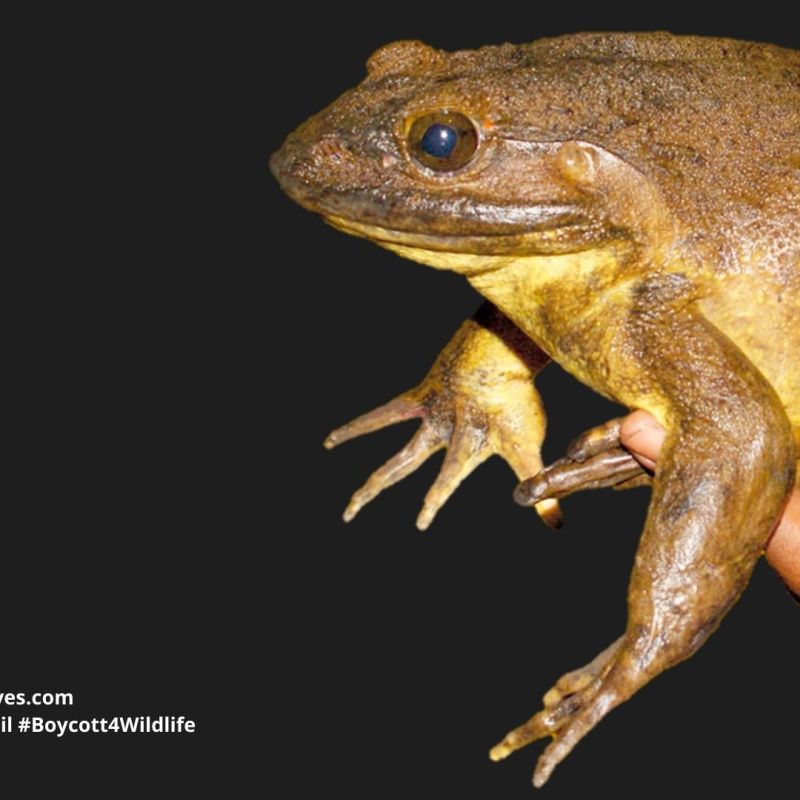
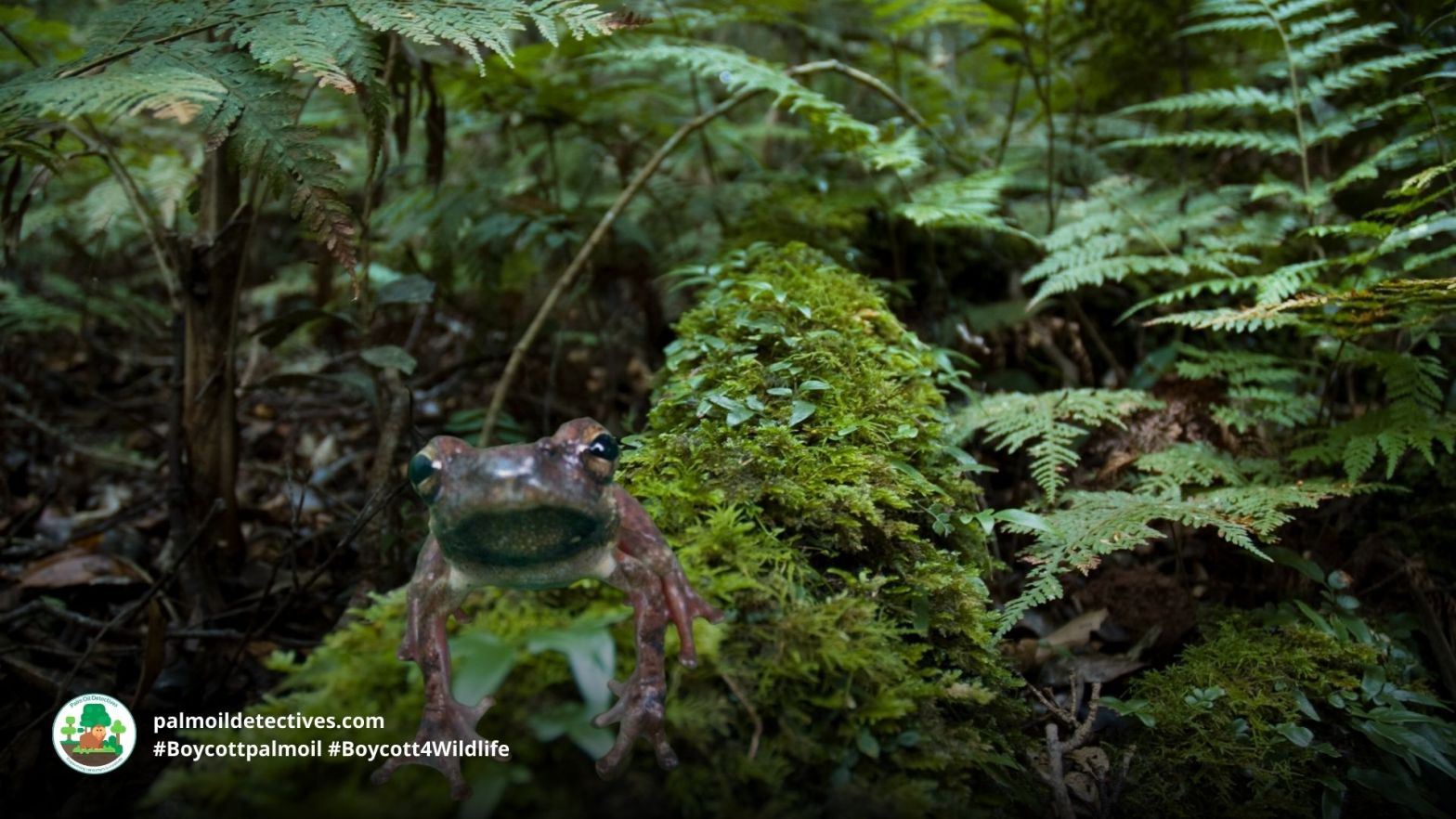
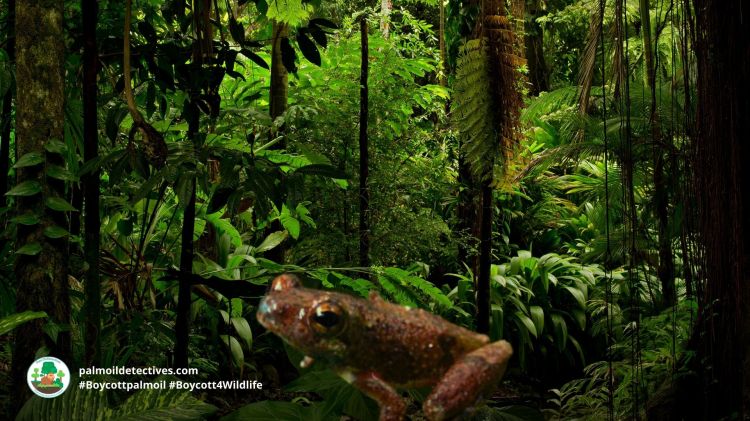
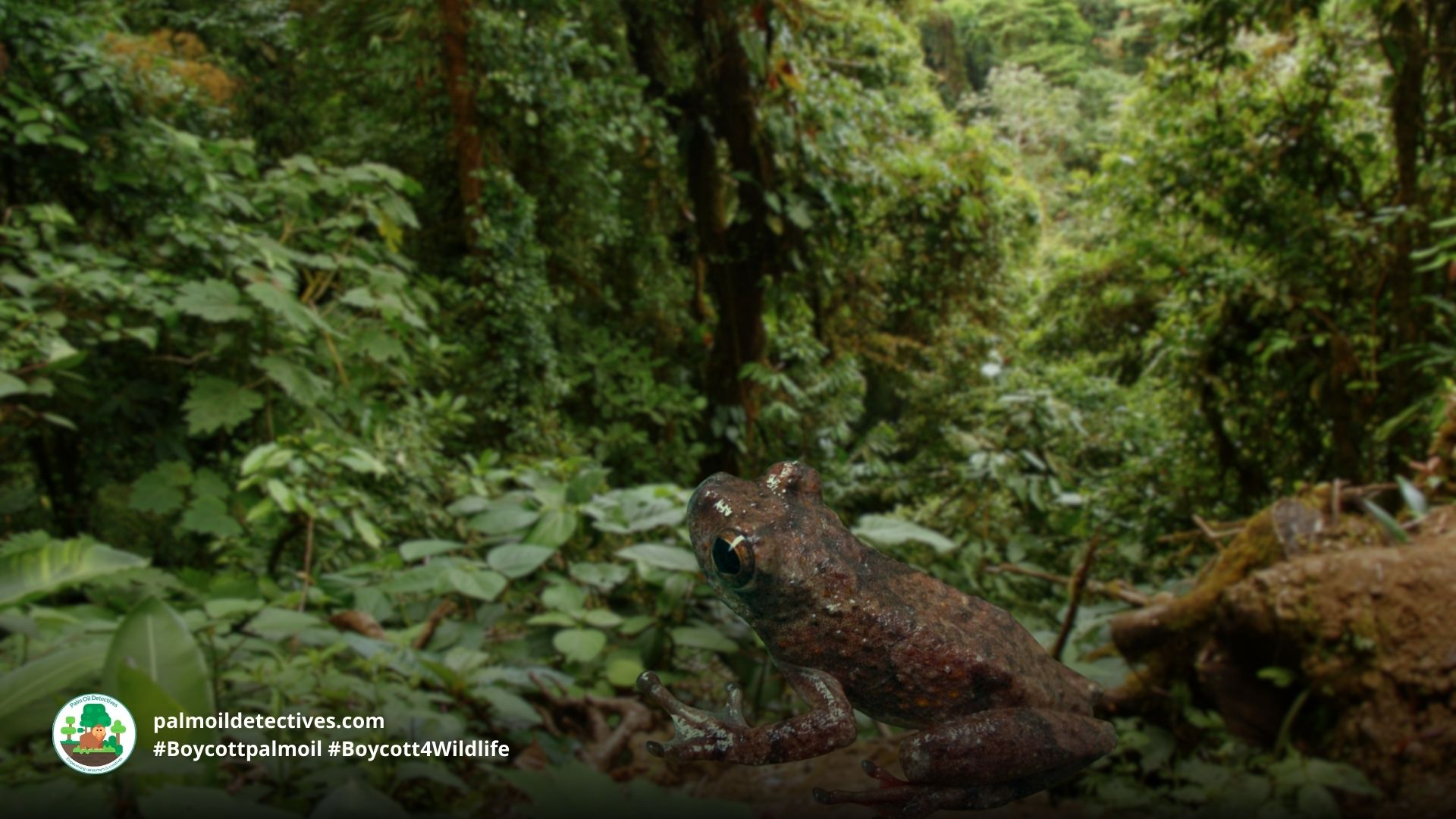
Fragile Mount Nimba Reed Frogs 🐸💚 hang on to life in Côte d’Ivoire 🇨🇮 Africa. Seldom seen and often forgotten, they’re endangered due to palmoil and meat agriculture. Serving as both predator and prey, Mount Nimba Reed Frogs are integral to the local ecology of Mount Nimba. Take action and advocate for indigenous-led conservation initiatives that prioritise the biodiversity protection. Fight for their survival when you shop and #BoycottMeat #BoycottPalmOil #Boycott4Wildlife
Fragile Mount Nimba Reed #Frogs 🐸💚 hang on to life in Côte d’Ivoire 🇨🇮 #Africa. Seldom seen and often forgotten, they’re #endangered due to #palmoil #meat #agriculture. Fight for their survival when you #BoycottMeat #BoycottPalmOil #Boycott4Wildlife https://palmoildetectives.com/2021/01/18/mount-nimba-reed-frog-hyperolius-nimbae/
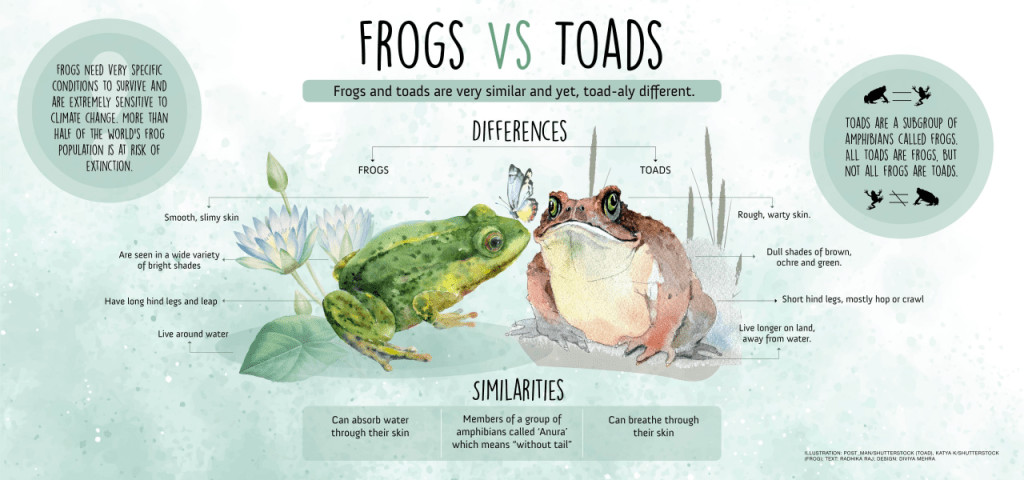
The Mount Nimba Reed Frog is a tiny, curious and captivating amphibian living deep in the lush landscapes of Côte d’Ivoire’s swamps. Their survival is crucial and reflects the overall health of their delicate mangrove and swamp ecosystem.
Appearance and Behaviour
Adorned with a striking red-brown network pattern interspersed with dark spots, the Mount Nimba Reed Frog is instantly recognisable. Their behaviours, such as their characteristic calls at the edges of swamps, add to the rich tapestry of life in their habitat.
Geographical Range and Habitat
Endemic to the eastern foothills of Mount Nimba in Côte d’Ivoire, these frogs inhabit subtropical or tropical moist lowland forests and swamps. They thrive in swampy forests and even in rice fields within degraded forests and areas of secondary growth.
Diet
As insectivores, Mount Nimba Reed Frogs play a vital role in controlling insect populations in swamp ecosystems.
Threats
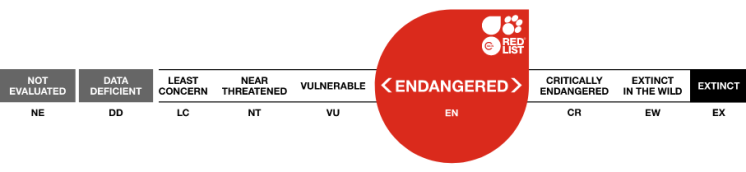
The Mount Nimba Reed Frog is listed as Endangered on the IUCN Red List, with their population continuing to decline. Immediate action is needed to address the pressures they face. Mount Nimba Reed Frogs face a range of human-related threats to their ongoing survival:
• Habitat Destruction: Forests are being cleared for agricultural expansion, including rice farming, which disrupts their natural habitat.
• Human Encroachment: The development of infrastructure and settlements poses ongoing threats to their fragile ecosystems.
• Pollution: Agricultural runoff from palm oil, rice and other pollutants degrade the quality of the swamps they rely on for survival.
• Climate Change: Altered rainfall patterns and rising temperatures further stress their already restricted habitats.
References:
• Kouamé, N. G., Assemian, N. E., Tohe, B., & Adeba, P. J. (2016). Rediscovery of the Mount Nimba Reedfrog, Hyperolius nimbae LAURENT, 1958, in western Ivory Coast. Herpetozoa, 29(1-2), 3-13.
• IUCN SSC Amphibian Specialist Group. (2017). Hyperolius nimbae. The IUCN Red List of Threatened Species 2017: e.T56170A16926587.
There are no known conservation activities for this animal. Share out this post to social media and join the #BoycottPalmOil #Boycott4Wildlife on social media to raise awareness
1. Join the #Boycott4Wildlife on social media and subscribe to stay in the loop: Share posts from this website to your own network on Twitter, Mastadon, Instagram, Facebook and Youtube using the hashtags #Boycottpalmoil #Boycott4Wildlife.
2. Contribute stories: Academics, conservationists, scientists, indigenous rights advocates and animal rights advocates working to expose the corruption of the palm oil industry or to save animals can contribute stories to the website.
3. Supermarket sleuthing: Next time you’re in the supermarket, take photos of products containing palm oil. Share these to social media along with the hashtags to call out the greenwashing and ecocide of the brands who use palm oil. You can also take photos of palm oil free products and congratulate brands when they go palm oil free.
More and more palm oil free 🦧 products in Australia 🇦🇺. Customer awareness is increasing month by month. Of course Bart Van Assen will keep pushing "sustainable" palm oil with Orangutan Land Trust. Boycott palm oil to protect wildlife! There is not planet B #boycott4wildlifepic.twitter.com/rm7chub5Rb
If possible to get Ovomaltine, please promote it among your friends. It openly advertises with 0 palm oil. No RSPO no bullshit. For me it even tasts better than nuttela. It substantiates that chocolate spread can be made delicious without filthy palm oil. pic.twitter.com/cyV5Tm3tLd
4. Take to the streets: Get in touch with Palm Oil Detectives to find out more.
5. Donate: Make a one-off or monthly donation to Palm Oil Detectives as a way of saying thank you and to help pay for ongoing running costs of the website and social media campaigns. Donate here
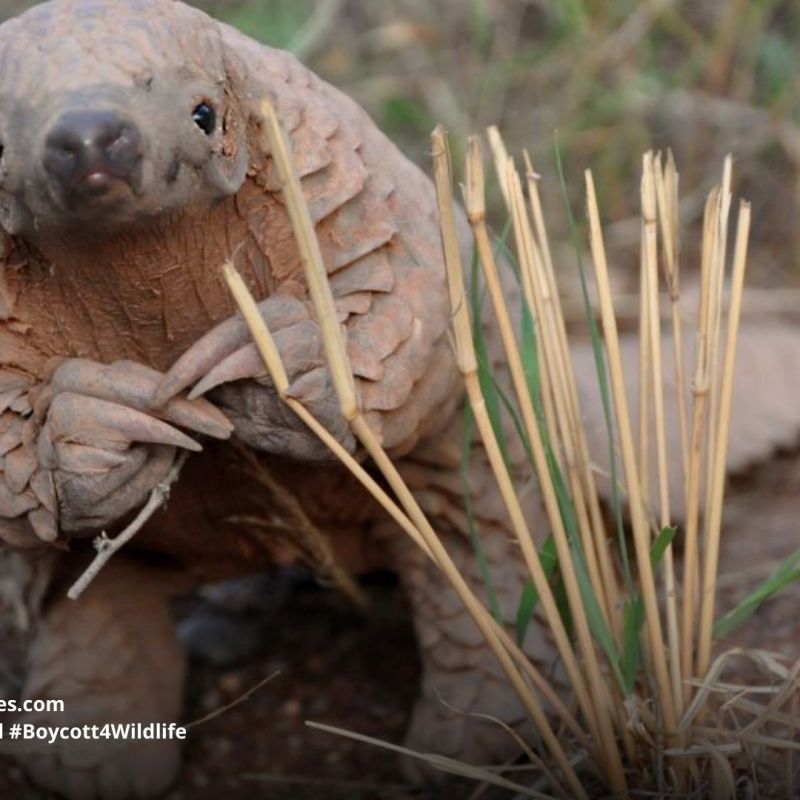
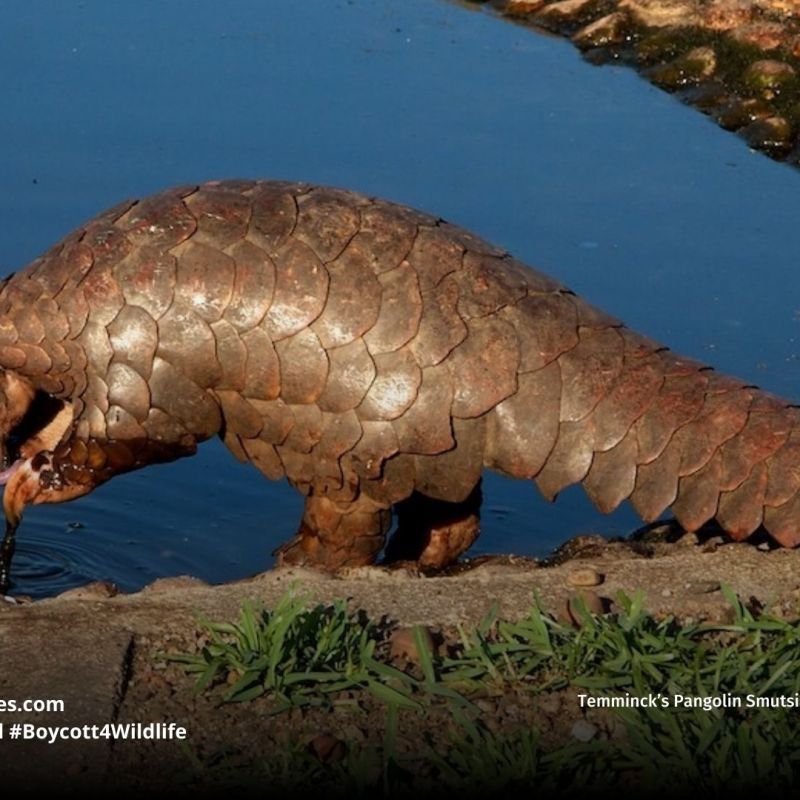
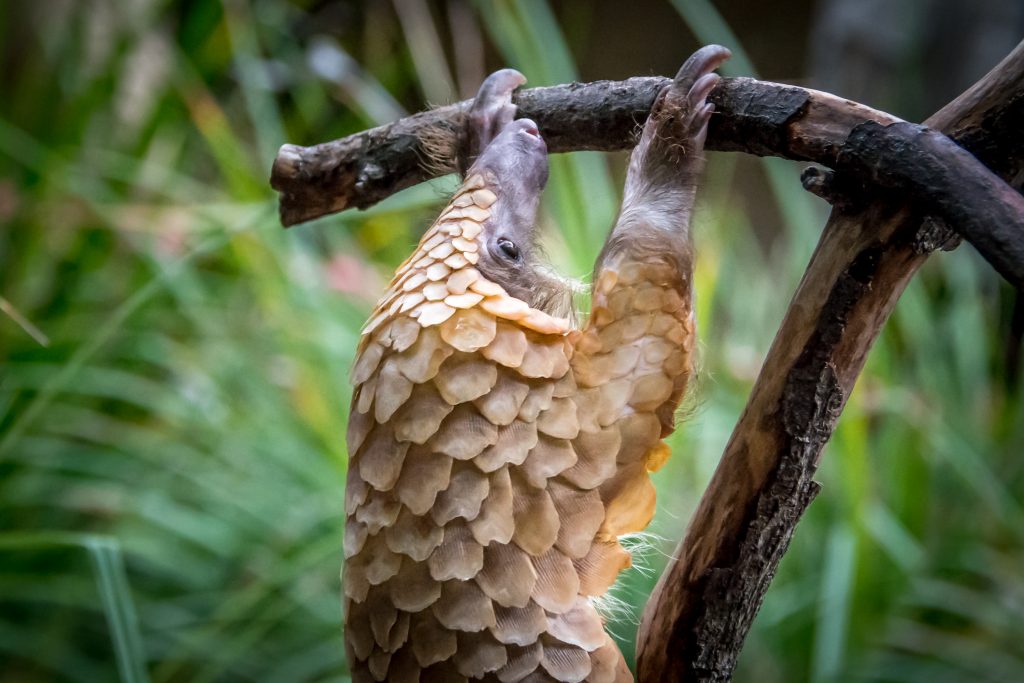
Found across the remaining fragments of West and Central African rainforest, the elusive White-bellied Pangolin is a nocturnal, arboreal insectivore whose very body has become a global commodity.
The White-bellied Pangolin also commonly known as the Tree Pangolin are fascinating creatures akin to giant pest controllers, estimated to consume around 70 million insects per year. #Pangolins don’t have teeth, rather they have scales lining their stomachs which aid them in the digestion of food that is swallowed whole. Baby pangolins often ride on their mother’s backs and and are known as pango pups. They are able to use their tails to support their body weight and can walk upright on their hind legs.
They are often captured and killed for the illegal #poaching trade in abandoned palm oil plantations in their native homelands in #WestAfrica. Now classified as #Endangered by the IUCN, White-bellied Pangolins face a terrifying future. The dual threats of industrial-scale trafficking and rampant #deforestation for agriculture—especially #palmoil plantations—are pushing them towards extinction Help them every time you shop and #Boycottpalmoil #Boycott4Wildlife
With their bodies armoured in keratin scales and their gentle, silent movements through the treetops, white-bellied pangolins have been described as one of the most extraordinary yet most misunderstood creatures on Earth.
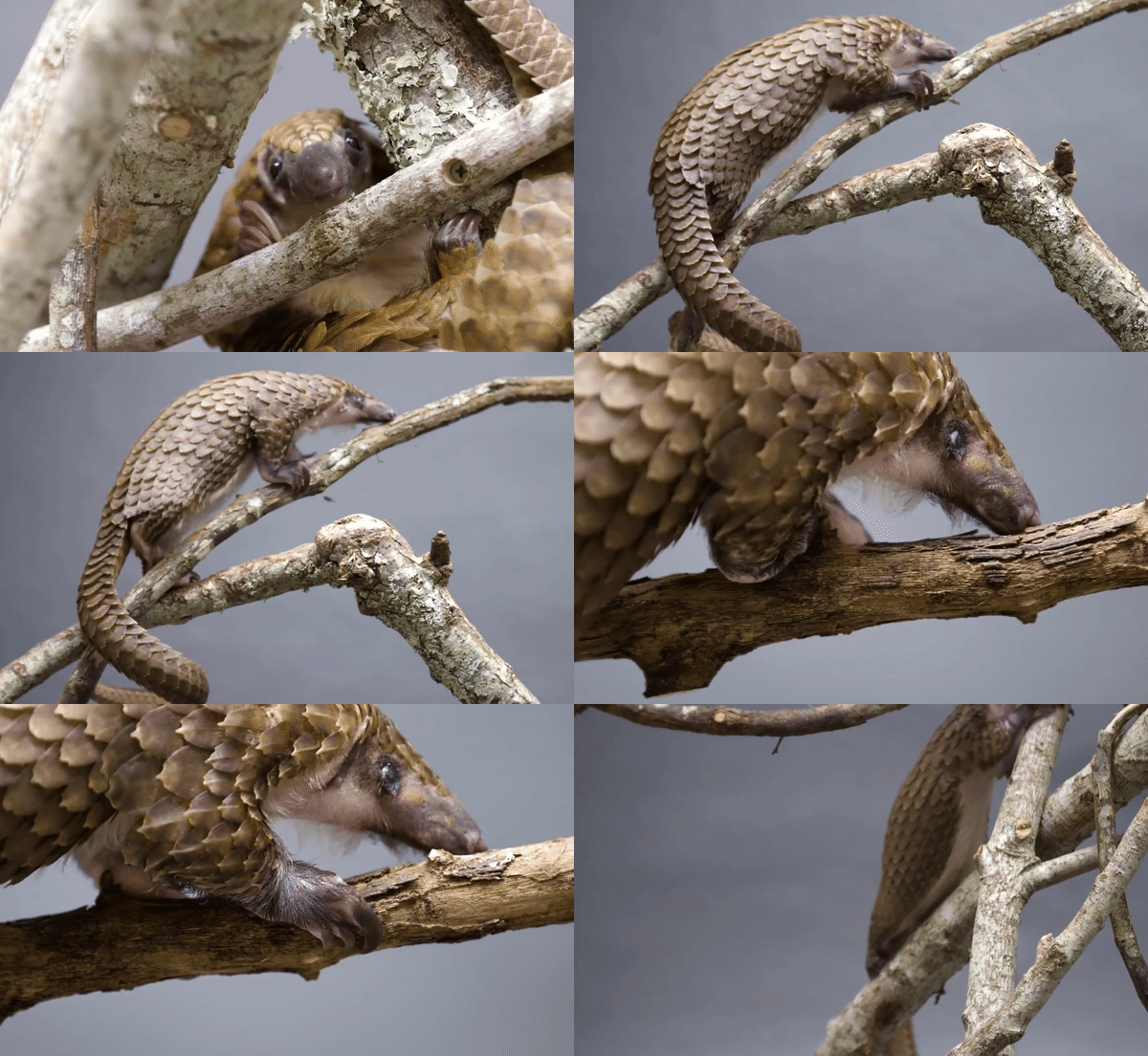
Also known as the African Tree Pangolin, these slender and shy mammals are covered head to tail in overlapping, pale brown or yellowish scales made entirely of keratin. These scales provide formidable protection against predators, curling into a ball when threatened—a defence mechanism that unfortunately makes them easy targets for poachers. Adults typically weigh between 1.5 to 2.5 kilograms and grow to about 30 to 40 cm in body length, with tails often longer than their bodies to aid climbing.
Although often thought of as ground-dwelling, White-bellied Pangolins are superb climbers, capable of scaling tall trees with ease. Their prehensile tails help them balance while they forage along branches. They are largely nocturnal, solitary creatures, most active in the dark hours of night when they hunt for ants and termites. Motion-activated camera traps in West and Central African forests have shown them traversing forest floors and climbing high into the canopy, displaying surprising agility and adaptability (Akpona et al., 2008).
Social encounters are rare and brief, usually related to mating. White-bellied pangolins are silent and secretive, with subtle olfactory communication being their primary form of interaction. Even within protected areas, their presence is more often indicated by signs—like feeding holes or scat—than by direct sightings. Despite this elusiveness, they are now frequently detected in bushmeat markets across the region, highlighting the immense pressure they are under (Boakye et al., 2016).
Diet
White-bellied Pangolins feed exclusively on social insects—primarily ants and termites—which they locate using an acute sense of smell. Once prey is detected, they use their powerful, curved claws to tear open nests and extract insects using a long, sticky tongue that can extend more than 25 cm. Unlike other insectivores, they have no teeth; instead, they rely on their muscular stomach to grind food.
Their diet makes them ecological engineers, playing a critical role in controlling ant and termite populations and aerating soil through their foraging activity. This insectivorous diet also makes them highly vulnerable to habitat degradation, since many of their preferred prey species are sensitive to disturbance and disappear from logged or converted lands. A recent survey in the Oluwa Forest Reserve found that pangolin presence was strongly correlated with the abundance of ant and termite mounds, both of which are declining due to increasing land use (Adeniji et al., 2023).
Reproduction and Mating
Pangolins have slow reproductive rates. Females typically give birth to a single offspring after a gestation of around 150 days. Newborns are tiny, weighing around 80-100 grams, with soft, pink scales that harden over time. Young are known as ‘Pango Pups’. For the first few weeks, infants are carried on their mother’s tail, clinging tightly as she forages.
Breeding appears to occur year-round, though data is scarce. Most pangolin offspring are likely born during periods of high insect availability. Observations in Gabon have noted that most adult females encountered during field surveys were pregnant or nursing, suggesting near-continuous breeding potential (Pagès, 1975). However, due to intense poaching, pregnant and nursing pangolins are disproportionately removed from the wild, further destabilising populations.
Geographic Range
Phataginus tricuspis is the most widespread of all African pangolin species, ranging from Guinea-Bissau and Senegal in the west to north-western Tanzania and northern Angola in the east and south. It is present in at least 23 countries. Despite this wide distribution, populations are heavily fragmented, and many former strongholds—especially in West Africa—have seen local extinctions or drastic declines.
In Nigeria, Ghana and Côte d’Ivoire, intensive habitat conversion for logging, agriculture, and urban development has devastated forests, and pangolins are now rare outside protected areas. Studies in Osun and Ondo States have shown sharp declines even in conservation areas due to poaching and ineffective law enforcement (Owolabi et al., 2024; Adeniji et al., 2023). The Yaoundé bushmeat markets in Cameroon have been identified as key hubs for trafficking pangolins sourced from up to 600 km away, revealing the extent of illegal harvesting across Central Africa (Dipita et al., 2024).
White-bellied Pangolins were often caught in abandoned or little-used oil palm plantations.
IUCN Red List
Wildlife Trafficking: Phataginus tricuspis is the most trafficked African pangolin species. Between 2013 and 2019, an estimated 400,000 individuals were killed for their scales alone (Challender et al., 2019).
Traditional Medicine and Bushmeat: Pangolins are widely consumed across West Africa and used in traditional rituals and pseudo medicine, particularly in Nigeria, Ghana, and Cameroon (Soewu & Ayodele, 2009).
Palm Oil Deforestation:Industrial palm oil expansion is a major driver of forest loss throughout the species’ range. In Nigeria and Cameroon, pangolins are losing critical habitat to monoculture plantations (Adeniji et al., 2023).
Habitat Fragmentation: Rapid human population growth and road expansion are isolating forest patches and making pangolins more accessible to poachers (Owolabi et al., 2024).
Take Action!
Boycott palm oil products to help save the White-bellied Pangolin and the forests they depend on. Support grassroots and indigenous-led conservation efforts in West and Central Africa. Demand stricter enforcement against wildlife trafficking and campaign online against the use of pangolins in traditional medicine. Use your wallet as a weapon and #BoycottPalmOil #Boycott4Wildlife
FAQs
How many White-bellied Pangolins are left in the wild?
There is no precise global population estimate due to their elusive nature and widespread poaching. However, local studies and market data suggest the species is in steep decline. In Ghana, Nigeria and Cameroon, hunters now consider the species to be rare or extirpated from many former habitats (Akpona et al., 2008; Ingram et al., 2018).
Why are pangolins hunted?
They are hunted for meat, traditional medicine, spiritual rituals, and increasingly, for international markets in China and Vietnam where their scales are used in pseudo-medicinal compounds. Scales from at least 200,000 pangolins were trafficked between 2015 and 2019 (Challender et al., 2019).
Do palm oil plantations affect pangolins?
Yes. The conversion of natural forest to palm oil monocultures destroys their habitat, reduces food sources, and makes pangolins more vulnerable to hunting. In southern Nigeria, White-bellied Pangolins were once found even in degraded farms, but monocultures support fewer ants and termites, removing their core diet (Sodeinde & Adedipe, 1994).
Do pangolins make good pets?
Absolutely not. Pangolins are solitary, wild animals with highly specialised diets. They cannot survive long in captivity, and the illegal pet trade drives their extinction. Keeping them as pets is cruel and ecologically devastating.
Adeniji, A. E., Ejidike, B. N., Olaniyi, O. E., & Akala, V. T. (2023). Distribution and threat to white-bellied pangolin (Phataginus tricuspis) in Oluwa Forest Reserve, Ondo State, Nigeria. Journal of Research in Forestry, Wildlife and Environment, 15(2). https://www.ajol.info/index.php/jrfwe/article/view/252333
Dipita, A. D., Missoup, A. D., Aguillon, S., Lecompte, E., Momboua, B. R., Chaber, A. L., … & Gaubert, P. (2024). Genetic tracing of the illegal trade of the white-bellied pangolin (Phataginus tricuspis) in western Central Africa. Scientific Reports, 14, 13131. https://doi.org/10.1038/s41598-024-63666-9
Ingram, D. J., Coad, L., Abernethy, K. A., Maisels, F., Stokes, E. J., Bobo, K. S., … & Simo, M. (2018). Assessing Africa-wide pangolin hunting pressures and trade. Frontiers in Ecology and Evolution, 6, 25. https://doi.org/10.1111/conl.12389
Owolabi, B. A., Akinsorotan, O. A., Adewumi, A. A., & Sanusade, A. O. (2024). Locals’ perceptions, knowledge, and attitudes regarding the conservation of the critically endangered Phataginus tricuspis. ResearchSquare. https://doi.org/10.21203/rs.3.rs-3944447/v1
Pietersen, D., Moumbolou, C., Ingram, D.J., Soewu, D., Jansen, R., Sodeinde, O., Keboy Mov Linkey Iflankoy, C., Challender, D. & Shirley, M.H. 2019. Phataginus tricuspis. The IUCN Red List of Threatened Species 2019: e.T12767A123586469. https://dx.doi.org/10.2305/IUCN.UK.2019-3.RLTS.T12767A123586469.en. Downloaded on 17 January 2021.
Soewu, D. A., & Ayodele, I. A. (2009). Utilization of pangolins in traditional Yorubic medicine in Ijebu province, Ogun State, Nigeria. Journal of Ethnobiology and Ethnomedicine, 5, 39. https://doi.org/10.1186/1746-4269-5-39
How can I help the #Boycott4Wildlife?
Take Action in Five Ways
1. Join the #Boycott4Wildlife on social media and subscribe to stay in the loop: Share posts from this website to your own network on Twitter, Mastadon, Instagram, Facebook and Youtube using the hashtags #Boycottpalmoil #Boycott4Wildlife.
2. Contribute stories: Academics, conservationists, scientists, indigenous rights advocates and animal rights advocates working to expose the corruption of the palm oil industry or to save animals can contribute stories to the website.
3. Supermarket sleuthing: Next time you’re in the supermarket, take photos of products containing palm oil. Share these to social media along with the hashtags to call out the greenwashing and ecocide of the brands who use palm oil. You can also take photos of palm oil free products and congratulate brands when they go palm oil free.
More and more palm oil free 🦧 products in Australia 🇦🇺. Customer awareness is increasing month by month. Of course Bart Van Assen will keep pushing "sustainable" palm oil with Orangutan Land Trust. Boycott palm oil to protect wildlife! There is not planet B #boycott4wildlifepic.twitter.com/rm7chub5Rb
If possible to get Ovomaltine, please promote it among your friends. It openly advertises with 0 palm oil. No RSPO no bullshit. For me it even tasts better than nuttela. It substantiates that chocolate spread can be made delicious without filthy palm oil. pic.twitter.com/cyV5Tm3tLd
4. Take to the streets: Get in touch with Palm Oil Detectives to find out more.
5. Donate: Make a one-off or monthly donation to Palm Oil Detectives as a way of saying thank you and to help pay for ongoing running costs of the website and social media campaigns. Donate here









































 Palm Oil Detectives