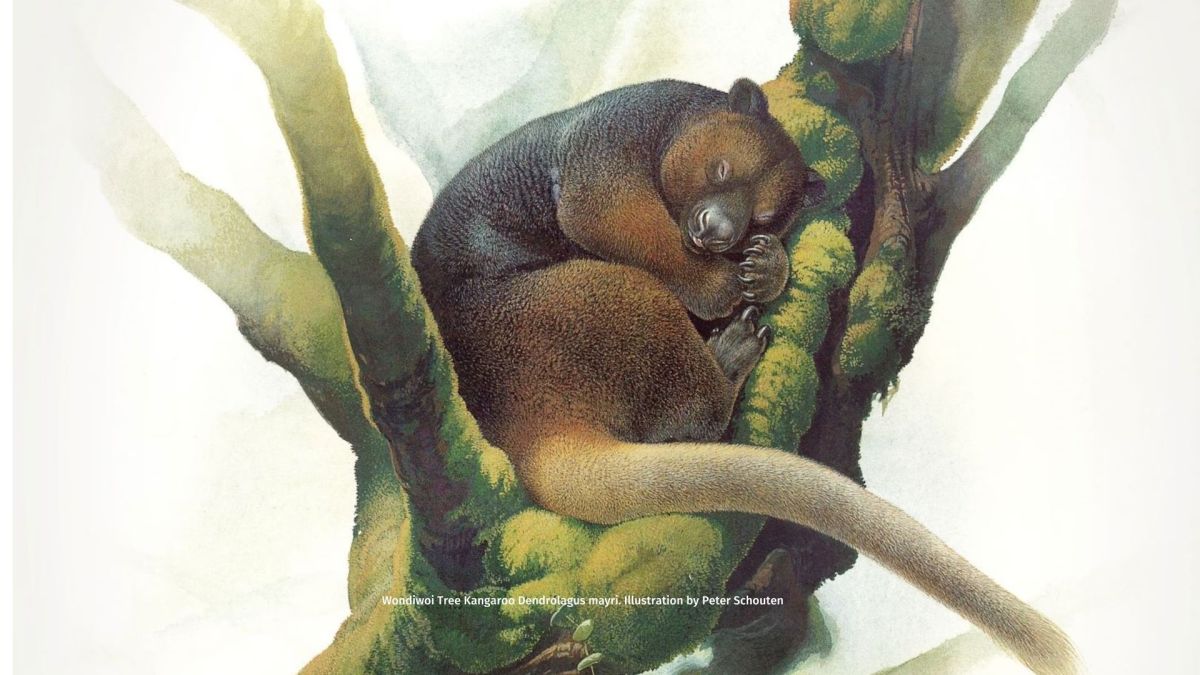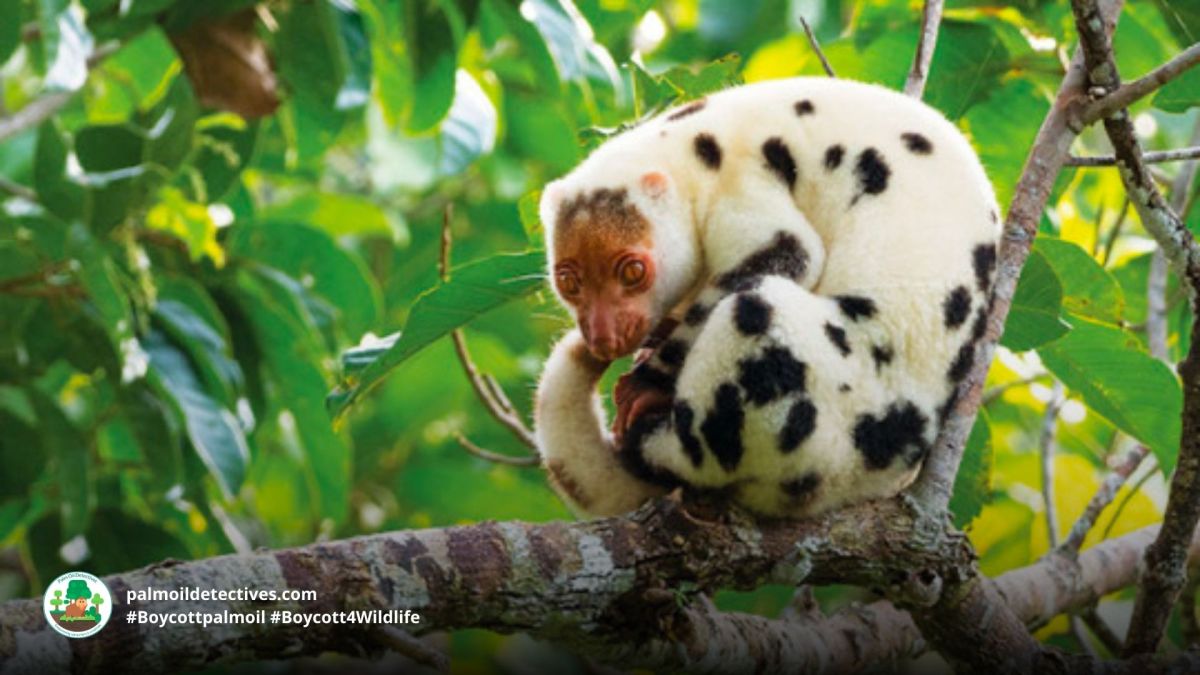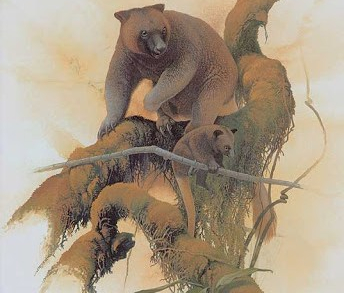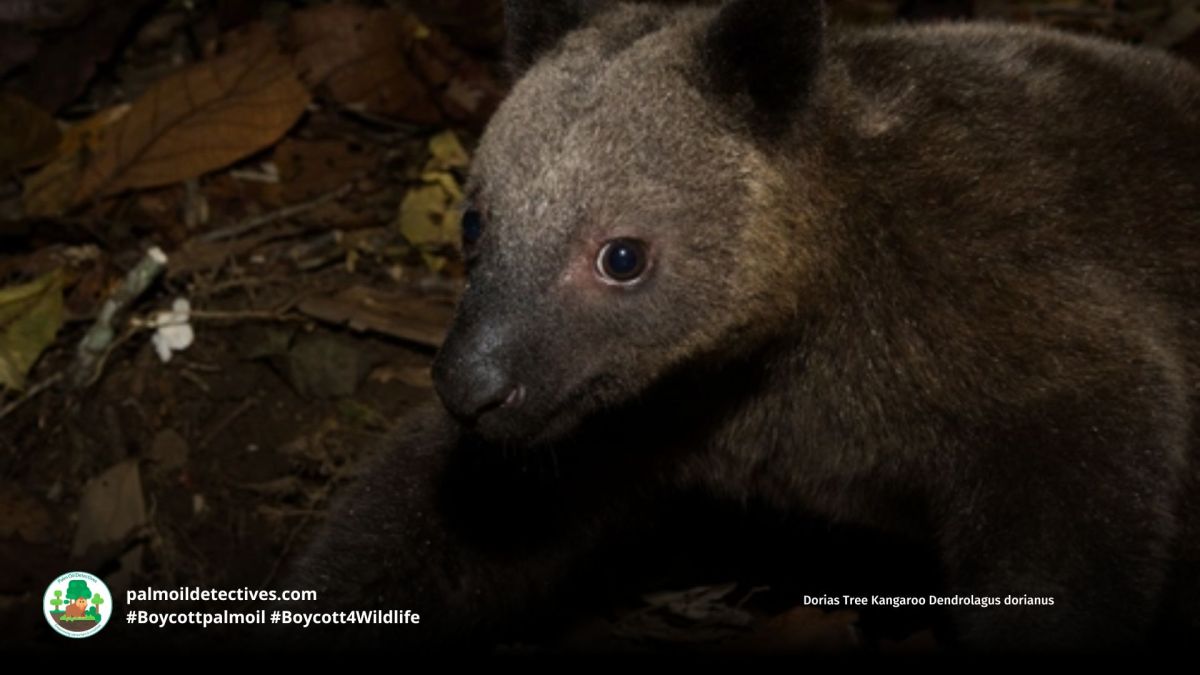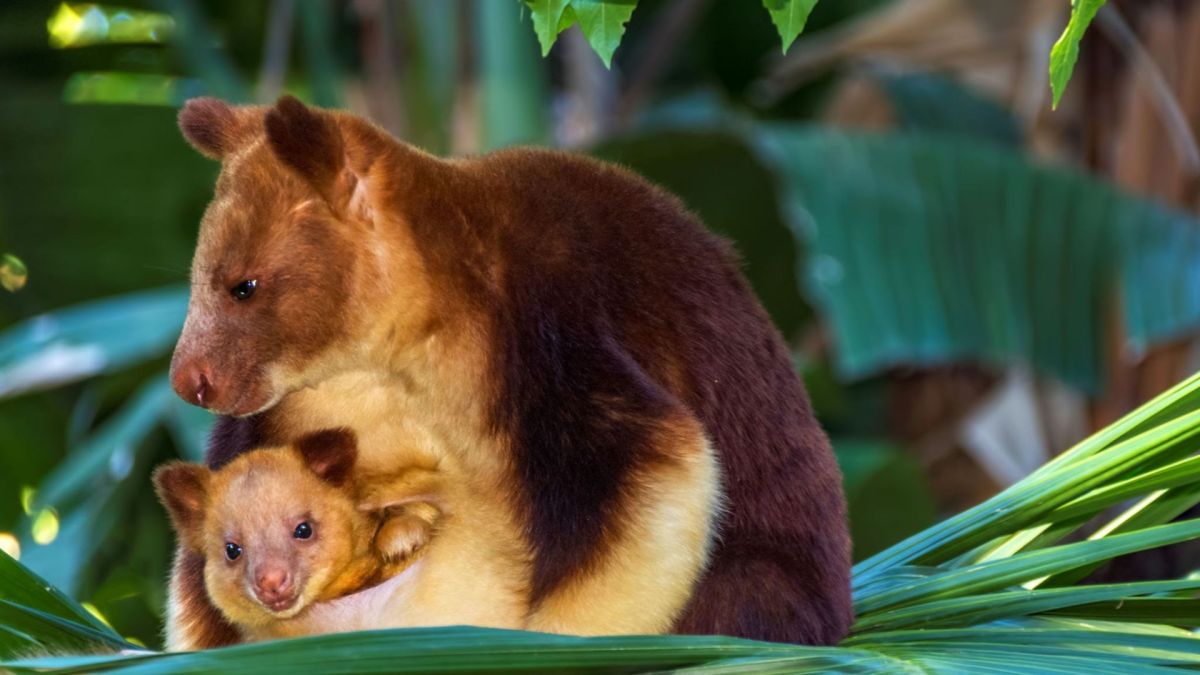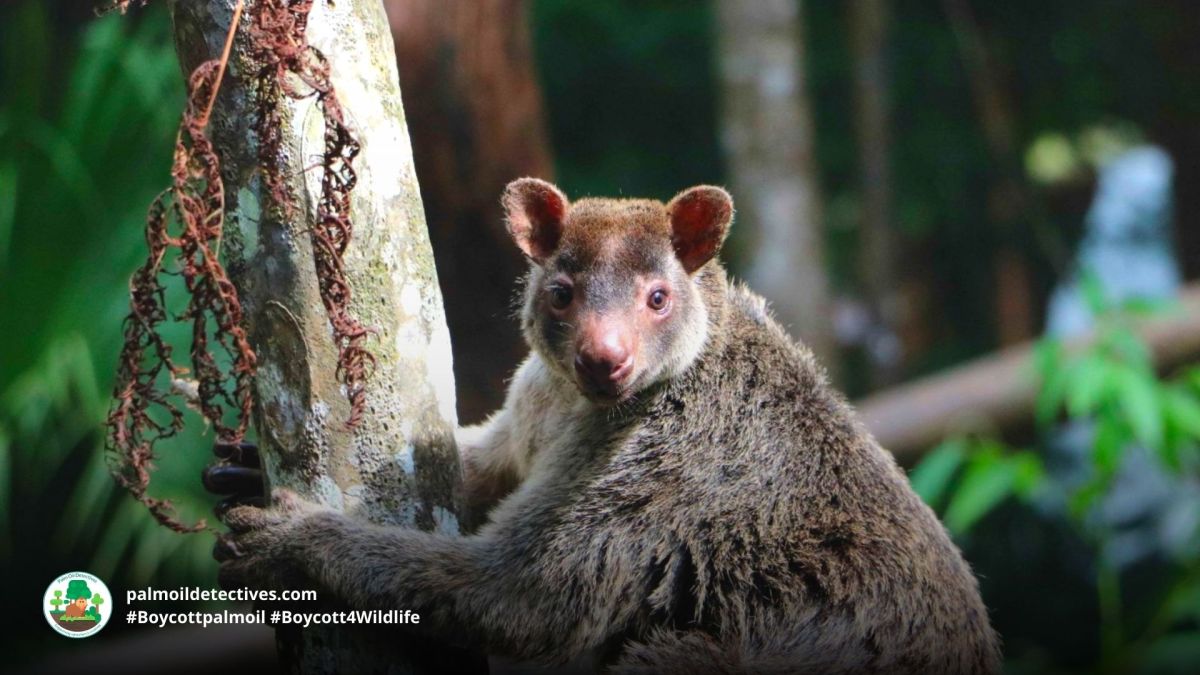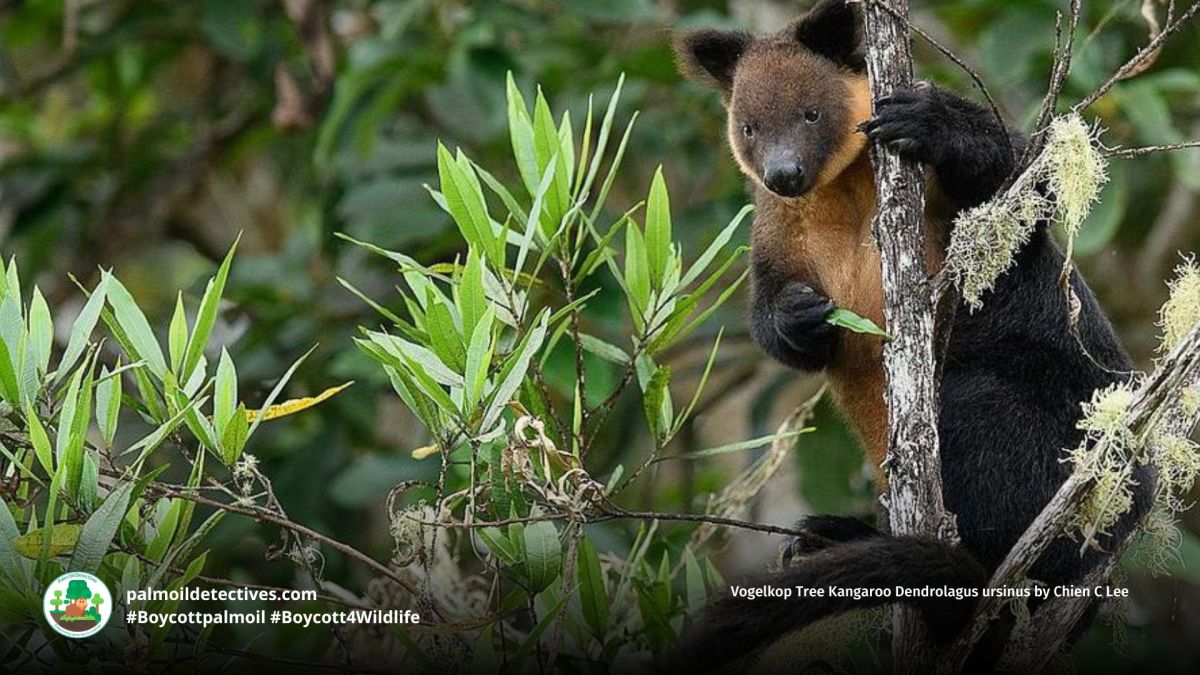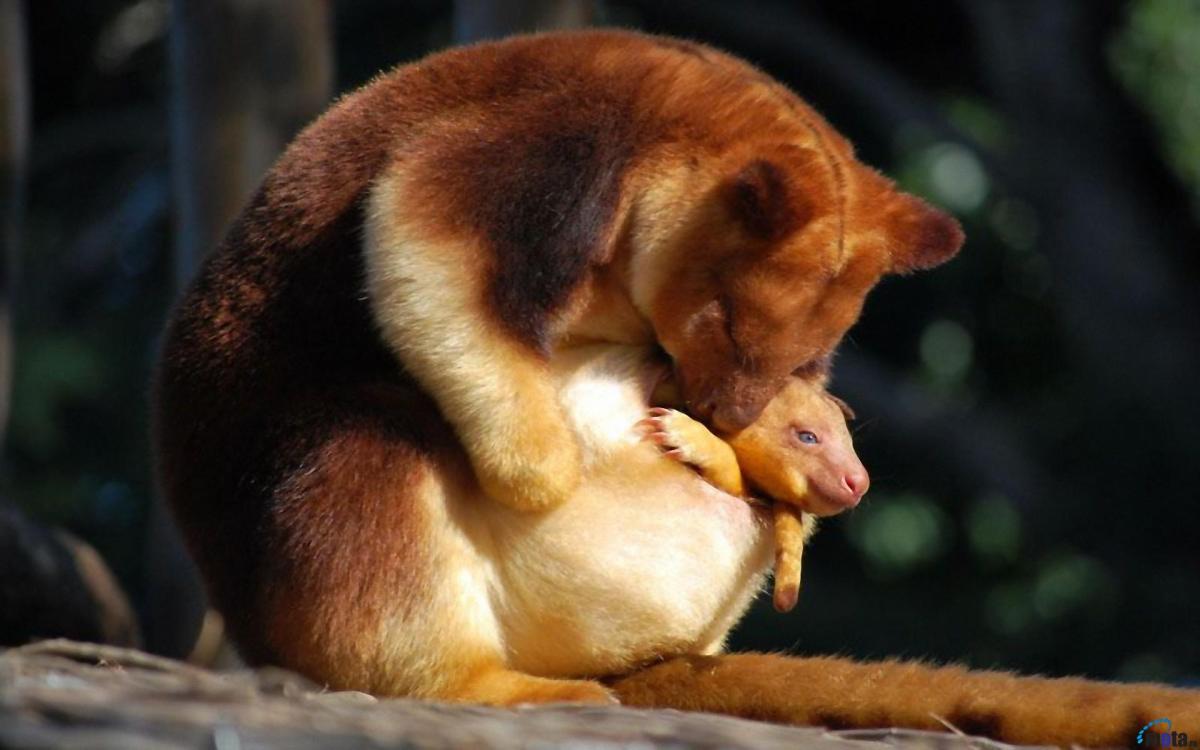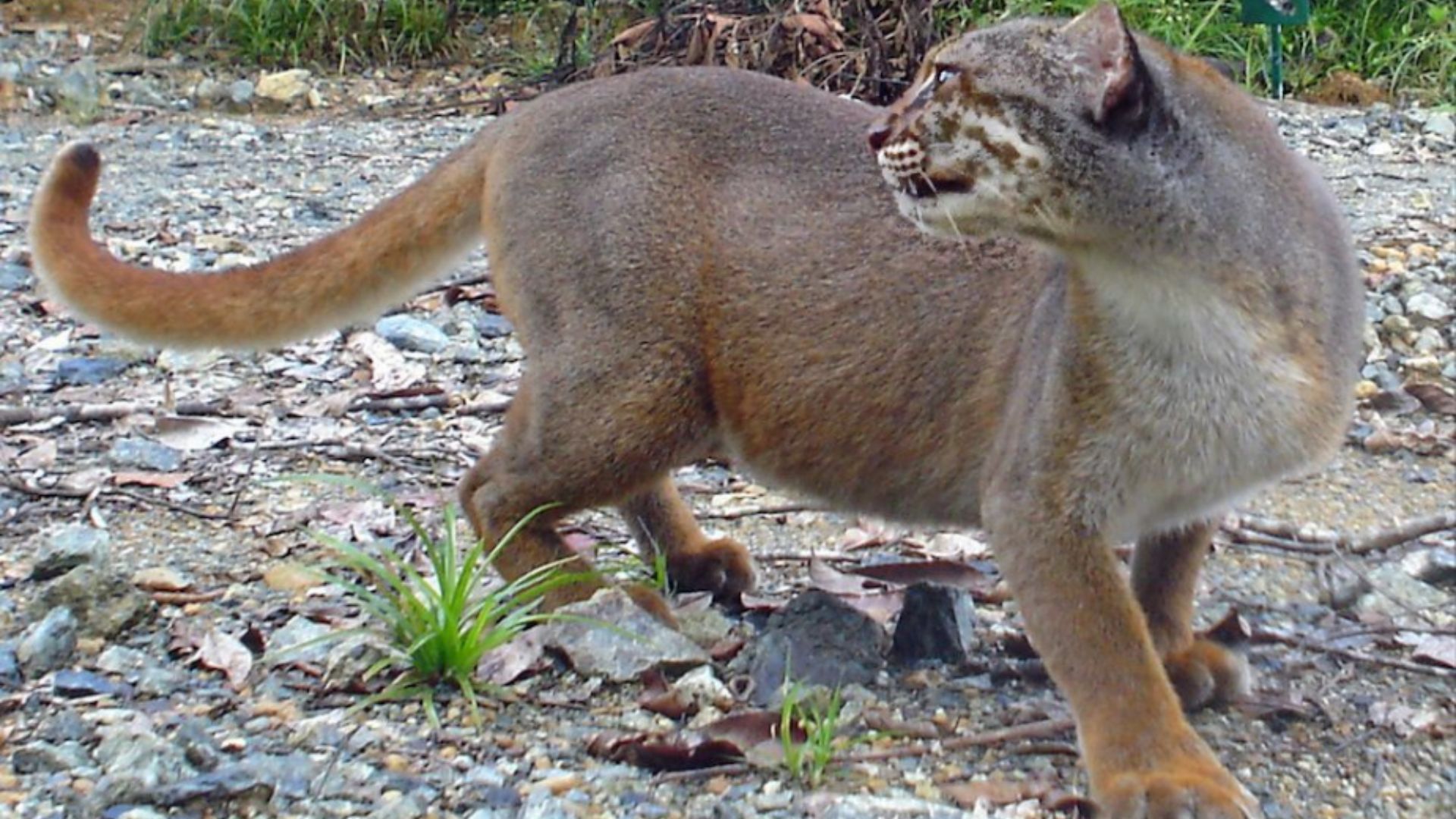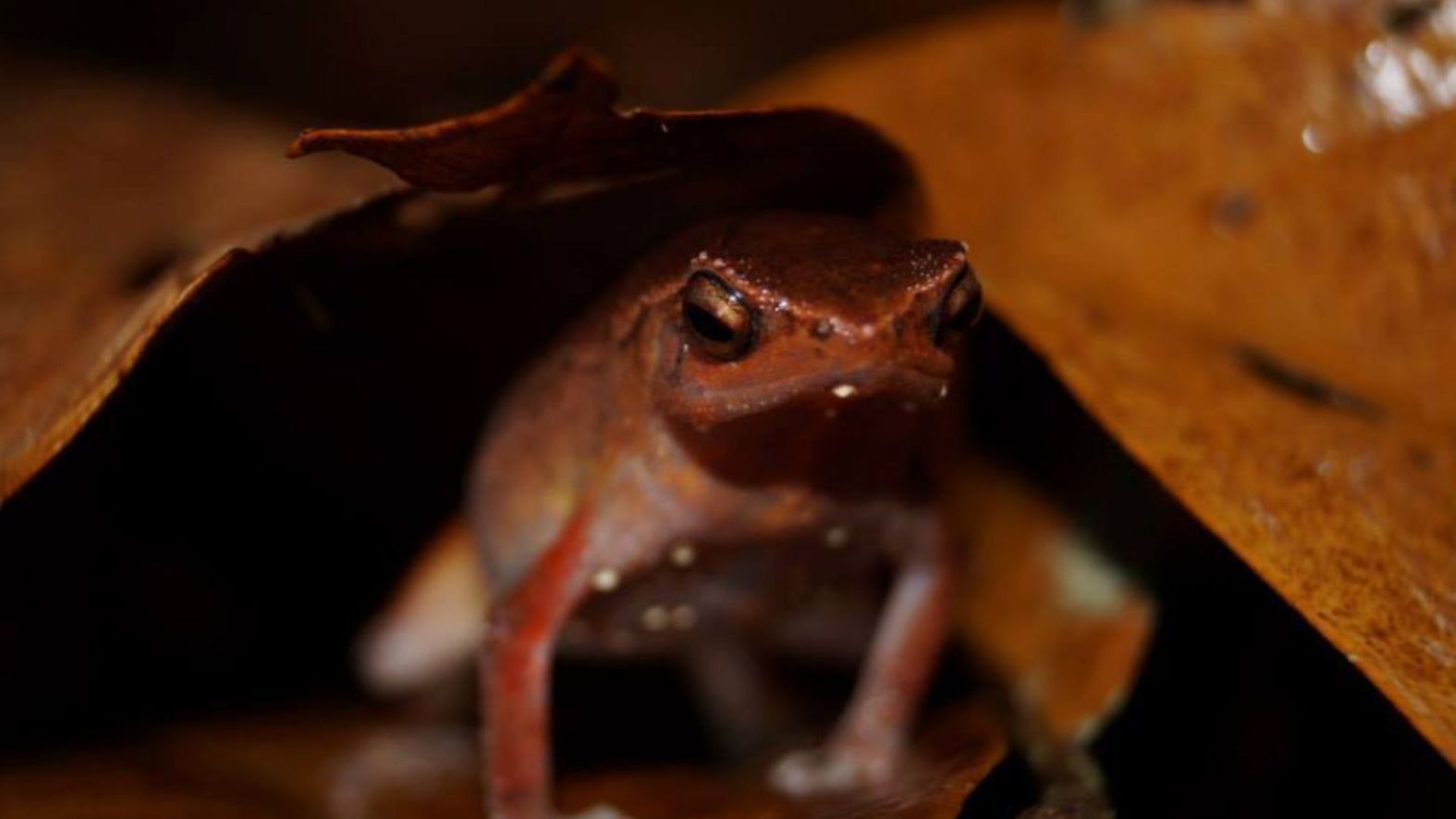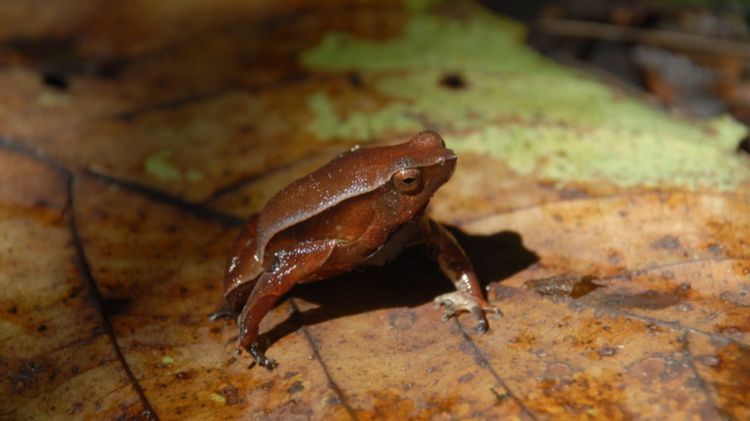
Golden-mantled Tree Kangaroo Dendrolagus pulcherrimus

Golden-mantled Tree Kangaroo Dendrolagus pulcherrimus


Red List Status: Critically Endangered

Location: Papua New Guinea (Torricelli Range), West Papua (Foja Mountains)

In the misty cloud forests of New Guinea’s mountains, where ancient trees emerge from perpetual fog and birdsong echoes through emerald canopies, Golden-mantled Tree Kangaroos move with quiet grace through their vanishing world.

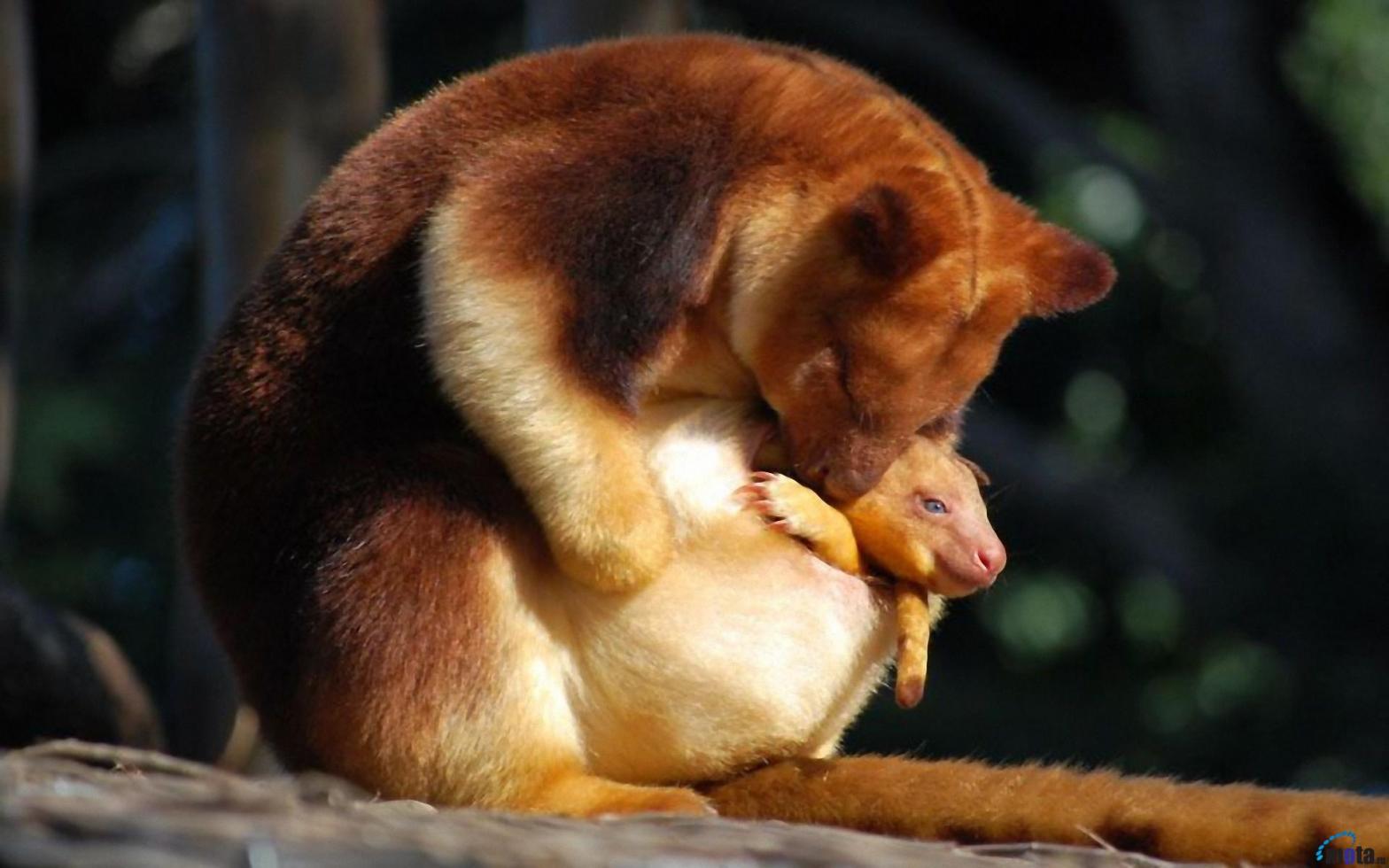
Golden-mantled Tree Kangaroos are one of the world’s rarest marsupials. Rarely glimpsed in the wild, their distinctive chestnut coats are adorned with golden stripes. These remarkable climbing kangaroos have suffered a catastrophic 90% population decline over three generations, leaving fewer than 500 individuals clinging on for survival in two remote mountain ranges. Palm oil expansion strips away their ancient forest homes while hunting pressure decimates remaining populations. The Tenkile Conservation Alliance protects the Torricelli population through community-based conservation, offering hope for recovery.

Appearance and behaviour

The lowland areas of their distribution are earmarked for deforestation and oil palm expansion.

IUCN Red List

These resilient Tree Kangaroos display the physiological adaptations of arboreal marsupials with chestnut-brown coats, pale bellies, and distinctive double golden stripes running down their backs. Their yellowish necks, cheeks, and feet create a striking contrast against their darker fur, while their powerful tails marked with pale rings provide essential balance during canopy travel. These compact marsupials measure 40-77 centimetres in body length with tails reaching 40-87 centimetres.

Golden-mantled Tree Kangaroos possess powerful forelimbs and curved claws perfectly adapted for gripping bark and branches. Their shorter hind legs allow independent movement essential for navigating complex three-dimensional forest environments. Unlike ground kangaroos, these arboreal specialists can move both forwards and backwards along branches, using their long tails as fifth limbs for stability and balance.

Diet

Golden-mantled Tree Kangaroos are primarily folivorous, feeding on leaves from dozens of plant species found throughout their montane forest habitat. They supplement their diet with seasonal fruits, herbs, and sedges, spending considerable time foraging both in trees and on the forest floor. These selective feeders prefer young leaves and shoots from specific plant species, making them vulnerable when preferred food sources disappear.

Their feeding behaviour includes both arboreal and terrestrial foraging, with Golden-mantled Tree Kangaroos descending to ground level to access fallen fruits and herbs. This dietary flexibility has allowed them to persist in their restricted mountain habitats, though their dependence on specific plant species makes them particularly vulnerable to habitat conversion and fragmentation.

Reproduction and mating

Golden-mantled Tree Kangaroos reach sexual maturity at approximately two years of age with no defined breeding season. Females have an oestrous cycle estimated at 54 days with a gestation period of about 45 days. Once born, the tiny joey remains in the mother’s pouch for 10 months before emerging to spend another 2-3 months at foot, learning essential climbing and foraging skills.

These marsupials live relatively long lives, with captive individuals surviving over 14 years, suggesting wild Golden-mantled Tree Kangaroos could live 8-10 years under optimal conditions. Their extended dependency period reflects the complex skills required for arboreal survival, with mothers teaching joeys essential climbing techniques and food recognition during their extended care period.

Geographic Range

Golden-mantled Tree Kangaroos now survive in only two isolated mountain ranges across New Guinea. The Torricelli Range population in Papua New Guinea extends from Weight to Kuliek, while a smaller population persists in West Papua’s Foja Mountains. Fossil records indicate they once ranged across the Vogelkop Peninsula and other areas, but have been extirpated from 99% of their historical range.

Unconfirmed sightings from Papua New Guinea’s Prince Alexander Range suggest possible remnant populations, though these require verification. Their extremely restricted range of just 300 square kilometres makes Golden-mantled Tree Kangaroos particularly vulnerable to local extinctions from habitat loss, hunting, or natural disasters.

Threats

Industrial palm oil deforestation

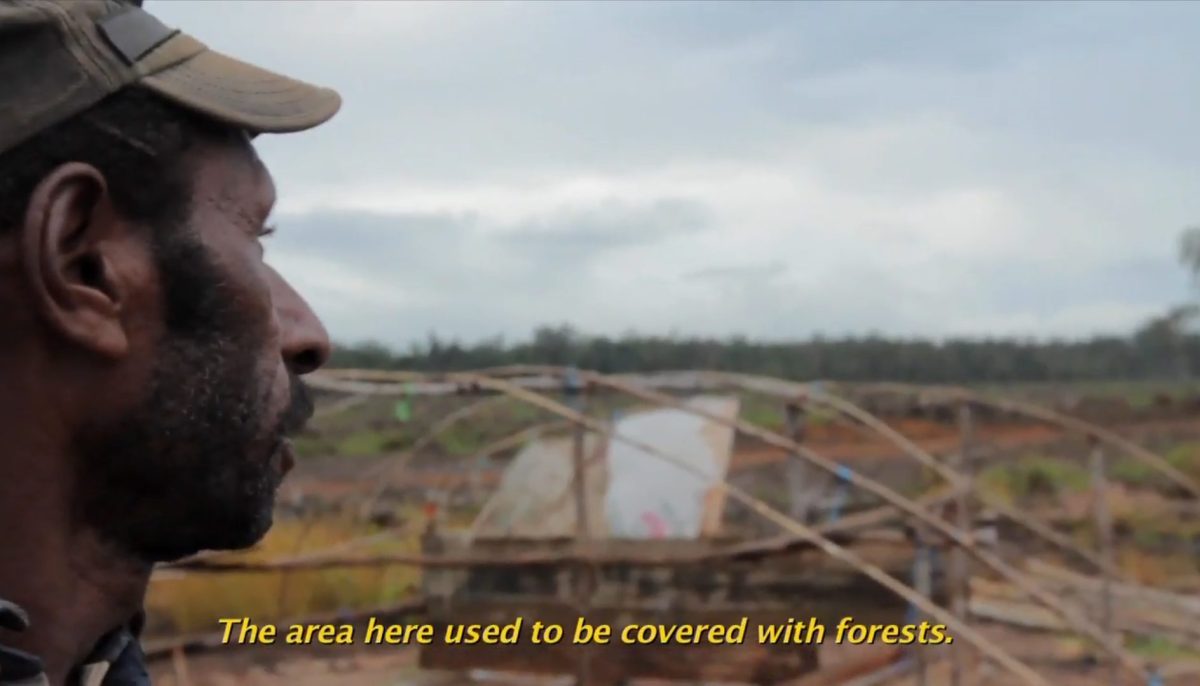
Palm oil companies systematically bulldoze and burn Golden-mantled Tree Kangaroo habitat across West Papua, replacing mid-montane rainforests with lifeless monocultures. Korean company Korindo has destroyed 11,700 hectares of pristine rainforest in recent years, eliminating the complex canopy structure these arboreal marsupials require for survival. The company burns forests illegally, knowing this practice destroys critical habitat for tree kangaroos, birds of paradise, and cassowaries. Palm oil expansion has eliminated lowland portions of their range entirely, forcing Golden-mantled Tree Kangaroos into higher elevation refuges. Plantation development fragments the continuous forest cover essential for these territorial animals, creating isolated patches too small to support viable populations.

Hunting for bushmeat

Local communities hunt Golden-mantled Tree Kangaroos for subsistence protein, targeting them with guns during opportunistic forest expeditions. Hunting pressure intensifies near human settlements where access improves through road development and infrastructure expansion. The species’ small group sizes and territorial nature make them particularly vulnerable to hunting pressure, with entire local populations eliminated through intensive harvesting.

Infrastructure and road projects

Road construction opens previously inaccessible mountain areas to human exploitation, bringing hunting pressure and habitat disturbance into formerly secure territories. Small-scale agriculture eliminates forest understory vegetation while creating edge effects that degrade remaining habitat quality. The conversion of traditional forest management systems to intensive agriculture removes the ecological balance that historically supported both human communities and wildlife populations.

Take Action!

Use your wallet as a weapon and #BoycottPalmOil #Boycott4Wildlife every time you shop. Adopt a vegan lifestyle protecting both wild and farmed animals from agricultural expansion. Support the Tenkile Conservation Alliance’s community-based protection programmes recognising indigenous land rights. Refuse products containing palm oil, as this is driving Golden-mantled Tree Kangaroos towards extinction.

FAQs

How do Golden-mantled Tree Kangaroos climb trees?

Golden-mantled Tree Kangaroos have powerful forelimbs with curved claws that grip bark securely, while their shorter hind legs allow independent movement essential for navigating branches. They possess strong grips on their paws and foot soles providing non-slip traction when climbing. Their long tails act as fifth limbs, pressing against tree trunks for balance and stability during movement.

What do Golden-mantled Tree Kangaroos eat?

Golden-mantled Tree Kangaroos are primarily herbivorous, feeding on leaves from 91 known plant species, seasonal fruits, herbs, and sedges found in their montane forest habitat. They spend considerable time foraging both in trees and on the forest floor, preferring young leaves and shoots from specific plant species. Some sources suggest they occasionally consume young birds and bird eggs, though their diet consists predominantly of plant matter. Their selective feeding habits make them vulnerable when preferred food sources disappear due to habitat conversion or climate change.

How long do Golden-mantled Tree Kangaroos live?

In the wild, they typically live approximately 8-10 years, though current threats including hunting and habitat destruction may be reducing average lifespans. Captive individuals have survived over 14 years, suggesting they have potential for longer lifespans when protected from human pressures. Their generation length is approximately 10 years, indicating they reach reproductive maturity relatively late compared to smaller marsupials.

How big are Golden-mantled Tree Kangaroos?

Golden-mantled Tree Kangaroos measure 40-77 centimetres in body length with tails reaching 40-87 centimetres, making them substantially smaller than ground kangaroos. They weigh approximately 15.5 kilograms, a relatively light build essential for their arboreal lifestyle where they must be supported by tree branches. Both males and females are similar in size, showing less sexual dimorphism than many other kangaroo species.

Why are Golden-mantled Tree Kangaroos endangered?

Tragically, these tree kangaroos have experienced a catastrophic 90% population decline over three generations due to palm oil deforestation and hunting pressure. Palm oil companies have destroyed 99% of their historical habitat, replacing mid-montane rainforests with monoculture plantations offering no food or shelter. Hunting for bushmeat provides essential protein for local communities but removes breeding individuals from critically small populations. Their extremely restricted range of just 300 square kilometres makes them vulnerable to local extinctions, while habitat fragmentation prevents genetic exchange between isolated populations.

Can Golden-mantled Tree Kangaroos jump?

Golden-mantled Tree Kangaroos are capable jumpers, able to leap distances of up to 9 metres between trees and drop up to 18 metres to the forest floor without injury. They can climb heights equivalent to a 10-storey building, using their powerful hind legs and long tails for balance during aerial manoeuvres. Their jumping ability allows them to navigate between the treetops without descending to the dangerous ground level where predators pose greater threats. Their remarkable leaping capacity is essential for accessing food sources and escaping danger in their three-dimensional forest environment.

Further Information
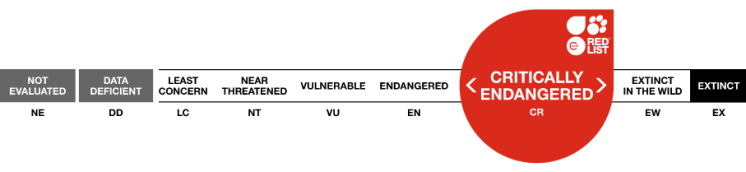
iucn-rating-critically-endangered

Eldridge, M. D. B., Potter, S., Helgen, K. M., Sinaga, M. H., Aplin, K. P., Flannery, T. F., & Johnson, R. N. (2018). Phylogenetic analysis of the tree-kangaroos (Dendrolagus) reveals multiple divergent lineages within New Guinea. Molecular Phylogenetics and Evolution, 127, 589-599. https://doi.org/10.1016/j.ympev.2018.05.030

Flannery, T. F. (1993). Taxonomy of Dendrolagus goodfellowi with description of a new subspecies. Records of the Australian Museum, 45(1), 33-42.

Leary, T., Wright, D., Hamilton, S., Helgen, K., Singadan, R., Aplin, K., … & Seri, L. (2016). Dendrolagus pulcherrimus. The IUCN Red List of Threatened Species 2016: e.T136696A21957219.

Porolak, G., Dabek, L., & Krockenberger, A. K. (2014). Ranging behaviour of tree kangaroos in upper montane forest. PLoS ONE, 9(4), e91870.

Leary, T., Wright, D., Hamilton, S., Helgen, K., Singadan, R., Aplin, K., Dickman, C., Salas, L., Flannery, T., Martin, R. & Seri, L. 2016. Dendrolagus pulcherrimus. The IUCN Red List of Threatened Species 2016: e.T136696A21957219. https://dx.doi.org/10.2305/IUCN.UK.2016-2.RLTS.T136696A21957219.en. Downloaded on 26 January 2021.

You can support the conservation of this animal:

Tenkile Conservation Alliance


Contribute to palm oil detectives - black rhino in profile

How can I help the ?


Take Action in Five Ways

1. Join the on social media and subscribe to stay in the loop: Share posts from this website to your own network on Twitter, Mastadon, Instagram, Facebook and Youtube using the hashtags .

Join 3,176 other subscribers

2. Contribute stories: Academics, conservationists, scientists, indigenous rights advocates and animal rights advocates working to expose the corruption of the palm oil industry or to save animals can contribute stories to the website.

3. Supermarket sleuthing: Next time you’re in the supermarket, take photos of products containing palm oil. Share these to social media along with the hashtags to call out the greenwashing and ecocide of the brands who use palm oil. You can also take photos of palm oil free products and congratulate brands when they go palm oil free.

4. Take to the streets: Get in touch with Palm Oil Detectives to find out more.

5. Donate: Make a one-off or monthly donation to Palm Oil Detectives as a way of saying thank you and to help pay for ongoing running costs of the website and social media campaigns. Donate here

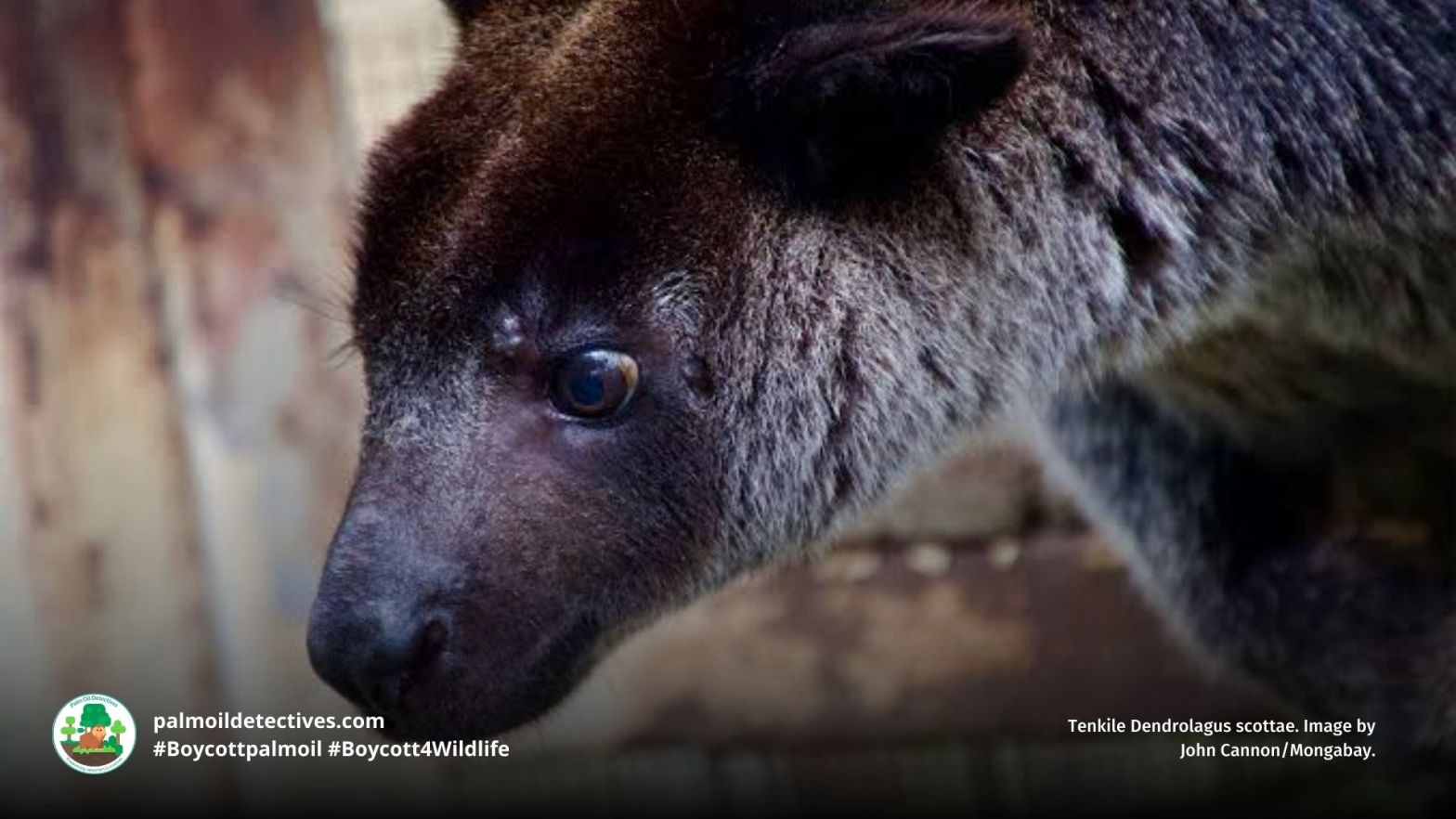
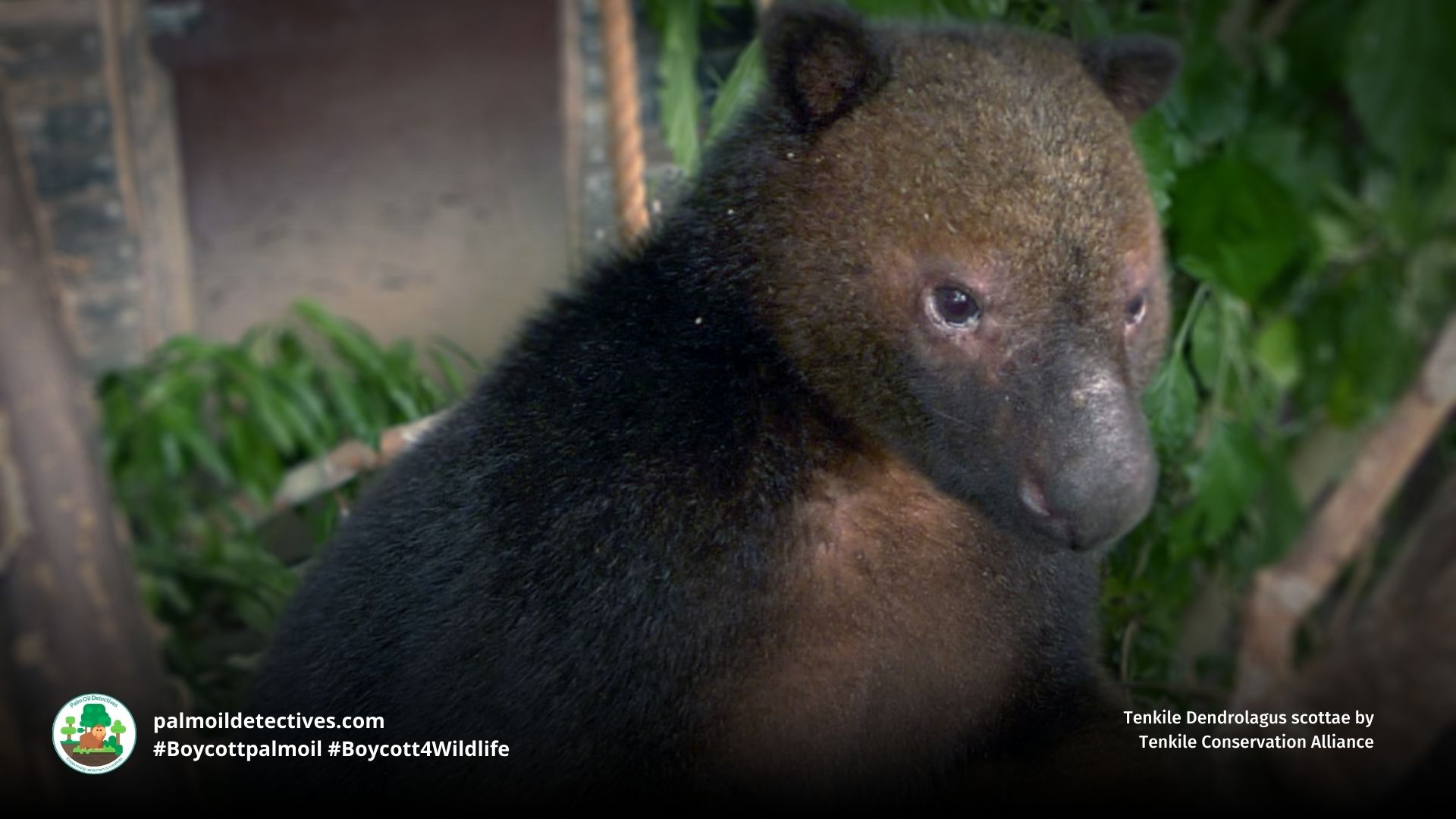
Tenkile Dendrolagus scottae

Tenkile Dendrolagus scottae

Location: Torricelli Mountains and Bewani Range, Papua New Guinea

IUCN Status: Critically Endangered

The , or Scott’s Tree Dendrolagus scottae, is one of the most endangered in the world, found only in the Torricelli Mountains and Bewani Range of . These elusive tree kangaroos are unlike others of the genus as they spend a lot more time on the ground. These were once widespread, but decades of hunting for food and deforestation for subsistence farming have driven them to the brink of extinction and they are now critically endangered. By the early 2000s, their population had plummeted to an estimated 100 individuals. However, the Tenkile Conservation Alliance (TCA) has led a community-driven conservation effort that has helped stabilise and even increase their numbers. Despite these successes, and expansion stills pose a major threat to this species’ survival. Resist and fight for their survival each time you shop—#BoycottPalmOil #Boycott4Wildlife.

Appearance and Behaviour

The is a critically chocolate brown tree 🦘🤎 bouncing in ’s 🇵🇬 is a major threat. Help them, every time you shop 🌴🪔🤮🧐⛔️ @palmoildetect https://palmoildetectives.com/2021/01/26/tenkile-dendrolagus-scottae/

are unlike other as they spend time on the ground leaving them at risk of hunting. They have increased from 100 but in is a threat @palmoildetect https://palmoildetectives.com/2021/01/26/tenkile-dendrolagus-scottae/

With their dense chocolate-brown fur, rounded face, and short, bear-like snout, Tenkile tree kangaroos are uniquely striking among their species. Their long, powerful tail helps them maintain balance while navigating the treetops, though unlike many tree kangaroos, they spend a significant amount of time on the ground. They move carefully and cautiously, using their strong forelimbs to grip branches and their hind legs for leaping between trees.

These tree kangaroos are highly elusive and difficult to spot in the wild. They are usually solitary, but historical accounts suggest they may have once lived in small groups. Due to intense hunting pressure, they have become particularly wary of human presence and avoid areas of disturbance.

Diet

Although no formal diet studies have been conducted, Tenkile tree kangaroos are known to feed on a variety of forest plants, vines, and epiphytes. They have been observed consuming Scaevola and Tetracera vines, as well as leaves from various rainforest species such as Podocarpus, Libocedrus, Auraucaria, Rapanea, and Syzygium. Their diet suggests they play a crucial role in their ecosystem by dispersing seeds and maintaining the health of montane rainforests.

Reproduction and Mating

Unlike some marsupials, Tenkile tree kangaroos do not have a fixed breeding season. Females typically give birth to one or possibly two joeys, which they carry in their pouch while they develop. Very little is known about their reproductive cycle, but as with other tree kangaroos, joeys likely spend months in the pouch before emerging and learning to navigate their treetop habitat. Given their slow reproductive rate, any decline in population is extremely difficult to reverse.

Threats

The Tenkile faces severe threats from hunting and habitat destruction for palm oil, gold mining and timber already present throughout their range.

This species is listed as Critically Endangered because of a rapid population decline suspected to be 90% or more over the last three generations, which in this species is a period of 30 years

IUCN Red List

Hunting and human encroachment

For generations, local communities hunted the Tenkile for food, leading to devastating population declines. Increased human population density has made this worse, as more people depend on hunting. However, conservation efforts have drastically reduced hunting, helping stabilise the species in the Torricelli Mountains.

Infrastructure and road construction

Around 75% of the Tenkile’s inferred range is now covered by timber and palm oil concessions, leading to widespread forest loss and fragmentation. Additionally, new roads built for petroleum and gas development have opened up previously inaccessible areas to hunters, worsening the threat.

Palm oil and industrial agriculture

Large-scale palm oil plantations are intruding into the Tenkile’s habitat. As corporate logging and agribusiness expands, the risk of palm oil and commercial plantations replacing their habitat has become a grave risk to their survival.

Climate change-induced extreme weather

As a forest-dwelling species, the Tenkile is highly sensitive to temperature changes. Climate change threatens to alter forest composition, food availability, and disease prevalence, putting additional stress on their already fragile population.

Take Action!

The Tenkile’s survival depends on protecting its rainforest home and ensuring local communities are supported in sustainable conservation efforts. You can help by using your wallet as a weapon—#BoycottPalmOil every time you shop.

FAQs

What does the Tenkile eat?

The Tenkile’s diet consists mainly of forest vines, leaves, and epiphytic ferns, with a preference for plant species like Scaevola and Tetracera. These seed-dispersing tree kangaroos play a crucial ecological role in maintaining rainforest biodiversity.

How is the Tenkile different from other tree kangaroos?

Unlike most tree kangaroos, the Tenkile spends a high proportion of time on the ground rather than staying exclusively in the treetops. This makes them more vulnerable to hunting and habitat destruction.

Why are Tenkile tree kangaroos endangered?

The Tenkile has been severely impacted by hunting and habitat loss from logging, agriculture, and road construction. Despite successful conservation efforts, threats from industrial expansion and climate change continue to endanger its survival.

What is the Tenkile Conservation Alliance (TCA)?

The Tenkile Conservation Alliance is a community-driven conservation group that has helped protect the Tenkile by working with local villages to ban hunting and establish conservation of tree kangaroos and other small marsupials in Papua. Their work has stabilised the Tenkile’s population, proving that local-led conservation efforts can be effective.

How can I help protect the Tenkile?

One of the biggest threats to Tenkile habitat is deforestation, particularly for logging, agriculture, and palm oil expansion. Always choose products that are 100% palm oil-free to avoid contributing to deforestation and biodiversity loss. Support organisations like the Tenkile Conservation Alliance, and spread awareness about this critically endangered species.

Tenkile Dendrolagus scottae

Further Information

iucn-rating-critically-endangered

Flannery, T. F., & Seri, L. (1990). Tree kangaroos of New Guinea. Records of the Australian Museum, 42(3), 237–245. https://journals.australian.museum/flannery-and-seri-1990-rec-aust-mus-423-237245/

Leary, T., Wright, D., Hamilton, S., Helgen, K., Singadan, R., Aplin, K., Dickman, C., Salas, L., Flannery, T., Martin, R. & Seri, L. 2019. Dendrolagus scottae. The IUCN Red List of Threatened Species 2019: e.T6435A21956375. https://dx.doi.org/10.2305/IUCN.UK.2019-1.RLTS.T6435A21956375.en. Downloaded on 26 January 2021.

Cannon, J. (2023). Defending a forest for tree kangaroos and people: Q&A with Fidelis Nick. Mongabay https://news.mongabay.com/2023/10/defending-a-forest-for-tree-kangaroos-and-people-qa-with-fidelis-nick/

Tenkile Conservation Alliance. (2024). Tenkile Tree Kangaroo. https://tenkile.com/tenkile-tree-kangaroo-2/


Contribute to palm oil detectives - black rhino in profile

How can I help the ?


Take Action in Five Ways

1. Join the on social media and subscribe to stay in the loop: Share posts from this website to your own network on Twitter, Mastadon, Instagram, Facebook and Youtube using the hashtags .

Join 3,176 other subscribers

2. Contribute stories: Academics, conservationists, scientists, indigenous rights advocates and animal rights advocates working to expose the corruption of the palm oil industry or to save animals can contribute stories to the website.
3. Supermarket sleuthing: Next time you’re in the supermarket, take photos of products containing palm oil. Share these to social media along with the hashtags to call out the greenwashing and ecocide of the brands who use palm oil. You can also take photos of palm oil free products and congratulate brands when they go palm oil free.

4. Take to the streets: Get in touch with Palm Oil Detectives to find out more.

5. Donate: Make a one-off or monthly donation to Palm Oil Detectives as a way of saying thank you and to help pay for ongoing running costs of the website and social media campaigns. Donate here

Telefomin Cuscus Phalanger matanim

Telefomin Cuscus Phalanger matanim

Critically Endangered

Locations: Papua New Guinea

The Telefomin Cuscus is a critically endangered marsupial, found exclusively in the montane forests of Papua New Guinea’s Nong River Valley. Known to the indigenous Telefol people for several millennia, this species was formally described by scientists in 1985.

The Telefomin Cuscus faces an uncertain future due to habitat destruction for palm oil and gold mining in Papua, along with climate change. Some experts fear they may already be extinct. Fight for their survival each time you shop by boycotting products linked to deforestation and supporting the movement.

Experts fear these precious animals may already be extinct, less than 50 remain alive due to and . Help protect the enchanting Telefomin from disappearing forever when u @palmoildetect https://wp.me/pcFhgU-nv

Fuzzy haired, gentle-natured Telefomin Cuscus are one of the rarest alive. Just a few dozen remain in ’s Nong River Valley. Fight for them and @palmoildetect https://wp.me/pcFhgU-nv

Appearance and Behaviour

The Telefomin Cuscus is a medium-sized, nocturnal marsupial with dense, woolly fur that provides insulation in its cool, high-altitude habitat. Their fur is grey to brown, helping them blend into the forest canopy. They are arboreal, relying on strong limbs and a prehensile tail to navigate the treetops.

Known for their elusive nature, these cuscuses are primarily solitary and spend much of their time hiding in dense vegetation. As nocturnal animals, they forage at night, avoiding potential predators.

Geographic Range

The Telefomin Cuscus is known to inhabit the areas of Telefomin and Tifalmin in Papua New Guinea. They may also exist further northeast or west of these collection areas.

The only confirmed location of their range was largely destroyed by a fire in 1998, caused by a drought during an El Niño event. This catastrophic habitat loss has contributed significantly to their critical conservation status.

Diet

More research is needed on this animal to confirm their dietary needs. The Telefomin Cuscus likely feeds on leaves, fruits, and flowers, making them important contributors to seed dispersal within their montane forest ecosystem. Their diet reflects their arboreal nature, relying on the rich vegetation of the canopy.

Reproduction and Mating

There is little information about the reproductive habits of the Telefomin Cuscus. Like other marsupials, females likely give birth to underdeveloped young, which complete their development in the mother’s pouch. Research is urgently needed to understand their breeding patterns and population dynamics.

Threats

IUCN Status: Critically Endangered (Possibly Extinct)

Deforestation for palm oil and gold mining: Gold mining and palm oil deforestation are ongoing threats to their survival.

Climate Change: Severe and unprecedented weather patterns pose ongoing threats to their montane forest habitat. The habitat of this species was completely destroyed by fire in the 1998 El Niño event.

Extremely Limited Range: With a habitat restricted to one small area, they are highly vulnerable to localised threats.

Human encroachment and hunting: This species is threatened by local hunting for food and loss of suitable habitat through human encroachment.

Conservation Status

The Telefomin Cuscus is classified as Critically Endangered by the IUCN. Despite recent efforts, no confirmed sightings have occurred in decades, raising fears of extinction. Conservation measures should focus on habitat restoration and climate resilience to preserve this species.

Take Action!

Protect the Telefomin Cuscus by boycotting products linked to deforestation, such as palm oil. Use your wallet as a weapon to support eco-friendly choices and conservation efforts. Join the and movements to fight for their survival.

This species is threatened by local hunting for food and loss of suitable habitat through human encroachment.

IUCN Red List

Further Information

iucn-rating-critically-endangered

Leary, T., Seri, L., Flannery, T., Wright, D., Hamilton, S., Helgen, K., Singadan, R., Menzies, J., Allison, A., James, R., Salas, L. & Dickman, C. 2016. Phalanger matanim. The IUCN Red List of Threatened Species 2016: e.T16851A21950802. https://dx.doi.org/10.2305/IUCN.UK.2016-2.RLTS.T16851A21950802.en. Downloaded on 26 January 2021.

Recently Extinct Species. (n.d.). Phalanger matanim. Retrieved from Recently Extinct Species.

Wikipedia contributors. (n.d.). Telefomin Cuscus. Retrieved from Wikipedia.


Contribute to palm oil detectives - black rhino in profile

How can I help the ?


Take Action in Five Ways

1. Join the on social media and subscribe to stay in the loop: Share posts from this website to your own network on Twitter, Mastadon, Instagram, Facebook and Youtube using the hashtags .

Join 3,176 other subscribers

2. Contribute stories: Academics, conservationists, scientists, indigenous rights advocates and animal rights advocates working to expose the corruption of the palm oil industry or to save animals can contribute stories to the website.

3. Supermarket sleuthing: Next time you’re in the supermarket, take photos of products containing palm oil. Share these to social media along with the hashtags to call out the greenwashing and ecocide of the brands who use palm oil. You can also take photos of palm oil free products and congratulate brands when they go palm oil free.

4. Take to the streets: Get in touch with Palm Oil Detectives to find out more.

5. Donate: Make a one-off or monthly donation to Palm Oil Detectives as a way of saying thank you and to help pay for ongoing running costs of the website and social media campaigns. Donate here

Thomas’s Big-eared Bat Pharotis imogene

Thomas’s Big-eared Bat Pharotis imogene

Status: Critically Endangered (IUCN 2016)

Location: Papua New Guinea – Central Province (Kamali District), lowland forests and coastal woodland regions

Thomas’s Big-eared Pharotis imogene, also known as the Big-eared Bat, is one of the world’s rarest and most elusive - they are critically endangered by . Thought to be for over a century, they were rediscovered in 2012 in Central Province, Papua New Guinea, in an area heavily impacted by palm oil deforestation, firewood collection, and land clearing for timber, mines and palm oil. Despite their rediscovery, habitat destruction due to palm oil expansion, logging, mining and human encroachment which continues to threaten their survival. Without urgent intervention, they may disappear again—this time, permanently. Help them every time you shop and #BoycottPalmOil #Boycott4Wildlife

Thomas’s Big Eared 🦇🖤 have trumpet like ears for ultra sensitive hunting of insects in , Only a handful remain alive. and are major threats. 🌴🤮☠️⛔ @palmoildetect.bsky.social https://palmoildetectives.com/2021/01/26/thomass-big-eared-bat-pharotis-imogene/

This bat species is threatened by loss of woodland and forest habitat in general, especially in lowland regions near the coast.

IUCN Red List

Appearance and behaviour

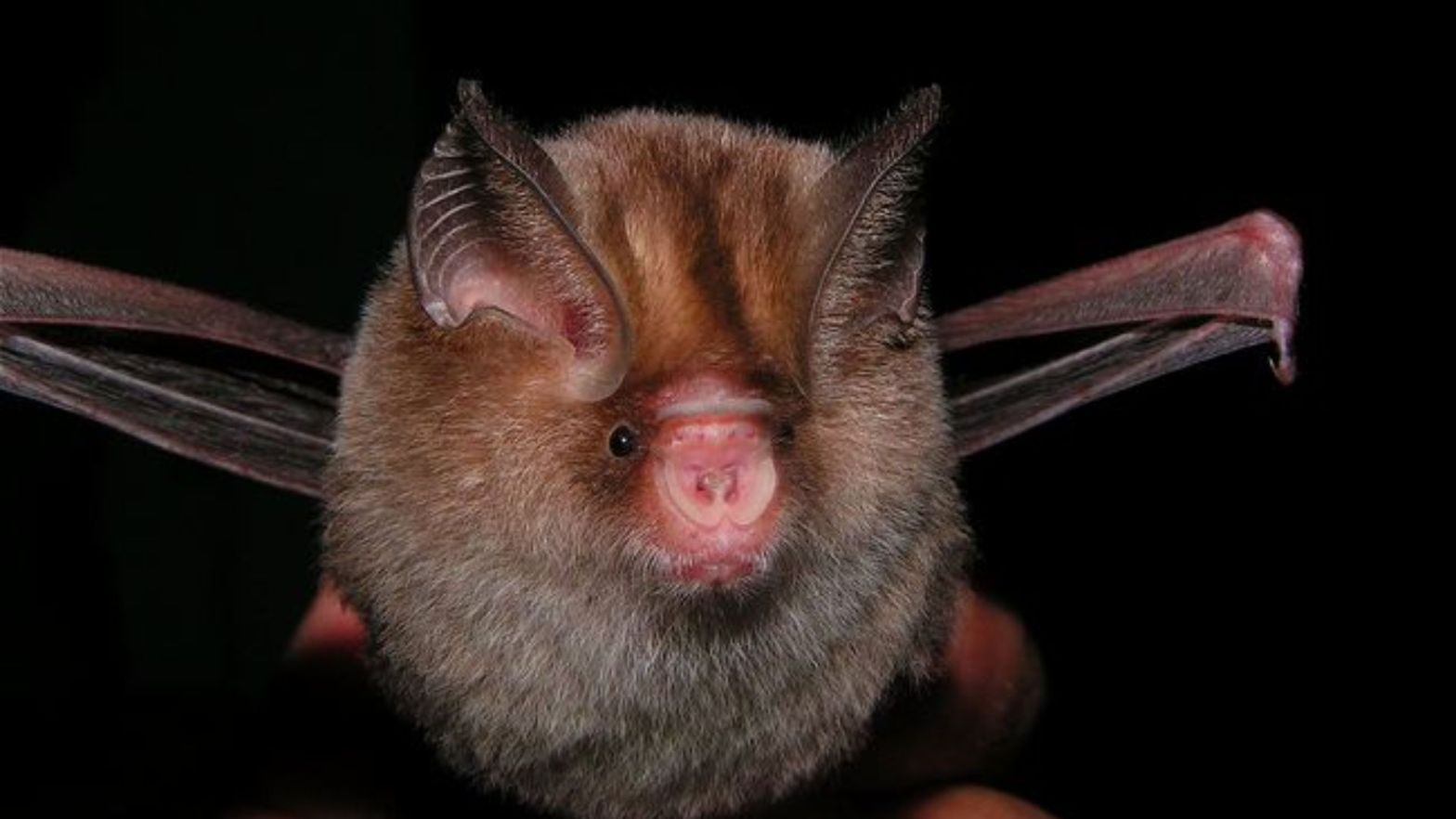
Thomas’s Big-eared Bat is a small, insectivorous bat with large ears that likely help them detect prey in dense undergrowth. Unlike other New Guinea bat species, they have a distinctively short, broad muzzle and a paler brownish-grey fur coat. Their large ears may also assist in echolocation, a vital adaptation for hunting in lowland tropical forests. Because they have been recorded in coastal and woodland regions, they are believed to rely on dense vegetation for roosting and foraging, though little is known about their social behaviours.

Thomas's Big-eared Bat Pharotis imogene

Threats

Palm oil and agricultural expansion

One of the biggest threats to Thomas’s Big-eared Bat is the expansion of palm oil plantations across Papua New Guinea. These industrial monocultures replace biodiverse forests with barren land, depriving them of the habitat they need to forage and roost. The use of pesticides in palm oil agriculture further contaminates soil and water sources, impacting the entire ecosystem.

Logging and habitat destruction

Widespread commercial logging operations, including the deliberate targeting of protected areas, have devastated much of the lowland and coastal forests where they once thrived. Even in areas where trees remain, habitat fragmentation makes it difficult for small, isolated populations to survive.

Firewood collection and human encroachment

The Kamali District, where Thomas’s Big-eared Bat was rediscovered, is experiencing increasing pressure from local human populations. Firewood collection, land clearing, and small-scale agriculture are rapidly reducing available roosting sites, forcing them into smaller and more vulnerable habitats.

Climate change and extreme weather

The lowland forests of Papua New Guinea are particularly vulnerable to the effects of climate change. Rising temperatures, increased droughts, and extreme weather events such as cyclones threaten to disrupt the delicate ecosystem that they depend on for survival.

Diet

Like other members of the Vespertilionidae family, Thomas’s Big-eared Bat is believed to be insectivorous. Their large ears and likely use of echolocation suggest that they prey on moths, beetles, and other nocturnal insects found in the undergrowth of forests. Because they are so rare, there is still much to learn about their specific feeding habits.

Reproduction and mating

Little is known about the reproductive behaviour of Thomas’s Big-eared Bat. Given what is understood about similar species, it is likely that females give birth to one or two offspring at a time, with newborns being highly dependent on their mothers for warmth and nutrition. Their breeding season and specific mating behaviours remain unknown due to a lack of field observations.

Geographic range

Thomas’s Big-eared Bat has only been recorded in Papua New Guinea’s Central Province, particularly in the Kamali District. Their habitat consists of lowland tropical forests and coastal woodlands, which have been increasingly degraded by human activity. They may have once been more widespread, but habitat destruction has likely reduced their range significantly.

FAQs

Are Thomas’s Big-eared Bats extinct?

No, but they were believed to be extinct for over a century until their rediscovery in 2012. However, their population is critically endangered due to severe habitat loss.

Where do Thomas’s Big-eared Bats live?

They are currently only known from Papua New Guinea’s Central Province, specifically in the Kamali District. They inhabit lowland forests and coastal woodlands.

What do Thomas’s Big-eared Bats eat?

They primarily feed on insects, including moths, beetles, and other small nocturnal prey. Their large ears and echolocation abilities help them locate food in dense forests.

Why are Thomas’s Big-eared Bats endangered?

Their biggest threats include habitat destruction caused by palm oil deforestation, logging, firewood collection, palm oil agricultural expansion, and climate change.

Can Thomas’s Big-eared Bats be kept as pets?

Absolutely not. Keeping wild bats as pets is both cruel and illegal. Thomas’s Big-eared Bat is a critically endangered species that belongs in the wild. They have specific ecological needs that cannot be met in captivity.

Take Action!

Every time you shop, you can help protect Thomas’s Big-eared Bat by choosing products that are palm oil free. The expansion of palm oil plantations is one of the biggest drivers of deforestation in Papua New Guinea, pushing species like Thomas’s Big-eared Bat closer to extinction. Support indigenous-led conservation efforts, avoid products that contribute to habitat destruction, and advocate for stronger protections for Papua New Guinea’s forests. Use your voice and wallet to make a difference. #BoycottPalmOil #Boycott4Wildlife

Further Information

iucn-rating-critically-endangered

Armstrong, K.D., Aplin, K. & Broken-brow, J. 2020. Pharotis imogene. The IUCN Red List of Threatened Species 2020: e.T16887A22114175. https://dx.doi.org/10.2305/IUCN.UK.2020-2.RLTS.T16887A22114175.en. Downloaded on 26 January 2021.

BirdLife International. (2016). Pharotis imogene. The IUCN Red List of Threatened Species 2016: e.T16887A22114175. https://www.iucnredlist.org/species/16887/22114175

Hamilton, S. (2014). Rediscovery of the New Guinea Big-eared Bat Pharotis imogene from Central Province, Papua New Guinea. Records of the Australian Museum, 66(4), 225–232. https://doi.org/10.3853/j.2201-4349.66.2014.1632

Wikipedia Contributors. (n.d.). New Guinea Big-eared Bat. Wikipedia, The Free Encyclopedia. Retrieved from https://en.wikipedia.org/wiki/New_Guinea_big-eared_bat


Contribute to palm oil detectives - black rhino in profile

How can I help the ?


Take Action in Five Ways

1. Join the on social media and subscribe to stay in the loop: Share posts from this website to your own network on Twitter, Mastadon, Instagram, Facebook and Youtube using the hashtags .

Join 3,176 other subscribers

2. Contribute stories: Academics, conservationists, scientists, indigenous rights advocates and animal rights advocates working to expose the corruption of the palm oil industry or to save animals can contribute stories to the website.

3. Supermarket sleuthing: Next time you’re in the supermarket, take photos of products containing palm oil. Share these to social media along with the hashtags to call out the greenwashing and ecocide of the brands who use palm oil. You can also take photos of palm oil free products and congratulate brands when they go palm oil free.

4. Take to the streets: Get in touch with Palm Oil Detectives to find out more.

5. Donate: Make a one-off or monthly donation to Palm Oil Detectives as a way of saying thank you and to help pay for ongoing running costs of the website and social media campaigns. Donate here

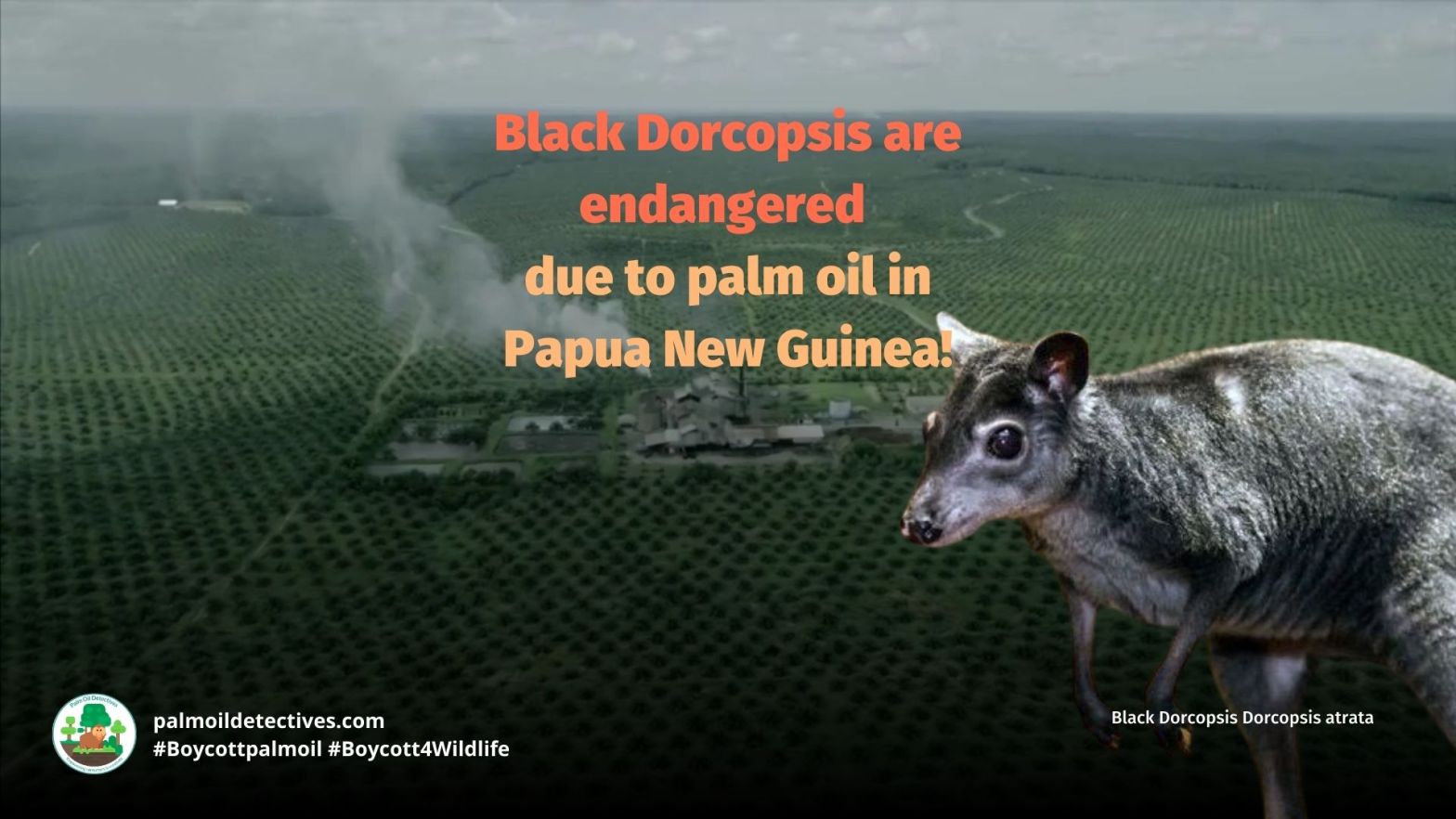
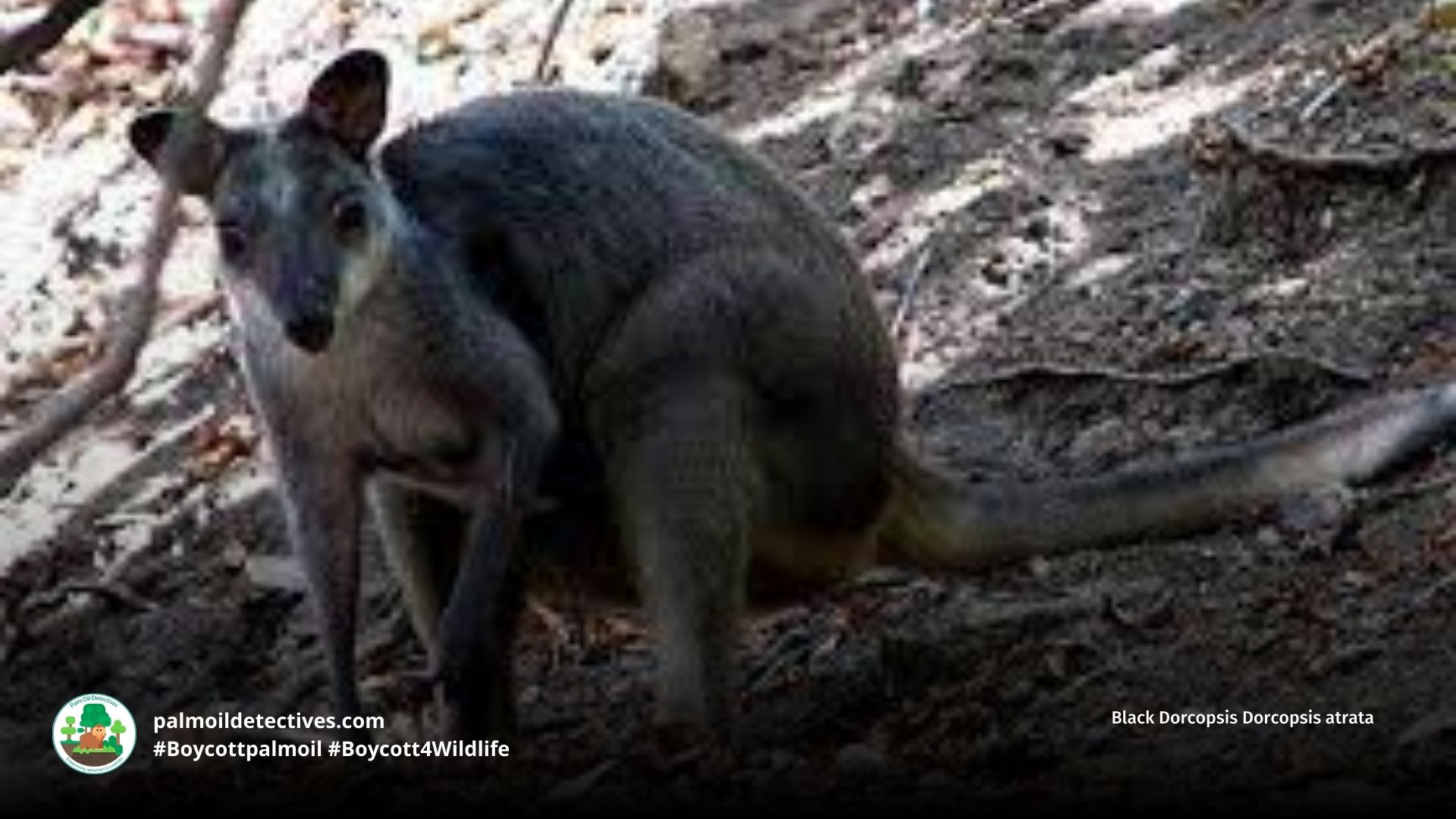
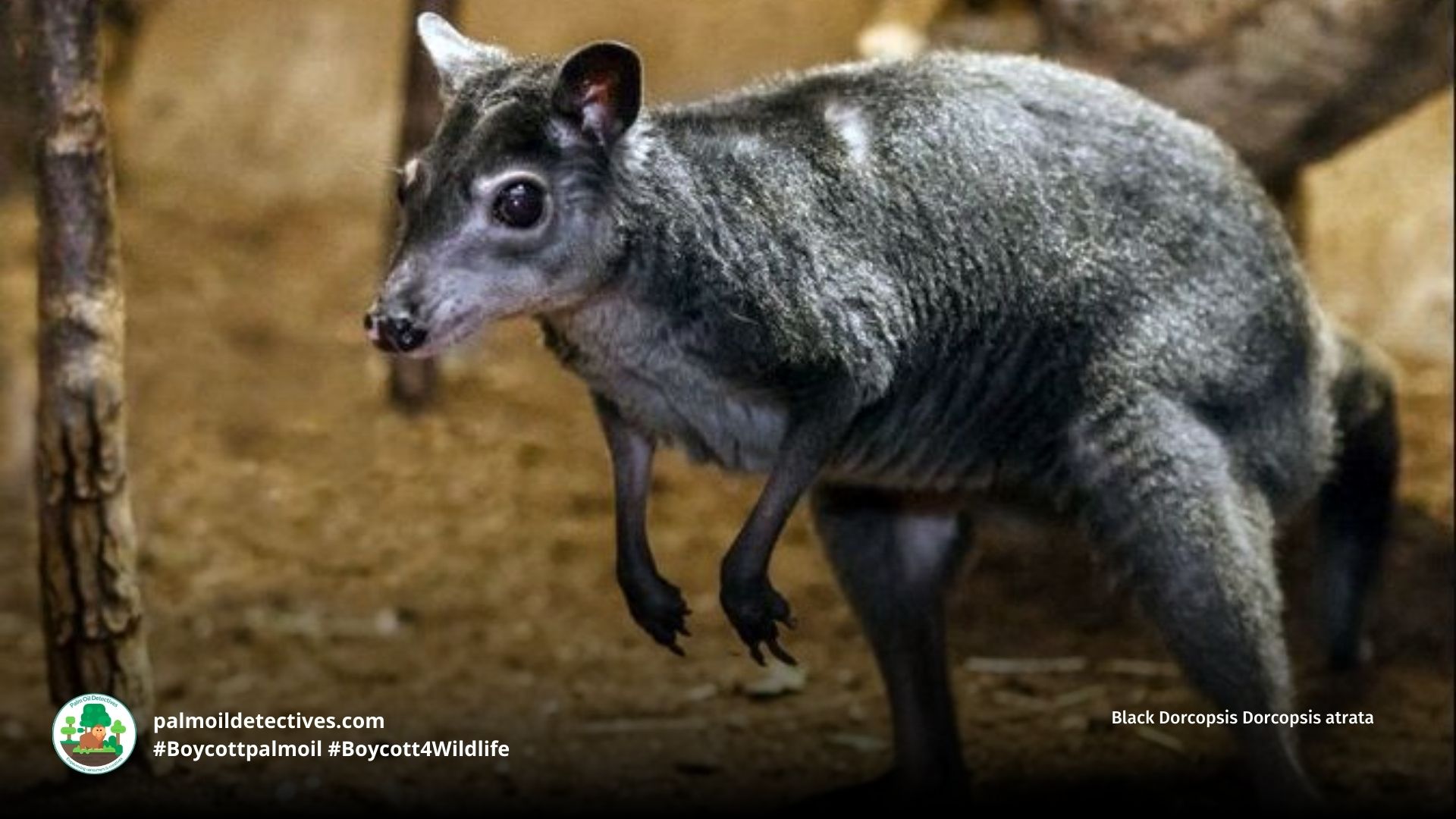
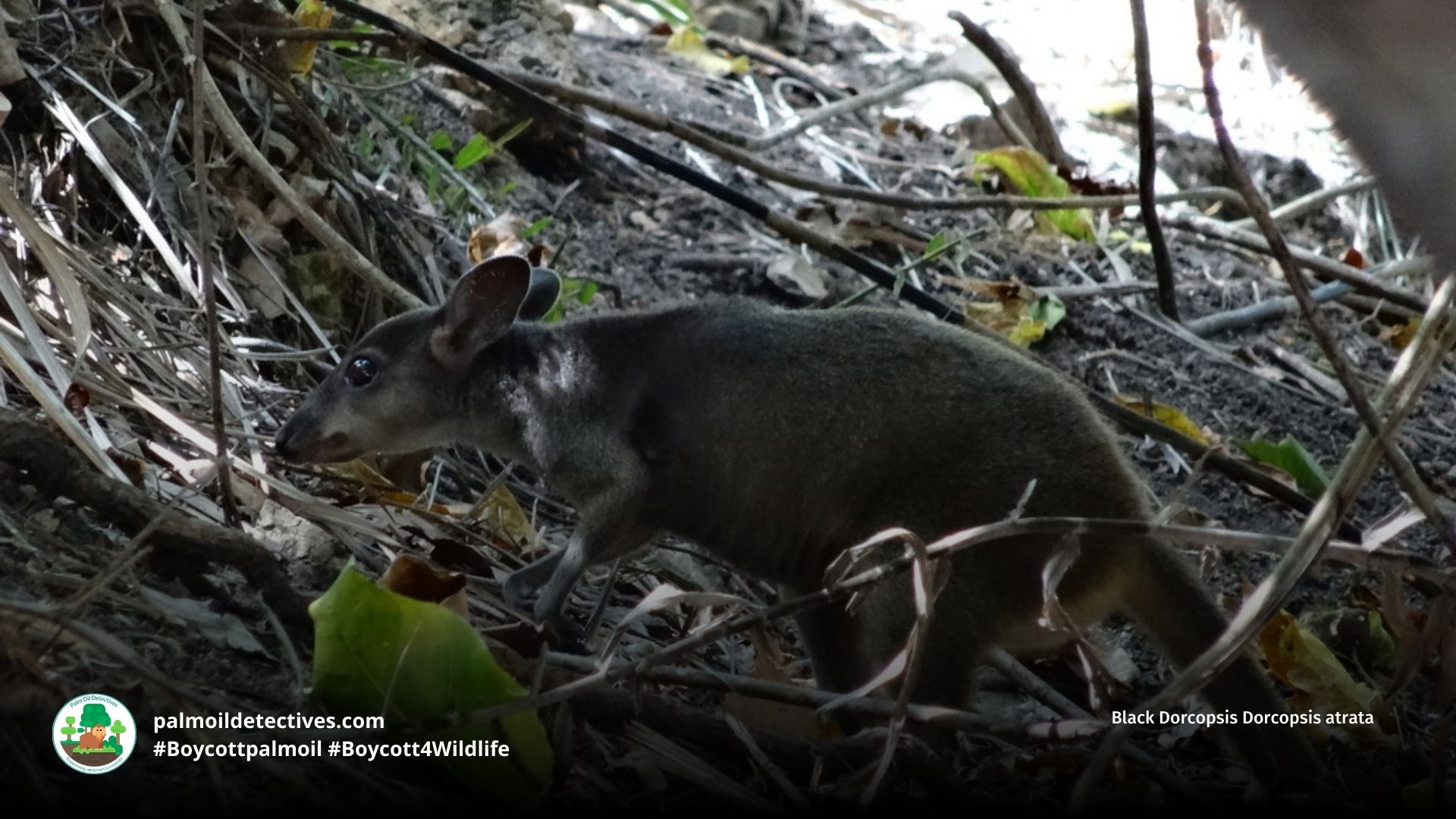
Black Dorcopsis Dorcopsis atrata

Black Dorcopsis Dorcopsis atrata

IUCN Red List Status: Critically Endangered

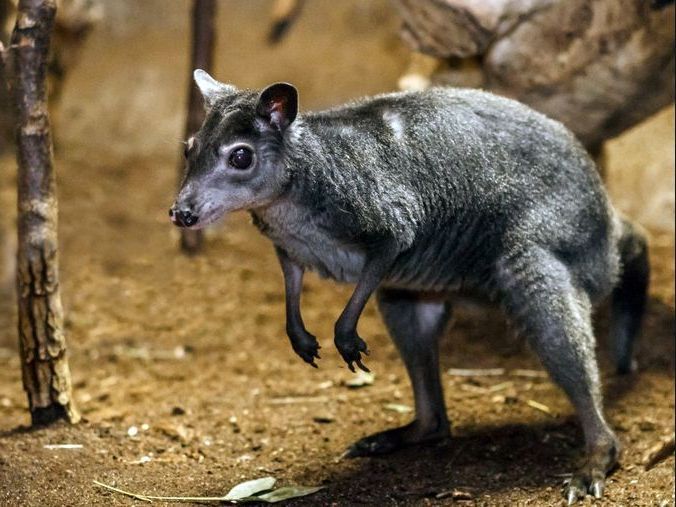
Location: The Black Dorcopsis, also known as the Black Forest Wallaby, is found only on Goodenough Island in the D’Entrecasteaux Archipelago, Papua New Guinea. They inhabit lowland and montane forests, preferring dense vegetation at elevations between 300 and 1,500 metres.

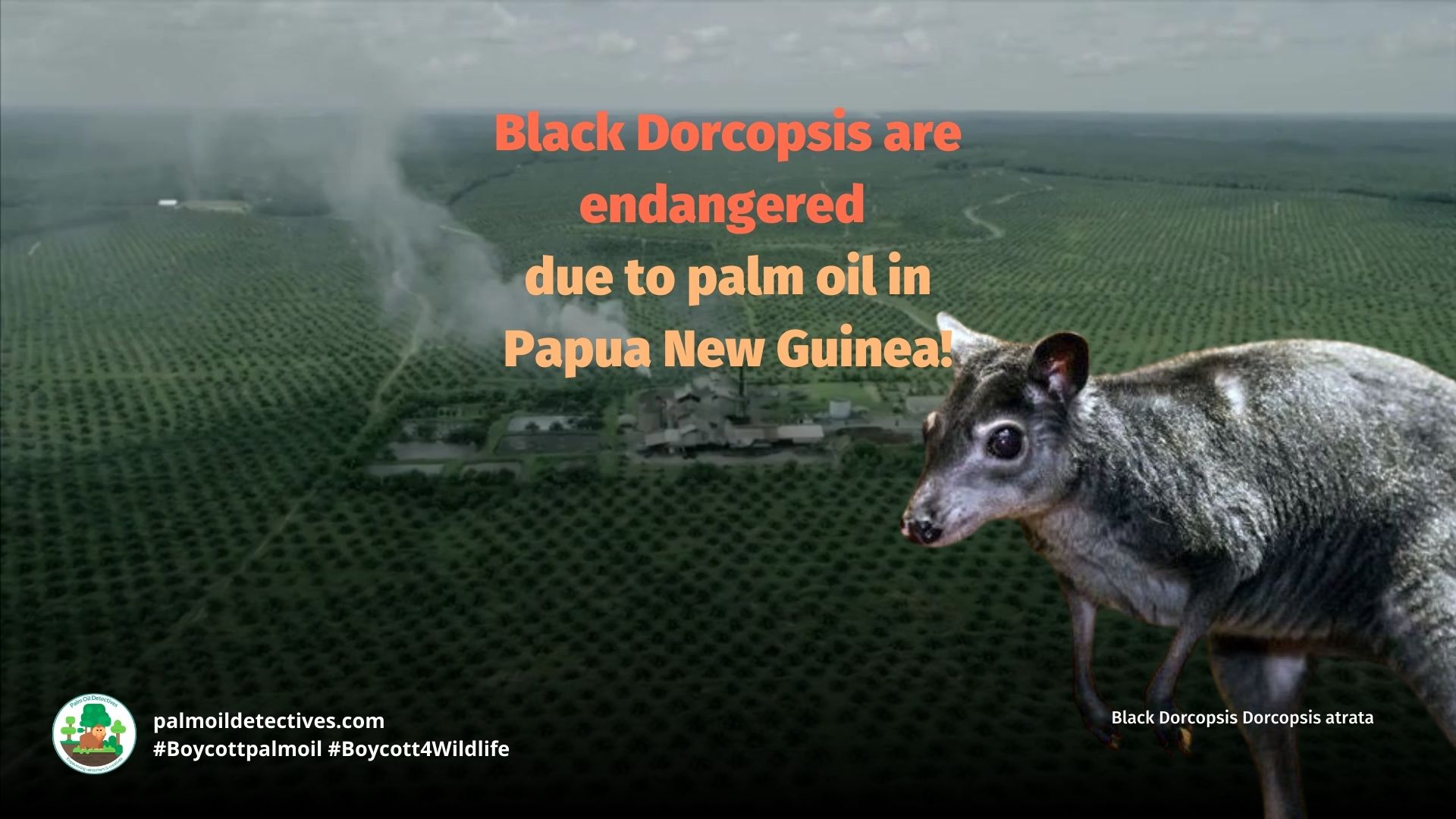
The Black Dorcopsis is a rare and elusive wallaby, crucial to the health of Goodenough Island’s forest ecosystem in Papua New Guinea. However, their survival is under severe threat due to hunting and the relentless destruction of their habitat by logging, palm oil plantations, and subsistence agriculture. Without urgent conservation action, this unique species could vanish forever. Protecting them requires halting deforestation, boycotting palm oil, and supporting indigenous-led conservation initiatives. #BoycottPalmOil #Boycott4Wildlife

Small bouncy 🦘🦘 Black Dorcopis 🖤 are critically on the edge of survival in GoodEnough Island due to Help them survive 🌴🪔💩🤮☠️⛔️ @palmoildetect https://palmoildetectives.com/2021/01/26/black-dorcopsis-dorcopsis-atrata/

Appearance and Behaviour

  • The Black Dorcopsis is one of the few macropod species found exclusively on a single island, highlighting their ecological and evolutionary uniqueness.
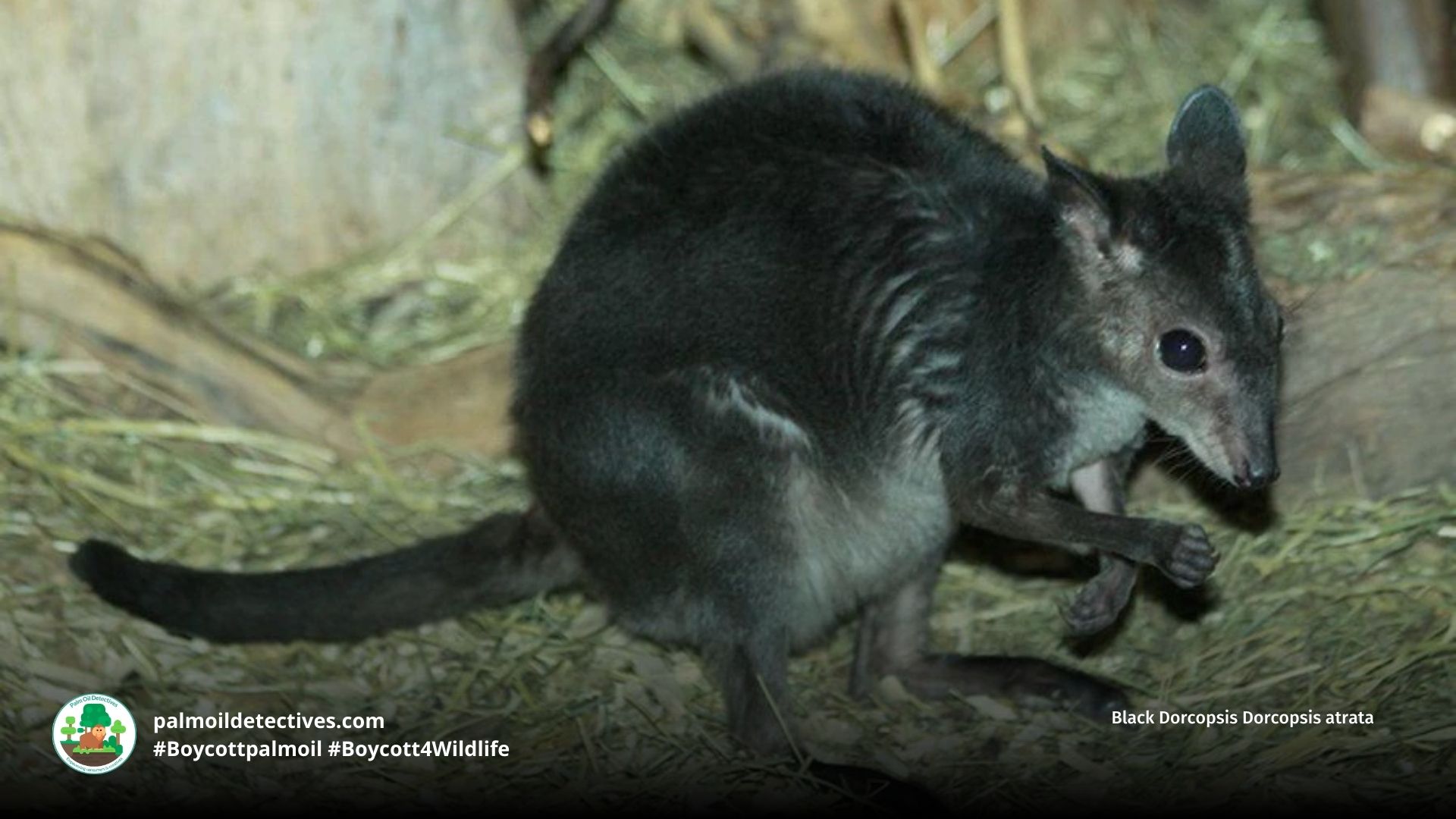
  • Their dark grey to black fur, with subtle grey accents, helps them blend seamlessly into the shadows of the forest, making them almost invisible to predators and humans.
  • Despite their nocturnal and elusive nature, they are a keystone species, playing a critical role in maintaining the health of Goodenough Island’s forests.

The Black Dorcopsis is a medium-sized macropod with a dense coat of fur ranging in colour from dark grey to black. Subtle grey highlights appear on their face, chest, and undersides, softening the otherwise dark hues. This unique colouring offers effective camouflage in the dimly lit forest undergrowth.

Adults weigh up to 8 kilograms and measure around 50 centimetres in body length, with an additional 30–40 centimetres for their long, tapering tail. Their strong hind legs and short, muscular forelimbs allow them to move swiftly and silently through rugged terrain. Black Dorcopsis like many other macropods and tree kangaroos are shy and nocturnal, emerging under the cover of darkness to forage. Their secretive nature makes them a challenge to study in the wild.

Diet

Black Dorcopsis are herbivores, feeding on a diet of fruits, leaves, roots, and other vegetation found on the forest floor. Their role as seed dispersers makes them crucial to the health and regeneration of Goodenough Island’s forests. By consuming and spreading seeds, they contribute to maintaining the biodiversity of their ecosystem.

Reproduction and Mating

Like other macropods, the Black Dorcopsis gives birth to a single joey after a short gestation period. The joey remains in the mother’s pouch for several months, continuing to develop until it is ready to emerge. Although specific details of their reproductive habits are unknown, their life cycle likely mirrors other forest wallabies, involving strong maternal care and seasonal breeding.

Geographic Range

This critically endangered wallaby is endemic to Goodenough Island, a small volcanic island with rugged terrain and limited forest cover. Their range is confined to approximately 687 square kilometres of lowland and montane forests. Habitat fragmentation and human encroachment have reduced their available range, isolating populations into smaller patches and threatening their long-term survival.

Threats

Black Dorcopsis Dorcopsis atrata

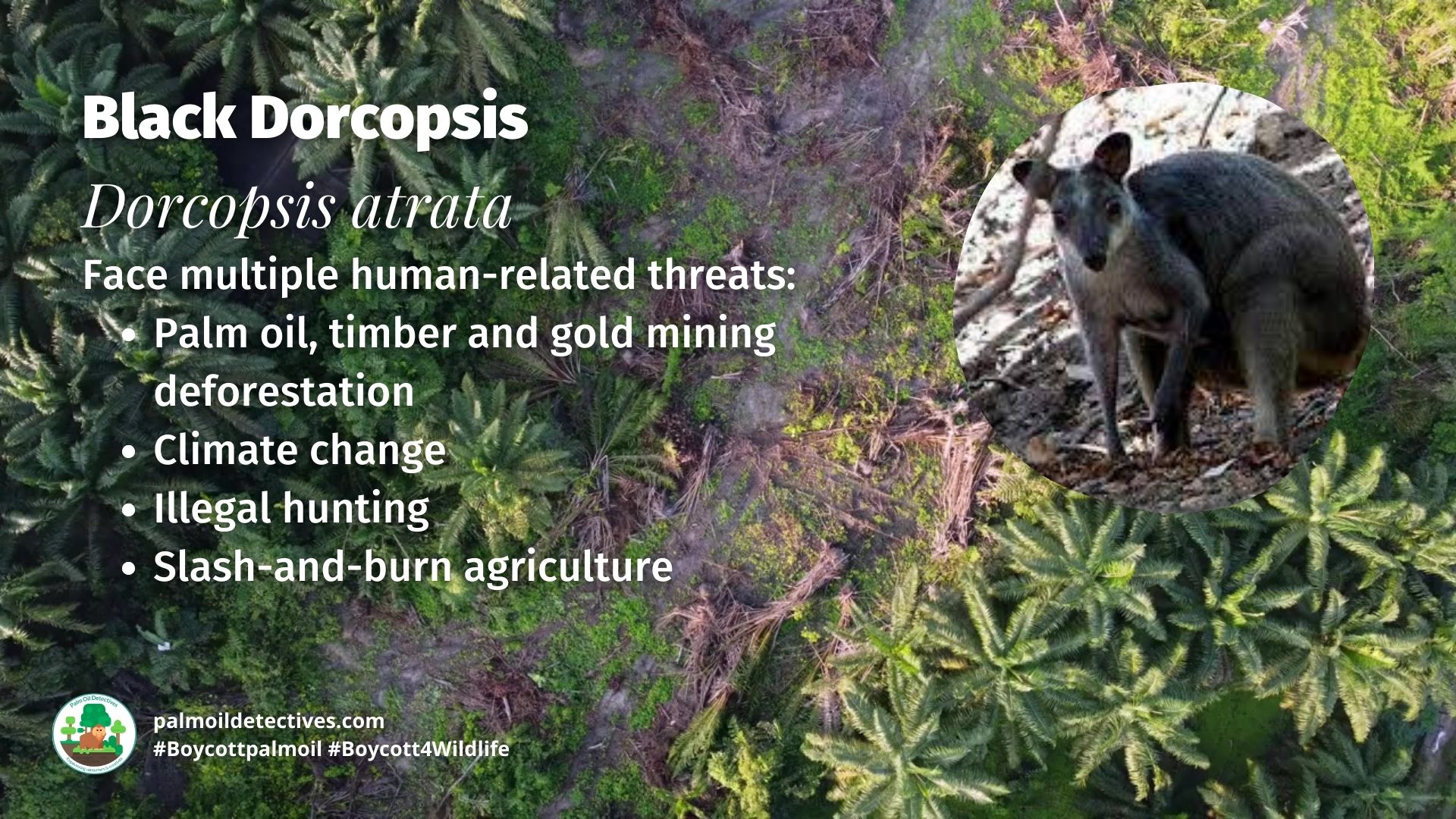
The forest habitat of this species is being cleared by slash-and-burn agriculture and is rapidly being converted to grassland.

IUCN Red List

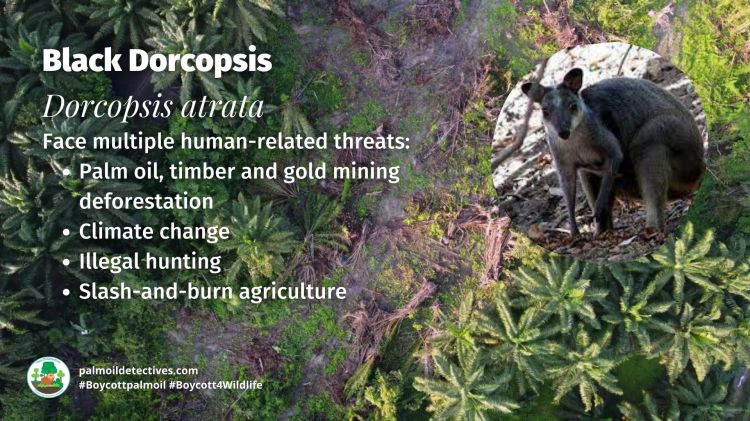
Palm Oil and Timber Deforestation:

Logging for timber plantations and the expansion of out-of-control palm oil plantations are the most significant threats to the Black Dorcopsis. These activities destroy vital forests, leaving the wallabies with fewer safe areas to live and forage. Habitat loss and fragmentation reduce their chances of survival and force them into contact with humans, increasing hunting pressures.

Illegal Hunting:

The Black Dorcopsis is heavily hunted for subsistence by local communities. Despite their small population size and critically endangered status, hunting remains a significant threat, exacerbated by their restricted range.

Slash-and-Burn Agriculture:

The practice of clearing forests for subsistence farming depletes the habitat of Black Dorcopsis, further isolating their populations and limiting the resources available for foraging and reproduction.

Climate Change:

Rising temperatures and shifting rainfall patterns threaten the montane forests that the Black Dorcopsis depends on. As a high-altitude specialist, this species is particularly vulnerable to these changes, which degrade their already limited habitat.

Ecological Role

As herbivores, Black Dorcopsis are vital to the ecosystem of Goodenough Island. By consuming forest fruits and dispersing seeds, they contribute to the regeneration of vegetation and maintain the biodiversity of their habitat. Their presence is essential to the balance and health of this unique forest ecosystem.

Take Action

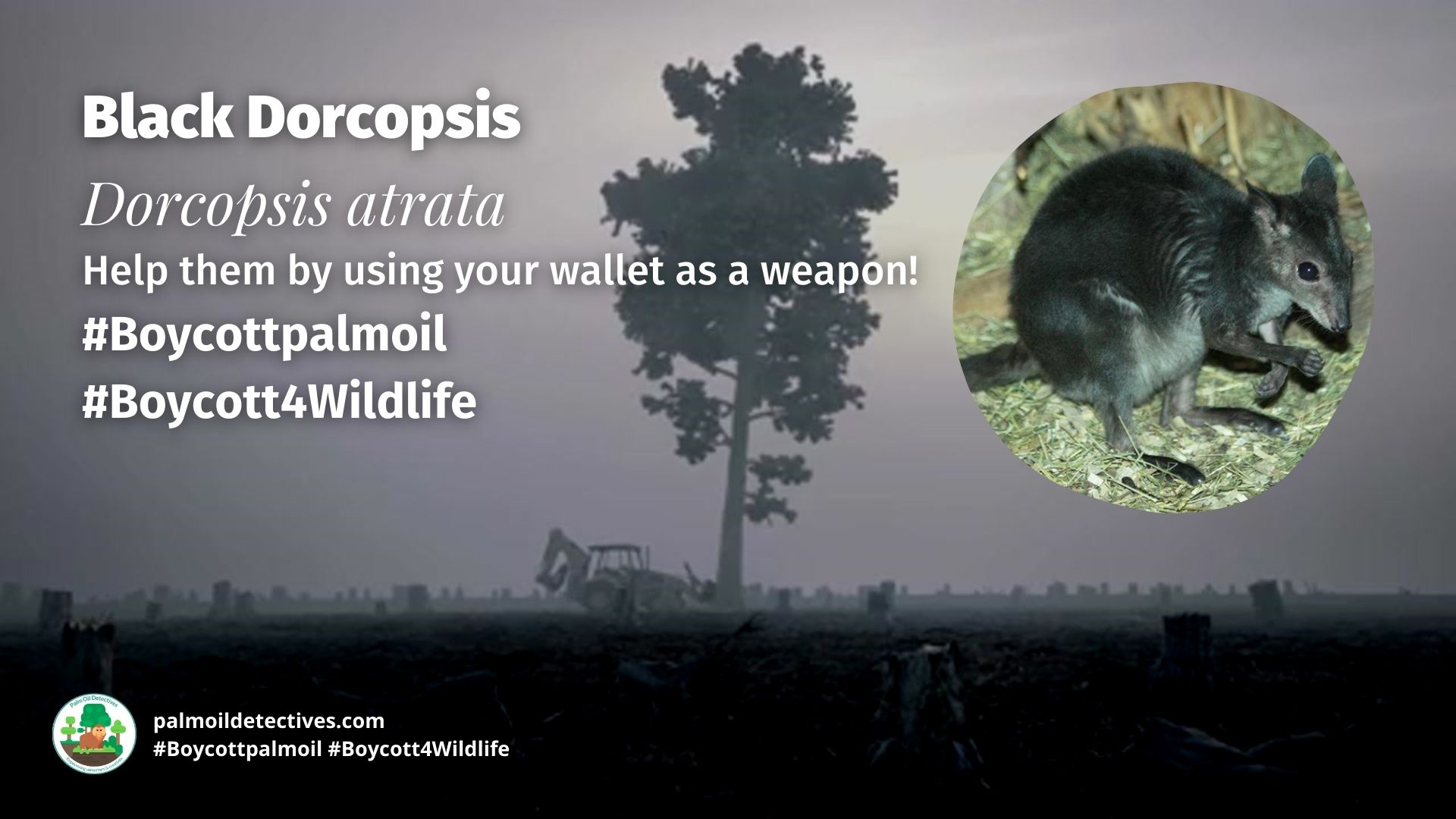
The Black Dorcopsis is teetering on the edge of extinction, and their survival depends on immediate action. Boycott palm oil products, demand responsible forestry practices, and support indigenous-led conservation initiatives in Papua New Guinea. Raising awareness and advocating for stronger protections for their habitat are crucial to ensuring this unique species does not disappear. #BoycottPalmOil #Boycott4Wildlife

Further Information

iucn-rating-critically-endangered

Global Biodiversity Information Facility (GBIF). (n.d.). Dorcopsis atrata. Retrieved from https://www.gbif.org/species/165474543

Leary, T., Wright, D., Hamilton, S., Singadan, R., Menzies, J., Bonaccorso, F., Helgen, K., Seri, L., Allison, A. & James, R. 2016. Dorcopsis atrata. The IUCN Red List of Threatened Species 2016: e.T6794A21952571. https://dx.doi.org/10.2305/IUCN.UK.2016-2.RLTS.T6794A21952571.en. Downloaded on 26 January, 2021.

The Conversation. (2023). Meet 5 marvellous mammals of the South Pacific you’ve probably never heard of. Retrieved from https://theconversation.com/meet-5-marvellous-mammals-of-the-south-pacific-youve-probably-never-heard-of-209038

Contribute to palm oil detectives - black rhino in profile

How can I help the ?


Take Action in Five Ways

1. Join the on social media and subscribe to stay in the loop: Share posts from this website to your own network on Twitter, Mastadon, Instagram, Facebook and Youtube using the hashtags .

Join 3,176 other subscribers

2. Contribute stories: Academics, conservationists, scientists, indigenous rights advocates and animal rights advocates working to expose the corruption of the palm oil industry or to save animals can contribute stories to the website.

3. Supermarket sleuthing: Next time you’re in the supermarket, take photos of products containing palm oil. Share these to social media along with the hashtags to call out the greenwashing and ecocide of the brands who use palm oil. You can also take photos of palm oil free products and congratulate brands when they go palm oil free.

4. Take to the streets: Get in touch with Palm Oil Detectives to find out more.

5. Donate: Make a one-off or monthly donation to Palm Oil Detectives as a way of saying thank you and to help pay for ongoing running costs of the website and social media campaigns. Donate here
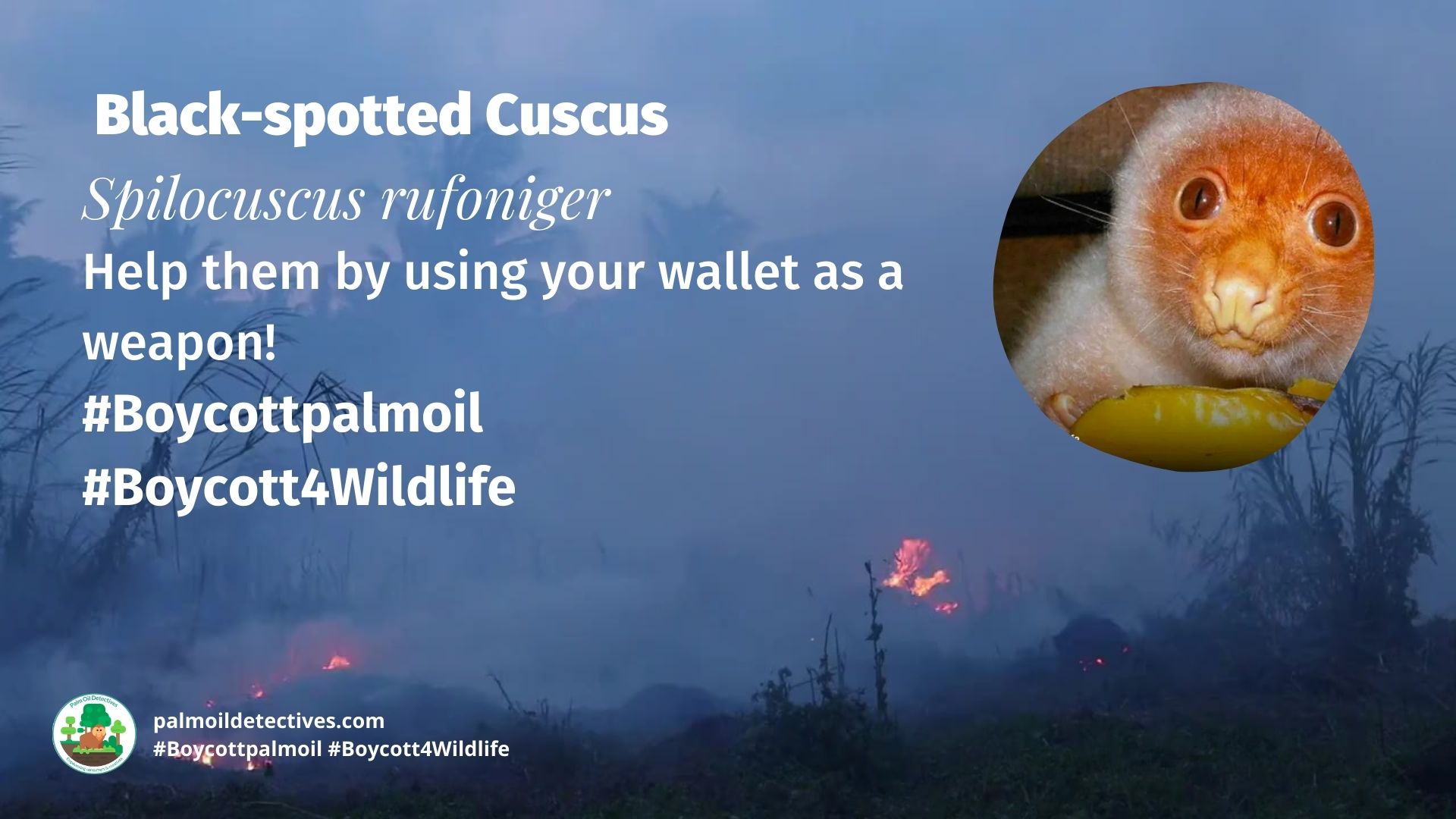
Black-spotted Cuscus Spilocuscus rufoniger

Black-spotted Cuscus Spilocuscus rufoniger

IUCN Status: Critically Endangered

Locations: Endemic to lowland and montane forests of New Guinea, specifically in the north of Papua New Guinea and (Indonesian occupied) West Papua.

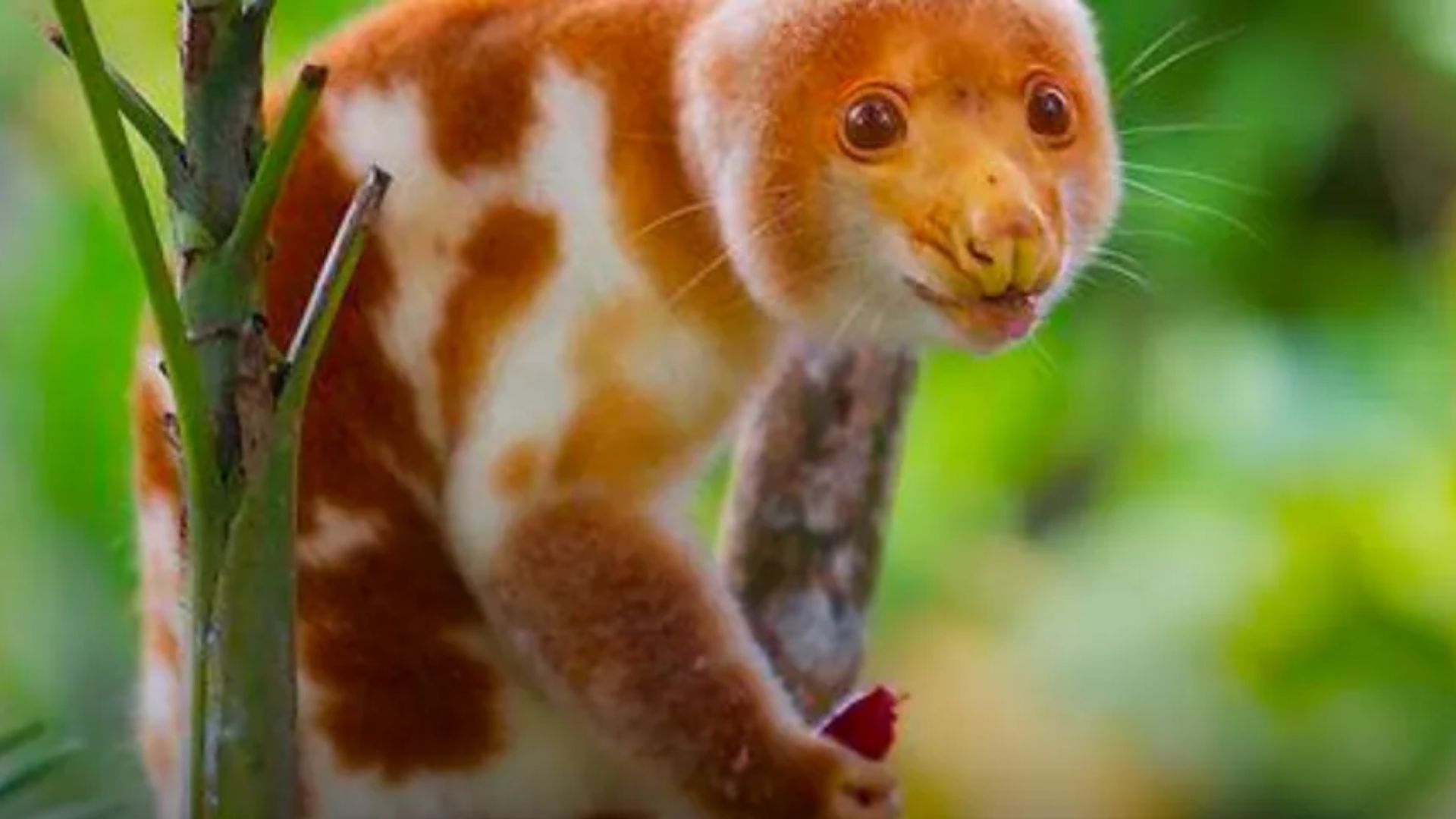
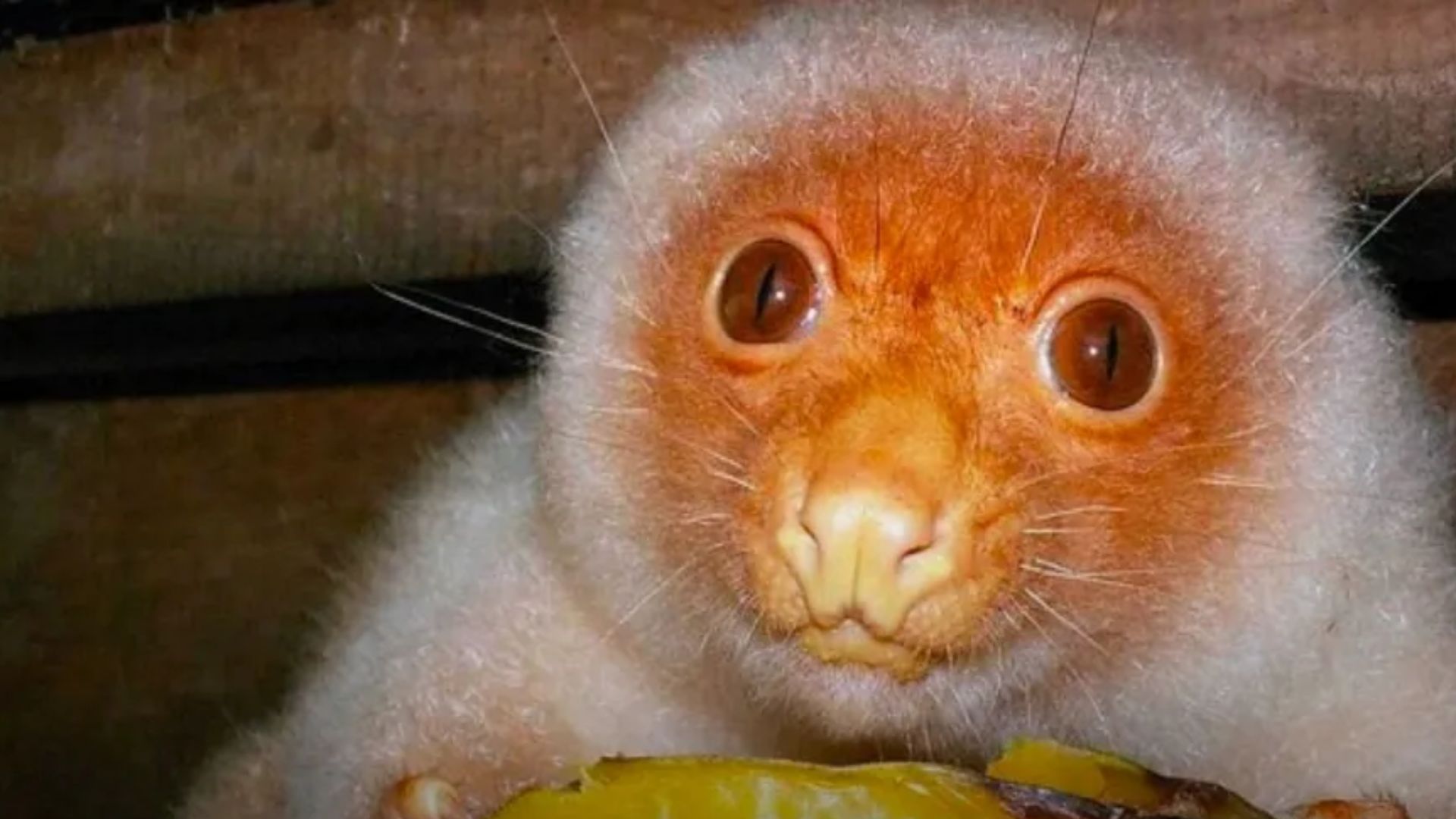
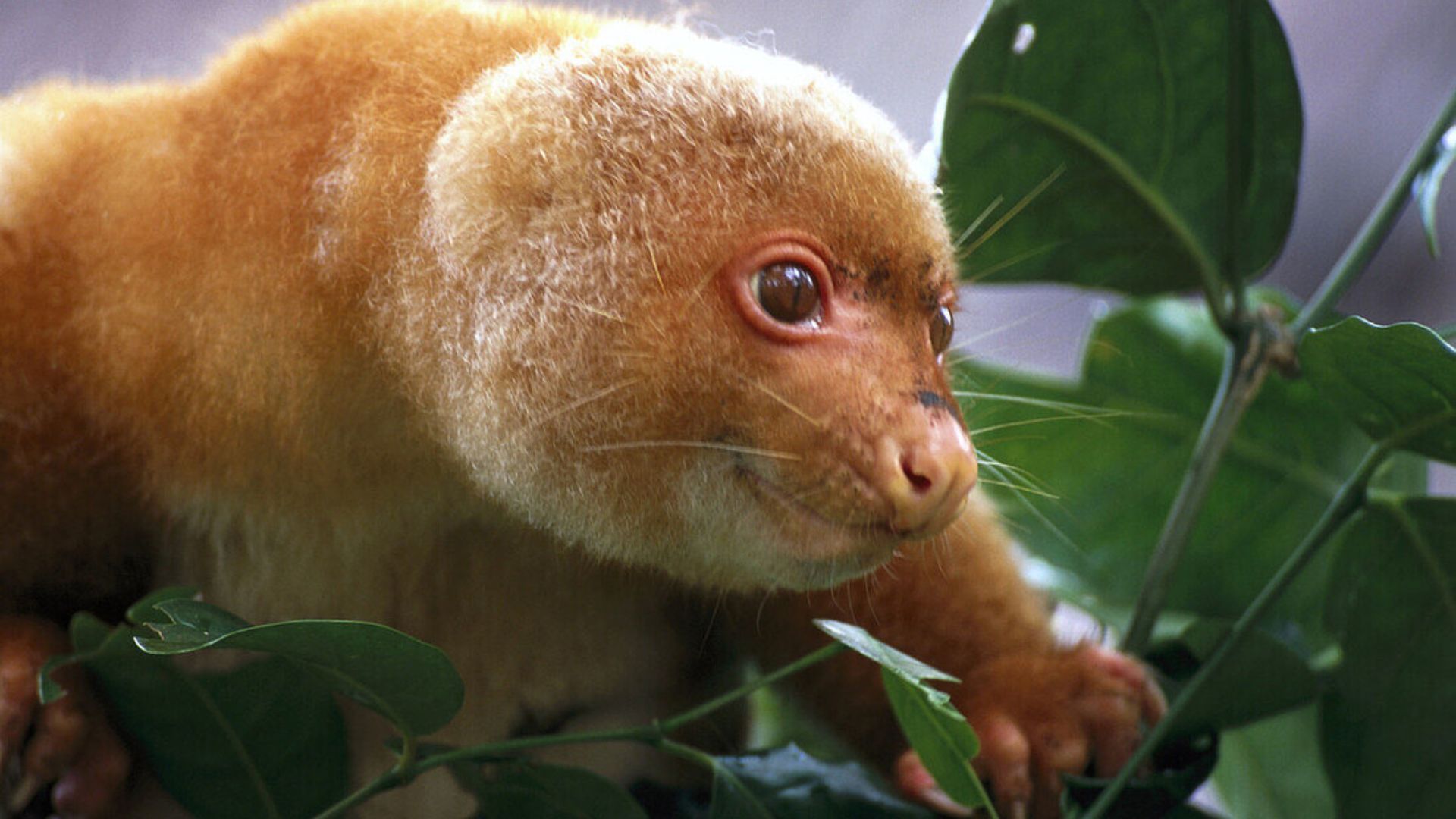
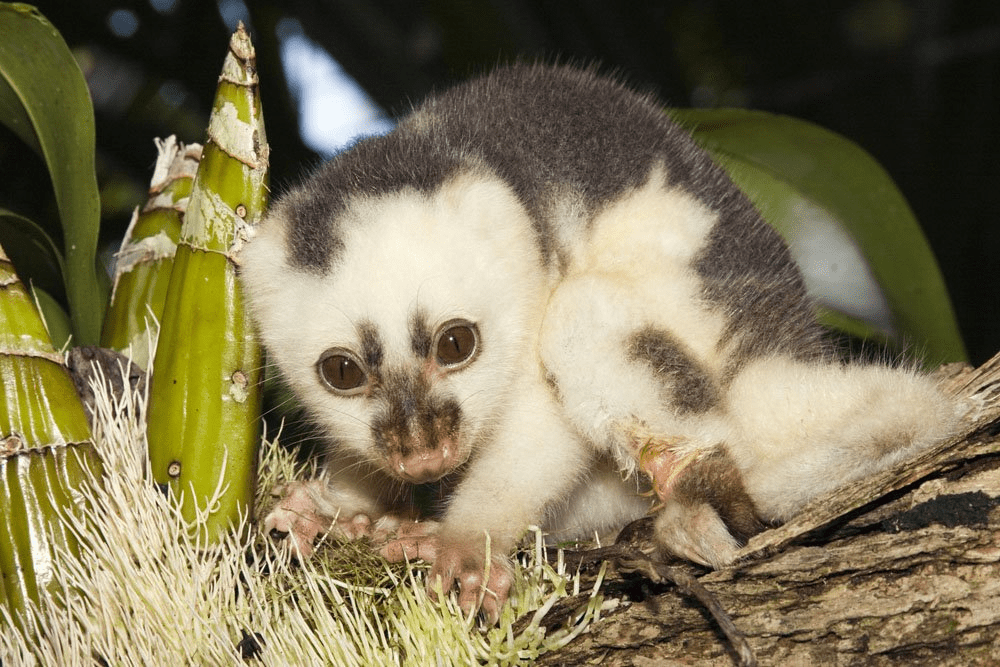
The black-spotted cuscus Spilocuscus rufoniger is one of the most striking and rare marsupials in the world. Known for their soft fur with irregular black spots on a reddish or cream background, they exemplify the biodiversity of West Papua and Papua New Guinea’s rainforests. Endemic to the island, they are incredibly elusive, primarily inhabiting dense forests.

Sadly, this arboreal species is on the brink of extinction, primarily due to habitat loss from logging and palm oil plantations. Additionally, they are hunted for bushmeat and their striking pelts, which are valued in local traditions. With their population in severe decline, urgent action is needed to save this remarkable species from disappearing. Fight for their survival and #BoycottPalmOil #Boycott4Wildlife.

The gentle Black-spotted just wants to be left alone in the forests of . They are critically endangered by and in . Help them survive and @palmoildetect.bsky.social https://wp.me/pcFhgU-n7

Critically endangered by and in , sweet-faced black spotted need your help. Every time you visit the supermarket, make sure you @palmoildetect.bsky.social learn more https://wp.me/pcFhgU-n7

The west Papuan area has been impacted by the influx of Javan people, and large areas of habitat have been transformed by agriculture. There are also logging concessions and oil palm activities planned for parts of the area.

IUCN Red List

Appearance and Behaviour

Black-spotted cuscuses are medium-sized marsupials, weighing up to 7 kilograms and measuring between 50 and 70 centimetres in length, excluding their long, prehensile tails. Their luxuriant fur is marked by irregular black spots over a reddish or cream-coloured background, a pattern that varies between individuals.

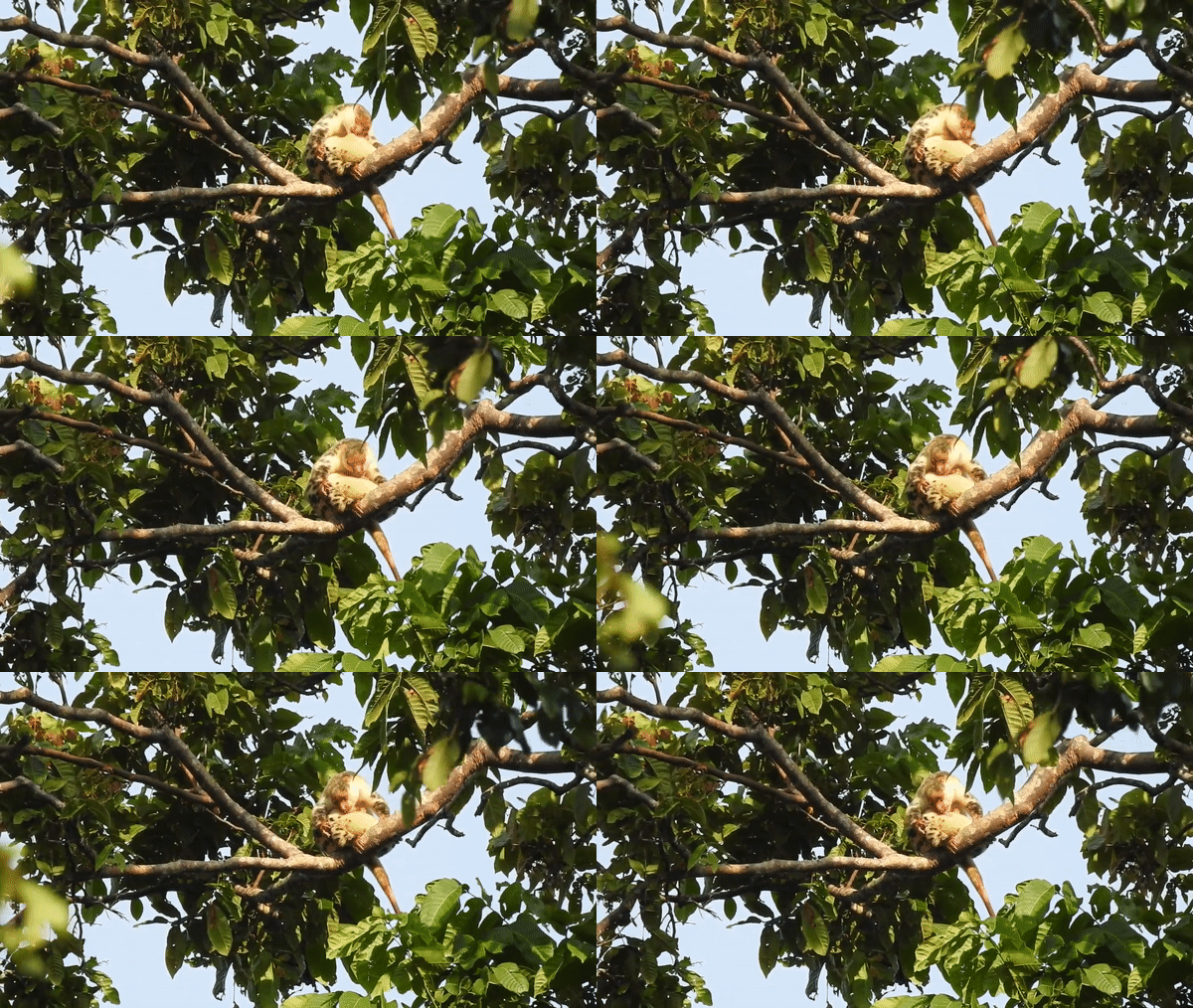
These nocturnal and arboreal animals are equipped with large eyes for enhanced night vision and sharp claws for climbing and gripping high in the tree canopies. Their prehensile tails act as a fifth limb, enabling them to navigate the canopy with ease. Despite their size, they move stealthily, often going unnoticed in their dense forest homes.

Threats

IUCN Status: Critically Endangered

The black-spotted cuscus faces a multitude of threats:

  • Palm Oil and Timber Deforestation: Logging for timber, agricultural expansion, and palm oil plantations have drastically reduced their forest habitats, particularly in lowland areas. This habitat destruction continues at an alarming rate.
  • Hunting: The cuscus is heavily hunted for bushmeat and their distinctive pelts, which are used in local ceremonial garments and sold in markets.
  • Infrastructure Development: Expanding settlements and infrastructure development further fragment their habitats, isolating populations.
  • Climate Change: Altered rainfall patterns and temperature fluctuations disrupt their delicate rainforest ecosystems, impacting their food sources and habitat stability.

Without immediate intervention, the survival of this species remains uncertain.

Black-spotted Cuscus Spilocuscus rufoniger - Papua

Diet

The black-spotted cuscus primarily feeds on leaves, fruits, and flowers found in the rainforest canopy. Their diet includes a wide variety of plant species, and they play a vital ecological role as seed dispersers. Seasonal shifts in food availability often dictate their foraging behaviours, with some reports suggesting preferences for certain fruits during specific times of the year.

Reproduction and Mating

Little is known about the reproductive behaviour of the black-spotted cuscus due to their elusive nature. Like other marsupials, females likely carry their young in a pouch until they are developed enough to cling to their fur. They may produce one to two offspring per breeding season, a low reproductive rate that further endangers their survival.

Geographic Range

The black-spotted cuscus is endemic to the rainforests of New Guinea, specifically in the northern regions of Papua New Guinea and (Indonesian occupied) West Papua. They inhabit both lowland and montane forests up to 1,500 metres above sea level. Habitat fragmentation has confined populations to increasingly isolated patches, making conservation of these forest areas critical to their survival.

FAQ

What is the black-spotted cuscus?

The black-spotted cuscus is a Critically Endangered marsupial found only in New Guinea. They are known for their striking spotted fur and arboreal lifestyle.

Why is the black-spotted cuscus endangered?

The species is threatened by palm oil and timber deforestation, hunting for bushmeat and pelts, and human encroachment on their habitats.

Where do black-spotted cuscuses live?

They are native to the forests of New Guinea, specifically in northern Papua New Guinea and (Indonesian occupied) West Papua.

What do black-spotted cuscuses eat?

They primarily feed on leaves, fruits, and flowers, contributing significantly to seed dispersal within their ecosystems.

Take Action!

Help save the black-spotted cuscus by supporting indigenous-led conservation efforts and rejecting products tied to deforestation. Use your wallet as a weapon and #BoycottPalmOil #Boycott4Wildlife.

Further Information

iucn-rating-critically-endangered

Leary, T., Singadan, R., Menzies, J., Helgen, K., Allison, A., James, R., Flannery, T., Aplin, K., Dickman, C. & Salas, L. 2016. Spilocuscus rufoniger. The IUCN Red List of Threatened Species 2016: e.T20639A21949788. https://dx.doi.org/10.2305/IUCN.UK.2016-2.RLTS.T20639A21949788.en. Downloaded on 26 January 2021.

GBIF. (2021). Black-spotted cuscus species profile. Retrieved from GBIF

Woinarski, J., & Fisher, D. O. (2023). Conservation biogeography of modern species of Australasian marsupials. In American and Australasian Marsupials (pp. 1–48). Springer. https://doi.org/10.1007/978-3-030-88800-8_44-1

Wikipedia contributors; n.d.. Black-spotted cuscus. Retrieved from Wikipedia


Contribute to palm oil detectives - black rhino in profile

How can I help the ?


Take Action in Five Ways

1. Join the on social media and subscribe to stay in the loop: Share posts from this website to your own network on Twitter, Mastadon, Instagram, Facebook and Youtube using the hashtags .

Join 3,176 other subscribers

2. Contribute stories: Academics, conservationists, scientists, indigenous rights advocates and animal rights advocates working to expose the corruption of the palm oil industry or to save animals can contribute stories to the website.

3. Supermarket sleuthing: Next time you’re in the supermarket, take photos of products containing palm oil. Share these to social media along with the hashtags to call out the greenwashing and ecocide of the brands who use palm oil. You can also take photos of palm oil free products and congratulate brands when they go palm oil free.

4. Take to the streets: Get in touch with Palm Oil Detectives to find out more.

5. Donate: Make a one-off or monthly donation to Palm Oil Detectives as a way of saying thank you and to help pay for ongoing running costs of the website and social media campaigns. Donate here
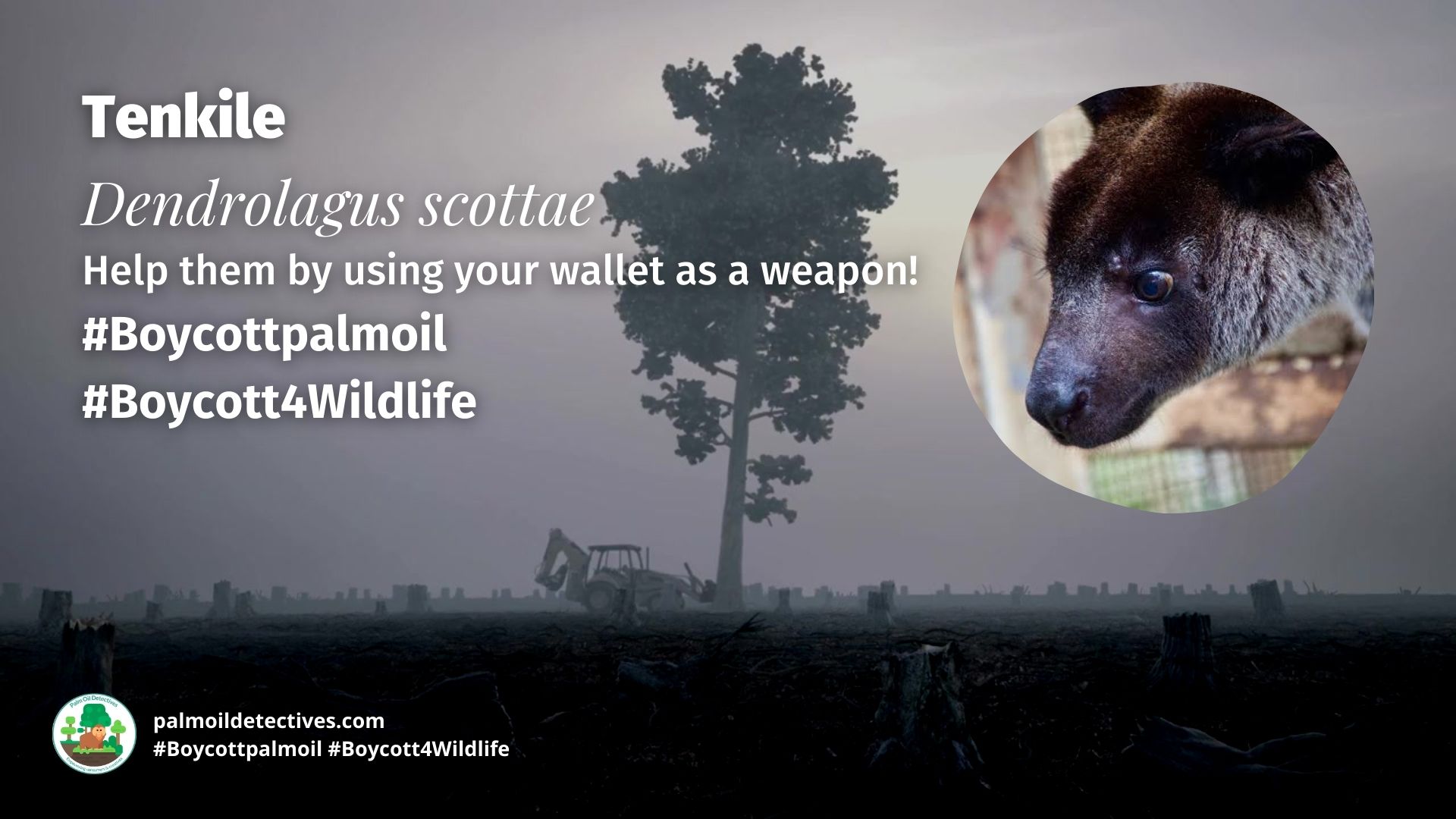
Papua New Guinea & West Papua: Species Endangered by Palm Oil Deforestation

As rainforest habitats are destroyed for palm oil in Indonesia and Malaysia, Indonesian and Chinese oil palm processing companies are switching focus towards Papua New Guinea, West Papua, Africa and South America to keep up with demand for palm oil.

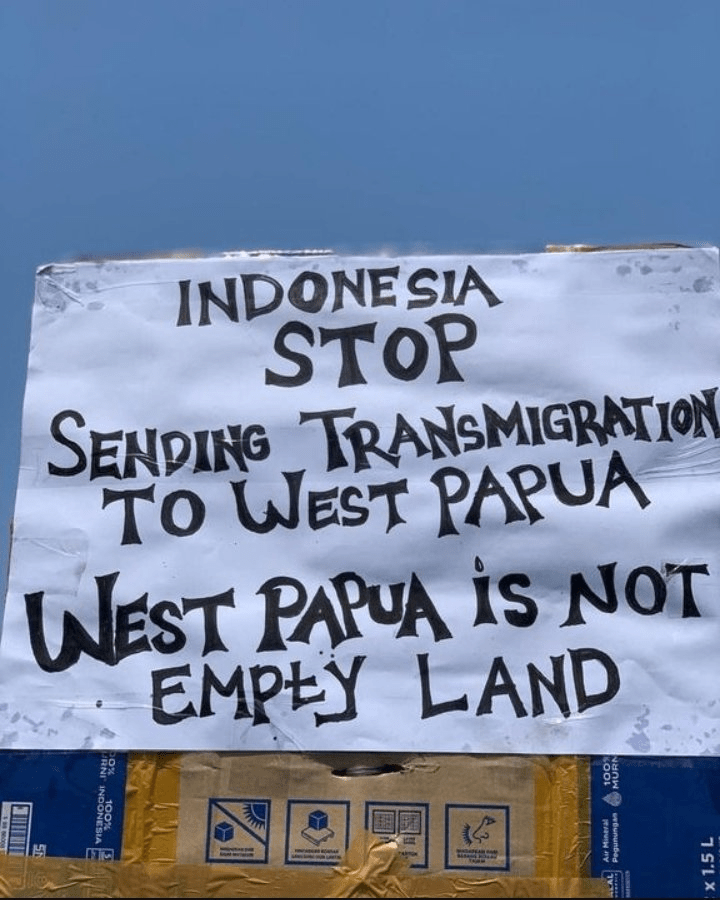
Papua New Guinea and West Papua were divided up and taken by Indonesian colonial forces in the middle of last century. Yet for the ancestral indigenous owners of the islands of Papua and Melanesia, the Papuans who have lived the region for thousands of years -they simply call this region – home. Read more about this at the bottom of this page.

is home to unusual like tree 🦘 and Papuan 🦅 The region was taken by force by Forest treasures belong to indigenous peoples NOT co’s. Resist! and 🌴⛔️ @palmoildetect https://palmoildetectives.com/2021/01/26/papua-new-guinea/

and is home to weirdly cute animals you may never get to see 😭😿 because threatens the lives of people and there. Take action 🌴🚫 @palmoildetect https://palmoildetectives.com/2021/01/26/papua-new-guinea/

“When our forests are damaged, there will be a massive climate crisis, species like the birds of paradise will become extinct and not just our Namblong Indigenous culture will be destroyed, but that of all peoples everywhere,”

Orpha Yoshua, an Indigenous Namblong woman from West Papua told Greenpeace.

Endless and destruction of in goes on with silence and complicity by the western media. If you want to help in the supermarket!

[image or embed]

— Palm Oil Detectives | (@palmoildetect.bsky.social) 19 November 2024 at 18:14
https://embed.bsky.app/static/embed.js

Something went wrong. Please refresh the page and/or try again.

Papua New Guinea & West Papua: Species Endangered by Palm Oil Deforestation

Rainforest animals and rainforest peoples in Papua are under attack from global palm oil plantations and industrial-military actions on their illegally taken land

Indigenous Melanesian peoples of West Papua and Papua New Guinea are the rightful and original custodians of Papuan rainforests. Their voices deserve to be heard in environmental campaigns.

Yet Indonesia has embarked on an extensive greenwashing campaign to make these people invisible. Papuans never ceded sovreignty of their land and they have a right to have it back. Palm Oil Detectives works in solidarity with Melanesian and West Papuan support networks to raise the voices of Papuan indigenous activists.

There are many ways you can join the fight too. Become a Palm Oil Detective and Take Action today!

Fake papuans from Indonesia - part of the greenwashing, cultural appropriation and efforts to make Melanesian owners of the land invisible

On Twitter, a South East Asian couple cosplay as Papuan indigenous traditional clothing in an obvious effort to erase Melanesian ethnicity and to normalise Indonesian rule – Spoiler: Papuans never ceded their sovereignty

See original tweet


More stories about Papua’s indigenous peoples and rare animals

Papua harbours uniquely beautiful animals including rare marsupials and birds not found anywhere else on the planet. In the lush and fertile forests of Papua live thinking, feeling and intelligent beings that love their children. Just like us, they just want to survive and have their animal families and communities left in peace. These animals live in Papua New Guinea and have a IUCN Red List status of Critically Endangered, Endangered or Vulnerable. Although animal conservation is still relatively new in Papua New Guinea, there is hope, with conservation foundations working to protect these species and the rainforest they live in.


Take Action in Five Ways

1. Join the on social media and subscribe to stay in the loop: Share posts from this website to your own network on Twitter, Mastadon, Instagram, Facebook and Youtube using the hashtags .

Join 3,176 other subscribers

2. Contribute stories: Academics, conservationists, scientists, indigenous rights advocates and animal rights advocates working to expose the corruption of the palm oil industry or to save animals can contribute stories to the website.

3. Supermarket sleuthing: Next time you’re in the supermarket, take photos of products containing palm oil. Share these to social media along with the hashtags to call out the greenwashing and ecocide of the brands who use palm oil. You can also take photos of palm oil free products and congratulate brands when they go palm oil free.

4. Take to the streets: Get in touch with Palm Oil Detectives to find out more.

5. Donate: Make a one-off or monthly donation to Palm Oil Detectives as a way of saying thank you and to help pay for ongoing running costs of the website and social media campaigns. Donate here
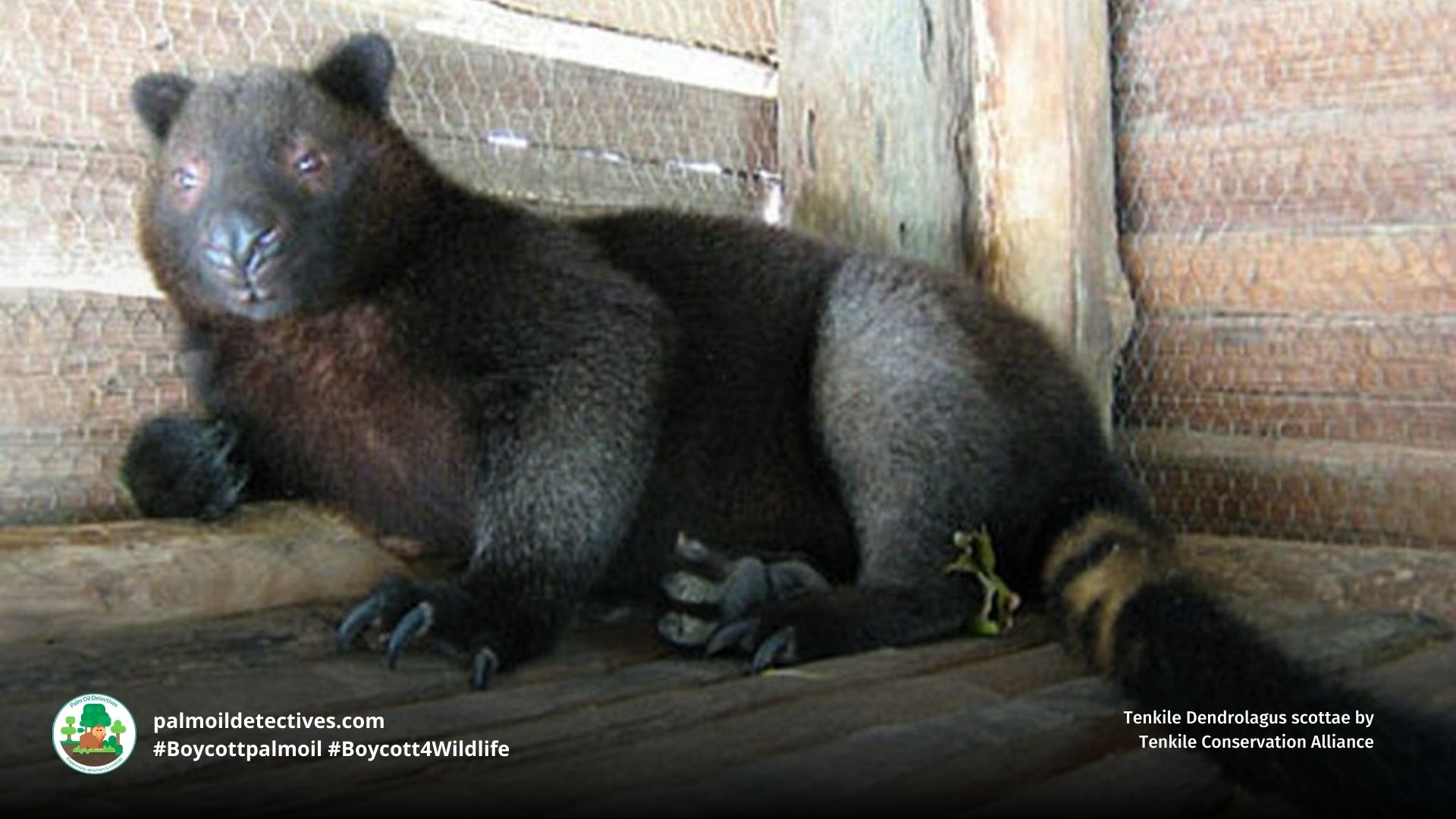
Agile Gibbon Hylobates agilis

Agile Gibbon Hylobates agilis

Endangered

Locations: Indonesia (Sumatra), Malaysia (Peninsular Malaysia), Thailand (southern regions)


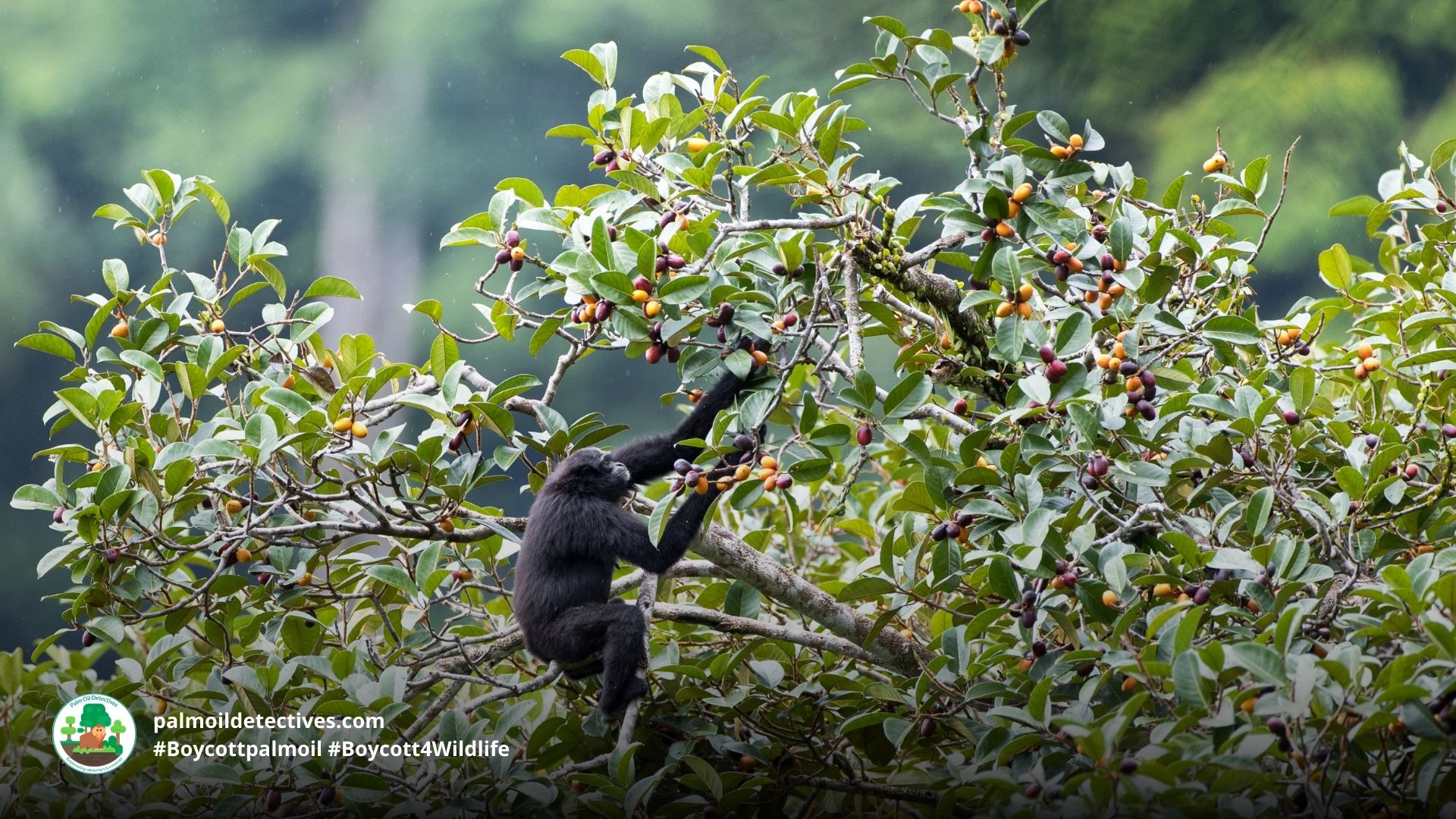
The Agile Gibbon, also known as the Black-handed Gibbon, is a small arboreal ape native to the tropical rainforests of Southeast Asia. Renowned for their remarkable brachiation skills, they can swing through trees with incredible speed and agility. Their melodious calls resonate through the forest, serving as both territorial markers and bonding rituals.

Unfortunately, habitat destruction and fragmentation, primarily due to palm oil and timber logging, have led to significant population declines. To protect the Agile Gibbon use your wallet as a weapon to fight for their survival each time you shop. #BoycottPalmOil #Boycott4Wildlife


Agile Gibbons sing in local accents, have strong family bonds, monogamous partnerships. They’re in and by and other threats. Take action https://palmoildetectives.com/2021/01/25/agile-gibbon-hylobates-agilis/ @palmoildetect

Appearance and Behaviour

Agile Gibbons exhibit fur colouration ranging from black to reddish-brown, with a distinctive white brow. Males can be identified by their white or light-grey cheeks. Both sexes weigh between 4 to 6 kg and measure up to 65 cm in body length. Their long arms and hook-shaped hands are perfectly adapted for brachiation, allowing them to swing effortlessly between trees.

These gibbons are diurnal and highly territorial, living in small family groups consisting of a monogamous pair and their offspring. Their complex vocalisations, often referred to as “songs,” are used to strengthen pair bonds and communicate territorial boundaries.

Geographic Range

The Agile Gibbon inhabits the tropical rainforests of Sumatra in Indonesia, Peninsular Malaysia, and southern Thailand. They prefer primary and secondary forests, ranging from lowland dipterocarp forests to montane regions. However, their habitat is increasingly fragmented due to human activities, leading to isolated populations.

Diet

Primarily frugivorous, Agile Gibbons have a diet that consists mainly of ripe fruits, supplemented by young leaves, flowers, and insects. Their role as seed dispersers is crucial for maintaining the health and diversity of their forest ecosystems.

Reproduction and Mating

Agile Gibbons form monogamous pairs that mate for life. Females give birth to a single offspring after a gestation period of about seven months. The young are weaned by two years of age but may remain with the family group until they reach sexual maturity, around eight years old. Parental care is shared between both parents, with the father often taking an active role in grooming and protecting the offspring.

Threats

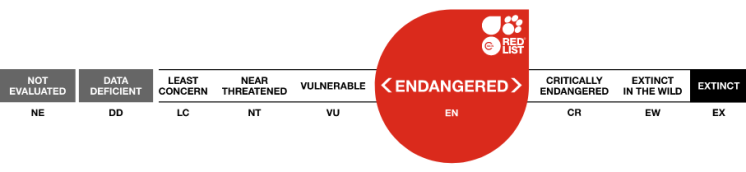
The Agile Gibbon is listed as Endangered on the IUCN Red List, with populations continuing to decline due to ongoing threats. Conservation efforts include habitat protection, anti-poaching measures, and rehabilitation programmes for rescued individuals. Recent studies have highlighted the importance of degraded forests for Agile Gibbons, suggesting that these areas can serve as viable habitats and should be included in conservation strategies.

IUCN Status: Endangered

  • Habitat Loss: Deforestation for timber extraction, palm oil agricultural expansion, and infrastructure development has led to significant habitat loss and threat for these gibbons.
  • Illegal Wildlife Trade: Agile Gibbons are often captured for the pet trade, despite legal protections. This practice not only reduces wild populations but also disrupts social structures, as capturing a juvenile typically involves killing the protective parents.
  • Hunting: In some regions, gibbons are hunted for their meat or for use in traditional medicine, further threatening their survival.

Take Action!

Protect the Agile Gibbon by boycotting products linked to deforestation, such as palm oil. Use your wallet as a weapon to support ethical and eco-friendly choices. Share their story and fight for their survival with and .

On Sumatra, this species is threatened by forest conversion.

IUCN Red List

Further Information

ICUN endangered logo

Geissmann, T., Nijman, V., Boonratana, R., Brockelman, W, Roos, C. & Nowak, M.G. 2020. Hylobates agilis. The IUCN Red List of Threatened Species 2020: e.T10543A17967655. https://dx.doi.org/10.2305/IUCN.UK.2020-2.RLTS.T10543A17967655.en. Downloaded on 25 January 2021.

New England Primate Conservancy. (n.d.). Agile Gibbon. Retrieved from NE Primate Conservancy

Wikipedia contributors. (n.d.). Agile Gibbon. Retrieved from Wikipedia

Lee, D. C., Powell, V. J., & Lindsell, J. A. (2015). The conservation value of degraded forests for Agile Gibbons (Hylobates agilis). American Journal of Primatology, 77(1), 76-85. Retrieved from ResearchGate


Contribute to palm oil detectives - black rhino in profile

How can I help the ?


Take Action in Five Ways

1. Join the on social media and subscribe to stay in the loop: Share posts from this website to your own network on Twitter, Mastadon, Instagram, Facebook and Youtube using the hashtags .

Join 3,176 other subscribers

2. Contribute stories: Academics, conservationists, scientists, indigenous rights advocates and animal rights advocates working to expose the corruption of the palm oil industry or to save animals can contribute stories to the website.

3. Supermarket sleuthing: Next time you’re in the supermarket, take photos of products containing palm oil. Share these to social media along with the hashtags to call out the greenwashing and ecocide of the brands who use palm oil. You can also take photos of palm oil free products and congratulate brands when they go palm oil free.

4. Take to the streets: Get in touch with Palm Oil Detectives to find out more.

5. Donate: Make a one-off or monthly donation to Palm Oil Detectives as a way of saying thank you and to help pay for ongoing running costs of the website and social media campaigns. Donate here
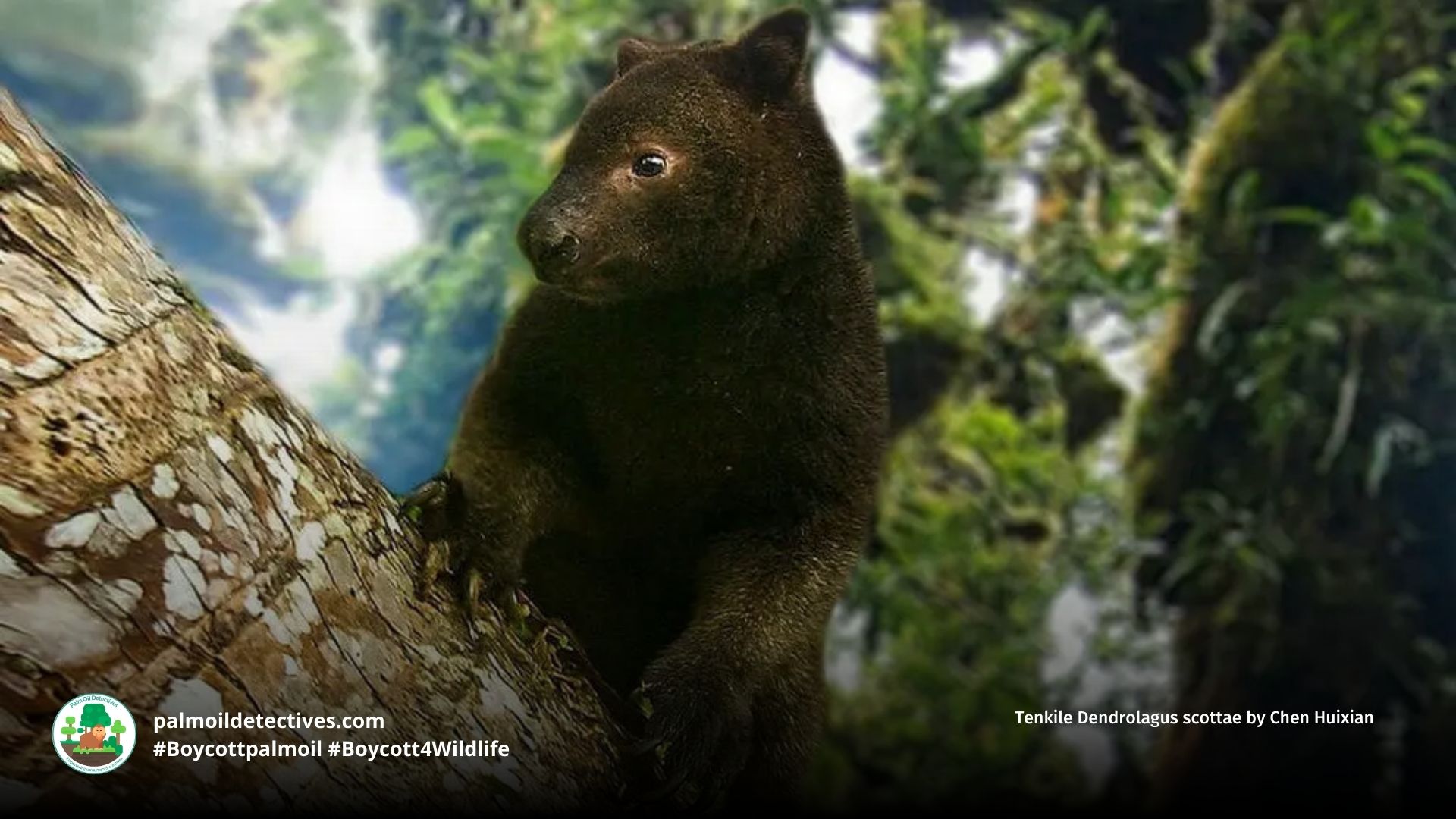
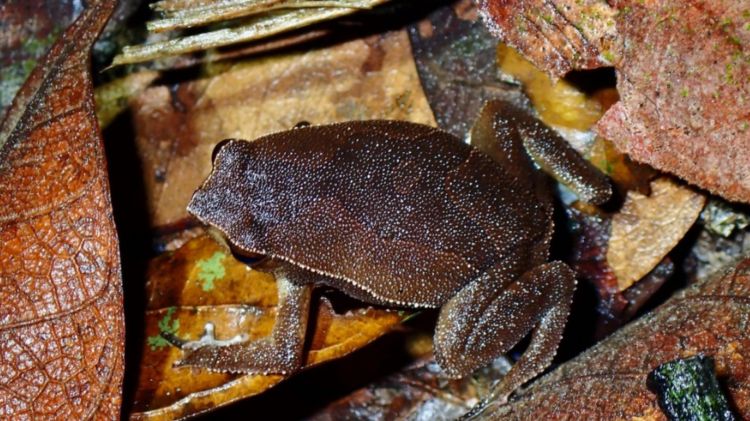
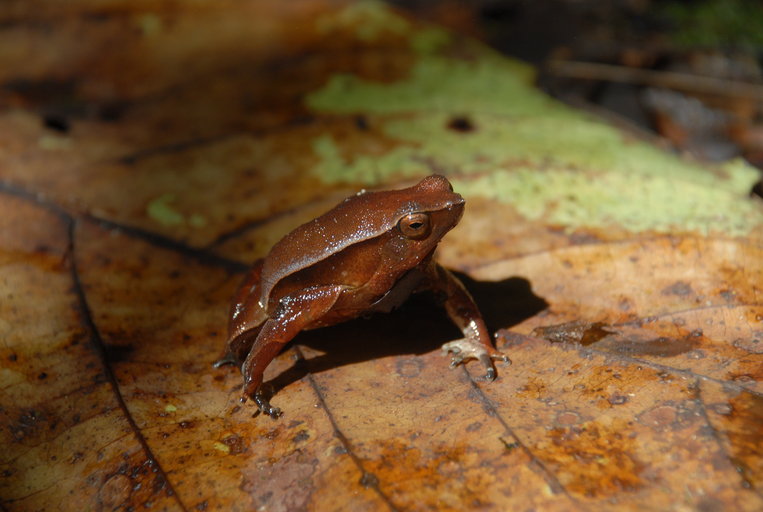
Bornean Rainbow Toad Ansonia latidisca

Bornean Rainbow Toad Ansonia latidisca

Endangered

Indonesia (Kalimantan); Malaysia (Sarawak)


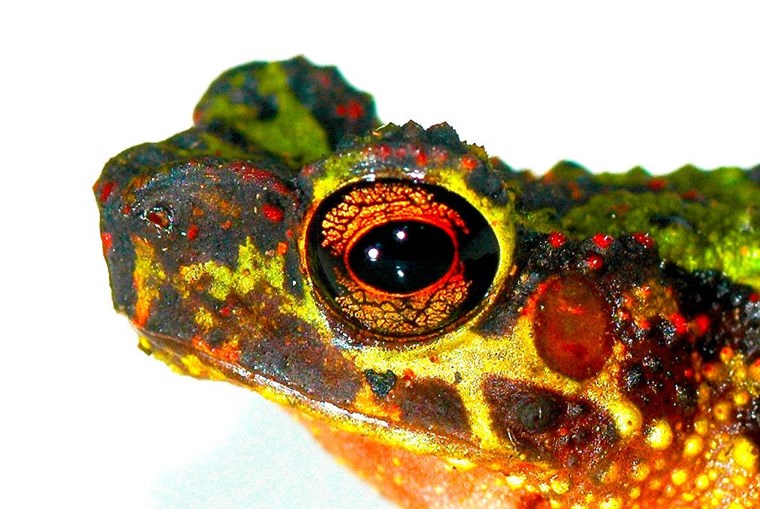
The Bornean Rainbow Toad, also known as the Sambas Stream Toad, is a vibrantly coloured amphibian native to the rainforests of Borneo. This elusive species was rediscovered in 2011 after being unseen since 1924. Endemic to the montane rainforests, these amphibians are nocturnal and arboreal, with long, spindly limbs and a bright, variegated dorsal skin. Their striking appearance and nocturnal habits make them a unique sight in their natural habitat. The primary threats to their survival include habitat loss due to deforestation for agriculture, particularly palm oil plantations. Protecting their habitat is crucial for their survival. Join the cause to and .


The Bornean Rainbow is a vibrant array of beautiful colours 🌈 Endangered by in . Save this handsome amphibian 🐸 and forgotten animal when u @palmoildetect https://palmoildetectives.com/2021/01/25/bornean-rainbow-toad-ansonia-latidisca

Meet the Bornean Rainbow ! 🌈🐸 This vivid is and faces serious threats from in . Help them every time you shop 🛒🛍️ and 🪔🚫#Boycott4Wildlife in the supermarket @palmoildetect https://palmoildetectives.com/2021/01/25/bornean-rainbow-toad-ansonia-latidisca

Appearance

The Bornean Rainbow Toad is a small species, measuring between 30 to 50 mm in length. They possess bright green, purple, and red variegated dorsal skin with a pebbly texture, which indicates possible poison glands. Their long, spindly limbs are well-adapted for climbing, and their vibrant colours provide excellent camouflage against the mossy tree bark of their rainforest habitat. These unique adaptations not only help them evade predators but also make them a fascinating subject for researchers and conservationists.

Mating and Breeding

Little is known about the specific mating habits of the Bornean Rainbow Toad, but they are likely similar to other frogs and members of their genus. Males may call to attract females during the breeding season, and eggs are probably deposited in streams. The species is believed to have torrent-adapted tadpoles, which develop in fast-flowing water. Understanding their reproductive behaviour is essential for conservation efforts, as it can help in creating effective breeding programs to boost their population in the wild.

Diet

As nocturnal foragers, the Bornean Rainbow Toad primarily feeds on small insects and invertebrates. They hunt at night, using their keen vision and agility to capture prey. Their diet plays a crucial role in maintaining the balance of their ecosystem, as they help control insect populations. The availability of food sources is directly linked to the health of their habitat, making the preservation of their rainforest environment vital for their survival.

Threats

These tiny and vividly coloured frogs are endangered due to a multitude of human-related causes:

The main threat to this species of toad is habitat loss and degradation primarily as a result of logging. 

IUCN red list
  • Deforestation and habitat loss: for agriculture, timber and palm oil plantations
  • Logging and land conversion: for recreational use and infrastructure projects.
  • Pollution run-off: from logging and agricultural activities.
  • Poaching and illegal capture: for the international pet trade.

The Bornean Rainbow Toad faces significant threats from habitat destruction and degradation. Deforestation for palm oil plantations is a major concern, as it leads to the loss of their natural habitat and food sources. Logging activities not only destroy their habitat but also cause sedimentation of streams, which impacts their breeding grounds. Poaching for the international pet trade adds to the pressure on their population. To protect these unique amphibians, it is essential to address these threats and promote sustainable practices.

The importance of conserving their rainforest home

Effective preservation of the hilly rainforest regions in Borneo is crucial for the survival of the Bornean Rainbow Toad. Conservation efforts should focus on protecting their natural habitat from deforestation and degradation and supporting indigenous sovereignty.

Join the movement to and , and help safeguard the future of the Bornean Rainbow Toad.

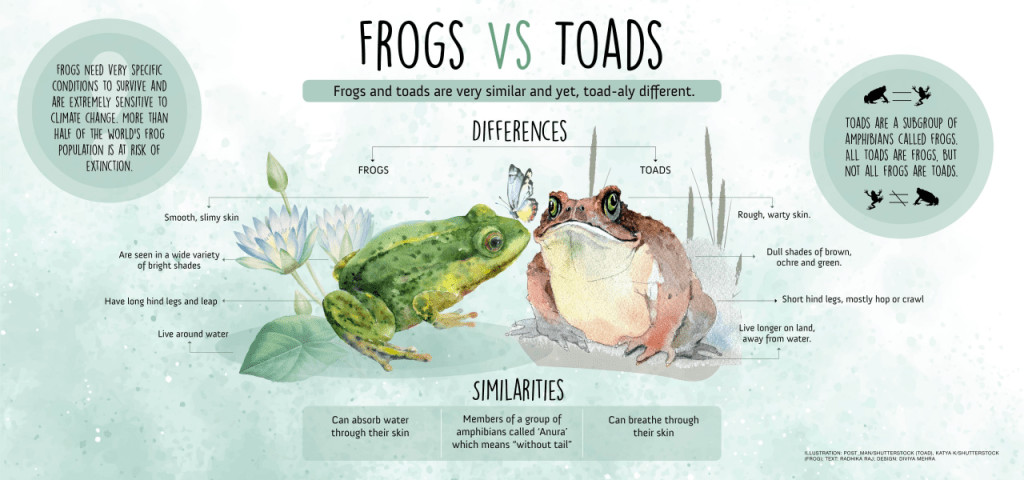
Bornean rainbow toad - infographic comparison - frogs versus toads
Infographic comparing frogs and toads by Round Glass Sustain

Further Information

ICUN endangered logo

IUCN SSC Amphibian Specialist Group. 2018. Ansonia latidisca. The IUCN Red List of Threatened Species 2018: e.T54471A114916284. https://dx.doi.org/10.2305/IUCN.UK.2018-1.RLTS.T54471A114916284.en. Downloaded on 25 January 2021.

Wikipedia contributors. (2024). Ansonia latidisca. In Wikipedia, The Free Encyclopedia. Retrieved from Wikipedia

Animalia.bio. (2024). Bornean Rainbow Toad. Retrieved from Animalia.bio

FAQS on Bornean Rainbow Toads

1. Are Bornean Rainbow Toads poisonous?

Bornean Rainbow Toads may possibly be poisonous. They possess bright green, purple, and red variegated dorsal skin with a pebbly texture, indicating possible poison glands.

2. What are the adaptations of Bornean Rainbow Toads?

Bornean Rainbow Toads have several adaptations, including their bright, multicoloured skin that serves as camouflage in their natural rainforest habitat. Their long limbs help them navigate the dense, arboreal environment.

3. What biome do Bornean Rainbow Toads inhabit?

Bornean Rainbow Toads are found in the rainforest biome of Borneo, specifically in the montane regions where they reside on trees and vegetation.

4. What do Bornean Rainbow Toads eat?

The diet of Bornean Rainbow Toads primarily consists of small insects and invertebrates, which they hunt in the forest underbrush and on tree trunks.

5. What is the behaviour of Bornean Rainbow Toads?

Bornean Rainbow Toads are nocturnal creatures, most active at night. They are known for their elusive nature and tendency to remain hidden in the dense foliage of their habitat.

6. How much do Bornean Rainbow Toads weigh?

Bornean Rainbow Toads are a small species, typically weighing around 20 to 30 grams.

7. What is the habitat of Bornean Rainbow Toads?

Bornean Rainbow Toads inhabit the montane rainforests of Borneo, often found at elevations between 900 and 1,700 meters. They prefer moist, shaded environments with plenty of foliage for cover.


Contribute to palm oil detectives - black rhino in profile

How can I help the ?


Take Action in Five Ways

1. Join the on social media and subscribe to stay in the loop: Share posts from this website to your own network on Twitter, Mastadon, Instagram, Facebook and Youtube using the hashtags .

Join 3,176 other subscribers

2. Contribute stories: Academics, conservationists, scientists, indigenous rights advocates and animal rights advocates working to expose the corruption of the palm oil industry or to save animals can contribute stories to the website.

3. Supermarket sleuthing: Next time you’re in the supermarket, take photos of products containing palm oil. Share these to social media along with the hashtags to call out the greenwashing and ecocide of the brands who use palm oil. You can also take photos of palm oil free products and congratulate brands when they go palm oil free.

4. Take to the streets: Get in touch with Palm Oil Detectives to find out more.

5. Donate: Make a one-off or monthly donation to Palm Oil Detectives as a way of saying thank you and to help pay for ongoing running costs of the website and social media campaigns. Donate here
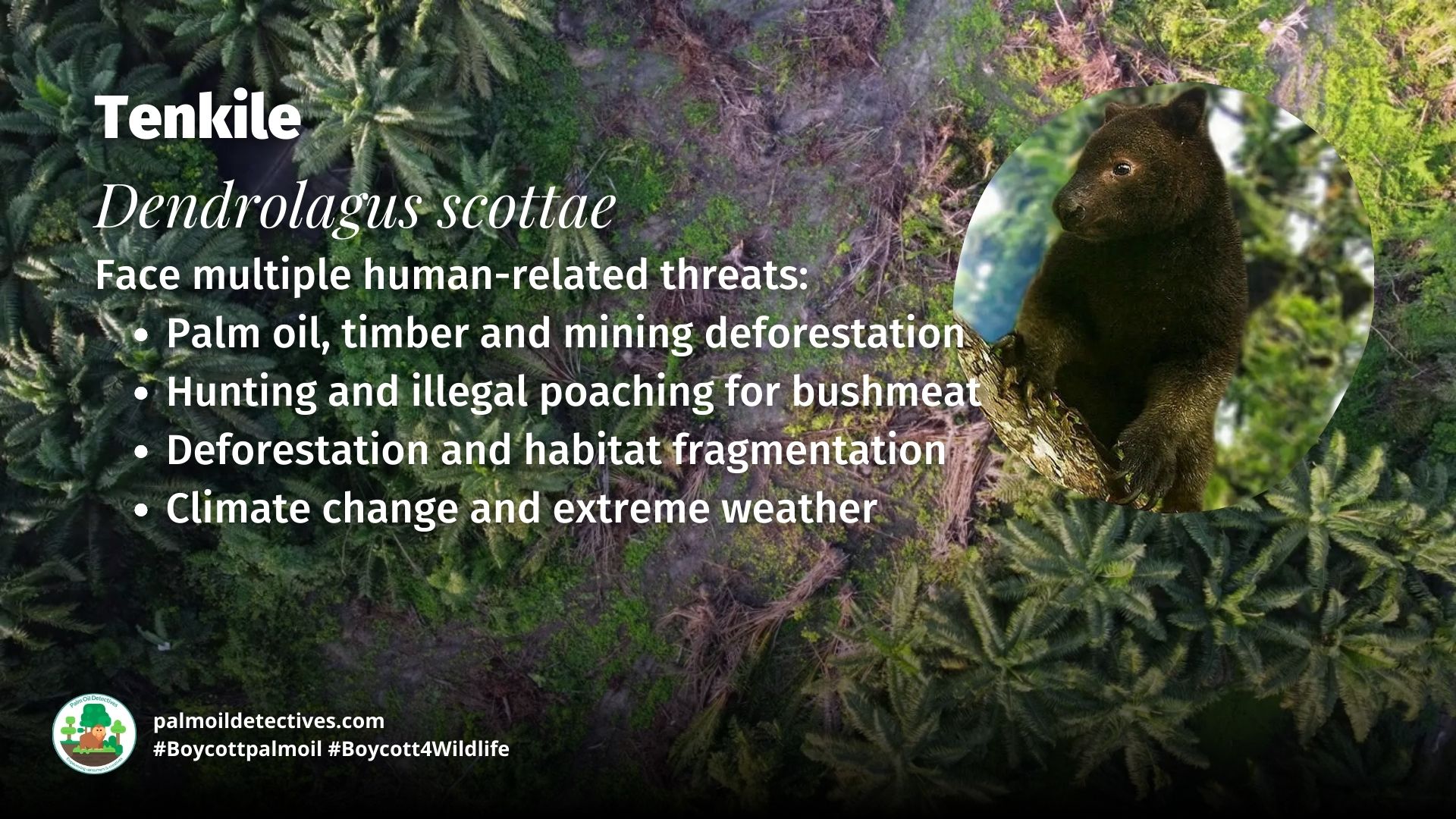
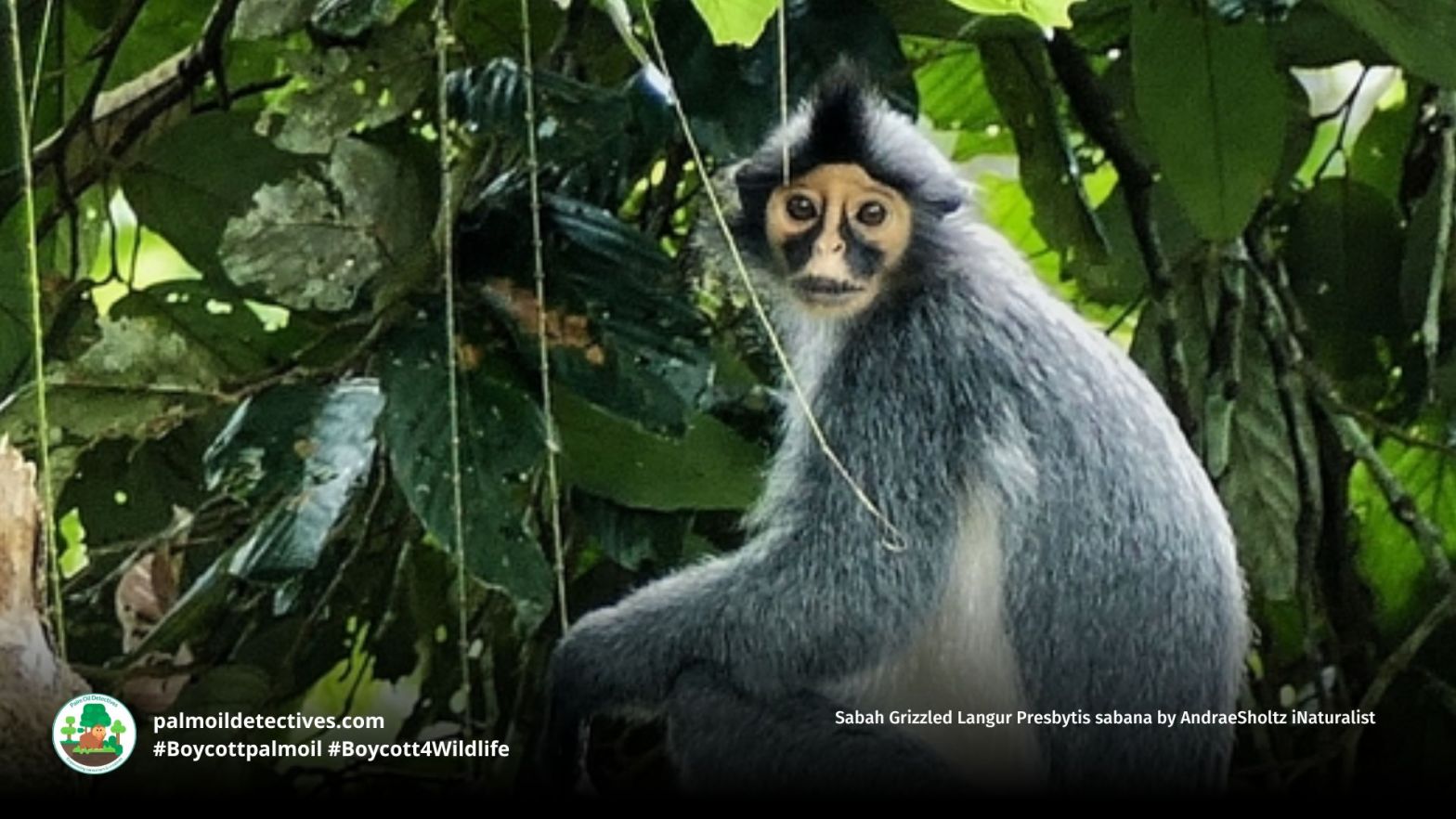
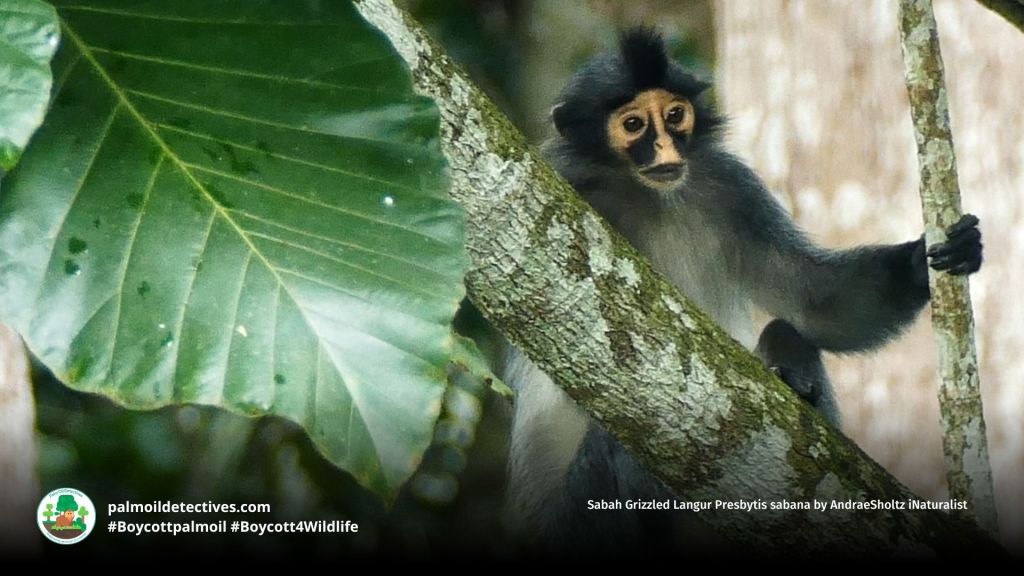
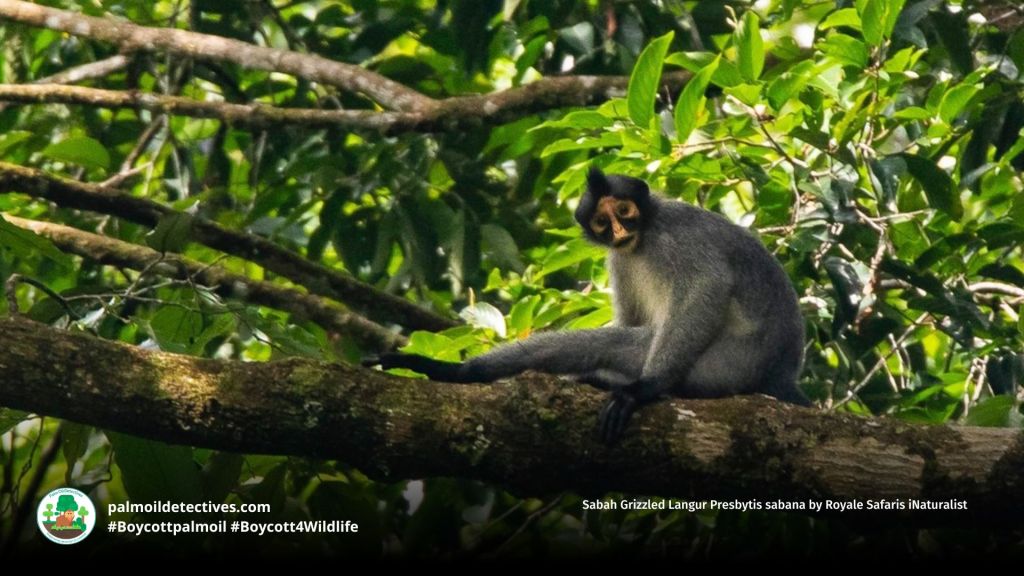
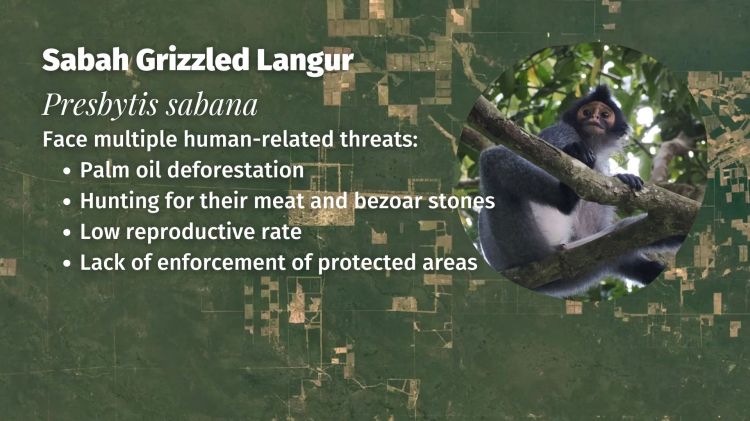
Sabah Grizzled Langur Presbytis sabana

Sabah Grizzled Langur Presbytis sabana

Red List Status: Endangered

Location: Malaysia (Sabah), Indonesia (North Kalimantan)

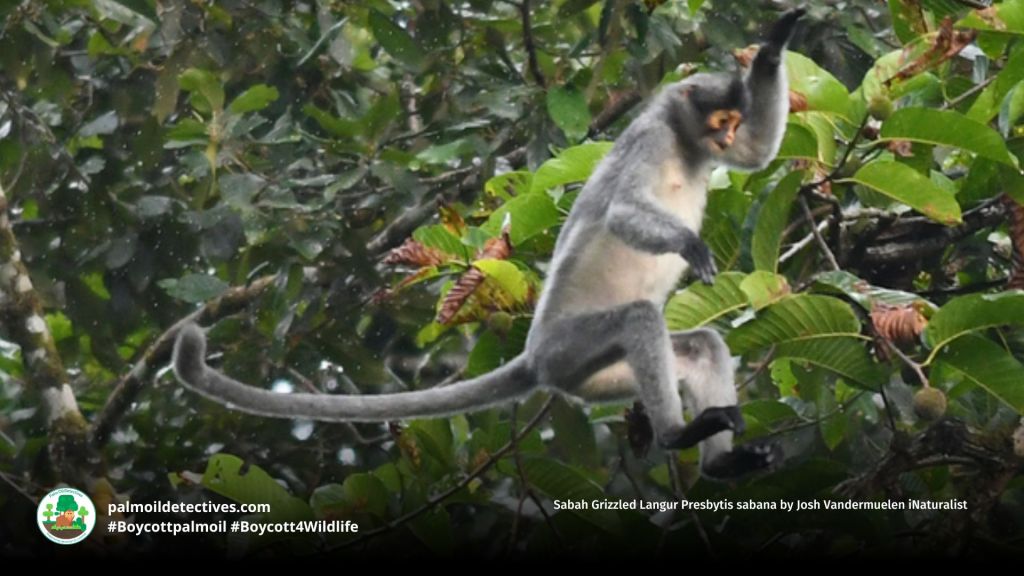
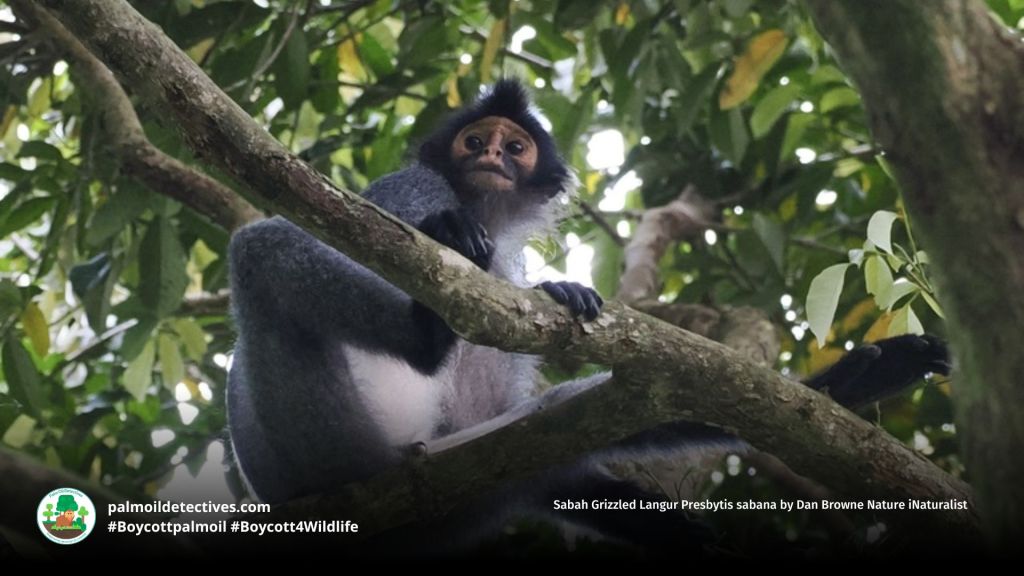
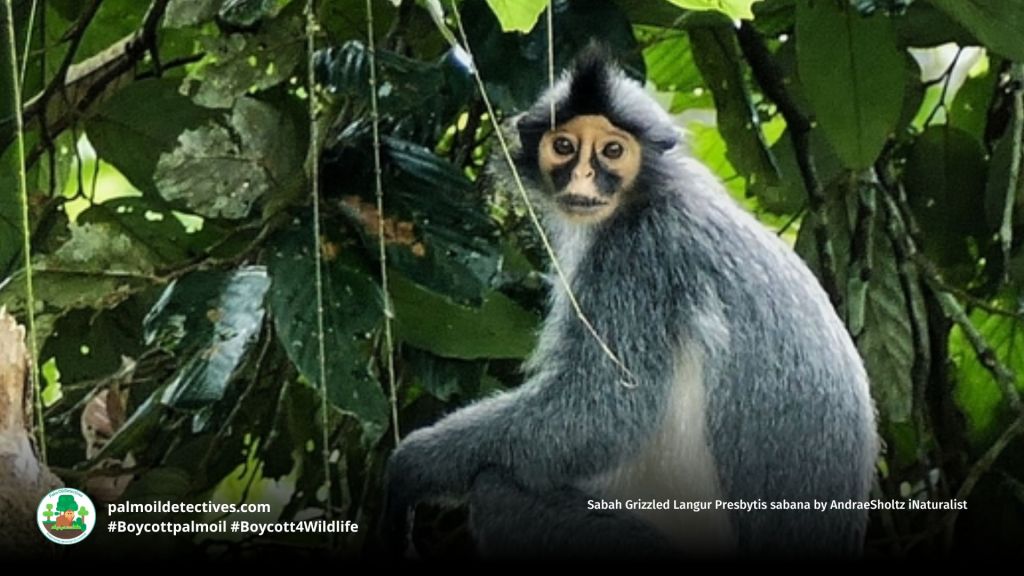
This elusive primate lives in lowland, riparian, montane, and evergreen forests of northern Borneo, including protected areas such as the Danum Valley, Tabin Reserve, and the Kinabatangan region.

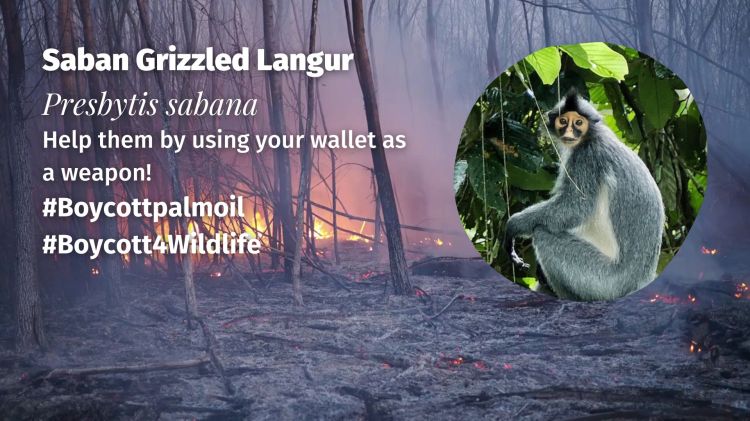
The Sabah Grizzled Langur Presbytis sabana, also known as the Saban Grizzled or Crested Grizzled Langur, is a strikingly beautiful leaf found only in . Their status is a direct result of extensive habitat destruction caused by deforestation, out-of-control palm oil expansion, and #hunting—particularly for bezoar stones used in traditional medicine. With fragmented populations and little known about their behaviour or numbers, urgent action is needed to prevent their extinction. Use your wallet as a weapon. Avoid when you shop and demand an end to wildlife trafficking and forest destruction.

Sabah Grizzled live in the treetops of 🐒🐵🇲🇾 Their main threats are and agriculture . Help to protect these elegant monkeys when you 🌴🩸🔥☠️🤮🧐🙊⛔️#Boycott4Wildlife @palmoildetect https://palmoildetectives.com/2021/01/25/msaban-grizzled-langur-presbytis-sabana/

Appearance and Behaviour

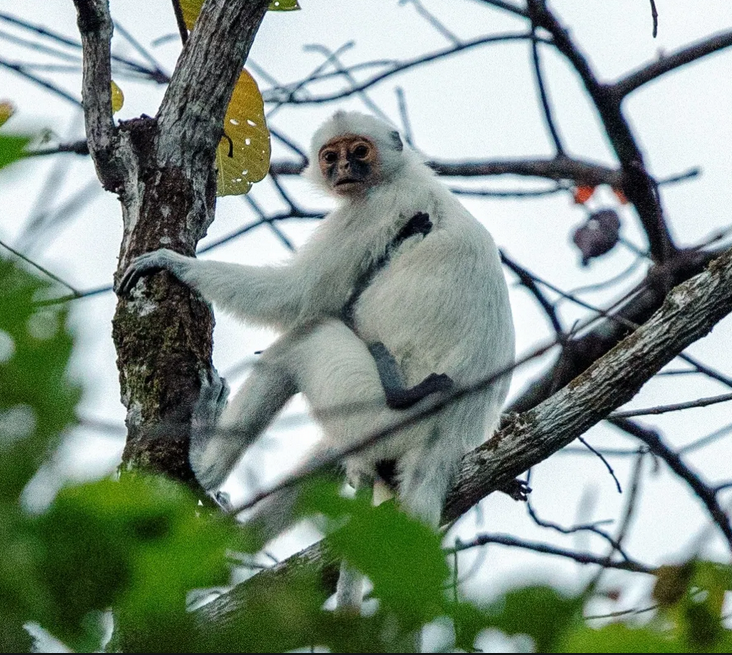
The Sabah Grizzled Langur is a captivating primate with a thick coat of grey, grizzled fur and a pale belly, sharply contrasted by black hands and feet. A pointed crown of fur rises from their head, giving them a distinct, almost regal look. Their spade-shaped, pale-pinkish faces are framed by dark rings around wide, expressive eyes—an appearance that makes them instantly memorable to anyone lucky enough to see one.

These langurs are diurnal and arboreal, spending most of their lives high in the forest canopy. At night, they retreat to the upper branches of emergent trees to sleep, likely as a defence against predators. They are nimble and versatile movers, walking on all fours, leaping, climbing, and even hanging suspended beneath branches. Their daily lives involve foraging, grooming, resting, and socialising in cohesive groups that typically consist of one dominant male and several adult females with their young.

Diet

Sabah Grizzled Langurs are primarily folivores, feeding on a wide range of leaves, young shoots, and unripe seeds. They also eat fruit, flowers, buds, insects, bird eggs, and mineral-rich mud to supplement their diet. Their complex, multi-chambered stomachs ferment leafy material efficiently, allowing them to extract maximum nutrition from tough plant matter.

The diet of the Sabah Grizzled Langur shifts based on the level of forest disturbance. In undisturbed forests, leaves dominate their intake, but in logged areas, they consume more fruit and seeds. This adaptability may be crucial to their survival in fragmented landscapes.

Reproduction and Mating

This species follows a polygynous mating system, with a single adult male having exclusive breeding access to the females in the group. Breeding appears to occur year-round, but births peak between July and October. After a gestation of five to six months, the female gives birth to a single infant.

Infants are born with paler fur that darkens over time. They are weaned at around 11 months and become subadults between 21 and 36 months. Both males and females leave their natal groups upon reaching sexual maturity at about three years of age, either joining new groups or forming their own.

Geographic Range

Sabah Grizzled Langurs are endemic to the island of Borneo and are found only in Sabah (Malaysia) and northern parts of Indonesian Kalimantan. They inhabit evergreen, lowland, montane, and riverine forests, as well as selectively logged areas and tree plantations. Though once considered a subspecies of Presbytis hosei, they are now recognised as a distinct species. Populations are scattered and fragmented, with some surviving in protected areas like Danum Valley and the Maliau Basin, but others are highly vulnerable to extinction.

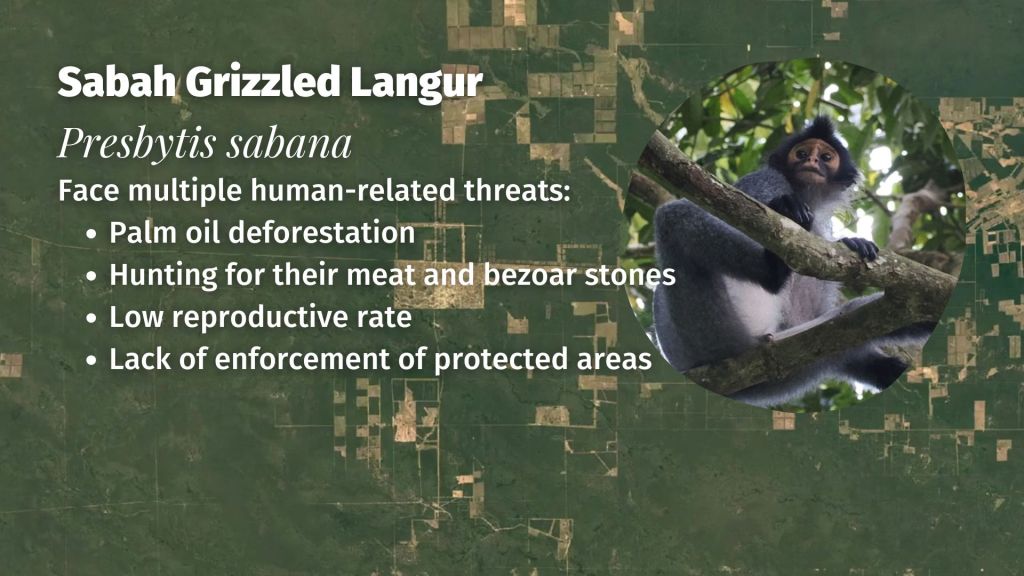
Threats

Saban Grizzled Langur Presbytis sabana threats

• Palm oil deforestation, monoculture expansion and habitat fragmentation

Large-scale clearing of Borneo’s forests for palm oil plantations has severely reduced the habitat of Presbytis sabana. This deforestation not only destroys the canopy cover they rely on for movement and shelter but also creates isolated forest patches that hinder gene flow and increase vulnerability to inbreeding and local extinction. Even selectively logged areas can remove critical roosting trees and food sources, leading to population collapse over time.

• Hunting for their meat and bezoar stones

Local hunting poses a grave threat to this species. Bezoar stones—calcified objects sometimes found in the gastrointestinal tracts of langurs—are falsely believed to have medicinal properties and fetch high prices in illegal markets. As a result, these langurs are hunted both for meat and for supposed curative use, putting intense pressure on already dwindling populations.

• Lack of enforcement in protected areas

While some populations live in conservation zones, many of these are inadequately protected. Illegal logging, poaching, and encroachment continue within the boundaries of national parks and reserves. Without sufficient monitoring, resources, and community involvement, these areas offer little real safety for the langurs.

• Low reproductive rate and slow population recovery

Like many primates, Sabah Grizzled Langurs have slow reproductive cycles, giving birth to a single infant every one to two years. This low birth rate means that even small increases in mortality can cause long-term population declines. Combined with hunting and habitat loss, this makes recovery especially difficult without urgent conservation action.

Take Action!

The fate of the Sabah Grizzled Langur is partially tied to our consumer choices. Avoid products that contain palm oil, especially those contributing to Bornean deforestation. Never support the exotic animal trade or products made from endangered species. Support indigenous-led conservation efforts and protect Southeast Asia’s remaining rainforests. #BoycottPalmOil #Boycott4Wildlife

FAQs

How many Sabah Grizzled Langurs are left?

Exact population numbers are unknown due to a lack of comprehensive surveys, but the IUCN lists them as Endangered and rapidly declining. Fragmentation of their range and localised hunting make many populations highly vulnerable, and some may already be functionally extinct.

What is the lifespan of Presbytis sabana?

While the exact lifespan of Presbytis sabana is not documented, related langurs typically live around 20–25 years in the wild. Infant mortality may be high in disturbed habitats, especially where hunting pressure is intense.

Why are bezoar stones a threat?

Bezoar stones are hard masses found in the intestines of some langurs, falsely believed to have healing powers in traditional medicine. This belief drives illegal hunting, even though scientific evidence shows these stones have no proven medical value. Killing langurs for this purpose is both cruel and contributes directly to their extinction.

How are Sabah Grizzled Langurs affected by palm oil?

Palm oil plantations are a major cause of deforestation in Borneo. These plantations clear vast areas of native forest, severing the canopy corridors that langurs use to travel. Even plantations that claim to be ‘eco-friendly’ contribute to ecosystem collapse by fragmenting habitat and displacing wildlife.

Do Sabah Grizzled Langurs make good pets?

No. These langurs are not suited to captivity and have not been documented in zoos or pet markets. Their specialised diet and social needs cannot be met outside the wild. Keeping langurs as pets is illegal, unethical, and further threatens their survival.

Saban Grizzled Langur Presbytis sabana boycott

Support the conservation of this species

This animal has no protections in place. Read about other forgotten species here. Create art to support this forgotten animal or raise awareness about them by sharing this post and using the #Boycott4Wildlife hashtags on social media. Also you can boycott palm oil in the supermarket.

Further Information

ICUN endangered logo

Nijman, V. (2017). Group composition and monandry in grizzled langurs, Presbytis comata, on Java. Folia Primatologica, 88(2), 237–254. https://doi.org/10.1159/000478695

Ramlee, H. (2013). Distribution, ecology and systematics of Presbytis hosei and other leaf monkey species in North Borneo [PhD thesis, Australian National University]. Open Research Repository. https://openresearch-repository.anu.edu.au/items/26fbc1b7-b536-427c-a8d2-62984e69b43e

Setiawan, A. & Traeholt, C. 2020. Presbytis sabana. The IUCN Red List of Threatened Species 2020: e.T39810A17987041. https://dx.doi.org/10.2305/IUCN.UK.2020-2.RLTS.T39810A17987041.en. Downloaded on 25 January 2021.

Wikipedia contributors. (n.d.). Sabah grizzled langur. Wikipedia. Retrieved from https://en.wikipedia.org/wiki/Sabah_grizzled_langur


Contribute to palm oil detectives - black rhino in profile

How can I help the ?


Take Action in Five Ways

1. Join the on social media and subscribe to stay in the loop: Share posts from this website to your own network on Twitter, Mastadon, Instagram, Facebook and Youtube using the hashtags .

Join 3,176 other subscribers

2. Contribute stories: Academics, conservationists, scientists, indigenous rights advocates and animal rights advocates working to expose the corruption of the palm oil industry or to save animals can contribute stories to the website.

3. Supermarket sleuthing: Next time you’re in the supermarket, take photos of products containing palm oil. Share these to social media along with the hashtags to call out the greenwashing and ecocide of the brands who use palm oil. You can also take photos of palm oil free products and congratulate brands when they go palm oil free.

4. Take to the streets: Get in touch with Palm Oil Detectives to find out more.

5. Donate: Make a one-off or monthly donation to Palm Oil Detectives as a way of saying thank you and to help pay for ongoing running costs of the website and social media campaigns. Donate here
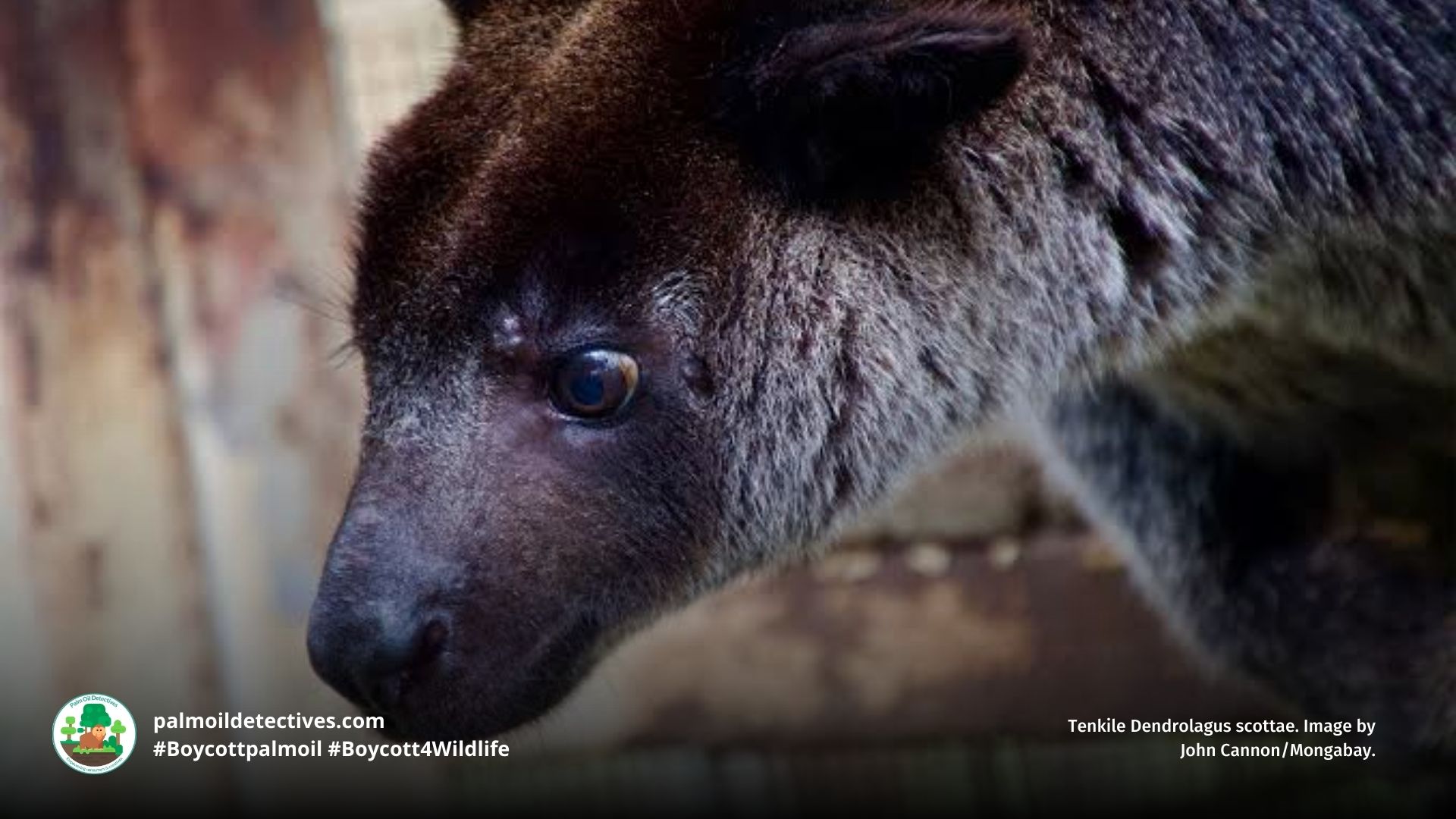
Milky Stork Mycteria cinerea

Milky Stork Mycteria cinerea

Endangered

Locations: Cambodia, Vietnam, Malaysia, Indonesia (Sumatra, Java)

The Milky Stork is a striking wading bird native to Southeast Asia’s coastal mangroves and wetlands. Recognisable by their predominantly white plumage and contrasting black flight feathers, they play a vital role in their ecosystem by controlling fish and insect populations. Unfortunately, habitat destruction for palm oil and timber, pollution, and the illegal wildlife trade have led to significant population declines. To protect the Milky Stork use your wallet as a weapon to fight for their survival each time you shop.

Milky Storks are wetlands-dwelling of 🦢🪶🩷 They’re by and . Boycott the brands destroying their home 🌴🤮🩸🔥☠️⛔️ @palmoildetect https://palmoildetectives.com/2021/01/25/milky-stork-mycteria-cinerea/

In Indonesia, the Milky Stork lives in tidal forests including mangroves are these ecosystems are threatened by agricultural conversion and development schemes.

IUCN Red List

Appearance and Behaviour

Milky Storks are medium-sized birds, standing approximately 91–97 cm tall. Their plumage is predominantly white, with black flight feathers and tail that exhibit a greenish gloss. During the breeding season, their white feathers may take on a pale creamy-yellow tint, giving them their “milky” appearance. They have a long, yellow bill and bare facial skin that varies in colour from greyish to deep wine-red during breeding. These storks are social birds, often found in flocks, and are known for their graceful foraging behaviour in shallow waters, where they use their sensitive bills to detect and catch prey.

Geographic Range

The Milky Stork is native to parts of Cambodia, Vietnam, Malaysia, and Indonesia, particularly Sumatra and Java. They inhabit coastal mangroves, estuaries, mudflats, and freshwater wetlands. However, their range has become increasingly fragmented due to habitat loss and human activities.

Diet

Primarily carnivorous, Milky Storks feed on a variety of aquatic prey, including fish, crustaceans, insects, and amphibians. They forage by wading through shallow waters, using their long bills to probe the mud and water for food. Their feeding habits help control populations of their prey, maintaining ecological balance in their habitats.

Reproduction and Mating

Milky Storks breed in colonies, often alongside other waterbird species. Nesting sites are typically located in tall trees within mangrove forests or on coastal islands. A recent study reported the rediscovery of a breeding colony in South Sumatra, Indonesia, highlighting the importance of preserving these critical habitats. The breeding season varies by region but generally coincides with the dry season. Females lay 2–3 eggs, which are incubated by both parents. Chicks fledge approximately two months after hatching.

Threats

The Milky Stork is listed as Endangered on the IUCN Red List, with an estimated population of around 1,500 mature individuals. Conservation efforts include habitat protection, restoration of mangroves, anti-poaching measures, and captive breeding programmes aimed at bolstering wild populations. Public awareness and community engagement are also crucial in mitigating threats and promoting coexistence.

IUCN Status: Endangered

  • Habitat Loss: Destruction of mangroves and wetlands for palm oil agriculture, fishing aquaculture, and urban development has led to significant declines in suitable habitats for this stork.
  • Pollution: Industrial and agricultural pollutants contaminate waterways, affecting the health and reproductive success of Milky Storks.
  • Illegal Wildlife Trade: On occasion these birds are collected for the pet trade or local consumption, further reducing wild populations.
  • Species Hybridisation: Interbreeding with the Painted Stork (Mycteria leucocephala) poses a genetic threat to the species’ population.

Take Action!

Protect the Milky Stork by boycotting products linked to deforestation, such as palm oil. Use your wallet as a weapon to support ethical and eco-friendly choices. Share their story and fight for their survival with and .

You can support this beautiful animal

There are no known conservation activities for this animal. Share out this post to social media and join the #Boycott4Wildlife on social media to raise awareness

Further Information

ICUN endangered logo

BirdLife International. 2016. Mycteria cinerea. The IUCN Red List of Threatened Species 2016: e.T22697651A93627701. https://dx.doi.org/10.2305/IUCN.UK.2016-3.RLTS.T22697651A93627701.en. Downloaded on 25 January 2021.

eBird. (n.d.). Milky Stork. Retrieved from eBird

Iqbal, M., Ridwan, A., Takari, F., & Mulyono, H. (2008). Rediscovery of a Milky Stork (Mycteria cinerea) breeding colony in South Sumatra province, Indonesia. BirdingASIA, 10, 62–66. Retrieved from ResearchGate

Thai National Parks. (n.d.). Milky Stork. Retrieved from Thai National Parks

Wikipedia contributors. (n.d.). Milky Stork. Retrieved from Wikipedia


Contribute to palm oil detectives - black rhino in profile

How can I help the ?


Take Action in Five Ways

1. Join the on social media and subscribe to stay in the loop: Share posts from this website to your own network on Twitter, Mastadon, Instagram, Facebook and Youtube using the hashtags .

Join 3,176 other subscribers

2. Contribute stories: Academics, conservationists, scientists, indigenous rights advocates and animal rights advocates working to expose the corruption of the palm oil industry or to save animals can contribute stories to the website.

3. Supermarket sleuthing: Next time you’re in the supermarket, take photos of products containing palm oil. Share these to social media along with the hashtags to call out the greenwashing and ecocide of the brands who use palm oil. You can also take photos of palm oil free products and congratulate brands when they go palm oil free.

4. Take to the streets: Get in touch with Palm Oil Detectives to find out more.

5. Donate: Make a one-off or monthly donation to Palm Oil Detectives as a way of saying thank you and to help pay for ongoing running costs of the website and social media campaigns. Donate here
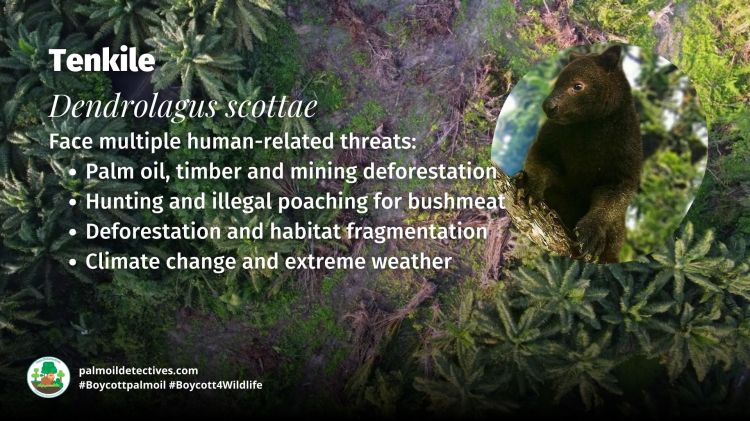
Balabac Mouse Deer Tragulus nigricans

Balabac Mouse Deer Tragulus nigricans

Endangered

Extant (resident) Philippines; Presence Uncertain: Malaysia

The Balabac Mouse-deer, also known as the Philippine Mouse-deer or locally as Pilandok, is a tiny, fragile deer most active at night. They are ruminants endemic to the Balabac Islands in the Philippines. Despite their diminutive size, the deers play a significant role in their ecosystem, aiding in seed dispersal and maintaining forest undergrowth. Unfortunately, habitat loss and hunting have led to a decline in their populations. To protect the Balabac Mouse-deer you can take action every time you shop! Use your wallet as a weapon to fight for their survival and #BoycottPalmOil #Boycott4Wildlife

The Balabac Mouse Deer is a timid and tiny deer 🦌 one of the smallest in the 🌍. They are endangered and may be extinct in 🇲🇾 due to , the pet trade and . Support them! 🌴🙊🔥⛔️ https://palmoildetectives.com/2021/01/25/balabac-mouse-deer-tragulus-nigricans/

The species is also affected by habitat loss due to conversion of former habitat to coconut plantations and other agriculture.

IUCN Red List

Appearance and Behaviour

Balabac Mouse-deer are among the world’s smallest hoofed mammals, standing about 40 cm tall at the shoulder and weighing approximately 2.5 kg. They have a sleek, dark brown coat with white markings on the throat and chest, and slender legs adapted for swift movement through dense underbrush. Primarily nocturnal, they are shy and elusive, relying on their keen senses to avoid predators. Their diet consists mainly of fruits, leaves, and other plant materials, making them important seed dispersers in their habitat.

Geographic Range

Endemic to the Philippines, the Balabac Mouse-deer is found primarily on Balabac Island and nearby smaller islands such as Bugsuk and Ramos, located southwest of Palawan. Their preferred habitats are lowland forests and mangrove areas, where they can find ample cover and food resources.

Diet

As herbivores, Balabac Mouse-deer feed on a variety of plant materials, including fruits, leaves, flowers, and buds. Their foraging habits contribute to seed dispersal, aiding in forest regeneration and maintaining ecological balance within their environment.

Reproduction and Mating

Information on the reproductive behaviour of Balabac Mouse-deer is limited. However, like other species in the Tragulus genus, they are believed to have a polygynous mating system, with breeding occurring year-round. Females typically give birth to a single offspring after a gestation period of approximately 140–177 days. The young are precocial, meaning they are relatively mature and mobile shortly after birth, which is advantageous for avoiding predators.

Threats

The Balabac Mouse-deer is listed as Endangered on the IUCN Red List, with populations continuing to decline due to ongoing threats. Conservation efforts include habitat protection, anti-poaching measures, and environmental education to raise awareness about the species’ plight. Recent studies have highlighted the need for more comprehensive data on their distribution and population status to inform effective conservation strategies.

IUCN Status: Endangered

  • Palm oil and timber deforestation: Deforestation due to logging, palm oil agricultural expansion, and development has led to significant reductions in their natural habitat.
  • Hunting and the illegal wildlife trade: Despite legal protections, hunting for local consumption and the illegal wildlife trade continues to threaten their populations.
  • Limited Range: Being confined to a small geographic area makes them particularly vulnerable to environmental changes and human activities.

Take Action!

Protect the Balabac Mouse-deer by boycotting products linked to deforestation, such as palm oil. Use your wallet as a weapon to support ethical and eco-friendly choices. Share their story and fight for their survival with #BoycottPalmOil and #Boycott4Wildlife.

Further Information

ICUN endangered logo

CSIRO Publishing. (2021). Geographic distribution, population and conservation status of Tragulus nigricans. Retrieved from CSIRO Publishing

Supsup, C. E., Asis, A. A., Carestia Jr., U. V., Puna, N. M., & Avanceña, J. B. (2021). Geographic distribution, population and conservation status of Tragulus nigricans, an endangered mouse deer endemic to western Philippines. Pacific Conservation Biology. Retrieved from ResearchGate

Widmann, P. 2015. Tragulus nigricans. The IUCN Red List of Threatened Species 2015: e.T22065A61977991. https://dx.doi.org/10.2305/IUCN.UK.2015-2.RLTS.T22065A61977991.en. Downloaded on 25 January 2021.

Wikipedia contributors. (n.d.). Philippine Mouse-deer. Retrieved from Wikipedia

Balabac Mouse Deer Tragulus nigricans

Balabac Mouse Deer Tragulus nigricans


Contribute to palm oil detectives - black rhino in profile

How can I help the ?


Take Action in Five Ways

1. Join the on social media and subscribe to stay in the loop: Share posts from this website to your own network on Twitter, Mastadon, Instagram, Facebook and Youtube using the hashtags .

Join 3,176 other subscribers

2. Contribute stories: Academics, conservationists, scientists, indigenous rights advocates and animal rights advocates working to expose the corruption of the palm oil industry or to save animals can contribute stories to the website.

3. Supermarket sleuthing: Next time you’re in the supermarket, take photos of products containing palm oil. Share these to social media along with the hashtags to call out the greenwashing and ecocide of the brands who use palm oil. You can also take photos of palm oil free products and congratulate brands when they go palm oil free.

4. Take to the streets: Get in touch with Palm Oil Detectives to find out more.

5. Donate: Make a one-off or monthly donation to Palm Oil Detectives as a way of saying thank you and to help pay for ongoing running costs of the website and social media campaigns. Donate here
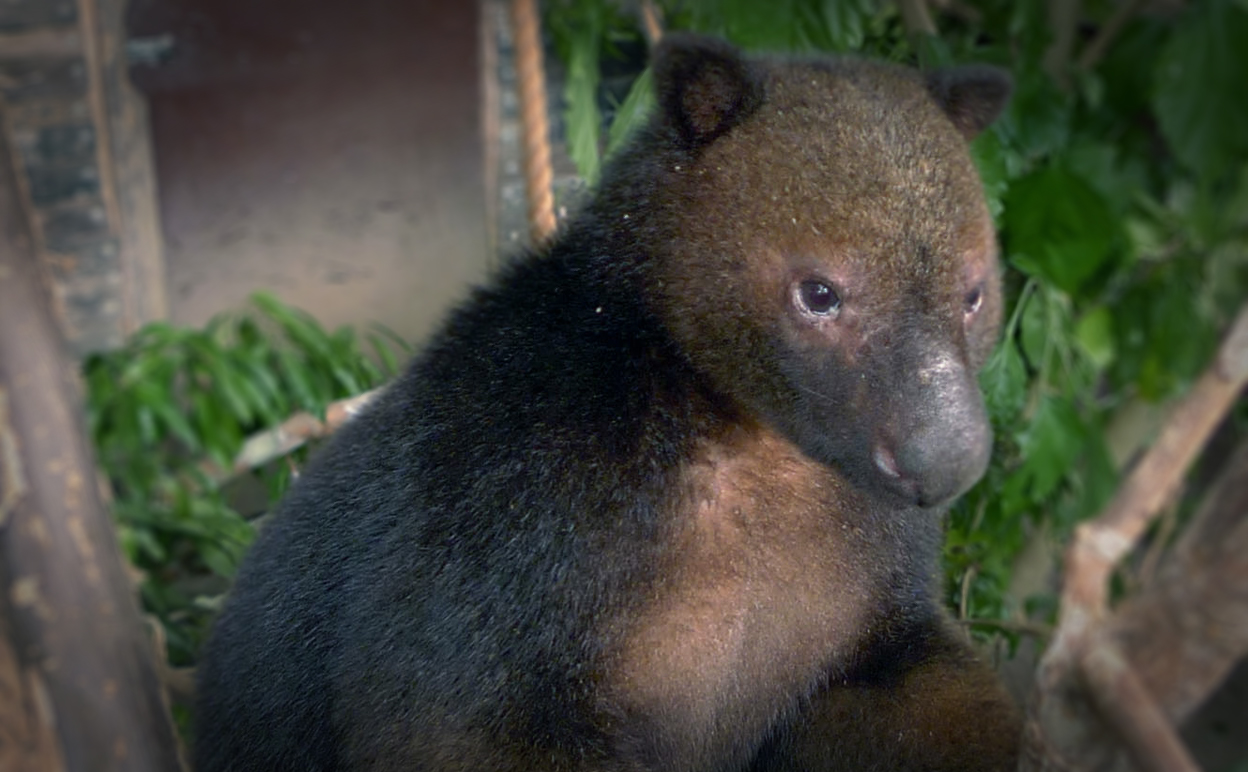
Borneo Bay Cat Catopuma badia

Borneo Bay Cat Catopuma badia

Endangered

Indonesia, Malaysia

Brunei (Presence unknown)

The Borneo Bay Cat, also known as the Bay Cat, is a small wildcat species endemic to the island of Borneo. Renowned for their elusive nature, they inhabit dense tropical forests and are among the least studied wild cats globally. Their rarity and the rapid deforestation of Borneo’s rainforests have raised significant conservation concerns. To protect the Borneo Bay Cat use your wallet as a weapon to fight for their survival each time you shop. #BoycottPalmOil #Boycott4Wildlife

One of the rarest and least known species 🐱🐈😻 in 🇲🇾🇮🇩 is the Borneo Bay Cat. Endangered from in Sabah, help them survive and 🌴🪔☠️🤮⛔️ @palmoildetect https://palmoildetectives.com/2021/01/25/borneo-bay-cat-catopuma-badia/

The Borneo Bay Cat 🐱🐈😻 is a rare who are unimpressed at being photographed or found. Threats include and . Fight for their survival and 🌴🪔☠️🤮⛔️ @palmoildetect https://palmoildetectives.com/2021/01/25/borneo-bay-cat-catopuma-badia/

Habitat loss due to commercial logging and conversion to oil palm plantations pose the greatest threat to the Bay Cat. Oil palm plantations are likely to expand in the future as a result of the push for biofuels, and forest cover on the island of Borneo, if current deforestation rates continue, is projected to decline from 50% to less than one-third by 2020 (Rautner et al. 2005).

IUCN red list

Appearance and Behaviour

Borneo Bay Cats are about the size of a large domesticated cat, with a head-body length ranging from 49.5 to 67 cm and a tail length of 30 to 40.3 cm. They exhibit two distinct colour morphs: the more common reddish-brown (bay) form and a less common grey form. Their coats are typically uniform in colour, with faint markings on the face and a white underside of the tail tip. These cats are highly elusive and primarily nocturnal, making them challenging to study in the wild. Their behaviour and ecology remain largely unknown due to their secretive, cryptic nature.

Geographic Range

The Borneo Bay Cat is exclusively found on the island of Borneo, encompassing both Malaysian (Sabah and Sarawak) and Indonesian (Kalimantan) territories. They inhabit various forest types, including lowland dipterocarp forests, hill forests, and peat swamp forests, up to elevations of about 900 meters. Their presence is closely associated with dense forest cover, making them particularly vulnerable to habitat loss.

Diet

Due to the scarcity of direct observations, the diet of the Borneo Bay Cat is not well-documented. However, like other small felids, they are presumed to be carnivorous, preying on small mammals, birds, and possibly reptiles and insects. Their role as predators helps maintain the ecological balance within their habitat.

Reproduction and Mating

Information regarding the reproductive behaviour of the Borneo Bay Cat is virtually nonexistent. In captivity, a female was observed to give birth to a single kitten, suggesting a possible low reproductive rate. However, comprehensive studies are needed to understand their mating systems, gestation periods, and parental care.

Threats

The Borneo Bay Cat is listed as Endangered on the IUCN Red List, with an estimated population of fewer than 2,500 mature individuals. Conservation efforts are hindered by the lack of comprehensive data on their ecology and population dynamics. Protecting their remaining forest habitats and implementing anti-poaching measures are crucial steps toward their preservation.

IUCN Status: Endangered

Palm oil and timber deforestation: Extensive deforestation for logging, palm oil plantations, and human settlement has led to significant habitat fragmentation and loss.

Illegal poaching and trapping: Poaching, particularly the use of snares, poses a significant threat. Wildlife traders are aware of the species’ rarity, and Bay Cats have been captured illegally from the wild for the skin and pet markets (Sunquist and Sunquist 2002, Kitchener et al. 2004, Azlan and Sanderson 2007).

The Borneo Bay Cat was not recorded during an intensive, felid-focused camera trap survey of oil palm plantations in Sabah (Ross et al. 2010, Yue et al. in press).

IUCN Red lIST

Take Action!

Protect the Borneo Bay Cat by boycotting products linked to deforestation, such as palm oil. Use your wallet as a weapon to support ethical and eco-friendly choices. Share their story and fight for their survival with and .

Further Information

ICUN endangered logo

Hearn, A., Brodie, J., Cheyne, S., Loken, B., Ross, J. & Wilting, A. 2016. Catopuma badia (errata version published in 2017). The IUCN Red List of Threatened Species 2016: e.T4037A112910221. https://dx.doi.org/10.2305/IUCN.UK.2016-1.RLTS.T4037A50650716.en. Downloaded on 25 January 2021.

Felidae Conservation Fund. (n.d.). Bay Cat. Retrieved from Felidae Conservation Fund

Hance, J. (2024). On the trail of Borneo’s bay cat, one of the world’s most mysterious felines. Mongabay. Retrieved from Mongabay

Wikipedia contributors. (n.d.). Bay Cat. Retrieved from Wikipedia

Wildcat Conservation. (n.d.). Borneo Bay Cat. Retrieved from Wildcat Conservation


Contribute to palm oil detectives - black rhino in profile

How can I help the ?


Take Action in Five Ways

1. Join the on social media and subscribe to stay in the loop: Share posts from this website to your own network on Twitter, Mastadon, Instagram, Facebook and Youtube using the hashtags .

Join 3,176 other subscribers

2. Contribute stories: Academics, conservationists, scientists, indigenous rights advocates and animal rights advocates working to expose the corruption of the palm oil industry or to save animals can contribute stories to the website.

3. Supermarket sleuthing: Next time you’re in the supermarket, take photos of products containing palm oil. Share these to social media along with the hashtags to call out the greenwashing and ecocide of the brands who use palm oil. You can also take photos of palm oil free products and congratulate brands when they go palm oil free.

4. Take to the streets: Get in touch with Palm Oil Detectives to find out more.

5. Donate: Make a one-off or monthly donation to Palm Oil Detectives as a way of saying thank you and to help pay for ongoing running costs of the website and social media campaigns. Donate here

Lowland Grainy Frog Kalophrynus palmatissimus

Lowland Grainy Frog Kalophrynus palmatissimus

IUCN Status: Endangered

Location: Peninsular Malaysia

The Lowland Grainy Kalophrynus palmatissimus is an elusive leaf litter found in the rainforests of Peninsular . Their survival is under dire threat from rampant -driven , as well as infrastructure expansion and quarrying. The widespread clearing of forests for monoculture plantations has stripped away the rich, damp habitats they rely on for shelter, breeding, and foraging. As forest fragments become smaller, their populations are increasingly isolated and vulnerable. Without urgent action to curb deforestation, this species could vanish forever. Every time you shop, fight for their survival and #BoycottPalmOil #Boycott4Wildlife.

Rough skinned Lowland Grainy look like leaves 🐸🌿making them invisible to predators. Yet the expansion of is a formidable threat to these . Fight for them and 🌴⛔️ @palmoildetect https://palmoildetectives.com/2021/01/25/lowland-grainy-frog-kalophrynus-palmatissimus/

Habitat within this species’ range has been converted to non-timber plantations, such as oil palm.

IUCN Red List

Appearance and Behaviour

The Lowland Grainy Frog is a master of disguise, with a rough-textured, grainy skin that mimics the damp leaf litter of the rainforest floor. Their muted brown and orange colouration allows them to remain nearly invisible, blending into the undergrowth to avoid predators. They are a terrestrial species, relying on the moisture of the rainforest to prevent desiccation. Primarily nocturnal, they emerge at night to forage, moving stealthily through the thick leaf litter. Their dependence on undisturbed, humid environments makes them highly susceptible to habitat loss.

Lowland Grainy Frog Kalophrynus palmatissimus

Threats

Palm Oil and Rubber Monoculture Expansion

The primary threat to this species of frog is large-scale deforestation for palm oil and rubber plantations. This relentless destruction of Malaysia’s lowland rainforests has led to widespread loss of their habitat, leaving them with fewer places to breed and forage. As palm oil plantations expand, forested land continues to disappear at an alarming rate.

Infrastructure Development

Road construction, commercial and industrial development, and the expansion of human settlements have fragmented their remaining habitat. As forests are cut into smaller patches, populations become isolated, reducing their genetic diversity and increasing their risk of extinction.

Quarrying for Granite

In Panti Forest Reserve, the threat of granite quarrying looms over the last remaining strongholds of this species. The destruction of forested land for quarrying operations eliminates critical breeding grounds and disrupts entire ecosystems.

Diet

The Lowland Grainy Frog is an insectivore, feeding primarily on small invertebrates that thrive within the leaf litter. Studies have shown that they prefer areas with smooth, non-hairy leaves, which provide shelter and support a higher abundance of invertebrate prey. The loss of rainforest leaf litter due to logging and palm oil monoculture plantations directly impacts their ability to find food.

Reproduction and Mating

These frogs breed in temporary pools and damp forest areas, where males produce high-pitched calls at night to attract mates. Their eggs are laid on moist surfaces, and tadpoles develop in small water bodies. The destruction of rainforest habitats and pollution of water sources place their breeding success at significant risk. Without protected environments, their ability to reproduce is severely compromised.

Geographic Range

This species is endemic to Peninsular Malaysia, where they have been recorded in Ayer Hitam Forest Reserve, Pasoh Forest Reserve, and Panti Forest Reserve. Although they has shown some adaptability to disturbed habitats, its reliance on intact, humid forests makes deforestation the greatest threat to its survival.

Lowland Grainy Frog Kalophrynus palmatissimus

FAQ

Do Lowland Grainy Frogs Make Good Pets?

No. These frogs require undisturbed rainforest conditions to survive. Capturing them for the pet trade disrupts wild populations and contributes to their decline. If you care about their future, the best way to help is by protecting their natural habitat and advocating for rainforest conservation.

How does palm oil deforestation threaten the Lowland Grainy Frog?

Palm oil plantations replace biodiverse rainforests with monocultures, destroying the leaf litter environment that these frogs depend on for shelter and food. Without this protective cover, they are more exposed to predators, extreme temperatures, and habitat fragmentation. The chemicals used in palm oil plantations also pollute nearby water sources, making it even harder for them to breed and survive.

How does habitat fragmentation affect the Lowland Grainy Frog?

When forests are cleared for agriculture, roads, and infrastructure, populations of the Lowland Grainy Frog become isolated in small, disconnected patches of land. This limits their ability to move, find mates, and maintain genetic diversity. Inbreeding and reduced genetic variation make them more vulnerable to disease and environmental changes.

How does quarrying impact the Lowland Grainy Frog?

Granite quarrying in places like Panti Forest Reserve threatens one of their last strongholds. Quarrying removes forest cover, eliminates breeding sites, and disrupts entire ecosystems. Dust and chemical runoff from quarrying can also contaminate the soil and water sources, making them uninhabitable for frogs and their prey.

Take Action!

The Lowland Grainy Frog is vanishing due to palm oil-driven deforestation, habitat destruction, and quarrying. You can help by:

• Refusing to buy products containing palm oil, which fuels rainforest destruction.

• Supporting indigenous-led conservation efforts in Malaysia.

• Raising awareness about the devastating impacts of palm oil on wildlife.

Every time you shop, fight for their survival when you #BoycottPalmOil #Boycott4Wildlife.

You can support this beautiful animal

There are no known conservation activities for this animal. Share out this post to social media and join the #Boycott4Wildlife on social media to raise awareness

Further Information

ICUN endangered logo

Aziz, M. A., Mohd. Top, M. T., Shohaimi, S., Ab Ghani, I., & Fletcher, C. (2020). Morphometric study of Kalophrynus palmatissimus at two forest reserves: Ayer Hitam Forest Reserve, Selangor vs. Pasoh Forest Reserve, Negeri Sembilan. Authorea. Retrieved from https://www.authorea.com/users/322896/articles/452166-morphometric-study-of-kalophrynus-palmatissimus-at-two-forest-reserves-ayer-hitam-forest-reserve-selangor-vs-pasoh-forest-reserve-negeri-sembilan

Muhammad, F. A., Marina, M. T., Shamarina, S., Ab Ghani, N. I., & Fletcher, C. (2019). Types of leaves preference by Kalophrynus palmatissimus in two forest reserves. International Journal of Scientific and Research Publications, 9(10), 319. https://doi.org/10.29322/IJSRP.9.10.2019.p9443

IUCN SSC Amphibian Specialist Group. 2018. Kalophrynus palmatissimus. The IUCN Red List of Threatened Species 2018: e.T57843A90961057. https://dx.doi.org/10.2305/IUCN.UK.2018-2.RLTS.T57843A90961057.en. Downloaded on 25 January 2021.

Wikipedia contributors. (n.d.). Kalophrynus palmatissimus. Wikipedia, The Free Encyclopedia. https://en.wikipedia.org/wiki/Kalophrynus_palmatissimus


Contribute to palm oil detectives - black rhino in profile

How can I help the ?


Take Action in Five Ways

1. Join the on social media and subscribe to stay in the loop: Share posts from this website to your own network on Twitter, Mastadon, Instagram, Facebook and Youtube using the hashtags .

Join 3,176 other subscribers

2. Contribute stories: Academics, conservationists, scientists, indigenous rights advocates and animal rights advocates working to expose the corruption of the palm oil industry or to save animals can contribute stories to the website.

3. Supermarket sleuthing: Next time you’re in the supermarket, take photos of products containing palm oil. Share these to social media along with the hashtags to call out the greenwashing and ecocide of the brands who use palm oil. You can also take photos of palm oil free products and congratulate brands when they go palm oil free.

4. Take to the streets: Get in touch with Palm Oil Detectives to find out more.

5. Donate: Make a one-off or monthly donation to Palm Oil Detectives as a way of saying thank you and to help pay for ongoing running costs of the website and social media campaigns. Donate here

Proboscis Monkey Nasalis larvatus

Proboscis Monkey Nasalis larvatus

Endangered

Brunei, Malaysia (Sabah, Sarawak), Indonesia (Kalimantan)


The Proboscis Monkey, distinguished by their large, pendulous noses and pot-bellied appearance, is an arboreal primate endemic to the island of Borneo. Inhabiting forests, swamps, and riverine areas, they are exceptional swimmers, often seen leaping into water to evade predators. Unfortunately, their populations are in decline due to habitat destruction, primarily from logging and agricultural expansion, including palm oil plantations. Human pressures have led them to interbreed with other monkeys. To protect the Proboscis Monkey, we urge you to boycott products linked to deforestation. Use your wallet as a weapon to fight for their survival each time you shop.


Gentle and shy tree-dwellers with famous long noses 👃 🐒🤎 Proboscis Monkey are in and . Their main threat is and . Help them to survive when u @palmoildetect.bsky.social https://wp.me/pcFhgU-mh

The habitat of the Proboscis Monkey is favoured for logging, cultivation, and settlement.

IUCN Red List

Appearance and Behaviour

Proboscis Monkeys exhibit sexual dimorphism, with males being significantly larger than females. Males weigh between 16 to 22 kg and possess noses that can exceed 10 cm in length, while females weigh between 7 to 12 kg with smaller, upturned noses. Their reddish-brown coats contrast with greyish limbs and tails. These primates are diurnal and highly arboreal, living in cohesive groups that typically consist of one adult male, several females, and their offspring. They are known for their loud vocalisations, which serve as communication within the group and to establish territory.

Geographic Range

Endemic to Borneo, Proboscis Monkeys are found in coastal mangroves, riverine forests, and peat swamps across Brunei, Malaysia (Sabah and Sarawak), and Indonesia (Kalimantan). They prefer habitats close to water and are rarely found more than a kilometre away from rivers or coastal areas.

Diet

Primarily folivorous, Proboscis Monkeys feed on young leaves, seeds, and unripe fruits, with a preference for mangrove species. Their complex, chambered stomachs contain specialised bacteria that aid in fermenting and digesting cellulose-rich plant material. This specialised diet makes them highly susceptible to habitat changes that affect food availability.

Reproduction and Mating

Proboscis Monkeys have a polygynous mating system, with dominant males presiding over harems of females. Breeding can occur year-round, with a gestation period of approximately 166 days, resulting in the birth of a single infant. Infants are born with blue faces and develop the characteristic adult colouring as they mature. Both males and females reach sexual maturity around 4 to 5 years of age.

Threats

The Proboscis Monkey is listed as Endangered on the IUCN Red List, with populations continuing to decline due to ongoing threats. Conservation efforts include habitat protection, anti-poaching measures, and environmental education to raise awareness about the species’ plight. Protected areas and wildlife reserves play a crucial role in safeguarding remaining populations.

IUCN Status: Endangered

Palm oil deforestation: Deforestation for timber, conversion of land for agriculture (notably palm oil plantations), and urban development have led to significant habitat fragmentation and loss.

Hunting and human persecution: In some regions, Proboscis Monkeys are hunted for their meat and bezoar stones, which are used in traditional medicine.

Infrastructure development: Increasing human activities, including river traffic and ecotourism, can disrupt their natural behaviours and lead to stress.

In some cases human pressures have led the Proboscis Monkey to interbreeding with other monkeys such as the Silvery Lutung.

Take Action!

Protect the Proboscis Monkey by boycotting products linked to deforestation, such as palm oil. Use your wallet as a weapon to support ethical and eco-friendly choices. Share their story and fight for their survival with and .

Further Information

ICUN endangered logo

Boonratana, R., Cheyne, S.M., Traeholt, C., Nijman, V. & Supriatna, J. 2020. Nasalis larvatus. The IUCN Red List of Threatened Species 2020: e.T14352A17945165. https://dx.doi.org/10.2305/IUCN.UK.2020-2.RLTS.T14352A17945165.en. Downloaded on 25 January 2021.

National Geographic. (n.d.). Proboscis Monkey. Retrieved from National Geographic

Britannica. (n.d.). Proboscis Monkey. Retrieved from Britannica

Wikipedia contributors. (n.d.). Proboscis Monkey. Retrieved from Wikipedia


Contribute to palm oil detectives - black rhino in profile

How can I help the ?


Take Action in Five Ways

1. Join the on social media and subscribe to stay in the loop: Share posts from this website to your own network on Twitter, Mastadon, Instagram, Facebook and Youtube using the hashtags .

Join 3,176 other subscribers

2. Contribute stories: Academics, conservationists, scientists, indigenous rights advocates and animal rights advocates working to expose the corruption of the palm oil industry or to save animals can contribute stories to the website.

3. Supermarket sleuthing: Next time you’re in the supermarket, take photos of products containing palm oil. Share these to social media along with the hashtags to call out the greenwashing and ecocide of the brands who use palm oil. You can also take photos of palm oil free products and congratulate brands when they go palm oil free.

4. Take to the streets: Get in touch with Palm Oil Detectives to find out more.

5. Donate: Make a one-off or monthly donation to Palm Oil Detectives as a way of saying thank you and to help pay for ongoing running costs of the website and social media campaigns. Donate here
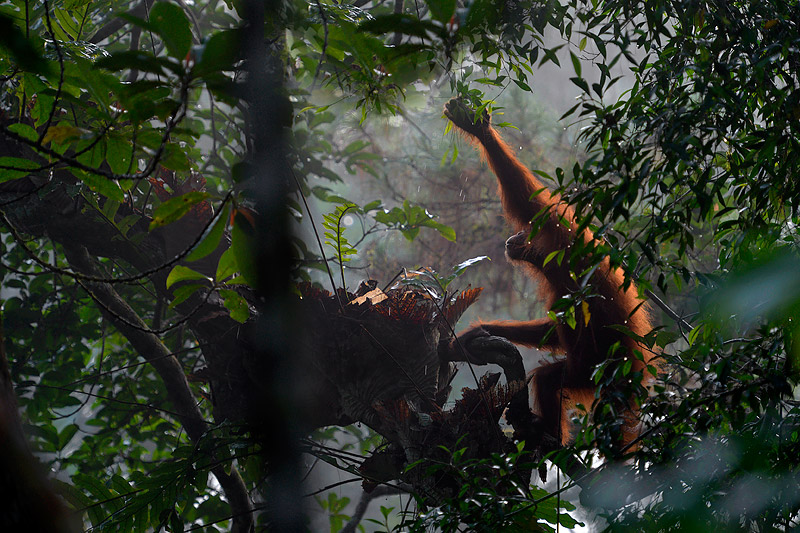
Silvery Pigeon Columba argentina

Silvery Pigeon Columba argentina

Critically Endangered

Location: Indonesia (Riau Archipelago, Bangka-Belitung Islands, Mentawai Islands, and Sumatra) and Malaysia (offshore islands of Borneo)

The silvery pigeon (Columba argentina) is one of Southeast Asia’s most enigmatic birds. Once widespread throughout Indonesia and Malaysia, they have been marginalised to far-flung islands where they are sadly disappearing and are now Critically Endangered. These shy birds are known for their elegant, silvery-grey plumage, vivid red eyes, and black-tipped wings.

With an estimated population of fewer than 50 mature individuals, their survival is hanging in the balance and they are almost gone permanently. Deforestation, particularly for palm oil plantations, has decimated their mangrove and coastal forest habitats. Additionally, illegal poaching and invasive species have driven their numbers to critical lows. Protecting their fragile existence requires immediate conservation efforts. Fight for their survival every time you shop by boycotting palm oil! #BoycottPalmOil #Boycott4Wildlife

Once well-known and widespread, only a handful of elegant Silvery 🕊️🩶remain on far-flung islands of 🇮🇩 and 🇲🇾. and illegal trade are big threats. 🌴🔥💀🙊⛔️ @palmoildetect https://palmoildetectives.com/2021/01/25/silvery-pigeon-columba-argentina/

Enigmatic and beautiful Silvery 🕊️🌱🩶 have a soothing call and vivid red eyes 😻👀. Living in 🇮🇩 and 🇲🇾 they’re critically from and may disappear 🌴🪔🚫 @palmoildetect https://palmoildetectives.com/2021/01/25/silvery-pigeon-columba-argentina/

Further mining is planned on Simeulue, as are large-scale oil palm plantations (Eaton 2011), which could result in extensive habitat loss, although the island currently remains heavily forested (Eaton and Rossouw 2011).

IUCN Red List

Appearance and Behaviour

Silvery pigeons are medium-sized birds, measuring about 38 cm in length. Their feathers are a pale, lustrous silvery-grey with striking black-tipped wings. They have vivid red legs and a slender black tail. Their pale yellow eyes, surrounded by a light grey eye ring, add to their striking appearance.

Typically shy and reclusive, these pigeons are rarely seen, even in their preferred habitats of mangroves and coastal forests. They are thought to feed on fruits, seeds, and possibly invertebrates, though direct observations of their behaviour remain scarce. Their secretive nature and low population make them one of the least studied pigeon species in the world.

Threats

IUCN Status: Critically Endangered

  • Palm Oil Deforestation: The conversion of mangrove and coastal forest habitats into palm oil plantations has been catastrophic for silvery pigeons. Many of their nesting and feeding grounds in Sumatra and the Riau Archipelago have been cleared for palm oil monoculture.
  • Urbanisation and logging: This further exacerbates habitat loss, particularly in the Bangka-Belitung Islands and offshore Borneo.
  • Illegal Wildlife Trade: The silvery pigeon has been documented in the illegal pet trade. Researchers have uncovered online markets selling these rare birds, which significantly hampers conservation efforts.
  • Invasive Species: Introduced predators such as rats and snakes prey on silvery pigeon eggs and chicks, further threatening their already fragile population.
  • Climate Change: Rising sea levels and increasingly severe storms pose significant risks to the small, low-lying islands these pigeons inhabit, particularly the Riau Archipelago and Bangka-Belitung Islands.
  • Geographic Range: Silvery pigeons were once more widespread across the coastal regions of Indonesia and Malaysia. Today, they are restricted to a few isolated locations: Indonesia: Riau Archipelago, Bangka-Belitung Islands, Mentawai Islands, and parts of Sumatra. Malaysia: Offshore islands of Borneo

The species was rediscovered in 2008 on the remote Riau Archipelago after being presumed extinct. Recent sightings have been recorded in the Bangka-Belitung Islands and offshore Borneo, though these populations remain precariously small.

Silvery Pigeon Columba argentina

Diet

Silvery pigeons are frugivores, primarily feeding on fruits and seeds found in mangroves and coastal forests. They play an essential ecological role as seed dispersers, contributing to forest regeneration.

However, habitat destruction from palm oil plantations has significantly reduced their food sources. The loss of mangroves and other coastal vegetation also limits the availability of nesting and foraging sites.

Reproduction and Mating

The silvery pigeon’s reproductive habits remain poorly understood. Recent studies describe their chicks as covered in pale down, with nests typically located in dense mangroves or remote coastal forests.

Clutch size is believed to be small, with females likely laying only one or two eggs per breeding season. The vulnerability of these nesting sites to predation and human activity makes successful reproduction increasingly rare.

Take Action!

The silvery pigeon’s survival depends on protecting their mangrove and coastal forest habitats. Boycott palm oil and support conservation organisations working to preserve these ecosystems. Raise awareness about the impact of habitat destruction and the illegal wildlife trade on this critically endangered species.

Further Information

iucn-rating-critically-endangered

BirdLife International. 2019. Columba argentina. The IUCN Red List of Threatened Species 2019: e.T22690195A155300126. https://dx.doi.org/10.2305/IUCN.UK.2019-3.RLTS.T22690195A155300126.en. Downloaded on 25 January 2021.

Birds of the World. (2022). Silvery Pigeon. Birds of the World.

Chng, S. C. L., & Eaton, J. A. (2022). Novel ecological information for Silvery Pigeon (Columba argentina): First description of the chick. Avian Research, 13(1), 1-9.

Mongabay. (2022). Online trade in rare Silvery Pigeon is cause for concern, researchers say. Mongabay.

Wikipedia. (2022). Silvery Pigeon. Wikipedia.


Contribute to palm oil detectives - black rhino in profile

How can I help the ?


Take Action in Five Ways

1. Join the on social media and subscribe to stay in the loop: Share posts from this website to your own network on Twitter, Mastadon, Instagram, Facebook and Youtube using the hashtags .

Join 3,176 other subscribers

2. Contribute stories: Academics, conservationists, scientists, indigenous rights advocates and animal rights advocates working to expose the corruption of the palm oil industry or to save animals can contribute stories to the website.

3. Supermarket sleuthing: Next time you’re in the supermarket, take photos of products containing palm oil. Share these to social media along with the hashtags to call out the greenwashing and ecocide of the brands who use palm oil. You can also take photos of palm oil free products and congratulate brands when they go palm oil free.

4. Take to the streets: Get in touch with Palm Oil Detectives to find out more.

5. Donate: Make a one-off or monthly donation to Palm Oil Detectives as a way of saying thank you and to help pay for ongoing running costs of the website and social media campaigns. Donate here

Red-shanked Douc Langur Pygathrix nemaeus

Red-shanked Douc Langur Pygathrix nemaeus

Critically Endangered

If you have never seen the Red-shanked Douc Langur, you are in for a real treat. These vividly coloured monkeys have a fairytale quality.

Their appearance is so vibrant it’s like looking at a living canvas. Their golden faces, framed by white whiskers, glow with intelligence and curiosity, while their crimson-red lower legs contrast with silvery thighs and a sleek black body. Found in the lush forests of Indochina, these arboreal primates are vital for maintaining their ecosystems through seed dispersal and forest regeneration.

Tragically, they face severe threats from palm oil deforestation, illegal hunting, and the pet trade. Protect their future by boycotting products linked to deforestation. Use your wallet as a weapon.

Vividly coloured and with a Zen-like calmness, Red-shanked Douc Langurs 🐒🙉 are critically endangered by and other and . Help them and be 🍅🌿🍃 🌴⛔️🔥#Boycott4Wildlife @palmoildetect https://palmoildetectives.com/2021/01/25/red-shanked-douc-langur-pygathrix-nemaeus/

The colourful and intelligent 🤯🌈 Red-shanked Douc Langur faces many threats including and hunting. They are critically endangered! Boycott the brands destroying their home. 🌴🛢️🚫🙊 @palmoildetect https://palmoildetectives.com/2021/01/25/red-shanked-douc-langur-pygathrix-nemaeus/

By boycotting palm oil and embracing a vegan lifestyle, you’re not just helping them, but also our planet. The palm oil industry and meat industry directly and indirectly causes tropical deforestation, destroying the homes of countless animals, including the Red-shanked Douc Langur, , be and

Appearance and Behaviour

Red-Shanked Douc Langurs are breathtakingly colourful. Their expressive golden faces, surrounded by delicate white whiskers, radiate intelligence and calmness. Their crimson-red lower legs and silvery thighs create a striking contrast against their sleek black torsos and long, white-tipped tails.

These diurnal primates live in the treetops, leaping gracefully from branch to branch with their powerful limbs and prehensile tails. They are highly social, often living in groups of up to 50 individuals, led by a dominant male. Communication is subtle and involves gentle vocalisations, body language, and eye contact.

Geographic Range

Red-Shanked Douc Langurs are native to Vietnam, Laos, and Cambodia, inhabiting dense tropical forests. They prefer the canopy of subtropical and tropical evergreen forests, where they remain hidden from predators. However, deforestation and habitat fragmentation have significantly reduced their range, confining them to isolated patches of forest.

Diet

Primarily folivorous, Red-Shanked Douc Langurs consume a wide variety of young leaves, which make up the bulk of their diet. They also feed on fruits, flowers, seeds, and buds, depending on seasonal availability. Their multi-chambered stomachs are specially adapted to ferment fibrous plant material, allowing them to extract essential nutrients from their diet.

Reproduction and Mating

Red-Shanked Douc Langurs have a gestation period of approximately 165–190 days, typically resulting in a single infant. Newborns are born with pale fur, which darkens as they grow. There is no fixed breeding season, and births occur year-round. Both parents are actively involved in raising their offspring, strengthening the social bonds within their group.

Threats

The Red-Shanked Douc Langur is listed as Critically Endangered on the IUCN Red List. Conservation efforts include habitat protection, anti-poaching patrols, and the rescue and rehabilitation of individuals caught in the wildlife trade. Organisations such as the Endangered Primate Rescue Center in Vietnam are at the forefront of these efforts, working tirelessly to protect these magnificent animals and their habitats.

IUCN Status: Critically Endangered

Habitat loss has also been a major threat in Vietnam with extensive logging for coffee, rubber, and cashew plantations (Nadler et al. 2004), and in Lao PDR where logging is underway at an increasing rate.

IUCN Red List

Deforestation for palm oil, timber and other agriculture: Deforestation for agriculture, logging, and infrastructure development has destroyed vast areas of their habitat. Habitat loss has also been a major threat in Vietnam with extensive logging for coffee, rubber, and cashew plantations (Nadler et al. 2004), and in Lao PDR where logging is underway at an increasing rate for mining, agriculture, forestry and hydropower projects, mostly by large Chinese and Vietnamese companies (Smirnov 2015). Habitat loss and fragmentation have led to an increase in access to remote forests for illegal hunting of the red-shanked douc, contributing to the alarming declines of the global population.

Illegal Wildlife Trade: They are heavily targeted for traditional medicine, as trophies, and for the pet trade.

Climate Change: Changes in rainfall and temperature patterns impact their food sources and habitats, further threatening their survival.

Take Action!

Protect the Red-Shanked Douc Langur by boycotting products linked to deforestation, such as palm oil. Support conservation organisations working to preserve their habitats and enforce anti-poaching laws. Share their story and advocate for their survival with and .

Conservation efforts for this species of langur are underway

Further Information

iucn-rating-critically-endangered

Coudrat, C.N.Z., Quyet, L.K., Duc, H., Phiaphalath, P., Rawson, B.M., Nadler, T., Ulibarri, L. & Duckworth, J.W. 2020. Pygathrix nemaeus. The IUCN Red List of Threatened Species 2020: e.T39826A17941247. https://dx.doi.org/10.2305/IUCN.UK.2020-2.RLTS.T39826A17941247.en. Downloaded on 25 January 2021.

Endangered Primate Rescue Center. (n.d.). Red-Shanked Douc Langur. Retrieved from EPRC

Education for Nature Vietnam. (2021). The Illegal Trade of Endangered Douc Langurs. Retrieved from ENV

New England Primate Conservancy. (n.d.). Red-Shanked Douc Langur. Retrieved from New England Primate Conservancy


Contribute to palm oil detectives - black rhino in profile

How can I help the ?


Take Action in Five Ways

1. Join the on social media and subscribe to stay in the loop: Share posts from this website to your own network on Twitter, Mastadon, Instagram, Facebook and Youtube using the hashtags .

Join 3,176 other subscribers

2. Contribute stories: Academics, conservationists, scientists, indigenous rights advocates and animal rights advocates working to expose the corruption of the palm oil industry or to save animals can contribute stories to the website.

3. Supermarket sleuthing: Next time you’re in the supermarket, take photos of products containing palm oil. Share these to social media along with the hashtags to call out the greenwashing and ecocide of the brands who use palm oil. You can also take photos of palm oil free products and congratulate brands when they go palm oil free.

4. Take to the streets: Get in touch with Palm Oil Detectives to find out more.

5. Donate: Make a one-off or monthly donation to Palm Oil Detectives as a way of saying thank you and to help pay for ongoing running costs of the website and social media campaigns. Donate here

Popa langur Trachypithecus popa

Popa Langur Trachypithecus popa

Critically Endangered

Locations: Myanmar, primarily Mount Popa and nearby dry forests

The world’s most endangered , the Popa Langur has striking lilac coloured fur 🐒💜🪻 and white rimmed expressive eyes. Discovered in 2020 now critically 😿 Fight for them and 🌴🪔🙊🔥🤮⛔️#Boycott4Wildlife @palmoildetect https://palmoildetectives.com/2021/01/25/popa-langur-trachypithecus-popa/

Stunning lilac are also the most endangered in the world. Popa 💜🐒💜 were discovered in 2020 and classed as critically in . Help them survive when you 🌴🪔🙊🔥🤮⛔️#Boycott4Wildlife @palmoildetect https://palmoildetectives.com/2021/01/25/popa-langur-trachypithecus-popa/

The Popa langur Trachypithecus popa is the most endangered langur species in the world. Discovered in 2020, they are immediately considered critically endangered. These primates are known for their striking lilac-grey fur, expressive white-ringed eyes, and long tails. Named after Mount Popa, an extinct volcano in central Myanmar, they are a living testament to the region’s rich biodiversity.

Sadly, fewer than 300 individuals are still alive in the wild. Habitat destruction caused by palm oil deforestation, logging, and infrastructure development has pushed this species to the brink of extinction.

Protect their future by supporting indigenous-led conservation efforts, boycotting palm oil, and sharing their story. #BoycottPalmOil #Boycott4Wildlife

Appearance and Behaviour

Popa langurs are medium-sized monkeys, measuring about 50–60 cm in length with tails reaching up to 90 cm. Their lilac-grey coats are soft and sleek, with lighter underbellies, and their faces are framed by striking white rings around their eyes. These features make them one of the most visually captivating of langurs.

These arboreal primates are diurnal and prefer the safety of tree canopies, where they forage for fruits, flowers, seeds, and young leaves. Popa langurs are highly social, living in small groups led by a dominant male. Despite their expressive appearance, they are shy and elusive, avoiding human presence whenever possible.

Threats include palm oil plantations and habitat destruction. Although their status has not been formally assessed, they qualify for a “critically endangered” designation under the IUCN Red List criteria.

Threats

Popa langur Trachypithecus popa threats

Deforestation:

Myanmar’s dry forests are rapidly disappearing due to timber logging, palm oil agriculture, and infrastructure development. The langur’s habitat has been reduced to fragmented patches around Mount Popa and nearby areas.

Genetic isolation due to forest fragmentation:

Fragmented forests isolate populations, leading to genetic bottlenecks that weaken the species’ resilience to disease and environmental changes.

Human Encroachment:

Expanding human settlements and agricultural practices are encroaching on the langur’s already limited range. This puts them at further risk from habitat destruction and human-wildlife conflict.

Small Population Size:

With fewer than 300 individuals left, their critically small population faces a high risk of extinction due to environmental and demographic factors.

Geographic Range

The Popa langur is endemic to central Myanmar, with their primary range centred around Mount Popa, an extinct volcano. They inhabit the dry deciduous forests and rocky outcrops of this region, which provide vital shelter and food resources. However, habitat destruction has confined them to increasingly fragmented areas, further endangering their survival.

Diet

Popa langurs are herbivorous, primarily feeding on fruits, flowers, seeds, and leaves. They forage in the upper canopy, relying on diverse forest ecosystems to meet their dietary needs. This specialised diet makes them highly dependent on intact, biodiverse habitats.

Reproduction and Mating

Little is known about the reproductive habits of the Popa langur. However, similar to other langur species, they likely have a social structure centred around a dominant male with multiple females and their offspring. Females give birth to a single infant, and the group collectively participates in raising the young.

Habitat fragmentation and reduced population size severely limit their opportunities to mate and reproduce, posing an additional challenge to the species’ survival.

Take Action!

Support indigenous sovereignty and the safeguarding of ecosystems to protect the Popa langur and their fragile habitats. Share their story, advocate for stronger protections, and boycott palm oil to reduce deforestation. Every action counts to ensure their survival. #BoycottPalmOil #Boycott4Wildlife

FAQS

How was the Popa Langur discovered?

A new primate species has been found in Myanmar, the Popa Langur Trachypithecus popa, was identified in the lab, using samples of tissues from museum specimens, captive species, and fecal samples from wild animals collected in the forests of Myanmar. Only around 200 to 260 Popa Langur individuals are known to exist, spread across four separate populations.

Where does the Popa Langur live?

The safest population, according to researchers, lives in an area of forest only about 26 square kilomitres in size. Tragically this small area may not give them room to sustain a growing population.

How many Popa langurs are left in the world?

There are fewer than 300 Popa langurs left in the wild, making them one of the most critically endangered primates in the world. Their already limited range in central Myanmar has been drastically reduced by habitat destruction due to deforestation, agricultural expansion, and human encroachment. This critically small population faces severe risks, including genetic bottlenecks and reduced reproductive success, which further threaten their survival. Conservation efforts are urgently needed to protect the remaining populations and their fragile habitats.

What is one of the newest discovered species of monkey?

The Popa langur (Trachypithecus popa) is the most recently discovered monkey species, officially described in 2020. Scientists identified this species through genetic analysis of museum specimens and modern samples, as well as detailed field observations. The discovery highlights the importance of studying and preserving overlooked and remote ecosystems, as many species like the Popa langur remain unknown or poorly understood, even as their habitats disappear.

Where would you find the Popa langur?

Popa langurs are endemic to central Myanmar, with their range centred around Mount Popa, an extinct volcano. They inhabit dry deciduous forests and rocky outcrops, relying on the dense tree canopies for food and shelter. These forests are increasingly fragmented due to palm oil and other deforestation and agricultural development, further restricting the langurs to isolated patches. Their survival depends on the protection of these critical habitats, which are essential for their foraging and social behaviours.

What are the characteristics of the Popa langur?

Popa langurs are medium-sized primates known for their lilac-grey fur, lighter underbellies, and distinct white rings around their eyes, giving them a striking and expressive appearance. They have long tails, often exceeding the length of their bodies, which aid in balance as they leap through the treetops. These langurs are social animals, living in groups led by a dominant male. They are herbivorous, feeding on fruits, flowers, seeds, and leaves, and they depend heavily on intact forest ecosystems for their survival.

Further Information

iucn-rating-critically-endangered

BBC News. (2020). Popa langur: 100-year-old monkey faeces reveals new species in Myanmar. BBC News.

Neprimate Conservancy. (2020). Popa langur. Neprimate Conservancy.

Mongabay. (2020). Photos: Top 15 species discoveries from 2020. Mongabay.

Sci.News. (2020). Popa Langur Discovered. Sci.News.

The Guardian. (2020). Popa scoop: 100-year-old monkey faeces reveals new species in Myanmar. The Guardian.

Wikipedia contributors. (n.d). Popa langur. Wikipedia.


Contribute to palm oil detectives - black rhino in profile

How can I help the ?


Take Action in Five Ways

1. Join the on social media and subscribe to stay in the loop: Share posts from this website to your own network on Twitter, Mastadon, Instagram, Facebook and Youtube using the hashtags .

Join 3,176 other subscribers

2. Contribute stories: Academics, conservationists, scientists, indigenous rights advocates and animal rights advocates working to expose the corruption of the palm oil industry or to save animals can contribute stories to the website.

3. Supermarket sleuthing: Next time you’re in the supermarket, take photos of products containing palm oil. Share these to social media along with the hashtags to call out the greenwashing and ecocide of the brands who use palm oil. You can also take photos of palm oil free products and congratulate brands when they go palm oil free.

4. Take to the streets: Get in touch with Palm Oil Detectives to find out more.

5. Donate: Make a one-off or monthly donation to Palm Oil Detectives as a way of saying thank you and to help pay for ongoing running costs of the website and social media campaigns. Donate here
Southern River Terrapin Batagur affinis

Southern River Terrapin Batagur affinis

Critically Endangered

Extant (resident): Cambodia; Indonesia (Sumatera); Malaysia (Peninsular Malaysia); Thailand

Extinct: Singapore

Presence Uncertain: Vietnam

Southern River Terrapins are critically endangered due to and other human threats. They live in rivers in . Take action and https://wp.me/pcFhgU-lY @palmoildetect

With their blazing yellow eyes, southern river terrapins cut a striking figure. They are critically endangered from and in Indonesia and Malaysia. Fight for them and @palmoildetect https://wp.me/pcFhgU-lY

The Southern river terrapin is one of the rarest freshwater turtles in the world, found in the river systems of Southeast Asia. Known for their striking sexual dimorphism, males develop vibrant colours on their heads during the breeding season, creating a spectacle rarely seen in other turtles. These critically endangered turtles are vital for maintaining healthy river ecosystems, as they control aquatic vegetation and distribute nutrients.

However, their populations have plummeted due to habitat destruction, illegal poaching, and pollution. With fewer than 500 mature individuals remaining in the wild, they are on the brink of extinction. Take a stand against their decline—boycott palm oil and use your voice to demand conservation action. Fight for their survival with #BoycottPalmOil and #Boycott4Wildlife.

Sand mining and dams are among the worst threats. Other important indirect factors include deforestation and siltation of rivers.

IUCN Red List

Appearance and Behaviour

The Southern river terrapin is a large and distinctive turtle, with adults exhibiting dramatic differences between the sexes. Males measure up to 48 cm in carapace length and develop bluish-grey or pink markings on their heads during the breeding season, which fade afterwards. Females are slightly larger, reaching up to 56 cm, and maintain a muted olive-brown coloration year-round.

Their smooth, streamlined shells are complemented by webbed feet and strong limbs, allowing them to navigate strong river currents efficiently. Unlike many other turtles, their sharp claws and muscular build make them agile swimmers. These terrapins are mostly diurnal, spending daylight hours basking on sandy riverbanks or submerged in water. During the dry season, they exhibit remarkable migratory behaviour, travelling upstream to lay eggs.

One of their most striking behaviours is their ability to return to the same nesting sites year after year, a behaviour known as natal homing. This remarkable precision demonstrates their advanced navigation abilities.

Geographic Range

The Southern river terrapin historically thrived across Southeast Asia, but their range has shrunk dramatically. They are now found in isolated river systems in Malaysia (Perak and Terengganu Rivers), Cambodia (Sre Ambel River system), and parts of Indonesia (Riau Archipelago). Their habitats include sandy riverbanks, deep freshwater rivers, and mangrove estuaries, areas that are increasingly under threat from human activity (Turtle Conservation Society, 2024).

Diet

These terrapins are primarily herbivorous, feeding on a wide variety of aquatic plants, fallen fruit, and algae. However, they are opportunistic feeders and will consume molluscs, crustaceans, and small fish when available. Their diet helps regulate aquatic vegetation, preventing overgrowth that can choke waterways. By foraging on the riverbed, they also contribute to nutrient cycling, supporting the broader health of their ecosystems (Turtle Survival Alliance, 2024).

Reproduction and Mating

During the dry season, females travel long distances to find sandy or muddy riverbanks for nesting. They dig shallow nests and lay clutches of 15–30 eggs, which incubate for approximately 70–80 days. The eggs’ incubation temperature determines the sex of the hatchlings, a feature shared by many reptiles.

Hatchlings are particularly vulnerable to predation by birds, fish, and monitor lizards, resulting in very low survival rates. The reproductive cycle is slow, with females nesting only every two to three years, making population recovery an immense challenge (Schoppe, 2019). Conservation programs often focus on “head-starting,” a technique where hatchlings are raised in captivity until they are large enough to avoid predation before being released back into the wild.

Threats

IUCN Status: Critically Endangered

  • Palm oil and timber deforestation: The conversion of natural habitats into palm oil plantations and agricultural land has destroyed critical nesting sites and feeding grounds. Deforestation and sand mining further degrade river systems.
  • Illegal poaching and pet trade: The terrapins are heavily exploited for their meat, eggs, and shells, which are considered delicacies or used in traditional medicine. They are also captured for the exotic pet trade, despite legal protections (Turtle Conservation Society, 2024).
  • Pollution run-off from palm oil plantations: Rivers are contaminated with industrial waste, pesticides, and agricultural runoff, leading to the degradation of water quality and the loss of aquatic food sources.
  • Climate Change: Rising temperatures and altered rainfall patterns threaten their nesting sites and impact hatchling sex ratios, skewing populations and further hindering reproduction.
  • Population Fragmentation: Habitat destruction has isolated populations, limiting gene flow and increasing the risk of inbreeding.
Southern river terrapin - Asia (4)

Support conservation for this creature

Turtle Survival Alliance

The Southern river terrapin is listed as Critically Endangered on the IUCN Red List. Conservation efforts include habitat restoration, community engagement to reduce poaching, and captive breeding programs. Organisations such as the Turtle Survival Alliance and the Turtle Conservation Society have spearheaded initiatives to monitor populations, protect nests, and raise public awareness.

Despite these efforts, habitat destruction continues to outpace conservation progress. Without stronger enforcement of wildlife protection laws and sustainable land-use practices, the survival of the Southern river terrapin remains uncertain.

Take Action!

Protect the Southern river terrapin by boycotting palm oil and supporting conservation organisations working to preserve Southeast Asia’s freshwater habitats. Share their story and advocate for stronger legal protections. Together, we can fight for their survival.

Further Information

Horne, B.D., Chan, E.H., Platt, S.G. & Moll, E.O. 2019. Batagur affinis (errata version published in 2019). The IUCN Red List of Threatened Species 2019: e.T170501A152041284. https://dx.doi.org/10.2305/IUCN.UK.2019-1.RLTS.T170501A152041284.en. Downloaded on 25 January 2021.

Platt, S. G., & Sovannara, H. (2018). Disease screening in southern river terrapins (Batagur affinis) in Cambodia.

Rafanan, E. M., et al. (2023). Climate impact on Batagur affinis nesting in riverine systems.

Schoppe, S. (2019). Batagur affinis: Southern River Terrapin.

Turtle Conservation Society. (2024). Introduction to Southern river terrapin in Malaysia.

Turtle Survival Alliance. (2024). Southern river terrapin.


Contribute to palm oil detectives - black rhino in profile

How can I help the ?


Take Action in Five Ways

1. Join the on social media and subscribe to stay in the loop: Share posts from this website to your own network on Twitter, Mastadon, Instagram, Facebook and Youtube using the hashtags .

Join 3,176 other subscribers

2. Contribute stories: Academics, conservationists, scientists, indigenous rights advocates and animal rights advocates working to expose the corruption of the palm oil industry or to save animals can contribute stories to the website.

3. Supermarket sleuthing: Next time you’re in the supermarket, take photos of products containing palm oil. Share these to social media along with the hashtags to call out the greenwashing and ecocide of the brands who use palm oil. You can also take photos of palm oil free products and congratulate brands when they go palm oil free.

4. Take to the streets: Get in touch with Palm Oil Detectives to find out more.

5. Donate: Make a one-off or monthly donation to Palm Oil Detectives as a way of saying thank you and to help pay for ongoing running costs of the website and social media campaigns. Donate here
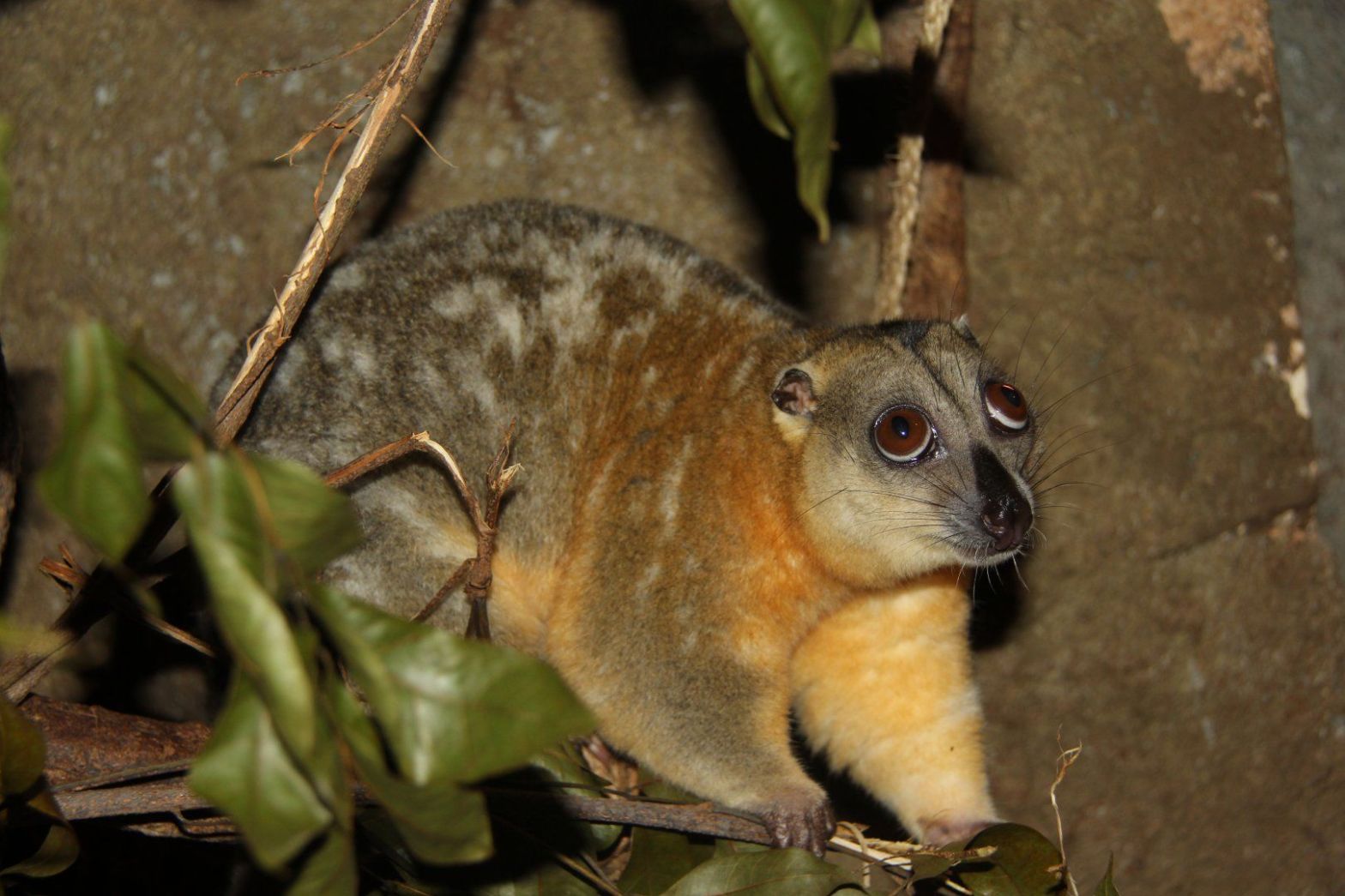
Asian Giant Tortoise Manouria emys

Asian Giant Tortoise Manouria emys

Critically Endangered

Extant (resident): Bangladesh; India; Indonesia; Malaysia; Myanmar; Thailand

Extinct: Singapore

The Asian Giant Tortoise, Asia’s largest tortoise species, is distinguished by their impressive size and unique nesting behaviours. Inhabiting evergreen forests, they play a crucial role in maintaining ecosystem health through seed dispersal. However, their populations are rapidly declining due to habitat destruction, particularly from deforestation for palm oil plantations, and illegal hunting for local consumption and the pet trade.

Protecting the Asian Giant Tortoise is vital for preserving the biodiversity of Southeast Asia’s forests. Fight for their survival by boycotting products linked to deforestation. Use your wallet as a weapon. #BoycottPalmOil #Boycott4Wildlife

Asia’s most majestic and heaviest 🐢🐢💚🫶 is the Asian Giant Tortoise averaging 35kgs. They’re critically endangered by and illegal pet trade. Fight for their survival when you 🌴🙊⛔️☠️ https://palmoildetectives.com/2021/01/25/asian-giant-tortoise-manouria-emys/

Appearance and Behaviour

The Asian Giant Tortoise is the largest tortoise in Asia, with adults reaching up to 61 cm (24 inches) in shell length and weighing up to 35 kg (77 lbs). They have a dark brown to black carapace and sturdy limbs covered with rough scales, aiding in navigating dense forest floors.

A unique behaviour of this species is their nesting practice. Females construct nests by gathering leaf litter and decomposing plant material into a mound, where they lay their eggs. This method helps regulate incubation temperatures and protects the eggs from predators.

Geographic Range

Historically, the Asian Giant Tortoise ranged across Bangladesh, India, Indonesia, Malaysia, Myanmar, and Thailand. Due to extensive habitat loss and poaching, their populations have significantly declined, and they are now primarily found in fragmented forested regions within these countries.

Diet

These tortoises are primarily herbivorous, feeding on a variety of vegetation, including leaves, fruits, and grasses. Occasionally, they may consume invertebrates such as worms and snails. Their foraging habits contribute to seed dispersal, playing a vital role in forest regeneration.

Reproduction and Mating

Breeding typically coincides with the monsoon season. Females build large nests from leaf litter to lay clutches of 20–50 eggs. Interestingly, studies have shown that mimicking rainfall and thunder can stimulate egg-laying in captive individuals, highlighting the species’ sensitivity to environmental cues.

Threats

The Asian Giant Tortoise is listed as Critically Endangered on the IUCN Red List, with populations continuing to decline. Conservation efforts focus on habitat protection, anti-poaching measures, and captive breeding programs aimed at reintroducing individuals into the wild. Organisations such as the Turtle Survival Alliance are actively involved in these initiatives.

Asian Giant Tortoise Manouria emys threats

IUCN Status: Critically Endangered

Habitat Destruction for palm oil and timber: Deforestation for agriculture, particularly palm oil plantations, logging, and human settlement, has led to significant habitat loss for the Asian Giant Tortoise.

Illegal Hunting: They are poached for local consumption and the international pet trade, further driving population declines.

Climate Change: Alterations in monsoon patterns can disrupt their breeding cycles, affecting reproductive success.

Take Action!

Protect the Asian Giant Tortoise by boycotting products linked to deforestation, such as palm oil. Support conservation organisations working to preserve their habitats and enforce anti-poaching laws. Share their story and advocate for their survival with and .

Further Information

iucn-rating-critically-endangered

Choudhury, B.C., Cota, M., McCormack, T., Platt, K., Das, I., Ahmed, M.F., Timmins, R.J., Rahman, S. & Singh, S. 2019. Manouria emys (errata version published in 2019). The IUCN Red List of Threatened Species 2019: e.T12774A152052098. https://dx.doi.org/10.2305/IUCN.UK.2019-1.RLTS.T12774A152052098.en. Downloaded on 25 January 2021

Orangutan Foundation International. (2022). Asia’s Largest Tortoise. Retrieved from Orangutan Foundation International

Reptiles Magazine. (2024). Echoes of Rain: How Mimicking Rainfall and Thunder Caused Asian Giant Tortoises to Lay Eggs. Retrieved from Reptiles Magazine

Turtle Survival Alliance. (2023). Species Spotlight: Asian Giant Tortoise. Retrieved from Turtle Survival Alliance


Contribute to palm oil detectives - black rhino in profile

How can I help the ?


Take Action in Five Ways

1. Join the on social media and subscribe to stay in the loop: Share posts from this website to your own network on Twitter, Mastadon, Instagram, Facebook and Youtube using the hashtags .

Join 3,176 other subscribers

2. Contribute stories: Academics, conservationists, scientists, indigenous rights advocates and animal rights advocates working to expose the corruption of the palm oil industry or to save animals can contribute stories to the website.

3. Supermarket sleuthing: Next time you’re in the supermarket, take photos of products containing palm oil. Share these to social media along with the hashtags to call out the greenwashing and ecocide of the brands who use palm oil. You can also take photos of palm oil free products and congratulate brands when they go palm oil free.

4. Take to the streets: Get in touch with Palm Oil Detectives to find out more.

5. Donate: Make a one-off or monthly donation to Palm Oil Detectives as a way of saying thank you and to help pay for ongoing running costs of the website and social media campaigns. Donate here
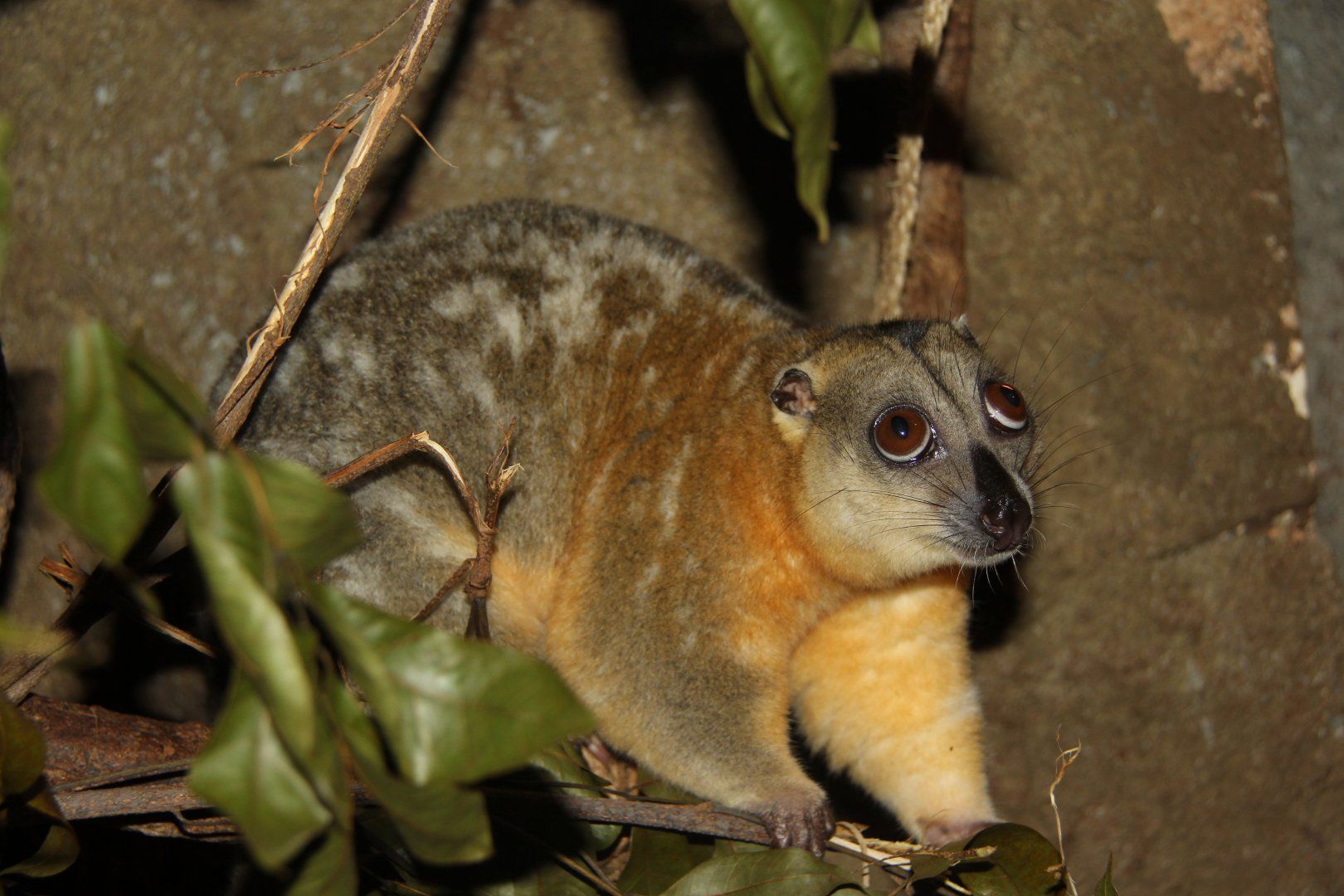
Straw-headed Bulbul Pycnonotus zeylanicus

Straw-headed Bulbul Pycnonotus zeylanicus

Critically Endangered

Extant (resident): Brunei Darussalam; Indonesia; Malaysia; Myanmar

Extant (breeding): Singapore

The Straw-headed Bulbul is a striking bright yellow bird known for their vibrant song, often described as one of the most melodious in the bird world. Their powerful calls echo through Southeast Asia’s lowland forests, but these sounds are becoming increasingly rare. They are critically endangered due to illegal trapping for the cage-bird trade and habitat loss driven by deforestation, including the expansion of palm oil plantations.

Protecting the Straw-headed Bulbul is vital to preserving their unique contribution to the soundscapes of their natural habitats. Fight for their survival by boycotting products linked to deforestation. Use your wallet as a weapon. #BoycottPalmOil #Boycott4Wildlife

Vibrant yellow and songstresses 🦜💛🎵🎶 of the , Straw-headed bulbuls are critically endangered in 🇮🇩 🇲🇾 due to 🌴🚫 . Fight for them and @palmoildetect https://palmoildetectives.com/2021/01/25/straw-headed-bulbul-pycnonotus-zeylanicus/

Appearance and Behaviour

The Straw-headed Bulbul is a medium-sized bird with a bright yellowish-orange head, black facial markings, and a distinctive streaked breast. Their large size and robust build set them apart from other bulbuls.

What makes this bird truly exceptional is their powerful and bubbling song, often likened to a virtuoso performance. This rare talent has made them a coveted species in the cage-bird trade, pushing their wild populations to the brink of extinction. They are often seen in pairs or small groups, foraging in fruiting trees and shrubs near water bodies.

Geographic Range

Historically, the Straw-headed Bulbul was widespread across Southeast Asia, including Myanmar, Thailand, Malaysia, Singapore, and parts of Indonesia. Today, their range has significantly contracted due to trapping and habitat loss. Viable populations remain in Singapore, parts of Malaysia, and Kalimantan in Indonesia. The species is believed to be extinct in Thailand and likely extinct in Myanmar and Java.

Diet

The Straw-headed Bulbul primarily feeds on fruits, particularly figs, but they also consume insects and other small invertebrates. Their diet plays a critical role in seed dispersal, contributing to the regeneration of their forest habitats.The Straw-headed Bulbul primarily feeds on fruits, particularly figs, but they also consume insects and other small invertebrates. Their diet plays a critical role in seed dispersal, contributing to the regeneration of their forest habitats.

Reproduction and Mating

During the breeding season, which usually coincides with wetter months, Straw-headed Bulbuls build nests hidden within dense vegetation. The female typically lays two to three eggs, which are incubated for about two weeks. Both parents work together to feed the chicks until they fledge. Their commitment to parental care underscores their importance in maintaining local populations despite significant threats.

Threats

Straw-headed Bulbul Pycnonotus zeylanicus threats

The Straw-headed Bulbul is listed as Critically Endangered on the IUCN Red List, with populations continuing to decline. However, in Singapore, where conservation measures have been implemented, populations appear to be stable or increasing. Collaborative efforts across Southeast Asia are essential to ensure the species’ survival, focusing on habitat protection and stricter enforcement of anti-poaching laws.

IUCN Status: Critically Endangered

  • Palm oil and timber deforestation: Deforestation for agriculture, including palm oil plantations, has destroyed much of their lowland forest habitat.
  • Illegal Wildlife Trade: The Straw-headed Bulbul’s melodic song has made them a prime target for the cage-bird trade, decimating their wild populations.
  • Lack of Protection: Inadequate enforcement of anti-poaching laws in some regions has allowed the illegal bird trade to persist.

Take Action!

Protect the Straw-headed Bulbul by boycotting products linked to deforestation, such as palm oil. Support organisations working to enforce anti-poaching laws and preserve their habitats. Share their story and advocate for their survival with #BoycottPalmOil and #Boycott4Wildlife.

Straw-headed Bulbul Pycnonotus zeylanicus

Further Information

iucn-rating-critically-endangered

BirdLife International. 2018. Pycnonotus zeylanicus. The IUCN Red List of Threatened Species 2018: e.T22712603A132470468. https://dx.doi.org/10.2305/IUCN.UK.2018-2.RLTS.T22712603A132470468.en. Downloaded on 25 January 2021

Eaton, J. A., Leupen, B. T. C., & Krishnasamy, K. (2017). The Final Straw? An Overview of Straw-headed Bulbul Trade in Indonesia. Retrieved from ResearchGate

eBird. (n.d.). Straw-headed Bulbul. Retrieved from eBird

The Revelator. (2021). Species Spotlight: The Straw-headed Bulbul. Retrieved from The Revelator

You can support this beautiful animal

There are no known conservation activities for this animal. Share out this post to social media and join the #Boycott4Wildlife on social media to raise awareness


Contribute to palm oil detectives - black rhino in profile

How can I help the ?


Take Action in Five Ways

1. Join the on social media and subscribe to stay in the loop: Share posts from this website to your own network on Twitter, Mastadon, Instagram, Facebook and Youtube using the hashtags .

Join 3,176 other subscribers

2. Contribute stories: Academics, conservationists, scientists, indigenous rights advocates and animal rights advocates working to expose the corruption of the palm oil industry or to save animals can contribute stories to the website.

3. Supermarket sleuthing: Next time you’re in the supermarket, take photos of products containing palm oil. Share these to social media along with the hashtags to call out the greenwashing and ecocide of the brands who use palm oil. You can also take photos of palm oil free products and congratulate brands when they go palm oil free.

4. Take to the streets: Get in touch with Palm Oil Detectives to find out more.

5. Donate: Make a one-off or monthly donation to Palm Oil Detectives as a way of saying thank you and to help pay for ongoing running costs of the website and social media campaigns. Donate here

Elongated Tortoise Indotestudo elongata

Elongated Tortoise Indotestudo elongata

Critically Endangered

Location: South and Southeast Asia, including India, Nepal, Bhutan, Bangladesh, Myanmar, Thailand, Laos, Cambodia, Vietnam, Malaysia, and southern China

The elongated tortoise Indotestudo elongata is a Critically Endangered species native to South Asia and Southeast Asia. They are renowned for their uniquely patterned and elongated shells and have vital roles as seed dispersers in tropical forests. However, their numbers have declined alarmingly due to palm oil deforestation, hunting, and the illegal wildlife trade.

Fewer than 20,000 mature individuals are estimated to remain in fragmented populations across their range, with significant declines reported in most countries. Deforestation for agriculture, including palm oil plantations and urbanisation has devastated their habitats, while poaching continues unabated. Fight for them every time you shop and boycott palm oil! #BoycottPalmOil #Boycott4Wildlife

Solitary and shy the Elongated 🐢 shuffles in the forest floor of . They’re critically by and illegal Fight for them 🌴🔥💀🤮⛔️ @palmoildetect https://palmoildetectives.com/2021/01/25/elongated-tortoise-indotestudo-elongata/

Appearance and Behaviour

Elongated tortoises are medium-sized terrestrial reptiles, with adults reaching up to 38 cm in length and weighing between 3–6 kg. Their distinctive golden-brown or yellowish shells are elongated and slightly domed, often adorned with intricate darker blotches. Their head, neck, and limbs are pale yellow, providing them with effective camouflage in forest environments.

These tortoises are solitary and crepuscular, meaning they are most active during the early morning and late evening. They spend much of the day sheltering under dense vegetation or burrowing into leaf litter. Slow-moving and shy, they rely on their shell for protection from predators. Their diet primarily consists of fallen fruits, flowers, leaves, and small invertebrates.

Indotestudo elongata has declined across their range by at least 80% in the last 90 years (three generations) for habitat loss reasons alone, and has additionally been extensively and intensively exploited for consumption and export trade.

IUCN Red List

Threats

IUCN Status: Critically Endangered

Elongated Turtle Indotestudo elongata threats

Habitat Destruction for palm oil: Deforestation for palm oil plantations has wiped out vast areas of their tropical forest habitats. Forest conversion in countries like Cambodia, Vietnam, and Malaysia has left populations isolated in shrinking forest fragments.

Illegal Wildlife Trade: Elongated tortoises are highly sought after in the illegal pet trade and for traditional medicine. In Thailand and Vietnam, they are openly sold in markets despite their critically endangered status.

Hunting and Poaching: In many regions, elongated tortoises are hunted for food, with local communities and markets driving demand for their meat and shells. This exploitation has severely depleted populations.

Climate Change: Changes to rainfall patterns, rising temperatures, and extreme weather events due to climate change has further threatened their survival by impacting their habitats and food availability.

Geographic Range: The elongated tortoise inhabits tropical and subtropical forests, grasslands, and bamboo thickets across a broad but fragmented range:

  • South Asia: India (Corbett Tiger Reserve), Nepal, Bhutan, and Bangladesh
  • Southeast Asia: Myanmar, Thailand, Laos, Cambodia, Vietnam, and Malaysia
  • China: Southern regions, including Yunnan Province

Populations are highly fragmented due to habitat loss and are now primarily found within protected areas, such as Corbett Tiger Reserve in India and various wildlife sanctuaries in Cambodia and Thailand. However, even within these refuges, they face threats from illegal activities.

Diet

Elongated tortoises are primarily herbivorous but exhibit opportunistic feeding behaviour. Their diet includes fallen fruits, leaves, flowers, and grasses, with occasional consumption of small invertebrates like snails and worms. They forage on the forest floor and are crucial seed dispersers, contributing to the regeneration of their ecosystems.

However, habitat destruction has significantly reduced the availability of their natural food sources, adding further stress to dwindling populations.

Reproduction and Mating

Breeding typically occurs during the rainy season. Females lay 2–6 eggs per clutch in shallow nests covered with vegetation for protection. Incubation lasts around 100–120 days.

Hatchlings are small and vulnerable, with soft shells that harden over time. Survival rates are low due to predation and habitat destruction. Conservation efforts, such as reintroduction programs in Cambodia, aim to boost wild populations by addressing these challenges.

Take Action!

The elongated tortoise is teetering on the brink of extinction. Protect their habitats, support conservation initiatives, and fight for their survival by boycotting palm oil. Share their story to raise awareness and advocate for stronger wildlife protections. Every action counts in saving this remarkable species.

Further Information

iucn-rating-critically-endangered

Rahman, S., Platt, K., Das, I., Choudhury, B.C., Ahmed, M.F., Cota, M., McCormack, T., Timmins, R.J. & Singh, S. 2019. Indotestudo elongata (errata version published in 2019). The IUCN Red List of Threatened Species 2019: e.T10824A152051190. https://dx.doi.org/10.2305/IUCN.UK.2019-1.RLTS.T10824A152051190.en. Downloaded on 25 January 2021.

Reptiles Magazine. (2021). Elongated Tortoise Information and Care. Reptiles Magazine.

Sharma, R., et al. (2021). Adult Elongated Tortoise (Indotestudo elongata) from Corbett Tiger Reserve, India. ResearchGate.

Species on the Brink. (2021). Pilot Reintroduction of Elongated Tortoise in Cambodia. Species on the Brink.

Thai National Parks. (2021). Indotestudo elongata. Thai National Parks.


Contribute to palm oil detectives - black rhino in profile

How can I help the ?


Take Action in Five Ways

1. Join the on social media and subscribe to stay in the loop: Share posts from this website to your own network on Twitter, Mastadon, Instagram, Facebook and Youtube using the hashtags .

Join 3,176 other subscribers

2. Contribute stories: Academics, conservationists, scientists, indigenous rights advocates and animal rights advocates working to expose the corruption of the palm oil industry or to save animals can contribute stories to the website.

3. Supermarket sleuthing: Next time you’re in the supermarket, take photos of products containing palm oil. Share these to social media along with the hashtags to call out the greenwashing and ecocide of the brands who use palm oil. You can also take photos of palm oil free products and congratulate brands when they go palm oil free.

4. Take to the streets: Get in touch with Palm Oil Detectives to find out more.

5. Donate: Make a one-off or monthly donation to Palm Oil Detectives as a way of saying thank you and to help pay for ongoing running costs of the website and social media campaigns. Donate here

Murud Black Slender Toad Ansonia vidua

Murud Black Slender Toad Ansonia vidua

Murud Black Slender Toad Ansonia vidua

IUCN Red List Status: Critically Endangered

Location: The Murud Black Slender Toad is endemic to the montane forests of Mount Murud in Sarawak, Malaysian Borneo. Their range is restricted to this high-altitude area, where they depend on pristine forests and fast-flowing streams for survival.

The Murud Black Slender Toad is an enigmatic amphibian, perfectly camouflaged among the rocks and vegetation of Borneo’s high-altitude forests. Known only from the remote Mount Murud region, their sleek black body and delicate frame make them one of the most unique species of their kind. These toads are specialists, thriving near fast-flowing streams where they feed and reproduce.

Despite their ecological significance, they face mounting pressures from habitat destruction. Logging, agricultural expansion for palm oil, and rising temperatures are pushing them closer to extinction. Fight to save them by boycotting palm oil and supporting indigenous-led conservation. #BoycottPalmOil #Boycott4Wildlife.

Murud Black Slender 🐸💚🫶 have nowhere to hide. Critically by in Malaysian 🇲🇾they are cornered by lifeless monoculture. Fight back for them! 🌴🪔☠️⛔️ @palmoildetect https://palmoildetectives.com/2021/01/25/murud-black-slender-toad-ansonia-vidua/

Murud Black Slender Toad Ansonia vidua

Appearance and Behaviour

The Murud Black Slender Toad is a small, streamlined amphibian with jet-black skin that blends seamlessly into the shadowy forest floor. Their slender limbs and long toes allow them to move with agility across rocks and vegetation, especially near their fast-flowing stream habitats. Large, rounded eyes add an expressive quality to their otherwise understated appearance.

These shy, nocturnal toads are most active during the rainy season, when breeding peaks and males can be heard emitting soft, melodic calls to attract mates. By day, they hide under rocks and leaf litter, evading predators and remaining hidden from view.

Frogs Versus Toads by Round Glass Sustain

Threats

The Murud Black Slender Toad is a rare and striking amphibian, uniquely adapted to the cool, humid environment of Mount Murud. However, their existence is under constant threat from habitat destruction caused by out-of-control palm oil plantations, logging, and climate change. Protecting their fragile ecosystem is critical to their survival.

The Murud Black Slender Toad lives in a single threat-defined location, and there is a continuing decline in the extent and quality of their habitat in the vicinity of Gunung Murud due to logging activities for oil palm.

IUCN Red list
  • Palm Oil and Timber Deforestation: Rampant logging and the expansion of out-of-control palm oil plantations are destroying the montane forests of Mount Murud. These activities fragment and degrade their habitat, leaving them fewer safe spaces to live and breed.
  • Climate Change: As temperatures rise and rainfall patterns shift, the delicate ecosystem of Mount Murud is becoming less hospitable. High-altitude species like the Murud Black Slender Toad have no higher elevations to retreat to, making them especially vulnerable.
  • Restricted Range: With their tiny range confined to Mount Murud, any disturbance to their habitat has a disproportionately severe impact. They are highly susceptible to events like droughts, landslides, or disease outbreaks.

Diet

The Murud Black Slender Toad feeds on small invertebrates, such as insects and arthropods. By consuming these forest-floor creatures, they play a crucial role in controlling insect populations and maintaining the ecological balance of their environment.

Reproduction and Mating

Reproduction is closely tied to the fast-flowing streams of Mount Murud. Females lay eggs in submerged vegetation or rocks, where the eggs develop into aquatic larvae (tadpoles) that thrive in oxygen-rich waters. During the rainy season, males produce calls to attract mates. Their reliance on clean, undisturbed water makes them particularly vulnerable to habitat degradation.

Geographic Range

The Murud Black Slender Toad is found exclusively on Mount Murud, the highest peak in Sarawak, Malaysian Borneo. They inhabit montane forests and rely on the network of fast-flowing streams within this pristine ecosystem. This tiny, isolated range makes them one of the most endangered amphibians in the region.

The Murud Black Slender Toad is known from undisturbed montane mossy forest on leaves of plants a few metres away from a small stream (Hertwig et al. 2014). Listed as Critically Endangered, as a precautionary approach, because even though they may occur slightly more widely, their current estimated extent of occurrence (EOO) is 10 km2.

FAQ

What is the Murud Black Slender Toad?

The Murud Black Slender Toad (Ansonia vidua) is a critically endangered amphibian found only in the montane forests of Mount Murud in Sarawak, Malaysian Borneo. Their slender, jet-black bodies and dependence on fast-flowing streams make them uniquely adapted to this high-altitude rainforest environment.

Why is the Murud Black Slender Toad endangered?

This species is critically endangered due to deforestation caused by logging, agricultural expansion for palm oil, and climate change. Their restricted range on Mount Murud further exacerbates their vulnerability to habitat loss and environmental changes.

Why are they called slender toads?

Slender toads are named for their streamlined bodies and long, delicate limbs, which are perfectly suited for navigating rocky, fast-flowing streams. These physical adaptations allow them to move efficiently in their challenging montane habitat.

What do Murud Black Slender Toads eat?

They primarily feed on small invertebrates such as insects and arthropods, which they hunt on the forest floor. Their diet helps maintain the ecological balance of their montane ecosystem.

Take Action!

The Murud Black Slender Toad is on the brink of extinction. Protect this unique species by boycotting palm oil products, supporting indigenous-led conservation initiatives, and advocating for stronger protections for Borneo’s forests. Every choice you make can help preserve their fragile montane habitat. #BoycottPalmOil #Boycott4Wildlife

Further Information

iucn-rating-critically-endangered

AmphibiaWeb. (n.d.). Ansonia vidua. Retrieved from https://amphibiaweb.org/species/8194

Fehlandt, L. (2023, March 24). Murud Black Slender Toad. Retrieved from https://www.lars-fehlandt.de/2023/03/24/murud-black-slender-toad-ansonia-vidua/

IUCN SSC Amphibian Specialist Group. 2020. Ansonia vidua (amended version of 2018 assessment). The IUCN Red List of Threatened Species 2020: e.T78901981A176033895. https://dx.doi.org/10.2305/IUCN.UK.2020-3.RLTS.T78901981A176033895.en. Downloaded on 24 January 2021.

Species on the Brink. (n.d.). Murud Black Slender Toad. Retrieved from https://www.speciesonthebrink.org/species-blog/https/murud-black-slender-toad

Xeno-Canto. (n.d.). Ansonia vidua. Retrieved from https://xeno-canto.org/admin.php/species/Ansonia-vidua


Contribute to palm oil detectives - black rhino in profile

How can I help the ?


Take Action in Five Ways

1. Join the on social media and subscribe to stay in the loop: Share posts from this website to your own network on Twitter, Mastadon, Instagram, Facebook and Youtube using the hashtags .

Join 3,176 other subscribers

2. Contribute stories: Academics, conservationists, scientists, indigenous rights advocates and animal rights advocates working to expose the corruption of the palm oil industry or to save animals can contribute stories to the website.

3. Supermarket sleuthing: Next time you’re in the supermarket, take photos of products containing palm oil. Share these to social media along with the hashtags to call out the greenwashing and ecocide of the brands who use palm oil. You can also take photos of palm oil free products and congratulate brands when they go palm oil free.

4. Take to the streets: Get in touch with Palm Oil Detectives to find out more.

5. Donate: Make a one-off or monthly donation to Palm Oil Detectives as a way of saying thank you and to help pay for ongoing running costs of the website and social media campaigns. Donate here

Javan Rhinoceros Rhinoceros sondaicus

Javan Rhinoceros Rhinoceros sondaicus

Critically Endangered

Javan Rhinoceros (Rhinoceros sondaicus)

Critically Endangered

Location: Ujung Kulon National Park, Java, Indonesia

The Javan rhinoceros, also called the Sunda rhinoceros, is a critically endangered species and one of the world’s rarest large mammals. There are only a few dozen left alive in Ujung Kulon National Park in Java, Indonesia. Javan rhinos once lived throughout northeast India and Southeast Asia. Vietnam’s last Javan rhino was poached in 2010. they now survive only in Ujung Kulon National Park on the island of Java, with fewer than 75 individuals remaining.

Their decline has been driven by palm oil deforestation, poaching for their horns, and competition with invasive plant species like the Arenga palm, which reduces food availability. Saving the Javan rhinoceros is critical to preserving the biodiversity of their rainforest home. Fight for their survival by boycotting products linked to deforestation. Use your wallet as a weapon. #BoycottPalmOil #Boycott4Wildlife

The Javan is the world’s most endangered of the 5 🦏🩶 Only a few dozen are left 😟🧐 Threats include expansion and . Support them when you 🌴☠️🩸🙊⛔️ @palmoildetect https://palmoildetectives.com/2021/01/24/javan-rhinoceros-rhinoceros-sondaicus/

There’s only a few dozen left then they’re gone forever- driven to by and timber , and human settlement. Fight back when you 🌴🪔💀🔥⛔️ @palmoildetect https://palmoildetectives.com/2021/01/24/javan-rhinoceros-rhinoceros-sondaicus/

Appearance and Behaviour

Javan rhinoceroses are similar in appearance to Indian rhinoceroses but are smaller and less heavily armoured. They measure approximately 3.1 metres in length, stand 1.4–1.7 metres tall, and weigh between 900–2,300 kg. Males are distinguished by their single small horn, which rarely exceeds 25 cm, while females typically lack horns altogether.

These rhinos are solitary and elusive, relying on dense forest cover to avoid predators. They are known for their wallowing behaviour, which helps regulate body temperature and protect against parasites.

Geographic Range

Historically, Javan rhinos were found from northeast India through Southeast Asia, including Vietnam, Cambodia, and Malaysia, as well as the islands of Sumatra and Java. Today, their range is restricted to Ujung Kulon National Park in Java, Indonesia, where they inhabit lowland rainforests and marshlands. This limited range makes them highly vulnerable to natural disasters, such as tsunamis and volcanic eruptions.

Diet

Javan rhinoceroses are browsers, feeding on a variety of plants, including shoots, leaves, twigs, and fruits. They use their prehensile upper lips to grasp and manipulate vegetation. Their feeding habits play a crucial role in maintaining their habitat’s biodiversity by shaping plant communities and dispersing seeds.

Reproduction and Mating

Due to their elusive nature, detailed information about their reproduction is scarce. Females give birth to a single calf after a gestation period of about 16 months. Calves remain with their mothers for up to two years before becoming independent. The long interval between births and their already low population make recovery efforts challenging.

Threats

The Javan rhinoceros is listed as Critically Endangered on the IUCN Red List. Conservation efforts focus on protecting their remaining habitat, controlling invasive species, and ensuring the population is closely monitored. Genetic studies have highlighted the need for maintaining genetic diversity to improve their chances of survival. Efforts are also underway to explore the feasibility of establishing a second population to reduce the risk of extinction.

Javan Rhinoceros Rhinoceros sondaicus

IUCN Status: Critically Endangered

  • Palm oil and timber deforestation: Agricultural expansion, particularly for palm oil plantations, timber logging, and human settlement, has significantly reduced their habitat.
  • Invasive Species: The Arenga palm has spread across Ujung Kulon National Park, competing with native plants and reducing the availability of food for Javan rhinos.
  • Poaching: Although poaching has decreased due to conservation efforts, the demand for rhino horns in traditional medicine remains a threat.
  • Natural Disasters: Their restricted range makes the population vulnerable to tsunamis, earthquakes, and disease outbreaks.
  • Low Genetic Diversity: With such a small population, Javan rhinos face challenges related to inbreeding and reduced resilience to environmental changes.

Take Action!

Protect the Javan rhinoceros by boycotting products linked to deforestation, such as palm oil. Support conservation organisations working in Ujung Kulon National Park. Use your voice to raise awareness about their plight and advocate for stronger environmental protections. Share their story and fight for their survival with #BoycottPalmOil and #Boycott4Wildlife.

Types of Rhinos throughout the world

Available rhino habitat is limited by two major factors: (1) the threat of human encroachment and (2) the predominance of a palm species (Arenga obtusifolia), known locally as langkap, which is rampant in Ujung Kulon. Arenga dominates the forest canopy in many locations, and inhibits the growth of rhino food plants. 

Arenga palm is problematic for a number of reasons. Where Arenga palm dominates, little else grows. Currently, an estimated 60% (18,000 ha) of the peninsular section of the Park is covered with Arenga palm (B. Talukdar 2009 in litt.), precluding the growth of suitable rhino food. An Arenga palm removal/management effort was initiated in 2010 in the Gunung Honje portion of the park as part of the Javan Rhino Study and Conservation Area. As of December 2018, 150 ha of Arenga have been removed from the area.

Based on camera trap data, an estimated 68 Javan Rhinos live in Ujung Kulon National Park on the western tip of Java, but only the 33% are inferred to be reproductive individuals. Therefore this species is listed as Critically Endangered.

Further Information

iucn-rating-critically-endangered

Ellis, S. & Talukdar, B. 2020. Rhinoceros sondaicus. The IUCN Red List of Threatened Species 2020: e.T19495A18493900. https://dx.doi.org/10.2305/IUCN.UK.2020-2.RLTS.T19495A18493900.en. Downloaded on 24 January 2021

Fernando, P., et al. (2006). Genetic Diversity, Phylogeny, and Conservation of the Javan Rhinoceros. Conservation Genetics. ResearchGate

International Fund for Animal Welfare. (n.d.). Javan Rhinos. Retrieved from IFAW

Nardelli, F. (2016). Current Status and Conservation Prospects for the Javan Rhinoceros. Pachyderm. ResearchGate

Wikipedia contributors. (n.d.). Javan rhinoceros. Retrieved from Wikipedia


Contribute to palm oil detectives - black rhino in profile

How can I help the ?


Take Action in Five Ways

1. Join the on social media and subscribe to stay in the loop: Share posts from this website to your own network on Twitter, Mastadon, Instagram, Facebook and Youtube using the hashtags .

Join 3,176 other subscribers

2. Contribute stories: Academics, conservationists, scientists, indigenous rights advocates and animal rights advocates working to expose the corruption of the palm oil industry or to save animals can contribute stories to the website.

3. Supermarket sleuthing: Next time you’re in the supermarket, take photos of products containing palm oil. Share these to social media along with the hashtags to call out the greenwashing and ecocide of the brands who use palm oil. You can also take photos of palm oil free products and congratulate brands when they go palm oil free.

4. Take to the streets: Get in touch with Palm Oil Detectives to find out more.

5. Donate: Make a one-off or monthly donation to Palm Oil Detectives as a way of saying thank you and to help pay for ongoing running costs of the website and social media campaigns. Donate here

Bornean Banded Langur Presbytis chrysomelas

Bornean Banded Langur Presbytis chrysomelas

Critically Endangered

Brunei; Indonesia (Kalimantan); Malaysia (Sarawak)

The Bornean banded langur, known for its striking black and white coat, is one of Southeast Asia’s most elusive and endangered primates. These langurs inhabit the fragmented lowland forests and peat swamps of Borneo, relying on dense foliage for their survival.

The population of Bornean banded langurs is rapidly declining due to habitat destruction for palm oil plantations, illegal logging, and hunting. As their habitat continues to shrink, these shy and rarely seen primates face an uncertain future. Use your wallet as a weapon—boycott palm oil and join the fight for their survival. #BoycottPalmOil #Boycott4Wildlife

Bornean Banded Langurs 🐒🤎🙊 are critically in 🇮🇩 🇲🇾 as 80% of their rainforest home was destroyed in past 30 years for . Tell brands enough is enough! 🌴🪔🤢🤮⛔️ @palmoildetect https://palmoildetectives.com/2021/01/24/bornean-banded-langur-presbytis-chrysomelas/

Once common, now crit. endangered, the Bornean Banded hangs on for dear life in small patches of in 🇮🇩 🇲🇾. 80% of their home was destroyed for . 🌴🪔🤢🤮⛔️ @palmoildetect https://palmoildetectives.com/2021/01/24/bornean-banded-langur-presbytis-chrysomelas/

This species of Langur is listed as Critically Endangered as it is only known from five sites, where populations have been reduced by approximately 80% over the past 30 years (three generations) and the trend is suspected to continue into the future due to habitat loss from expanding oil palm cultivation.

IUCN Red List

In addition, the area of occupancy has been reduced dramatically. This species was once considered common. They are now considered one of the rarest primates in the world. They live in less than 5% of their historic range. Additional conservation measures are urgent as this species could go extinct if current trends continue.

Appearance and Behaviour

Bornean banded langurs are medium-sized monkeys, reaching about 50–60 cm in body length with a long, slender tail often exceeding their body length. They are distinguished by their unique black and white banded coat, which provides excellent camouflage among tree branches. Their expressive faces, encircled by pale fur, give them an inquisitive and alert appearance.

Primarily arboreal and diurnal, they spend most of their time in the upper forest canopy, where they live in small groups of 3–10 individuals. Group dynamics often include a dominant male, several females, and their offspring. Bornean banded langurs are highly social and communicate using a range of vocalisations, including soft grunts and alarm calls when sensing danger.

Geographic Range

These langurs are endemic to Borneo and are found in Malaysia’s Sabah and Sarawak regions as well as Indonesia’s Kalimantan. Their preferred habitats include lowland dipterocarp forests, peat swamps, and mangroves. However, habitat destruction has fragmented their range, leaving populations isolated in areas such as Danau Sentarum National Park and Tanjung Datu National Park (IUCN, 2020).

Diet

Bornean banded langurs are folivorous, primarily feeding on young leaves, flowers, seeds, and unripe fruits. Their specialised stomachs are adapted to digest fibrous plant material efficiently, enabling them to extract maximum nutrients from their diet. This diet also plays a vital role in seed dispersal, contributing to forest regeneration and biodiversity (NePrimate Conservancy, 2024).

Reproduction and Mating

These langurs exhibit a slow reproductive cycle. Females typically give birth to a single infant every 1–2 years after a gestation period of about 6 months. Infants are born with bright orange coats, which gradually transition to the adult black and white coloration as they mature.

Mothers provide extensive care, with other group members occasionally assisting in grooming or protecting the young. This communal care highlights their highly social nature. However, the slow reproductive rate makes it difficult for the species to recover from population declines.

Threats

The Bornean banded langur is listed as Critically Endangered by the IUCN, with populations continuing to decline. Conservation efforts focus on habitat restoration and protection in key national parks such as Danau Sentarum and Tanjung Datu. Organisations are also working to combat illegal logging and raise awareness about the impact of palm oil.

IUCN Status: Critically Endangered

  • Palm oil and timber deforestation: Deforestation for palm oil plantations and logging has decimated much of their forest habitat. Between 2000 and 2018, more than 30% of suitable habitat was lost across Borneo.
  • Hunting and poaching: Although not commonly targeted, these langurs are occasionally hunted for bushmeat or captured for the exotic pet trade.
  • Habitat fragmentation: Habitat fragmentation isolates populations, reducing genetic diversity and increasing the risk of local extinction.
  • Climate Change: Rising temperatures and changes in rainfall patterns threaten the health of their forest ecosystems.

Take Action!

Protect the Bornean banded langur by boycotting palm oil and supporting conservation programs focused on preserving Borneo’s forests. Raise awareness about their plight and advocate for stronger legal protections. Together, we can secure a future for these remarkable primates. #BoycottPalmOil #Boycott4Wildlife

You can support this beautiful animal

There are no known conservation activities for this animal. Share out this post to social media and join the #Boycott4Wildlife on social media to raise awareness

Further Information

iucn-rating-critically-endangered

Md-Zain, B. M. (2019). Bornean banded langur in Danau Sentarum National Park.

NePrimate Conservancy. (2024). Bornean banded langur (Presbytis chrysomelas).

Nijman, V., Cheyne, S., Traeholt, C. & Setiawan, A. 2020. Presbytis chrysomelas. The IUCN Red List of Threatened Species 2020: e.T39803A17955321. https://dx.doi.org/10.2305/IUCN.UK.2020-2.RLTS.T39803A17955321.en. Downloaded on 24 January 2021.

Phillipps, Q., & Phillipps, K. (2019). Presbytis chrysomelas population survey in Borneo.

Rustam, A., & Yanuar, A. (2021). Preliminary assessment of group composition and activity pattern of the critically endangered Bornean banded langur (Presbytis chrysomelas) in Tanjung Datu National Park.

Tanjung, H., et al. (2024). Impacts of habitat loss on Presbytis chrysomelas populations.


Contribute to palm oil detectives - black rhino in profile

How can I help the ?


Take Action in Five Ways

1. Join the on social media and subscribe to stay in the loop: Share posts from this website to your own network on Twitter, Mastadon, Instagram, Facebook and Youtube using the hashtags .

Join 3,176 other subscribers

2. Contribute stories: Academics, conservationists, scientists, indigenous rights advocates and animal rights advocates working to expose the corruption of the palm oil industry or to save animals can contribute stories to the website.

3. Supermarket sleuthing: Next time you’re in the supermarket, take photos of products containing palm oil. Share these to social media along with the hashtags to call out the greenwashing and ecocide of the brands who use palm oil. You can also take photos of palm oil free products and congratulate brands when they go palm oil free.

4. Take to the streets: Get in touch with Palm Oil Detectives to find out more.

5. Donate: Make a one-off or monthly donation to Palm Oil Detectives as a way of saying thank you and to help pay for ongoing running costs of the website and social media campaigns. Donate here
Painted Terrapin Batagur borneoensis

Painted Terrapin Batagur borneoensis

Status: Critically Endangered

Location: Southeast Asia, including Malaysia, Indonesia, and Thailand

The painted terrapin, or painted river terrapin (Batagur borneoensis), is one of the most beautiful and critically endangered freshwater turtles in the world. Known for the vibrant markings displayed by males during breeding seasons, these terrapins are an integral part of Southeast Asia’s mangrove and river ecosystems.

However, their populations are rapidly declining due to habitat destruction, including deforestation for palm oil plantations, sand mining, and coastal development. With fewer than 1,000 mature individuals left in the wild, immediate action is critical to ensure their survival. Protect these majestic reptiles—boycott palm oil and support conservation efforts. #BoycottPalmOil #Boycott4Wildlife

The Painted Terrapin’s shell is a vivid painter’s palette of purple, blue and grey 💜💙🩶 This turtle 🐢 of 🇮🇩 and 🇹🇭 is critically endangered by 🌴🔥⛔️ Help them and @palmoildetect https://palmoildetectives.com/2021/01/24/painted-terrapin-batagur-borneoensis/

The Painted Terrapin is the most beautiful in A colourful shell announces their presence 🖌️🎨💝 This turtle 🐢 of 🇮🇩 and 🇹🇭 is critically endangered by 🌴🔥⛔️ @palmoildetect https://palmoildetectives.com/2021/01/24/painted-terrapin-batagur-borneoensis/

Harvesting by fishermen to eat, poaching to meet pet and food demand, habitat loss due to land conversion to palm oil, and fish and shrimp farming are major threats.

IUCN Red List

Appearance and Behaviour

Painted terrapins are medium-sized turtles, with carapaces reaching lengths of 40–60 cm. Males are particularly striking during the breeding season, displaying bright red stripes on their heads and white patches on their shells. Females, though less colourful, possess robust, dome-shaped shells that offer protection against predators.

These terrapins are primarily herbivorous, feeding on mangrove shoots and fallen fruits. They are also excellent swimmers, with webbed feet adapted to life in brackish water environments. Painted terrapins are known for their nesting migrations, where females travel upriver to sandy shores to lay eggs, an extraordinary behaviour that helps sustain their dwindling populations.

Geographic Range

Painted terrapins inhabit the coastal mangrove forests, rivers, and estuaries of Southeast Asia, with key populations found in Malaysia, Sumatra, and southern Thailand. Their preferred habitats are brackish waters and tidal rivers, which offer both feeding grounds and nesting sites.

Recent studies have recorded terrapin nesting activity on Pusung Cium Island in Indonesia, where conservation efforts are underway to protect critical mangrove habitats (ResearchGate, 2024). However, their range is increasingly fragmented, limiting genetic diversity and migration opportunities.

Diet

Primarily herbivorous, painted terrapins consume a diet rich in mangrove shoots, aquatic plants, and fruits that fall into the water. This diet plays a vital role in maintaining mangrove ecosystems, as terrapins aid in seed dispersal and nutrient cycling.

In some cases, their diets may shift to include small invertebrates or molluscs, especially when vegetation is scarce. However, the degradation of mangroves has severely impacted food availability in many parts of their range.

Reproduction and Mating

Painted terrapins exhibit remarkable nesting behaviours. During the breeding season, females migrate upstream to sandy riverbanks, where they dig nests to lay 10–30 eggs per clutch. The incubation period lasts approximately 70–90 days, with hatchlings emerging during the night to avoid predators.

Sex determination in painted terrapins is temperature-dependent, with warmer sand producing more females. This makes climate change a significant threat, as rising temperatures may skew sex ratios, further endangering populations (National Zoo, 2024).

Threats

The painted terrapin is critically endangered, with populations continuing to decline across its range. Conservation efforts include nest protection programs, mangrove restoration projects, and awareness campaigns to reduce egg poaching. In Malaysia, organisations such as the Turtle Conservation Society monitor nesting sites and engage local communities to safeguard these turtles.

However, long-term survival requires stronger enforcement of wildlife laws, expanded protected areas, and global efforts to address habitat destruction driven by industries such as palm oil.

IUCN Status: Critically Endangered

Habitat Destruction:

Coastal development, logging, and deforestation for palm oil plantations have decimated critical mangrove habitats.

Egg Collection:

Painted terrapin eggs are collected for human consumption or sold in illegal wildlife markets, severely impacting reproduction rates.

Fishing Bycatch:

Terrapins are frequently caught in fishing nets, leading to unintentional deaths.

Pollution:

• Water pollution from agricultural runoff and industrial waste contaminates their habitats, affecting their health and food sources.

Climate Change:

Rising sea levels and increased temperatures disrupt nesting sites and alter sex ratios in hatchlings.

Take Action!

Help save the painted terrapin by boycotting palm oil and supporting organisations that protect mangrove ecosystems. Share their story and demand stronger conservation measures for Southeast Asia’s freshwater turtles.

Painted Terrapin Batagur borneoensis threats

Support the conservation of this creature

Satucita Foundation

Further Information

iucn-rating-critically-endangered

Asian Turtle Trade Working Group. 2000. Batagur borneoensis (errata version published in 2016). The IUCN Red List of Threatened Species 2000: e.T163458A97335363. https://dx.doi.org/10.2305/IUCN.UK.2000.RLTS.T163458A5608163.en. Downloaded on 24 January 2021.

Inaturalist. (2024). Painted terrapin.

National Zoo. (2024). Painted river terrapin.

Turtle Conservation Society. (2024). Painted terrapin (Batagur borneoensis).

ResearchGate. (2024). Painted terrapin characteristics and existence in mangrove ecosystems.

The Edge Malaysia. (2024). Saving Malaysia’s painted terrapins.


Contribute to palm oil detectives - black rhino in profile

How can I help the ?


Take Action in Five Ways

1. Join the on social media and subscribe to stay in the loop: Share posts from this website to your own network on Twitter, Mastadon, Instagram, Facebook and Youtube using the hashtags .

Join 3,176 other subscribers

2. Contribute stories: Academics, conservationists, scientists, indigenous rights advocates and animal rights advocates working to expose the corruption of the palm oil industry or to save animals can contribute stories to the website.

3. Supermarket sleuthing: Next time you’re in the supermarket, take photos of products containing palm oil. Share these to social media along with the hashtags to call out the greenwashing and ecocide of the brands who use palm oil. You can also take photos of palm oil free products and congratulate brands when they go palm oil free.

4. Take to the streets: Get in touch with Palm Oil Detectives to find out more.

5. Donate: Make a one-off or monthly donation to Palm Oil Detectives as a way of saying thank you and to help pay for ongoing running costs of the website and social media campaigns. Donate here

Boo-Liat’s Kukri Snake Oligodon booliati

Boo-Liat’s Kukri Snake Oligodon booliati

IUCN Red List Status: Critically Endangered

Location: Boo-Liat’s Kukri Snake is endemic to Peninsular Malaysia, found in the lowland forests of Selangor and Pahang at elevations below 300 metres. Their range is highly restricted and fragmented, confined to small, isolated patches of primary and secondary forest.

Bright vermillion red Boo-Liat Kukri ❤️💕🐍 are a treat to behold. They are critically by and tourism Help them survive 🌴🪔☠️⛔️ @palmoildetect https://palmoildetectives.com/2021/01/24/boo-liats-kukri-snake-oligodon-booliati/

Boo-Liat’s Kukri Snake is a jewel of the lowland forests of Peninsular Malaysia, with their vibrant red colouration and bold black saddle-like markings. Named to honour the renowned zoologist Tan Sri Dr. Lim Boo Liat, this critically endangered snake highlights the incredible biodiversity of the region.

However, their survival is in jeopardy. Forests are rapidly vanishing due to deforestation for palm oil and logging, while increasing tourism brings additional pressures to their fragile habitat. Protecting these snakes requires safeguarding their home. Fight for them when you #BoycottPalmOil #Boycott4Wildlife.

This vivid red fossorial species of snake is found on leaf litter in lowland forest on the island of Malaysia. The forests of Tioman are not protected and are currently subject to private management.

Appearance and Behaviour

Boo-Liat’s Kukri Snake is a small to medium-sized snake, reaching lengths of 40–60 centimetres. Their body is an intense, bright red with bold black saddle-like markings along the back, making them one of the most visually striking members of the Oligodon genus. Their underside is a creamy white or pale yellow, further accentuating their vivid appearance.

They are primarily nocturnal and reclusive, often hiding beneath leaf litter or in burrows during the day. Known for their calm temperament, they rely on their camouflage and non-aggressive behaviour to evade predators rather than confront them.

Threats

  • Palm Oil Deforestation: The greatest threat to Boo-Liat’s Kukri Snake is habitat destruction caused by logging and the expansion of out-of-control palm oil plantations. These activities continue to devastate their already fragmented forest range.
  • Tourism: Unregulated tourism in Peninsular Malaysia’s lowland forests is causing disturbances to their habitat. Increased foot traffic, habitat modification for tourist trails, and noise pollution are further stressing their population.
  • Agricultural Encroachment: Beyond palm oil, agricultural expansion and infrastructure development are degrading their forest environment, isolating populations and reducing their chances of survival.
  • Climate Change: Rising temperatures and erratic rainfall patterns as a result of climate change further threaten the delicate ecosystems these snakes rely on.

Diet

Boo-Liat’s Kukri Snake is carnivorous, with a diet primarily consisting of the eggs of reptiles and amphibians. Their name “kukri” refers to the shape of their specialised teeth, which resemble the curved kukri knives of Nepal. These teeth enable them to slice open eggs with precision, making them uniquely adapted to their diet.

Reproduction and Mating

Like other members of the Oligodon genus, Boo-Liat’s Kukri Snake is oviparous. Females lay clutches of eggs in concealed areas such as leaf litter or burrows. Juveniles are fully formed at birth, bearing the same bright red and black patterns as adults, and begin foraging soon after hatching.

Geographic Range

This species is endemic to Peninsular Malaysia, with populations recorded in Selangor and Pahang. They inhabit lowland forests below 300 metres, relying on these areas’ dense vegetation and proximity to streams. Their range is severely fragmented due to habitat destruction, leaving them confined to isolated patches of forest.

FAQ

What is Boo-Liat’s Kukri Snake?

Boo-Liat’s Kukri Snake (Oligodon booliati) is a critically endangered, non-venomous snake found only in Peninsular Malaysia. Named after Tan Sri Dr. Lim Boo Liat, this vibrant snake is known for its bright red body and distinctive black patterns.

Why is Boo-Liat’s Kukri Snake critically endangered?

This snake faces multiple threats, including deforestation for logging and palm oil plantations, agricultural expansion, climate change, and tourism-related habitat disturbances. Their restricted range and fragmented populations further increase their vulnerability.

Why are they called a kukri snake?

The name “kukri” comes from the snake’s curved, kukri knife-shaped teeth, which they use to slice open eggs—an essential part of their diet.

Take Action!

The future of Boo-Liat’s Kukri Snake depends on preserving Malaysia’s forests. Boycott products linked to palm oil plantations, advocate for responsible tourism, and support indigenous-led conservation efforts. Use your wallet as a weapon and #BoycottPalmOil #Boycott4Wildlife.

Further Information

iucn-rating-critically-endangered

Iskandar, D., Jenkins, H., Das, I., Auliya, M., Inger, R.F., Lilley, R. & Grismer, L. 2012. Oligodon booliati. The IUCN Red List of Threatened Species 2012: e.T192046A2032748. https://dx.doi.org/10.2305/IUCN.UK.2012-1.RLTS.T192046A2032748.en. Downloaded on 24 January 2021.


Grismer, L. L. (2021). Oligodon booliati (Boo-Liat’s Kukri Snake). The IUCN Red List of Threatened Species 2021. Retrieved from https://www.researchgate.net/publication/354601376_Oligodon_booliati_Boo-Liat’s_Kukri_Snake_THE_IUCN_RED_LIST_OF_THREATENED_SPECIES


Contribute to palm oil detectives - black rhino in profile

How can I help the ?


Take Action in Five Ways

1. Join the on social media and subscribe to stay in the loop: Share posts from this website to your own network on Twitter, Mastadon, Instagram, Facebook and Youtube using the hashtags .

Join 3,176 other subscribers

2. Contribute stories: Academics, conservationists, scientists, indigenous rights advocates and animal rights advocates working to expose the corruption of the palm oil industry or to save animals can contribute stories to the website.

3. Supermarket sleuthing: Next time you’re in the supermarket, take photos of products containing palm oil. Share these to social media along with the hashtags to call out the greenwashing and ecocide of the brands who use palm oil. You can also take photos of palm oil free products and congratulate brands when they go palm oil free.

4. Take to the streets: Get in touch with Palm Oil Detectives to find out more.

5. Donate: Make a one-off or monthly donation to Palm Oil Detectives as a way of saying thank you and to help pay for ongoing running costs of the website and social media campaigns. Donate here
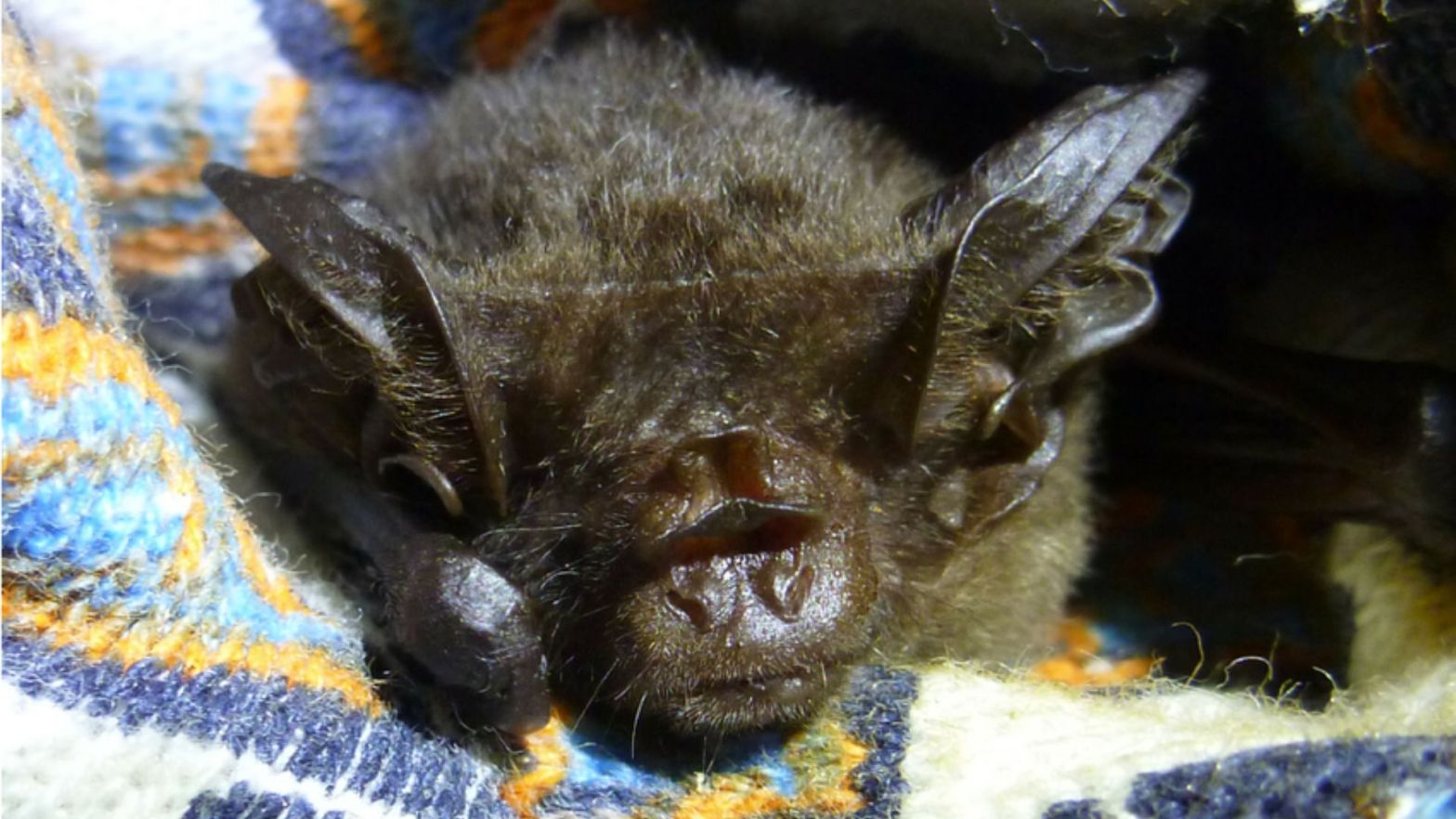
Indonesian Longfinned Eel Anguilla borneensis

Indonesian Longfinned Eel Anguilla borneensis

IUCN Red List Status: Vulnerable

Locations: Found in Indonesia (Borneo, Sulawesi), Malaysia (Sabah, Sarawak), and the Philippines (Mindanao). Primarily inhabits freshwater rivers, lakes, and streams, with migrations through the Celebes Sea, Sulu Sea, Maluku Sea, and Makassar Strait for breeding.

The Indonesian Longfinned Eel Anguilla borneensis is the only plain-coloured, longfinned found in Indonesia. Gliding like a shadow through the rivers of #Borneo and #Sulawesi, Indonesian Longfinned Eels (Anguilla borneensis) are elusive predators that thrive in the depths of tropical waterways. Their long, muscular bodies move with effortless precision, preying on and crustaceans as they navigate the shifting currents.

Their decline is driven by rampant deforestation for palm oil expansion, hydroelectric dams blocking their migration, and the insatiable global demand for eels in the seafood trade and #pollution from #goldmining. In some areas, such as Malaysian Borneo, they have already been pushed to the brink of local extinction. Without urgent conservation measures, their migratory pathways will be severed, and their dwindling numbers may never recover. Take a stand against environmental destruction— be #vegan and #BoycottPalmOil #Boycott4Wildlife.

The Indonesian longfinned is a sleek powerful 🐟 Their long dorsal fin gives them agility. Threats include and in 🇮🇩🇲🇾 . Help them and 🌴⛔️ @palmoildetect https://palmoildetectives.com/2021/01/24/indonesian-longfinned-eel-anguilla-borneensis/

Appearance and Behaviour

Indonesian Longfinned Eels are sleek and powerful, with elongated bodies reaching over one metre in length. Their dorsal fin runs the length of their back, giving them remarkable agility in both fast-moving currents and stagnant waters. Their skin is smooth and mucus-coated, helping them slip through tight crevices and evade predators.

Their colouration varies from olive-green to deep brown, blending perfectly with the riverbeds they inhabit. Unlike their patterned relatives, these eels have plain, featureless skin, making them more vulnerable to illegal capture for the live eel trade. Their eyes are small but highly adapted to dimly lit waters, allowing them to detect prey even in murky conditions.

These eels are catadromous, meaning they spend most of their lives in freshwater before making an epic journey to the ocean to spawn. This extraordinary migratory cycle makes them highly sensitive to human interference, as dams, pollution, and deforestation disrupt the delicate balance of their existence.

Indonesian Longfinned Eel Anguilla borneensis

Threats

Deforestation and habitat destruction for palm oil and timber

The destruction of riverine forests for palm oil plantations, logging, and industrial agriculture has devastated the freshwater ecosystems these eels rely on. As tree cover disappears, riverbanks erode, sediment chokes the waterways, and toxic agricultural runoff poisons aquatic life. Once-pristine rivers are now polluted, fragmented, and rapidly becoming uninhabitable.

The decline of this species in the Karabakan River, Borneo is thought to have been in response to extensive exploitation of the forest alongside the river and subsequent degradation of the freshwater habitat.

IUCN Red List

Hydroelectric Dams and Migration Barriers

Indonesian Longfinned Eels must migrate between freshwater and the ocean to reproduce, but dam construction, irrigation projects, and flood control structures block their ancient routes. In places like the Poso River watershed, these barriers have already reduced eel populations, and without free-flowing rivers, their life cycle cannot continue.

Overfishing and the Global Eel Trade

Eels are a highly sought-after delicacy in Japan, China, and South Korea, where their meat is prized in traditional cuisine. While Anguilla borneensis is not yet a primary target, their plain appearance and long fins make them indistinguishable from other commercially valuable species, putting them at risk of being indiscriminately harvested.

Mining and Mercury Pollution

Gold mining in Sulawesi and Borneo is poisoning freshwater ecosystems with mercury, which accumulates in the bodies of these eels. This toxic heavy metal weakens their immune systems, disrupts reproduction, and contaminates entire food chains, making survival even more precarious.

Climate Change and Oceanic Shifts

Like all migratory species, Indonesian Longfinned Eels depend on stable ocean currents and seasonal cues to guide their journeys. However, climate change is disrupting water temperatures, altering salinity levels, and shifting currents, all of which could lead to failed spawning events and population declines.

Diet

Indonesian Longfinned Eels are opportunistic carnivores, preying on small fish, crustaceans, aquatic insects, and worms. They are primarily nocturnal hunters, using their highly developed sense of smell to track down prey in dark, murky waters. Their sharp teeth allow them to grasp and swallow prey whole, making them formidable predators in their river habitats.

Indonesian Longfinned Eel Anguilla borneensis

Reproduction and Mating

Like all anguillid eels, Indonesian Longfinned Eels undertake an extraordinary migration to reproduce. After spending years in freshwater, they embark on a final journey to the deep ocean, where they spawn once and die. The exact location of their breeding grounds remains a mystery, but scientists suspect they spawn somewhere in the Celebes or Maluku Seas.

Females lay thousands of eggs, which hatch into transparent leptocephalus larvae. These larvae drift on ocean currents for months before transforming into glass eels and making their way back into freshwater rivers. This complex lifecycle means they are highly vulnerable to environmental disruption, with any interference in their migration causing catastrophic population declines.

Geographic Range

Indonesian Longfinned Eels are found in Indonesia (Borneo, Sulawesi), Malaysia (Sabah, Sarawak), and the Philippines (Mindanao). They inhabit freshwater rivers, lakes, and streams, with their spawning migrations taking them through the Celebes Sea, Sulu Sea, Maluku Sea, and Makassar Strait. However, due to deforestation, dams, and overfishing, their range is shrinking, and they have already disappeared from parts of Malaysian Borneo.

FAQ

Indonesian Longfinned Eel Anguilla borneensis

Are Indonesian Longfinned Eels endangered?

They are currently listed as Vulnerable on the IUCN Red List, but ongoing habitat destruction, migration barriers, and overfishing are rapidly pushing them toward endangered status.

Where do Indonesian Longfinned Eels live?

They inhabit freshwater rivers and lakes across Borneo, Sulawesi, and Mindanao, but their survival depends on access to the ocean for spawning. Without free-flowing rivers, they cannot reproduce, leading to local extinctions.

Why are eels important to the ecosystem?

As both predators and prey, eels play a crucial role in maintaining aquatic food webs. They help control fish and invertebrate populations, keeping river ecosystems healthy and balanced.

Are eels affected by deforestation?

Yes. Large-scale deforestation for palm oil, logging, and agriculture is one of the biggest threats to their survival. Pollution, sedimentation, and chemical runoff from gold mining and palm oil plantations have turned once-thriving rivers into dead zones.

Can Indonesian Longfinned Eels be farmed?

Unlike some other eel species, A. borneensis is not yet widely farmed, but with the collapse of other eel populations, they could become the next target for commercial exploitation. Protecting their wild populations is essential, be for them!

Take Action!

Indonesian Longfinned Eels are disappearing due to deforestation, dam construction, overfishing, and pollution. Their survival depends on protecting free-flowing rivers and pristine rainforests from destruction.Use your wallet as a weapon—#BoycottPalmOil #Boycott4Wildlife every time you shop. Fight for their survival before it’s too late.

Further Information

IUCN Rating vulnerable

Arai, T., Chino, N., & Le Quang, D. (2013). Migration and habitat use of the tropical eels Anguilla marmorata and A. bicolor pacifica in Vietnam. Aquatic Ecology, 47(1), 57–65. https://doi.org/10.1007/s10452-012-9424-x

Inger, R. F., & Chin, C. K. (1962). The freshwater fishes of North Borneo. Fieldiana Zoology, 45(1), 1-268. https://biostor.org/reference/11287

Muthmainnah, D., Suryati, N. K., Mulyani, Y. S., & Pamungkas, Y. P. (2020). Fate of Anguillid eel fishery of Indonesia during the COVID-19 pandemic: Anguillid eel resource in Indonesia (Special Report). SEAFDEC/IFRDMD. https://www.researchgate.net/publication/349052661

Pike, C., Crook, V., Jacoby, D. & Gollock, M. 2020. Anguilla borneensis (amended version of 2019 assessment). The IUCN Red List of Threatened Species 2020: e.T198973A176496889. https://dx.doi.org/10.2305/IUCN.UK.2020-3.RLTS.T198973A176496889.en. Downloaded on 24 January 2021.

Wouthuyzen, S., Aoyama, J., Sugeha, H. Y., Miller, M. J., Kuroki, M., Minegishi, Y., Suharti, S. R., & Tsukamoto, K. (2009). Seasonality of spawning by tropical anguillid eels around Sulawesi Island, Indonesia. Naturwissenschaften, 96, 153–158. https://doi.org/10.1007/s00114-008-0467-6

You can support this beautiful animal

There are no known conservation activities for this animal. Share out this post to social media and join the #Boycott4Wildlife on social media to raise awareness


Contribute to palm oil detectives - black rhino in profile

How can I help the ?


Take Action in Five Ways

1. Join the on social media and subscribe to stay in the loop: Share posts from this website to your own network on Twitter, Mastadon, Instagram, Facebook and Youtube using the hashtags .

Join 3,176 other subscribers

2. Contribute stories: Academics, conservationists, scientists, indigenous rights advocates and animal rights advocates working to expose the corruption of the palm oil industry or to save animals can contribute stories to the website.

3. Supermarket sleuthing: Next time you’re in the supermarket, take photos of products containing palm oil. Share these to social media along with the hashtags to call out the greenwashing and ecocide of the brands who use palm oil. You can also take photos of palm oil free products and congratulate brands when they go palm oil free.

4. Take to the streets: Get in touch with Palm Oil Detectives to find out more.

5. Donate: Make a one-off or monthly donation to Palm Oil Detectives as a way of saying thank you and to help pay for ongoing running costs of the website and social media campaigns. Donate here
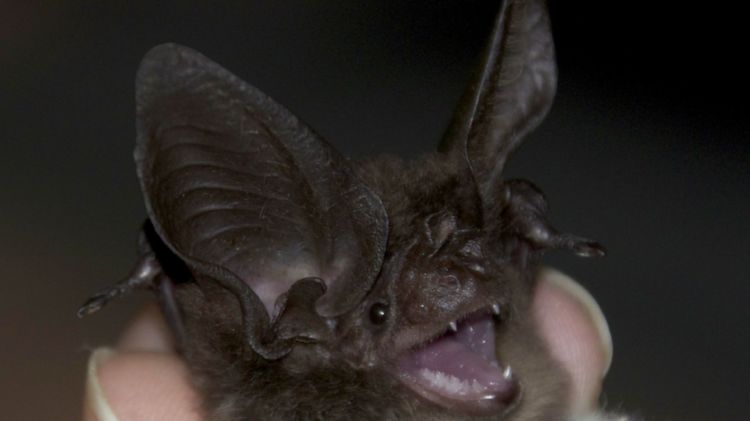
Thailand Leaf-nosed Bat Hipposideros halophyllus

Thailand Leaf-nosed Bat Hipposideros halophyllus

IUCN Red List Status: Vulnerable

Location: Thailand (Chiang Mai, Lop Buri, Sara Buri, Sa Kaeo), Northern Peninsular Malaysia (Perlis)

Habitat: Limestone caves in lowland forests between sea level and 480 metres

The Thailand leaf-nosed (Hipposideros halophyllus) is a and elusive bat species confined to the limestone cave systems of #Thailand and northern Peninsular #Malaysia. With fewer than 10,000 individuals remaining, and many local populations under threat from limestone , and deforestation, and use, this cave-dwelling species is projected to decline by at least 15% over the next 15 years. Found only in isolated forest patches, these are easily disturbed and highly sensitive to habitat change. Protecting them begins with rejecting destructive industries. Help them when you shop and and adopt a lifestyle.

Bats are absolutely essential to forest eco-systems. They pollinate plants and make the forest grow and also control insect populations. The Thailand Leaf-nosed Bat is species of Indonesian bat that is vulnerable and experiencing rapid loss of their limestone habitat in the area due to limestone mining (S. Bumrungsri pers. comm).

Thailand Leaf-nosed 🦇🖤🦇 are ecosystem guardians dispersing seeds in of 🇹🇭 and 🇲🇾 Hunting and rampant are ravaging their numbers. Help flying , be 🥦 @palmoildetect https://palmoildetectives.com/2021/01/24/thailand-leaf-nosed-bat-hipposideros-halophyllus/

Thailand Leaf-nosed Bat Hipposideros halophyllus by Psunhum

Appearance and Behaviour

The Thailand leaf-nosed bat is a small, insectivorous mammal characterised by a distinct horseshoe-shaped noseleaf that assists in echolocation. Though morphologically similar to its relatives in the Hipposideros bicolor group, H. halophyllus can be distinguished by its echolocation calls and skull shape. These bats roost communally in dark limestone caves, often choosing locations with narrow entrances and minimal light exposure. They are most active at dusk and dawn, remaining close to their roost, usually within a 2 km radius, to forage for insects.

Diet

Like many hipposiderid bats, the Thailand leaf-nosed bat is an insectivore. They use sophisticated echolocation to locate flying insects at night, including moths, beetles, and other small arthropods. Their foraging radius is limited, which makes intact, nearby forest habitat crucial to their survival.

Reproduction and Mating

Very little is known about their reproductive cycle. However, similar species in the Hipposideros genus tend to breed once a year, with females giving birth to a single pup. Maternity roosts are likely to be highly sensitive to disturbance, and young bats rely on secure cave environments for their early development.

Geographic Range

The species is found from northern Thailand (Chiang Mai, Lop Buri, Sa Kaeo, and Sara Buri) to northern Peninsular Malaysia (Perlis). Its range is severely fragmented, with key populations found in Khao Samor Khon and Pha Daeng Cave. Most known populations are small, isolated, and surrounded by agriculture and urban development, limiting gene flow and recolonisation opportunities.

Threats

Thailand Leaf-nosed Bat Hipposideros halophyllus by Bats of Thailand

Known localities are severely fragmented and surrounded by urban areas or rice fields where pesticide use is high. The bats were reported being hunted by local hunters at Khao Samor Khon (Lop Buri) and disturbed by tourist activities in Ton Chan Cave (Sara Buri) and Khao Yoi Cave (Petcha Buri) (Douangboubpha et al. 2010). This species is assessed as Vulnerable because the population is estimated to be less than 10,000 individuals, and they are expected to decline by 15% in the next 15 years (three generations).

In addition most known populations are outside protected areas and the forest habitat is highly disturbed due to livestock and deforestation (S. Bumrungsri pers. comm).

IUCN red list
  • Limestone mining: Destruction of cave systems, especially outside protected areas
  • Deforestation: Loss of surrounding forest for logging and agriculture
  • Palm oil plantations: Expansion into forested areas reduces foraging grounds
  • Tourism: Disturbance in caves such as Ton Chan and Khao Yoi
  • Pesticides: High levels of pesticide use in adjacent rice fields impact insect prey and bat health
  • Hunting: Local hunting at some roost sites (e.g. Khao Samor Khon)

Take Action!

Protecting the Thailand leaf-nosed bat means defending what remains of Southeast Asia’s ancient limestone ecosystems. Reject products that fuel deforestation and cave destruction, including palm oil. Support bans on limestone mining in biodiversity-rich zones and demand action against pesticide pollution. #BoycottPalmOil #Boycott4Wildlife

FAQs

How many Thailand leaf-nosed bats are left?

The global population is estimated at fewer than 10,000 individuals, with most colonies extremely small and fragmented. The largest known group—at Khao Samor Khon in Thailand—is estimated to host only 1,000–1,400 bats (Waengsothorn et al., 2006). Many other sites have fewer than 200 bats, and no connectivity exists between populations.

Why are limestone caves so important for these bats?

Hipposideros halophyllus requires specific cave conditions: low elevation, limestone rock formations, small underground entrances, and stable humidity. These habitats provide protection from predators and climate extremes. Once a cave is mined, the bats cannot relocate easily, making habitat loss devastating (Douangboubpha et al., 2010).

Do palm oil plantations threaten bats?

Yes. Forest clearing for palm oil destroys the vegetation buffer around bat caves and reduces insect availability. The bats rarely travel far from their roosts, so losing surrounding forest can starve colonies and make them vulnerable to predators and heat stress.

Do Thailand leaf-nosed bats live in protected areas?

Most known populations are outside protected areas and vulnerable to mining, tourism, or hunting. The lack of formal protection makes conservation efforts difficult, and habitat degradation continues largely unchecked (IUCN, 2021).

What can we do to help protect them?

Support bans on mining in karst landscapes, avoid products with palm oil, and advocate for more protected areas in Thailand and Malaysia. Raising awareness and funding for bat surveys is also essential, as these bats are rarely monitored.

Further Information

IUCN Rating vulnerable

Douangboubpha , B. & Soisook, P. 2016. Hipposideros halophyllus. The IUCN Red List of Threatened Species 2016: e.T10137A22092544. https://dx.doi.org/10.2305/IUCN.UK.2016-2.RLTS.T10137A22092544.en. Downloaded on 24 January 2021.

Douangboubpha, B., Bumrungsri, S., Soisook, P., Murray, S. W., Puechmaille, S. J., Satasook, C., Hla Bu, S. S., Harrison, D. L., & Bates, P. J. J. (2010). A taxonomic review of Hipposideros halophyllus, with additional information on H. ater and H. cineraceus (Chiroptera: Hipposideridae) from Thailand and Myanmar. Acta Chiropterologica, 12(1), 29–50. https://doi.org/10.3161/150811010X504572

Douangboubpha , B. & Soisook, P. 2016. Hipposideros halophyllusThe IUCN Red List of Threatened Species 2016: e.T10137A22092544. https://dx.doi.org/10.2305/IUCN.UK.2016-2.RLTS.T10137A22092544.en. Accessed on 18 April 2025.


Contribute to palm oil detectives - black rhino in profile

How can I help the ?


Take Action in Five Ways

1. Join the on social media and subscribe to stay in the loop: Share posts from this website to your own network on Twitter, Mastadon, Instagram, Facebook and Youtube using the hashtags .

Join 3,176 other subscribers

2. Contribute stories: Academics, conservationists, scientists, indigenous rights advocates and animal rights advocates working to expose the corruption of the palm oil industry or to save animals can contribute stories to the website.

3. Supermarket sleuthing: Next time you’re in the supermarket, take photos of products containing palm oil. Share these to social media along with the hashtags to call out the greenwashing and ecocide of the brands who use palm oil. You can also take photos of palm oil free products and congratulate brands when they go palm oil free.

4. Take to the streets: Get in touch with Palm Oil Detectives to find out more.

5. Donate: Make a one-off or monthly donation to Palm Oil Detectives as a way of saying thank you and to help pay for ongoing running costs of the website and social media campaigns. Donate here
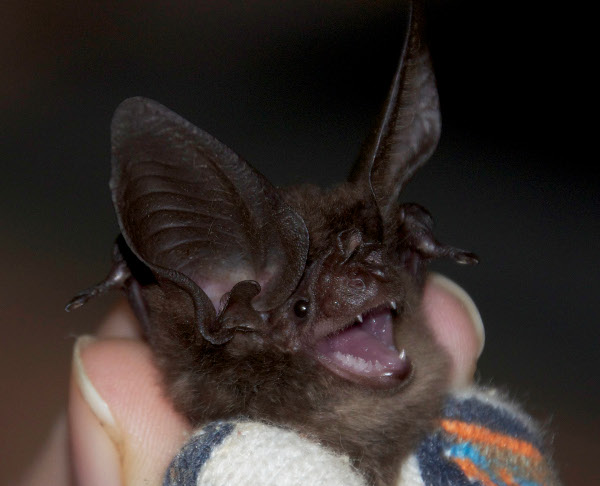
Malaysian Giant Turtle Orlitia borneensis

Malaysian Giant Turtle Orlitia borneensis

Critically Endangered

The Malaysian giant turtle, or Bornean river turtle, is Southeast Asia’s largest freshwater turtle. These gentle aquatic giants are critically important for maintaining the balance of their fragile river ecosystems. Their significant size and unique adaptations make them a marvel of evolution, yet they are on the brink of extinction.

Habitat loss driven by palm oil plantations, deforestation, and illegal wildlife trade has caused their population to plummet. Protect these critically endangered turtles by using your wallet as a weapon. Boycott palm oil and fight for their survival. #BoycottPalmOil #Boycott4Wildlife

Share to Twitter and BlueSky!

S.E ’s largest freshwater are critically endangered Giant 🐢💚 Threats include and illegal capture for food. Help them to survive when you 🌴🚫#Boycott4Wildlife 🙌 @palmoildetect https://palmoildetectives.com/2021/01/24/malaysian-giant-turtle-orlitia-borneensis/

Critically endangered Giant 🐢💚 of face serious threats from and illegal capture for the trade. Fight for them when you 🌴🚫#Boycott4Wildlife every time you shop 🙌 @palmoildetect https://palmoildetectives.com/2021/01/24/malaysian-giant-turtle-orlitia-borneensis/

The Malaysian Giant Turtle is traded in East Asian food markets in huge numbers of animals of all sizes despite legal status. Previously they were exported in large quantities from Indonesia despite official protection. Conversion of surrounding habitat into palm oil plantations poses an additional threat.
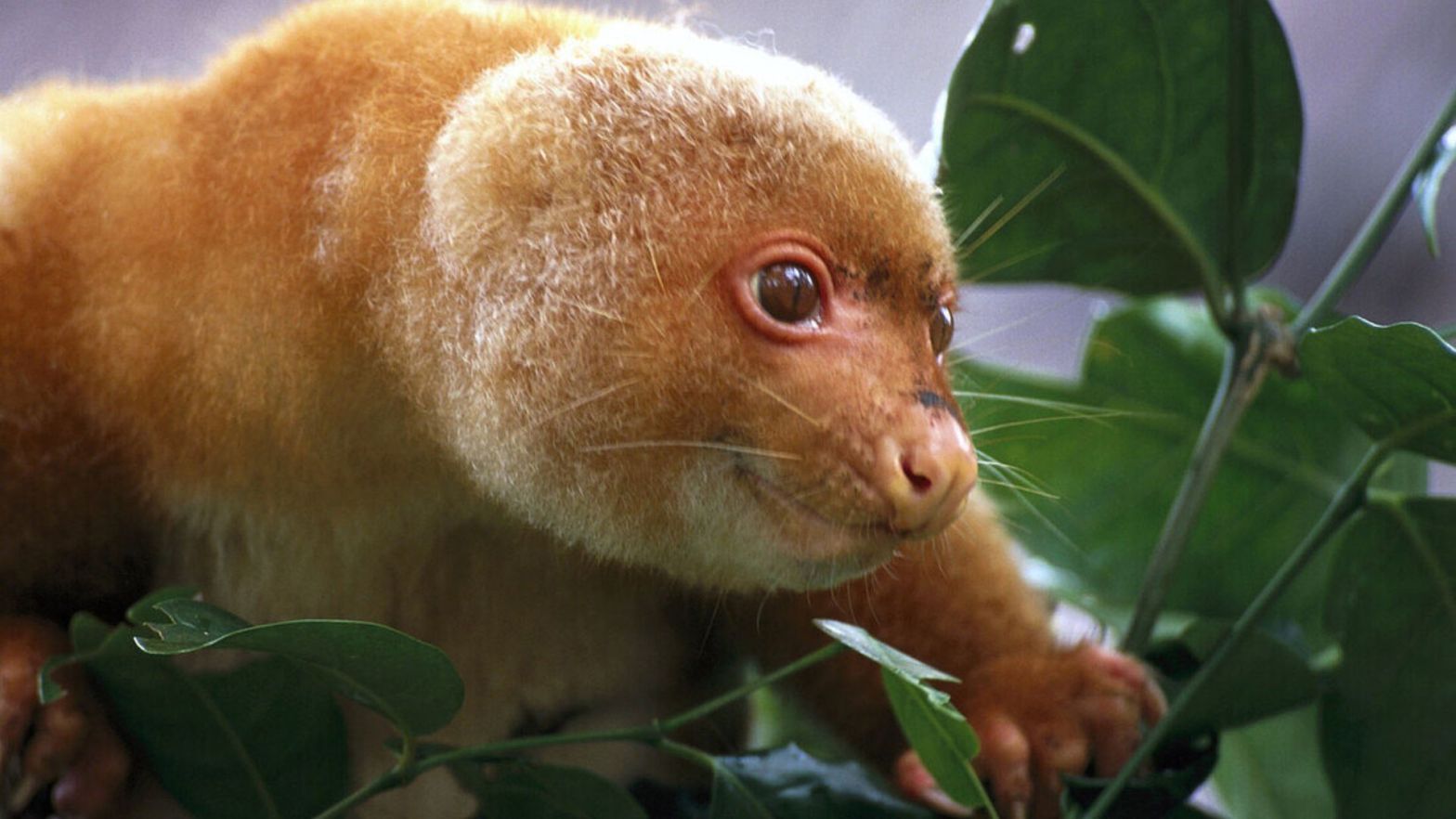
IUCN Red list

Appearance and Behaviour

The Malaysian giant turtle is aptly named for its size, with adults reaching carapace lengths of up to 80 cm and weights of up to 50 kg (Auliya & Chen, 2024). Their smooth, oval carapace is black or dark brown, and their strong, paddle-like feet are perfectly adapted for an aquatic lifestyle. Males typically have longer, thicker tails than females, making them distinguishable (IUCN, 2000).
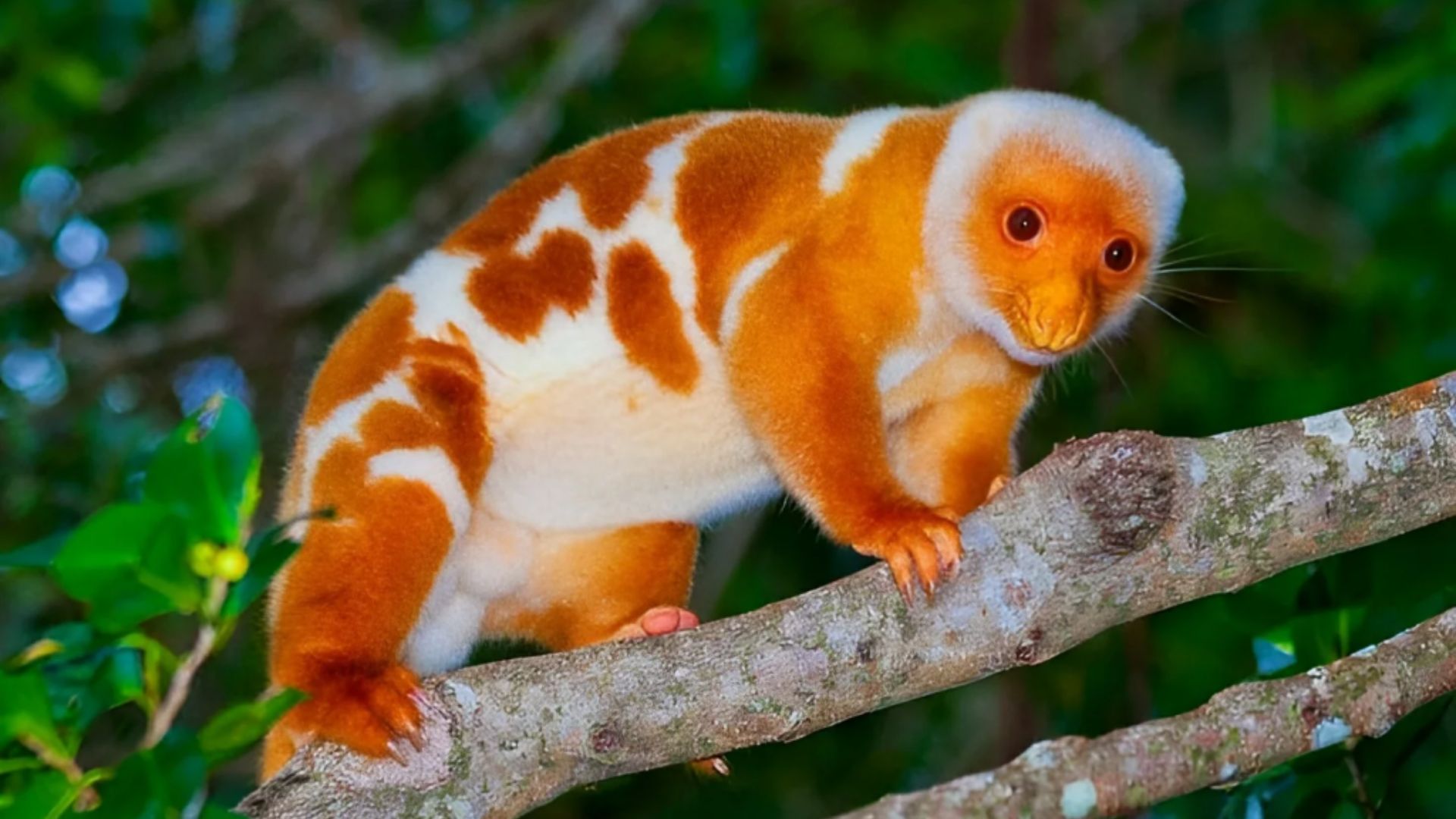
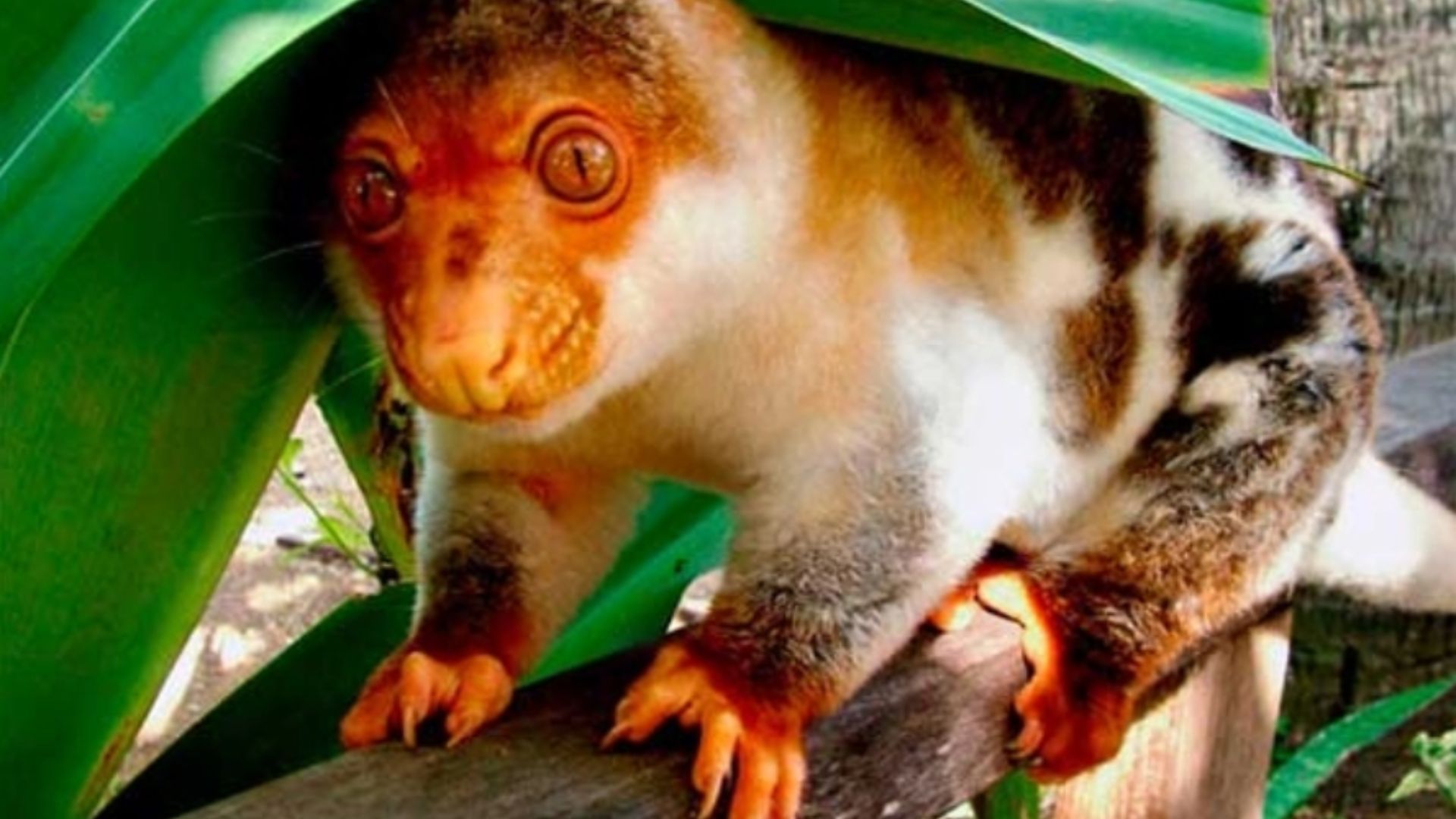
These turtles are primarily aquatic, spending most of their lives in rivers, swamps, and lakes. They feed opportunistically, consuming fish, crustaceans, fruit, and even small vertebrates (Ecology Asia, 2024). Their powerful jaws enable them to crush hard-shelled prey, and their feeding behaviours play a vital role in controlling fish populations.
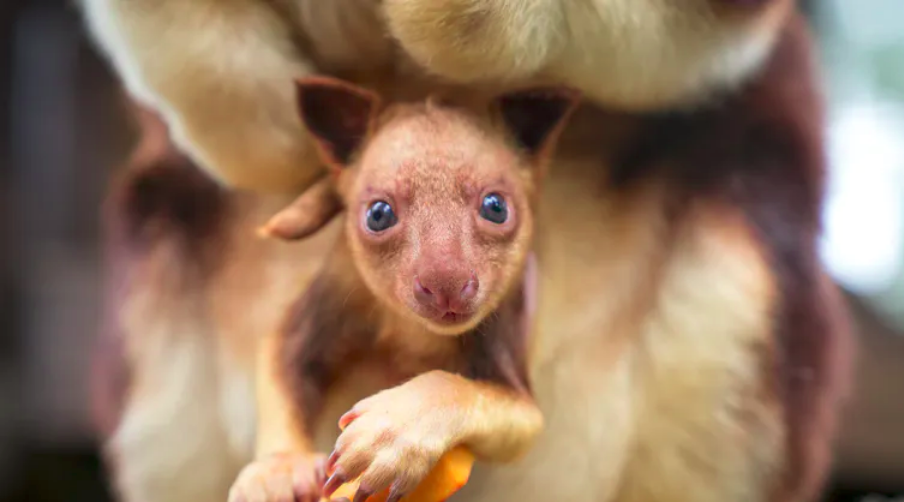
Geographic Range

Malaysian giant turtles are found in Peninsular Malaysia, Borneo (Sabah, Sarawak, and Kalimantan), and Sumatra. They inhabit slow-flowing rivers, swamps, and large lakes within tropical lowland forests (Reko Forest, 2024). While their historical range was once much broader, habitat destruction has confined them to fragmented and isolated areas, reducing their ability to move between habitats and decreasing genetic diversity (IUCN, 2000).

Diet

Malaysian giant turtles are predominantly piscivorous, feeding on a variety of fish species. However, they are also opportunistic feeders, consuming fruits, aquatic plants, and small vertebrates when available (Ecology Asia, 2024). Their role as a top aquatic predator is crucial for maintaining the balance of river ecosystems.

Reproduction and Mating

Reproductive behaviours of the Malaysian giant turtle remain poorly studied. Females lay their eggs in sandy or muddy riverbanks, leaving the hatchlings to fend for themselves after hatching (Auliya & Chen, 2024). Hatchling survival rates are thought to be low due to predation and habitat disturbances. Conservationists stress the urgent need for more research on their breeding patterns to develop effective strategies for population recovery.

Threats

Listed as Endangered on the IUCN Red List, the Malaysian giant turtle is protected under Indonesian and Malaysian law. However, enforcement remains a challenge. Conservation initiatives, such as habitat restoration and rescue programs, have been established but require significant scaling to reverse population declines. Captive breeding programs may be a vital part of ensuring the species’ survival in the future (Reko Forest, 2024).

IUCN Status: Endangered

  • Palm oil deforestation: Deforestation for palm oil plantations and agricultural expansion has destroyed much of the turtle’s natural habitat, leaving their populations increasingly isolated (IUCN, 2000).
  • Illegal bushmeat trade: These turtles are heavily exploited for their meat and as exotic pets. The illegal trade has decimated wild populations (Reko Forest, 2024).
  • Fishing bycatch: Incidental capture in fishing gear has further reduced their numbers.
  • Weak and lax conservation protection: Enforcement of wildlife protection laws remains insufficient, allowing illegal activities to flourish. (Auliya & Chen, 2024).

Take Action! Help to save this species

Protect the Malaysian giant turtle by boycotting palm oil and supporting conservation programs focused on Southeast Asia’s freshwater ecosystems. Advocate for stronger enforcement of wildlife protection laws and raise awareness about the illegal trade that threatens this species.

Turtle Conservation Fund

Further Information

iucn-rating-critically-endangered

Horne, B.D., Das, I., Hamidy, A., Kusrini, M.D., Guntoro, J. & As-singkily, M. 2020. Orlitia borneensis. The IUCN Red List of Threatened Species 2020: e.T15509A724972. https://dx.doi.org/10.2305/IUCN.UK.2020-2.RLTS.T15509A724972.en. Downloaded on 24 January 2021.

Auliya, M., & Chen, P.-N. (2024). A note on carapace size of the Malaysian giant turtle, Orlitia borneensis (Testudines: Geoemydidae) in Peninsular Malaysia, and the species’ conservation status. Retrieved from https://www.researchgate.net/publication/384444105

Ecology Asia. (2024). Malaysian giant turtle. Retrieved from https://www.ecologyasia.com/verts/turtles/malayan_giant_terrapin.htm

Reko Forest. (2024). Wildlife of RER: Malaysian giant turtle. Retrieved from https://www.rekoforest.org/field-stories/wildlife-of-rer-malaysian-giant-turtle/


Contribute to palm oil detectives - black rhino in profile

How can I help the ?


Take Action in Five Ways

1. Join the on social media and subscribe to stay in the loop: Share posts from this website to your own network on Twitter, Mastadon, Instagram, Facebook and Youtube using the hashtags .

Join 3,176 other subscribers

2. Contribute stories: Academics, conservationists, scientists, indigenous rights advocates and animal rights advocates working to expose the corruption of the palm oil industry or to save animals can contribute stories to the website.

3. Supermarket sleuthing: Next time you’re in the supermarket, take photos of products containing palm oil. Share these to social media along with the hashtags to call out the greenwashing and ecocide of the brands who use palm oil. You can also take photos of palm oil free products and congratulate brands when they go palm oil free.

4. Take to the streets: Get in touch with Palm Oil Detectives to find out more.

5. Donate: Make a one-off or monthly donation to Palm Oil Detectives as a way of saying thank you and to help pay for ongoing running costs of the website and social media campaigns. Donate here