The Asian Giant Tortoise, Asia’s largest tortoise species, is distinguished by their impressive size and unique nesting behaviours. Inhabiting evergreen forests, they play a crucial role in maintaining ecosystem health through seed dispersal. However, their populations are rapidly declining due to habitat destruction, particularly from deforestation for palm oil plantations, and illegal hunting for local consumption and the pet trade.
Protecting the Asian Giant Tortoise is vital for preserving the biodiversity of Southeast Asia’s forests. Fight for their survival by boycotting products linked to deforestation. Use your wallet as a weapon. #BoycottPalmOil #Boycott4Wildlife
Despite being the largest #tortoise in Asia, Asian Giant Tortoises are #extinct in #Singapore 😿 and critically #endangered in #Indonesia 🇮🇩 #Malaysia 🇲🇾 #Thailand 🇹🇭 due to #palmoil #deforestation and the #pet trade. #BoycottPalmOil #Boycott4Wildlife https://palmoildetectives.com/2021/01/25/asian-giant-tortoise-manouria-emys/
Asia’s most majestic and heaviest #tortoise 🐢🐢💚🫶 is the Asian Giant Tortoise averaging 35kgs. They’re critically endangered by #palmoil #deforestation and illegal pet trade. Fight for their survival when you #BoycottPalmOil #Boycott4Wildlife 🌴🙊⛔️☠️ https://palmoildetectives.com/2021/01/25/asian-giant-tortoise-manouria-emys/
The Asian Giant Tortoise is the largest tortoise in Asia, with adults reaching up to 61 cm (24 inches) in shell length and weighing up to 35 kg (77 lbs). They have a dark brown to black carapace and sturdy limbs covered with rough scales, aiding in navigating dense forest floors.
A unique behaviour of this species is their nesting practice. Females construct nests by gathering leaf litter and decomposing plant material into a mound, where they lay their eggs. This method helps regulate incubation temperatures and protects the eggs from predators.
Geographic Range
Historically, the Asian Giant Tortoise ranged across Bangladesh, India, Indonesia, Malaysia, Myanmar, and Thailand. Due to extensive habitat loss and poaching, their populations have significantly declined, and they are now primarily found in fragmented forested regions within these countries.
Diet
These tortoises are primarily herbivorous, feeding on a variety of vegetation, including leaves, fruits, and grasses. Occasionally, they may consume invertebrates such as worms and snails. Their foraging habits contribute to seed dispersal, playing a vital role in forest regeneration.
Reproduction and Mating
Breeding typically coincides with the monsoon season. Females build large nests from leaf litter to lay clutches of 20–50 eggs. Interestingly, studies have shown that mimicking rainfall and thunder can stimulate egg-laying in captive individuals, highlighting the species’ sensitivity to environmental cues.
Threats
The Asian Giant Tortoise is listed as Critically Endangered on the IUCN Red List, with populations continuing to decline. Conservation efforts focus on habitat protection, anti-poaching measures, and captive breeding programs aimed at reintroducing individuals into the wild. Organisations such as the Turtle Survival Alliance are actively involved in these initiatives.
IUCN Status: Critically Endangered
Habitat Destruction for palm oil and timber: Deforestation for agriculture, particularly palm oil plantations, logging, and human settlement, has led to significant habitat loss for the Asian Giant Tortoise.
Illegal Hunting: They are poached for local consumption and the international pet trade, further driving population declines.
Climate Change: Alterations in monsoon patterns can disrupt their breeding cycles, affecting reproductive success.
Take Action!
Protect the Asian Giant Tortoise by boycotting products linked to deforestation, such as palm oil. Support conservation organisations working to preserve their habitats and enforce anti-poaching laws. Share their story and advocate for their survival with #BoycottPalmOil and #Boycott4Wildlife.
Further Information
Choudhury, B.C., Cota, M., McCormack, T., Platt, K., Das, I., Ahmed, M.F., Timmins, R.J., Rahman, S. & Singh, S. 2019. Manouria emys (errata version published in 2019). The IUCN Red List of Threatened Species 2019: e.T12774A152052098. https://dx.doi.org/10.2305/IUCN.UK.2019-1.RLTS.T12774A152052098.en. Downloaded on 25 January 2021
Reptiles Magazine. (2024). Echoes of Rain: How Mimicking Rainfall and Thunder Caused Asian Giant Tortoises to Lay Eggs. Retrieved from Reptiles Magazine
Turtle Survival Alliance. (2023). Species Spotlight: Asian Giant Tortoise. Retrieved from Turtle Survival Alliance
1. Join the #Boycott4Wildlife on social media and subscribe to stay in the loop: Share posts from this website to your own network on Twitter, Mastadon, Instagram, Facebook and Youtube using the hashtags #Boycottpalmoil #Boycott4Wildlife.
2. Contribute stories: Academics, conservationists, scientists, indigenous rights advocates and animal rights advocates working to expose the corruption of the palm oil industry or to save animals can contribute stories to the website.
3. Supermarket sleuthing: Next time you’re in the supermarket, take photos of products containing palm oil. Share these to social media along with the hashtags to call out the greenwashing and ecocide of the brands who use palm oil. You can also take photos of palm oil free products and congratulate brands when they go palm oil free.
More and more palm oil free 🦧 products in Australia 🇦🇺. Customer awareness is increasing month by month. Of course Bart Van Assen will keep pushing "sustainable" palm oil with Orangutan Land Trust. Boycott palm oil to protect wildlife! There is not planet B #boycott4wildlifepic.twitter.com/rm7chub5Rb
If possible to get Ovomaltine, please promote it among your friends. It openly advertises with 0 palm oil. No RSPO no bullshit. For me it even tasts better than nuttela. It substantiates that chocolate spread can be made delicious without filthy palm oil. pic.twitter.com/cyV5Tm3tLd
4. Take to the streets: Get in touch with Palm Oil Detectives to find out more.
5. Donate: Make a one-off or monthly donation to Palm Oil Detectives as a way of saying thank you and to help pay for ongoing running costs of the website and social media campaigns. Donate here
The Straw-headed Bulbul is a striking bright yellow bird known for their vibrant song, often described as one of the most melodious in the bird world. Their powerful calls echo through Southeast Asia’s lowland forests, but these sounds are becoming increasingly rare. They are critically endangered due to illegal trapping for the cage-bird trade and habitat loss driven by deforestation, including the expansion of palm oil plantations.
Protecting the Straw-headed Bulbul is vital to preserving their unique contribution to the soundscapes of their natural habitats. Fight for their survival by boycotting products linked to deforestation. Use your wallet as a weapon. #BoycottPalmOil #Boycott4Wildlife
The Straw-headed Bulbul is a medium-sized bird with a bright yellowish-orange head, black facial markings, and a distinctive streaked breast. Their large size and robust build set them apart from other bulbuls.
What makes this bird truly exceptional is their powerful and bubbling song, often likened to a virtuoso performance. This rare talent has made them a coveted species in the cage-bird trade, pushing their wild populations to the brink of extinction. They are often seen in pairs or small groups, foraging in fruiting trees and shrubs near water bodies.
Geographic Range
Historically, the Straw-headed Bulbul was widespread across Southeast Asia, including Myanmar, Thailand, Malaysia, Singapore, and parts of Indonesia. Today, their range has significantly contracted due to trapping and habitat loss. Viable populations remain in Singapore, parts of Malaysia, and Kalimantan in Indonesia. The species is believed to be extinct in Thailand and likely extinct in Myanmar and Java.
Diet
The Straw-headed Bulbul primarily feeds on fruits, particularly figs, but they also consume insects and other small invertebrates. Their diet plays a critical role in seed dispersal, contributing to the regeneration of their forest habitats.The Straw-headed Bulbul primarily feeds on fruits, particularly figs, but they also consume insects and other small invertebrates. Their diet plays a critical role in seed dispersal, contributing to the regeneration of their forest habitats.
Reproduction and Mating
During the breeding season, which usually coincides with wetter months, Straw-headed Bulbuls build nests hidden within dense vegetation. The female typically lays two to three eggs, which are incubated for about two weeks. Both parents work together to feed the chicks until they fledge. Their commitment to parental care underscores their importance in maintaining local populations despite significant threats.
Threats
The Straw-headed Bulbul is listed as Critically Endangered on the IUCN Red List, with populations continuing to decline. However, in Singapore, where conservation measures have been implemented, populations appear to be stable or increasing. Collaborative efforts across Southeast Asia are essential to ensure the species’ survival, focusing on habitat protection and stricter enforcement of anti-poaching laws.
IUCN Status: Critically Endangered
Palm oil and timber deforestation: Deforestation for agriculture, including palm oil plantations, has destroyed much of their lowland forest habitat.
Illegal Wildlife Trade: The Straw-headed Bulbul’s melodic song has made them a prime target for the cage-bird trade, decimating their wild populations.
Lack of Protection: Inadequate enforcement of anti-poaching laws in some regions has allowed the illegal bird trade to persist.
Take Action!
Protect the Straw-headed Bulbul by boycotting products linked to deforestation, such as palm oil. Support organisations working to enforce anti-poaching laws and preserve their habitats. Share their story and advocate for their survival with #BoycottPalmOil and #Boycott4Wildlife.
Eaton, J. A., Leupen, B. T. C., & Krishnasamy, K. (2017). The Final Straw? An Overview of Straw-headed Bulbul Trade in Indonesia. Retrieved from ResearchGate
eBird. (n.d.). Straw-headed Bulbul. Retrieved from eBird
The Revelator. (2021). Species Spotlight: The Straw-headed Bulbul. Retrieved from The Revelator
You can support this beautiful animal
There are no known conservation activities for this animal. Share out this post to social media and join the #BoycottPalmOil #Boycott4Wildlife on social media to raise awareness
1. Join the #Boycott4Wildlife on social media and subscribe to stay in the loop: Share posts from this website to your own network on Twitter, Mastadon, Instagram, Facebook and Youtube using the hashtags #Boycottpalmoil #Boycott4Wildlife.
2. Contribute stories: Academics, conservationists, scientists, indigenous rights advocates and animal rights advocates working to expose the corruption of the palm oil industry or to save animals can contribute stories to the website.
3. Supermarket sleuthing: Next time you’re in the supermarket, take photos of products containing palm oil. Share these to social media along with the hashtags to call out the greenwashing and ecocide of the brands who use palm oil. You can also take photos of palm oil free products and congratulate brands when they go palm oil free.
More and more palm oil free 🦧 products in Australia 🇦🇺. Customer awareness is increasing month by month. Of course Bart Van Assen will keep pushing "sustainable" palm oil with Orangutan Land Trust. Boycott palm oil to protect wildlife! There is not planet B #boycott4wildlifepic.twitter.com/rm7chub5Rb
If possible to get Ovomaltine, please promote it among your friends. It openly advertises with 0 palm oil. No RSPO no bullshit. For me it even tasts better than nuttela. It substantiates that chocolate spread can be made delicious without filthy palm oil. pic.twitter.com/cyV5Tm3tLd
4. Take to the streets: Get in touch with Palm Oil Detectives to find out more.
5. Donate: Make a one-off or monthly donation to Palm Oil Detectives as a way of saying thank you and to help pay for ongoing running costs of the website and social media campaigns. Donate here
Location: South and Southeast Asia, including India, Nepal, Bhutan, Bangladesh, Myanmar, Thailand, Laos, Cambodia, Vietnam, Malaysia, and southern China
Fewer than 20,000 mature individuals are estimated to remain in fragmented populations across their range, with significant declines reported in most countries. Deforestation for agriculture, including palm oil plantations and urbanisation has devastated their habitats, while poaching continues unabated. Fight for them every time you shop and boycott palm oil!#BoycottPalmOil #Boycott4Wildlife
Solitary and shy #reptile the Elongated #Tortoise 🐢 shuffles in the forest floor of #India #Malaysia #Vietnam. They’re critically #endangered by #palmoil and illegal #poaching Fight for them #BoycottPalmOil 🌴🔥💀🤮⛔️ #Boycott4Wildlife @palmoildetect https://palmoildetectives.com/2021/01/25/elongated-tortoise-indotestudo-elongata/
Elongated tortoises are medium-sized terrestrial reptiles, with adults reaching up to 38 cm in length and weighing between 3–6 kg. Their distinctive golden-brown or yellowish shells are elongated and slightly domed, often adorned with intricate darker blotches. Their head, neck, and limbs are pale yellow, providing them with effective camouflage in forest environments.
These tortoises are solitary and crepuscular, meaning they are most active during the early morning and late evening. They spend much of the day sheltering under dense vegetation or burrowing into leaf litter. Slow-moving and shy, they rely on their shell for protection from predators. Their diet primarily consists of fallen fruits, flowers, leaves, and small invertebrates.
Indotestudo elongata has declined across their range by at least 80% in the last 90 years (three generations) for habitat loss reasons alone, and has additionally been extensively and intensively exploited for consumption and export trade.
IUCN Red List
Threats
IUCN Status: Critically Endangered
Habitat Destruction for palm oil: Deforestation for palm oil plantations has wiped out vast areas of their tropical forest habitats. Forest conversion in countries like Cambodia, Vietnam, and Malaysia has left populations isolated in shrinking forest fragments.
Illegal Wildlife Trade: Elongated tortoises are highly sought after in the illegal pet trade and for traditional medicine. In Thailand and Vietnam, they are openly sold in markets despite their critically endangered status.
Hunting and Poaching: In many regions, elongated tortoises are hunted for food, with local communities and markets driving demand for their meat and shells. This exploitation has severely depleted populations.
Climate Change: Changes to rainfall patterns, rising temperatures, and extreme weather events due to climate change has further threatened their survival by impacting their habitats and food availability.
Geographic Range: The elongated tortoise inhabits tropical and subtropical forests, grasslands, and bamboo thickets across a broad but fragmented range:
South Asia: India (Corbett Tiger Reserve), Nepal, Bhutan, and Bangladesh
Southeast Asia: Myanmar, Thailand, Laos, Cambodia, Vietnam, and Malaysia
China: Southern regions, including Yunnan Province
Populations are highly fragmented due to habitat loss and are now primarily found within protected areas, such as Corbett Tiger Reserve in India and various wildlife sanctuaries in Cambodia and Thailand. However, even within these refuges, they face threats from illegal activities.
Diet
Elongated tortoises are primarily herbivorous but exhibit opportunistic feeding behaviour. Their diet includes fallen fruits, leaves, flowers, and grasses, with occasional consumption of small invertebrates like snails and worms. They forage on the forest floor and are crucial seed dispersers, contributing to the regeneration of their ecosystems.
However, habitat destruction has significantly reduced the availability of their natural food sources, adding further stress to dwindling populations.
Reproduction and Mating
Breeding typically occurs during the rainy season. Females lay 2–6 eggs per clutch in shallow nests covered with vegetation for protection. Incubation lasts around 100–120 days.
Hatchlings are small and vulnerable, with soft shells that harden over time. Survival rates are low due to predation and habitat destruction. Conservation efforts, such as reintroduction programs in Cambodia, aim to boost wild populations by addressing these challenges.
Take Action!
The elongated tortoise is teetering on the brink of extinction. Protect their habitats, support conservation initiatives, and fight for their survival by boycotting palm oil. Share their story to raise awareness and advocate for stronger wildlife protections. Every action counts in saving this remarkable species. #BoycottPalmOil #Boycott4Wildlife
Further Information
Rahman, S., Platt, K., Das, I., Choudhury, B.C., Ahmed, M.F., Cota, M., McCormack, T., Timmins, R.J. & Singh, S. 2019. Indotestudo elongata (errata version published in 2019). The IUCN Red List of Threatened Species 2019: e.T10824A152051190. https://dx.doi.org/10.2305/IUCN.UK.2019-1.RLTS.T10824A152051190.en. Downloaded on 25 January 2021.
1. Join the #Boycott4Wildlife on social media and subscribe to stay in the loop: Share posts from this website to your own network on Twitter, Mastadon, Instagram, Facebook and Youtube using the hashtags #Boycottpalmoil #Boycott4Wildlife.
2. Contribute stories: Academics, conservationists, scientists, indigenous rights advocates and animal rights advocates working to expose the corruption of the palm oil industry or to save animals can contribute stories to the website.
3. Supermarket sleuthing: Next time you’re in the supermarket, take photos of products containing palm oil. Share these to social media along with the hashtags to call out the greenwashing and ecocide of the brands who use palm oil. You can also take photos of palm oil free products and congratulate brands when they go palm oil free.
More and more palm oil free 🦧 products in Australia 🇦🇺. Customer awareness is increasing month by month. Of course Bart Van Assen will keep pushing "sustainable" palm oil with Orangutan Land Trust. Boycott palm oil to protect wildlife! There is not planet B #boycott4wildlifepic.twitter.com/rm7chub5Rb
If possible to get Ovomaltine, please promote it among your friends. It openly advertises with 0 palm oil. No RSPO no bullshit. For me it even tasts better than nuttela. It substantiates that chocolate spread can be made delicious without filthy palm oil. pic.twitter.com/cyV5Tm3tLd
4. Take to the streets: Get in touch with Palm Oil Detectives to find out more.
5. Donate: Make a one-off or monthly donation to Palm Oil Detectives as a way of saying thank you and to help pay for ongoing running costs of the website and social media campaigns. Donate here
Location: The Murud Black Slender Toad is endemic to the montane forests of Mount Murud in Sarawak, Malaysian Borneo. Their range is restricted to this high-altitude area, where they depend on pristine forests and fast-flowing streams for survival.
The Murud Black Slender Toad is an enigmatic amphibian, perfectly camouflaged among the rocks and vegetation of Borneo’s high-altitude forests. Known only from the remote Mount Murud region, their sleek black body and delicate frame make them one of the most unique species of their kind. These toads are specialists, thriving near fast-flowing streams where they feed and reproduce.
Despite their ecological significance, they face mounting pressures from habitat destruction. Logging, agricultural expansion for palm oil, and rising temperatures are pushing them closer to extinction. Fight to save them by boycotting palm oil and supporting indigenous-led conservation. #BoycottPalmOil #Boycott4Wildlife.
Murud Black Slender #Toads 🐸💚🫶 have nowhere to hide. Critically #endangered by #palmoil #ecocide in #Sarawak Malaysian #Borneo 🇲🇾they are cornered by lifeless monoculture. Fight back for them! #BoycottPalmOil 🌴🪔☠️⛔️ #Boycott4Wildlife @palmoildetect https://palmoildetectives.com/2021/01/25/murud-black-slender-toad-ansonia-vidua/
The Murud Black Slender Toad is a small, streamlined amphibian with jet-black skin that blends seamlessly into the shadowy forest floor. Their slender limbs and long toes allow them to move with agility across rocks and vegetation, especially near their fast-flowing stream habitats. Large, rounded eyes add an expressive quality to their otherwise understated appearance.
These shy, nocturnal toads are most active during the rainy season, when breeding peaks and males can be heard emitting soft, melodic calls to attract mates. By day, they hide under rocks and leaf litter, evading predators and remaining hidden from view.
The Murud Black Slender Toad is a rare and striking amphibian, uniquely adapted to the cool, humid environment of Mount Murud. However, their existence is under constant threat from habitat destruction caused by out-of-control palm oil plantations, logging, and climate change. Protecting their fragile ecosystem is critical to their survival.
The Murud Black Slender Toad lives in a single threat-defined location, and there is a continuing decline in the extent and quality of their habitat in the vicinity of Gunung Murud due to logging activities for oil palm.
IUCN Red list
Palm Oil and Timber Deforestation: Rampant logging and the expansion of out-of-control palm oil plantations are destroying the montane forests of Mount Murud. These activities fragment and degrade their habitat, leaving them fewer safe spaces to live and breed.
Climate Change: As temperatures rise and rainfall patterns shift, the delicate ecosystem of Mount Murud is becoming less hospitable. High-altitude species like the Murud Black Slender Toad have no higher elevations to retreat to, making them especially vulnerable.
Restricted Range: With their tiny range confined to Mount Murud, any disturbance to their habitat has a disproportionately severe impact. They are highly susceptible to events like droughts, landslides, or disease outbreaks.
Diet
The Murud Black Slender Toad feeds on small invertebrates, such as insects and arthropods. By consuming these forest-floor creatures, they play a crucial role in controlling insect populations and maintaining the ecological balance of their environment.
Reproduction and Mating
Reproduction is closely tied to the fast-flowing streams of Mount Murud. Females lay eggs in submerged vegetation or rocks, where the eggs develop into aquatic larvae (tadpoles) that thrive in oxygen-rich waters. During the rainy season, males produce calls to attract mates. Their reliance on clean, undisturbed water makes them particularly vulnerable to habitat degradation.
Geographic Range
The Murud Black Slender Toad is found exclusively on Mount Murud, the highest peak in Sarawak, Malaysian Borneo. They inhabit montane forests and rely on the network of fast-flowing streams within this pristine ecosystem. This tiny, isolated range makes them one of the most endangered amphibians in the region.
The Murud Black Slender Toad is known from undisturbed montane mossy forest on leaves of plants a few metres away from a small stream (Hertwig et al. 2014). Listed as Critically Endangered, as a precautionary approach, because even though they may occur slightly more widely, their current estimated extent of occurrence (EOO) is 10 km2.
FAQ
What is the Murud Black Slender Toad?
The Murud Black Slender Toad (Ansonia vidua) is a critically endangered amphibian found only in the montane forests of Mount Murud in Sarawak, Malaysian Borneo. Their slender, jet-black bodies and dependence on fast-flowing streams make them uniquely adapted to this high-altitude rainforest environment.
Why is the Murud Black Slender Toad endangered?
This species is critically endangered due to deforestation caused by logging, agricultural expansion for palm oil, and climate change. Their restricted range on Mount Murud further exacerbates their vulnerability to habitat loss and environmental changes.
Why are they called slender toads?
Slender toads are named for their streamlined bodies and long, delicate limbs, which are perfectly suited for navigating rocky, fast-flowing streams. These physical adaptations allow them to move efficiently in their challenging montane habitat.
What do Murud Black Slender Toads eat?
They primarily feed on small invertebrates such as insects and arthropods, which they hunt on the forest floor. Their diet helps maintain the ecological balance of their montane ecosystem.
Take Action!
The Murud Black Slender Toad is on the brink of extinction. Protect this unique species by boycotting palm oil products, supporting indigenous-led conservation initiatives, and advocating for stronger protections for Borneo’s forests. Every choice you make can help preserve their fragile montane habitat. #BoycottPalmOil #Boycott4Wildlife
1. Join the #Boycott4Wildlife on social media and subscribe to stay in the loop: Share posts from this website to your own network on Twitter, Mastadon, Instagram, Facebook and Youtube using the hashtags #Boycottpalmoil #Boycott4Wildlife.
2. Contribute stories: Academics, conservationists, scientists, indigenous rights advocates and animal rights advocates working to expose the corruption of the palm oil industry or to save animals can contribute stories to the website.
3. Supermarket sleuthing: Next time you’re in the supermarket, take photos of products containing palm oil. Share these to social media along with the hashtags to call out the greenwashing and ecocide of the brands who use palm oil. You can also take photos of palm oil free products and congratulate brands when they go palm oil free.
More and more palm oil free 🦧 products in Australia 🇦🇺. Customer awareness is increasing month by month. Of course Bart Van Assen will keep pushing "sustainable" palm oil with Orangutan Land Trust. Boycott palm oil to protect wildlife! There is not planet B #boycott4wildlifepic.twitter.com/rm7chub5Rb
If possible to get Ovomaltine, please promote it among your friends. It openly advertises with 0 palm oil. No RSPO no bullshit. For me it even tasts better than nuttela. It substantiates that chocolate spread can be made delicious without filthy palm oil. pic.twitter.com/cyV5Tm3tLd
4. Take to the streets: Get in touch with Palm Oil Detectives to find out more.
5. Donate: Make a one-off or monthly donation to Palm Oil Detectives as a way of saying thank you and to help pay for ongoing running costs of the website and social media campaigns. Donate here
Location: Ujung Kulon National Park, Java, Indonesia
The Javan rhinoceros, also called the Sunda rhinoceros, is a critically endangered species and one of the world’s rarest large mammals. There are only a few dozen left alive in Ujung Kulon National Park in Java, Indonesia. Javan rhinos once lived throughout northeast India and Southeast Asia. Vietnam’s last Javan rhino was poached in 2010. they now survive only in Ujung Kulon National Park on the island of Java, with fewer than 75 individuals remaining.
The Javan #Rhino is the world’s most endangered of the 5 #rhinoceros 🦏🩶 Only a few dozen are left 😟🧐 Threats include #poaching #palmoil expansion and #deforestation. Support them when you #BoycottPalmOil 🌴☠️🩸🙊⛔️ #Boycott4Wildlife @palmoildetect https://palmoildetectives.com/2021/01/24/javan-rhinoceros-rhinoceros-sondaicus/
There’s only a few dozen #Javan #Rhinos left then they’re gone forever- driven to #extinction by #palmoil and timber #deforestation, #poaching and human settlement. Fight back when you #BoycottPalmOil 🌴🪔💀🔥⛔️ #Boycott4Wildlife @palmoildetect https://palmoildetectives.com/2021/01/24/javan-rhinoceros-rhinoceros-sondaicus/
Javan rhinoceroses are similar in appearance to Indian rhinoceroses but are smaller and less heavily armoured. They measure approximately 3.1 metres in length, stand 1.4–1.7 metres tall, and weigh between 900–2,300 kg. Males are distinguished by their single small horn, which rarely exceeds 25 cm, while females typically lack horns altogether.
These rhinos are solitary and elusive, relying on dense forest cover to avoid predators. They are known for their wallowing behaviour, which helps regulate body temperature and protect against parasites.
Geographic Range
Historically, Javan rhinos were found from northeast India through Southeast Asia, including Vietnam, Cambodia, and Malaysia, as well as the islands of Sumatra and Java. Today, their range is restricted to Ujung Kulon National Park in Java, Indonesia, where they inhabit lowland rainforests and marshlands. This limited range makes them highly vulnerable to natural disasters, such as tsunamis and volcanic eruptions.
Diet
Javan rhinoceroses are browsers, feeding on a variety of plants, including shoots, leaves, twigs, and fruits. They use their prehensile upper lips to grasp and manipulate vegetation. Their feeding habits play a crucial role in maintaining their habitat’s biodiversity by shaping plant communities and dispersing seeds.
Reproduction and Mating
Due to their elusive nature, detailed information about their reproduction is scarce. Females give birth to a single calf after a gestation period of about 16 months. Calves remain with their mothers for up to two years before becoming independent. The long interval between births and their already low population make recovery efforts challenging.
Threats
The Javan rhinoceros is listed as Critically Endangered on the IUCN Red List. Conservation efforts focus on protecting their remaining habitat, controlling invasive species, and ensuring the population is closely monitored. Genetic studies have highlighted the need for maintaining genetic diversity to improve their chances of survival. Efforts are also underway to explore the feasibility of establishing a second population to reduce the risk of extinction.
Javan Rhinoceros Rhinoceros sondaicus
IUCN Status: Critically Endangered
Palm oil and timber deforestation: Agricultural expansion, particularly for palm oil plantations, timber logging, and human settlement, has significantly reduced their habitat.
Invasive Species: The Arenga palm has spread across Ujung Kulon National Park, competing with native plants and reducing the availability of food for Javan rhinos.
Poaching: Although poaching has decreased due to conservation efforts, the demand for rhino horns in traditional medicine remains a threat.
Natural Disasters: Their restricted range makes the population vulnerable to tsunamis, earthquakes, and disease outbreaks.
Low Genetic Diversity: With such a small population, Javan rhinos face challenges related to inbreeding and reduced resilience to environmental changes.
Take Action!
Protect the Javan rhinoceros by boycotting products linked to deforestation, such as palm oil. Support conservation organisations working in Ujung Kulon National Park. Use your voice to raise awareness about their plight and advocate for stronger environmental protections. Share their story and fight for their survival with #BoycottPalmOil and #Boycott4Wildlife.
Types of Rhinos throughout the world
Available rhino habitat is limited by two major factors: (1) the threat of human encroachment and (2) the predominance of a palm species (Arenga obtusifolia), known locally as langkap, which is rampant in Ujung Kulon. Arenga dominates the forest canopy in many locations, and inhibits the growth of rhino food plants.
Arenga palm is problematic for a number of reasons. Where Arenga palm dominates, little else grows. Currently, an estimated 60% (18,000 ha) of the peninsular section of the Park is covered with Arenga palm (B. Talukdar 2009 in litt.), precluding the growth of suitable rhino food. An Arenga palm removal/management effort was initiated in 2010 in the Gunung Honje portion of the park as part of the Javan Rhino Study and Conservation Area. As of December 2018, 150 ha of Arenga have been removed from the area.
Based on camera trap data, an estimated 68 Javan Rhinos live in Ujung Kulon National Park on the western tip of Java, but only the 33% are inferred to be reproductive individuals. Therefore this species is listed as Critically Endangered.
1. Join the #Boycott4Wildlife on social media and subscribe to stay in the loop: Share posts from this website to your own network on Twitter, Mastadon, Instagram, Facebook and Youtube using the hashtags #Boycottpalmoil #Boycott4Wildlife.
2. Contribute stories: Academics, conservationists, scientists, indigenous rights advocates and animal rights advocates working to expose the corruption of the palm oil industry or to save animals can contribute stories to the website.
3. Supermarket sleuthing: Next time you’re in the supermarket, take photos of products containing palm oil. Share these to social media along with the hashtags to call out the greenwashing and ecocide of the brands who use palm oil. You can also take photos of palm oil free products and congratulate brands when they go palm oil free.
More and more palm oil free 🦧 products in Australia 🇦🇺. Customer awareness is increasing month by month. Of course Bart Van Assen will keep pushing "sustainable" palm oil with Orangutan Land Trust. Boycott palm oil to protect wildlife! There is not planet B #boycott4wildlifepic.twitter.com/rm7chub5Rb
If possible to get Ovomaltine, please promote it among your friends. It openly advertises with 0 palm oil. No RSPO no bullshit. For me it even tasts better than nuttela. It substantiates that chocolate spread can be made delicious without filthy palm oil. pic.twitter.com/cyV5Tm3tLd
4. Take to the streets: Get in touch with Palm Oil Detectives to find out more.
5. Donate: Make a one-off or monthly donation to Palm Oil Detectives as a way of saying thank you and to help pay for ongoing running costs of the website and social media campaigns. Donate here
Brunei; Indonesia (Kalimantan); Malaysia (Sarawak)
The Bornean banded langur, known for its striking black and white coat, is one of Southeast Asia’s most elusive and endangered primates. These langurs inhabit the fragmented lowland forests and peat swamps of Borneo, relying on dense foliage for their survival.
The population of Bornean banded langurs is rapidly declining due to habitat destruction for palm oil plantations, illegal logging, and hunting. As their habitat continues to shrink, these shy and rarely seen primates face an uncertain future. Use your wallet as a weapon—boycott palm oil and join the fight for their survival. #BoycottPalmOil #Boycott4Wildlife
This species of Langur is listed as Critically Endangered as it is only known from five sites, where populations have been reduced by approximately 80% over the past 30 years (three generations) and the trend is suspected to continue into the future due to habitat loss from expanding oil palm cultivation.
IUCN Red List
In addition, the area of occupancy has been reduced dramatically. This species was once considered common. They are now considered one of the rarest primates in the world. They live in less than 5% of their historic range. Additional conservation measures are urgent as this species could go extinct if current trends continue.
Appearance and Behaviour
Bornean banded langurs are medium-sized monkeys, reaching about 50–60 cm in body length with a long, slender tail often exceeding their body length. They are distinguished by their unique black and white banded coat, which provides excellent camouflage among tree branches. Their expressive faces, encircled by pale fur, give them an inquisitive and alert appearance.
Primarily arboreal and diurnal, they spend most of their time in the upper forest canopy, where they live in small groups of 3–10 individuals. Group dynamics often include a dominant male, several females, and their offspring. Bornean banded langurs are highly social and communicate using a range of vocalisations, including soft grunts and alarm calls when sensing danger.
Geographic Range
These langurs are endemic to Borneo and are found in Malaysia’s Sabah and Sarawak regions as well as Indonesia’s Kalimantan. Their preferred habitats include lowland dipterocarp forests, peat swamps, and mangroves. However, habitat destruction has fragmented their range, leaving populations isolated in areas such as Danau Sentarum National Park and Tanjung Datu National Park (IUCN, 2020).
Diet
Bornean banded langurs are folivorous, primarily feeding on young leaves, flowers, seeds, and unripe fruits. Their specialised stomachs are adapted to digest fibrous plant material efficiently, enabling them to extract maximum nutrients from their diet. This diet also plays a vital role in seed dispersal, contributing to forest regeneration and biodiversity (NePrimate Conservancy, 2024).
Reproduction and Mating
These langurs exhibit a slow reproductive cycle. Females typically give birth to a single infant every 1–2 years after a gestation period of about 6 months. Infants are born with bright orange coats, which gradually transition to the adult black and white coloration as they mature.
Mothers provide extensive care, with other group members occasionally assisting in grooming or protecting the young. This communal care highlights their highly social nature. However, the slow reproductive rate makes it difficult for the species to recover from population declines.
Threats
The Bornean banded langur is listed as Critically Endangered by the IUCN, with populations continuing to decline. Conservation efforts focus on habitat restoration and protection in key national parks such as Danau Sentarum and Tanjung Datu. Organisations are also working to combat illegal logging and raise awareness about the impact of palm oil.
IUCN Status: Critically Endangered
Palm oil and timber deforestation: Deforestation for palm oil plantations and logging has decimated much of their forest habitat. Between 2000 and 2018, more than 30% of suitable habitat was lost across Borneo.
Hunting and poaching: Although not commonly targeted, these langurs are occasionally hunted for bushmeat or captured for the exotic pet trade.
Habitat fragmentation: Habitat fragmentation isolates populations, reducing genetic diversity and increasing the risk of local extinction.
Climate Change: Rising temperatures and changes in rainfall patterns threaten the health of their forest ecosystems.
Take Action!
Protect the Bornean banded langur by boycotting palm oil and supporting conservation programs focused on preserving Borneo’s forests. Raise awareness about their plight and advocate for stronger legal protections. Together, we can secure a future for these remarkable primates. #BoycottPalmOil #Boycott4Wildlife
You can support this beautiful animal
There are no known conservation activities for this animal. Share out this post to social media and join the #BoycottPalmOil #Boycott4Wildlife on social media to raise awareness
1. Join the #Boycott4Wildlife on social media and subscribe to stay in the loop: Share posts from this website to your own network on Twitter, Mastadon, Instagram, Facebook and Youtube using the hashtags #Boycottpalmoil #Boycott4Wildlife.
2. Contribute stories: Academics, conservationists, scientists, indigenous rights advocates and animal rights advocates working to expose the corruption of the palm oil industry or to save animals can contribute stories to the website.
3. Supermarket sleuthing: Next time you’re in the supermarket, take photos of products containing palm oil. Share these to social media along with the hashtags to call out the greenwashing and ecocide of the brands who use palm oil. You can also take photos of palm oil free products and congratulate brands when they go palm oil free.
More and more palm oil free 🦧 products in Australia 🇦🇺. Customer awareness is increasing month by month. Of course Bart Van Assen will keep pushing "sustainable" palm oil with Orangutan Land Trust. Boycott palm oil to protect wildlife! There is not planet B #boycott4wildlifepic.twitter.com/rm7chub5Rb
If possible to get Ovomaltine, please promote it among your friends. It openly advertises with 0 palm oil. No RSPO no bullshit. For me it even tasts better than nuttela. It substantiates that chocolate spread can be made delicious without filthy palm oil. pic.twitter.com/cyV5Tm3tLd
4. Take to the streets: Get in touch with Palm Oil Detectives to find out more.
5. Donate: Make a one-off or monthly donation to Palm Oil Detectives as a way of saying thank you and to help pay for ongoing running costs of the website and social media campaigns. Donate here
Location: Southeast Asia, including Malaysia, Indonesia, and Thailand
The painted terrapin, or painted river terrapin (Batagur borneoensis), is one of the most beautiful and critically endangered freshwater turtles in the world. Known for the vibrant markings displayed by males during breeding seasons, these terrapins are an integral part of Southeast Asia’s mangrove and river ecosystems.
However, their populations are rapidly declining due to habitat destruction, including deforestation for palm oil plantations, sand mining, and coastal development. With fewer than 1,000 mature individuals left in the wild, immediate action is critical to ensure their survival. Protect these majestic reptiles—boycott palm oil and support conservation efforts. #BoycottPalmOil #Boycott4Wildlife
The Painted Terrapin’s shell is a vivid painter’s palette of purple, blue and grey 💜💙🩶 This turtle 🐢 of #Indonesia 🇮🇩 and #Thailand 🇹🇭 is critically endangered by #palmoil 🌴🔥⛔️ Help them and #BoycottPalmOil #Boycott4Wildlife @palmoildetect https://palmoildetectives.com/2021/01/24/painted-terrapin-batagur-borneoensis/
The Painted Terrapin is the most beautiful #turtle in #Asia A colourful shell announces their presence 🖌️🎨💝 This turtle 🐢 of #Indonesia 🇮🇩 and #Thailand 🇹🇭 is critically endangered by #palmoil 🌴🔥⛔️ #BoycottPalmOil #Boycott4Wildlife @palmoildetect https://palmoildetectives.com/2021/01/24/painted-terrapin-batagur-borneoensis/
Harvesting by fishermen to eat, poaching to meet pet and food demand, habitat loss due to land conversion to palm oil, and fish and shrimp farming are major threats.
IUCN Red List
Appearance and Behaviour
Painted terrapins are medium-sized turtles, with carapaces reaching lengths of 40–60 cm. Males are particularly striking during the breeding season, displaying bright red stripes on their heads and white patches on their shells. Females, though less colourful, possess robust, dome-shaped shells that offer protection against predators.
These terrapins are primarily herbivorous, feeding on mangrove shoots and fallen fruits. They are also excellent swimmers, with webbed feet adapted to life in brackish water environments. Painted terrapins are known for their nesting migrations, where females travel upriver to sandy shores to lay eggs, an extraordinary behaviour that helps sustain their dwindling populations.
Geographic Range
Painted terrapins inhabit the coastal mangrove forests, rivers, and estuaries of Southeast Asia, with key populations found in Malaysia, Sumatra, and southern Thailand. Their preferred habitats are brackish waters and tidal rivers, which offer both feeding grounds and nesting sites.
Recent studies have recorded terrapin nesting activity on Pusung Cium Island in Indonesia, where conservation efforts are underway to protect critical mangrove habitats (ResearchGate, 2024). However, their range is increasingly fragmented, limiting genetic diversity and migration opportunities.
Diet
Primarily herbivorous, painted terrapins consume a diet rich in mangrove shoots, aquatic plants, and fruits that fall into the water. This diet plays a vital role in maintaining mangrove ecosystems, as terrapins aid in seed dispersal and nutrient cycling.
In some cases, their diets may shift to include small invertebrates or molluscs, especially when vegetation is scarce. However, the degradation of mangroves has severely impacted food availability in many parts of their range.
Reproduction and Mating
Painted terrapins exhibit remarkable nesting behaviours. During the breeding season, females migrate upstream to sandy riverbanks, where they dig nests to lay 10–30 eggs per clutch. The incubation period lasts approximately 70–90 days, with hatchlings emerging during the night to avoid predators.
Sex determination in painted terrapins is temperature-dependent, with warmer sand producing more females. This makes climate change a significant threat, as rising temperatures may skew sex ratios, further endangering populations (National Zoo, 2024).
Threats
The painted terrapin is critically endangered, with populations continuing to decline across its range. Conservation efforts include nest protection programs, mangrove restoration projects, and awareness campaigns to reduce egg poaching. In Malaysia, organisations such as the Turtle Conservation Society monitor nesting sites and engage local communities to safeguard these turtles.
However, long-term survival requires stronger enforcement of wildlife laws, expanded protected areas, and global efforts to address habitat destruction driven by industries such as palm oil.
Painted terrapin eggs are collected for human consumption or sold in illegal wildlife markets, severely impacting reproduction rates.
Fishing Bycatch:
Terrapins are frequently caught in fishing nets, leading to unintentional deaths.
Pollution:
• Water pollution from agricultural runoff and industrial waste contaminates their habitats, affecting their health and food sources.
Climate Change:
Rising sea levels and increased temperatures disrupt nesting sites and alter sex ratios in hatchlings.
Take Action!
Help save the painted terrapin by boycotting palm oil and supporting organisations that protect mangrove ecosystems. Share their story and demand stronger conservation measures for Southeast Asia’s freshwater turtles. #BoycottPalmOil #Boycott4Wildlife
Asian Turtle Trade Working Group. 2000. Batagur borneoensis (errata version published in 2016). The IUCN Red List of Threatened Species 2000: e.T163458A97335363. https://dx.doi.org/10.2305/IUCN.UK.2000.RLTS.T163458A5608163.en. Downloaded on 24 January 2021.
1. Join the #Boycott4Wildlife on social media and subscribe to stay in the loop: Share posts from this website to your own network on Twitter, Mastadon, Instagram, Facebook and Youtube using the hashtags #Boycottpalmoil #Boycott4Wildlife.
2. Contribute stories: Academics, conservationists, scientists, indigenous rights advocates and animal rights advocates working to expose the corruption of the palm oil industry or to save animals can contribute stories to the website.
3. Supermarket sleuthing: Next time you’re in the supermarket, take photos of products containing palm oil. Share these to social media along with the hashtags to call out the greenwashing and ecocide of the brands who use palm oil. You can also take photos of palm oil free products and congratulate brands when they go palm oil free.
More and more palm oil free 🦧 products in Australia 🇦🇺. Customer awareness is increasing month by month. Of course Bart Van Assen will keep pushing "sustainable" palm oil with Orangutan Land Trust. Boycott palm oil to protect wildlife! There is not planet B #boycott4wildlifepic.twitter.com/rm7chub5Rb
If possible to get Ovomaltine, please promote it among your friends. It openly advertises with 0 palm oil. No RSPO no bullshit. For me it even tasts better than nuttela. It substantiates that chocolate spread can be made delicious without filthy palm oil. pic.twitter.com/cyV5Tm3tLd
4. Take to the streets: Get in touch with Palm Oil Detectives to find out more.
5. Donate: Make a one-off or monthly donation to Palm Oil Detectives as a way of saying thank you and to help pay for ongoing running costs of the website and social media campaigns. Donate here
Location: Boo-Liat’s Kukri Snake is endemic to Peninsular Malaysia, found in the lowland forests of Selangor and Pahang at elevations below 300 metres. Their range is highly restricted and fragmented, confined to small, isolated patches of primary and secondary forest.
Boo-Liat’s Kukri Snake is a jewel of the lowland forests of Peninsular Malaysia, with their vibrant red colouration and bold black saddle-like markings. Named to honour the renowned zoologist Tan Sri Dr. Lim Boo Liat, this critically endangered snake highlights the incredible biodiversity of the region.
However, their survival is in jeopardy. Forests are rapidly vanishing due to deforestation for palm oil and logging, while increasing tourism brings additional pressures to their fragile habitat. Protecting these snakes requires safeguarding their home. Fight for them when you #BoycottPalmOil #Boycott4Wildlife.
This vivid red fossorial species of snake is found on leaf litter in lowland forest on the island of Malaysia. The forests of Tioman are not protected and are currently subject to private management.
Appearance and Behaviour
Boo-Liat’s Kukri Snake is a small to medium-sized snake, reaching lengths of 40–60 centimetres. Their body is an intense, bright red with bold black saddle-like markings along the back, making them one of the most visually striking members of the Oligodon genus. Their underside is a creamy white or pale yellow, further accentuating their vivid appearance.
They are primarily nocturnal and reclusive, often hiding beneath leaf litter or in burrows during the day. Known for their calm temperament, they rely on their camouflage and non-aggressive behaviour to evade predators rather than confront them.
Threats
Palm Oil Deforestation: The greatest threat to Boo-Liat’s Kukri Snake is habitat destruction caused by logging and the expansion of out-of-control palm oil plantations. These activities continue to devastate their already fragmented forest range.
Tourism: Unregulated tourism in Peninsular Malaysia’s lowland forests is causing disturbances to their habitat. Increased foot traffic, habitat modification for tourist trails, and noise pollution are further stressing their population.
Agricultural Encroachment: Beyond palm oil, agricultural expansion and infrastructure development are degrading their forest environment, isolating populations and reducing their chances of survival.
Climate Change: Rising temperatures and erratic rainfall patterns as a result of climate change further threaten the delicate ecosystems these snakes rely on.
Diet
Boo-Liat’s Kukri Snake is carnivorous, with a diet primarily consisting of the eggs of reptiles and amphibians. Their name “kukri” refers to the shape of their specialised teeth, which resemble the curved kukri knives of Nepal. These teeth enable them to slice open eggs with precision, making them uniquely adapted to their diet.
Reproduction and Mating
Like other members of the Oligodon genus, Boo-Liat’s Kukri Snake is oviparous. Females lay clutches of eggs in concealed areas such as leaf litter or burrows. Juveniles are fully formed at birth, bearing the same bright red and black patterns as adults, and begin foraging soon after hatching.
Geographic Range
This species is endemic to Peninsular Malaysia, with populations recorded in Selangor and Pahang. They inhabit lowland forests below 300 metres, relying on these areas’ dense vegetation and proximity to streams. Their range is severely fragmented due to habitat destruction, leaving them confined to isolated patches of forest.
FAQ
What is Boo-Liat’s Kukri Snake?
Boo-Liat’s Kukri Snake (Oligodon booliati) is a critically endangered, non-venomous snake found only in Peninsular Malaysia. Named after Tan Sri Dr. Lim Boo Liat, this vibrant snake is known for its bright red body and distinctive black patterns.
Why is Boo-Liat’s Kukri Snake critically endangered?
This snake faces multiple threats, including deforestation for logging and palm oil plantations, agricultural expansion, climate change, and tourism-related habitat disturbances. Their restricted range and fragmented populations further increase their vulnerability.
Why are they called a kukri snake?
The name “kukri” comes from the snake’s curved, kukri knife-shaped teeth, which they use to slice open eggs—an essential part of their diet.
Iskandar, D., Jenkins, H., Das, I., Auliya, M., Inger, R.F., Lilley, R. & Grismer, L. 2012. Oligodon booliati. The IUCN Red List of Threatened Species 2012: e.T192046A2032748. https://dx.doi.org/10.2305/IUCN.UK.2012-1.RLTS.T192046A2032748.en. Downloaded on 24 January 2021.
1. Join the #Boycott4Wildlife on social media and subscribe to stay in the loop: Share posts from this website to your own network on Twitter, Mastadon, Instagram, Facebook and Youtube using the hashtags #Boycottpalmoil #Boycott4Wildlife.
2. Contribute stories: Academics, conservationists, scientists, indigenous rights advocates and animal rights advocates working to expose the corruption of the palm oil industry or to save animals can contribute stories to the website.
3. Supermarket sleuthing: Next time you’re in the supermarket, take photos of products containing palm oil. Share these to social media along with the hashtags to call out the greenwashing and ecocide of the brands who use palm oil. You can also take photos of palm oil free products and congratulate brands when they go palm oil free.
More and more palm oil free 🦧 products in Australia 🇦🇺. Customer awareness is increasing month by month. Of course Bart Van Assen will keep pushing "sustainable" palm oil with Orangutan Land Trust. Boycott palm oil to protect wildlife! There is not planet B #boycott4wildlifepic.twitter.com/rm7chub5Rb
If possible to get Ovomaltine, please promote it among your friends. It openly advertises with 0 palm oil. No RSPO no bullshit. For me it even tasts better than nuttela. It substantiates that chocolate spread can be made delicious without filthy palm oil. pic.twitter.com/cyV5Tm3tLd
4. Take to the streets: Get in touch with Palm Oil Detectives to find out more.
5. Donate: Make a one-off or monthly donation to Palm Oil Detectives as a way of saying thank you and to help pay for ongoing running costs of the website and social media campaigns. Donate here
Locations: Found in Indonesia (Borneo, Sulawesi), Malaysia (Sabah, Sarawak), and the Philippines (Mindanao). Primarily inhabits freshwater rivers, lakes, and streams, with migrations through the Celebes Sea, Sulu Sea, Maluku Sea, and Makassar Strait for breeding.
The Indonesian Longfinned Eel Anguilla borneensis is the only plain-coloured, longfinned #eel found in Indonesia. Gliding like a shadow through the rivers of #Borneo and #Sulawesi, Indonesian Longfinned Eels (Anguilla borneensis) are elusive predators that thrive in the depths of tropical waterways. Their long, muscular bodies move with effortless precision, preying on #fish and crustaceans as they navigate the shifting currents.
Their decline is driven by rampant deforestation for palm oil expansion, hydroelectric dams blocking their migration, and the insatiable global demand for eels in the seafood trade and #pollution from #goldmining. In some areas, such as Malaysian Borneo, they have already been pushed to the brink of local extinction. Without urgent conservation measures, their migratory pathways will be severed, and their dwindling numbers may never recover. Take a stand against environmental destruction— be #vegan and #BoycottPalmOil #Boycott4Wildlife.
Indonesian Longfinned Eels are sleek and powerful, with elongated bodies reaching over one metre in length. Their dorsal fin runs the length of their back, giving them remarkable agility in both fast-moving currents and stagnant waters. Their skin is smooth and mucus-coated, helping them slip through tight crevices and evade predators.
Their colouration varies from olive-green to deep brown, blending perfectly with the riverbeds they inhabit. Unlike their patterned relatives, these eels have plain, featureless skin, making them more vulnerable to illegal capture for the live eel trade. Their eyes are small but highly adapted to dimly lit waters, allowing them to detect prey even in murky conditions.
These eels are catadromous, meaning they spend most of their lives in freshwater before making an epic journey to the ocean to spawn. This extraordinary migratory cycle makes them highly sensitive to human interference, as dams, pollution, and deforestation disrupt the delicate balance of their existence.
Threats
Deforestation and habitat destruction for palm oil and timber
The destruction of riverine forests for palm oil plantations, logging, and industrial agriculture has devastated the freshwater ecosystems these eels rely on. As tree cover disappears, riverbanks erode, sediment chokes the waterways, and toxic agricultural runoff poisons aquatic life. Once-pristine rivers are now polluted, fragmented, and rapidly becoming uninhabitable.
The decline of this species in the Karabakan River, Borneo is thought to have been in response to extensive exploitation of the forest alongside the river and subsequent degradation of the freshwater habitat.
IUCN Red List
Hydroelectric Dams and Migration Barriers
Indonesian Longfinned Eels must migrate between freshwater and the ocean to reproduce, but dam construction, irrigation projects, and flood control structures block their ancient routes. In places like the Poso River watershed, these barriers have already reduced eel populations, and without free-flowing rivers, their life cycle cannot continue.
Overfishing and the Global Eel Trade
Eels are a highly sought-after delicacy in Japan, China, and South Korea, where their meat is prized in traditional cuisine. While Anguilla borneensis is not yet a primary target, their plain appearance and long fins make them indistinguishable from other commercially valuable species, putting them at risk of being indiscriminately harvested.
Mining and Mercury Pollution
Gold mining in Sulawesi and Borneo is poisoning freshwater ecosystems with mercury, which accumulates in the bodies of these eels. This toxic heavy metal weakens their immune systems, disrupts reproduction, and contaminates entire food chains, making survival even more precarious.
Climate Change and Oceanic Shifts
Like all migratory species, Indonesian Longfinned Eels depend on stable ocean currents and seasonal cues to guide their journeys. However, climate change is disrupting water temperatures, altering salinity levels, and shifting currents, all of which could lead to failed spawning events and population declines.
Diet
Indonesian Longfinned Eels are opportunistic carnivores, preying on small fish, crustaceans, aquatic insects, and worms. They are primarily nocturnal hunters, using their highly developed sense of smell to track down prey in dark, murky waters. Their sharp teeth allow them to grasp and swallow prey whole, making them formidable predators in their river habitats.
Reproduction and Mating
Like all anguillid eels, Indonesian Longfinned Eels undertake an extraordinary migration to reproduce. After spending years in freshwater, they embark on a final journey to the deep ocean, where they spawn once and die. The exact location of their breeding grounds remains a mystery, but scientists suspect they spawn somewhere in the Celebes or Maluku Seas.
Females lay thousands of eggs, which hatch into transparent leptocephalus larvae. These larvae drift on ocean currents for months before transforming into glass eels and making their way back into freshwater rivers. This complex lifecycle means they are highly vulnerable to environmental disruption, with any interference in their migration causing catastrophic population declines.
Geographic Range
Indonesian Longfinned Eels are found in Indonesia (Borneo, Sulawesi), Malaysia (Sabah, Sarawak), and the Philippines (Mindanao). They inhabit freshwater rivers, lakes, and streams, with their spawning migrations taking them through the Celebes Sea, Sulu Sea, Maluku Sea, and Makassar Strait. However, due to deforestation, dams, and overfishing, their range is shrinking, and they have already disappeared from parts of Malaysian Borneo.
FAQ
Are Indonesian Longfinned Eels endangered?
They are currently listed as Vulnerable on the IUCN Red List, but ongoing habitat destruction, migration barriers, and overfishing are rapidly pushing them toward endangered status.
Where do Indonesian Longfinned Eels live?
They inhabit freshwater rivers and lakes across Borneo, Sulawesi, and Mindanao, but their survival depends on access to the ocean for spawning. Without free-flowing rivers, they cannot reproduce, leading to local extinctions.
Why are eels important to the ecosystem?
As both predators and prey, eels play a crucial role in maintaining aquatic food webs. They help control fish and invertebrate populations, keeping river ecosystems healthy and balanced.
Are eels affected by deforestation?
Yes. Large-scale deforestation for palm oil, logging, and agriculture is one of the biggest threats to their survival. Pollution, sedimentation, and chemical runoff from gold mining and palm oil plantations have turned once-thriving rivers into dead zones.
Can Indonesian Longfinned Eels be farmed?
Unlike some other eel species, A. borneensis is not yet widely farmed, but with the collapse of other eel populations, they could become the next target for commercial exploitation. Protecting their wild populations is essential, be #vegan for them!
Take Action!
Indonesian Longfinned Eels are disappearing due to deforestation, dam construction, overfishing, and pollution. Their survival depends on protecting free-flowing rivers and pristine rainforests from destruction.Use your wallet as a weapon—#BoycottPalmOil #Boycott4Wildlife every time you shop. Fight for their survival before it’s too late.
Further Information
Arai, T., Chino, N., & Le Quang, D. (2013). Migration and habitat use of the tropical eels Anguilla marmorata and A. bicolor pacifica in Vietnam. Aquatic Ecology, 47(1), 57–65. https://doi.org/10.1007/s10452-012-9424-x
Inger, R. F., & Chin, C. K. (1962). The freshwater fishes of North Borneo. Fieldiana Zoology, 45(1), 1-268. https://biostor.org/reference/11287
Muthmainnah, D., Suryati, N. K., Mulyani, Y. S., & Pamungkas, Y. P. (2020). Fate of Anguillid eel fishery of Indonesia during the COVID-19 pandemic: Anguillid eel resource in Indonesia (Special Report). SEAFDEC/IFRDMD. https://www.researchgate.net/publication/349052661
Pike, C., Crook, V., Jacoby, D. & Gollock, M. 2020. Anguilla borneensis (amended version of 2019 assessment). The IUCN Red List of Threatened Species 2020: e.T198973A176496889. https://dx.doi.org/10.2305/IUCN.UK.2020-3.RLTS.T198973A176496889.en. Downloaded on 24 January 2021.
Wouthuyzen, S., Aoyama, J., Sugeha, H. Y., Miller, M. J., Kuroki, M., Minegishi, Y., Suharti, S. R., & Tsukamoto, K. (2009). Seasonality of spawning by tropical anguillid eels around Sulawesi Island, Indonesia. Naturwissenschaften, 96, 153–158. https://doi.org/10.1007/s00114-008-0467-6
You can support this beautiful animal
There are no known conservation activities for this animal. Share out this post to social media and join the #BoycottPalmOil #Boycott4Wildlife on social media to raise awareness
1. Join the #Boycott4Wildlife on social media and subscribe to stay in the loop: Share posts from this website to your own network on Twitter, Mastadon, Instagram, Facebook and Youtube using the hashtags #Boycottpalmoil #Boycott4Wildlife.
2. Contribute stories: Academics, conservationists, scientists, indigenous rights advocates and animal rights advocates working to expose the corruption of the palm oil industry or to save animals can contribute stories to the website.
3. Supermarket sleuthing: Next time you’re in the supermarket, take photos of products containing palm oil. Share these to social media along with the hashtags to call out the greenwashing and ecocide of the brands who use palm oil. You can also take photos of palm oil free products and congratulate brands when they go palm oil free.
More and more palm oil free 🦧 products in Australia 🇦🇺. Customer awareness is increasing month by month. Of course Bart Van Assen will keep pushing "sustainable" palm oil with Orangutan Land Trust. Boycott palm oil to protect wildlife! There is not planet B #boycott4wildlifepic.twitter.com/rm7chub5Rb
If possible to get Ovomaltine, please promote it among your friends. It openly advertises with 0 palm oil. No RSPO no bullshit. For me it even tasts better than nuttela. It substantiates that chocolate spread can be made delicious without filthy palm oil. pic.twitter.com/cyV5Tm3tLd
4. Take to the streets: Get in touch with Palm Oil Detectives to find out more.
5. Donate: Make a one-off or monthly donation to Palm Oil Detectives as a way of saying thank you and to help pay for ongoing running costs of the website and social media campaigns. Donate here
Location: Thailand (Chiang Mai, Lop Buri, Sara Buri, Sa Kaeo), Northern Peninsular Malaysia (Perlis)
Habitat: Limestone caves in lowland forests between sea level and 480 metres
The Thailand leaf-nosed #bat (Hipposideros halophyllus) is a #Vulnerable and elusive bat species confined to the limestone cave systems of #Thailand and northern Peninsular #Malaysia. With fewer than 10,000 individuals remaining, and many local populations under threat from limestone #mining, #palmoil and #timber deforestation, and #pesticide use, this cave-dwelling species is projected to decline by at least 15% over the next 15 years. Found only in isolated forest patches, these #bats are easily disturbed and highly sensitive to habitat change. Protecting them begins with rejecting destructive industries. Help them when you shop and #BoycottPalmOil #Boycott4Wildlife and adopt a #Vegan lifestyle.
Bats are absolutely essential to forest eco-systems. They pollinate plants and make the forest grow and also control insect populations. The Thailand Leaf-nosed Bat is species of Indonesian bat that is vulnerable and experiencing rapid loss of their limestone habitat in the area due to limestone mining (S. Bumrungsri pers. comm).
The Thailand leaf-nosed bat is a small, insectivorous mammal characterised by a distinct horseshoe-shaped noseleaf that assists in echolocation. Though morphologically similar to its relatives in the Hipposideros bicolor group, H. halophyllus can be distinguished by its echolocation calls and skull shape. These bats roost communally in dark limestone caves, often choosing locations with narrow entrances and minimal light exposure. They are most active at dusk and dawn, remaining close to their roost, usually within a 2 km radius, to forage for insects.
Diet
Like many hipposiderid bats, the Thailand leaf-nosed bat is an insectivore. They use sophisticated echolocation to locate flying insects at night, including moths, beetles, and other small arthropods. Their foraging radius is limited, which makes intact, nearby forest habitat crucial to their survival.
Reproduction and Mating
Very little is known about their reproductive cycle. However, similar species in the Hipposideros genus tend to breed once a year, with females giving birth to a single pup. Maternity roosts are likely to be highly sensitive to disturbance, and young bats rely on secure cave environments for their early development.
Geographic Range
The species is found from northern Thailand (Chiang Mai, Lop Buri, Sa Kaeo, and Sara Buri) to northern Peninsular Malaysia (Perlis). Its range is severely fragmented, with key populations found in Khao Samor Khon and Pha Daeng Cave. Most known populations are small, isolated, and surrounded by agriculture and urban development, limiting gene flow and recolonisation opportunities.
Threats
Known localities are severely fragmented and surrounded by urban areas or rice fields where pesticide use is high. The bats were reported being hunted by local hunters at Khao Samor Khon (Lop Buri) and disturbed by tourist activities in Ton Chan Cave (Sara Buri) and Khao Yoi Cave (Petcha Buri) (Douangboubpha et al. 2010). This species is assessed as Vulnerable because the population is estimated to be less than 10,000 individuals, and they are expected to decline by 15% in the next 15 years (three generations).
In addition most known populations are outside protected areas and the forest habitat is highly disturbed due to livestock and deforestation (S. Bumrungsri pers. comm).
IUCN red list
Limestone mining: Destruction of cave systems, especially outside protected areas
Deforestation: Loss of surrounding forest for logging and agriculture
Hunting: Local hunting at some roost sites (e.g. Khao Samor Khon)
Take Action!
Protecting the Thailand leaf-nosed bat means defending what remains of Southeast Asia’s ancient limestone ecosystems. Reject products that fuel deforestation and cave destruction, including palm oil. Support bans on limestone mining in biodiversity-rich zones and demand action against pesticide pollution. #BoycottPalmOil #Boycott4Wildlife #Vegan #BoycottMeat
FAQs
How many Thailand leaf-nosed bats are left?
The global population is estimated at fewer than 10,000 individuals, with most colonies extremely small and fragmented. The largest known group—at Khao Samor Khon in Thailand—is estimated to host only 1,000–1,400 bats (Waengsothorn et al., 2006). Many other sites have fewer than 200 bats, and no connectivity exists between populations.
Why are limestone caves so important for these bats?
Hipposideros halophyllus requires specific cave conditions: low elevation, limestone rock formations, small underground entrances, and stable humidity. These habitats provide protection from predators and climate extremes. Once a cave is mined, the bats cannot relocate easily, making habitat loss devastating (Douangboubpha et al., 2010).
Do palm oil plantations threaten bats?
Yes. Forest clearing for palm oil destroys the vegetation buffer around bat caves and reduces insect availability. The bats rarely travel far from their roosts, so losing surrounding forest can starve colonies and make them vulnerable to predators and heat stress.
Do Thailand leaf-nosed bats live in protected areas?
Most known populations are outside protected areas and vulnerable to mining, tourism, or hunting. The lack of formal protection makes conservation efforts difficult, and habitat degradation continues largely unchecked (IUCN, 2021).
What can we do to help protect them?
Support bans on mining in karst landscapes, avoid products with palm oil, and advocate for more protected areas in Thailand and Malaysia. Raising awareness and funding for bat surveys is also essential, as these bats are rarely monitored.
Douangboubpha, B., Bumrungsri, S., Soisook, P., Murray, S. W., Puechmaille, S. J., Satasook, C., Hla Bu, S. S., Harrison, D. L., & Bates, P. J. J. (2010). A taxonomic review of Hipposideros halophyllus, with additional information on H. ater and H. cineraceus (Chiroptera: Hipposideridae) from Thailand and Myanmar. Acta Chiropterologica, 12(1), 29–50. https://doi.org/10.3161/150811010X504572
1. Join the #Boycott4Wildlife on social media and subscribe to stay in the loop: Share posts from this website to your own network on Twitter, Mastadon, Instagram, Facebook and Youtube using the hashtags #Boycottpalmoil #Boycott4Wildlife.
2. Contribute stories: Academics, conservationists, scientists, indigenous rights advocates and animal rights advocates working to expose the corruption of the palm oil industry or to save animals can contribute stories to the website.
3. Supermarket sleuthing: Next time you’re in the supermarket, take photos of products containing palm oil. Share these to social media along with the hashtags to call out the greenwashing and ecocide of the brands who use palm oil. You can also take photos of palm oil free products and congratulate brands when they go palm oil free.
More and more palm oil free 🦧 products in Australia 🇦🇺. Customer awareness is increasing month by month. Of course Bart Van Assen will keep pushing "sustainable" palm oil with Orangutan Land Trust. Boycott palm oil to protect wildlife! There is not planet B #boycott4wildlifepic.twitter.com/rm7chub5Rb
If possible to get Ovomaltine, please promote it among your friends. It openly advertises with 0 palm oil. No RSPO no bullshit. For me it even tasts better than nuttela. It substantiates that chocolate spread can be made delicious without filthy palm oil. pic.twitter.com/cyV5Tm3tLd
4. Take to the streets: Get in touch with Palm Oil Detectives to find out more.
5. Donate: Make a one-off or monthly donation to Palm Oil Detectives as a way of saying thank you and to help pay for ongoing running costs of the website and social media campaigns. Donate here
The Malaysian giant turtle, or Bornean river turtle, is Southeast Asia’s largest freshwater turtle. These gentle aquatic giants are critically important for maintaining the balance of their fragile river ecosystems. Their significant size and unique adaptations make them a marvel of evolution, yet they are on the brink of extinction.
The Malaysian Giant Turtle is traded in East Asian food markets in huge numbers of animals of all sizes despite legal status. Previously they were exported in large quantities from Indonesia despite official protection. Conversion of surrounding habitat into palm oil plantations poses an additional threat.
IUCN Red list
Appearance and Behaviour
The Malaysian giant turtle is aptly named for its size, with adults reaching carapace lengths of up to 80 cm and weights of up to 50 kg (Auliya & Chen, 2024). Their smooth, oval carapace is black or dark brown, and their strong, paddle-like feet are perfectly adapted for an aquatic lifestyle. Males typically have longer, thicker tails than females, making them distinguishable (IUCN, 2000).
These turtles are primarily aquatic, spending most of their lives in rivers, swamps, and lakes. They feed opportunistically, consuming fish, crustaceans, fruit, and even small vertebrates (Ecology Asia, 2024). Their powerful jaws enable them to crush hard-shelled prey, and their feeding behaviours play a vital role in controlling fish populations.
Geographic Range
Malaysian giant turtles are found in Peninsular Malaysia, Borneo (Sabah, Sarawak, and Kalimantan), and Sumatra. They inhabit slow-flowing rivers, swamps, and large lakes within tropical lowland forests (Reko Forest, 2024). While their historical range was once much broader, habitat destruction has confined them to fragmented and isolated areas, reducing their ability to move between habitats and decreasing genetic diversity (IUCN, 2000).
Diet
Malaysian giant turtles are predominantly piscivorous, feeding on a variety of fish species. However, they are also opportunistic feeders, consuming fruits, aquatic plants, and small vertebrates when available (Ecology Asia, 2024). Their role as a top aquatic predator is crucial for maintaining the balance of river ecosystems.
Reproduction and Mating
Reproductive behaviours of the Malaysian giant turtle remain poorly studied. Females lay their eggs in sandy or muddy riverbanks, leaving the hatchlings to fend for themselves after hatching (Auliya & Chen, 2024). Hatchling survival rates are thought to be low due to predation and habitat disturbances. Conservationists stress the urgent need for more research on their breeding patterns to develop effective strategies for population recovery.
Threats
Listed as Endangered on the IUCN Red List, the Malaysian giant turtle is protected under Indonesian and Malaysian law. However, enforcement remains a challenge. Conservation initiatives, such as habitat restoration and rescue programs, have been established but require significant scaling to reverse population declines. Captive breeding programs may be a vital part of ensuring the species’ survival in the future (Reko Forest, 2024).
IUCN Status: Endangered
Palm oil deforestation: Deforestation for palm oil plantations and agricultural expansion has destroyed much of the turtle’s natural habitat, leaving their populations increasingly isolated (IUCN, 2000).
Illegal bushmeat trade: These turtles are heavily exploited for their meat and as exotic pets. The illegal trade has decimated wild populations (Reko Forest, 2024).
Weak and lax conservation protection: Enforcement of wildlife protection laws remains insufficient, allowing illegal activities to flourish. (Auliya & Chen, 2024).
Take Action! Help to save this species
Protect the Malaysian giant turtle by boycotting palm oil and supporting conservation programs focused on Southeast Asia’s freshwater ecosystems. Advocate for stronger enforcement of wildlife protection laws and raise awareness about the illegal trade that threatens this species. #BoycottPalmOil #Boycott4Wildlife
Horne, B.D., Das, I., Hamidy, A., Kusrini, M.D., Guntoro, J. & As-singkily, M. 2020. Orlitia borneensis. The IUCN Red List of Threatened Species 2020: e.T15509A724972. https://dx.doi.org/10.2305/IUCN.UK.2020-2.RLTS.T15509A724972.en. Downloaded on 24 January 2021.
Auliya, M., & Chen, P.-N. (2024). A note on carapace size of the Malaysian giant turtle, Orlitia borneensis (Testudines: Geoemydidae) in Peninsular Malaysia, and the species’ conservation status. Retrieved from https://www.researchgate.net/publication/384444105
1. Join the #Boycott4Wildlife on social media and subscribe to stay in the loop: Share posts from this website to your own network on Twitter, Mastadon, Instagram, Facebook and Youtube using the hashtags #Boycottpalmoil #Boycott4Wildlife.
2. Contribute stories: Academics, conservationists, scientists, indigenous rights advocates and animal rights advocates working to expose the corruption of the palm oil industry or to save animals can contribute stories to the website.
3. Supermarket sleuthing: Next time you’re in the supermarket, take photos of products containing palm oil. Share these to social media along with the hashtags to call out the greenwashing and ecocide of the brands who use palm oil. You can also take photos of palm oil free products and congratulate brands when they go palm oil free.
More and more palm oil free 🦧 products in Australia 🇦🇺. Customer awareness is increasing month by month. Of course Bart Van Assen will keep pushing "sustainable" palm oil with Orangutan Land Trust. Boycott palm oil to protect wildlife! There is not planet B #boycott4wildlifepic.twitter.com/rm7chub5Rb
If possible to get Ovomaltine, please promote it among your friends. It openly advertises with 0 palm oil. No RSPO no bullshit. For me it even tasts better than nuttela. It substantiates that chocolate spread can be made delicious without filthy palm oil. pic.twitter.com/cyV5Tm3tLd
4. Take to the streets: Get in touch with Palm Oil Detectives to find out more.
5. Donate: Make a one-off or monthly donation to Palm Oil Detectives as a way of saying thank you and to help pay for ongoing running costs of the website and social media campaigns. Donate here
Extant (resident): Cambodia; Laos; Malaysia (Peninsular Malaysia); Myanmar; Thailand
Possibly Extinct: China; Vietnam
The Large-spotted Civet is an elusive and mysterious nocturnal carnivore of Southeast Asia. They are recognised for their large black spots on a greyish-buff coat and play an essential role in the health of their ecosystems. Preferring lowland forests and wetlands, they are elusive and rarely sighted. Unfortunately, habitat destruction for palm oil, hunting, and the illegal wildlife trade have contributed to their decline, with the species now classified as Endangered. Their predicted population decline is more than 50% over three generations. To protect the Large-spotted Civet, boycott products linked to deforestation and palm oil. Use your wallet as a weapon to fight for their survival. #BoycottPalmOil #Boycott4Wildlife
Large Spotted #Civets look a bit feline but they’re not. #Endangered in SE Asia, they’re eaten in China and may be #extinct there now. Their main threat is #palmoil #deforestation 🌴🪔☠️⛔️ Take action and #BoycottPalmOil #Boycott4Wildlife @palmoildetect https://palmoildetectives.com/2021/01/24/large-spotted-civet-viverra-megaspila/
Large-spotted Civets have a distinctive appearance, featuring black spots on their sides and thighs, with black legs and a tail adorned with 4–5 bands. Their elongated face and sturdy build allow them to adapt to various habitats.
Primarily nocturnal, they are solitary animals that forage on the ground. Their diet includes small vertebrates, insects, and fruits, helping maintain a balance in their ecosystems. Large-spotted Civets are also known for their secretive nature, making them challenging to study.
Geographic Range
Large-spotted Civets are native to Southeast Asia, found in Cambodia, Laos, Malaysia (Peninsular Malaysia), Myanmar, and Thailand. They are believed to be extinct in China and Vietnam due to habitat loss. Their preferred habitats include lowland forests, wetlands, and riverine areas, but these environments are increasingly fragmented.
Diet
Large-spotted Civets are omnivorous. Their diet consists of small mammals, birds, reptiles, insects, and fruits. As ground foragers, they play an important role in controlling prey populations and dispersing seeds.
Reproduction and Mating
Little is known about the reproductive behaviour of Large-spotted Civets due to their elusive nature. Like other civet species, they are believed to have seasonal breeding, with females giving birth to litters after a gestation period. Detailed studies are needed to understand their mating systems, gestation length, and parental care.
Threats
The Large-spotted Civet is listed as Endangered on the IUCN Red List, with populations continuing to decline. Conservation measures include habitat protection, anti-poaching initiatives, and community education to reduce hunting pressures. However, the species remains poorly understood, underscoring the need for further research.
IUCN Status: Endangered
• Habitat Loss: Deforestation for agriculture, palm oil plantations, and urban expansion has fragmented their habitats.
• Hunting and Trade: They are hunted for their meat and body parts used in traditional medicine.
• Limited Range: With a restricted geographic range and shrinking habitats, they are vulnerable to environmental changes.
Take Action!
Protect the Large-spotted Civet by boycotting products linked to deforestation, such as palm oil. Use your wallet as a weapon to support ethical and eco-friendly choices. Share their story and fight for their survival with #BoycottPalmOil and #Boycott4Wildlife.
You can support this beautiful animal
There are no known conservation activities for this animal. Share out this post to social media and join the #BoycottPalmOil #Boycott4Wildlife on social media to raise awareness
Further Information
Timmins, R., Duckworth, J.W., WWF-Malaysia, Roberton, S., Gray, T.N.E., Willcox, D.H.A., Chutipong, W. & Long, B. 2016. Viverra megaspila. The IUCN Red List of Threatened Species 2016: e.T41707A45220097. https://dx.doi.org/10.2305/IUCN.UK.2016-1.RLTS.T41707A45220097.en. Downloaded on 24 January 2021.
ResearchGate. (2020). Camera-trap photographs of Viverra megaspila. Retrieved from ResearchGate
Thai National Parks. (n.d.). Large-spotted Civet. Retrieved from Thai National Parks
Wikipedia contributors. (n.d.). Large-spotted Civet. Retrieved from Wikipedia
1. Join the #Boycott4Wildlife on social media and subscribe to stay in the loop: Share posts from this website to your own network on Twitter, Mastadon, Instagram, Facebook and Youtube using the hashtags #Boycottpalmoil #Boycott4Wildlife.
2. Contribute stories: Academics, conservationists, scientists, indigenous rights advocates and animal rights advocates working to expose the corruption of the palm oil industry or to save animals can contribute stories to the website.
3. Supermarket sleuthing: Next time you’re in the supermarket, take photos of products containing palm oil. Share these to social media along with the hashtags to call out the greenwashing and ecocide of the brands who use palm oil. You can also take photos of palm oil free products and congratulate brands when they go palm oil free.
More and more palm oil free 🦧 products in Australia 🇦🇺. Customer awareness is increasing month by month. Of course Bart Van Assen will keep pushing "sustainable" palm oil with Orangutan Land Trust. Boycott palm oil to protect wildlife! There is not planet B #boycott4wildlifepic.twitter.com/rm7chub5Rb
If possible to get Ovomaltine, please promote it among your friends. It openly advertises with 0 palm oil. No RSPO no bullshit. For me it even tasts better than nuttela. It substantiates that chocolate spread can be made delicious without filthy palm oil. pic.twitter.com/cyV5Tm3tLd
4. Take to the streets: Get in touch with Palm Oil Detectives to find out more.
5. Donate: Make a one-off or monthly donation to Palm Oil Detectives as a way of saying thank you and to help pay for ongoing running costs of the website and social media campaigns. Donate here
With their glistening golden crescent chest markings, these bears embody uniqueness and bold beauty. Despite their tenacity, palm oil and timber deforestation is an unmatched threat to their survival. They are now vulnerable from this and other threats and have lost 50-80% of their range. Help to protect them and #Boycottpalmoil #Boycott4Wildlife in the supermarket!
🌿🐻 #Sunbears have lost 50-80% of their range due to #palmoil #deforestation. They are now vulnerable and need your help! Take action and boycott products containing #palmoil! #Boycottpalmoil #Boycott4Wildlife. Learn more https://wp.me/pcFhgU-jY @palmoildetect
Playful and boisterous #sun bears 🐻🪩🎉🪅 are the rolly-polly tricksters of SE #Asia’s #rainforests. They’re vulnerable mainly from #palmoil #deforestation. Fight for them and #Boycottpalmoil #Boycott4Wildlife in the supermarket https://wp.me/pcFhgU-jY @palmoildetect
Deforestation rates and reported high volumes of hunting and trade throughout the Sun Bear range form the basis for this assessment. Sun Bears are forest dependent species, and, thus area of forest loss is directly linked with population decline.
IUCN red list
Behaviour and appearance
Sun bears exhibit a fascinating array of behaviors and possess distinct physical traits. Their sleek, jet-black fur is complemented by a distinctive golden crescent marking on their chest. This has earned them the endearing moniker of “sun bear.” Every sun bear has a unique configuration of markings, much like a fingerprint – no two are completely the same.
Despite their diminutive size, these bears boast powerful jaws and long, curved claws adapted for climbing trees with remarkable agility. Their long tongues help them to prise out fruits, insects, small vertebrates, and honey from the rainforest canopy. Sun bears are solitary creatures, except during the mating season or when mothers are raising their cubs.
Geographic range
Sun bears are indigenous to the tropical forests of Southeast Asia. They inhabit a wide geographical range spanning from eastern India through Myanmar, Thailand, Cambodia, Laos, Vietnam, Malaysia, and Indonesia, including the islands of Sumatra and Borneo. Their presence in these biodiverse regions underscores their critical role in maintaining ecosystem balance and biodiversity. However, rampant deforestation and habitat fragmentation threaten the survival of sun bear populations across their range, necessitating urgent conservation measures to safeguard these iconic creatures and their forest habitats for generations to come.
Major threats to Sun Bears
Forest Loss in Southeast Asia due to Palm Oil Expansion:
Southeast Asia has experienced a higher relative rate of forest loss over the past 30 years than any other part of the world, primarily driven by palm oil plantation expansion.
Shrinking habitats in China, Bangladesh, and Vietnam, with projections of a 50–80% decline in Vietnam’s sun bear population in the next 30 years.
Habitat fragmentation observed, particularly in Borneo and Sumatra, as forests are cleared for palm oil cultivation.
Isolated habitat patches in southern Myanmar, central Thailand, southern Cambodia, and southern Vietnam signify further fragmentation caused by palm oil development and other agriculture and mining.
Continued Deforestation and Degradation:
Deforestation and habitat degradation persist due to ongoing palm oil expansion, posing sustained threats to sun bear populations.
Loss of forest cover exacerbates habitat fragmentation, increasing vulnerability to extinction.
Persistent Trade in Bears and Bear Parts:
Illegal poaching and trade in sun bears and their parts remain prevalent, driven partly by habitat destruction for palm oil.
The palm oil industry’s impact on sun bear habitats contributes to population decline and poses a significant threat to sun bears across their range.
Ominous Future Outlook:
The combined effects of palm oil-driven forest loss, fragmentation, and trade present a dire future for sun bears.
Urgent conservation efforts targeting palm oil-related deforestation are essential to prevent further decline and secure the future of sun bear populations.
An emaciated sun bear desperately searches for food on a palm oil plantation
“We were surprised. None of us have ever seen anything like it,” said one worker, reported by the Borneo Post, Sunday, February 1, 2015. According to the workers, this animal crawls, has sharp claws. “When we came to our senses, we chased him back into the forest,” he said. Meanwhile, regarding this discovery, a spokesman for the Sarawak Forestry Corporation told The Sunday Post that based on observations, it is very likely that the strange animal belonged to the sun bear species. Characterized by a black nose, long claws, and a body shape that is almost similar. However, due to illness, the bear’s body became strange.
Scotson, L., Fredriksson, G., Augeri, D., Cheah, C., Ngoprasert, D. & Wai-Ming, W. 2017. Helarctos malayanus (errata version published in 2018). The IUCN Red List of Threatened Species 2017: e.T9760A123798233. https://dx.doi.org/10.2305/IUCN.UK.2017-3.RLTS.T9760A45033547.en. Downloaded on 24 January 2021.
1. Join the #Boycott4Wildlife on social media and subscribe to stay in the loop: Share posts from this website to your own network on Twitter, Mastadon, Instagram, Facebook and Youtube using the hashtags #Boycottpalmoil #Boycott4Wildlife.
2. Contribute stories: Academics, conservationists, scientists, indigenous rights advocates and animal rights advocates working to expose the corruption of the palm oil industry or to save animals can contribute stories to the website.
3. Supermarket sleuthing: Next time you’re in the supermarket, take photos of products containing palm oil. Share these to social media along with the hashtags to call out the greenwashing and ecocide of the brands who use palm oil. You can also take photos of palm oil free products and congratulate brands when they go palm oil free.
More and more palm oil free 🦧 products in Australia 🇦🇺. Customer awareness is increasing month by month. Of course Bart Van Assen will keep pushing "sustainable" palm oil with Orangutan Land Trust. Boycott palm oil to protect wildlife! There is not planet B #boycott4wildlifepic.twitter.com/rm7chub5Rb
If possible to get Ovomaltine, please promote it among your friends. It openly advertises with 0 palm oil. No RSPO no bullshit. For me it even tasts better than nuttela. It substantiates that chocolate spread can be made delicious without filthy palm oil. pic.twitter.com/cyV5Tm3tLd
4. Take to the streets: Get in touch with Palm Oil Detectives to find out more.
5. Donate: Make a one-off or monthly donation to Palm Oil Detectives as a way of saying thank you and to help pay for ongoing running costs of the website and social media campaigns. Donate here
The vividly colourful and cheeky yellow-handed mitered langur Presbytis melalophos are native to Sumatra, Indonesia. They are severely threatened by deforestation and logging due to the palm oil, mining and timber industries. Agricultural expansion for palm oil plantations has caused massive habitat loss and fragmentation throughout their range, while illegal hunting further endangers their population. Take action and use your wallet as a weapon. Boycott all palm oil products to help protect them to survive and advocate for palm oil free alternatives. #BoycottPalmOil #Boycott4Wildlife
Yellow-handed Mitred #Langurs are adorable and vividly coloured small #monkeys. They’re endangered in #Sumatra #Indonesia from #palmoil #deforestation. 70% of their home has been lost in the past decade Help them and #Boycottpalmoil #Boycott4Wildlife @palmoildetect https://wp.me/pcFhgU-jP
Help to save vividly colourful and cheeky Yellow-handed mitred #langurs, #endangered by #palmoil #ecocide and destruction. 70% of their home is already gone! 🙈🔥🌳 😿 Fight for their survival, when u shop #Boycottpalmoil #Boycott4Wildlife @palmoildetect https://wp.me/pcFhgU-jP
There has been extensive loss of habitat, especially for oil palm plantations, and this is a serious threat. However, the species has some tolerance to forest conversion, but not to complete replacement of forests. Although forest loss has probably exceeded 70% over 30 years approximately, the population is suspected to have declined by over 50% in 3 generations (36 years) and continues to decline.
IUCN Red List
Social Structure: These small monkeys live in small groups led by a dominant male, typically including females and their offspring, with social bonds that involve grooming and communication through vocalizations.
Communication: They use a variety of vocal calls and facial expressions to convey messages, warn of predators, or maintain group cohesion.
Diet: Primarily folivorous, they feed on leaves, fruits, and flowers, often selecting new shoots and young leaves high in nutritional value.
Locomotion: Agile and swift in trees, they leap and brachiate among branches, exhibiting impressive acrobatic skills.
Distinctive Appearance: Their bright yellow hands contrast with their grayish fur, making them easily distinguishable from other langurs.
Threats
Deforestation: Large-scale logging and conversion of forests to palm oil and timber agriculture has massively reduced their range.
Agricultural Expansion: Plantations, particularly for palm oil have replaced native forests, leading to habitat fragmentation.
Hunting: They are hunted for bushmeat or to be kept as pets.
Human-Wildlife Conflict: As human activities encroach on their habitat, conflicts can arise, leading to their injury or death.
Infrastructure Development: Roads and infrastructure projects fragment habitats, isolating populations and reducing genetic diversity.
1. Join the #Boycott4Wildlife on social media and subscribe to stay in the loop: Share posts from this website to your own network on Twitter, Mastadon, Instagram, Facebook and Youtube using the hashtags #Boycottpalmoil #Boycott4Wildlife.
2. Contribute stories: Academics, conservationists, scientists, indigenous rights advocates and animal rights advocates working to expose the corruption of the palm oil industry or to save animals can contribute stories to the website.
3. Supermarket sleuthing: Next time you’re in the supermarket, take photos of products containing palm oil. Share these to social media along with the hashtags to call out the greenwashing and ecocide of the brands who use palm oil. You can also take photos of palm oil free products and congratulate brands when they go palm oil free.
More and more palm oil free 🦧 products in Australia 🇦🇺. Customer awareness is increasing month by month. Of course Bart Van Assen will keep pushing "sustainable" palm oil with Orangutan Land Trust. Boycott palm oil to protect wildlife! There is not planet B #boycott4wildlifepic.twitter.com/rm7chub5Rb
If possible to get Ovomaltine, please promote it among your friends. It openly advertises with 0 palm oil. No RSPO no bullshit. For me it even tasts better than nuttela. It substantiates that chocolate spread can be made delicious without filthy palm oil. pic.twitter.com/cyV5Tm3tLd
4. Take to the streets: Get in touch with Palm Oil Detectives to find out more.
5. Donate: Make a one-off or monthly donation to Palm Oil Detectives as a way of saying thank you and to help pay for ongoing running costs of the website and social media campaigns. Donate here
Thomas’s Langur, also known as the North Sumatran Leaf #Monkey is famous for their bold facial stripes giving them a handsome profile. These monkeys are endemic to the lush forests of northern Sumatra, Indonesia. Listed as Vulnerable by the Red List, this striking species is facing serious population declines due to habitat loss, primarily driven by illegal logging and oil palm deforestation. Though not as globally known as some of its neighbours, such as the Sumatran Orangutan, Thomas’s Langur plays an equally vital role in forest regeneration and seed dispersal. You can help protect them by using your consumer power: always choose palm oil-free products.#BoycottPalmOil #Boycott4Wildlife #Vegan
The Thomas’s #Langur has striking stripes 🐵🐒🤎 They’re #vulnerable due to forest clearance for #palmoil and #timber in #Sumatra #Indonesia 🇮🇩 Protect this rare #monkey when you shop and #BoycottPalmOil 🌴🪔☠️🩸🤮🙊🚫 #Boycott4Wildlife @palmoildetect https://palmoildetectives.com/2021/01/24/thomass-langur-presbytis-thomasi/
Sporting bold facial stripes, the Thomas’s #Langur is a handsome icon of #Sumatra #Indonesia 🇮🇩 Threats include #palmoil #deforestation and human persecution 🏹😿 Fight for their survival and #BoycottPalmOil 🌴🪔☠️🩸🤮🙊🚫 #Boycott4Wildlife @palmoildetect https://palmoildetectives.com/2021/01/24/thomass-langur-presbytis-thomasi/
Thomas’s Langur is a small-bodied, highly distinctive primate. Their expressive amber eyes are framed by a whimsical ‘mohawk’ of fur – white at the front and dark grey along the midline – with flaring white cheek tufts giving them a perpetual look of surprise. Their back and limbs are grey, while the underparts are pure white, creating a dramatic contrast. Infants are born almost entirely white.
They live in social groups of 10–20 individuals and are arboreal, moving gracefully through the canopy. Though they are agile and peaceful, these monkeys are alert and cautious, especially in areas with higher predator or infanticide risk. They’ve been observed adjusting their vigilance levels depending on their location within the forest and the presence of neighbouring groups.
Diet
Thomas’s Langur is primarily folivorous, meaning their diet mainly consists of leaves. However, they also consume unripe fruit, flowers, toadstools, snails, and even rubber tree seeds when available. They have highly adapted digestive systems with gut microbes capable of breaking down cellulose, allowing them to extract nutrients from fibrous plant material. They tend to avoid ripe fruit, which could kill these microbes, and instead prefer high-pH, less acidic produce.
Reproduction and Mating
These langurs reach reproductive maturity around 5.4 years of age. The average interbirth interval is about 22 months, though this can vary depending on whether the previous infant survives. Females give birth to a single offspring at a time and care for them extensively. Infanticide by incoming males is a documented threat in overlapping territories, which may influence both vigilance and social dynamics within groups.
In the wild, Thomas’s Langurs live up to 20 years, with longevity extending to 29 years in captivity due to the absence of predators and reduced stress.
Geographic Range
Thomas’s Langur is restricted to northern Sumatra in Indonesia, primarily within Aceh Province. They are found north of the Alas (Simpangkiri) and Wampu Rivers, though newer records suggest they also exist just south of the Alas. Key populations reside in the Leuser Ecosystem, particularly around the Ketambe Research Station and Bukit Lawang in Gunung Leuser National Park. The species’ range is geographically fragmented by rivers and human activity.
Threats
The species is considered Vulnerable due to past and continued population declines, estimated at more that 30% over the past 40 years (three generations) due to loss of habitat, especially to logging and oil palm plantations. Due to continuing threats, it is suspected to decline at the same rate over the next one generation.
IUCN Red List
• Palm oil and timber deforestation
Thomas’s langur faces severe habitat loss due to widespread deforestation in northern Sumatra. Logging operations, both legal and illegal, have cleared vast tracts of primary forest, fragmenting the langurs’ habitat and forcing them into smaller, isolated patches. The conversion of forests into oil palm plantations is accelerating this destruction, leading to population declines estimated at more than 30% over the past 40 years. This fragmentation not only reduces available food sources but also isolates groups, limiting genetic diversity and increasing the risk of local extinctions.
• Hunting and human persecution
Though protected by the local Batak traditional and religious taboos, there is some ‘marginal’ hunting pressure in the other parts of their distribution. The species is sometimes killed for bushmeat or captured for traditional medicine practices. In areas where these taboos are not observed, or where poverty drives people to seek alternative food sources, hunting pressure remains a real threat. Even low levels of hunting can have significant impacts on slow-reproducing primates like Thomas’s langur.
• Illegal Pet Trade
Infant langurs are often captured and sold in wildlife markets, especially in areas close to tourism hotspots like Bukit Lawang. To obtain a baby, adult females are usually killed, which has devastating consequences for troop dynamics and survival. Captive langurs often suffer from malnutrition, stress, and poor care, and rarely survive long in the pet trade. This exploitation is driving the species further toward extinction and contributes to the destruction of wild populations.
• Human-Wildlife Conflict
As forests are cleared, Thomas’s langurs increasingly move into croplands and plantations in search of food. This brings them into direct conflict with farmers, who may perceive them as pests and shoot them to protect crops. These retaliatory killings are not only cruel but contribute to the already rapid decline in population numbers. Furthermore, such conflicts reduce public tolerance for the species and hinder conservation efforts unless addressed through community engagement and education.
Take Action!
Thomas’s Langur is a symbol of Sumatra’s disappearing biodiversity. Protecting their habitat means preserving the rich web of life in which they play an essential role. You can make a difference, every time you shop #BoycottPalmOil #Boycott4Wildlife. Advocate for indigenous-led conservation in Sumatra and campaign against the illegal wildlife trade. Support plant-based agriculture and rewilding efforts. Go #Vegan #BoycottMeat
FAQs
How many Thomas’s Langurs are left in the wild?
Exact population estimates for the Thomas’s Langur are unknown, but data suggests that their numbers have declined by more than 30% in the past 40 years (three generations). This is largely due to habitat destruction and fragmentation (Wich et al., 2007).
How long do Thomas’s Langurs live?
In the wild, they typically live around 20 years. In captivity, individuals have been known to live up to 29 years (Wich et al., 2007).
Why are Thomas’s Langurs endangered?
The main threat is deforestation from logging and conversion of land into palm oil plantations. This leads to loss of their primary rainforest habitat and forces them into closer contact with humans, where they may be shot or captured for trade (IUCN, 2021).
Do Thomas’s Langurs make good pets?
Absolutely not. Keeping Thomas’s Langurs as pets is not only unethical but illegal. The illegal pet trade contributes directly to their decline, as infants are taken from their mothers, often involving violence. Supporting this trade fuels cruelty and threatens their survival. Advocate against the exotic pet trade instead.
Sterck, E. H. M., Willems, E. P., van Schaik, C. P., & Wich, S. A. (2005). Demography and life history of Thomas langurs (Presbytis thomasi). American Journal of Primatology, 69(6), 641–651. https://doi.org/10.1002/ajp.20386
Steenbeek, R., Piek, R. C., van Buul, M., & van Hooff, J. A. R. A. M. (1999). Vigilance in wild Thomas’s langurs (Presbytis thomasi): the importance of infanticide risk. Behavioral Ecology and Sociobiology, 45, 137–150. https://doi.org/10.1007/s002650050547
Wich, S. A., Steenbeek, R., Sterck, E. H. M., Korstjens, A. H., Willems, E. P., & van Schaik, C. P. (2007). Demography and life history of Thomas langurs (Presbytis thomasi). American Journal of Primatology, 69(6), 641–651. https://doi.org/10.1002/ajp.20386
Wich, S. A., Schel, A. M., de Vries, H., & van Schaik, C. P. (2008). Geographic variation in Thomas Langur (Presbytis thomasi) loud calls. American Journal of Primatology, 70(6), 566–574. https://onlinelibrary.wiley.com/doi/10.1002/ajp.20527
1. Join the #Boycott4Wildlife on social media and subscribe to stay in the loop: Share posts from this website to your own network on Twitter, Mastadon, Instagram, Facebook and Youtube using the hashtags #Boycottpalmoil #Boycott4Wildlife.
2. Contribute stories: Academics, conservationists, scientists, indigenous rights advocates and animal rights advocates working to expose the corruption of the palm oil industry or to save animals can contribute stories to the website.
3. Supermarket sleuthing: Next time you’re in the supermarket, take photos of products containing palm oil. Share these to social media along with the hashtags to call out the greenwashing and ecocide of the brands who use palm oil. You can also take photos of palm oil free products and congratulate brands when they go palm oil free.
More and more palm oil free 🦧 products in Australia 🇦🇺. Customer awareness is increasing month by month. Of course Bart Van Assen will keep pushing "sustainable" palm oil with Orangutan Land Trust. Boycott palm oil to protect wildlife! There is not planet B #boycott4wildlifepic.twitter.com/rm7chub5Rb
If possible to get Ovomaltine, please promote it among your friends. It openly advertises with 0 palm oil. No RSPO no bullshit. For me it even tasts better than nuttela. It substantiates that chocolate spread can be made delicious without filthy palm oil. pic.twitter.com/cyV5Tm3tLd
4. Take to the streets: Get in touch with Palm Oil Detectives to find out more.
5. Donate: Make a one-off or monthly donation to Palm Oil Detectives as a way of saying thank you and to help pay for ongoing running costs of the website and social media campaigns. Donate here
This elusive forest bird is restricted to the montane forests of Sumatra, found between 1,000 and 2,200 metres above sea level in the island’s tropical lower montane zones.
The Sumatran Cochoa Cochoa beccarii is a rare and secretive forest-dwelling #songbird found only in the highland rainforests of #Sumatra #Indonesia. With their shimmering electric blue and smoky black plumage and elusive behaviour, this species of songbird moves in a melodic symphony of song through the middle and upper canopy, often remaining hidden from view. Although currently listed as #Vulnerable, the species is experiencing a slow but steady decline caused by #deforestation and trapping for the illegal bird trade. As demand for exotic songbirds grows, especially online, the Sumatran Cochoa faces a very real risk of disappearing from the wild. Use your wallet as a weapon. Say no to palm oil and never support the illegal wildlife trafficking and illegal songbird trade. Campaign against wildlife trafficking and #BoycottPalmOil #Boycott4Wildlife #Vegan
The Sumatran Cochoa is a rare #songbird 🎶🕊️ of #Sumatra #Indonesia 🇮🇩 They are #vulnerable due to #palmoil #deforestation and capture for the illegal #pet trade. Say NO to captive birds and #BoycottPalmOil #Boycott4Wildlife 🌴🪔💀⛔️ @palmoildetect https://palmoildetectives.com/2021/01/24/sumatran-cochoa-cochoa-beccarii/
The Sumatran Cochoa is a #bird living in the middle and upper storeys of tropical lower montane forest between 1,000 m and 2,200 m in Sumatra, Indonesia. This species qualifies as Vulnerable because they occur at very low densities and thus is suspected to have a small population, they are likely to be undergoing a continuing decline owing to habitat loss at the lower fringes of its altitudinal range due to oil palm plantations.
Appearance and Behaviour
The Sumatran Cochoa is a shy and striking song bird that inhabits the cooler heights of tropical forests. Their plumage is a flash of iridescent blue and soft black feathers, similar to other cochoas, although detailed descriptions remain scarce due to the species’ cryptic habits. Often remaining high in the forest canopy, the Sumatran Cochoa rarely descends and prefers dense, shaded environments far from human disturbance.
Although little has been documented, this songbird likely moves in deliberate hops between branches, occasionally breaking into soft song. The Sumatran Cochoa is thought to be largely sedentary, but may exhibit small local seasonal movements depending on food availability.
Diet
The diet of the Sumatran Cochoa has not been fully studied, however based on related species, they likely feed on insects, berries, and other soft fruits found in the montane canopy. Foraging likely occurs in the mid to upper levels of the forest, using precise movements to pick food from leaves, branches, or air.
Reproduction and Mating
Breeding behaviour has not been directly observed, but the Sumatran Cochoa may share nesting traits with other members of the genus Cochoa. The songbird likely builds a cup-shaped nest in the fork of a tree branch or against mossy bark, laying one to three eggs. The breeding season is suspected to follow seasonal patterns in Sumatra’s montane forest, although more field research is urgently needed.
Geographic Range
The Sumatran Cochoa is a song bird endemic to Sumatra and occurs only in the island’s mountainous regions, between 1,000 and 2,200 metres above sea level. The bird inhabits tropical lower montane forests, where they prefer undisturbed canopies and thick vegetation. Habitat fragmentation due to palm oil and timber agriculture, and infrastructure development has drastically reduced their range and led to isolated populations.
Threats
• Habitat loss from palm oil and timber deforestation and forest conversion
The montane forests of Sumatra are increasingly affected by land clearance for plantations, agriculture, and road construction. Between 2009 and 2022, forest cover in the bird’s range declined by an estimated 3–4%. Even small-scale encroachment can damage the intact canopy structure that the species depends on for shelter, food, and breeding.
• Trapping for the illegal songbird trade
Although rarely seen in physical markets, the Sumatran Cochoa has been targeted for the illegal bird trade. A study using web-scraping and machine learning tools found three confirmed online advertisements for the species among 105,000 listings (Okarda et al., 2022). This suggests that the species is extremely rare in trade, but even occasional trapping can cause local extinctions, especially in accessible forest edges.
• Lack of ecological data and targeted conservation
Very little is known about the species’ biology, behaviour, and population size. This lack of information makes conservation planning difficult and reduces the likelihood of targeted protection. Without focused research, the species may vanish unnoticed, especially in areas under threat from ongoing palm oil and timber deforestation.
Take Action!
Protect the future of the Sumatran Cochoa and other Sumatran song birds. Avoid palm oil products and support forest-friendly, indigenous-led agroecology. Never purchase wild-caught birds or keep songbirds as pets. Demand stronger laws to protect wildlife from illegal online trade and campaign against the wildlife trade and against palm oil online. #BoycottPalmOil #Boycott4Wildlife #Vegan #EndSongbirdTrade
FAQs
How many Sumatran Cochoas are left in the wild?
Exact numbers of these unique songbirds are unknown. Due to the bird species’ elusive nature and high-altitude habitat, no full population survey has been conducted.
Why is the songbird trade a threat to Sumatran Cochoas?
Although one recent study found that the Sumatran Cochoa is rarely sold, the broader Indonesian songbird market has exploded—particularly online. Machine learning research found hundreds of thousands of songbirds for sale, including many threatened species (Okarda et al., 2022). Even rare songbird species like the Sumatran Cochoa are at risk due to high demand from hobbyists and collectors.
Where does the Sumatran Cochoa live?
This bird lives only on the Indonesian island of Sumatra, between 1,000 and 2,200 metres in elevation. It prefers cool, misty, undisturbed montane forests and may be highly sensitive to forest disturbance or fragmentation.
Absolutely not. Trapping wild birds for pets is cruel and contributes to the extinction of many species. Songbirds belong in the wild, and the Sumatran Cochoa is no exception. Instead if you like songbirds you should campaign for an end to the songbird trade and protection of highland forest ecosystems.
Okarda, B., Muchlish, U., Kusumadewi, S. D., & Purnomo, H. (2022). Categorizing the songbird market through big data and machine learning in the context of Indonesia’s online market. Global Ecology and Conservation, 39, e02280. https://doi.org/10.1016/j.gecco.2022.e02280
1. Join the #Boycott4Wildlife on social media and subscribe to stay in the loop: Share posts from this website to your own network on Twitter, Mastadon, Instagram, Facebook and Youtube using the hashtags #Boycottpalmoil #Boycott4Wildlife.
2. Contribute stories: Academics, conservationists, scientists, indigenous rights advocates and animal rights advocates working to expose the corruption of the palm oil industry or to save animals can contribute stories to the website.
3. Supermarket sleuthing: Next time you’re in the supermarket, take photos of products containing palm oil. Share these to social media along with the hashtags to call out the greenwashing and ecocide of the brands who use palm oil. You can also take photos of palm oil free products and congratulate brands when they go palm oil free.
More and more palm oil free 🦧 products in Australia 🇦🇺. Customer awareness is increasing month by month. Of course Bart Van Assen will keep pushing "sustainable" palm oil with Orangutan Land Trust. Boycott palm oil to protect wildlife! There is not planet B #boycott4wildlifepic.twitter.com/rm7chub5Rb
If possible to get Ovomaltine, please promote it among your friends. It openly advertises with 0 palm oil. No RSPO no bullshit. For me it even tasts better than nuttela. It substantiates that chocolate spread can be made delicious without filthy palm oil. pic.twitter.com/cyV5Tm3tLd
4. Take to the streets: Get in touch with Palm Oil Detectives to find out more.
5. Donate: Make a one-off or monthly donation to Palm Oil Detectives as a way of saying thank you and to help pay for ongoing running costs of the website and social media campaigns. Donate here
The Mainland serow, a reclusive wild goat-antelope, is a remarkable yet poorly understood resident of Southeast Asia’s rugged terrains. This enigmatic animal, with their coarse black coat and sharply curving horns, has earned a mythical status in local folklore due to their elusiveness and adaptability to steep, rocky landscapes.
However, the Mainland serow like many other ungulates is facing a precarious future. Habitat destruction from palm oil plantations, logging, and agricultural expansion has drastically reduced their numbers, leaving their population fragmented and declining. Protect these remarkable creatures and their fragile home—boycott palm oil and fight for their survival. #BoycottPalmOil #Boycott4Wildlife
Mainland Serows are gentle forest-dwelling #ungulates 🦌🤎 vulnerable across SE #Asia from #poaching and #rainforest #ecocide for #palmoil and other #agriculture. Take action when you shop and #Boycottpalmoil 🌴🪔☠️🤮⛔️ #Boycott4Wildlife @palmoildetect https://palmoildetectives.com/2021/01/24/mainland-serow-capricornis-sumatraensis/
Mainland #Serows 🦌🩷 are #folklore famous for long black coats and sharply curved horns. They can scrabble up steep rocky cliffs. Yet #palmoil #deforestation is a challenge they can’t beat alone! #Boycottpalmoil 🌴🪔☠️⛔️ #Boycott4Wildlife @palmoildetect https://palmoildetectives.com/2021/01/24/mainland-serow-capricornis-sumatraensis/
The Mainland Serow has declines exceeding 30% over three generations as inferred from local surveys, decline in occupied area and habitat quality as well as actual levels of exploitation and requires urgent conservation actions.
IUCN Red List
Appearance and Behaviour
The Mainland serow is a striking ungulate, standing approximately 85–100 cm tall at the shoulder and weighing between 80–140 kg. Their coarse black or dark grey fur is often flecked with lighter markings, and they sport a characteristic mane of bristly hair along their neck and back. Both males and females possess sharp, backward-curving horns that can grow up to 25 cm in length, providing protection against predators and rivals.
Serows are highly adapted to their rugged habitats, with powerful legs and hooves that allow them to navigate steep cliffs and rocky outcrops with remarkable agility. Primarily crepuscular, they are most active at dawn and dusk, spending their days resting in dense vegetation or hidden crevices. These solitary animals are territorial, marking their range with scent glands to warn off intruders.
Geographic Range
The Mainland serow is found across Southeast Asia, including the mountainous regions of Sumatra, Thailand, Malaysia, Myanmar, and parts of Laos and Vietnam. They inhabit a range of environments, from limestone karst formations and steep cliffs to dense lowland forests. In recent studies, serows have even been recorded at surprisingly low elevations in areas such as Assam, India (Lukmaanias Blog, 2024).
This wide but fragmented distribution is a result of habitat loss, with remaining populations primarily confined to protected areas such as national parks in Sumatra and Thailand.
Diet
Mainland serows are herbivorous and highly opportunistic feeders, consuming a diet of grasses, leaves, shrubs, shoots, and fruits. In rocky habitats, they are known to graze on mosses and lichens. Their foraging habits help regulate vegetation growth in otherwise inaccessible areas, playing an important role in maintaining ecological balance.
Reproduction and Mating
Due to their elusive nature, much about the Mainland serow’s reproductive behaviour remains unknown. Females typically give birth to a single offspring after a gestation period of approximately seven months. Juveniles stay with their mothers for up to a year before becoming independent.
The species’ slow reproductive cycle, combined with habitat destruction and high juvenile mortality rates, makes population recovery a significant challenge.
Threats
The Mainland serow is listed as Vulnerable by the IUCN, with population numbers steadily declining due to palm oil deforestation and poaching. Conservation efforts are underway in several countries, focusing on protecting key habitats and enforcing anti-poaching laws. Protected areas, such as Sumatra’s national parks and wildlife sanctuaries in Thailand, are vital to their survival.
IUCN Status: Vulnerable
Habitat Destruction:
Extensive deforestation for agriculture, including palm oil plantations, has decimated critical habitats in Southeast Asia. Logging and infrastructure projects exacerbate this loss, isolating populations.
Hunting and Poaching:
The serow is hunted for its meat, horns, and body parts, which are used in traditional medicine and local rituals. Poaching pressure continues to threaten even protected populations.
Fragmentation and Isolation:
Human encroachment has fragmented their habitat, leading to isolated populations and reduced genetic diversity.
Climate Change:
Climate change related altered rainfall patterns and rising temperatures threaten the delicate ecosystems these animals rely on for survival.
However, the serow’s secretive nature and remote habitats pose challenges to conservation efforts, making it critical to increase research and engage local communities in protecting their remaining populations.
Take Action!
Help safeguard the Mainland serow by boycotting palm oil and advocating for forest conservation. Share their story and demand stricter wildlife protections. Together, we can fight for their survival. #BoycottPalmOil #Boycott4Wildlife
1. Join the #Boycott4Wildlife on social media and subscribe to stay in the loop: Share posts from this website to your own network on Twitter, Mastadon, Instagram, Facebook and Youtube using the hashtags #Boycottpalmoil #Boycott4Wildlife.
2. Contribute stories: Academics, conservationists, scientists, indigenous rights advocates and animal rights advocates working to expose the corruption of the palm oil industry or to save animals can contribute stories to the website.
3. Supermarket sleuthing: Next time you’re in the supermarket, take photos of products containing palm oil. Share these to social media along with the hashtags to call out the greenwashing and ecocide of the brands who use palm oil. You can also take photos of palm oil free products and congratulate brands when they go palm oil free.
More and more palm oil free 🦧 products in Australia 🇦🇺. Customer awareness is increasing month by month. Of course Bart Van Assen will keep pushing "sustainable" palm oil with Orangutan Land Trust. Boycott palm oil to protect wildlife! There is not planet B #boycott4wildlifepic.twitter.com/rm7chub5Rb
If possible to get Ovomaltine, please promote it among your friends. It openly advertises with 0 palm oil. No RSPO no bullshit. For me it even tasts better than nuttela. It substantiates that chocolate spread can be made delicious without filthy palm oil. pic.twitter.com/cyV5Tm3tLd
4. Take to the streets: Get in touch with Palm Oil Detectives to find out more.
5. Donate: Make a one-off or monthly donation to Palm Oil Detectives as a way of saying thank you and to help pay for ongoing running costs of the website and social media campaigns. Donate here
The Sumatran laughingthrush, with their striking black-and-white plumage and melodic song, is one of Sumatra’s most distinctive bird species. Found exclusively in the island’s montane forests, this critically endangered species faces an uncertain future due to habitat destruction and the illegal wildlife trade.
Striking #songbird Sumatran laughingthrush is highly social with a laughter-like trill🦜🦜💚🎶🥁 They are #endangered due to the illegal caged bird trade and #palmoil #deforestation. Take action! #BoycottPalmOil 🌴☠️🤮🙈⛔️ #Boycott4Wildlife @palmoildetect https://wp.me/pcFhgU-ji
The Sumatran laughingthrush is a highly social song #bird 🦤of #Sumatra 🇮🇩. Only 1K birds remain in the wild, a decline of 80% over decades due to #palmoil #deforestation and the illegal #pet trade 🌴🪔💀🚫#BoycottPalmOil #Boycott4Wildlife @palmoildetect https://wp.me/pcFhgU-ji
The Sumatran laughingthrush is a medium-sized passerine bird, growing up to 30 centimetres in length. Its plumage is predominantly black, with striking white markings on its wings, tail, and underparts. This contrast gives them an elegant appearance, enhanced by bright yellow eyes and strong, dark bill.
Known for their complex, melodious calls, these birds are highly social and often found in small flocks. Their name, “laughingthrush,” originates from their song, which resembles a series of whistles, trills, and laughter-like notes. These vocalisations are a key element of their social structure, aiding in communication and flock cohesion.
Geographic Range
The Sumatran laughingthrush is endemic to Sumatra and restricted to montane forests at elevations between 800 and 2,000 metres. Their preferred habitats include dense, moist forest understorey and secondary growth near clearings. Fragmentation of these habitats has isolated populations, making them more vulnerable to extinction.
Diet
Sumatran laughingthrushes are omnivorous, feeding on a diverse diet of insects, fruits, and seeds. They forage in the lower and middle forest canopy, often in mixed-species flocks. Their diet supports forest health by aiding in seed dispersal, an essential role for maintaining biodiversity in their montane ecosystem.
Reproduction and Mating
Little is known about the reproductive habits of the Sumatran laughingthrush. They are believed to nest in dense vegetation, constructing cup-shaped nests using leaves, twigs, and moss. Like other laughingthrushes, they are presumed to lay small clutches of eggs and exhibit parental care, although further studies are needed to confirm these behaviours.
Threats
The Sumatran laughingthrush is listed as Endangered on the IUCN Red List. Studies indicate that the wild population has declined by more than 80% in recent decades, with fewer than 1,000 mature individuals remaining (Birds of the World, 2020).While several individuals exist in captivity, efforts to protect the wild population remain insufficient. Conservation measures include habitat restoration, stronger enforcement of anti-poaching laws, and public awareness campaigns to reduce demand in the illegal wildlife trade (Collar et al., 2020).
Several organisations have initiated breeding programs to establish assurance populations, but these are only a short-term solution. Protecting their natural habitat and halting deforestation are essential to securing their future.
IUCN Status: Critically Endangered
Deforestation for palm oil and timber: Deforestation for palm oil plantations, logging, and agriculture has destroyed much of their montane forest habitat, fragmenting populations and reducing available resources.
Illegal Wildlife Trade: The Sumatran laughingthrush is highly prized for their song, making them a frequent target for poachers. Large numbers are captured annually for sale in the illegal pet trade, particularly in Indonesia and Southeast Asia (BirdLife International, 2020).
Capture for the caged bird trade: Their pretty and melodic song has historically made them popular for the illegal caged bird trade.
Lax anti-poaching and illegal wildlife laws.
Take Action!
Protect the Sumatran laughingthrush by boycotting palm oil and supporting organisations dedicated to wildlife conservation. Raise awareness about the illegal pet trade and its devastating impact on these beautiful birds. Together, we can fight for their survival. #BoycottPalmOil #Boycott4Wildlife
You can support this beautiful animal
There are no known conservation activities for this animal. Share out this post to social media and join the #BoycottPalmOil #Boycott4Wildlife on social media to raise awareness
1. Join the #Boycott4Wildlife on social media and subscribe to stay in the loop: Share posts from this website to your own network on Twitter, Mastadon, Instagram, Facebook and Youtube using the hashtags #Boycottpalmoil #Boycott4Wildlife.
2. Contribute stories: Academics, conservationists, scientists, indigenous rights advocates and animal rights advocates working to expose the corruption of the palm oil industry or to save animals can contribute stories to the website.
3. Supermarket sleuthing: Next time you’re in the supermarket, take photos of products containing palm oil. Share these to social media along with the hashtags to call out the greenwashing and ecocide of the brands who use palm oil. You can also take photos of palm oil free products and congratulate brands when they go palm oil free.
More and more palm oil free 🦧 products in Australia 🇦🇺. Customer awareness is increasing month by month. Of course Bart Van Assen will keep pushing "sustainable" palm oil with Orangutan Land Trust. Boycott palm oil to protect wildlife! There is not planet B #boycott4wildlifepic.twitter.com/rm7chub5Rb
If possible to get Ovomaltine, please promote it among your friends. It openly advertises with 0 palm oil. No RSPO no bullshit. For me it even tasts better than nuttela. It substantiates that chocolate spread can be made delicious without filthy palm oil. pic.twitter.com/cyV5Tm3tLd
4. Take to the streets: Get in touch with Palm Oil Detectives to find out more.
5. Donate: Make a one-off or monthly donation to Palm Oil Detectives as a way of saying thank you and to help pay for ongoing running costs of the website and social media campaigns. Donate here
Extant (resident): Brunei Darussalam; Indonesia (Kalimantan, Sumatera); Malaysia (Peninsular Malaysia, Sabah, Sarawak)
Presence Uncertain: Thailand
The beautiful and elusive Otter Civet lives primarily in peatland forests and riverine swamps. Their prominent snouts and long whiskers give them keen sensory understanding of their environment. They face serious ongoing threat to their survival in Borneo and are rapidly disappearing due to palm oil deforestation and gold mining pollution run-off into rivers. Help them to survive when you #BoycottPalmOil #Boycott4Wildlife.
The elusive and rare #Otter Civet 🦦🩶 lives in the swamps and forests of #Indonesia #Malaysia and #Brunei, now #endangered by #palmoil #deforestation. Support this species’ survival when u #BoycottPalmOIl #Boycott4Wildlife 🌴🪔⛔️ 🤮 @palmoildetect https://palmoildetectives.com/2021/01/24/otter-civet-cynogale-bennettii/
Resourceful with long sensing whiskers for swamp living, #Otter Civets 🦦 face unprecedented threats from #palmoil and #gold #mining #deforestation on #Borneo. Fight extinction! #BoycottPalmOil 🌴🪔⛔️ #BoycottGold 🥇⛔️ #Boycott4Wildlife @palmoildetect https://palmoildetectives.com/2021/01/24/otter-civet-cynogale-bennettii/
Little is known of Otter Civet habitat and ecology. This species was believed to be confined largely to peat swamp forests, but there are now also records from lowland dipterocarp forest (Sebastian 2005, Cheyne et al. in prep.). They seem to be most strongly associated with lowland primary forest, but they have been recorded in secondary forest, bamboo, and logged forest (Veron et al. 2006, Wilting et al. 2010, A.J. Hearn and J. Ross pers. comm. 2014); their long-term persistence in these habitats is unknown (Veron et al. 2006). The Otter Civet is listed as Endangered because of a presumed small and declining population. Based on data in Miettinen et al. (2011), the presumed primary habitat for Otter Civet has been greatly reduced historically and has declined by about 20% over the last two generations (presumed to be 10 years; Pacifici et al. 2013). The remaining habitat is discontinuous, often degraded; and water sources, presumed to be important for the species, are often polluted.
Threats
This species of Bornean viverid faces many human-related threats.
Palm oil deforestation: A major threat to the Otter Civet.
Gold mining: chemical pollution from gold mining is a threat.
Agricultural pollution run-off into rivers
Unintentional capture in hunting snares: Evidence does not suggest that this species is hunted directly but may unintentionally be killed in traps.
You can support this beautiful animal
There are no known conservation activities for this animal. Share out this post to social media and join the #BoycottPalmOil #Boycott4Wildlife on social media to raise awareness
Further Information
Ross, J., Wilting, A., Ngoprasert, D., Loken, B., Hedges, L., Duckworth, J.W., Cheyne, S., Brodie, J., Chutipong, W., Hearn, A., Linkie, M., McCarthy, J., Tantipisanuh, N. & Haidir, I.A. 2015. Cynogale bennettii. The IUCN Red List of Threatened Species 2015: e.T6082A45197343. https://dx.doi.org/10.2305/IUCN.UK.2015-4.RLTS.T6082A45197343.en. Downloaded on 24 January 2021.
1. Join the #Boycott4Wildlife on social media and subscribe to stay in the loop: Share posts from this website to your own network on Twitter, Mastadon, Instagram, Facebook and Youtube using the hashtags #Boycottpalmoil #Boycott4Wildlife.
2. Contribute stories: Academics, conservationists, scientists, indigenous rights advocates and animal rights advocates working to expose the corruption of the palm oil industry or to save animals can contribute stories to the website.
3. Supermarket sleuthing: Next time you’re in the supermarket, take photos of products containing palm oil. Share these to social media along with the hashtags to call out the greenwashing and ecocide of the brands who use palm oil. You can also take photos of palm oil free products and congratulate brands when they go palm oil free.
More and more palm oil free 🦧 products in Australia 🇦🇺. Customer awareness is increasing month by month. Of course Bart Van Assen will keep pushing "sustainable" palm oil with Orangutan Land Trust. Boycott palm oil to protect wildlife! There is not planet B #boycott4wildlifepic.twitter.com/rm7chub5Rb
If possible to get Ovomaltine, please promote it among your friends. It openly advertises with 0 palm oil. No RSPO no bullshit. For me it even tasts better than nuttela. It substantiates that chocolate spread can be made delicious without filthy palm oil. pic.twitter.com/cyV5Tm3tLd
4. Take to the streets: Get in touch with Palm Oil Detectives to find out more.
5. Donate: Make a one-off or monthly donation to Palm Oil Detectives as a way of saying thank you and to help pay for ongoing running costs of the website and social media campaigns. Donate here
Location: The Blue-backed Parrot is endemic to the Philippines, where it is found on islands including Mindanao, Samar, Leyte, Bohol, Dinagat, and Basilan. It primarily inhabits lowland tropical rainforests, coastal forests, and cultivated areas up to 800 metres in elevation.
The Blue-backed #Parrot, also known as Müller’s Parrot or Burbridge’s Parrot, is a striking yet elusive #bird native to the #Philippines. Their shimmering blue and green plumage allows them to blend seamlessly into the forest canopy, making sightings of this rare species increasingly difficult. Despite once being common, the relentless destruction of their rainforest home and rampant #poaching for the #pettrade have pushed this parrot to the brink. They are now classified as #Endangered, they face ongoing population declines, with some local populations feared to be extinct. Without urgent conservation efforts, this vibrant parrot may vanish forever. Help them every time you shop and #BoycottPalmOil #Boycott4Wildlife
The Blue-backed Parrot 🦜 of the #Philippines 🇵🇭 is #endangered due to massive #deforestation for #palmoil 🌴🪔🥩🔥⛔️ and #meat #agriculture. Support their survival in the supermarket, be #vegan and #BoycottPalmOil 🫶 #Boycott4Wildlife @palmoildetect https://palmoildetectives.com/2021/01/21/blue-backed-parrot-tanygnathus-everetti/
Spectacular green parrot 🦜🦜💚of the #Philippines, the Blue-Backed #Parrot is now #endangered from #poaching 🫢⚖️ and #palmoil #deforestation 🌴🔥⛔️ Fight for their survival, use your wallet as a weapon #BoycottPalmOil #Boycott4Wildlife @palmoildetect https://palmoildetectives.com/2021/01/21/blue-backed-parrot-tanygnathus-everetti/
The Blue-backed Parrot is a medium-sized bird, measuring approximately 31 cm in length. Their deep blue rump and wing bends contrast beautifully against their green body, making them one of the most visually striking parrots in the Philippines. The head, mantle, wings, and tail are a darker shade of green, while the collar and belly are lighter green. They have a robust, golden-yellow beak, which they use to crack open hard seeds and nuts.
This species is highly arboreal, spending most of their time in the dense forest canopy. They are known for their swift, powerful flight and loud, squawking calls, which echo through the rainforest. Typically seen in pairs or small groups, these parrots are social but wary of human presence, making them difficult to observe in the wild.
Threats
There is also some level of forest loss across the species’ range (Global Forest Watch 2020). Mining activities also continue to reduce habitats across Tawi-Tawi (D. Allen in litt. 2020).
IUCN Red List
The Blue-backed Parrot faces two primary threats: habitat destruction and illegal poaching for the pet trade.
Coconut, rice, corn and palm oil deforestation
Widespread deforestation is rapidly erasing the forests this species depends on. Land is being cleared for palm oil plantations, logging, and agriculture, particularly for coconut, rice, and corn. The loss of old-growth trees also means fewer suitable nesting sites, making successful breeding increasingly difficult.
The illegal pet trade
The pet trade is equally devastating. These parrots are highly sought after due to their striking appearance and rarity, with many captured illegally and smuggled into both local and international markets. Poachers often raid nests by cutting down entire trees, killing parents and leaving chicks traumatised or dead. The few that survive endure brutal conditions in captivity, often succumbing to stress or starvation.
The trapping of adults and nestlings for the cagebird and pet trade are the most significant threats, with heavy trapping particularly extensive in the early 2000’s Scarcity of captured birds in markets suggests the genuine rarity of the species.
Climate change
Climate change poses an additional serious challenge, with increasingly severe typhoons and rising temperatures threatening already fragile populations.
Diet
The Blue-backed Parrot is primarily frugivorous, relying on a diet rich in fruits, nuts, and seeds. They favour wild rainforest fruits but will also feed on berries, flower nectar, and cultivated crops such as coconuts and corn. Their strong beaks allow them to break open hard shells, giving them access to nutrient-rich seeds. In areas where food is scarce, they may venture into farmland, leading to occasional conflict with farmers.
Reproduction and Mating
Like other members of the Tanygnathus genus, the Blue-backed Parrot is monogamous, forming lifelong pair bonds. They nest in tree hollows, preferring large, mature rainforest trees. The female lays two to three eggs, which she incubates while the male provides food. Chicks hatch blind and featherless, relying entirely on their parents for survival. They fledge after several weeks but may remain dependent on their parents for some time.
Breeding is believed to occur in April, coinciding with the dry season when food is most abundant. However, the destruction of nesting trees is making successful reproduction increasingly difficult.
Geographic Range
The Blue-backed Parrot is endemic to the Philippines, with populations found on Mindanao, Samar, Leyte, Bohol, Dinagat, and Basilan. They primarily inhabits lowland tropical rainforests, coastal forests, and occasionally cultivated areas. While they were once widespread, habitat loss and poaching have caused drastic declines, and it is now feared to be locally extinct in some parts of their range.
FAQ
What is the Blue-backed Parrot’s status?
The Blue-backed Parrot is classified as Endangered by the IUCN due to rapid population declines. They have become increasingly rare, and in some areas, it is feared to be locally extinct. Without immediate conservation action, their status may soon worsen.
What are the main threats to the Blue-backed Parrot?
The biggest threats are deforestation and the illegal pet trade. The expansion of palm oil plantations, logging, and agriculture has destroyed much of their habitat. Meanwhile, poachers raid nests to supply the pet trade, often cutting down entire trees to capture chicks. Many parrots die in transport due to stress and injury.
What is the Blue-backed Parrot’s habitat?
This species thrives in tropical lowland rainforests, coastal forests, and occasionally, cultivated areas up to 800 metres in elevation. However, they cannot survive in highly degraded landscapes, making deforestation a major concern.
What does the Blue-backed Parrot look like?
They have a medium-sized parrot with a striking blue rump and wing bends. The head, mantle, wings, and tail are a darker shade of green, while the belly and collar are a lighter green. They have a powerful, golden-yellow beak, which they uses to crack open hard seeds and nuts.
What does the Blue-backed Parrot eat?
Their diet consists mainly of wild rainforest fruits, nuts, seeds, and berries. They also consume flower nectar and may forage in coconut plantations or farms when food is scarce.
How does the Blue-backed Parrot breed?
They nest in tree hollows and is monogamous, with pairs forming lifelong bonds. The female lays two to three eggs, incubating them while the male provides food. Chicks are dependent on their parents until they fledge.
Is the Blue-backed Parrot known by any other names?
Yes, alternative names include the Müller’s Parrot and Burbridge’s Parrot.
How can I help protect the Blue-backed Parrot?
The best way to help is by refusing to support industries that destroy their habitat and by raising awareness about the devastating impact of the pet trade. Avoid products linked to deforestation, such as palm oil, and support conservation efforts working to protect these birds.
Take Action!
The Blue-backed Parrot is at serious risk of extinction— but you can help. Refuse to buy products that destroy their habitat and speak out against the illegal wildlife trade. Fight for their survival every time you shop! #BoycottPalmOil #Boycott4Wildlife
This animal has no protections in place. Read about other forgotten species here. Create art to support this forgotten animal or raise awareness about them by sharing this post and using the #Boycottpalmoil #Boycott4Wildlife hashtags on social media. Also you can boycott palm oil in the supermarket.
1. Join the #Boycott4Wildlife on social media and subscribe to stay in the loop: Share posts from this website to your own network on Twitter, Mastadon, Instagram, Facebook and Youtube using the hashtags #Boycottpalmoil #Boycott4Wildlife.
2. Contribute stories: Academics, conservationists, scientists, indigenous rights advocates and animal rights advocates working to expose the corruption of the palm oil industry or to save animals can contribute stories to the website.
3. Supermarket sleuthing: Next time you’re in the supermarket, take photos of products containing palm oil. Share these to social media along with the hashtags to call out the greenwashing and ecocide of the brands who use palm oil. You can also take photos of palm oil free products and congratulate brands when they go palm oil free.
More and more palm oil free 🦧 products in Australia 🇦🇺. Customer awareness is increasing month by month. Of course Bart Van Assen will keep pushing "sustainable" palm oil with Orangutan Land Trust. Boycott palm oil to protect wildlife! There is not planet B #boycott4wildlifepic.twitter.com/rm7chub5Rb
If possible to get Ovomaltine, please promote it among your friends. It openly advertises with 0 palm oil. No RSPO no bullshit. For me it even tasts better than nuttela. It substantiates that chocolate spread can be made delicious without filthy palm oil. pic.twitter.com/cyV5Tm3tLd
4. Take to the streets: Get in touch with Palm Oil Detectives to find out more.
5. Donate: Make a one-off or monthly donation to Palm Oil Detectives as a way of saying thank you and to help pay for ongoing running costs of the website and social media campaigns. Donate here
The Hairy-nosed Otter is one of the world’s rarest and least understood otter species, native to Southeast Asia. Distinguished by the unique fur covering its rhinarium (nose), this elusive mammal inhabits freshwater and coastal ecosystems, including mangroves and peat swamp forests. Now extinct in India and Myanmar, their numbers are dropping in other countries. They are severely under threat from habitat destruction for palm oil and illegal hunting. Hairy-nosed Otter have no known conservation projects in place to protect them. We urge you to boycott products linked to deforestation like palm oil and meat. Use your wallet as a weapon to fight for their survival each time you shop #BoycottPalmOil #Boycott4Wildlife!
Enchanting tricksters of #Indonesia #Malaysia #Cambodia #Vietnam the Hairy-nosed Otter 🦦🤎 is in peril. Their main threat is #rainforest destruction for #palmoil #meat and timber. Take action! 🌴⛔️ #Boycottpalmoil #Boycott4Wildlife @palmoildetect https://palmoildetectives.com/2021/01/21/hairy-nosed-otter-lutra-sumatrana/
Agile and intelligent #mammals gliding between river and shore, Hairy-nosed #Otters are now in #danger due to #palmoil #timber #meat #deforestation. Help them when you shop #BoycottPalmOil #Boycott4Wildlife 🌴🩸☠️🔥🙊⛔️@palmoildetect https://palmoildetectives.com/2021/01/21/hairy-nosed-otter-lutra-sumatrana/
The Hairy-nosed Otter has a slender body measuring 1.05 to 1.34 meters in length and weighing between 5 to 8 kilograms. Its dense, short brown fur becomes paler on the belly, and unlike other otter species, its rhinarium is covered with short dark hair. It possesses fully webbed paws with prominent claws, adapted for its semi-aquatic lifestyle. Primarily solitary, this otter is most active during early morning and late afternoon, though nocturnal activity has also been observed. They are adept swimmers, relying on their long, muscular tails for propulsion in water.
Geographic Range
Historically widespread across Southeast Asia, the Hairy-nosed Otter is now found in fragmented populations in Cambodia, Indonesia, Malaysia, Thailand, and Vietnam. It is possibly extinct in Brunei and has been declared extinct in India and Myanmar. Their preferred habitats include peat swamp forests, Melaleuca (swamp tea-tree) forests, and coastal mangroves. In Sumatra, they have also been found in oil palm and rubber plantations, indicating some adaptability to altered landscapes.
Diet
The diet of the Hairy-nosed Otter primarily consists of fish, supplemented by crustaceans such as crabs and crayfish, molluscs, water snakes, birds, and amphibians. Their foraging habits play a role in controlling prey populations, contributing to the ecological balance of their habitats.
Reproduction and Mating
Limited information is available on the reproductive behavior of the Hairy-nosed Otter. The gestation period is believed to be about two months, similar to other otter species, with litters ranging from one to four cubs. Breeding seasons may vary by region; for instance, in Thailand, young have been observed between December and February, suggesting births occur from October to December. In Cambodia, breeding appears to take place between November and March.
Threats
The Hairy-nosed Otter is listed as Endangered on the IUCN Red List, with populations continuing to decline due to ongoing threats. Conservation efforts focusing on habitat protection, anti-poaching measures, and further research into their ecology are crucial for their survival.
• Habitat Destruction: Conversion of wetlands and forests into agricultural land, particularly for oil palm and rubber plantations, has led to significant habitat loss. Additionally, human activities such as fishing and crop cultivation disturb their natural environments and have led to them being tangled in fishing nets.
• Illegal Hunting: Poaching for pelts and meat has historically reduced populations, and illegal wildlife trade continues to pose a threat.
• Pollution: Water pollution from agricultural runoff and industrial activities degrades their aquatic habitats, affecting both the otters and their prey.
Take Action!
Protect the Hairy-nosed Otter by boycotting products linked to deforestation, such as palm oil. Use your wallet as a weapon to support ethical and eco-friendly choices. Share their story and fight for their survival with #BoycottPalmOil and #Boycott4Wildlife.
You can support this beautiful animal
There are no known conservation activities for this animal. Share out this post to social media and join the #BoycottPalmOil #Boycott4Wildlife on social media to raise awareness
Further Information
Aadrean, A., Kanchanasaka, B., Heng, S., Reza Lubis, I., de Silva, P. & Olsson, A. 2015. Lutra sumatrana. The IUCN Red List of Threatened Species 2015: e.T12421A21936999. https://dx.doi.org/10.2305/IUCN.UK.2015-2.RLTS.T12421A21936999.en. Downloaded on 21 January 2021.
International Otter Survival Fund. (n.d.). Hairy-nosed Otter. Retrieved from Otter.org
Wikipedia contributors. (n.d.). Hairy-nosed Otter. Retrieved from Wikipedia
1. Join the #Boycott4Wildlife on social media and subscribe to stay in the loop: Share posts from this website to your own network on Twitter, Mastadon, Instagram, Facebook and Youtube using the hashtags #Boycottpalmoil #Boycott4Wildlife.
2. Contribute stories: Academics, conservationists, scientists, indigenous rights advocates and animal rights advocates working to expose the corruption of the palm oil industry or to save animals can contribute stories to the website.
3. Supermarket sleuthing: Next time you’re in the supermarket, take photos of products containing palm oil. Share these to social media along with the hashtags to call out the greenwashing and ecocide of the brands who use palm oil. You can also take photos of palm oil free products and congratulate brands when they go palm oil free.
More and more palm oil free 🦧 products in Australia 🇦🇺. Customer awareness is increasing month by month. Of course Bart Van Assen will keep pushing "sustainable" palm oil with Orangutan Land Trust. Boycott palm oil to protect wildlife! There is not planet B #boycott4wildlifepic.twitter.com/rm7chub5Rb
If possible to get Ovomaltine, please promote it among your friends. It openly advertises with 0 palm oil. No RSPO no bullshit. For me it even tasts better than nuttela. It substantiates that chocolate spread can be made delicious without filthy palm oil. pic.twitter.com/cyV5Tm3tLd
4. Take to the streets: Get in touch with Palm Oil Detectives to find out more.
5. Donate: Make a one-off or monthly donation to Palm Oil Detectives as a way of saying thank you and to help pay for ongoing running costs of the website and social media campaigns. Donate here
The Sumatran Ground Cuckoo, a reclusive bird endemic to Sumatra’s dense forests who captivate with their distinctive iridescent plumage. They lived peacefully in the rainforest until its decimation over the past several decades for palm oil took its toll on populations – they are now critically endangered. Fewer than 250 mature individuals remain, and their population is declining. Immediate conservation efforts are critical. These stunning birds symbolise the fragile and rich biodiversity of Sumatra’s montane rainforests. Take action and use your wallet as a weapon every time you shop, #BoycottPalmOil #Boycott4Wildlife
In #rainforests of #Sumatra is a rare melody of “eee-wow eee-wow” by the Sumatran Ground Cuckoo – long thought #extinct. Now critically endangered by #palmoil #deforestation. Fight for them when you #BoycottPalmOil #Boycott4Wildlife 🌴💩☠️ @palmoildetect https://palmoildetectives.com/2021/01/21/sumatran-ground-cuckoo-carpococcyx-viridis/
With shimmering lilac, green and blue plumage, the Sumatran Ground Cuckoo 🦜 is an enigmatic songstress of #Sumatra #Indonesia. Critically endangered from #palmoil #ecocide. Help them survive when you #BoycottPalmOil #Boycott4Wildlife 🌴⛔️ @palmoildetect https://palmoildetectives.com/2021/01/21/sumatran-ground-cuckoo-carpococcyx-viridis/
The Sumatran Ground Cuckoo is a rare and enigmatic bird found only in the montane rainforests of Sumatra. Known for their striking plumage and elusive nature, they are among the most endangered species in the world, with fewer than 250 mature individuals estimated to remain.
Their survival is critically dependent on the preservation of Sumatra’s rapidly disappearing rainforests. Protecting them requires urgent action to halt deforestation and hunting. Support their conservation by joining the #BoycottPalmOil and #Boycott4Wildlife movements.
Appearance and Behaviour
Around 55 cm in length, these mesmerising birds possess vibrant facial markings in shades of green, lilac, and blue set off against a black feathered crown. Their glossy greenish-black upper body contrast with cinnamon-buff underside. A long tail enhances their striking appearance.
The Sumatran Ground Cuckoo prefers the dense undergrowth of primary forests and is rarely seen. They are quiet and elusive, but their call, recorded for the first time in 2007, featured soft whistles in a melodic rising and falling song.
Endemic to Sumatra, the Sumatran Ground Cuckoo inhabits primary montane rainforests at elevations between 300 and 1,400 metres. They are primarily found in the Barisan Mountains, including Kerinci Seblat and Bukit Barisan Selatan National Parks.
These forests are a critical haven for thousands of different animal and plant species. However, even protected areas are under threat from logging and palm oil expansion, leaving their habitat increasingly fragmented and in peril.
Diet
Sumatran Ground Cuckoos forage along the forest floor, using their sturdy bills to capture prey, contributing to the balance of their ecosystem. Direct observations of these birds are scarce and they are believed to feed on invertebrates, small mammals, and reptiles.
Take action!
Support conservation initiatives to protect Sumatra’s remaining rainforests. Advocate for the protection of critical habitats by rejecting products linked to deforestation, such as palm oil and meat. #BoycottPalmOil #Boycott4Wildlife
Threats
The Sumatran Ground Cuckoo is classified as Critically Endangered on the IUCN Red List. With fewer than 250 mature individuals remaining, their population is in sharp decline due to habitat destruction and human activity.
Deforestation has been extensive on Sumatra and this is probably the main threat. At least two-thirds to four-fifths of original lowland forest cover and at least one-third of montane forest have been lost, primarily to agricultural encroachment by shifting cultivators, which is currently affecting large areas of lower montane forest, even within protected areas.
Deforestation has been extensive on Sumatra and this is probably the main threat to the Sumatran Ground-cuckoo
IUCN Red List
• Deforestation for palm oil: Rainforests are cleared for palm oil plantations, leading to the destruction of their habitat.
• Logging: Both legal and illegal logging activities fragment their forest home.
• Bycatch in hunting snares: Ground snares set for other species, such as Red Junglefowl, often trap and kill these birds.
• Human encroachment: Agricultural and infrastructure expansion degrade the forests they depend on.
Help save the Sumatran Ground Cuckoo by boycotting palm oil products and supporting conservation organisations working to protect Sumatra’s forests. Advocate for policies that prioritise habitat preservation and sustainable alternatives like agroecology. Join the #BoycottPalmOil and #Boycott4Wildlife movements to ensure these birds can thrive once again.
Support the conservation of this beautiful animal
There are no known conservation activities for this forgotten animal. You can help by creating art about them or by joining the Boycott4Wildlife
1. Join the #Boycott4Wildlife on social media and subscribe to stay in the loop: Share posts from this website to your own network on Twitter, Mastadon, Instagram, Facebook and Youtube using the hashtags #Boycottpalmoil #Boycott4Wildlife.
2. Contribute stories: Academics, conservationists, scientists, indigenous rights advocates and animal rights advocates working to expose the corruption of the palm oil industry or to save animals can contribute stories to the website.
3. Supermarket sleuthing: Next time you’re in the supermarket, take photos of products containing palm oil. Share these to social media along with the hashtags to call out the greenwashing and ecocide of the brands who use palm oil. You can also take photos of palm oil free products and congratulate brands when they go palm oil free.
More and more palm oil free 🦧 products in Australia 🇦🇺. Customer awareness is increasing month by month. Of course Bart Van Assen will keep pushing "sustainable" palm oil with Orangutan Land Trust. Boycott palm oil to protect wildlife! There is not planet B #boycott4wildlifepic.twitter.com/rm7chub5Rb
If possible to get Ovomaltine, please promote it among your friends. It openly advertises with 0 palm oil. No RSPO no bullshit. For me it even tasts better than nuttela. It substantiates that chocolate spread can be made delicious without filthy palm oil. pic.twitter.com/cyV5Tm3tLd
4. Take to the streets: Get in touch with Palm Oil Detectives to find out more.
5. Donate: Make a one-off or monthly donation to Palm Oil Detectives as a way of saying thank you and to help pay for ongoing running costs of the website and social media campaigns. Donate here
The Sumatran slow loris is a shy and placid smll primate endemic to the lush rainforests of Sumatra. They are famous for their large, expressive eyes, deliberate movements and tiny hands. This elusive creature possesses a unique trait among primates; despite their endearing and sweet appearance, they have a toxic bite.
This nocturnal tree-dwelling wonder faces significant threats from palm oil and mining deforestation and illegal wildlife trade in Sumatra. To protect the Sumatran slow loris take action and use your wallet as a weapon to fight for their survival each time you shop. #BoycottPalmOil #Boycott4Wildlife.
Sweet and meek Sumatran Slow Lorises are #endangered #primates, at risk from the illegal #pet trade and #palmoil #deforestation throughout their range. Help them survive and #Boycottpalmoil #Boycott4Wildlife every time you shop! @palmoildetect https://wp.me/pcFhgU-gQ
With inquisitive eyes and sweet moon-like faces, Sumatran Slow Lorises are tiny #primates on the edge of #extinction from #palmoil #ecocide in #Indonesia Fight for them stop them disappearing when you #Boycottpalmoil #Boycott4Wildlife @palmoildetect https://wp.me/pcFhgU-gQ
Sumatran Slow Loris is listed as Endangered as there has probably been a more than 50% reduction in population over three generations (approximately 21-24 years), based on their past and predicted future abundance in the pet trade and extensive habitat loss throughout Sumatra.
IUCN Red List
Appearance and Behaviour
Measuring between 20 to 37 centimeters in length and weighing approximately 600 to 685 grams, the Sumatran slow loris is a petite primate with a dense, woolly coat. Their fur coloration varies, often exhibiting a reddish or chestnut hue. A distinctive feature is the dark stripe running from the top of the head down the back, accompanied by large, forward-facing eyes adapted for nocturnal vision. Unlike many primates, they lack a tail.
This species exhibits a unique form of locomotion, moving slowly and deliberately, which aids in stealth and energy conservation. They have a specialised circulatory system that allows them to remain immobile for extended periods without compromising blood flow. The Sumatran slow loris is also known for their ability to produce a toxin from glands on the inside of their elbows. When threatened, they can lick these glands, mixing the secretion with saliva to deliver a venomous bite, a rare trait among mammals.
Geographic Range
Endemic to the island of Sumatra in Indonesia, the Sumatran slow loris inhabits primary and secondary forests, including lowland and montane rainforests. They can also be found in bamboo groves and mangrove forests. However, habitat loss due to logging, agricultural expansion, and human encroachment has led to a significant reduction in their range.
Diet
The Sumatran slow loris is omnivorous, with a diet comprising fruits, tree gum, nectar, insects, and small vertebrates. Specialised dentition allows them to gouge tree bark to access sap and gum, while its slow, deliberate movements enable them to stealthily capture prey. This varied diet plays a role in seed dispersal and pest control within their ecosystem.
Reproduction and Mating
Sumatran slow lorises have a polygynous mating system, where one male mates with multiple females. Breeding can occur year-round, with a gestation period of approximately six months, resulting in the birth of a single offspring. Infants are initially carried by the mother and later left in nests or on branches while she forages. Parental care is primarily provided by the mother, with weaning occurring around six to nine months of age. Sexual maturity is reached at about 18 months.
Threats
The Sumatran slow loris is listed as Endangered on the IUCN Red List, with populations declining due to ongoing threats. Conservation efforts include habitat protection, anti-poaching measures, and rescue and rehabilitation programs aimed at reintroducing individuals into the wild. Public awareness campaigns are also crucial to reduce demand in the illegal pet trade.
IUCN Status: Endangered
Palm oil and timber deforestation: Deforestation for agriculture, particularly palm oil plantations, and logging activities have led to significant habitat fragmentation and loss.
Illegal Wildlife Trade: The Sumatran slow loris is heavily targeted for the pet trade and traditional medicine. Trafficked individuals often suffer from the painful removal of their teeth to prevent bites, leading to severe health issues and mortality.
Keeping lorises as pets: Misconceptions about the loris being a good pet due to their cute appearance contribute to their extirpation from the wild and exploitation. In reality, their specialised needs and venomous bite make them highly unsuitable for pet domestication.
Take Action!
Protect the Sumatran slow loris by boycotting products linked to deforestation, such as palm oil. Use your wallet as a weapon to support ethical and eco-friendly choices. Share their story and fight for their survival with #BoycottPalmOil and #Boycott4Wildlife.
Further Information
New England Primate Conservancy. (n.d.). Sumatran Slow Loris. Retrieved from NE Primate Conservancy
Wikipedia contributors. (n.d.). Sumatran Slow Loris. Retrieved from Wikipedia
Nekaris, K.A.I., & Jaffe, S. (2007). Unexpected diversity of slow lorises (Nycticebus spp.) within the Javan pet trade: Implications for slow loris taxonomy. Contributions to Zoology, 76(3), 187-196. Retrieved from ResearchGate
1. Join the #Boycott4Wildlife on social media and subscribe to stay in the loop: Share posts from this website to your own network on Twitter, Mastadon, Instagram, Facebook and Youtube using the hashtags #Boycottpalmoil #Boycott4Wildlife.
2. Contribute stories: Academics, conservationists, scientists, indigenous rights advocates and animal rights advocates working to expose the corruption of the palm oil industry or to save animals can contribute stories to the website.
3. Supermarket sleuthing: Next time you’re in the supermarket, take photos of products containing palm oil. Share these to social media along with the hashtags to call out the greenwashing and ecocide of the brands who use palm oil. You can also take photos of palm oil free products and congratulate brands when they go palm oil free.
More and more palm oil free 🦧 products in Australia 🇦🇺. Customer awareness is increasing month by month. Of course Bart Van Assen will keep pushing "sustainable" palm oil with Orangutan Land Trust. Boycott palm oil to protect wildlife! There is not planet B #boycott4wildlifepic.twitter.com/rm7chub5Rb
If possible to get Ovomaltine, please promote it among your friends. It openly advertises with 0 palm oil. No RSPO no bullshit. For me it even tasts better than nuttela. It substantiates that chocolate spread can be made delicious without filthy palm oil. pic.twitter.com/cyV5Tm3tLd
4. Take to the streets: Get in touch with Palm Oil Detectives to find out more.
5. Donate: Make a one-off or monthly donation to Palm Oil Detectives as a way of saying thank you and to help pay for ongoing running costs of the website and social media campaigns. Donate here
Locations: Indonesia – Endemic to Sumatra, found in the montane forests of the Barisan Mountains.
The Sumatran Mesia, also known as Leiothrix laurinae, is an exquisite song #bird endemic to the misty montane forests of #Sumatra, #Indonesia. With their striking plumage of yellow, red, and black and their enchanting, melodious calls, they are an integral part of Sumatra’s rich avian #biodiversity. This species, however, is rapidly declining due to extensive habitat destruction for #palmoil and the devastating illegal songbird #pettrade, which sees thousands of individuals snatched from the wild each year. If these birds are to survive, urgent action is needed to protect their forests and end their capture for the caged bird industry. Use your voice to demand change, campaign against the illegal wildlife trade and #BoycottPalmOil #Boycott4Wildlife every time you shop!
The vivid Sumatran Mesia is an exquisite #songbird 🦜🪶🪹 of #Sumatra #Indonesia 🇮🇩 facing massive decline and now #endangered due to the illegal #pet trade and #palmoil. Support their survival and #BoycottPalmOil 🌴⛔️ #Boycott4Wildlife @palmoildetect https://palmoildetectives.com/2021/01/20/sumatran-mesia-leiothrix-laurinae/
The species is now absent from sites at which they were described as being one of the most common species less than 15 years ago.
IUCN Red List
The Sumatran Mesia is a striking bird with bright golden-yellow plumage, accented by deep crimson and black markings. Their eyes are ringed with white, giving them a sharp, alert expression. Their wings flash vibrant orange and red in flight, while their slender, slightly curved beak is perfectly adapted for plucking insects and berries from dense foliage. These birds are highly social, often forming tight-knit flocks that dart through the undergrowth in search of food, communicating with an array of whistles and trills that echo through the forest canopy.
Threats
Illegal Cage Bird Trade
The Sumatran Mesia is one of the most sought-after songbirds in Southeast Asia. Thousands are captured every year to be sold in the kicau bird markets of Indonesia, where they are forced into tiny cages for entertainment. This relentless trapping has decimated wild populations and continues to drive this bird species closer to extinction (IUCN Red List, 2024).
Deforestation for Palm Oil Agriculture
Sumatra’s once-unbroken forests are being felled at an alarming rate, primarily for industrial-scale palm oil plantations. These monocultures replace the diverse forests that birds like the Sumatran Mesia depend on, leaving them with no refuge (IUCN Red List, 2024). Expanding agriculture and infrastructure projects further fragment their habitat, pushing the species into smaller, more vulnerable populations.
Diet
Sumatran Mesias are omnivorous birds, feeding on a variety of insects, berries, and nectar. They are especially fond of soft fruits and forage in mixed-species flocks, using their sharp beaks to pluck food from dense vegetation (BirdLife International, 2024).
Reproduction and Mating
These birds build delicate cup-shaped nests hidden among the thick foliage of Sumatra’s mountain forests. Females lay small clutches of eggs, which both parents take turns incubating. Once hatched, the chicks are cared for with insects and fruit until they fledge (BirdLife International, 2024).
Geographic Range
The Sumatran Mesia is found exclusively in the high-altitude montane forests of the Barisan Mountains, where they inhabit dense, moss-covered woodlands above 1,000 metres elevation (IUCN Red List, 2024). Their distribution is severely fragmented due to ongoing deforestation.
FAQ
Why is the Sumatran Mesia endangered?
The species is critically threatened by habitat destruction for timber and palm oil along with the illegal pet trade. Thousands of these birds are poached from the wild every year to be sold in bird markets, and their rainforest home is disappearing due to logging and palm oil plantations (IUCN Red List, 2024).
How can I help protect the Sumatran Mesia?
To help save this species, never buy caged birds, support conservation organisations working to protect their habitat, and demand an end to the palm oil-driven deforestation that is wiping out their forests. Use your power as a consumer to boycott palm oil products and call for stricter wildlife trade regulations. Every purchase you make has an impact – #BoycottPalmOil #Boycott4Wildlife.
Where do Sumatran Mesias live?
They are found only in the highland forests of Sumatra, particularly in the Barisan Mountains. These forests are crucial to their survival, yet they are being destroyed at an alarming rate (BirdLife International, 2024).
Are Sumatran Mesias good pets?
Absolutely not. These birds belong in the wild, not in cages. The pet trade is driving them to extinction, and every captured bird represents a stolen life from the forest. If you love these birds, do not support their captivity – instead you must fight to keep them free.
Take Action!
The Sumatran Mesia is on the brink, but there is still time to save them. You can help by:
• Boycott the illegal pet trade – never buy animals online.
1. Join the #Boycott4Wildlife on social media and subscribe to stay in the loop: Share posts from this website to your own network on Twitter, Mastadon, Instagram, Facebook and Youtube using the hashtags #Boycottpalmoil #Boycott4Wildlife.
2. Contribute stories: Academics, conservationists, scientists, indigenous rights advocates and animal rights advocates working to expose the corruption of the palm oil industry or to save animals can contribute stories to the website.
3. Supermarket sleuthing: Next time you’re in the supermarket, take photos of products containing palm oil. Share these to social media along with the hashtags to call out the greenwashing and ecocide of the brands who use palm oil. You can also take photos of palm oil free products and congratulate brands when they go palm oil free.
More and more palm oil free 🦧 products in Australia 🇦🇺. Customer awareness is increasing month by month. Of course Bart Van Assen will keep pushing "sustainable" palm oil with Orangutan Land Trust. Boycott palm oil to protect wildlife! There is not planet B #boycott4wildlifepic.twitter.com/rm7chub5Rb
If possible to get Ovomaltine, please promote it among your friends. It openly advertises with 0 palm oil. No RSPO no bullshit. For me it even tasts better than nuttela. It substantiates that chocolate spread can be made delicious without filthy palm oil. pic.twitter.com/cyV5Tm3tLd
4. Take to the streets: Get in touch with Palm Oil Detectives to find out more.
5. Donate: Make a one-off or monthly donation to Palm Oil Detectives as a way of saying thank you and to help pay for ongoing running costs of the website and social media campaigns. Donate here
The Sumatran Leafbird is a vibrant songbird native exclusively to the lush forests of Sumatra. Celebrated for their striking green plumage and melodious calls, these birds play a vital role in their ecosystem. However, rampant trapping for the cage bird trade and habitat loss for palm oil have led to a rapid decline in their population. To protect the Sumatran Leafbird, we urge you to boycott products linked to deforestation. Use your wallet as a weapon to fight for their survival each time you shop. #BoycottPalmOil #Boycott4Wildlife
With striking bright green plumage and melodious song, Sumatran Leaf Birds 🦜 💚are rarely heard in Sumatra’s #rainforests. #Palmoil #deforestation and the illegal #pet trade are threats. Take action #BoycottPalmOil 🌴☠️⛔️ #Boycott4Wildlife @palmoildetect https://wp.me/pcFhgU-g3
The Sumatran Leafbird boasts a dazzling green plumage that provides excellent camouflage among the foliage. Males feature a distinctive yellow forehead, while females have a yellowish forecrown, setting them apart from other leafbird species. These birds are known for their mimicking abilities, often imitating the calls of other bird species. They are typically found alone or in pairs, actively foraging in the upper canopy for insects and fruits.
Geographic Range
This species is endemic to Sumatra, Indonesia, inhabiting subtropical or tropical moist lowland forests and plantations. Their range is increasingly fragmented due to habitat destruction and the pressures of the illegal bird trade.
Diet
Sumatran Leafbirds primarily feed on insects, spiders, nectar, and fruits. Their foraging habits aid in pollination and seed dispersal, contributing to the health and regeneration of their forest environment.
Reproduction and Mating
Breeding pairs build cup-shaped nests in the fork of tree branches, where the female typically lays two to three eggs. Both parents participate in feeding the chicks. Detailed studies on their breeding season and success rates are limited, highlighting the need for further research.
Threats
IUCN Status: Endangered
• Illegal Trapping: A surge in demand for leafbirds in the cage bird trade, especially since 2012, has led to extensive trapping, significantly reducing wild populations.
• Habitat Loss: Deforestation for agriculture and plantations, particularly for palm oil, has resulted in the loss and fragmentation of their natural habitat.
• Population Decline: The combination of trapping and habitat destruction has caused a rapid population decline, with the species now considered endangered.
Conservation Status
The Sumatran Leafbird is listed as Endangered on the IUCN Red List, with populations continuing to decline due to ongoing threats. Conservation efforts focusing on habitat protection and curbing illegal trade are crucial for their survival.
Take Action!
Protect the Sumatran Leafbird by boycotting products linked to deforestation, such as palm oil. Use your wallet as a weapon to support ethical and eco-friendly choices. Share their story and fight for their survival with #BoycottPalmOil and #Boycott4Wildlife
You can support this beautiful animal
There are no known conservation activities for this animal. Share out this post to social media and join the #BoycottPalmOil #Boycott4Wildlife on social media to raise awareness
1. Join the #Boycott4Wildlife on social media and subscribe to stay in the loop: Share posts from this website to your own network on Twitter, Mastadon, Instagram, Facebook and Youtube using the hashtags #Boycottpalmoil #Boycott4Wildlife.
2. Contribute stories: Academics, conservationists, scientists, indigenous rights advocates and animal rights advocates working to expose the corruption of the palm oil industry or to save animals can contribute stories to the website.
3. Supermarket sleuthing: Next time you’re in the supermarket, take photos of products containing palm oil. Share these to social media along with the hashtags to call out the greenwashing and ecocide of the brands who use palm oil. You can also take photos of palm oil free products and congratulate brands when they go palm oil free.
More and more palm oil free 🦧 products in Australia 🇦🇺. Customer awareness is increasing month by month. Of course Bart Van Assen will keep pushing "sustainable" palm oil with Orangutan Land Trust. Boycott palm oil to protect wildlife! There is not planet B #boycott4wildlifepic.twitter.com/rm7chub5Rb
If possible to get Ovomaltine, please promote it among your friends. It openly advertises with 0 palm oil. No RSPO no bullshit. For me it even tasts better than nuttela. It substantiates that chocolate spread can be made delicious without filthy palm oil. pic.twitter.com/cyV5Tm3tLd
4. Take to the streets: Get in touch with Palm Oil Detectives to find out more.
5. Donate: Make a one-off or monthly donation to Palm Oil Detectives as a way of saying thank you and to help pay for ongoing running costs of the website and social media campaigns. Donate here
Extant (resident): India, Bangladesh, Bhutan, Nepal, Myanmar, Malaysia, Indonesia, Thailand, China, Russia
Tigers, primarily native to Asia’s tropical forests, have seen their habitats shrink dramatically over time. Notably, the Amur Tiger endures in Russia, and there have been sightings of these majestic creatures as high as 4,500 m in Bhutan. Tragically, fewer than 400 tigers remain in Indonesia, clinging to life in Sumatra’s dwindling forests. This decline is attributed to both rampant poaching and severe deforestation, especially for palm oil and pulp industries. As Asia continues to develop rapidly, the vast territories tigers need are shrinking, replaced by agriculture, commercial logging, and settlements. Moreover, tigers‘ prey faces threats from hunting and competition with domestic livestock. It’s time to act and use our wallet as a weapon: be #vegan #Boycottpalmoil #Boycott4Wildlife.
For 🇮🇩 Indonesia’s #tigers 🐅 fewer than 400 hang on to survival in rainforests of #Sumatra. Endangered by #poaching and #deforestation for #palmoil and timber. Boycott the brands sending them #extinct 😡🧐#Boycottpalmoil #Boycott4Wildlife @palmoildetect https://wp.me/pcFhgU-fT
The mighty and majestic #tiger 🐅🐯 of #Sumatra are on the brink of #extinction from #palmoil and #mining #deforestation. Less than 400 remain alive! 😭Use your wallet as a weapon and fight for them #Boycottpalmoil #Boycott4Wildlife 🌴🔥🚫 @palmoildetect https://wp.me/pcFhgU-fT
Tigers, the largest members of the cat family, are renowned for their majestic presence and striking orange coats with black stripes. They possess extraordinary strength and agility and maintain the balance of ecosystems as apex predators. With fewer than 4,500 remaining in the wild, tigers are classified as Endangered, facing grave threats from habitat destruction for palm oil, poaching, and human-wildlife conflict.
Their survival depends on urgent protection and animal advocacy. Protecting tigers ensures the preservation of the rich biodiversity within their habitats. Support their future by joining the #BoycottPalmOil and #Boycott4Wildlife movements.
Habitat
Tigers inhabit a wide variety of environments, including tropical rainforests, mangrove swamps, grasslands, and boreal forests. They require vast territories to hunt and breed, with males typically occupying larger ranges than females. Tigers are currently found in fragmented populations across Asia, with key strongholds in India, Sumatra, and Siberia.
These habitats are increasingly under threat due to deforestation, agricultural expansion, and infrastructure development, which have reduced their historical range by over 93%.
Diet
As apex predators, tigers primarily hunt large prey, such as sambar deer,wild boar, and buffalo. They are known for their stealth and strength, often ambushing their prey with a single powerful strike. Unlike other big cats, tigers can swim to catch prey, a unique skill that sets them apart.
In areas with reduced prey availability, tigers may hunt smaller mammals or livestock, which can lead to conflicts with humans.
Appearance and Behaviour
• Swimming Ability: Tigers are strong swimmers, often crossing rivers and lakes to hunt or cool off—an unusual trait among big cats.
• Individualised Stripes: Their stripes serve as camouflage and are unique to each tiger, making them distinguishable even in dense foliage.
• Vocal Range: Tigers have a wide vocal range, including growls, roars, and chuffs, used to communicate with other tigers.
• Apex Predator Status: As the top predator in their ecosystems, tigers help maintain balance by regulating prey populations.
Tigers are uniquely recognisable by their bold stripe patterns, which are as individual as fingerprints. Their muscular builds, powerful limbs, and retractable claws make them adept hunters and swimmers, setting them apart from most other big cats. Unlike lions or cheetahs, tigers are solitary by nature and fiercely territorial.
Their physical features include a robust skull, long canine teeth, and strong jaw muscles designed for gripping and tearing prey. Tigers are also among the few big cats that enjoy water, often cooling off in rivers and lakes. Their signature behaviours include scent marking, vocalisations such as roars and chuffs, and stealthy stalking of prey.
Reproduction & Mating
Tigers reach sexual maturity at around 3-4 years of age. Breeding typically occurs year-round, but more frequently during the winter months. After a gestation period of approximately 100 days, females give birth to 2-4 cubs in secluded dens.
Cubs are dependent on their mothers for the first 18 months, learning essential survival skills like hunting. Only about half of all cubs survive to adulthood, as they face threats from predators, disease, and starvation.
Threats
Habitat Destruction: Deforestation for palm oil agriculture, timber logging, and development fragments their habitats, isolating populations.
• Poaching: Tigers are hunted for their skins, bones, and other body parts, often sold illegally for traditional medicine or as luxury items. Organisations like EIA directly combat this illegal trade.
• Human-Wildlife Conflict: As human settlements expand, conflicts arise, often leading to retaliation killings of tigers.
The last of Indonesia’s tigers—now fewer than 400—are holding on for survival in the remaining patches of forests on the island of Sumatra. While poaching claims most tigers each year, deforestation remains a serious threat.
Sumatra has lost more than half of its forests in the last 40 years, primarily due to conversion for palm oil and pulp plantations. Poaching for illegal trade in high-value Tiger products including skins, bones, meat and tonics is a primary threat to Tigers.
Asia is a densely populated and rapidly developing region, bringing huge pressures to bear on the large wild areas required for viable Tiger populations. Conversion of forest land to agriculture and silviculture, commercial logging, and human settlement are the main drivers of Tiger habitat loss. With their substantial dietary requirements,
Tigers require a healthy large ungulate prey base, but these species are also under heavy human subsistence hunting pressure and competition from domestic livestock.
Tigers are classified as Endangered on the IUCN Red List, with fewer than 4,500 individuals remaining in the wild. While conservation efforts have stabilised some populations, habitat loss and poaching continue to pose significant challenges. Collaborative international efforts are crucial to ensuring their survival.
The last of Indonesia’s tigers—now fewer than 400—are holding on for survival in the remaining patches of forests on the island of Sumatra. While poaching claims most tigers each year, deforestation remains a serious threat.
• Boycotting palm oil and other products linked to deforestation.
• Contributing to organisations that protect tiger habitats and combat illegal poaching and animal trafficking like Traffic and EIA.
• Raise awareness about the critical importance of tigers in maintaining healthy ecosystems by joining the #BoycottPalmOil and #Boycott4Wildlife movement.
Goodrich, J., Wibisono, H., Miquelle, D., Lynam, A.J., Sanderson, E., Chapman, S., Gray, T.N.E., Chanchani, P. & Harihar, A. 2022. Panthera tigris. The IUCN Red List of Threatened Species 2022: e.T15955A214862019. https://dx.doi.org/10.2305/IUCN.UK.2022-1.RLTS.T15955A214862019.en. Accessed on 20 December 2024.
1. Join the #Boycott4Wildlife on social media and subscribe to stay in the loop: Share posts from this website to your own network on Twitter, Mastadon, Instagram, Facebook and Youtube using the hashtags #Boycottpalmoil #Boycott4Wildlife.
2. Contribute stories: Academics, conservationists, scientists, indigenous rights advocates and animal rights advocates working to expose the corruption of the palm oil industry or to save animals can contribute stories to the website.
3. Supermarket sleuthing: Next time you’re in the supermarket, take photos of products containing palm oil. Share these to social media along with the hashtags to call out the greenwashing and ecocide of the brands who use palm oil. You can also take photos of palm oil free products and congratulate brands when they go palm oil free.
More and more palm oil free 🦧 products in Australia 🇦🇺. Customer awareness is increasing month by month. Of course Bart Van Assen will keep pushing "sustainable" palm oil with Orangutan Land Trust. Boycott palm oil to protect wildlife! There is not planet B #boycott4wildlifepic.twitter.com/rm7chub5Rb
If possible to get Ovomaltine, please promote it among your friends. It openly advertises with 0 palm oil. No RSPO no bullshit. For me it even tasts better than nuttela. It substantiates that chocolate spread can be made delicious without filthy palm oil. pic.twitter.com/cyV5Tm3tLd
4. Take to the streets: Get in touch with Palm Oil Detectives to find out more.
5. Donate: Make a one-off or monthly donation to Palm Oil Detectives as a way of saying thank you and to help pay for ongoing running costs of the website and social media campaigns. Donate here
The Sumatran rhinoceros, the smallest and hairiest of all rhino species, is a living relic of the Pleistocene epoch. Often referred to as “living fossils,” they are more closely related to the extinct woolly rhinoceros than to any other living rhino species. Once widespread across Southeast Asia, their numbers have plummeted to fewer than 80 individuals, primarily due to palm oil deforestation and poaching. To protect the Sumatran rhino, use your wallet as a weapon to fight for their survival every time you shop! #BoycottPalmOil #Boycott4Wildlife
Celebrate the world’s smallest rhino 🦏 🩵💔 the critically endangered Sumatran #Rhino. They face imminent #extinction from #palmoil #deforestation and #poaching. Help them to survive and be #vegan #BoycottPalmOil 🔥🌴🚫#Boycott4Wildlife @palmoildetect https://palmoildetectives.com/2021/01/20/sumatran-rhino-dicerorhinus-sumatrensis/
Sumatran Rhino Dicerorhinus sumatrensis. Video and image stills: MongabaySumatran Rhino Dicerorhinus sumatrensisSumatran Rhino Dicerorhinus sumatrensisSumatran Rhino Dicerorhinus sumatrensisSumatran Rhino Dicerorhinus sumatrensisVideo and image stills: Mongabay
Appearance and Behaviour
Sumatran rhinos are distinguished by their reddish-brown, hairy hides, which provide protection against insects and help them navigate dense forests. They possess two horns, with the front horn typically more prominent. Despite their smaller size—standing about 1.2 to 1.5 meters at the shoulder and weighing between 500 to 800 kilograms—they are agile climbers, adept at traversing steep terrains. These solitary creatures are known for their vocalizations, including whistles and whines, which they use to communicate across dense jungles.
Geographic Range
Historically, Sumatran rhinos roamed from the foothills of the Himalayas in Bhutan and eastern India, through Myanmar, Thailand, and Malaysia, to the islands of Sumatra and Borneo. Today, they are confined to fragmented habitats in Indonesia, primarily on the islands of Sumatra and Borneo. Their preferred environments include dense highland and lowland tropical forests, where they inhabit hilly and mountainous terrain. The species inhabits tropical rainforest and montane moss forest, and occasionally at forest margins and in secondary forest. Throughout the seasons they move around, migrating uphill during periods of flooding. This shy species is dependent on salt licks, and live mostly in primary forest in protected areas, but wandering into secondary forests outside protected areas, especially in the dry season in search of water.
Diet
As herbivores, Sumatran rhinos have a diverse diet consisting of leaves, fruits, twigs, and bark from a variety of plant species. They are known to consume over 100pecies, playing a crucial role in seed dispersal and maintaining the ecological balance of their forest habitats.
Reproduction and Mating
Female Sumatran rhinos reach sexual maturity around the age of six to seven years, while males mature slightly earlier, between five to six years. od lasts approximately 15 to 16 months, culminating in the birth of a single calf. Calves are born with a dense covering of hair and remain with their mothers for up to two to three years, learning essential survival skills. Due to their critically low population, breeding encounters in the wild are exceedingly rare, exacerbating their risk of extinction.
Threats
The Sumatran rhinoceros is listed as Critically Endangered on the IUCN Red List, with only around 40 individuals remaining in the wild. Conservation ehabitat protection, anti-poaching measures, and captive breeding programs, are underway to prevent their extinction. Notably, the Sumatran Rhino Sanctuary in Indonesia has seen some success in breeding, offering a glimmer of hope for the species’ future.
Habitat Loss: Deforestation for agriculture, particularly palm oil plantations, and infrastructure development has let fragmentation.
Poaching: Despite international protection, Sumatran rhinos are still targeted for their horns, driven by demand in traditional medicine markets. Spoiler: horns made from keratin have no medicinal value whatsoever!
• Slow and complex breeding: With a slow reproductive rate and current population fragmentation, finding mates in the wild has become increasingly challenging, hindering population growth.
Take Action!
Protect the Sumatran rhinoceros by boycotting products linked to deforestation, such as palm oil. Use your wallet as a weapon to support ethical and eco-friee their story and fight for their survival with #BoycottPalmOil and #Boycott4Wildlife.
Types of Rhinos throughout the world
We estimate that the probability of extinction in 3 generations (60 years) is 90%, without successful interventions.
International Fund for Animal Welfare. (n.d.). Sumatran Rhinos: Facts, Threats, & Conservation. Retrieved from IFAW
National Geographic. (n.d.). Sumatran Rhinoceros. Retrieved from National Geographic
Wikipedia contributors. (n.d.). Sumatran Rhinoceros. Retrieved from Wikipedia
How can I help the #Boycott4Wildlife?
Take Action in Five Ways
1. Join the #Boycott4Wildlife on social media and subscribe to stay in the loop: Share posts from this website to your own network on Twitter, Mastadon, Instagram, Facebook and Youtube using the hashtags #Boycottpalmoil #Boycott4Wildlife.
2. Contribute stories: Academics, conservationists, scientists, indigenous rights advocates and animal rights advocates working to expose the corruption of the palm oil industry or to save animals can contribute stories to the website.
3. Supermarket sleuthing: Next time you’re in the supermarket, take photos of products containing palm oil. Share these to social media along with the hashtags to call out the greenwashing and ecocide of the brands who use palm oil. You can also take photos of palm oil free products and congratulate brands when they go palm oil free.
More and more palm oil free 🦧 products in Australia 🇦🇺. Customer awareness is increasing month by month. Of course Bart Van Assen will keep pushing "sustainable" palm oil with Orangutan Land Trust. Boycott palm oil to protect wildlife! There is not planet B #boycott4wildlifepic.twitter.com/rm7chub5Rb
If possible to get Ovomaltine, please promote it among your friends. It openly advertises with 0 palm oil. No RSPO no bullshit. For me it even tasts better than nuttela. It substantiates that chocolate spread can be made delicious without filthy palm oil. pic.twitter.com/cyV5Tm3tLd
4. Take to the streets: Get in touch with Palm Oil Detectives to find out more.
5. Donate: Make a one-off or monthly donation to Palm Oil Detectives as a way of saying thank you and to help pay for ongoing running costs of the website and social media campaigns. Donate here
Locations: Sabah, Malaysia and Kalimantan, Indonesia.
The endearing Borneo Pygmy Elephant is a diminutive subspecies of the Asian Elephant. They are distinguished by their unusually large ears, baby-like faces, and remarkably long tails that sometimes drag on the ground. These gentle, docile and compact elephants are able to sense through their feet and despite their size are able to walk through the jungle with barely a sound. They are endangered due mainly to #palmoil deforestation and human persecution, with fewer than 1,500 individual elephants left alive.
Borneo’s elephants are genetically distinct from any South and Southeast Asian population and may have been isolated for over 300,000 years. Destruction across their range for corporate greed is out of control. Help their survival every time you shop and #Boycottpalmoil #Boycott4Wildlife
Borneo elephants are noticeably smaller than other Asian elephants, standing at 2-3 metres tall and weighing between 3-5 tonnes. They have a distinctly rotund appearance with their plump bellies, oversized ears, and long tails. Their trunks are equipped with a single finger-like muscle at the tip. This makes their trunks highly versatile and used for grasping objects, feeding, and drinking. Borneo Elephants are famous for their gentle and sensitive disposition, they are more docile compared to other elephants. They live in small herds, exhibiting strong social bonds and often seen playing and nurturing their young. These elephants communicate through low-frequency sounds and body language, displaying the full gamut of complex emotions from joy, mourning and grief, cheekiness and playfulness, anger and jealousy.
Fast facts
Borneo elephants have a slower pulse rate of 27 beats per minute compared to other animals.
They can ‘listen’ through their feet by detecting ground vibrations.
Despite their size, Borneo elephants are capable of moving silently through dense forests.
Threats to their survival
Palm oil deforestation: The expansion of palm oil plantations is one of the most significant threats to Borneo elephants. Vast areas of their natural habitat are being cleared to make way for these plantations, leading to habitat fragmentation and loss. This destruction not only reduces the space available for elephants to live and forage but also isolates populations, making it harder for them to find mates and sustain genetic diversity. The loss of habitat forces elephants into closer contact with humans, often leading to conflict situations.
Habitat loss due to logging: Logging operations, both legal and illegal, are rampant in Borneo’s forests. The removal of large trees not only destroys the elephants’ habitat but also disrupts the forest structure, affecting the availability of food and water sources. The creation of logging roads further fragments the forest, creating barriers that elephants must navigate. This destruction of their environment can lead to malnutrition and increased mortality rates among the elephant population.
Human encroachment and conflicts: As human populations grow and expand into previously wild areas, elephants find themselves increasingly squeezed into smaller habitats. Agricultural expansion, urban development, and infrastructure projects such as roads and dams encroach on their territory. This encroachment often results in human-elephant conflicts, where elephants raid crops and villages in search of food, leading to retaliation from local communities. Such conflicts can be fatal for both elephants and humans.
Fragmentation of habitat: The fragmentation of forests into smaller, isolated patches significantly impacts Borneo elephants. Fragmented habitats can limit the elephants’ ability to migrate and access different parts of the forest for food and water. It also makes it harder for them to escape from poachers and other threats. Fragmentation often results in inbreeding and reduced genetic diversity, which can compromise the health and resilience of elephant populations.
Diet
Borneo elephants are herbivores, primarily feeding on a variety of plants, fruits, and tree bark. They require large amounts of water daily, which they often seek in rivers and other water bodies.
Mating and Reproduction
Borneo elephants have a gestation period of about 22 months, the longest of any mammal. Females usually give birth to a single calf, which is nurtured and protected by the entire herd. Calves are dependent on their mothers for milk for up to two years but start eating vegetation at around six months old.
Geographic Range
These elephants are confined to the northern and northeastern parts of Borneo, favouring lowland rainforests and river valleys. Their range is limited, and they often compete with humans for space and resources. Borneo’s nutrient-poor soils and the need for mineral sources also restrict their distribution.
Are Borneo Elephants Protected?
Several organisations are dedicated to the conservation of Borneo elephants, such as the Borneo Elephant Sanctuary and the Elephant Conservation Centre. These groups focus on habitat protection, research, and mitigating human-elephant conflicts.
Supreme Intelligence and Sensitivity
Borneo elephants are known for their gentle nature and remarkable intelligence. Their brains are the largest among all terrestrial mammals, 3-4 times bigger than human brains, although smaller in proportion to their body weight. Despite having poor vision, they possess a keen sense of smell and use their trunks to wave side to side or up in the air to better detect scents.
The elephant trunk is a multifunctional tool, used to explore the size, shape, and temperature of objects, lift food, and suck up water to drink. Borneo elephants can display a wide range of emotions, including laughing and crying. They have highly developed memories and can remember individuals and places for many years. These sensitive animals can feel grief and compassion, showing self-awareness, altruism, and playful behaviour. For instance, when a calf complains, the entire family gathers to show concern and caress the baby.
Elephants can ‘listen’ through their feet, detecting sub-sonic rumblings that cause ground vibrations, which they perceive by positioning their feet and trunks on the ground. Their ears consist of a complex system of blood vessels that help control their body temperature, allowing them to cool off by circulating blood through their ears
Wikipedia contributors. (2024). Borneo elephant. In Wikipedia, The Free Encyclopedia.
Williams, C., Tiwari, S.K., Goswami, V.R., de Silva, S., Kumar, A., Baskaran, N., Yoganand, K. & Menon, V. 2020. Elephas maximus. The IUCN Red List of Threatened Species 2020: e.T7140A45818198. https://dx.doi.org/10.2305/IUCN.UK.2020-3.RLTS.T7140A45818198.en. Accessed on 26 July 2024.
How can I help the #Boycott4Wildlife?
Take Action in Five Ways
1. Join the #Boycott4Wildlife on social media and subscribe to stay in the loop: Share posts from this website to your own network on Twitter, Mastadon, Instagram, Facebook and Youtube using the hashtags #Boycottpalmoil #Boycott4Wildlife.
2. Contribute stories: Academics, conservationists, scientists, indigenous rights advocates and animal rights advocates working to expose the corruption of the palm oil industry or to save animals can contribute stories to the website.
3. Supermarket sleuthing: Next time you’re in the supermarket, take photos of products containing palm oil. Share these to social media along with the hashtags to call out the greenwashing and ecocide of the brands who use palm oil. You can also take photos of palm oil free products and congratulate brands when they go palm oil free.
More and more palm oil free 🦧 products in Australia 🇦🇺. Customer awareness is increasing month by month. Of course Bart Van Assen will keep pushing "sustainable" palm oil with Orangutan Land Trust. Boycott palm oil to protect wildlife! There is not planet B #boycott4wildlifepic.twitter.com/rm7chub5Rb
If possible to get Ovomaltine, please promote it among your friends. It openly advertises with 0 palm oil. No RSPO no bullshit. For me it even tasts better than nuttela. It substantiates that chocolate spread can be made delicious without filthy palm oil. pic.twitter.com/cyV5Tm3tLd
4. Take to the streets: Get in touch with Palm Oil Detectives to find out more.
5. Donate: Make a one-off or monthly donation to Palm Oil Detectives as a way of saying thank you and to help pay for ongoing running costs of the website and social media campaigns. Donate here
The Sumatran elephant is a critically endangered subspecies of the Asian elephant (Elephas maximus), confined to the island of Sumatra in Indonesia. As one of the world’s largest land mammals, they play a vital role in their ecosystem as keystone species, facilitating seed dispersal and maintaining forest biodiversity. Tragically, their population has been reduced by more than 80% in the last 75 years due to palm oil deforestation and poaching.
With fewer than 2,400 individuals estimated to remain in the wild, the Sumatran elephant is at immediate risk of extinction. Protect their future by boycotting palm oil products and advocating for stronger conservation efforts. Use your voice and wallet as weapons. #BoycottPalmOil #Boycott4Wildlife
While Sumatra is home to several of the country’s largest national parks, many areas in these parks are destroyed—illegally—to produce palm oil. The elephant population across the island is crashing, with far fewer than 3,000 surviving, as herds are left homeless, harassed and killed due to intense conflict with people over shrinking habitat. Their decline is closely linked to the rapid expansion of palm oil plantations, illegal logging, and human-wildlife conflicts.
The Asian Elephant is one of the last few mega-herbivores (i.e. plant-eating mammals that reach an adult body weight in excess of 1,000 kg) still extant on earth (Owen-Smith, 1988). Being hindgut fermenters with relatively poor digestive efficiency (Dumonceaux 2006), elephants must consume large quantities of food per day to meet energy requirements. The lack of reliable population estimates across most of the Asian elephant range presents a considerable challenge to detecting such declines.
Nevertheless, from what is known about trends in habitat loss and other threats including poaching, an overall population decline of at least 50% since 1945 over the last three generations (estimated to be 75 years, based on a generation time estimated to be 25 years) seems realistic. The Sumatran subspecies is listed as Critically Endangered
Appearance and Behaviour
Sumatran elephants are smaller than their mainland Asian relatives, with males standing between 2 and 3.2 metres tall and weighing up to 5,000 kilograms. Their lighter grey skin often features depigmented patches on the ears and trunk, which are particularly prominent in this subspecies. These elephants have larger ears relative to other Asian elephants, an adaptation that helps them regulate body temperature in Sumatra’s tropical climate (Nurcahyo et al., 2023).
An anatomical distinction of Sumatran elephants is their 20 pairs of ribs—one more than other Asian elephant subspecies. Male elephants typically develop long tusks, while females either lack visible tusks or have small, rudimentary ones. Their physical adaptations and behaviours are crucial for surviving in dense, tropical forests and swamps, where they navigate their environment with remarkable dexterity.
Geographical Range
Historically, Sumatran elephants roamed throughout the island’s lowland rainforests, peat swamps, and grasslands. Today, their habitat has been reduced to just a fraction of its original range, with an estimated 69% of suitable habitat lost between 1985 and 2009 (Hedges et al., 2020). Their remaining populations are concentrated in fragmented forest patches in the provinces of Aceh, Riau, Lampung, and North Sumatra.
The expansion of palm oil plantations is a primary driver of habitat destruction, with millions of hectares of forest cleared to meet global demand. Fragmented habitats force elephants into smaller areas, increasing the risk of inbreeding, resource competition, and conflict with humans (Setiawan et al., 2019).
Population Status
The Sumatran elephant population is estimated to be between 2,400 and 2,800 individuals, down from tens of thousands just decades ago. This decline represents the loss of hundreds of elephants annually due to habitat destruction, poaching, and conflict (Hedges et al., 2020). If current trends continue, the species could face extinction within 30 years.
Diet
Sumatran elephants are herbivorous and consume over 200 plant species, including grasses, fruits, leaves, bark, and roots. They consume up to 150 kilograms of vegetation daily, playing a critical role in seed dispersal and forest regeneration. Elephants forage over large areas, often moving between different forest types to meet their dietary needs (Nurcahyo et al., 2023).
Reproduction and Mating
Female Sumatran elephants have a gestation period of approximately 22 months, the longest of any land mammal. They typically give birth to a single calf every four to five years. Calves weigh 80–120 kilograms at birth and are highly dependent on their mothers for the first two years of life. These slow reproductive rates make population recovery challenging, particularly in the face of ongoing threats (Setiawan et al., 2019).
Threats
Sumatran elephants are protected under Indonesian law, but enforcement is often weak. Conservation efforts focus on habitat restoration, anti-poaching patrols, and mitigating human-elephant conflicts. Protected areas, such as Gunung Leuser and Way Kambas National Parks, are crucial for the survival of remaining populations. However, deforestation within these protected areas remains a significant challenge (Hedges et al., 2020).
IUCN Status: Critically Endangered
Palm oil deforestation: The rapid conversion of forests into palm oil plantations has destroyed large portions of the elephants’ habitat. Between 1985 and 2009, Sumatra lost nearly half its forest cover (Hedges et al., 2020).
Human-Elephant Conflict: As elephants venture into agricultural areas, they are often perceived as pests. This results in retaliatory killings, which account for significant population losses each year (Nurcahyo et al., 2023).
Poaching: Male elephants are heavily targeted for their ivory, which is illegally traded. Despite national protections, poaching continues to drive population declines (Setiawan et al., 2019).
Climate Change: Rising temperatures, altered rainfall patterns and extreme weather events threaten the availability of food and water resources, further stressing elephant populations (Nurcahyo et al., 2023).
Take Action!
Protect the Sumatran elephant by boycotting palm oil products, supporting reforestation initiatives, and advocating for stricter wildlife protection laws. Every purchase matters. Fight for their survival with #BoycottPalmOil and #Boycott4Wildlife.
Without direct intervention in the national parks the Orangutans along with other forest-dependant wildlife- like the Sumatran Tigers and Elephants will become progressively scarcer until their populations are no longer viable. Spotlight Sumatra – The Final Chapter by Craig Jones
Help the organisations helping these beautiful animals
Gopala, A., Hadian, O., Sunarto, ., Sitompul, A., Williams, A., Leimgruber, P., Chambliss, S.E. & Gunaryadi, D. 2011. Elephas maximus ssp. sumatranus. The IUCN Red List of Threatened Species 2011: e.T199856A9129626. https://dx.doi.org/10.2305/IUCN.UK.2011-2.RLTS.T199856A9129626.en. Downloaded on 19 January 2021
Setiawan, I., et al. (2019). Recent observations of Sumatran elephants in Sembilang National Park, South Sumatra. Journal of Tropical Forest Science, 31(2), 299–308. Retrieved from https://www.researchgate.net/publication/334776259
1. Join the #Boycott4Wildlife on social media and subscribe to stay in the loop: Share posts from this website to your own network on Twitter, Mastadon, Instagram, Facebook and Youtube using the hashtags #Boycottpalmoil #Boycott4Wildlife.
2. Contribute stories: Academics, conservationists, scientists, indigenous rights advocates and animal rights advocates working to expose the corruption of the palm oil industry or to save animals can contribute stories to the website.
3. Supermarket sleuthing: Next time you’re in the supermarket, take photos of products containing palm oil. Share these to social media along with the hashtags to call out the greenwashing and ecocide of the brands who use palm oil. You can also take photos of palm oil free products and congratulate brands when they go palm oil free.
More and more palm oil free 🦧 products in Australia 🇦🇺. Customer awareness is increasing month by month. Of course Bart Van Assen will keep pushing "sustainable" palm oil with Orangutan Land Trust. Boycott palm oil to protect wildlife! There is not planet B #boycott4wildlifepic.twitter.com/rm7chub5Rb
If possible to get Ovomaltine, please promote it among your friends. It openly advertises with 0 palm oil. No RSPO no bullshit. For me it even tasts better than nuttela. It substantiates that chocolate spread can be made delicious without filthy palm oil. pic.twitter.com/cyV5Tm3tLd
4. Take to the streets: Get in touch with Palm Oil Detectives to find out more.
5. Donate: Make a one-off or monthly donation to Palm Oil Detectives as a way of saying thank you and to help pay for ongoing running costs of the website and social media campaigns. Donate here
Locations: Found only in the Batang Toru Ecosystem in North Sumatra, Indonesia.
The Tapanuli #Orangutan Pongo tapanuliensis is the most endangered #greatape species on Earth, with fewer than 800 individuals surviving in the wild. Listed as Critically Endangered by the IUCN, they are confined to a tiny mountainous area of primary rainforest in the Batang Toru Ecosystem #Indonesia. Their survival is threatened by relentless industrial expansion—#hydroelectric dams, gold mines, geothermal projects—and vast deforestation for palm oil and rubber plantations. As a keystone species, their survival is vital to the entire ecosystem. We must act urgently to protect them. #BoycottPalmOil #Boycott4Wildlife
The rarest species of #orangutan, the #Tapanuli is on the verge of being lost due to #palmoil and #mining #deforestation destroying 80% of their range. Say no to #ecocide ⛔️🙊🔥🌴🪔 when u shop #BoycottPalmOil #Boycott4Wildlife @palmoildetect.bsky.social https://palmoildetectives.com/2021/01/19/tapanuli-orangutan-pongo-tapanuliensis/
With expressive faces and a deep orange coat, the Tapanuli Orangutan shares similarities with their Sumatran Orangutan and Bornean Orangutan cousins, but they are genetically and physically distinct. They possess frizzier hair, smaller skulls, flatter faces, and a more prominent moustache. Adult males have uniquely shaped flanges and emit a long call that is subtly different from other orangutans, showing acoustic divergence linked to genetic isolation.
Tapanuli Orangutans live solitary lives or in small, loose social groups. They are primarily arboreal, building elaborate sleeping nests in the forest canopy each night. Recent drone studies by Rahman et al. (2025) confirmed their high canopy preference, and the use of thermal sensors detected individuals invisible to the human eye. These shy forest dwellers avoid human presence and vanish into the dense trees with startling ease.
Diet
Dietary studies from the Tapanuli Orangutan Research Station (Arief & Mijiarto, 2024) recorded 91 plant species consumed, including fruits, young leaves, flowers, bark, and insects. While fruit forms the core of their diet, they also consume termites and other invertebrates when fruit is scarce. Figs, durians, and forest fruits are critical seasonal food sources, and loss of these plants due to palm oil plantations may lead to starvation.
Reproduction and Mating
Tapanuli Orangutans have an extremely slow reproductive rate. Females give birth once every 6–8 years after a gestation of 8.5 months. Infant orangutans remain with their mothers for up to 9 years, learning complex forest survival skills. This slow life history makes them exceptionally vulnerable—losing even a few individuals per year could doom the entire species. Population viability studies predict an 83% decline over three generations without immediate intervention (Wich et al., 2016).
Geographic Range
Once found across a vast swathe of southern Sumatra, the Tapanuli Orangutan now survives in only three isolated forest blocks of the Batang Toru Ecosystem—just 1,500 km². Only 10% of this is formally protected. Historical records suggest they once roamed as far south as Jambi and Palembang, but massive deforestation and human persecution have erased them from most of their former range. Their current habitat is dissected by roads, mines, and farmland.
Threats
The Tapanuli Orangutan was until relatively recently more widespread, with sightings further south in the lowland peat swamp forests in the Lumut area (Wich et al. 2003) and several nests encountered during a rapid survey in 2010 (G. Fredriksson pers. obs.). The forests in the Lumut area have in recent years almost completely been converted to oil-palm plantations.
The most significant threat to the Tapanuli Orangutan (Pongo tapanuliensis) is the relentless conversion of their highland forest habitat into industrial monocultures—particularly palm oil plantations, but also rubber and coffee. A 2024 study highlighted how forest clearance for oil palm, coffee, and rubber cultivation in the Batang Toru Ecosystem has devastated vital orangutan habitat, triggering migration into village gardens and escalating human-orangutan conflict (Lesmana et al., 2024). Wich et al. (2016) further underscore that nearly 14% of the orangutan’s range lacks any form of protection and is especially vulnerable to conversion. Entire lowland forest systems, such as those in the Lumut area, have been obliterated and replaced with palm oil plantations. The habitat loss is not only large-scale but also permanent, given the legal backing often enjoyed by agribusiness in Sumatra.
Infrastructure Development: Hydroelectric dams, roads and gold mining
A controversial Chinese-funded hydropower project threatens to destroy 10% of the Tapanuli Orangutan’s population. Located in the highest-density area of their range, the project will fragment habitat and block genetic flow for Tapanuli Orangutans and make the population vulnerable to collapse (Wich et al., 2019; Lesmana et al., 2024).
Gold and silver mining operations have already cleared approximately 3 km² of orangutan habitat and continue to expand. Compounding these threats, newly constructed roads have opened up previously inaccessible areas, accelerating both forest encroachment and illegal wildlife trade. As highlighted in the Floresta Ambient study (2024), such development has profoundly altered orangutan behaviour, pushing them into conflict with nearby communities.
Illegal Logging and Land Speculation
Despite the 2014 reclassification of parts of the Batang Toru forest from production to protection status, logging continues under outdated or contested permits. One company retains a 300 km² logging permit that cuts through primary orangutan habitat (Wich et al., 2016).
This deforestation is often driven by speculative land grabbing, with companies clearing forest to increase the value of land holdings. Encroachment is further driven by economic migrants, particularly from Nias Island, who settle in these unallocated forests due to lack of land tenure regulation. These migrants frequently convert forested land to agriculture, directly encroaching upon orangutan territories and escalating poaching and human-wildlife conflict (Samsuri et al., 2023).
Human-Orangutan Conflict, Illegal Hunting and the Illegal Pet Trade
Hunting poses a severe and often overlooked threat to the Tapanuli Orangutan. Conflict killings occur when orangutans forage in fruit trees or crops near villages, with some individuals shot with firearms or air rifles during crop conflict. With such a small population, every death is devastating. Orangutan infants are often trafficked for the exotic pet trade after their mothers are killed. According to Wich et al. (2012), the species’ slow reproductive rate makes any loss of adult females—particularly those with offspring—catastrophic for population viability.
The Floresta Ambient (2024) study documents that fruit-bearing trees in village gardens are a primary attractant for orangutans, intensifying seasonal conflict. Despite laws prohibiting the capture and trade of orangutans under CITES Appendix I, enforcement remains weak, and the trade persists.
Take Action!
We are at a tipping point. Only decisive action will save the Tapanuli Orangutan:
Oppose and resist destructive hydroelectric projects like the Batang Toru dam.
Support local conservation groups and indigenous-led protection of the Batang Toru forest.
Demand a moratorium on mining and infrastructure projects in orangutan habitat.
#BoycottPalmOil #Boycott4Wildlife
FAQs
How many Tapanuli orangutans are left in the wild?
The Tapanuli orangutan (Pongo tapanuliensis) is the rarest great ape on Earth, with fewer than 800 individuals remaining in the wild. This species is confined to a single, highly fragmented population in the Batang Toru Ecosystem of North Sumatra. According to Wich et al. (2016), the total area of suitable habitat is just over 1,000 km², making their population extremely vulnerable to stochastic events, inbreeding, and continued habitat degradation. A 75-year population viability analysis predicted a staggering decline from ~1,489 individuals in 1985 to just 257 by 2060 without urgent intervention (Wich et al., 2019).
Surveys using innovative thermal drone technology in 2023 confirmed that detection rates are consistent between aerial and ground methods, affirming the grim reality of their numbers (Rahman et al., 2025). With extremely low reproduction rates (a female produces one offspring every 7–9 years), any mortality has a profound impact on population dynamics. The population’s isolation and the lack of genetic exchange further endanger its viability, pushing the species closer to extinction unless dramatic changes are made to protect and connect its remaining habitat (Nater et al., 2017).
How long do Tapanuli orangutans live?
In the wild, Tapanuli orangutans are believed to live approximately 30 to 40 years, with some individuals possibly reaching 50. In captivity, individuals can live up to 60 years when protected from threats and given regular medical care. However, data specific to Pongo tapanuliensis are limited, as they have only recently been recognised as a separate species (Nater et al., 2017). Like other great apes, their slow reproductive cycle means that females generally give birth once every 7–9 years, and juveniles remain dependent on their mothers for up to 8 years. This slow life history leaves them especially vulnerable to population crashes when faced with increased mortality from hunting, habitat loss, or conflict (Wich et al., 2019).
The longevity of these apes in the wild is severely compromised by anthropogenic threats. Conflict with humans over fruiting crops, road construction, and the development of hydropower dams has placed increasing stress on their ecosystem, reducing not only the lifespan of individuals due to direct killings but also the carrying capacity of their habitat. Without the intact rainforest necessary to support their dietary and nesting needs, lifespans are likely to decline further, particularly for juvenile apes displaced or orphaned by habitat destruction (Samsuri et al., 2023).
Why are Tapanuli orangutans disappearing?
Tapanuli orangutans are being driven to extinction by a lethal cocktail of deforestation, infrastructure development, mining, poaching, and habitat fragmentation. Between 1985 and 2007, lowland forest habitat below 500 m was reduced by 60% due to palm oil plantations, road construction, and smallholder agriculture (Wich et al., 2016). These losses have accelerated in recent years, with one of the most devastating developments being the Batang Toru hydroelectric dam, which threatens to sever key corridors connecting their small subpopulations and destroy 10% of their core habitat (Rahman et al., 2025).
In addition, illegal killings are rising due to human-orangutan conflict, especially where crops like durians and jackfruit attract hungry apes into village fields. Surveys in the Dolok Sipirok region found that most conflicts occurred on the edge of forest areas where agriculture has expanded, resulting in economic losses for local people and retaliation killings of orangutans (Floresta Ambient, 2024). These apes are also at risk from trafficking—juveniles are captured for the pet trade, and their mothers are often killed in the process. As these apes only give birth once every 7–9 years, even the loss of a few individuals each year can rapidly collapse the population.
Are Tapanuli orangutans affected by palm oil plantations?
Yes, palm oil expansion is one of the most significant threats to the Tapanuli orangutan’s survival. Forest clearance for palm oil plantations has already wiped out entire swathes of their historic range, especially in the lowland areas of Lumut. These forests were once part of their known distribution, but have now been almost entirely replaced by monocultures of oil palm (Elaeis guineensis) (Wich et al., 2016; Nater et al., 2017). Such plantations are ecologically barren for orangutans, offering no food, nesting sites, or safety, while exposing them to poaching and conflict with humans.
The construction of roads and industrial developments linked to palm oil has fragmented orangutan habitat, making it harder for individuals to move safely between feeding and nesting areas. This fragmentation reduces genetic diversity and increases the risk of inbreeding, which has already been detected in Tapanuli orangutan genomes (Nater et al., 2017). Beyond habitat loss, palm oil plantations bring human settlements, increased hunting, and indirect threats like noise pollution and chemical runoff. As seen across Sumatra and Borneo, the palm oil industry’s unchecked expansion continues to destroy the last refuges for Asia’s great apes, including the critically endangered Tapanuli orangutan.
Is poaching and illegal trade still a problem for Tapanuli orangutans?
Absolutely. Despite national and international protection, Tapanuli orangutans are still poached, particularly in areas where they forage on cultivated fruit trees, triggering conflict with farmers. According to Samsuri et al. (2023), human-wildlife conflict is one of the strongest predictors of orangutan mortality in the region. Infants are especially at risk from the pet trade; mothers are frequently killed to take babies alive. These infants are then smuggled and sold illegally, often under the guise of ecotourism or exotic pet ownership.
Lack of enforcement is a major factor behind the persistence of illegal trade. While Indonesia has laws against orangutan capture and trade, penalties are rarely enforced and often misunderstood by local communities (Lesmana et al., 2024). Furthermore, conservation areas are often poorly monitored. Forest edge communities facing economic hardship may view orangutans as pests or potential profit. Unless conservation is led by local people and grounded in economic alternatives to poaching and deforestation, the illegal killing of orangutans will continue unchecked.
Can drones help monitor their numbers?
Yes. A 2023 drone study (Rahman et al., 2025) showed thermal drones are effective in detecting orangutans through dense canopy, offering a non-invasive tool for population monitoring.
Further Information
Arief, H., & Mijiarto, J. (2024). Food diversity of the Tapanuli Orangutan (Pongo tapanuliensis) in the Tapanuli Orangutan Research Station Plan, North Sumatra. Jurnal Pengelolaan Sumberdaya Alam dan Lingkungan, 14(2), 376–388. https://doi.org/10.29244/jpsl.14.2.376
Arief, H., & Mijiarto, J. (2024). The human and Tapanuli orangutan (Pongo tapanuliensis) conflict in the tropical mountain rainforest ecosystem, Indonesia. Floresta e Ambiente, 31(1). https://doi.org/10.1590/2179-8087-FLORAM-2023-0019
Lesmana, Y., Basuni, S., & Soekmadi, R. (2024). Ecosophy as a form of protection for the Tapanuli Orangutan (Pongo tapanuliensis) in the Batang Toru Landscape, North Sumatra. Biodiversitas, 25(11), 4535–4542. https://doi.org/10.13057/biodiv/d251152
Nater, A., Mattle-Greminger, M. P., Nurcahyo, A., Nowak, M. G., De Manuel, M., Desai, T., & Lameira, A. R. (2017). Morphometric, behavioural, and genomic evidence for a new orangutan species. Current Biology, 27(22), 3487–3498. https://doi.org/10.1016/j.cub.2017.09.047
Rahman, D. A., Putro, H. R., Mufawwaz, T. A., Rinaldi, D., Yudiarti, Y., Prabowo, E. D., Arief, H., Sihite, J., & Priantara, F. R. N. (2025). Developing a new method using thermal drones for population surveys of the world’s rarest great ape species, Pongo tapanuliensis. Global Ecology and Conservation, 58, e03463. https://doi.org/10.1016/j.gecco.2025.e03463
Samsuri, A., Zaitunah, A., Ashari, R. H., & Kuswanda, W. (2023). Biophysical and anthropogenic factors affecting human and Tapanuli orangutan (Pongo tapanuliensis) conflict in Sumatran tropical rainforest, Indonesia. Environmental & Socio-economic Studies, 11(4), 77–91. http://bazekon.icm.edu.pl/bazekon/element/bwmeta1.element.ekon-element-000171681828
Wich, S. A., Fredriksson, G. M., Usher, G., & Kühl, H. S. (2019). The Tapanuli orangutan: Status, threats, and steps for improved conservation. Conservation Science and Practice, 1(4), e33. https://doi.org/10.1111/csp2.33
1. Join the #Boycott4Wildlife on social media and subscribe to stay in the loop: Share posts from this website to your own network on Twitter, Mastadon, Instagram, Facebook and Youtube using the hashtags #Boycottpalmoil #Boycott4Wildlife.
2. Contribute stories: Academics, conservationists, scientists, indigenous rights advocates and animal rights advocates working to expose the corruption of the palm oil industry or to save animals can contribute stories to the website.
3. Supermarket sleuthing: Next time you’re in the supermarket, take photos of products containing palm oil. Share these to social media along with the hashtags to call out the greenwashing and ecocide of the brands who use palm oil. You can also take photos of palm oil free products and congratulate brands when they go palm oil free.
More and more palm oil free 🦧 products in Australia 🇦🇺. Customer awareness is increasing month by month. Of course Bart Van Assen will keep pushing "sustainable" palm oil with Orangutan Land Trust. Boycott palm oil to protect wildlife! There is not planet B #boycott4wildlifepic.twitter.com/rm7chub5Rb
If possible to get Ovomaltine, please promote it among your friends. It openly advertises with 0 palm oil. No RSPO no bullshit. For me it even tasts better than nuttela. It substantiates that chocolate spread can be made delicious without filthy palm oil. pic.twitter.com/cyV5Tm3tLd
4. Take to the streets: Get in touch with Palm Oil Detectives to find out more.
5. Donate: Make a one-off or monthly donation to Palm Oil Detectives as a way of saying thank you and to help pay for ongoing running costs of the website and social media campaigns. Donate here

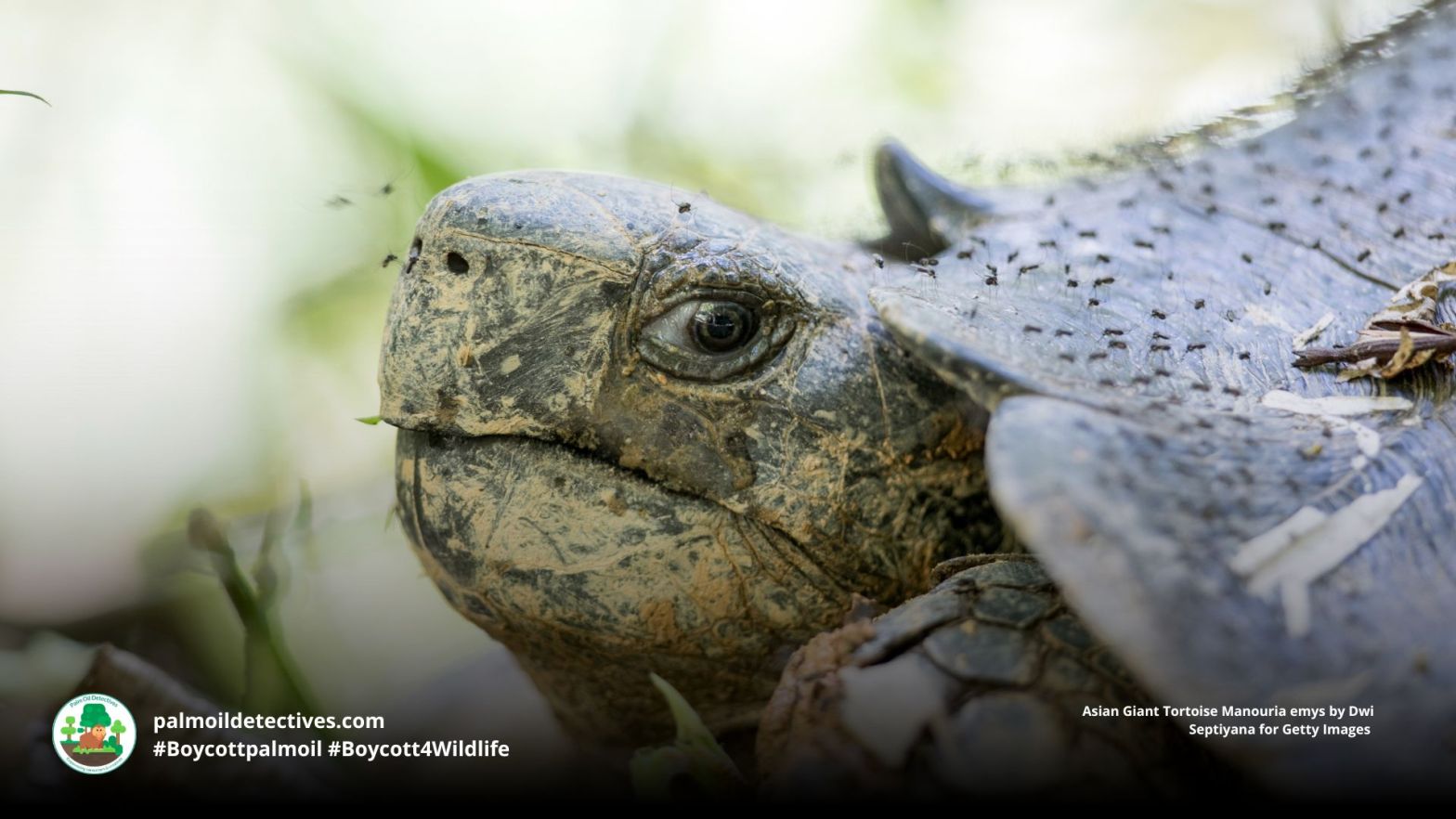
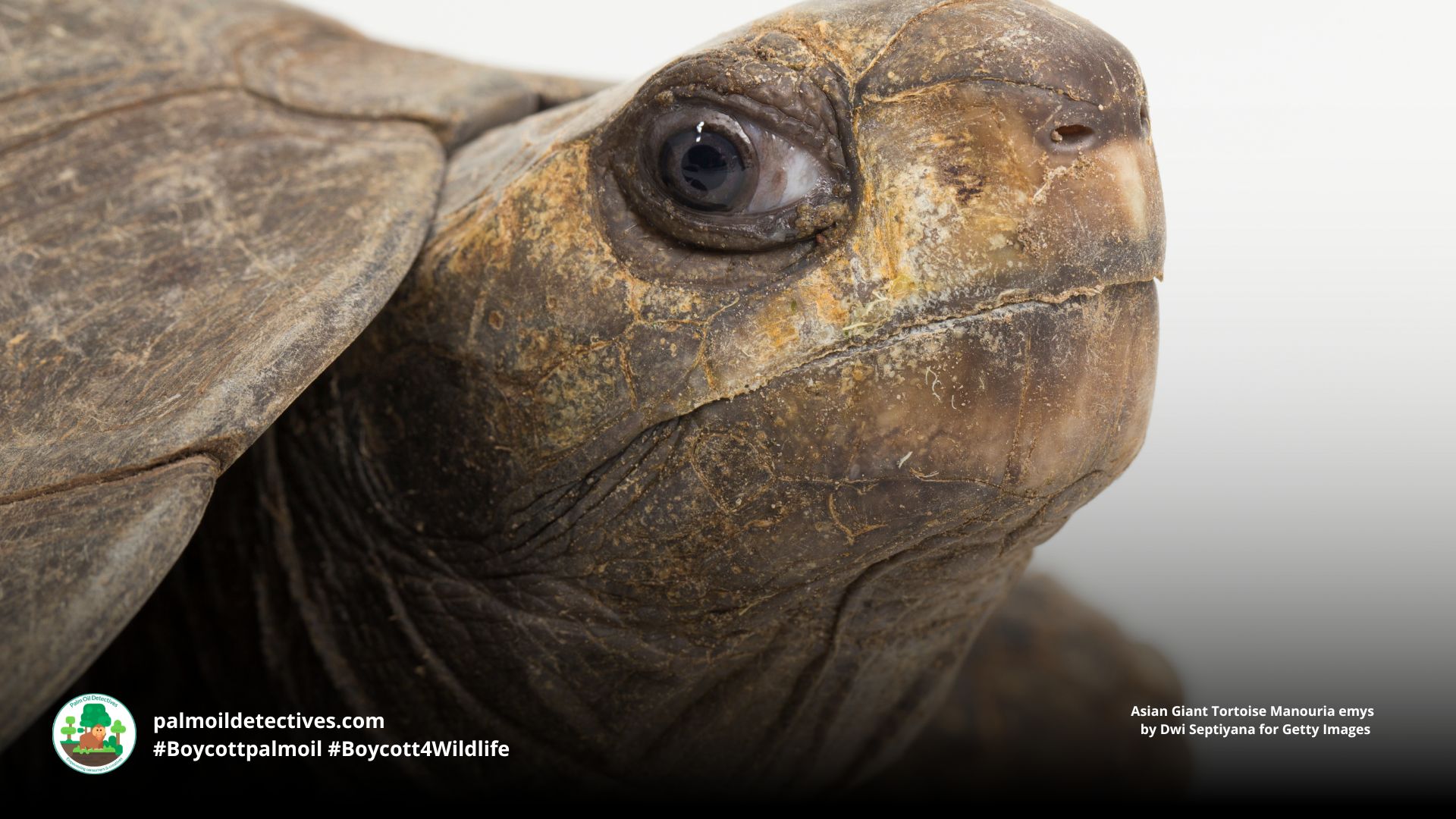
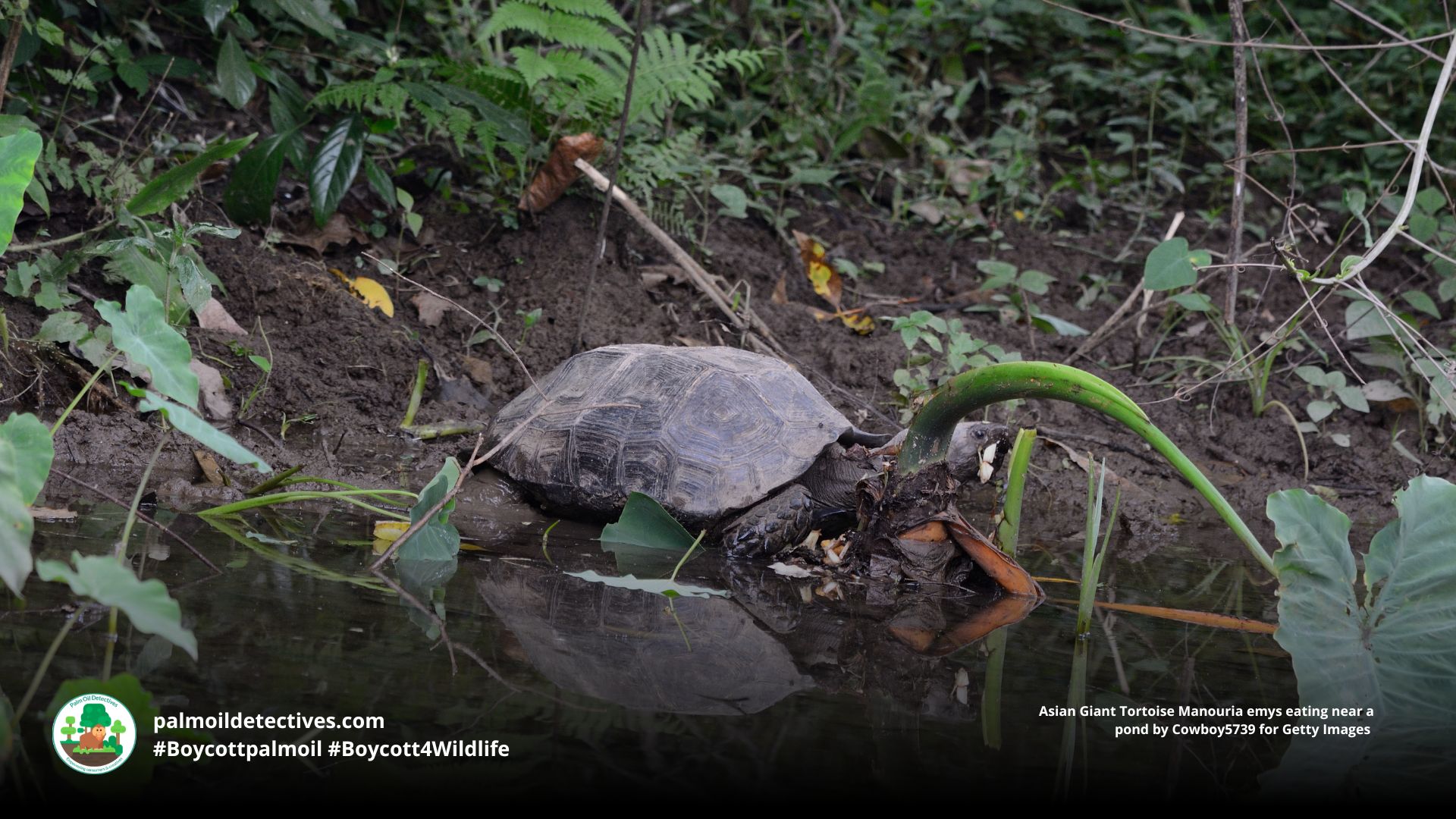
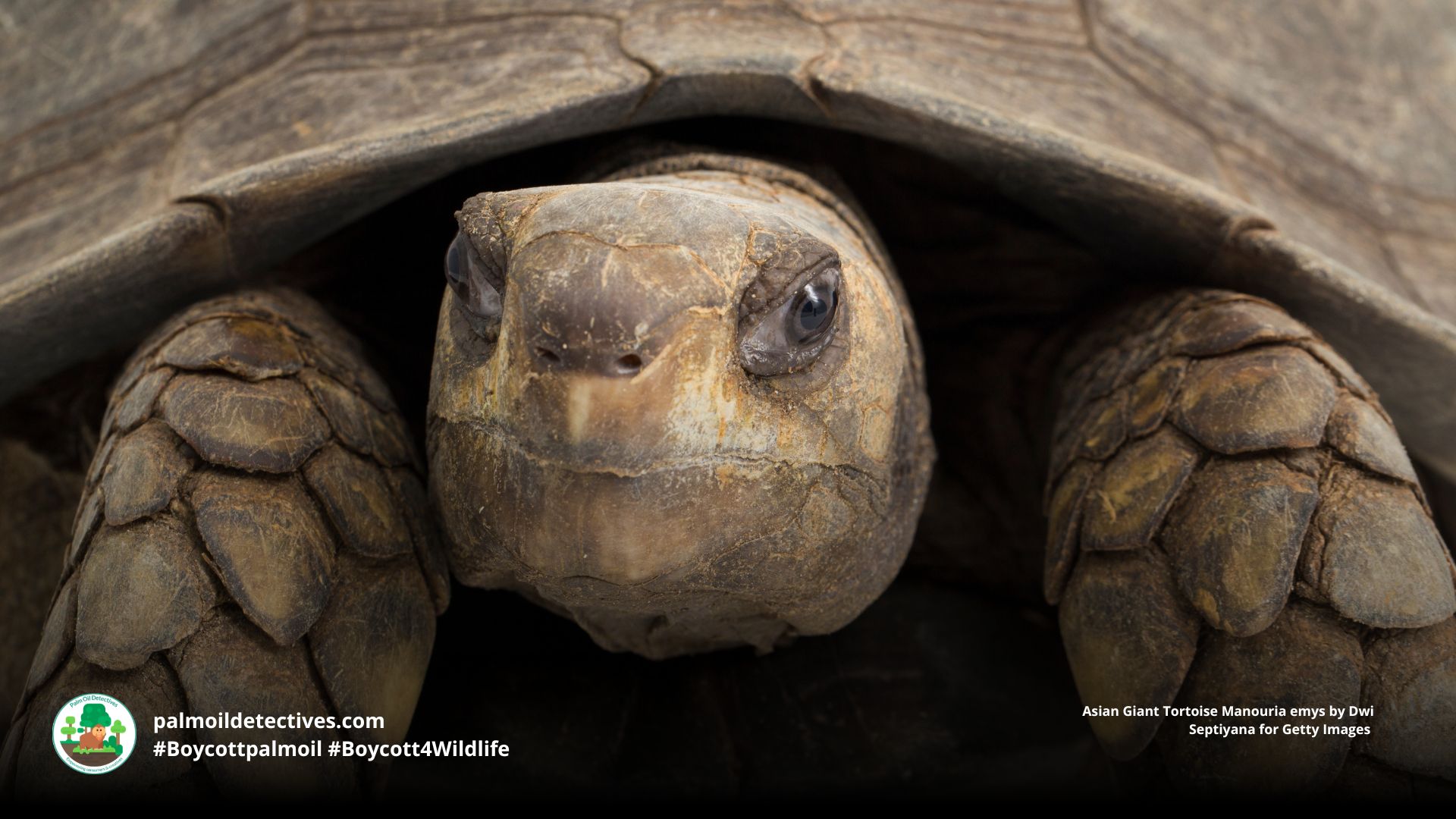
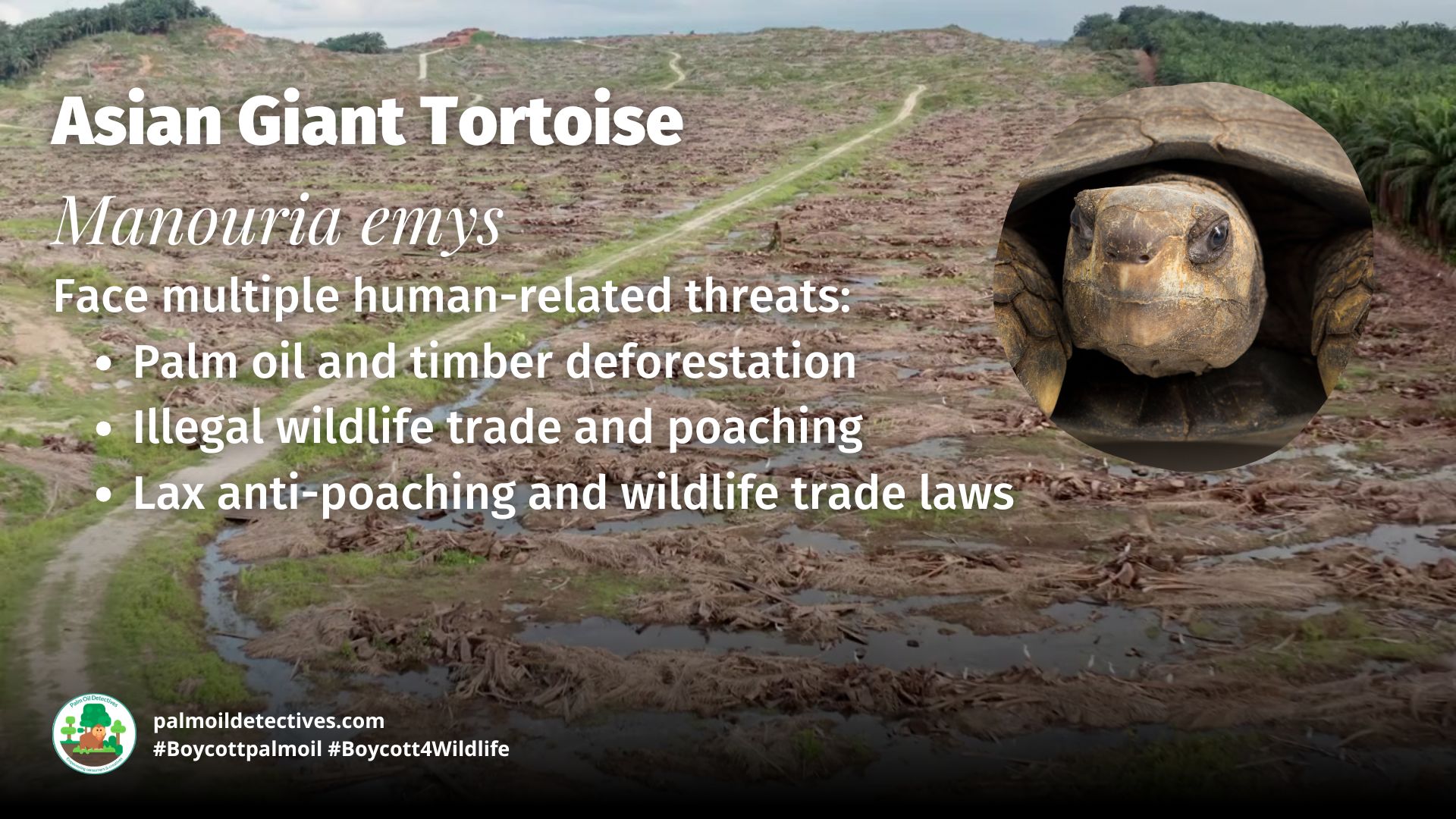
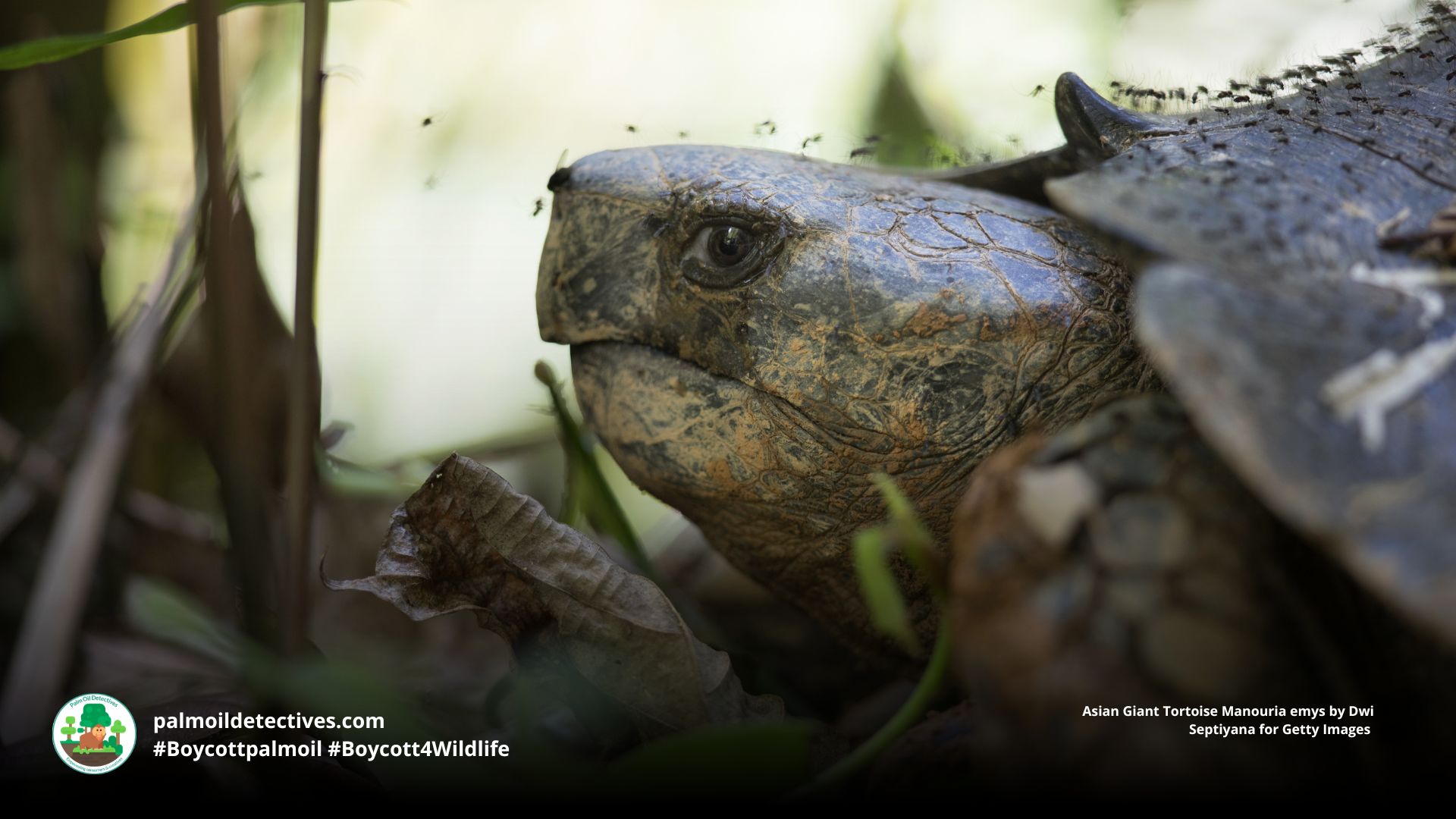
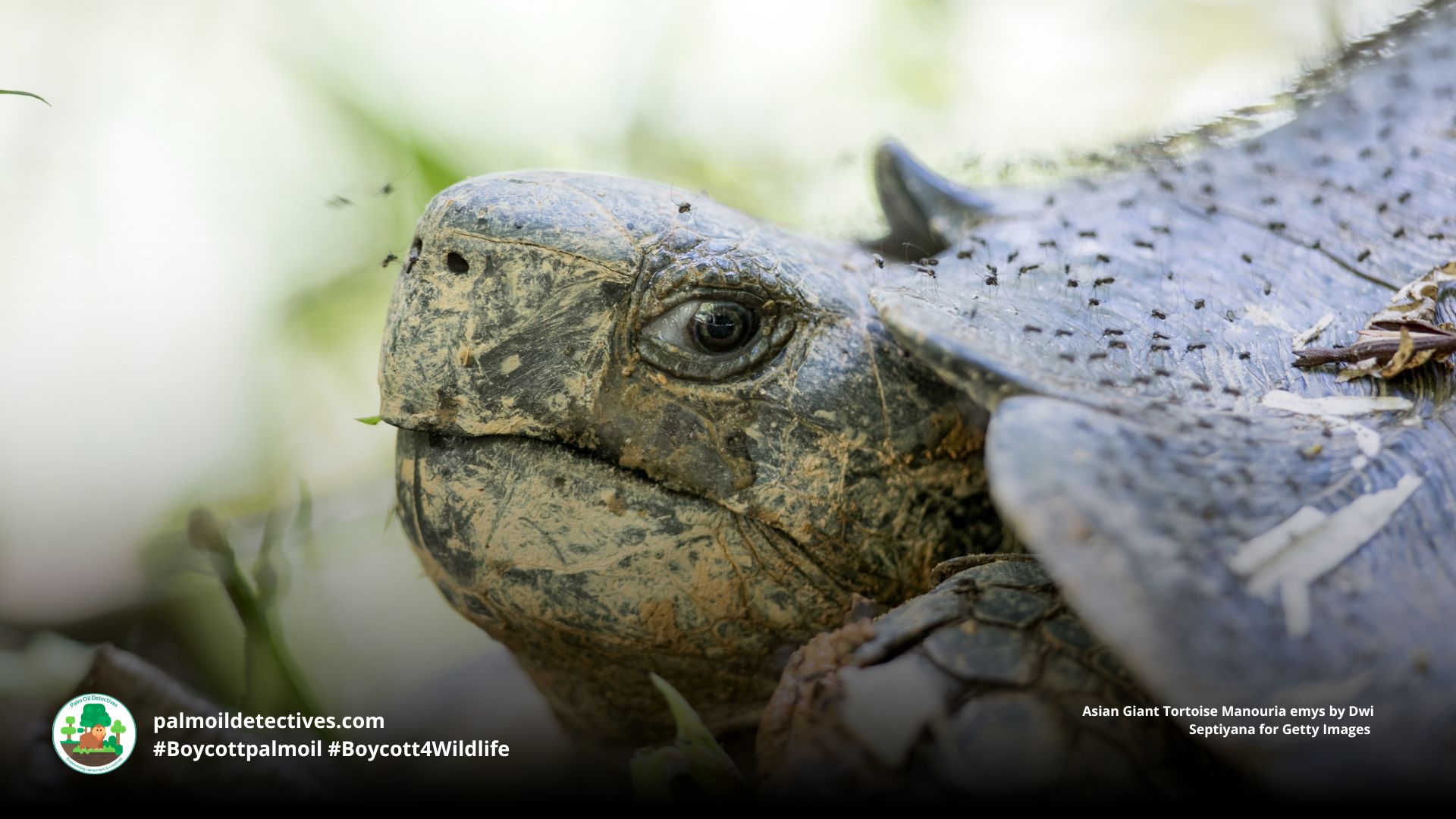
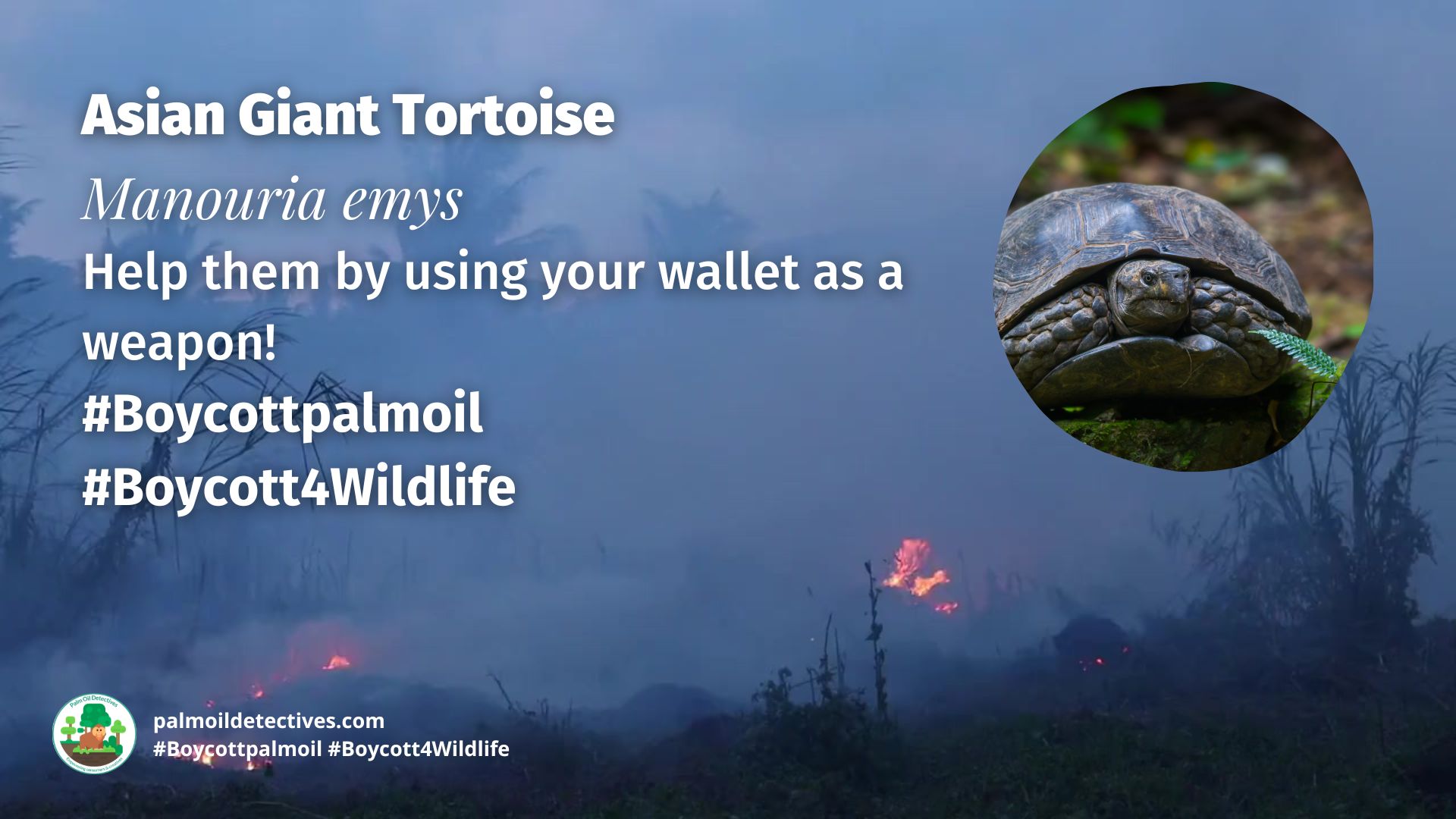

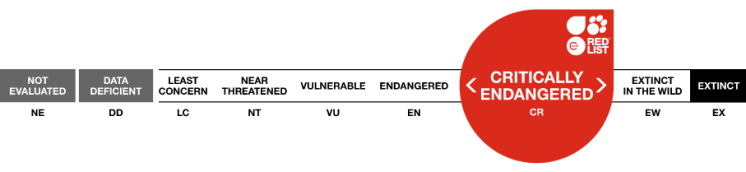
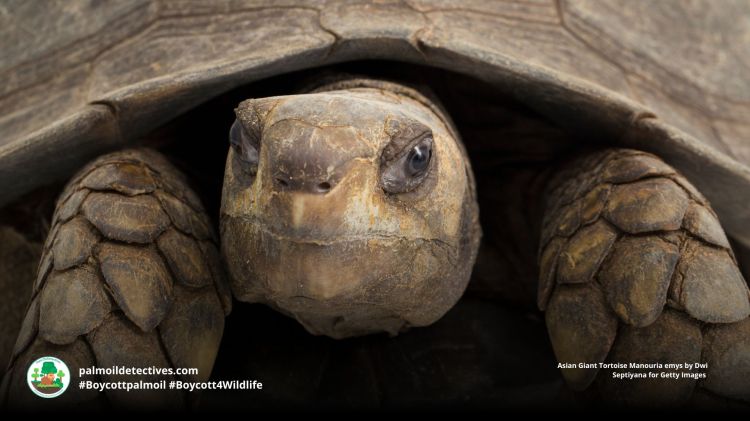





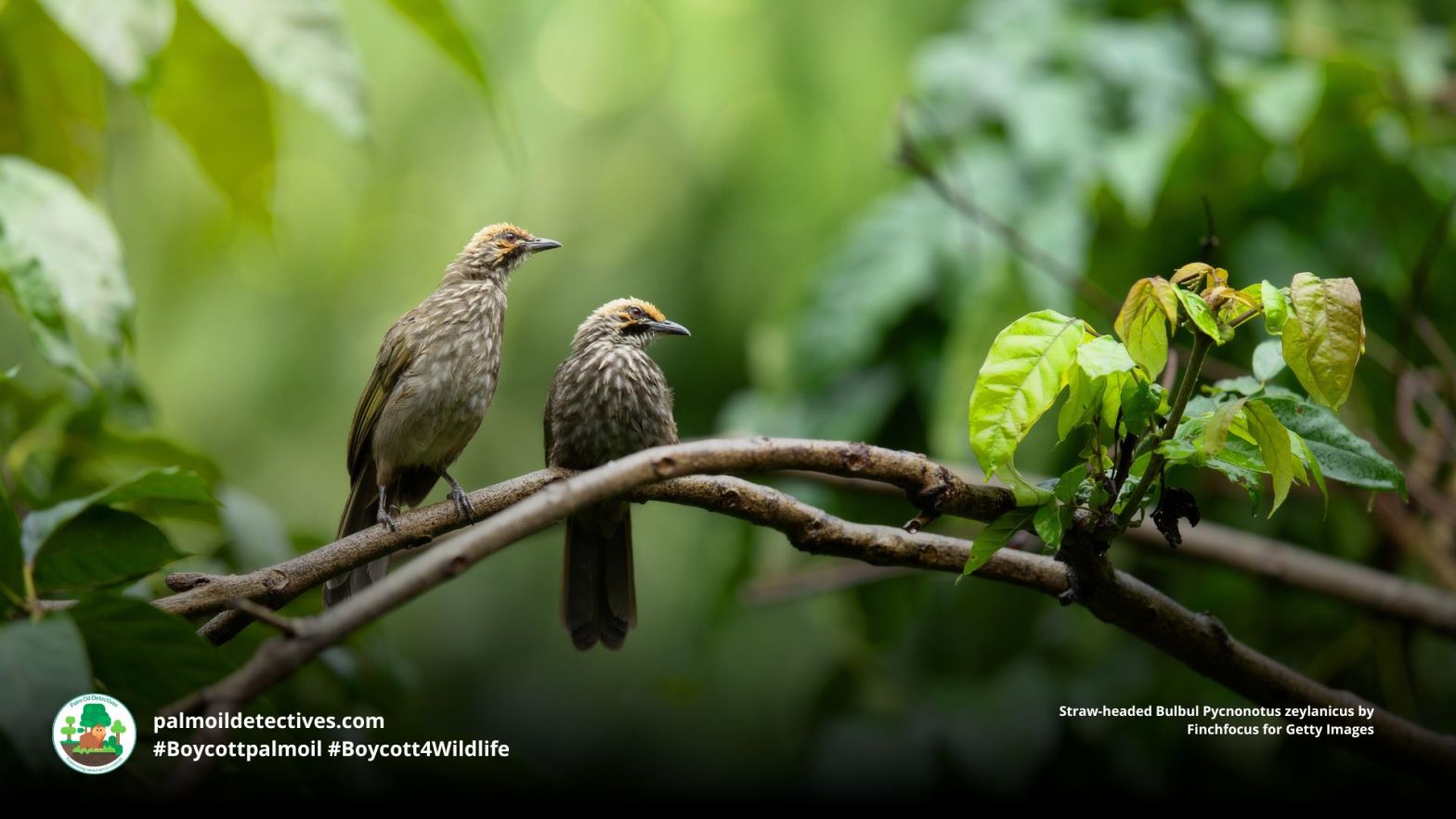
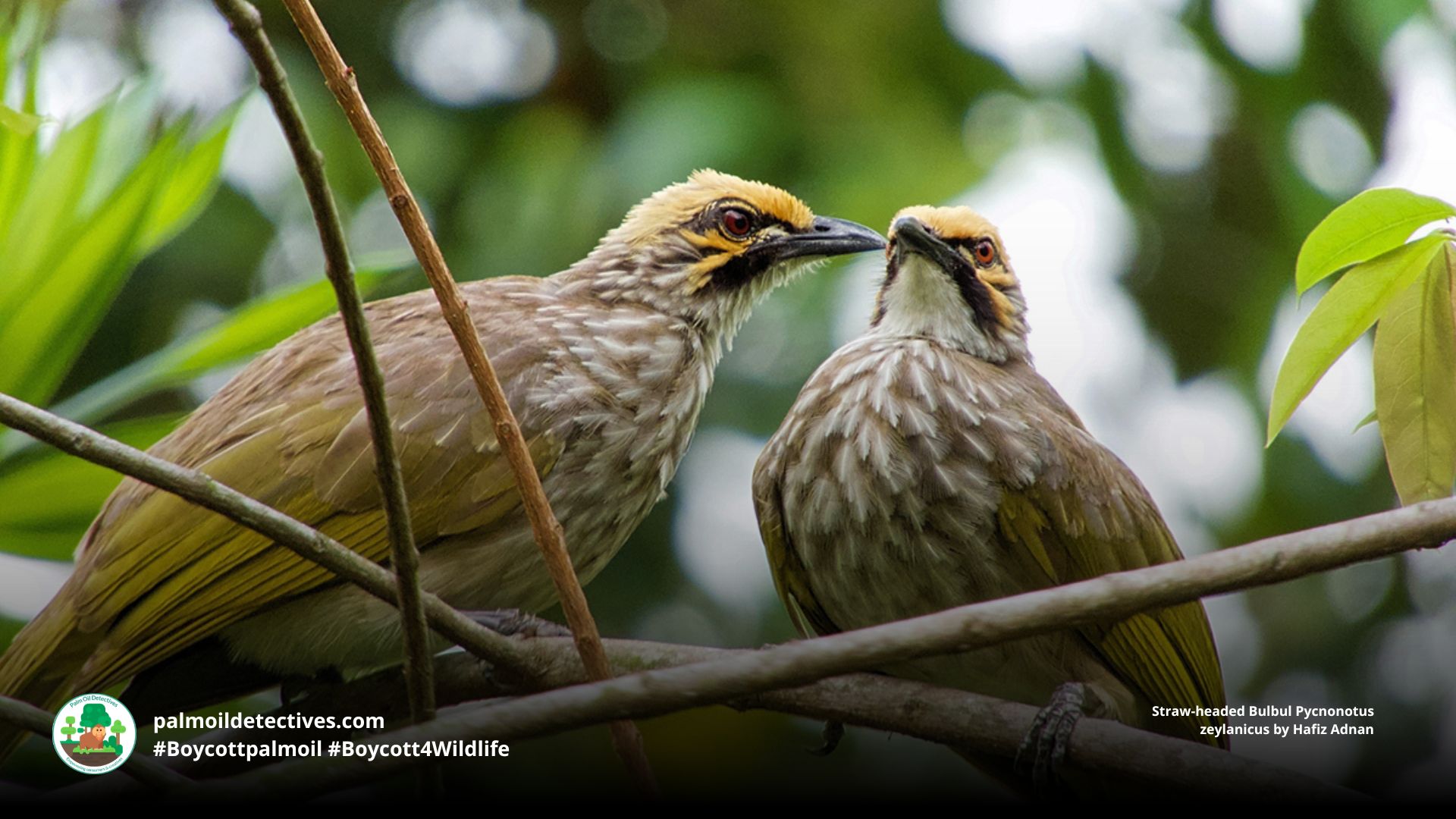
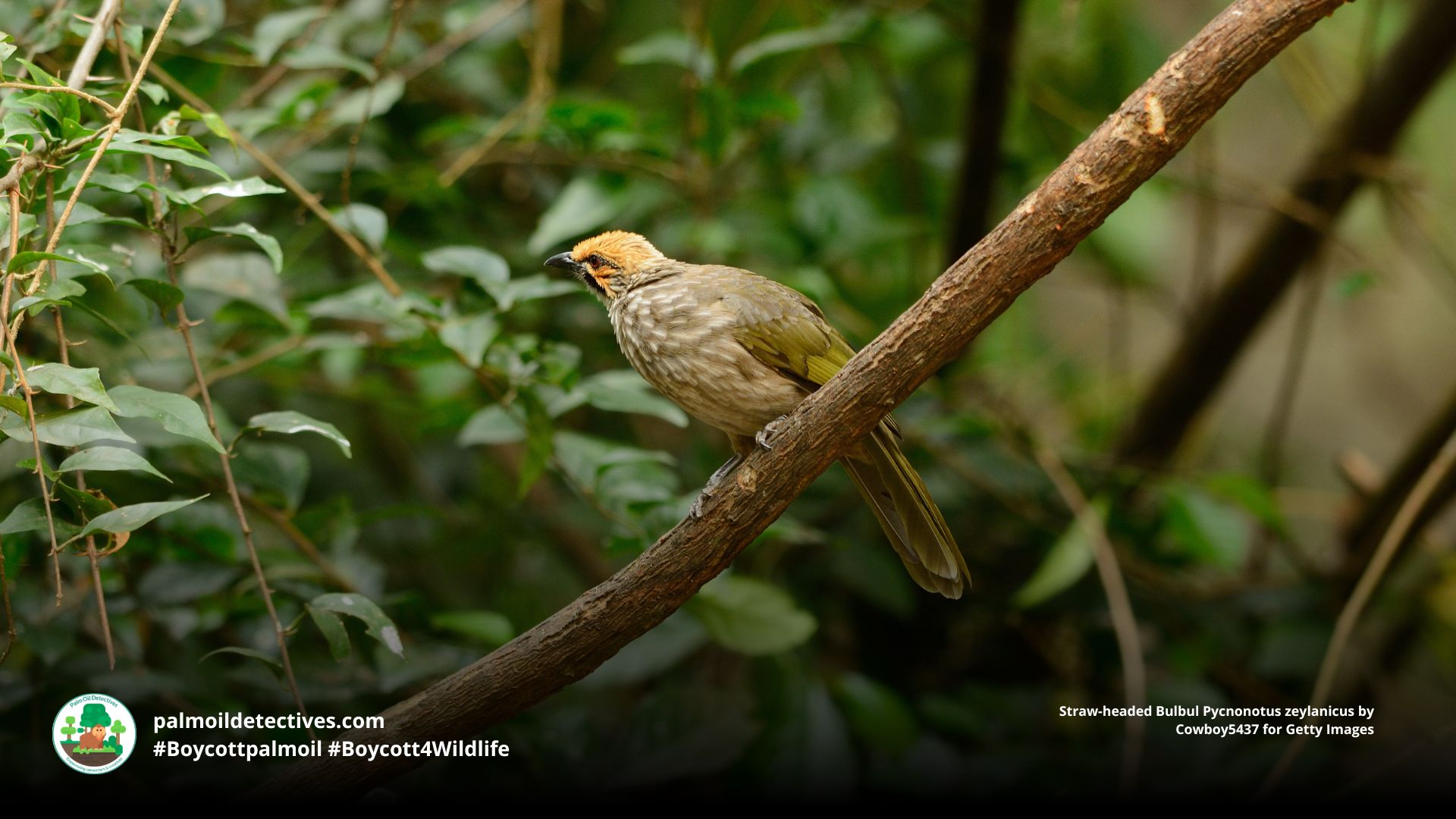
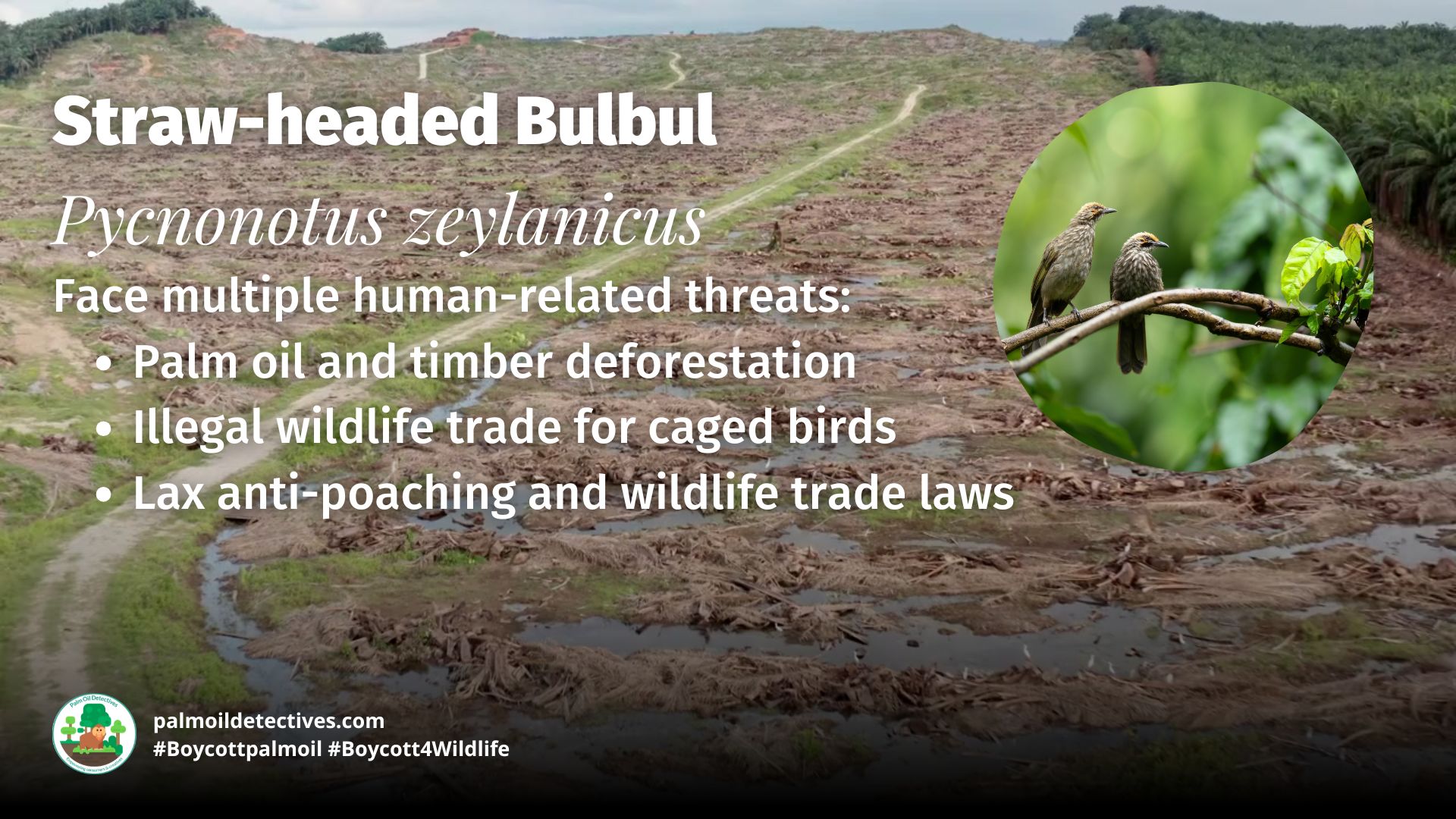
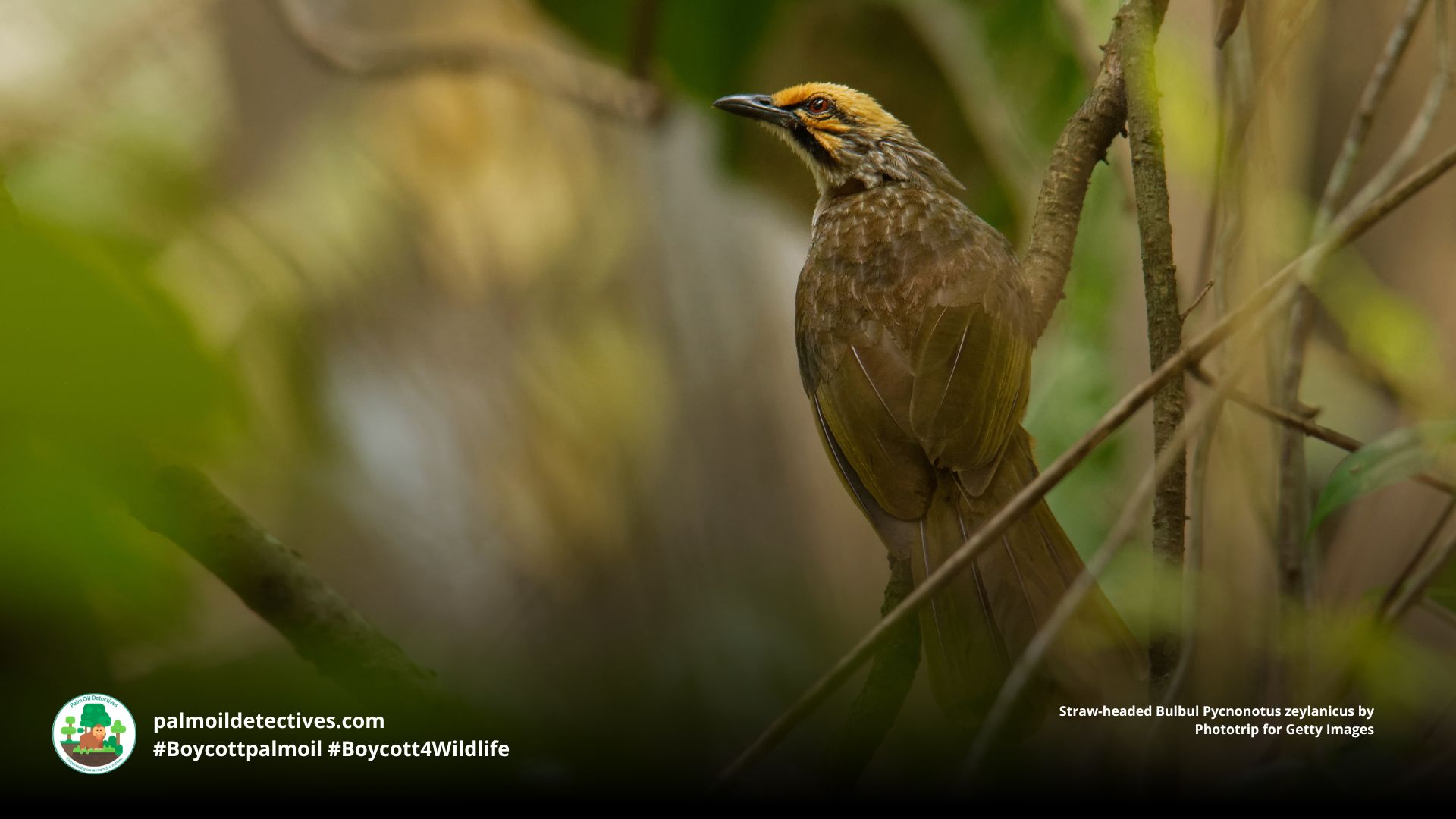
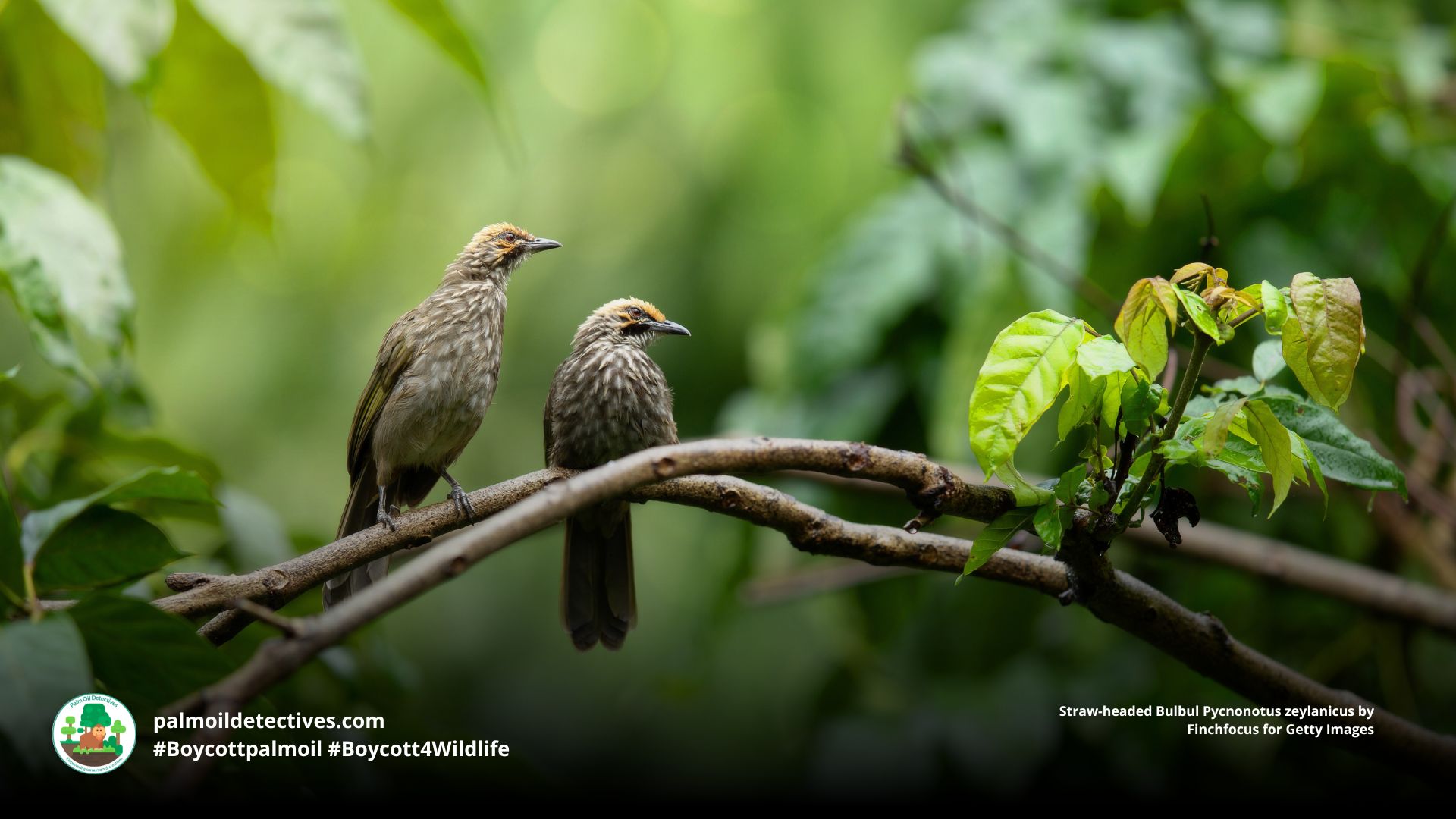

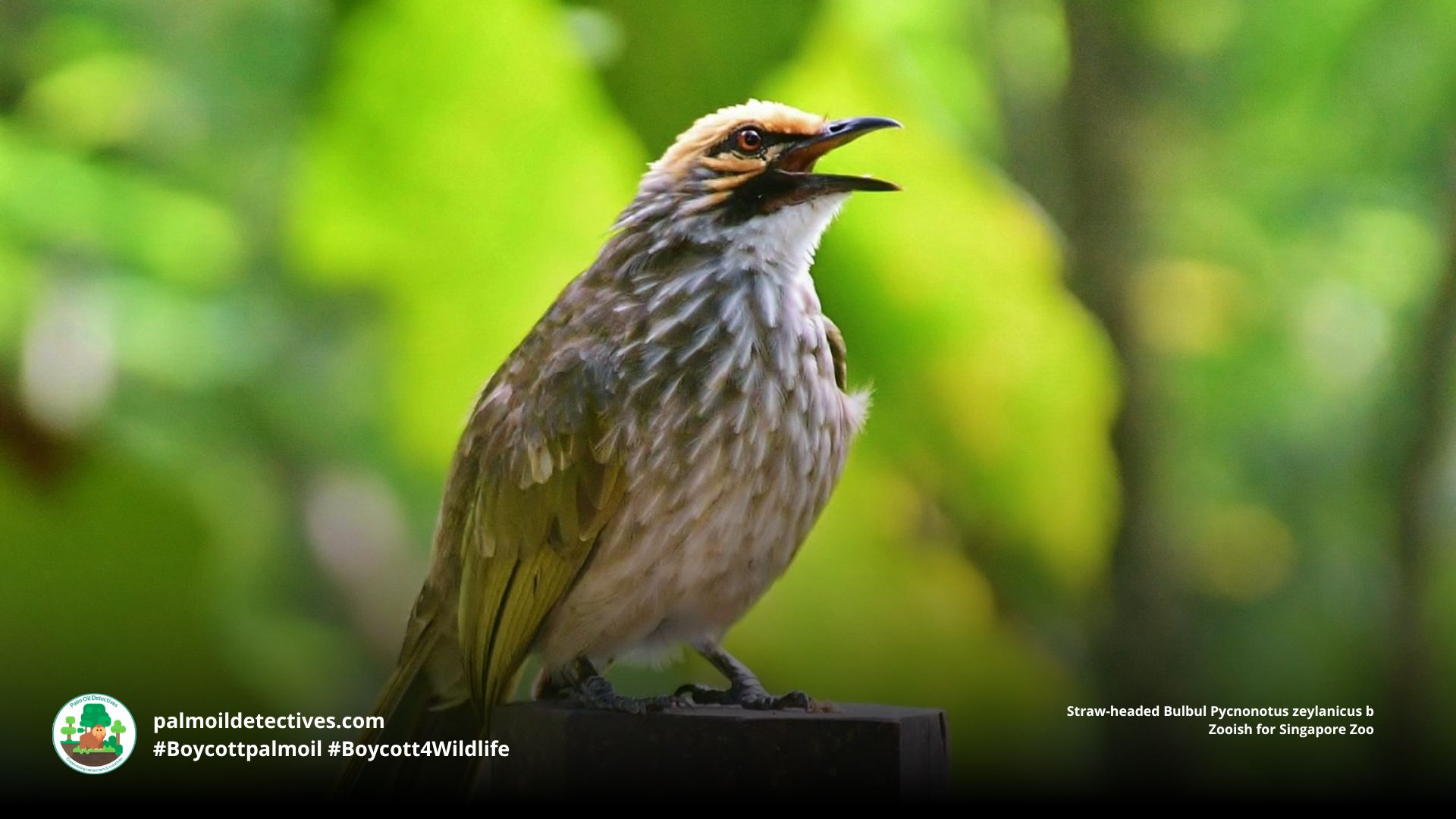


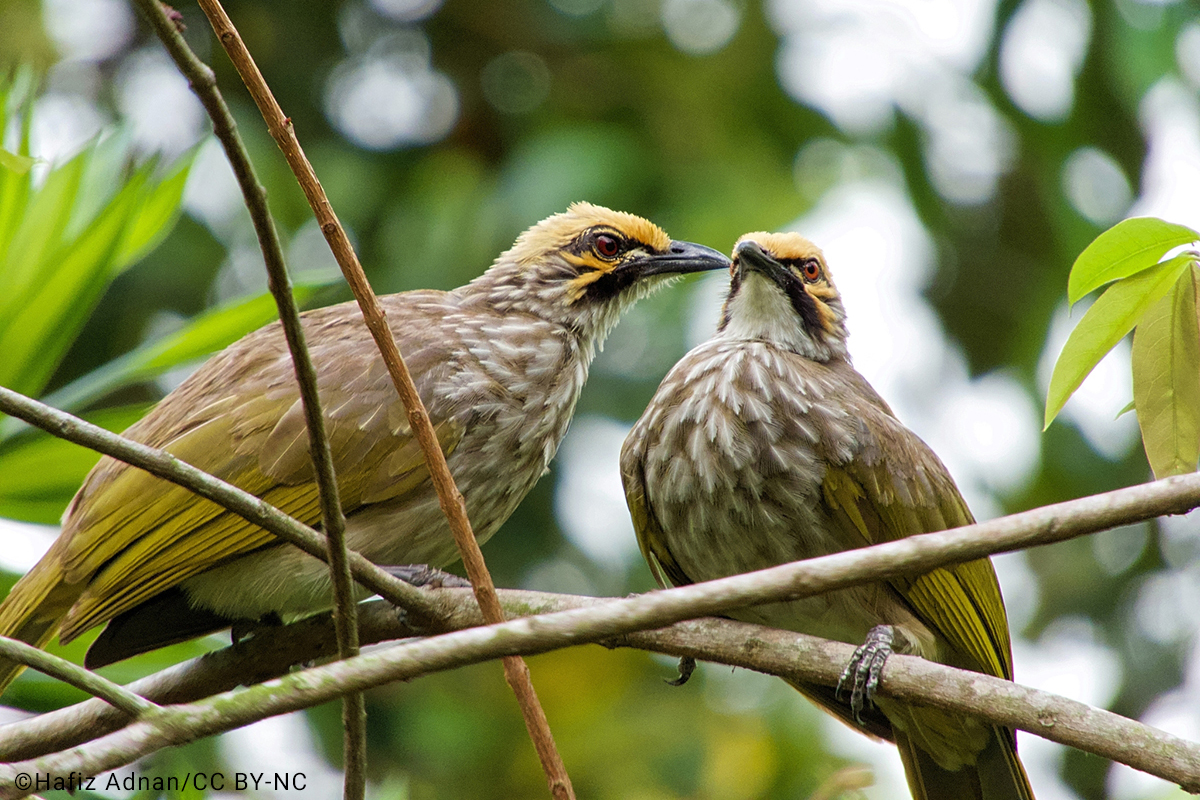


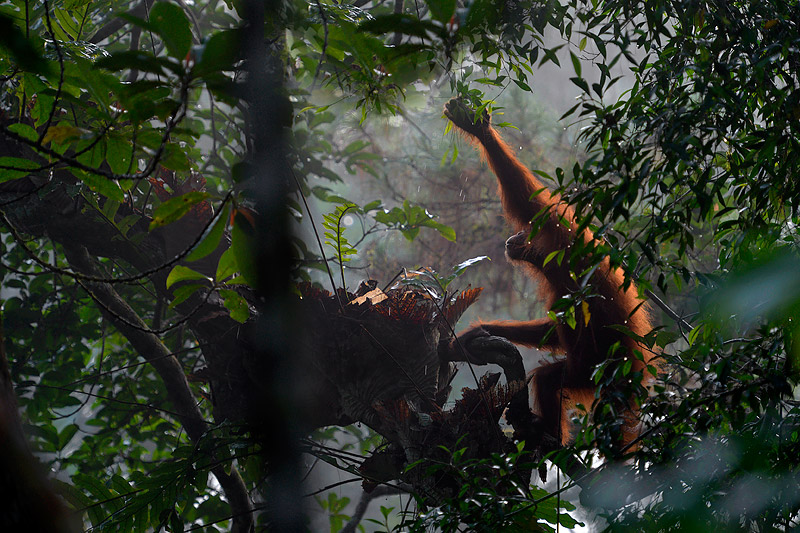


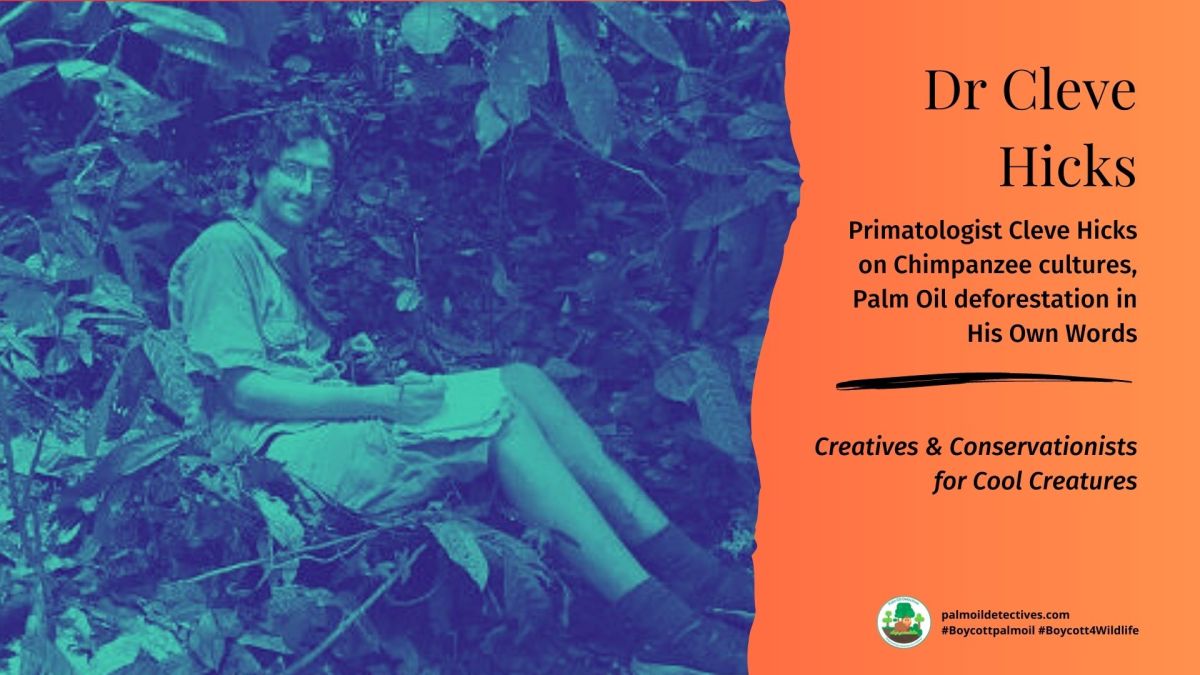
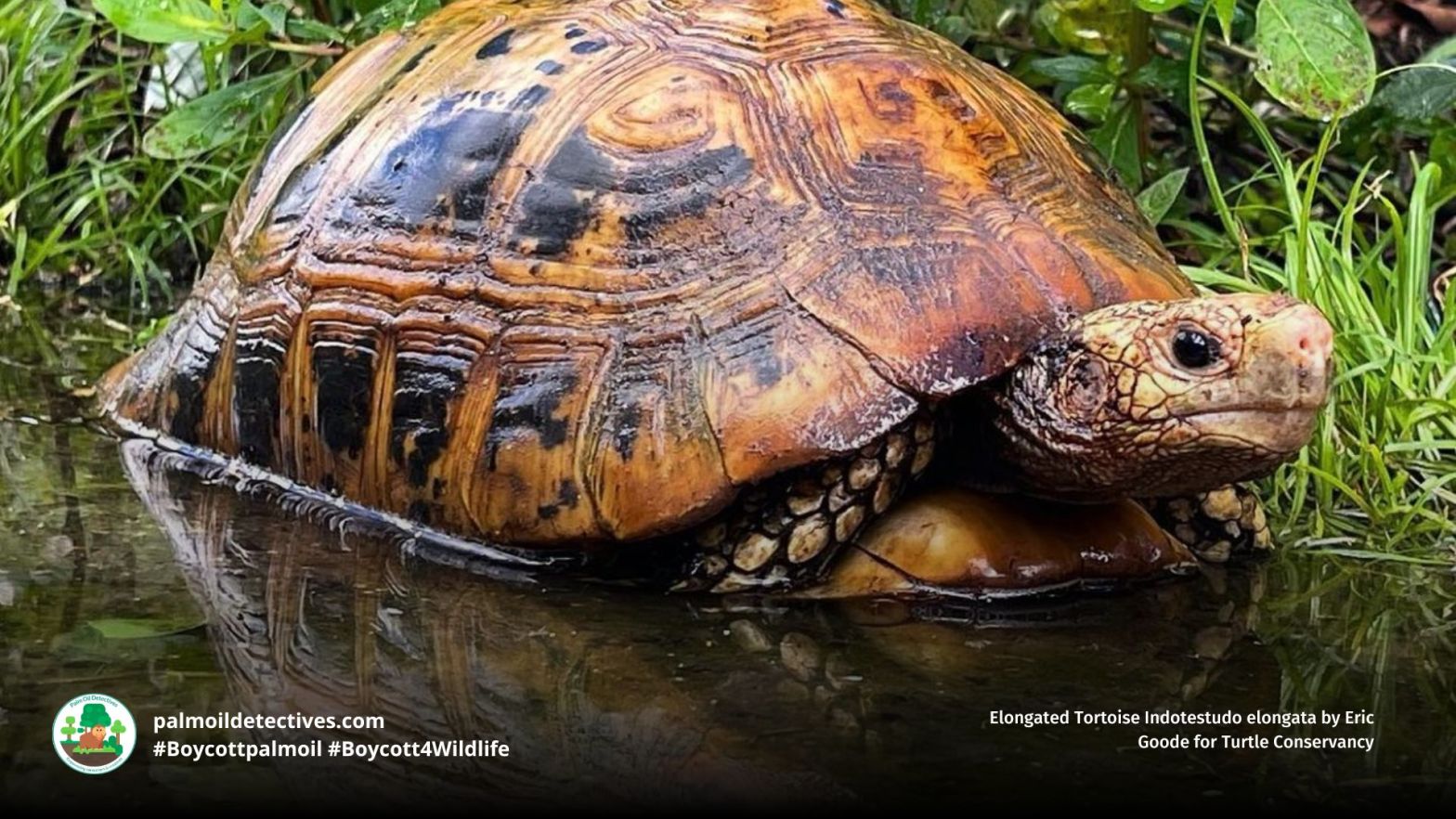
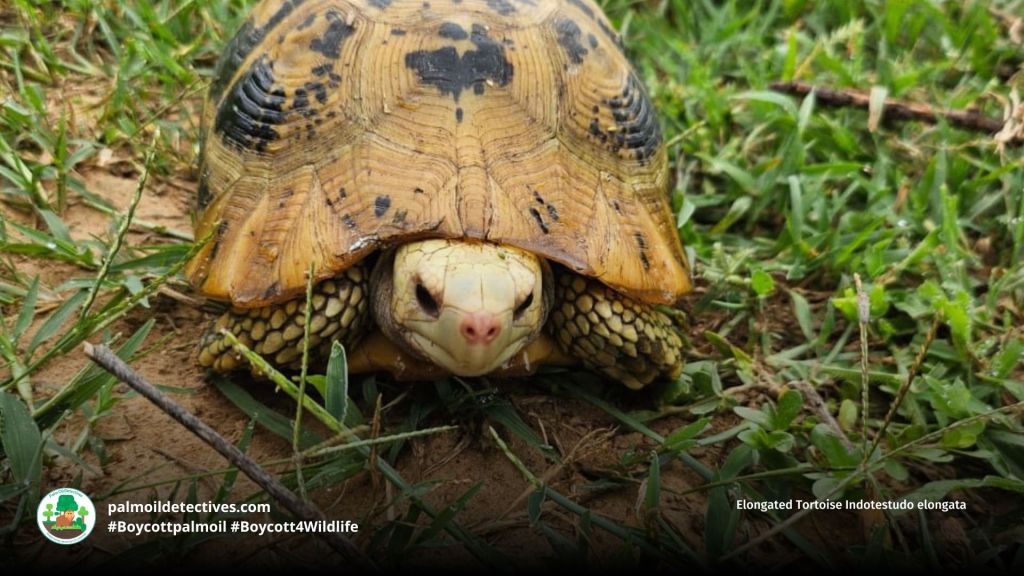
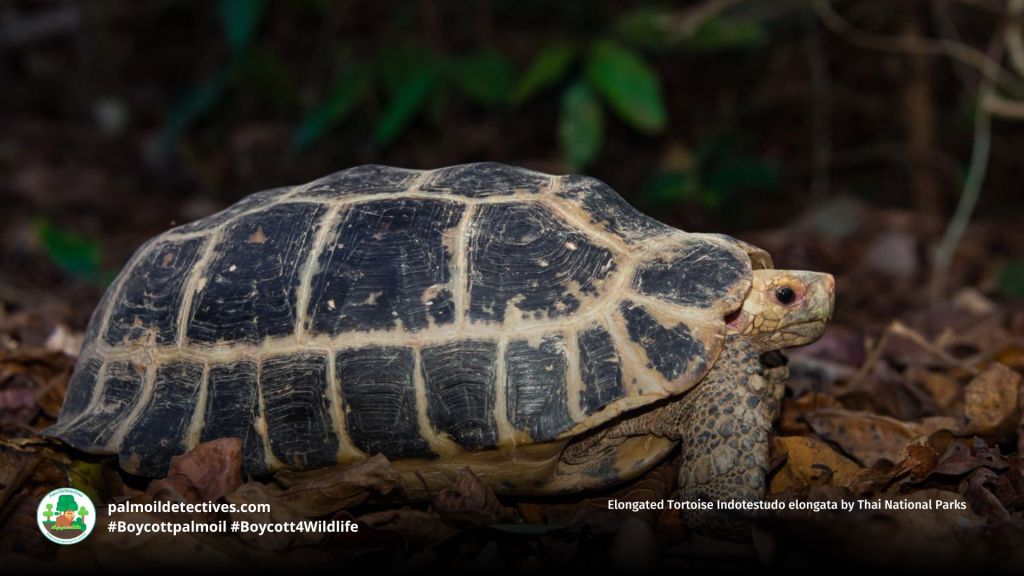
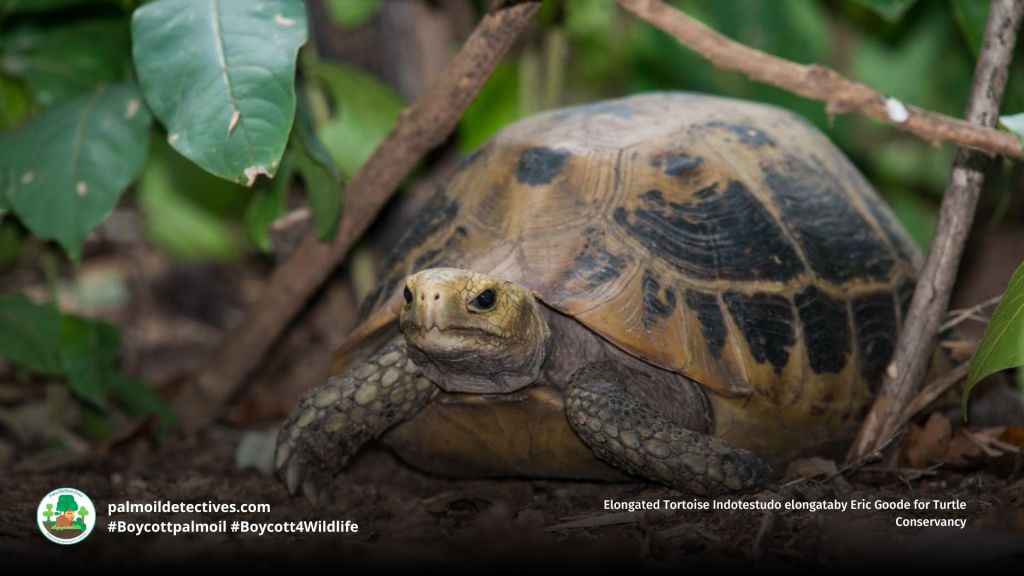
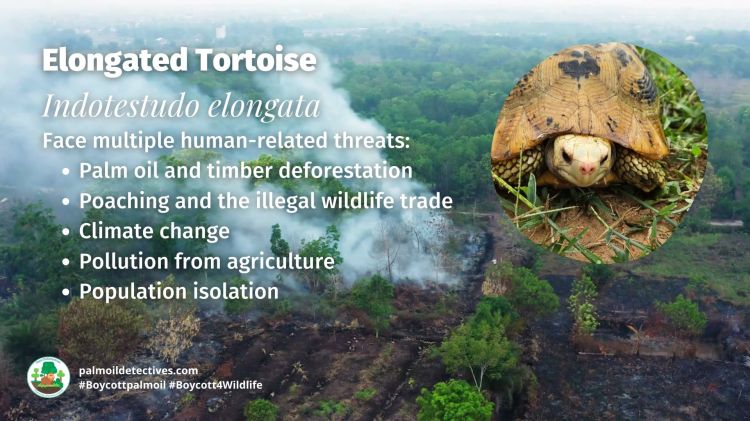


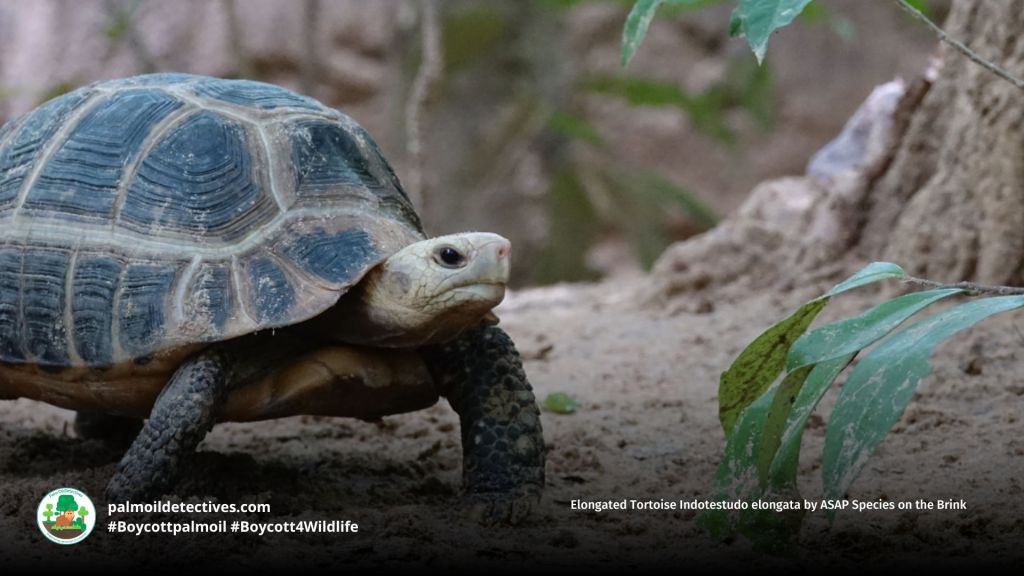
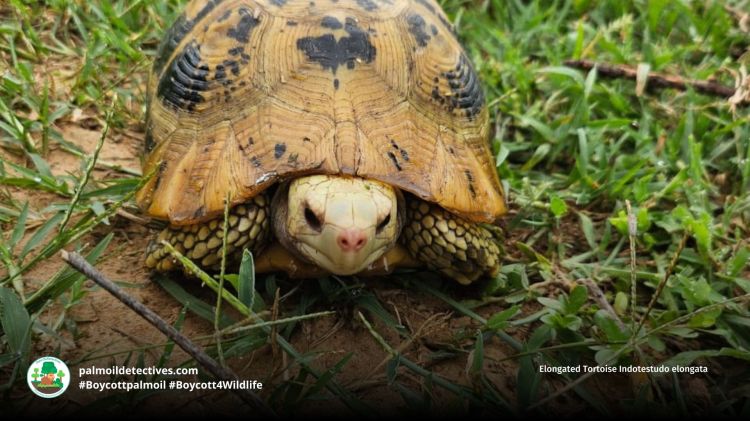





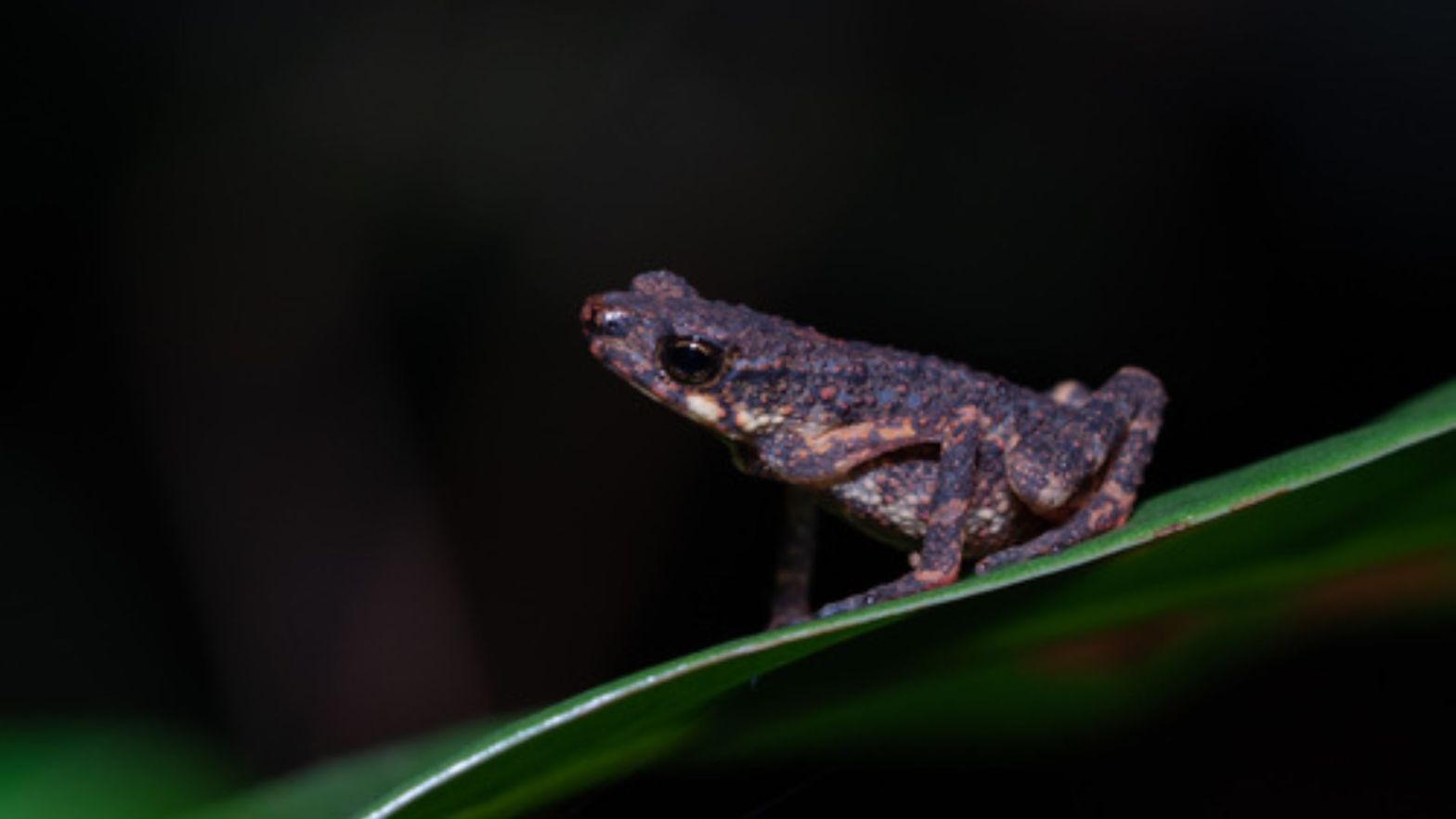
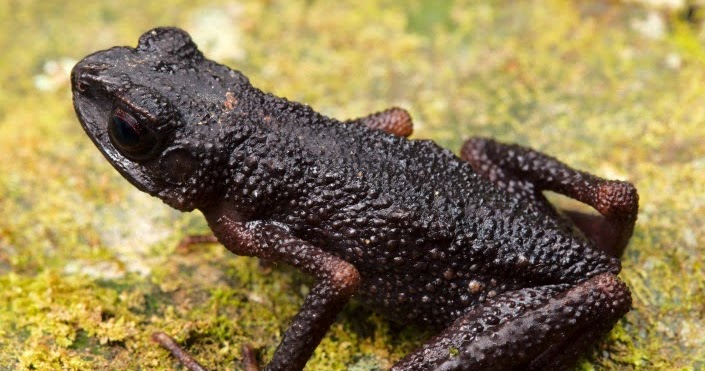
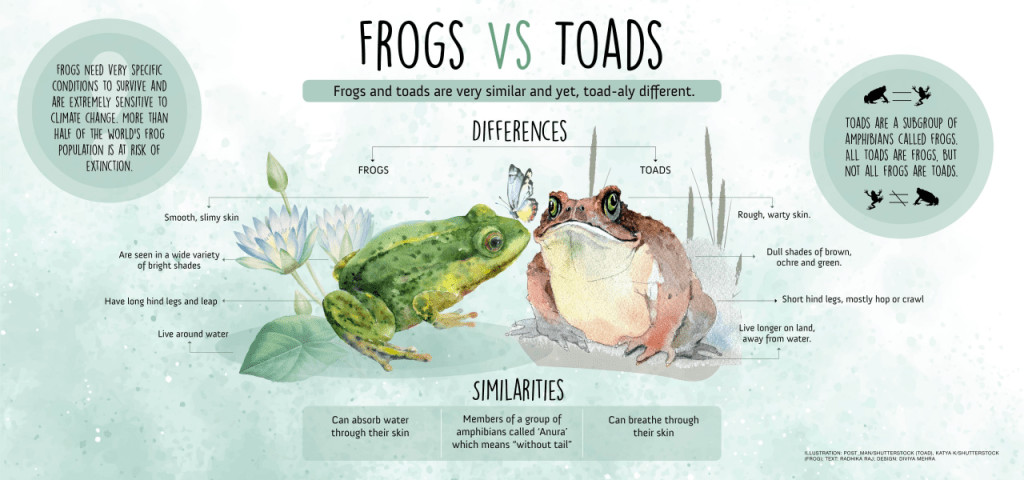
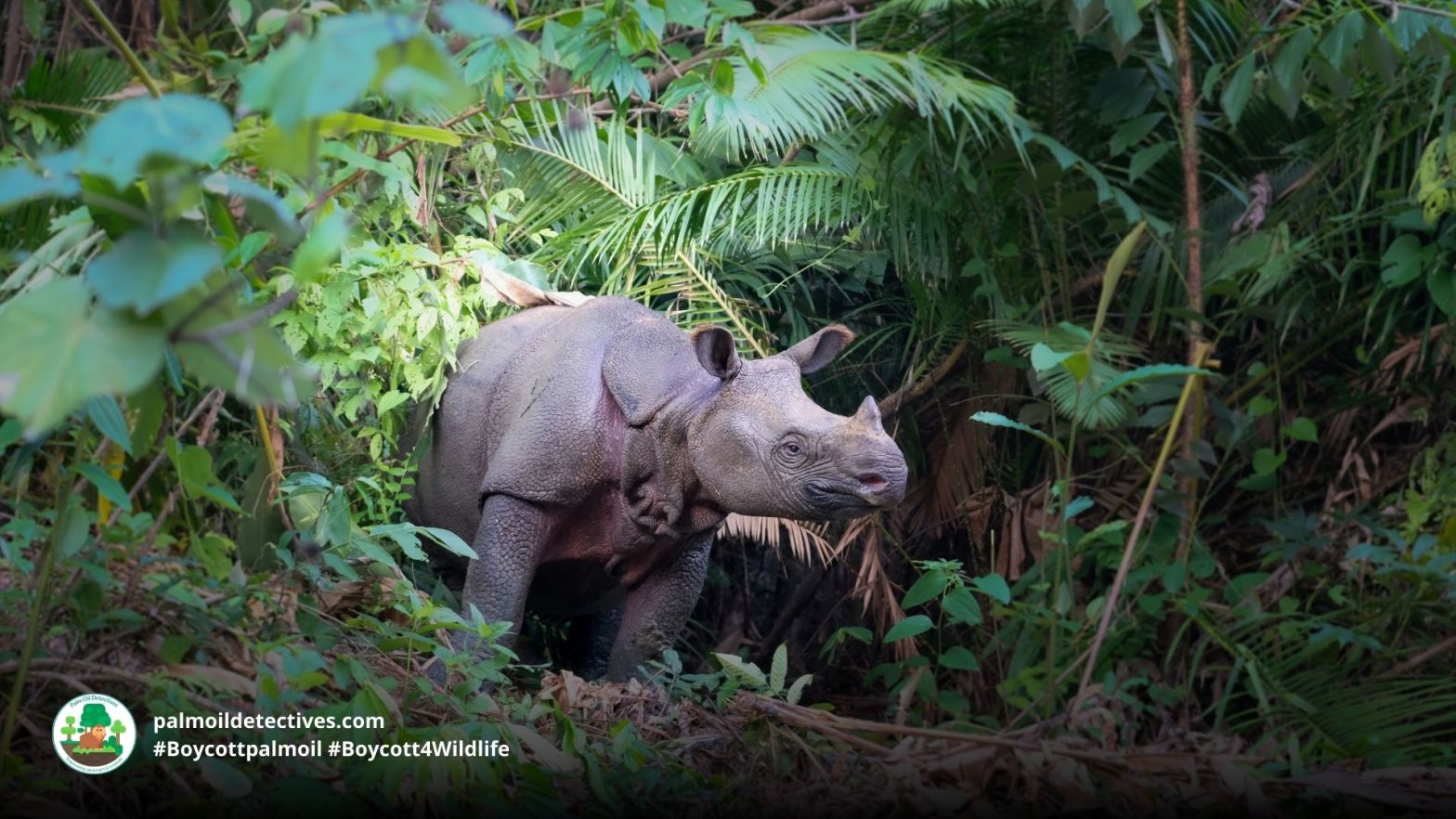
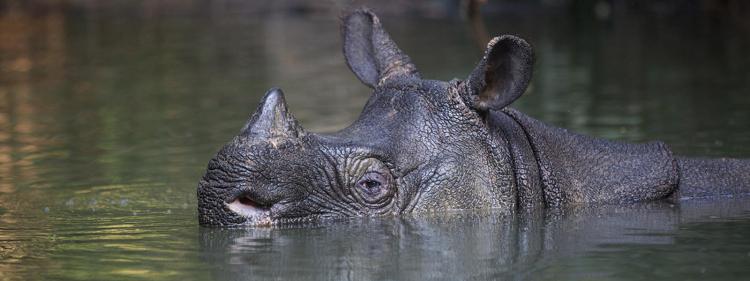

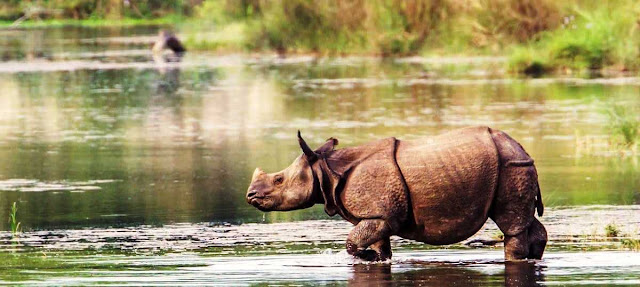
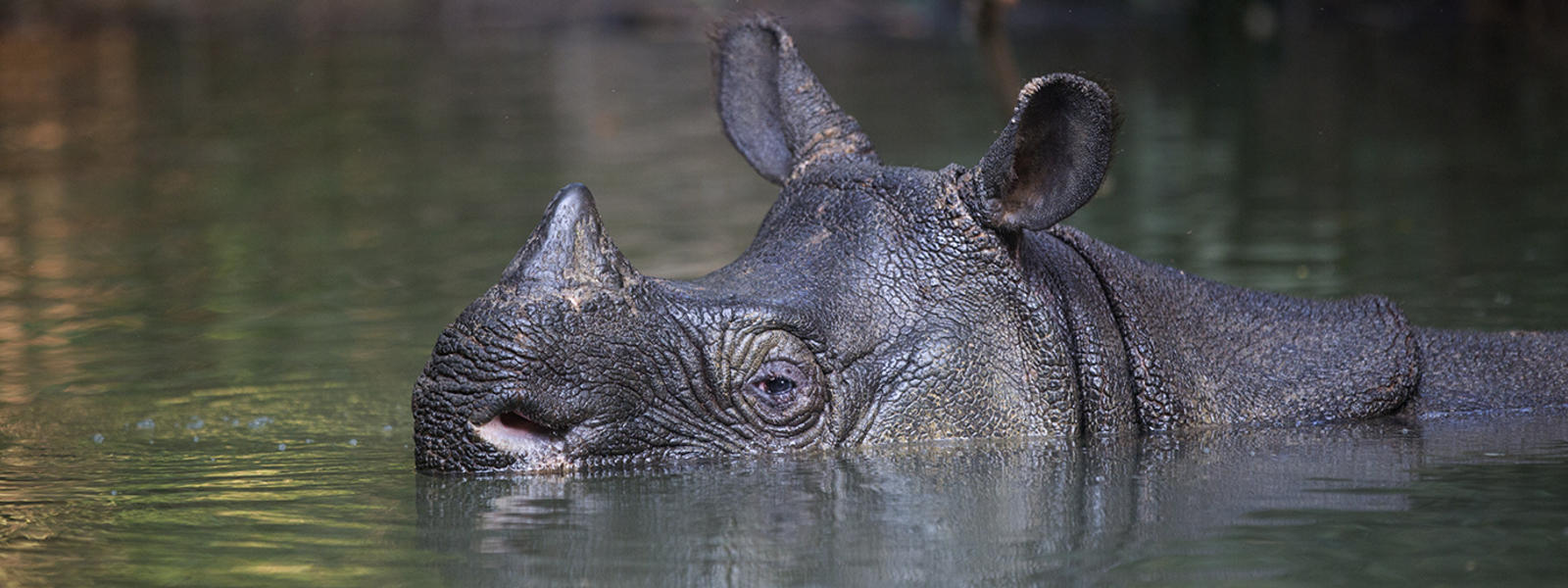

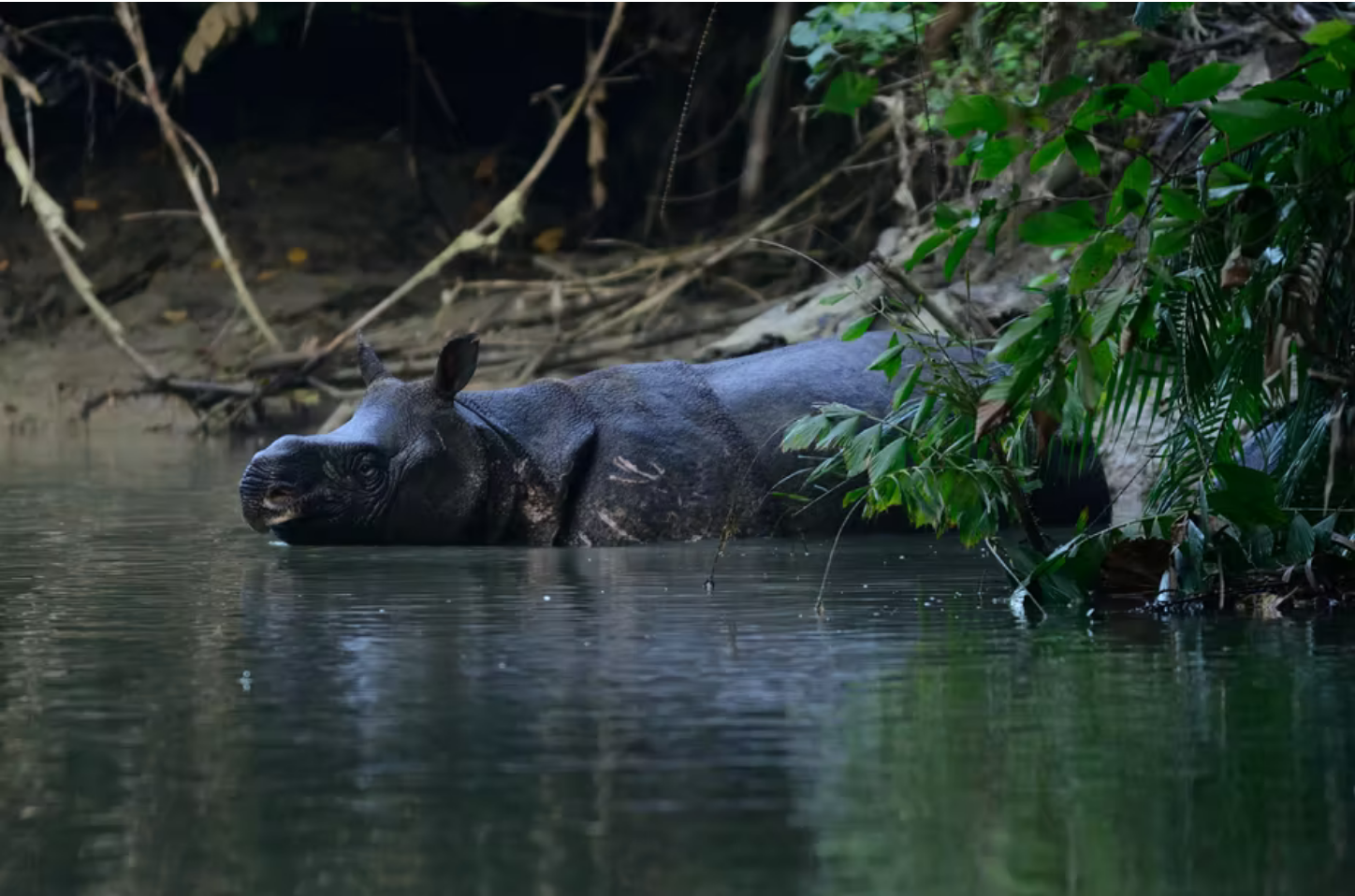
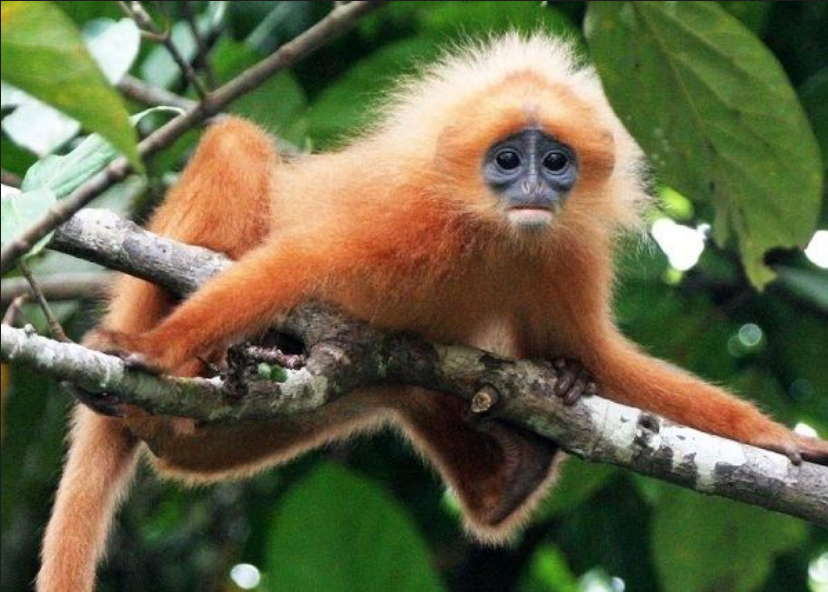

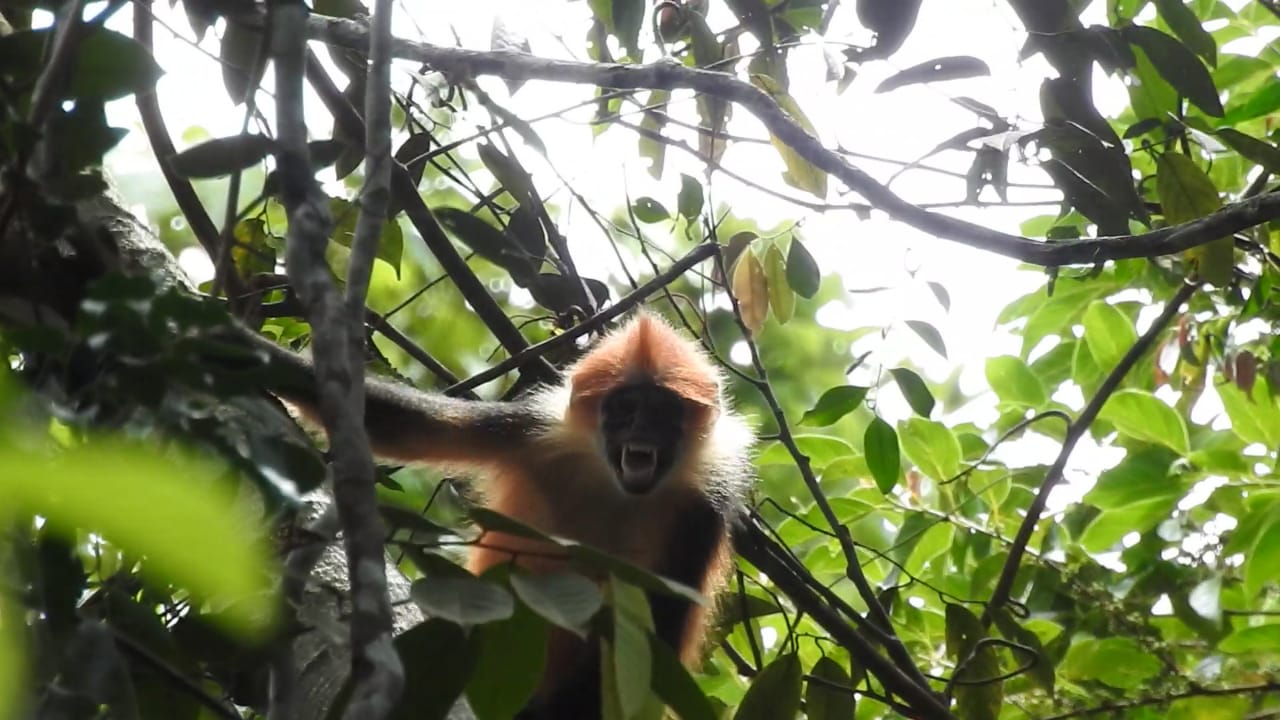
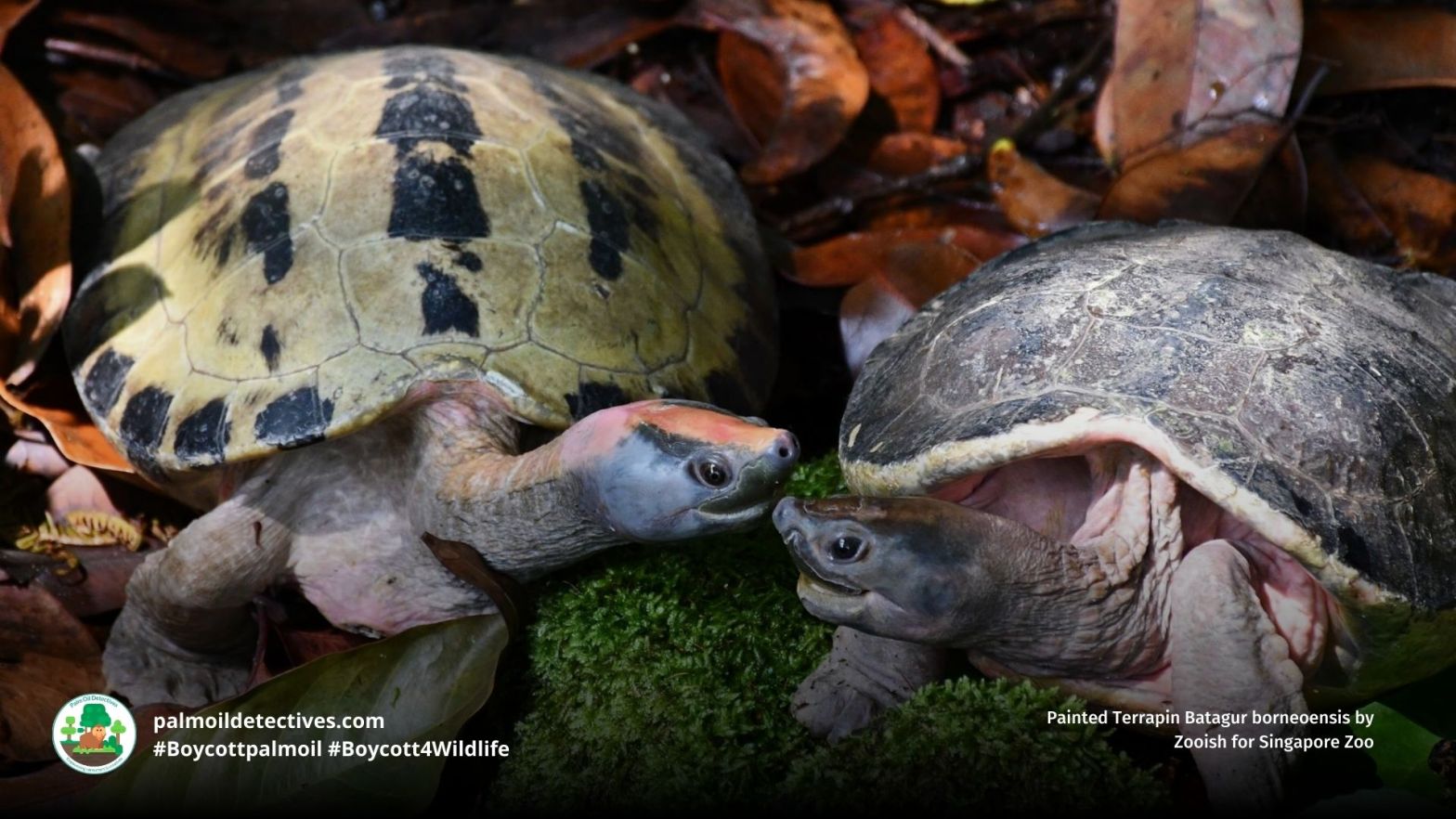
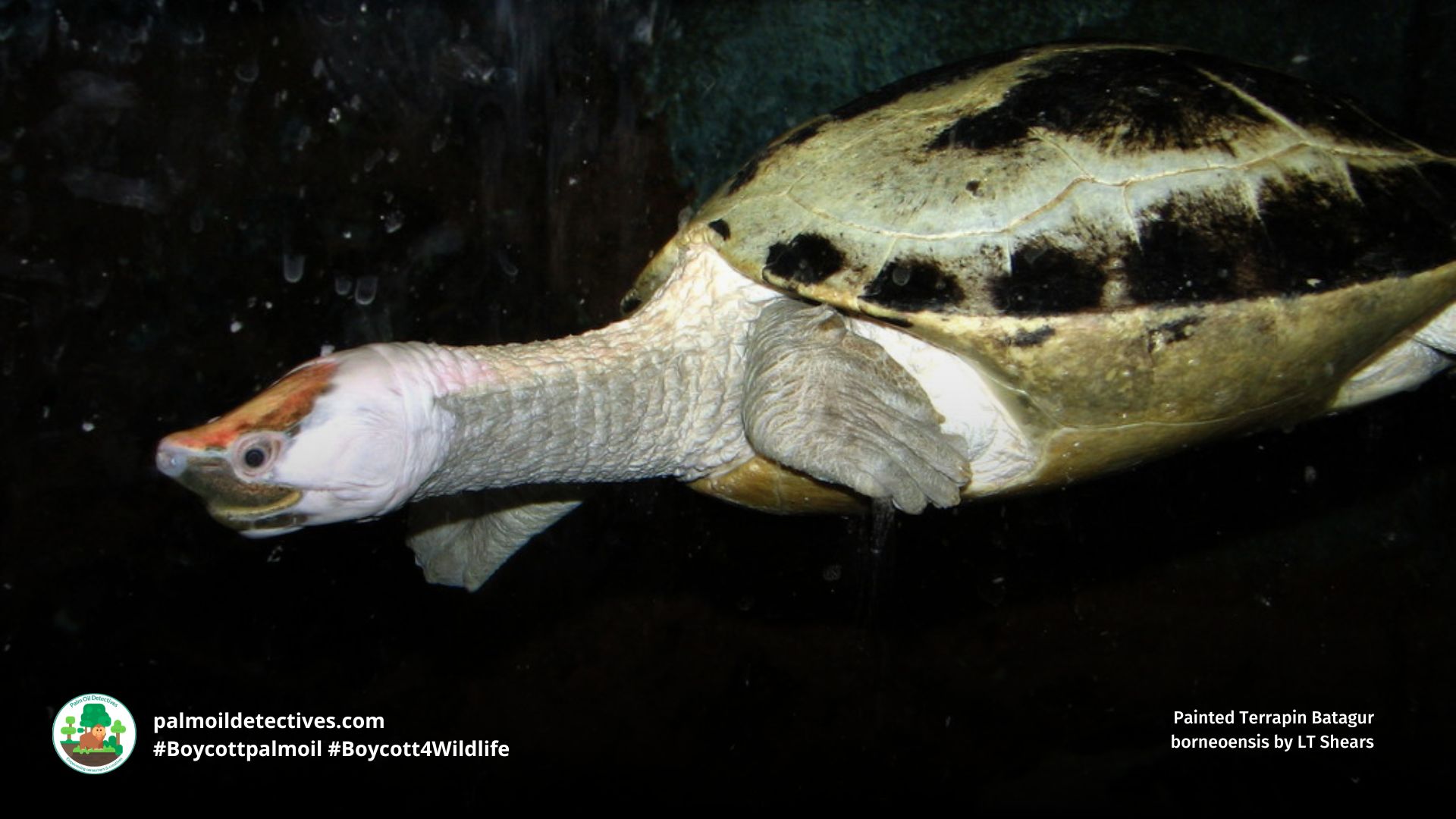
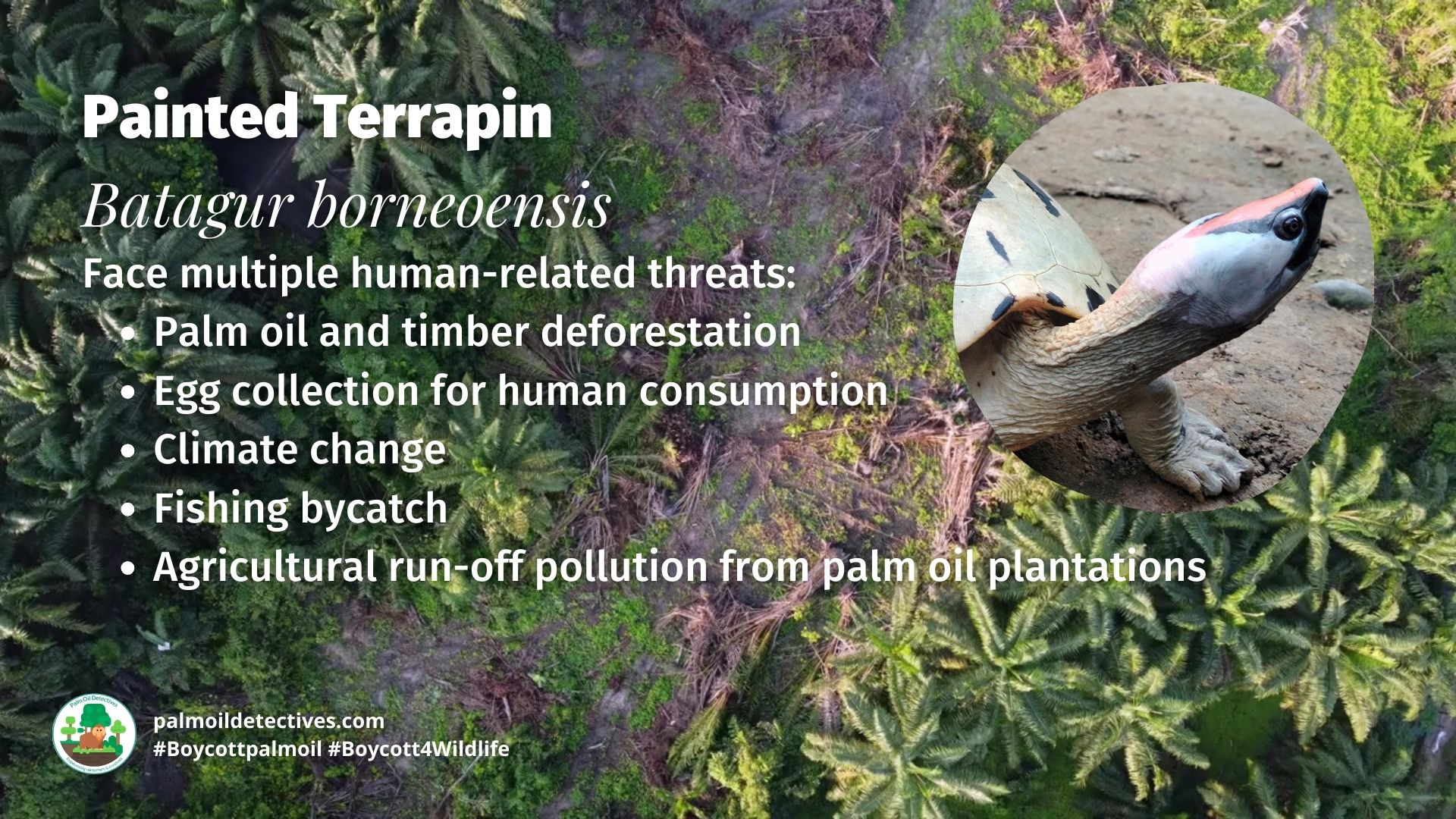
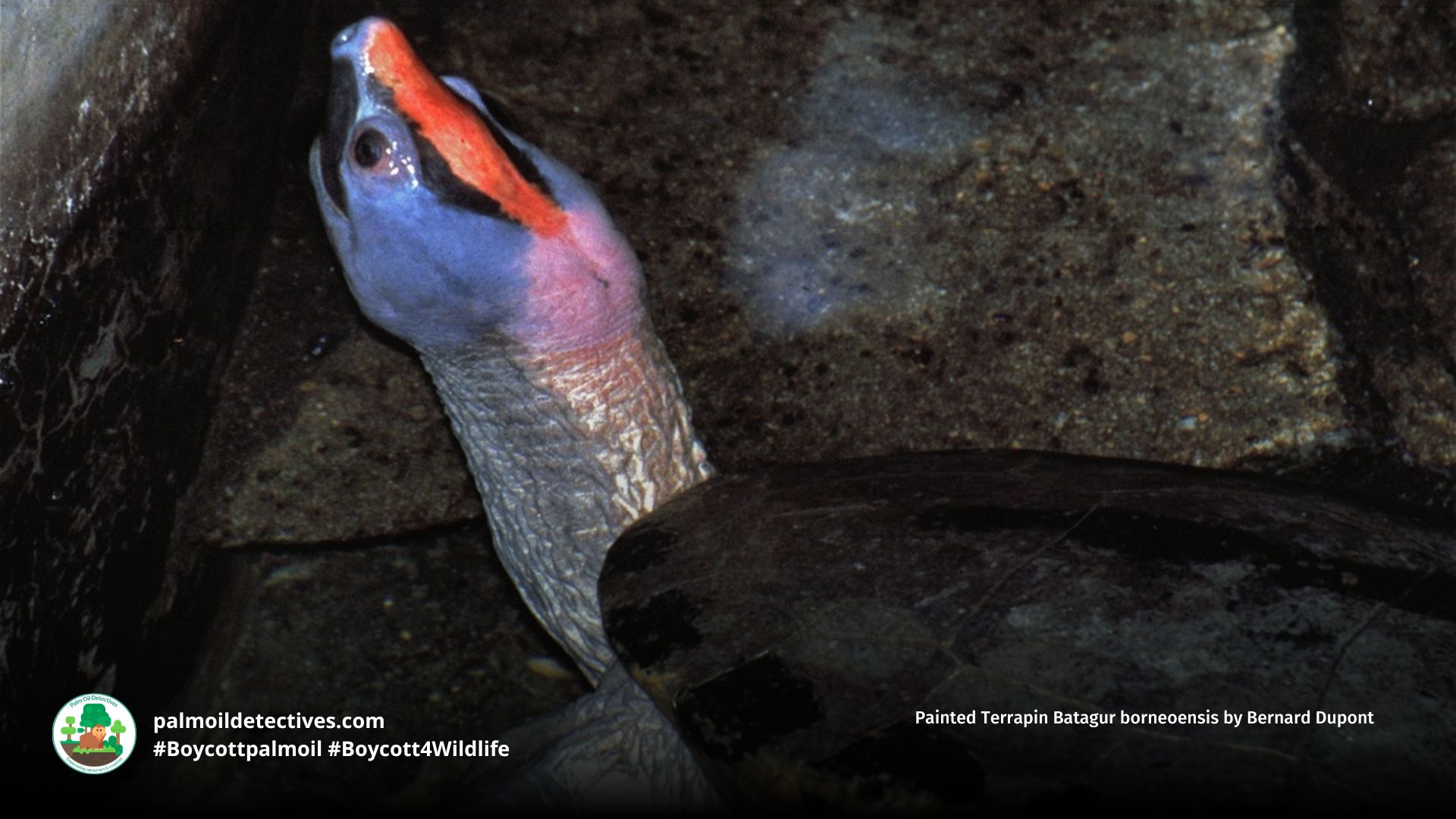
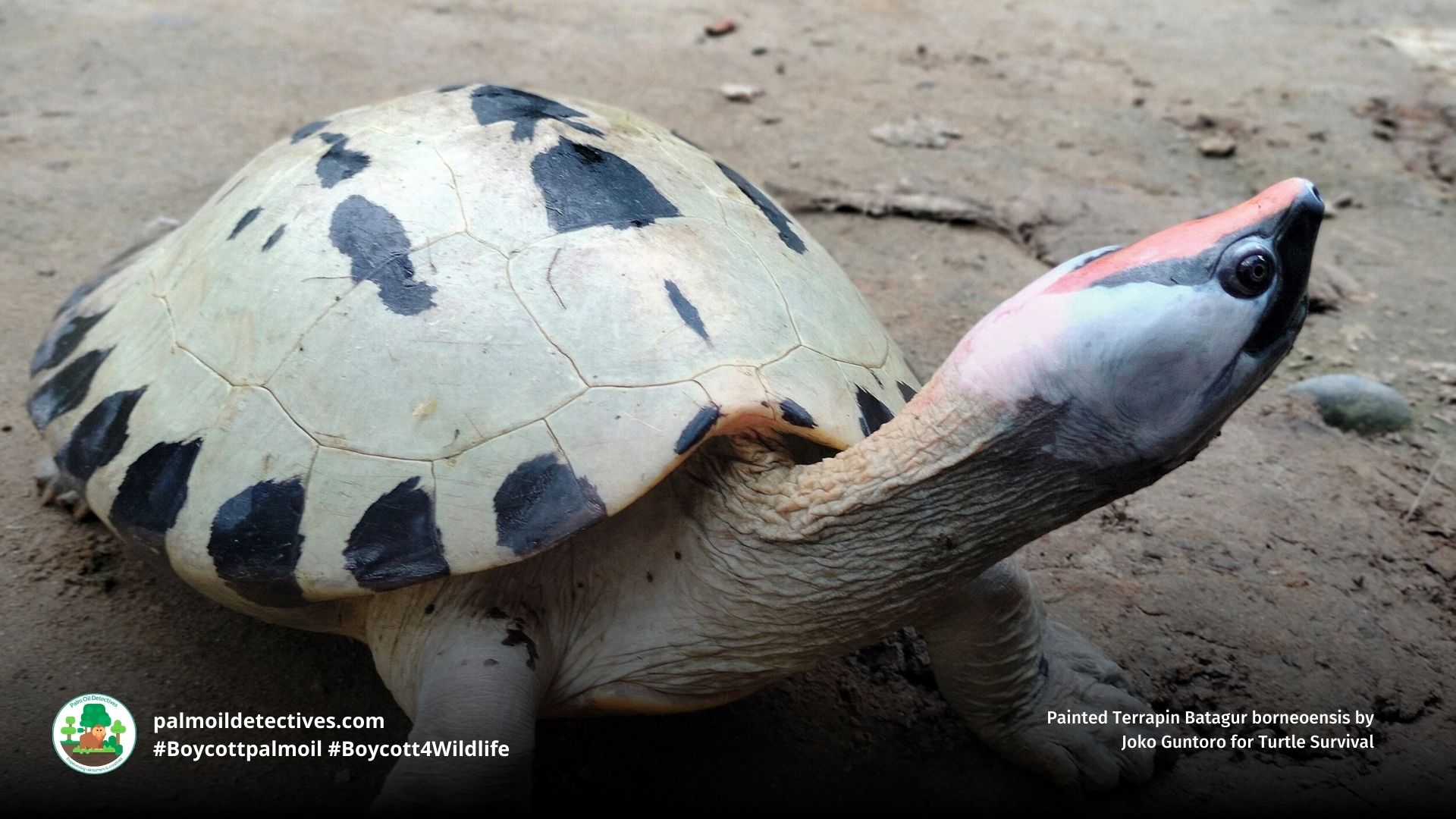
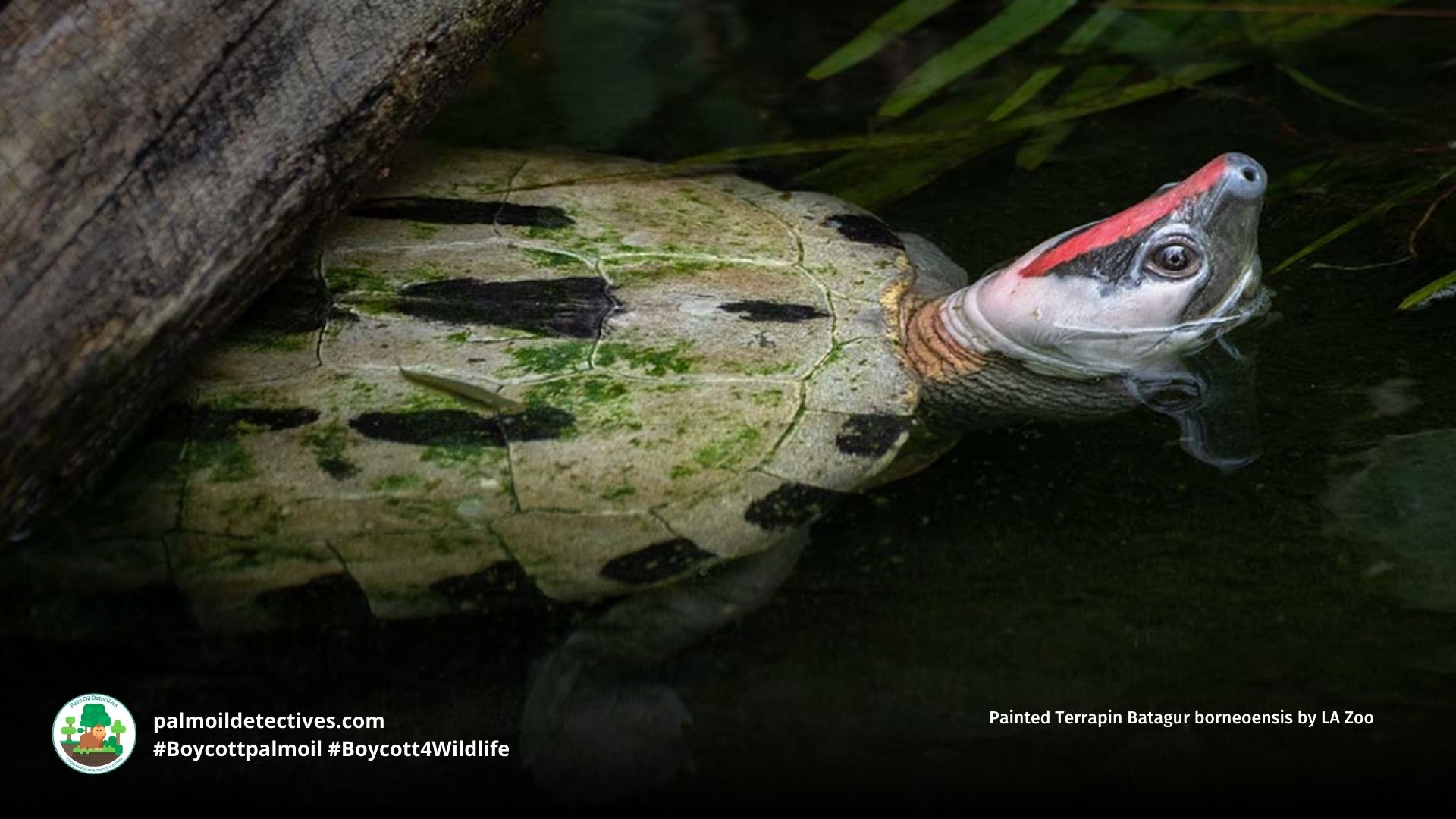
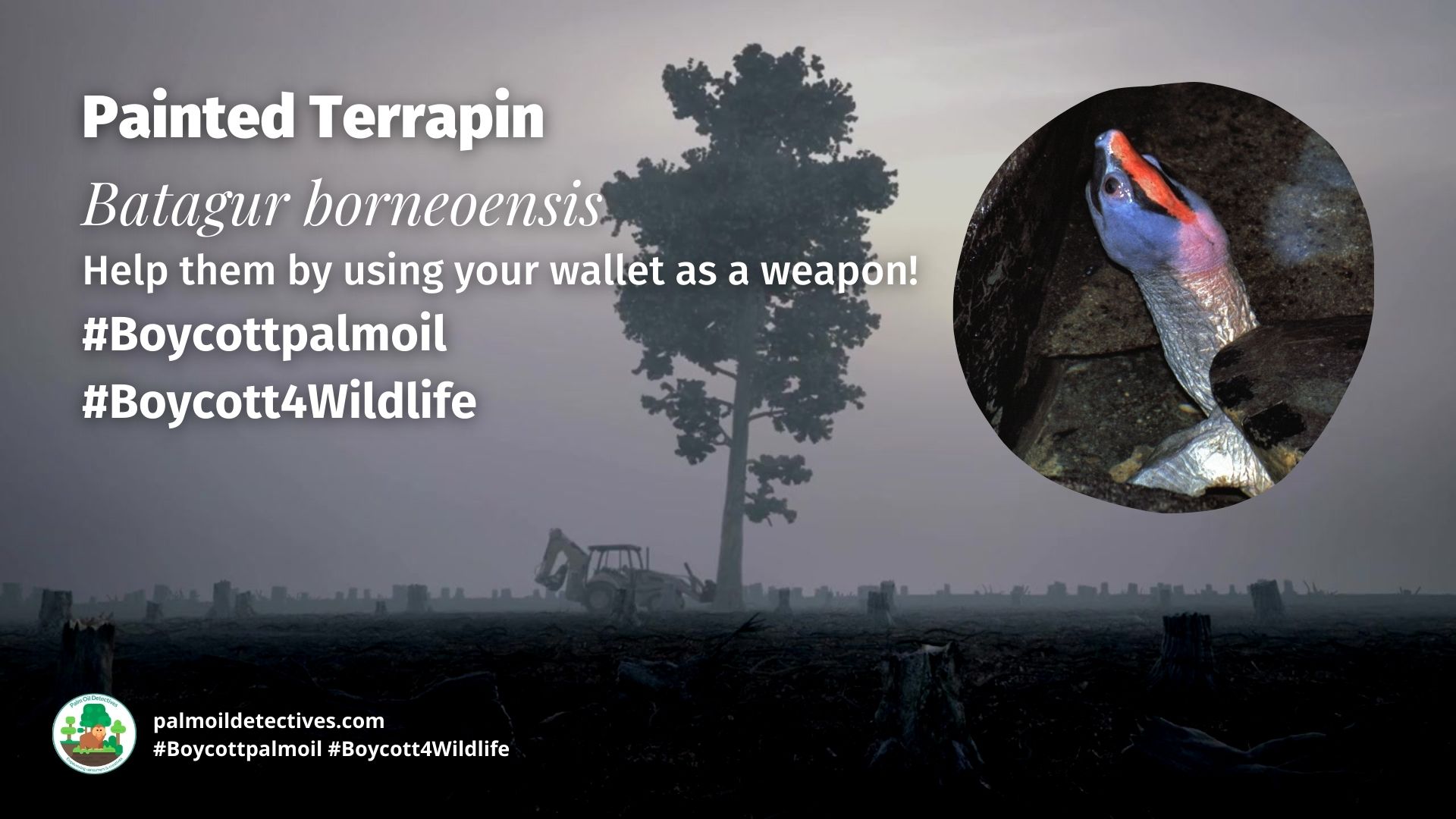
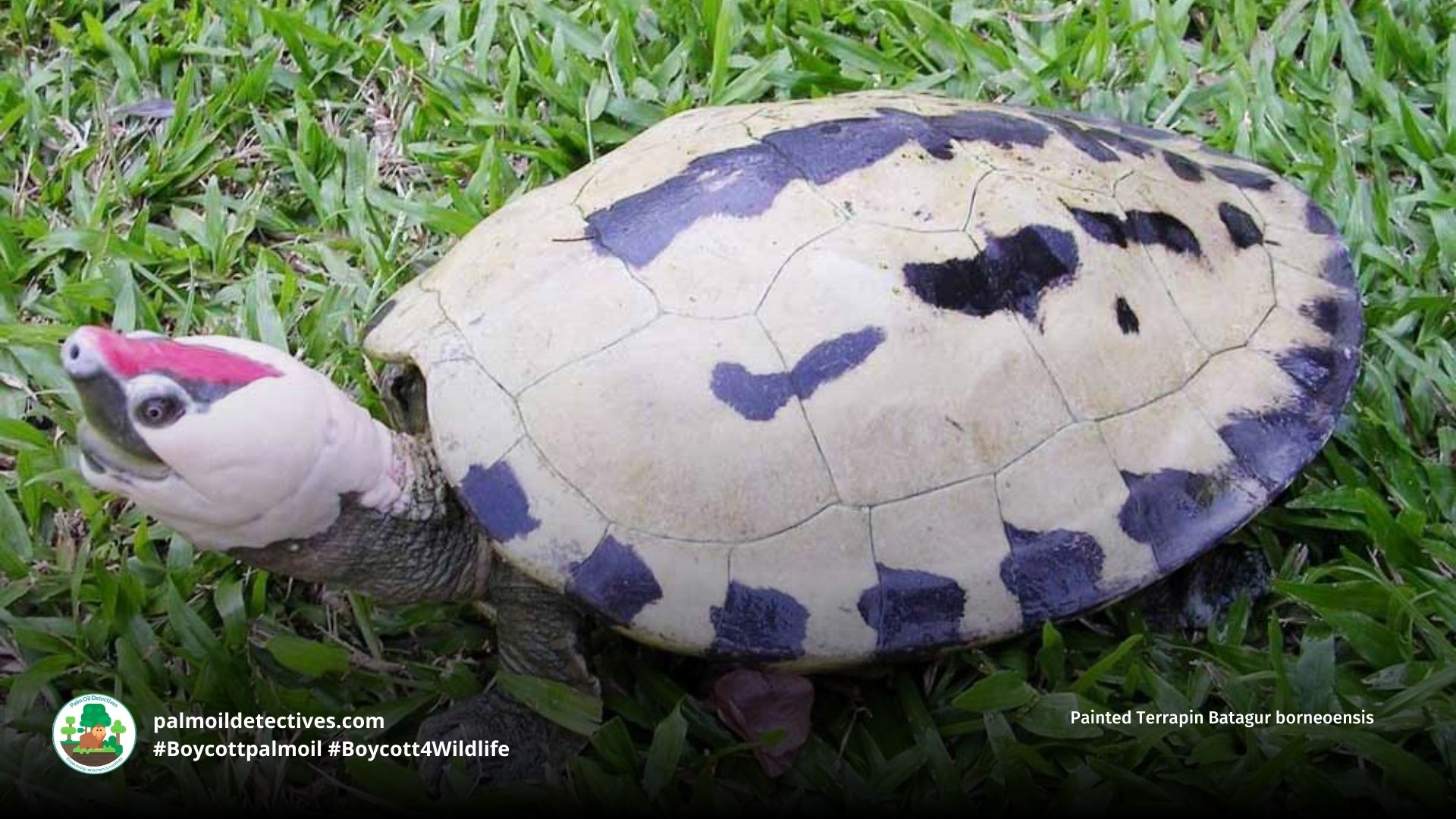
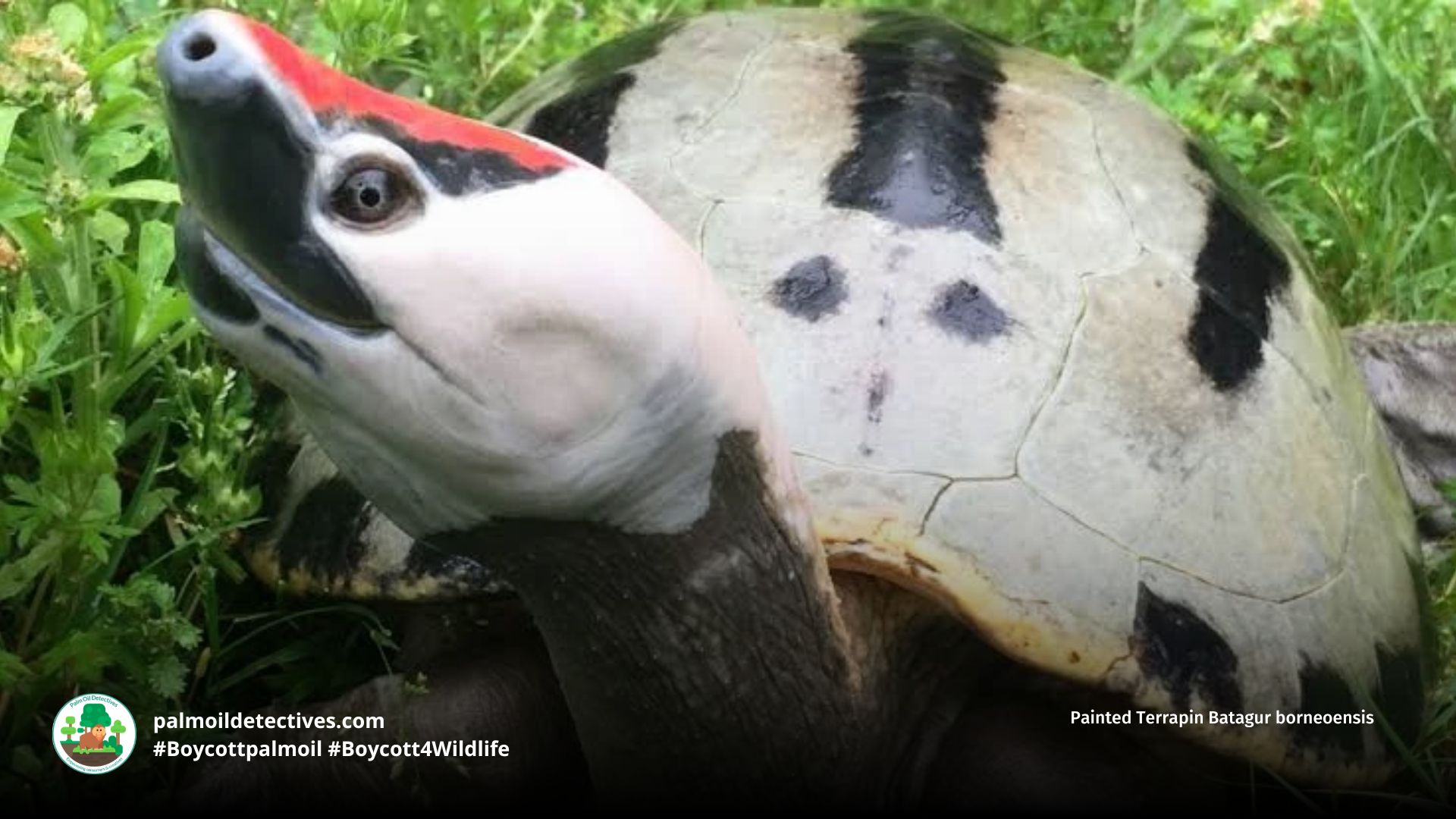
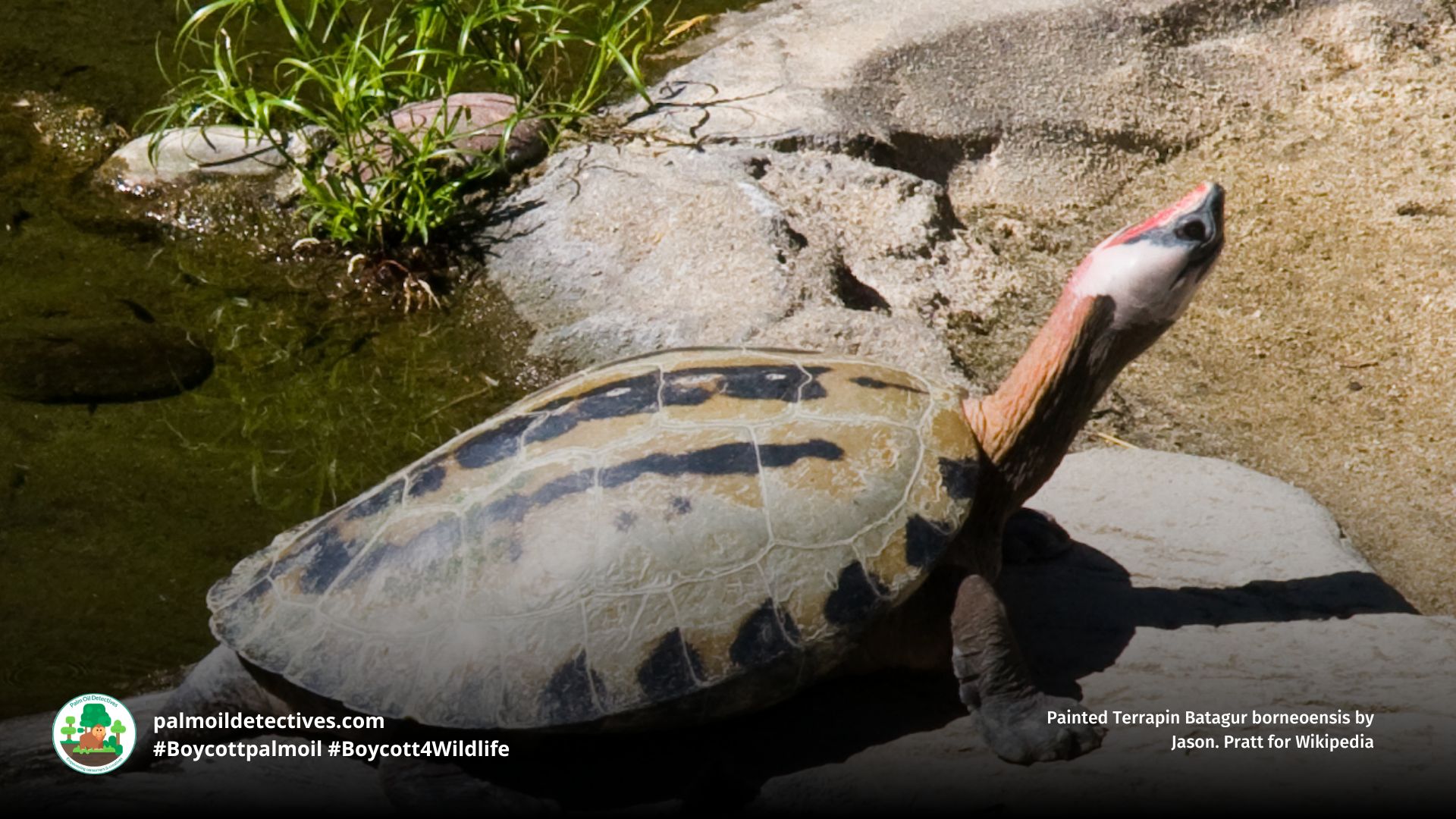
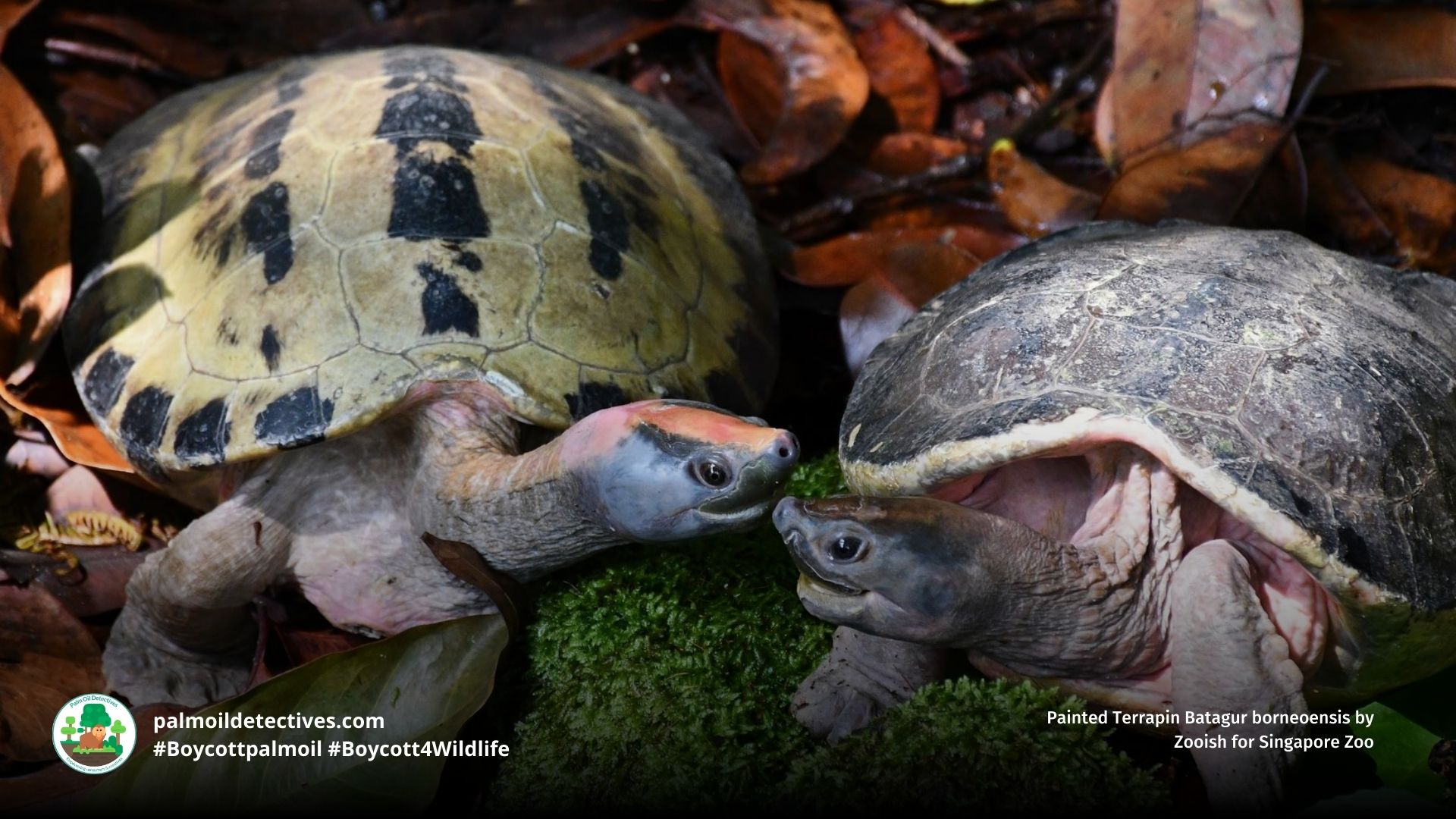
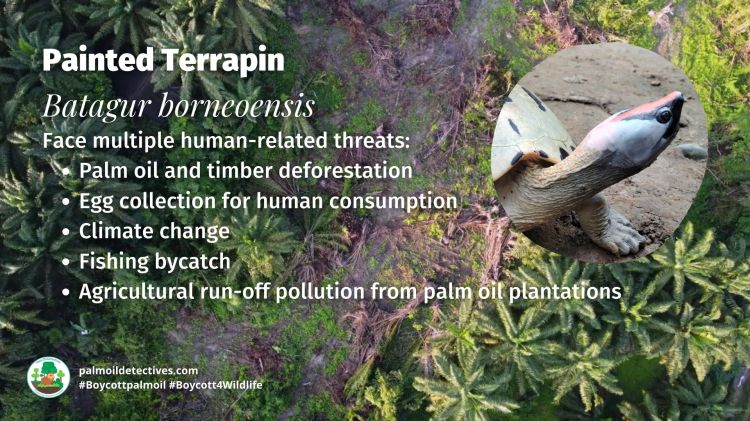
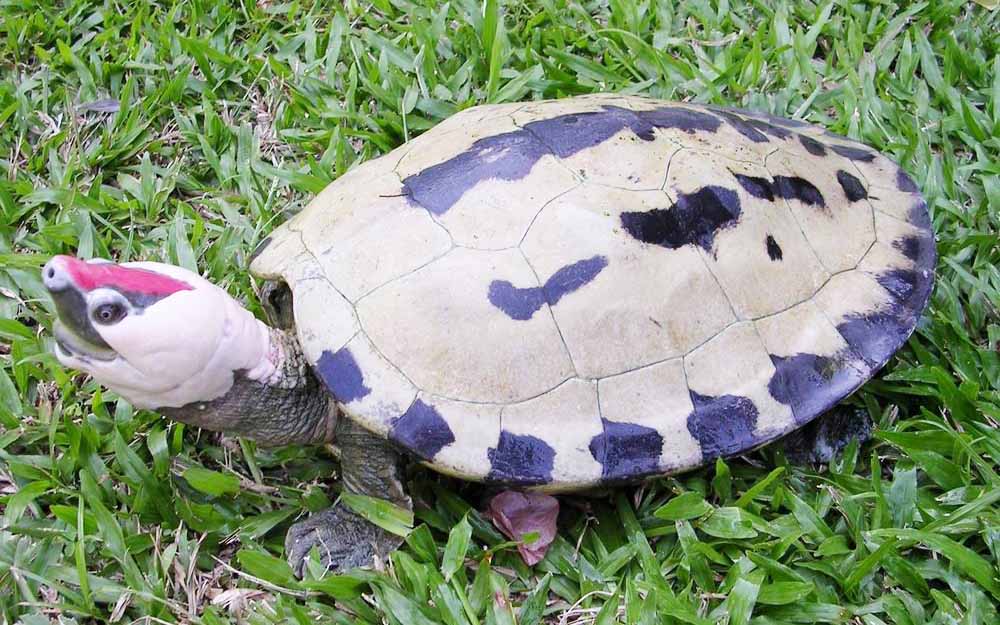
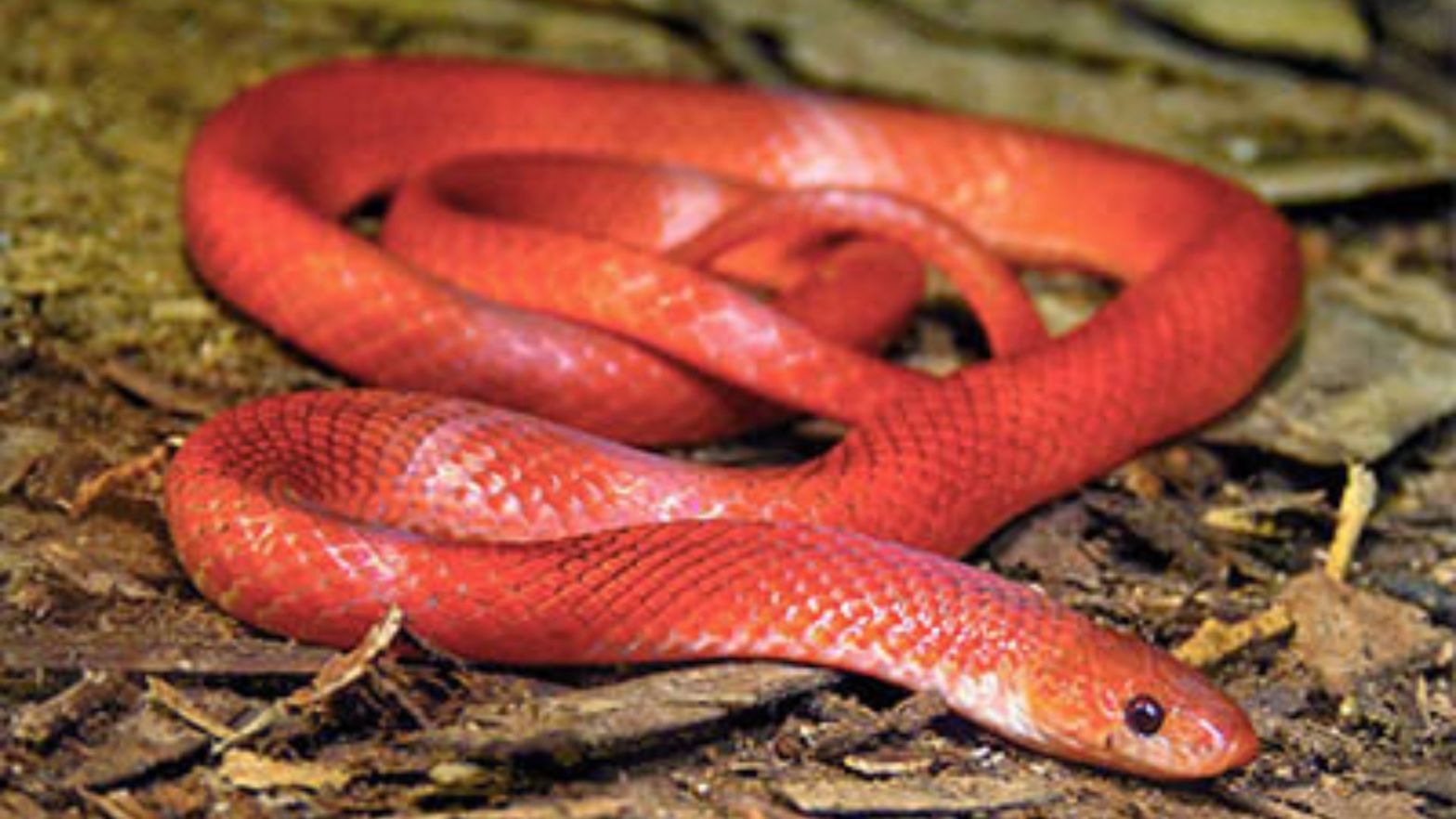
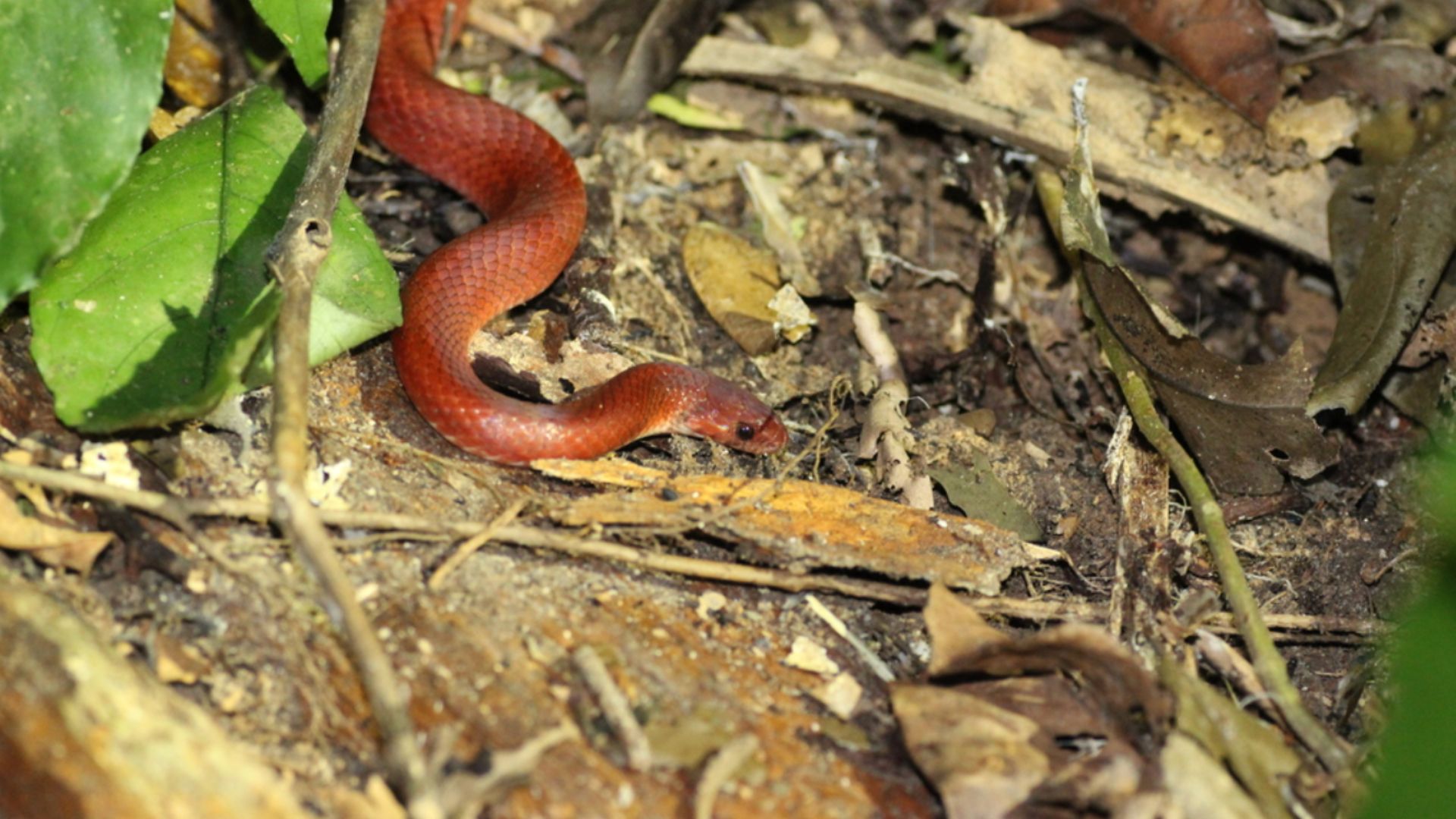
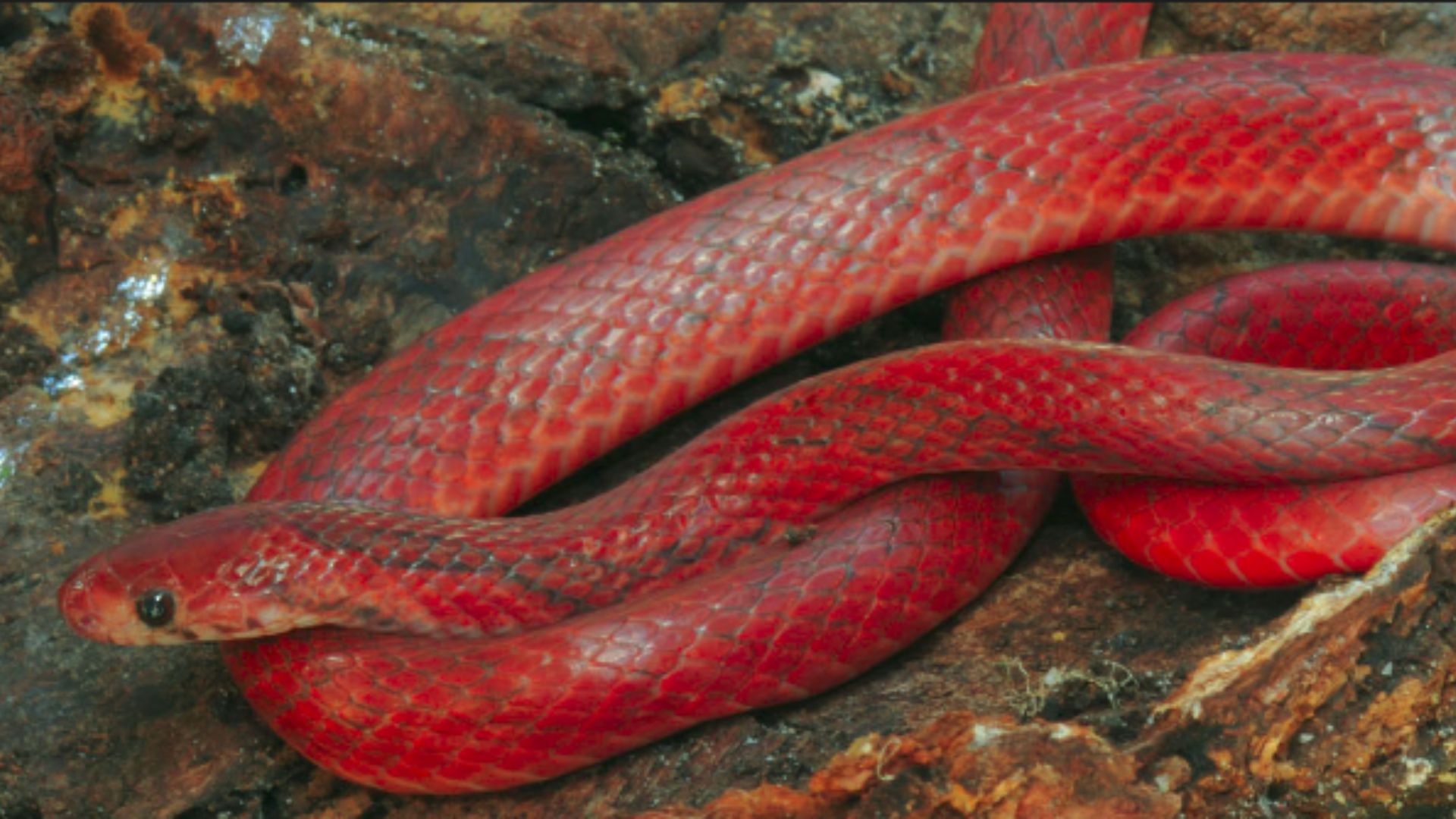
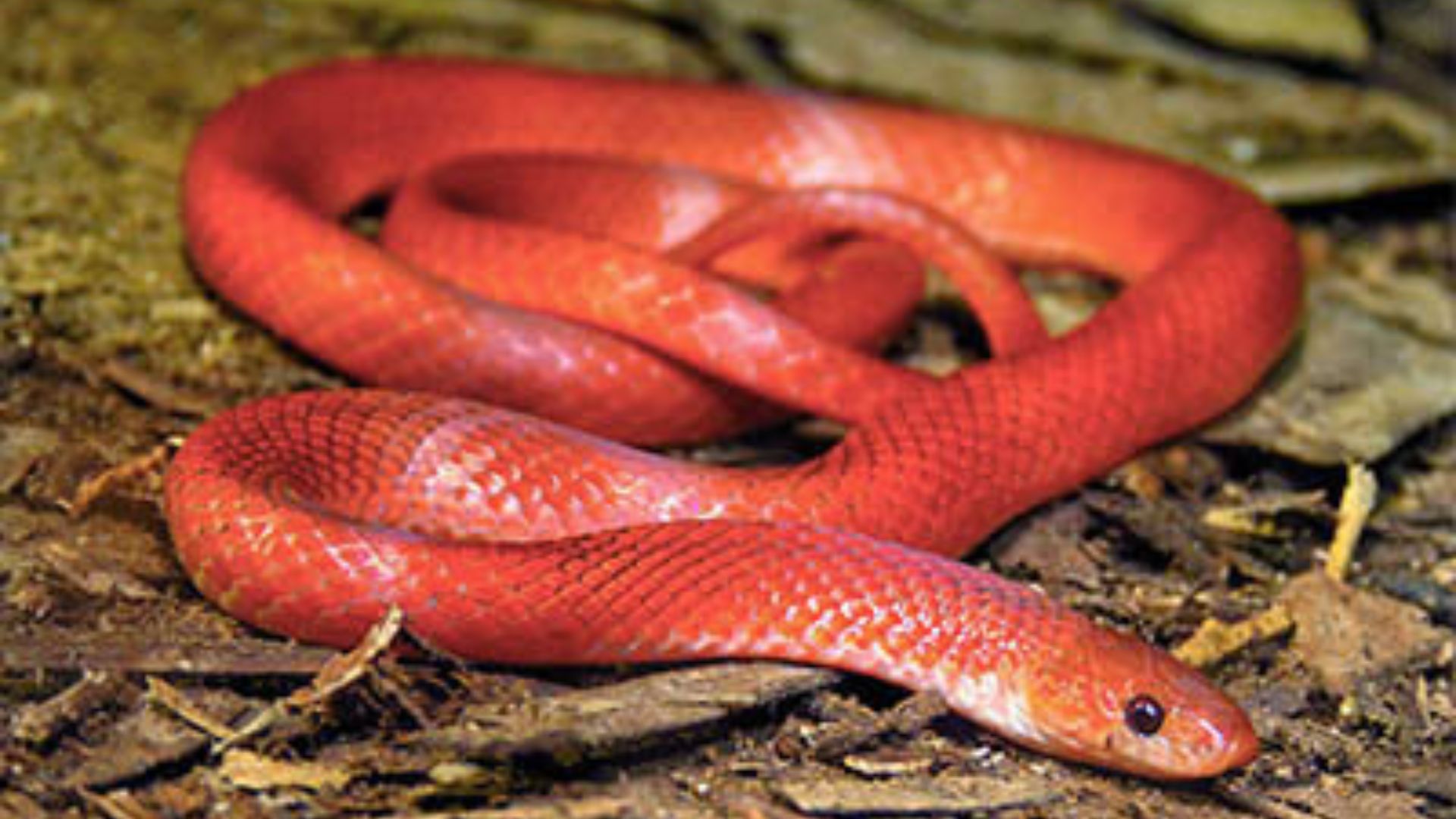

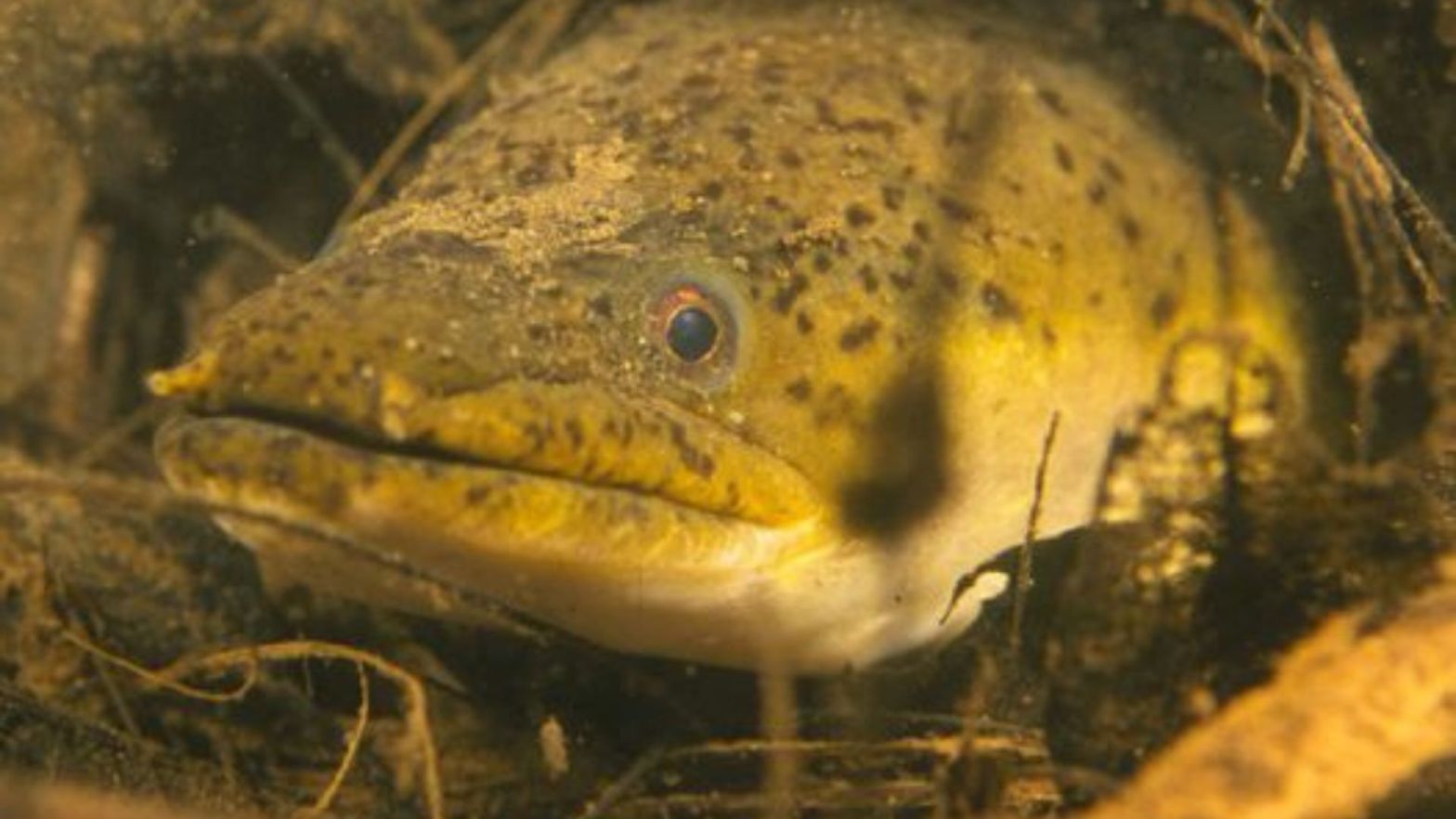
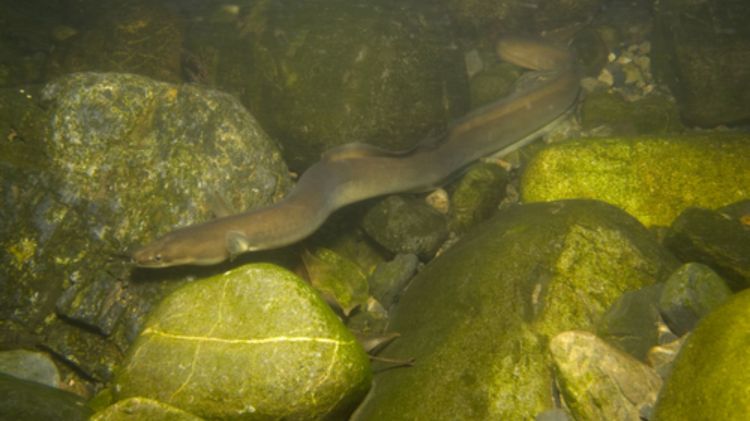
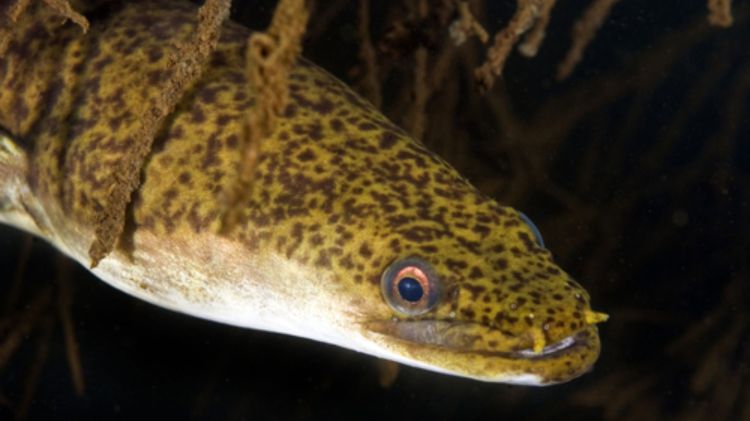
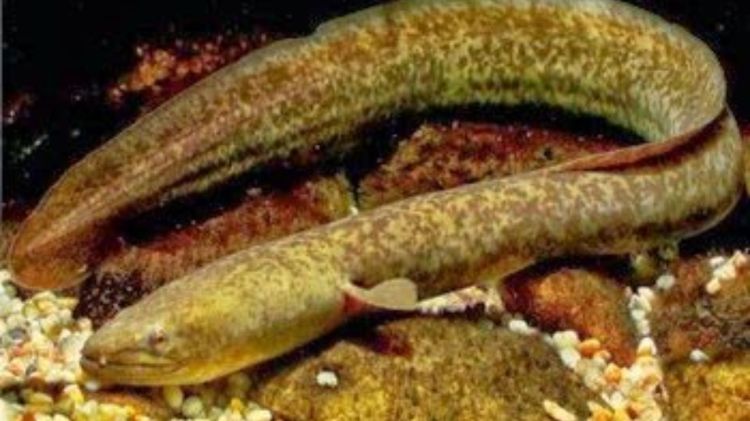

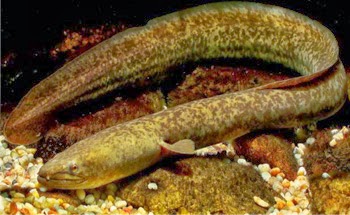
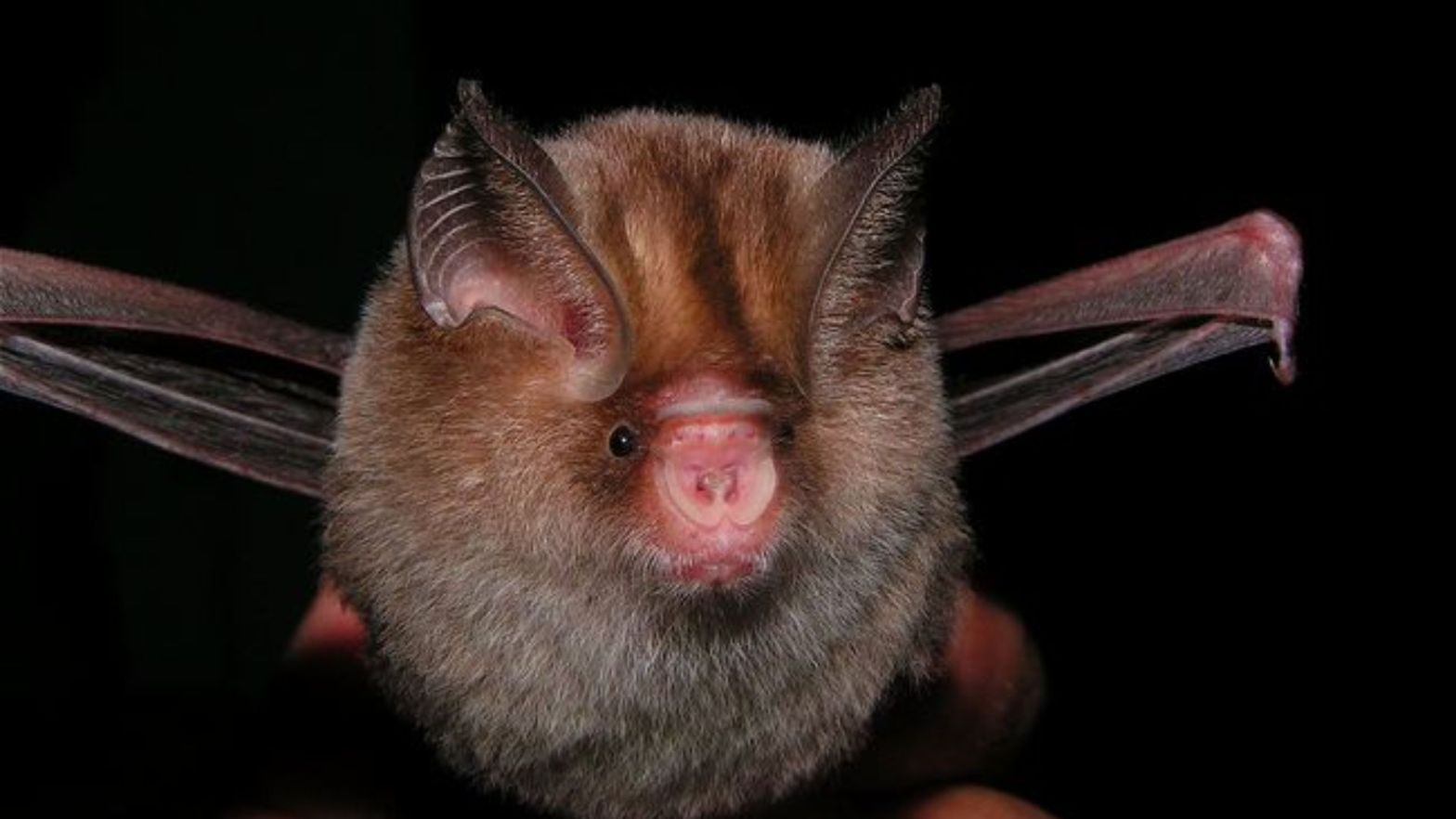


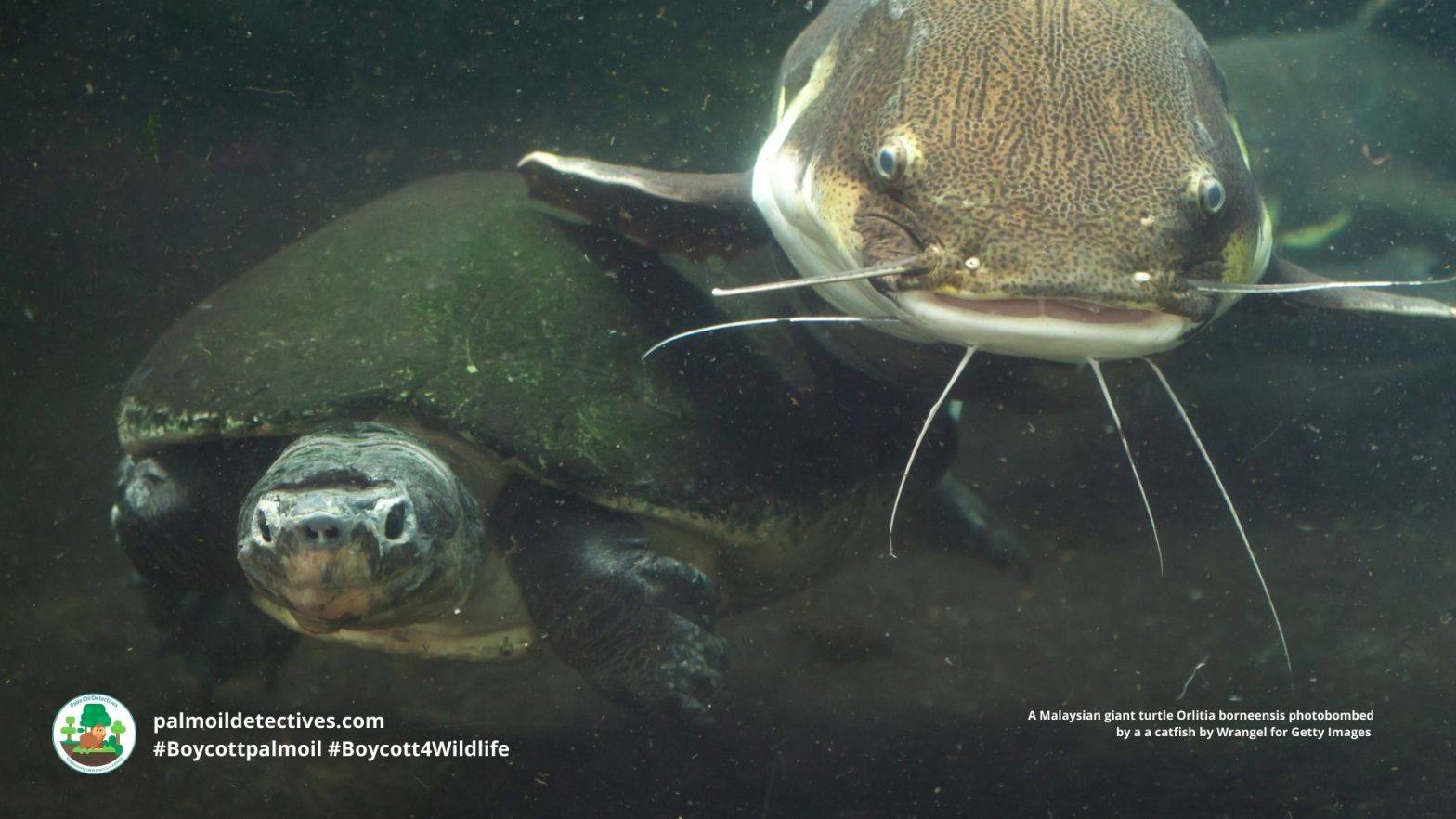


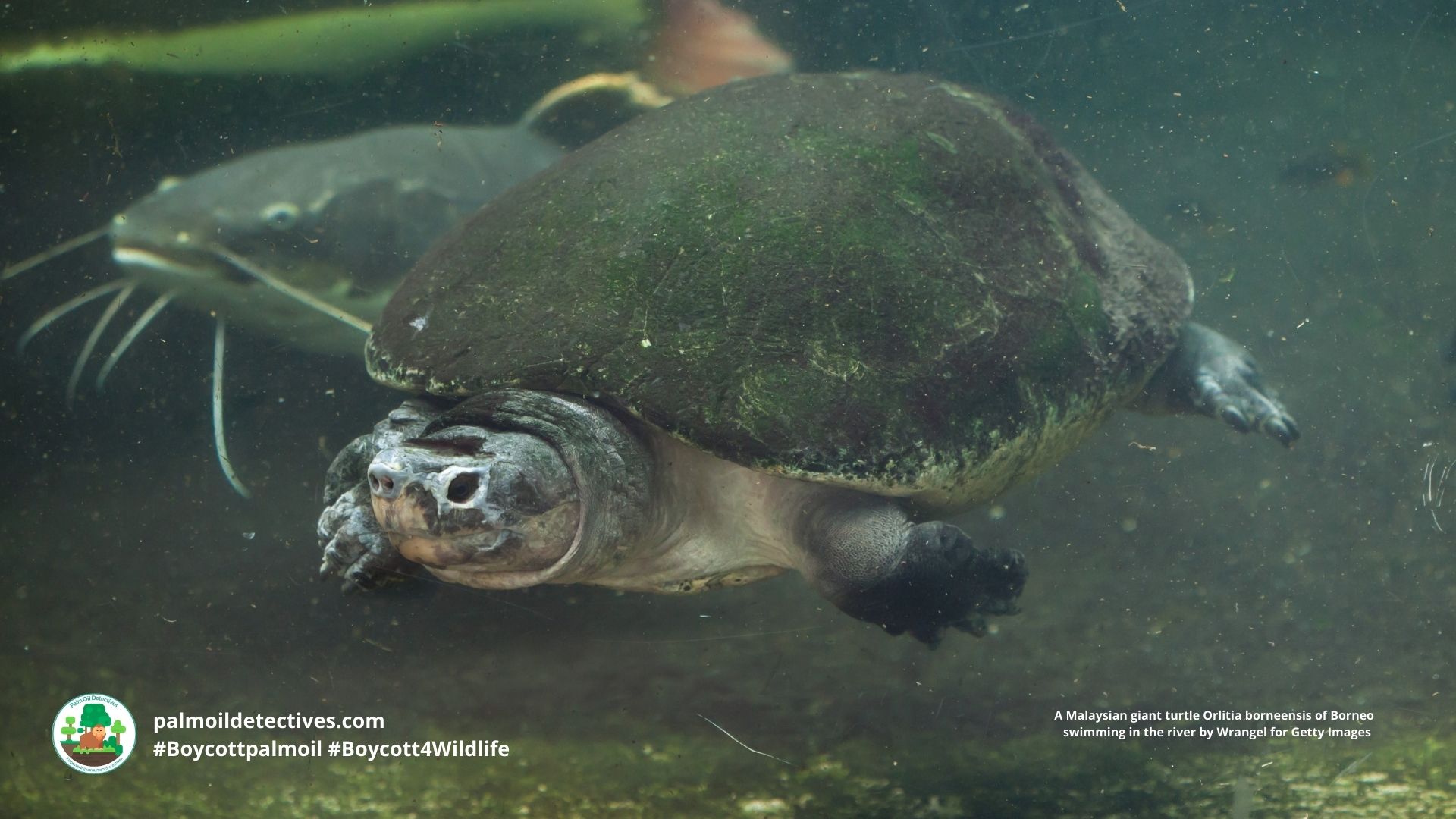
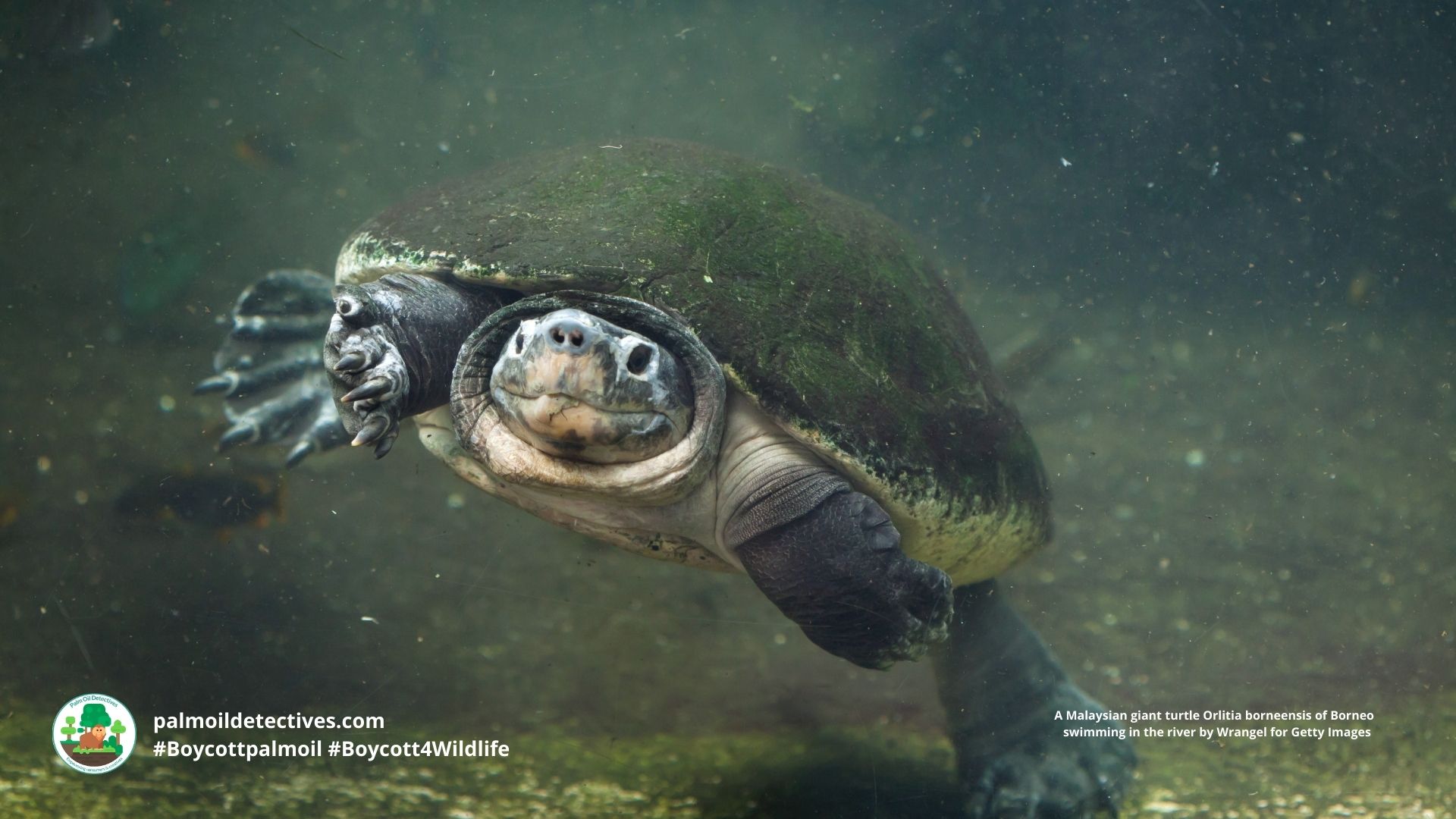
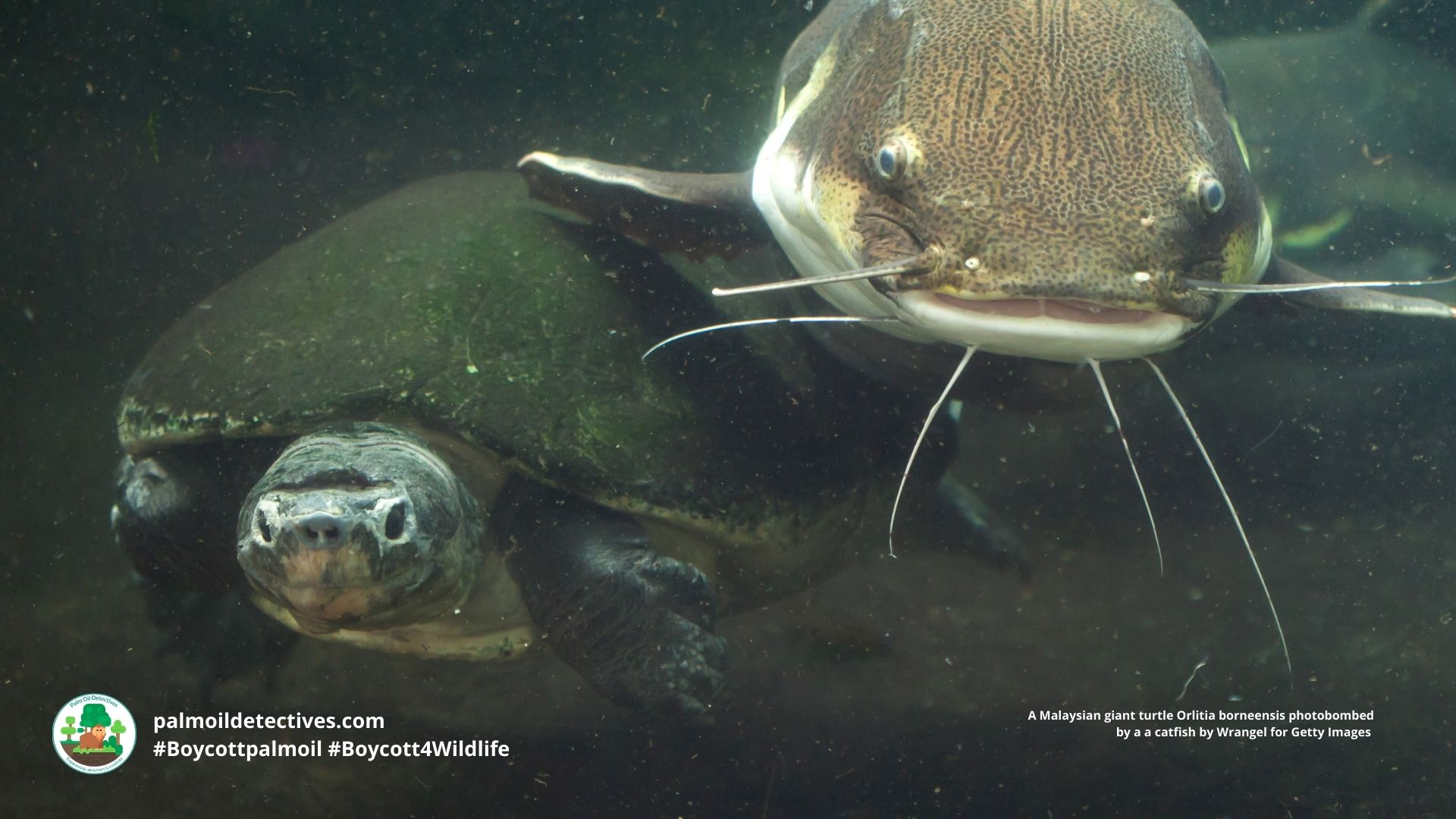
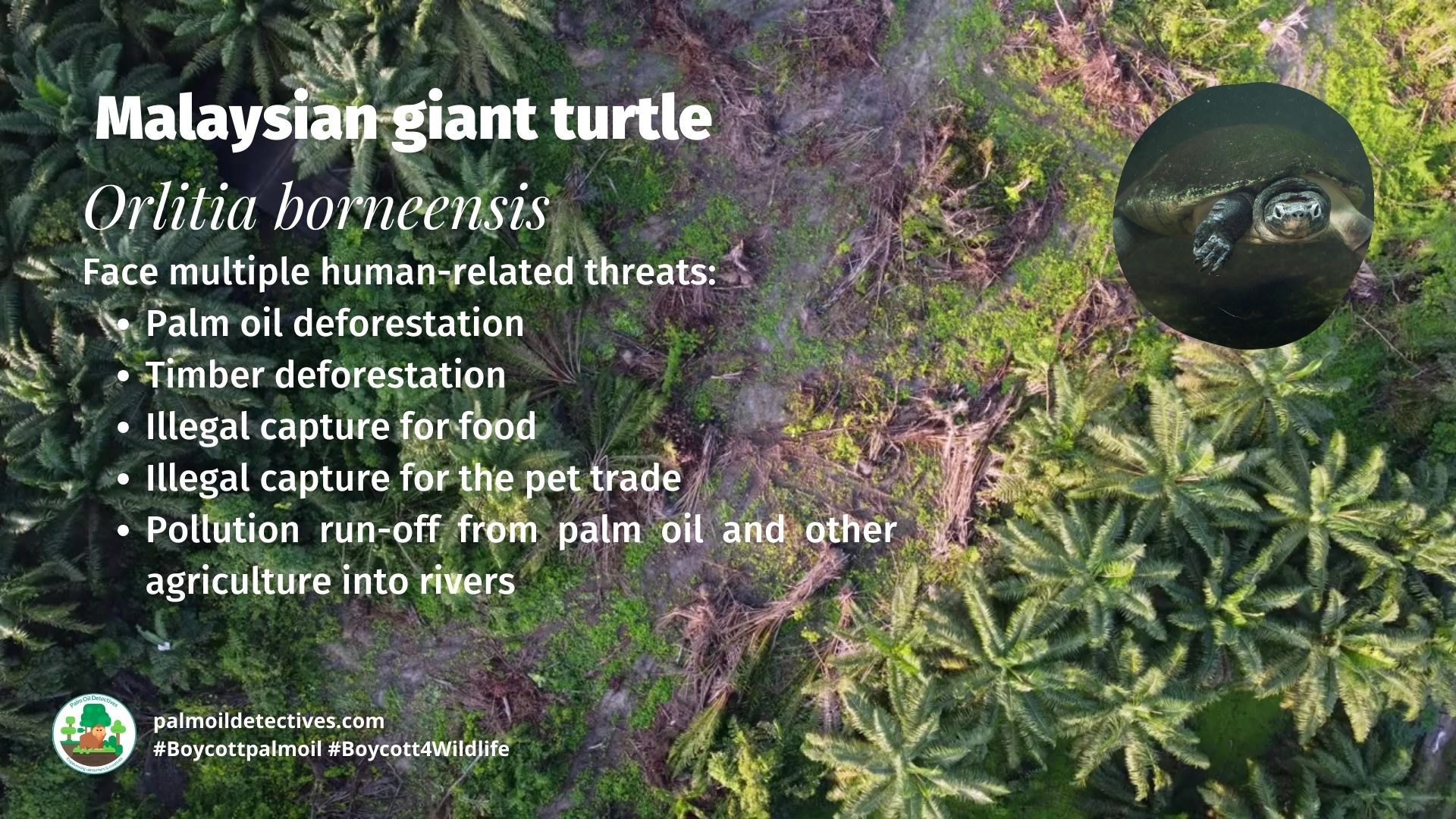
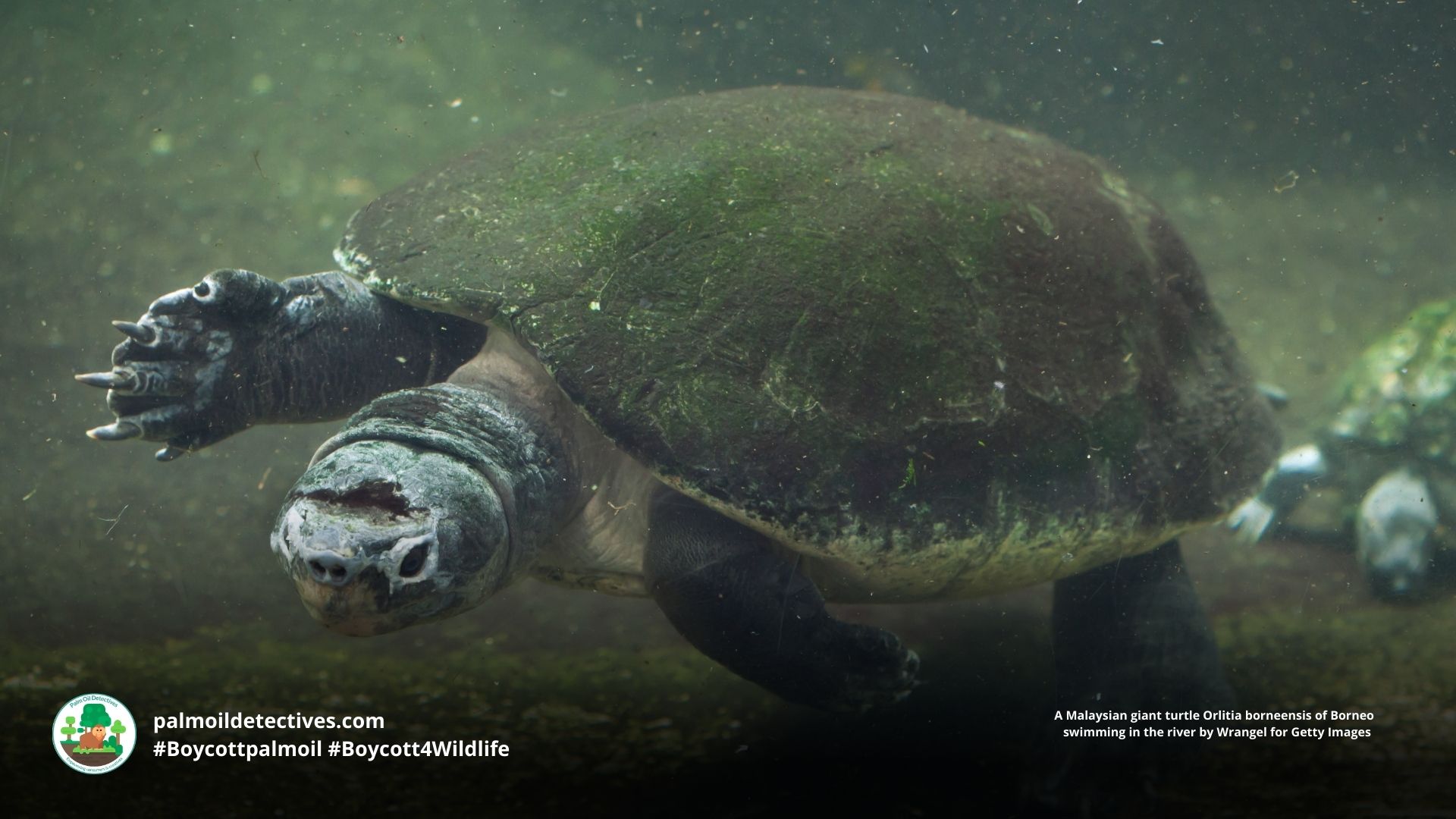

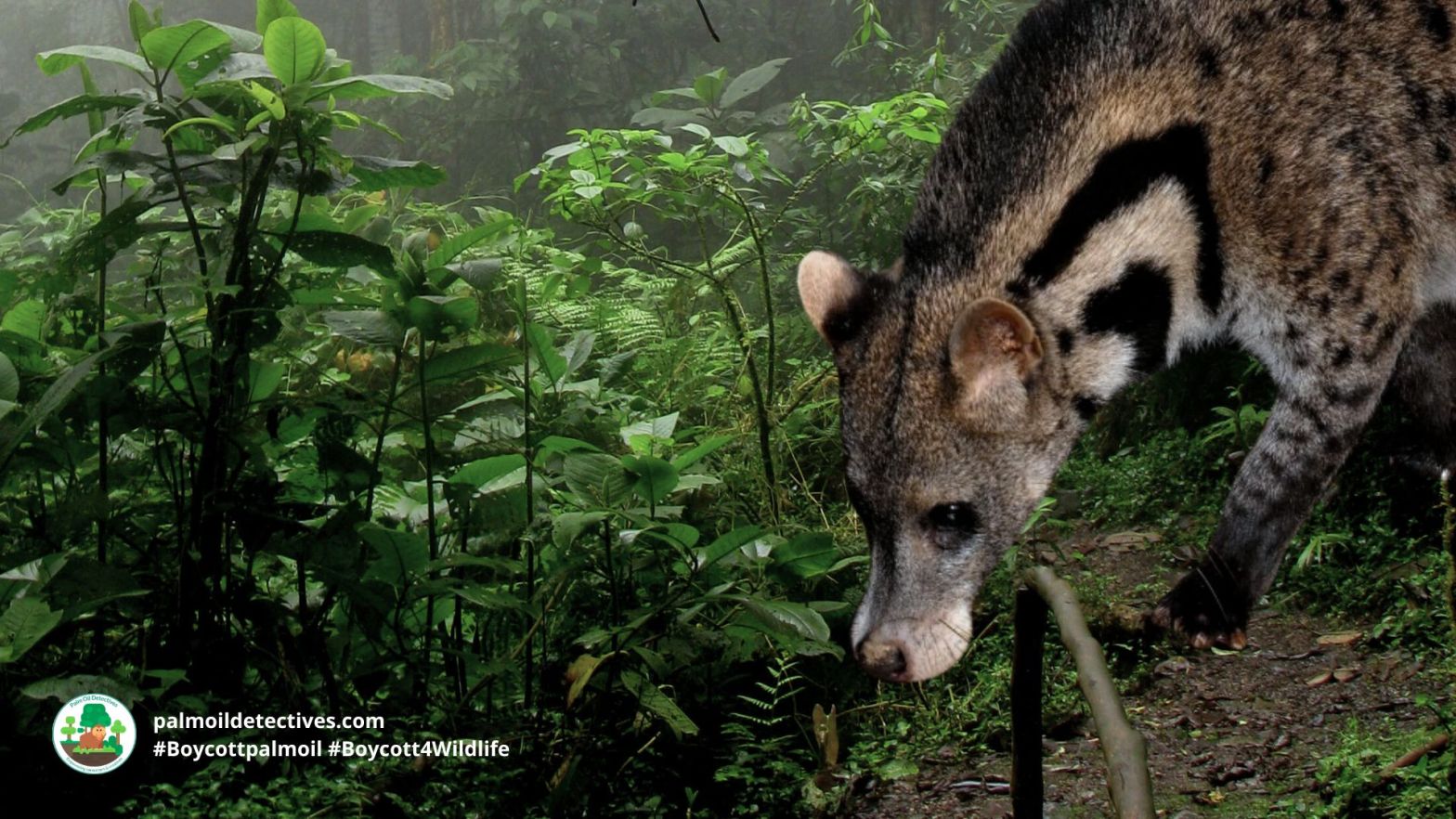
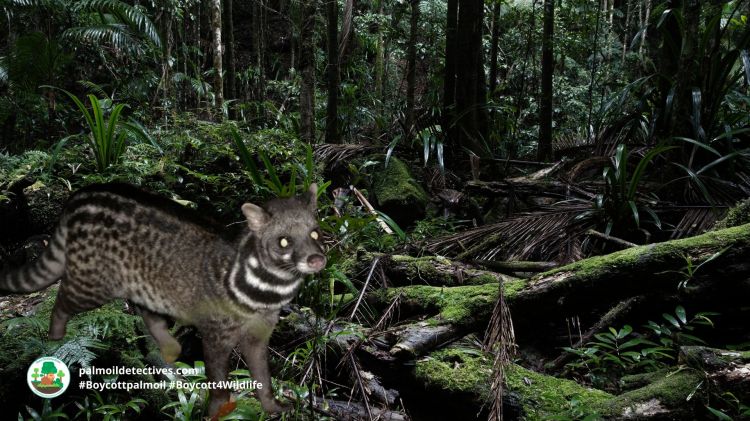
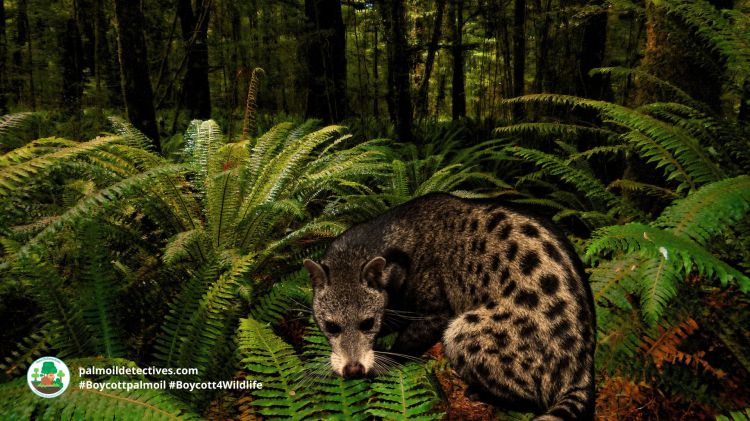
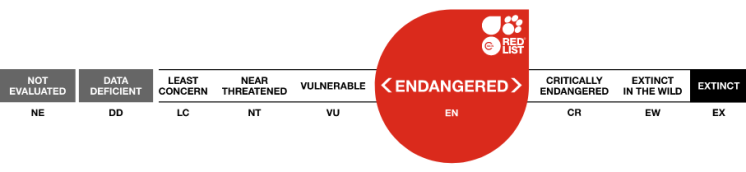
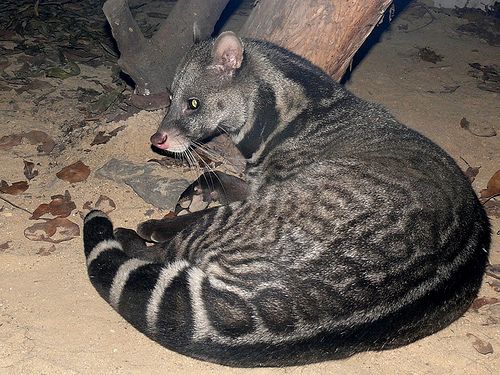
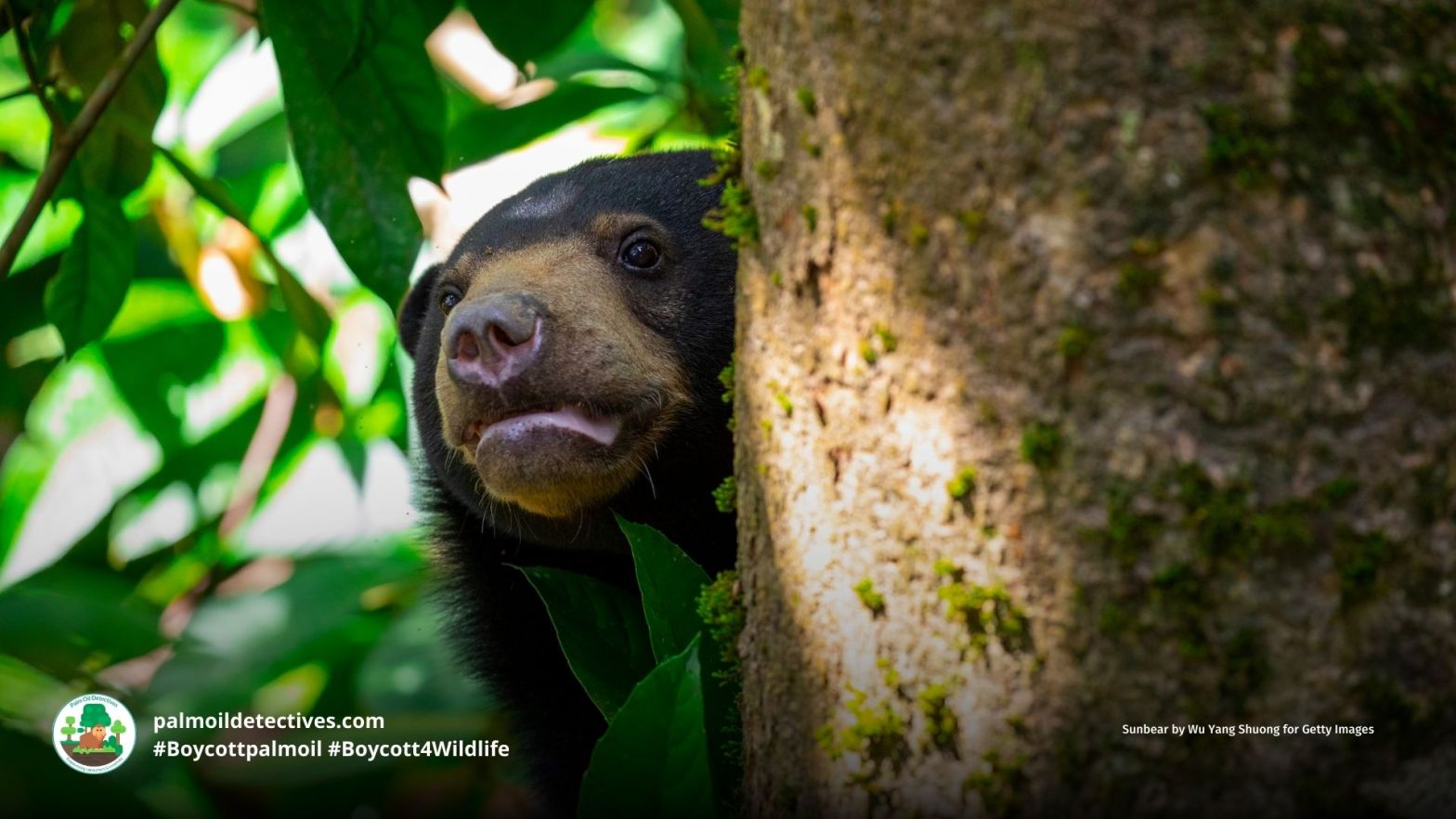
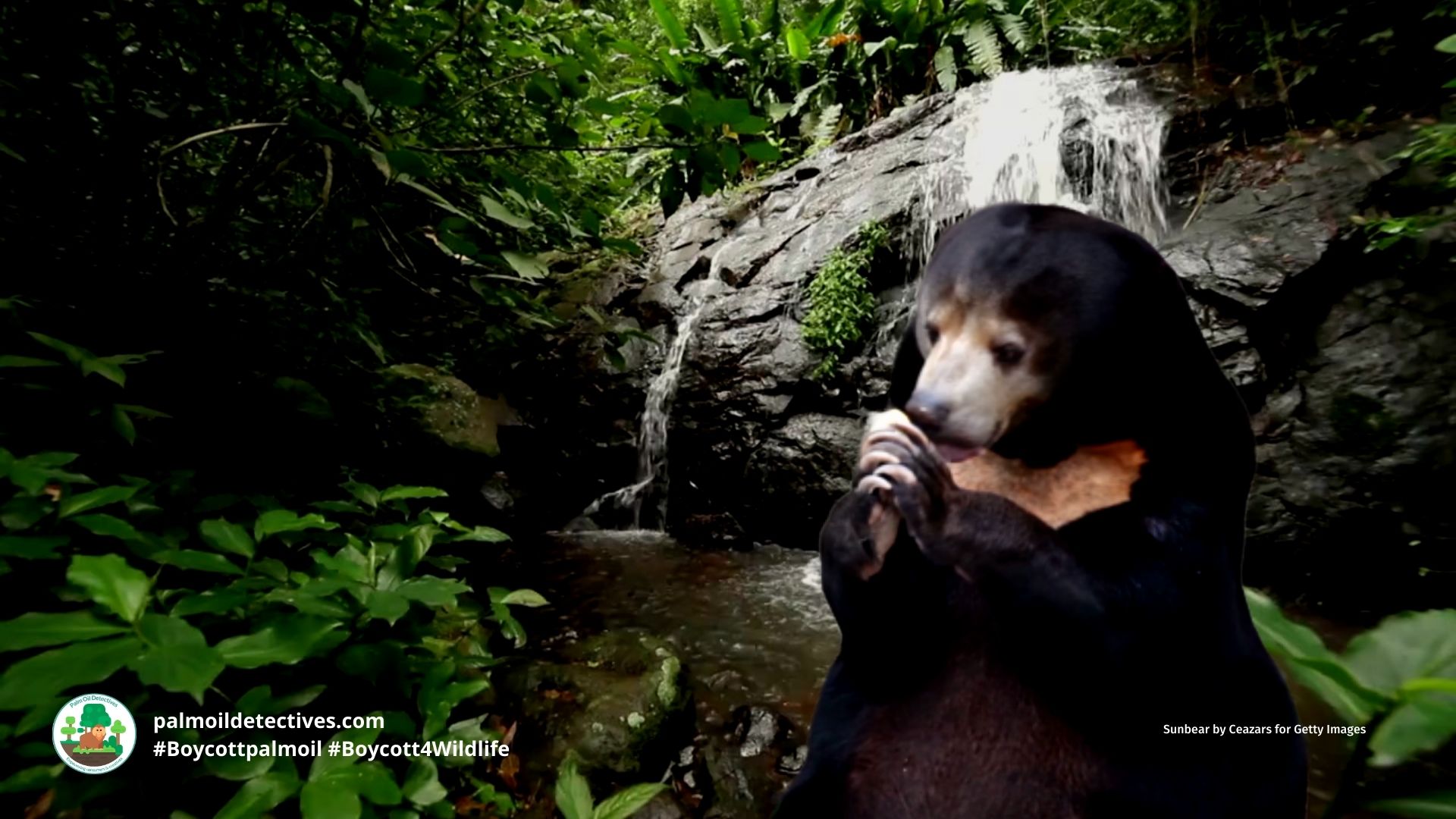

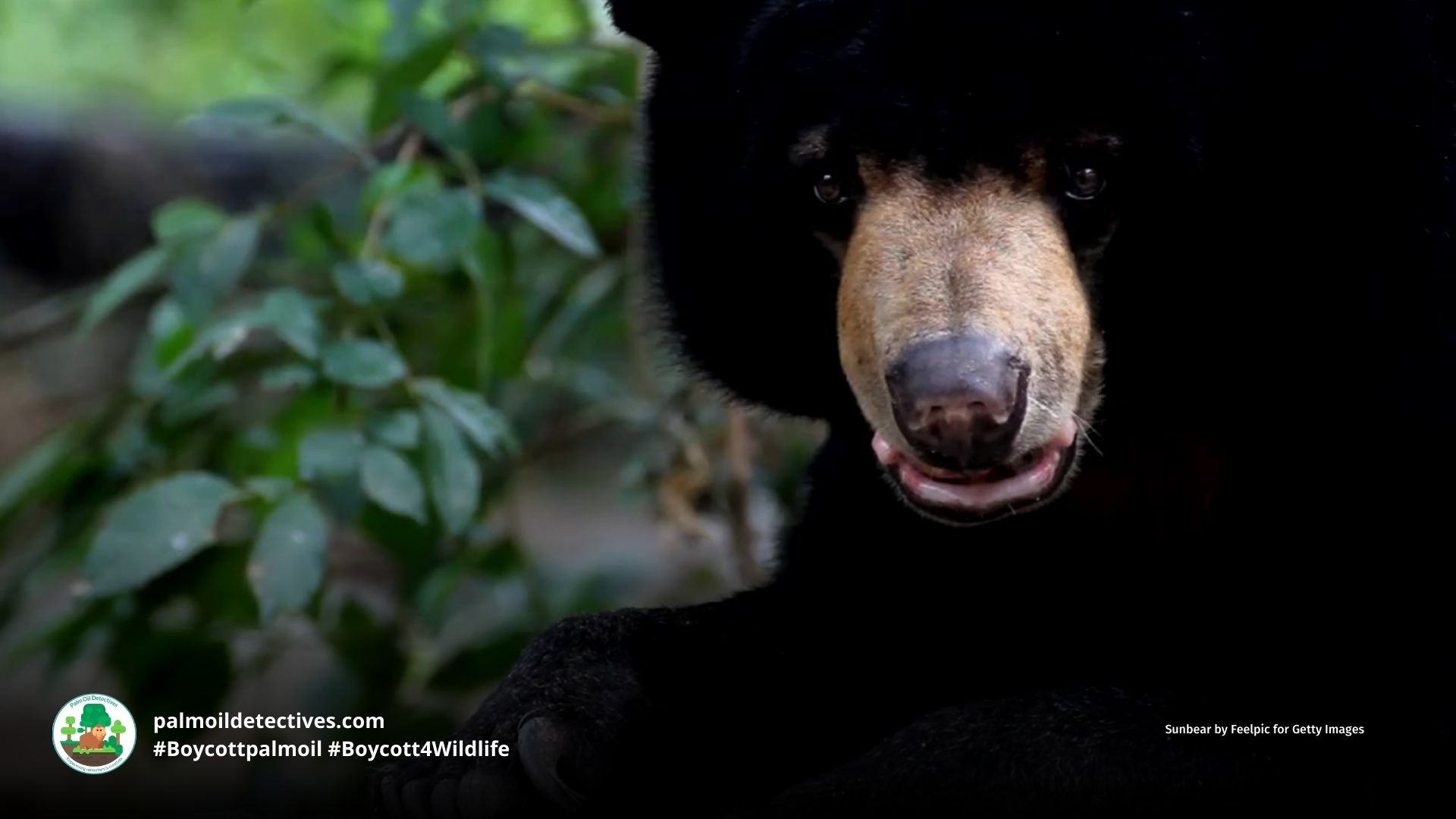
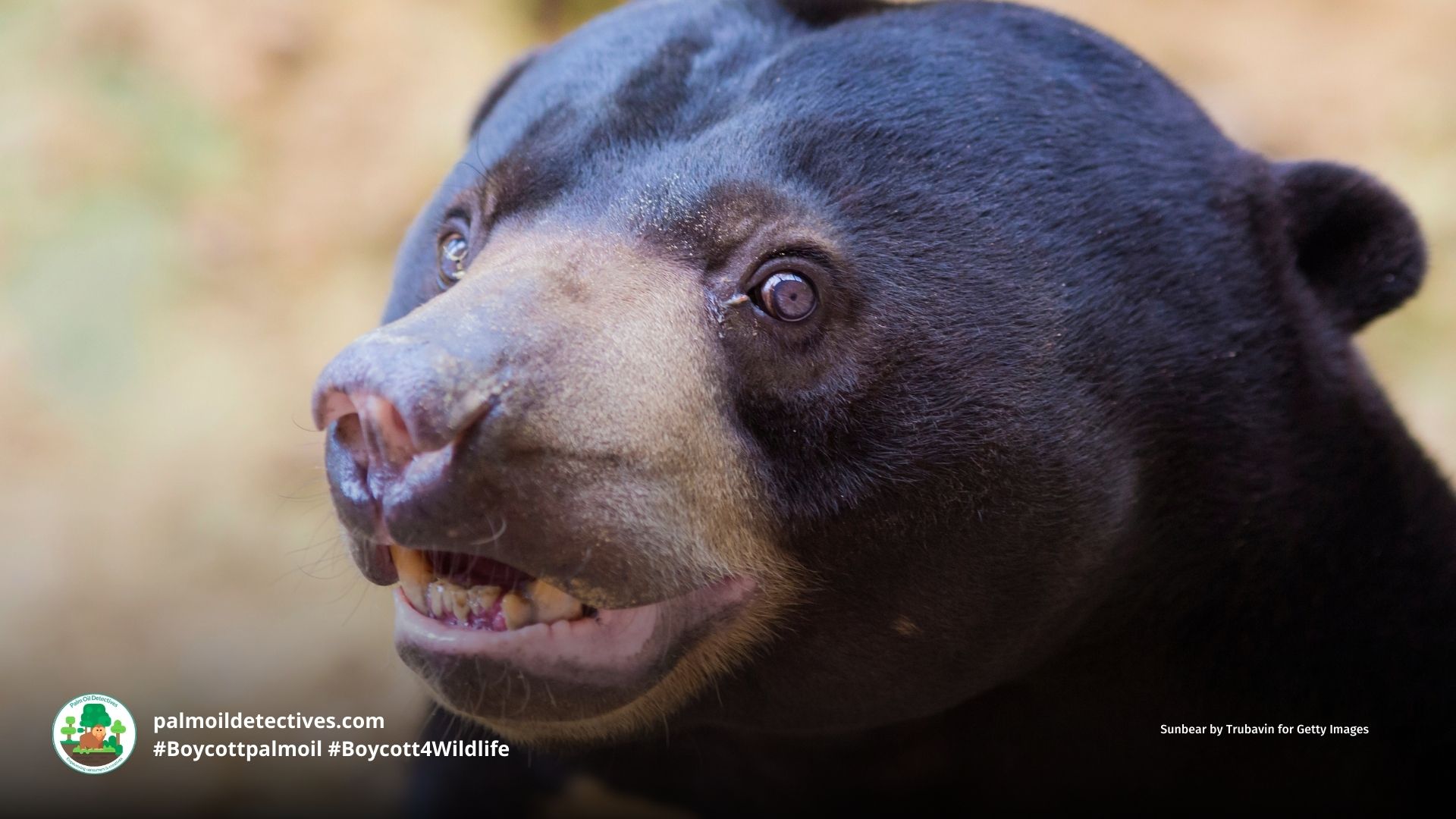
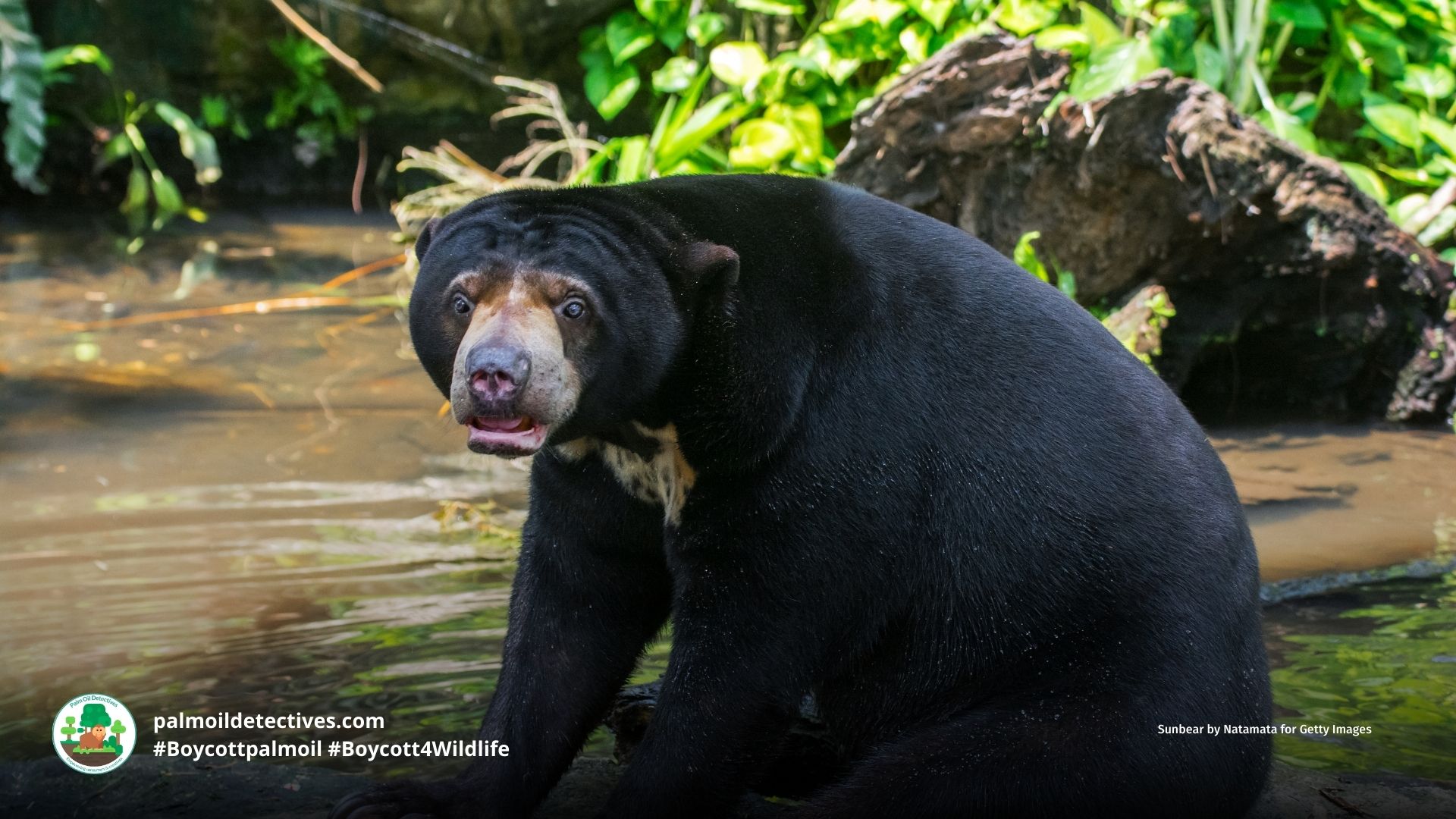


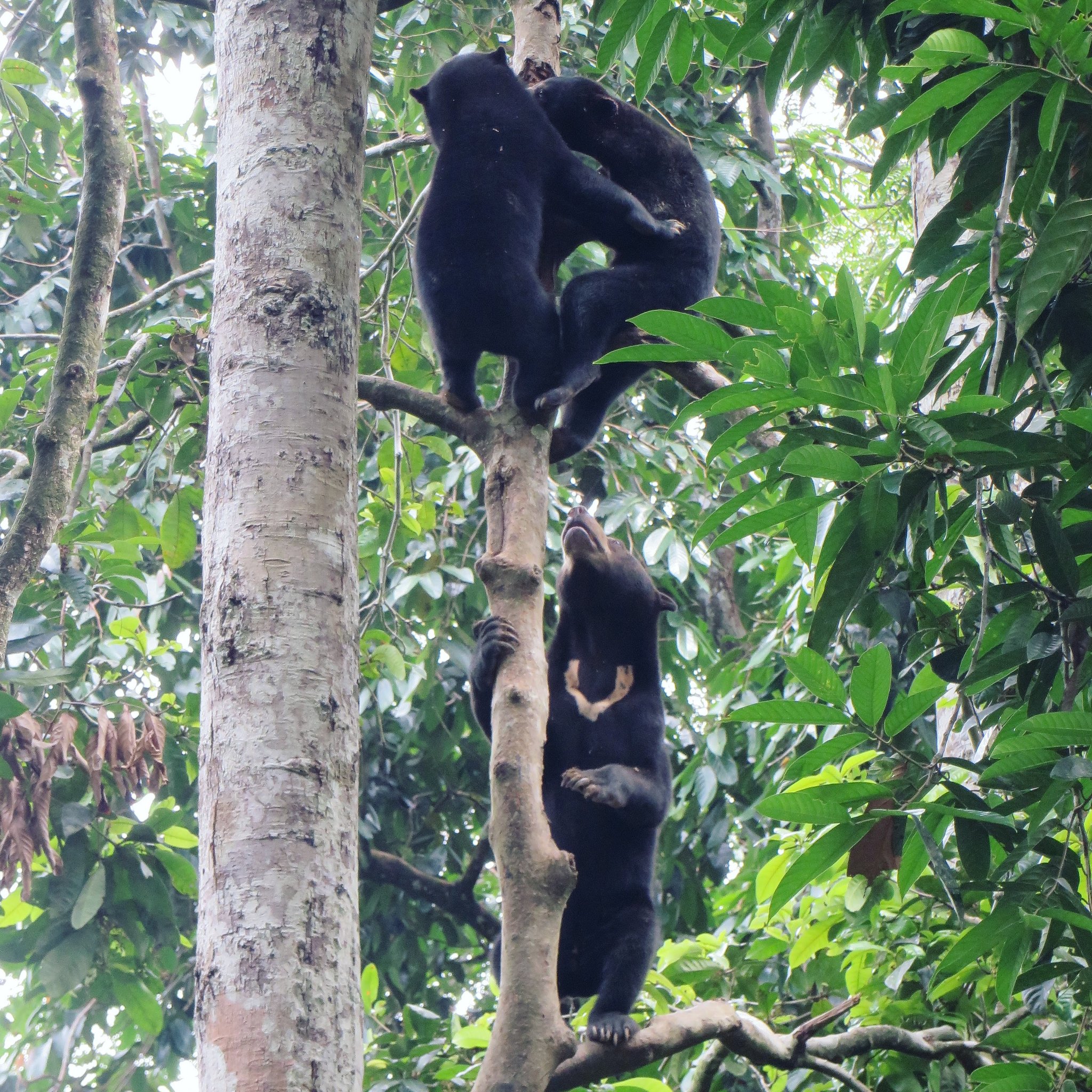

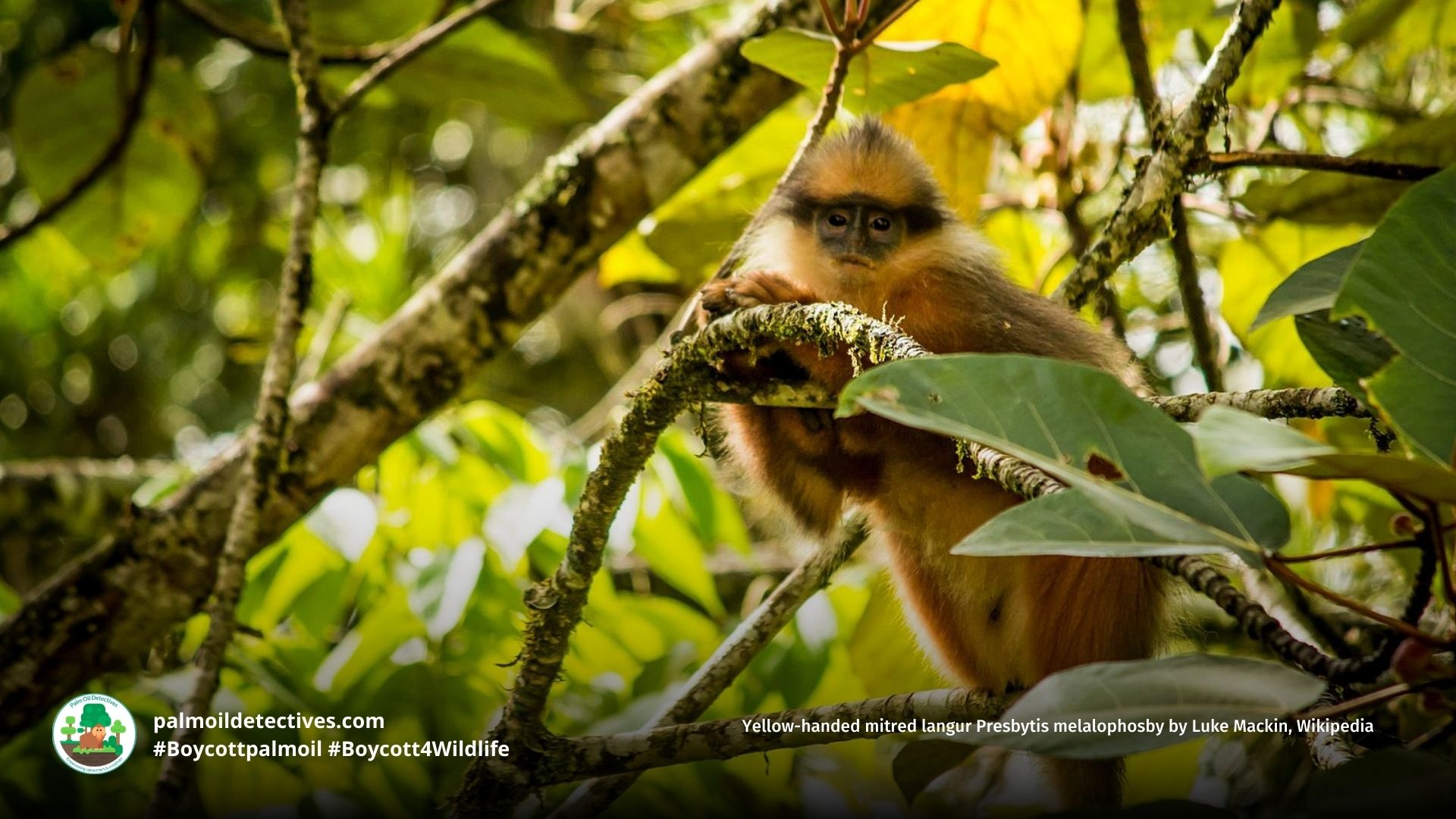
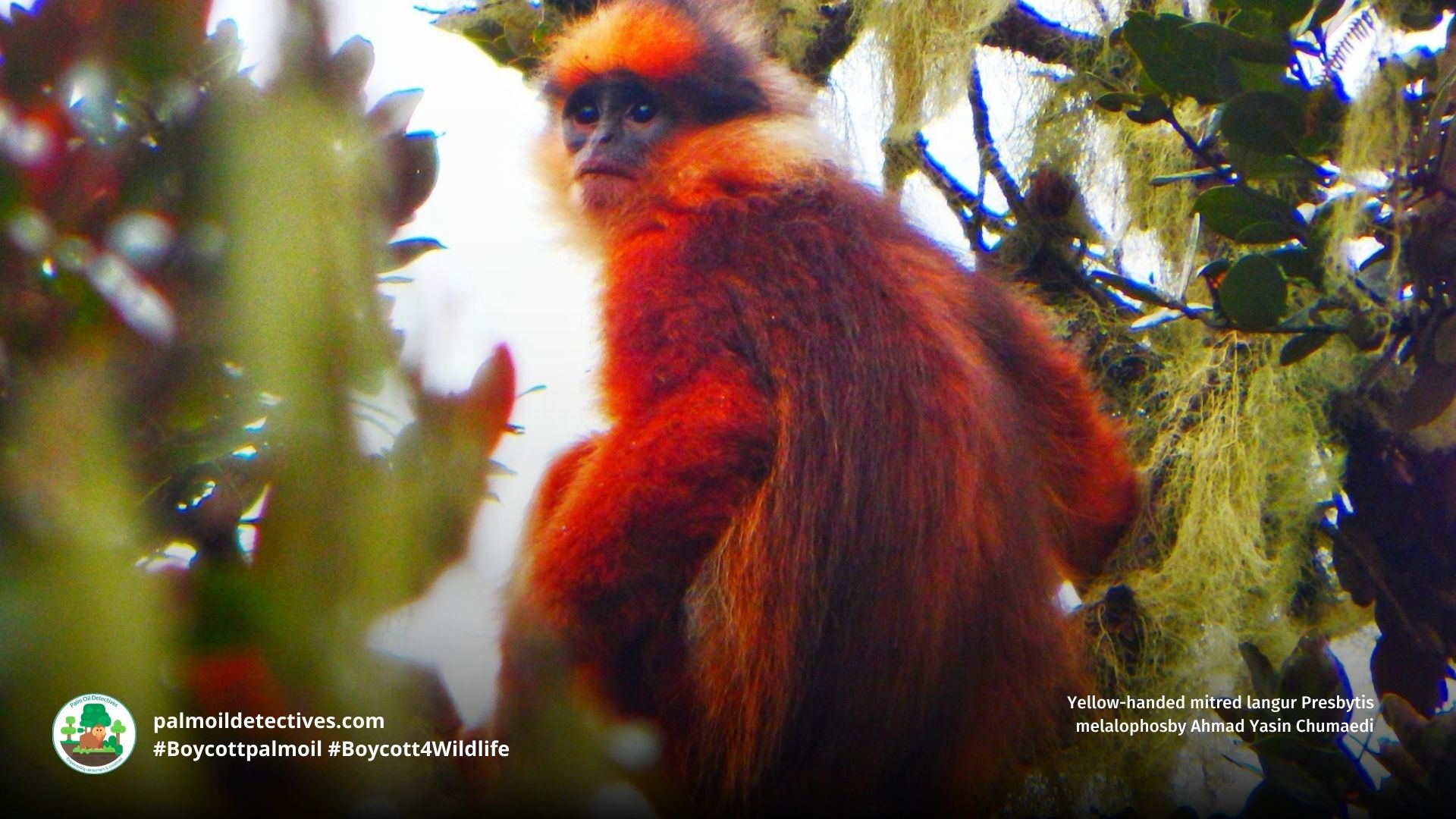
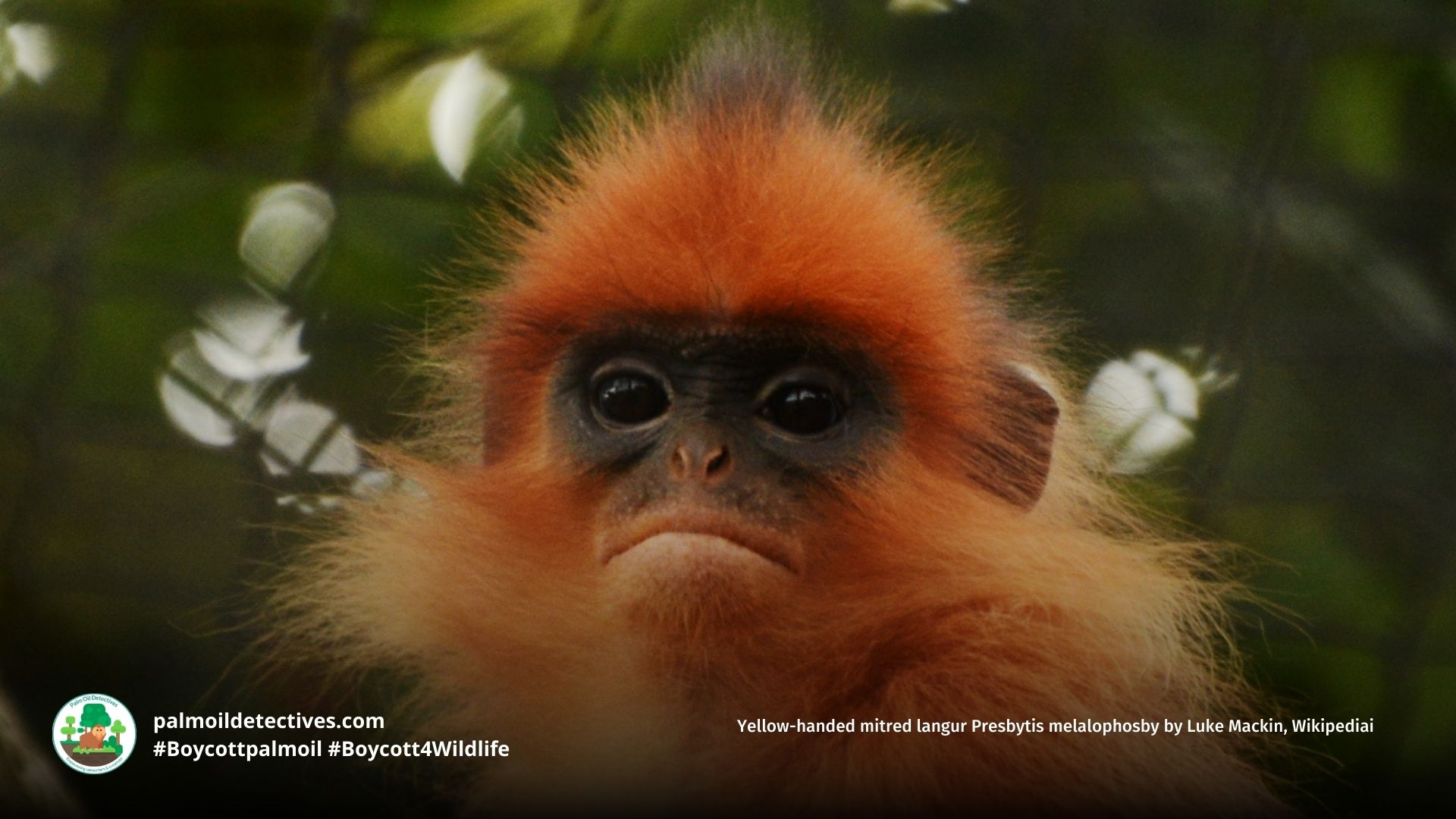
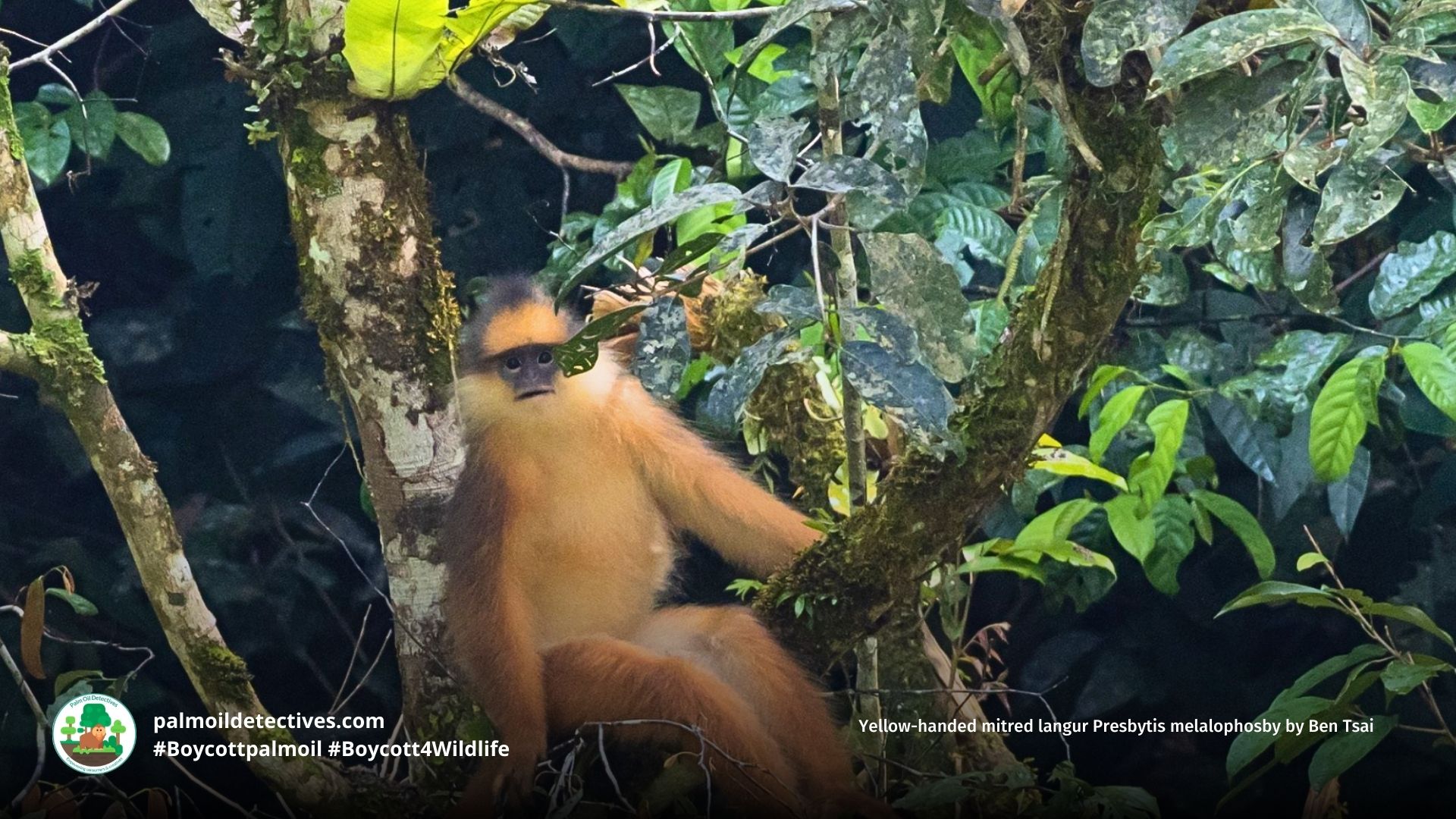
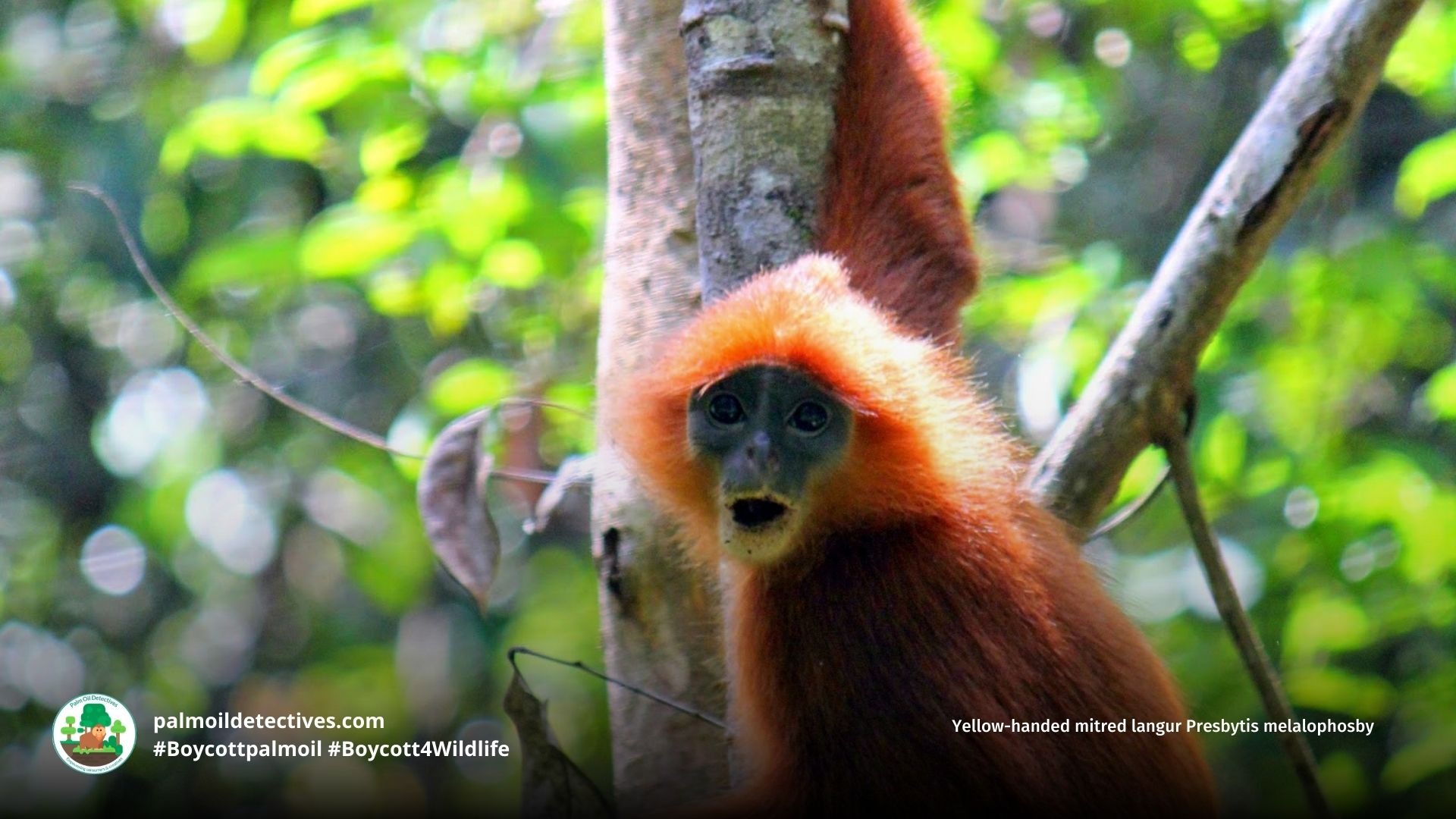

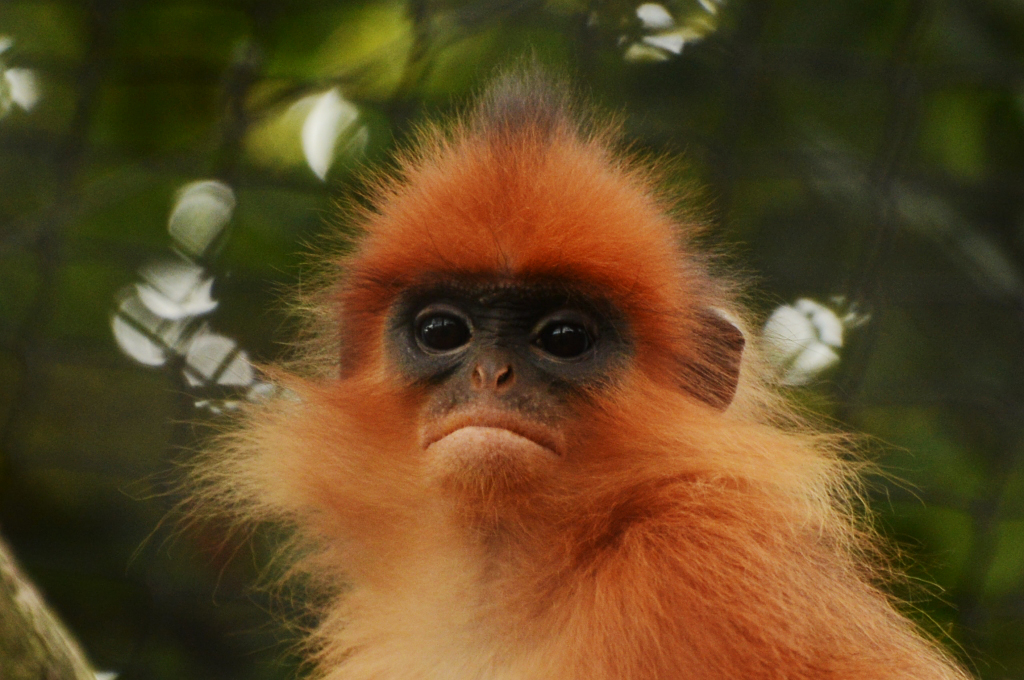
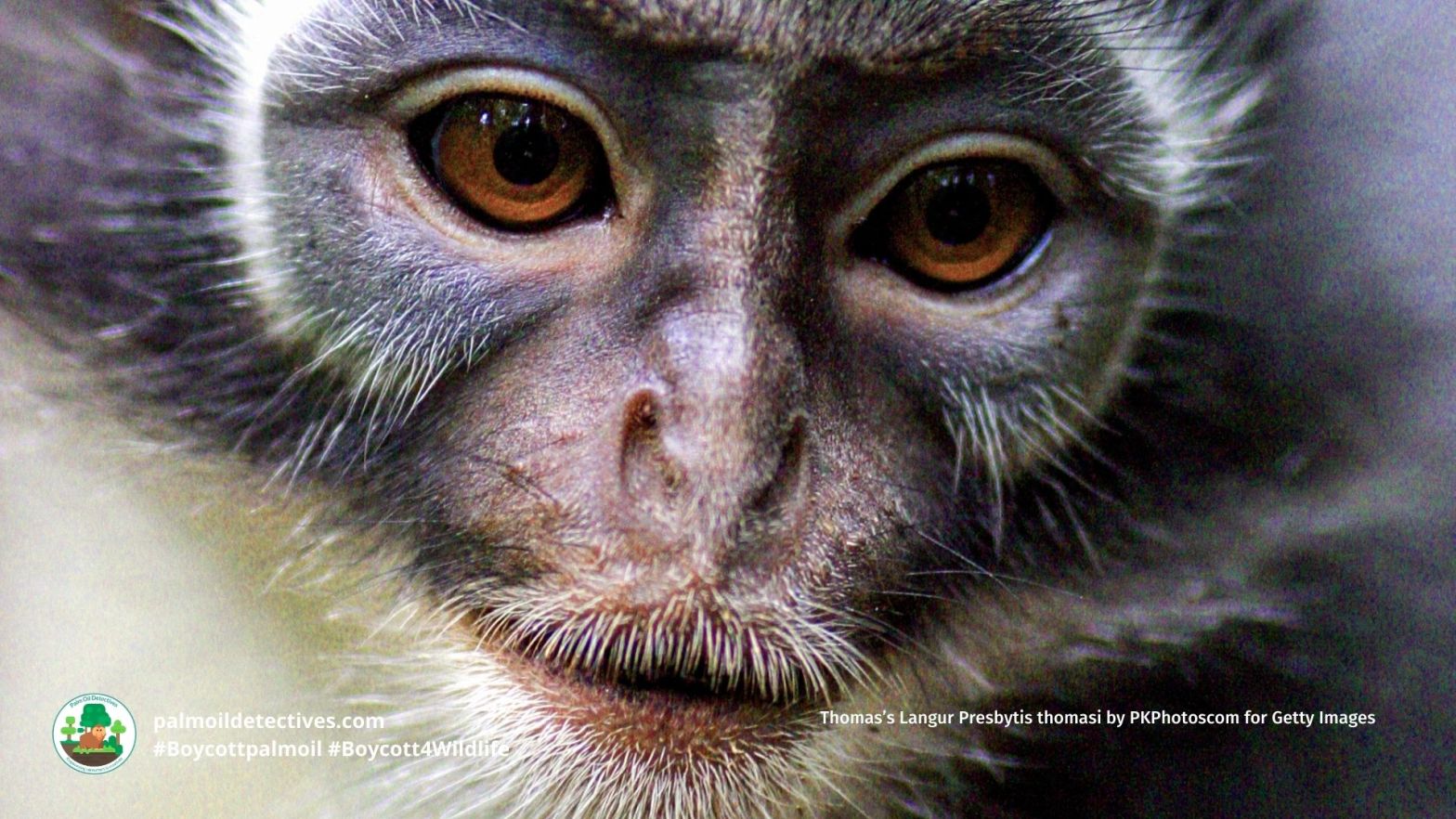
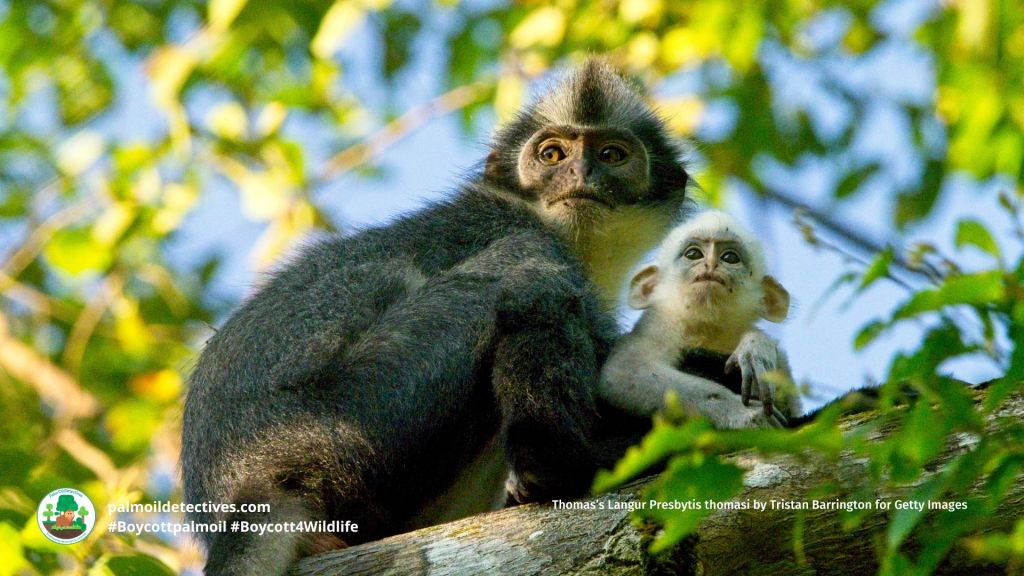
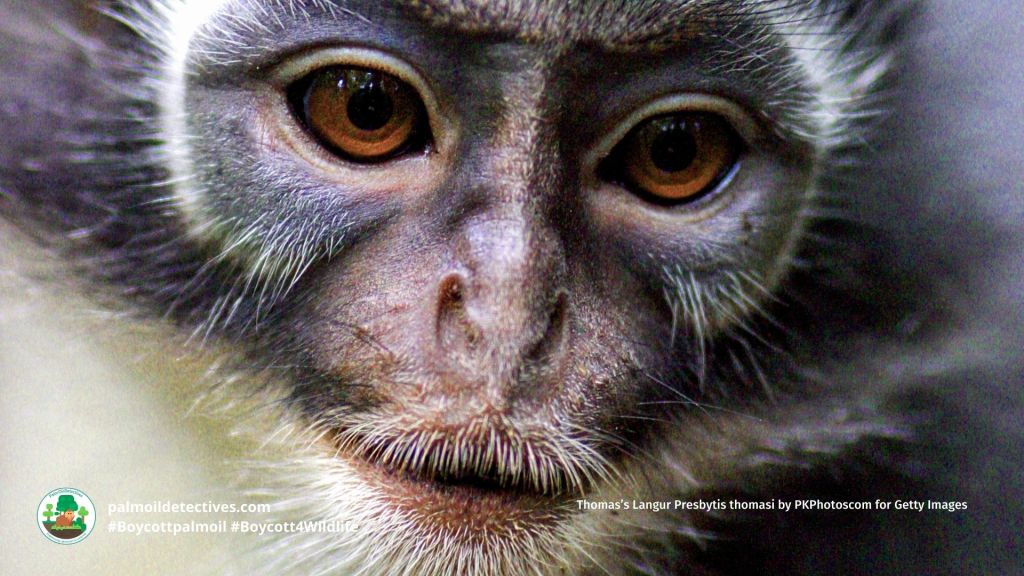

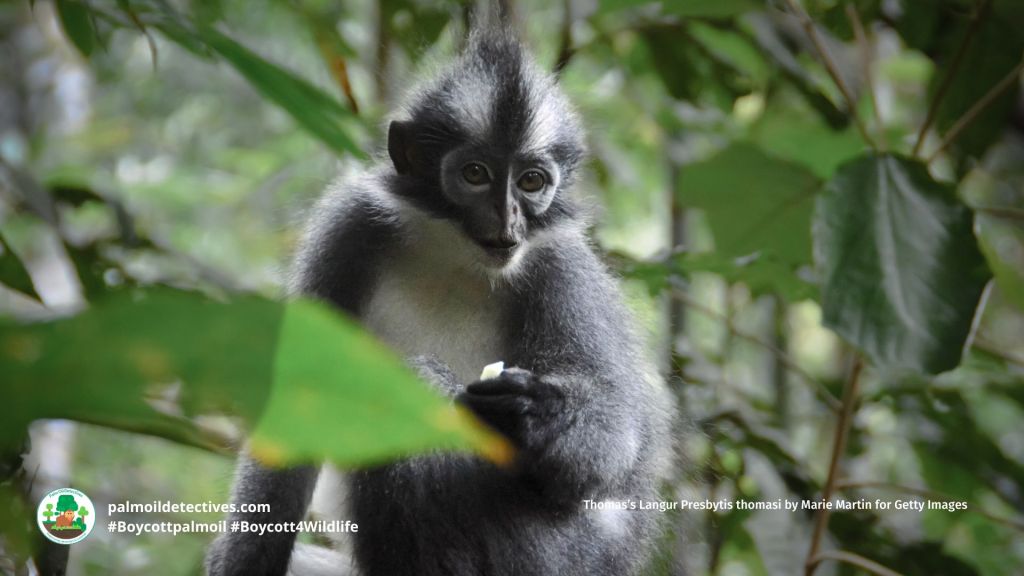
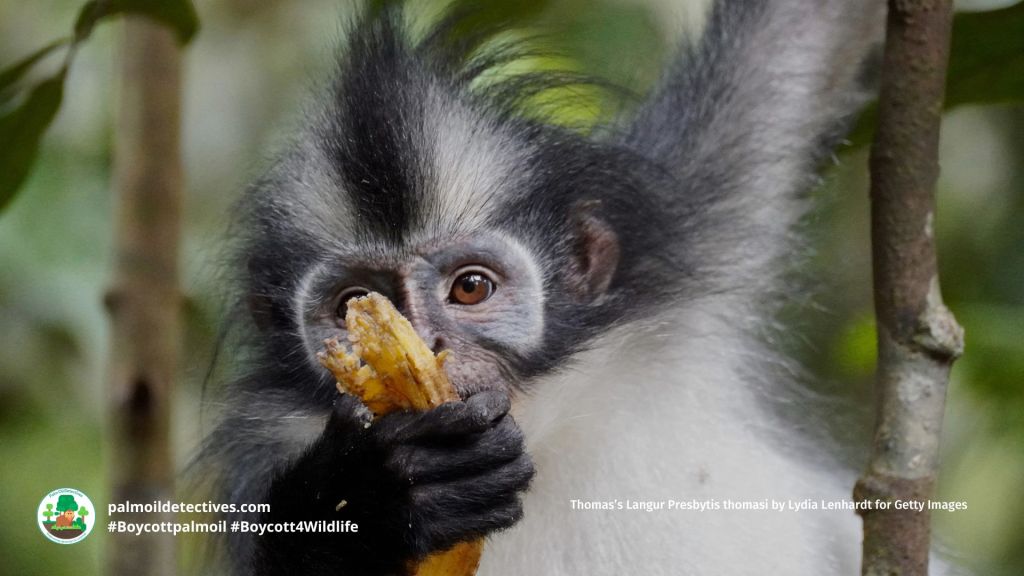
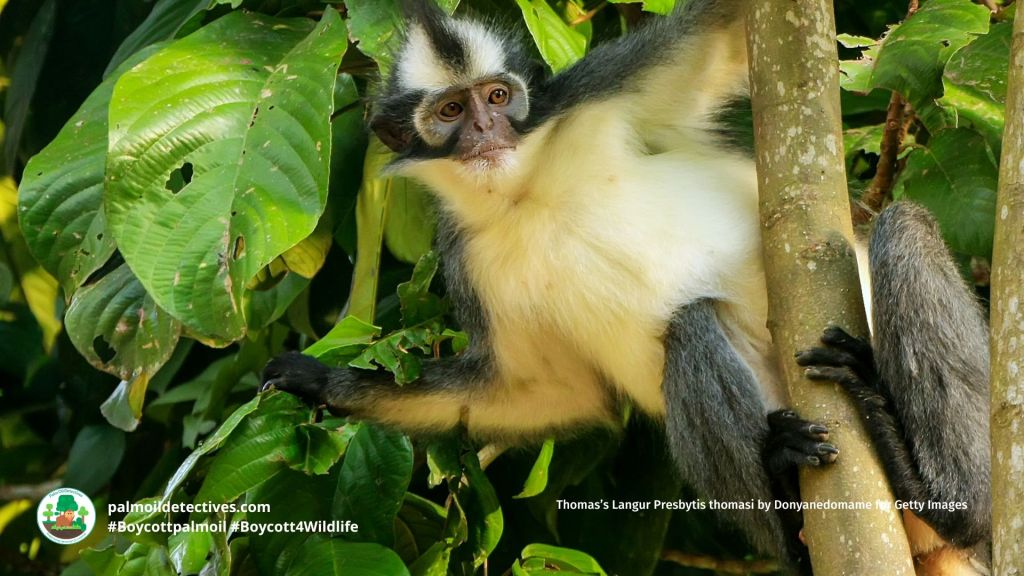
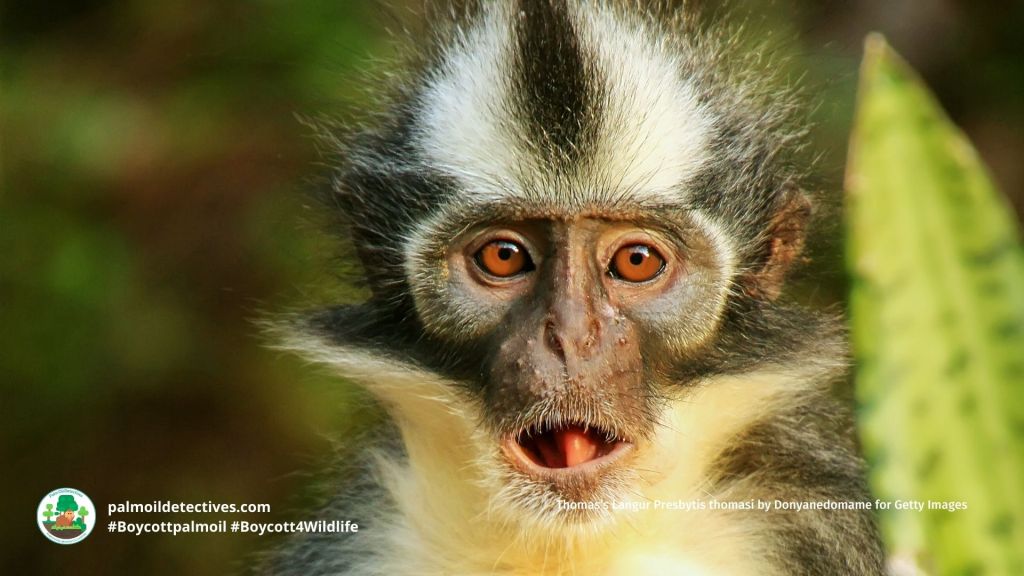
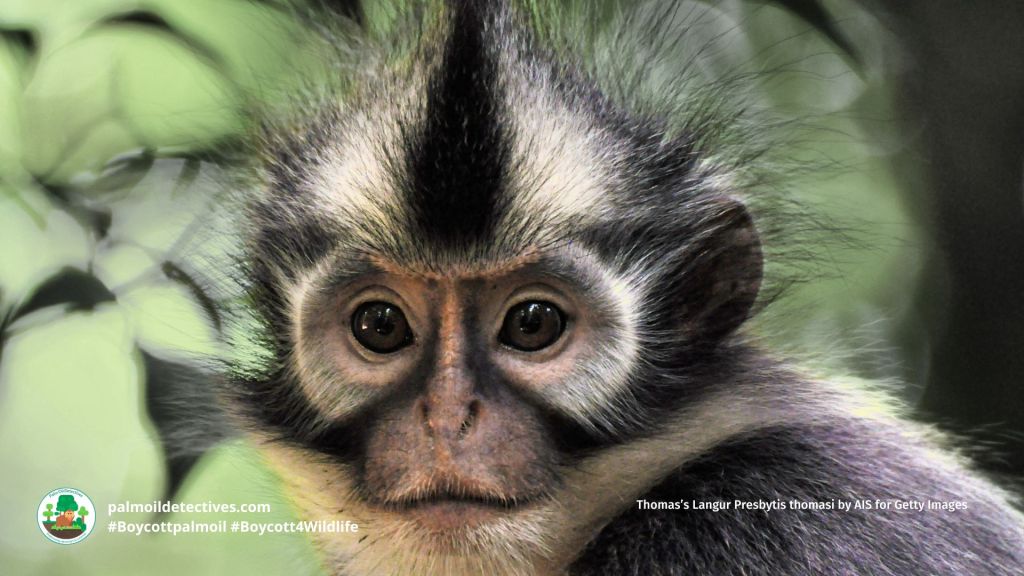
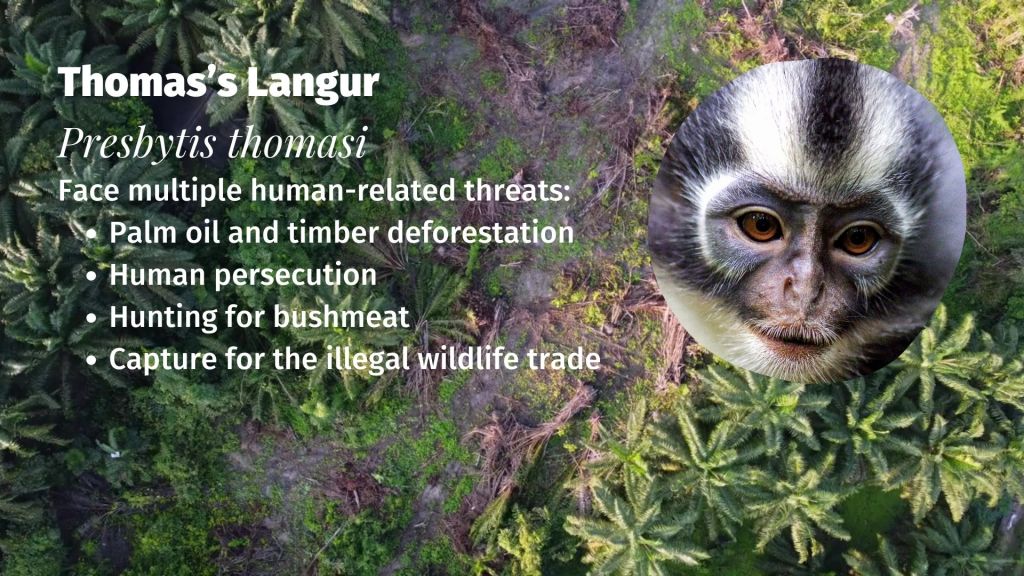
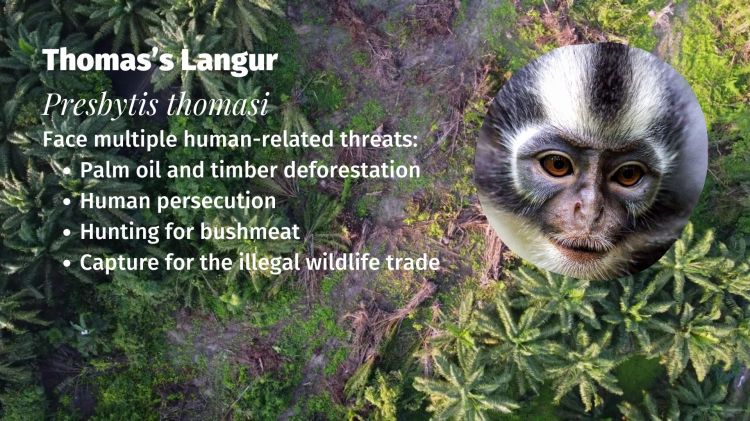

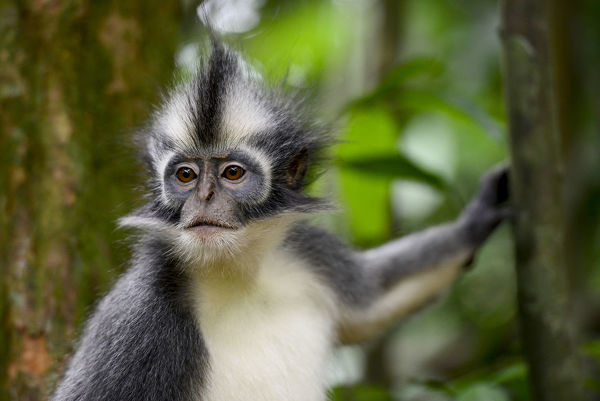
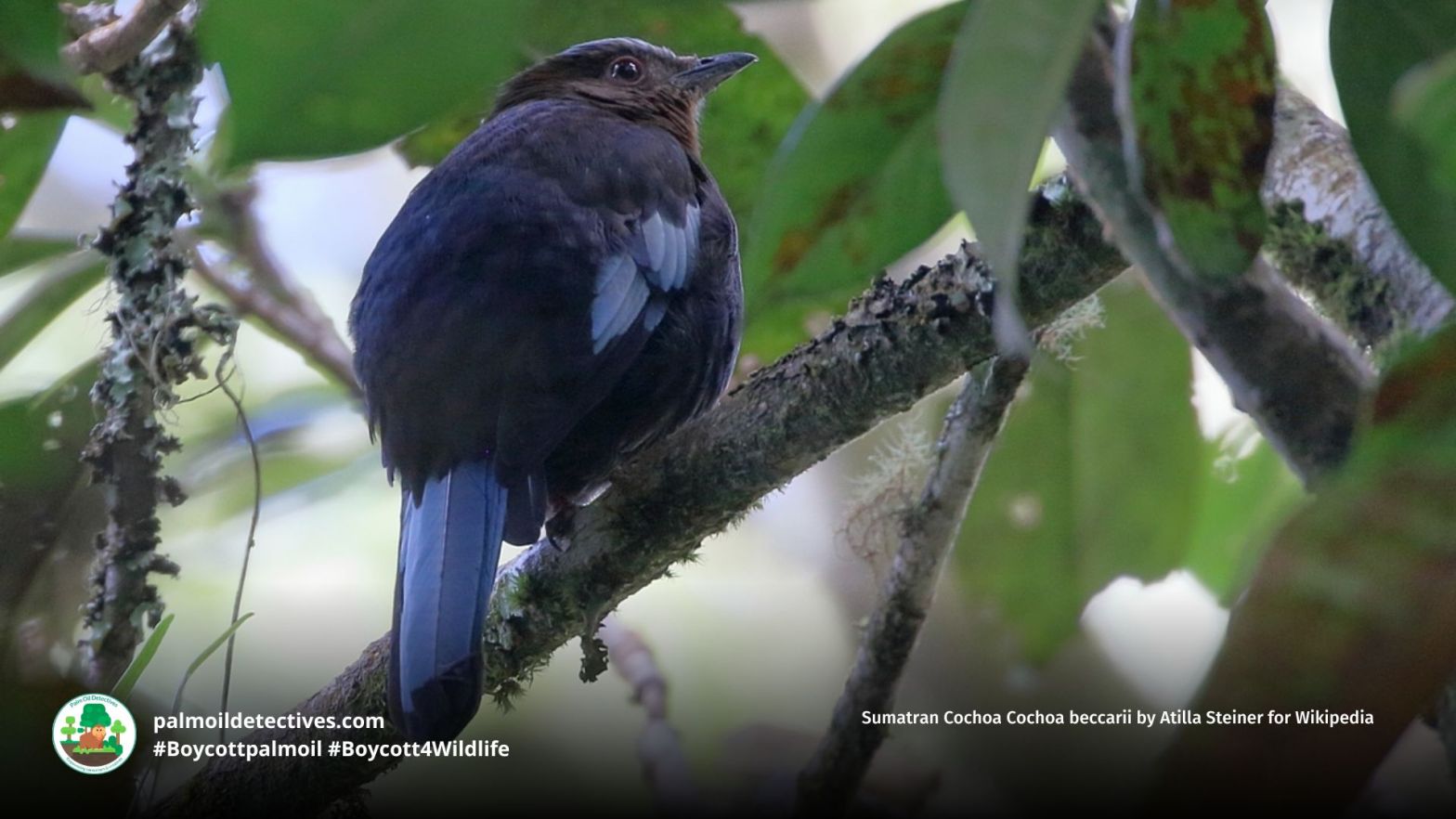




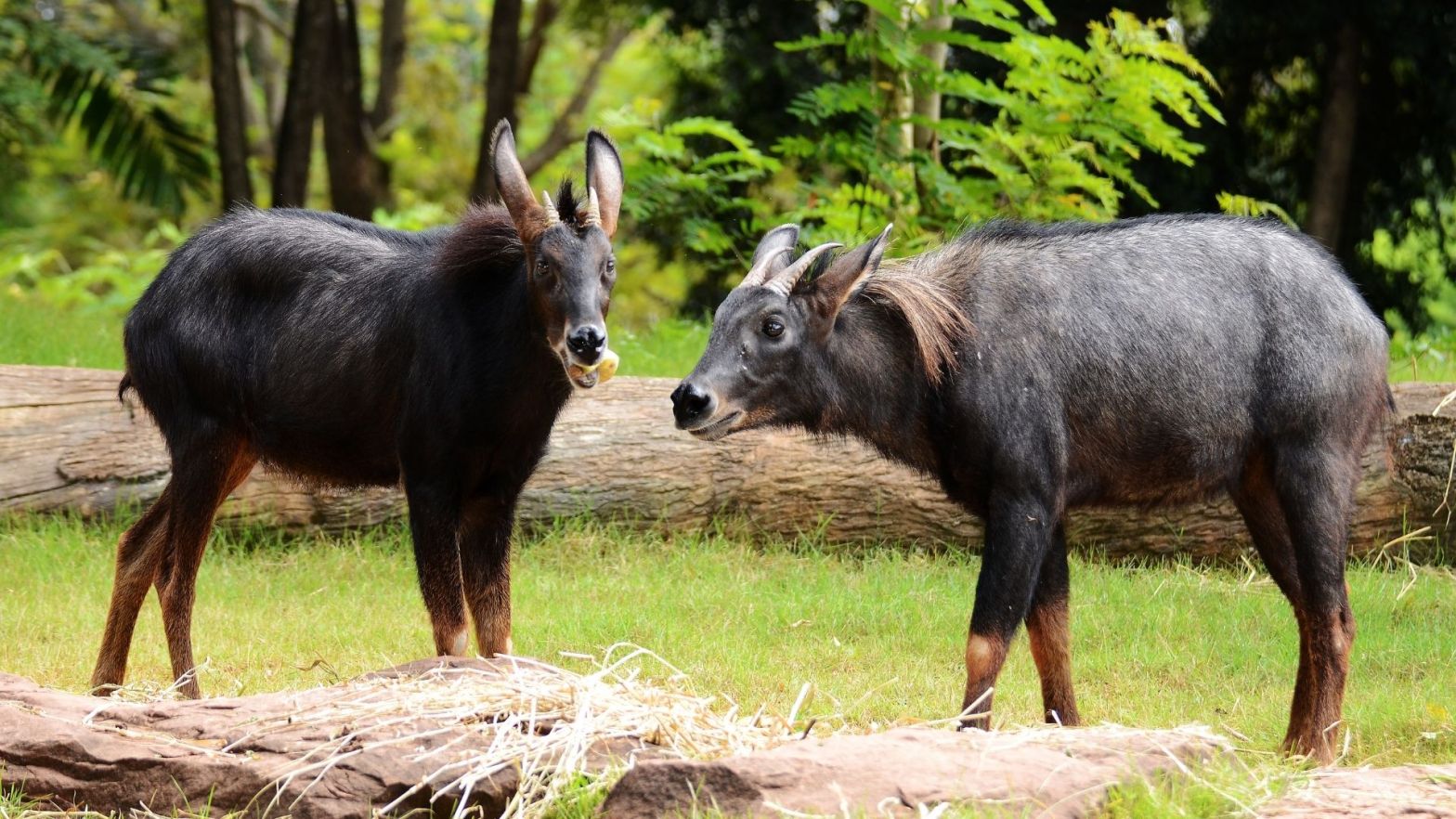

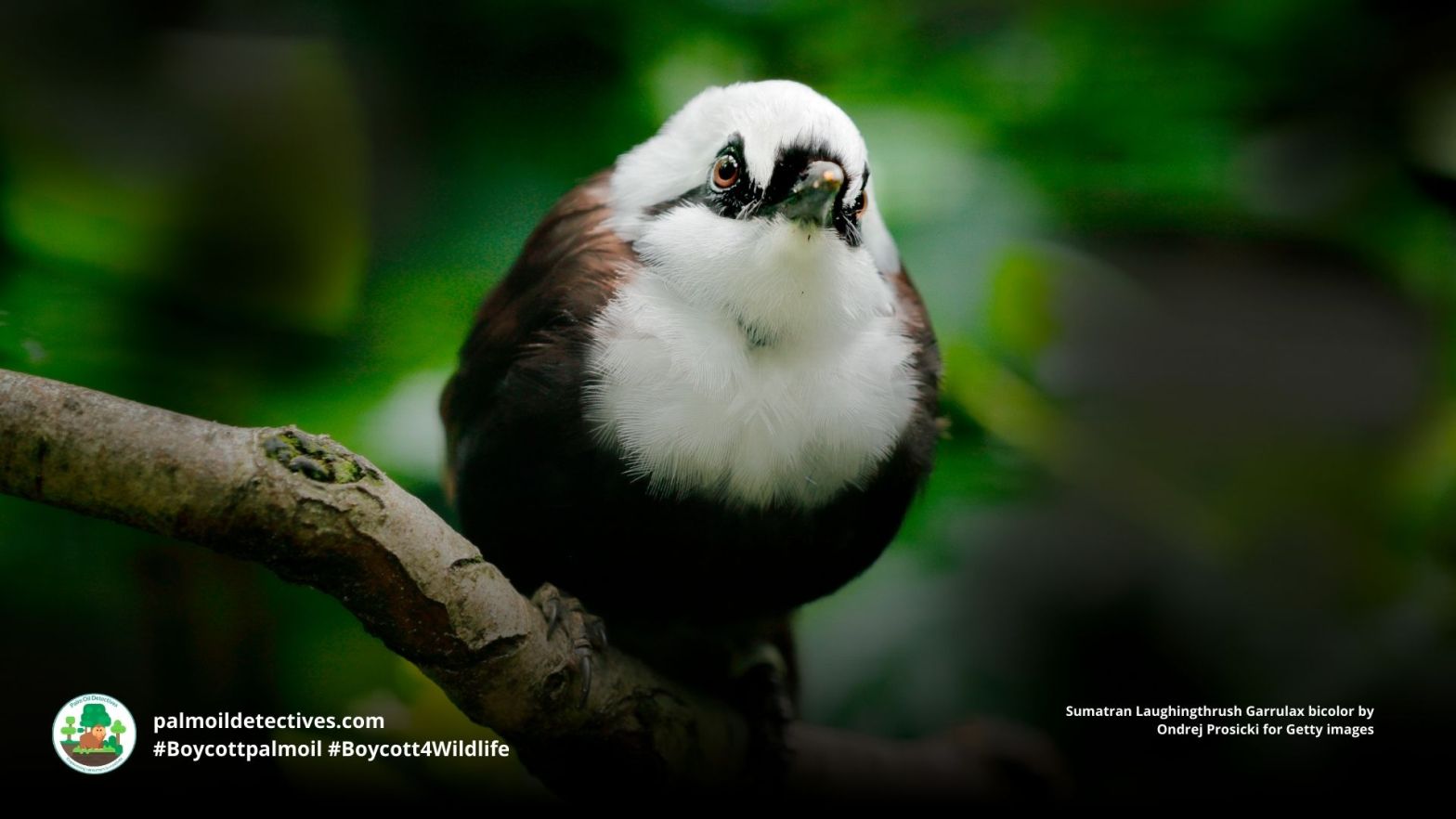
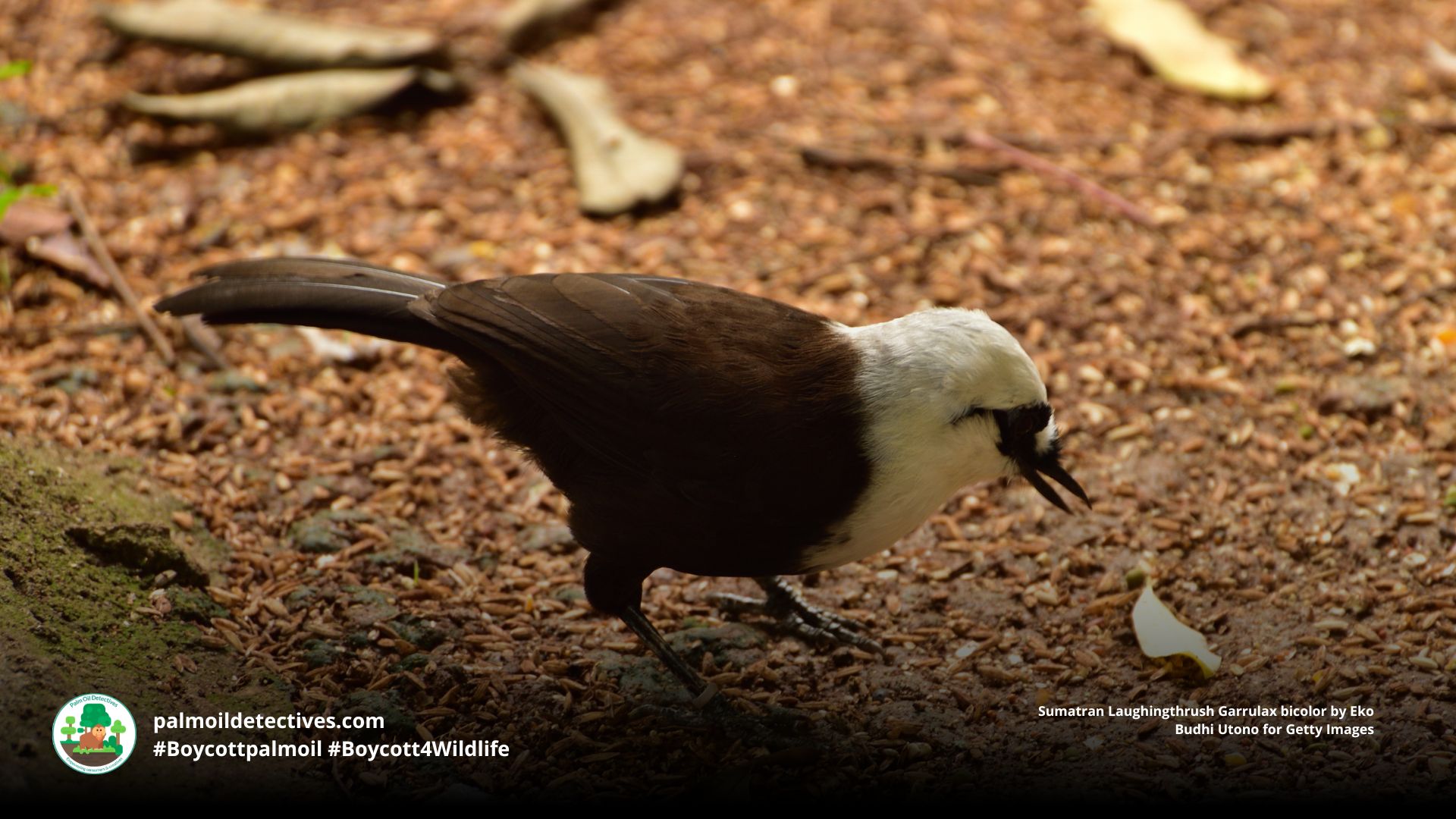
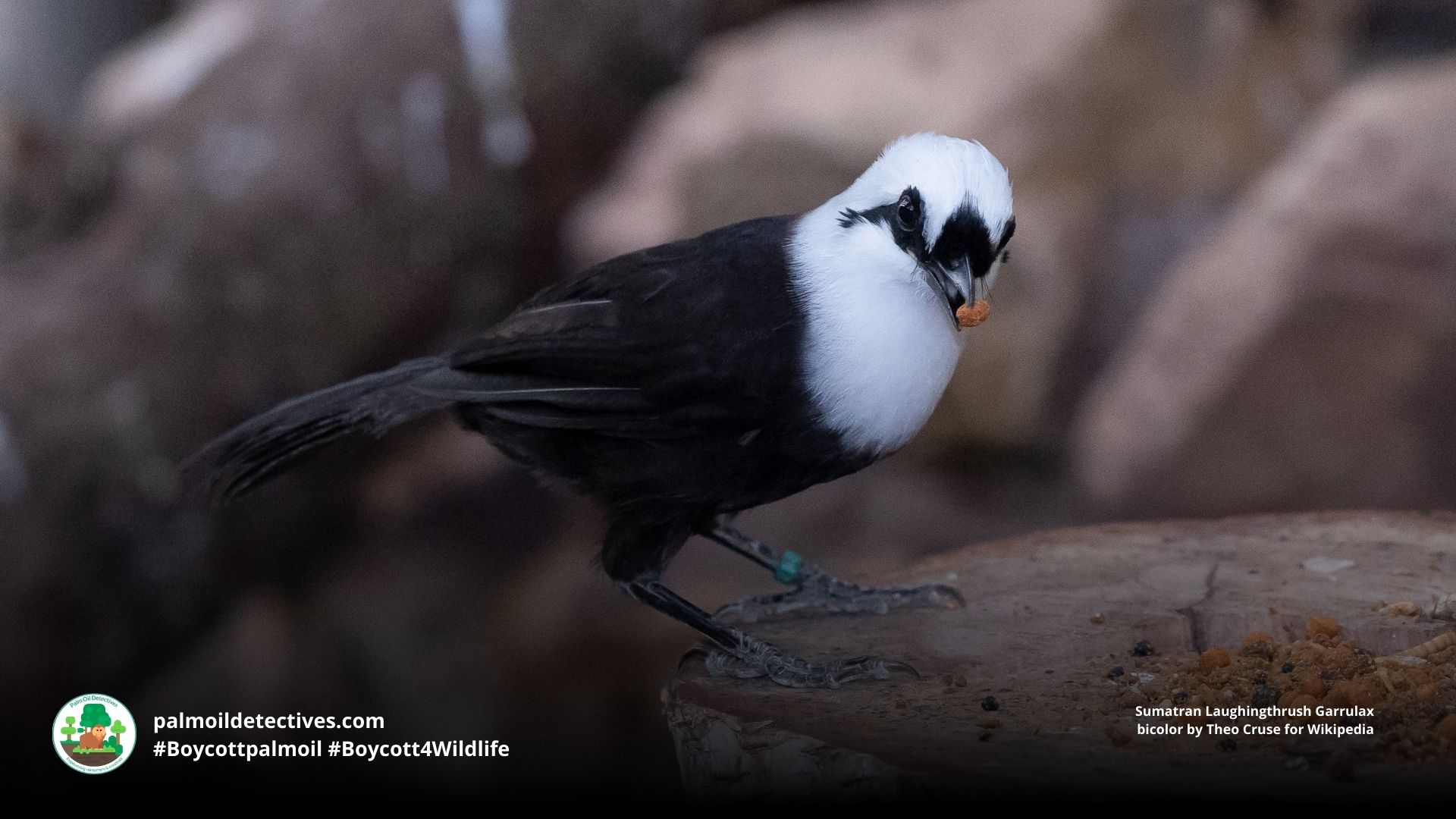
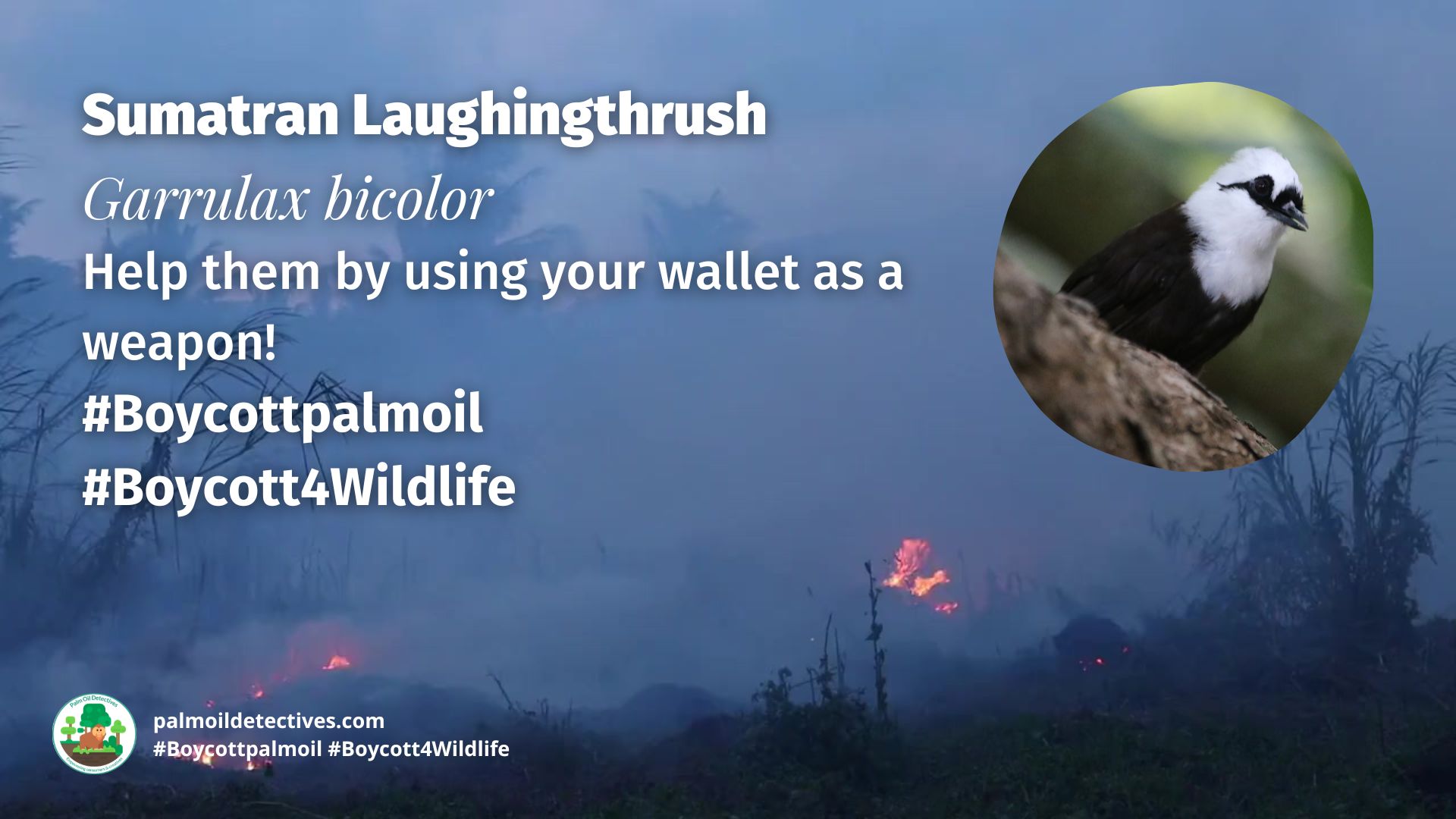
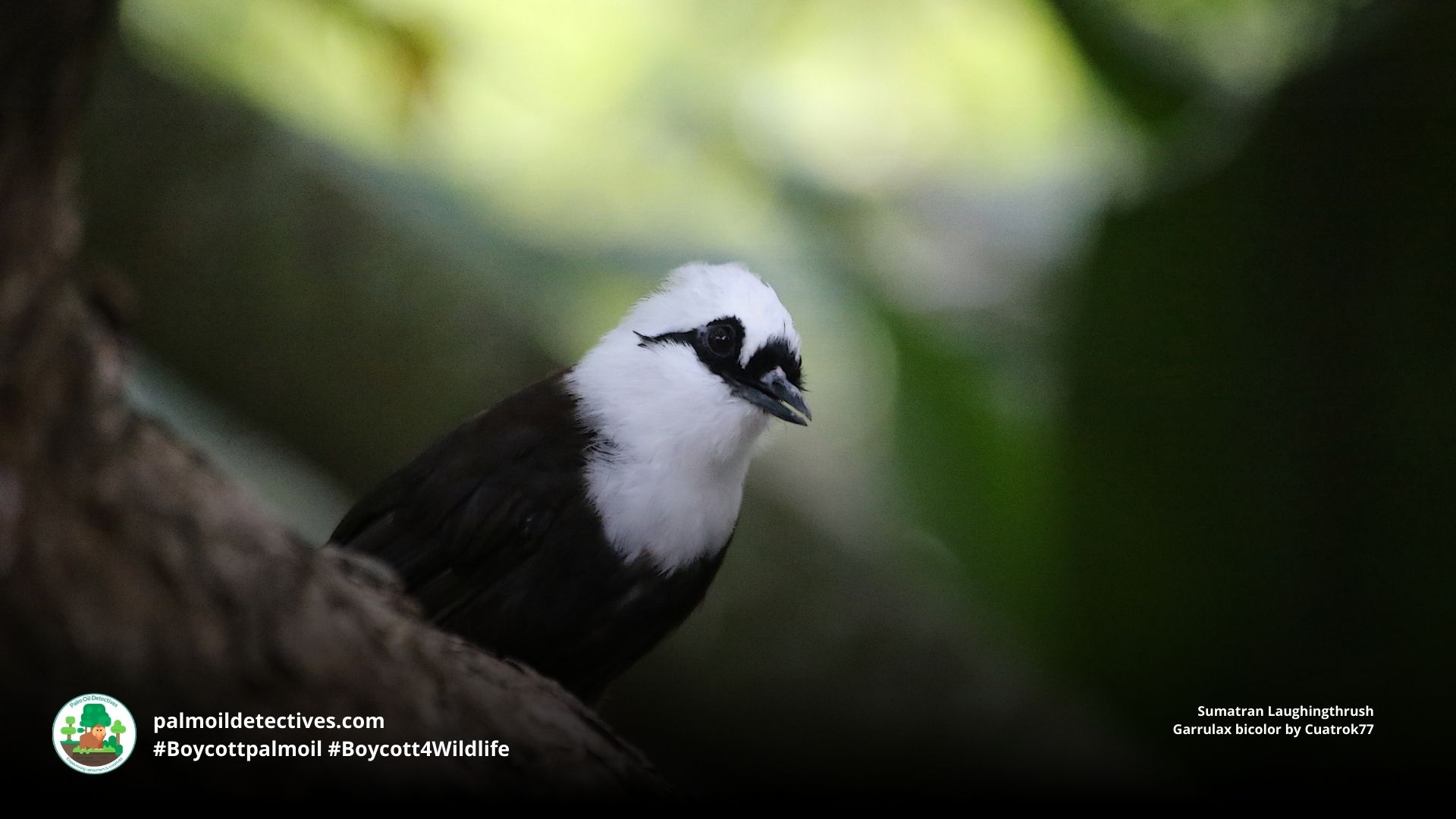
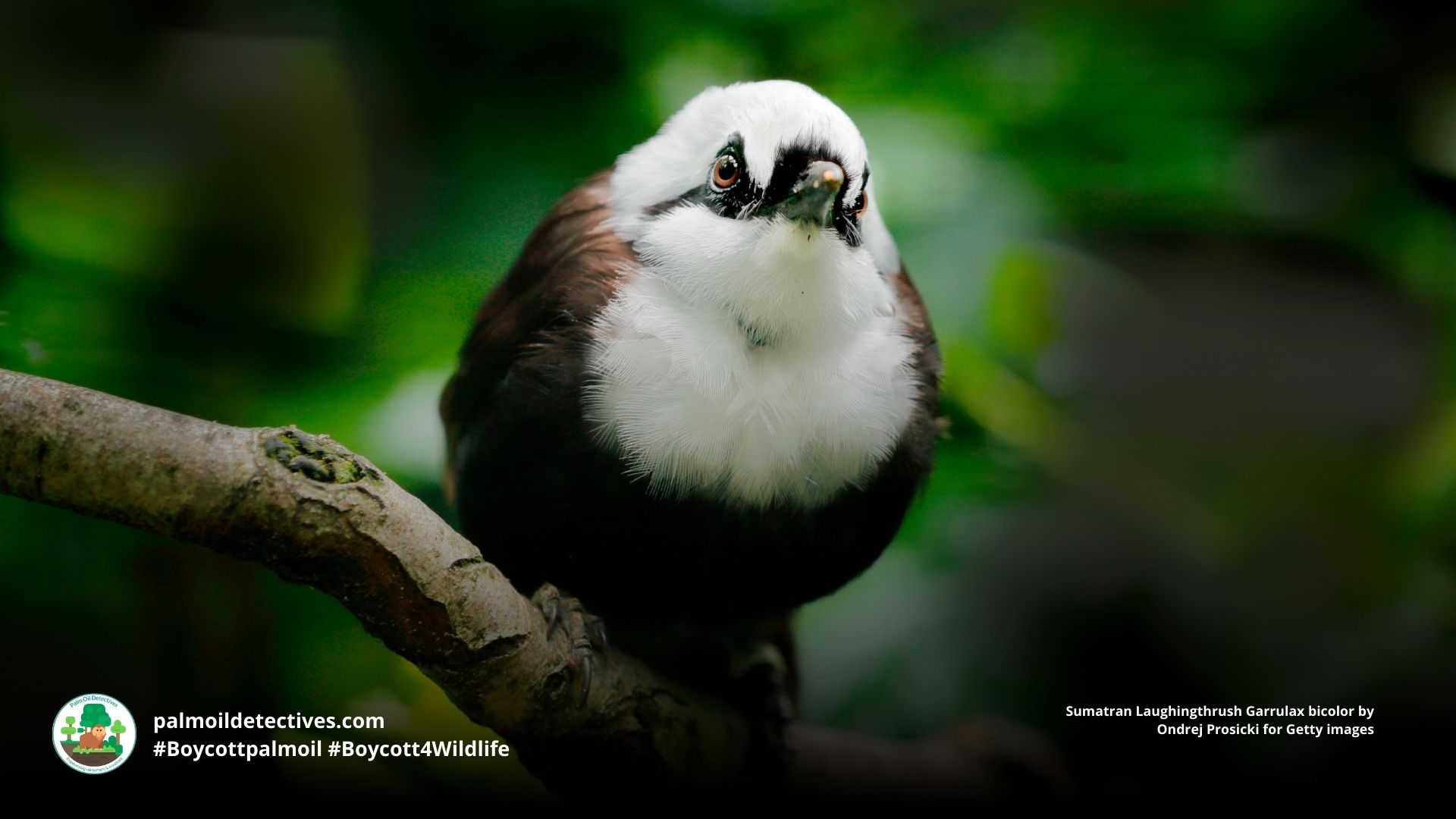
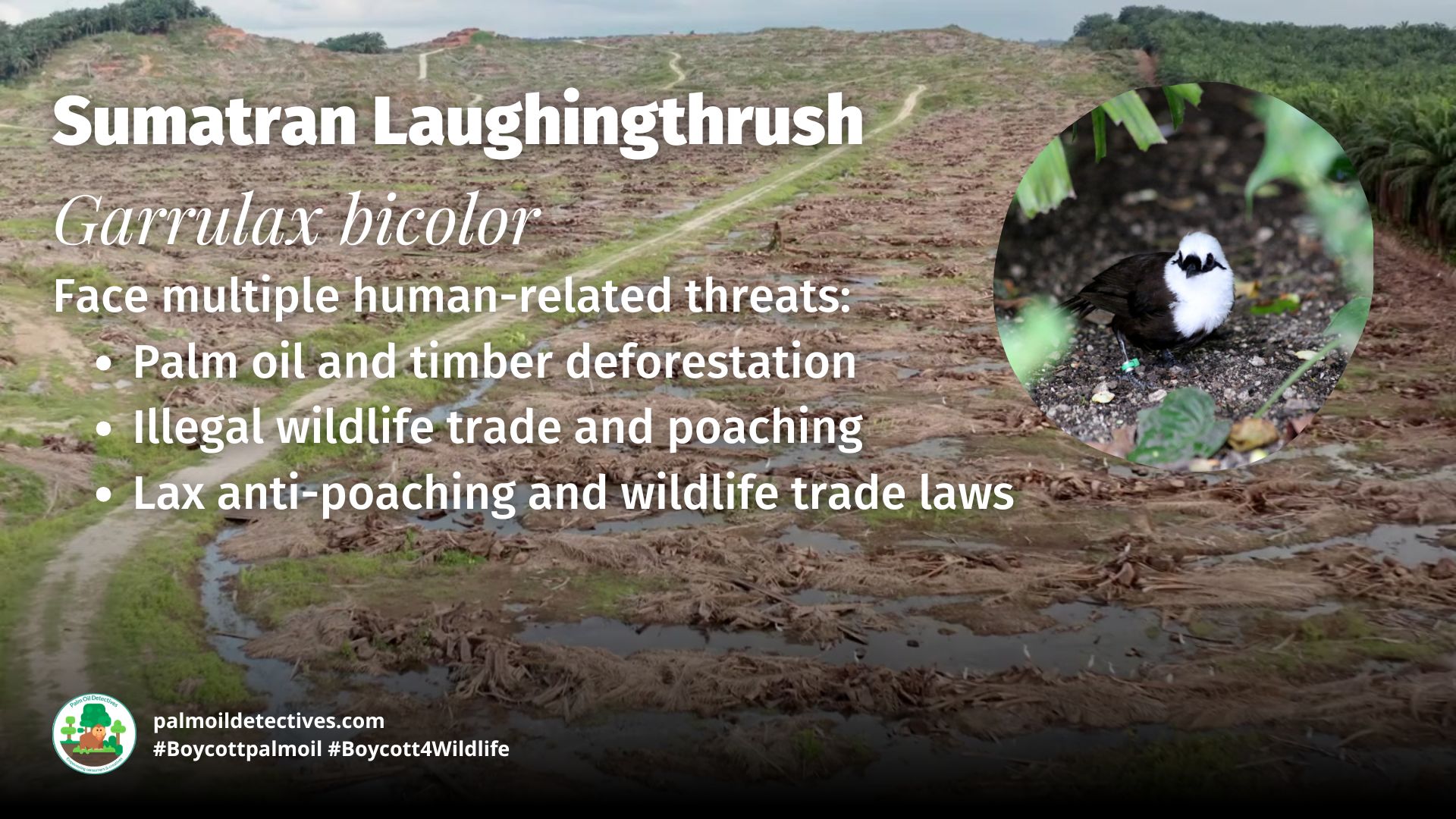
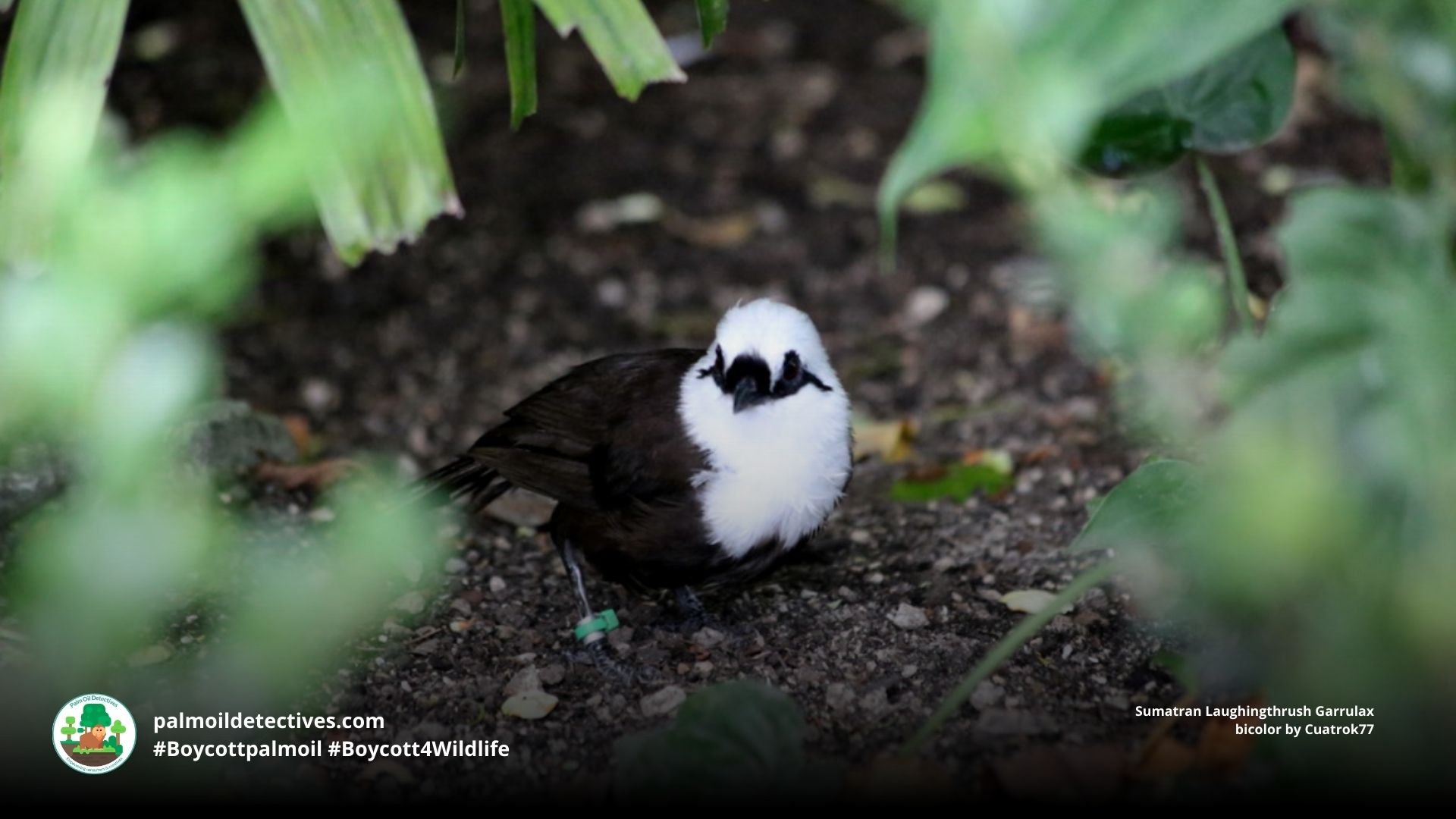
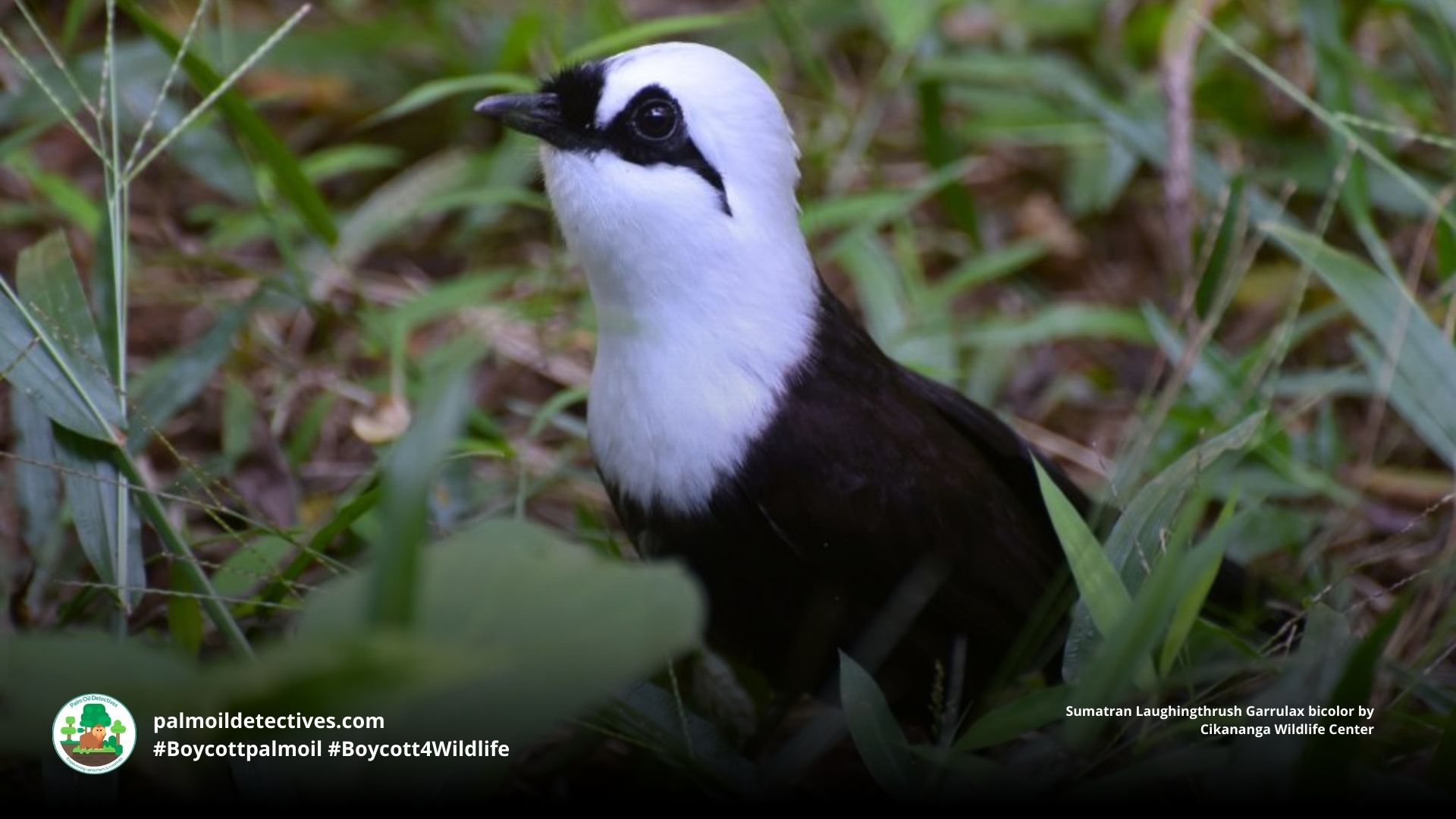
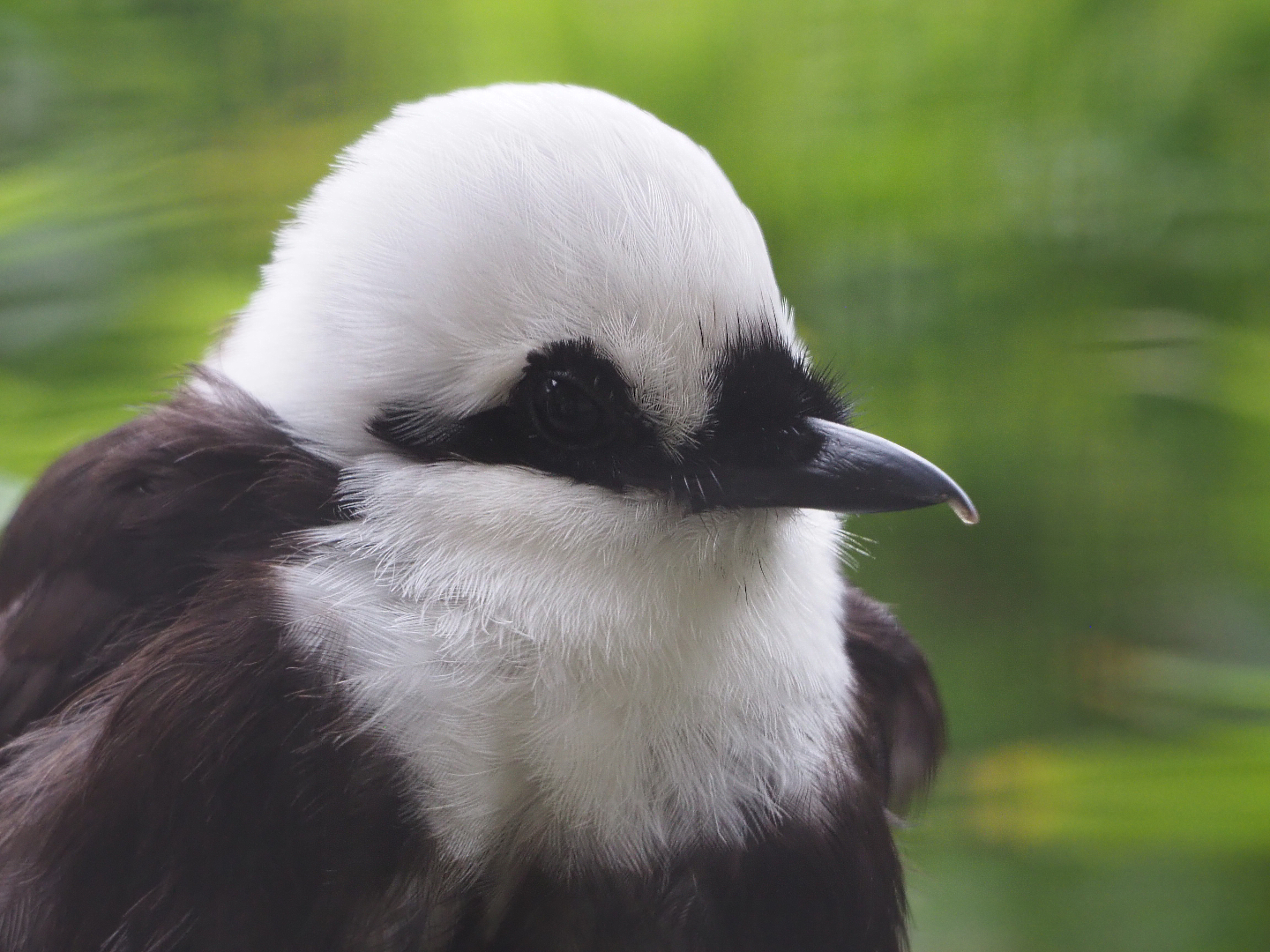
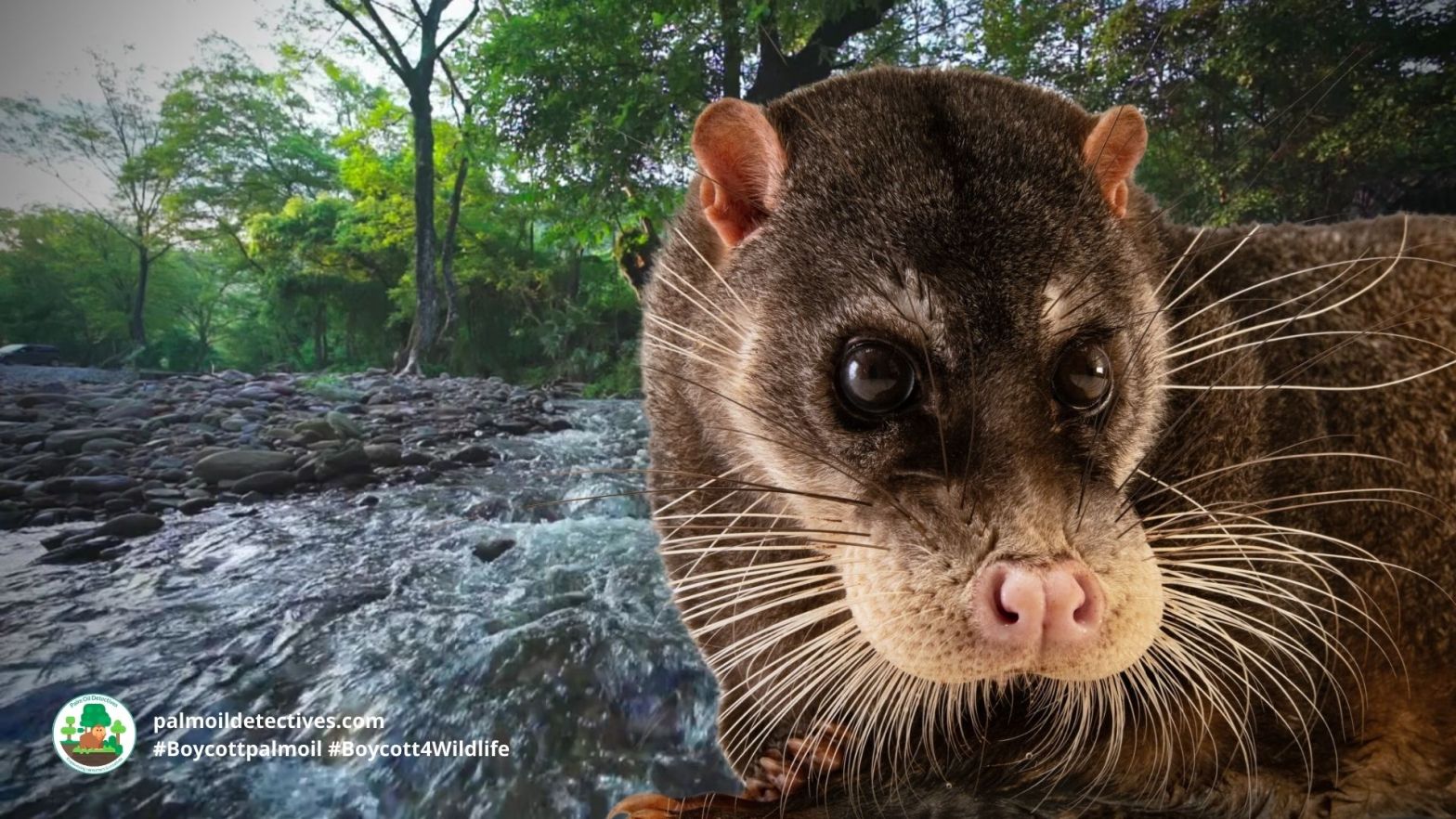

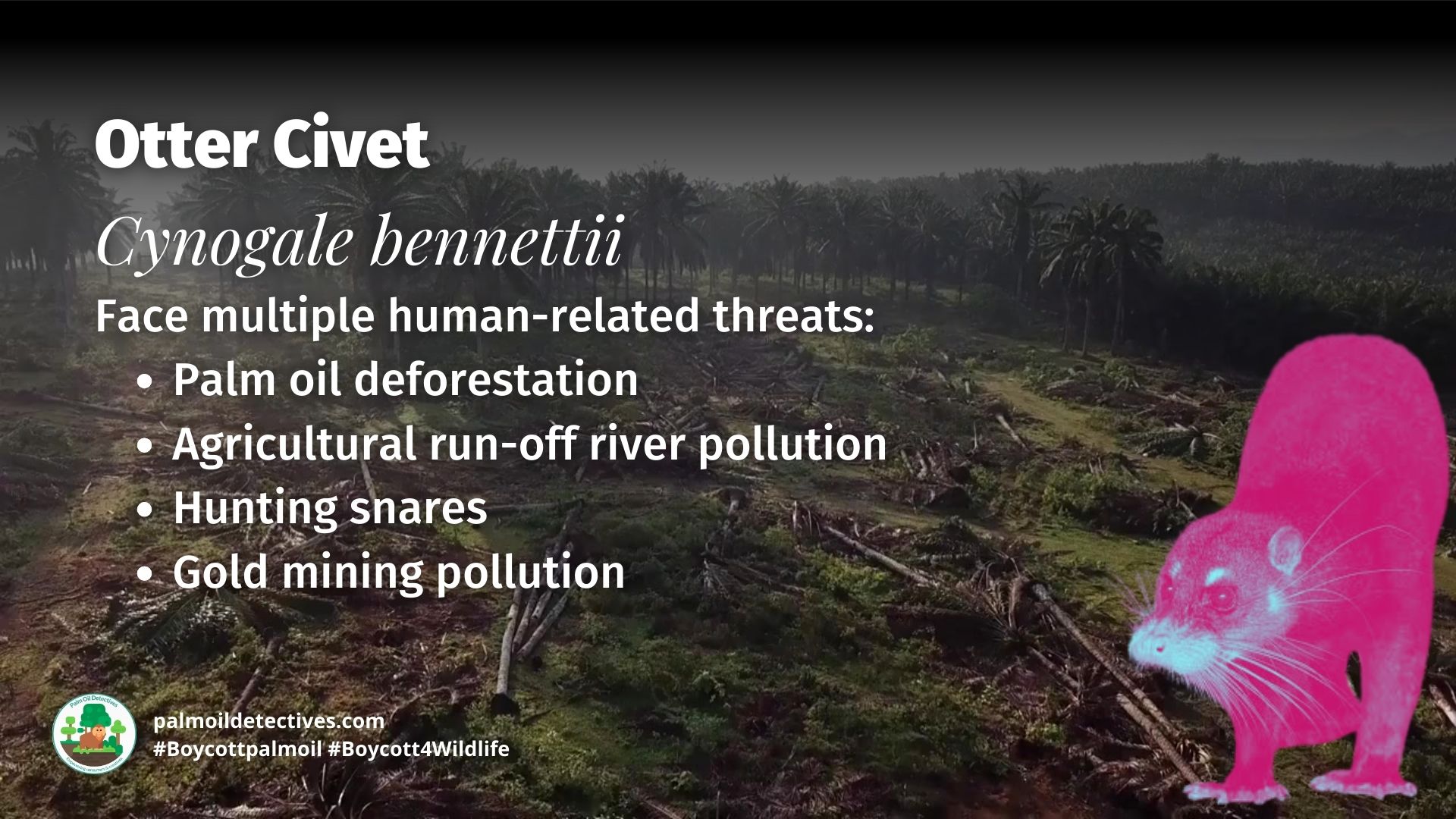


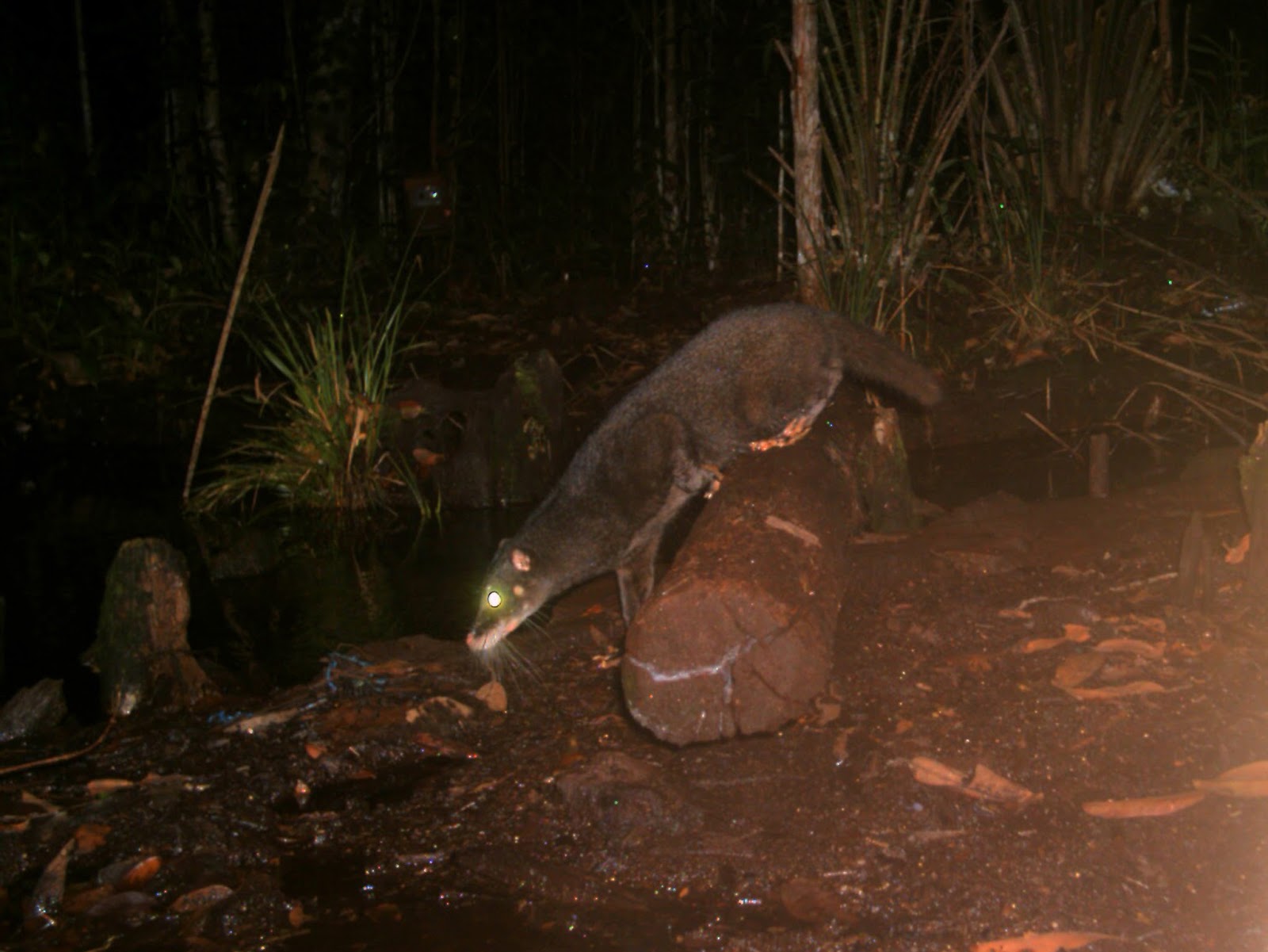
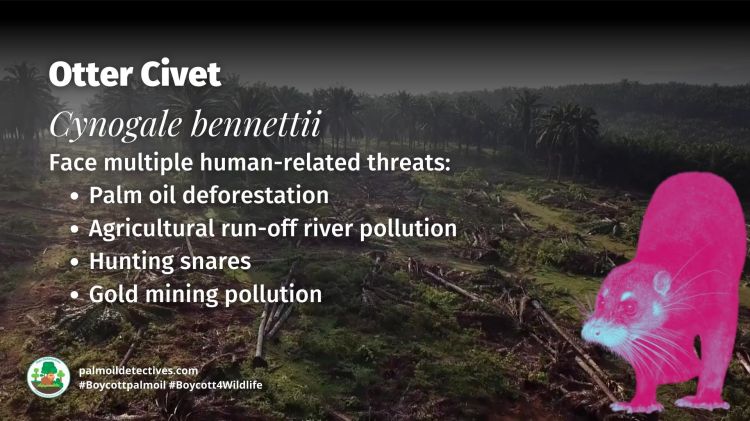

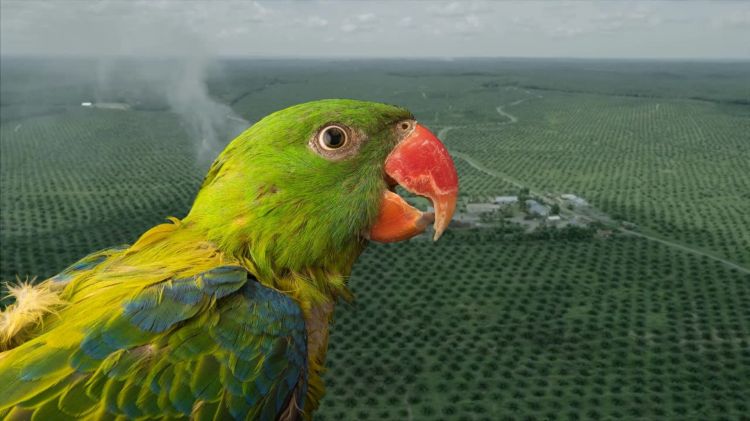
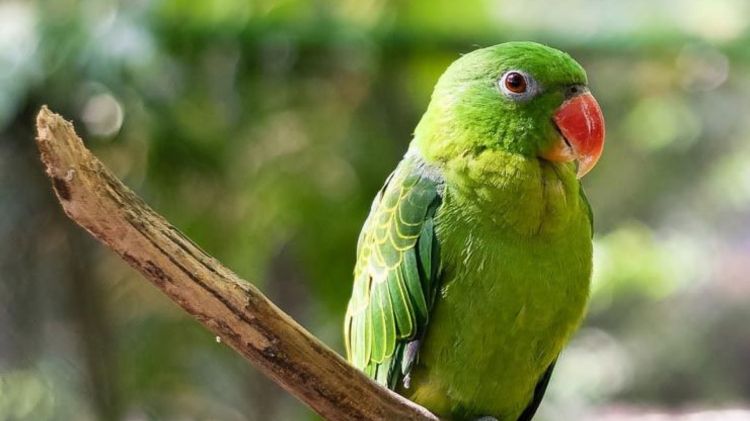

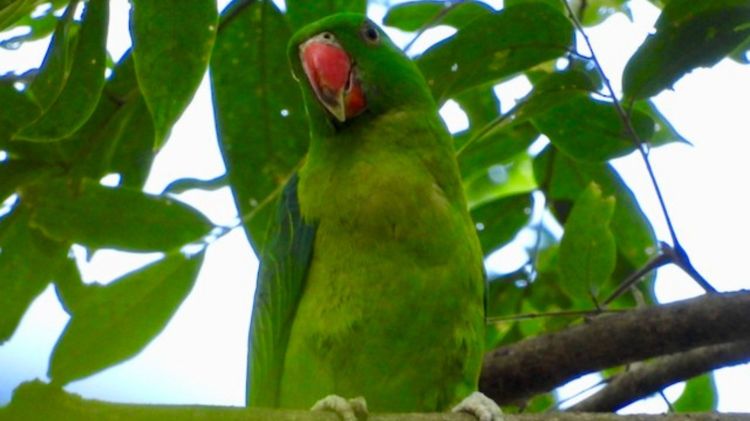
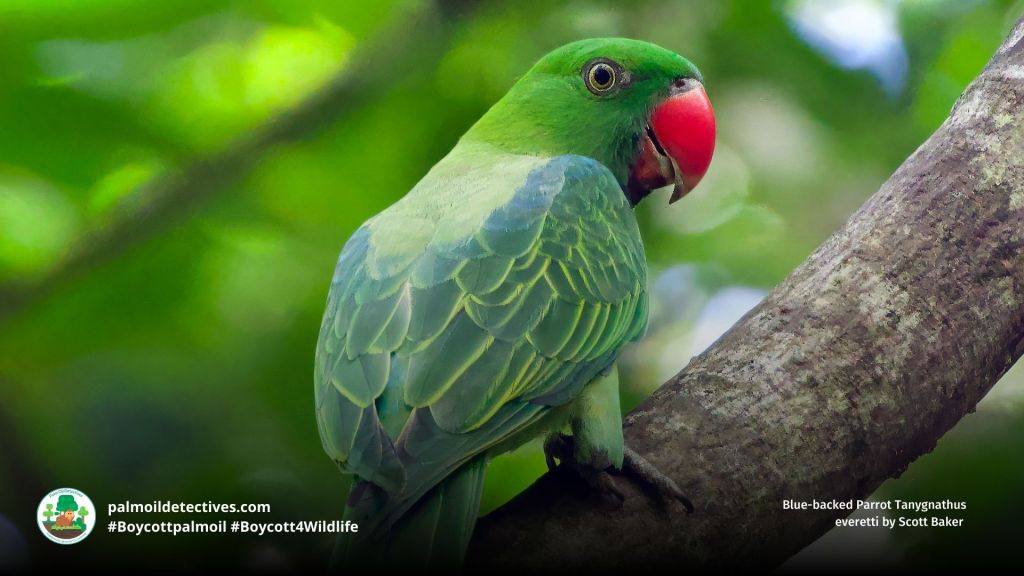
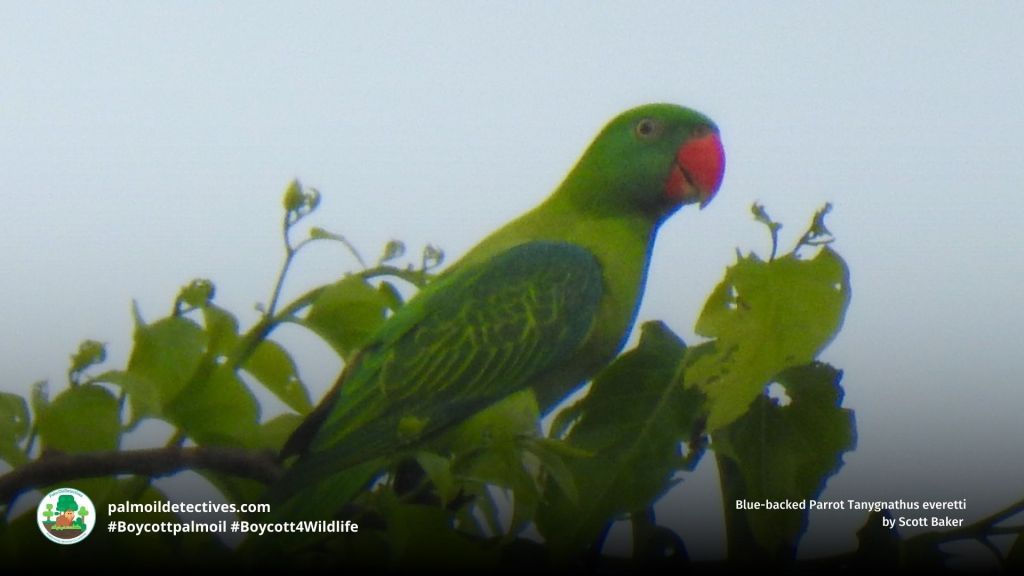
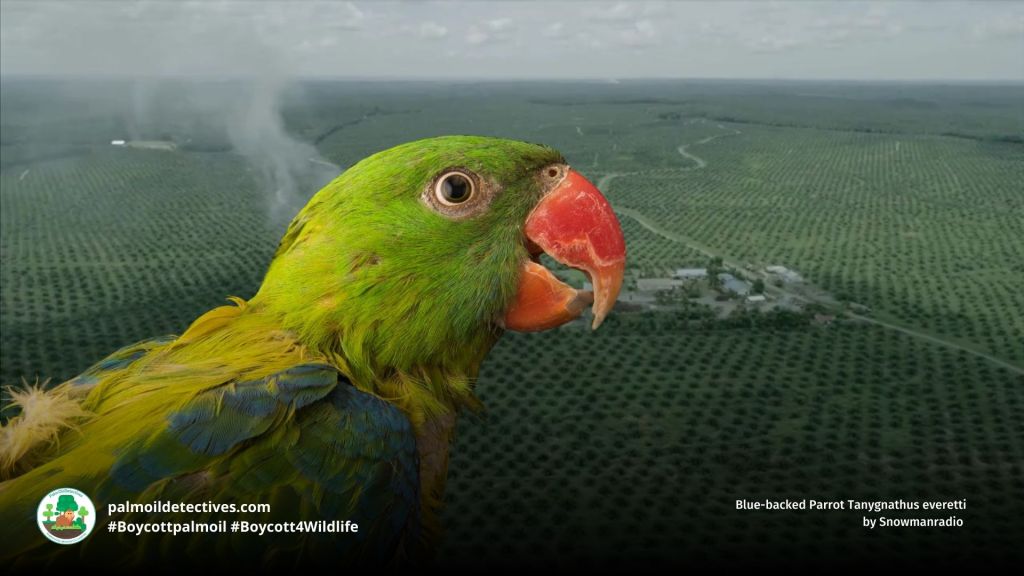

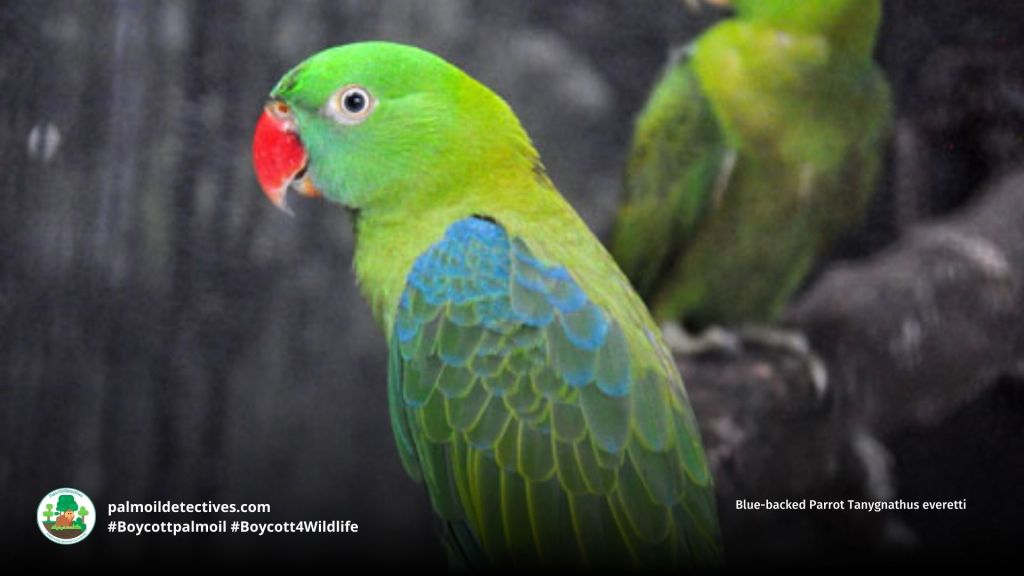


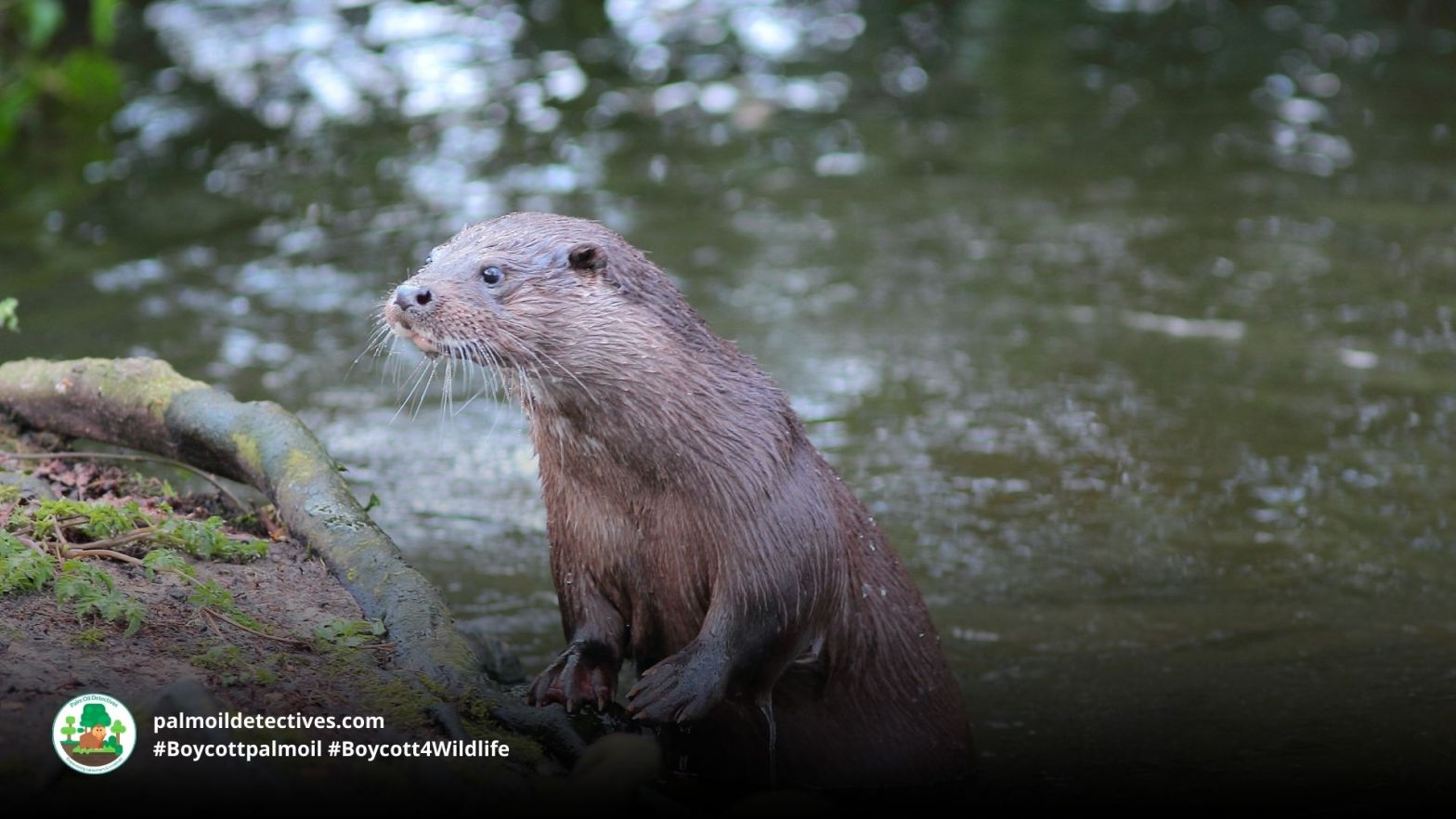
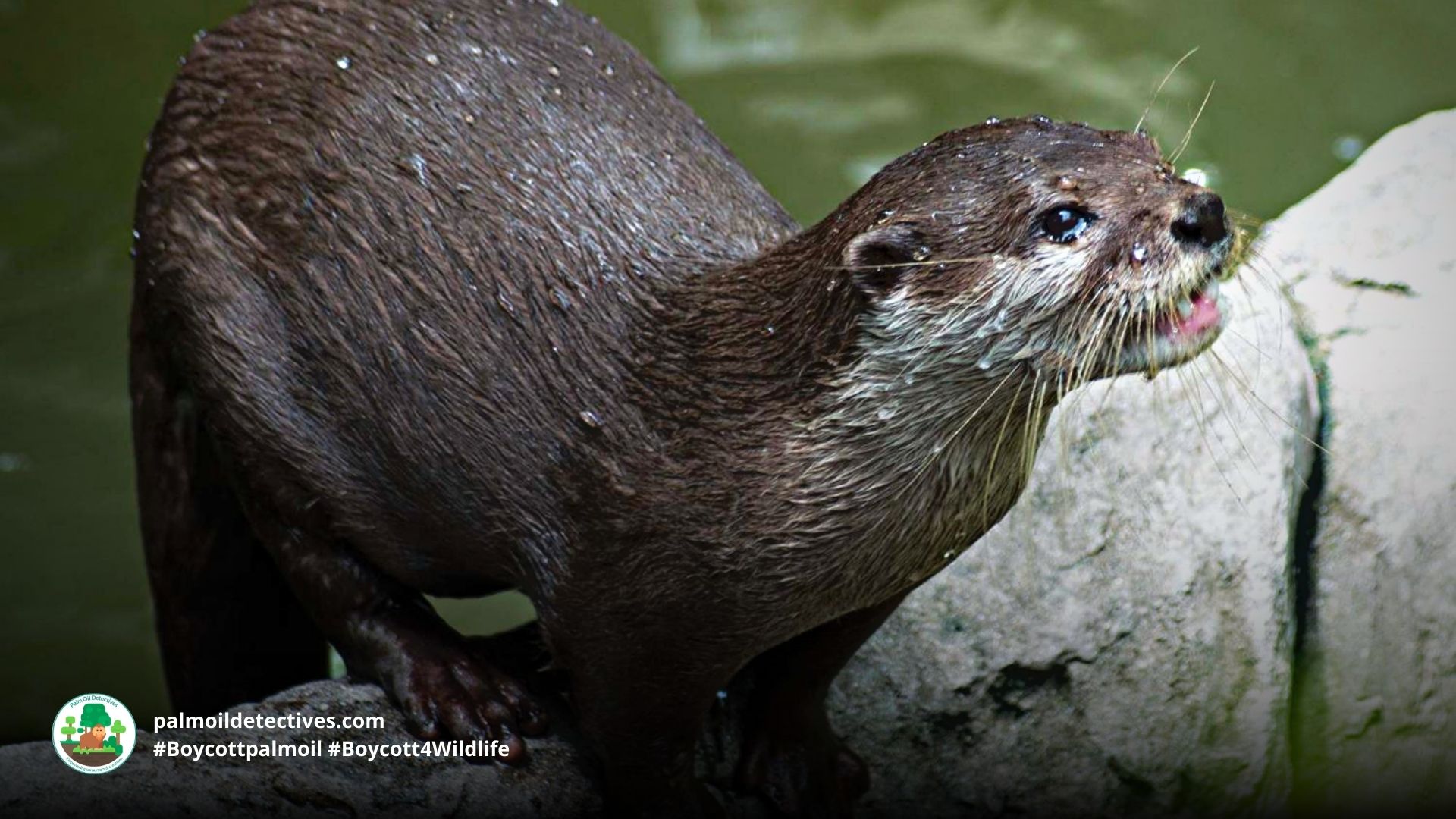


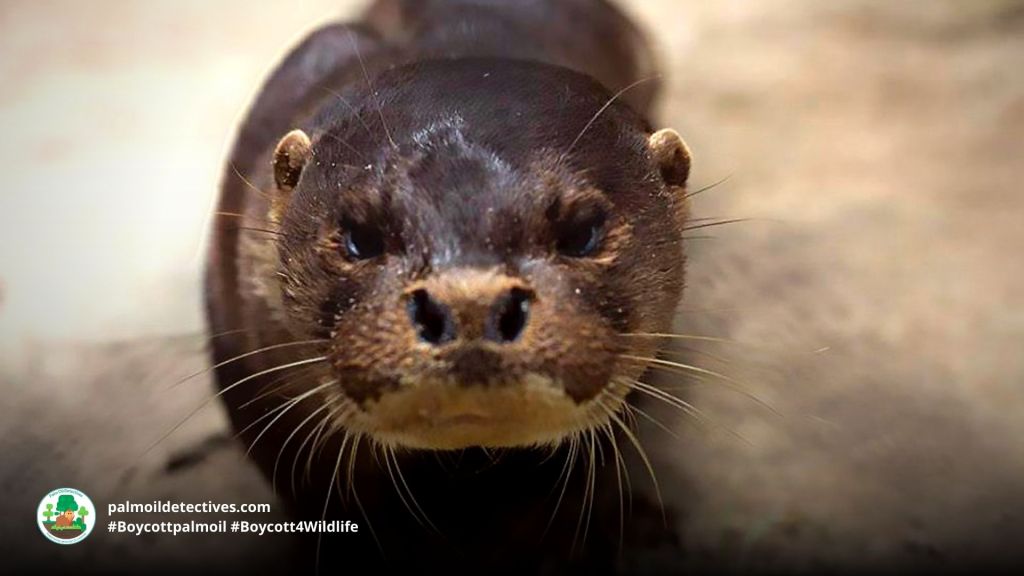

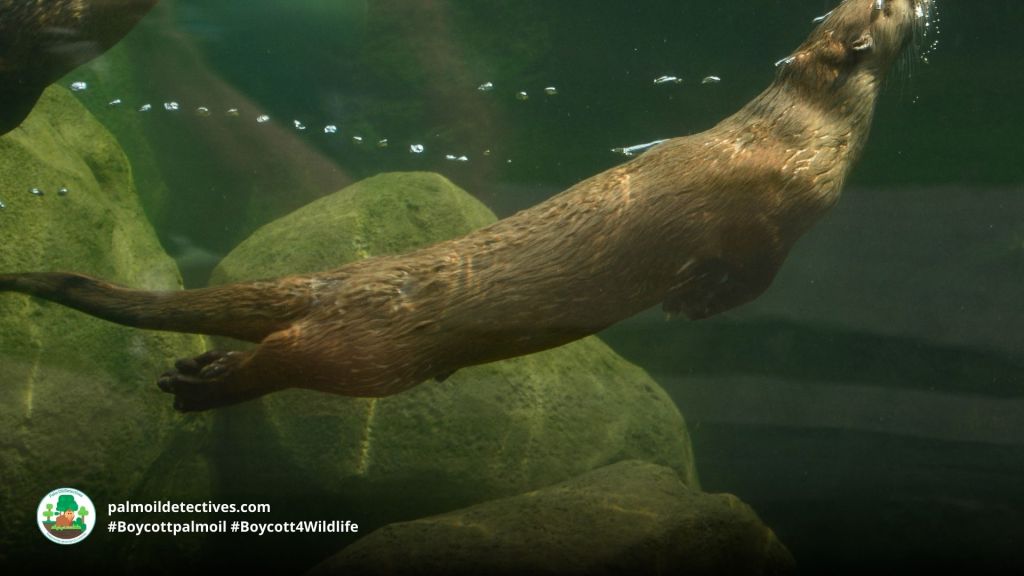

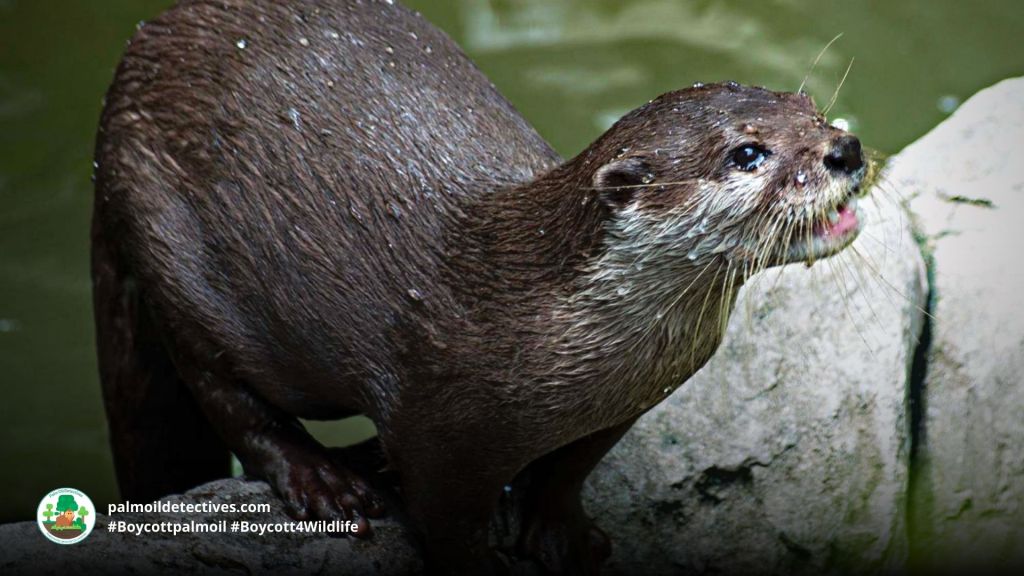

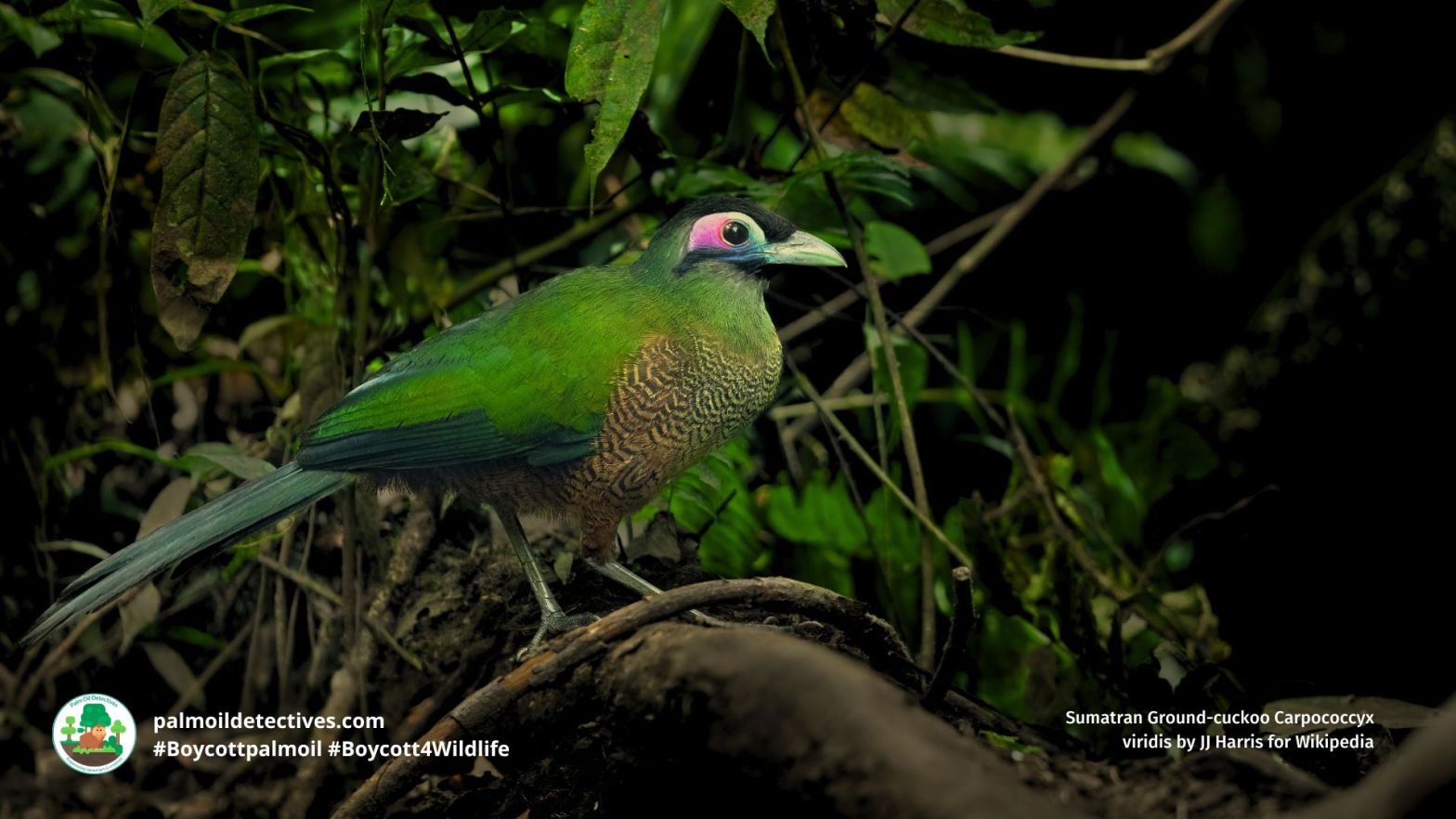
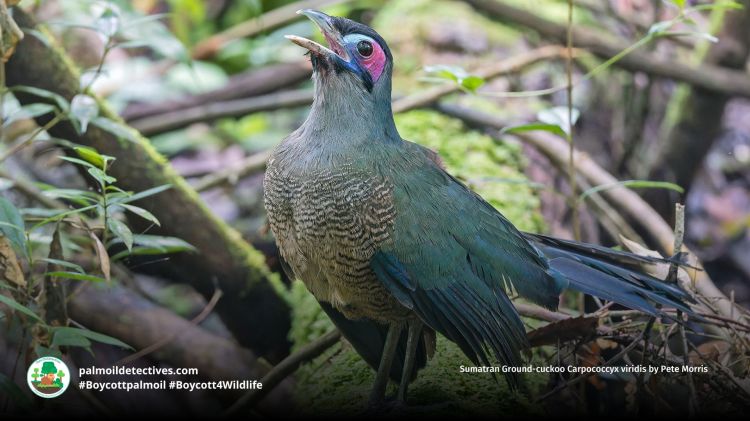




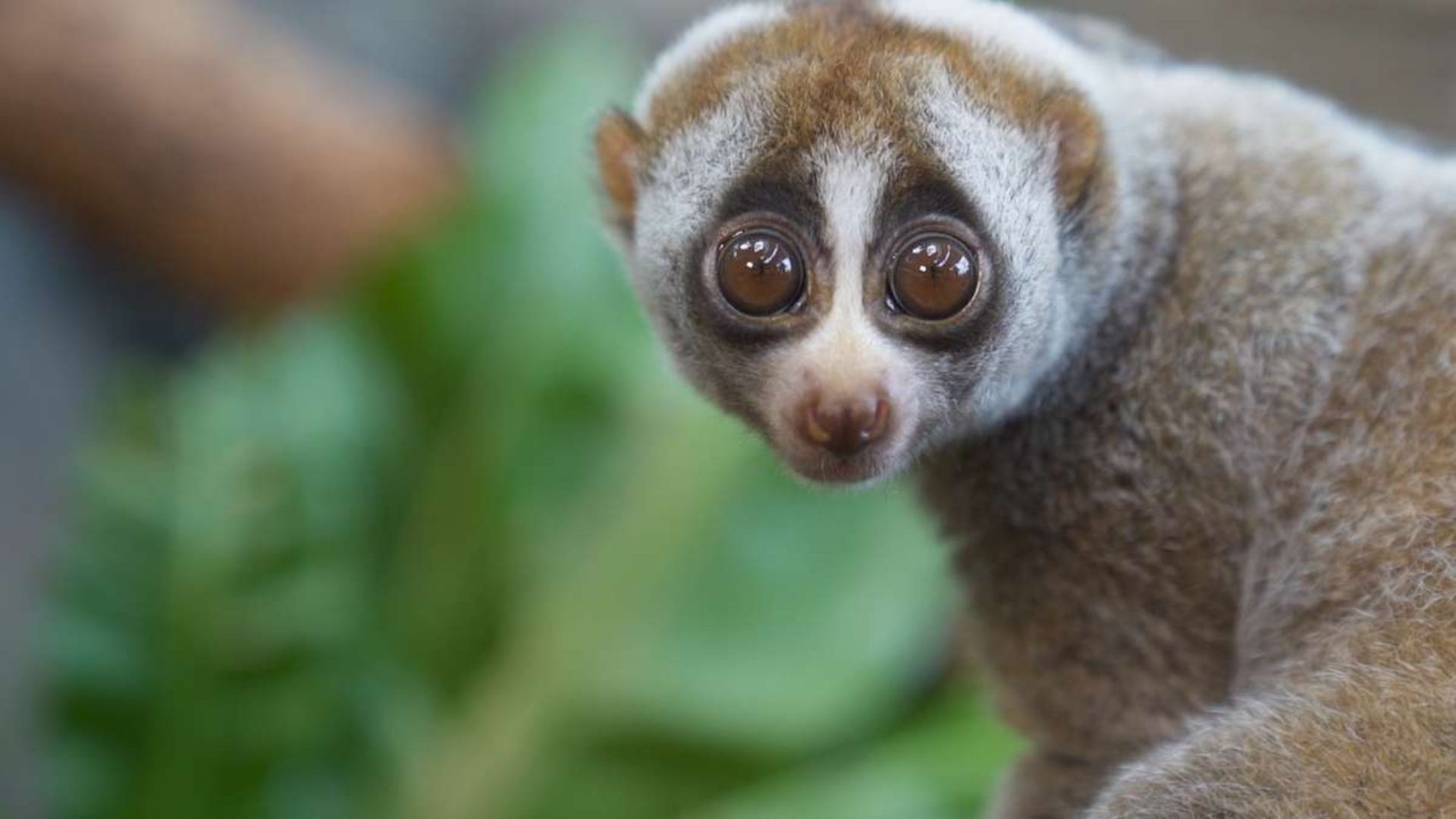
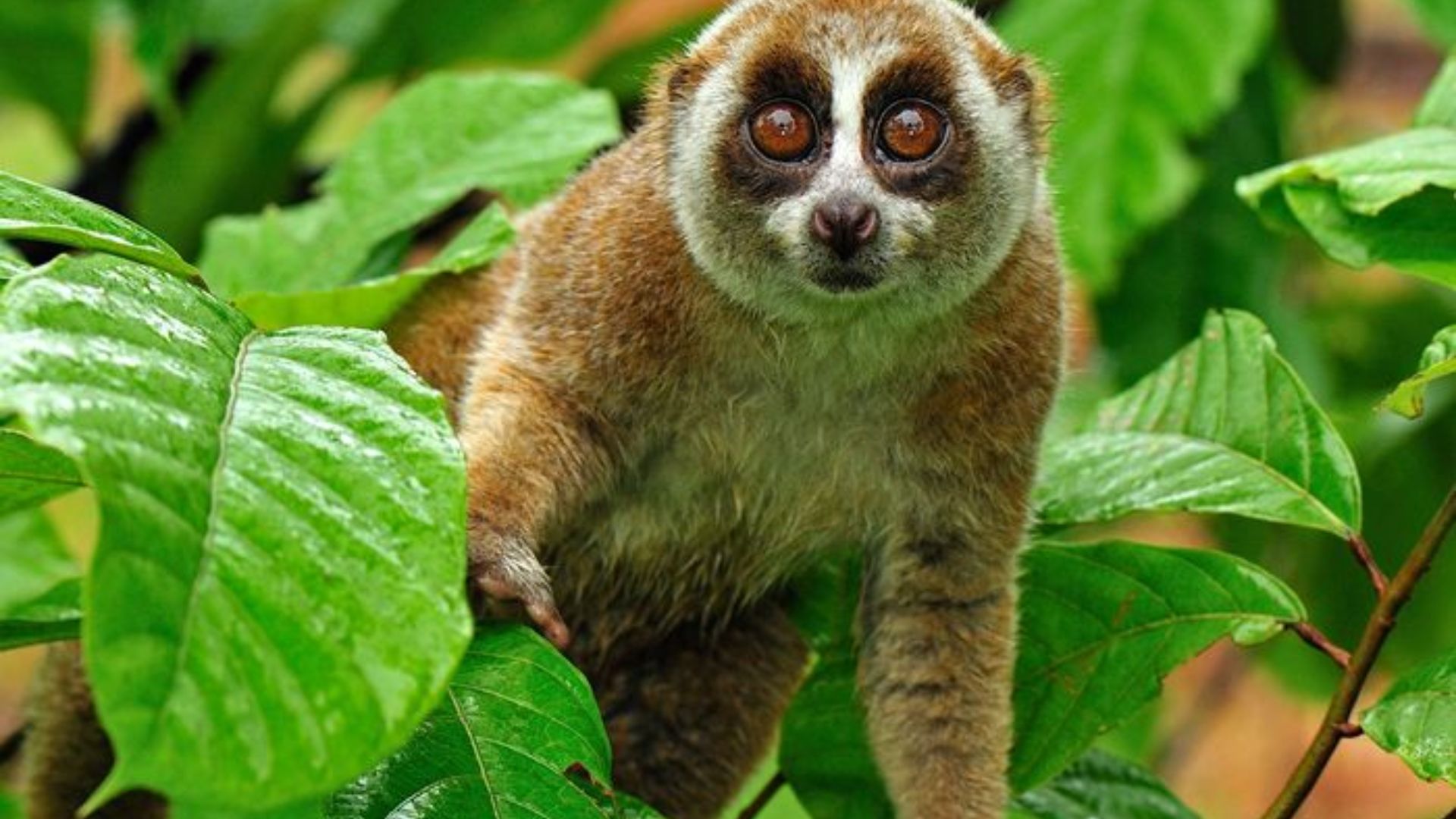
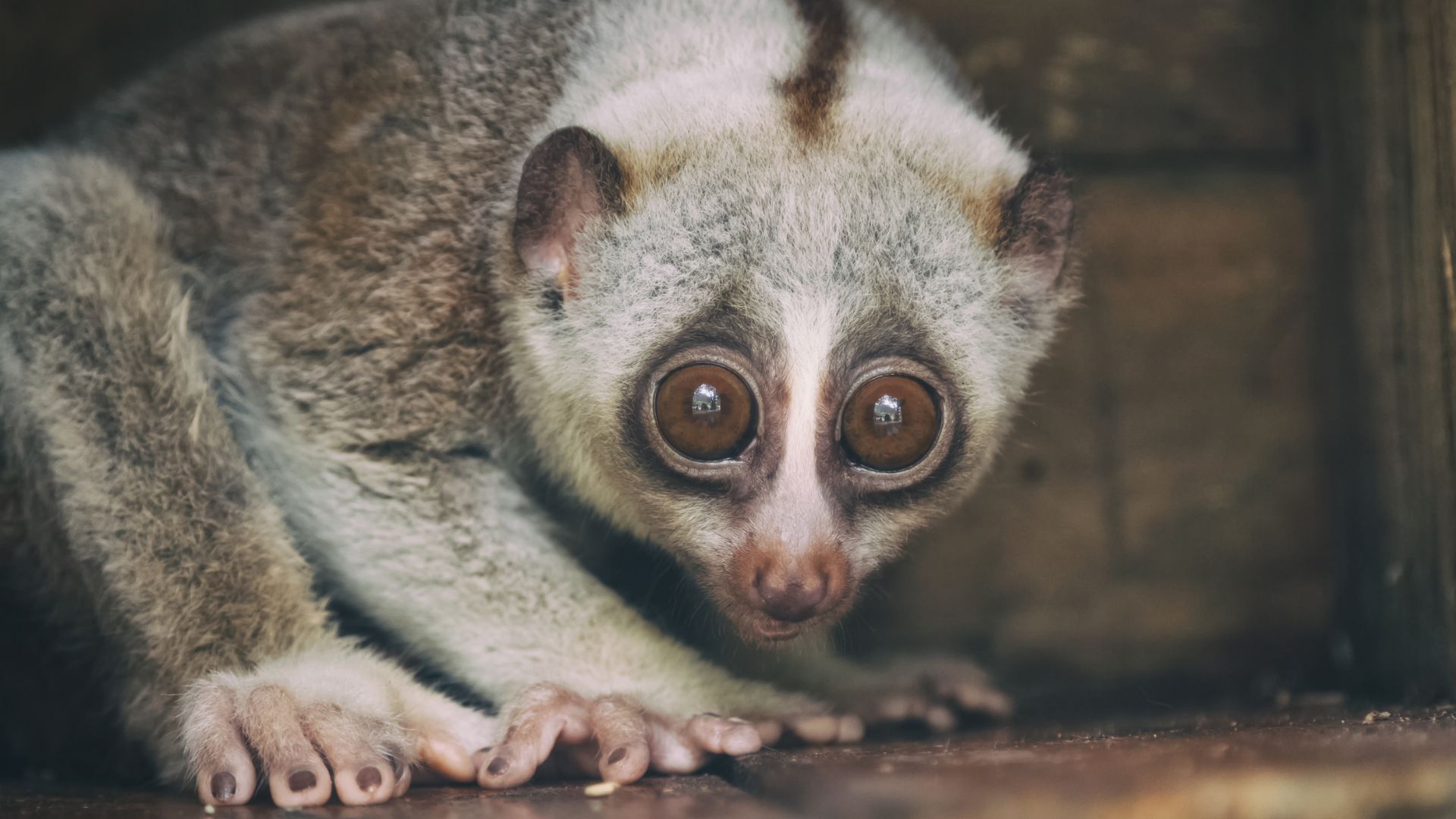
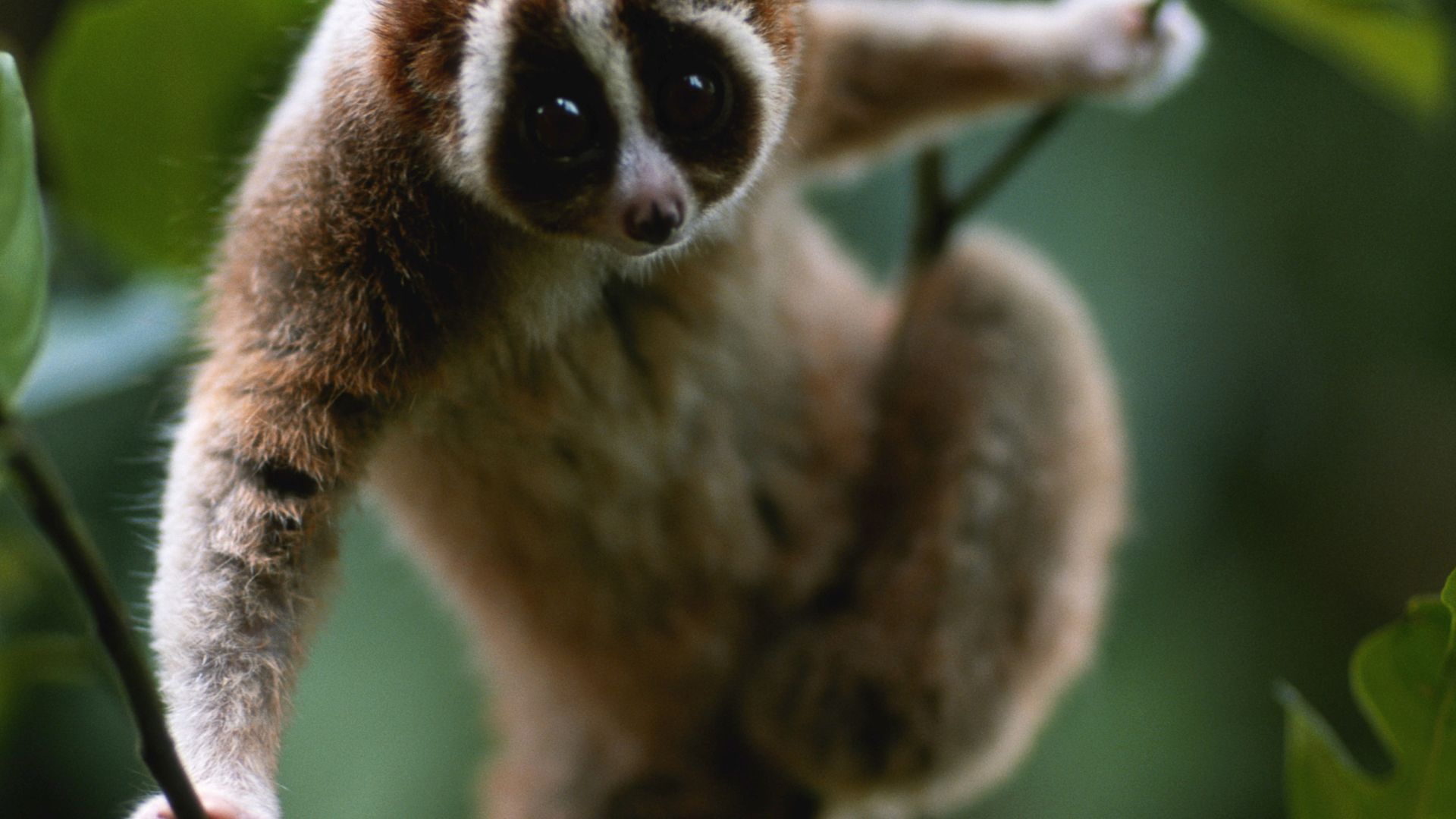
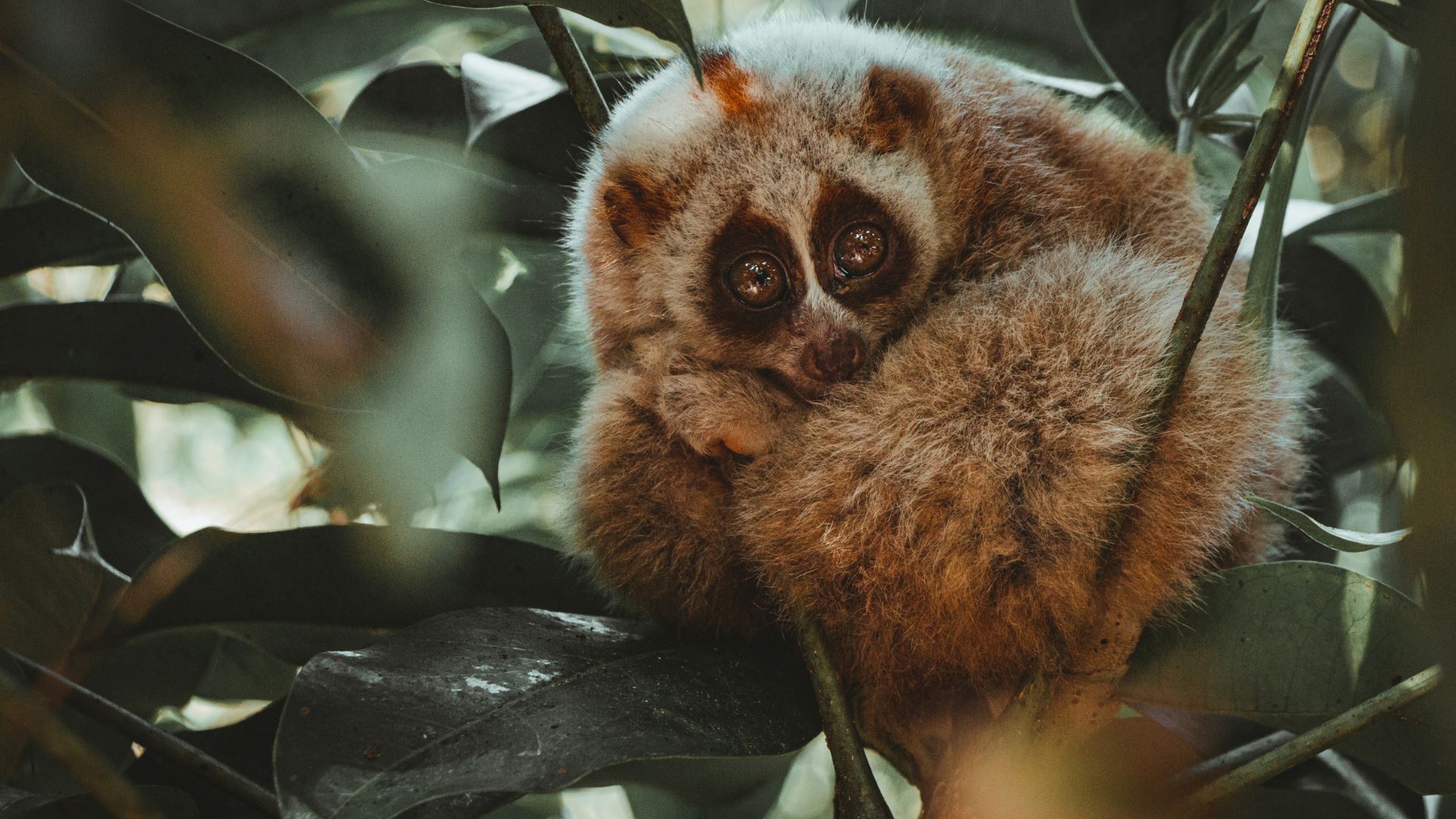

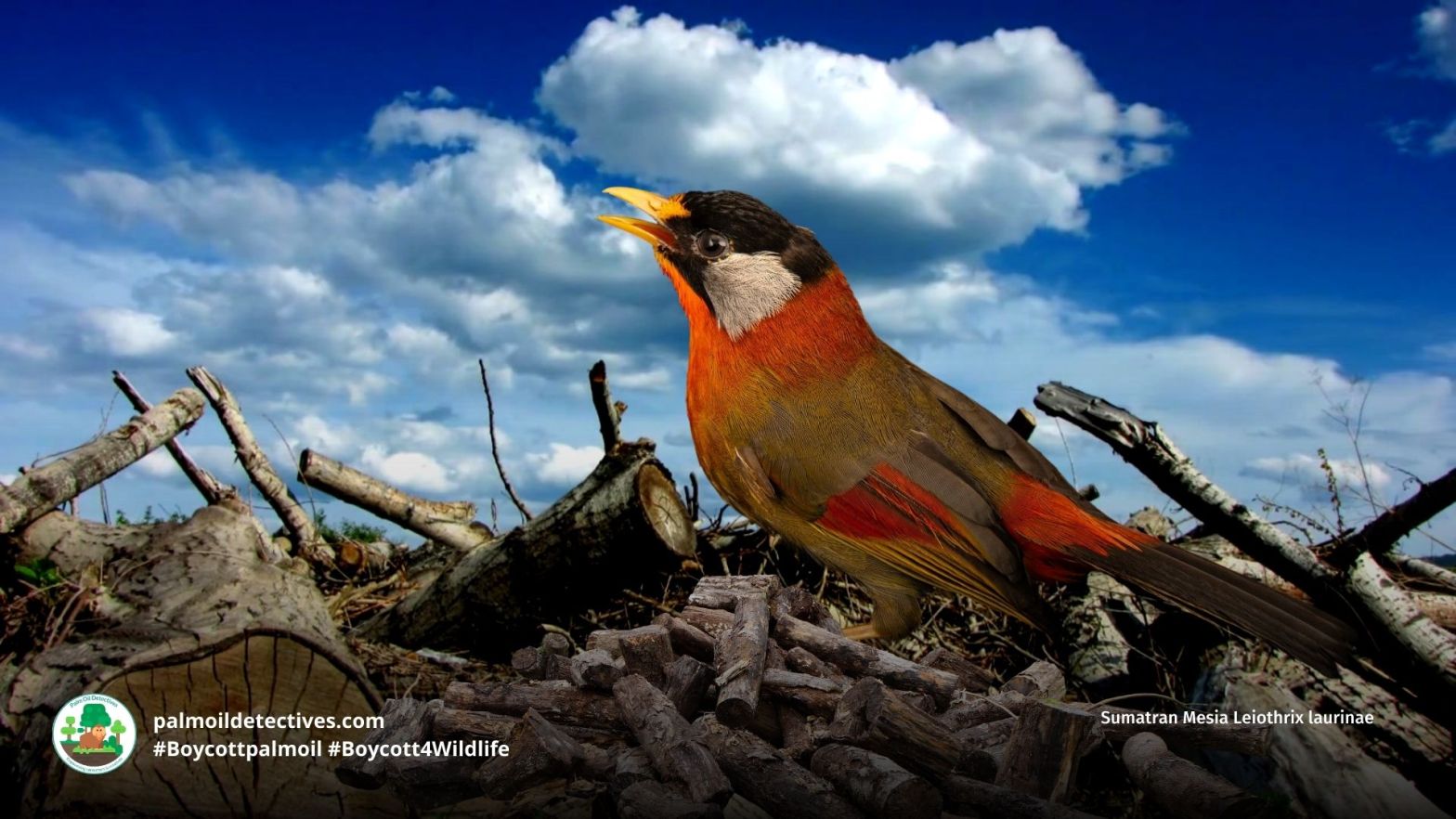
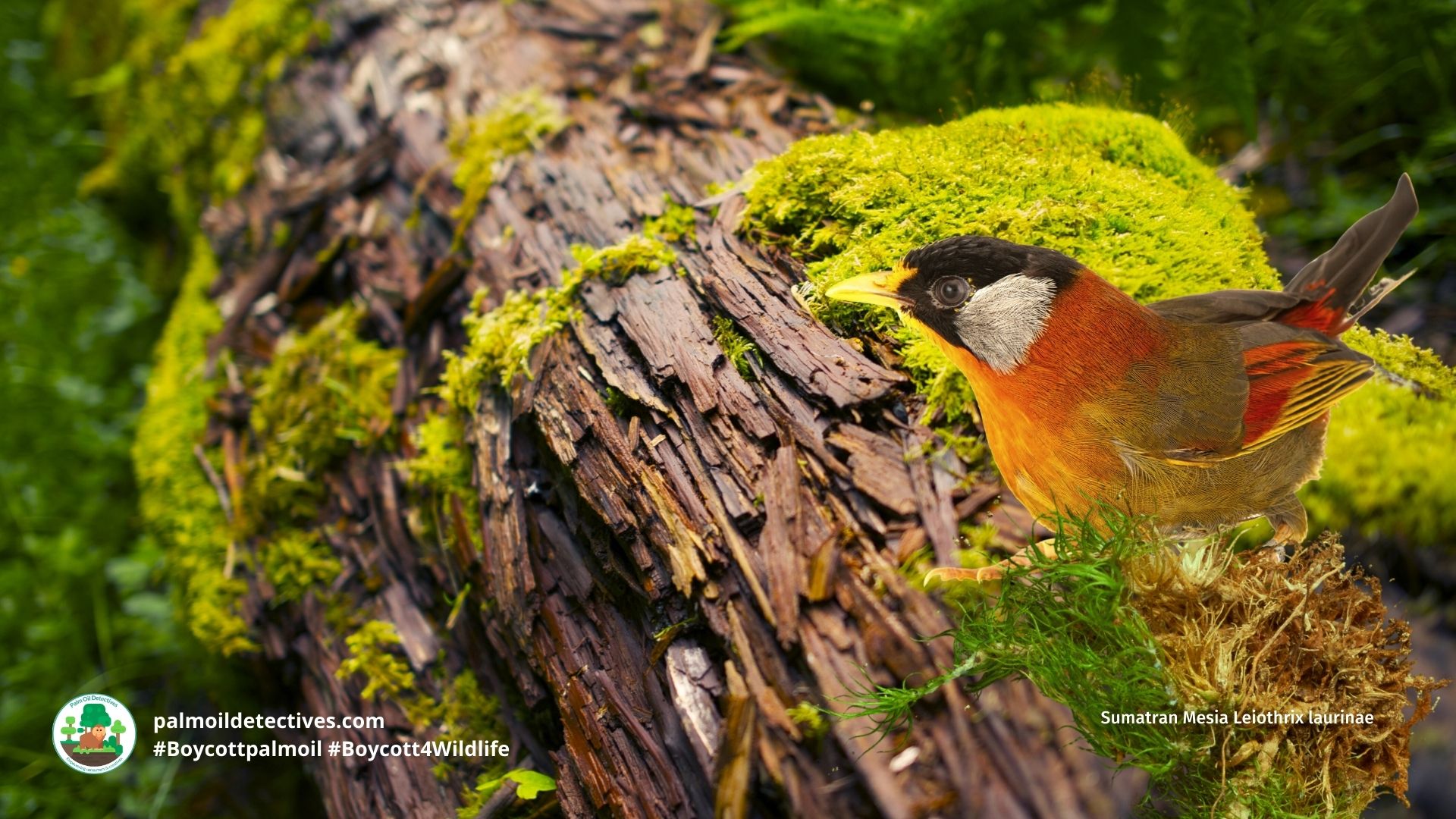
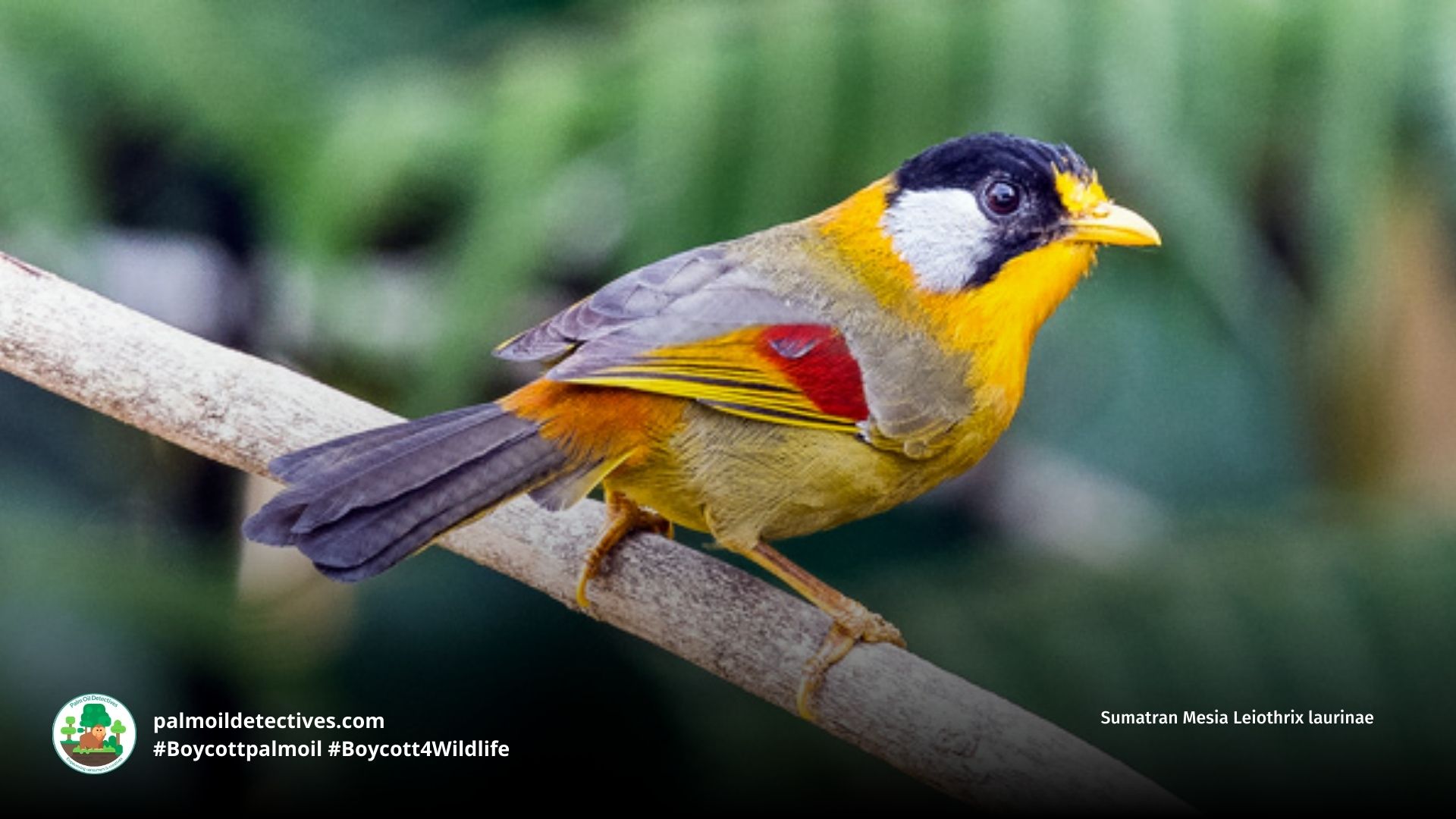
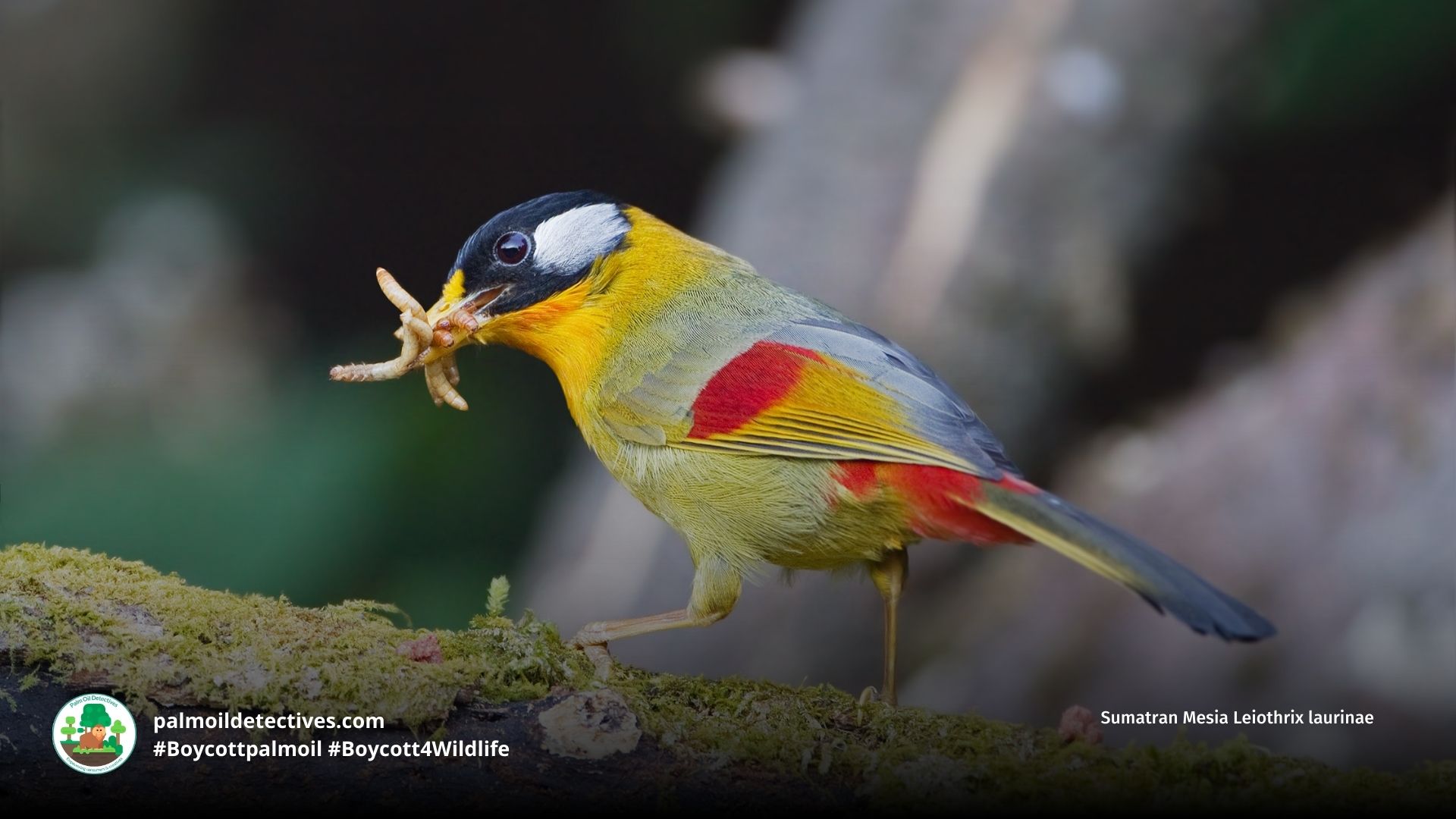
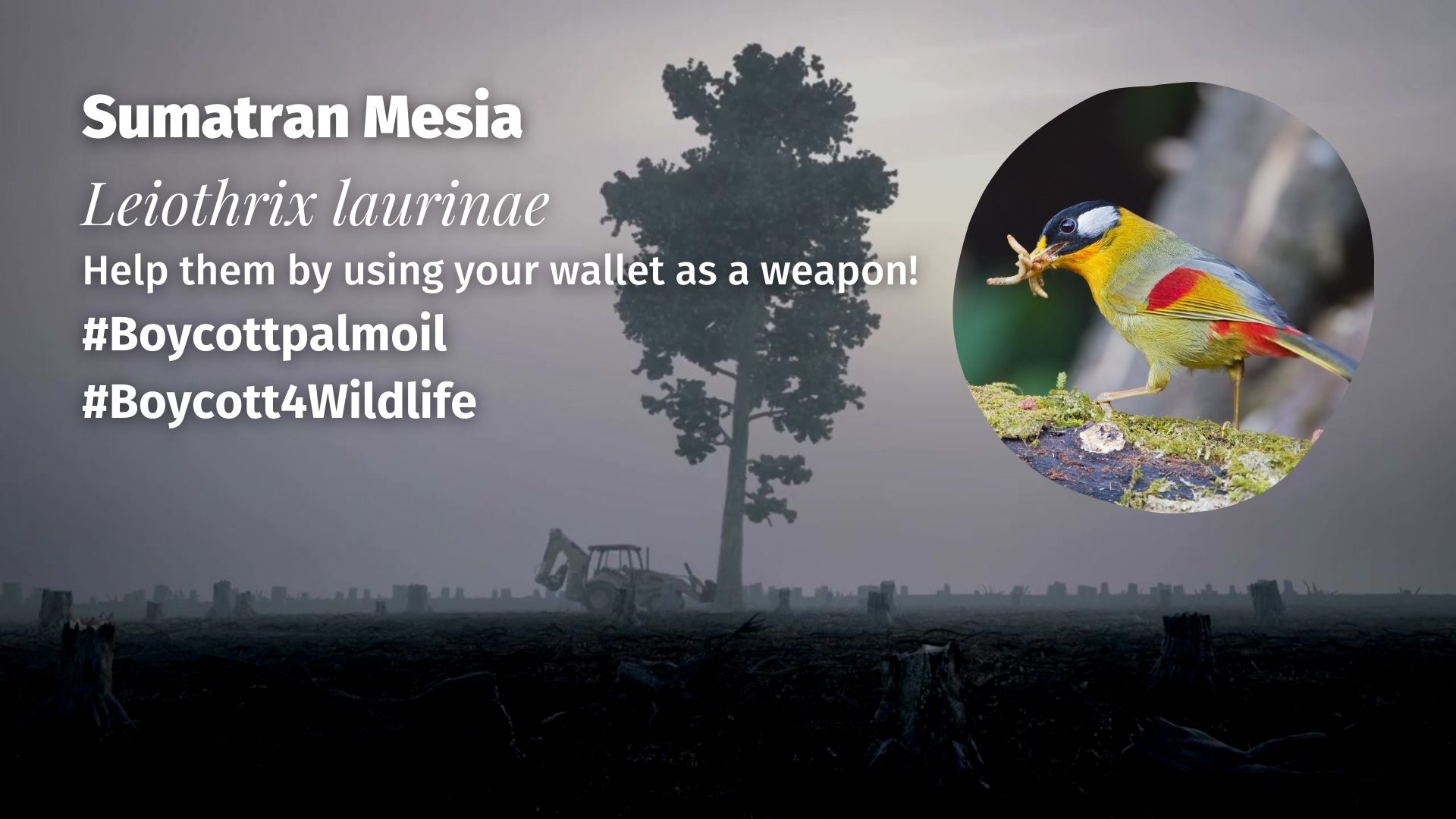
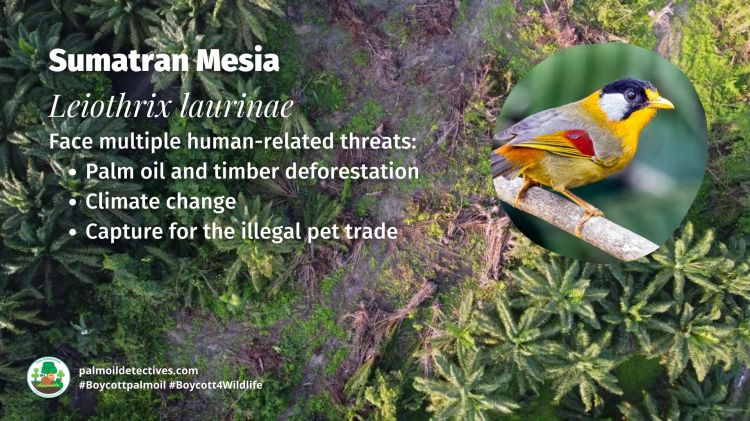
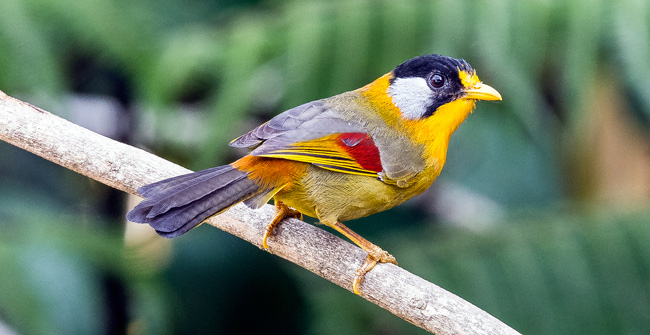
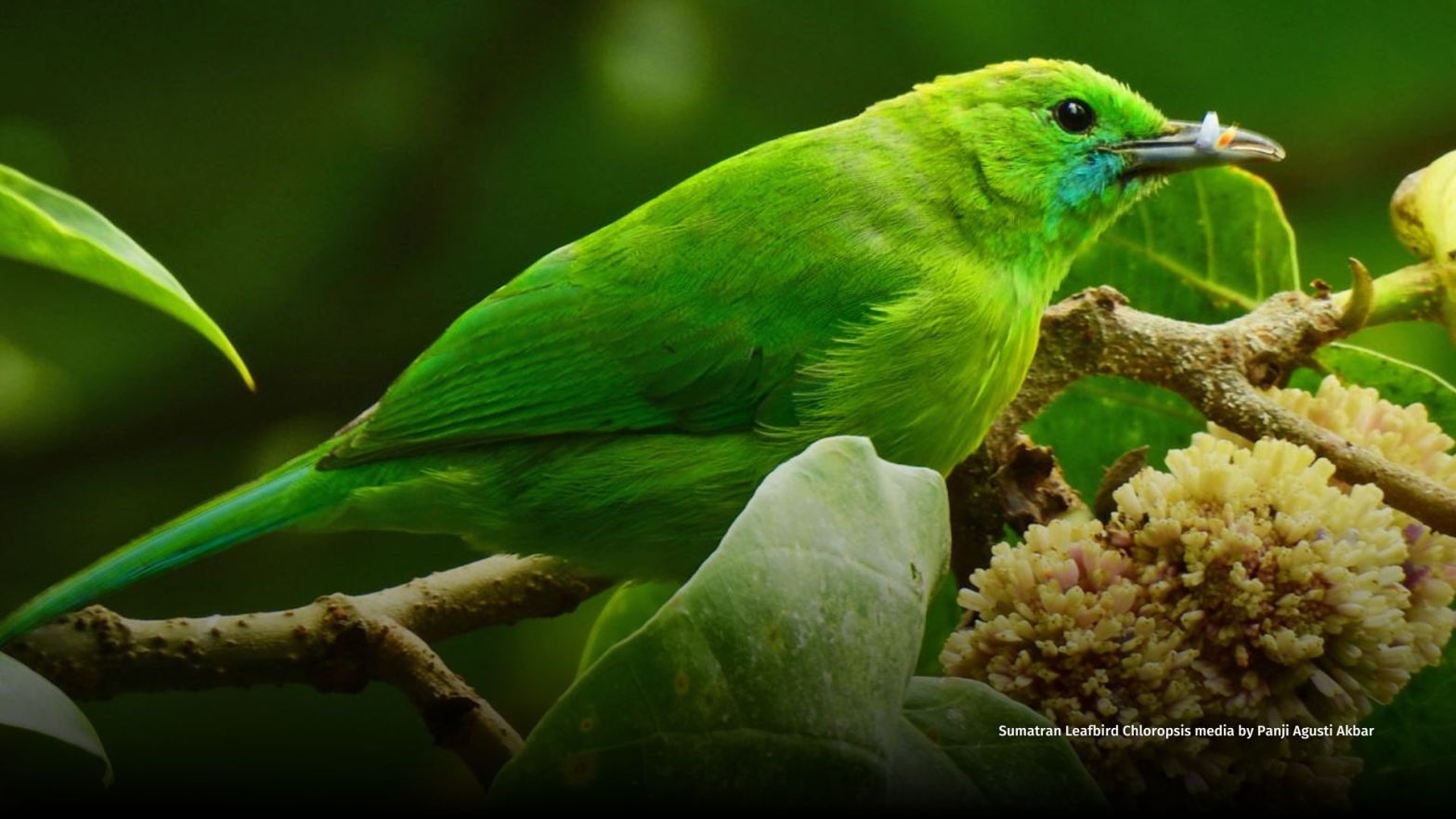
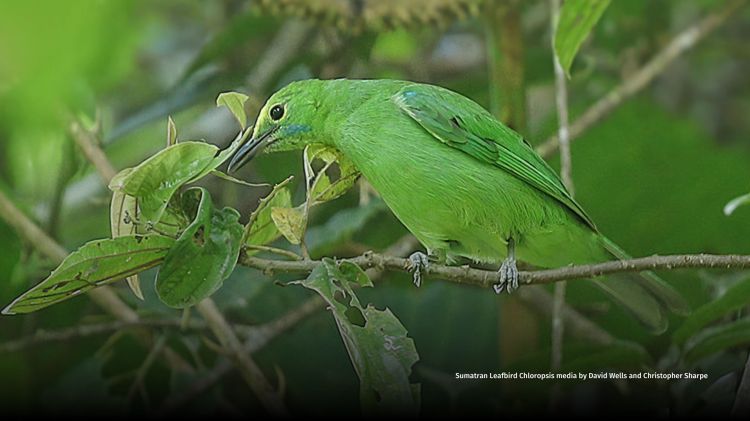
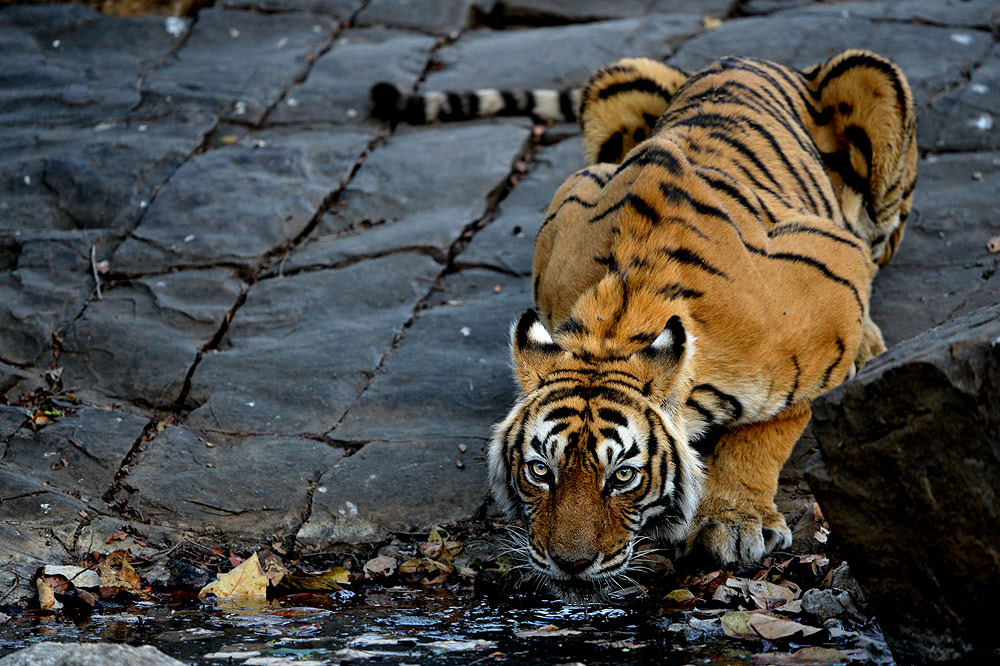


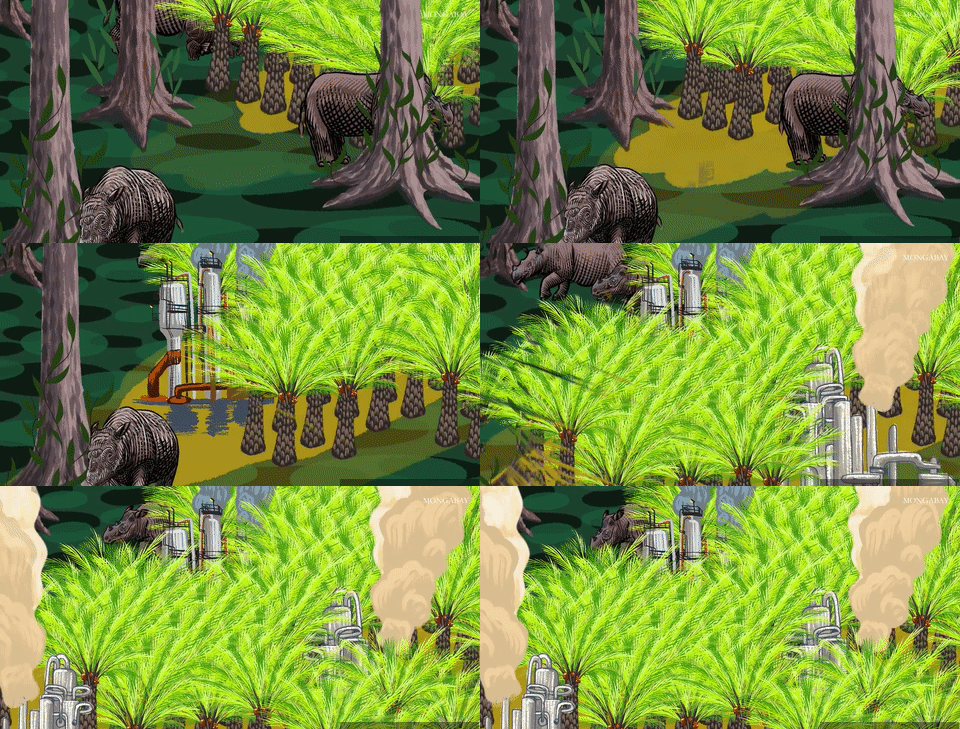


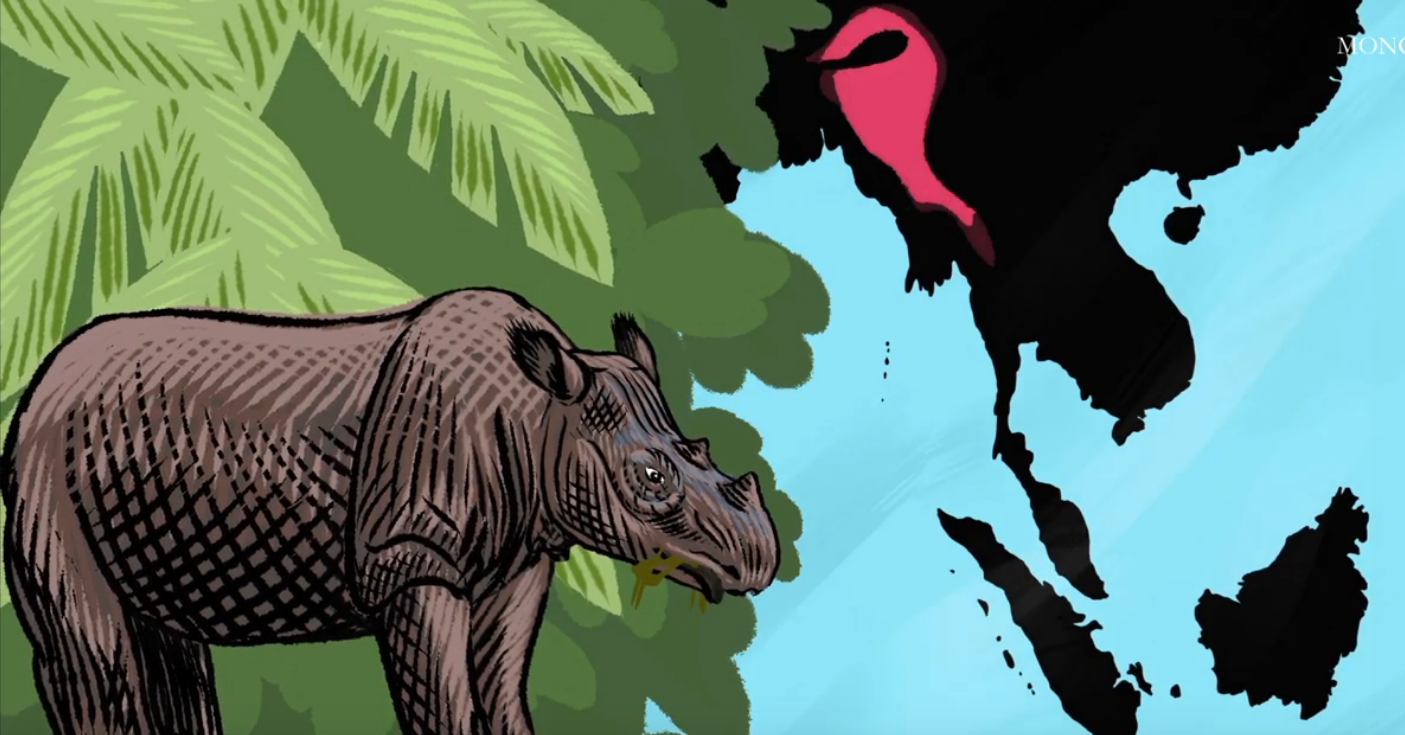

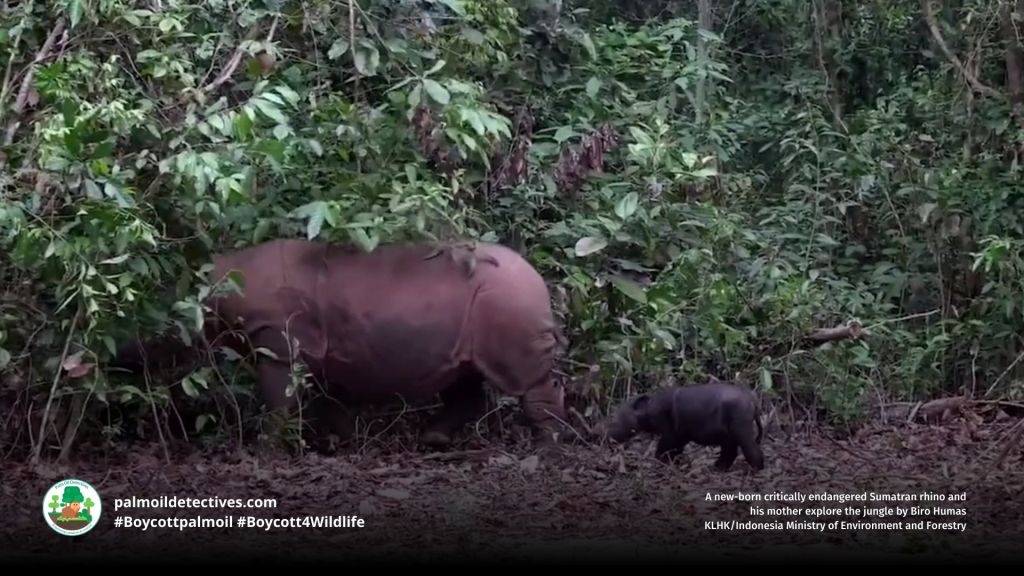

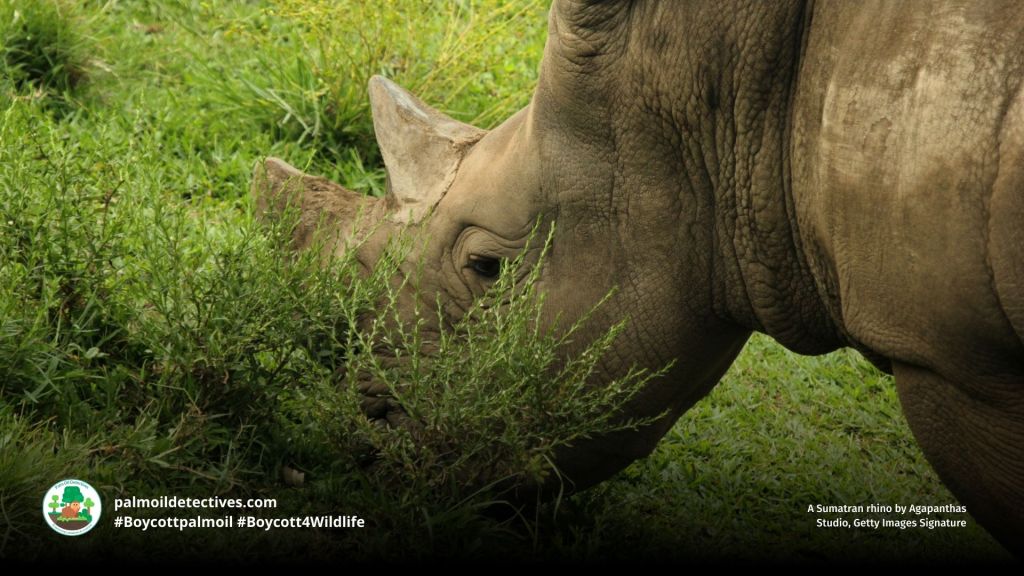

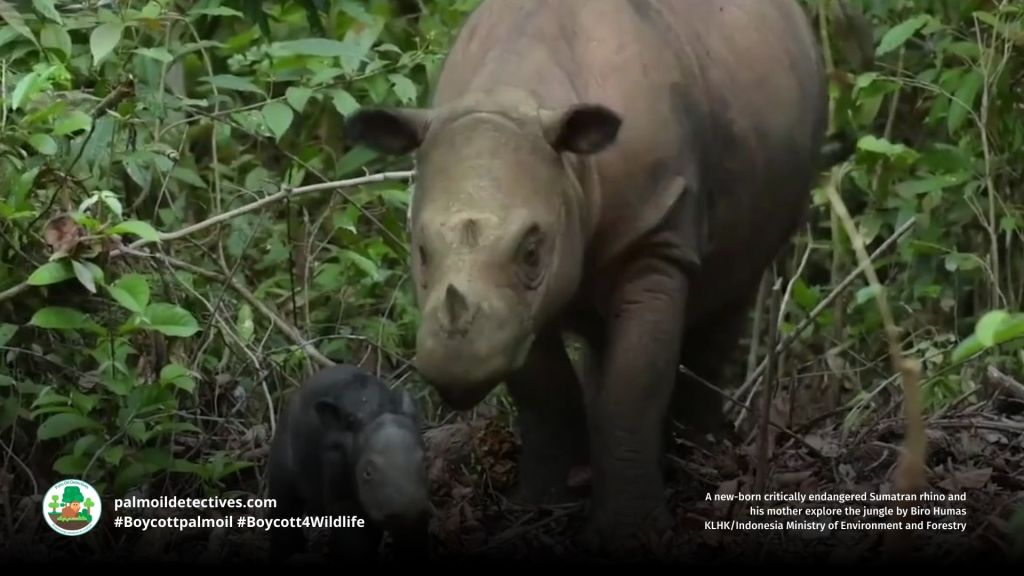

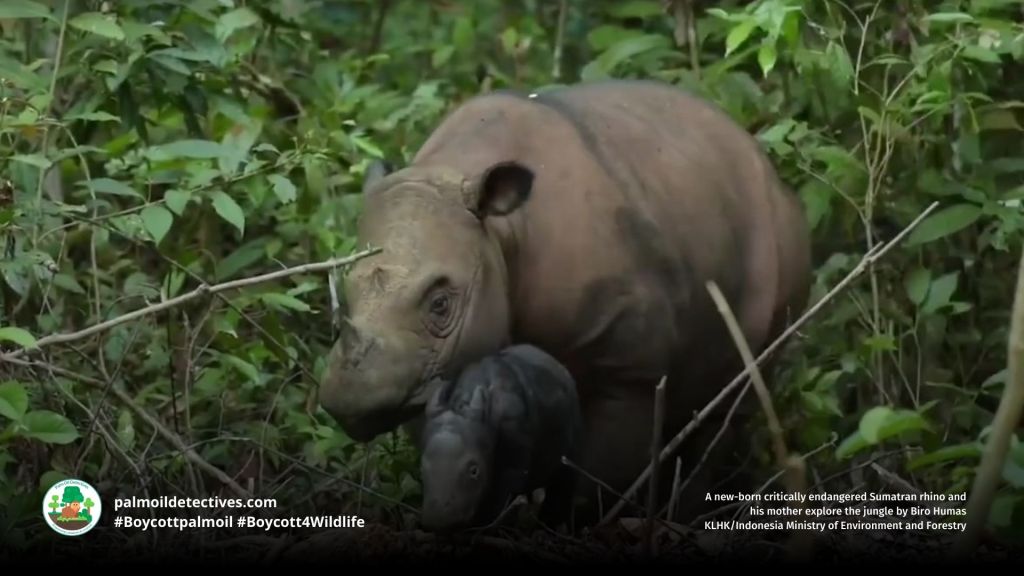
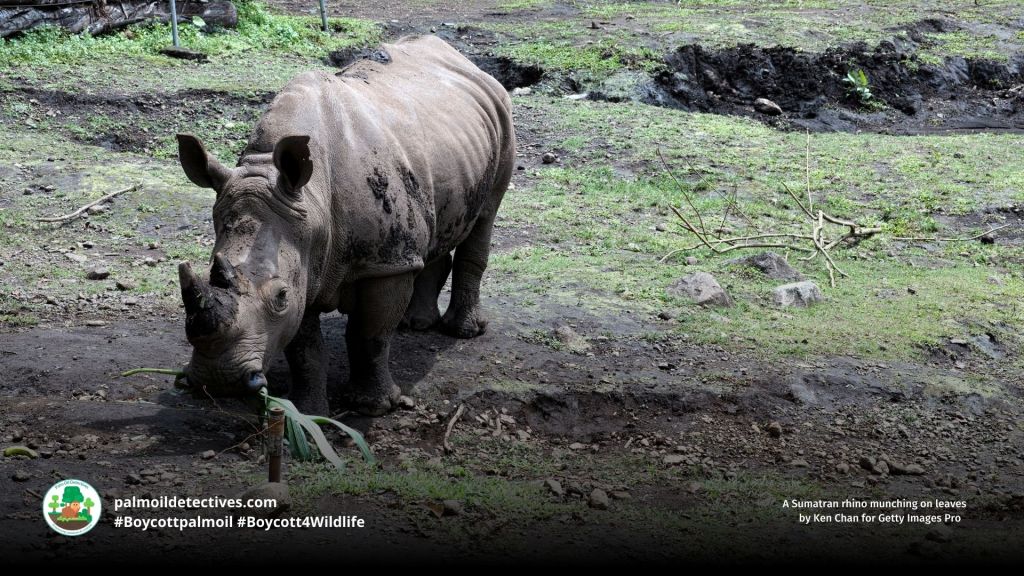
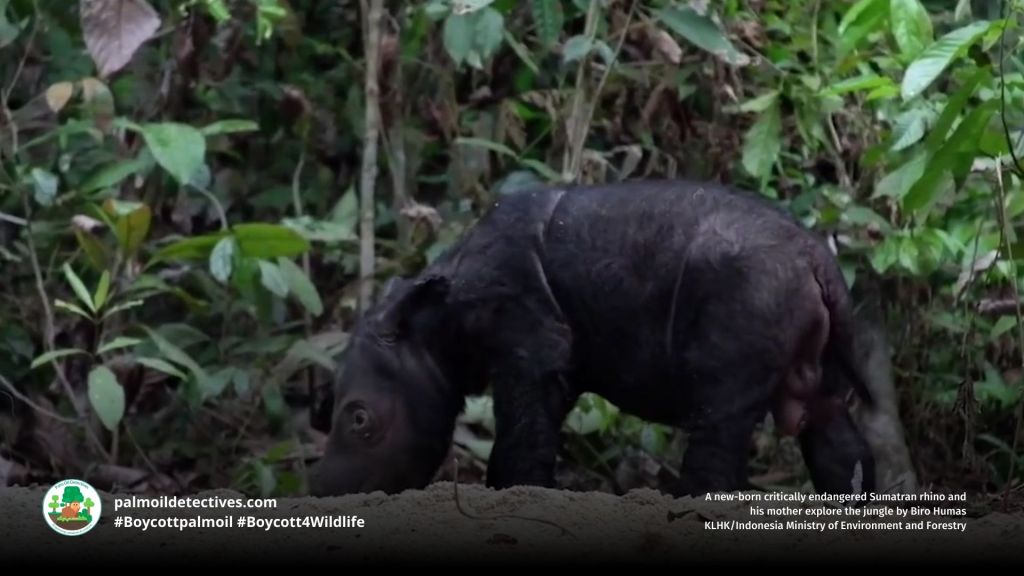


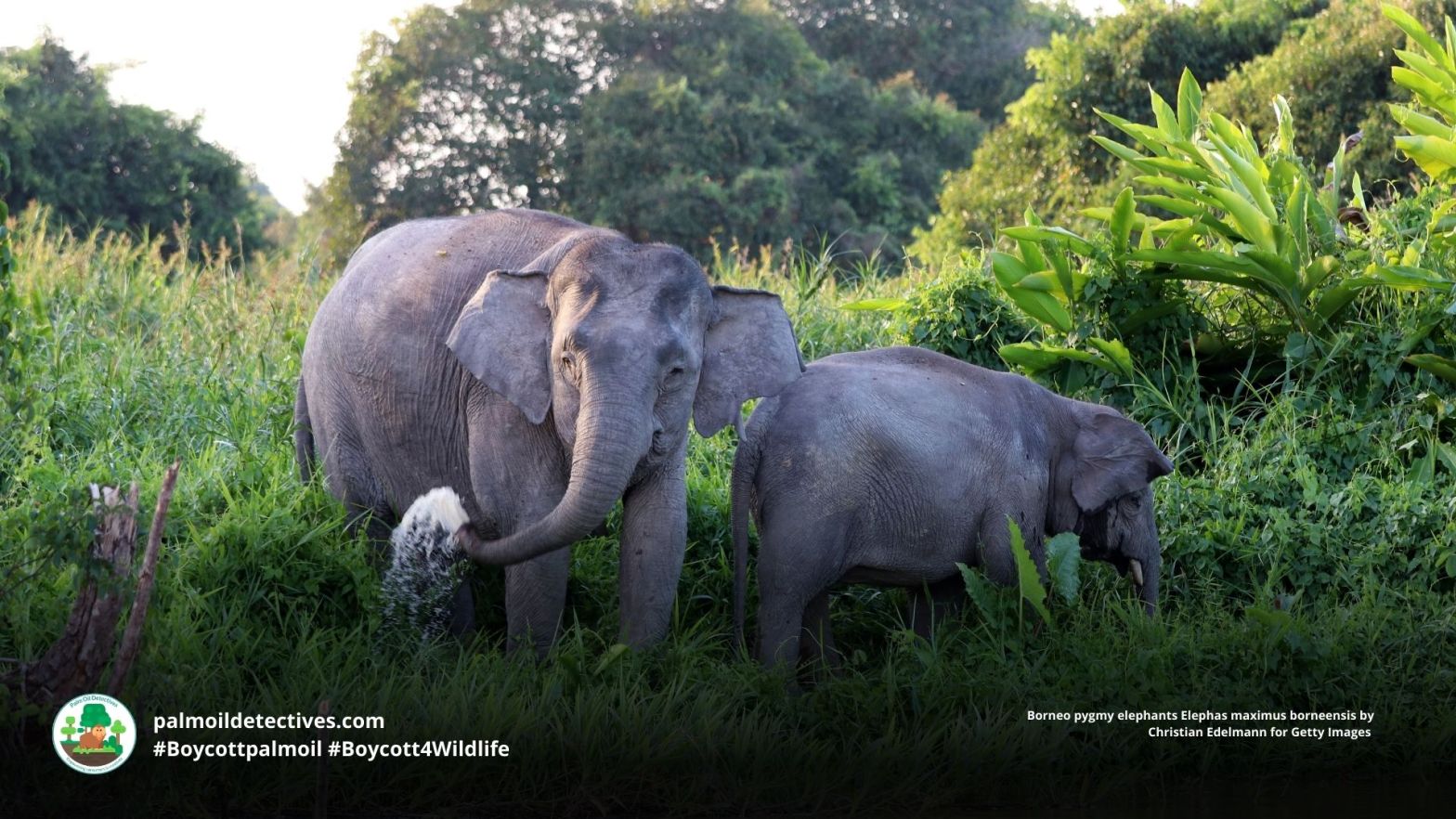
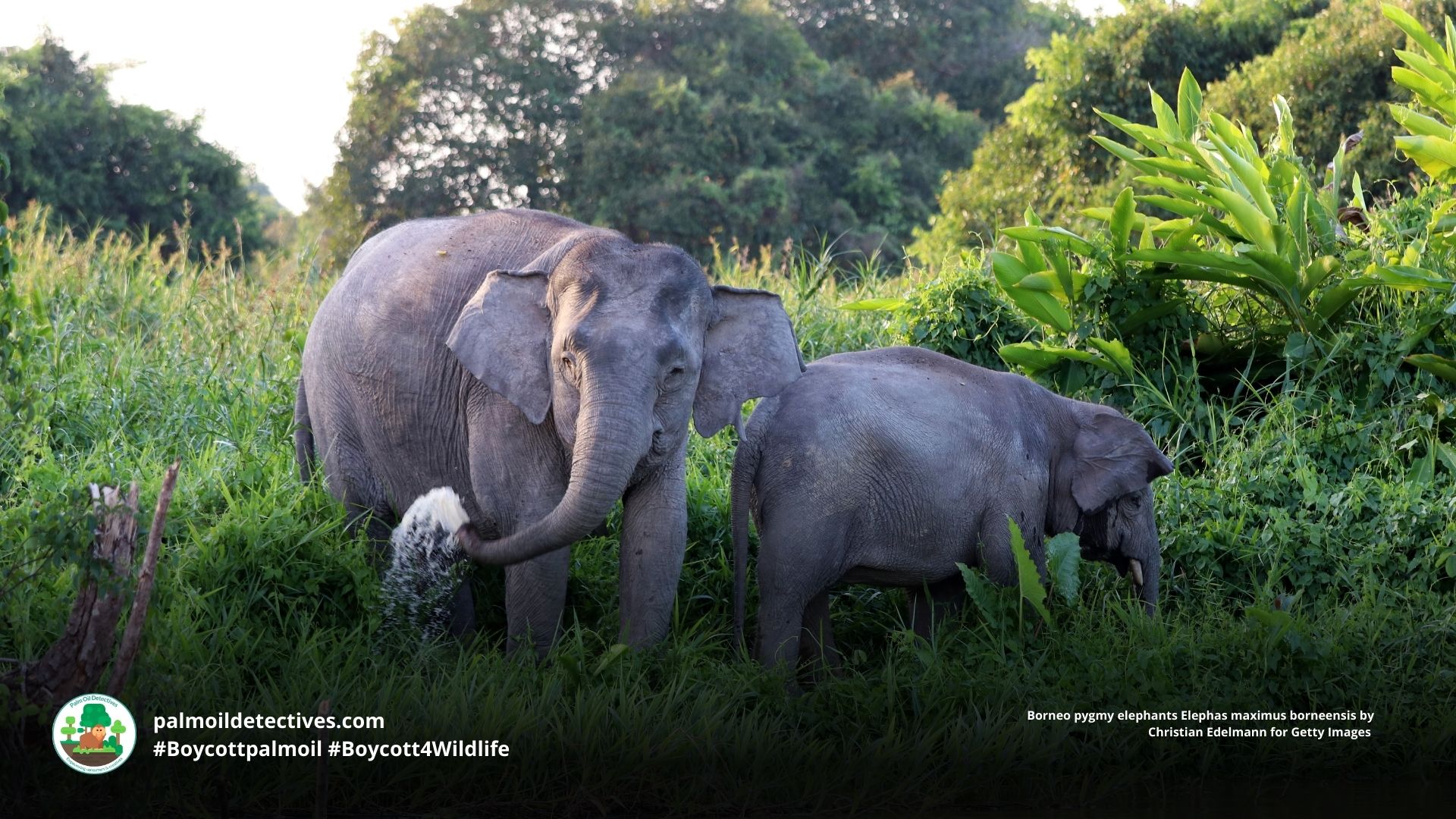
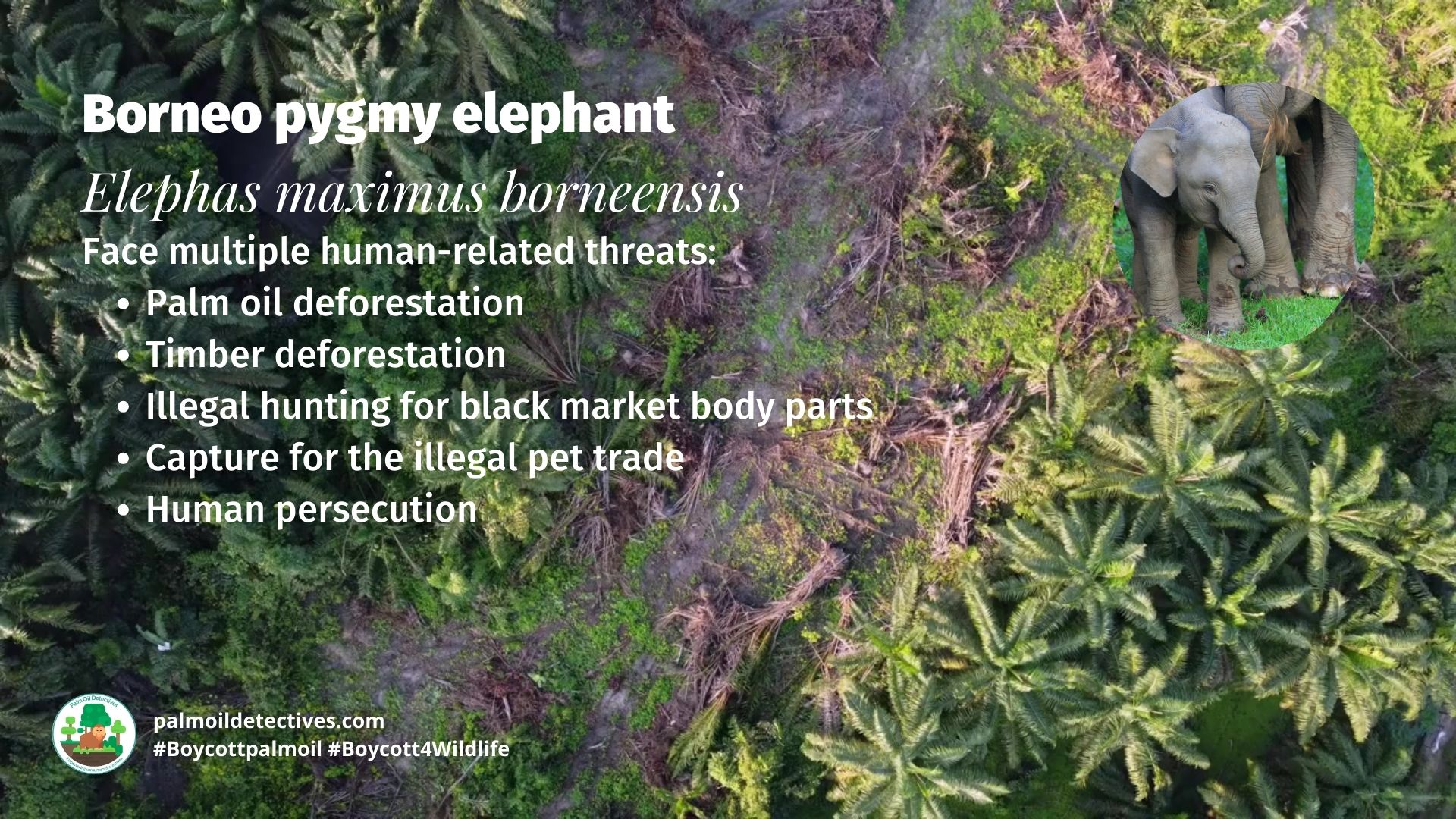
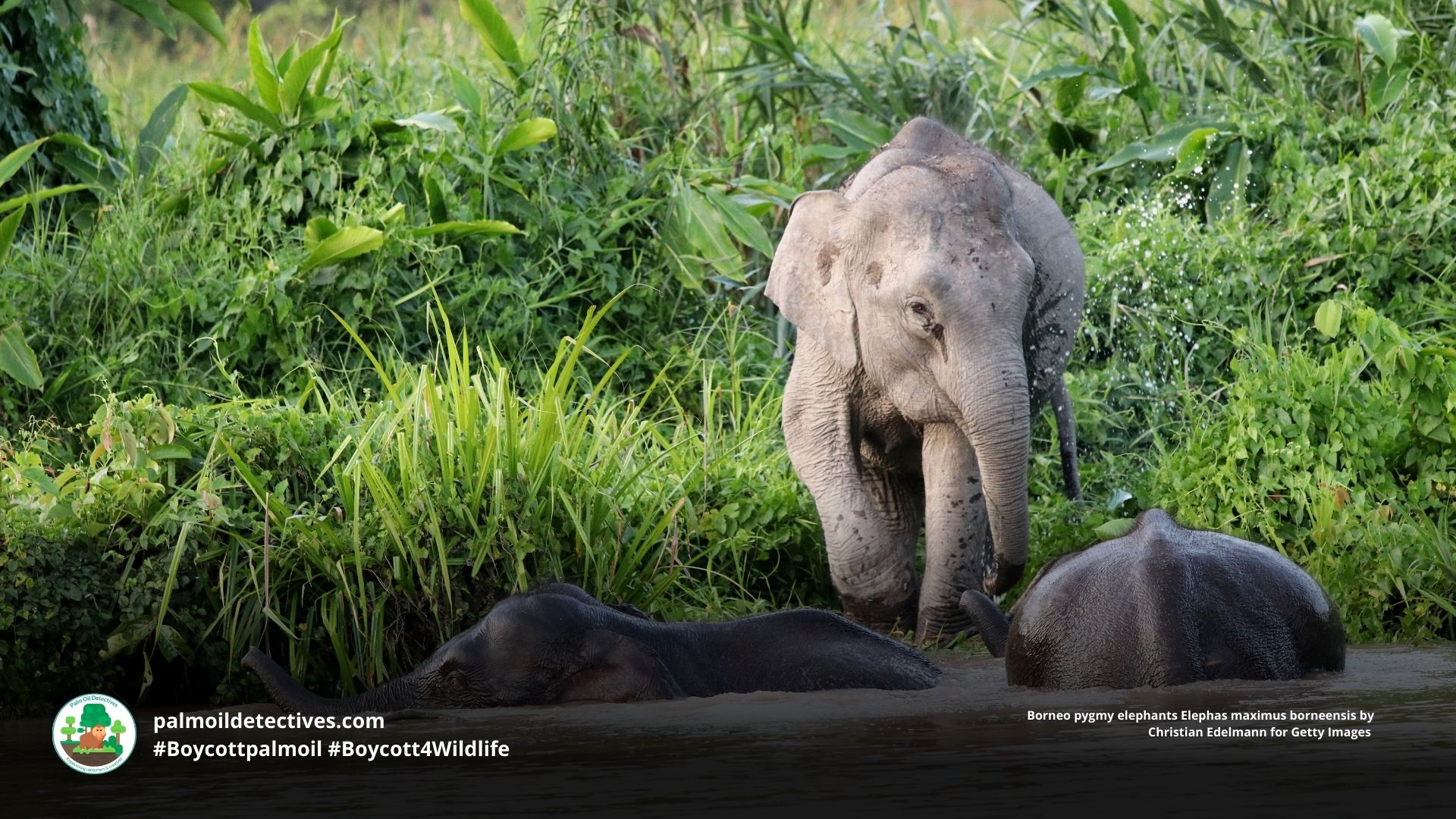
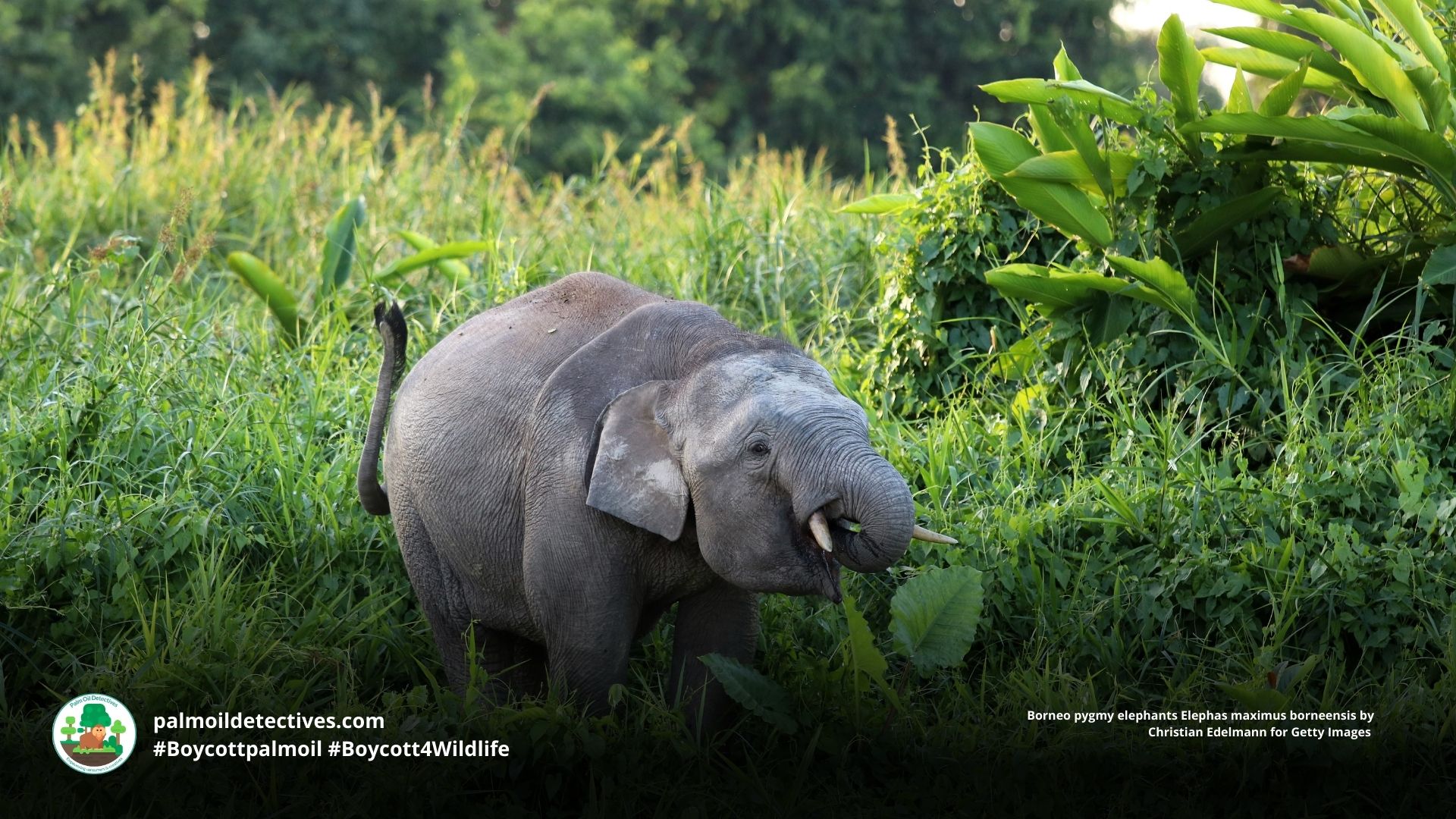
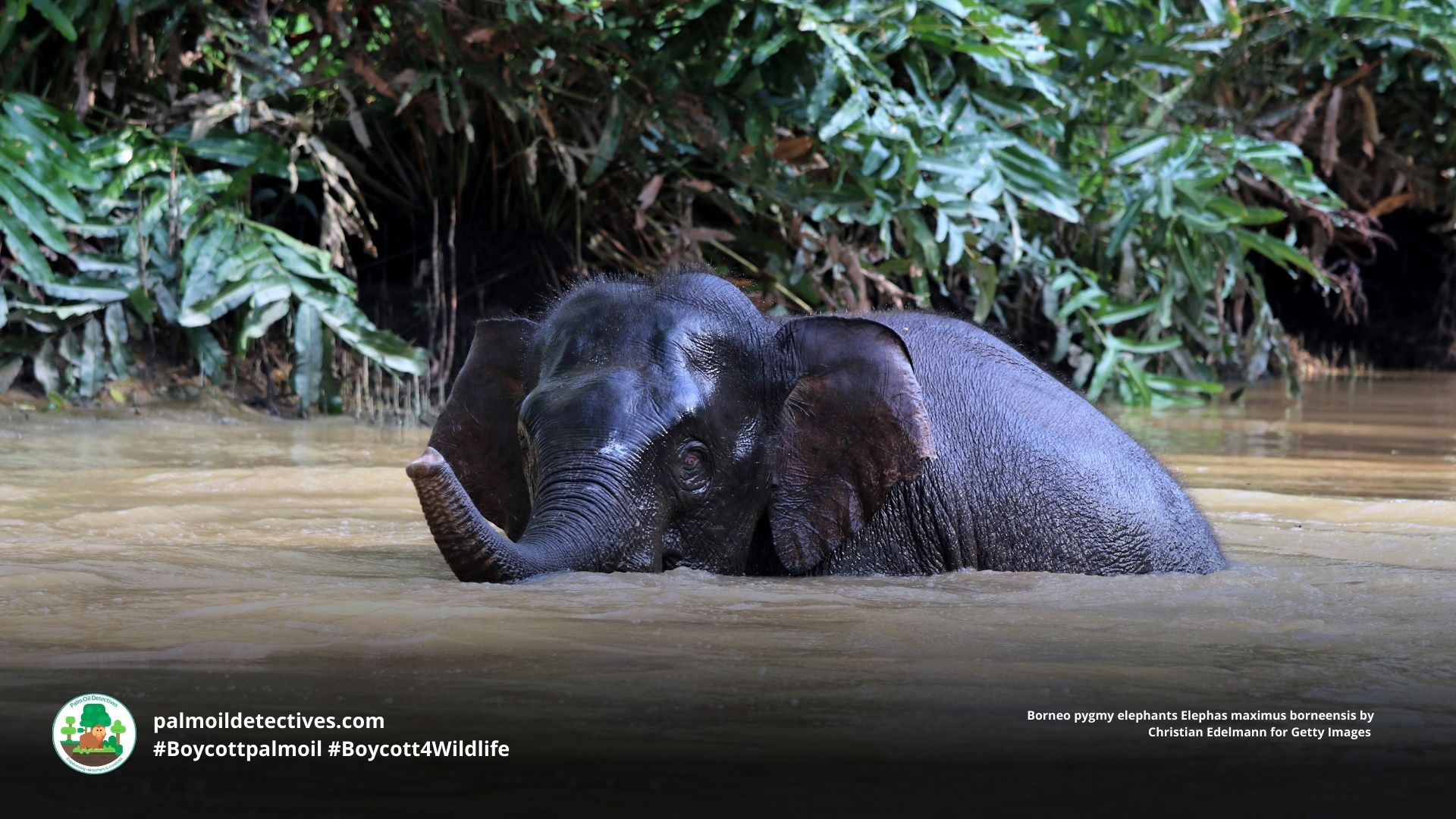
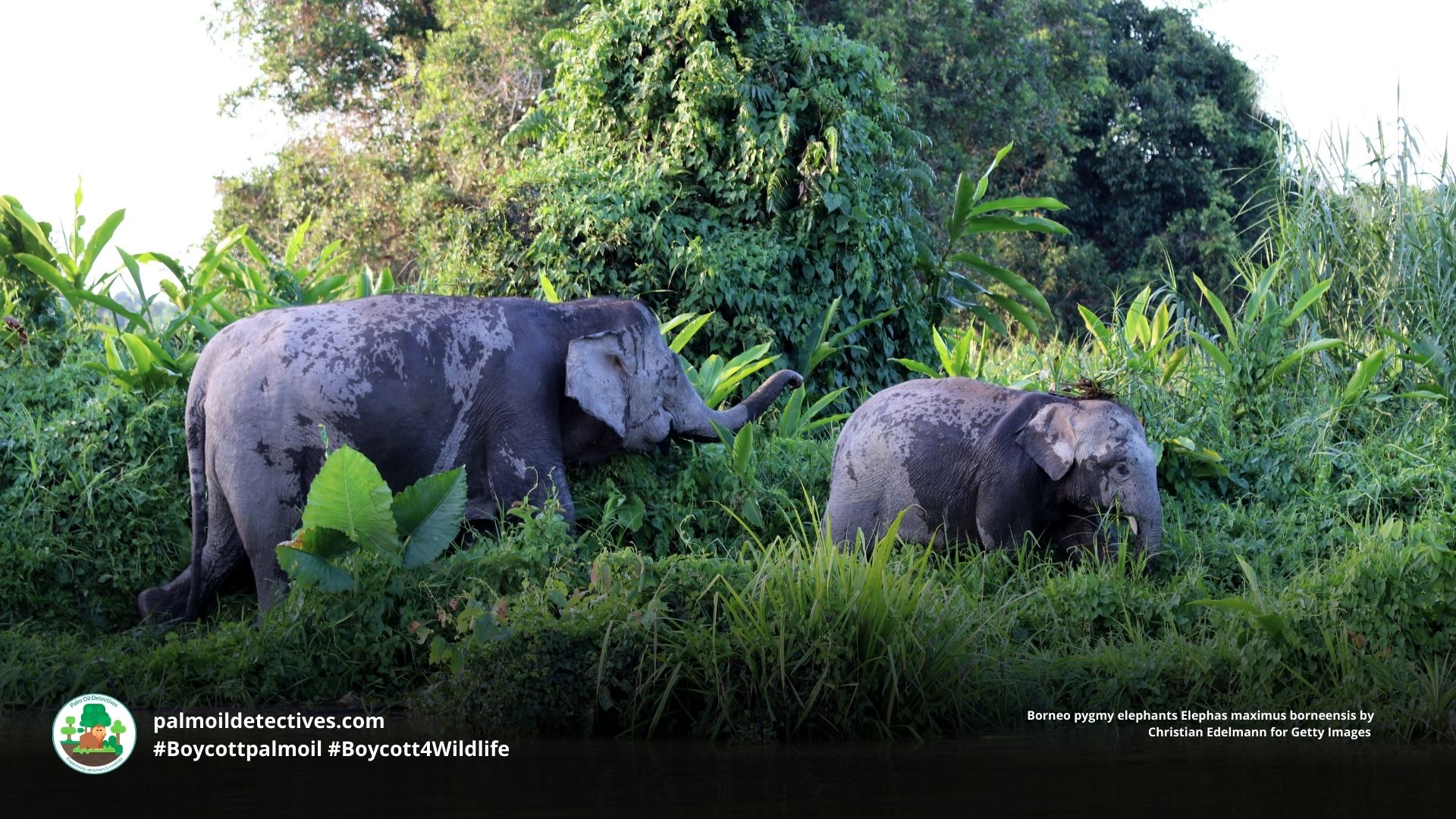
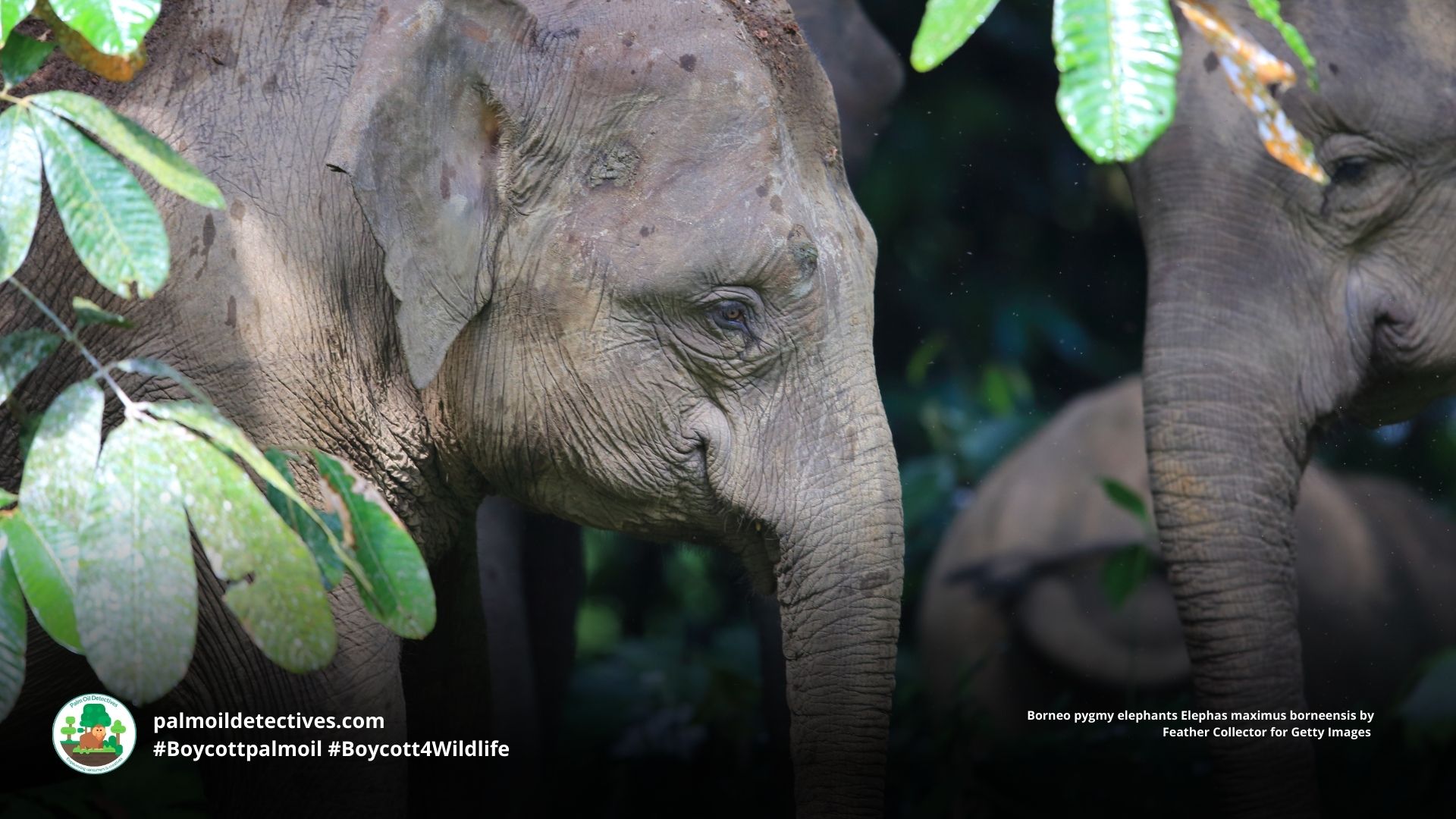
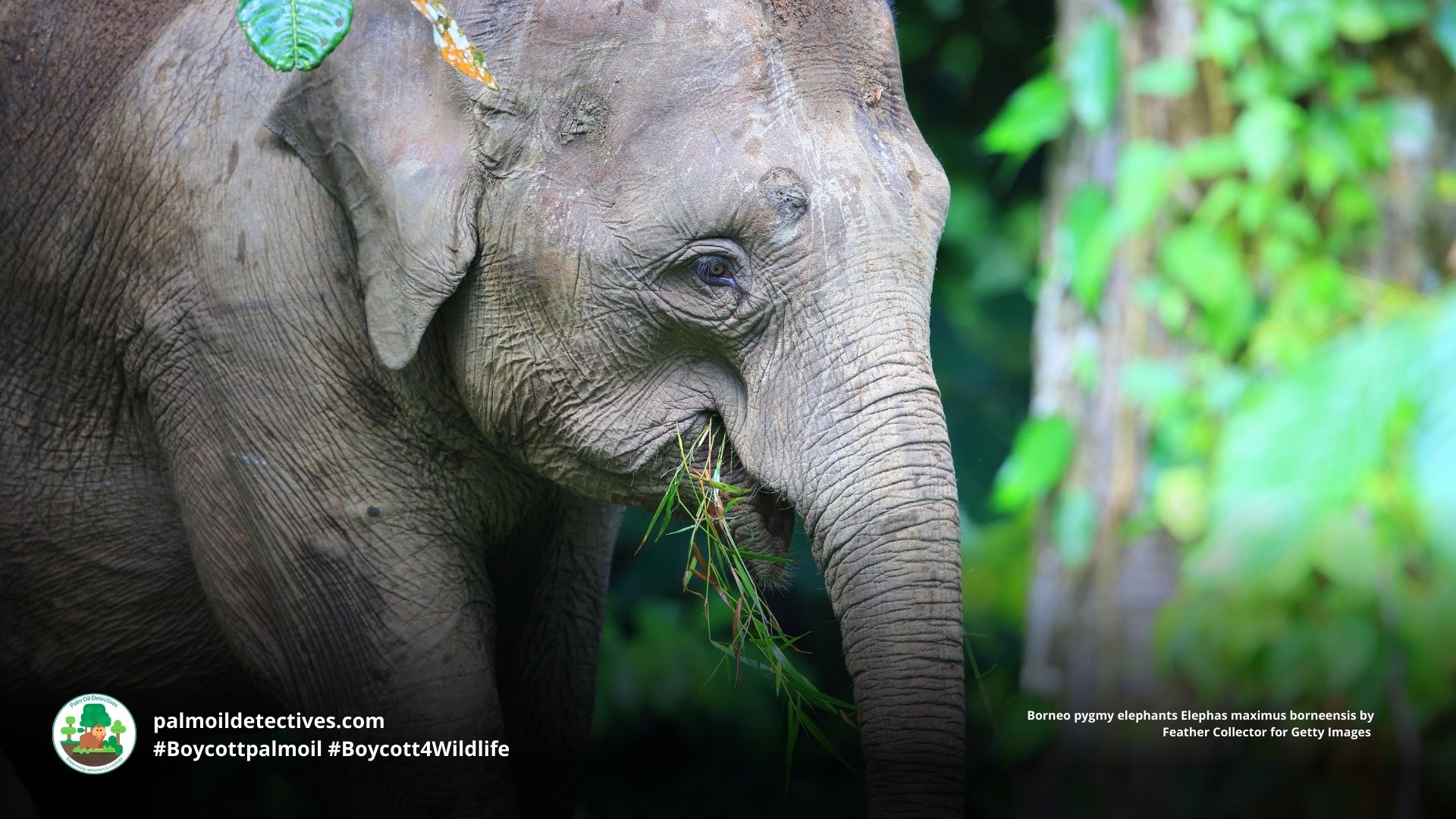
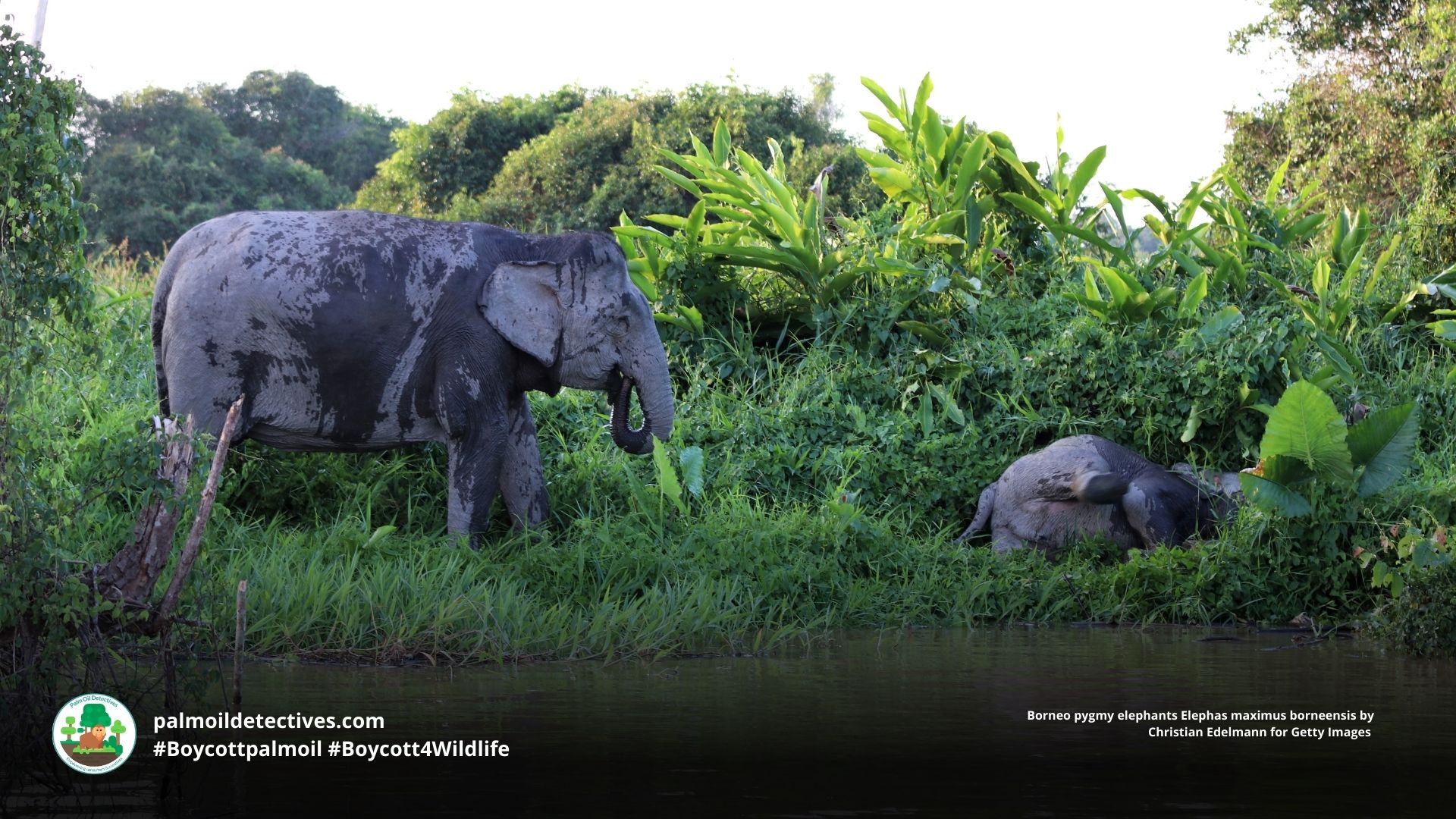
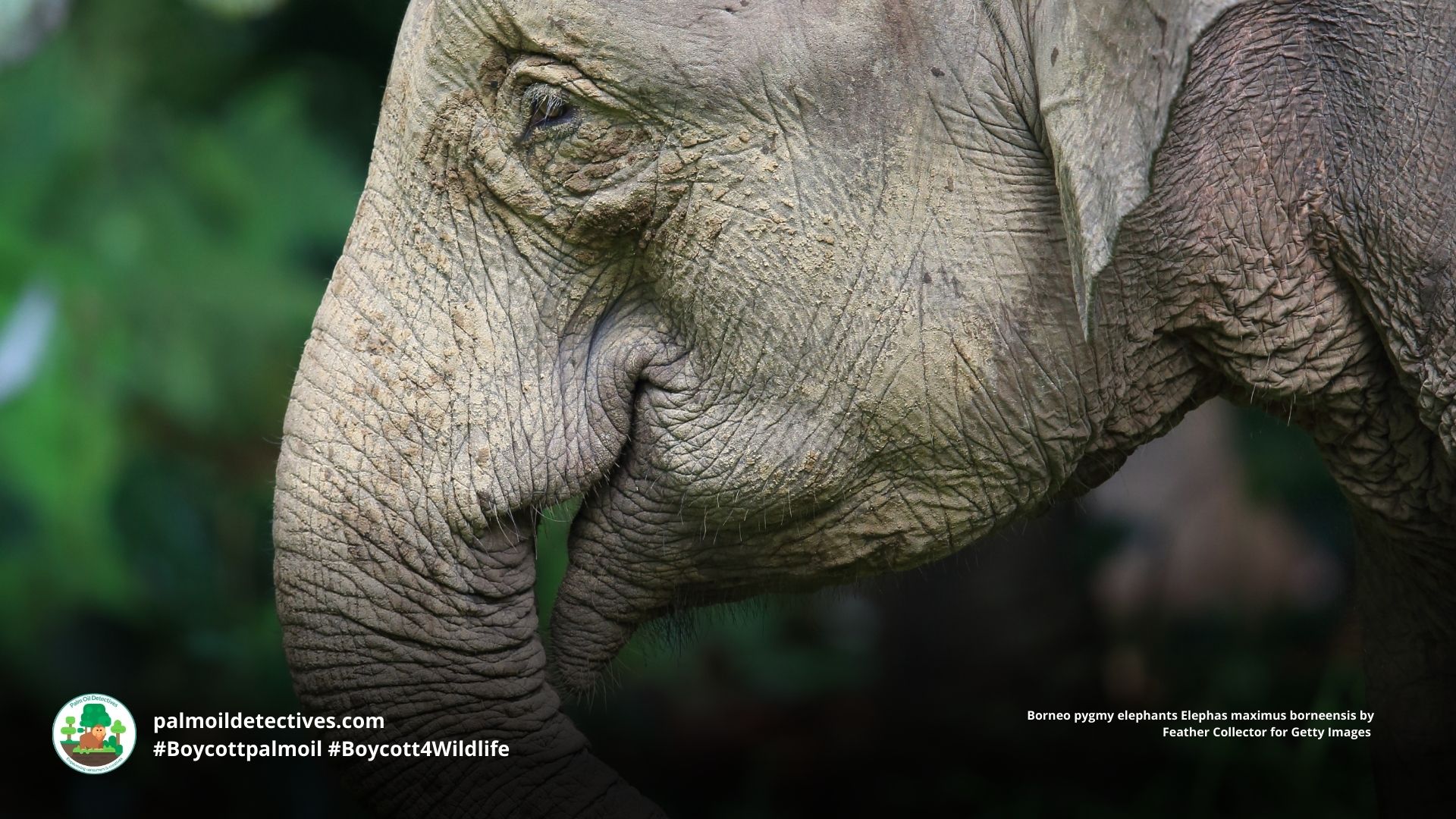
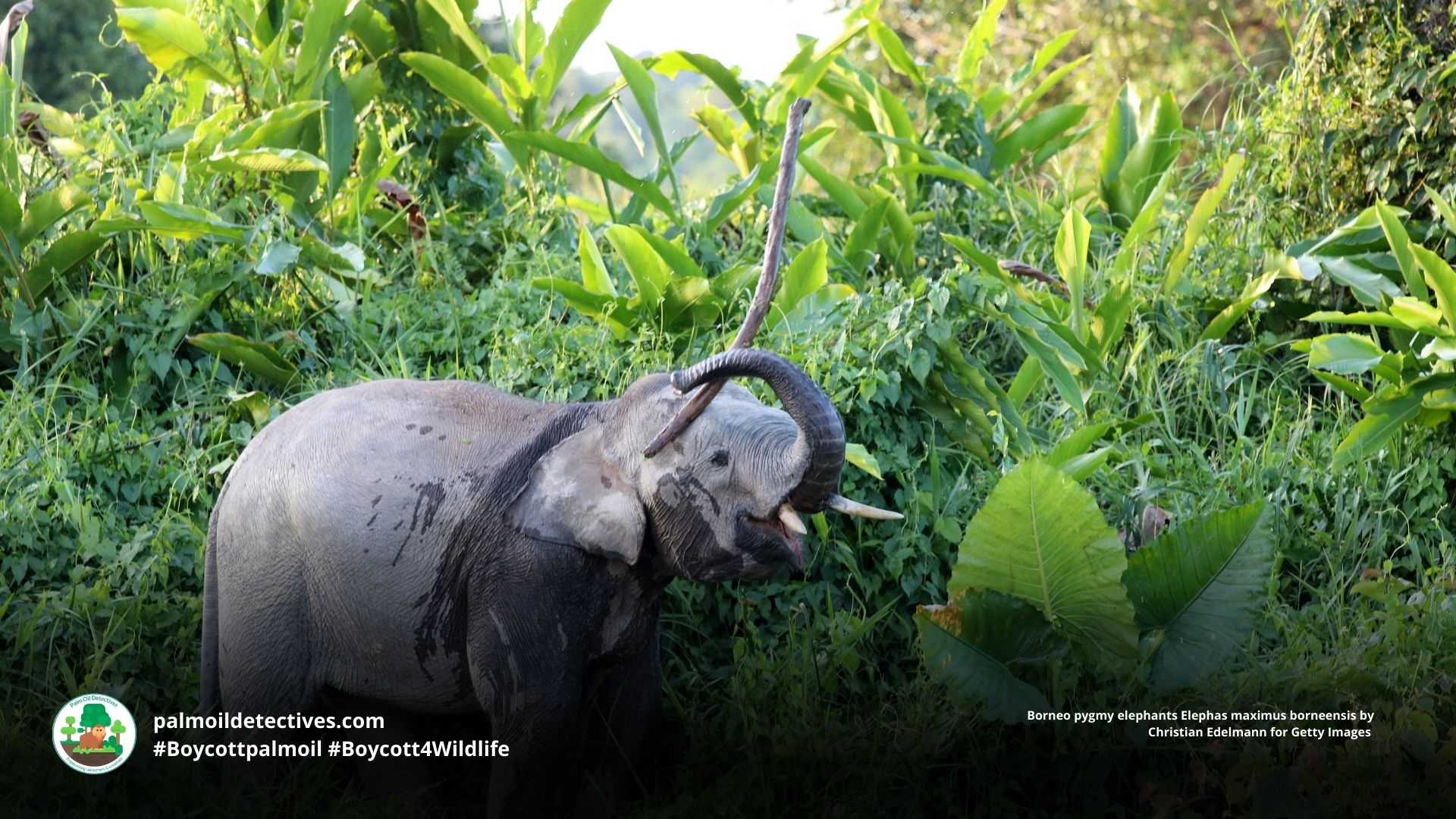
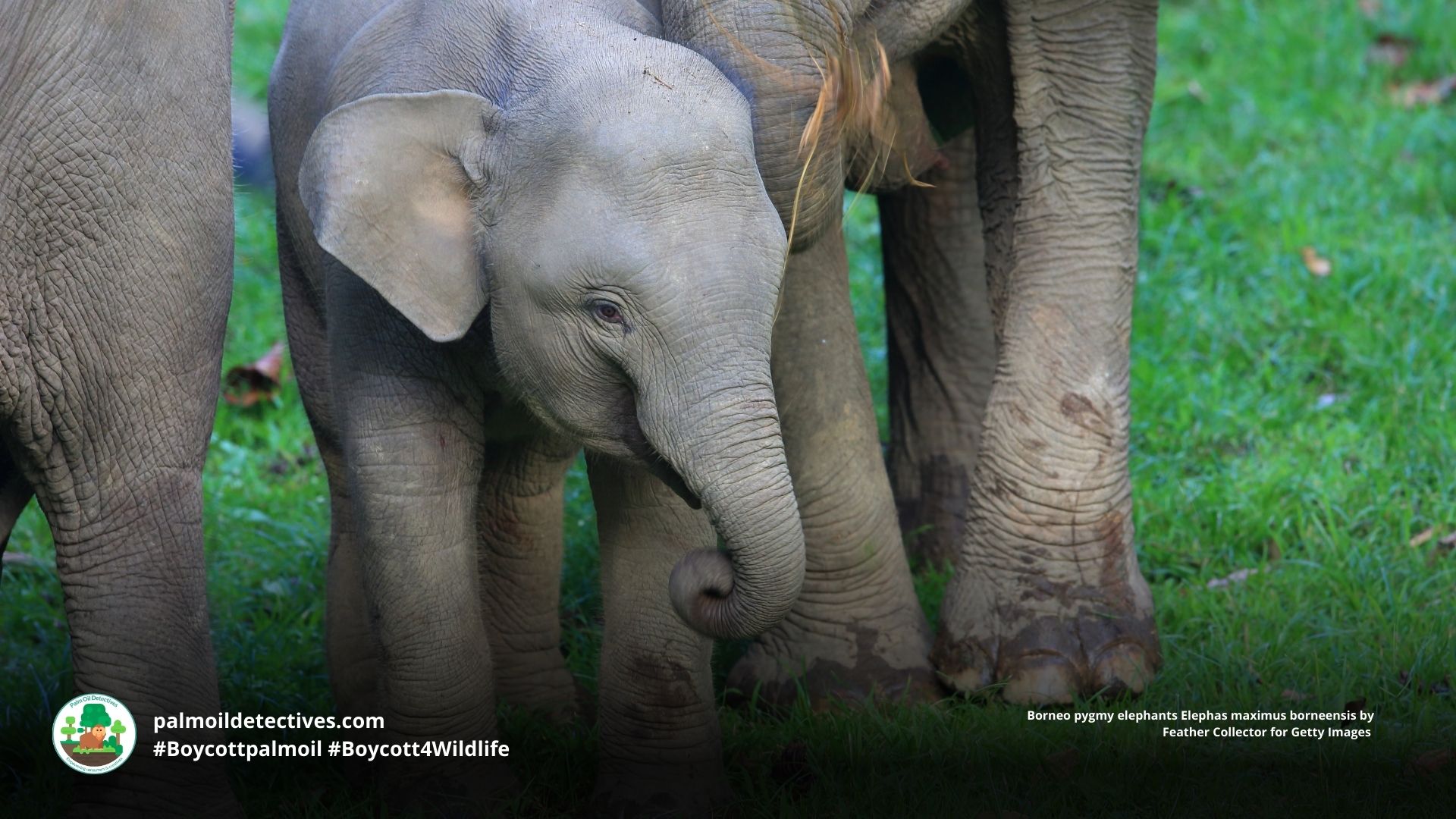
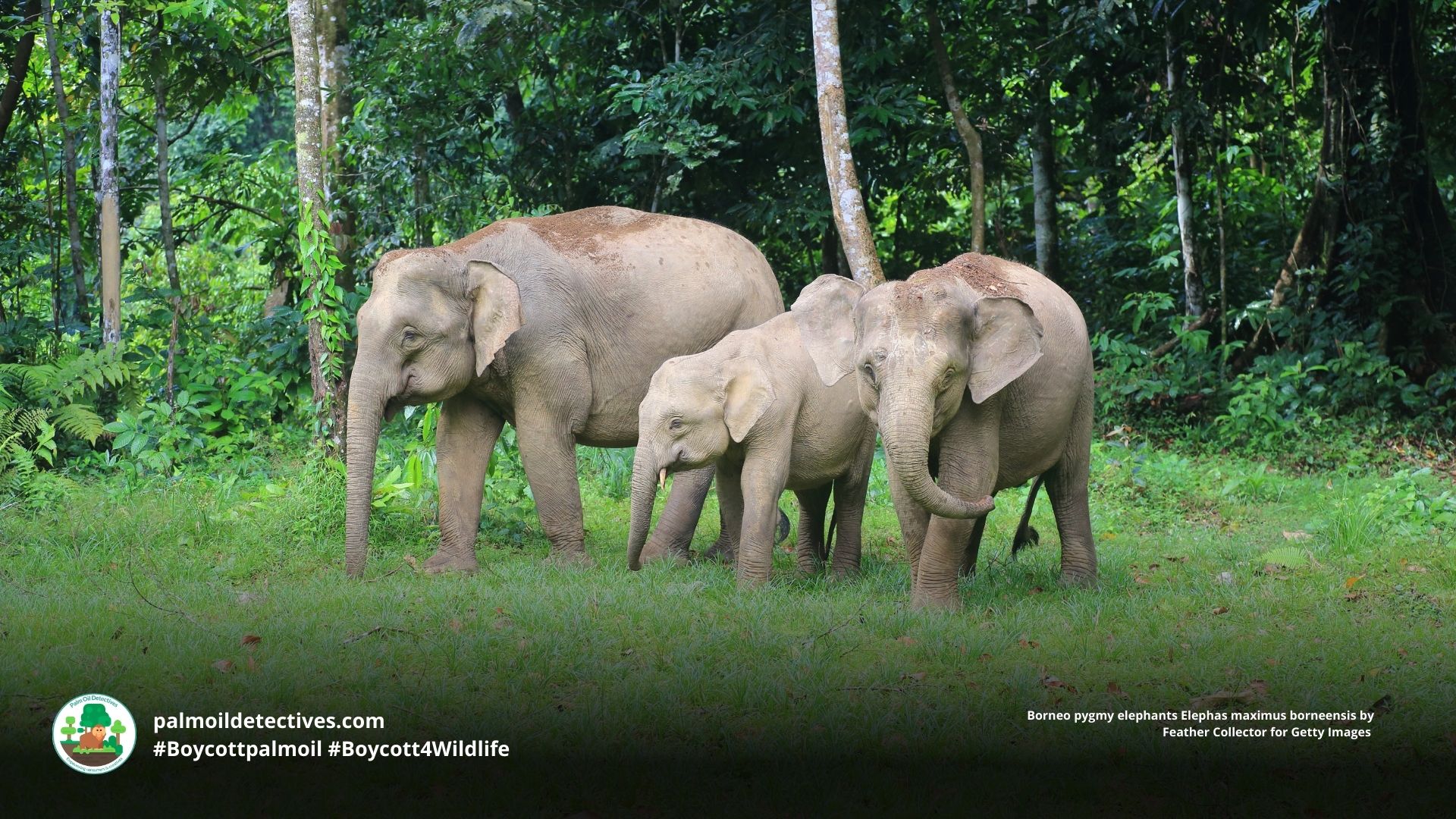
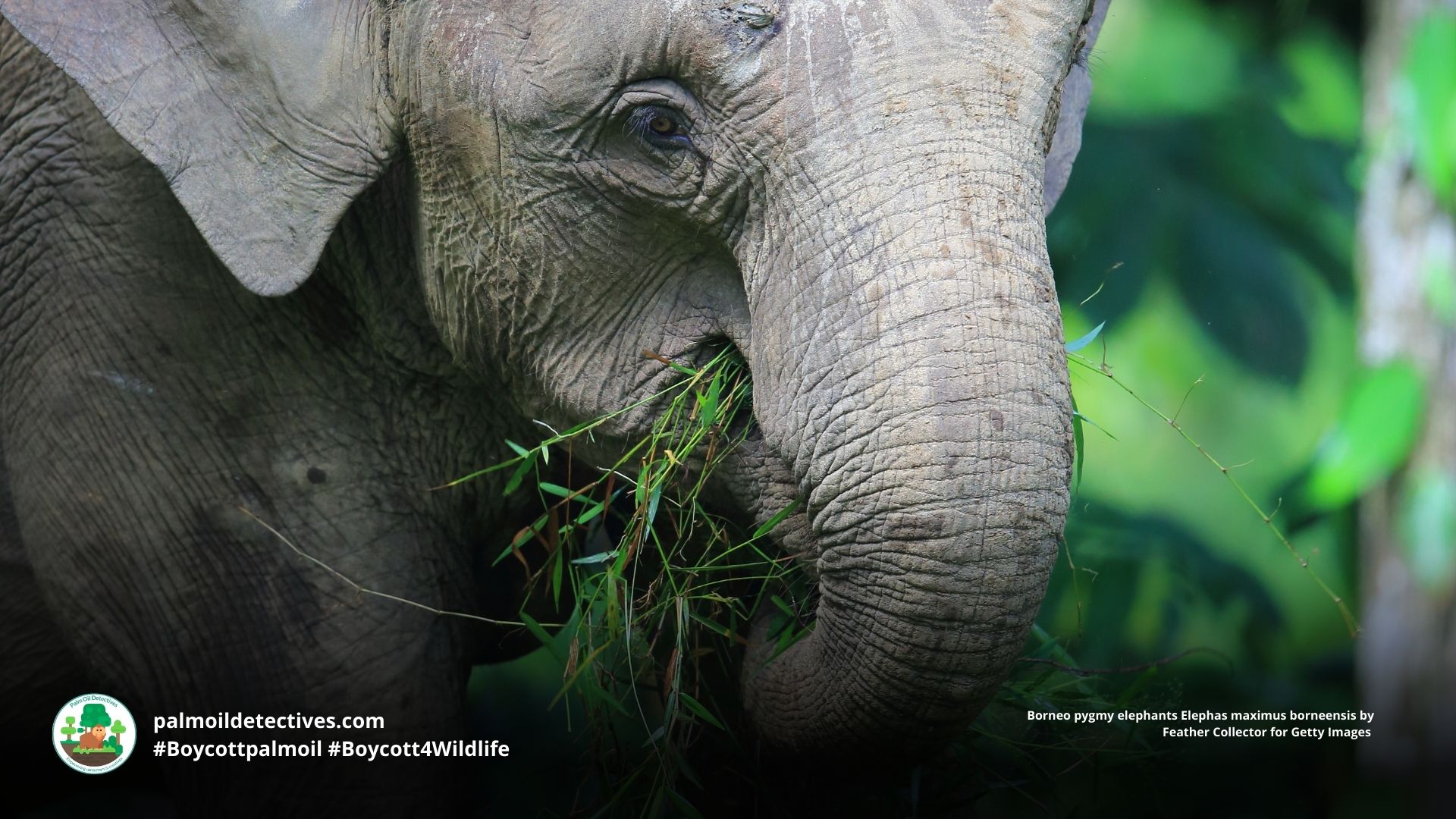
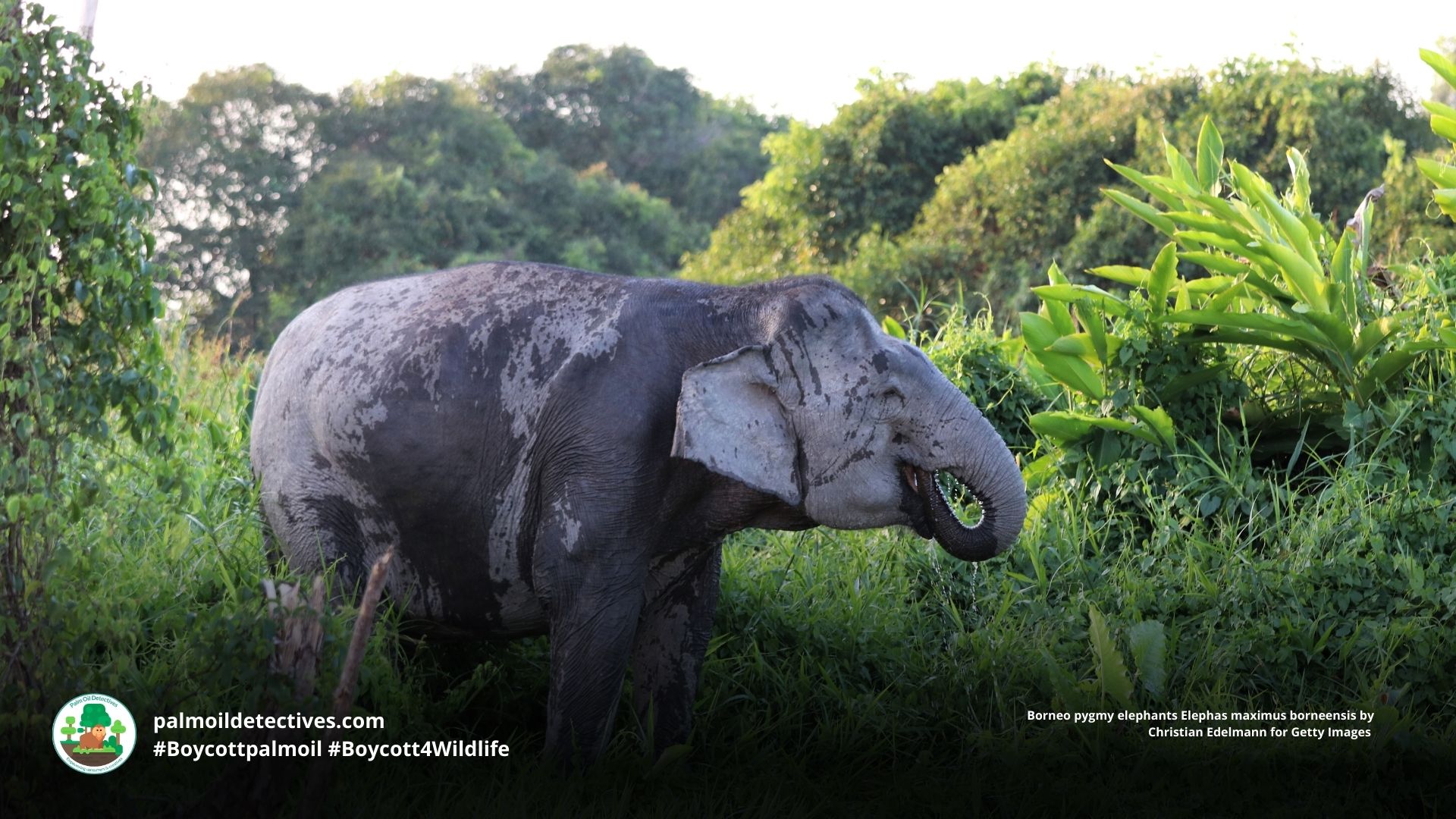
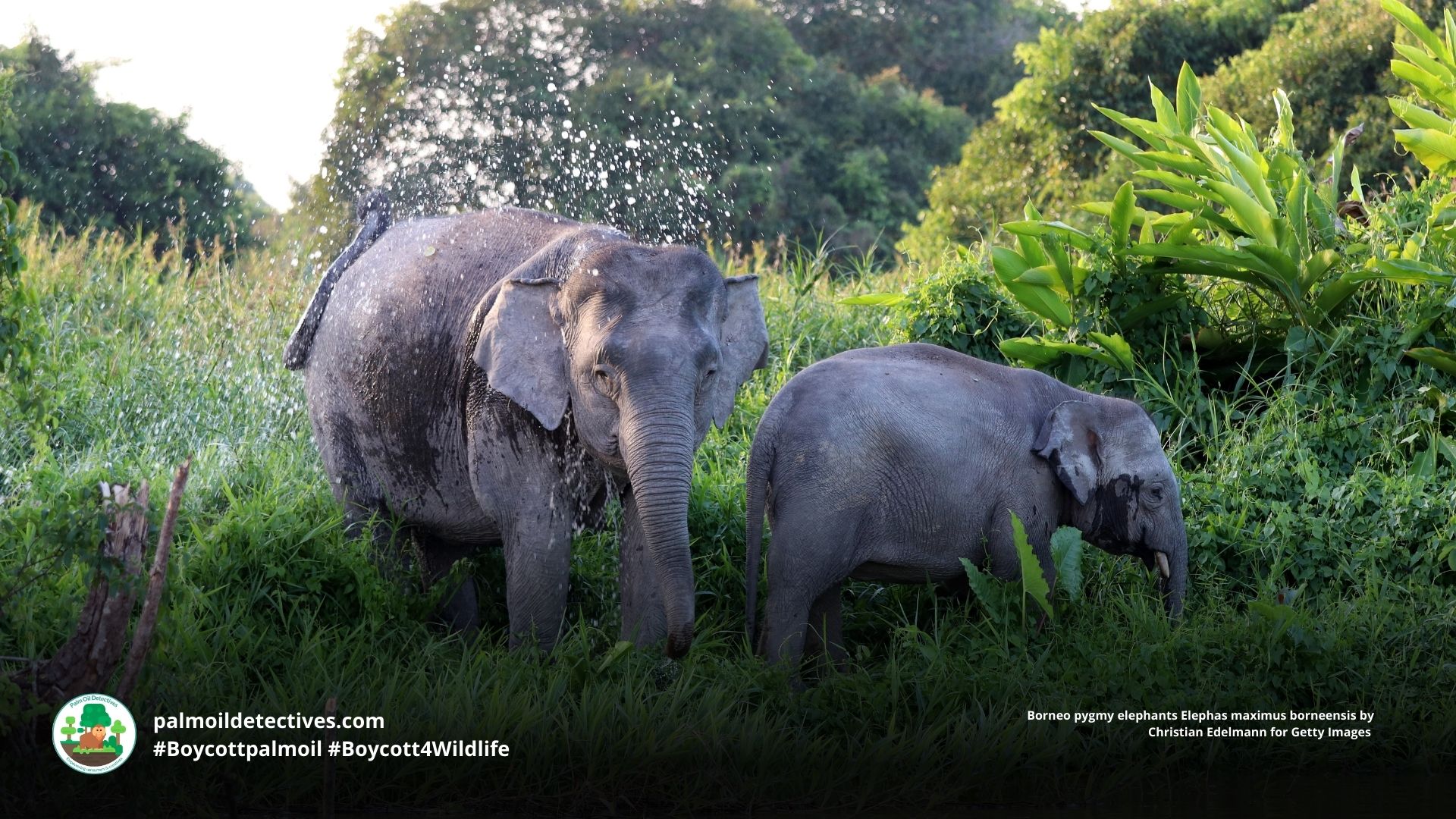
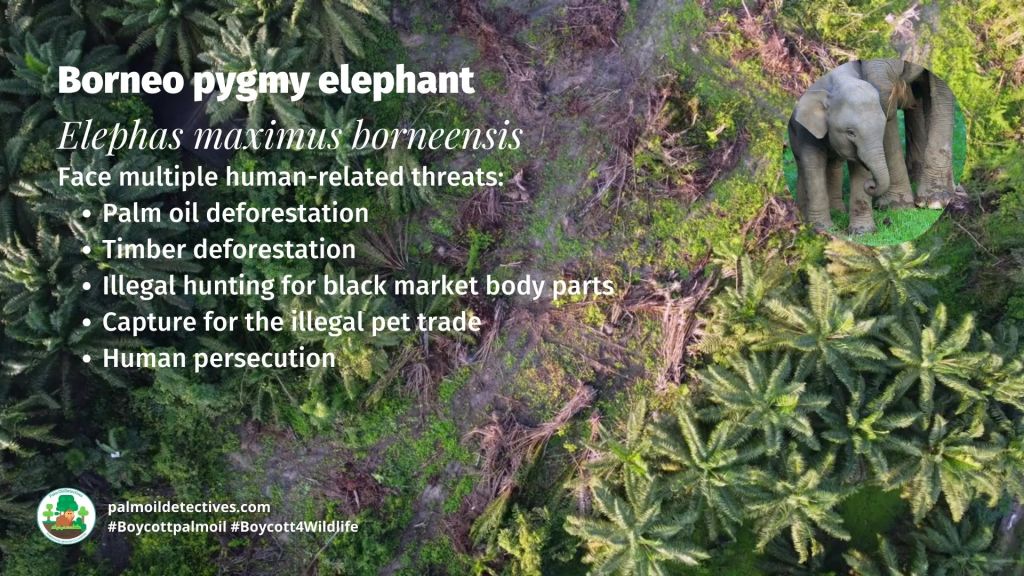
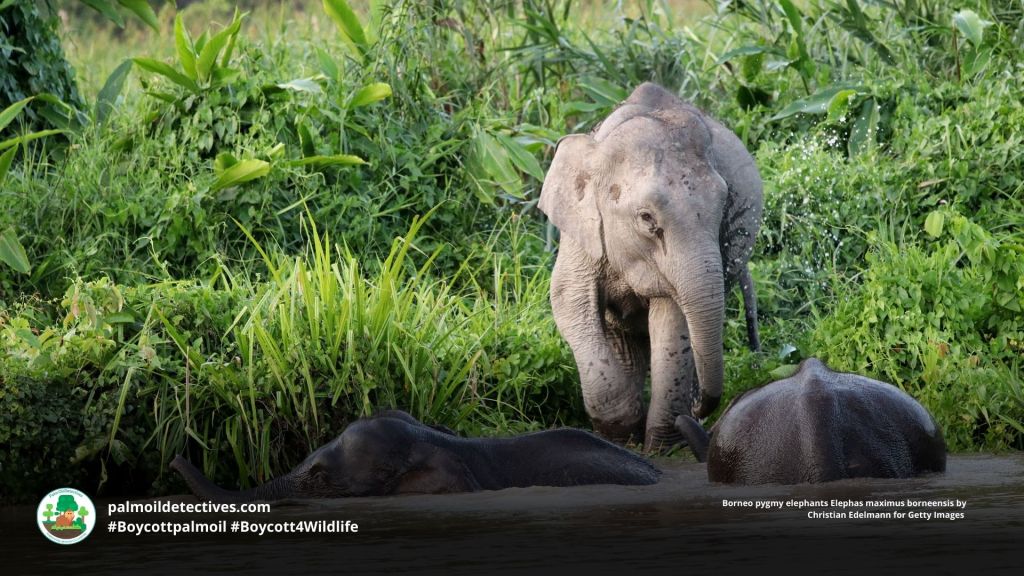
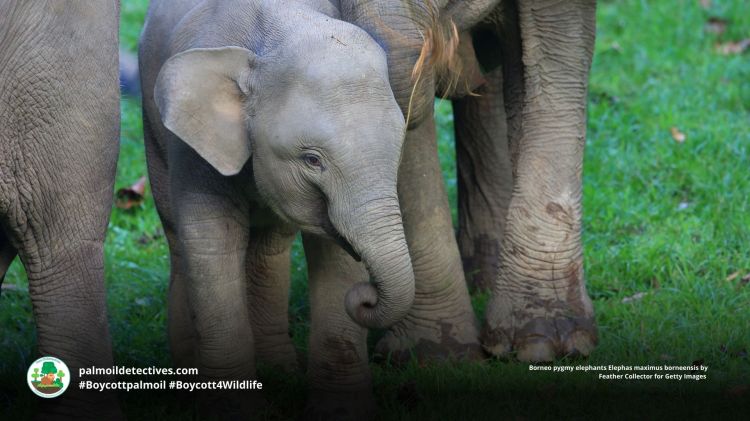
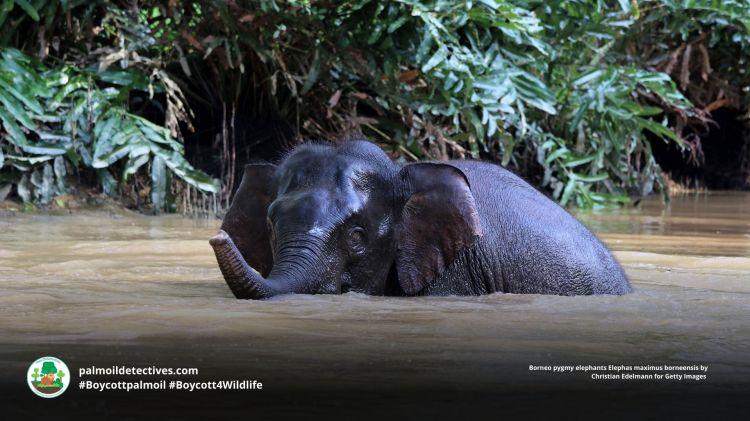
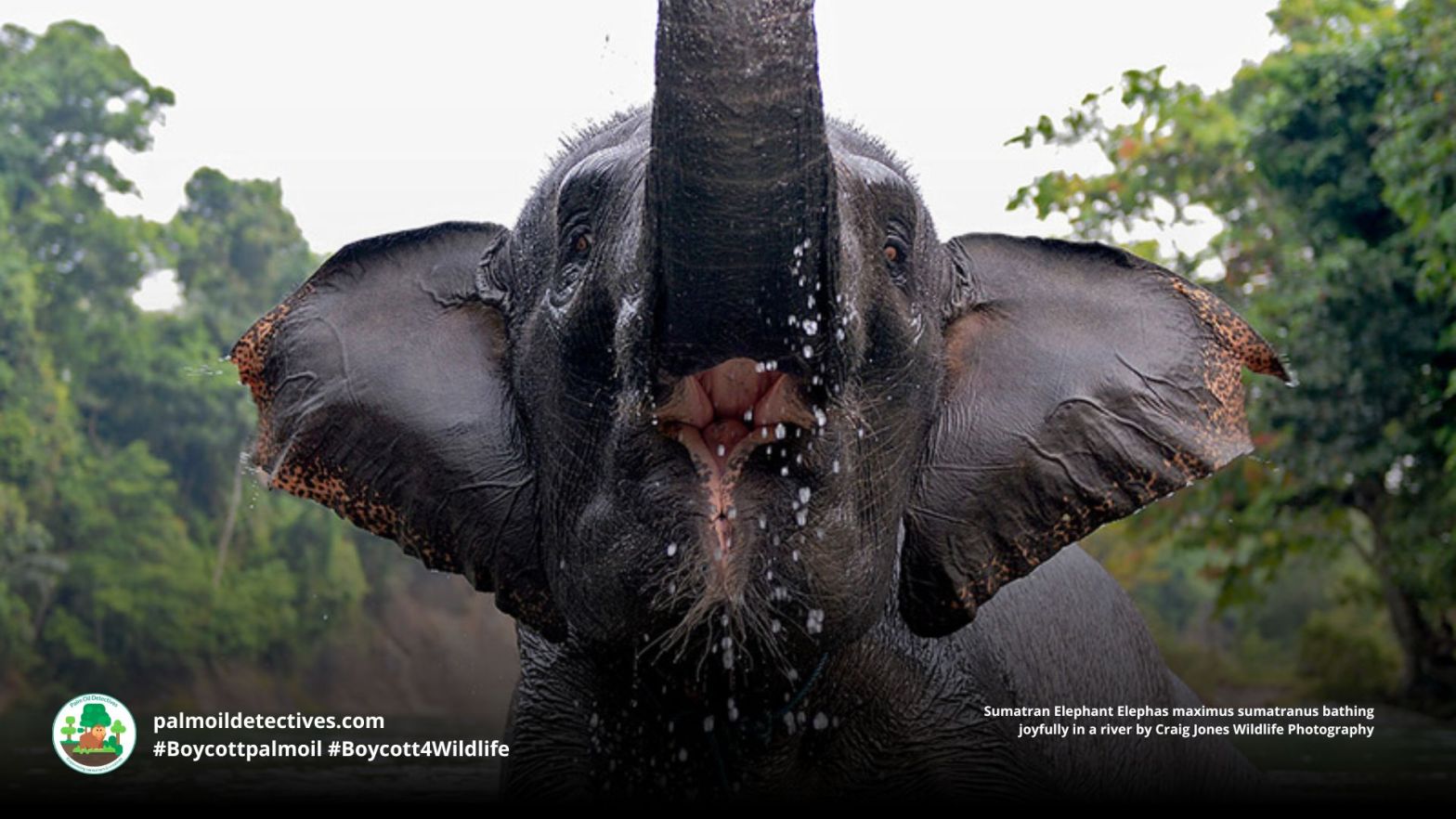
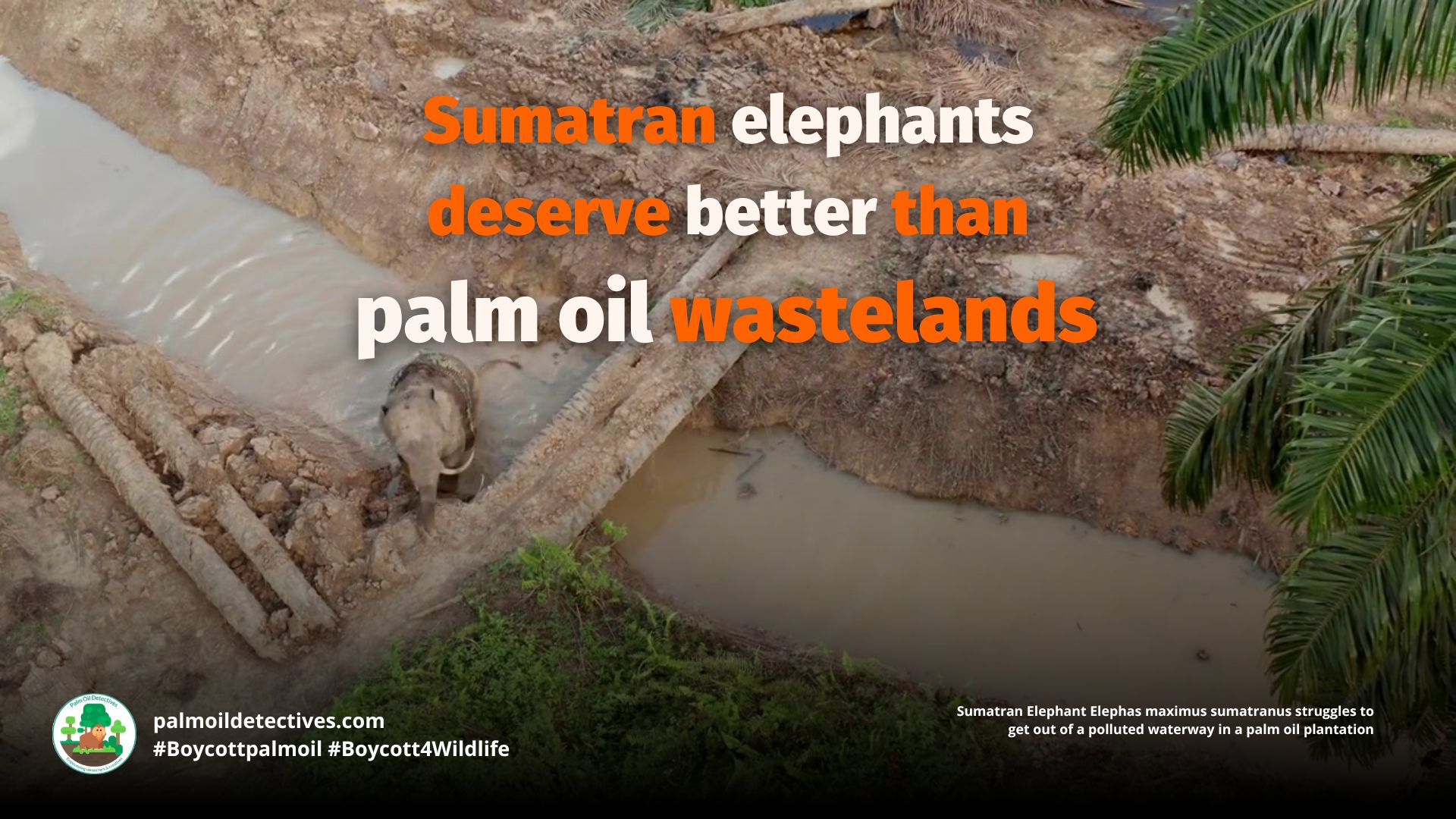
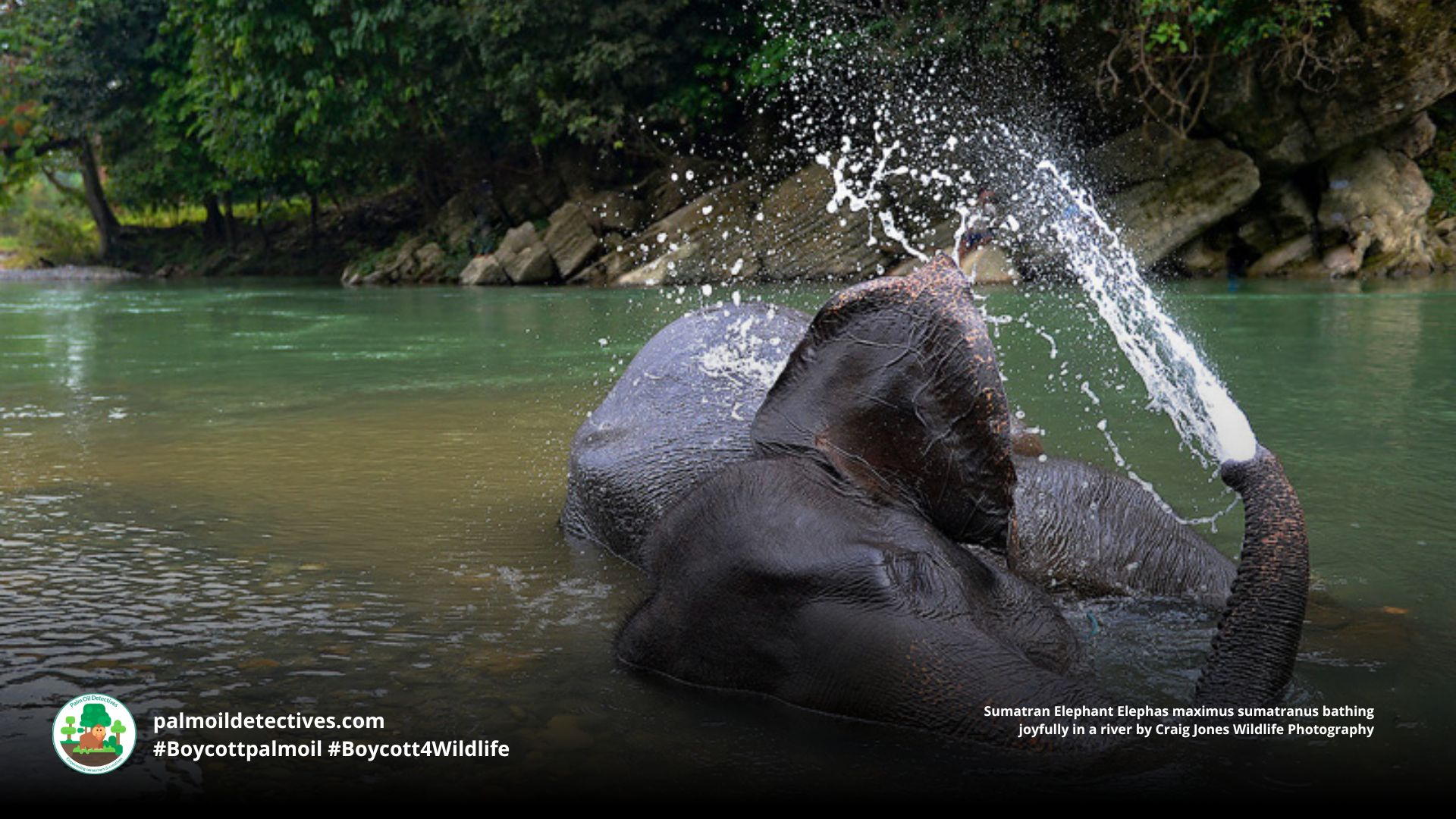
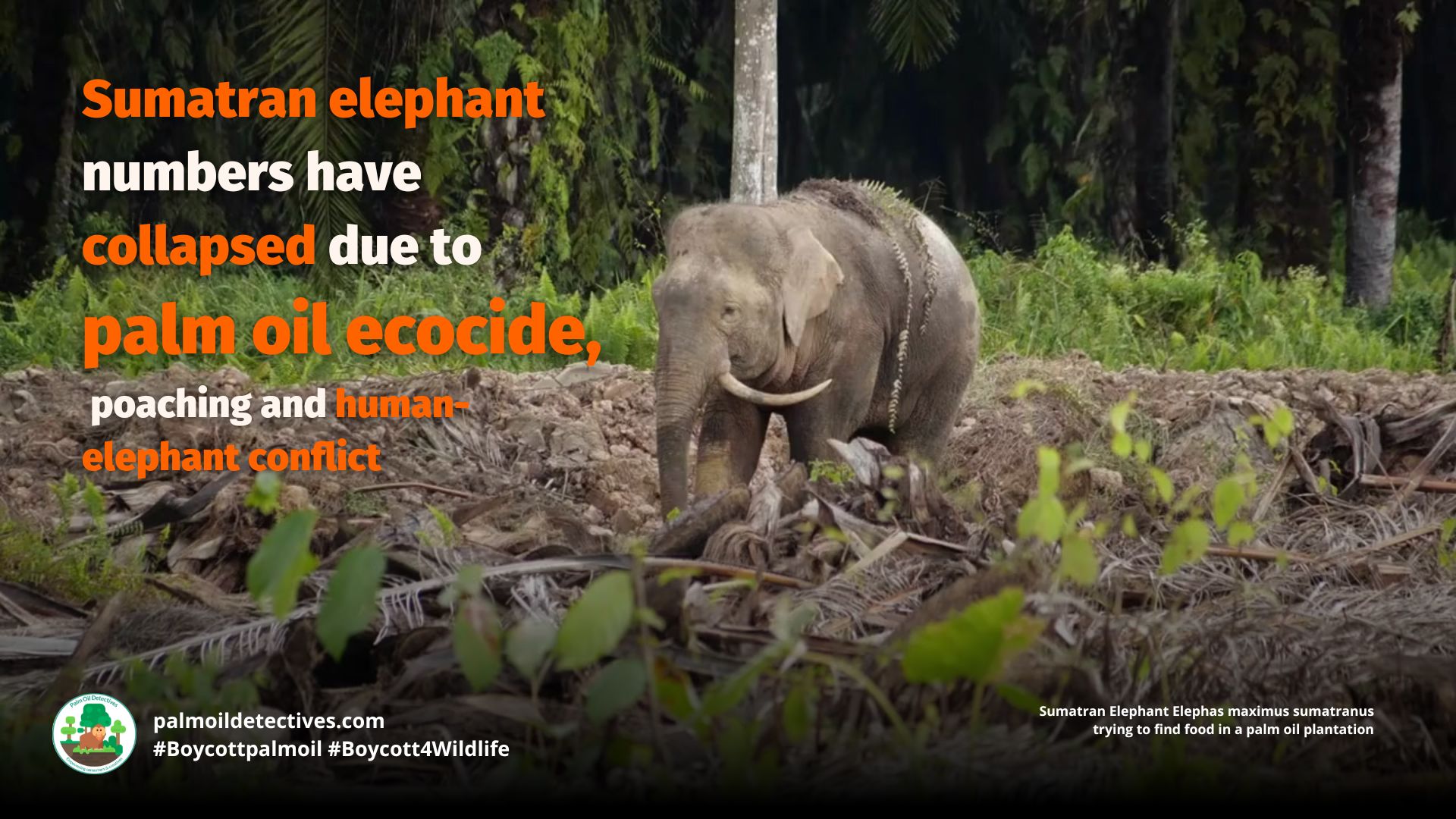
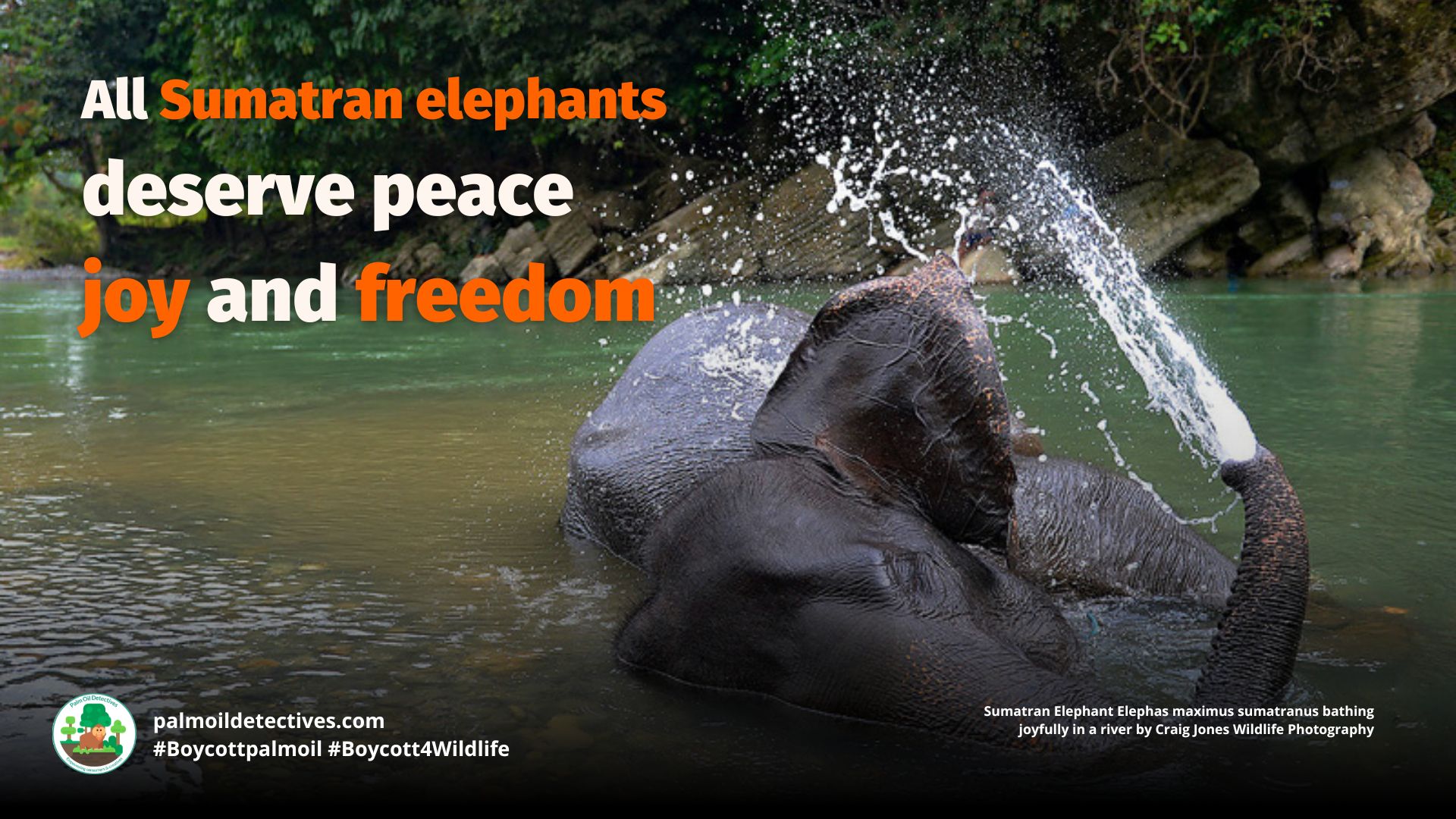
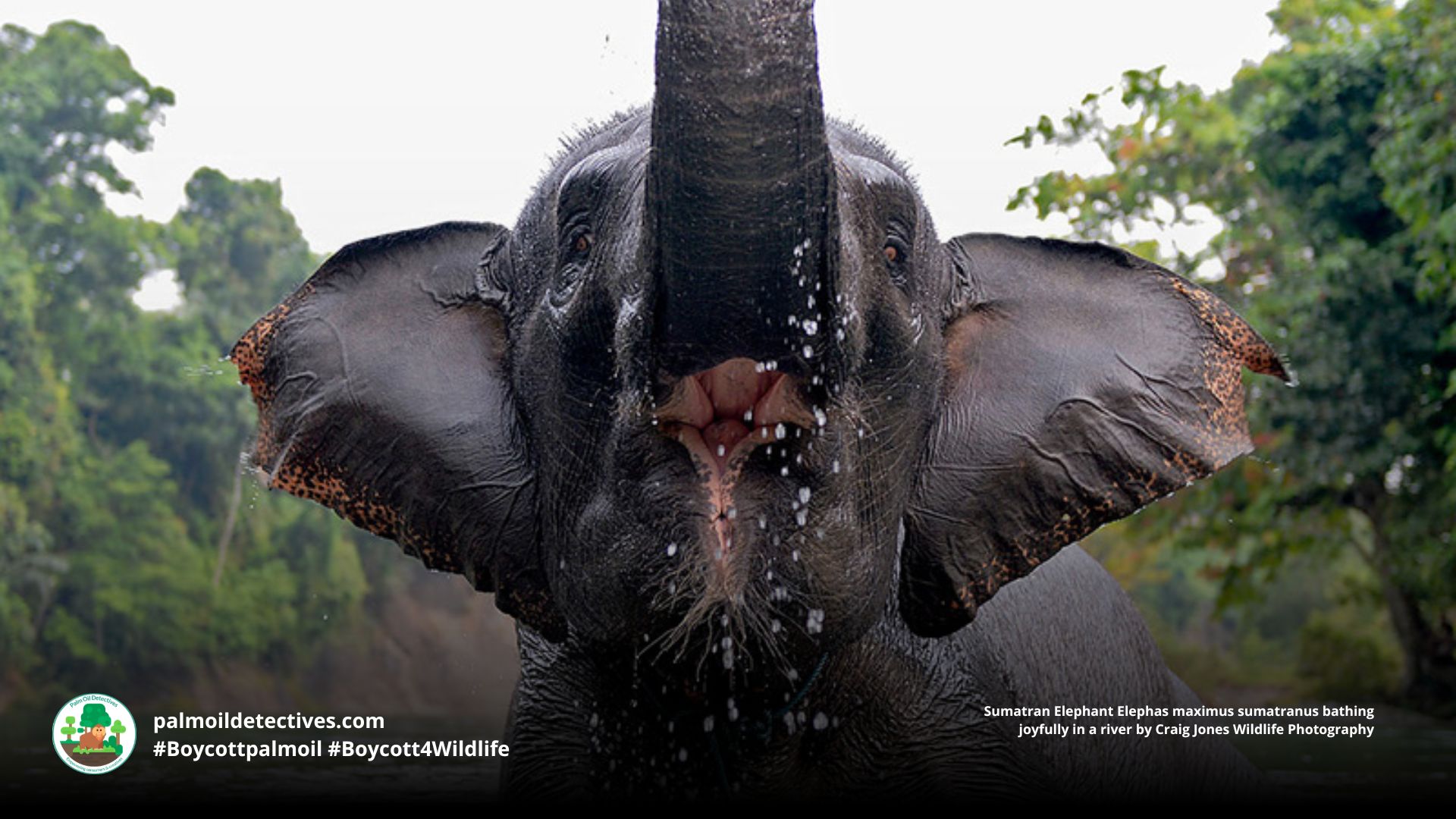
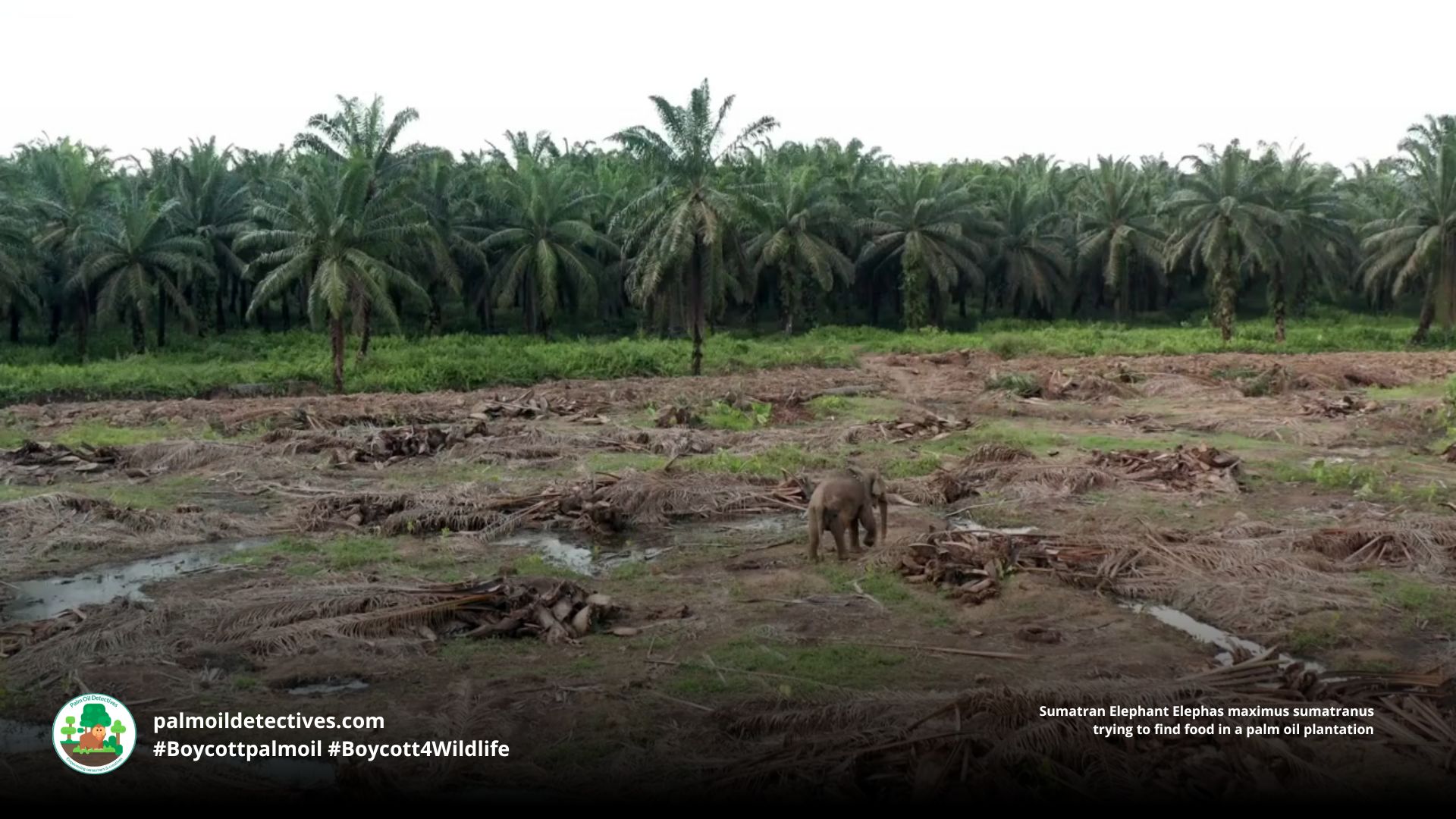
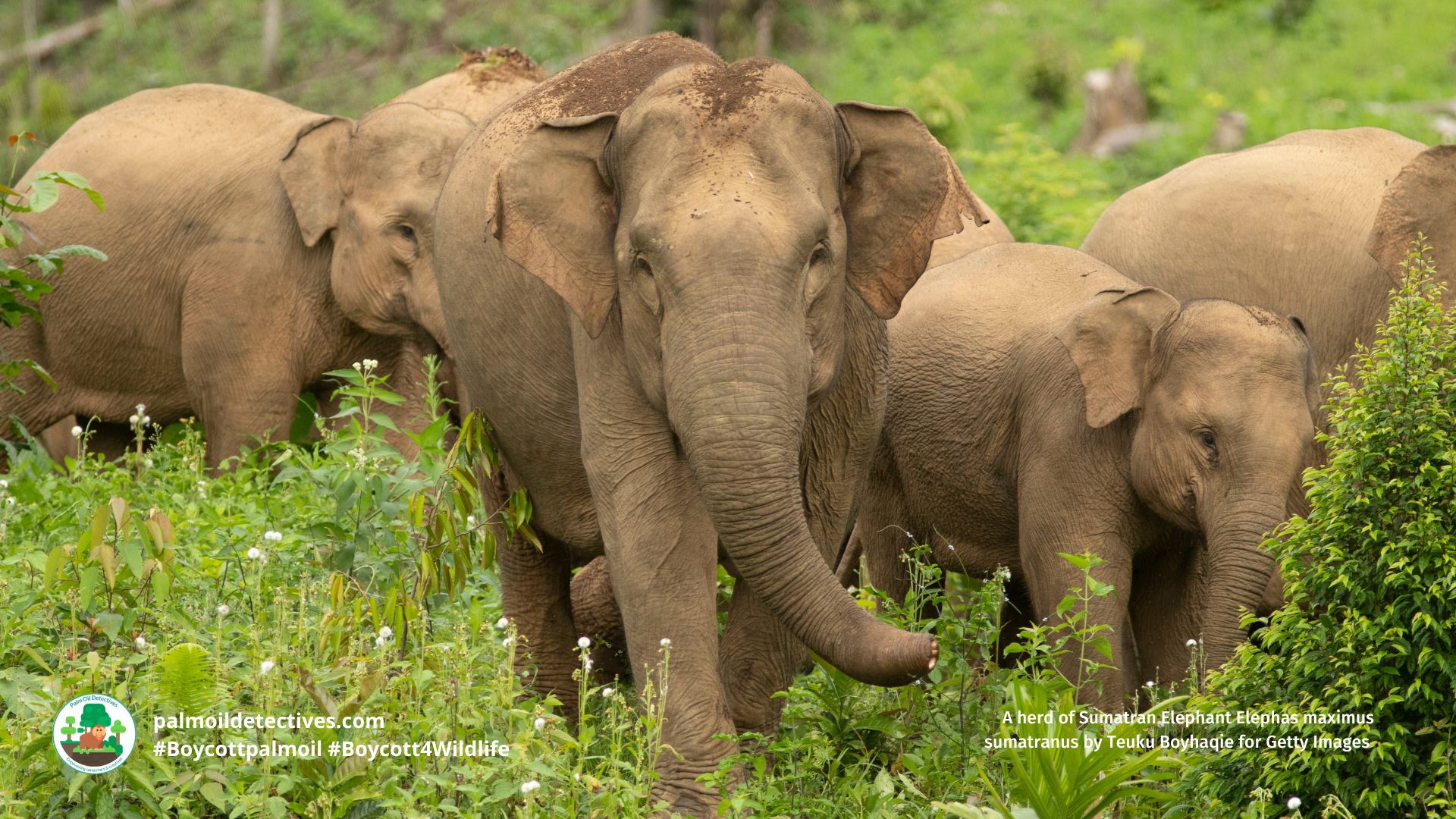
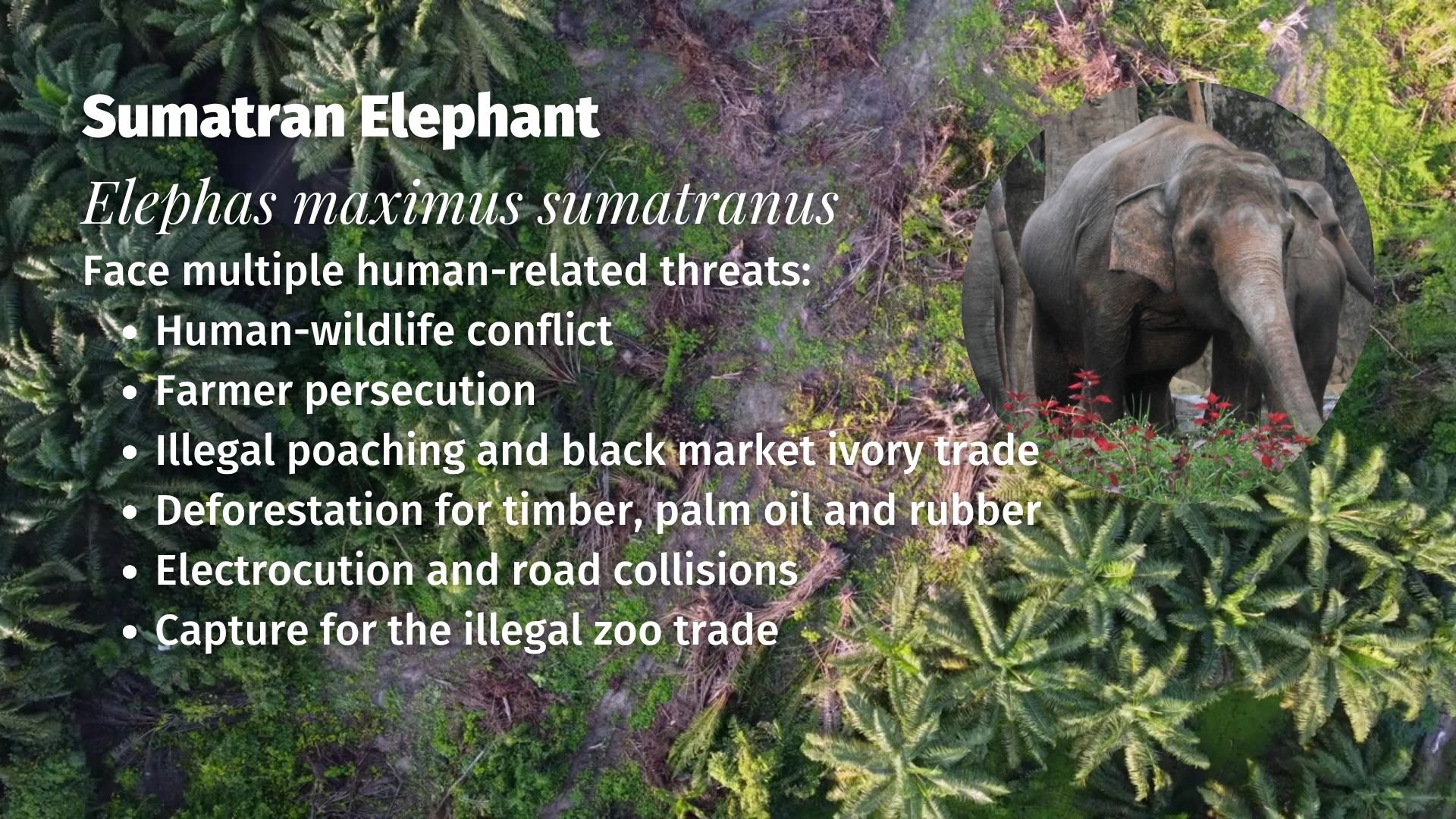
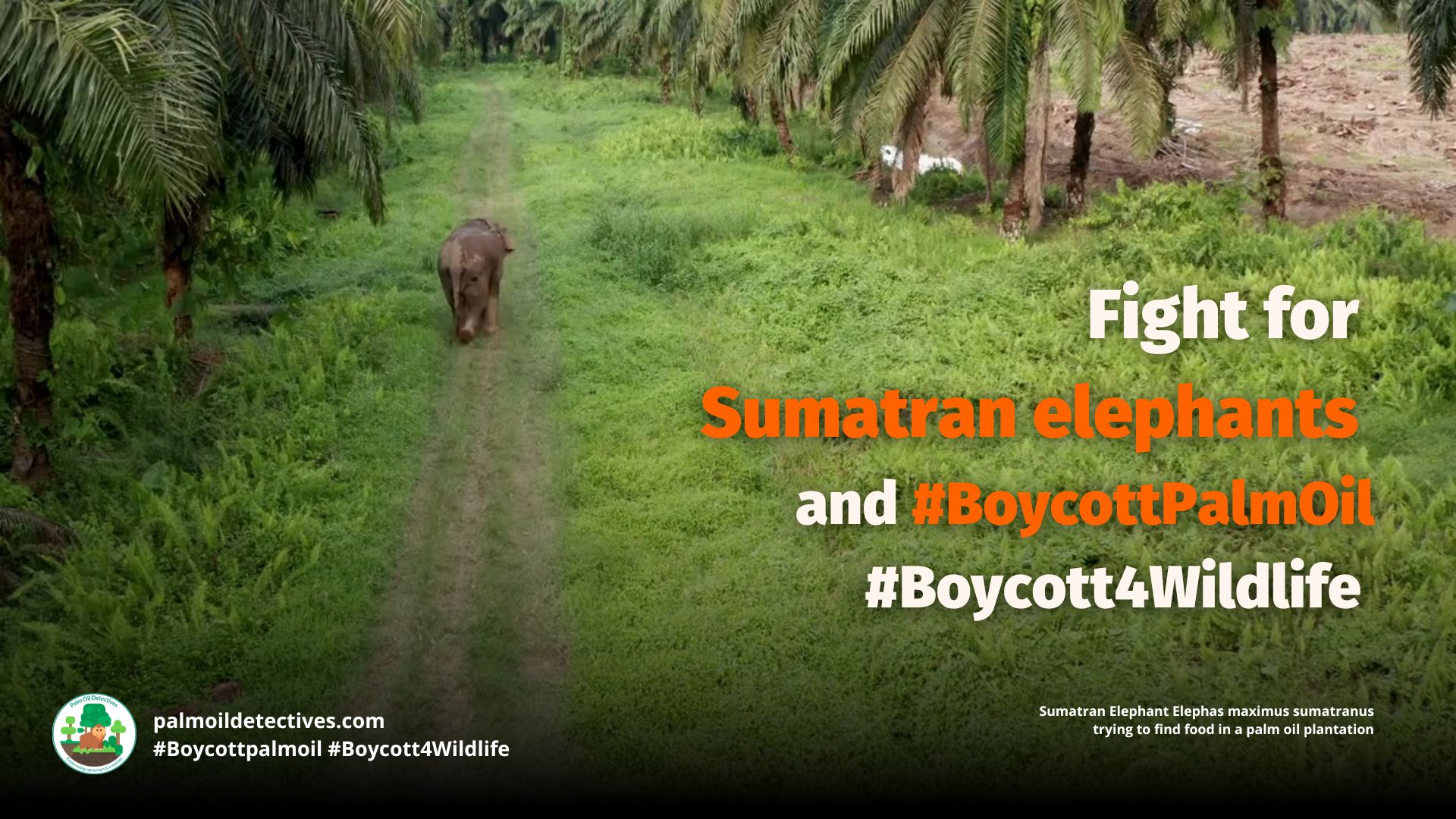
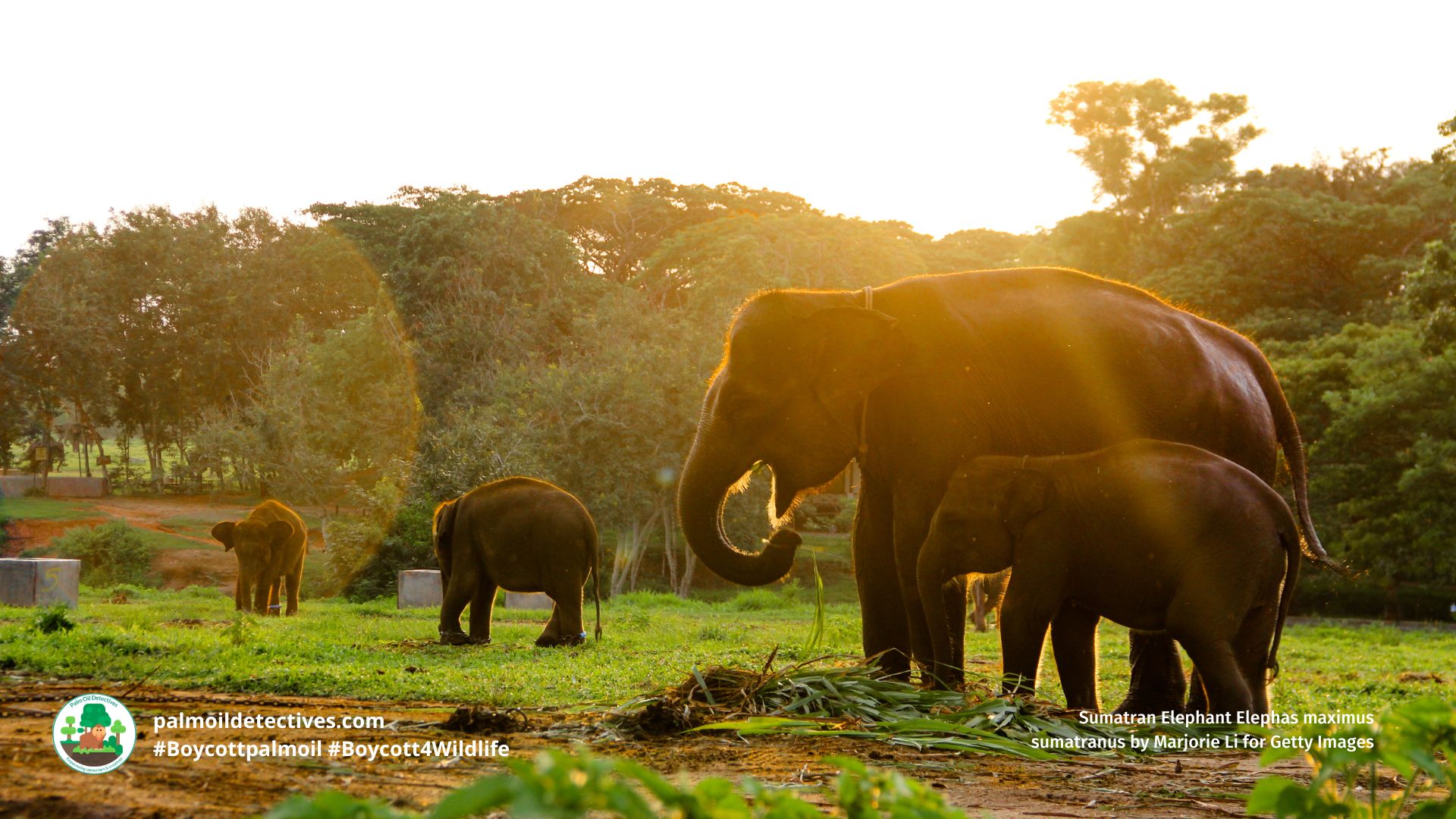
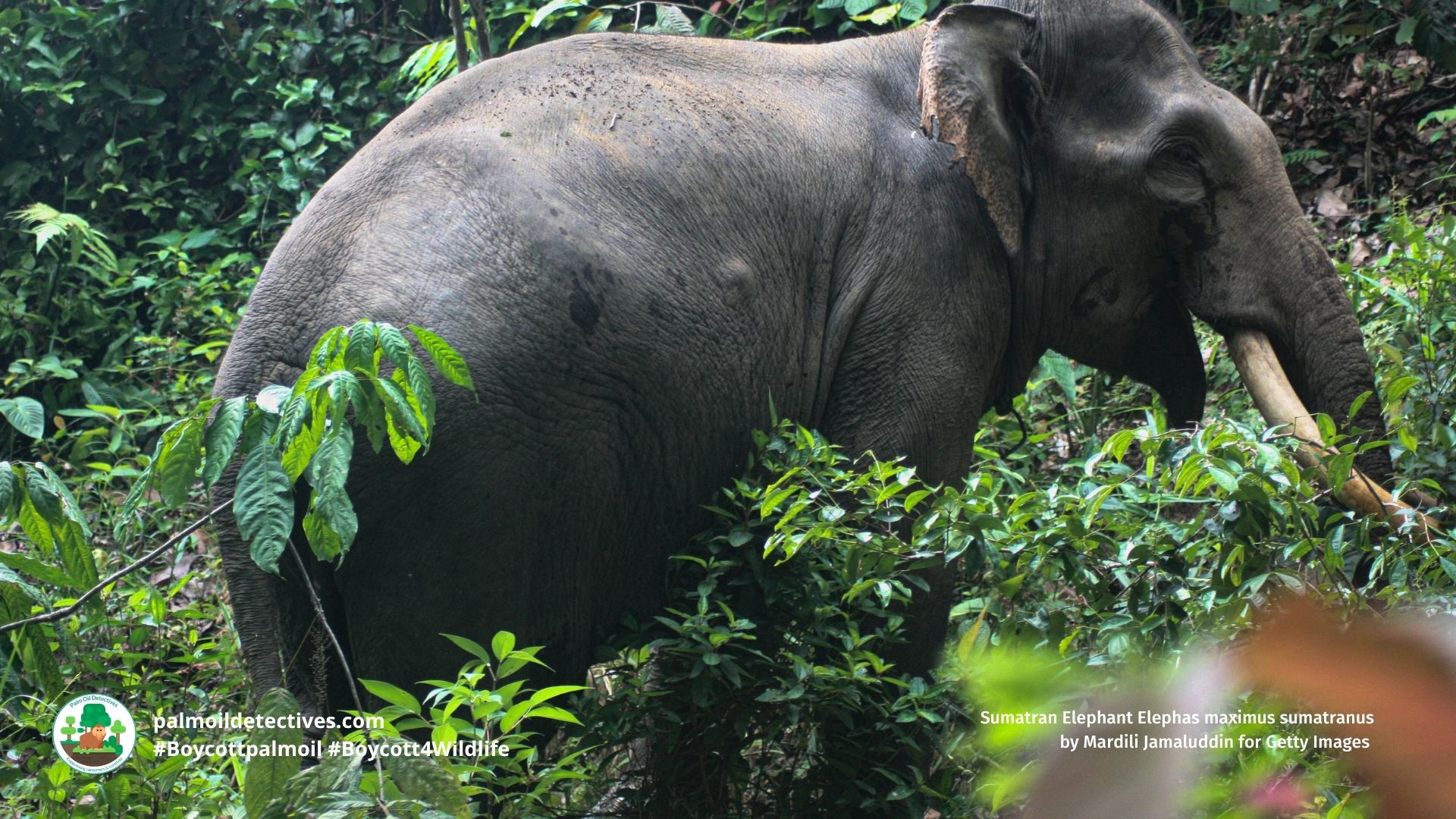
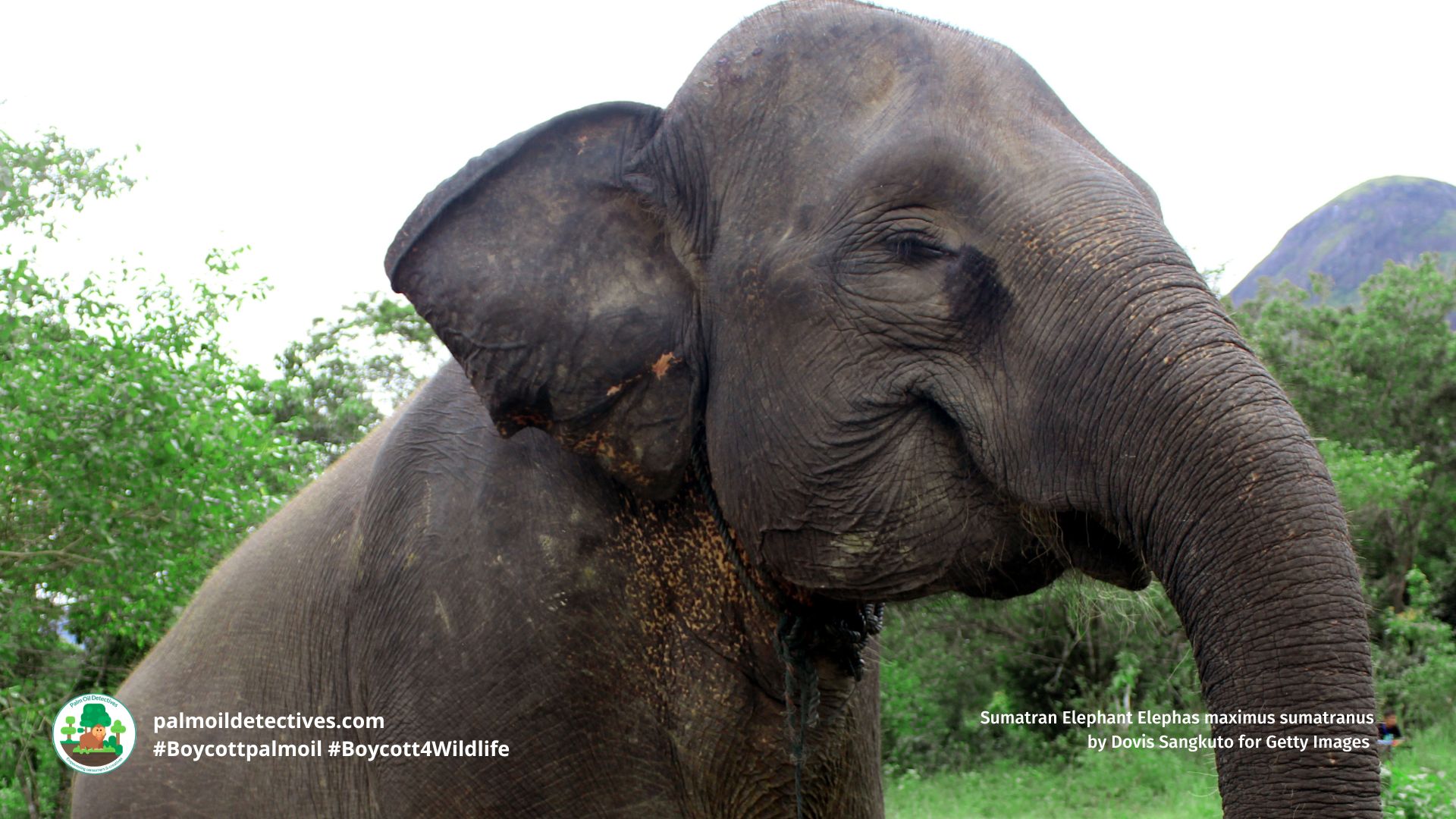
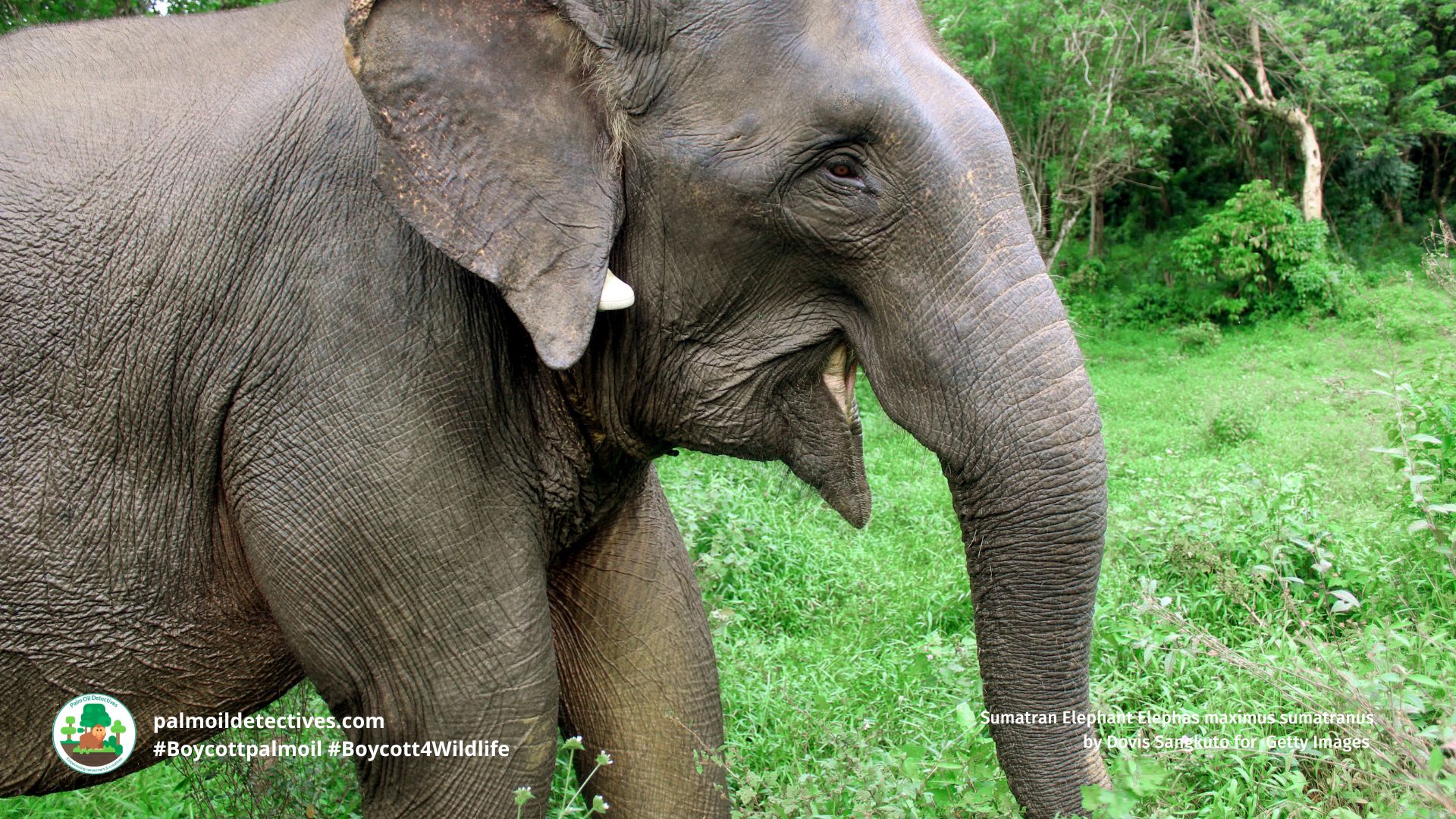
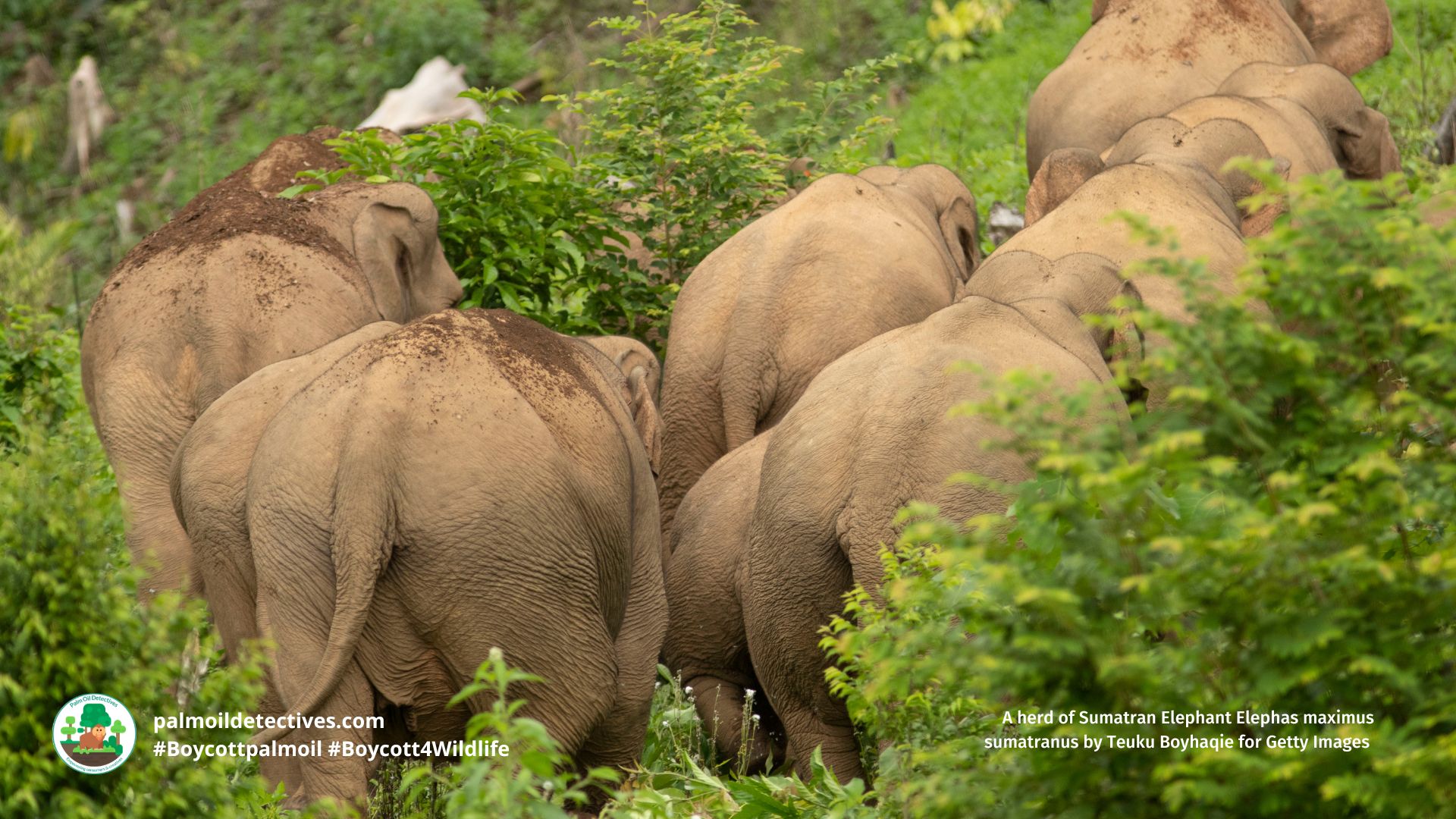
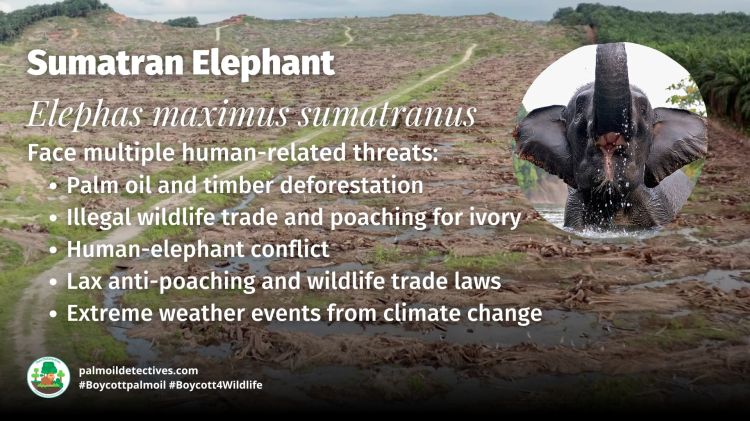

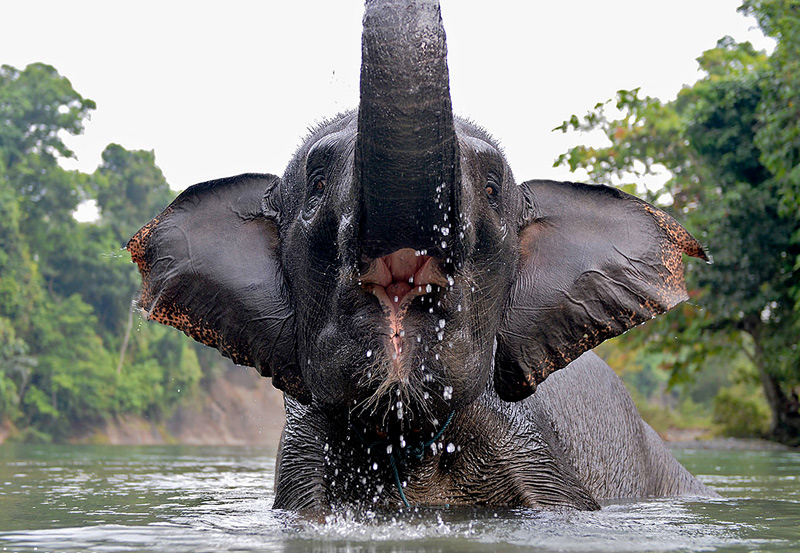


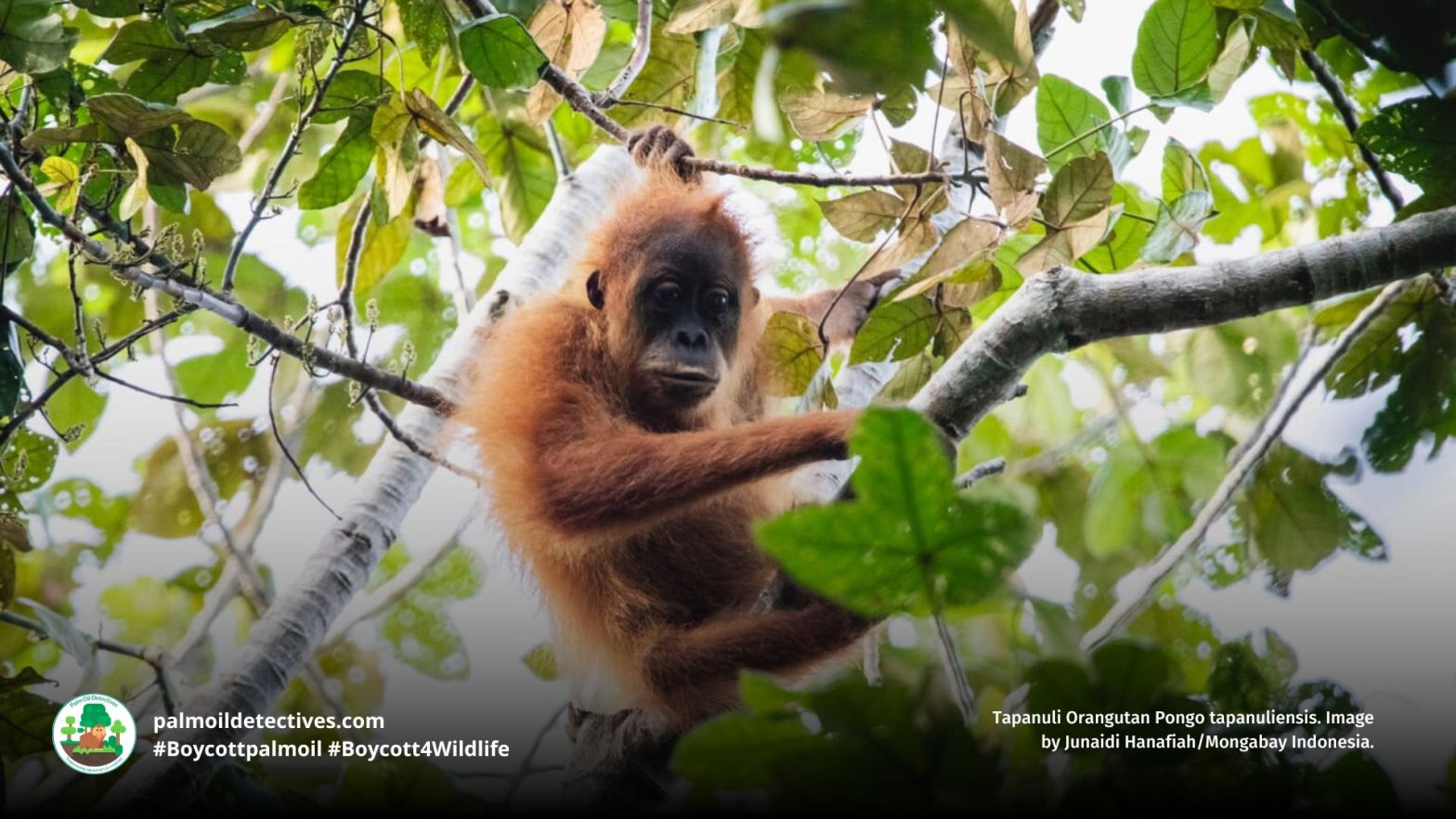
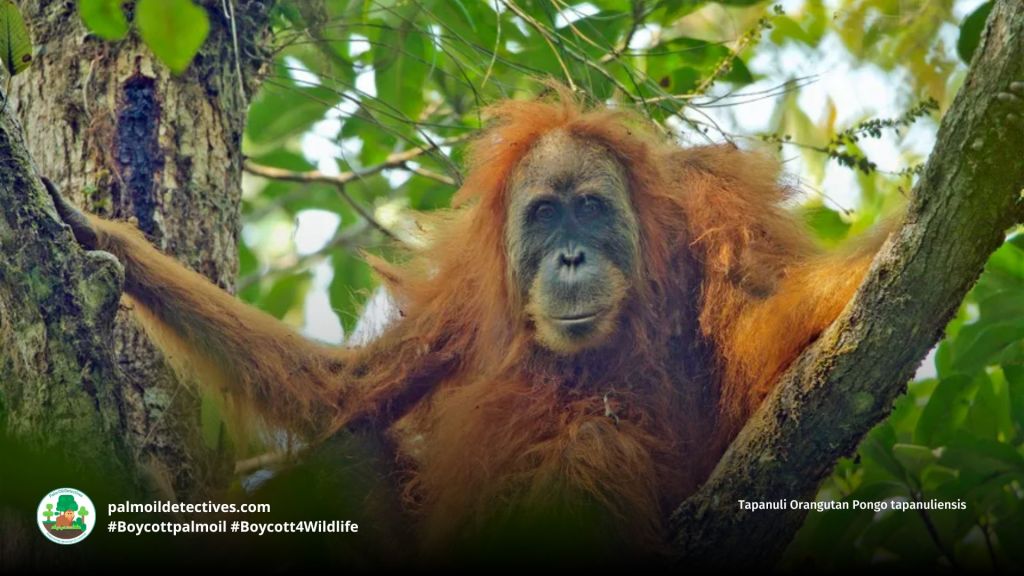
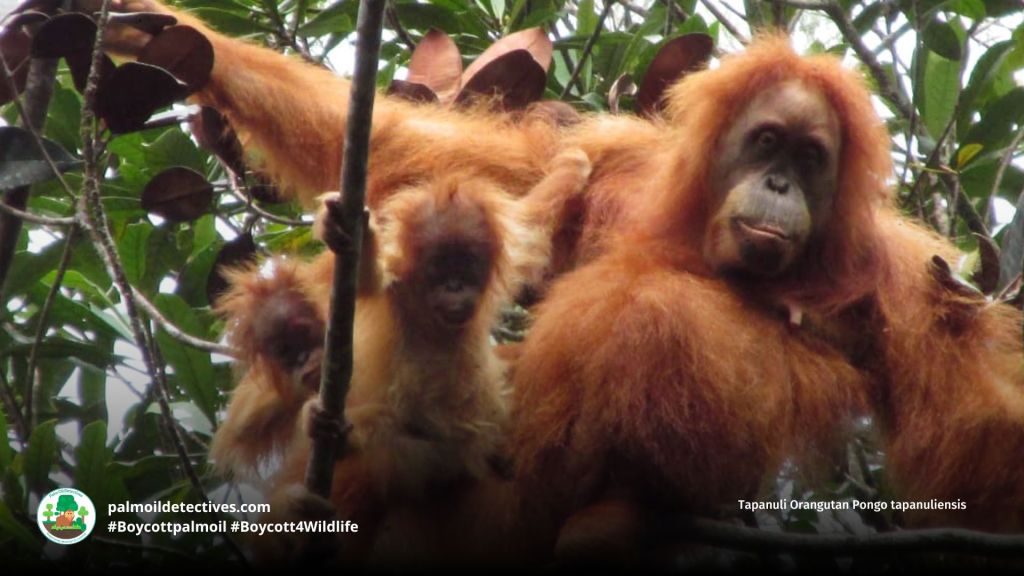
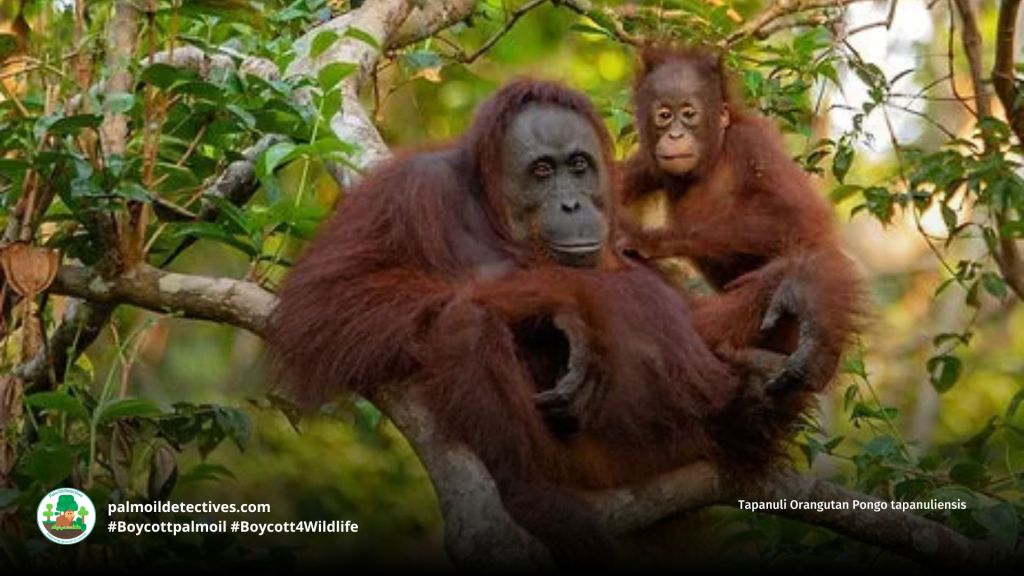
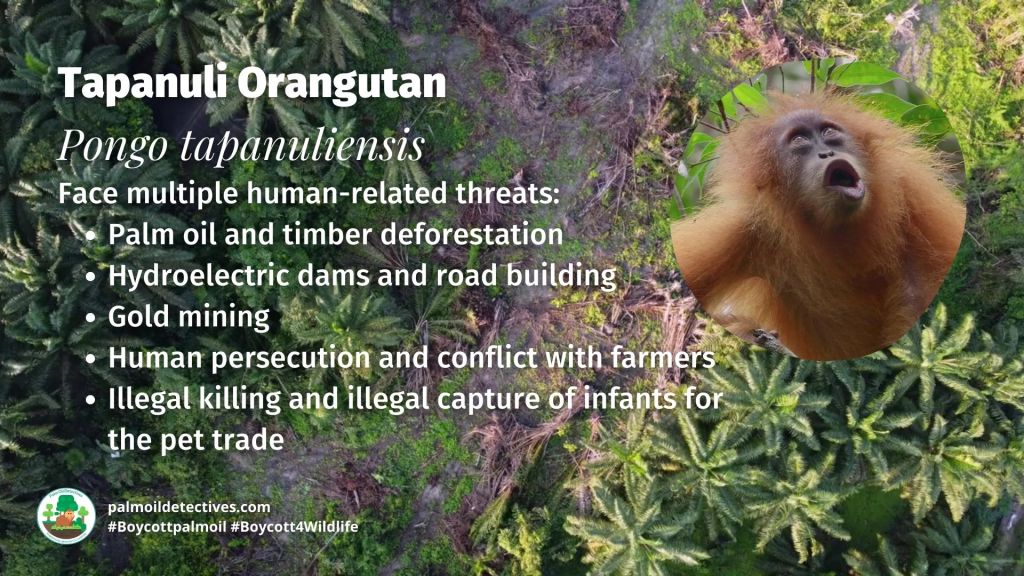
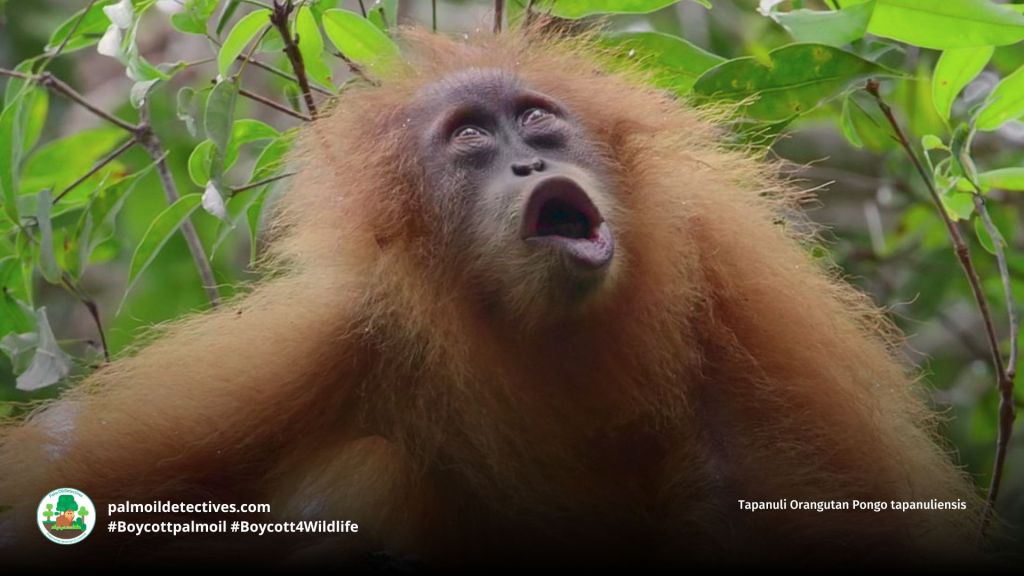


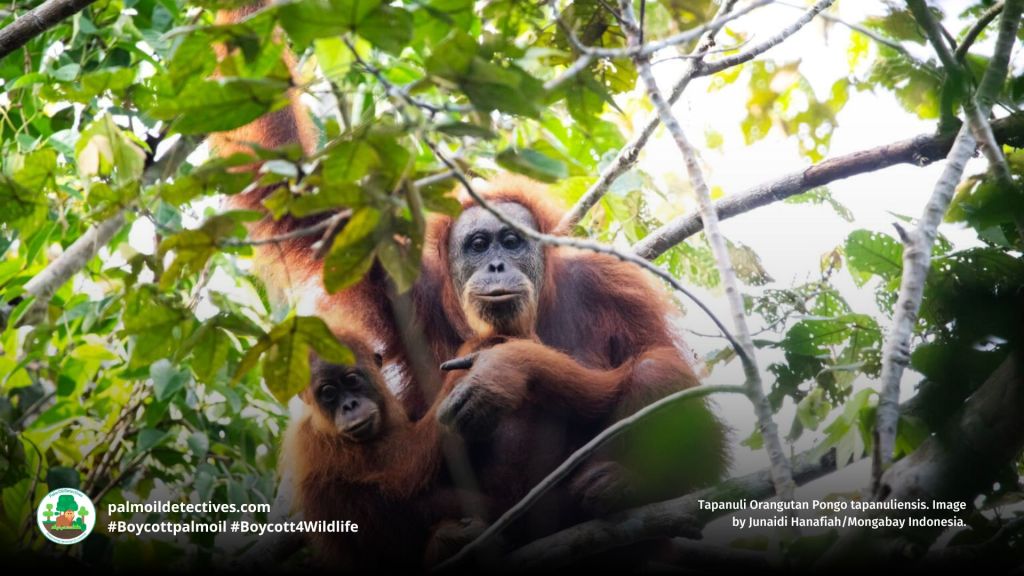
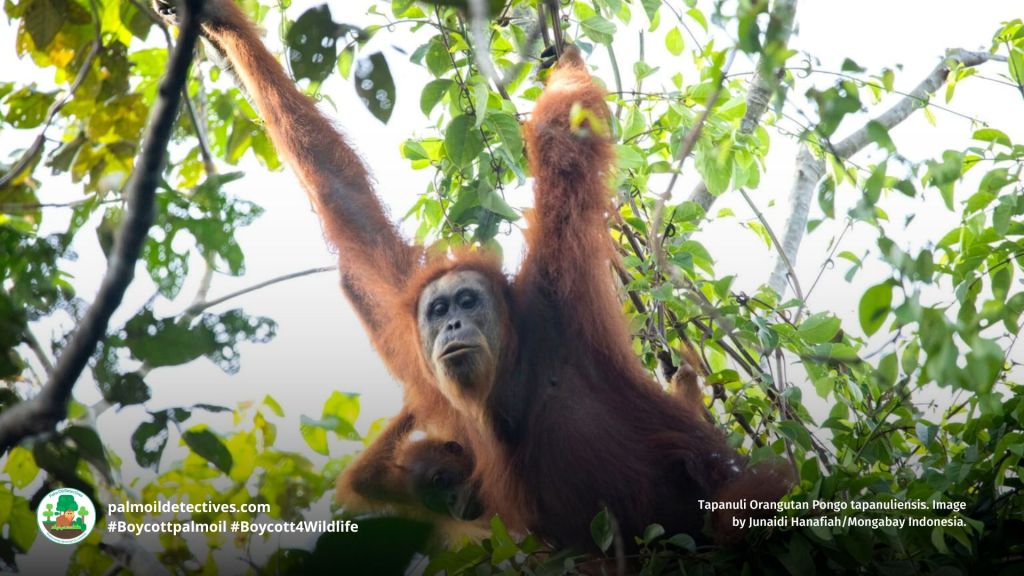
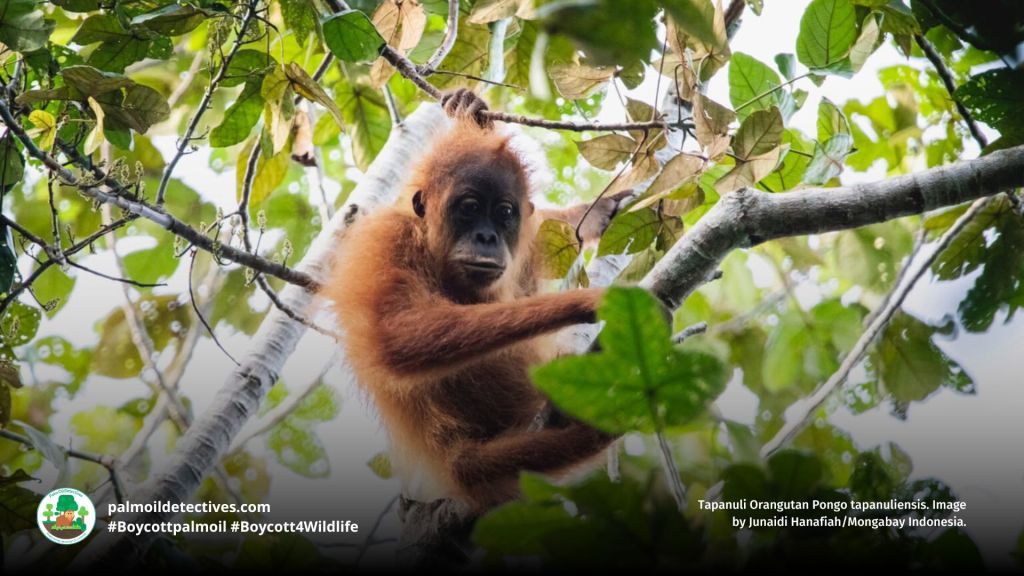
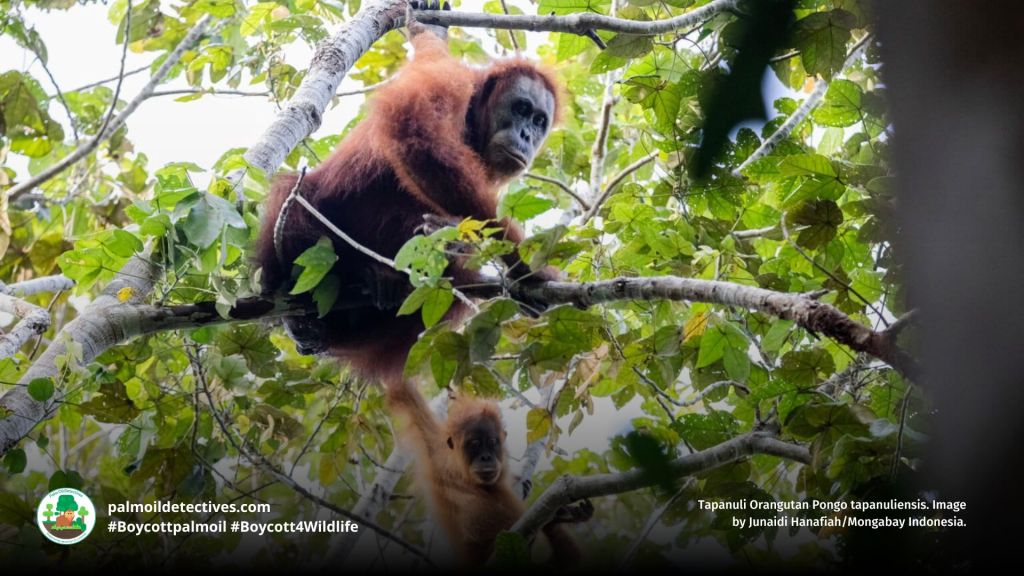
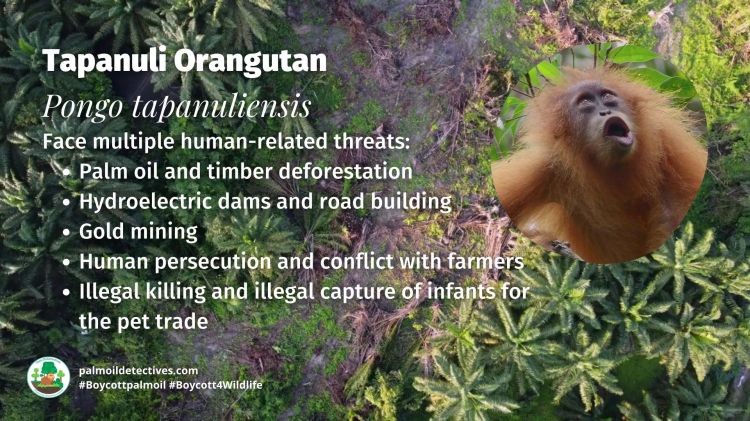


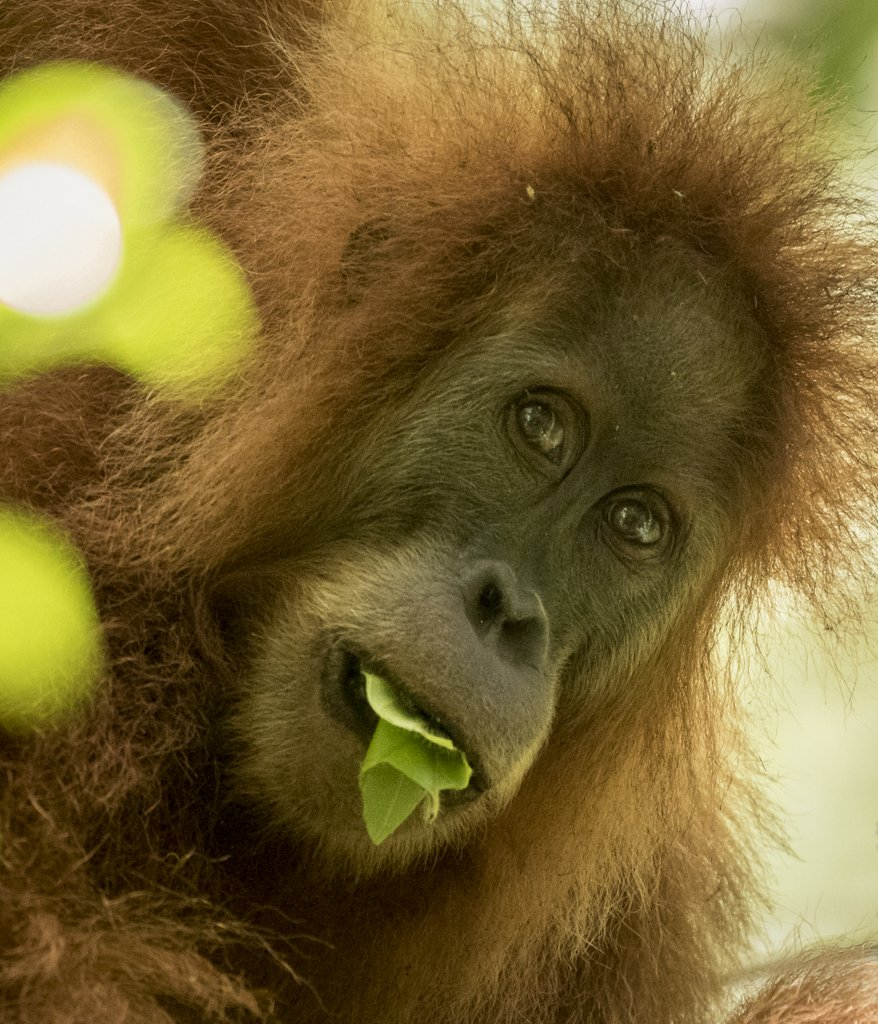
 Palm Oil Detectives
