Tiger Panthera tigris

Tiger Panthera tigris

Endangered

Population: Around 3,900

Extant (resident): India, Bangladesh, Bhutan, Nepal, Myanmar, Malaysia, Indonesia, Thailand, China, Russia

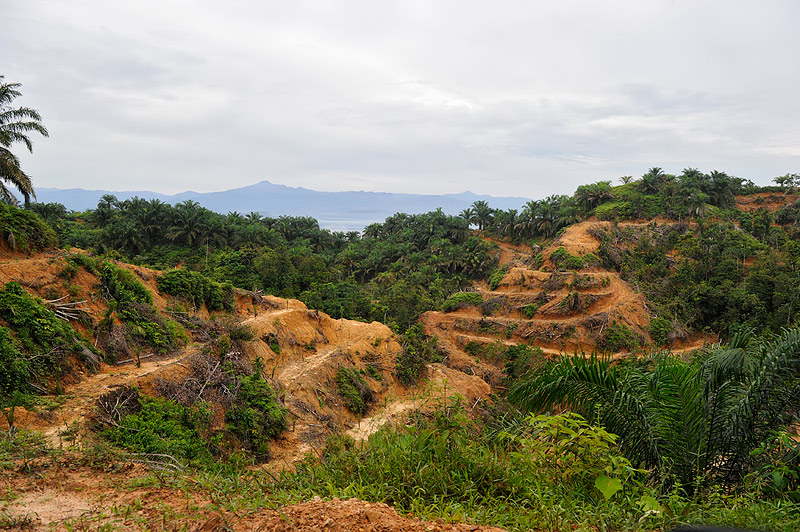
Tigers, primarily native to Asia’s tropical forests, have seen their habitats shrink dramatically over time. Notably, the Amur Tiger endures in Russia, and there have been sightings of these majestic creatures as high as 4,500 m in Bhutan. Tragically, fewer than 400 tigers remain in Indonesia, clinging to life in Sumatra’s dwindling forests. This decline is attributed to both rampant poaching and severe deforestation, especially for palm oil and pulp industries. As Asia continues to develop rapidly, the vast territories tigers need are shrinking, replaced by agriculture, commercial logging, and settlements. Moreover, tigers‘ prey faces threats from hunting and competition with domestic livestock. It’s time to act and use our wallet as a weapon: be #vegan #Boycottpalmoil #Boycott4Wildlife.

For 🇮🇩 Indonesia’s #tigers 🐅 fewer than 400 hang on to survival in rainforests of #Sumatra. Endangered by #poaching and #deforestation for #palmoil and timber. Boycott the brands sending them #extinct 😡🧐#Boycottpalmoil #Boycott4Wildlife @palmoildetect https://wp.me/pcFhgU-fT

The mighty and majestic #tiger 🐅🐯 of #Sumatra are on the brink of #extinction from #palmoil and #mining #deforestation. Less than 400 remain alive! 😭Use your wallet as a weapon and fight for them #Boycottpalmoil #Boycott4Wildlife 🌴🔥🚫 @palmoildetect https://wp.me/pcFhgU-fT

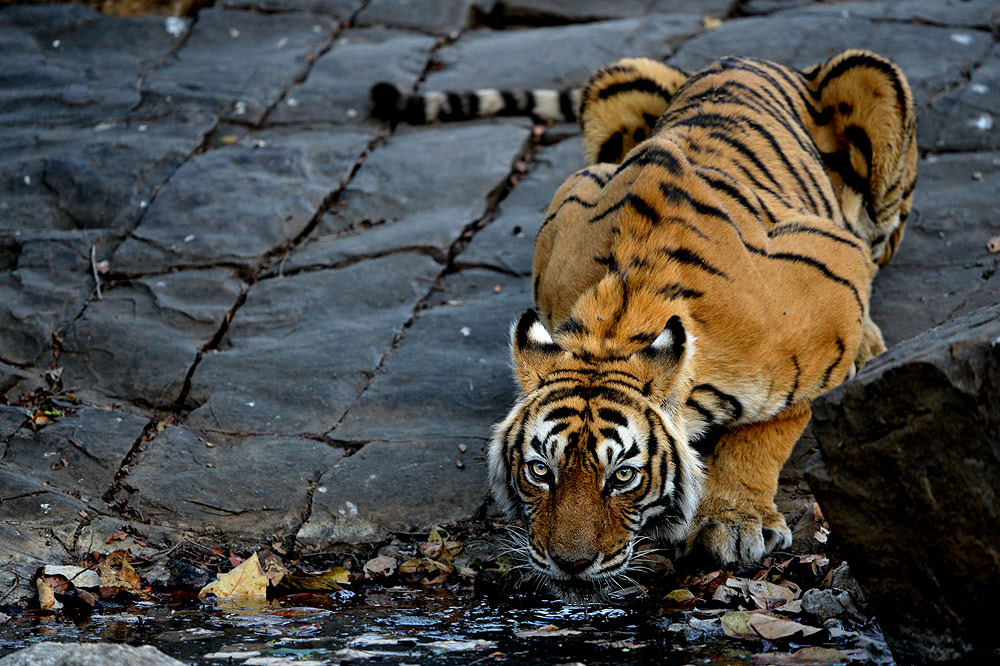
Tigers, the largest members of the cat family, are renowned for their majestic presence and striking orange coats with black stripes. They possess extraordinary strength and agility and maintain the balance of ecosystems as apex predators. With fewer than 4,500 remaining in the wild, tigers are classified as Endangered, facing grave threats from habitat destruction for palm oil, poaching, and human-wildlife conflict.

Their survival depends on urgent protection and animal advocacy. Protecting tigers ensures the preservation of the rich biodiversity within their habitats. Support their future by joining the #BoycottPalmOil and #Boycott4Wildlife movements.

Habitat

Tigers inhabit a wide variety of environments, including tropical rainforests, mangrove swamps, grasslands, and boreal forests. They require vast territories to hunt and breed, with males typically occupying larger ranges than females. Tigers are currently found in fragmented populations across Asia, with key strongholds in India, Sumatra, and Siberia.

These habitats are increasingly under threat due to deforestation, agricultural expansion, and infrastructure development, which have reduced their historical range by over 93%.

Diet

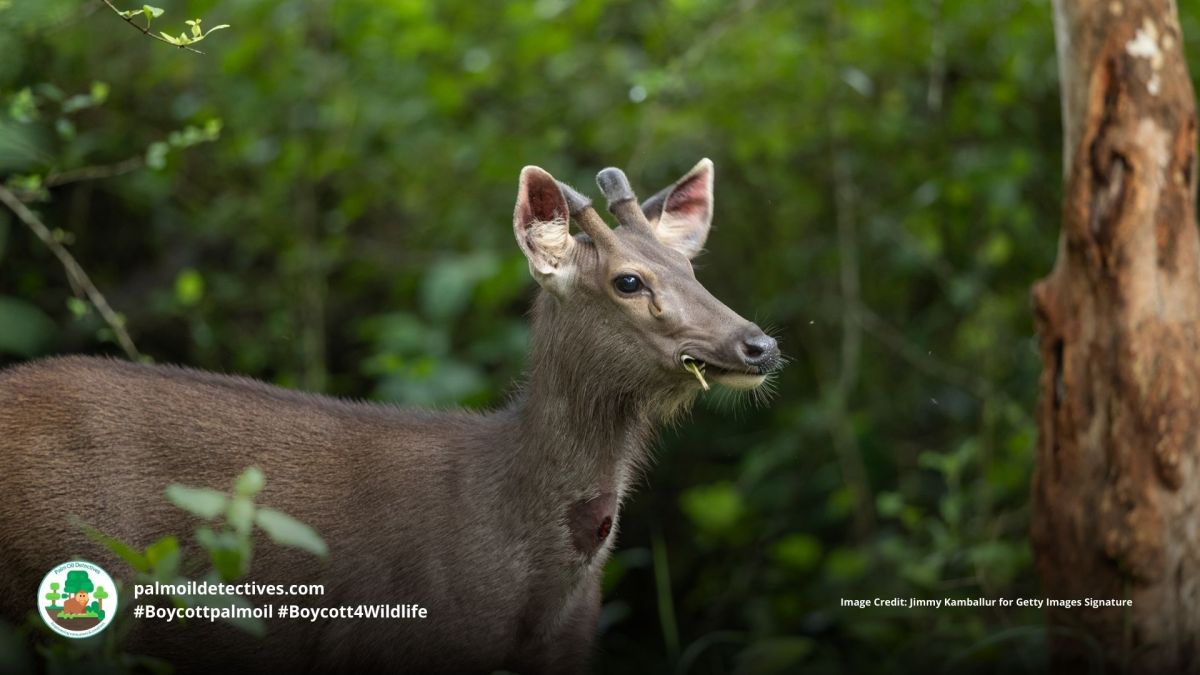
As apex predators, tigers primarily hunt large prey, such as sambar deer, wild boar, and buffalo. They are known for their stealth and strength, often ambushing their prey with a single powerful strike. Unlike other big cats, tigers can swim to catch prey, a unique skill that sets them apart.

In areas with reduced prey availability, tigers may hunt smaller mammals or livestock, which can lead to conflicts with humans.

Appearance and Behaviour

Swimming Ability: Tigers are strong swimmers, often crossing rivers and lakes to hunt or cool off—an unusual trait among big cats.

Individualised Stripes: Their stripes serve as camouflage and are unique to each tiger, making them distinguishable even in dense foliage.

Vocal Range: Tigers have a wide vocal range, including growls, roars, and chuffs, used to communicate with other tigers.

Apex Predator Status: As the top predator in their ecosystems, tigers help maintain balance by regulating prey populations.

Tigers are uniquely recognisable by their bold stripe patterns, which are as individual as fingerprints. Their muscular builds, powerful limbs, and retractable claws make them adept hunters and swimmers, setting them apart from most other big cats. Unlike lions or cheetahs, tigers are solitary by nature and fiercely territorial.

Their physical features include a robust skull, long canine teeth, and strong jaw muscles designed for gripping and tearing prey. Tigers are also among the few big cats that enjoy water, often cooling off in rivers and lakes. Their signature behaviours include scent marking, vocalisations such as roars and chuffs, and stealthy stalking of prey.

Reproduction & Mating

Tigers reach sexual maturity at around 3-4 years of age. Breeding typically occurs year-round, but more frequently during the winter months. After a gestation period of approximately 100 days, females give birth to 2-4 cubs in secluded dens.

Cubs are dependent on their mothers for the first 18 months, learning essential survival skills like hunting. Only about half of all cubs survive to adulthood, as they face threats from predators, disease, and starvation.

Threats

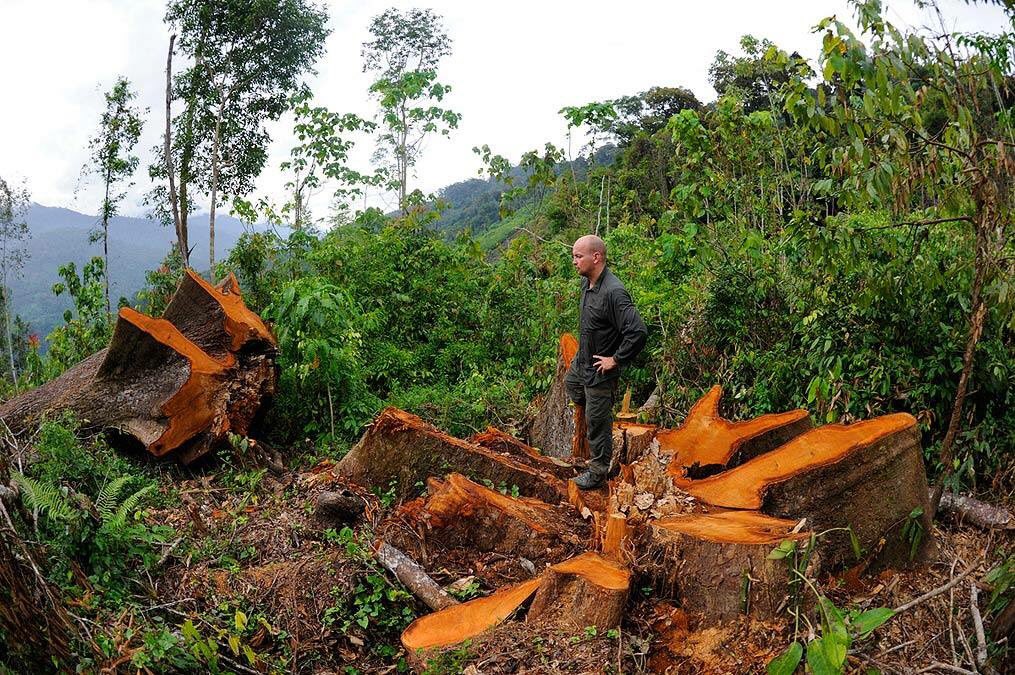
Habitat Destruction: Deforestation for palm oil agriculture, timber logging, and development fragments their habitats, isolating populations.

Poaching: Tigers are hunted for their skins, bones, and other body parts, often sold illegally for traditional medicine or as luxury items. Organisations like EIA directly combat this illegal trade.

Prey Depletion: Overhunting of herbivores reduces food availability, impacting tiger populations.

Human-Wildlife Conflict: As human settlements expand, conflicts arise, often leading to retaliation killings of tigers.

The last of Indonesia’s tigers—now fewer than 400—are holding on for survival in the remaining patches of forests on the island of Sumatra. While poaching claims most tigers each year, deforestation remains a serious threat.

Sumatra has lost more than half of its forests in the last 40 years, primarily due to conversion for palm oil and pulp plantations. Poaching for illegal trade in high-value Tiger products including skins, bones, meat and tonics is a primary threat to Tigers.

Asia is a densely populated and rapidly developing region, bringing huge pressures to bear on the large wild areas required for viable Tiger populations. Conversion of forest land to agriculture and silviculture, commercial logging, and human settlement are the main drivers of Tiger habitat loss. With their substantial dietary requirements,

Tigers require a healthy large ungulate prey base, but these species are also under heavy human subsistence hunting pressure and competition from domestic livestock.

Tigers are classified as Endangered on the IUCN Red List, with fewer than 4,500 individuals remaining in the wild. While conservation efforts have stabilised some populations, habitat loss and poaching continue to pose significant challenges. Collaborative international efforts are crucial to ensuring their survival.

The last of Indonesia’s tigers—now fewer than 400—are holding on for survival in the remaining patches of forests on the island of Sumatra. While poaching claims most tigers each year, deforestation remains a serious threat.

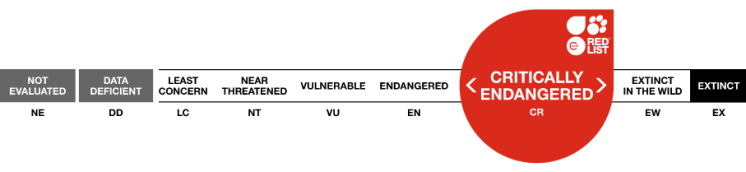
IUCN RED LIST

Support Tiger Protection

• Boycotting palm oil and other products linked to deforestation.

• Contributing to organisations that protect tiger habitats and combat illegal poaching and animal trafficking like Traffic and EIA.

• Raise awareness about the critical importance of tigers in maintaining healthy ecosystems by joining the #BoycottPalmOil and #Boycott4Wildlife movement.

Further Information

ICUN endangered logo

Britannica. (2024). Tiger. Retrieved from https://www.britannica.com/animal/tiger

Goodrich, J., Wibisono, H., Miquelle, D., Lynam, A.J., Sanderson, E., Chapman, S., Gray, T.N.E., Chanchani, P. & Harihar, A. 2022. Panthera tigrisThe IUCN Red List of Threatened Species 2022: e.T15955A214862019. https://dx.doi.org/10.2305/IUCN.UK.2022-1.RLTS.T15955A214862019.en. Accessed on 20 December 2024.

Panthera. (2024). Tiger. Retrieved from https://panthera.org/cat/tiger

Dalida Innes Wildlife Photography


Contribute to palm oil detectives - black rhino in profile

How can I help the #Boycott4Wildlife?


Take Action in Five Ways

1. Join the #Boycott4Wildlife on social media and subscribe to stay in the loop: Share posts from this website to your own network on Twitter, Mastadon, Instagram, Facebook and Youtube using the hashtags #Boycottpalmoil #Boycott4Wildlife.

Join 3,176 other subscribers

2. Contribute stories: Academics, conservationists, scientists, indigenous rights advocates and animal rights advocates working to expose the corruption of the palm oil industry or to save animals can contribute stories to the website.


3. Supermarket sleuthing: Next time you’re in the supermarket, take photos of products containing palm oil. Share these to social media along with the hashtags to call out the greenwashing and ecocide of the brands who use palm oil. You can also take photos of palm oil free products and congratulate brands when they go palm oil free.

4. Take to the streets: Get in touch with Palm Oil Detectives to find out more.

5. Donate: Make a one-off or monthly donation to Palm Oil Detectives as a way of saying thank you and to help pay for ongoing running costs of the website and social media campaigns. Donate here

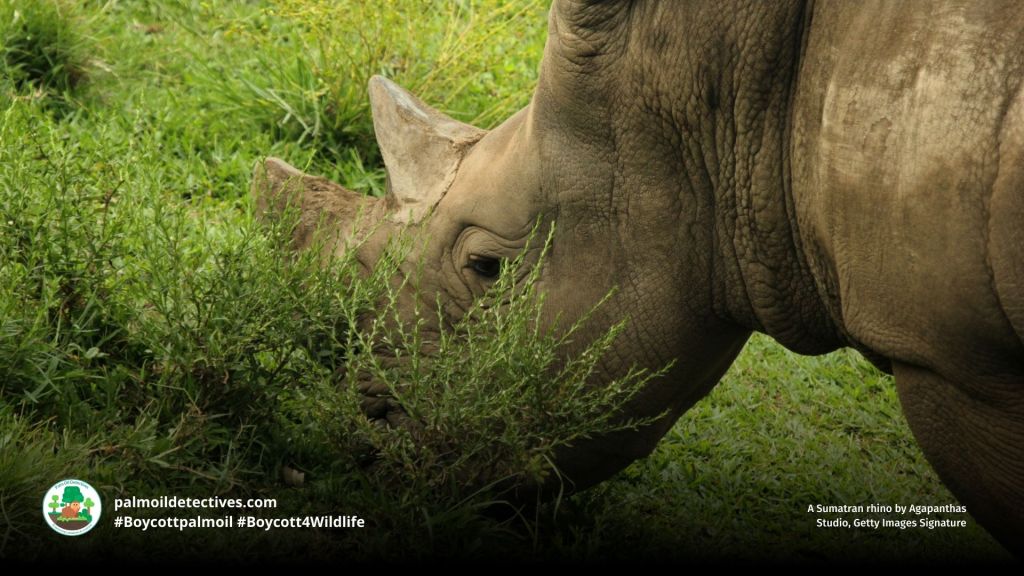
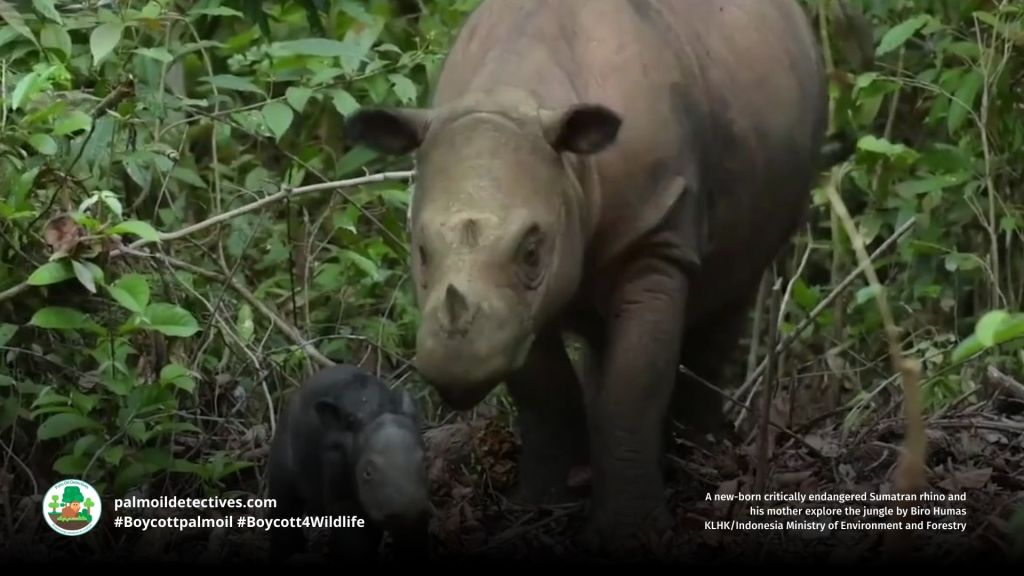
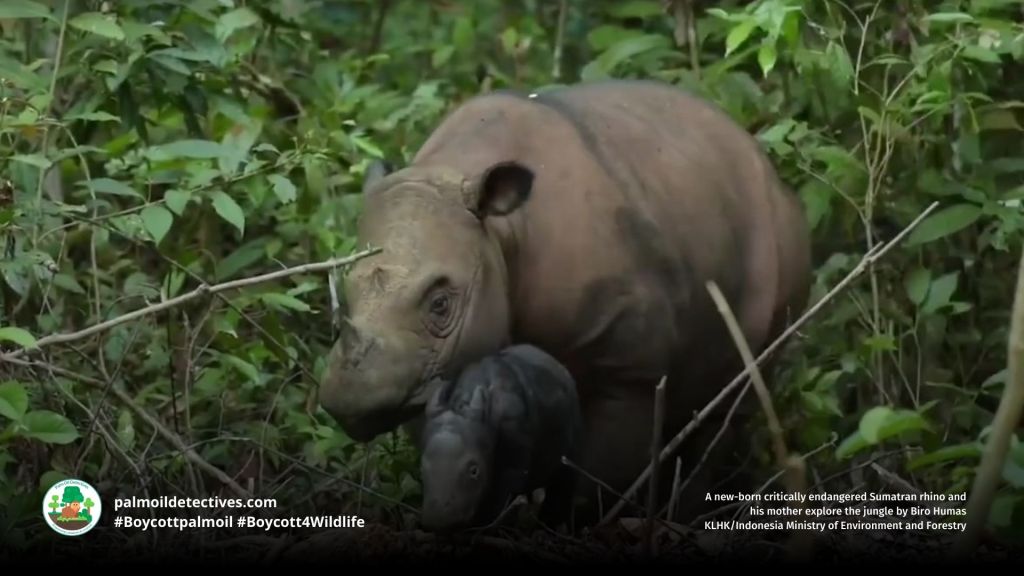
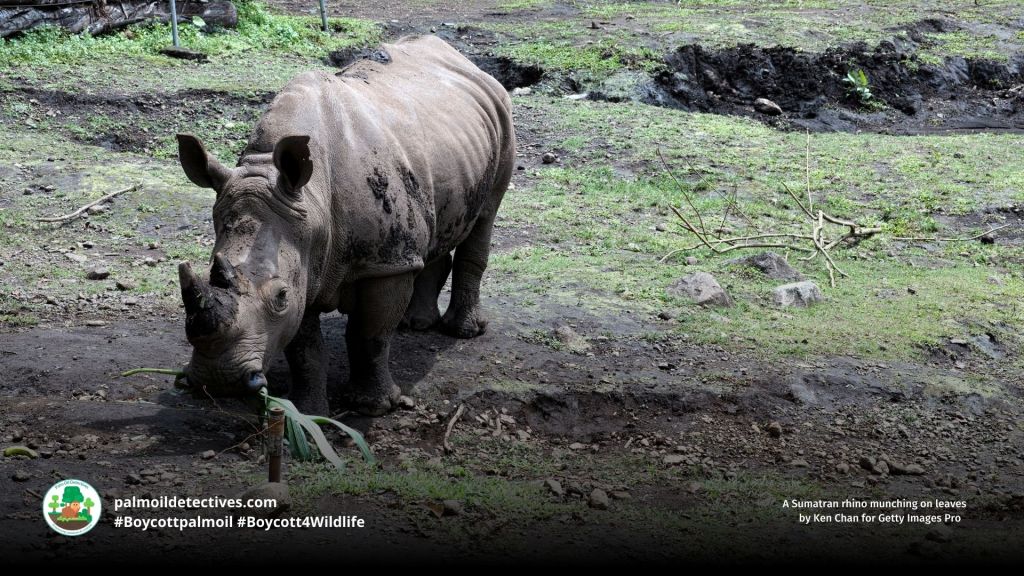
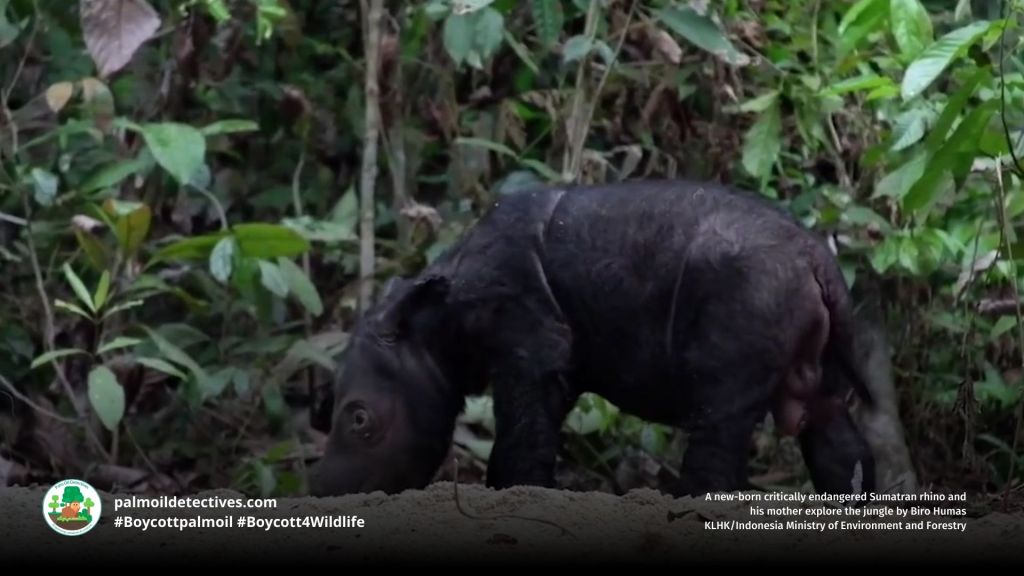
Sumatran Rhino Dicerorhinus sumatrensis

Sumatran Rhino Dicerorhinus sumatrensis

Critically Endangered

Population: 34-47 living in the wild.

Locations: Indonesia (Sumatra and Borneo)

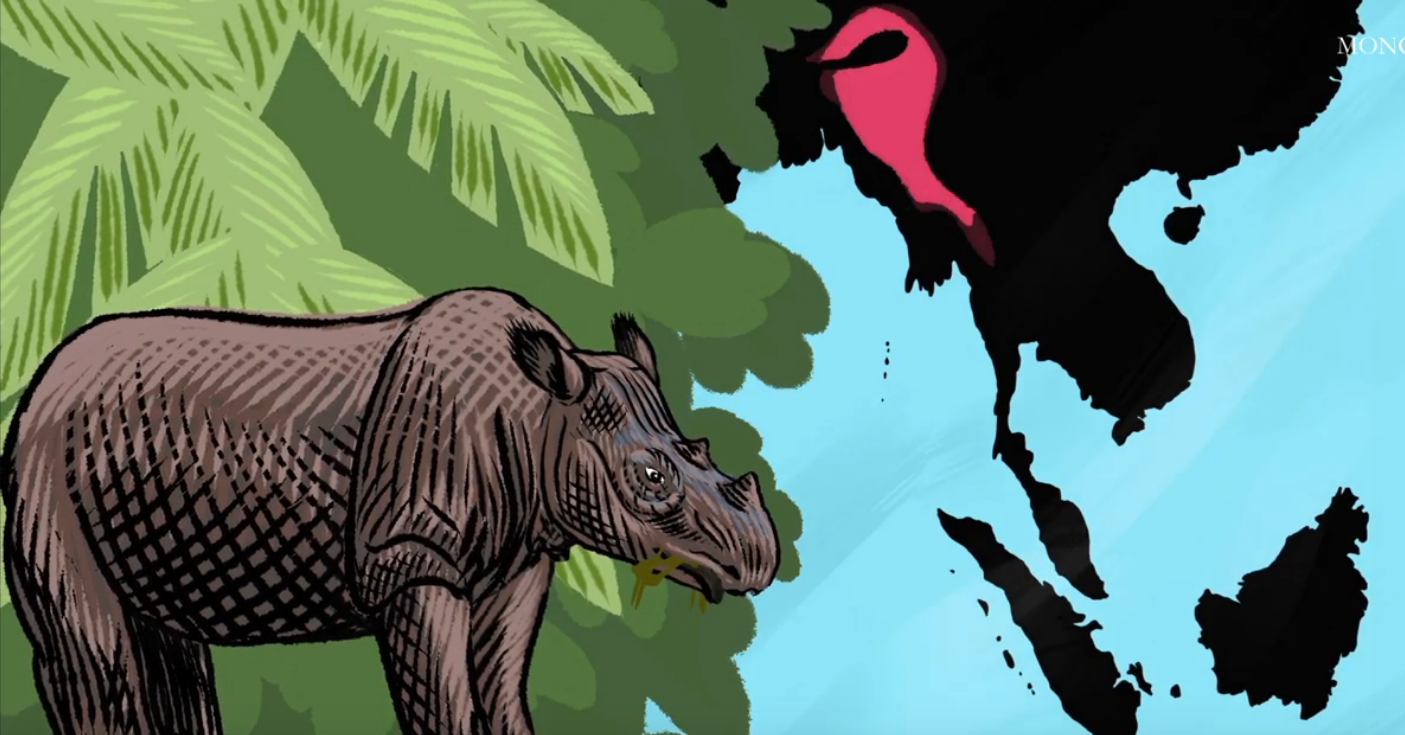
The Sumatran rhinoceros, the smallest and hairiest of all rhino species, is a living relic of the Pleistocene epoch. Often referred to as “living fossils,” they are more closely related to the extinct woolly rhinoceros than to any other living rhino species. Once widespread across Southeast Asia, their numbers have plummeted to fewer than 80 individuals, primarily due to palm oil deforestation and poaching. To protect the Sumatran rhino, use your wallet as a weapon to fight for their survival every time you shop! #BoycottPalmOil #Boycott4Wildlife

Celebrate the world’s smallest rhino 🦏 🩵💔 the critically endangered Sumatran #Rhino. They face imminent #extinction from #palmoil #deforestation and #poaching. Help them to survive and be #vegan #BoycottPalmOil 🔥🌴🚫#Boycott4Wildlife @palmoildetect https://palmoildetectives.com/2021/01/20/sumatran-rhino-dicerorhinus-sumatrensis/

There are only 34-47 #Sumatran #Rhinos left in the wild! 🦏 They face #extinction from massive #palmoil #deforestation and ruthless ivory #poaching. Fight and resist for them – be #vegan and #BoycottPalmOil 🔥🌴🚫#Boycott4Wildlife @palmoildetect https://palmoildetectives.com/2021/01/20/sumatran-rhino-dicerorhinus-sumatrensis/

Sumatran Rhino Dicerorhinus sumatrensis
Sumatran Rhino Dicerorhinus sumatrensis. Video and image stills: Mongabay

Appearance and Behaviour

Sumatran rhinos are distinguished by their reddish-brown, hairy hides, which provide protection against insects and help them navigate dense forests. They possess two horns, with the front horn typically more prominent. Despite their smaller size—standing about 1.2 to 1.5 meters at the shoulder and weighing between 500 to 800 kilograms—they are agile climbers, adept at traversing steep terrains. These solitary creatures are known for their vocalizations, including whistles and whines, which they use to communicate across dense jungles.

Geographic Range

Historically, Sumatran rhinos roamed from the foothills of the Himalayas in Bhutan and eastern India, through Myanmar, Thailand, and Malaysia, to the islands of Sumatra and Borneo. Today, they are confined to fragmented habitats in Indonesia, primarily on the islands of Sumatra and Borneo. Their preferred environments include dense highland and lowland tropical forests, where they inhabit hilly and mountainous terrain. The species inhabits tropical rainforest and montane moss forest, and occasionally at forest margins and in secondary forest. Throughout the seasons they move around, migrating uphill during periods of flooding. This shy species is dependent on salt licks, and live mostly in primary forest in protected areas, but wandering into secondary forests outside protected areas, especially in the dry season in search of water.

Diet

As herbivores, Sumatran rhinos have a diverse diet consisting of leaves, fruits, twigs, and bark from a variety of plant species. They are known to consume over 100pecies, playing a crucial role in seed dispersal and maintaining the ecological balance of their forest habitats.

Reproduction and Mating

Female Sumatran rhinos reach sexual maturity around the age of six to seven years, while males mature slightly earlier, between five to six years. od lasts approximately 15 to 16 months, culminating in the birth of a single calf. Calves are born with a dense covering of hair and remain with their mothers for up to two to three years, learning essential survival skills. Due to their critically low population, breeding encounters in the wild are exceedingly rare, exacerbating their risk of extinction.

Threats

The Sumatran rhinoceros is listed as Critically Endangered on the IUCN Red List, with only around 40 individuals remaining in the wild. Conservation ehabitat protection, anti-poaching measures, and captive breeding programs, are underway to prevent their extinction. Notably, the Sumatran Rhino Sanctuary in Indonesia has seen some success in breeding, offering a glimmer of hope for the species’ future.

Habitat Loss: Deforestation for agriculture, particularly palm oil plantations, and infrastructure development has let fragmentation.

Poaching: Despite international protection, Sumatran rhinos are still targeted for their horns, driven by demand in traditional medicine markets. Spoiler: horns made from keratin have no medicinal value whatsoever!

Slow and complex breeding: With a slow reproductive rate and current population fragmentation, finding mates in the wild has become increasingly challenging, hindering population growth.

Take Action!

Protect the Sumatran rhinoceros by boycotting products linked to deforestation, such as palm oil. Use your wallet as a weapon to support ethical and eco-friee their story and fight for their survival with #BoycottPalmOil and #Boycott4Wildlife.

Types of Rhinos throughout the world

We estimate that the probability of extinction in 3 generations (60 years) is 90%, without successful interventions.

IUCN Red List of Threatened Species

Further Information

iucn-rating-critically-endangered

Ellis, S. & Talukdar, B. 2020. Dicerorhinus sumatrensis. The IUCN Red List of Threatened Species 2020: e.T6553A18493355. https://dx.doi.org/10.2305/IUCN.UK.2020-2.RLTS.T6553A18493355.en. Downloaded on 24 January 2021.

International Fund for Animal Welfare. (n.d.). Sumatran Rhinos: Facts, Threats, & Conservation. Retrieved from IFAW

National Geographic. (n.d.). Sumatran Rhinoceros. Retrieved from National Geographic

Wikipedia contributors. (n.d.). Sumatran Rhinoceros. Retrieved from Wikipedia


Contribute to palm oil detectives - black rhino in profile

How can I help the #Boycott4Wildlife?


Take Action in Five Ways

1. Join the #Boycott4Wildlife on social media and subscribe to stay in the loop: Share posts from this website to your own network on Twitter, Mastadon, Instagram, Facebook and Youtube using the hashtags #Boycottpalmoil #Boycott4Wildlife.

Join 3,176 other subscribers

2. Contribute stories: Academics, conservationists, scientists, indigenous rights advocates and animal rights advocates working to expose the corruption of the palm oil industry or to save animals can contribute stories to the website.
3. Supermarket sleuthing: Next time you’re in the supermarket, take photos of products containing palm oil. Share these to social media along with the hashtags to call out the greenwashing and ecocide of the brands who use palm oil. You can also take photos of palm oil free products and congratulate brands when they go palm oil free.

4. Take to the streets: Get in touch with Palm Oil Detectives to find out more.

5. Donate: Make a one-off or monthly donation to Palm Oil Detectives as a way of saying thank you and to help pay for ongoing running costs of the website and social media campaigns. Donate here

Borneo Pygmy Elephant Elephas maximus borneensis

Bornean Pygmy Elephant Elephas maximus borneensis

Endangered

Population: fewer than 1,000

Locations: Sabah, Malaysia and Kalimantan, Indonesia.


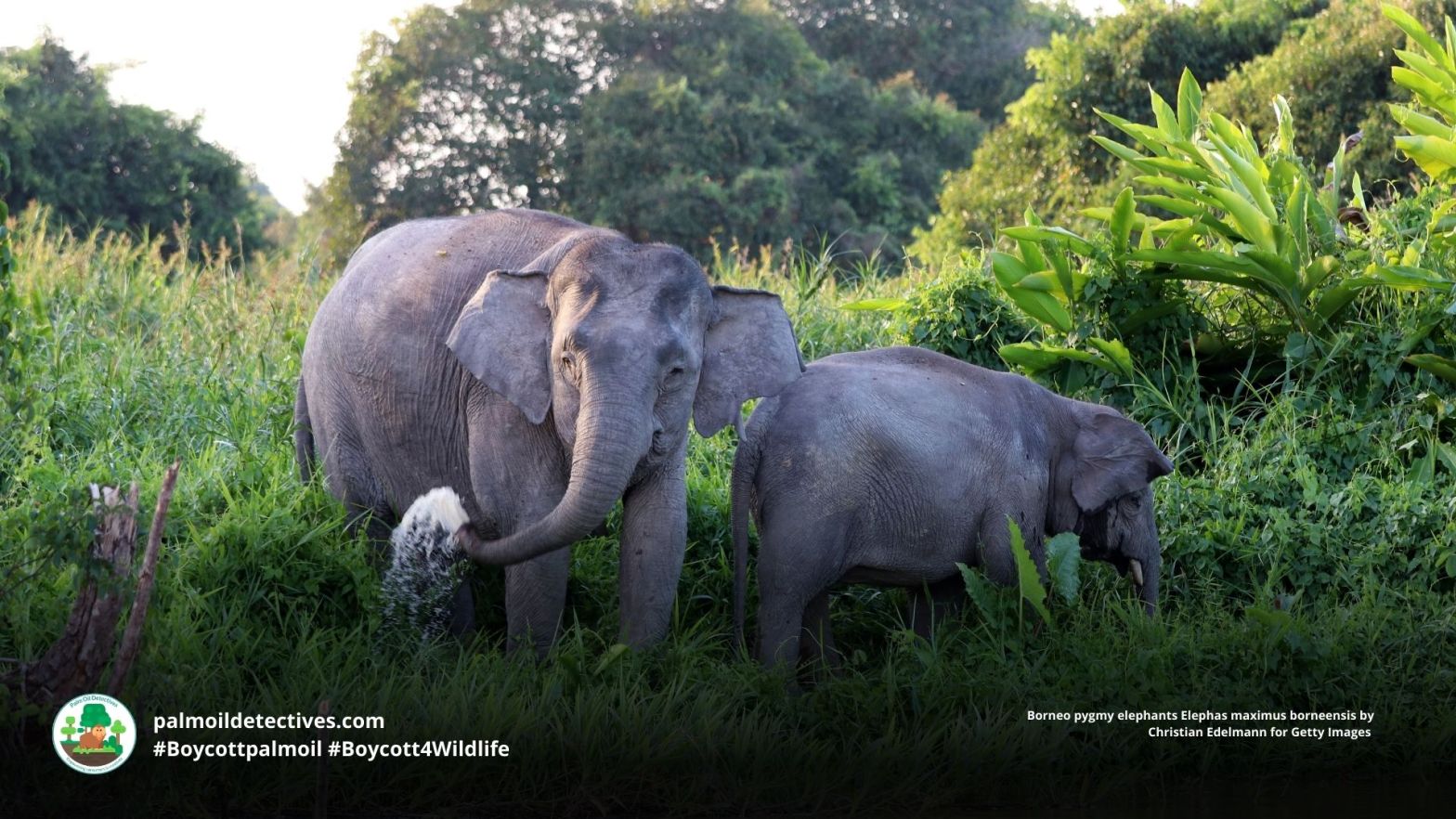
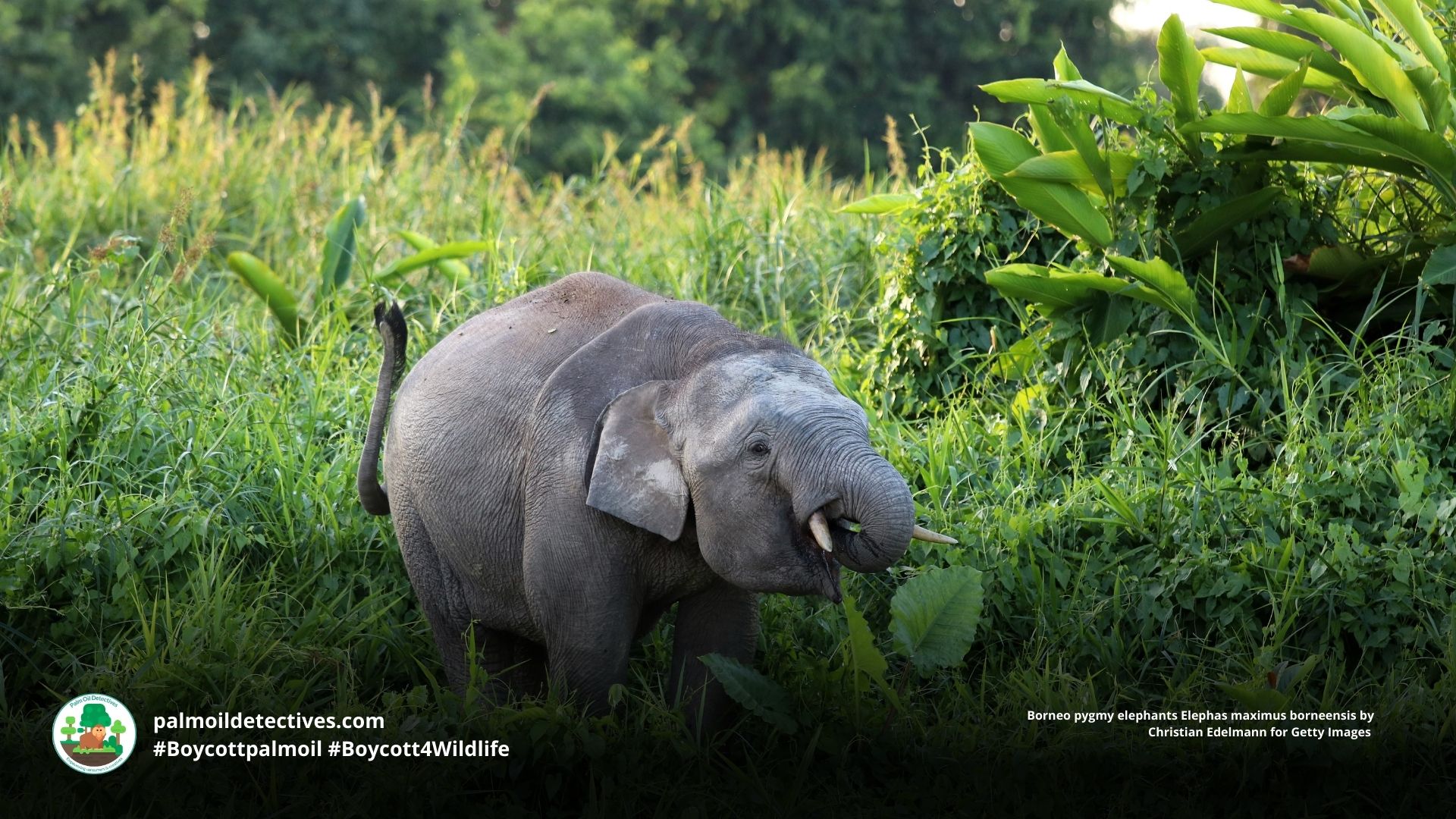
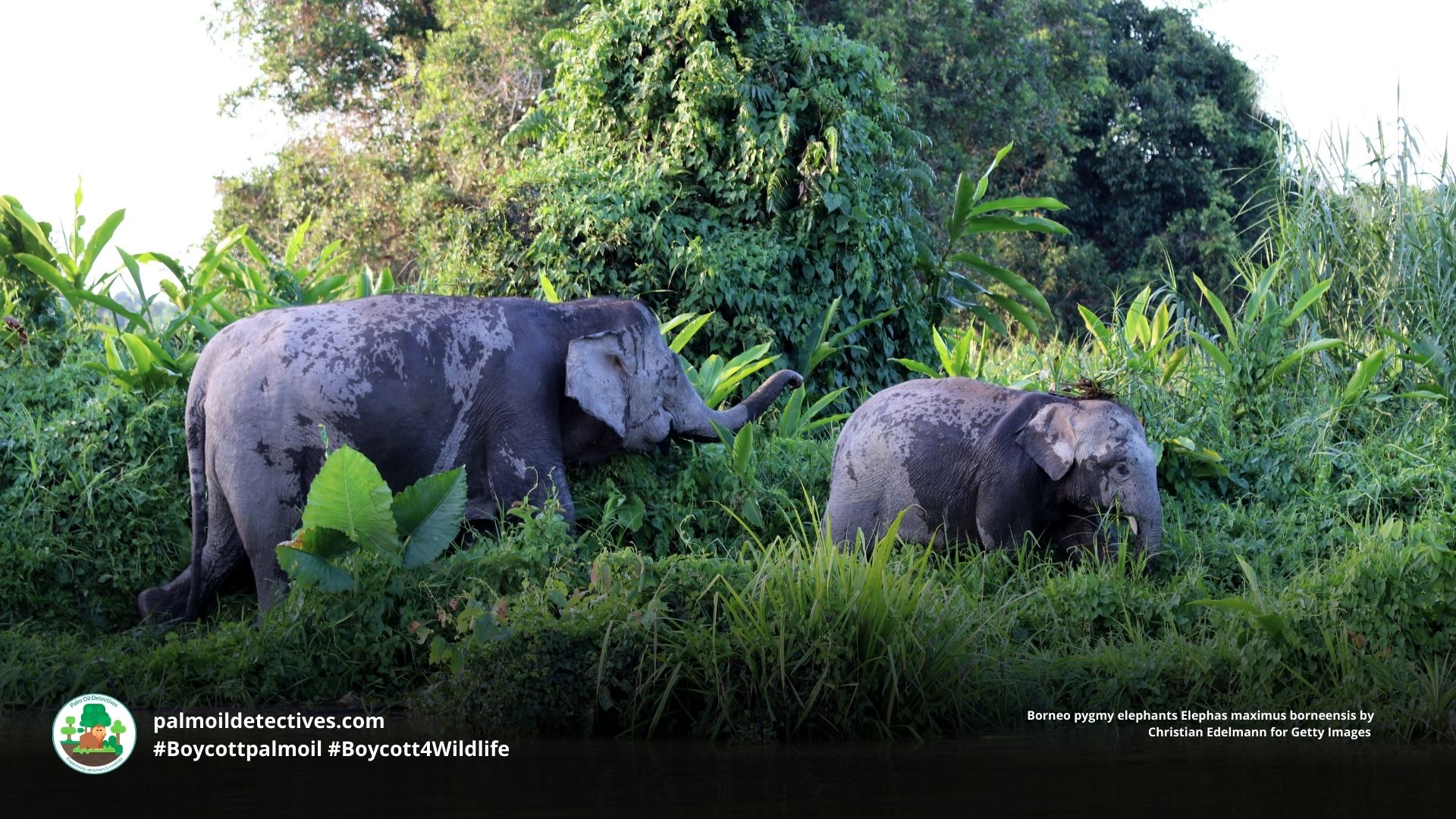
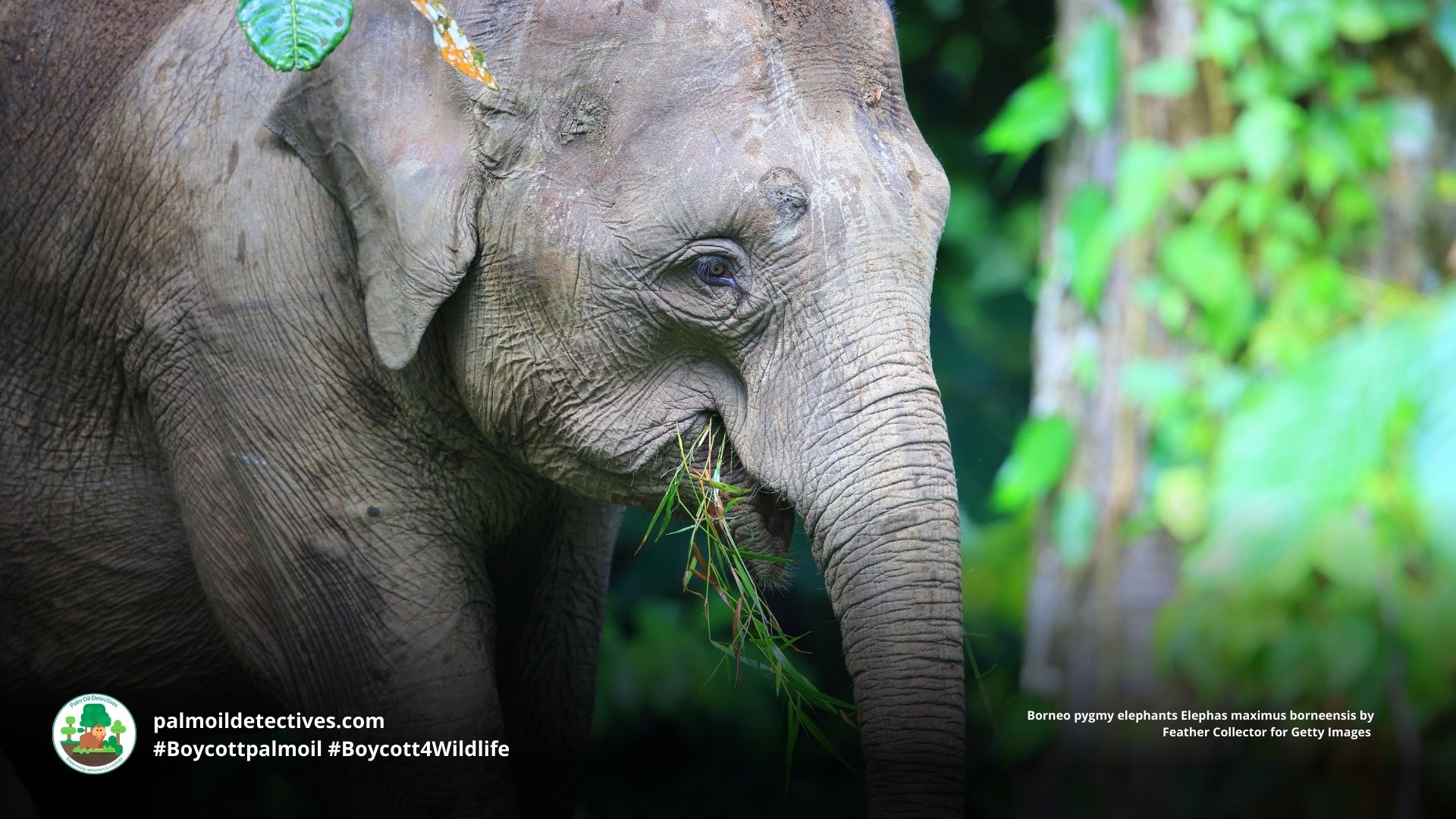
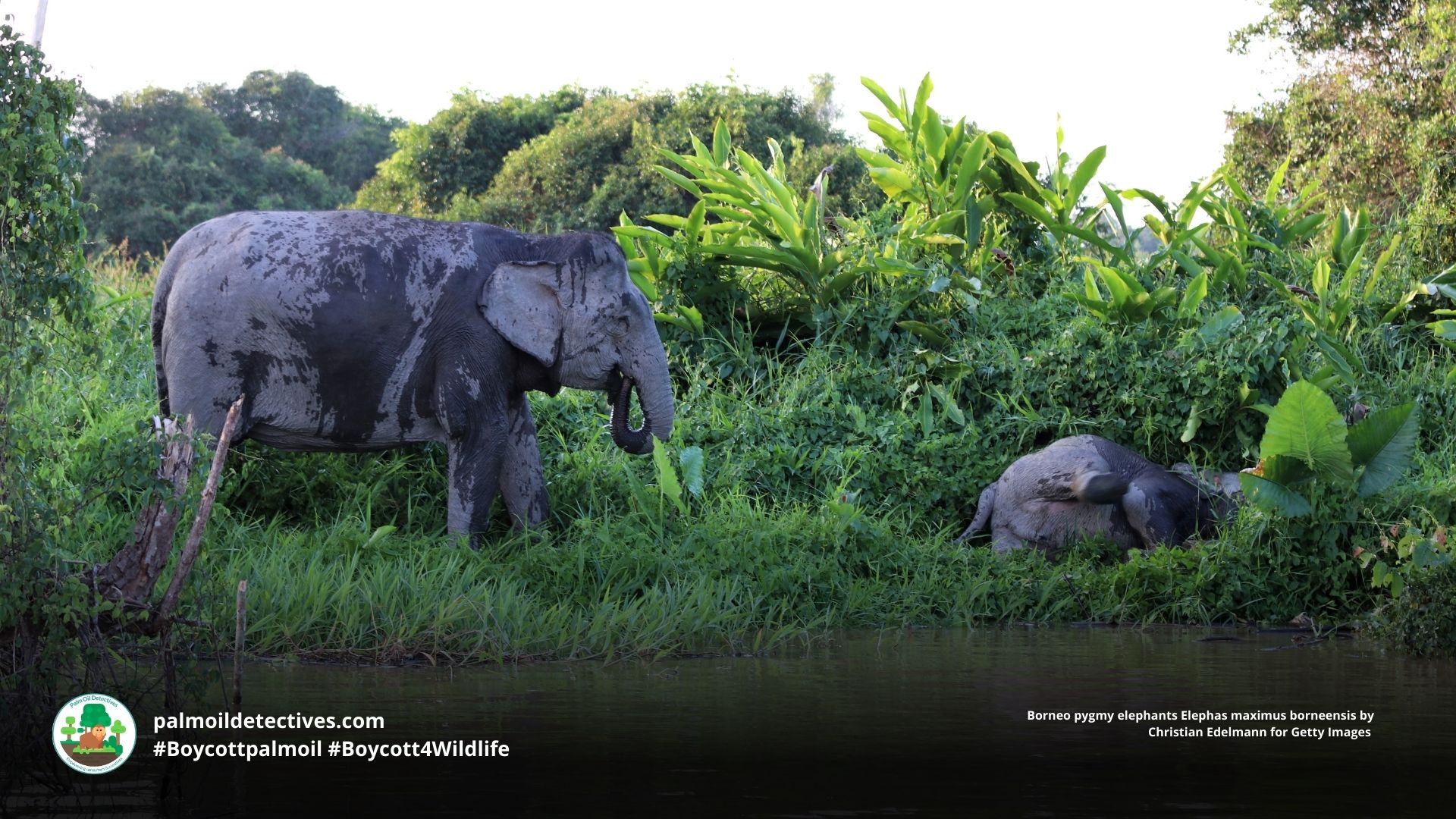
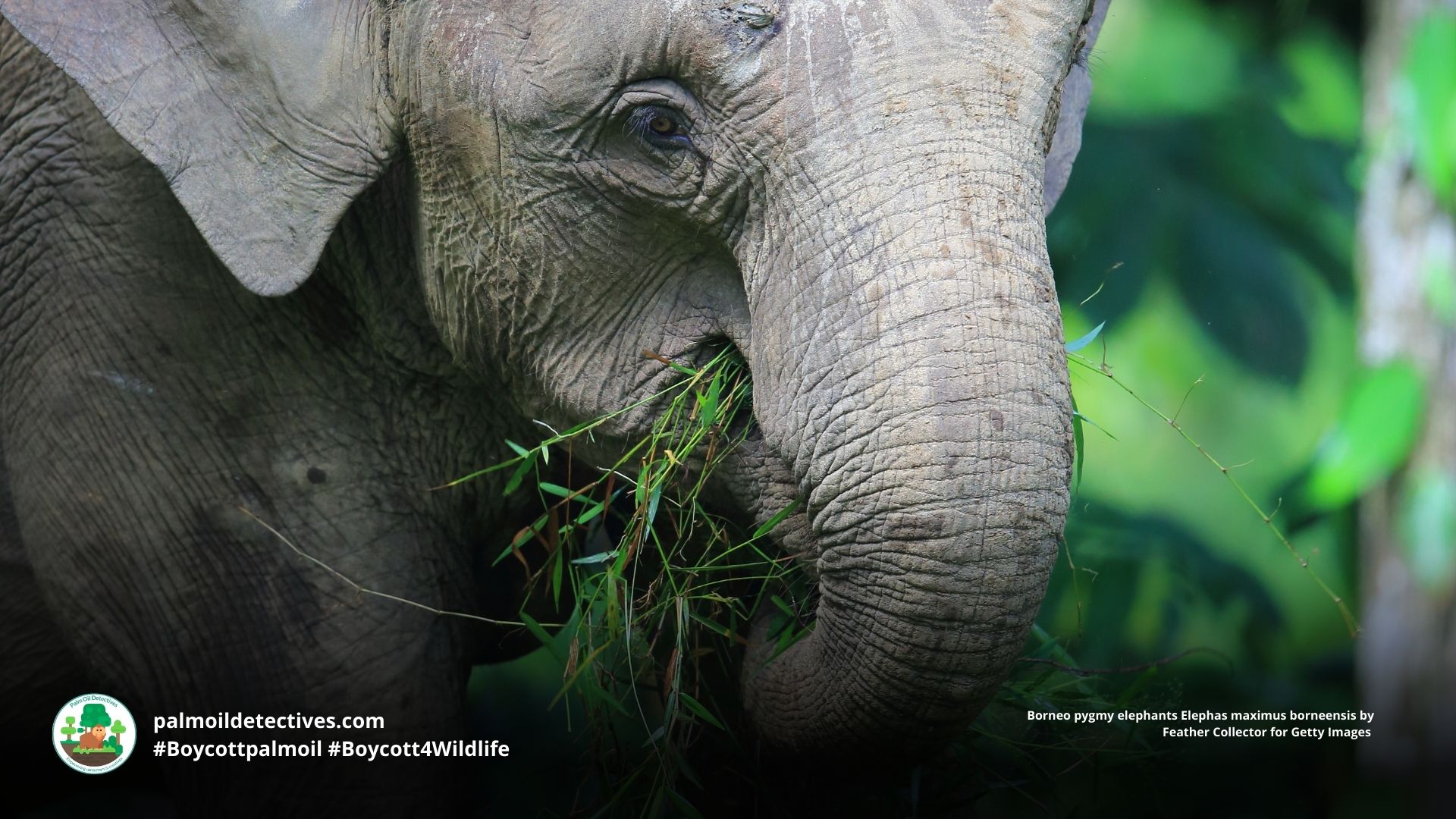
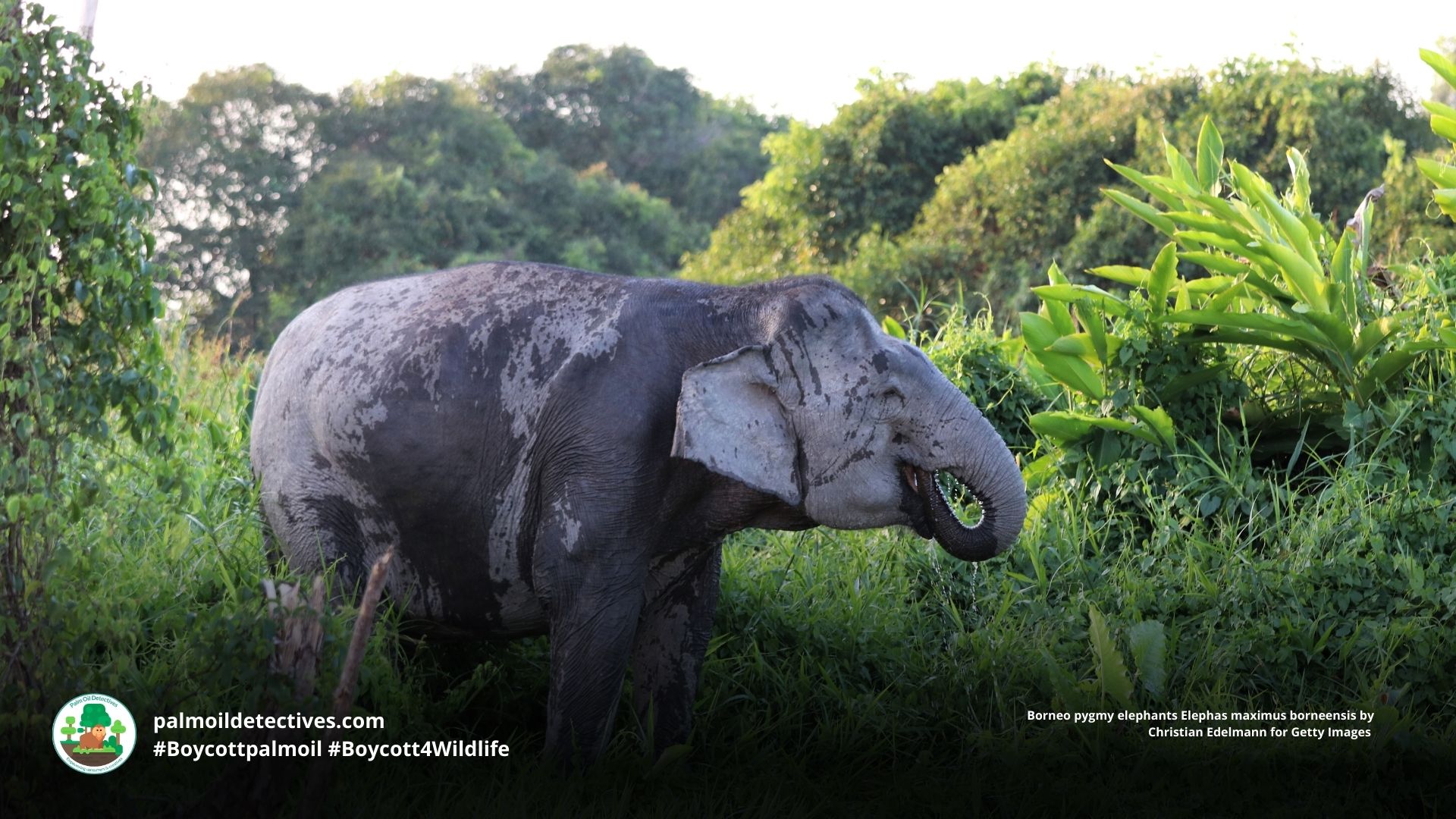
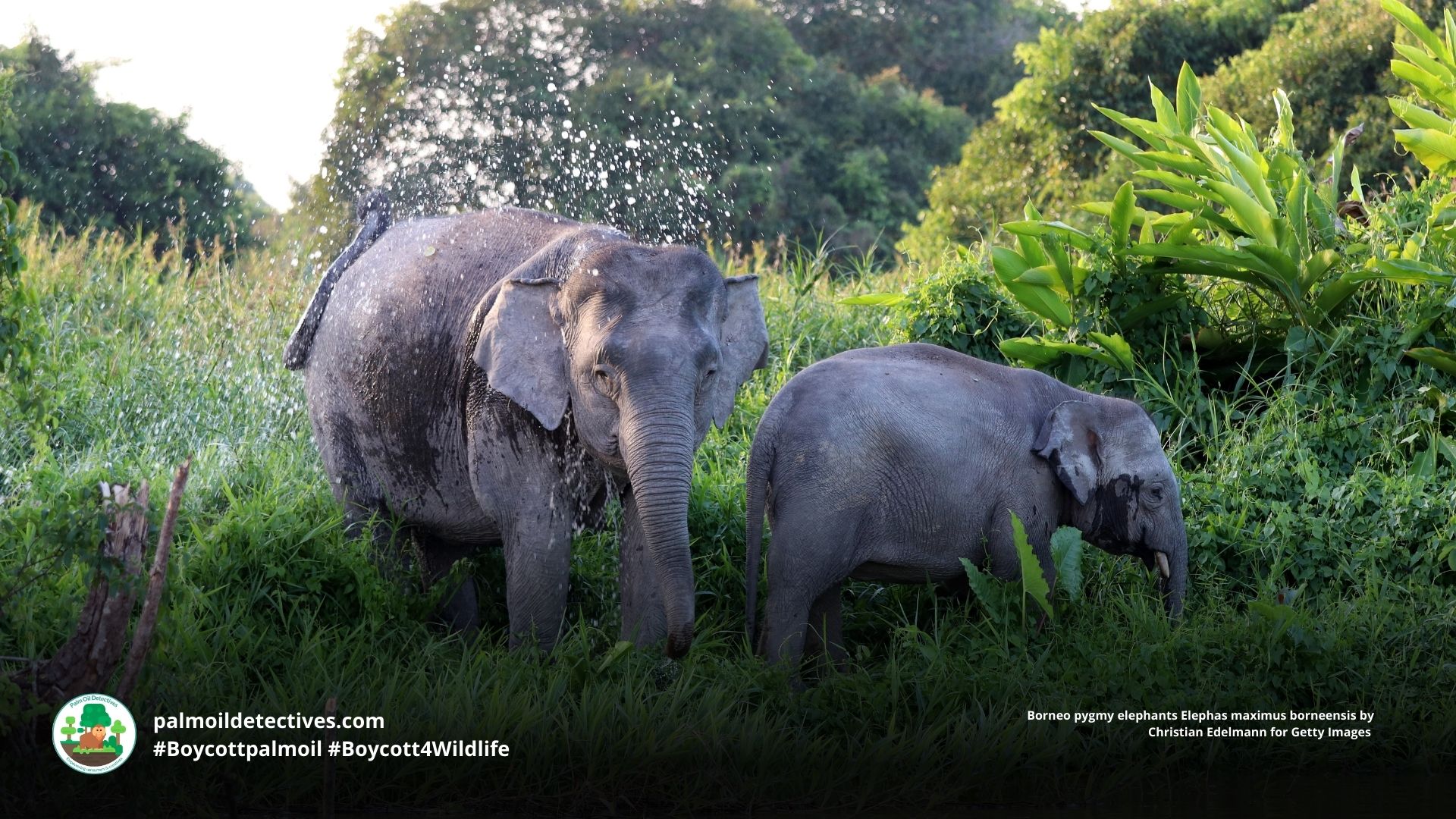
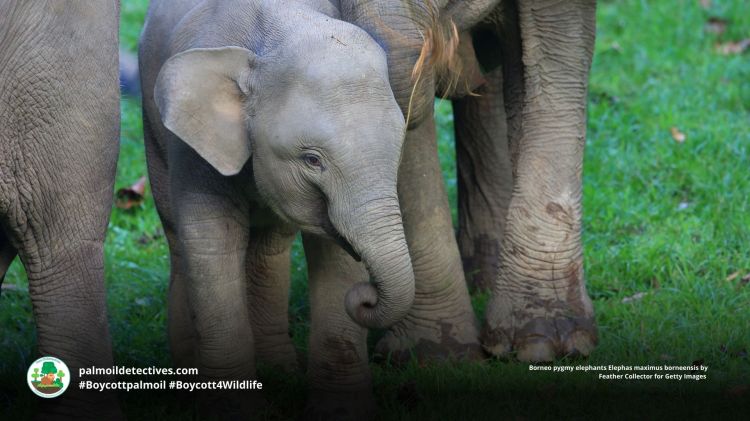
The endearing Borneo Pygmy Elephant is a diminutive subspecies of the Asian Elephant. They are distinguished by their unusually large ears, baby-like faces, and remarkably long tails that sometimes drag on the ground. These gentle, docile and compact elephants are able to sense through their feet and despite their size are able to walk through the jungle with barely a sound. They are endangered due mainly to #palmoil deforestation and human persecution, with fewer than 1,500 individual elephants left alive.

Borneo’s elephants are genetically distinct from any South and Southeast Asian population and may have been isolated for over 300,000 years. Destruction across their range for corporate greed is out of control. Help their survival every time you shop and #Boycottpalmoil #Boycott4Wildlife


Gentle #endangered giants, only <1,500 Bornean Pygmy #Elephants 🐘💔 still live in #Borneo. They’re surrounded by #palmoil #deforestation and #poaching. Fight for them when you shop 👏☮️ and #Boycottpalmoil 🌴🚫#Boycott4Wildlife every day! @palmoildetect https://palmoildetectives.com/2021/01/19/bornean-pygmy-elephant-elephas-maximus-borneensis/

Laughing, crying, playing isn’t just done by #humans. #Bornean Pygmy #Elephants do the same! Fight for these intelligent, endearing beings 😻🐘🩶 who are #endangered by #palmoil #deforestation 👎🌴🚫 #BoycottPalmOil #Boycott4Wildlife @palmoildetect https://palmoildetectives.com/2021/01/19/bornean-pygmy-elephant-elephas-maximus-borneensis/

Appearances and behaviour

Borneo elephants are noticeably smaller than other Asian elephants, standing at 2-3 metres tall and weighing between 3-5 tonnes. They have a distinctly rotund appearance with their plump bellies, oversized ears, and long tails. Their trunks are equipped with a single finger-like muscle at the tip. This makes their trunks highly versatile and used for grasping objects, feeding, and drinking. Borneo Elephants are famous for their gentle and sensitive disposition, they are more docile compared to other elephants. They live in small herds, exhibiting strong social bonds and often seen playing and nurturing their young. These elephants communicate through low-frequency sounds and body language, displaying the full gamut of complex emotions from joy, mourning and grief, cheekiness and playfulness, anger and jealousy.

Fast facts

  • Borneo elephants have a slower pulse rate of 27 beats per minute compared to other animals.
  • They can ‘listen’ through their feet by detecting ground vibrations.
  • Despite their size, Borneo elephants are capable of moving silently through dense forests.

Threats to their survival

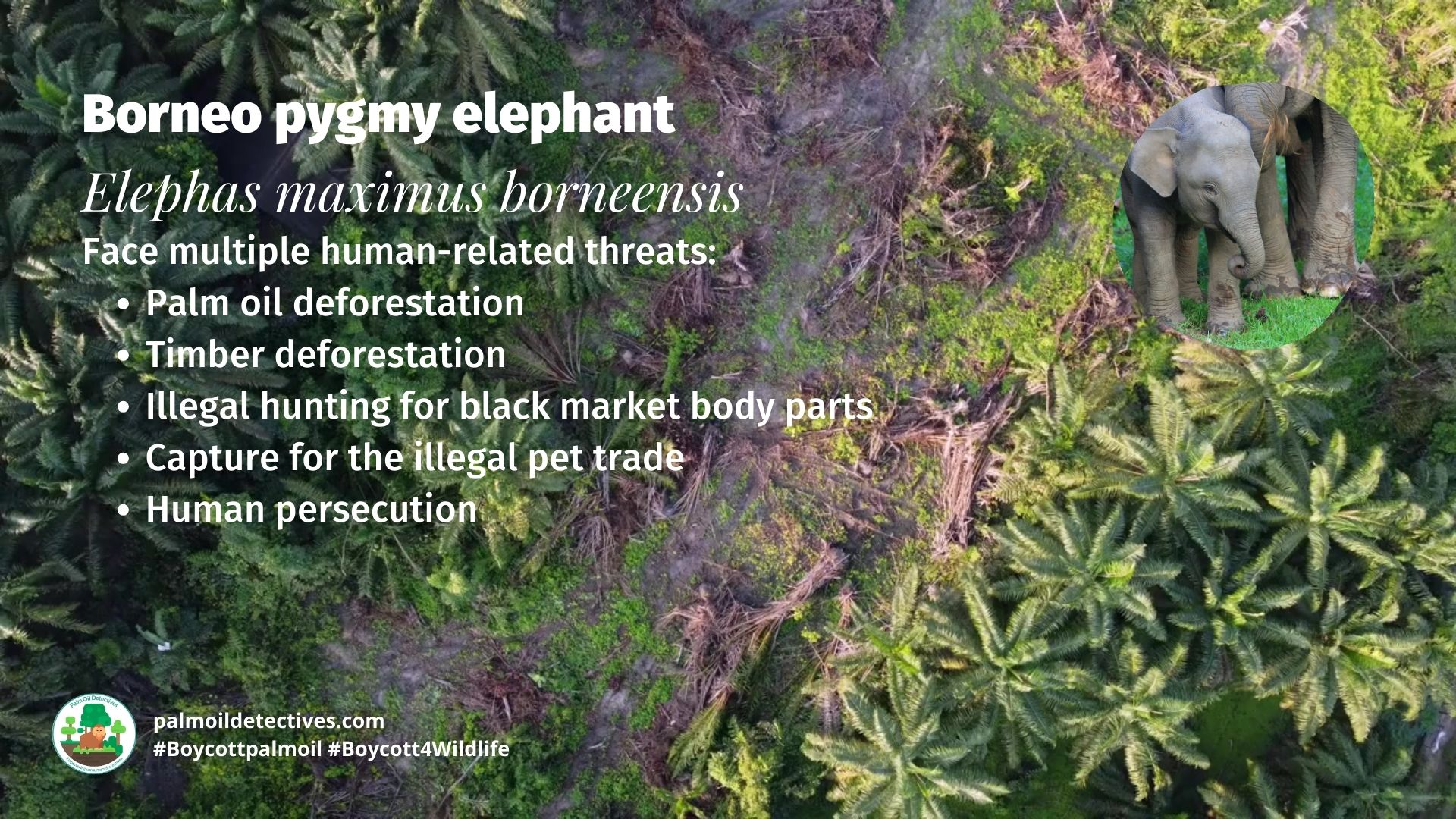
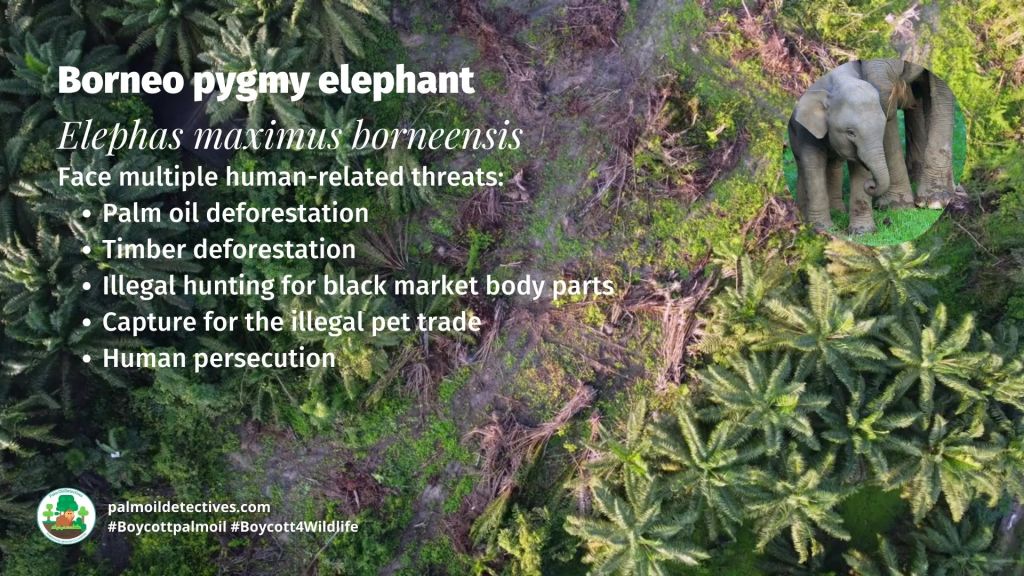
  • Palm oil deforestation: The expansion of palm oil plantations is one of the most significant threats to Borneo elephants. Vast areas of their natural habitat are being cleared to make way for these plantations, leading to habitat fragmentation and loss. This destruction not only reduces the space available for elephants to live and forage but also isolates populations, making it harder for them to find mates and sustain genetic diversity. The loss of habitat forces elephants into closer contact with humans, often leading to conflict situations.
  • Habitat loss due to logging: Logging operations, both legal and illegal, are rampant in Borneo’s forests. The removal of large trees not only destroys the elephants’ habitat but also disrupts the forest structure, affecting the availability of food and water sources. The creation of logging roads further fragments the forest, creating barriers that elephants must navigate. This destruction of their environment can lead to malnutrition and increased mortality rates among the elephant population.
  • Human encroachment and conflicts: As human populations grow and expand into previously wild areas, elephants find themselves increasingly squeezed into smaller habitats. Agricultural expansion, urban development, and infrastructure projects such as roads and dams encroach on their territory. This encroachment often results in human-elephant conflicts, where elephants raid crops and villages in search of food, leading to retaliation from local communities. Such conflicts can be fatal for both elephants and humans.
  • Fragmentation of habitat: The fragmentation of forests into smaller, isolated patches significantly impacts Borneo elephants. Fragmented habitats can limit the elephants’ ability to migrate and access different parts of the forest for food and water. It also makes it harder for them to escape from poachers and other threats. Fragmentation often results in inbreeding and reduced genetic diversity, which can compromise the health and resilience of elephant populations.

Diet

Borneo elephants are herbivores, primarily feeding on a variety of plants, fruits, and tree bark. They require large amounts of water daily, which they often seek in rivers and other water bodies.

Mating and Reproduction

Borneo elephants have a gestation period of about 22 months, the longest of any mammal. Females usually give birth to a single calf, which is nurtured and protected by the entire herd. Calves are dependent on their mothers for milk for up to two years but start eating vegetation at around six months old.

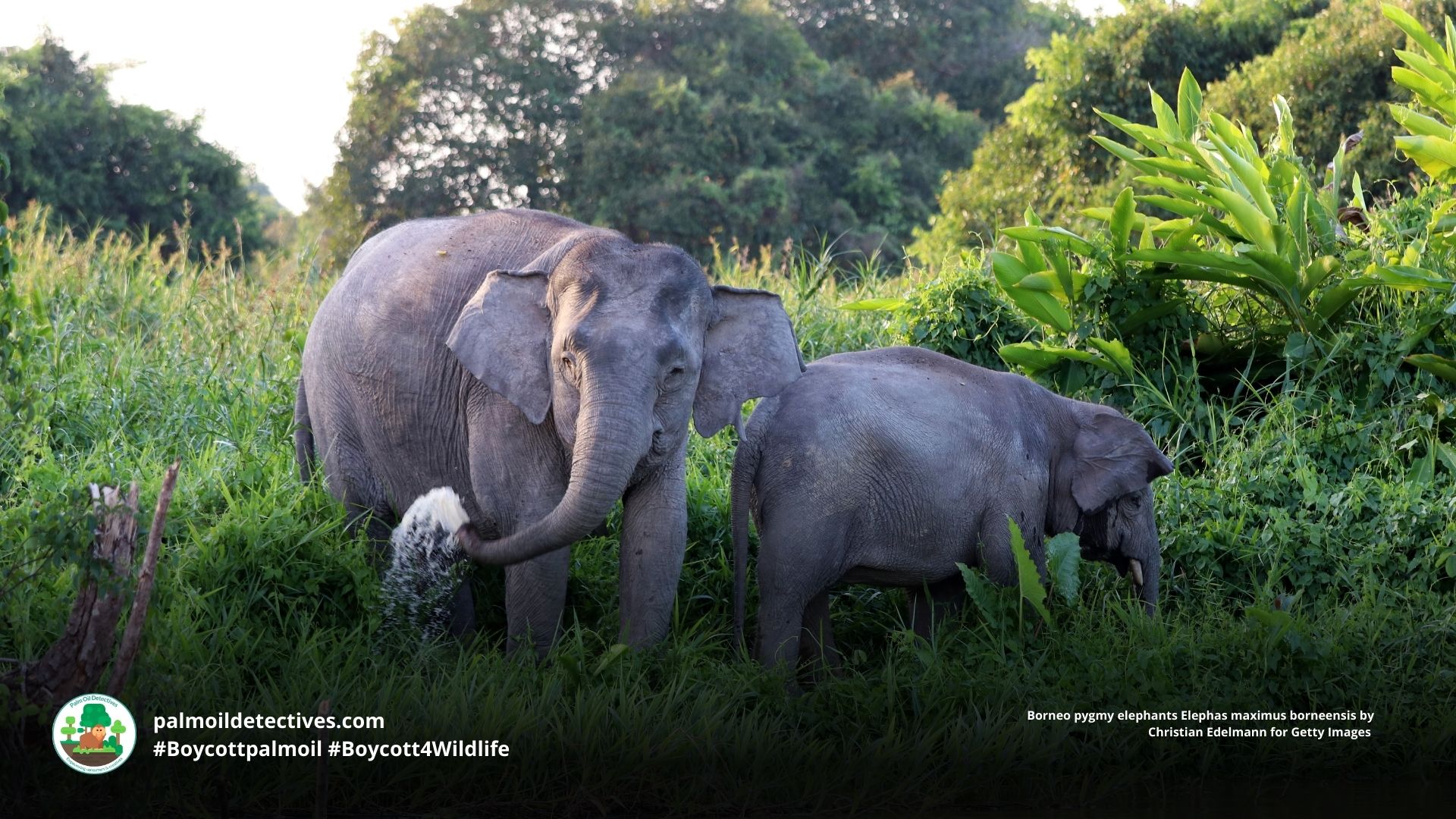
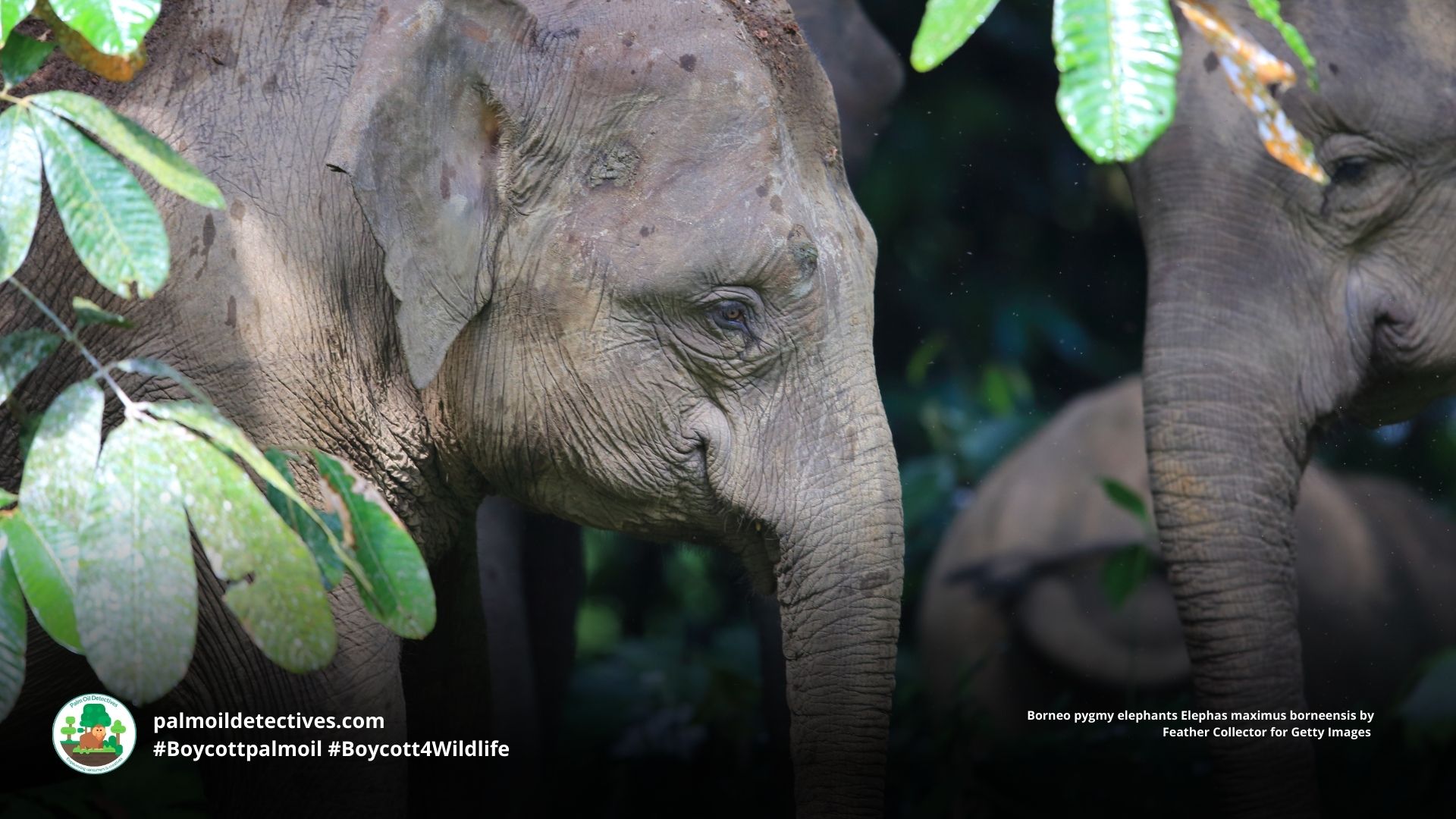
Borneo pygmy elephants Elephas maximus borneensis close-up of faces with mother and baby.

Geographic Range

These elephants are confined to the northern and northeastern parts of Borneo, favouring lowland rainforests and river valleys. Their range is limited, and they often compete with humans for space and resources. Borneo’s nutrient-poor soils and the need for mineral sources also restrict their distribution.

Are Borneo Elephants Protected?

Several organisations are dedicated to the conservation of Borneo elephants, such as the Borneo Elephant Sanctuary and the Elephant Conservation Centre. These groups focus on habitat protection, research, and mitigating human-elephant conflicts.

Supreme Intelligence and Sensitivity

Borneo elephants are known for their gentle nature and remarkable intelligence. Their brains are the largest among all terrestrial mammals, 3-4 times bigger than human brains, although smaller in proportion to their body weight. Despite having poor vision, they possess a keen sense of smell and use their trunks to wave side to side or up in the air to better detect scents.

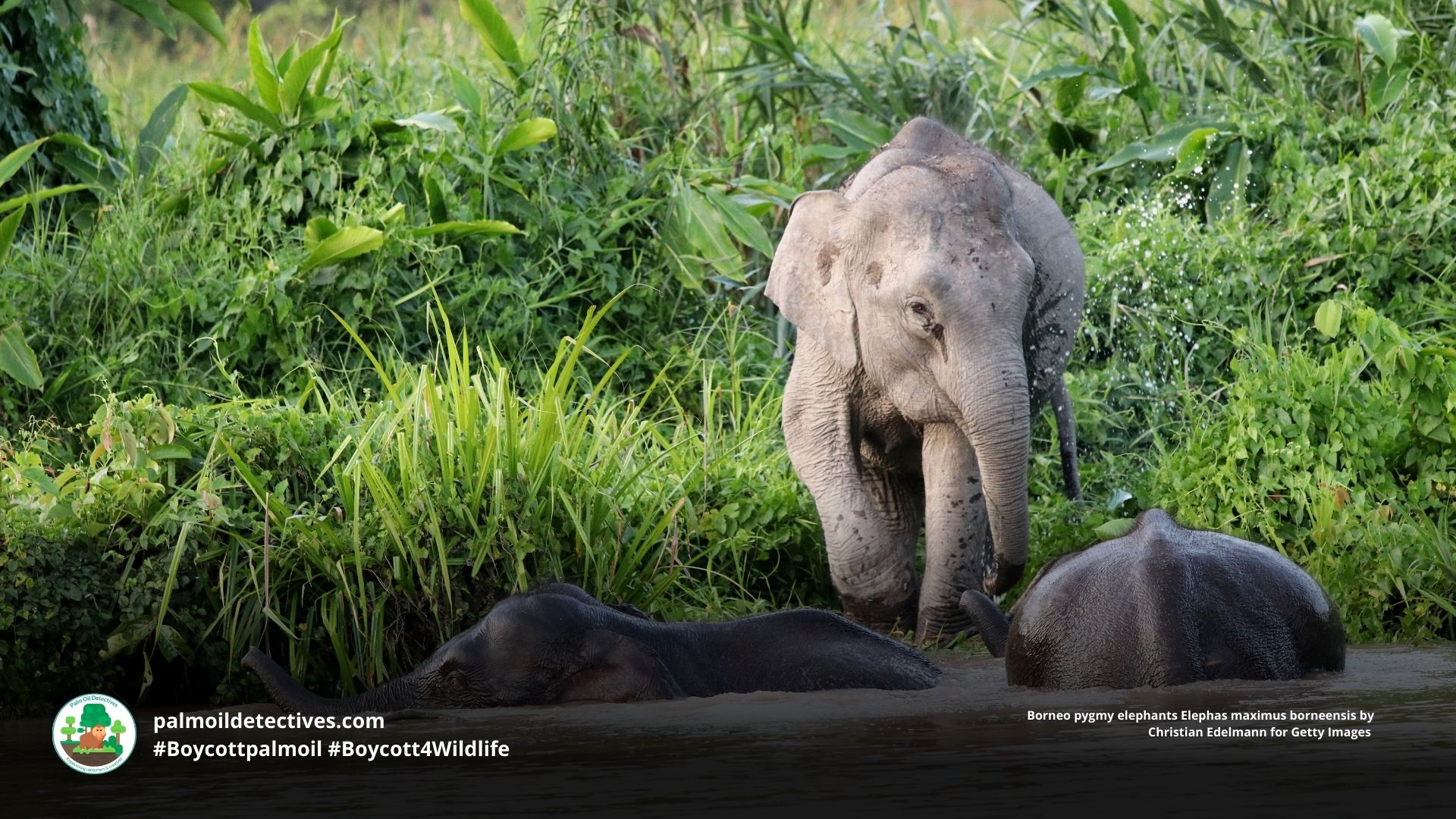
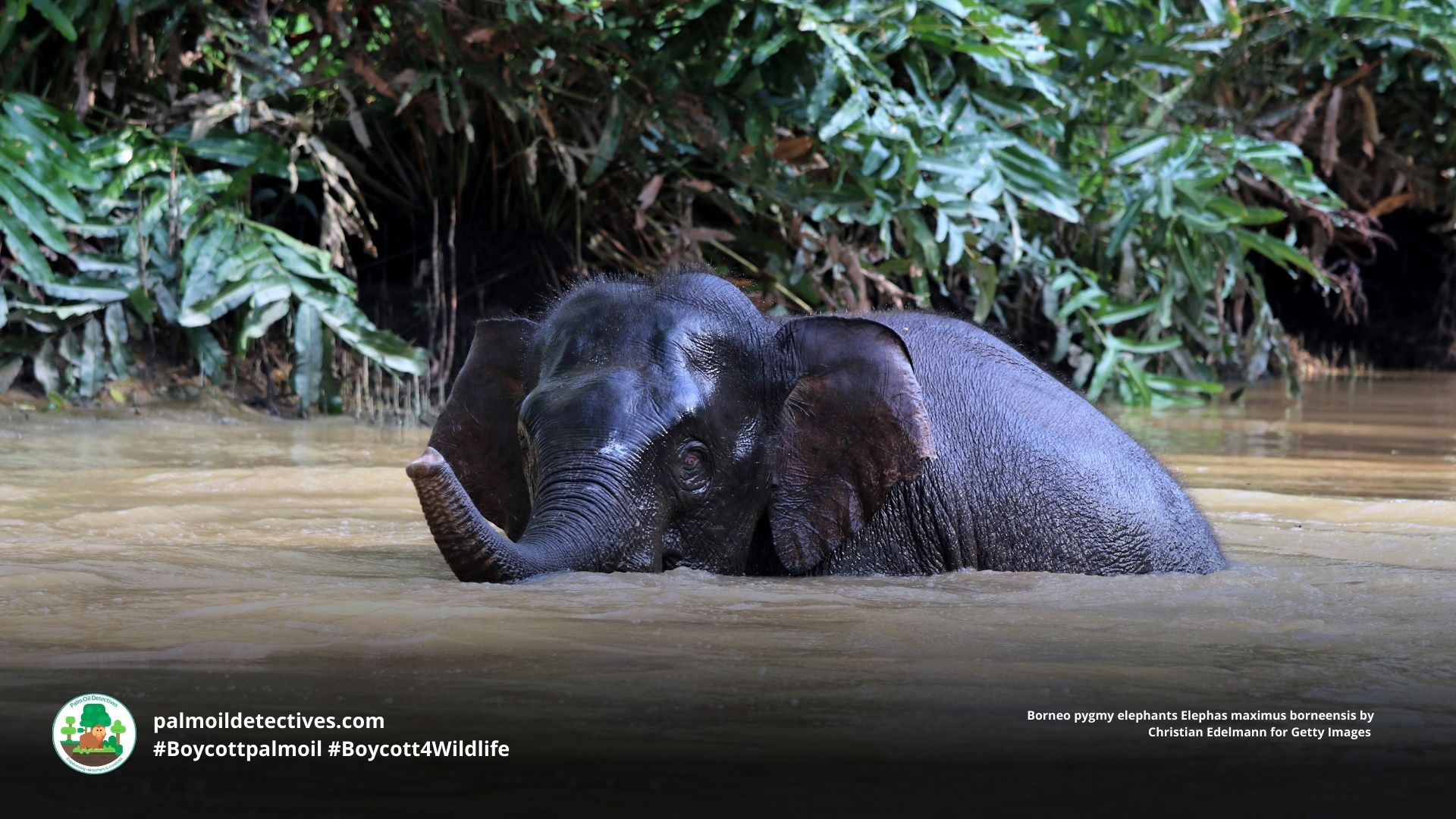
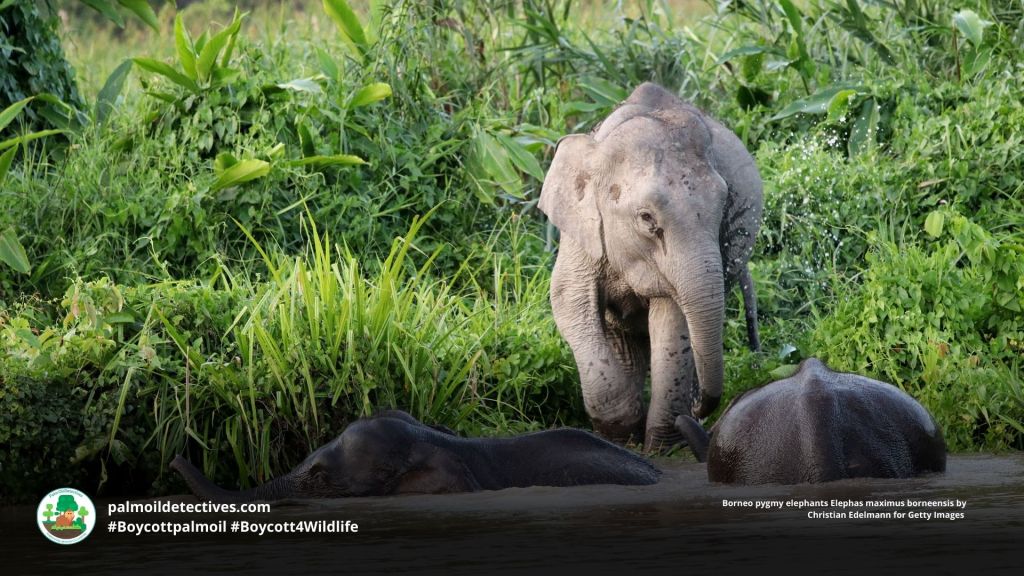
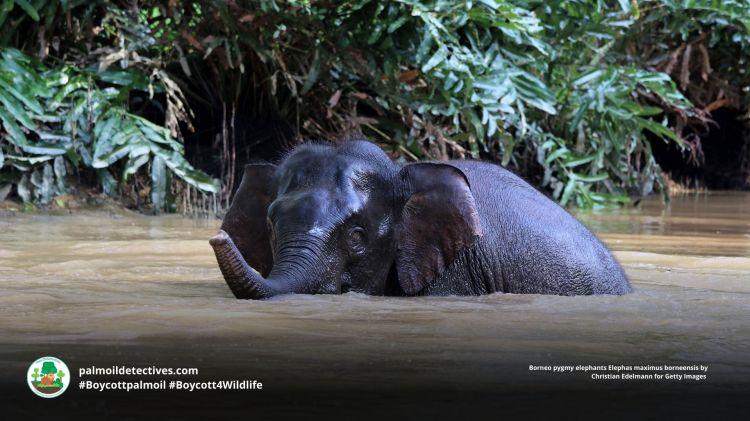
Borneo pygmy elephants Elephas maximus borneensis enjoying a dunk in the river

The elephant trunk is a multifunctional tool, used to explore the size, shape, and temperature of objects, lift food, and suck up water to drink. Borneo elephants can display a wide range of emotions, including laughing and crying. They have highly developed memories and can remember individuals and places for many years. These sensitive animals can feel grief and compassion, showing self-awareness, altruism, and playful behaviour. For instance, when a calf complains, the entire family gathers to show concern and caress the baby.

Elephants can ‘listen’ through their feet, detecting sub-sonic rumblings that cause ground vibrations, which they perceive by positioning their feet and trunks on the ground. Their ears consist of a complex system of blood vessels that help control their body temperature, allowing them to cool off by circulating blood through their ears

Further Information

Wikipedia contributors. (2024). Borneo elephant. In Wikipedia, The Free Encyclopedia.

Williams, C., Tiwari, S.K., Goswami, V.R., de Silva, S., Kumar, A., Baskaran, N., Yoganand, K. & Menon, V. 2020. Elephas maximusThe IUCN Red List of Threatened Species 2020: e.T7140A45818198. https://dx.doi.org/10.2305/IUCN.UK.2020-3.RLTS.T7140A45818198.en. Accessed on 26 July 2024.


Contribute to palm oil detectives - black rhino in profile

How can I help the #Boycott4Wildlife?


Take Action in Five Ways

1. Join the #Boycott4Wildlife on social media and subscribe to stay in the loop: Share posts from this website to your own network on Twitter, Mastadon, Instagram, Facebook and Youtube using the hashtags #Boycottpalmoil #Boycott4Wildlife.

Join 3,176 other subscribers

2. Contribute stories: Academics, conservationists, scientists, indigenous rights advocates and animal rights advocates working to expose the corruption of the palm oil industry or to save animals can contribute stories to the website.

3. Supermarket sleuthing: Next time you’re in the supermarket, take photos of products containing palm oil. Share these to social media along with the hashtags to call out the greenwashing and ecocide of the brands who use palm oil. You can also take photos of palm oil free products and congratulate brands when they go palm oil free.

4. Take to the streets: Get in touch with Palm Oil Detectives to find out more.

5. Donate: Make a one-off or monthly donation to Palm Oil Detectives as a way of saying thank you and to help pay for ongoing running costs of the website and social media campaigns. Donate here

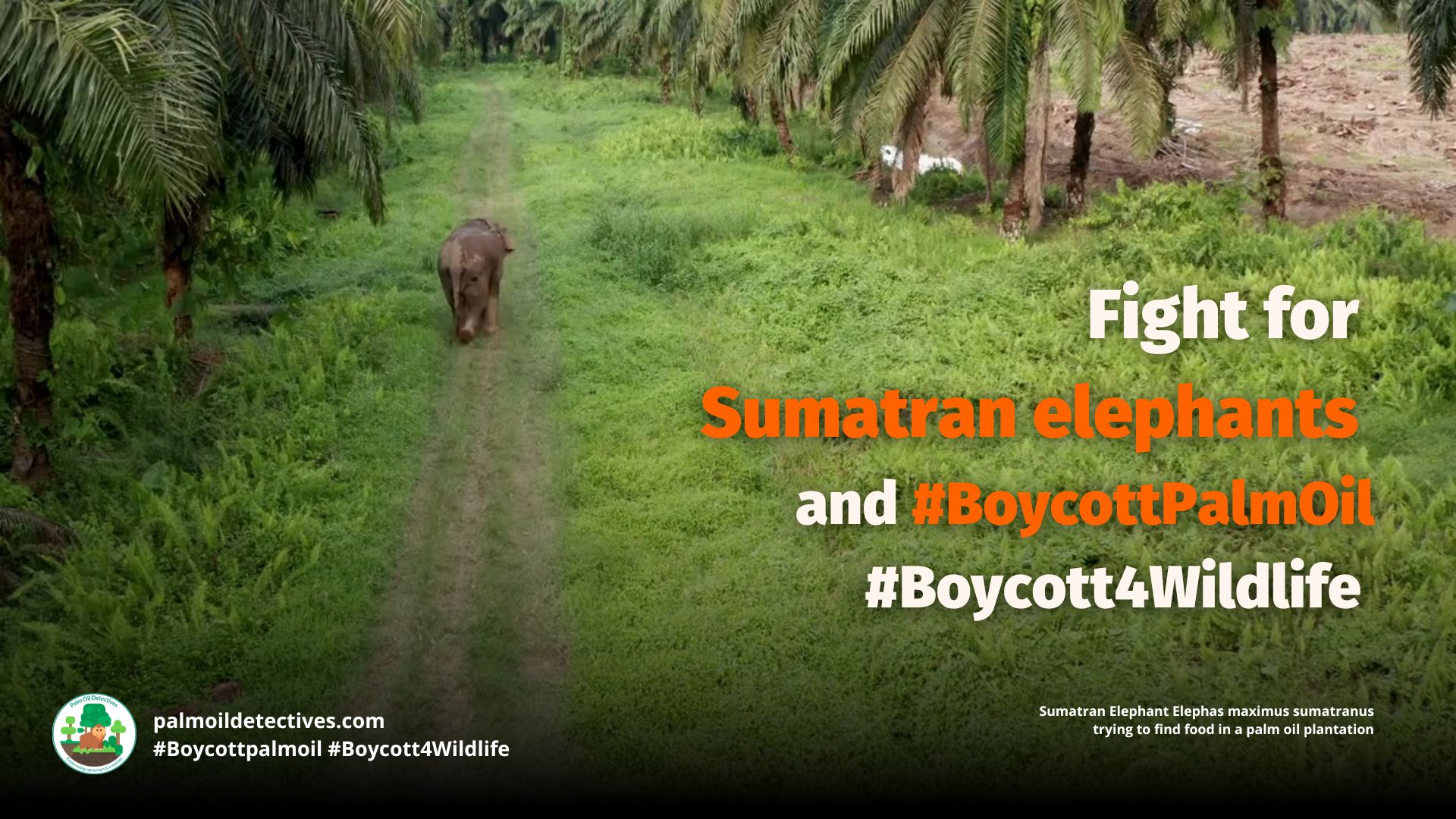
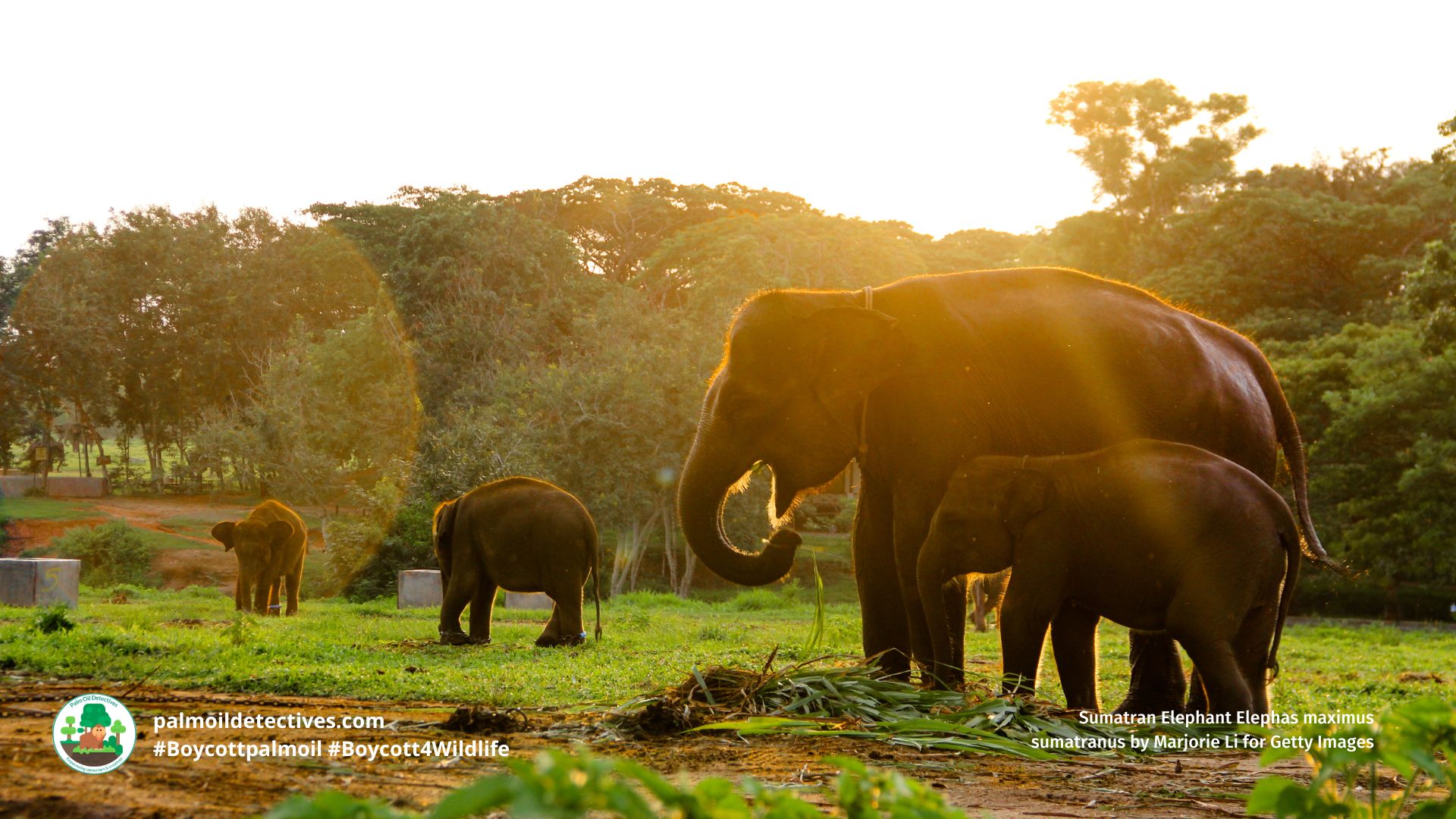
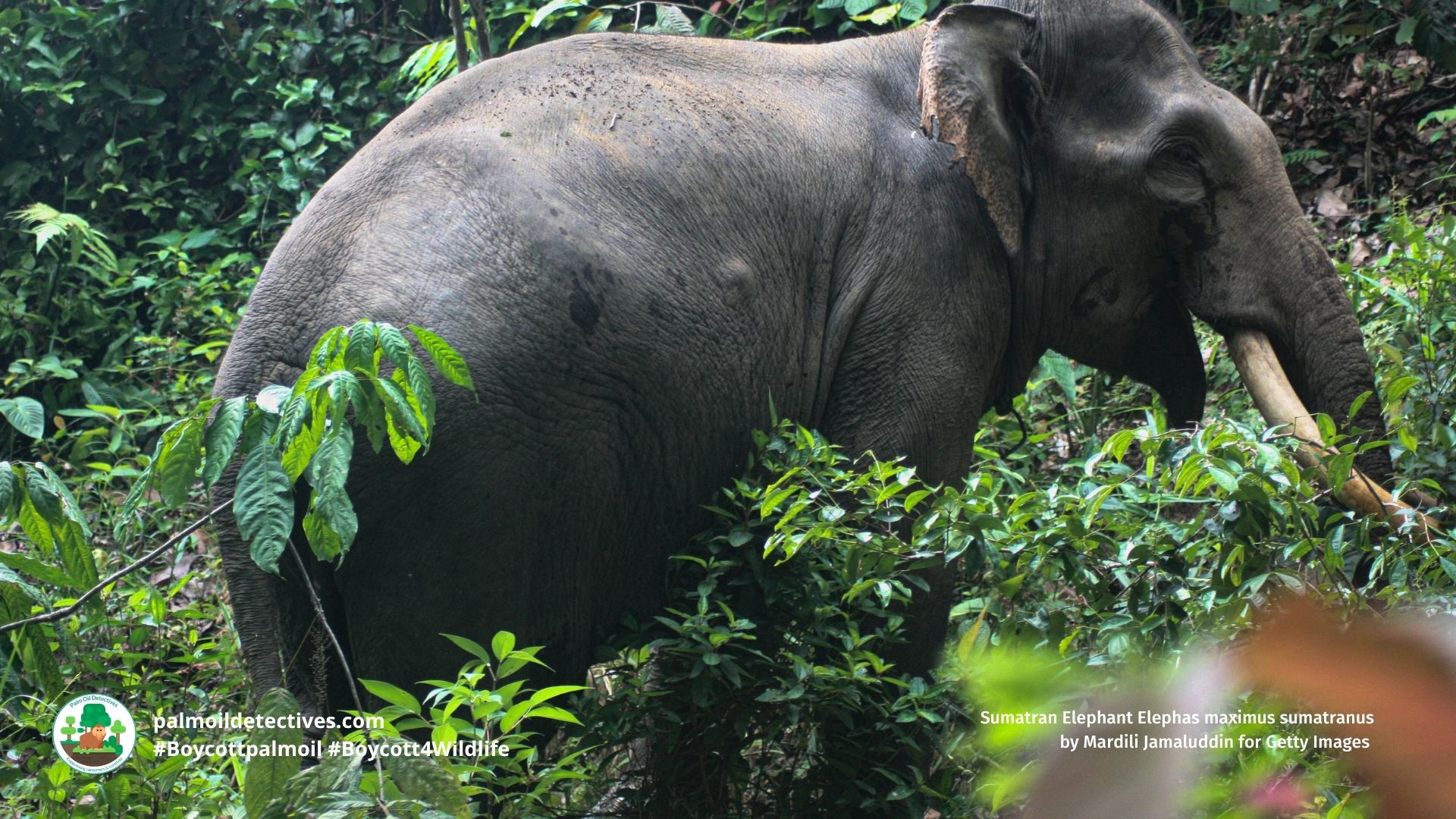
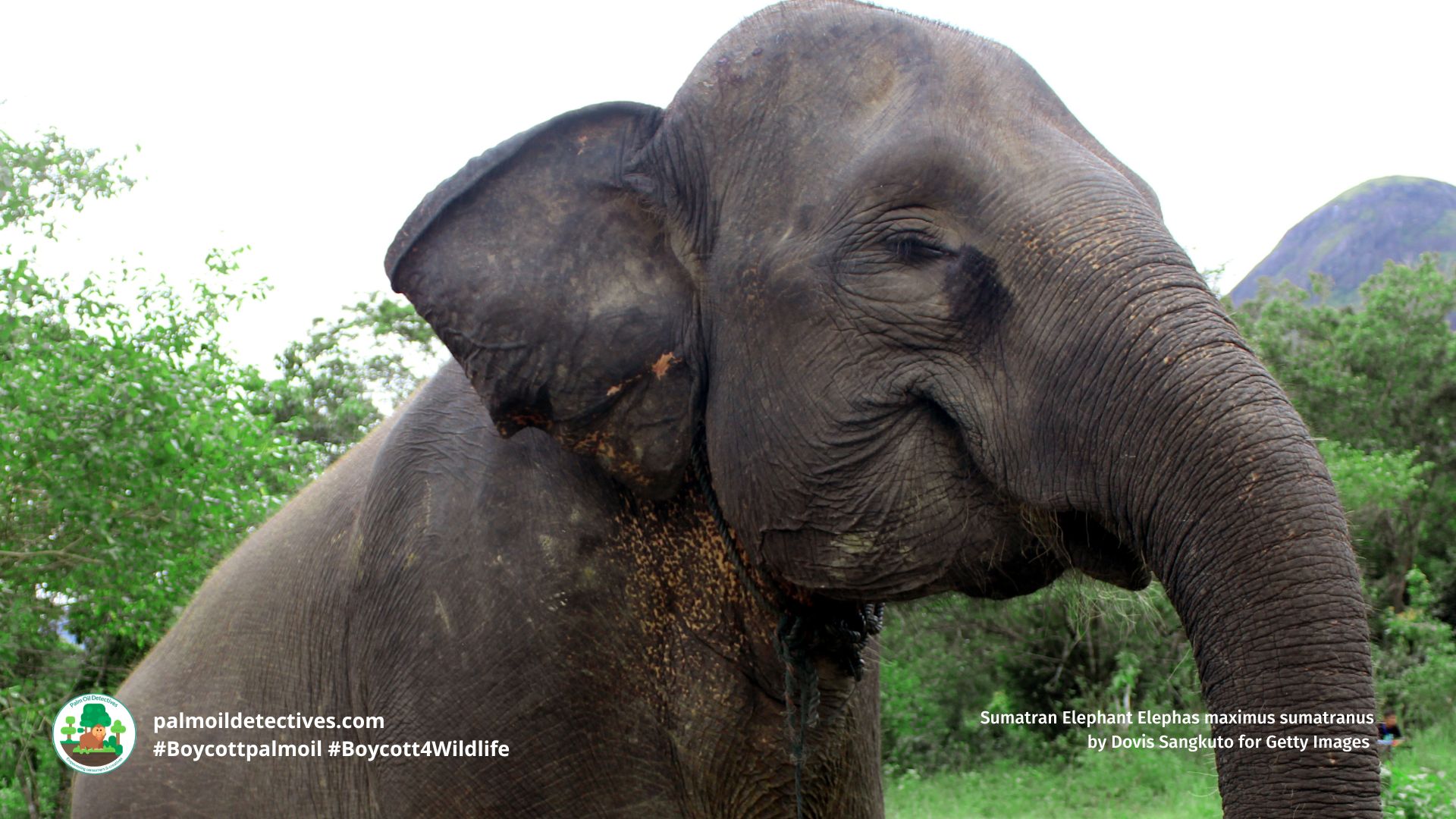
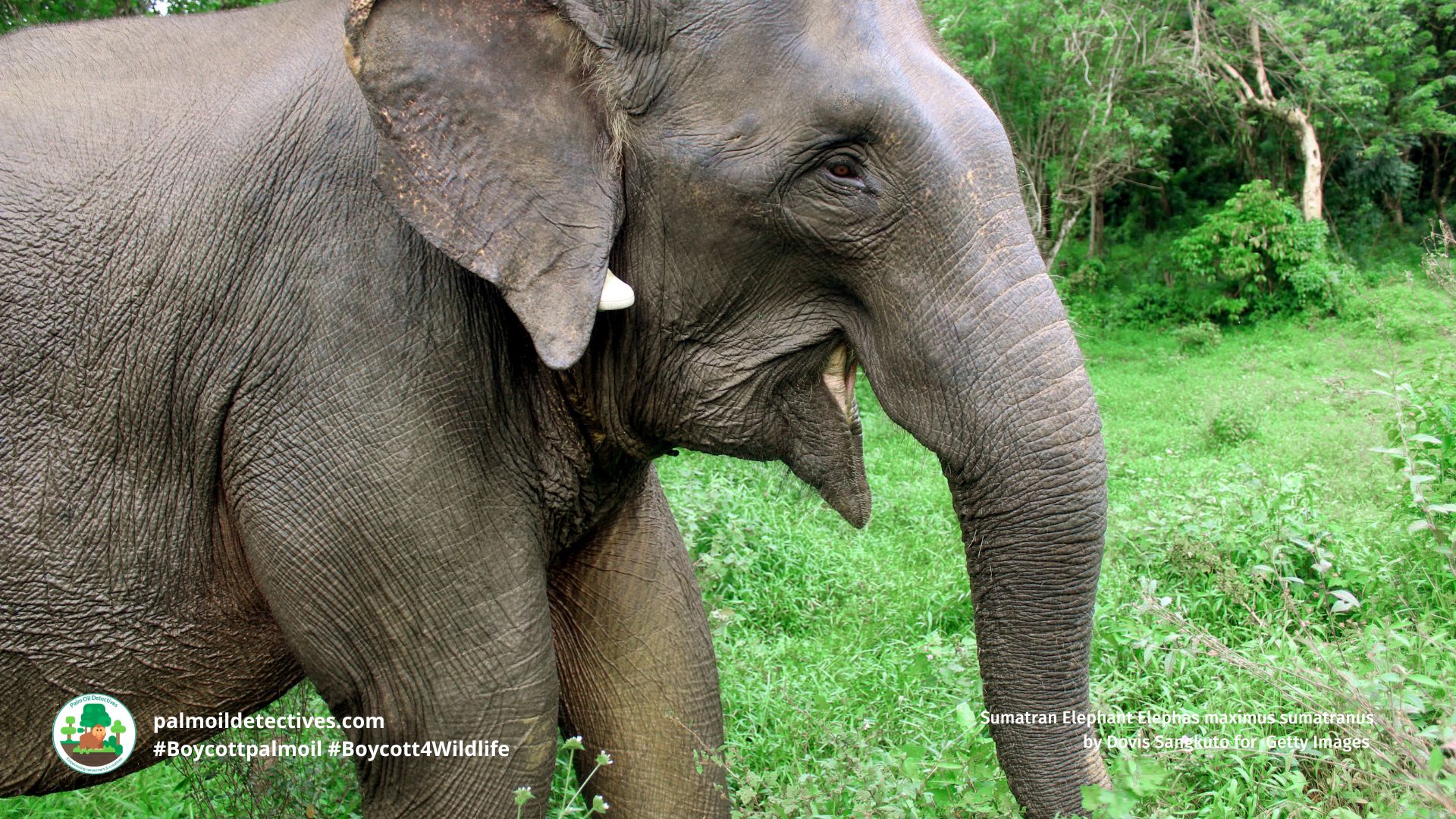
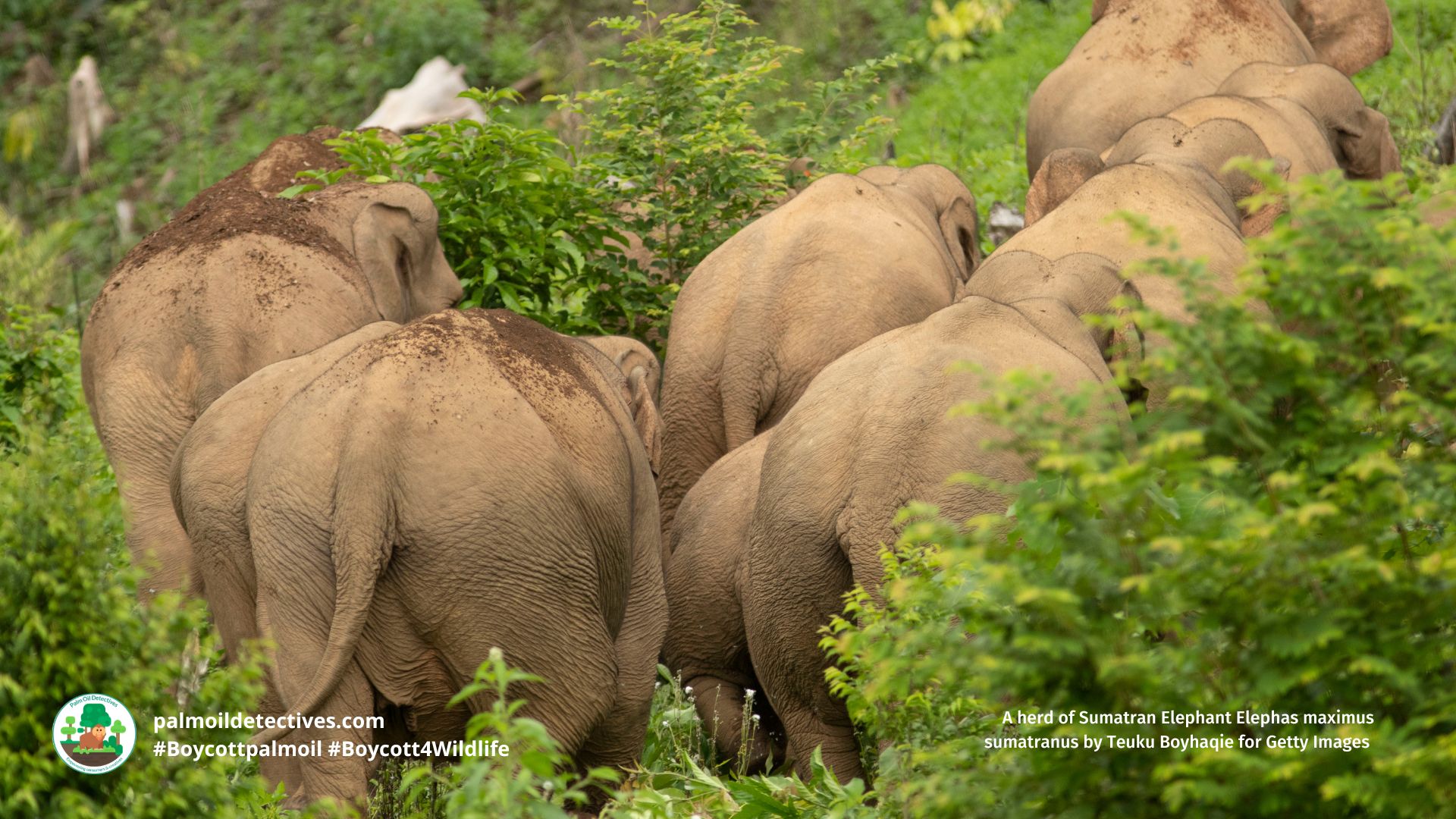
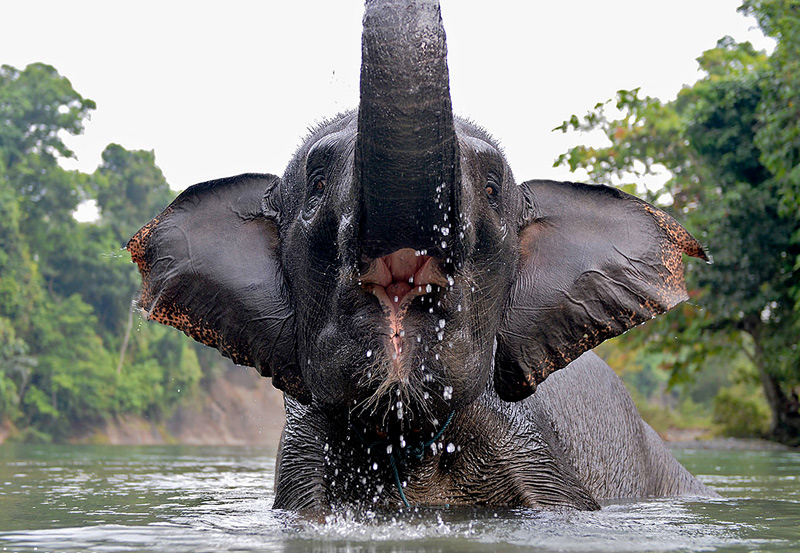
Sumatran Elephant Elephas maximus sumatranus

Sumatran Elephant Elephas maximus sumatranus

Critically Endangered

Population: 2,400 – 2,800

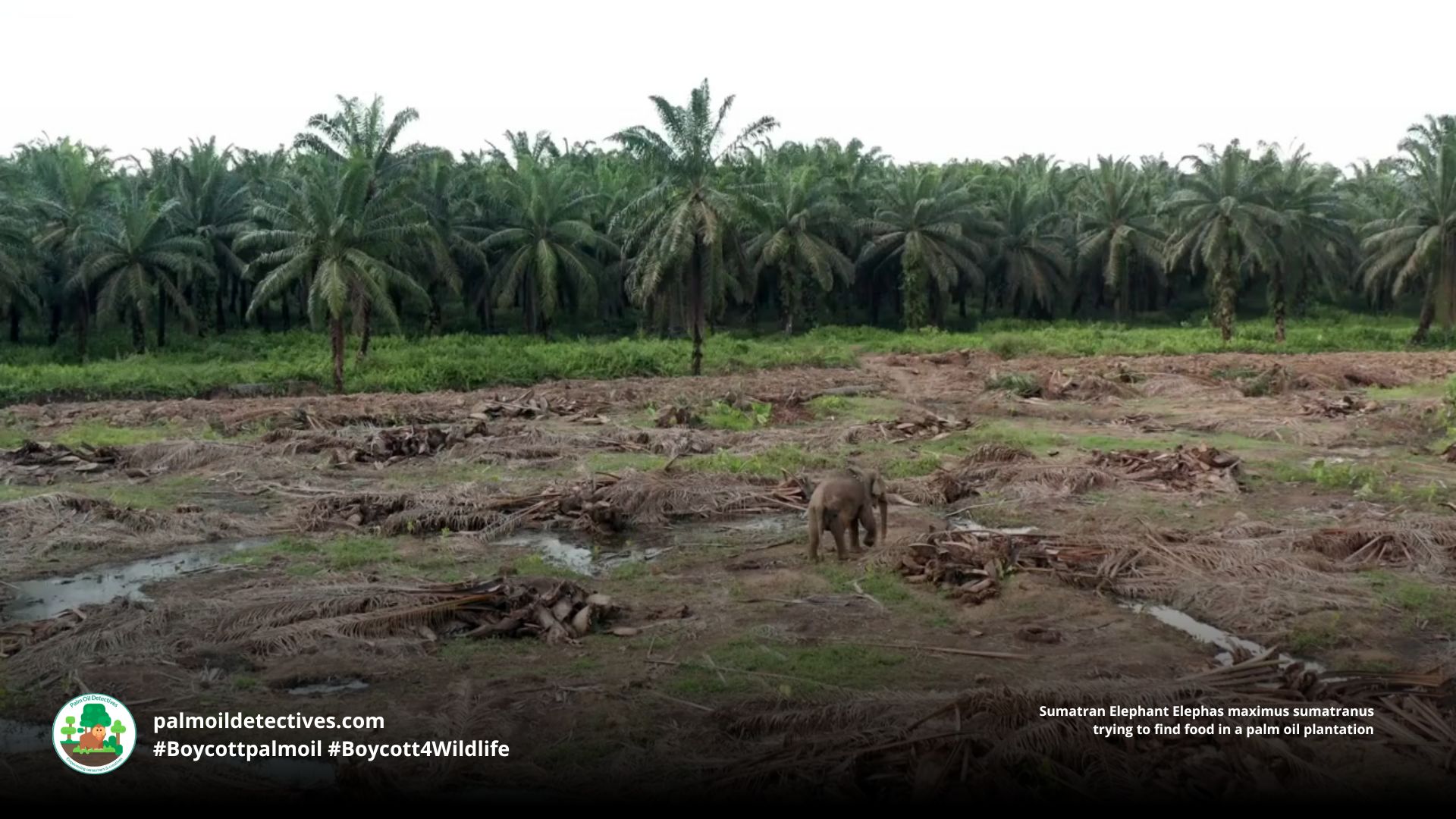
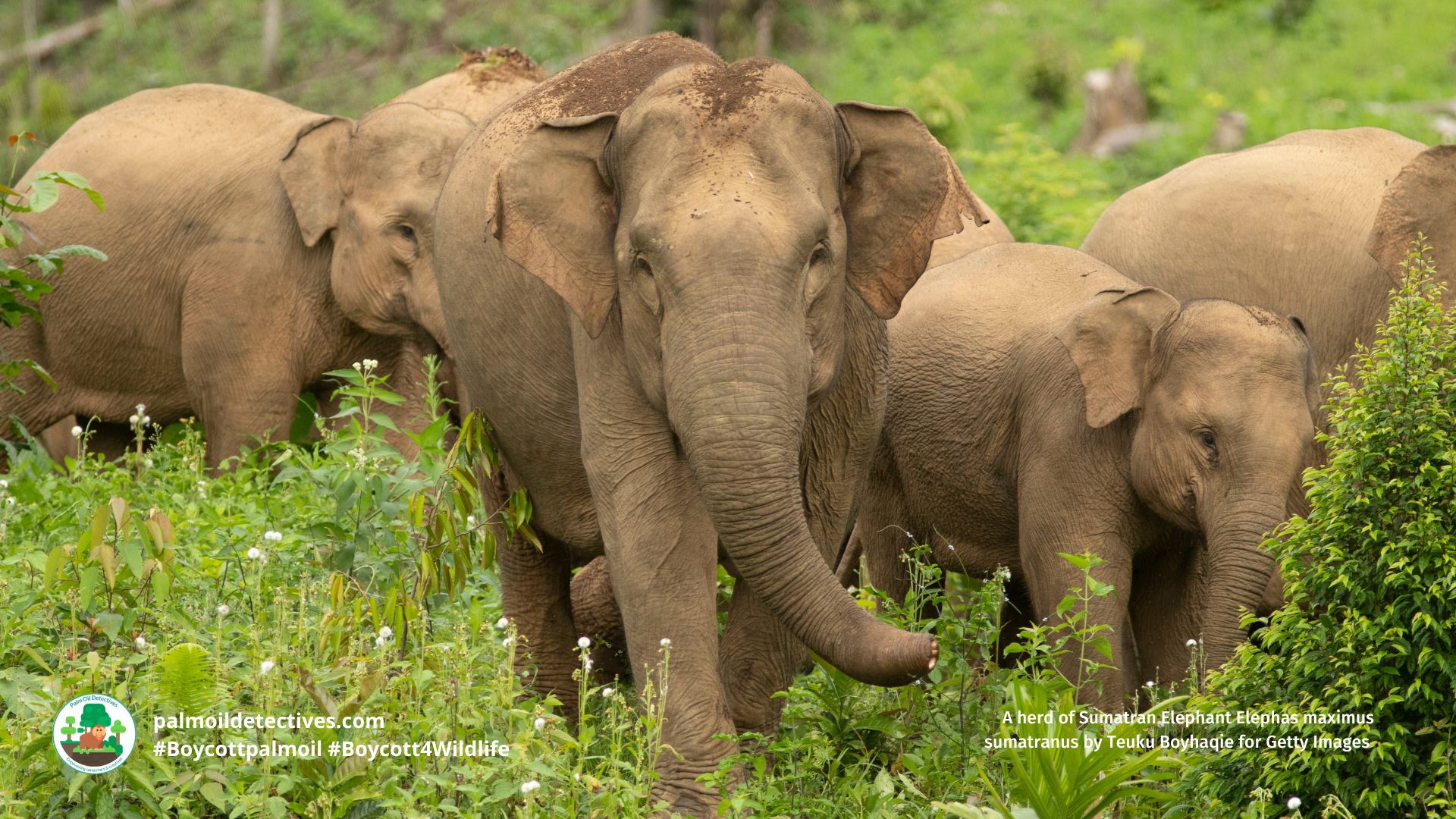
The Sumatran elephant is a critically endangered subspecies of the Asian elephant (Elephas maximus), confined to the island of Sumatra in Indonesia. As one of the world’s largest land mammals, they play a vital role in their ecosystem as keystone species, facilitating seed dispersal and maintaining forest biodiversity. Tragically, their population has been reduced by more than 80% in the last 75 years due to palm oil deforestation and poaching.

With fewer than 2,400 individuals estimated to remain in the wild, the Sumatran elephant is at immediate risk of extinction. Protect their future by boycotting palm oil products and advocating for stronger conservation efforts. Use your voice and wallet as weapons. #BoycottPalmOil #Boycott4Wildlife

Sumatran #Elephants are rapidly disappearing 🐘🐘💀 critically endangered in #Sumatra #Indonesia due to #palmoil #deforestation and #poaching. Help them to survive when you #BoycottPalmOil 🌴🪔🤮☠️⛔️ #Boycott4Wildlife @palmoildetect https://palmoildetectives.com/2021/01/19/sumatran-elephant-elephas-maximus-sumatranus/

Lighter coloured than other #pachyderms, Sumatran #Elephants deserve to live in freedom. They’re 🐘💀 critically endangered in #Indonesia 🇮🇩 due to #palmoil #deforestation and #poaching. #BoycottPalmOil 🌴🪔🤮☠️⛔️ #Boycott4Wildlife @palmoildetect https://palmoildetectives.com/2021/01/19/sumatran-elephant-elephas-maximus-sumatranus/

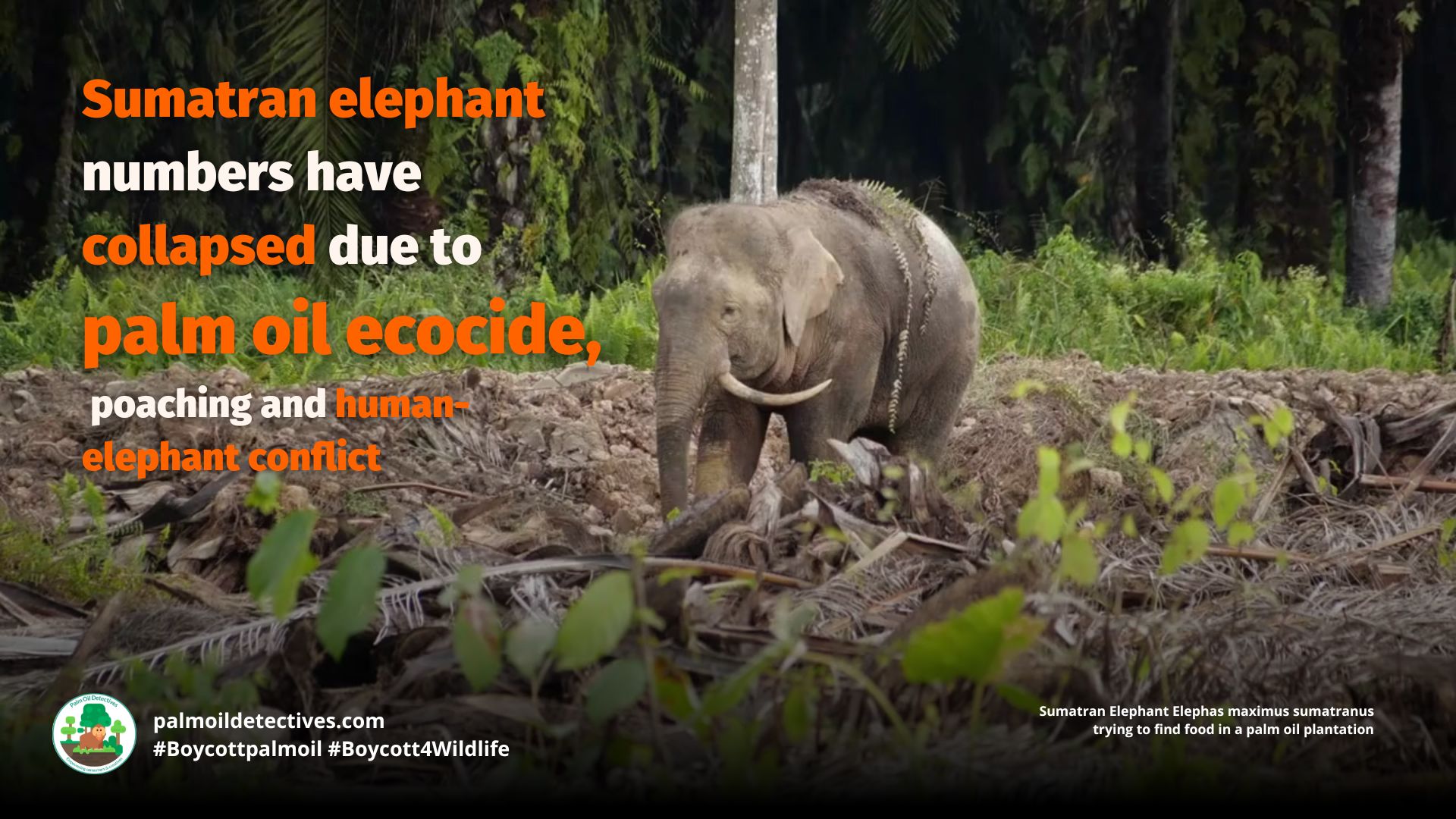
While Sumatra is home to several of the country’s largest national parks, many areas in these parks are destroyed—illegally—to produce palm oil. The elephant population across the island is crashing, with far fewer than 3,000 surviving, as herds are left homeless, harassed and killed due to intense conflict with people over shrinking habitat. Their decline is closely linked to the rapid expansion of palm oil plantations, illegal logging, and human-wildlife conflicts.

The Asian Elephant is one of the last few mega-herbivores (i.e. plant-eating mammals that reach an adult body weight in excess of 1,000 kg) still extant on earth (Owen-Smith, 1988). Being hindgut fermenters with relatively poor digestive efficiency (Dumonceaux 2006), elephants must consume large quantities of food per day to meet energy requirements. The lack of reliable population estimates across most of the Asian elephant range presents a considerable challenge to detecting such declines.

Nevertheless, from what is known about trends in habitat loss and other threats including poaching, an overall population decline of at least 50% since 1945 over the last three generations (estimated to be 75 years, based on a generation time estimated to be 25 years) seems realistic. The Sumatran subspecies is listed as Critically Endangered

Appearance and Behaviour

Sumatran elephants are smaller than their mainland Asian relatives, with males standing between 2 and 3.2 metres tall and weighing up to 5,000 kilograms. Their lighter grey skin often features depigmented patches on the ears and trunk, which are particularly prominent in this subspecies. These elephants have larger ears relative to other Asian elephants, an adaptation that helps them regulate body temperature in Sumatra’s tropical climate (Nurcahyo et al., 2023).

An anatomical distinction of Sumatran elephants is their 20 pairs of ribs—one more than other Asian elephant subspecies. Male elephants typically develop long tusks, while females either lack visible tusks or have small, rudimentary ones. Their physical adaptations and behaviours are crucial for surviving in dense, tropical forests and swamps, where they navigate their environment with remarkable dexterity.

Geographical Range

Historically, Sumatran elephants roamed throughout the island’s lowland rainforests, peat swamps, and grasslands. Today, their habitat has been reduced to just a fraction of its original range, with an estimated 69% of suitable habitat lost between 1985 and 2009 (Hedges et al., 2020). Their remaining populations are concentrated in fragmented forest patches in the provinces of Aceh, Riau, Lampung, and North Sumatra.

The expansion of palm oil plantations is a primary driver of habitat destruction, with millions of hectares of forest cleared to meet global demand. Fragmented habitats force elephants into smaller areas, increasing the risk of inbreeding, resource competition, and conflict with humans (Setiawan et al., 2019).

Population Status

The Sumatran elephant population is estimated to be between 2,400 and 2,800 individuals, down from tens of thousands just decades ago. This decline represents the loss of hundreds of elephants annually due to habitat destruction, poaching, and conflict (Hedges et al., 2020). If current trends continue, the species could face extinction within 30 years.

Diet

Sumatran elephants are herbivorous and consume over 200 plant species, including grasses, fruits, leaves, bark, and roots. They consume up to 150 kilograms of vegetation daily, playing a critical role in seed dispersal and forest regeneration. Elephants forage over large areas, often moving between different forest types to meet their dietary needs (Nurcahyo et al., 2023).

Reproduction and Mating

Female Sumatran elephants have a gestation period of approximately 22 months, the longest of any land mammal. They typically give birth to a single calf every four to five years. Calves weigh 80–120 kilograms at birth and are highly dependent on their mothers for the first two years of life. These slow reproductive rates make population recovery challenging, particularly in the face of ongoing threats (Setiawan et al., 2019).

Threats

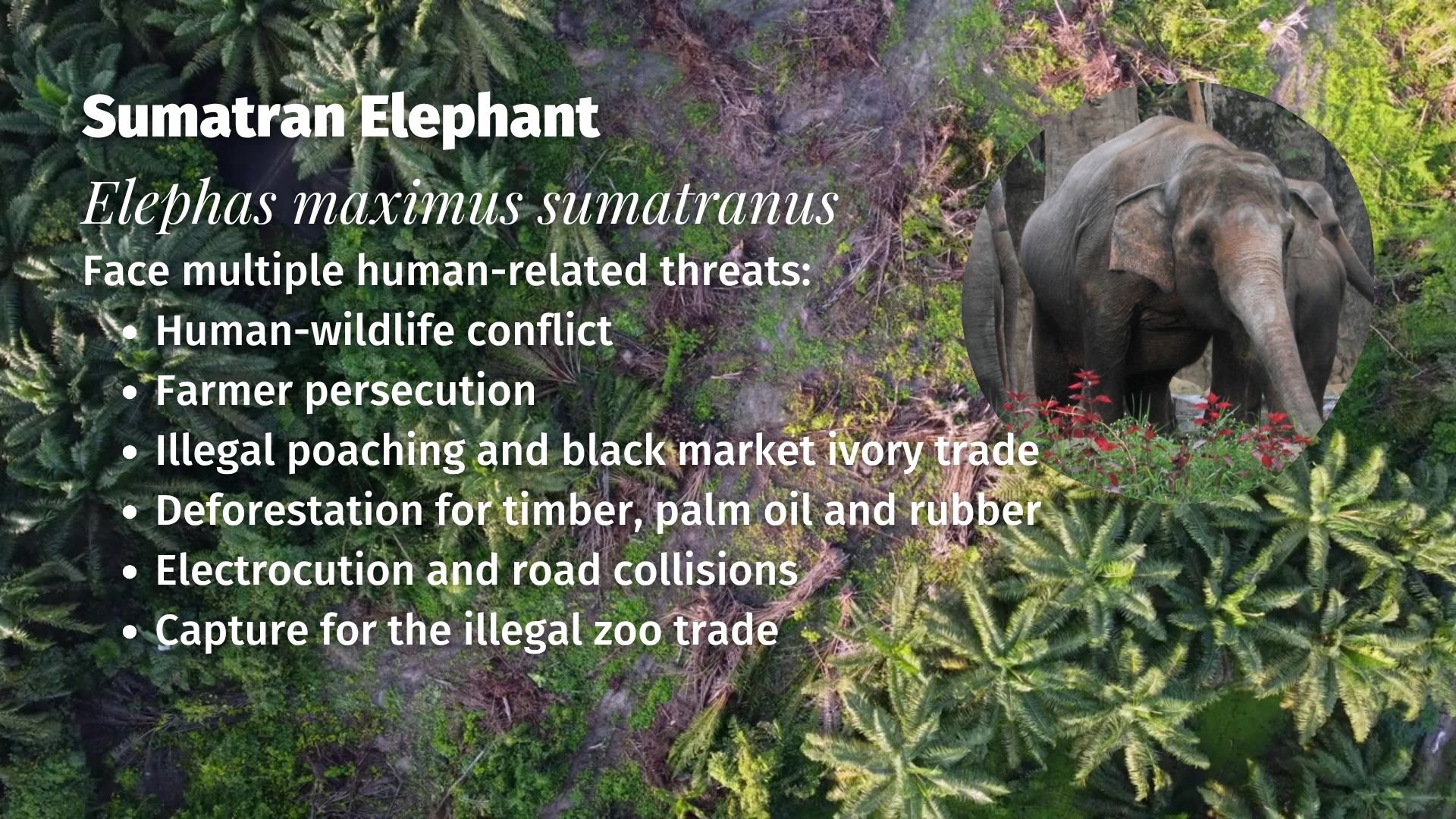
Sumatran elephants are protected under Indonesian law, but enforcement is often weak. Conservation efforts focus on habitat restoration, anti-poaching patrols, and mitigating human-elephant conflicts. Protected areas, such as Gunung Leuser and Way Kambas National Parks, are crucial for the survival of remaining populations. However, deforestation within these protected areas remains a significant challenge (Hedges et al., 2020).

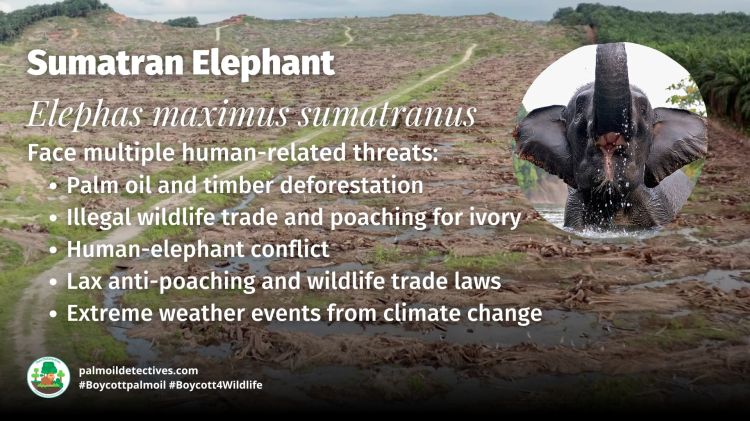
Sumatran Elephant Elephas maximus sumatranus threats

IUCN Status: Critically Endangered

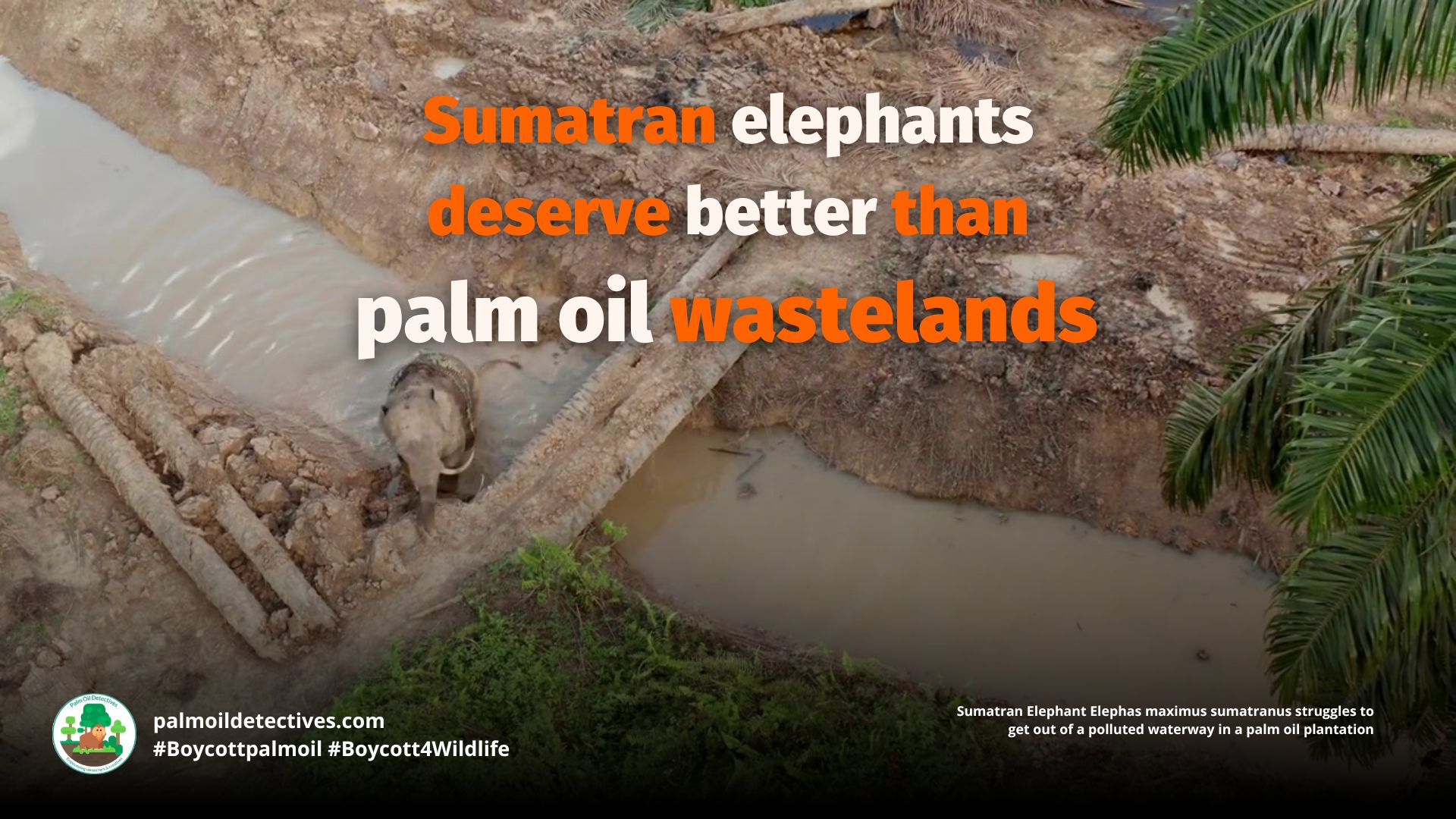
  • Palm oil deforestation: The rapid conversion of forests into palm oil plantations has destroyed large portions of the elephants’ habitat. Between 1985 and 2009, Sumatra lost nearly half its forest cover (Hedges et al., 2020).
  • Human-Elephant Conflict: As elephants venture into agricultural areas, they are often perceived as pests. This results in retaliatory killings, which account for significant population losses each year (Nurcahyo et al., 2023).
  • Poaching: Male elephants are heavily targeted for their ivory, which is illegally traded. Despite national protections, poaching continues to drive population declines (Setiawan et al., 2019).
  • Climate Change: Rising temperatures, altered rainfall patterns and extreme weather events threaten the availability of food and water resources, further stressing elephant populations (Nurcahyo et al., 2023).

Take Action!

Protect the Sumatran elephant by boycotting palm oil products, supporting reforestation initiatives, and advocating for stricter wildlife protection laws. Every purchase matters. Fight for their survival with #BoycottPalmOil and #Boycott4Wildlife.

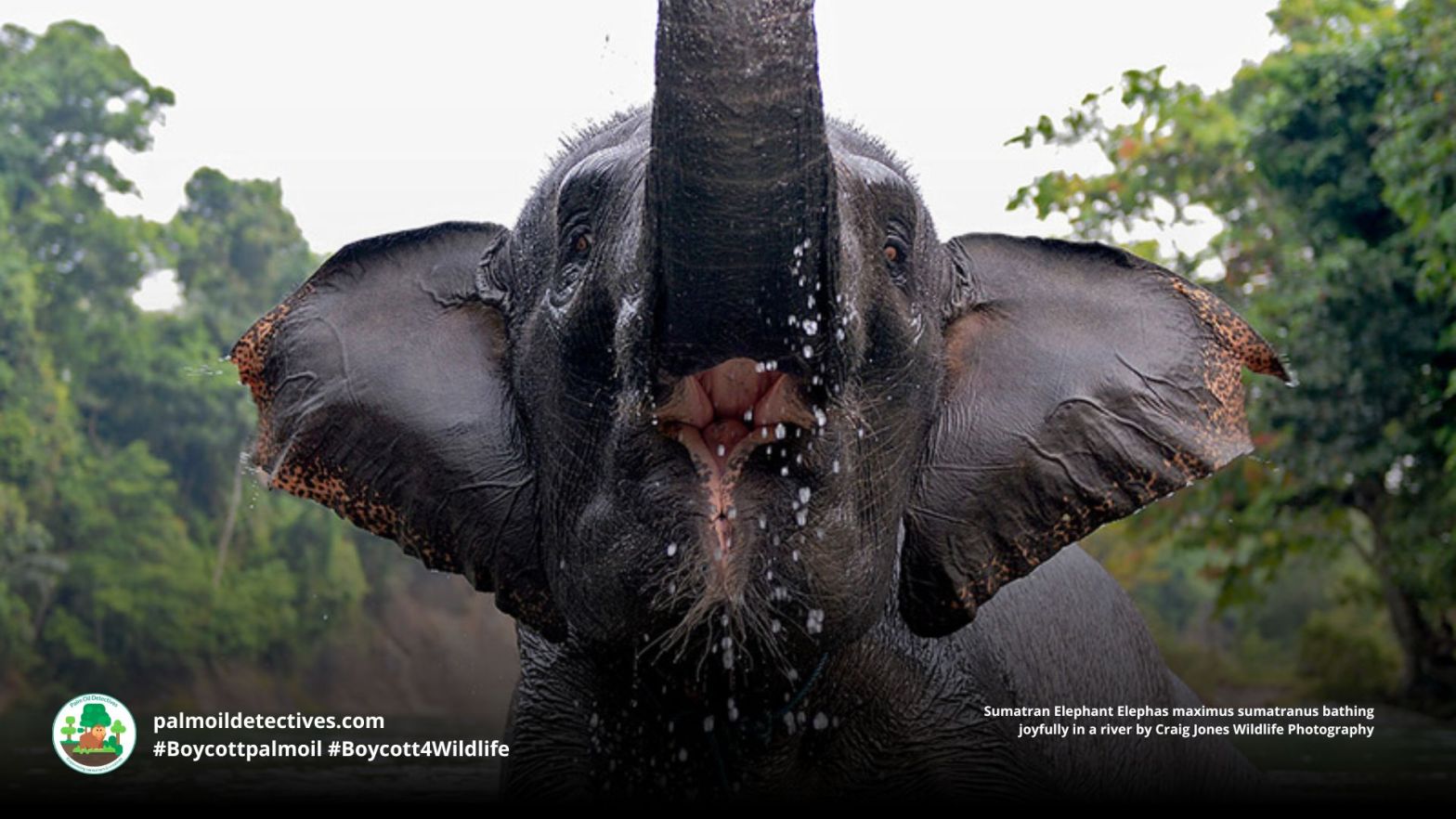
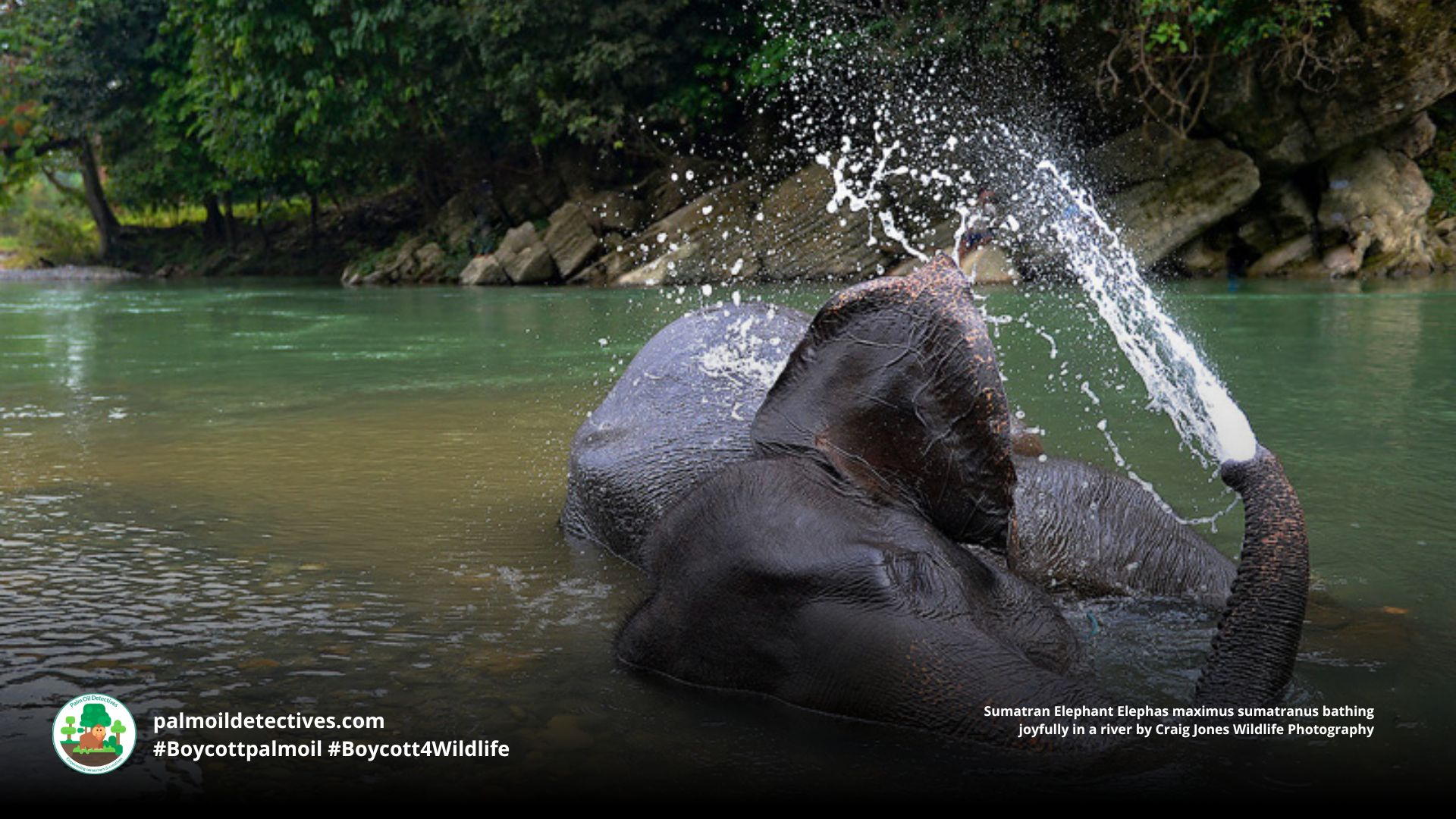
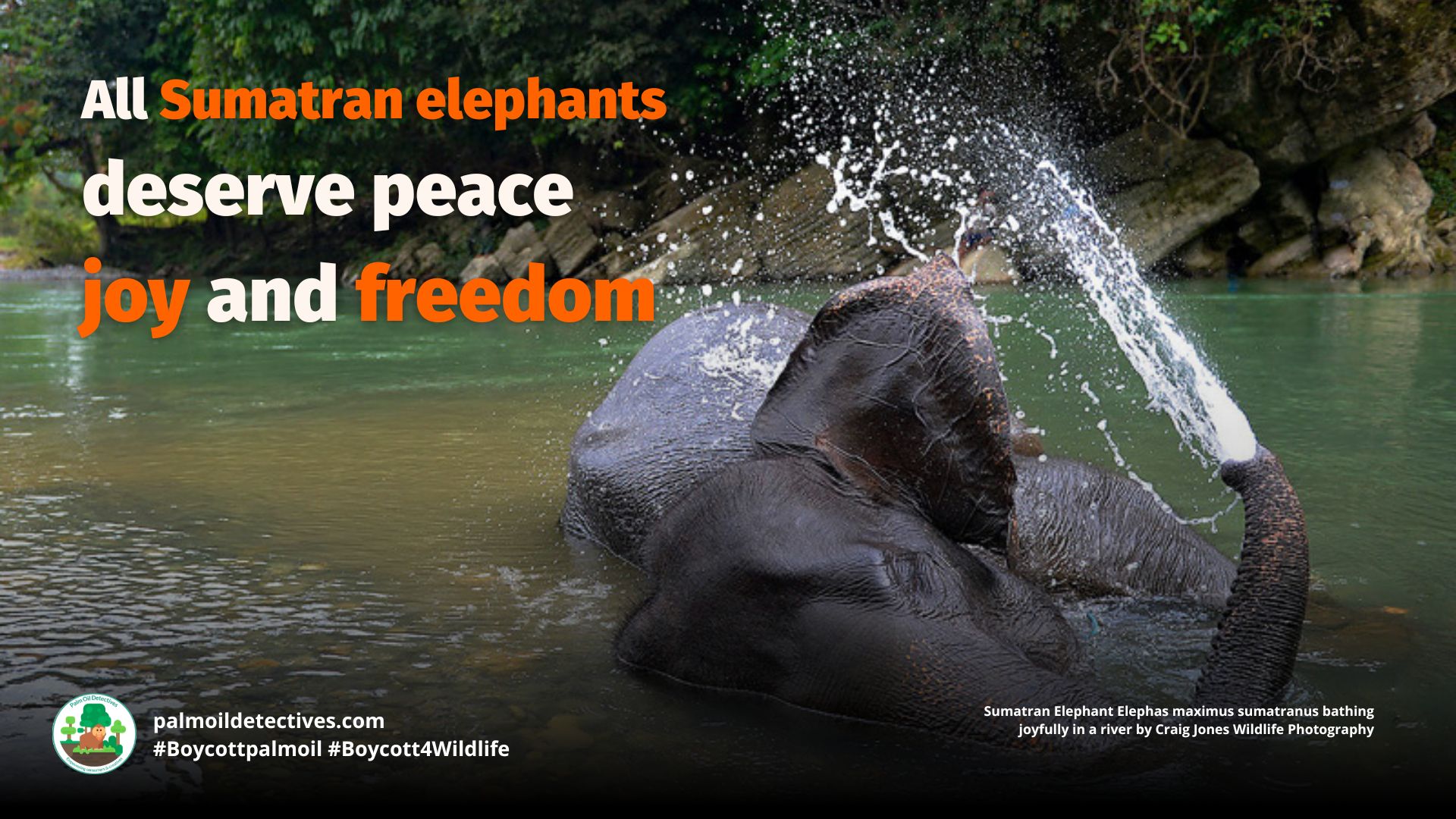
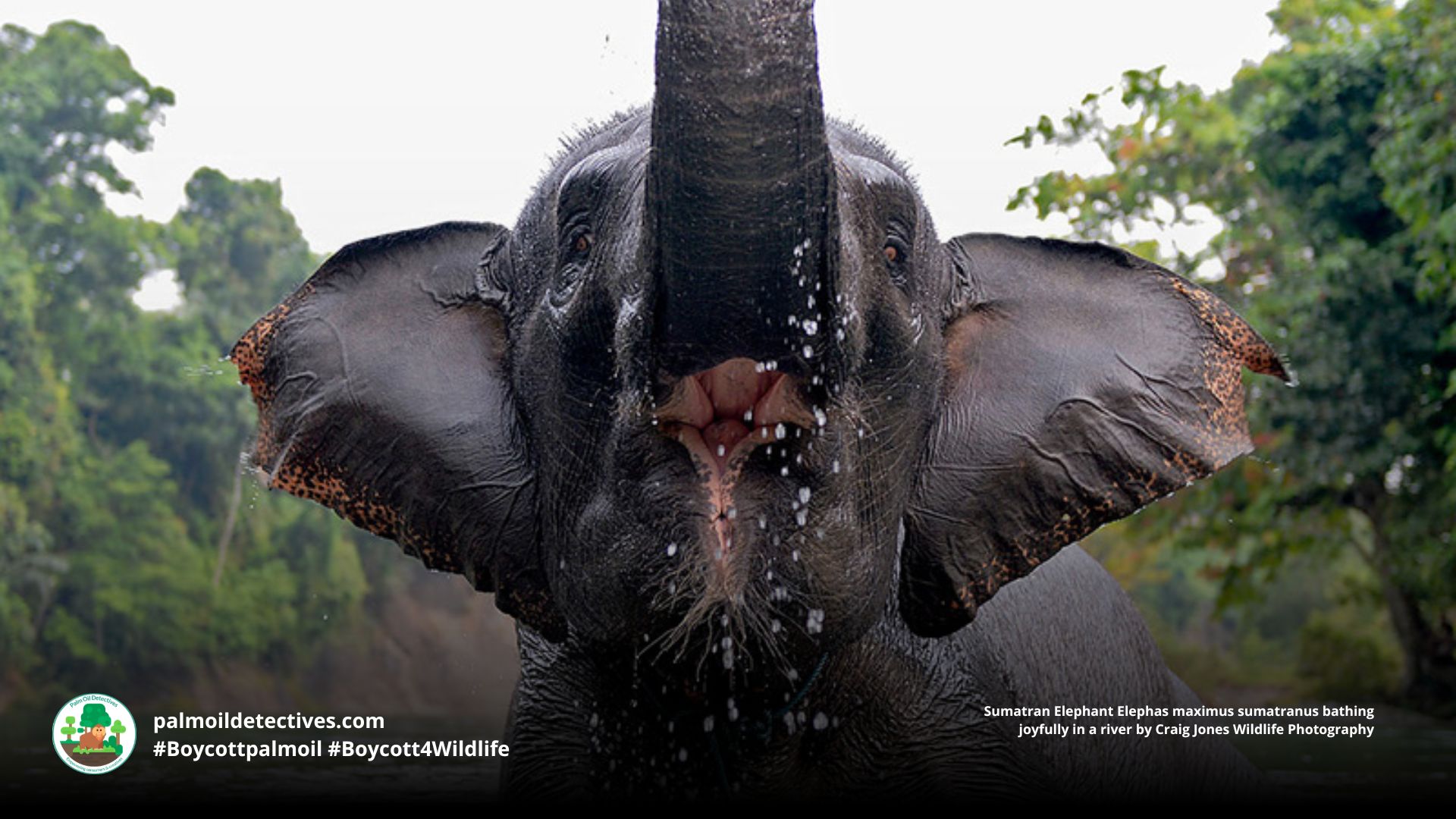
Spotlight on Sumatran Elephants – Craig Jones Wildlife Photography

Without direct intervention in the national parks the Orangutans along with other forest-dependant wildlife- like the Sumatran Tigers and Elephants will become progressively scarcer until their populations are no longer viable. Spotlight Sumatra – The Final Chapter by Craig Jones

Help the organisations helping these beautiful animals

Sumatran Elephant Conservation Initiative e.V.

Way Kambas National Park Sumatra

Further Information

iucn-rating-critically-endangered

Gopala, A., Hadian, O., Sunarto, ., Sitompul, A., Williams, A., Leimgruber, P., Chambliss, S.E. & Gunaryadi, D. 2011. Elephas maximus ssp. sumatranus. The IUCN Red List of Threatened Species 2011: e.T199856A9129626. https://dx.doi.org/10.2305/IUCN.UK.2011-2.RLTS.T199856A9129626.en. Downloaded on 19 January 2021

Nurcahyo, A., et al. (2023). The movement pattern and home range of Sumatran elephants in the Mila-Tangse landscape. ResearchGate. Retrieved from https://www.researchgate.net/publication/369190606

Setiawan, I., et al. (2019). Recent observations of Sumatran elephants in Sembilang National Park, South Sumatra. Journal of Tropical Forest Science, 31(2), 299–308. Retrieved from https://www.researchgate.net/publication/334776259

BBC Earth. (2020). Sumatran Elephant: Project Hope. Retrieved from https://www.bbc.co.uk/programmes/profiles/28hWyXFGHPhm20nTVG4pT0n/sumatran-elephant

Wikipedia contributors. (2023). Sumatran elephant. In Wikipedia. Retrieved from https://en.wikipedia.org/wiki/Sumatran_elephant


Contribute to palm oil detectives - black rhino in profile

How can I help the #Boycott4Wildlife?


Take Action in Five Ways

1. Join the #Boycott4Wildlife on social media and subscribe to stay in the loop: Share posts from this website to your own network on Twitter, Mastadon, Instagram, Facebook and Youtube using the hashtags #Boycottpalmoil #Boycott4Wildlife.

Join 3,176 other subscribers

2. Contribute stories: Academics, conservationists, scientists, indigenous rights advocates and animal rights advocates working to expose the corruption of the palm oil industry or to save animals can contribute stories to the website.

3. Supermarket sleuthing: Next time you’re in the supermarket, take photos of products containing palm oil. Share these to social media along with the hashtags to call out the greenwashing and ecocide of the brands who use palm oil. You can also take photos of palm oil free products and congratulate brands when they go palm oil free.

4. Take to the streets: Get in touch with Palm Oil Detectives to find out more.

5. Donate: Make a one-off or monthly donation to Palm Oil Detectives as a way of saying thank you and to help pay for ongoing running costs of the website and social media campaigns. Donate here

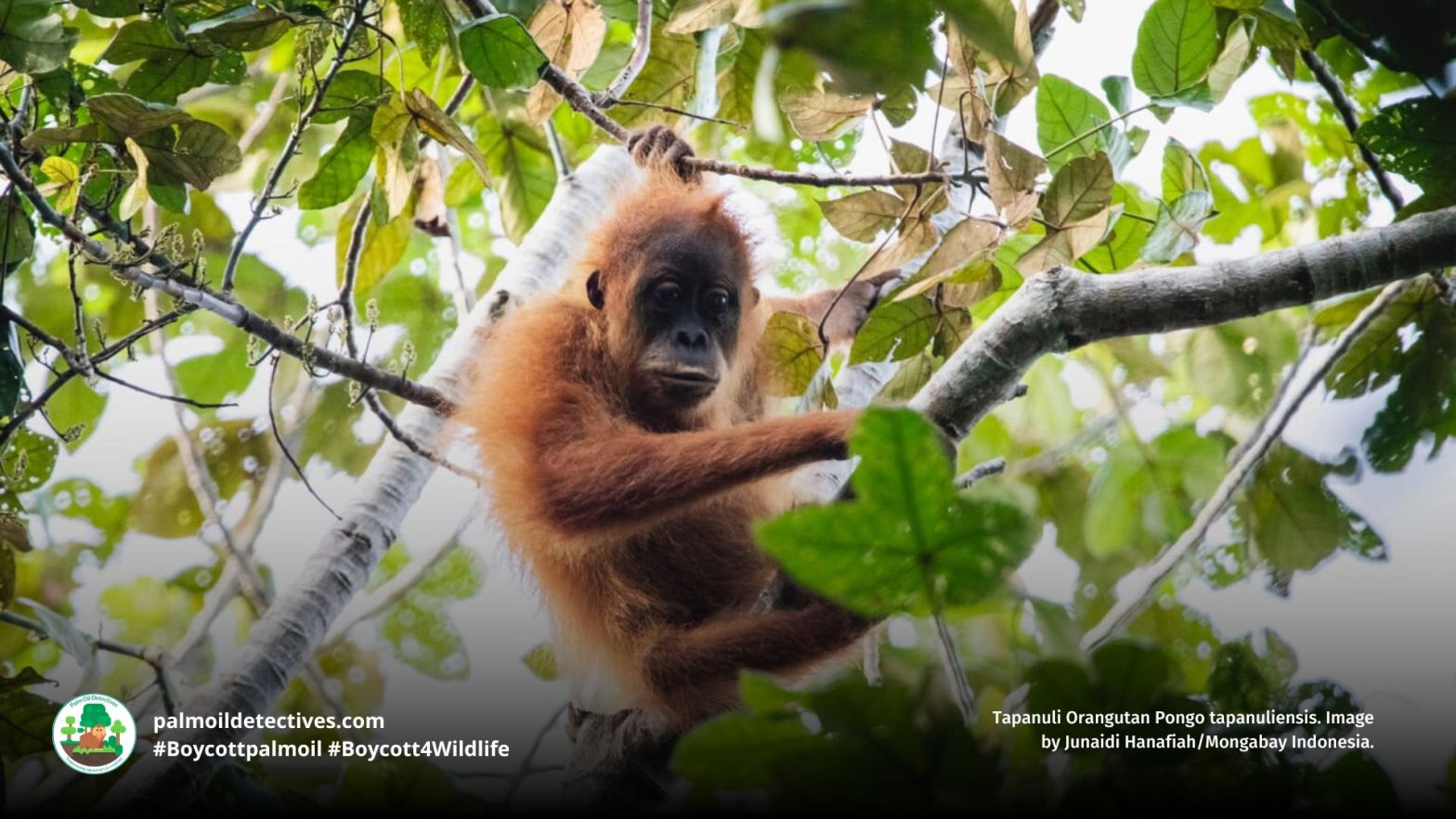
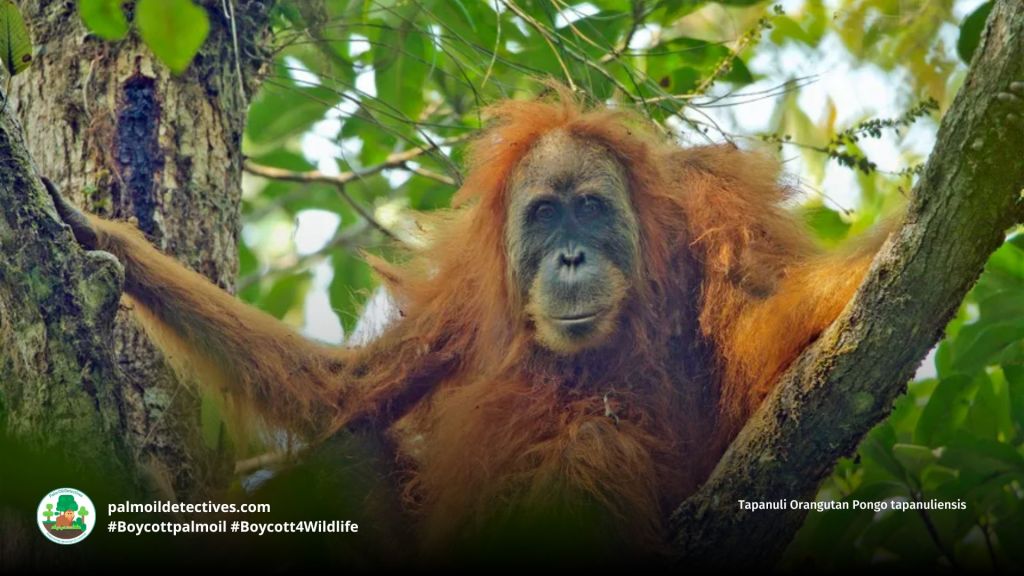
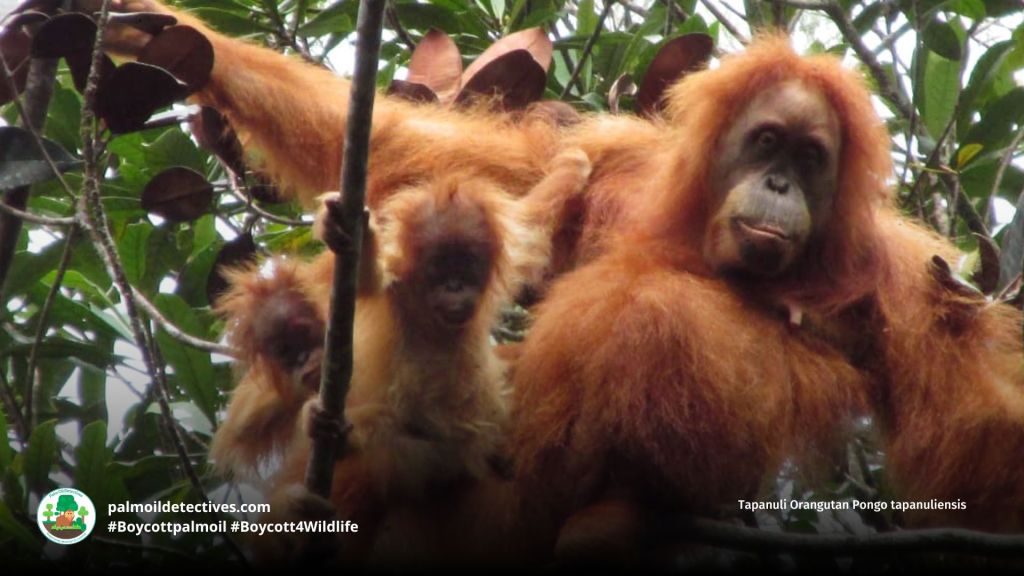
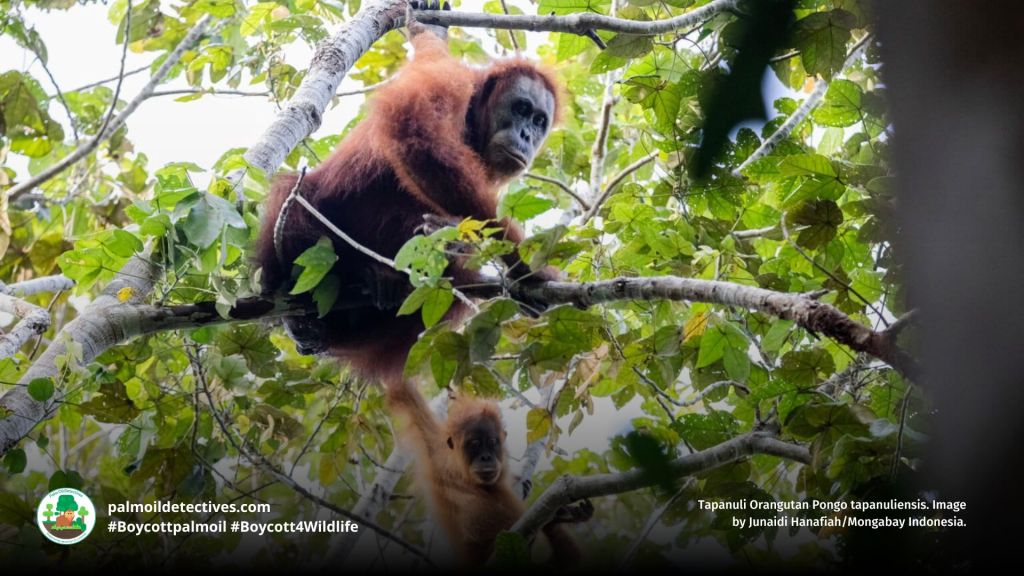
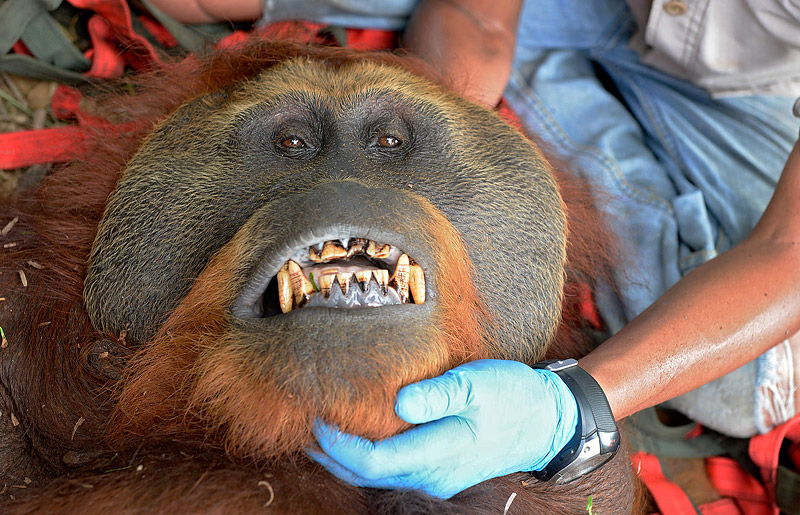
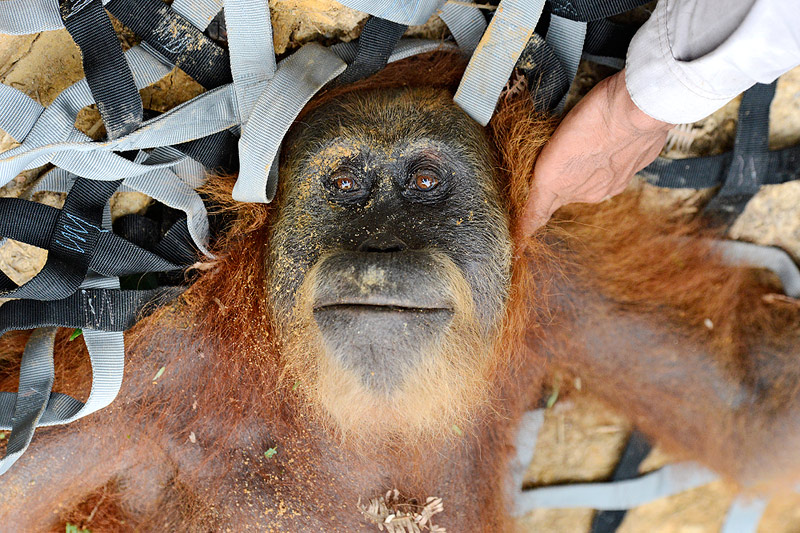
Tapanuli Orangutan Pongo tapanuliensis

Tapanuli Orangutan Pongo tapanuliensis

IUCN Red List: Critically Endangered

Locations: Found only in the Batang Toru Ecosystem in North Sumatra, Indonesia.

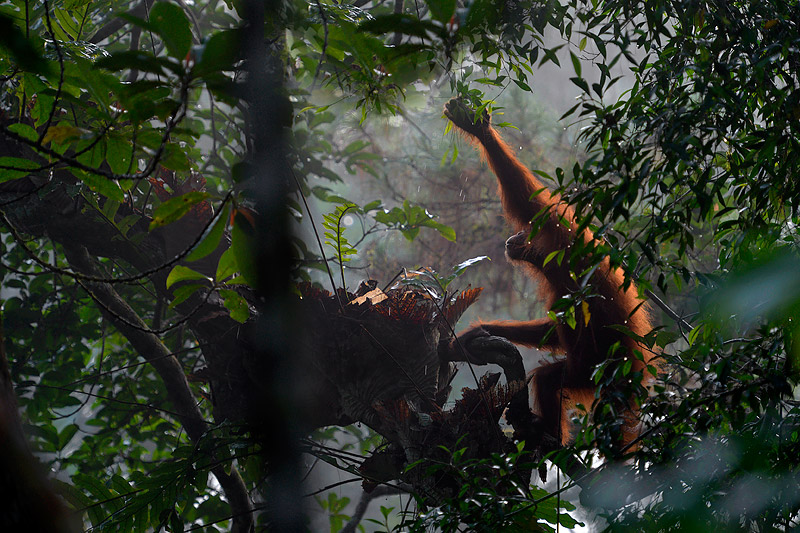
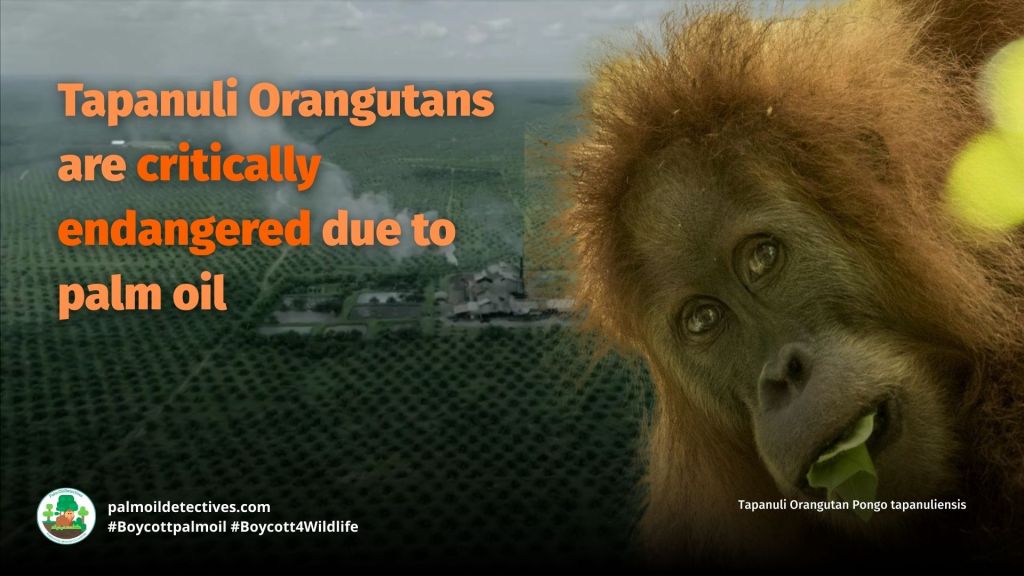
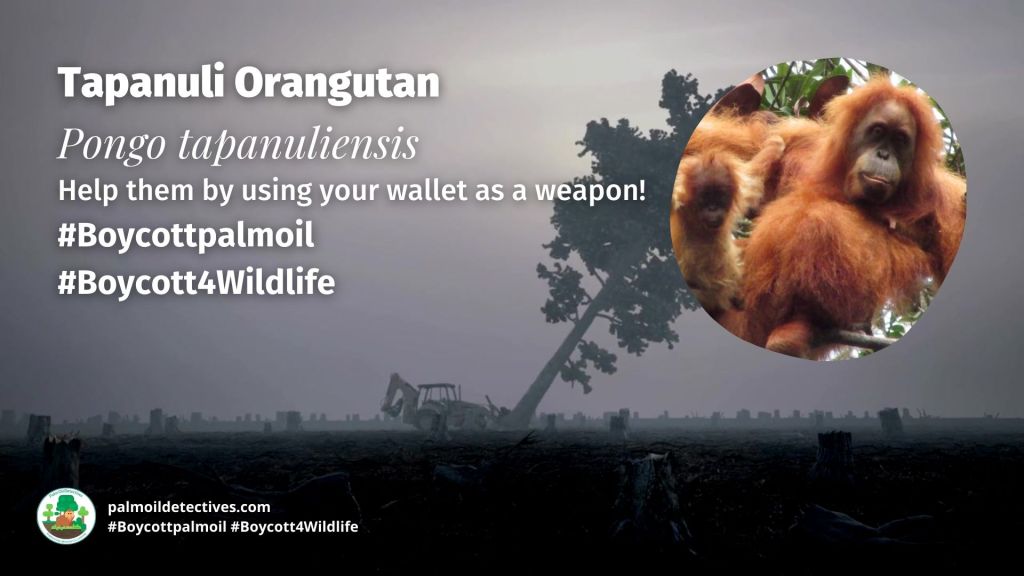
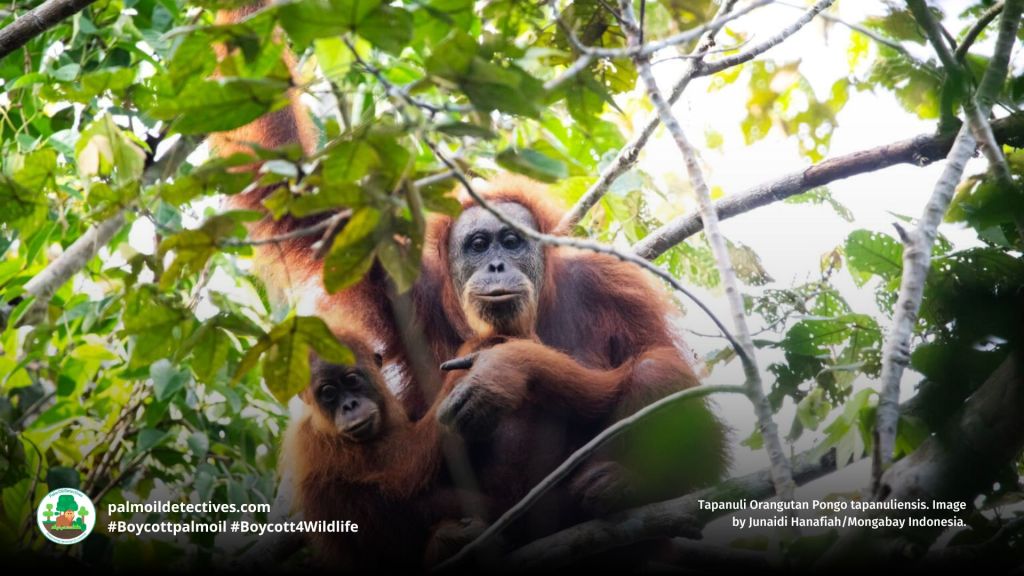
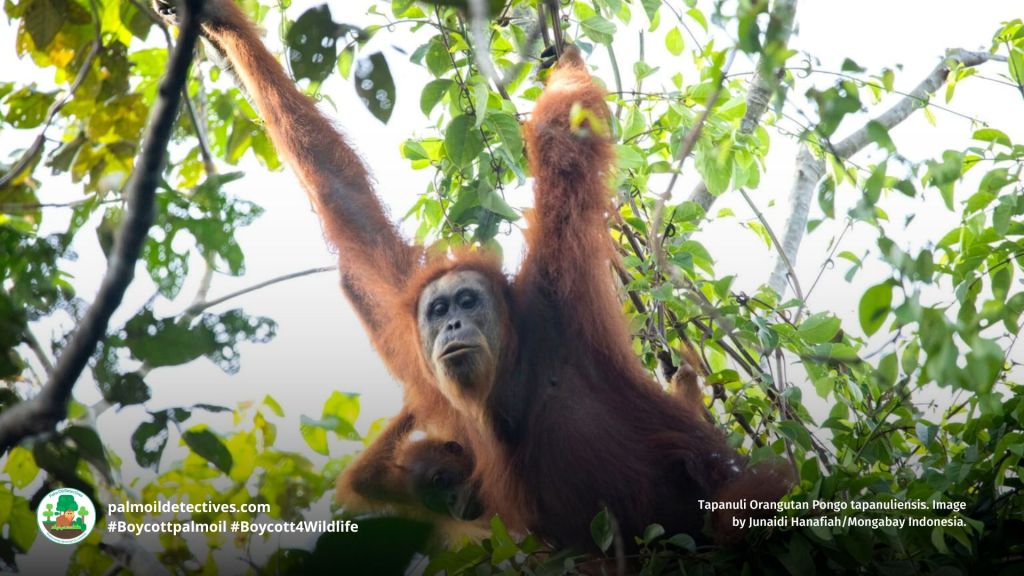
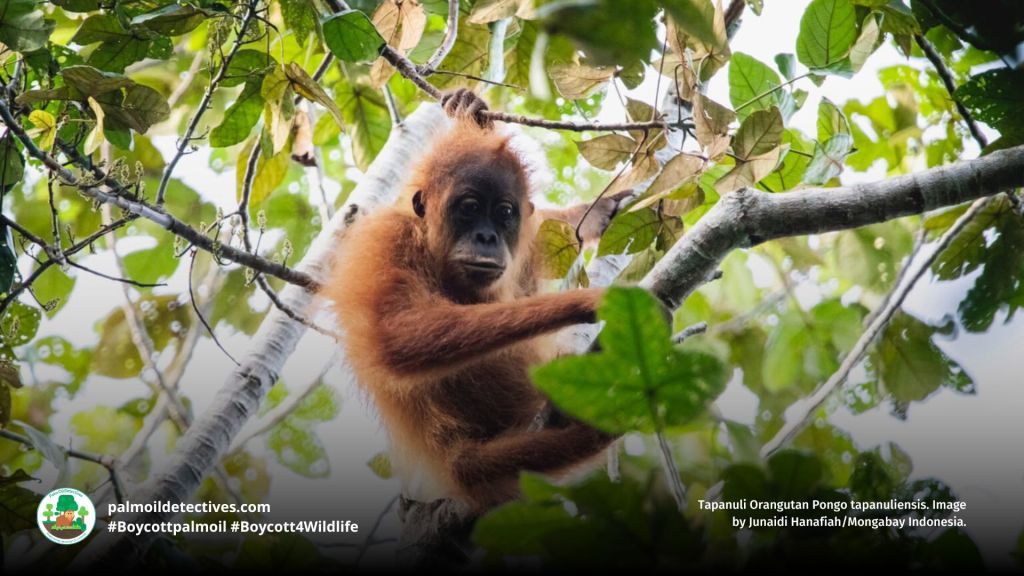
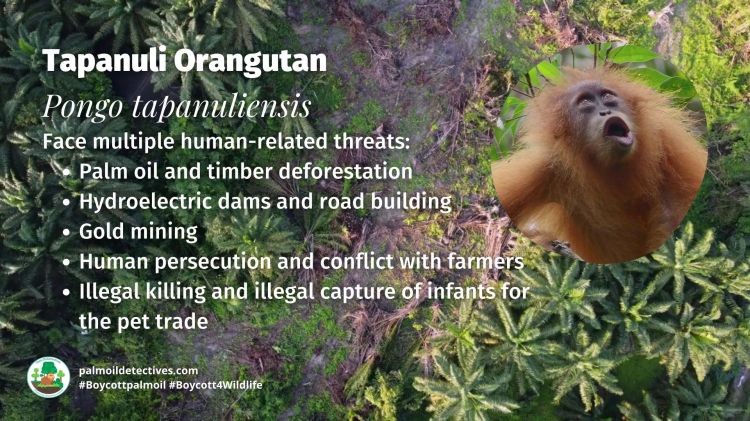
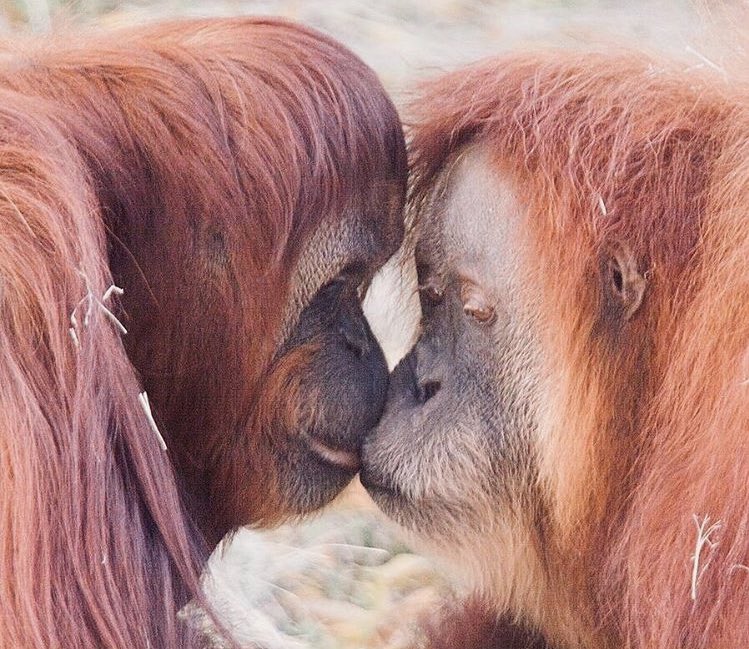
The Tapanuli #Orangutan Pongo tapanuliensis is the most endangered #greatape species on Earth, with fewer than 800 individuals surviving in the wild. Listed as Critically Endangered by the IUCN, they are confined to a tiny mountainous area of primary rainforest in the Batang Toru Ecosystem #Indonesia. Their survival is threatened by relentless industrial expansion—#hydroelectric dams, gold mines, geothermal projects—and vast deforestation for palm oil and rubber plantations. As a keystone species, their survival is vital to the entire ecosystem. We must act urgently to protect them. #BoycottPalmOil #Boycott4Wildlife

Just 800 Tapanuli Orangutans remain alive due to #palmoil and #mining #deforestation. If you find their imminent #extinction a disgrace 😡‼️ – there’s something you can do! #BoycottPalmOil 🌴☠️🚫 #Boycott4Wildlife @palmoildetect https://palmoildetectives.com/2021/01/19/tapanuli-orangutan-pongo-tapanuliensis/

The rarest species of #orangutan, the #Tapanuli is on the verge of being lost due to #palmoil and #mining #deforestation destroying 80% of their range. Say no to #ecocide ⛔️🙊🔥🌴🪔 when u shop #BoycottPalmOil #Boycott4Wildlife @palmoildetect.bsky.social https://palmoildetectives.com/2021/01/19/tapanuli-orangutan-pongo-tapanuliensis/

Appearance and Behaviour

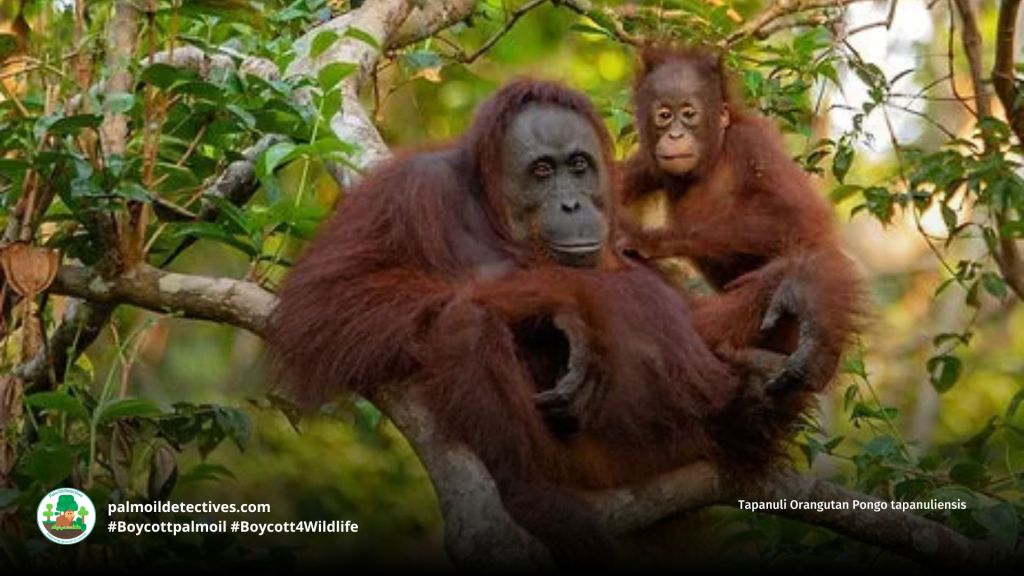
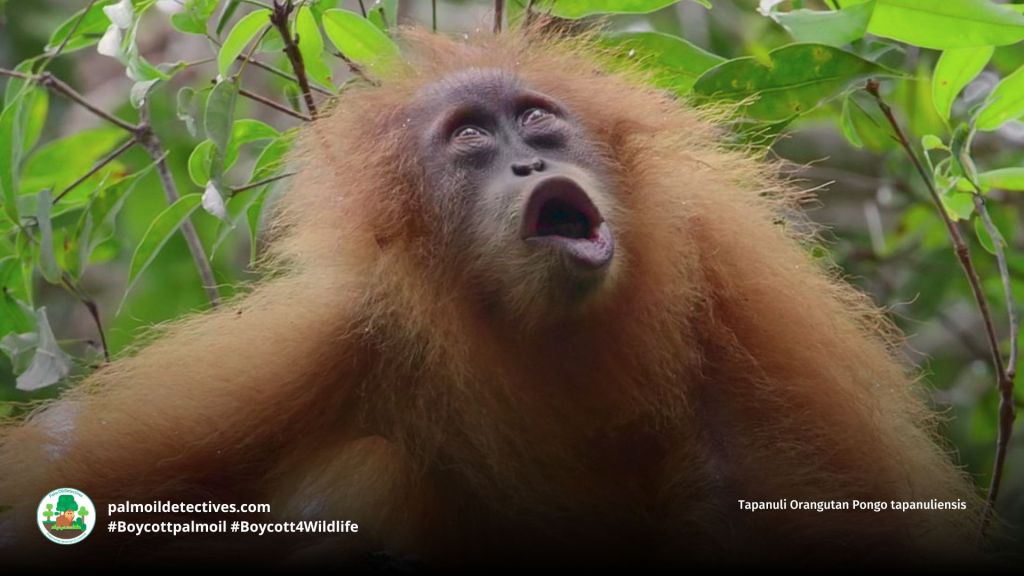
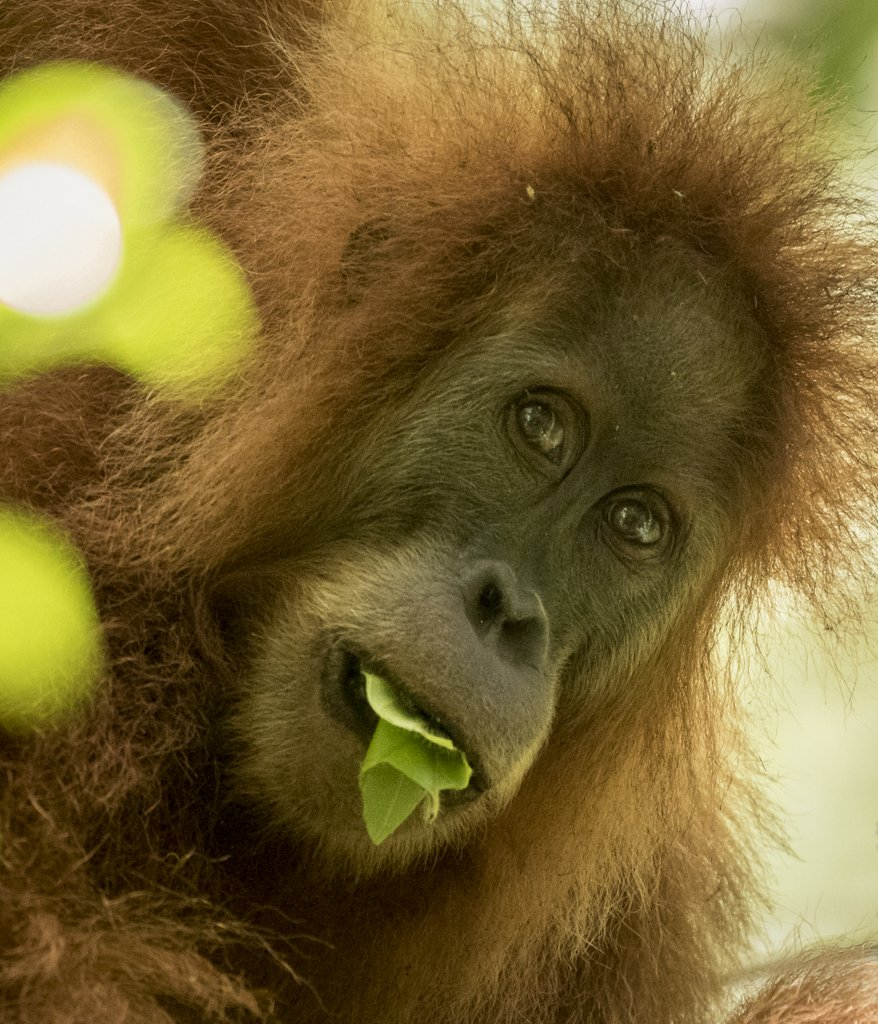
With expressive faces and a deep orange coat, the Tapanuli Orangutan shares similarities with their Sumatran Orangutan and Bornean Orangutan cousins, but they are genetically and physically distinct. They possess frizzier hair, smaller skulls, flatter faces, and a more prominent moustache. Adult males have uniquely shaped flanges and emit a long call that is subtly different from other orangutans, showing acoustic divergence linked to genetic isolation.

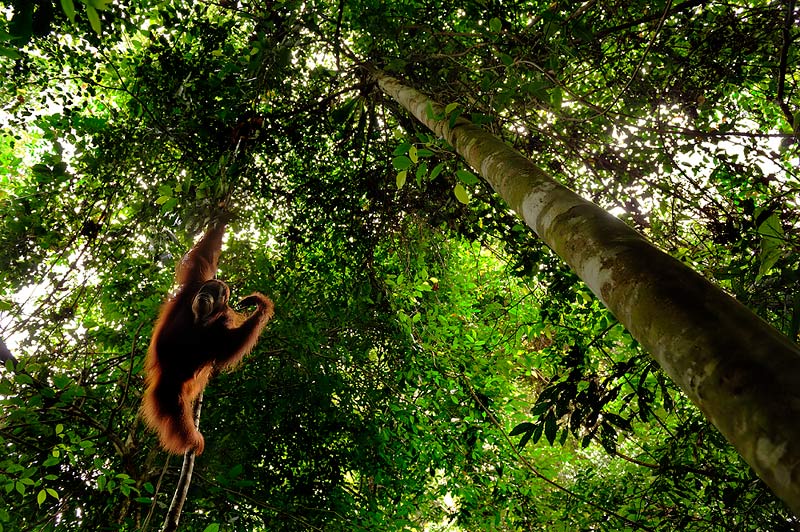
Tapanuli Orangutans live solitary lives or in small, loose social groups. They are primarily arboreal, building elaborate sleeping nests in the forest canopy each night. Recent drone studies by Rahman et al. (2025) confirmed their high canopy preference, and the use of thermal sensors detected individuals invisible to the human eye. These shy forest dwellers avoid human presence and vanish into the dense trees with startling ease.

Diet

Dietary studies from the Tapanuli Orangutan Research Station (Arief & Mijiarto, 2024) recorded 91 plant species consumed, including fruits, young leaves, flowers, bark, and insects. While fruit forms the core of their diet, they also consume termites and other invertebrates when fruit is scarce. Figs, durians, and forest fruits are critical seasonal food sources, and loss of these plants due to palm oil plantations may lead to starvation.

Reproduction and Mating

Tapanuli Orangutans have an extremely slow reproductive rate. Females give birth once every 6–8 years after a gestation of 8.5 months. Infant orangutans remain with their mothers for up to 9 years, learning complex forest survival skills. This slow life history makes them exceptionally vulnerable—losing even a few individuals per year could doom the entire species. Population viability studies predict an 83% decline over three generations without immediate intervention (Wich et al., 2016).

Geographic Range

Once found across a vast swathe of southern Sumatra, the Tapanuli Orangutan now survives in only three isolated forest blocks of the Batang Toru Ecosystem—just 1,500 km². Only 10% of this is formally protected. Historical records suggest they once roamed as far south as Jambi and Palembang, but massive deforestation and human persecution have erased them from most of their former range. Their current habitat is dissected by roads, mines, and farmland.

Threats

The Tapanuli Orangutan was until relatively recently more widespread, with sightings further south in the lowland peat swamp forests in the Lumut area (Wich et al. 2003) and several nests encountered during a rapid survey in 2010 (G. Fredriksson pers. obs.). The forests in the Lumut area have in recent years almost completely been converted to oil-palm plantations.

IUCN Red List

Agro-industrial Expansion for Palm Oil and Rubber

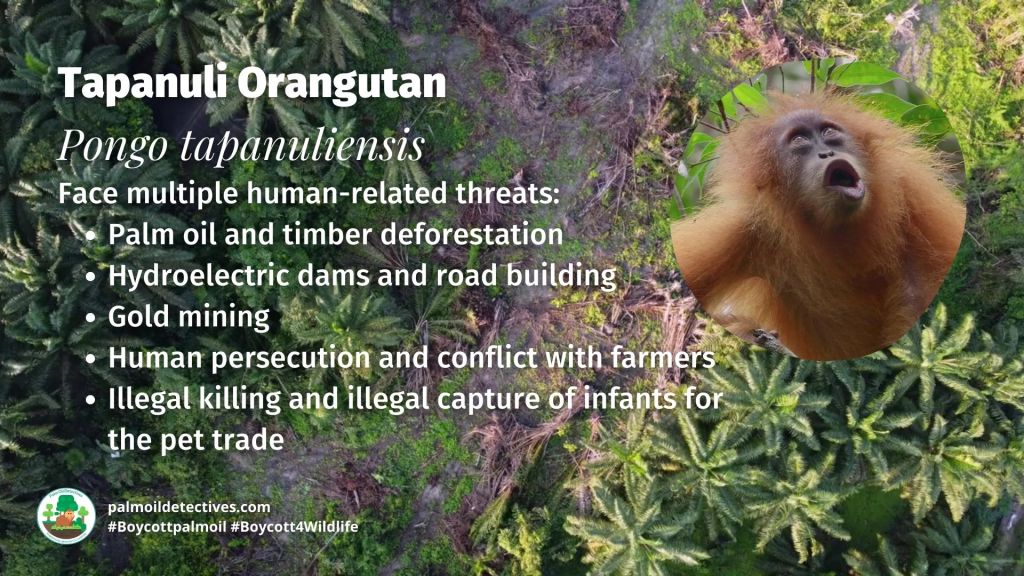
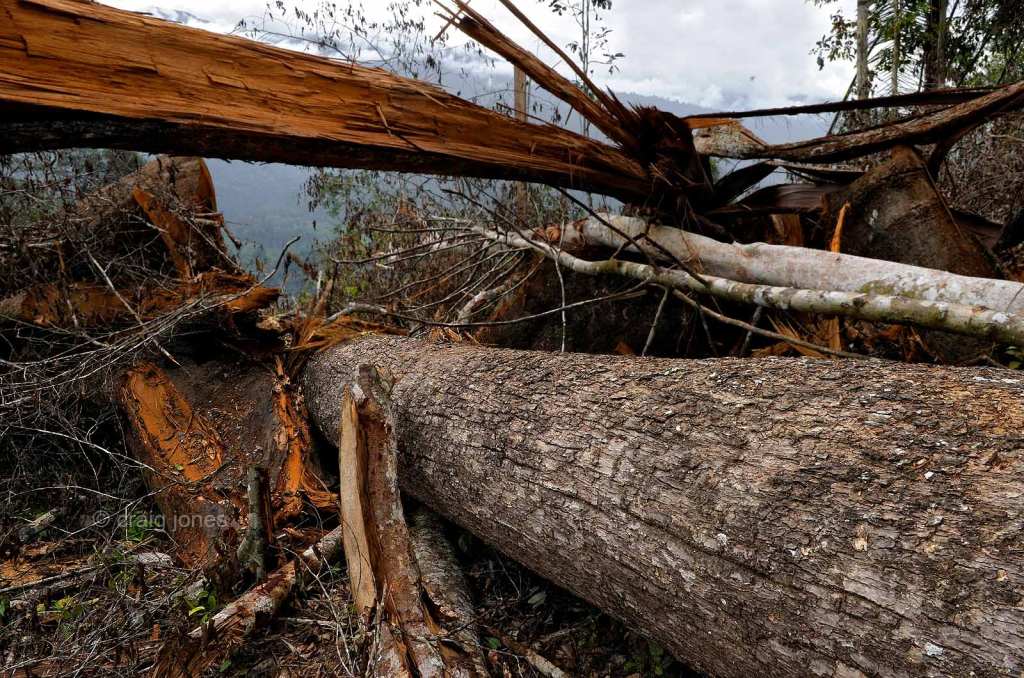
The most significant threat to the Tapanuli Orangutan (Pongo tapanuliensis) is the relentless conversion of their highland forest habitat into industrial monocultures—particularly palm oil plantations, but also rubber and coffee. A 2024 study highlighted how forest clearance for oil palm, coffee, and rubber cultivation in the Batang Toru Ecosystem has devastated vital orangutan habitat, triggering migration into village gardens and escalating human-orangutan conflict (Lesmana et al., 2024). Wich et al. (2016) further underscore that nearly 14% of the orangutan’s range lacks any form of protection and is especially vulnerable to conversion. Entire lowland forest systems, such as those in the Lumut area, have been obliterated and replaced with palm oil plantations. The habitat loss is not only large-scale but also permanent, given the legal backing often enjoyed by agribusiness in Sumatra.

Tapanuli Orangutan Pongo tapanuliensis threats

Infrastructure Development: Hydroelectric dams, roads and gold mining

A controversial Chinese-funded hydropower project threatens to destroy 10% of the Tapanuli Orangutan’s population. Located in the highest-density area of their range, the project will fragment habitat and block genetic flow for Tapanuli Orangutans and make the population vulnerable to collapse (Wich et al., 2019; Lesmana et al., 2024).

Gold and silver mining operations have already cleared approximately 3 km² of orangutan habitat and continue to expand. Compounding these threats, newly constructed roads have opened up previously inaccessible areas, accelerating both forest encroachment and illegal wildlife trade. As highlighted in the Floresta Ambient study (2024), such development has profoundly altered orangutan behaviour, pushing them into conflict with nearby communities.

Illegal Logging and Land Speculation

Despite the 2014 reclassification of parts of the Batang Toru forest from production to protection status, logging continues under outdated or contested permits. One company retains a 300 km² logging permit that cuts through primary orangutan habitat (Wich et al., 2016).

This deforestation is often driven by speculative land grabbing, with companies clearing forest to increase the value of land holdings. Encroachment is further driven by economic migrants, particularly from Nias Island, who settle in these unallocated forests due to lack of land tenure regulation. These migrants frequently convert forested land to agriculture, directly encroaching upon orangutan territories and escalating poaching and human-wildlife conflict (Samsuri et al., 2023).

Human-Orangutan Conflict, Illegal Hunting and the Illegal Pet Trade

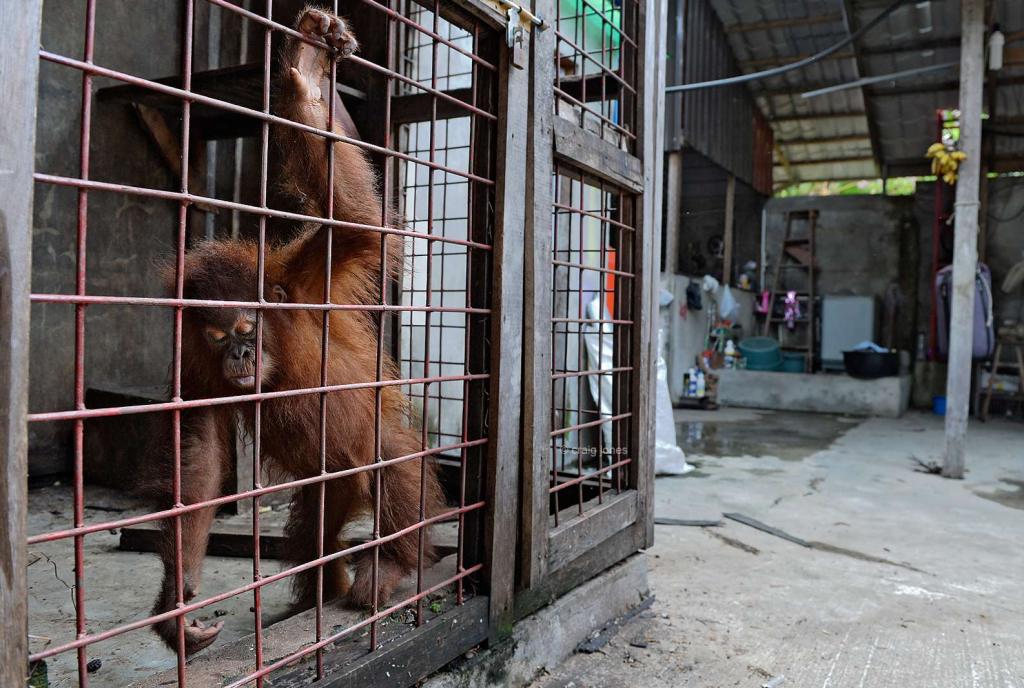
Hunting poses a severe and often overlooked threat to the Tapanuli Orangutan. Conflict killings occur when orangutans forage in fruit trees or crops near villages, with some individuals shot with firearms or air rifles during crop conflict. With such a small population, every death is devastating. Orangutan infants are often trafficked for the exotic pet trade after their mothers are killed. According to Wich et al. (2012), the species’ slow reproductive rate makes any loss of adult females—particularly those with offspring—catastrophic for population viability.

The Floresta Ambient (2024) study documents that fruit-bearing trees in village gardens are a primary attractant for orangutans, intensifying seasonal conflict. Despite laws prohibiting the capture and trade of orangutans under CITES Appendix I, enforcement remains weak, and the trade persists.

Take Action!

We are at a tipping point. Only decisive action will save the Tapanuli Orangutan:

  • Boycott palm oil every time you shop – learn more here.
  • Oppose and resist destructive hydroelectric projects like the Batang Toru dam.
  • Support local conservation groups and indigenous-led protection of the Batang Toru forest.
  • Demand a moratorium on mining and infrastructure projects in orangutan habitat.

#BoycottPalmOil #Boycott4Wildlife

FAQs

Tapanuli Orangutan Pongo tapanuliensis boycott palm oil

How many Tapanuli orangutans are left in the wild?

The Tapanuli orangutan (Pongo tapanuliensis) is the rarest great ape on Earth, with fewer than 800 individuals remaining in the wild. This species is confined to a single, highly fragmented population in the Batang Toru Ecosystem of North Sumatra. According to Wich et al. (2016), the total area of suitable habitat is just over 1,000 km², making their population extremely vulnerable to stochastic events, inbreeding, and continued habitat degradation. A 75-year population viability analysis predicted a staggering decline from ~1,489 individuals in 1985 to just 257 by 2060 without urgent intervention (Wich et al., 2019).

Surveys using innovative thermal drone technology in 2023 confirmed that detection rates are consistent between aerial and ground methods, affirming the grim reality of their numbers (Rahman et al., 2025). With extremely low reproduction rates (a female produces one offspring every 7–9 years), any mortality has a profound impact on population dynamics. The population’s isolation and the lack of genetic exchange further endanger its viability, pushing the species closer to extinction unless dramatic changes are made to protect and connect its remaining habitat (Nater et al., 2017).

How long do Tapanuli orangutans live?

In the wild, Tapanuli orangutans are believed to live approximately 30 to 40 years, with some individuals possibly reaching 50. In captivity, individuals can live up to 60 years when protected from threats and given regular medical care. However, data specific to Pongo tapanuliensis are limited, as they have only recently been recognised as a separate species (Nater et al., 2017). Like other great apes, their slow reproductive cycle means that females generally give birth once every 7–9 years, and juveniles remain dependent on their mothers for up to 8 years. This slow life history leaves them especially vulnerable to population crashes when faced with increased mortality from hunting, habitat loss, or conflict (Wich et al., 2019).

The longevity of these apes in the wild is severely compromised by anthropogenic threats. Conflict with humans over fruiting crops, road construction, and the development of hydropower dams has placed increasing stress on their ecosystem, reducing not only the lifespan of individuals due to direct killings but also the carrying capacity of their habitat. Without the intact rainforest necessary to support their dietary and nesting needs, lifespans are likely to decline further, particularly for juvenile apes displaced or orphaned by habitat destruction (Samsuri et al., 2023).

Why are Tapanuli orangutans disappearing?

Tapanuli orangutans are being driven to extinction by a lethal cocktail of deforestation, infrastructure development, mining, poaching, and habitat fragmentation. Between 1985 and 2007, lowland forest habitat below 500 m was reduced by 60% due to palm oil plantations, road construction, and smallholder agriculture (Wich et al., 2016). These losses have accelerated in recent years, with one of the most devastating developments being the Batang Toru hydroelectric dam, which threatens to sever key corridors connecting their small subpopulations and destroy 10% of their core habitat (Rahman et al., 2025).

In addition, illegal killings are rising due to human-orangutan conflict, especially where crops like durians and jackfruit attract hungry apes into village fields. Surveys in the Dolok Sipirok region found that most conflicts occurred on the edge of forest areas where agriculture has expanded, resulting in economic losses for local people and retaliation killings of orangutans (Floresta Ambient, 2024). These apes are also at risk from trafficking—juveniles are captured for the pet trade, and their mothers are often killed in the process. As these apes only give birth once every 7–9 years, even the loss of a few individuals each year can rapidly collapse the population.

Are Tapanuli orangutans affected by palm oil plantations?

Yes, palm oil expansion is one of the most significant threats to the Tapanuli orangutan’s survival. Forest clearance for palm oil plantations has already wiped out entire swathes of their historic range, especially in the lowland areas of Lumut. These forests were once part of their known distribution, but have now been almost entirely replaced by monocultures of oil palm (Elaeis guineensis) (Wich et al., 2016; Nater et al., 2017). Such plantations are ecologically barren for orangutans, offering no food, nesting sites, or safety, while exposing them to poaching and conflict with humans.

The construction of roads and industrial developments linked to palm oil has fragmented orangutan habitat, making it harder for individuals to move safely between feeding and nesting areas. This fragmentation reduces genetic diversity and increases the risk of inbreeding, which has already been detected in Tapanuli orangutan genomes (Nater et al., 2017). Beyond habitat loss, palm oil plantations bring human settlements, increased hunting, and indirect threats like noise pollution and chemical runoff. As seen across Sumatra and Borneo, the palm oil industry’s unchecked expansion continues to destroy the last refuges for Asia’s great apes, including the critically endangered Tapanuli orangutan.

Is poaching and illegal trade still a problem for Tapanuli orangutans?

Absolutely. Despite national and international protection, Tapanuli orangutans are still poached, particularly in areas where they forage on cultivated fruit trees, triggering conflict with farmers. According to Samsuri et al. (2023), human-wildlife conflict is one of the strongest predictors of orangutan mortality in the region. Infants are especially at risk from the pet trade; mothers are frequently killed to take babies alive. These infants are then smuggled and sold illegally, often under the guise of ecotourism or exotic pet ownership.

Lack of enforcement is a major factor behind the persistence of illegal trade. While Indonesia has laws against orangutan capture and trade, penalties are rarely enforced and often misunderstood by local communities (Lesmana et al., 2024). Furthermore, conservation areas are often poorly monitored. Forest edge communities facing economic hardship may view orangutans as pests or potential profit. Unless conservation is led by local people and grounded in economic alternatives to poaching and deforestation, the illegal killing of orangutans will continue unchecked.

Can drones help monitor their numbers?

Yes. A 2023 drone study (Rahman et al., 2025) showed thermal drones are effective in detecting orangutans through dense canopy, offering a non-invasive tool for population monitoring.

Tapanuli Orangutan Pongo tapanuliensis boycott palm oil

Further Information

iucn-rating-critically-endangered

Arief, H., & Mijiarto, J. (2024). Food diversity of the Tapanuli Orangutan (Pongo tapanuliensis) in the Tapanuli Orangutan Research Station Plan, North Sumatra. Jurnal Pengelolaan Sumberdaya Alam dan Lingkungan, 14(2), 376–388.  https://doi.org/10.29244/jpsl.14.2.376


Arief, H., & Mijiarto, J. (2024). The human and Tapanuli orangutan (Pongo tapanuliensis) conflict in the tropical mountain rainforest ecosystem, Indonesia. Floresta e Ambiente, 31(1). https://doi.org/10.1590/2179-8087-FLORAM-2023-0019

Lesmana, Y., Basuni, S., & Soekmadi, R. (2024). Ecosophy as a form of protection for the Tapanuli Orangutan (Pongo tapanuliensis) in the Batang Toru Landscape, North Sumatra. Biodiversitas, 25(11), 4535–4542. https://doi.org/10.13057/biodiv/d251152

Nater, A., Mattle-Greminger, M. P., Nurcahyo, A., Nowak, M. G., De Manuel, M., Desai, T., & Lameira, A. R. (2017). Morphometric, behavioural, and genomic evidence for a new orangutan species. Current Biology, 27(22), 3487–3498. https://doi.org/10.1016/j.cub.2017.09.047

Nowak, M.G., Rianti, P., Wich , S.A., Meijaard, E. & Fredriksson, G. 2017. Pongo tapanuliensis. The IUCN Red List of Threatened Species 2017: e.T120588639A120588662. https://dx.doi.org/10.2305/IUCN.UK.2017-3.RLTS.T120588639A120588662.en. Downloaded on 24 January 2021.

Rahman, D. A., Putro, H. R., Mufawwaz, T. A., Rinaldi, D., Yudiarti, Y., Prabowo, E. D., Arief, H., Sihite, J., & Priantara, F. R. N. (2025). Developing a new method using thermal drones for population surveys of the world’s rarest great ape species, Pongo tapanuliensisGlobal Ecology and Conservation, 58, e03463. https://doi.org/10.1016/j.gecco.2025.e03463

Samsuri, A., Zaitunah, A., Ashari, R. H., & Kuswanda, W. (2023). Biophysical and anthropogenic factors affecting human and Tapanuli orangutan (Pongo tapanuliensis) conflict in Sumatran tropical rainforest, Indonesia. Environmental & Socio-economic Studies, 11(4), 77–91. http://bazekon.icm.edu.pl/bazekon/element/bwmeta1.element.ekon-element-000171681828

Wich, S. A., Fredriksson, G. M., Usher, G., & Kühl, H. S. (2019). The Tapanuli orangutan: Status, threats, and steps for improved conservation. Conservation Science and Practice, 1(4), e33. https://doi.org/10.1111/csp2.33

Contribute to palm oil detectives - black rhino in profile

How can I help the #Boycott4Wildlife?


Take Action in Five Ways

1. Join the #Boycott4Wildlife on social media and subscribe to stay in the loop: Share posts from this website to your own network on Twitter, Mastadon, Instagram, Facebook and Youtube using the hashtags #Boycottpalmoil #Boycott4Wildlife.

Join 3,176 other subscribers

2. Contribute stories: Academics, conservationists, scientists, indigenous rights advocates and animal rights advocates working to expose the corruption of the palm oil industry or to save animals can contribute stories to the website.

3. Supermarket sleuthing: Next time you’re in the supermarket, take photos of products containing palm oil. Share these to social media along with the hashtags to call out the greenwashing and ecocide of the brands who use palm oil. You can also take photos of palm oil free products and congratulate brands when they go palm oil free.

4. Take to the streets: Get in touch with Palm Oil Detectives to find out more.

5. Donate: Make a one-off or monthly donation to Palm Oil Detectives as a way of saying thank you and to help pay for ongoing running costs of the website and social media campaigns. Donate here


Bornean Orangutan Pongo pygmaeus

Bornean Orangutan Pongo pygmaeus

Critically Endangered

Population: 104,700

Bornean #Orangutans 🦧🧡 are our intelligent tree-dwelling cousins. They are critically endangered mainly from #palmoil #deforestation. Help them survive and #Boycottpalmoil #Boycott4Wildlife 🌴🪔🔥🚫 in the supermarket! Take action! @palmoildetect https://palmoildetectives.com/2021/01/19/bornean-orangutan-pongo-pygmaeus/

Bornean #Orangutans are the largest tree-dwelling mammals in the world. Critically endangered by #palmoil #deforestation they are disappearing 😿⌛️ Help them every time you shop! 🌴💀🪔🙈⛔️#Boycottpalmoil #Boycott4Wildlife!! @palmoildetect https://palmoildetectives.com/2021/01/19/bornean-orangutan-pongo-pygmaeus/


Critically endangered Bornean Orangutans are the largest arboreal mammals in the world. Although they spend a lot of time in the trees they also walk significant distances on the ground. Historically, Bornean Orangutans were most abundant in in lowland rainforests and Dipterocarp mosaic forests, where movement between different habitats when there was a shortage of food. Their diet consists primarily of fruits, but also includes leaves, barks, flowers and insects. Their entire range is earmarked for destruction for palm oil and timber deforestation. They have become the symbols of palm oil related extinction risk and face a perilous future if we don’t STOP using palm oil RIGHT NOW. Help them and #Boycottpalmoil #Boycott4Wildlife


Approximately a third of the entire Bornean Orangutan range was in commercial forest reserves exploited for timber, and about 45% was in forest areas earmarked for conversion to palm oil, agriculture or other land uses. A business-as-usual scenario, whereby non-protected forests would be converted along the lines of current development plans, will result in the loss of more than half of the current orangutan range on the island of Borneo in the next 50 years or so.

IUCN Red list
Bornean Orangutan Pongo pygmaeus


Bornean Orangutan Pongo pygmaeus

Support the conservation of this beautiful animal

Orangutan Foundation International

Further Information

iucn-rating-critically-endangered

Ancrenaz, M., Gumal, M., Marshall, A.J., Meijaard, E., Wich , S.A. & Husson, S. 2016. Pongo pygmaeus (errata version published in 2018). The IUCN Red List of Threatened Species 2016: e.T17975A123809220. https://dx.doi.org/10.2305/IUCN.UK.2016-1.RLTS.T17975A17966347.en. Downloaded on 24 January 2021.

Contribute to palm oil detectives - black rhino in profile

How can I help the #Boycott4Wildlife?


Take Action in Five Ways

1. Join the #Boycott4Wildlife on social media and subscribe to stay in the loop: Share posts from this website to your own network on Twitter, Mastadon, Instagram, Facebook and Youtube using the hashtags #Boycottpalmoil #Boycott4Wildlife.

Join 3,176 other subscribers

2. Contribute stories: Academics, conservationists, scientists, indigenous rights advocates and animal rights advocates working to expose the corruption of the palm oil industry or to save animals can contribute stories to the website.

3. Supermarket sleuthing: Next time you’re in the supermarket, take photos of products containing palm oil. Share these to social media along with the hashtags to call out the greenwashing and ecocide of the brands who use palm oil. You can also take photos of palm oil free products and congratulate brands when they go palm oil free.

4. Take to the streets: Get in touch with Palm Oil Detectives to find out more.

5. Donate: Make a one-off or monthly donation to Palm Oil Detectives as a way of saying thank you and to help pay for ongoing running costs of the website and social media campaigns. Donate here

Sumatran Orangutan Pongo abelii


Sumatran Orangutan Pongo abelii

Critically Endangered

Population: 13,846


Sumatran Orangutans are iconic species of South East Asia. They live in moist lowland forest, montane forest and peat swamps of Sumatra. Rarely do they travel on the ground and spend most of their lives in the tree tops. They mostly are frugivores but will also on occasion eat meat. There are less than 14,000 Sumatran Orangutans, their main threat is #palmoil, #timber and #mining deforestation. Use your wallet as a weapon and fight for them. Help them and be #vegan, #Boycottpalmoil and #Boycott4Wildlife!

Until recent decades, #Sumatran #Orangutans 🦧🧡 were abundant in #Indonesia 🇮🇩 They are now on a knife-edge of survival 😿 critically #endangered from #palmoil #deforestation to 80% of their range. Fight hard for them! #Boycottpalmoil #Boycott4Wildlife https://palmoildetectives.com/2021/01/19/sumatran-orangutan-pongo-abelii/

#Sumatran #Orangutans are critically #endangered due to #palmoil #deforestation 🦧🧡. 80% of their rainforest habitat has been destroyed in 20 years. Protect them when u #BoycottPalmOil #Boycott4Wildlife 🌴🔥🪔⛔️ Photos: @CraigJones17 @palmoildetect https://palmoildetectives.com/2021/01/19/sumatran-orangutan-pongo-abelii/

The Sumatran orangutan (Pongo abelii) is a critically endangered great ape known for their distinctive red-orange fur, arboreal lifestyle, and exceptional intelligence. Endemic to the island of Sumatra, these primates play a crucial ecological role as seed dispersers and forest gardeners, ensuring the health of their rainforest habitats.

However, their numbers have dwindled due to habitat destruction, poaching, and climate change. As one of the slowest-reproducing mammals on Earth, they are particularly vulnerable to population declines. With fewer than 14,000 individuals left in the wild, urgent conservation action is needed. Boycott palm oil and fight for their survival with #BoycottPalmOil and #Boycott4Wildlife.

Appearance and Behaviour

Sumatran orangutans are the smallest of the three orangutan species, with males weighing between 70–90 kg and females averaging 30–50 kg. Their shaggy, reddish fur provides insulation against the cool, humid rainforest environment. Males develop prominent cheek pads (flanges) and a throat sac that enhances their long-distance calls, allowing them to assert dominance and attract mates.

They are primarily arboreal, spending over 90% of their time in the forest canopy. Unlike their Bornean counterparts, Sumatran orangutans rarely descend to the ground due to the presence of large predators such as tigers. They exhibit advanced cognitive abilities, including tool use—fashioning sticks to extract termites or honey from tree holes—and using leaves as makeshift umbrellas during rainfall (van Noordwijk et al., 2004).

Recent studies have highlighted their complex social structures and memory capabilities. For example, individuals exhibit delayed gratification and problem-solving skills comparable to young human children, reflecting their advanced intelligence (Springer, 2024).

Geographic Range

Sumatran orangutans are confined to the forests of northern Sumatra, primarily within the Leuser Ecosystem, which encompasses Aceh and North Sumatra provinces. This area, a UNESCO World Heritage site, harbours the largest remaining population.

Once widespread across Sumatra, their range has contracted by more than 60% in the past century due to deforestation, primarily for palm oil plantations. Fragmented forest patches further isolate populations, impeding gene flow and increasing the risk of inbreeding (IUCN, 2020).

Diet

Sumatran orangutans are predominantly frugivorous, with fruits comprising around 60–70% of their diet. Figs are a dietary staple, while durian, rambutans, and mangoes are seasonal favourites. They also consume young leaves, bark, insects, and even soil to supplement their mineral intake.

During mast fruiting events—periods when forest trees synchronously produce abundant fruit—they travel long distances to forage. Seasonal foraging behaviours have been well-documented, with orangutans adapting their diets based on fruit availability, highlighting their ecological adaptability (Wich et al., 2006). As seed dispersers, they play an essential role in maintaining forest biodiversity, helping regenerate up to 500 tree species (Science Advances, 2015).

Reproduction and Mating

Sumatran orangutans have one of the slowest reproductive rates of all mammals. Females reach sexual maturity at around 15 years and give birth to a single offspring every 8–9 years, making them particularly vulnerable to population decline.

Infants remain with their mothers for up to eight years, during which they learn essential survival skills such as foraging, nest building, and navigating the canopy. This prolonged dependency fosters strong maternal bonds and social learning.

A longitudinal study revealed that females often delay reproduction during periods of food scarcity, ensuring optimal conditions for raising offspring (van Noordwijk et al., 2004). However, this slow reproductive rate makes population recovery exceedingly difficult.

Threats

The Sumatran orangutan is critically endangered, with fewer than 14,000 individuals remaining. Conservation efforts include habitat restoration, reforestation, anti-poaching patrols, and the establishment of wildlife corridors to reconnect fragmented forests.

IUCN Status: Critically Endangered

Palm oil and timber deforestation:

Over 80% of their rainforest habitat has been destroyed for palm oil plantations, logging, and infrastructure development. Between 2000 and 2020, Sumatra lost over 1.6 million hectares of primary forest (IUCN, 2020).

Poaching and Illegal Wildlife Trade:

Infants are captured for the illegal pet trade, often resulting in the death of their protective mothers.

Climate Change:

Altered rainfall patterns and increased forest fires threaten food availability, leading to malnutrition and lower reproductive success (ScienceDirect, 2024).

Human-Wildlife Conflict:

As forests shrink, orangutans increasingly raid crops, leading to retaliatory killings by farmers.

Population Fragmentation:

Habitat loss isolates populations, reducing genetic diversity and increasing vulnerability to diseases and environmental changes (Yale Environment Review, 2024).

Organisations such as the Sumatran Orangutan Conservation Programme (SOCP) have rehabilitated and released over 300 rescued orangutans into the wild. Ecotourism initiatives have also provided funding for conservation while raising awareness about their plight.

However, habitat destruction for palm oil continues at an alarming rate, threatening to nullify these efforts. Stronger legal protections, international pressure, and consumer awareness are vital for their survival.

Take Action!

Protect the Sumatran orangutan by boycotting palm oil and supporting conservation organisations working to save their rainforest habitats. Use your voice to demand stronger legal protections and share their story. Together, we can ensure a future for one of the world’s most intelligent and endangered primates. #BoycottPalmOil #Boycott4Wildlife

Sumatran Orangutan photography by Craig Jones

“Orangutans are us and we are them in so many ways. Their peaceful mannerism and intelligence is just remarkable.

“I feel there is so much we still don’t know about these great apes. For as long as I walk this earth I will do my best to help them, alongside every other creature we share this planet with, by using my camera and my own voice to help them. Without direct intervention in the national parks the Orangutans along with other forest-dependent wildlife- like the Sumatran Tigers and Elephants will become progressively scarcer until their populations are no longer viable.” ~ Craig Jones, Wildlife Photographer, Conservationist.

The Sumatran Orangutan’s survival is seriously threatened by habitat loss and fragmentation (Wich et al. 2008, 2011, 2016). Forests continue to be cleared at the large and medium scale for oil-palm plantations that can each cover hundreds of square kilometres.

iUCN Red list

Sumatran Orangutans

On a smaller scale, logging for timber (both legal and illegal) remains a threat, as does the creation of new roads, which fragment populations and gives access to illegal settlements and further encroachment for agriculture and plantations (also frequently illegal), and to wildlife poachers. When industrial plantations are established, the resident orangutans are forced to seek refuge in adjacent forest patches, if any remain, but in the long term they are likely to succumb to malnutrition and starvation due to competition and limited resources. Such forest fragments are often subsequently cleared as well. Read more

Eyewitness Account: A mother and baby Sumatran Orangutan rescued from a “sustainable” RSPO palm oil plantation

Sumatran Orangutans are frequently killed deliberately, completely illegally, and surviving infants end up in an illegal pet trade. This trade tends to be a by-product of habitat conversion, for example, if an Orangutan is found in an isolated patch of trees during the conversion process, there is a high probability they will be killed. Sumatran Orangutans are also regularly killed in human-wildlife conflict situations, for example, if raiding fruit crops on farmland at the forest edge (Wich et al. 2012).

Further Information

iucn-rating-critically-endangered

National Geographic. (2024). Orangutans.

NePrimate Conservancy. (2024). Sumatran orangutan (Pongo abelii).

Photos by Craig Jones Wildlife Photography

van Noordwijk, M. A., et al. (2004). Life history of wild Sumatran orangutans (Pongo abelii).

Science Advances. (2015). Seed dispersal by Sumatran orangutans.

Singleton, I., Wich , S.A., Nowak, M., Usher, G. & Utami-Atmoko, S.S. 2017. Pongo abelii (errata version published in 2018). The IUCN Red List of Threatened Species 2017: e.T121097935A123797627. https://dx.doi.org/10.2305/IUCN.UK.2017-3.RLTS.T121097935A115575085.en. Downloaded on 24 January 2021.

Springer. (2024). Behavioural patterns of Pongo abelii.

Wich, S. A., et al. (2006). Seasonal movements in the Sumatran orangutan.

Yale Environment Review. (2024). Sumatran orangutans: Are they safe now?.


Contribute to palm oil detectives - black rhino in profile

How can I help the #Boycott4Wildlife?


Take Action in Five Ways

1. Join the #Boycott4Wildlife on social media and subscribe to stay in the loop: Share posts from this website to your own network on Twitter, Mastadon, Instagram, Facebook and Youtube using the hashtags #Boycottpalmoil #Boycott4Wildlife.

Join 3,176 other subscribers

2. Contribute stories: Academics, conservationists, scientists, indigenous rights advocates and animal rights advocates working to expose the corruption of the palm oil industry or to save animals can contribute stories to the website.

3. Supermarket sleuthing: Next time you’re in the supermarket, take photos of products containing palm oil. Share these to social media along with the hashtags to call out the greenwashing and ecocide of the brands who use palm oil. You can also take photos of palm oil free products and congratulate brands when they go palm oil free.

4. Take to the streets: Get in touch with Palm Oil Detectives to find out more.

5. Donate: Make a one-off or monthly donation to Palm Oil Detectives as a way of saying thank you and to help pay for ongoing running costs of the website and social media campaigns. Donate here

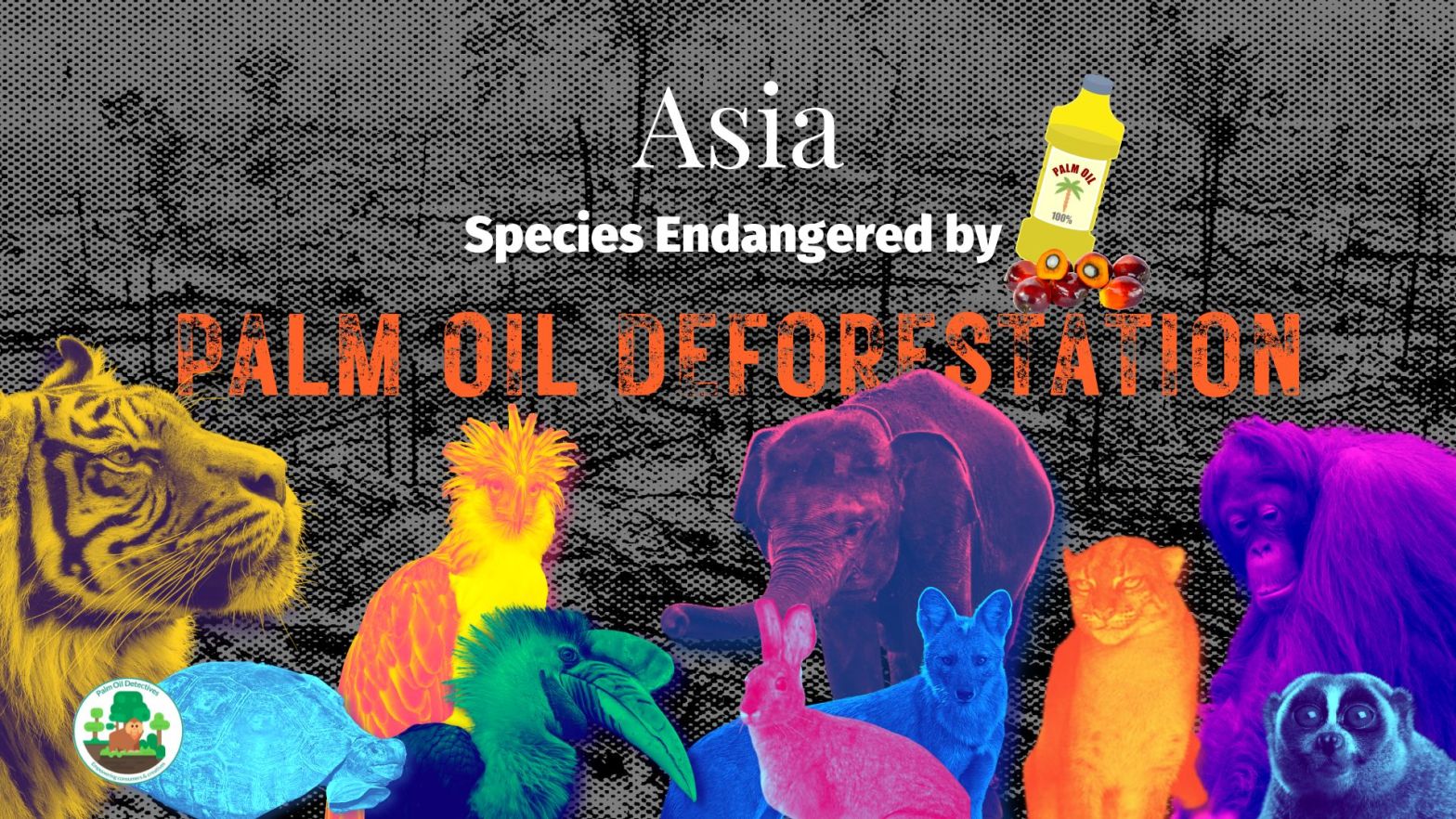
Asia: Species Endangered by Palm Oil Deforestation

These unique and beautiful creatures face a threat to their very existence from the replacement of their rainforest home with oil palm plantations in Northern and South East Asia. These lush and fertile forests harbour an immense range of biodiversity not found anywhere on the planet. Thinking, feeling, intelligent beings that love their children and just want to survive and have their animal communities left in peace. Hot spots for palm oil deforestation include: Borneo, Sumatra, Indonesia, Vietnam, China, Burma, Thailand, Brunei, The Philippines, Malaysia, India and Sri Lanka. These animals have a IUCN Red List status of Critically Endangered, Endangered or Vulnerable and are declining. Yet there is hope and there are a number of ways you can take action to protect them.

1000’s of beautiful #animals in #Asia face #extinction from the #deforestation of their #rainforest home for #palmoil #meat #timber #soy. @RSPOtweets certification makes no difference to #deforestation. Join the #Boycott4Wildlife!

1000’s #Asian #animals face #extinction from #deforestation for #palmoil #meat #gold #mining #soy. @RSPOtweets certification makes no difference to #deforestation. #ClimateEmergency #FightGreenwashing and #Boycott4Wildlife

Something went wrong. Please refresh the page and/or try again.


Take Action in Five Ways

1. Join the #Boycott4Wildlife on social media and subscribe to stay in the loop: Share posts from this website to your own network on Twitter, Mastadon, Instagram, Facebook and Youtube using the hashtags #Boycottpalmoil #Boycott4Wildlife.

Join 3,176 other subscribers

2. Contribute stories: Academics, conservationists, scientists, indigenous rights advocates and animal rights advocates working to expose the corruption of the palm oil industry or to save animals can contribute stories to the website.

3. Supermarket sleuthing: Next time you’re in the supermarket, take photos of products containing palm oil. Share these to social media along with the hashtags to call out the greenwashing and ecocide of the brands who use palm oil. You can also take photos of palm oil free products and congratulate brands when they go palm oil free.

4. Take to the streets: Get in touch with Palm Oil Detectives to find out more.

5. Donate: Make a one-off or monthly donation to Palm Oil Detectives as a way of saying thank you and to help pay for ongoing running costs of the website and social media campaigns. Donate here
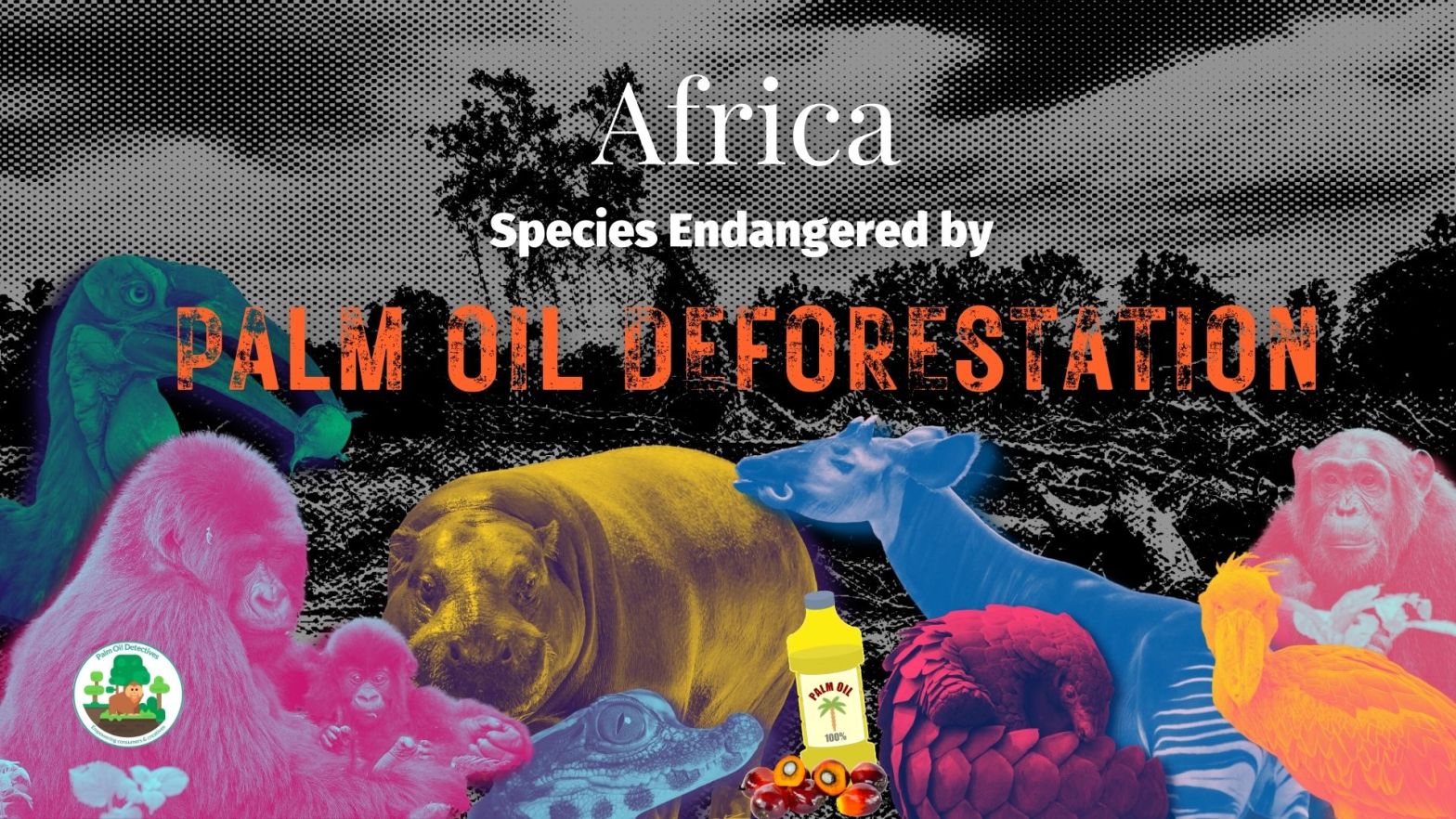
Africa: Species Endangered by Palm Oil Deforestation

As parts of Asia’s rainforests are almost completely destroyed by palm oil, attention of palm oil companies has shifted towards Africa for industrial scale palm oil. All associated air and water pollution, human rights, greenwashing and animal extinction problems associated with palm oil are now taking place in Africa.

The spread of industrial palm oil plantations is likely to hit all animal populations hard in the coming years. Recent research from London School of Economics found a direct link between the spread of the deadly disease Ebola and the expansion of palm oil in Liberia.

Many species of primates, birds, reptiles, insects and others are either directly or indirectly threatened by the replacement of rainforest habitat with oil palm plantations located in palm oil hotspots in Africa such as the Ivory Coast, Nigeria, Liberia and the Democratic Republic of Congo. These animals have rapidly declining populations and are now classified as Critically Endangered, Endangered or Vulnerable.

1000s of #animals are #endangered by #palmoil in #Africa #mammals #birds #reptiles in #Uganda #Kenya #Congo #Liberia ‘Sustainable’ #palmoil is #greenwashing #ecocide #deforestation #Boycott4Wildlife #Boycottpalmoil

1000s of #animals are #endangered by #palmoil in #Africa in #Uganda #Congo #Liberia ‘Sustainable’ #palmoil is #greenwashing #ecocide #FightGreenwashing with ur wallet #Boycottpalmoil #Boycott4Wildlife


Something went wrong. Please refresh the page and/or try again.


Take Action in Five Ways

1. Join the #Boycott4Wildlife on social media and subscribe to stay in the loop: Share posts from this website to your own network on Twitter, Mastadon, Instagram, Facebook and Youtube using the hashtags #Boycottpalmoil #Boycott4Wildlife.

Join 3,176 other subscribers

2. Contribute stories: Academics, conservationists, scientists, indigenous rights advocates and animal rights advocates working to expose the corruption of the palm oil industry or to save animals can contribute stories to the website.

3. Supermarket sleuthing: Next time you’re in the supermarket, take photos of products containing palm oil. Share these to social media along with the hashtags to call out the greenwashing and ecocide of the brands who use palm oil. You can also take photos of palm oil free products and congratulate brands when they go palm oil free.

4. Take to the streets: Get in touch with Palm Oil Detectives to find out more.

5. Donate: Make a one-off or monthly donation to Palm Oil Detectives as a way of saying thank you and to help pay for ongoing running costs of the website and social media campaigns. Donate here

Mount Nimba Reed Frog Hyperolius nimbae

Mount Nimba Reed Frog Hyperolius nimbae

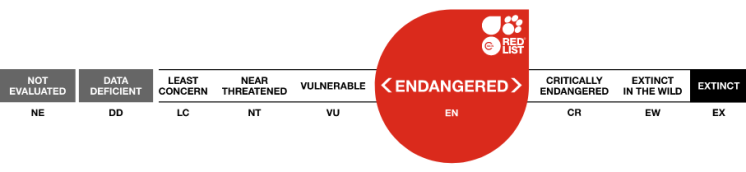
Endangered

Extant (resident): Côte d’Ivoire

Presence Uncertain: Guinea; Liberia

Fragile Mount Nimba Reed Frogs 🐸💚 hang on to life in Côte d’Ivoire 🇨🇮 Africa. Seldom seen and often forgotten, they’re endangered due to palmoil and meat agriculture. Serving as both predator and prey, Mount Nimba Reed Frogs are integral to the local ecology of Mount Nimba. Take action and advocate for indigenous-led conservation initiatives that prioritise the biodiversity protection. Fight for their survival when you shop and #BoycottMeat #BoycottPalmOil #Boycott4Wildlife

The Mount Nimba Reed #Frog 🐸 lives in Côte d’Ivoire #Africa. They’re #endangered due to #PalmOil and #mining and #meat #deforestation. Support this forgotten species when you shop #BoycottPalmOil #Boycott4Wildlife 🌴🩸💀🔥👎⛔️ @palmoildetect https://palmoildetectives.com/2021/01/18/mount-nimba-reed-frog-hyperolius-nimbae/

Fragile Mount Nimba Reed #Frogs 🐸💚 hang on to life in Côte d’Ivoire 🇨🇮 #Africa. Seldom seen and often forgotten, they’re #endangered due to #palmoil #meat #agriculture. Fight for their survival when you #BoycottMeat #BoycottPalmOil #Boycott4Wildlife https://palmoildetectives.com/2021/01/18/mount-nimba-reed-frog-hyperolius-nimbae/

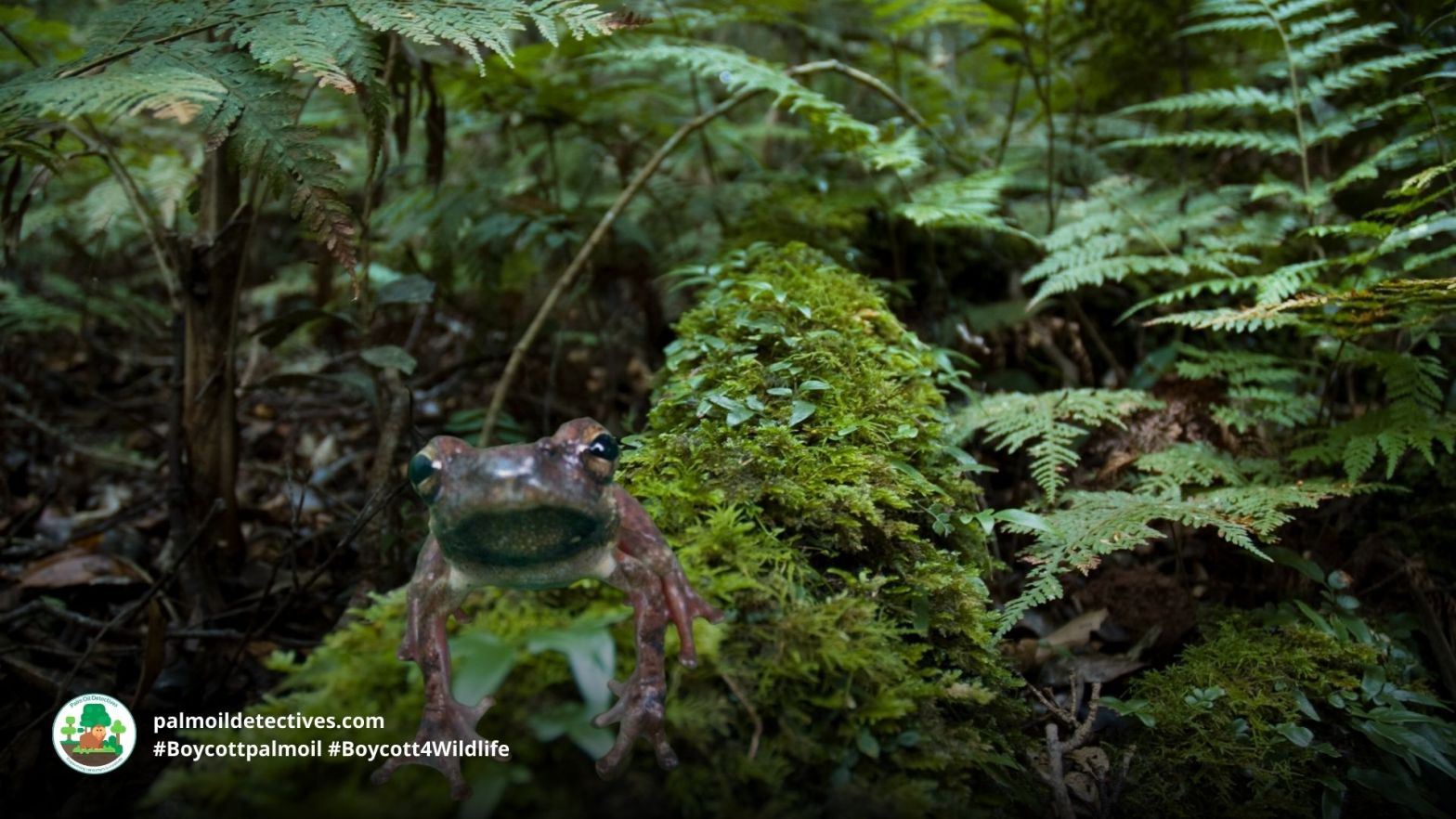
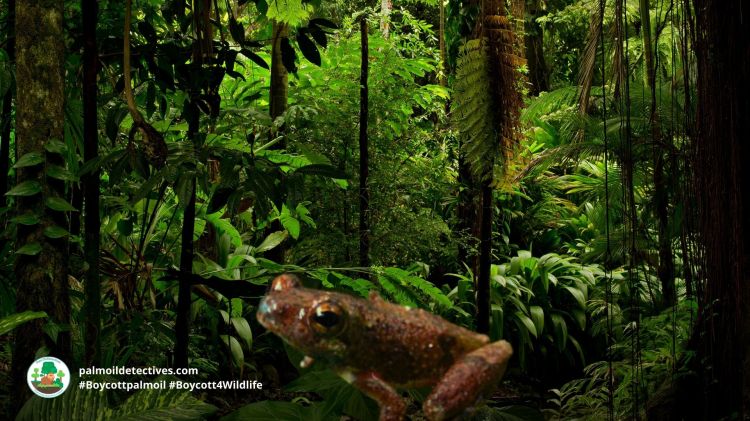
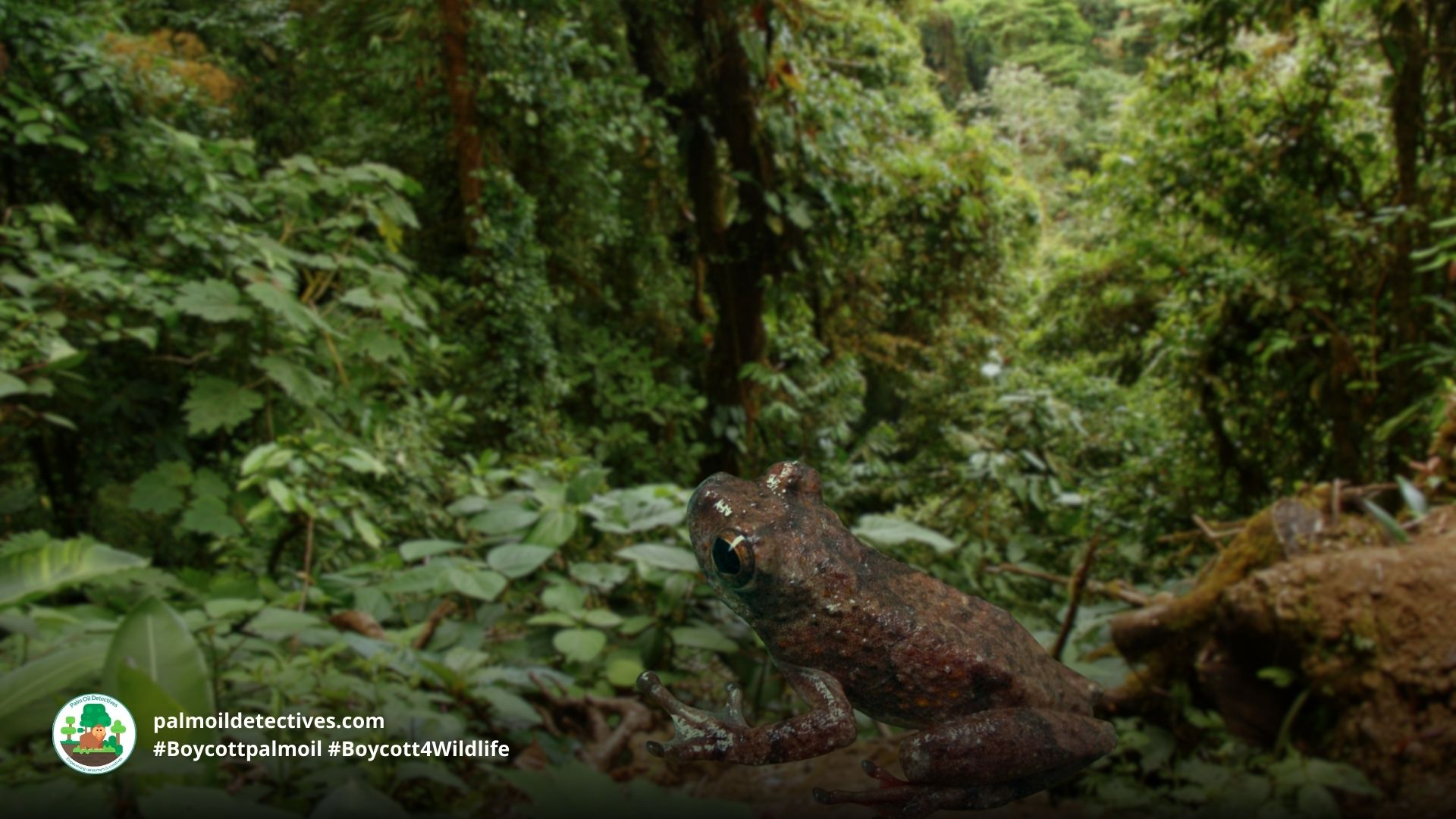
The Mount Nimba Reed Frog is a tiny, curious and captivating amphibian living deep in the lush landscapes of Côte d’Ivoire’s swamps. Their survival is crucial and reflects the overall health of their delicate mangrove and swamp ecosystem.

Appearance and Behaviour

Adorned with a striking red-brown network pattern interspersed with dark spots, the Mount Nimba Reed Frog is instantly recognisable. Their behaviours, such as their characteristic calls at the edges of swamps, add to the rich tapestry of life in their habitat.

Geographical Range and Habitat

Endemic to the eastern foothills of Mount Nimba in Côte d’Ivoire, these frogs inhabit subtropical or tropical moist lowland forests and swamps. They thrive in swampy forests and even in rice fields within degraded forests and areas of secondary growth.

Diet

As insectivores, Mount Nimba Reed Frogs play a vital role in controlling insect populations in swamp ecosystems.

Mount Nimba Reed Frog Hyperolius nimbae

Threats

The Mount Nimba Reed Frog is listed as Endangered on the IUCN Red List, with their population continuing to decline. Immediate action is needed to address the pressures they face. Mount Nimba Reed Frogs face a range of human-related threats to their ongoing survival:

Habitat Destruction: Forests are being cleared for agricultural expansion, including rice farming, which disrupts their natural habitat.

Human Encroachment: The development of infrastructure and settlements poses ongoing threats to their fragile ecosystems.

Pollution: Agricultural runoff from palm oil, rice and other pollutants degrade the quality of the swamps they rely on for survival.

Climate Change: Altered rainfall patterns and rising temperatures further stress their already restricted habitats.

References:

• Kouamé, N. G., Assemian, N. E., Tohe, B., & Adeba, P. J. (2016). Rediscovery of the Mount Nimba Reedfrog, Hyperolius nimbae LAURENT, 1958, in western Ivory Coast. Herpetozoa, 29(1-2), 3-13.

• IUCN SSC Amphibian Specialist Group. (2017). Hyperolius nimbae. The IUCN Red List of Threatened Species 2017: e.T56170A16926587.

Frogs Versus Toads by Round Glass Sustain

More Information

ICUN endangered logo

IUCN SSC Amphibian Specialist Group. 2017. Hyperolius nimbae. The IUCN Red List of Threatened Species 2017: e.T56170A16926587. https://dx.doi.org/10.2305/IUCN.UK.2017-2.RLTS.T56170A16926587.en. Downloaded on 07 April 2021.


Kouamé, N. G., Assemian, N. E., Tohe, B., & Adeba, P. J. (2016). Rediscovery of the Mount Nimba Reedfrog, Hyperolius nimbae, LAURENT, 1958, in western Ivory Coast. Herpetozoa, 29(1-2), 3-13.

You can support this beautiful animal

There are no known conservation activities for this animal. Share out this post to social media and join the #BoycottPalmOil #Boycott4Wildlife on social media to raise awareness

Further Information

IUCN SSC Amphibian Specialist Group. 2017. Hyperolius nimbae. The IUCN Red List of Threatened Species 2017: e.T56170A16926587. https://dx.doi.org/10.2305/IUCN.UK.2017-2.RLTS.T56170A16926587.en. Downloaded on 17 January 2021.

ICUN endangered logo

Contribute to palm oil detectives - black rhino in profile

How can I help the #Boycott4Wildlife?


Take Action in Five Ways

1. Join the #Boycott4Wildlife on social media and subscribe to stay in the loop: Share posts from this website to your own network on Twitter, Mastadon, Instagram, Facebook and Youtube using the hashtags #Boycottpalmoil #Boycott4Wildlife.

Join 3,176 other subscribers

2. Contribute stories: Academics, conservationists, scientists, indigenous rights advocates and animal rights advocates working to expose the corruption of the palm oil industry or to save animals can contribute stories to the website.

3. Supermarket sleuthing: Next time you’re in the supermarket, take photos of products containing palm oil. Share these to social media along with the hashtags to call out the greenwashing and ecocide of the brands who use palm oil. You can also take photos of palm oil free products and congratulate brands when they go palm oil free.

4. Take to the streets: Get in touch with Palm Oil Detectives to find out more.

5. Donate: Make a one-off or monthly donation to Palm Oil Detectives as a way of saying thank you and to help pay for ongoing running costs of the website and social media campaigns. Donate here
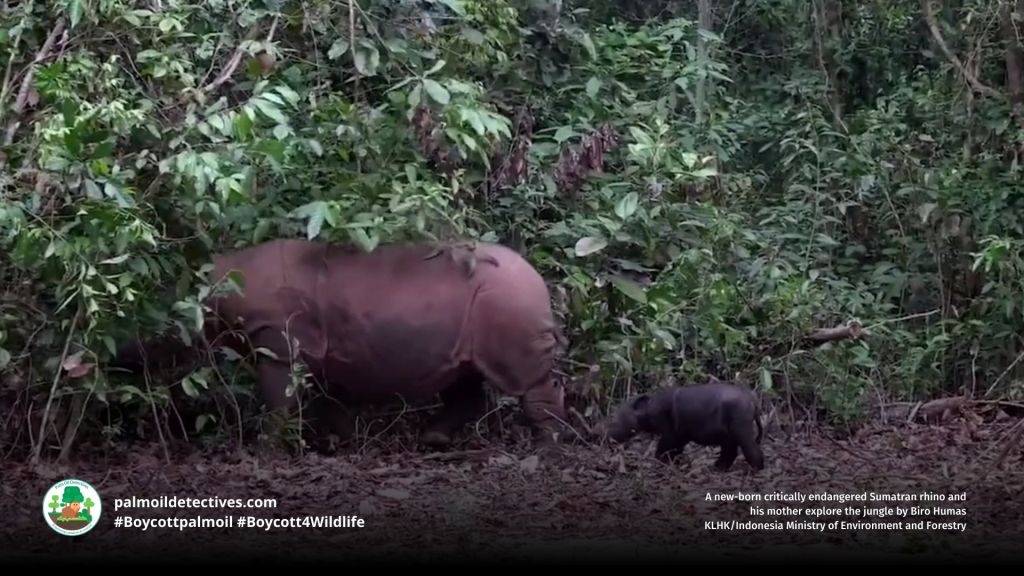
White-bellied Pangolin Phataginus tricuspis

White-bellied Pangolin Phataginus tricuspis

Endangered

IUCN Red List Status: Endangered
Location: Guinea-Bissau, Guinea, Sierra Leone, Liberia, Côte d’Ivoire, Ghana, Nigeria, Cameroon, Equatorial Guinea, Gabon, Congo, Central African Republic, Democratic Republic of the Congo, Uganda, Kenya, Rwanda, Burundi, Angola, Tanzania, Zambia

Found across the remaining fragments of West and Central African rainforest, the elusive White-bellied Pangolin is a nocturnal, arboreal insectivore whose very body has become a global commodity.

The White-bellied Pangolin also commonly known as the Tree Pangolin are fascinating creatures akin to giant pest controllers, estimated to consume around 70 million insects per year. #Pangolins don’t have teeth, rather they have scales lining their stomachs which aid them in the digestion of food that is swallowed whole. Baby pangolins often ride on their mother’s backs and and are known as pango pups. They are able to use their tails to support their body weight and can walk upright on their hind legs.

They are often captured and killed for the illegal #poaching trade in abandoned palm oil plantations in their native homelands in #WestAfrica. Now classified as #Endangered by the IUCN, White-bellied Pangolins face a terrifying future. The dual threats of industrial-scale trafficking and rampant #deforestation for agriculture—especially #palmoil plantations—are pushing them towards extinction Help them every time you shop and #Boycottpalmoil #Boycott4Wildlife

White-bellied #Pangolins 🤎😻🙏 are threatened by #palmoil #cococa #meat #deforestation and #poaching. These amazing animals can walk upright on their hind legs🐾 Help them when you shop be #vegan #Boycottpalmoil 🌴⛔️#Boycott4Wildlife @palmoildetect https://palmoildetectives.com/2021/01/18/white-bellied-pangolin-phataginus-tricuspis/

Meek and gentle white-bellied #pangolins are ruthlessly hunted for their scales which have ZERO medicinal value. A growing threat is #palmoil 🌴🪔🤢and #tobacco 🚭 #deforestation. Help them survive! #BoycottPalmOil #Boycott4Wildlife @palmoildetect https://palmoildetectives.com/2021/01/18/white-bellied-pangolin-phataginus-tricuspis/

Appearance and Behaviour

With their bodies armoured in keratin scales and their gentle, silent movements through the treetops, white-bellied pangolins have been described as one of the most extraordinary yet most misunderstood creatures on Earth.

Also known as the African Tree Pangolin, these slender and shy mammals are covered head to tail in overlapping, pale brown or yellowish scales made entirely of keratin. These scales provide formidable protection against predators, curling into a ball when threatened—a defence mechanism that unfortunately makes them easy targets for poachers. Adults typically weigh between 1.5 to 2.5 kilograms and grow to about 30 to 40 cm in body length, with tails often longer than their bodies to aid climbing.

Although often thought of as ground-dwelling, White-bellied Pangolins are superb climbers, capable of scaling tall trees with ease. Their prehensile tails help them balance while they forage along branches. They are largely nocturnal, solitary creatures, most active in the dark hours of night when they hunt for ants and termites. Motion-activated camera traps in West and Central African forests have shown them traversing forest floors and climbing high into the canopy, displaying surprising agility and adaptability (Akpona et al., 2008).

Social encounters are rare and brief, usually related to mating. White-bellied pangolins are silent and secretive, with subtle olfactory communication being their primary form of interaction. Even within protected areas, their presence is more often indicated by signs—like feeding holes or scat—than by direct sightings. Despite this elusiveness, they are now frequently detected in bushmeat markets across the region, highlighting the immense pressure they are under (Boakye et al., 2016).

Diet

White-bellied Pangolins feed exclusively on social insects—primarily ants and termites—which they locate using an acute sense of smell. Once prey is detected, they use their powerful, curved claws to tear open nests and extract insects using a long, sticky tongue that can extend more than 25 cm. Unlike other insectivores, they have no teeth; instead, they rely on their muscular stomach to grind food.

Their diet makes them ecological engineers, playing a critical role in controlling ant and termite populations and aerating soil through their foraging activity. This insectivorous diet also makes them highly vulnerable to habitat degradation, since many of their preferred prey species are sensitive to disturbance and disappear from logged or converted lands. A recent survey in the Oluwa Forest Reserve found that pangolin presence was strongly correlated with the abundance of ant and termite mounds, both of which are declining due to increasing land use (Adeniji et al., 2023).

Reproduction and Mating

Pangolins have slow reproductive rates. Females typically give birth to a single offspring after a gestation of around 150 days. Newborns are tiny, weighing around 80-100 grams, with soft, pink scales that harden over time. Young are known as ‘Pango Pups’. For the first few weeks, infants are carried on their mother’s tail, clinging tightly as she forages.

Breeding appears to occur year-round, though data is scarce. Most pangolin offspring are likely born during periods of high insect availability. Observations in Gabon have noted that most adult females encountered during field surveys were pregnant or nursing, suggesting near-continuous breeding potential (Pagès, 1975). However, due to intense poaching, pregnant and nursing pangolins are disproportionately removed from the wild, further destabilising populations.

Geographic Range

Phataginus tricuspis is the most widespread of all African pangolin species, ranging from Guinea-Bissau and Senegal in the west to north-western Tanzania and northern Angola in the east and south. It is present in at least 23 countries. Despite this wide distribution, populations are heavily fragmented, and many former strongholds—especially in West Africa—have seen local extinctions or drastic declines.

In Nigeria, Ghana and Côte d’Ivoire, intensive habitat conversion for logging, agriculture, and urban development has devastated forests, and pangolins are now rare outside protected areas. Studies in Osun and Ondo States have shown sharp declines even in conservation areas due to poaching and ineffective law enforcement (Owolabi et al., 2024; Adeniji et al., 2023). The Yaoundé bushmeat markets in Cameroon have been identified as key hubs for trafficking pangolins sourced from up to 600 km away, revealing the extent of illegal harvesting across Central Africa (Dipita et al., 2024).

Threats

Forests are disappearing rapidly in Nigeria, Ghana, Cameroon and the Democratic Republic of the Congo, their strongholds, while pangolin scales are being smuggled in tonnes across continents. With an estimated 0.4–2.7 million pangolins hunted annually in Central Africa alone, and seizures of their scales numbering in the hundreds of thousands of individuals, this species is in crisis (Ingram et al., 2018; Challender et al., 2019).

White-bellied Pangolins were often caught in abandoned or little-used oil palm plantations.

IUCN Red List
  • Wildlife Trafficking: Phataginus tricuspis is the most trafficked African pangolin species. Between 2013 and 2019, an estimated 400,000 individuals were killed for their scales alone (Challender et al., 2019).
  • Traditional Medicine and Bushmeat: Pangolins are widely consumed across West Africa and used in traditional rituals and pseudo medicine, particularly in Nigeria, Ghana, and Cameroon (Soewu & Ayodele, 2009).
  • Palm Oil Deforestation: Industrial palm oil expansion is a major driver of forest loss throughout the species’ range. In Nigeria and Cameroon, pangolins are losing critical habitat to monoculture plantations (Adeniji et al., 2023).
  • Habitat Fragmentation: Rapid human population growth and road expansion are isolating forest patches and making pangolins more accessible to poachers (Owolabi et al., 2024).

Take Action!

Boycott palm oil products to help save the White-bellied Pangolin and the forests they depend on. Support grassroots and indigenous-led conservation efforts in West and Central Africa. Demand stricter enforcement against wildlife trafficking and campaign online against the use of pangolins in traditional medicine. Use your wallet as a weapon and #BoycottPalmOil #Boycott4Wildlife

FAQs

How many White-bellied Pangolins are left in the wild? 

There is no precise global population estimate due to their elusive nature and widespread poaching. However, local studies and market data suggest the species is in steep decline. In Ghana, Nigeria and Cameroon, hunters now consider the species to be rare or extirpated from many former habitats (Akpona et al., 2008; Ingram et al., 2018).
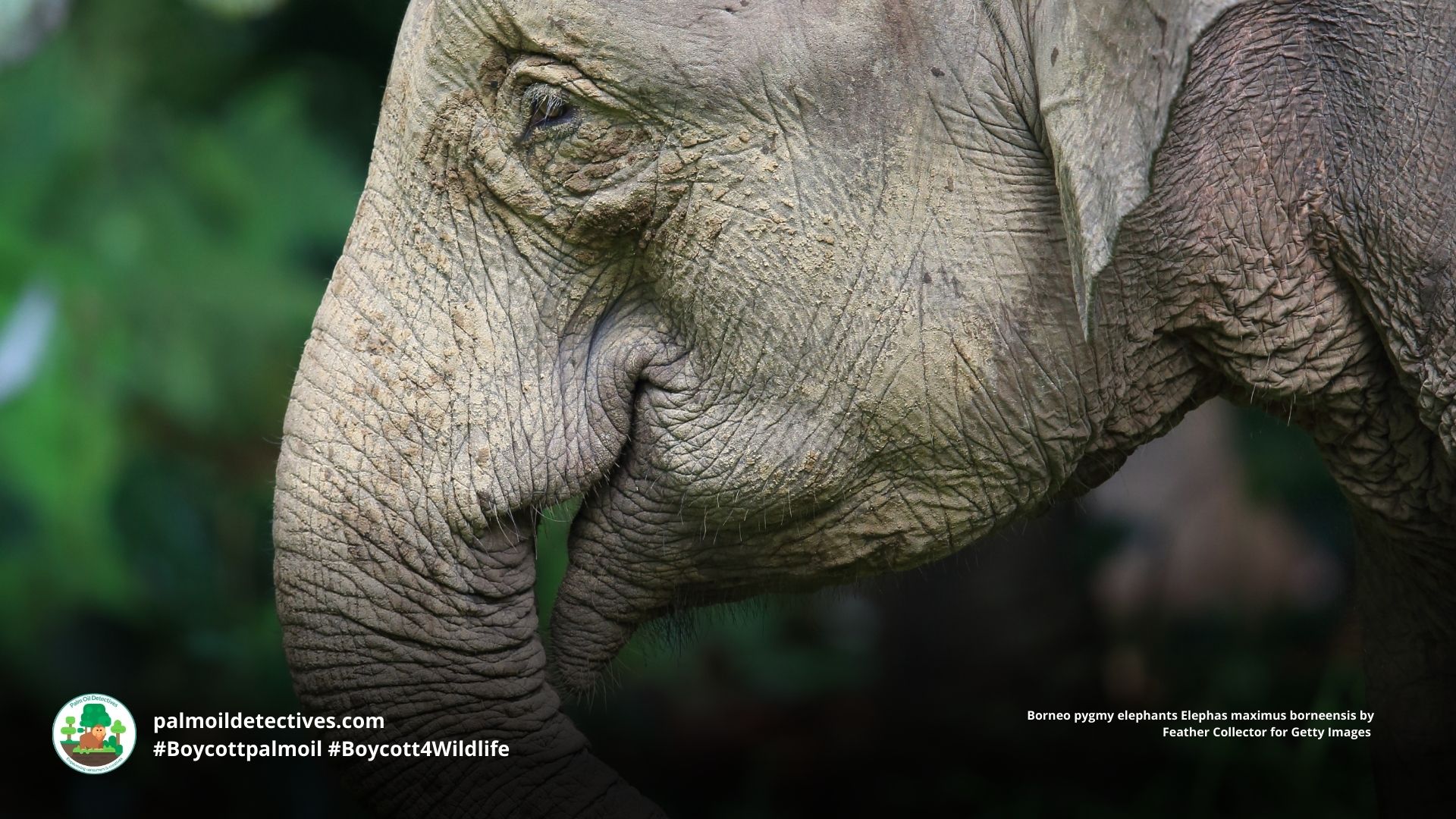
Why are pangolins hunted? 

They are hunted for meat, traditional medicine, spiritual rituals, and increasingly, for international markets in China and Vietnam where their scales are used in pseudo-medicinal compounds. Scales from at least 200,000 pangolins were trafficked between 2015 and 2019 (Challender et al., 2019).
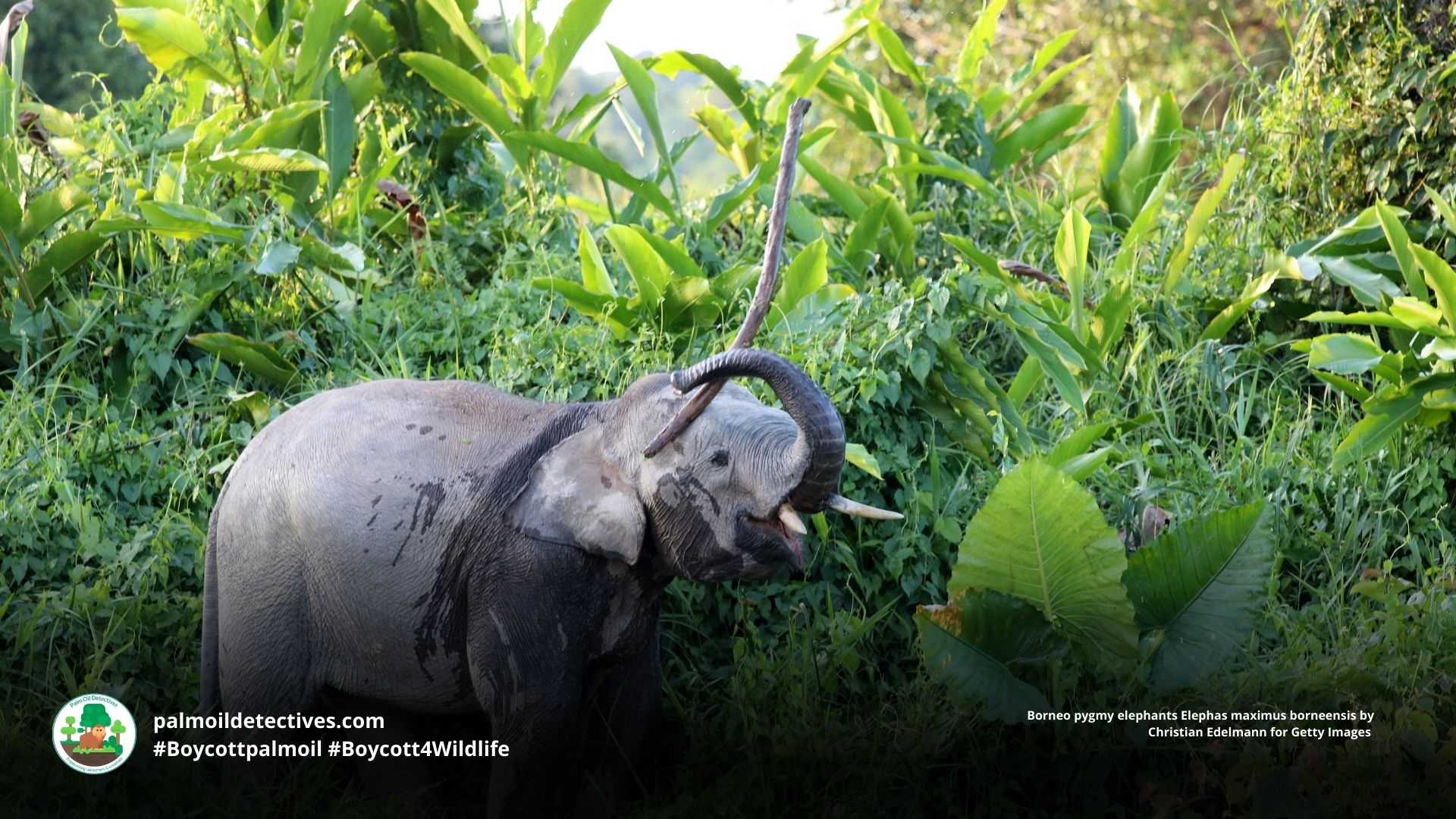
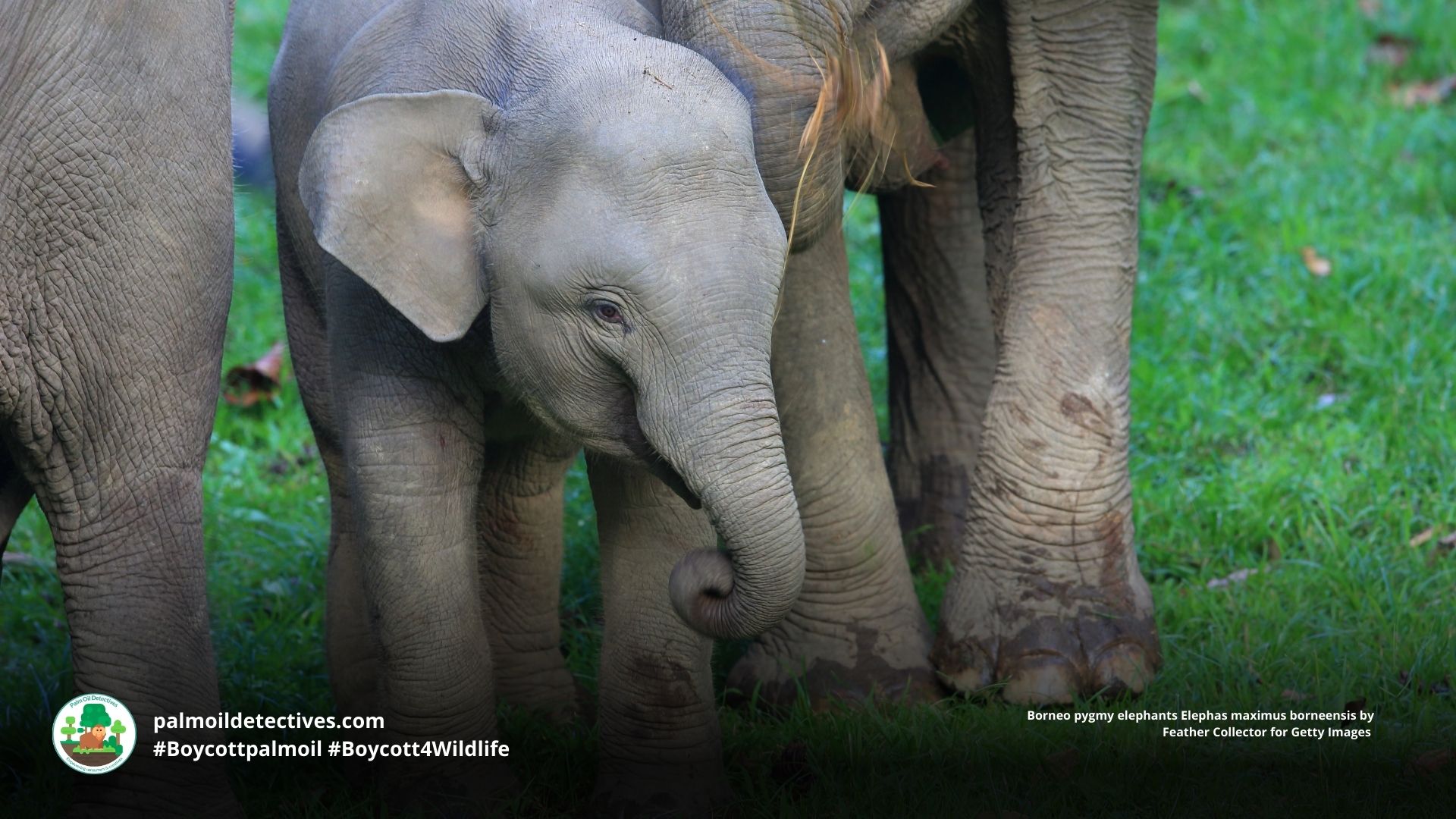
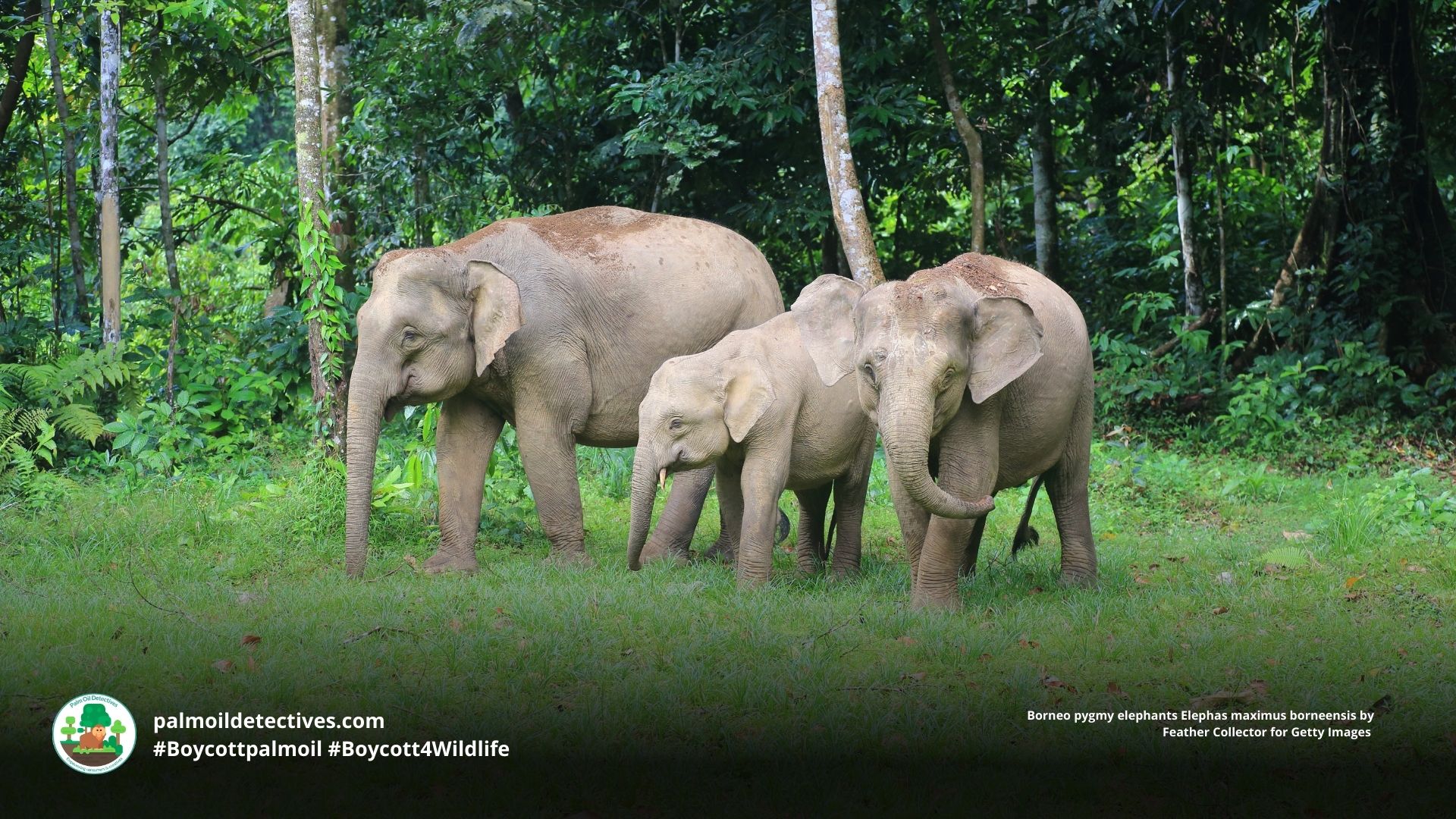
Do palm oil plantations affect pangolins? 

Yes. The conversion of natural forest to palm oil monocultures destroys their habitat, reduces food sources, and makes pangolins more vulnerable to hunting. In southern Nigeria, White-bellied Pangolins were once found even in degraded farms, but monocultures support fewer ants and termites, removing their core diet (Sodeinde & Adedipe, 1994).

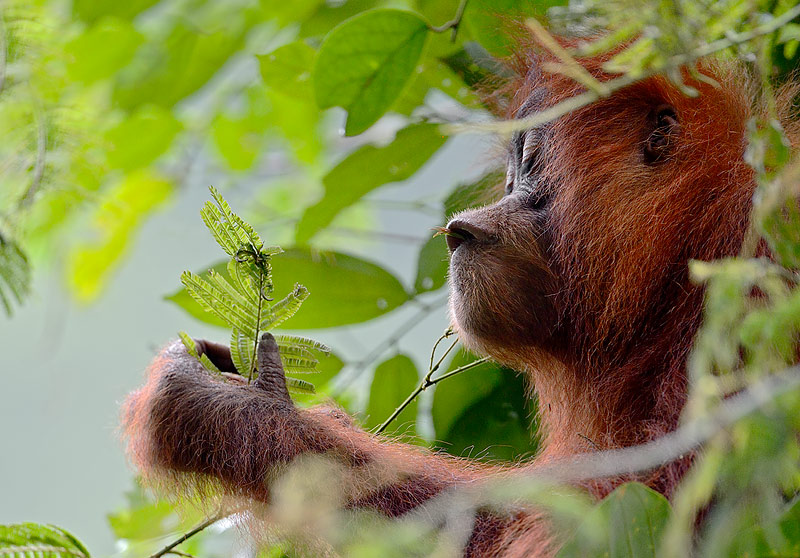
Do pangolins make good pets? 

Absolutely not. Pangolins are solitary, wild animals with highly specialised diets. They cannot survive long in captivity, and the illegal pet trade drives their extinction. Keeping them as pets is cruel and ecologically devastating.

Further Information

ICUN endangered logo

Adeniji, A. E., Ejidike, B. N., Olaniyi, O. E., & Akala, V. T. (2023). Distribution and threat to white-bellied pangolin (Phataginus tricuspis) in Oluwa Forest Reserve, Ondo State, Nigeria. Journal of Research in Forestry, Wildlife and Environment, 15(2). https://www.ajol.info/index.php/jrfwe/article/view/252333

Dipita, A. D., Missoup, A. D., Aguillon, S., Lecompte, E., Momboua, B. R., Chaber, A. L., … & Gaubert, P. (2024). Genetic tracing of the illegal trade of the white-bellied pangolin (Phataginus tricuspis) in western Central Africa. Scientific Reports, 14, 13131. https://doi.org/10.1038/s41598-024-63666-9

Ingram, D. J., Coad, L., Abernethy, K. A., Maisels, F., Stokes, E. J., Bobo, K. S., … & Simo, M. (2018). Assessing Africa-wide pangolin hunting pressures and trade. Frontiers in Ecology and Evolution, 6, 25. https://doi.org/10.1111/conl.12389

Owolabi, B. A., Akinsorotan, O. A., Adewumi, A. A., & Sanusade, A. O. (2024). Locals’ perceptions, knowledge, and attitudes regarding the conservation of the critically endangered Phataginus tricuspisResearchSquarehttps://doi.org/10.21203/rs.3.rs-3944447/v1

Pietersen, D., Moumbolou, C., Ingram, D.J., Soewu, D., Jansen, R., Sodeinde, O., Keboy Mov Linkey Iflankoy, C., Challender, D. & Shirley, M.H. 2019. Phataginus tricuspis. The IUCN Red List of Threatened Species 2019: e.T12767A123586469. https://dx.doi.org/10.2305/IUCN.UK.2019-3.RLTS.T12767A123586469.en. Downloaded on 17 January 2021.

Soewu, D. A., & Ayodele, I. A. (2009). Utilization of pangolins in traditional Yorubic medicine in Ijebu province, Ogun State, Nigeria. Journal of Ethnobiology and Ethnomedicine, 5, 39. https://doi.org/10.1186/1746-4269-5-39

Contribute to palm oil detectives - black rhino in profile

How can I help the #Boycott4Wildlife?


Take Action in Five Ways

1. Join the #Boycott4Wildlife on social media and subscribe to stay in the loop: Share posts from this website to your own network on Twitter, Mastadon, Instagram, Facebook and Youtube using the hashtags #Boycottpalmoil #Boycott4Wildlife.

Join 3,176 other subscribers

2. Contribute stories: Academics, conservationists, scientists, indigenous rights advocates and animal rights advocates working to expose the corruption of the palm oil industry or to save animals can contribute stories to the website.

3. Supermarket sleuthing: Next time you’re in the supermarket, take photos of products containing palm oil. Share these to social media along with the hashtags to call out the greenwashing and ecocide of the brands who use palm oil. You can also take photos of palm oil free products and congratulate brands when they go palm oil free.

4. Take to the streets: Get in touch with Palm Oil Detectives to find out more.

5. Donate: Make a one-off or monthly donation to Palm Oil Detectives as a way of saying thank you and to help pay for ongoing running costs of the website and social media campaigns. Donate here