The Northern Yellow-cheeked Crested Gibbon lives in broadleaf evergreen and semi-evergreen forests, at elevations of between 100-1,200 m asl. These gibbons are frugivorous but also consumes significant proportions of leaves, young shoots and flowers. They are also known to feed on Finlayson’s Squirrel (single record by an adult female) and lizards. Food sharing has been observed (Geissmann 1995, Duc et al. 2016).
Northern Yellow-cheeked Crested Gibbons sing in local accents to attract mates and form monogamous pairs and close families. Endangered in #Cambodia #Laos #Vietnam by #deforestation for #agriculture #timber #palmoil Join the brand #Boycott4Wildlife
Listed as Endangered based on a suspected population reduction of at least 50% over the past 45 years (three generations), primarily due to logging, agricultural encroachment, and hunting, and a suspected continuing decline over at least 15 years (one generation) into the future. In Cambodia’s Virachey National Park, large areas have been cleared for rubber plantations in recent years, particularly on its eastern side, and the area is also subjected to illegal logging for luxury timber.
These gibbons belong to genus Nomascus. They are known to communicate in species-specific song when defining territory or attracting mates. They sing in regional accents to each other and form monogamous breeding pairs. Males and females have different coloured fur.
1. Join the #Boycott4Wildlife on social media and subscribe to stay in the loop: Share posts from this website to your own network on Twitter, Mastadon, Instagram, Facebook and Youtube using the hashtags #Boycottpalmoil #Boycott4Wildlife.
2. Contribute stories: Academics, conservationists, scientists, indigenous rights advocates and animal rights advocates working to expose the corruption of the palm oil industry or to save animals can contribute stories to the website.
3. Supermarket sleuthing: Next time you’re in the supermarket, take photos of products containing palm oil. Share these to social media along with the hashtags to call out the greenwashing and ecocide of the brands who use palm oil. You can also take photos of palm oil free products and congratulate brands when they go palm oil free.
More and more palm oil free 🦧 products in Australia 🇦🇺. Customer awareness is increasing month by month. Of course Bart Van Assen will keep pushing "sustainable" palm oil with Orangutan Land Trust. Boycott palm oil to protect wildlife! There is not planet B #boycott4wildlifepic.twitter.com/rm7chub5Rb
If possible to get Ovomaltine, please promote it among your friends. It openly advertises with 0 palm oil. No RSPO no bullshit. For me it even tasts better than nuttela. It substantiates that chocolate spread can be made delicious without filthy palm oil. pic.twitter.com/cyV5Tm3tLd
4. Take to the streets: Get in touch with Palm Oil Detectives to find out more.
5. Donate: Make a one-off or monthly donation to Palm Oil Detectives as a way of saying thank you and to help pay for ongoing running costs of the website and social media campaigns. Donate here
Northern White-cheeked Gibbon is critically endangered on @IUCNredlist in #Vietnam and #Laos due to hunting, pet trade and #deforestation for #palmoil. Save this species by making art and joining the #boycott4wildlife
The Northern White-cheeked Gibbon is considered Critically Endangered based upon the combined effects of habitat loss, hunting and live capture for the pet trade. The last population in China apparently disappeared several years prior to this species’ last assessment. In Laos and Vietnam, hunting and live capture continue and will likely do so over the long-term.
The Northern White-cheeked Gibbon is a diurnal, arboreal and territorial species of gibbon found in tall primary and degraded evergreen and semi-evergreen forest. In northwestern Vietnam and northern Lao PDR, the animals live in a subtropical climate with a short and not very cold winter without frost (Tien 1983).
In Vietnam, the species is found from 200 m to well over 1,000 m asl, with the highest record coming from Pu Mat NP from a listening post positioned at 1,500 m asl (Rawson et al. 2011), however, individuals are now found mostly above 700 m due to lowland deforestation (Rawson et al. 2011). In Lao PDR, gibbons are found from the Mekong plains up to at least 1,650 m in Nam Et-Phou Loei NPA (Duckworth et al. 1995, Duckworth 2008).
These gibbons belong to genus Nomascus. They are known to communicate in species-specific song when defining territory or attracting mates. They sing in regional accents to each other and form monogamous breeding pairs. Males and females have different coloured fur.
Rawson, B.M., Nguyen, M.H., Coudrat, C.N.Z., Roos, C., Jiang, X. & Duckworth, J.W. 2020. Nomascus leucogenys (errata version published in 2020). The IUCN Red List of Threatened Species 2020: e.T39895A180816530. https://dx.doi.org/10.2305/IUCN.UK.2020-2.RLTS.T39895A180816530.en. Downloaded on 28 January 2021.
1. Join the #Boycott4Wildlife on social media and subscribe to stay in the loop: Share posts from this website to your own network on Twitter, Mastadon, Instagram, Facebook and Youtube using the hashtags #Boycottpalmoil #Boycott4Wildlife.
2. Contribute stories: Academics, conservationists, scientists, indigenous rights advocates and animal rights advocates working to expose the corruption of the palm oil industry or to save animals can contribute stories to the website.
3. Supermarket sleuthing: Next time you’re in the supermarket, take photos of products containing palm oil. Share these to social media along with the hashtags to call out the greenwashing and ecocide of the brands who use palm oil. You can also take photos of palm oil free products and congratulate brands when they go palm oil free.
More and more palm oil free 🦧 products in Australia 🇦🇺. Customer awareness is increasing month by month. Of course Bart Van Assen will keep pushing "sustainable" palm oil with Orangutan Land Trust. Boycott palm oil to protect wildlife! There is not planet B #boycott4wildlifepic.twitter.com/rm7chub5Rb
If possible to get Ovomaltine, please promote it among your friends. It openly advertises with 0 palm oil. No RSPO no bullshit. For me it even tasts better than nuttela. It substantiates that chocolate spread can be made delicious without filthy palm oil. pic.twitter.com/cyV5Tm3tLd
4. Take to the streets: Get in touch with Palm Oil Detectives to find out more.
5. Donate: Make a one-off or monthly donation to Palm Oil Detectives as a way of saying thank you and to help pay for ongoing running costs of the website and social media campaigns. Donate here
Locations: Cao Vit Gibbon Conservation Area, Vietnam, and Bangliang Nature Reserve, China
Location: China, Vietnam
In 2024, Cao-vit #gibbons were revised from 110 to 74 individuals 😿 The world’s most #endangered #gibbon is on the edge of #extinction 🙊 Meat agriculture is a main threat. Help them and #BoycottMeat 🥩⛔️ be #vegan 🍆🥦and #Boycott4Wildlife @palmoildetect https://palmoildetectives.com/2021/01/29/cao-vit-gibbon-nomascus-nasutus/
The Cao-vit #gibbons melodic “cow-veet” calls 🐒🐵🎶 echo in the jungles of #Vietnam 🇻🇳 Only 75 #monkeys are left alive. Threats include #climatechange and meat #agriculture Fight for them and #BoycottMeat be #Vegan 🫛🍆 #Boycott4Wildlife @palmoildetect https://palmoildetectives.com/2021/01/29/cao-vit-gibbon-nomascus-nasutus/
The Cao-vit gibbon, one of the world’s rarest primates, captivates the imagination with their melodic “cow-veet” calls, which echo like rainforest birdsongs. Research has found that they sing in regional accents to each other and form breeding pairs.
Arguably the world’s rarest gibbon they live in one forest patch straddling the Vietnam–China border. These critically endangered primates face myriad threats, including habitat destruction for timber and meat agriculture, inbreeding, and climate change. Immediate, concerted conservation action is essential to save these extraordinary gibbons from extinction.
Cao-vit gibbons are medium-sized arboreal primates distinguished by their sexual dimorphism. Males are cloaked in striking black fur with silvery cheeks, while females are a warm honey-gold with black faces. Both sexes have elongated limbs and agile hands, perfectly adapted for their graceful brachiation through the treetops.
The social lives of these gregarious gibbons are rich and complex, as they live in small family groups led by a dominant male and female. Bonds are reinforced through daily duets, where pairs sing in harmony to announce their presence and maintain territory. The gibbons’ vocalisations are essential not just for social cohesion but also for monitoring efforts, as researchers use these “vocal fingerprints” to identify individuals in the wild.
Threats
IUCN Status: Critically Endangered
The Cao-vit gibbon’s survival is imperilled by numerous threats:
• Habitat Destruction: The gibbon’s remaining forest is under relentless pressure from logging, wood harvesting, and cultivation for livestock grazing.
• Hunting and Trapping: While direct hunting has decreased, accidental snaring poses a significant threat.
• Inbreeding Risks: The isolated population of just 74 individuals faces genetic bottlenecks, increasing their vulnerability to diseases and reducing reproductive success.
• Climate Change: Rising temperatures and shifting rainfall patterns disrupt food availability and habitat stability.
A recent study highlights the extensive logging and cultivation occurring within the Cao Vit Gibbon Conservation Area, exacerbating habitat fragmentation (IUCN, 2020).
Diet
The Cao-vit gibbons primarily feed on young leaves, fruits, and flowers, preferring species like Ficus and Pterocarya. Seasonal shifts dictate their dietary habits, as they consume more leaves during periods when fruit availability declines. A study on their food preferences emphasised the importance of preserving diverse tree species to sustain their year-round needs.
Reproduction and Mating
These monogamous small primates form long-term pair bonds, with females giving birth to a single offspring after a gestation period of approximately seven months. Parental care is shared, with males often playing an active role in protecting and nurturing their young. Juveniles remain with their family groups for several years before dispersing to form new pairs.
Geographic Range
The entire global population of Cao-vit gibbons resides within the Cao Vit Gibbon Conservation Area in Vietnam and the Bangliang Nature Reserve in China. This transboundary habitat consists of limestone karst forests, characterised by steep, rocky terrain and sparse vegetation. Once widespread, their range has been reduced to this single, isolated patch due to widespread deforestation.
FAQ
What is the Cao-vit gibbon?
The Cao-vit gibbon (Nomascus nasutus) is a critically endangered primate, second only to the Hainan gibbon in terms of rarity. Known for their distinctive calls, which resemble birdsongs, these gibbons are a flagship species for the conservation of Southeast Asia’s unique limestone karst forests.
Where does the Cao-vit gibbon live?
Cao-vit gibbons inhabit a single forest patch on the Vietnam–China border, specifically within the Cao Vit Gibbon Conservation Area and Bangliang Nature Reserve. Their habitat consists of limestone karst forests, a challenging and rugged terrain that offers refuge but limits their range.
What are the threats to the Cao-vit gibbon?
The gibbons face a host of threats, including habitat destruction from logging, wood harvesting, and meat agricultural expansion. Inbreeding within their small population further reduces their genetic diversity, while climate change alters the availability of their food resources. Hunting, though reduced, remains a risk, particularly from accidental trapping.
How is the Cao-vit gibbon being conserved?
Conservation and protection initiatives focus on habitat restoration, regular patrolling by rangers, and sustainable livelihood programs for local communities. Education campaigns raise awareness about their plight, while innovative monitoring techniques, such as “vocal fingerprinting,” help researchers track population changes.
What is the population size of the Cao-vit gibbon?
Due to their inaccessible habitat, researchers use advanced acoustic techniques to monitor the gibbons. “Vocal fingerprinting” involves recording and analysing their unique calls to identify individuals and track their movements.
Fan, P., Scott, M. B., Fei, H., & Ma, C. (2012). Locomotion behaviour of Cao Vit gibbon (Nomascus nasutus) living in karst forest in Bangliang Nature Reserve, Guangxi, China. Integrative Zoology, 7(4), 482–490. https://doi.org/10.1111/j.1749-4877.2012.00300.x
Rawson, B.M., Roos, C., Nguyen, M.H., Bleisch, W., Geissmann, T. & Fan, P.F. 2020. Nomascus nasutus. The IUCN Red List of Threatened Species 2020: e.T41642A17969578. https://dx.doi.org/10.2305/IUCN.UK.2020-2.RLTS.T41642A17969578.en. Downloaded on 28 January 2021.
1. Join the #Boycott4Wildlife on social media and subscribe to stay in the loop: Share posts from this website to your own network on Twitter, Mastadon, Instagram, Facebook and Youtube using the hashtags #Boycottpalmoil #Boycott4Wildlife.
2. Contribute stories: Academics, conservationists, scientists, indigenous rights advocates and animal rights advocates working to expose the corruption of the palm oil industry or to save animals can contribute stories to the website.
3. Supermarket sleuthing: Next time you’re in the supermarket, take photos of products containing palm oil. Share these to social media along with the hashtags to call out the greenwashing and ecocide of the brands who use palm oil. You can also take photos of palm oil free products and congratulate brands when they go palm oil free.
More and more palm oil free 🦧 products in Australia 🇦🇺. Customer awareness is increasing month by month. Of course Bart Van Assen will keep pushing "sustainable" palm oil with Orangutan Land Trust. Boycott palm oil to protect wildlife! There is not planet B #boycott4wildlifepic.twitter.com/rm7chub5Rb
If possible to get Ovomaltine, please promote it among your friends. It openly advertises with 0 palm oil. No RSPO no bullshit. For me it even tasts better than nuttela. It substantiates that chocolate spread can be made delicious without filthy palm oil. pic.twitter.com/cyV5Tm3tLd
4. Take to the streets: Get in touch with Palm Oil Detectives to find out more.
5. Donate: Make a one-off or monthly donation to Palm Oil Detectives as a way of saying thank you and to help pay for ongoing running costs of the website and social media campaigns. Donate here
Location: Black-Crested Gibbons are found in the montane and tropical forests of southern China, northern Vietnam, and northern Laos, primarily at elevations between 200 and 2,800 metres.
The Black-Crested Gibbon of the genus Nomascus is a truly enchanting primate, renowned for their melodic morning duets that echo through the forests of southern China, Vietnam, and Laos. What makes these calls even more remarkable is their regional variation—these gibbons sing with distinct “accents,” unique to their local populations. These complex songs not only strengthen bonds between mates but also serve as territorial markers, ensuring harmony within their fragmented forest homes.
Despite their beauty and ecological importance, Black-Crested Gibbons are at risk of extinction. Habitat destruction for agriculture, and logging, coupled with hunting for the bushmeat trade and the illegal pet trade, is rapidly shrinking their population. Protecting their future is vital for the health of their ecosystems. Take action now: Boycott the illegal wildlife trade, be #vegan and #Boycott4Wildlife.
Black-Crested #Gibbon communities are very close 😻🩷🐒🐵 They sing to each other in regional accents 🔊🎶 they recognise. #Poaching and hunting are a major threat along with #deforestation in #Vietnam 🇻🇳 help them when u #Boycott4Wildlife @palmoildetect https://palmoildetectives.com/2021/01/29/black-crested-gibbon-nomascus-concolor/
Family-minded with a long-limbed and a vivacious energy ✨🎇 Black-crested #gibbons 🐒🐵are #endangered in #China 🇨🇳and #Vietnam 🇻🇳 due to #poaching and the bushmeat trade along with #deforestation. Help them survive #Boycott4Wildlife 🌴☠️🚫 @palmoildetect https://palmoildetectives.com/2021/01/29/black-crested-gibbon-nomascus-concolor/
Black-Crested Gibbons are medium-sized primates with long limbs and powerful shoulders, perfectly adapted for their signature brachiation—swinging gracefully through the forest canopy. Males are jet-black with a tufted crest, while females display golden-yellow fur with dark facial masks. These striking differences make them one of the most visually distinctive gibbon species.
However, it is their haunting morning duets that set them apart. These songs are intricate, with each pair singing in perfect harmony, their voices weaving complex patterns to reaffirm bonds and mark territory. Fascinatingly, research shows that these songs vary between regions, akin to local dialects or accents, showcasing a cultural aspect of their communication rarely observed in non-human species (Wired, 2011). These accents reflect the gibbons’ unique adaptation to their environment, deepening the mystery and wonder of their lives.
Threats
The Black-Crested Gibbon (Nomascus concolor) is endangered, with populations across their range severely impacted by a combination of habitat destruction and hunting.
Agricultural expansion for logging and palm oil
Throughout their range, local forest use practices such as selective logging and agricultural encroachment are key drivers of habitat degradation. These activities fragment the gibbons’ forest homes, making it increasingly difficult for populations to thrive and maintain genetic diversity (Geissmann et al., 2000; Jiang et al., 2006; Wei et al., 2017).
Illegal hunting and bushmeat trade
Hunting is one of the most pervasive threats to these gibbons. In Lao PDR, despite the existence of local taboos against hunting gibbons in some areas, these animals are still captured and killed for subsistence, the illegal pet trade, and traditional medicine (Geissmann, 2007; Rawson et al., 2011). Poachers often target adult gibbons, devastating family groups and leaving juveniles traumatised and vulnerable.
Infrastructure development
Infrastructure projects like Road No. 3 in Lao PDR, funded by the Asian Development Bank, have worsened habitat fragmentation and made once-remote areas more accessible to hunters (Fan et al., 2009a; Peng-Fei et al., 2013). This road has cut through critical forest areas, placing even protected populations at risk.
In Vietnam, gibbons are threatened by a combination of human activities, including habitat destruction from agriculture, logging, and settlement. Hunting pressure remains high in some areas, further decimating populations. Additionally, environmental factors such as forest fires and hydropower construction disrupt their already shrinking habitats (Rawson et al., 2011).
Diet
The Black-Crested Gibbon primarily feeds on fruit, making them crucial seed dispersers in their ecosystems. They also consume leaves, flowers, and insects when fruit is scarce, helping to maintain the balance and biodiversity of their forest habitat.
Reproduction and Mating
These gibbons form monogamous pairs that bond for life, raising their offspring together in close-knit family groups. Females give birth to a single infant every 2–3 years after a gestation period of about 7 months. The infant clings to their mother for the first year, learning essential survival skills before becoming independent.
Habitat destruction and the scarcity of mature trees suitable for nesting are significant barriers to successful reproduction.
Geographic Range
The Black-Crested Gibbon is native to southern China (Yunnan Province), northern Vietnam, and northern Laos. They inhabit elevations ranging from 200 to 2,800 metres, favouring dense, undisturbed forests. Deforestation has severely reduced their range, confining populations to isolated patches of forest.
FAQ
What is the Black-Crested Gibbon?
The Black-Crested Gibbon (Nomascus concolor) is an endangered primate native to the forests of southern China, Vietnam, and Laos. Known for their beautiful morning duets and striking fur patterns, they are essential to their ecosystems as seed dispersers.
Why are Black-Crested Gibbons endangered?
Habitat destruction for logging, palm oil plantations, and agriculture is a secondary threat. Hunting for bushmeat and the illegal pet trade is a primary threat and has also decimated populations, with poachers often killing adults to capture infants.
Do Black-Crested Gibbons really sing with accents?
Yes! Black-Crested Gibbons sing in unique regional accents, with their songs varying between populations. These duets strengthen pair bonds, mark territory, and reflect the cultural richness of their communication.
Are Black-Crested Gibbons good pets?
Keeping Black-Crested Gibbons as pets is an incredibly selfish and cruel act that directly contributes to their extinction. Poachers kill adults to capture infants, destroying families and traumatising whole populations. If you care about these animals, you must instead boycott the trade in exotic pets and support their protection in the wild.
Take Action!
The Black-Crested Gibbon is an irreplaceable part of their forest ecosystem, but they are at risk of vanishing forever. Refuse to support products linked to deforestation, speak out against the exotic pet trade, and advocate for conservation efforts. Every action counts: #BoycottPalmOil #Boycott4Wildlife.
Pengfei, F., Nguyen, M.H., Phiaphalath, P., Roos, C., Coudrat, C.N.Z. & Rawson, B.M. 2020. Nomascus concolor. The IUCN Red List of Threatened Species 2020: e.T39775A17968556. https://dx.doi.org/10.2305/IUCN.UK.2020-2.RLTS.T39775A17968556.en. Downloaded on 28 January 2021.
1. Join the #Boycott4Wildlife on social media and subscribe to stay in the loop: Share posts from this website to your own network on Twitter, Mastadon, Instagram, Facebook and Youtube using the hashtags #Boycottpalmoil #Boycott4Wildlife.
2. Contribute stories: Academics, conservationists, scientists, indigenous rights advocates and animal rights advocates working to expose the corruption of the palm oil industry or to save animals can contribute stories to the website.
3. Supermarket sleuthing: Next time you’re in the supermarket, take photos of products containing palm oil. Share these to social media along with the hashtags to call out the greenwashing and ecocide of the brands who use palm oil. You can also take photos of palm oil free products and congratulate brands when they go palm oil free.
More and more palm oil free 🦧 products in Australia 🇦🇺. Customer awareness is increasing month by month. Of course Bart Van Assen will keep pushing "sustainable" palm oil with Orangutan Land Trust. Boycott palm oil to protect wildlife! There is not planet B #boycott4wildlifepic.twitter.com/rm7chub5Rb
If possible to get Ovomaltine, please promote it among your friends. It openly advertises with 0 palm oil. No RSPO no bullshit. For me it even tasts better than nuttela. It substantiates that chocolate spread can be made delicious without filthy palm oil. pic.twitter.com/cyV5Tm3tLd
4. Take to the streets: Get in touch with Palm Oil Detectives to find out more.
5. Donate: Make a one-off or monthly donation to Palm Oil Detectives as a way of saying thank you and to help pay for ongoing running costs of the website and social media campaigns. Donate here
These small apes belong to genus Nomascus which are found in Vietnam, Laos, Cambodia and southern China. The Hainan Gibbon is known to live in a restricted area of less than 100 km2 in southern China. They are known to communicate in species-specific song when defining territory or attracting mates. They sing in regional accents to each other and they form polygamous relationships.
The Hainan Gibbon is critically endangered in #China due to #deforestation and #hunting. You can help them by joining the #Boycott4Wildlife on brands destroying #rainforests! Find out more
The Hainan Gibbon lives in montane rainforest, at altitudes ranging from 650 to 1,200 m (Chan et al. 2005), although specimens were collected at lower elevations prior to the complete clearance of lowland forest on Hainan. It is diurnal, arboreal, and mostly frugivorous. The Hainan Gibbon is listed as Critically Endangered because of an observed decline of at least 80% over the past 45 years (three generations), primarily due to hunting and habitat loss (Mootnick et al. 2012, Turvey et al. 2015); its extent of occurrence is less than 100 km2 (Bryant et al. 2016)
1. Join the #Boycott4Wildlife on social media and subscribe to stay in the loop: Share posts from this website to your own network on Twitter, Mastadon, Instagram, Facebook and Youtube using the hashtags #Boycottpalmoil #Boycott4Wildlife.
2. Contribute stories: Academics, conservationists, scientists, indigenous rights advocates and animal rights advocates working to expose the corruption of the palm oil industry or to save animals can contribute stories to the website.
3. Supermarket sleuthing: Next time you’re in the supermarket, take photos of products containing palm oil. Share these to social media along with the hashtags to call out the greenwashing and ecocide of the brands who use palm oil. You can also take photos of palm oil free products and congratulate brands when they go palm oil free.
More and more palm oil free 🦧 products in Australia 🇦🇺. Customer awareness is increasing month by month. Of course Bart Van Assen will keep pushing "sustainable" palm oil with Orangutan Land Trust. Boycott palm oil to protect wildlife! There is not planet B #boycott4wildlifepic.twitter.com/rm7chub5Rb
If possible to get Ovomaltine, please promote it among your friends. It openly advertises with 0 palm oil. No RSPO no bullshit. For me it even tasts better than nuttela. It substantiates that chocolate spread can be made delicious without filthy palm oil. pic.twitter.com/cyV5Tm3tLd
4. Take to the streets: Get in touch with Palm Oil Detectives to find out more.
5. Donate: Make a one-off or monthly donation to Palm Oil Detectives as a way of saying thank you and to help pay for ongoing running costs of the website and social media campaigns. Donate here
The mysterious and enchanting Okapi, also known as the forest giraffe, roams the dense rainforests of the Democratic Republic of Congo. With a large expressive eyes and ears, velvety dark brown coat adorned with striking white stripes and large – they captivate the imagination! These solitary creatures have a remarkable prehensile tongue for foraging and grooming. Okapi mothers use inaudible sounds to communicate with their young. Sadly these remarkable creatures are endangered and face severe threats from palm oil, mining and tobacco deforestation, hunting and human conflict. You can help protect them by making mindful palm oil free supermarket choices. #BoycottPalmOil and #Boycott4Wildlife to safeguard these beautiful animals.
DYK #Okapi mothers use sounds humans can’t hear to communicate? Sadly, these enchanting creatures are #endangered in #DRC due to armed conflict and #palmoil #deforestation. Safeguard their future when you #BoycottPalmOil #Boycott4Wildlife https://palmoildetectives.com/2021/01/29/okapi-okapia-johnstoni/
Deep in the #Congo is a curious creature a bit like a horse or a giraffe. The #Okapi is to the Congo what the Panda is to China. #Palmoil and #mining #deforestation threaten their survival #Boycottpalmoil #Boycott4Wildlife @palmoildetect https://palmoildetectives.com/2021/01/29/okapi-okapia-johnstoni/
The Okapi Okapia johnstonidwells deep in the forests of the Democratic Republic of Congo. They are also known as the ‘forest giraffe’, due to their striking appearance with a velvety dark brown to reddish-brown coat, contrasting sharply with their white horizontal stripes and rings on their legs and ankles.
Their unique colouration serves them well as a camouflage in the dappled sunlight of their forest home. Okapi have a long neck and large, flexible ears, which help them detect predators. Okapis are solitary and elusive animals, mostly active during the day (diurnal), and known for their gentle, placid and quiet nature.
One of the most distinctive features of Okapis are their long, prehensile tongue, which can be over 30 centimeters (12 inches) long. This tongue is used to strip leaves from branches, to groom their fur, and even clean their eyes and ears.
Okapi mothers also use inaudible, low-frequency sounds to communicate with their young, a fascinating adaptation that helps keep their calves safe from predators. Additionally, okapis have scent glands on their feet that leave a sticky substance on the ground, marking their territory.
Geographic Range and Habitat
Okapi are endemic to the dense rainforests of the Democratic Republic of Congo (DRC), primarily within the Ituri Forest. They prefer dense, moist forests where they can forage for abundant vegetation and use the leafy forest canopy as a cover from predators, mainly leopards.
Threats
Habitat loss due to gold and diamond mining, tobacco and palm oil deforestation
Hunting and poaching for bushmeat.
Political instability and armed conflict throughout their range.
Mining and illegal logging activities.
Take action every time you shop and use your wallet as a weapon. When you shop learn how to find palm oil free alternatives to major brands and #BoycottPalmOil to help Okapi and 1000’s of other rainforest species.
Diet
The okapi is an herbivore, feeding on a diverse diet of leaves, buds, grasses, ferns, fruits, and fungi. They use their long tongue to reach high branches and select the most nutritious parts of plants.
Mating and Reproduction
Okapis are solitary creatures except during mating. The mating season can vary, but females typically give birth to a single calf after a gestation period of around 14-16 months. Calves are hidden in dense vegetation to protect them from predators and are nursed for up to six months.
Support the conservation of this beautiful creature
Mallon, D., Kümpel, N., Quinn, A., Shurter, S., Lukas, J., Hart, J.A., Mapilanga, J., Beyers, R. & Maisels, F. 2015. Okapia johnstoni. The IUCN Red List of Threatened Species 2015: e.T15188A51140517. https://dx.doi.org/10.2305/IUCN.UK.2015-4.RLTS.T15188A51140517.en. Downloaded on 28 January 2021.
1. Join the #Boycott4Wildlife on social media and subscribe to stay in the loop: Share posts from this website to your own network on Twitter, Mastadon, Instagram, Facebook and Youtube using the hashtags #Boycottpalmoil #Boycott4Wildlife.
2. Contribute stories: Academics, conservationists, scientists, indigenous rights advocates and animal rights advocates working to expose the corruption of the palm oil industry or to save animals can contribute stories to the website.
3. Supermarket sleuthing: Next time you’re in the supermarket, take photos of products containing palm oil. Share these to social media along with the hashtags to call out the greenwashing and ecocide of the brands who use palm oil. You can also take photos of palm oil free products and congratulate brands when they go palm oil free.
More and more palm oil free 🦧 products in Australia 🇦🇺. Customer awareness is increasing month by month. Of course Bart Van Assen will keep pushing "sustainable" palm oil with Orangutan Land Trust. Boycott palm oil to protect wildlife! There is not planet B #boycott4wildlifepic.twitter.com/rm7chub5Rb
If possible to get Ovomaltine, please promote it among your friends. It openly advertises with 0 palm oil. No RSPO no bullshit. For me it even tasts better than nuttela. It substantiates that chocolate spread can be made delicious without filthy palm oil. pic.twitter.com/cyV5Tm3tLd
4. Take to the streets: Get in touch with Palm Oil Detectives to find out more.
5. Donate: Make a one-off or monthly donation to Palm Oil Detectives as a way of saying thank you and to help pay for ongoing running costs of the website and social media campaigns. Donate here
Lively, intelligent and social Sulawesi Crested Black Macaques live in large groups and are attentive and caring to those in their troupe. Also known as the Celebes Crested Macaque, the Sulawesi Crested Black Macaque Macaca nigra are Critically Endangered and face high risk of extinction due to palm oil and timber deforestation across the island of Sulawesi, along with illegal hunting for the bushmeat trade. You can help them every time you shop when you #Boycottpalmoil #Boycott4Wildlife
The Celebes Black Macaque possess jet-black fur, striking red eyes, and a regal crest of hair. They are gregarious and highly social preferring to live in communities of dozens of monkeys. They are known locally as “yaki” or “wolai,” and their number have declined by over 80% in under 40 years due to ubiquitous threats of habitat loss and fragmentation, but also from the bushmeat trade.
Threats
Tragically their meat is considered by local people to be a delicacy with the majority of hunting for ceremonial food rather than subsistence. Wildlife consumption is a popular tradition which has grown in parallel to human population expansion and is thus identified as the primary threat to the species’ survival. Another grave threat is palm oil and timber deforestation on the island of Sulawesi.
Behaviour
Black Crested Macaques are otherwise known as ‘social butterflies’ who live together in vibrant troops of 25 to 75 individuals, mostly within the Tangkoko Nature Reserve. Here, they are safeguarded from illegal hunting and poaching, although their existence is increasingly fragmented outside of the park.
They are adept tree climbers and alternate between the forest floor and the treetops, foraging, playing, and grooming each other. As night falls, they retreat to the safety of the trees to sleep. Their primary habitat is the tropical lowland and upland rainforests.
Sulawesi Crested Black Macaque Macaca nigra
Diet
Sulawesi Black Crested Macaques primarily eats fruits, which make up 70% of their diet. They also consume leaves, buds, seeds, fungi, birds and their eggs, insects such as caterpillars, and occasionally small lizards or frogs. They are skilled foragers, feeding both on the ground and in the trees.
Mating and Reproduction
The Celebes crested macaque has a promiscuous mating system, with both males and females having multiple partners. Females signal their readiness to mate with bright red buttocks. After a gestation period of about 174 days, females give birth to a single infant and nurse them for around one year. These macaques have an estimated life expectancy of 15-20 years in the wild.
Take Action
You have the power to make a difference. Each choice you shop, choose palm oil free and #Boycottpalmoil for these beautiful monkeys and other wild animals.
Illegal logging and palm oil destroying rainforests of Sulawesi endangering the island’s critically endangered Sulawesi black-crested macaques. Fight back!
1. Join the #Boycott4Wildlife on social media and subscribe to stay in the loop: Share posts from this website to your own network on Twitter, Mastadon, Instagram, Facebook and Youtube using the hashtags #Boycottpalmoil #Boycott4Wildlife.
2. Contribute stories: Academics, conservationists, scientists, indigenous rights advocates and animal rights advocates working to expose the corruption of the palm oil industry or to save animals can contribute stories to the website.
3. Supermarket sleuthing: Next time you’re in the supermarket, take photos of products containing palm oil. Share these to social media along with the hashtags to call out the greenwashing and ecocide of the brands who use palm oil. You can also take photos of palm oil free products and congratulate brands when they go palm oil free.
More and more palm oil free 🦧 products in Australia 🇦🇺. Customer awareness is increasing month by month. Of course Bart Van Assen will keep pushing "sustainable" palm oil with Orangutan Land Trust. Boycott palm oil to protect wildlife! There is not planet B #boycott4wildlifepic.twitter.com/rm7chub5Rb
If possible to get Ovomaltine, please promote it among your friends. It openly advertises with 0 palm oil. No RSPO no bullshit. For me it even tasts better than nuttela. It substantiates that chocolate spread can be made delicious without filthy palm oil. pic.twitter.com/cyV5Tm3tLd
4. Take to the streets: Get in touch with Palm Oil Detectives to find out more.
5. Donate: Make a one-off or monthly donation to Palm Oil Detectives as a way of saying thank you and to help pay for ongoing running costs of the website and social media campaigns. Donate here
Palm oil is contained in around 60% of food items, cleaning products and toiletries. It is obscured by changing the ingredient name.
There is no legislation to stop this vague product labelling of palm oil
Despite the lobbying and activism of various environmental groups and those concerned with consumer rights, palm oil remains labelled in a vague unclear way. It’s hidden in plain sight, an ingredient in everything from ice-cream to lipstick, biscuits to toothpaste.
Part of the mission of this website is to educate people on the products that A. contain palm oil and B. decipher whether or not this palm oil is from a sustainable source.
When it’s not clearly labelled as #Palmoil you can identify it on product packaging with these ingredient prefixes:STEAR, GLYC, PALM, LAUR. That’s all you need to remember 💚 to #Boycottpalmoil #Boycott4Wildlife
Here is how the palm oil lobby AKA Orangutan Land Trust justify obscuring the simple name ‘palm oil’ on the label
Leaving aside the fact that many parts of the world have different food labelling laws.
I guess what this greenwashing lobbyist is saying is that consumers should know all of the 400 names? What a load of bullshit.
There are over 400 names for distinct chemical compounds which may be derived from palm oil. It is not "masked;" companies are required by law to list the precise derivative.
Here’s an abbreviated list of other names for palm oil
To help you navigate these confusing waters and avoid unwittingly voting for rainforest destruction with your dollars, here is a partial list of other names for palm oil-derived ingredients:*
Palmitate – Vitamin A or Asorbyl Palmitate (NOTE: Vitamin A Palmitate is a very common ingredient in breakfast cereals and we have confirmed 100% of the samples we’ve investigated to be derived from palm oil)
Palmate
Sodium Laureth Sulphate (Can also be from coconut)
Sodium Lauryl Sulphates (can also be from ricinus oil)
Sodium dodecyl Sulphate (SDS or NaDS)
Elaeis Guineensis
Glyceryl Stearate
Stearic Acid
Chemicals which contain palm oil
Steareth -2
Steareth -20
Sodium Lauryl Sulphate
Sodium lauryl sulfoacetate (coconut and/or palm)
Hydrated palm glycerides
Sodium isostearoyl lactylaye (derived from vegetable stearic acid)
Cetyl palmitate and octyl palmitate (names with palmitate at the end are usually derived from palm oil, but as in the case of Vitamin A Palmitate, very rarely a company will use a different vegetable oil)
Here’s the full list for your reference
It’s a disgusting indictment on democracy when something as simple as ingredients on the products we consume cannot be standarised and simplified at consumers’ request. The entire world’s forests are at stake! Skip to the end to sign the most recent petitions to standardise palm oil on product labels in Australia and New Zealand.
1,2-OCLanediol
1,2-Octyleneglycol
2-Ethyl Hexyl Stearate
100 Cetyl/stearyl ether
304
α-hydroxy-N-stearoylphytosphingosine
acetylated glycol stearate
Acetylated monoglycerides
Acetic and fatty acid esters of glycerol (472a/E472a)
Acrylated Palm Oil
APO
Acrylates/Palmeth-25
AHCOHOL 0810 (Octyl Decyl Alcohol)
AHCOHOL 0898 (Octyl Alcohol)
AHCOHOL 1098 (Decyl Alcohol)
AHCOHOL 1216 (Lauryl/Myristyl Alcohol)
AHCOHOL 1299 (Lauryl Alcohol)
AHCOHOL 1498 (Myristyl Alcohol NF)
AHCOHOL 1618 (Cetyl Stearyl/Cetearyl Alcohol)
AHCOHOL 1698 (Cetyl Alcohol NF)
AHCOHOL 1898 (Stearyl Alcohol NF)
AHCOHOL® Fatty Alcohols
Alkyl alcohol Aluminium stearate
Alkyl polyglucoside
Aluminium, calcium, sodium, magnesium salts of fatty acids (470/E470a; E470b)
Aluminum dimyristate
Aluminum Isostearates
Aluminium myristate
Aluminium palmitate
Aluminium stearate
Ammonium laureth sulphate
Ammonium lauryl sulphate
Anionic & Non Anionic Surfactants (too generic an ingredient, need more info on)
Arachamide mea
Ascorbyl palmitate
Ascorbyl palmitate (304)
Ascorbyl stearate
Azelaic acid
Behenic acid 85% (C22)
Behentrimonium methosulphate
BTMS
beta Carotene
Biodiesal
Butyl myristate
Butyl stearate
Butyl Stearate IPM (Isopropyl Myristate)
C16
C17
C18
CAB
Calcium lactylate
Calcium oleyl lactylate
Calcium myristate
Calcium stearate
Calcium stearoyl lactylate (482/E482)
CAPB
CAPB-KG30
CAPB-KG45 Capric Acid (C10)
Capric triglyceride
Capryl Glucoside
Caprylamine
Caprylic acid
Caprylic acid (C8))
Caprylic triglyceride
Caprylic/capric acid (C810)
Caprylic-capric triglycerides
Caprylic-capric-stearic triglyceride
Capryloyl glycine
Caprylyl glycol
Carboxylic acid
Carboxymethyl cellulose (CMC) (can come from PKC cellulose)
CDE
CDE K85
CDE K90
CDE-K85
CDE-K90
Ceteareth (2-100)
Cetearyl alcohol
Cetearyl ethylhexanote
Cetearyl glucoside
Cetearyl isononanoate
Cetearyl olivate
Ceteth-20
Ceteth-24
Cetyltrimethylammonium bromide (CTAB)
CTAB
Cetyltrimethylammonium chloride (CTAC)
CTAC
Cetrimonium bromide
Cetrimonium chloride
Cetostearyl alcohol
Cetyl acetate
Cetyl alcohol
Cetyl ethylhexanoate
Cetyl hydroxyethylcellulose
Cetyl lactate
Cetyl myristate
Cetyl octanoate
Cetyl palmitate
Cetyl ricinoleate
Cetyl-PG Hydroxyethyl Palmitamide
Cetyl/stearyl ether
Citric and fatty acid esters of glycerol (472c/E472c)
Citris seed extract
CMEA
CME-K85
CME-K95
Coco – Caprylate
Coco – polyglucose
Cocoyl sarcosine
Coco – DEA
Coco – Glucoside
Coco Alkyl Betaine
Coco MEA
Cocoa butter equivalent (CBE)
Cocoa butter substitute (CBS)
Cocoamidopropyl Amine Oxide
Cocodiethanolamide
Cocomide – DEA
cocomide – MEA
Cocomidopropyl – Betaine
Cocomonoethanolamide
Coconut Fatty Acid
Decal – Glucosde
Decyl Myristate
Decyl oleate
Diacetyltartaric and fatty acid esters of glycerol (472e/E472e)
Currently, the EU and the UK mandates that all products must clearly label palm oil on their products. It wasn’t that hard, and it resulted in greater consumer choice so that consumers could support and save the animals they love, rather than harming them. Let’s demand the same in Australia and New Zealand now!
A victory for common sense and the consumers’ rights to know.
How can I help the #Boycott4Wildlife?
Take Action in Five Ways
1. Join the #Boycott4Wildlife on social media and subscribe to stay in the loop: Share posts from this website to your own network on Twitter, Mastadon, Instagram, Facebook and Youtube using the hashtags #Boycottpalmoil #Boycott4Wildlife.
2. Contribute stories: Academics, conservationists, scientists, indigenous rights advocates and animal rights advocates working to expose the corruption of the palm oil industry or to save animals can contribute stories to the website.
3. Supermarket sleuthing: Next time you’re in the supermarket, take photos of products containing palm oil. Share these to social media along with the hashtags to call out the greenwashing and ecocide of the brands who use palm oil. You can also take photos of palm oil free products and congratulate brands when they go palm oil free.
More and more palm oil free 🦧 products in Australia 🇦🇺. Customer awareness is increasing month by month. Of course Bart Van Assen will keep pushing "sustainable" palm oil with Orangutan Land Trust. Boycott palm oil to protect wildlife! There is not planet B #boycott4wildlifepic.twitter.com/rm7chub5Rb
If possible to get Ovomaltine, please promote it among your friends. It openly advertises with 0 palm oil. No RSPO no bullshit. For me it even tasts better than nuttela. It substantiates that chocolate spread can be made delicious without filthy palm oil. pic.twitter.com/cyV5Tm3tLd
4. Take to the streets: Get in touch with Palm Oil Detectives to find out more.
5. Donate: Make a one-off or monthly donation to Palm Oil Detectives as a way of saying thank you and to help pay for ongoing running costs of the website and social media campaigns. Donate here
Locations: Endemic to the tropical forests of Papua New Guinea
Goodfellow’s tree kangarooDendrolagus goodfellowi is an enchanting and rare marsupial that lives high in the treetops of Papua New Guinea’s lush rainforests. With rich, chestnut-brown fur streaked with golden bands and a strikingly long, ringed tail, they are a visual marvel. Known for their acrobatic prowess, these tree kangaroos can leap an astounding 9 metres between branches, embodying both elegance and athleticism.
Goodfellow’s tree kangaroos are not only skilled climbers but also exhibit playful and cheeky behaviour, sometimes observed curiously watching humans from their lofty perches. Sadly, their charm and ecological importance are overshadowed by their precarious status. Classified as Endangered, their numbers are dwindling due to palm oil-driven deforestation, habitat fragmentation, and hunting. Supporting indigenous-led conservation efforts is vital to safeguarding their future. Use your wallet as a weapon: #BoycottPalmOil #Boycott4Wildlife
Goodfellow’s tree kangaroos are enchanting and curious medium-sized marsupials, weighing between 7–13 kg and measuring up to 70 cm in body length, with an additional 70 cm for their tail. Their vibrant reddish-brown fur and golden back stripes make them stand out against the verdant rainforest foliage of Papua New Guinea. Their strong limbs and curved claws are perfectly adapted for climbing trees, while their long tail aids in balance.
Unlike their terrestrial kangaroo cousins, these arboreal kangaroos are physiologically adapted to move with ease through the treetops. They are able to leap up to nine metres between branches and are able to comfortably descend 18 metres from tree canopy to ground without injury. They are generally solitary, with minimal social interaction outside of mating. Tree kangaroos are known for their slow and deliberate movements while climbing and foraging. This is a marked contrast to the rapid leaping gait of other related ground-dwelling kangaroos in Australia.
Threats
IUCN Status: Endangered
Palm oil and timber deforestation
Deforestation for palm oil plantations, logging, and agriculture has destroyed large portions of Goodfellow’s tree kangaroo habitats. The fragmentation of rainforests isolates populations, making them more vulnerable to genetic bottlenecks and predators.
Hunting and the illegal bushmeat trade:
Tree kangaroos are often hunted for their meat and fur by local communities. In some areas, they are considered a traditional delicacy, which adds pressure to their declining populations.
Climate Change:
Shifting weather patterns and rising temperatures due to climate change disrupt the delicate balance of their rainforest ecosystems, affecting food availability and habitat quality.
Small Population Size:
Population estimates suggest fewer than 2,500 mature individuals remain in the wild, making recovery efforts increasingly urgent.
Geographic Range
Goodfellow’s tree kangaroos are found exclusively in the lowland and montane rainforests of Papua New Guinea, particularly in the southern and central regions. They thrive in dense forests, where the canopy provides food, shelter, and protection from predators. However, their range is rapidly shrinking due to deforestation and human encroachment.
Diet
Goodfellow’s tree kangaroos are herbivorous, primarily feeding on leaves, fruits, flowers, and occasionally mosses. They have specialised adaptations for digesting tough plant material, including a multi-chambered stomach similar to that of a cow. Their diet also plays a role in forest regeneration, as they disperse seeds through their droppings.
Reproduction and Mating
Females give birth to a single joey after a gestation period of approximately 32 days. The tiny, underdeveloped joey crawls into the mother’s pouch, where it nurses and continues to develop for up to 10 months. Once they leaves the pouch, the young kangaroo stays with its mother for another year before becoming independent. Tree kangaroos have a low reproductive rate, which limits population recovery.
Take Action!
Protecting Goodfellow’s tree kangaroos requires urgent action. Support indigenous sovereignty and conservation initiatives, boycott palm oil, and advocate for stronger habitat protections. Together, we can safeguard their future. #BoycottPalmOil #Boycott4Wildlife
FAQ
How many Goodfellow’s tree kangaroos remain alive in the wild?
Fewer than 2,500 mature individuals remain in the wild, making Goodfellow’s tree kangaroos one of the most endangered marsupial species. Habitat destruction, hunting, and climate change are the primary factors driving their decline. Conservation efforts are critical to ensuring their survival, particularly through protecting their rainforest habitats.
Where is the Goodfellow’s tree kangaroo found?
Goodfellow’s tree kangaroos are endemic to Papua New Guinea, where they inhabit the lowland and montane rainforests of the southern and central regions. These arboreal marsupials thrive in dense tropical forests, relying on the canopy for food, shelter, and protection. However, their range is shrinking due to deforestation and human encroachment.
What do Goodfellow’s tree kangaroos eat?
Goodfellow’s tree kangaroos are herbivorous, with a diet consisting of leaves, fruits, flowers, and mosses. They play an important ecological role as seed dispersers, contributing to the regeneration of their rainforest habitats. Their specialised digestive system allows them to extract nutrients from tough plant materials.
What is the behaviour of the Goodfellow’s tree kangaroo?
Goodfellow’s tree kangaroos are solitary and arboreal, spending most of their time in the treetops. They move slowly and deliberately, using their strong limbs and curved claws to climb and leap between branches. Unlike their terrestrial kangaroo relatives, they are not fast hoppers but are adept at navigating the dense canopy.
How far can a Goodfellow’s tree kangaroo leap?
Goodfellow’s tree kangaroos are remarkably agile for their size and arboreal lifestyle. These unique marsupials can leap impressive distances of up to 9 metres between tree branches. This ability allows them to move effortlessly through the dense canopies of Papua New Guinea’s rainforests, navigating their environment in search of food and avoiding predators.
Their strong hind legs, which are adapted for powerful thrusts, and their long, muscular tails, which provide balance and stability during mid-air manoeuvres, contribute to this extraordinary leaping ability. Additionally, they can descend from heights of up to 18 metres to the ground without injury, showcasing their exceptional physical adaptations to life in the trees.
What makes Goodfellow’s tree kangaroos unique?
Goodfellow’s tree kangaroos are unique for their incredible leaping abilities, arboreal lifestyle and striking appearance. Their reddish-brown fur with golden stripes, long tails, and strong climbing abilities set them apart from ground-dwelling kangaroos. They are also known for their solitary nature and deliberate movements, which contrast with the rapid hopping of their terrestrial cousins.
1. Join the #Boycott4Wildlife on social media and subscribe to stay in the loop: Share posts from this website to your own network on Twitter, Mastadon, Instagram, Facebook and Youtube using the hashtags #Boycottpalmoil #Boycott4Wildlife.
2. Contribute stories: Academics, conservationists, scientists, indigenous rights advocates and animal rights advocates working to expose the corruption of the palm oil industry or to save animals can contribute stories to the website.
3. Supermarket sleuthing: Next time you’re in the supermarket, take photos of products containing palm oil. Share these to social media along with the hashtags to call out the greenwashing and ecocide of the brands who use palm oil. You can also take photos of palm oil free products and congratulate brands when they go palm oil free.
More and more palm oil free 🦧 products in Australia 🇦🇺. Customer awareness is increasing month by month. Of course Bart Van Assen will keep pushing "sustainable" palm oil with Orangutan Land Trust. Boycott palm oil to protect wildlife! There is not planet B #boycott4wildlifepic.twitter.com/rm7chub5Rb
If possible to get Ovomaltine, please promote it among your friends. It openly advertises with 0 palm oil. No RSPO no bullshit. For me it even tasts better than nuttela. It substantiates that chocolate spread can be made delicious without filthy palm oil. pic.twitter.com/cyV5Tm3tLd
4. Take to the streets: Get in touch with Palm Oil Detectives to find out more.
5. Donate: Make a one-off or monthly donation to Palm Oil Detectives as a way of saying thank you and to help pay for ongoing running costs of the website and social media campaigns. Donate here
Locations: Papua New Guinea (Huon Peninsula and adjacent areas)
Adorable creatures with a teddy-like face and simian looking tail, Huon Tree Kangaroos live in Papua New Guinea. They are classified as endangered due to ongoing destruction of their natural rainforest home for #palmoil and #mining throughout their range. There are estimated to be <2,500 individual kangaroos left alive. Help them every time you shop and #Boycottpalmoil #Boycott4Wildlife
Huon Tree Kangaroo 🦘🩷 have a cute teddy-like 🧸 face and a monkey-like tail. In #PapuaNewGuinea and #WestPapua they are endangered by #palmoil #deforestation and #mining. Support them every time you #Boycottpalmoil #Boycott4Wildlife @palmoildetect https://palmoildetectives.com/2021/01/26/huon-tree-kangaroo-dendrolagus-matschiei/
The Huon tree kangaroo Dendrolagus matschiei, also known as Matschie’s tree kangaroo, is an extraordinary and rare marsupial found in the montane and lowland rainforests of Papua New Guinea’s Huon Peninsula. Distinguished by their thick, reddish-brown fur and golden limbs, these arboreal kangaroos are remarkably adept climbers, leaping between trees with impressive agility. Tragically, their population is in rapid decline, threatened by habitat destruction for mining, hunting, and the expansion of agricultural practices for palm oil across their range. It is vital to support immediate conservation efforts and indigenous-led conservation initiatives. Use your wallet as a weapon, and #BoycottPalmOil #Boycott4Wildlife!
Appearance and Behaviour
The Huon tree kangaroo AKA Matschie’s tree kangaroo is a medium-sized marsupial of the genus Dendrolagus, weighing between 7–14 kilograms, with a body length of approximately 55–70 centimetres and a tail of equal length. Their vibrant reddish-brown coat, golden limbs, and pale belly make them easily distinguishable among tree kangaroo species. Their broad feet, strong claws, and muscular limbs allow them to climb effortlessly, while their long tails provide balance during leaps of up to 9 metres between tree branches.
Unlike terrestrial kangaroos, Huon tree kangaroos are primarily arboreal, spending most of their time in the dense rainforest canopy. Their movement is slow and deliberate, making them less conspicuous to predators. Known for their solitary and territorial behaviour, these tree kangaroos are most active during the morning and evening hours, exhibiting unique climbing techniques that differ greatly from their ground-dwelling relatives.
Threats
Listed as Endangered because the number of mature individuals is expected to be less than 2,500 based on their naturally low population density and small extent of occurrence (restricted to high elevations), there is a continuing population decline due to hunting pressures and habitat loss, and all individuals are contained within a single subpopulation.
IUCN REd LIST
Endangered on the IUCN Red List, the Huon tree kangaroo faces severe population declines, primarily due to:
Deforestation and Habitat Loss: Logging and agricultural expansion, particularly for coffee have caused significant habitat fragmentation (IUCN, 2016).
Hunting Pressure: They are hunted for their meat. Hunting has intensified as roads expand into previously remote areas (Ziegler et al., 2013).
Climate Change: Rising temperatures and changes in rainfall patterns as a result of climate change are reducing the availability of suitable montane habitat, forcing populations into increasingly fragmented and isolated areas (Naughton-Treves et al., 2003).
Palm Oil Plantations: The encroachment of palm oil plantations in Papua New Guinea exacerbates deforestation, putting additional strain on already limited habitats (The Revelator, 2023).
Without coordinated conservation action, including protecting critical habitat and working with indigenous communities, the Huon tree kangaroo’s future remains precarious.
Diet
The Huon tree kangaroo is a folivore, consuming primarily leaves, but their diet also includes fruits, flowers, and bark. In addition to forest foliage, they are known to forage in gardens and cultivated areas, further increasing human-wildlife conflict (Smith et al., 2015). Their slow metabolism is well-adapted to digesting tough, fibrous plant material, making them vital contributors to their ecosystems through seed dispersal.
Reproduction and Mating
Matschie’s tree kangaroos have a long gestation period for marsupials, lasting around 44 days. The female typically gives birth to one joey, which remains in her pouch for approximately 10 months before venturing out (Tenkile Conservation Alliance, 2023). Juveniles stay with their mothers for up to two years, learning survival skills and foraging techniques. Breeding is non-seasonal, with females capable of reproducing every one to two years under optimal conditions.
Geographic Range
The Huon tree kangaroo is endemic to Papua New Guinea’s Huon Peninsula, primarily found in montane rainforests between 1,000 and 3,000 metres above sea level. They are also reported in lower altitudes where forest cover remains intact. Their home ranges can vary widely; recent studies indicate females maintain smaller, overlapping territories compared to males, which have broader and more isolated ranges (Smith et al., 2015).
FAQs
How many Matschie’s tree kangaroos are left?
Fewer than 2,500 mature individuals of Matschie’s tree kangaroos remain in the wild, according to the IUCN (2016). Habitat loss for timber and palm oil and hunting are the primary drivers of their decline. Recent surveys have highlighted their fragmented distribution, making coordinated conservation across different forest patches crucial for their survival (Ziegler et al., 2013).
What is the rarest tree-kangaroo?
The Huon tree kangaroo are among the rarest tree kangaroos, along with exceedingly rare Wondiwoi tree kangaroo Dendrolagus mayri. The Huon tree kangaroo is unique to Papua New Guinea’s Huon Peninsula, with their survival largely dependent on preserving this biodiverse yet increasingly threatened habitat (Tenkile Conservation Alliance, 2023).
How big are Matschie’s tree kangaroos?
Adult Matschie’s tree kangaroos weigh between 7–14 kilograms, with a body length of 55–70 centimetres and an equally long tail. Their robust build and powerful limbs are adaptations for climbing and leaping across tree canopies (Smith et al., 2015).
What does a Matschie’s tree kangaroo eat?
These tree kangaroos primarily consume leaves but supplement their diet with fruits, flowers, and bark. As opportunistic feeders, they forage on a wide range of plant species, contributing significantly to seed dispersal in their forest habitats (Naughton-Treves et al., 2003).
Take Action!
Use your wallet as a weapon! Fight for the survival of Matschie’s tree kangaroos every time you shop by boycotting palm oil and supporting indigenous-led conservation efforts. #BoycottPalmOil #Boycott4Wildlife
1. Join the #Boycott4Wildlife on social media and subscribe to stay in the loop: Share posts from this website to your own network on Twitter, Mastadon, Instagram, Facebook and Youtube using the hashtags #Boycottpalmoil #Boycott4Wildlife.
2. Contribute stories: Academics, conservationists, scientists, indigenous rights advocates and animal rights advocates working to expose the corruption of the palm oil industry or to save animals can contribute stories to the website.
3. Supermarket sleuthing: Next time you’re in the supermarket, take photos of products containing palm oil. Share these to social media along with the hashtags to call out the greenwashing and ecocide of the brands who use palm oil. You can also take photos of palm oil free products and congratulate brands when they go palm oil free.
More and more palm oil free 🦧 products in Australia 🇦🇺. Customer awareness is increasing month by month. Of course Bart Van Assen will keep pushing "sustainable" palm oil with Orangutan Land Trust. Boycott palm oil to protect wildlife! There is not planet B #boycott4wildlifepic.twitter.com/rm7chub5Rb
If possible to get Ovomaltine, please promote it among your friends. It openly advertises with 0 palm oil. No RSPO no bullshit. For me it even tasts better than nuttela. It substantiates that chocolate spread can be made delicious without filthy palm oil. pic.twitter.com/cyV5Tm3tLd
4. Take to the streets: Get in touch with Palm Oil Detectives to find out more.
5. Donate: Make a one-off or monthly donation to Palm Oil Detectives as a way of saying thank you and to help pay for ongoing running costs of the website and social media campaigns. Donate here
Location: Indonesia (Papua Province – Arfak Mountains, Vogelkop Peninsula)
The Arfak Ringtail is restricted to the cool cloud forests of the Arfak Mountains in West Papua, ranging from 750 to 1,900 metres above sea level.
The Arfak Ringtail Pseudochirulus schlegeli is a wide-eyed and bushy tailed #possum living in the remote Arfak Mountains and cloud forests of #WestPapua. Although little is known of these tree-dwelling #marsupials, much can be gleaned from related #mammals in Australasia. These cryptic and fluffy arboreal beauties are found in the mossy, cloud-wrapped forests of the Vogelkop Peninsula’s Arfak Mountains. Listed as #Vulnerable, the species faces mounting pressure from #deforestation for #palmoil and #timber and #hunting by local communities. With fewer than five known locations and less than 20,000 km² of suitable habitat, this highland #possum could disappear quietly without urgent action. Protect #indigenous forests, say no to palm oil, and stand up against wildlife exploitation #BoycottPalmOil #Boycott4Wildlife #Vegan
Adorable wide-eyed 👀 and bushy tailed 🐀😻🩶 Arfak Ringtails are #marsupials #vulnerable from #mining and #PalmOil #Deforestation in #WestPapua. Protect them when you shop and #BoycottPalmOil 🌴🩸🚜☠️⛔️ #Boycott4Wildlife @palmoildetect #PapuaMerdeka https://palmoildetectives.com/2021/01/26/arfak-ringtail-pseudochirulus-schlegeli/
Cute #marsupials of #WestPapua’s rainforests, Arfak Ringtails are surrounded by #palmoil and dead lands. Papuan land was never ceded or destroyed by #indigenous peoples! Protect animals and people of #Papua! #BoycottPalmOil #FreeWestPapua @palmoildetect https://palmoildetectives.com/2021/01/26/arfak-ringtail-pseudochirulus-schlegeli/
With their wide, watchful eyes and soft fawn coloured fur, the Arfak Ringtail is one of the most endearing mammals of the New Guinean highlands. This species has a round, compact body covered in velvety greyish-brown fur. Their underbellies are pale, with soft pinkish paws finished with sharp claws ideal for clinging to the tree canopy. Their fine and pointed snout and whiskers are sensitive to movement in the forest. Their ears are rounded and translucent and equally as sensitive to sonic disturbances. Like many other possums in Australia and New Guinea, the Arfak Ringtails large and prominent eyes help them to navigate by night and protect themselves against danger.
The Arfak Ringtail uses their prehensile tail to deftly navigate moss-draped branches high in the rainforest canopy. Almost nothing is known about the species’ social life, but like other ringtails, the species likely lives a secretive, arboreal existence, emerging at night to forage among the foliage.
Diet
Although never directly observed in the wild, the Arfak Ringtail likely follows a diet similar to other Pseudochiruluspossums, feeding primarily on leaves, fruits, flowers, and possibly mosses or fungi. This folivorous diet is supported by a specialised digestive system capable of fermenting tough plant fibres.
Reproduction and Mating
While the breeding biology of the Arfak Ringtail remains a mystery due to their elusive nature and lack of field studies, scientists can infer some details by looking at closely related marsupials such as Australia’s ringtail possums (Pseudocheirus peregrinus) and other members of the Pseudochirulus genus.
Like other marsupials, the Arfak Ringtail likely gives birth to highly underdeveloped young after a short gestation period, possibly around 14 days. These tiny, pink, jellybean-sized joeys crawl unassisted into the mother’s pouch, where they latch onto a teat and continue developing in safety. The pouch phase may last two to three months, after which the young gradually begin to venture outside the pouch and are carried on the mother’s back as they continue to nurse and grow.
Breeding is likely seasonal in response to food availability, as observed in many rainforest marsupials. In Australian ringtail possums, females typically raise one to two young per year, with some species having more frequent breeding cycles depending on habitat conditions. Alloparental care – in which older siblings or group members help care for the young – has been documented in related species and may also occur in the Arfak Ringtail.
The young are weaned several months after pouch emergence and reach independence after about 6–9 months. Juvenile dispersal is thought to reduce inbreeding and help maintain genetic diversity. Like their Australian relatives, the Arfak Ringtail possum likely nests in leafy tree hollows or creates dreys (ball-shaped nests of woven leaves and twigs) high in the canopy to raise their young.
Geographic Range
The Arfak Ringtail is a marsupial possum endemic to the Arfak Mountains on the Vogelkop Peninsula in West Papua. The species occurs between 750 and 1,900 metres above sea level in montane rainforest habitats. Fewer than 10 individuals have ever been recorded, but researchers believe the species may be more widespread within the Arfaks, concealed by the region’s steep, remote terrain.
Threats
The Arfak Ringtail is a rare and little-known species is restricted to the Arfak mountains in the Vogelkop Peninsula in West Papua Province on the island of New Guinea. This ringtail is known from a handful of localities, but there is reason to believe that this species occurs throughout the Arfaks. This species is listed as Vulnerable because its extent of occurrence is less than 20,000 km2, it occurs at less than five locations, and it is experiencing continuing decline in habitat due to human encroachment, and in the number of mature individuals due to hunting. It is threatened by hunting for food by local people, and also by conversion of suitable forest habitat to cultivated land.
• Habitat destruction for palm oil and timber
Widespread clearing of highland forest for cultivation of palm oil, coffee and other commodities is rapidly eroding the Arfak Ringtail’s habitat. Although the species shows some tolerance for human presence, deforestation disrupts canopy connectivity, limiting access to food and shelter.
• Hunting by local communities
The species is hunted for bushmeat by communities in the Arfak Mountains. Due to the animal’s rarity and small range, even minimal hunting pressure can cause significant population declines, especially when combined with habitat fragmentation.
• Small population size and lack of knowledge
Almost nothing is known about the Arfak Ringtail’s ecology, population size, or behaviour. Without urgent studies, conservation efforts remain speculative, and the species could decline unnoticed. The absence of data delays protection and leaves this secretive marsupial vulnerable to extinction.
No population estimate currently exists. Fewer than 10 individuals have ever been documented, but researchers believe the species may be more widespread across the Arfak Mountains. Ongoing deforestation and hunting, however, are likely causing a continued decline in numbers (IUCN, 2021).
Where do Arfak Ringtails live?
The species is only found in the Arfak Mountains of the Vogelkop Peninsula in Papua Province, Indonesia. They live in montane cloud forests at elevations between 750 and 1,900 metres above sea level.
What is the main threat to the Arfak Ringtail?
Habitat loss due to industrial palm oil agriculture and logging is the biggest threat, followed closely by hunting. Despite some protection within a national park, ongoing deforestation and lack of data on their ecology hinder effective conservation.
Do Arfak Ringtails make good pets?
Absolutely not. Arfak Ringtails are wild, tree-dwelling marsupials with complex dietary and environmental needs. Capturing them for the illegal pet trade is an incredibly selfish act that contributes to their extinction. If you care about these rare forest dwellers, never support the illegal wildlife trade and advocate against the exploitation of wild animals.
Ziegler, A. C. (n.d.). Evolution of New Guinea’s marsupial fauna in response to a forested environment. In The biology of marsupials (pp. 117–138). Springer. https://doi.org/10.1007/978-1-349-02721-7_7
1. Join the #Boycott4Wildlife on social media and subscribe to stay in the loop: Share posts from this website to your own network on Twitter, Mastadon, Instagram, Facebook and Youtube using the hashtags #Boycottpalmoil #Boycott4Wildlife.
2. Contribute stories: Academics, conservationists, scientists, indigenous rights advocates and animal rights advocates working to expose the corruption of the palm oil industry or to save animals can contribute stories to the website.
3. Supermarket sleuthing: Next time you’re in the supermarket, take photos of products containing palm oil. Share these to social media along with the hashtags to call out the greenwashing and ecocide of the brands who use palm oil. You can also take photos of palm oil free products and congratulate brands when they go palm oil free.
More and more palm oil free 🦧 products in Australia 🇦🇺. Customer awareness is increasing month by month. Of course Bart Van Assen will keep pushing "sustainable" palm oil with Orangutan Land Trust. Boycott palm oil to protect wildlife! There is not planet B #boycott4wildlifepic.twitter.com/rm7chub5Rb
If possible to get Ovomaltine, please promote it among your friends. It openly advertises with 0 palm oil. No RSPO no bullshit. For me it even tasts better than nuttela. It substantiates that chocolate spread can be made delicious without filthy palm oil. pic.twitter.com/cyV5Tm3tLd
4. Take to the streets: Get in touch with Palm Oil Detectives to find out more.
5. Donate: Make a one-off or monthly donation to Palm Oil Detectives as a way of saying thank you and to help pay for ongoing running costs of the website and social media campaigns. Donate here
The Bear Cuscus also known as the Sulawesi bear cuscus is an unusual and charming marsupial, named for their thick, dark, bear-like fur. Found only on the island of Sulawesi and nearby islands, this slow-moving, arboreal creature spends much of their day resting in the tropical rainforests of Indonesia. The Sulawesi bear cuscus uses their elongated claws and prehensile tail to navigate the canopy, feeding on a diet of leaves, flowers, and unripe fruit. Sadly, palm oil deforestation and hunting pose serious threats to this species, resulting in a significant decline in their population. Protecting the Sulawesi bear cuscus is essential to preserving the biodiversity of Indonesia’s rainforests. Say no to palm oil and industrial agriculture every time you shop, and use the hashtags #BoycottPalmOil and #Boycott4Wildlife on social media to vocally oppose the greenwashing of “sustainable” palm oil.
Bear Cuscus’ 🐻🩷 are found on #Sulawesi #Indonesia 🇮🇩 they are vulnerable due to #palmoil #deforestation 🌴🪔☠️🧐⛔️ and #hunting. Support this beautiful animal with your weekly shop #Boycottpalmoil #Boycott4Wildlife @palmoildetect https://palmoildetectives.com/2021/01/26/bear-cuscus-ailurops-ursinus/
Tubby and sparkly-eyed tree-dwellers, Bear Cuscus from #Sulawesi #Indonesia face imminent threats from #palmoil #deforestation and #hunting. Fight for their survival in the supermarket #BoycottPalmOil @palmoildetect #Boycott4Wildlife https://palmoildetectives.com/2021/01/26/bear-cuscus-ailurops-ursinus/
Known for their intriguing appearance that is likened to a cross between a wombat, possum and bear, these tree dwelling mammals feed on the young leaves of up to 31 different species of plants.
They spend around 63% of their time resting, allowing them to digest their fibrous diet.
These animals are known for their distinctive behaviour of wrapping their tail around a branch when approached.
Appearance
The Sulawesi bear cuscus is a medium-sized #marsupial with thick, dark fur resembling that of a fuzzy tree-dwelling bear, which is how they earned their name. They grow to be about 61 cm (24 inches) in length, with a tail nearly as long as their body, and weigh between 7-10 kg (15-22 lbs). This arboreal species is equipped with elongated claws and a strong, prehensile tail, which helps them climb and hang from branches as they move slowly through the treetops. Diurnal and often seen in pairs, Sulawesi bear cuscuses are primarily folivorous, feeding on young leaves from a variety of plant species. They spend most of their day resting to aid in digestion, much like other leaf-eating marsupials.
Threats
Deforestation for palm oil plantations and agriculture: The conversion of Sulawesi’s tropical rainforests into palm oil plantations and other agricultural developments is a major threat to the Sulawesi bear cuscus. As their forest habitat is cleared, these animals lose the trees they depend on for food and shelter. The destruction of forests fragments their habitat, isolating populations and making them more vulnerable to extinction.
Logging and forest degradation: Large-scale logging operations in Sulawesi contribute significantly to the loss of habitat for the bear cuscus. These activities not only remove the trees that provide food and shelter but also degrade the overall forest environment. The impact of logging is especially severe in lowland rainforests, where this species is most commonly found.
Hunting and the pet trade: Sulawesi bear cuscuses are hunted by local people for their thick fur and meat. Additionally, they are captured for the pet trade, further reducing their already declining population. Hunting pressures have caused significant population declines in protected areas such as the Tangkoko-DuaSudara Nature Reserve, highlighting the urgent need for stronger conservation measures.
Palm oil deforestation and pollution: Runoff from palm oil plantations introduces harmful chemicals into the forest ecosystem, affecting the health of the Sulawesi bear cuscus and other species. These pollutants can degrade water and soil quality, leading to a decline in the health of the overall habitat and threatening the survival of this vulnerable marsupial.
Conservation efforts for the Sulawesi bear cuscus are critical to ensuring their survival. The species is listed as #vulnerable on the IUCN Red List due to ongoing population declines caused by deforestation, hunting, and the pet trade. Conservation initiatives include habitat protection, anti-poaching measures, and raising awareness about the importance of preserving Sulawesi’s unique biodiversity. Local and international conservation organisations, such as the Rainforest Alliance, are working to protect the species by educating farmers on sustainable practices that benefit both the environment and the wildlife that depend on it.
Diet
Sulawesi bear cuscuses are #herbivores, primarily feeding on leaves, flowers, buds, and unripe fruit. They prefer young leaves, which provide more nutrients than older foliage. Due to the low nutrient content of their diet, they spend a significant portion of their day resting to aid in digestion.
Geographic Range
The Sulawesi bear cuscus is endemic to the island of Sulawesi and surrounding islands in Indonesia. They inhabit tropical lowland moist forests at elevations of up to 600 metres (2,000 feet). This species prefers undisturbed forest habitats and is rarely found in disturbed areas, such as gardens or plantations. They are most commonly seen in the upper canopy of the rainforest, where they spend their days resting and feeding.
Mating & Reproduction
Like other marsupials, female Sulawesi bear #cuscuses give birth to relatively underdeveloped offspring, which then continue to develop in their mother’s pouch for about eight months. After this period, the young are sufficiently developed to survive outside the pouch but remain dependent on their mothers for some time.
Dwiyahreni, A. A., Kinnaird, M. F., O’Brien, T. G., Supriatna, J., & Andayani, N. (1999). Diet and activity of the bear cuscus, Ailurops ursinus, in North Sulawesi, Indonesia. Journal of Mammalogy, 80(3), 905-912. Retrieved from https://academic.oup.com/jmammal/article/80/3/905/993712
1. Join the #Boycott4Wildlife on social media and subscribe to stay in the loop: Share posts from this website to your own network on Twitter, Mastadon, Instagram, Facebook and Youtube using the hashtags #Boycottpalmoil #Boycott4Wildlife.
2. Contribute stories: Academics, conservationists, scientists, indigenous rights advocates and animal rights advocates working to expose the corruption of the palm oil industry or to save animals can contribute stories to the website.
3. Supermarket sleuthing: Next time you’re in the supermarket, take photos of products containing palm oil. Share these to social media along with the hashtags to call out the greenwashing and ecocide of the brands who use palm oil. You can also take photos of palm oil free products and congratulate brands when they go palm oil free.
More and more palm oil free 🦧 products in Australia 🇦🇺. Customer awareness is increasing month by month. Of course Bart Van Assen will keep pushing "sustainable" palm oil with Orangutan Land Trust. Boycott palm oil to protect wildlife! There is not planet B #boycott4wildlifepic.twitter.com/rm7chub5Rb
If possible to get Ovomaltine, please promote it among your friends. It openly advertises with 0 palm oil. No RSPO no bullshit. For me it even tasts better than nuttela. It substantiates that chocolate spread can be made delicious without filthy palm oil. pic.twitter.com/cyV5Tm3tLd
4. Take to the streets: Get in touch with Palm Oil Detectives to find out more.
5. Donate: Make a one-off or monthly donation to Palm Oil Detectives as a way of saying thank you and to help pay for ongoing running costs of the website and social media campaigns. Donate here
Location: Vogelkop and Fakfak Peninsulas, West Papua
This species is found only in the remote montane rainforests of the Vogelkop (Doberai) and Fakfak Peninsulas in Indonesian-occupied West Papua, at elevations ranging from sea level to 2,500 metres.
The Vogelkop #TreeKangaroo Dendrolagus ursinus, also known as the Ursine or Black Tree #Kangaroo, is one of the least known and most elusive tree kangaroos in the world. Endemic to the Vogelkop and Fakfak Peninsulas of West Papua, this striking marsupial is cloaked in jet-black fur, with pale cheeks, tufted ears, and a white-tipped tail. They live alone in the misty mountain forests. Yet even in the densest forest, lowland logging roads are growing, they are under threat from #hunting and relentless forest clearance for #palmoil agriculture and #timber. Take action to protect these rapidly vanishing forest dwellers when you #BoycottPalmOil #Boycott4Wildlife, be #Vegan and #BoycottMeat
With their glossy black upper coat, pale underbelly, reddish or white cheeks, and soft white throat patch, Vogelkop Tree Kangaroos appear like ethereal guardians of the rainforest. Their long, tufted ears and thick fur are well-suited to the cool montane climate, while their strong limbs and curved claws make them agile climbers. The fur whorls on their shoulders may even help channel rainwater off their heads. Weighing up to 8 kg, they are larger than most tree-dwelling marsupials, yet they move with stealth and grace through the forest canopy. They are nocturnal and solitary, coming down to the ground only rarely to move between trees.
Diet
Very little is known about their natural diet, but captive individuals have been observed eating leaves, bark, and twigs from mulberry trees, figs, and breadfruit (Antocarpus) species. Like other members of the Dendrolagus genus, they are folivores and frugivores, likely foraging across a wide area to find seasonal fruits and foliage in the upper canopy.
Reproduction and Mating
As with most tree kangaroos, reproduction is poorly documented. It is thought that breeding can occur year-round. After a gestation of around 30 days, the tiny newborn crawls into the mother’s pouch to attach to a nipple, developing there for around 300 days. The lack of data on reproduction in this species makes it difficult to assess how quickly populations can recover from declines.
Geographic Range
Dendrolagus ursinus is confined to the Vogelkop (Doberai) and Fakfak Peninsulas in the far northwest of Indonesian-occupied West Papua. Their range is limited to high-altitude montane forests between 1,000 and 2,500 metres, although some sources note sightings as low as sea level. Once more widespread, their habitat has been fragmented by palm oil agriculture and hunting. The total range is estimated to be no more than 30,000 square kilometres, much of which remains unexplored.
Threats
Very little is known about the biology, ecology, and behaviour of D. ursinus, making conservation efforts challenging. The lack of detailed population studies, genetic analysis, and ecological monitoring prevents targeted protection strategies. This information vacuum has left the species largely ignored in regional conservation planning.
• Hunting by local communities for food
Hunting remains a significant pressure on Dendrolagus ursinus. Despite their remote, mountainous habitat, they are still actively targeted by some communities for bushmeat. As the species is solitary and slow-moving on the ground, they are vulnerable to hunters, especially in areas where hunting traditions persist or where economic hardship has increased reliance on wild animals for protein.
• Habitat loss due to forest clearance for palm oil agriculture
Much of the Vogelkop and Fakfak regions are undergoing rapid transformation, as forests are cleared to create farmland for crops and livestock. Shifting cultivation and permanent clearing for cash crops reduce available habitat and fragment populations. This not only restricts the tree kangaroo’s range but also increases encounters with humans, raising the risk of hunting.
• Palm oil expansion and timber logging
Although industrial-scale plantations are less established in the highlands, out-of-control palm oil operations are expanding in West Papua. Lowland deforestation pushes communities and agriculture further upslope into montane forests—the last refuges of species like the Vogelkop Tree Kangaroo. Logging, both legal and illegal, further degrades these habitats and opens access routes for hunters and poachers.
• Historical disappearance from more densely populated areas
The species has already vanished from parts of the Arfak Mountains, where growing human populations and increased land conversion have left little viable forest. This historical range contraction is an ominous sign, showing how even highland refuges are no longer safe. Without urgent intervention, similar disappearances could occur elsewhere in their remaining range.
Take Action!
Help protect the Vogelkop Tree Kangaroo by refusing to buy products made with palm oil, advocating for forest protection in West Papua, and supporting indigenous-led agroecology initiatives. Demand an end to deforestation driven by agriculture and logging. Speak up for Vogelkop Tree Kangaroos of the cloud forests and #BoycottPalmOil #Boycott4Wildlife #BoycottMeat
FAQs
How many Vogelkop Tree Kangaroos are left?
No formal population estimates exist, but the IUCN notes a suspected 30% population decline over the past three generations (roughly 30 years) due to hunting and habitat loss. The species now survives mostly in mountainous areas, having disappeared from the lowlands.
Are they the same as the Black Tree Kangaroo?
Yes. Dendrolagus ursinus is also known as the Black Tree Kangaroo, Ursine Tree Kangaroo, or Vogelkop Tree Kangaroo. These names refer to the same species, which is distinguished by their dark fur and limited range in northwestern New Guinea.
What makes Vogelkop Tree Kangaroos different from other tree kangaroos?
Genetic studies reveal that Dendrolagus ursinus represents one of five distinct evolutionary lineages within New Guinea’s tree kangaroos. Their thick black coat, tufted ears, and unique geographic isolation make them one of the most distinctive—and mysterious—members of the Dendrolagus genus (Eldridge et al., 2018).
Is it true Vogelkop Tree Kangaroos live in protected areas?
Some of their range may overlap with remote protected forests, but enforcement is minimal. Without community-led efforts to protect habitat and reduce hunting pressure, even these areas may not be enough to ensure the species’ survival.
Further Information
Eldridge, M. D. B., Potter, S., Helgen, K. M., Sinaga, M. H., Aplin, K. P., Flannery, T. F., & Johnson, R. N. (2018). Phylogenetic analysis of the tree-kangaroos (Dendrolagus) reveals multiple divergent lineages within New Guinea. Molecular Phylogenetics and Evolution, 127, 589–599. https://doi.org/10.1016/j.ympev.2018.05.030
Leary, T., Seri, L., Wright, D., Hamilton, S., Helgen, K., Singadan, R., Menzies, J., Allison, A., James, R., Dickman, C., Aplin, K., Salas, L., Flannery, T. & Bonaccorso, F. 2016. Dendrolagus ursinus. The IUCN Red List of Threatened Species 2016: e.T6434A21956516. https://dx.doi.org/10.2305/IUCN.UK.2016-2.RLTS.T6434A21956516.en. Downloaded on 26 January 2021.
Flannery, T., Martin, R., & Szalay, A. (1996). Tree Kangaroos: A Curious Natural History. Reed Books.
1. Join the #Boycott4Wildlife on social media and subscribe to stay in the loop: Share posts from this website to your own network on Twitter, Mastadon, Instagram, Facebook and Youtube using the hashtags #Boycottpalmoil #Boycott4Wildlife.
2. Contribute stories: Academics, conservationists, scientists, indigenous rights advocates and animal rights advocates working to expose the corruption of the palm oil industry or to save animals can contribute stories to the website.
3. Supermarket sleuthing: Next time you’re in the supermarket, take photos of products containing palm oil. Share these to social media along with the hashtags to call out the greenwashing and ecocide of the brands who use palm oil. You can also take photos of palm oil free products and congratulate brands when they go palm oil free.
More and more palm oil free 🦧 products in Australia 🇦🇺. Customer awareness is increasing month by month. Of course Bart Van Assen will keep pushing "sustainable" palm oil with Orangutan Land Trust. Boycott palm oil to protect wildlife! There is not planet B #boycott4wildlifepic.twitter.com/rm7chub5Rb
If possible to get Ovomaltine, please promote it among your friends. It openly advertises with 0 palm oil. No RSPO no bullshit. For me it even tasts better than nuttela. It substantiates that chocolate spread can be made delicious without filthy palm oil. pic.twitter.com/cyV5Tm3tLd
4. Take to the streets: Get in touch with Palm Oil Detectives to find out more.
5. Donate: Make a one-off or monthly donation to Palm Oil Detectives as a way of saying thank you and to help pay for ongoing running costs of the website and social media campaigns. Donate here
Location: Indonesia (Salibabu, Nusa, Bukide, and possibly Sangihe Island)
IUCN Status: Critically Endangered
High in the canopies of #Indonesia’s remote northern islands of Salibabu, Nusa, Bukide, and Sangihe, the Talaud Bear #Cuscus Ailurops melanotis moves at a pace so slow they barely disturbs the leaves. With their round, woolly bodies, sleepy expressions, and a temperament as relaxed as a sloth, these tree-dwelling marsupials have long been a mystery to science. Relentless #hunting for #bushmeat along with #palmoil and #timber #deforestation have rendered these gentle marsupials #criticallyendangered and they are nearing #extinction. Conservationists are working alongside local communities to change perceptions of the species, replacing hunting traditions with protection efforts. You can take action every time you shop and shop #PalmOilFree #BoycottPalmOil #Boycott4Wildlife.
The Talaud Bear Cuscus 🐻🇮🇩 is a critically endangered #marsupial from #Salibabu island #Indonesia, rapidly vanishing from #palmoil #deforestation 🌴🔥⛔️ Fight back! #BoycottPalmOil #Boycottpalmoil #Boycott4Wildlife for their survival @palmoildetect.bsky.social https://palmoildetectives.com/2021/01/26/talaud-bear-cuscus/
With their thick, plush fur, rotund bodies, and black-tipped ears, Talaud Bear Cuscuses resemble cuddly tree-dwelling teddy bears. Their prehensile tails, nearly as long as their bodies, act as an extra limb, allowing them to grip branches as they navigate the high forest canopy. Talaud Bear Cuscuses are slow-moving and deliberately and slowly clamber from branch to branch. When threatened, they employ a surprisingly effective survival trick— they freeze in place as a camouflage and pull leaves around themselves, disappearing into the foliage.
Despite their calm and gentle nature, centuries of hunting pressure have made them even more elusive, with some individuals rarely venturing into areas frequented by humans.
Diet
True to their lazy nature, Talaud Bear Cuscuses spend their days munching on leaves, fruit, and flowers from the treetops. They prefer nutrient-rich foliage, making them essential for forest regeneration and #pollination, as they help prune overgrown vegetation and disperse seeds. Interestingly, they also control invasive plant species, such as Merremia peltata, a vine that strangles native trees and disrupts local ecosystems.
Reproduction and Mating
Little is known about their breeding behaviour, but like other cuscuses, they likely give birth to one or two young per year, which develop in the mother’s pouch. Due to their low reproductive rate, their populations struggle to recover from hunting losses.
Threats
Hunting for bushmeat
The biggest threat to Talaud Bear Cuscuses is hunting, particularly on Salibabu Island, where they are a traditional delicacy. Their meat is used in “tola-tola”, a practice where spicy cuscus meat is consumed with alcohol. This has driven them to the brink of extinction. However in recent years, educational efforts have reversed this cultural practise and in its place, a stronger focus on protection of these precious beings.
Palm oil and timber deforestation
Their forest homes are rapidly vanishing due to logging, palm oil agriculture, and human settlement expansion. Many areas once filled with dense canopy have been cleared for farmland, reducing their already tiny habitat range.
Fragmentation and population decline
Surveys indicate a steep decline in their population, with recent fieldwork showing they are now found in fewer areas than before. As their habitat shrinks and hunting pressure persists, their survival is in serious jeopardy.
Take Action!
The Talaud Bear Cuscus is on the verge of extinction, but you can help! Support organisations that protect their last remaining forests, and demand stronger protections against hunting. Resist extinction and fight for their survival every time you shop—#BoycottPalmOil #Boycott4Wildlife.
FAQs
Why is the Talaud Bear Cuscus critically endangered?
The Talaud Bear Cuscus is classified as critically endangered primarily because they are heavily hunted for #bushmeat, and their forests are being rapidly destroyed. With such a tiny habitat range, even small population losses are catastrophic.
Yes! Conservation programs are working to stop hunting and protect their forests. Some villages have already banned cuscus hunting, and efforts are expanding.
Do they really just sit in trees all day?
Yes! Talaud Bear Cuscuses are slow-moving, spending most of their time resting, eating, or clinging to branches. Their sluggish nature makes them easy targets for hunters, but it also means they are perfectly adapted to treetop life.
What can I do to help?
Support community-led conservation efforts, donate to organisations fighting deforestation, and most importantly, boycott palm oil. Use your wallet as a weapon in the supermarket—#BoycottPalmOil #Boycott4Wildlife.
Repi, T., Masy’ud, B., Mustari, A. H., & Prasetyo, L. B. (2020). Population density, geographical distribution and habitat of Talaud bear cuscus (Ailurops melanotis Thomas, 1898). Biodiversitas, 21(12), 5621-5631. https://doi.org/10.13057/biodiv/d211207
Shepherd, C. R., Sy, E. Y., Janssen, J., & Morgan, J. (2018). Protection from exploitation needed for the endemic Sulawesi Bear Cuscus Ailurops ursinus in Indonesia. Journal of Indonesian Natural History, 6(2), 30-35. Retrieved from http://jinh.fmipa.unand.ac.id/index.php/jinh/article/view/128
1. Join the #Boycott4Wildlife on social media and subscribe to stay in the loop: Share posts from this website to your own network on Twitter, Mastadon, Instagram, Facebook and Youtube using the hashtags #Boycottpalmoil #Boycott4Wildlife.
2. Contribute stories: Academics, conservationists, scientists, indigenous rights advocates and animal rights advocates working to expose the corruption of the palm oil industry or to save animals can contribute stories to the website.
3. Supermarket sleuthing: Next time you’re in the supermarket, take photos of products containing palm oil. Share these to social media along with the hashtags to call out the greenwashing and ecocide of the brands who use palm oil. You can also take photos of palm oil free products and congratulate brands when they go palm oil free.
More and more palm oil free 🦧 products in Australia 🇦🇺. Customer awareness is increasing month by month. Of course Bart Van Assen will keep pushing "sustainable" palm oil with Orangutan Land Trust. Boycott palm oil to protect wildlife! There is not planet B #boycott4wildlifepic.twitter.com/rm7chub5Rb
If possible to get Ovomaltine, please promote it among your friends. It openly advertises with 0 palm oil. No RSPO no bullshit. For me it even tasts better than nuttela. It substantiates that chocolate spread can be made delicious without filthy palm oil. pic.twitter.com/cyV5Tm3tLd
4. Take to the streets: Get in touch with Palm Oil Detectives to find out more.
5. Donate: Make a one-off or monthly donation to Palm Oil Detectives as a way of saying thank you and to help pay for ongoing running costs of the website and social media campaigns. Donate here
Location: West Papua (Illegally occupied by Indonesia)
Known affectionately as the ‘Panda tree kangaroo’ for their black and white faces, dingisos are one of the rarest and most charismatic species of tree kangaroos, living only in the remote cloud forests of the Sudirman Range in Indonesian-occupied #WestPapua. While revered by the Moni people who consider them sacred and taboo to hunt, #Dingiso populations have still plummeted by over 50% due to #hunting, road construction, habitat clearing, and the expansion of industrial agriculture particularly #palmoil #deforestation. #Climatechange is now driving further habitat loss at high altitudes. Help these mysterious and gentle tree kangaroos every time you shop, use your wallet as a weapon and #BoycottPalmOil #Boycott4Wildlife
With the adorable face of a #teddybear 🧸 and the agile body of a #Kangaroo 🦘 the #Dingiso is a tree kangaroo of #WestPapua. They’re #endangered from #palmoil #deforestation Fight for them and #BoycottPalmOil #Boycott4Widlife 🌴🩸🔥☠️🧐⛔️ @palmoildetect https://palmoildetectives.com/2021/01/26/dingiso-dendrolagus-mbaiso/
The Dingiso is utterly unlike any other tree kangaroo of the genus #Dendrolagus. Their thick black fur is broken only by a white belly, chest, and face—a dramatic contrast that earned them the nickname “the panda kangaroo.” With round ears, a bear-like snout, and deep, expressive eyes, they appear almost cartoonish in their gentleness. Their long limbs and powerful claws are suited for climbing, but unlike most of their relatives, Dingiso are primarily terrestrial, walking upright or hopping on the forest floor like a wallaby.
Their bodies are compact and stocky, helping them navigate the mossy boulders and alpine thickets of their high-elevation home. Dingiso are described as exceptionally docile and calm, often sitting motionless for long periods. Local Moni people say they are “quiet watchers of the forest” and consider seeing one a spiritual experience (Flannery, Boeadi & Szalay, 1995).
Diet
Dingisos feed on a variety of sub-alpine vegetation. The diet of this elusive tree kangaroo includes ferns, leaves, mosses, fruit, bark, and shoots. Their slow metabolism and nutrient-poor diet make them particularly vulnerable to habitat loss, as they rely on the specific plants found in the high-altitude cloud forests above 2,700 metres (Beehler et al., 2021). Foraging is typically done alone or in small family units, and Dingiso tend to favour quiet, undisturbed slopes.
Reproduction and Mating
Like other tree kangaroos, Dingiso exhibit low reproductive output, a major challenge for conservation. Females give birth to a single tiny joey, which climbs into the pouch and remains there for months. Delayed implantation (embryonic diapause) allows the female to pause gestation until environmental conditions are favourable.
Little is known about Dingiso courtship or group dynamics, but like most macropods, they are believed to live semi-solitary or in loose male-dominated groups. Young Dingiso are vulnerable not only to natural predators but increasingly to dogs and human hunters.
Geographic Range
The Dingiso lives only on the slopes of the Sudirman Range in Papua Province, Indonesia, in the Tembagapura and Kwiyawagi mountains. They occupy sub-alpine mossy forest at elevations between 2,700 and 3,500 metres. The tree kangaroos’ total range is extremely restricted, and many populations are completely isolated by rugged terrain or roads. Lorentz National Park and surrounding highlands are among their last strongholds (Flannery et al., 1995; Pattiselanno et al., 2021).
Threats
Subsistence and Commercial Hunting
Despite spiritual taboos that protect Dingiso in some areas, particularly among the Moni people, hunting still occurs—especially where traditional beliefs have weakened or among outsiders. Hunters sometimes kill Dingiso opportunistically for food, and with increasing access to remote areas via roads, more populations are being exposed to this pressure (Beehler et al., 2021).
Habitat Loss from Logging and Palm Oil Expansion
In the lower altitudes of their range, industrial logging and forest conversion have begun to erode the edges of Dingiso habitat. Expansion of palm oil plantations and other monocultures is a rising threat in nearby valleys and foothills. Once cleared, these forests are unlikely to regenerate, cutting off migration corridors and isolating subpopulations (Pattiselanno et al., 2021).
Climate Change and Altitudinal Range Contraction
As global temperatures rise due to climate change, the cool, moist cloud forests that Dingiso depend on are shrinking. Warming allows for the upward expansion of agriculture and invasive species, while cloud cover retreats to higher elevations. Eventually, Dingiso may have nowhere higher to go, becoming climate refugees on isolated mountaintops (Beehler et al., 2021).
Road Construction and Mining Development
The Trans-Papua Highway and mining activities in the Sudirman Range are driving deforestation and fragmenting Dingiso territory. Roads not only open up new forest for development but bring in settlers, dogs, and hunters to previously inaccessible areas. These changes threaten the remaining integrity of their alpine habitat (Flannery et al., 1995).
Take Action!
Dingisos are not just rare— their survival depends not only on international protection, but on listening to and empowering the Moni people who have safeguarded them for generations. Reject palm oil, industrial logging, and the relentless spread of roads into untouched mountains. Elevate indigenous-led conservation. Protect what is sacred. #BoycottPalmOil #Boycott4Wildlife #Vegan #BoycottMeat
FAQS
How many Dingiso are left in the wild?
Precise population numbers of these tree kangaroos are unknown, but the Dingiso is considered extremely rare, with numbers likely in the low thousands or even hundreds. Ongoing declines are driven by hunting, habitat loss, and climate change, with some subpopulations possibly already extirpated (Beehler et al., 2021).
Why is the Dingiso considered sacred?
Among the Moni people of West Papua, the Dingiso is protected by strict spiritual taboos. Members of specific descent groups are forbidden to hunt, eat, or harm them. The Dingiso is believed to be an ancestral spirit or forest guardian, and its presence is regarded as a good omen (Flannery et al., 1995).
What makes the Dingiso different from other tree kangaroos?
Unlike its tree-dwelling cousins, the Dingiso is almost entirely terrestrial, living at high elevations where mossy ground cover and rocky outcrops dominate. Its panda-like black and white colouring, stocky build, and ground-dwelling habits make it utterly unique among the genus Dendrolagus.
Is climate change affecting Dingiso habitat?
Yes. As temperatures rise, Dingiso habitat is being pushed higher up the mountains. This “escalator to extinction” effect is reducing the size of their available habitat, with no higher ground to retreat to. Changing rainfall and cloud cover patterns are also altering the composition of their mossy forest homes (Beehler et al., 2021).
Further Information
Beehler, B. M., Kemp, N., & Shearman, P. L. (2021). Threats to New Guinea’s Tree Kangaroos. In Tree Kangaroos: Science and Conservation (pp. 43–48). Academic Press. https://doi.org/10.1016/B978-0-12-814675-0.00008-7
Flannery, T. F., Boeadi, & Szalay, A. L. (1995). A new tree-kangaroo (Dendrolagus) from Irian Jaya, Indonesia, with notes on ethnography and evolution. Mammalia, 59(1), 65–84. https://doi.org/10.1515/mamm.1995.59.1.65
Leary, T., Seri, L., Wright, D., Hamilton, S., Helgen, K., Singadan, R., Menzies, J., Allison, A., James, R., Dickman, C., Aplin, K., Flannery, T., Martin, R. & Salas, L. 2016. Dendrolagus mbaiso. The IUCN Red List of Threatened Species 2016: e.T6437A21956108. https://dx.doi.org/10.2305/IUCN.UK.2016-2.RLTS.T6437A21956108.en. Downloaded on 26 January 2021.
Pattiselanno, F., Koibur, J. F., & Arobaya, A. Y. S. (2021). Status of Tree Kangaroo Science and Conservation in Indonesian New Guinea. In Biodiversity of the World: Conservation from Genes to Landscapes (pp. 237–246). https://doi.org/10.1016/B978-0-12-814675-0.00019-1
Prasetyo, B., Utami, S., & Wahyuni, N. S. (2024). Tree Kangaroos (Dendrolagus sp.) of Papua: Characteristics and Conservation. E3S Web of Conferences, 483, 01006. https://doi.org/10.1051/e3sconf/202448301006
1. Join the #Boycott4Wildlife on social media and subscribe to stay in the loop: Share posts from this website to your own network on Twitter, Mastadon, Instagram, Facebook and Youtube using the hashtags #Boycottpalmoil #Boycott4Wildlife.
2. Contribute stories: Academics, conservationists, scientists, indigenous rights advocates and animal rights advocates working to expose the corruption of the palm oil industry or to save animals can contribute stories to the website.
3. Supermarket sleuthing: Next time you’re in the supermarket, take photos of products containing palm oil. Share these to social media along with the hashtags to call out the greenwashing and ecocide of the brands who use palm oil. You can also take photos of palm oil free products and congratulate brands when they go palm oil free.
More and more palm oil free 🦧 products in Australia 🇦🇺. Customer awareness is increasing month by month. Of course Bart Van Assen will keep pushing "sustainable" palm oil with Orangutan Land Trust. Boycott palm oil to protect wildlife! There is not planet B #boycott4wildlifepic.twitter.com/rm7chub5Rb
If possible to get Ovomaltine, please promote it among your friends. It openly advertises with 0 palm oil. No RSPO no bullshit. For me it even tasts better than nuttela. It substantiates that chocolate spread can be made delicious without filthy palm oil. pic.twitter.com/cyV5Tm3tLd
4. Take to the streets: Get in touch with Palm Oil Detectives to find out more.
5. Donate: Make a one-off or monthly donation to Palm Oil Detectives as a way of saying thank you and to help pay for ongoing running costs of the website and social media campaigns. Donate here
Location: Indonesia – Biak Island, Supiori Island, Numfor Island (Cenderawasih Bay, Indonesian-occupied West Papua)
The blue-eyed spotted #cuscus Spilocuscus wilsoni, also known as the Biak spotted cuscus lives in the lowland tropical rainforests on remote and rugged islands in Cenderawasih Bay: Biak Island, Supiori Island, Numfor Island (Cenderawasih Bay, Indonesian-occupied #WestPapua). These sweet-natured icy-blue eyed #marsupials are Critically Endangered due to a range of threats. They face ongoing population collapse, driven by #palmoil and #timber #deforestation, #hunting, and capture for the illegal exotic #pettrade. Most sightings today are of captive individuals, with wild populations potentially already extirpated from much of their historic range. Time is rapidly running out to save these the last remaining Spilocuscus wilsoni individuals. Use your wallet as a weapon in the supermarket and always choose products that are 100% #palmoilfree.#BoycottPalmOil #Boycott4Wildlife and adopt a #Vegan lifestyle.
The blue-eyed spotted cuscus is a mesmerising animal, distinguished by its striking pale blue eyes—an extremely rare trait among marsupials. They have a marbled coat patterned in shades of brown, grey, white, and cream, which varies by age and sex. Males typically exhibit more prominent blotches and spots, while juvenile females may appear spotless and pale yellow or creamy. This species lives high in the rainforest canopy, moving slowly and cautiously among the branches. As a member of the genus Spilocuscus, they are shy, solitary, and largely nocturnal, relying on camouflage and stillness to evade predators.
Diet
Like other spotted cuscus species, the blue-eyed spotted cuscus feeds on a variety of plant matter. Their diet includes leaves, fruits, flowers, and possibly bark. Foraging mostly takes place at night, using their strong limbs and prehensile tail to navigate the treetops in search of food.
Reproduction and Mating
Little is known about the breeding behaviour of the blue-eyed spotted cuscus due to their rarity in the wild. As marsupials, females likely give birth to underdeveloped young that complete their development in a pouch. It is presumed that, like related species, they raise one to two offspring at a time, and may breed seasonally depending on food availability.
Geographic Range
This cuscus species is endemic to the islands of Biak and Supiori in Cenderawasih Bay, with a few individuals reported from Numfor Island, where they may have been introduced as pets. Once more widespread, they are now rarely encountered outside of captivity. The rugged terrain of Supiori has helped protect some of their habitat, but populations on Biak have been decimated by deforestation and human encroachment.
Threats
The Blue-eyed Spotted Cuscus is listed as Critically Endangered because of a continuing drastic population decline, inferred to be more than 80% from the rate and extent of habitat loss in the last 10 years due to massive deforestation on Biak-Supiori and from levels of exploitation. This species is threatened by rapid, ongoing deforestation of suitable habitat, and by hunting for food and collection as a pets by local people.
Deforestation: Rapid loss of lowland tropical rainforest on Biak and Supiori for palm oil agriculture and development
Illegal pet trade: Capturing and selling them as exotic pets is a major threat
Lack of enforcement: No targeted conservation programs exist for this species
Take Action!
The blue-eyed spotted cuscus could vanish forever without intervention. Support indigenous-led conservation in West Papua and pressure companies and governments to stop fuelling habitat destruction. Always choose palm oil-free products, and never support the exotic pet trade. Speak up, share their story, and push for their protection. #BoycottPalmOil #Boycott4Wildlife #Vegan #BoycottMeat
FAQs
How many blue-eyed spotted cuscuses are left?
There are no exact population estimates, but the IUCN (2021) infers a population decline of over 80% in the last decade, with wild individuals now rarely seen. Most sightings are of pets or museum specimens, and recent field surveys have failed to find any wild individuals on Biak (IUCN, 2021).
How long do blue-eyed spotted cuscuses live?
Lifespan data for this species is lacking. However, similar species of cuscus in captivity can live 10–15 years, though wild lifespans are likely shorter due to threats from hunting and habitat loss.
Are blue-eyed spotted cuscuses endangered because of palm oil?
Yes. Palm oil deforestation is a major driver of habitat loss in their range. The rapid clearing of lowland rainforest on Biak and Supiori has destroyed much of their habitat. This, combined with hunting and the pet trade, has pushed them to the brink (IUCN, 2021).
Do blue-eyed spotted cuscuses make good pets?
No. Keeping blue-eyed spotted cuscuses as pets is cruel and contributes directly to their extinction. These gentle, tree-dwelling marsupials belong in the rainforest. Many animals in the pet trade are stolen from the wild, causing immense suffering and breaking apart family groups. If you truly care about them, never support the exotic pet trade and advocate against it.
What are the conservation challenges for this species?
The blue-eyed spotted cuscus suffers from neglect in conservation priorities. There are no species-specific conservation efforts, and only a small portion of its range is protected. Further studies into their distribution and natural history are urgently needed to inform protection strategies (Yohanita et al., 2023).
Yohanita, A. M., Widayati, K. A., Atmowidi, T., Imai, H., & Suryobroto, B. (2023). New localities and sexual dichromatism in Blue-green eyed Spotted Cuscus Spilocuscus wilsoni from Biak Island, Indonesia. Journal of Threatened Taxa, 15(9), 23836–23842. https://doi.org/10.11609/jott.8179.15.9.23836-23842
1. Join the #Boycott4Wildlife on social media and subscribe to stay in the loop: Share posts from this website to your own network on Twitter, Mastadon, Instagram, Facebook and Youtube using the hashtags #Boycottpalmoil #Boycott4Wildlife.
2. Contribute stories: Academics, conservationists, scientists, indigenous rights advocates and animal rights advocates working to expose the corruption of the palm oil industry or to save animals can contribute stories to the website.
3. Supermarket sleuthing: Next time you’re in the supermarket, take photos of products containing palm oil. Share these to social media along with the hashtags to call out the greenwashing and ecocide of the brands who use palm oil. You can also take photos of palm oil free products and congratulate brands when they go palm oil free.
More and more palm oil free 🦧 products in Australia 🇦🇺. Customer awareness is increasing month by month. Of course Bart Van Assen will keep pushing "sustainable" palm oil with Orangutan Land Trust. Boycott palm oil to protect wildlife! There is not planet B #boycott4wildlifepic.twitter.com/rm7chub5Rb
If possible to get Ovomaltine, please promote it among your friends. It openly advertises with 0 palm oil. No RSPO no bullshit. For me it even tasts better than nuttela. It substantiates that chocolate spread can be made delicious without filthy palm oil. pic.twitter.com/cyV5Tm3tLd
4. Take to the streets: Get in touch with Palm Oil Detectives to find out more.
5. Donate: Make a one-off or monthly donation to Palm Oil Detectives as a way of saying thank you and to help pay for ongoing running costs of the website and social media campaigns. Donate here
In the misty cloud forests of New Guinea’s mountains, where ancient trees emerge from perpetual fog and birdsong echoes through emerald canopies, Golden-mantled Tree Kangaroos move with quiet grace through their vanishing world.
Golden-mantled Tree Kangaroos are one of the world’s rarest marsupials. Rarely glimpsed in the wild, their distinctive chestnut coats are adorned with golden stripes. These remarkable climbing kangaroos have suffered a catastrophic 90% population decline over three generations, leaving fewer than 500 individuals clinging on for survival in two remote mountain ranges. Palm oil expansion strips away their ancient forest homes while hunting pressure decimates remaining populations. The Tenkile Conservation Alliance protects the Torricelli population through community-based conservation, offering hope for recovery. #BoycottPalmOil #Boycott4Wildlife
The lowland areas of their distribution are earmarked for deforestation and oil palm expansion.
IUCN Red List
These resilient Tree Kangaroos display the physiological adaptations of arboreal marsupials with chestnut-brown coats, pale bellies, and distinctive double golden stripes running down their backs. Their yellowish necks, cheeks, and feet create a striking contrast against their darker fur, while their powerful tails marked with pale rings provide essential balance during canopy travel. These compact marsupials measure 40-77 centimetres in body length with tails reaching 40-87 centimetres.
Golden-mantled Tree Kangaroos possess powerful forelimbs and curved claws perfectly adapted for gripping bark and branches. Their shorter hind legs allow independent movement essential for navigating complex three-dimensional forest environments. Unlike ground kangaroos, these arboreal specialists can move both forwards and backwards along branches, using their long tails as fifth limbs for stability and balance.
Diet
Golden-mantled Tree Kangaroos are primarily folivorous, feeding on leaves from dozens of plant species found throughout their montane forest habitat. They supplement their diet with seasonal fruits, herbs, and sedges, spending considerable time foraging both in trees and on the forest floor. These selective feeders prefer young leaves and shoots from specific plant species, making them vulnerable when preferred food sources disappear.
Their feeding behaviour includes both arboreal and terrestrial foraging, with Golden-mantled Tree Kangaroos descending to ground level to access fallen fruits and herbs. This dietary flexibility has allowed them to persist in their restricted mountain habitats, though their dependence on specific plant species makes them particularly vulnerable to habitat conversion and fragmentation.
Reproduction and mating
Golden-mantled Tree Kangaroos reach sexual maturity at approximately two years of age with no defined breeding season. Females have an oestrous cycle estimated at 54 days with a gestation period of about 45 days. Once born, the tiny joey remains in the mother’s pouch for 10 months before emerging to spend another 2-3 months at foot, learning essential climbing and foraging skills.
These marsupials live relatively long lives, with captive individuals surviving over 14 years, suggesting wild Golden-mantled Tree Kangaroos could live 8-10 years under optimal conditions. Their extended dependency period reflects the complex skills required for arboreal survival, with mothers teaching joeys essential climbing techniques and food recognition during their extended care period.
Geographic Range
Golden-mantled Tree Kangaroos now survive in only two isolated mountain ranges across New Guinea. The Torricelli Range population in Papua New Guinea extends from Weight to Kuliek, while a smaller population persists in West Papua’s Foja Mountains. Fossil records indicate they once ranged across the Vogelkop Peninsula and other areas, but have been extirpated from 99% of their historical range.
Unconfirmed sightings from Papua New Guinea’s Prince Alexander Range suggest possible remnant populations, though these require verification. Their extremely restricted range of just 300 square kilometres makes Golden-mantled Tree Kangaroos particularly vulnerable to local extinctions from habitat loss, hunting, or natural disasters.
Threats
Industrial palm oil deforestation
Palm oil companies systematically bulldoze and burn Golden-mantled Tree Kangaroo habitat across West Papua, replacing mid-montane rainforests with lifeless monocultures. Korean company Korindo has destroyed 11,700 hectares of pristine rainforest in recent years, eliminating the complex canopy structure these arboreal marsupials require for survival. The company burns forests illegally, knowing this practice destroys critical habitat for tree kangaroos, birds of paradise, and cassowaries. Palm oil expansion has eliminated lowland portions of their range entirely, forcing Golden-mantled Tree Kangaroos into higher elevation refuges. Plantation development fragments the continuous forest cover essential for these territorial animals, creating isolated patches too small to support viable populations.
Hunting for bushmeat
Local communities hunt Golden-mantled Tree Kangaroos for subsistence protein, targeting them with guns during opportunistic forest expeditions. Hunting pressure intensifies near human settlements where access improves through road development and infrastructure expansion. The species’ small group sizes and territorial nature make them particularly vulnerable to hunting pressure, with entire local populations eliminated through intensive harvesting.
Infrastructure and road projects
Road construction opens previously inaccessible mountain areas to human exploitation, bringing hunting pressure and habitat disturbance into formerly secure territories. Small-scale agriculture eliminates forest understory vegetation while creating edge effects that degrade remaining habitat quality. The conversion of traditional forest management systems to intensive agriculture removes the ecological balance that historically supported both human communities and wildlife populations.
Take Action!
Use your wallet as a weapon and #BoycottPalmOil #Boycott4Wildlife every time you shop. Adopt a vegan lifestyle protecting both wild and farmed animals from agricultural expansion. Support the Tenkile Conservation Alliance’s community-based protection programmes recognising indigenous land rights. Refuse products containing palm oil, as this is driving Golden-mantled Tree Kangaroos towards extinction. #BoycottPalmOil #Boycott4Wildlife #Vegan
FAQs
How do Golden-mantled Tree Kangaroos climb trees?
Golden-mantled Tree Kangaroos have powerful forelimbs with curved claws that grip bark securely, while their shorter hind legs allow independent movement essential for navigating branches. They possess strong grips on their paws and foot soles providing non-slip traction when climbing. Their long tails act as fifth limbs, pressing against tree trunks for balance and stability during movement.
What do Golden-mantled Tree Kangaroos eat?
Golden-mantled Tree Kangaroos are primarily herbivorous, feeding on leaves from 91 known plant species, seasonal fruits, herbs, and sedges found in their montane forest habitat. They spend considerable time foraging both in trees and on the forest floor, preferring young leaves and shoots from specific plant species. Some sources suggest they occasionally consume young birds and bird eggs, though their diet consists predominantly of plant matter. Their selective feeding habits make them vulnerable when preferred food sources disappear due to habitat conversion or climate change.
How long do Golden-mantled Tree Kangaroos live?
In the wild, they typically live approximately 8-10 years, though current threats including hunting and habitat destruction may be reducing average lifespans. Captive individuals have survived over 14 years, suggesting they have potential for longer lifespans when protected from human pressures. Their generation length is approximately 10 years, indicating they reach reproductive maturity relatively late compared to smaller marsupials.
How big are Golden-mantled Tree Kangaroos?
Golden-mantled Tree Kangaroos measure 40-77 centimetres in body length with tails reaching 40-87 centimetres, making them substantially smaller than ground kangaroos. They weigh approximately 15.5 kilograms, a relatively light build essential for their arboreal lifestyle where they must be supported by tree branches. Both males and females are similar in size, showing less sexual dimorphism than many other kangaroo species.
Why are Golden-mantled Tree Kangaroos endangered?
Tragically, these tree kangaroos have experienced a catastrophic 90% population decline over three generations due to palm oil deforestation and hunting pressure. Palm oil companies have destroyed 99% of their historical habitat, replacing mid-montane rainforests with monoculture plantations offering no food or shelter. Hunting for bushmeat provides essential protein for local communities but removes breeding individuals from critically small populations. Their extremely restricted range of just 300 square kilometres makes them vulnerable to local extinctions, while habitat fragmentation prevents genetic exchange between isolated populations.
Can Golden-mantled Tree Kangaroos jump?
Golden-mantled Tree Kangaroos are capable jumpers, able to leap distances of up to 9 metres between trees and drop up to 18 metres to the forest floor without injury. They can climb heights equivalent to a 10-storey building, using their powerful hind legs and long tails for balance during aerial manoeuvres. Their jumping ability allows them to navigate between the treetops without descending to the dangerous ground level where predators pose greater threats. Their remarkable leaping capacity is essential for accessing food sources and escaping danger in their three-dimensional forest environment.
Further Information
Eldridge, M. D. B., Potter, S., Helgen, K. M., Sinaga, M. H., Aplin, K. P., Flannery, T. F., & Johnson, R. N. (2018). Phylogenetic analysis of the tree-kangaroos (Dendrolagus) reveals multiple divergent lineages within New Guinea. Molecular Phylogenetics and Evolution, 127, 589-599. https://doi.org/10.1016/j.ympev.2018.05.030
Leary, T., Wright, D., Hamilton, S., Helgen, K., Singadan, R., Aplin, K., … & Seri, L. (2016). Dendrolagus pulcherrimus. The IUCN Red List of Threatened Species 2016: e.T136696A21957219.
Leary, T., Wright, D., Hamilton, S., Helgen, K., Singadan, R., Aplin, K., Dickman, C., Salas, L., Flannery, T., Martin, R. & Seri, L. 2016. Dendrolagus pulcherrimus. The IUCN Red List of Threatened Species 2016: e.T136696A21957219. https://dx.doi.org/10.2305/IUCN.UK.2016-2.RLTS.T136696A21957219.en. Downloaded on 26 January 2021.
1. Join the #Boycott4Wildlife on social media and subscribe to stay in the loop: Share posts from this website to your own network on Twitter, Mastadon, Instagram, Facebook and Youtube using the hashtags #Boycottpalmoil #Boycott4Wildlife.
2. Contribute stories: Academics, conservationists, scientists, indigenous rights advocates and animal rights advocates working to expose the corruption of the palm oil industry or to save animals can contribute stories to the website.
3. Supermarket sleuthing: Next time you’re in the supermarket, take photos of products containing palm oil. Share these to social media along with the hashtags to call out the greenwashing and ecocide of the brands who use palm oil. You can also take photos of palm oil free products and congratulate brands when they go palm oil free.
More and more palm oil free 🦧 products in Australia 🇦🇺. Customer awareness is increasing month by month. Of course Bart Van Assen will keep pushing "sustainable" palm oil with Orangutan Land Trust. Boycott palm oil to protect wildlife! There is not planet B #boycott4wildlifepic.twitter.com/rm7chub5Rb
If possible to get Ovomaltine, please promote it among your friends. It openly advertises with 0 palm oil. No RSPO no bullshit. For me it even tasts better than nuttela. It substantiates that chocolate spread can be made delicious without filthy palm oil. pic.twitter.com/cyV5Tm3tLd
4. Take to the streets: Get in touch with Palm Oil Detectives to find out more.
5. Donate: Make a one-off or monthly donation to Palm Oil Detectives as a way of saying thank you and to help pay for ongoing running costs of the website and social media campaigns. Donate here
Location: Torricelli Mountains and Bewani Range, Papua New Guinea
IUCN Status:Critically Endangered
The #Tenkile, or Scott’s Tree #Kangaroo Dendrolagus scottae, is one of the most endangered #marsupials in the world, found only in the Torricelli Mountains and Bewani Range of #PapuaNewGuinea. These elusive tree kangaroos are unlike others of the #Dendrolagus genus as they spend a lot more time on the ground. These #treekangaroos were once widespread, but decades of hunting for food and deforestation for subsistence farming have driven them to the brink of extinction and they are now critically endangered. By the early 2000s, their population had plummeted to an estimated 100 individuals. However, the Tenkile Conservation Alliance (TCA) has led a community-driven conservation effort that has helped stabilise and even increase their numbers. Despite these successes, #timber and #palmoil expansion stills pose a major threat to this species’ survival. Resist and fight for their survival each time you shop—#BoycottPalmOil #Boycott4Wildlife.
Appearance and Behaviour
The #Tenkile is a critically #endangered chocolate brown tree #kangaroo 🦘🤎 bouncing in #PapuaNewGuinea’s 🇵🇬 #rainforests #PalmOil is a major threat. Help them, every time you shop #BoycottPalmOil 🌴🪔🤮🧐⛔️ #Boycott4Wildlife @palmoildetect #marsupial https://palmoildetectives.com/2021/01/26/tenkile-dendrolagus-scottae/
#Tenkiles are unlike other #TreeKangaroos as they spend time on the ground leaving them at risk of hunting. They have increased from 100 but #PalmOil #deforestation in #PapuaNewGuinea is a threat #BoycottPalmOil #Boycott4Wildlife @palmoildetect #marsupial https://palmoildetectives.com/2021/01/26/tenkile-dendrolagus-scottae/
With their dense chocolate-brown fur, rounded face, and short, bear-like snout, Tenkile tree kangaroos are uniquely striking among their species. Their long, powerful tail helps them maintain balance while navigating the treetops, though unlike many tree kangaroos, they spend a significant amount of time on the ground. They move carefully and cautiously, using their strong forelimbs to grip branches and their hind legs for leaping between trees.
These tree kangaroos are highly elusive and difficult to spot in the wild. They are usually solitary, but historical accounts suggest they may have once lived in small groups. Due to intense hunting pressure, they have become particularly wary of human presence and avoid areas of disturbance.
Diet
Although no formal diet studies have been conducted, Tenkile tree kangaroos are known to feed on a variety of forest plants, vines, and epiphytes. They have been observed consuming Scaevola and Tetracera vines, as well as leaves from various rainforest species such as Podocarpus, Libocedrus, Auraucaria, Rapanea, and Syzygium. Their diet suggests they play a crucial role in their ecosystem by dispersing seeds and maintaining the health of montane rainforests.
Reproduction and Mating
Unlike some marsupials, Tenkile tree kangaroos do not have a fixed breeding season. Females typically give birth to one or possibly two joeys, which they carry in their pouch while they develop. Very little is known about their reproductive cycle, but as with other tree kangaroos, joeys likely spend months in the pouch before emerging and learning to navigate their treetop habitat. Given their slow reproductive rate, any decline in population is extremely difficult to reverse.
Threats
The Tenkile faces severe threats from hunting and habitat destruction for palm oil, gold mining and timber already present throughout their range.
This species is listed as Critically Endangered because of a rapid population decline suspected to be 90% or more over the last three generations, which in this species is a period of 30 years
IUCN Red List
Hunting and human encroachment
For generations, local communities hunted the Tenkile for food, leading to devastating population declines. Increased human population density has made this worse, as more people depend on hunting. However, conservation efforts have drastically reduced hunting, helping stabilise the species in the Torricelli Mountains.
Infrastructure and road construction
Around 75% of the Tenkile’s inferred range is now covered by timber and palm oil concessions, leading to widespread forest loss and fragmentation. Additionally, new roads built for petroleum and gas development have opened up previously inaccessible areas to hunters, worsening the threat.
Palm oil and industrial agriculture
Large-scale palm oil plantations are intruding into the Tenkile’s habitat. As corporate logging and agribusiness expands, the risk of palm oil and commercial plantations replacing their habitat has become a grave risk to their survival.
Climate change-induced extreme weather
As a forest-dwelling species, the Tenkile is highly sensitive to temperature changes. Climate change threatens to alter forest composition, food availability, and disease prevalence, putting additional stress on their already fragile population.
Take Action!
The Tenkile’s survival depends on protecting its rainforest home and ensuring local communities are supported in sustainable conservation efforts. You can help by using your wallet as a weapon—#BoycottPalmOil #Boycott4Wildlife every time you shop.
FAQs
What does the Tenkile eat?
The Tenkile’s diet consists mainly of forest vines, leaves, and epiphytic ferns, with a preference for plant species like Scaevola and Tetracera. These seed-dispersing tree kangaroos play a crucial ecological role in maintaining rainforest biodiversity.
How is the Tenkile different from other tree kangaroos?
Unlike most tree kangaroos, the Tenkile spends a high proportion of time on the ground rather than staying exclusively in the treetops. This makes them more vulnerable to hunting and habitat destruction.
Why are Tenkile tree kangaroos endangered?
The Tenkile has been severely impacted by hunting and habitat loss from logging, agriculture, and road construction. Despite successful conservation efforts, threats from industrial expansion and climate change continue to endanger its survival.
What is the Tenkile Conservation Alliance (TCA)?
The Tenkile Conservation Alliance is a community-driven conservation group that has helped protect the Tenkile by working with local villages to ban hunting and establish conservation of tree kangaroos and other small marsupials in Papua. Their work has stabilised the Tenkile’s population, proving that local-led conservation efforts can be effective.
How can I help protect the Tenkile?
One of the biggest threats to Tenkile habitat is deforestation, particularly for logging, agriculture, and palm oil expansion. Always choose products that are 100% palm oil-free to avoid contributing to deforestation and biodiversity loss. Support organisations like the Tenkile Conservation Alliance, and spread awareness about this critically endangered species.
Leary, T., Wright, D., Hamilton, S., Helgen, K., Singadan, R., Aplin, K., Dickman, C., Salas, L., Flannery, T., Martin, R. & Seri, L. 2019. Dendrolagus scottae. The IUCN Red List of Threatened Species 2019: e.T6435A21956375. https://dx.doi.org/10.2305/IUCN.UK.2019-1.RLTS.T6435A21956375.en. Downloaded on 26 January 2021.
1. Join the #Boycott4Wildlife on social media and subscribe to stay in the loop: Share posts from this website to your own network on Twitter, Mastadon, Instagram, Facebook and Youtube using the hashtags #Boycottpalmoil #Boycott4Wildlife.
2. Contribute stories: Academics, conservationists, scientists, indigenous rights advocates and animal rights advocates working to expose the corruption of the palm oil industry or to save animals can contribute stories to the website.
3. Supermarket sleuthing: Next time you’re in the supermarket, take photos of products containing palm oil. Share these to social media along with the hashtags to call out the greenwashing and ecocide of the brands who use palm oil. You can also take photos of palm oil free products and congratulate brands when they go palm oil free.
4. Take to the streets: Get in touch with Palm Oil Detectives to find out more.
5. Donate: Make a one-off or monthly donation to Palm Oil Detectives as a way of saying thank you and to help pay for ongoing running costs of the website and social media campaigns. Donate here
The Telefomin Cuscus is a critically endangered marsupial, found exclusively in the montane forests of Papua New Guinea’s Nong River Valley. Known to the indigenous Telefol people for several millennia, this species was formally described by scientists in 1985.
The Telefomin Cuscus faces an uncertain future due to habitat destruction for palm oil and gold mining in Papua, along with climate change. Some experts fear they may already be extinct. Fight for their survival each time you shop by boycotting products linked to deforestation and supporting the #BoycottPalmOil #Boycott4Wildlife movement.
Experts fear these precious animals may already be extinct, less than 50 remain alive due to #goldmining and #palmoil. Help protect the enchanting Telefomin #Cuscus from disappearing forever when u #BoycottPalmOil #Boycott4Wildlife @palmoildetect https://wp.me/pcFhgU-nv
Fuzzy haired, gentle-natured Telefomin Cuscus are one of the rarest #possums alive. Just a few dozen remain in #PapuaNewGuinea’s Nong River Valley. Fight for them and #BoycottPalmOil #Boycott4Wildlife @palmoildetect https://wp.me/pcFhgU-nv
The Telefomin Cuscus is a medium-sized, nocturnal marsupial with dense, woolly fur that provides insulation in its cool, high-altitude habitat. Their fur is grey to brown, helping them blend into the forest canopy. They are arboreal, relying on strong limbs and a prehensile tail to navigate the treetops.
Known for their elusive nature, these cuscuses are primarily solitary and spend much of their time hiding in dense vegetation. As nocturnal animals, they forage at night, avoiding potential predators.
Geographic Range
The Telefomin Cuscus is known to inhabit the areas of Telefomin and Tifalmin in Papua New Guinea. They may also exist further northeast or west of these collection areas.
The only confirmed location of their range was largely destroyed by a fire in 1998, caused by a drought during an El Niño event. This catastrophic habitat loss has contributed significantly to their critical conservation status.
Diet
More research is needed on this animal to confirm their dietary needs. The Telefomin Cuscus likely feeds on leaves, fruits, and flowers, making them important contributors to seed dispersal within their montane forest ecosystem. Their diet reflects their arboreal nature, relying on the rich vegetation of the canopy.
Reproduction and Mating
There is little information about the reproductive habits of the Telefomin Cuscus. Like other marsupials, females likely give birth to underdeveloped young, which complete their development in the mother’s pouch. Research is urgently needed to understand their breeding patterns and population dynamics.
Deforestation for palm oil and gold mining: Gold mining and palm oil deforestation are ongoing threats to their survival.
Climate Change: Severe and unprecedented weather patterns pose ongoing threats to their montane forest habitat. The habitat of this species was completely destroyed by fire in the 1998 El Niño event.
Extremely Limited Range: With a habitat restricted to one small area, they are highly vulnerable to localised threats.
Human encroachment and hunting: This species is threatened by local hunting for food and loss of suitable habitat through human encroachment.
Conservation Status
The Telefomin Cuscus is classified as Critically Endangered by the IUCN. Despite recent efforts, no confirmed sightings have occurred in decades, raising fears of extinction. Conservation measures should focus on habitat restoration and climate resilience to preserve this species.
Take Action!
Protect the Telefomin Cuscus by boycotting products linked to deforestation, such as palm oil. Use your wallet as a weapon to support eco-friendly choices and conservation efforts. Join the #BoycottPalmOil and #Boycott4Wildlife movements to fight for their survival.
This species is threatened by local hunting for food and loss of suitable habitat through human encroachment.
IUCN Red List
Further Information
Leary, T., Seri, L., Flannery, T., Wright, D., Hamilton, S., Helgen, K., Singadan, R., Menzies, J., Allison, A., James, R., Salas, L. & Dickman, C. 2016. Phalanger matanim. The IUCN Red List of Threatened Species 2016: e.T16851A21950802. https://dx.doi.org/10.2305/IUCN.UK.2016-2.RLTS.T16851A21950802.en. Downloaded on 26 January 2021.
1. Join the #Boycott4Wildlife on social media and subscribe to stay in the loop: Share posts from this website to your own network on Twitter, Mastadon, Instagram, Facebook and Youtube using the hashtags #Boycottpalmoil #Boycott4Wildlife.
2. Contribute stories: Academics, conservationists, scientists, indigenous rights advocates and animal rights advocates working to expose the corruption of the palm oil industry or to save animals can contribute stories to the website.
3. Supermarket sleuthing: Next time you’re in the supermarket, take photos of products containing palm oil. Share these to social media along with the hashtags to call out the greenwashing and ecocide of the brands who use palm oil. You can also take photos of palm oil free products and congratulate brands when they go palm oil free.
More and more palm oil free 🦧 products in Australia 🇦🇺. Customer awareness is increasing month by month. Of course Bart Van Assen will keep pushing "sustainable" palm oil with Orangutan Land Trust. Boycott palm oil to protect wildlife! There is not planet B #boycott4wildlifepic.twitter.com/rm7chub5Rb
If possible to get Ovomaltine, please promote it among your friends. It openly advertises with 0 palm oil. No RSPO no bullshit. For me it even tasts better than nuttela. It substantiates that chocolate spread can be made delicious without filthy palm oil. pic.twitter.com/cyV5Tm3tLd
4. Take to the streets: Get in touch with Palm Oil Detectives to find out more.
5. Donate: Make a one-off or monthly donation to Palm Oil Detectives as a way of saying thank you and to help pay for ongoing running costs of the website and social media campaigns. Donate here
Location: Papua New Guinea – Central Province (Kamali District), lowland forests and coastal woodland regions
Thomas’s Big-eared #Bat Pharotis imogene, also known as the #NewGuinea Big-eared Bat, is one of the world’s rarest and most elusive #mammals- they are critically endangered by #PapuaNewGuinea. Thought to be #extinct for over a century, they were rediscovered in 2012 in Central Province, Papua New Guinea, in an area heavily impacted by palm oil deforestation, firewood collection, and land clearing for timber, mines and palm oil. Despite their rediscovery, habitat destruction due to palm oil expansion, logging, mining and human encroachment which continues to threaten their survival. Without urgent intervention, they may disappear again—this time, permanently. Help them every time you shop and #BoycottPalmOil #Boycott4Wildlife
Thomas’s Big Eared #Bats 🦇🖤 have trumpet like ears for ultra sensitive hunting of insects in #PapuaNewGuinea, Only a handful remain alive. #PalmOil and #mining are major threats. #BoycottGold #BoycottPalmOil 🌴🤮☠️⛔ #Boycott4Wildlife @palmoildetect.bsky.social https://palmoildetectives.com/2021/01/26/thomass-big-eared-bat-pharotis-imogene/
This bat species is threatened by loss of woodland and forest habitat in general, especially in lowland regions near the coast.
IUCN Red List
Appearance and behaviour
Thomas’s Big-eared Bat is a small, insectivorous bat with large ears that likely help them detect prey in dense undergrowth. Unlike other New Guinea bat species, they have a distinctively short, broad muzzle and a paler brownish-grey fur coat. Their large ears may also assist in echolocation, a vital adaptation for hunting in lowland tropical forests. Because they have been recorded in coastal and woodland regions, they are believed to rely on dense vegetation for roosting and foraging, though little is known about their social behaviours.
Threats
Palm oil and agricultural expansion
One of the biggest threats to Thomas’s Big-eared Bat is the expansion of palm oil plantations across Papua New Guinea. These industrial monocultures replace biodiverse forests with barren land, depriving them of the habitat they need to forage and roost. The use of pesticides in palm oil agriculture further contaminates soil and water sources, impacting the entire ecosystem.
Logging and habitat destruction
Widespread commercial logging operations, including the deliberate targeting of protected areas, have devastated much of the lowland and coastal forests where they once thrived. Even in areas where trees remain, habitat fragmentation makes it difficult for small, isolated populations to survive.
Firewood collection and human encroachment
The Kamali District, where Thomas’s Big-eared Bat was rediscovered, is experiencing increasing pressure from local human populations. Firewood collection, land clearing, and small-scale agriculture are rapidly reducing available roosting sites, forcing them into smaller and more vulnerable habitats.
Climate change and extreme weather
The lowland forests of Papua New Guinea are particularly vulnerable to the effects of climate change. Rising temperatures, increased droughts, and extreme weather events such as cyclones threaten to disrupt the delicate ecosystem that they depend on for survival.
Diet
Like other members of the Vespertilionidae family, Thomas’s Big-eared Bat is believed to be insectivorous. Their large ears and likely use of echolocation suggest that they prey on moths, beetles, and other nocturnal insects found in the undergrowth of forests. Because they are so rare, there is still much to learn about their specific feeding habits.
Reproduction and mating
Little is known about the reproductive behaviour of Thomas’s Big-eared Bat. Given what is understood about similar species, it is likely that females give birth to one or two offspring at a time, with newborns being highly dependent on their mothers for warmth and nutrition. Their breeding season and specific mating behaviours remain unknown due to a lack of field observations.
Geographic range
Thomas’s Big-eared Bat has only been recorded in Papua New Guinea’s Central Province, particularly in the Kamali District. Their habitat consists of lowland tropical forests and coastal woodlands, which have been increasingly degraded by human activity. They may have once been more widespread, but habitat destruction has likely reduced their range significantly.
FAQs
Are Thomas’s Big-eared Bats extinct?
No, but they were believed to be extinct for over a century until their rediscovery in 2012. However, their population is critically endangered due to severe habitat loss.
Where do Thomas’s Big-eared Bats live?
They are currently only known from Papua New Guinea’s Central Province, specifically in the Kamali District. They inhabit lowland forests and coastal woodlands.
What do Thomas’s Big-eared Bats eat?
They primarily feed on insects, including moths, beetles, and other small nocturnal prey. Their large ears and echolocation abilities help them locate food in dense forests.
Why are Thomas’s Big-eared Bats endangered?
Their biggest threats include habitat destruction caused by palm oil deforestation, logging, firewood collection, palm oil agricultural expansion, and climate change.
Can Thomas’s Big-eared Bats be kept as pets?
Absolutely not. Keeping wild bats as pets is both cruel and illegal. Thomas’s Big-eared Bat is a critically endangered species that belongs in the wild. They have specific ecological needs that cannot be met in captivity.
Take Action!
Every time you shop, you can help protect Thomas’s Big-eared Bat by choosing products that are palm oil free. The expansion of palm oil plantations is one of the biggest drivers of deforestation in Papua New Guinea, pushing species like Thomas’s Big-eared Bat closer to extinction. Support indigenous-led conservation efforts, avoid products that contribute to habitat destruction, and advocate for stronger protections for Papua New Guinea’s forests. Use your voice and wallet to make a difference. #BoycottPalmOil #Boycott4Wildlife
Hamilton, S. (2014). Rediscovery of the New Guinea Big-eared Bat Pharotis imogene from Central Province, Papua New Guinea. Records of the Australian Museum, 66(4), 225–232. https://doi.org/10.3853/j.2201-4349.66.2014.1632
1. Join the #Boycott4Wildlife on social media and subscribe to stay in the loop: Share posts from this website to your own network on Twitter, Mastadon, Instagram, Facebook and Youtube using the hashtags #Boycottpalmoil #Boycott4Wildlife.
2. Contribute stories: Academics, conservationists, scientists, indigenous rights advocates and animal rights advocates working to expose the corruption of the palm oil industry or to save animals can contribute stories to the website.
3. Supermarket sleuthing: Next time you’re in the supermarket, take photos of products containing palm oil. Share these to social media along with the hashtags to call out the greenwashing and ecocide of the brands who use palm oil. You can also take photos of palm oil free products and congratulate brands when they go palm oil free.
More and more palm oil free 🦧 products in Australia 🇦🇺. Customer awareness is increasing month by month. Of course Bart Van Assen will keep pushing "sustainable" palm oil with Orangutan Land Trust. Boycott palm oil to protect wildlife! There is not planet B #boycott4wildlifepic.twitter.com/rm7chub5Rb
If possible to get Ovomaltine, please promote it among your friends. It openly advertises with 0 palm oil. No RSPO no bullshit. For me it even tasts better than nuttela. It substantiates that chocolate spread can be made delicious without filthy palm oil. pic.twitter.com/cyV5Tm3tLd
4. Take to the streets: Get in touch with Palm Oil Detectives to find out more.
5. Donate: Make a one-off or monthly donation to Palm Oil Detectives as a way of saying thank you and to help pay for ongoing running costs of the website and social media campaigns. Donate here
Location: The Black Dorcopsis, also known as the Black Forest Wallaby, is found only on Goodenough Island in the D’Entrecasteaux Archipelago, Papua New Guinea. They inhabit lowland and montane forests, preferring dense vegetation at elevations between 300 and 1,500 metres.
The Black Dorcopsis is a rare and elusive wallaby, crucial to the health of Goodenough Island’s forest ecosystem in Papua New Guinea. However, their survival is under severe threat due to hunting and the relentless destruction of their habitat by logging, palm oil plantations, and subsistence agriculture. Without urgent conservation action, this unique species could vanish forever. Protecting them requires halting deforestation, boycotting palm oil, and supporting indigenous-led conservation initiatives. #BoycottPalmOil #Boycott4Wildlife
Small bouncy #marsupials 🦘🦘 Black Dorcopis 🖤 are critically #endangered on the edge of survival in GoodEnough Island #PapuaNewGuinea due to #palmoil #deforestation Help them survive #BoycottPalmOil 🌴🪔💩🤮☠️⛔️ #Boycott4Wildlife @palmoildetect https://palmoildetectives.com/2021/01/26/black-dorcopsis-dorcopsis-atrata/
The Black Dorcopsis is one of the few macropod species found exclusively on a single island, highlighting their ecological and evolutionary uniqueness.
Their dark grey to black fur, with subtle grey accents, helps them blend seamlessly into the shadows of the forest, making them almost invisible to predators and humans.
Despite their nocturnal and elusive nature, they are a keystone species, playing a critical role in maintaining the health of Goodenough Island’s forests.
The Black Dorcopsis is a medium-sized macropod with a dense coat of fur ranging in colour from dark grey to black. Subtle grey highlights appear on their face, chest, and undersides, softening the otherwise dark hues. This unique colouring offers effective camouflage in the dimly lit forest undergrowth.
Adults weigh up to 8 kilograms and measure around 50 centimetres in body length, with an additional 30–40 centimetres for their long, tapering tail. Their strong hind legs and short, muscular forelimbs allow them to move swiftly and silently through rugged terrain. Black Dorcopsis like many other macropods and tree kangaroos are shy and nocturnal, emerging under the cover of darkness to forage. Their secretive nature makes them a challenge to study in the wild.
Diet
Black Dorcopsis are herbivores, feeding on a diet of fruits, leaves, roots, and other vegetation found on the forest floor. Their role as seed dispersers makes them crucial to the health and regeneration of Goodenough Island’s forests. By consuming and spreading seeds, they contribute to maintaining the biodiversity of their ecosystem.
Reproduction and Mating
Like other macropods, the Black Dorcopsis gives birth to a single joey after a short gestation period. The joey remains in the mother’s pouch for several months, continuing to develop until it is ready to emerge. Although specific details of their reproductive habits are unknown, their life cycle likely mirrors other forest wallabies, involving strong maternal care and seasonal breeding.
Geographic Range
This critically endangered wallaby is endemic to Goodenough Island, a small volcanic island with rugged terrain and limited forest cover. Their range is confined to approximately 687 square kilometres of lowland and montane forests. Habitat fragmentation and human encroachment have reduced their available range, isolating populations into smaller patches and threatening their long-term survival.
Threats
The forest habitat of this species is being cleared by slash-and-burn agriculture and is rapidly being converted to grassland.
IUCN Red List
Palm Oil and Timber Deforestation:
Logging for timber plantations and the expansion of out-of-control palm oil plantations are the most significant threats to the Black Dorcopsis. These activities destroy vital forests, leaving the wallabies with fewer safe areas to live and forage. Habitat loss and fragmentation reduce their chances of survival and force them into contact with humans, increasing hunting pressures.
Illegal Hunting:
The Black Dorcopsis is heavily hunted for subsistence by local communities. Despite their small population size and critically endangered status, hunting remains a significant threat, exacerbated by their restricted range.
Slash-and-Burn Agriculture:
The practice of clearing forests for subsistence farming depletes the habitat of Black Dorcopsis, further isolating their populations and limiting the resources available for foraging and reproduction.
Climate Change:
Rising temperatures and shifting rainfall patterns threaten the montane forests that the Black Dorcopsis depends on. As a high-altitude specialist, this species is particularly vulnerable to these changes, which degrade their already limited habitat.
Ecological Role
As herbivores, Black Dorcopsis are vital to the ecosystem of Goodenough Island. By consuming forest fruits and dispersing seeds, they contribute to the regeneration of vegetation and maintain the biodiversity of their habitat. Their presence is essential to the balance and health of this unique forest ecosystem.
Leary, T., Wright, D., Hamilton, S., Singadan, R., Menzies, J., Bonaccorso, F., Helgen, K., Seri, L., Allison, A. & James, R. 2016. Dorcopsis atrata. The IUCN Red List of Threatened Species 2016: e.T6794A21952571. https://dx.doi.org/10.2305/IUCN.UK.2016-2.RLTS.T6794A21952571.en. Downloaded on 26 January, 2021.
1. Join the #Boycott4Wildlife on social media and subscribe to stay in the loop: Share posts from this website to your own network on Twitter, Mastadon, Instagram, Facebook and Youtube using the hashtags #Boycottpalmoil #Boycott4Wildlife.
2. Contribute stories: Academics, conservationists, scientists, indigenous rights advocates and animal rights advocates working to expose the corruption of the palm oil industry or to save animals can contribute stories to the website.
3. Supermarket sleuthing: Next time you’re in the supermarket, take photos of products containing palm oil. Share these to social media along with the hashtags to call out the greenwashing and ecocide of the brands who use palm oil. You can also take photos of palm oil free products and congratulate brands when they go palm oil free.
More and more palm oil free 🦧 products in Australia 🇦🇺. Customer awareness is increasing month by month. Of course Bart Van Assen will keep pushing "sustainable" palm oil with Orangutan Land Trust. Boycott palm oil to protect wildlife! There is not planet B #boycott4wildlifepic.twitter.com/rm7chub5Rb
If possible to get Ovomaltine, please promote it among your friends. It openly advertises with 0 palm oil. No RSPO no bullshit. For me it even tasts better than nuttela. It substantiates that chocolate spread can be made delicious without filthy palm oil. pic.twitter.com/cyV5Tm3tLd
4. Take to the streets: Get in touch with Palm Oil Detectives to find out more.
5. Donate: Make a one-off or monthly donation to Palm Oil Detectives as a way of saying thank you and to help pay for ongoing running costs of the website and social media campaigns. Donate here
Locations: Endemic to lowland and montane forests of New Guinea, specifically in the north of Papua New Guinea and (Indonesian occupied) West Papua.
The black-spotted cuscusSpilocuscus rufoniger is one of the most striking and rare marsupials in the world. Known for their soft fur with irregular black spots on a reddish or cream background, they exemplify the biodiversity of West Papua and Papua New Guinea’s rainforests. Endemic to the island, they are incredibly elusive, primarily inhabiting dense forests.
Sadly, this arboreal species is on the brink of extinction, primarily due to habitat loss from logging and palm oil plantations. Additionally, they are hunted for bushmeat and their striking pelts, which are valued in local traditions. With their population in severe decline, urgent action is needed to save this remarkable species from disappearing. Fight for their survival and #BoycottPalmOil #Boycott4Wildlife.
The gentle Black-spotted #cuscus just wants to be left alone in the forests of #Papua. They are critically endangered by #hunting and #palmoil #deforestation in #PapuaNewGuinea. Help them survive and #BoycottPalmOil #Boycott4Wildlife @palmoildetect.bsky.social https://wp.me/pcFhgU-n7
Critically endangered by #hunting and #palmoil #deforestation in #Papua, sweet-faced #marsupials black spotted #cuscus need your help. Every time you visit the supermarket, make sure you #BoycottPalmOil #Boycott4Wildlife @palmoildetect.bsky.social learn more https://wp.me/pcFhgU-n7
The west Papuan area has been impacted by the influx of Javan people, and large areas of habitat have been transformed by agriculture. There are also logging concessions and oil palm activities planned for parts of the area.
IUCN Red List
Appearance and Behaviour
Black-spotted cuscuses are medium-sized marsupials, weighing up to 7 kilograms and measuring between 50 and 70 centimetres in length, excluding their long, prehensile tails. Their luxuriant fur is marked by irregular black spots over a reddish or cream-coloured background, a pattern that varies between individuals.
These nocturnal and arboreal animals are equipped with large eyes for enhanced night vision and sharp claws for climbing and gripping high in the tree canopies. Their prehensile tails act as a fifth limb, enabling them to navigate the canopy with ease. Despite their size, they move stealthily, often going unnoticed in their dense forest homes.
Threats
IUCN Status: Critically Endangered
The black-spotted cuscus faces a multitude of threats:
Palm Oil and TimberDeforestation: Logging for timber, agricultural expansion, and palm oil plantations have drastically reduced their forest habitats, particularly in lowland areas. This habitat destruction continues at an alarming rate.
Hunting: The cuscus is heavily hunted for bushmeat and their distinctive pelts, which are used in local ceremonial garments and sold in markets.
Infrastructure Development: Expanding settlements and infrastructure development further fragment their habitats, isolating populations.
Climate Change: Altered rainfall patterns and temperature fluctuations disrupt their delicate rainforest ecosystems, impacting their food sources and habitat stability.
Without immediate intervention, the survival of this species remains uncertain.
Diet
The black-spotted cuscus primarily feeds on leaves, fruits, and flowers found in the rainforest canopy. Their diet includes a wide variety of plant species, and they play a vital ecological role as seed dispersers. Seasonal shifts in food availability often dictate their foraging behaviours, with some reports suggesting preferences for certain fruits during specific times of the year.
Reproduction and Mating
Little is known about the reproductive behaviour of the black-spotted cuscus due to their elusive nature. Like other marsupials, females likely carry their young in a pouch until they are developed enough to cling to their fur. They may produce one to two offspring per breeding season, a low reproductive rate that further endangers their survival.
Geographic Range
The black-spotted cuscus is endemic to the rainforests of New Guinea, specifically in the northern regions of Papua New Guinea and (Indonesian occupied) West Papua. They inhabit both lowland and montane forests up to 1,500 metres above sea level. Habitat fragmentation has confined populations to increasingly isolated patches, making conservation of these forest areas critical to their survival.
FAQ
What is the black-spotted cuscus?
The black-spotted cuscus is a Critically Endangeredmarsupial found only in New Guinea. They are known for their striking spotted fur and arboreal lifestyle.
Why is the black-spotted cuscus endangered?
The species is threatened by palm oil and timber deforestation, hunting for bushmeat and pelts, and human encroachment on their habitats.
Where do black-spotted cuscuses live?
They are native to the forests of New Guinea, specifically in northern Papua New Guinea and (Indonesian occupied) West Papua.
What do black-spotted cuscuses eat?
They primarily feed on leaves, fruits, and flowers, contributing significantly to seed dispersal within their ecosystems.
Take Action!
Help save the black-spotted cuscus by supporting indigenous-led conservation efforts and rejecting products tied to deforestation. Use your wallet as a weapon and #BoycottPalmOil #Boycott4Wildlife.
Further Information
Leary, T., Singadan, R., Menzies, J., Helgen, K., Allison, A., James, R., Flannery, T., Aplin, K., Dickman, C. & Salas, L. 2016. Spilocuscus rufoniger. The IUCN Red List of Threatened Species 2016: e.T20639A21949788. https://dx.doi.org/10.2305/IUCN.UK.2016-2.RLTS.T20639A21949788.en. Downloaded on 26 January 2021.
GBIF. (2021). Black-spotted cuscus species profile. Retrieved from GBIF
Woinarski, J., & Fisher, D. O. (2023). Conservation biogeography of modern species of Australasian marsupials. In American and Australasian Marsupials (pp. 1–48). Springer. https://doi.org/10.1007/978-3-030-88800-8_44-1
Wikipedia contributors; n.d.. Black-spotted cuscus. Retrieved from Wikipedia
1. Join the #Boycott4Wildlife on social media and subscribe to stay in the loop: Share posts from this website to your own network on Twitter, Mastadon, Instagram, Facebook and Youtube using the hashtags #Boycottpalmoil #Boycott4Wildlife.
2. Contribute stories: Academics, conservationists, scientists, indigenous rights advocates and animal rights advocates working to expose the corruption of the palm oil industry or to save animals can contribute stories to the website.
3. Supermarket sleuthing: Next time you’re in the supermarket, take photos of products containing palm oil. Share these to social media along with the hashtags to call out the greenwashing and ecocide of the brands who use palm oil. You can also take photos of palm oil free products and congratulate brands when they go palm oil free.
4. Take to the streets: Get in touch with Palm Oil Detectives to find out more.
5. Donate: Make a one-off or monthly donation to Palm Oil Detectives as a way of saying thank you and to help pay for ongoing running costs of the website and social media campaigns. Donate here
As rainforest habitats are destroyed for palm oil in Indonesia and Malaysia, Indonesian and Chinese oil palm processing companies are switching focus towards Papua New Guinea, West Papua, Africa and South America to keep up with demand for palm oil.
Papua New Guinea and West Papua were divided up and taken by Indonesian colonial forces in the middle of last century. Yet for the ancestral indigenous owners of the islands of Papua and Melanesia, the Papuans who have lived the region for thousands of years -they simply call this region – home. Read more about this at the bottom of this page.
#WestPapua is home to unusual #animals like tree #kangaroo 🦘 and Papuan #eagle 🦅 The region was taken by force by #Indonesia Forest treasures belong to indigenous peoples NOT #palmoil co’s. Resist! #FreeWestPapua and #BoycottPalmOil 🌴⛔️ @palmoildetect https://palmoildetectives.com/2021/01/26/papua-new-guinea/
#PapuaNewGuinea and #WestPapua is home to weirdly cute animals you may never get to see 😭😿 because #palmoil #deforestation threatens the lives of #indigenous people and #wildlife there. Take action #BoycottPalmOil #Boycott4Wildlife 🌴🚫 @palmoildetect https://palmoildetectives.com/2021/01/26/papua-new-guinea/
“When our forests are damaged, there will be a massive climate crisis, species like the birds of paradise will become extinct and not just our Namblong Indigenous culture will be destroyed, but that of all peoples everywhere,”
Orpha Yoshua, an Indigenous Namblong woman from West Papua told Greenpeace.
Endless #deforestation and destruction of #rainforests in #Merauke #WestPapua goes on with silence and complicity by the western media. If you want to help #indigenous #Papuans #BoycottPalmOil in the supermarket!
Something went wrong. Please refresh the page and/or try again.
Papua New Guinea & West Papua: Species Endangered by Palm Oil Deforestation
Rainforest animals and rainforest peoples in Papua are under attack from global palm oil plantations and industrial-military actions on their illegally taken land
Indigenous Melanesian peoples of West Papua and Papua New Guinea are the rightful and original custodians of Papuan rainforests. Their voices deserve to be heard in environmental campaigns.
Yet Indonesia has embarked on an extensive greenwashing campaign to make these people invisible. Papuans never ceded sovreignty of their land and they have a right to have it back. Palm Oil Detectives works in solidarity with Melanesian and West Papuan support networks to raise the voices of Papuan indigenous activists.
There are many ways you can join the fight too. Become a Palm Oil Detective and Take Action today!
On Twitter, a South East Asian couple cosplay as Papuan indigenous traditional clothing in an obvious effort to erase Melanesian ethnicity and to normalise Indonesian rule – Spoiler: Papuans never ceded their sovereignty
More stories about Papua’s indigenous peoples and rare animals
Papua harbours uniquely beautiful animals including rare marsupials and birds not found anywhere else on the planet. In the lush and fertile forests of Papua live thinking, feeling and intelligent beings that love their children. Just like us, they just want to survive and have their animal families and communities left in peace. These animals live in Papua New Guinea and have a IUCN Red List status of Critically Endangered, Endangered or Vulnerable. Although animal conservation is still relatively new in Papua New Guinea, there is hope, with conservation foundations working to protect these species and the rainforest they live in.
1. Join the #Boycott4Wildlife on social media and subscribe to stay in the loop: Share posts from this website to your own network on Twitter, Mastadon, Instagram, Facebook and Youtube using the hashtags #Boycottpalmoil #Boycott4Wildlife.
2. Contribute stories: Academics, conservationists, scientists, indigenous rights advocates and animal rights advocates working to expose the corruption of the palm oil industry or to save animals can contribute stories to the website.
3. Supermarket sleuthing: Next time you’re in the supermarket, take photos of products containing palm oil. Share these to social media along with the hashtags to call out the greenwashing and ecocide of the brands who use palm oil. You can also take photos of palm oil free products and congratulate brands when they go palm oil free.
More and more palm oil free 🦧 products in Australia 🇦🇺. Customer awareness is increasing month by month. Of course Bart Van Assen will keep pushing "sustainable" palm oil with Orangutan Land Trust. Boycott palm oil to protect wildlife! There is not planet B #boycott4wildlifepic.twitter.com/rm7chub5Rb
If possible to get Ovomaltine, please promote it among your friends. It openly advertises with 0 palm oil. No RSPO no bullshit. For me it even tasts better than nuttela. It substantiates that chocolate spread can be made delicious without filthy palm oil. pic.twitter.com/cyV5Tm3tLd
4. Take to the streets: Get in touch with Palm Oil Detectives to find out more.
5. Donate: Make a one-off or monthly donation to Palm Oil Detectives as a way of saying thank you and to help pay for ongoing running costs of the website and social media campaigns. Donate here
Locations: Indonesia (Sumatra), Malaysia (Peninsular Malaysia), Thailand (southern regions)
The Agile Gibbon, also known as the Black-handed Gibbon, is a small arboreal ape native to the tropical rainforests of Southeast Asia. Renowned for their remarkable brachiation skills, they can swing through trees with incredible speed and agility. Their melodious calls resonate through the forest, serving as both territorial markers and bonding rituals.
Unfortunately, habitat destruction and fragmentation, primarily due to palm oil and timber logging, have led to significant population declines. To protect the Agile Gibbon use your wallet as a weapon to fight for their survival each time you shop. #BoycottPalmOil #Boycott4Wildlife
Agile Gibbons sing in local accents, have strong family bonds, monogamous partnerships. They’re #endangered in #Indonesia #Thailand and #Malaysia by #palmoil #deforestation and other threats. Take action #Boycottpalmoil #Boycott4Wildlife https://palmoildetectives.com/2021/01/25/agile-gibbon-hylobates-agilis/ @palmoildetect
Agile Gibbons exhibit fur colouration ranging from black to reddish-brown, with a distinctive white brow. Males can be identified by their white or light-grey cheeks. Both sexes weigh between 4 to 6 kg and measure up to 65 cm in body length. Their long arms and hook-shaped hands are perfectly adapted for brachiation, allowing them to swing effortlessly between trees.
These gibbons are diurnal and highly territorial, living in small family groups consisting of a monogamous pair and their offspring. Their complex vocalisations, often referred to as “songs,” are used to strengthen pair bonds and communicate territorial boundaries.
Geographic Range
The Agile Gibbon inhabits the tropical rainforests of Sumatra in Indonesia, Peninsular Malaysia, and southern Thailand. They prefer primary and secondary forests, ranging from lowland dipterocarp forests to montane regions. However, their habitat is increasingly fragmented due to human activities, leading to isolated populations.
Diet
Primarily frugivorous, Agile Gibbons have a diet that consists mainly of ripe fruits, supplemented by young leaves, flowers, and insects. Their role as seed dispersers is crucial for maintaining the health and diversity of their forest ecosystems.
Reproduction and Mating
Agile Gibbons form monogamous pairs that mate for life. Females give birth to a single offspring after a gestation period of about seven months. The young are weaned by two years of age but may remain with the family group until they reach sexual maturity, around eight years old. Parental care is shared between both parents, with the father often taking an active role in grooming and protecting the offspring.
Threats
The Agile Gibbon is listed as Endangered on the IUCN Red List, with populations continuing to decline due to ongoing threats. Conservation efforts include habitat protection, anti-poaching measures, and rehabilitation programmes for rescued individuals. Recent studies have highlighted the importance of degraded forests for Agile Gibbons, suggesting that these areas can serve as viable habitats and should be included in conservation strategies.
IUCN Status: Endangered
Habitat Loss: Deforestation for timber extraction, palm oil agricultural expansion, and infrastructure development has led to significant habitat loss and threat for these gibbons.
Illegal Wildlife Trade: Agile Gibbons are often captured for the pet trade, despite legal protections. This practice not only reduces wild populations but also disrupts social structures, as capturing a juvenile typically involves killing the protective parents.
Hunting: In some regions, gibbons are hunted for their meat or for use in traditional medicine, further threatening their survival.
Take Action!
Protect the Agile Gibbon by boycotting products linked to deforestation, such as palm oil. Use your wallet as a weapon to support ethical and eco-friendly choices. Share their story and fight for their survival with #BoycottPalmOil and #Boycott4Wildlife.
On Sumatra, this species is threatened by forest conversion.
IUCN Red List
Further Information
Geissmann, T., Nijman, V., Boonratana, R., Brockelman, W, Roos, C. & Nowak, M.G. 2020. Hylobates agilis. The IUCN Red List of Threatened Species 2020: e.T10543A17967655. https://dx.doi.org/10.2305/IUCN.UK.2020-2.RLTS.T10543A17967655.en. Downloaded on 25 January 2021.
New England Primate Conservancy. (n.d.). Agile Gibbon. Retrieved from NE Primate Conservancy
Wikipedia contributors. (n.d.). Agile Gibbon. Retrieved from Wikipedia
Lee, D. C., Powell, V. J., & Lindsell, J. A. (2015). The conservation value of degraded forests for Agile Gibbons (Hylobates agilis). American Journal of Primatology, 77(1), 76-85. Retrieved from ResearchGate
1. Join the #Boycott4Wildlife on social media and subscribe to stay in the loop: Share posts from this website to your own network on Twitter, Mastadon, Instagram, Facebook and Youtube using the hashtags #Boycottpalmoil #Boycott4Wildlife.
2. Contribute stories: Academics, conservationists, scientists, indigenous rights advocates and animal rights advocates working to expose the corruption of the palm oil industry or to save animals can contribute stories to the website.
3. Supermarket sleuthing: Next time you’re in the supermarket, take photos of products containing palm oil. Share these to social media along with the hashtags to call out the greenwashing and ecocide of the brands who use palm oil. You can also take photos of palm oil free products and congratulate brands when they go palm oil free.
More and more palm oil free 🦧 products in Australia 🇦🇺. Customer awareness is increasing month by month. Of course Bart Van Assen will keep pushing "sustainable" palm oil with Orangutan Land Trust. Boycott palm oil to protect wildlife! There is not planet B #boycott4wildlifepic.twitter.com/rm7chub5Rb
If possible to get Ovomaltine, please promote it among your friends. It openly advertises with 0 palm oil. No RSPO no bullshit. For me it even tasts better than nuttela. It substantiates that chocolate spread can be made delicious without filthy palm oil. pic.twitter.com/cyV5Tm3tLd
4. Take to the streets: Get in touch with Palm Oil Detectives to find out more.
5. Donate: Make a one-off or monthly donation to Palm Oil Detectives as a way of saying thank you and to help pay for ongoing running costs of the website and social media campaigns. Donate here
The Bornean Rainbow Toad, also known as the Sambas Stream Toad, is a vibrantly coloured amphibian native to the rainforests of Borneo. This elusive species was rediscovered in 2011 after being unseen since 1924. Endemic to the montane rainforests, these amphibians are nocturnal and arboreal, with long, spindly limbs and a bright, variegated dorsal skin. Their striking appearance and nocturnal habits make them a unique sight in their natural habitat. The primary threats to their survival include habitat loss due to deforestation for agriculture, particularly palm oil plantations. Protecting their habitat is crucial for their survival. Join the cause to #Boycottpalmoil and #Boycott4Wildlife.
The Bornean Rainbow #Toad is a vibrant array of beautiful colours 🌈 Endangered by #palmoil #deforestation in #Indonesia #Malaysia. Save this handsome amphibian 🐸 and forgotten animal when u #BoycottPalmOil #Boycott4Wildlife @palmoildetect https://palmoildetectives.com/2021/01/25/bornean-rainbow-toad-ansonia-latidisca
Meet the Bornean Rainbow #Toad! 🌈🐸 This vivid #amphibian is #endangered and faces serious threats from #palmoil #deforestation in #Borneo. Help them every time you shop 🛒🛍️ and #Boycottpalmoil 🪔🚫#Boycott4Wildlife in the supermarket @palmoildetect https://palmoildetectives.com/2021/01/25/bornean-rainbow-toad-ansonia-latidisca
The Bornean Rainbow Toad is a small species, measuring between 30 to 50 mm in length. They possess bright green, purple, and red variegated dorsal skin with a pebbly texture, which indicates possible poison glands. Their long, spindly limbs are well-adapted for climbing, and their vibrant colours provide excellent camouflage against the mossy tree bark of their rainforest habitat. These unique adaptations not only help them evade predators but also make them a fascinating subject for researchers and conservationists.
Mating and Breeding
Little is known about the specific mating habits of the Bornean Rainbow Toad, but they are likely similar to other frogs and members of their genus. Males may call to attract females during the breeding season, and eggs are probably deposited in streams. The species is believed to have torrent-adapted tadpoles, which develop in fast-flowing water. Understanding their reproductive behaviour is essential for conservation efforts, as it can help in creating effective breeding programs to boost their population in the wild.
Diet
As nocturnal foragers, the Bornean Rainbow Toad primarily feeds on small insects and invertebrates. They hunt at night, using their keen vision and agility to capture prey. Their diet plays a crucial role in maintaining the balance of their ecosystem, as they help control insect populations. The availability of food sources is directly linked to the health of their habitat, making the preservation of their rainforest environment vital for their survival.
Threats
These tiny and vividly coloured frogs are endangered due to a multitude of human-related causes:
The main threat to this species of toad is habitat loss and degradation primarily as a result of logging.
IUCN red list
Deforestation and habitat loss: for agriculture, timber and palm oil plantations
Logging and land conversion: for recreational use and infrastructure projects.
Pollution run-off: from logging and agricultural activities.
Poaching and illegal capture: for the international pet trade.
The Bornean Rainbow Toad faces significant threats from habitat destruction and degradation. Deforestation for palm oil plantations is a major concern, as it leads to the loss of their natural habitat and food sources. Logging activities not only destroy their habitat but also cause sedimentation of streams, which impacts their breeding grounds. Poaching for the international pet trade adds to the pressure on their population. To protect these unique amphibians, it is essential to address these threats and promote sustainable practices.
The importance of conserving their rainforest home
Effective preservation of the hilly rainforest regions in Borneo is crucial for the survival of the Bornean Rainbow Toad. Conservation efforts should focus on protecting their natural habitat from deforestation and degradation and supporting indigenous sovereignty.
Join the movement to #Boycottpalmoil and #Boycott4Wildlife, and help safeguard the future of the Bornean Rainbow Toad.
Infographic comparing frogs and toads by Round Glass Sustain
Wikipedia contributors. (2024). Ansonia latidisca. In Wikipedia, The Free Encyclopedia. Retrieved from Wikipedia
Animalia.bio. (2024). Bornean Rainbow Toad. Retrieved from Animalia.bio
FAQS on Bornean Rainbow Toads
1. Are Bornean Rainbow Toads poisonous?
Bornean Rainbow Toads may possibly be poisonous. They possess bright green, purple, and red variegated dorsal skin with a pebbly texture, indicating possible poison glands.
2. What are the adaptations of Bornean Rainbow Toads?
Bornean Rainbow Toads have several adaptations, including their bright, multicoloured skin that serves as camouflage in their natural rainforest habitat. Their long limbs help them navigate the dense, arboreal environment.
3. What biome do Bornean Rainbow Toads inhabit?
Bornean Rainbow Toads are found in the rainforest biome of Borneo, specifically in the montane regions where they reside on trees and vegetation.
4. What do Bornean Rainbow Toads eat?
The diet of Bornean Rainbow Toads primarily consists of small insects and invertebrates, which they hunt in the forest underbrush and on tree trunks.
5. What is the behaviour of Bornean Rainbow Toads?
Bornean Rainbow Toads are nocturnal creatures, most active at night. They are known for their elusive nature and tendency to remain hidden in the dense foliage of their habitat.
6. How much do Bornean Rainbow Toads weigh?
Bornean Rainbow Toads are a small species, typically weighing around 20 to 30 grams.
7. What is the habitat of Bornean Rainbow Toads?
Bornean Rainbow Toads inhabit the montane rainforests of Borneo, often found at elevations between 900 and 1,700 meters. They prefer moist, shaded environments with plenty of foliage for cover.
1. Join the #Boycott4Wildlife on social media and subscribe to stay in the loop: Share posts from this website to your own network on Twitter, Mastadon, Instagram, Facebook and Youtube using the hashtags #Boycottpalmoil #Boycott4Wildlife.
2. Contribute stories: Academics, conservationists, scientists, indigenous rights advocates and animal rights advocates working to expose the corruption of the palm oil industry or to save animals can contribute stories to the website.
3. Supermarket sleuthing: Next time you’re in the supermarket, take photos of products containing palm oil. Share these to social media along with the hashtags to call out the greenwashing and ecocide of the brands who use palm oil. You can also take photos of palm oil free products and congratulate brands when they go palm oil free.
More and more palm oil free 🦧 products in Australia 🇦🇺. Customer awareness is increasing month by month. Of course Bart Van Assen will keep pushing "sustainable" palm oil with Orangutan Land Trust. Boycott palm oil to protect wildlife! There is not planet B #boycott4wildlifepic.twitter.com/rm7chub5Rb
If possible to get Ovomaltine, please promote it among your friends. It openly advertises with 0 palm oil. No RSPO no bullshit. For me it even tasts better than nuttela. It substantiates that chocolate spread can be made delicious without filthy palm oil. pic.twitter.com/cyV5Tm3tLd
4. Take to the streets: Get in touch with Palm Oil Detectives to find out more.
5. Donate: Make a one-off or monthly donation to Palm Oil Detectives as a way of saying thank you and to help pay for ongoing running costs of the website and social media campaigns. Donate here
Location: Malaysia (Sabah), Indonesia (North Kalimantan)
This elusive primate lives in lowland, riparian, montane, and evergreen forests of northern Borneo, including protected areas such as the Danum Valley, Tabin Reserve, and the Kinabatangan region.
The Sabah Grizzled LangurPresbytis sabana, also known as the Saban Grizzled #Langur or Crested Grizzled Langur, is a strikingly beautiful leaf #monkey found only in #Borneo. Their #Endangered status is a direct result of extensive habitat destruction caused by deforestation, out-of-control palm oil expansion, and #hunting—particularly for bezoar stones used in traditional medicine. With fragmented populations and little known about their behaviour or numbers, urgent action is needed to prevent their extinction. Use your wallet as a weapon. Avoid #palmoil when you shop and demand an end to wildlife trafficking and forest destruction. #BoycottPalmOil #Boycott4Wildlife #Vegan
Sabah Grizzled #Langurs live in the treetops of #Sabah #Malaysia 🐒🐵🇲🇾 Their main threats are #palmoil and #meat agriculture #deforestation. Help to protect these elegant monkeys when you #BoycottPalmOil 🌴🩸🔥☠️🤮🧐🙊⛔️#Boycott4Wildlife @palmoildetect https://palmoildetectives.com/2021/01/25/msaban-grizzled-langur-presbytis-sabana/
The Sabah Grizzled Langur is a captivating primate with a thick coat of grey, grizzled fur and a pale belly, sharply contrasted by black hands and feet. A pointed crown of fur rises from their head, giving them a distinct, almost regal look. Their spade-shaped, pale-pinkish faces are framed by dark rings around wide, expressive eyes—an appearance that makes them instantly memorable to anyone lucky enough to see one.
These langurs are diurnal and arboreal, spending most of their lives high in the forest canopy. At night, they retreat to the upper branches of emergent trees to sleep, likely as a defence against predators. They are nimble and versatile movers, walking on all fours, leaping, climbing, and even hanging suspended beneath branches. Their daily lives involve foraging, grooming, resting, and socialising in cohesive groups that typically consist of one dominant male and several adult females with their young.
Diet
Sabah Grizzled Langurs are primarily folivores, feeding on a wide range of leaves, young shoots, and unripe seeds. They also eat fruit, flowers, buds, insects, bird eggs, and mineral-rich mud to supplement their diet. Their complex, multi-chambered stomachs ferment leafy material efficiently, allowing them to extract maximum nutrition from tough plant matter.
The diet of the Sabah Grizzled Langur shifts based on the level of forest disturbance. In undisturbed forests, leaves dominate their intake, but in logged areas, they consume more fruit and seeds. This adaptability may be crucial to their survival in fragmented landscapes.
Reproduction and Mating
This species follows a polygynous mating system, with a single adult male having exclusive breeding access to the females in the group. Breeding appears to occur year-round, but births peak between July and October. After a gestation of five to six months, the female gives birth to a single infant.
Infants are born with paler fur that darkens over time. They are weaned at around 11 months and become subadults between 21 and 36 months. Both males and females leave their natal groups upon reaching sexual maturity at about three years of age, either joining new groups or forming their own.
Geographic Range
Sabah Grizzled Langurs are endemic to the island of Borneo and are found only in Sabah (Malaysia) and northern parts of Indonesian Kalimantan. They inhabit evergreen, lowland, montane, and riverine forests, as well as selectively logged areas and tree plantations. Though once considered a subspecies of Presbytis hosei, they are now recognised as a distinct species. Populations are scattered and fragmented, with some surviving in protected areas like Danum Valley and the Maliau Basin, but others are highly vulnerable to extinction.
Threats
• Palm oil deforestation, monoculture expansion and habitat fragmentation
Large-scale clearing of Borneo’s forests for palm oil plantations has severely reduced the habitat of Presbytis sabana. This deforestation not only destroys the canopy cover they rely on for movement and shelter but also creates isolated forest patches that hinder gene flow and increase vulnerability to inbreeding and local extinction. Even selectively logged areas can remove critical roosting trees and food sources, leading to population collapse over time.
• Hunting for their meat and bezoar stones
Local hunting poses a grave threat to this species. Bezoar stones—calcified objects sometimes found in the gastrointestinal tracts of langurs—are falsely believed to have medicinal properties and fetch high prices in illegal markets. As a result, these langurs are hunted both for meat and for supposed curative use, putting intense pressure on already dwindling populations.
• Lack of enforcement in protected areas
While some populations live in conservation zones, many of these are inadequately protected. Illegal logging, poaching, and encroachment continue within the boundaries of national parks and reserves. Without sufficient monitoring, resources, and community involvement, these areas offer little real safety for the langurs.
• Low reproductive rate and slow population recovery
Like many primates, Sabah Grizzled Langurs have slow reproductive cycles, giving birth to a single infant every one to two years. This low birth rate means that even small increases in mortality can cause long-term population declines. Combined with hunting and habitat loss, this makes recovery especially difficult without urgent conservation action.
Take Action!
The fate of the Sabah Grizzled Langur is partially tied to our consumer choices. Avoid products that contain palm oil, especially those contributing to Bornean deforestation. Never support the exotic animal trade or products made from endangered species. Support indigenous-led conservation efforts and protect Southeast Asia’s remaining rainforests. #BoycottPalmOil #Boycott4Wildlife #Vegan #BoycottMeat
FAQs
How many Sabah Grizzled Langurs are left?
Exact population numbers are unknown due to a lack of comprehensive surveys, but the IUCN lists them as Endangered and rapidly declining. Fragmentation of their range and localised hunting make many populations highly vulnerable, and some may already be functionally extinct.
What is the lifespan of Presbytis sabana?
While the exact lifespan of Presbytis sabana is not documented, related langurs typically live around 20–25 years in the wild. Infant mortality may be high in disturbed habitats, especially where hunting pressure is intense.
Why are bezoar stones a threat?
Bezoar stones are hard masses found in the intestines of some langurs, falsely believed to have healing powers in traditional medicine. This belief drives illegal hunting, even though scientific evidence shows these stones have no proven medical value. Killing langurs for this purpose is both cruel and contributes directly to their extinction.
How are Sabah Grizzled Langurs affected by palm oil?
Palm oil plantations are a major cause of deforestation in Borneo. These plantations clear vast areas of native forest, severing the canopy corridors that langurs use to travel. Even plantations that claim to be ‘eco-friendly’ contribute to ecosystem collapse by fragmenting habitat and displacing wildlife.
Do Sabah Grizzled Langurs make good pets?
No. These langurs are not suited to captivity and have not been documented in zoos or pet markets. Their specialised diet and social needs cannot be met outside the wild. Keeping langurs as pets is illegal, unethical, and further threatens their survival.
Support the conservation of this species
This animal has no protections in place. Read about other forgotten species here. Create art to support this forgotten animal or raise awareness about them by sharing this post and using the #Boycottpalmoil #Boycott4Wildlife hashtags on social media. Also you can boycott palm oil in the supermarket.
Further Information
Nijman, V. (2017). Group composition and monandry in grizzled langurs, Presbytis comata, on Java. Folia Primatologica, 88(2), 237–254. https://doi.org/10.1159/000478695
1. Join the #Boycott4Wildlife on social media and subscribe to stay in the loop: Share posts from this website to your own network on Twitter, Mastadon, Instagram, Facebook and Youtube using the hashtags #Boycottpalmoil #Boycott4Wildlife.
2. Contribute stories: Academics, conservationists, scientists, indigenous rights advocates and animal rights advocates working to expose the corruption of the palm oil industry or to save animals can contribute stories to the website.
3. Supermarket sleuthing: Next time you’re in the supermarket, take photos of products containing palm oil. Share these to social media along with the hashtags to call out the greenwashing and ecocide of the brands who use palm oil. You can also take photos of palm oil free products and congratulate brands when they go palm oil free.
More and more palm oil free 🦧 products in Australia 🇦🇺. Customer awareness is increasing month by month. Of course Bart Van Assen will keep pushing "sustainable" palm oil with Orangutan Land Trust. Boycott palm oil to protect wildlife! There is not planet B #boycott4wildlifepic.twitter.com/rm7chub5Rb
If possible to get Ovomaltine, please promote it among your friends. It openly advertises with 0 palm oil. No RSPO no bullshit. For me it even tasts better than nuttela. It substantiates that chocolate spread can be made delicious without filthy palm oil. pic.twitter.com/cyV5Tm3tLd
4. Take to the streets: Get in touch with Palm Oil Detectives to find out more.
5. Donate: Make a one-off or monthly donation to Palm Oil Detectives as a way of saying thank you and to help pay for ongoing running costs of the website and social media campaigns. Donate here
Locations: Cambodia, Vietnam, Malaysia, Indonesia (Sumatra, Java)
The Milky Stork is a striking wading bird native to Southeast Asia’s coastal mangroves and wetlands. Recognisable by their predominantly white plumage and contrasting black flight feathers, they play a vital role in their ecosystem by controlling fish and insect populations. Unfortunately, habitat destruction for palm oil and timber, pollution, and the illegal wildlife trade have led to significant population declines. To protect the Milky Stork use your wallet as a weapon to fight for their survival each time you shop. #BoycottPalmOil #Boycott4Wildlife
Milky Storks are wetlands-dwelling #birds of #Indonesia #Malaysia 🦢🪶🩷 They’re #endangered by #deforestation #pollution and #agriculture. Boycott the brands destroying their home #BoycottPalmOil 🌴🤮🩸🔥☠️⛔️ #Boycott4Wildlife @palmoildetect https://palmoildetectives.com/2021/01/25/milky-stork-mycteria-cinerea/
In Indonesia, the Milky Stork lives in tidal forests including mangroves are these ecosystems are threatened by agricultural conversion and development schemes.
IUCN Red List
Appearance and Behaviour
Milky Storks are medium-sized birds, standing approximately 91–97 cm tall. Their plumage is predominantly white, with black flight feathers and tail that exhibit a greenish gloss. During the breeding season, their white feathers may take on a pale creamy-yellow tint, giving them their “milky” appearance. They have a long, yellow bill and bare facial skin that varies in colour from greyish to deep wine-red during breeding. These storks are social birds, often found in flocks, and are known for their graceful foraging behaviour in shallow waters, where they use their sensitive bills to detect and catch prey.
Geographic Range
The Milky Stork is native to parts of Cambodia, Vietnam, Malaysia, and Indonesia, particularly Sumatra and Java. They inhabit coastal mangroves, estuaries, mudflats, and freshwater wetlands. However, their range has become increasingly fragmented due to habitat loss and human activities.
Diet
Primarily carnivorous, Milky Storks feed on a variety of aquatic prey, including fish, crustaceans, insects, and amphibians. They forage by wading through shallow waters, using their long bills to probe the mud and water for food. Their feeding habits help control populations of their prey, maintaining ecological balance in their habitats.
Reproduction and Mating
Milky Storks breed in colonies, often alongside other waterbird species. Nesting sites are typically located in tall trees within mangrove forests or on coastal islands. A recent study reported the rediscovery of a breeding colony in South Sumatra, Indonesia, highlighting the importance of preserving these critical habitats. The breeding season varies by region but generally coincides with the dry season. Females lay 2–3 eggs, which are incubated by both parents. Chicks fledge approximately two months after hatching.
Threats
The Milky Stork is listed as Endangered on the IUCN Red List, with an estimated population of around 1,500 mature individuals. Conservation efforts include habitat protection, restoration of mangroves, anti-poaching measures, and captive breeding programmes aimed at bolstering wild populations. Public awareness and community engagement are also crucial in mitigating threats and promoting coexistence.
IUCN Status: Endangered
Habitat Loss: Destruction of mangroves and wetlands for palm oil agriculture, fishing aquaculture, and urban development has led to significant declines in suitable habitats for this stork.
Pollution: Industrial and agricultural pollutants contaminate waterways, affecting the health and reproductive success of Milky Storks.
Illegal Wildlife Trade: On occasion these birds are collected for the pet trade or local consumption, further reducing wild populations.
Species Hybridisation: Interbreeding with the Painted Stork (Mycteria leucocephala) poses a genetic threat to the species’ population.
Take Action!
Protect the Milky Stork by boycotting products linked to deforestation, such as palm oil. Use your wallet as a weapon to support ethical and eco-friendly choices. Share their story and fight for their survival with #BoycottPalmOil and #Boycott4Wildlife.
You can support this beautiful animal
There are no known conservation activities for this animal. Share out this post to social media and join the #BoycottPalmOil #Boycott4Wildlife on social media to raise awareness
Iqbal, M., Ridwan, A., Takari, F., & Mulyono, H. (2008). Rediscovery of a Milky Stork (Mycteria cinerea) breeding colony in South Sumatra province, Indonesia. BirdingASIA, 10, 62–66. Retrieved from ResearchGate
Thai National Parks. (n.d.). Milky Stork. Retrieved from Thai National Parks
Wikipedia contributors. (n.d.). Milky Stork. Retrieved from Wikipedia
1. Join the #Boycott4Wildlife on social media and subscribe to stay in the loop: Share posts from this website to your own network on Twitter, Mastadon, Instagram, Facebook and Youtube using the hashtags #Boycottpalmoil #Boycott4Wildlife.
2. Contribute stories: Academics, conservationists, scientists, indigenous rights advocates and animal rights advocates working to expose the corruption of the palm oil industry or to save animals can contribute stories to the website.
3. Supermarket sleuthing: Next time you’re in the supermarket, take photos of products containing palm oil. Share these to social media along with the hashtags to call out the greenwashing and ecocide of the brands who use palm oil. You can also take photos of palm oil free products and congratulate brands when they go palm oil free.
More and more palm oil free 🦧 products in Australia 🇦🇺. Customer awareness is increasing month by month. Of course Bart Van Assen will keep pushing "sustainable" palm oil with Orangutan Land Trust. Boycott palm oil to protect wildlife! There is not planet B #boycott4wildlifepic.twitter.com/rm7chub5Rb
If possible to get Ovomaltine, please promote it among your friends. It openly advertises with 0 palm oil. No RSPO no bullshit. For me it even tasts better than nuttela. It substantiates that chocolate spread can be made delicious without filthy palm oil. pic.twitter.com/cyV5Tm3tLd
4. Take to the streets: Get in touch with Palm Oil Detectives to find out more.
5. Donate: Make a one-off or monthly donation to Palm Oil Detectives as a way of saying thank you and to help pay for ongoing running costs of the website and social media campaigns. Donate here
Extant (resident) Philippines; Presence Uncertain: Malaysia
The Balabac Mouse-deer, also known as the Philippine Mouse-deer or locally as Pilandok, is a tiny, fragile deer most active at night. They are ruminants endemic to the Balabac Islands in the Philippines. Despite their diminutive size, the deers play a significant role in their ecosystem, aiding in seed dispersal and maintaining forest undergrowth. Unfortunately, habitat loss and hunting have led to a decline in their populations. To protect the Balabac Mouse-deer you can take action every time you shop! Use your wallet as a weapon to fight for their survival and #BoycottPalmOil #Boycott4Wildlife
The Balabac Mouse Deer is a timid and tiny deer 🦌 one of the smallest in the 🌍. They are endangered and may be extinct in #Malaysia 🇲🇾 due to #palmoil #deforestation, the pet trade and #poaching. Support them! #Boycottpalmoil 🌴🙊🔥⛔️ #Boycott4Wildlife https://palmoildetectives.com/2021/01/25/balabac-mouse-deer-tragulus-nigricans/
The species is also affected by habitat loss due to conversion of former habitat to coconut plantations and other agriculture.
IUCN Red List
Appearance and Behaviour
Balabac Mouse-deer are among the world’s smallest hoofed mammals, standing about 40 cm tall at the shoulder and weighing approximately 2.5 kg. They have a sleek, dark brown coat with white markings on the throat and chest, and slender legs adapted for swift movement through dense underbrush. Primarily nocturnal, they are shy and elusive, relying on their keen senses to avoid predators. Their diet consists mainly of fruits, leaves, and other plant materials, making them important seed dispersers in their habitat.
Geographic Range
Endemic to the Philippines, the Balabac Mouse-deer is found primarily on Balabac Island and nearby smaller islands such as Bugsuk and Ramos, located southwest of Palawan. Their preferred habitats are lowland forests and mangrove areas, where they can find ample cover and food resources.
Diet
As herbivores, Balabac Mouse-deer feed on a variety of plant materials, including fruits, leaves, flowers, and buds. Their foraging habits contribute to seed dispersal, aiding in forest regeneration and maintaining ecological balance within their environment.
Reproduction and Mating
Information on the reproductive behaviour of Balabac Mouse-deer is limited. However, like other species in the Tragulus genus, they are believed to have a polygynous mating system, with breeding occurring year-round. Females typically give birth to a single offspring after a gestation period of approximately 140–177 days. The young are precocial, meaning they are relatively mature and mobile shortly after birth, which is advantageous for avoiding predators.
Threats
The Balabac Mouse-deer is listed as Endangered on the IUCN Red List, with populations continuing to decline due to ongoing threats. Conservation efforts include habitat protection, anti-poaching measures, and environmental education to raise awareness about the species’ plight. Recent studies have highlighted the need for more comprehensive data on their distribution and population status to inform effective conservation strategies.
IUCN Status: Endangered
Palm oil and timber deforestation: Deforestation due to logging, palm oil agricultural expansion, and development has led to significant reductions in their natural habitat.
Hunting and the illegal wildlife trade: Despite legal protections, hunting for local consumption and the illegal wildlife trade continues to threaten their populations.
Limited Range: Being confined to a small geographic area makes them particularly vulnerable to environmental changes and human activities.
Take Action!
Protect the Balabac Mouse-deer by boycotting products linked to deforestation, such as palm oil. Use your wallet as a weapon to support ethical and eco-friendly choices. Share their story and fight for their survival with #BoycottPalmOil and #Boycott4Wildlife.
Further Information
CSIRO Publishing. (2021). Geographic distribution, population and conservation status of Tragulus nigricans. Retrieved from CSIRO Publishing
Supsup, C. E., Asis, A. A., Carestia Jr., U. V., Puna, N. M., & Avanceña, J. B. (2021). Geographic distribution, population and conservation status of Tragulus nigricans, an endangered mouse deer endemic to western Philippines. Pacific Conservation Biology. Retrieved from ResearchGate
Wikipedia contributors. (n.d.). Philippine Mouse-deer. Retrieved from Wikipedia
Balabac Mouse Deer Tragulus nigricans
How can I help the #Boycott4Wildlife?
Take Action in Five Ways
1. Join the #Boycott4Wildlife on social media and subscribe to stay in the loop: Share posts from this website to your own network on Twitter, Mastadon, Instagram, Facebook and Youtube using the hashtags #Boycottpalmoil #Boycott4Wildlife.
2. Contribute stories: Academics, conservationists, scientists, indigenous rights advocates and animal rights advocates working to expose the corruption of the palm oil industry or to save animals can contribute stories to the website.
3. Supermarket sleuthing: Next time you’re in the supermarket, take photos of products containing palm oil. Share these to social media along with the hashtags to call out the greenwashing and ecocide of the brands who use palm oil. You can also take photos of palm oil free products and congratulate brands when they go palm oil free.
More and more palm oil free 🦧 products in Australia 🇦🇺. Customer awareness is increasing month by month. Of course Bart Van Assen will keep pushing "sustainable" palm oil with Orangutan Land Trust. Boycott palm oil to protect wildlife! There is not planet B #boycott4wildlifepic.twitter.com/rm7chub5Rb
If possible to get Ovomaltine, please promote it among your friends. It openly advertises with 0 palm oil. No RSPO no bullshit. For me it even tasts better than nuttela. It substantiates that chocolate spread can be made delicious without filthy palm oil. pic.twitter.com/cyV5Tm3tLd
4. Take to the streets: Get in touch with Palm Oil Detectives to find out more.
5. Donate: Make a one-off or monthly donation to Palm Oil Detectives as a way of saying thank you and to help pay for ongoing running costs of the website and social media campaigns. Donate here
The Borneo Bay Cat, also known as the Bay Cat, is a small wildcat species endemic to the island of Borneo. Renowned for their elusive nature, they inhabit dense tropical forests and are among the least studied wild cats globally. Their rarity and the rapid deforestation of Borneo’s rainforests have raised significant conservation concerns. To protect the Borneo Bay Cat use your wallet as a weapon to fight for their survival each time you shop. #BoycottPalmOil #Boycott4Wildlife
One of the rarest and least known #cat species 🐱🐈😻 in #Borneo 🇲🇾🇮🇩 is the Borneo Bay Cat. Endangered from #palmoil #deforestation #hunting in Sabah, help them survive and #BoycottPalmOil 🌴🪔☠️🤮⛔️ #Boycott4Wildlife @palmoildetect https://palmoildetectives.com/2021/01/25/borneo-bay-cat-catopuma-badia/
The Borneo Bay Cat 🐱🐈😻 is a rare #wildcat who are unimpressed at being photographed or found. Threats include #palmoil #deforestation and #poaching. Fight for their survival and #BoycottPalmOil 🌴🪔☠️🤮⛔️ #Boycott4Wildlife @palmoildetect https://palmoildetectives.com/2021/01/25/borneo-bay-cat-catopuma-badia/
Habitat loss due to commercial logging and conversion to oil palm plantations pose the greatest threat to the Bay Cat. Oil palm plantations are likely to expand in the future as a result of the push for biofuels, and forest cover on the island of Borneo, if current deforestation rates continue, is projected to decline from 50% to less than one-third by 2020 (Rautner et al. 2005).
IUCN red list
Appearance and Behaviour
Borneo Bay Cats are about the size of a large domesticated cat, with a head-body length ranging from 49.5 to 67 cm and a tail length of 30 to 40.3 cm. They exhibit two distinct colour morphs: the more common reddish-brown (bay) form and a less common grey form. Their coats are typically uniform in colour, with faint markings on the face and a white underside of the tail tip. These cats are highly elusive and primarily nocturnal, making them challenging to study in the wild. Their behaviour and ecology remain largely unknown due to their secretive, cryptic nature.
Geographic Range
The Borneo Bay Cat is exclusively found on the island of Borneo, encompassing both Malaysian (Sabah and Sarawak) and Indonesian (Kalimantan) territories. They inhabit various forest types, including lowland dipterocarp forests, hill forests, and peat swamp forests, up to elevations of about 900 meters. Their presence is closely associated with dense forest cover, making them particularly vulnerable to habitat loss.
Diet
Due to the scarcity of direct observations, the diet of the Borneo Bay Cat is not well-documented. However, like other small felids, they are presumed to be carnivorous, preying on small mammals, birds, and possibly reptiles and insects. Their role as predators helps maintain the ecological balance within their habitat.
Reproduction and Mating
Information regarding the reproductive behaviour of the Borneo Bay Cat is virtually nonexistent. In captivity, a female was observed to give birth to a single kitten, suggesting a possible low reproductive rate. However, comprehensive studies are needed to understand their mating systems, gestation periods, and parental care.
Threats
The Borneo Bay Cat is listed as Endangered on the IUCN Red List, with an estimated population of fewer than 2,500 mature individuals. Conservation efforts are hindered by the lack of comprehensive data on their ecology and population dynamics. Protecting their remaining forest habitats and implementing anti-poaching measures are crucial steps toward their preservation.
IUCN Status: Endangered
Palm oil and timber deforestation: Extensive deforestation for logging, palm oil plantations, and human settlement has led to significant habitat fragmentation and loss.
Illegal poaching and trapping: Poaching, particularly the use of snares, poses a significant threat. Wildlife traders are aware of the species’ rarity, and Bay Cats have been captured illegally from the wild for the skin and pet markets (Sunquist and Sunquist 2002, Kitchener et al. 2004, Azlan and Sanderson 2007).
The Borneo Bay Cat was not recorded during an intensive, felid-focused camera trap survey of oil palm plantations in Sabah (Ross et al. 2010, Yue et al. in press).
IUCN Red lIST
Take Action!
Protect the Borneo Bay Cat by boycotting products linked to deforestation, such as palm oil. Use your wallet as a weapon to support ethical and eco-friendly choices. Share their story and fight for their survival with #BoycottPalmOil and #Boycott4Wildlife.
Further Information
Hearn, A., Brodie, J., Cheyne, S., Loken, B., Ross, J. & Wilting, A. 2016. Catopuma badia (errata version published in 2017). The IUCN Red List of Threatened Species 2016: e.T4037A112910221. https://dx.doi.org/10.2305/IUCN.UK.2016-1.RLTS.T4037A50650716.en. Downloaded on 25 January 2021.
1. Join the #Boycott4Wildlife on social media and subscribe to stay in the loop: Share posts from this website to your own network on Twitter, Mastadon, Instagram, Facebook and Youtube using the hashtags #Boycottpalmoil #Boycott4Wildlife.
2. Contribute stories: Academics, conservationists, scientists, indigenous rights advocates and animal rights advocates working to expose the corruption of the palm oil industry or to save animals can contribute stories to the website.
3. Supermarket sleuthing: Next time you’re in the supermarket, take photos of products containing palm oil. Share these to social media along with the hashtags to call out the greenwashing and ecocide of the brands who use palm oil. You can also take photos of palm oil free products and congratulate brands when they go palm oil free.
More and more palm oil free 🦧 products in Australia 🇦🇺. Customer awareness is increasing month by month. Of course Bart Van Assen will keep pushing "sustainable" palm oil with Orangutan Land Trust. Boycott palm oil to protect wildlife! There is not planet B #boycott4wildlifepic.twitter.com/rm7chub5Rb
If possible to get Ovomaltine, please promote it among your friends. It openly advertises with 0 palm oil. No RSPO no bullshit. For me it even tasts better than nuttela. It substantiates that chocolate spread can be made delicious without filthy palm oil. pic.twitter.com/cyV5Tm3tLd
4. Take to the streets: Get in touch with Palm Oil Detectives to find out more.
5. Donate: Make a one-off or monthly donation to Palm Oil Detectives as a way of saying thank you and to help pay for ongoing running costs of the website and social media campaigns. Donate here
The Lowland Grainy #Frog Kalophrynus palmatissimus is an elusive leaf litter #amphibian found in the rainforests of Peninsular #Malaysia. Their survival is under dire threat from rampant #palmoil-driven #deforestation, as well as infrastructure expansion and quarrying. The widespread clearing of forests for monoculture plantations has stripped away the rich, damp habitats they rely on for shelter, breeding, and foraging. As forest fragments become smaller, their populations are increasingly isolated and vulnerable. Without urgent action to curb deforestation, this species could vanish forever. Every time you shop, fight for their survival and #BoycottPalmOil #Boycott4Wildlife.
Habitat within this species’ range has been converted to non-timber plantations, such as oil palm.
IUCN Red List
Appearance and Behaviour
The Lowland Grainy Frog is a master of disguise, with a rough-textured, grainy skin that mimics the damp leaf litter of the rainforest floor. Their muted brown and orange colouration allows them to remain nearly invisible, blending into the undergrowth to avoid predators. They are a terrestrial species, relying on the moisture of the rainforest to prevent desiccation. Primarily nocturnal, they emerge at night to forage, moving stealthily through the thick leaf litter. Their dependence on undisturbed, humid environments makes them highly susceptible to habitat loss.
Threats
Palm Oil and Rubber Monoculture Expansion
The primary threat to this species of frog is large-scale deforestation for palm oil and rubber plantations. This relentless destruction of Malaysia’s lowland rainforests has led to widespread loss of their habitat, leaving them with fewer places to breed and forage. As palm oil plantations expand, forested land continues to disappear at an alarming rate.
Infrastructure Development
Road construction, commercial and industrial development, and the expansion of human settlements have fragmented their remaining habitat. As forests are cut into smaller patches, populations become isolated, reducing their genetic diversity and increasing their risk of extinction.
Quarrying for Granite
In Panti Forest Reserve, the threat of granite quarrying looms over the last remaining strongholds of this species. The destruction of forested land for quarrying operations eliminates critical breeding grounds and disrupts entire ecosystems.
Diet
The Lowland Grainy Frog is an insectivore, feeding primarily on small invertebrates that thrive within the leaf litter. Studies have shown that they prefer areas with smooth, non-hairy leaves, which provide shelter and support a higher abundance of invertebrate prey. The loss of rainforest leaf litter due to logging and palm oil monoculture plantations directly impacts their ability to find food.
Reproduction and Mating
These frogs breed in temporary pools and damp forest areas, where males produce high-pitched calls at night to attract mates. Their eggs are laid on moist surfaces, and tadpoles develop in small water bodies. The destruction of rainforest habitats and pollution of water sources place their breeding success at significant risk. Without protected environments, their ability to reproduce is severely compromised.
Geographic Range
This species is endemic to Peninsular Malaysia, where they have been recorded in Ayer Hitam Forest Reserve, Pasoh Forest Reserve, and Panti Forest Reserve. Although they has shown some adaptability to disturbed habitats, its reliance on intact, humid forests makes deforestation the greatest threat to its survival.
FAQ
Do Lowland Grainy Frogs Make Good Pets?
No. These frogs require undisturbed rainforest conditions to survive. Capturing them for the pet trade disrupts wild populations and contributes to their decline. If you care about their future, the best way to help is by protecting their natural habitat and advocating for rainforest conservation.
How does palm oil deforestation threaten the Lowland Grainy Frog?
Palm oil plantations replace biodiverse rainforests with monocultures, destroying the leaf litter environment that these frogs depend on for shelter and food. Without this protective cover, they are more exposed to predators, extreme temperatures, and habitat fragmentation. The chemicals used in palm oil plantations also pollute nearby water sources, making it even harder for them to breed and survive.
How does habitat fragmentation affect the Lowland Grainy Frog?
When forests are cleared for agriculture, roads, and infrastructure, populations of the Lowland Grainy Frog become isolated in small, disconnected patches of land. This limits their ability to move, find mates, and maintain genetic diversity. Inbreeding and reduced genetic variation make them more vulnerable to disease and environmental changes.
How does quarrying impact the Lowland Grainy Frog?
Granite quarrying in places like Panti Forest Reserve threatens one of their last strongholds. Quarrying removes forest cover, eliminates breeding sites, and disrupts entire ecosystems. Dust and chemical runoff from quarrying can also contaminate the soil and water sources, making them uninhabitable for frogs and their prey.
Take Action!
The Lowland Grainy Frog is vanishing due to palm oil-driven deforestation, habitat destruction, and quarrying. You can help by:
• Refusing to buy products containing palm oil, which fuels rainforest destruction.
• Supporting indigenous-led conservation efforts in Malaysia.
• Raising awareness about the devastating impacts of palm oil on wildlife.
There are no known conservation activities for this animal. Share out this post to social media and join the #BoycottPalmOil #Boycott4Wildlife on social media to raise awareness
Muhammad, F. A., Marina, M. T., Shamarina, S., Ab Ghani, N. I., & Fletcher, C. (2019). Types of leaves preference by Kalophrynus palmatissimus in two forest reserves.International Journal of Scientific and Research Publications, 9(10), 319. https://doi.org/10.29322/IJSRP.9.10.2019.p9443
1. Join the #Boycott4Wildlife on social media and subscribe to stay in the loop: Share posts from this website to your own network on Twitter, Mastadon, Instagram, Facebook and Youtube using the hashtags #Boycottpalmoil #Boycott4Wildlife.
2. Contribute stories: Academics, conservationists, scientists, indigenous rights advocates and animal rights advocates working to expose the corruption of the palm oil industry or to save animals can contribute stories to the website.
3. Supermarket sleuthing: Next time you’re in the supermarket, take photos of products containing palm oil. Share these to social media along with the hashtags to call out the greenwashing and ecocide of the brands who use palm oil. You can also take photos of palm oil free products and congratulate brands when they go palm oil free.
More and more palm oil free 🦧 products in Australia 🇦🇺. Customer awareness is increasing month by month. Of course Bart Van Assen will keep pushing "sustainable" palm oil with Orangutan Land Trust. Boycott palm oil to protect wildlife! There is not planet B #boycott4wildlifepic.twitter.com/rm7chub5Rb
If possible to get Ovomaltine, please promote it among your friends. It openly advertises with 0 palm oil. No RSPO no bullshit. For me it even tasts better than nuttela. It substantiates that chocolate spread can be made delicious without filthy palm oil. pic.twitter.com/cyV5Tm3tLd
4. Take to the streets: Get in touch with Palm Oil Detectives to find out more.
5. Donate: Make a one-off or monthly donation to Palm Oil Detectives as a way of saying thank you and to help pay for ongoing running costs of the website and social media campaigns. Donate here

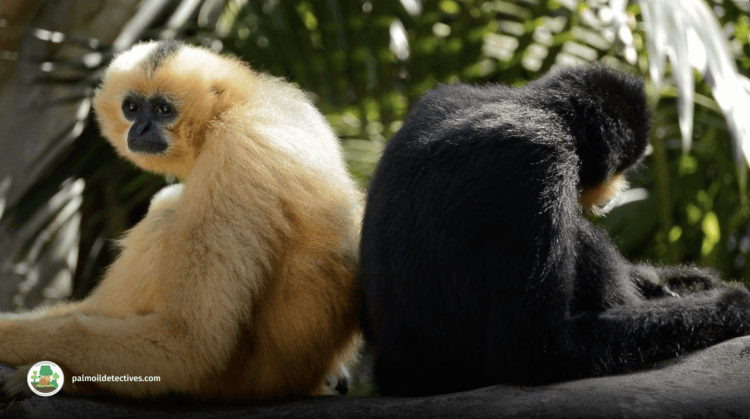
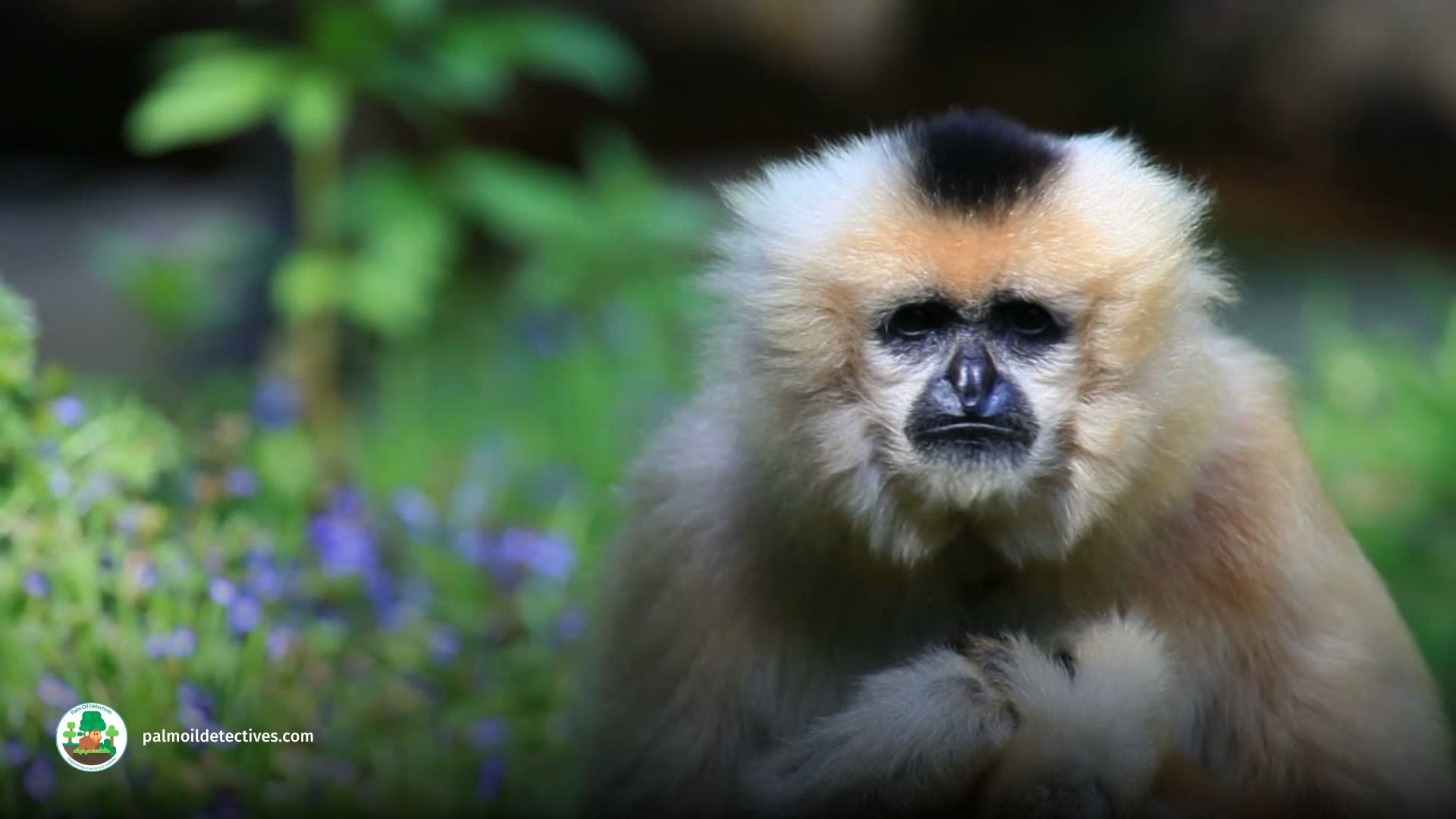

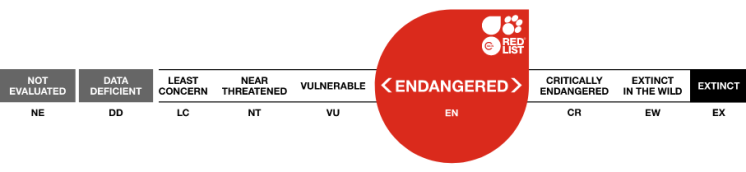
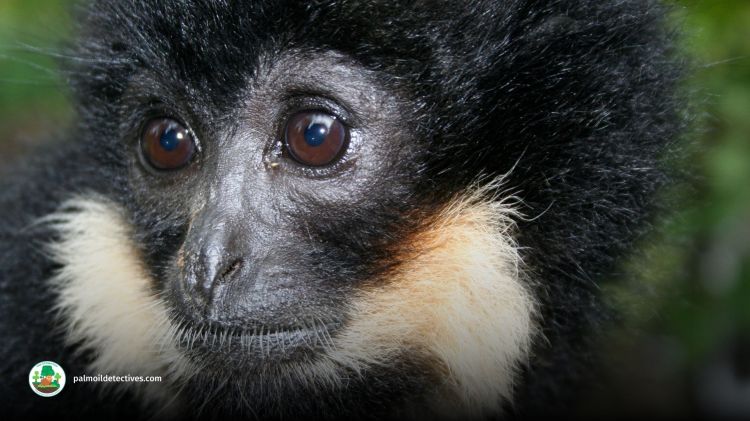







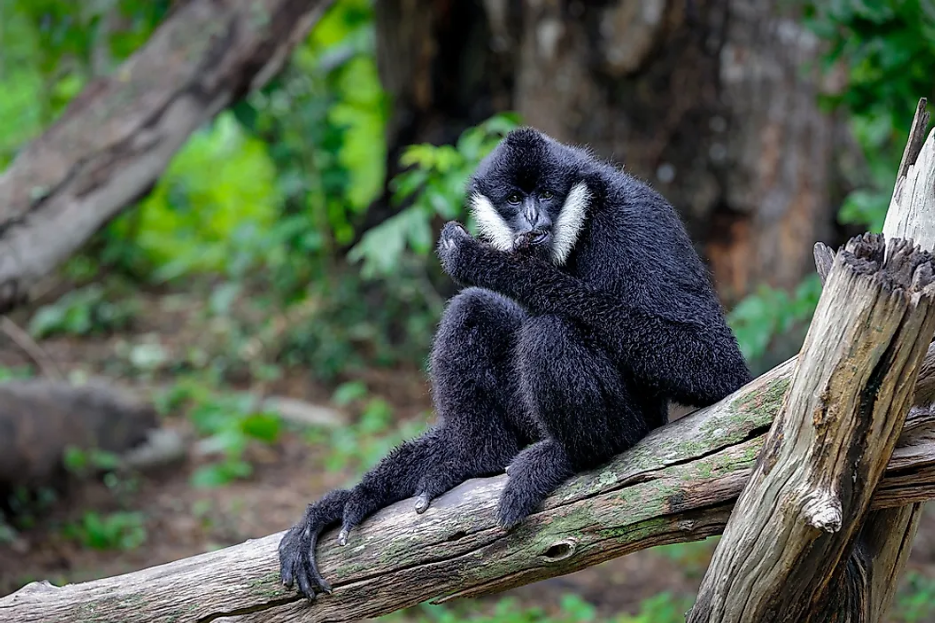
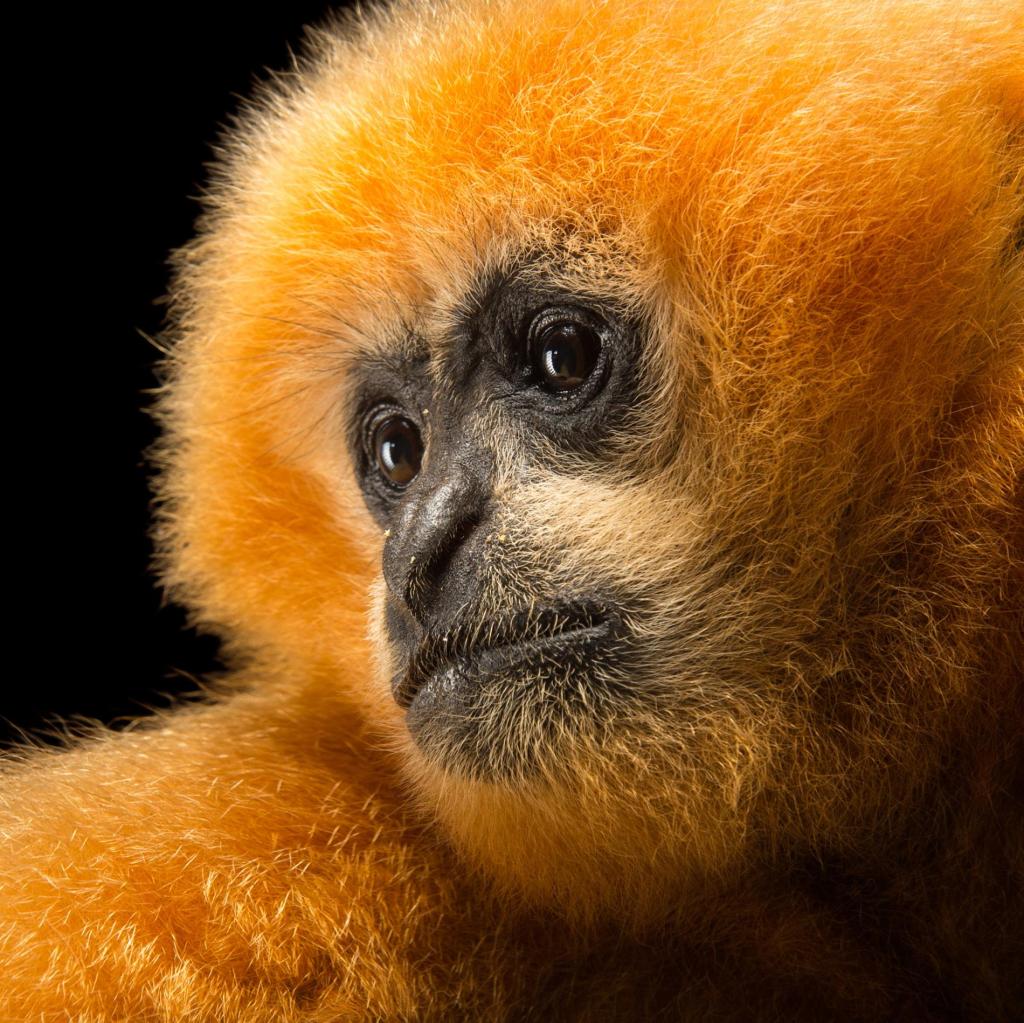

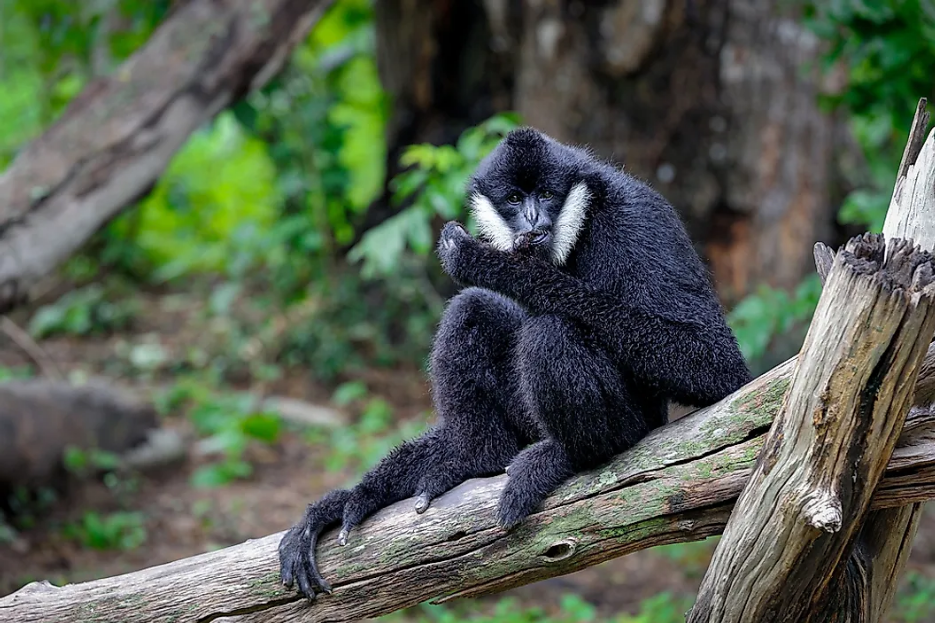

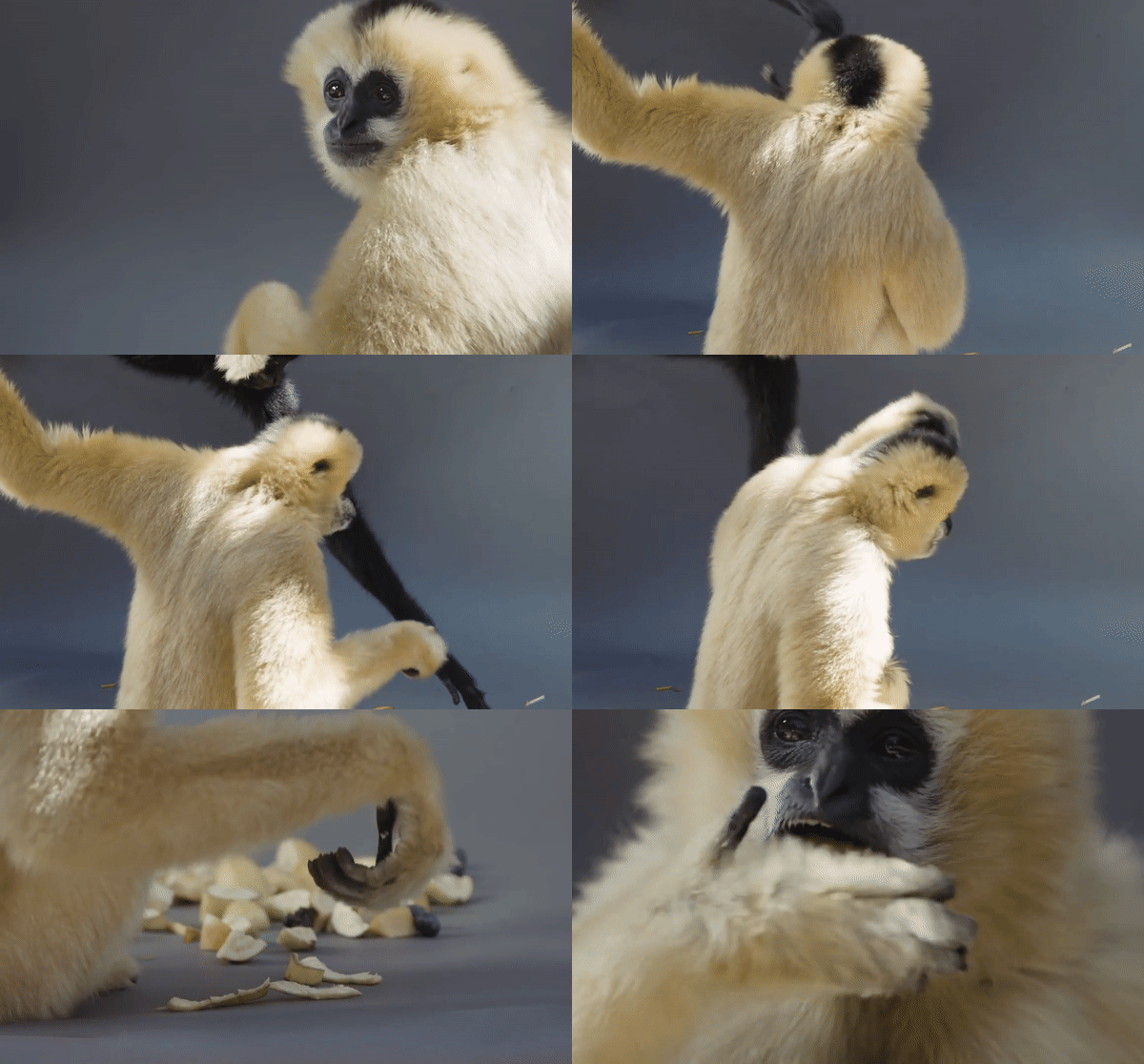


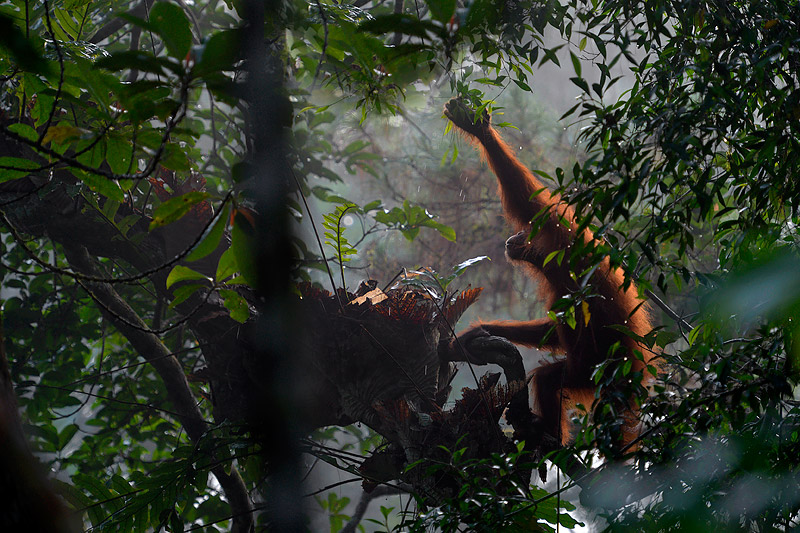


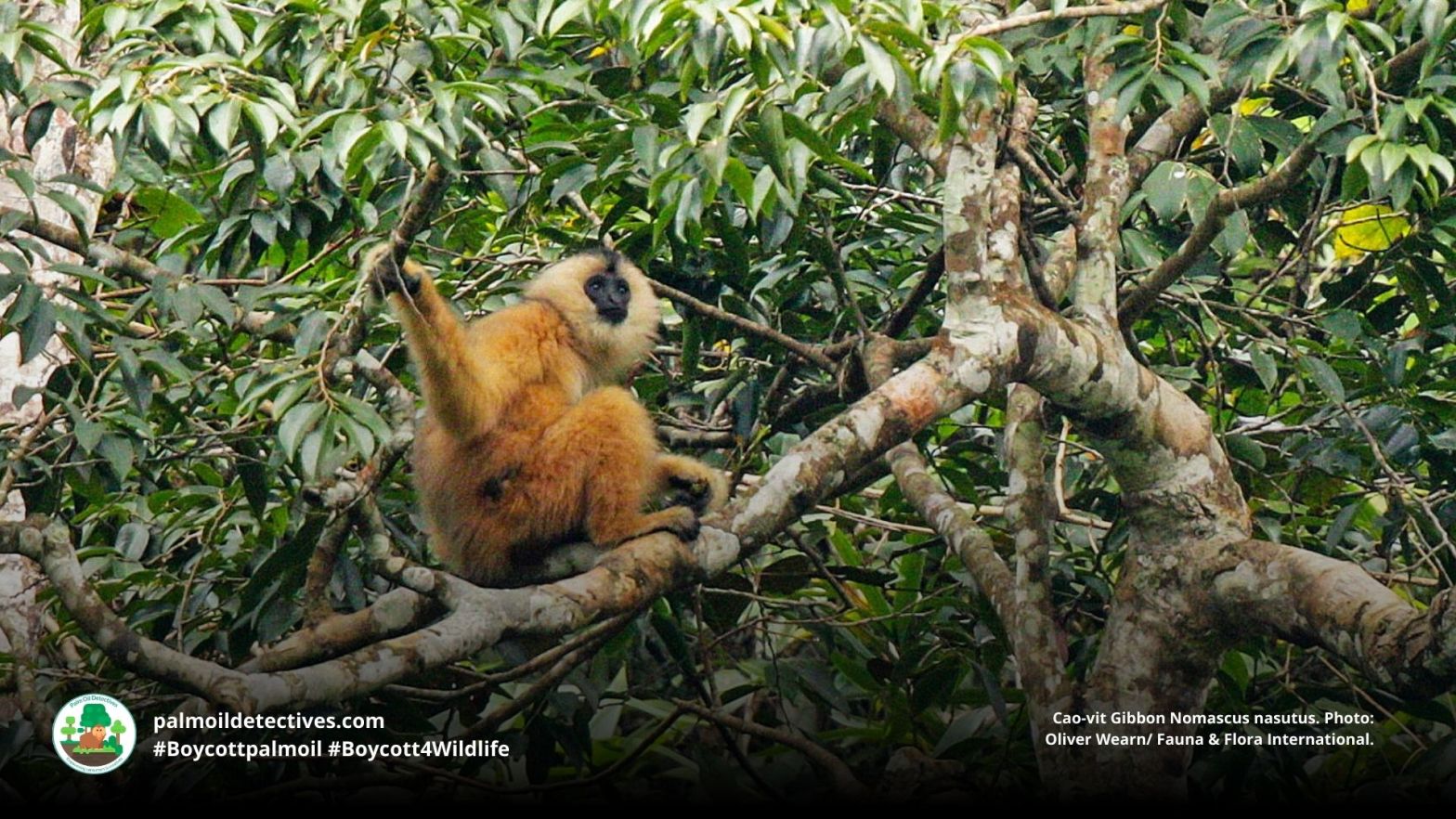
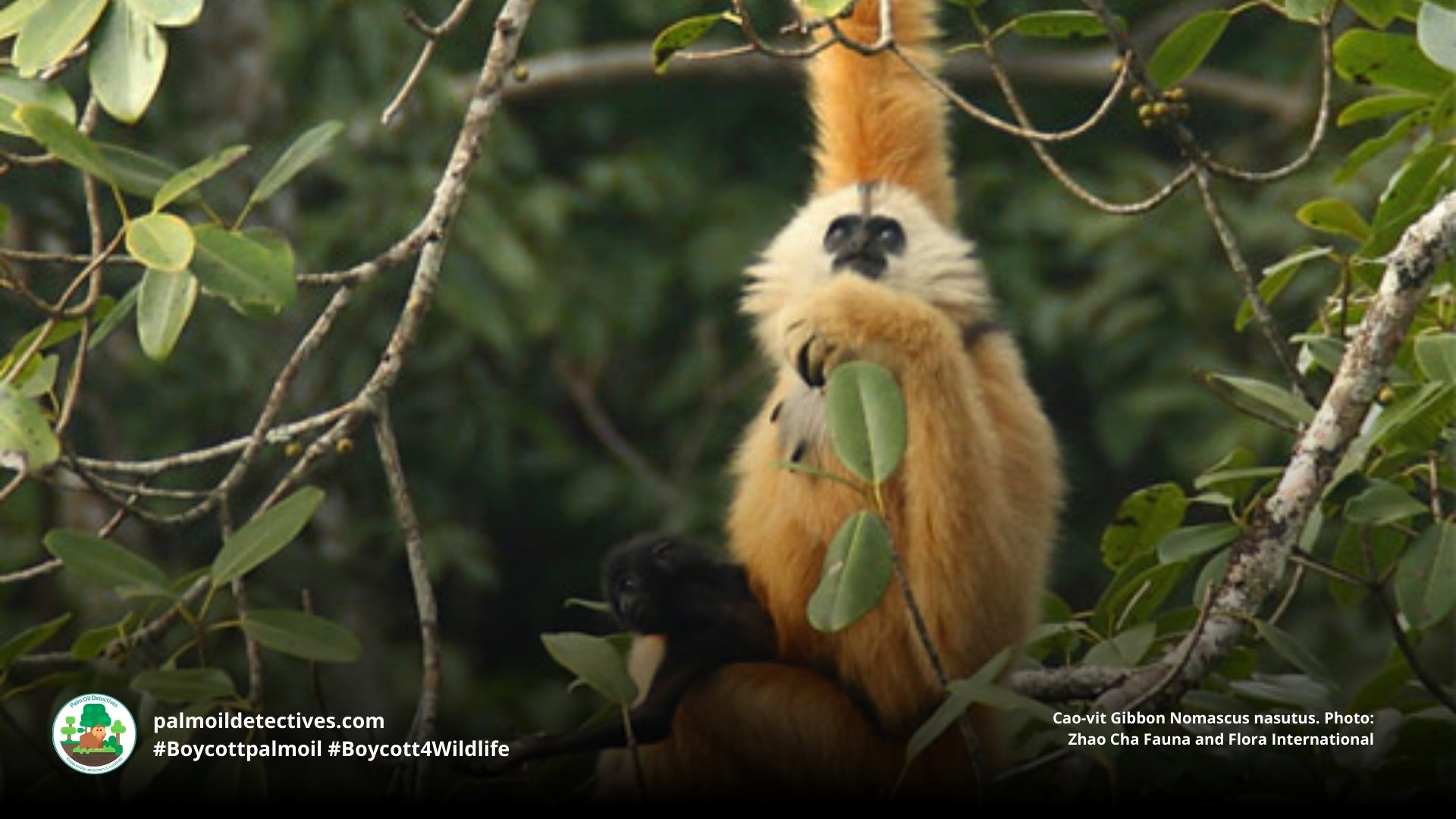
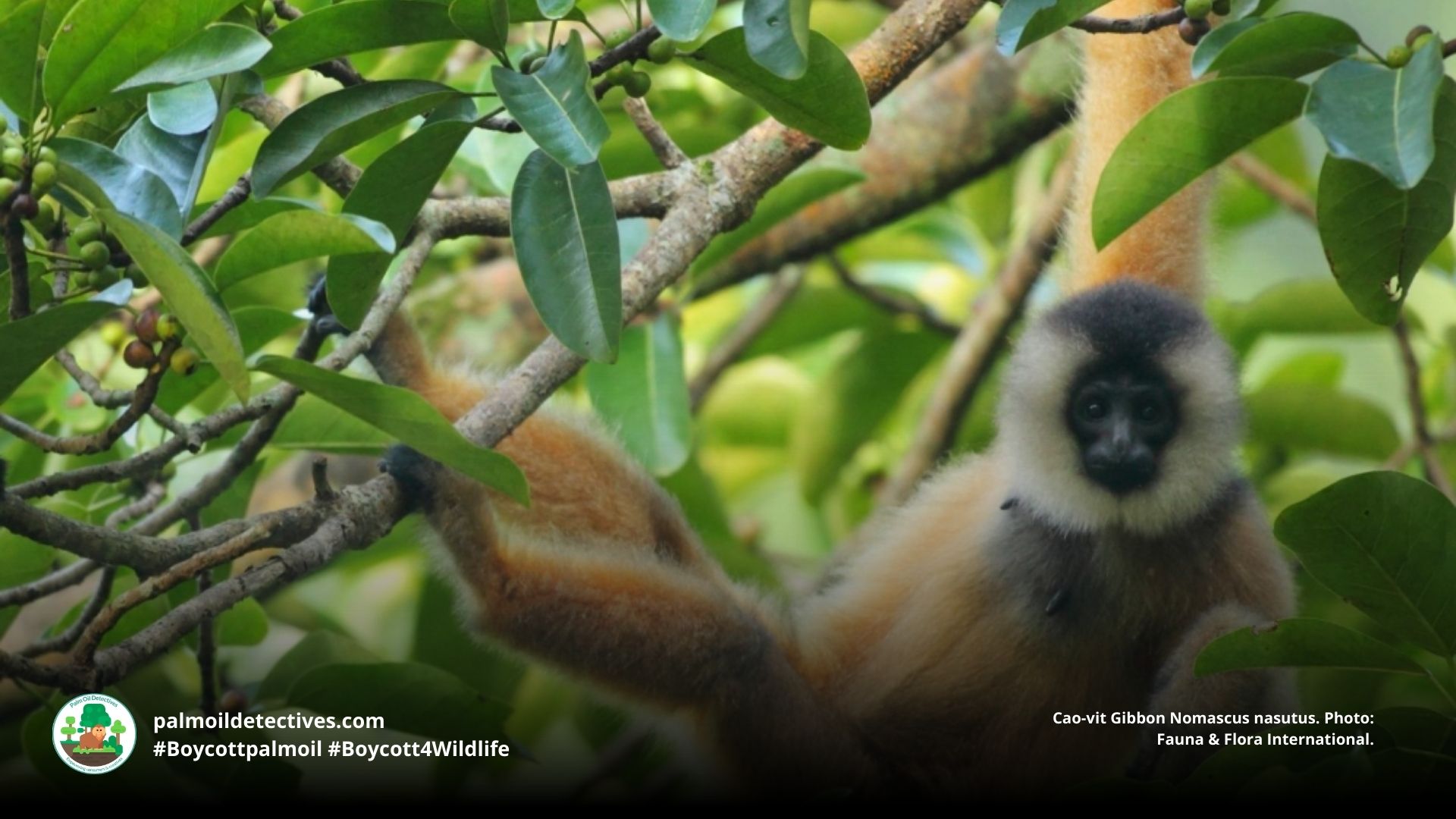
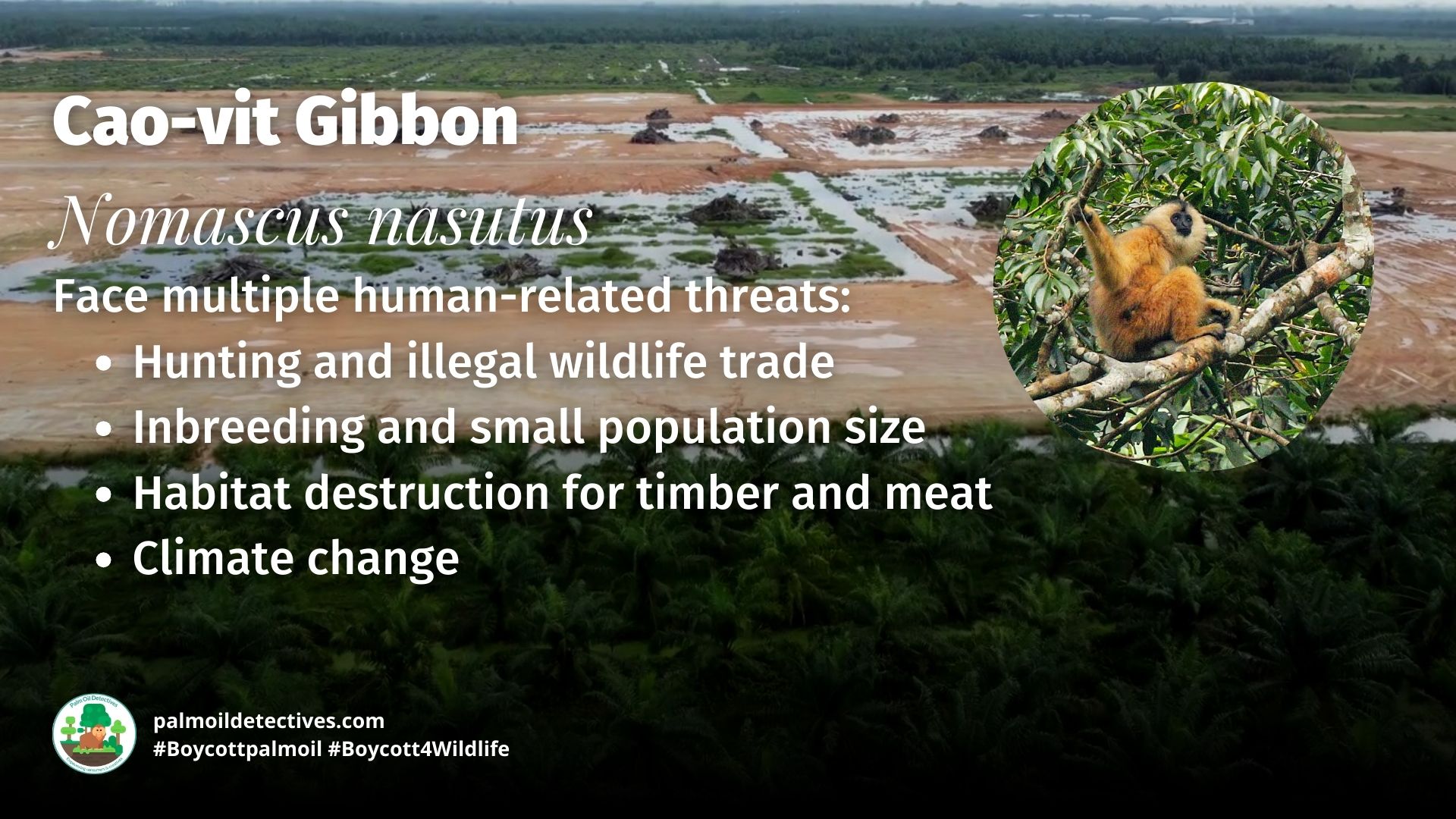
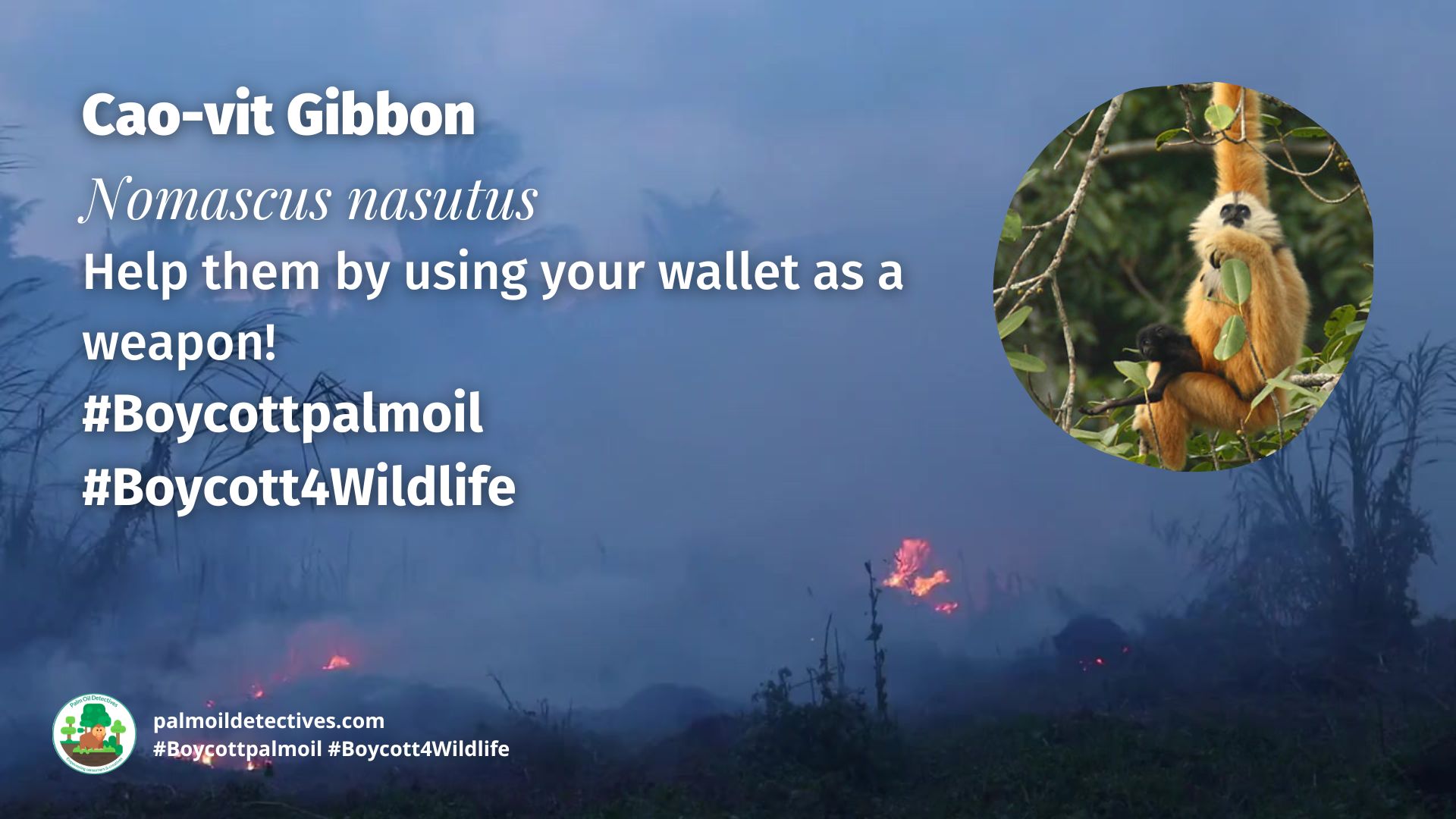
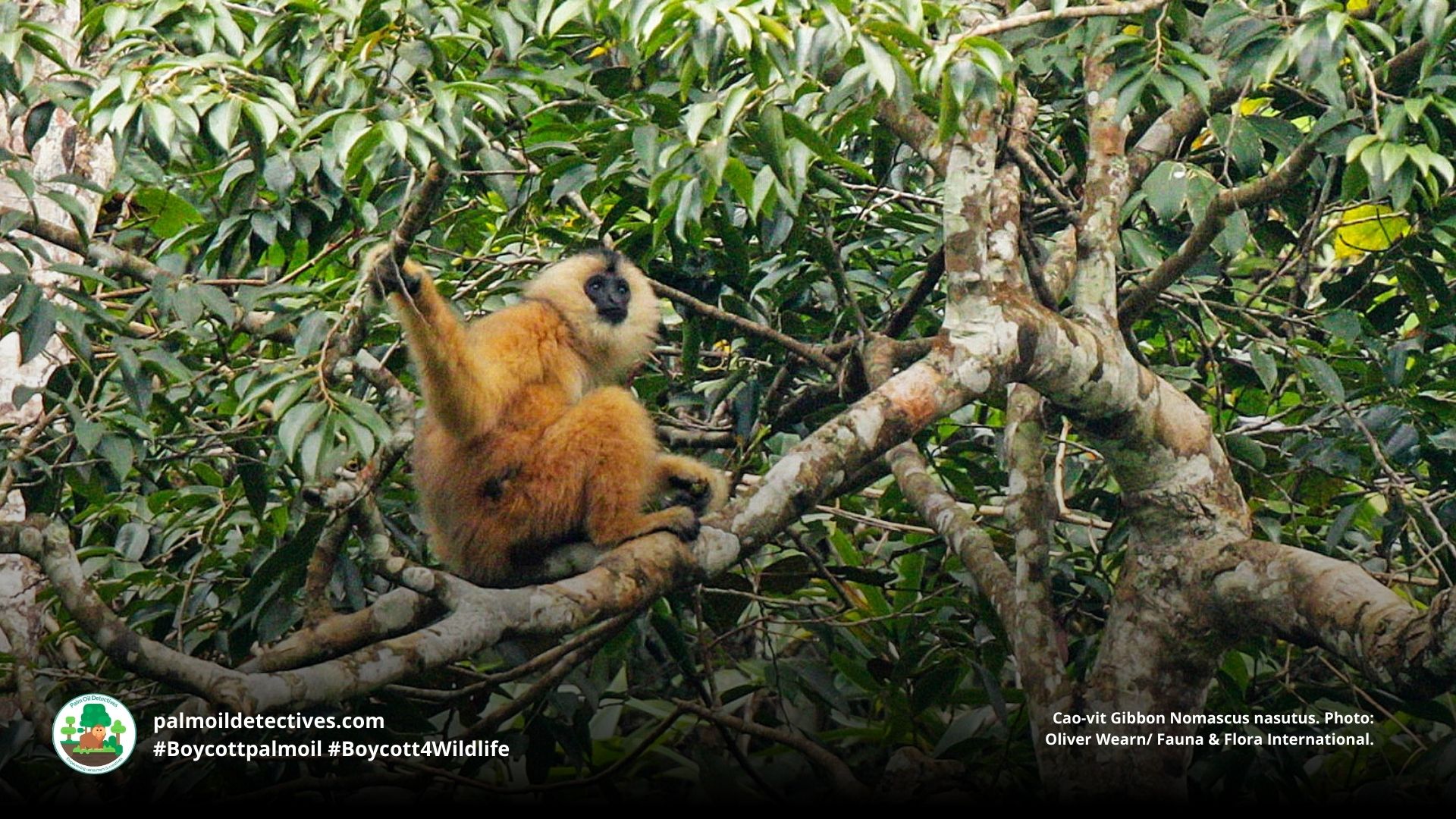
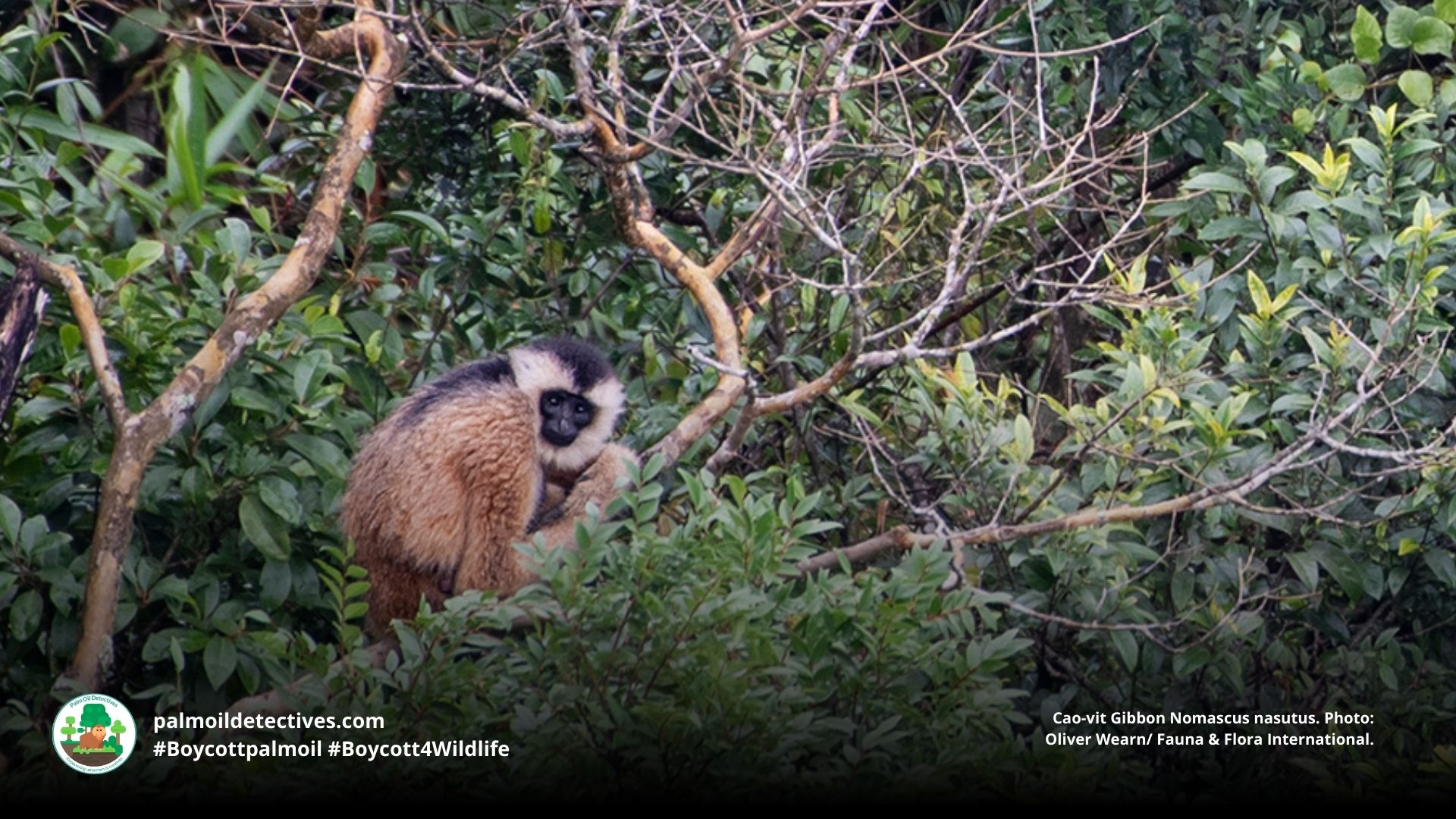
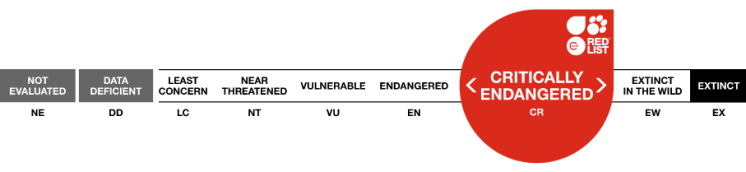
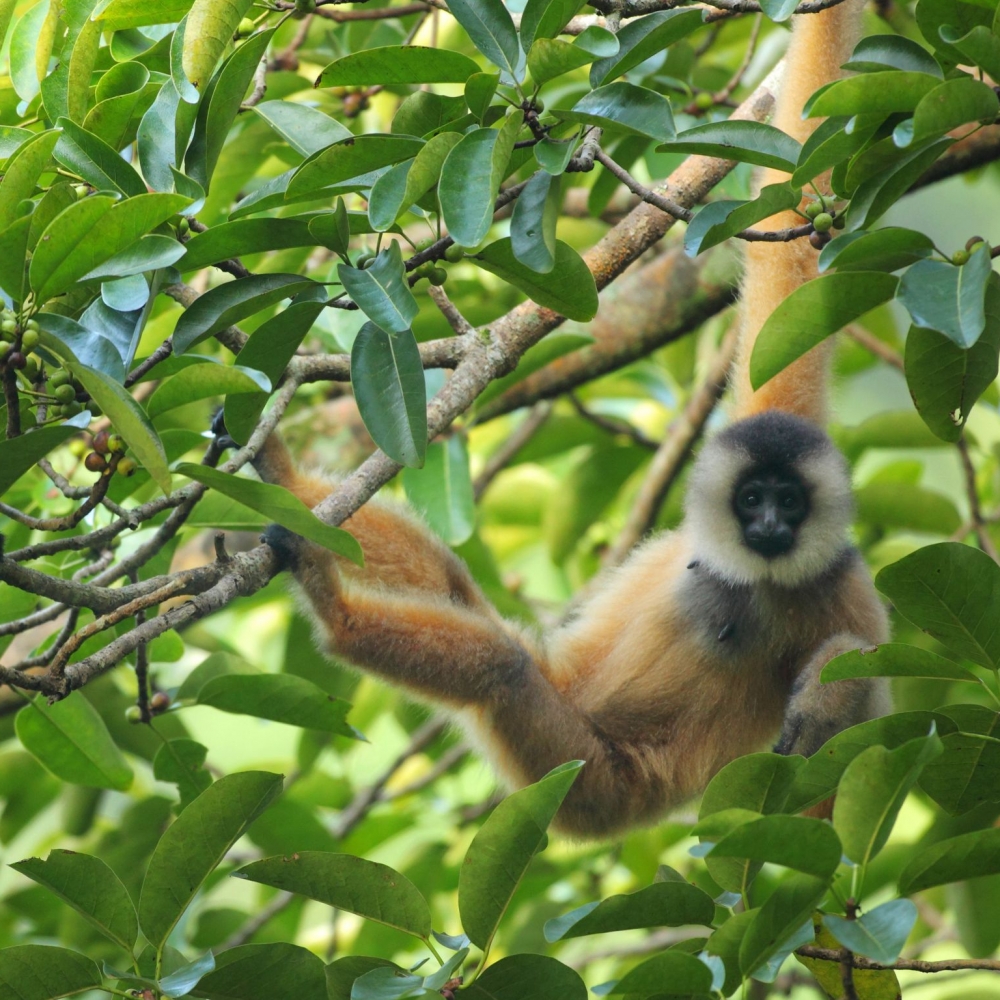



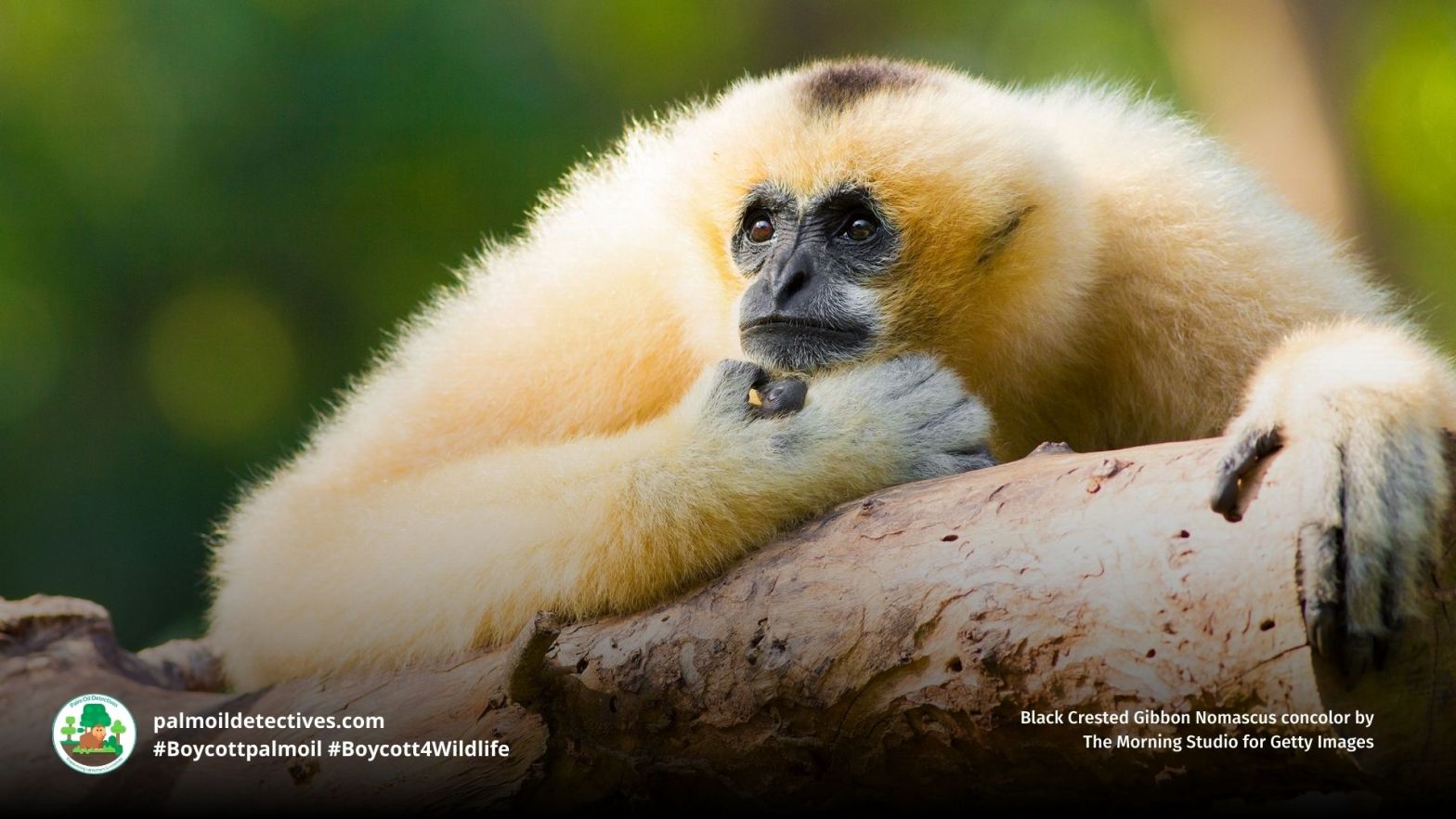
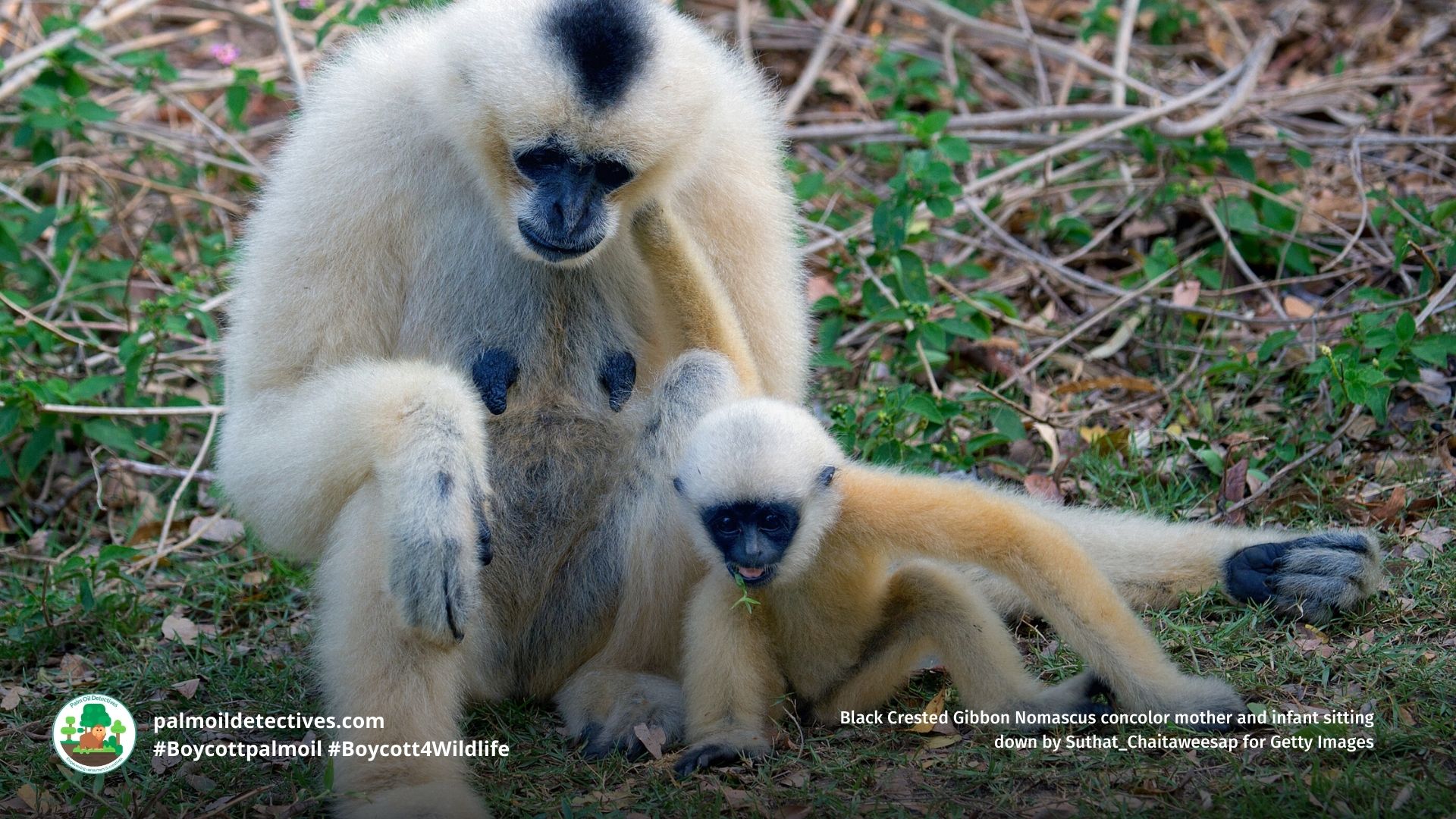
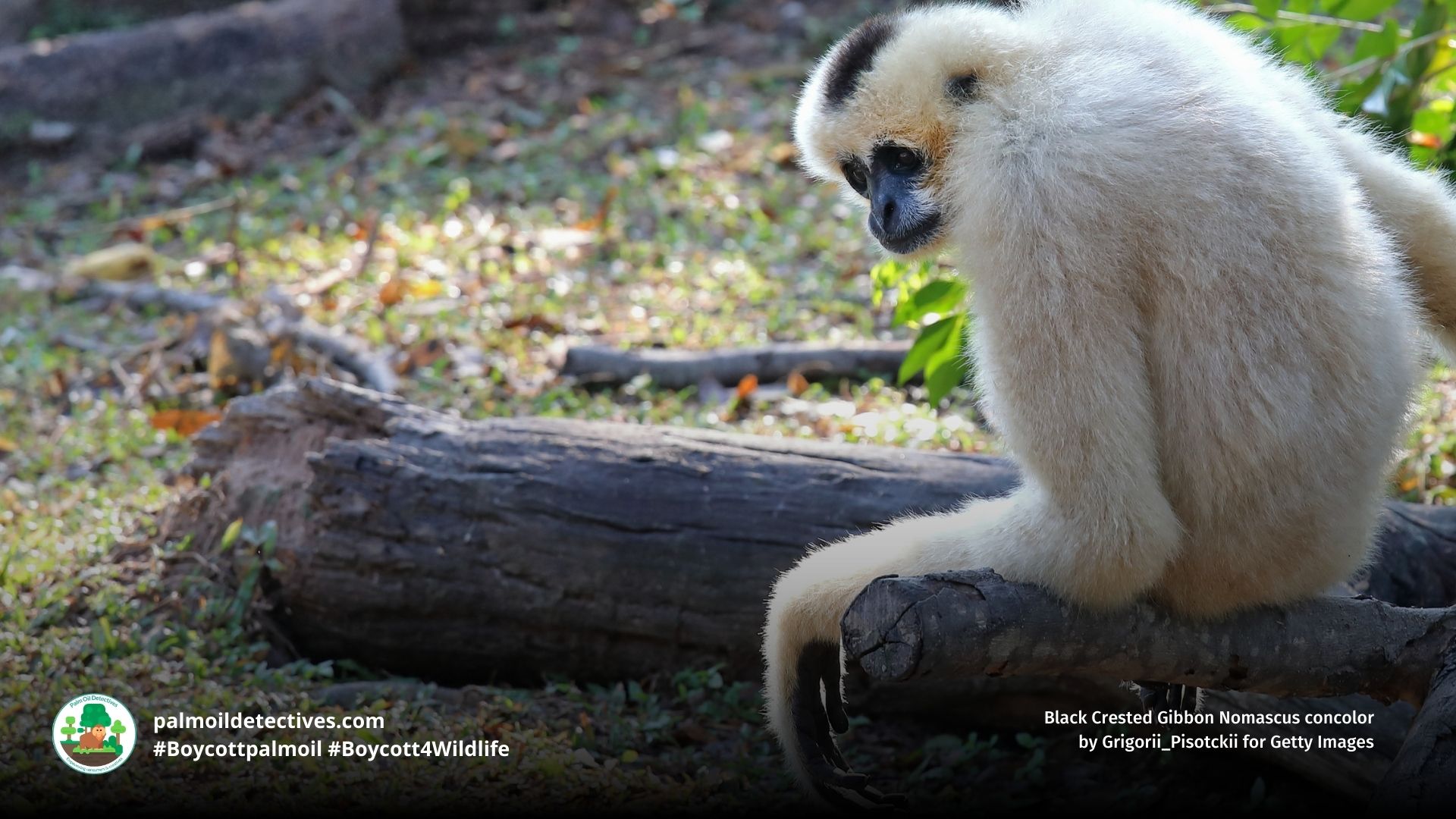
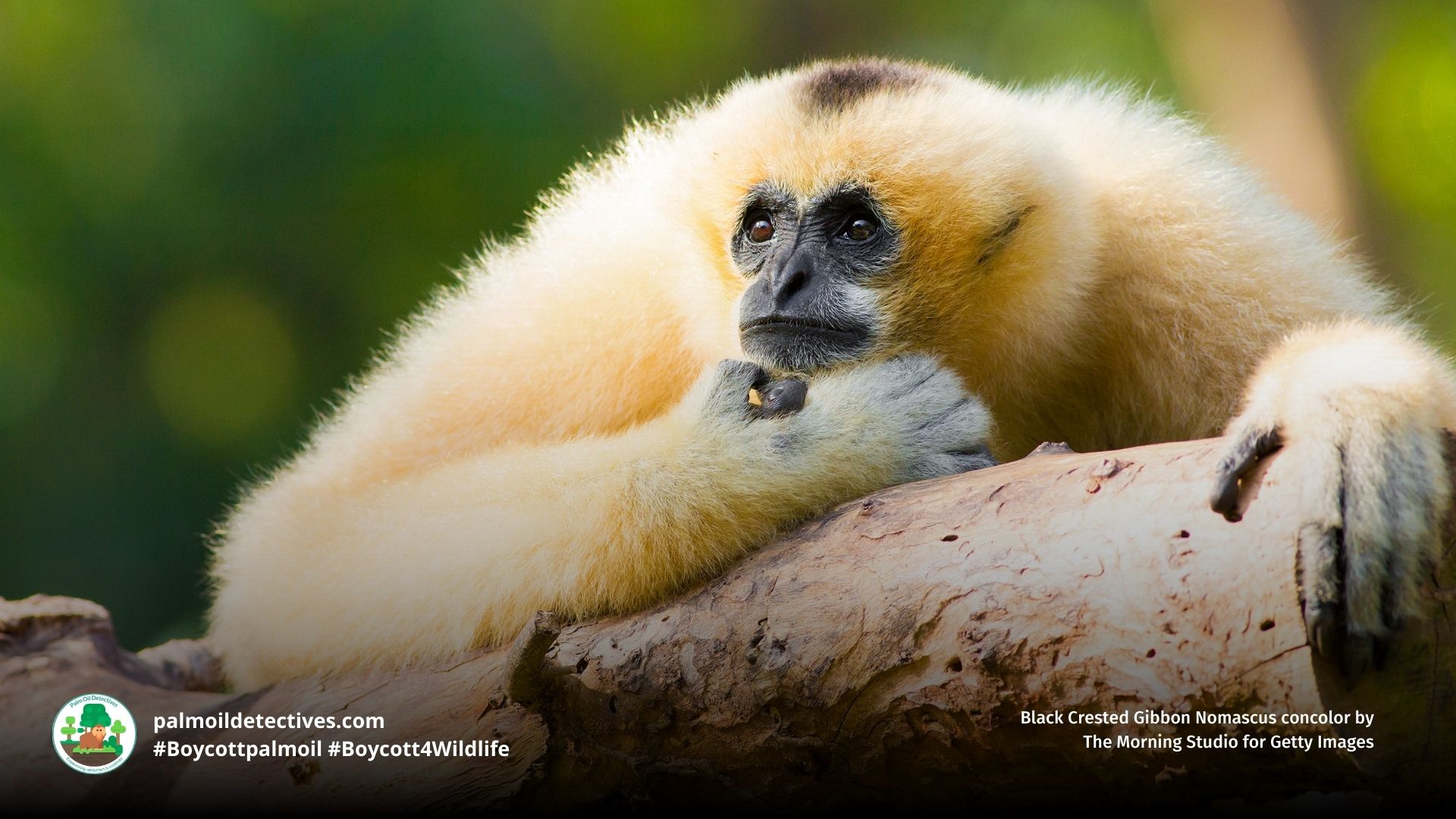
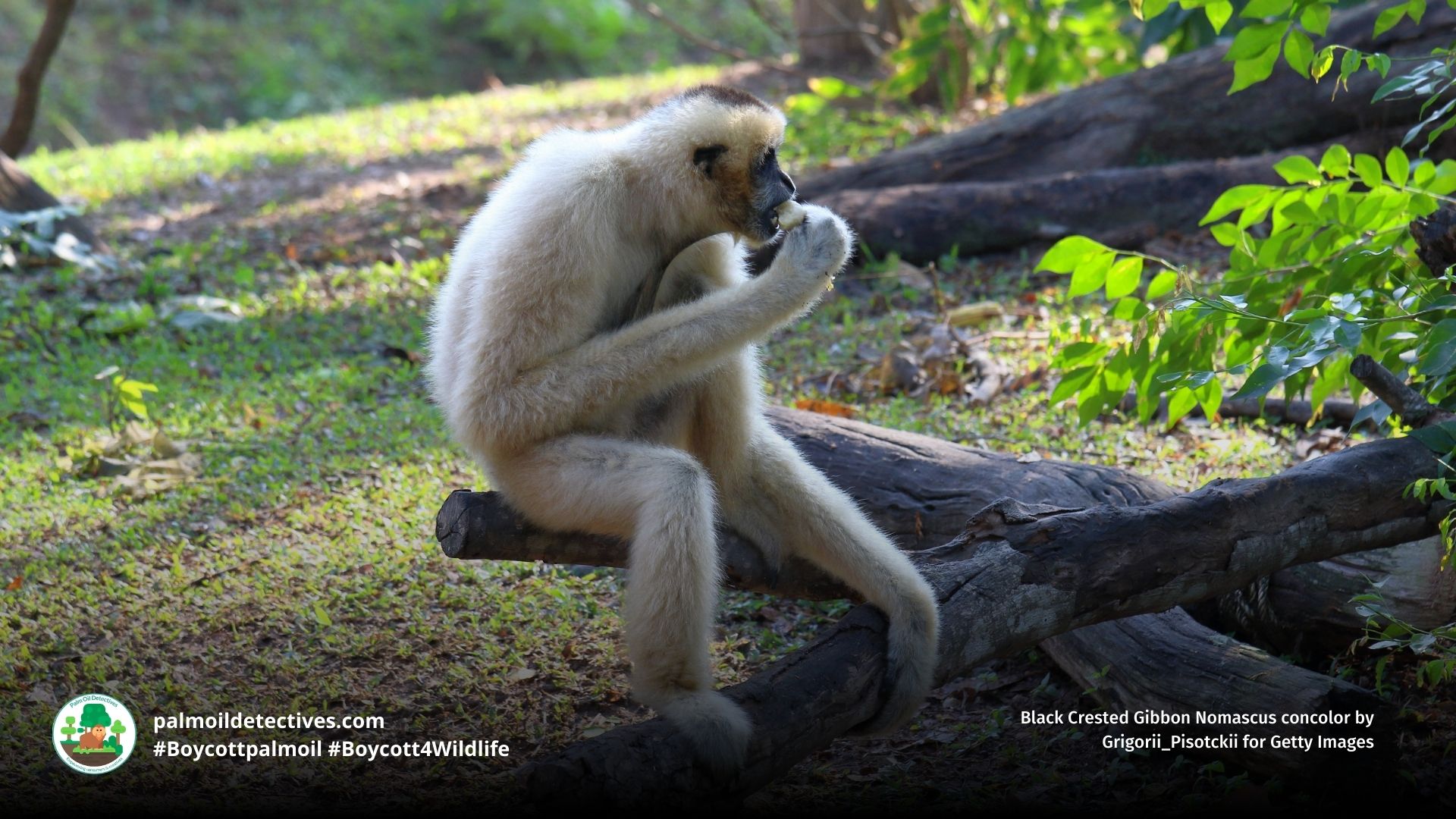
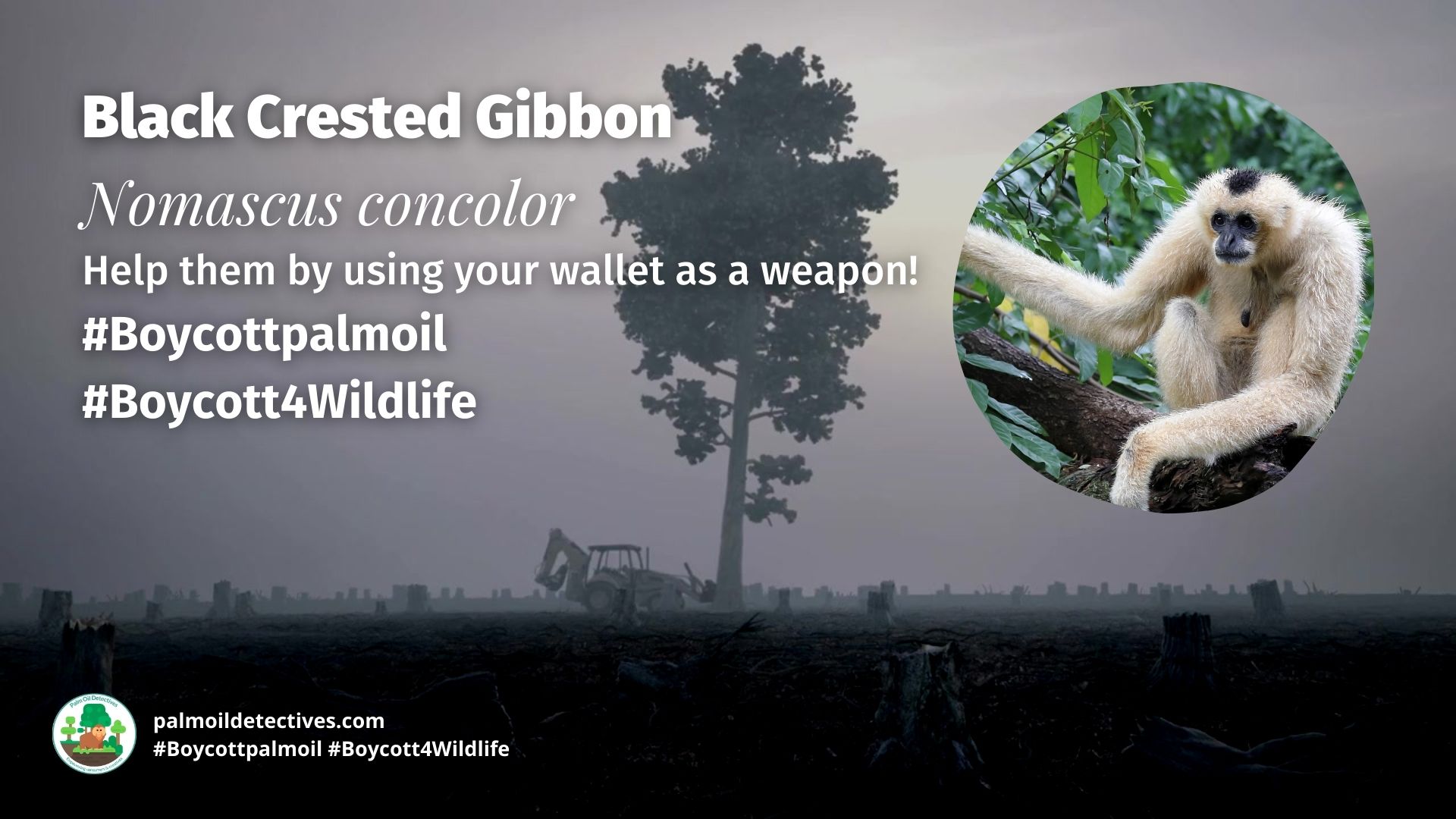
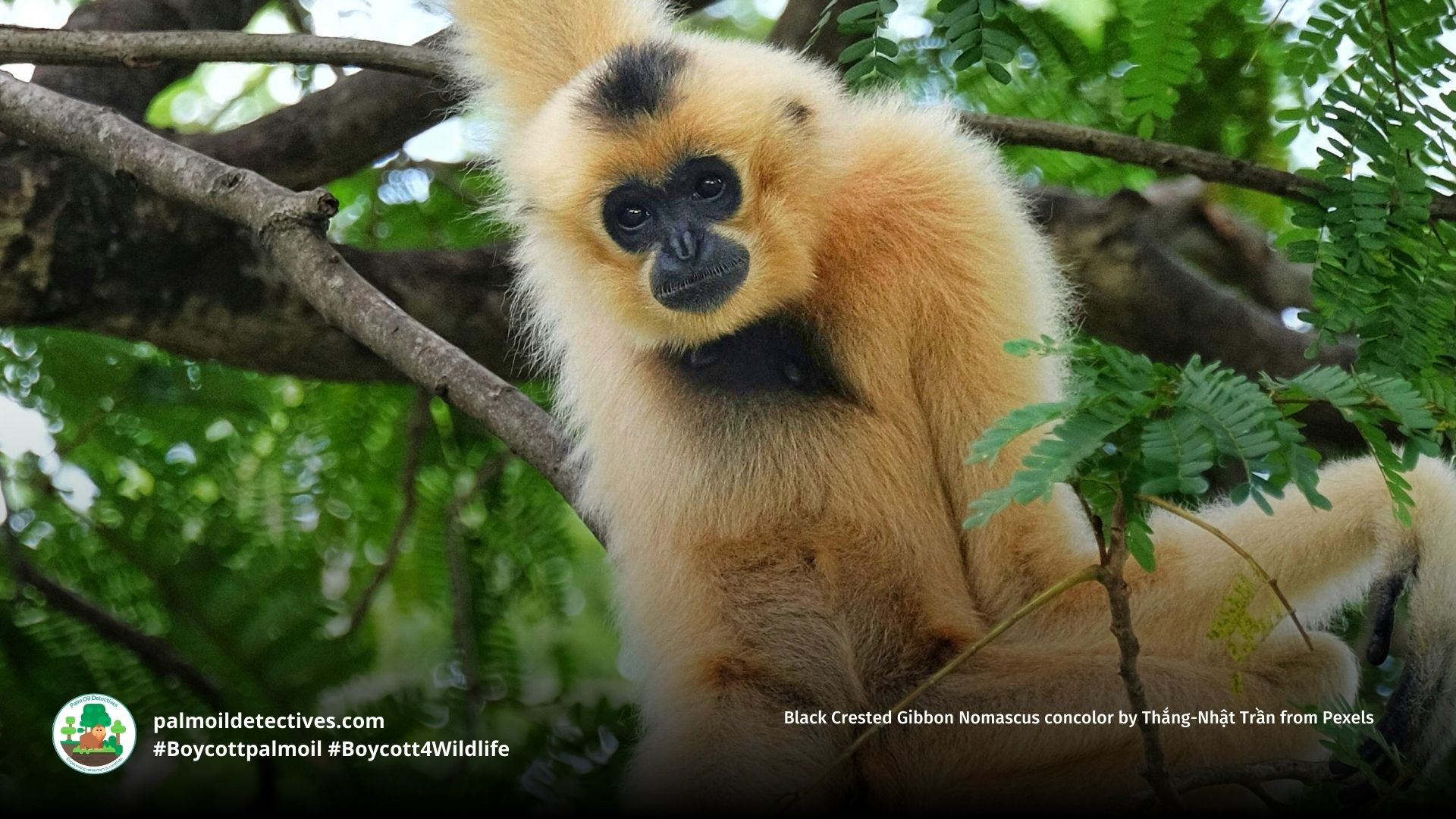
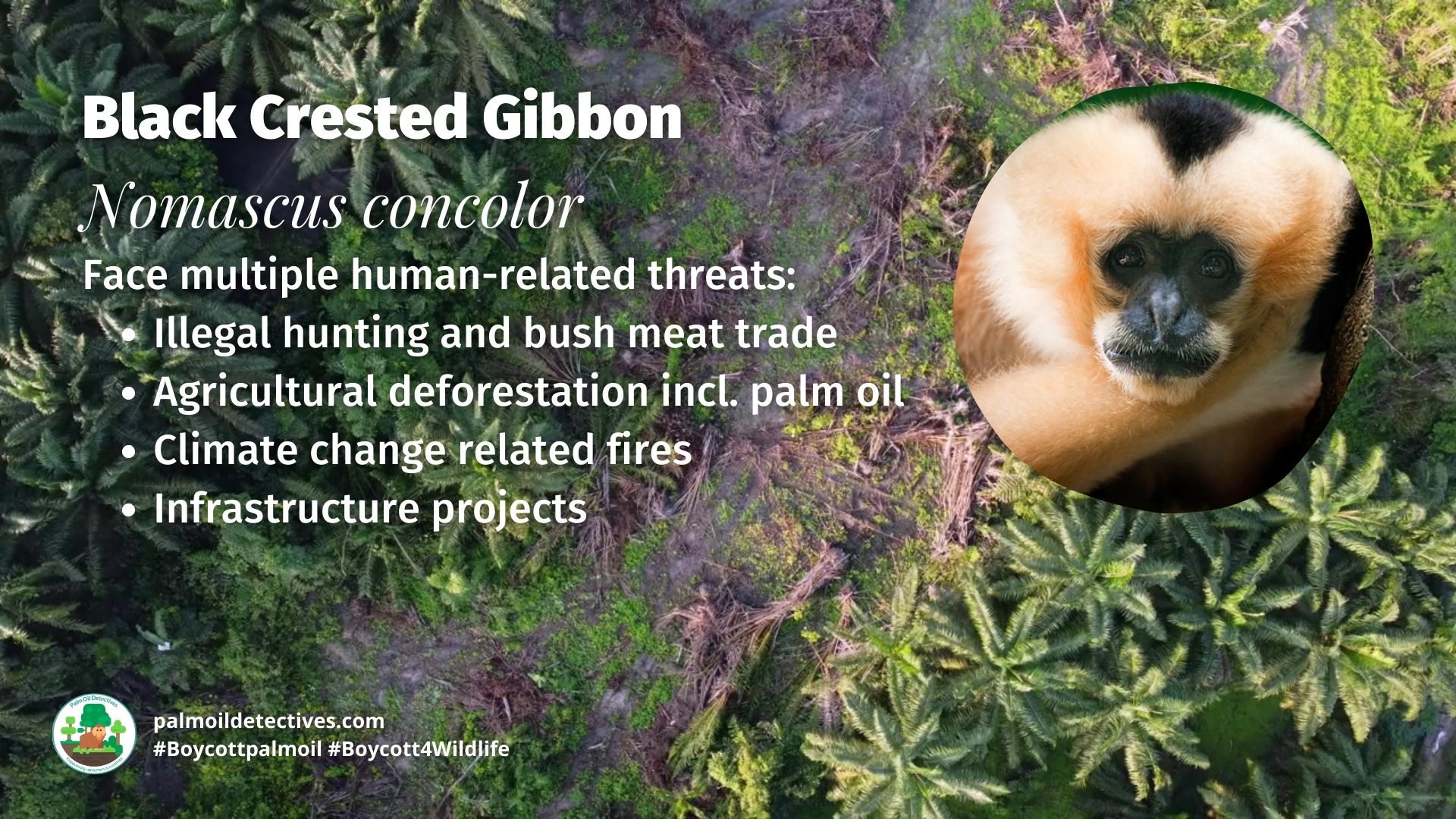
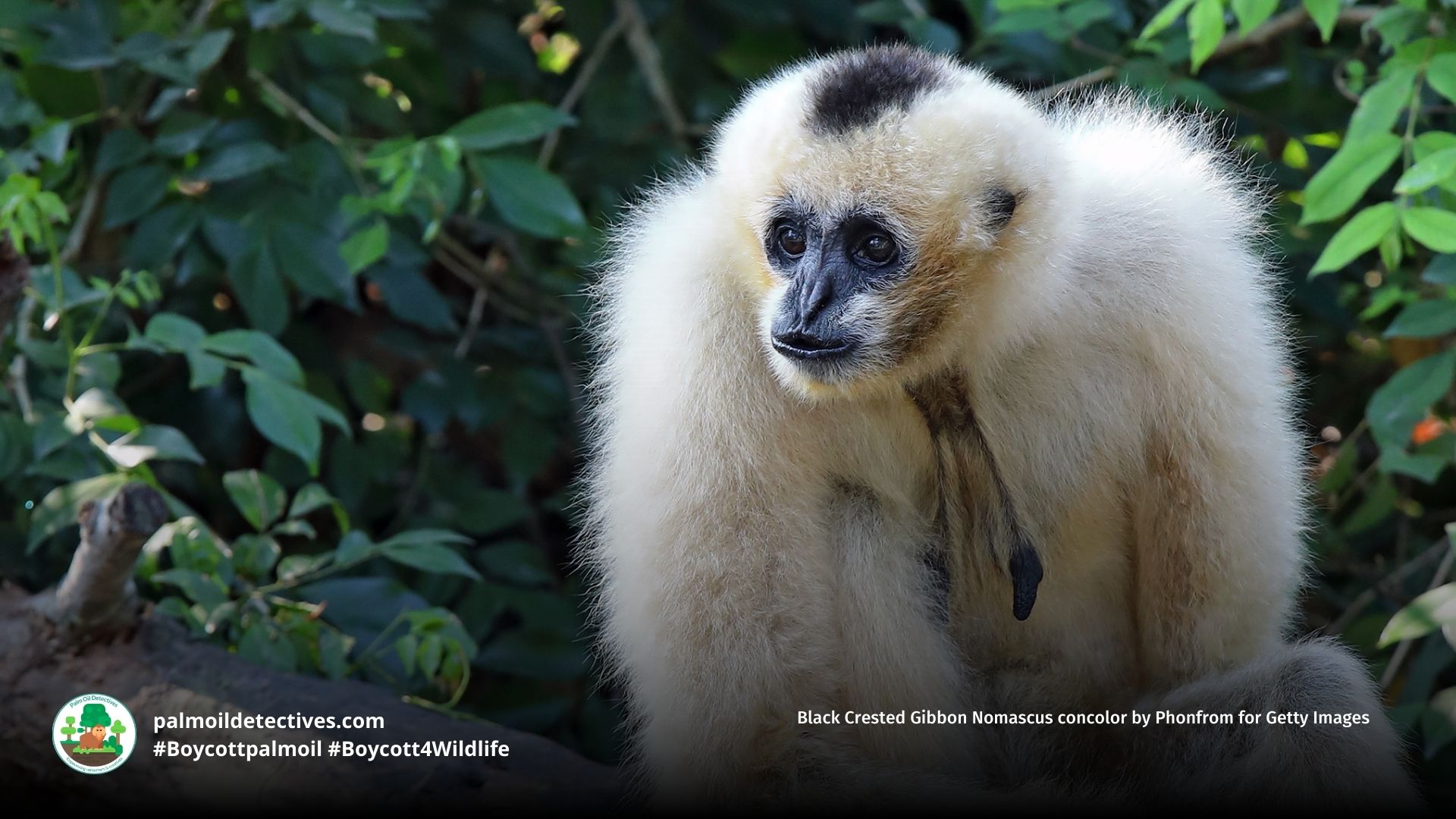
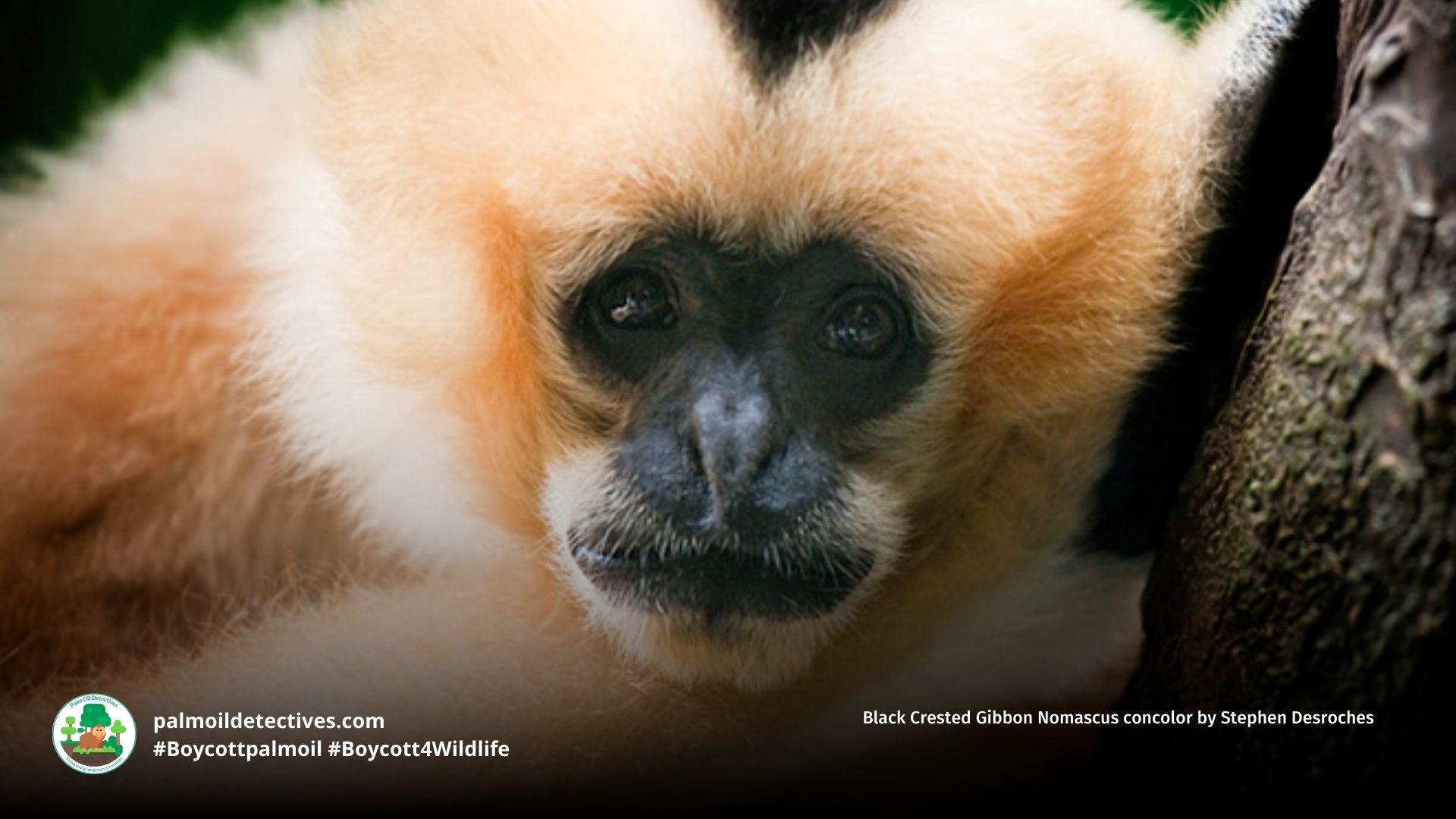
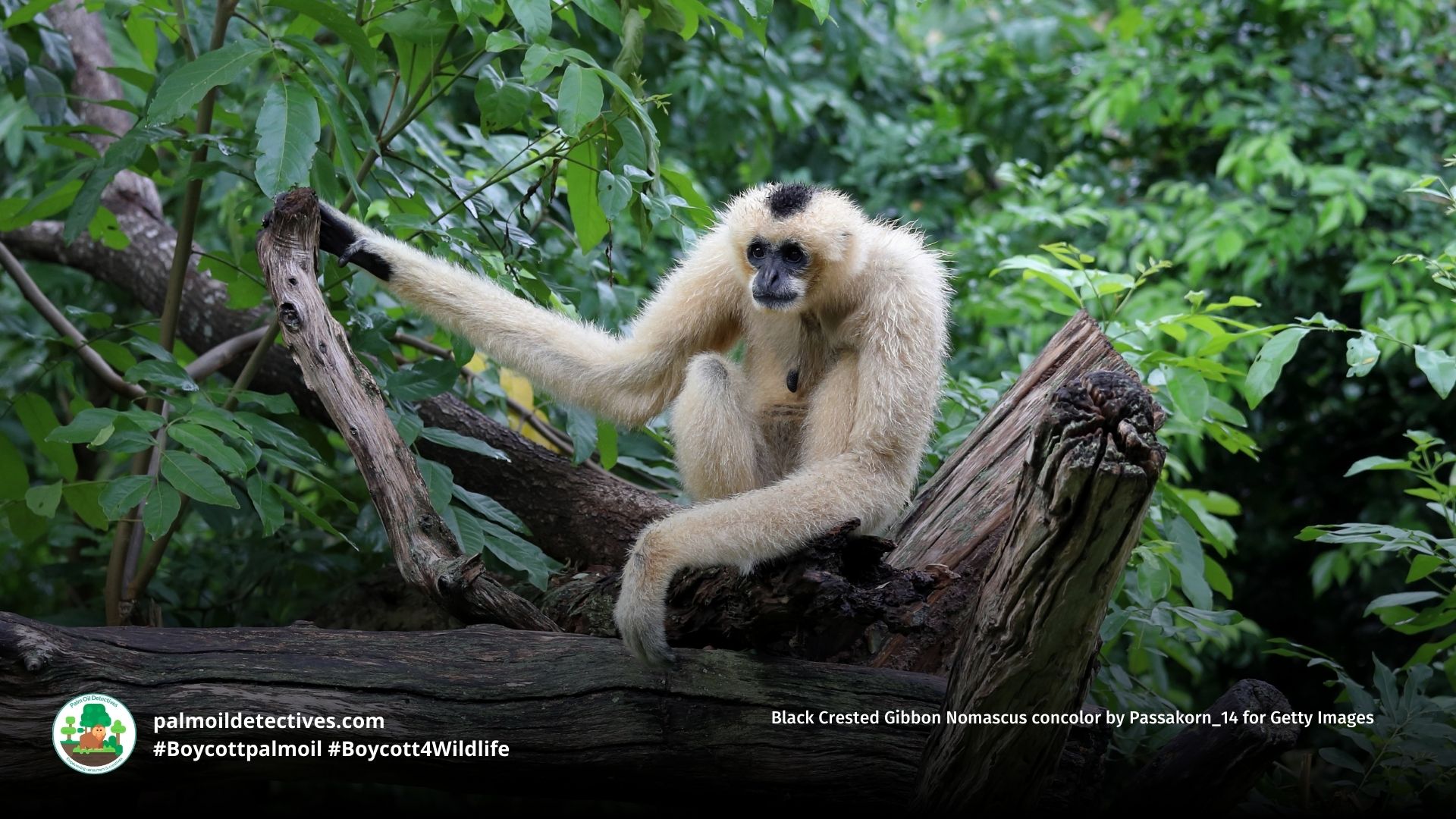

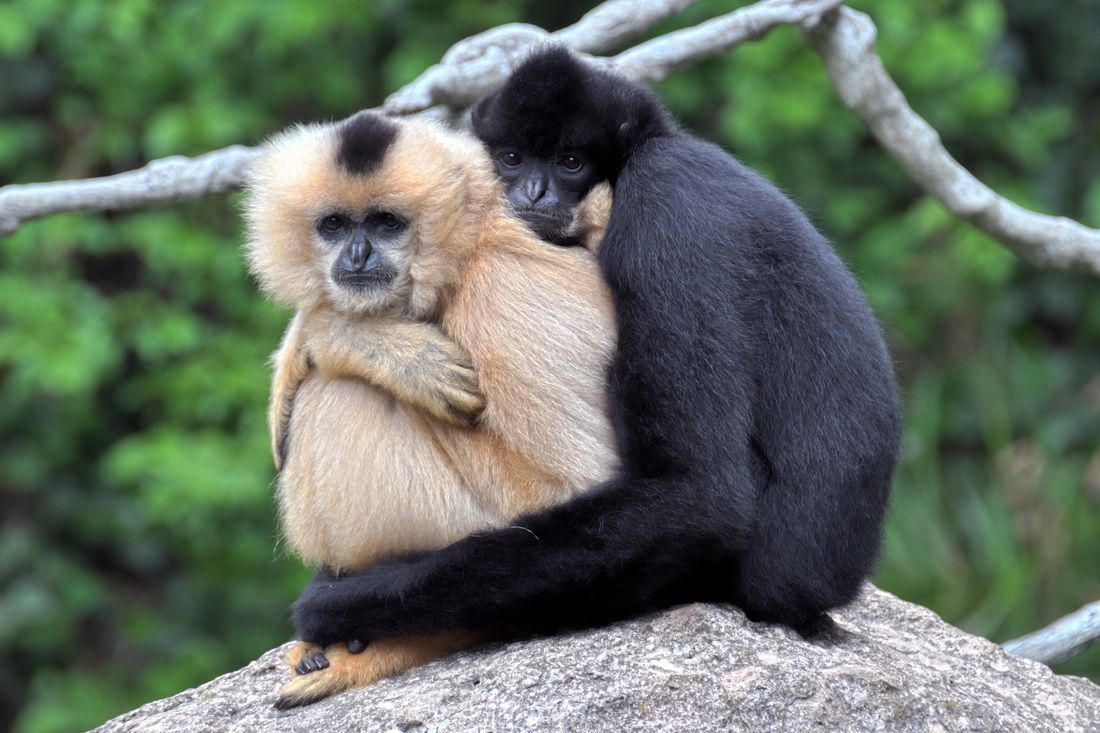
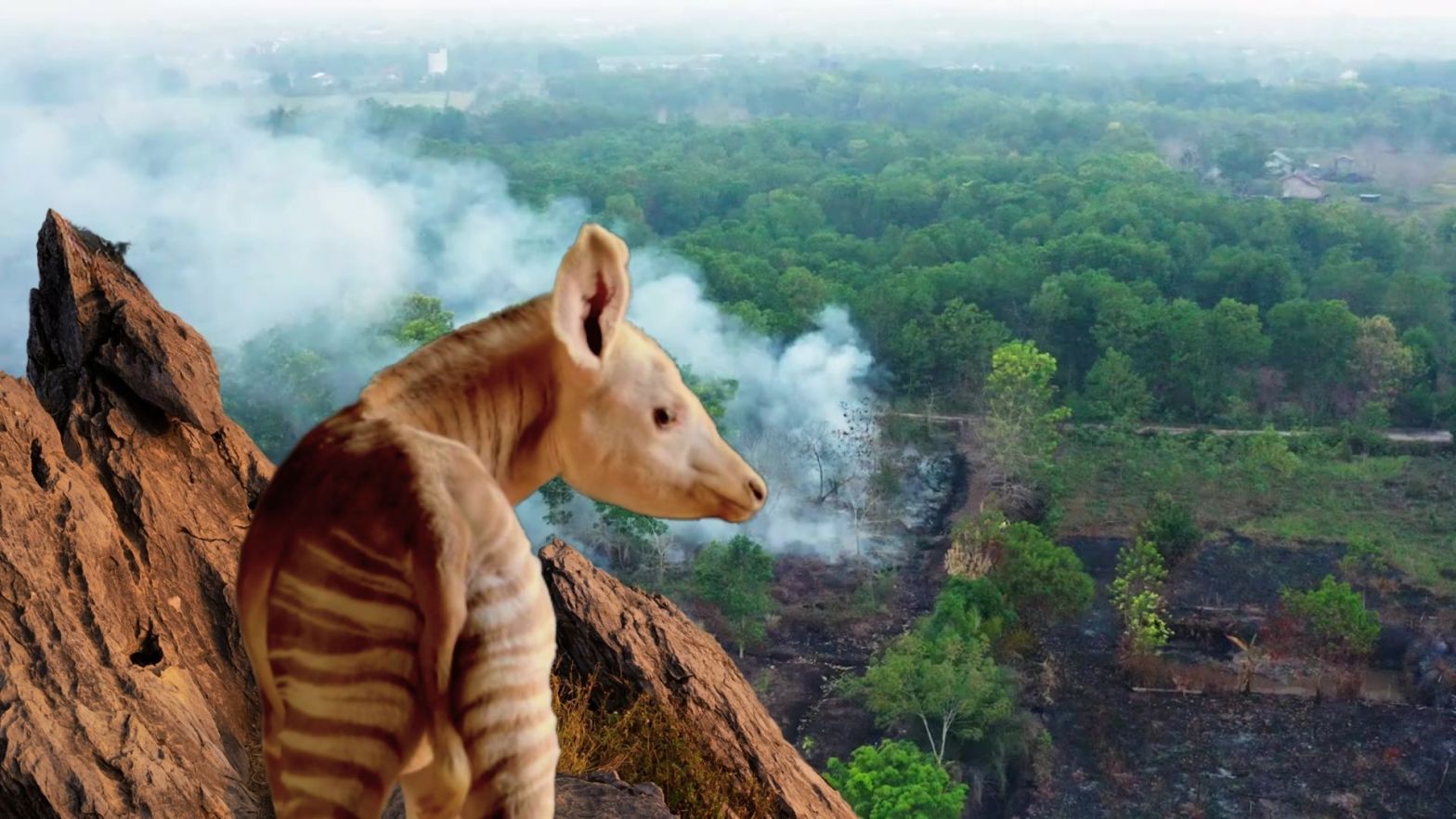
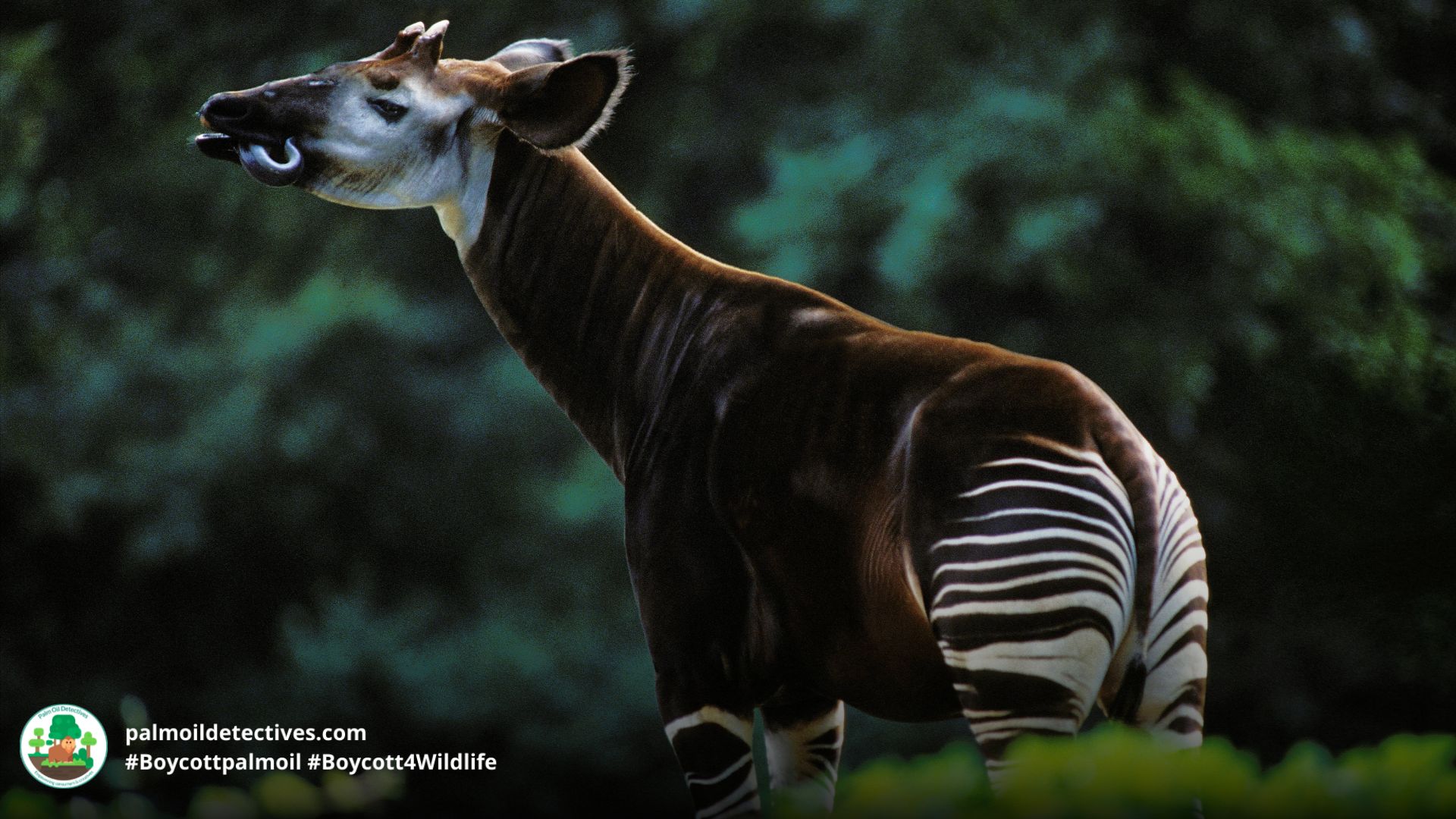
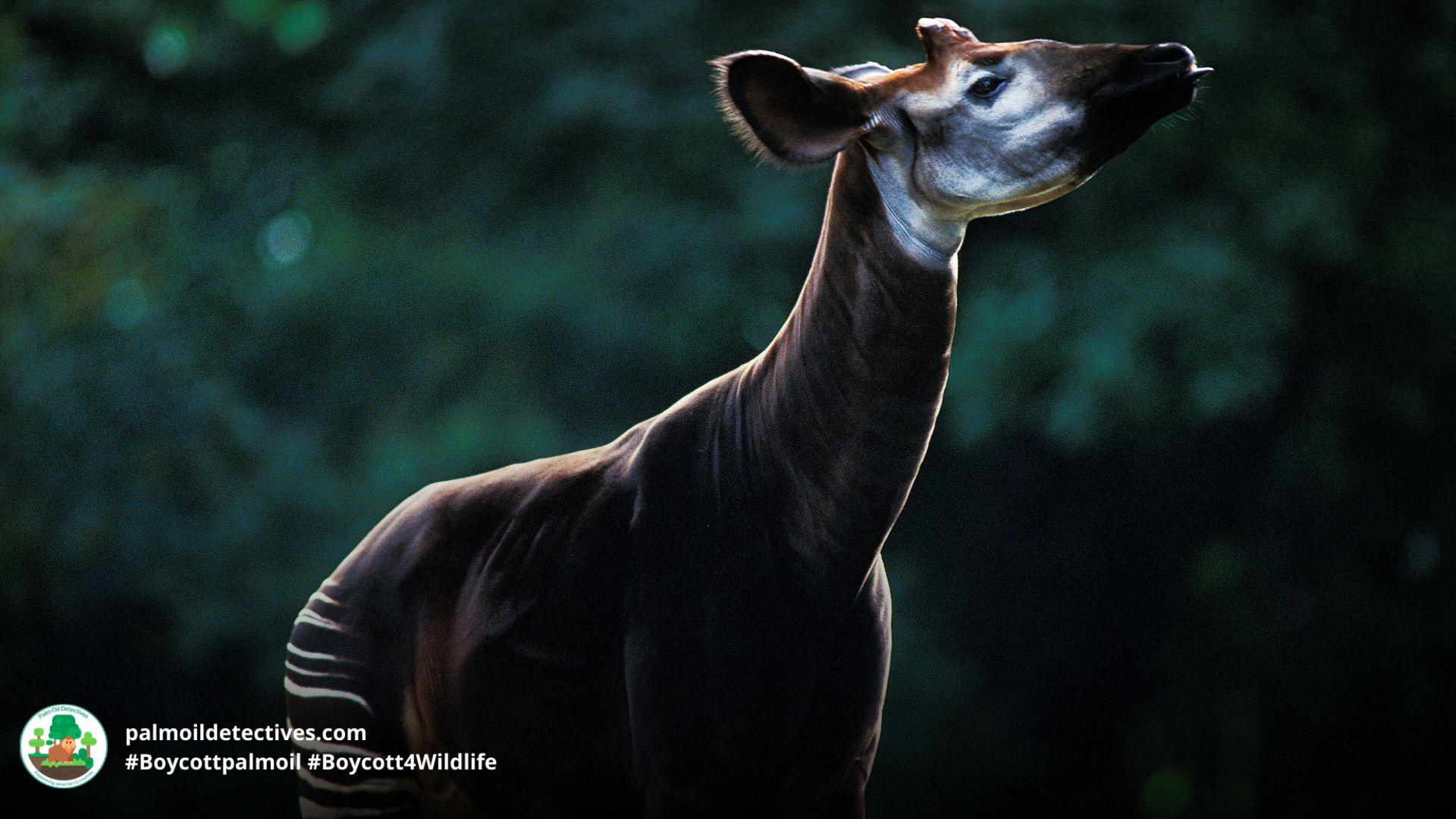
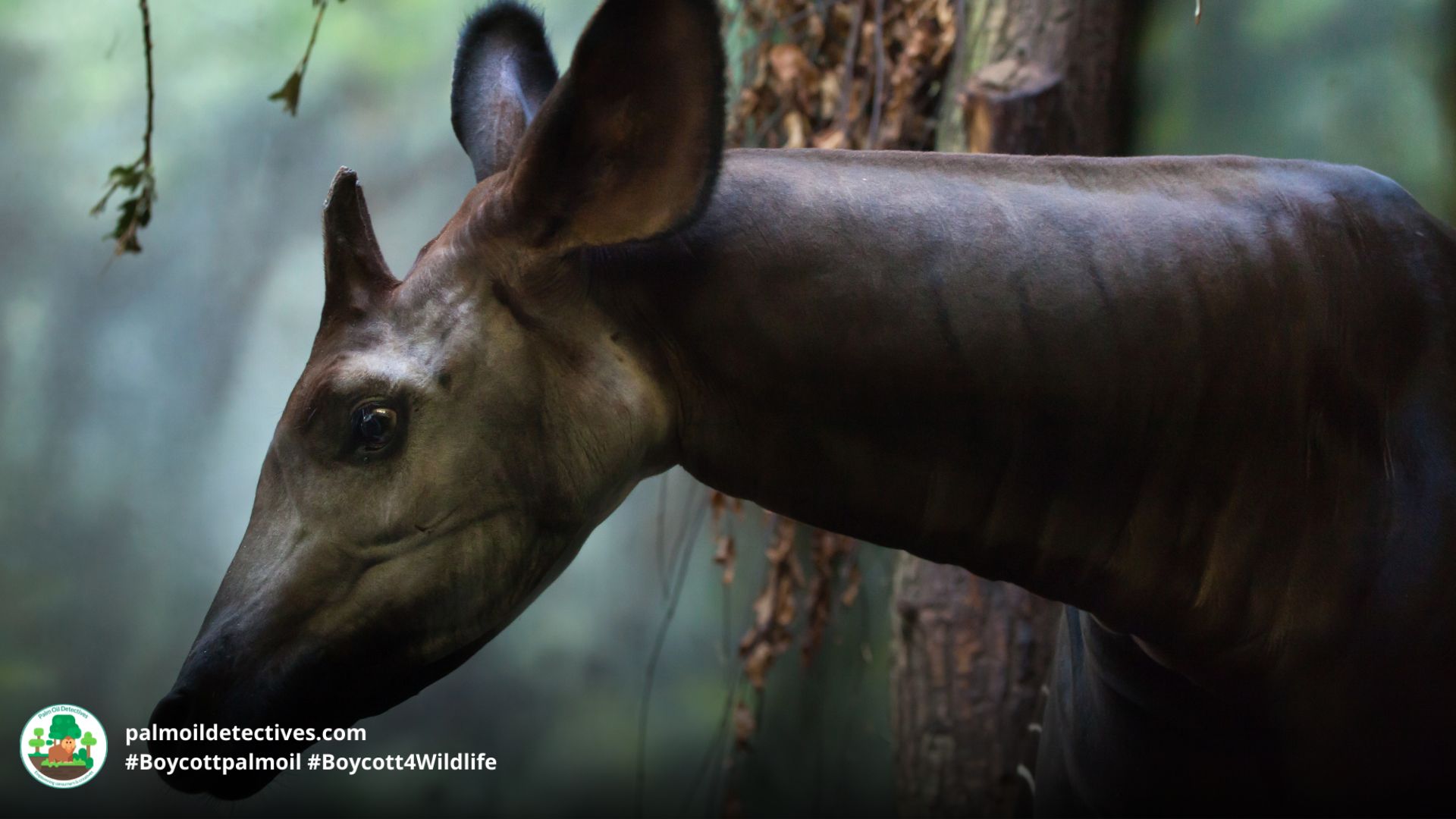

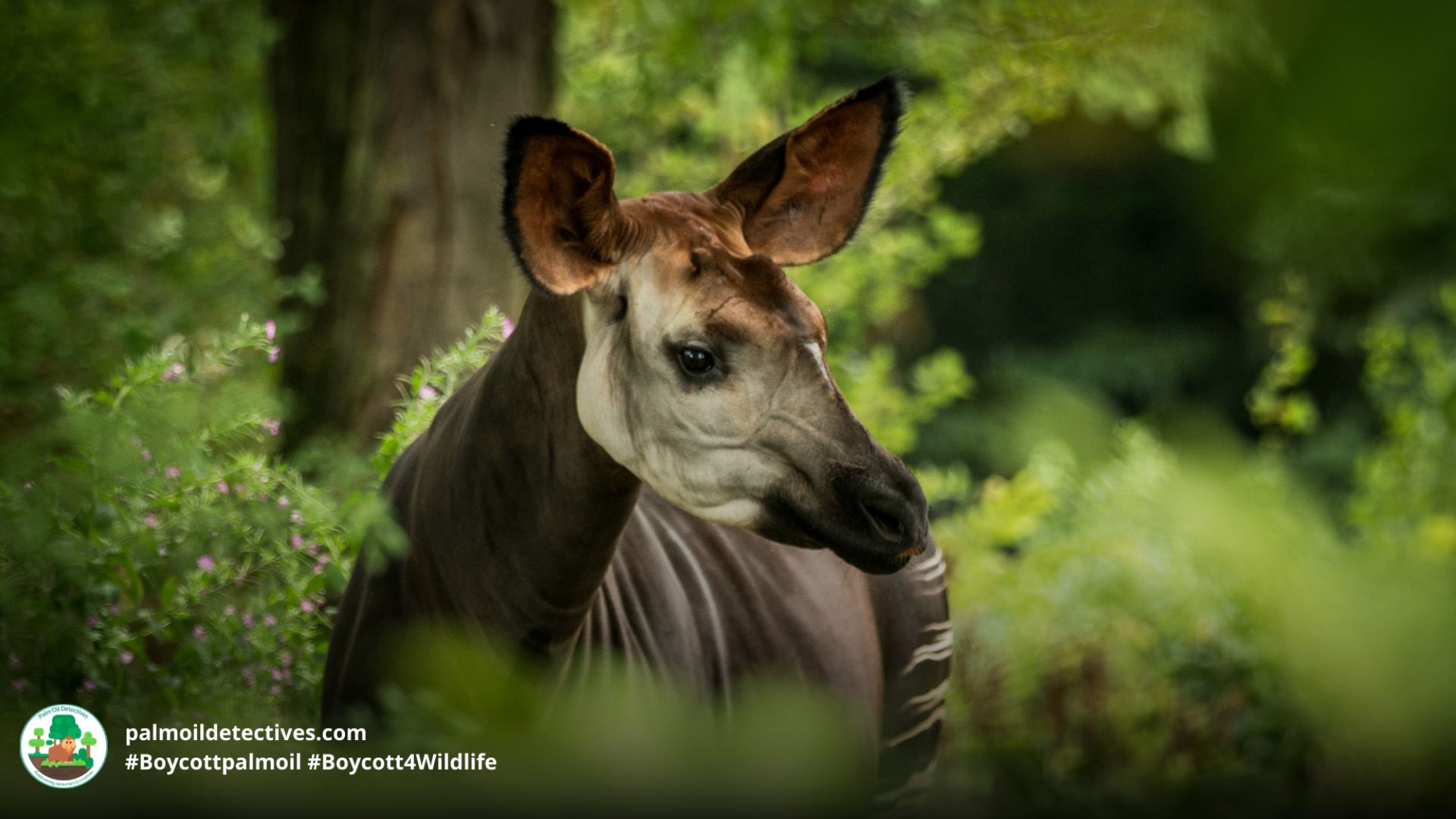

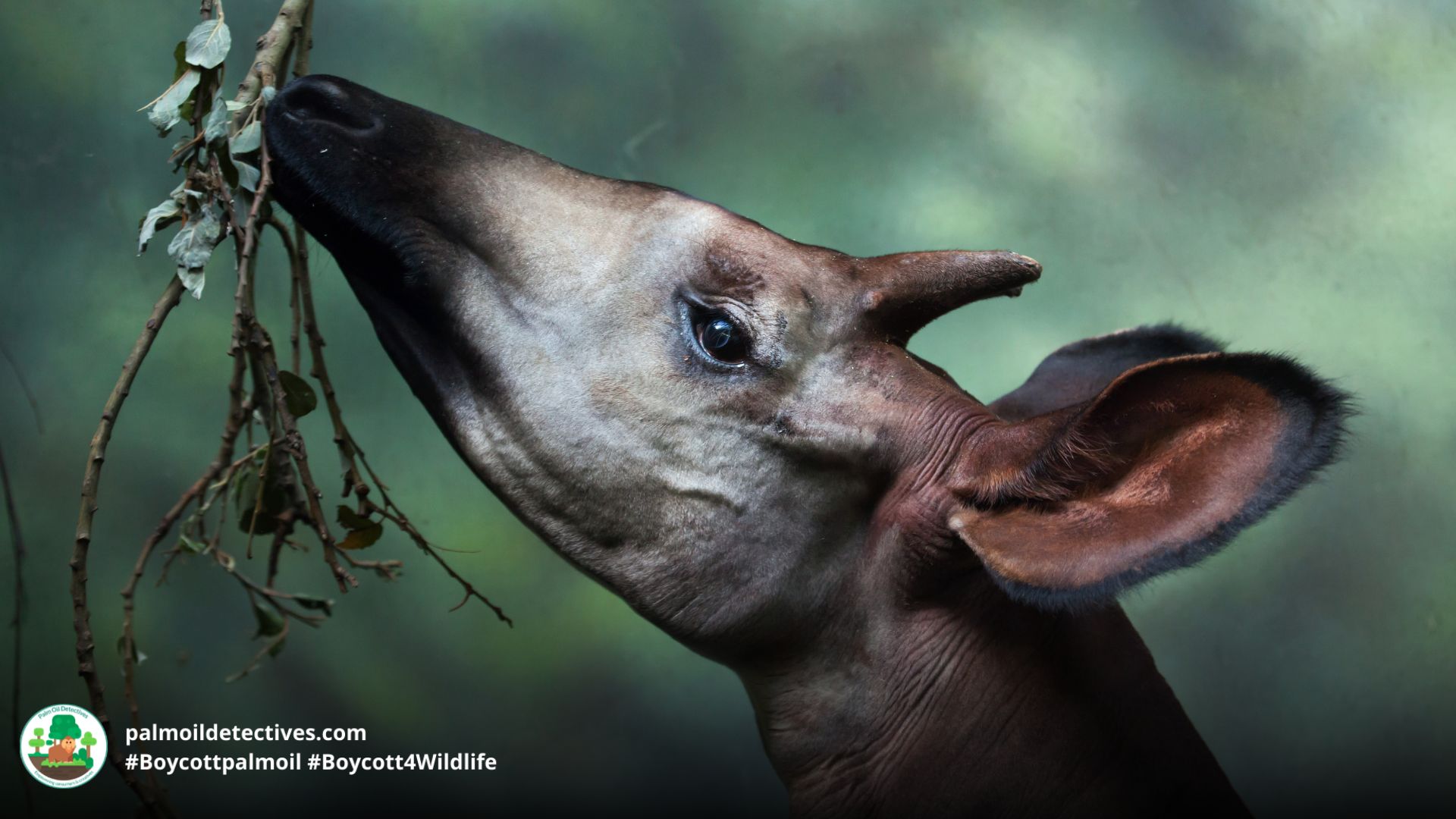
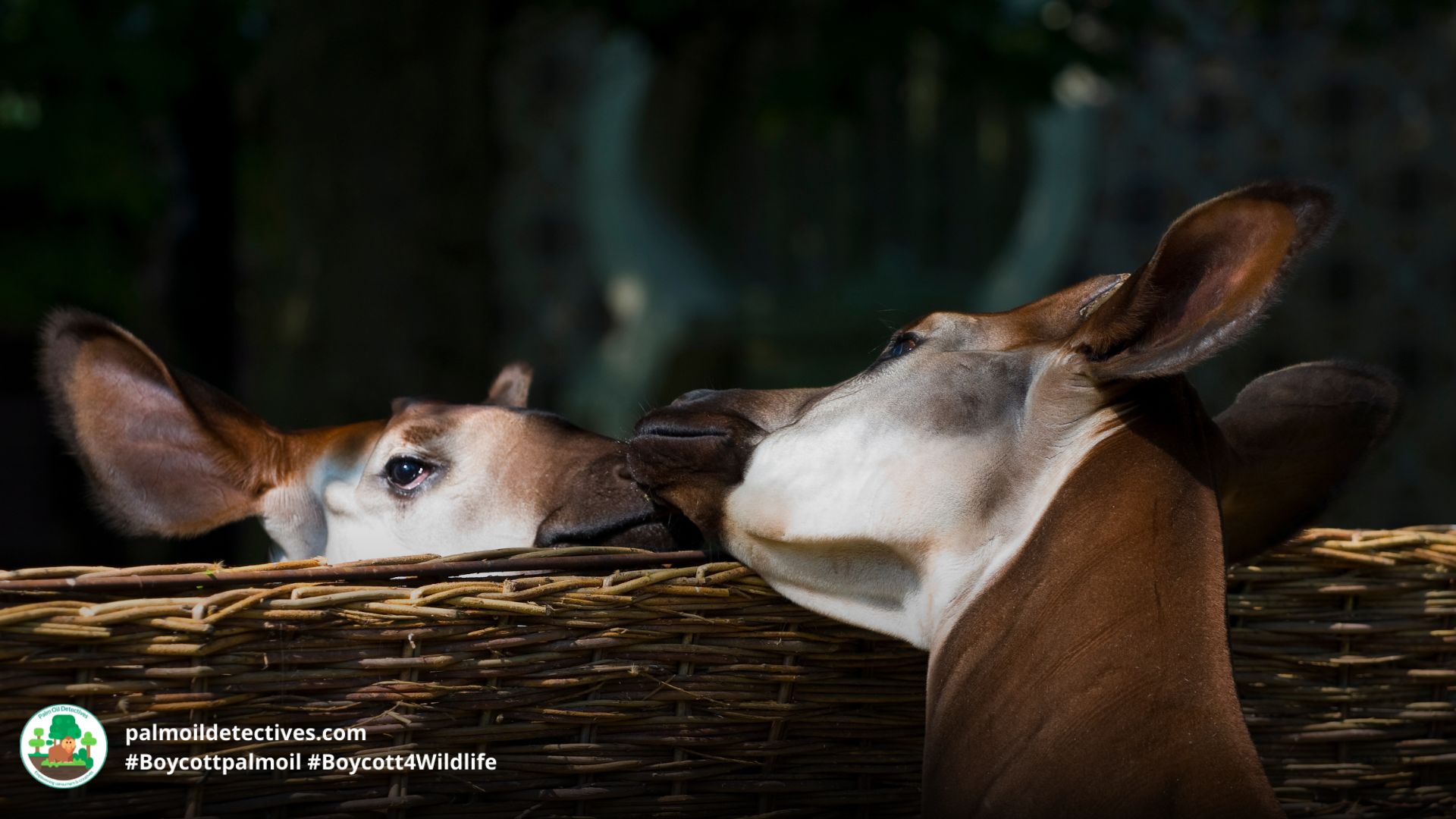
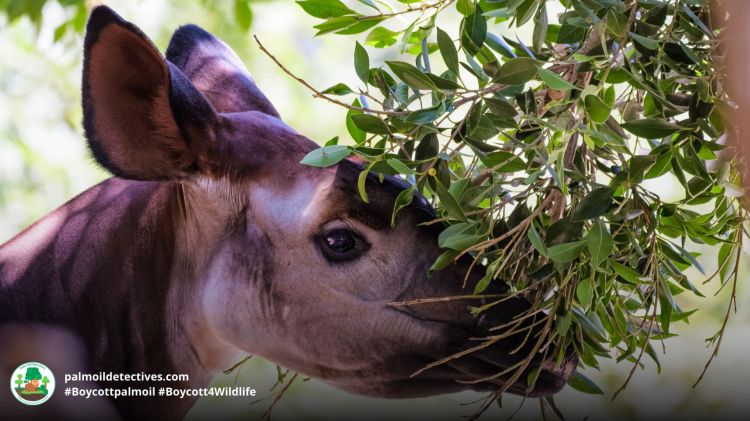

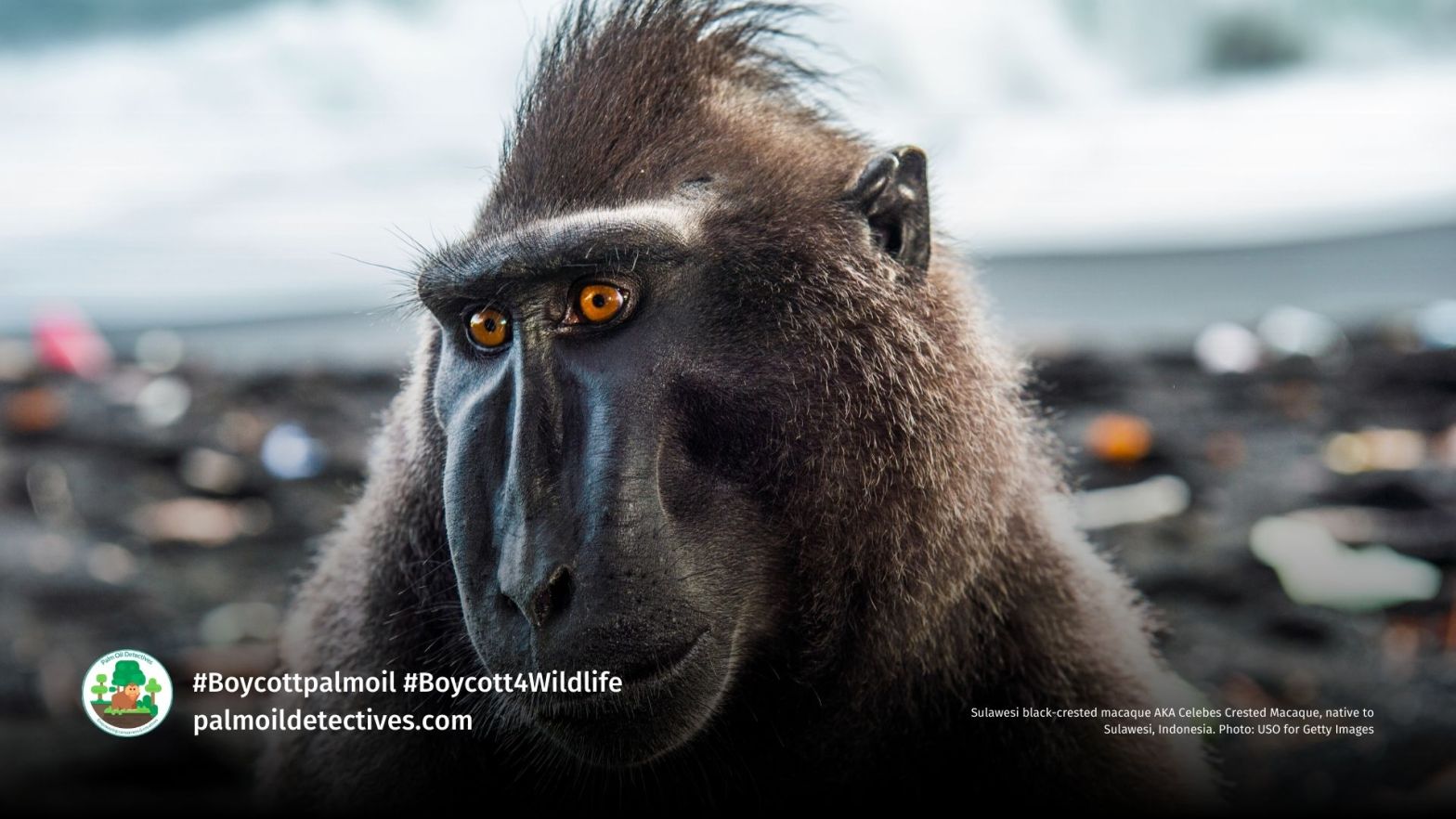
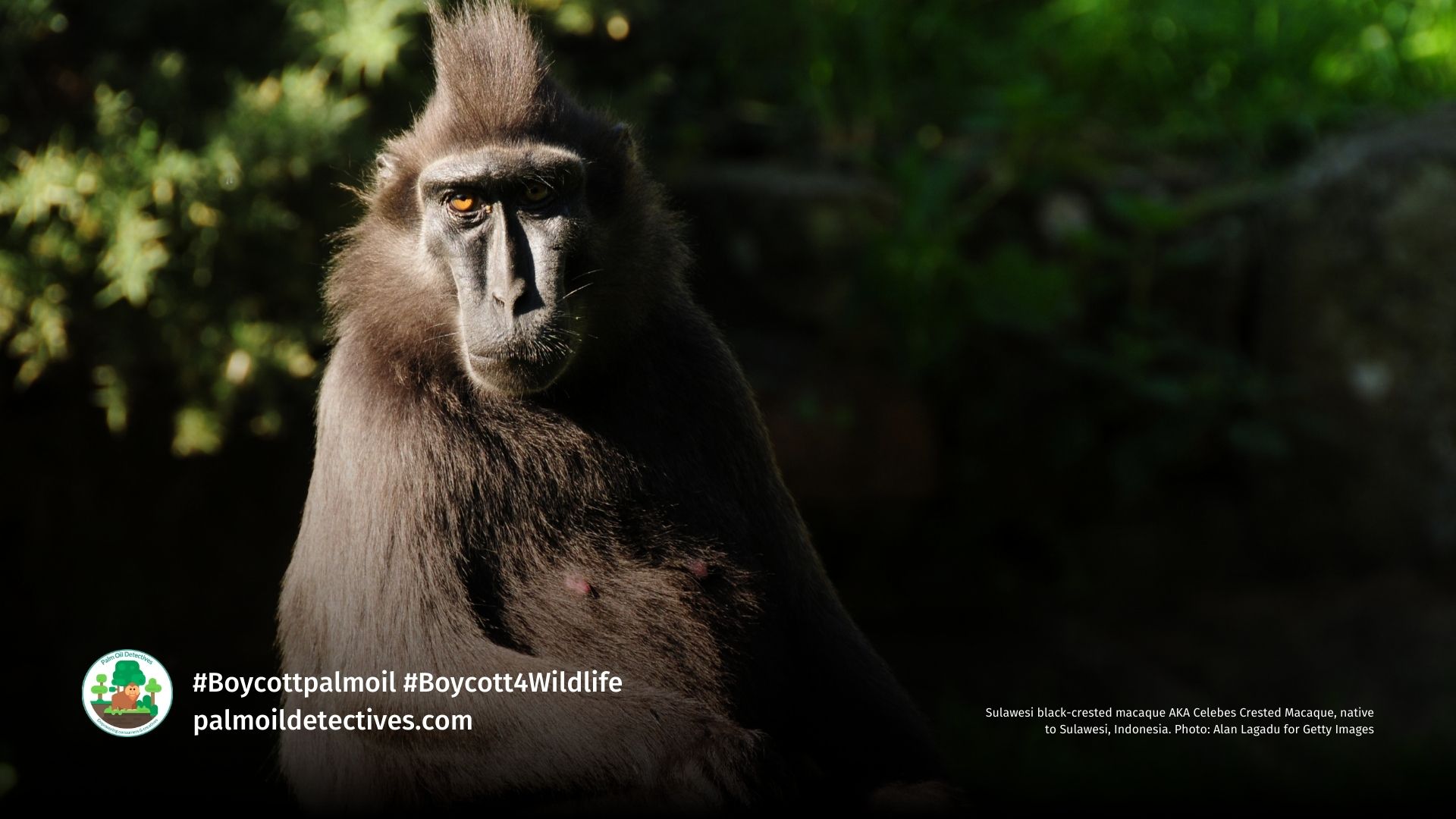
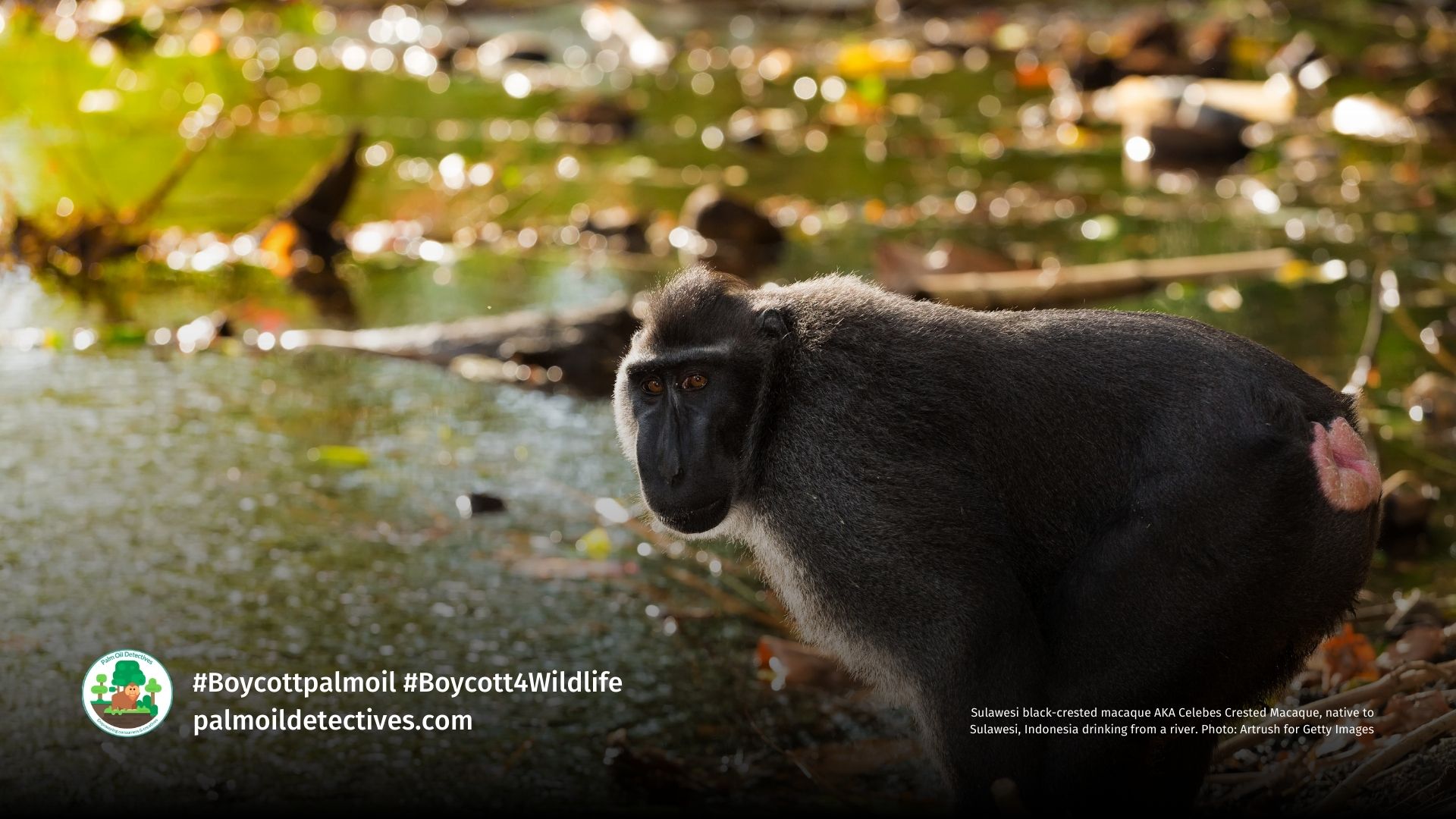
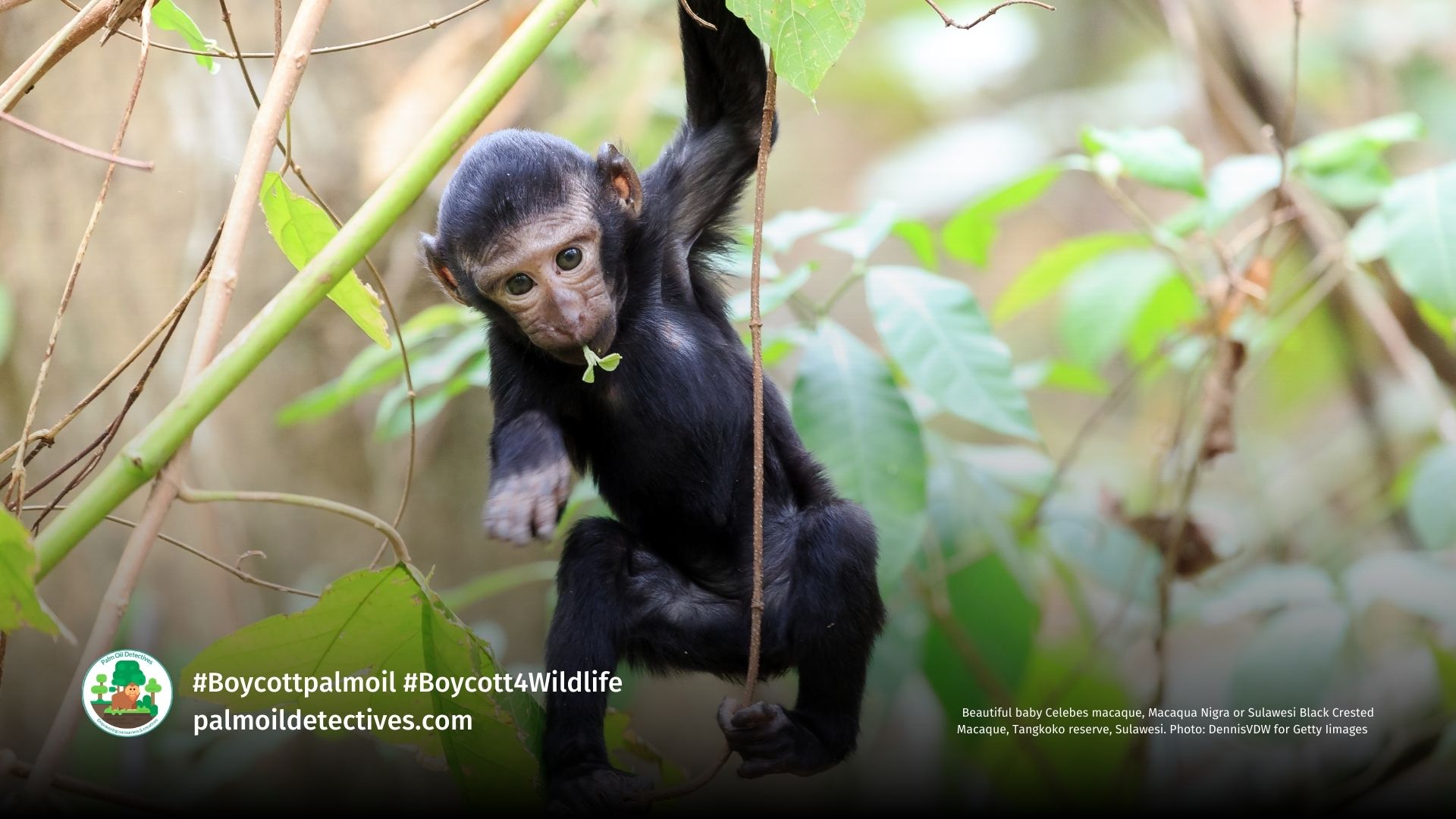
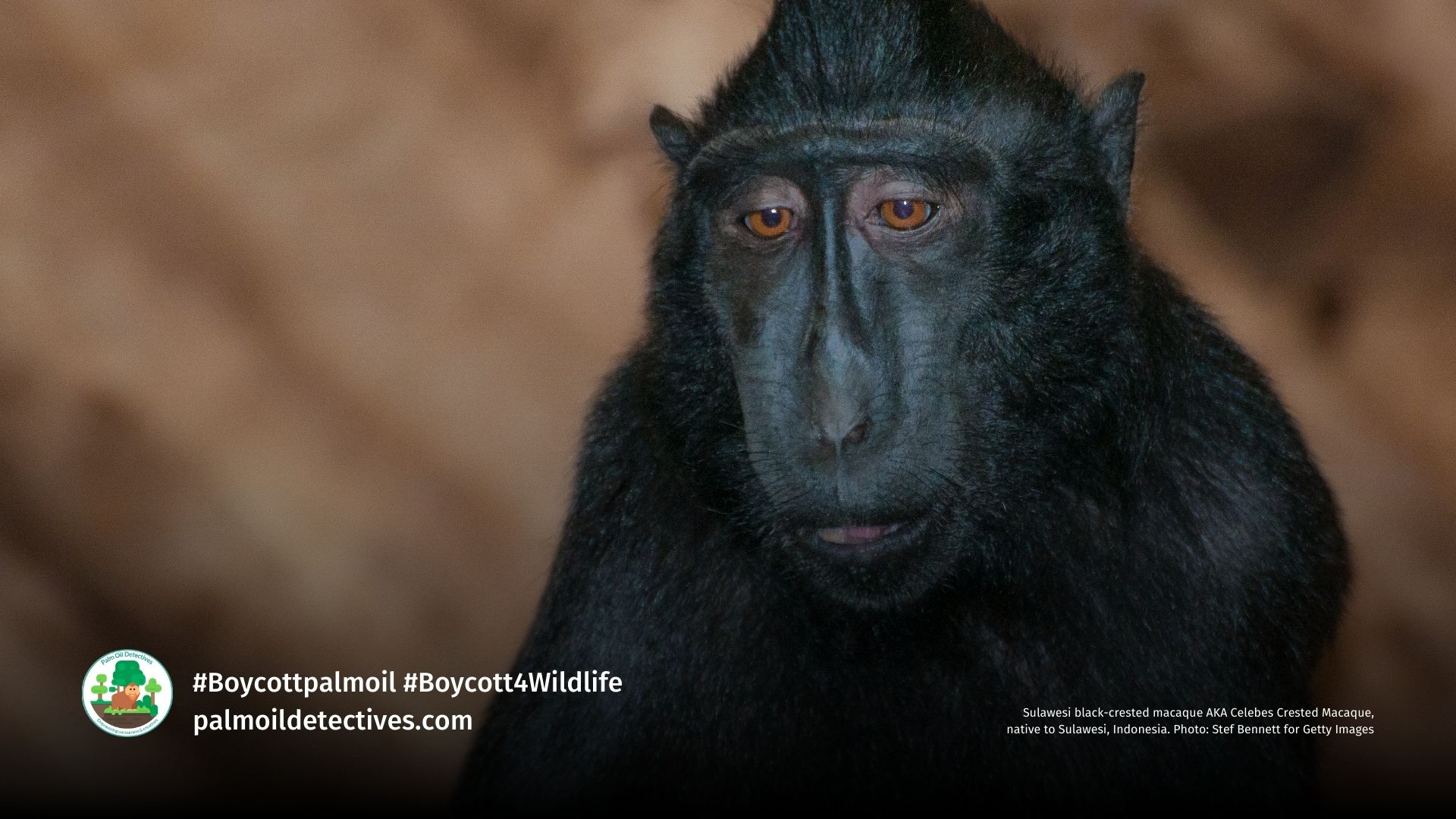
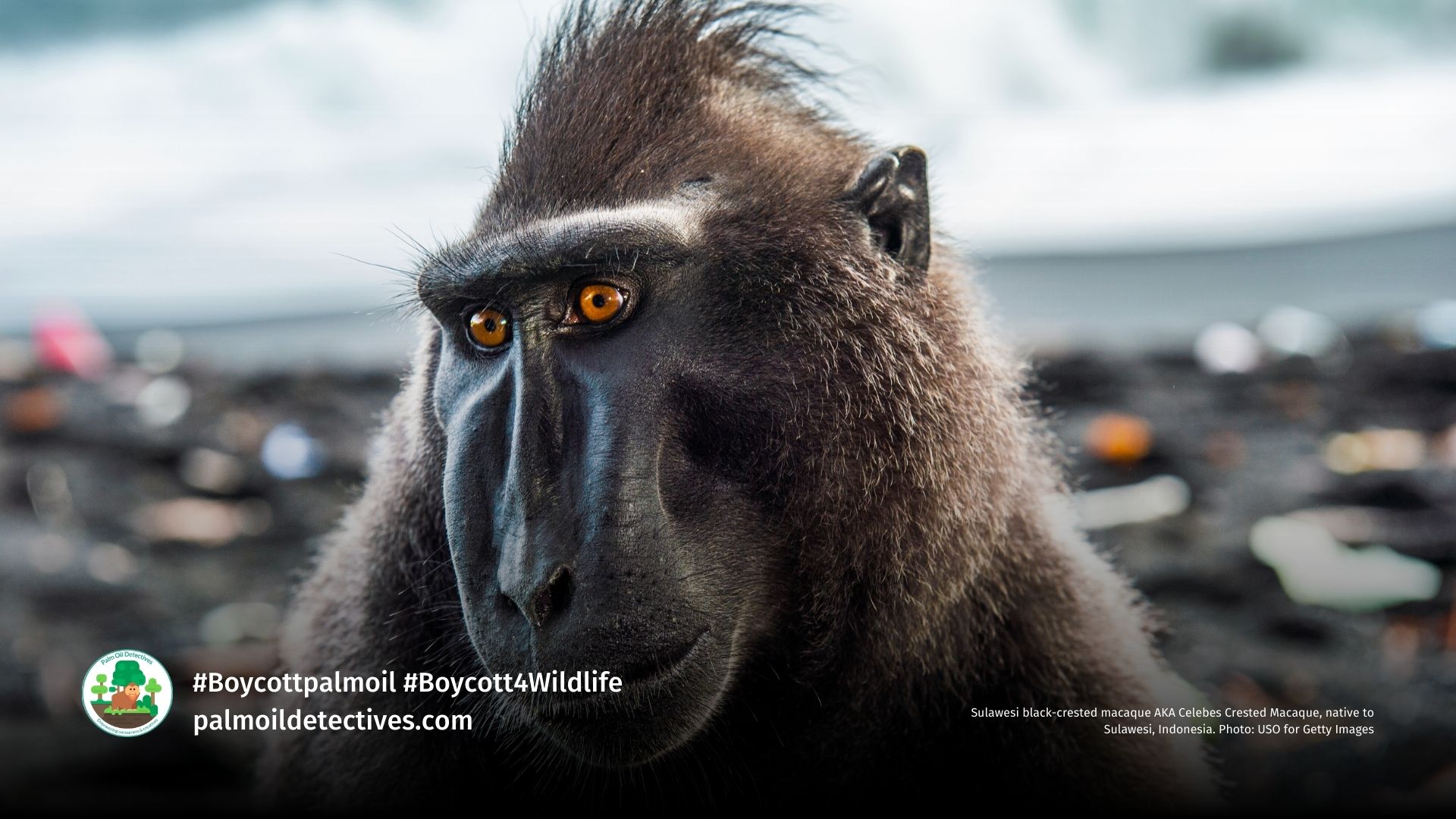
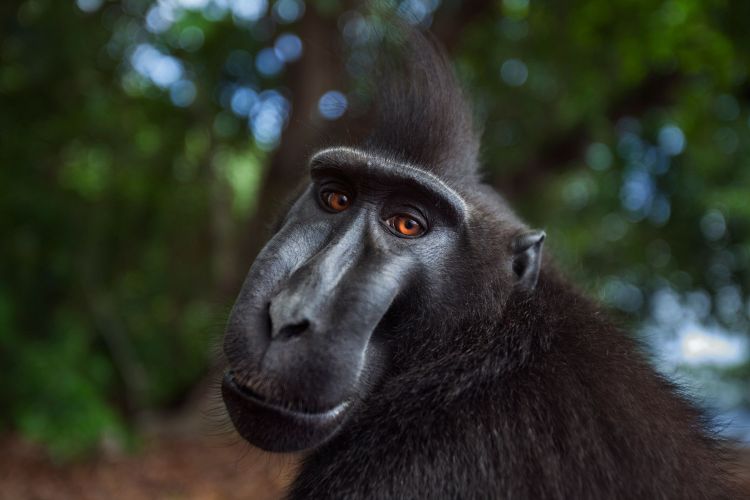
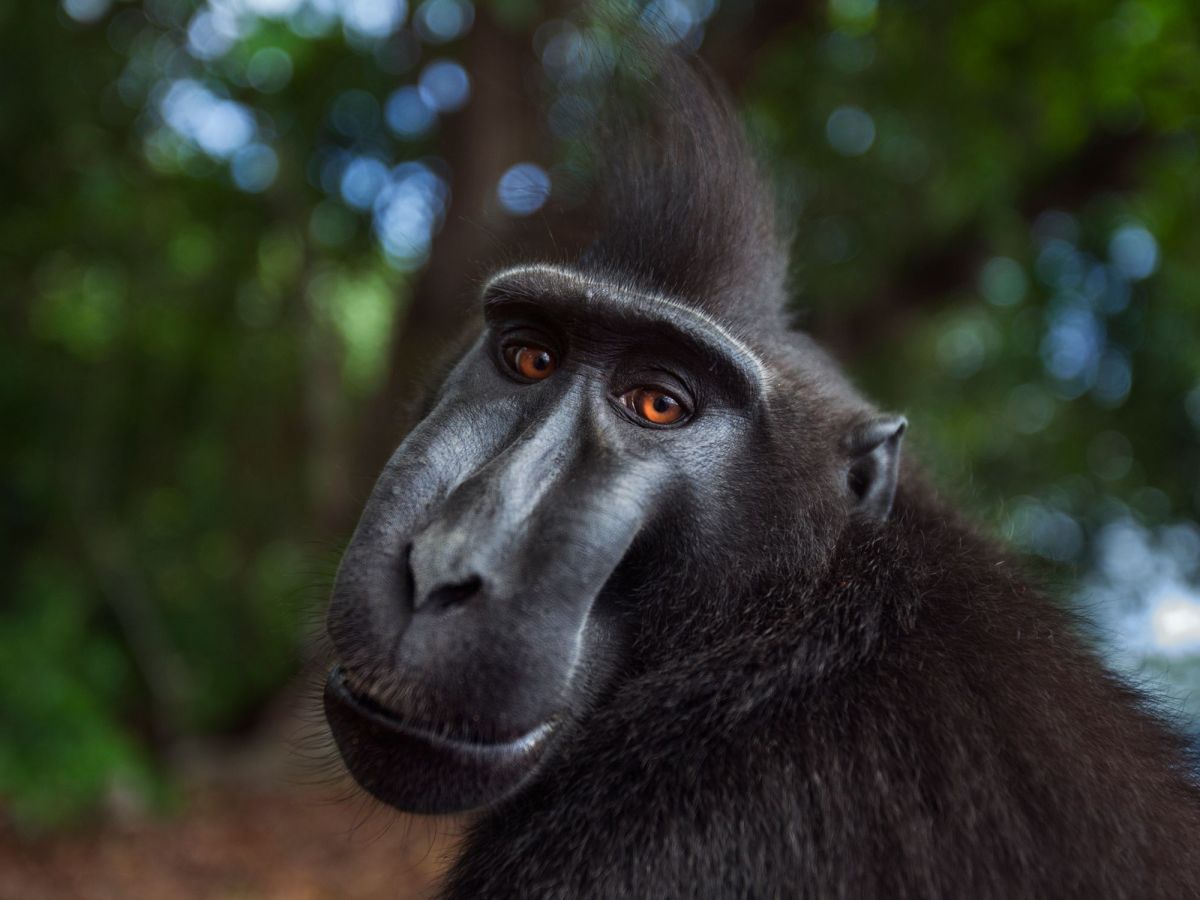

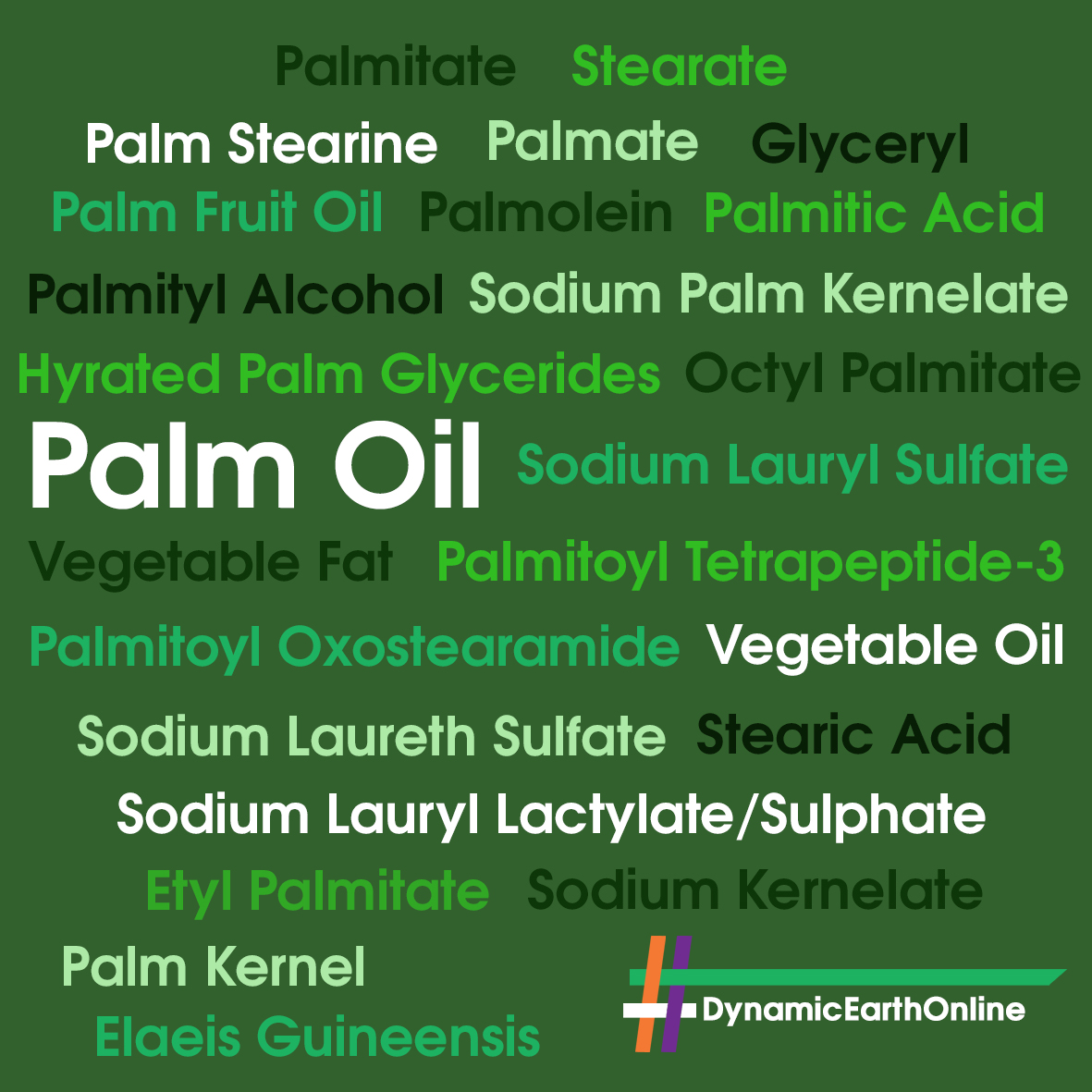
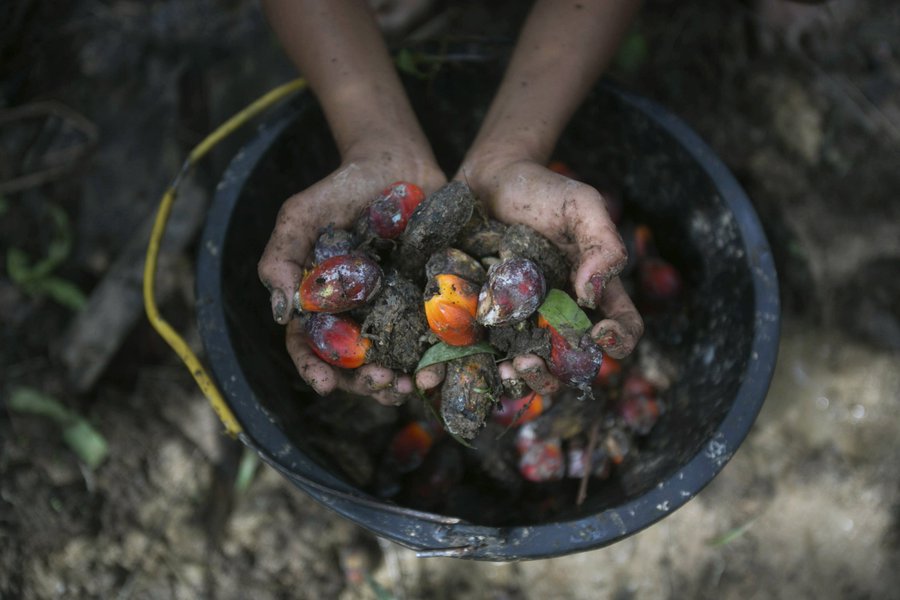

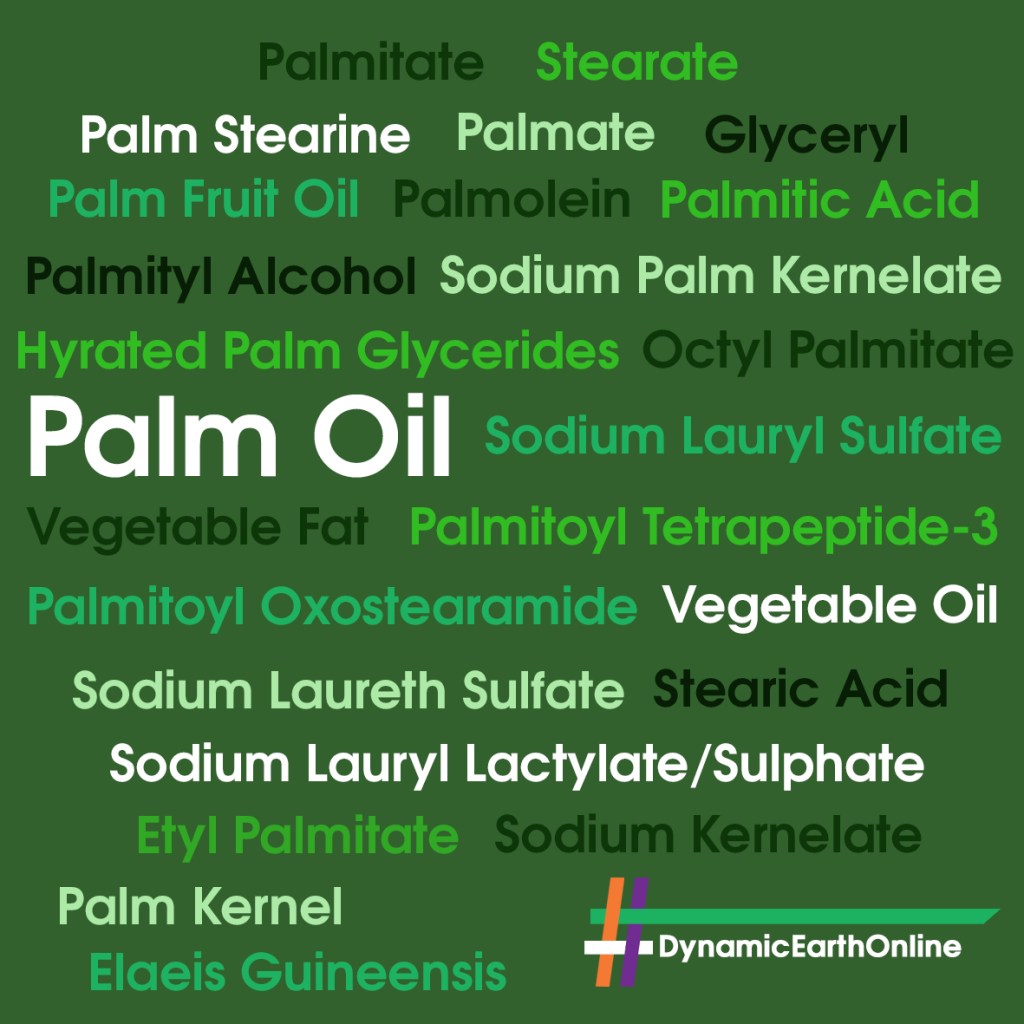
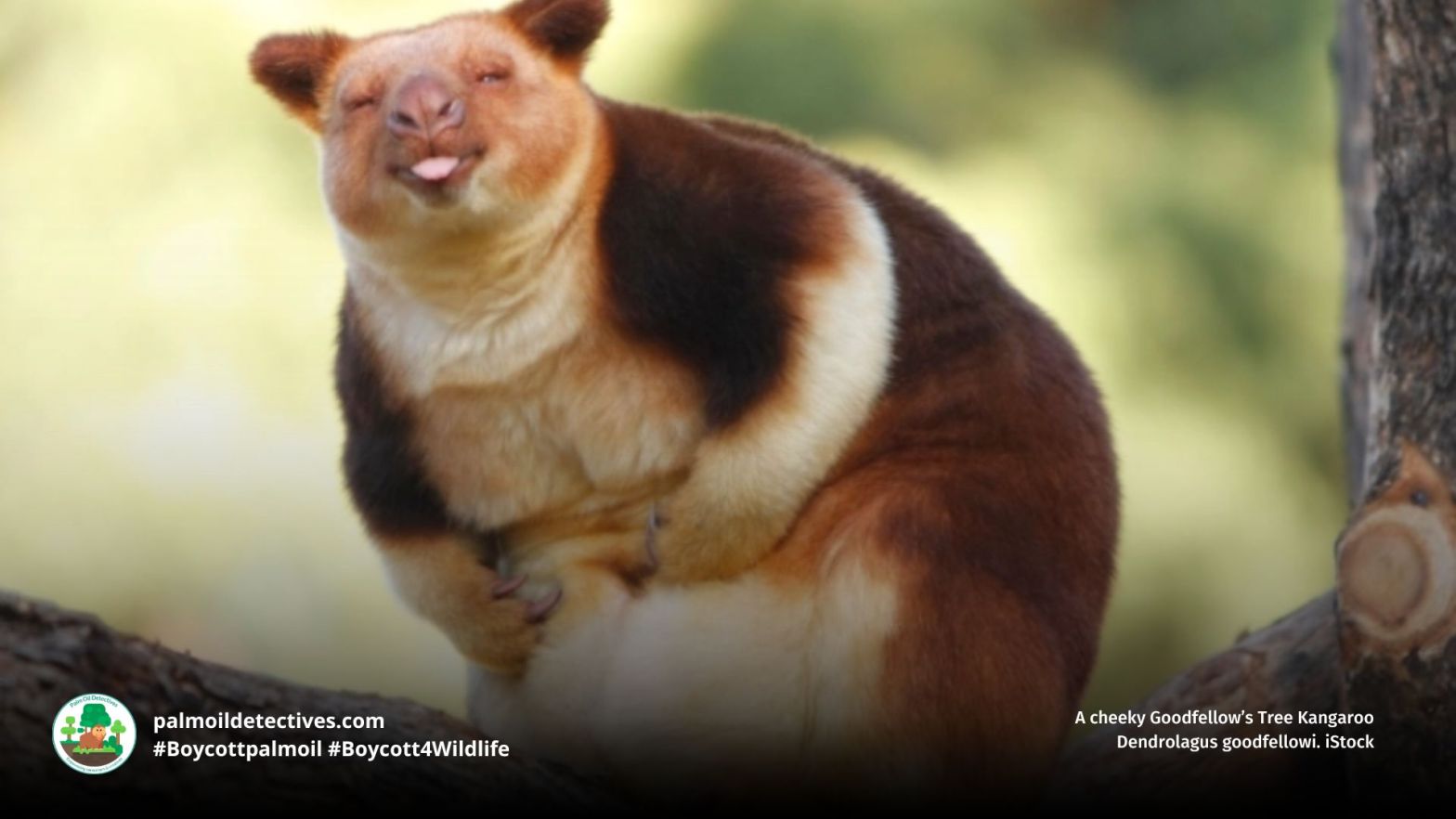
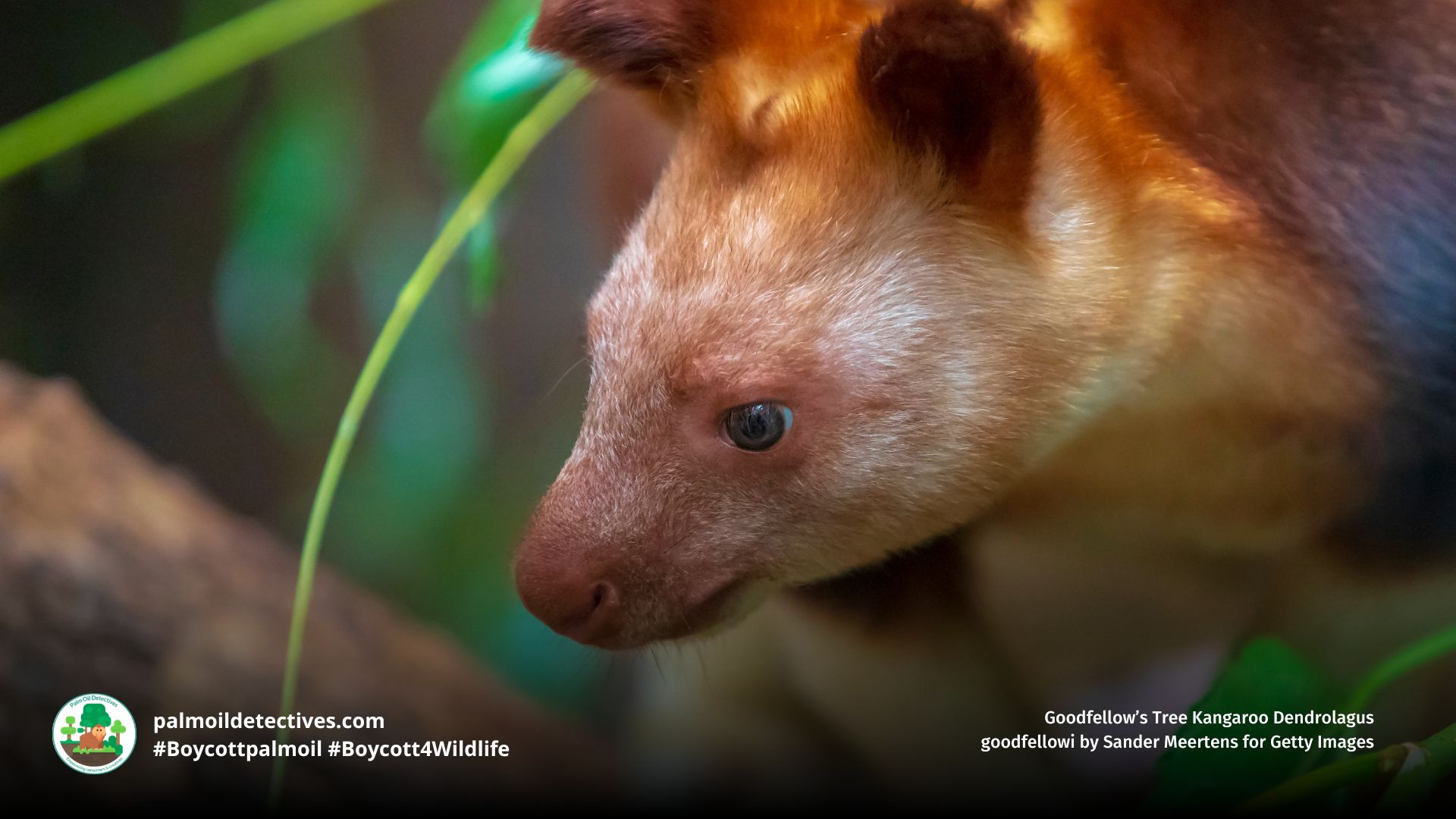
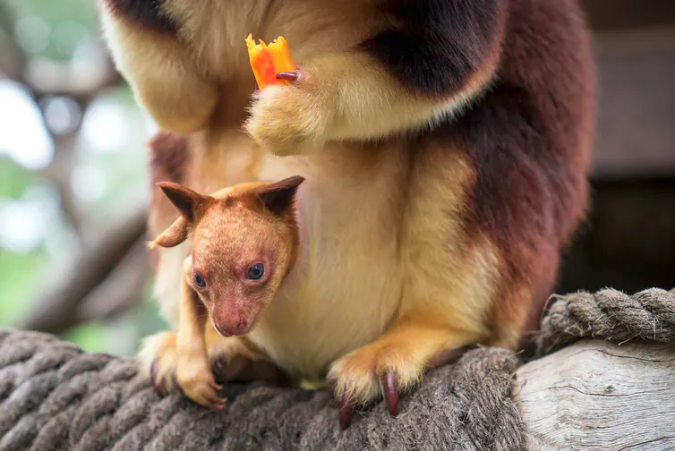
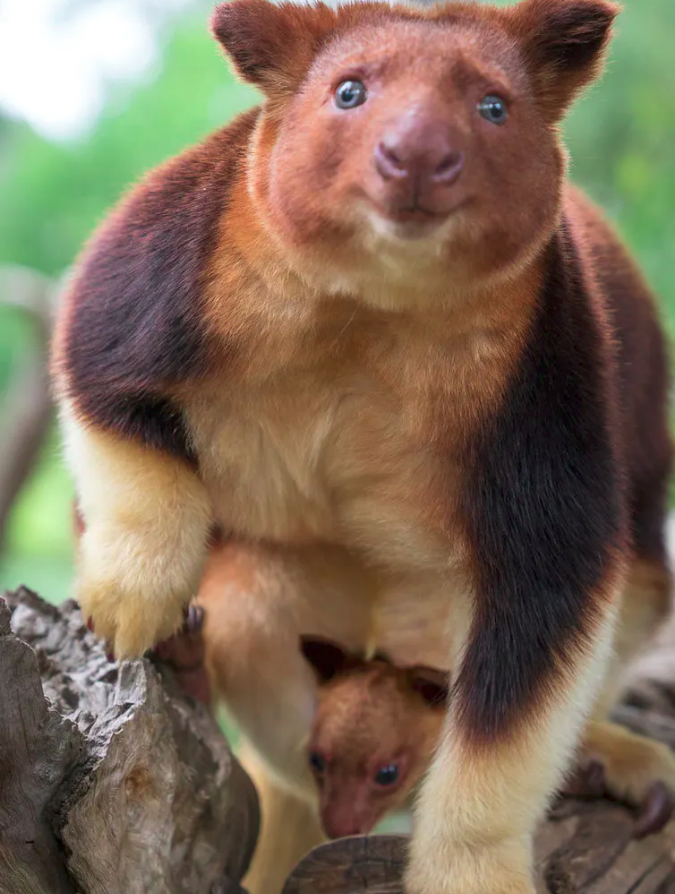
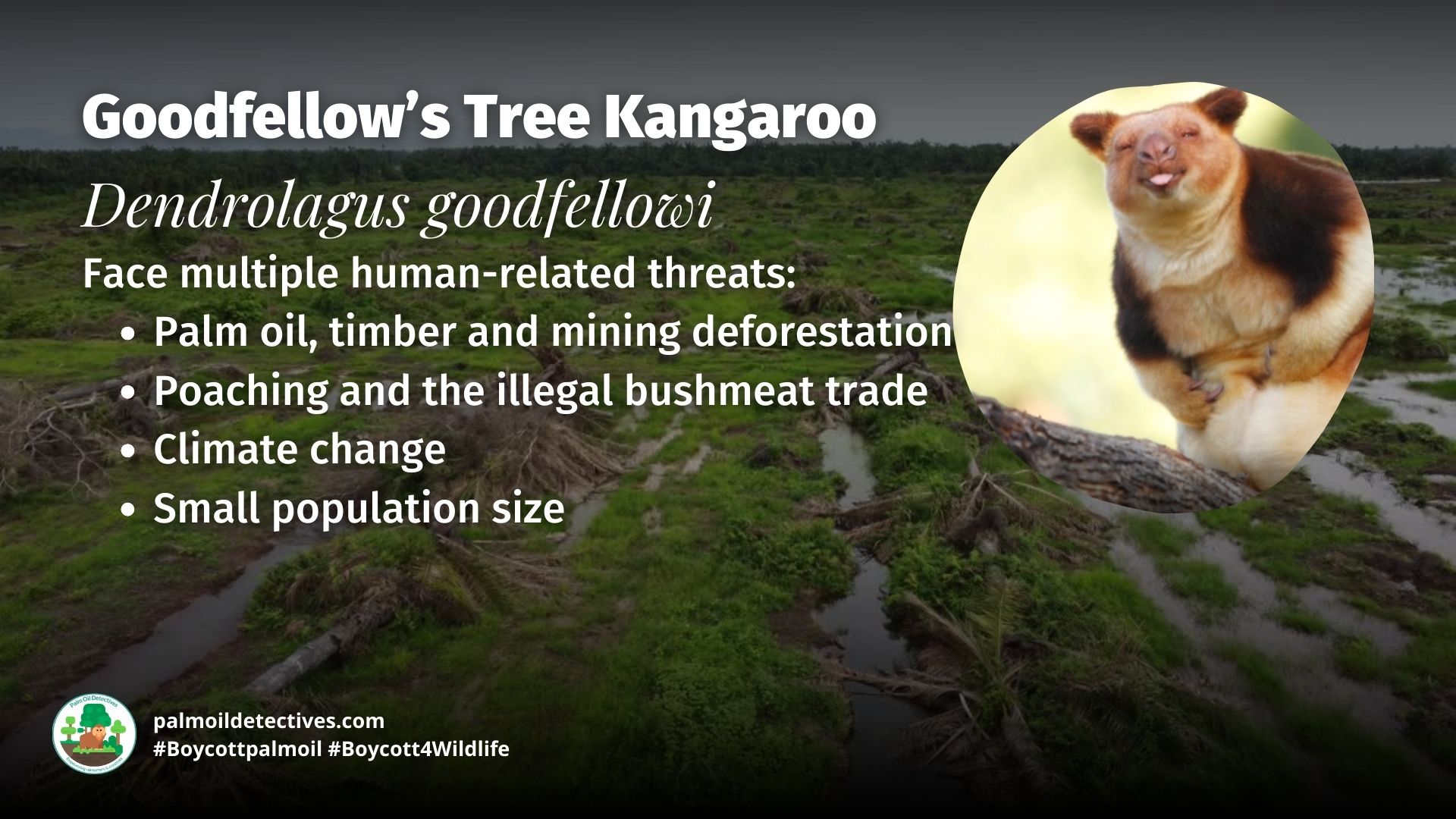
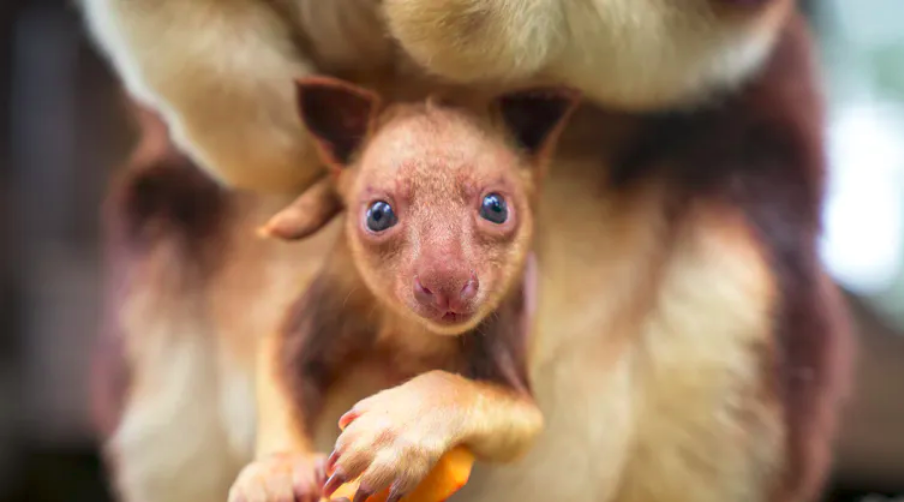
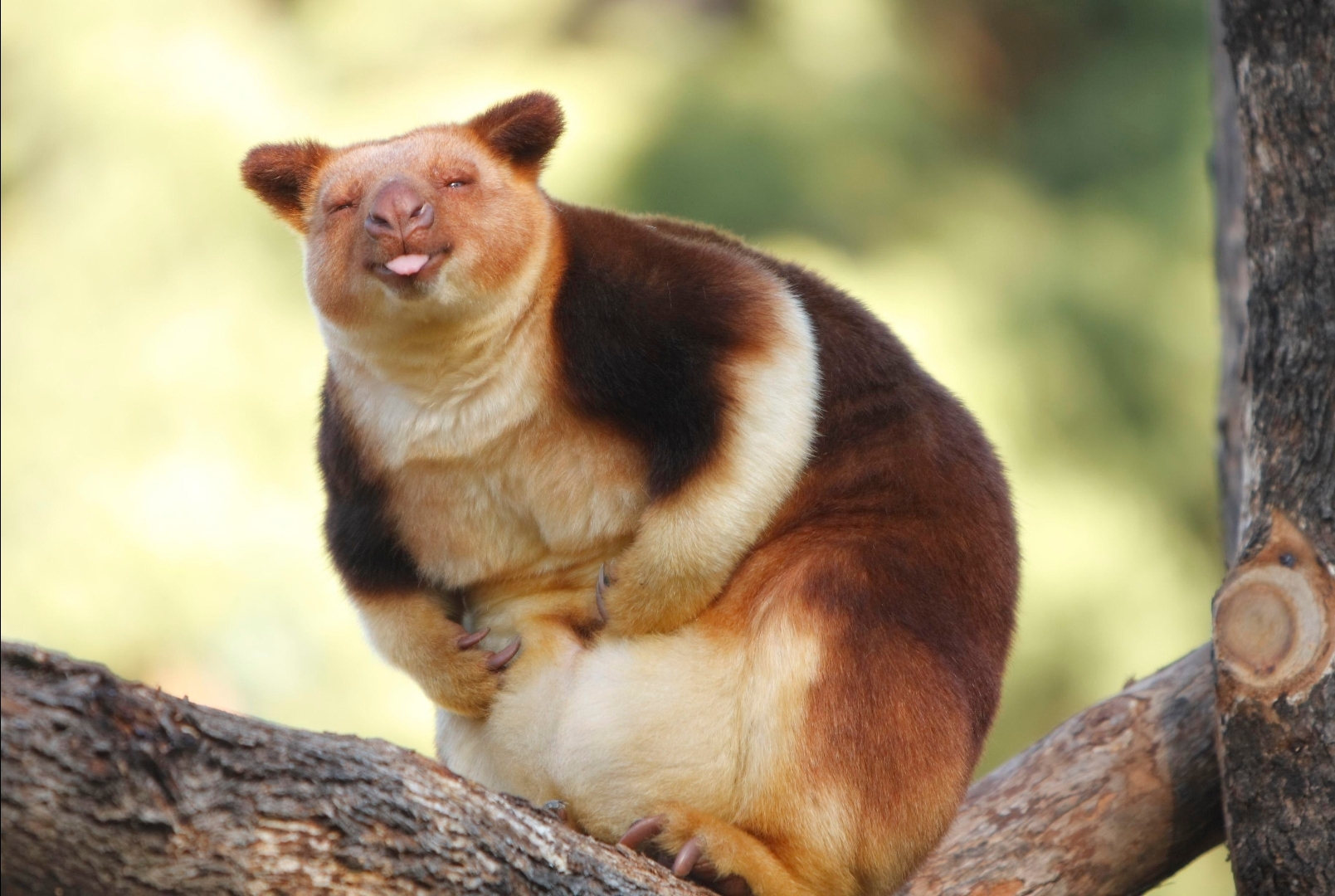

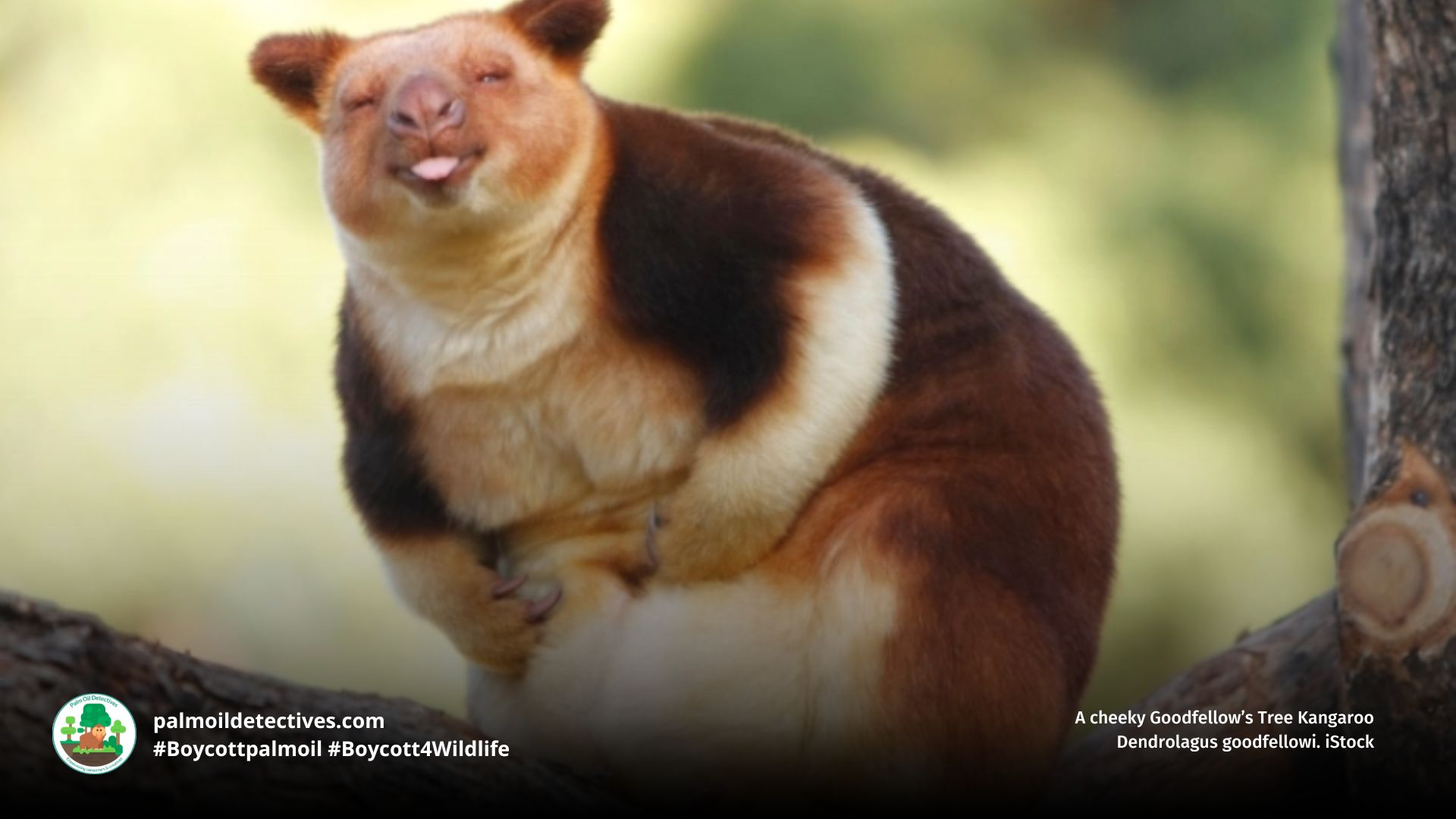
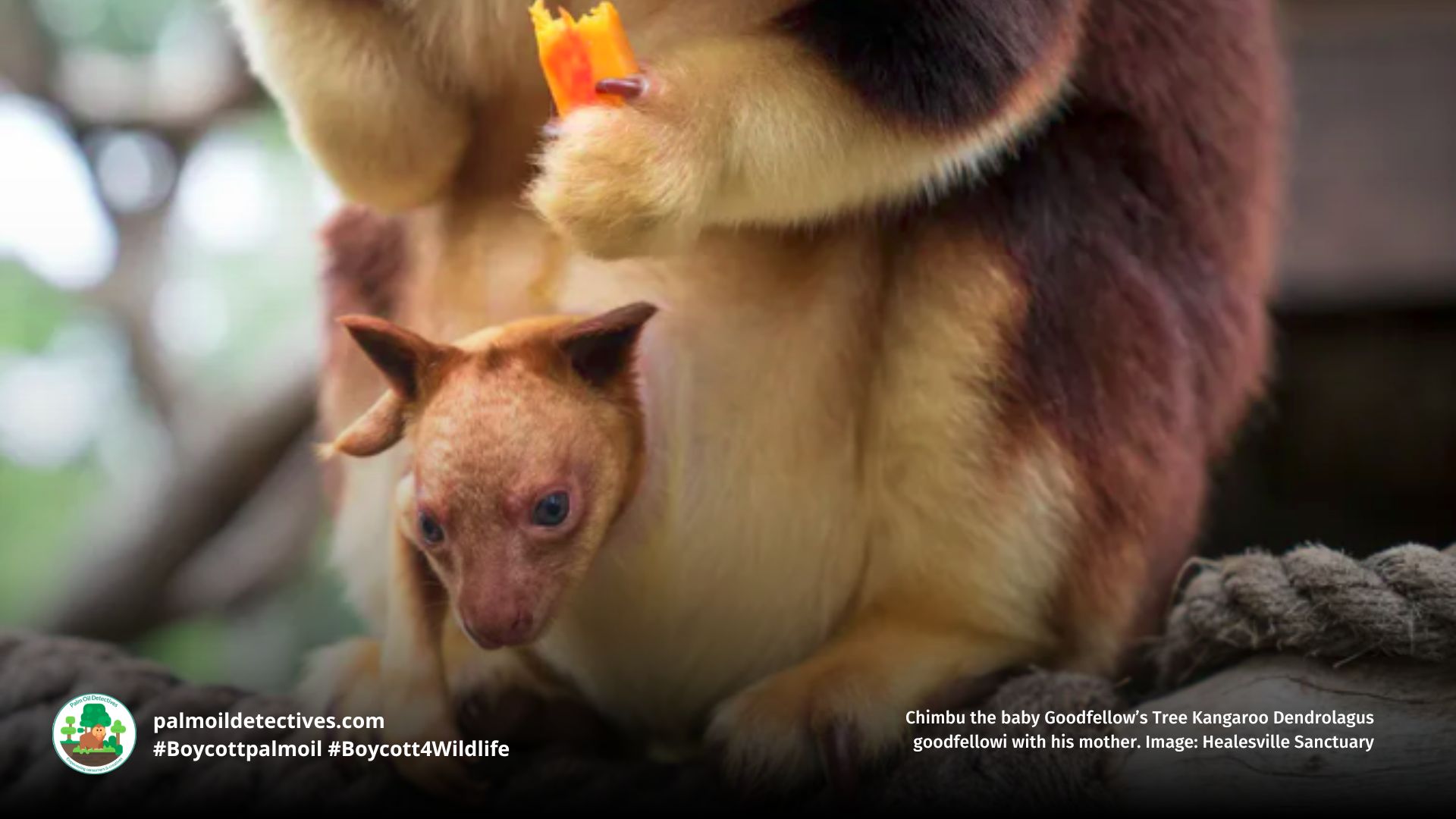
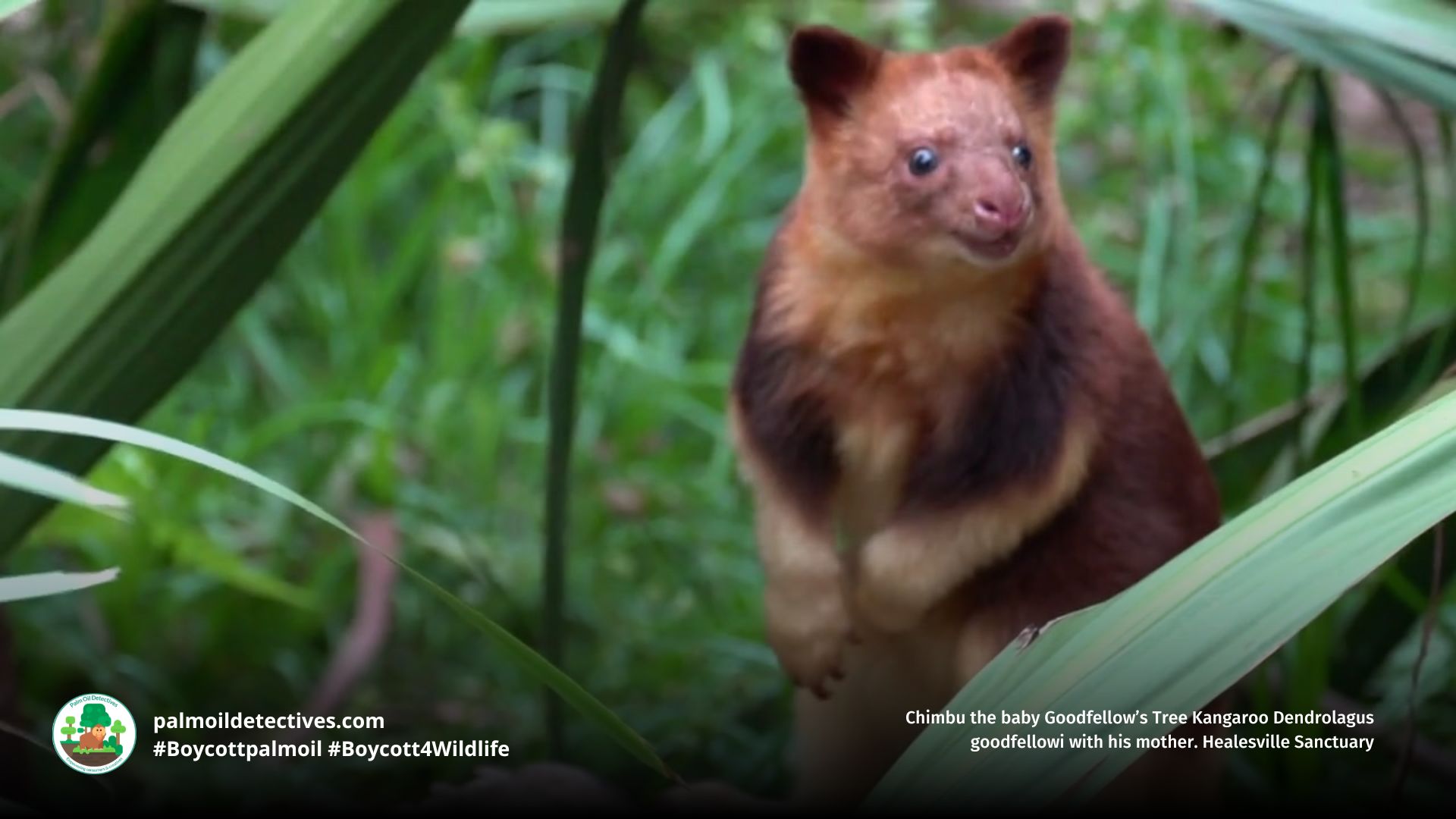
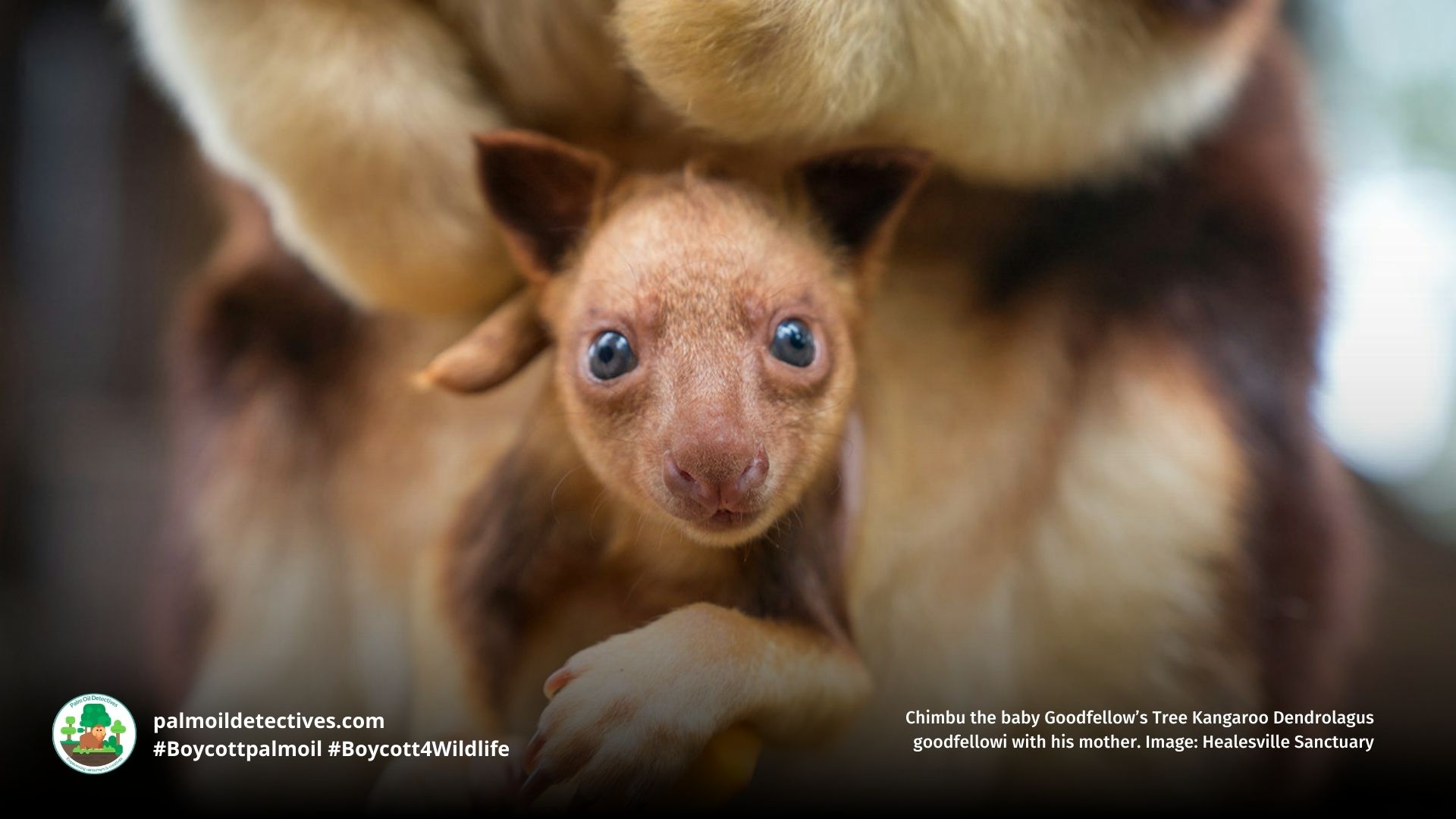


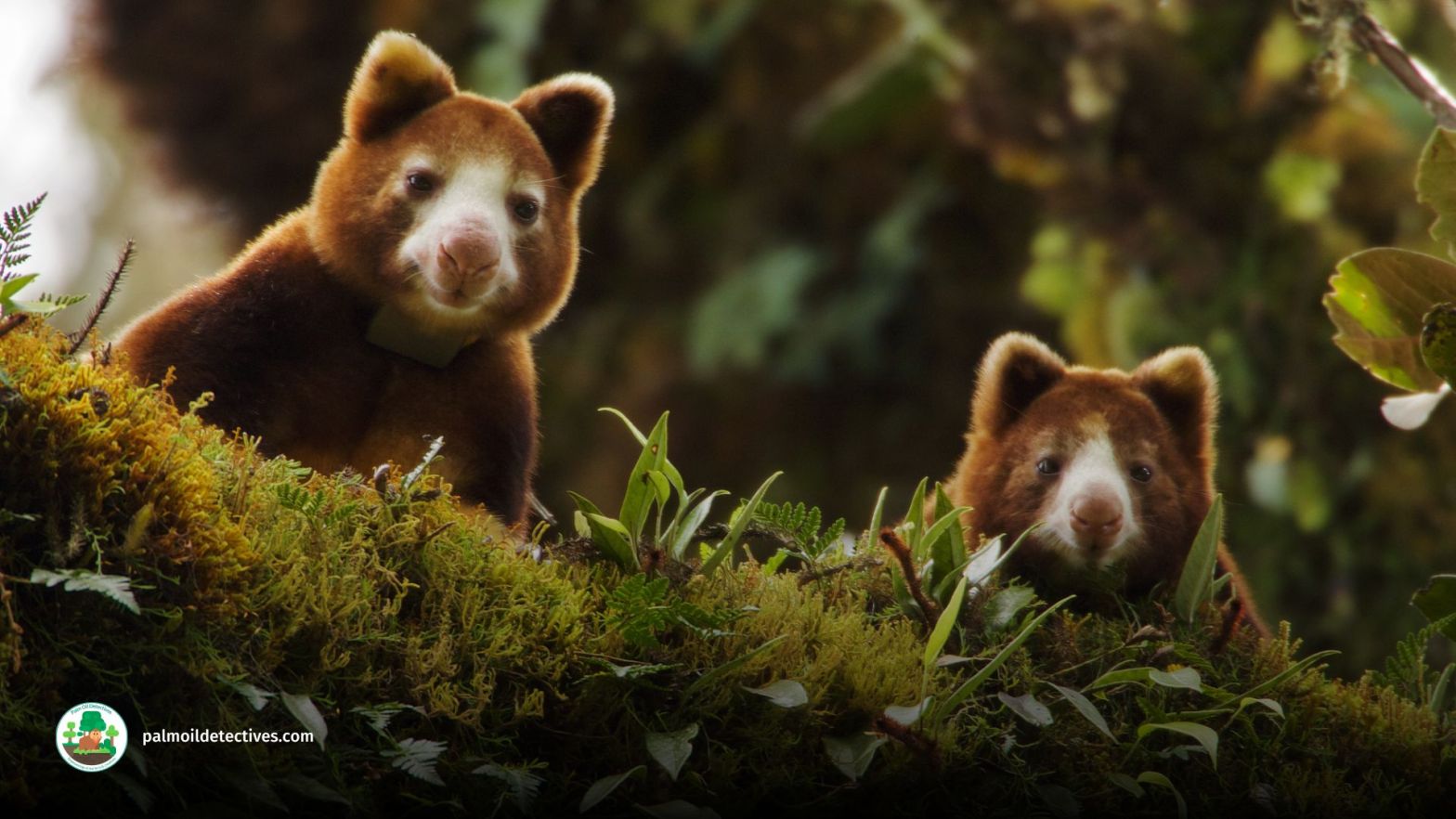
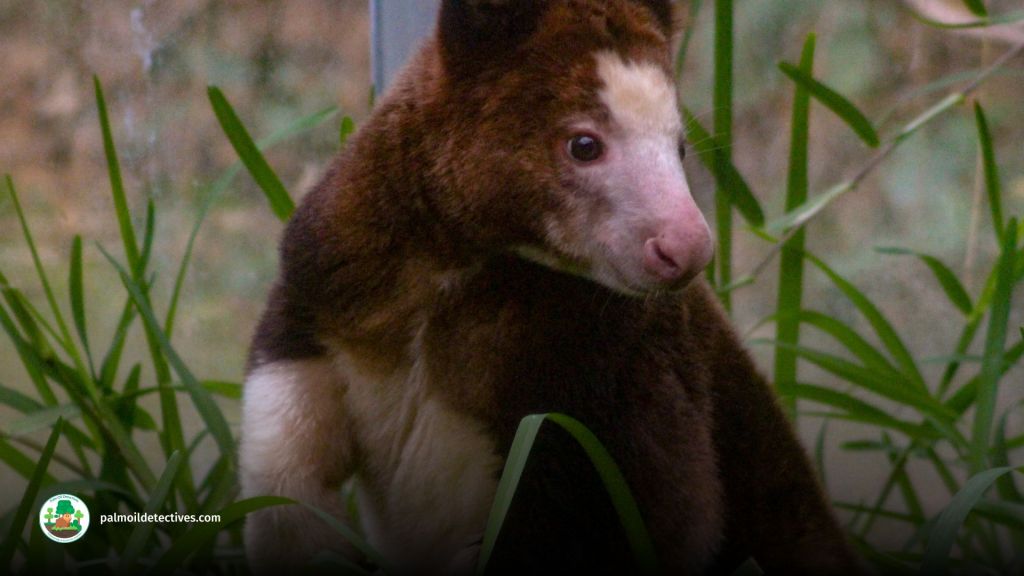
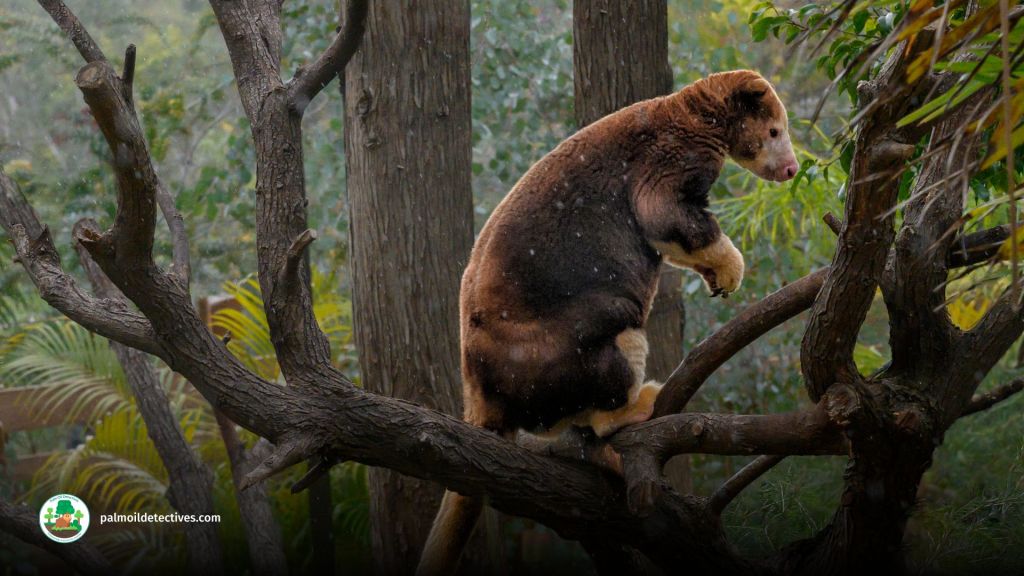
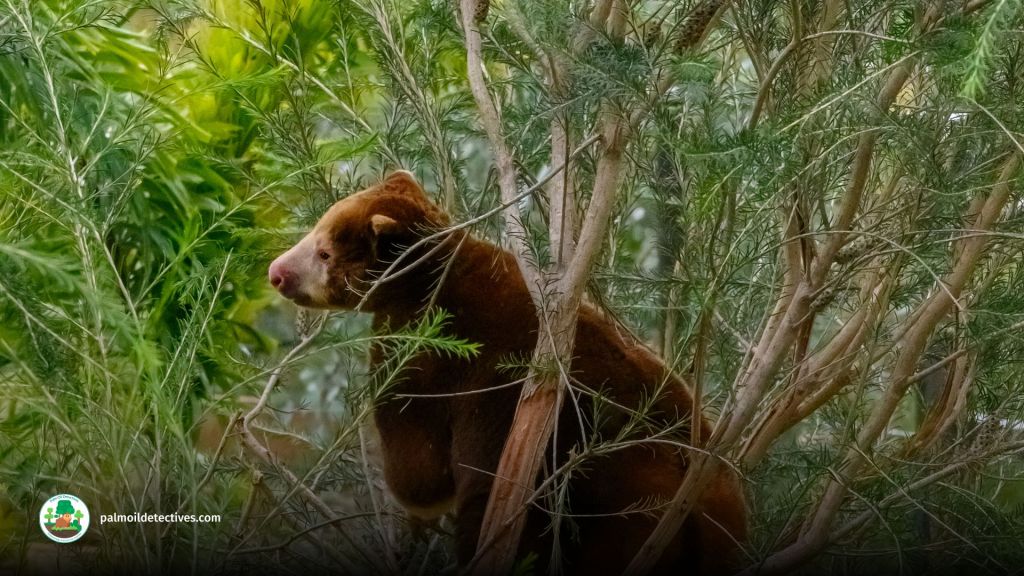
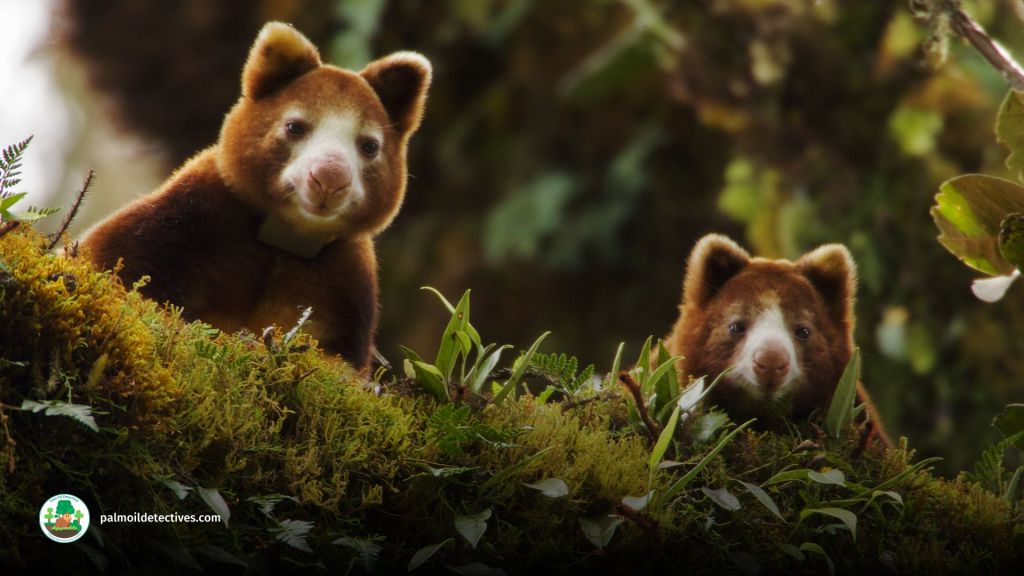

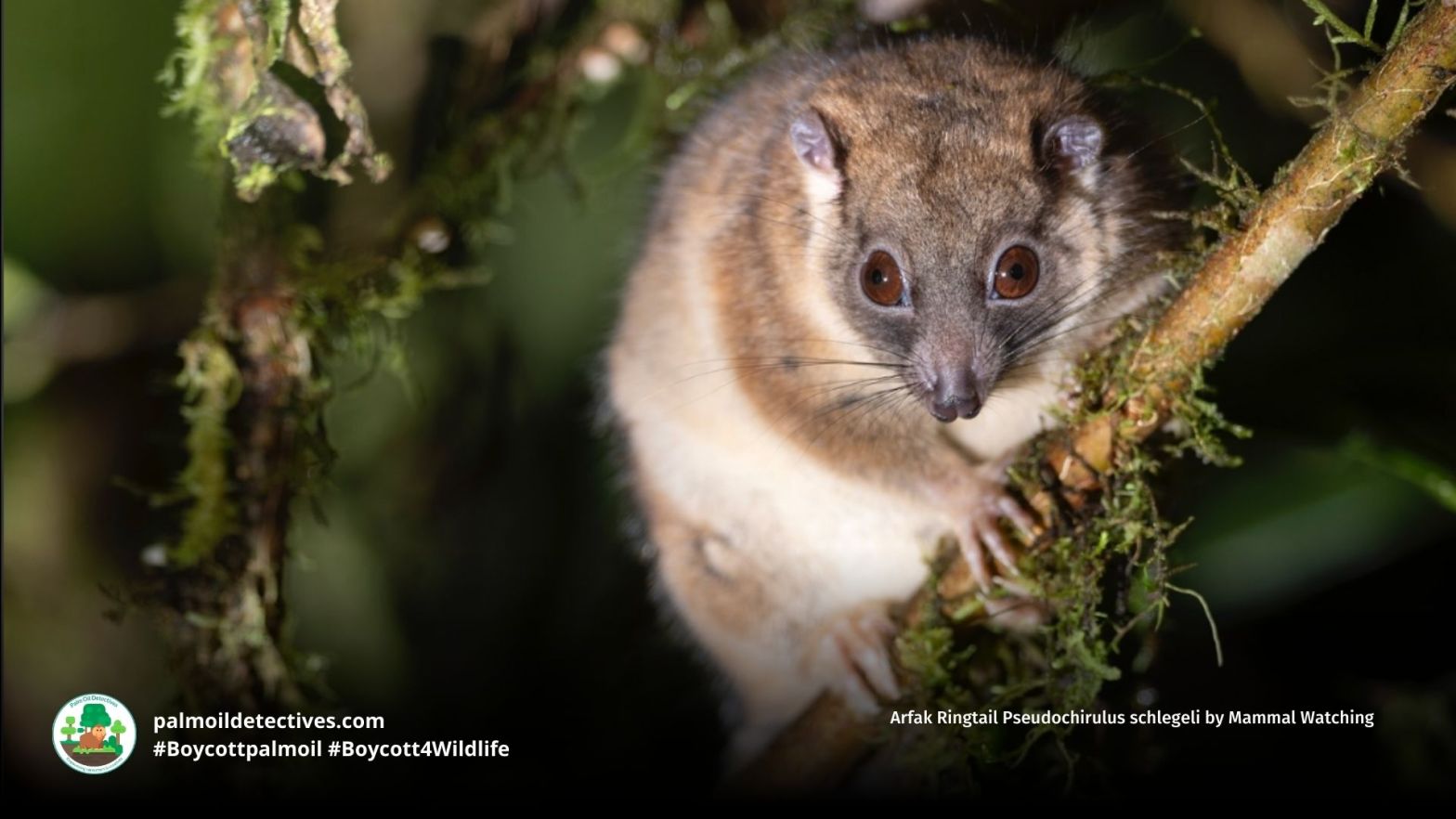

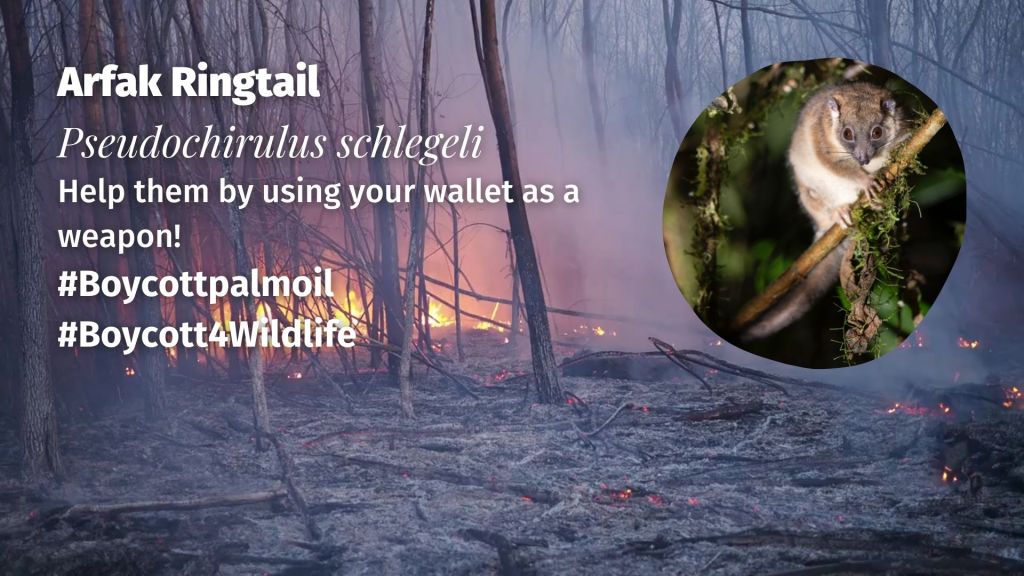

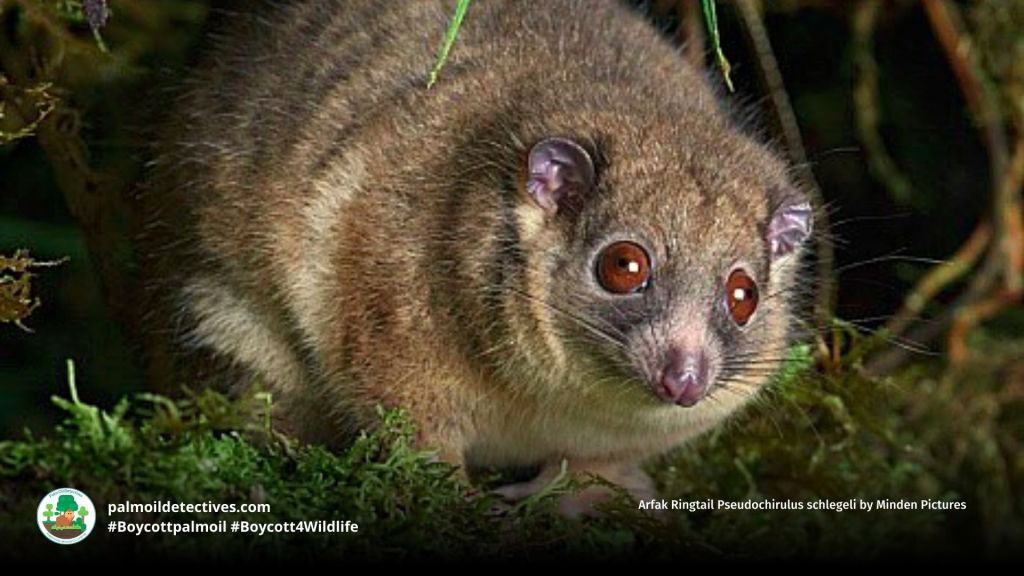
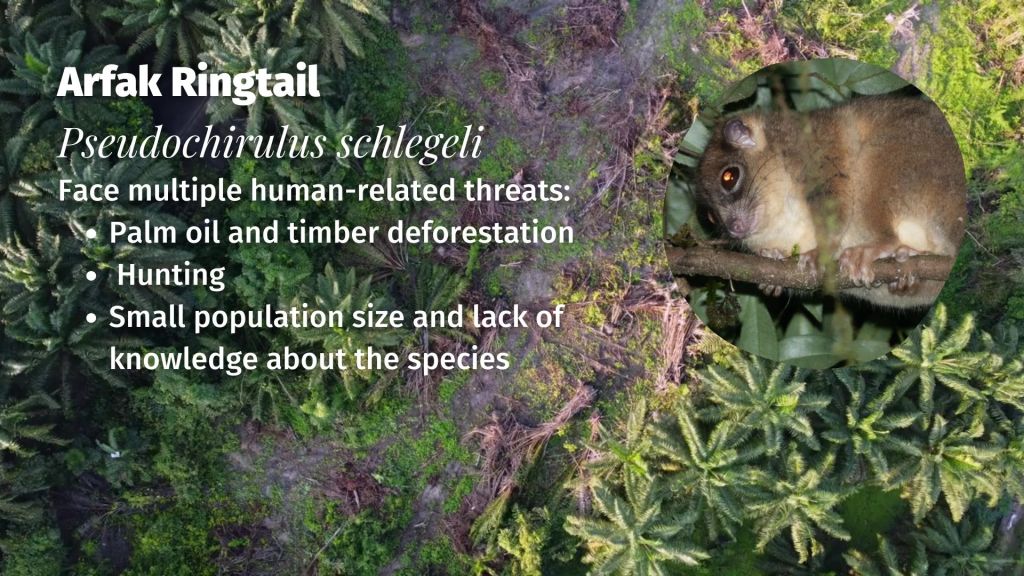
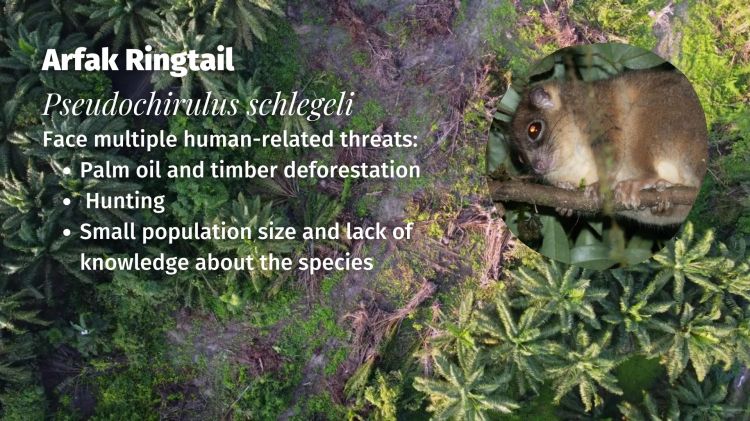
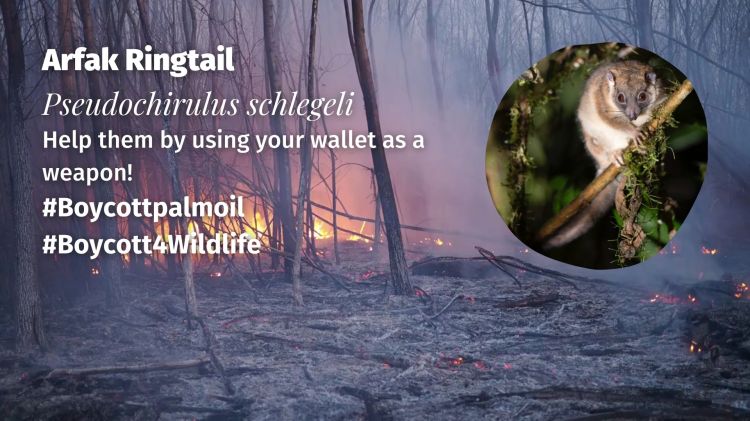

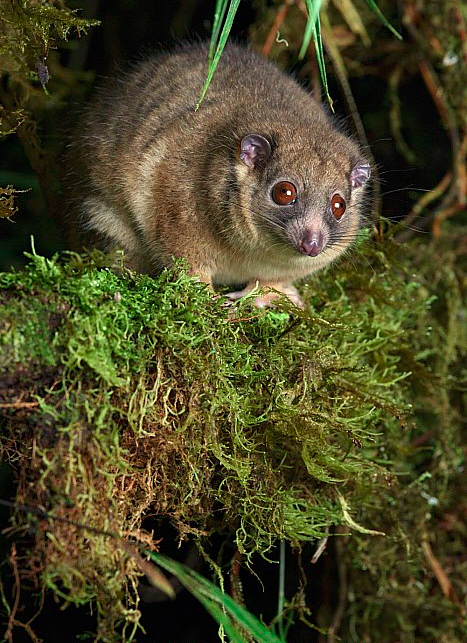
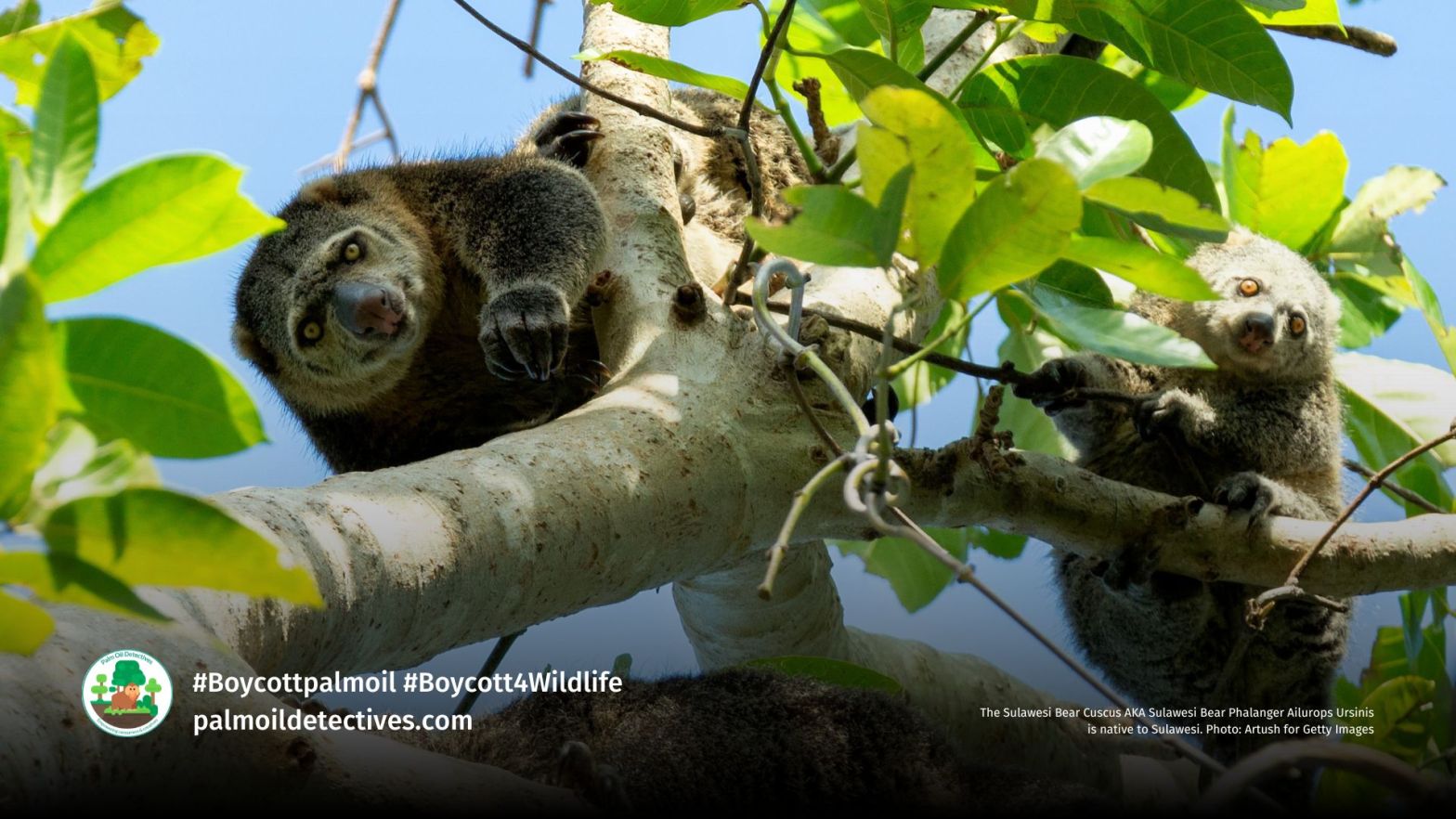
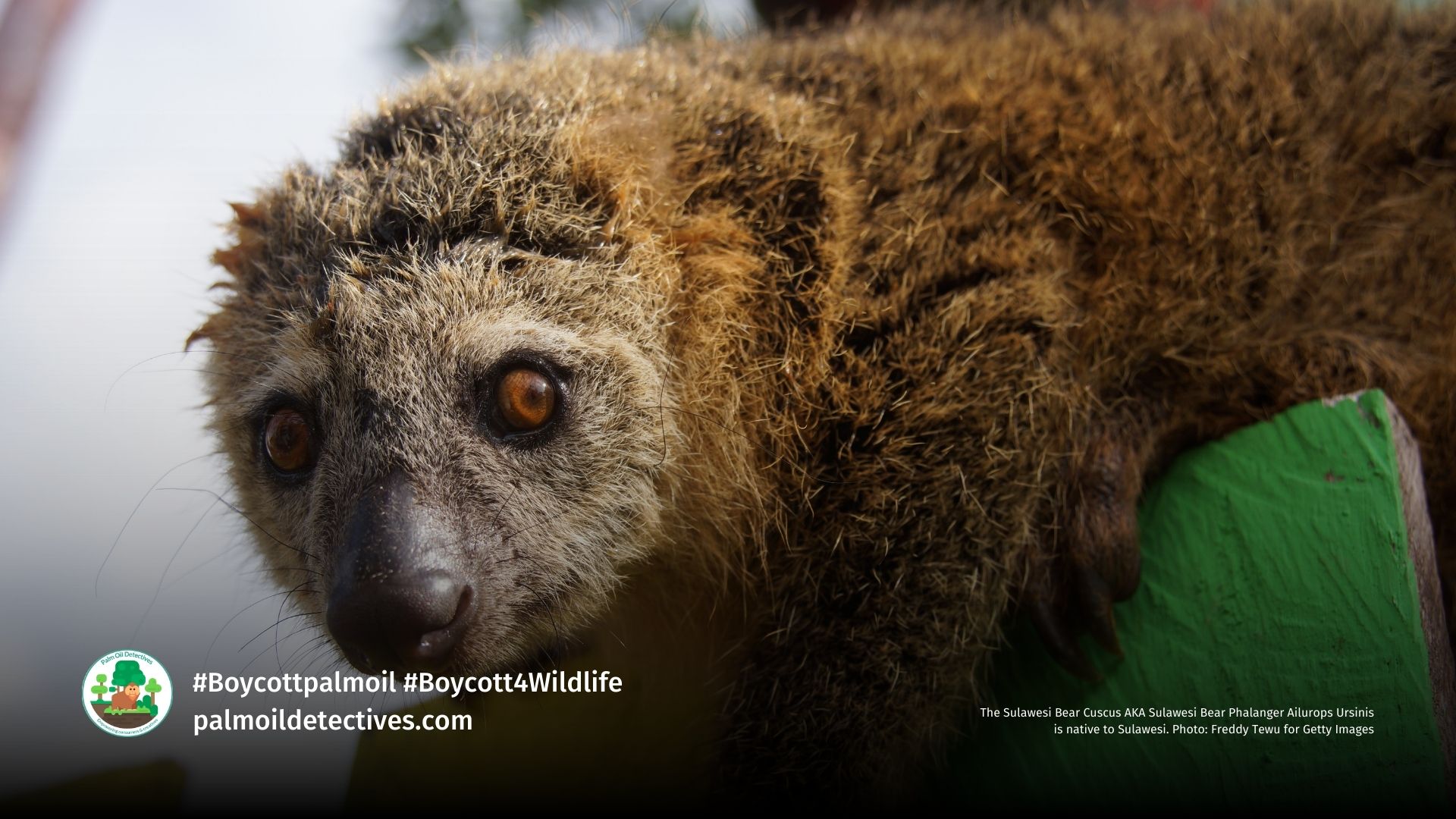
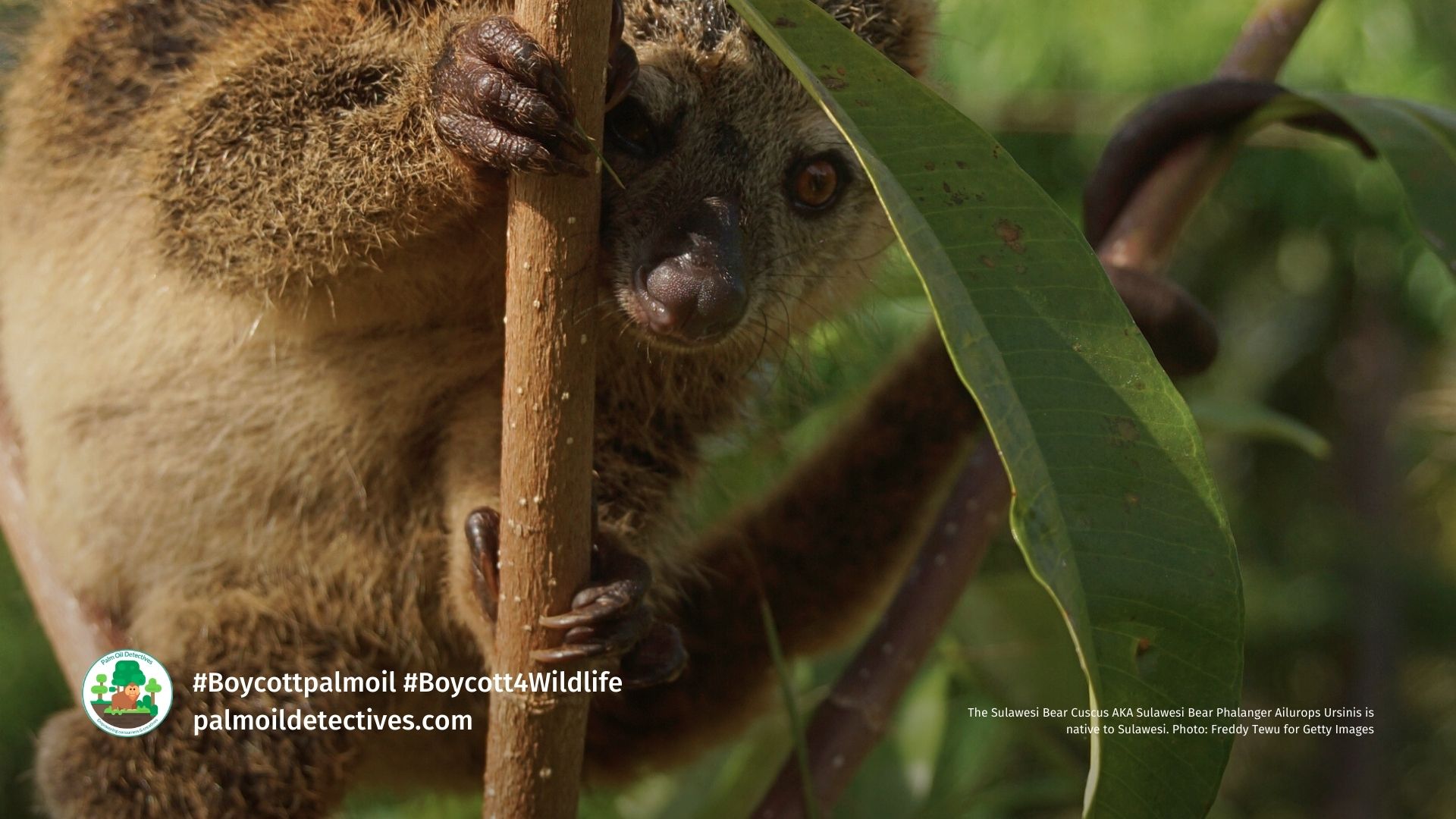

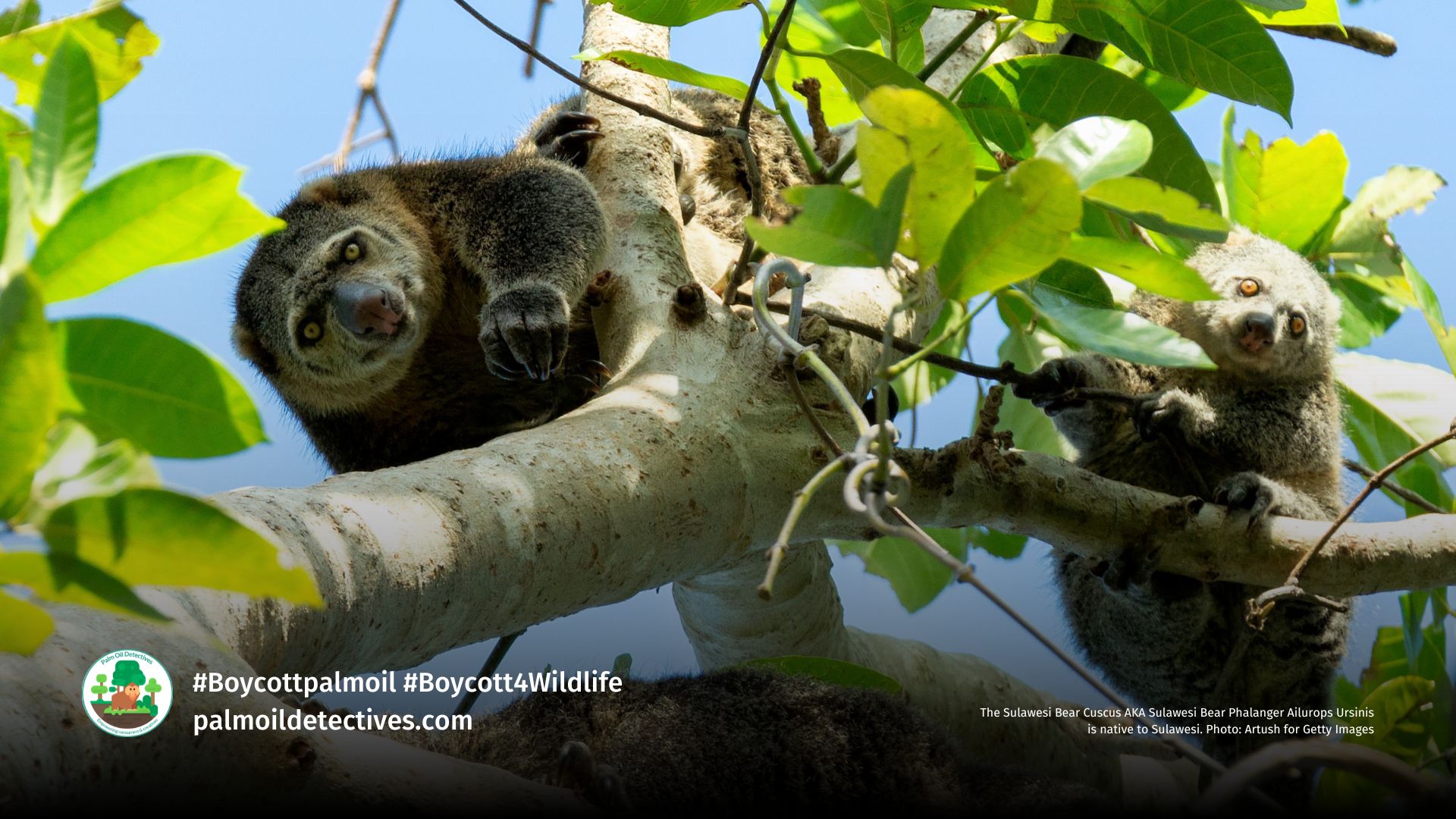
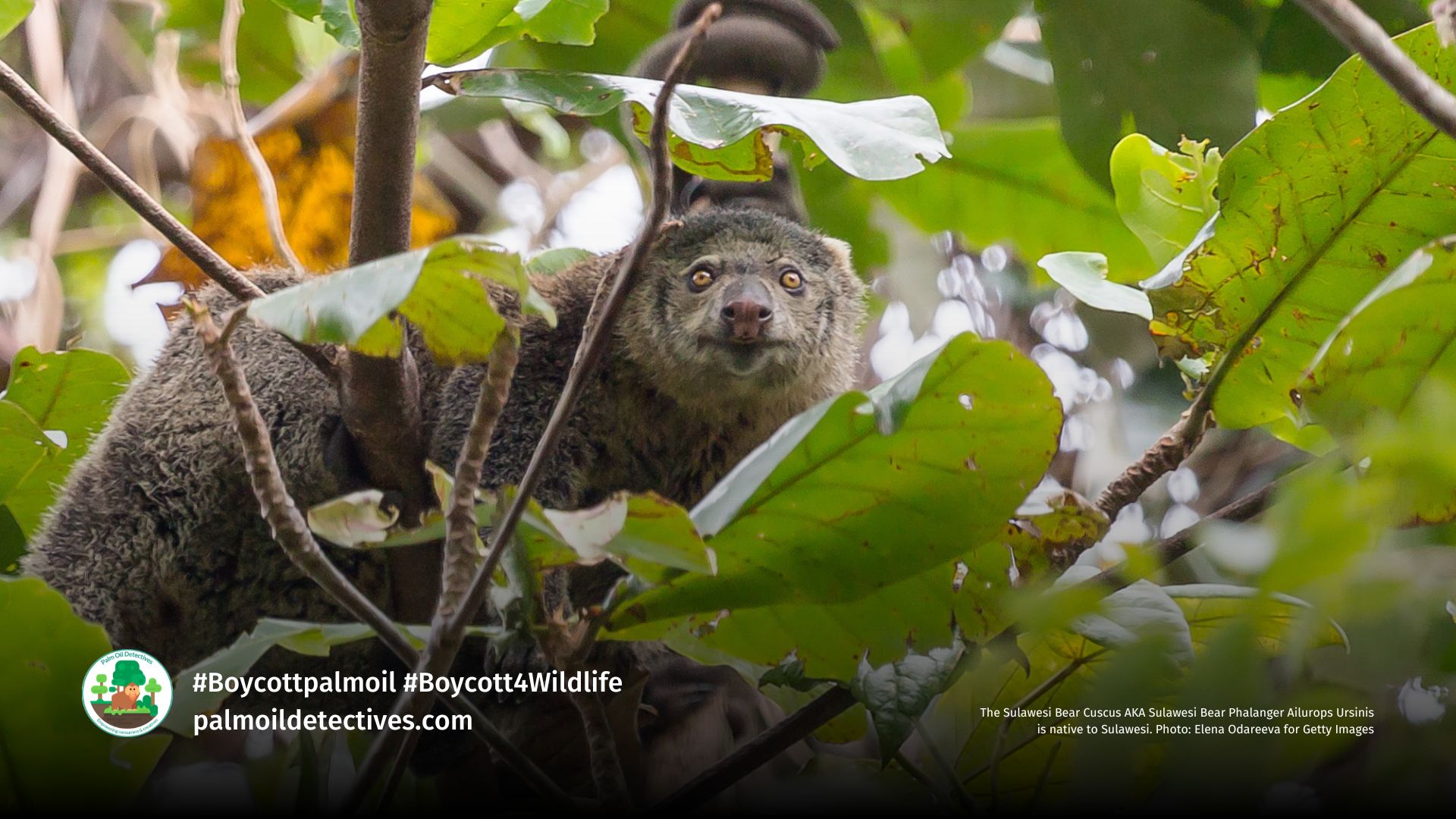
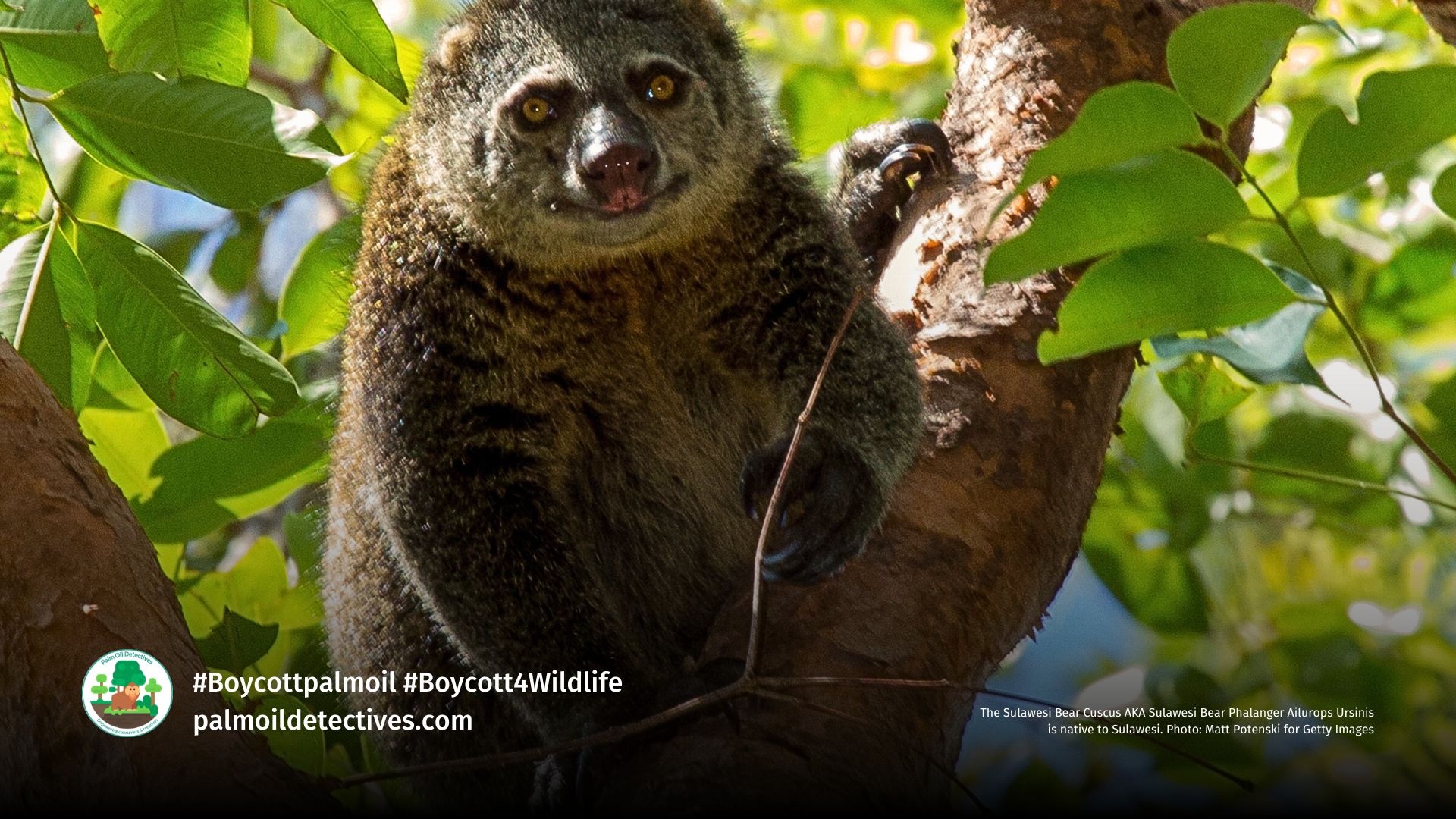
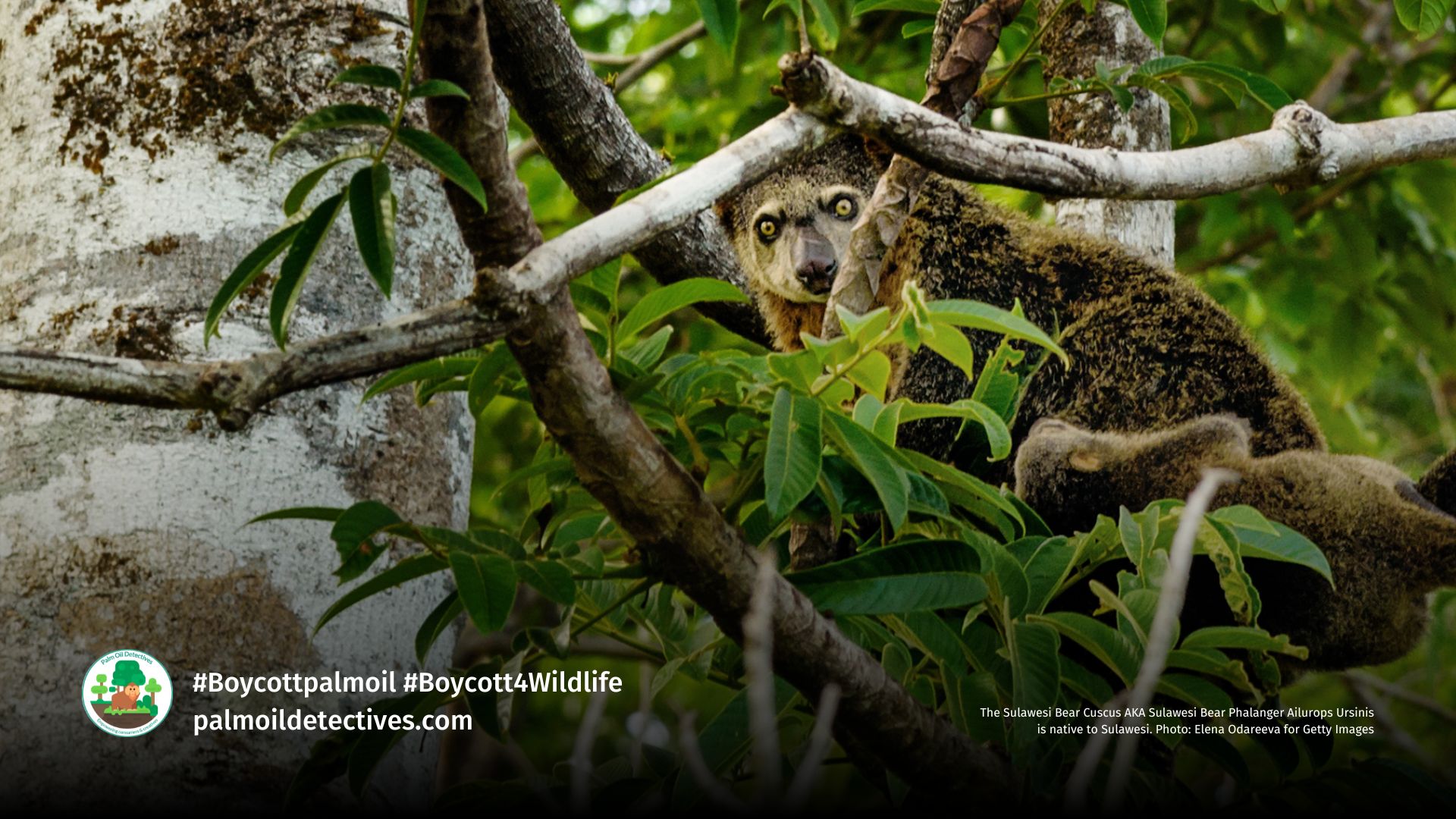
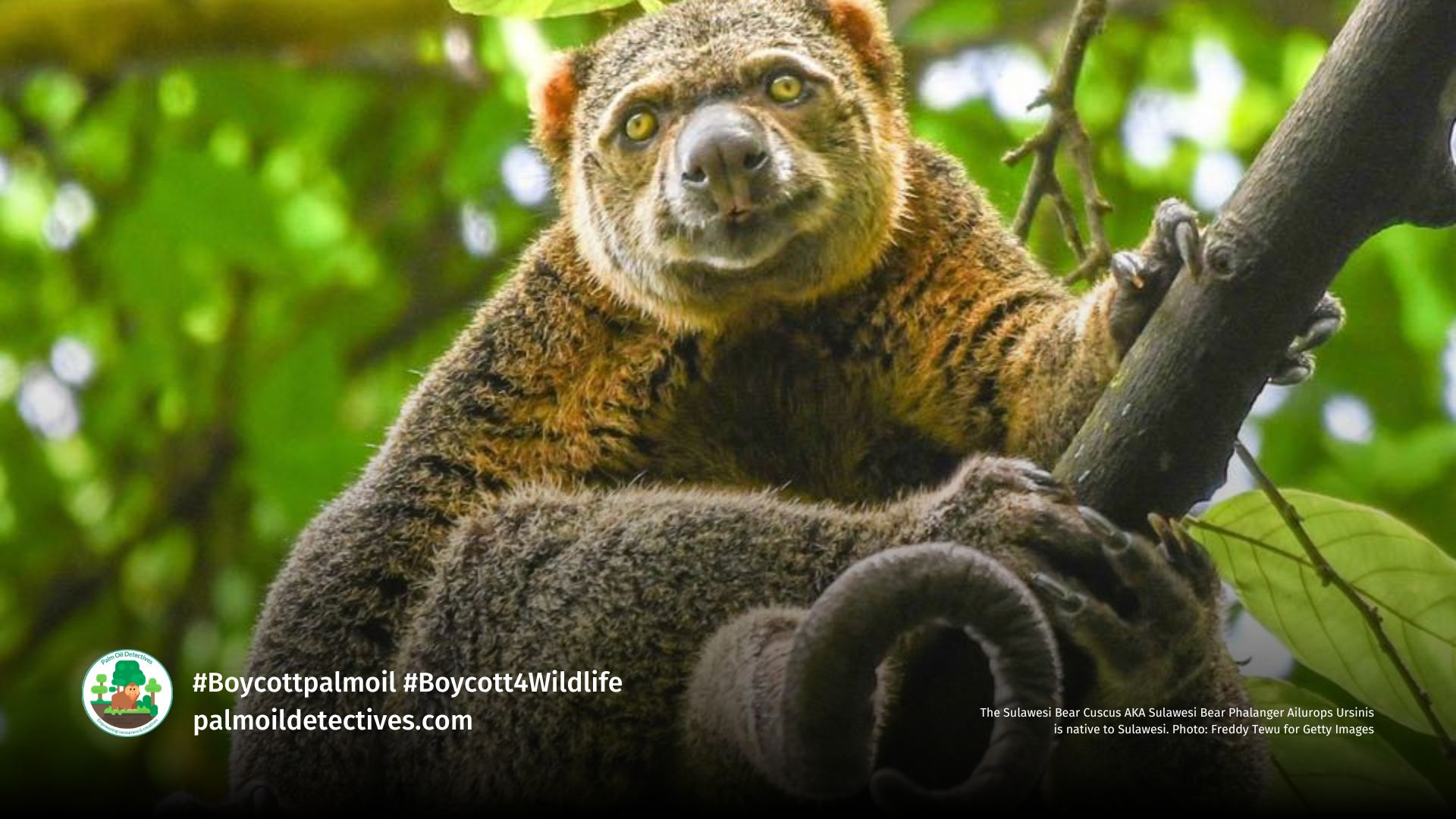
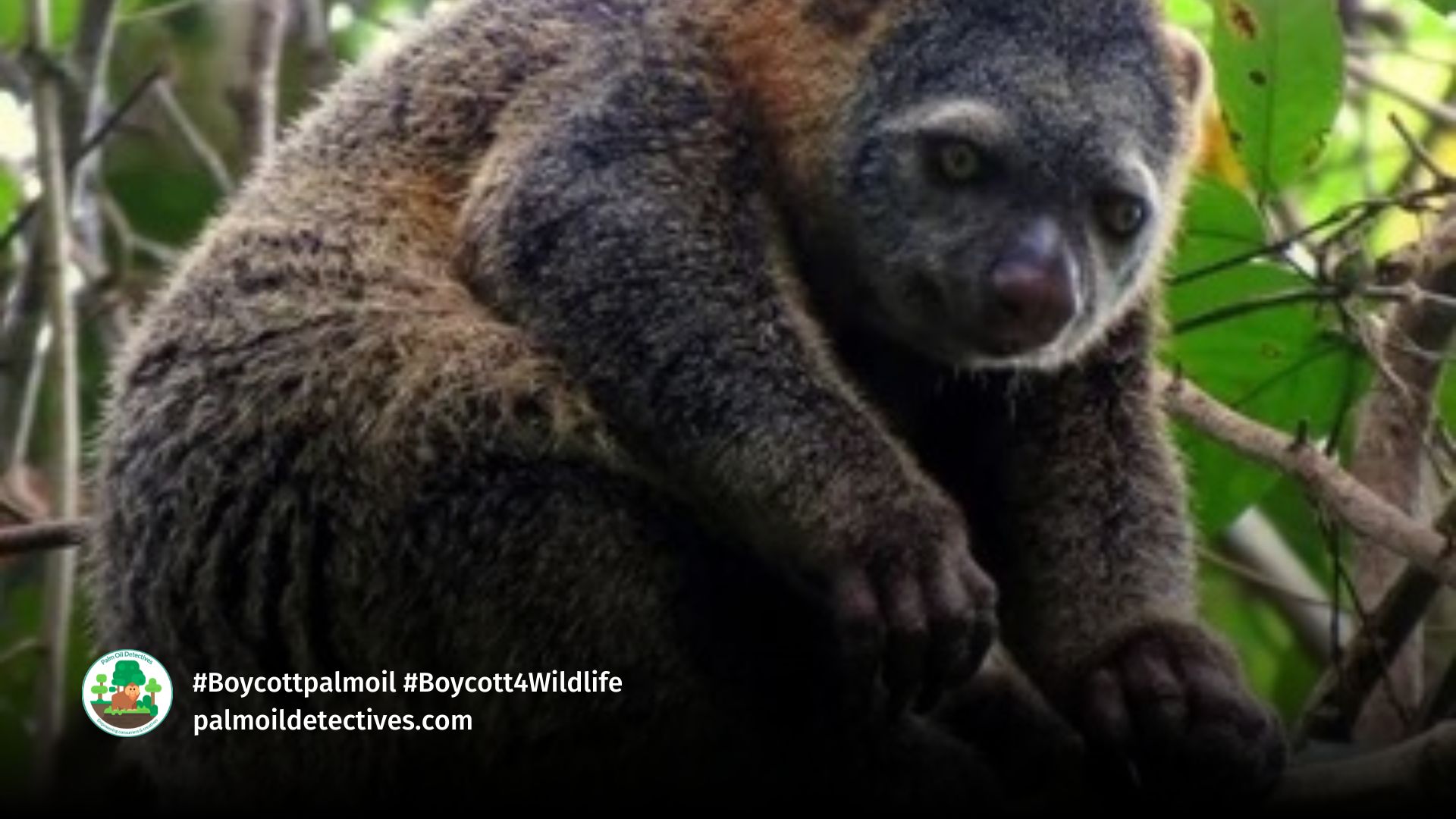
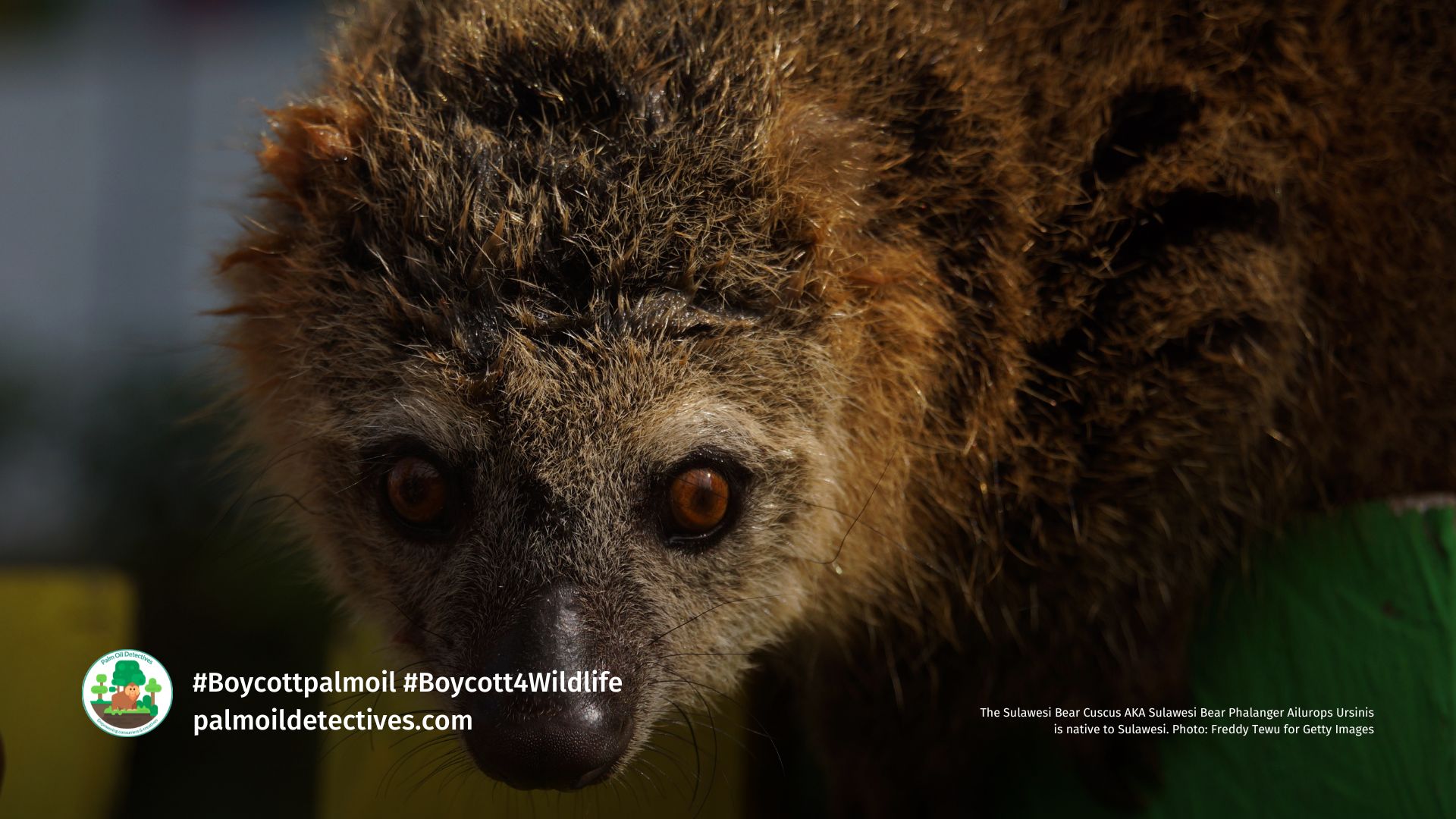

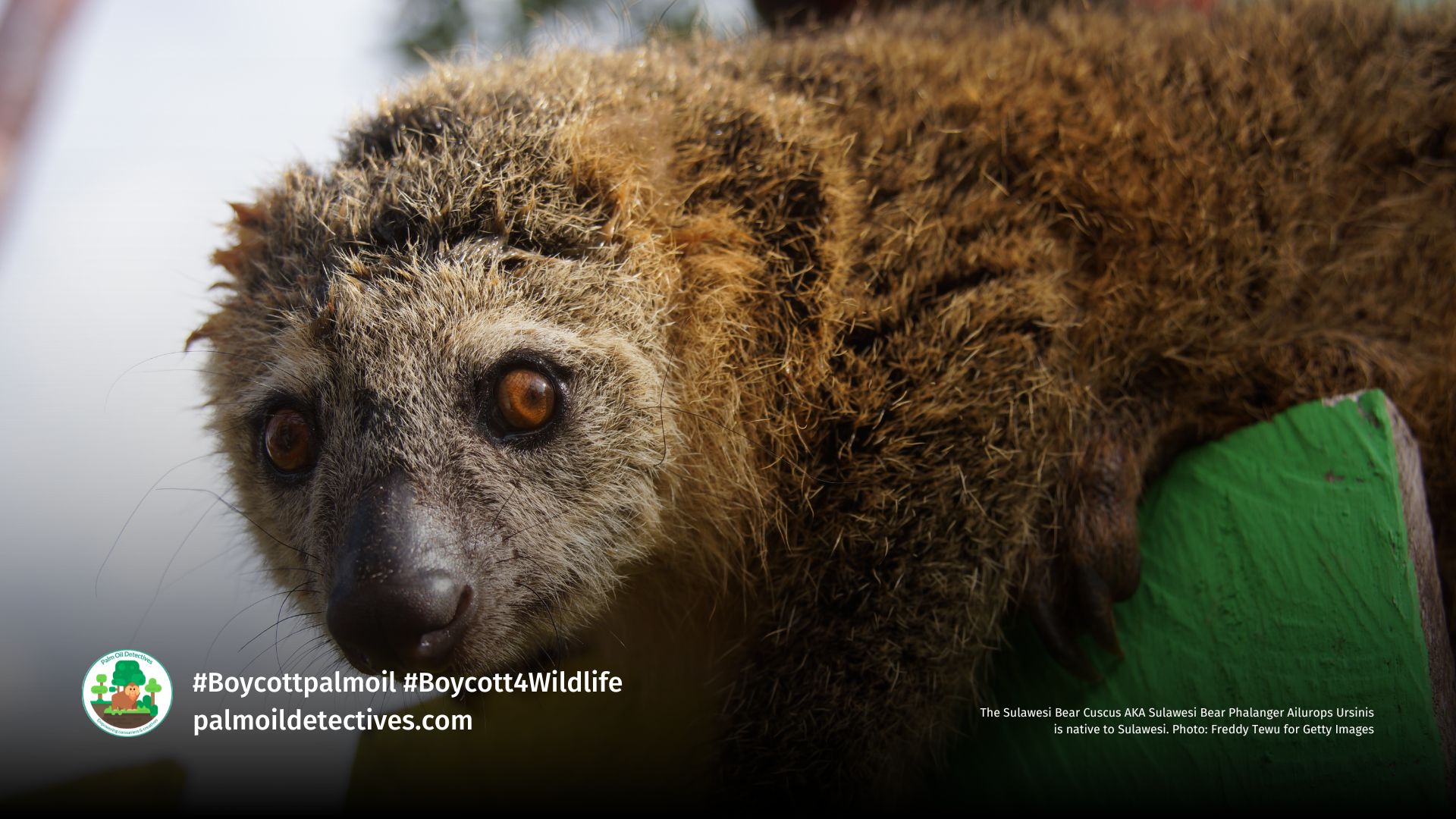
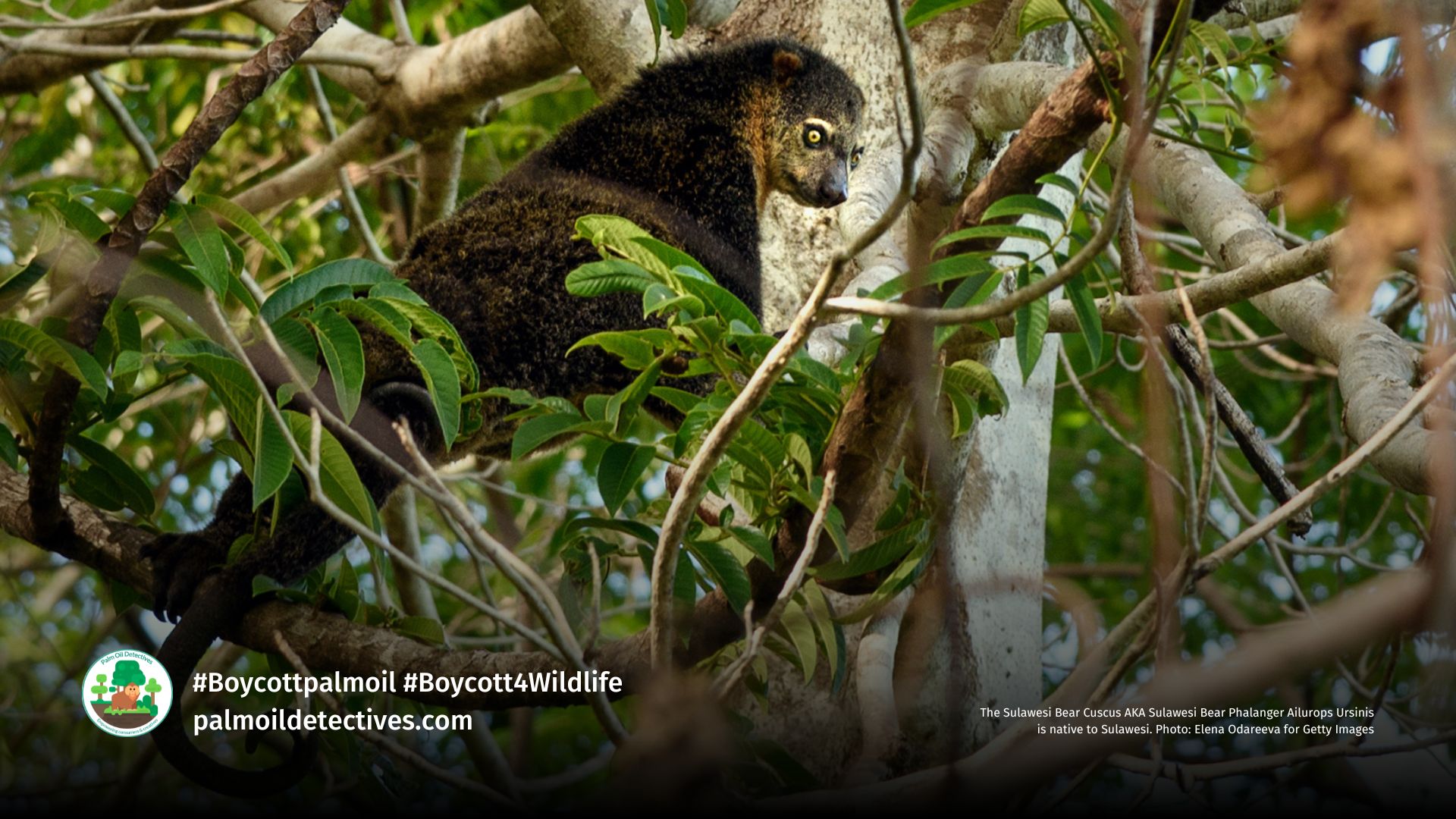
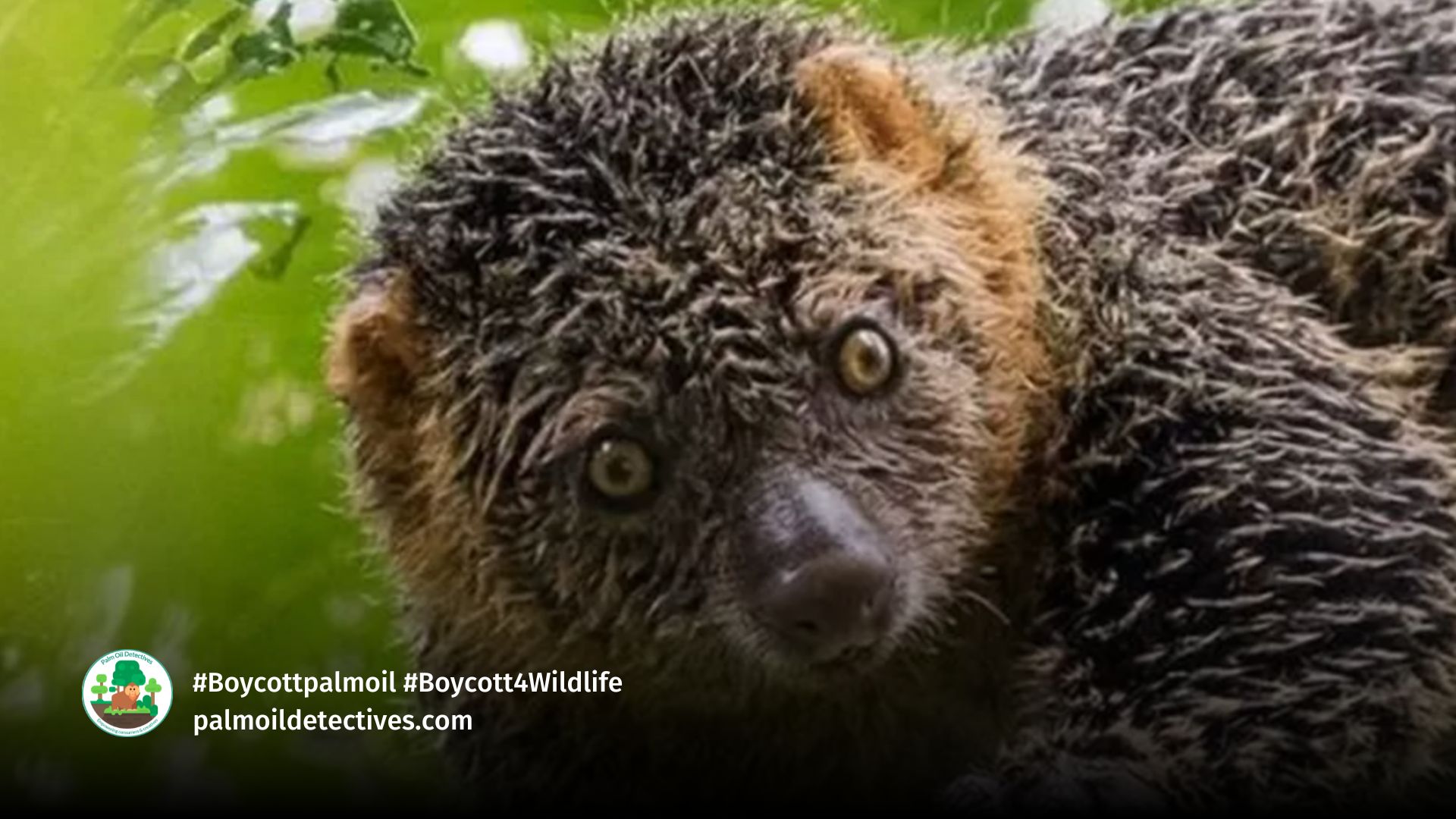
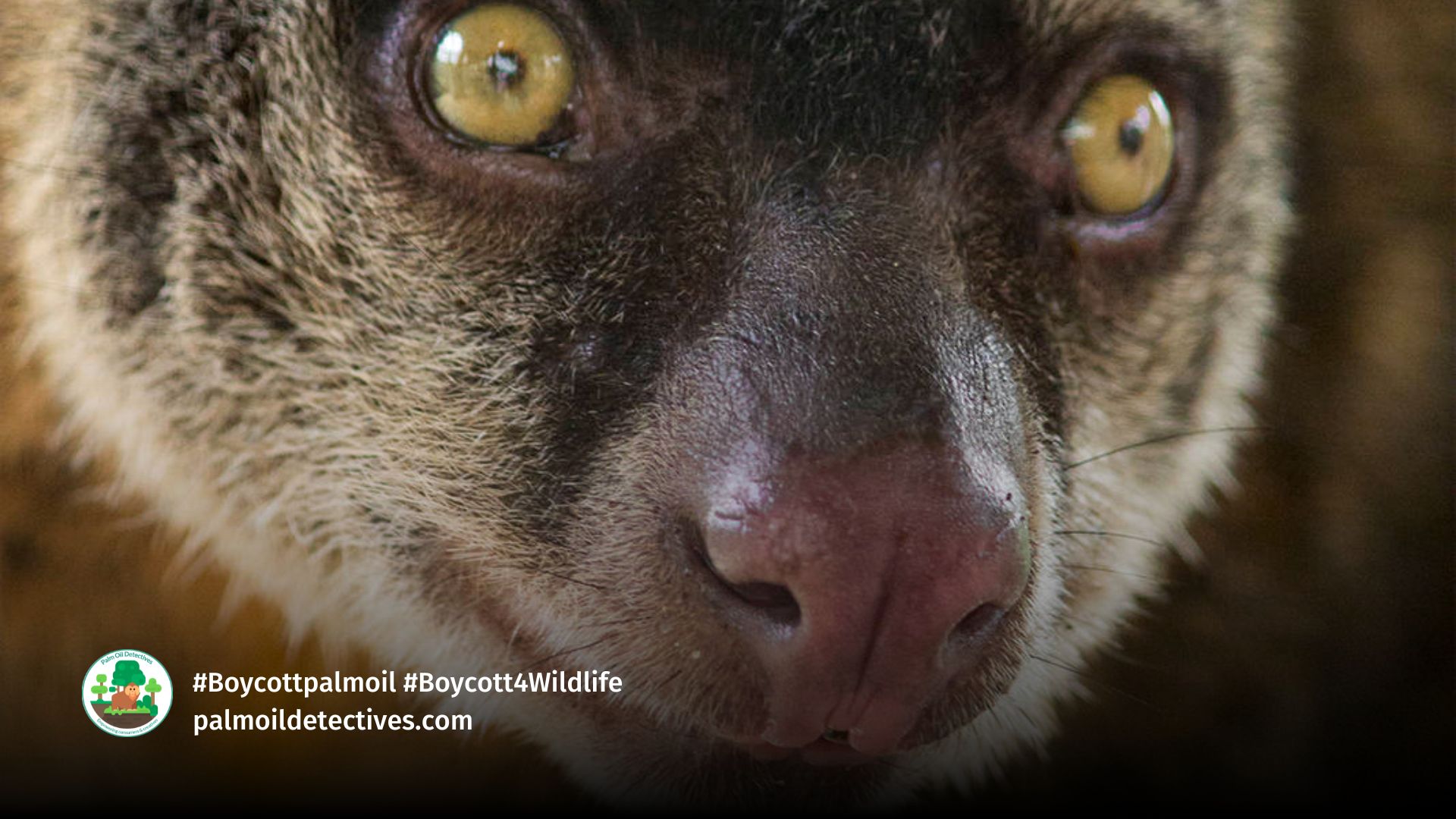
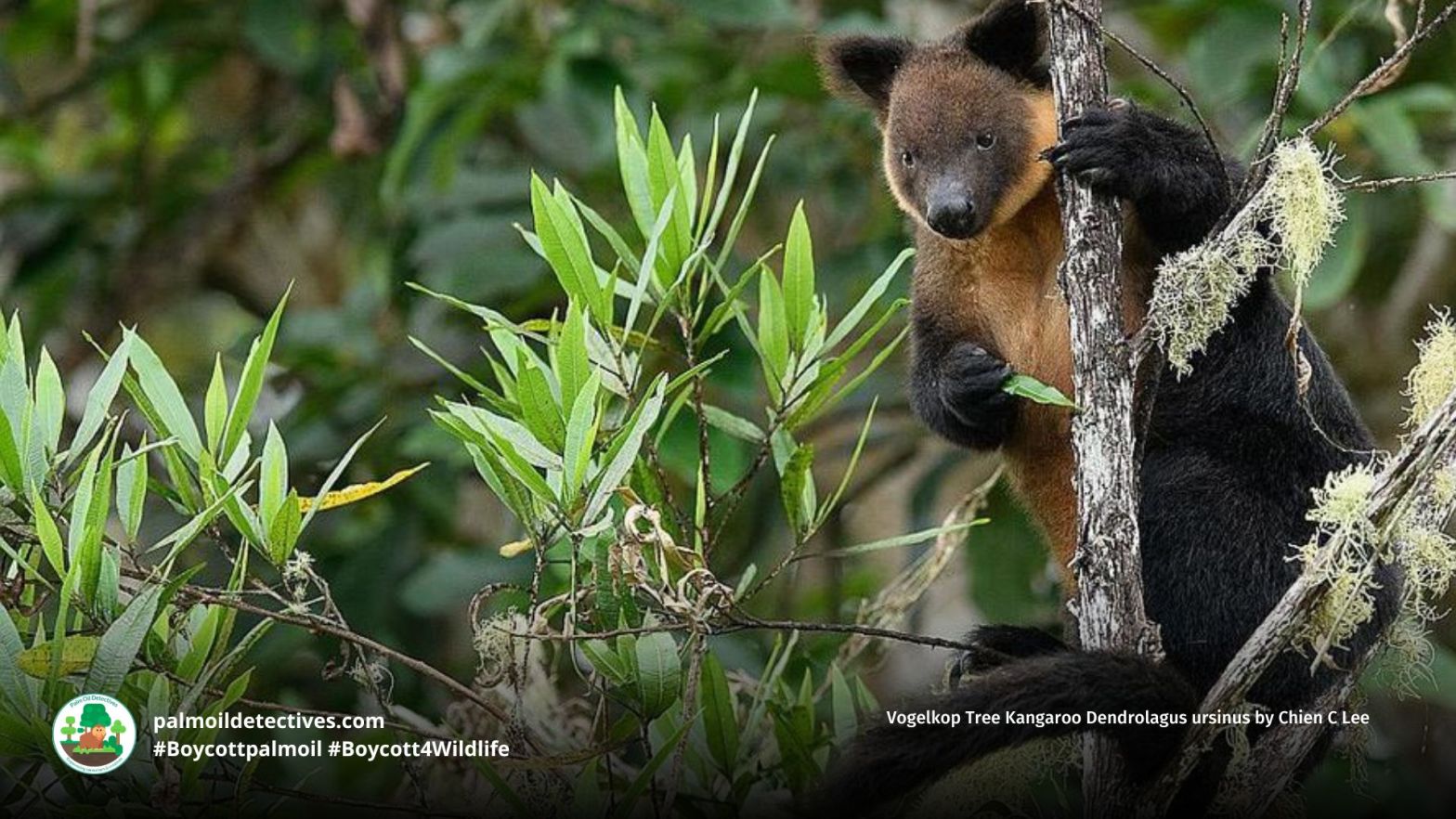
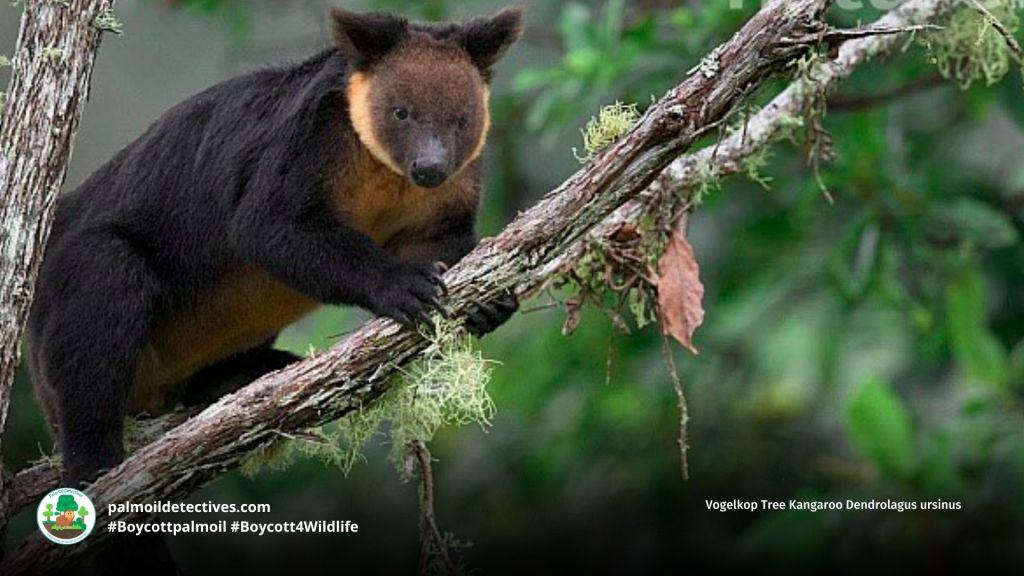

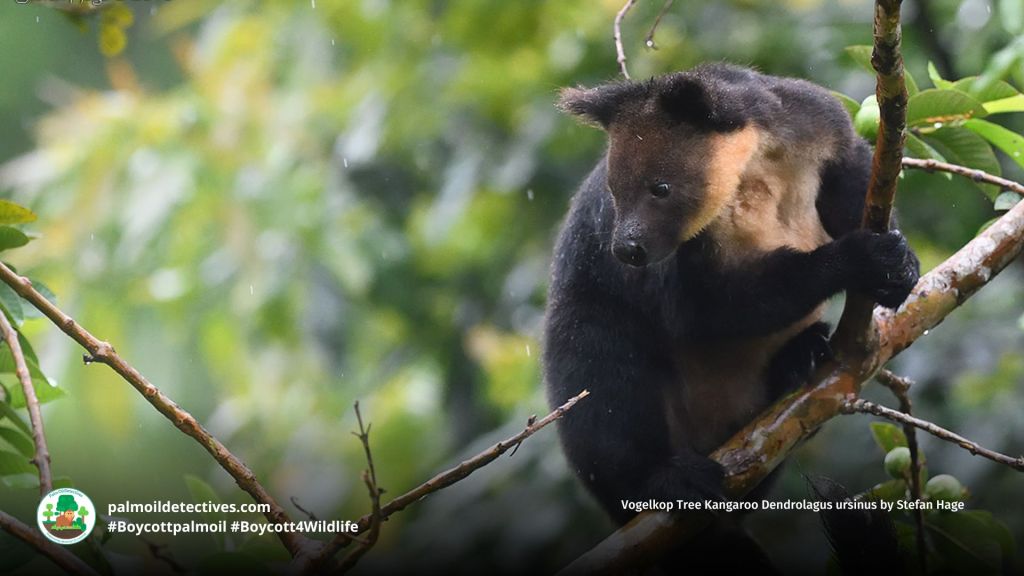

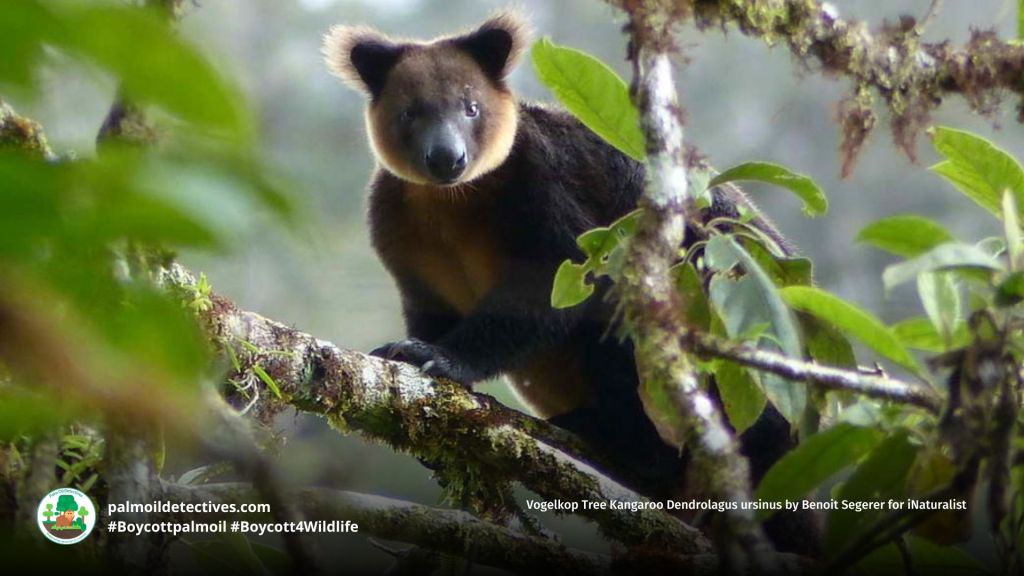
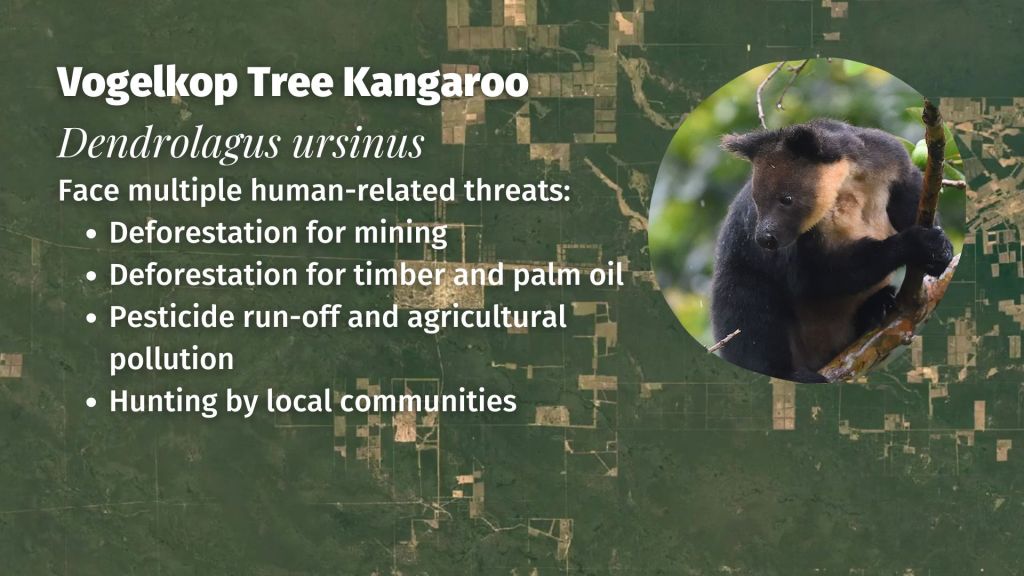

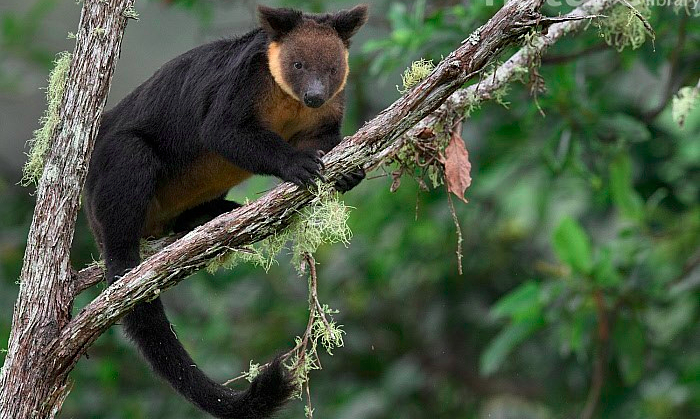
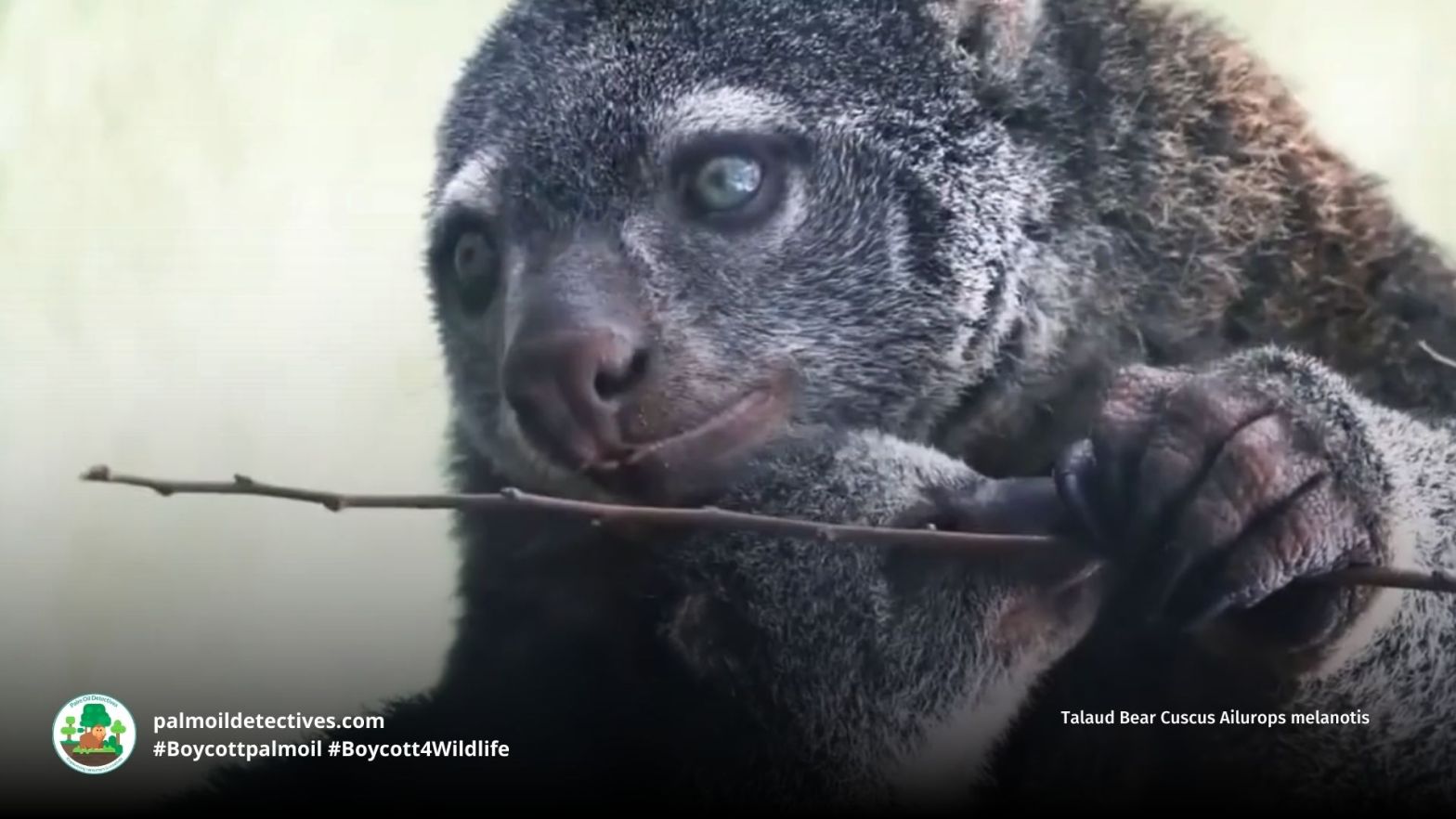
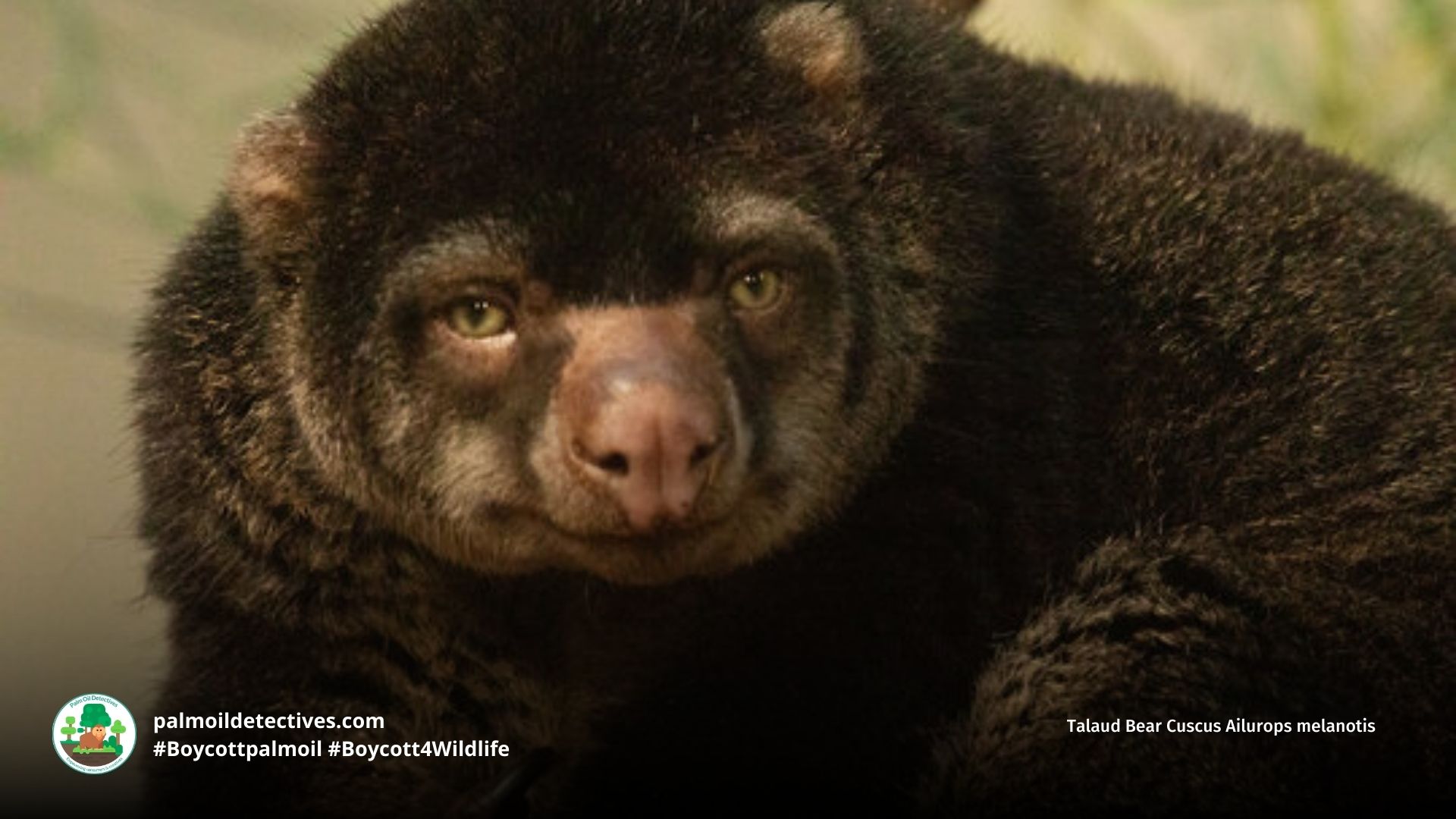
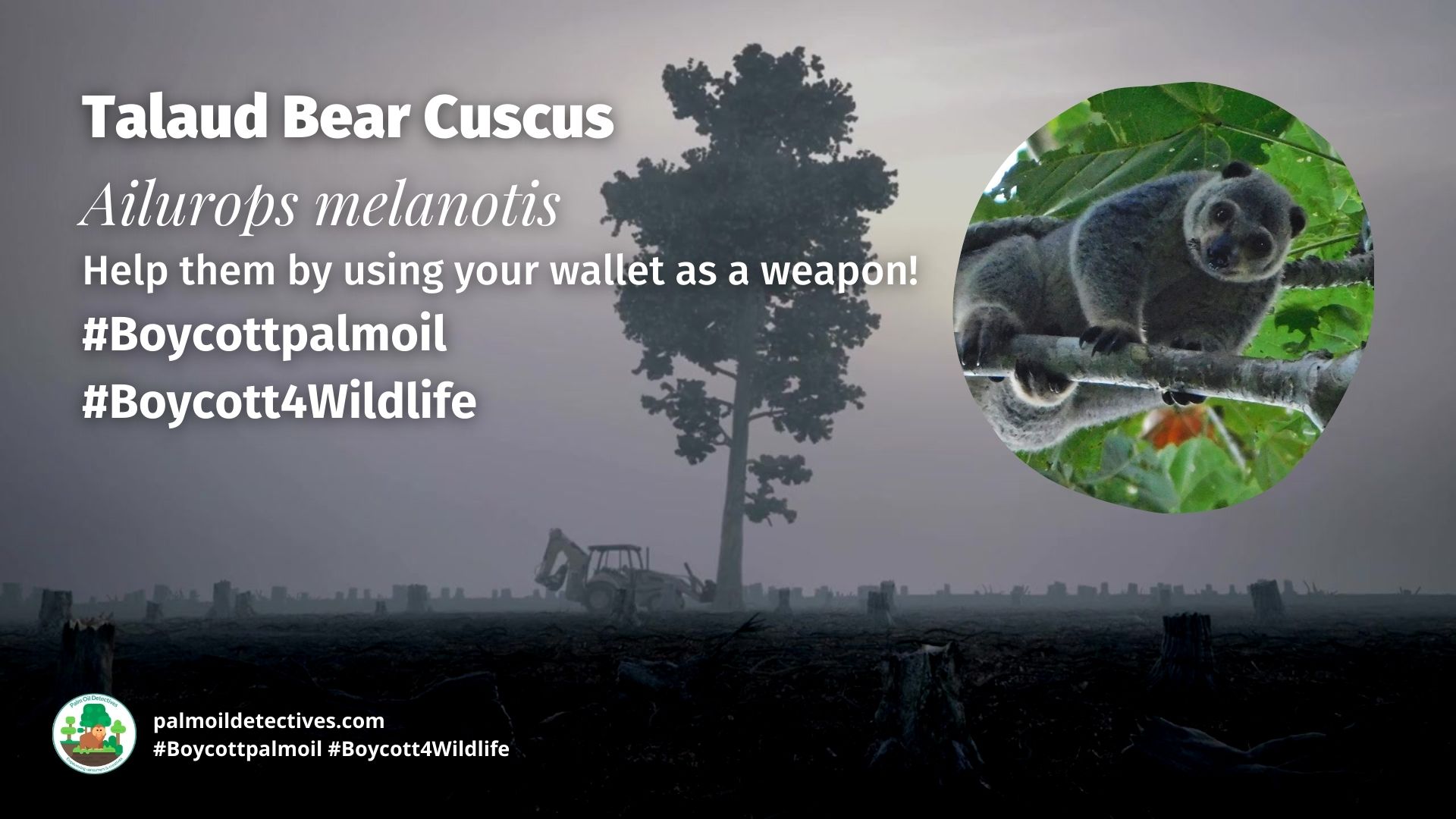
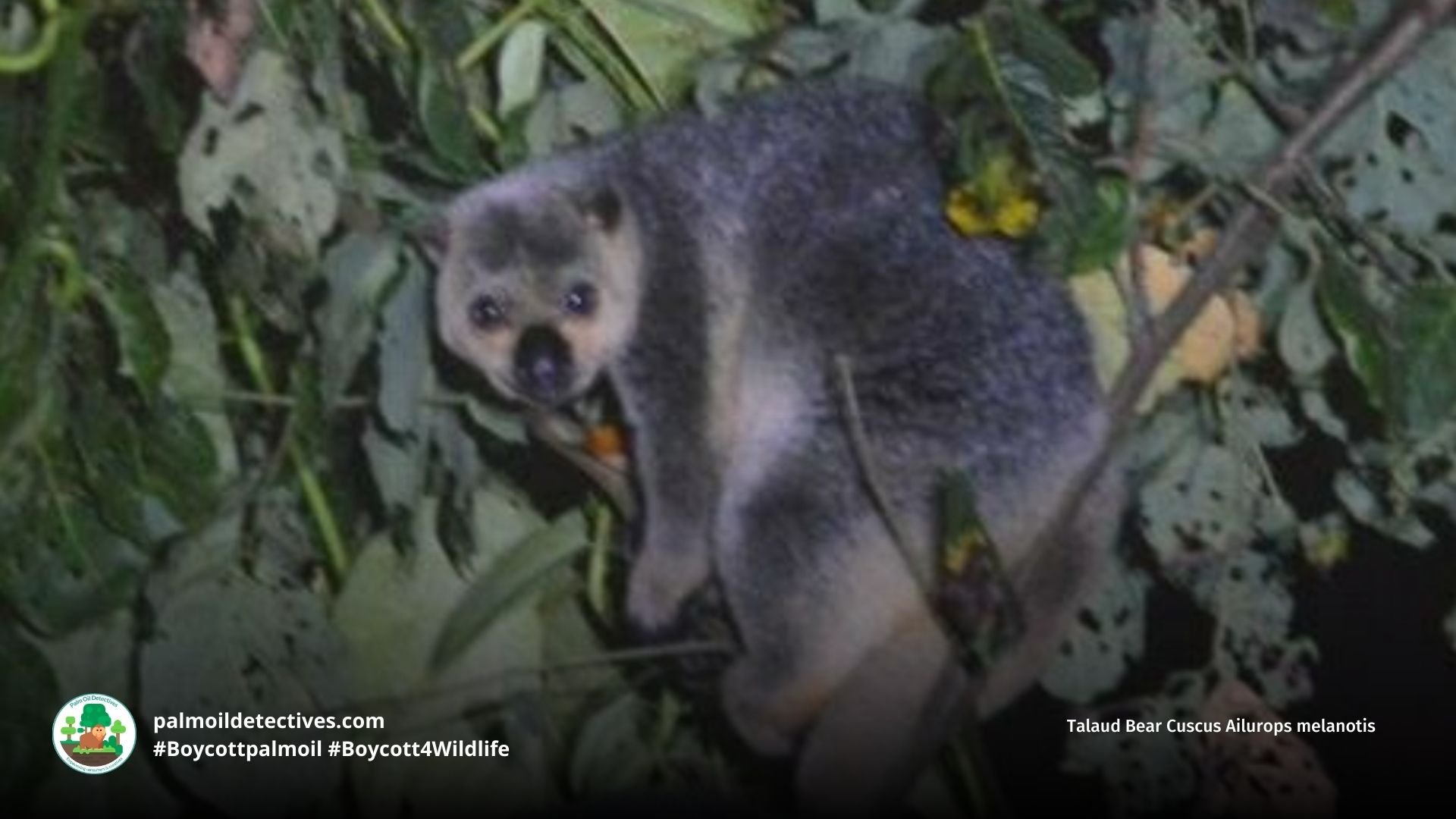
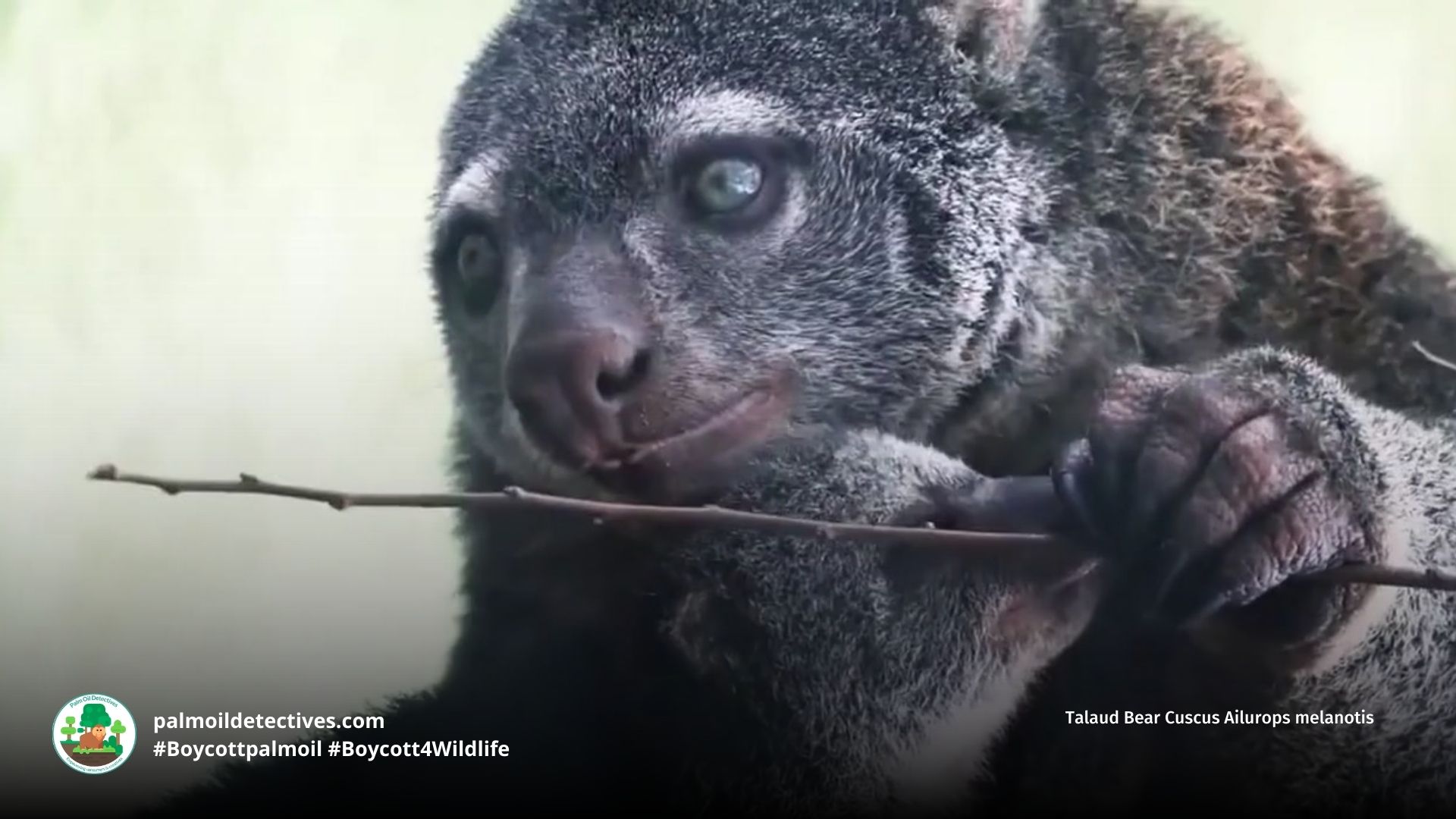
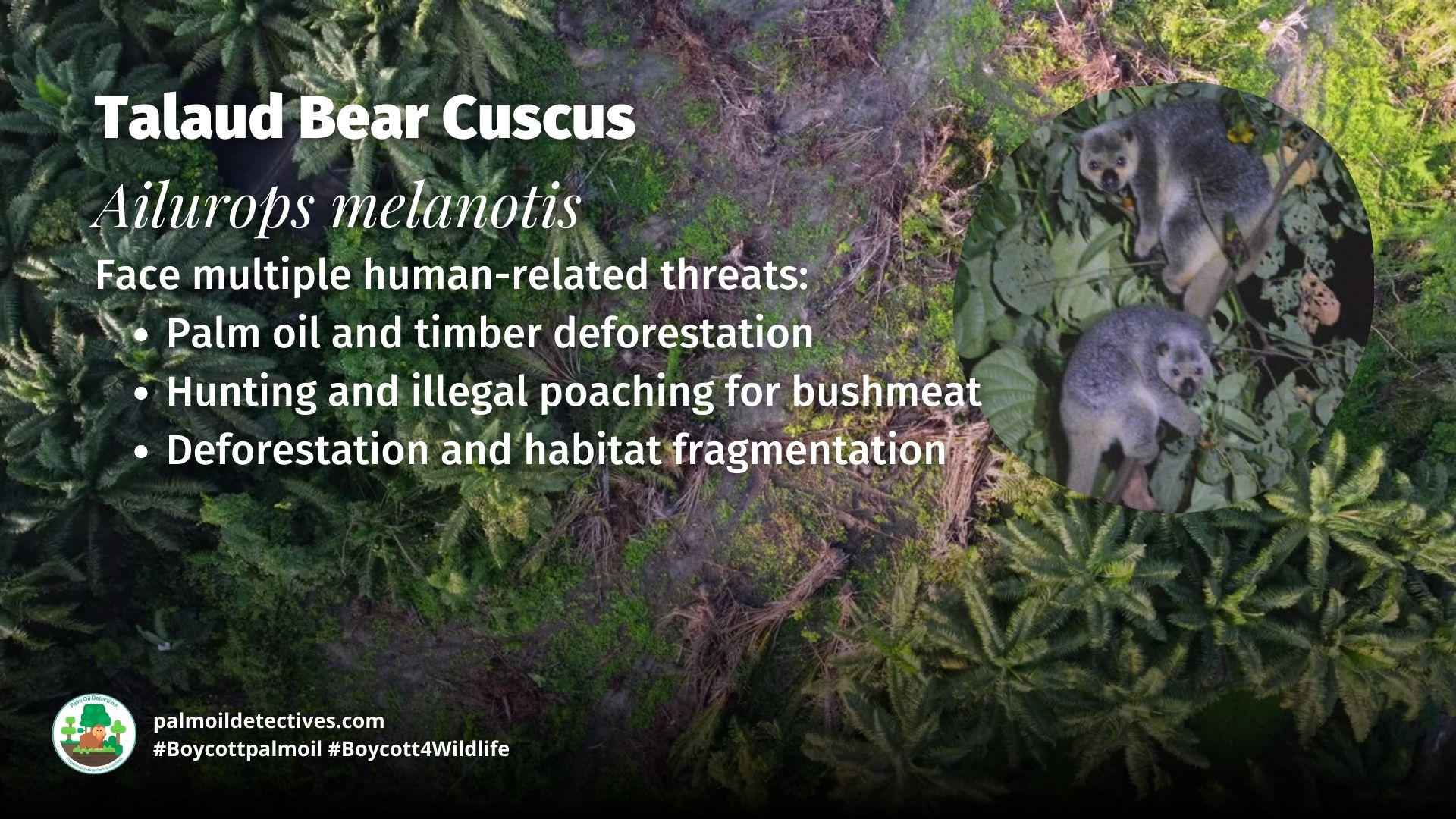
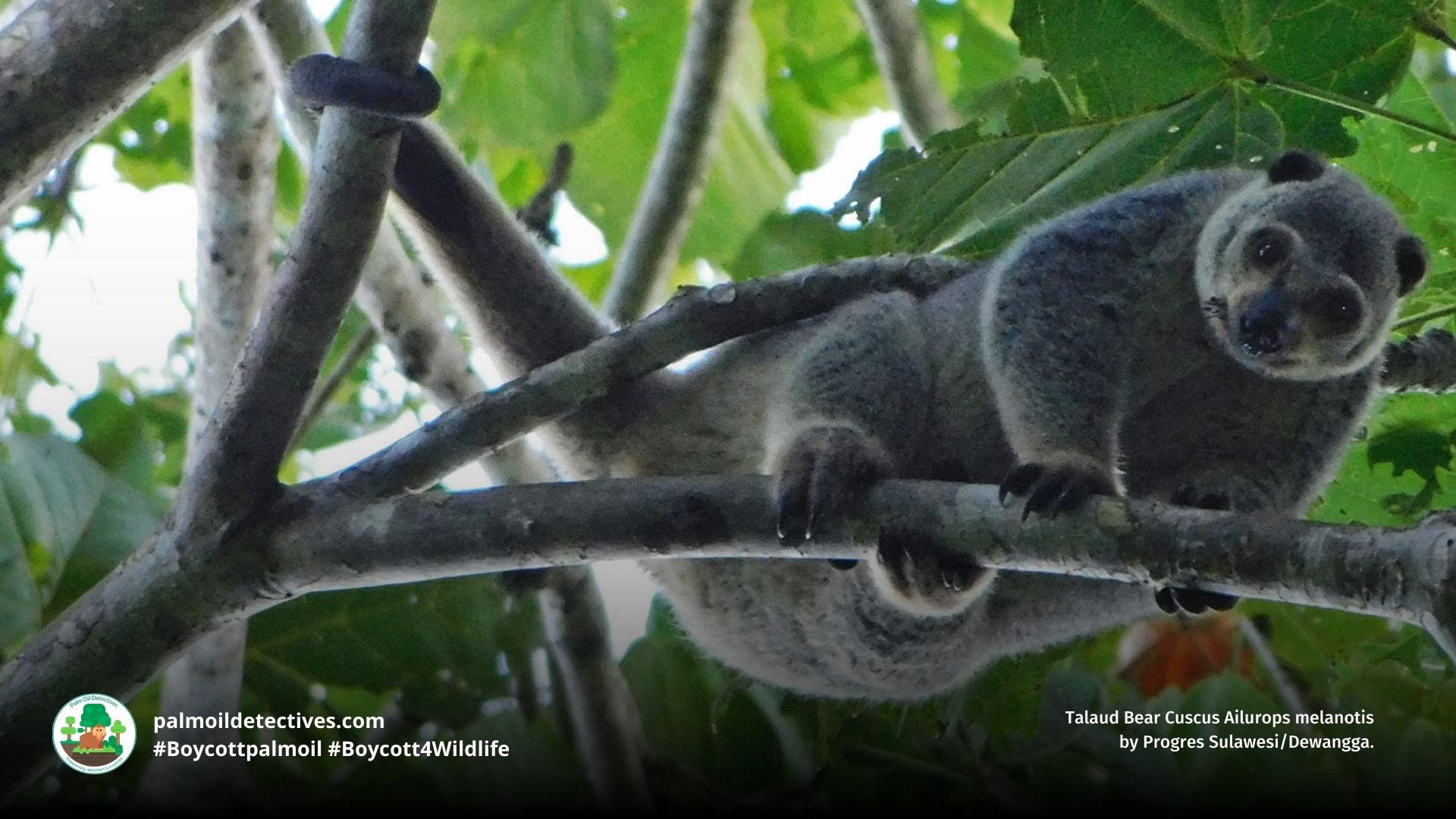
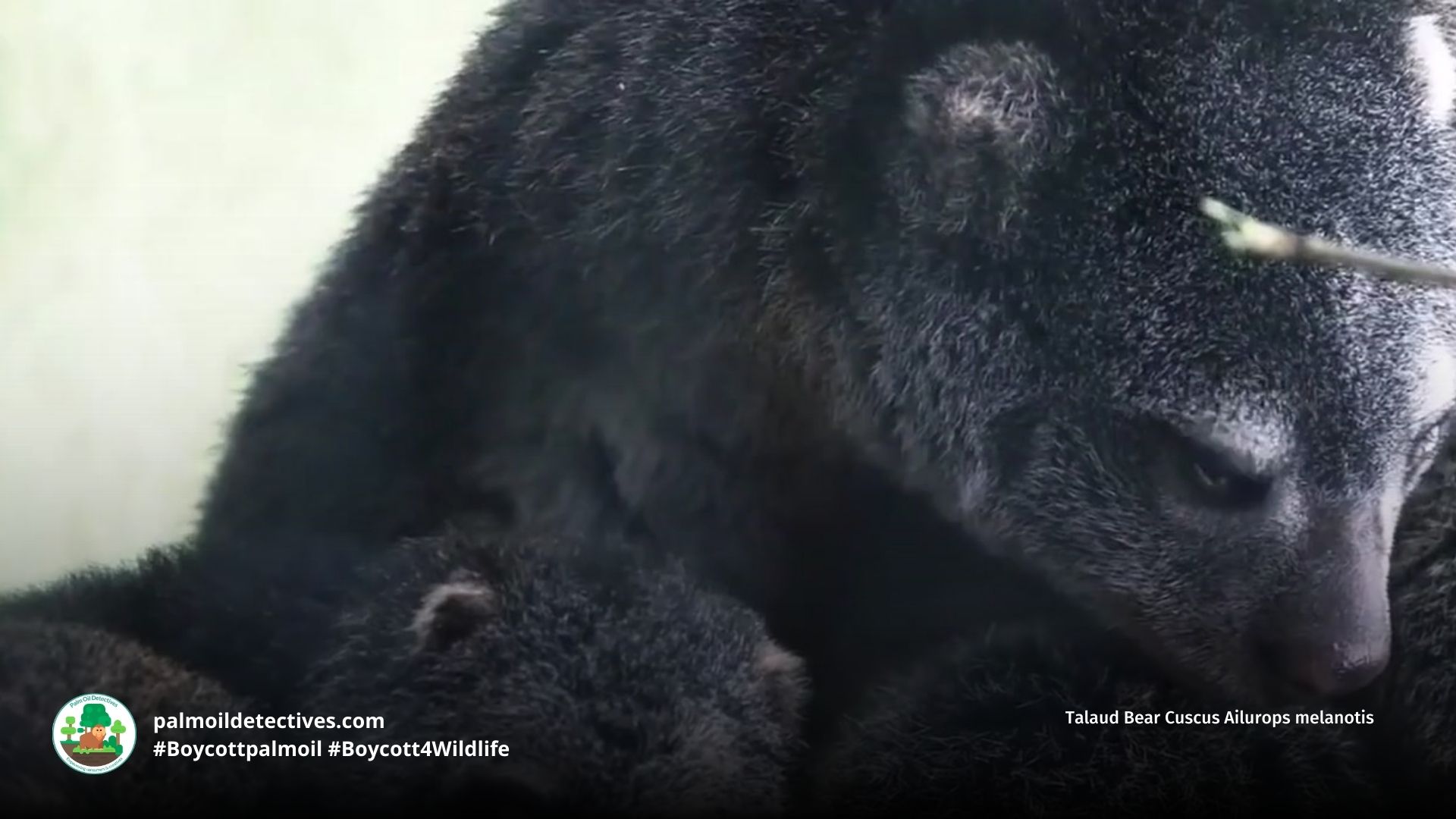
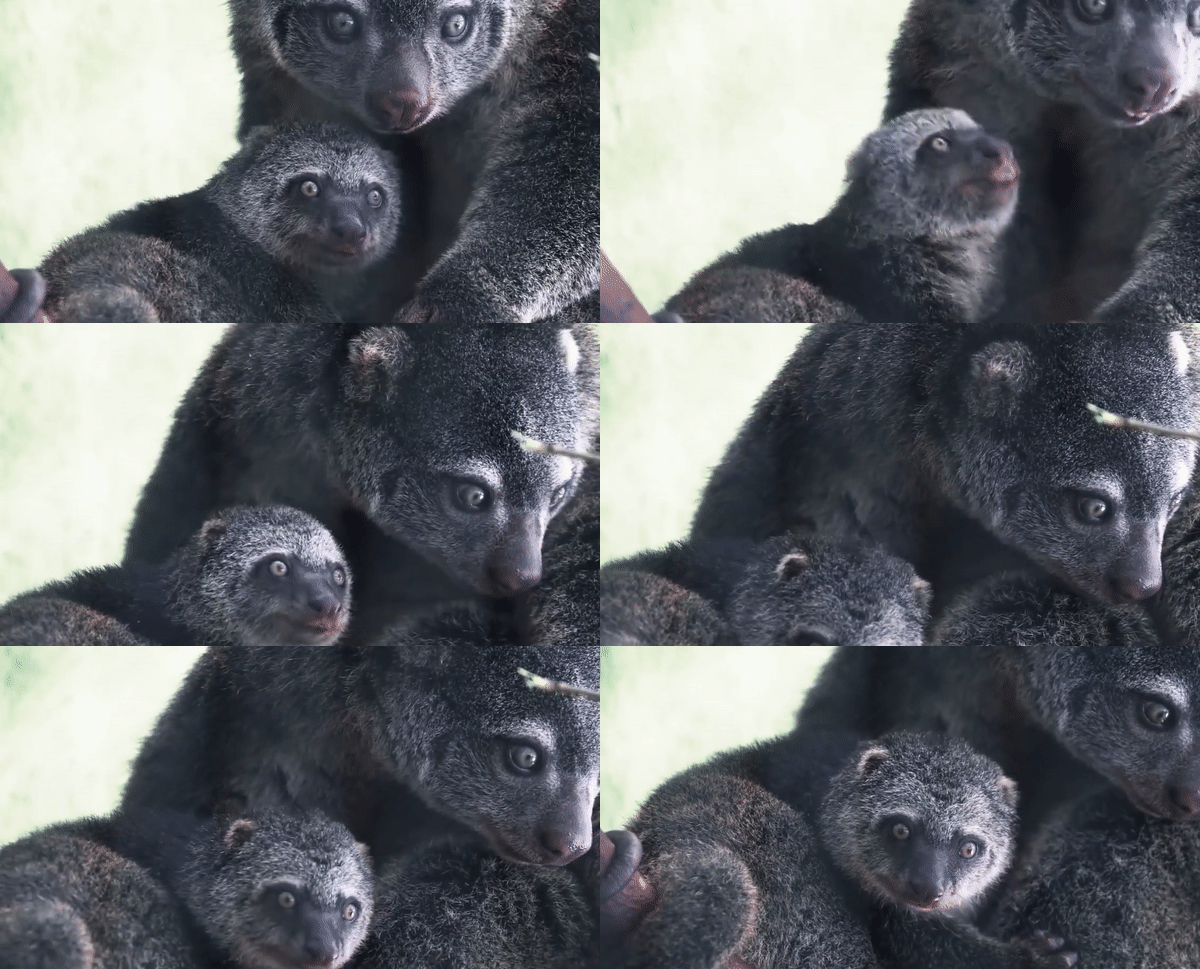
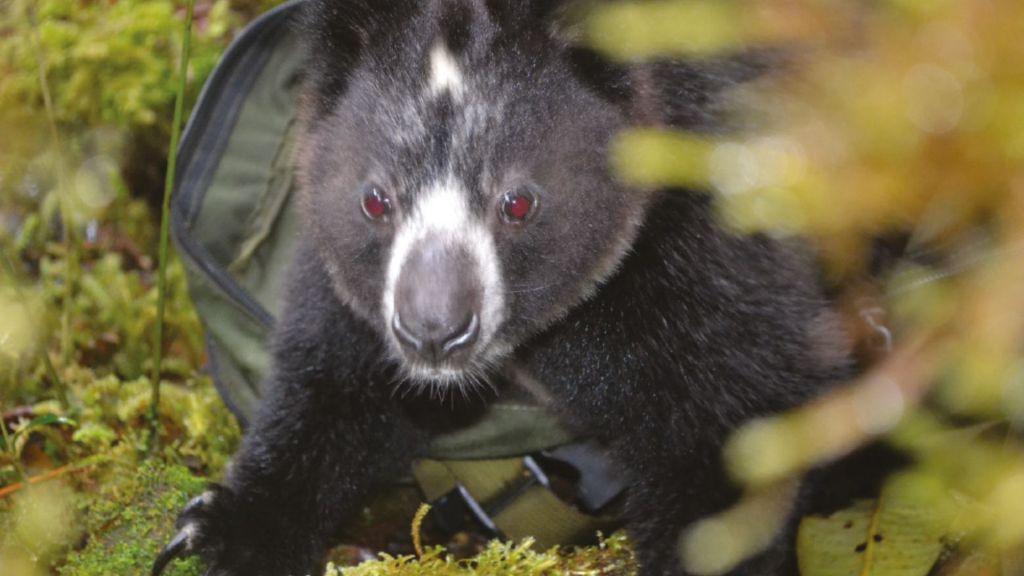
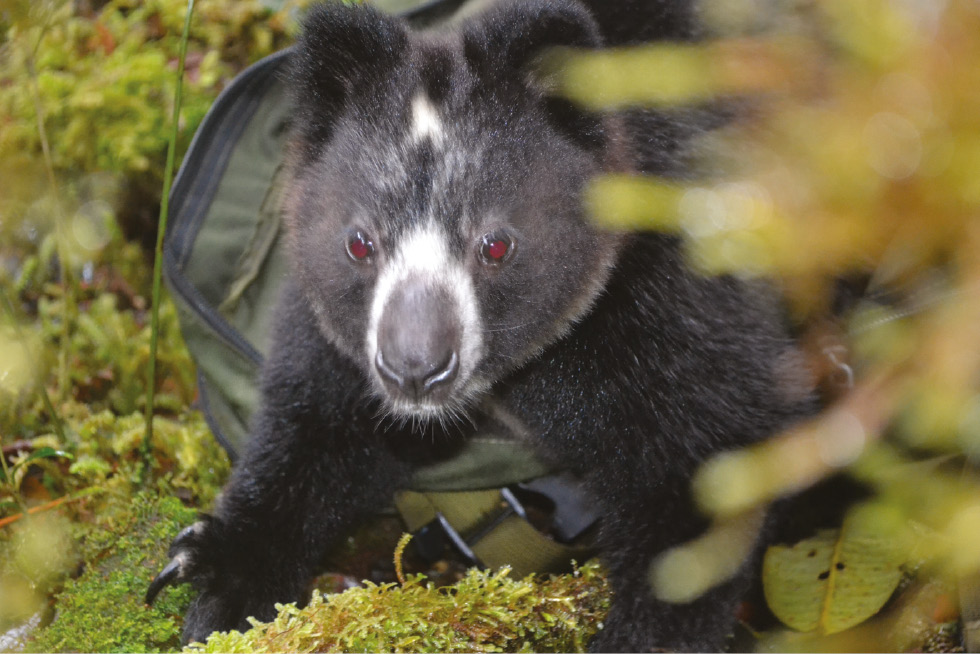
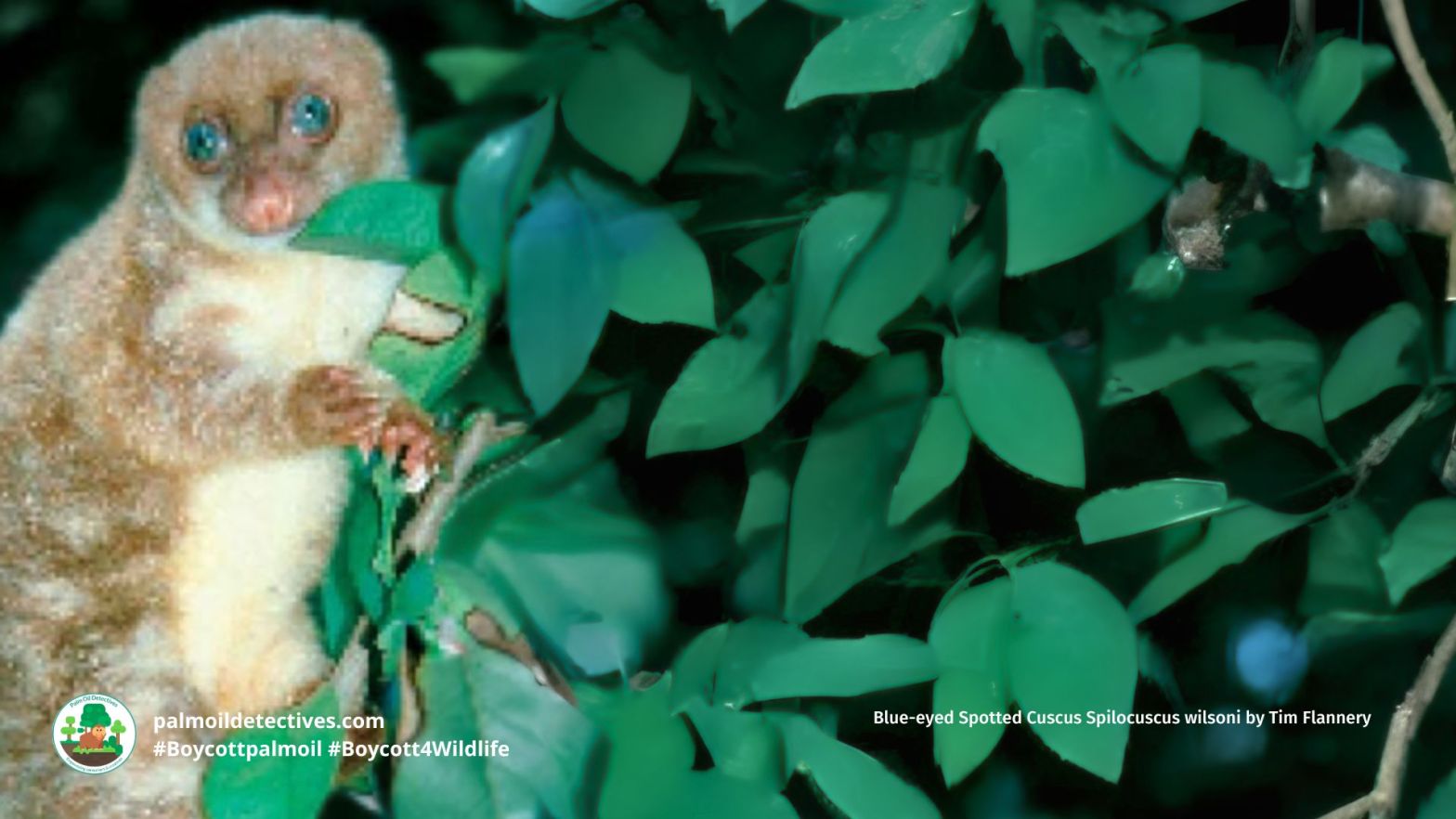


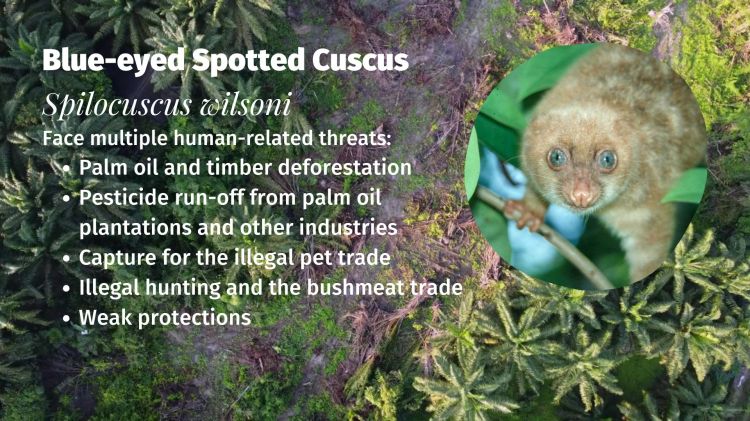
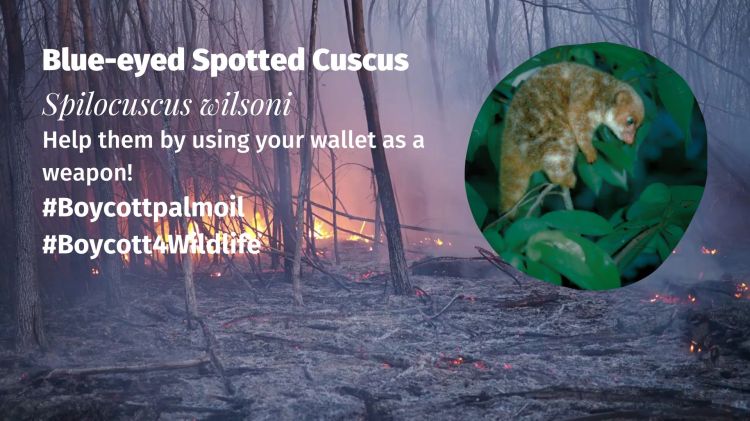

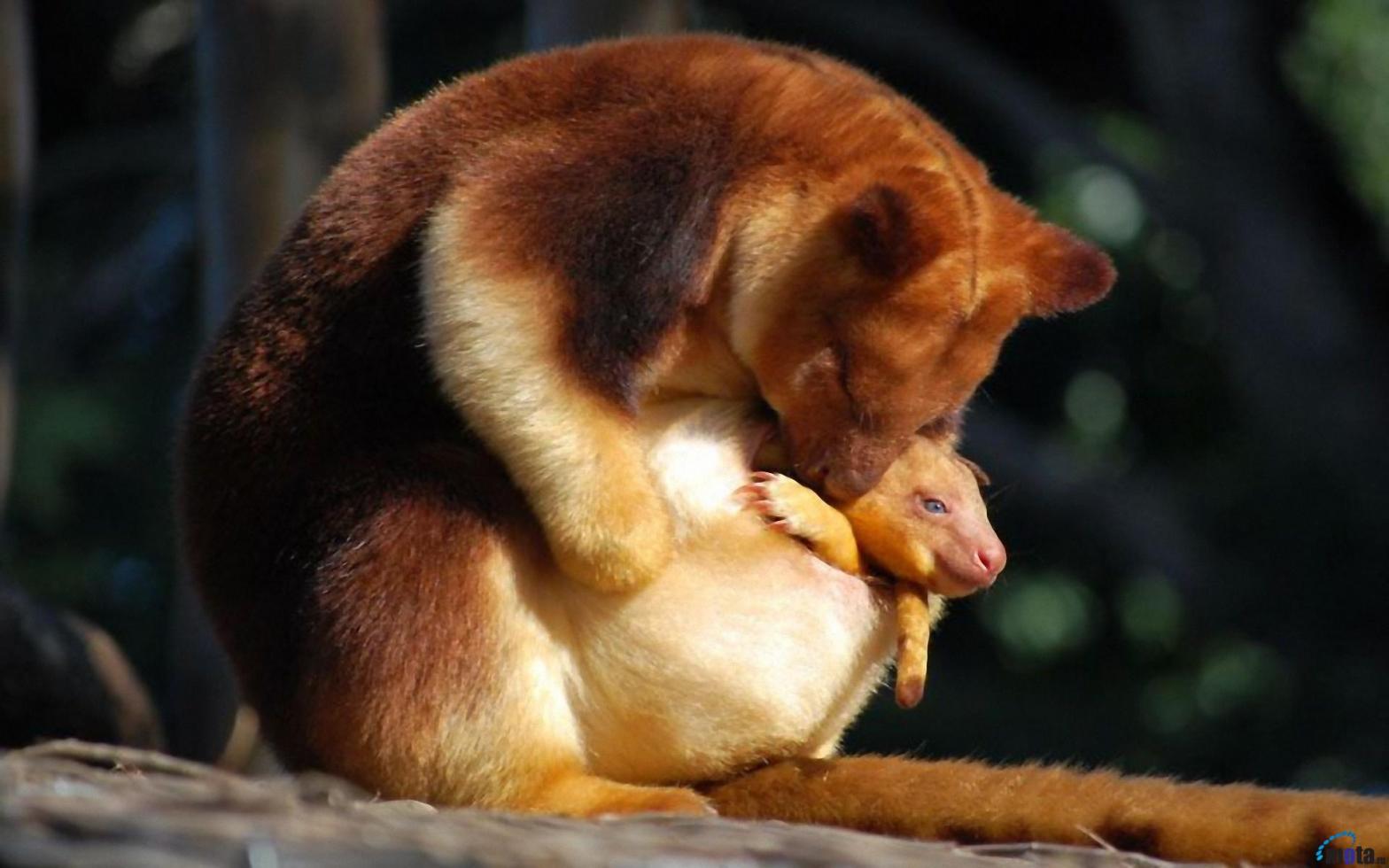

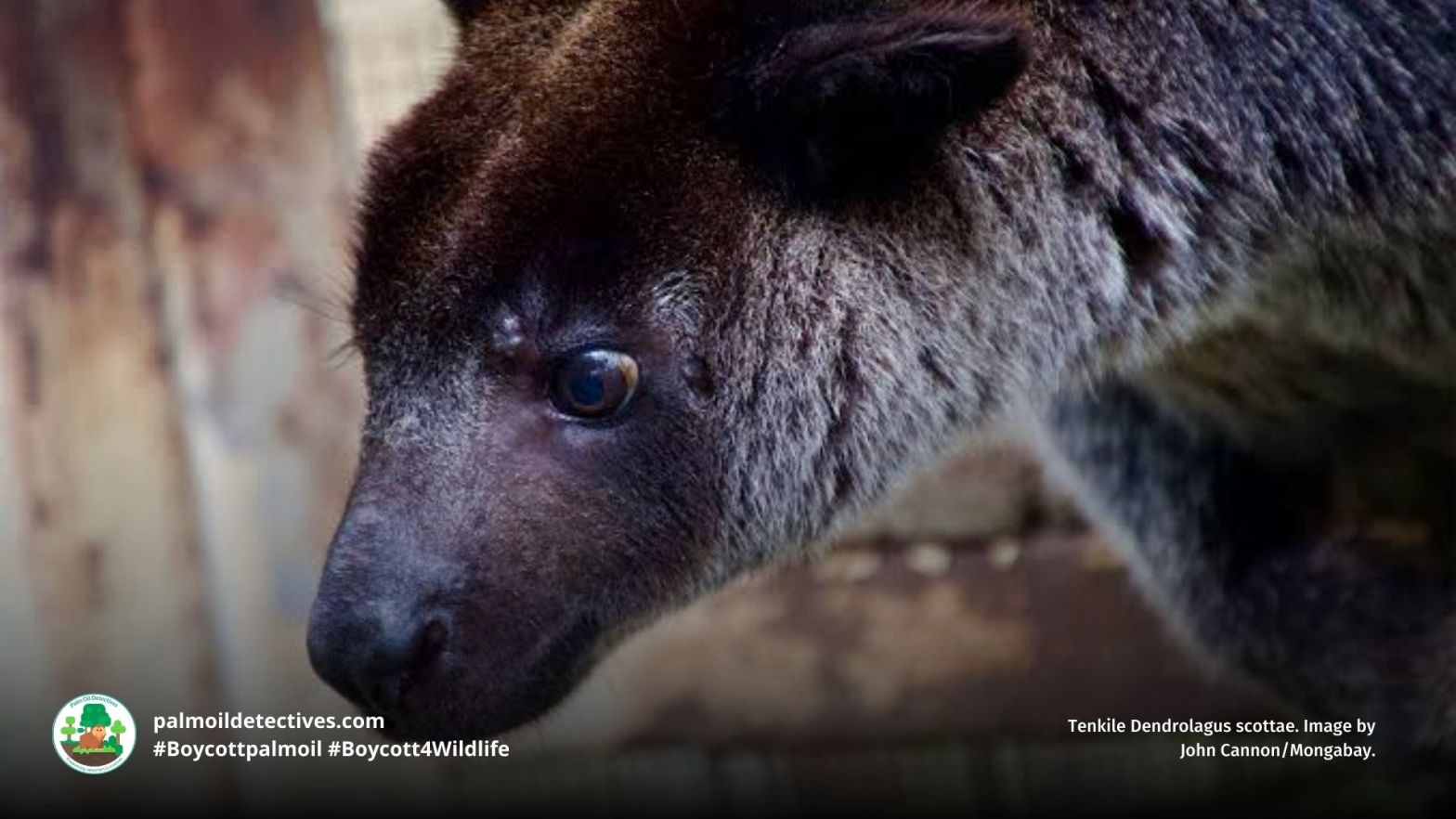
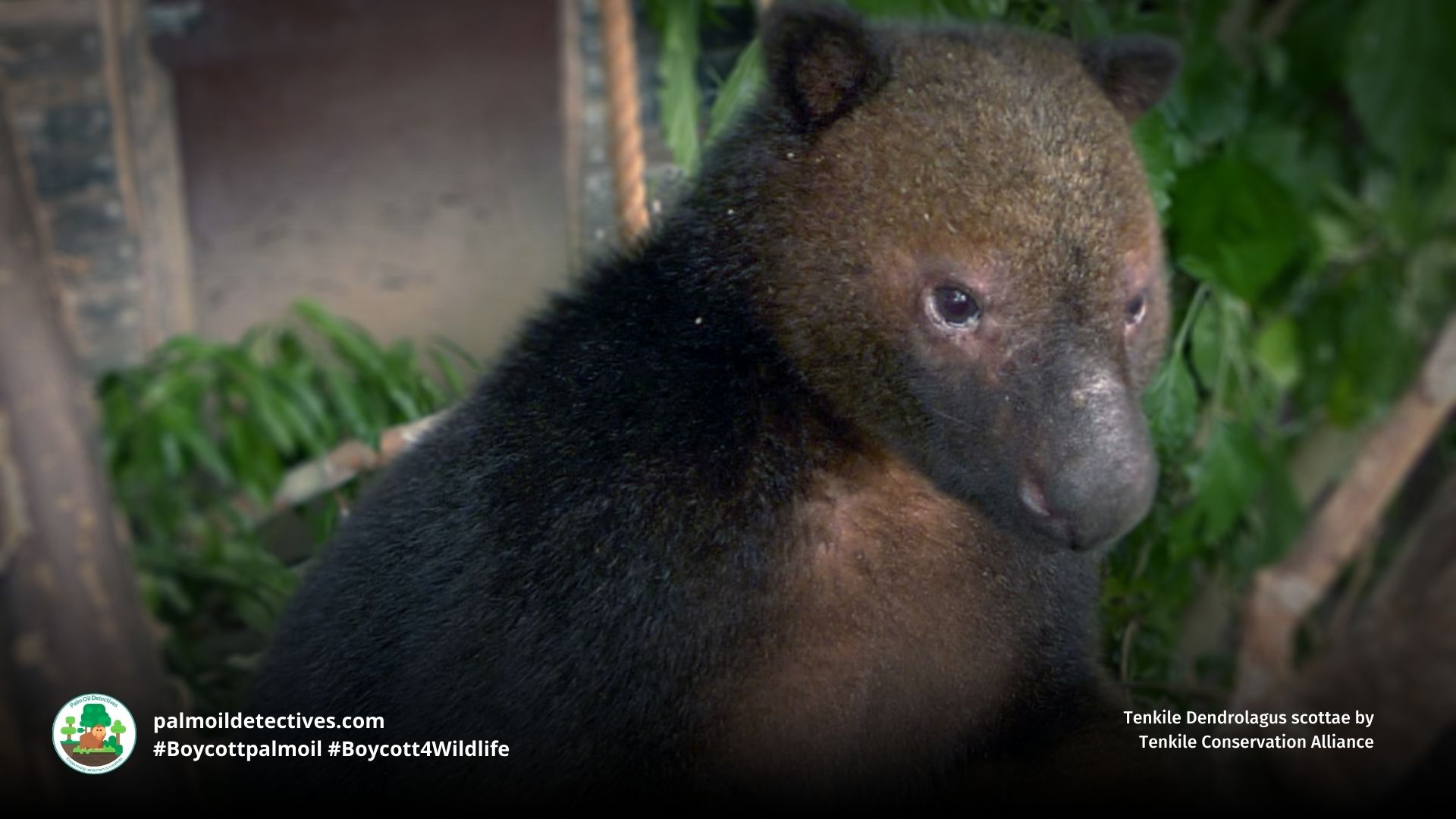
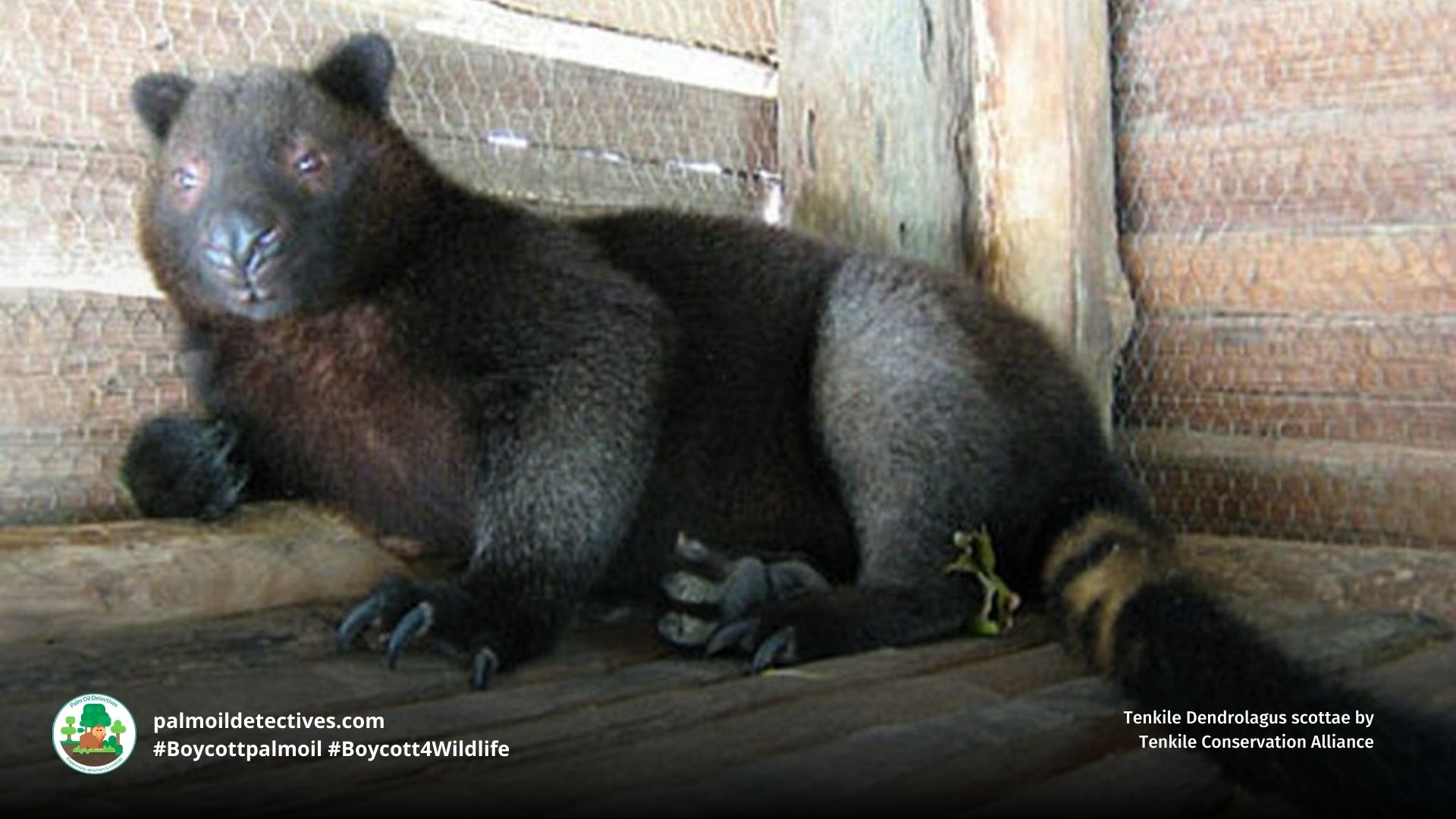
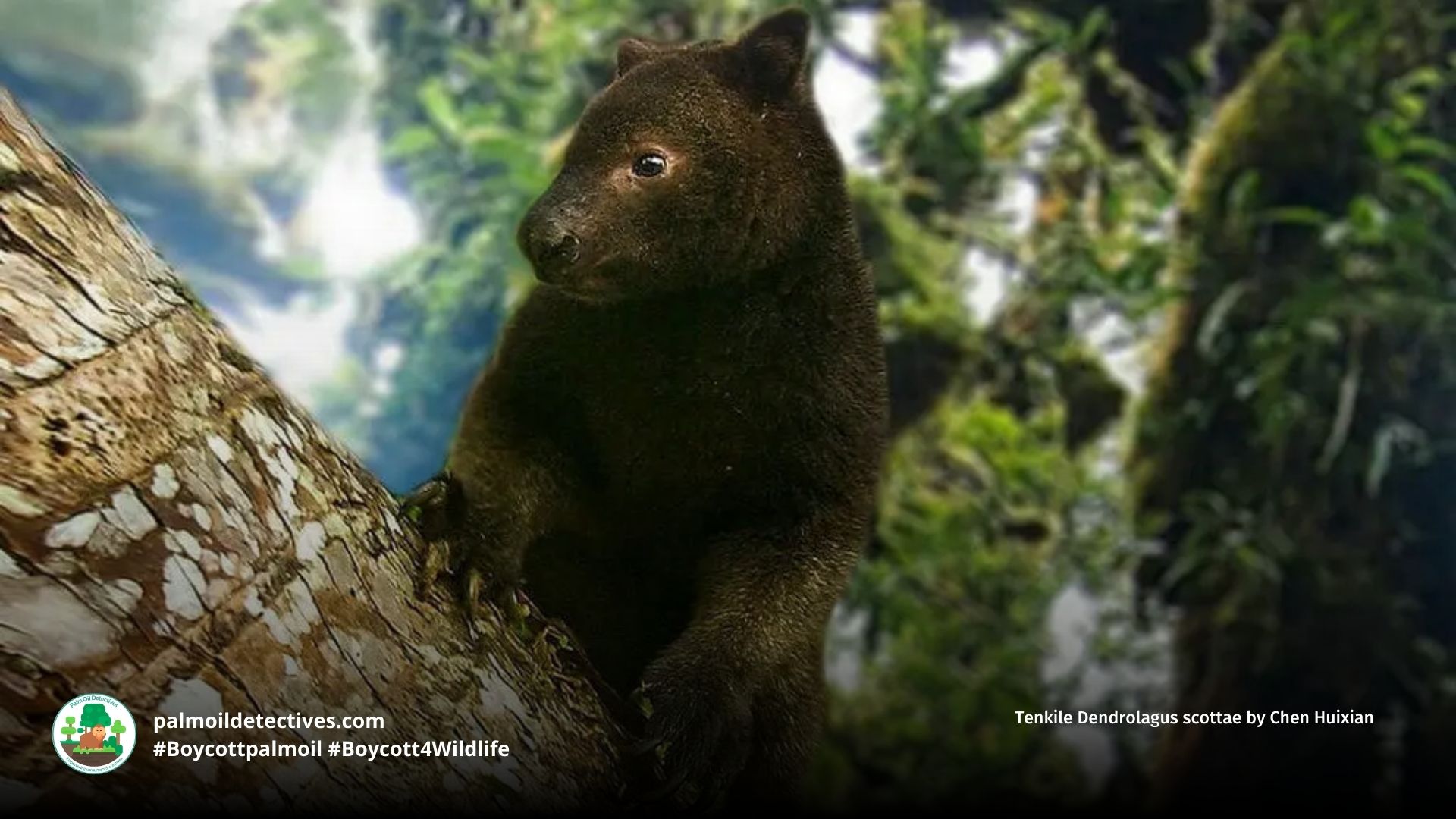
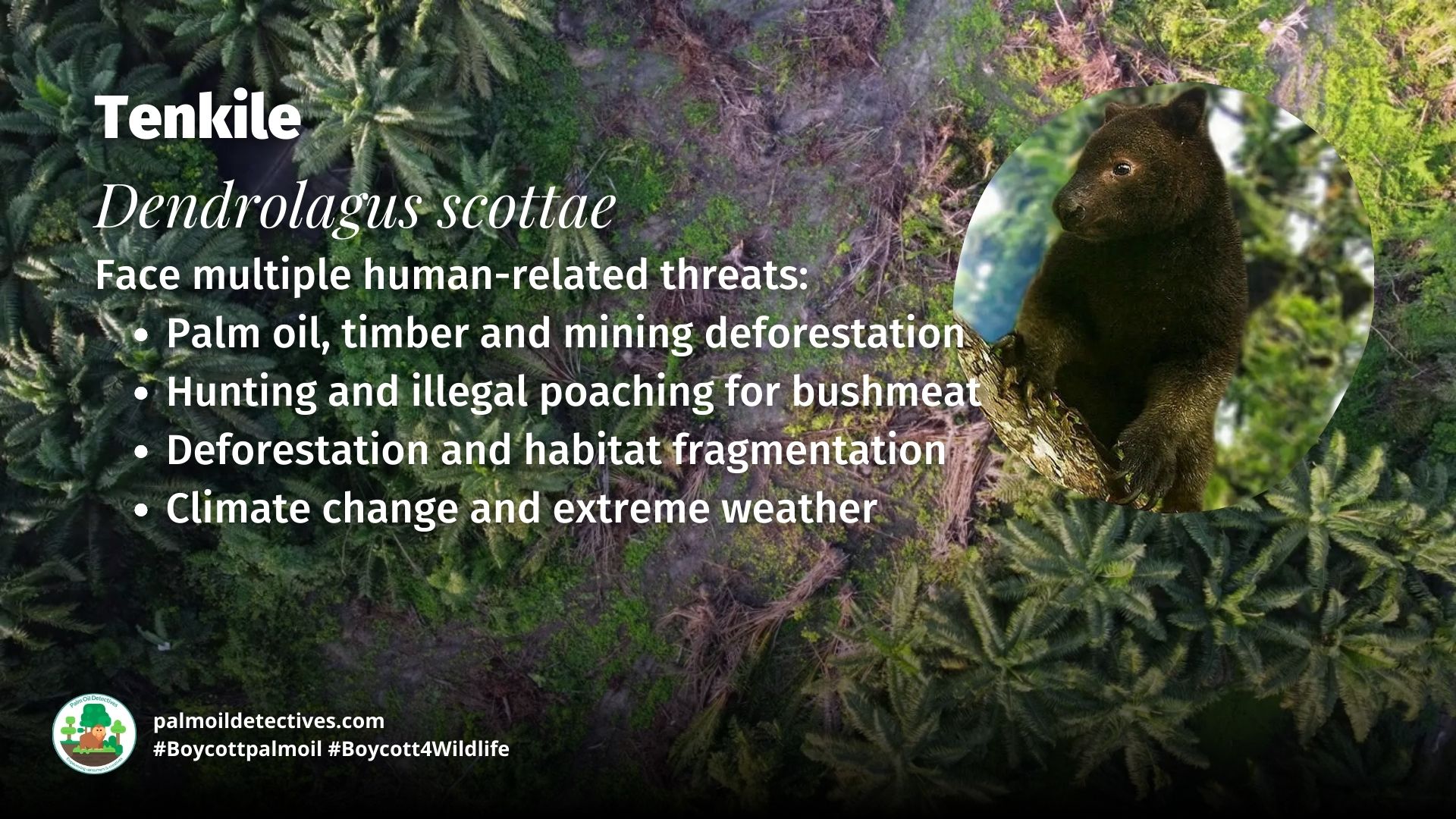
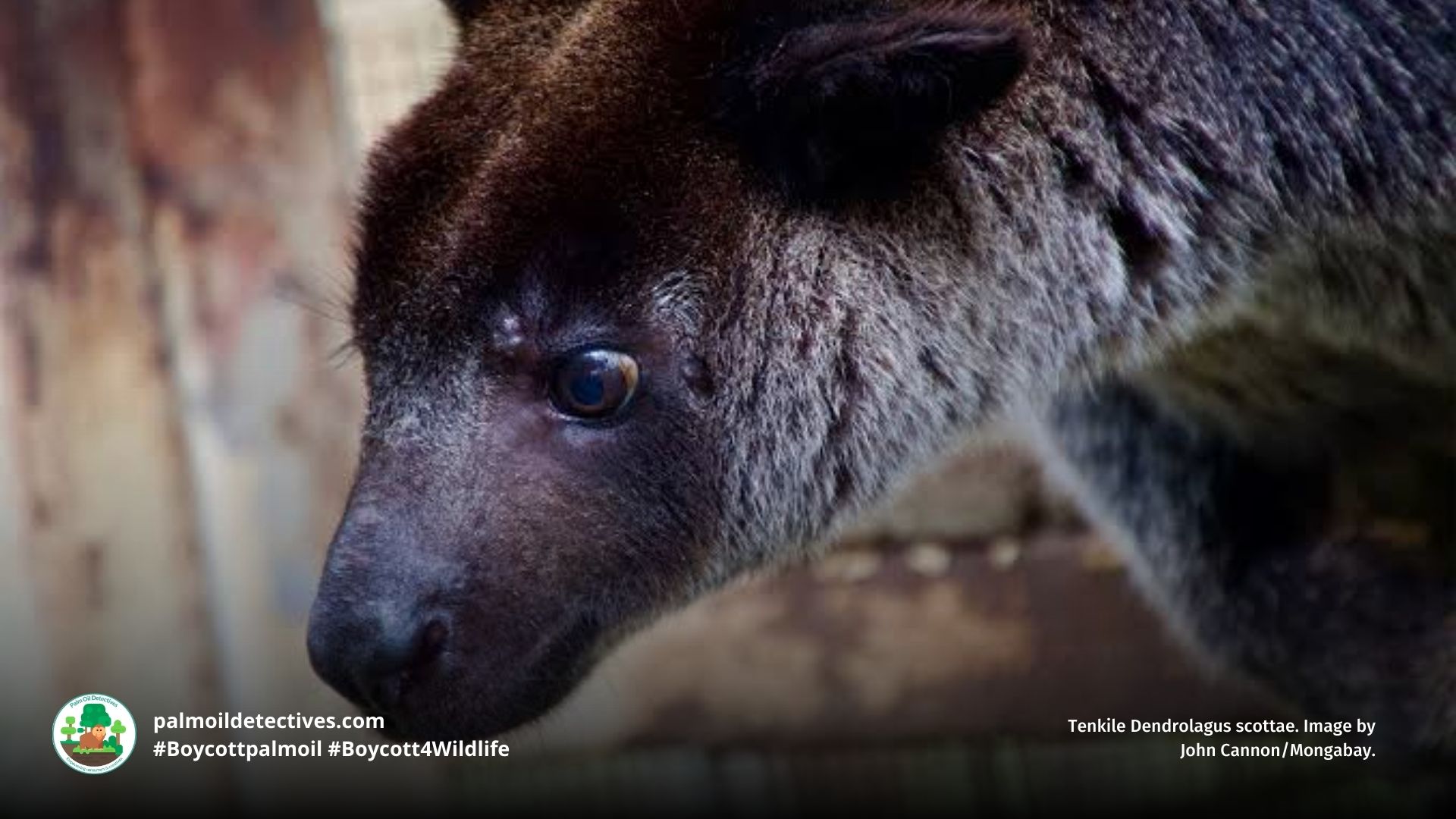
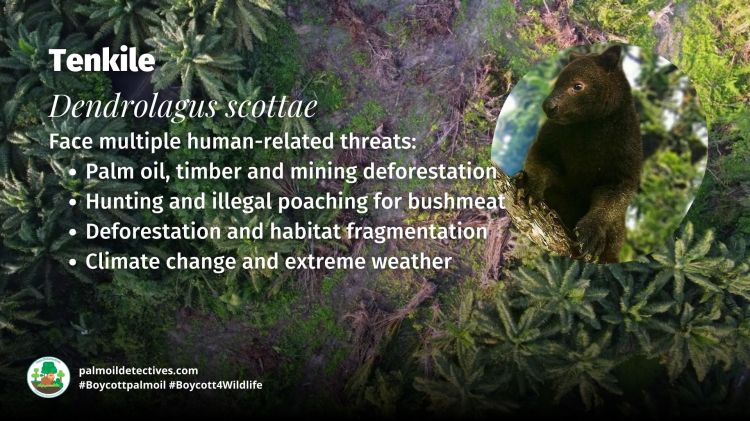
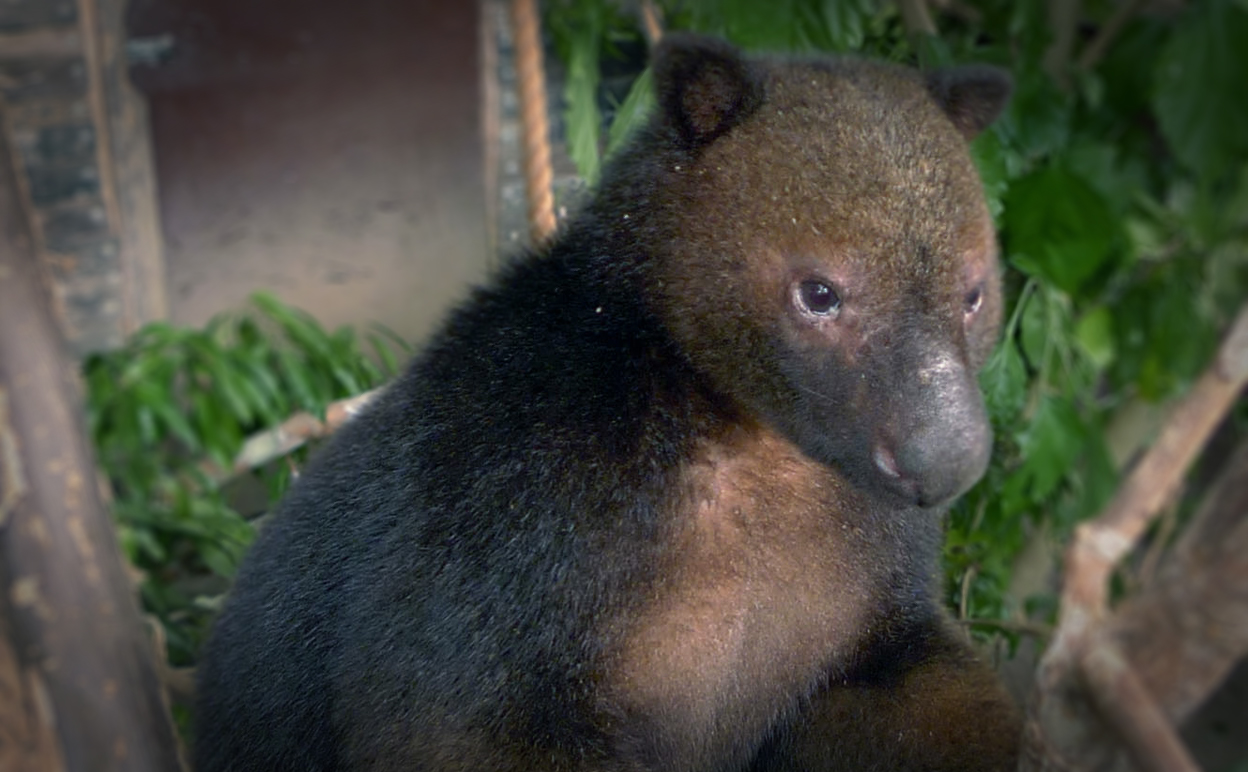
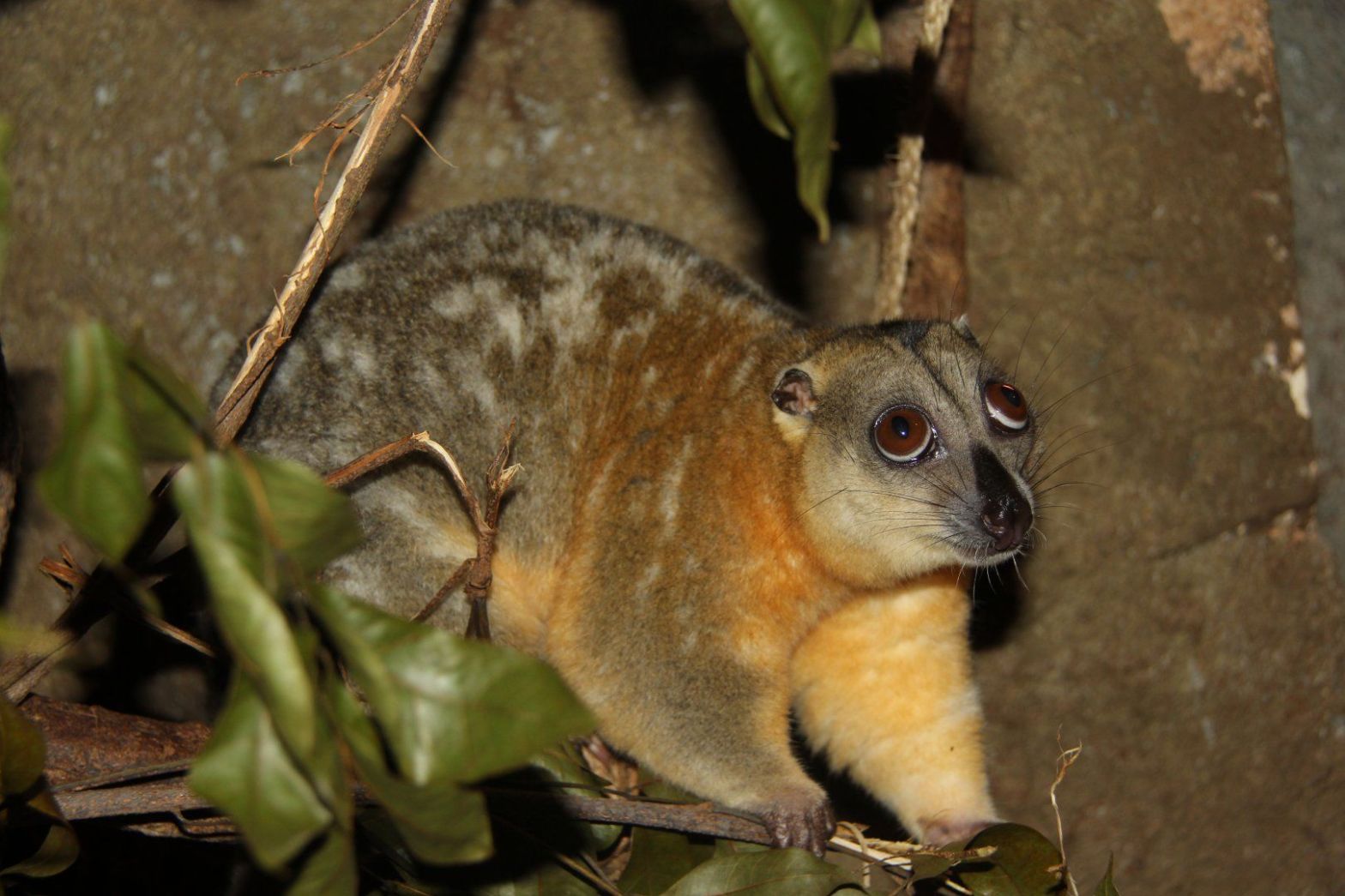
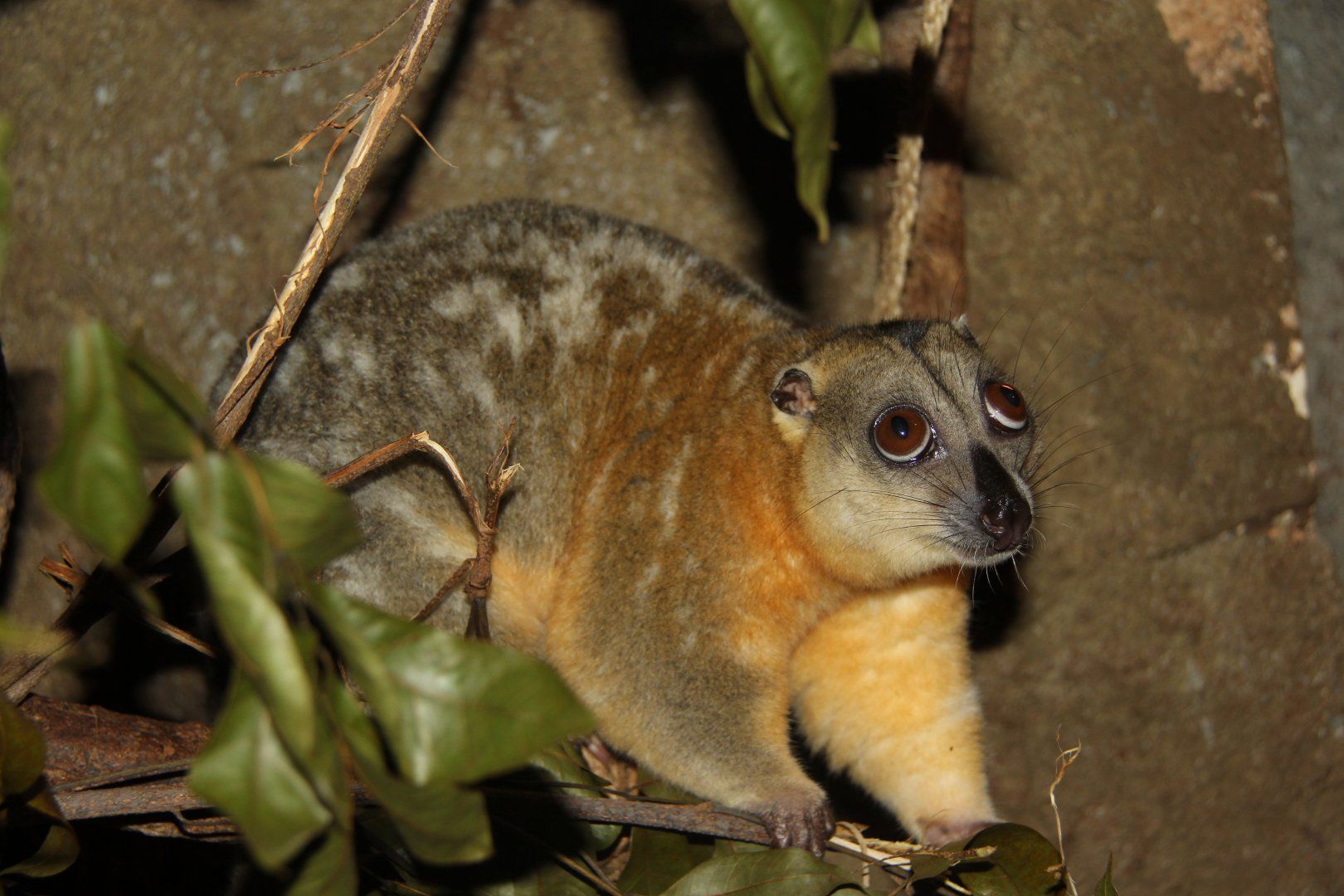
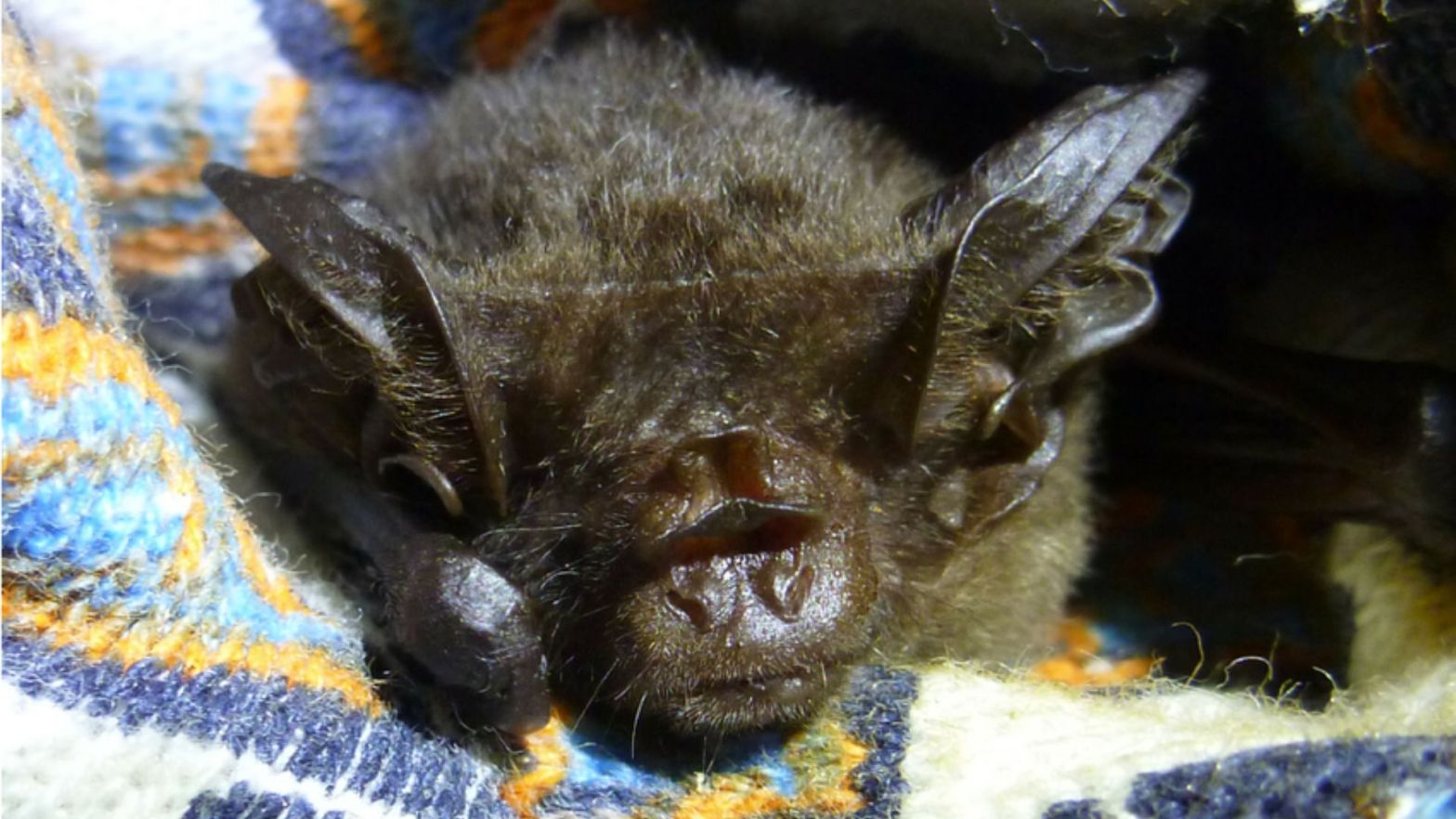
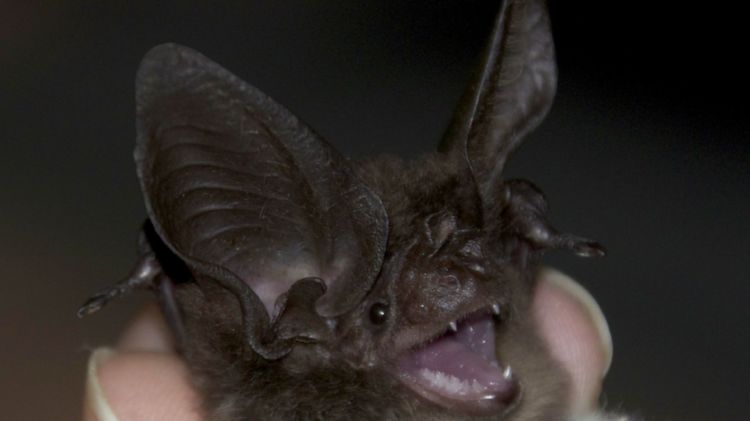
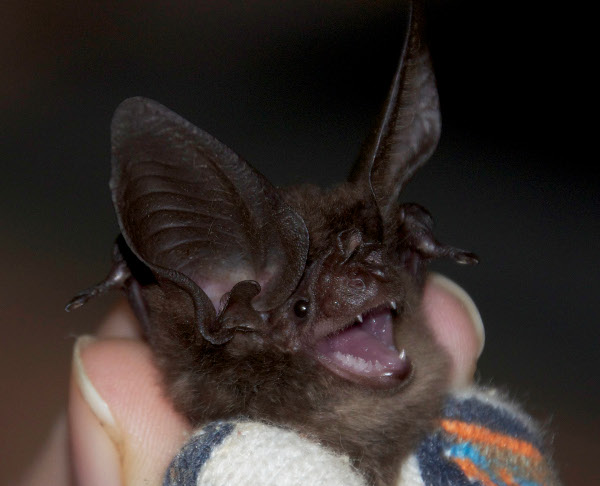
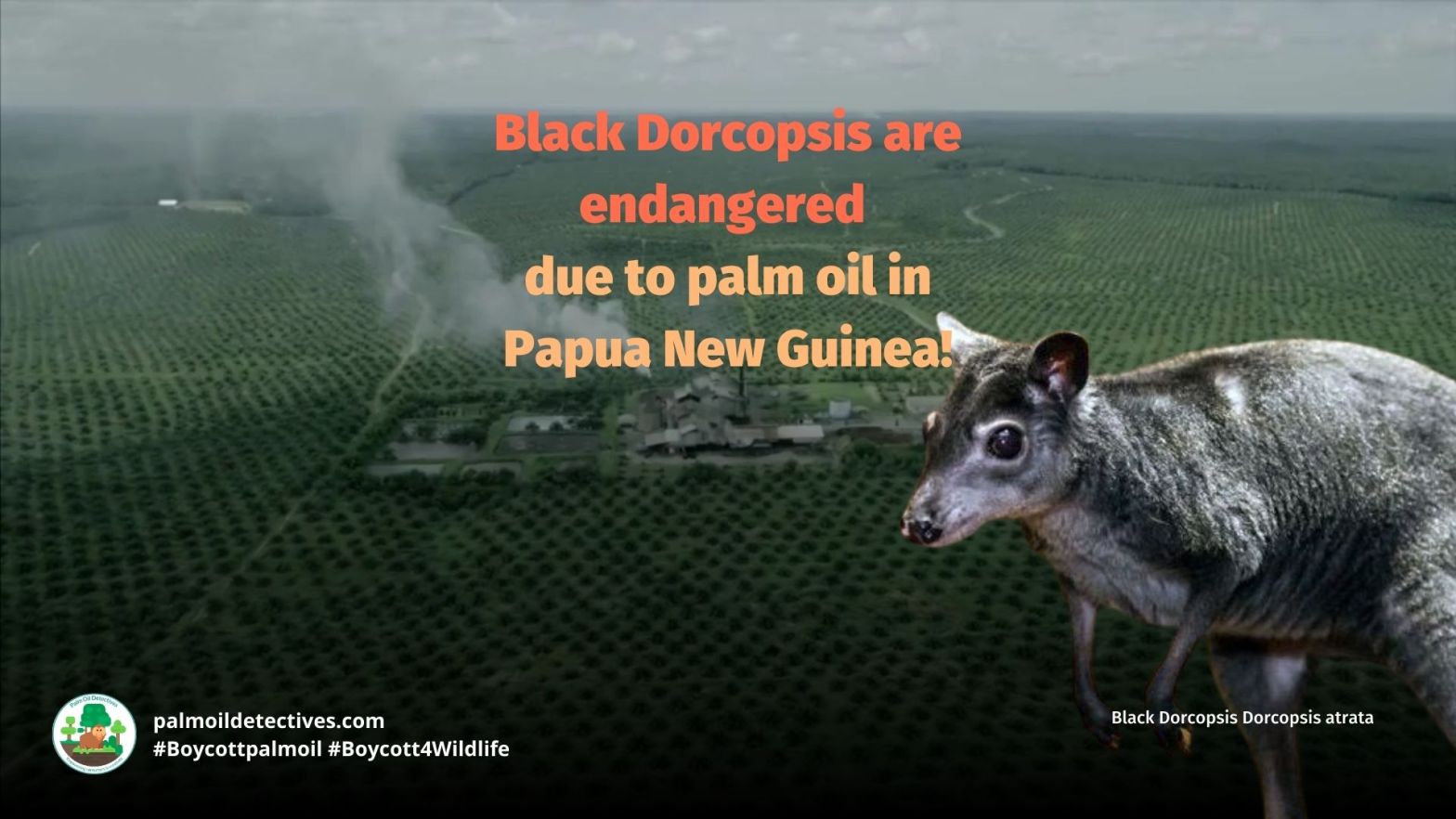
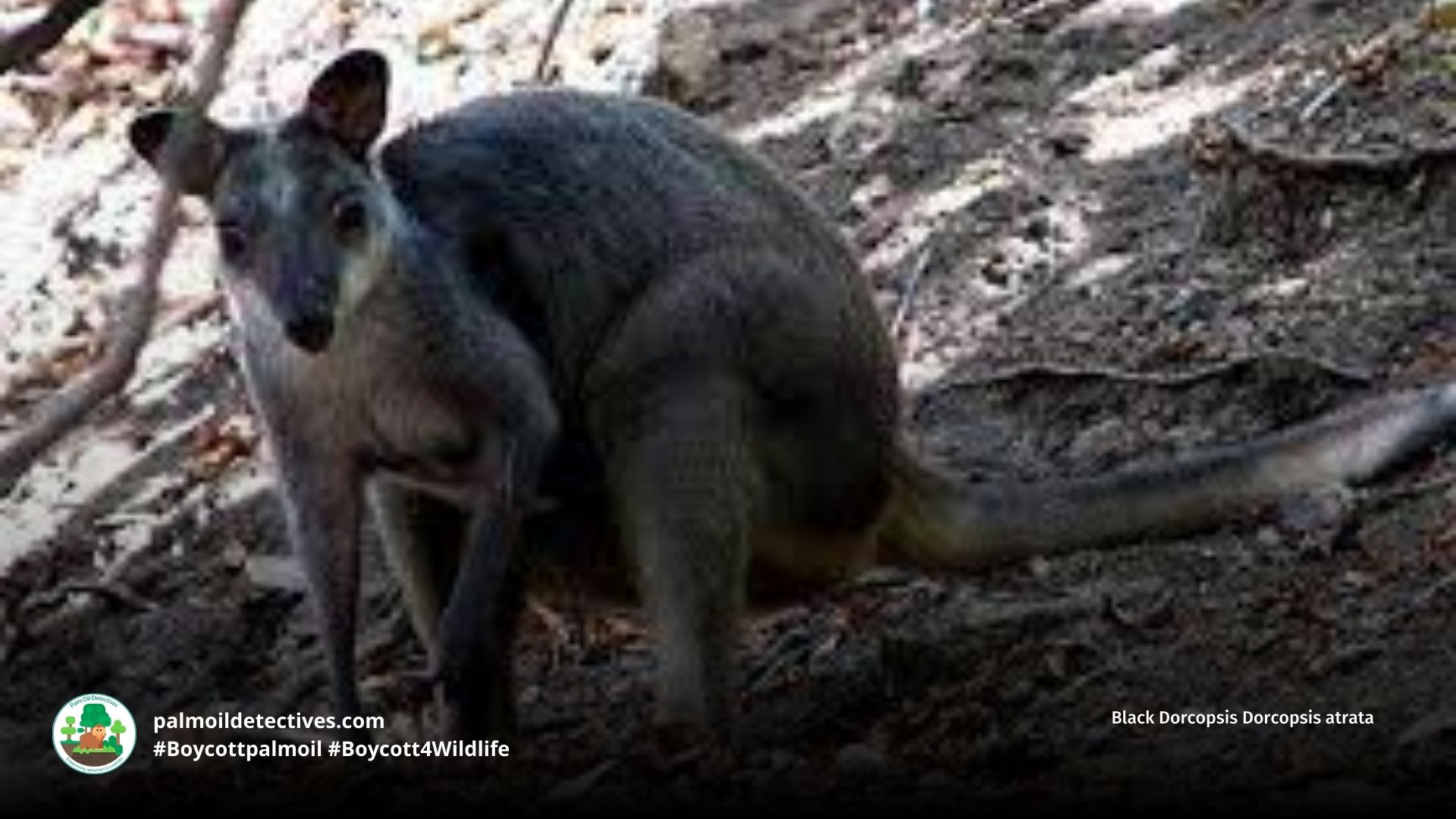
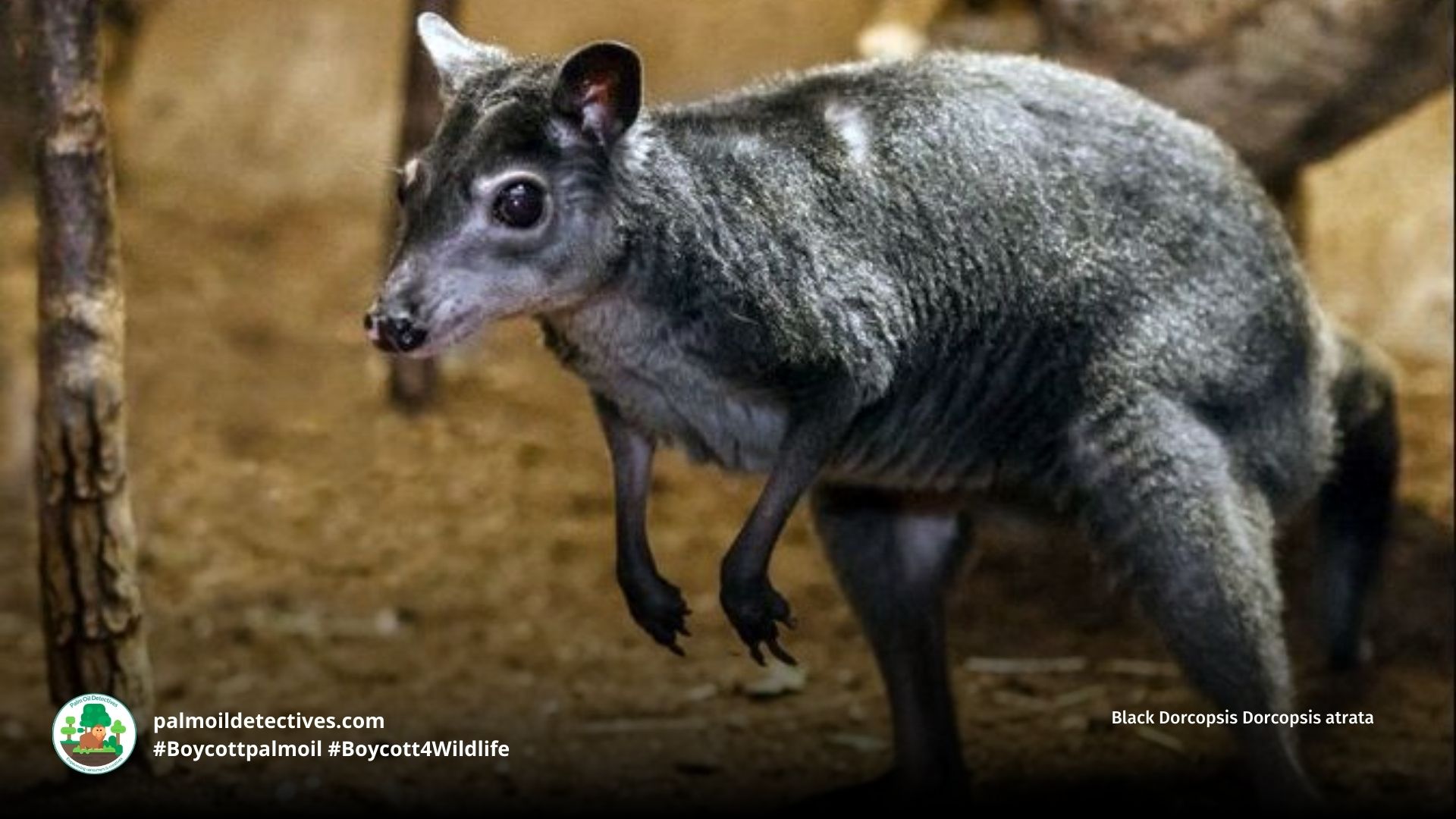
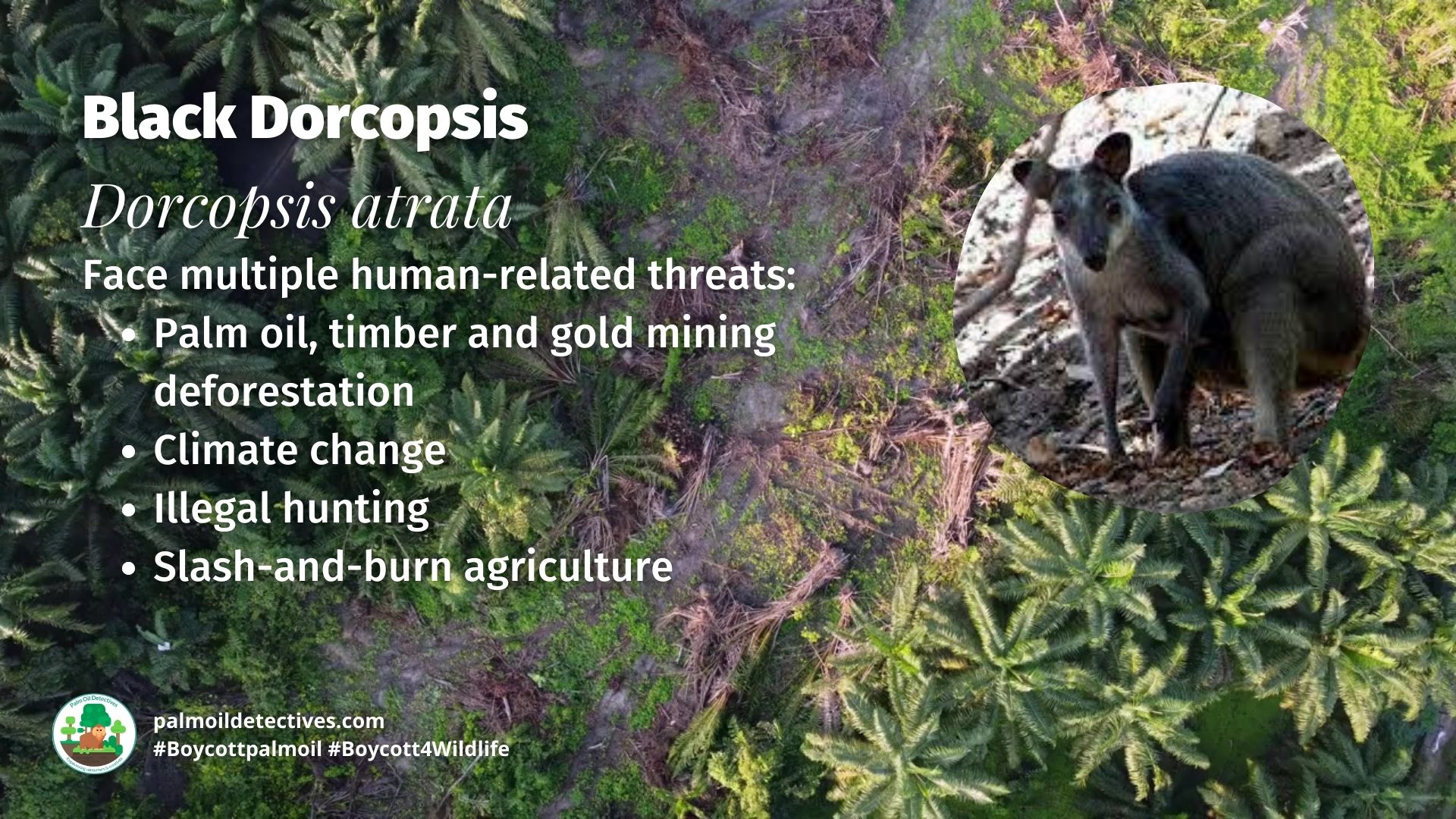
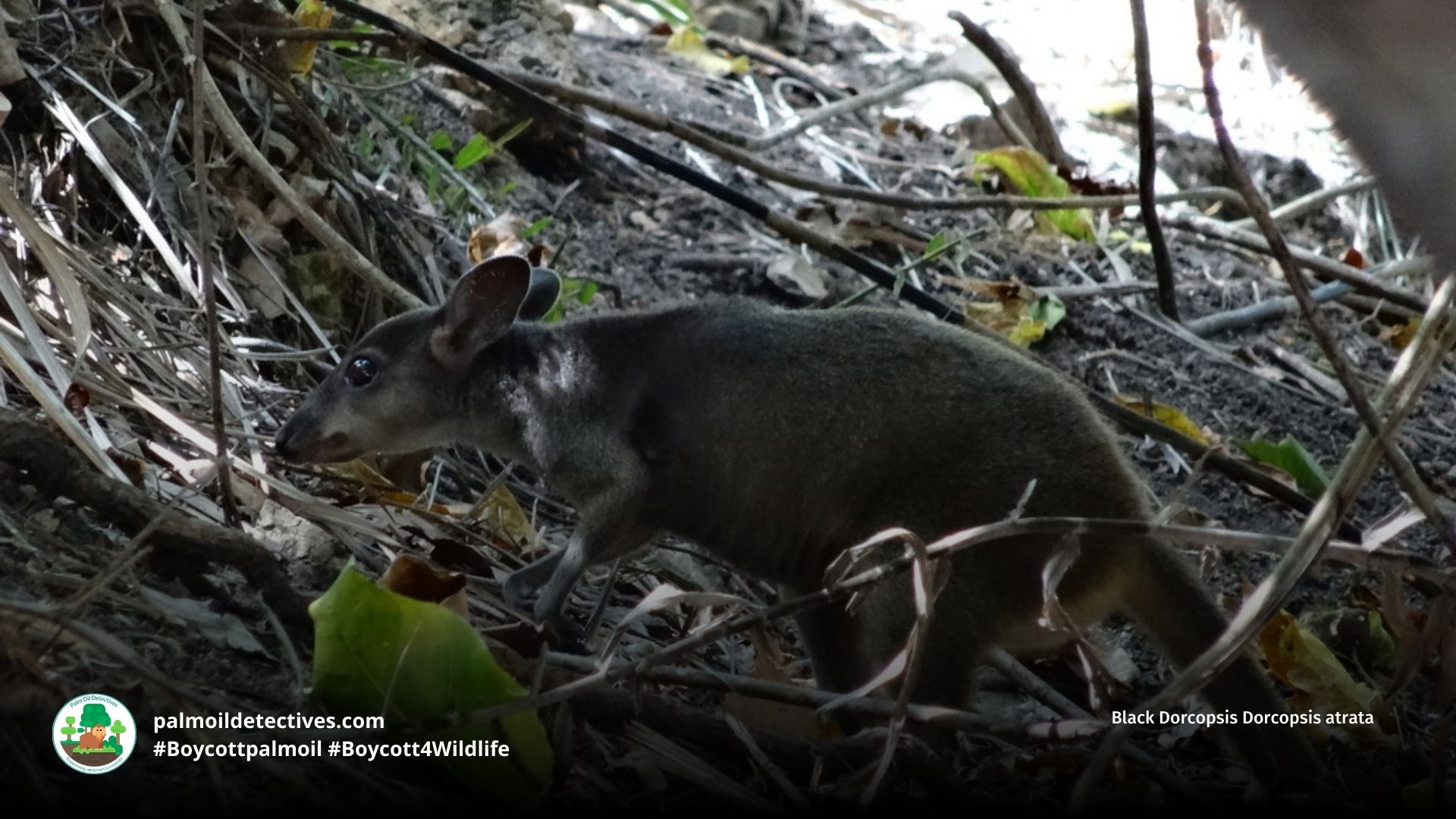
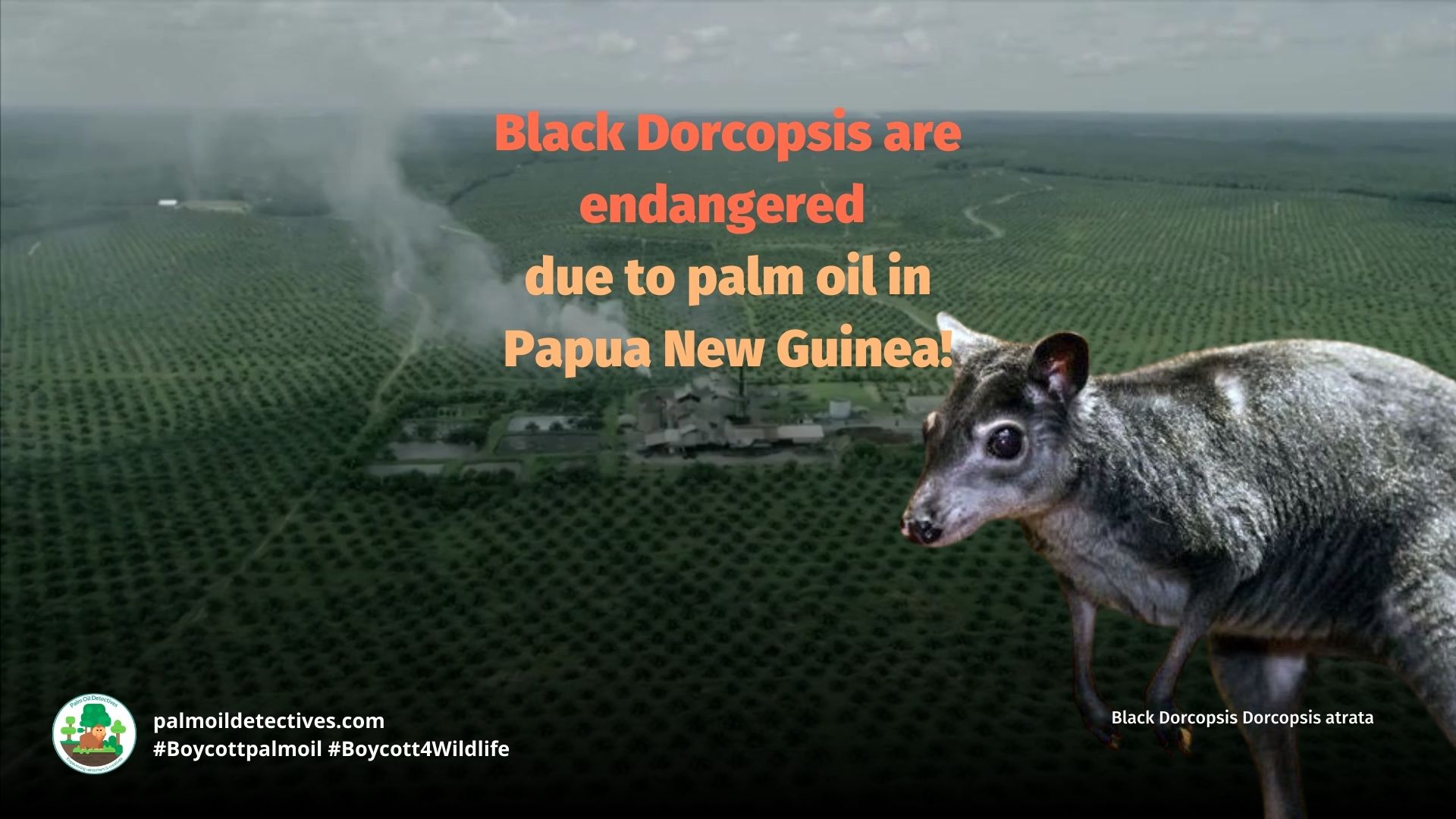
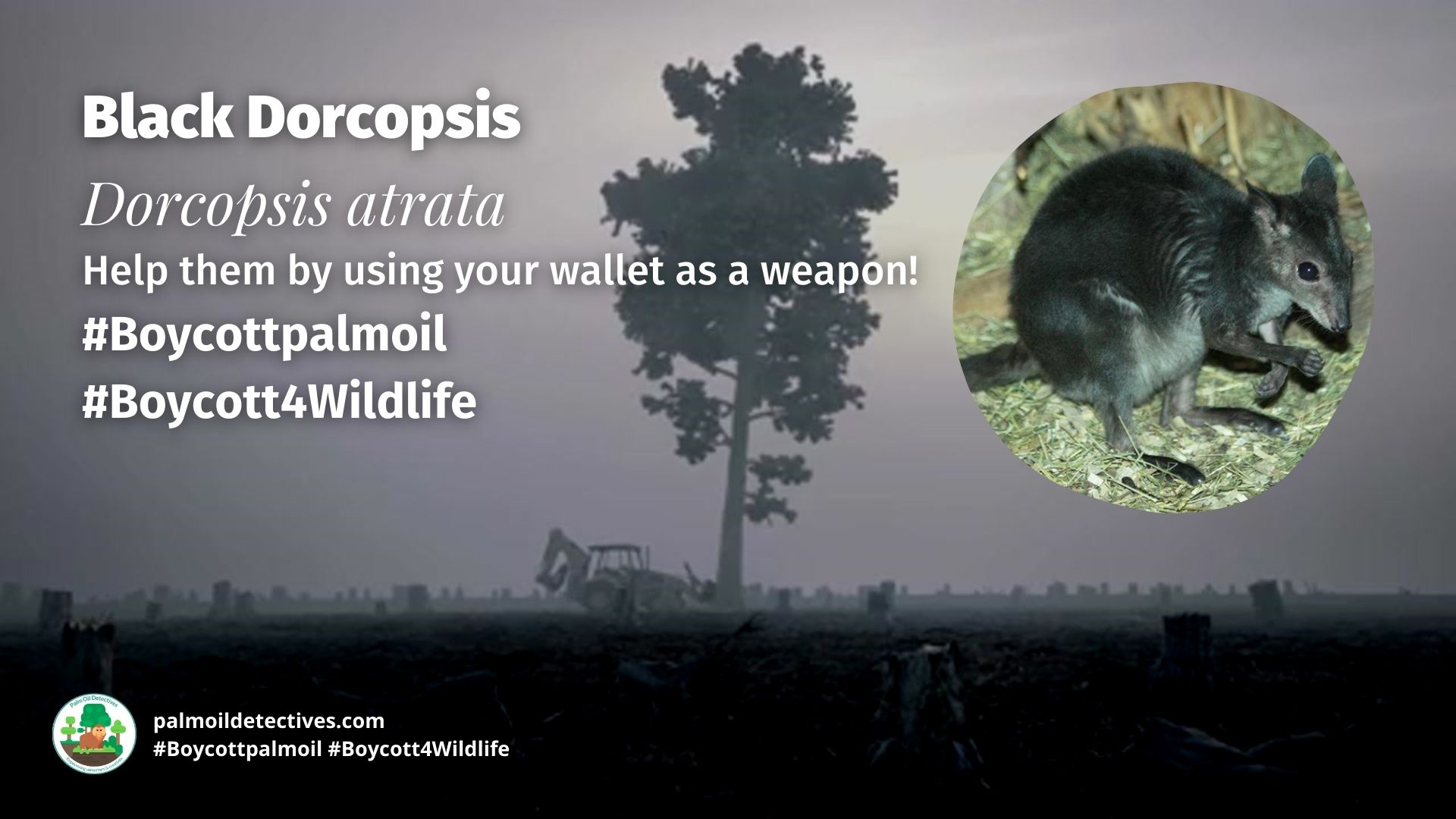
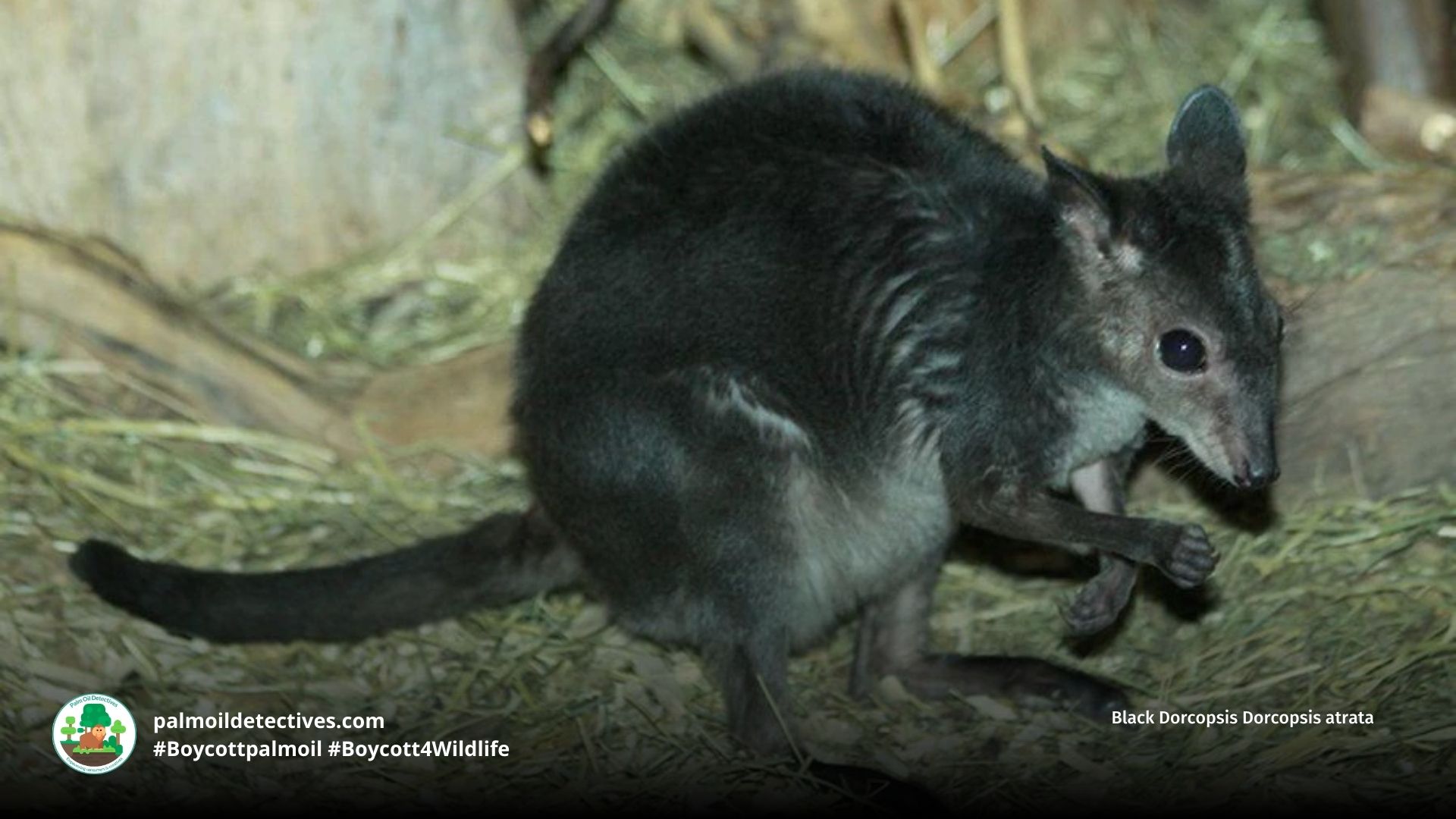
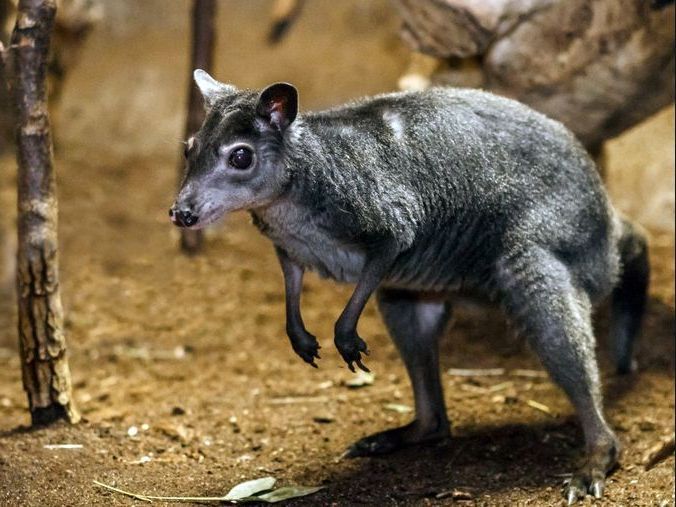
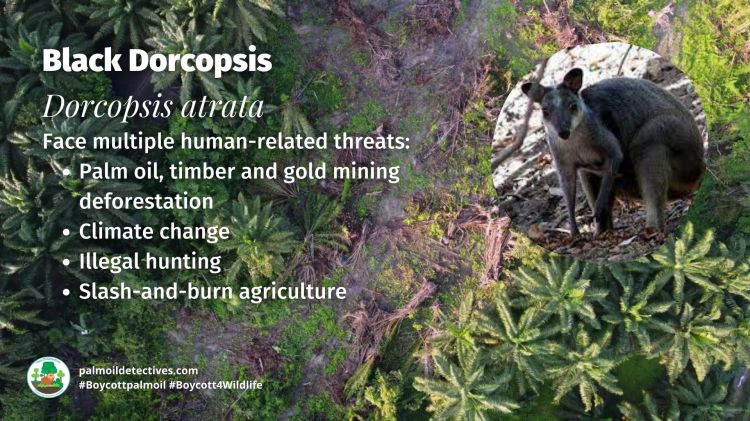
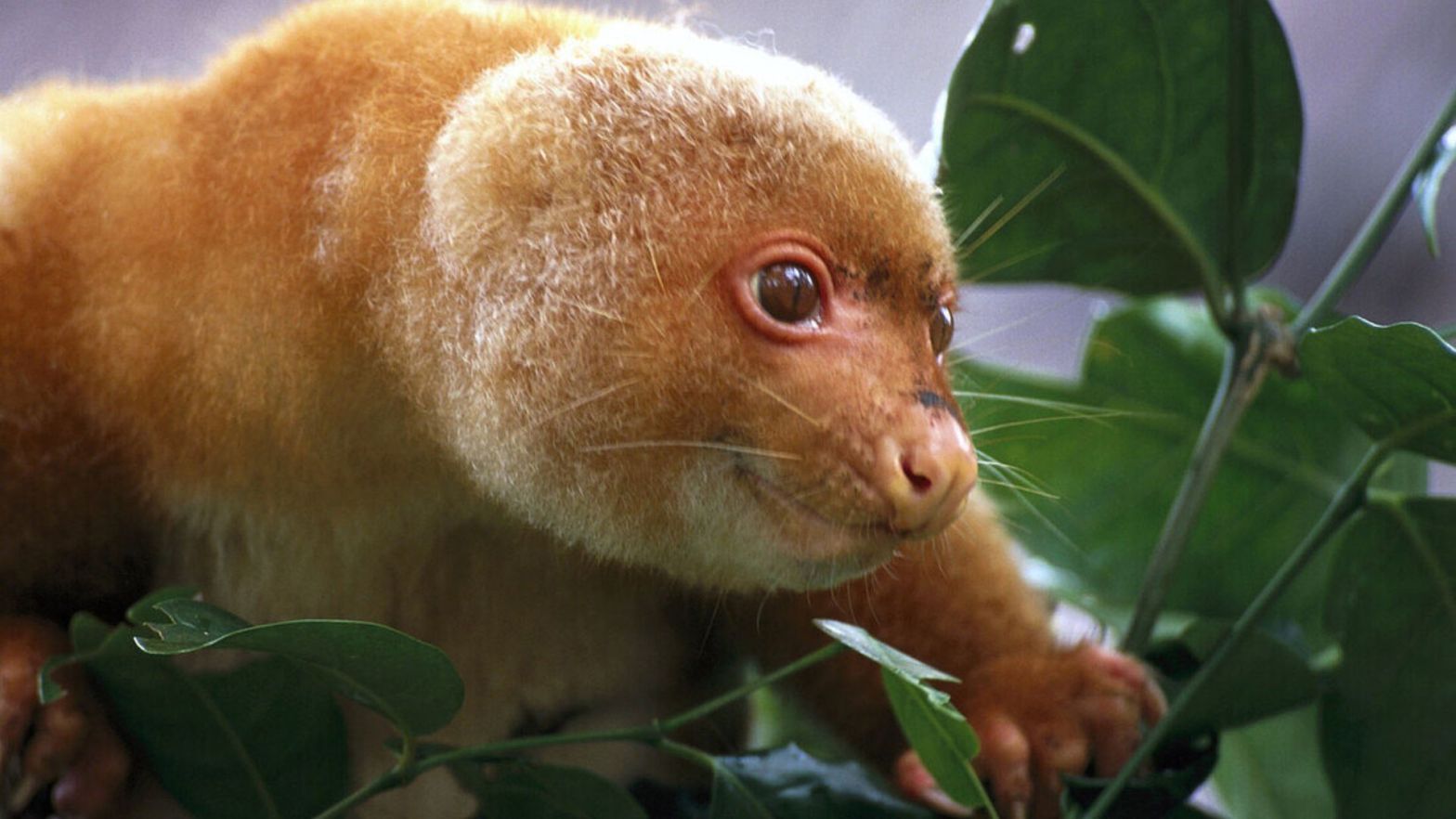
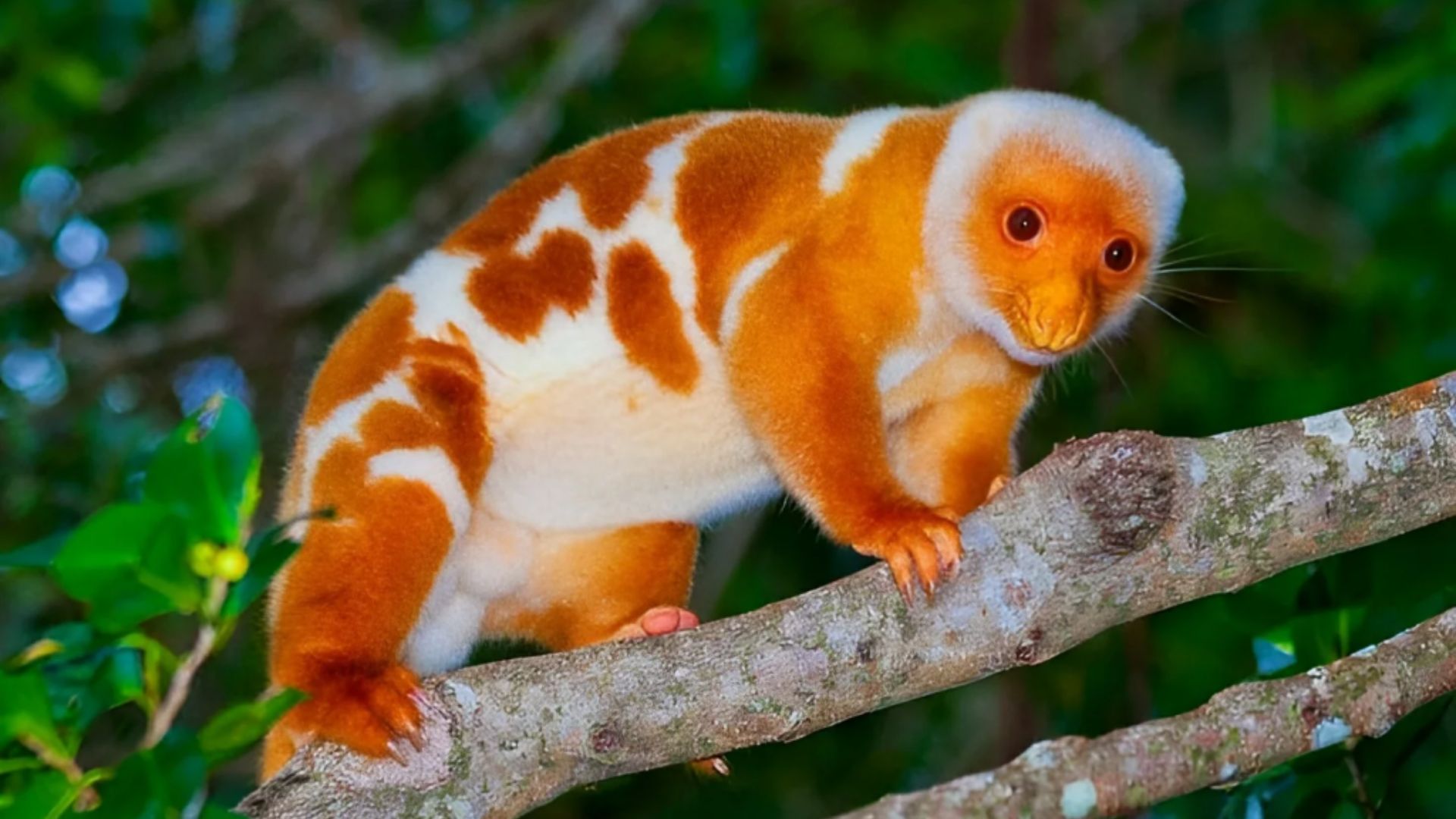
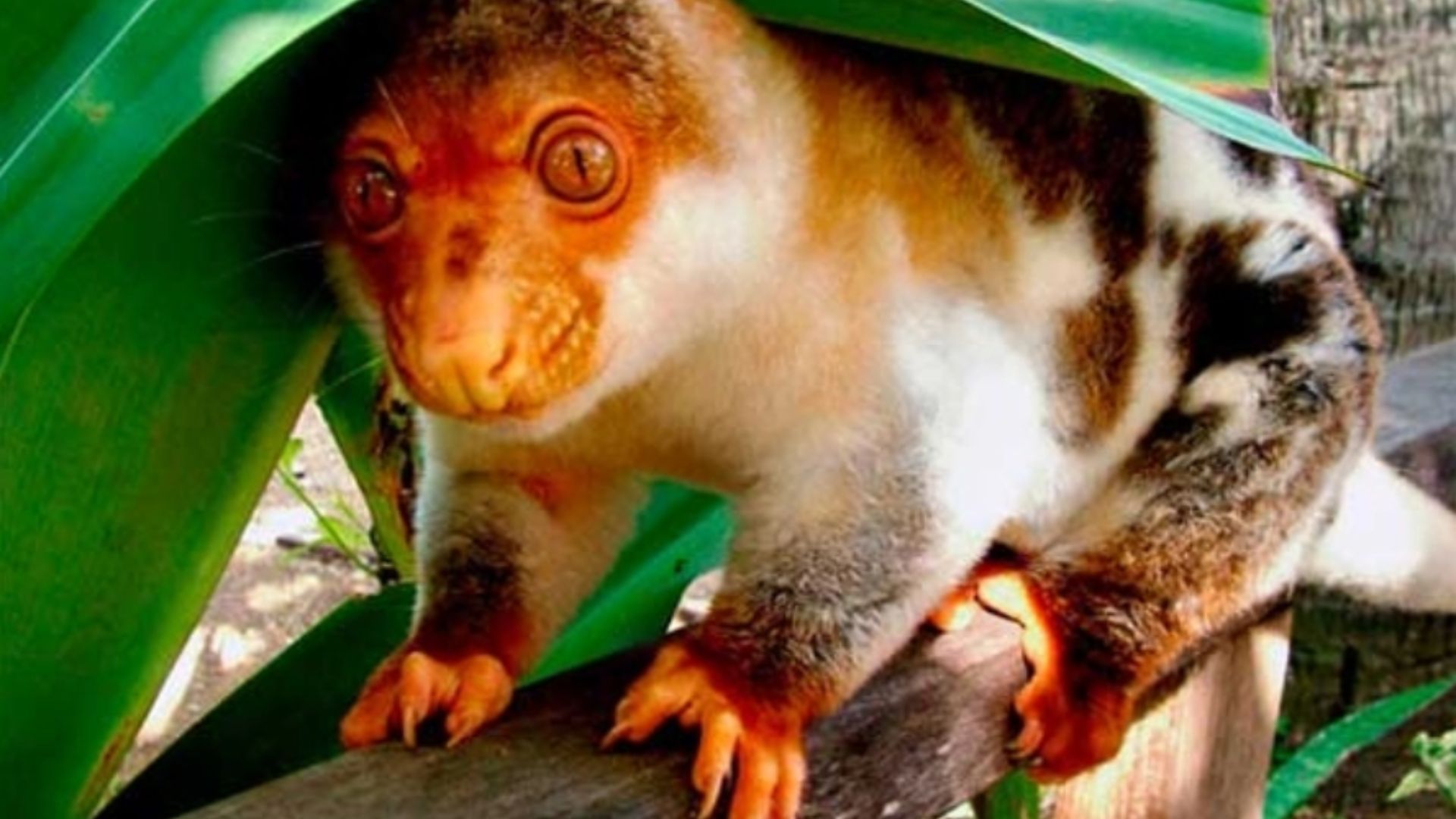
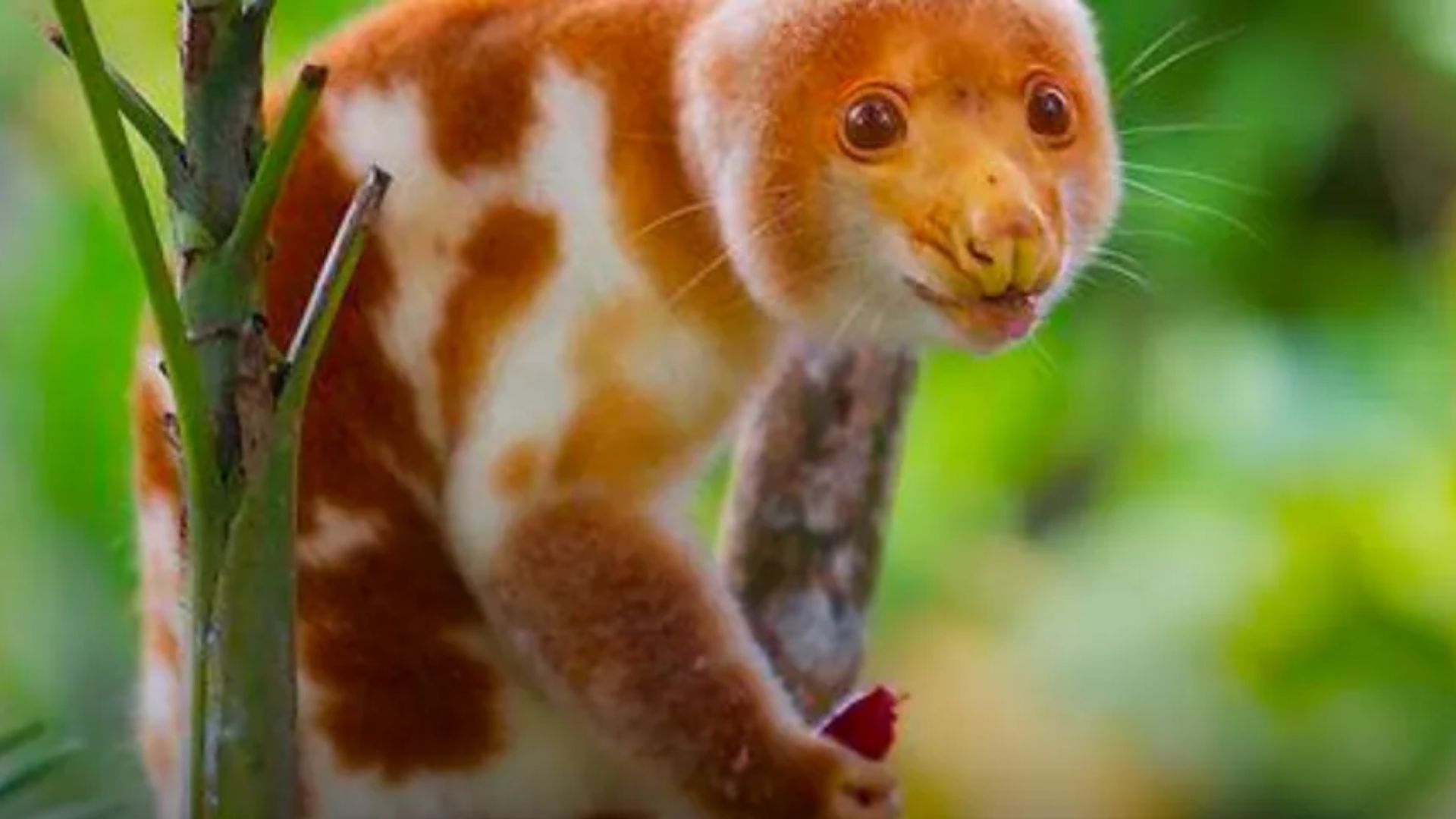
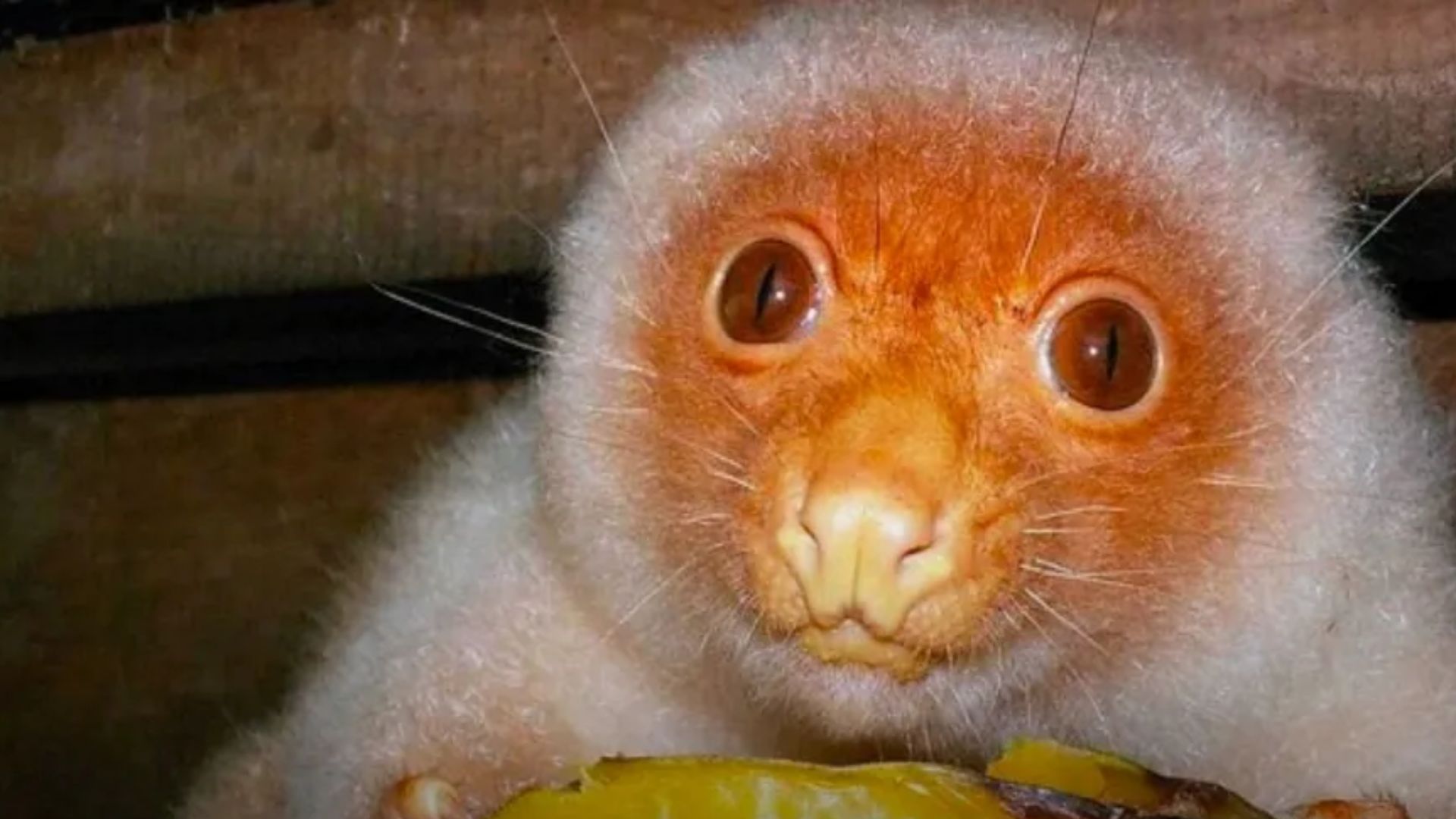

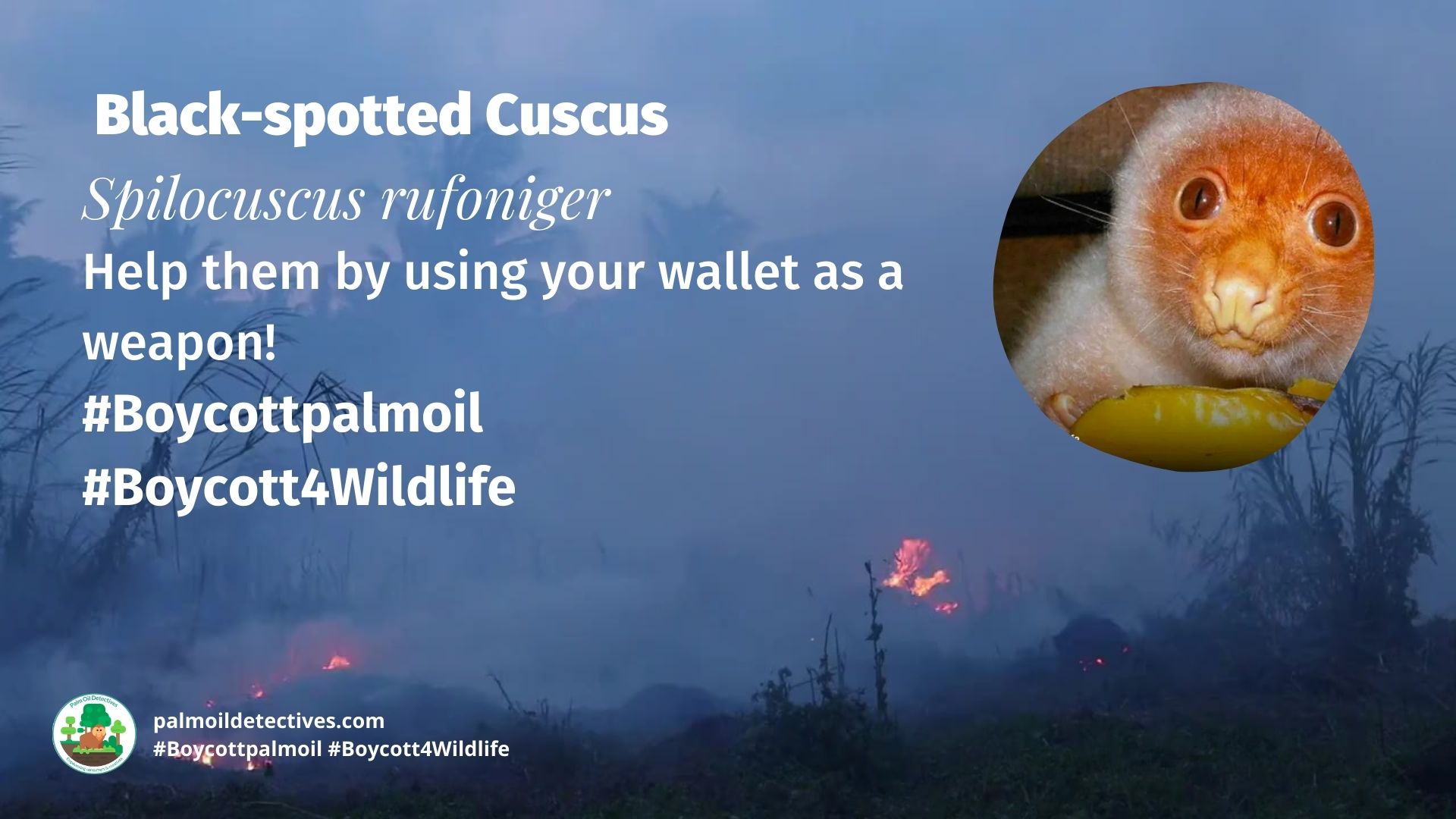
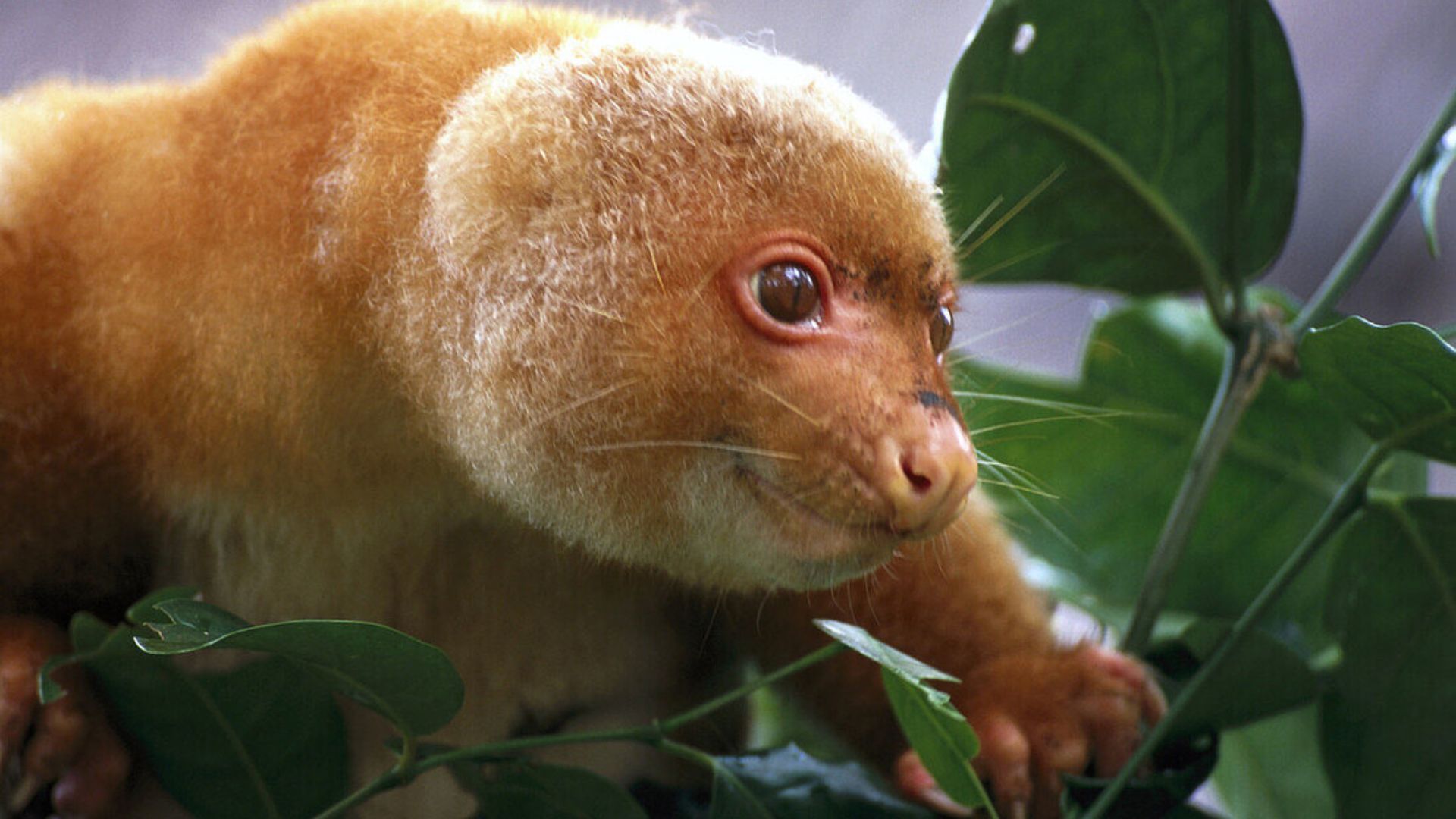
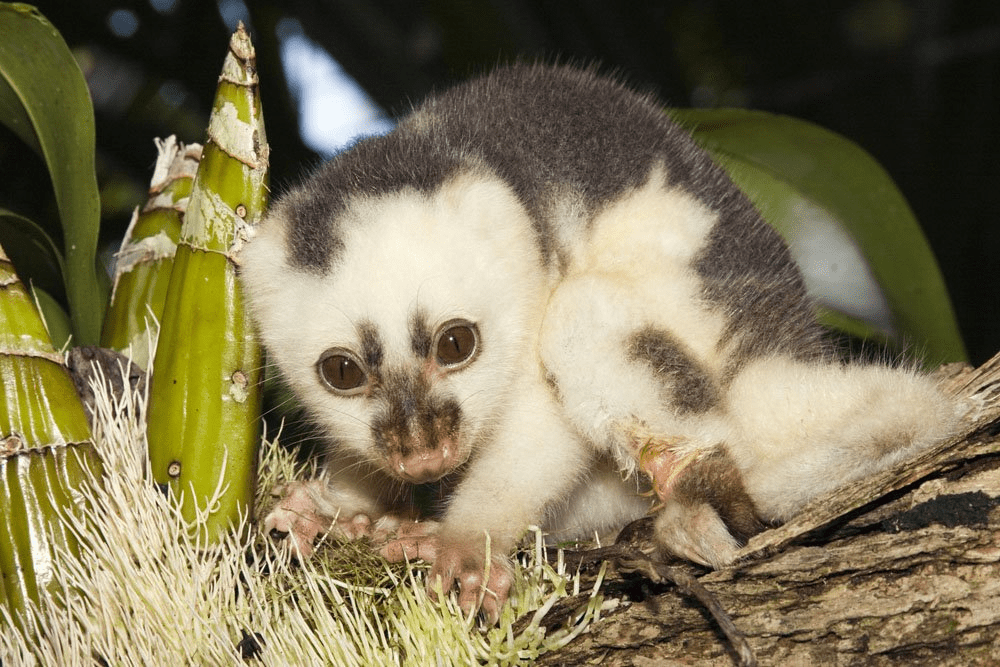

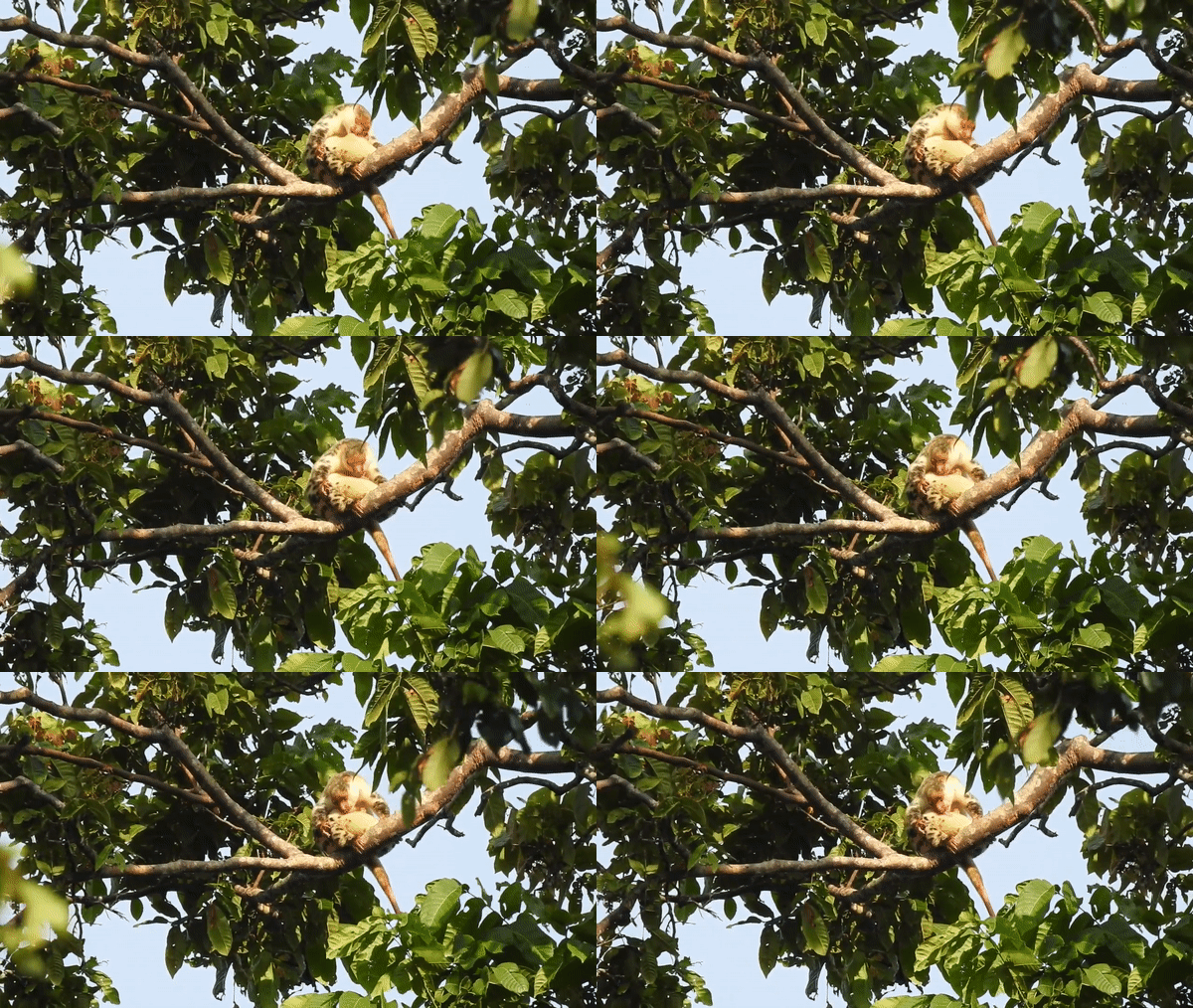


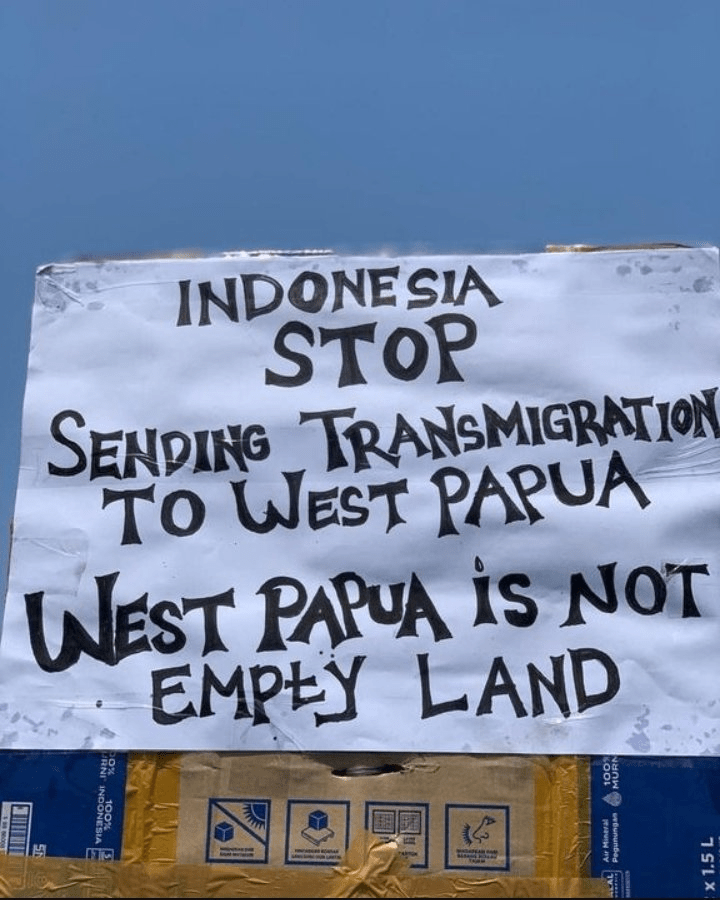


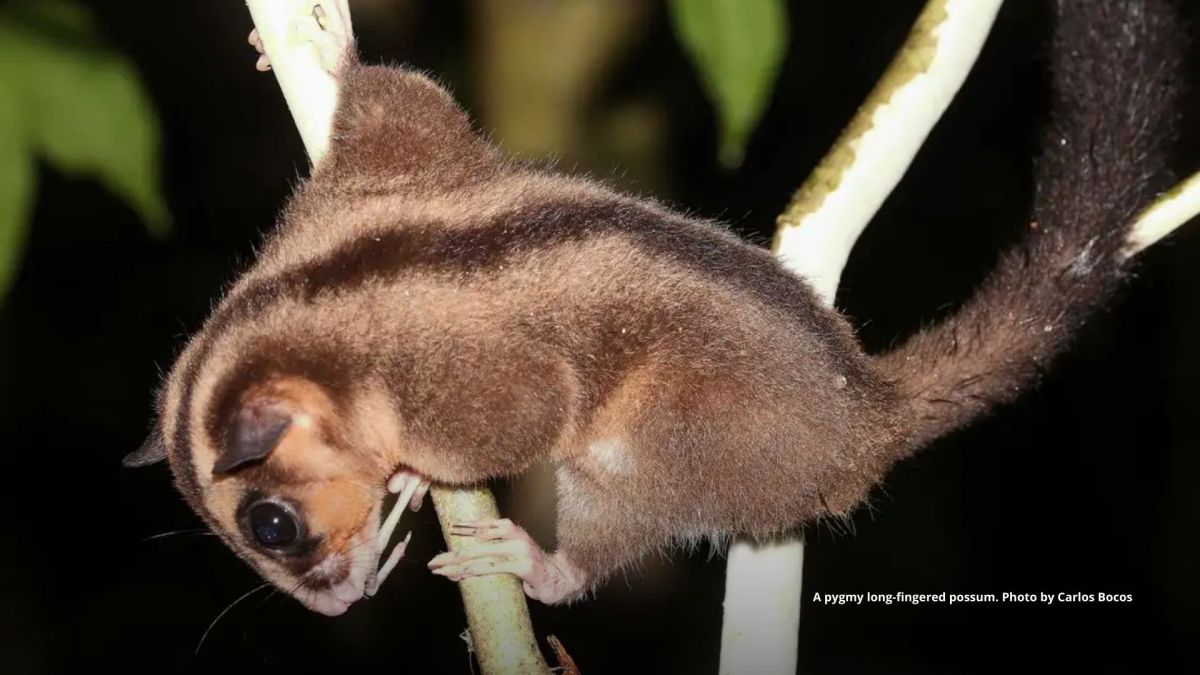
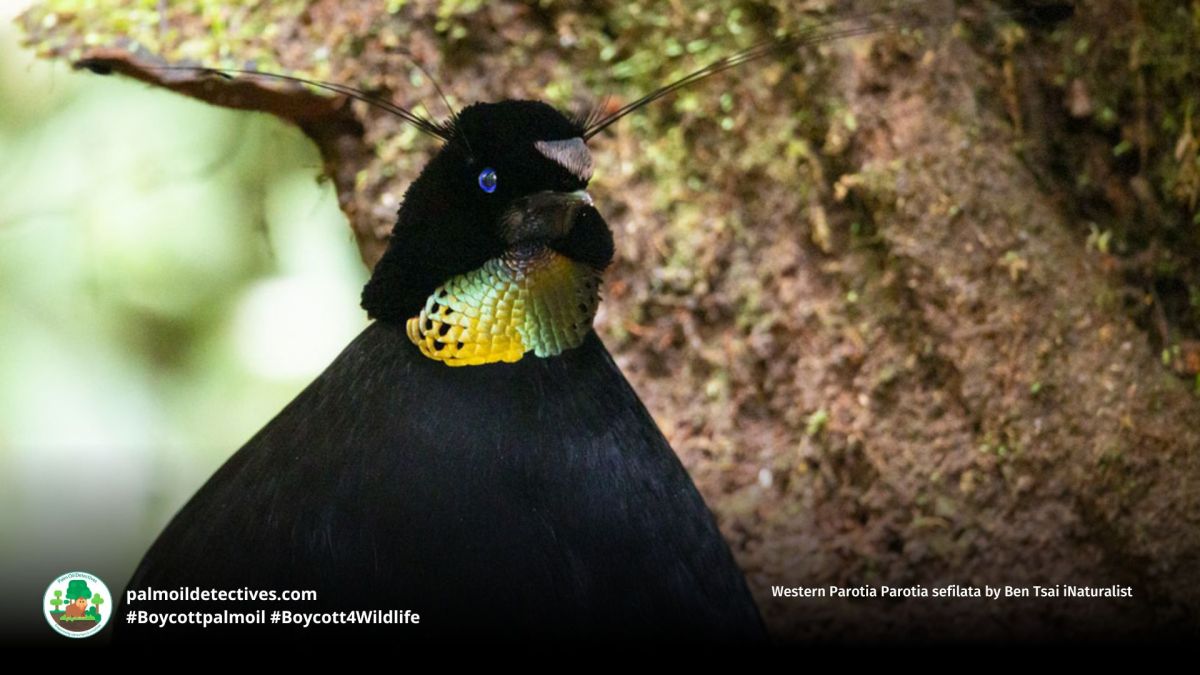


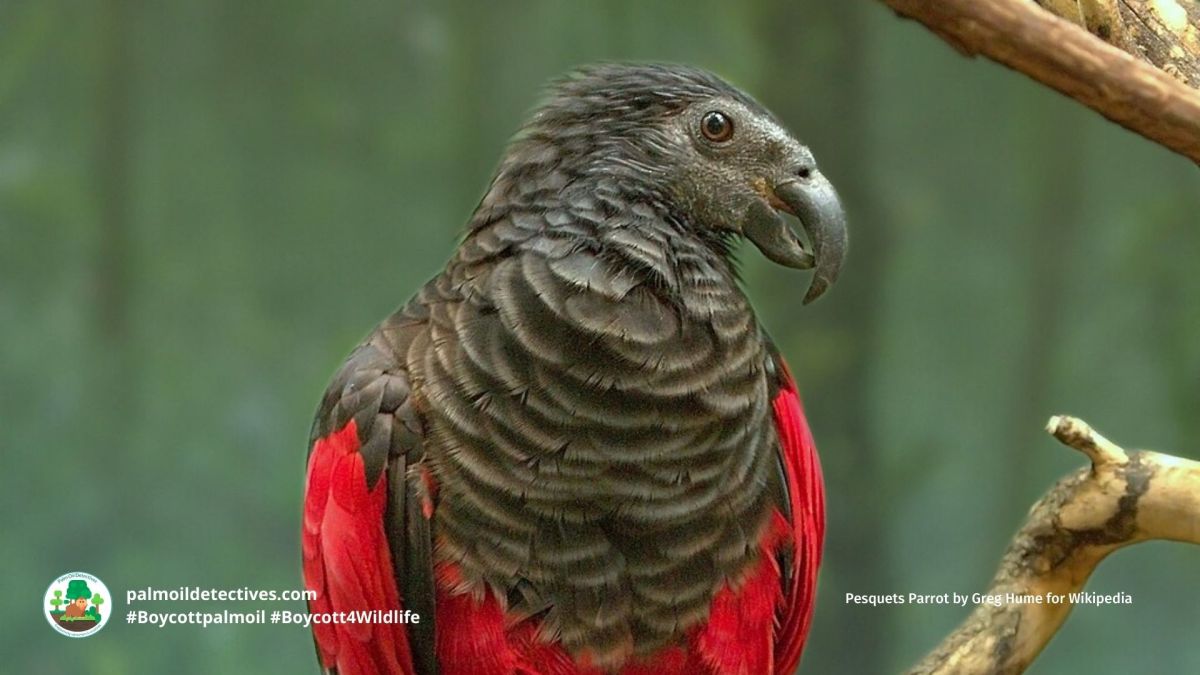
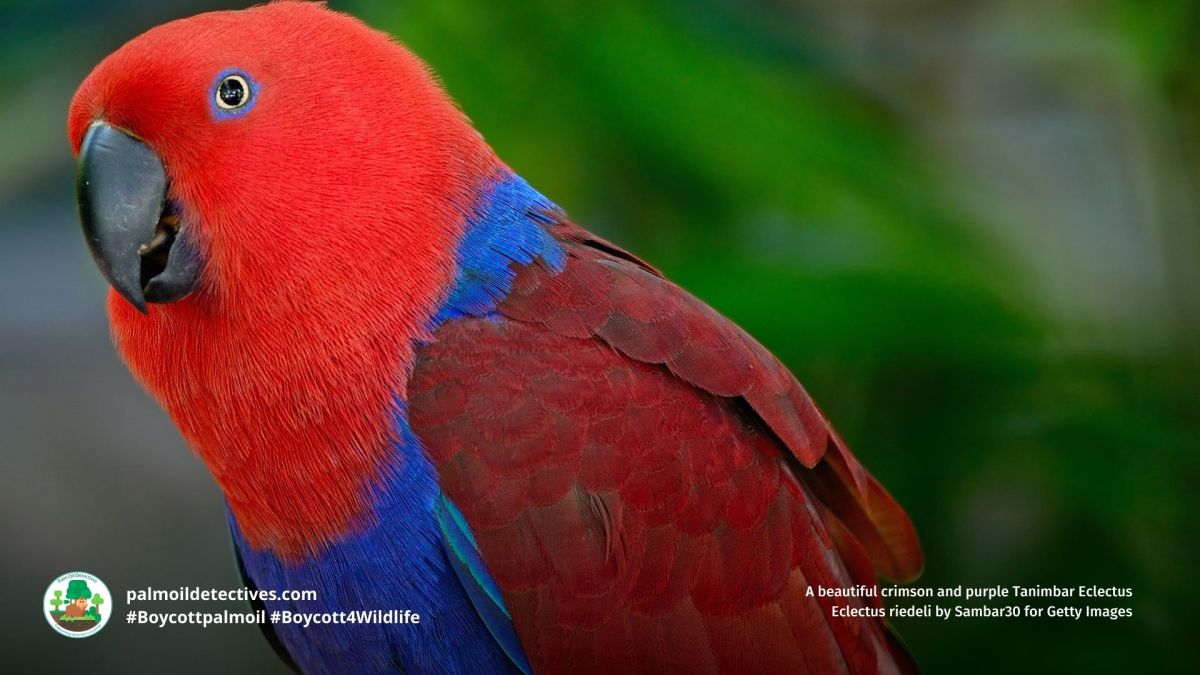

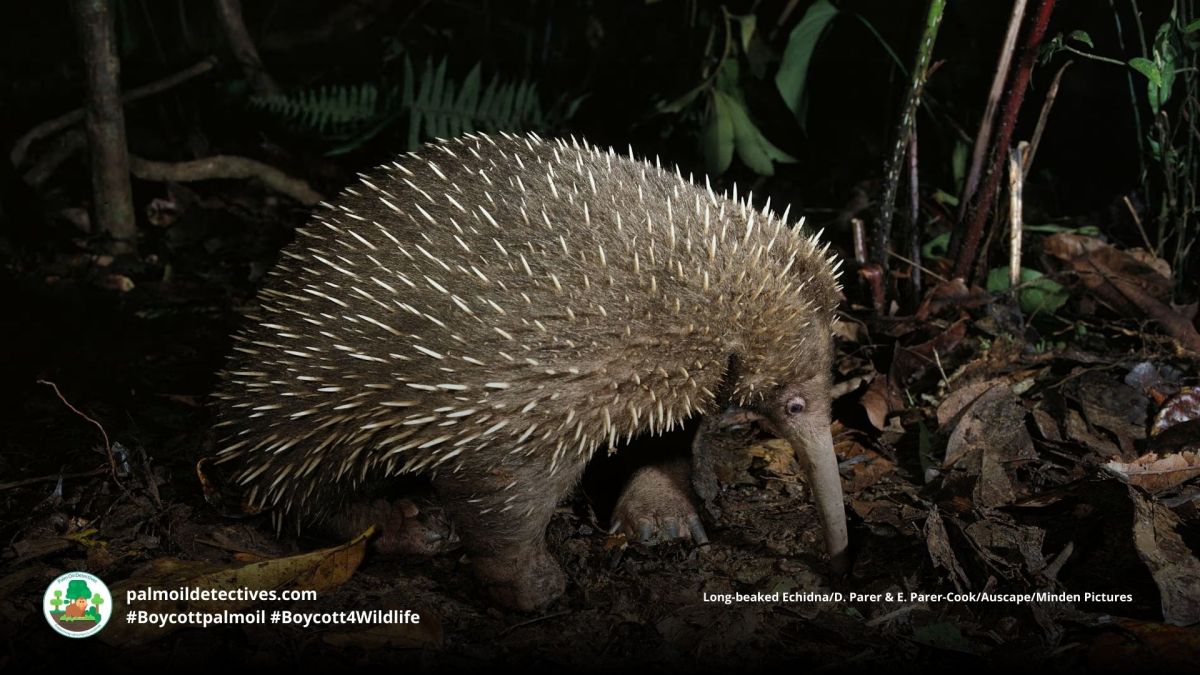
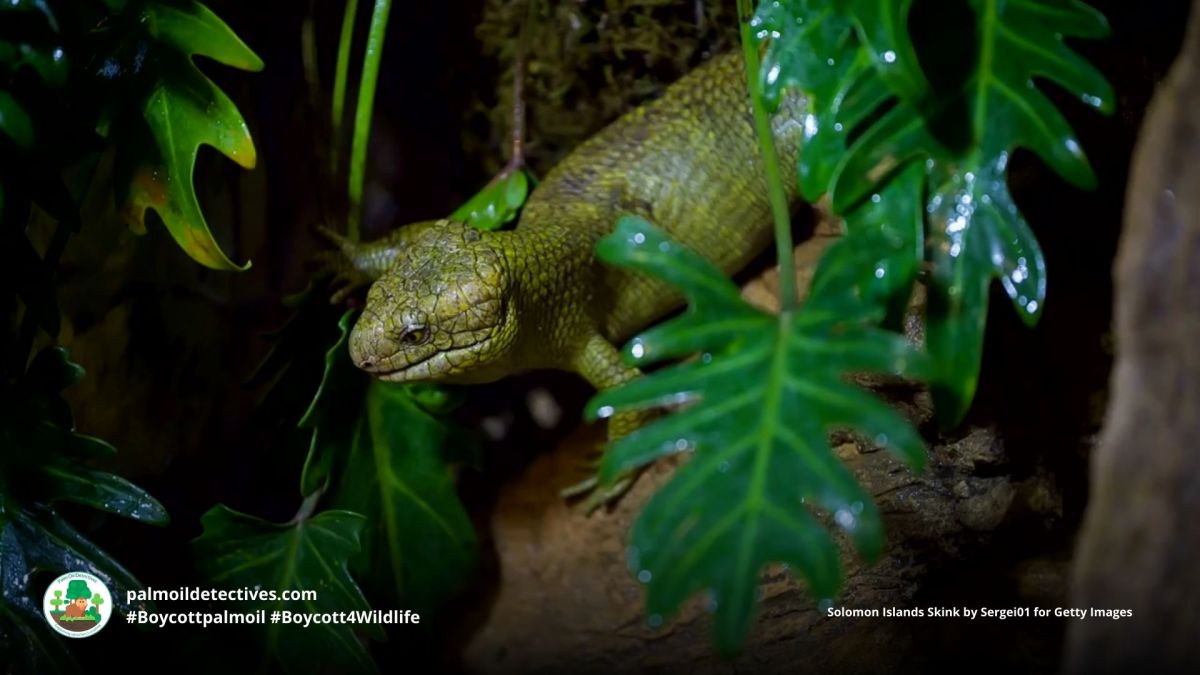
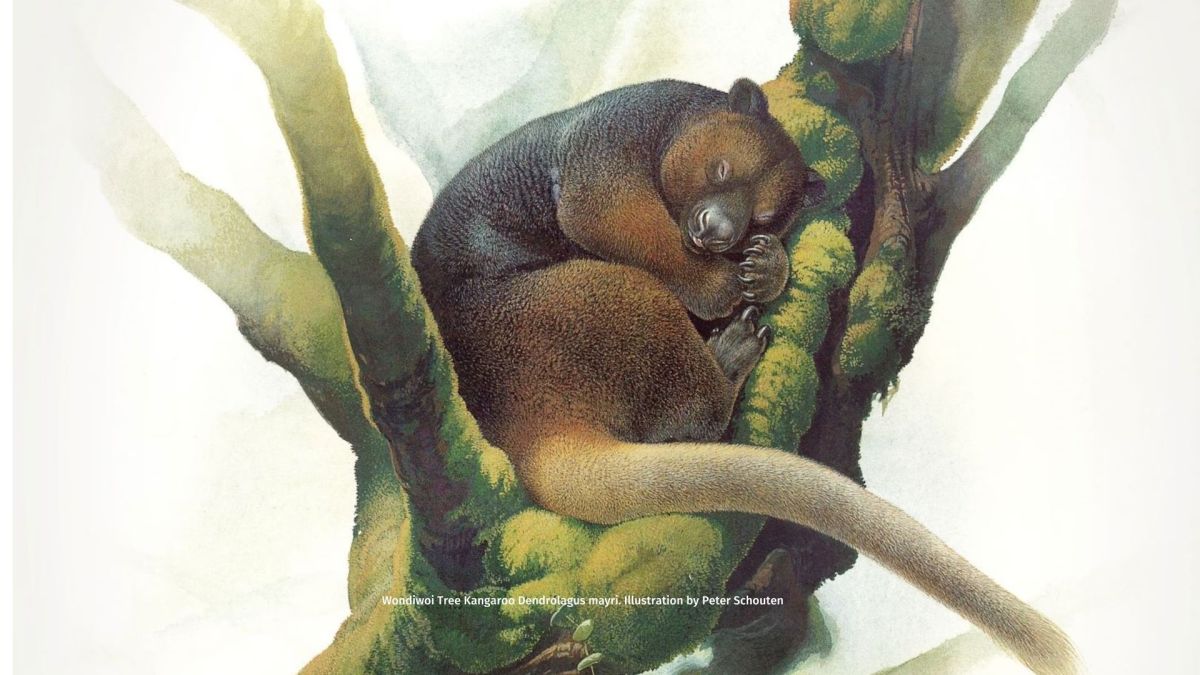

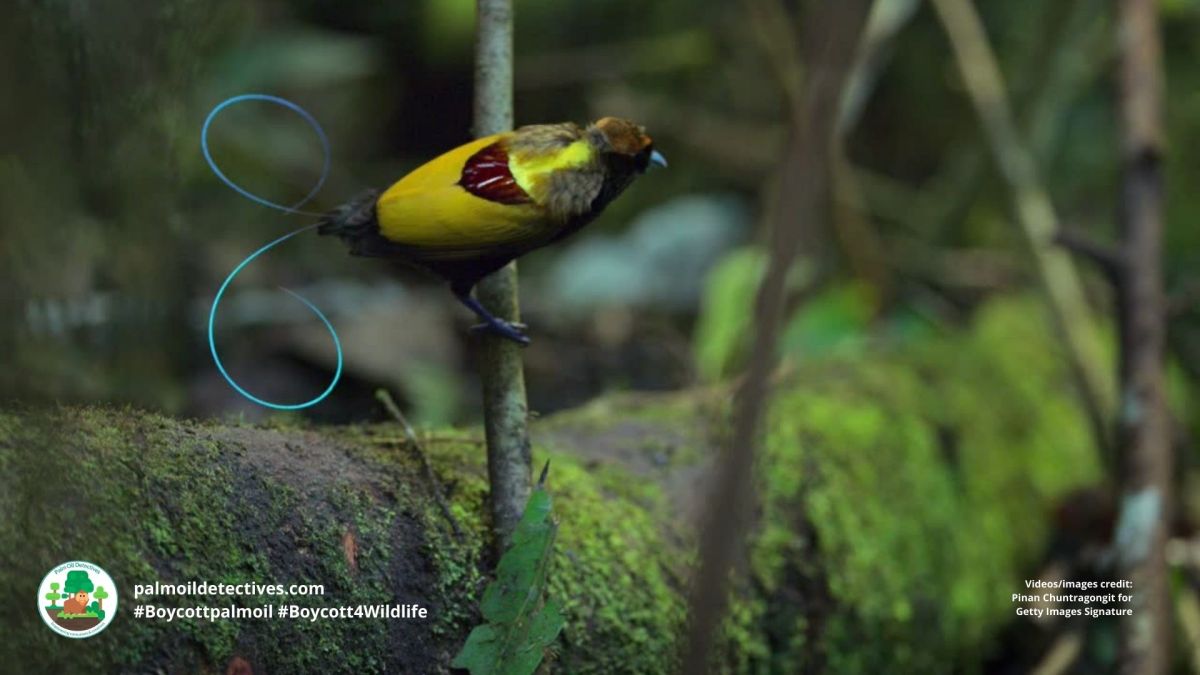

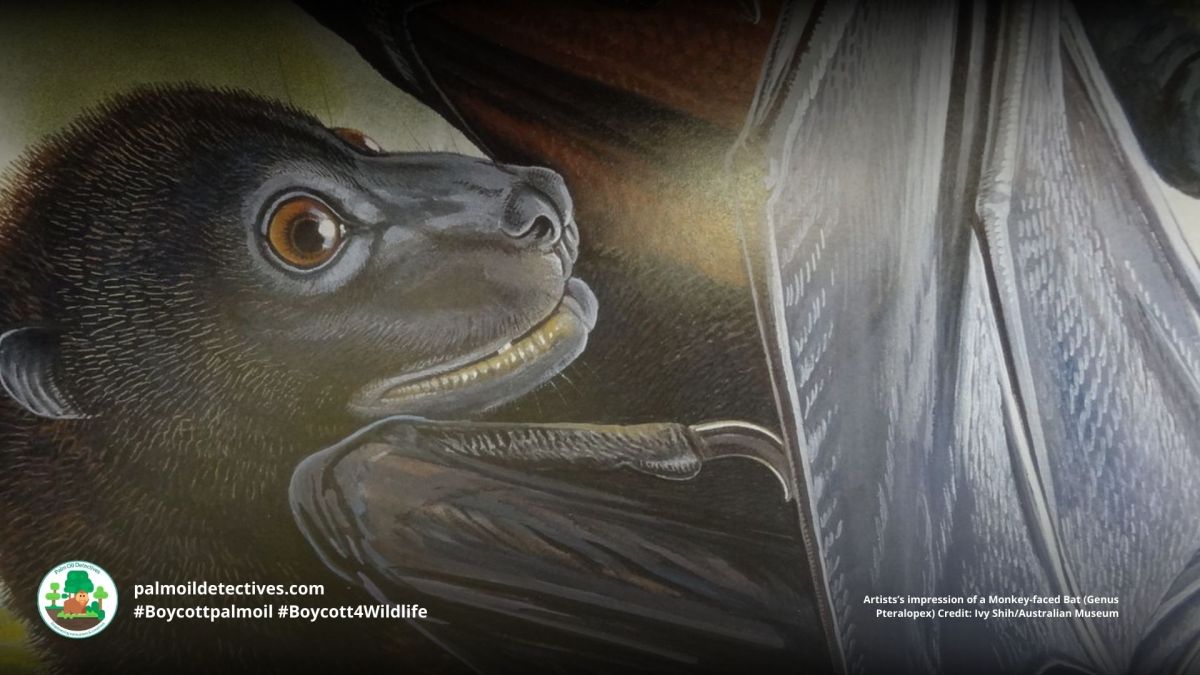

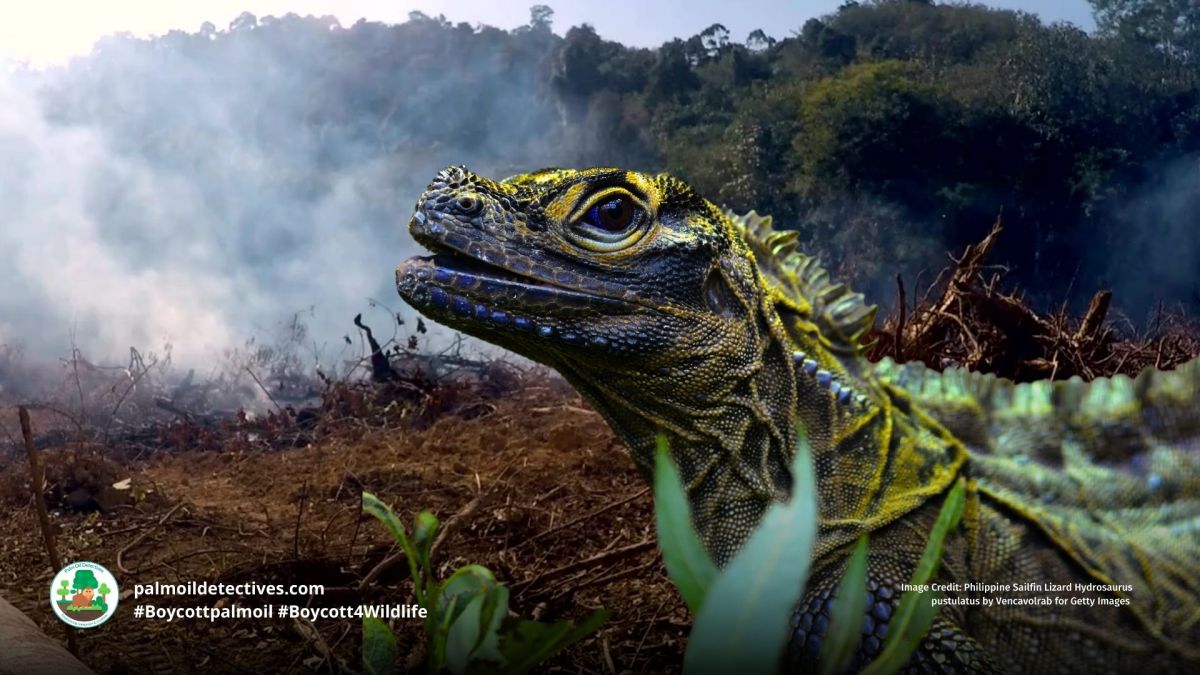
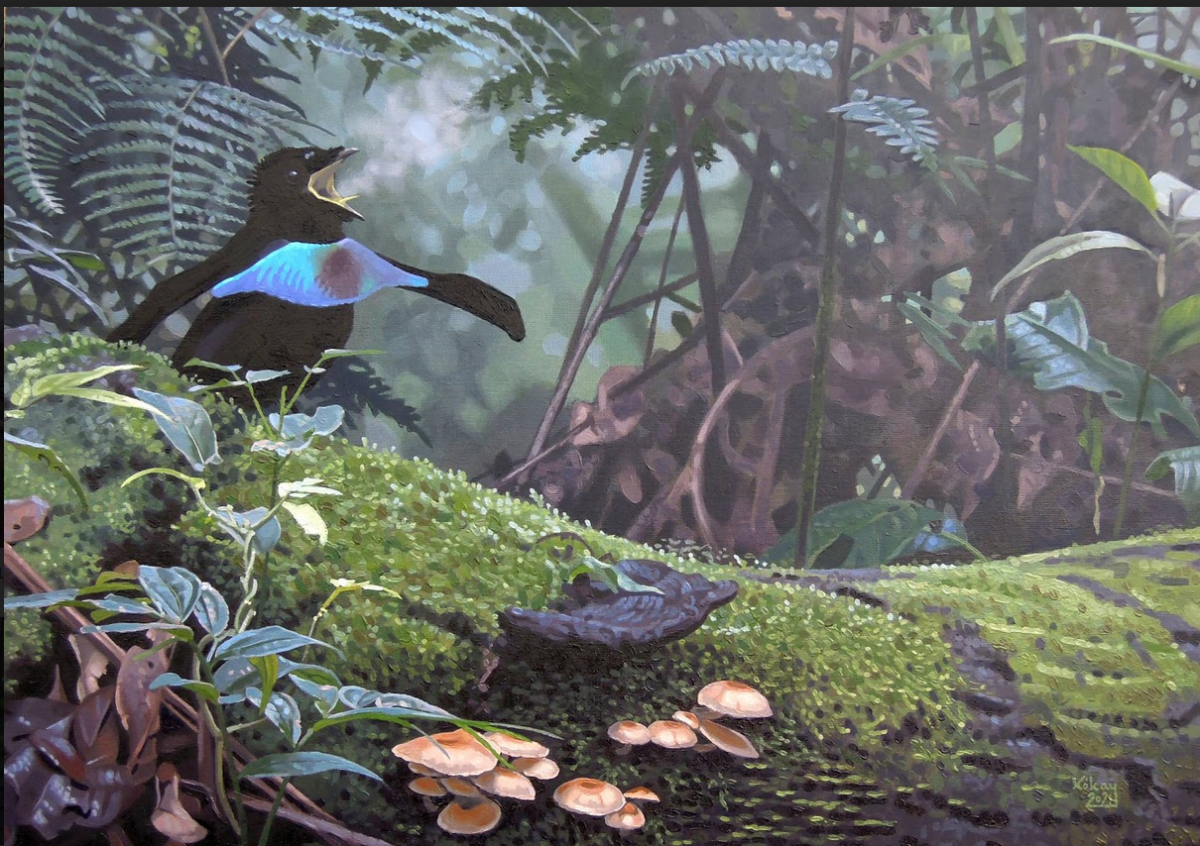
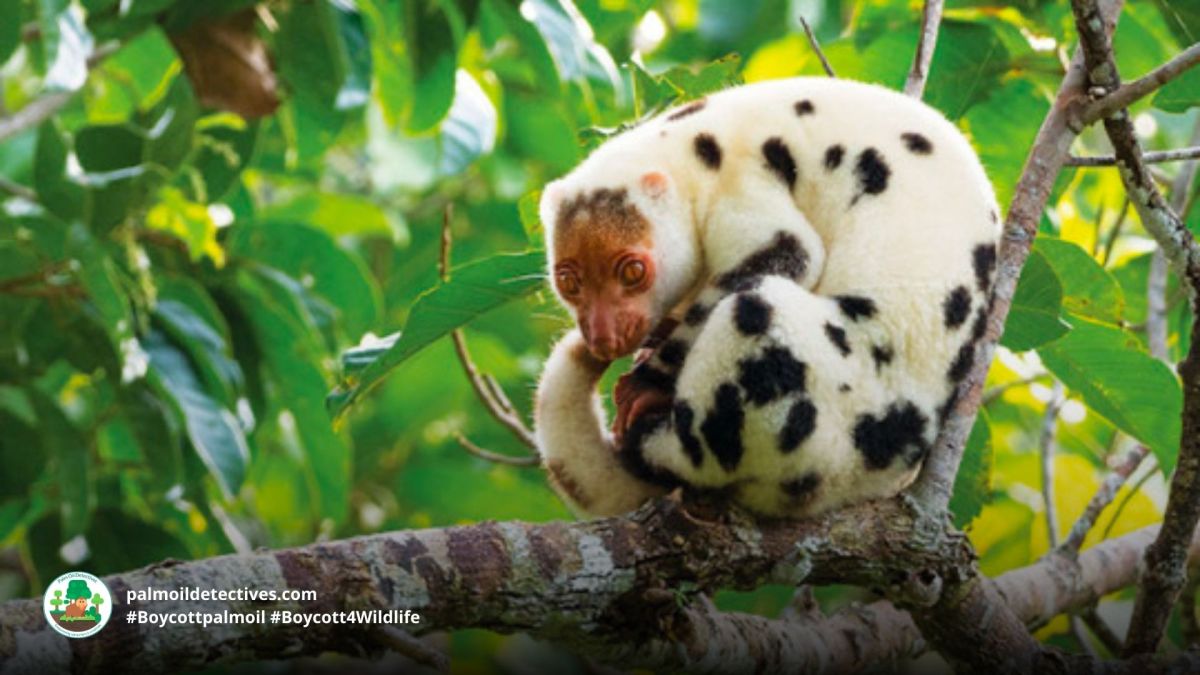

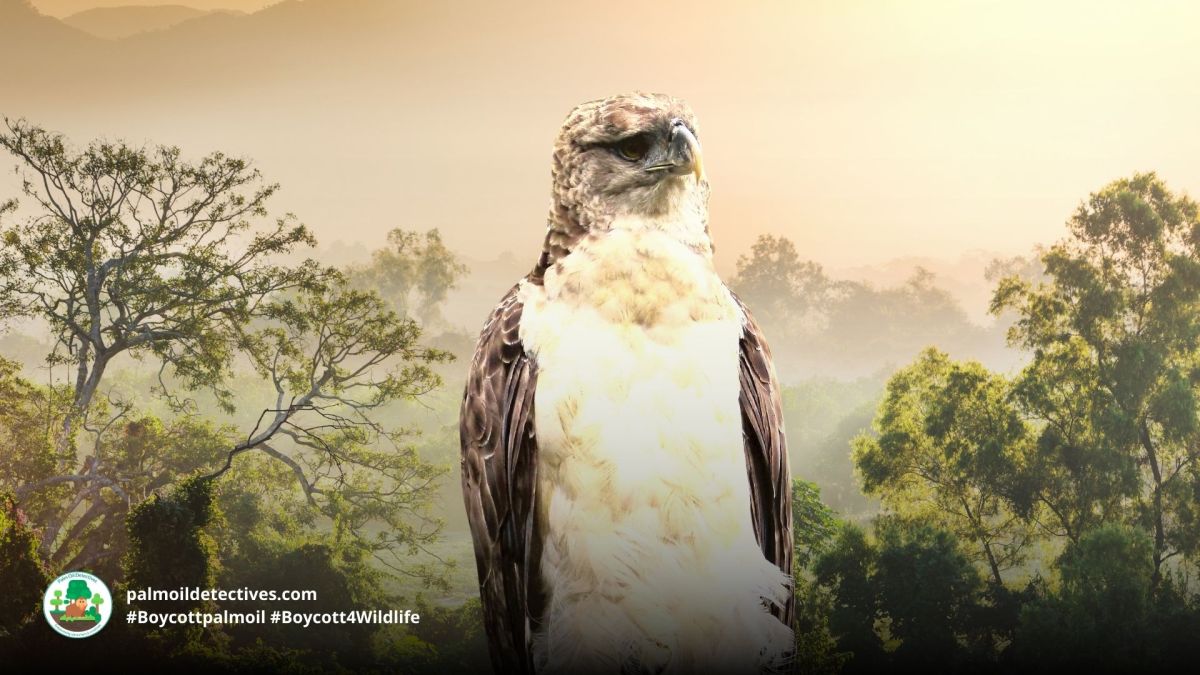

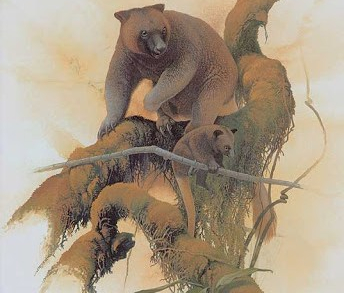
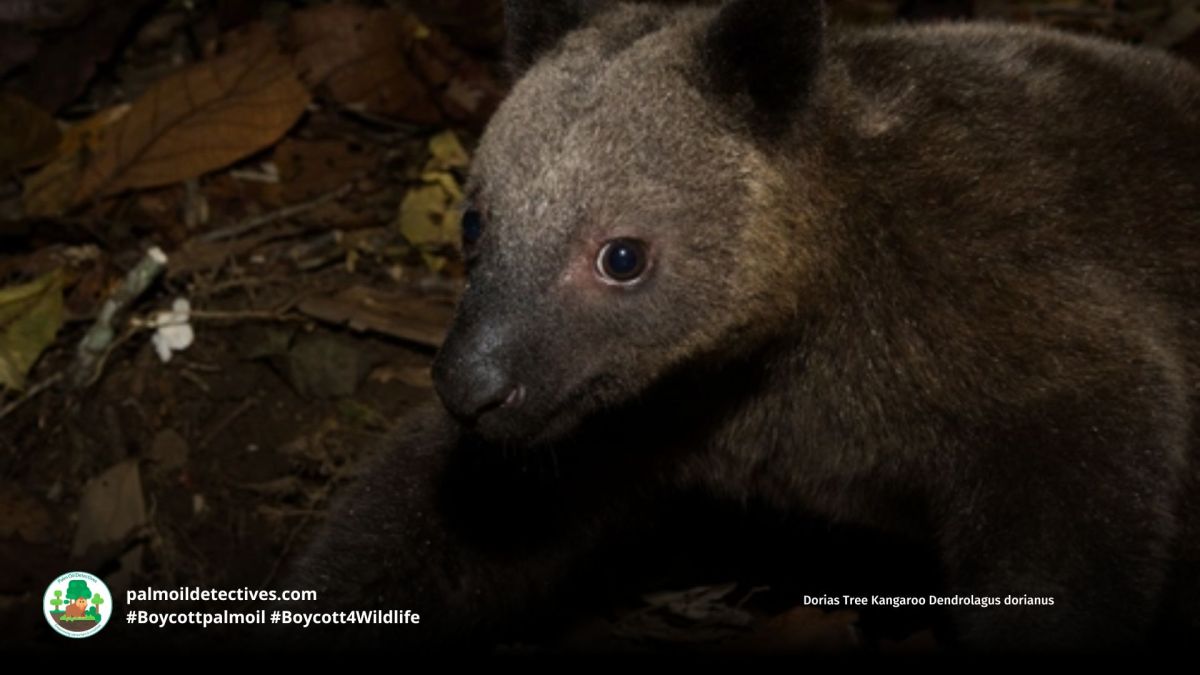
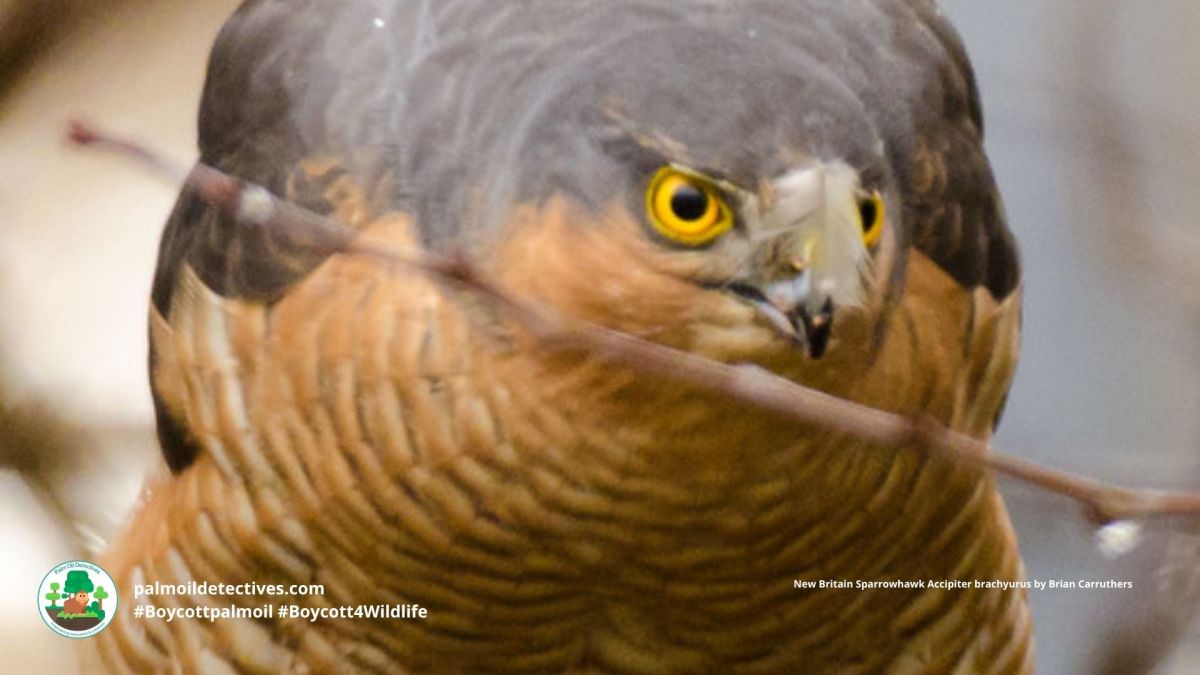
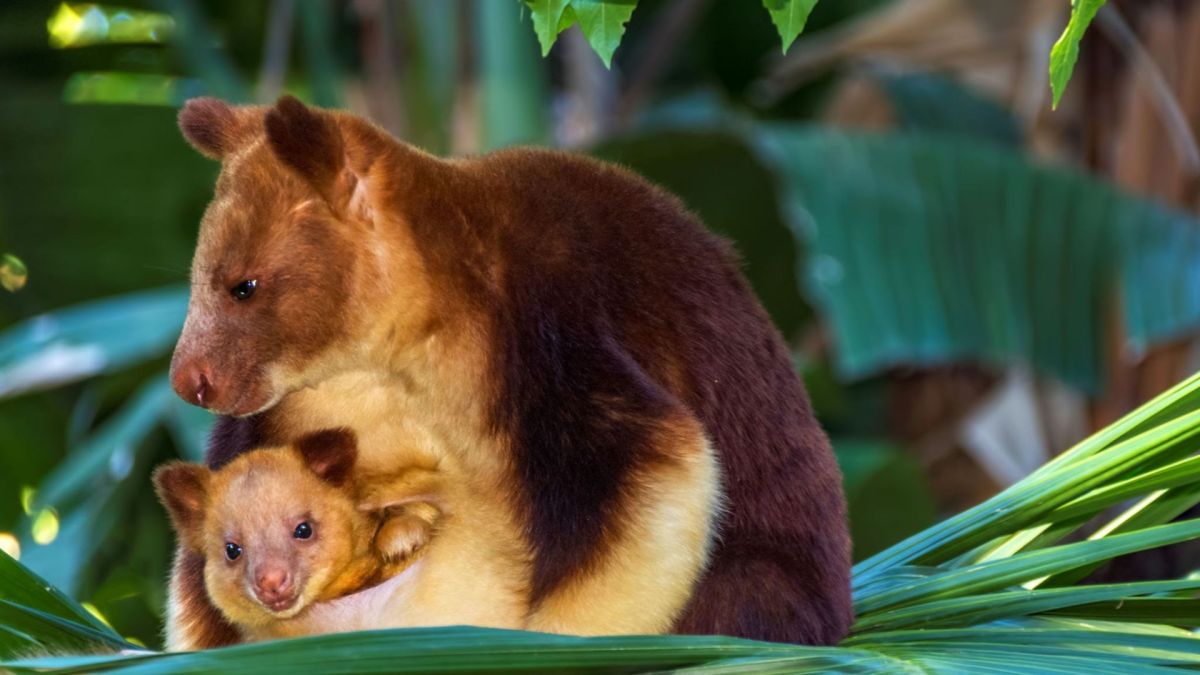
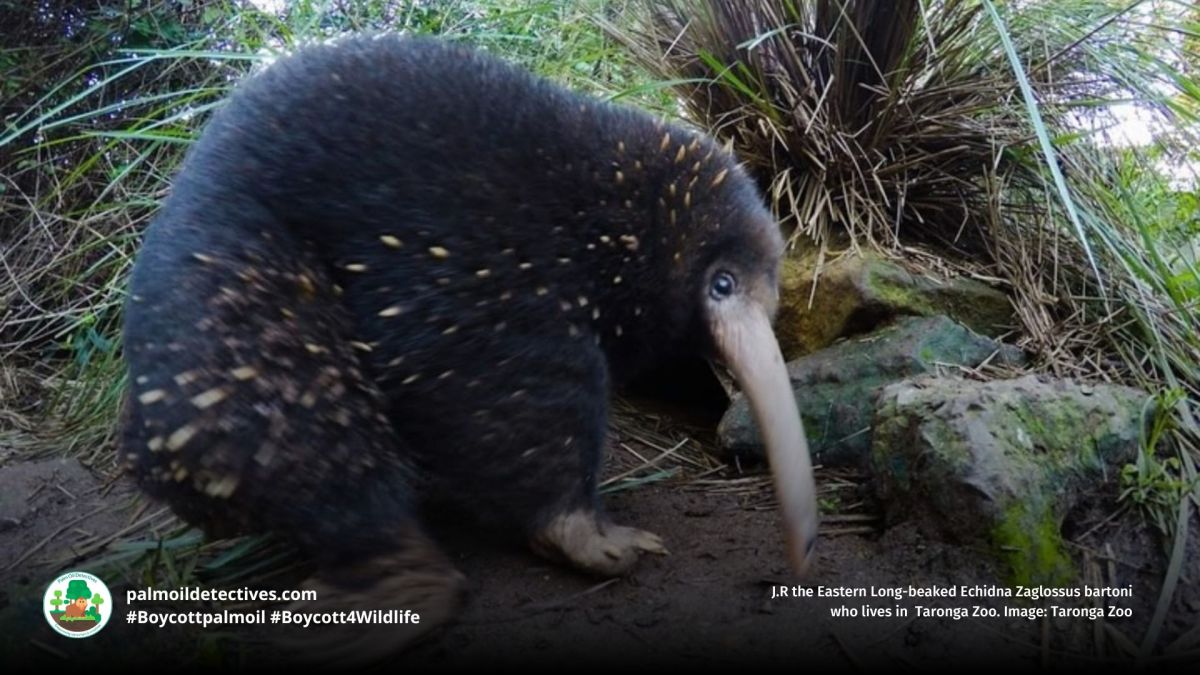
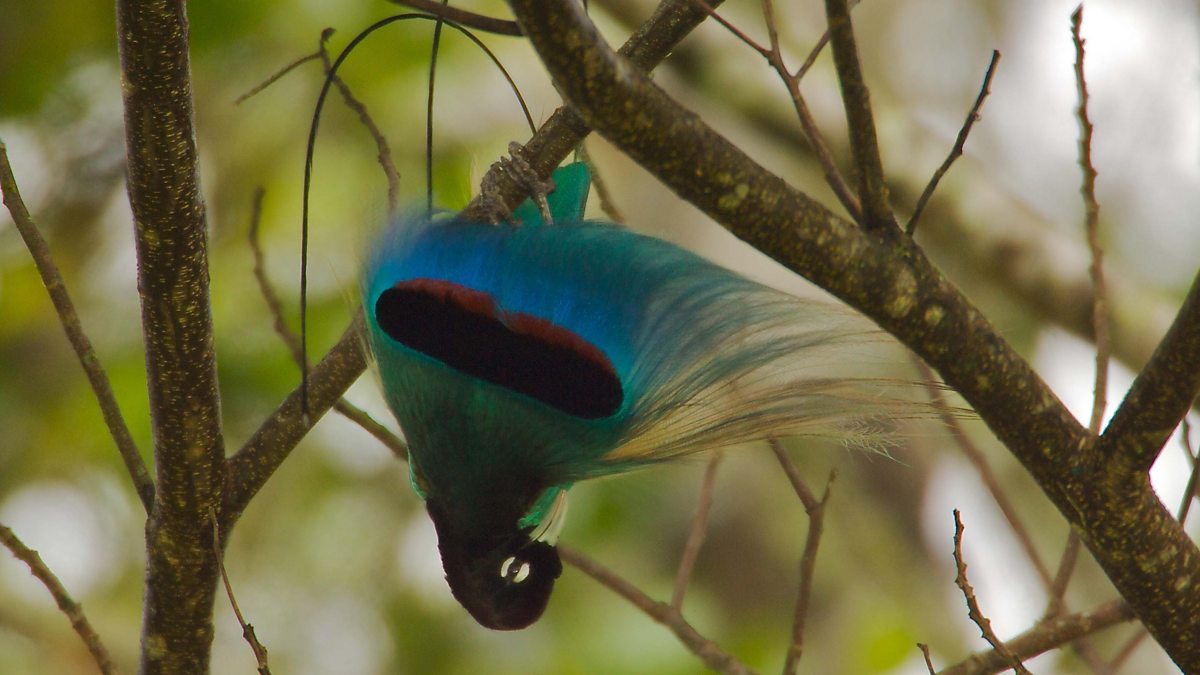
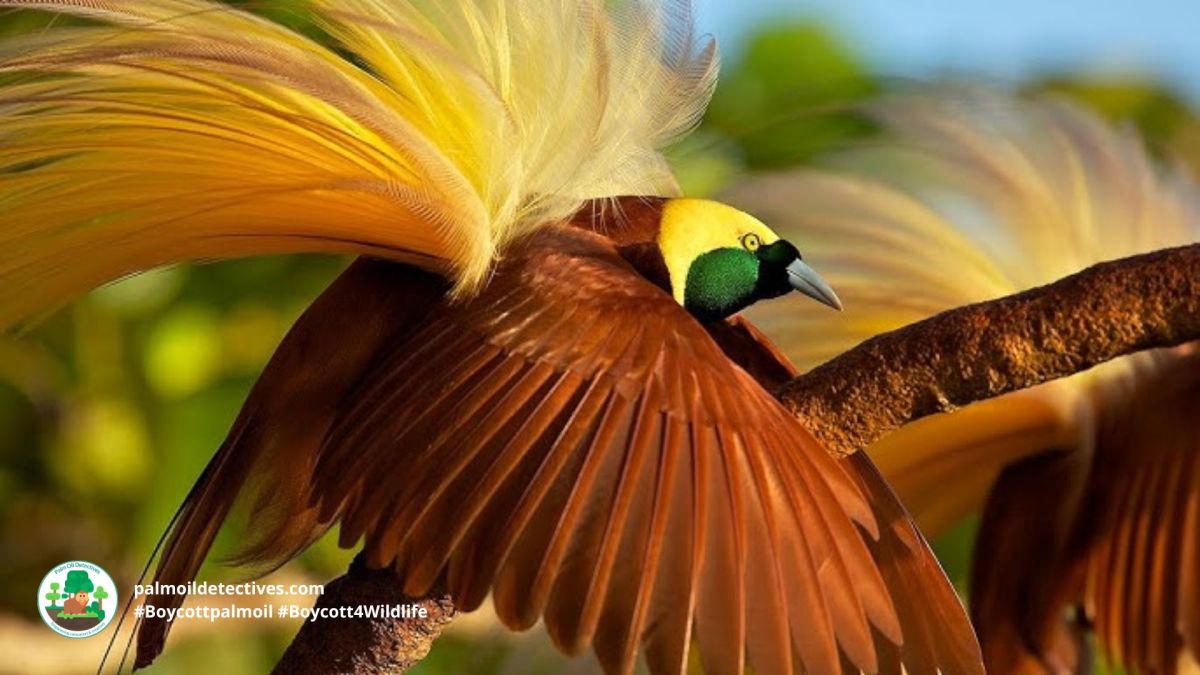
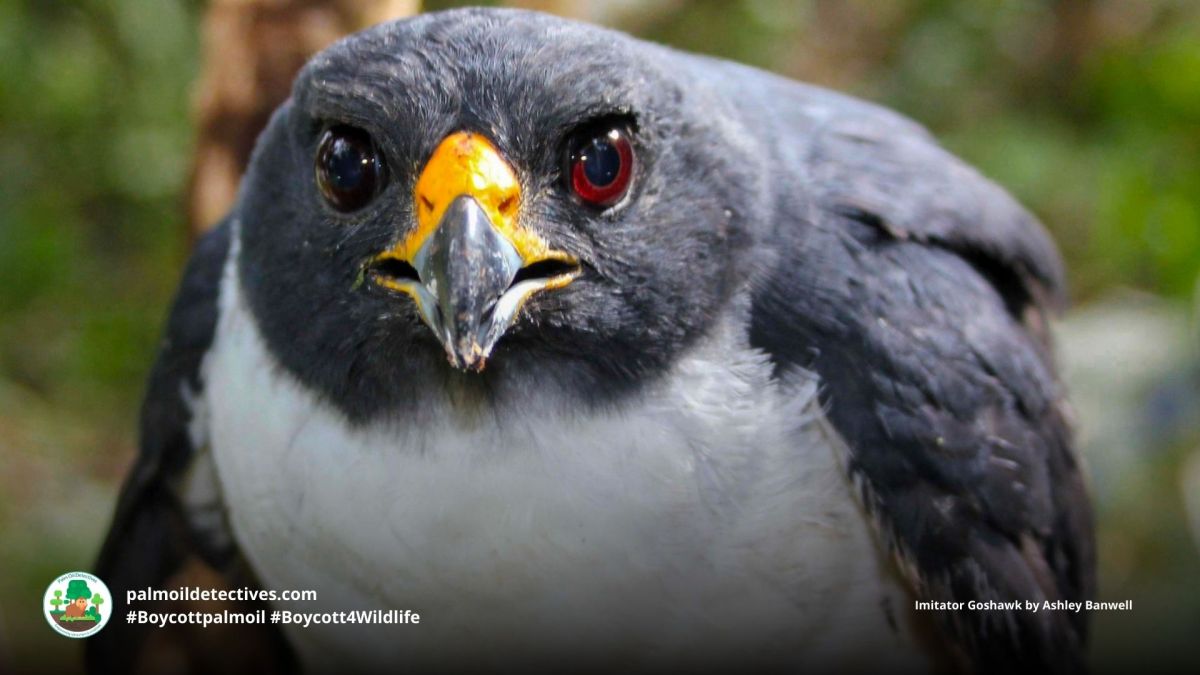
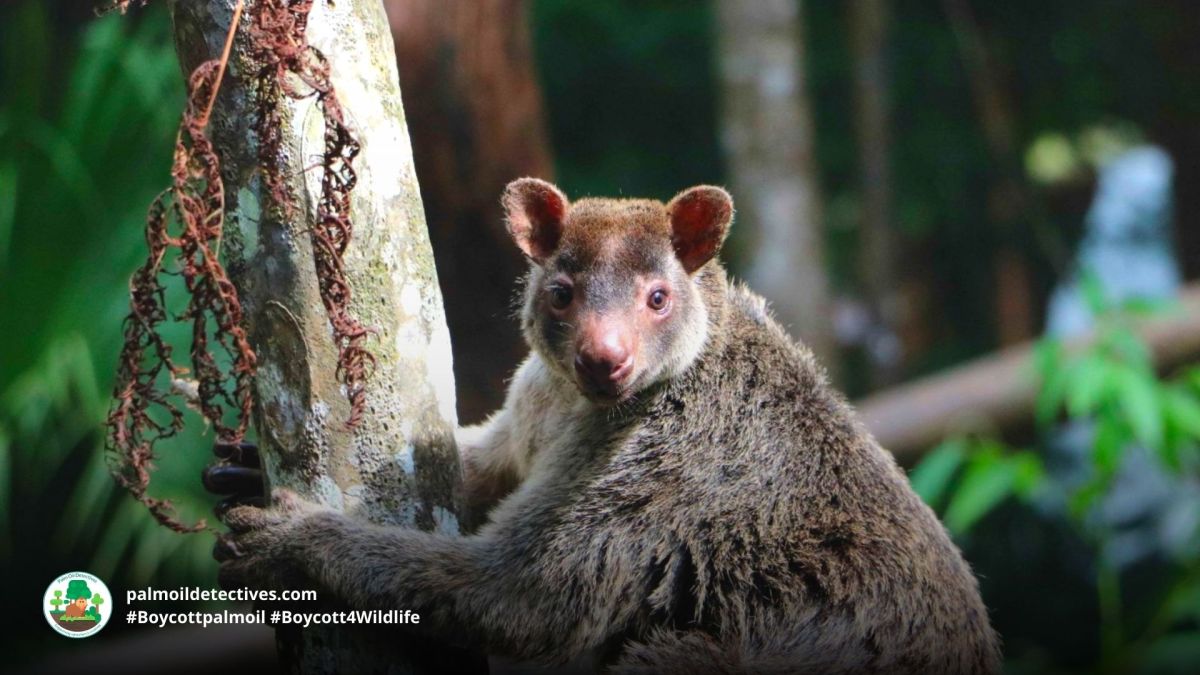
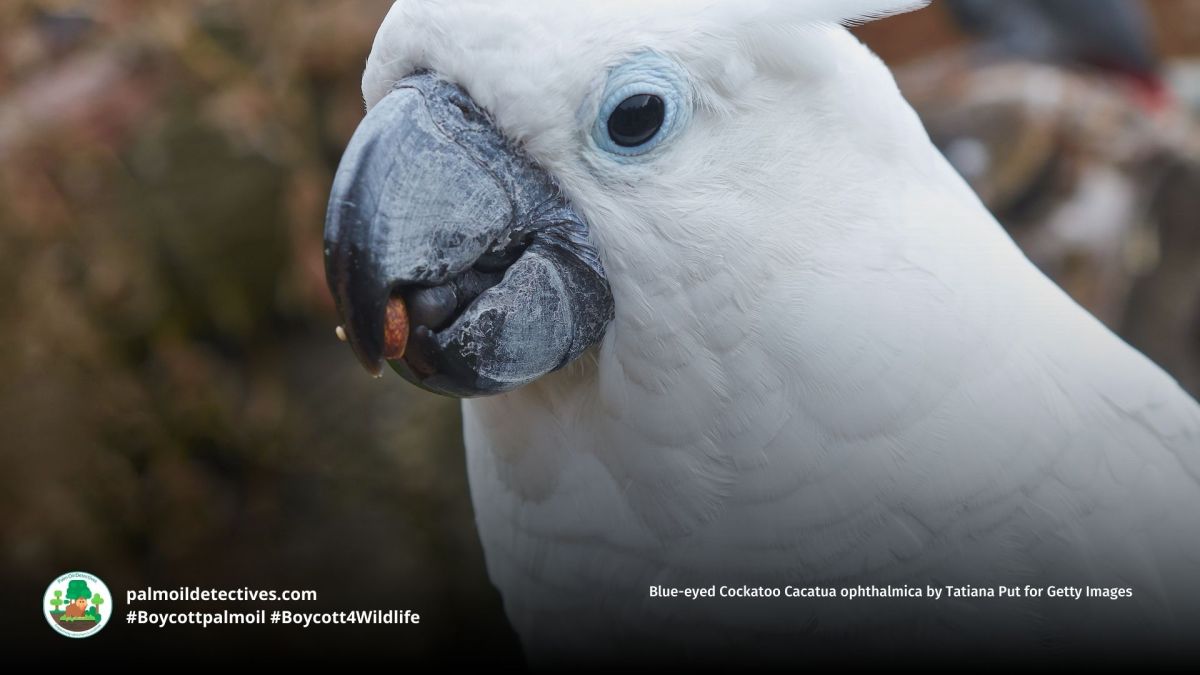
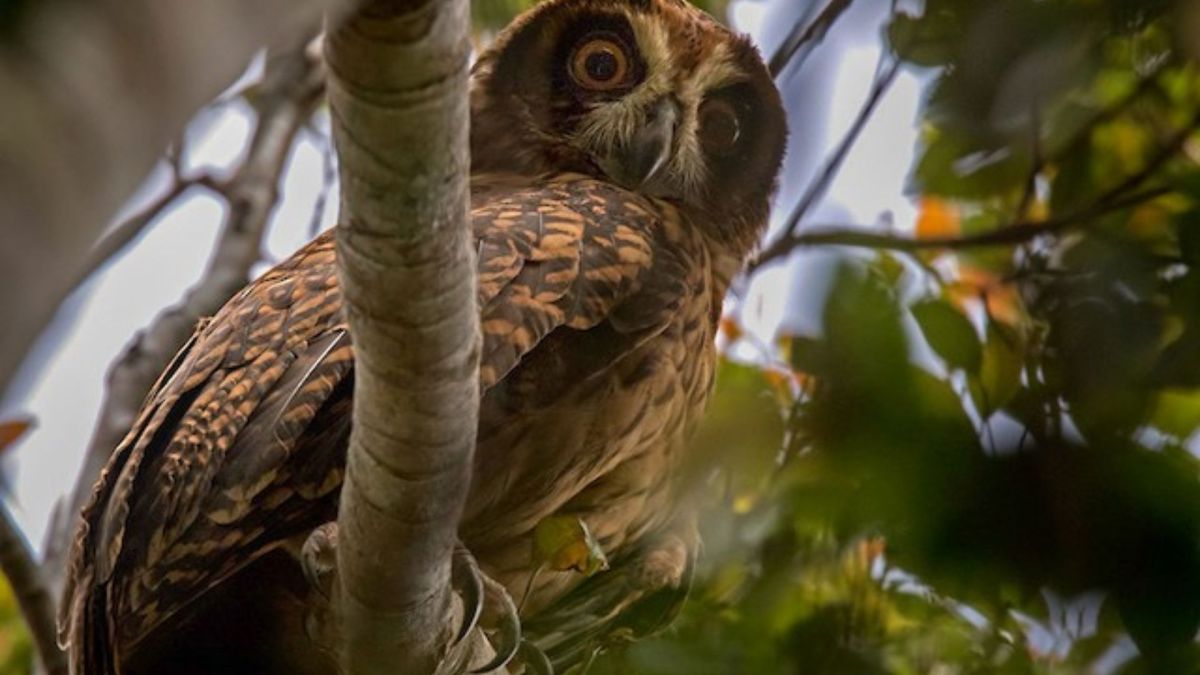

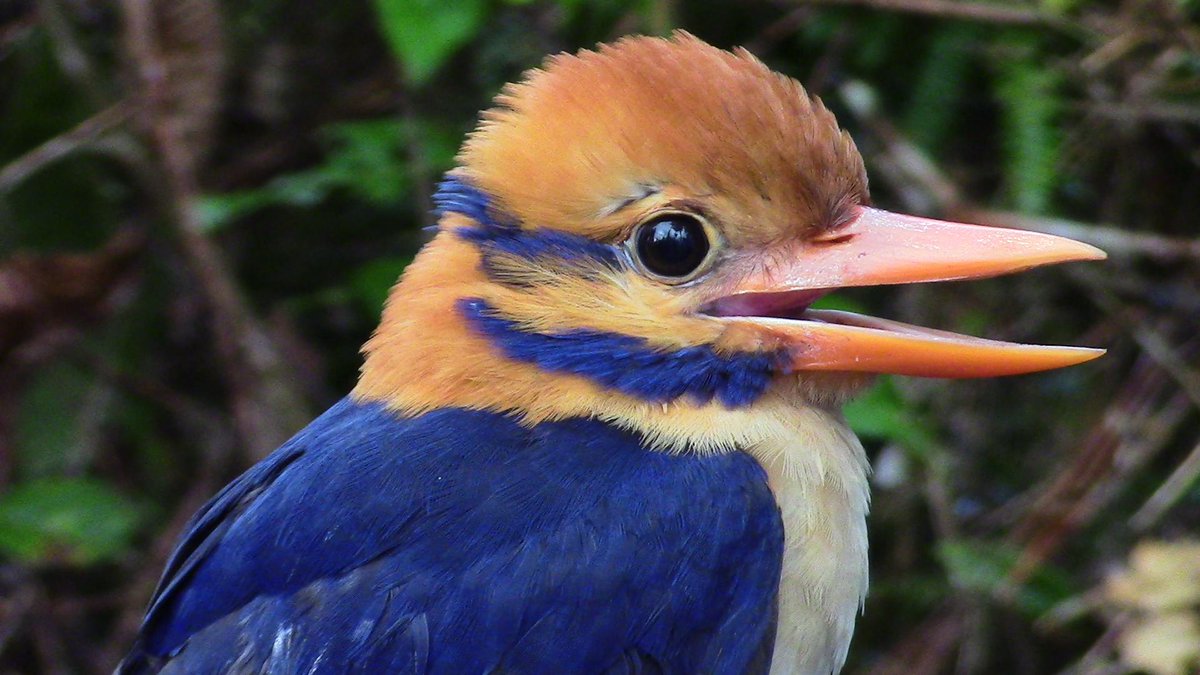
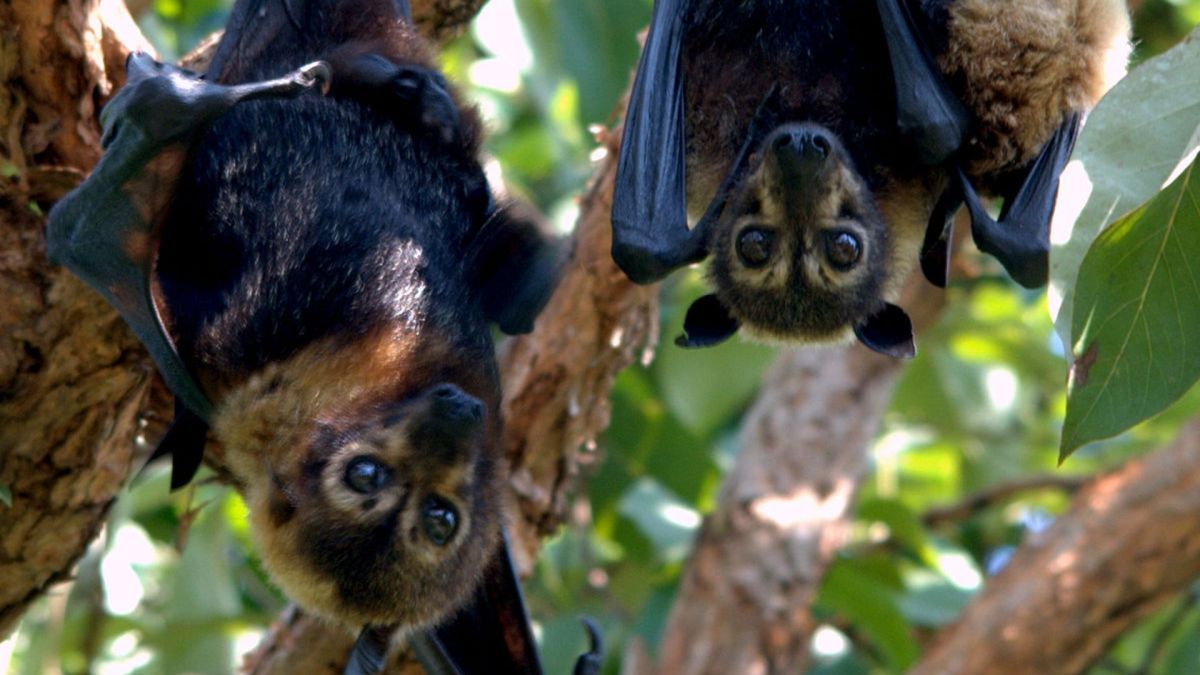


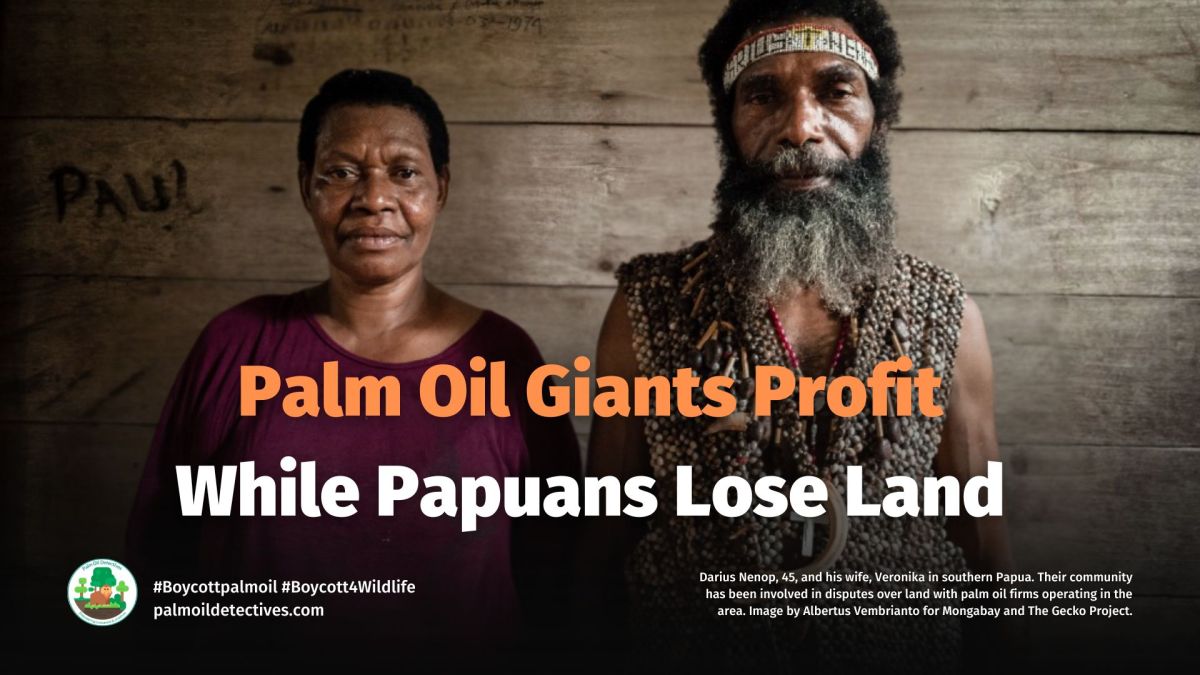
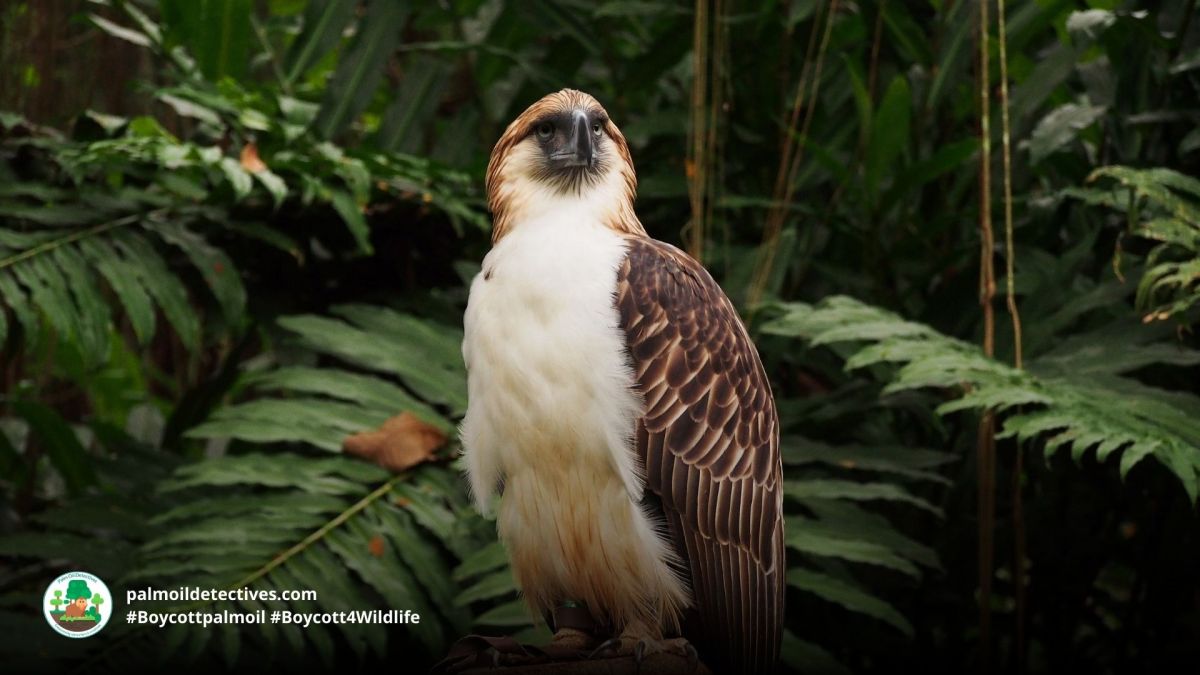
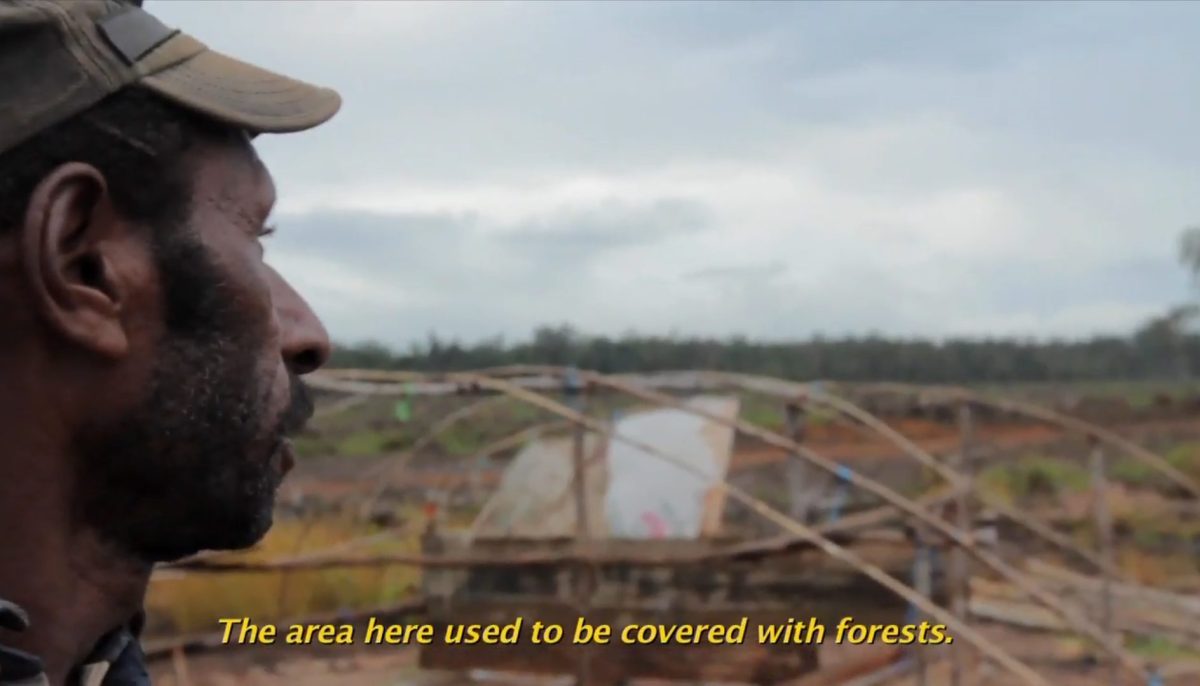
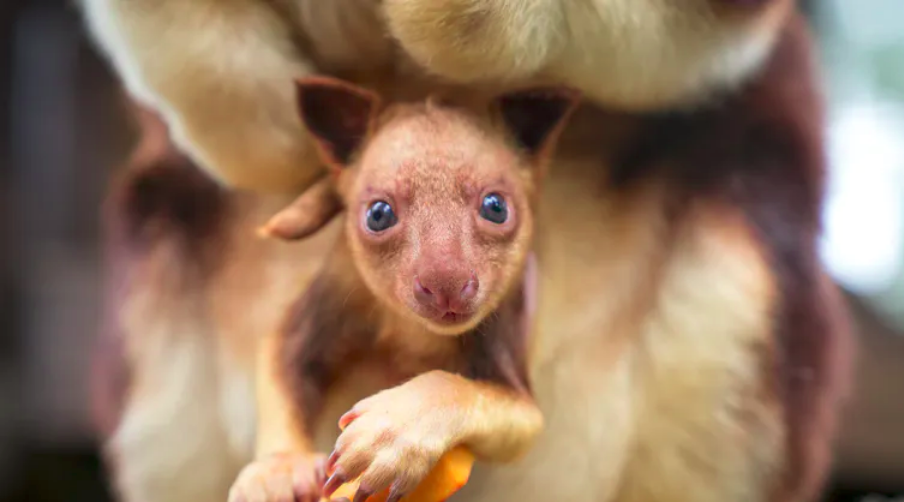

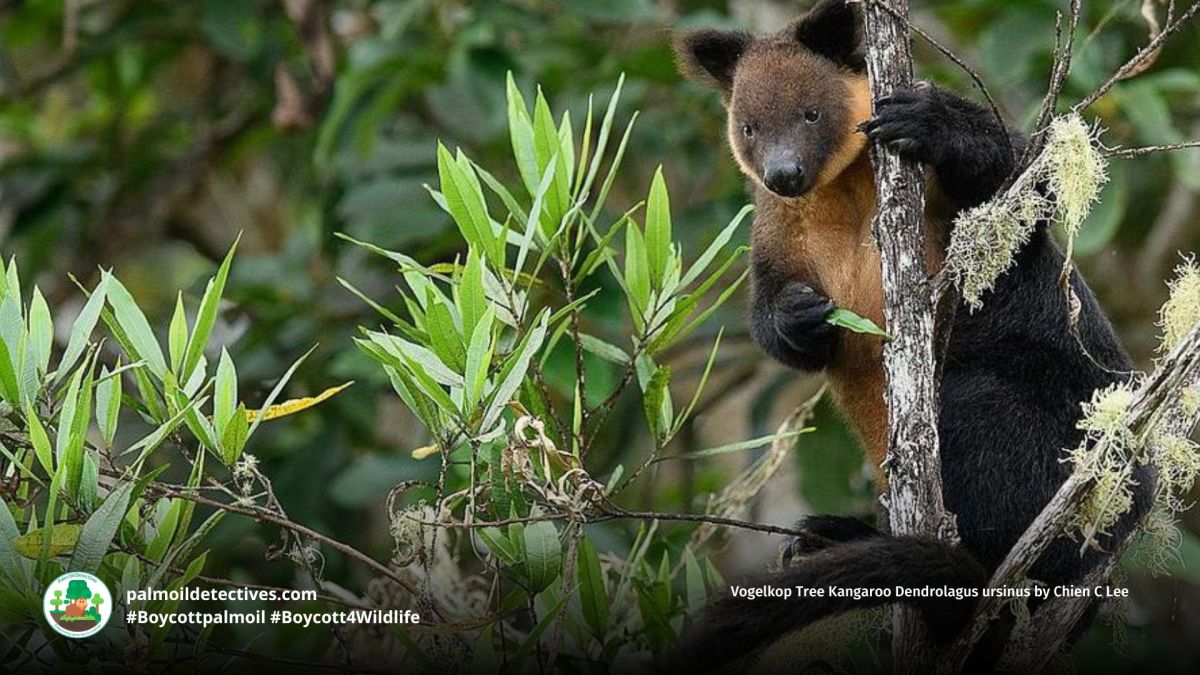
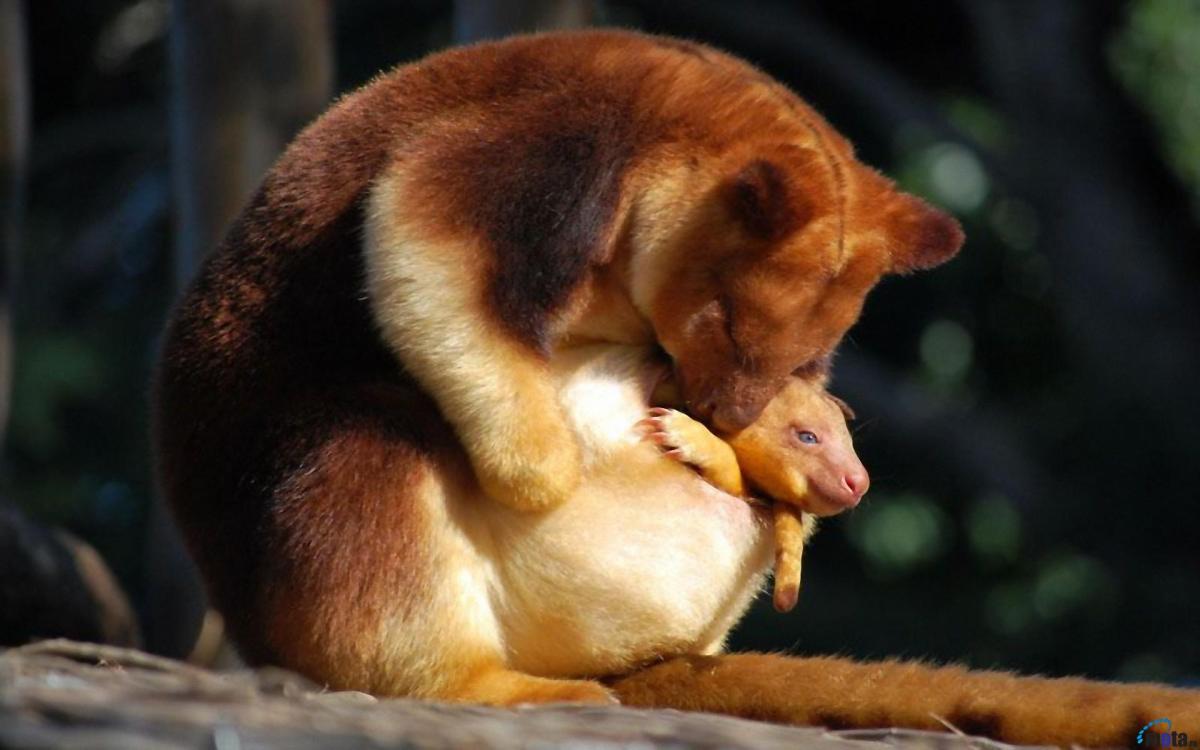

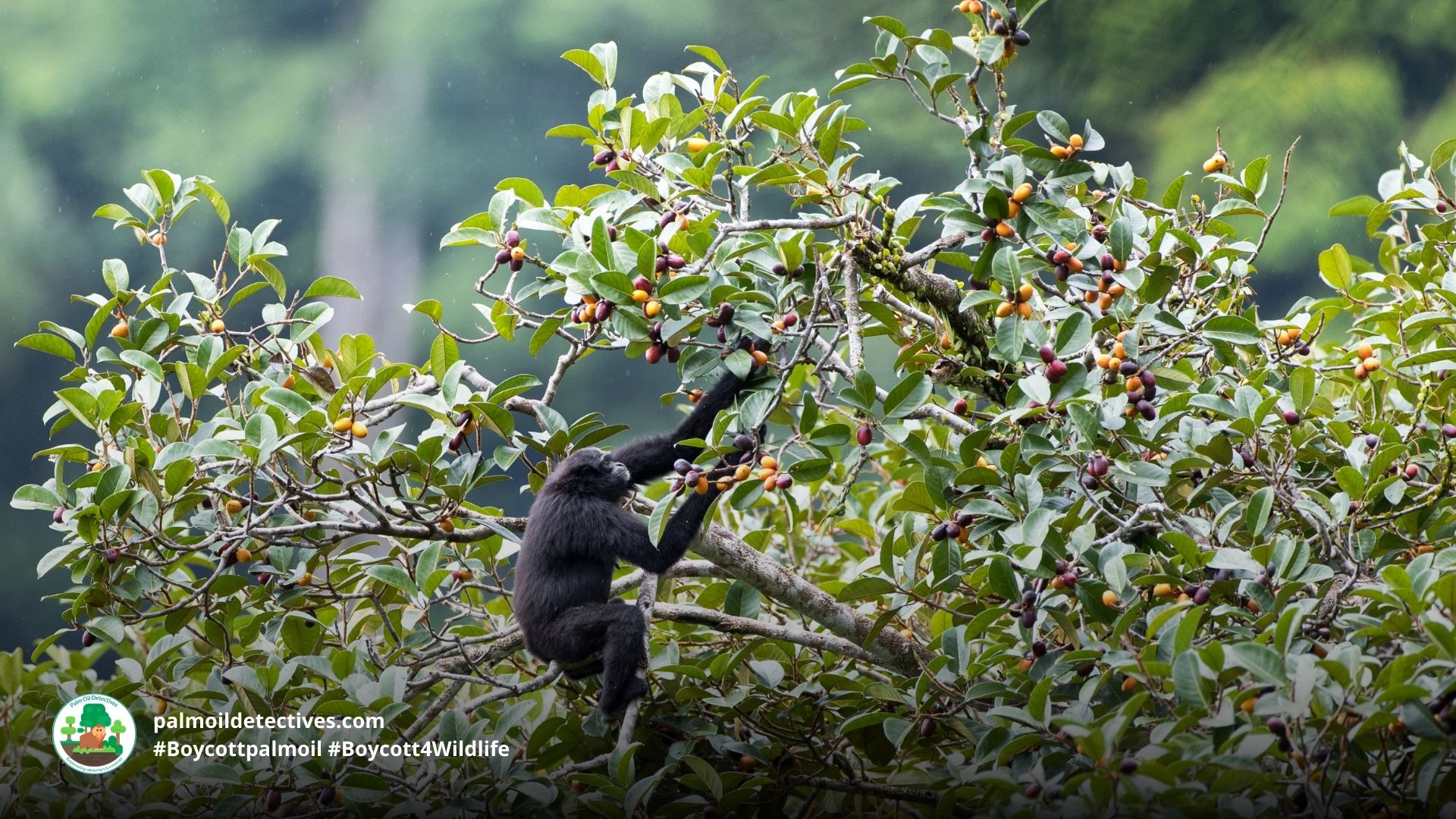
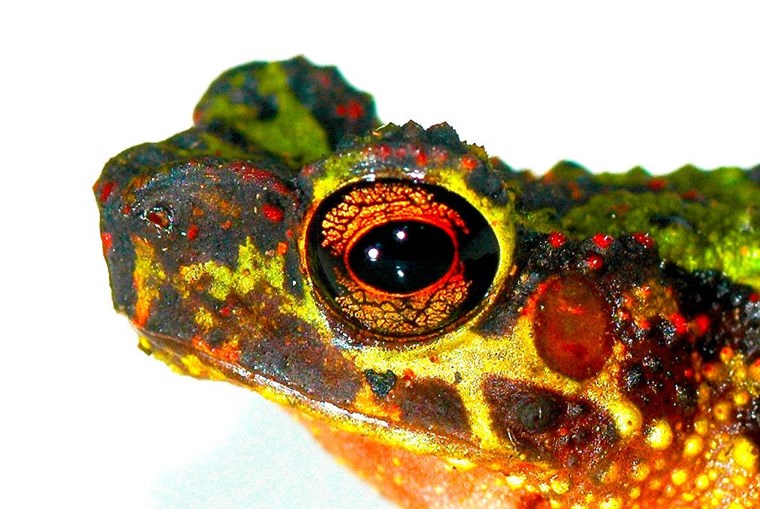
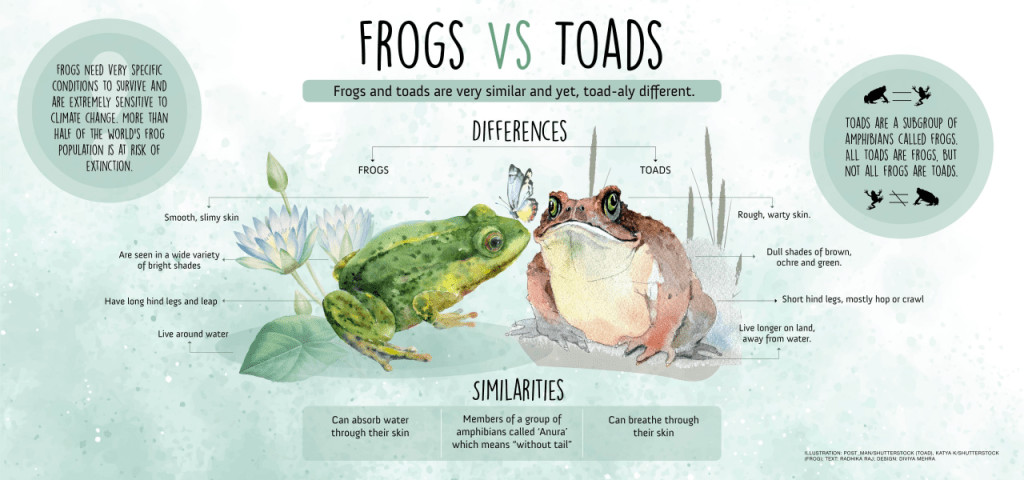
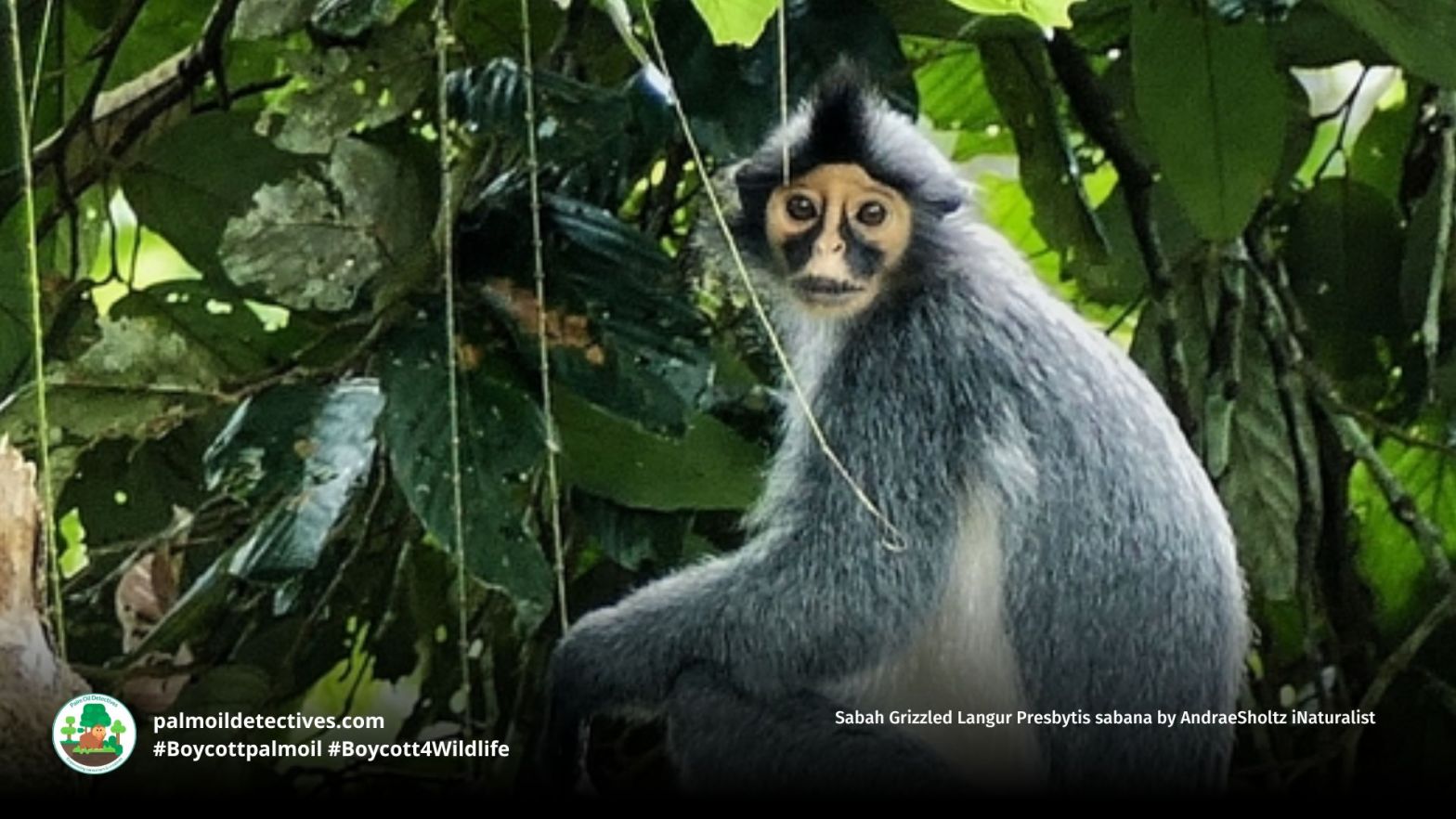
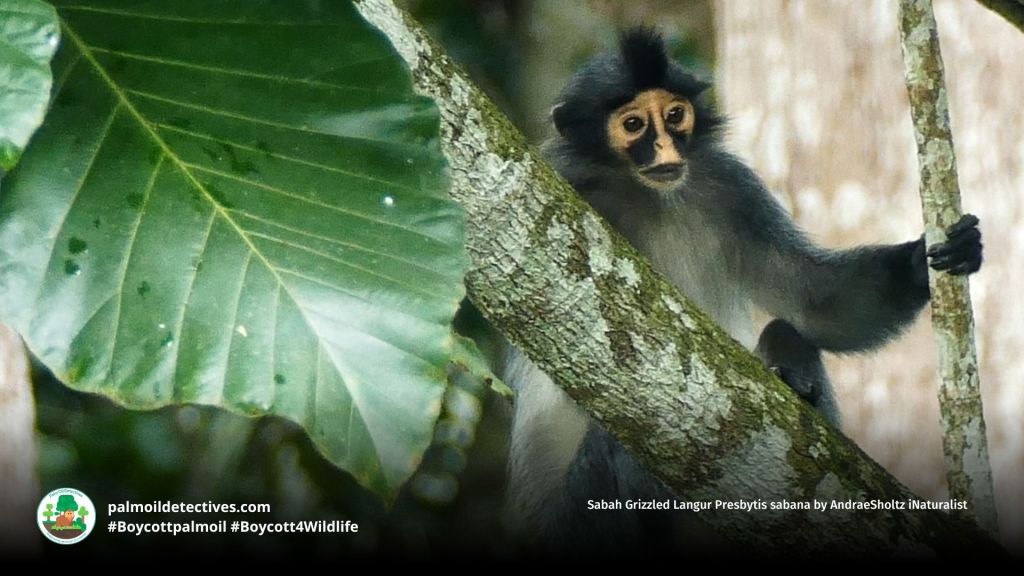
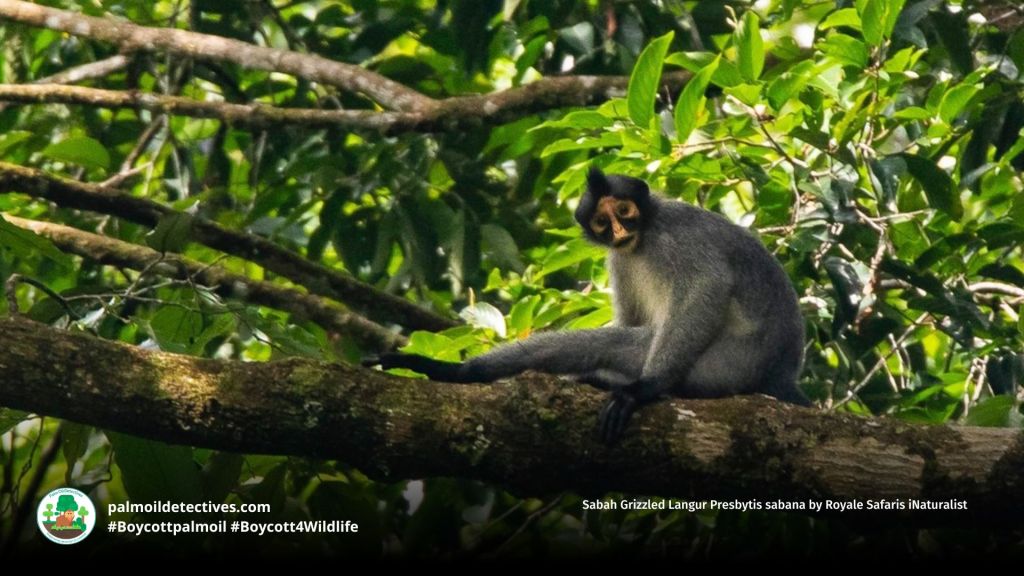
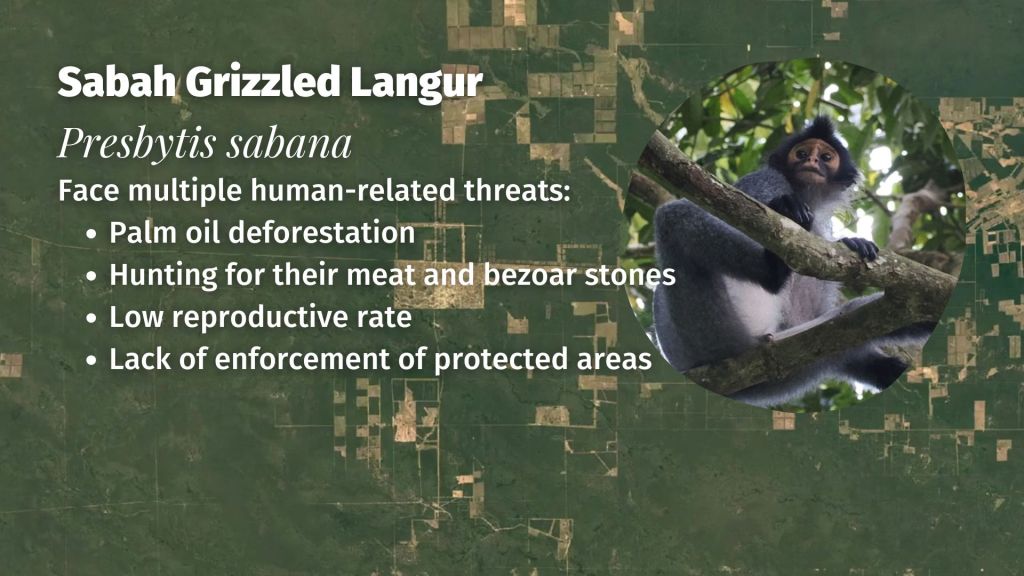
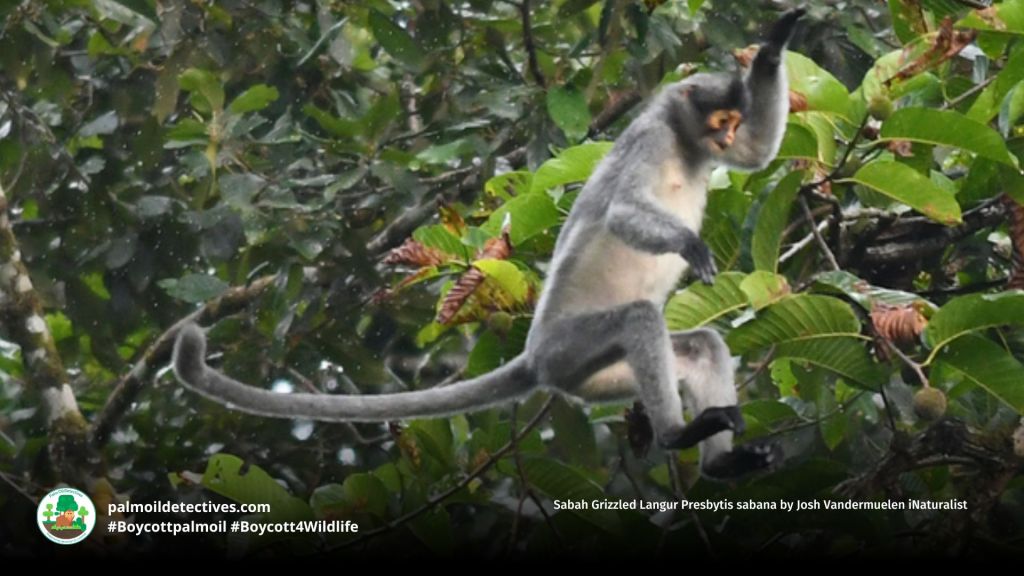
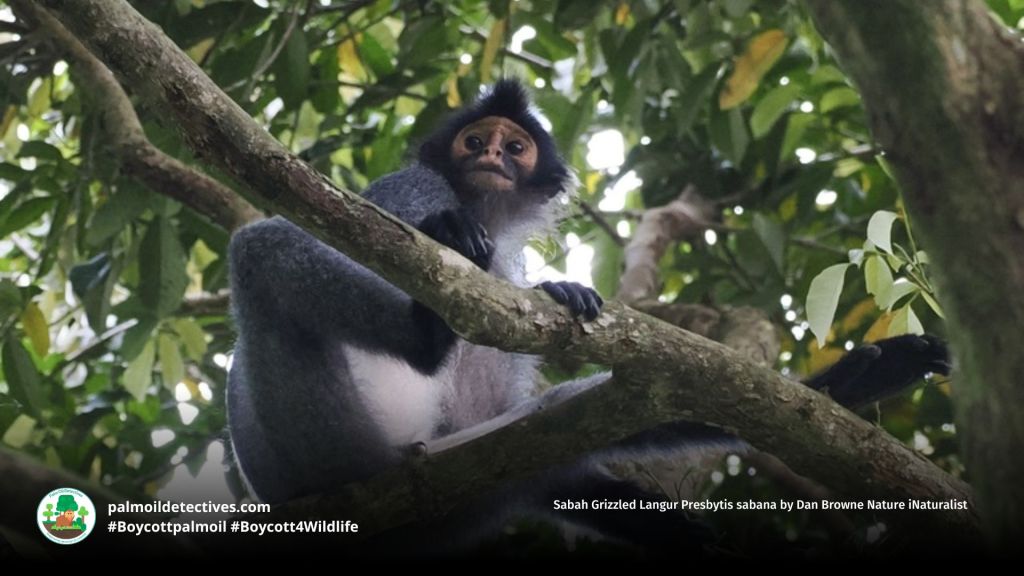
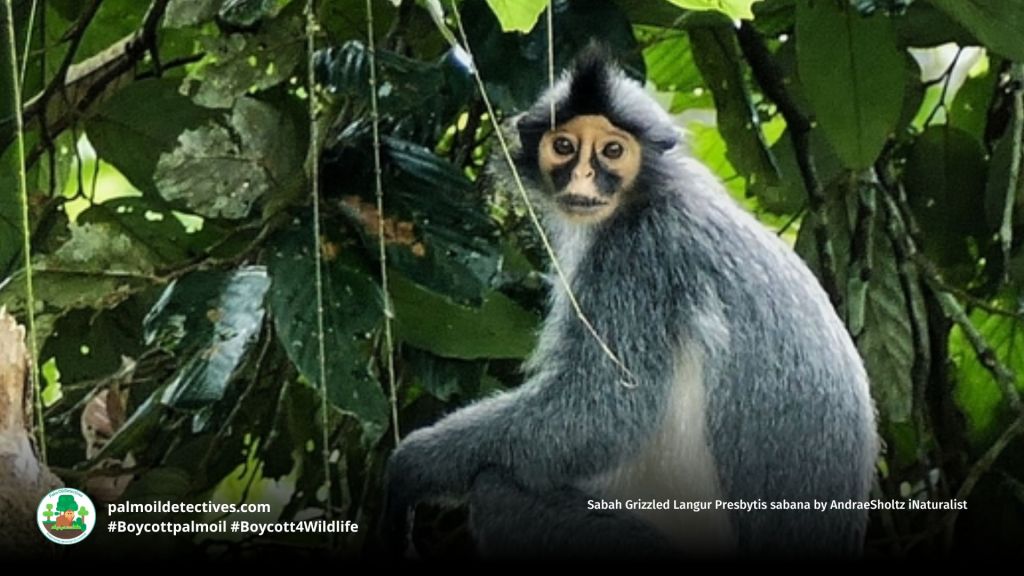

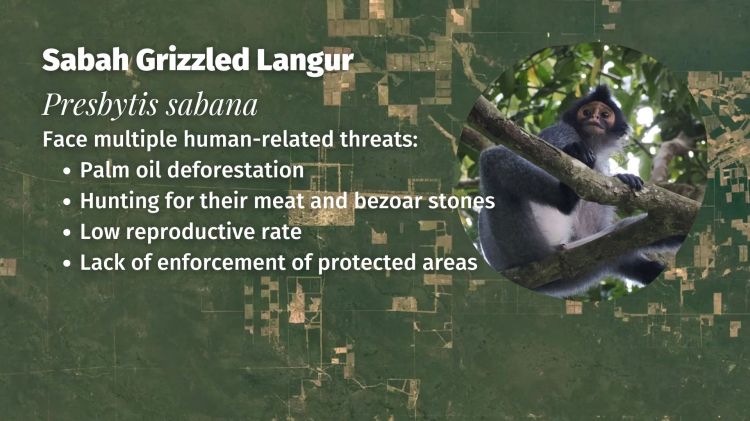
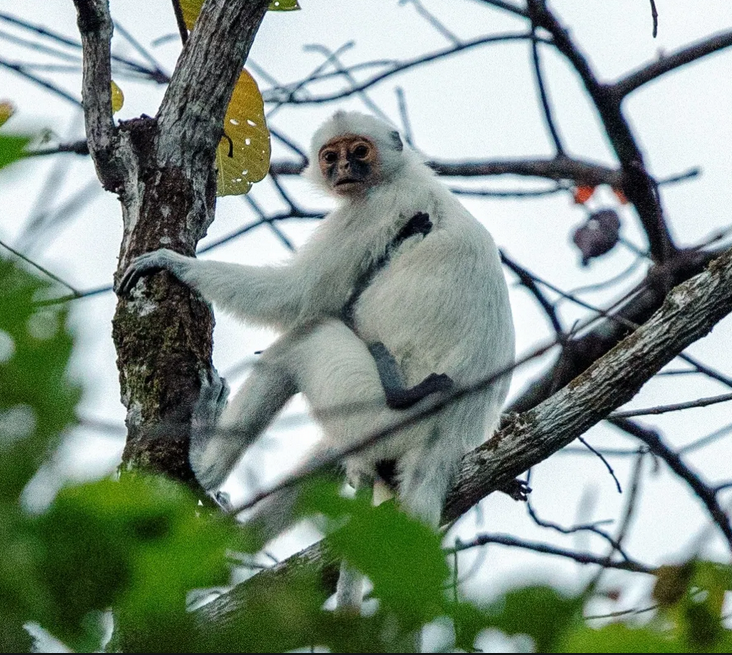
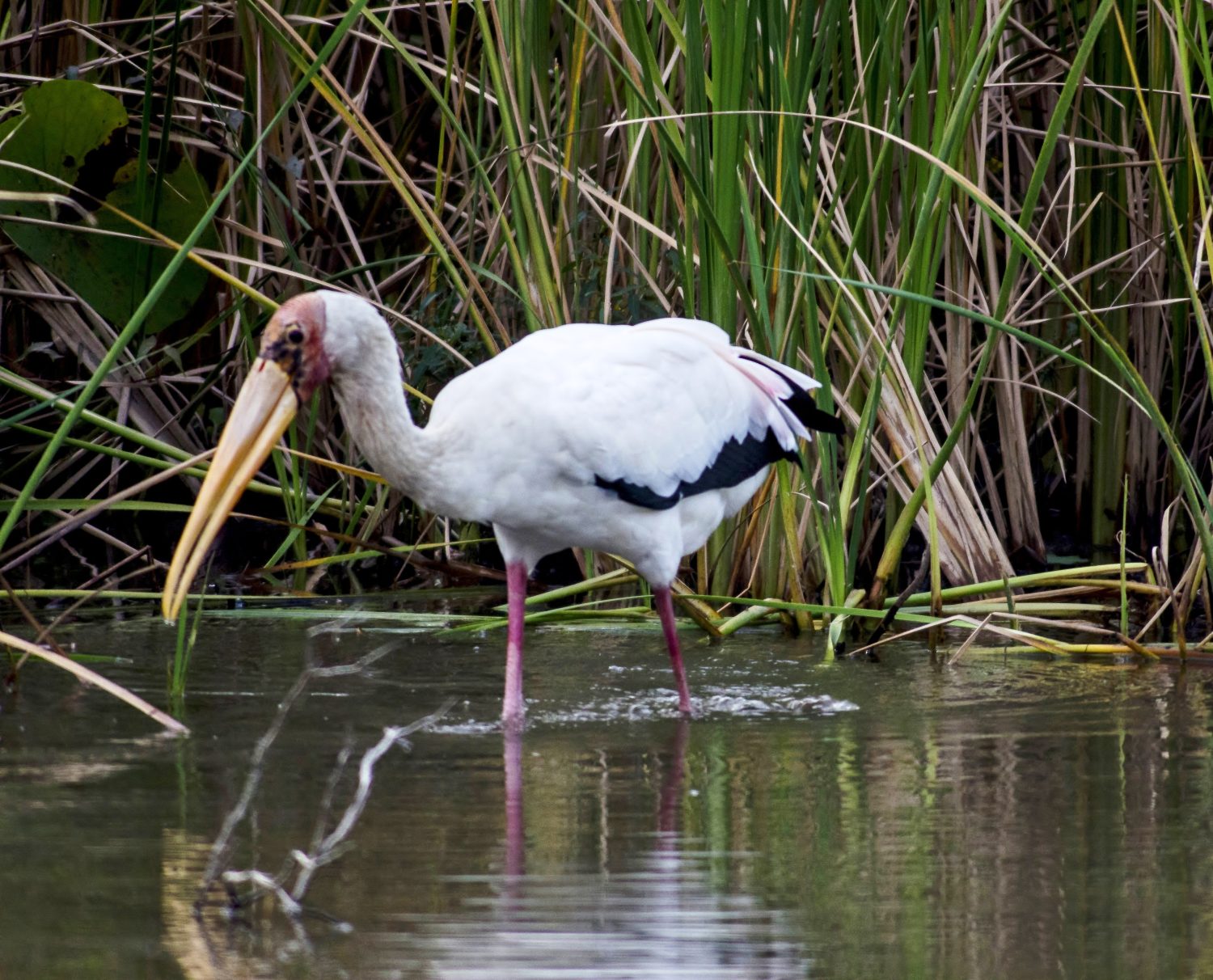


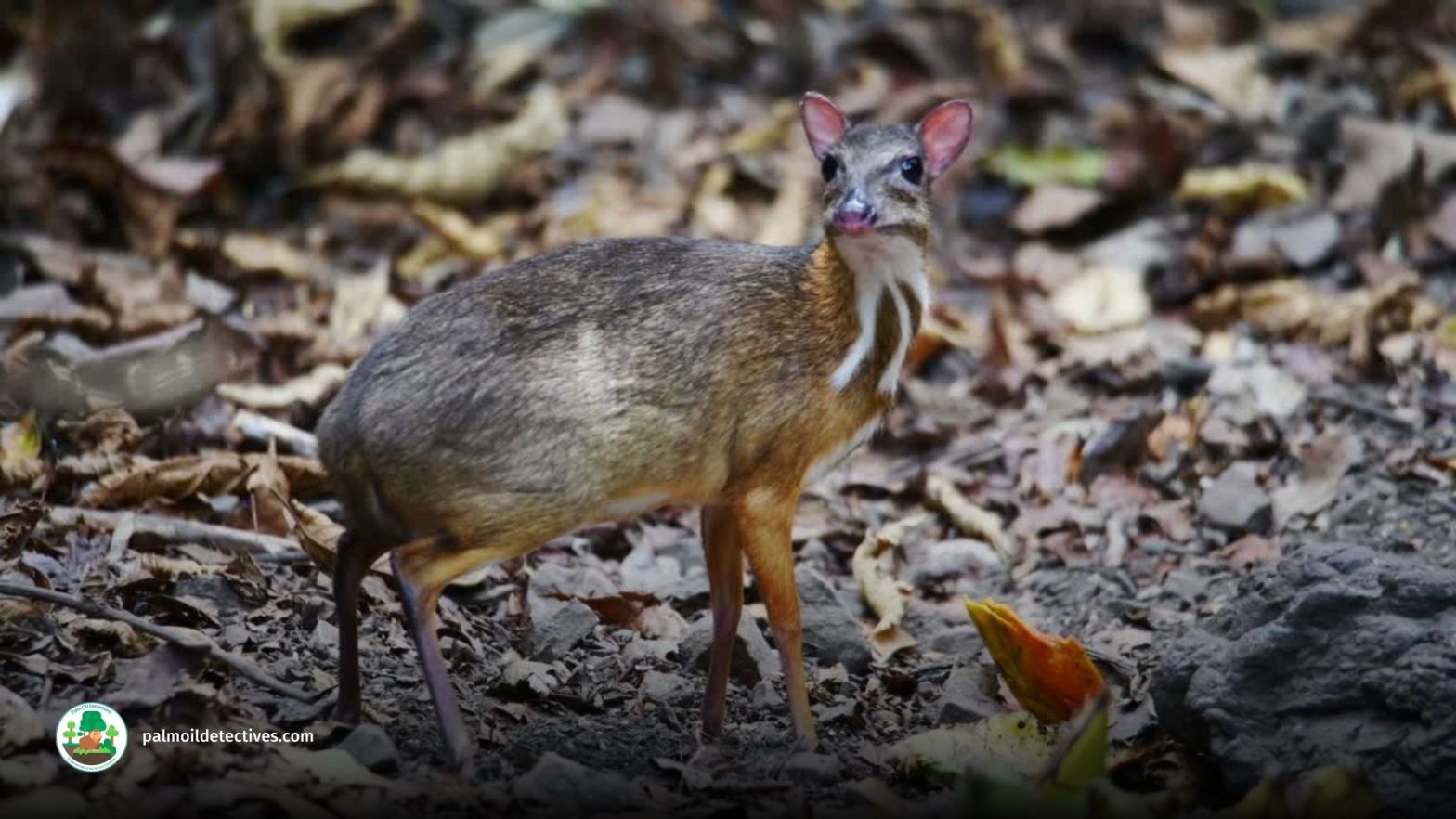

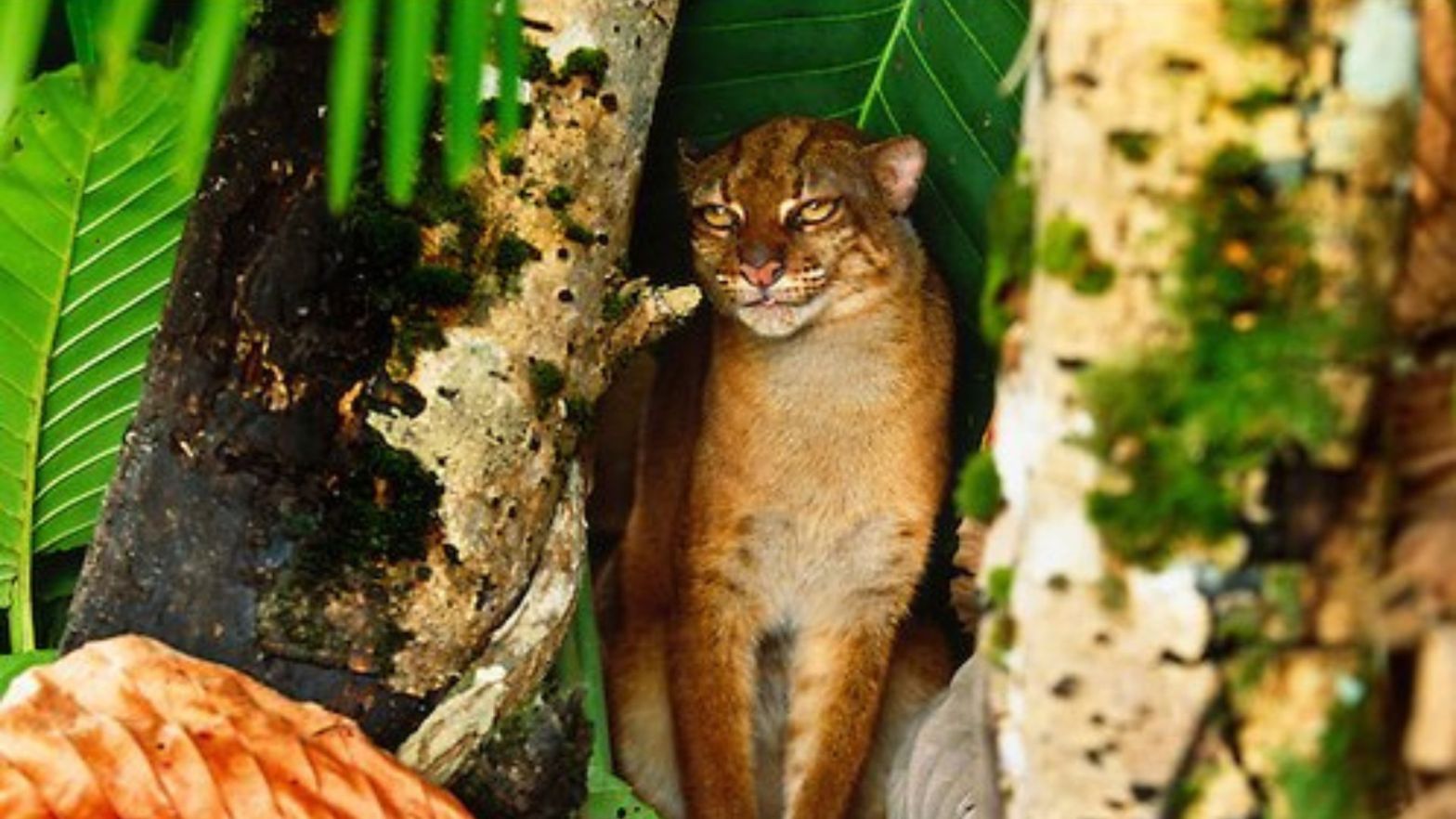
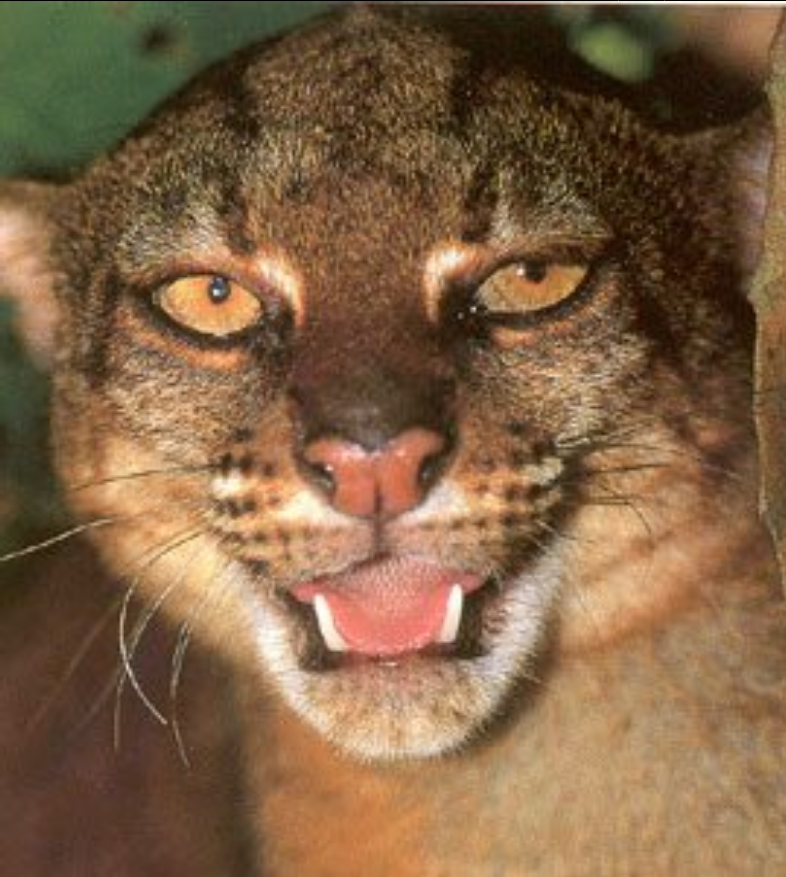
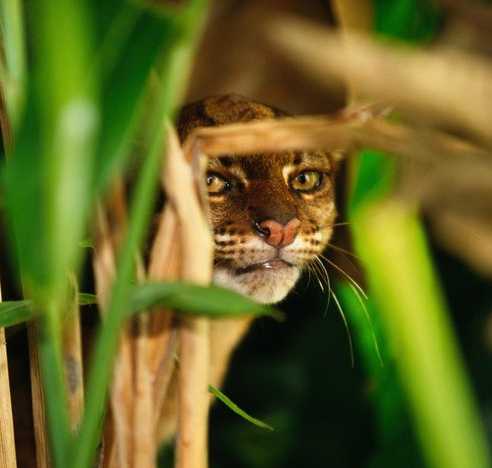
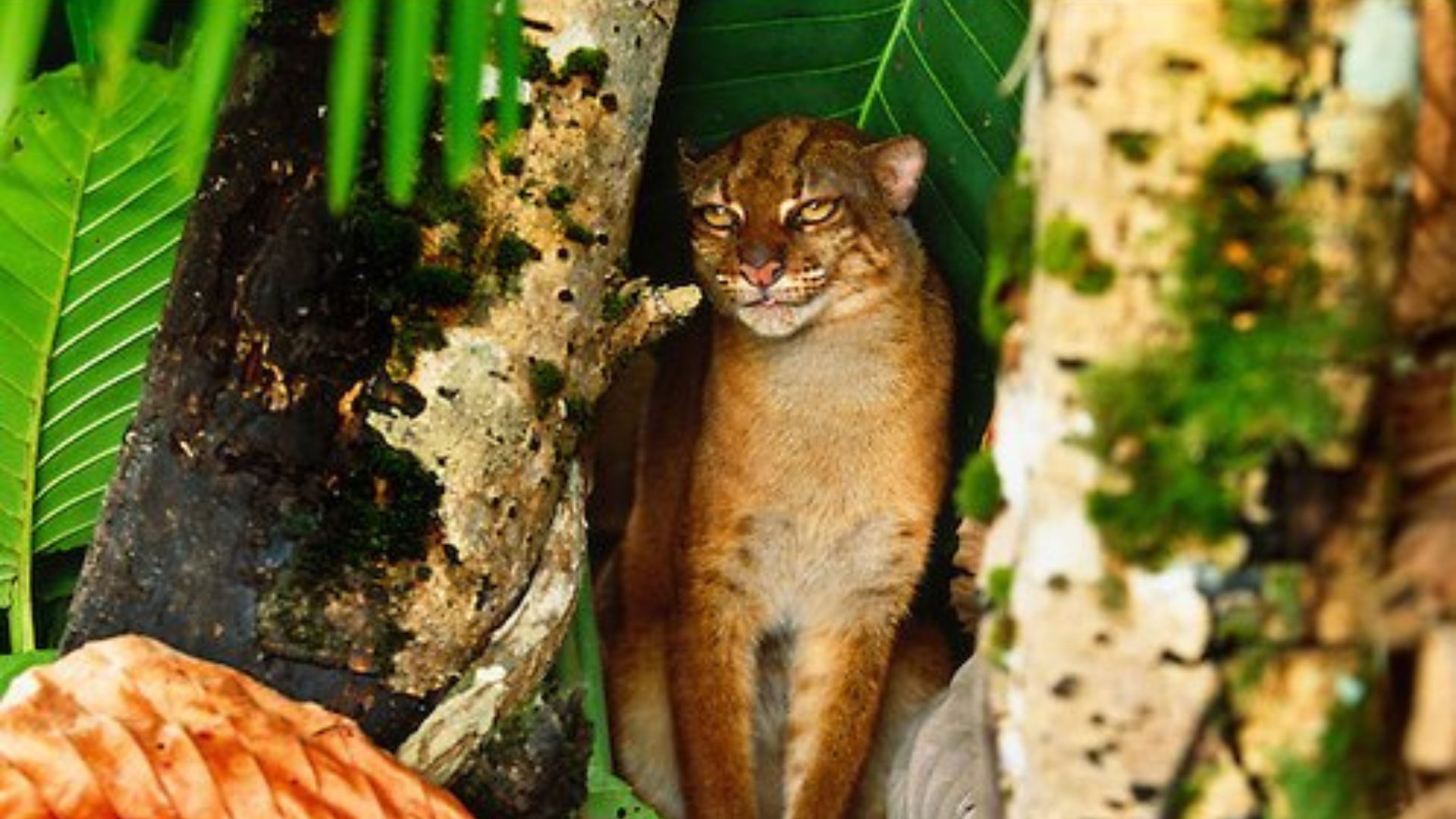
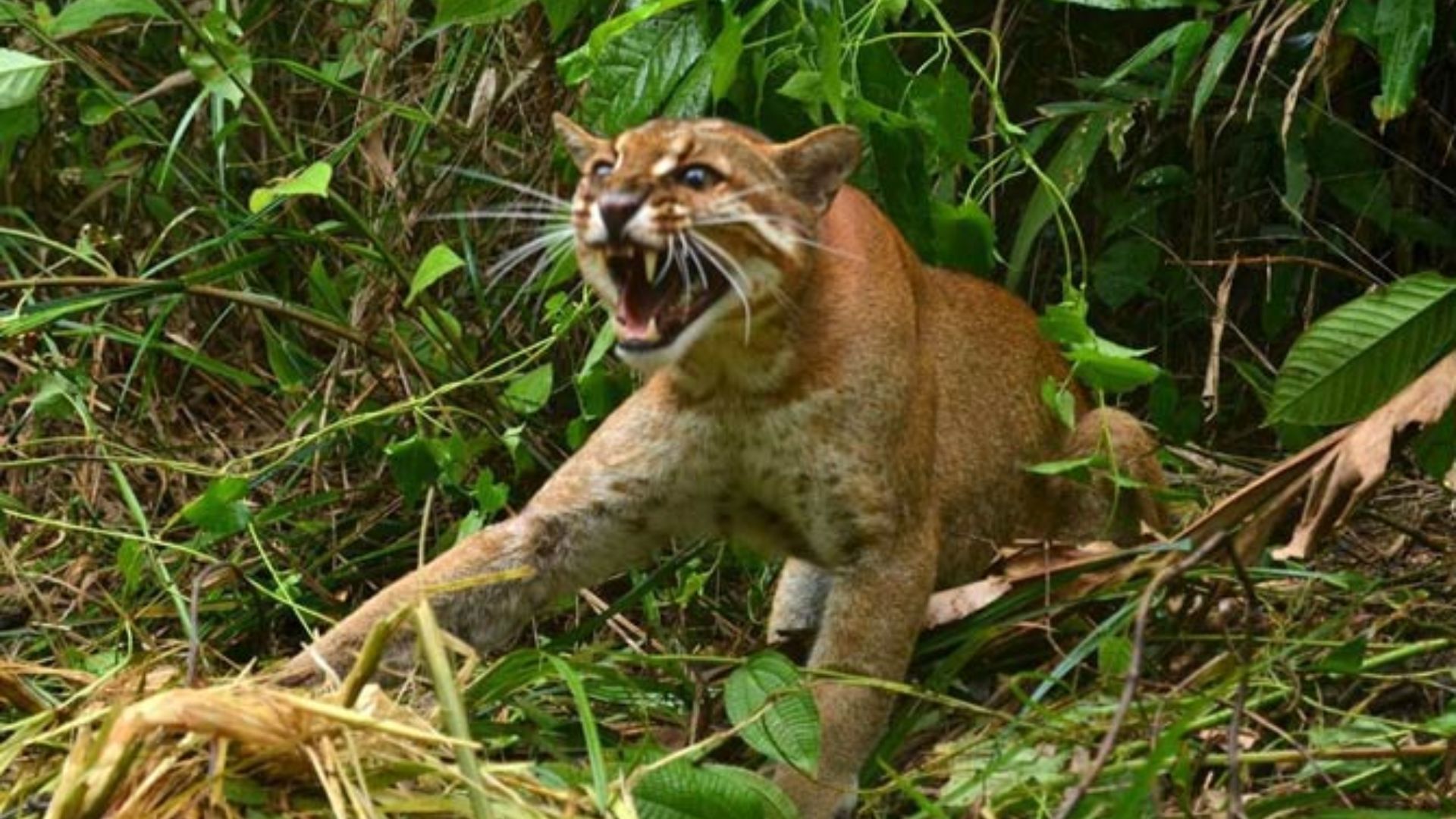
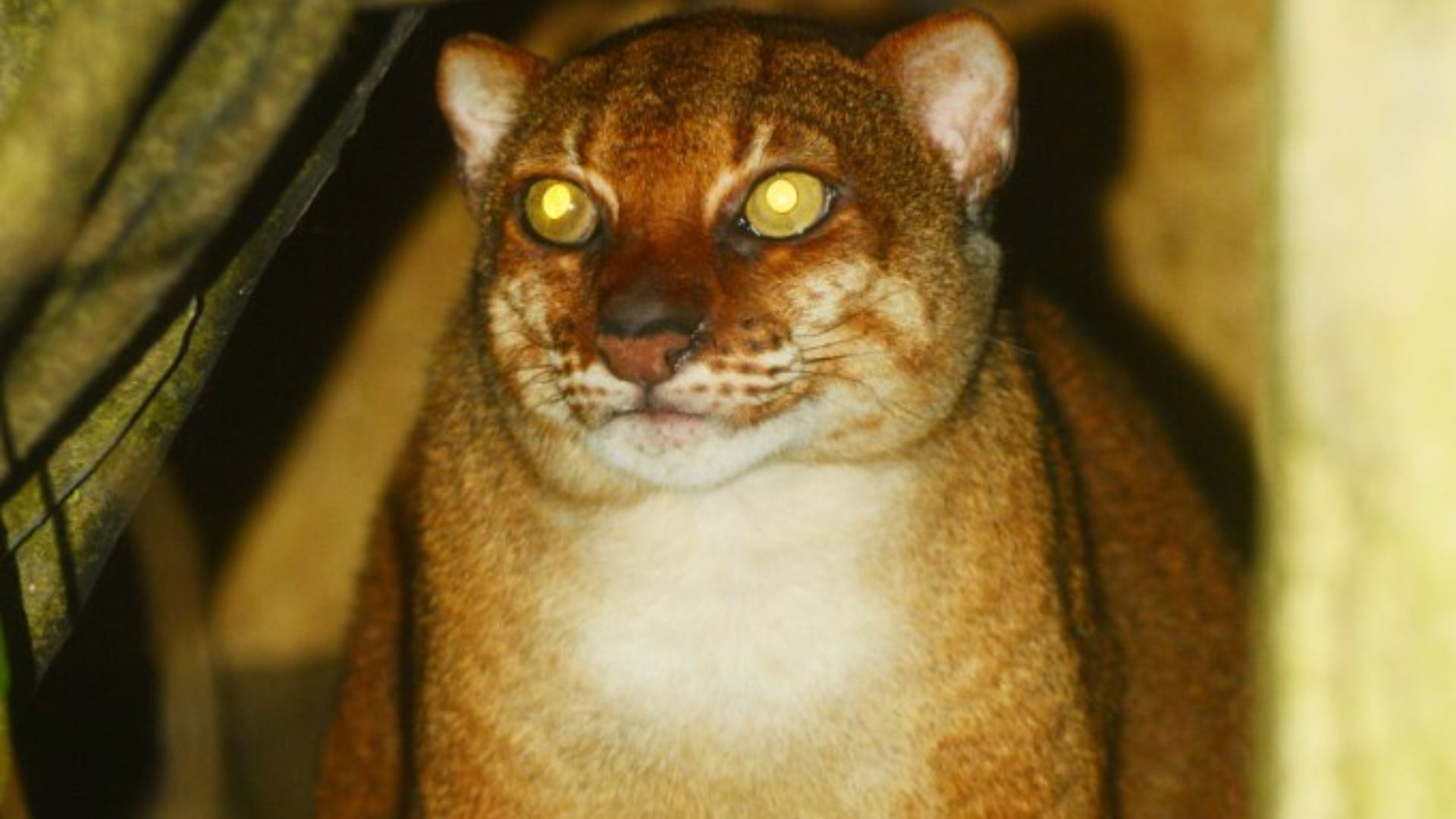
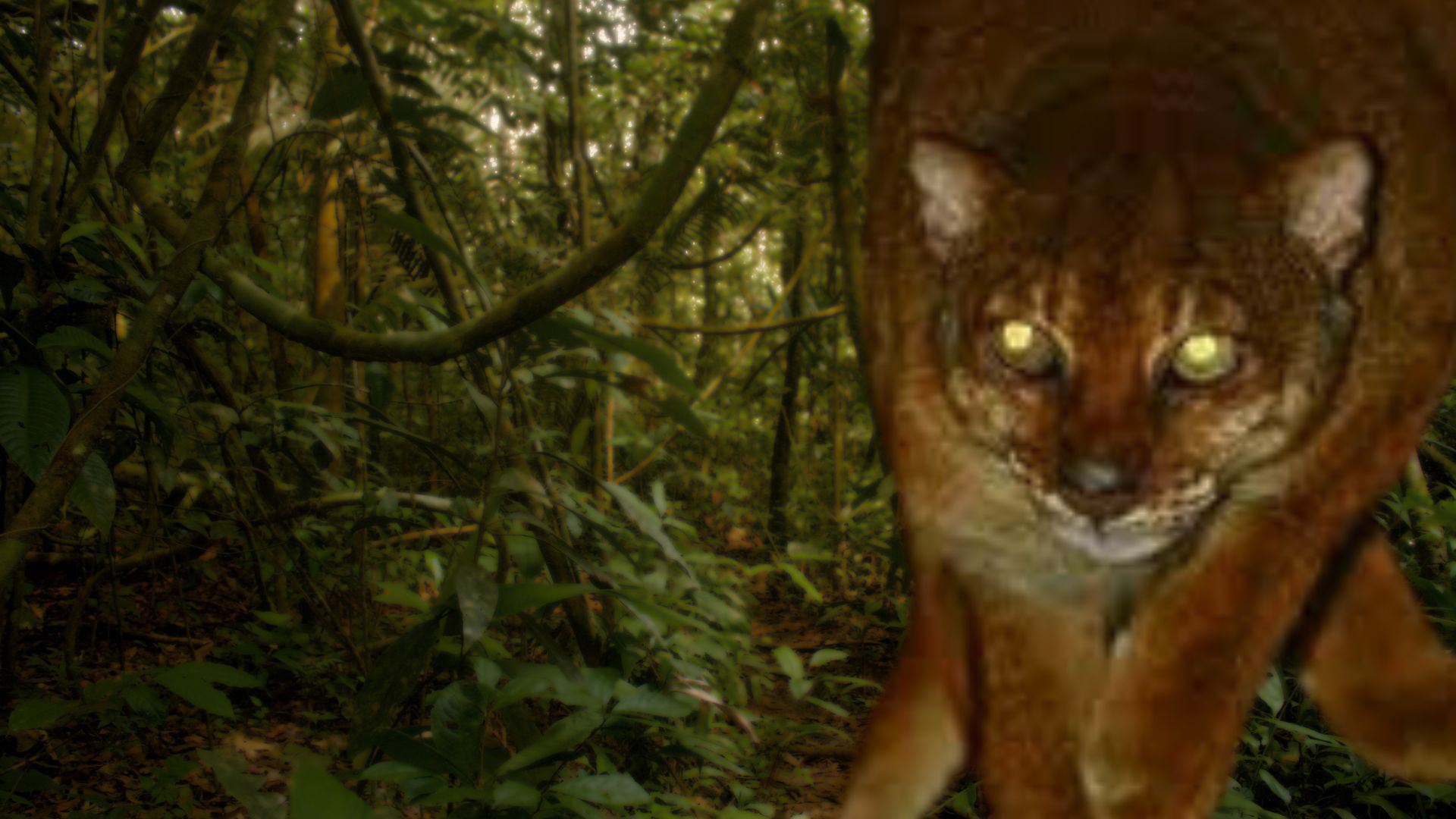
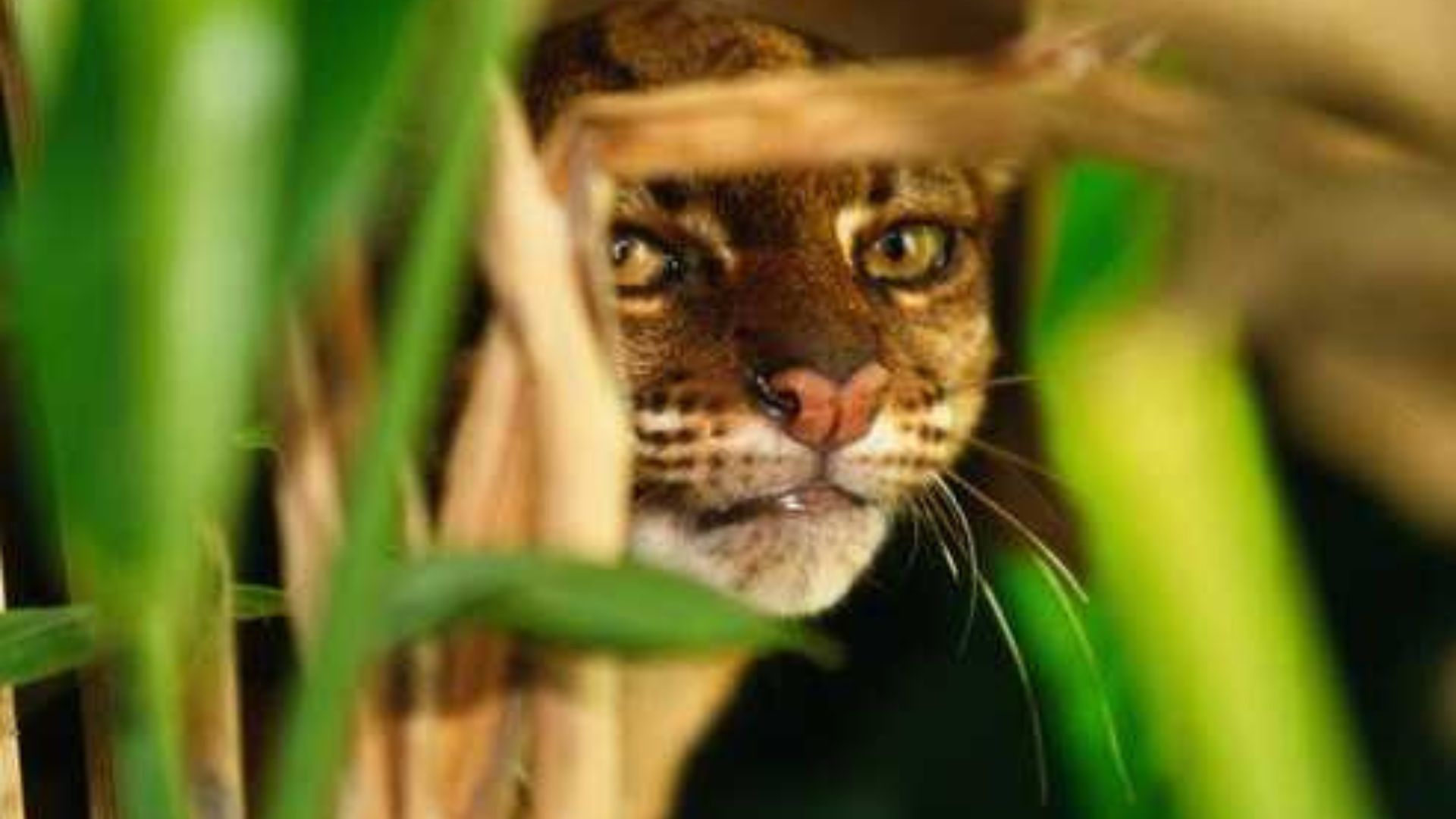

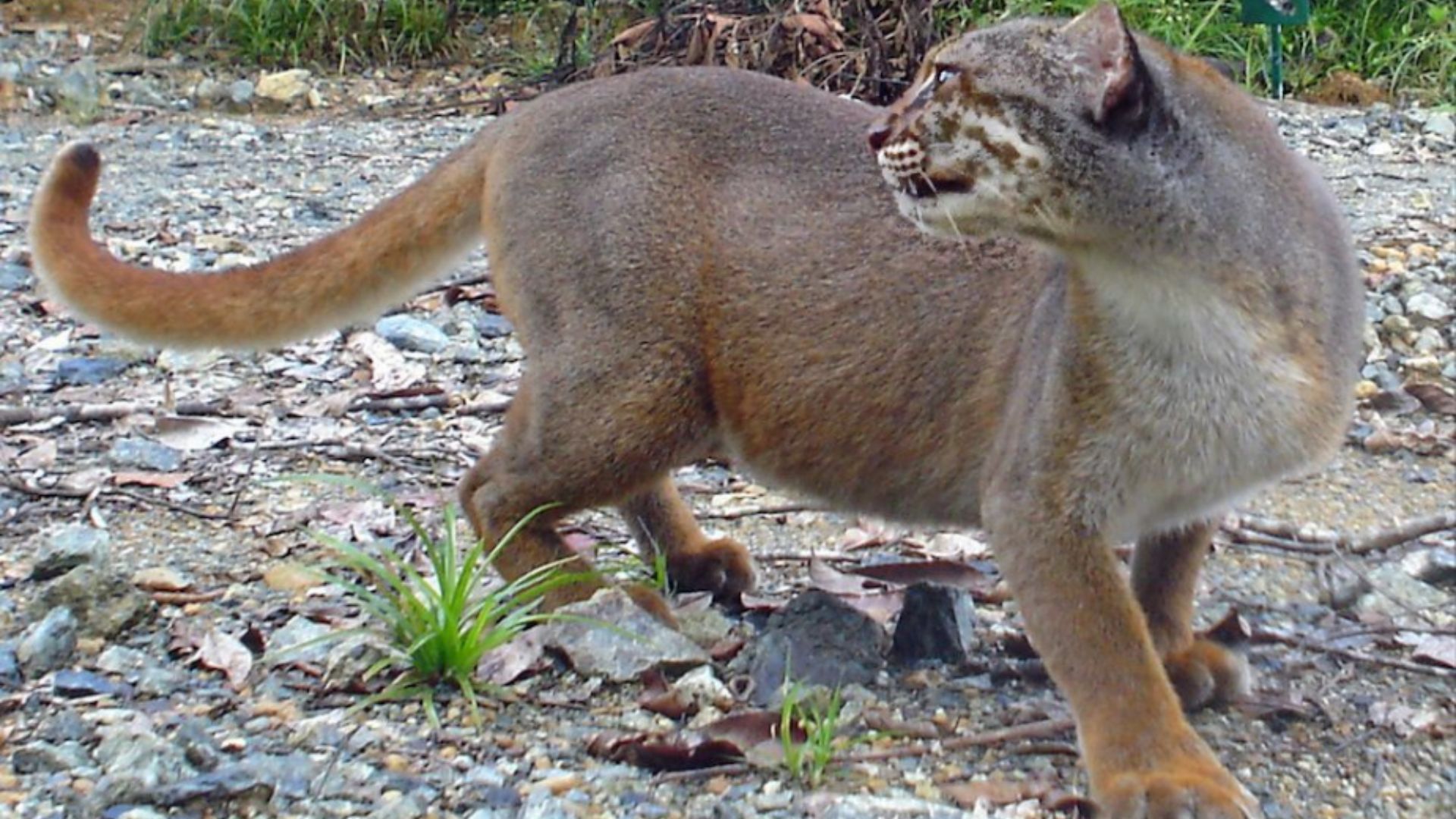
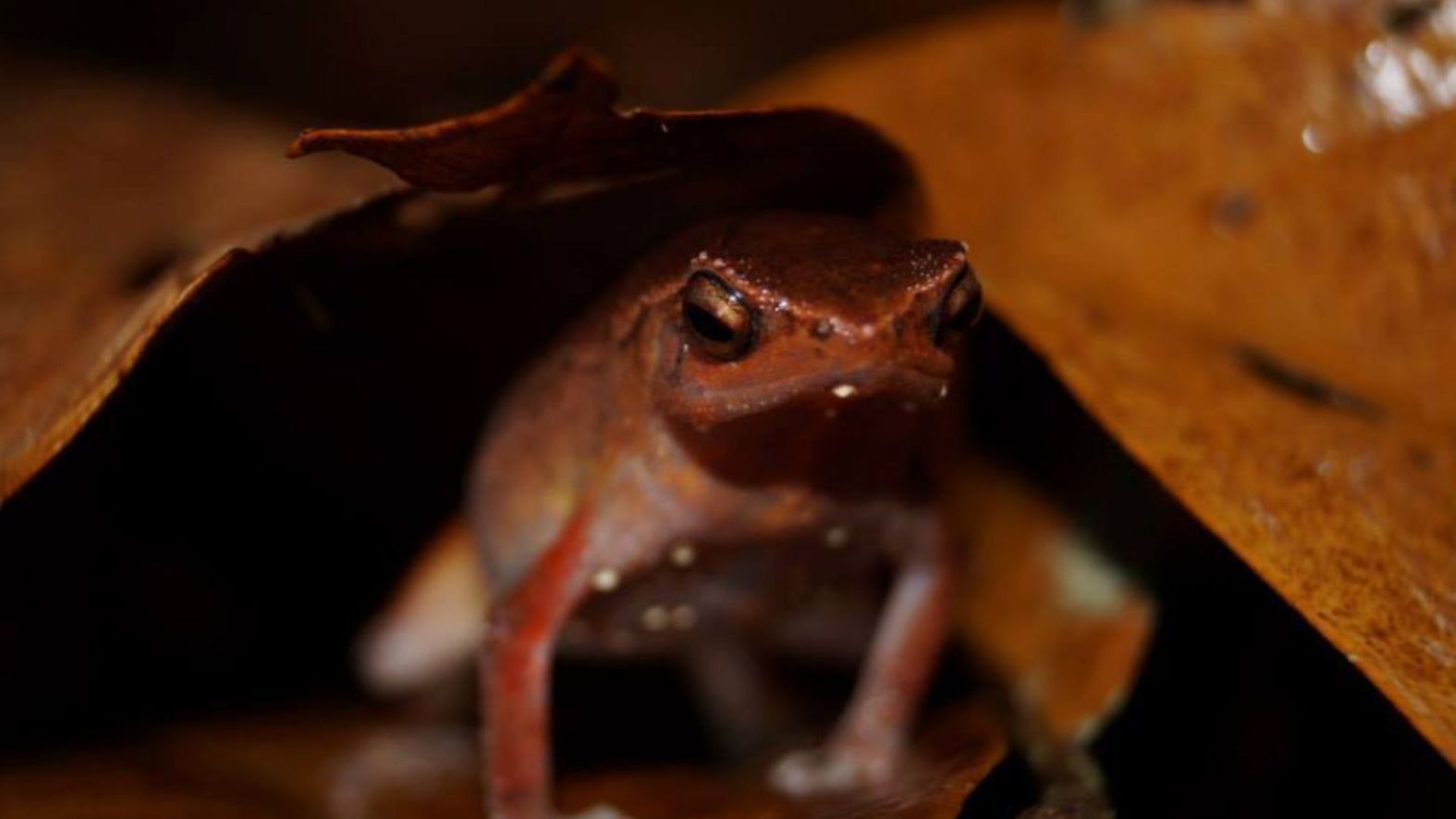
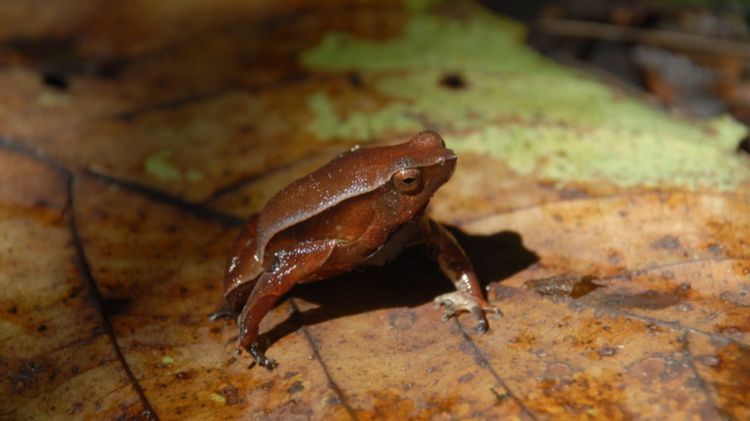
 Palm Oil Detectives