

Here are some palm oil free soaps that do not contain rainforest-destroying palm oil. If you are ever in doubt look for the prefixes: LAUR, STEAR, GYLC and PALM in the ingredients list on packaging – this is most likely palm oil. Another tip is to shop for locally produced soaps instead of mass-produced soap.
Tag Archives: Boycott4wildlife
Palm Oil Free Skincare products

Here are some palm oil free skincare and beauty products that do not contain rainforest-destroying palm oil. If you are ever in doubt look for the prefixes: LAUR, STEAR, GYLC and PALM in the ingredients list on packaging – this is most likely palm oil. Another tip is to shop for locally produced products instead of mass-produced skincare or beauty brands. How much of your #skincare 🫧🧼😶🌫️ routine contains #palmoil? If you brands like #Aveeno Johnson and Johnson and #Olay you’re lathering #ecocide onto your face. Instead go #PalmOilFree 💡 and #BoycottPalmOil #Boycott4Wildlife 🌴🪔🩸🤢🔥🚫
Palm Oil Free Cleaning Products

Clean your home without palm oil rainforest destruction. Learn how to spot hidden palm oil in cleaning products and find brands that are palm oil-free
Palm Oil Free Breakfast Cereals

It might seem like #palmoilfree #cereals and #breakfast foods are hard to come by. However when you get back to basics with #wholefoods and you poach, bake or fry them, you can create wonderful breakfast dishes that are also super healthy. Look for oats, pearl barley, rye, quinoa and use your favourite plant-based milk, fresh or dried fruit and nuts and you can make a far superior breakfast cereal. Here are some palm oil free cereals for those who want to actively boycott and buycott alternatives. Help wild tropical animals, the environment and indigenous peoples #BoycottPalmOil #Boycott4Wildlife
Palm Oil Free Makeup, Cosmetics and Perfume

Here are some palm oil free makeup, cosmetics and perfume brands that do not use rainforest-destroying palm oil. If you are ever in doubt look for the prefixes: LAUR, STEAR, GYLC and PALM in the ingredients list on packaging – this is most likely palm oil. Another tip is to shop for locally produced products instead of mass-produced cosmetics, beauty and makeup brands. Beauty should never come at the cost of rainforest animals and indigenous peoples. Go #PalmOilFree and #BoycottPalmOil #Boycott4Wildlife
Brands Using Deforestation Palm Oil
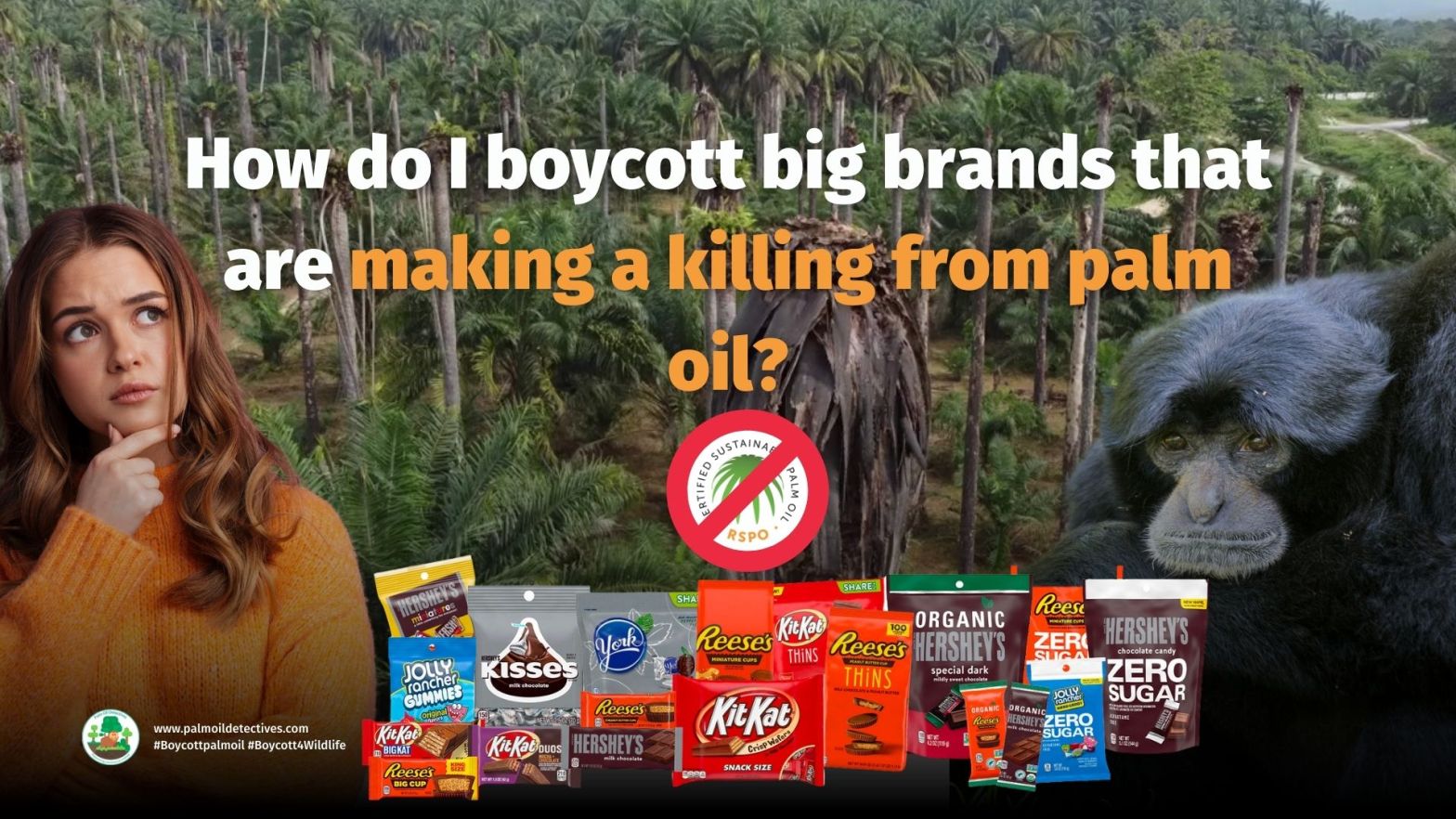
These brands have products that contain palm oil sourced from mills that are responsible for the destruction of precious habitats of endangered species. Just in 2020 alone, these brands (along with many others) contributed to the destruction of 38,000ha of rainforest in Indonesia, SE Asia and Papua New Guinea. Therefore, these brands are directly involved in the extinction of species.
Kelloggs/Kellanova
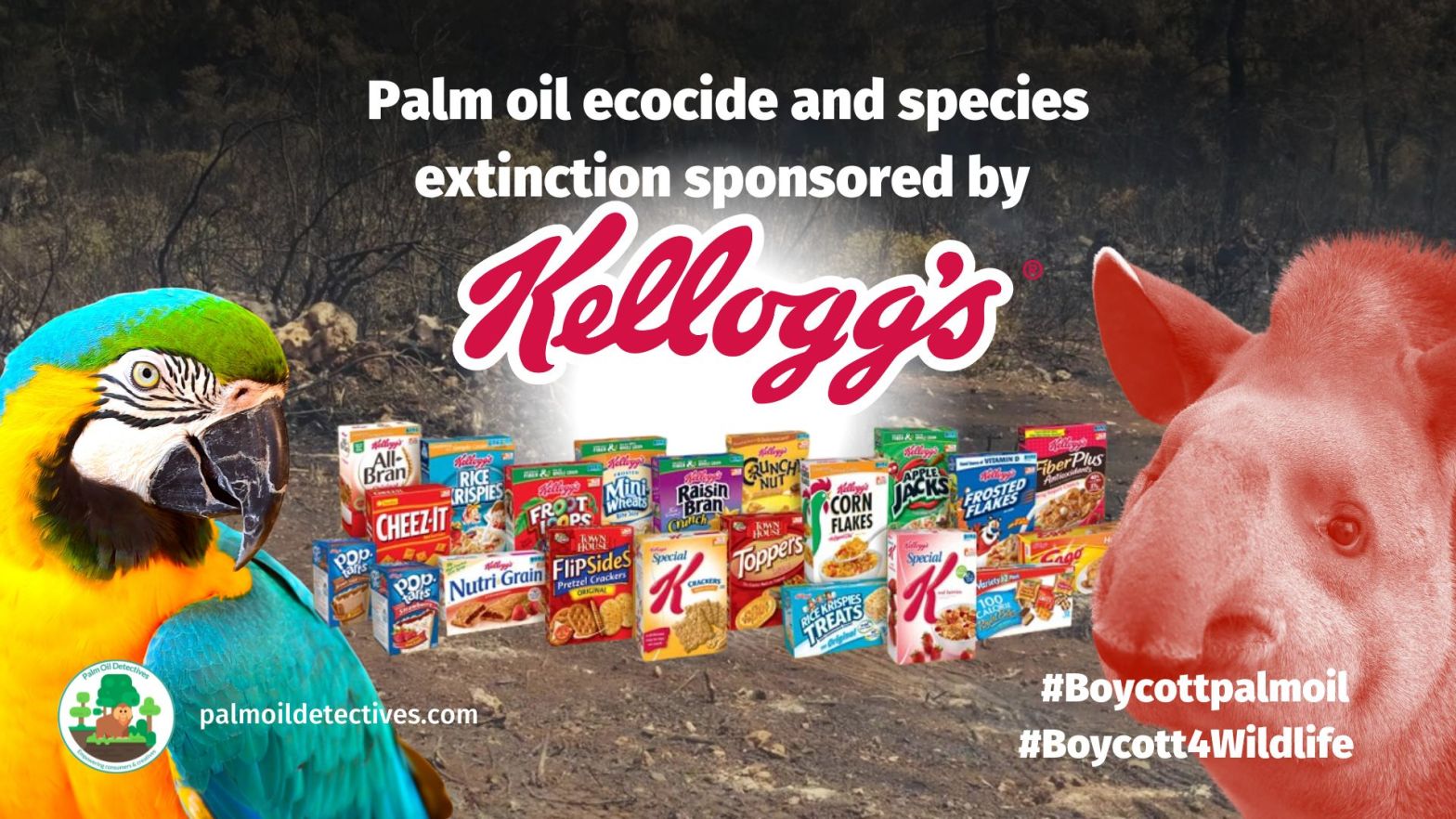
In late 2023, Kelloggs became Kellanova for their US arm. Savvy consumers have been pressuring Kelloggs for decades to cease using deforestation palm oil. Yet they actually haven’t stopped this. From their website: ‘All of the palm oil that is used in our products is sourced from a combination of the Roundtable of Sustainable PalmContinue reading “Kelloggs/Kellanova”
Mondelēz

Mondelez destroys rainforests, sending animals extinct and release mega-tonnes of carbon into air for so-called “sustainable” palm oil. Boycott them!
Johnson & Johnson
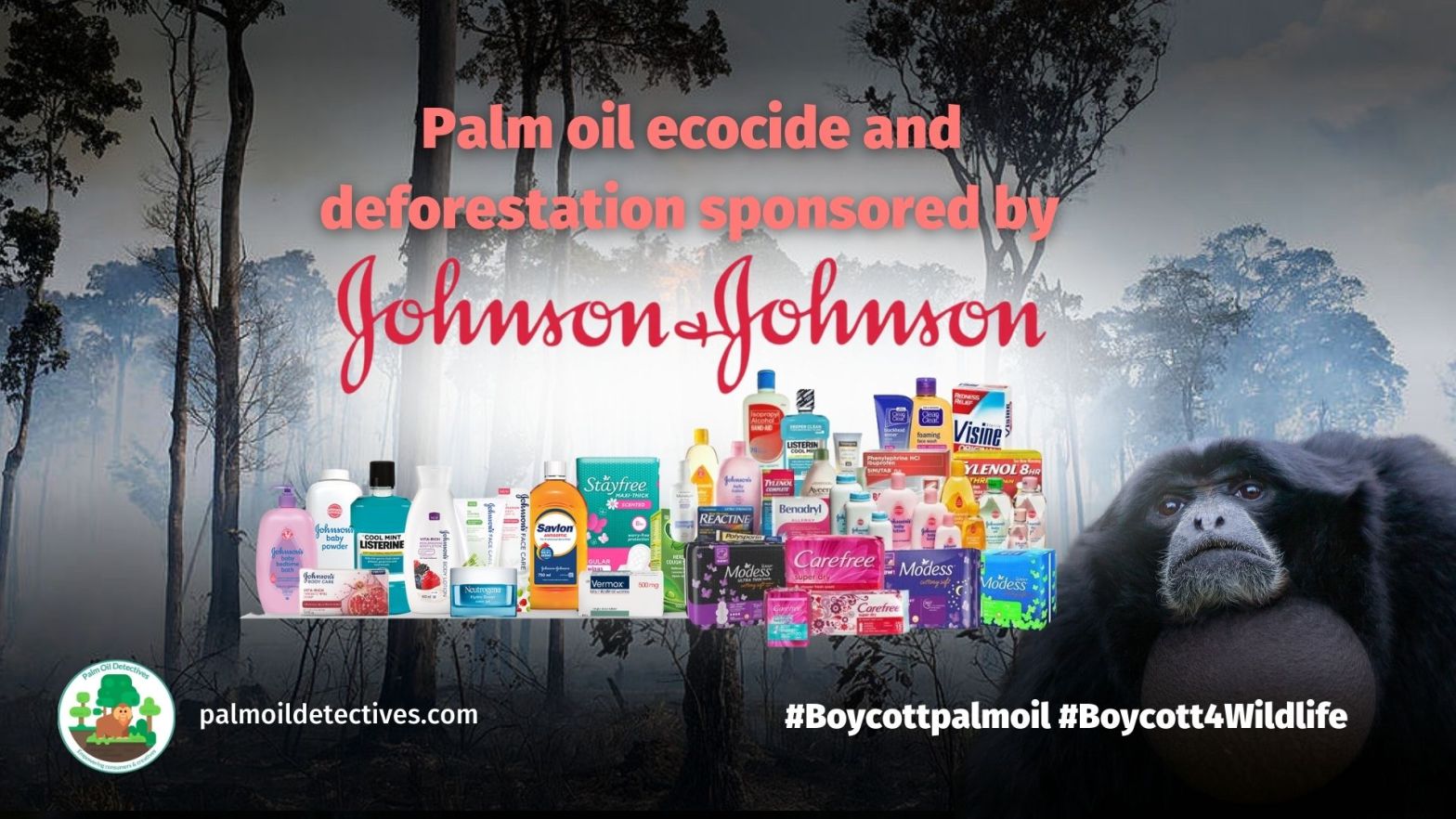
Global mega-brand Johnson & Johnson have issued a position statement on palm oil in 2020. ‘At Johnson & Johnson, we are committed to doing our part to address the unsustainable rate of global deforestation, particularly in precious rain forests.’ ~ Johnson & Johnson However, despite this virtue signalling, the brand’s supply chain continues to slashContinue reading “Johnson & Johnson”
L’Oreal
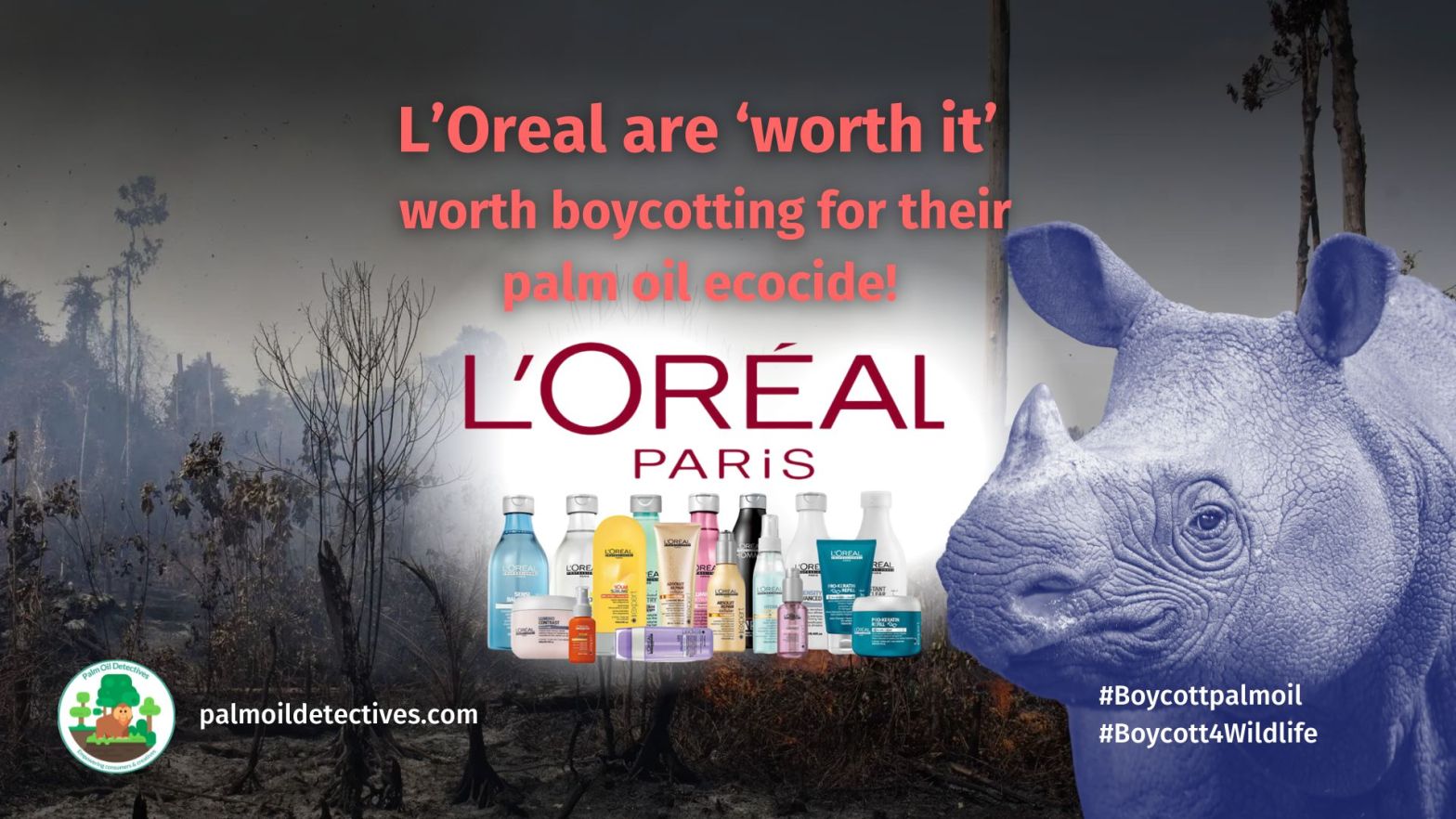
‘Our goal is by 2020 to have none of our products linked to deforestation.’ L’Oreal’s website statement on palm oil This target has been and gone. Still, enormous environmental and social damage continues to be caused by L’Oreal and its palm oil. Despite being an RSPO member, L’Oreal continues to be involved in human rightsContinue reading “L’Oreal”
Nestlé
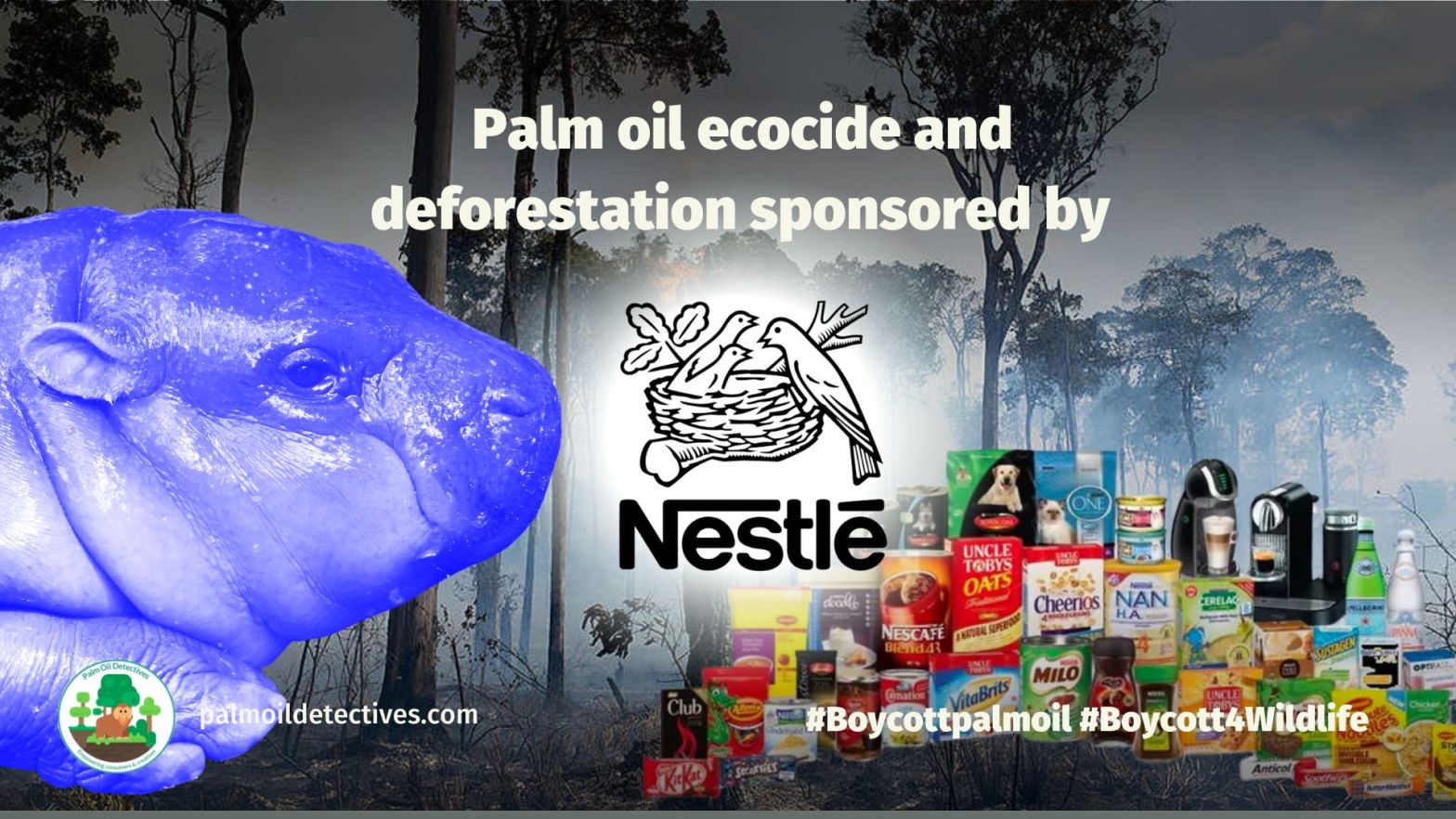
Nestlé is destroying rainforests, releasing mega-tonnes of carbon into the atmosphere, and killing hundreds of endangered species. Once these animals are gone – they are gone for good. See Nestlé’s full list of mills where they buy palm oil, six of these are actively destroying forest.
Colgate-Palmolive
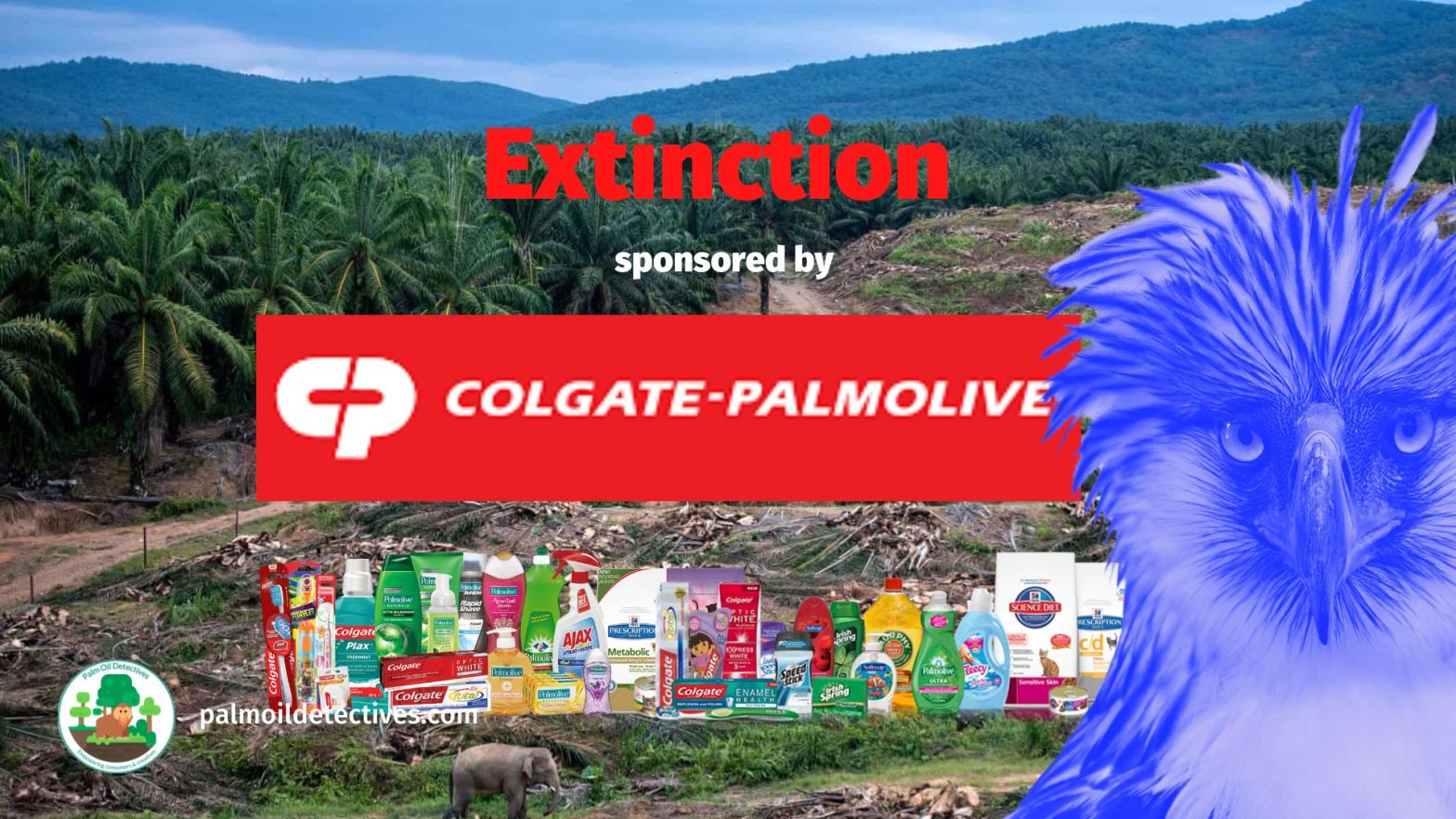
Despite global retail giant Colgate-Palmolive forming a coalition with other brands in 2020, virtue-signalling that they will stop all deforestation, they continue to do this – destroying rainforest and releasing mega-tonnes of carbon into the atmosphere, and killing hundreds of endangered species. Once these animals are gone – they are gone for good. Learn how you can boycott Colgate-Palmolive.
Unilever
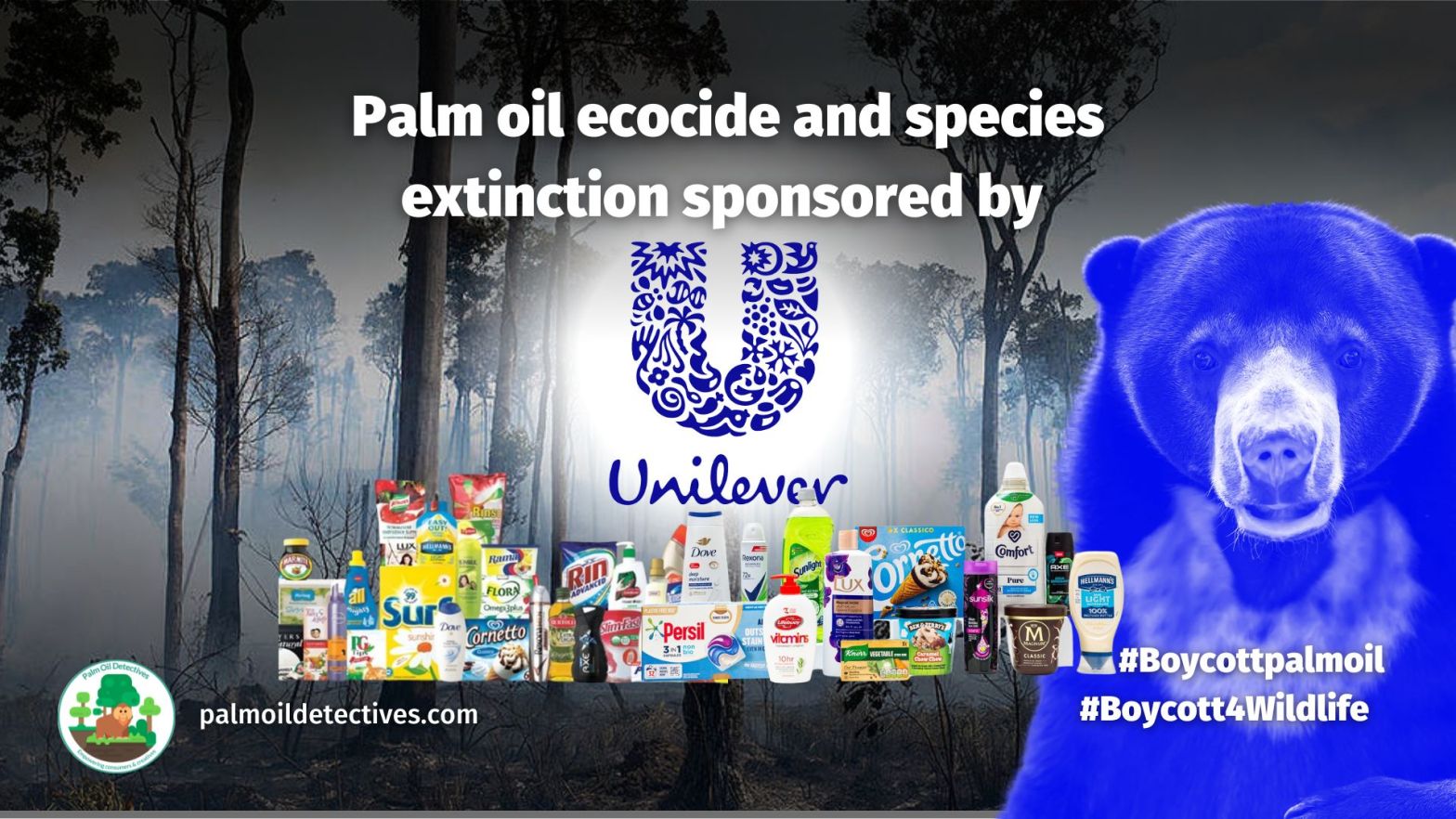
In 2020, global retail giant Unilever unveiled a deforestation-free supply chain promise. By 2023 they would be deforestation free. This has been and gone and they are still causing deforestation. This brand has a litany of broken promises around deforestation. Unilever is been responsible for 55,000ha of deforestation in their palm oil supply chain sinceContinue reading “Unilever”
Spectral Tarsier Tarsius tarsier
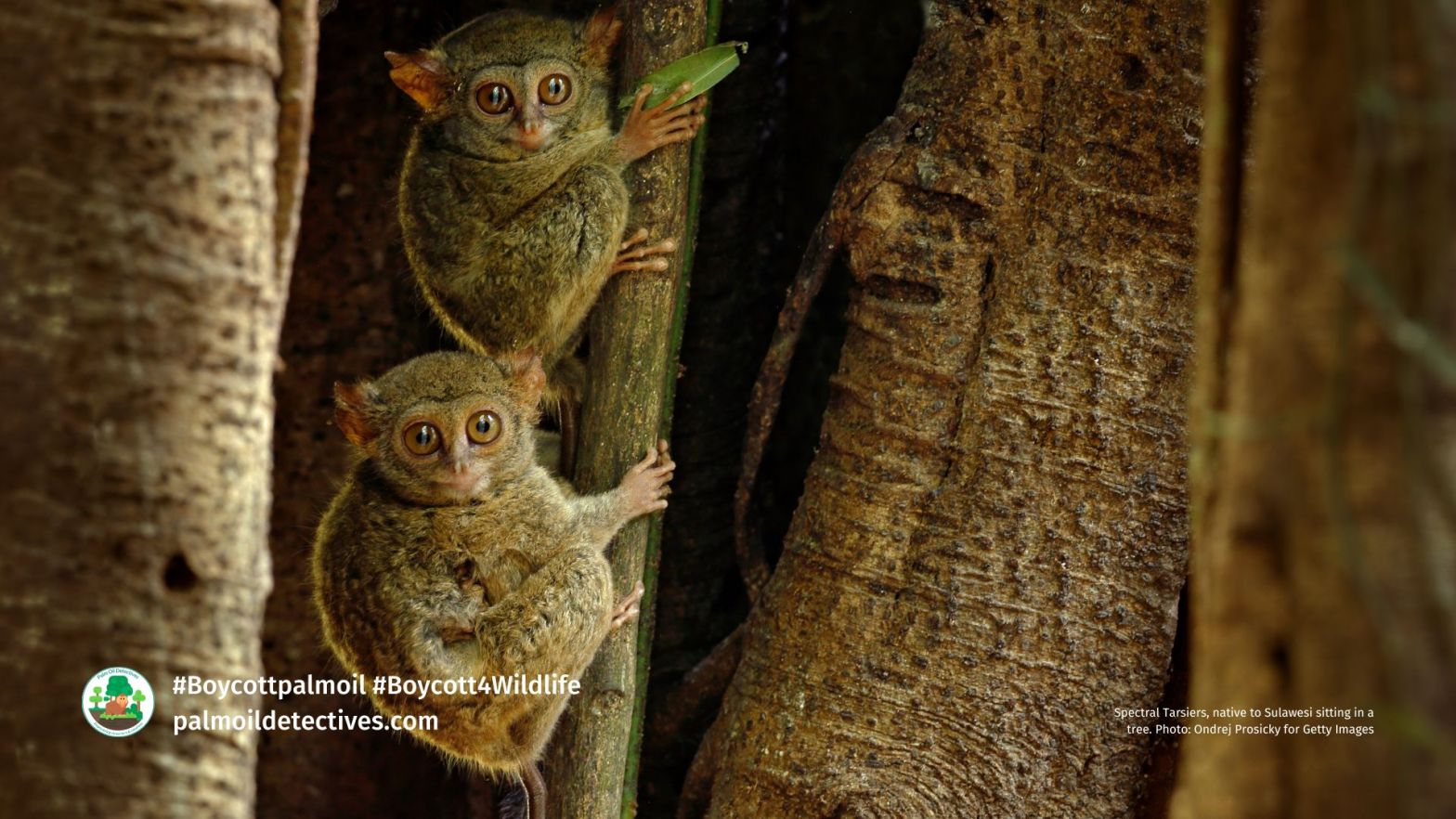
The Spectral Tarsier Tarsius tarsier is one of the smallest and most endearing #primates in the world. With the largest eye-to-body ratio of any #mammal, this wide-eyed, nocturnal #insectivore is found only in #Sulawesi and nearby Indonesian islands. Although they show some tolerance to human-altered landscapes, they are listed as #Vulnerable by the Red List due to rampant #deforestation for #palmoil and #timber agriculture, limestone #mining, #pesticide use and agricultural #pollution and the illegal pet trade. These elusive primates are declining fast. Use your wallet as a weapon: always choose products that are 100% palm oil-free and never support the exotic pet trade.#BoycottPalmOil #Boycott4Wildlife #Vegan
Pileated Gibbon Hylobates pileatus

The charming Pileated Gibbon (Hylobates pileatus) is endangered in Cambodia, Laos. They are threatened by palm oil deforestation. Take action!
Bengal Slow Loris Nycticebus bengalensis

The Bengal Slow Loris’s are wide-eyed beauties that are arboreal and nocturnal and live in tropical evergreen rainforest, semi-evergreen forest, and mixed deciduous forest. They are the largest loris species and feed predominantly on plant sap. They are now endangered in Malaysia and other parts of South East Asia, their primary threats are illegal capture for the pet trade and #palmoil #deforestation throughout their range. Help them every time you shop and #Boycottpalmoil #Boycott4Wildlife
Titiwangsa Horned Tree Lizard Acanthosaura titiwangsaensis
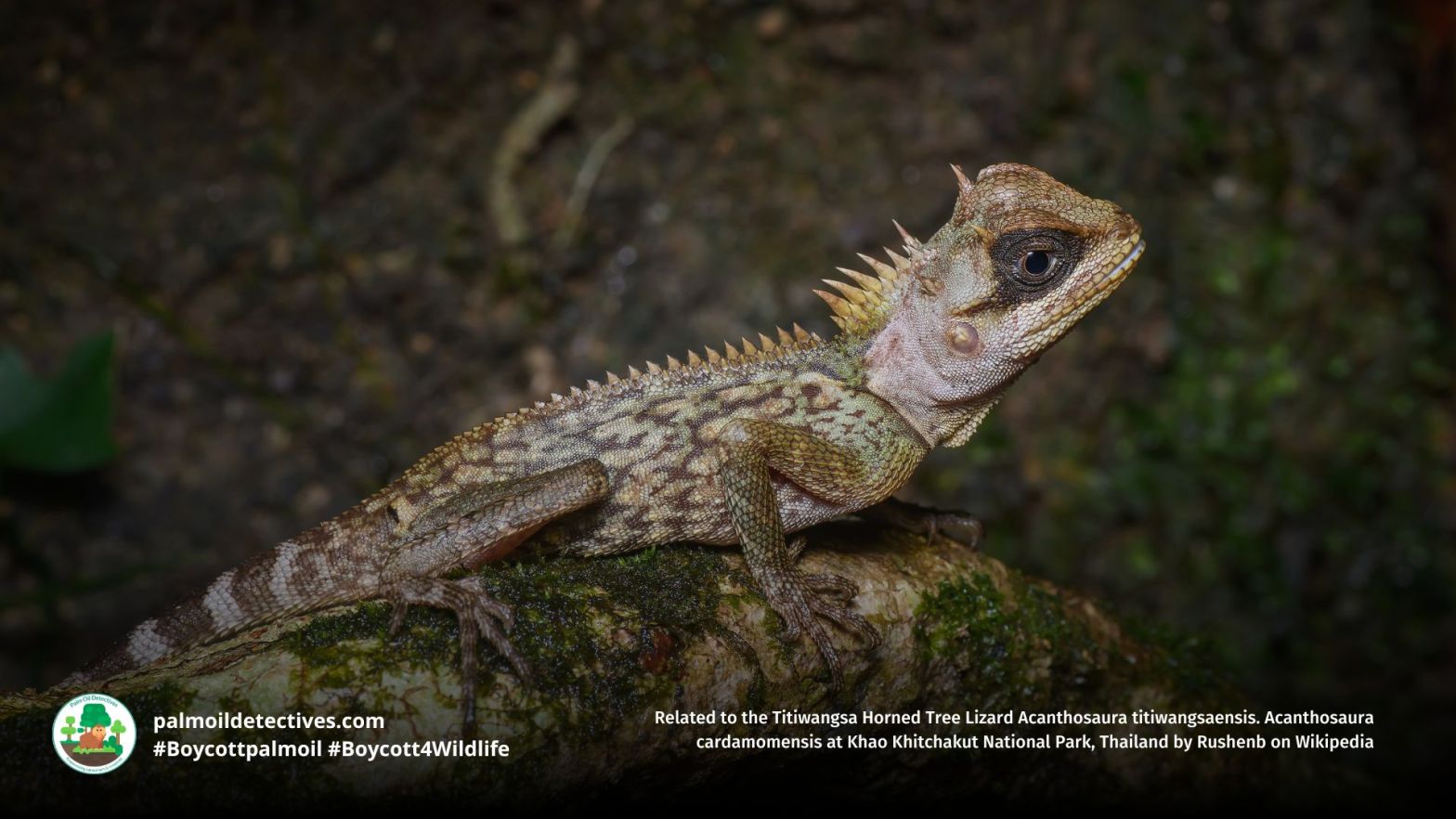
The Titiwangsa Horned Tree Lizard is a stunning and elusive reptile found exclusively in the cool montane forests of Peninsular Malaysia’s Titiwangsa Mountain Range. First described in 2009, they are known for their striking spines and intricate camouflage, which allow them to blend seamlessly into their forested environment. They are threatened by palm oil deforestation and urban expansion in Peninsular Malaysia. Help them to survive when you #BoycottPalmOil #Boycott4Wildlife in the supermarket!
Research: Palm Oil Deforestation and its connection to RSPO members/supermarket brands

Discover the truth about palm oil from experts’ reports. Research shows RSPO members still cause deforestation and human rights abuses, despite greenwashing!
Western Hoolock Gibbon Hoolock hoolock
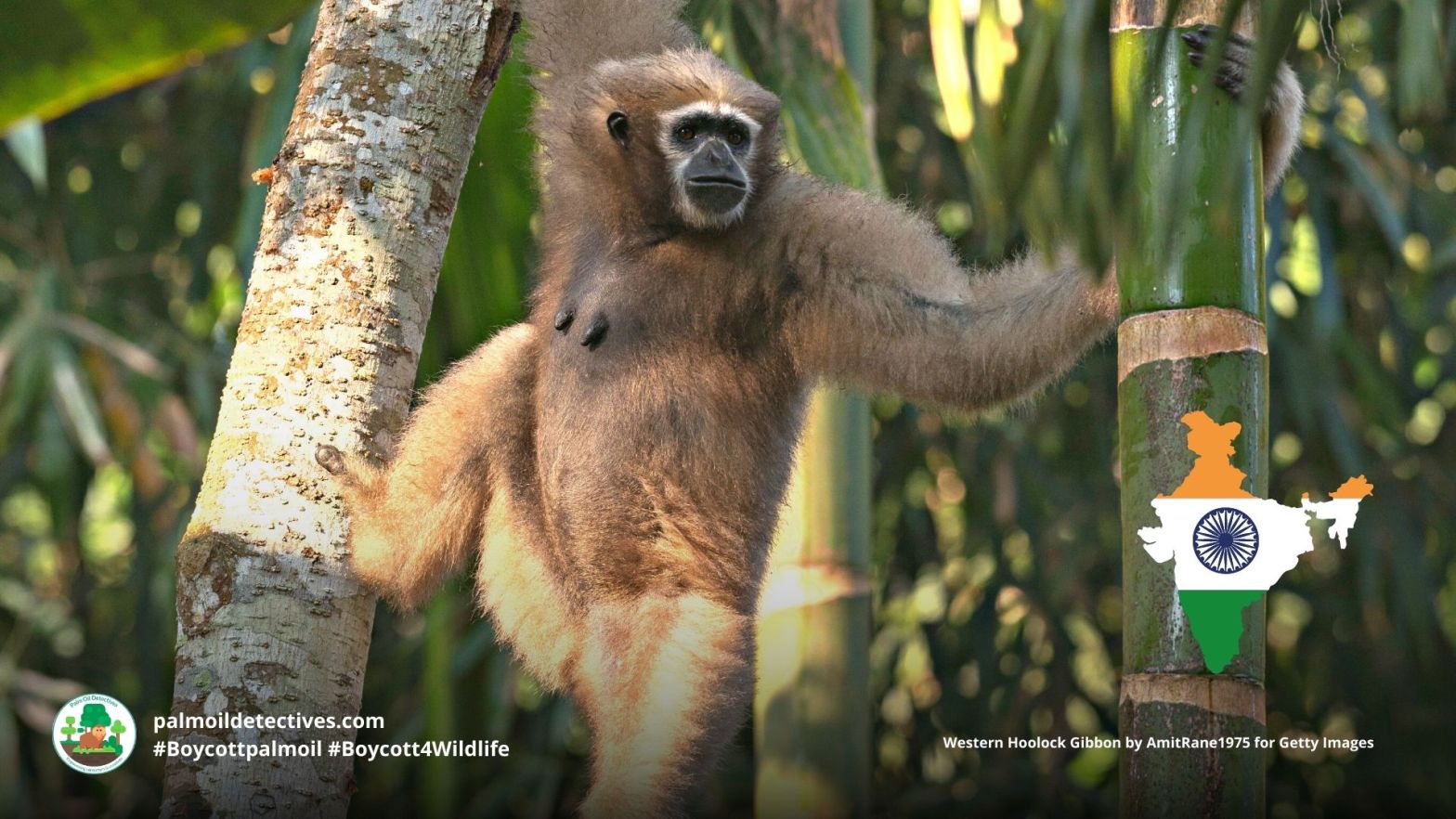
Energetic and social Western Hoolock Gibbons live in India, Bangladesh and Myanmar. Known for their close-knit families and melodious singing, they are endangered from palm oil deforestation, timber deforestation, human persecution and illegal poaching. Help them every time you shop by boycotting palm oil in the supermarket. #Boycottpalmoil #Boycott4Wildlife
Skywalker Hoolock Gibbon Hoolock tianxing
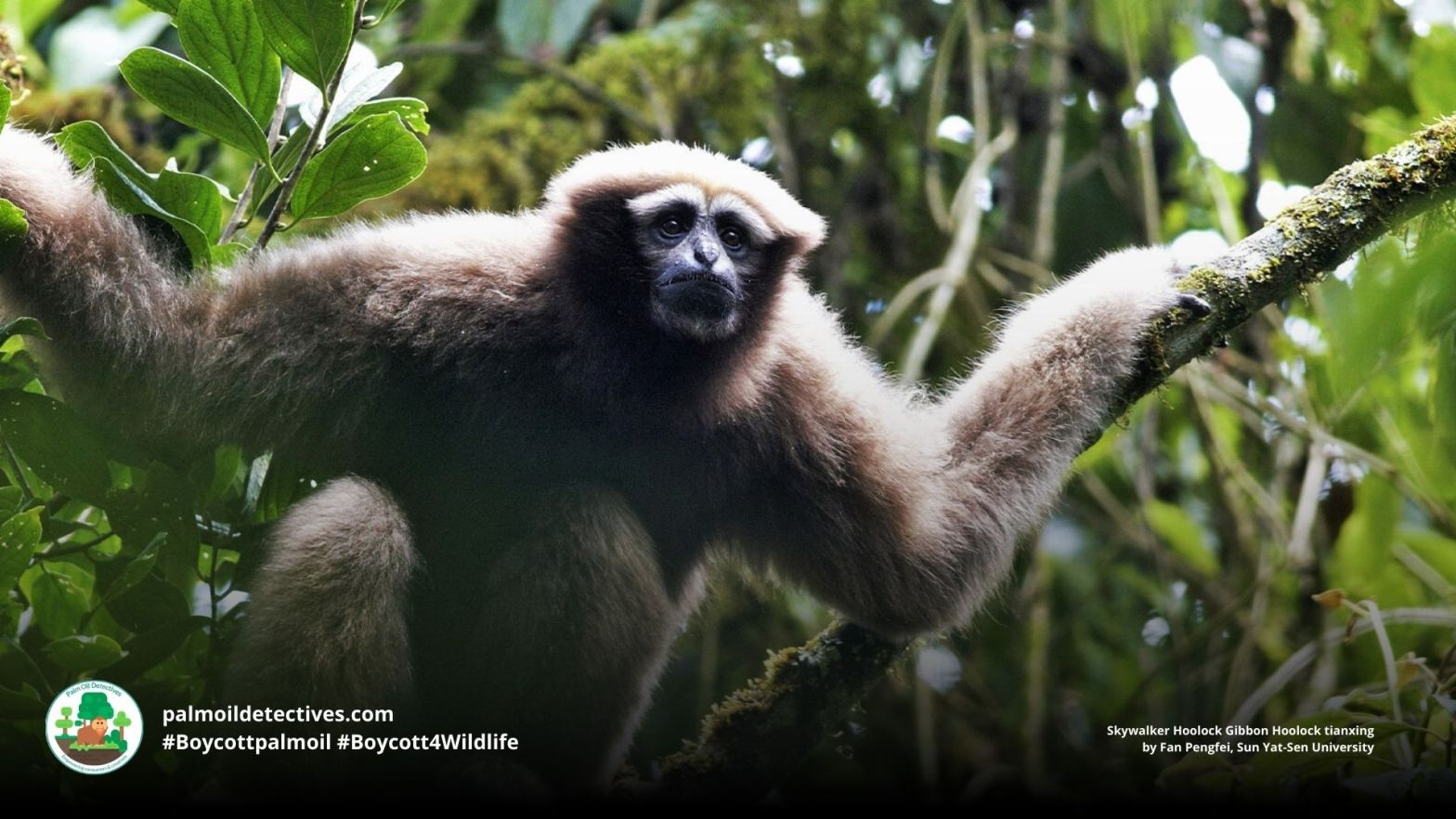
Rare Skywalker Hoolock Gibbons are Endangered primates in Myanmar and China’s forests. Described in 2017, help them survive when you shop boycott4wildlife!
Kloss’s Gibbon Hylobates klossii
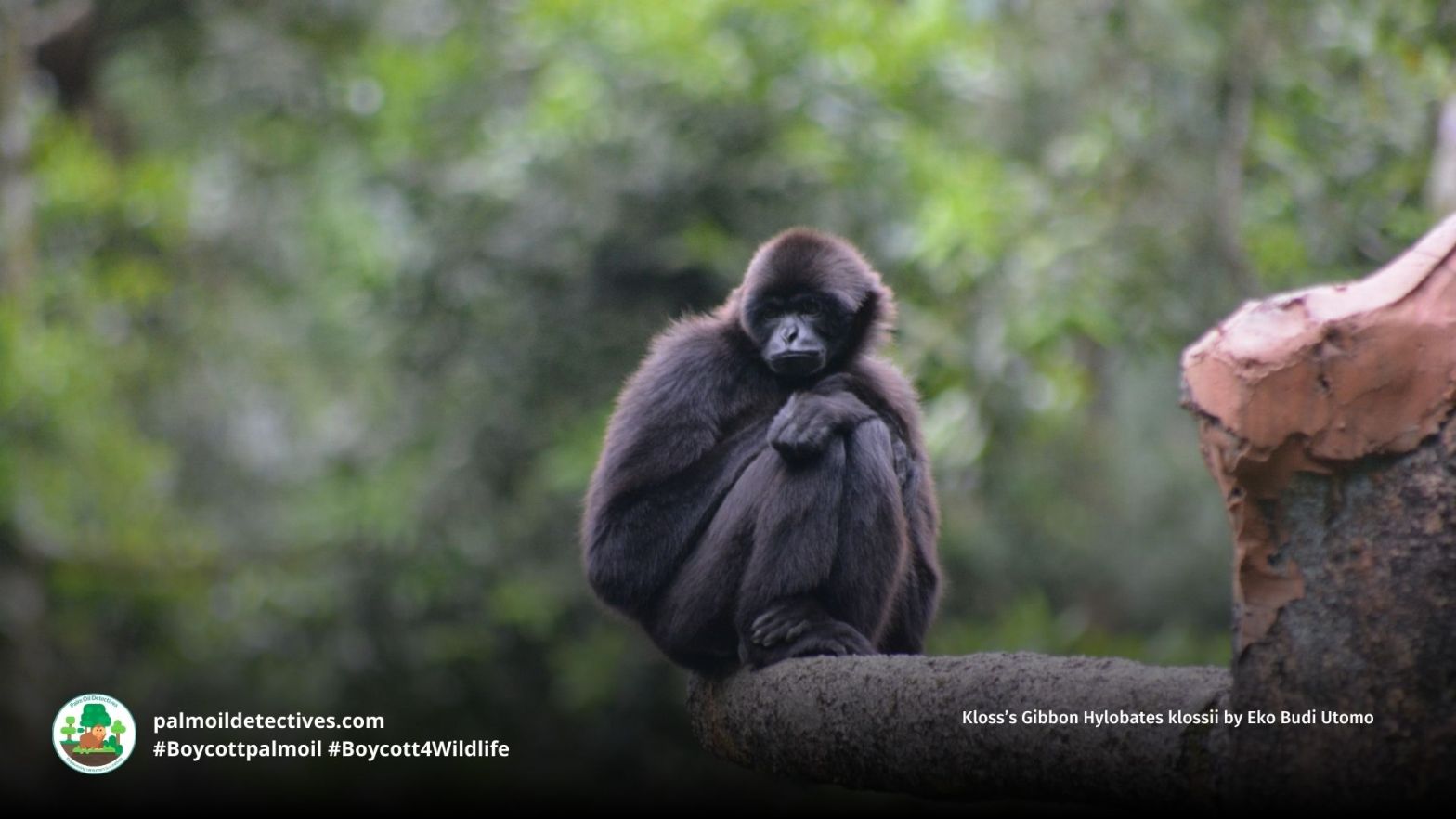
The Kloss’s gibbon Hylobates klossii, also known as the Mentawai gibbon or bilou by locals, is a small, agile primate with dark smoky grey fur and an ethereal song that resonates and echoes throughout the forests of the Mentawai Islands. These gibbons are known for their intricate vocalisations, with both males and females producing unique solo songs. Their haunting melodies play an essential role in marking territory and strengthening social bonds.
Classified as Endangered by the IUCN, Kloss’s gibbons face a relentless barrage of threats, including habitat destruction for logging and palm oil plantations, poaching for the illegal pet trade, and human encroachment. With populations declining by 50% in the past 45 years, immediate action is needed to save this unique species. Fight for their survival with indigenous-led conservation efforts and use your wallet as a weapon—boycott palm oil and support sustainable agroecology. #BoycottPalmOil #Boycott4Wildlife
Bornean White-bearded Gibbon Hylobates albibarbis
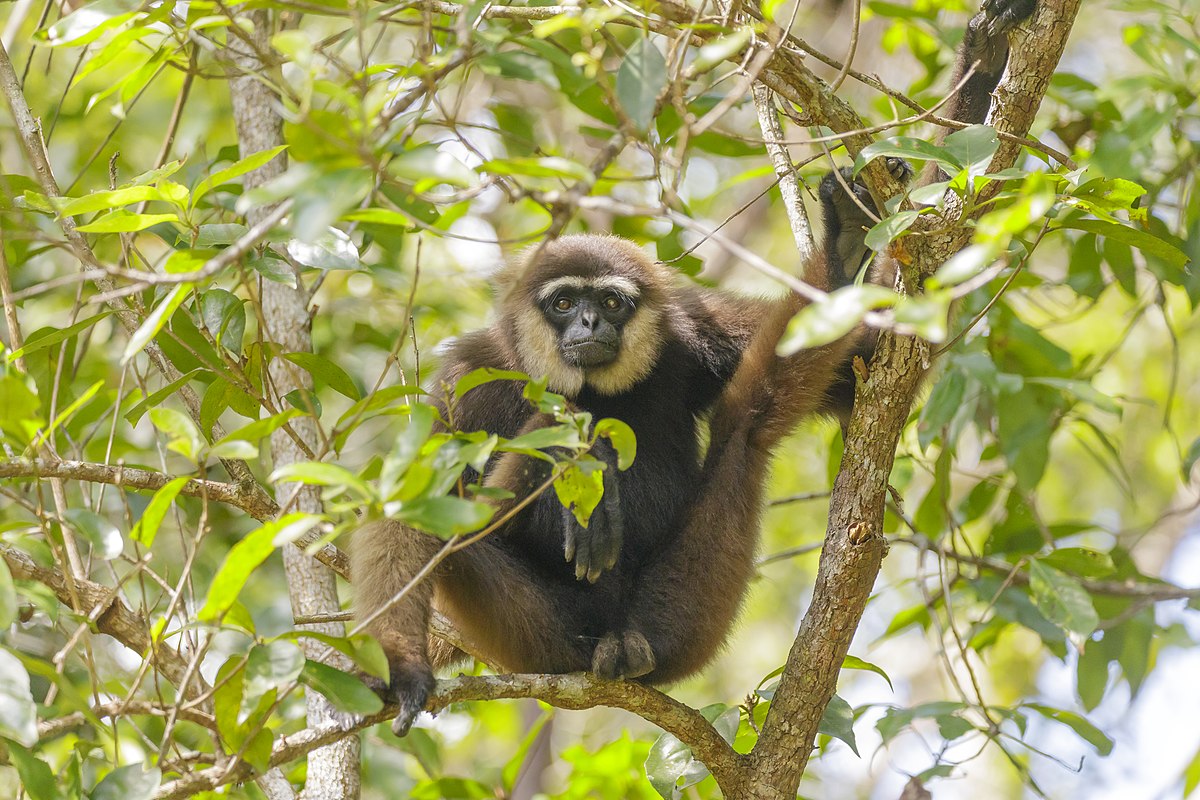
Bornean White-bearded Gibbon Hylobates albibarbis Endangered Indonesia (Kalimantan) The Bornean White-bearded Gibbon belongs to the genus Hylobates. The word Hylobates means ‘Forest Walker’ in Greek. The gibbons in this genus are known for the white circle of fur around their faces. They are known to communicate in species-specific song when defining territory or attracting mates.Continue reading “Bornean White-bearded Gibbon Hylobates albibarbis”
Müller’s gibbon Hylobates muelleri
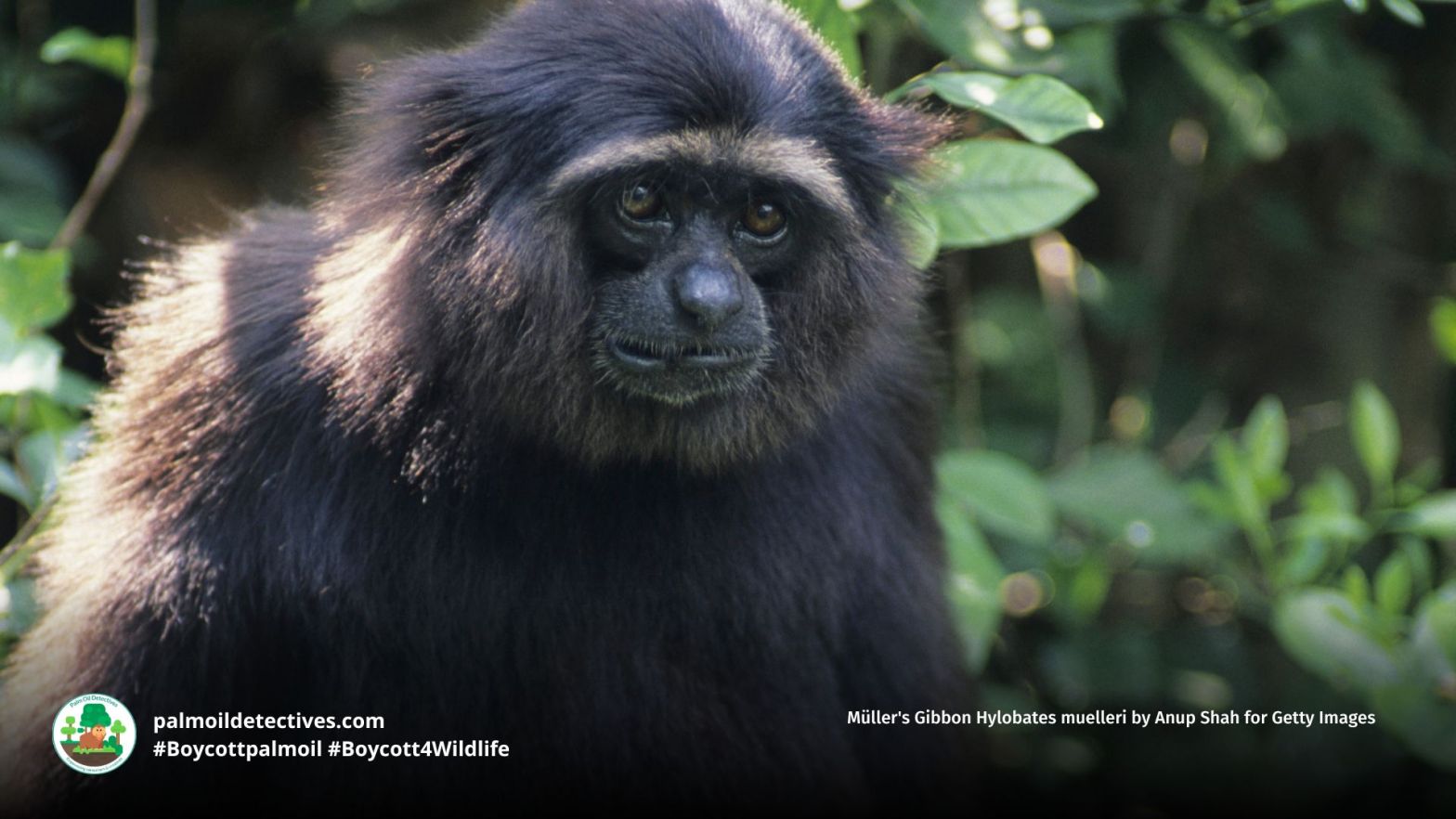
The Bornean Gibbon Hylobates muelleri, also known as Müller’s #gibbon or the Southern Grey Gibbon, is a master of the treetops and a celebrated forest singer. Their haunting duets echo across the rainforest canopy, keeping family bonds strong and warning intruders away. But these calls are growing rarer. The Müller’s gibbon is listed as #Endangered due to relentless forest loss caused by logging, #palmoil expansion, #fire, and #hunting. Their future depends on the survival of Borneo’s rainforests. Take action and use your wallet as a weapon! #BoycottPalmOil #Boycott4Wildlife be #Vegan and #BoycottMeat
Silvery Gibbon Hylobates moloch
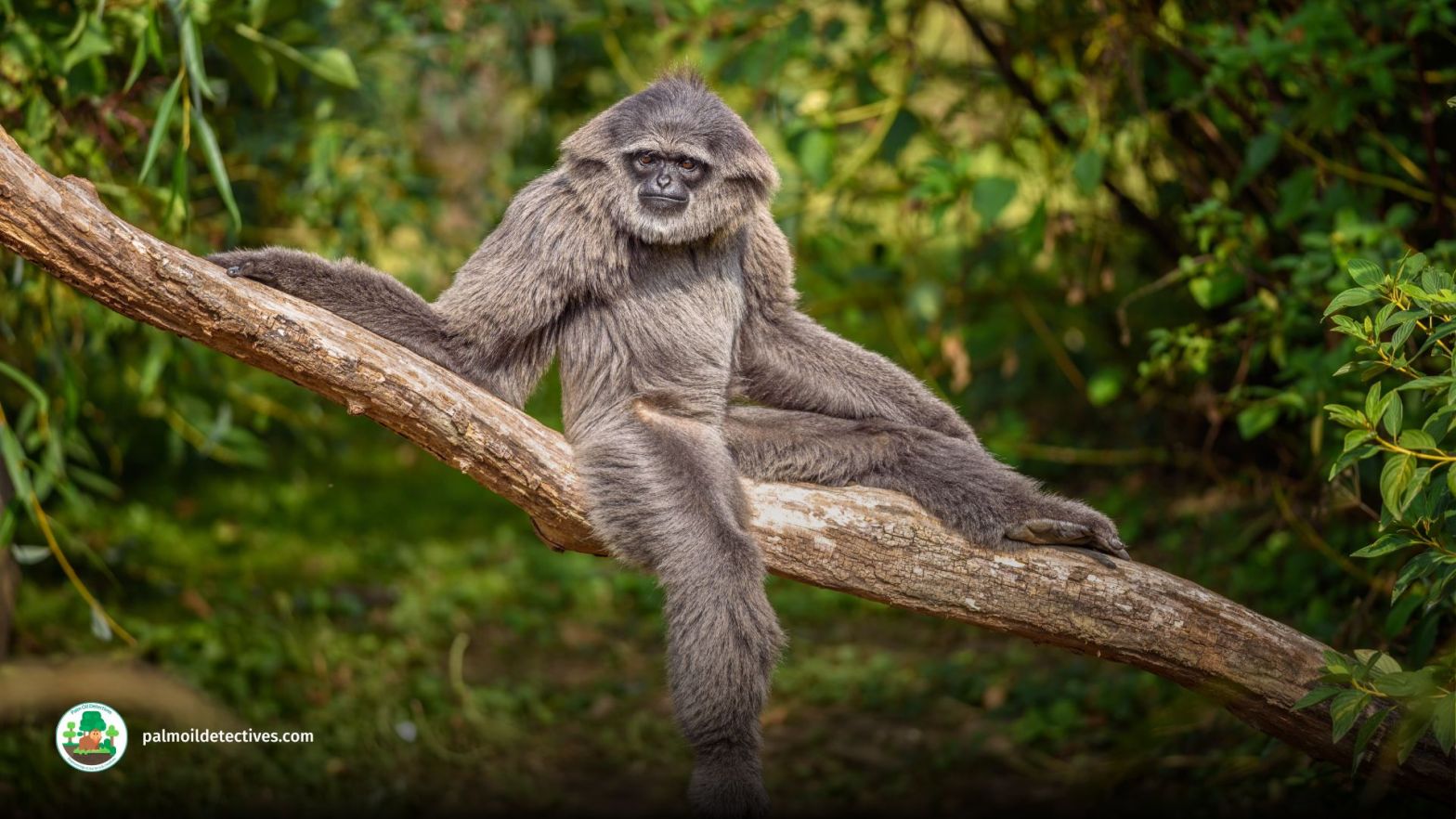
Silvery Gibbon Hylobates moloch Red List Status: Endangered Locations: Indonesia (island of Java, including provinces of Banten, West Java, and Central Java as far east as the Dieng Mountains) The Silvery #Gibbon 🩶🐒🐵 of genus ‘Hylobates’ meaning ‘Forest Walker’. They sing to each other in ‘local’ accents and do thrilling acrobatics 🤸♂️ They are #endangered,Continue reading “Silvery Gibbon Hylobates moloch”
Northern Gray Gibbon Hylobates funereus
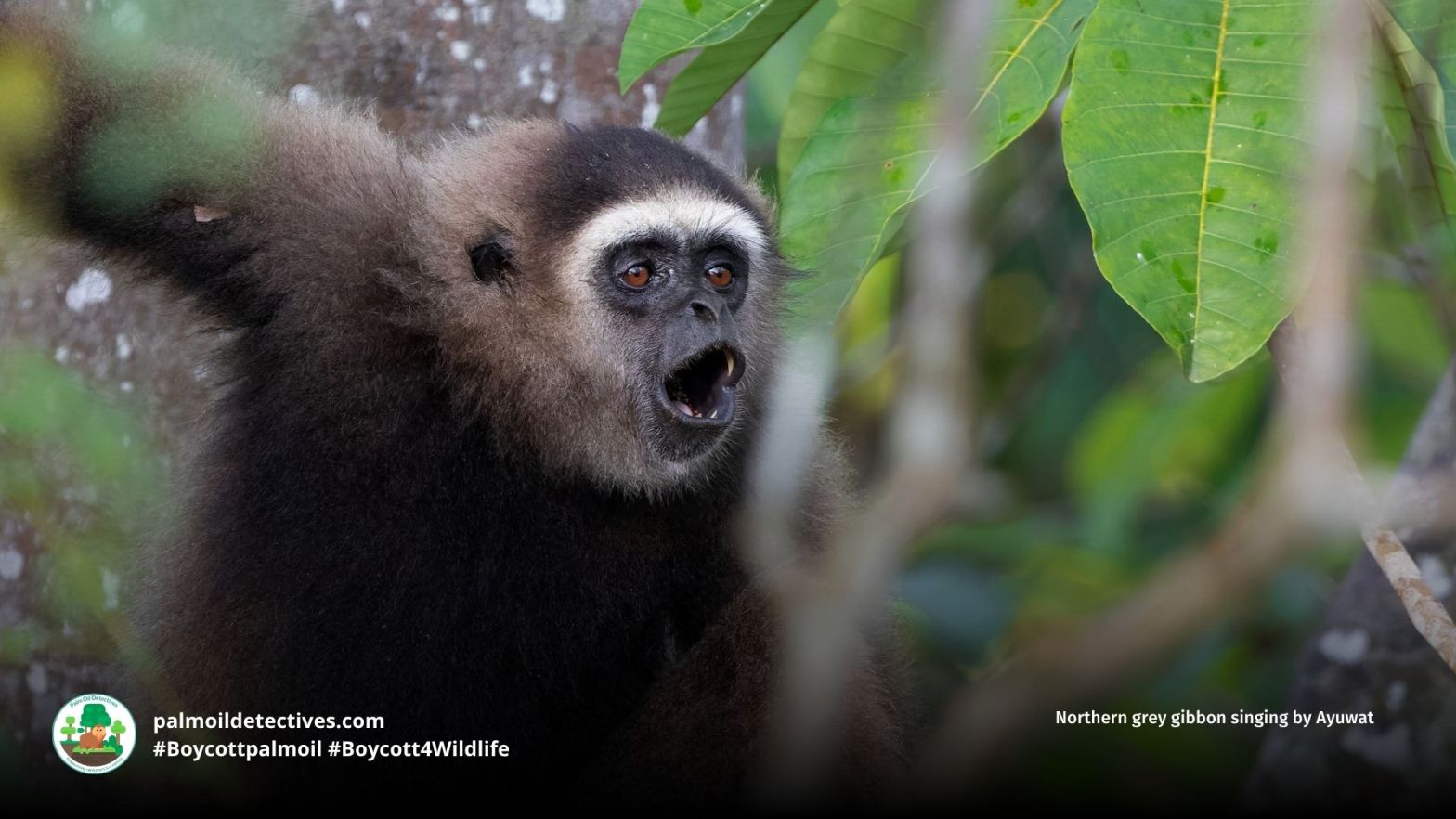
Save the sublime song and energetic lives of the Northern grey gibbons in Borneo when you boycott palm oil and boycott4wildlife in the supermarket!
Tonkin Black Crested Gibbon Nomascus concolor ssp. concolor
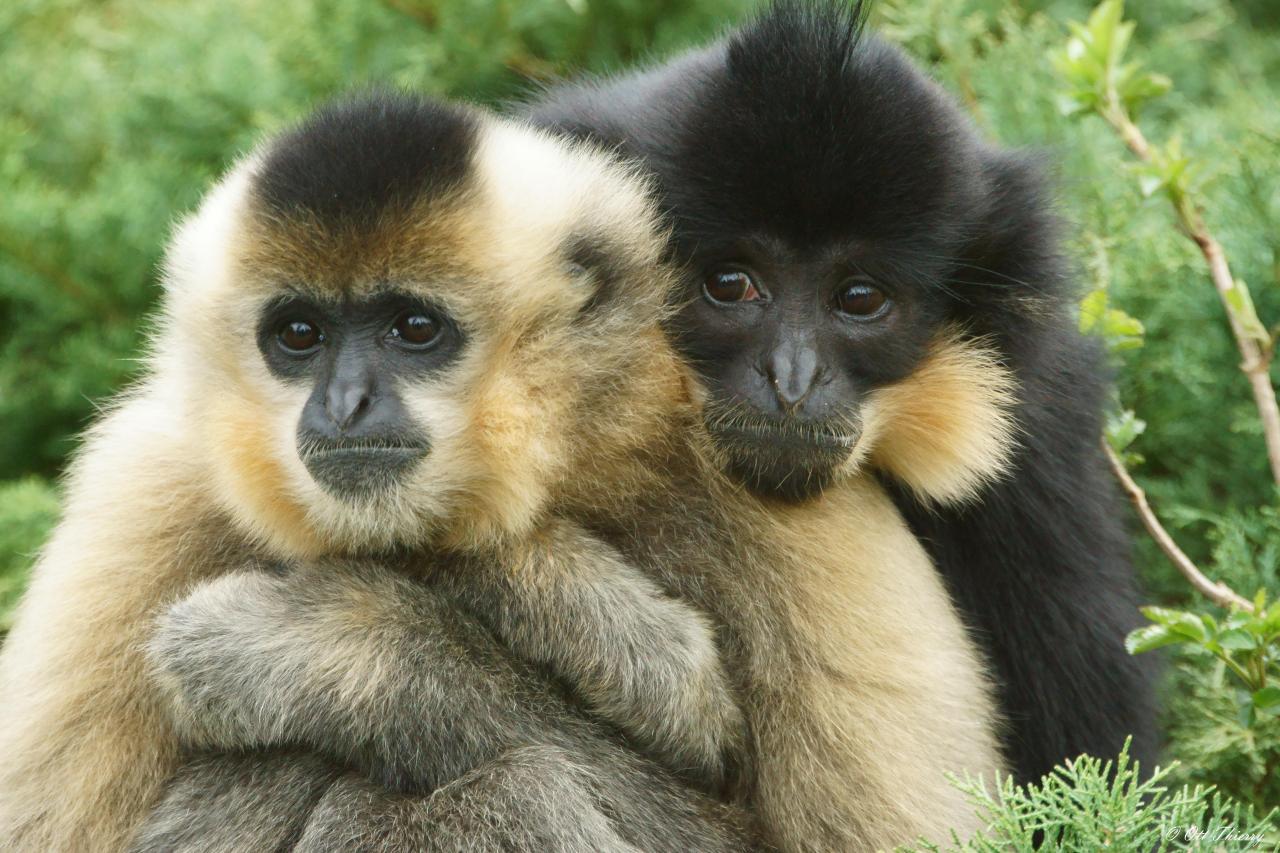
The Tonkin Black Crested #Gibbon of the genus Nomascus are also known as the Indochinese black-crested gibbon. They are critically endangered #primates native to the misty mountain forests of northern #Vietnam, southern #China, and parts of #Laos. These highly intelligent and social #primates are famous for their morning duets, with pairs singing in species specific harmony to reinforce familial bonds and mark their territory. Research has shown that different populations have unique vocal accents, much like human dialects, making their songs distinct across their range. Despite their unique and sparkling vocal range, they are tragically on the edge of extinction. Only around 300 individuals are left in the wild, their survival is threatened by deforestation for palm oil, coffee, and rubber plantations, along with hunting for the illegal pet trade and traditional medicine. Help them to survive every time you shop boycott palm oil and call-out the exotic pet trade! #BoycottPalmOil #Boycott4Wildlife
Lar Gibbon Hylobates lar
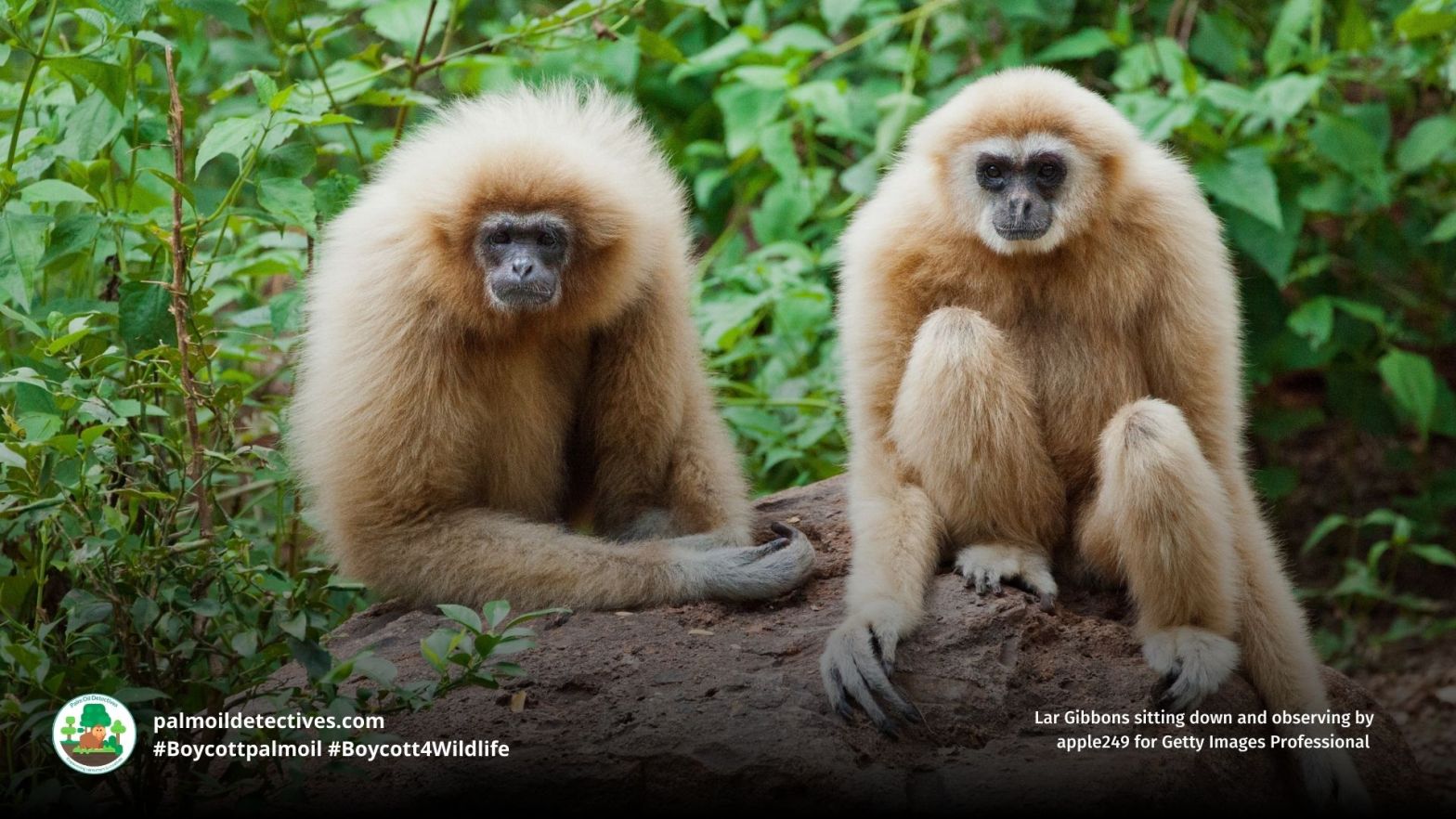
Gibbons, often called “lesser apes,” are no less than awesome! The Lar Gibbon Hylobates lar, also known as the white-handed gibbon, is a charismatic and acrobatic primate renowned for their incredible agility and melodic songs that echo through the rainforests of Southeast Asia. With their striking black or sandy-coloured fur and distinctive white markings on their hands and face, Lar Gibbons are both captivating and vital to their ecosystems.
These gibbons are Endangered according to the IUCN Red List, facing rapid population declines due to habitat loss, poaching, and the illegal wildlife trade. Protecting these extraordinary primates means addressing deforestation, logging, and other threats head-on. Fight for their survival every time you shop. Use your wallet as a weapon, demand palm oil free and #BoycottPalmOil #Boycott4Wildlife.
Wrinkled Hornbill Rhabdotorrhinus corrugatus
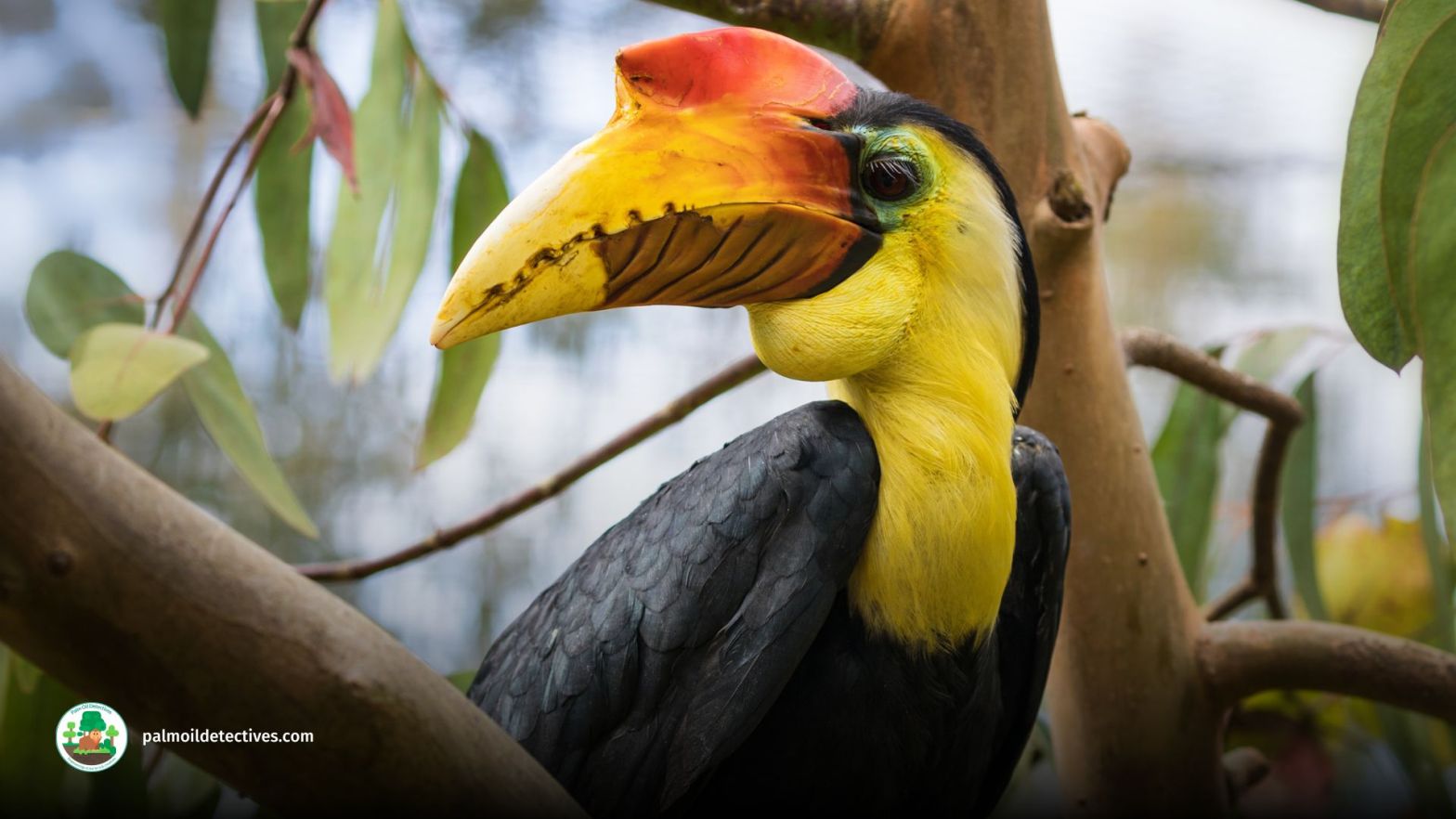
Discover the fascinating world of the Wrinkled Hornbill. These ancient and magnificent birds thriving in lush primary evergreen and swamp forests up to 1,000 meters above sea level. Unfortunately, their habitat faces threats from forest fires and the conversion of lowland forests into large-scale palm oil and rubber plantations, along with small-scale agriculture. These majestic creatures rely on large trees for nesting, putting them at risk due to logging. But we can help! By boycotting palm oil and adopting a #vegan lifestyle, we can protect the Wrinkled Hornbills and their precious home. Let’s come together and make a positive impact for wildlife preservation. 🌳🐦💚 #Boycottpalmoil #Boycott4Wildlife
Storm’s Stork Ciconia stormi
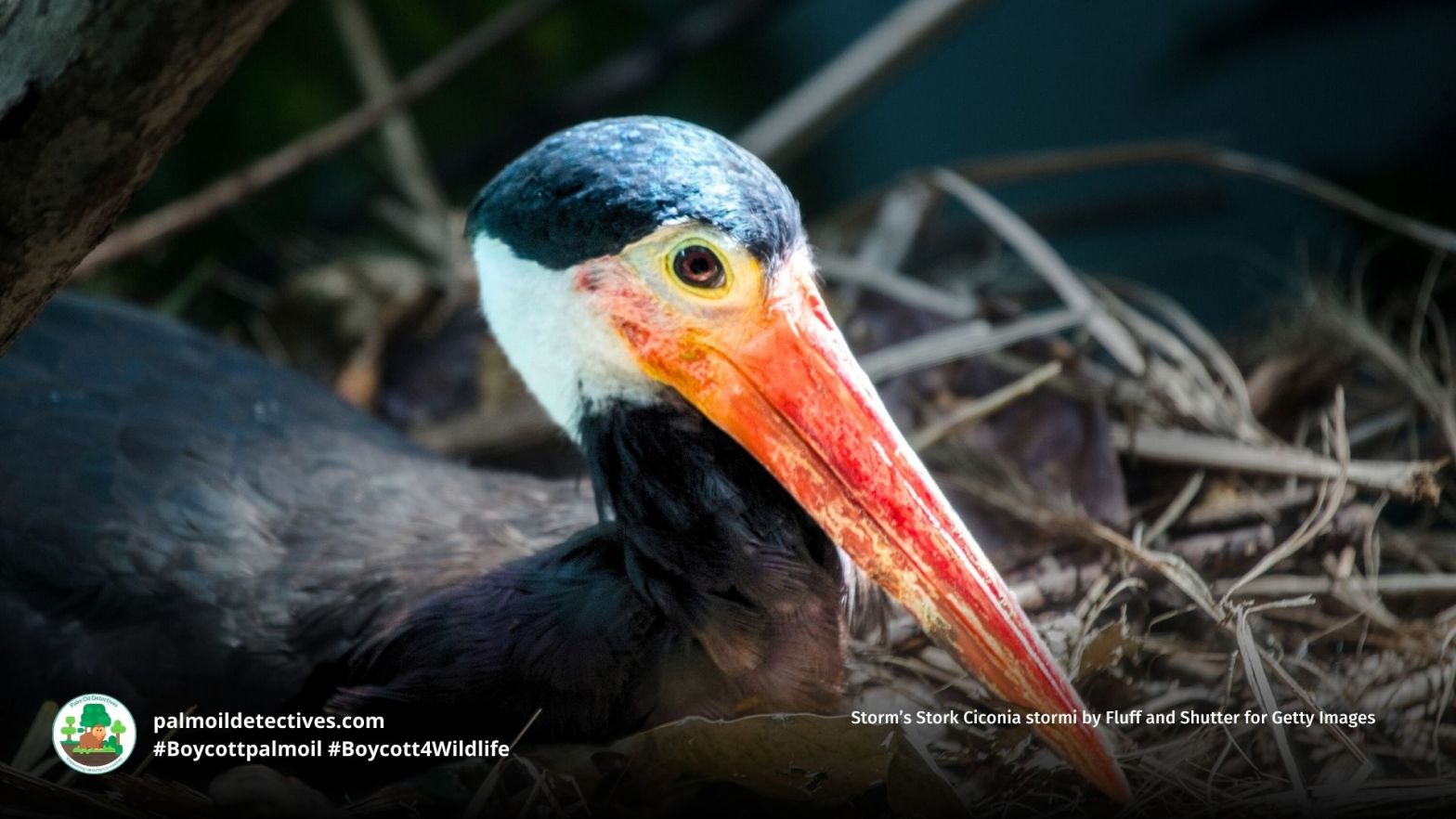
Storm’s Stork Ciconia stormi is the rarest and most elusive stork in Asia, palm oil is a threat boycott palm oil for them!
Wild Water Buffalo Bubalus arnee
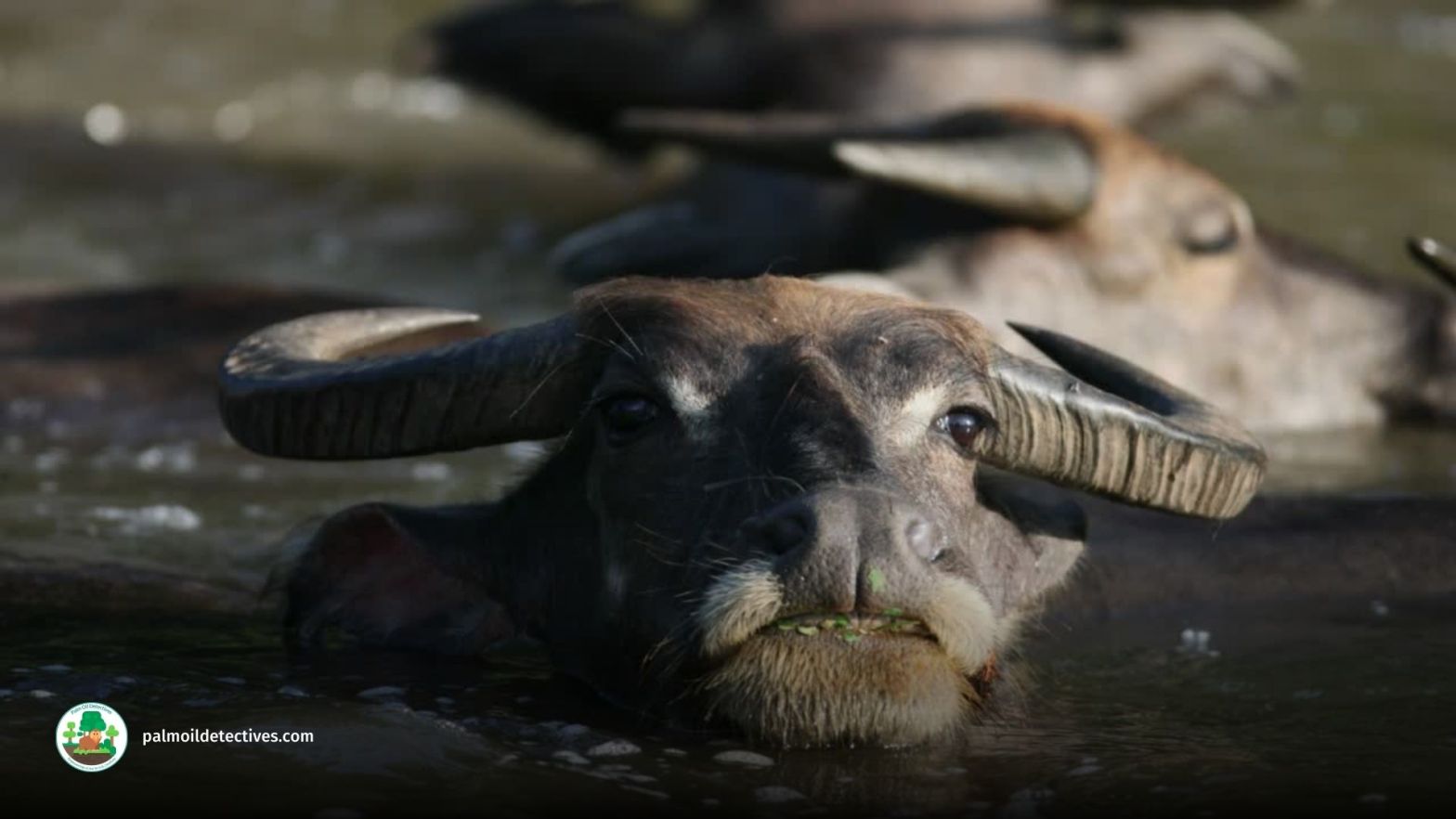
Massive, muscular, and critically under threat, the Wild Water Buffalo Bubalus arnee is the endangered ancestor of all domestic buffalo breeds. Once roaming vast swathes of South and Southeast Asia, fewer than 4,000 individual buffaloes remain today, scattered across shrinking habitats in India, Nepal, Cambodia, and a handful of neighbouring nations. Their decline is driven by interbreeding with domestic buffalo species, habitat destruction from farming and palm oil plantations, hunting, and disease transmission from livestock. This ancient grazer of flooded grasslands and braided rivers is vanishing before our eyes. Speak out for them and support indigenous-led efforts to restore their ecosystems. #BoycottPalmOil #Boycott4Wildlife
 Palm Oil Detectives