

Endangered Grey Crowned Cranes are a regal and graceful bird of Uganda, Tanzania, DRC, and Namibia. Help them to survive and join the boycott4wildlife
Tag Archives: Congo
Bateleur Eagle Terathopius ecaudatus

Striking raptor Bateleur #Eagle Terathopius ecaudatus soars through #Africa’s skies with powerful red legs, a bright intelligent face and intense eyes. They are famous for their distinctive aerial and soaring skills such as a rocking flight, similar to a tightrope walker. These eagles are known to travel over 300 kilometres a day in search of food. Sadly, their numbers are plummeting due to deforestation, poisoning, and habitat destruction. The loss of their habitat to #palmoil, #mining and #meat #deforestation are some of the biggest threats they face. Help them every time you shop and boycott palm oil and go plant-based. #BoycottPalmOil and #Boycott4Wildlife!
Palm Oil Protesters Silenced and Arrested in Congo
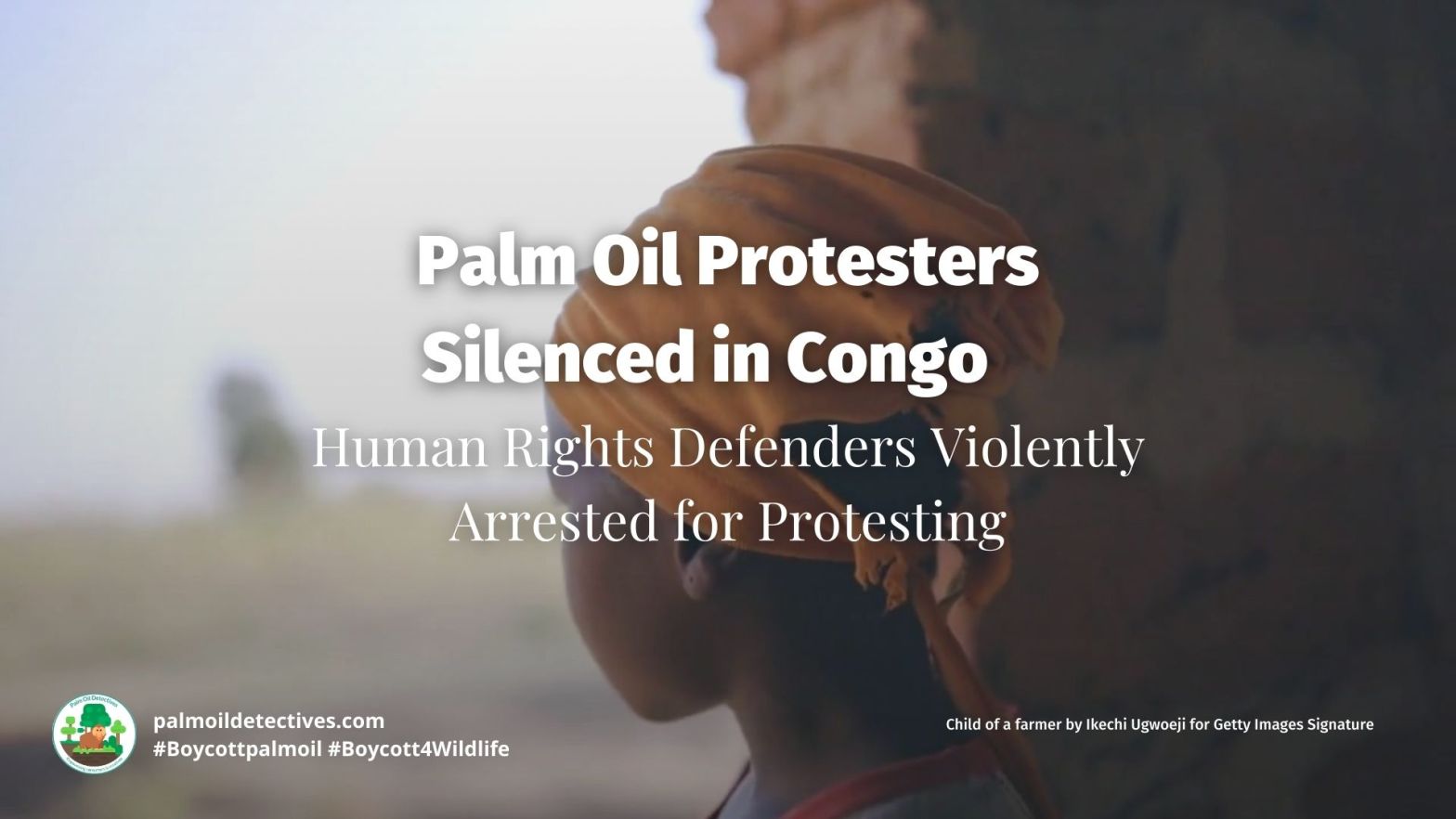
Disgraceful incident in Kinshasa, DRC. During shareholder meeting for palm oil co. PHC (AKA Feronia) rights defenders were arrested, a journalist kidnapped!
Giant Pangolin Smutsia gigantea

The Giant Pangolin is are the largest and heaviest of the pangolin species weighing up to 35 kilos. These majestic creature are cloaked in keratin armour and embark on nightly quests through Central and West Africa’s lush landscapes. By the light of the moon, they use their keen sense of smell to hunt down ants and termites. As they navigate a world fraught with dangers from habitat destruction, poaching and illegal hunting, the survival of these enigmatic beings hangs in balance, urging us to reflect on our impact on their dwindling world. Help them to survive every single time you shop and #Boycottpalmoil #Boycottmeat, be #vegan and #Boycott4Wildlife
Protected: Private Advocate’s Page
There is no excerpt because this is a protected post.
African Golden Cat Caracal aurata
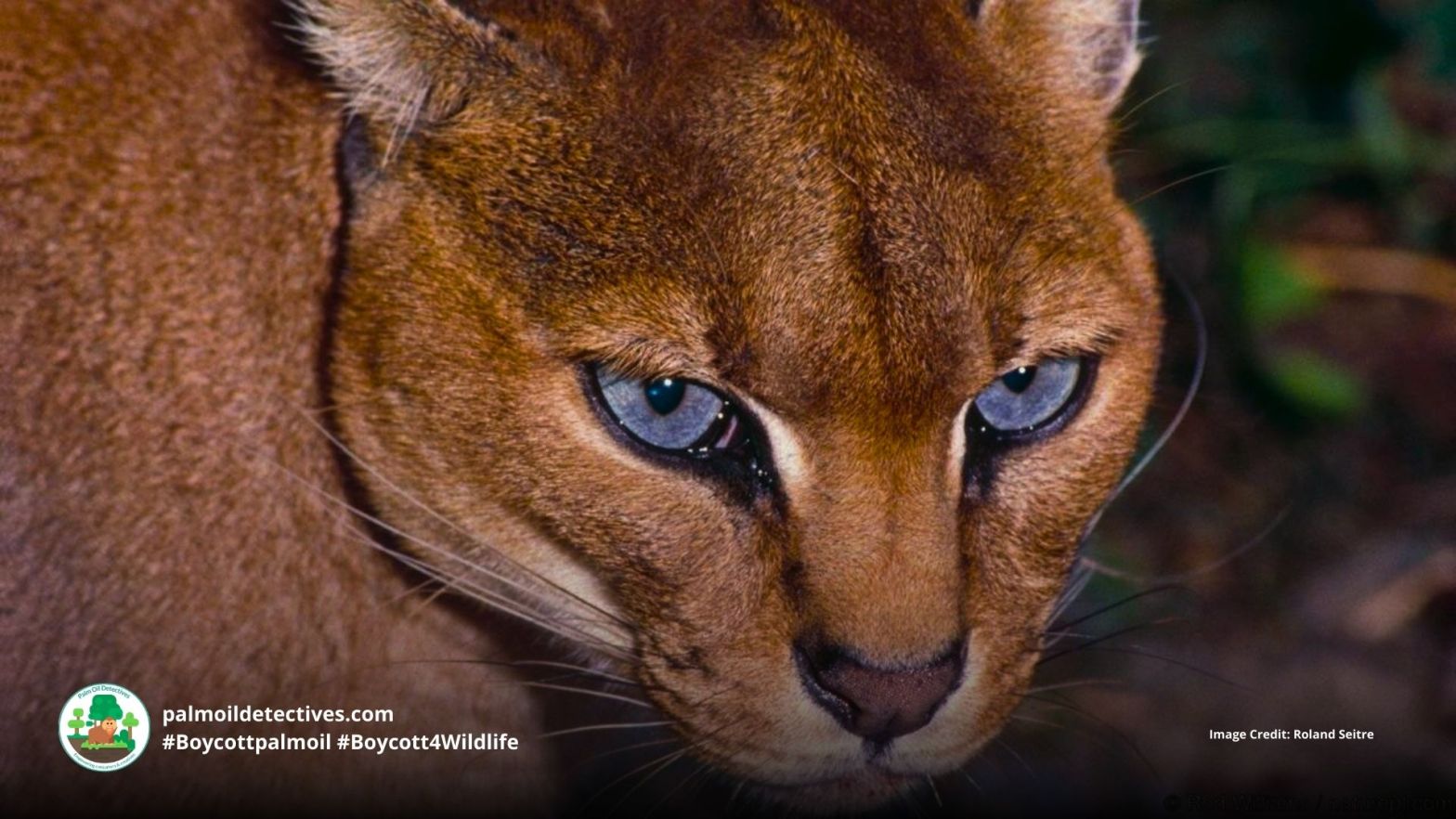
The African golden cat’s striking coat varies from radiant red to elegant gray. They are a symbol of wild grace in the African jungle. This feline enchants a cacophony of sounds, from gentle meows to assertive growls. They are classified as Vulnerable and their population is expected to reduce by 30% as a direct result of palm oil deforestation in their forest home (IUCN Red List). Fight to protect these magnificent animals and their home every day! #BoycottPalmOil and #Boycott4Wildlife in the supermarket!
African Forest Elephants Help Fight Climate Change
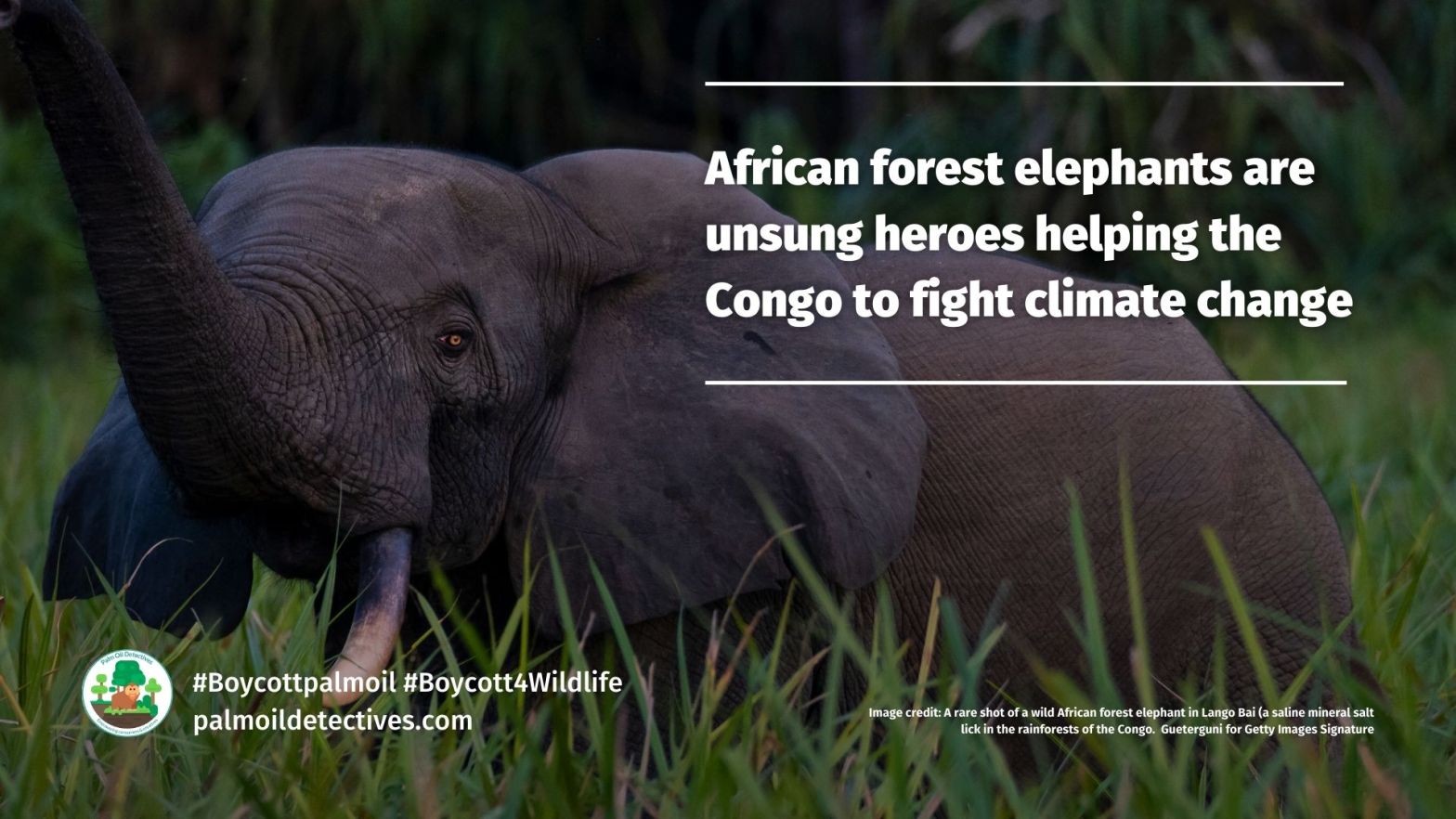
Discover the awe-inspiring role of African forest elephants in the Congo Basin—nature’s master gardeners who literally shape the world around them! These gentle giants roam through muddy, mineral-rich paradises called baïs, fostering the growth of carbon-absorbing trees that make our planet healthier. By tending to these unique landscapes, they are the unsung heroes in the fight against climate change. Want to ensure these ecological architects keep doing their vital work? Join the movement to protect their habitat—say no to palm oil and adopt a vegan lifestyle! 🐘🌳#BoycottPalmOil #BeVegan #Boycott4Wildlife
Mandrill Mandrillus sphinx
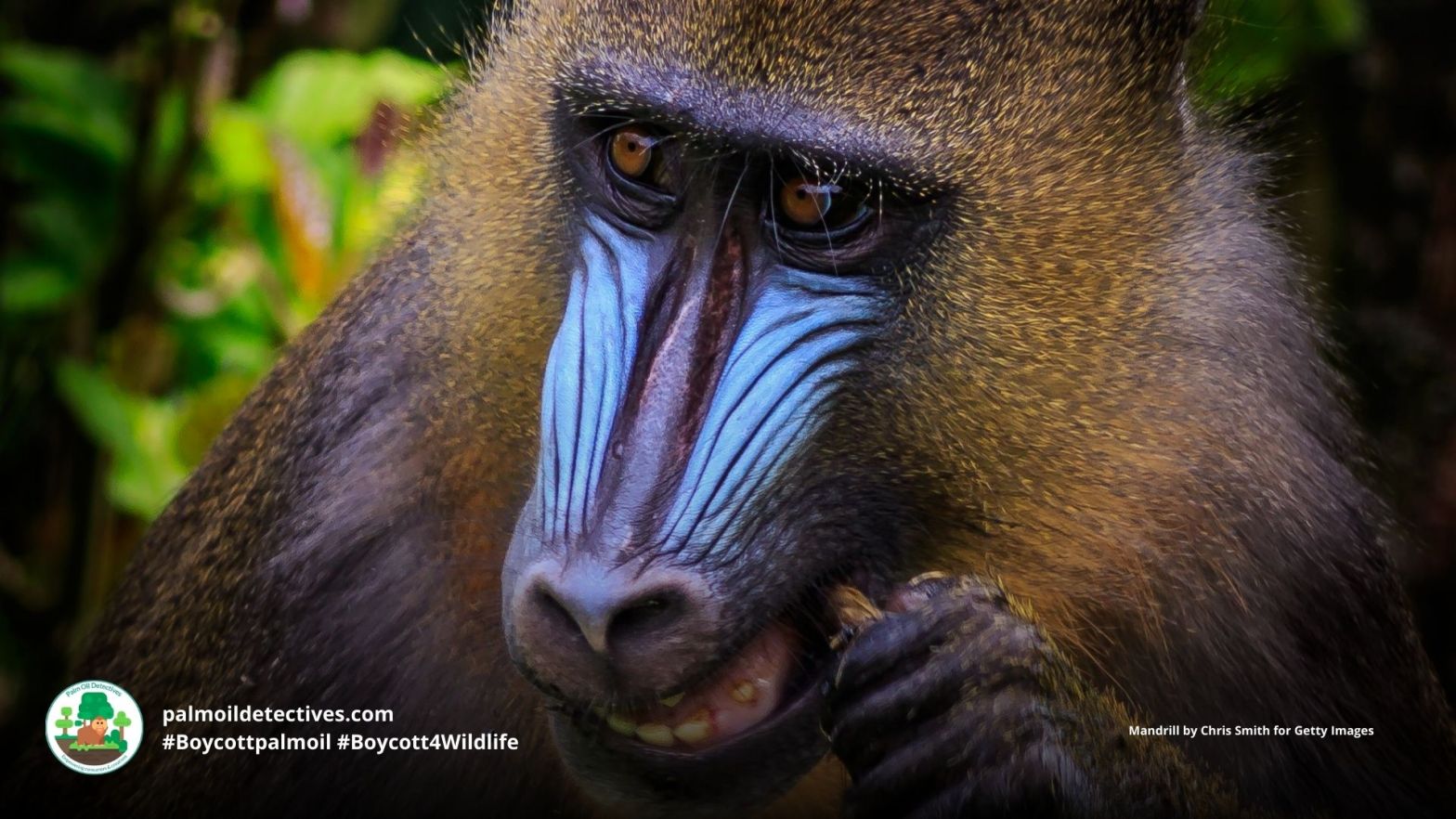
Magnificent #mandrills are undoubtedly one of the world’s most photogenic monkeys – famous for their brightly coloured and expressive appearance. Their bright blue rumps and vivid red, yellow and pink faces become even more deeply colourful when they’re excited. Males use their extra long canines for self-defence, but exposing their teeth can also be a sign of friendliness. Mandrills are important seed dispersers and a critical part of keeping the ecosystem in balance. These beautiful monkeys are vulnerable from palm oil, meat and cocoa deforestation and intensive poaching. Help their survival and #Boycottpalmoil #Boycott4Wildlife
African Manatee Trichechus senegalensis
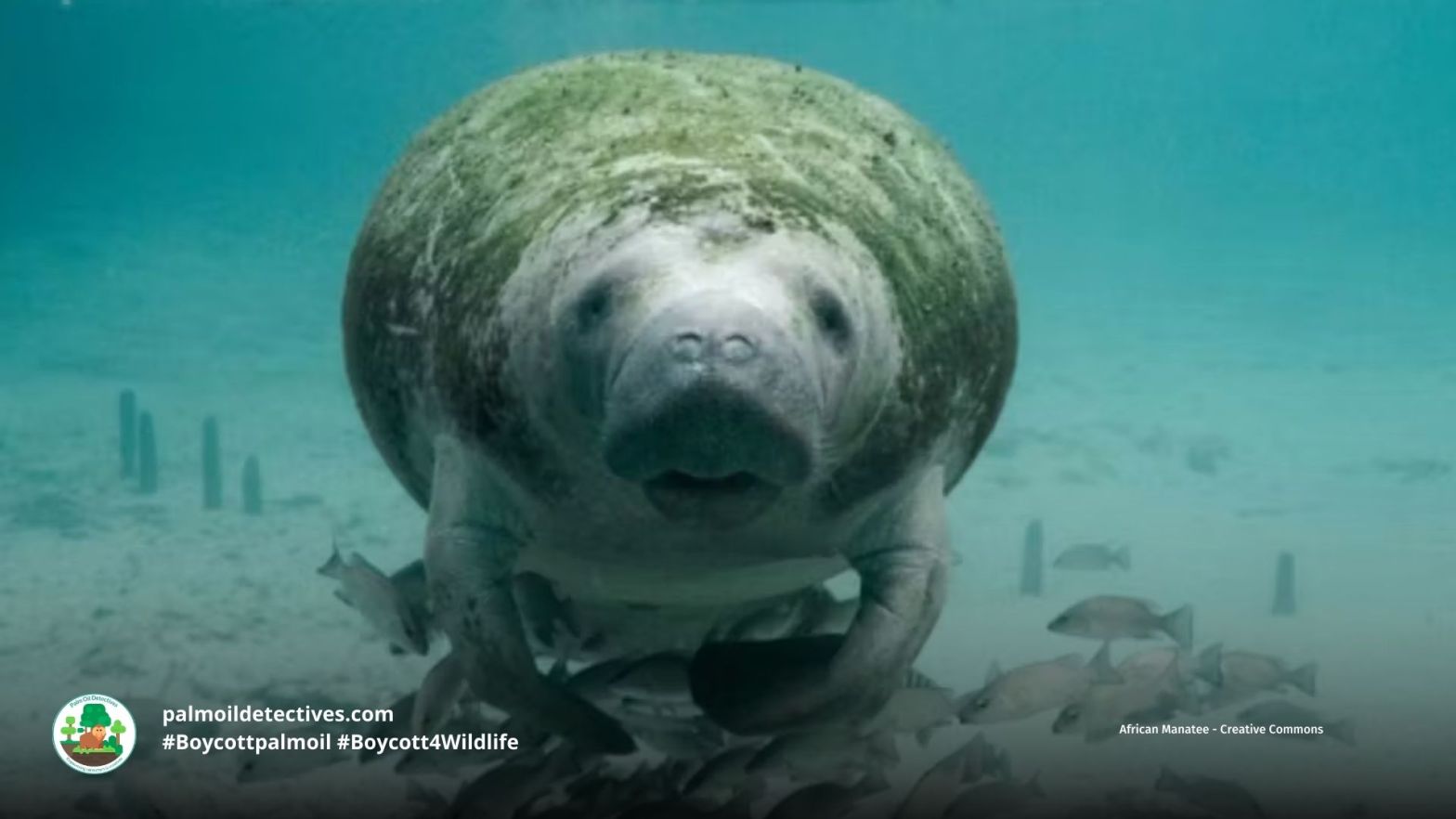
In the folklore of West Africa, there’s a fascinating character called Maame Water, believed to be a goddess of the sea, she symbolises wealth and beauty. Maame Water is none other than the African Manatee!
The Serer people of Senegal, the Gambia, and Mauritania hold the African Manatee in high regard, considering them sacred and a guardian of the secrets of the future according to their creation myth. This precious species is vulnerable from palm oil deforestation, hunting and pollution. They perform an essential service to mangrove ecosystems by keeping them healthy. Help them survive and #Boycottpalmoil #Boycott4Wildlife every time you shop!
Shoebill Balaeniceps rex
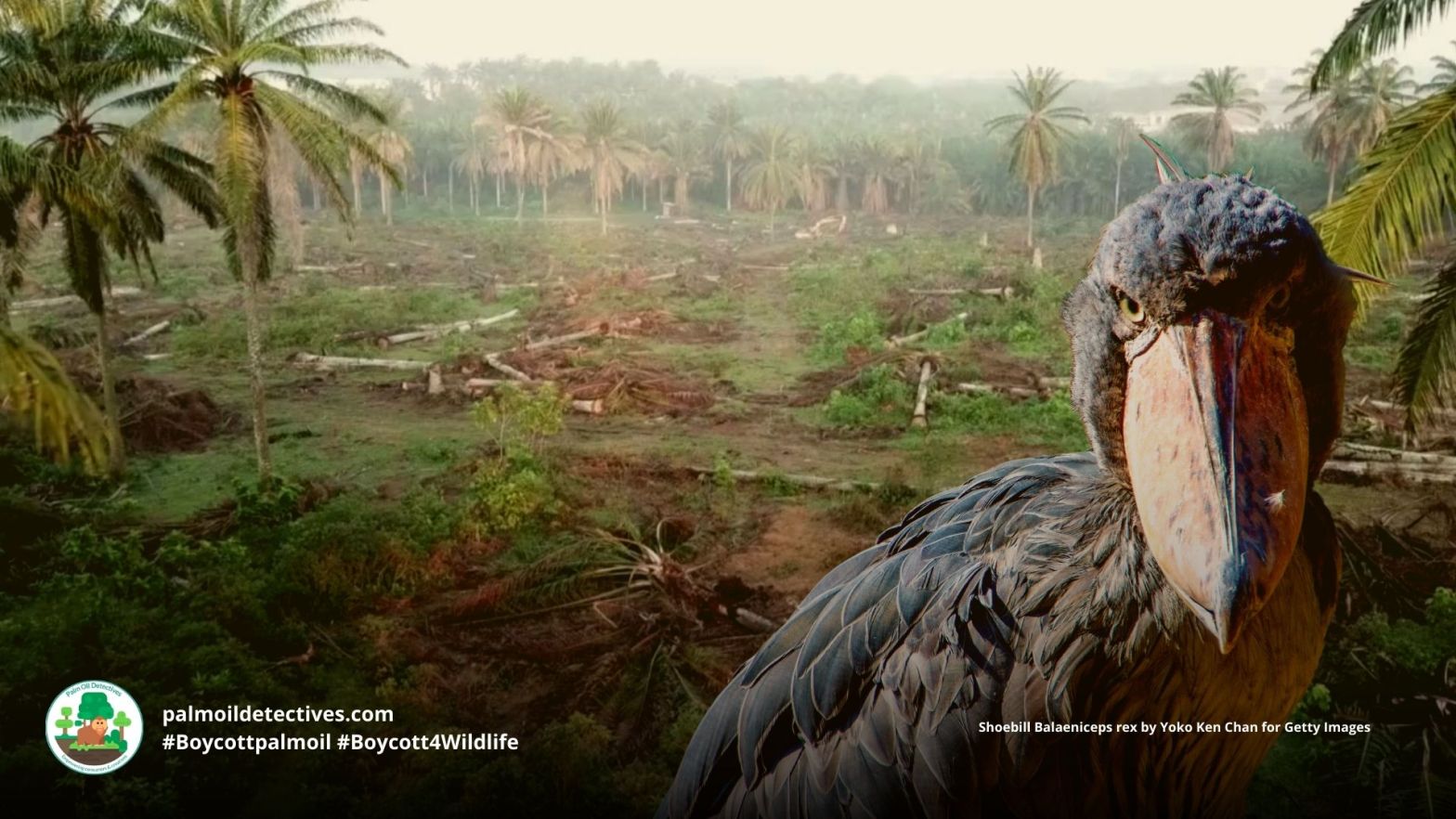
With their intense stare and imposing appearance, prehistoric birds Shoebills number fewer than 8000 in the wild. Save them when you boycott palm oil!
Dryas Monkey Chlorocebus dryas
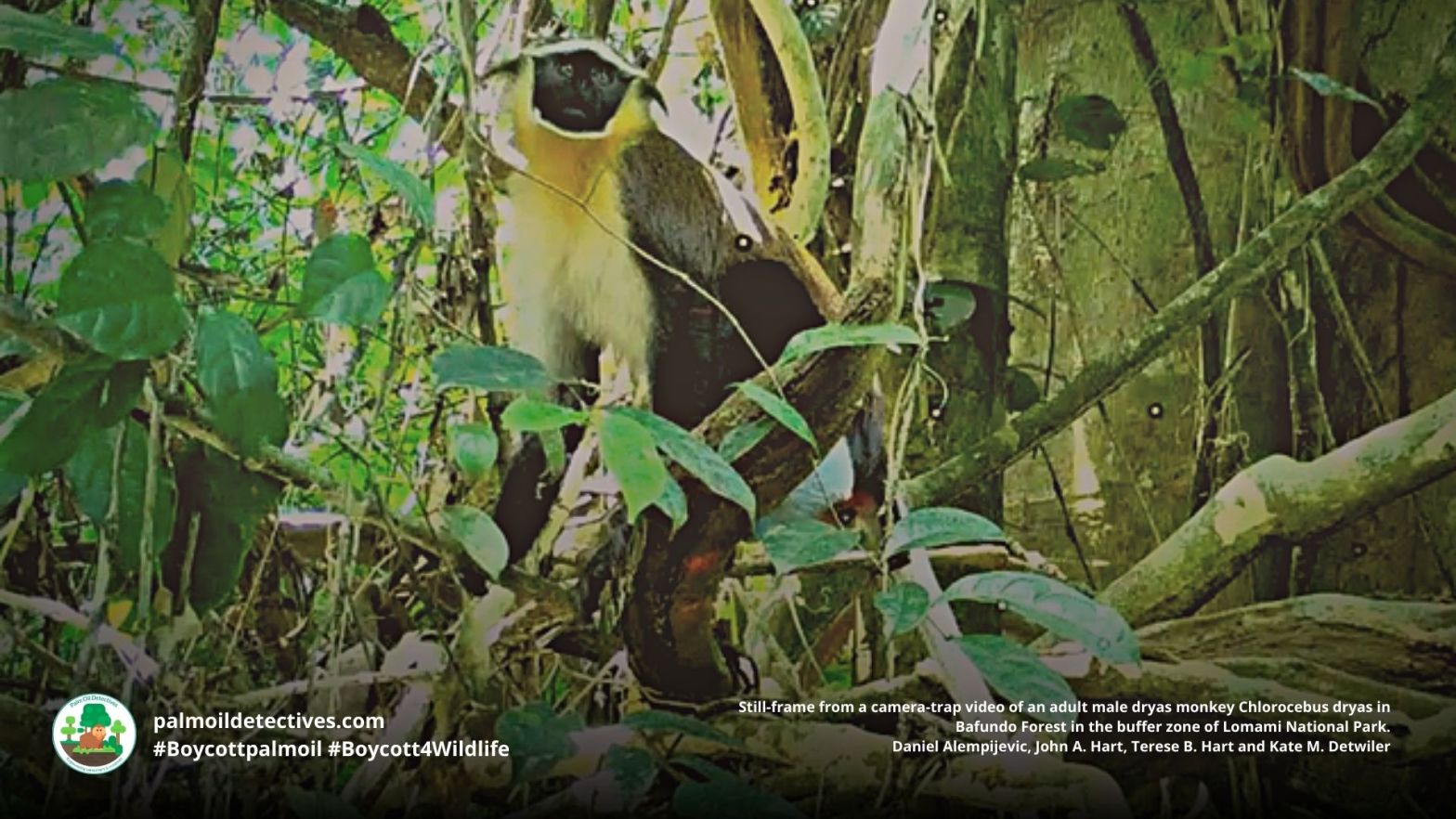
Dryas #Monkeys are secretive and vividly colourful monkeys who hang on to survival in the forests of the #Congo. Tragically, there is estimated to only be 100-250 individual monkeys still alive. They are fruit-eaters and play a critical role in ensuring the dispersion of seeds and therefore the future health of the DRC’s #rainforests. They are preyed upon by leopards in the Congo basin. However, the main threat they face is the illegal poaching and hunting by humans for #bushmeat, along with #deforestation for #palmoil, #mining and other commodities. Fight for their survival every time you shop, be #vegan and #BoycottPalmOil #Boycott4Wildlife
Dwindling tropical rainforests mean lost medicines yet to be discovered in their plants
About 80% of the world population relies on compounds derived from plants for medicines to treat various ailments, such as malaria and cancer, and to suppress pain. Our future medicines are likely to come from plants, but how effectively are we protecting these plants from extinction? We aren’t doing enough and we must do more!
Southern Ground-hornbill Bucorvus leadbeateri
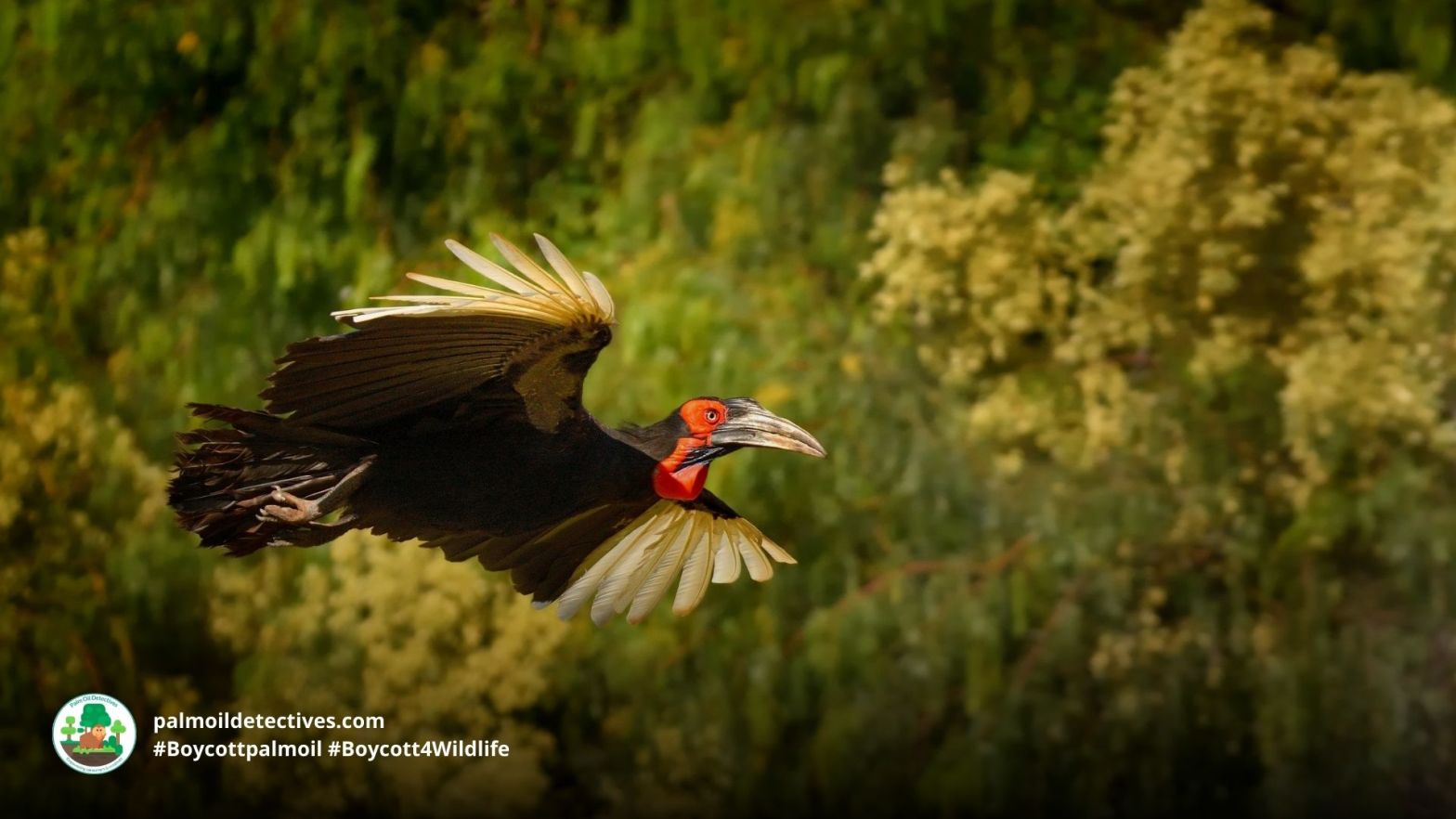
Territorial and highly social, Southern Ground #Hornbills collectively raise their young in groups – a process of parental guidance that can take up to two years – the longest of any #bird species known. They are considered to be a culturally important species to many indigenous peoples and are known as rain birds or thunder birds for their folklore association with bringing rain and ending drought. Help them to survive every time you shop and #BoycottPalmOil #Boycott4Wildlife
African Dwarf Crocodile Osteolaemus tetraspis

African Dwarf #Crocodiles are timid #nocturnal animals and solitary hunters. They predate mainly on small animals in rivers or nearby to the riverbank. They are also known as the Broad-Snouted Crocodile or the Bony Crocodile are the smallest extant species of crocodile in the world and are typically around 1.5 metres in length. They face persecution by humans and other animals and spend most of their daylight hours resting in burrows they make along riverbanks in #WestAfrica and Central Africa. They are vulnerable from #timber #palmoil #soy #meat #deforestation and hunting. Help them survive and be #vegan, #Boycottpalmoil #Boycott4Wildlife
Butterfly Viper Bitis nasicornis
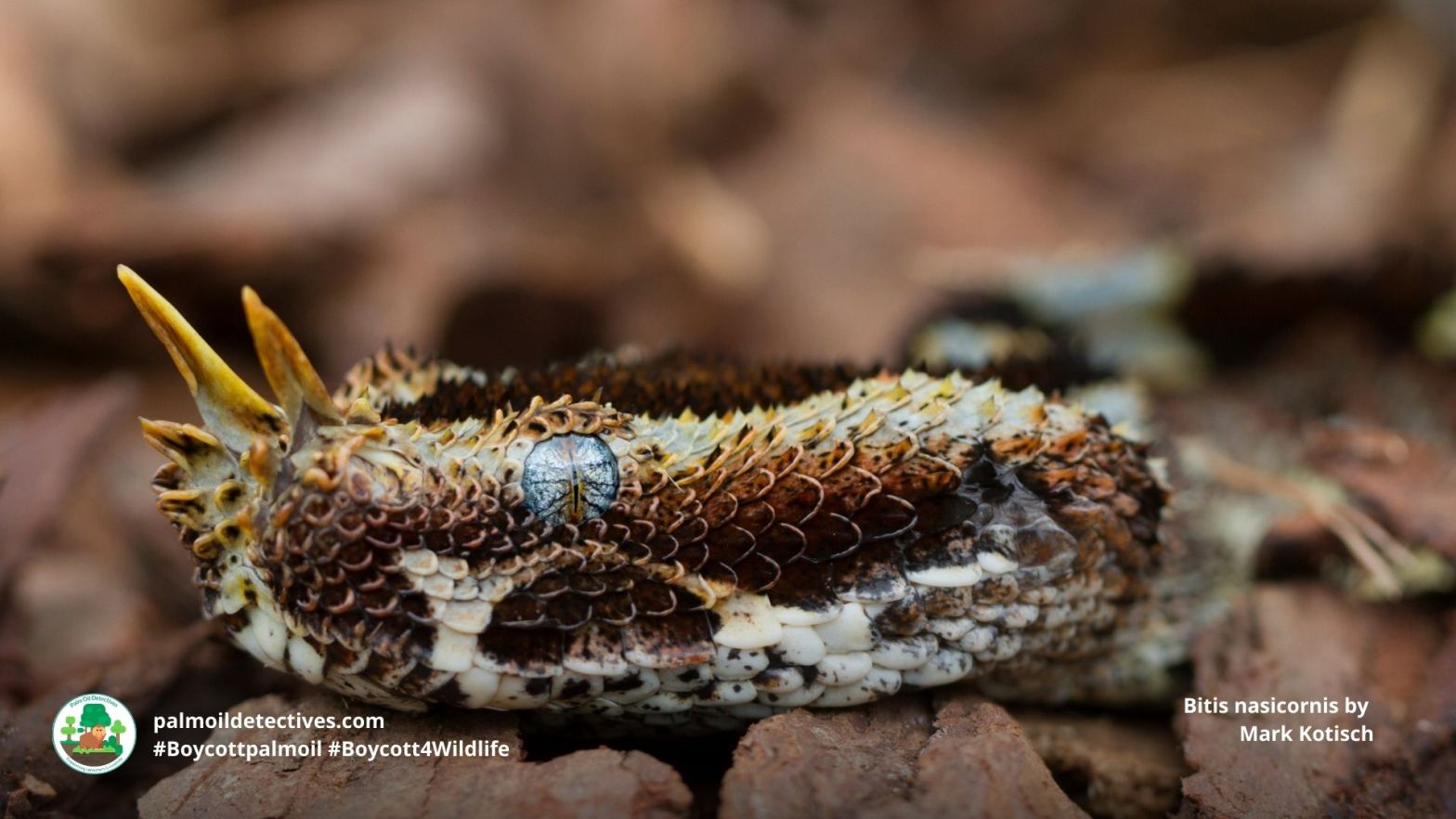
Although they possess one of the most potent venoms of all #snakes in #Africa, Butterfly Vipers are surprisingly placid and won’t attack unless provoked or threatened. They are known by several common names: Rhinoceros viper, River Jack, the Rhinoceros horned viper and the Horned puff adder. These remarkable serpents are appreciated for their vividly coloured markings that keep them camouflaged on the forest floor. Help them to survive when you shop and #BoycottPalmOil #Boycott4Wildlife.
African Palm Civet Nandinia binotata

African palm civets were once common seed dispersers. Now they face pressure from palm oil-driven deforestation, mining, and hunting for bushmeat – boycott!
Chimpanzees once helped African rainforests recover from a major collapse
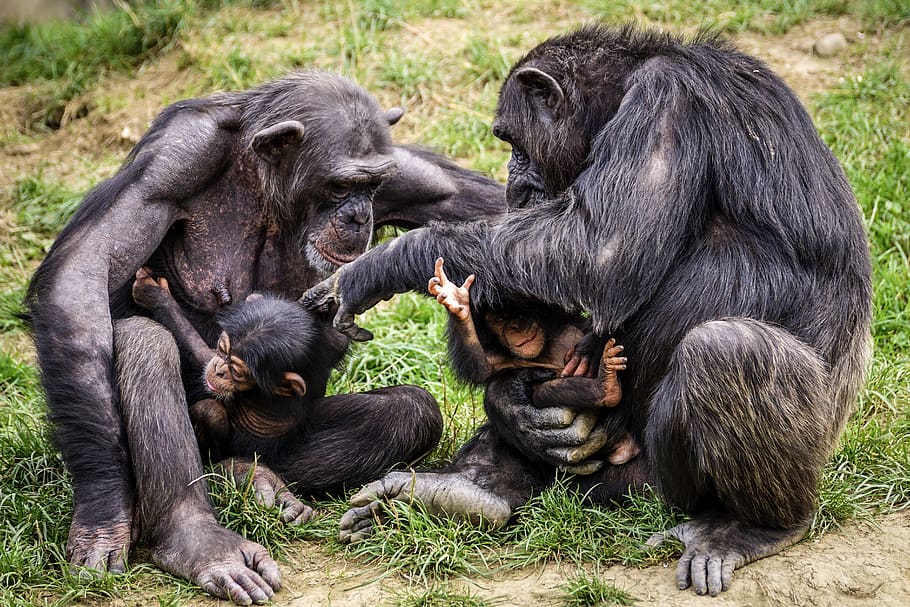
Most people probably think that the rainforest of central and west Africa, the second largest in the world, has been around for millions of years. However recent research suggests that it is mostly just 2,000 or so years old. The forest reached roughly its modern state following five centuries of regeneration after it was massively fragmented when the dry season suddenly became longer some 2,500 years ago. Help #chimpanzees to survive and #Boycottpalmoil #Boycott4Wildlife every time you shop
Hippopotamus Hippopotamus amphibius
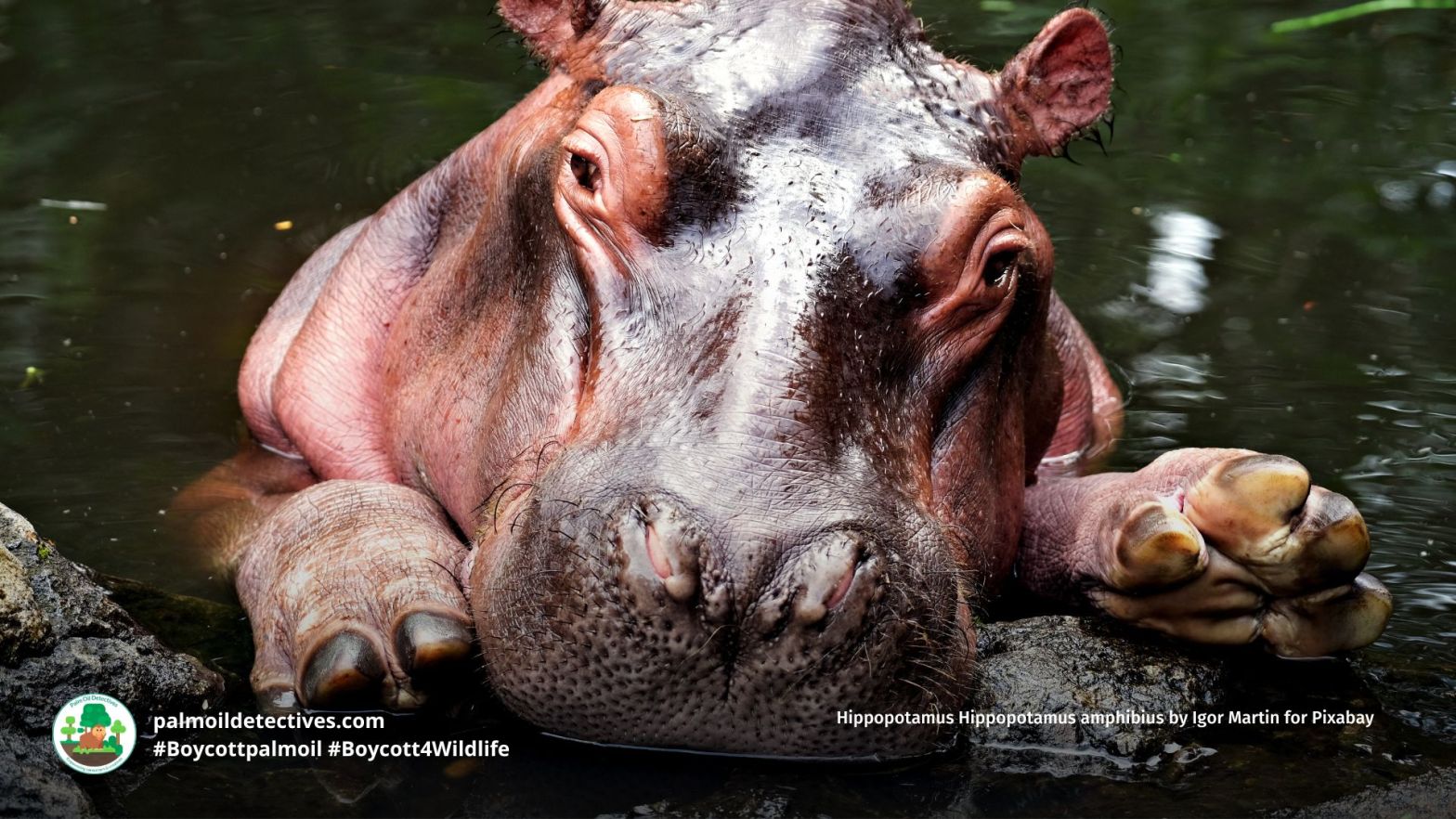
The Common Hippopotamus, or Hippo, is a powerful and enduring symbol of Africa’s rivers and wetlands. Once common throughout all of Africa and the revered subjects of African folklore —their populations are now in peril. Hippo numbers plummeted in the 1990s and early 2000s due to unregulated #hunting and land conversion for #palmoil #cocoa and #tobacco #agriculture and human settlement. Although some strongholds remain in East and Southern Africa, many populations are in decline across #WestAfrica and Central Africa. Hippos are now listed as #Vulnerable on the Red List, with threats from freshwater habitat loss, illegal hunting for meat and ivory, and increasing conflicts with people. Use your voice and your wallet to push for stronger protections for Hippos and their riverine homes. #BoycottPalmOil #Boycott4Wildlife
The people versus Feronia: Fighting palm oil agrocolonialism in the Congo
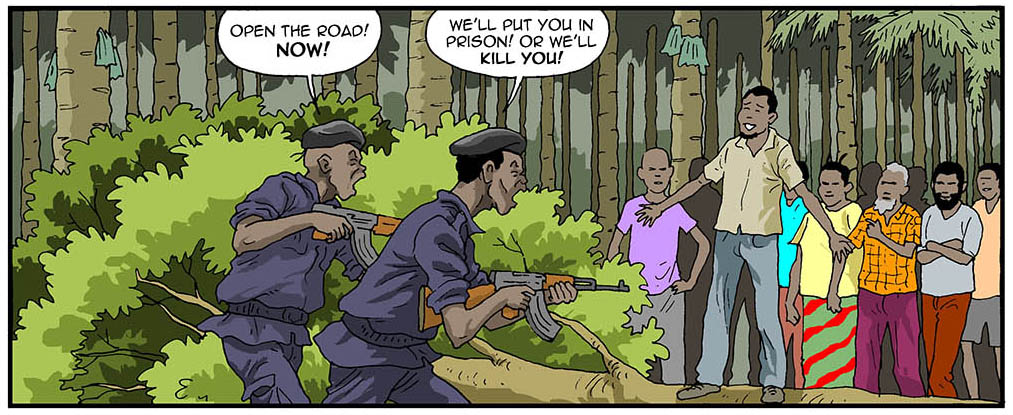
This powerful #comic is by Didier Kassai and Dieudonne Botoko Kendewa is about a community in the #Congo 🇨🇩 living next to the #Feronia #palmoil plantation. They faced #violence and #landgrabbing from this corporation. Take action! #Boycottpalmoil 🌴🩸☠️🚫
Bonobo mothers meddle in their sons’ sex lives – making them three times more likely to father children
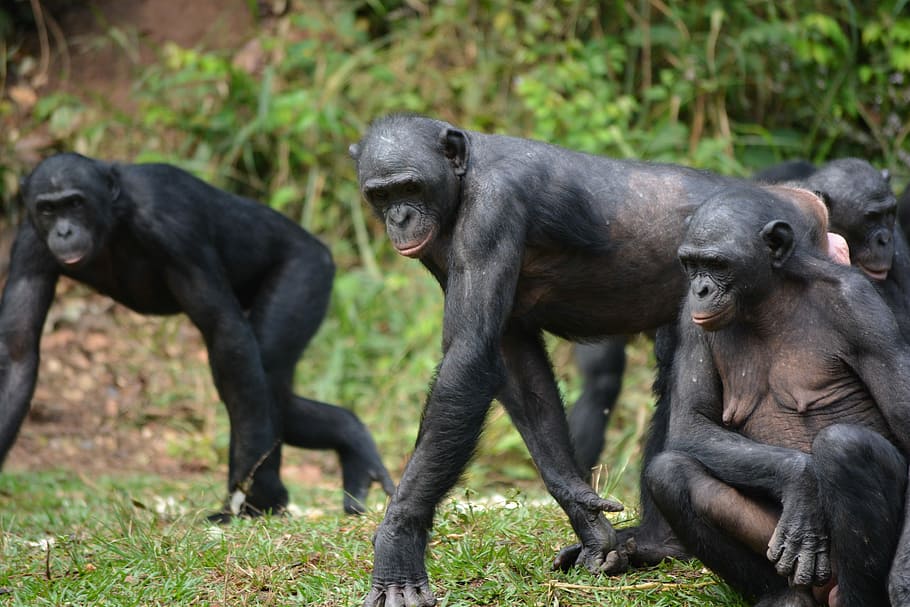
New research shows that for #bonobos, sex really is often a family affair. What’s more, rather than being an embarrassing hindrance, motherly presence greatly benefits bonobo sons during the deed.
Along with #chimpanzees (Pan troglodytes), bonobos (Pan paniscus) are our closest living relatives. Restricted to a 500,000 km² thickly-forested zone of the #Congo Basin, these endangered great apes were only formally discovered in 1928, which until 2017 made them the most recently-described living great ape species.
Operating in female-led social systems, bonobos are capable of showing a wide range of what were long held as human-specific feelings and emotions, such as sensitivity, patience, compassion, kindness, empathy and altruism. Help them to survive every time you shop #BoycottPalmOil #Boycott4Wildlife
Deforestation Raises Temperatures Up To 4.5℃

Forests directly cool the planet, like natural evaporative air conditioners. So what happens when you cut them down? In tropical countries such as #Indonesia, #Brazil and the #Congo, rapid #deforestation may have accounted for up to 75% of the observed surface #climatechange and warming between 1950 and 2010. Our new research took a closer look at this phenomenon.
Humans and Bonobos Share Contagious Yawn Behaviour
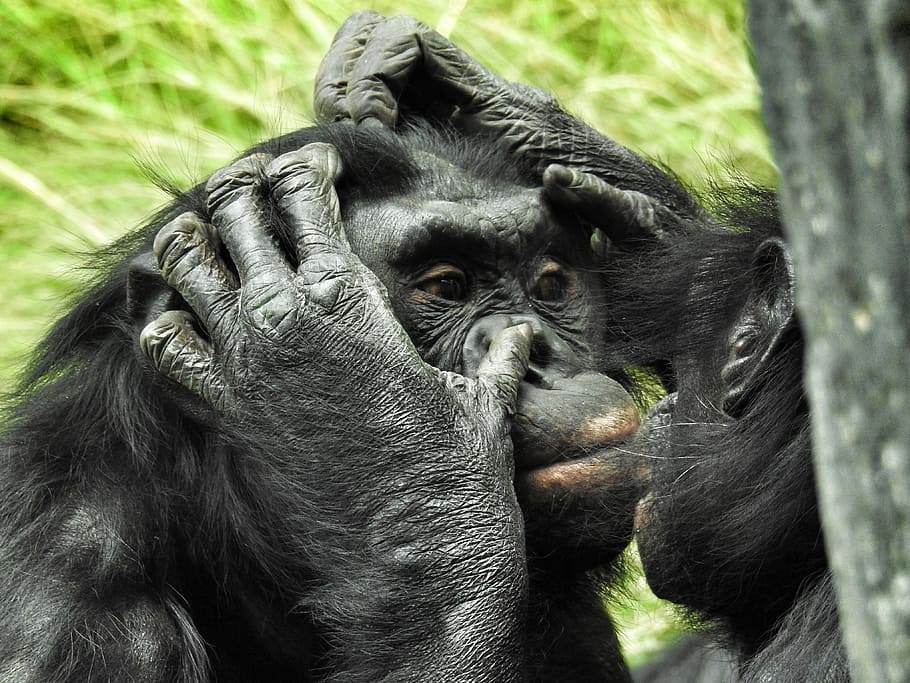
Most of us have experienced the overwhelming urge to yawn in response to another person yawning – but we’re not the only species to do this. Research published in PeerJ shows that bonobos – our closest evolutionary cousins – also experience “yawn contagion”. Similarly to how yawning occurs in human beings, the effects of yawn contagion in bonobos is influenced by the quality of relationships shared between individuals.
The tendency for humans to mirror the behaviours and emotions of another – sometimes referred to as “emotional contagion” – is also thought to reflect our heightened capacity for empathy. Help all non-human primates to survive extinction and be #Vegan #BoycottPalmOil #Boycott4Wildlife.
African Forest Elephant Loxodonta cyclotis
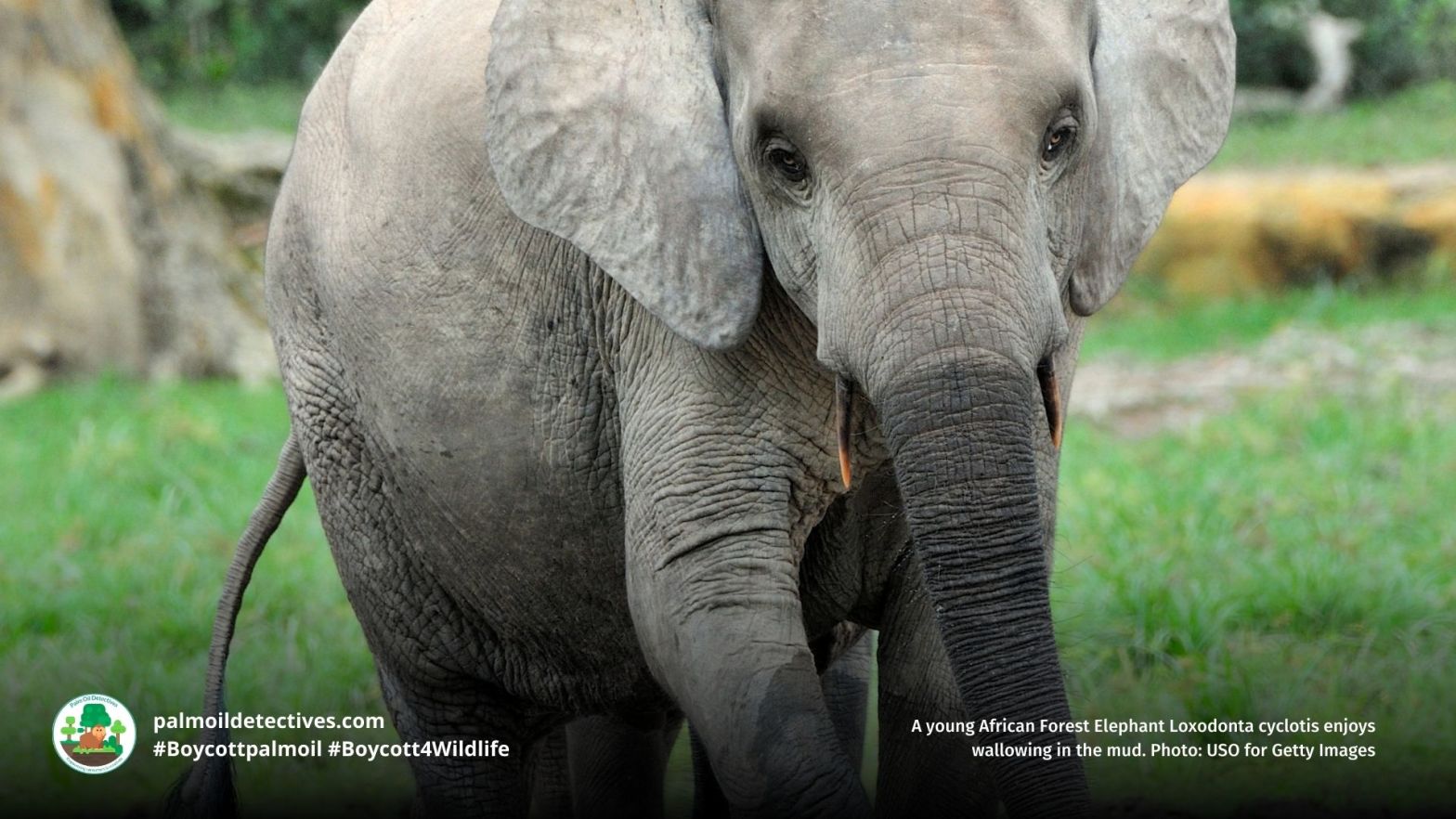
Protect African Forest Elephants! These critically endangered ecosystem engineers are vital for rainforest health but face extinction from poaching, ecocide
Temminck’s Pangolin Smutsia temminckii
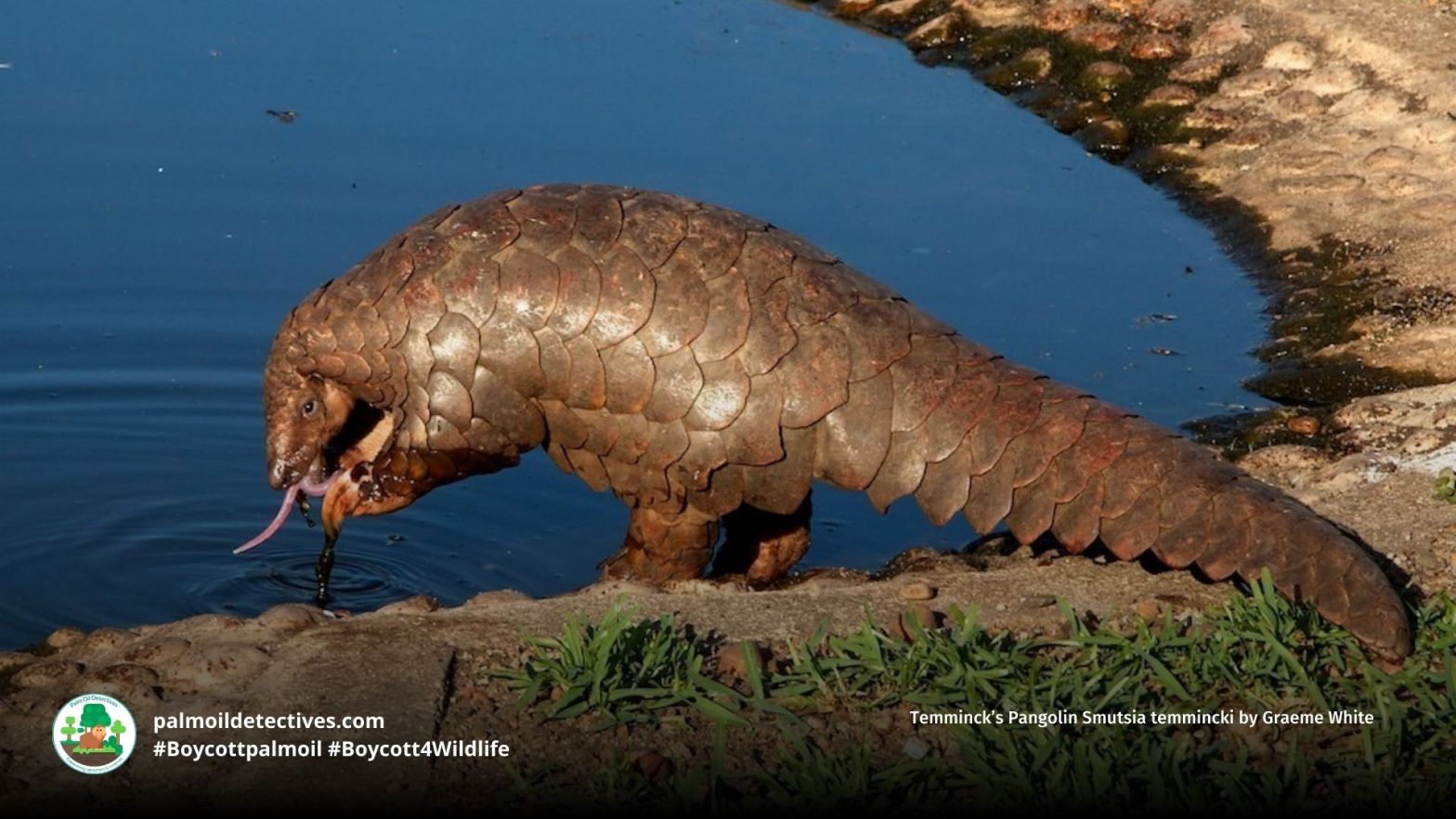
The Temminck’s pangolin Smutsia temminckii is remarkable mammal. They are the second largest of the pangolin species and are reported to weigh between 12.5kg and 21 kilograms. They’re famous for their armour-like keratinous scales and their unique ability to curl into a protective ball when threatened. These elusive creatures are found in the savannahs and woodlands of sub-Saharan Africa and are essential to their ecosystem, controlling insect populations. The word pangolin comes from the Malay word “pengguling” meaning something that rolls up. Owing to their secretive nature and low densities, little is known about the pangolin. The species is killed primarily for Chinese medicine, even though their keratin scales have no medicinal value. All pangolins face a grave threat from trafficking for their meat and scales. Tragically, they are one of the most illegally traded mammals in the world.
Despite their ecological and cultural importance, Temminck’s pangolins are increasingly threatened by habitat destruction and illegal wildlife trade. Habitat loss from palm oil, cocoa and coffee agricultural expansion and mining further compounds their decline. Protect these unique creatures by boycotting palm oil and supporting strong anti-trafficking initiatives. #BoycottPalmOil #Boycott4Wildlife
Western Lowland Gorilla Gorilla gorilla
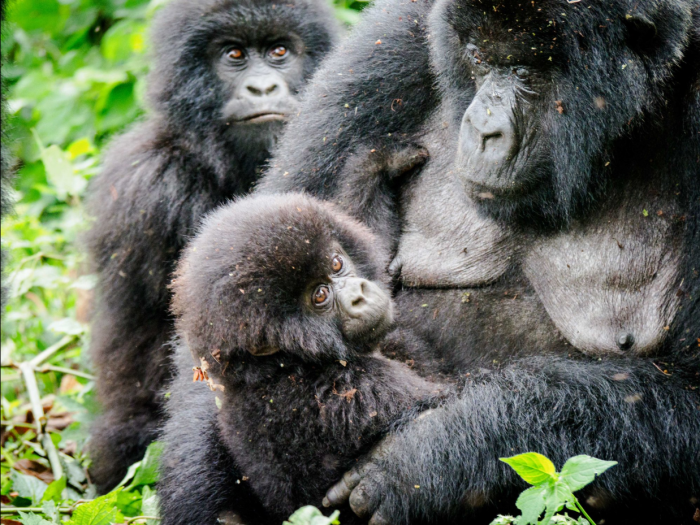
Mighty, intelligent and gentle Western Lowland Gorillas are well-loved apes, they are #critically endangered by #deforestation and habitat loss for #palmoil, cocoa and mining along with disease and illegal poaching in #Congo #Nigeria #Cameroon Help them to survive every time you shop! Join the #Boycott4Wildlife
Golden Monkey Cercopithecus mitis kandti
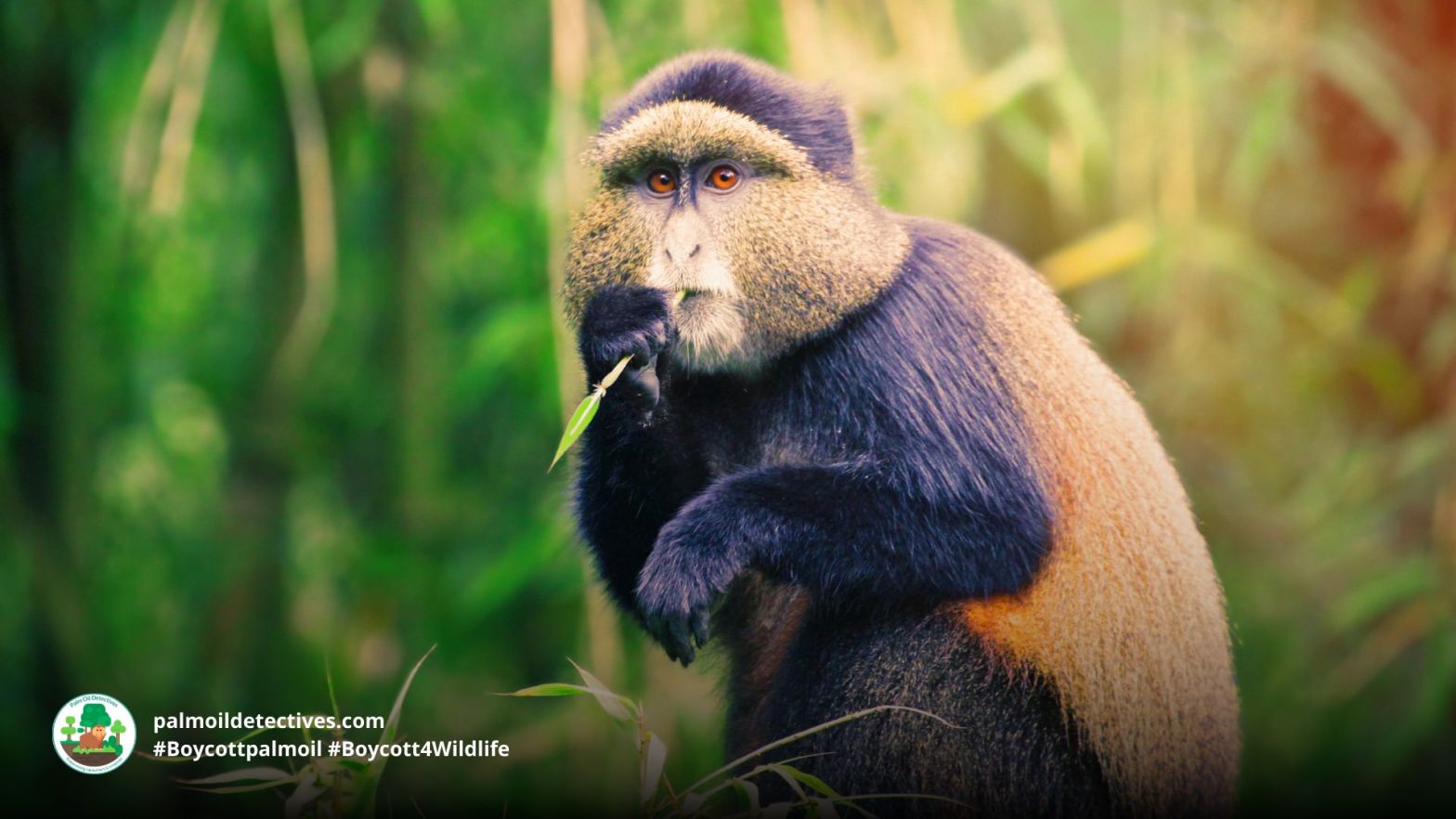
In the mist-laden bamboo forests of the Virunga massif, the golden monkey Cercopithecus mitis kandti darts through dappled sunlight and the tree canopy. This endangered primate is found only in the high-altitude forests of the Albertine Rift, nestled deeply in volcanic mountains. They are found in four national parks: Mgahinga, in south-west Uganda; Volcanoes, in north-west #Rwanda; and Virunga and Kahuzi-Biéga, in the eastern Democratic Republic of #Congo. Like many other animals in the region they are protected and yet human threats including #mining #hunting and #agriculture continue to come dangerously close. Help these sweet-faced and severely threatened #primates every time you shop #BoycottPalmOil #Boycott4Wildlife
We don’t know how many mountain gorillas live in the wild. Here’s why
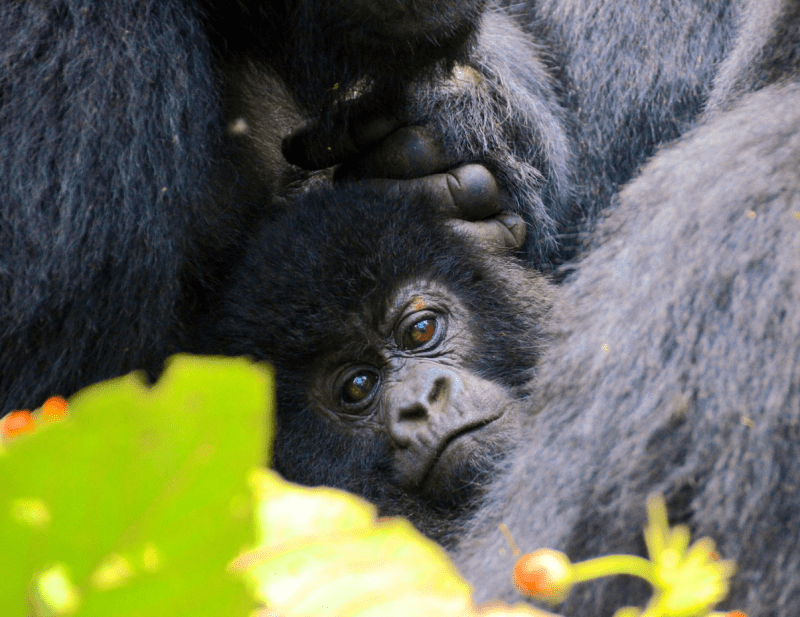
How important are the mountain #gorillas of Uganda’s Bwindi Impenetrable Forest National Park to global populations? Their importance to the health of the forest is immeasurable and irreplacable! Mountain gorillas are one of the two subspecies of eastern gorillas. They are divided into just two populations: one in the Virunga Massif that spans the borders of Uganda, Rwanda and the Democratic Republic of Congo (DRC) and one population that lives in the Bwindi Impenetrable National Park in Uganda and the adjacent Sarambwe Nature Reserve in DRC. Help them to survive, be #vegan and #BoycottPalmOil #Boycott4Wildlife
Golden-bellied Mangabey Cercocebus chrysogaster
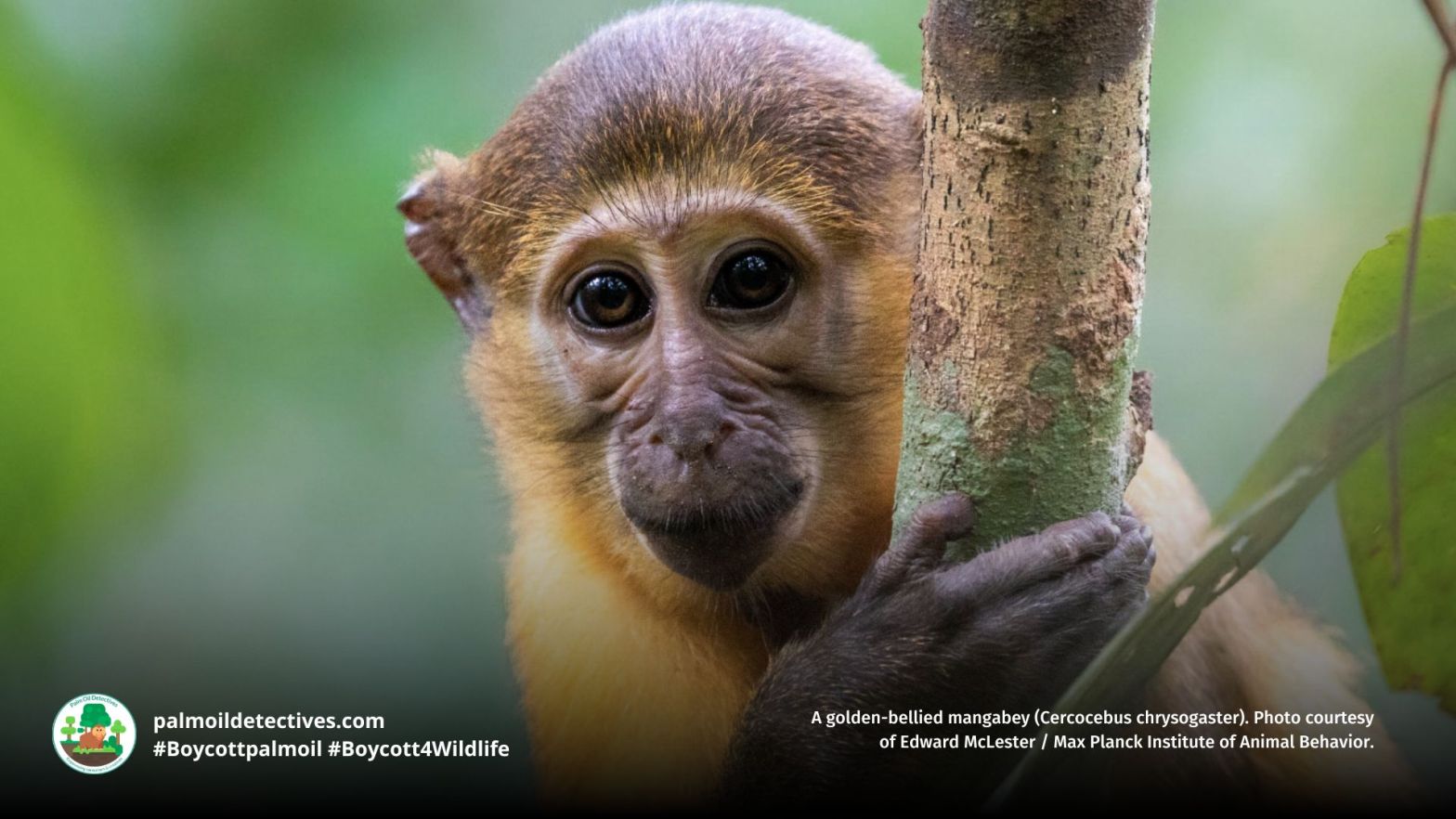
The golden-bellied mangabey (Cercocebus chrysogaster) is an intriguing and elusive monkey endemic to the Democratic Republic of Congo (DRC). Named for the vibrant golden hue of their undersides, these primates are known for their intelligence, complex social behaviours, and unique ecological role. Found in the remote tropical forests along the Congo River Basin, these monkeys remain poorly studied due to their limited range and secretive nature.
Tragically, the golden-bellied mangabey faces mounting threats from habitat destruction, driven by logging, mining, and agricultural expansion, including palm oil plantations. Their population continues to decline due to hunting and habitat fragmentation. Act now to protect their fragile habitat—boycott palm oil and stand against deforestation. #BoycottPalmOil #Boycott4Wildlife
African Greys: How politics killed the parrot
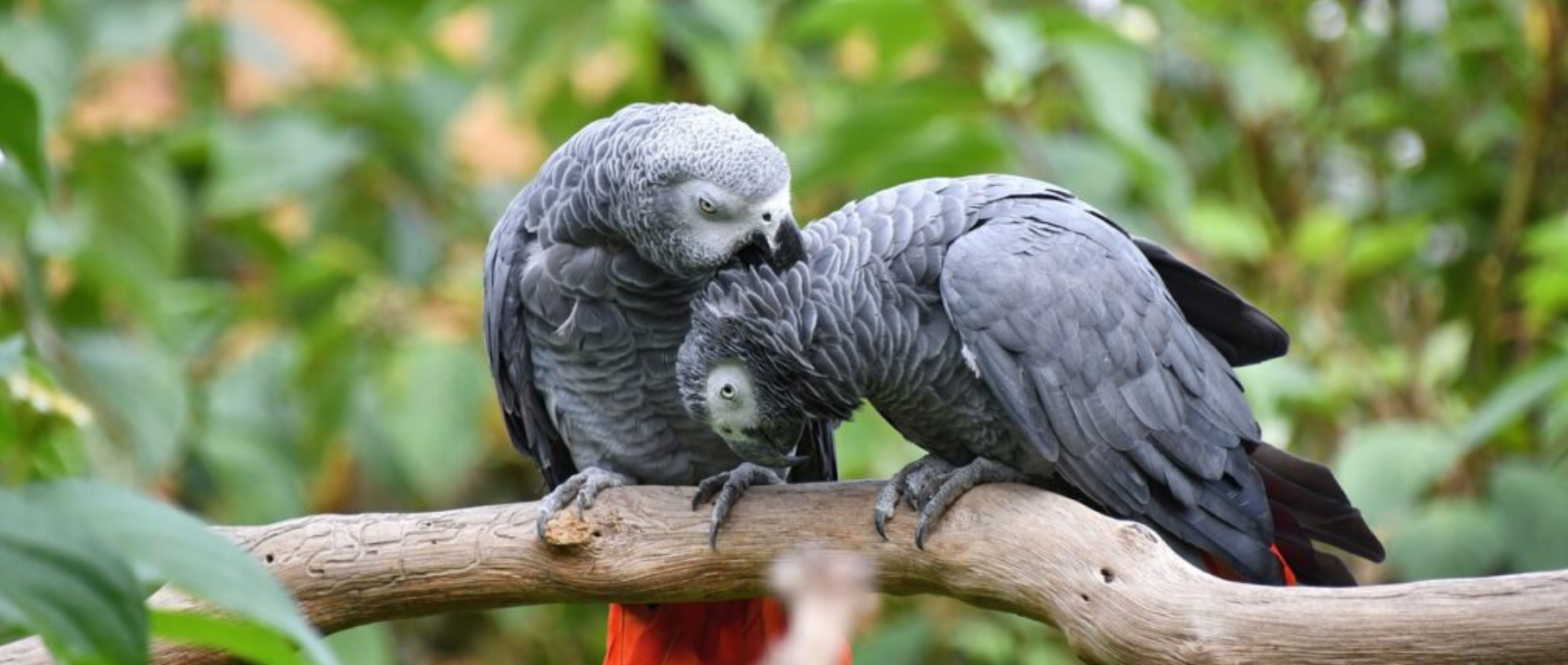
The African Grey Parrot of the Congo is an understated beauty sporting ash-grey plumage, which partially conceals the red flash of their short tails – not to be confused with the smaller and darker Timneh grey parrot. This species is found, as their name suggests, in the Democratic Republic of the Congo (DRC), along with Kenya, Tanzania and parts of Angola. Already globally threatened, any self-described bird lover must understand jus how the political environment in the DRC is threatening this gorgeous parrot. One of the most pervasive threats for these rare birds is poaching for the illegal pet trade, which, in the past 40 years alone, has resulted in almost three million birds being snatched from their homes. That’s three million birds who will never reproduce in the wild and ensure continuity of this species. Help these birds every time you shop and be #Vegan, #BoycottPalmOil #Boycott4Wildlife.
Eastern Gorilla Gorilla beringei
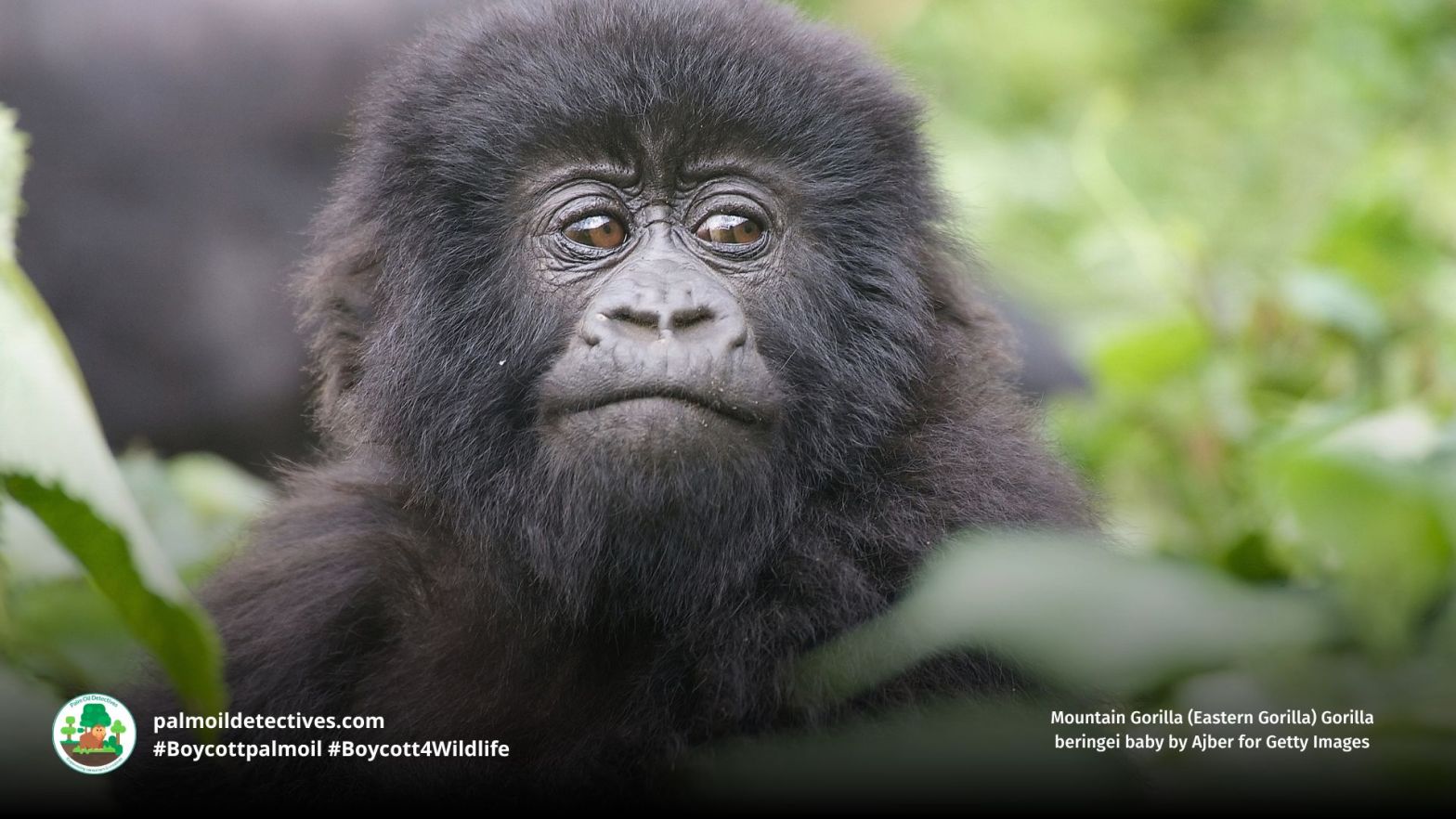
Eastern Gorillas, the world’s largest primates are Critically Endangered in DRC, Rwanda, and Uganda. Help them survive be vegan and boycott palm oil now
 Palm Oil Detectives