

The Mountain #Cuscus are fascinating and shy creatures who live in Papua New Guinea and #WestPapua. Thick, dark, woolly fur covers most of their bodies, while their bellies are white. The Mountain Cuscus has a black tail with a rough, white tip. Their skulls are medium-sized, with a short snout, large back teeth, and three small teeth on each side of their lower jaws. It’s important to note that the Mountain Cuscus can sometimes be confused with the Silky Cuscus, which has a smooth tail without rough patches, a shorter or absent white tail tip, and fewer teeth in their lower jaw. They are threatened by massive #palmoil and #timber deforestation across West Papua and Papua New Guinea, help them every time you shop and #Boycottpalmoil #Boycott4Wildlife
Tag Archives: cuscus
Protected: Private Advocate’s Page
There is no excerpt because this is a protected post.
Waigeo Cuscus Spilocuscus papuensis
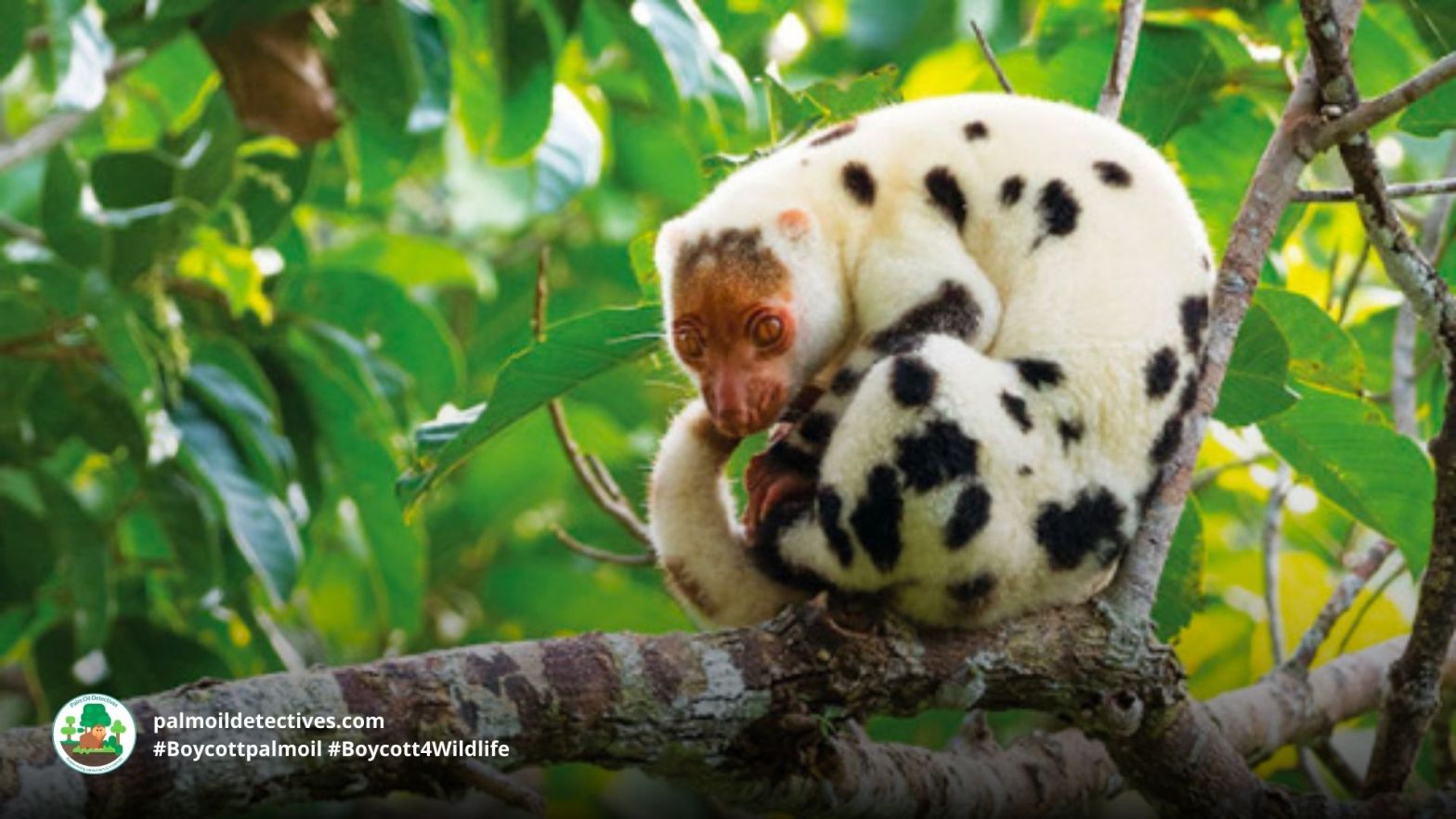
Cryptic and solitary marsupials, Waigeo Cuscuses cling to tree canopies on a Waigeo Island, West Papua. They are classified as vulnerable on IUCN Red List due to palm oil deforestation and mining on the tiny island where they live. Help them each time you shop and be #vegan, #Boycottpalmoil and #Boycott4Wildlife
Woodlark Cuscus Phalanger lullulae
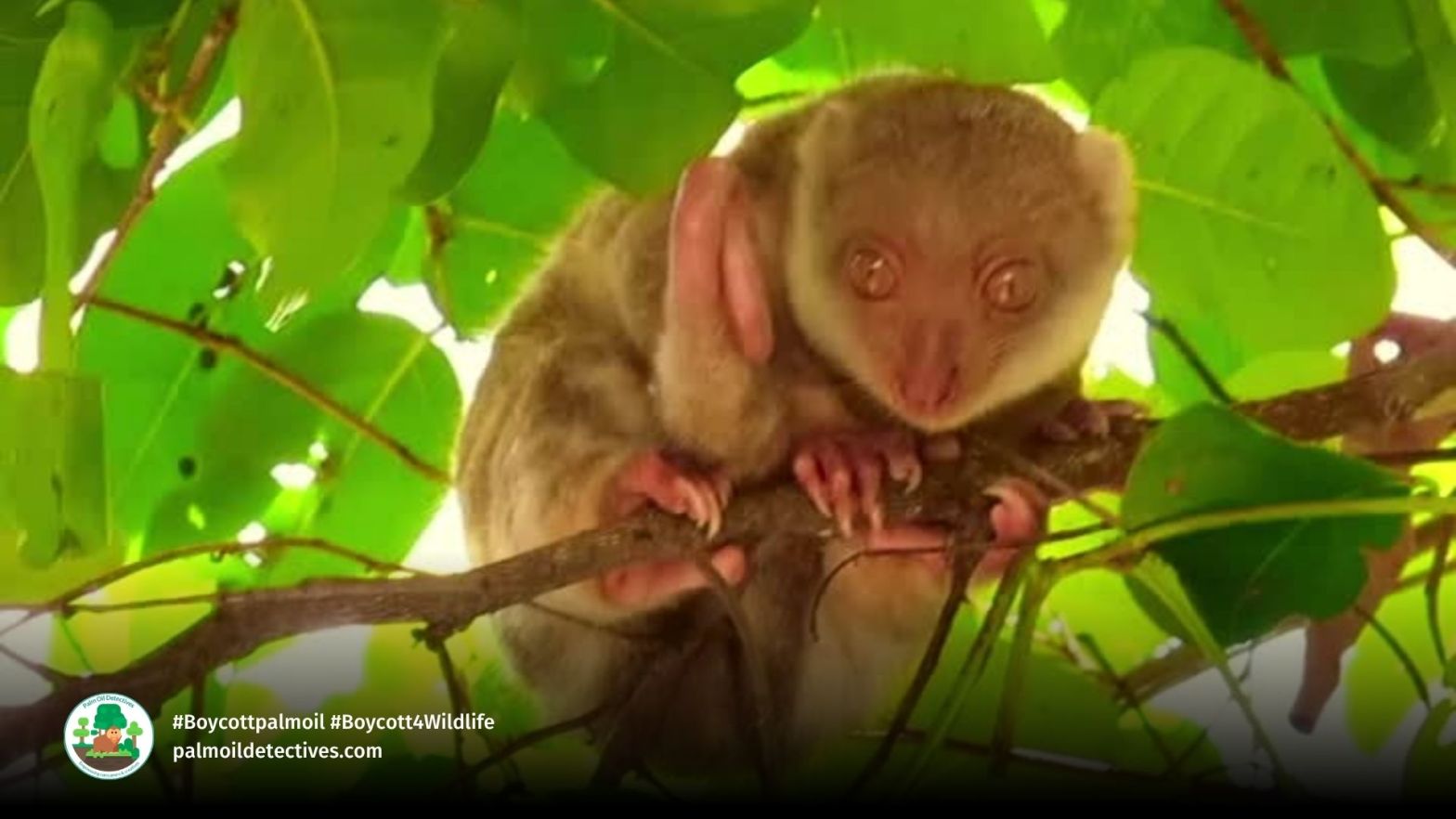
The Woodlark #Cuscus is a nocturnal marsupial found nowhere else but the forests of Woodlark, Madau, and Alcester islands. By day, the Woodlark Cuscus curls into tree hollows or buries themselves in tangles of epiphytes; by night, they move silently through the canopy, their marbled fur blending with the shifting shadows. The Woodlark Cuscus faces imminent extinction as palm oil plantations, logging, and gold mining threaten to erase the last forests of their island home. With all individual cuscuses known from less than 1,300 km² and new clearances looming, the Woodlark Cuscus’s world is shrinking fast. Stand with indigenous Melanesian sovereignty and safeguard these islands. Use your wallet as a weapon and #BoycottPalmOil #Boycott4Wildlife.
Bear Cuscus Ailurops ursinus
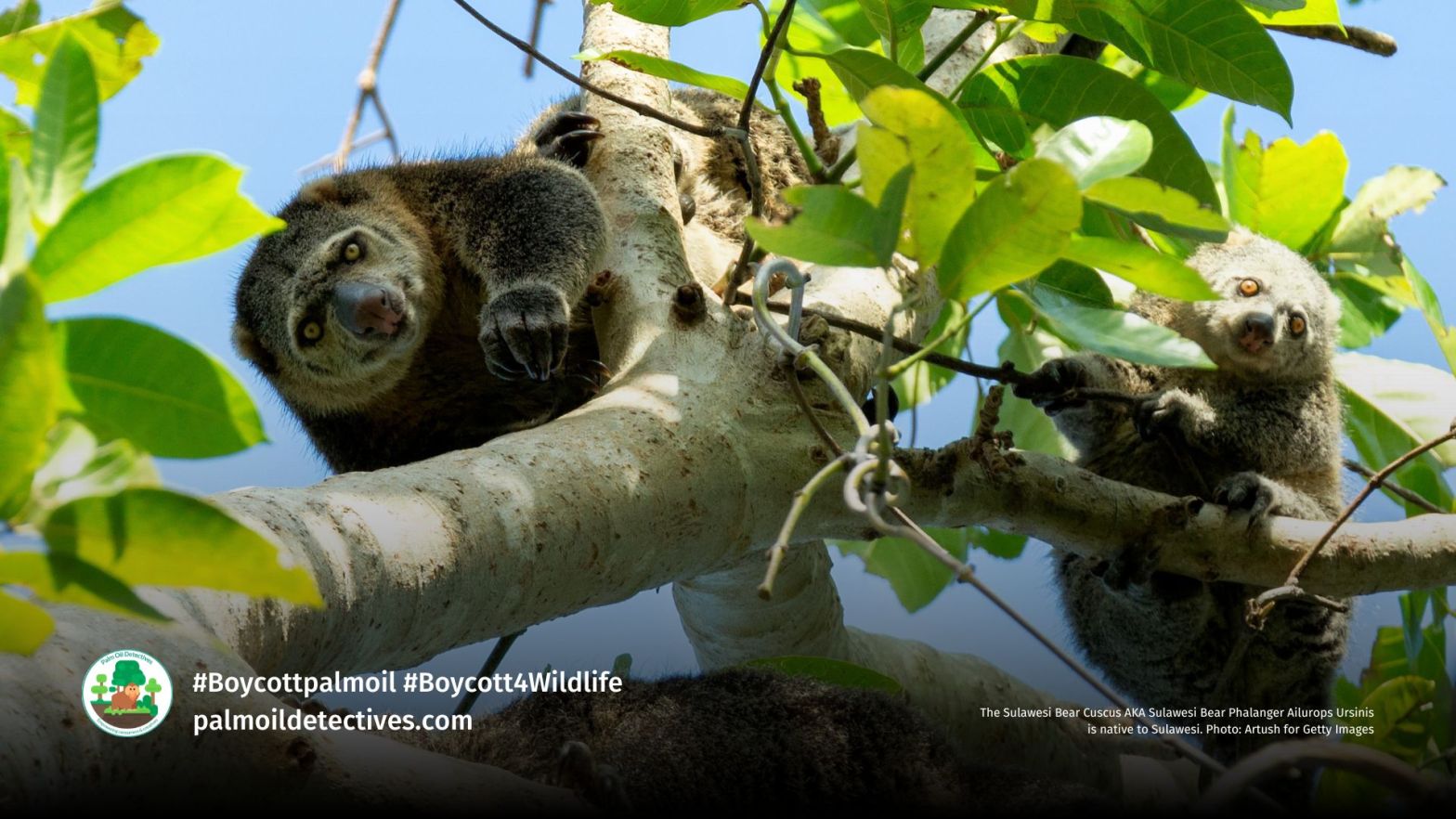
The Bear Cuscus also known as the Sulawesi bear cuscus is an unusual and charming marsupial, named for their thick, dark, bear-like fur. Found only on the island of Sulawesi and nearby islands, this slow-moving, arboreal creature spends much of their day resting in the tropical rainforests of Indonesia. The Sulawesi bear cuscus uses their elongated claws and prehensile tail to navigate the canopy, feeding on a diet of leaves, flowers, and unripe fruit. Sadly, palm oil deforestation and hunting pose serious threats to this species, resulting in a significant decline in their population. Protecting the Sulawesi bear cuscus is essential to preserving the biodiversity of Indonesia’s rainforests. Say no to palm oil and industrial agriculture every time you shop, and use the hashtags #BoycottPalmOil and #Boycott4Wildlife on social media to vocally oppose the greenwashing of “sustainable” palm oil.
Talaud Bear Cuscus Ailurops melanotis
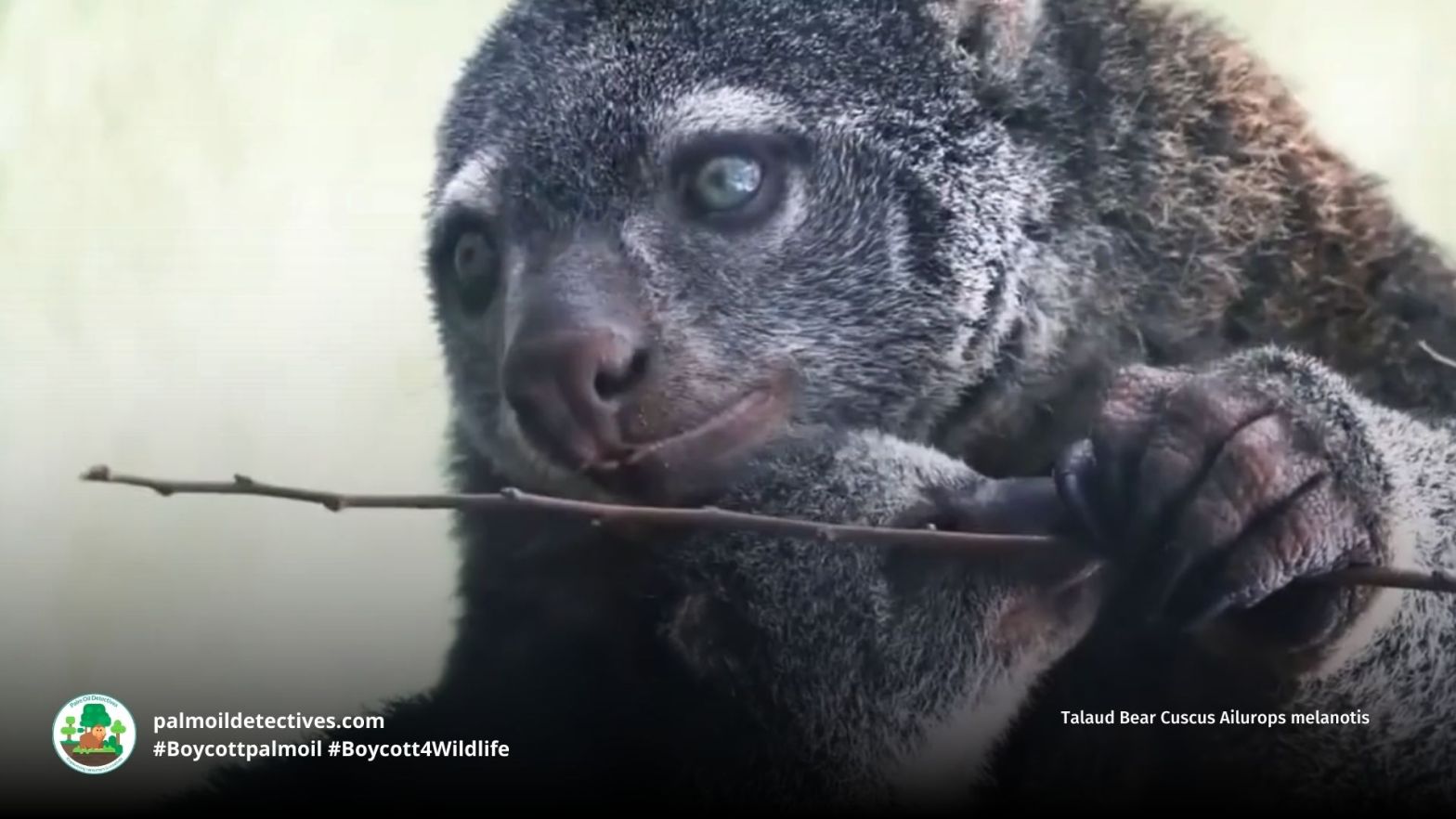
High in the canopies of #Indonesia’s remote northern islands of Salibabu, Nusa, Bukide, and Sangihe, the Talaud Bear #Cuscus Ailurops melanotis moves at a pace so slow they barely disturbs the leaves. With their round, woolly bodies, sleepy expressions, and a temperament as relaxed as a sloth, these tree-dwelling marsupials have long been a mystery to science. Relentless #hunting for #bushmeat along with #palmoil and #timber #deforestation have rendered these gentle marsupials #criticallyendangered and they are nearing #extinction. Conservationists are working alongside local communities to change perceptions of the species, replacing hunting traditions with protection efforts. You can take action every time you shop and shop #PalmOilFree #BoycottPalmOil #Boycott4Wildlife.
Blue-eyed Spotted Cuscus Spilocuscus wilsoni
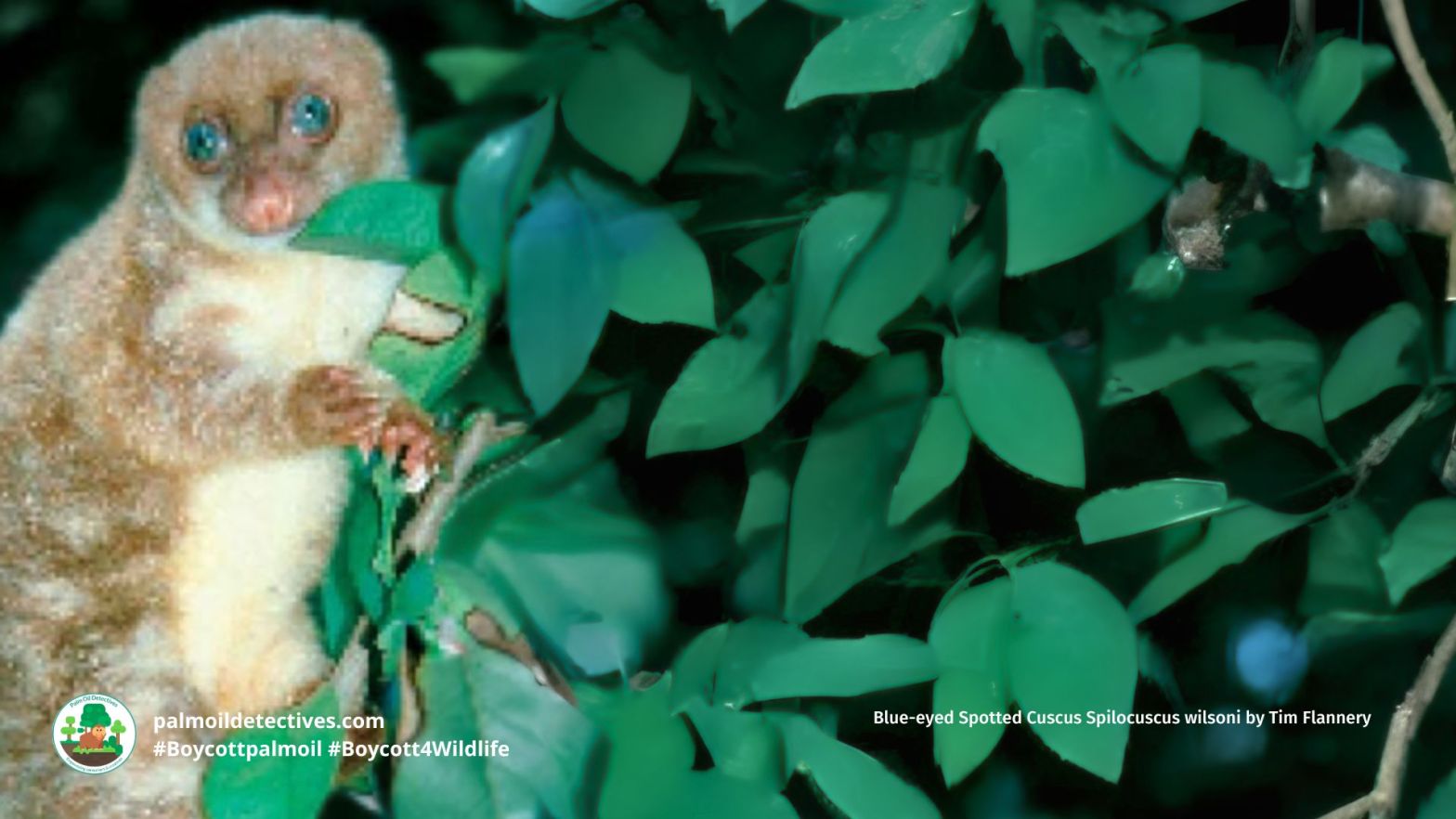
Critically Endangered Blue-eyed Spotted Cuscus lives in lowland rainforests of West Papua. Palm oil deforestation is a serious threat. Boycott palm oil!
Telefomin Cuscus Phalanger matanim
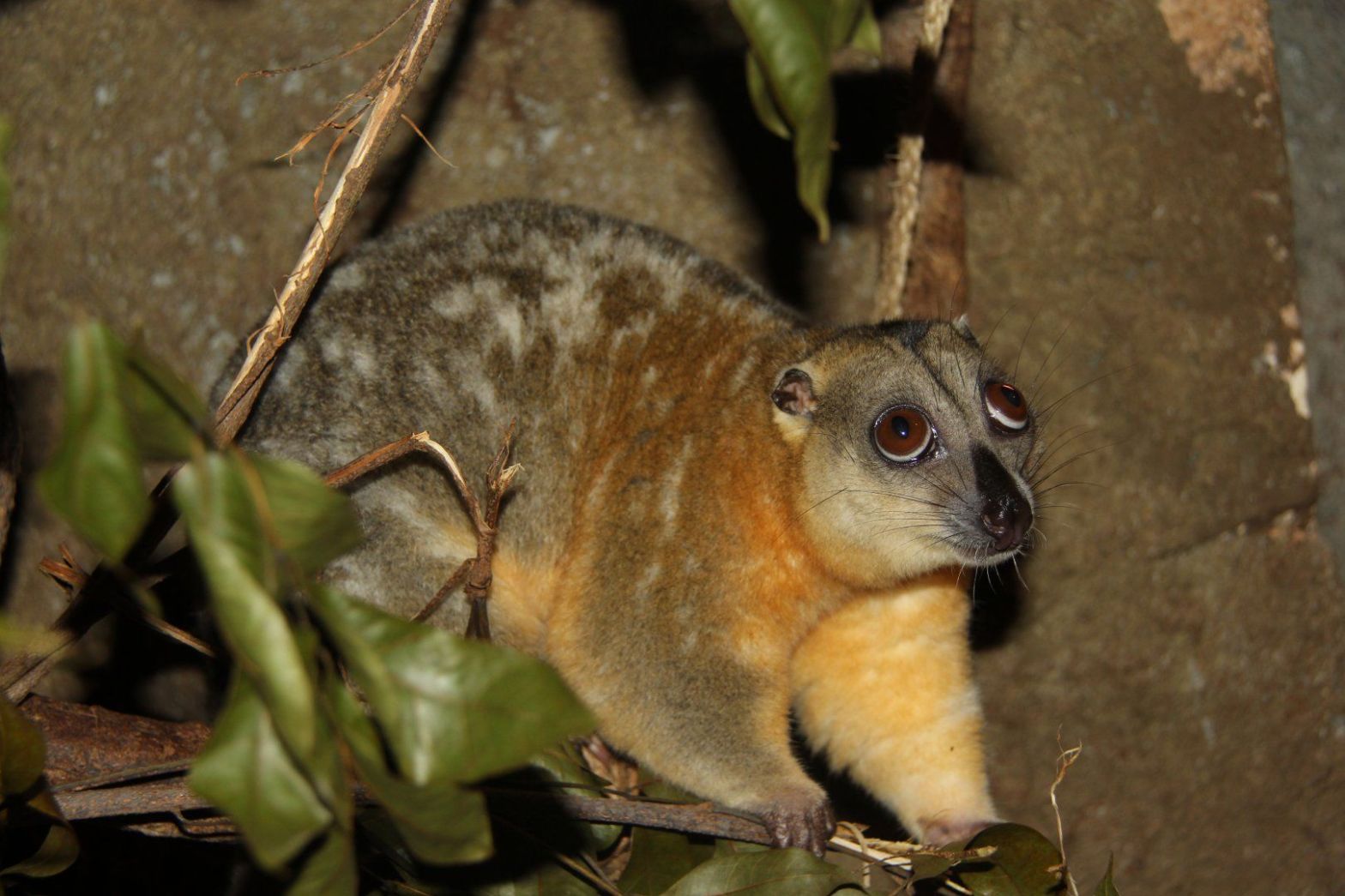
Help save the Telefomin Cuscus! These critically endangered marsupials are found only in PNG’s Nong River Valley and face an uncertain future from palm oil!
Black-spotted Cuscus Spilocuscus rufoniger
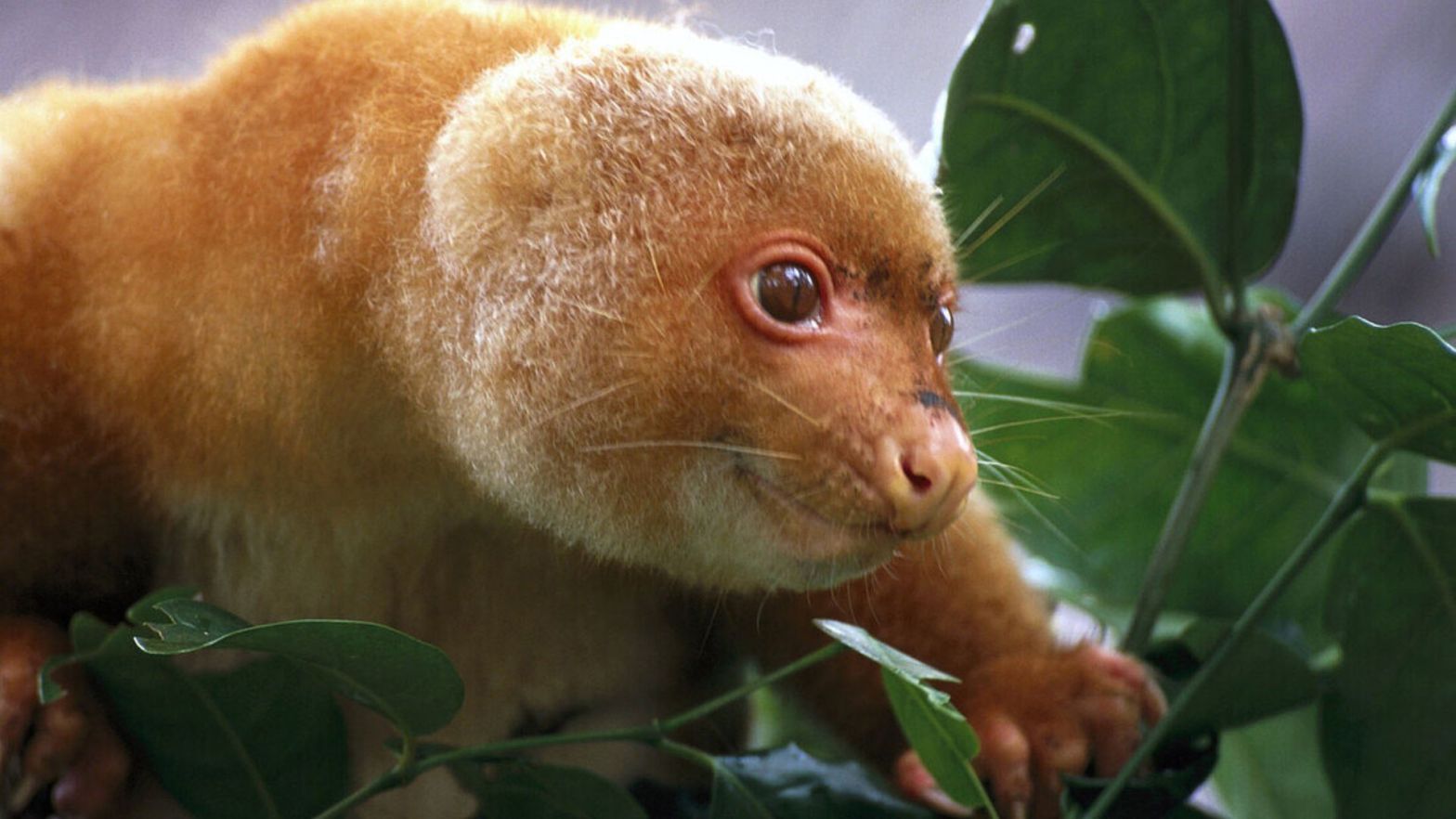
The black-spotted cuscus Spilocuscus rufoniger is one of the most striking and rare marsupials in the world. Known for their soft fur with irregular black spots on a reddish or cream background, they exemplify the biodiversity of West Papua and Papua New Guinea’s rainforests. Endemic to the island, they are incredibly elusive, primarily inhabiting dense forests.
Sadly, this arboreal species is on the brink of extinction, primarily due to habitat loss from logging and palm oil plantations. Additionally, they are hunted for bushmeat and their striking pelts, which are valued in local traditions. With their population in severe decline, urgent action is needed to save this remarkable species from disappearing. Fight for their survival and #BoycottPalmOil #Boycott4Wildlife.
 Palm Oil Detectives