
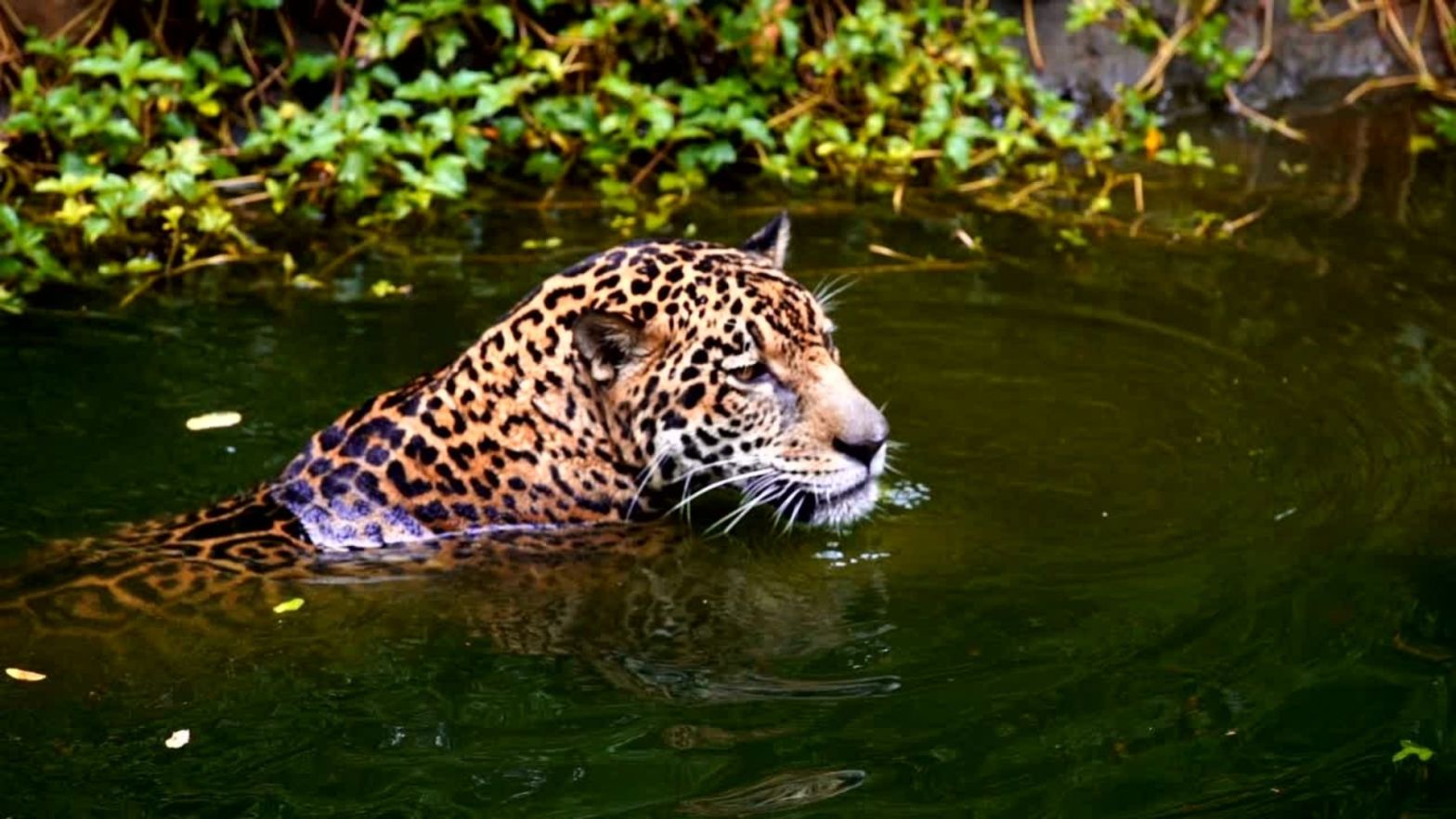
Forest loss for hydroelectric dams is a real threat to big cats contributing to climate change in South America and Asia. Help them survive and take action!
Tag Archives: hydroelectric
Sunda Flying Lemur Galeopterus variegatus
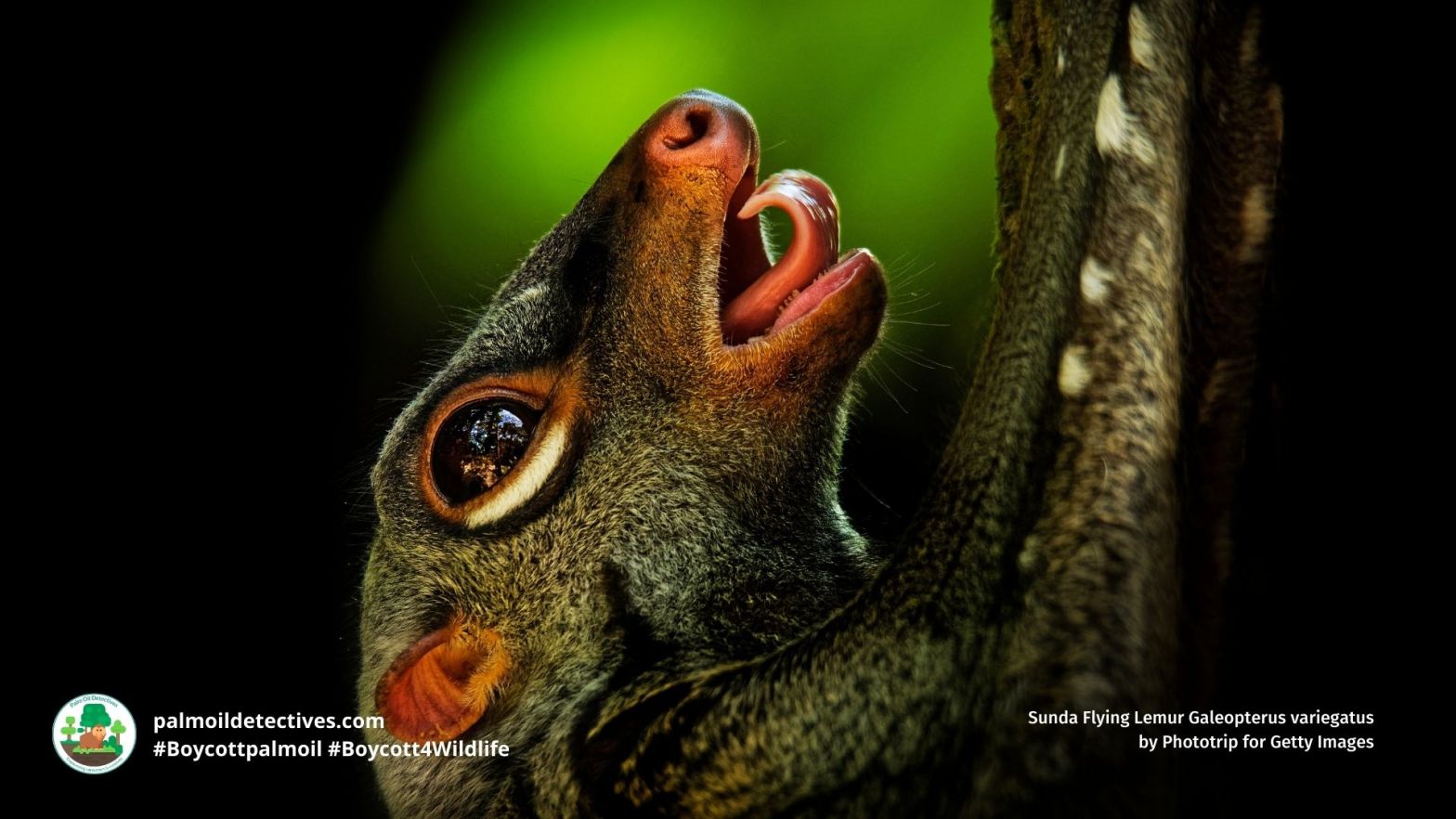
Sunda flying lemurs AKA Malayan colugos rely on ancient forests to survive, despite being skilful gliders, palm oil is a major threat, boycott palm oil!
Tucuxi Sotalia fluviatilis

Tucuxi, small freshwater dolphins of Peru Ecuador Colombia and Brazil are Endangered due to fishing nets, deforestation, mercury poisoning from gold mining.
Grey Crowned Crane Balearica regulorum

Endangered Grey Crowned Cranes are a regal and graceful bird of Uganda, Tanzania, DRC, and Namibia. Help them to survive and join the boycott4wildlife
An Action Plan for Amazon Droughts: The Time is Now!
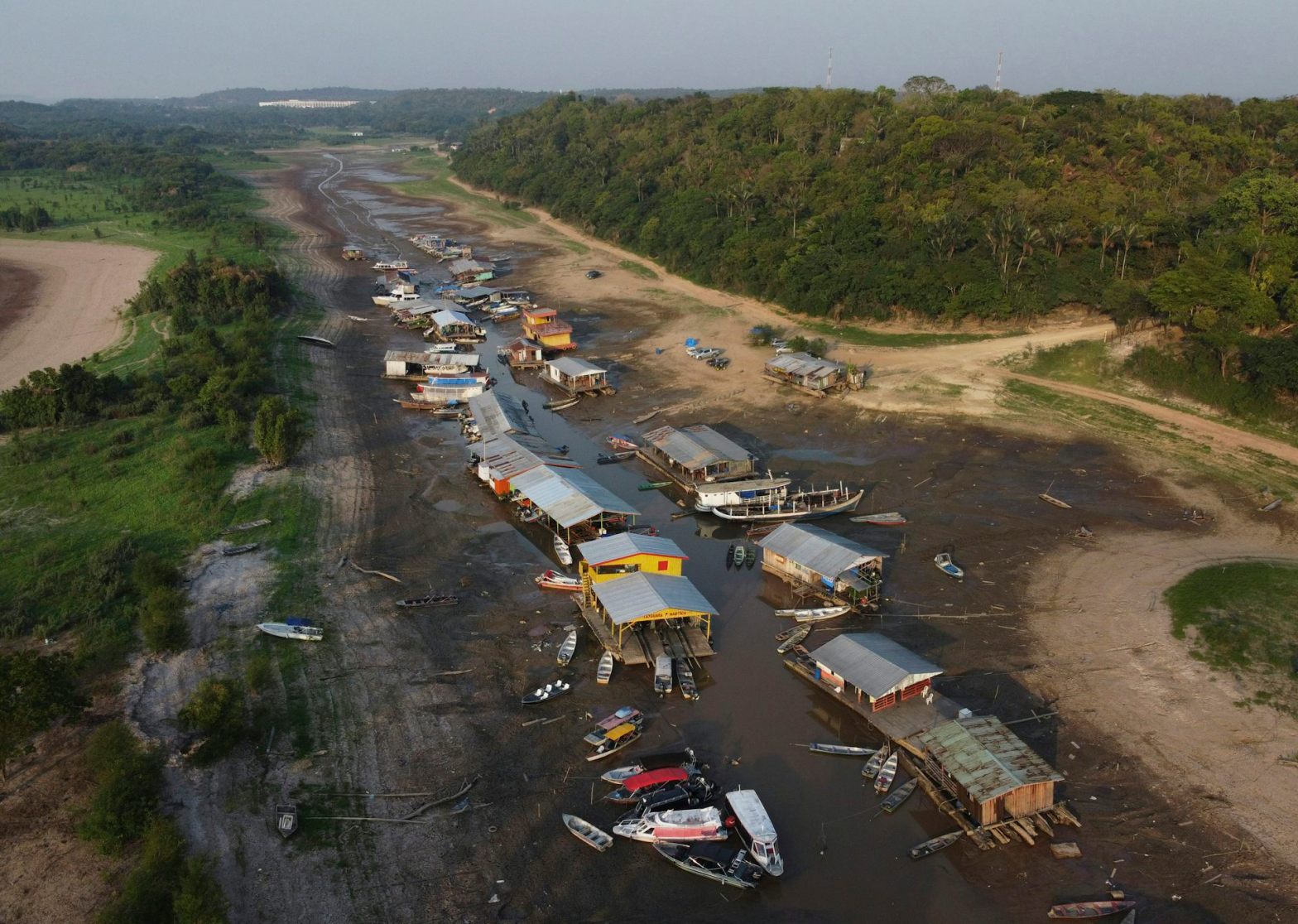
The fertile lungs of our planet, the Amazon jungle faces severe drought due to El Niño, climate change, and deforestation for agriculture like palm oil, soy and meat. This along with gold mining, affects biodiversity and local indigenous communities. To combat this crisis, stronger measures against deforestation and illegal mining are essential. Global and local leaders must act now to protect the Amazon. #BoycottPalmOil #BoycottGold4Yanomami #Boycott4Wildlife.
Protected: Private Advocate’s Page
There is no excerpt because this is a protected post.
Marsh Deer Blastocerus dichotomus
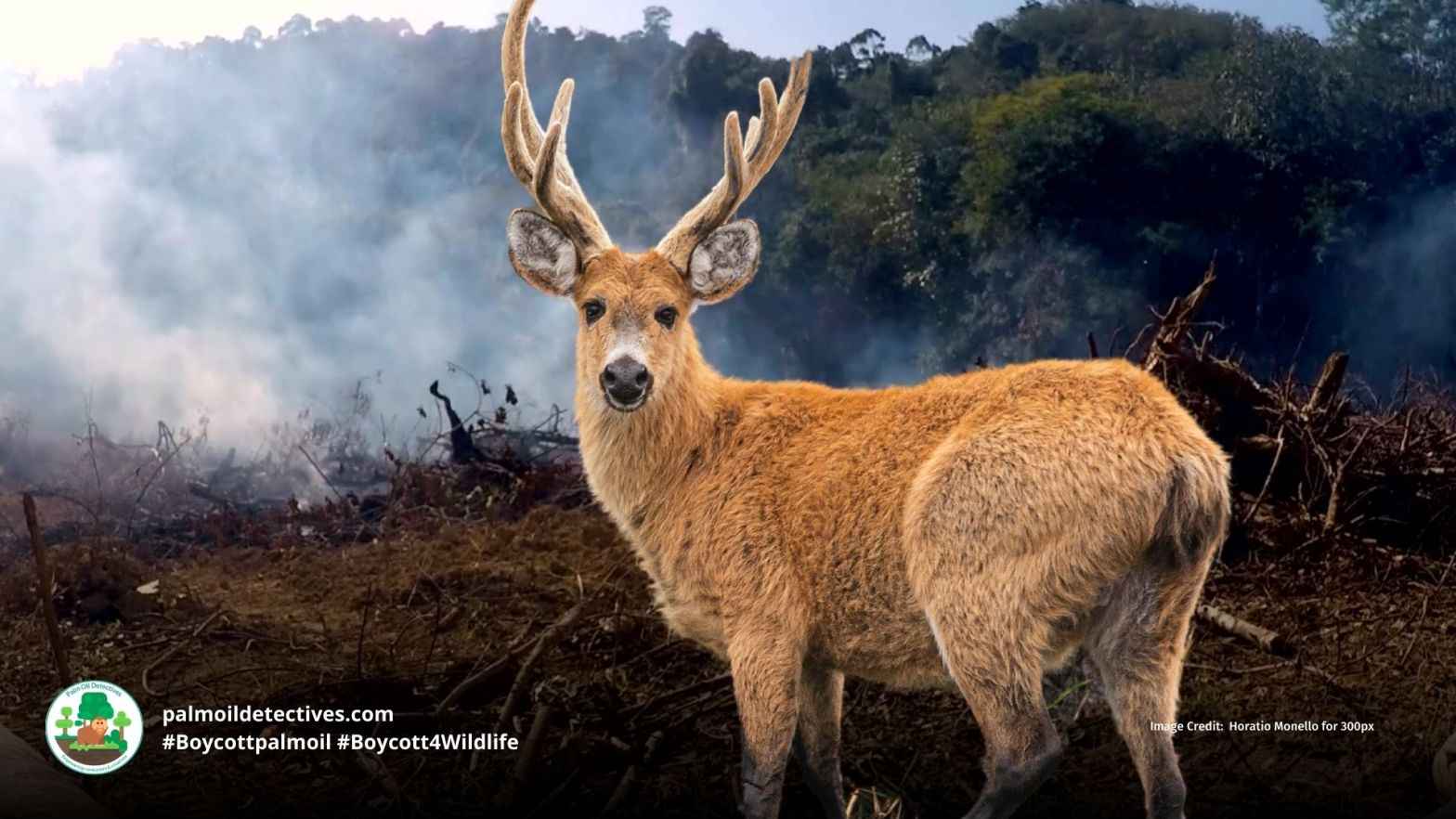
The Marsh deer are South America’s largest deer species, uniquely adapted to wetland life with their web-like hooves and preference for aquatic plants. They are prey animals for jaguars and pumas.
These majestic creatures, once widespread, are now confined to isolated pockets. Their main threat is habitat loss and fragmentation due to palm oil, soy and meat deforestation along with hydroelectric dams and gold mining.
Even as researchers strive to understand their complex and obscure social and mating behaviours, time is running out for these unique creatures. Use your wallet as a weapon and protect the Marsh deer #BoycottPalmOil #BoycottGold4Yanomami #Boycott4Wildlife.
Colombian Red Howler Monkey Alouatta seniculus
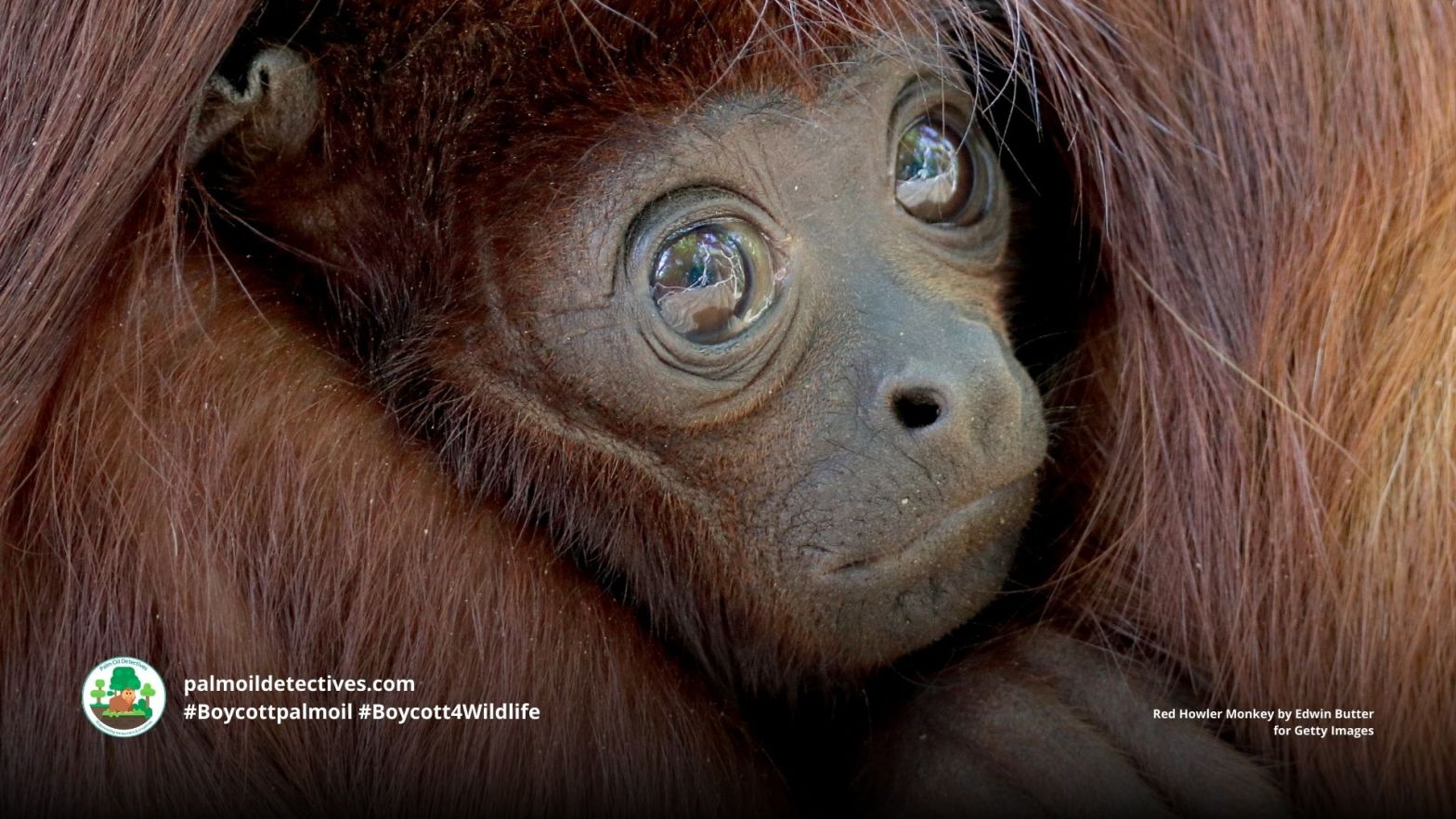
Red howlers are the largest of the howler monkey species. They have dense and vividly coloured fur that ranges from brown to dark red, with gold or bright orange undersides – the colour can vary based on their age and habitat. Their bare, dark faces contrast with the surrounding fur. They have stunning and characterful faces with stubby noses, wide jaws, and thick beards. These beautiful #monkeys face multiple threats including palm oil, soy and meat deforestation, the construction of #hydroelectric dams, #hunting and human persecution. Help them to survive each time you shop, #BoycottGold #Boycottpalmoil #Boycott4Wildlife
Amazon River Dolphin Inia geoffrensis
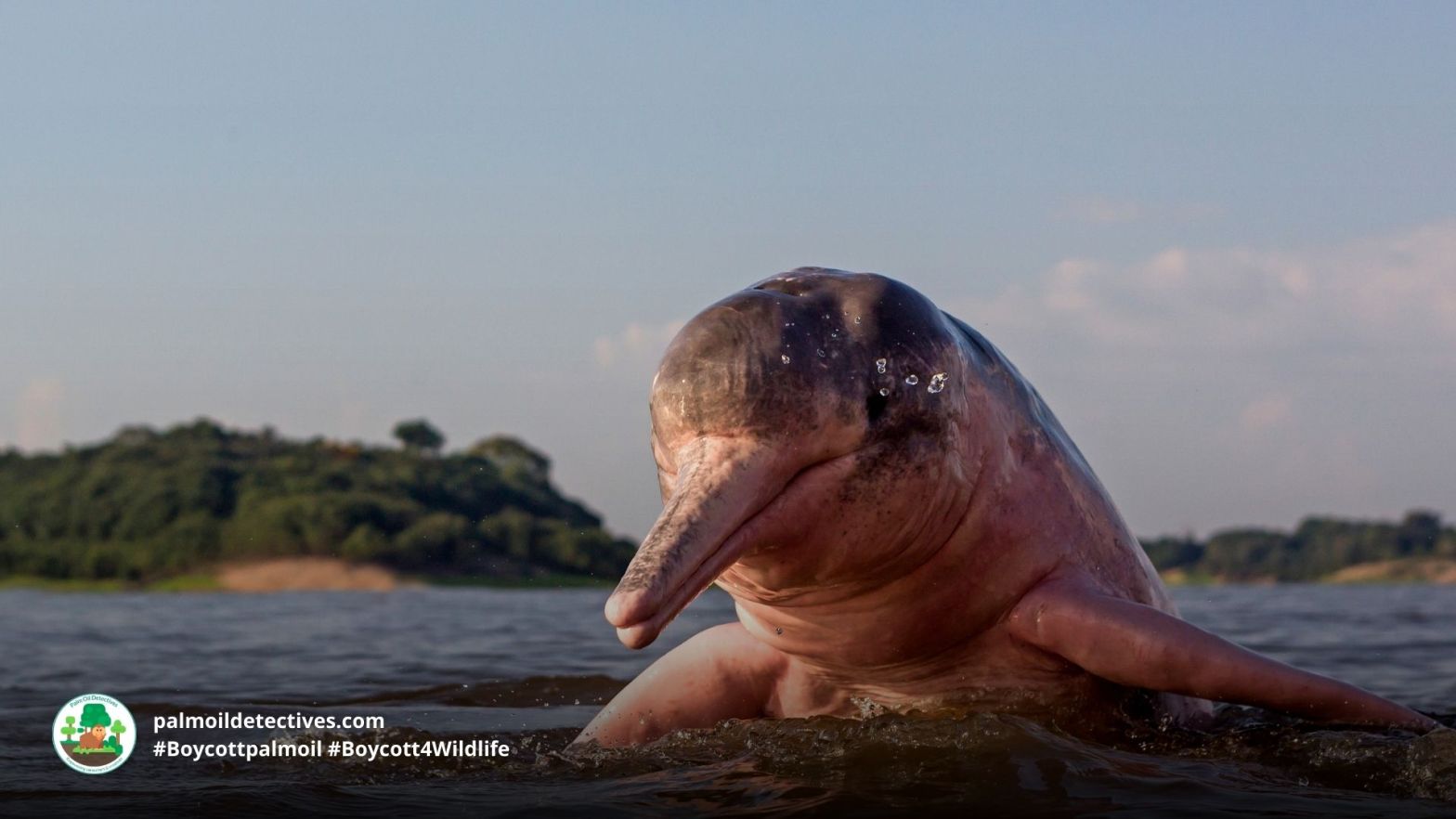
The Amazon River dolphins, also known as the Boto Dolphins or Amazon Pink River Dolphins are playful, curious and intelligent mammals, the largest river dolphin species in the world. Known for their stunning pink coloured skin they are endangered due to human-related threats like #palmoil, #meat and #soy #deforestation, #gold #mining and #pollution. Help them survive each time you shop and use your wallet as a weapon. Be #vegan, #Boycottpalmoil and #Boycott4Wildlife
Kaapori Capuchin Cebus kaapori
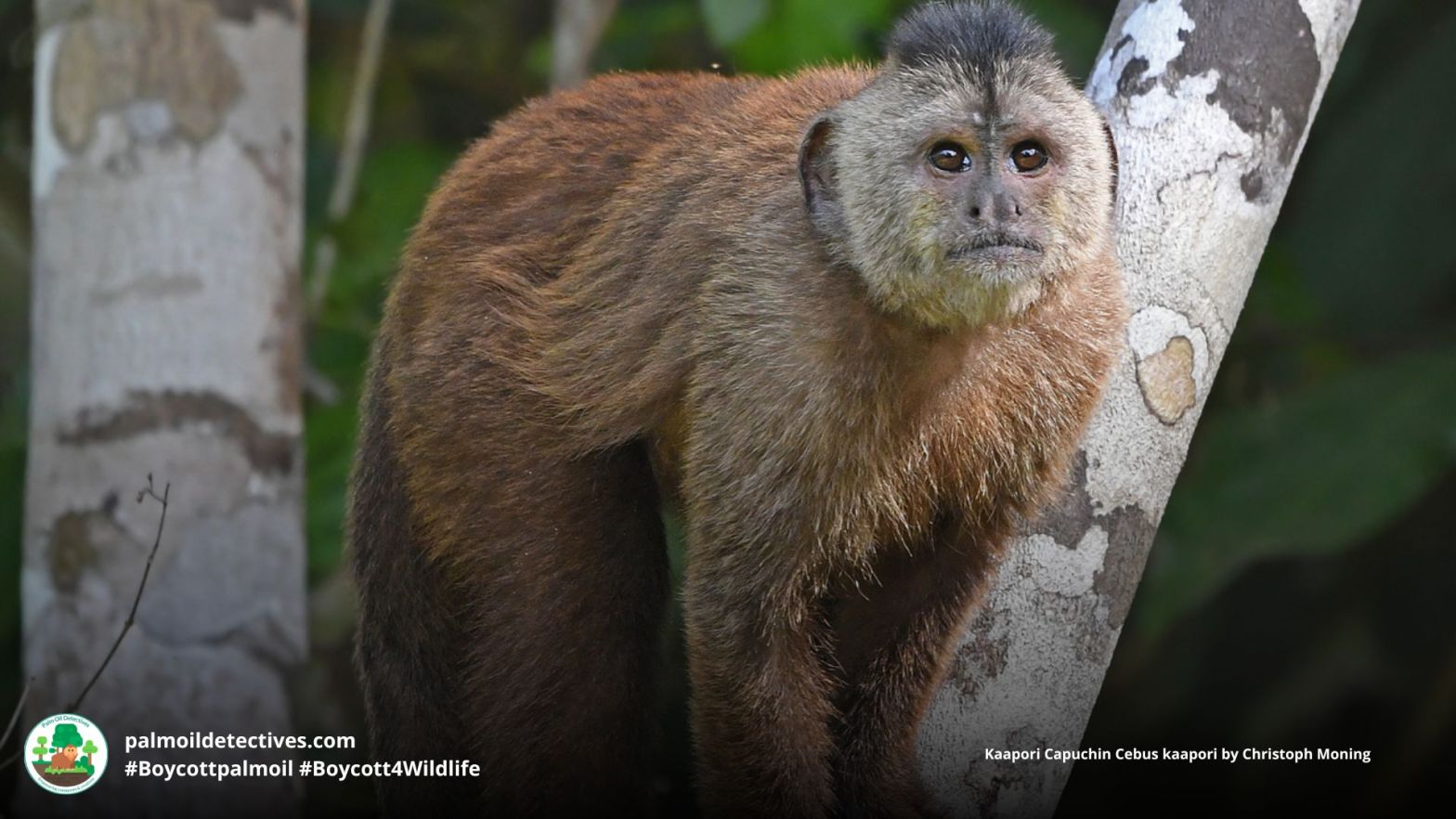
The Kaapori capuchin is a delightful, tenacious and intelligent small monkey species of #Brazil on a knife-edge of survival – they are critically endangered. In 2017 their population had been decimated by 80% due to deforestation for agriculture including soy, cattle grazing and palm oil. They are forgotten animals with no formal protections in place. Fight for them every time you shop and be #vegan #Boycottpalmoil #Boycott4Wildlife
Black Bearded Saki Chiropotes satanas
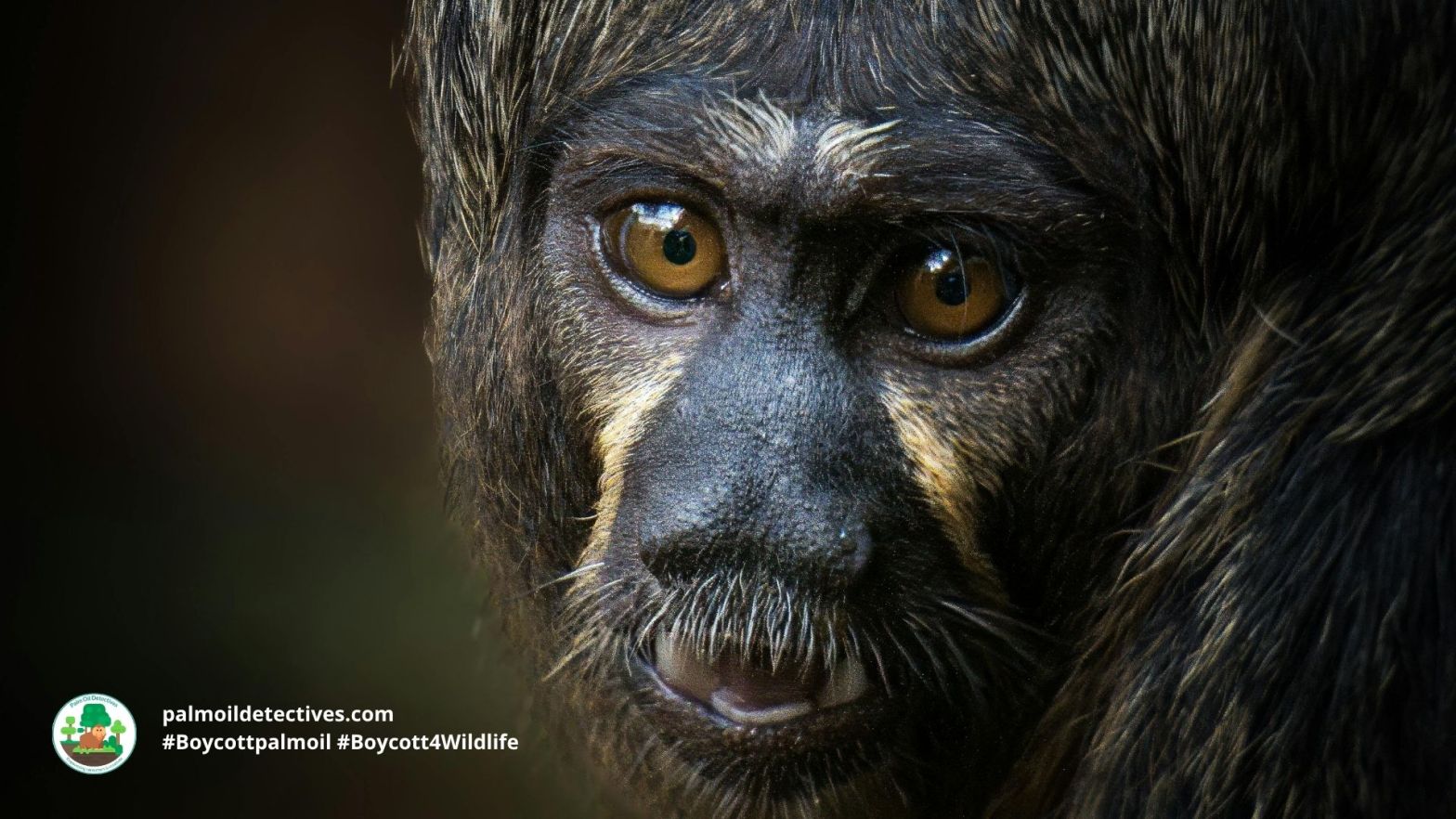
Beneath the towering canopy of the Amazon’s north-eastern forests, the black bearded saki moves with quiet purpose, their distinctive shaggy beard and robust body a testament to their resilience in a world under siege. The air is thick with the scent of damp earth and the distant calls of unseen creatures, but the forest is changing—#roads, #dams, and #agriculture are carving scars across the landscape, fragmenting the saki’s ancestral home. The black bearded saki’s survival is threatened by relentless deforestation and hunting, their fate bound to the fate of the forest—fight for their survival every time you shop #BoycottPalmOil #Boycott4Wildlife.
Tana River Mangabey Cercocebus galeritus
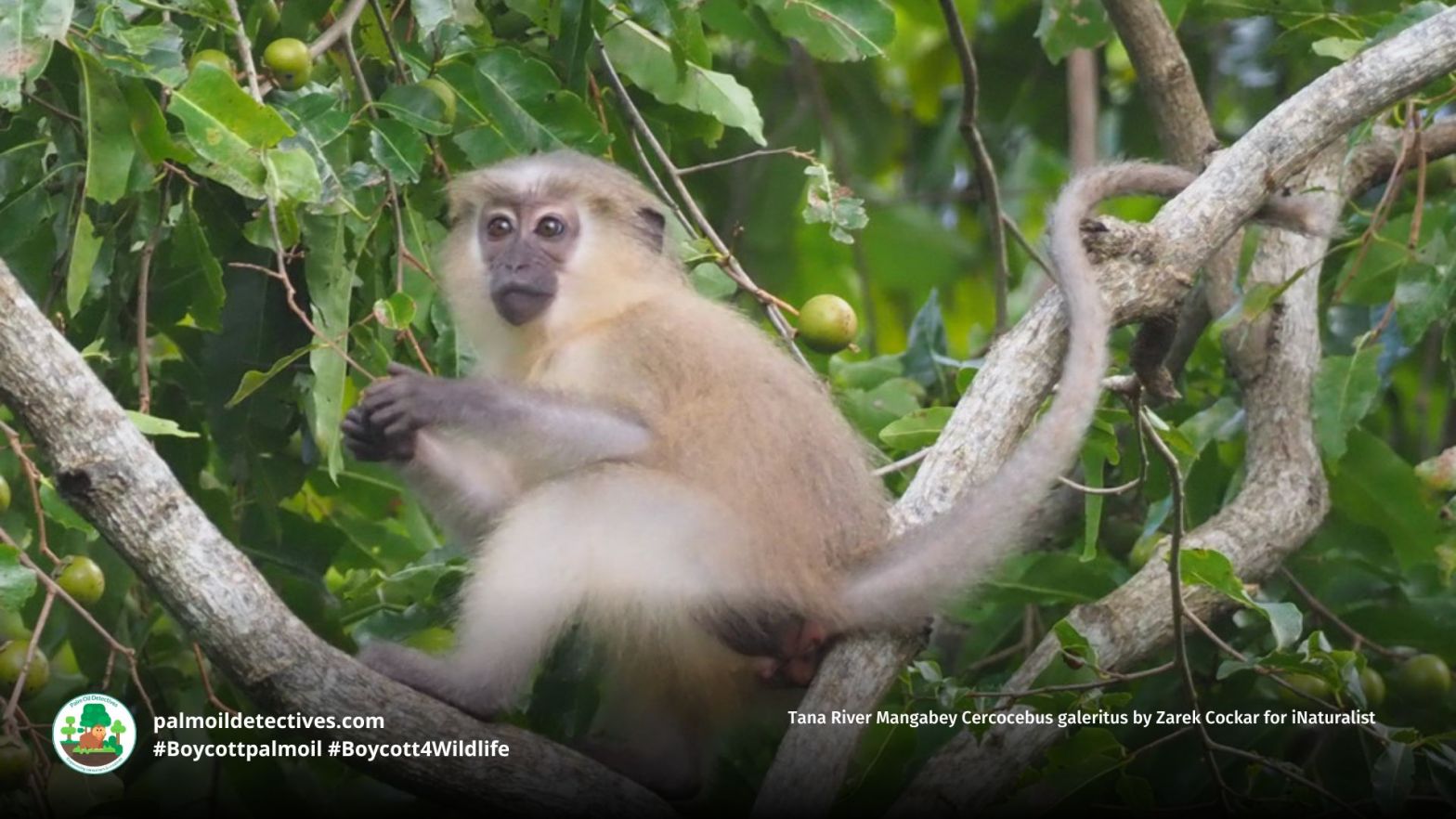
The Tana River Mangabey Cercocebus galeritus is a long-faced and slender old world monkey of #Kenya listed as Critically Endangered due to ongoing habitat destruction, dam construction, logging, and the degradation of floodplain forest ecosystems. Once protected by the Tana River #Primate Reserve, these #monkeys despite being key seed dispersers in their ecosystem are now more vulnerable than ever after the legal de-gazetting of their habitat. With only around 1,000 individuals remaining, this highly social and adaptable primate faces a devastating future unless urgent action is taken. Use your wallet as a weapon to end the destruction of their home. #BoycottPalmOil #Boycott4Wildlife #Vegan #BoycottMeat
Orinoco Crocodile Crocodylus intermedius
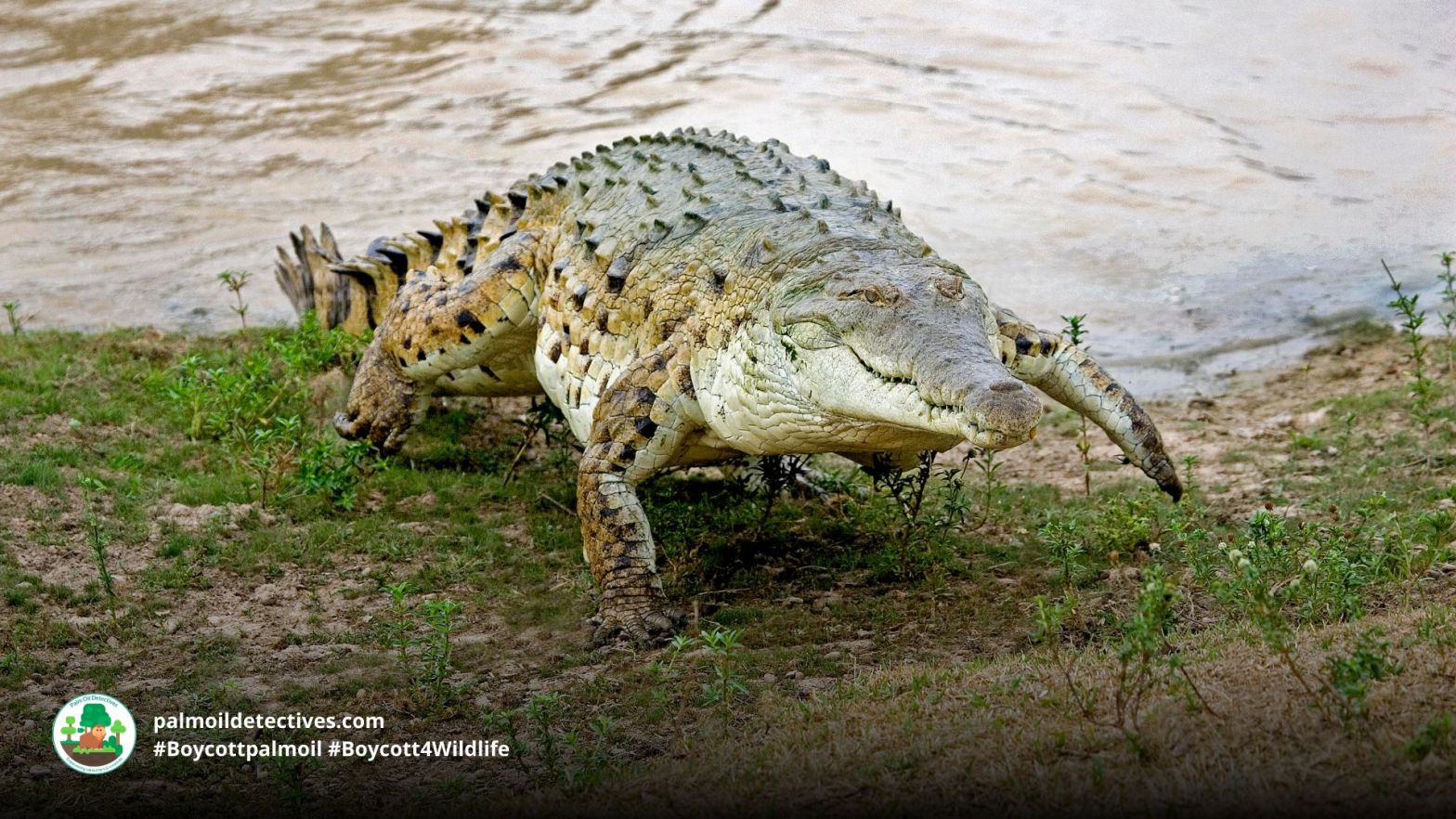
Endemic to the Orinoco River Basin in #Colombia and #Venezuela, the majestic Orinoco Crocodile is one of the rarest and most threatened reptiles on Earth. These intelligent, powerful apex predators once ruled vast waterways across northern South America, but today, their numbers have plummeted by more than 80% due to hunting, habitat loss, pollution, and deforestation. They are now restricted to tiny, fragmented populations across fewer than 34 rivers. #Goldmining and #palmoil #pollution pose a massive risk, imperiling these magnificent crocodiles. Urgent conservation efforts are essential to safeguard the Orinoco Crocodile from the brink of extinction. Boycott #palmoil, #soy, and #beef products contributing to deforestation. #BoycottGold4Yanomami Reject crocodile skin and be #vegan, and #BoycottPalmOil #Boycott4Wildlife
Hoge’s Side-necked Turtle Mesoclemmys hogei
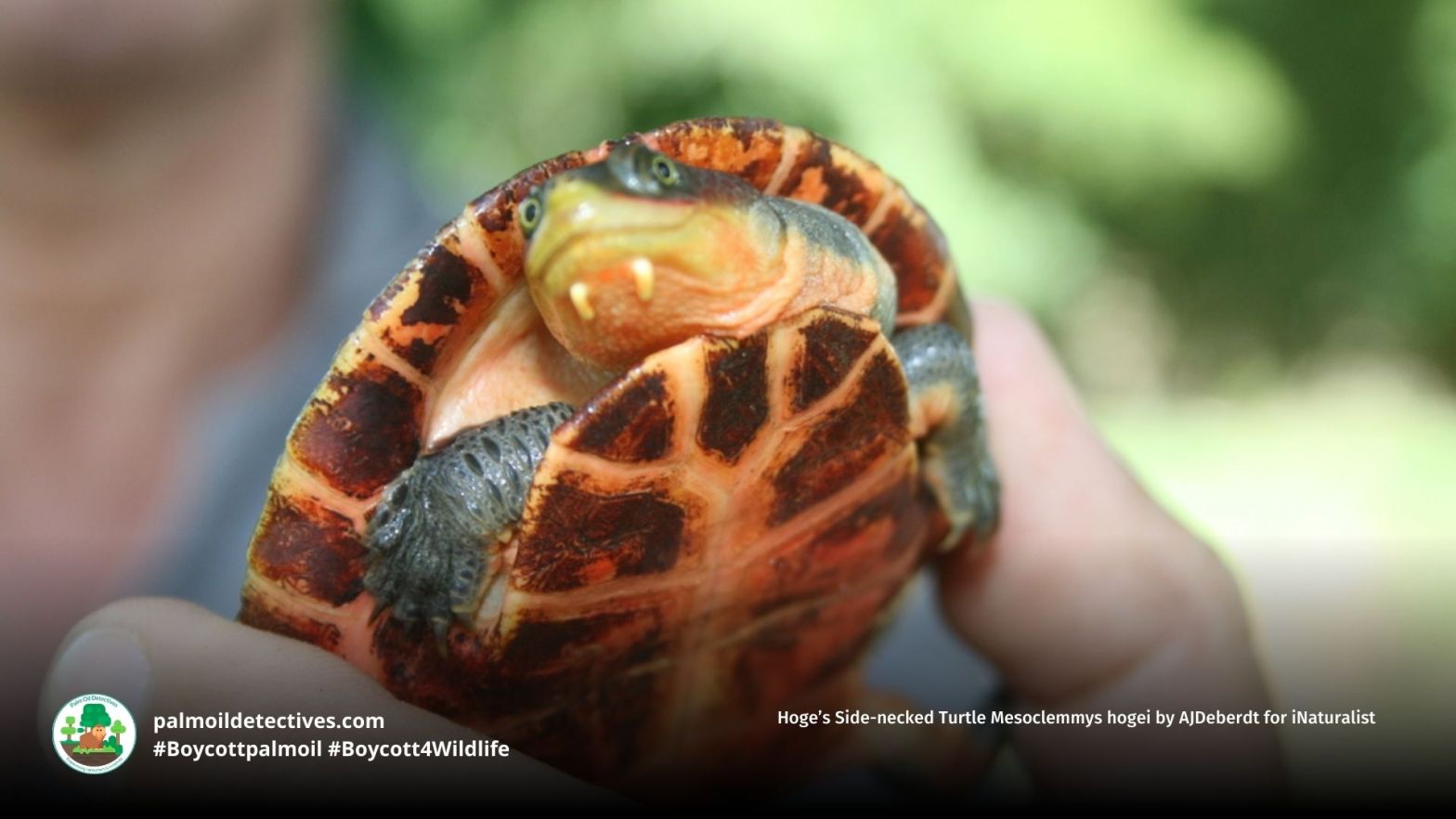
The Hoge’s Side-necked Turtle Ranacephala hogei—also known as Hoge’s Toadhead Turtle—is one of #Brazil’s rarest and most endangered reptiles. Having diverged from other turtles some 80 million years ago, they are evolutionary survivors now on the brink. With fewer than 2,000 individuals thought to remain, their populations have plummeted due to #palmoil #soy and #meat #deforestation, damming, water pollution, and incidental deaths in fisheries. Once feared lost from parts of their range, new research using citizen science and extensive fieldwork has rediscovered them in previously unknown areas, sparking renewed hope. But the threats remain. Help them every time you shop and #BoycottPalmOil #Boycott4Wildlife, be #Vegan and #BoycottMeat
White-thighed Colobus Colobus vellerosus
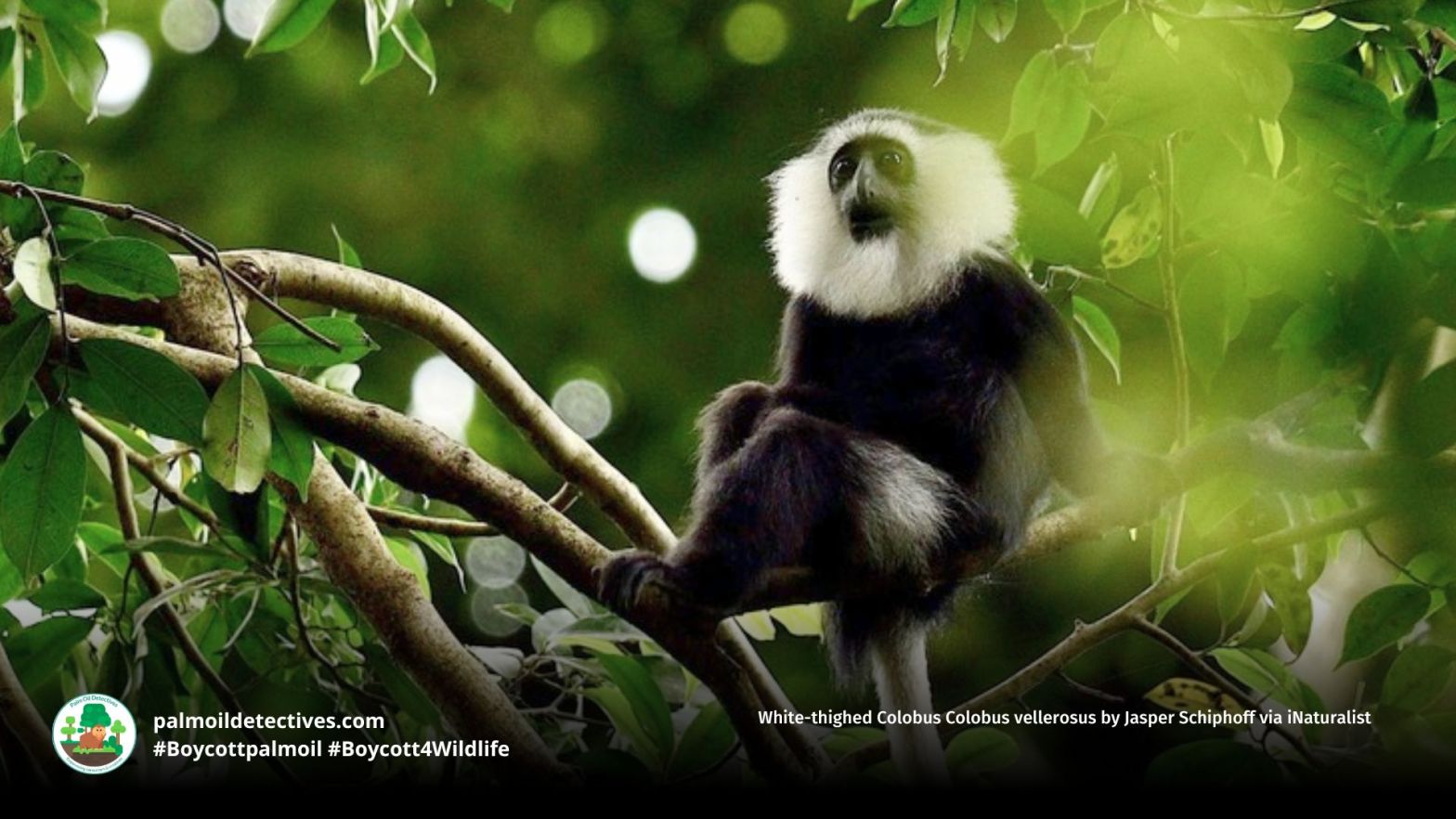
The White-thighed Colobus (Colobus vellerosus), also known as the Ursine Colobus or Geoffroy’s Black-and-White Colobus, is a striking primate of West Africa and is currently listed as Critically Endangered on the IUCN Red List. Their numbers have plummeted by over 80% in just three generations due to rampant deforestation driven by logging, agriculture, and expanding palm oil plantations. Intense bushmeat hunting and weakening traditional taboos have further accelerated their decline. With fewer than 1,500 individuals thought to remain in the wild, urgent action is needed to save them. Use your wallet as a weapon—boycott products that contain palm oil and support ethical, indigenous-led conservation. BoycottPalmOil #Boycott4Wildlife #Vegan #BoycottMeat
Storm’s Stork Ciconia stormi
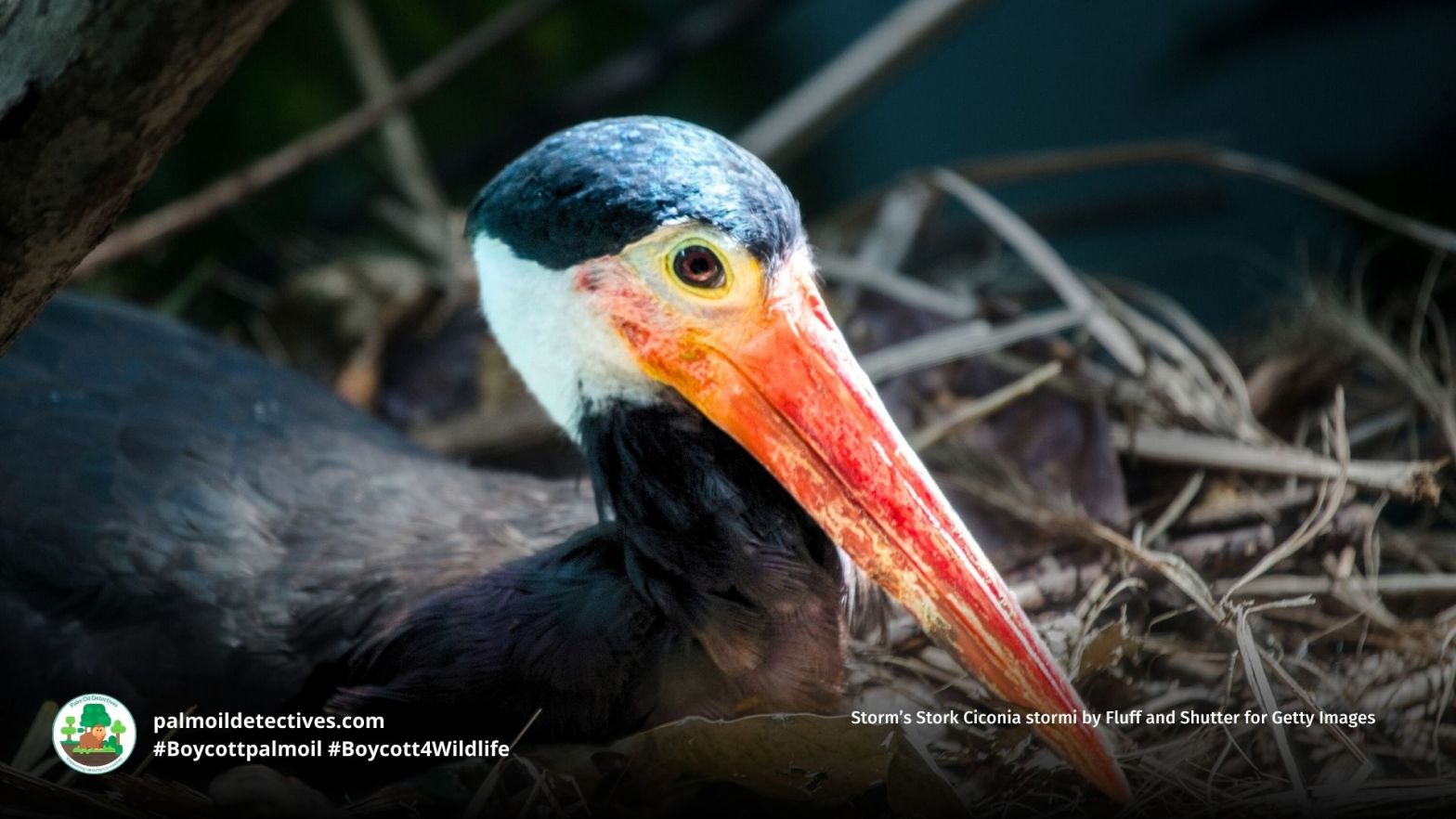
Storm’s Stork Ciconia stormi is the rarest and most elusive stork in Asia, palm oil is a threat boycott palm oil for them!
Tapanuli Orangutan Pongo tapanuliensis
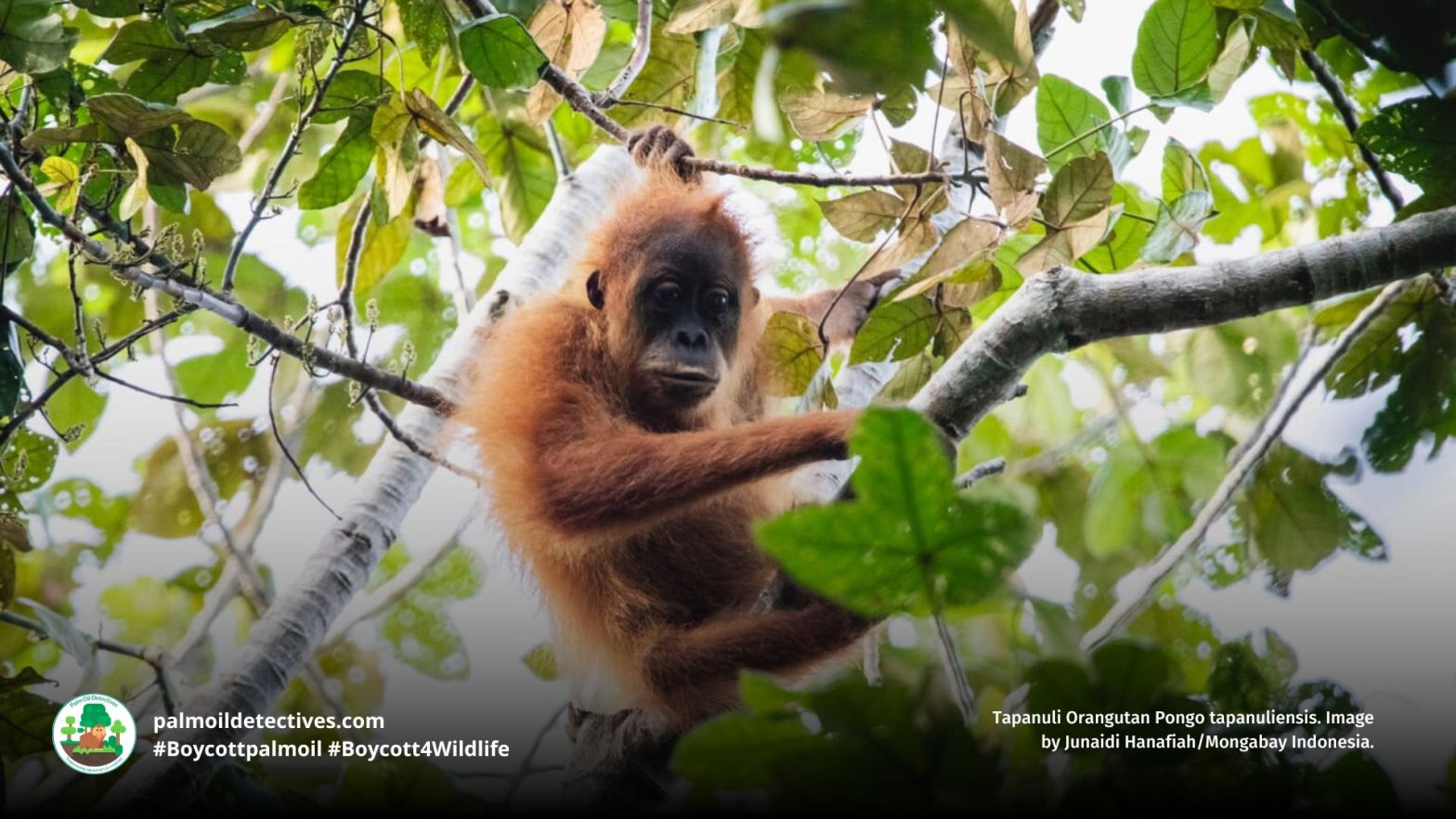
Act now and save the Tapanuli Orangutan – boycott palm oil! Fewer than 800 individual animals remain alive due to palm oil and timber deforestation.
 Palm Oil Detectives