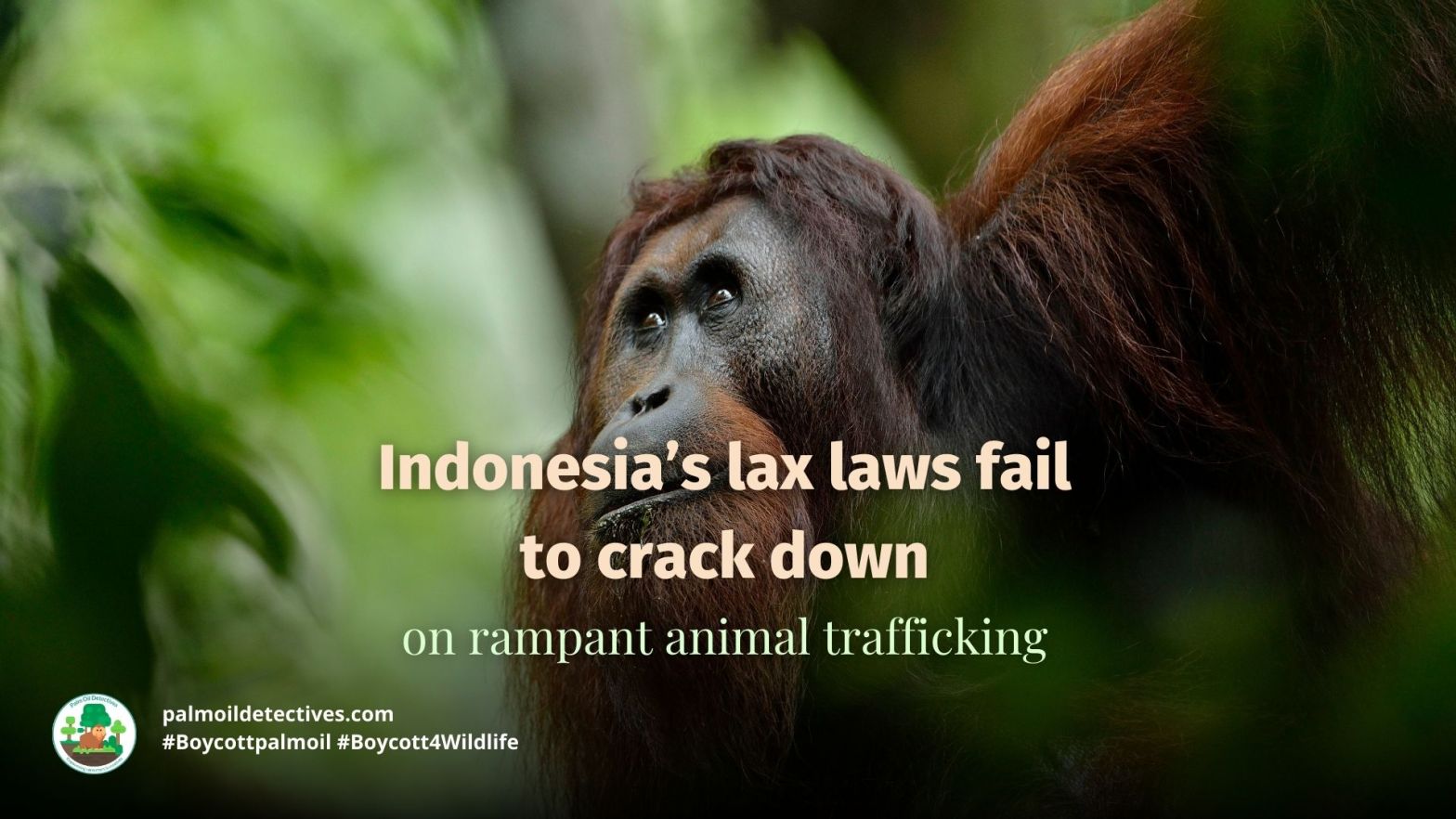
Lax Laws in Indonesia Turn Blind Eye To Animal Trafficking

When Indonesian prosecutors went after the leader of an illegal wildlife syndicate operating near the Malacca Strait, they relied on the country’s then relatively new 2019 Quarantine Act to seek a prison sentence.

After being connected to the illegal smuggling of four lion cubs, a leopard, and 58 species of Indian Star tortoises from Malaysia to Indonesia, Irawan Shia received a four-year prison sentence and fine of IDR 1 billion (USD$65,468). If the fine is not paid, the replacement is three months imprisonment.

The sentence was the biggest ever handed out, but falls far short of what it could have been had Indonesia brought its laws in line with global conventions.
Protected: Private Advocate’s Page

There is no excerpt because this is a protected post.

The world’s smallest ‘fanged’ frog found in Indonesia

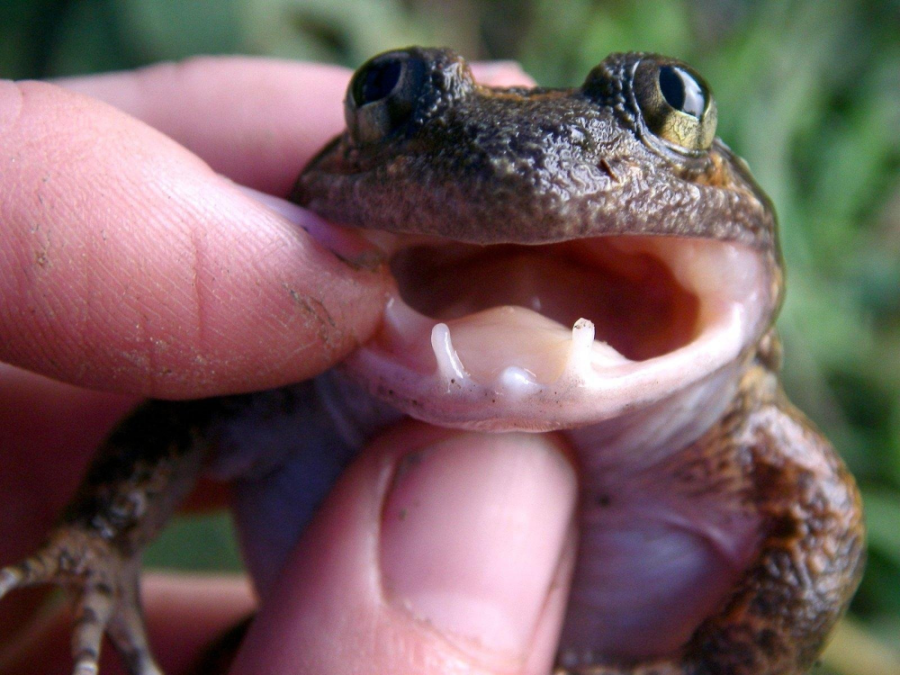
Researchers have identified a species of frog Limnonectes phyllofolia completely new to science. The tiny Indonesian amphibian is in the possession of little fangs. Researchers think that their fangs may be used to fend off would-be competitors for mating or territory. This species adopts a unique approach by laying their eggs on tree leaves. Adding to their distinct behavior, the male frogs play an active role in guarding and nurturing the nests. This discovery not only enriches our understanding of amphibian biodiversity but also highlights why it is absolutely crucial that we protect their home – rainforests in Indonesia. Help them every time you shop and #Boycottpalmoil #Boycott4Wildlife

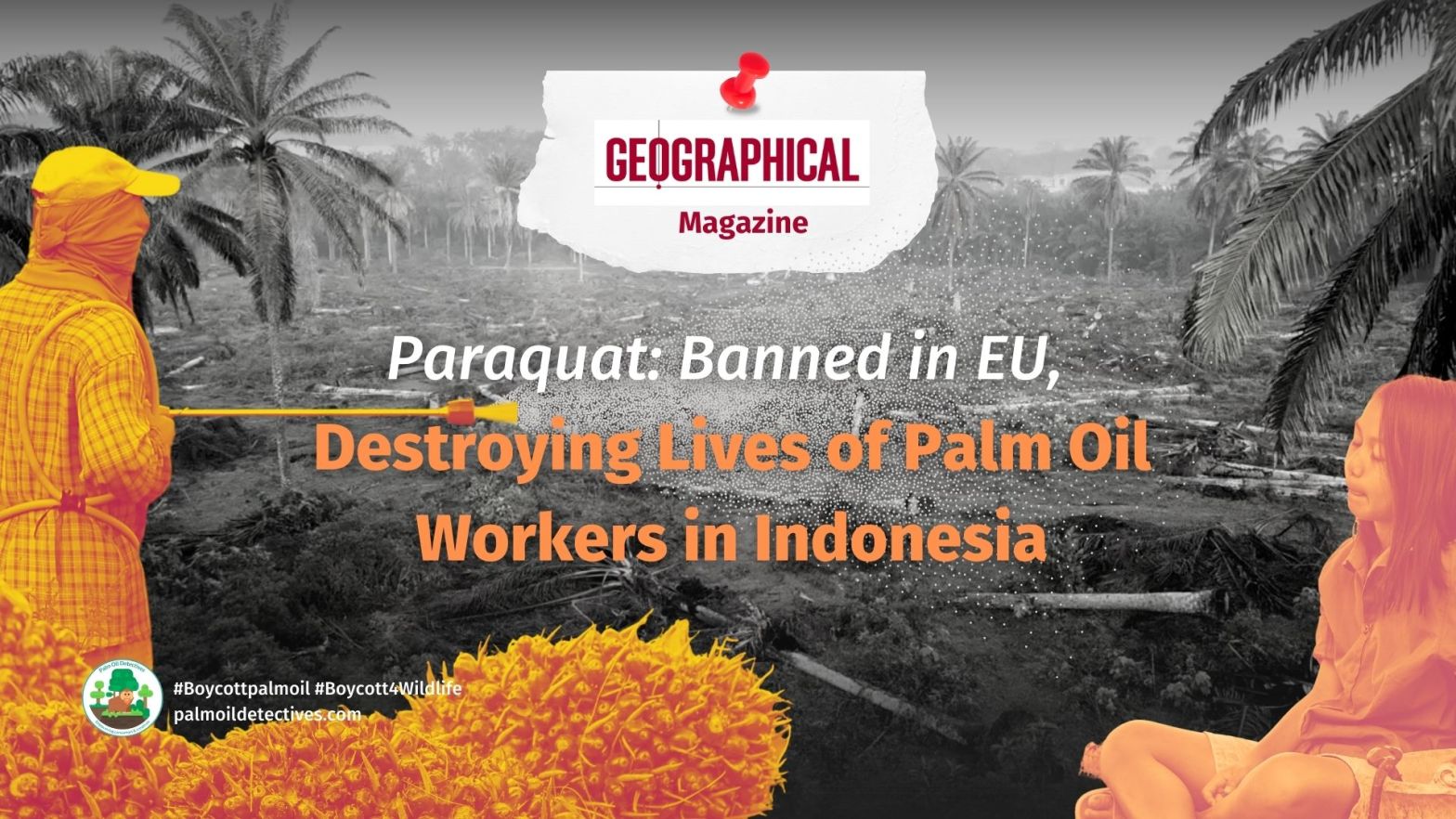
Paraquat: Banned in EU, Destroying Lives of Palm Oil Workers in Indonesia

The dangerous pesticide Paraquat is banned in the EU however continues to destroy the lives of palm oil plantation workers in Indonesia. Read this story below originally published in Geographic Magazine and learn how to take action to resist the human rights abuses and ecocide below. #Boycottpalmoil #Boycott4Wildlife

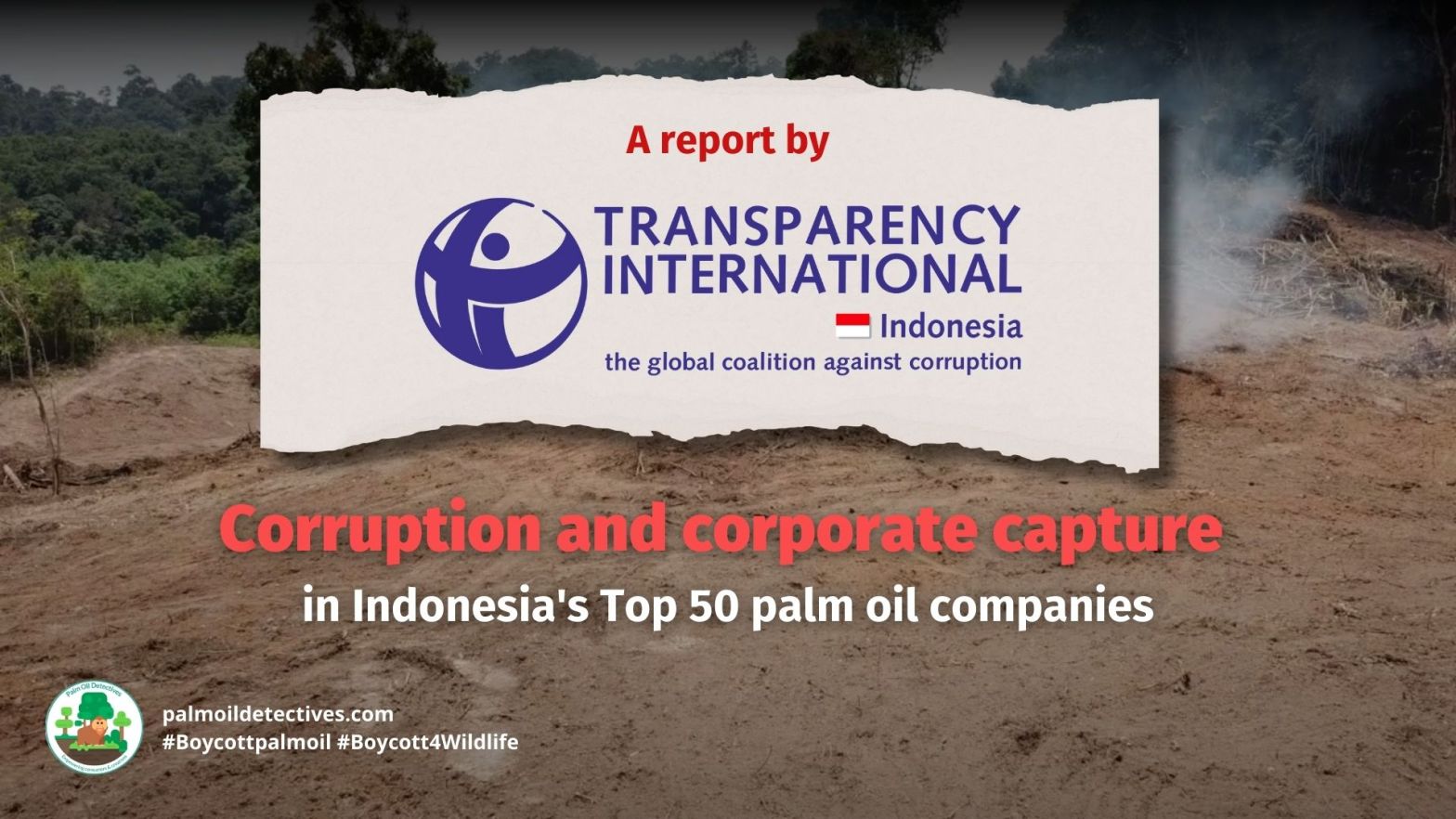
Transparency International: Corruption of Indonesian Palm Oil

According to a May 2023 report by Transparency International, the top 50 palm oil companies in Indonesia are beset by deep problems: a lack of transparency in company ownership and who are the ultimate beneficiaries of profits, conflicts of interest, revolving-door politics, and politically exposed persons within companies.

All of the above makes the palm oil industry in Indonesia seriously susceptible to corporate capture and corruption. Don’t trust palm oil. Instead #Boycottpalmoil #Boycott4Wildlife every time you shop

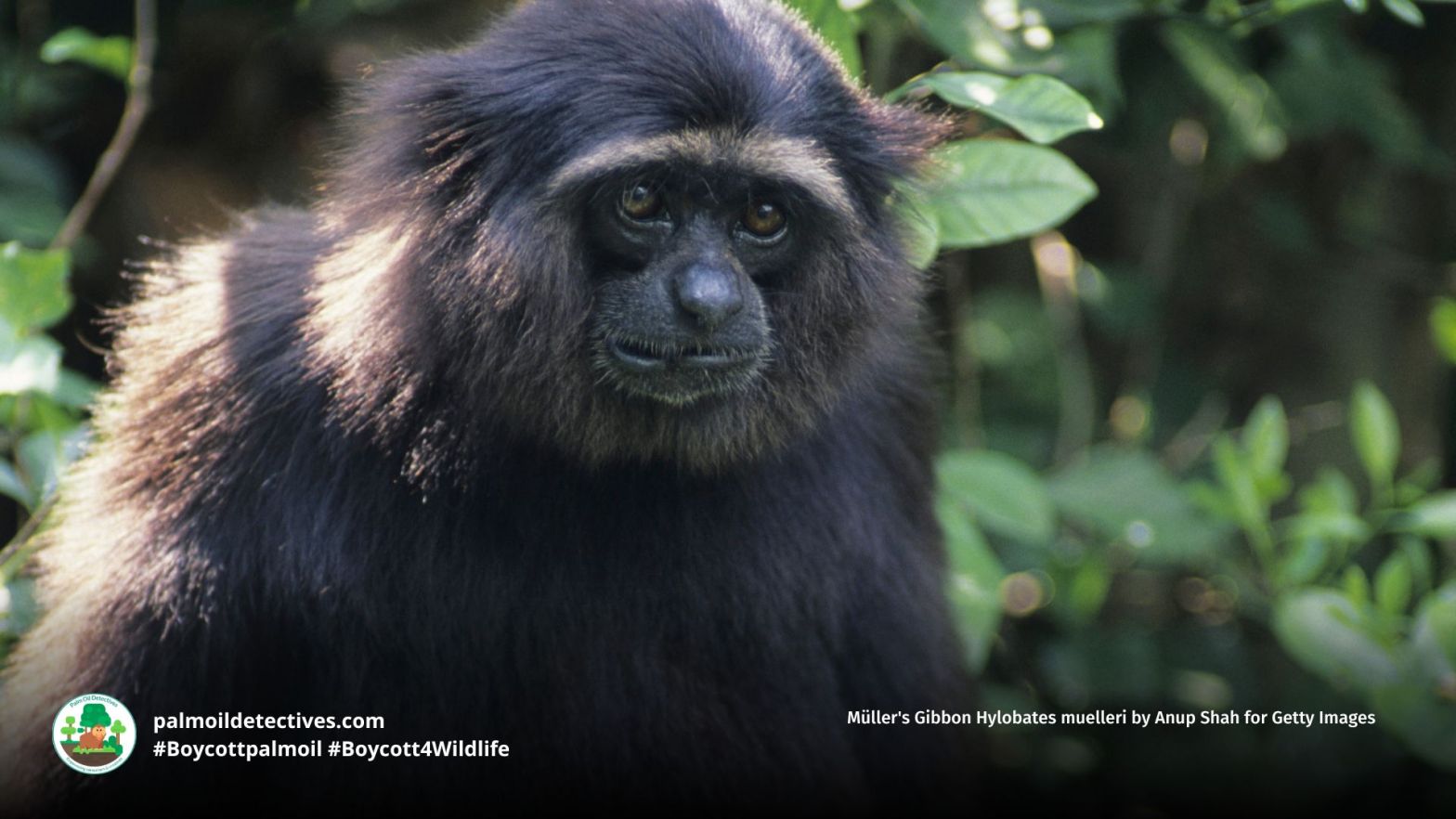
MĂŒller’s gibbon Hylobates muelleri

The Bornean Gibbon Hylobates muelleri, also known as MĂŒller’s #gibbon or the Southern Grey Gibbon, is a master of the treetops and a celebrated forest singer. Their haunting duets echo across the rainforest canopy, keeping family bonds strong and warning intruders away. But these calls are growing rarer. The MĂŒller’s gibbon is listed as #Endangered due to relentless forest loss caused by logging, #palmoil expansion, #fire, and #hunting. Their future depends on the survival of Borneo’s rainforests. Take action and use your wallet as a weapon! #BoycottPalmOil #Boycott4Wildlife be #Vegan and #BoycottMeat

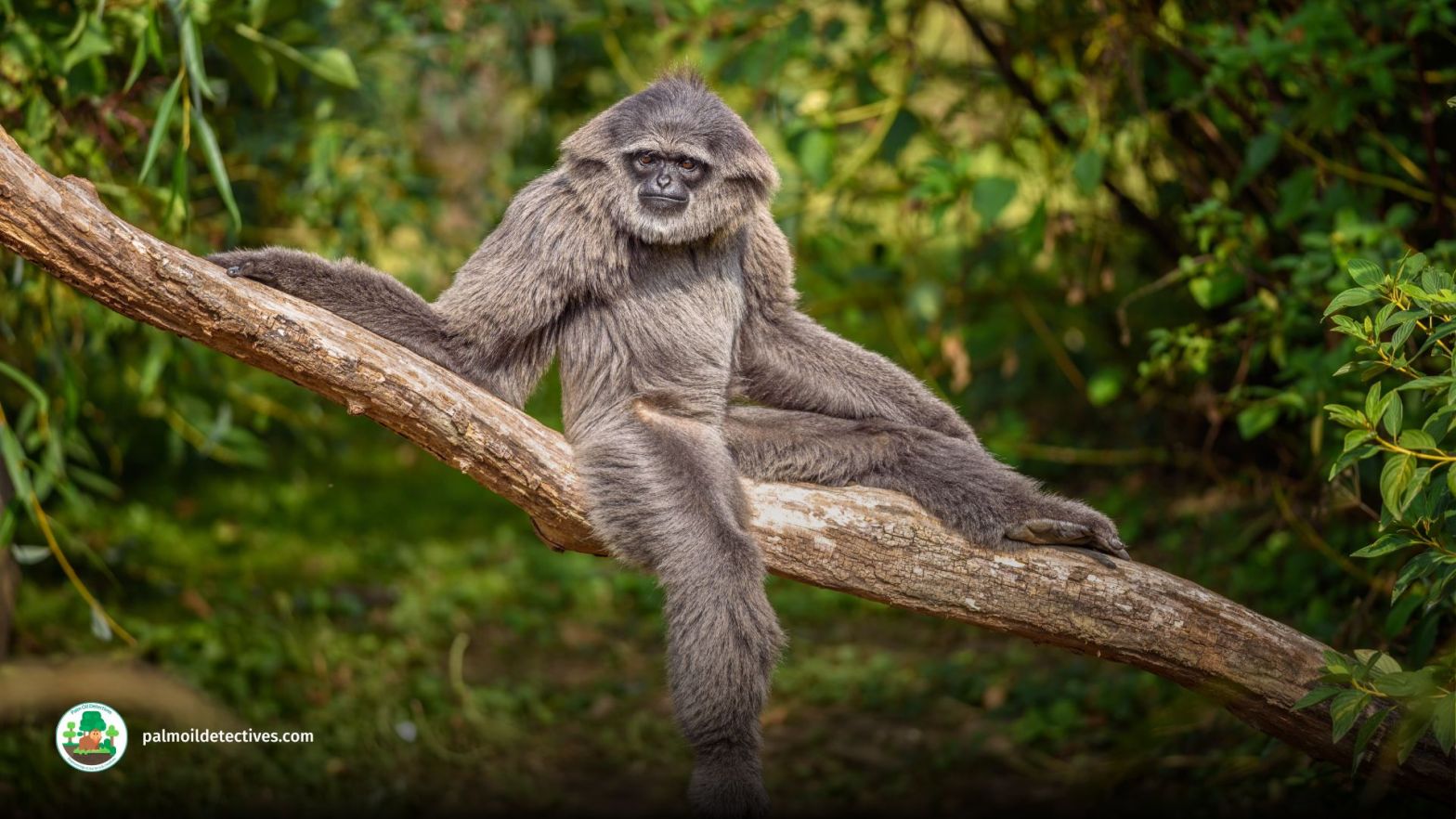
Silvery Gibbon Hylobates moloch

Silvery Gibbon Hylobates moloch Red List Status: Endangered Locations: Indonesia (island of Java, including provinces of Banten, West Java, and Central Java as far east as the Dieng Mountains) The Silvery #Gibbon đŸ©¶đŸ’đŸ” of genus ‘Hylobates’ meaning ‘Forest Walker’. They sing to each other in ‘local’ accents and do thrilling acrobatics đŸ€žâ€â™‚ïž They are #endangered,Continue reading “Silvery Gibbon Hylobates moloch”

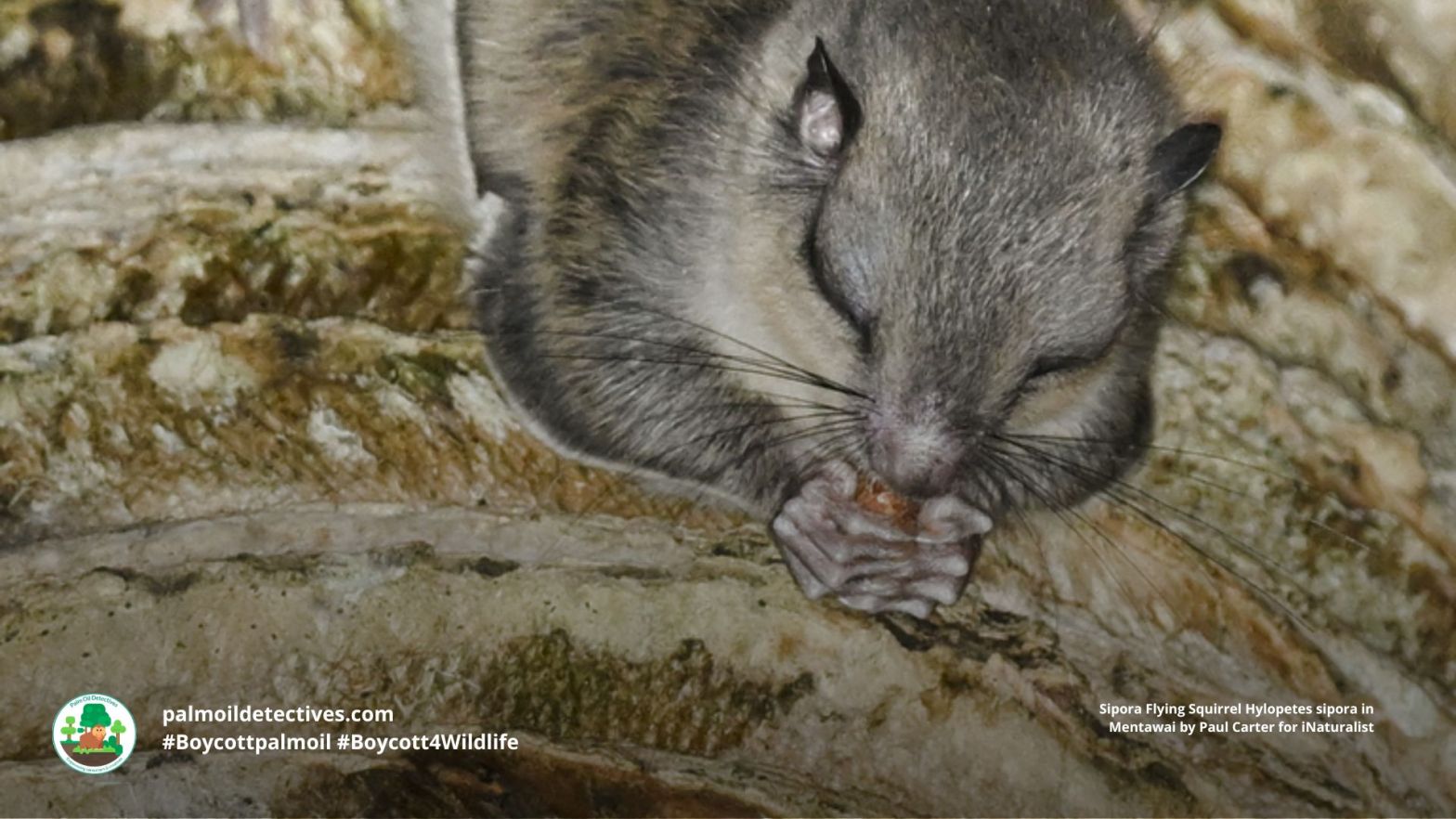
Sipora Flying Squirrel Hylopetes sipora

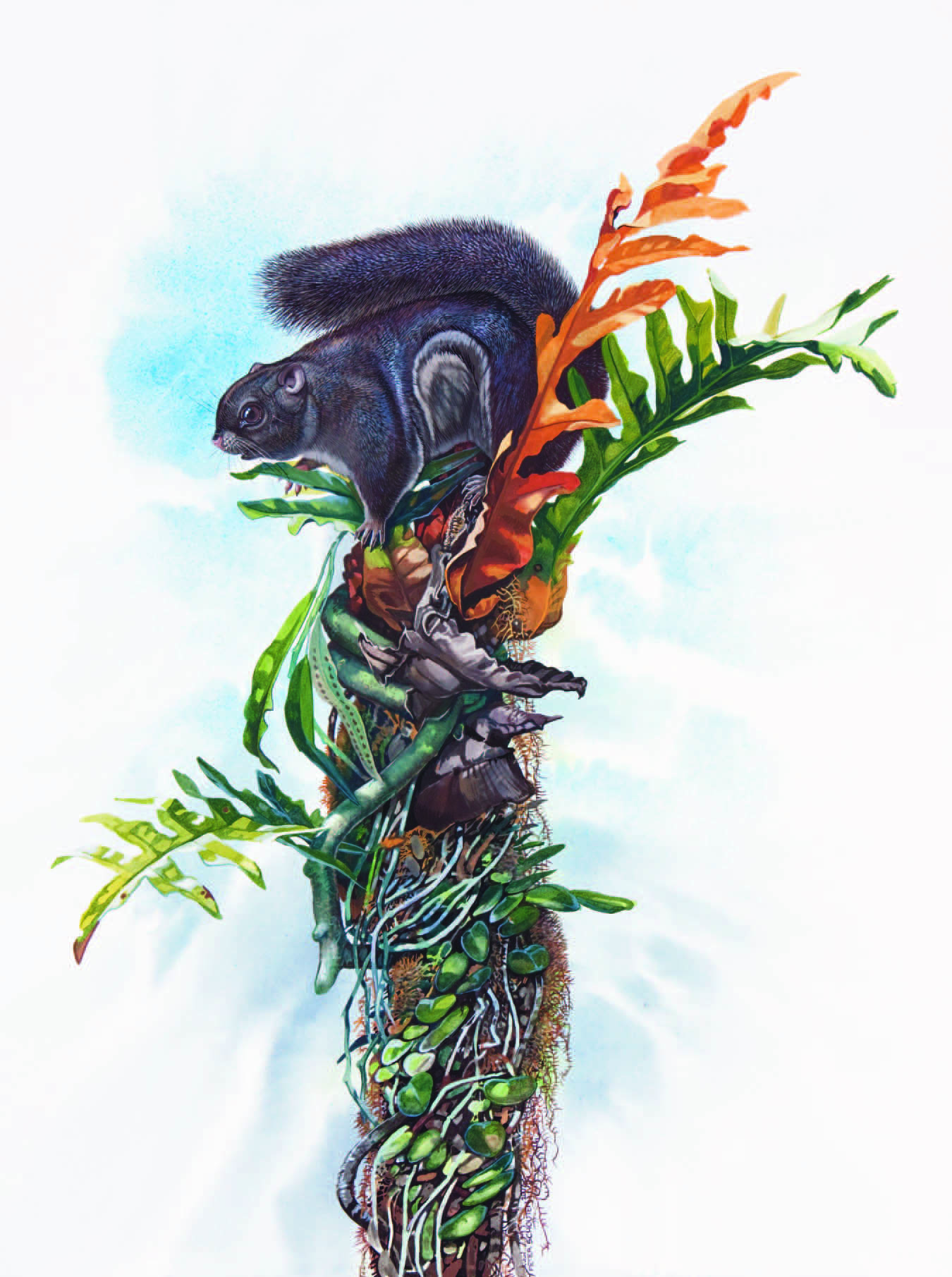
On the small, forested island of #Sipora, #Indonesia the Sipora flying #squirrel Hylopetes sipora drifts silently between ancient trees. This rare squirrel is found nowhere else on earth. At night, the Sipora flying squirrel emerges from the hollows of towering trees, their large eyes scanning the dim canopy. With a sudden leap, they unfold their patagium—a membrane stretching from wrist to ankle—and glide effortlessly through the air, landing on a distant branch with barely a sound. The forests of Sipora are being cleared for #timber, charcoal and #palmoil, leaving the Sipora flying squirrel with fewer places to hide. Use your wallet as a weapon and #BoycottPalmOil #Boycott4Wildlife.

Siberut Flying Squirrel Petinomys lugens

The Siberut Flying Squirrel is one of the world’s most elusive gliders, found only in the #Mentawai Archipelago’s humid forests. At dusk, the Siberut Flying Squirrel launches from high branches, spreading their soft, square-shaped patagium to drift silently between ancient trees. The air is thick with the scent of damp earth and moss, and the only sound is the faint rustle of leaves as the Siberut Flying #Squirrel lands. Their world is shrinking fast—logging and #palmoil plantations are destroying the last forests on #Siberut, #Sipora, and North Pagai. No conservation actions protect the Siberut Flying Squirrel. Stand with indigenous communities and use your wallet as a weapon. #BoycottPalmOil #Boycott4Wildlife

Ifola Dendrolagus notatus

The Ifola, a rare and little-known tree kangaroo, inhabits the tropical montane forests of the Fakfak Mountains in Papua New Guinea and Indonesian-occupied West Papua. First identified as a distinct species in 1993, this remarkable marsupial is part of the genus Dendrolagus, known for their arboreal lifestyle. With their restricted range and vulnerability to habitat loss, Ifola are at significant risk due to palm oil deforestation, gold mining, and other human activities encroaching on their high-altitude homes. Their survival is tied to the preservation of the rich, biodiverse forests they call home. #BoycottPalmOil #Boycott4Wildlife