
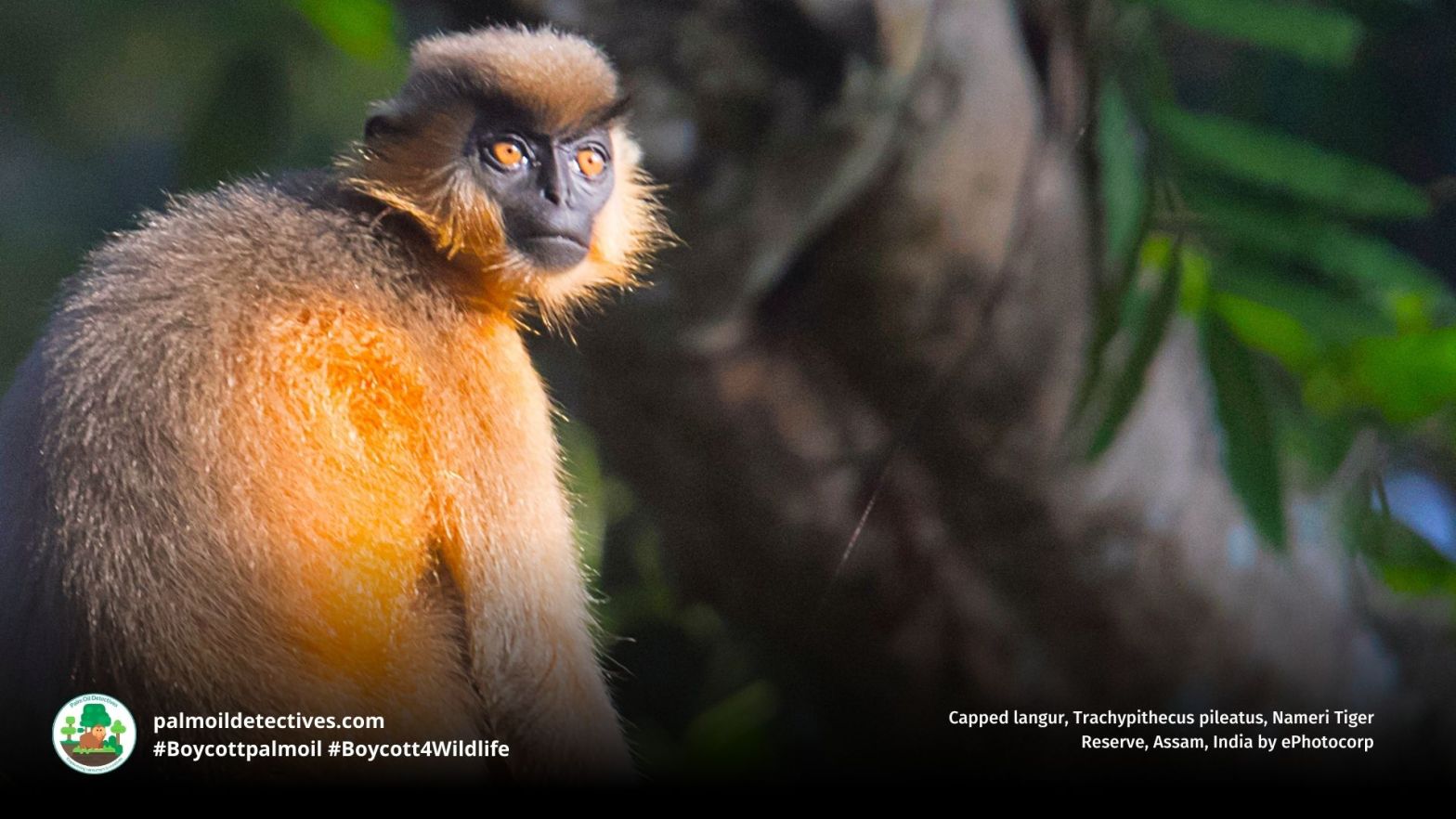
Capped langurs are found in India Bhutan Bangladesh and Myanmar, they are vulnerable from palm oil and other forms of deforestation. Take action for them!
Tag Archives: mining
Jaguars and Pumas Eat More Monkeys in Damaged Forests
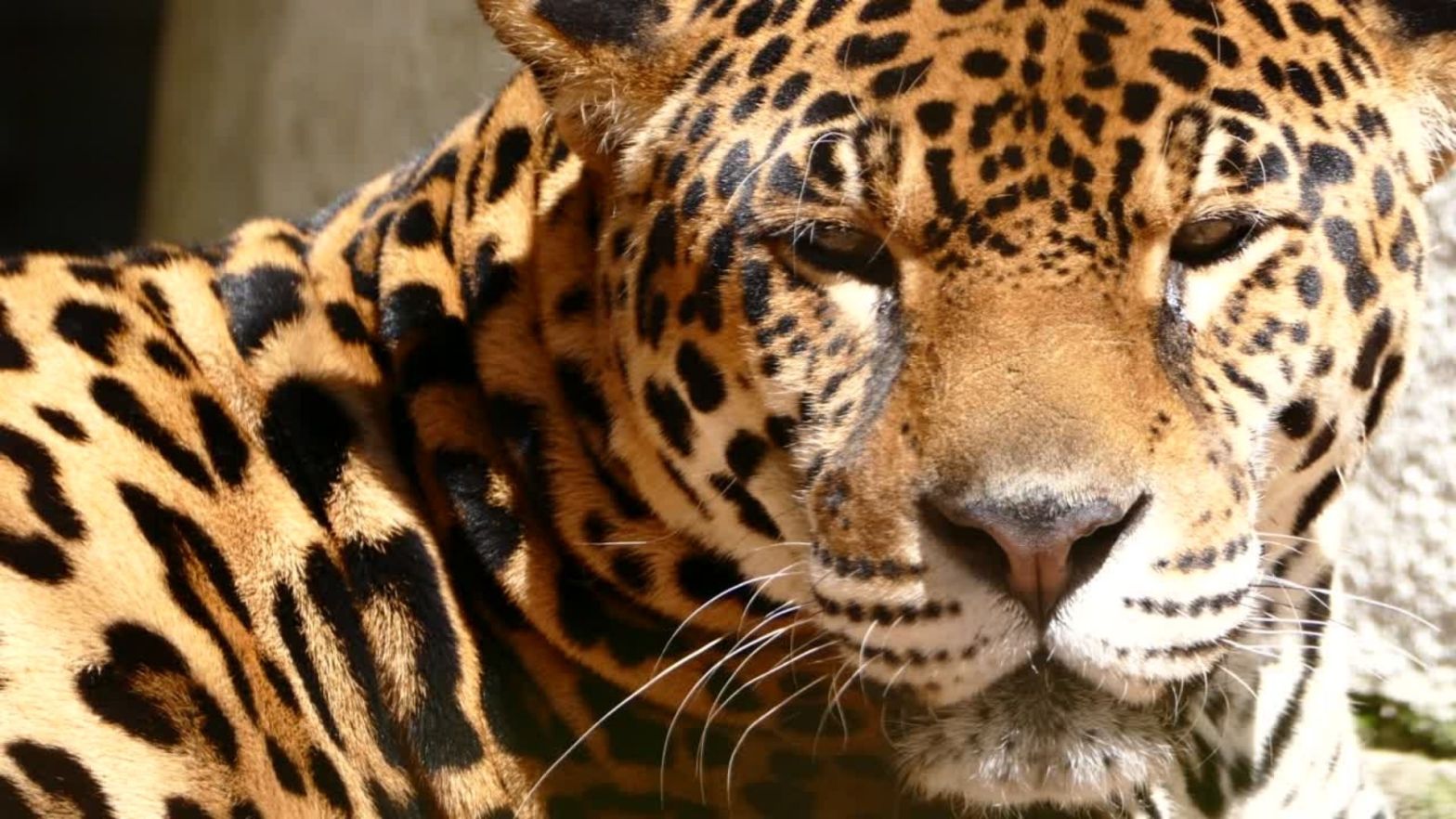
In fragmented forests of Mexico, big cats find it hard to locate prey ungulates instead seeking tree-dwelling #monkeys – that’s bad news for primates!
Mountain Tapir Tapirus pinchaque

Mountain Tapirs are the most threatened large mammals of the northern Andes, hunting, climate change and mining are threats, take action and boycott gold!
Tucuxi Sotalia fluviatilis

Tucuxi, small freshwater dolphins of Peru Ecuador Colombia and Brazil are Endangered due to fishing nets, deforestation, mercury poisoning from gold mining.
Around 25% of Africa’s Land is Damaged: This is How We Fix It!
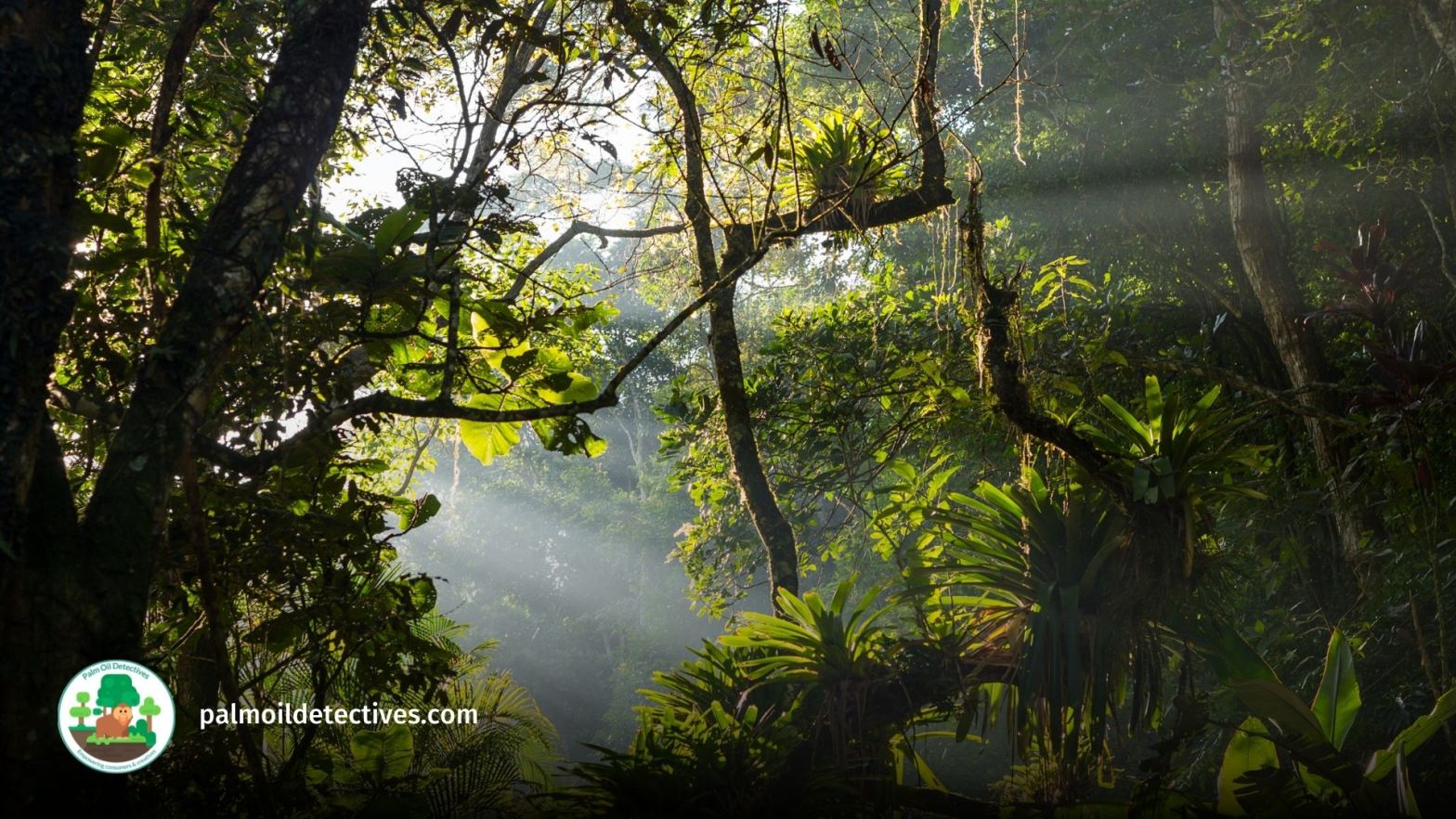
Almost 25% of all land in Africa has been damaged driven by climate change and deforestation for mining palm oil and cocoa. Take action and protect forests!
Declining primate numbers are threatening Brazil’s Atlantic forest
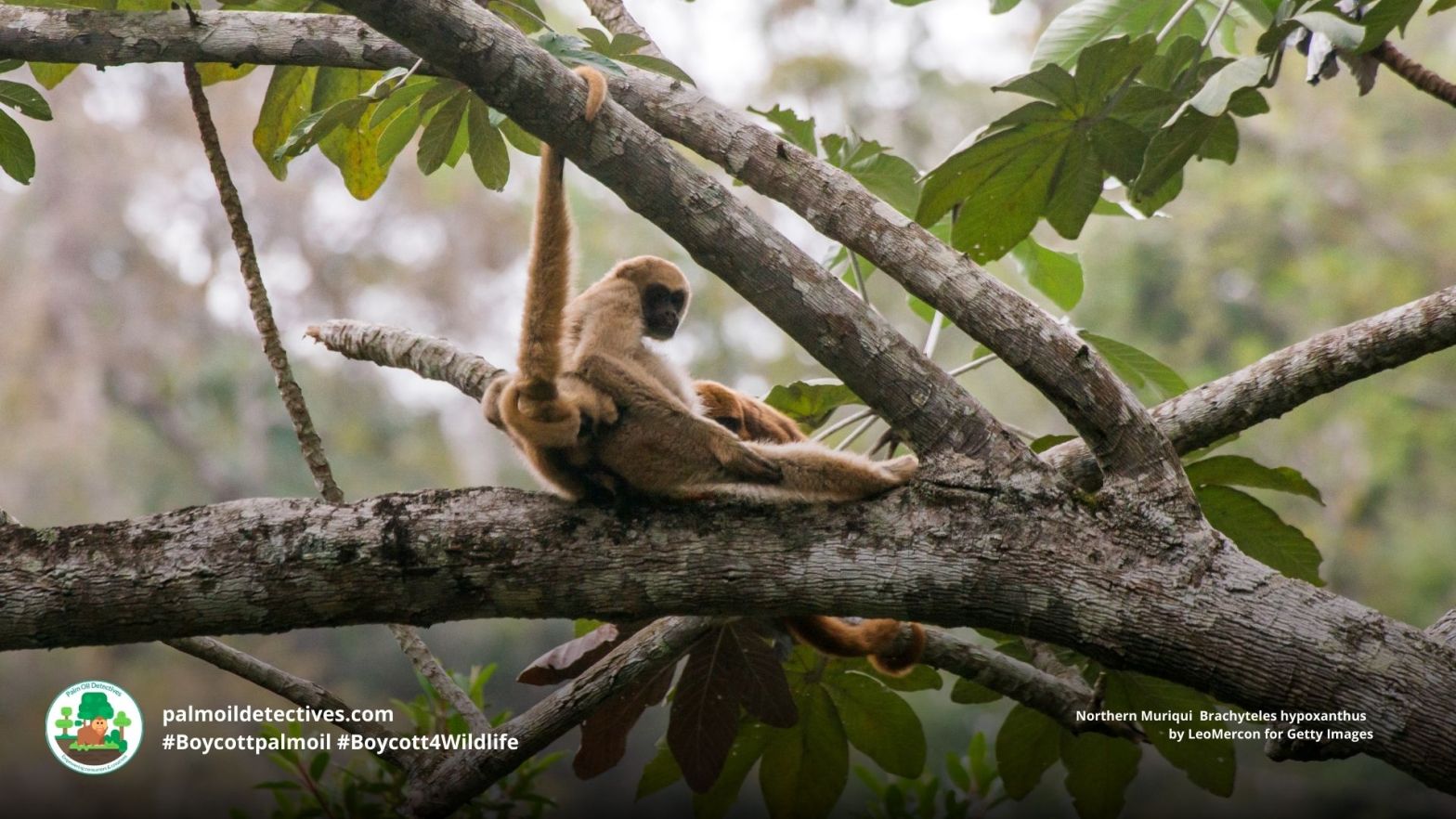
#Brazil’s Atlantic Forest, one of the most biodiverse ecosystems in the world, is facing severe threats due to deforestation and habitat fragmentation. This has led to a sharp decline in primate species, including the critically endangered southern and northern muriqui. The loss of these #primates, essential for seed dispersers in the Atlantic forest, is further destabilising the forest ecosystem. As human-driven deforestation escalates, the #extinction debt continues to rise, endangering both wildlife and the forest itself. You can take action to help their survival. Be #vegan for the animals and forests and #BoycottPalmOil #BoycottGold #Boycott4Wildlife.
Deforestation and Mining Threaten Rare Species at Lake Poso
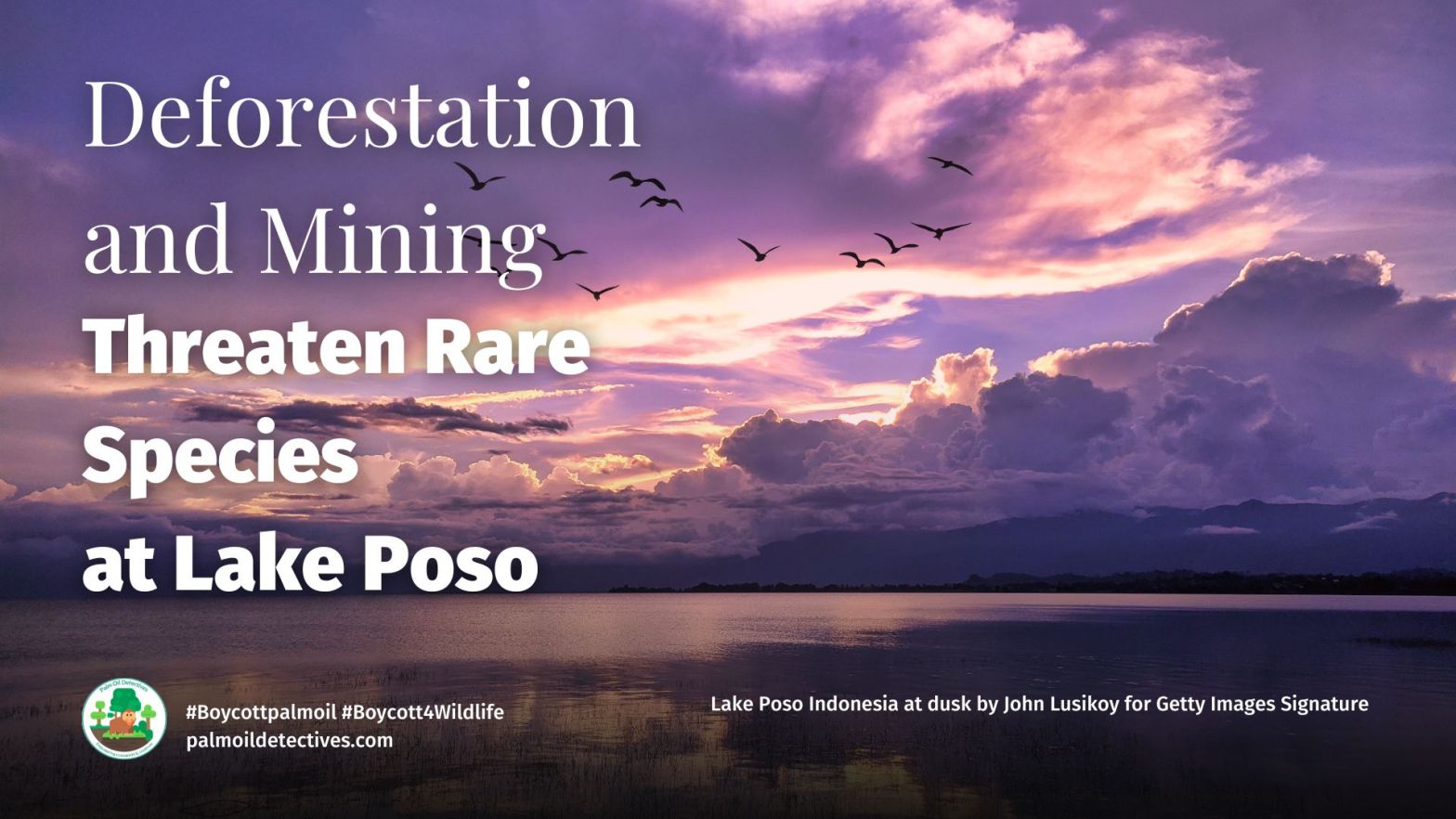
Deforestation, mining, and palm oil expansion are pushing rare endemic species at Indonesia’s Lake Poso to the brink. Urgent action needed, boycott palm oil!
Papua’s ‘Empty Lands’: A Dangerous Myth Displacing Indigenous Peoples
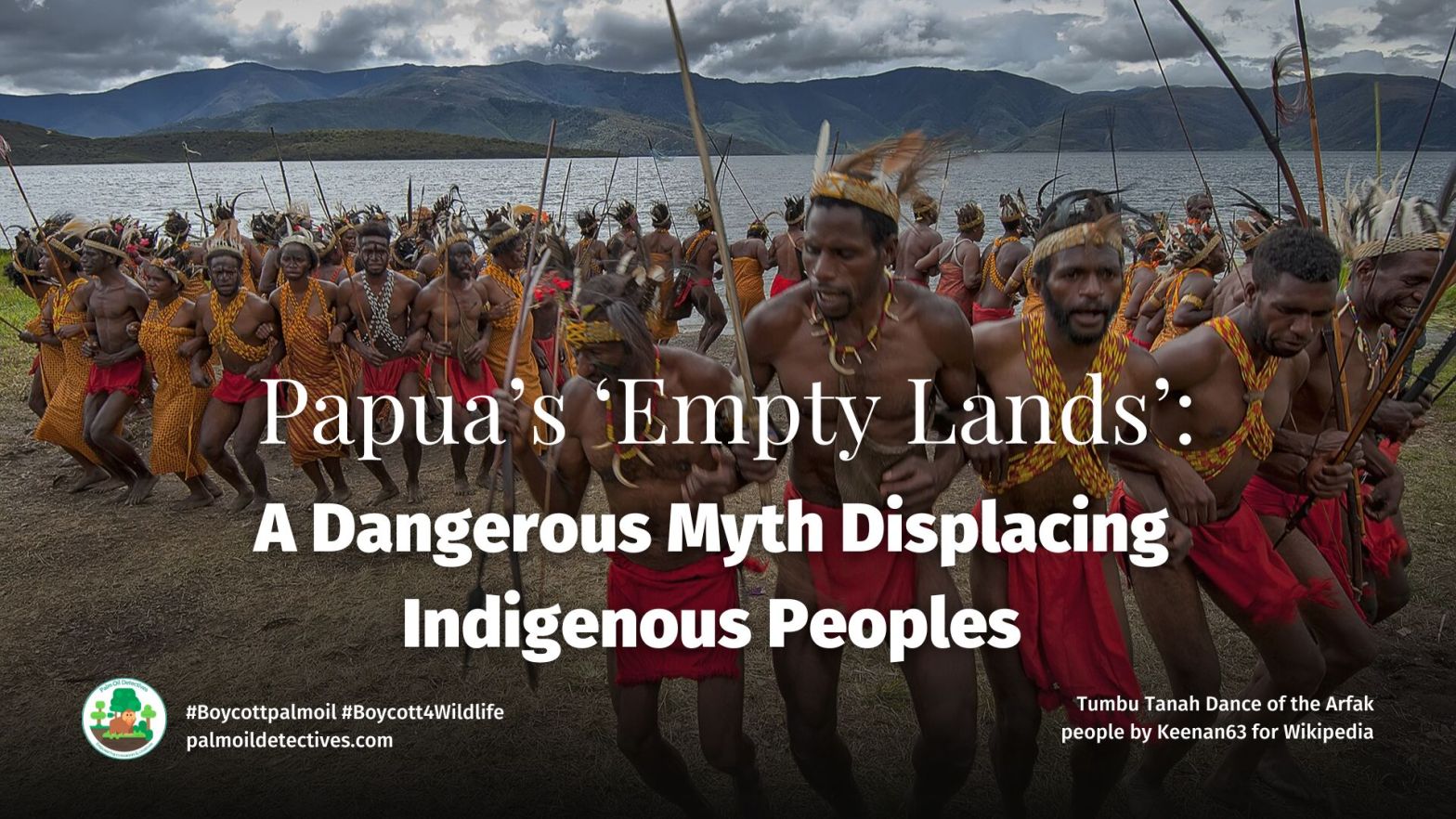
Challenge a dangerous colonial myth that West Papua is an ’empty land’. This only serves the colonial domination of Indonesia not ancient tribes living there!
Indigenous Empowerment to Reverse Amazonia’s Mineral Demand
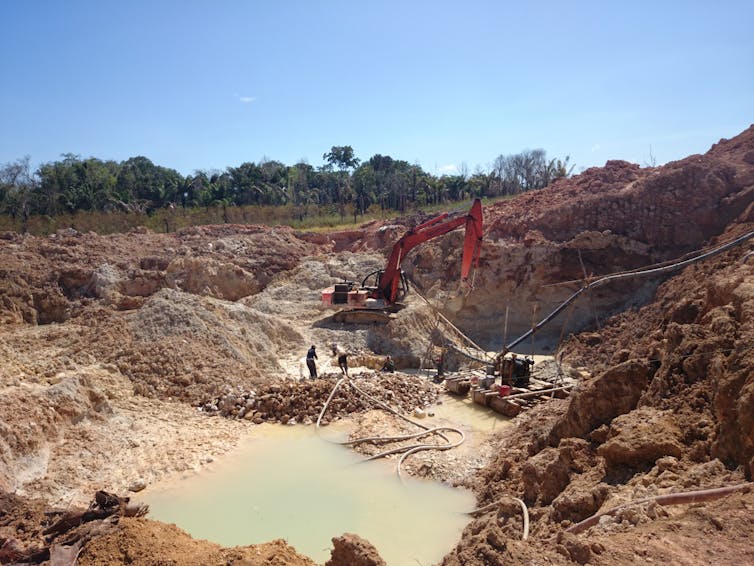
Illegal mining for minerals like gold is driving Amazonia deforestation. Empowering Indigenous peoples to care for biodiversity-rich areas is the key!
Bateleur Eagle Terathopius ecaudatus

Striking raptor Bateleur #Eagle Terathopius ecaudatus soars through #Africa’s skies with powerful red legs, a bright intelligent face and intense eyes. They are famous for their distinctive aerial and soaring skills such as a rocking flight, similar to a tightrope walker. These eagles are known to travel over 300 kilometres a day in search of food. Sadly, their numbers are plummeting due to deforestation, poisoning, and habitat destruction. The loss of their habitat to #palmoil, #mining and #meat #deforestation are some of the biggest threats they face. Help them every time you shop and boycott palm oil and go plant-based. #BoycottPalmOil and #Boycott4Wildlife!
Borneo Forest Dragon Gonocephalus bornensis
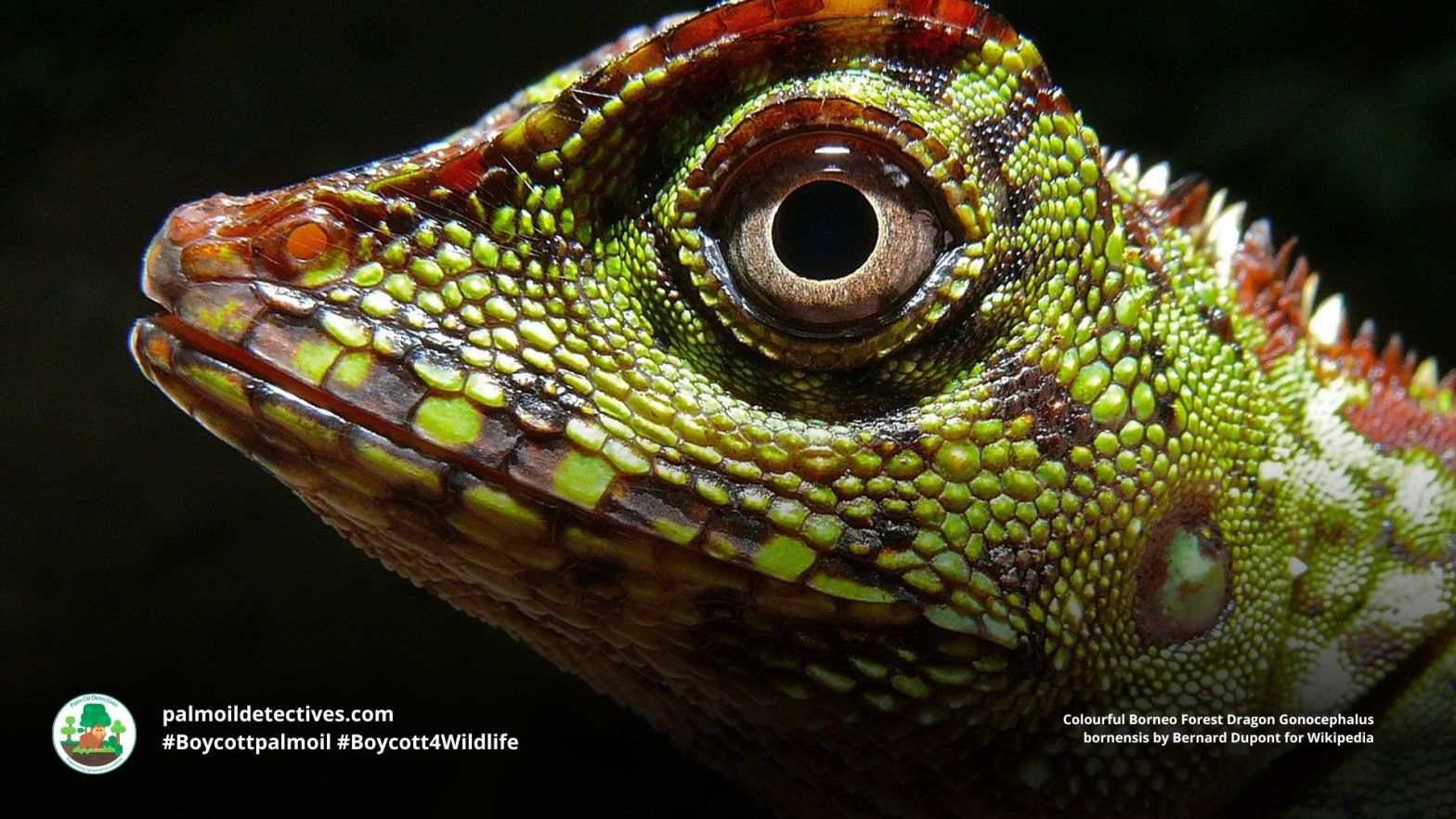
The #Borneo Forest Dragon, also known as the Borneo Anglehead #Lizard is a vividly coloured lizard native to Borneo. This arboreal #reptile is known for their prominent crest and beautifully camouflaged body, allowing them to blend seamlessly into their rainforest surroundings. Found primarily in undisturbed and secondary rainforests, the Borneo Forest Dragon thrives in humid environments, often near streams.
Although the latest assessment by IUCN Red List revealed that they are ‘least concern’, the plans to move the capital of Indonesia to Kalimantan is concerning to conservationists and animal lovers alike. Rampant habitat loss from #palmoil and #timber #deforestation on the island of Borneo posses a grave threat. Protect these striking animals and their rainforest home when you #BoycottPalmOil #Boycott4Wildlife!
Attenborough’s Long-Beaked Echidna Zaglossus attenboroughi

Attenborough’s long-beaked echidna (Zaglossus attenboroughi), known locally as “Payangko,” is one of the most evolutionarily distinct mammals and is native to the Cyclops Mountains in Papua, Indonesia. This critically endangered monotreme is distinguished by its unique feeding technique and smaller size compared to other long-beaked echidnas. Despite not being recorded by scientists since 1961, a recent expedition led to its rediscovery in 2023, offering renewed hope for the species. Facing threats from hunting and habitat degradation, we must protect this elusive creature by supporting sustainable practices and community-led conservation. #BoycottPalmOil #Boycott4Wildlife
Maned Wolf Chrysocyon brachyurus
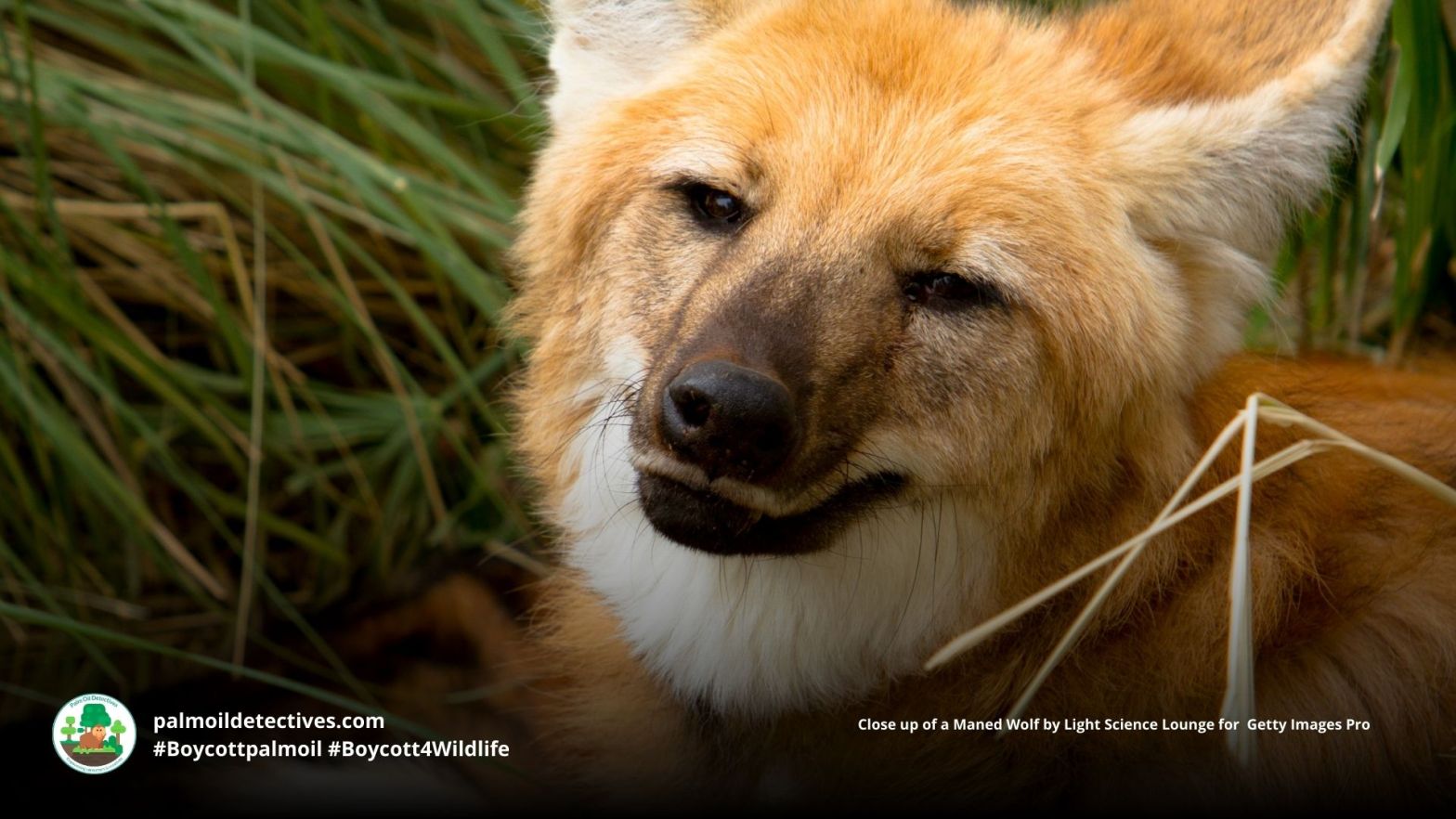
Maned Wolves are captivating “foxes on stilts” roaming South America’s grasslands, but their survival is threatened by habitat loss and human conflict.
Ten Victories and Challenges to Indigenous Rights in 2024
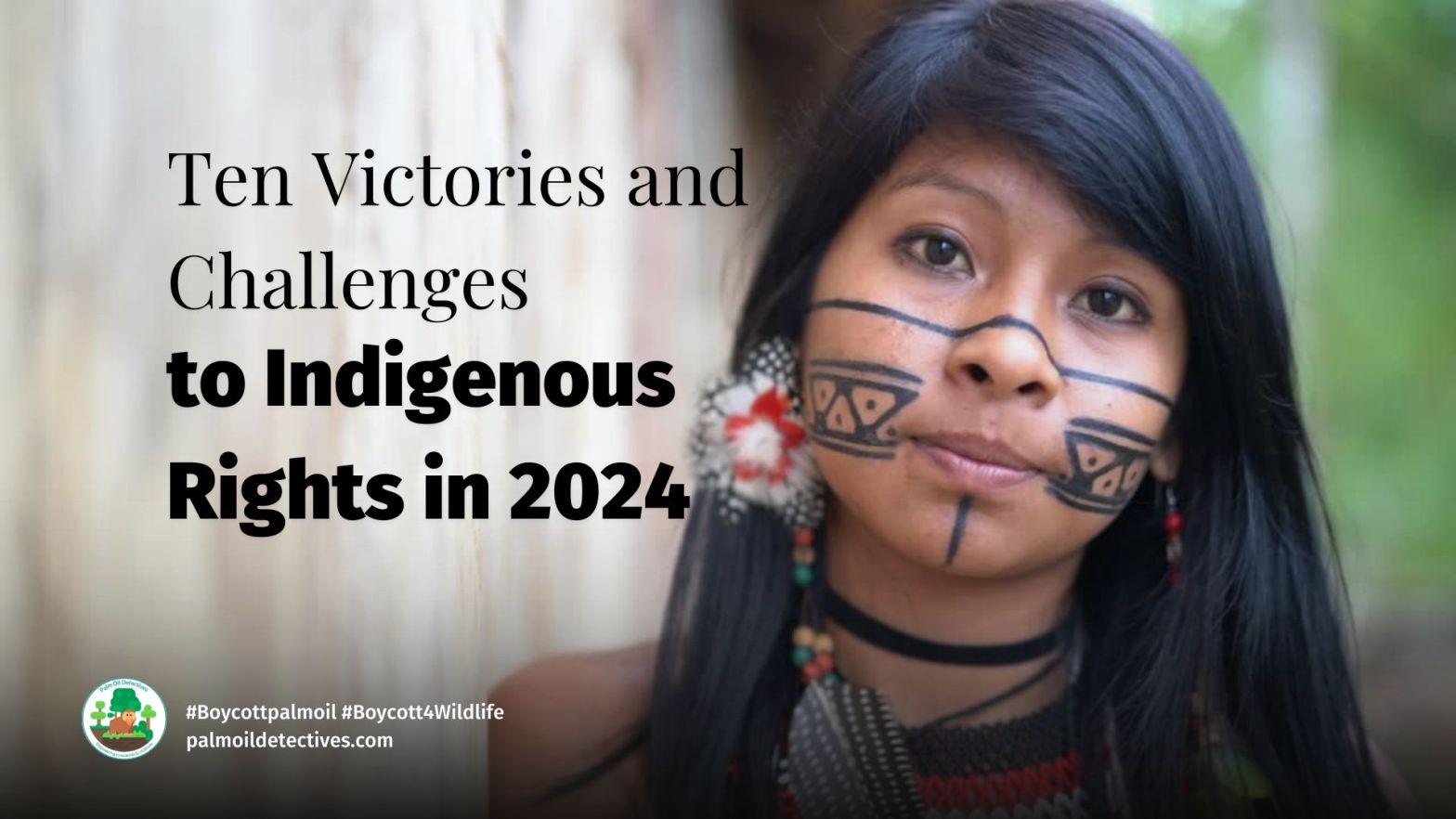
From Brazil’s action against illegal gold miners to the Sacred Headwaters Alliance defending the Amazon, these top Indigenous stories of 2024 highlight resilience and challenges. The year of 2024 underscored the importance of Indigenous sovereignty in tackling environmental and social issues. #IndigenousRights #LandBack #BoycottPalmOil #BoycottGold
Deforestation-driven Climate Change and Natural Disasters
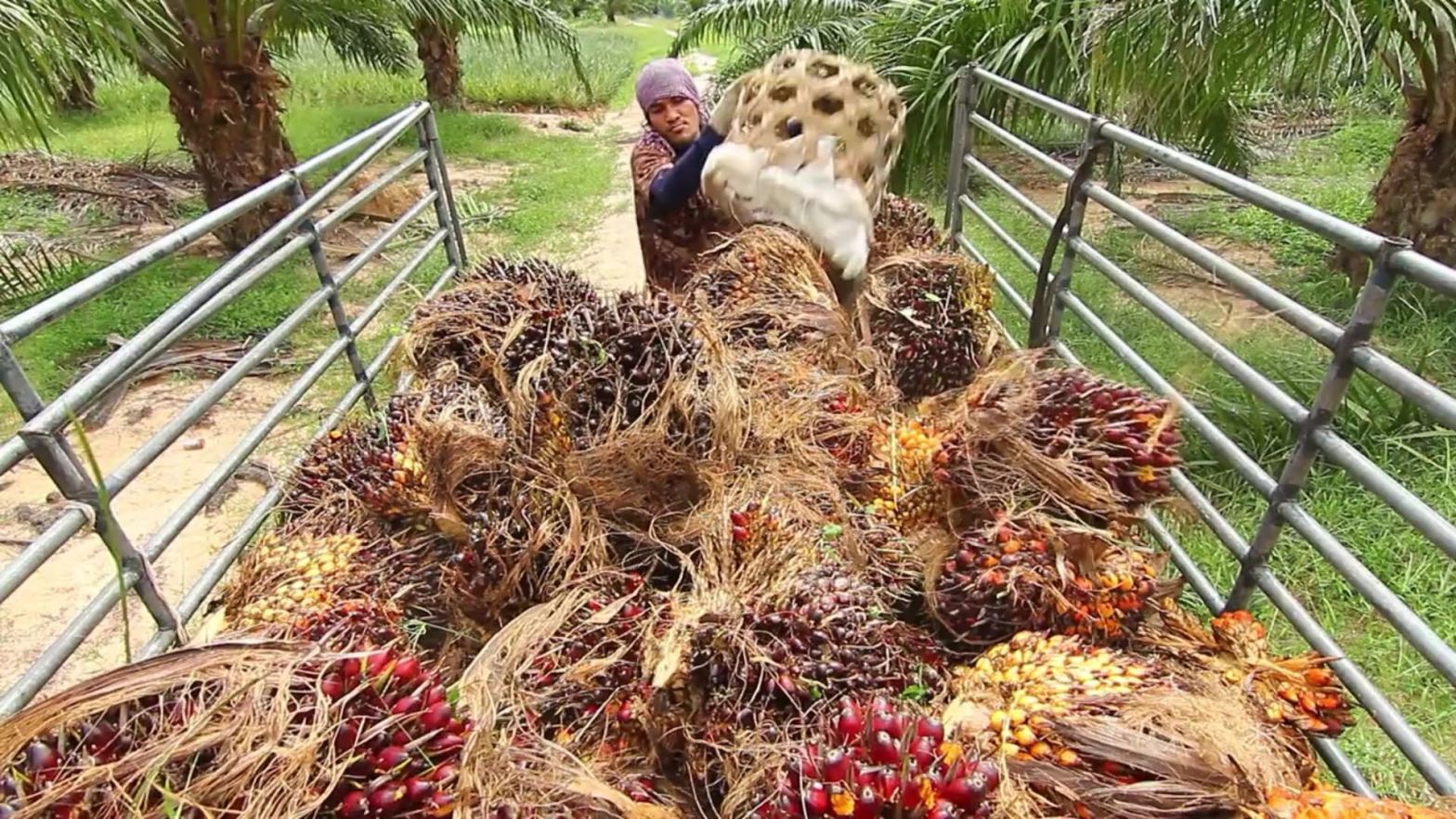
Deforestation in Indonesia worsens severe weather events: floods and landslides. Urgent policy changes are needed to mitigate ecocide and climate change
Protected: Private Advocate’s Page
There is no excerpt because this is a protected post.
How We End Gold Mining’s Ecocide For Good

Gold mining’s environmental destruction is unparalleled. Learn how a circular economy using only recycled gold can end this ecocide and its human rights toll.
Deforestation comes ‘roaring back’ despite 140-country vow to end destruction
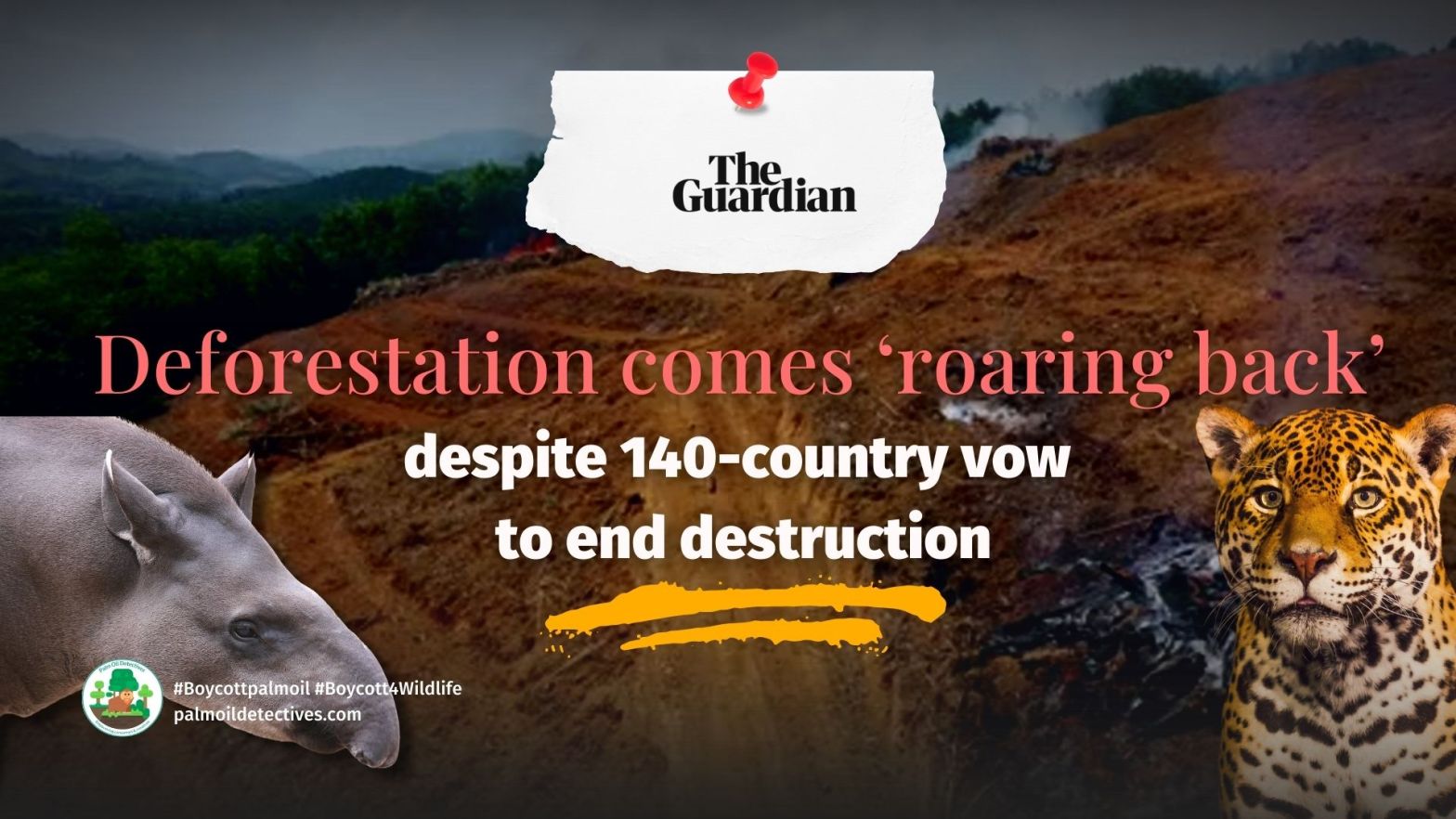
A new report has found that demand for #meat, #soy, #palmoil and nickel #mining is hindering efforts to halt #deforestation by 2030, a global report finds. The destruction of global forests increased in 2023, and is higher than when 140 countries promised three years ago to halt deforestation by the end of the decade.
The rising destruction of the forests puts ambitions to halt #climatechange and stem the huge worldwide #extinction even further from reach, the researchers warn. They found that voluntary certification of commodities alone could not stop deforestation and that strong legislation was needed to stop the ecocide and destruction.
Andean Mountain Cat Leopardus jacobita
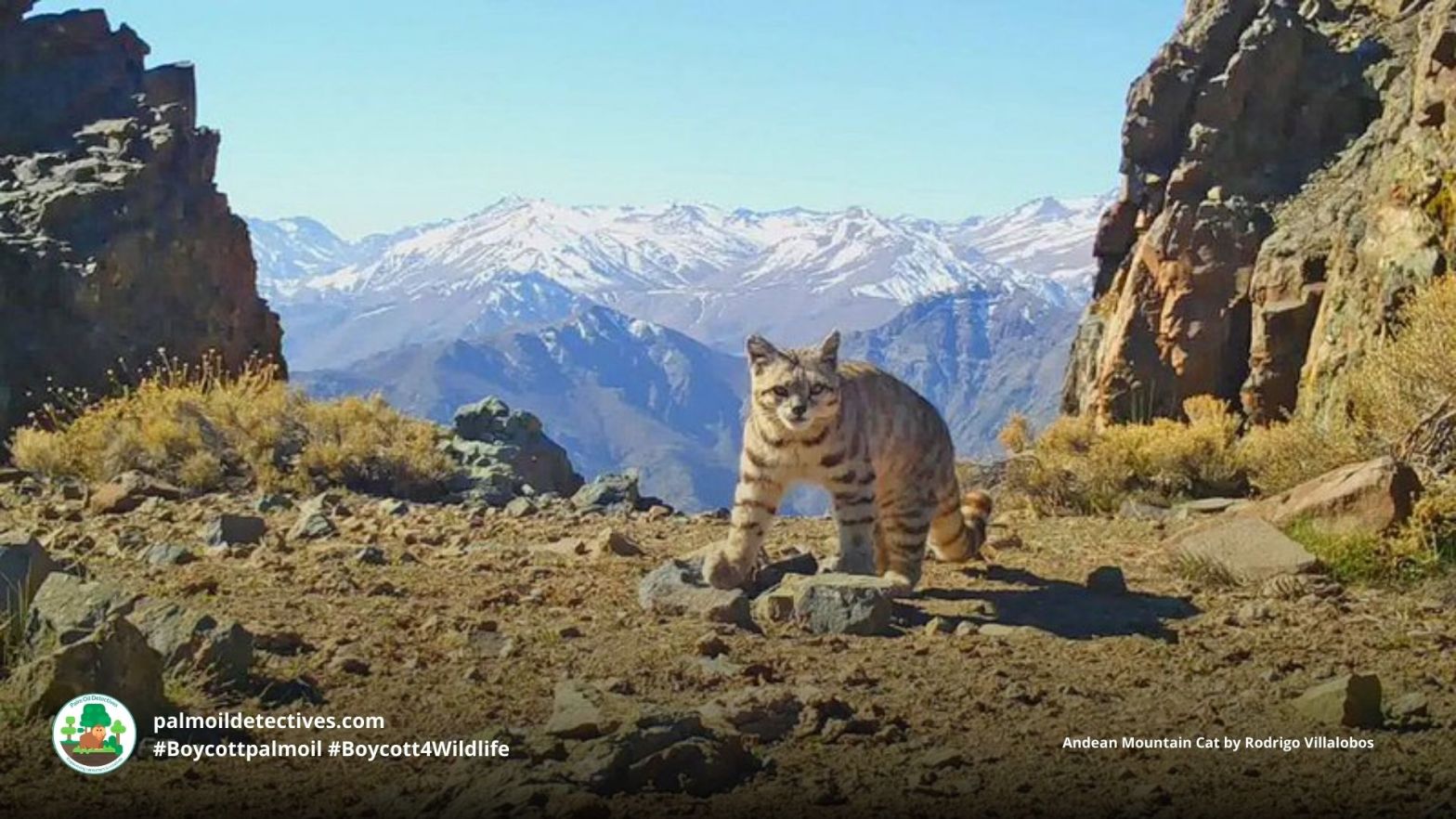
Known affectionately as ‘huana titi’ or ‘the cat from dry places’ by locals, the Andean mountain cat captivates with their mystery and elegance. This cat boasts an exceptional sense of hearing, attributed to their well-developed eardrums. These allow them to detect prey with precision. They skillfully use their long tail, which makes up 70% of their body length, for balance during the swift and unpredictable chases of their prey.
Unlike their larger feline counterparts, Andean mountain cats cannot roar due to the close and hardened structure of the bones in their throats, opting instead for mewls, growls, and screams. Remarkably, they can purr continuously, breathing in and out, showcasing a unique aspect of their vocal repertoire. Together we can protect these magnificent cats and their precious rainforest world. Use your wallet as a weapon and #BoycottMeat, #BoycottPalmOil, and #Boycott4Wildlife every time you shop!
Dusky Pademelon Thylogale brunii

Dusky Pademelons are small marsupials with large ears, strong hind legs and a short, thick tail. They navigate the dense and mountainous forests of New Guinea with natural agility. Solitary by nature, these fascinating creatures disperse seeds as they roam through the forests contributing to the maintenance of a vibrant ecosystem. They are now vulnerable due to the threat of hunting and deforestation for mining, palm oil and timber throughout their range. Help them to survive every time you shop and #Boycottpalmoil #Boycott4Wildlife
Did you know that gold kills indigenous people and rare animals?
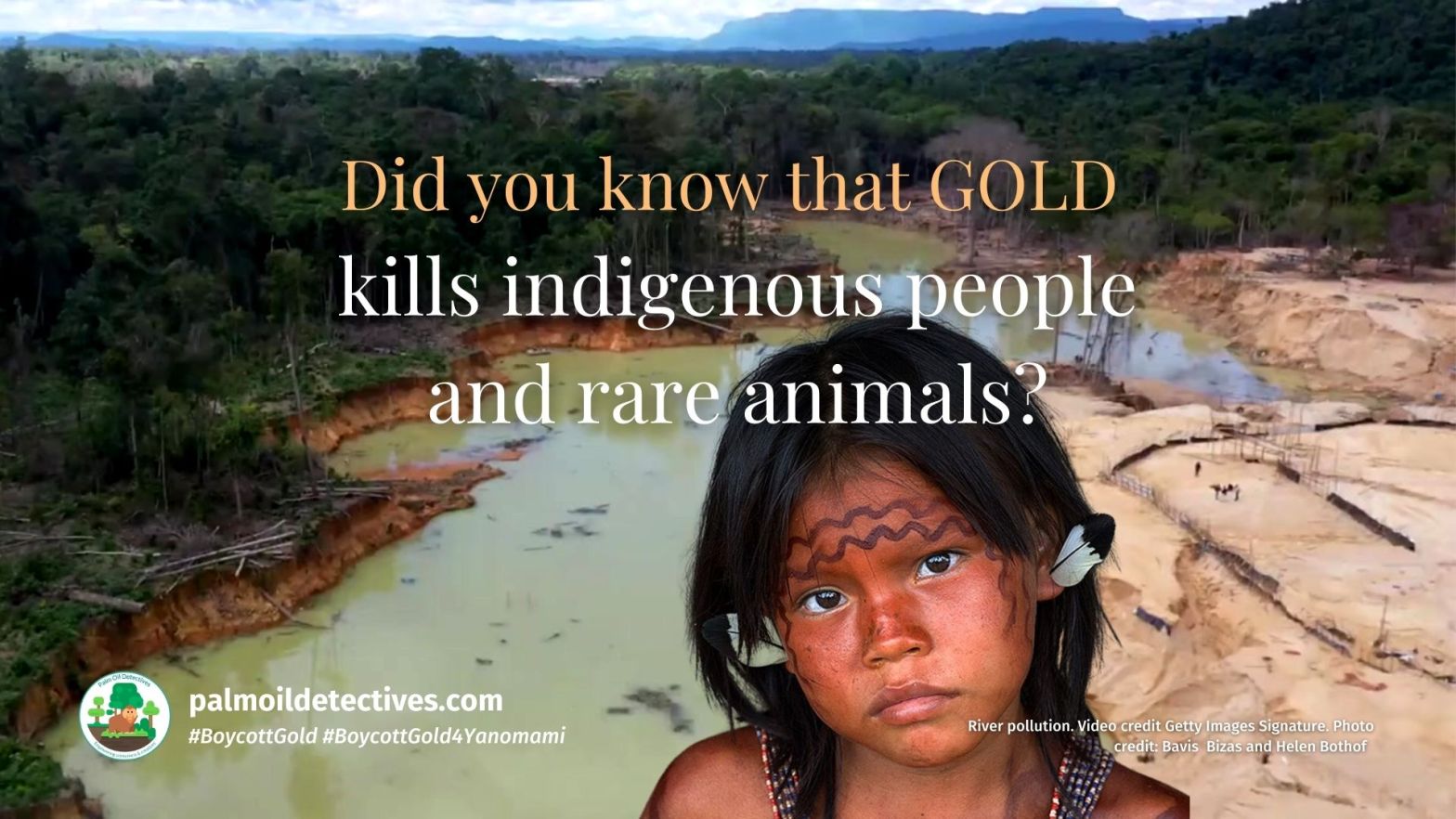
Gold mining kills indigenous peoples throughout the world like the Yanomami people of Brazil and Papuans in West Papua. The bloody, violent and greedy landgrabbing that goes on for gold forces indigenous women and children into sex slavery! Mercury poisons the water, which kills people and puts 1000’s of species closer to extinction. To help indigenous peoples to fight for their ancestral lands and help endangered animals you should #BoycottGold #BoycottGold4Yanomami
Magnificent Bird of Paradise Cicinnurus magnificus
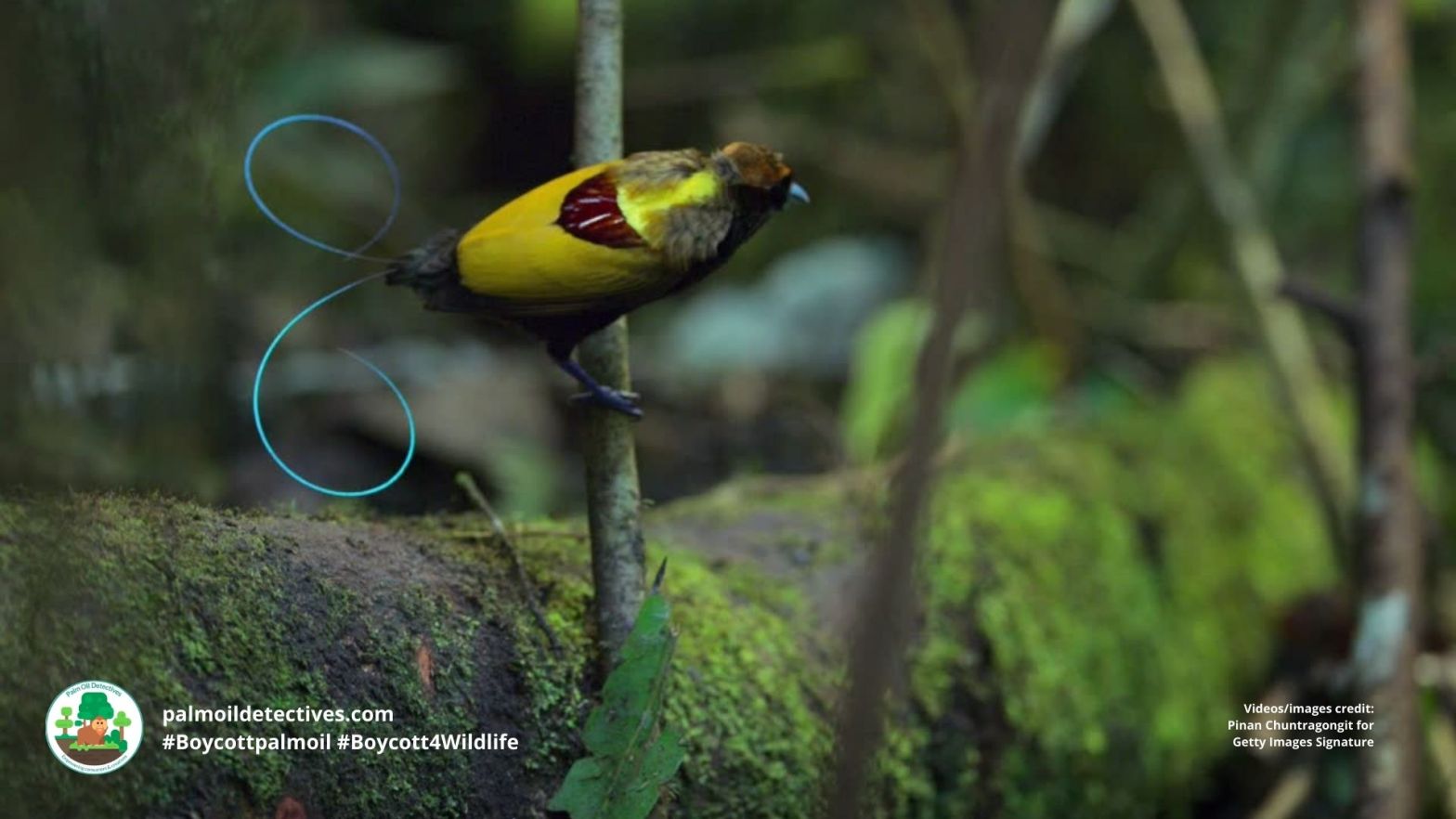
Meet the Magnificent Bird-of-Paradise, a dazzling, theatrical bird from New Guinea’s forests. Their vibrant courtship dances must be protected from palm oil!
Marsh Deer Blastocerus dichotomus
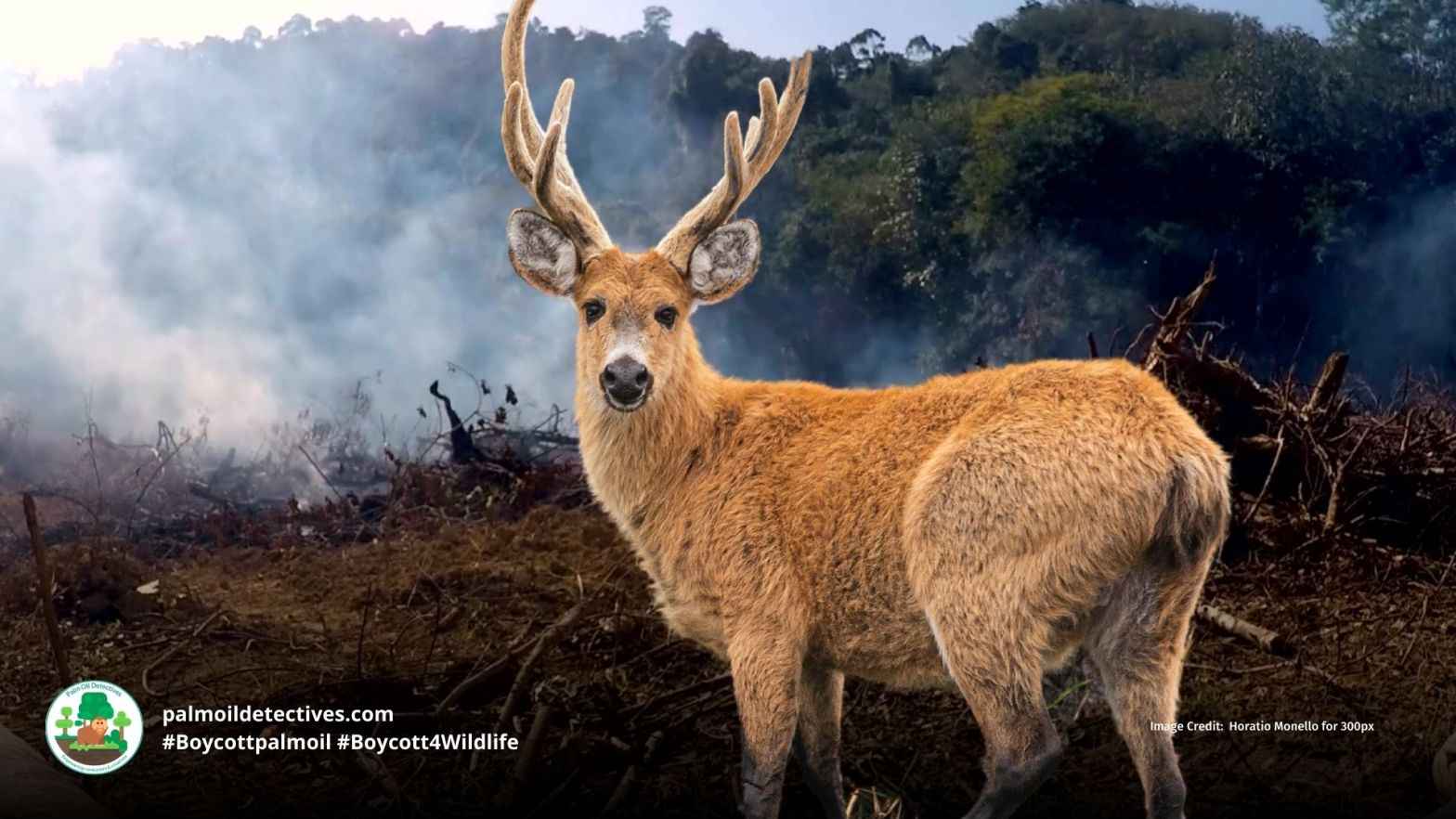
The Marsh deer are South America’s largest deer species, uniquely adapted to wetland life with their web-like hooves and preference for aquatic plants. They are prey animals for jaguars and pumas.
These majestic creatures, once widespread, are now confined to isolated pockets. Their main threat is habitat loss and fragmentation due to palm oil, soy and meat deforestation along with hydroelectric dams and gold mining.
Even as researchers strive to understand their complex and obscure social and mating behaviours, time is running out for these unique creatures. Use your wallet as a weapon and protect the Marsh deer #BoycottPalmOil #BoycottGold4Yanomami #Boycott4Wildlife.
Sulawesi Babirusa Babyrousa celebensis
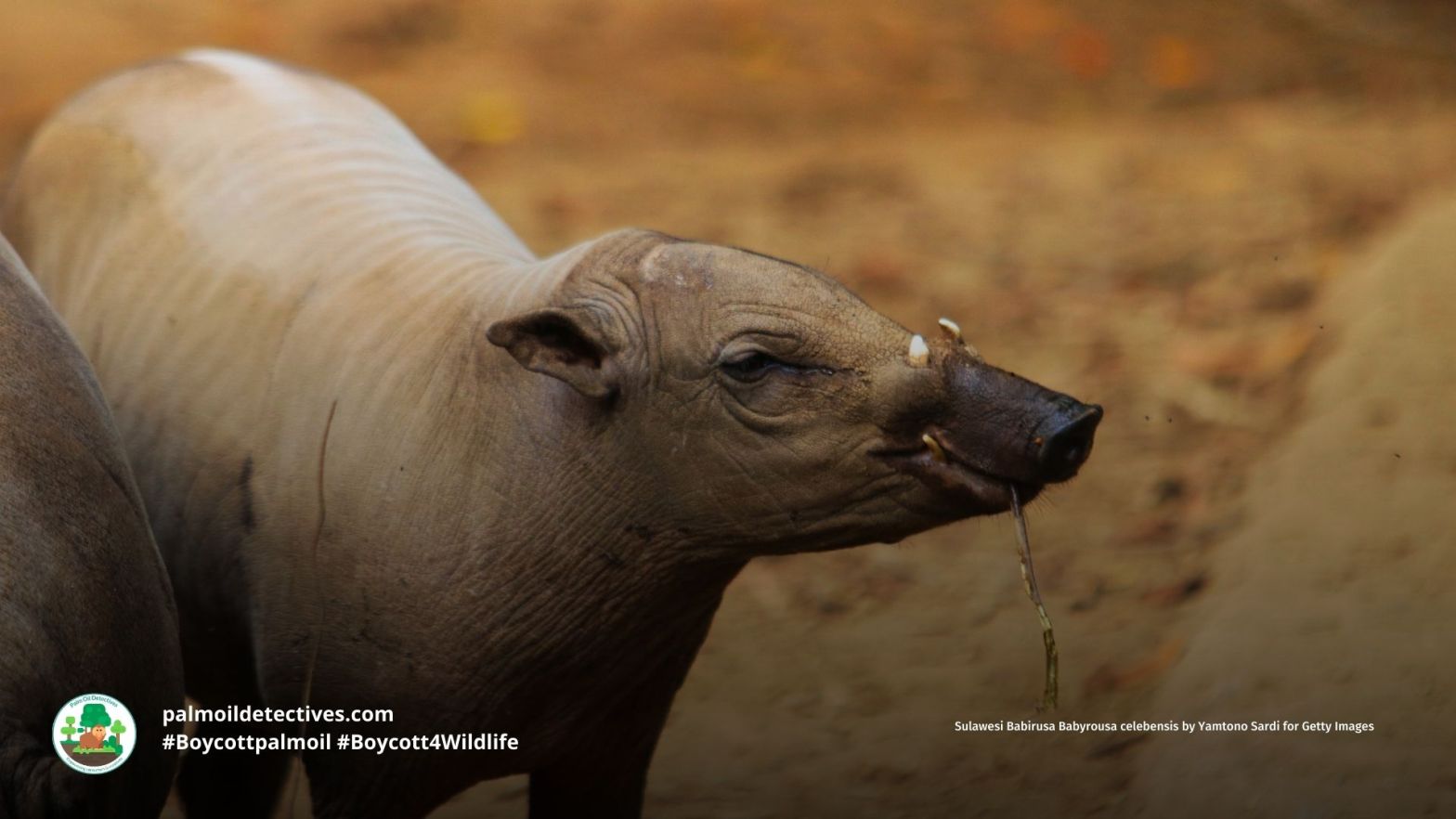
The Sulawesi Babirusa also known as the North Sulawesi Babirusa are wild pigs are found on Sulawesi Island along with nearby islands Lembeh, Buton, and Muna in #Indonesia.
They have a mottled grey-and-brown skin that helps them blend into their forested habitat. One remarkable feature of babirusas is their large tusks. They have two pairs of elongated canine teeth that curve upward and backward towards their heads.
For males, their upper canines grow so long that they protrude through holes in the flesh on the top of their snouts. Sadly, these unique creatures are threatened by deforestation caused by the palm oil and timber industries along with hunting and mining. You can help by making conscious choices. Consider going vegan to support the movement against palm oil, and join the call to boycott palm oil and protect wildlife with the hashtags #Vegan, #Boycottpalmoil, and #Boycott4Wildlife. Together, we can make a difference for the Sulawesi Babirusa and their habitat.
Colombian Red Howler Monkey Alouatta seniculus
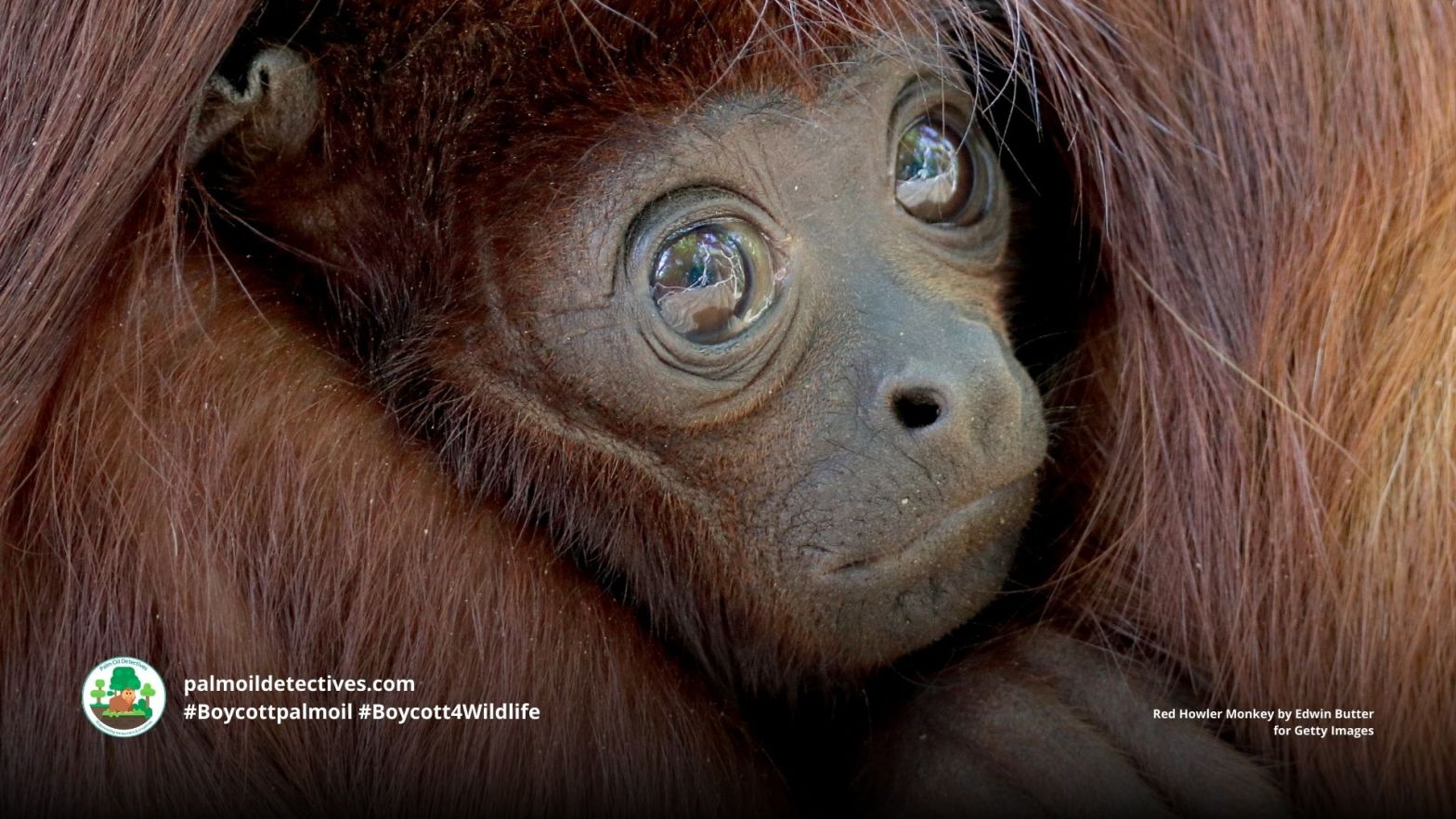
Red howlers are the largest of the howler monkey species. They have dense and vividly coloured fur that ranges from brown to dark red, with gold or bright orange undersides – the colour can vary based on their age and habitat. Their bare, dark faces contrast with the surrounding fur. They have stunning and characterful faces with stubby noses, wide jaws, and thick beards. These beautiful #monkeys face multiple threats including palm oil, soy and meat deforestation, the construction of #hydroelectric dams, #hunting and human persecution. Help them to survive each time you shop, #BoycottGold #Boycottpalmoil #Boycott4Wildlife
Vogelkop Superb Bird of Paradise Lophorina superba

Male superb-bird’s-of-paradise are the dramatic actors of #NewGuinea’s rainforest. They use their lush, multicoloured plumage to change shape in an elaborate dancing courtship display that typically goes on for many hours for the sole benefit of a female #bird. At the end of the dancing ritual, the female will get to choose her mate between 15-20 male #birds. These magnificent birds are struggling to survive, hemmed in on all sides by #hunting, #palmoil, gold mining and timber #deforestation throughout their range. Help their survival every time you shop and #Boycottpalmoil #Boycott4Wildlife in the supermarket!
Yellow-casqued Hornbill Ceratogymna elata
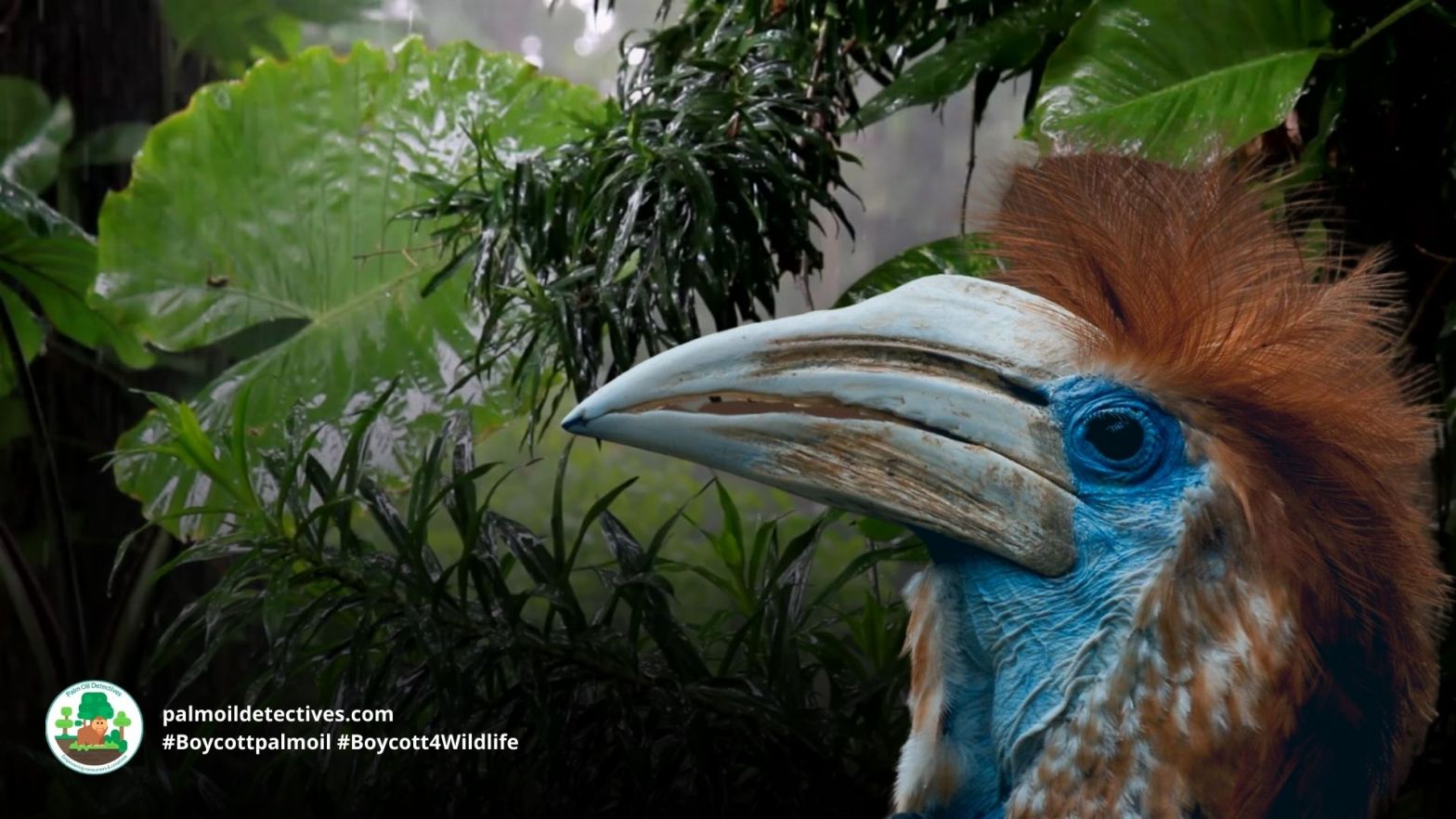
The yellow-casqued hornbill is one of the most remarkable hornbills in the world and one of the largest birds in the rainforests of West Africa weighing up to two kilos. Sporting a shock of russet coloured feathers and a striking blue coloured face, they prefer to live high up in the rainforest canopy in Côte d’Ivoire, #Ghana, #Liberia, Mali and #SierraLeone. Their main threat is hunting and human persecution and they are possibly extinction now in some countries. Recent mass deforestation for #mining, #palmoil, #cocoa and #meat is also a threat and they are now classified as #vulnerable. Help them every time you shop and be #vegan, #Boycottpalmoil, #Boycott4Wildlife
Shoebill Balaeniceps rex
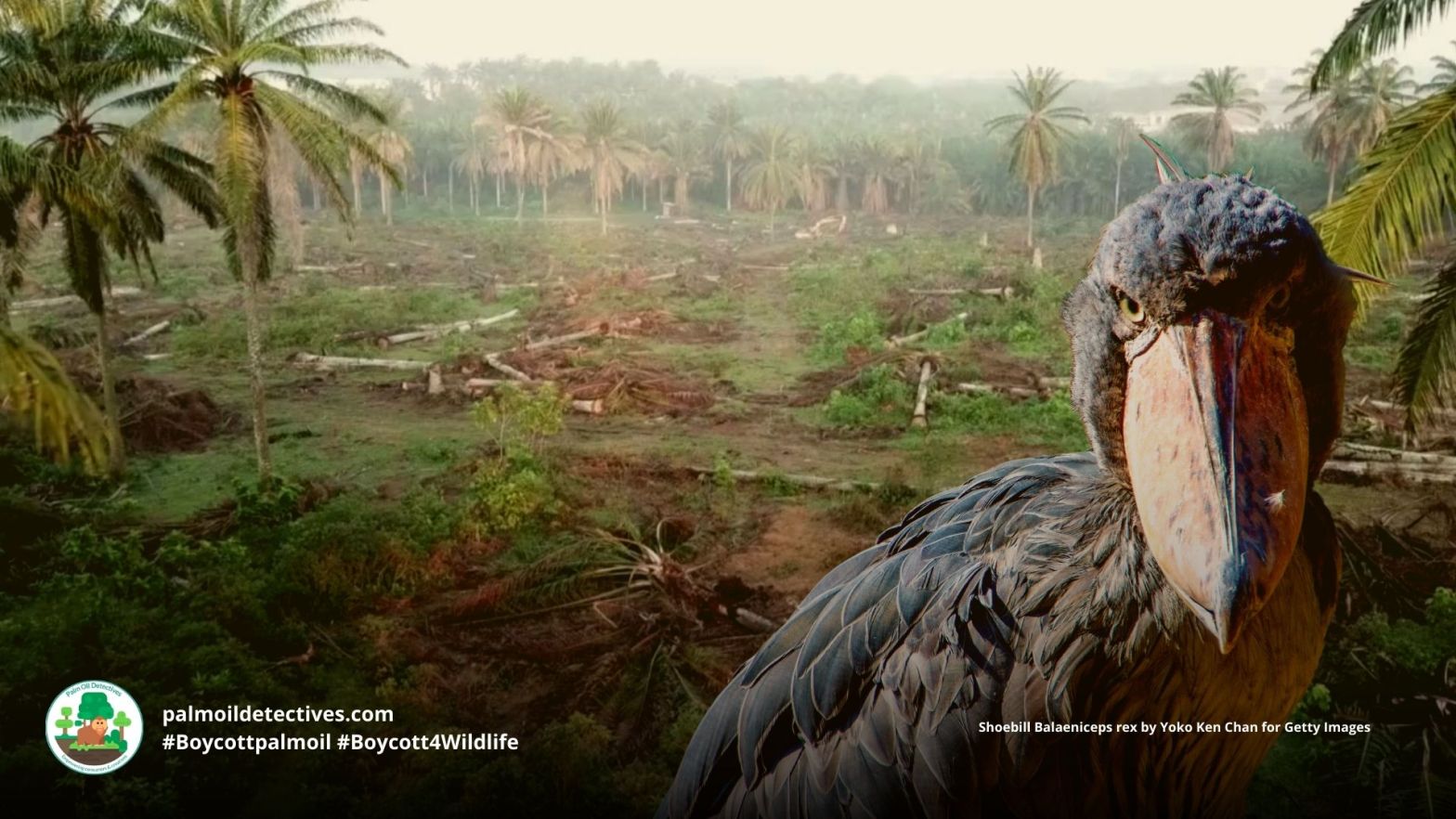
With their intense stare and imposing appearance, prehistoric birds Shoebills number fewer than 8000 in the wild. Save them when you boycott palm oil!
Brown Howler Monkey Alouatta guariba
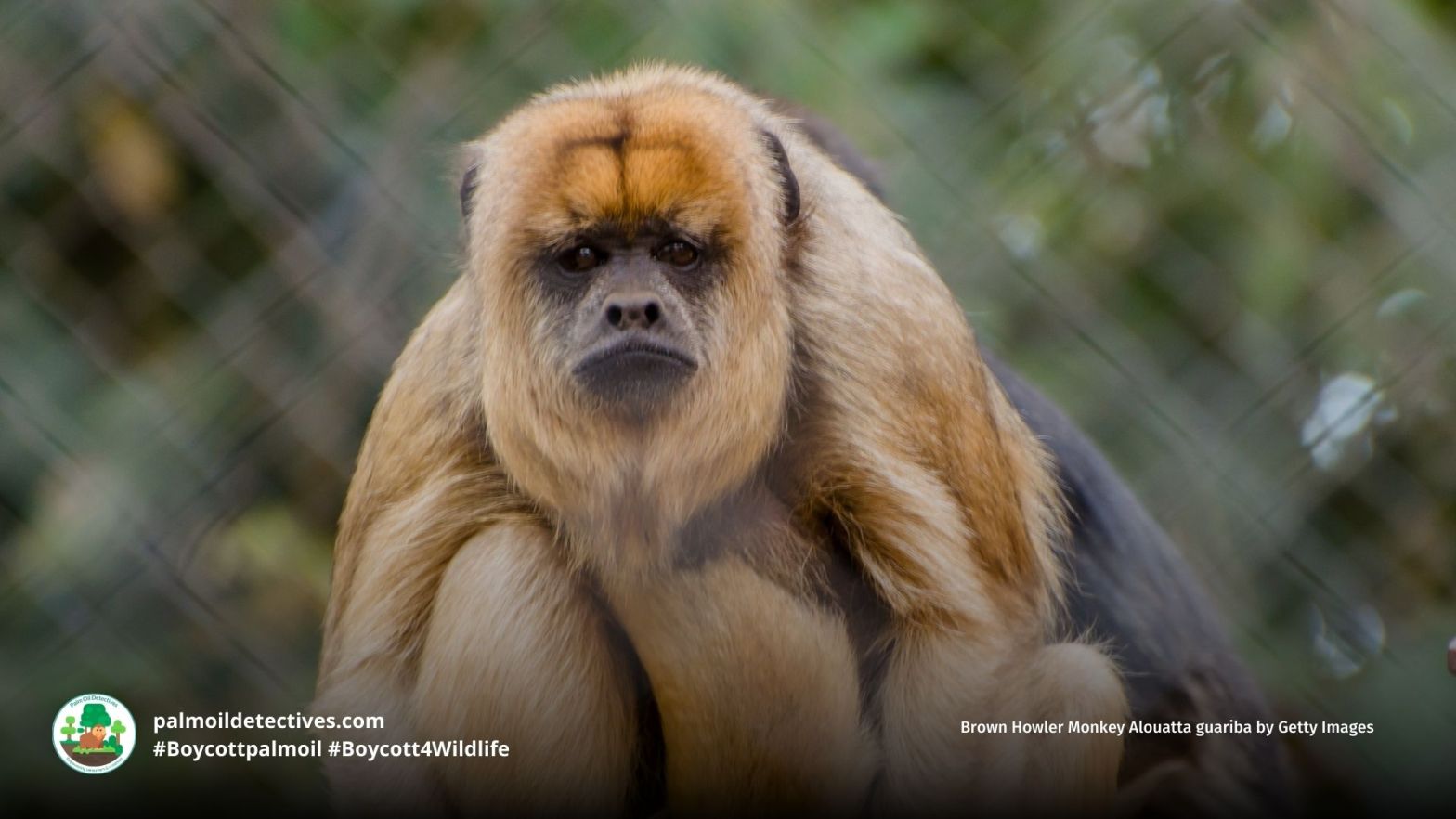
You will hear a Brown Howler #Monkey before you sere one. Heard from several kilometres away these monkeys have a haunting howl that penetrates and rustles the forest canopy. They live in groups between two and eleven individuals and take respite during the heat of the day in the Atlantic forests of #Brazil and #Argentina. Despite their prehensile tails and graceful gait they face enormous threats, mainly from palm oil, soy and meat deforestation, yellow fever virus and human persecution. Help them every time you shop when you #BoycottGold #BoycottPalmOil #Boycott4Wildlife.
Sunda Pangolin Manis javanica
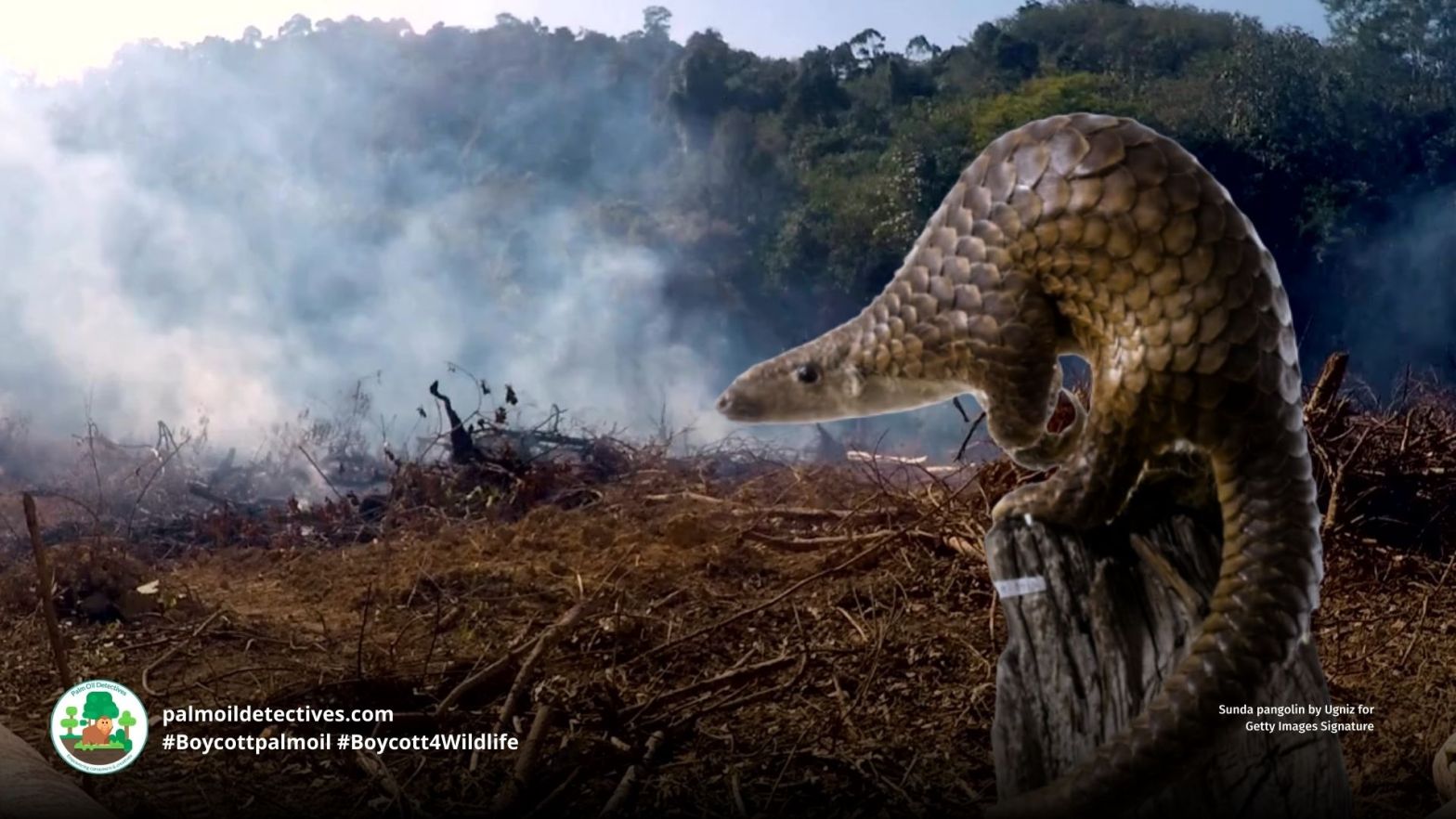
Sunda pangolins AKA Javan pangolins are capable swimmers and curl protective balls, palm oil and hunting exploitation are major threats, boycott palm oil!
 Palm Oil Detectives