
There is no excerpt because this is a protected post.
Tag Archives: wildcat
Andean Mountain Cat Leopardus jacobita
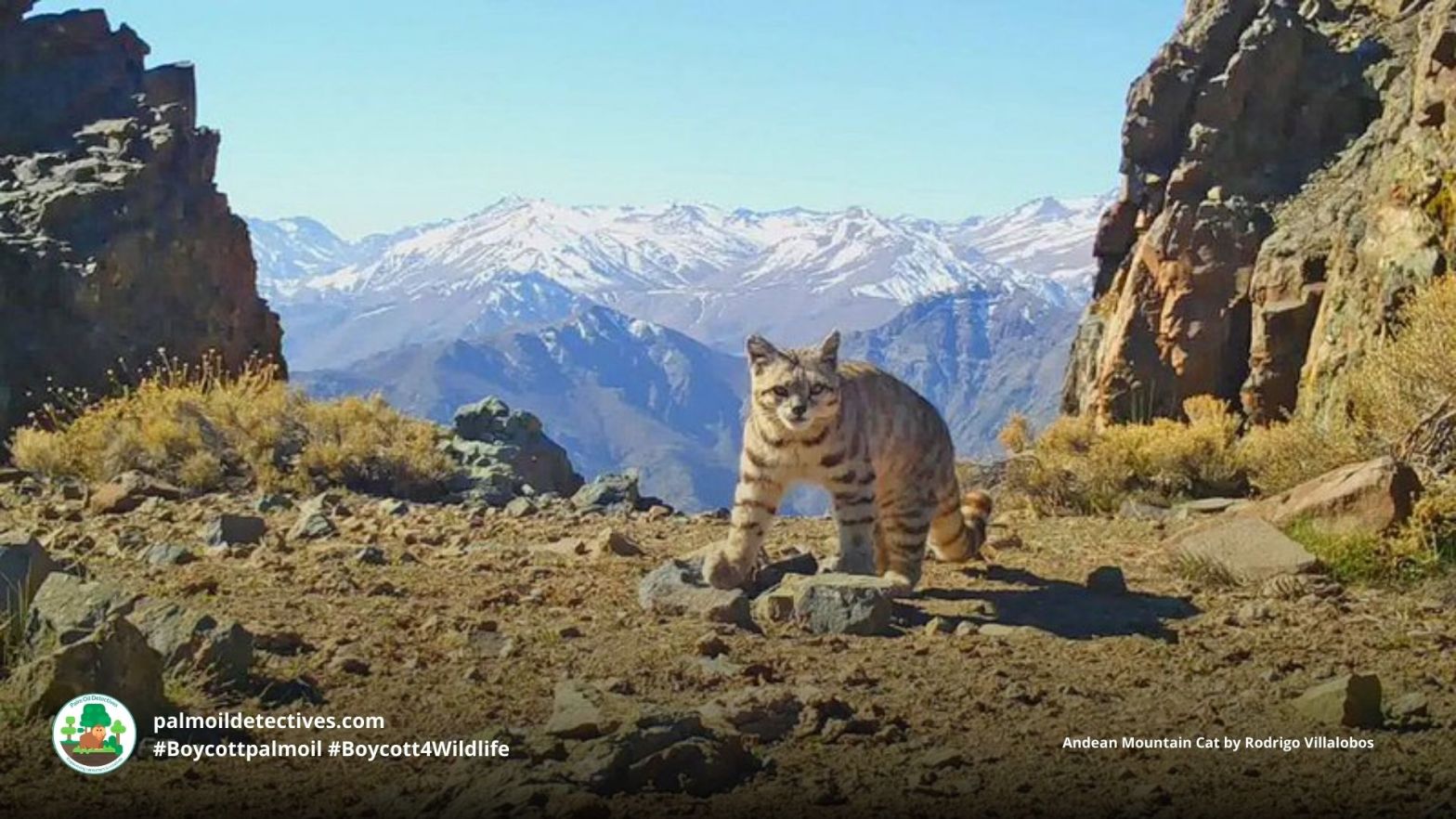
Known affectionately as ‘huana titi’ or ‘the cat from dry places’ by locals, the Andean mountain cat captivates with their mystery and elegance. This cat boasts an exceptional sense of hearing, attributed to their well-developed eardrums. These allow them to detect prey with precision. They skillfully use their long tail, which makes up 70% of their body length, for balance during the swift and unpredictable chases of their prey.
Unlike their larger feline counterparts, Andean mountain cats cannot roar due to the close and hardened structure of the bones in their throats, opting instead for mewls, growls, and screams. Remarkably, they can purr continuously, breathing in and out, showcasing a unique aspect of their vocal repertoire. Together we can protect these magnificent cats and their precious rainforest world. Use your wallet as a weapon and #BoycottMeat, #BoycottPalmOil, and #Boycott4Wildlife every time you shop!
Research: Wild cat carnivores in Borneo may adjust their schedules to avoid each other
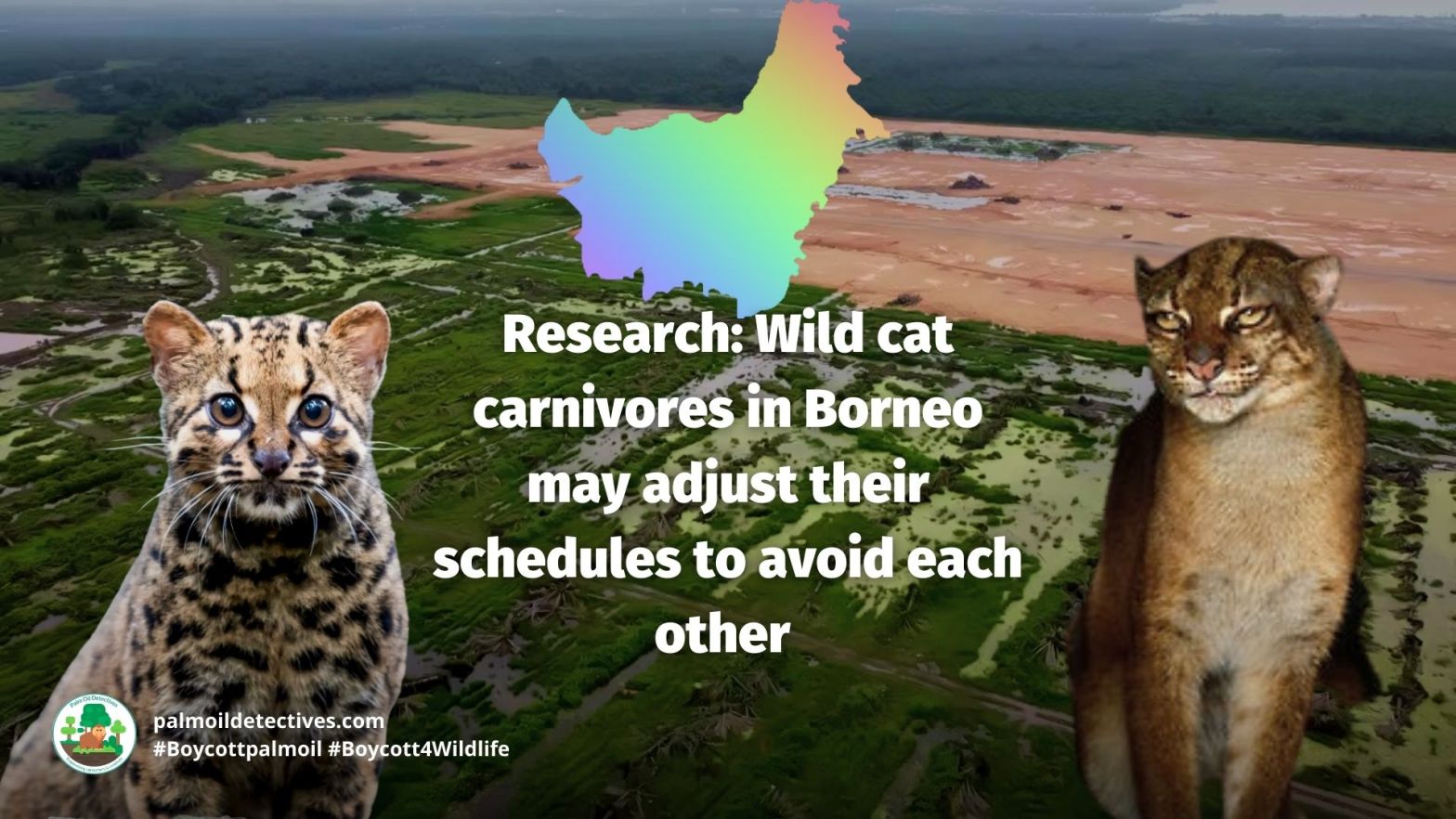
Study by Hiroshima University finds that due to increased human pressures from hunting, palm oil and other deforestation, wild cats and other carnivores in Indonesia and Malaysia may go out of their way to avoid other species – they negotiate space and resources for survival.
African Golden Cat Caracal aurata
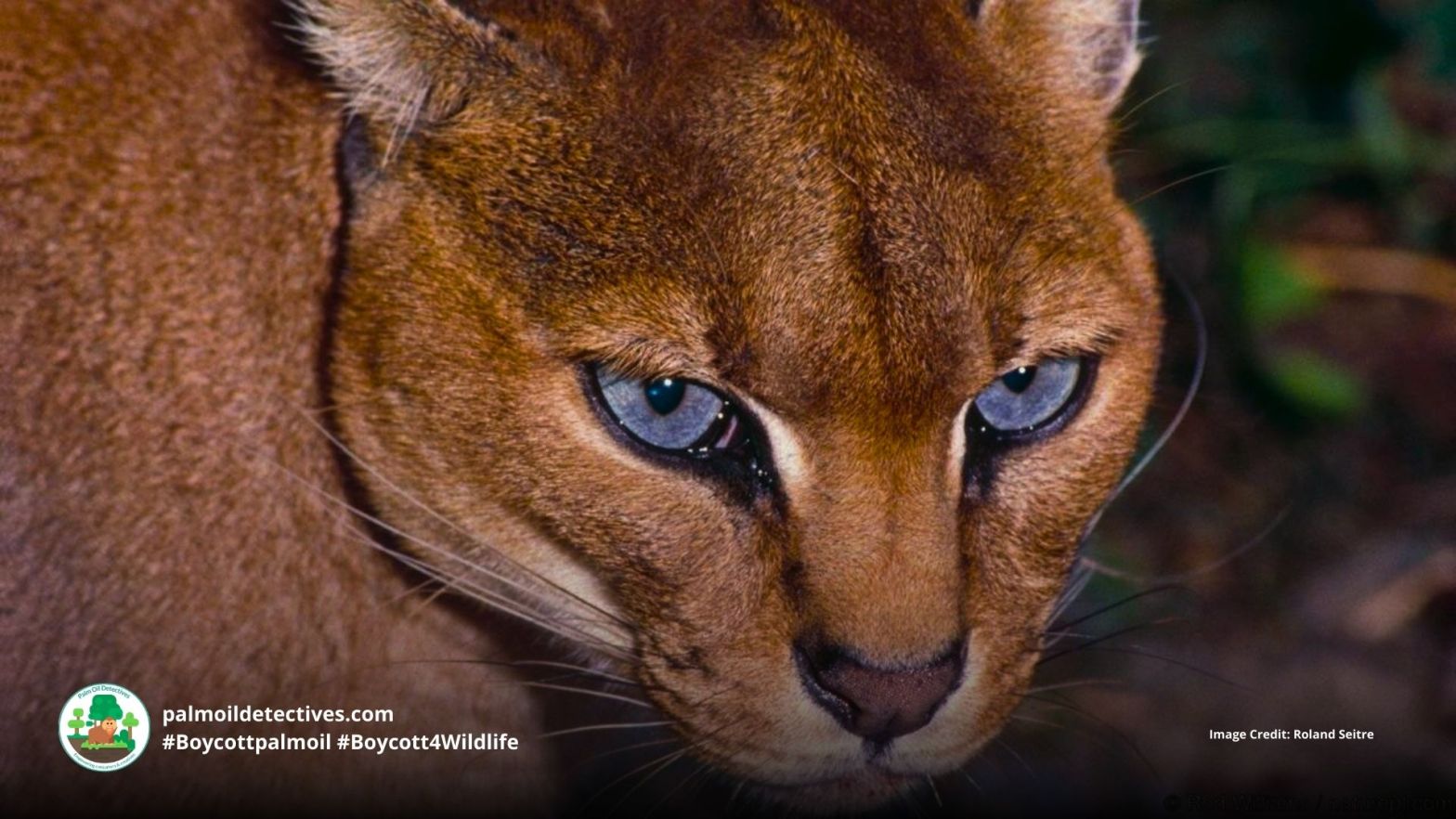
The African golden cat’s striking coat varies from radiant red to elegant gray. They are a symbol of wild grace in the African jungle. This feline enchants a cacophony of sounds, from gentle meows to assertive growls. They are classified as Vulnerable and their population is expected to reduce by 30% as a direct result of palm oil deforestation in their forest home (IUCN Red List). Fight to protect these magnificent animals and their home every day! #BoycottPalmOil and #Boycott4Wildlife in the supermarket!
Margay Leopardus wiedii
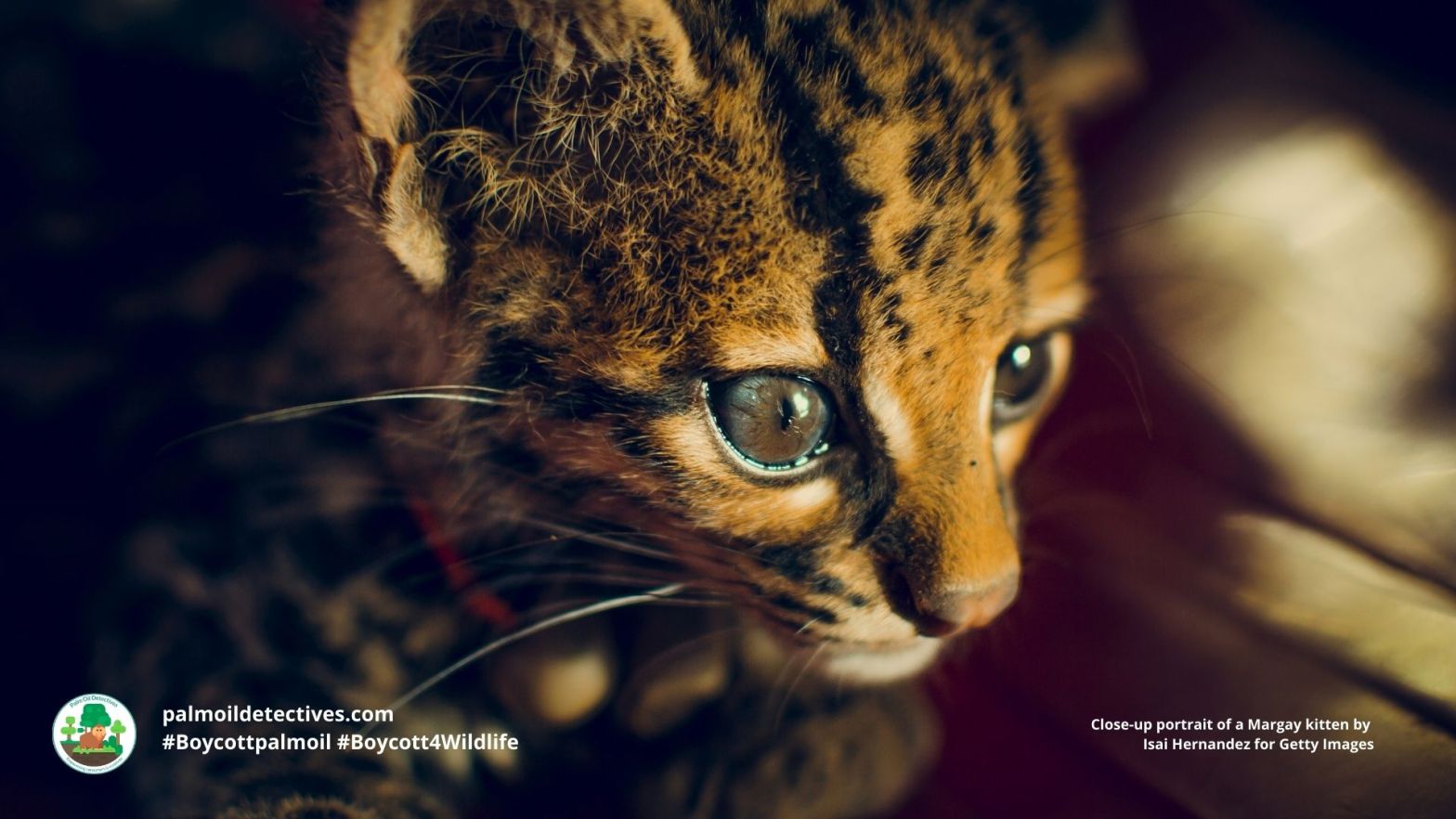
Graceful, athletic and beautiful feline of the Amazon jungle, margays are small wild cats endemic to South and Central America. Every margay has a unique spotted pattern on their coat. They depend heavily on the rainforest canopy for hunting small mammals, reptiles and amphibians and are thought to mimic the call of the pied tamarin in order to hunt for them. Deforestation for #palmoil, soy and meat along with illegal poaching are devastating to them. Help them every time you shop and be #vegan, #Boycottpalmoil #Boycott4Wildlife
Fishing Cat Prionailurus viverrinus
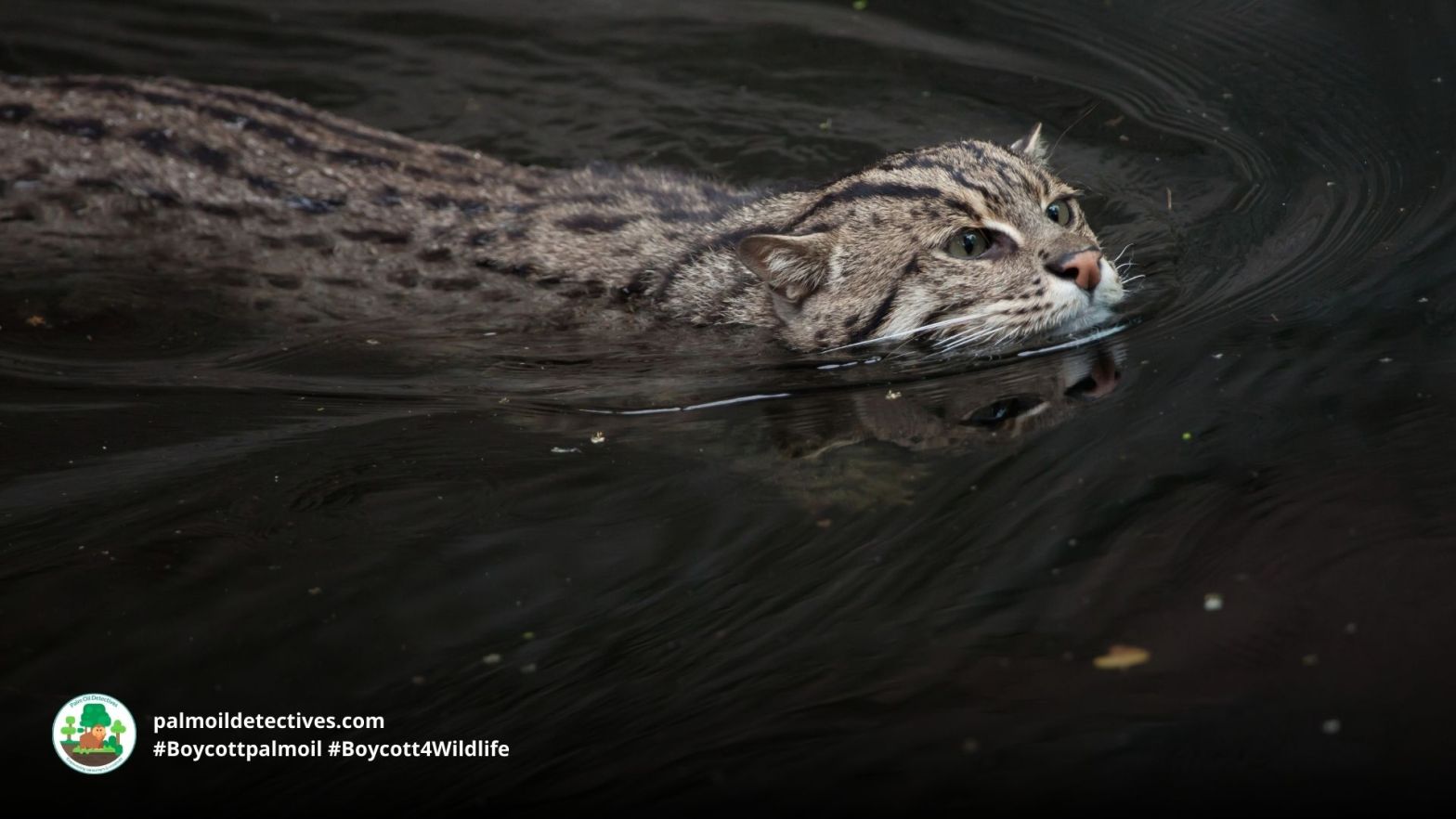
Although they look cute and cuddly, the Fishing #Cat Prionailurus viverrinus has a feisty, firecracker temper. This small to medium sized wild cat can become defensive if approached in the wild. They are around twice the size of a domestic cat and typically weigh around 5-16 kg and have stocky short legs and a short tail.
Their faces are round with elongated noses that gives them a civet-like appearance, which is why their scientific name is viverrine. They are agile and fast hunters and can reach fast speeds in pursuit of prey. They have an average lifespan of approximately 12 years. Ongoing threats include palm oil deforestation, and in Indonesia it is uncertain if their population have remained alive intact due to widespread deforestation and hunting pressures. Help these plucky little #wildcats when you shop and #BoycottPalmOil #Boycott4Wildlife
Jaguar Panthera onca
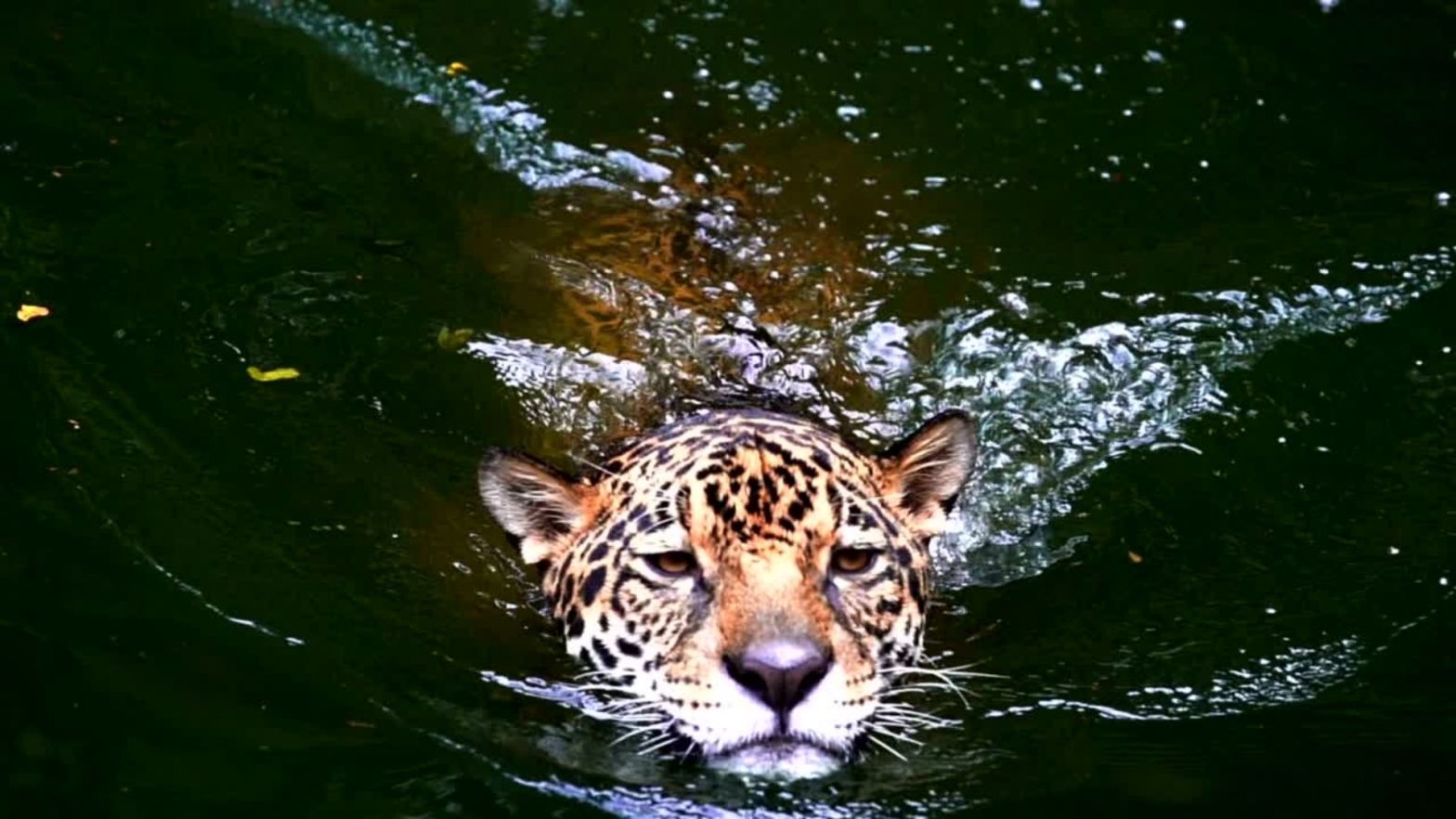
Jaguars, currently deemed Near Threatened, face a substantial habitat reduction of up to 25% in just over two decades. This decline stems from rampant deforestation for palm oil, soy, and meat, as well as illegal poaching for trophies and body parts. These magnificent creatures also suffer from conflicts arising due to livestock depredation and competition with human hunters for food. Aggravating the issue, Latin America’s widespread agricultural industries, like soy, palm oil, and cattle ranching, mainly serve foreign markets rather than local needs. Let’s step up and use our wallets as a weapons! Be #vegan #Boycottpalmoil #Boycott4Wildlife.
Northern Tiger Cat (Oncilla) Leopardus tigrinus
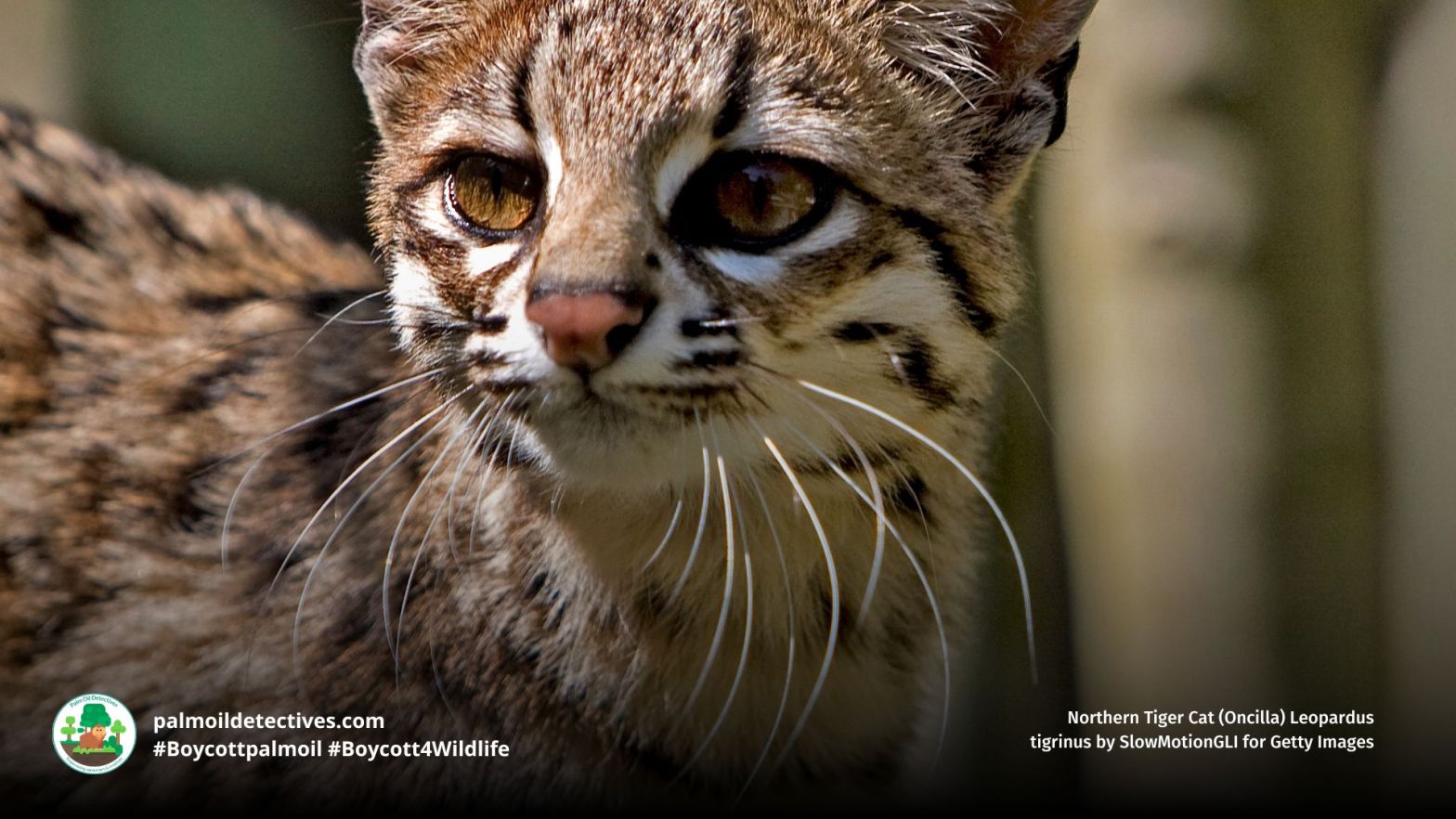
The northern tiger cat, also known as the oncilla (Leopardus tigrinus), is a captivating small wild cat native to Central and South America. Distinguished by their striking, leopard-like coat marked with dark rosettes and a sleek, agile body, this elusive feline is a master of stealth and survival in the dense forests and grasslands they inhabit.
The northern tiger cat is a tiny predator, weighing only 1.5–3 kg, yet they play a significant role in maintaining ecological balance as a keystone predator. These solitary creatures, though mostly ground-dwelling, are adept climbers. They communicate through purring as kittens and have a unique “gurgle” as adults. Their habitats range from the semi-arid Caatinga to the Andean cloud forests. Tragically, this species is classified as Vulnerable, with populations declining due to habitat destruction for palm oil, soy, meat and mining, poaching, and habitat fragmentation. Indigenous-led conservation efforts are vital to protect their remaining habitats. #BoycottPalmOil #Boycott4Wildlife
Marbled Cat Pardofelis marmorata
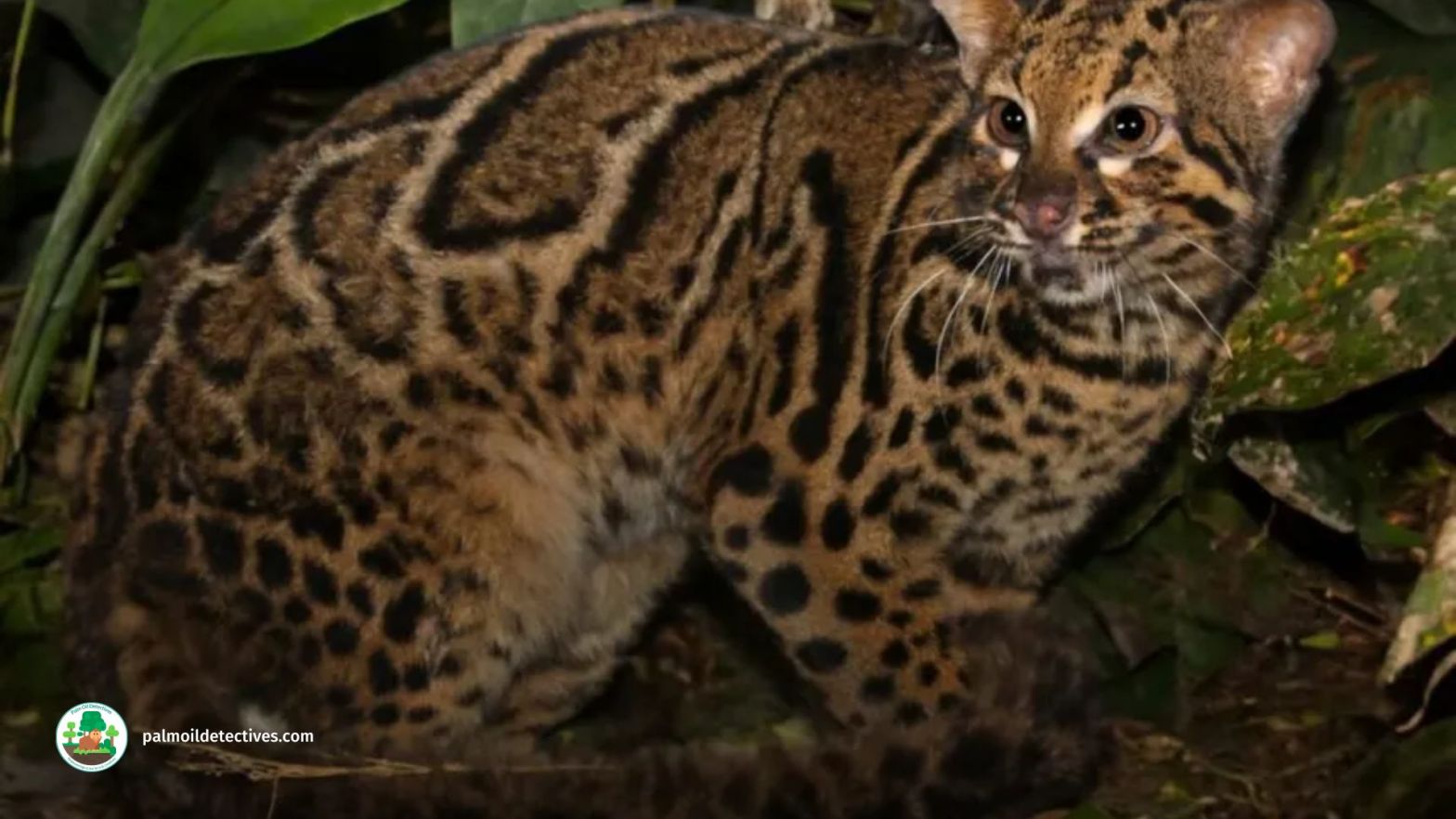
Marbled Cat Pardofelis marmorata IUCN Status: Near Threatened Location: India, Nepal, Bhutan, Bangladesh, Myanmar, Thailand, Laos, Vietnam, Cambodia, Malaysia, Indonesia (Sumatra, Borneo), China (Yunnan, Guangxi, Tibet), Brunei The marbled cat is a small #wildcat that can be found in the eastern part of the Himalayas and southern Asia. They are related to the Asian GoldenContinue reading “Marbled Cat Pardofelis marmorata”
Leopard Panthera pardus
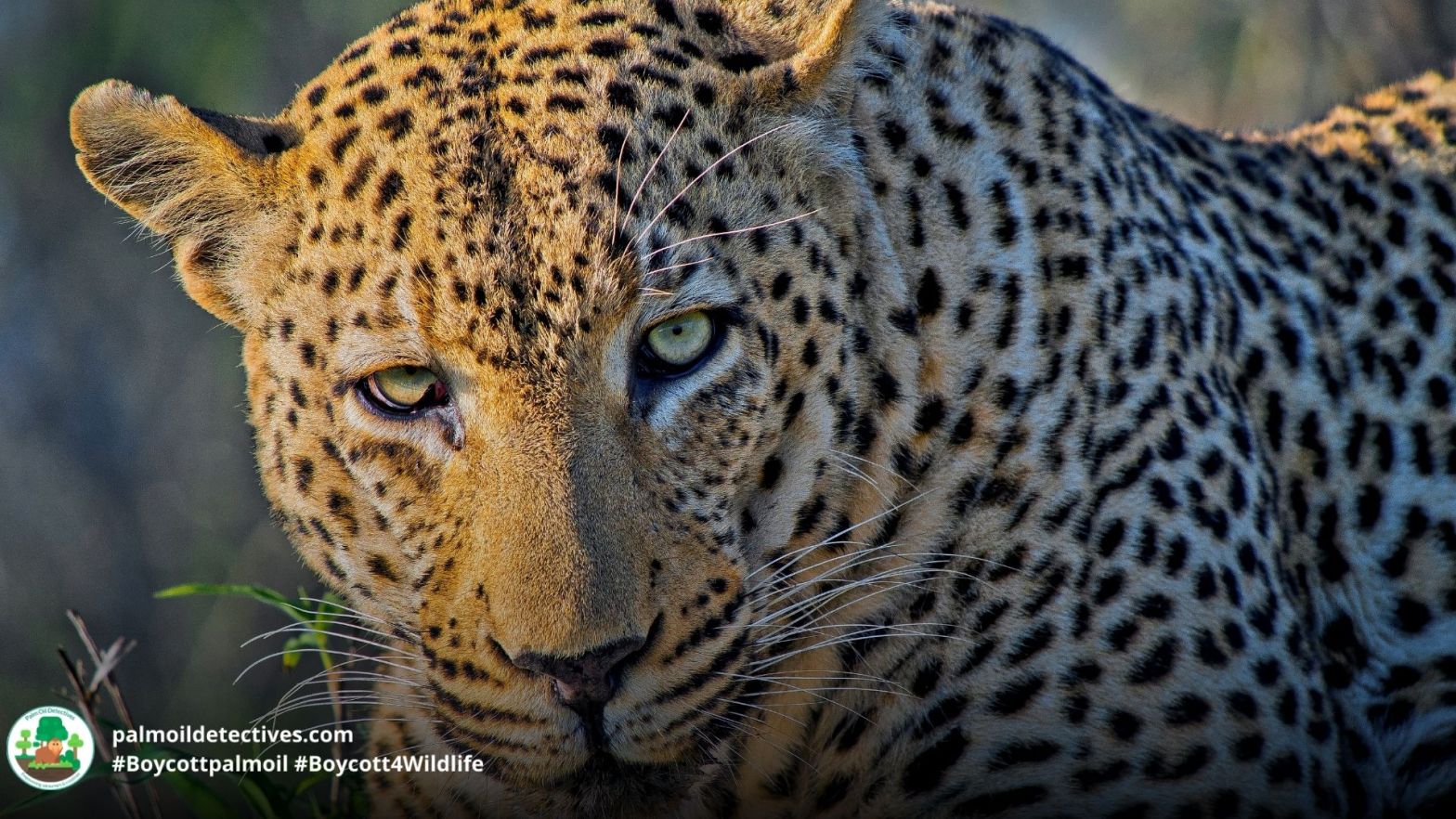
Of all the great cats prowling the wild, few inspire as much awe and fascination as the leopard Panthera pardus. Sleek, powerful, and enigmatic, leopards are found across a staggering range—from sub-Saharan Africa, forests of West Africa and the Middle East to Central Asia and the forests of Southeast Asia. Yet this extraordinary adaptability masks a disturbing truth. The leopard is currently listed as Vulnerable on the IUCN Red List, with some subspecies such as the Amur, Arabian, and Javan leopard are on the very brink of extinction. Across their range, these elusive big cats are being driven into ever-shrinking patches of habitat, with populations decimated by deforestation, rampant poaching, prey depletion, and the relentless spread of palm oil plantations and other monoculture. Help leopards every time you shop and #BoycottPalmOil #Boycott4Wildlife
Borneo Bay Cat Catopuma badia
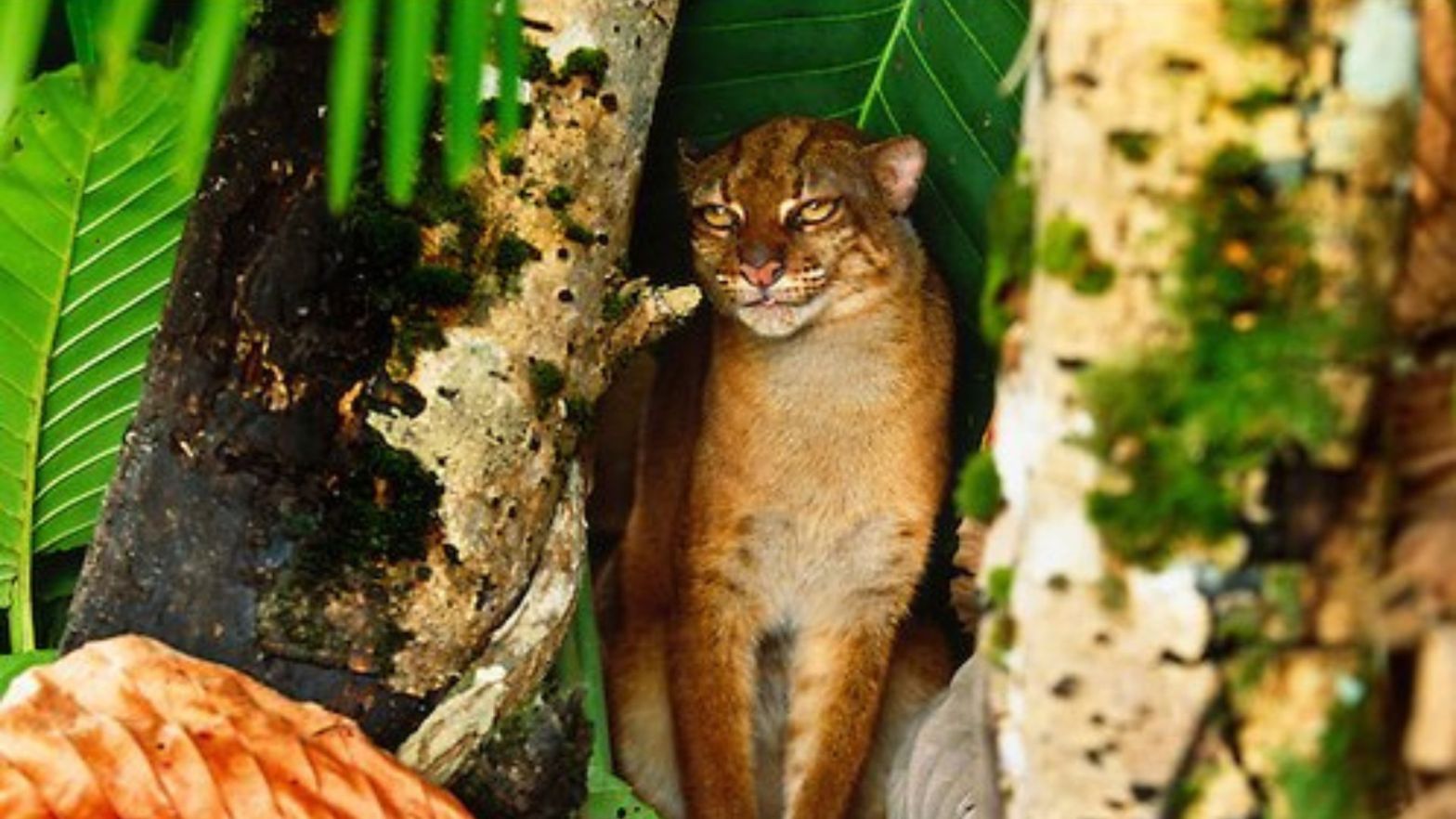
The Borneo Bay Cat, also known as the Bay Cat, is a small wildcat species endemic to the island of Borneo. Renowned for their elusive nature, they inhabit dense tropical forests and are among the least studied wild cats globally. Their rarity and the rapid deforestation of Borneo’s rainforests have raised significant conservation concerns. To protect the Borneo Bay Cat use your wallet as a weapon to fight for their survival each time you shop. #BoycottPalmOil #Boycott4Wildlife
Tiger Panthera tigris
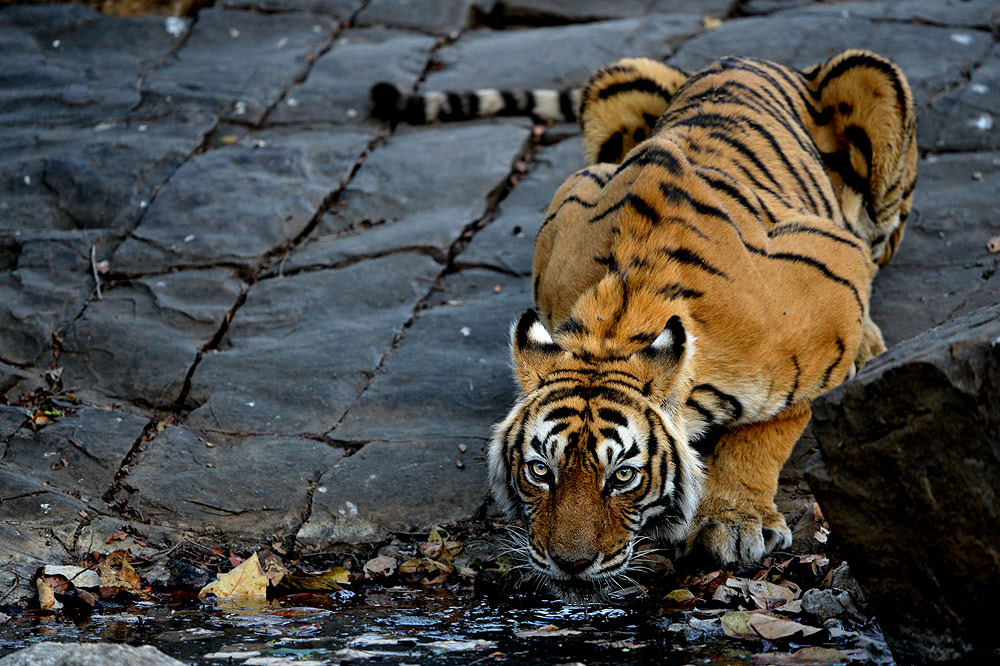
Fewer than 400 tigers remain in Sumatra due to deforestation for palm oil. Help save this endangered species. #Boycottpalmoil #Boycott4Wildlife
 Palm Oil Detectives