
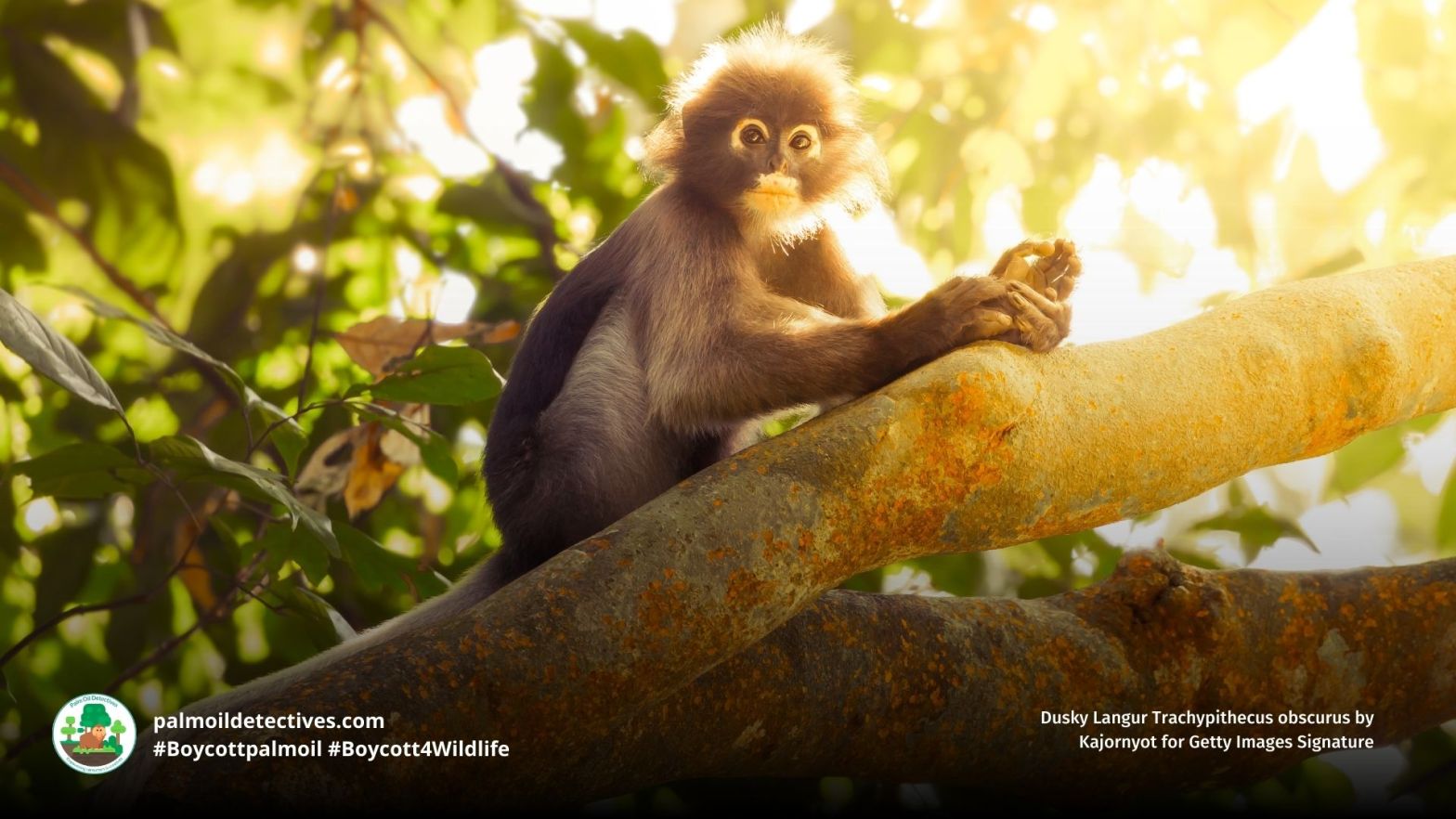
The dusky langur, also known as the spectacled langur or dusky leaf monkey, is one of Southeast Asia’s most charismatic primates. Living in #Thailand, #Myanmar and #Malaysia they have vivid white eye patches that resemble spectacles and a fluffy dark-grey coat, they cut an unmistakable figure against the rustling emerald canopy of the rainforest. These intelligent and agile #monkeys play a crucial role in their ecosystems by dispersing seeds, keeping forests healthy and thriving. Yet, deforestation for agriculture—particularly #palmoil, rubber, and durian plantations—alongside hunting and illegal #wildlifetrade, is pushing them closer to extinction. Without urgent intervention, the forests they call home will be razed, and their populations will continue to plummet. Use your voice to protect them—fight for their survival and #BoycottPalmOil #Boycott4Wildlife every time you shop
Category Archives: Species Endangered by Palm Oil Deforestation
Baird’s Tapir Tapirus bairdii
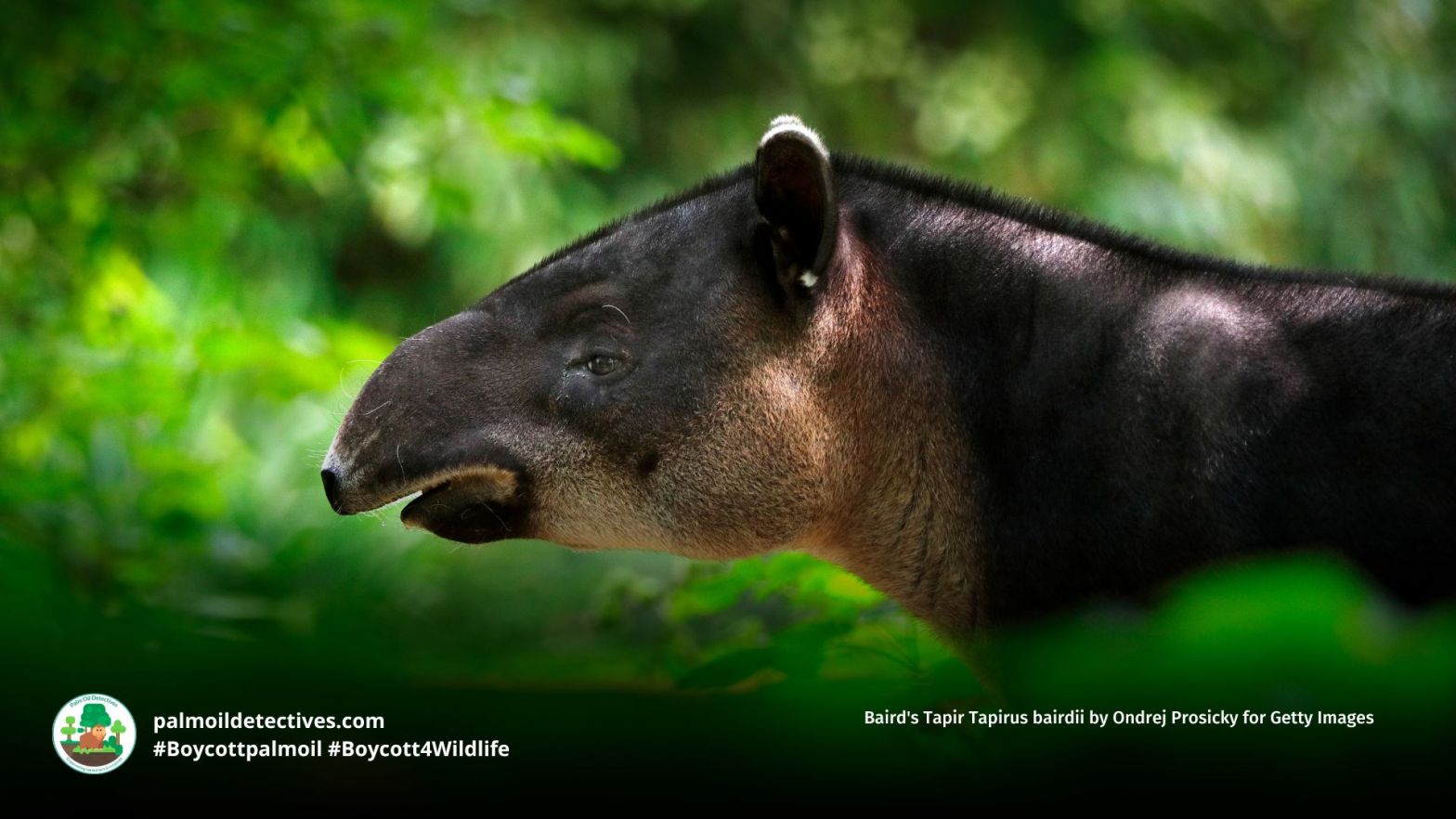
Baird’s tapirs may look like they are relatives of elephants, but they’re actually closer kin to horses, donkeys, zebras, and rhinoceroses. Also known as the Central American tapir, they are the largest land mammals in Central America and a living relic of an ancient lineage.
Their robust, stocky bodies and distinctive trunk-like snout make them unique among mammals. However, they are now Endangered, with fewer than 5,000 individuals left in the wild.
Tragically, palm oil, soy and meat deforestation, hunting, and human encroachment are driving this species toward extinction. Protecting their habitats is critical to ensuring their survival. Use your wallet as a weapon—boycott palm oil and support conservation initiatives. #BoycottPalmOil #Boycott4Wildlife
Varied White-fronted Capuchin Cebus versicolor
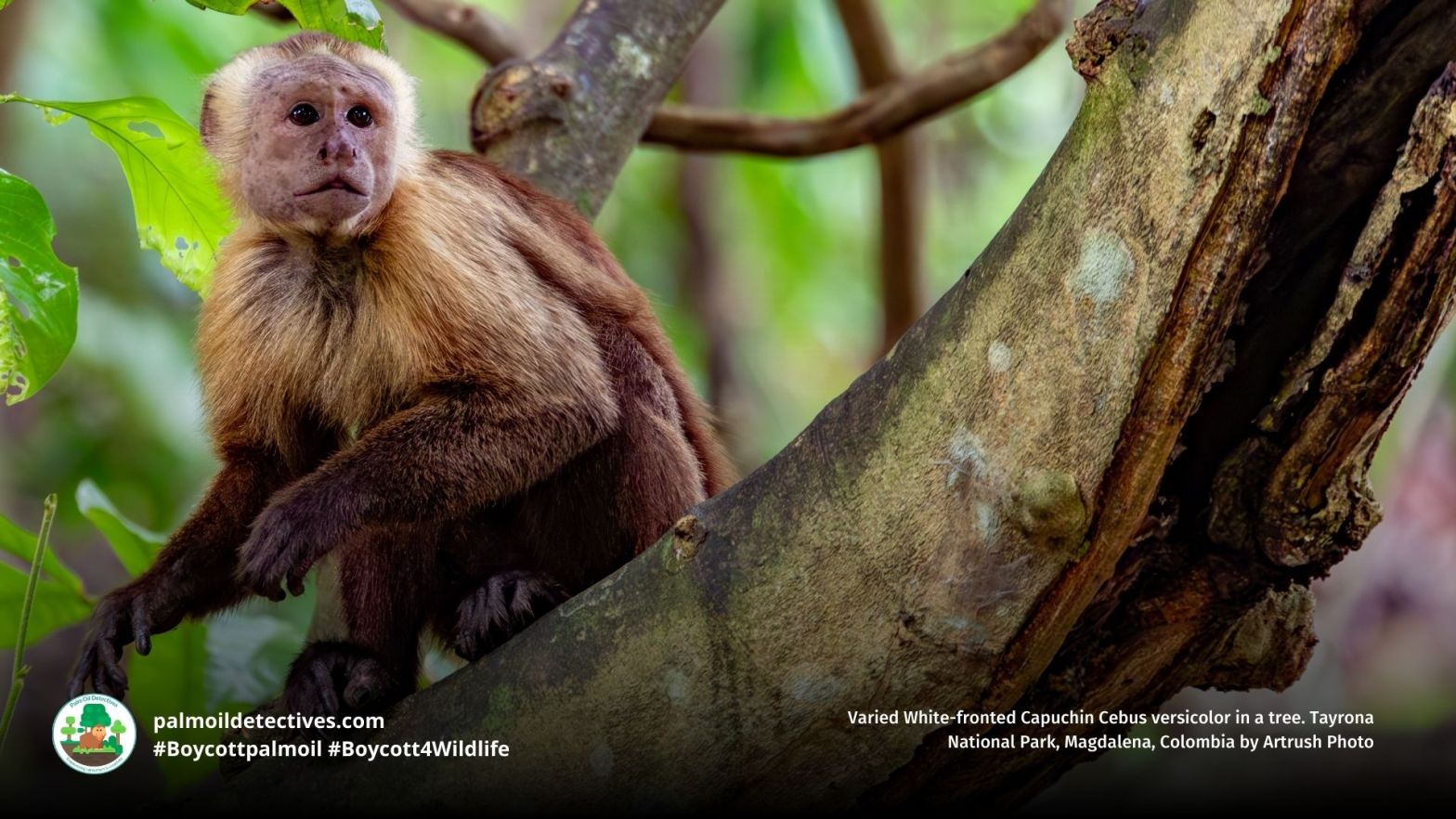
The Varied White-Fronted Capuchin Cebus versicolor is an intelligent, tenacious and resourceful small primate endemic to the forests of Colombia. With their pale white faces, reddish-gold coats, they are both striking in appearance and crucial to their ecosystems. These capuchins play an essential role in seed dispersal, ensuring the health and regeneration of their forest homes.
Tragically, their populations are declining due to deforestation, hunting, and the illegal wildlife trade. Protecting these forests is critical to their survival. Support indigenous-led conservation, adopt a vegan lifestyle and #BoycottPalmOil and #Boycott4Wildlife to take meaningful action for these incredible primates.
Crested Capuchin Sapajus robustus
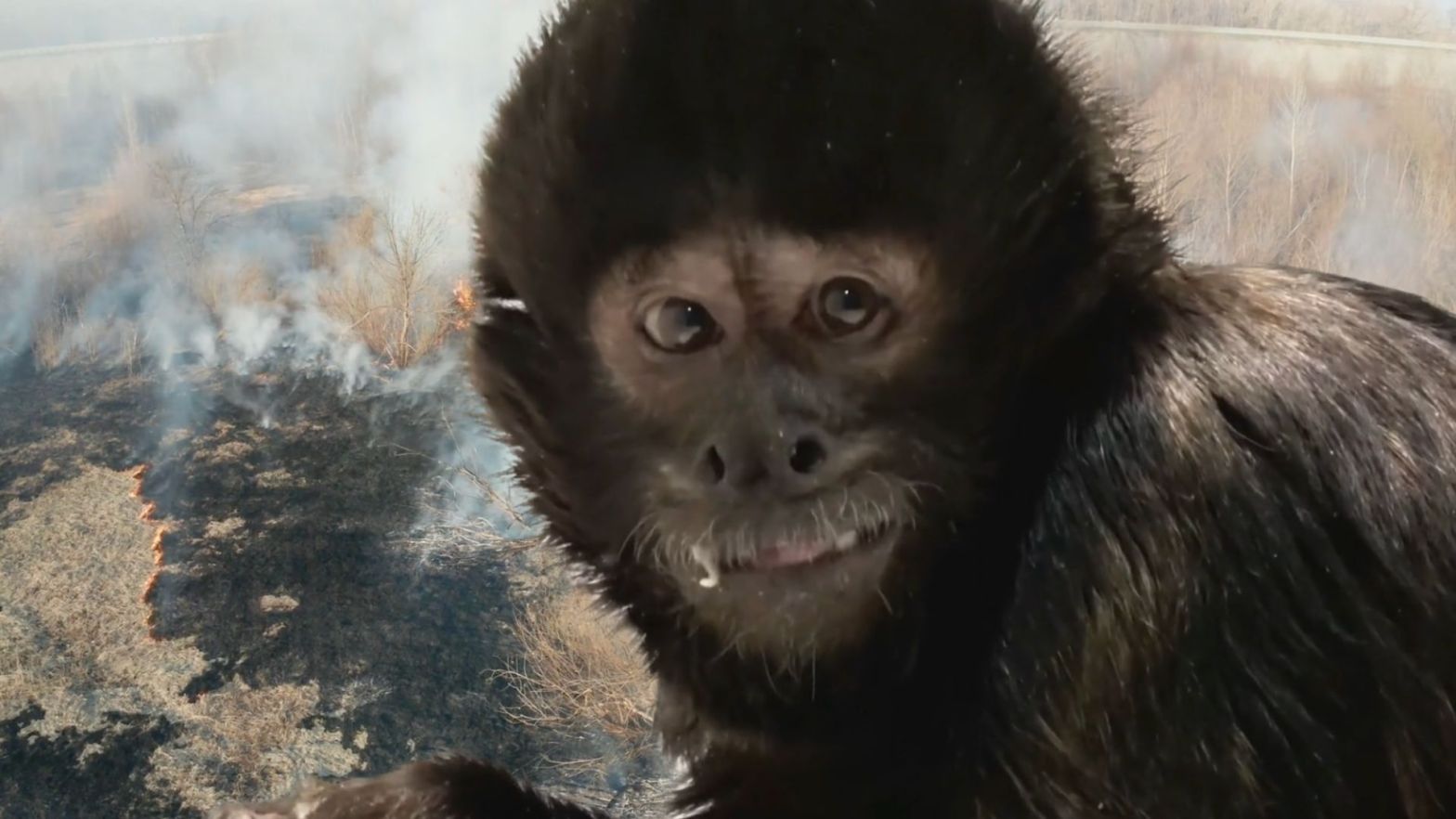
Crested Capuchins are one of Brazil’s most endangered primates. A few thousand remain, facing extinction due to palm oil, mining, soy. Take action for them!
Southern Patas Monkey Erythrocebus baumstarki
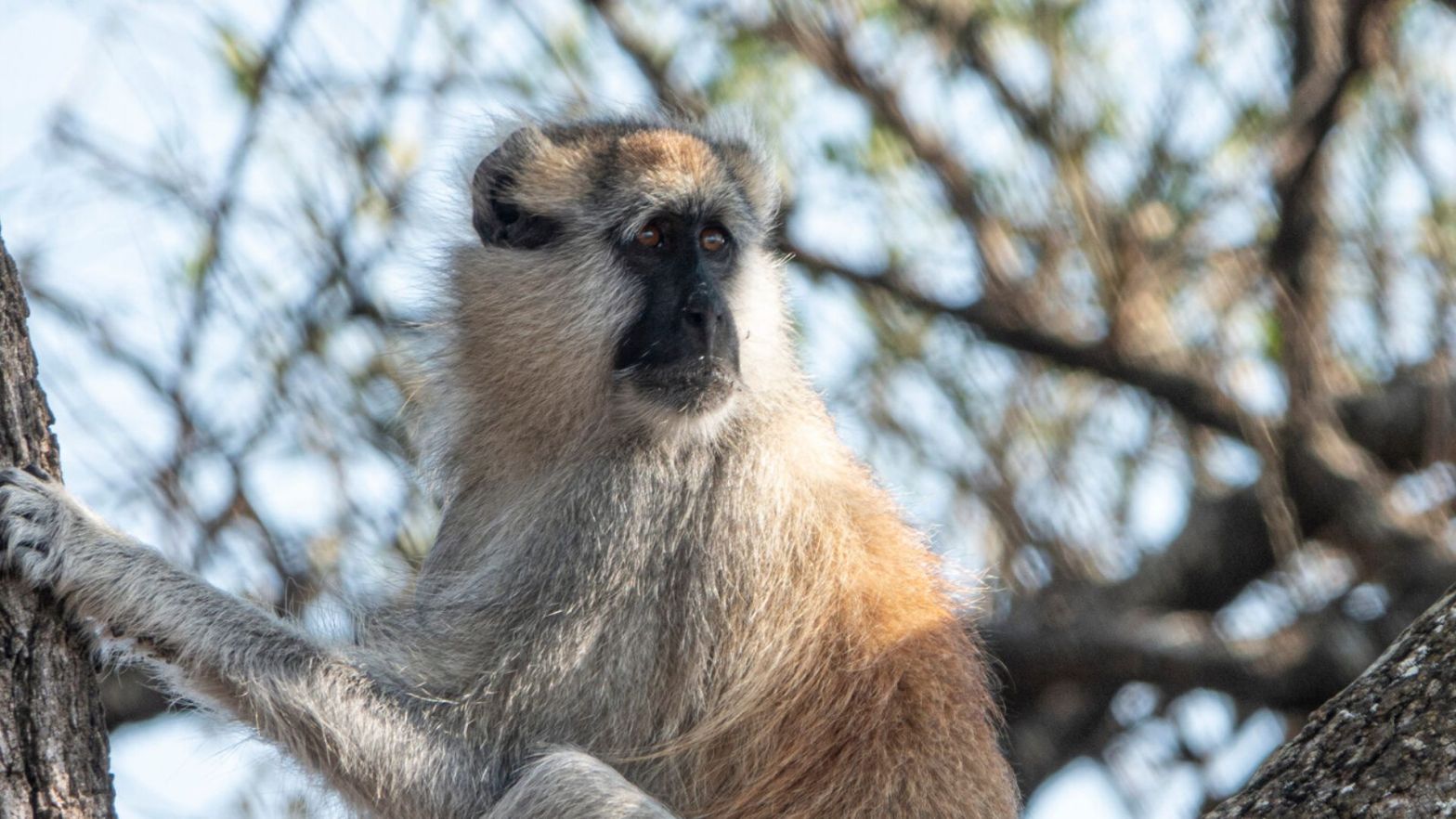
The Southern Patas #Monkey (Erythrocebus baumstarki) is an elusive, long-limbed #primate once common across northern #Tanzania and parts of #Kenya and now on the very edge of #extinction. With a lean, agile body built for speed, they are among the fastest-running primates in the world, capable of reaching speeds up to 55 km/h. Once ranging over approximately 66,000 km², their habitat has been decimated by agriculture, human settlements, and bushmeat hunting, reducing their known range by over 85% in recent decades. By 2021, estimates suggested fewer than 200 individuals remained in the wild, restricted to small populations in western Serengeti National Park and its surroundings (de Jong & Butynski, 2021).
Without urgent intervention, this striking species could be the next primate extinction in Africa. Help them every time you shop and campaign for these rare primates, every time you shop go #vegan and #Boycott4Wildlife!
Golden-bellied Mangabey Cercocebus chrysogaster
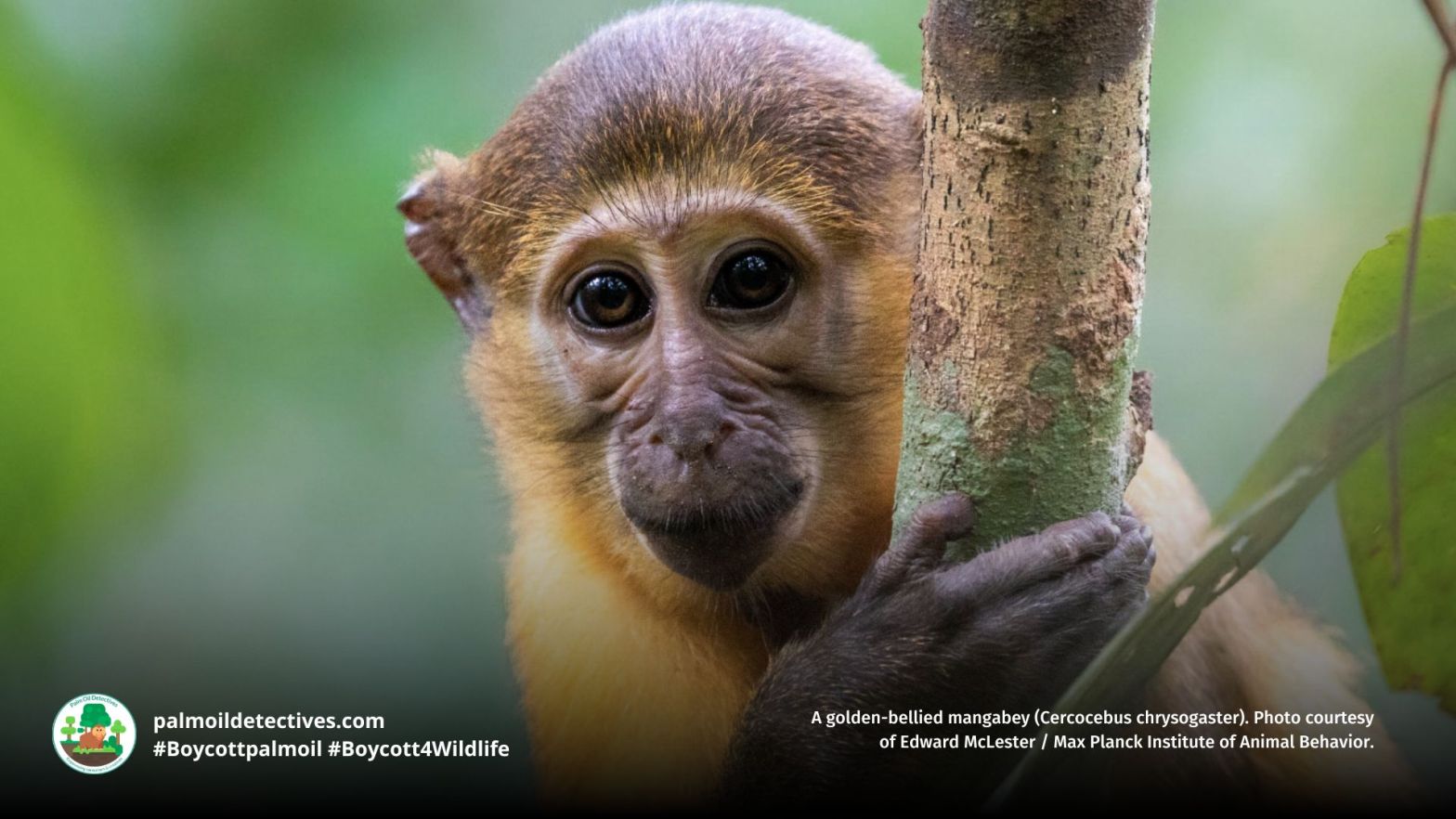
The golden-bellied mangabey (Cercocebus chrysogaster) is an intriguing and elusive monkey endemic to the Democratic Republic of Congo (DRC). Named for the vibrant golden hue of their undersides, these primates are known for their intelligence, complex social behaviours, and unique ecological role. Found in the remote tropical forests along the Congo River Basin, these monkeys remain poorly studied due to their limited range and secretive nature.
Tragically, the golden-bellied mangabey faces mounting threats from habitat destruction, driven by logging, mining, and agricultural expansion, including palm oil plantations. Their population continues to decline due to hunting and habitat fragmentation. Act now to protect their fragile habitat—boycott palm oil and stand against deforestation. #BoycottPalmOil #Boycott4Wildlife
Saker Falcon Falco cherrug
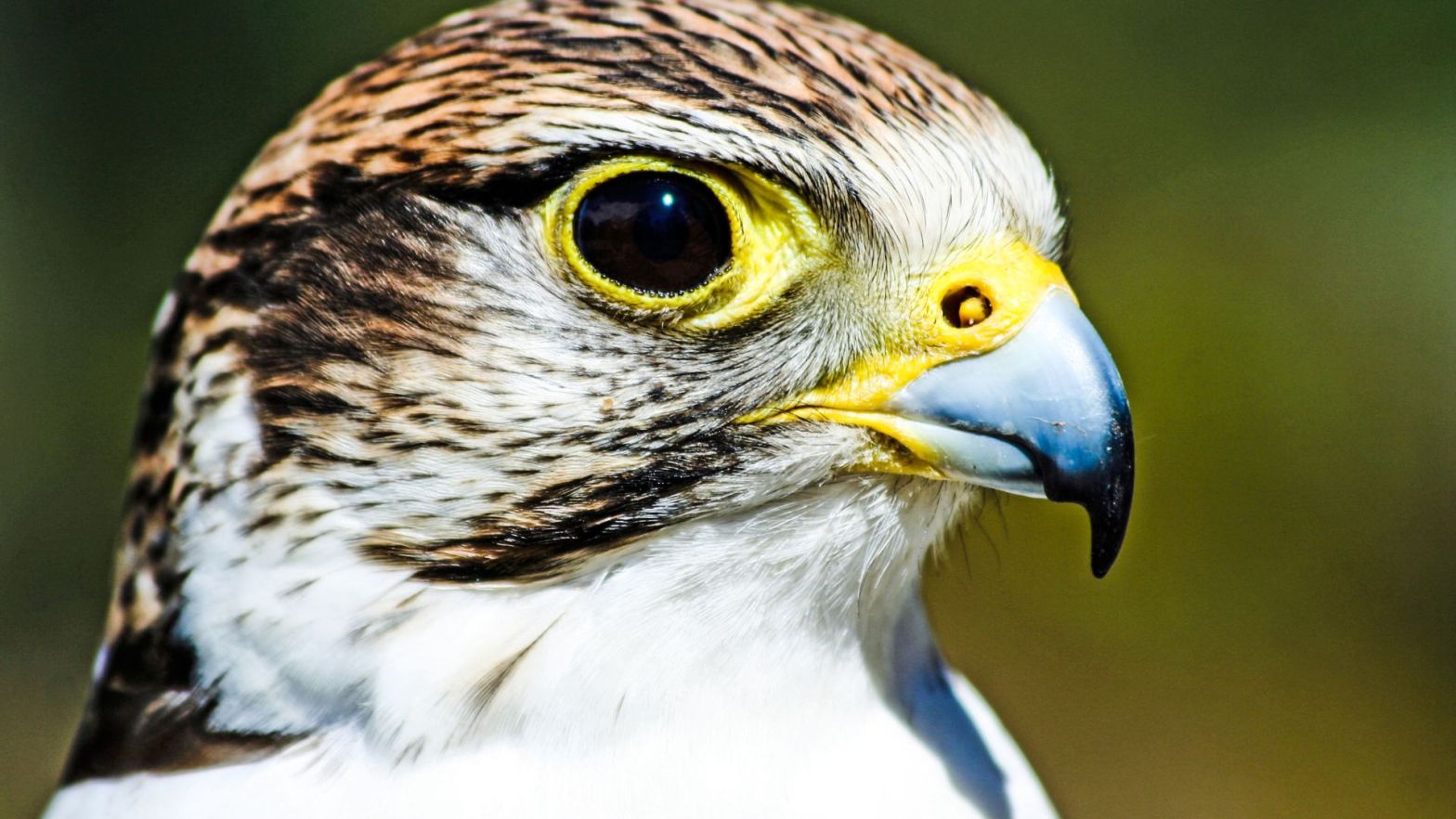
Saker #Falcons are majestic and powerful birds of prey that have a wide range throughout much of Southern Europe, the Middle East and parts of Africa. Their plumage ranges from chocolate brown in colour to a pale sandy with brown bars or streaks and can be snow white and off-white.
This species has been uplisted to Endangered because a revised population trend analysis indicates that they may be undergoing a very rapid decline. This negative trend is a result of a range of anthropogenic factors including electrocution on power lines, unsustainable capture for the falconry and #pettrade, as well as habitat degradation throughout all three continents but especially in Africa. Help them every time you shop and #Boycott4Wildlife
Drill Mandrillus leucophaeus

The Drill is one of the most visually arresting, emotionally complex, and endangered #monkeys on Earth. Endemic to a narrow slice of rainforest in #Nigeria, #Cameroon, and Bioko Island, these intelligent primates have lost over 50% of their population in just three decades. They face a terrifying gauntlet of threats: #palmoil plantations, #hunting for the #bushmeat trade, #timber logging, and a tidal wave of new #infrastructure creation. Though rarely seen, Drills are capable of extraordinary behaviour—forming multi-species foraging alliances, mourning their dead, and navigating their crumbling world with grace and resilience. Only a few thousand of these precious #primates remain alive. Take action every time you shop, be #Vegan and #BoycottPalmOil #Boycott4Wildlife
Four-horned Chameleon Trioceros quadricornis
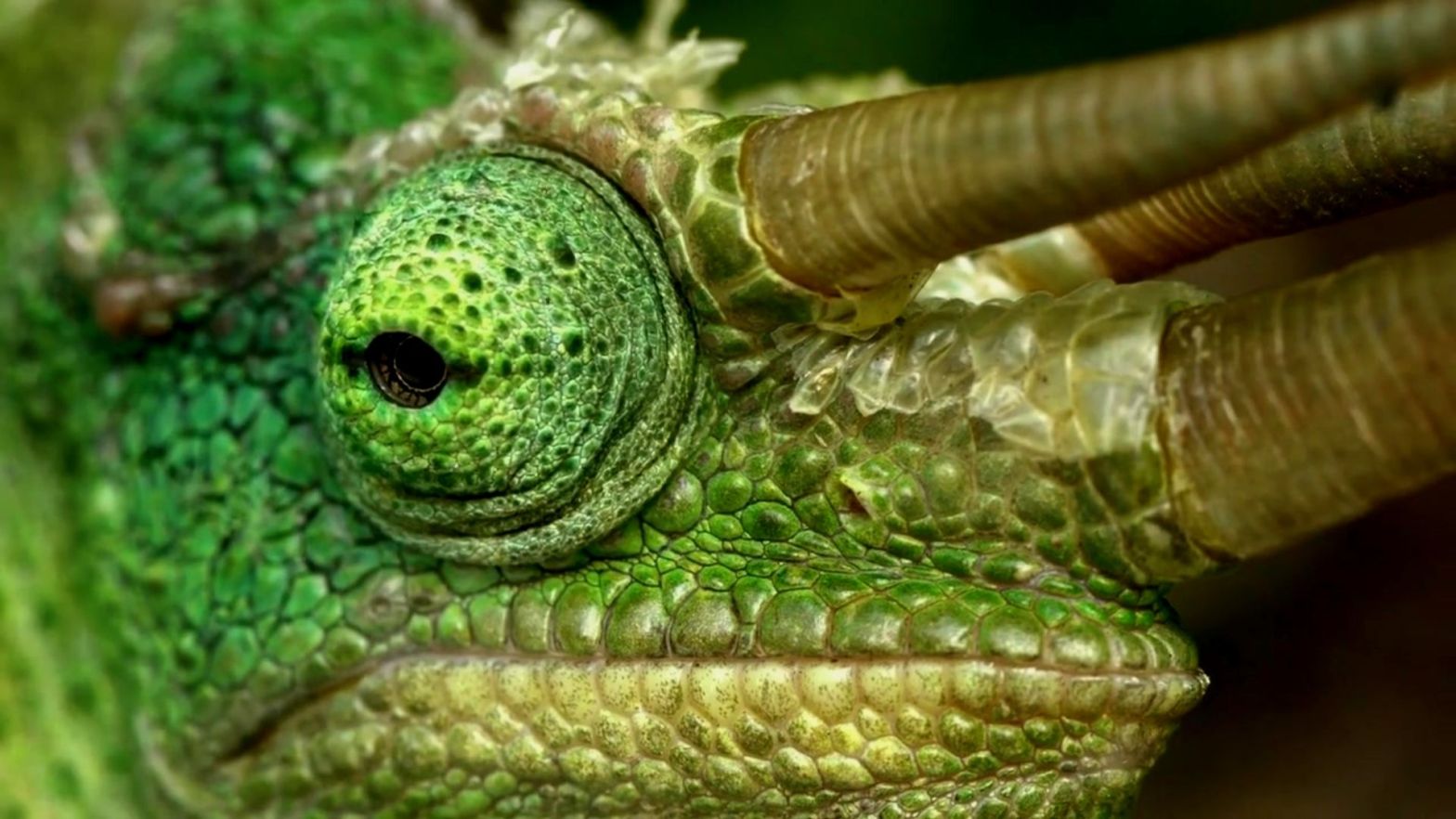
Protect the Four-Horned Chameleons, native to Cameroon’s rainforests, these extraordinary reptiles are now listed as Vulnerable, boycott palm oil for them!
Ariel Toucan Ramphastos ariel
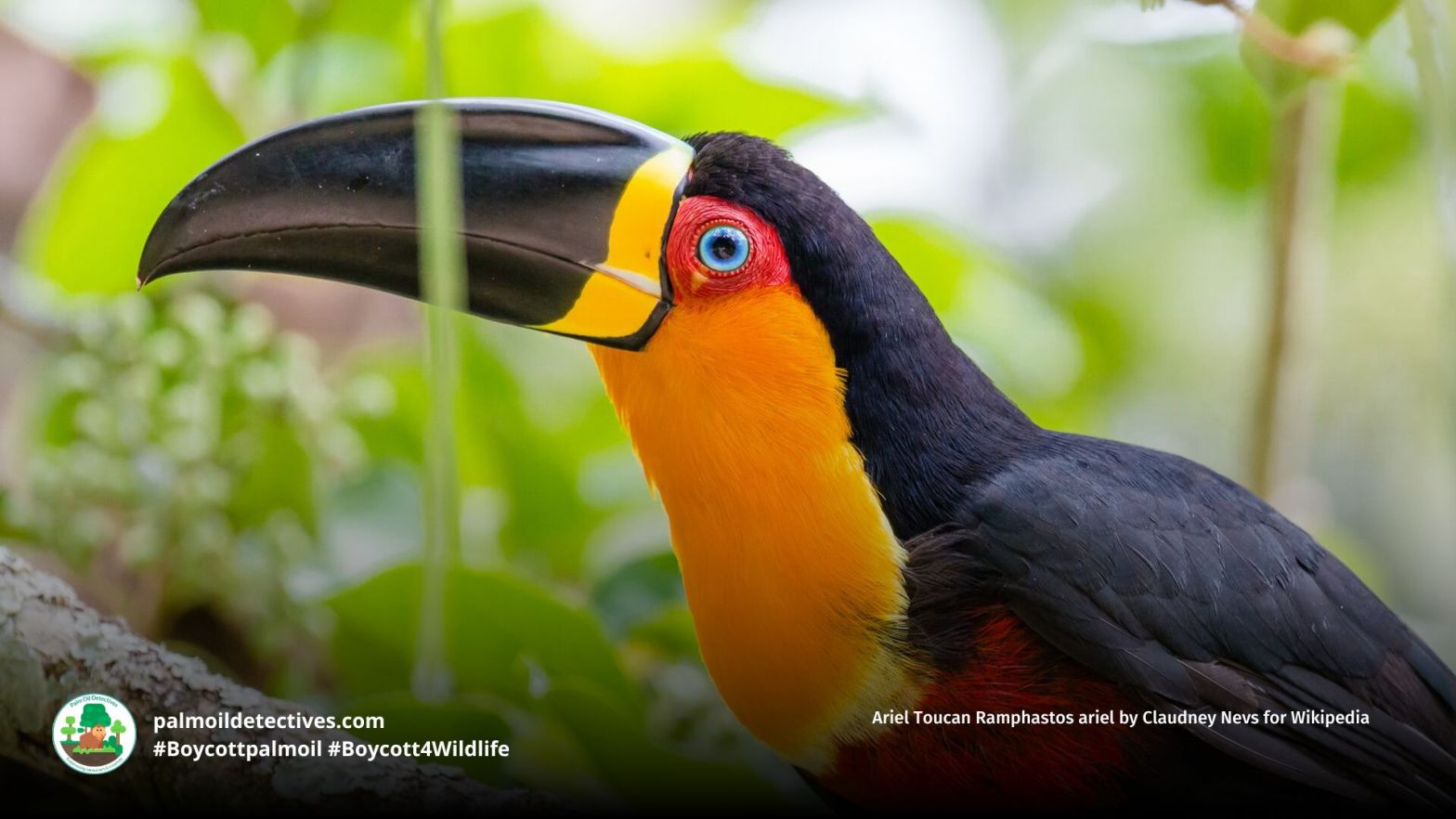
Ariel Toucans are vibrant and charismatic birds of South America under threat from palm oil, soy, meat and gold mining deforestation. Take action for them!
Tana River Mangabey Cercocebus galeritus
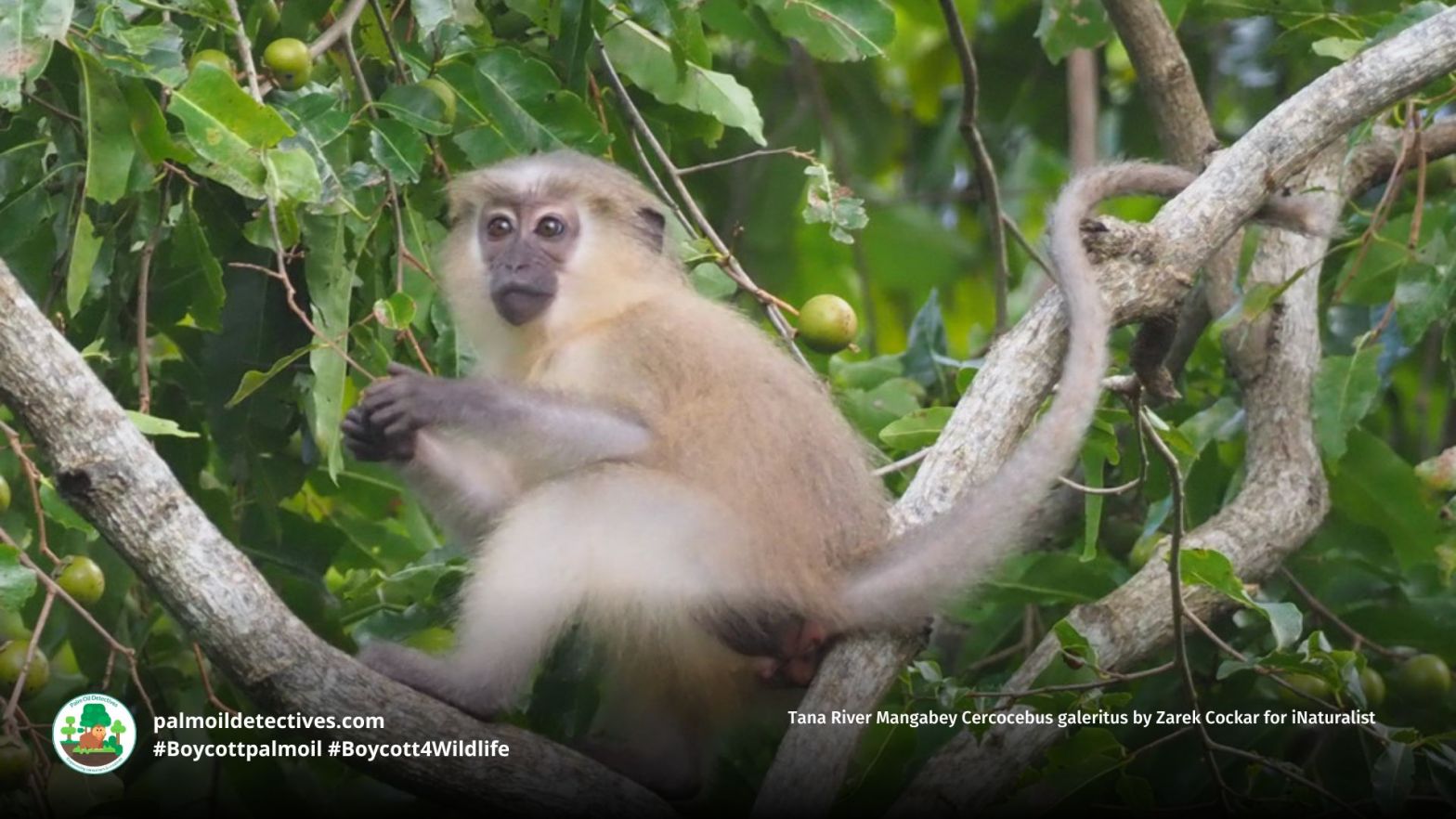
The Tana River Mangabey Cercocebus galeritus is a long-faced and slender old world monkey of #Kenya listed as Critically Endangered due to ongoing habitat destruction, dam construction, logging, and the degradation of floodplain forest ecosystems. Once protected by the Tana River #Primate Reserve, these #monkeys despite being key seed dispersers in their ecosystem are now more vulnerable than ever after the legal de-gazetting of their habitat. With only around 1,000 individuals remaining, this highly social and adaptable primate faces a devastating future unless urgent action is taken. Use your wallet as a weapon to end the destruction of their home. #BoycottPalmOil #Boycott4Wildlife #Vegan #BoycottMeat
Eastern Gorilla Gorilla beringei
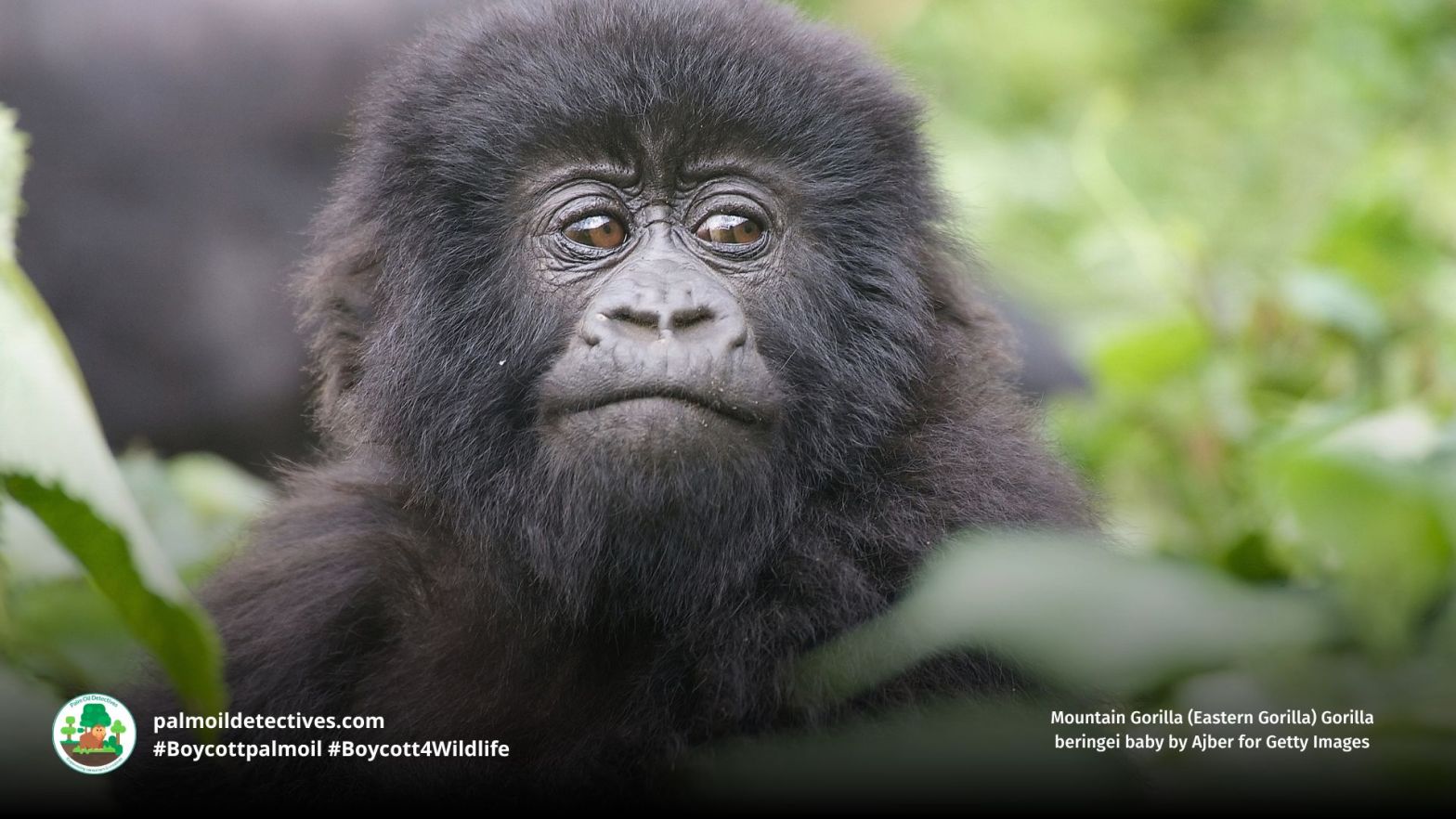
Eastern Gorillas, the world’s largest primates are Critically Endangered in DRC, Rwanda, and Uganda. Help them survive be vegan and boycott palm oil now
Yucatán Black Howler Monkey Alouatta pigra

Their range is being rapidly destroyed for palm oil and sugar cane deforestation and mining. They are also facing human persecution and hunting pressures. Yucatán Black Howler Monkeys have been classified as endangered since 2004. Help them every time you shop and #Boycottpalmoil #Boycott4Wildlife
Great Green Macaw Ara ambiguus
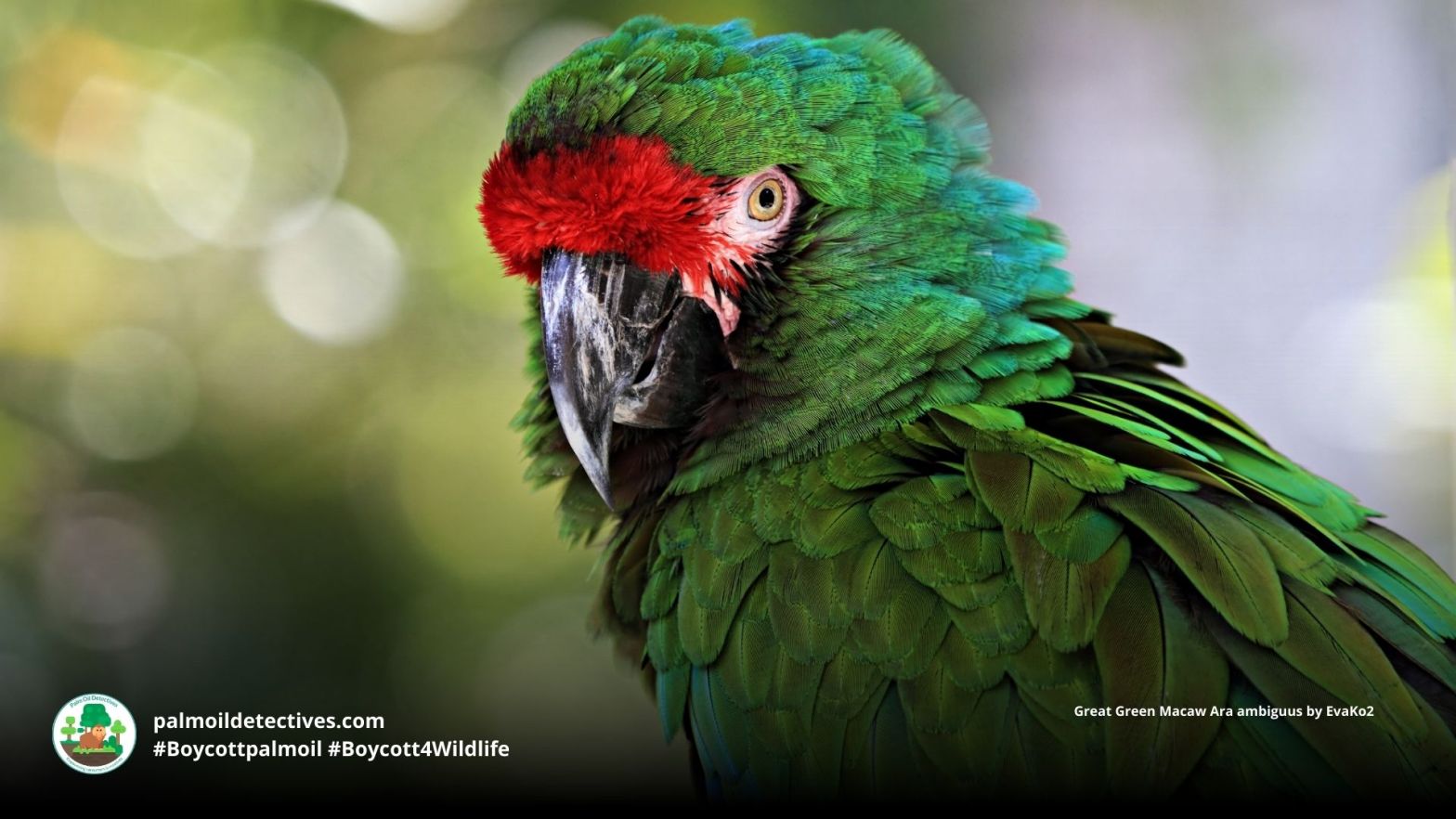
The Great Green Macaw Ara ambiguus are the largest macaw species and in flight they are dazzling symbol of Central and South America’s vanishing rainforests. Draped in shimmering green plumage with a fiery red forehead and striking blue-tipped feathers, these parrots are key players in their ecosystem. With their powerful beaks, they crack open tough nuts, dispersing seeds that sustain the forest’s delicate balance. Yet, these vibrant giants are under siege.
Deforestation—driven by palm oil plantations, illegal logging, and agriculture—has decimated the old-growth forests they call home. Their lifeline, the mountain almond tree, is vanishing, taking with it vital macaw nesting sites. Alarmingly, Great Green Macaw populations in Costa Rica and Ecuador have dwindled to critical levels, leaving fewer than 3,500 individuals to soar freely the skies.
Fight for their survival every time you shop. Support indigenous-led conservation and use your wallet as a weapon: #BoycottPalmOil #Boycott4Wildlife.
Harlequin Poison Frog Oophaga histrionica
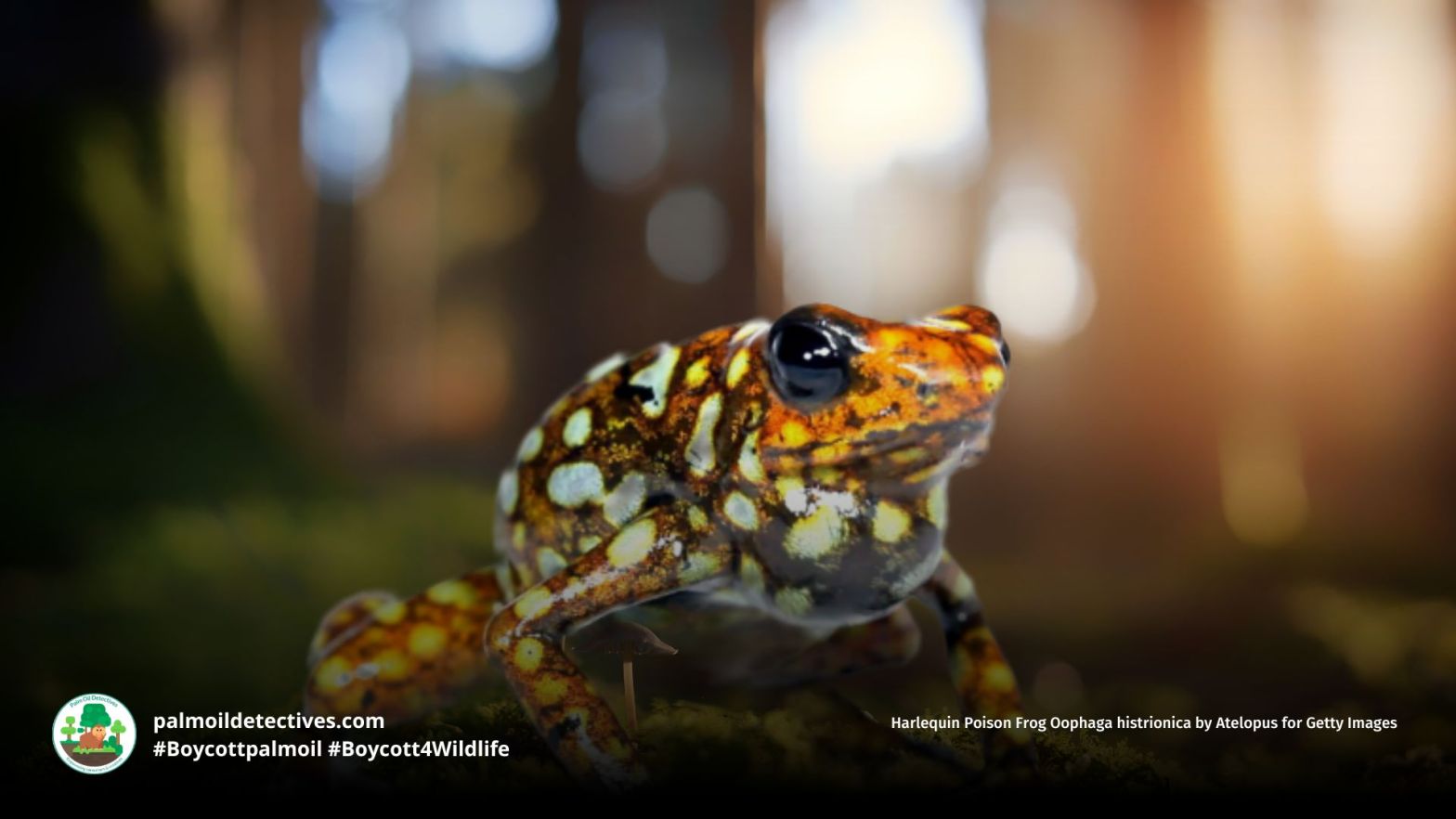
Chocó rainforests, the harlequin poison frog is as deadly as it is beautiful. Cloaked in hypnotic shades of orange, yellow, green and black, this tiny amphibian is a master of chemical warfare—their skin is infused with powerful alkaloid toxins that can paralyse or kill predators. But despite their formidable defences, they are completely helpless against human destruction.
Once thriving in the dense, misty forests of western Colombia, this critically endangered frog is now on the brink of extinction. Illegal mining, rampant deforestation for palm oil plantations, and the relentless wildlife trade have devastated their fragile rainforest home. The same vibrant colours that warn predators away have made them a prime target for smugglers supplying the exotic pet trade.
This extraordinary species is a vital part of its ecosystem, controlling insect populations and contributing to the rainforest’s delicate balance. But unless urgent action is taken, the harlequin poison frog could vanish forever.
Protect their rainforest home. Say no to palm oil, reject the illegal pet trade, and demand stronger protections for Colombia’s amphibians. #BoycottPalmOil #Boycott4Wildlife
Orinoco Crocodile Crocodylus intermedius
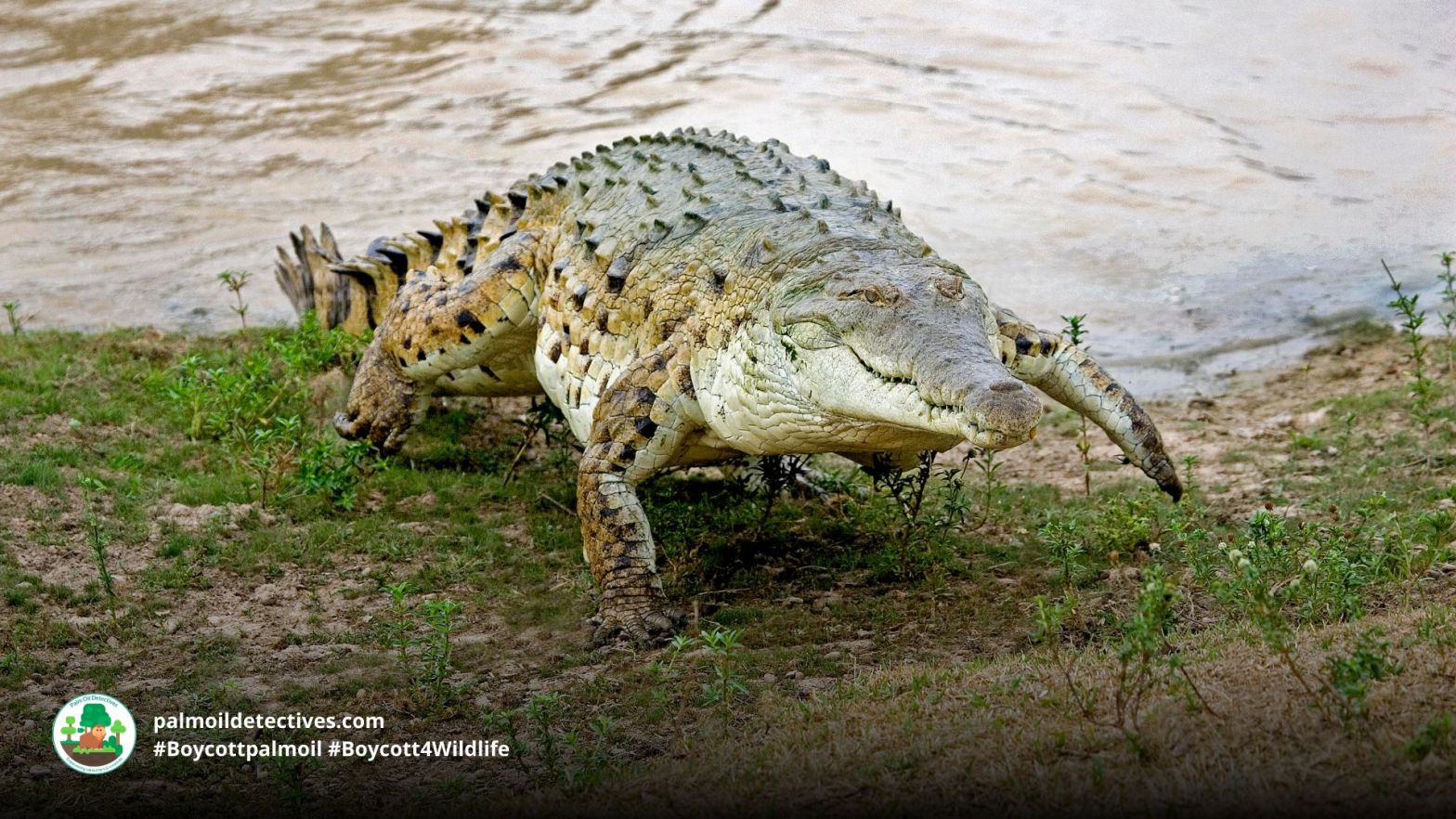
Endemic to the Orinoco River Basin in #Colombia and #Venezuela, the majestic Orinoco Crocodile is one of the rarest and most threatened reptiles on Earth. These intelligent, powerful apex predators once ruled vast waterways across northern South America, but today, their numbers have plummeted by more than 80% due to hunting, habitat loss, pollution, and deforestation. They are now restricted to tiny, fragmented populations across fewer than 34 rivers. #Goldmining and #palmoil #pollution pose a massive risk, imperiling these magnificent crocodiles. Urgent conservation efforts are essential to safeguard the Orinoco Crocodile from the brink of extinction. Boycott #palmoil, #soy, and #beef products contributing to deforestation. #BoycottGold4Yanomami Reject crocodile skin and be #vegan, and #BoycottPalmOil #Boycott4Wildlife
Golden-headed Lion Tamarin Leontopithecus chrysomelas

The Golden-Maned Lion Tamarin faces a battle for survival, with threats from habitat loss, particularly due to palm oil deforestation, the illegal pet trade, predation, disease, and climate change. These majestic creatures, with their striking golden manes and vibrant personalities, are teetering on the brink due to the relentless destruction of their home. But there’s hope, and it starts with us. By choosing to #BoycottPalmOil, supporting the #Boycott4Wildlife movement, and embracing a #Vegan lifestyle, we can make a profound impact. Together, we have the power to safeguard the forests, preserve the planet’s biodiversity, and ensure the survival of the Golden-Maned Lion Tamarin.
Black-faced Lion Tamarin Leontopithecus caissara
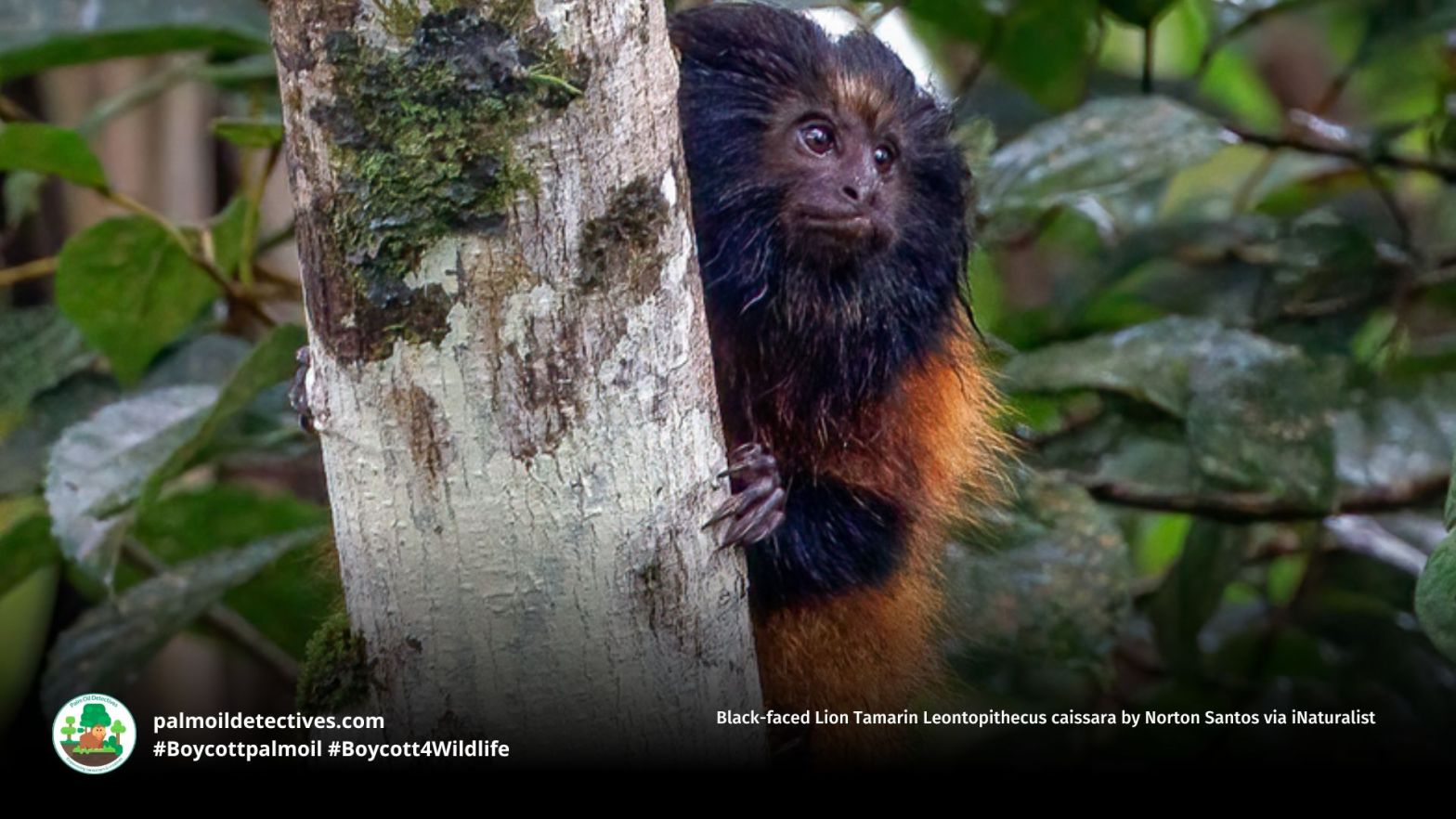
The black-faced lion #tamarin Leontopithecus caissara, also known as the Superagüi lion tamarin, is listed as Critically Endangered on the IUCN Red List. With a total population of fewer than 400 individuals and a fragmented, low-lying coastal habitat of #Brazil, this species is on the edge of extinction. Threats include logging, the illegal #pettrade, palm oil, #soy and #meat deforestation and urban expansion. Conservation efforts have begun, but there is still enormous work to do to protect these irreplaceable #primates. Protect this rare and charismatic #primate by taking urgent action. #BoycottPalmOil #Boycott4Wildlife #Vegan
Chimpanzee Pan troglodytes
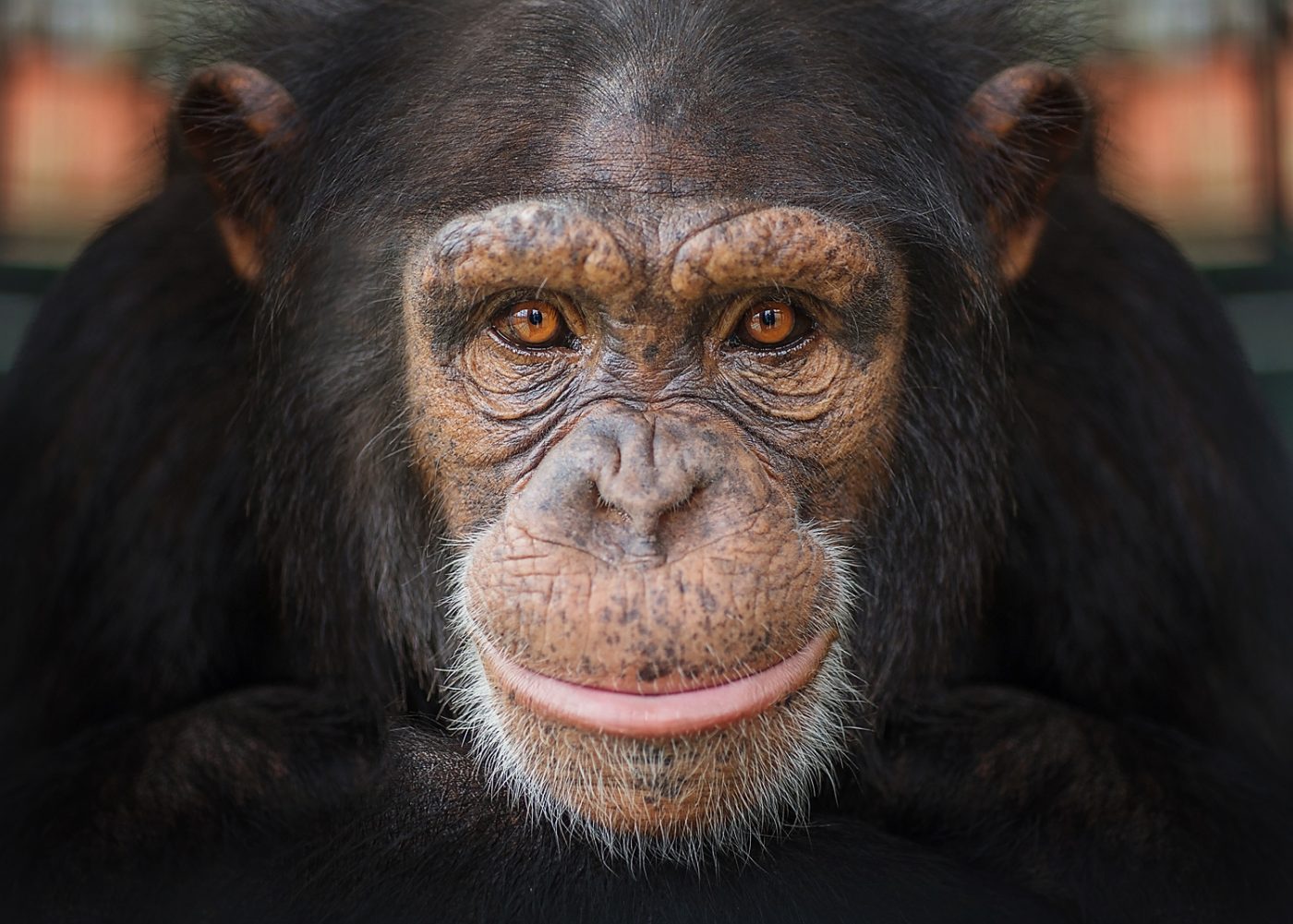
Chimpanzees (Pan troglodytes) are one of humanity’s closest living relatives and the most widespread of all great apes, with a vast historical range stretching across 21 African countries. Despite this, they are now classified as Endangered by the IUCN Red List due to catastrophic declines of more than 50% over a 75-year period, from 1975 to a projected 2050. These losses are driven by a lethal cocktail of threats: rampant poaching, habitat destruction for palm oil and logging, industrial mining, disease outbreaks like Ebola, and illegal trafficking. Subspecies such as P. t. ellioti have been reduced to only a few thousand individuals, while the once widespread P. t. verus is now Critically Endangered. Protecting them means dismantling the extractive industries that are ripping Africa’s forests apart such as the meat industry and palm oil industry. Help them when you #BoycottPalmOil #Boycott4Wildlife and be #Vegan #BoycottMeat
Leopard Panthera pardus
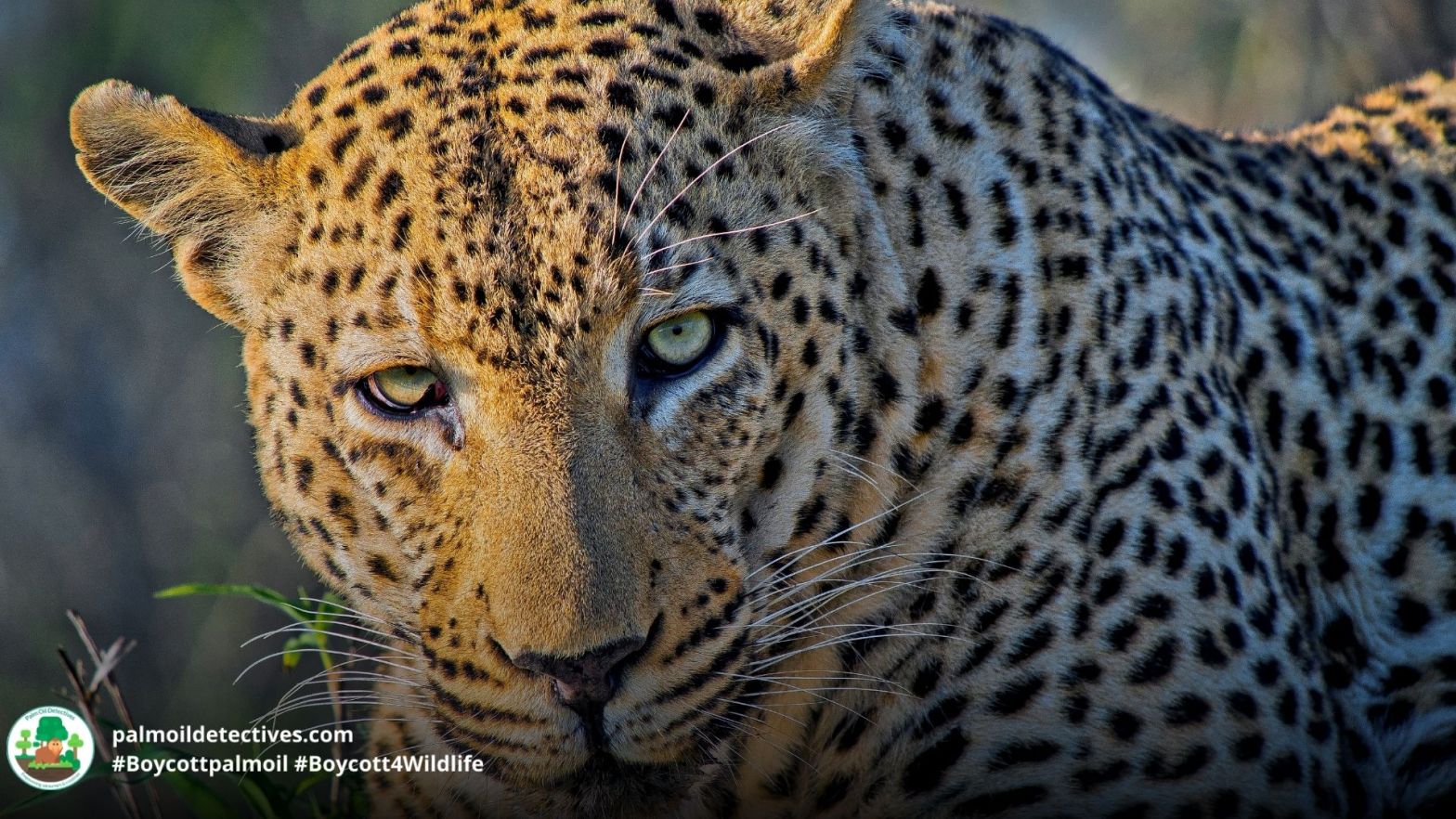
Of all the great cats prowling the wild, few inspire as much awe and fascination as the leopard Panthera pardus. Sleek, powerful, and enigmatic, leopards are found across a staggering range—from sub-Saharan Africa, forests of West Africa and the Middle East to Central Asia and the forests of Southeast Asia. Yet this extraordinary adaptability masks a disturbing truth. The leopard is currently listed as Vulnerable on the IUCN Red List, with some subspecies such as the Amur, Arabian, and Javan leopard are on the very brink of extinction. Across their range, these elusive big cats are being driven into ever-shrinking patches of habitat, with populations decimated by deforestation, rampant poaching, prey depletion, and the relentless spread of palm oil plantations and other monoculture. Help leopards every time you shop and #BoycottPalmOil #Boycott4Wildlife
Hoge’s Side-necked Turtle Mesoclemmys hogei
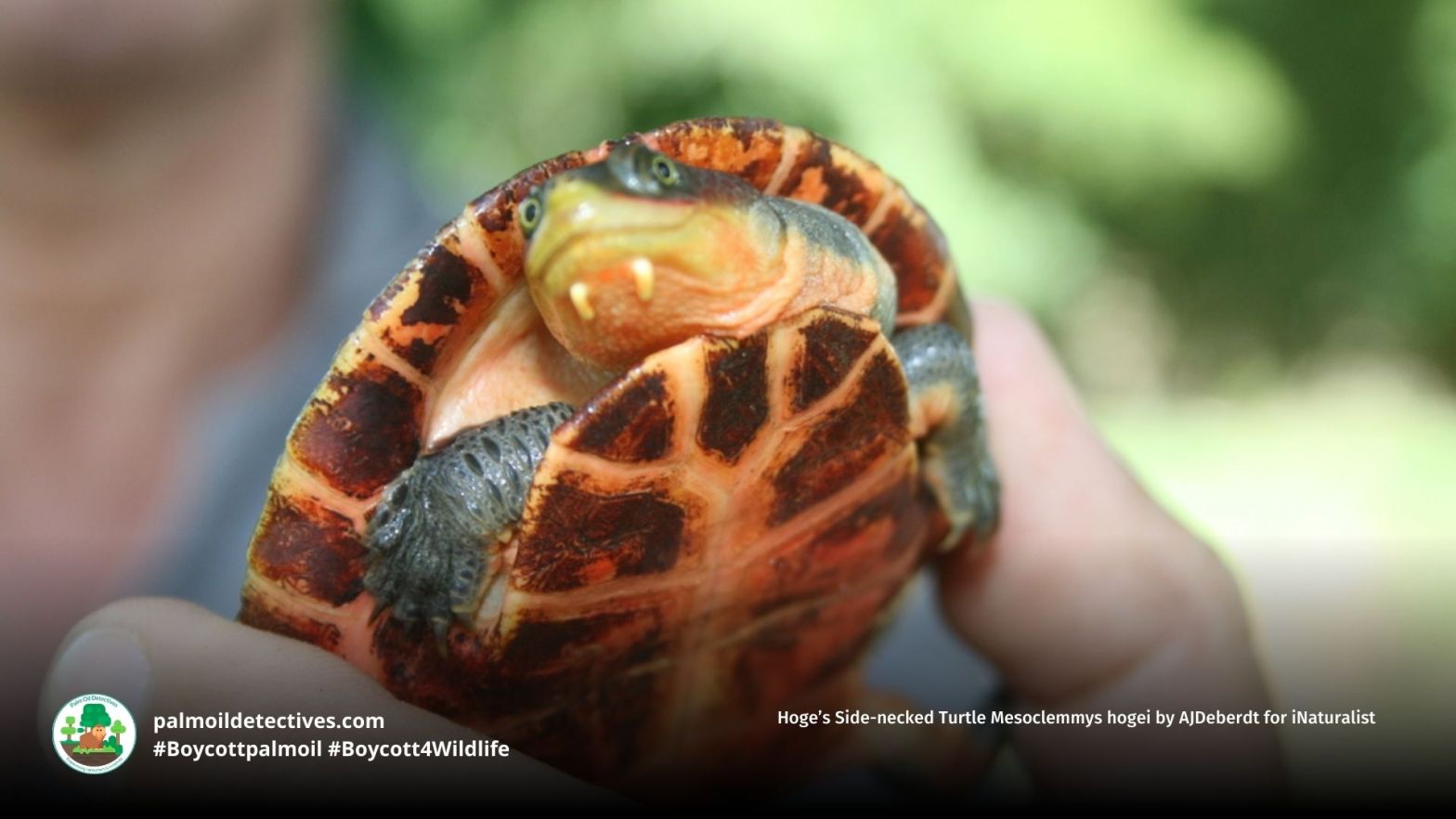
The Hoge’s Side-necked Turtle Ranacephala hogei—also known as Hoge’s Toadhead Turtle—is one of #Brazil’s rarest and most endangered reptiles. Having diverged from other turtles some 80 million years ago, they are evolutionary survivors now on the brink. With fewer than 2,000 individuals thought to remain, their populations have plummeted due to #palmoil #soy and #meat #deforestation, damming, water pollution, and incidental deaths in fisheries. Once feared lost from parts of their range, new research using citizen science and extensive fieldwork has rediscovered them in previously unknown areas, sparking renewed hope. But the threats remain. Help them every time you shop and #BoycottPalmOil #Boycott4Wildlife, be #Vegan and #BoycottMeat
Maned Three-toed Sloth Bradypus torquatus
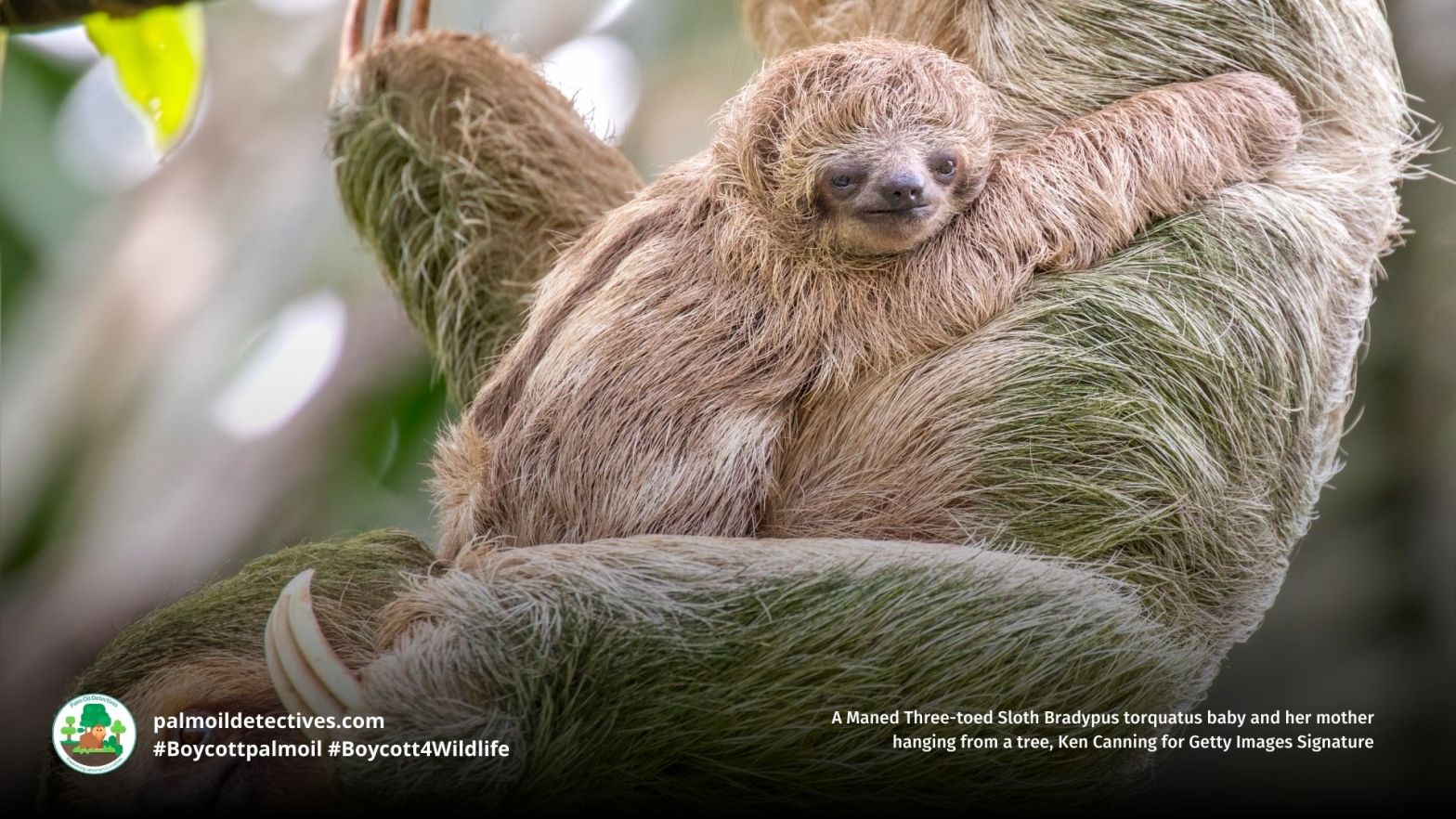
The Maned Three-toed Sloth live in the Atlantic coastal forests of eastern Brazil. They thrive in areas with high rainfall and no dry season. Remarkably, their reproductive habits are synced with nature’s rhythm: females typically give birth annually between February and April, while mating peaks from August to October. This species matures sexually between their second and third year and can live to over 12 years old in the wild.
As palm oil, soy and meat deforestation expands across their range – their lives are at risk. Help protect these gentle and wonderous creatures and use your wallet as a weapon. #BoycottGold4Yanomami #BoycottPalmOil and #Boycott4Wildlife. 🦥🌳
Sinu Parakeet Pyrrhura subandina
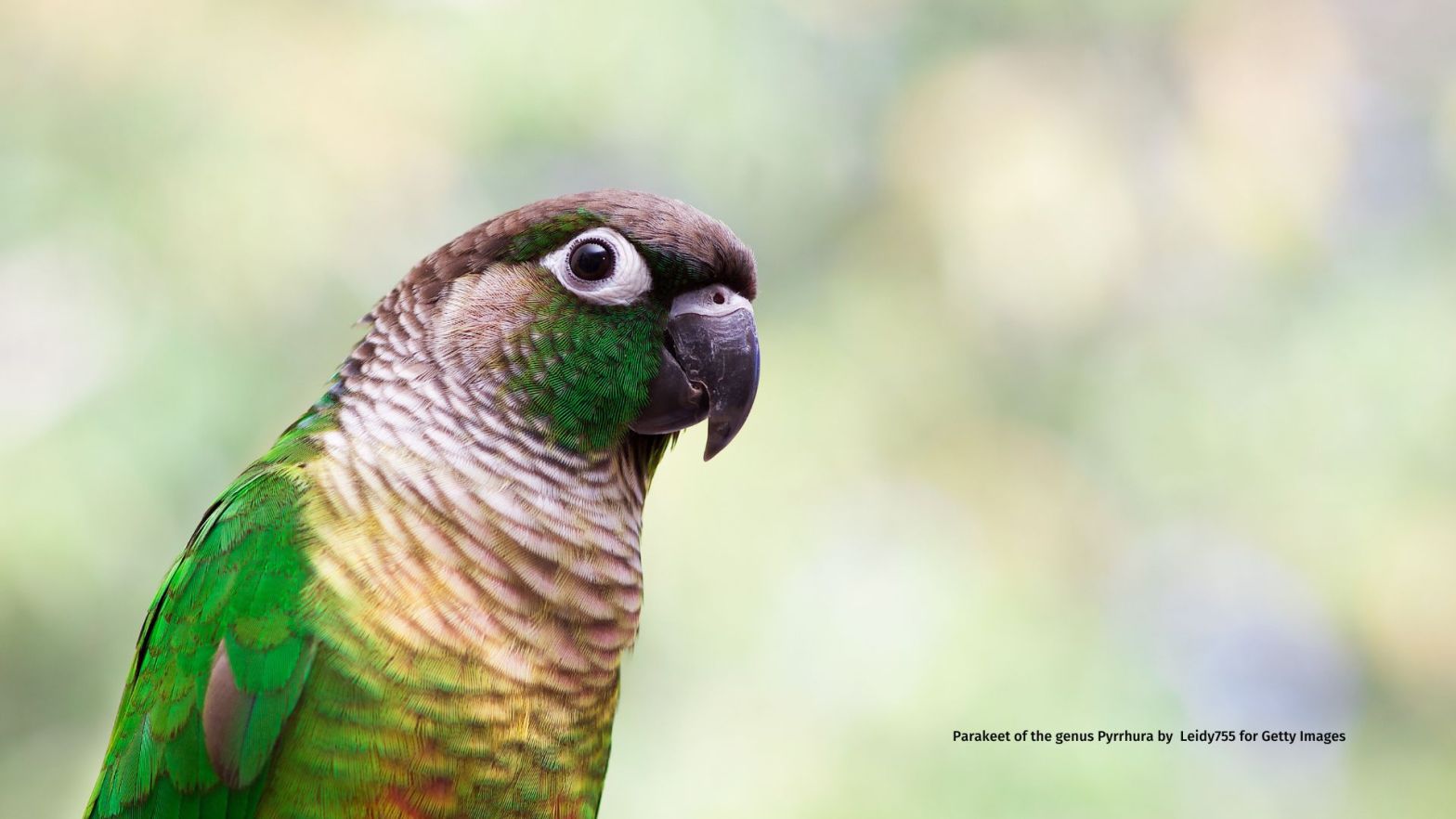
Help find the Sinu Parakeet. With no confirmed sightings since 1949, these vibrant parrots may already be extinct, victims of relentless palm oil expansion.
Brown Spider Monkey Ateles hybridus

The enigmatic blue-billed curassow (Crax alberti – local name “Paujil”), endemic to the tropical humid forests of northern Colombia, is the cracid species most threatened with extinction in the wild from #deforestation
Okapi: African Unicorns
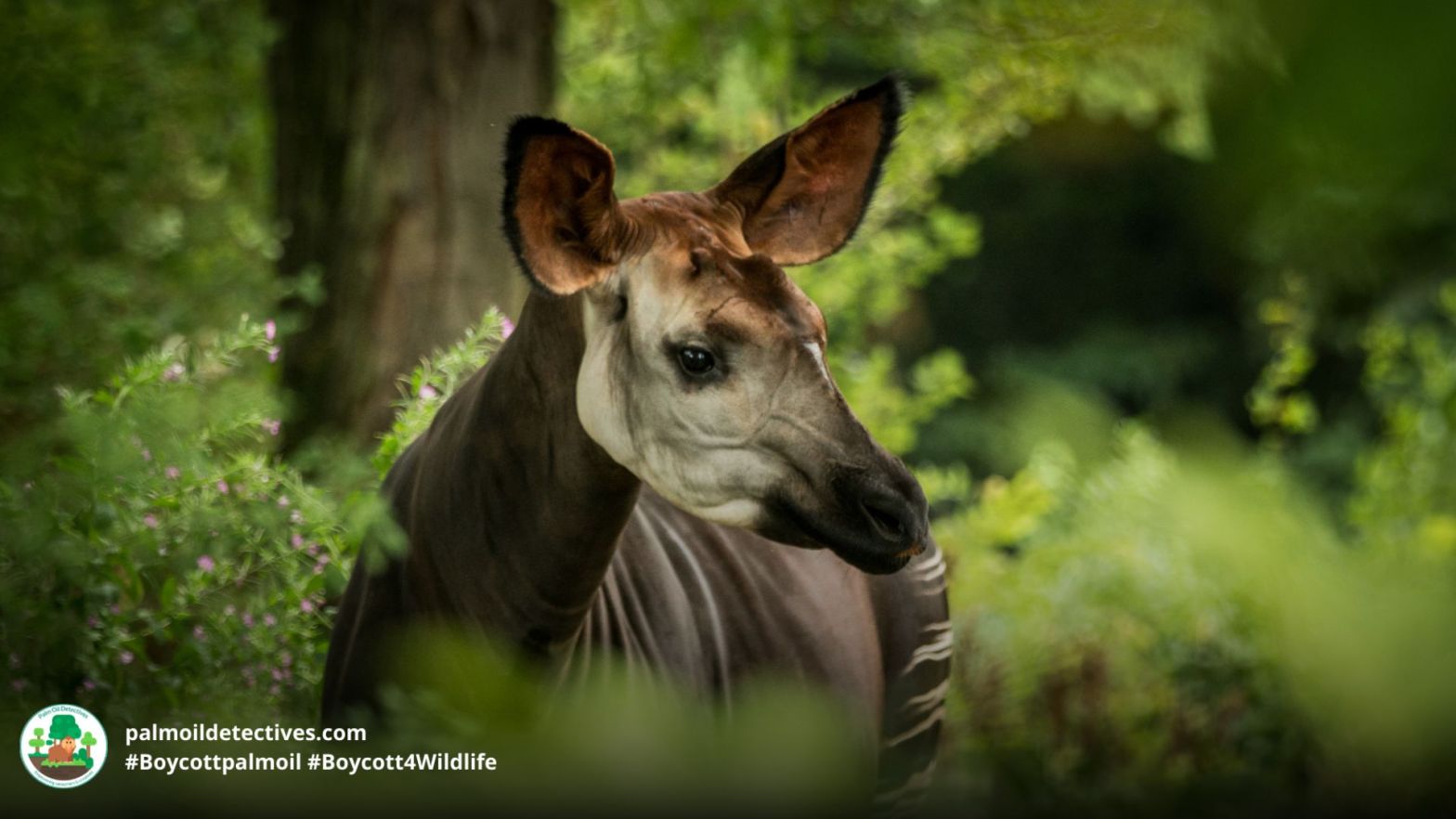
Deep in the heart of Africa, in the dense tropical rainforests of the Democratic Republic of the Congo (DRC), there lurks a very curious creature. With long legs and predominantly dark brown coat of short fur, Okapi look, at first glance, a bit like a horse. But a second look will reveal a somewhat deer-like face atop a relatively long, flexible neck, and, most strikingly, horizontal white stripes on its upper legs and rump. Help them to survive every time you shop #BoycottPalmOil #Boycott4Wildlife and be #Vegan.
Bald-headed Uacari Cacajao calvus

With their long shaggy coats and striking bright red faces, Bald-headed Uacaris are true icons of the Amazon rainforest and are found in #Brazil, #Peru and #Colombia. When a #Uacari has a bright red face this indicates they are in good health. A pale face indicates a sickly physical state. These remarkable #monkeys spend most of the year in the tree tops to avoid the seasonal flooding of their Amazonian habitat. During the dry season, they return to the ground to look for seeds. They face an existential threat from #palmoil, #soy and #meat #deforestation in the #Amazon. Once their unmistakeable scarlet faces were a common sight in the dusky green of the rainforest. Now they are rapidly disappearing, victims of a relentless drive for land, gold, and profit. Listed as Vulnerable, you can help them to survive every time you shop! #BoycottGold be #vegan for them and #BoycottPalmOil #Boycott4Wildlife
Rüppell’s Vulture Gyps rueppelli
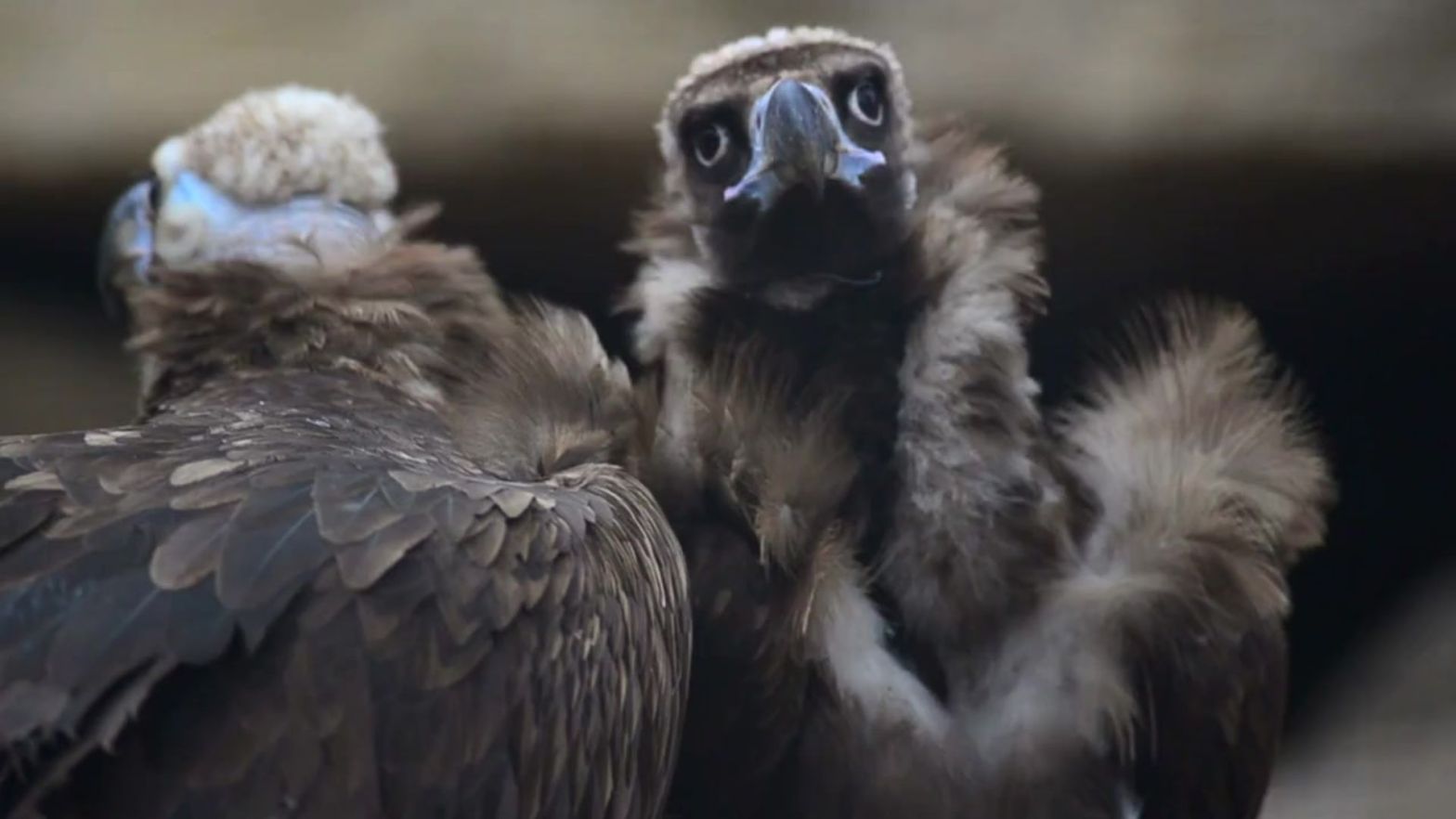
The Rüppell’s Vulture is an enigmatic avian marvel soaring the African and European skies. Their powerful wings carry them aloft on streams of air to altitudes of 11,000 metres. From far above they scan the endless landscapes for sustenance. These remarkable carrion cleaners pose no threat to humans and only eat dead animals. They now teeter on the brink of extinction, fewer than 22,000 individuals remain alive due to the depletion of their prey species, human and wildlife conflict and palm oil deforestation throughout their range. This critically endangered species, are known for their awe-inspiring high altitude flights—reaching heights seen by commercial airlines. They face a grave threat from the insidious palm oil industry, mining along with other destructive industries across their range. Help them to survive and #BoycottPalmOil and #Boycott4Wildlife every time you shop.
South America: Species Endangered by Palm Oil Deforestation
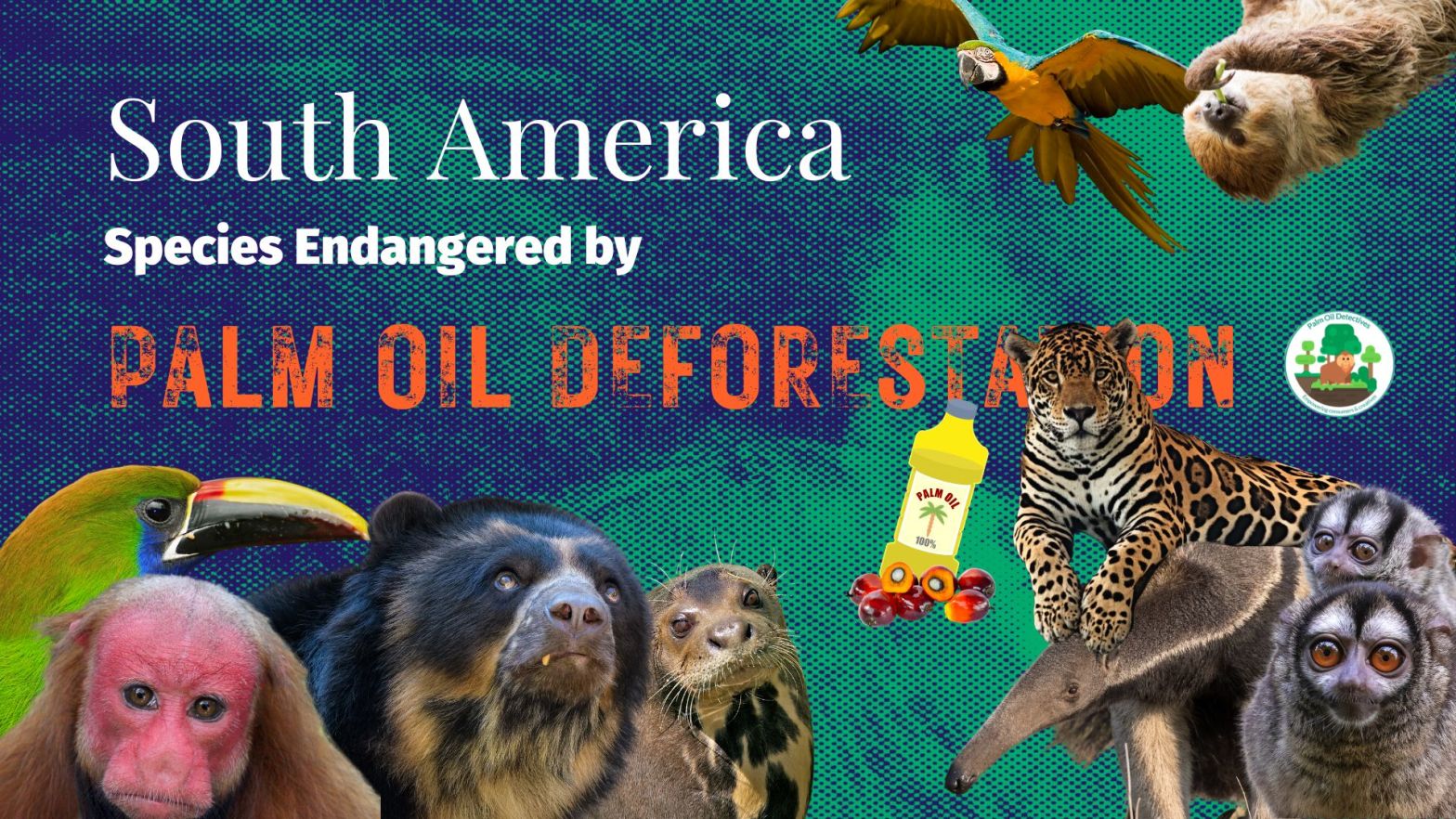
As the lush equatorial rainforests of South East Asia are exhausted, increasingly focus is being placed on parts of Central and South America. Oil Palm is a growing commodity there and is found in Colombia, Brazil, Ecuador, Guatemala and Mexico. Help the rare and beautiful animals of South and Central America to survive the scourge of palm oil and #Boycottpalmoil #Boycott4Wildlife in the supermarket. Learn more
Pernambuco Pygmy-owl Glaucidium mooreorum
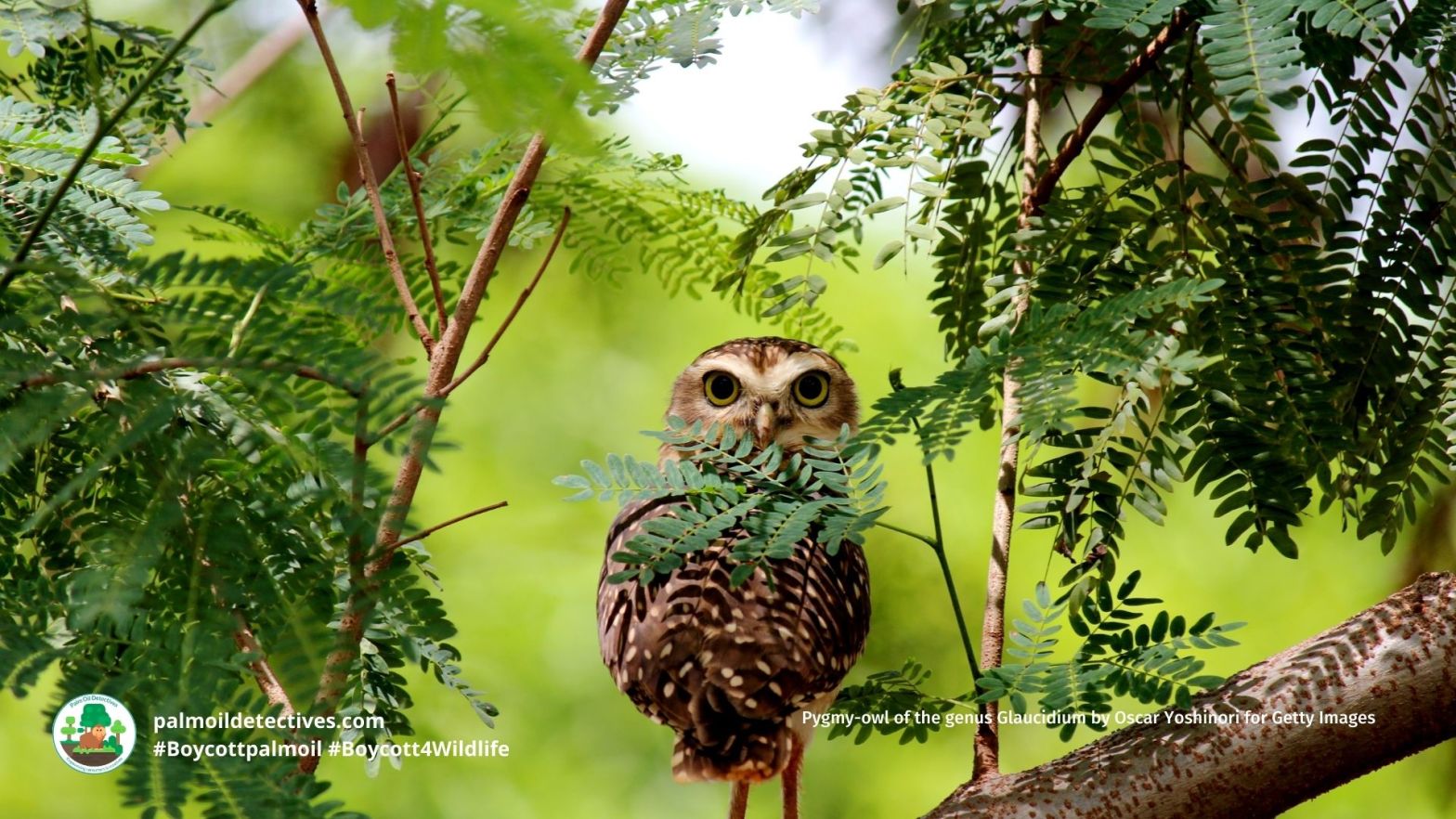
The Pernambuco Pygmy Owl Glaucidium mooreorum is among the rarest birds on Earth, known from just two museum specimens and a few recorded vocalisations. Officially described in 2002, this tiny owl is no larger than 13 cm and is likely the rarest bird in the world. They have not been sighted since 2001, and may already be extinct. Rampant #deforestation for sugarcane plantations, #palmoil, #soy and #meat and ongoing habitat destruction have decimated their native range. If this species still survives, fewer than 50 adults remain. The continued decimation of #Brazil’s Atlantic Forest leaves no margin for error. Act now to protect what remains. Help them every time you shop and #BoycottPalmOil #Boycott4Wildlife #Vegan #BoycottMeat
Pied Tamarin Saguinus bicolor

Pied #Tamarins are fascinating and vibrant black-faced #monkeys with a shock of white fur around their muzzle and chest and expressive brown eyes. They are found only in the shrinking forests of Manaus, #Brazil. As bulldozers carve roads and cities sprawl, their home is being destroyed for #palmoil, #soy, #beef farming, #gold #mining, and relentless urban expansion. These tamarins also face threats from disease, predators, and the illegal pet trade. Use your wallet as a weapon and BoycottPalmOil, Boycott4Wildlife, BoycottGold4Yanomami, and be #Vegan to help their survival.
 Palm Oil Detectives