
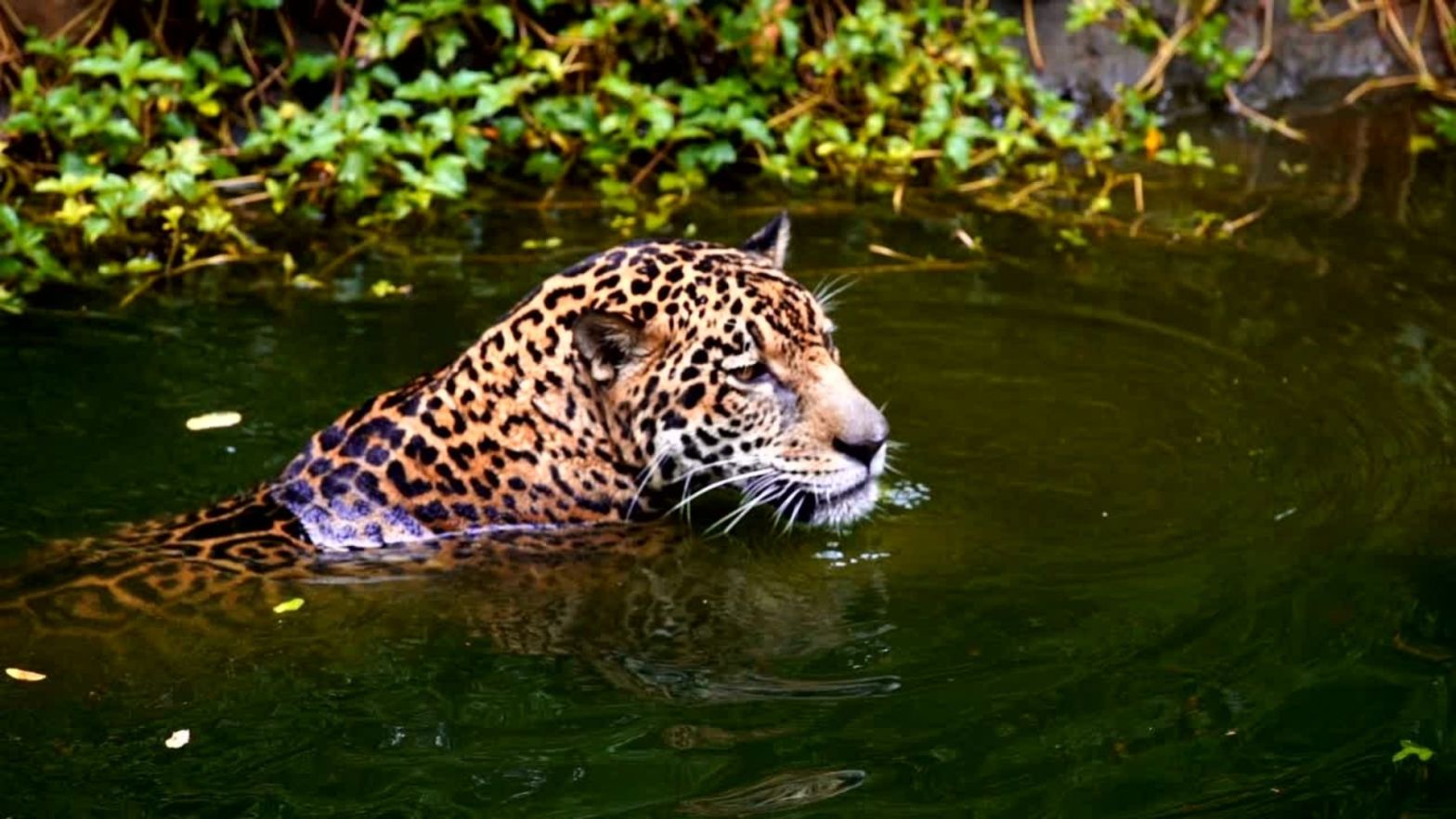
Forest loss for hydroelectric dams is a real threat to big cats contributing to climate change in South America and Asia. Help them survive and take action!
Tag Archives: climate change
So-called ‘Net Zero’ Flights Flush Rainforest Carbon Into the Sky

Virgin Atlantic airlines now uses ‘sustainable aviation fuel’ however experts call it greenwashing and industry spin causing climate change. Boycott palm oil!
Forest Protection Equals Climate Protection
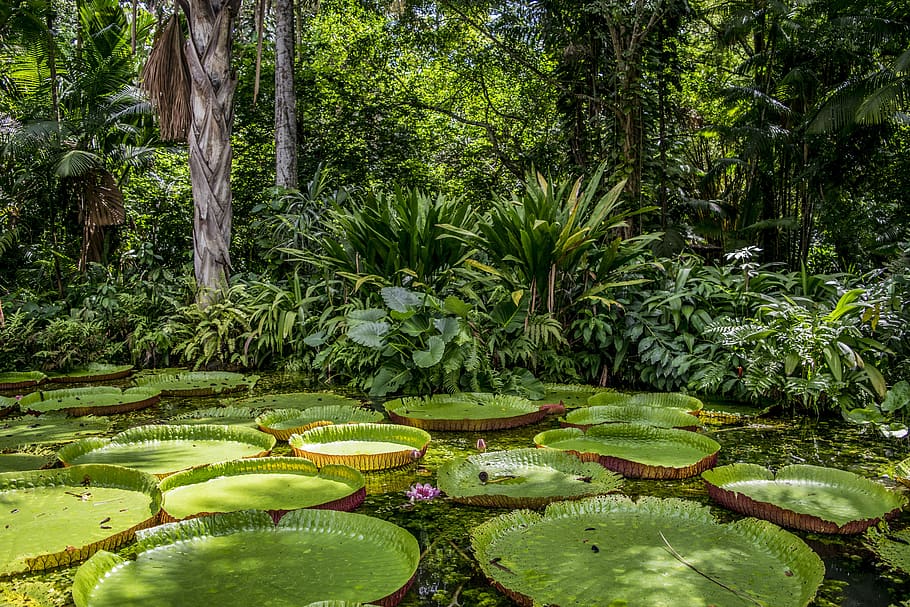
Forests offer climate protection and safeguard indigenous peoples, endangered animals and rare plants. Deforestation is a major threat. Boycott palm oil!
World’s Wealthiest Drive Two Thirds of Global Warming Since 1990

Wealthiest people in USA and China responsible for 2/3 of global warming since 1990. Climate policies needed to target the richest people on the planet now!
Mountain Tapir Tapirus pinchaque

Mountain Tapirs are the most threatened large mammals of the northern Andes, hunting, climate change and mining are threats, take action and boycott gold!
Saola Pseudoryx nghetinhensis
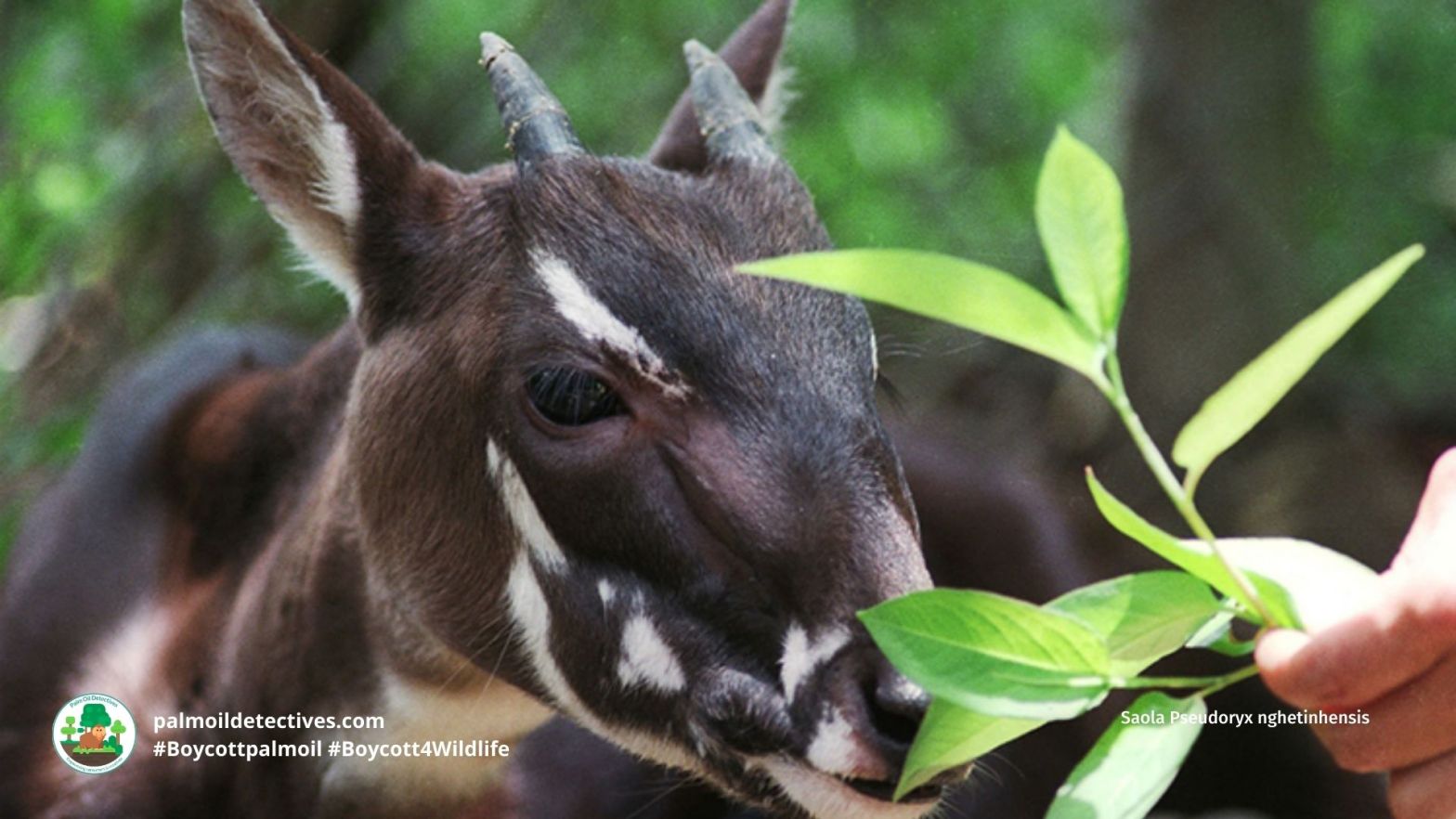
Saolas are rare and considered Southeast Asia’s ‘unicorns’, this Critically Endangered antelope is facing imminent extinction due to hunting and deforestation
Frill-Necked Lizard Chlamydosaurus kingii

Frill-necked lizard AKA frilled dragons are endangered in southern Papua New Guinea and Indonesian-occupied West Papua due to palm oil ecocide, take action!
Grey Crowned Crane Balearica regulorum

Endangered Grey Crowned Cranes are a regal and graceful bird of Uganda, Tanzania, DRC, and Namibia. Help them to survive and join the boycott4wildlife
An Action Plan for Amazon Droughts: The Time is Now!
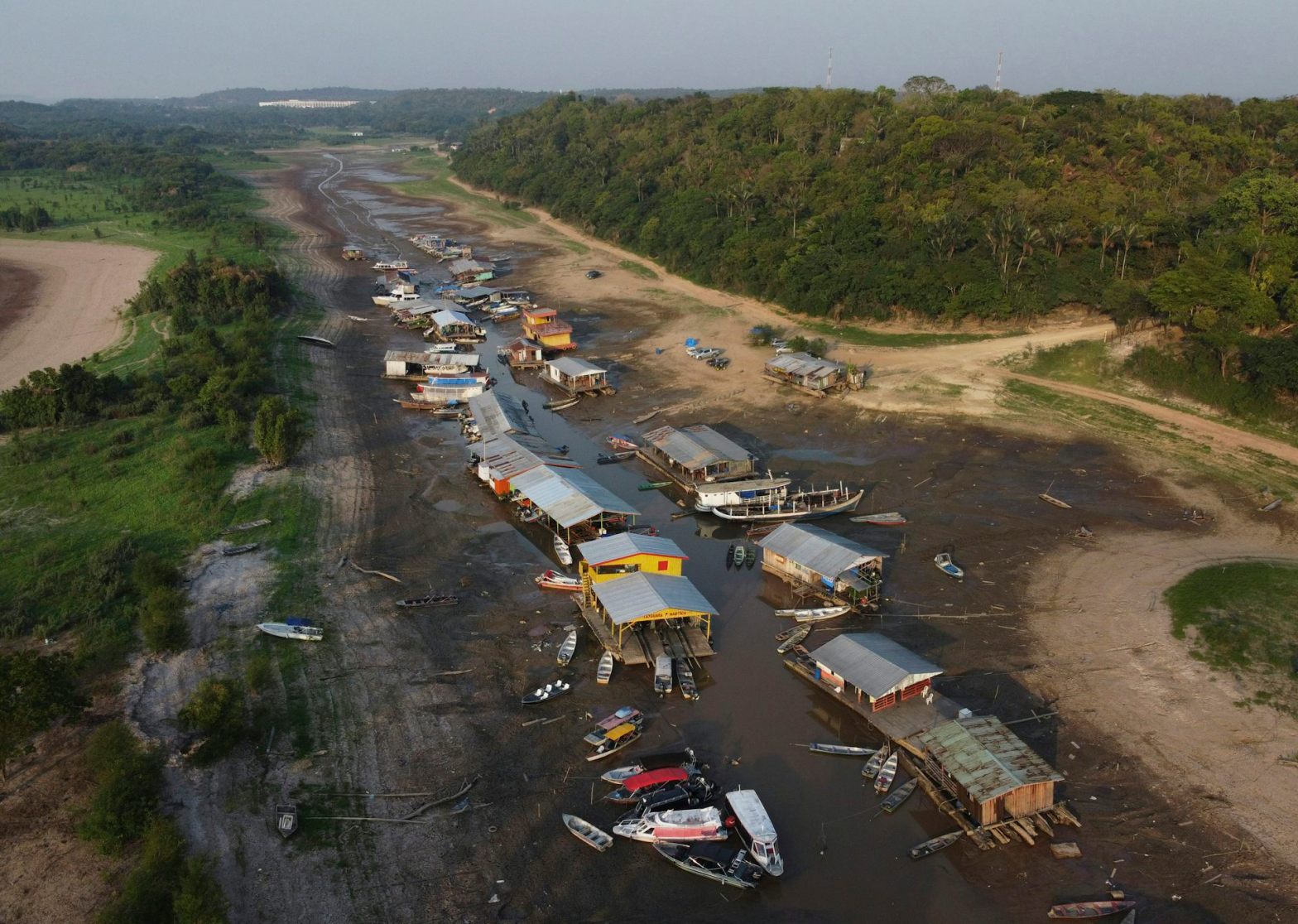
The fertile lungs of our planet, the Amazon jungle faces severe drought due to El Niño, climate change, and deforestation for agriculture like palm oil, soy and meat. This along with gold mining, affects biodiversity and local indigenous communities. To combat this crisis, stronger measures against deforestation and illegal mining are essential. Global and local leaders must act now to protect the Amazon. #BoycottPalmOil #BoycottGold4Yanomami #Boycott4Wildlife.
Borneo Forest Dragon Gonocephalus bornensis
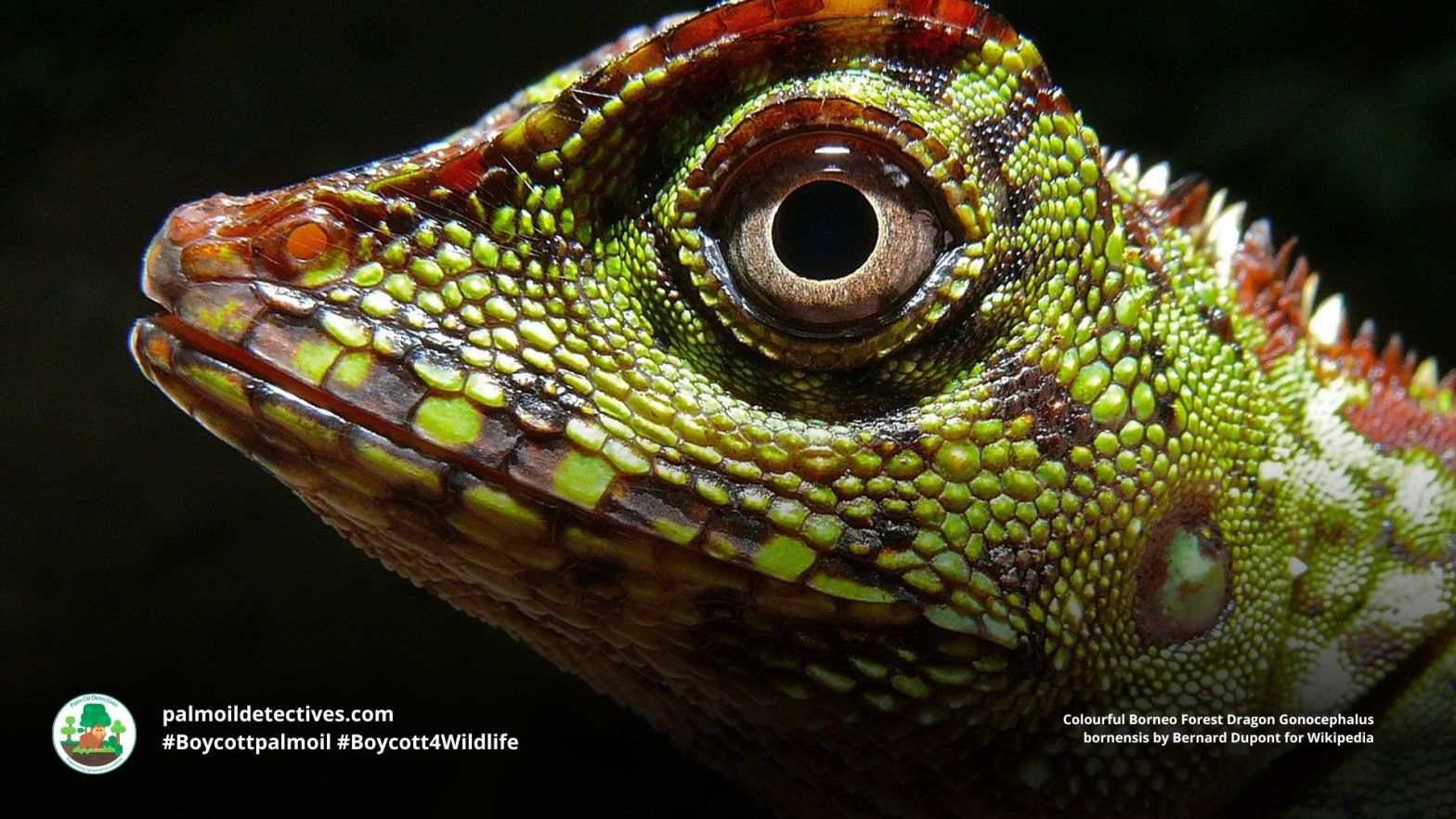
The #Borneo Forest Dragon, also known as the Borneo Anglehead #Lizard is a vividly coloured lizard native to Borneo. This arboreal #reptile is known for their prominent crest and beautifully camouflaged body, allowing them to blend seamlessly into their rainforest surroundings. Found primarily in undisturbed and secondary rainforests, the Borneo Forest Dragon thrives in humid environments, often near streams.
Although the latest assessment by IUCN Red List revealed that they are ‘least concern’, the plans to move the capital of Indonesia to Kalimantan is concerning to conservationists and animal lovers alike. Rampant habitat loss from #palmoil and #timber #deforestation on the island of Borneo posses a grave threat. Protect these striking animals and their rainforest home when you #BoycottPalmOil #Boycott4Wildlife!
Palm Oil Is Ruining Kalangala Uganda — Locals Paying the Price
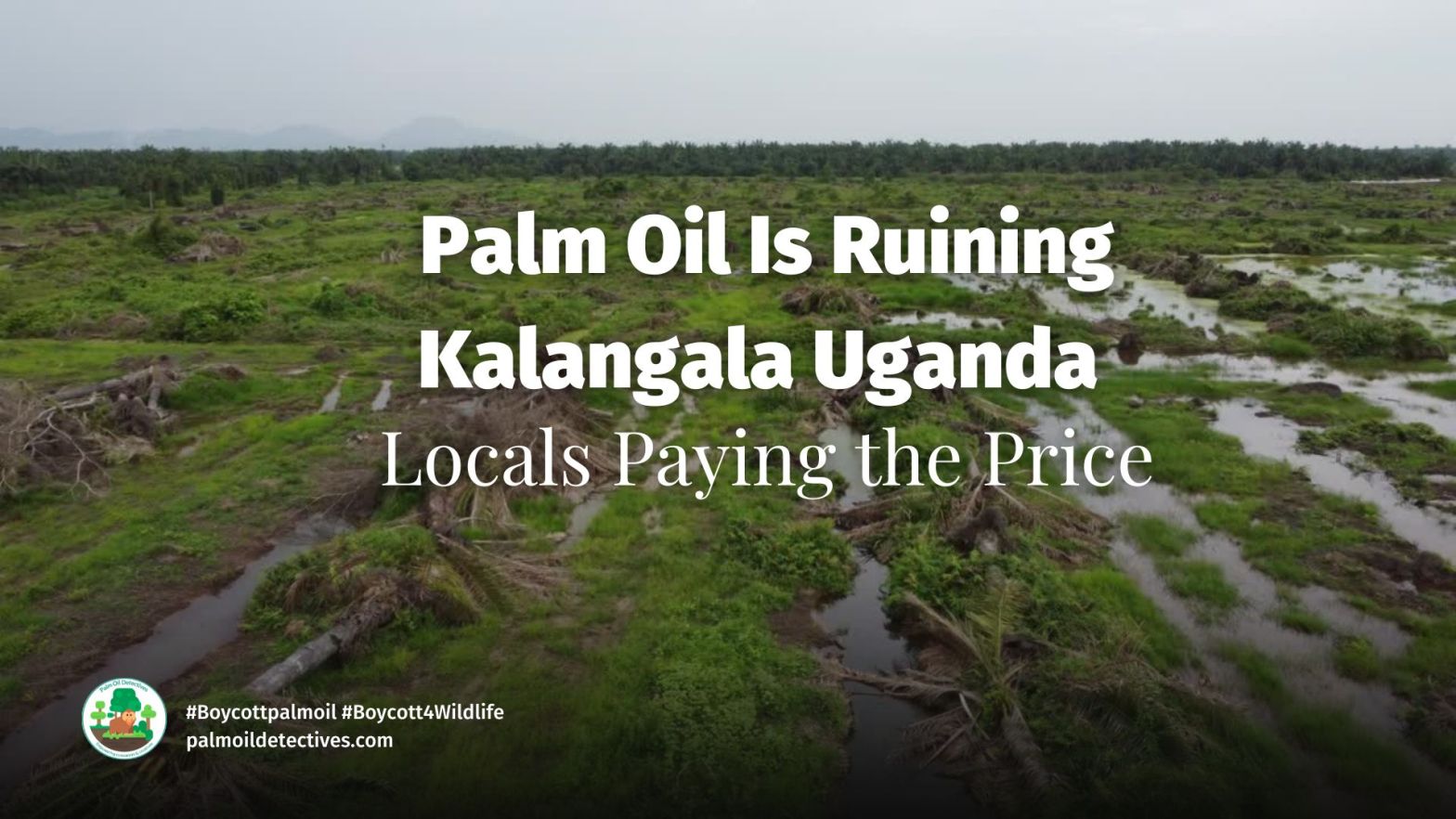
A catastrophic storm in #Uganda’s Kalangala district left nearly 1,000 households homeless. The real culprit? Rampant #deforestation for #palmoil. Once rich in native forests that buffered storms, Kalangala is now a fragile landscape dominated by monoculture palm oil and #tobacco plantations that does not keep villages safe from climate induced flooding and severe storms. This human-caused disaster is a wake-up call: palm oil profits must never come before people and planet. Support #indigenous-led reforestation and demand corporate accountability for ecocide! #BoycottPalmOil #Boycott4Wildlife #HumanRights
Nigeria Risks Losing All Its African Forest Elephants – Here’s How To Protect Them
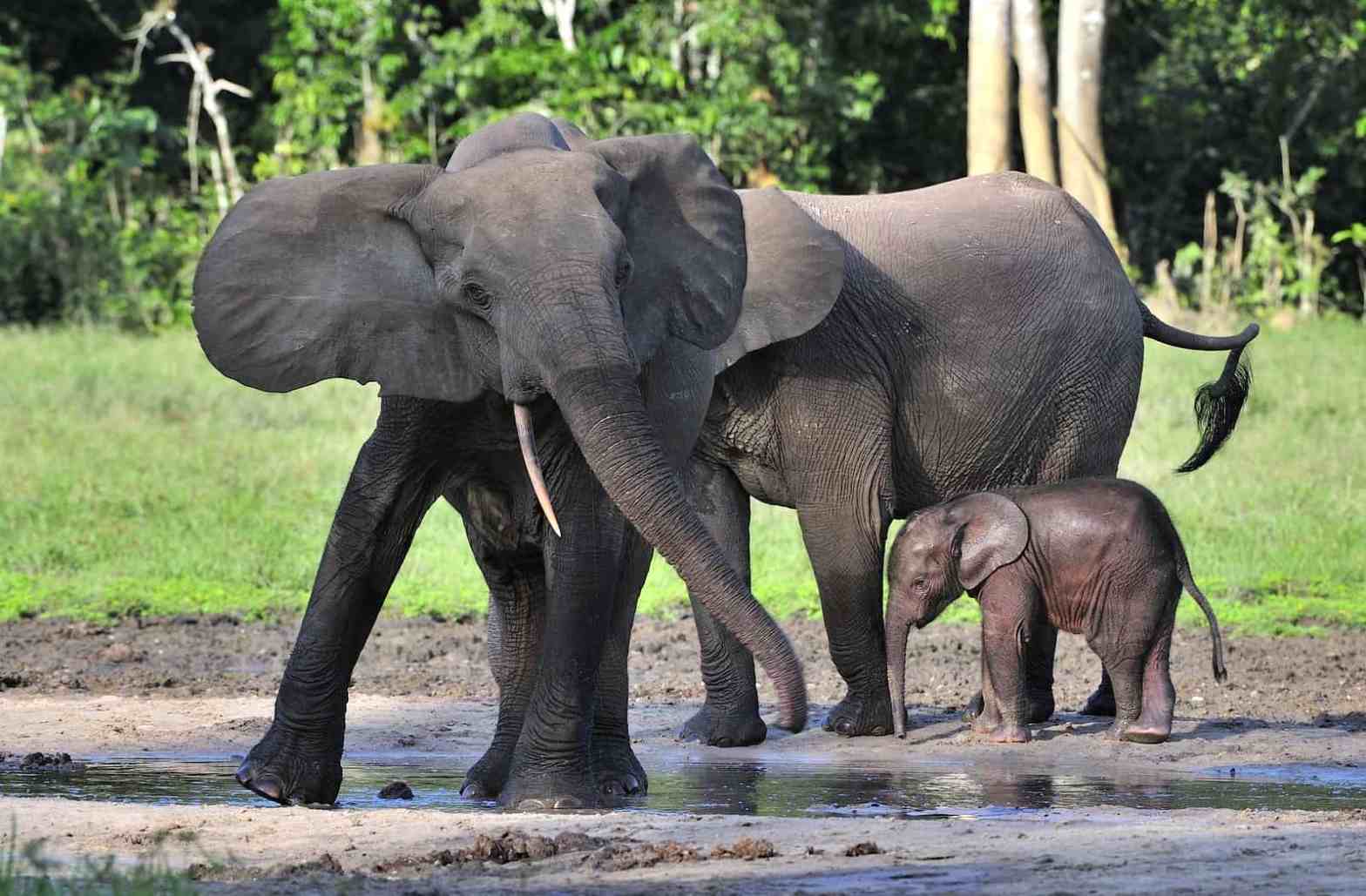
The numbers and ranges of #elephants in #Nigeria have declined greatly over time. The main cause of this has been human activity, like logging, palm oil and cocoa #agriculture, which threaten their survival by reducing their natural habitat. Some elephant populations have been lost. Others exist only in small, fragmented areas. A new study looks at what can be done to protect one of Nigeria’s most treasured #animal icons.
Deforestation-driven Climate Change and Natural Disasters
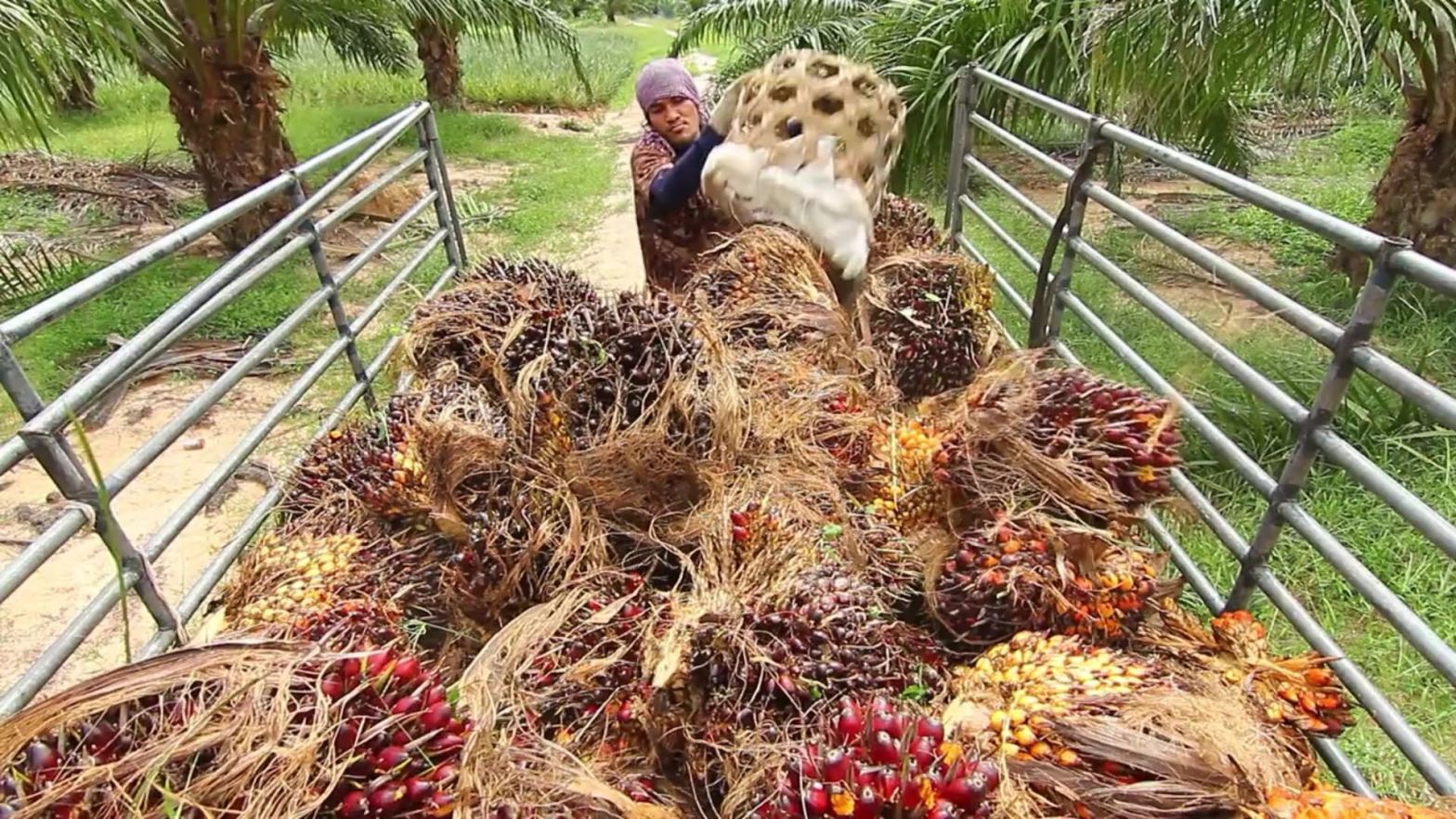
Deforestation in Indonesia worsens severe weather events: floods and landslides. Urgent policy changes are needed to mitigate ecocide and climate change
Deforestation comes ‘roaring back’ despite 140-country vow to end destruction
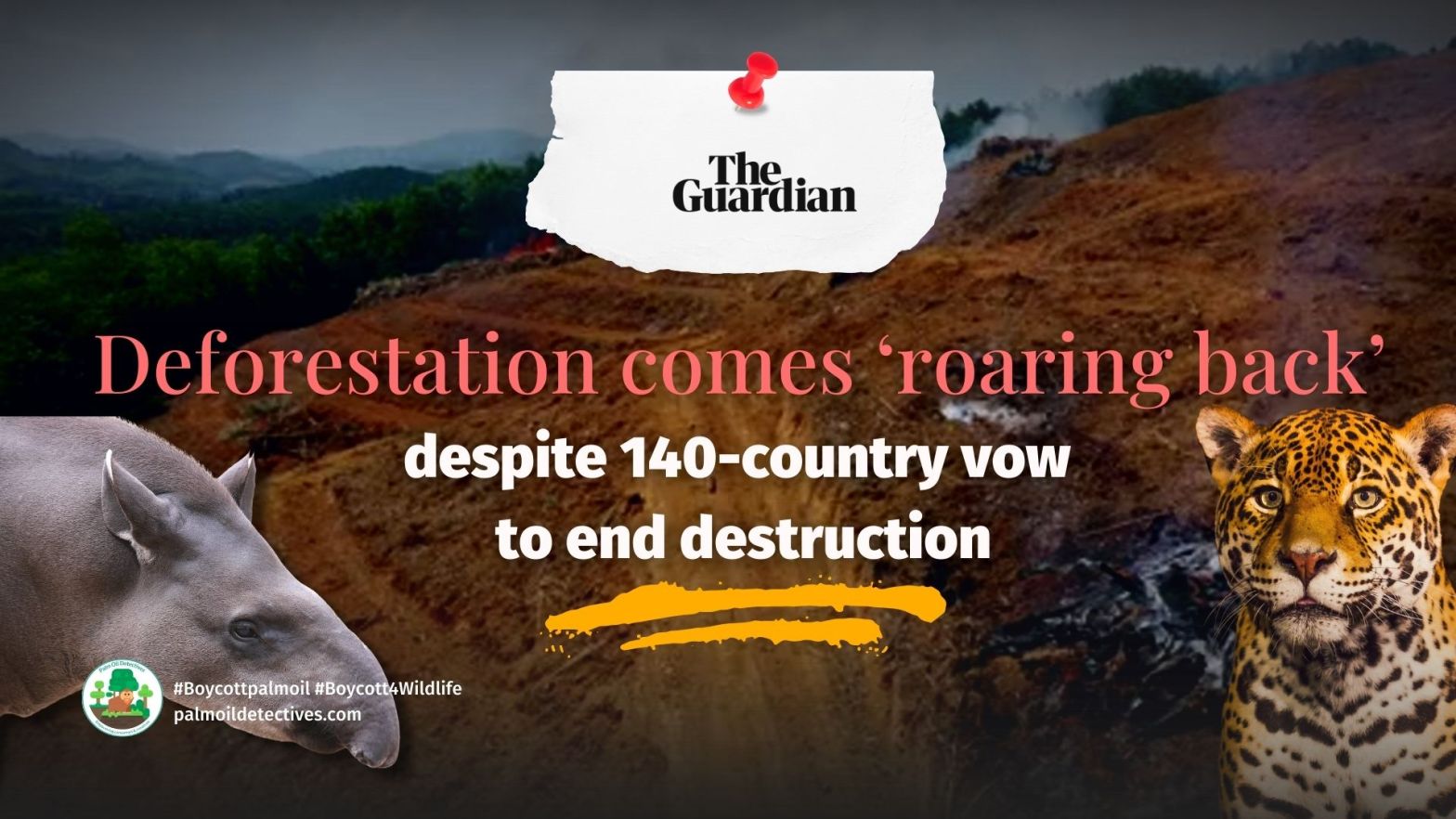
A new report has found that demand for #meat, #soy, #palmoil and nickel #mining is hindering efforts to halt #deforestation by 2030, a global report finds. The destruction of global forests increased in 2023, and is higher than when 140 countries promised three years ago to halt deforestation by the end of the decade.
The rising destruction of the forests puts ambitions to halt #climatechange and stem the huge worldwide #extinction even further from reach, the researchers warn. They found that voluntary certification of commodities alone could not stop deforestation and that strong legislation was needed to stop the ecocide and destruction.
How does Indonesia’s palm oil industry fuel the climate crisis?
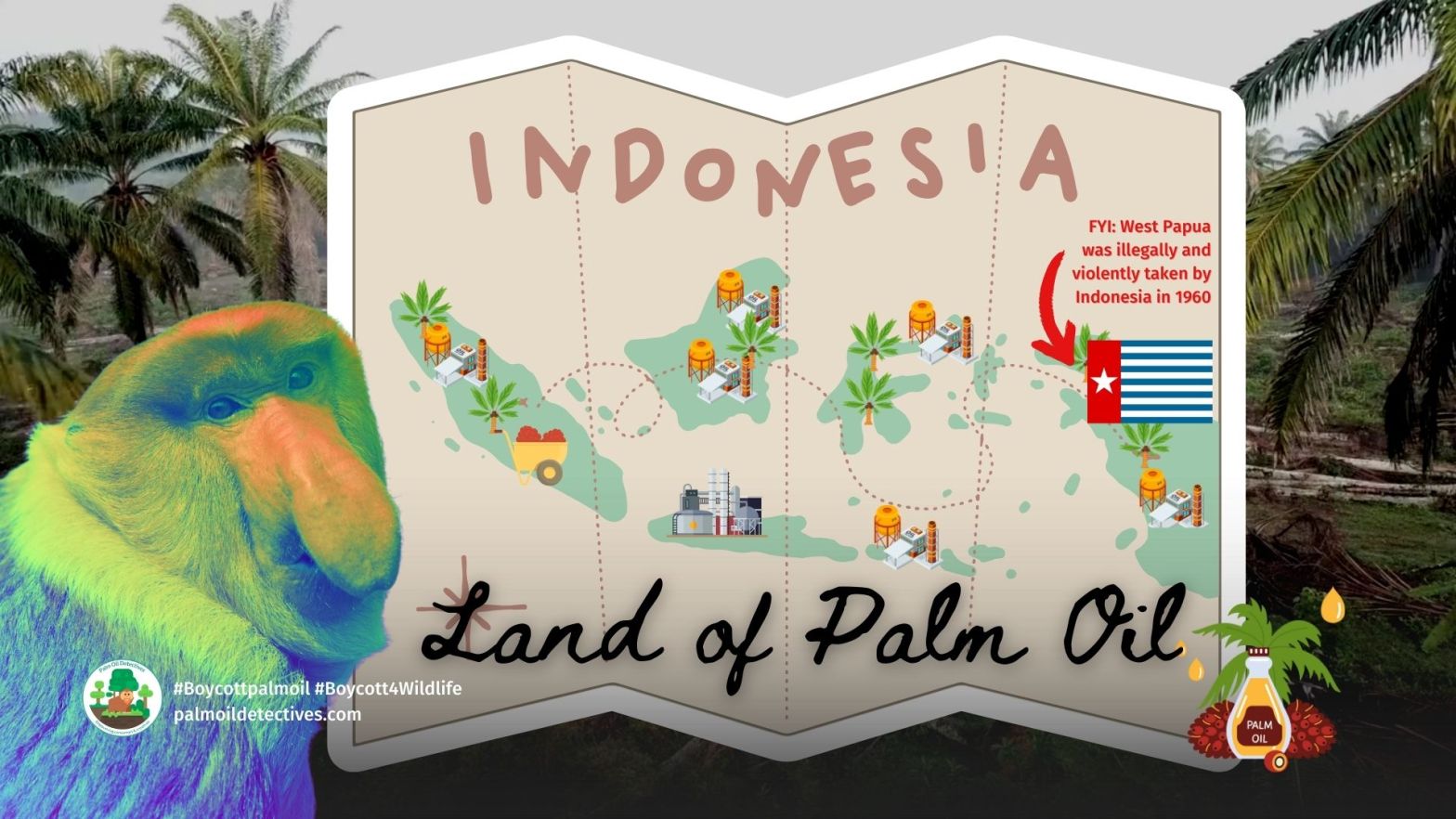
Booming global demand for the vegetable oil is spurring deforestation in Indonesia. Indonesia accounts for more than half of the global palm oil supply, the world’s most widely used vegetable oil that is found in everything from food to cosmetics to fuel.
But environmentalists fear surging demand for the product may drive mass deforestation in Indonesia, home to the world’s third-largest tropical rainforest, and exacerbate the global climate crisis.
Stop Gambling Our Future for Meat Deforestation
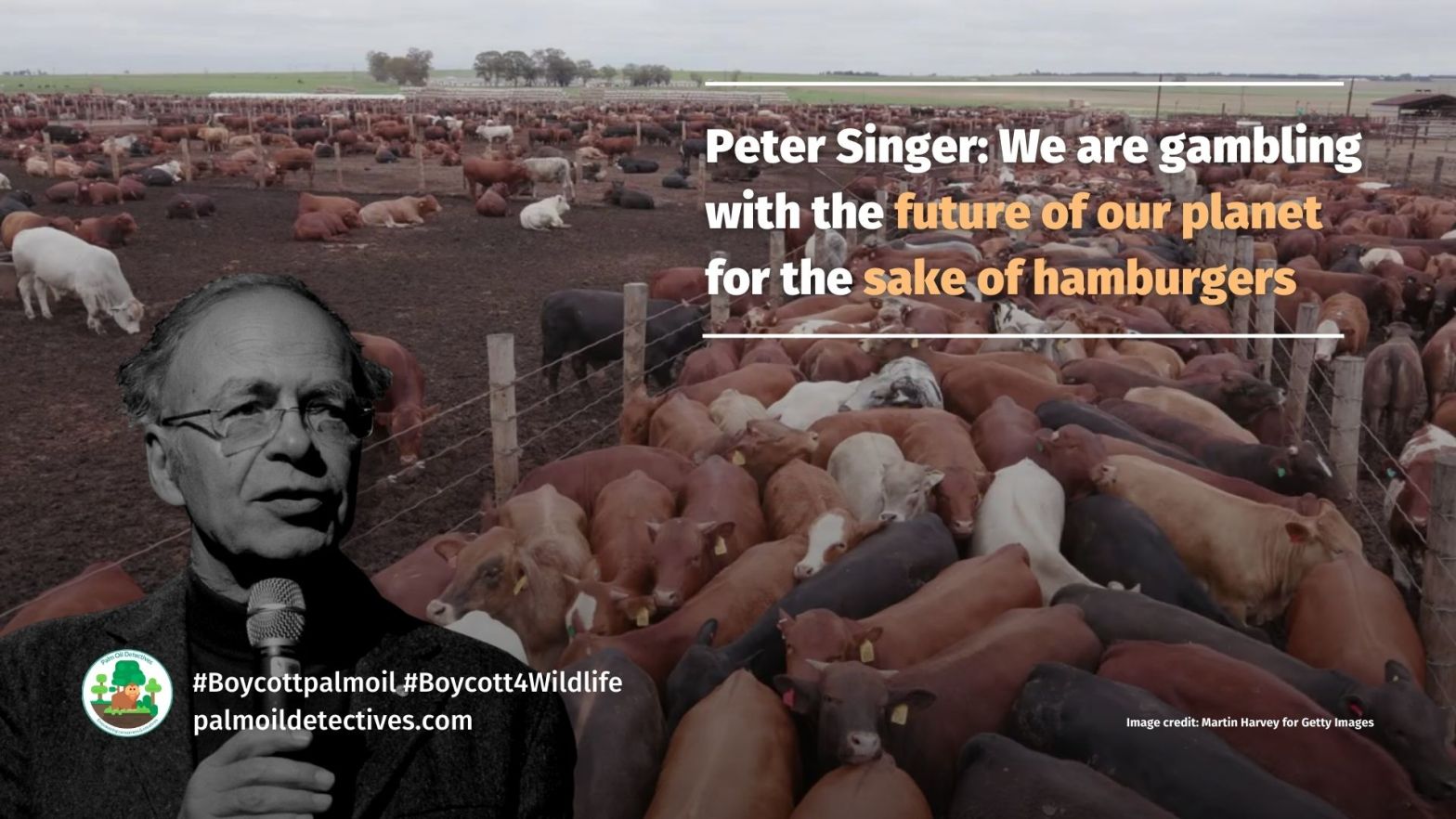
Ethicist Peter Singer warn our consumption of meat and dairy risks the planet’s future driving climate change, food security and animal extinction. Be vegan!
Food Without Agriculture

Researchers argue food can be made without destroying rainforests, using alternative energy sources like microbes, yeast and CO2, saving animals and emissions
Green Lie of “Sustainable” Aviation Biofuel

“Sustainable” Aviation Fuel (SAF) is a biofuel alternative to using fossil fuels for powering planes and cars. SAF is being aggressively marketed by multiple industries as a greener alternative to burning fossil fuels in cars and airplanes.
However, SAF is produced from food crops such as rapeseed, palm oil, soy and sugar cane. This requires vast swathes of land to grow. This also means mass deforestation of land that is rich in biodiversity, putting at risk already threatened animals and plants and indigenous peoples all over the world. Emissions from palm oil-derived biodiesel are three times higher than fossil fuel diesel. According to Transport & Environment EU food-based biodiesel leads to around 80% higher emissions than the fossil fuel diesel that it replaces. Read on to find out how you can take action.
Rethinking Climate and Extinction Crises
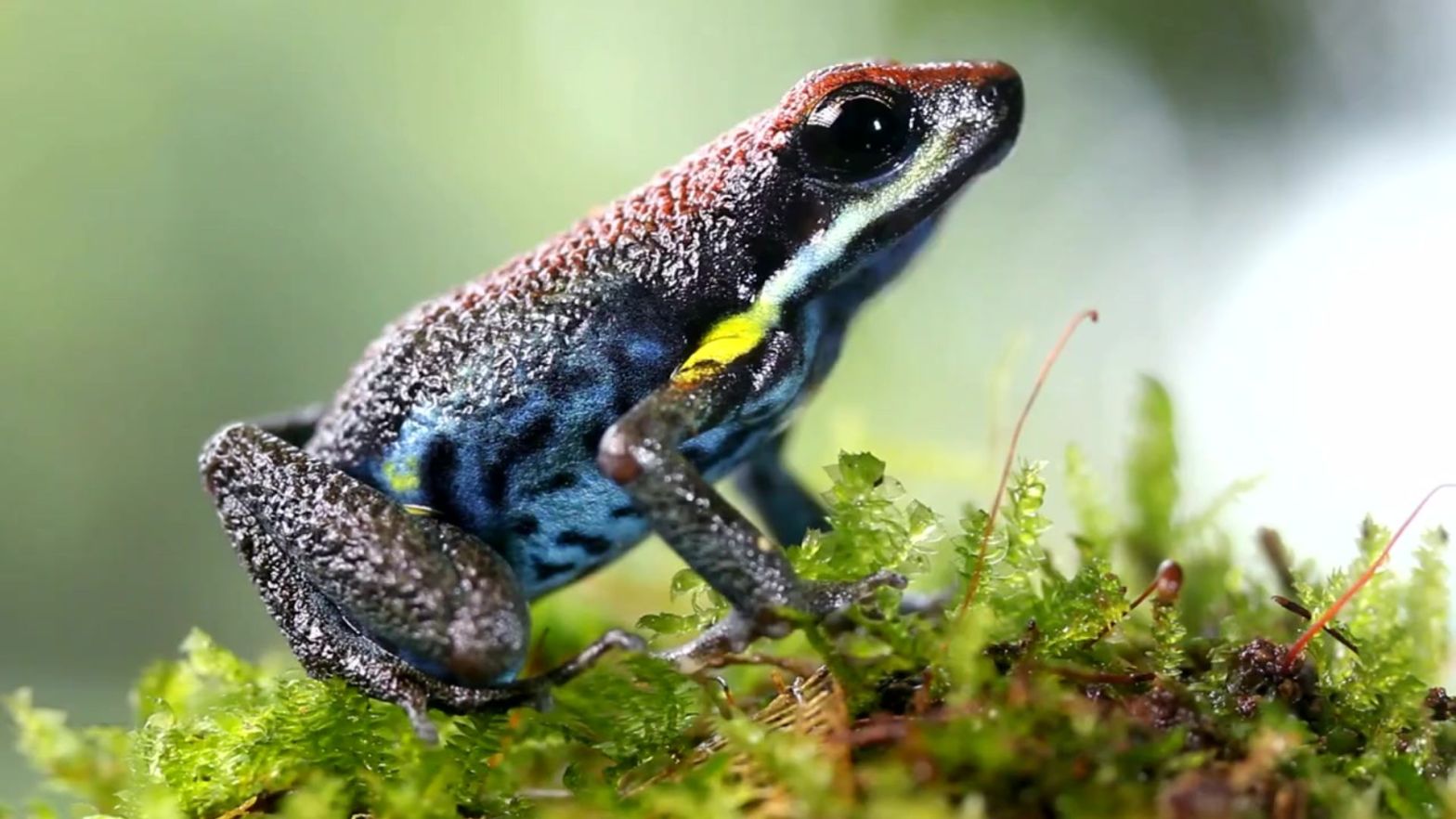
Capturing people’s attention about the #climate and #extinction crises is a challenge. Causes mostly move slowly, without the flashy drama that can focus our minds in the midst of 24-hour news cycles and social media distractions. The Netflix film Don’t Look Up cleverly captures humans’ inability to come together to counter such a common existential threat. To change this, we must develop a “slow memory” that can help us care about and act on slow change. Help to fight against extinction when you shop and #Boycottpalmoil #Boycott4Wildlife
Op-Ed: Preserving a Habitable Earth by Julian Cribb
Renowned and prolific science communicator and author Julian Cribb writes this op-ed piece for Palm Oil Detectives. He addresses the world’s most pressing needs for survival as we descend into the pointy end of the Anthropocene era.
Julian outlines a dozen direct and actionable solutions for preserving a healthy and habitable earth. These are taken from his interviews with the world’s brightest minds. For a more in-depth analysis, be sure to grab a copy of his most recent book, published this year – ‘How to Fix a Broken Planet’
The right for nature to simply exist is clear – the movement to enshrine this into law is growing

The idea that nature — forests , rivers, mountains — could have rights, in the same way that human rights, or corporate rights exist has been building momentum. A historic global agreement has been reached to try to protect the plants and animals of this world from further demise.
Golden Langur Trachypithecus geei
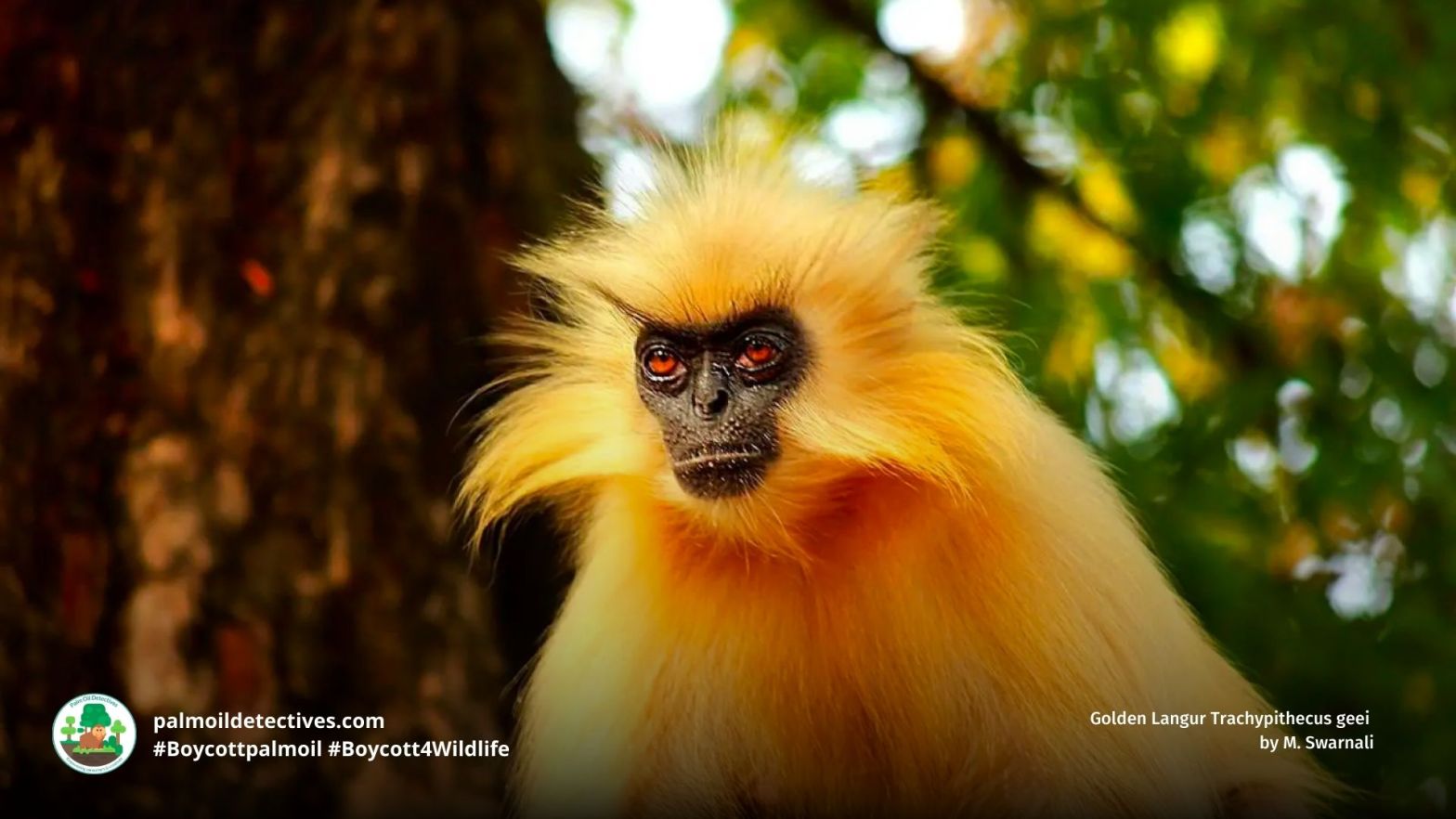
The regal, striking looking Golden #langurs Trachypithecus geei is also known by the common names Gee’s Golden #langur. They are the most endangered primate species in #India and are considered to be sacred to many Himalayan peoples. Once widespread, they are now only found in a handful of fragmented forests straddling India and Bhutan. They are classified as endangered due to #palmoil, #meat and #timber #deforestation and hunting. Golden langurs are known for their expressive eyes and grumpy expressions. This has made them the subject of global fascination and online memes. Help them every time you shop and be #vegan, #Boycottpalmoil and #Boycott4Wildlife
Giant Otter Pteronura brasiliensis
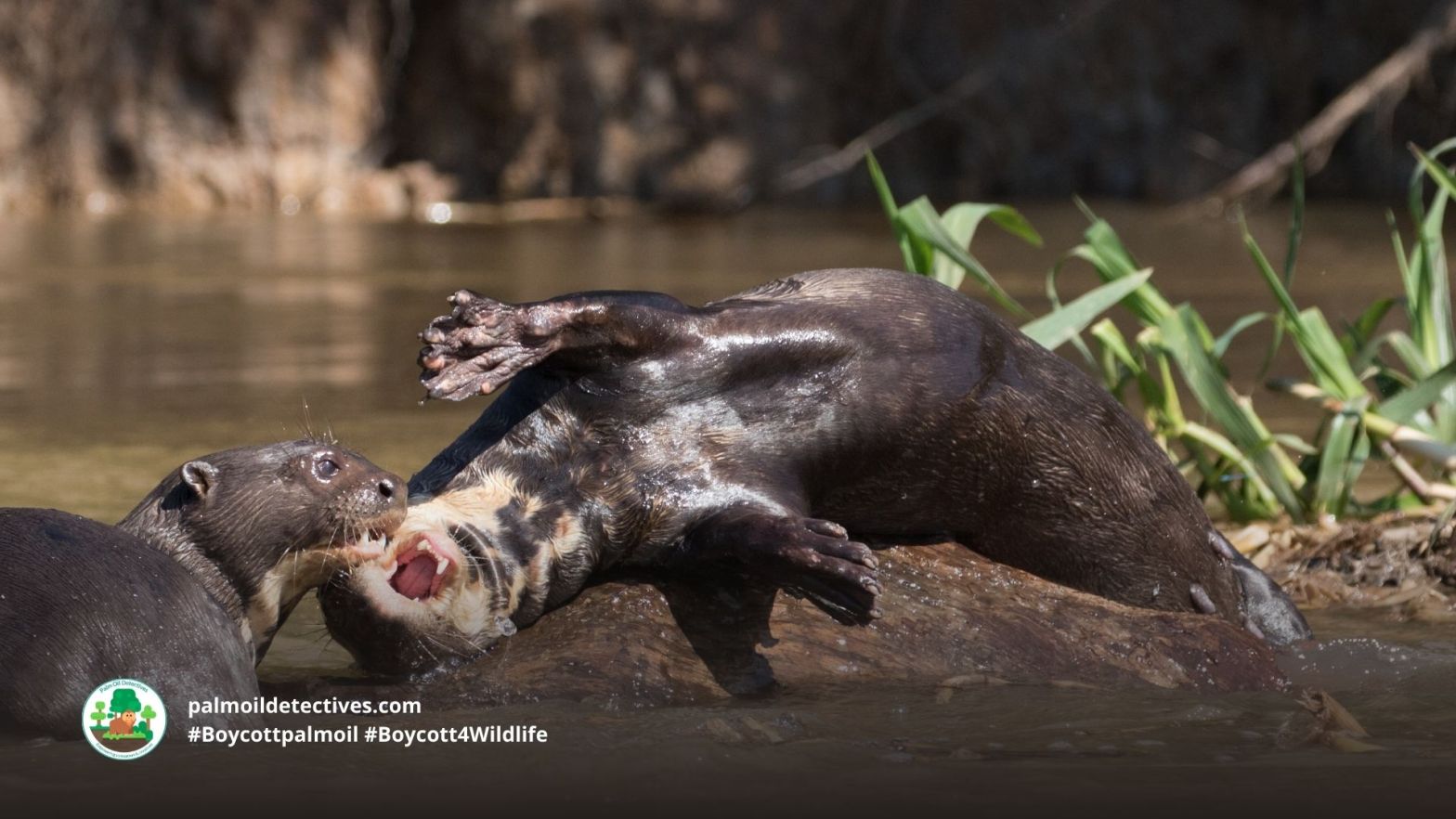
The agile and graceful tumbling Olympians of the Amazonian rivers, Giant #Otters are able to swim 100 metres in less than 30 seconds. They are also known as the Lobo de Rio (the River wolf), Los Lobos del Rio (Wolves of the River) and Ariranha. They are most active in the mornings and evenings and take a siesta during the hottest parts of the day. Known for their striking size and the chorus of whistles and barks echoing through flooded forests, giant otters are social, vocal, and deeply bonded to their family groups. But the rivers they call home are under siege. The most significant threats to giant otters are anthropogenic pressures of deforestation for palm oil, soy and meat, pollution from mining and climate change. They are also illegally hunted and traded for their pelts or killed in retribution by fishermen. Help them and be #vegan, use your wallet as a weapon and #BoycottPalmOil #Boycott4Wildlife.
Without Tropical Forests, The World Would Be 1°c Warmer

#Research reveals the most comprehensive and detailed evidence to date that #forests are more important to the #climate (globally and locally) than we think due to the way in which they physically transform the atmosphere. The first-ever research to pinpoint the local, regional and global non-carbon dioxide benefits of specific forest zones worldwide finds that the entire world gains the most benefits from the band of tropical rainforests spanning Latin America, Central Africa and Southeast Asia. Help #rainforests, rainforest animals and indigenous peoples every time you shop, make sure you #BoycottPalmOil #BoycottGold #Boycott4Wildlife
Climate change is forcing human and non-human beings to become climate refugees
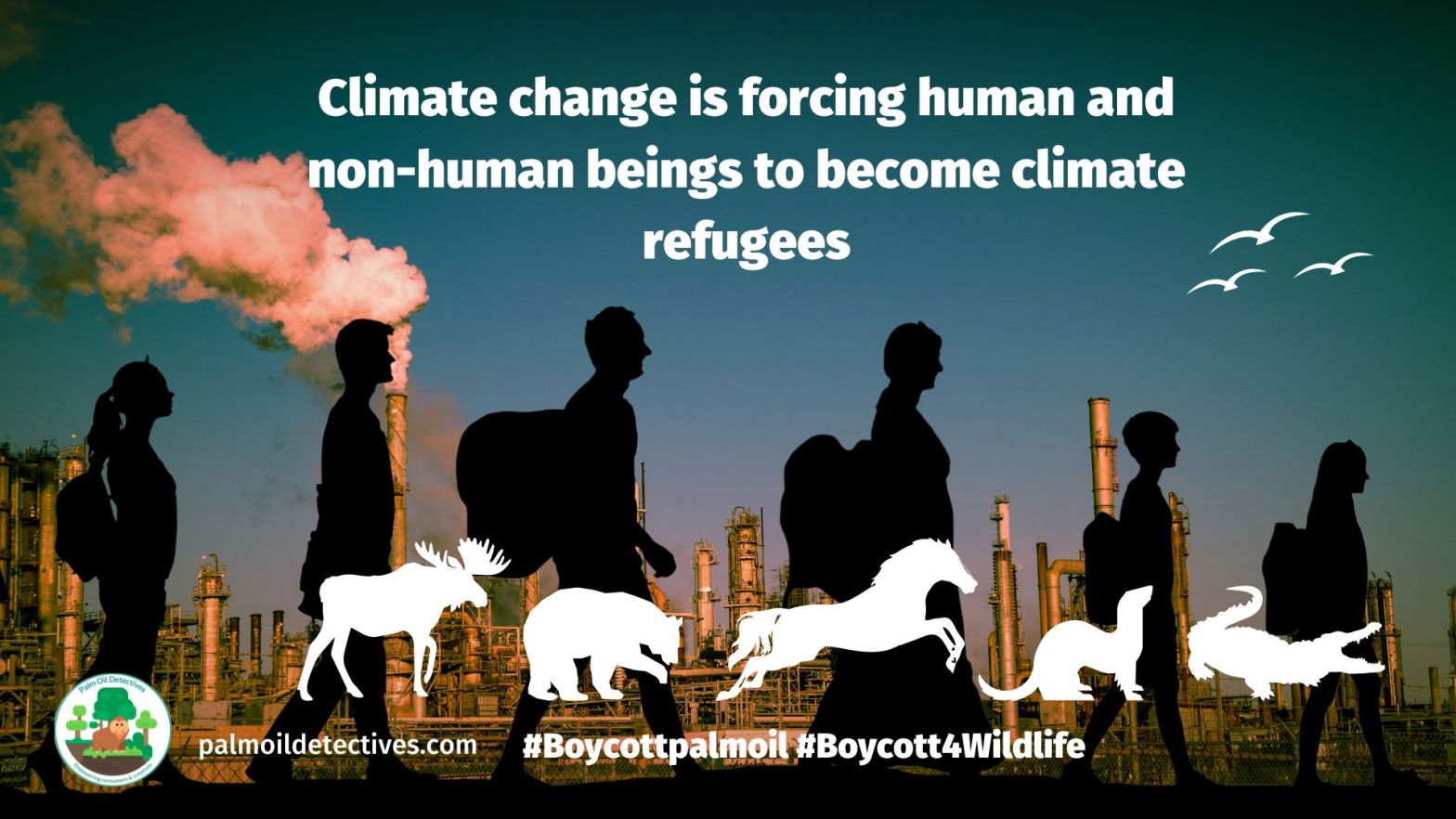
Climate change. Climate denial. Global warming. Call it what you will, the planet is shouting at us. We have ignored the warning signs for decades, but we can no longer ignore what is happening right now.
Insect decline in the Anthropocene: Death by a thousand cuts
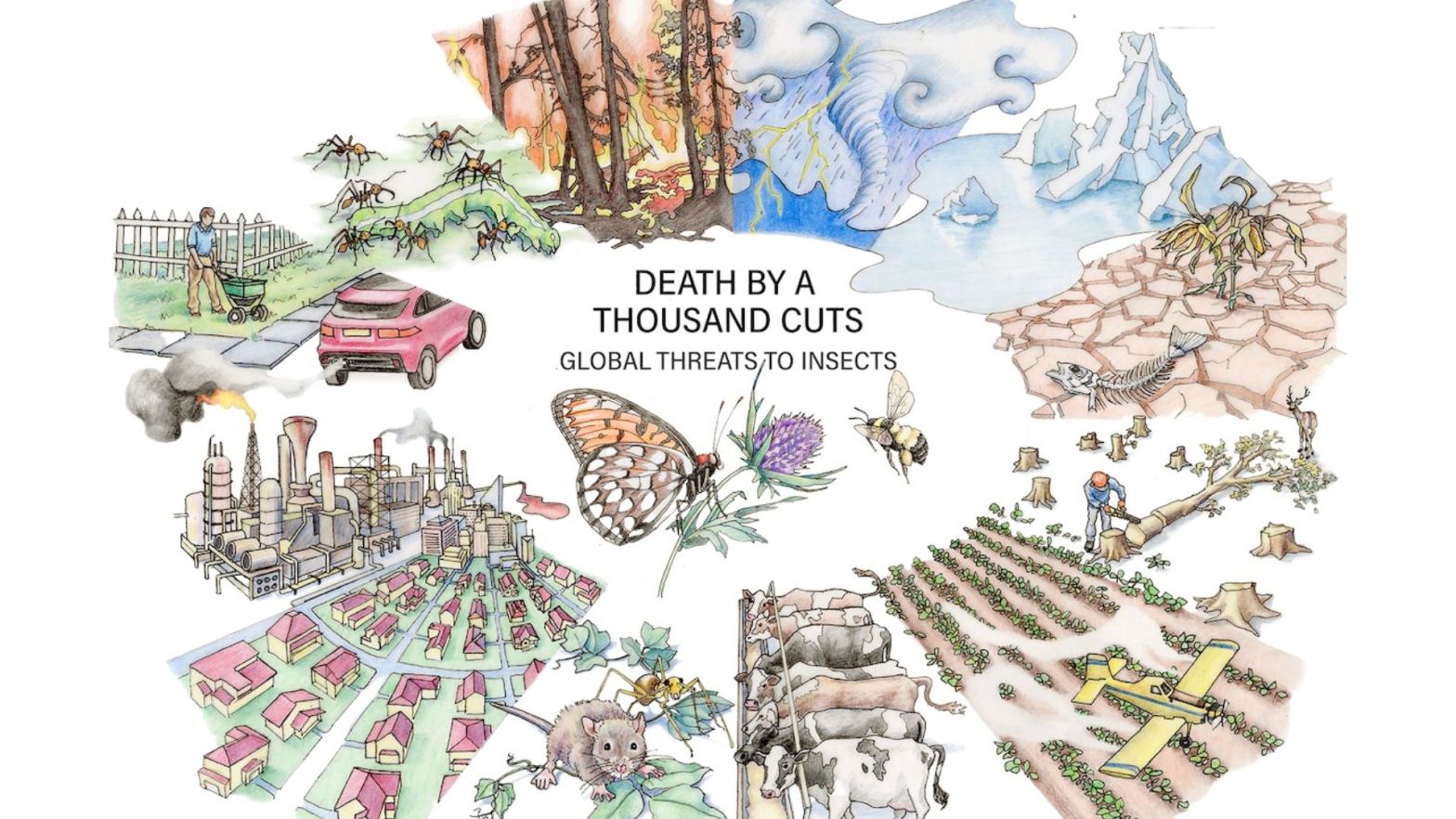
#Insects 🪰🦋🪳🪲🐞🐛💌😻🌿 are the incredible engine room of the planet ensuring ecosystems work. They’re under siege by human-caused #climatechange #deforestation #pollution. Report via @PNASnews. #BoycottPalmOil 🌴⛔️ #Boycott4Wildlife @palmoildetect https://palmoildetectives.com/2022/06/23/insect-decline-in-the-anthropocene-death-by-a-thousand-cuts/
Almost 90% of the world’s animal species will lose some habitat to agriculture by 2050
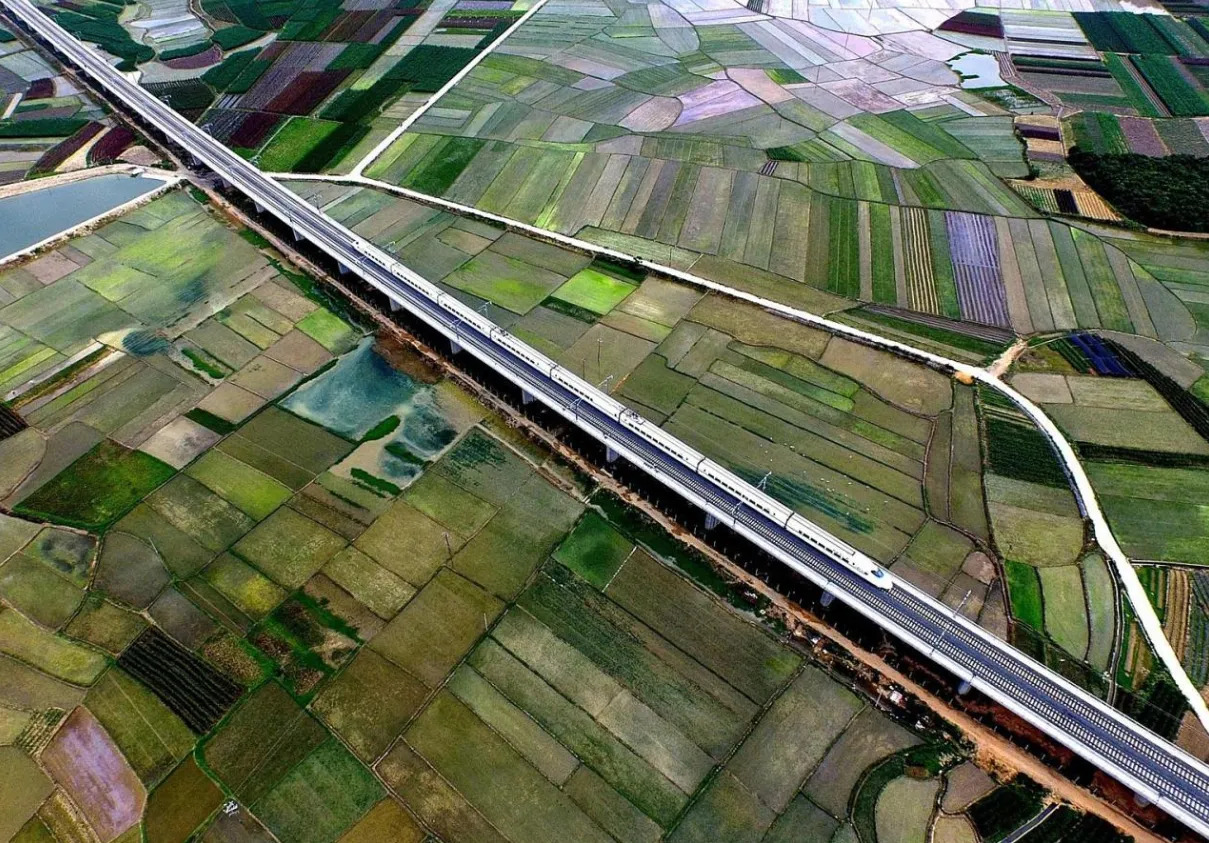
Scientists know that #biodiversity is declining across much of the world although less universally and dramatically than we feared. We also know that things are likely to get worse in the future, with a combination of #deforestation, #climatechange and overexploitation set to drive species and habitats ever closer to #extinction. Help them every time you shop and be #vegan #BoycottPalmOil #Boycott4Wildlife
Deforestation Raises Temperatures Up To 4.5℃

Forests directly cool the planet, like natural evaporative air conditioners. So what happens when you cut them down? In tropical countries such as #Indonesia, #Brazil and the #Congo, rapid #deforestation may have accounted for up to 75% of the observed surface #climatechange and warming between 1950 and 2010. Our new research took a closer look at this phenomenon.
Pygmy Marmoset Cebuella niveiventris and Cebuella pygmaea

The petite pygmy #marmoset, the world’s tiniest true #monkey, boasts a mix of brownish-gold, grey, and tawny fur. These little wonders, weighing just around 100 grams, communicate uniquely using chemical, vocal, and visual cues to ensure group safety and harmony. Although these #marmosets prefer river-edge forests and can adapt to secondary forests, their homes are under serious threat. Rampant #deforestation for #meat, #goldmining, and #palmoil cultivation are eroding their habitats, pushing the subspecies Cebuella niveiventris towards a “Vulnerable” status. The situation is dire, with an estimated 30% reduction in their population in just 18 years. Protect these delicate creatures and their home – use your wallet as a weapon, be #vegan, #BoycottPalmOil, and #Boycott4Wildlife.🌳🐒
Crested Capuchin Sapajus robustus
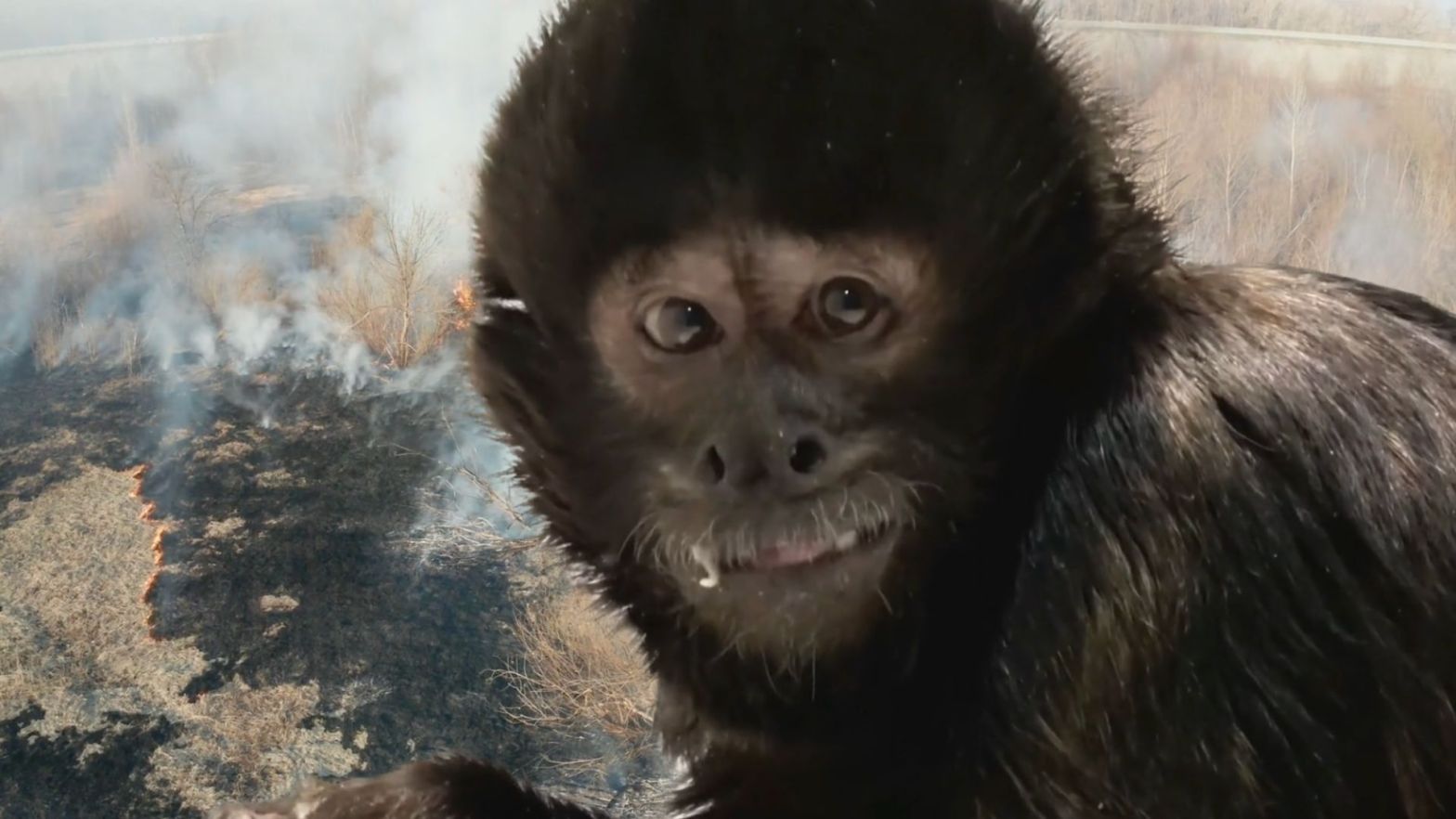
Crested Capuchins are one of Brazil’s most endangered primates. A few thousand remain, facing extinction due to palm oil, mining, soy. Take action for them!
 Palm Oil Detectives