

Forests offer climate protection and safeguard indigenous peoples, endangered animals and rare plants. Deforestation is a major threat. Boycott palm oil!
Tag Archives: extinction
Western Parotia Parotia sefilata
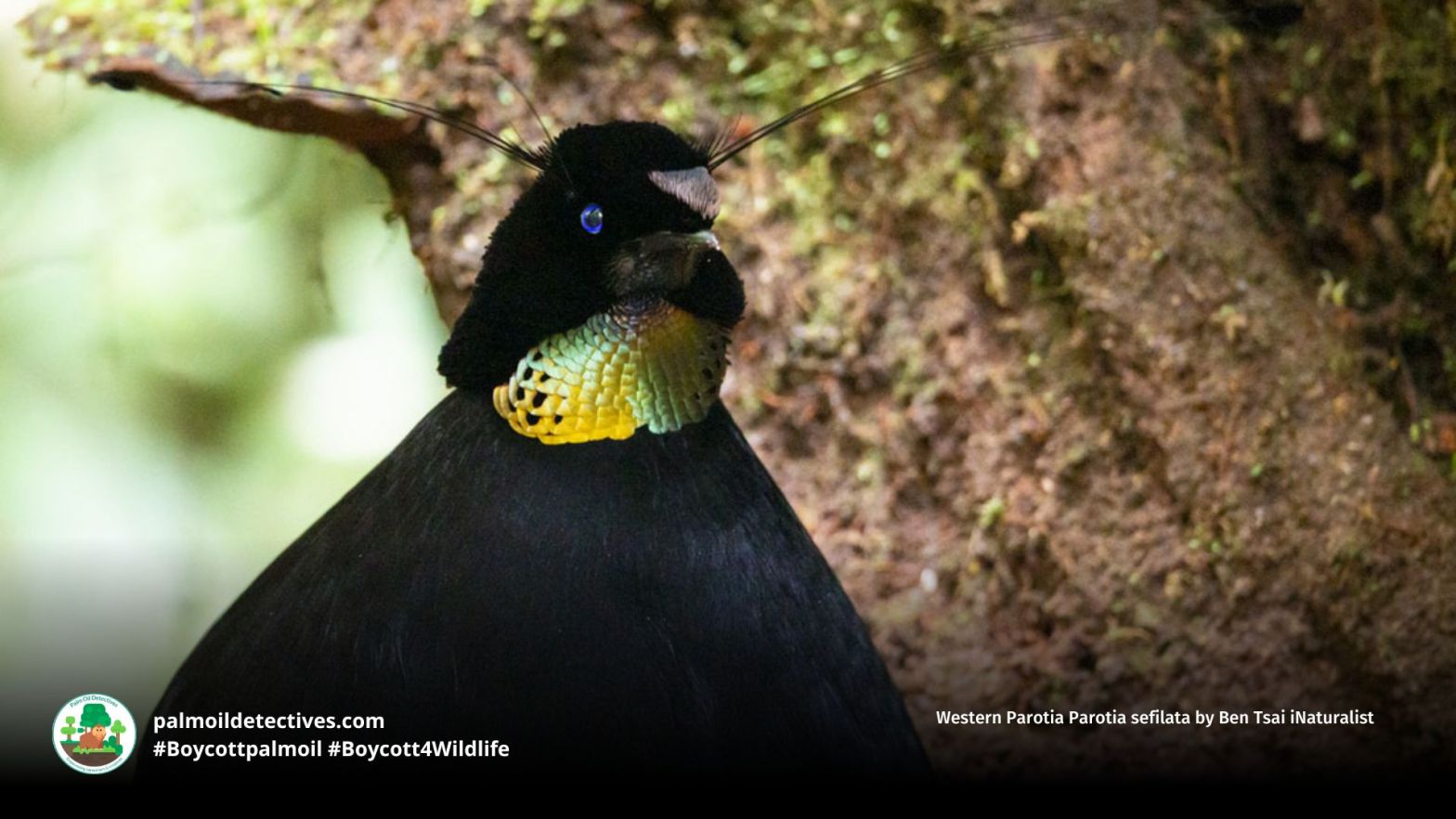
Western Parotias AKA Arfak Parotias are stunning bird-of-paradise of West Papua known for their mesmerising dances. Palm oil and mining ecocide are threats
Jaguars vs Cows: JBS Fuelling Biodiversity Collapse in Brazil’s Forests
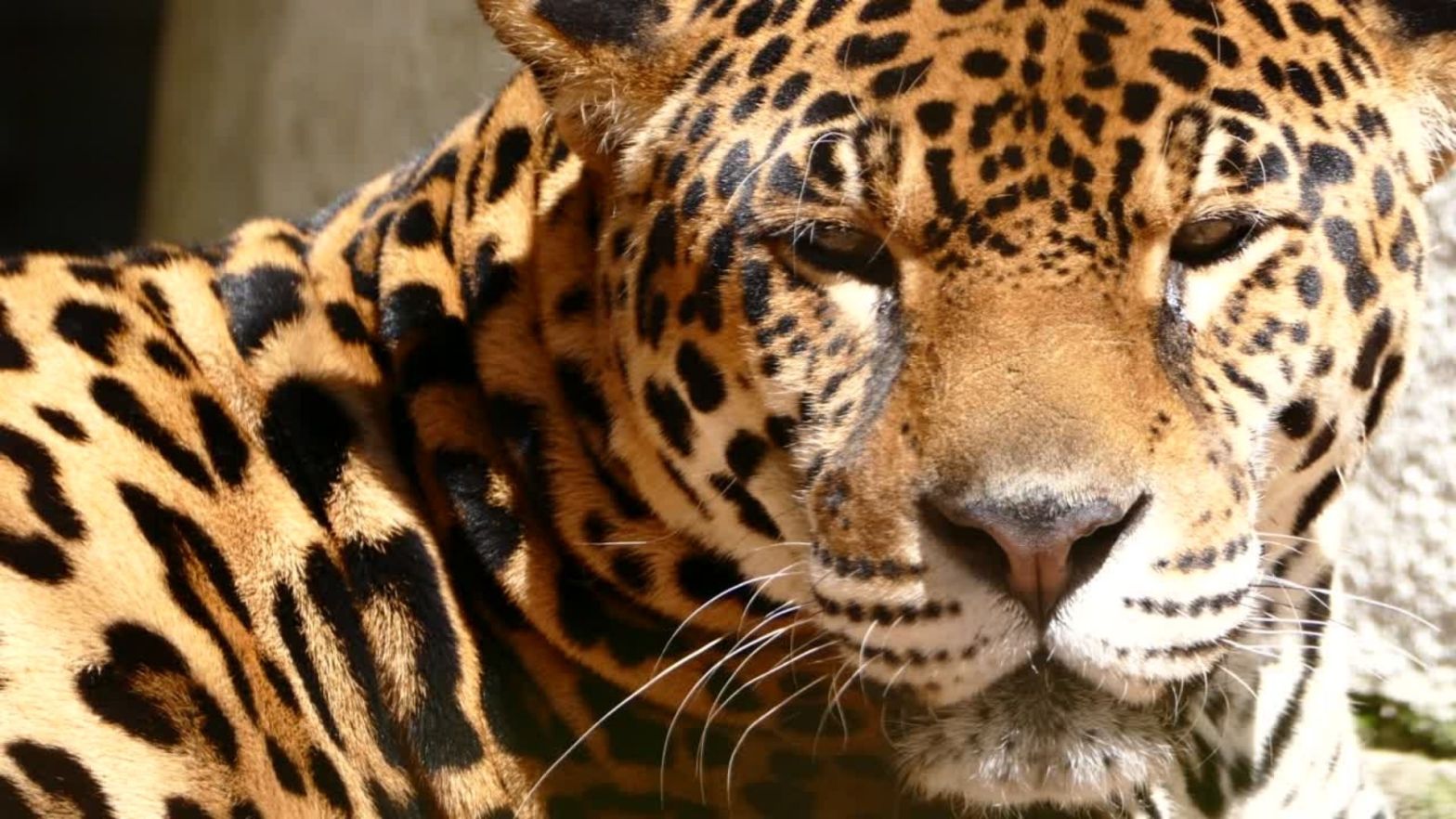
Global Witness report finds JBS, the world’s largest meat company, is directly linked to deforestation in the Amazon and Pantanal putting jaguars at risk
Parrot Deaths Highlight Urgent Need to Reform CITES
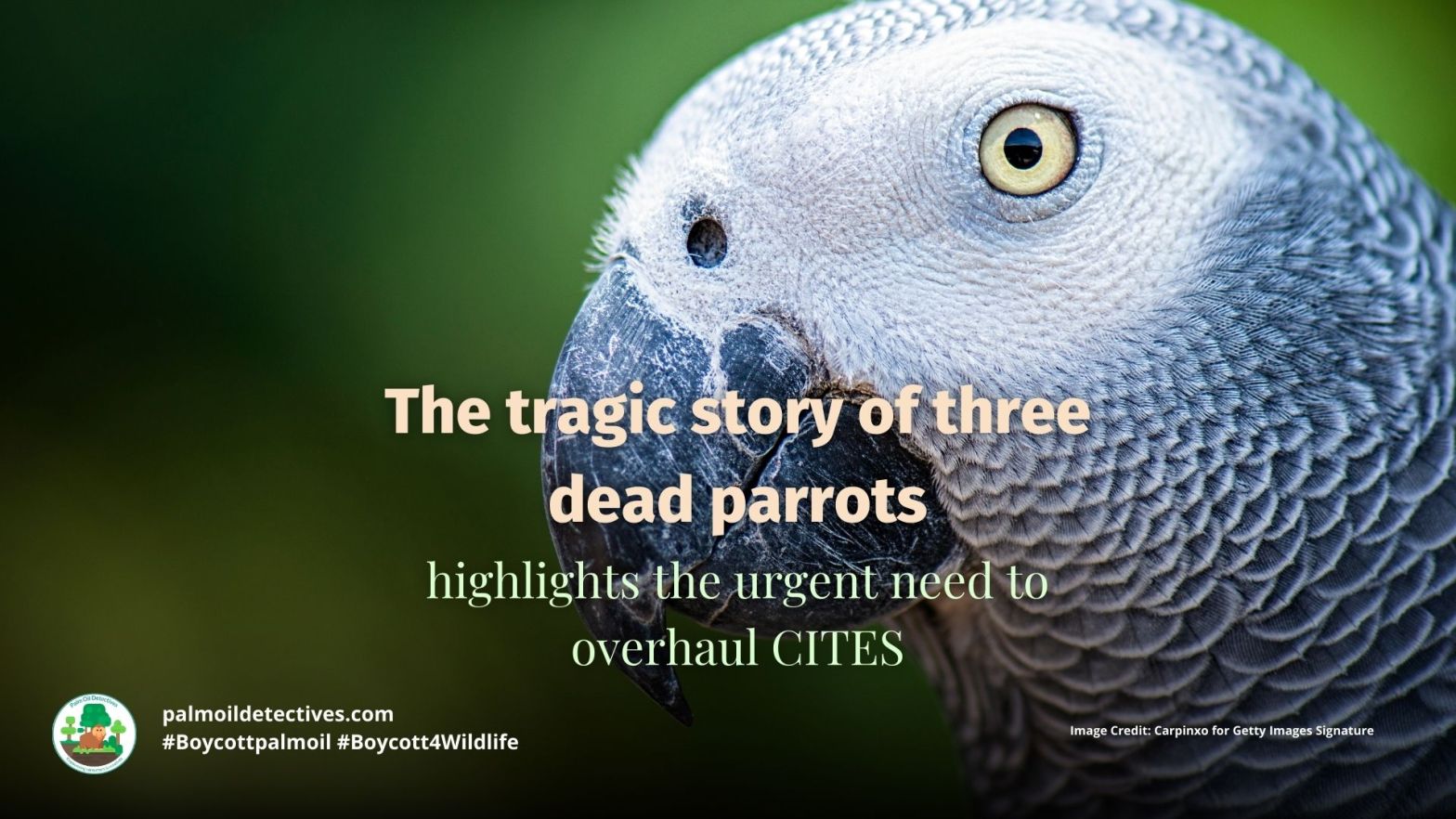
The legal trade is largely to blame for African grey parrots becoming endangered. Regulator CITES is broken allowing exploitation, massive reform needed now!
Capped Langur Trachypithecus pileatus
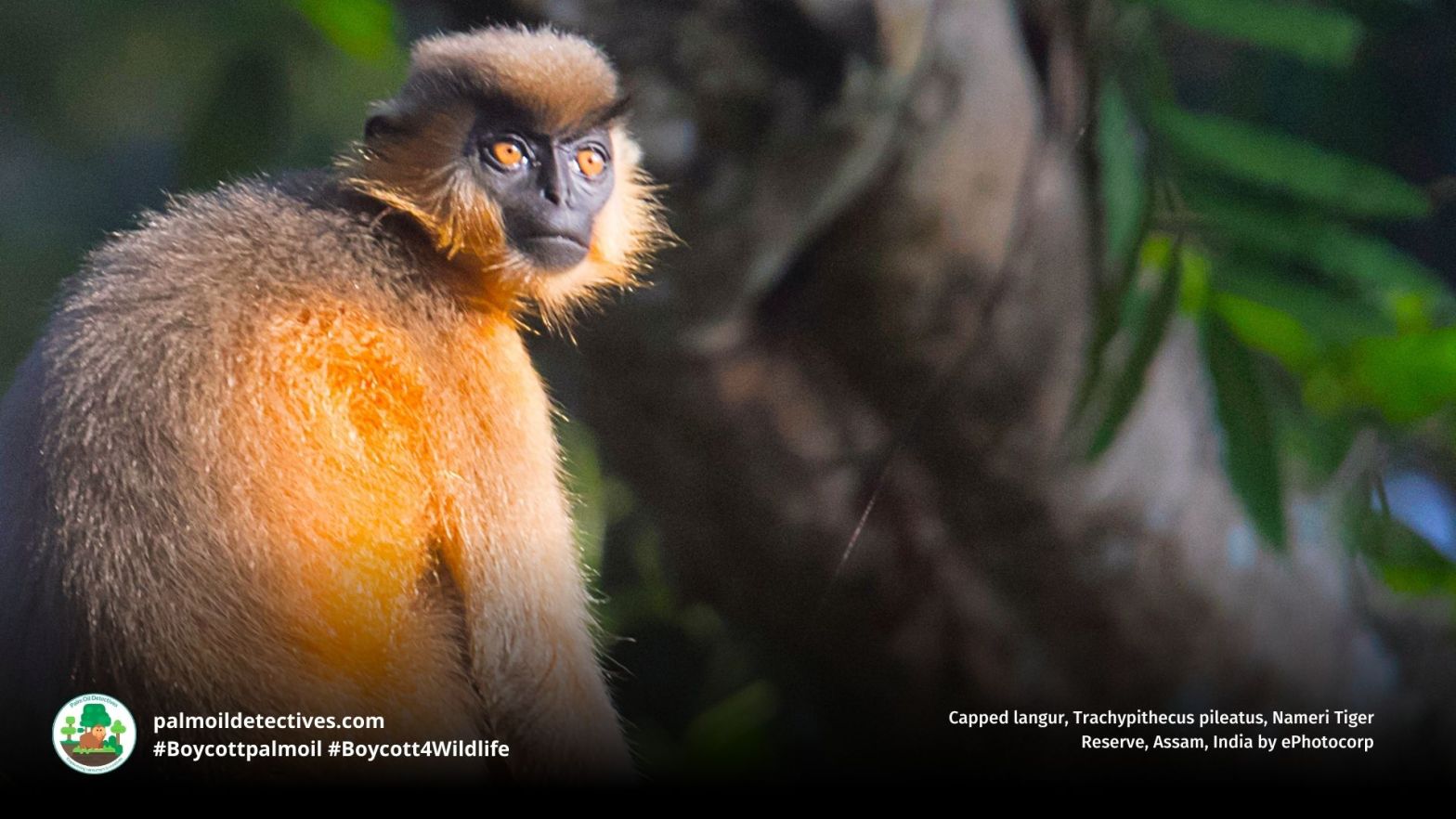
Capped langurs are found in India Bhutan Bangladesh and Myanmar, they are vulnerable from palm oil and other forms of deforestation. Take action for them!
Seeing Forest As Merely A Carbon “Commodity”: Dangerous Greenwashing
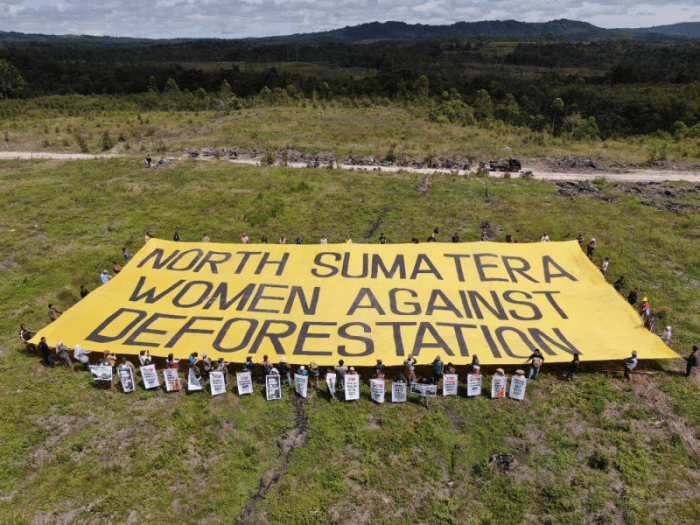
Commodifying forests as merely an investment for ‘carbon credits’ has many dangerous loopholes that human rights to indigenous peoples, take action!
Saola Pseudoryx nghetinhensis
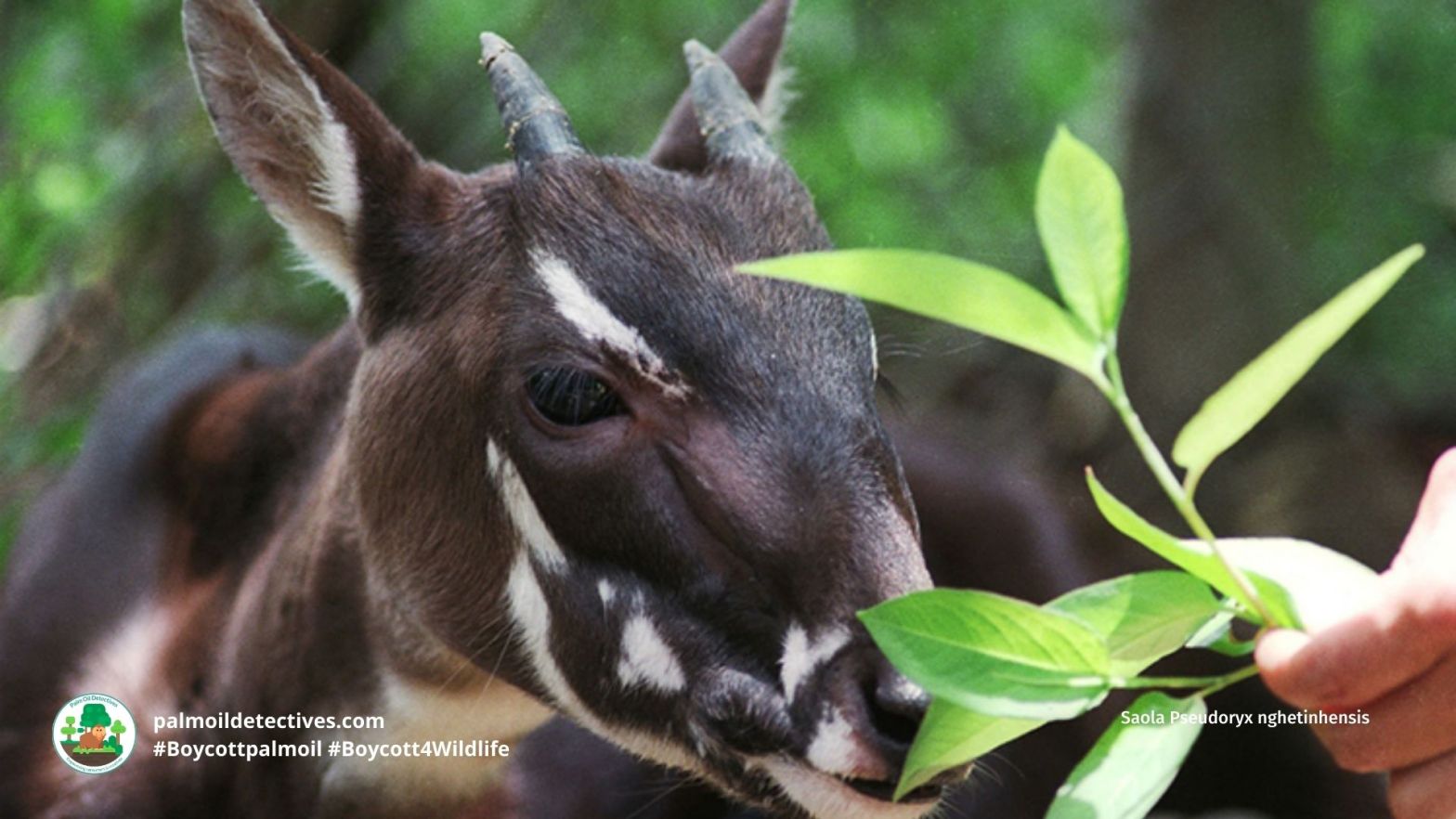
Saolas are rare and considered Southeast Asia’s ‘unicorns’, this Critically Endangered antelope is facing imminent extinction due to hunting and deforestation
Beef, Palm Oil and Timber: How Wealthy Nations Fuel Deforestation
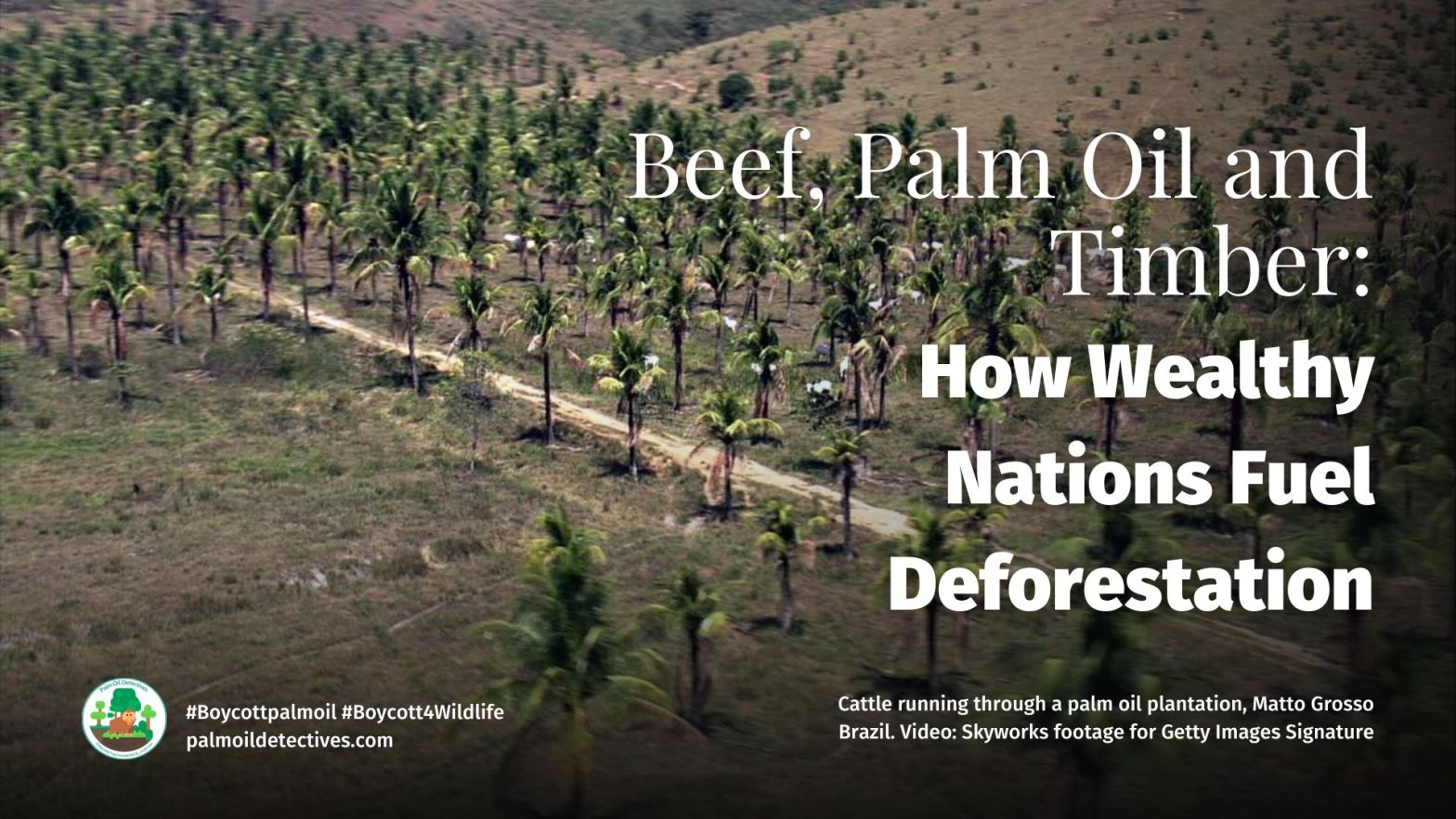
Beef palm oil, and timber consumption in wealthy nations is driving mass deforestation and species extinction in tropical regions. EUDR is vital to stop this!
Ecuadorean Viscacha Lagidium ahuacaense
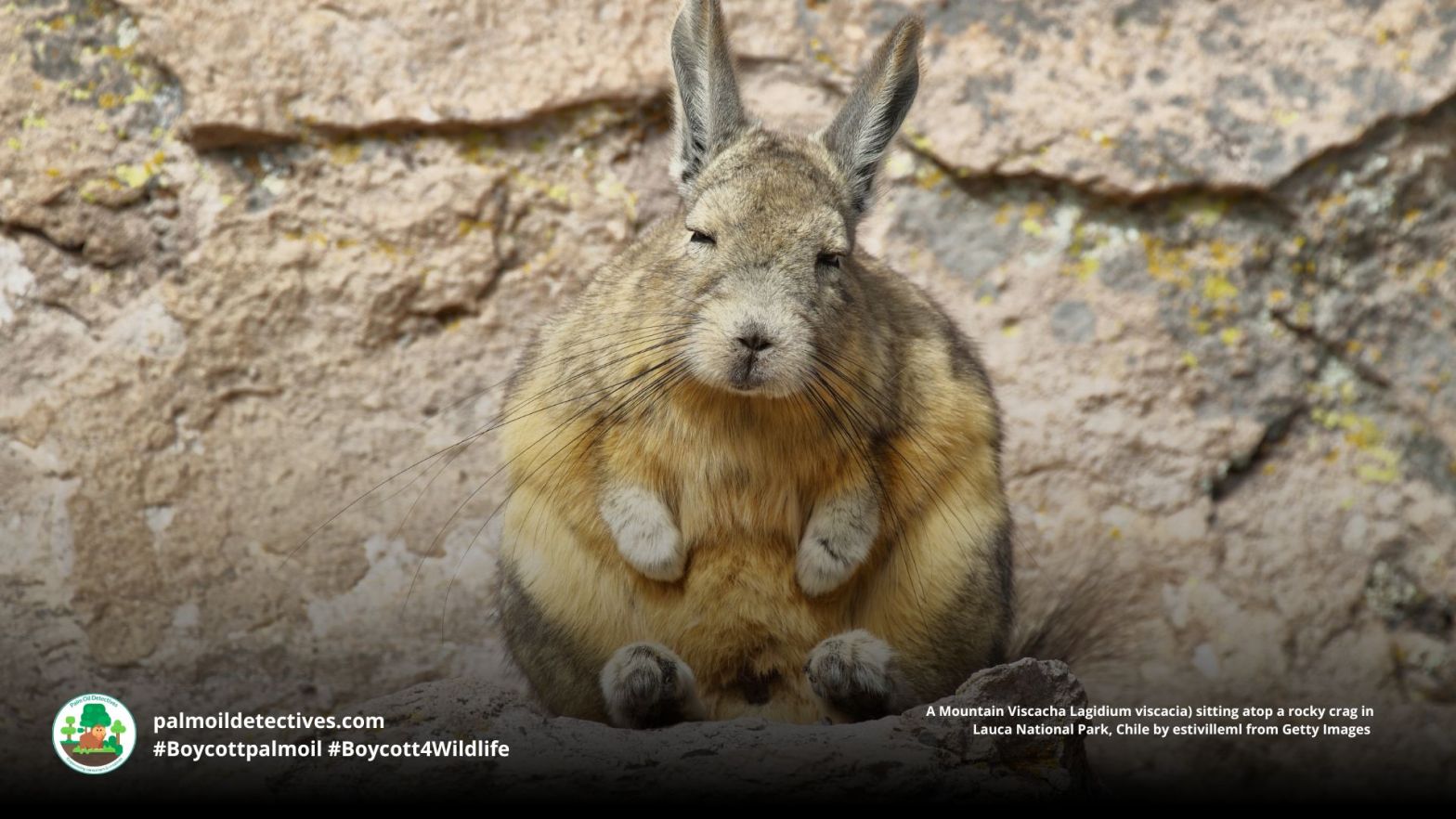
Ecuadorean Viscachas are plump and fluffy rodents with sage-like long whiskers, only a handful of them remain alive. Take action for them and boycott4wildlife!
Climate Change Driving Mass Bird Deaths in the Amazon
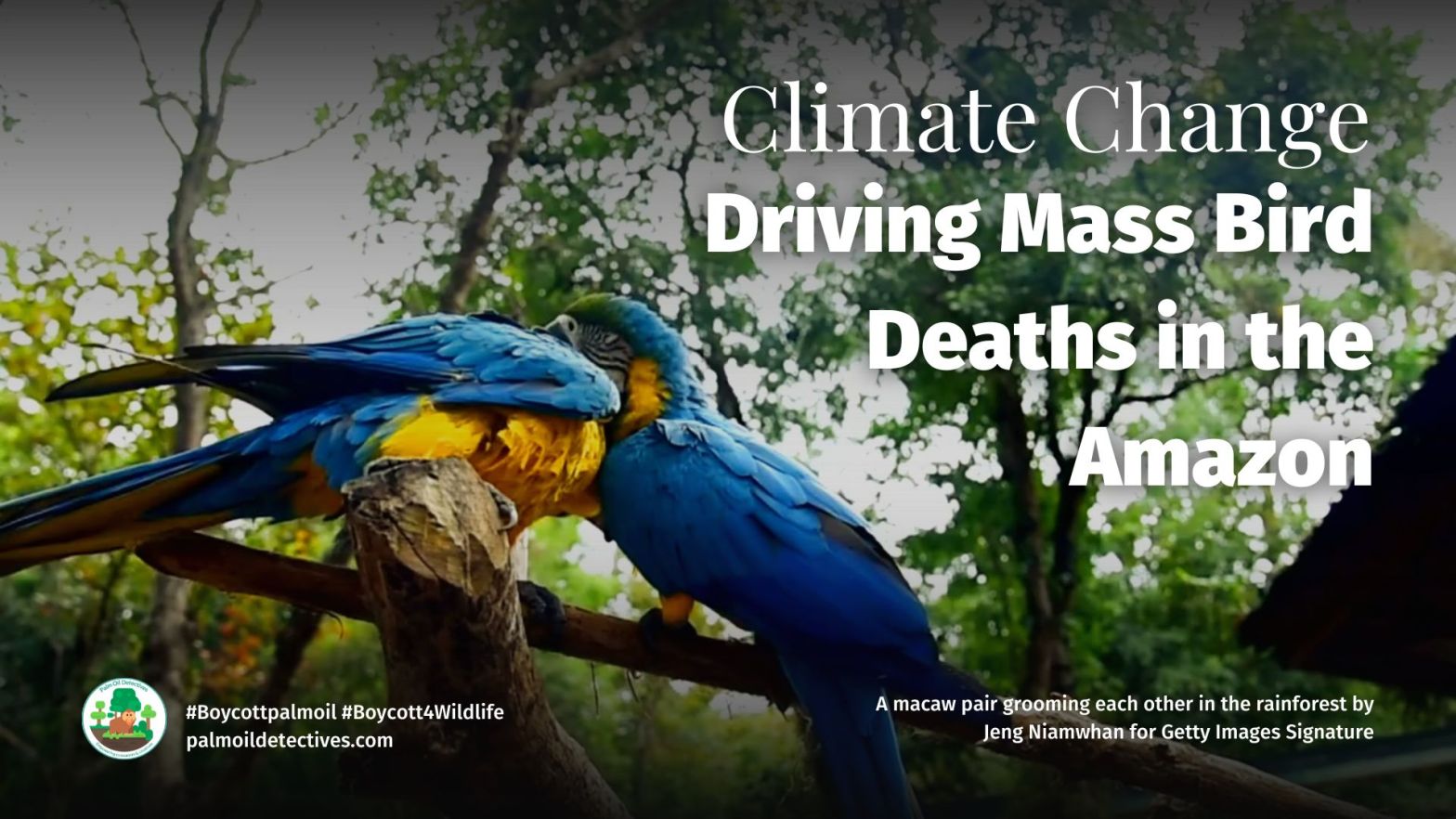
A recent #study has revealed that even in the most isolated parts of the #Amazon, bird #populations are collapsing due to #climatechange. Research published in Science Advances found that a 1°C increase in temperature led to a 63% drop in bird survivability, proving that climate change is pushing avian species towards #extinction. Avoiding deforestation-linked products like #palmoil and #meat is crucial in the fight for their survival. As is calling out corporate greenwashing, be #Vegan and #BoycottPalmOil #Boycott4Wildlife
Declining primate numbers are threatening Brazil’s Atlantic forest
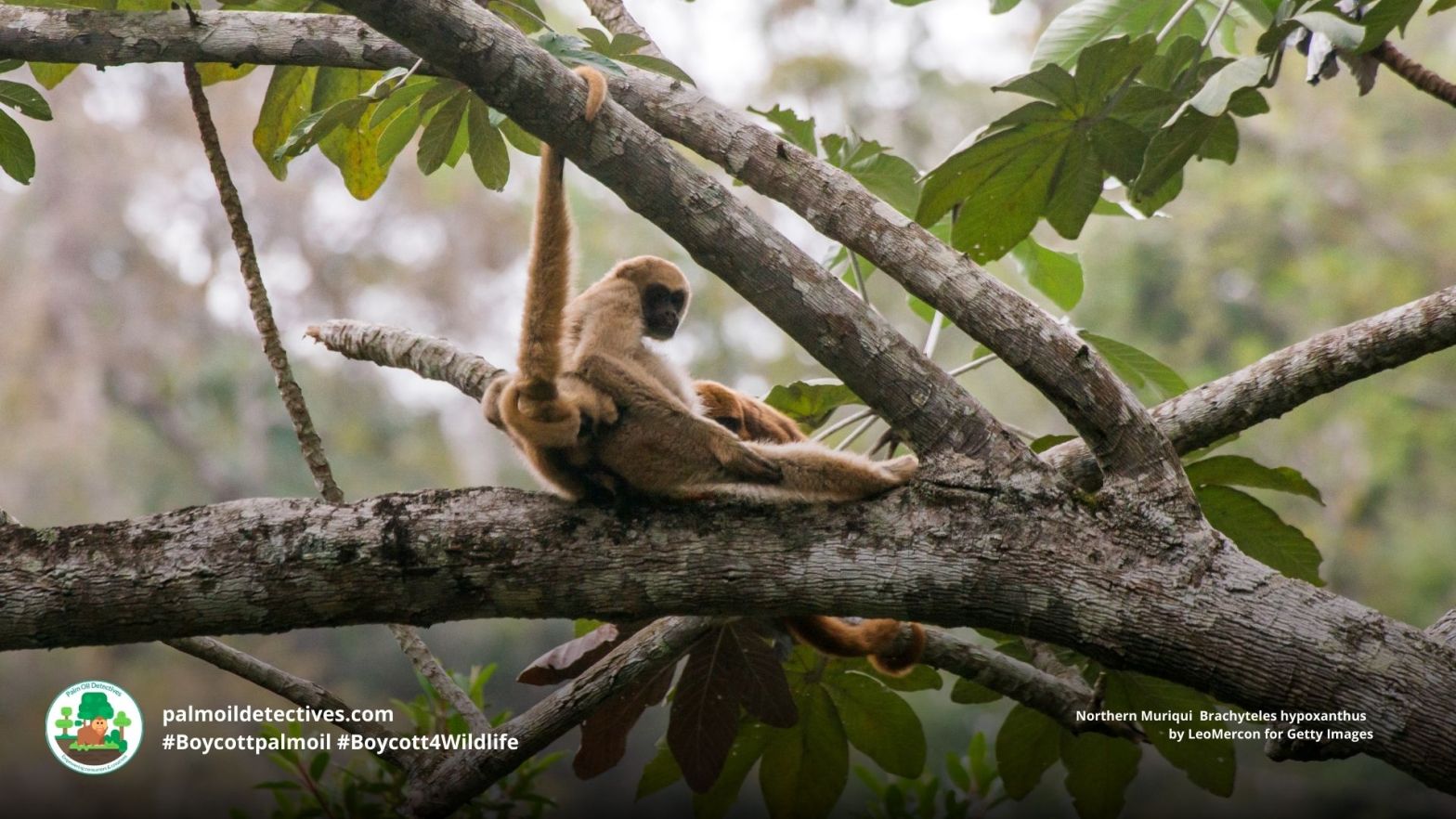
#Brazil’s Atlantic Forest, one of the most biodiverse ecosystems in the world, is facing severe threats due to deforestation and habitat fragmentation. This has led to a sharp decline in primate species, including the critically endangered southern and northern muriqui. The loss of these #primates, essential for seed dispersers in the Atlantic forest, is further destabilising the forest ecosystem. As human-driven deforestation escalates, the #extinction debt continues to rise, endangering both wildlife and the forest itself. You can take action to help their survival. Be #vegan for the animals and forests and #BoycottPalmOil #BoycottGold #Boycott4Wildlife.
Brazilian three-banded armadillo Tolypeutes tricinctus

The Brazilian three-banded #armadillo Tolypeutes tricinctus, known as “tatu-bola” in Portuguese, is a rare and unique species native to #Brazil. With the ability to roll into a near-impenetrable ball, this endearing behaviour has made them an icon of conservation efforts. They are found in the dry forests and savannahs of Brazil, particularly in the #Cerrado and Caatinga biomes. These fascinating armoured creatures are Vulnerable on the IUCN Red List due to agricultural expansion for #palmoil, #soy and #meat. Fragmentation of their ecosystem is ongoing for infrastructure projects and #goldmining. With their population in sharp decline, efforts to protect their habitats are essential for their survival. Help them every time you shop and adopt a #vegan diet, and #BoycottPalmOil #BoycottGold #Boycott4Wildlife on social media!
Indigenous Empowerment to Reverse Amazonia’s Mineral Demand
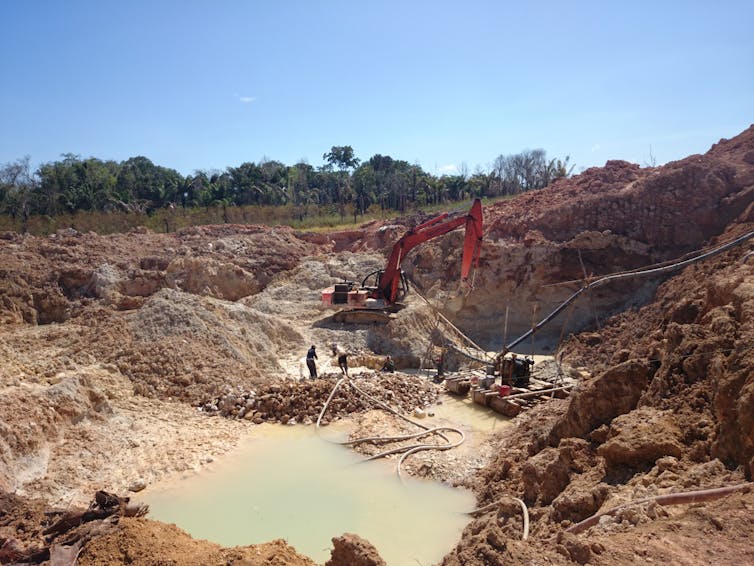
Illegal mining for minerals like gold is driving Amazonia deforestation. Empowering Indigenous peoples to care for biodiversity-rich areas is the key!
Logged Forests Thrive, While Palm Oil Leaves Little Alive
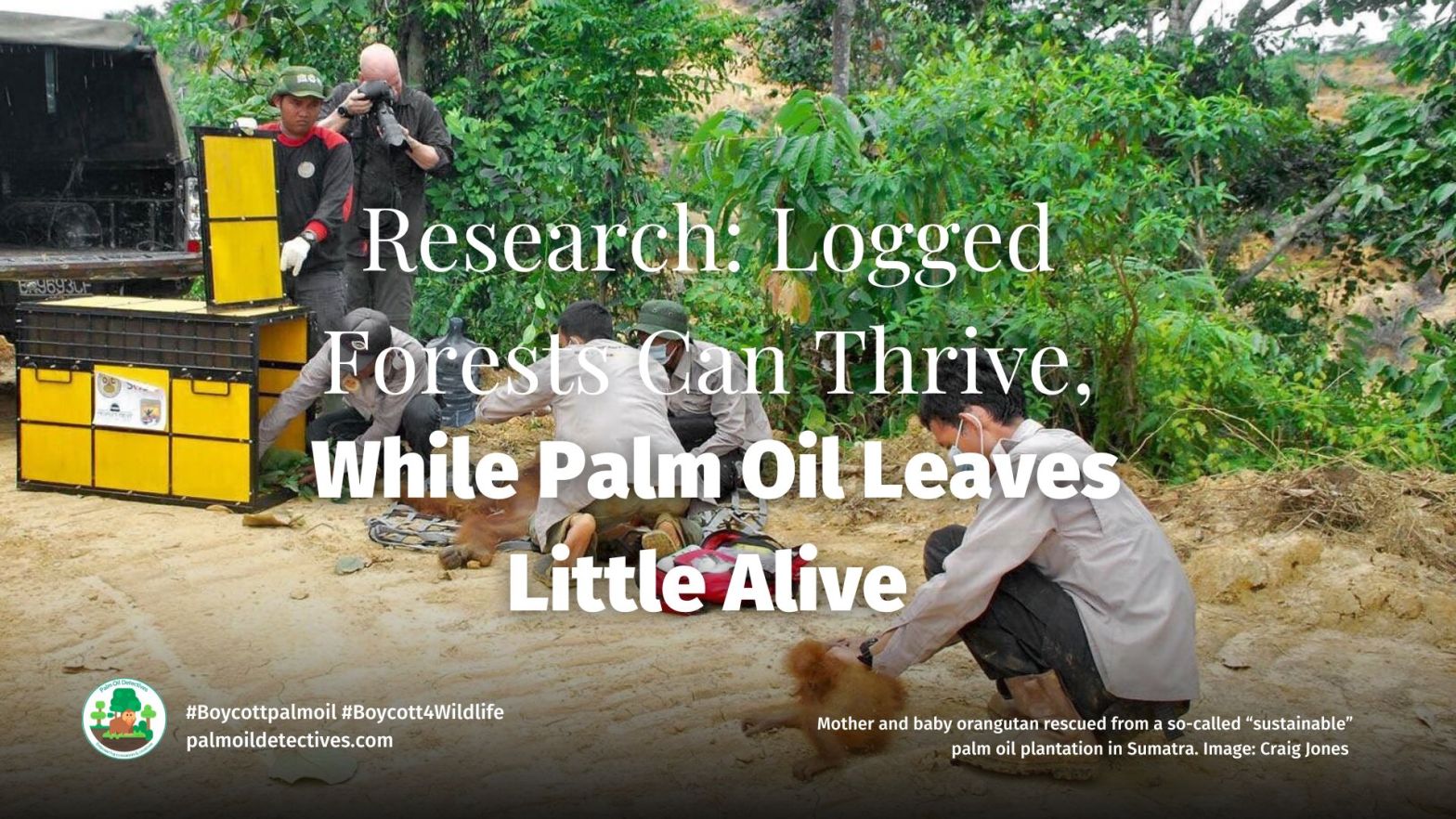
Research finds selective logging alters forest structure, but palm oil conversion causes more severe damage to biodiversity. Take action boycott palm oil!
Research: AI Helps Unlock the Curious Secrets of Orangutan Chatter

A groundbreaking and exciting study has started to decode the complex communication of Bornean orangutans, revealing the intricacies of their vocalisations and offering new insights into their rich and mysterious world. All species of orangutans are critically endangered, primarily due to palm oil deforestation. To help these remarkable great apes, you should always #Boycottpalmoil and #Boycott4Wildlife every time you shop. Learn more about how you can take action.
Dung Beetles Are Rainforests’ Diligent Regrowth Soldiers

The dung beetle may eat and nest in poop, but their role in nature is anything but humble. These hardshelled scarabs live on every continent except Antarctica, recycling feces and suppressing parasites that could otherwise harm people and animals. Dung beetles also spread both seeds and nutrients into the soil, helping to maintain a healthy ecosystem. Help them and #Boycottpalmoil #BoycottGold and #Boycott4Wildlife
Research: Climate Change Collapsing Insect Numbers by 63%
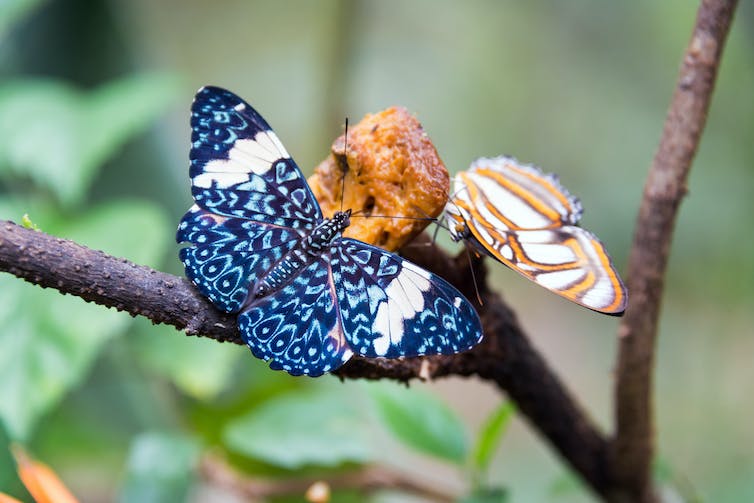
The world may be facing a devastating “hidden” collapse in insect species due to the twin threats of climate change and habitat loss. #Palmoil 🪔 #soy #meat 🥩 and #cocoa 🍫 #agriculture along with #climatechange and #habitatloss in rainforests is driving #insects to the edge of #extinction. Take action by going #vegan and #Boycottpalmoil #Boycott4WildlifeContinue reading “Research: Climate Change Collapsing Insect Numbers by 63%”
How banks and investors are bankrolling extinction and ecocide
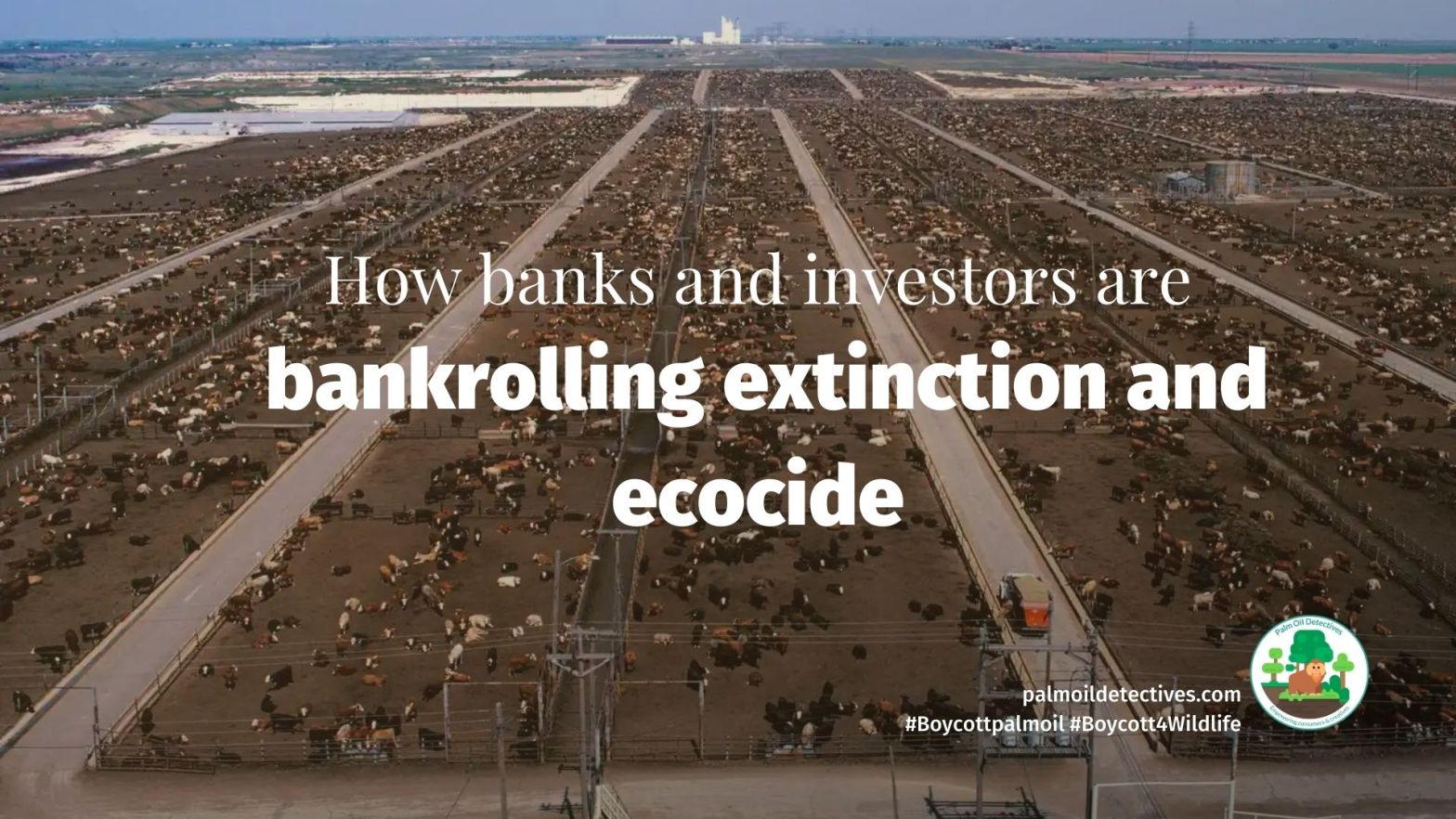
Discover the financial giants fuelling ecocide and deforestation for palm oil, meat, mining and soy in this important report about financial corruption
Seven practical ways to stop a species wipeout

1 million #plants 🌾🌽🎍🍅 and #animals 🦏🦒🐅 are threatened. #Wildlife and #biodiversity are at a crossroads of #extinction. Here’s 7 practical ways to stop #species wipeout. Help them survive! #Boycottpalmoil 🌴☠️🚫 #Boycott4Wildlife
Lax Laws in Indonesia Turn Blind Eye To Animal Trafficking
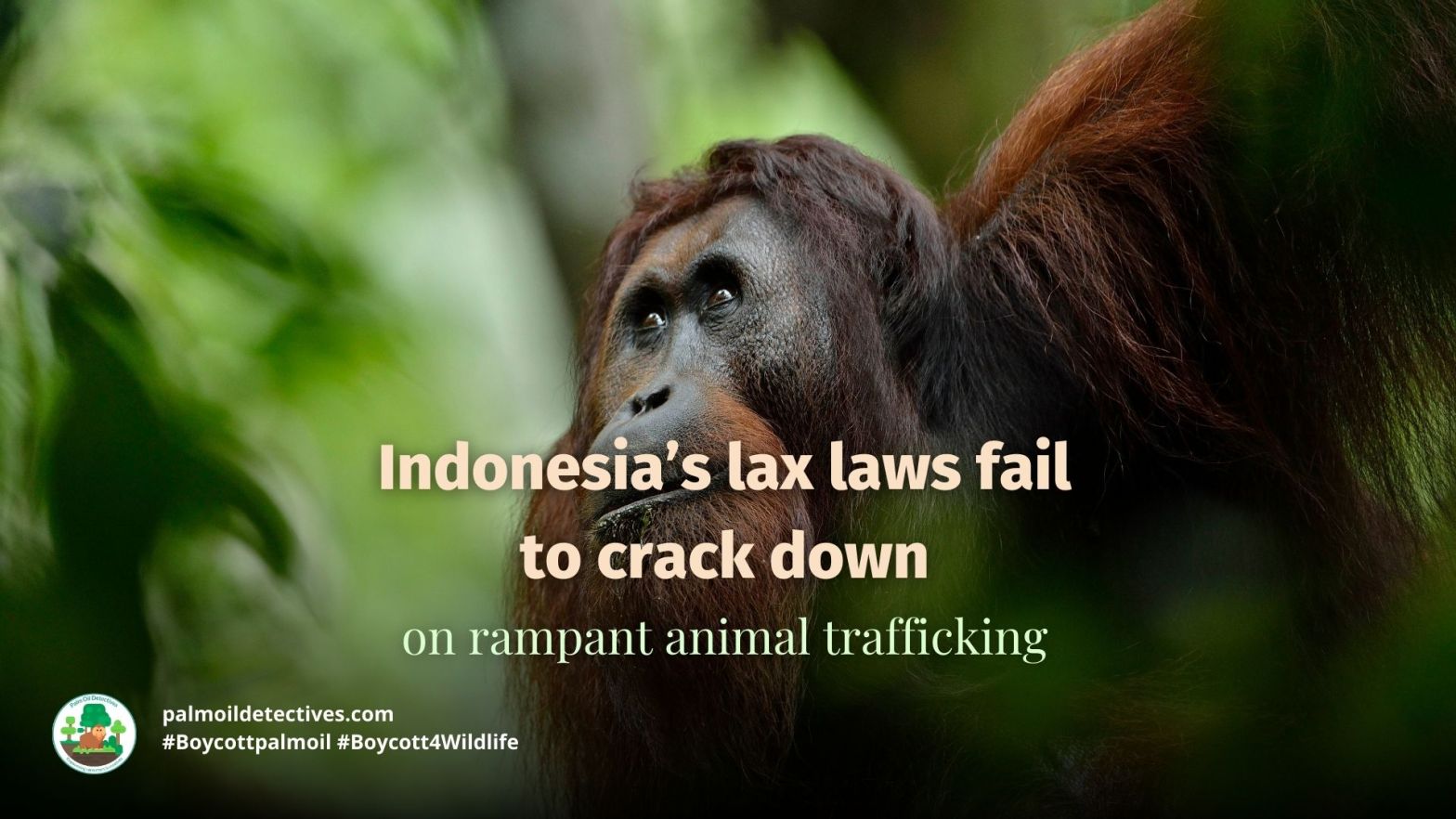
When Indonesian prosecutors went after the leader of an illegal wildlife syndicate operating near the Malacca Strait, they relied on the country’s then relatively new 2019 Quarantine Act to seek a prison sentence.
After being connected to the illegal smuggling of four lion cubs, a leopard, and 58 species of Indian Star tortoises from Malaysia to Indonesia, Irawan Shia received a four-year prison sentence and fine of IDR 1 billion (USD$65,468). If the fine is not paid, the replacement is three months imprisonment.
The sentence was the biggest ever handed out, but falls far short of what it could have been had Indonesia brought its laws in line with global conventions.
Protected: Private Advocate’s Page
There is no excerpt because this is a protected post.
Deforestation comes ‘roaring back’ despite 140-country vow to end destruction
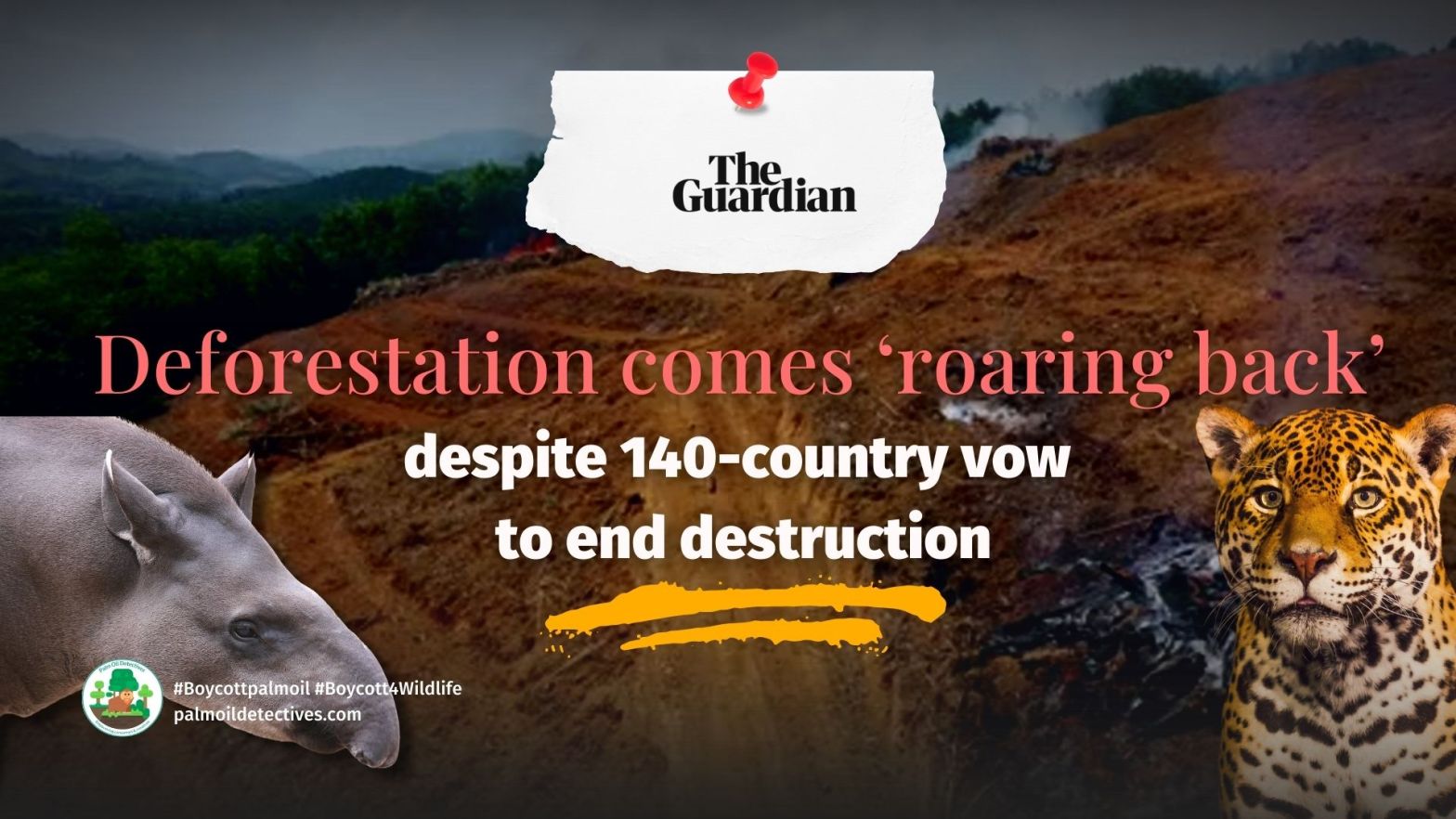
A new report has found that demand for #meat, #soy, #palmoil and nickel #mining is hindering efforts to halt #deforestation by 2030, a global report finds. The destruction of global forests increased in 2023, and is higher than when 140 countries promised three years ago to halt deforestation by the end of the decade.
The rising destruction of the forests puts ambitions to halt #climatechange and stem the huge worldwide #extinction even further from reach, the researchers warn. They found that voluntary certification of commodities alone could not stop deforestation and that strong legislation was needed to stop the ecocide and destruction.
Andean Mountain Cat Leopardus jacobita
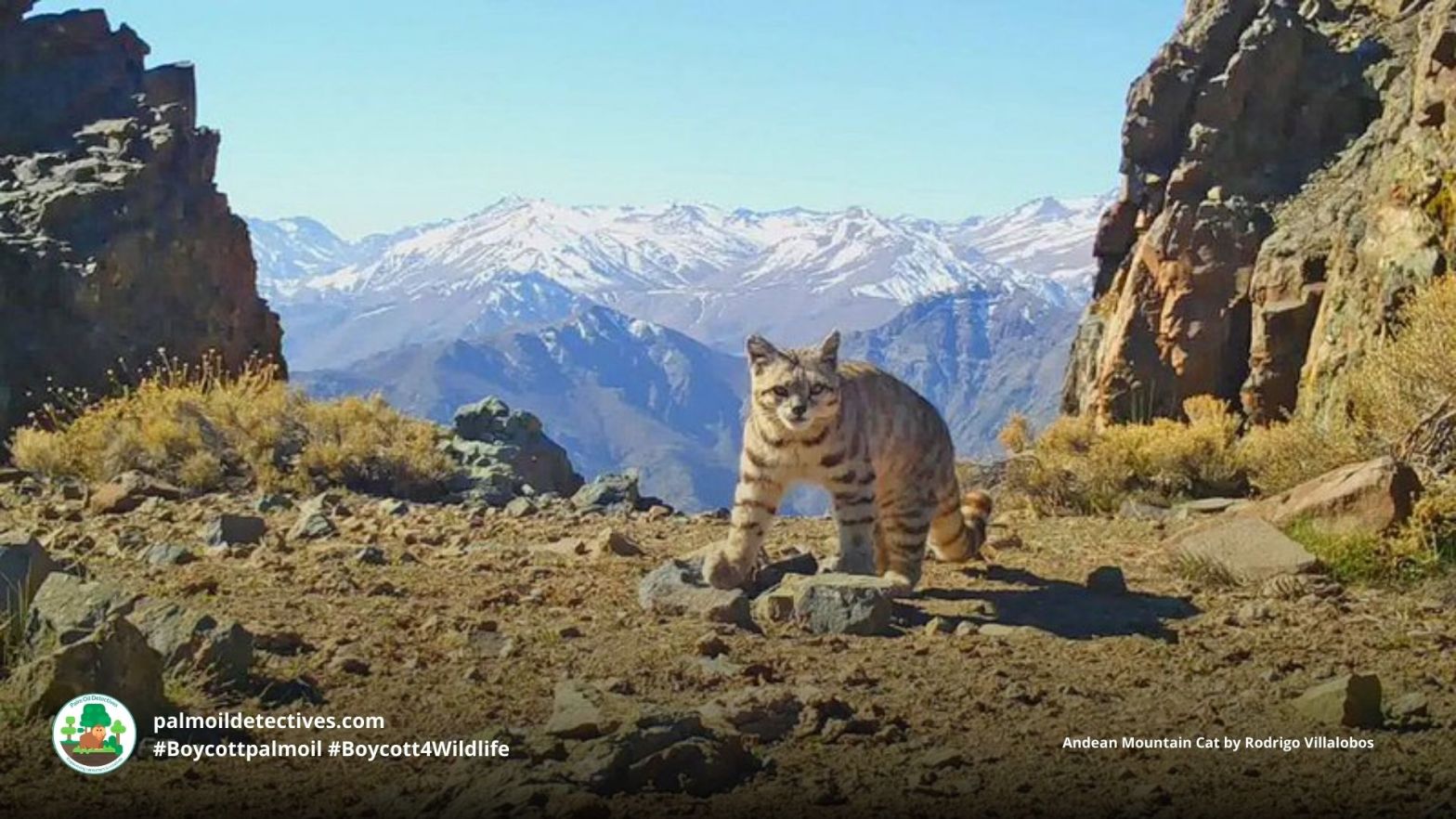
Known affectionately as ‘huana titi’ or ‘the cat from dry places’ by locals, the Andean mountain cat captivates with their mystery and elegance. This cat boasts an exceptional sense of hearing, attributed to their well-developed eardrums. These allow them to detect prey with precision. They skillfully use their long tail, which makes up 70% of their body length, for balance during the swift and unpredictable chases of their prey.
Unlike their larger feline counterparts, Andean mountain cats cannot roar due to the close and hardened structure of the bones in their throats, opting instead for mewls, growls, and screams. Remarkably, they can purr continuously, breathing in and out, showcasing a unique aspect of their vocal repertoire. Together we can protect these magnificent cats and their precious rainforest world. Use your wallet as a weapon and #BoycottMeat, #BoycottPalmOil, and #Boycott4Wildlife every time you shop!
How does Indonesia’s palm oil industry fuel the climate crisis?
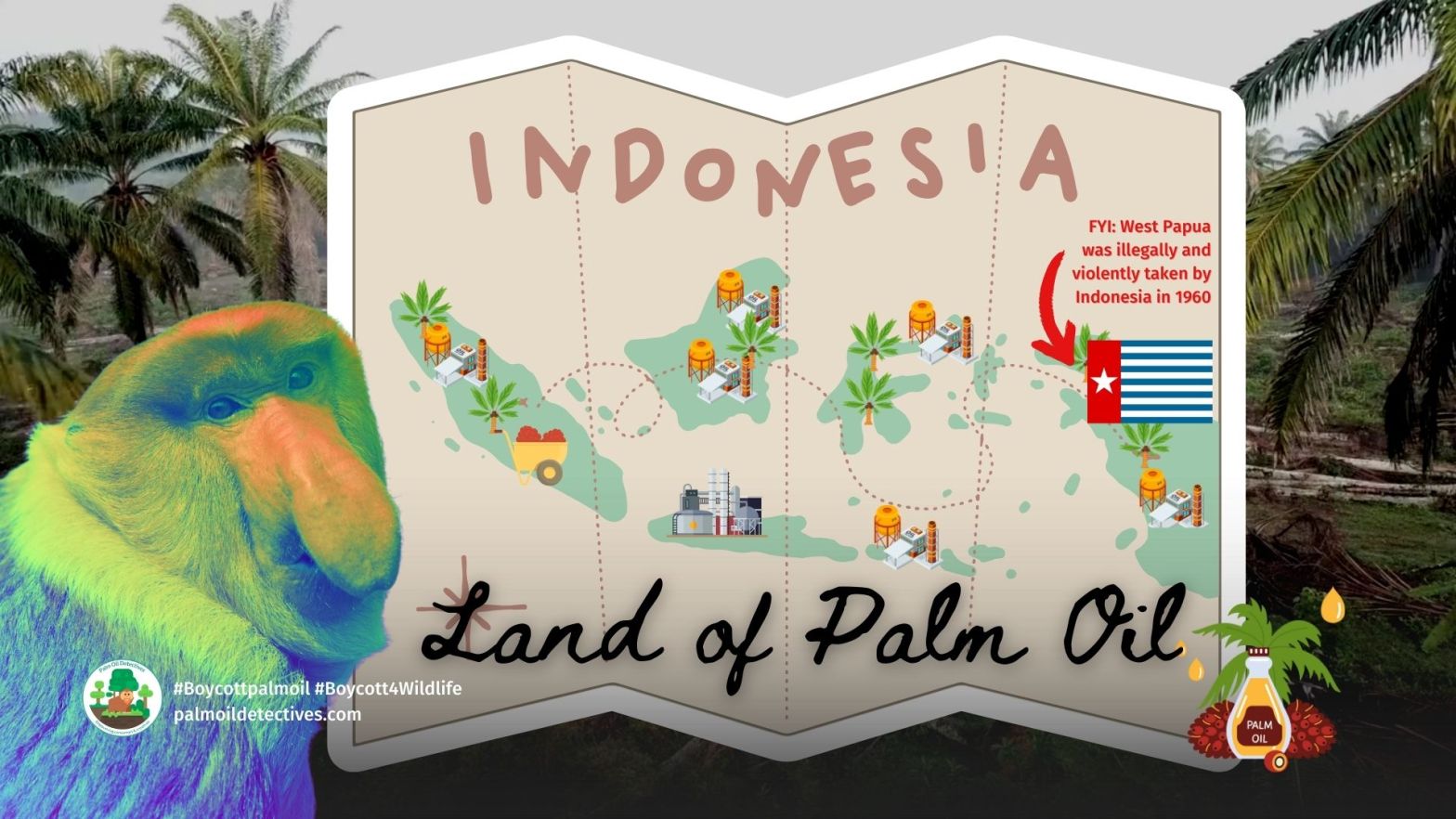
Booming global demand for the vegetable oil is spurring deforestation in Indonesia. Indonesia accounts for more than half of the global palm oil supply, the world’s most widely used vegetable oil that is found in everything from food to cosmetics to fuel.
But environmentalists fear surging demand for the product may drive mass deforestation in Indonesia, home to the world’s third-largest tropical rainforest, and exacerbate the global climate crisis.
Echoes of the Ancients: The Wisdom and Power of Elephants
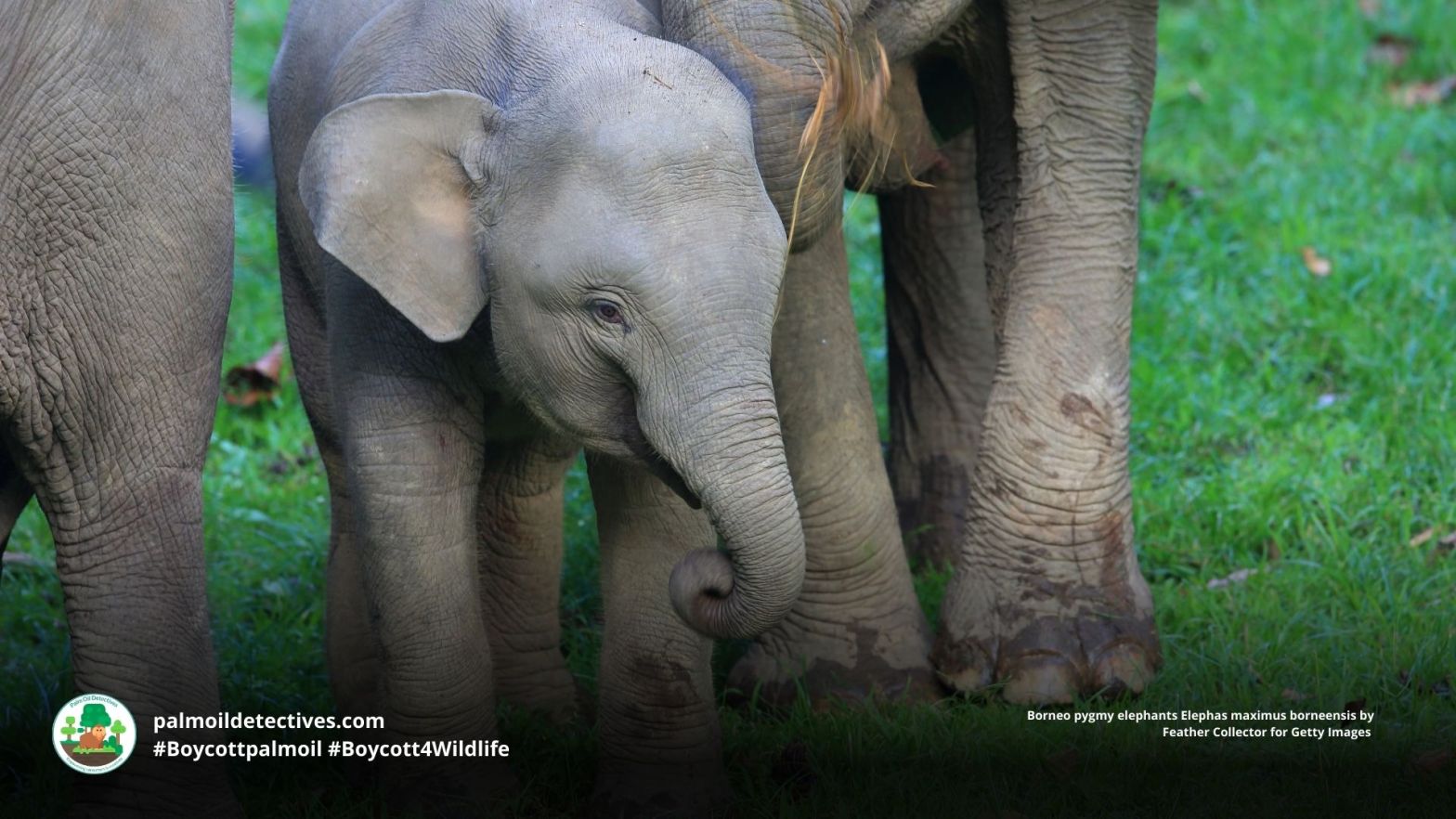
World Elephant Day, celebrated on August 12th, honours the gentle and nurturing giants of Asia and Africa, who are revered for their deep spiritual wisdom, gentle strength, and nurturing natures. Over the past decade, their numbers have plummeted by 62% due to habitat encroachment for palm oil deforestation, other agriculture, infrastructure expansion, mining and the cruel #poaching for ivory. Without radical intervention, these magnificent beings could be near #extinction by the 2060s. Yet, do not despair because hope endures in the form of activism. Explore the extraordinary resilience and intelligence of pachyderms, and discover how you can help safeguard their future with consumer boycotts and supporting organisations fighting wildlife crime. #BoycottPalmOil #Boycott4Wildlife
Bird species are facing extinction hundreds of times faster than previously thought
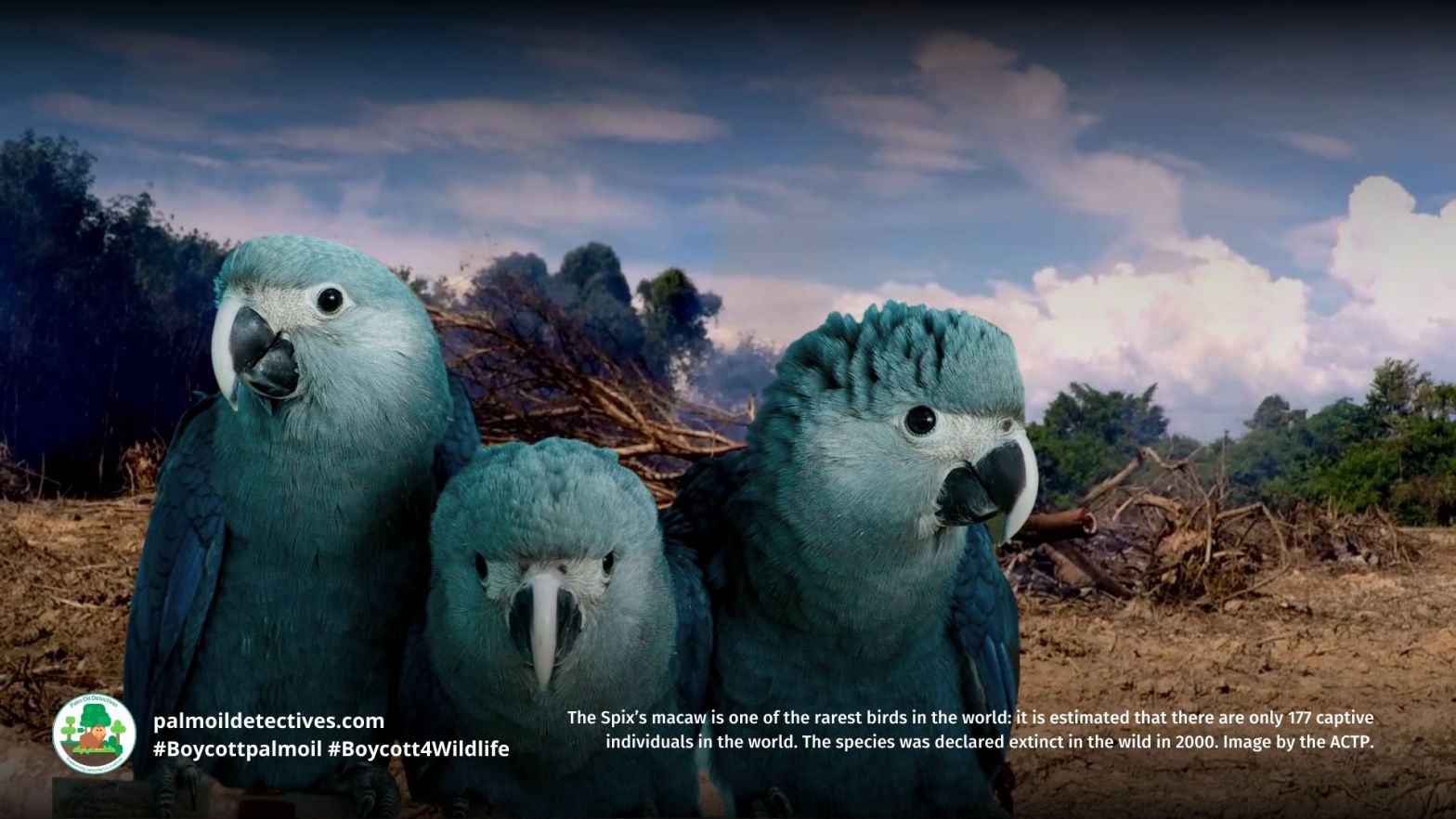
Extinction, or the disappearance of an entire species, is commonplace. Yet evidence suggests that the number of bird species going extinct, and the rate at which they are disappearing, is increasing dramatically. Conserving species at the 11th hour is difficult and expensive, the key is definitely prevention. To go hard and go early and stop species disappearing. Help rainforest animals on the verge of extinction from deforestation by changing your shopping habits. #Boycottmeat #Boycottpalmoil #Boycott4Wildlife
Amphibians Glow in Ways People Can’t See
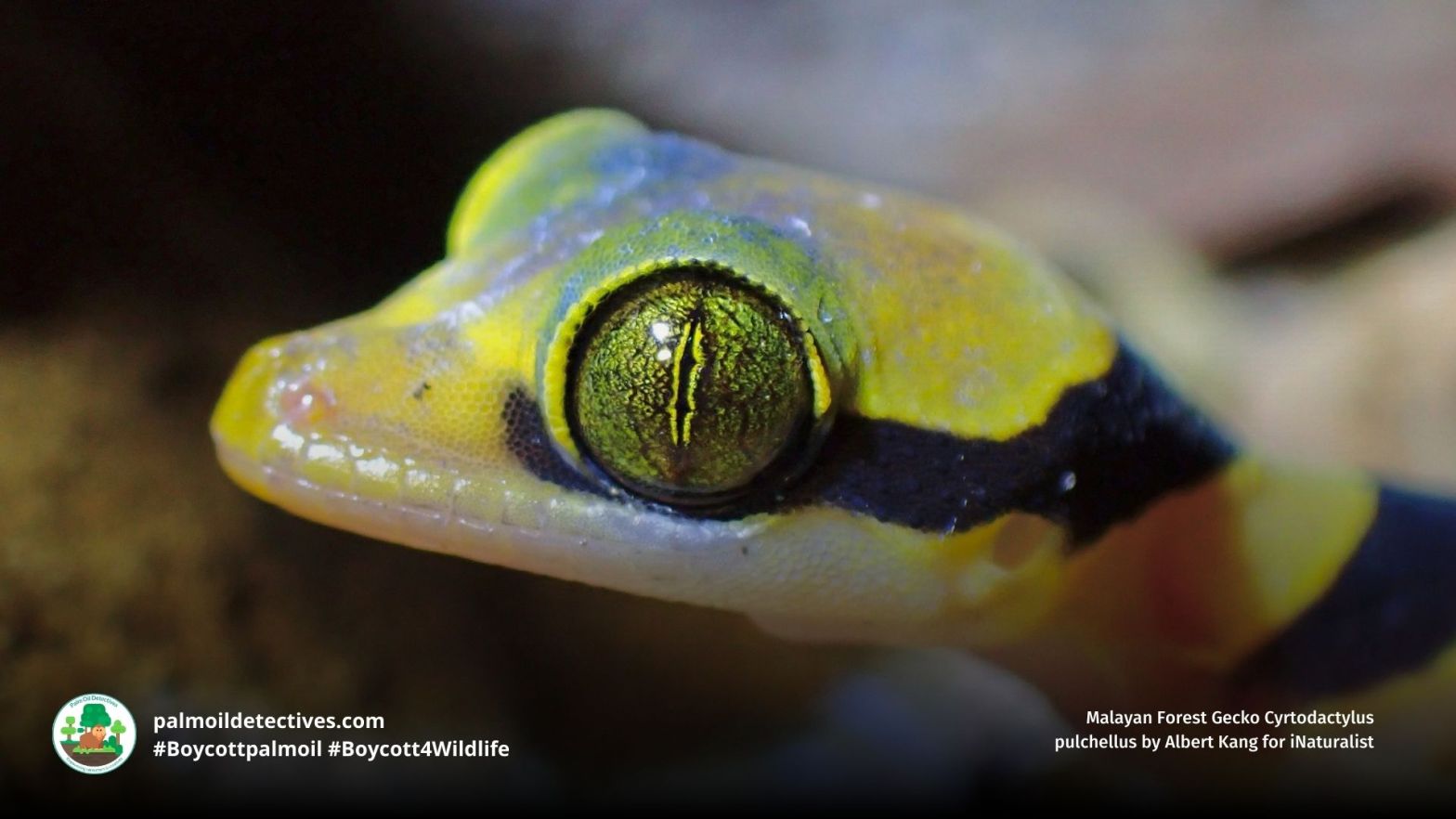
Many animals have a colourful, yet largely hidden, trait. Marine creatures like #fish and corals can glow blue, green or red under certain types of light. So can land animals like penguins and #parrots. But until now, experts knew of only one salamander and a few #frogs that could glow. No longer. Among #amphibians, this ability to glow now appears fairly common — even if you can’t see it. Research has found that most amphibians glow as well – even if it’s not visible to human eyes. Protect amphibians and reptiles every time you shop and #Boycottpalmoil #Boycott4Wildlife
Palm Oil Greenwashing Poised to Destroy Protected Biosphere in Chiapas, Mexico
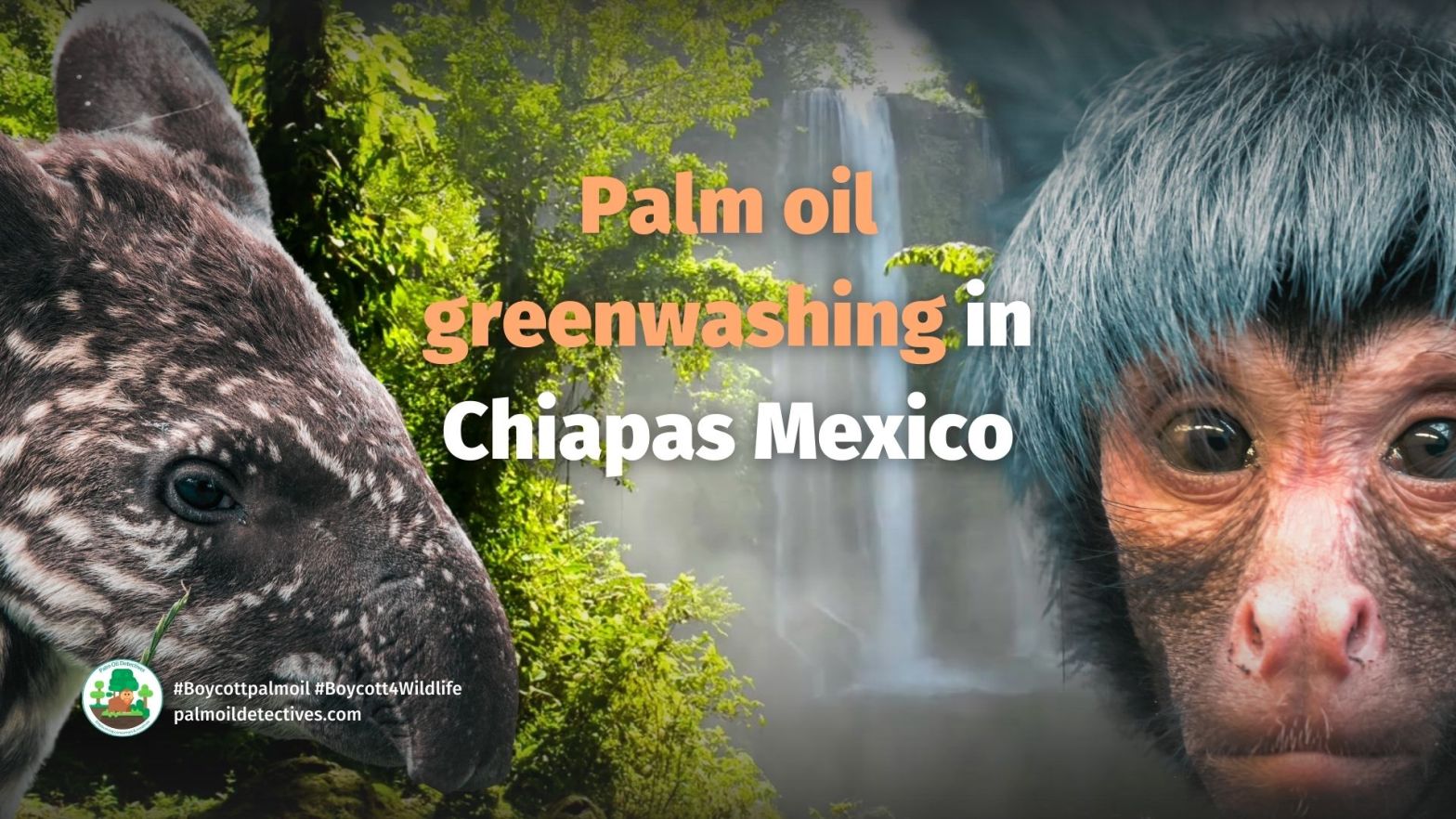
Situated on Mexico’s lush and biodiverse Pacific coast is La Encrucijada Biosphere Reserve – One of Mexico’s most spectacular natural treasures. Now the government and palm oil businesses are trying to sieze vast areas of land and legalise a huge area of illegally-cultivated oil palm, by reducing the size of this internationally significant environmental reserve. They are also using RSPO certification of a palm oil plantation close to the reserve in order to legitimise the expansion of palm oil in the area.
Did you know that gold kills indigenous people and rare animals?
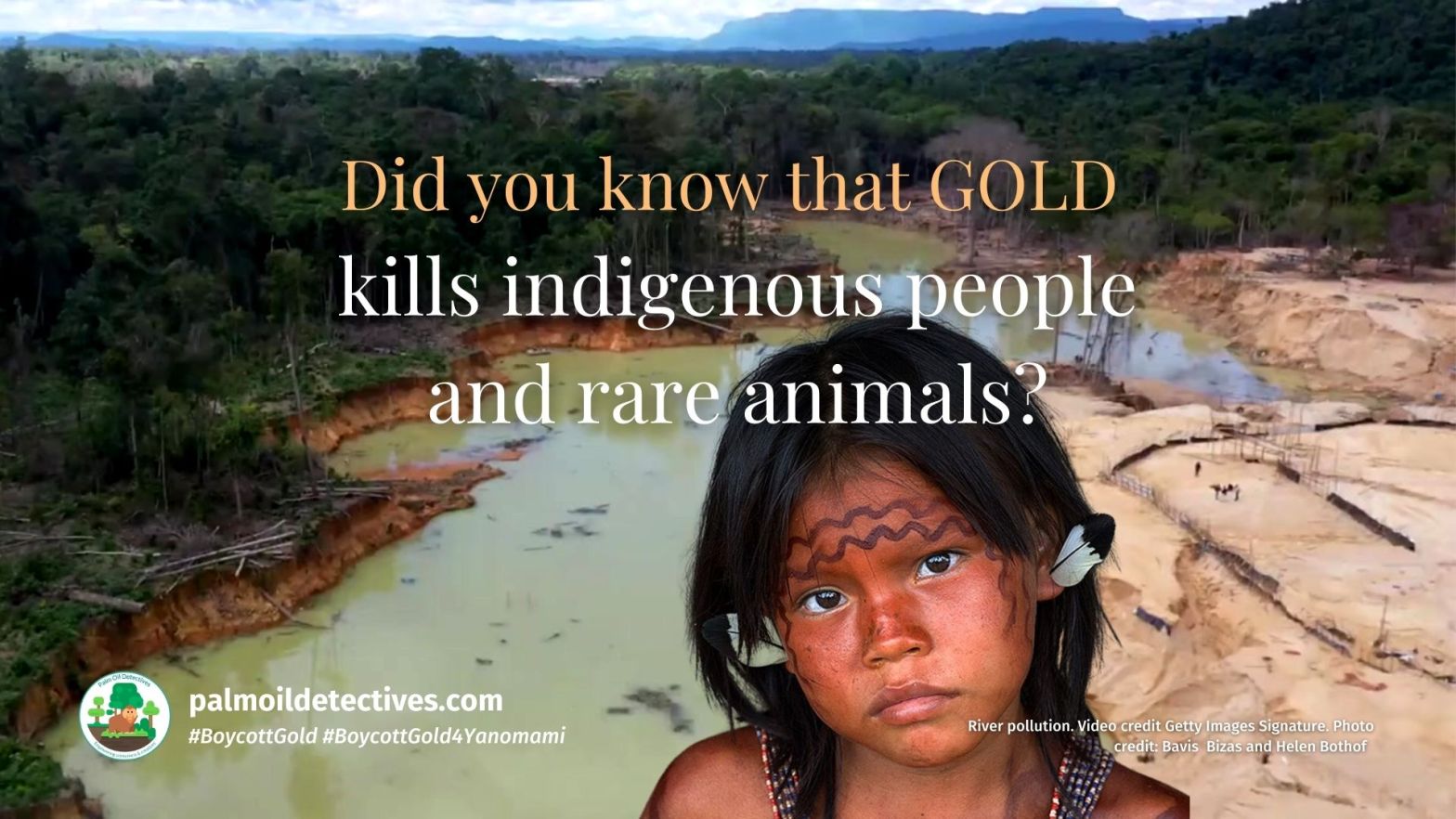
Gold mining kills indigenous peoples throughout the world like the Yanomami people of Brazil and Papuans in West Papua. The bloody, violent and greedy landgrabbing that goes on for gold forces indigenous women and children into sex slavery! Mercury poisons the water, which kills people and puts 1000’s of species closer to extinction. To help indigenous peoples to fight for their ancestral lands and help endangered animals you should #BoycottGold #BoycottGold4Yanomami
Extinction On Our Plates
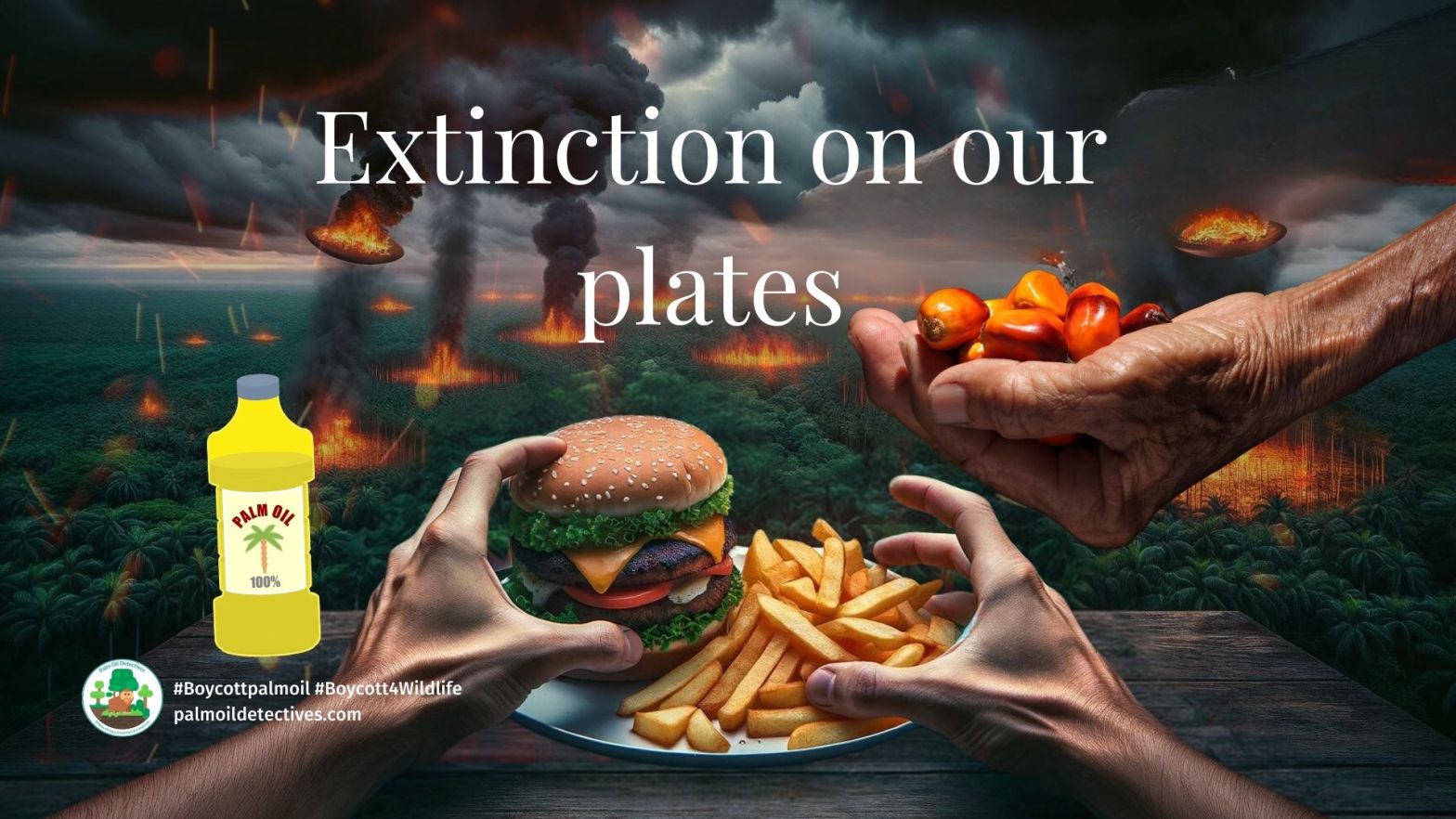
The contents of your fridge and dining table directly impacts the future of rare rainforest and ocean animals. That’s because industrial agriculture and aquaculture for commodities like meat, dairy, fish and palm oil is driving animals in the most biodiverse ecosystems on the planet closer towards extinction.
However, reducing the biodiversity footprint of global food consumption requires more than just consumer intervention. It requires immediate and widespread action from government policy-makers and law-makers as well, writes Ecologist Dr Quentin Read of North Carolina State University for 360info
 Palm Oil Detectives