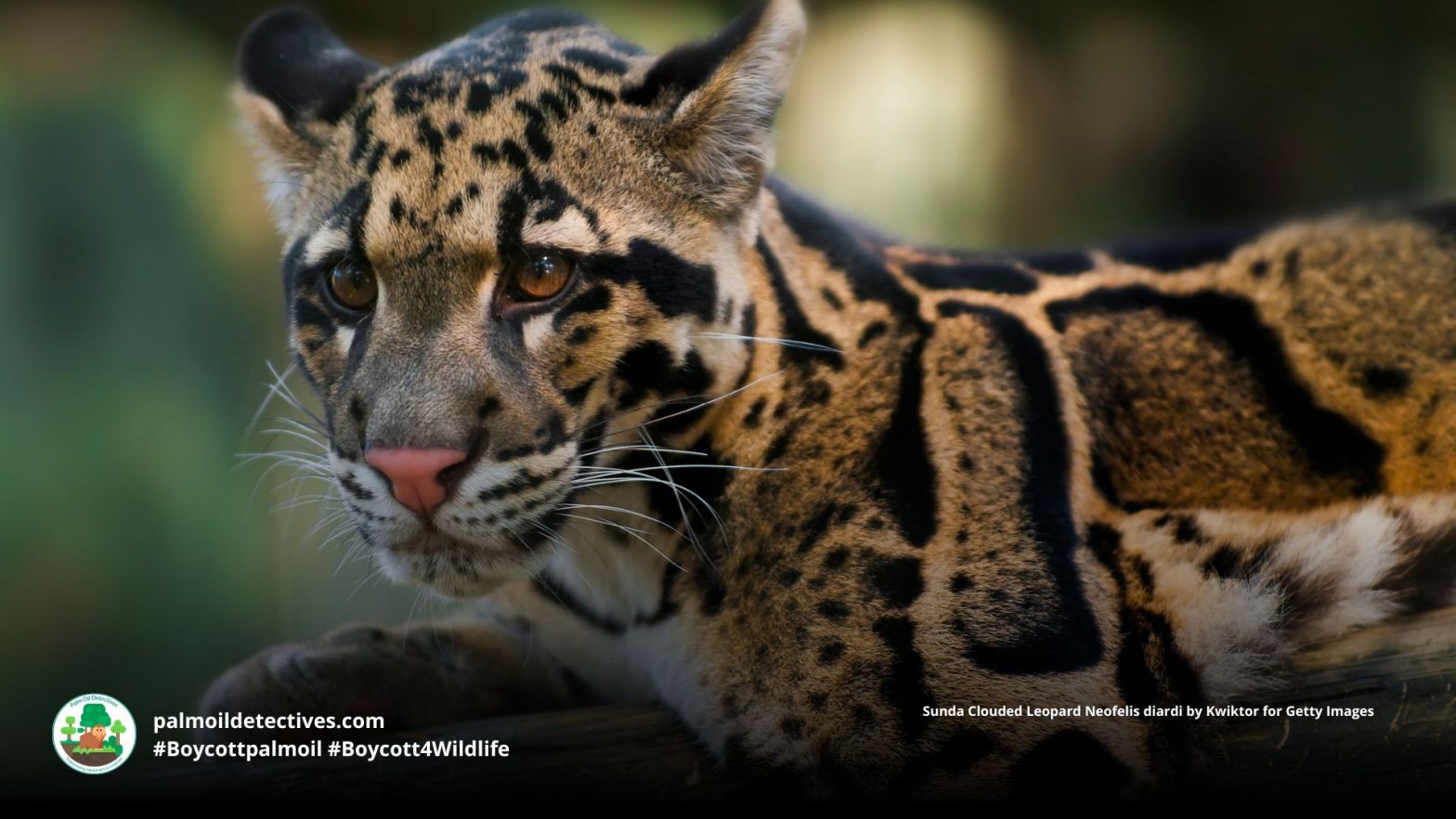
Sunda Clouded Leopard Neofelis diardi 

Gliding through the rainforest canopy like a phantom predator, the Sunda Clouded Leopard moves with unmatched grace, making them one of the least understood big cats in the world. Their spectacularly patterned coat, the longest canines relative to skull size of any feline, and astonishing agility in trees set these big cats apart as a truly unique species. Yet, despite these remarkable adaptations, these mysterious carnivores are now rapidly vanishing from the wild due to human-related threats.

Massive infrastructure projects, industrial-scale palm oil plantations, and poaching for the illegal wildlife trade have decimated their populations. Once thought to be a subspecies of the mainland clouded leopard, genetic studies in 2006 confirmed that they are a distinct species, found only in Borneo and Sumatra. Today, they are among the most threatened felines in the world, teetering on the edge of an uncertain future. Take action for them every time you shop and #BoycottPalmOil #Boycott4Wildlife
Protected: Private Advocate’s Page

There is no excerpt because this is a protected post.

Monkey minds: what we can learn from primate personality

Did you know our primate cousins exhibit similar personality profiles to humans? Explore fascinating evolutionary research on primate social behaviour

Gibbon song may be music to the ears of human language students

#Gibbons and humans have more in common than might immediately seem apparent. Among many behavioural traits shared by our two species is singing. Not just that – the songs of gibbons have the potential to teach us about the origin of our own human capacities. Many are threatened by #palmoil #deforestation 🌳✨ #Boycottpalmoil #Boycott4Wildlife 🎶Continue reading “Gibbon song may be music to the ears of human language students”

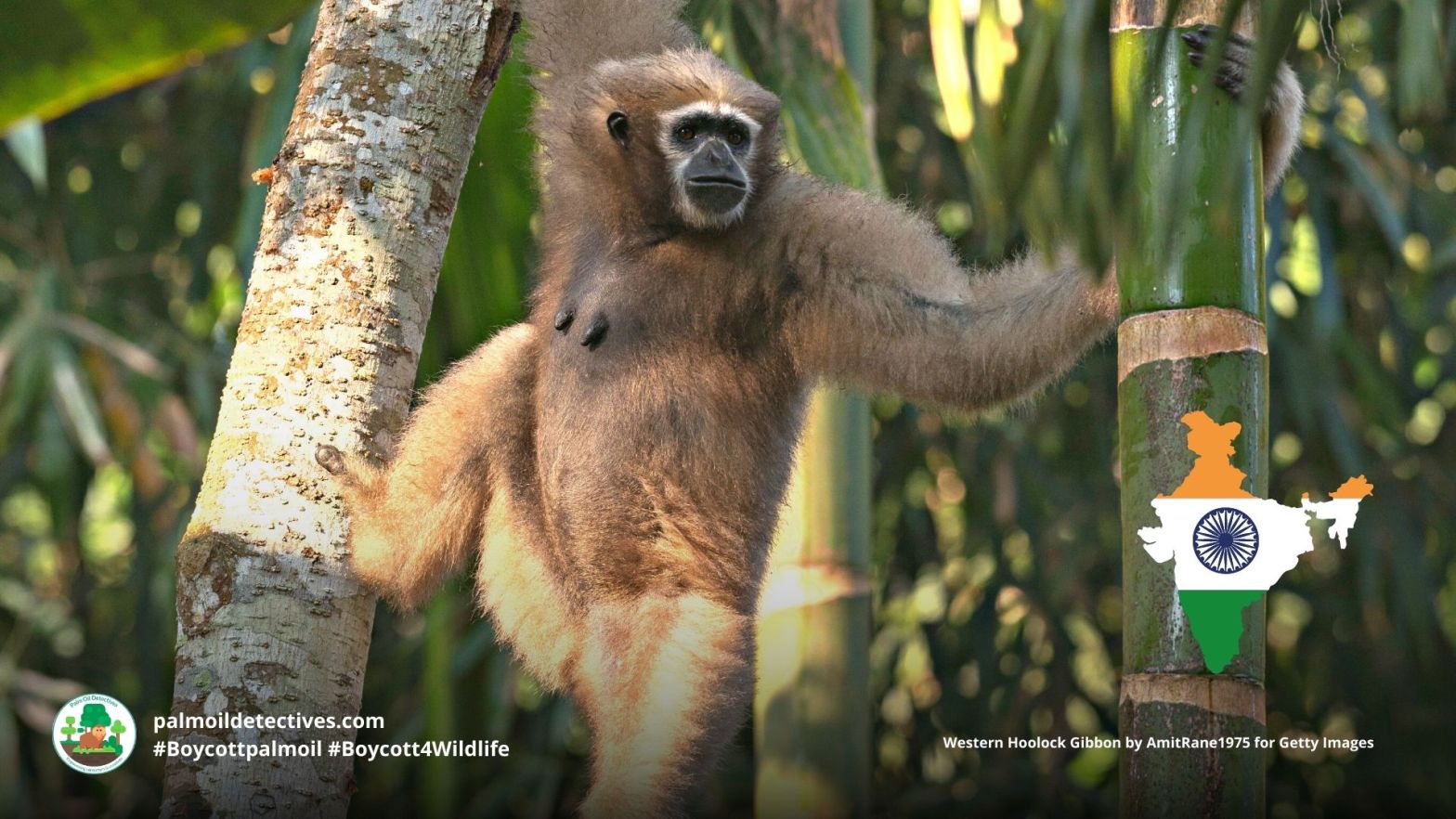
Western Hoolock Gibbon Hoolock hoolock

Energetic and social Western Hoolock Gibbons live in India, Bangladesh and Myanmar. Known for their close-knit families and melodious singing, they are endangered from palm oil deforestation, timber deforestation, human persecution and illegal poaching. Help them every time you shop by boycotting palm oil in the supermarket. #Boycottpalmoil #Boycott4Wildlife

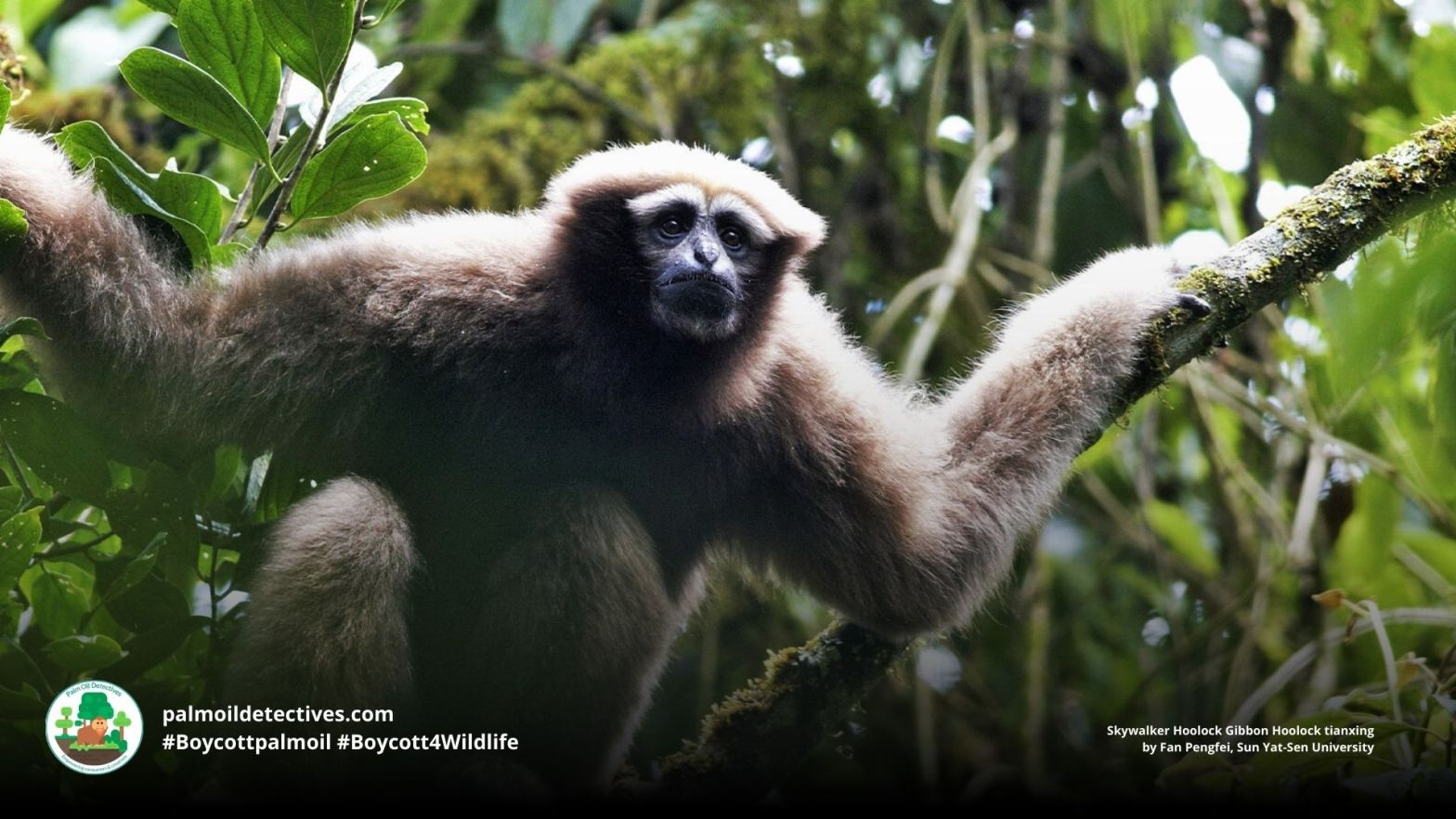
Skywalker Hoolock Gibbon Hoolock tianxing

Rare Skywalker Hoolock Gibbons are Endangered primates in Myanmar and China’s forests. Described in 2017, help them survive when you shop boycott4wildlife!

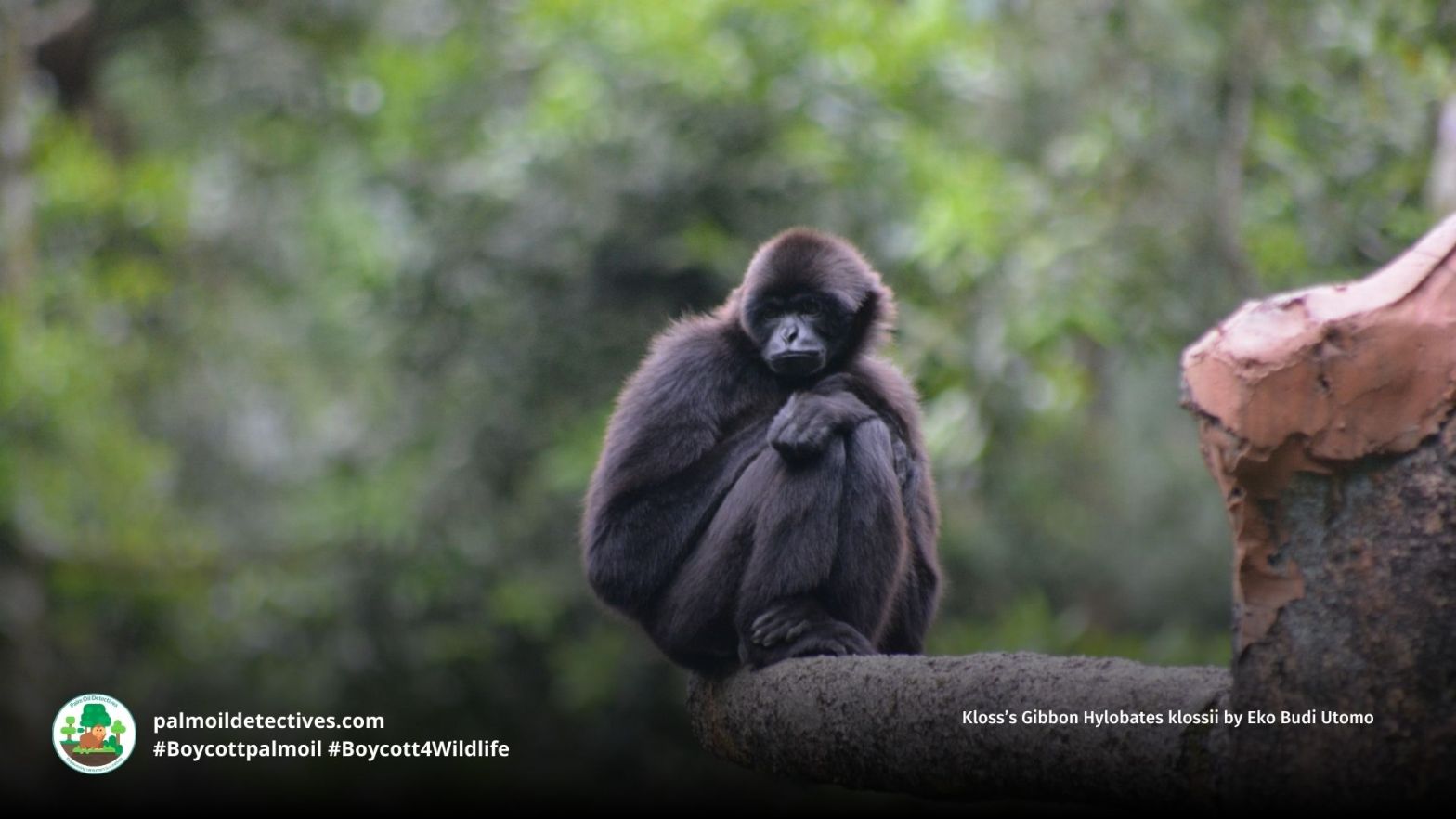
Kloss’s Gibbon Hylobates klossii

The Kloss’s gibbon Hylobates klossii, also known as the Mentawai gibbon or bilou by locals, is a small, agile primate with dark smoky grey fur and an ethereal song that resonates and echoes throughout the forests of the Mentawai Islands. These gibbons are known for their intricate vocalisations, with both males and females producing unique solo songs. Their haunting melodies play an essential role in marking territory and strengthening social bonds.

Classified as Endangered by the IUCN, Kloss’s gibbons face a relentless barrage of threats, including habitat destruction for logging and palm oil plantations, poaching for the illegal pet trade, and human encroachment. With populations declining by 50% in the past 45 years, immediate action is needed to save this unique species. Fight for their survival with indigenous-led conservation efforts and use your wallet as a weapon—boycott palm oil and support sustainable agroecology. #BoycottPalmOil #Boycott4Wildlife
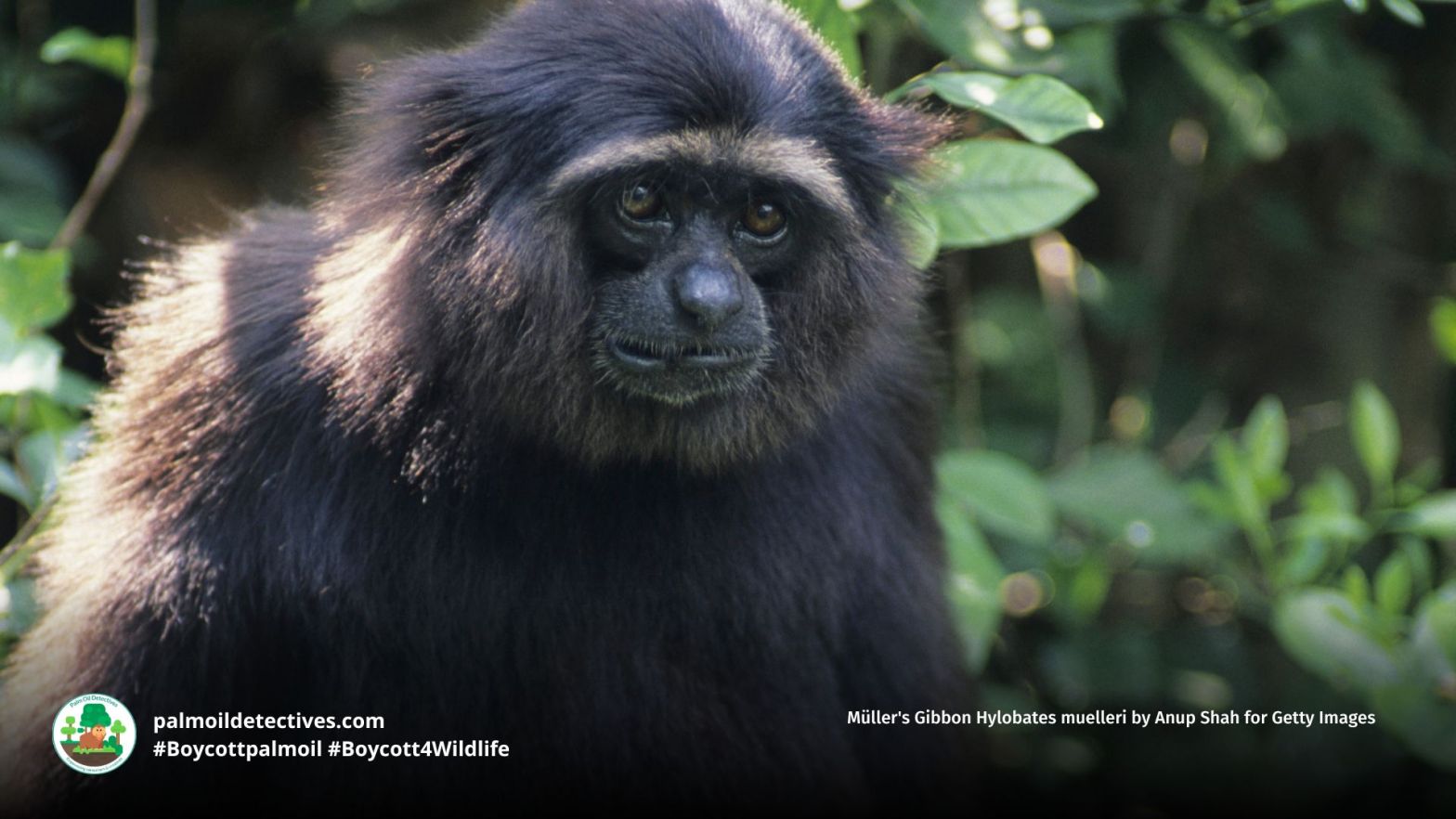
Müller’s gibbon Hylobates muelleri

The Bornean Gibbon Hylobates muelleri, also known as Müller’s #gibbon or the Southern Grey Gibbon, is a master of the treetops and a celebrated forest singer. Their haunting duets echo across the rainforest canopy, keeping family bonds strong and warning intruders away. But these calls are growing rarer. The Müller’s gibbon is listed as #Endangered due to relentless forest loss caused by logging, #palmoil expansion, #fire, and #hunting. Their future depends on the survival of Borneo’s rainforests. Take action and use your wallet as a weapon! #BoycottPalmOil #Boycott4Wildlife be #Vegan and #BoycottMeat
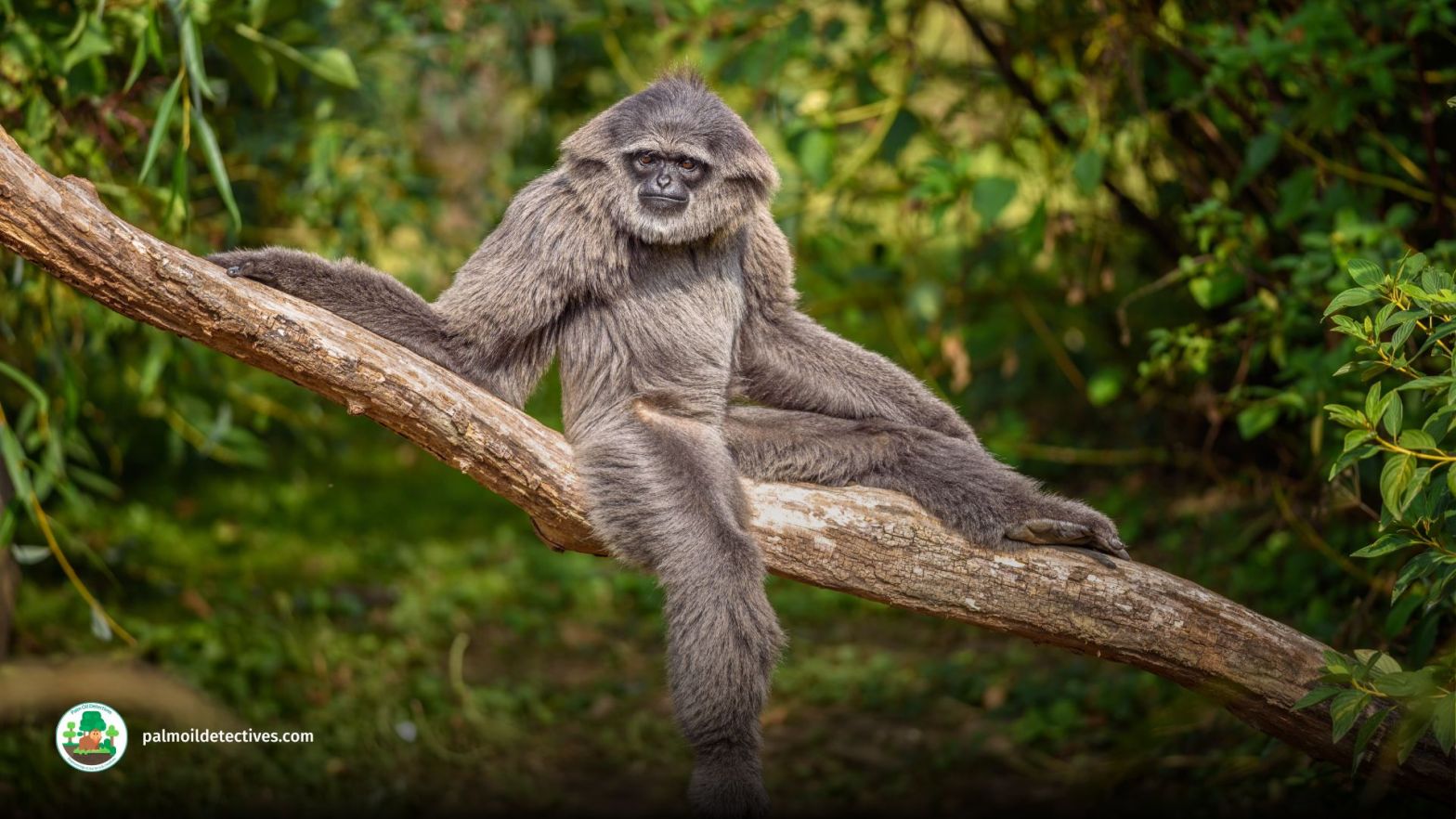
Silvery Gibbon Hylobates moloch

Silvery Gibbon Hylobates moloch Red List Status: Endangered Locations: Indonesia (island of Java, including provinces of Banten, West Java, and Central Java as far east as the Dieng Mountains) The Silvery #Gibbon 🩶🐒🐵 of genus ‘Hylobates’ meaning ‘Forest Walker’. They sing to each other in ‘local’ accents and do thrilling acrobatics 🤸‍♂️ They are #endangered,Continue reading “Silvery Gibbon Hylobates moloch”

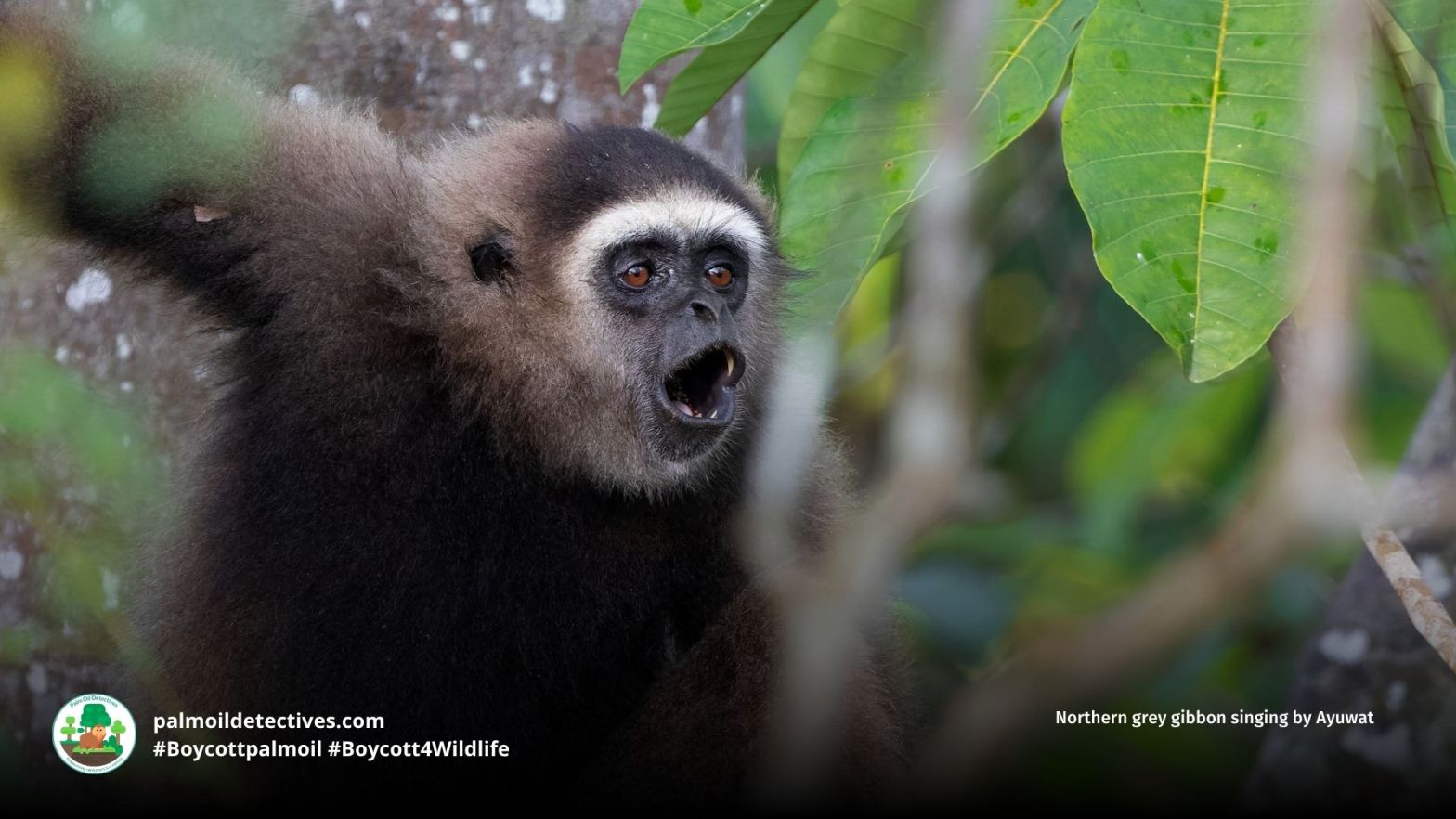
Northern Gray Gibbon Hylobates funereus

Save the sublime song and energetic lives of the Northern grey gibbons in Borneo when you boycott palm oil and boycott4wildlife in the supermarket!

Siamang Symphalangus syndactylus

Siamang Symphalangus syndactylus Endangered Indonesia, Thailand, Sumatra The siamang is the largest and most vocal of all gibbons, known for their spectacular morning calls that resonate across the forests of Sumatra and Peninsular Malaysia. Their complex vocalisations, amplified by a throat sac, serve as a hallmark of their species and a testament to their socialContinue reading “Siamang Symphalangus syndactylus”

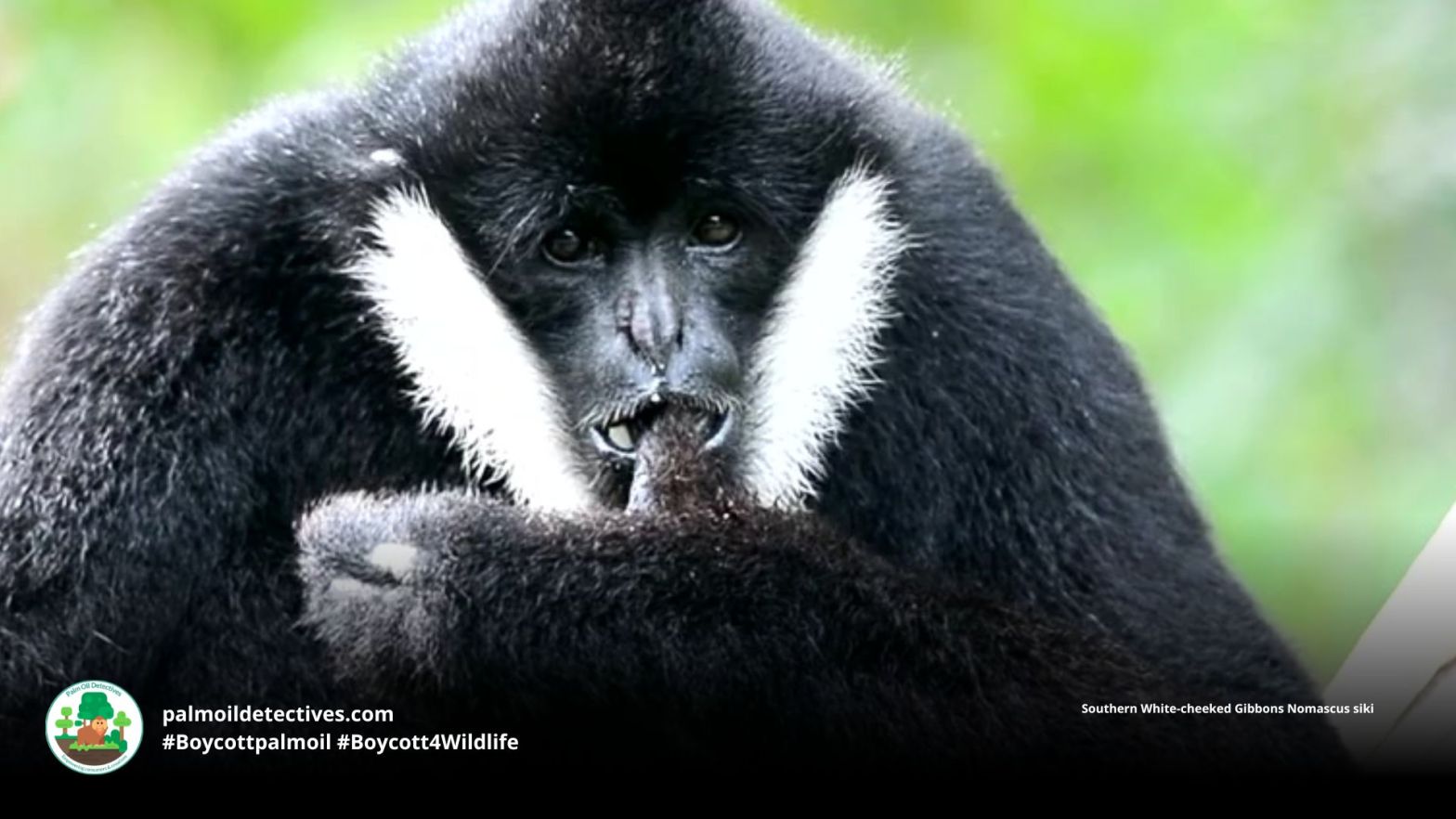
Southern White-cheeked Gibbon Nomascus siki

Southern White-cheeked Gibbons are melodic primates of Laos and Vietnan under threat by rubber plantations facing 80% population loss. Fight for them!

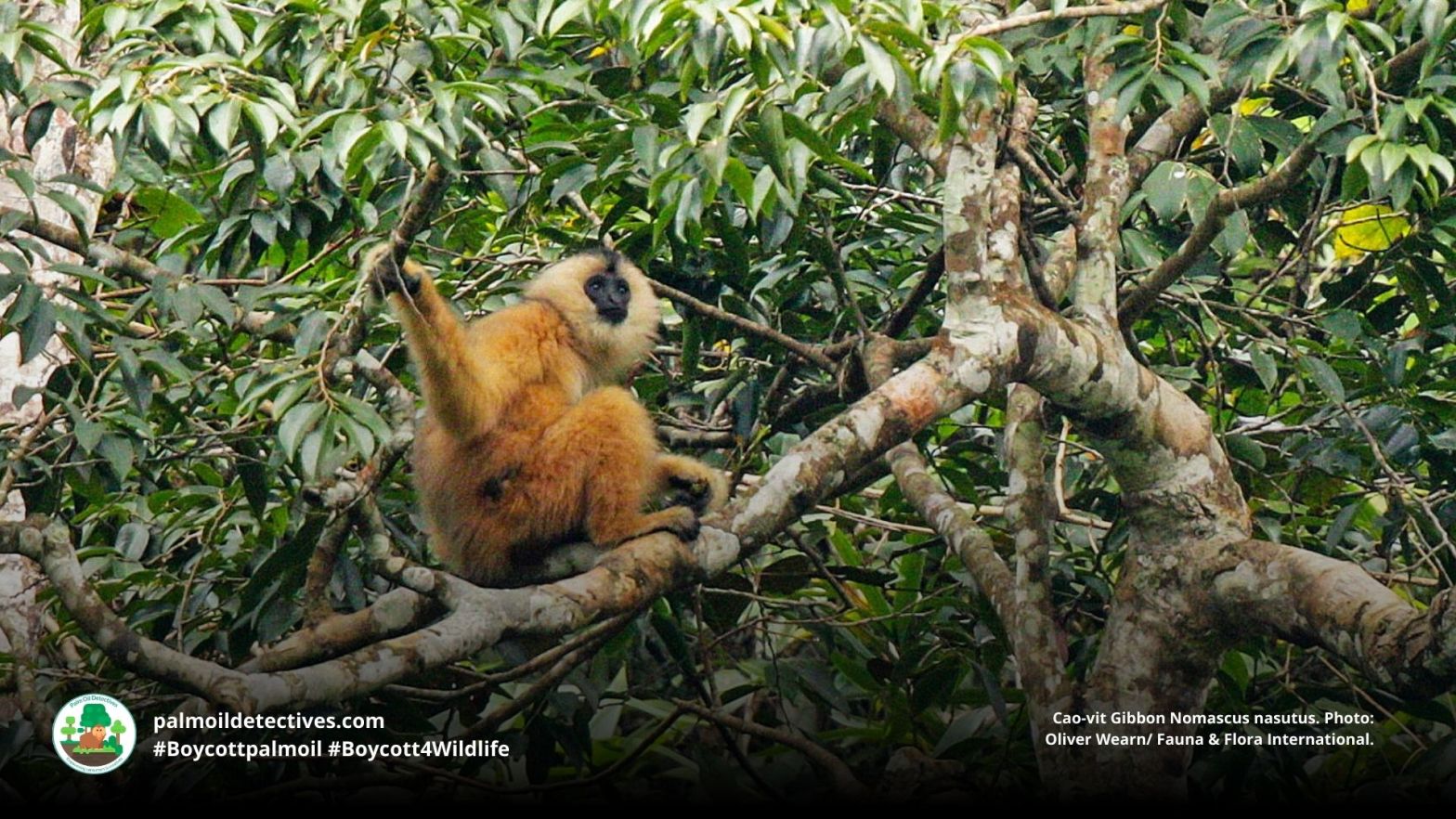
Cao-vit Gibbon Nomascus nasutus

The Cao-vit gibbon, one of the world’s rarest primates, captivates the imagination with their melodic “cow-veet” calls, which echo like rainforest birdsongs. Research has found that they sing in regional accents to each other and form breeding pairs.

Arguably the world’s rarest gibbon they live in one forest patch straddling the Vietnam–China border. These critically endangered primates face myriad threats, including habitat destruction for timber and meat agriculture, inbreeding, and climate change. Immediate, concerted conservation action is essential to save these extraordinary gibbons from extinction.

Support indigenous-led conservation efforts to protect their habitat. Fight for their survival every time you shop. Use your wallet as a weapon and #BoycottMeat and be #Vegan #Boycott4Wildlife.

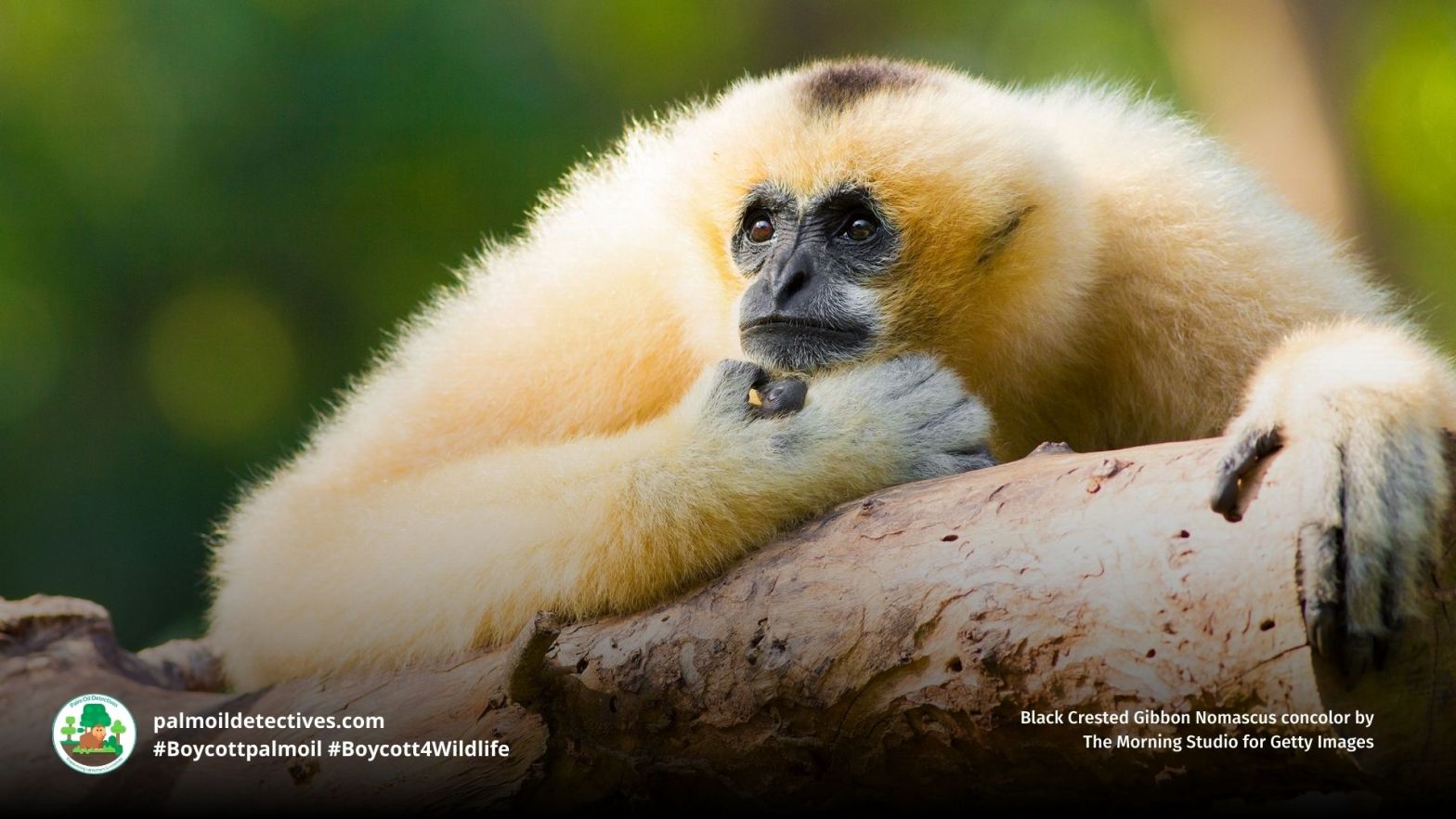
Black Crested Gibbon Nomascus concolor

The Black-Crested Gibbon of the genus Nomascus is a truly enchanting primate, renowned for their melodic morning duets that echo through the forests of southern China, Vietnam, and Laos. What makes these calls even more remarkable is their regional variation—these gibbons sing with distinct “accents,” unique to their local populations. These complex songs not only strengthen bonds between mates but also serve as territorial markers, ensuring harmony within their fragmented forest homes.

Despite their beauty and ecological importance, Black-Crested Gibbons are at risk of extinction. Habitat destruction for agriculture, and logging, coupled with hunting for the bushmeat trade and the illegal pet trade, is rapidly shrinking their population. Protecting their future is vital for the health of their ecosystems. Take action now: Boycott the illegal wildlife trade, be #vegan and #Boycott4Wildlife.