
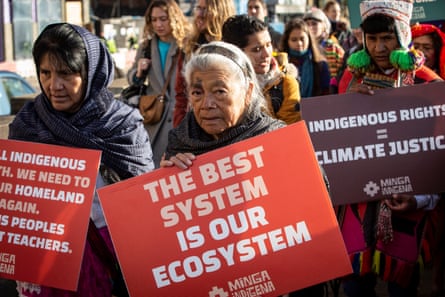
The rapid expansion of oil palm plantations across #SouthAmerica is causing significant environmental, economic and social problems. This growth is leading to #deforestation, #landgrabbing displacement of #indigenous and farming communities, and increased militarised and police #violence, particularly affecting Indigenous and Afro-descendant populations. Despite the global demand for #palmoil, the consequences of its production on peasant communities in South and Central America are raising serious questions about its viability and #humanrights rigour.
Tag Archives: HumanRights
Oreo Maker Linked to Ongoing Deforestation and Human Rights Abuses
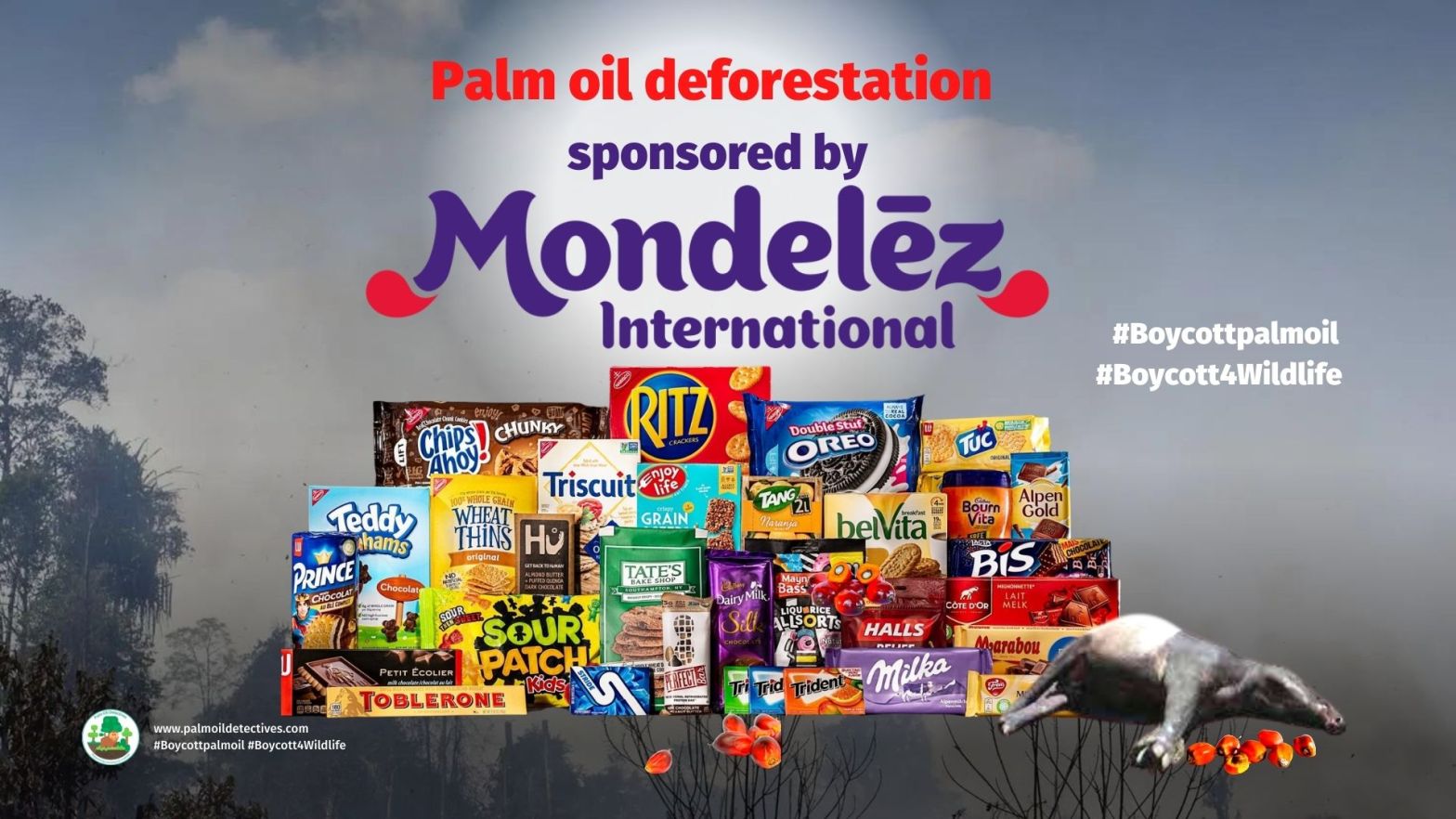
Mondelēz International who make Oreos keep sourcing palm oil from suppliers linked to violence and deforestation. Their RSPO certification is pure greenwash!
Seeing Forest As Merely A Carbon “Commodity”: Dangerous Greenwashing
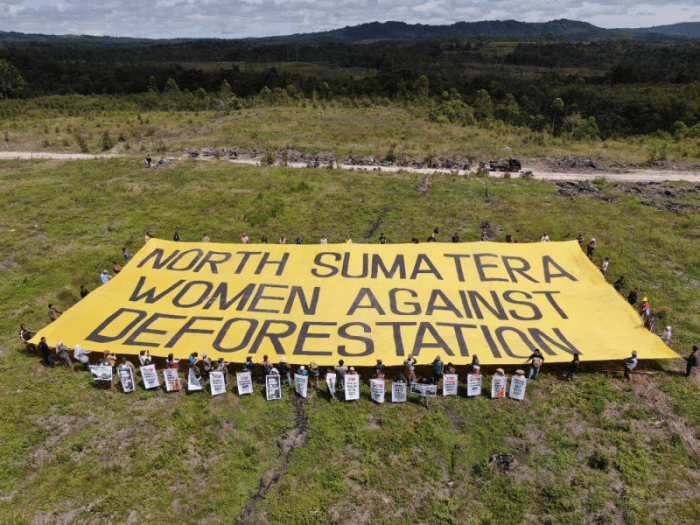
Commodifying forests as merely an investment for ‘carbon credits’ has many dangerous loopholes that human rights to indigenous peoples, take action!
SOCFIN’s African Empire of Colonial Oppression: Billionaires Profit from Palm Oil and Rubber Exploitation
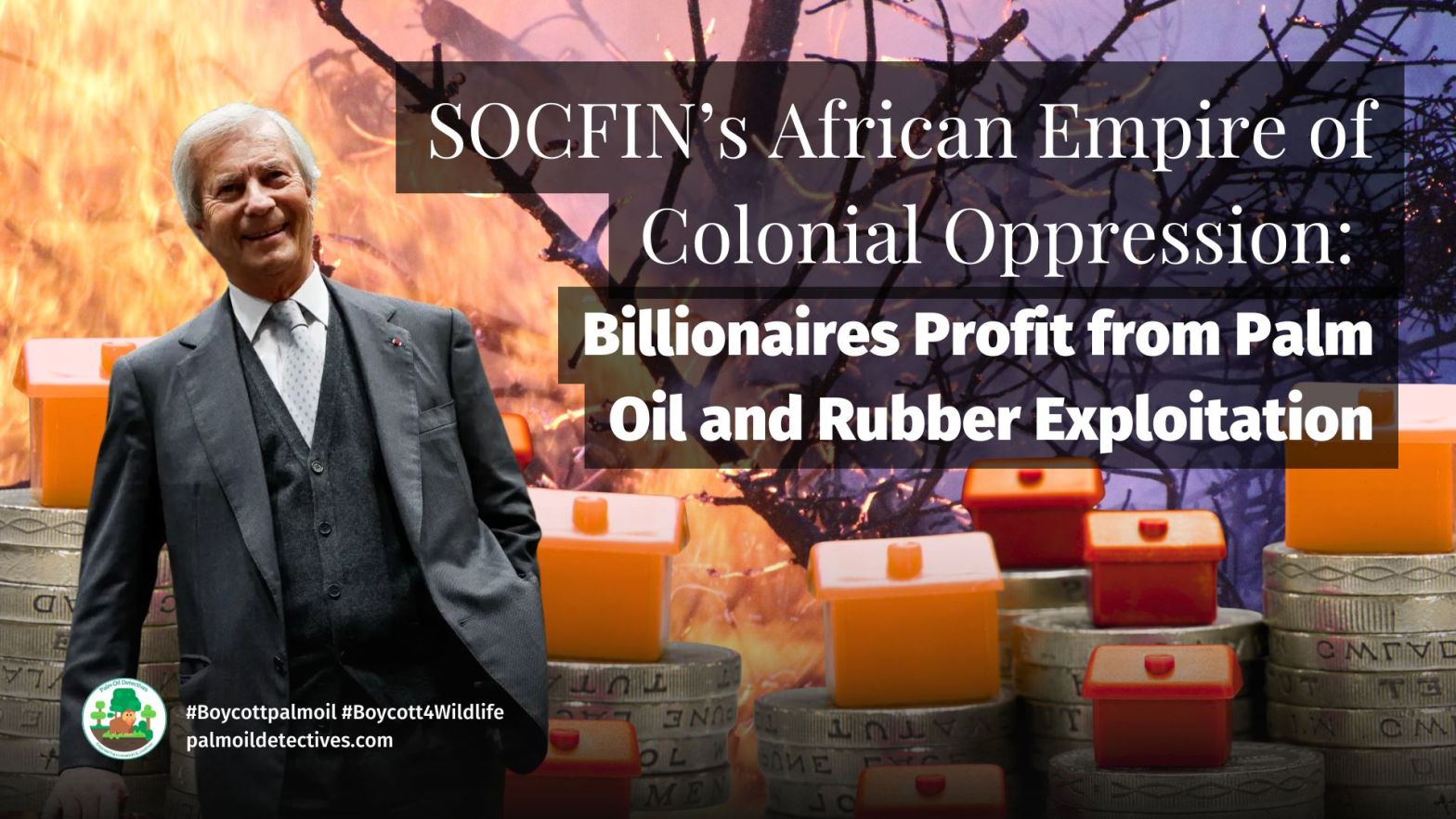
Investigation by Bloomberg exposes that despite being RSPO members, #SOCFIN plantations in #WestAfrica are the epicentre of #humanrights abuses, sexual coercion, environmental destruction, and #landgrabbing. Operating in #Liberia, #Ghana, #Nigeria, and beyond, SOCFIN’s #rubber and #palmoil plantations continue historical colonial legacies of exploitation. Despite widespread evidence of abuse and deforestation, SOCFIN and its partners benefit from weak sustainability certifications such as #FSC and #RSPO. Europe and the US buy products directly linked to these violations, greenwashing the destruction in the process. Indigenous communities and workers are actively resisting this huge injustice —They seek proper redress in the form of stricter #EUDR regulations and better protections of their health, livelihoods and families. Consumers can boycott palm oil and rubber in solidarity. #BoycottPalmOil #Boycott4Wildlife
Palm Oil Threatens Ancient Noken Weaving in West Papua
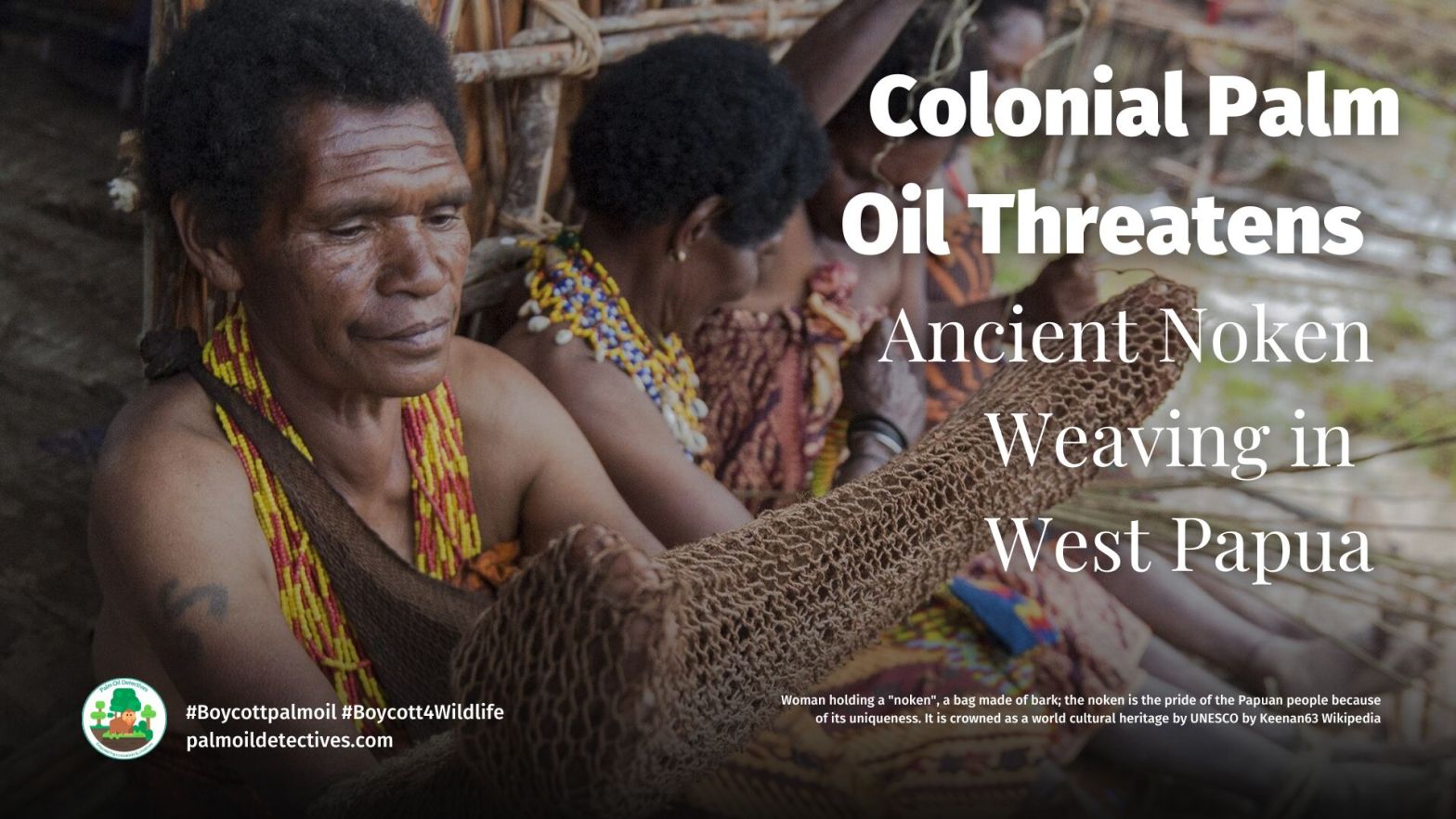
Colonial palm oil and sugarcane causing the loss of West Papuans’ cultural identity. Land grabs force communities from forests, threatening Noken weaving
Family Ties Expose Deforestation and Rights Violations in Indonesian Palm Oil
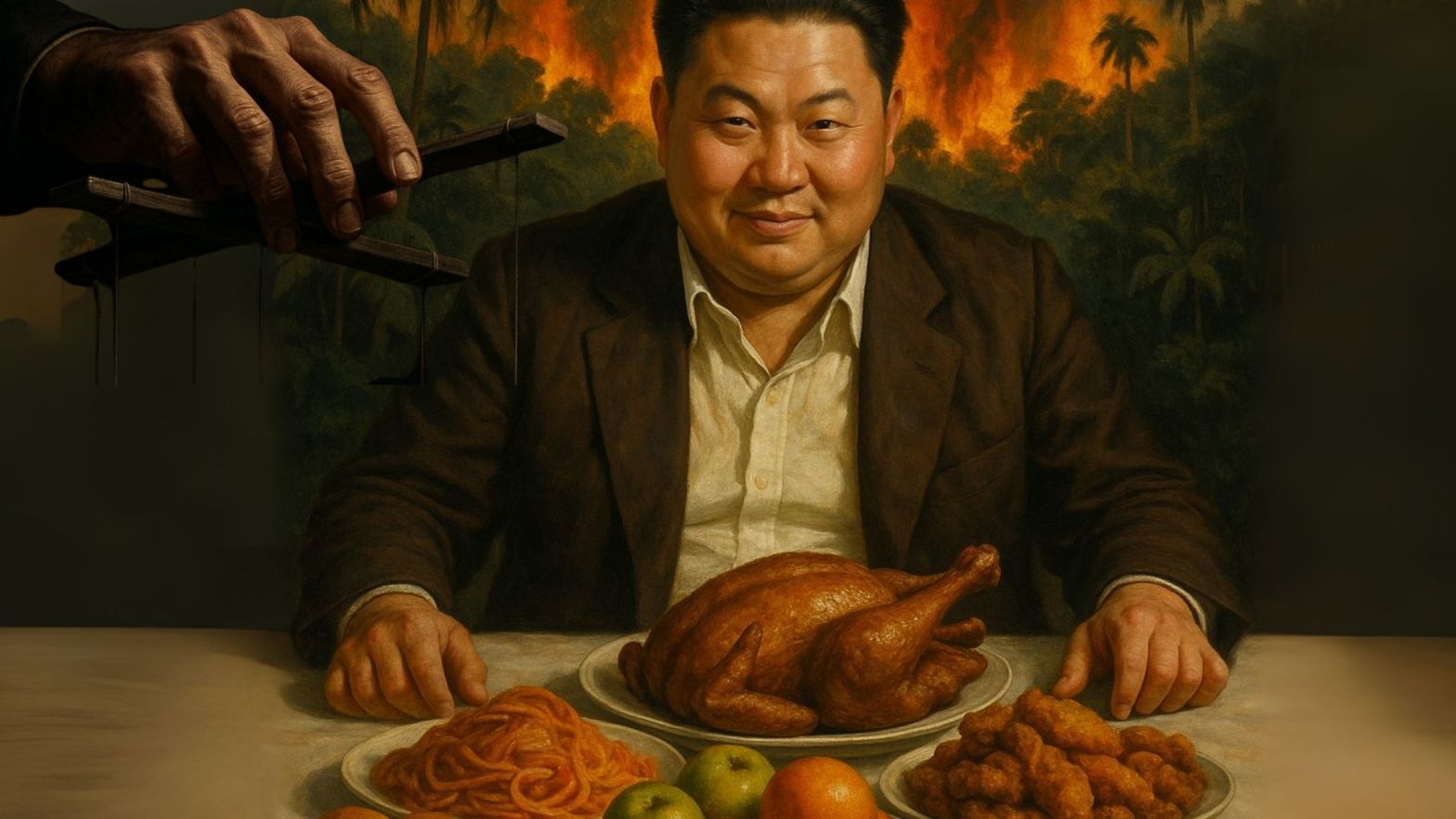
An explosive report by the Environment Investigation Agency (EIA) details how Indonesia’s Fangiono family, through a wide corporate web, is linked to ongoing #deforestation, #corruption, and #indigenousrights abuses for #palmoil. Calls mount for governments to act immediately to strengthen the #EUDR. Consumers can act when we #BoycottPalmOil #Boycott4Wildlife #HumanRights
Palm Oil Practices Resemble Colonial Exploitation
Indonesian palm oil workers expose industry practices that mirror colonial exploitation: land grabbing, bad conditions, ecocide. Systemic change is needed!
Papua’s ‘Empty Lands’: A Dangerous Myth Displacing Indigenous Peoples
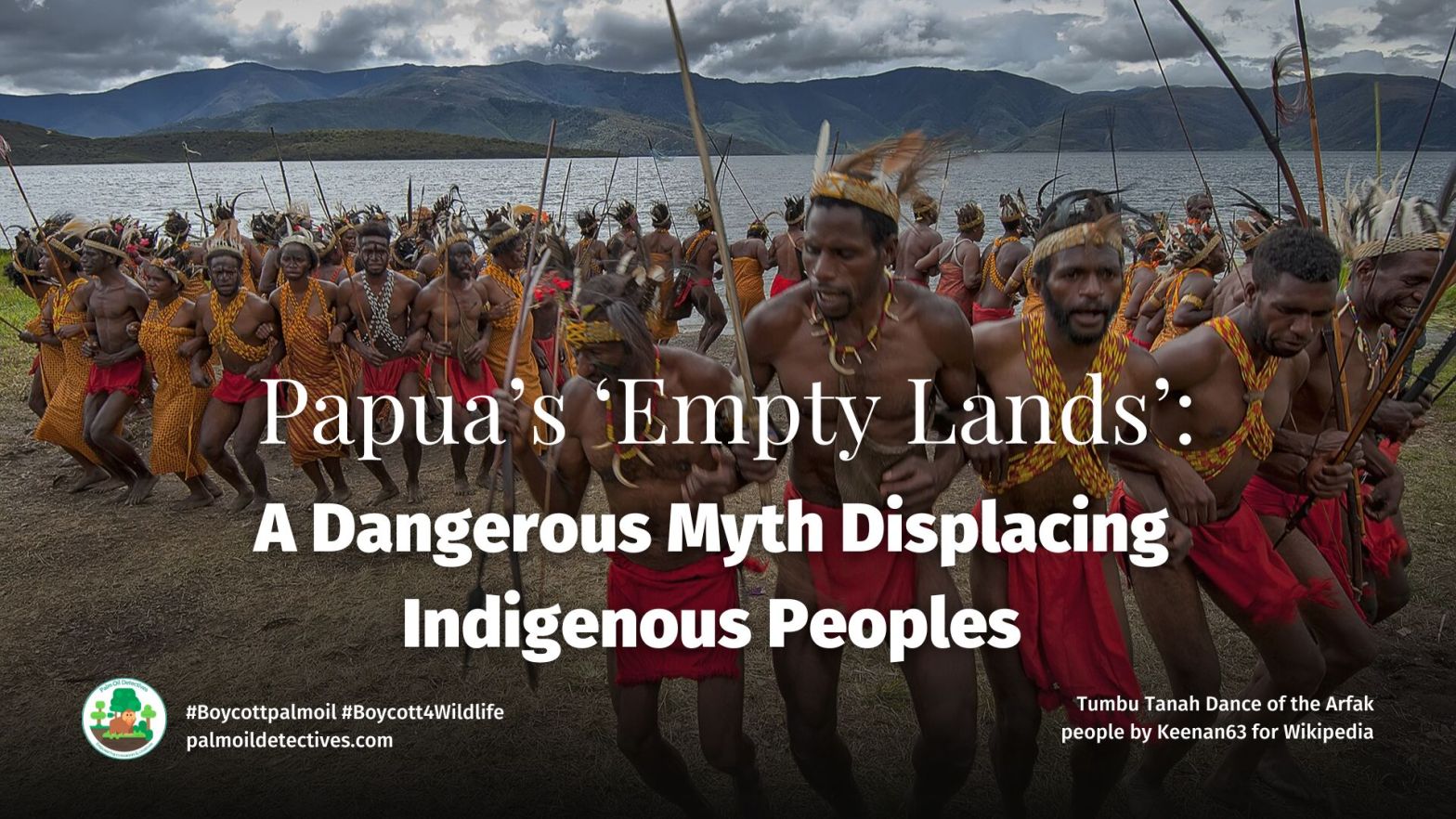
Challenge a dangerous colonial myth that West Papua is an ’empty land’. This only serves the colonial domination of Indonesia not ancient tribes living there!
Palm Oil Plantations Threaten Indigenous Waterways
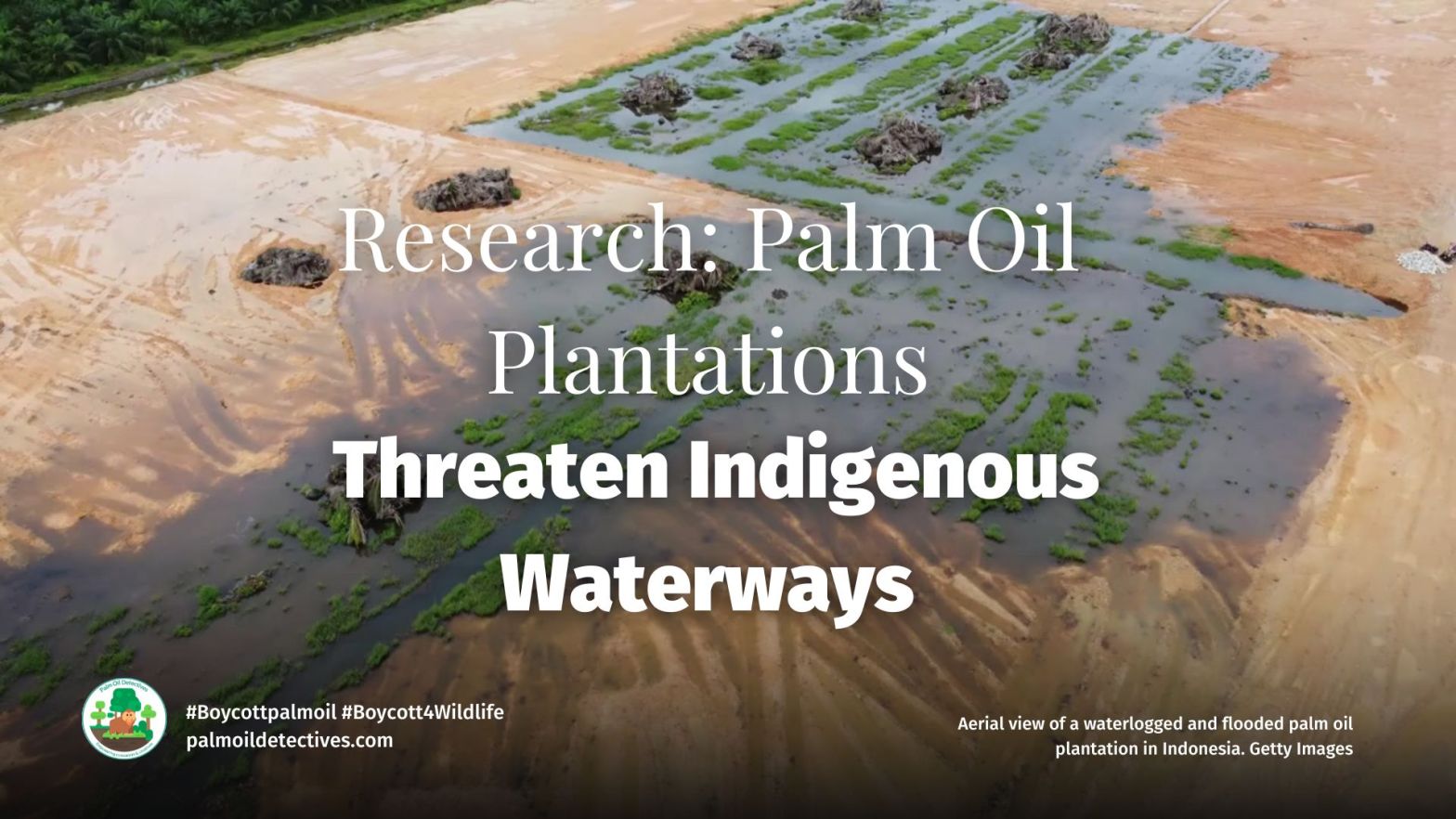
Expansion of palm oil in West Papua’s Kais River watershed degrades water quality, polluting Indigenous waterways. Take action and boycott palm oil
Palm Oil Workers Exposed to Hazardous Pesticides
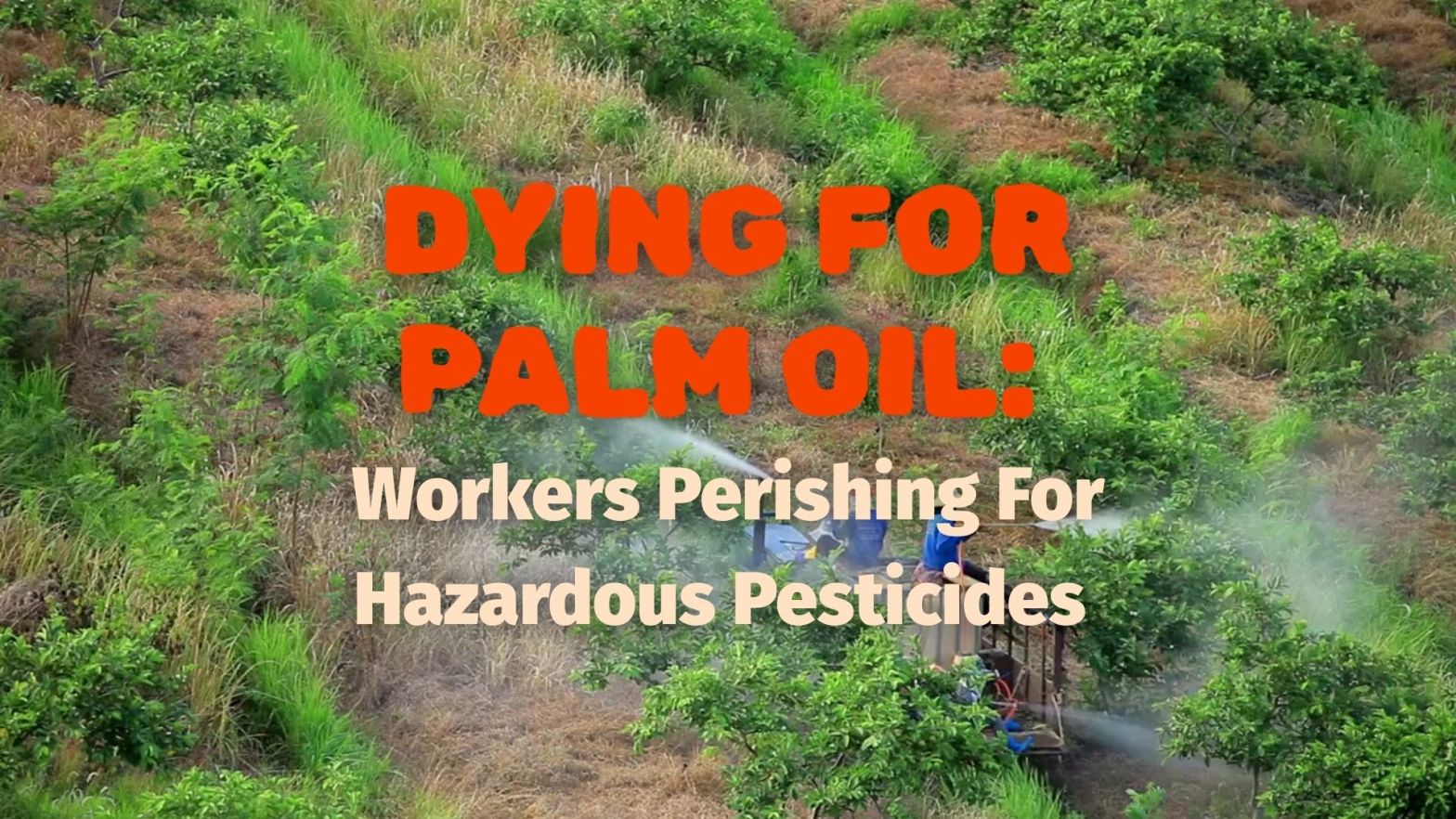
Palm oil workers in Colombia, Ghana, and Indonesia are regularly exposed to hazardous EU-banned pesticides like Paraquat for palm oil. Take action!
Palm Oil Is Ruining Kalangala Uganda — Locals Paying the Price
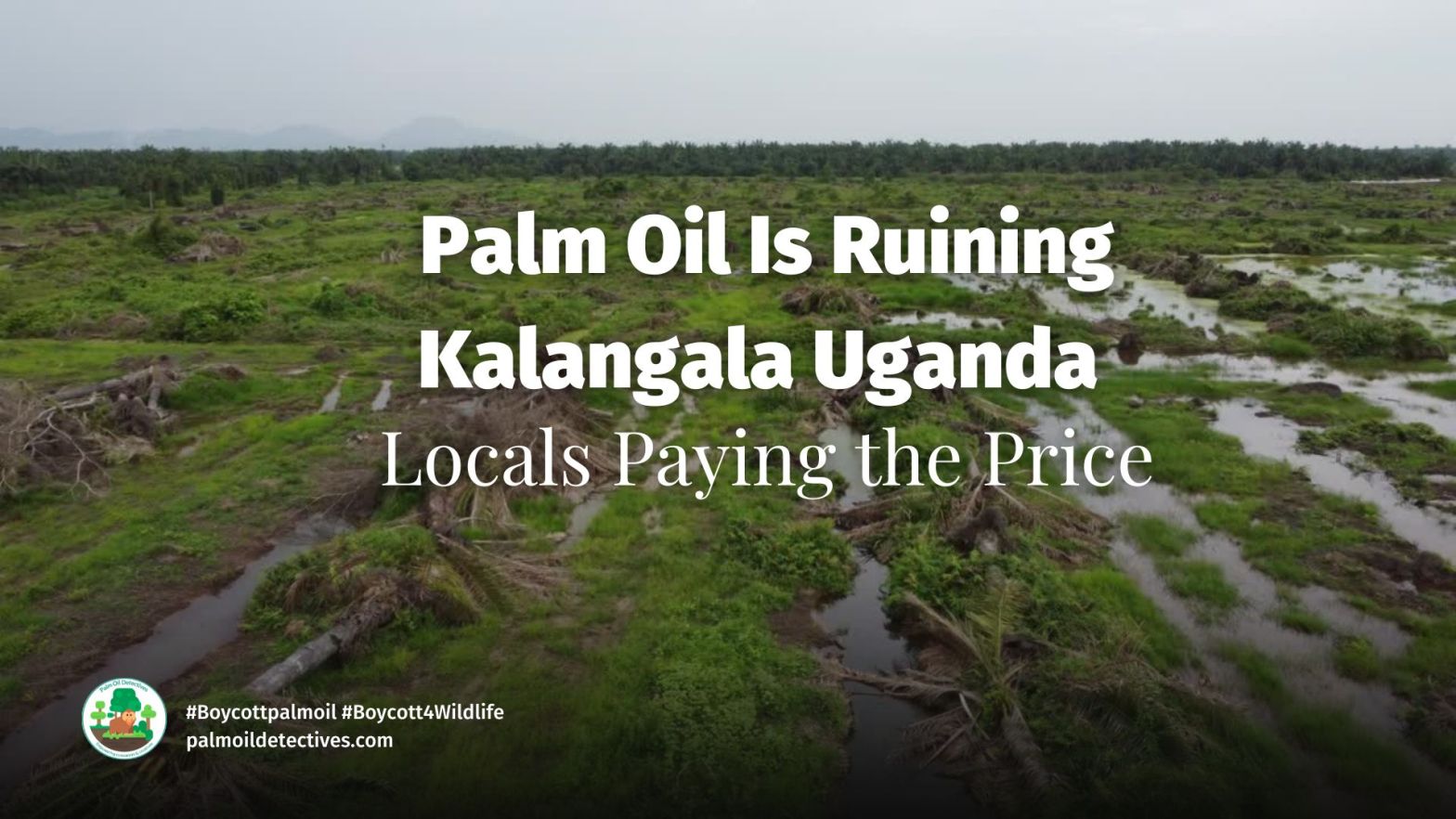
A catastrophic storm in #Uganda’s Kalangala district left nearly 1,000 households homeless. The real culprit? Rampant #deforestation for #palmoil. Once rich in native forests that buffered storms, Kalangala is now a fragile landscape dominated by monoculture palm oil and #tobacco plantations that does not keep villages safe from climate induced flooding and severe storms. This human-caused disaster is a wake-up call: palm oil profits must never come before people and planet. Support #indigenous-led reforestation and demand corporate accountability for ecocide! #BoycottPalmOil #Boycott4Wildlife #HumanRights
Violence for Palm Oil Against Peasant Communities in Honduras Meets Resistance
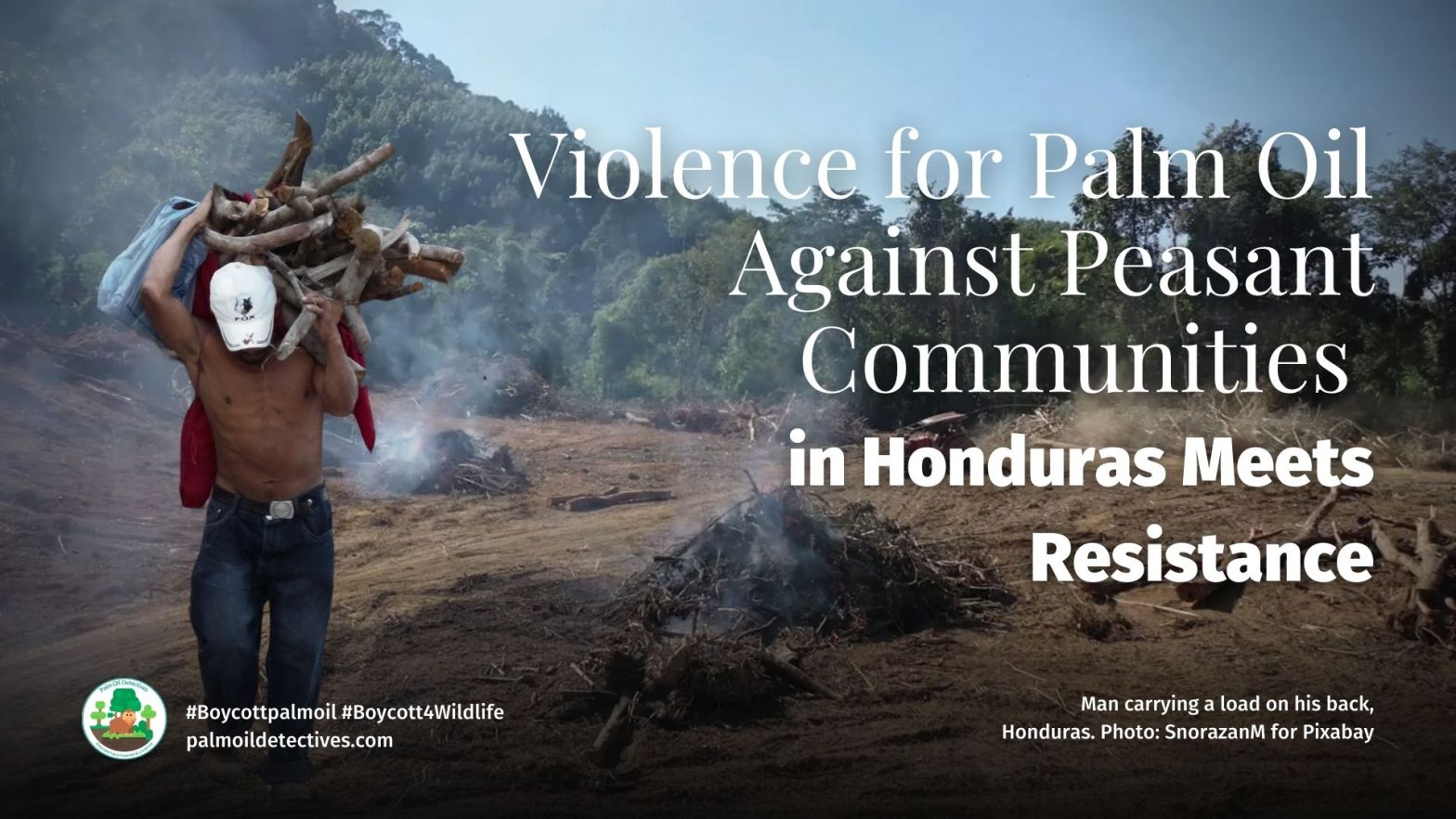
In the Aguán Valley of northern Honduras, peasant communities reclaiming ancestral lands face increasing violence and intimidation from armed groups linked to organised crime. The Dinant Corporation, a prominent palm oil producer, is accused of land theft and involvement in the murders of local activists. International organisations have condemned these human rights abuses, with a coalition of 33 organisations calling for a boycott of Dinant and for multinational companies: Pepsi, ADM, Cargill and Nestle to immediately cease business with Dinant. Despite governmental promises to address the conflict, concrete actions remain absent. You can resist for them in solidarity by boycotting their products in the supermarket! #BoycottPalmOil #LandRights #IndigenousRights #HumanRights
Palm Oil Protesters Silenced and Arrested in Congo
Disgraceful incident in Kinshasa, DRC. During shareholder meeting for palm oil co. PHC (AKA Feronia) rights defenders were arrested, a journalist kidnapped!
Guaranteeing Ecocide: The Green Lie of Palm Oil Certification
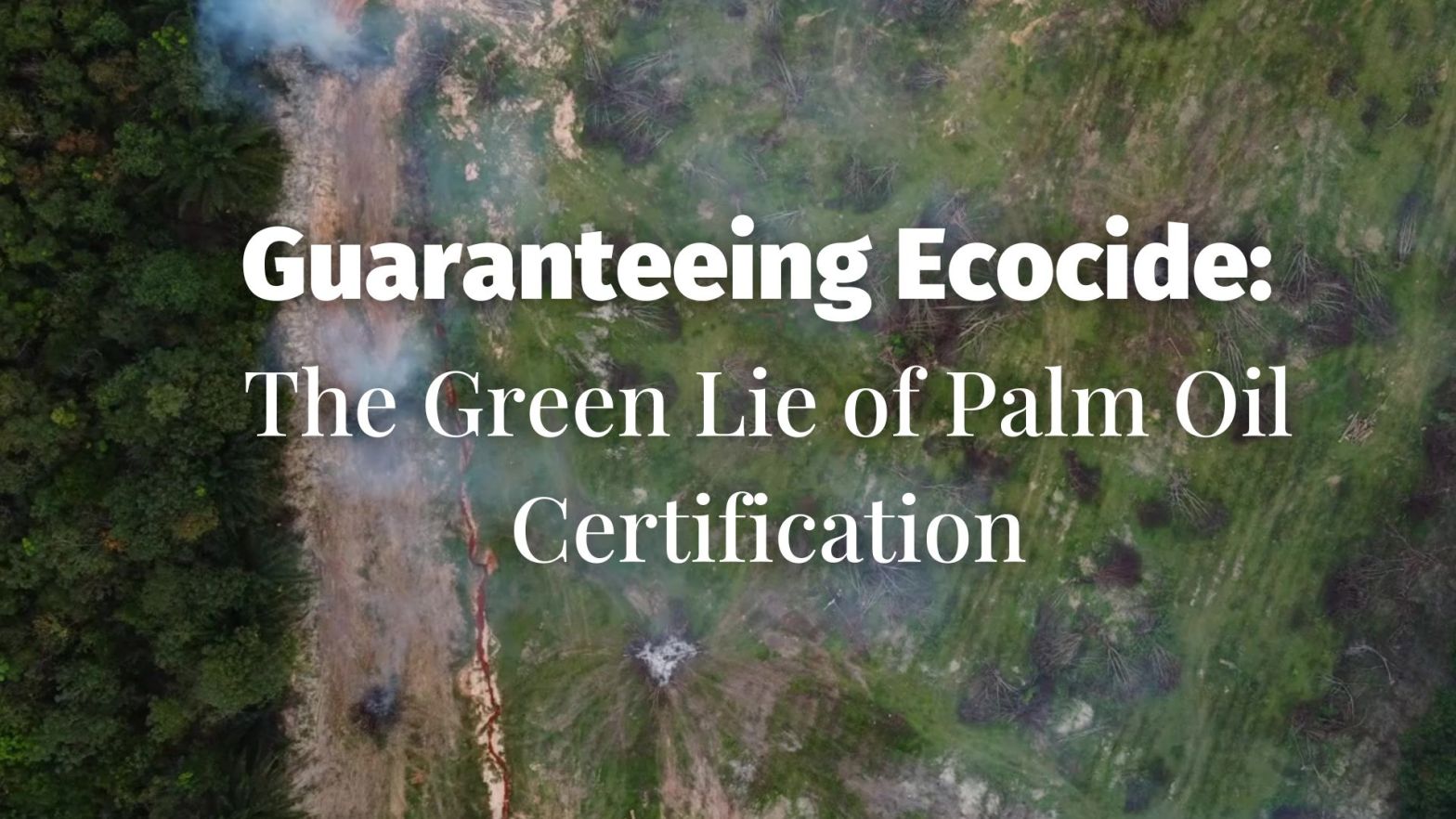
For decades, the palm oil industry, backed by the RSPO, has misled consumers with the false promise of “sustainable” palm oil. Behind this green façade lies a brutal reality of deforestation, human rights abuses, and the destruction of endangered species’ habitats. Dozens of investigations from many different industry watchdogs have exposes the RSPO’s certification as a sham, enabling continued environmental devastation under the guise of sustainability.
However it’s not only the palm oil industry that is an environmental liability, gold mining and meat deforestation also deserves to be strongly condemned for its ongoing ecocide. Read on to discover the examples of greenwashing deception from these industries, so that you don’t fall for their corporate greenwashing. Protect our planet and all human and non-human beings by refusing to support these lies—#Boycottpalmoil #BoycottGold #BoycottMeat and #Boycott4Wildlife every time you shop.
Protected: Private Advocate’s Page
There is no excerpt because this is a protected post.
How Brands Exploit “Green” Certification
Brands and businesses may be tempted to exploit “green” certifications to garner a larger market share at the expense of integrity.
India’s Palm Oil Plans Wreak Havoc On The Ground
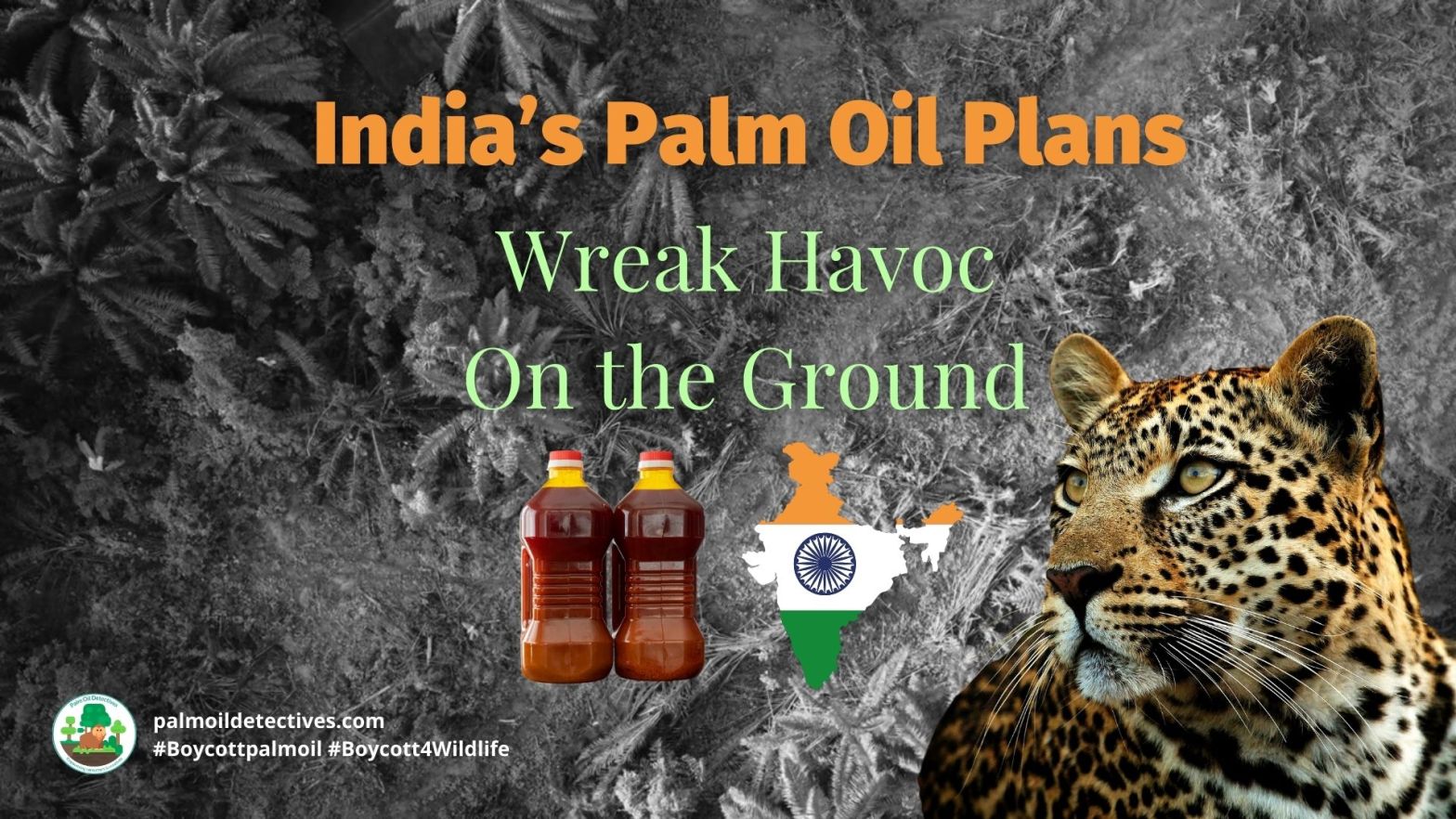
#India’s aggressive push for #palmoil plantations in #Nagaland, #Assam and #Mizoram is wreaking havoc on both the environment and local communities. The government plans to ramp up oil palm cultivation in the northeast, locking away land that could be used for diverse food production for decades. Palm oil monoculture threatens soil health, drains precious water resources, and marginalises indigenous communities. Farmers in the north east of India are facing dire challenges, from delayed subsidies to inadequate payments for their crops, leaving them questioning the viability of oil palm farming. A rethink is necessary to protect India’s ecosystems, animals and people. To help raise awareness and empower change, make sure that you #BoycottPalmOil #Boycott4Wildlife every time you shop.
“Sustainable” Palm Oil No Different in Land Conflicts
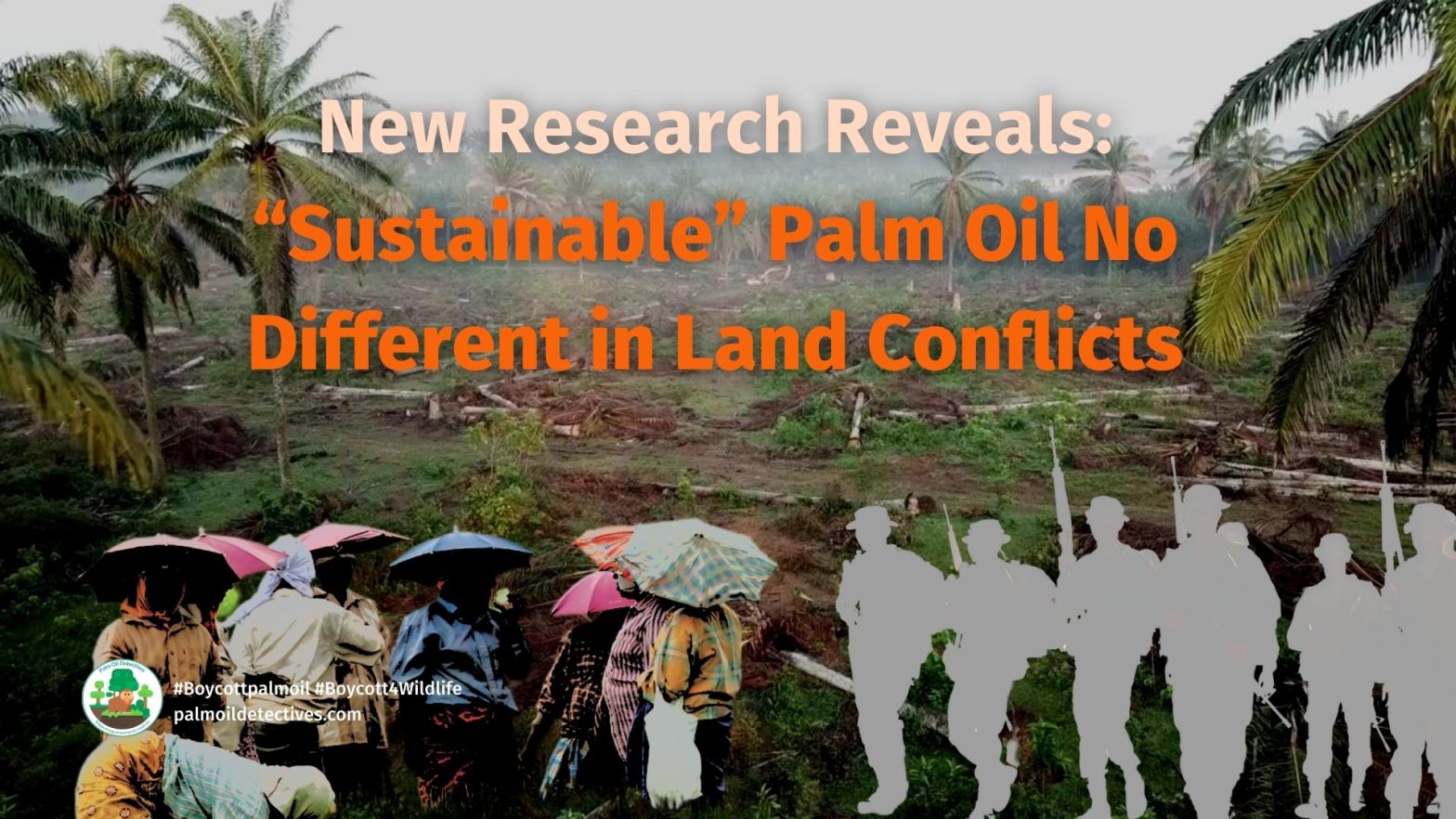
Research reveals no significant difference between RSPO-certified “sustainable” palm oil and non-certified palm in Indonesian land conflicts. Boycott palm oil!
Unmasking Socfin’s Destructive Palm Oil Empire in Africa
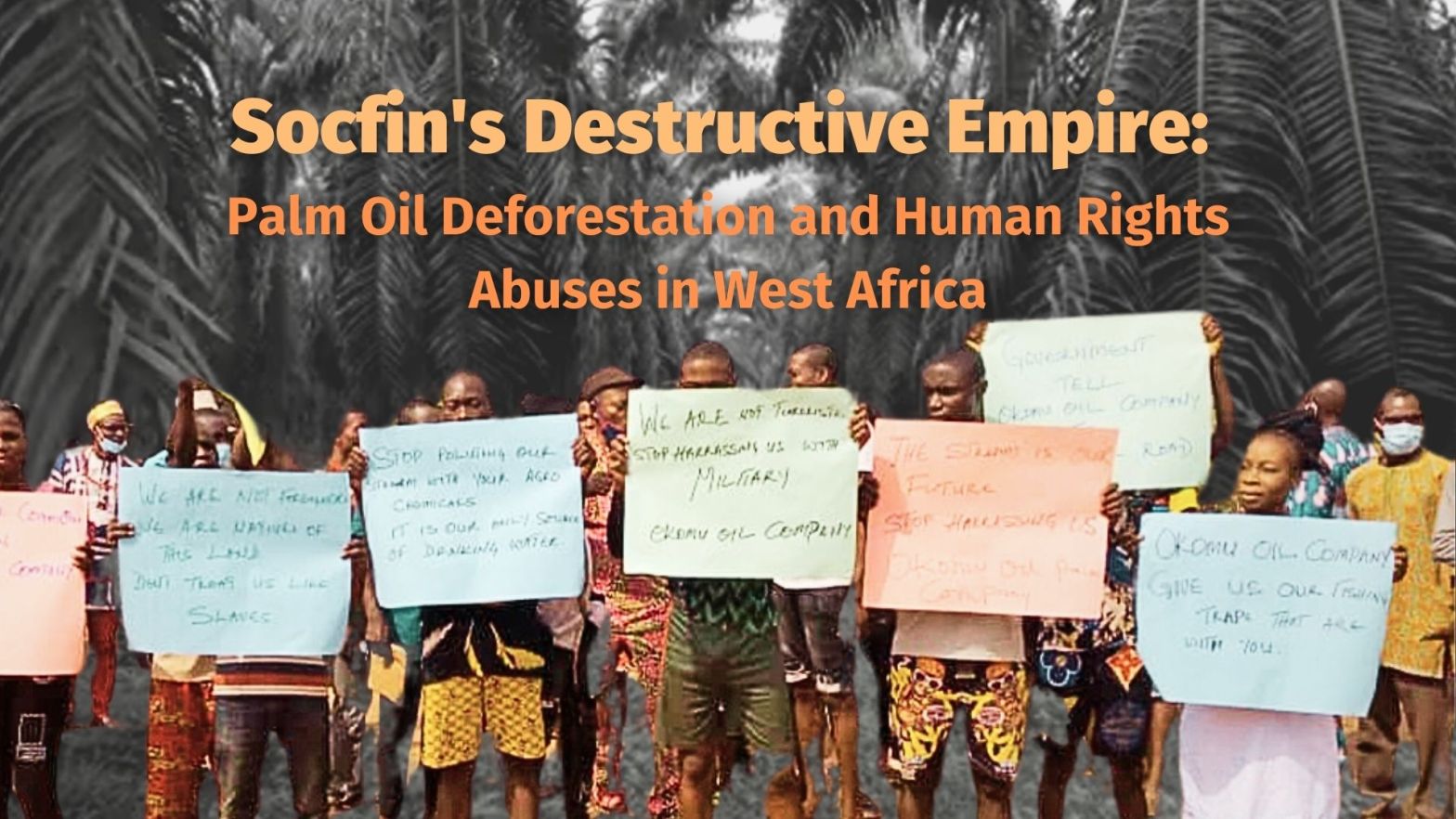
An investigation reveals Socfin’s exploitation of rubber and palm oil in West Africa, leading to deforestation, landgrabbing, and shocking human rights abuses.
PalmWatch: A Tool to Hold Palm Oil Greenwashers to Account
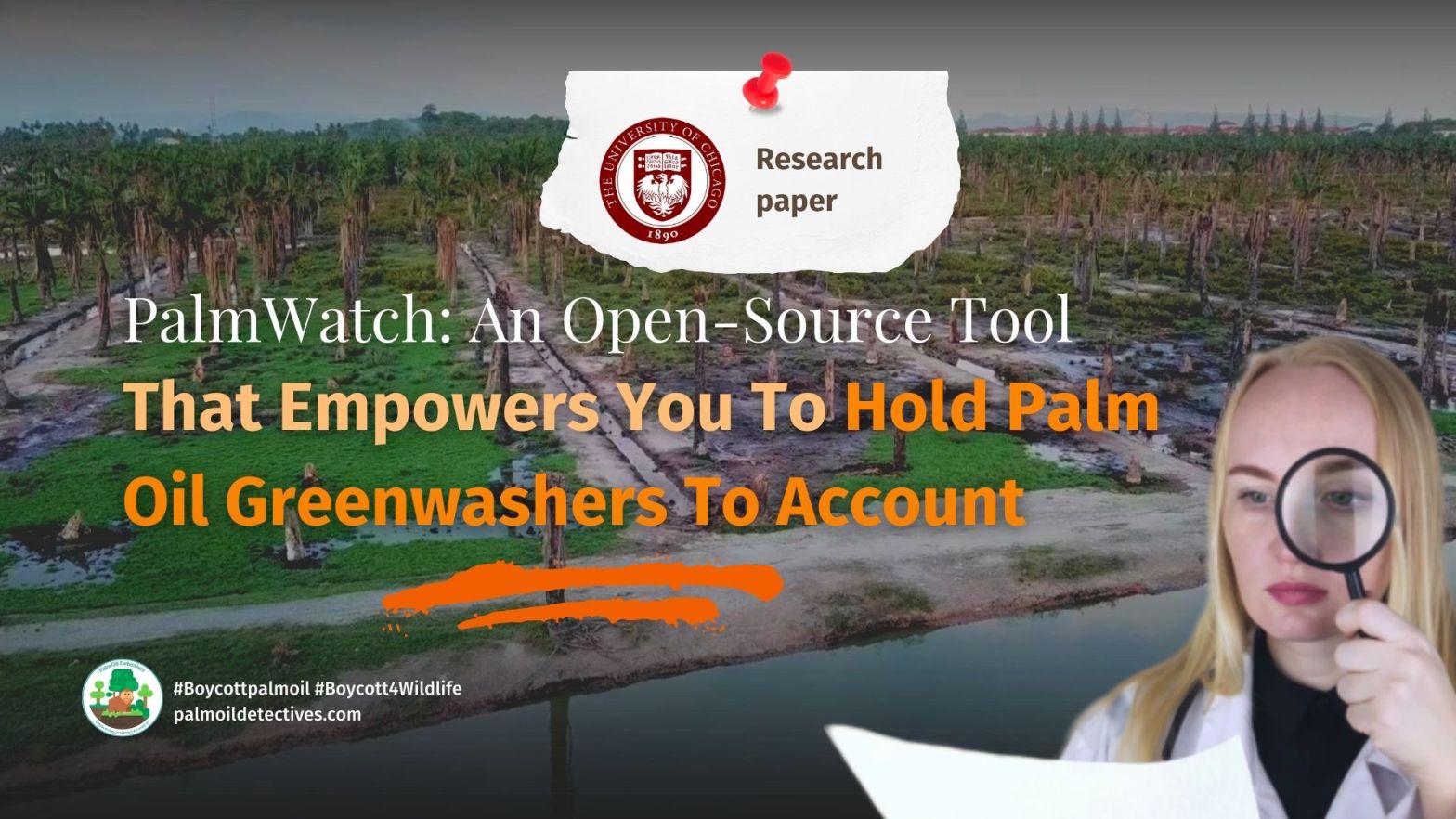
A groundbreaking open-source tool by the University of Chicago called PalmWatch, shines a light on the darkest parts of the palm oil industry.
PalmWatch is a free web-based tool that reveals links between major multinational brands using supposedly “sustainable” palm oil, and palm oil supply chain. This means that concerned consumers, animal rights advocates and human rights advocates can clearly see the toll of palm oil ecocide in their daily supermarket purchases.
Covering hundreds of thousands of kilometres, PalmWatch gives everyone open-source, free and unprecedented access to what “sustainable” palm oil really looks like.
More than simply a tool, PalmWatch is a clarion call to consumers to look carefully at their purchases. And where possible, to boycott brands causing the ecological crisis of tropical deforestation.
Help animals and indigenous peoples and #BoycottPalmOil #Boycott4Wildlife every time you shop!
Child Labour and Debt Bondage: A Reality For ‘Sustainable’ Palm Oil
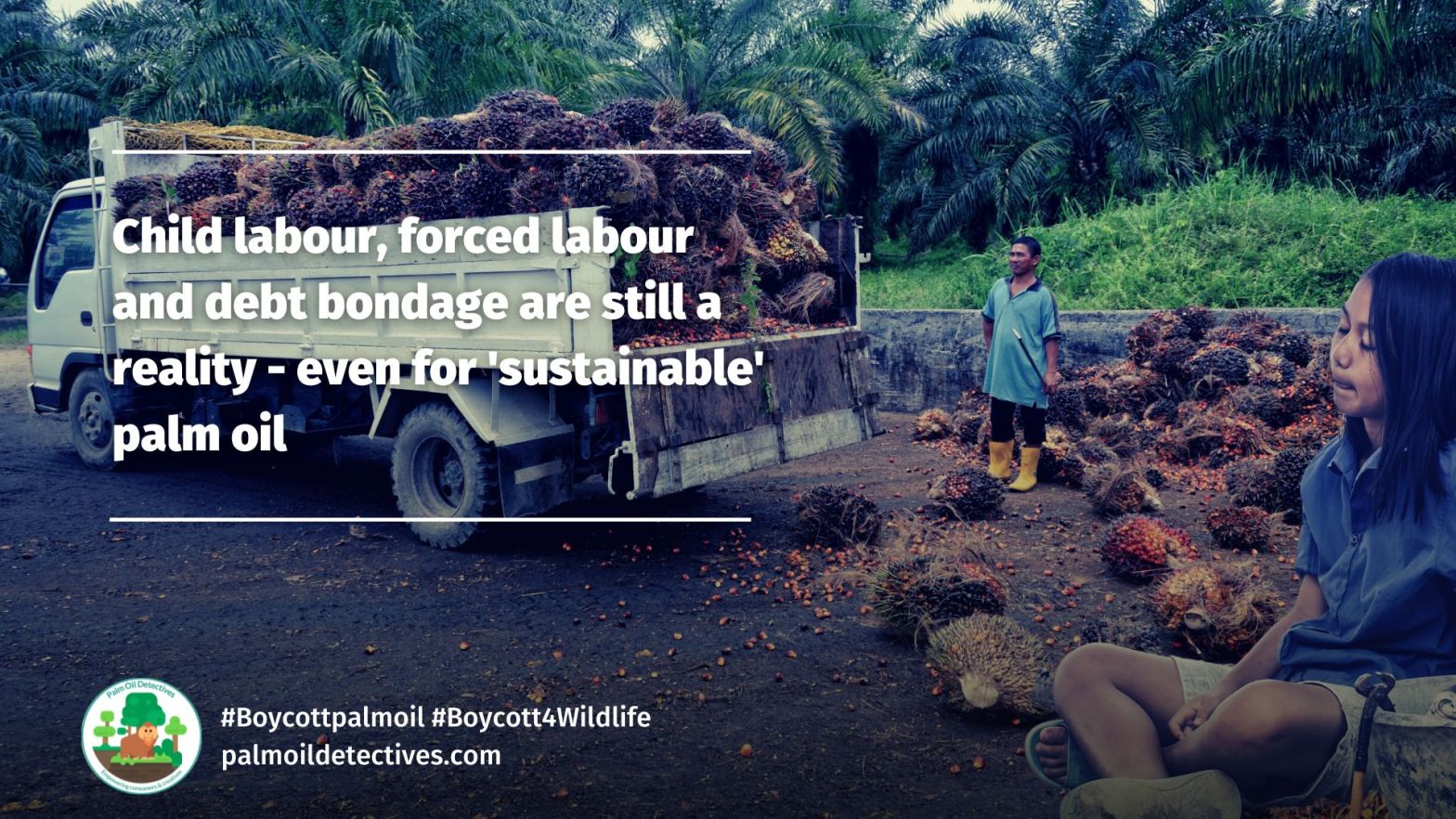
According to a new report from the Bureau for Workers’ Activities (ACTRAV) at the International Labour Organization (ILO). About 80% of the world’s poor live in rural areas where they face a myriad of human rights problems which hamper their ability to survive.
Problems include inadequate safety at work, low pay, lack of stability and security of work, and excessive working hours, with women and young workers.
Terrifying Tale of Halloween: Palm Oil Ecocide in Your Treats!

This #Halloween, as you revel in terrifying tales and creepy costumes, remember that the most terrifying tale of all isn’t enjoyable folklore—it’s the horrifying truth about palm oil. This ingredient causes #deforestation, #ecocide, #humanrights abuses and #indigenous land-grabbing. The production of #palmoil casts a dark shadow over our planet, as it can only be grown on destroyed tropical rainforests. So-called “sustainable” palm oil used by the world’s biggest food brands like Nestle, Mondelez, Hersheys, Ferrero and Mars is a complete greenwashing lie. So don’t buy any of it! All palm oil threatens the very existence of wildlife, polluting our air and water, accelerates climate change, and tramples on the rights of indigenous communities worldwide. This Halloween, take action and use your wallet as a weapon. 🌍🌳🦍 #Boycottpalmoil #Boycott4Wildlife
Op-Ed: Preserving a Habitable Earth by Julian Cribb
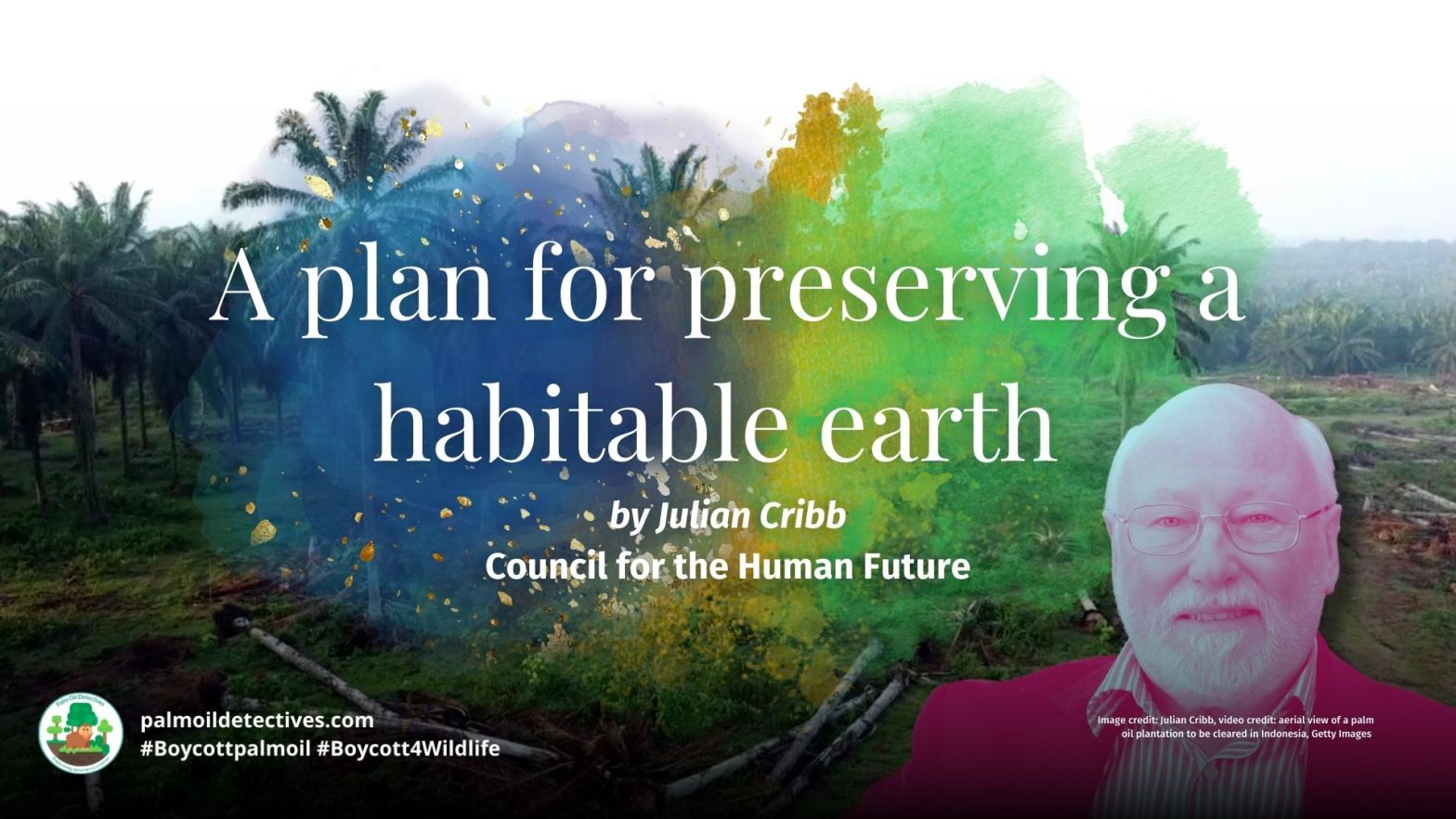
Renowned and prolific science communicator and author Julian Cribb writes this op-ed piece for Palm Oil Detectives. He addresses the world’s most pressing needs for survival as we descend into the pointy end of the Anthropocene era.
Julian outlines a dozen direct and actionable solutions for preserving a healthy and habitable earth. These are taken from his interviews with the world’s brightest minds. For a more in-depth analysis, be sure to grab a copy of his most recent book, published this year – ‘How to Fix a Broken Planet’
Research: Certifying Palm Oil as “Sustainable” Is No Panacea

University of Michigan research reveals that RSPO certification is associated with deforestation and human rights abuses in Guatemala. Boycott palm oil! The results of this paper show that these plantations were responsible for 28% of the region’s deforestation, and RSPO-certified plantations did not significantly reduce deforestation. The study links this deforestation to the supply chains of major brands: Pepsico, Mondelēz International, and Grupo Bimbo, who rely on RSPO-certified supplies.
As a consumer you can make a difference every time you shop, use your wallet as a weapon and #Boycottpalmoil #Boycott4Wildlife
Australia must not be a dumping ground for palm oil made from slavery: The Australian Greens

The recently released Global Slavery Index reveals that Australia risks importing goods amounting to US $17.4 billion, which are suspected to be produced via forced labour.
A ban of these goods from Australia was proposed by the Australian Greens, who along with several community organisations, are urging the Labor Party to prioritise this change following a report from the outgoing UN High Commissioner for Human Rights.
Oligarchs weaken Indonesia’s fight against corruption
The system is failing. #Indonesia’s own parliament, backed by big business interests, has succeeded in weakening the very system set up to fight corruption. Resist the corruption! #FightGreenwashing #Boycottpalmoil 🌴🩸⛔️ #Boycott4Wildlife
RSPO member SIAT leaves Nigerian farmers without food. Leases their illegally taken land for €1.23 Euros per hectare, per year
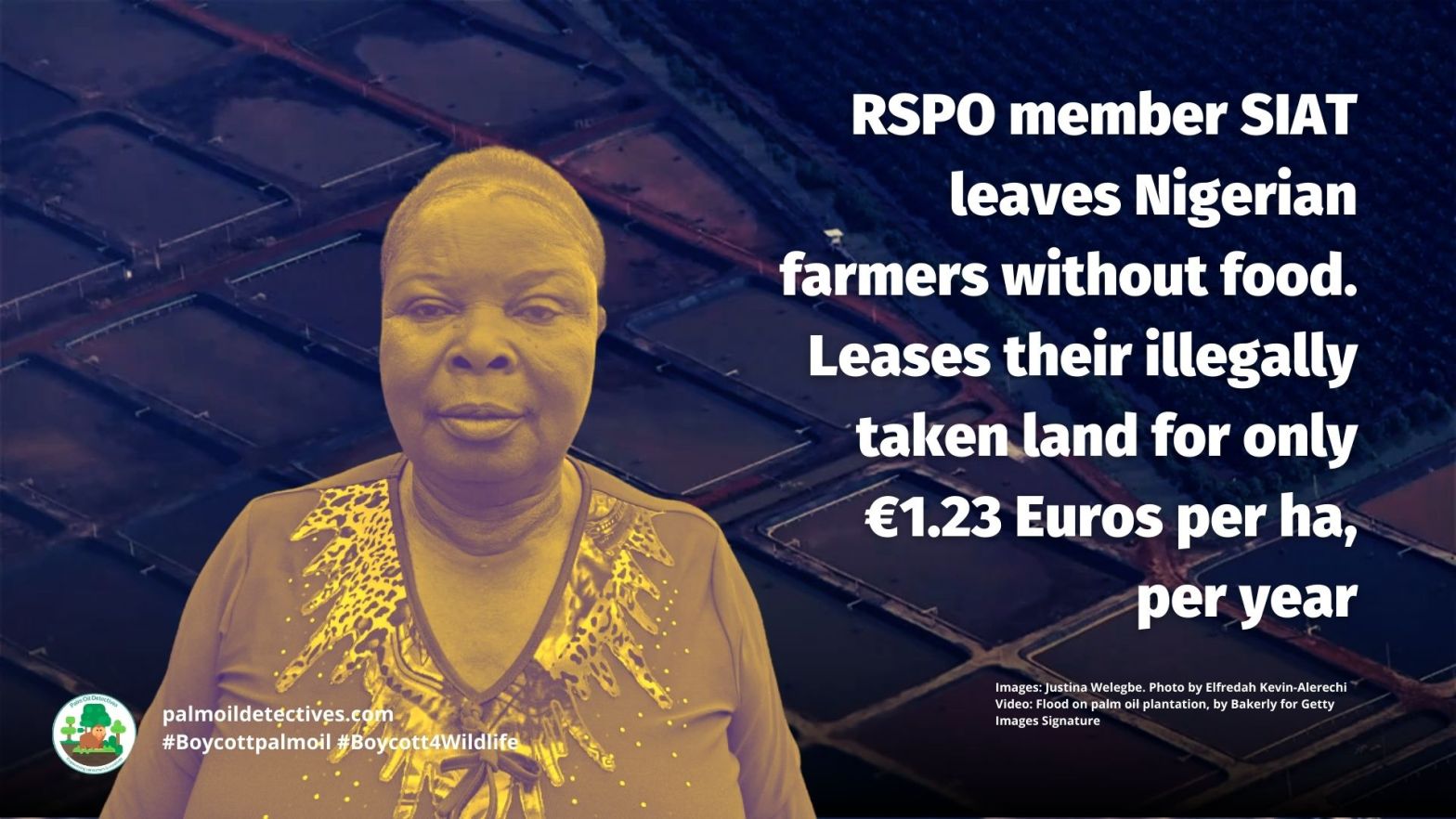
A 5-month investigation by Elfredah Kevin-Alerechi and Kevin Woke of Sahara Reporters reveals how RSPO member SIAT Nigeria Limited is involved in human rights abuses and land-grabbing on host communities’ lands. Journalists Elfredah Kevin-Alerechi and Kevin Woke also discovered that palm oil company SIAT who illegally took their land are leasing it for a mere 600 Naira (N600) per hectare annually – the equivalent of €1.23 Euros per year to lease it.
River pollution by pesticides and restriction by the company to land, where locals can grow food has meant that their food and water supply is contaminated – starvation is now an urgent problem.
All of this occurs under the guise of “sustainable” palm oil pushed by the RSPO to consumers. SIAT’s palm oil is used in consumer products by PZ Cussons (source), Nestle (source) and Danone (source). This is wh you should #Boycottpalmoil
Story via Sahara Reporters. Additional info: Chain Reaction Research
Roundtable on Sustainable Palm Oil: 19 years is enough
For nearly two decades now, the RSPO has failed in its mission to make the industrial palm oil sector “sustainable”. Instead, it has been used by the palm oil industry to greenwash environmental destruction, labour and human rights abuses and land grabbing.
Amazon Palm Oil: Top Brands Source from Amazon Destroyers

Expose the truth about brands like Nestlé, PepsiCo, and Unilever sourcing “sustainable” palm oil from Brazil linked to violence, abuses and fraud. Shame!
Spoiled Fruit: Land-grabbing, violence and slavery for “sustainable” palm oil
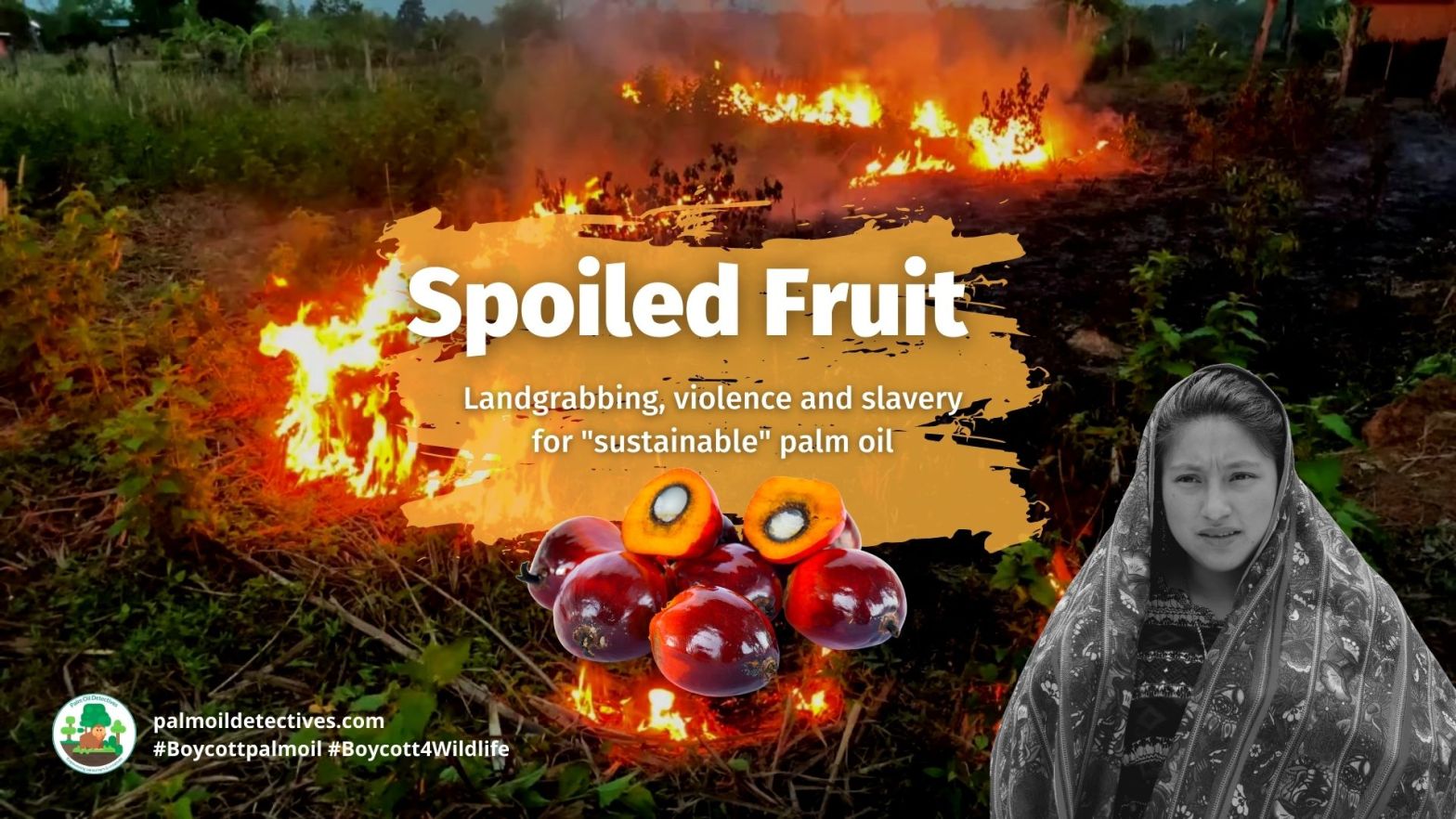
C4ADS analysis shows that the food conglomerates that feed millions—including giants such as Nestlé, Cargill, Adani Wilmar, IOI, Olenex and more —continue to enable forced labor through their indiscriminate import of tainted palm oil associated with slavery, indigenous land-grabbing, deforestation and human misery in the developing world.
 Palm Oil Detectives