
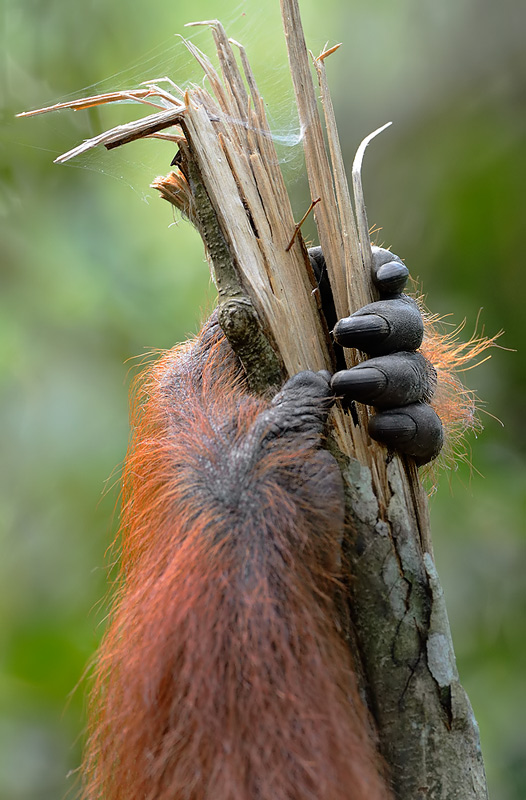
#Palmoil plantations have an overall negative impact on #biodiversity, according to research released this week. The #study, published in Nature Communications, found palm oil plantations are home to fewer insect species than even intensive rubber tree plantations. A forests expert at James Cook University, Bill Laurance, said of the research: “The big message is that oil palm is bad for biodiversity, in every sense of the word — even when compared to damaged rainforests that are regenerating after earlier logging or clearing.” Make sure you take action every time you shop and #BoycottPalmOil #Boycott4Wildlife!
Tag Archives: Palm oil
Chimpanzee Pan troglodytes
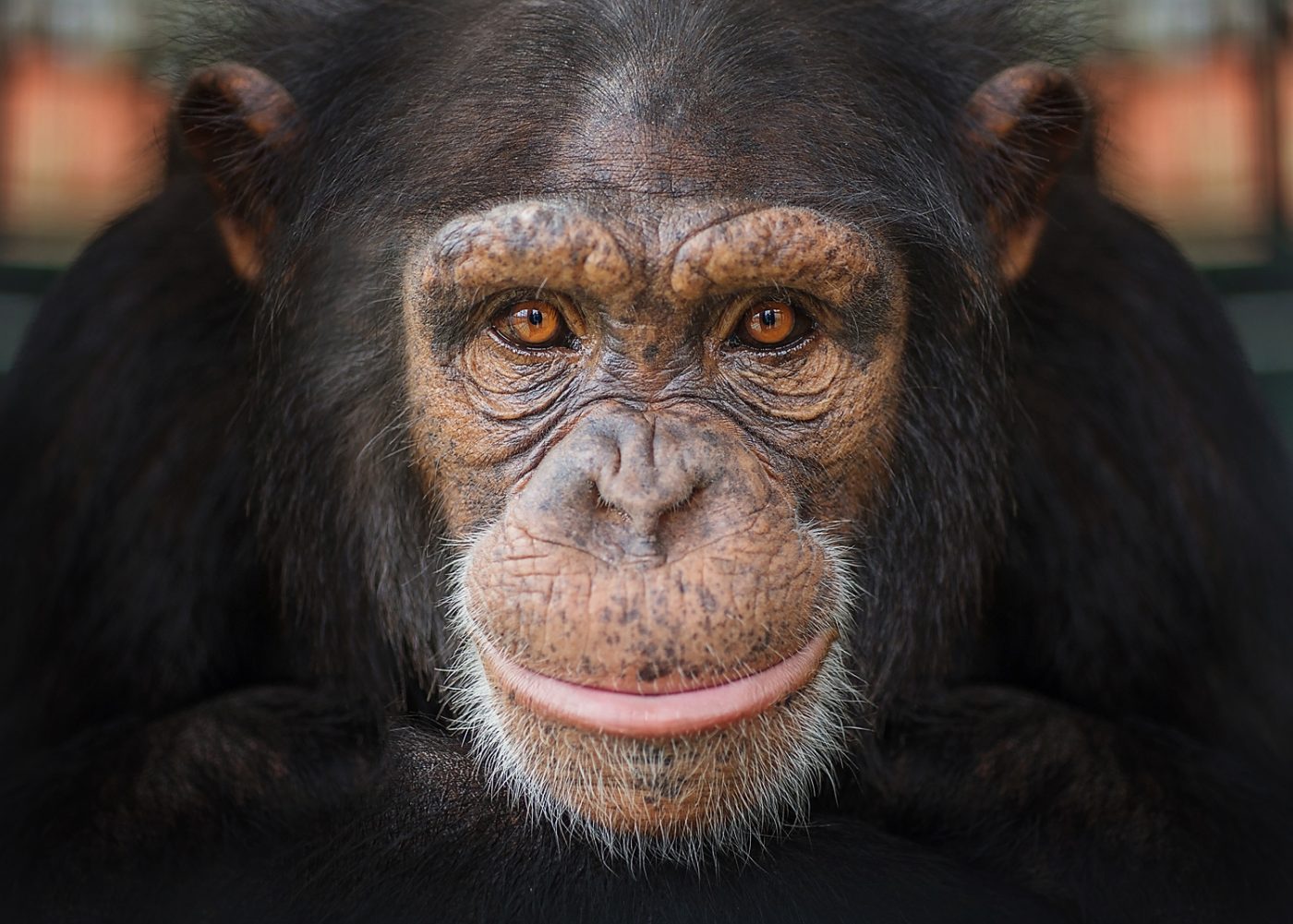
Chimpanzees (Pan troglodytes) are one of humanity’s closest living relatives and the most widespread of all great apes, with a vast historical range stretching across 21 African countries. Despite this, they are now classified as Endangered by the IUCN Red List due to catastrophic declines of more than 50% over a 75-year period, from 1975 to a projected 2050. These losses are driven by a lethal cocktail of threats: rampant poaching, habitat destruction for palm oil and logging, industrial mining, disease outbreaks like Ebola, and illegal trafficking. Subspecies such as P. t. ellioti have been reduced to only a few thousand individuals, while the once widespread P. t. verus is now Critically Endangered. Protecting them means dismantling the extractive industries that are ripping Africa’s forests apart such as the meat industry and palm oil industry. Help them when you #BoycottPalmOil #Boycott4Wildlife and be #Vegan #BoycottMeat
PZ Cussons
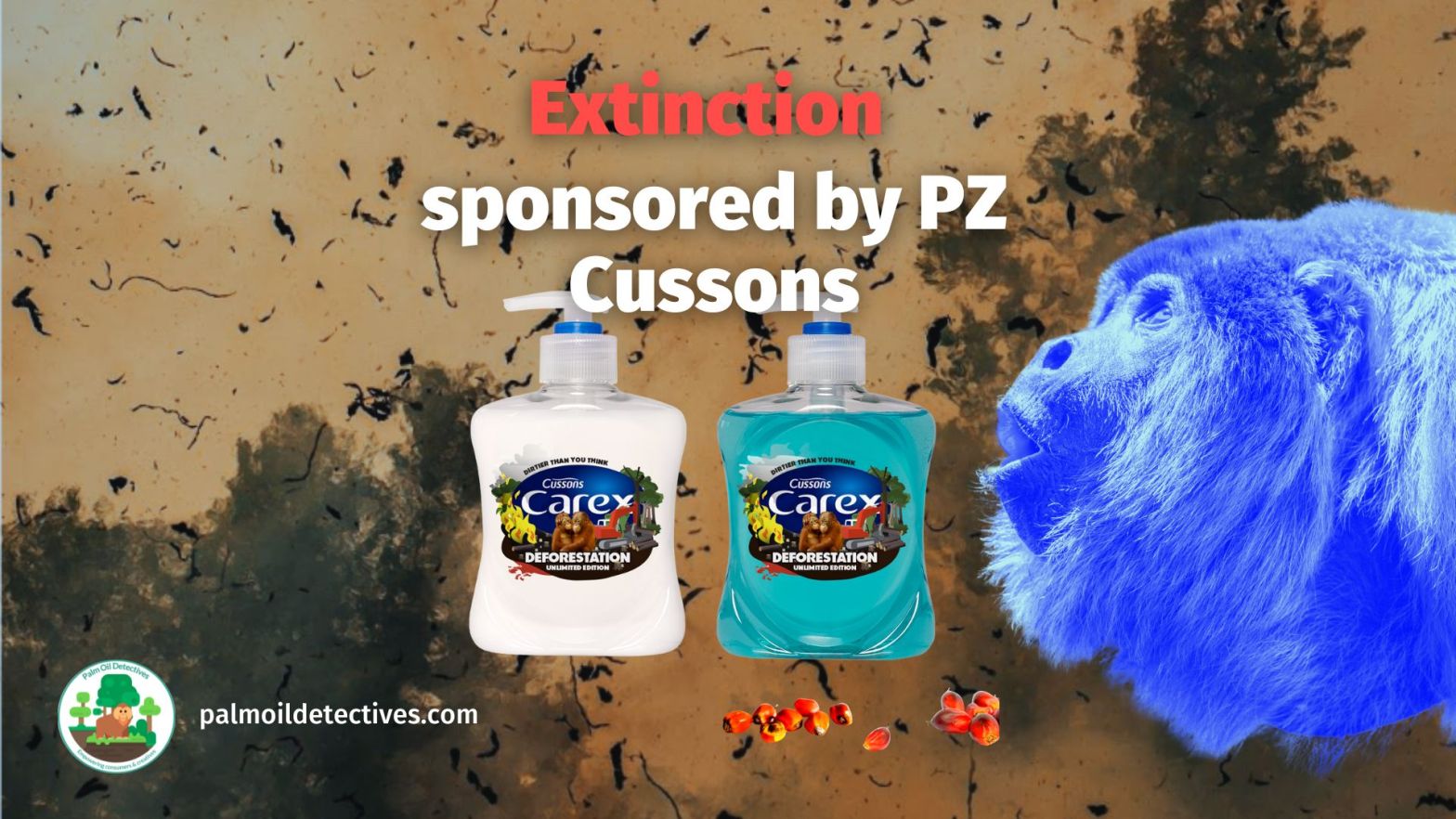
PZ Cussons is a British-owned global retail giant. They own well-known supermarket brands in personal care, cleaning, household goods and toiletries categories, such as Imperial Leather, Morning Fresh, Carex, Radiant laundry powder and more. (See below for full list)
Savvy consumers have been pressuring PZ Cussons to cease using deforestation palm oil. Yet they have failed on this.
Brown Spider Monkey Ateles hybridus

The enigmatic blue-billed curassow (Crax alberti – local name “Paujil”), endemic to the tropical humid forests of northern Colombia, is the cracid species most threatened with extinction in the wild from #deforestation
Danone
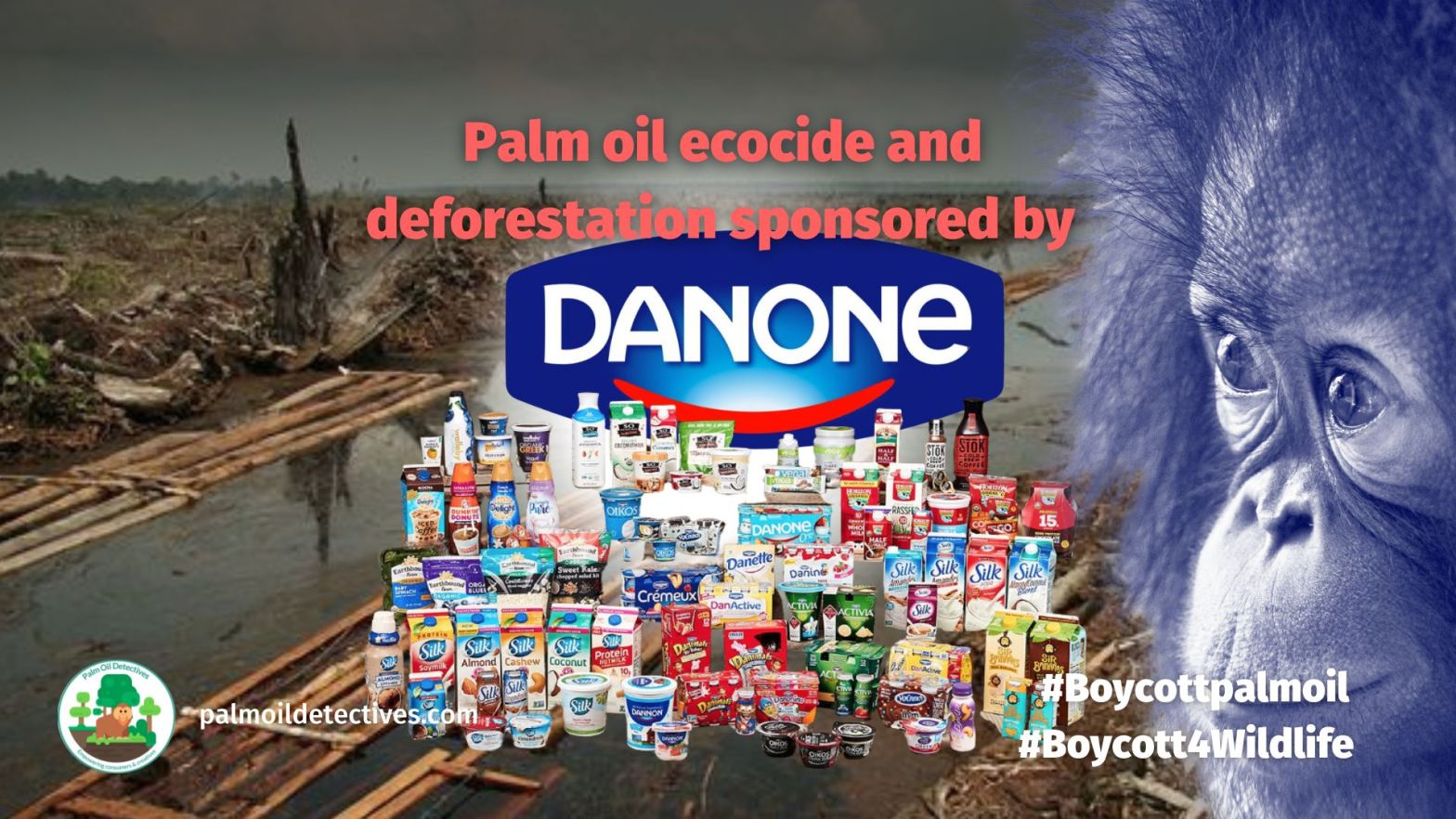
Savvy consumers have been pressuring French Dairy multinational Danone for decades to cease using deforestation palm oil. Yet they actually haven’t stopped this. From their website: ‘Danone is committed to eliminating deforestation from its supply chain by end of 2020, and to the principles of no deforestation, no development on peat, and no exploitation ofContinue reading “Danone”
White-thighed Colobus Colobus vellerosus
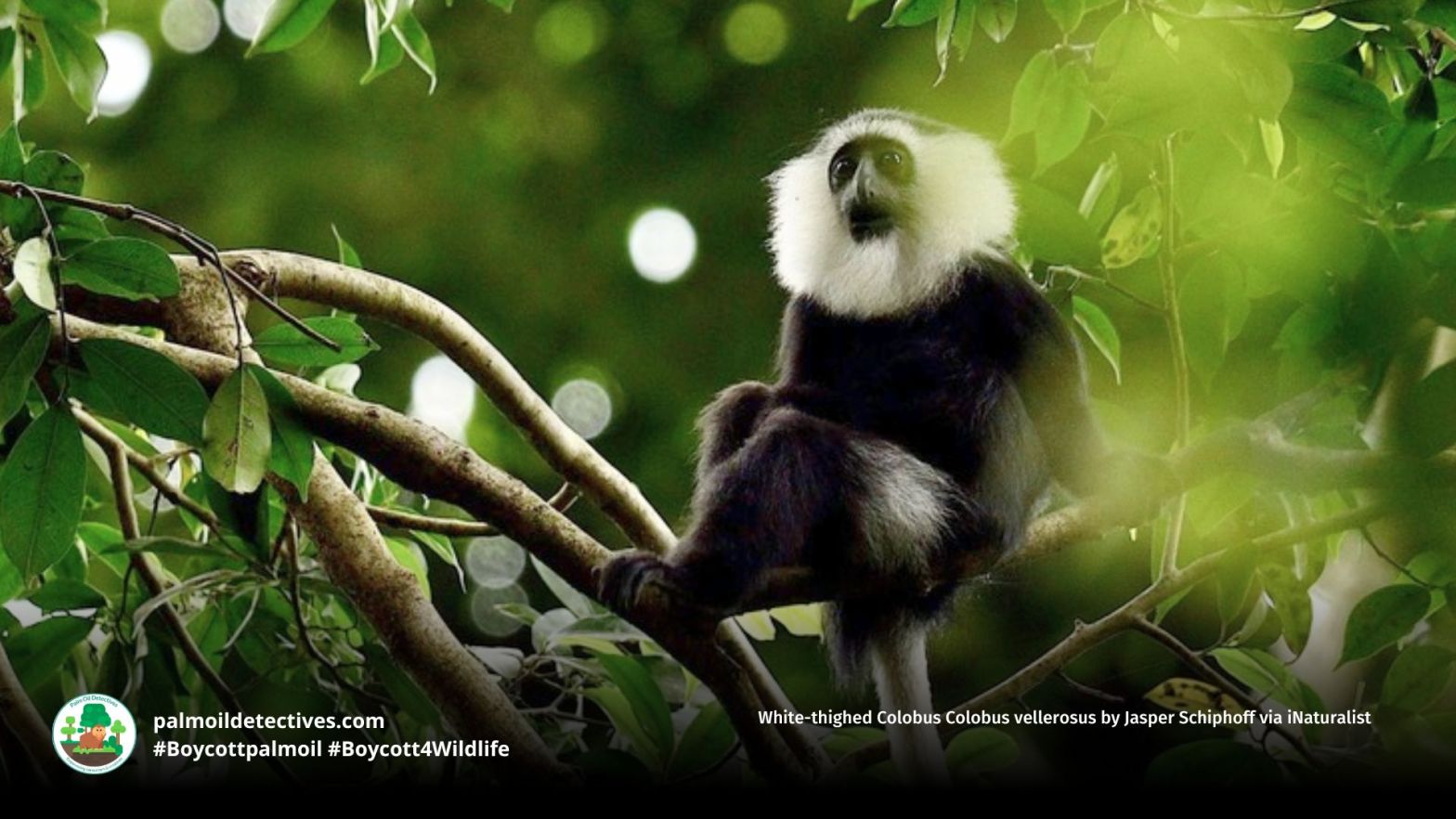
The White-thighed Colobus (Colobus vellerosus), also known as the Ursine Colobus or Geoffroy’s Black-and-White Colobus, is a striking primate of West Africa and is currently listed as Critically Endangered on the IUCN Red List. Their numbers have plummeted by over 80% in just three generations due to rampant deforestation driven by logging, agriculture, and expanding palm oil plantations. Intense bushmeat hunting and weakening traditional taboos have further accelerated their decline. With fewer than 1,500 individuals thought to remain in the wild, urgent action is needed to save them. Use your wallet as a weapon—boycott products that contain palm oil and support ethical, indigenous-led conservation. BoycottPalmOil #Boycott4Wildlife #Vegan #BoycottMeat
How our food choices cut into forests and put us closer to viruses
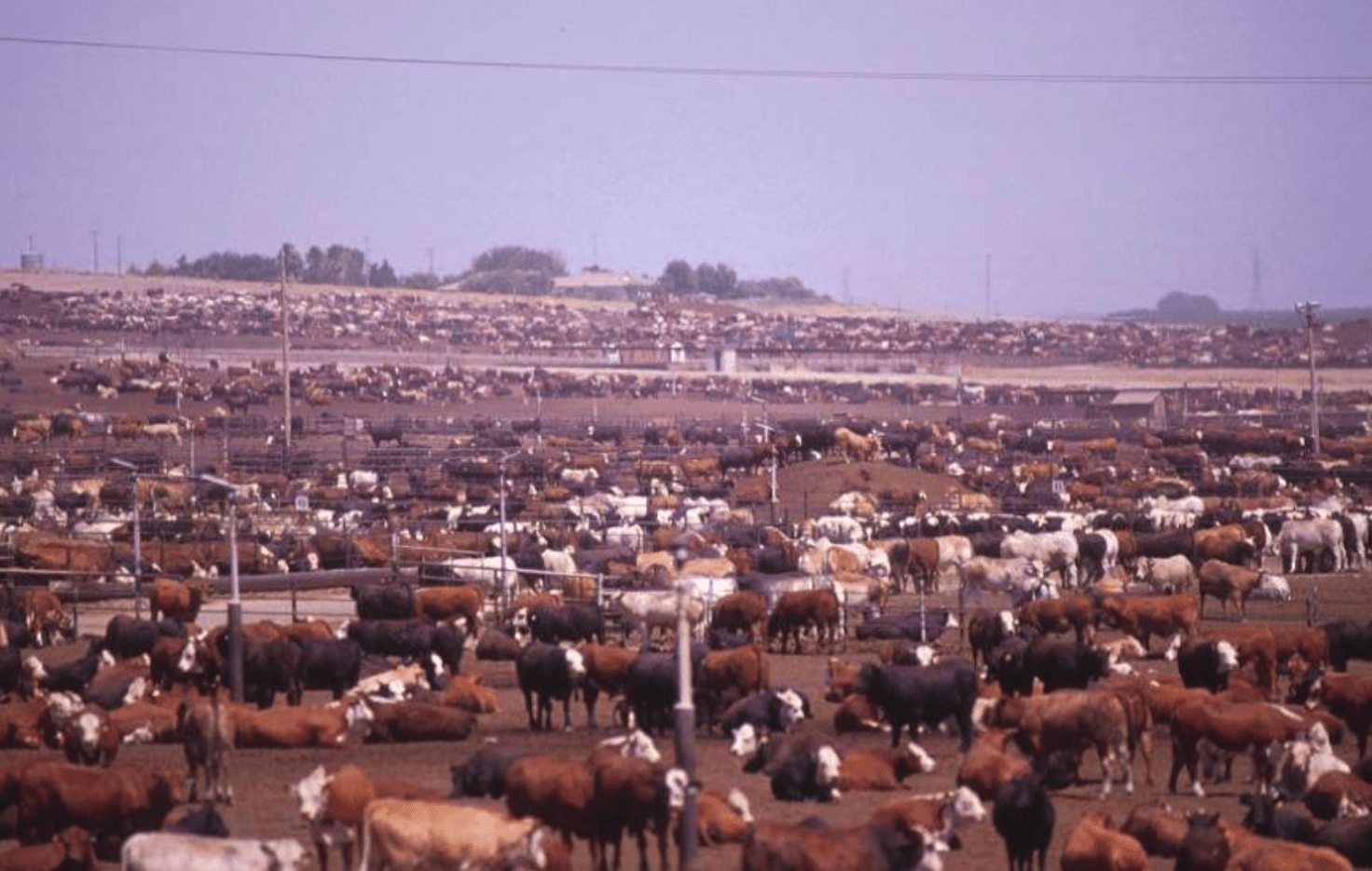
As the global population has doubled to 7.8 billion in about 50 years, industrial agriculture has increased the output from fields and farms to feed humanity. One of the negative outcomes of this transformation has been the extreme simplification of ecological systems, with complex multi-functional landscapes converted to vast swaths of monocultures that lack the complexity of biodiversity found in tropical rainforests. Industrial agriculture is the biggest threat to rare wild animals and rare wild plants in the world. Fight back and resist extinction every time you shop – be #Vegan and #BoycottPalmOil #Boycott4Wildlife
Palm Oil Free Crisps, Snacks, Convenience Foods

Here are some palm oil free convenience food and snack brands that DO NOT use rainforest-destroying palm oil. If you are ever in doubt look for the prefixes: LAUR, STEAR, GYLC and PALM in the ingredients list on packaging – this is most likely palm oil. Another tip is to shop for locally produced products instead of mass-produced convenience foods. Take action for your health and for wildlife when you go #PalmOilFree and #BoycottPalmOil #Boycott4Wildlife
The biggest lie you were never told: “Sustainable” #RSPO #PalmOil stops #deforestation. It doesn’t! So avoid #snacks by #Mars #Kelloggs #Nestle all the big brands. Instead buy #PalmOilFree snack #food. Learn more 🌴🩸🤯🧐⛔️ #BoycottPalmOil
Brands Using Deforestation Palm Oil
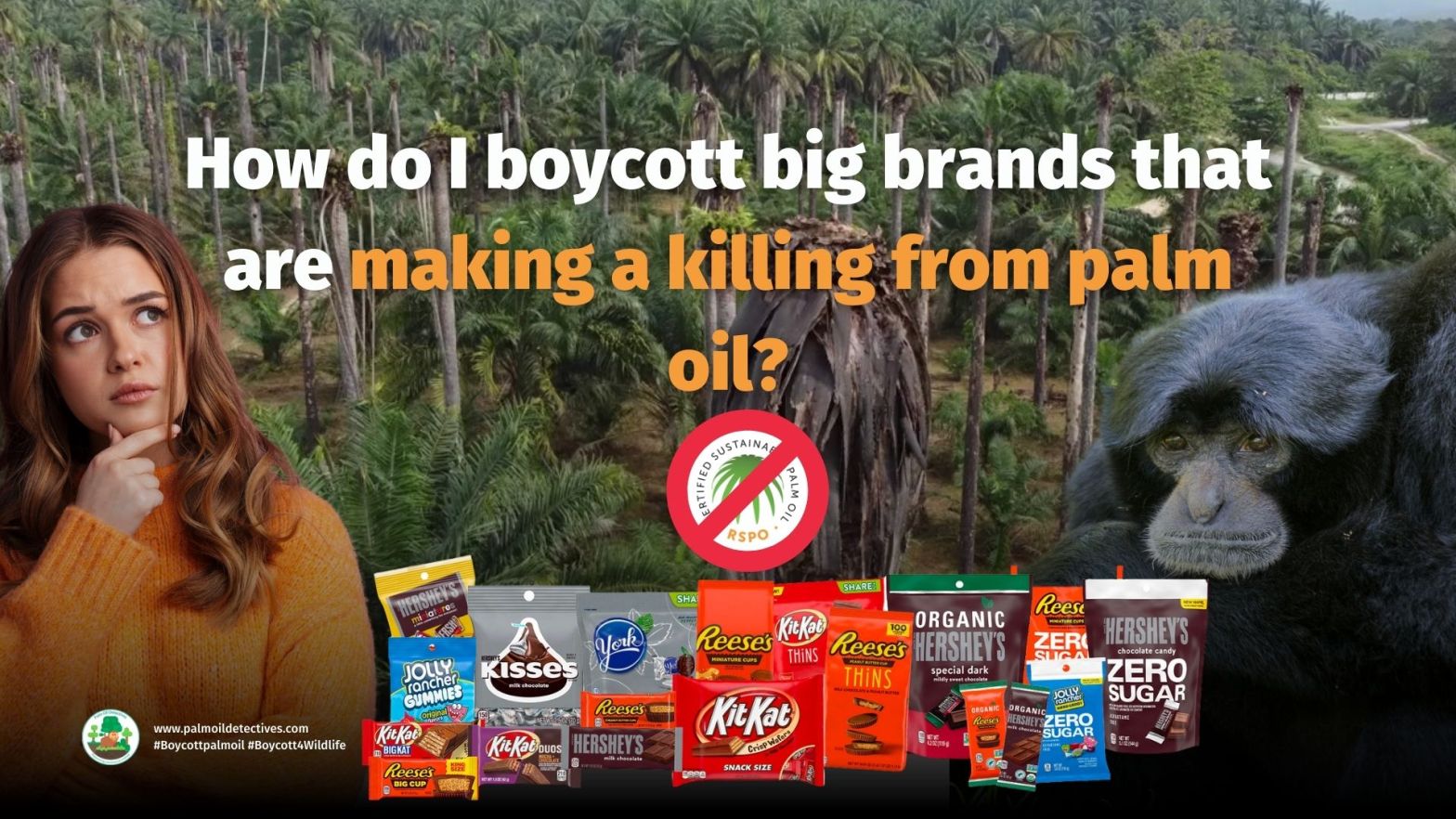
These brands have products that contain palm oil sourced from mills that are responsible for the destruction of precious habitats of endangered species. Just in 2020 alone, these brands (along with many others) contributed to the destruction of 38,000ha of rainforest in Indonesia, SE Asia and Papua New Guinea. Therefore, these brands are directly involved in the extinction of species.
Kelloggs/Kellanova
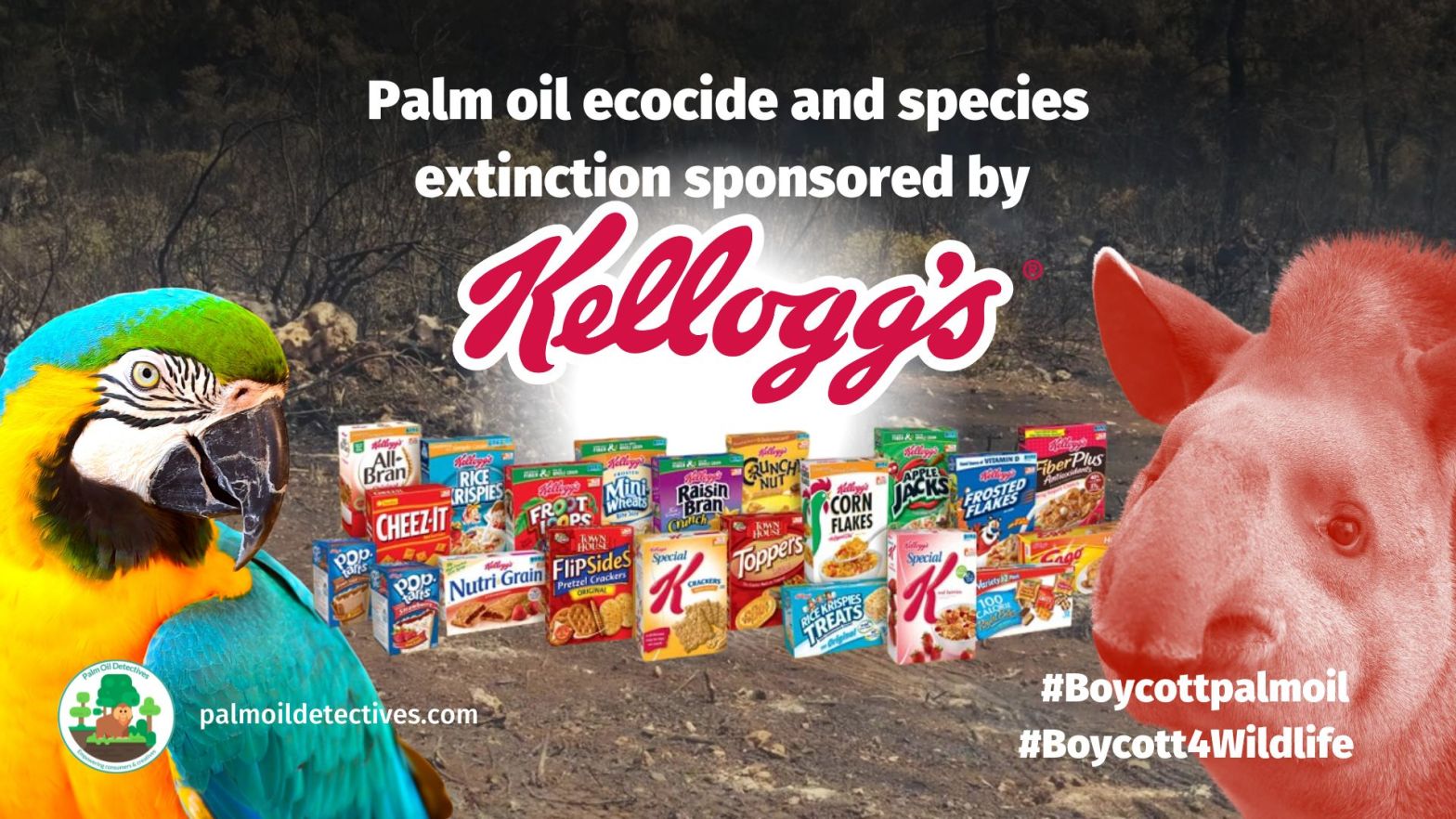
In late 2023, Kelloggs became Kellanova for their US arm. Savvy consumers have been pressuring Kelloggs for decades to cease using deforestation palm oil. Yet they actually haven’t stopped this. From their website: ‘All of the palm oil that is used in our products is sourced from a combination of the Roundtable of Sustainable PalmContinue reading “Kelloggs/Kellanova”
Mondelēz

Mondelez destroys rainforests, sending animals extinct and release mega-tonnes of carbon into air for so-called “sustainable” palm oil. Boycott them!
Johnson & Johnson
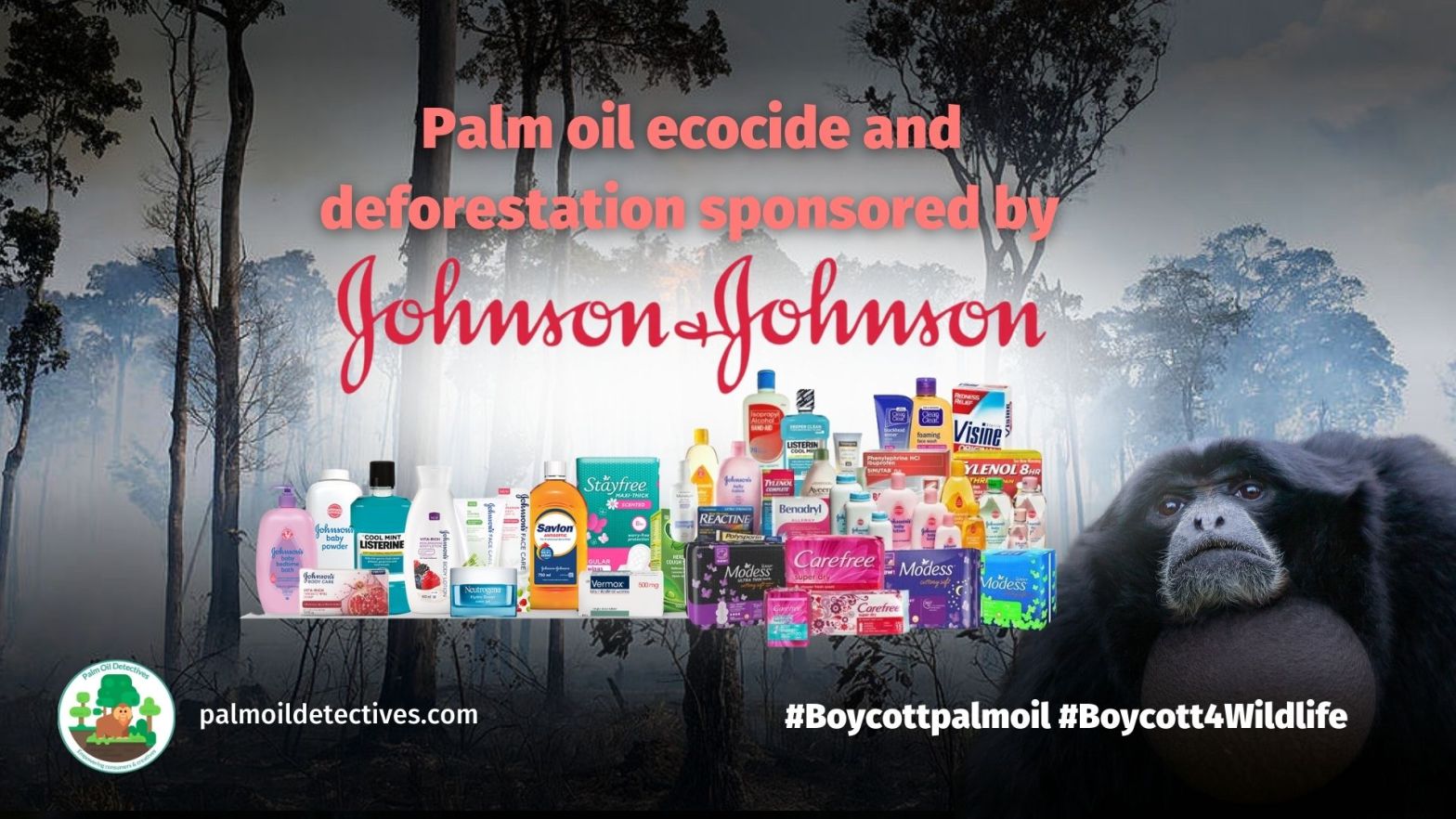
Global mega-brand Johnson & Johnson have issued a position statement on palm oil in 2020. ‘At Johnson & Johnson, we are committed to doing our part to address the unsustainable rate of global deforestation, particularly in precious rain forests.’ ~ Johnson & Johnson However, despite this virtue signalling, the brand’s supply chain continues to slashContinue reading “Johnson & Johnson”
L’Oreal
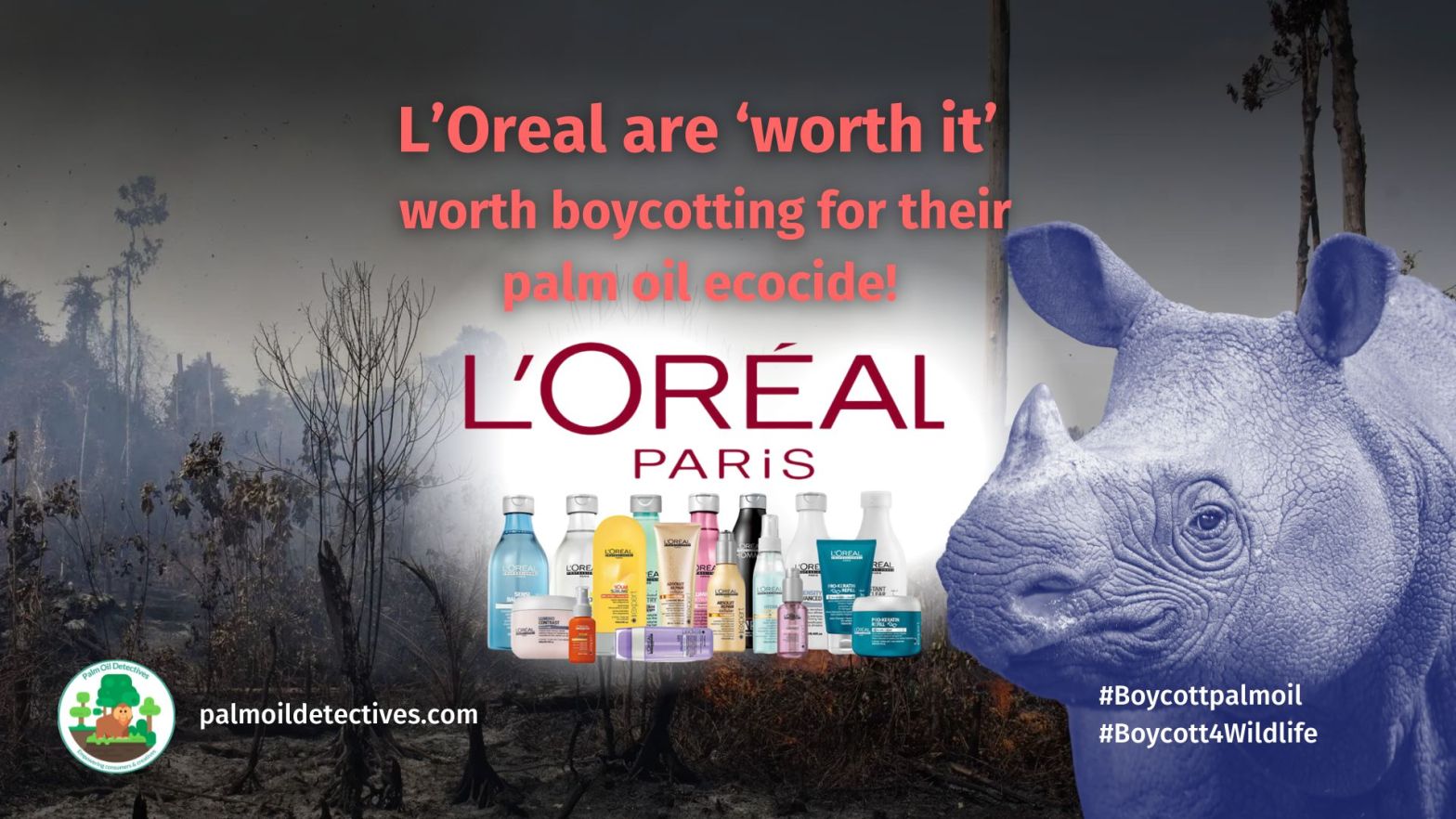
‘Our goal is by 2020 to have none of our products linked to deforestation.’ L’Oreal’s website statement on palm oil This target has been and gone. Still, enormous environmental and social damage continues to be caused by L’Oreal and its palm oil. Despite being an RSPO member, L’Oreal continues to be involved in human rightsContinue reading “L’Oreal”
Nestlé
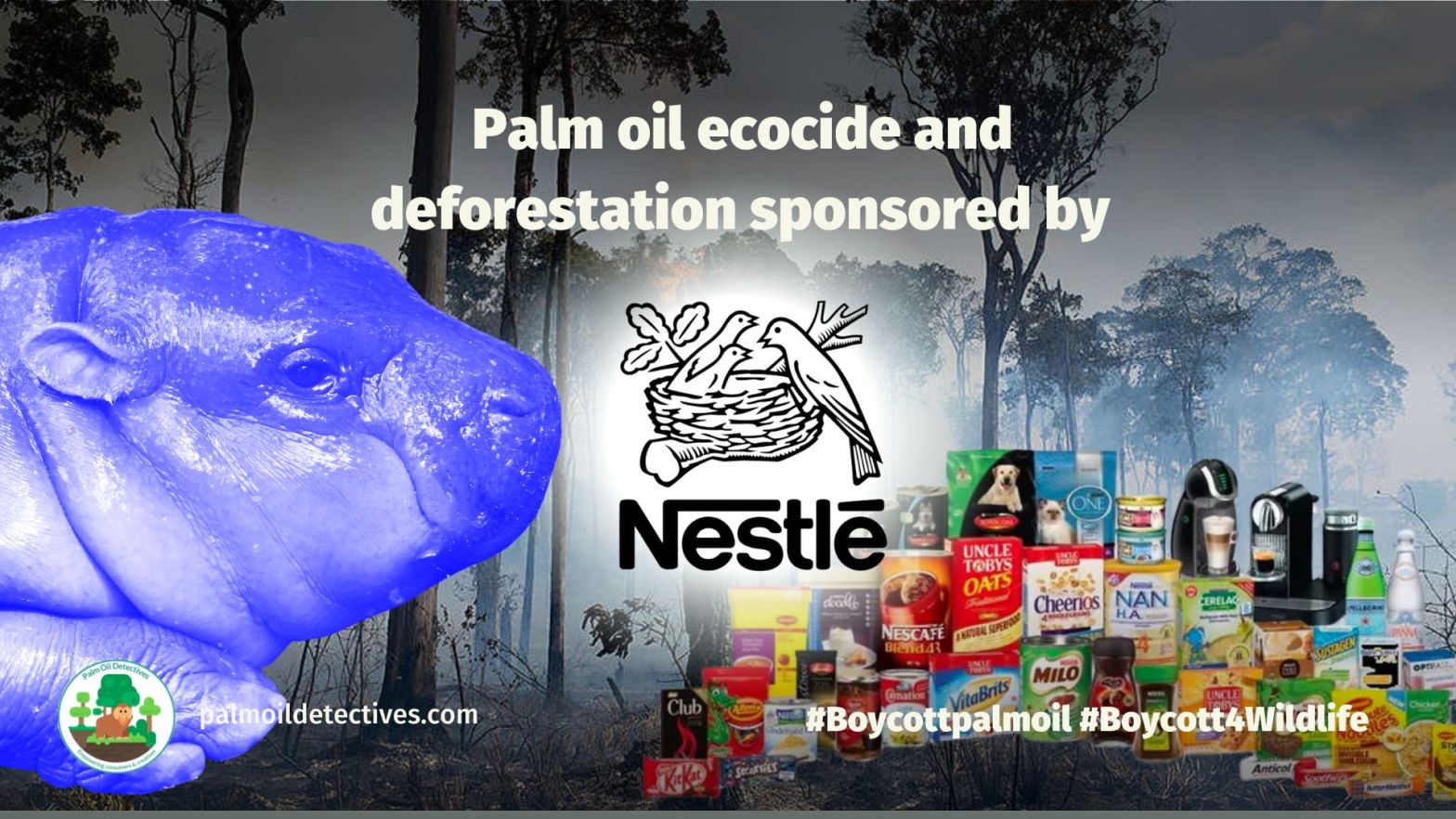
Nestlé is destroying rainforests, releasing mega-tonnes of carbon into the atmosphere, and killing hundreds of endangered species. Once these animals are gone – they are gone for good. See Nestlé’s full list of mills where they buy palm oil, six of these are actively destroying forest.
Colgate-Palmolive
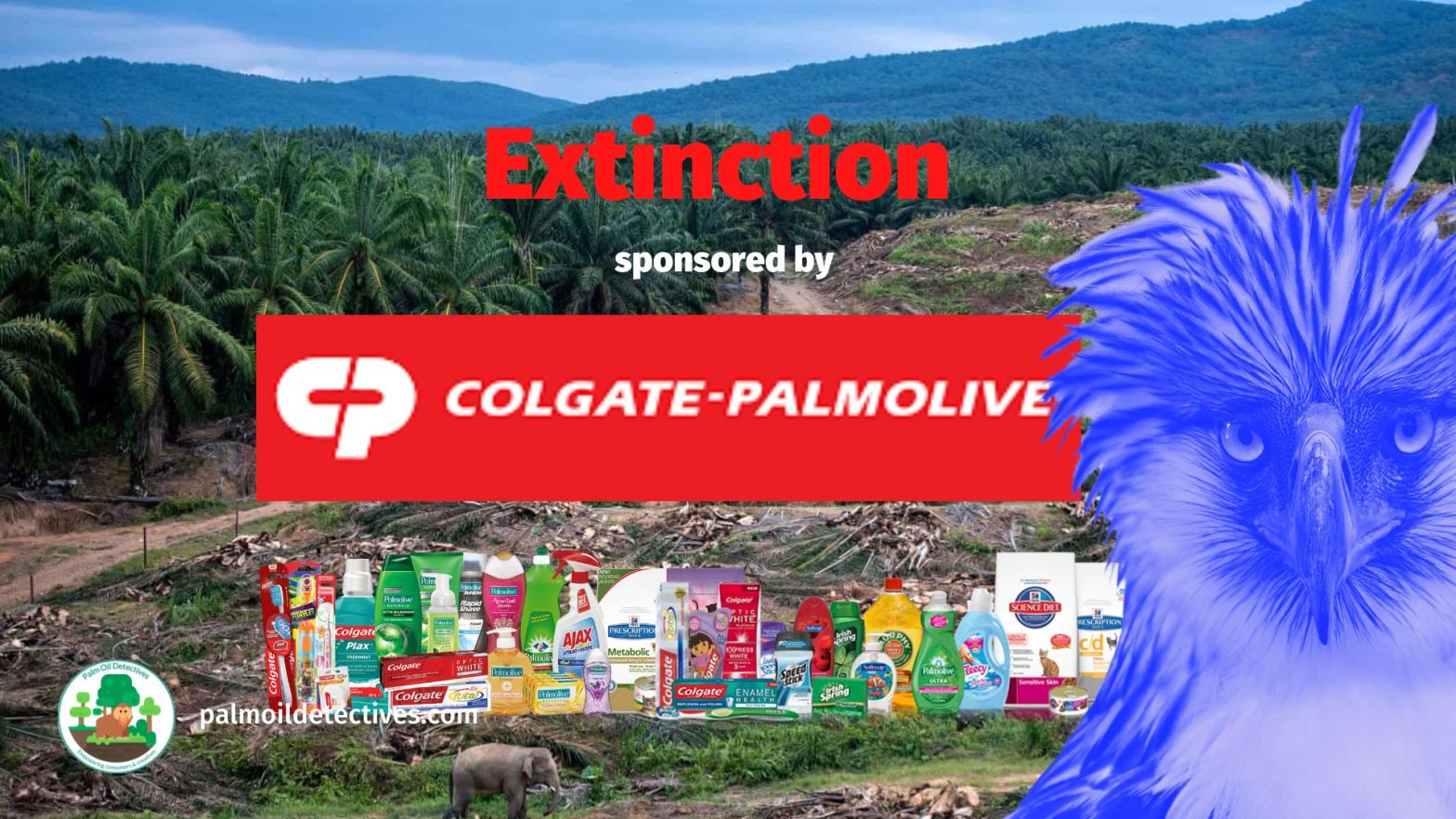
Despite global retail giant Colgate-Palmolive forming a coalition with other brands in 2020, virtue-signalling that they will stop all deforestation, they continue to do this – destroying rainforest and releasing mega-tonnes of carbon into the atmosphere, and killing hundreds of endangered species. Once these animals are gone – they are gone for good. Learn how you can boycott Colgate-Palmolive.
Unilever
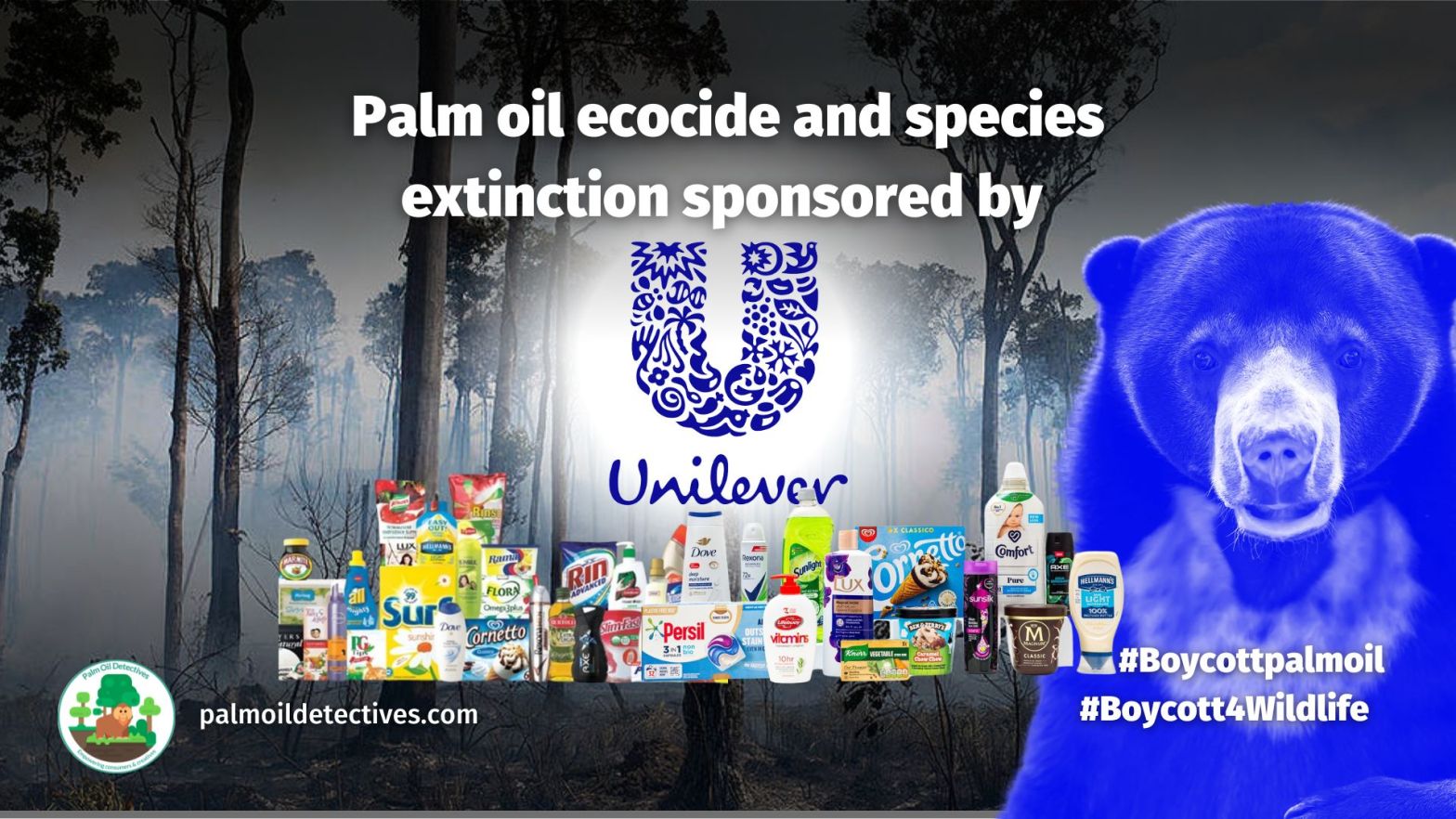
In 2020, global retail giant Unilever unveiled a deforestation-free supply chain promise. By 2023 they would be deforestation free. This has been and gone and they are still causing deforestation. This brand has a litany of broken promises around deforestation. Unilever is been responsible for 55,000ha of deforestation in their palm oil supply chain sinceContinue reading “Unilever”
The Counterpunch: Consumer Solutions To Fight Extinction
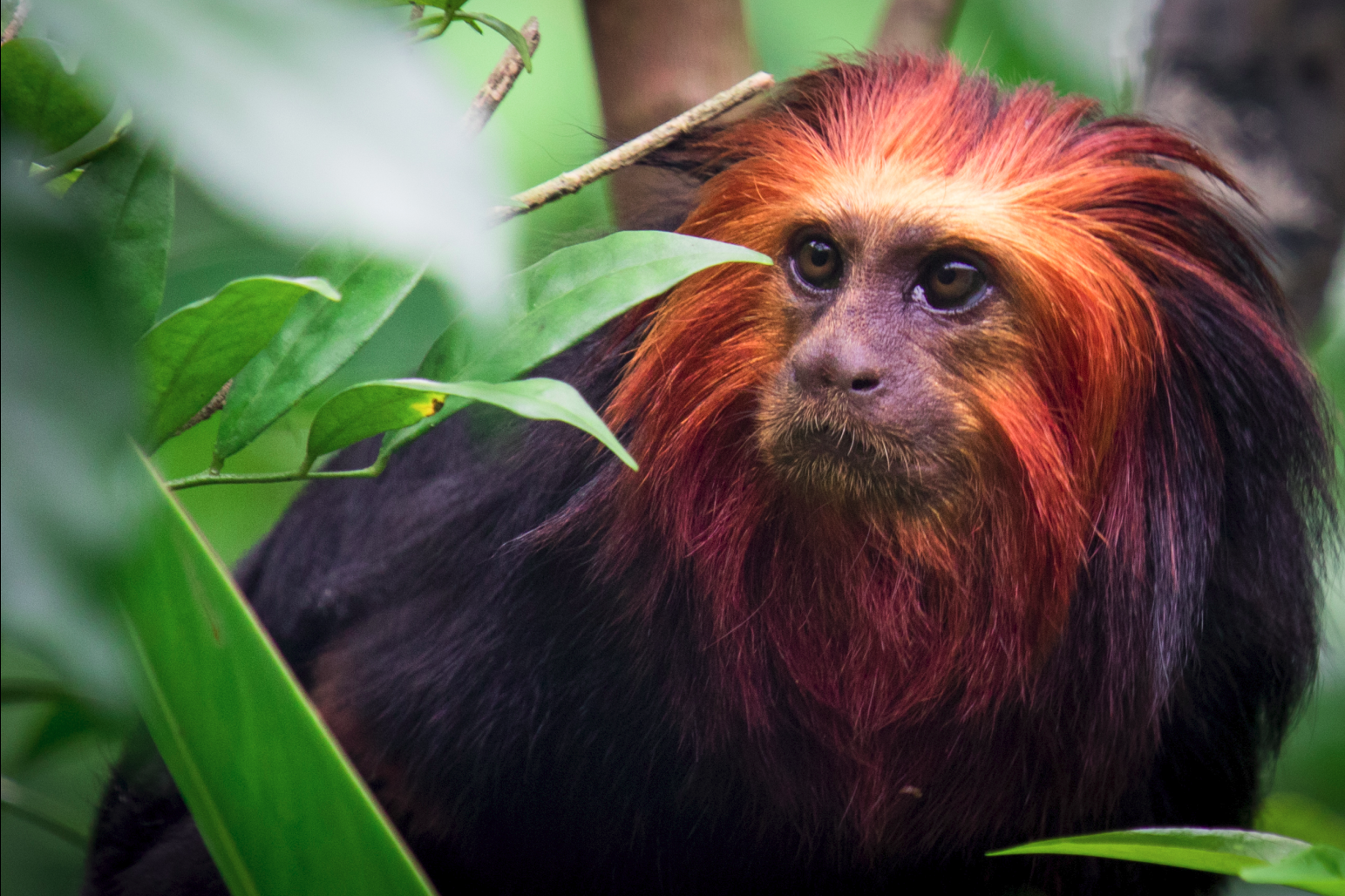
Although the world is highly complex, every person can make a difference. That previous sentence almost sounds like a cliche right? Really it’s not. If every person on the planet made a few simple lifestyle changes, it would result in less demand on land and resources and soften the impact of deforestation on endangered species.Continue reading “The Counterpunch: Consumer Solutions To Fight Extinction”
Doria’s Tree Kangaroo Dendrolagus dorianus
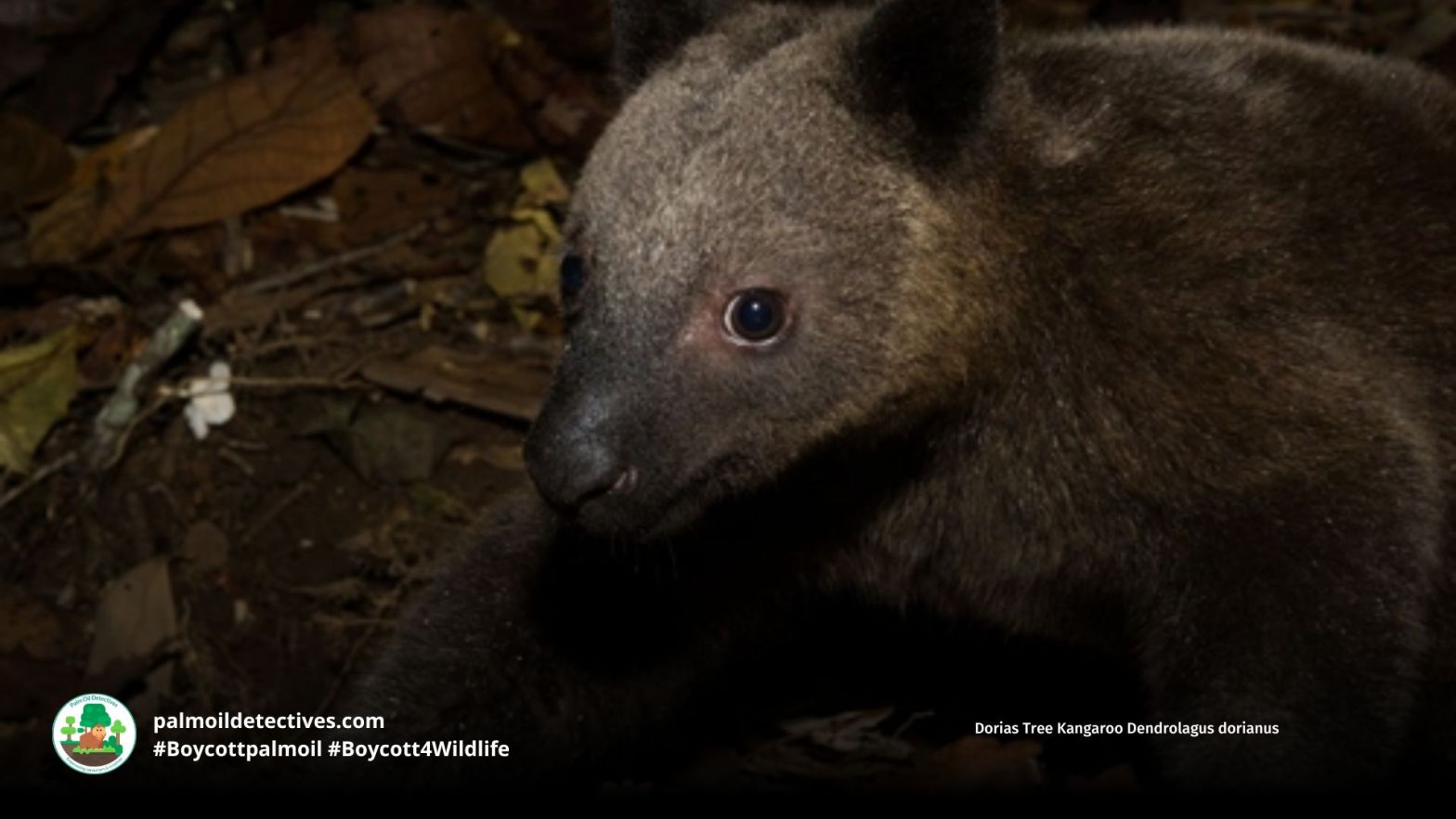
High in the misty mountain rainforests of Papua New Guinea, Doria’s Tree Kangaroo moves with deliberate agility through the dense canopy. With their thick brown fur, powerful limbs, and expressive dark eyes, these marsupials are a striking reminder of the ancient and unique wildlife of New Guinea. Unlike their terrestrial kangaroo cousins, Doria’s Tree Kangaroos have adapted to an arboreal life, leaping through tree canopies with ease and foraging among the leaves.
But their world is rapidly shrinking. Doria’s along with other tree kangaroos in the Dendrolagus genus are hunted mercilessly for bushmeat and threatened by palm oil deforestation, Gas mining and road infrastructure expansion, and land conversion, their numbers are in decline. Despite their elusiveness, they cannot escape the dangers encroaching on their rainforest home. Help them every time you shop and #BoycottPalmOil #Boycott4Wildlife
Imitator Goshawk Accipiter imitator
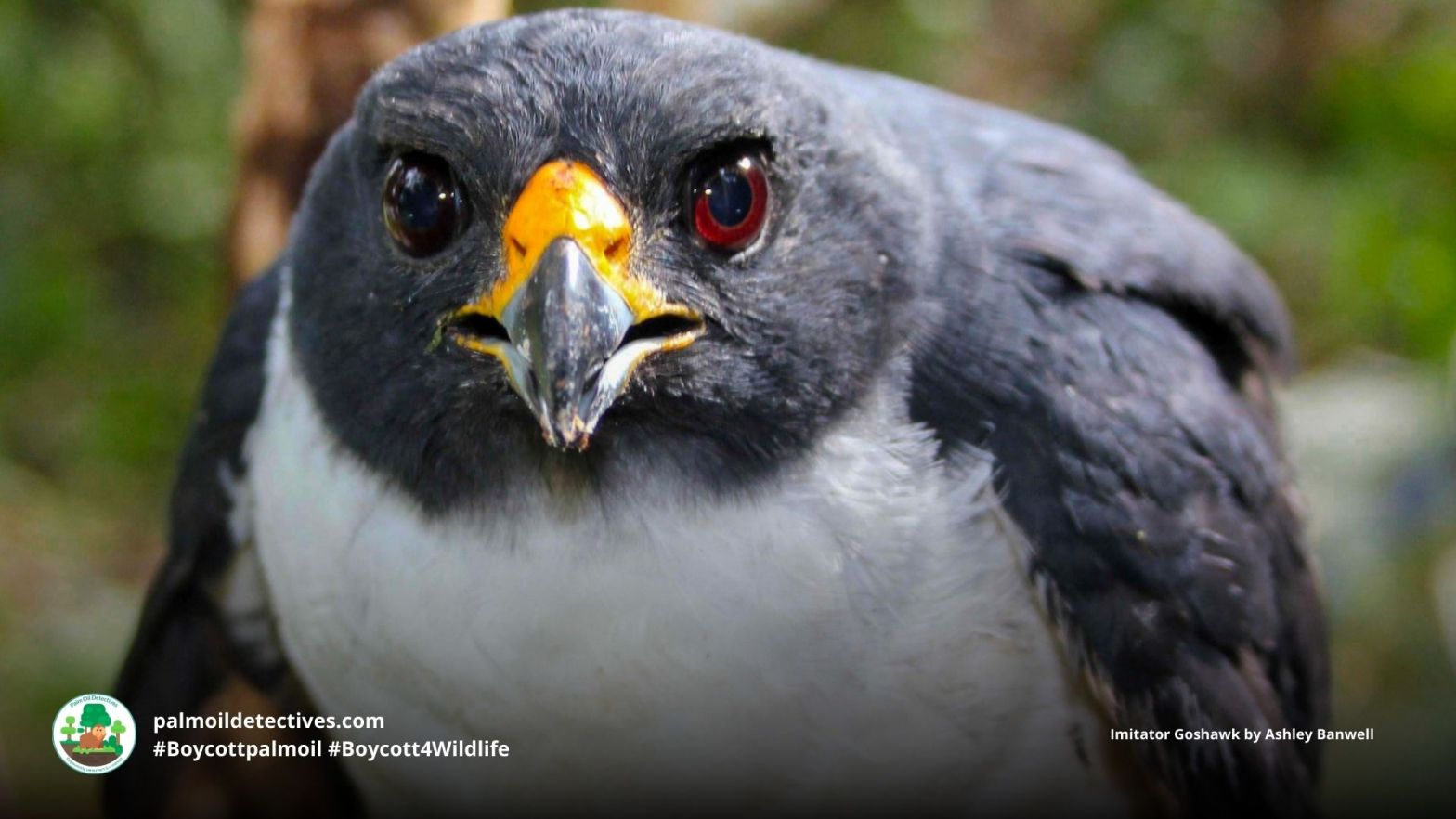
Protect the magnificent Imitator Goshawk an elusive bird of prey from Papua New Guinea is vulnerable. Just 250-999 individuals remain. Boycott palm oil!
Fearful Owl Nesasio solomonensis
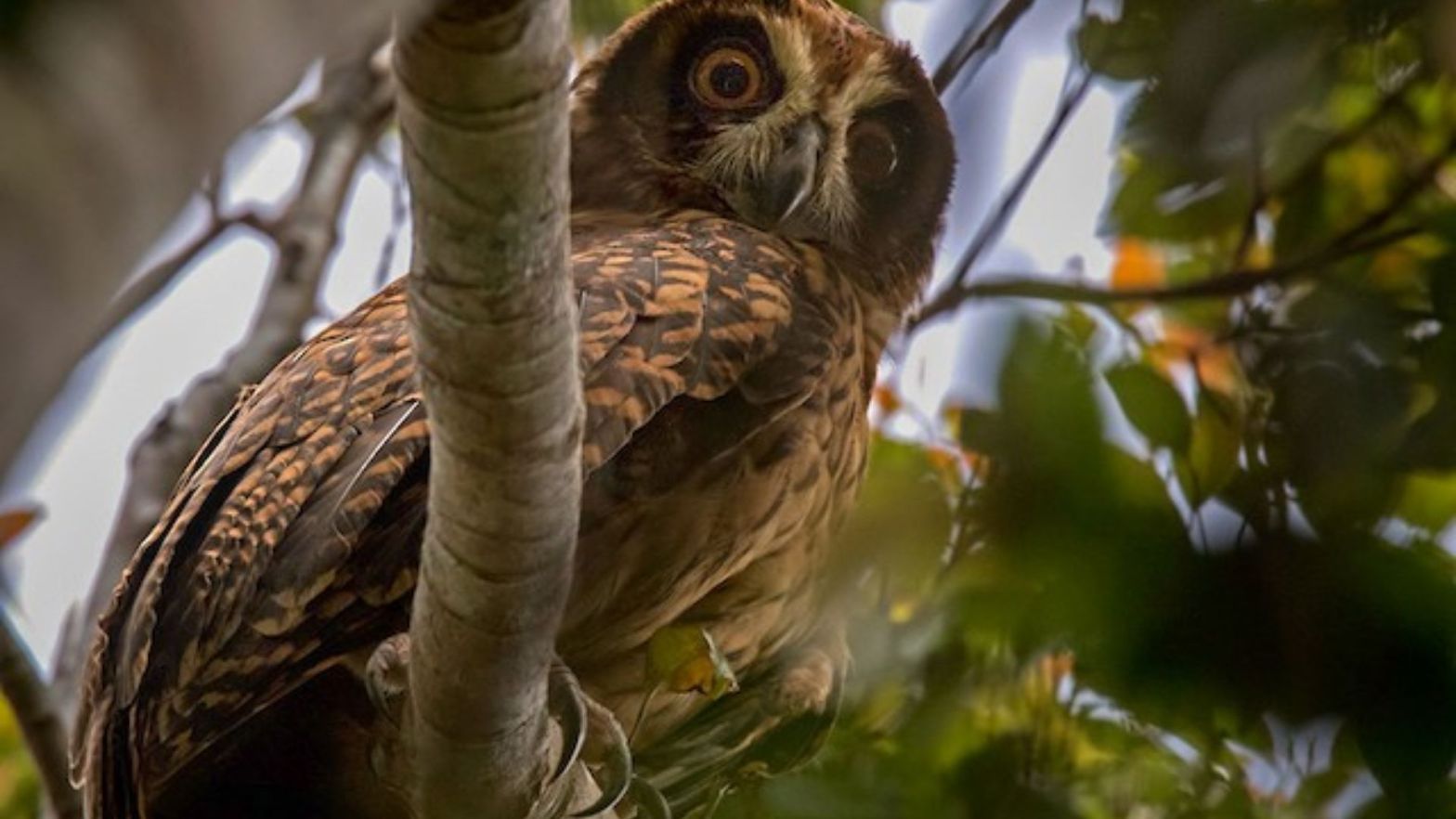
Fearful Owl Nesasio solomonensis Location: Bougainville (Papua New Guinea), Choiseul and Santa Isabel (Solomon Islands) IUCN Status: Near Threatened One of the least known and possibly rarest birds of prey in the world, the Fearful #Owl Nesasio solomonensis is an elusive nocturnal predator endemic to the Solomon Islands and Bougainville in Papua New Guinea. WithContinue reading “Fearful Owl Nesasio solomonensis”
Black-naped Pheasant-pigeon Otidiphaps insularis
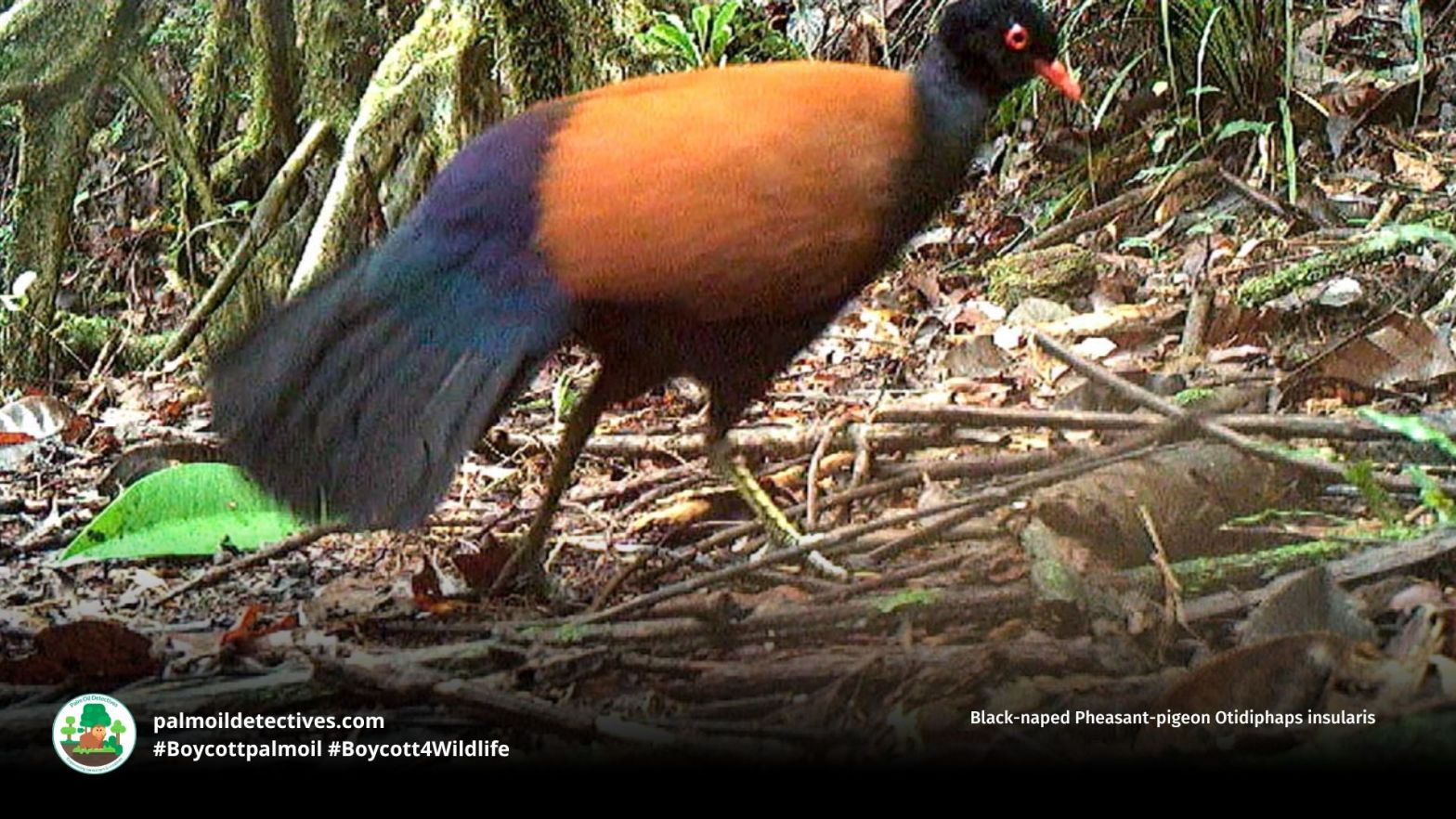
Elusive, critically endangered Black-naped Pheasant-Pigeon live on Fergusson Island, Papua and must be protected from ecocide, boycott palm oil when you shop!
Palm Oil Problem #1 Vague Product Labelling
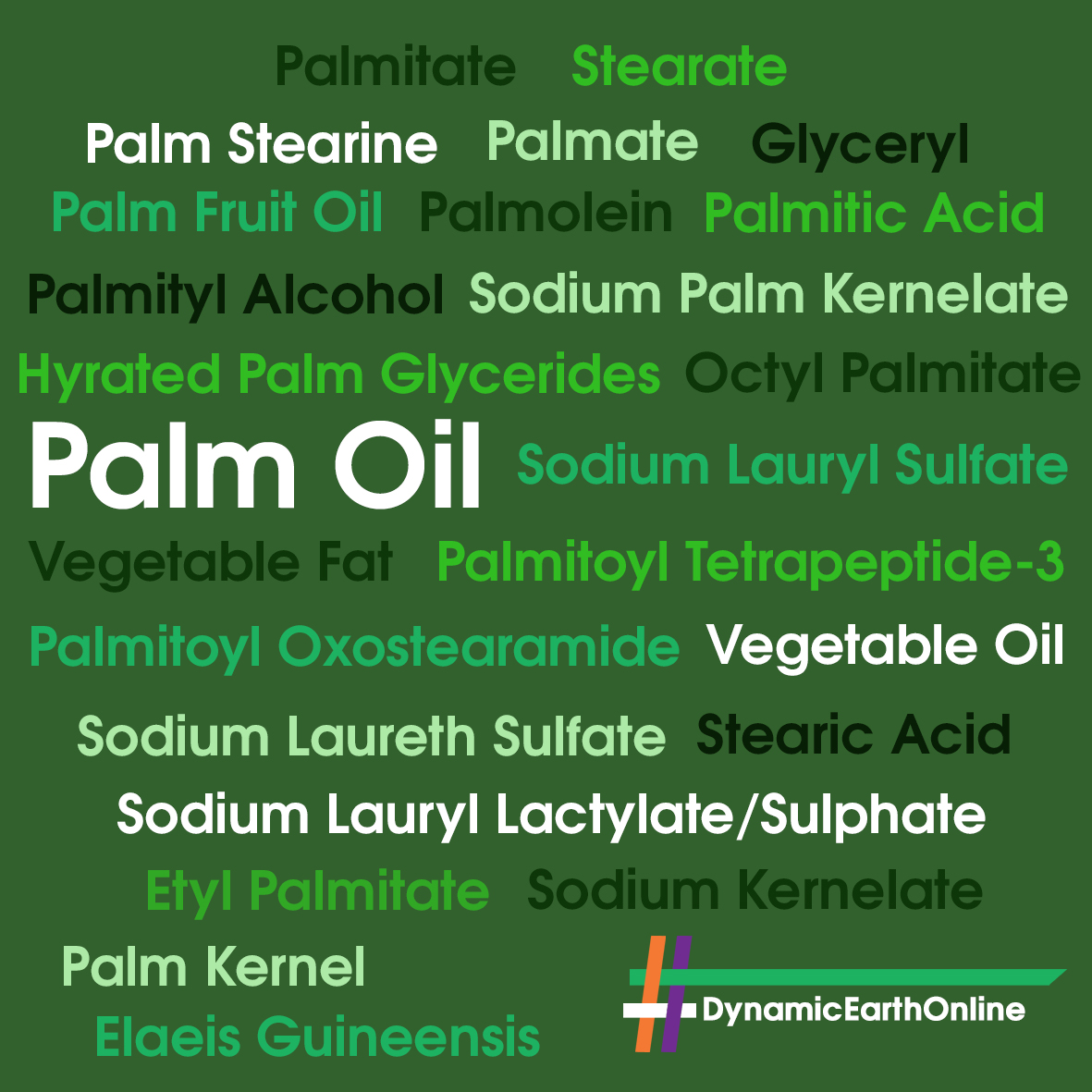
There is no legislation to stop this vague product labelling of palm oil Despite the lobbying and activism of various environmental groups and those concerned with consumer rights, palm oil remains labelled in a vague unclear way. It’s hidden in plain sight, an ingredient in everything from ice-cream to lipstick, biscuits to toothpaste. Part ofContinue reading “Palm Oil Problem #1 Vague Product Labelling”
Malaysian Giant Turtle Orlitia borneensis
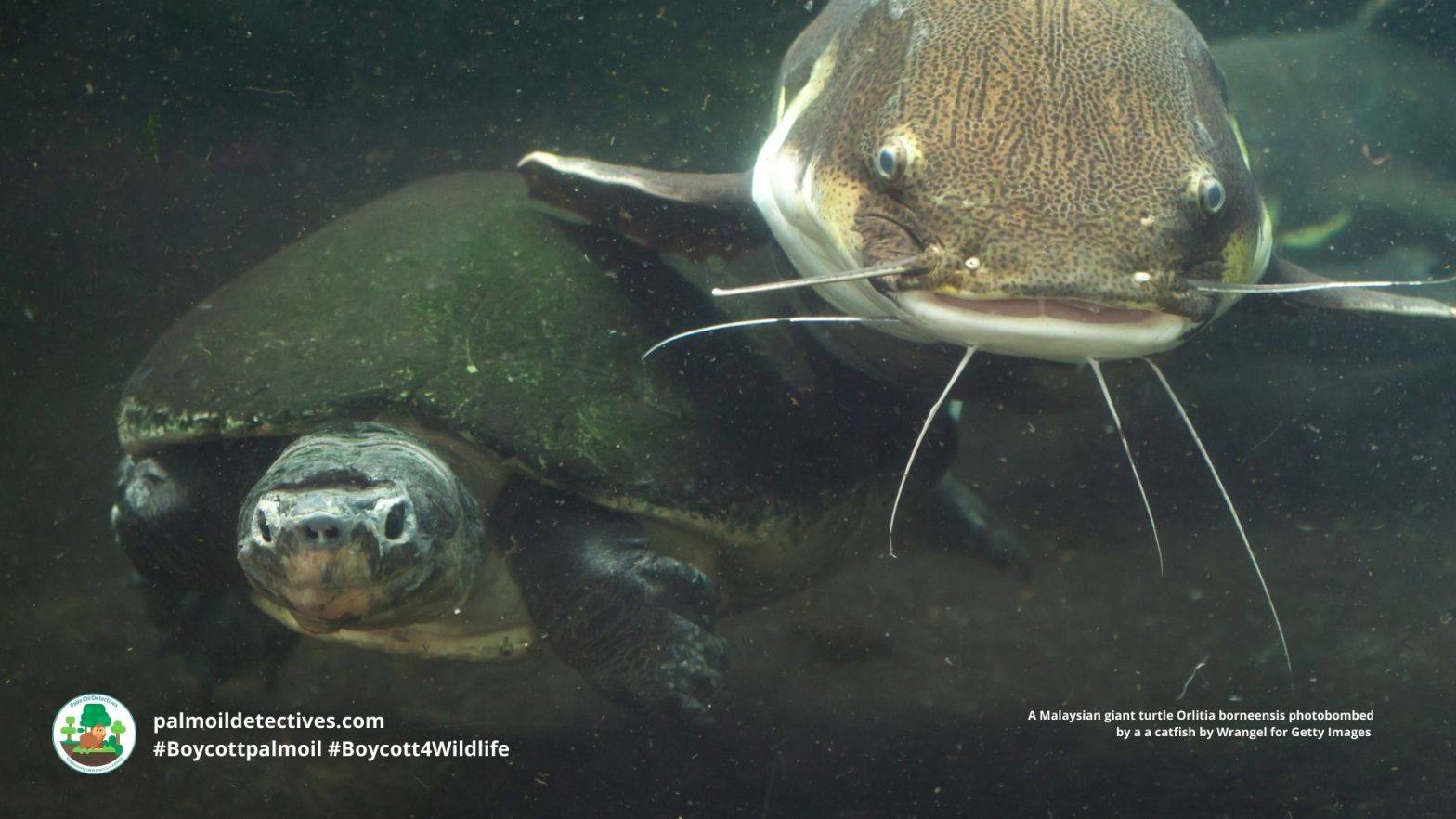
The Malaysian giant turtle, or Bornean river turtle, is Southeast Asia’s largest freshwater turtle. These gentle aquatic giants are critically important for maintaining the balance of their fragile river ecosystems. Their significant size and unique adaptations make them a marvel of evolution, yet they are on the brink of extinction.
Habitat loss driven by palm oil plantations, deforestation, and illegal trade has caused their population to plummet. Protect these critically endangered turtles by using your wallet as a weapon. Boycott palm oil and fight for their survival. #BoycottPalmOil #Boycott4Wildlife
 Palm Oil Detectives