
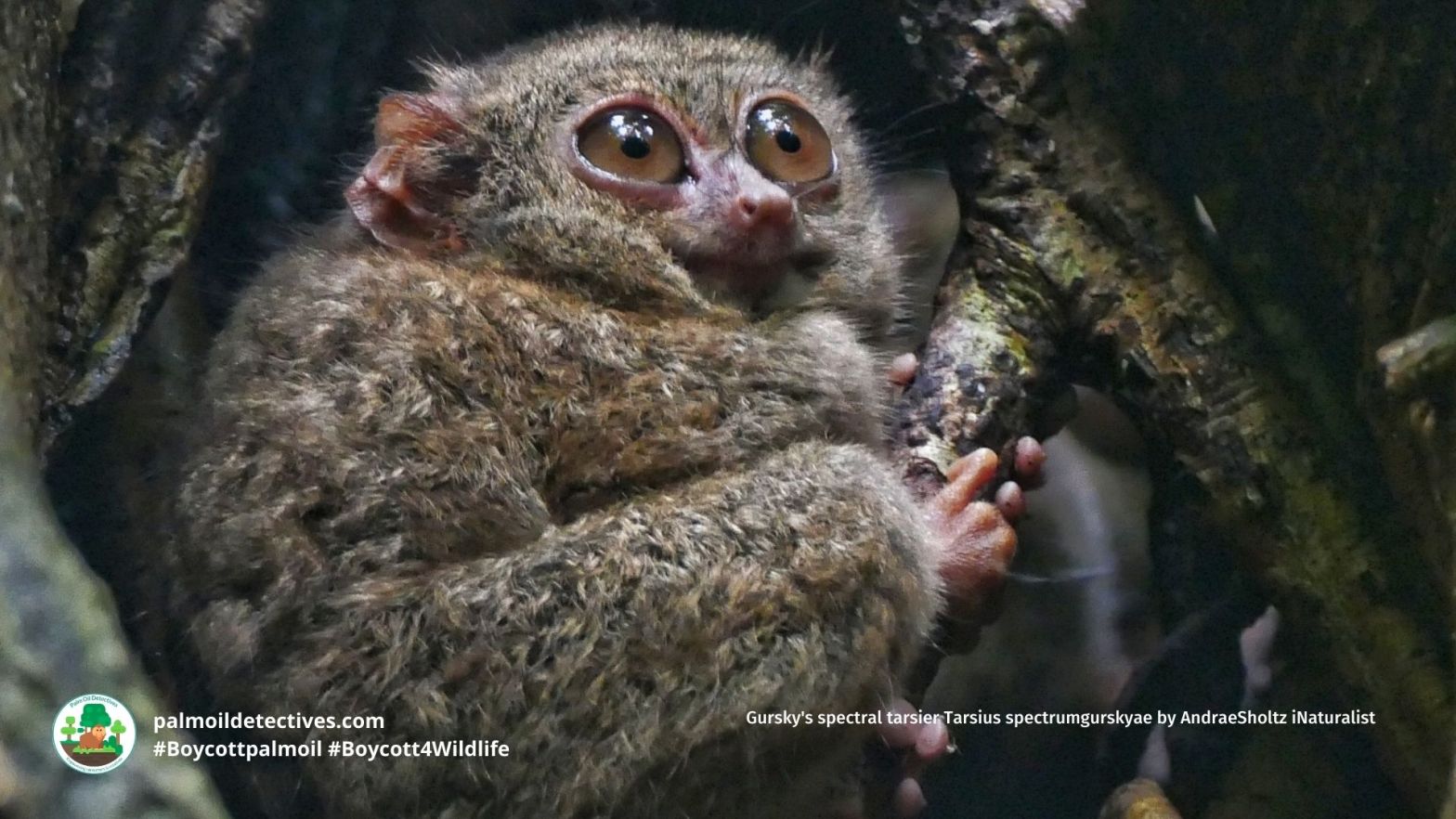
Gursky’s spectral tarsiers AKA Wusing of North Sulawesi are vulnerable due to palm oil and timber deforestation. Take action for them and boycott palm oil!
Tag Archives: primates
Jaguars and Pumas Eat More Monkeys in Damaged Forests
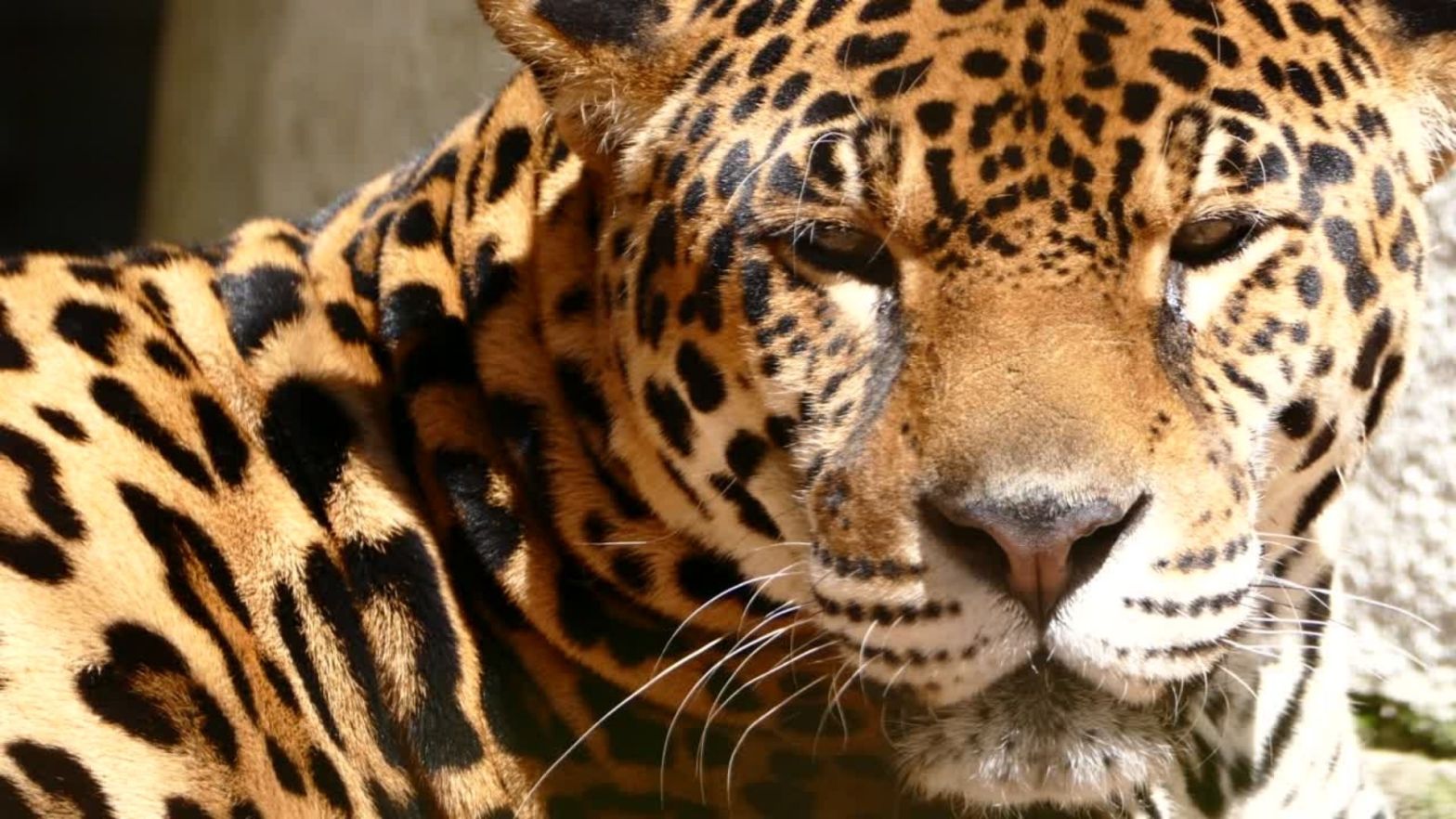
In fragmented forests of Mexico, big cats find it hard to locate prey ungulates instead seeking tree-dwelling #monkeys – that’s bad news for primates!
Declining primate numbers are threatening Brazil’s Atlantic forest
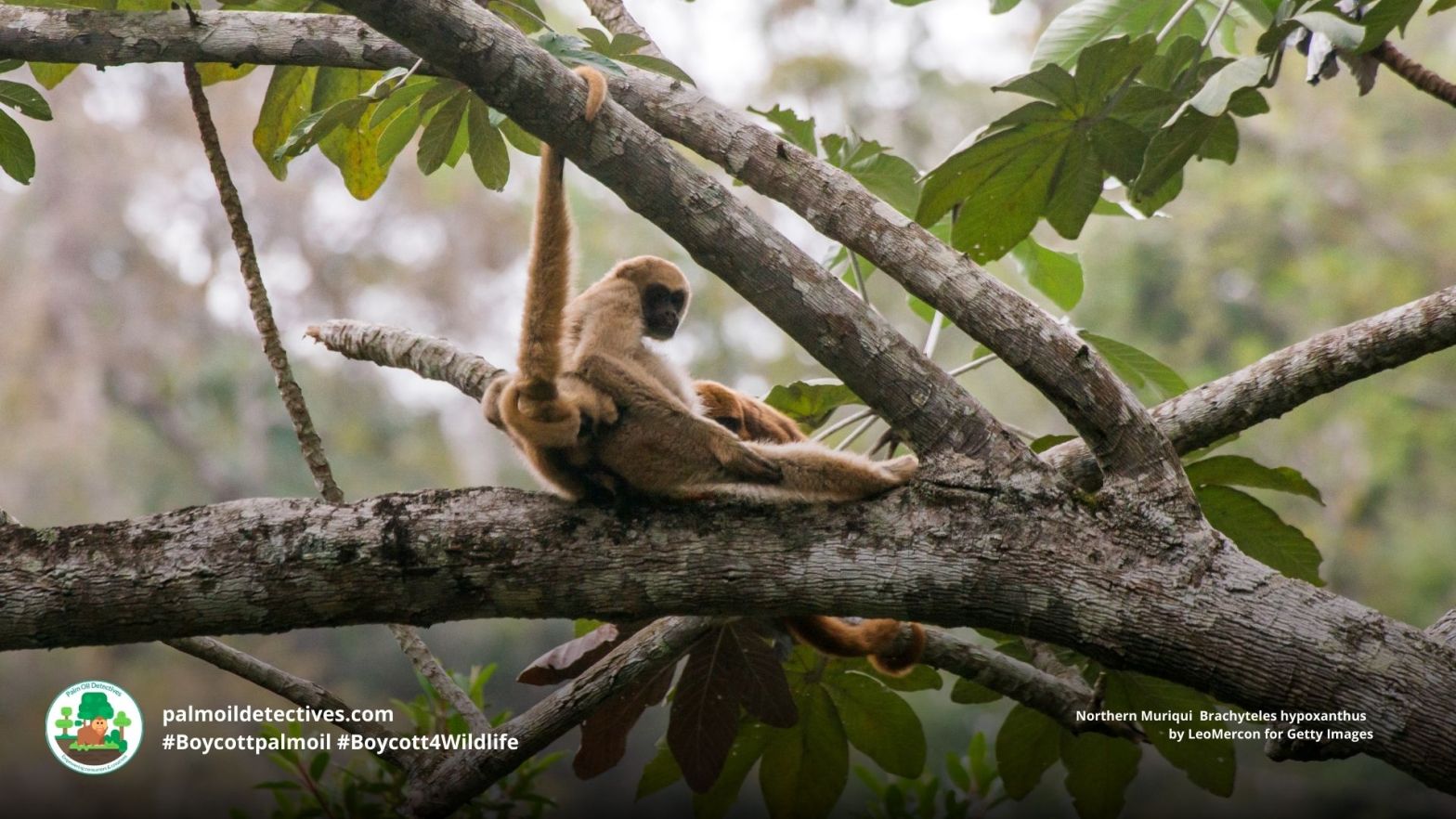
#Brazil’s Atlantic Forest, one of the most biodiverse ecosystems in the world, is facing severe threats due to deforestation and habitat fragmentation. This has led to a sharp decline in primate species, including the critically endangered southern and northern muriqui. The loss of these #primates, essential for seed dispersers in the Atlantic forest, is further destabilising the forest ecosystem. As human-driven deforestation escalates, the #extinction debt continues to rise, endangering both wildlife and the forest itself. You can take action to help their survival. Be #vegan for the animals and forests and #BoycottPalmOil #BoycottGold #Boycott4Wildlife.
Support Helps Gorilla and Human Child Resilience
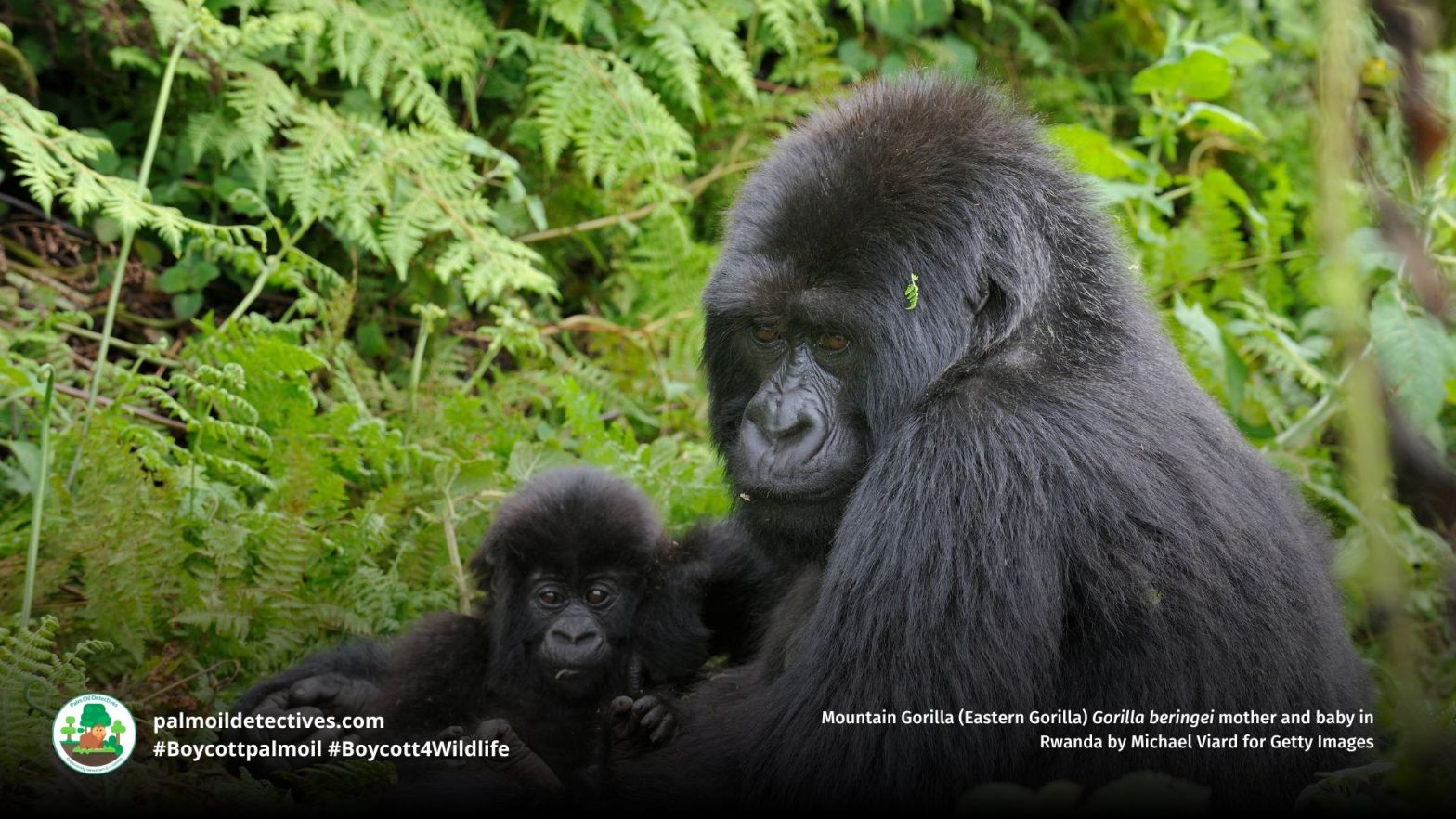
Young gorillas often suffer horrific events in their childhood: the death of their mother or father due to poachers, kidnapping and rough handling for the illegal pet trade. A study of 250 gorillas throughout their lifespans have found they share a lot of needs with human children. And just like their human cousins, they thrive after adverse childhood events when given the right social and economic supports. Help gorillas and 1000’s of other animals to survive when you go plant-based and #BoycottPalmOil #Boycott4Wildlife
Nancy Ma’s Night Monkey Aotus nancymaae
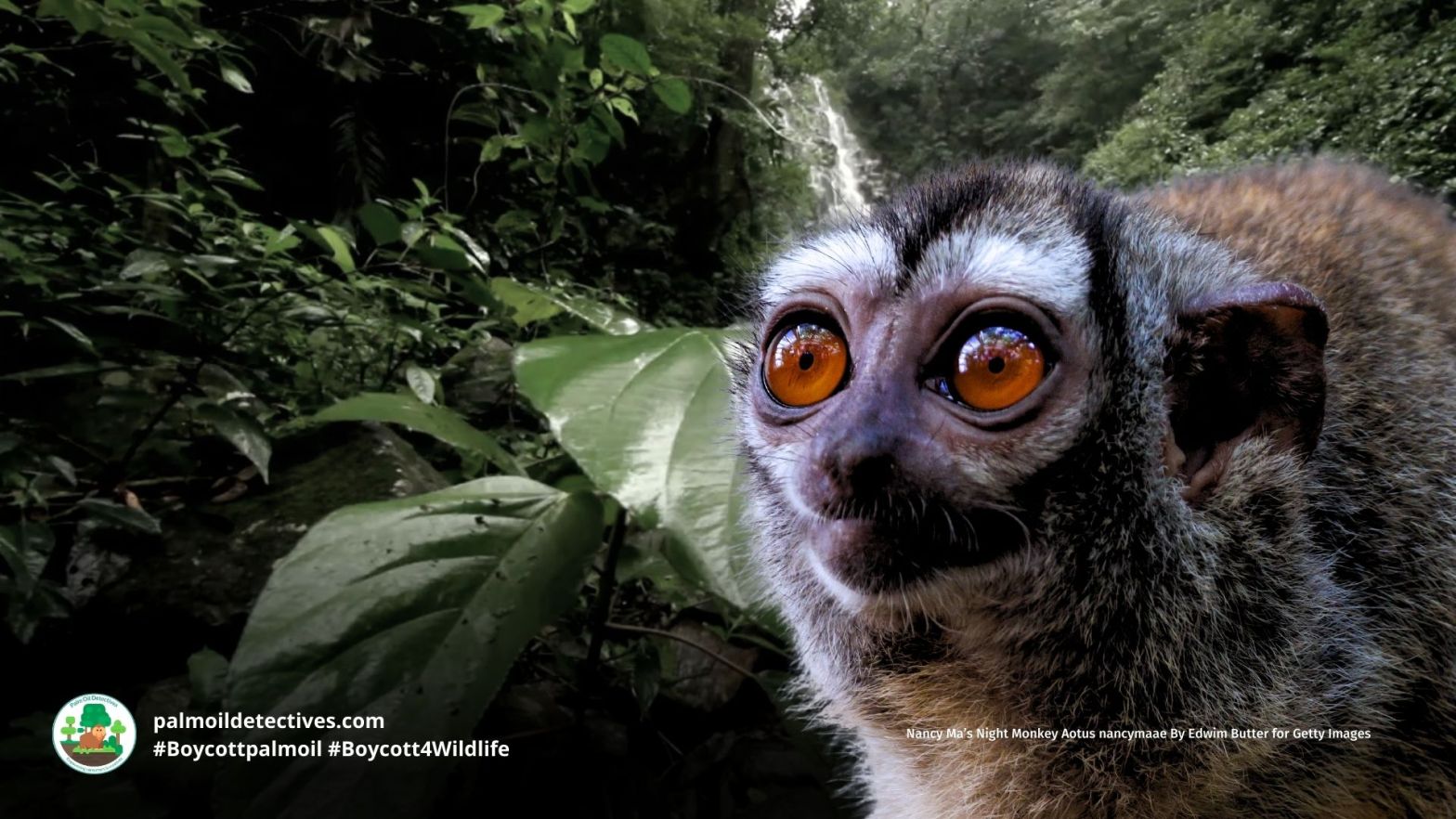
Deep in the heart of the Amazon rainforest, the Nancy Ma’s night monkeys peer out of the trees during the dusk with their large, soulful eyes and striking facial markings. Also known as the Ma’s night monkey or the Peruvian red-necked owl monkey, this nocturnal primate is named in honour of Dr. Nancy Shui-Fong Ma, who played a significant role in their genetic research. They are endemic to Brazil, Peru, and parts of Colombia, these monkeys are an essential part of their ecosystem. They now face direct threats from expansion for palm oil, soy and meat deforestation and are wild captured for scientific research – much of primate research is not even relevant to human health. Help them every time you shop and #BoycottPalmOil, be #vegan and #Boycott4Wildlife!
Protected: Private Advocate’s Page
There is no excerpt because this is a protected post.
Philippine tarsier Carlito syrichta
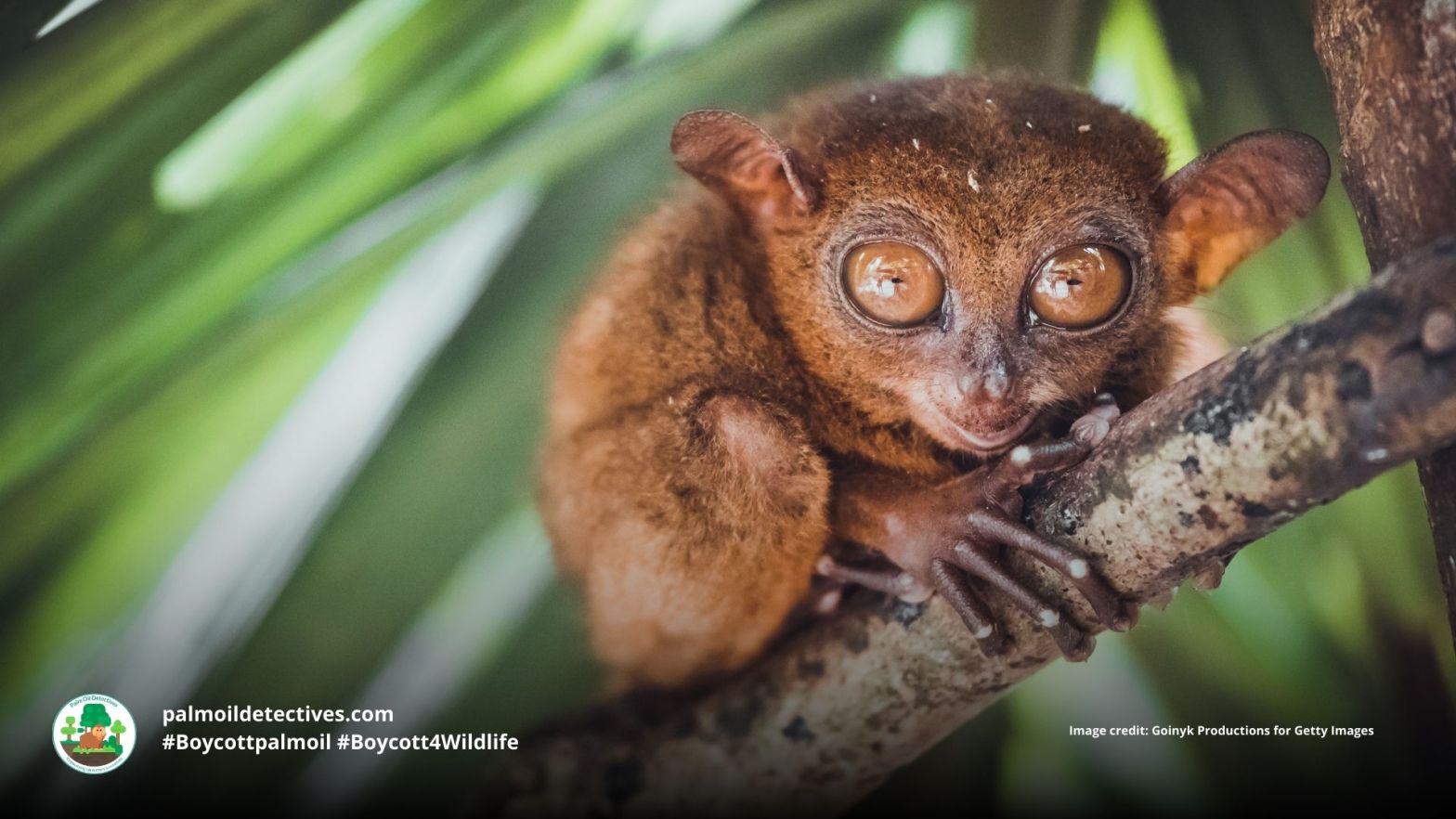
The Philippine tarsier, Carlito syrichta, epitomises nocturnal secrecy, leading a mostly concealed life in the dense recesses of impenetrable bushes and forests. They boast large and mesmerising eyes that aid in night vision, these tiny creatures have a distinct appearance. Measuring around 8 to 16 cm, their fur is soft and comes in various shades, often blending with their natural surroundings. Known for their incredible leaping abilities, tarsiers are agile hunters, relying on their keen sense of hearing to locate prey. Despite their small size, they play a vital role in maintaining the ecological balance in their habitat. They are now vulnerable due to multiple human-related threats including palm oil deforestation and the pet trade. Help them to survive #Boycottpalmoil #Boycott4Wildlife
Lion-tailed Macaque Macaca silenus
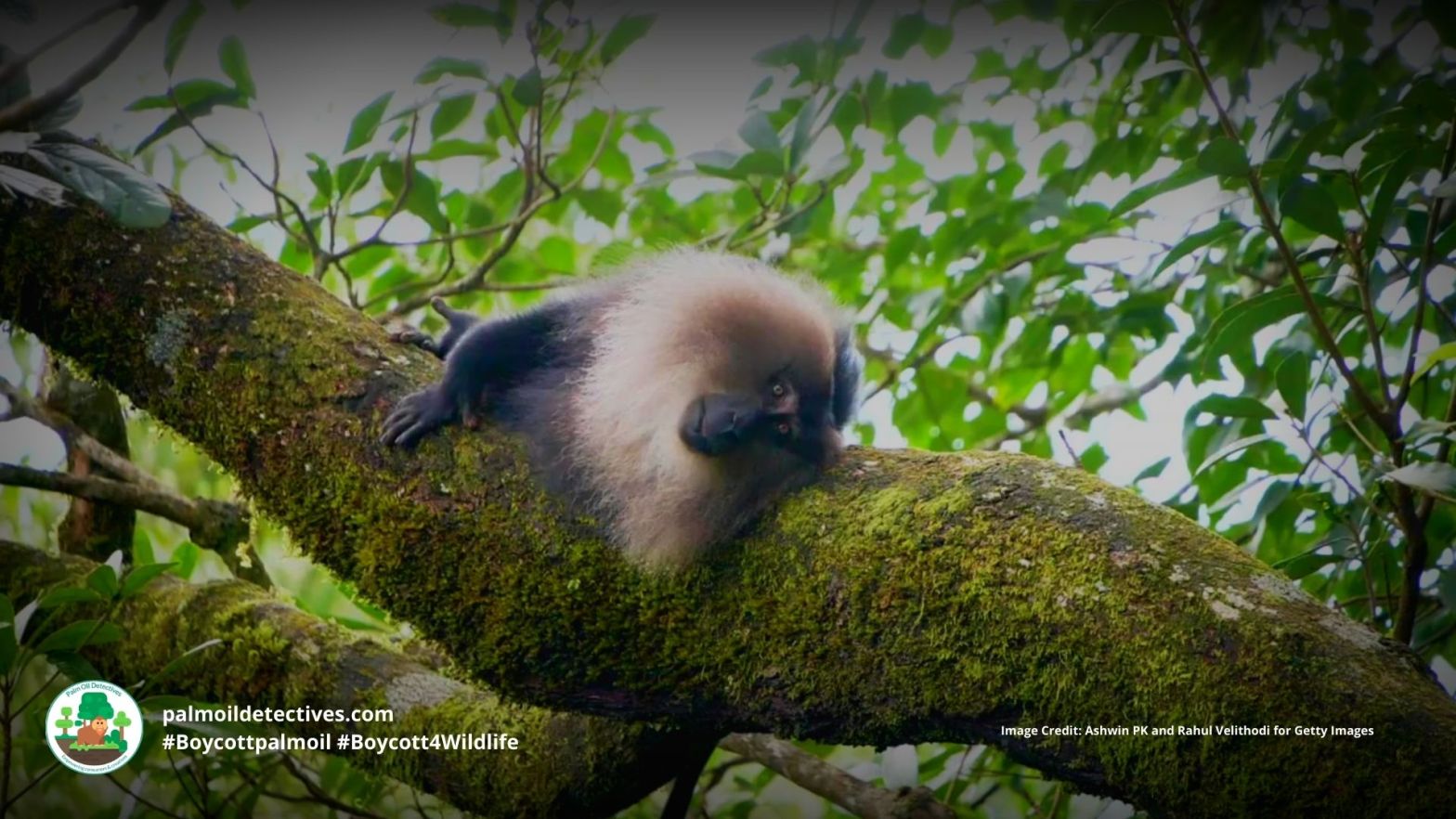
Lion-tailed macaques hold the title of one of the smallest macaque species in the world and sport a majestic lion-esque mane of hair. They exclusively call the Western Ghats in India their home. This area has been decimated in recent years for palm oil. Prior to palm oil’s arrival in the Western Ghats, populations of Lion-tailed macaques were already fragmented. Now these beautiful small macaques are in serious trouble. Read on to discover how you can boycott palm oil every time you shop #Boycottpalmoil #Boycott4Wildlife
Alta Floresta titi monkey Plecturocebus grovesi

The enchanting Groves Titi Monkey, also referred to as the Alta Floresta titi #monkey or Mato Grosso titi monkey went from being completely unknown to being one of the most critically endangered #primates in #SouthAmerica and the world. They made a remarkable entry into the spotlight only recently in 2016 when they were classified by scientists. They belong to the Eastern Amazonian clade of the red-bellied titi monkey (P. moloch) group and are known for their vividly coloured fur and rowdy rainforest vocalisations. They face multiple anthropogenic threats in #Brazil including hunting, #goldmining, #palmoil, #meat and #soy #deforestation and hydroelectric #dams. Help them to survive each time you shop, be #vegan and #Boycottpalmoil #Boycott4Wildlife
Apes Enjoy Joking and Teasing Each Other
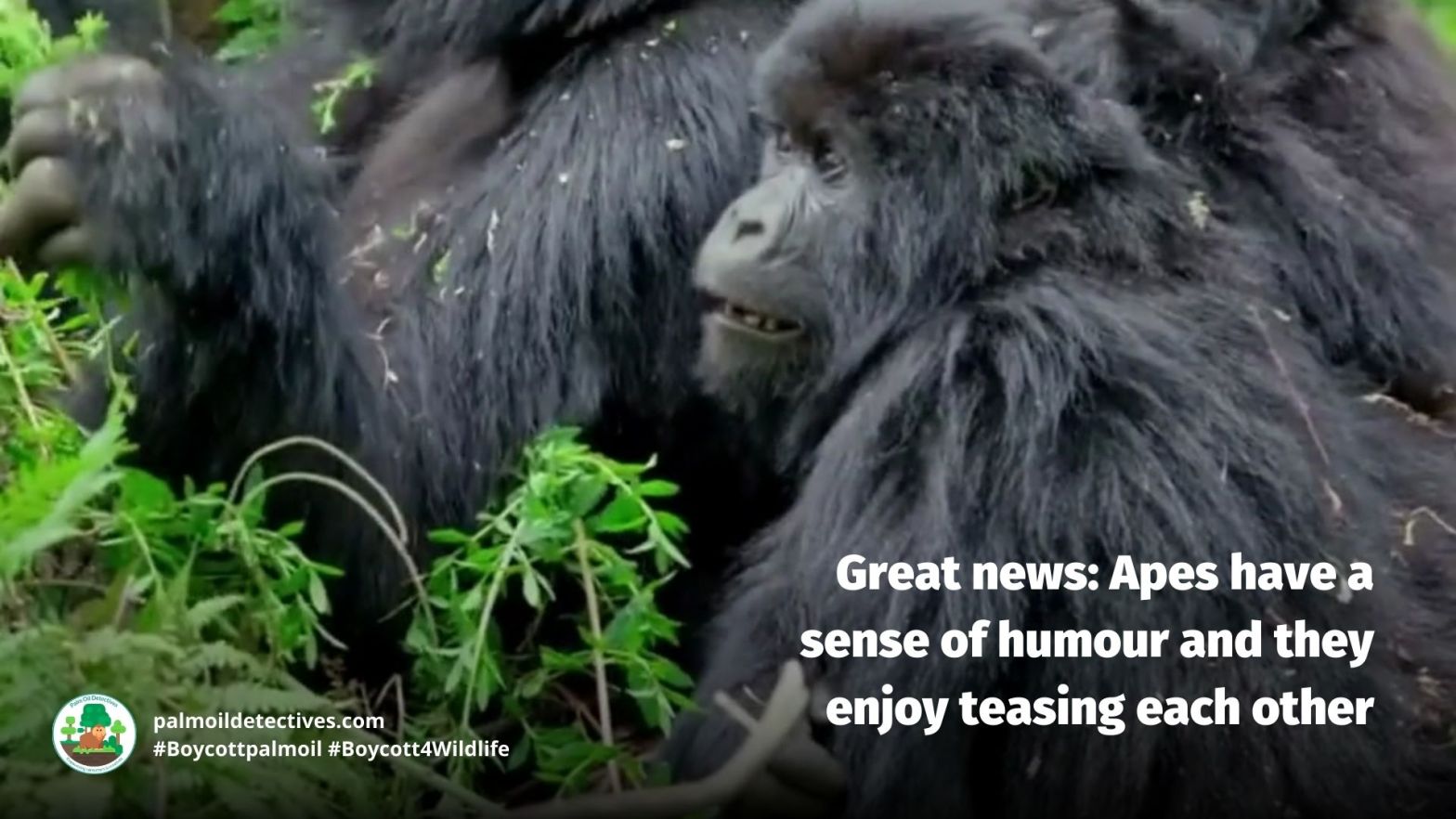
New research finds that it’s not only human babies who love to playfully tease each other. Researchers reasoned that since language is not required for this behaviour, similar kinds of playful teasing might be present in non-human animals such as chimpanzees, bonobos, gorillas and orangutans. Now cognitive biologists and primatologists have documented playful teasing in four species of great apes. Like joking behaviour in humans, ape teasing is provocative, persistent, and includes elements of surprise and play. Because all four great ape species used playful teasing, it is likely that the prerequisites for humour evolved in the human lineage at least 13 million years ago.
Palm Oil Increases Deaths of Baby Macaques
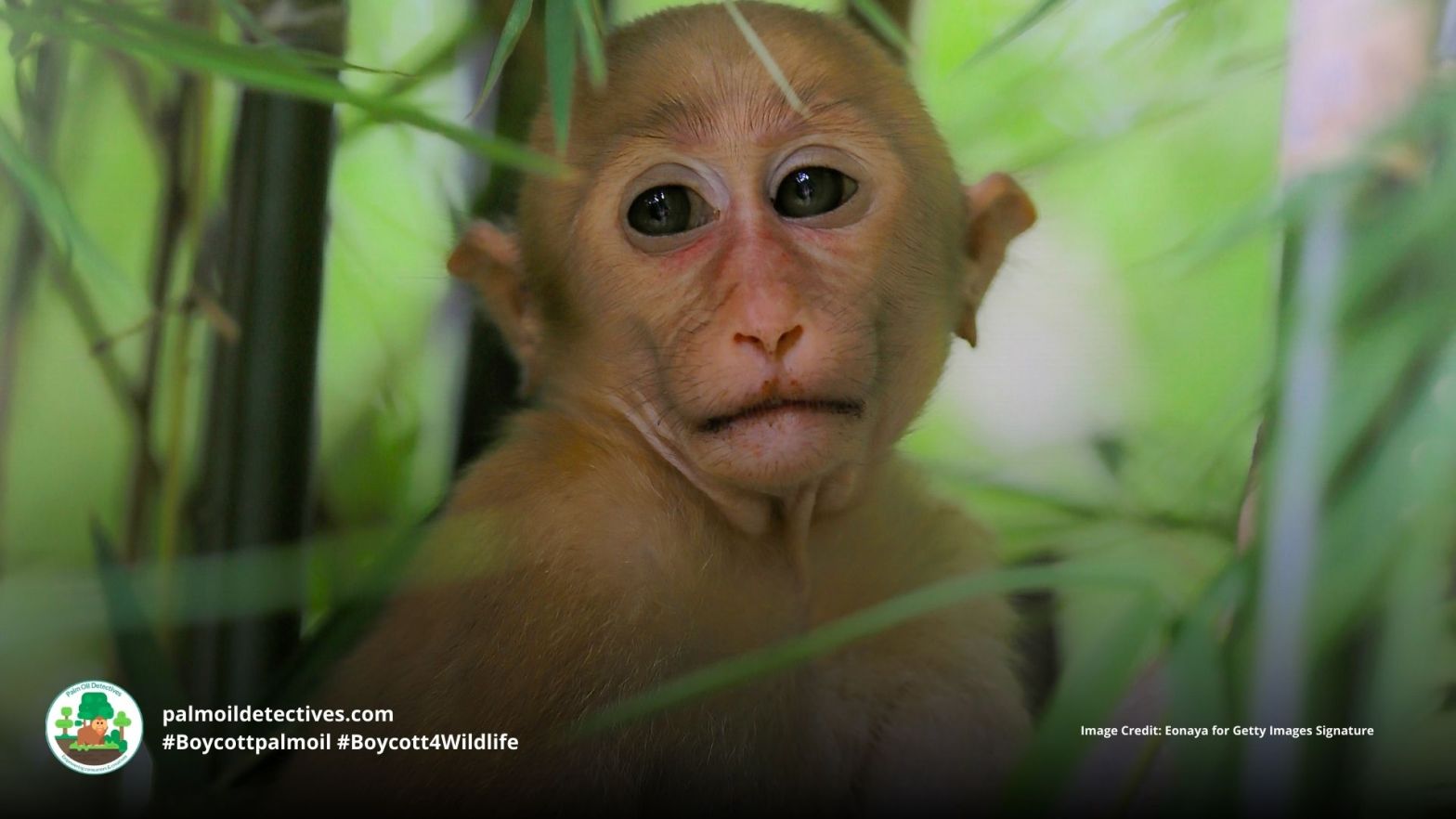
In Peninsular Malaysia, a new study published in Cell Biology by a team led by Dr Anna Holzner of German Centre for Integrative Biodiversity Research (iDiv) Halle-Jena-Leipzig has found that infant mortality rates among wild southern pig-tailed macaques are alarmingly high due to frequent visits to oil palm plantations.
These plantations expose the infants to increased risks from predators, human encounters, and harmful agricultural chemicals, potentially affecting the development and survival of infant macaques. The study, conducted in collaboration of international researchers, observed that prolonged exposure to these plantations during infancy triples the likelihood of death.
The study suggests that pesticides used in agriculture could cross the placental barrier or be transmitted through breastmilk, impacting fetal development and health. This significant research underlines the urgent need for eco-friendly agricultural practices to protect wildlife and human communities near plantations. Take action and join the movement to #Boycottpalmoil and #Boycott4Wildlife every time you shop!
Campbell’s Mona Monkey Cercopithecus campbelli
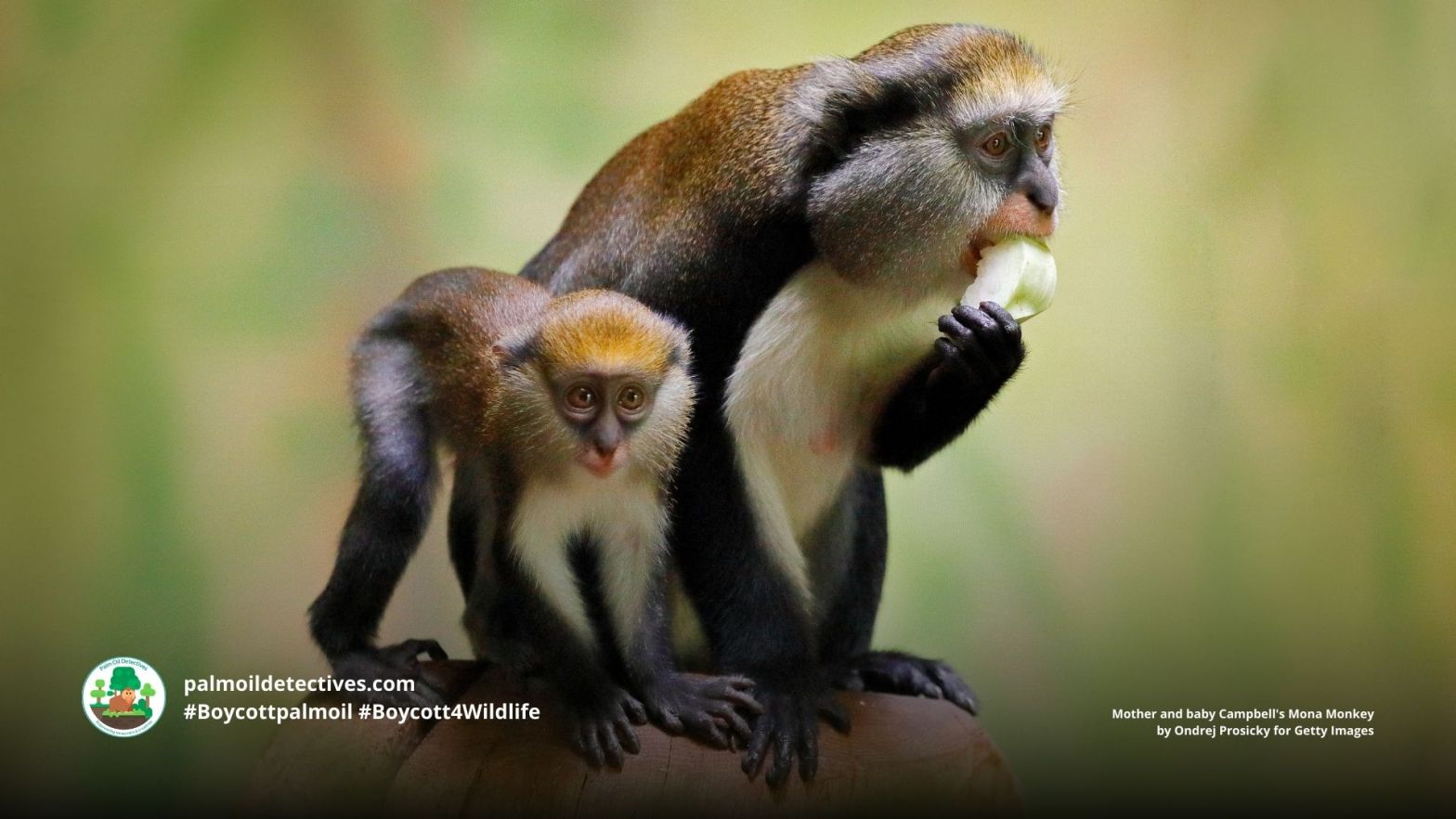
Inquisitive and highly social Campbell’s Mona Monkeys are known for their intense hazel eyes and bright yellow brows. They use their large puffy cheeks to store food while they climb to the top of tree canopies to eat it. Males will engage in a dawn and dusk symphony of calling along with other species in a coordinated ritual. They are Near Threatened due to hunting and extensive forest loss throughout their range in West Africa for palm oil, coffee, cocoa and mining. Help them every time you shop by using your wallet as a weapon – #Boycottpalmoil #Boycott4Wildlife
Mandrill Mandrillus sphinx
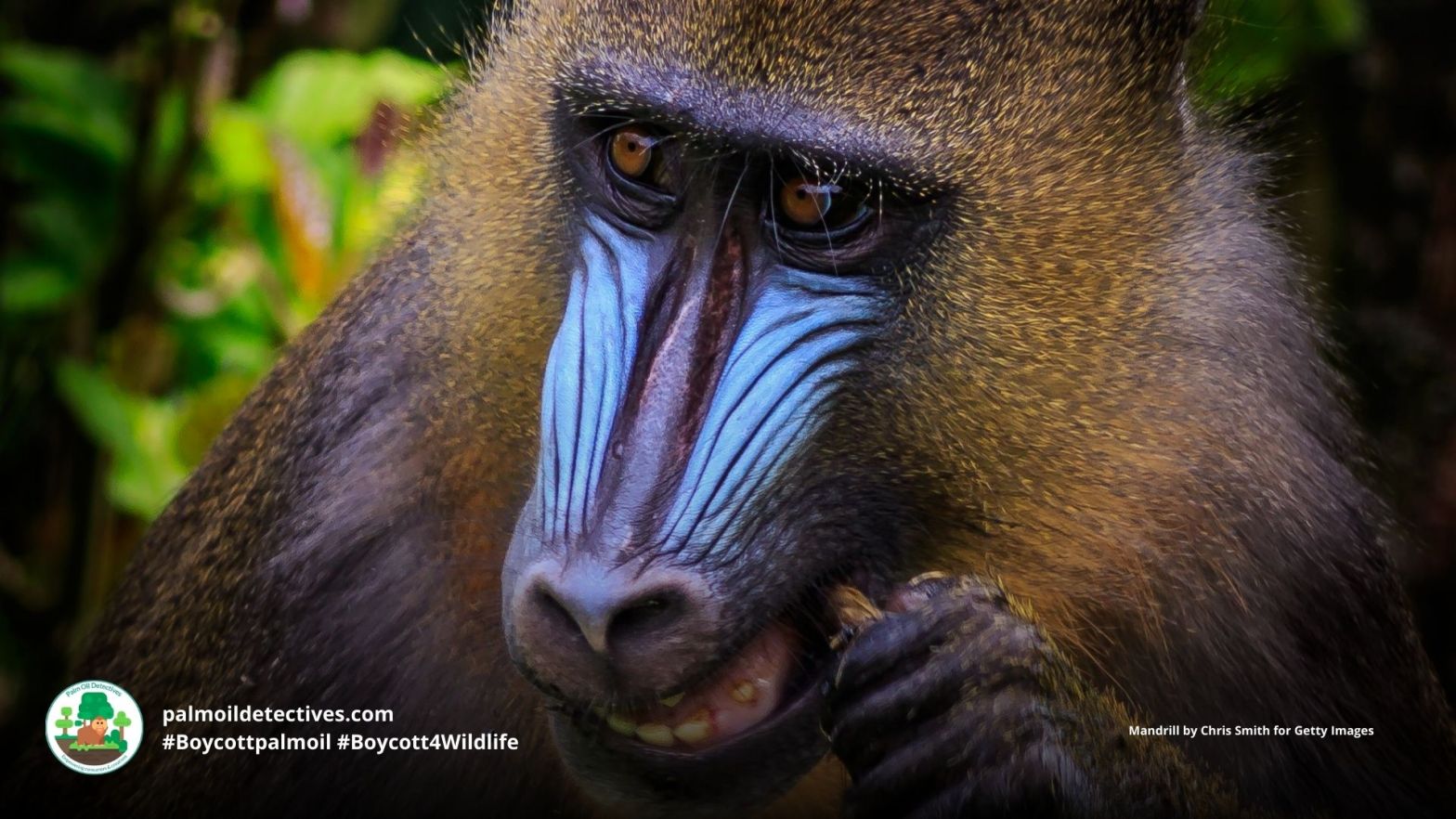
Magnificent #mandrills are undoubtedly one of the world’s most photogenic monkeys – famous for their brightly coloured and expressive appearance. Their bright blue rumps and vivid red, yellow and pink faces become even more deeply colourful when they’re excited. Males use their extra long canines for self-defence, but exposing their teeth can also be a sign of friendliness. Mandrills are important seed dispersers and a critical part of keeping the ecosystem in balance. These beautiful monkeys are vulnerable from palm oil, meat and cocoa deforestation and intensive poaching. Help their survival and #Boycottpalmoil #Boycott4Wildlife
Brown Howler Monkey Alouatta guariba
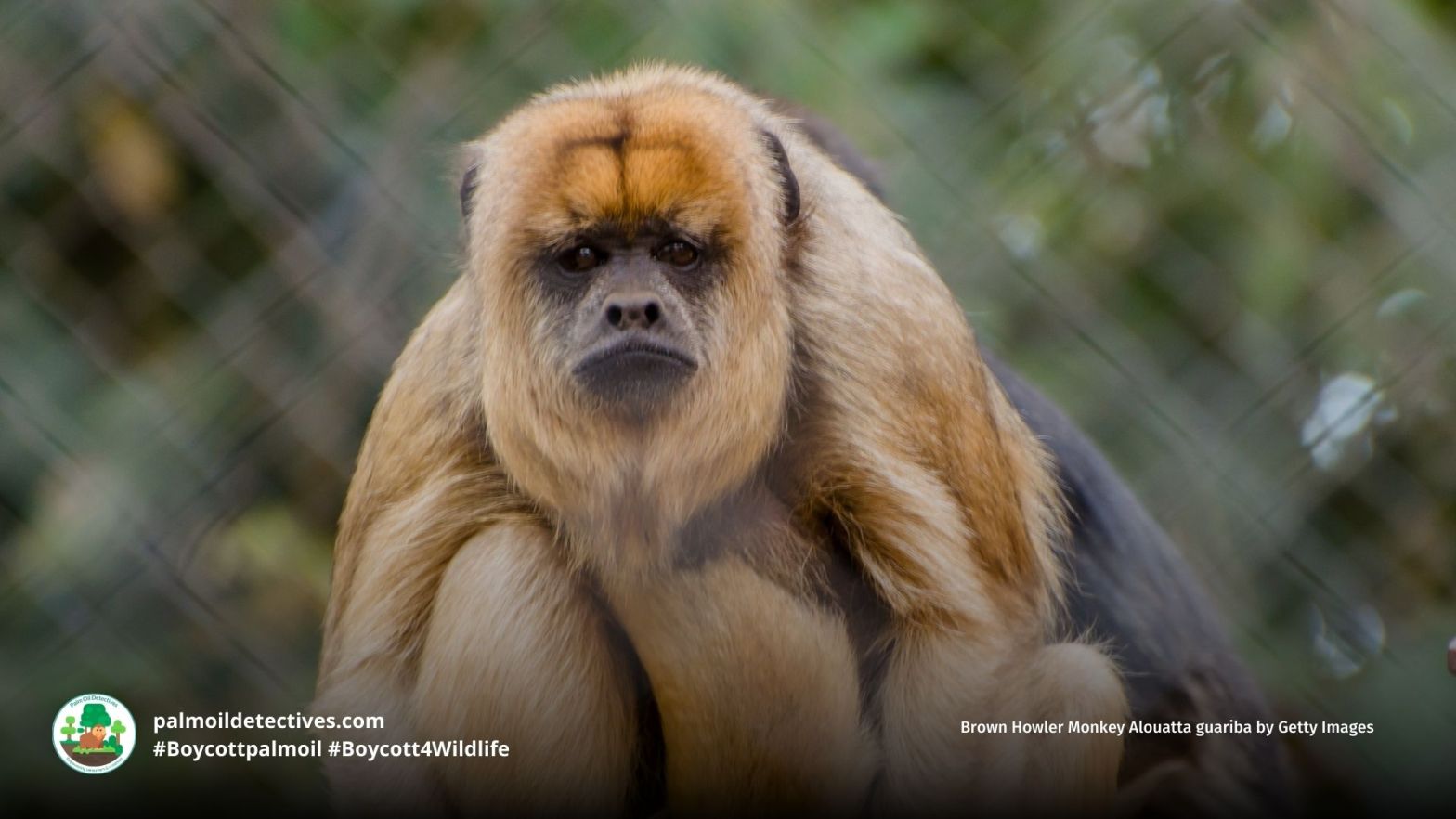
You will hear a Brown Howler #Monkey before you sere one. Heard from several kilometres away these monkeys have a haunting howl that penetrates and rustles the forest canopy. They live in groups between two and eleven individuals and take respite during the heat of the day in the Atlantic forests of #Brazil and #Argentina. Despite their prehensile tails and graceful gait they face enormous threats, mainly from palm oil, soy and meat deforestation, yellow fever virus and human persecution. Help them every time you shop when you #BoycottGold #BoycottPalmOil #Boycott4Wildlife.
White-Nosed Saki Chiropotes albinasus
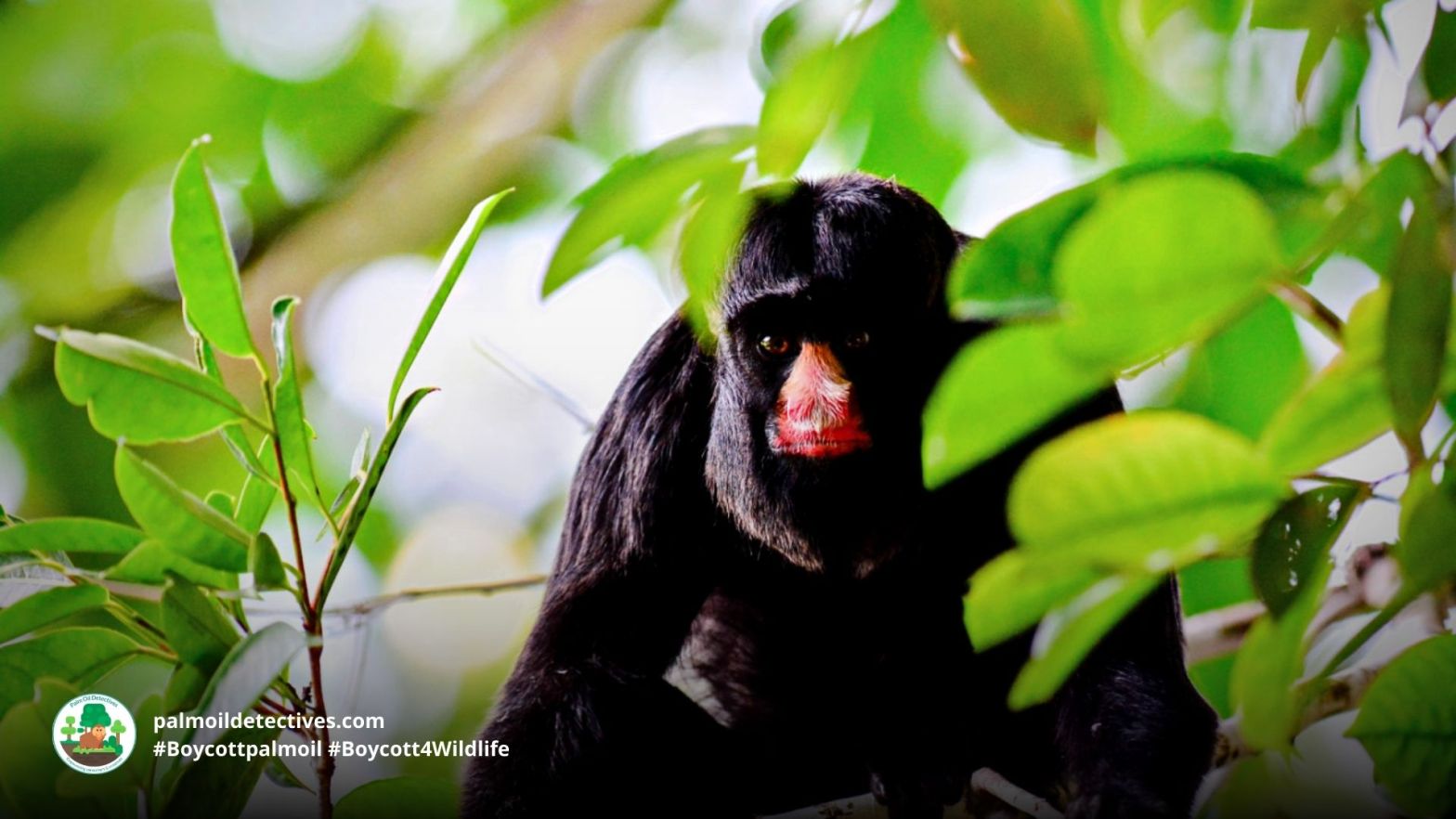
Curious, social and beautiful White-Nosed Sakis are striking and unusual looking #primates. This vulnerable primate is instantly recognisable by their long, silky black fur, reddish-pink noses, and distinctive hair tufts crowning their heads. The white-Nosed Saki’s range spans the shaded forests south-west of the Dos Marmelos river, where they are vulnerable from human-related threats including #palmoil, #soy and #meat #deforestation, #goldmining and human persecution. They deserve us to fight for their survival. Help them every time you shop and be #Vegan #BoycottPalmOil and #Boycott4Wildlife
Bangka Slow Loris Nycticebus bancanus

Shy and elusive tiny #primates, Bangka Slow Lorises were last reported from the wild in 1937. If the Bangka Slow Loris is still alive then the burning of their habitat and conversion to agriculture (especially palm oil plantations) is their greatest threat.
These diminuitive and sweet-faced primates are critically endangered due to #palmoil #deforestation and the illegal pet trade. Just 20% of their rainforest remains on Bangka island, #Indonesia. Help them every time you shop, be #vegan #Boycottpalmoil #Boycott4Wildlife
Buffy-tufted-ear Marmoset Callithrix aurita

Buffy-tufted-ear Marmosets are enchanting monkeys living in a tiny, isolated region of Brazil’s Atlantic Forest. Fight for them and boycott palm oil!
Kaapori Capuchin Cebus kaapori
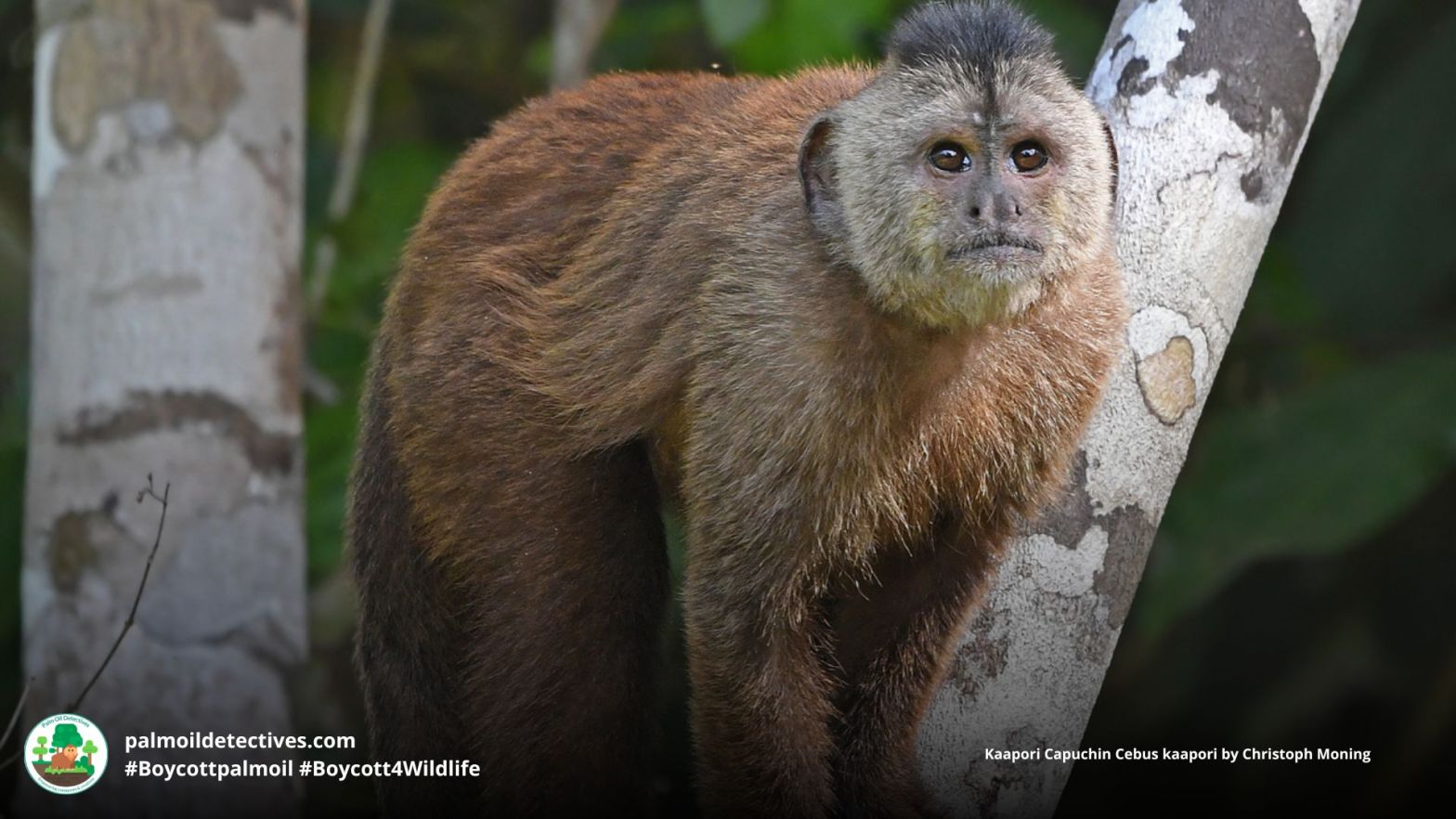
The Kaapori capuchin is a delightful, tenacious and intelligent small monkey species of #Brazil on a knife-edge of survival – they are critically endangered. In 2017 their population had been decimated by 80% due to deforestation for agriculture including soy, cattle grazing and palm oil. They are forgotten animals with no formal protections in place. Fight for them every time you shop and be #vegan #Boycottpalmoil #Boycott4Wildlife
Chimpanzees once helped African rainforests recover from a major collapse
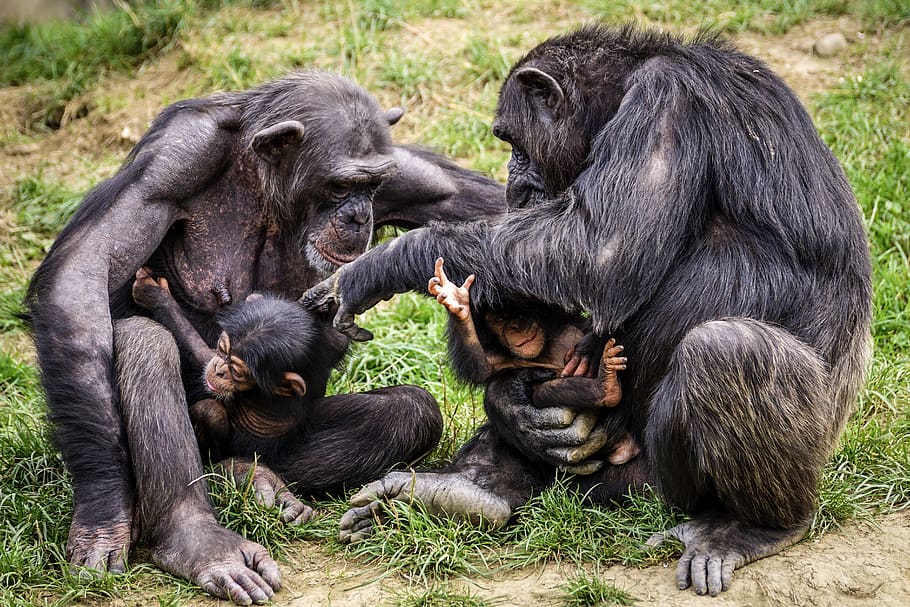
Most people probably think that the rainforest of central and west Africa, the second largest in the world, has been around for millions of years. However recent research suggests that it is mostly just 2,000 or so years old. The forest reached roughly its modern state following five centuries of regeneration after it was massively fragmented when the dry season suddenly became longer some 2,500 years ago. Help #chimpanzees to survive and #Boycottpalmoil #Boycott4Wildlife every time you shop
Primates are facing an impending extinction crisis – but we know very little about what will actually protect them
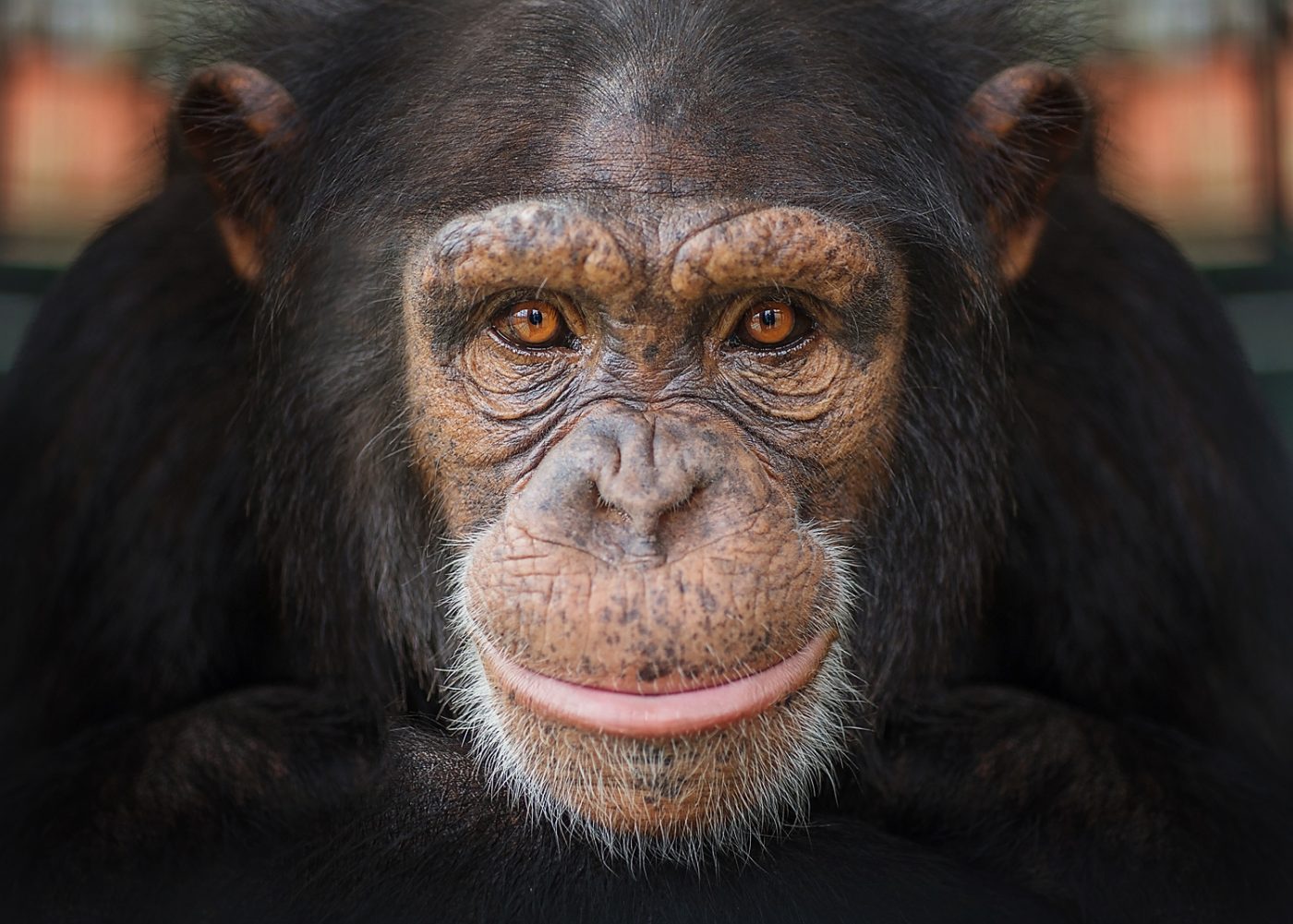
From lemurs to orangutans, tarsiers to gorillas, primates are captivating and sometimes unnervingly similar to us. So it’s not surprising that this group of more than 500 species receives a great deal of research and conservation attention. 60% of primates 🦍🦧🐒🐵 are threatened by #extinction 🙊🙈😿 Without direct action, the number of endangered #primates willContinue reading “Primates are facing an impending extinction crisis – but we know very little about what will actually protect them”
Bonobo mothers meddle in their sons’ sex lives – making them three times more likely to father children
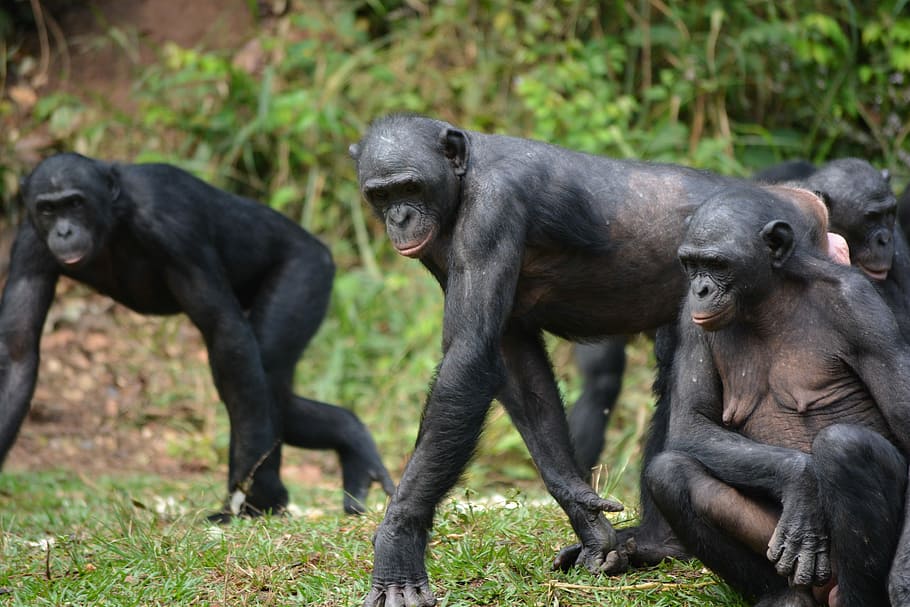
New research shows that for #bonobos, sex really is often a family affair. What’s more, rather than being an embarrassing hindrance, motherly presence greatly benefits bonobo sons during the deed.
Along with #chimpanzees (Pan troglodytes), bonobos (Pan paniscus) are our closest living relatives. Restricted to a 500,000 km² thickly-forested zone of the #Congo Basin, these endangered great apes were only formally discovered in 1928, which until 2017 made them the most recently-described living great ape species.
Operating in female-led social systems, bonobos are capable of showing a wide range of what were long held as human-specific feelings and emotions, such as sensitivity, patience, compassion, kindness, empathy and altruism. Help them to survive every time you shop #BoycottPalmOil #Boycott4Wildlife
Do chimpanzees and orangutans really have midlife crises?

Many people know that chimpanzees and orangutans have personalities, feel emotions and are “almost human”. However a recent paper has found that great apes also have a mid-life slump or a “midlife crisis”. Great apes (chimpanzees, bonobos, gorillas and orangutans) are just as socially, politically and cognitively complex as we are. Our “hairy” great ape relatives are like us in every respect. Help them to survive when you shop and be #Vegan #BoycottPalmOil #Boycott4Wildlife
Bonobos Can Inspire More Peaceful Democracies
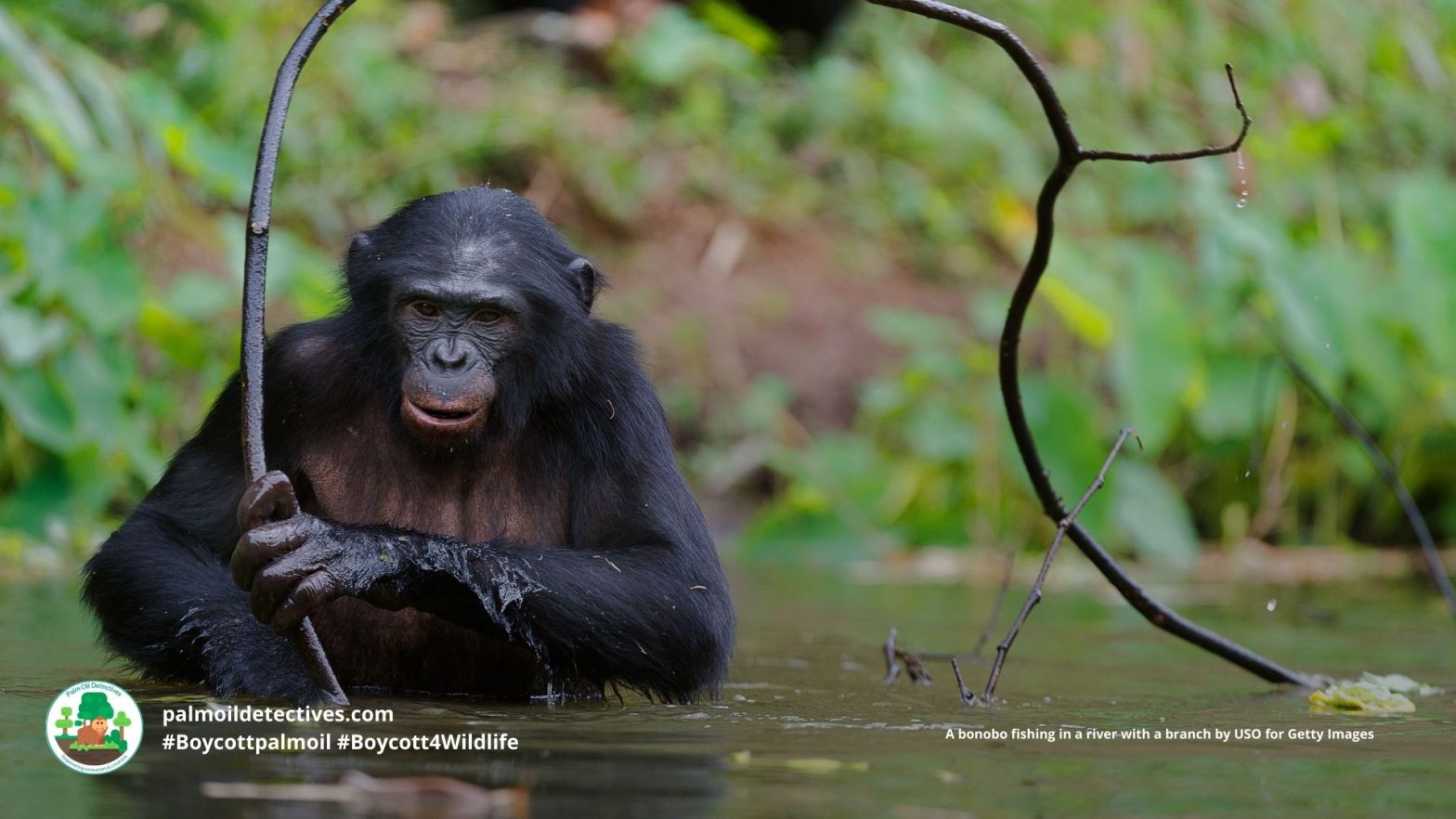
Bonobos can inspire a more peaceful democracy. Primatologists explain the fascinating lives of these mostly peaceful primates. Boycott palm oil when you shop!
Research: Small room for compromise between oil palm cultivation and primate conservation in Africa
Research shows that future palm oil expansion is a major threat to Africa’s tropical forests and their rich primate biodiversity, Fight back boycott palm oil!
Humans and Bonobos Share Contagious Yawn Behaviour
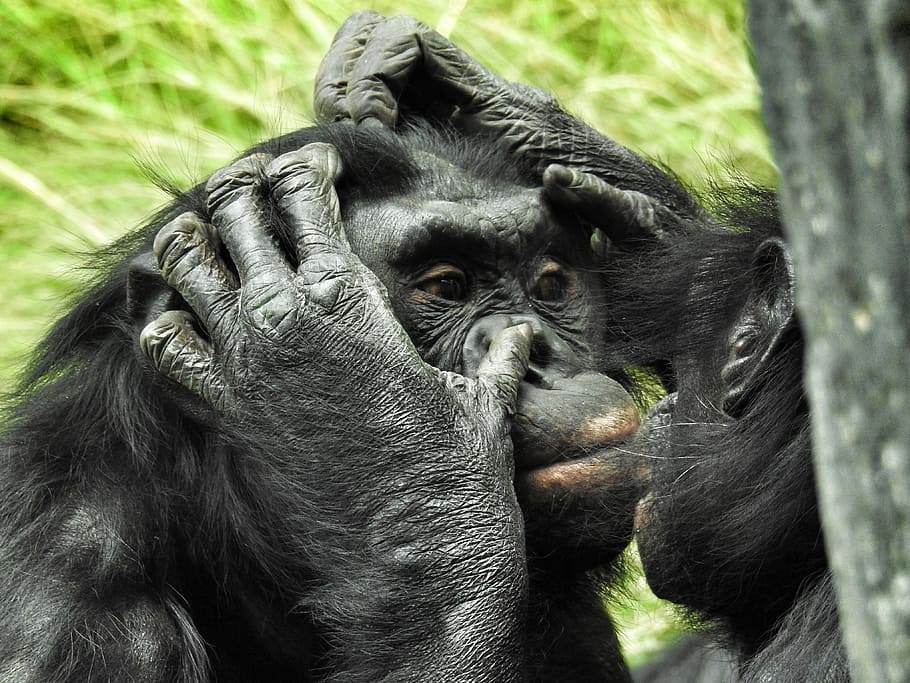
Most of us have experienced the overwhelming urge to yawn in response to another person yawning – but we’re not the only species to do this. Research published in PeerJ shows that bonobos – our closest evolutionary cousins – also experience “yawn contagion”. Similarly to how yawning occurs in human beings, the effects of yawn contagion in bonobos is influenced by the quality of relationships shared between individuals.
The tendency for humans to mirror the behaviours and emotions of another – sometimes referred to as “emotional contagion” – is also thought to reflect our heightened capacity for empathy. Help all non-human primates to survive extinction and be #Vegan #BoycottPalmOil #Boycott4Wildlife.
Ecuadorian White-fronted Capuchin Cebus aequatorialis
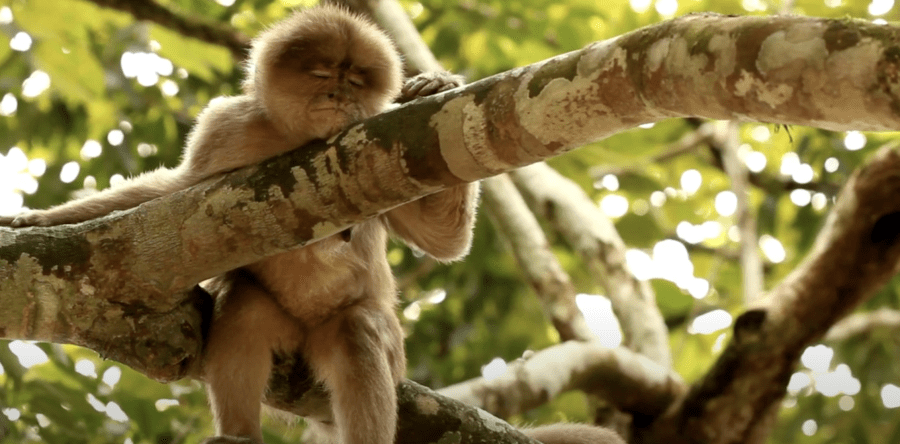
Ecuadorian White-fronted Capuchins face habitat loss to palm oil, hunting, and mining. Less than 10,000 remain. Support forest defenders. #BoycottPalmOil
Santa Marta White-fronted Capuchin Cebus malitiosus
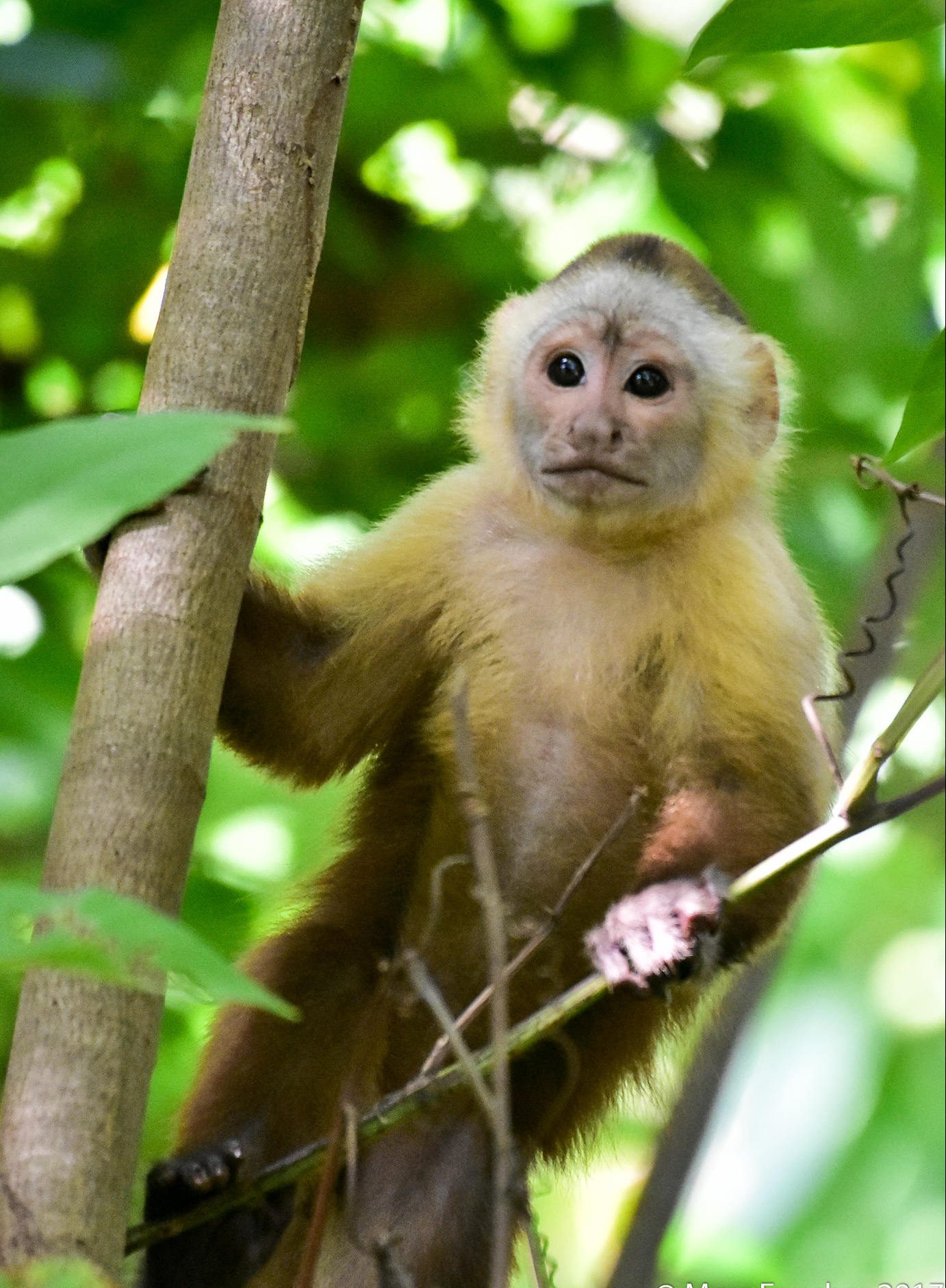
Santa Marta White Fronted Capuchins are Colombian primates threatened by severe habitat loss from cattle ranching and palm oil. Boycott palm oil and meat!
For primates, having a mother helps them learn social skills
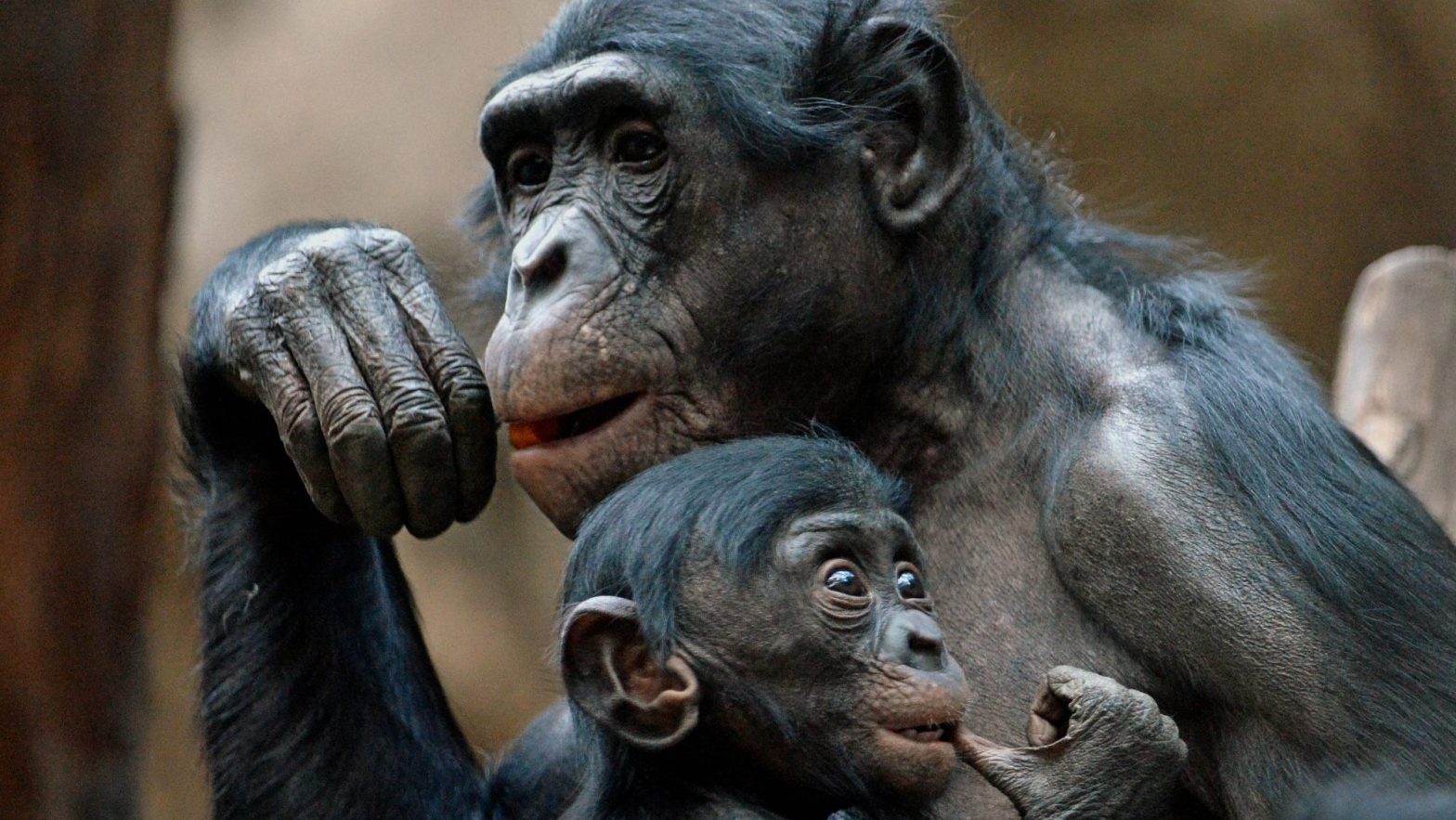
Wild #bonobos, like other Great #Apes and humans, spend long childhoods with their mothers, learning the social skills they need to function as emotionally stable members of their community. But orphaned bonobos at sanctuaries don’t have that kind of upbringing. Can they still learn the skills they need to get by in bonobo society? A study by Zanna Clay and Frans de Waal in PNAS found that the mother-infant bond is vital in developing healthy social and emotional skills. Help these mighty and intelligent primates when you shop and #BoycottPalmOil #Boycott4Wildlife
Pygmy Marmoset Cebuella niveiventris and Cebuella pygmaea

The petite pygmy #marmoset, the world’s tiniest true #monkey, boasts a mix of brownish-gold, grey, and tawny fur. These little wonders, weighing just around 100 grams, communicate uniquely using chemical, vocal, and visual cues to ensure group safety and harmony. Although these #marmosets prefer river-edge forests and can adapt to secondary forests, their homes are under serious threat. Rampant #deforestation for #meat, #goldmining, and #palmoil cultivation are eroding their habitats, pushing the subspecies Cebuella niveiventris towards a “Vulnerable” status. The situation is dire, with an estimated 30% reduction in their population in just 18 years. Protect these delicate creatures and their home – use your wallet as a weapon, be #vegan, #BoycottPalmOil, and #Boycott4Wildlife.🌳🐒
Africa’s rainforests are different. Why it matters that they’re protected
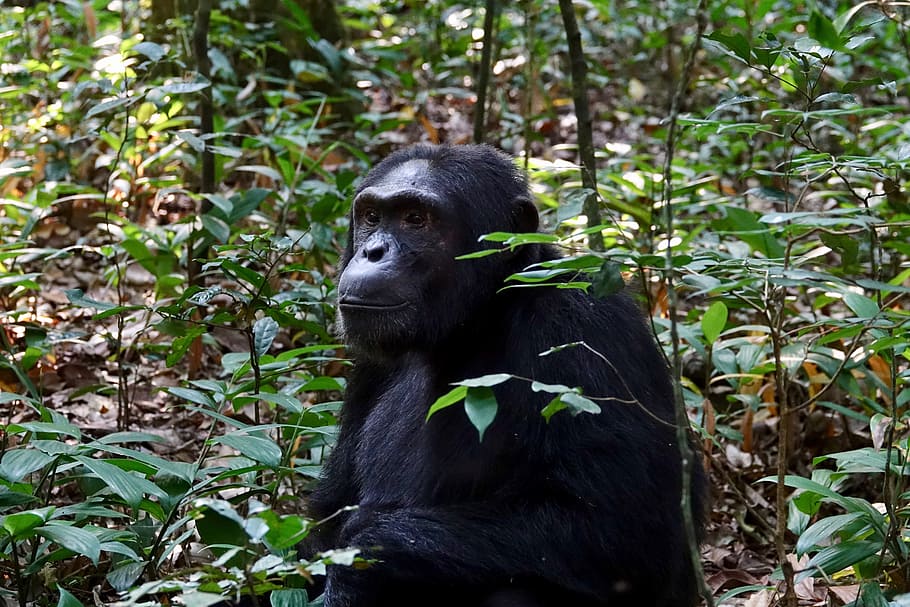
Around 2 million km² of #Africa is covered by tropical #rainforests. They are second only in extent to those in #Amazonia, which cover around 6 million km². Rainforests are home to vast numbers of species of #primates #birds #insects and more. For example, the world’s tropical rainforests are estimated to be home to at least 40,000 tree species, with up to 6,000 in African forests. Protect all rainforests before it’s too late, every time you shop use your wallet as a weapon and be #Vegan #BoycottPalmOil #Boyott4Wildlife
 Palm Oil Detectives