
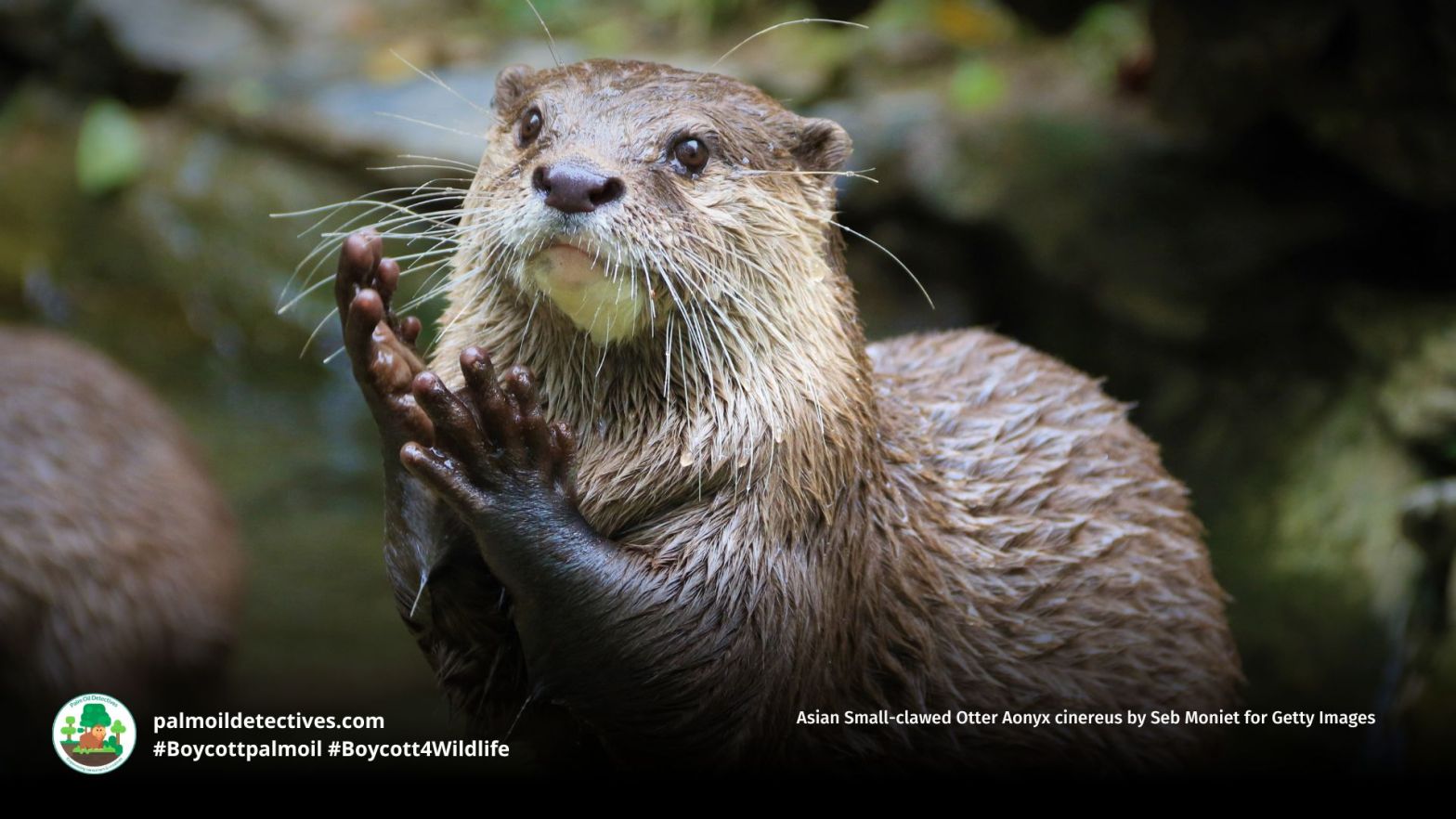
Asian Small-clawed Otters are the world’s smallest otter species and are Vulnerable from palm oil tea and coffee deforestation. Protect them, boycott palm oil!
Tag Archives: Sumatra
Tapanuli Orangutan Faces Extinction From Forest Protection Rollback
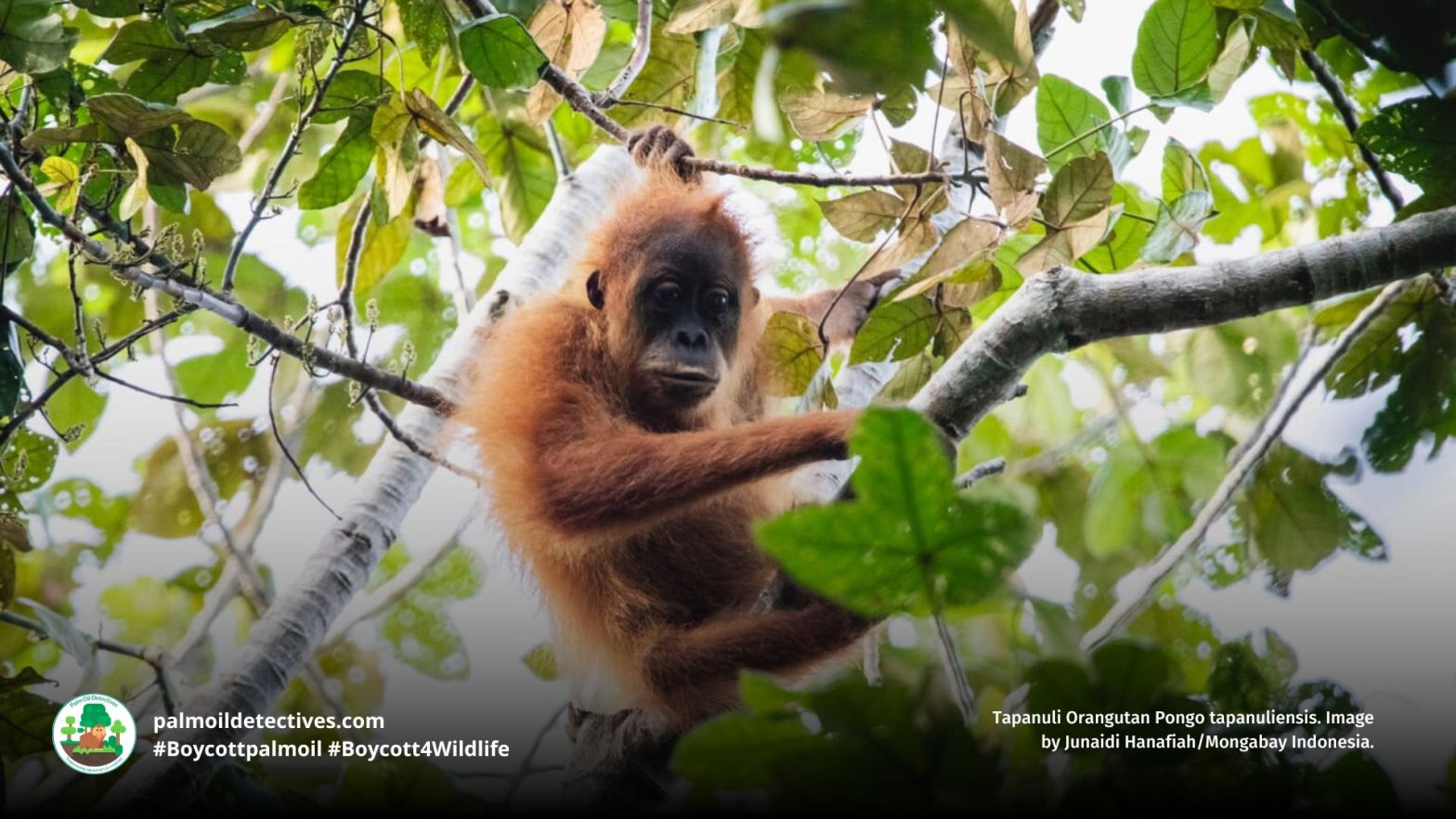
Save the Tapanuli orangutan! The rarest ape in the world faces extinction after floods, cyclones and now rezoning of their habitat in Sumatra #BoycottPalmOil!
Sunda Flying Lemur Galeopterus variegatus
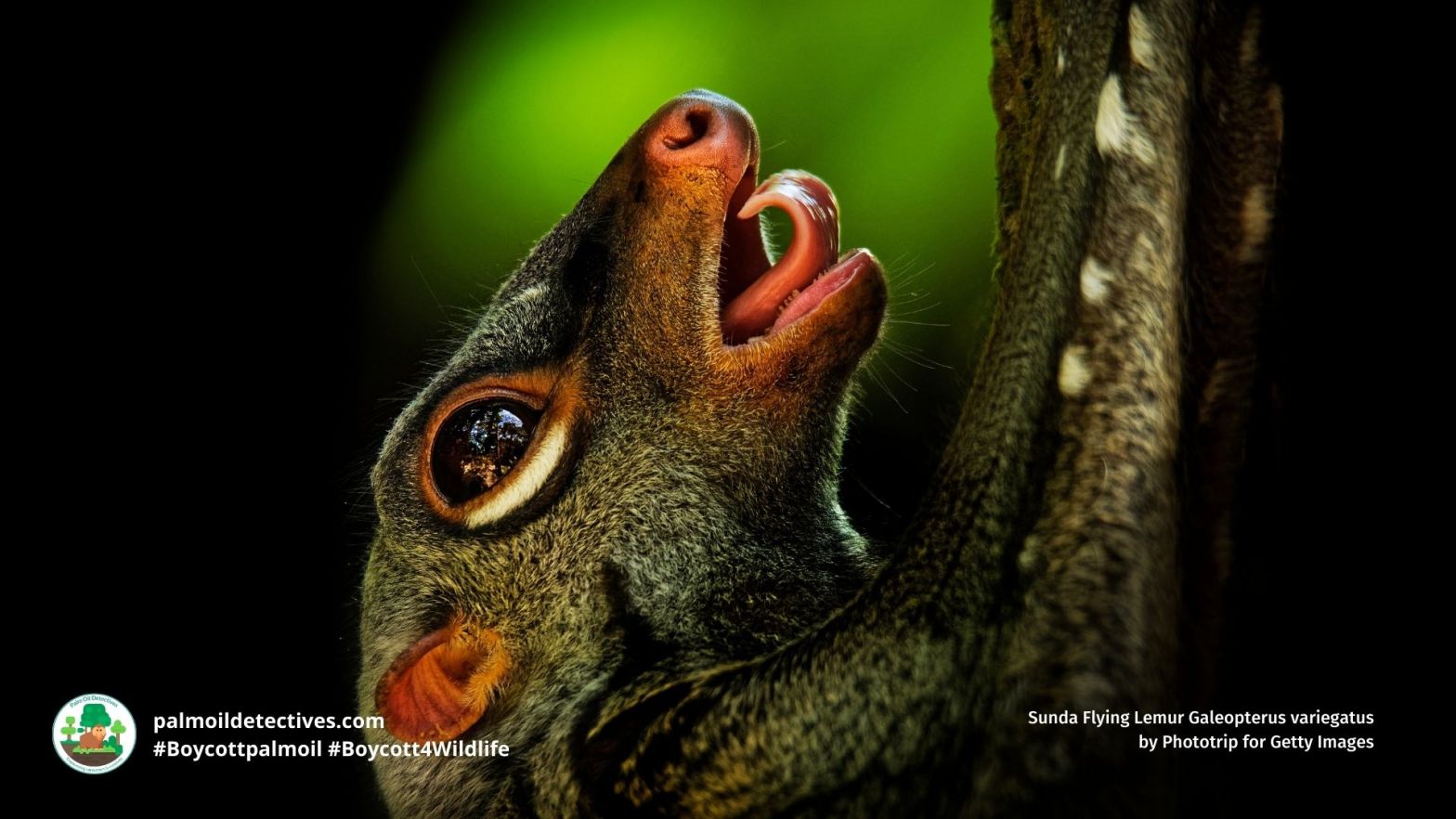
Sunda flying lemurs AKA Malayan colugos rely on ancient forests to survive, despite being skilful gliders, palm oil is a major threat, boycott palm oil!
Meat-Stinking Giant Flower Has A Delectable Aroma For Pollinators
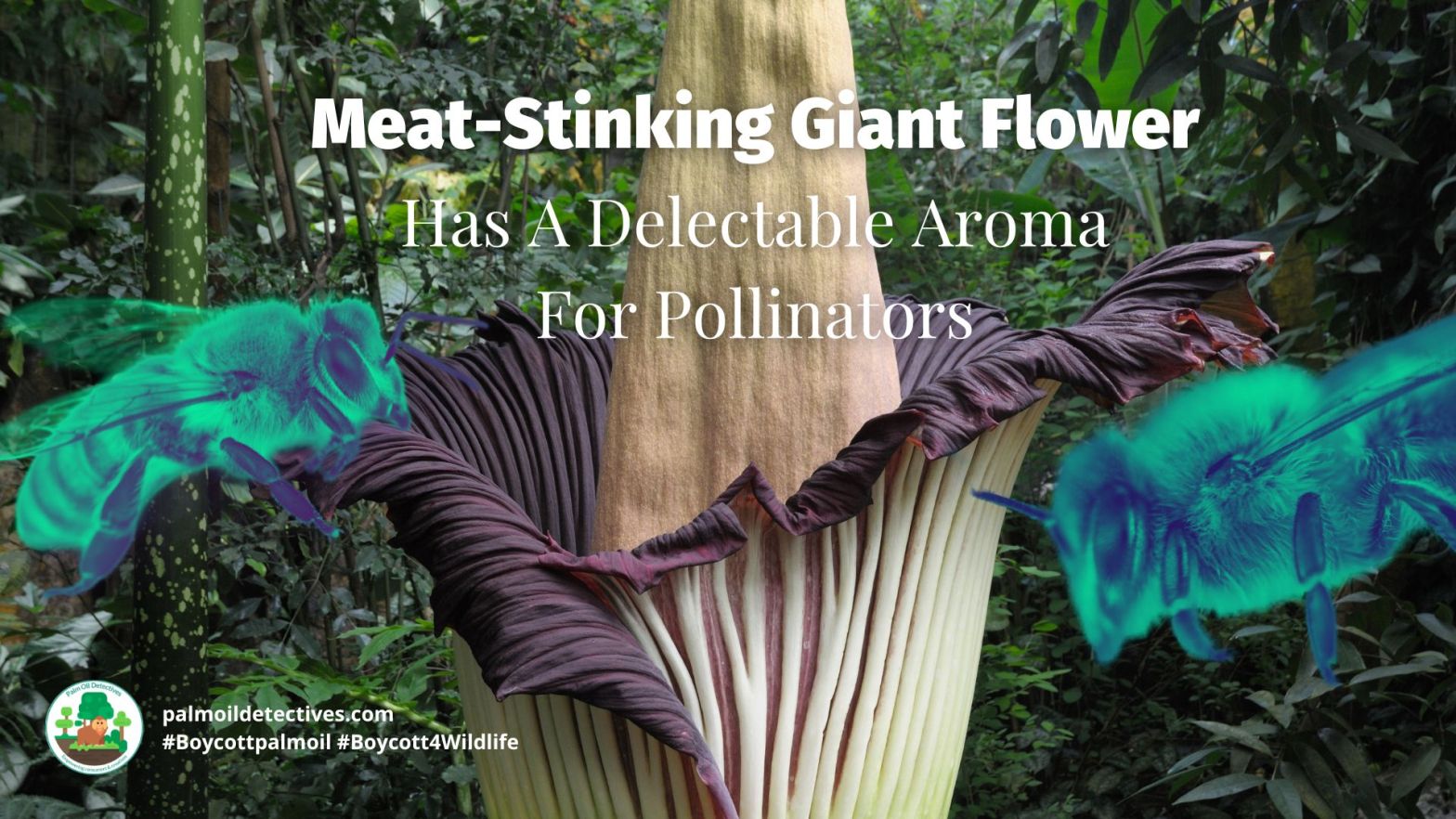
Titan Arum AKA ‘Corpse Flowers’ is famous for its repulsive meat smell. Palm oil agriculture is a massive threat to these rare stinky plants. Take action!
Deforestation Devastates Tesso Nilo National Park’s Endangered Creatures
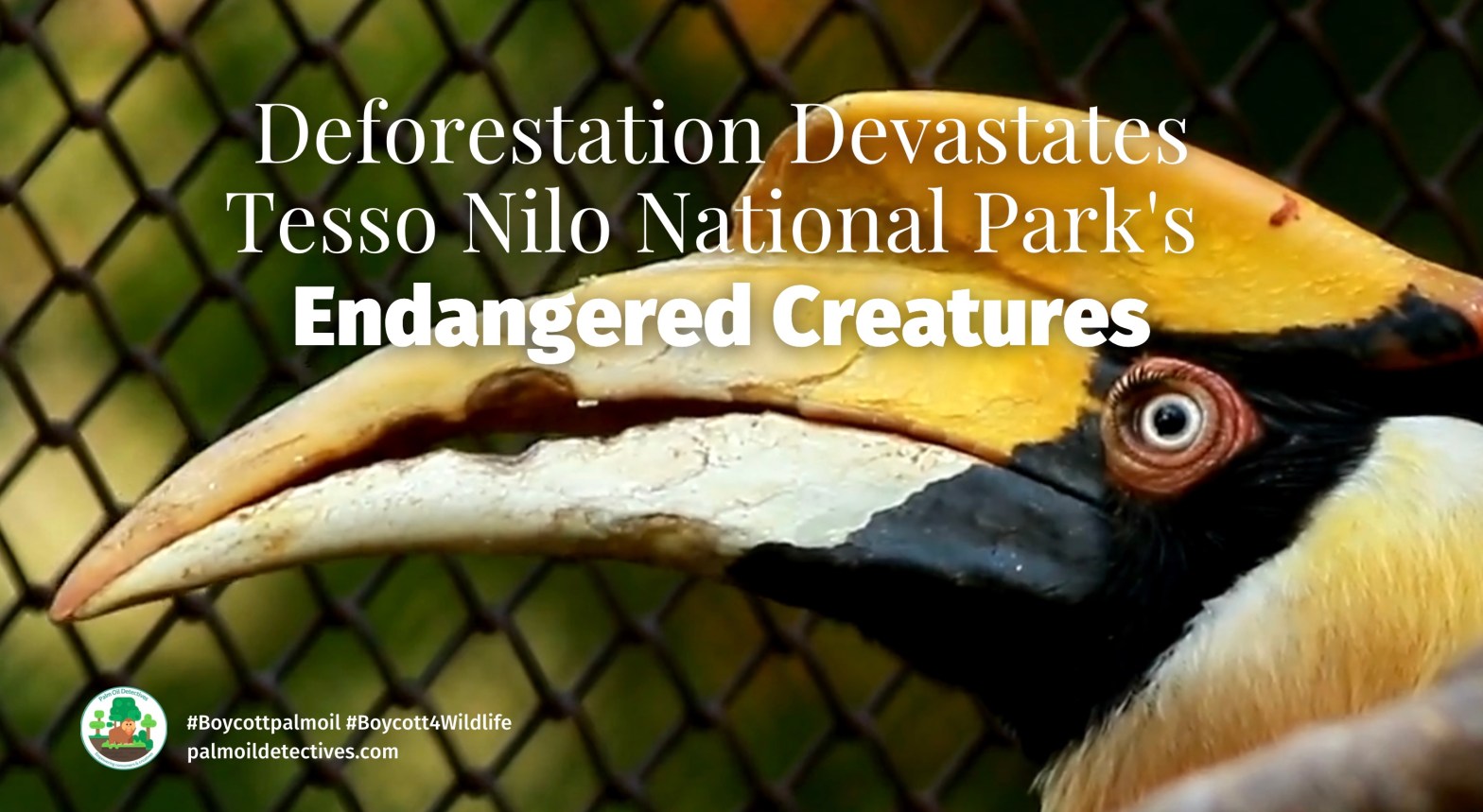
Act now to save Tesso Nilo Park. This vital Indonesian park has lost 78% of its primary forest, threatening the habitat of Sumatran tigers and elephants
How We Save Sumatra’s Last Living Tigers
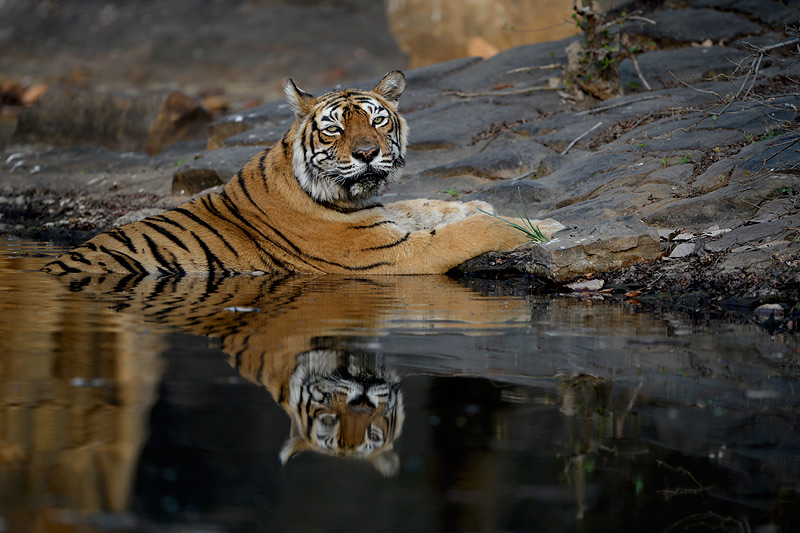
Strict global rainforest laws like #EUDR, enforcement of anti #poaching units, and a consumer boycott of #palmoil, hold the key to protecting #Sumatra’s last living #tigers.
Sumatran Tiger Panthera tigris sondaica

The Sumatran tiger Panthera tigris sondaica is a critically endangered big cat, with less than 600 of their species alive in the wild today. Once living in Java and Bali, they are now only found in Sumatra, Indonesia. The smallest tiger species, they possess darker coats and narrower stripes than their mainland counterparts. Each pattern is as unique and distinct as a fingerprint. Sumatran Tigers face serious and grave threats from palm oil habitat destruction, poaching, and human-wildlife conflict. Sumatra’s ongoing deforestation, driven by palm oil and acacia plantations, continues to shrink their habitat. While illegal poaching for the wildlife trade is decimating their population. Conservation efforts are underway, but the future of this magnificent species hangs in the balance. You can help protect the Sumatran tiger every time you shop. Learn how to boycott palm oil on the Palm Oil Detectives website. Raise awareness of them on social media using the hashtags #BoycottPalmOil #Boycott4Wildlife.
Sunda Clouded Leopard Neofelis diardi
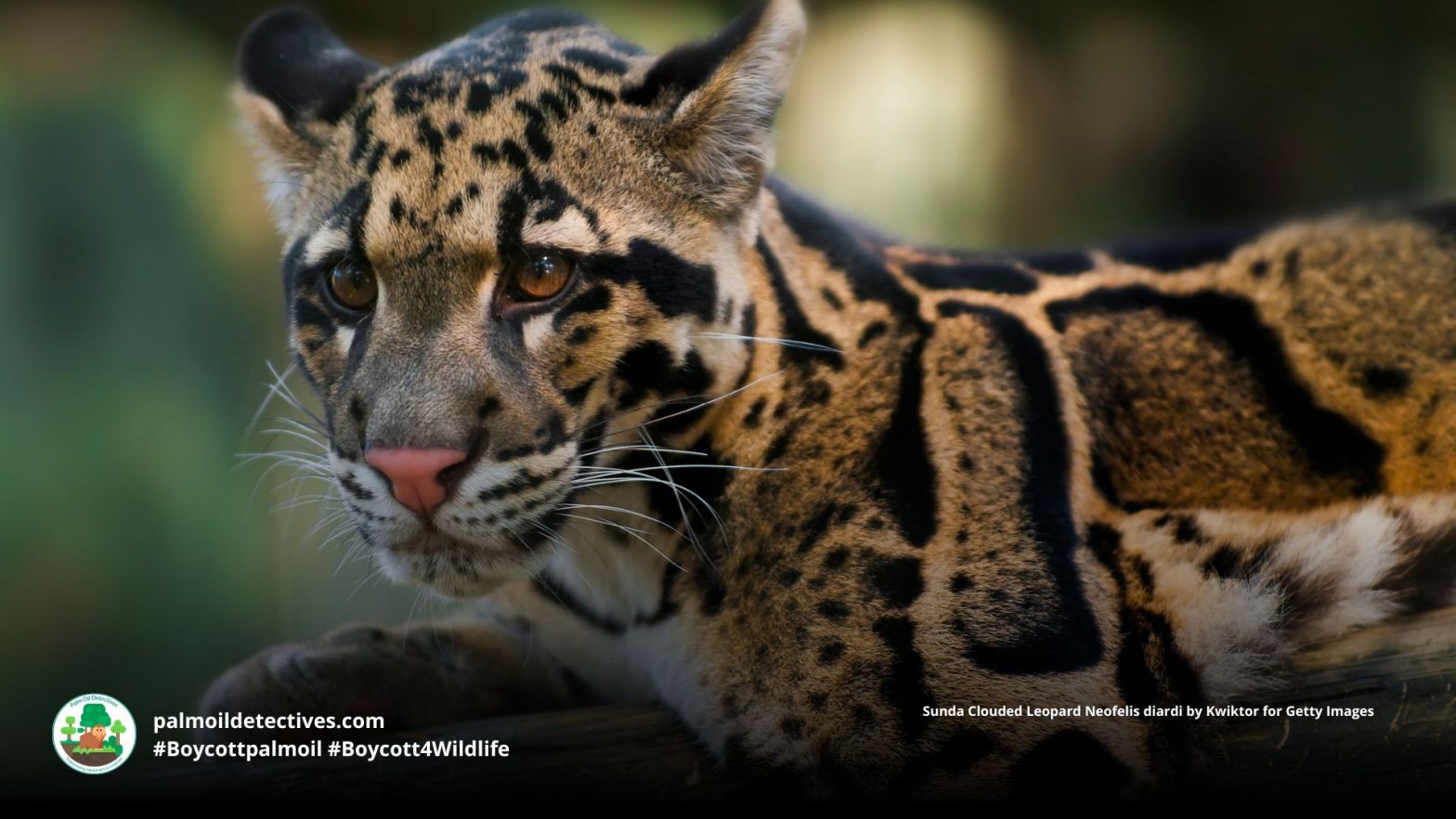
Gliding through the rainforest canopy like a phantom predator, the Sunda Clouded Leopard moves with unmatched grace, making them one of the least understood big cats in the world. Their spectacularly patterned coat, the longest canines relative to skull size of any feline, and astonishing agility in trees set these big cats apart as a truly unique species. Yet, despite these remarkable adaptations, these mysterious carnivores are now rapidly vanishing from the wild due to human-related threats.
Massive infrastructure projects, industrial-scale palm oil plantations, and poaching for the illegal wildlife trade have decimated their populations. Once thought to be a subspecies of the mainland clouded leopard, genetic studies in 2006 confirmed that they are a distinct species, found only in Borneo and Sumatra. Today, they are among the most threatened felines in the world, teetering on the edge of an uncertain future. Take action for them every time you shop and #BoycottPalmOil #Boycott4Wildlife
Deforestation-driven Climate Change and Natural Disasters
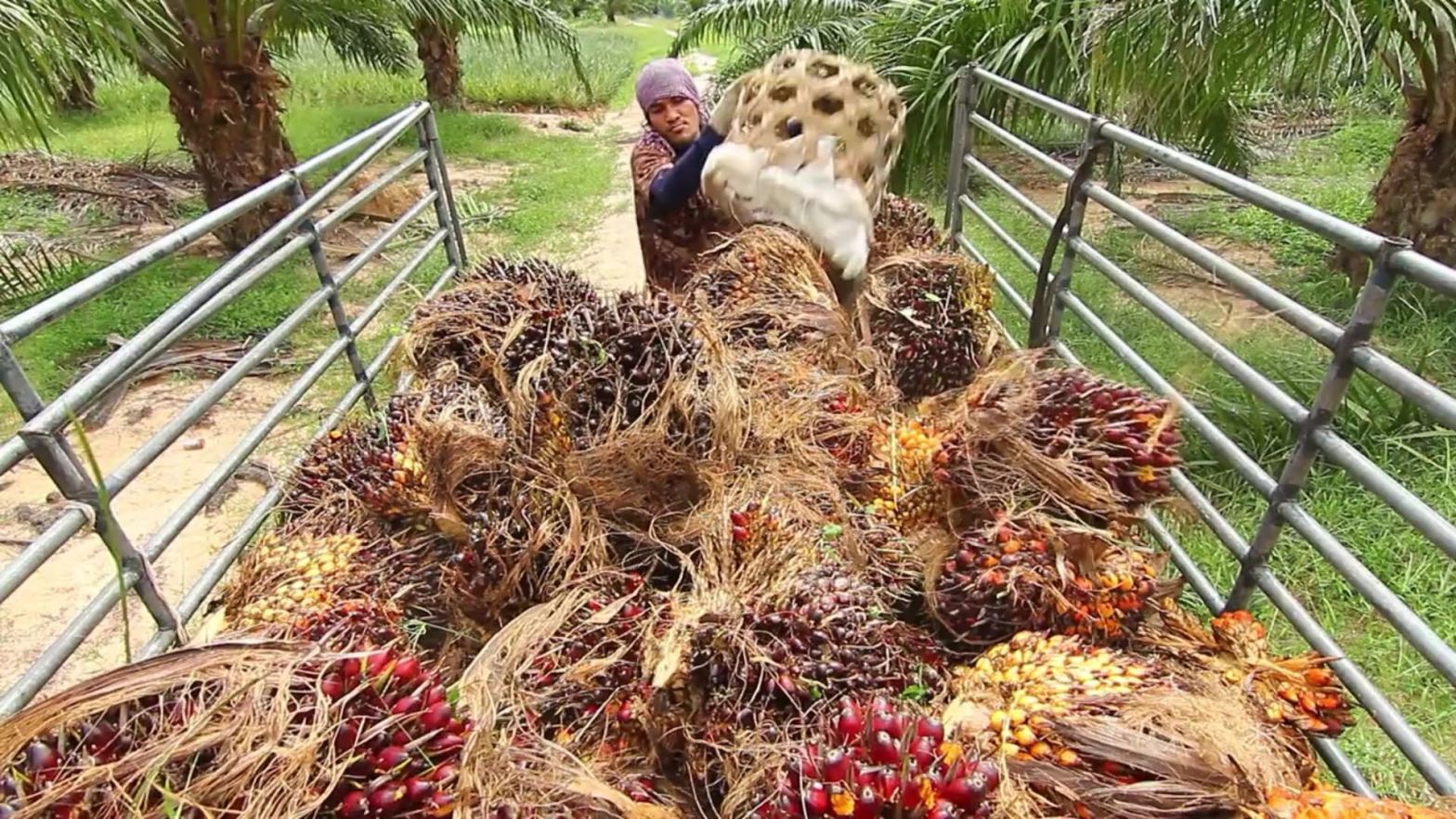
Deforestation in Indonesia worsens severe weather events: floods and landslides. Urgent policy changes are needed to mitigate ecocide and climate change
Protected: Private Advocate’s Page
There is no excerpt because this is a protected post.
Helmeted Hornbill Rhinoplax vigil

Helmeted #Hornbills are spectacular, large and intelligent #birds native to SE Asia, known for their substantial helmet-like structure on their head called a casque made of ivory. This hefty head accounts for 11% of their 3kg body weight. They are found on the Malay Peninsula: #Sumatra, #Borneo, #Myanmar and #Thailand. They are #criticallyendangered. Their main threats are illegal hunting and wildlife trade for their ivory casques along with palm oil and timber deforestation. Help them each time you shop and #Boycottpalmoil #Boycott4Wildlife
Conservation activists suing Indonesian zoo could inspire global action on endangered species trade
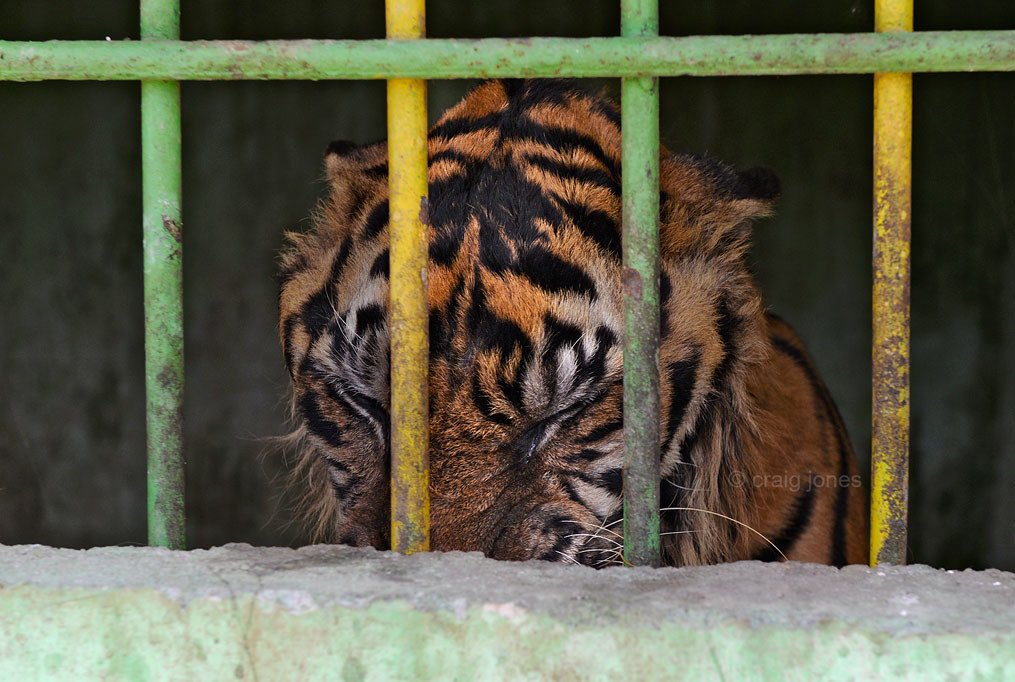
A lawsuit against a Sumatran zoo for illegally exhibiting threatened species like orangutans could inspire global action against the illegal wildlife trade
Wildlife Photographer Craig Jones
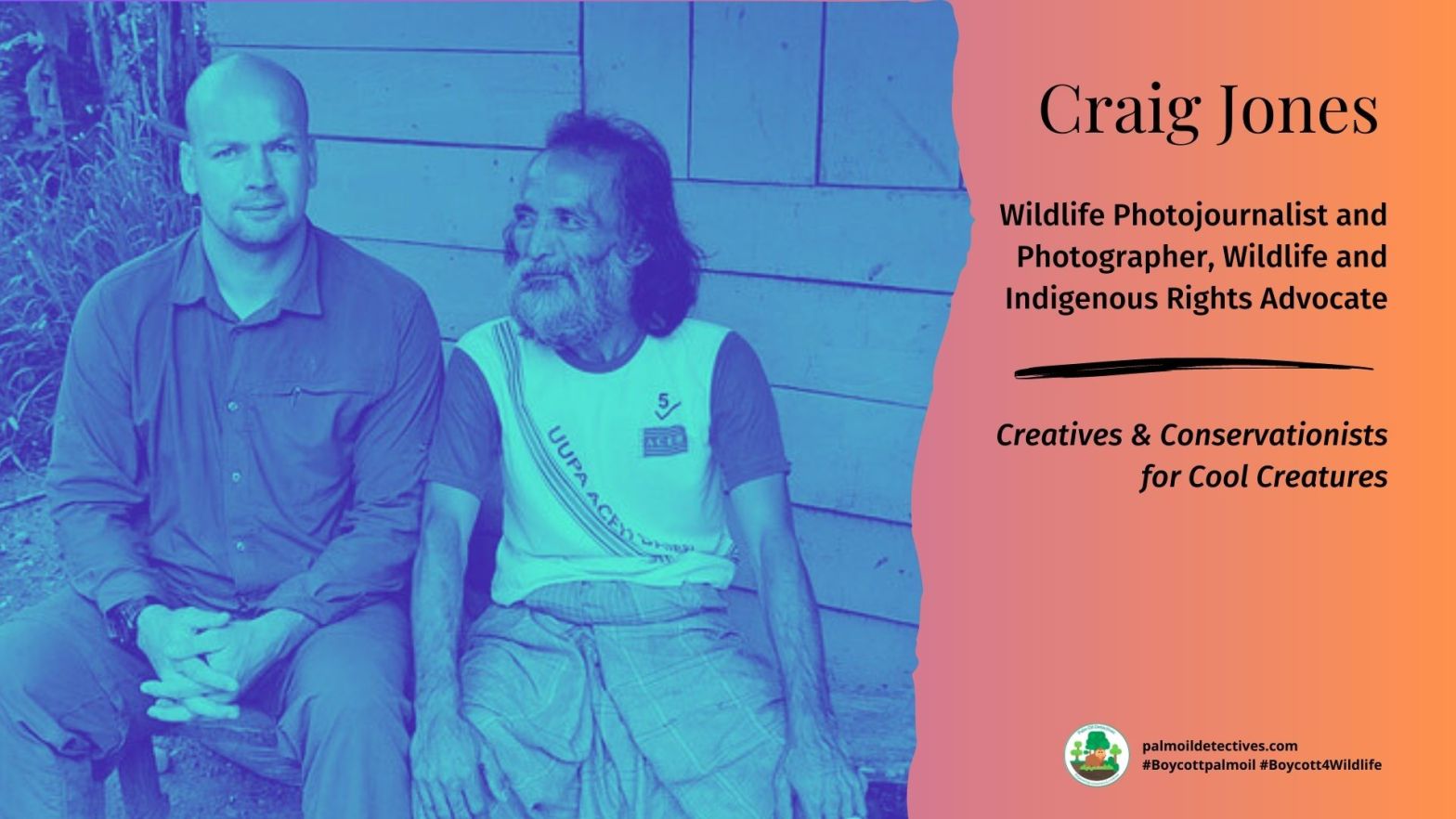
One of Britain’s finest wildlife photographers, Craig Jones uses his own words to bear witness to the awesome love and intelligence of orangutans, and also shares stories of the immense suffering of orangutans and other species within RSPO member palm oil plantations. Craig is an absolute inspiration to photographers, animal lovers and conservationists. It is an honour to showcase his work and stories on Palm Oil Detectives.
Eyewitness by Craig Jones: A mother and baby orangutan are rescued from an RSPO palm oil plantation in Sumatra

Bio: Craig Jones One of Britain’s finest wildlife photographers, Craig Jones is also one of the most humble and down-to-earth guys you will ever meet. His photography and stories capture the lives of endangered rainforest animals that we hold so dearly to our hearts: Sumatran orangutans, Sumatran tigers, Sumatran elephants, Siamangs and more. His workContinue reading “Eyewitness by Craig Jones: A mother and baby orangutan are rescued from an RSPO palm oil plantation in Sumatra”
Dusky Langur Trachypithecus obscurus
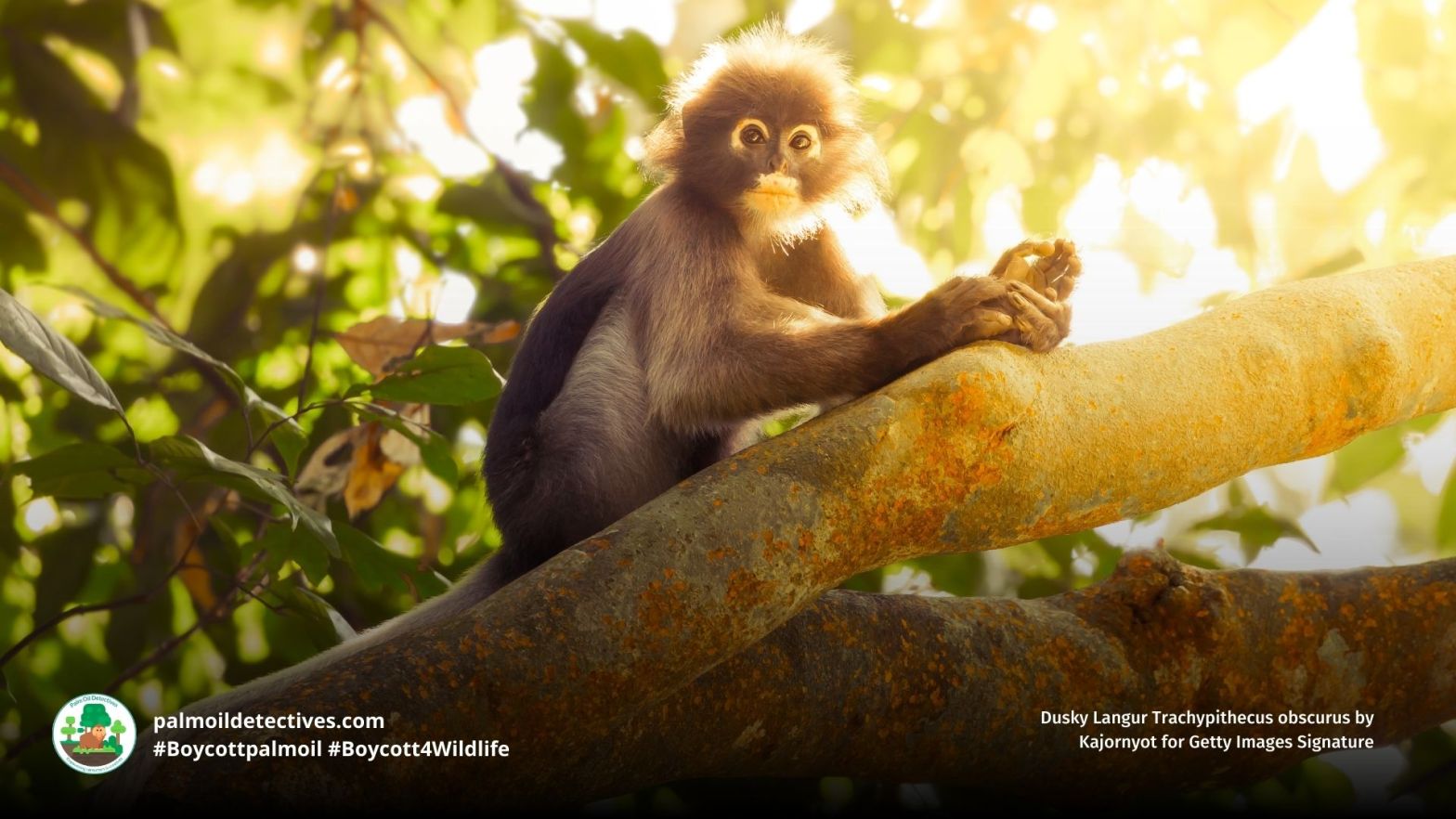
The dusky langur, also known as the spectacled langur or dusky leaf monkey, is one of Southeast Asia’s most charismatic primates. Living in #Thailand, #Myanmar and #Malaysia they have vivid white eye patches that resemble spectacles and a fluffy dark-grey coat, they cut an unmistakable figure against the rustling emerald canopy of the rainforest. These intelligent and agile #monkeys play a crucial role in their ecosystems by dispersing seeds, keeping forests healthy and thriving. Yet, deforestation for agriculture—particularly #palmoil, rubber, and durian plantations—alongside hunting and illegal #wildlifetrade, is pushing them closer to extinction. Without urgent intervention, the forests they call home will be razed, and their populations will continue to plummet. Use your voice to protect them—fight for their survival and #BoycottPalmOil #Boycott4Wildlife every time you shop
The Stealth and Beauty of the Clouded Leopard
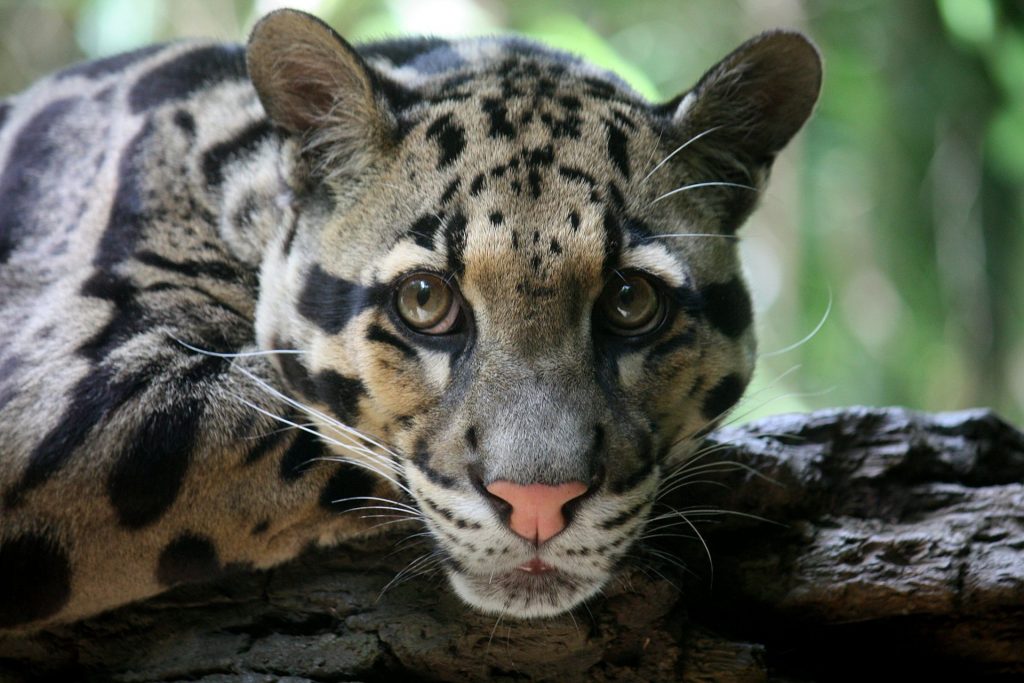
Beautiful and unique Clouded Leopards are #endangered by #palmoil, #meat #mining #deforestation and human persecution across their range. Help them every time you shop and be #vegan, #Boycottpalmoil and #Boycott4wildlife
Kloss’s Gibbon Hylobates klossii
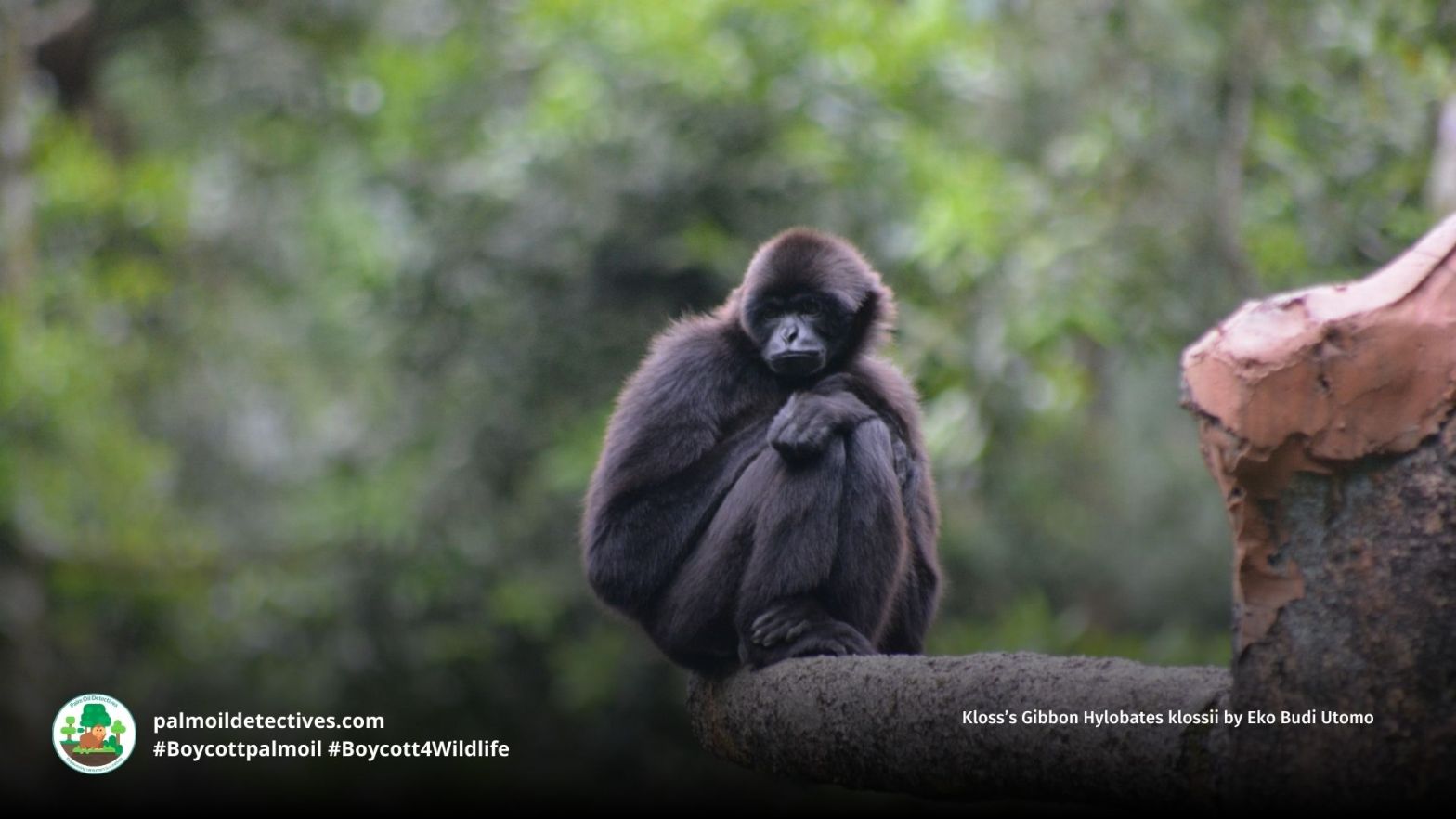
The Kloss’s gibbon Hylobates klossii, also known as the Mentawai gibbon or bilou by locals, is a small, agile primate with dark smoky grey fur and an ethereal song that resonates and echoes throughout the forests of the Mentawai Islands. These gibbons are known for their intricate vocalisations, with both males and females producing unique solo songs. Their haunting melodies play an essential role in marking territory and strengthening social bonds.
Classified as Endangered by the IUCN, Kloss’s gibbons face a relentless barrage of threats, including habitat destruction for logging and palm oil plantations, poaching for the illegal pet trade, and human encroachment. With populations declining by 50% in the past 45 years, immediate action is needed to save this unique species. Fight for their survival with indigenous-led conservation efforts and use your wallet as a weapon—boycott palm oil and support sustainable agroecology. #BoycottPalmOil #Boycott4Wildlife
Storm’s Stork Ciconia stormi
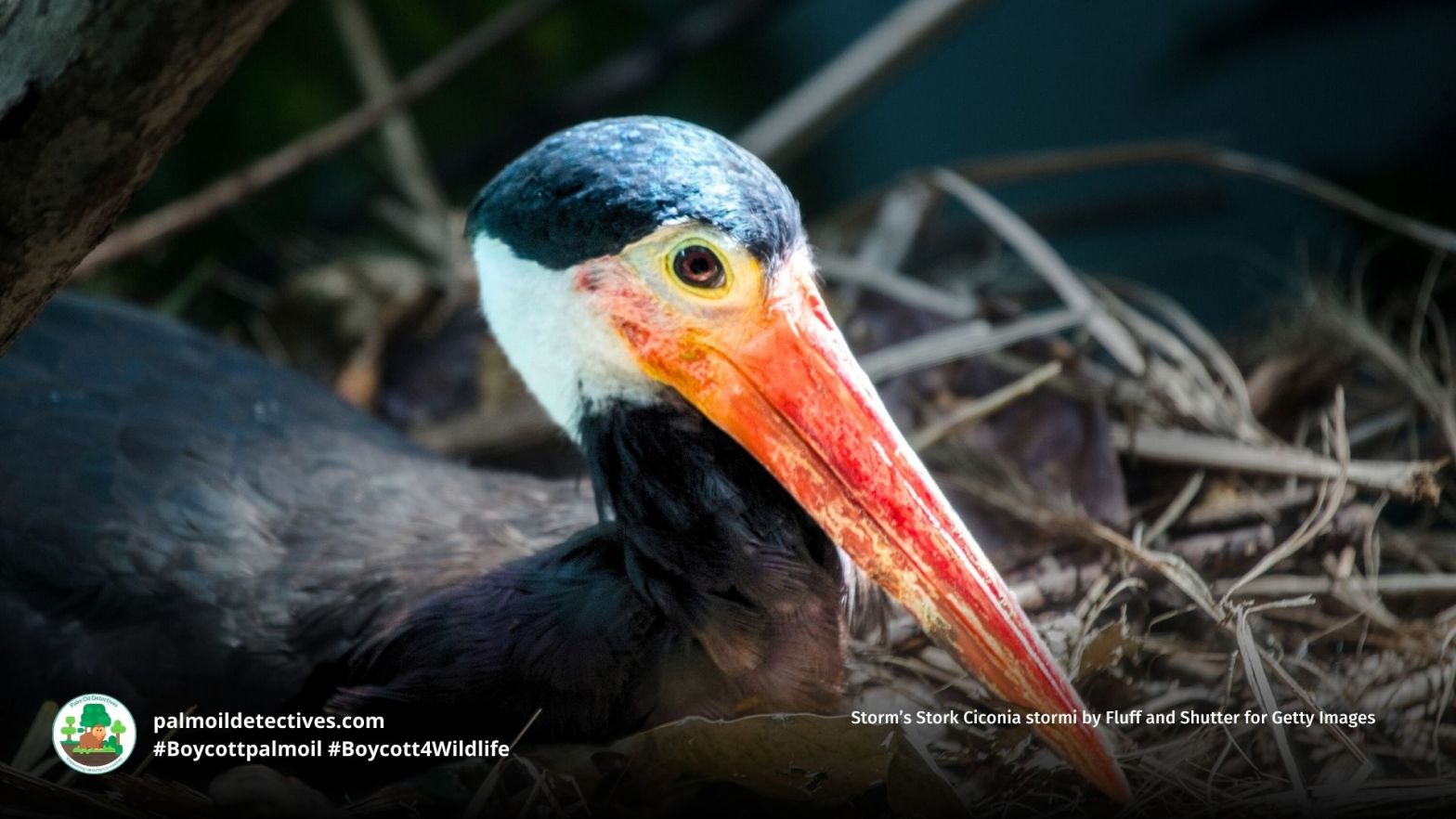
Storm’s Stork Ciconia stormi is the rarest and most elusive stork in Asia, palm oil is a threat boycott palm oil for them!
Wild Water Buffalo Bubalus arnee
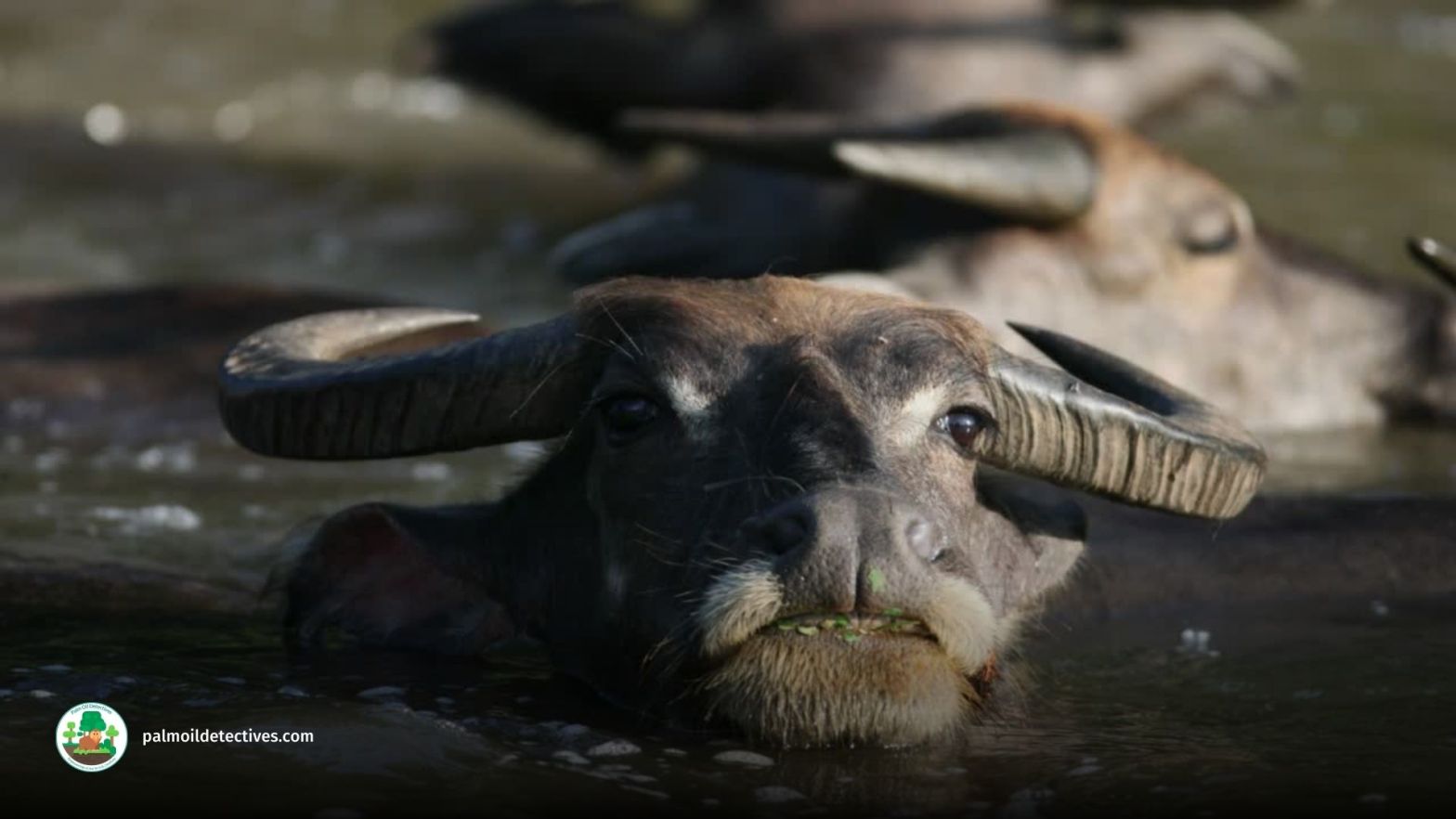
Massive, muscular, and critically under threat, the Wild Water Buffalo Bubalus arnee is the endangered ancestor of all domestic buffalo breeds. Once roaming vast swathes of South and Southeast Asia, fewer than 4,000 individual buffaloes remain today, scattered across shrinking habitats in India, Nepal, Cambodia, and a handful of neighbouring nations. Their decline is driven by interbreeding with domestic buffalo species, habitat destruction from farming and palm oil plantations, hunting, and disease transmission from livestock. This ancient grazer of flooded grasslands and braided rivers is vanishing before our eyes. Speak out for them and support indigenous-led efforts to restore their ecosystems. #BoycottPalmOil #Boycott4Wildlife
Sipora Flying Squirrel Hylopetes sipora
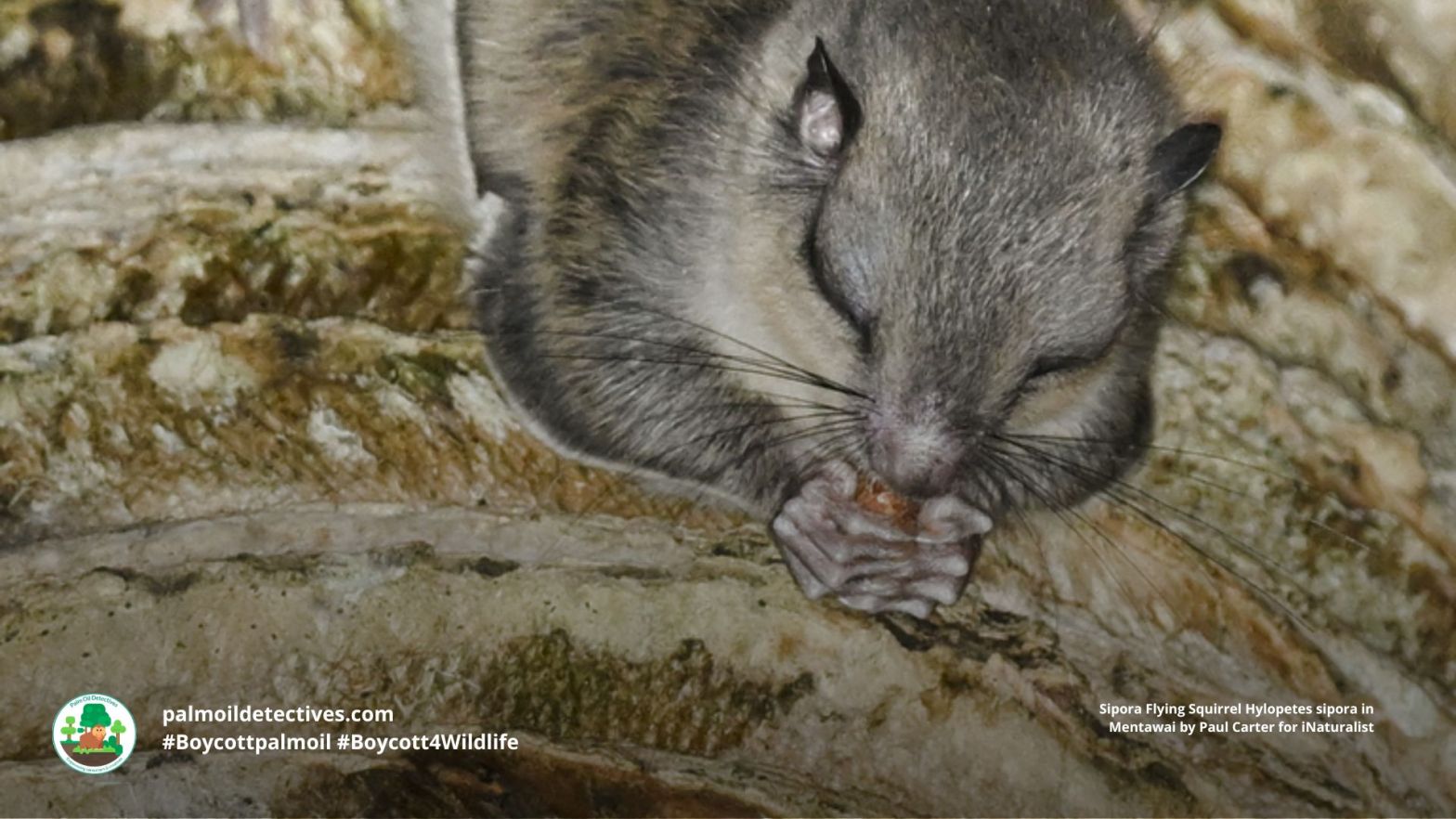
On the small, forested island of #Sipora, #Indonesia the Sipora flying #squirrel Hylopetes sipora drifts silently between ancient trees. This rare squirrel is found nowhere else on earth. At night, the Sipora flying squirrel emerges from the hollows of towering trees, their large eyes scanning the dim canopy. With a sudden leap, they unfold their patagium—a membrane stretching from wrist to ankle—and glide effortlessly through the air, landing on a distant branch with barely a sound. The forests of Sipora are being cleared for #timber, charcoal and #palmoil, leaving the Sipora flying squirrel with fewer places to hide. Use your wallet as a weapon and #BoycottPalmOil #Boycott4Wildlife.
Siberut Flying Squirrel Petinomys lugens
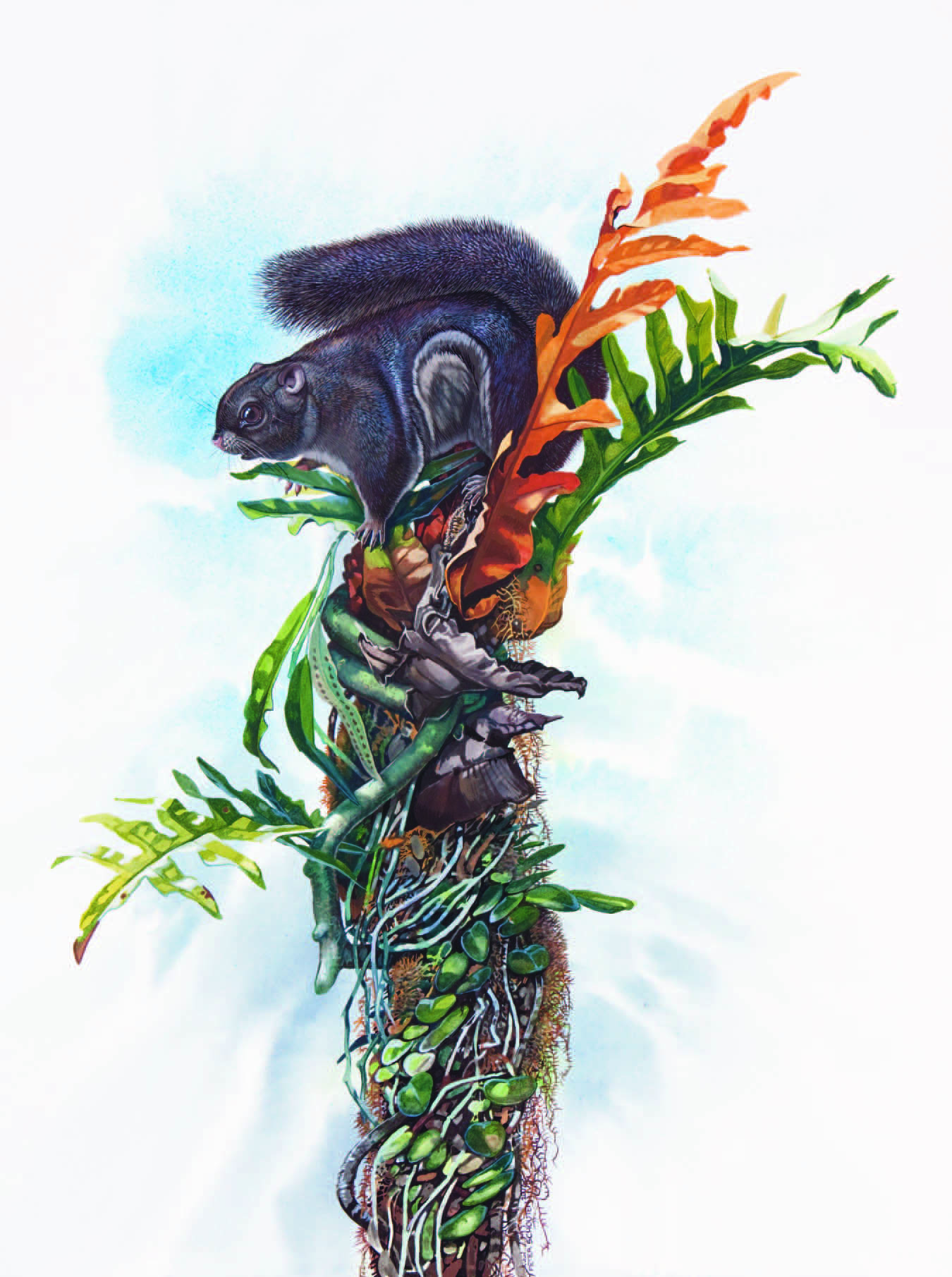
The Siberut Flying Squirrel is one of the world’s most elusive gliders, found only in the #Mentawai Archipelago’s humid forests. At dusk, the Siberut Flying Squirrel launches from high branches, spreading their soft, square-shaped patagium to drift silently between ancient trees. The air is thick with the scent of damp earth and moss, and the only sound is the faint rustle of leaves as the Siberut Flying #Squirrel lands. Their world is shrinking fast—logging and #palmoil plantations are destroying the last forests on #Siberut, #Sipora, and North Pagai. No conservation actions protect the Siberut Flying Squirrel. Stand with indigenous communities and use your wallet as a weapon. #BoycottPalmOil #Boycott4Wildlife
Mentawi Flying Squirrel Iomys sipora
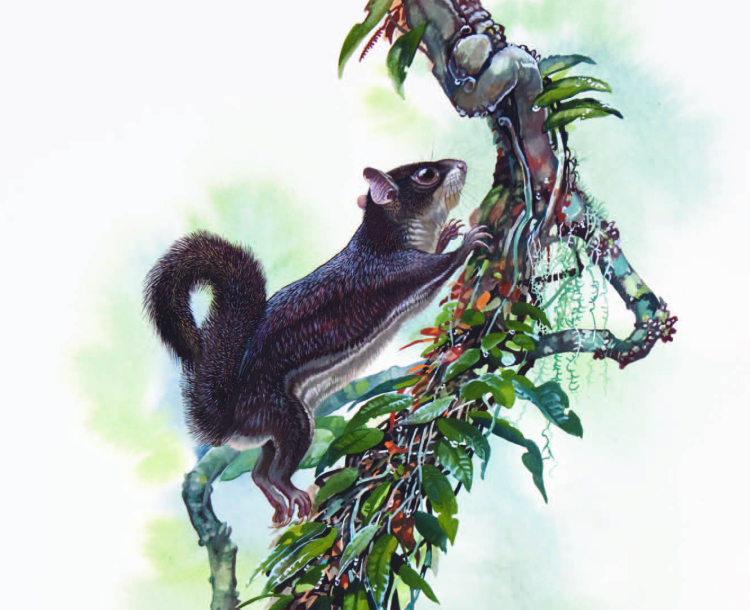
Endemic to Indonesia’s Mentawai Islands, these rare and beautiful gliding mammals are endangered due to deforestation. Boycott palm oil for their survival
Smoky Flying Squirrel Pteromyscus pulverulentus
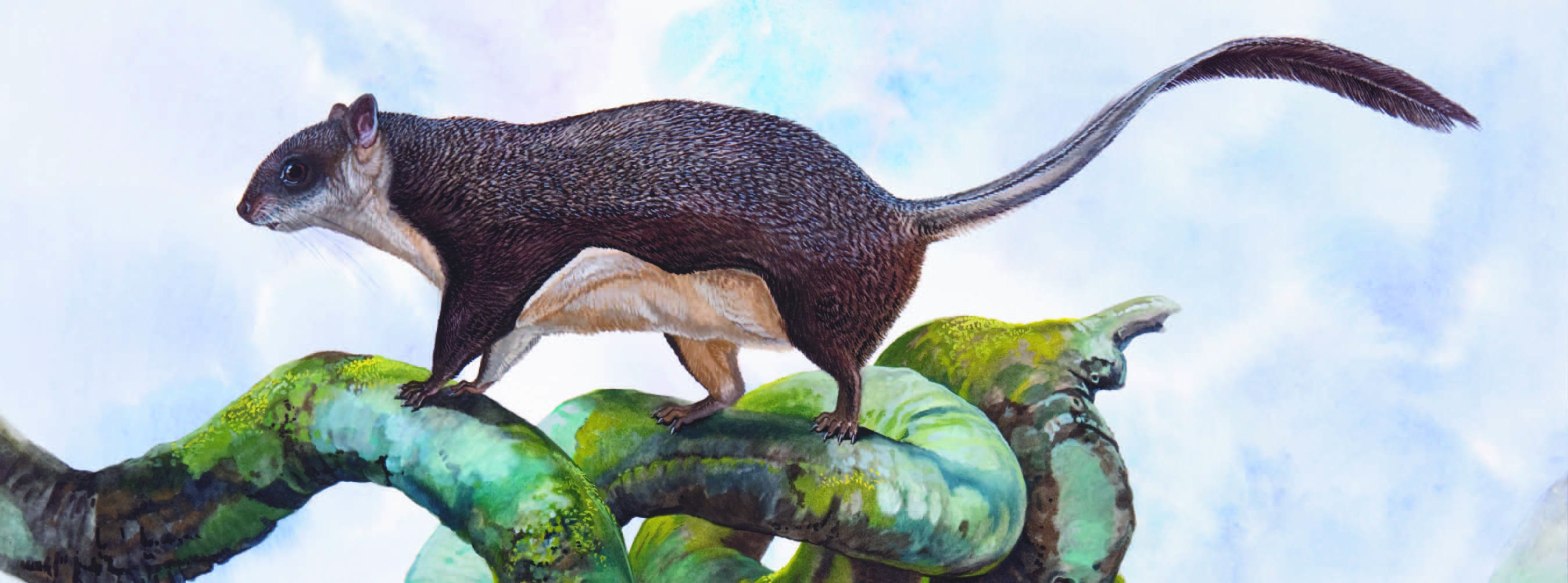
The Smoky Flying Squirrel (Pteromyscus pulverulentus) is a rare and elusive creature silently and gracefully gliding between the towering canopies of Southeast Asia’s rainforests. With their smoky-grey fur, expansive gliding membrane, and bushy tail, these squirrels are perfectly adapted to a dynamic life on the move in the treetops.
Classified as Endangered by the IUCN, their populations are dwindling and at a critical all time low due to habitat destruction from timber logging, palm oil plantations, and agricultural expansion. This fleet footed nocturnal marvel symbolises the fragile ecosystems of Southeast Asia. Protect them by boycotting palm oil and fighting deforestation. #BoycottPalmOil #Boycott4Wildlife
Malayan Tapir Tapirus indicus
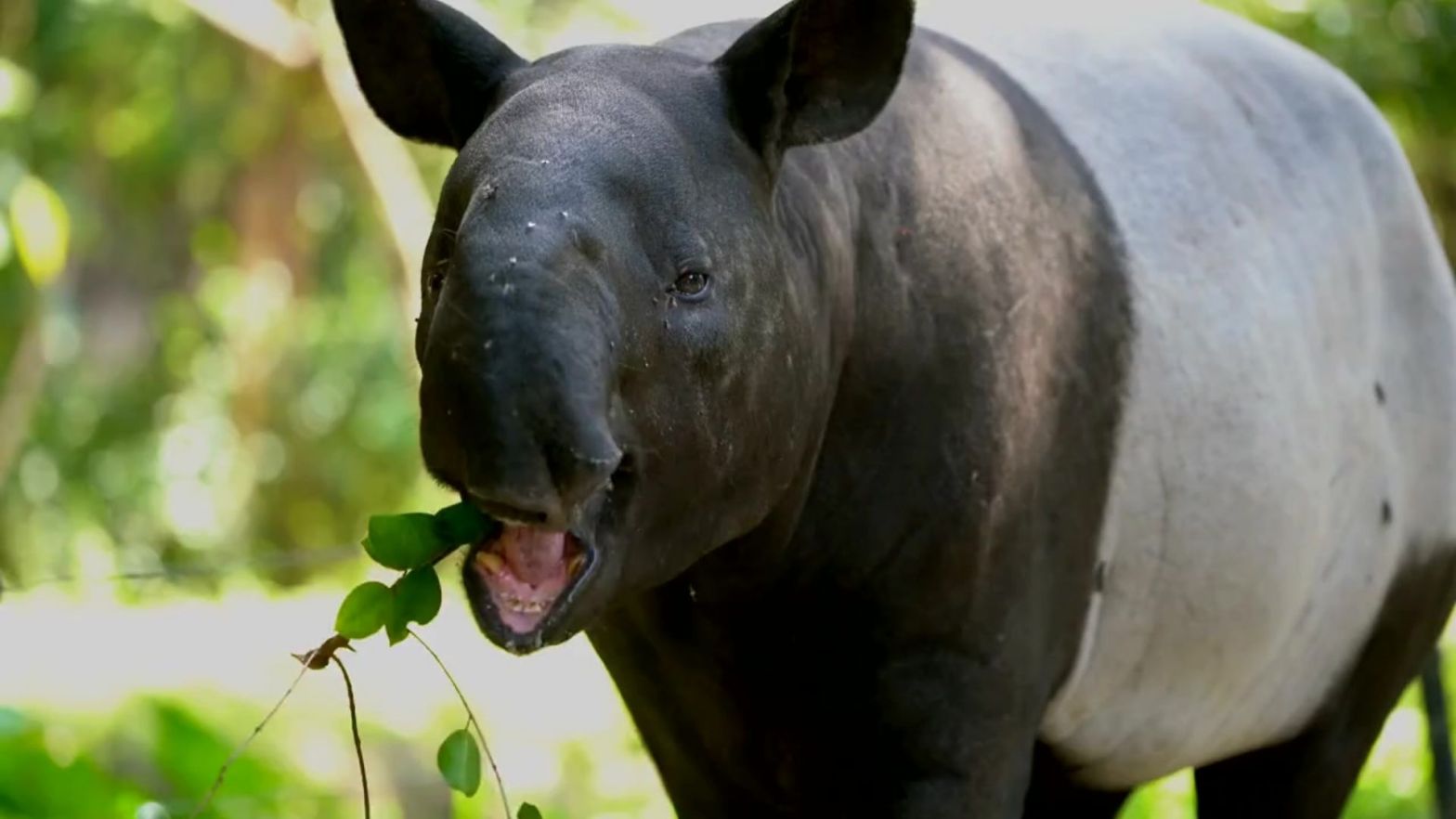
The endangered Malay Tapir faces habitat loss from palm oil plantations, road kills, and snares. Less than 2,500 remain. Support #BoycottPalmOil to save them.
Pig-tailed Snub-nosed Langur Simias concolor
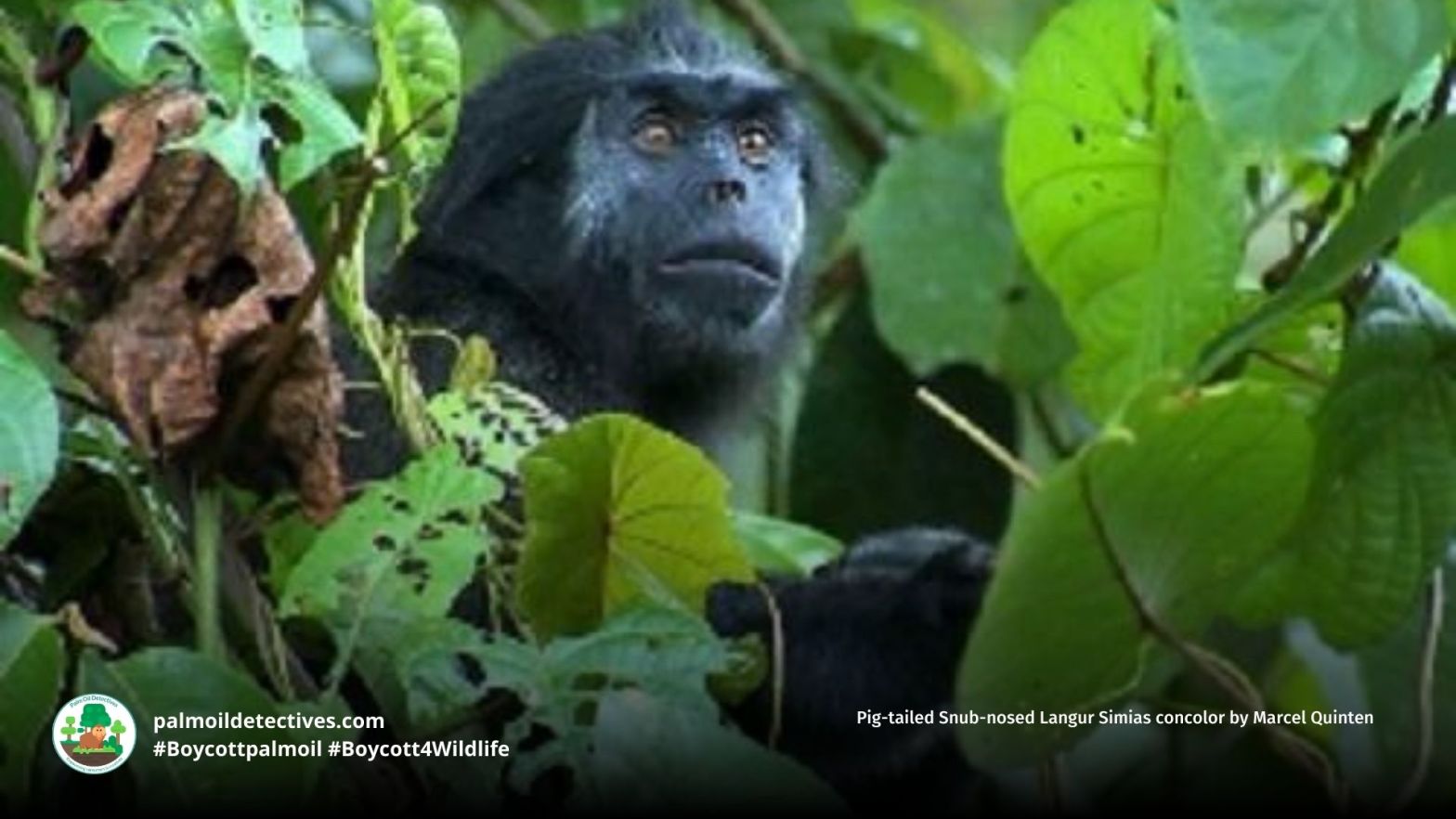
Boycott palm oil for Pig-tailed Langurs. These critically endangered monkeys face extinction from palm oil deforestation, hunting, and habitat fragmentation
Agile Gibbon Hylobates agilis

Agile gibbons communicate using local “accents” and form close familial and social bonds. They are endangered in #Indonesia, #Malaysia and #Thailand mainly due to timber and #palmoil #deforestation throughout their range. Help them every time you shop and #Boycottpalmoil #Boycott4Wildlife in the supermarket.
Borneo Bay Cat Catopuma badia
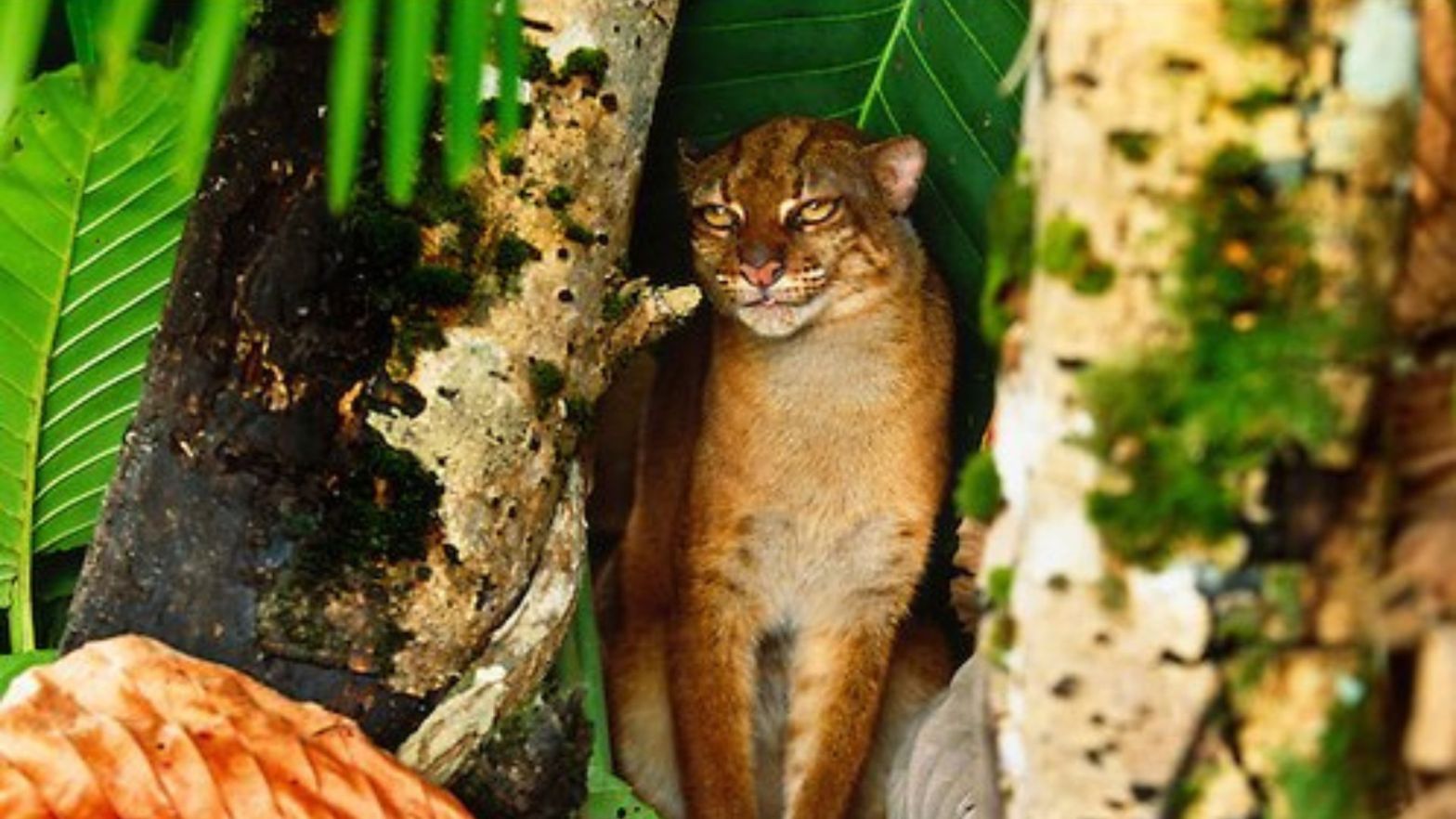
The Borneo Bay Cat, also known as the Bay Cat, is a small wildcat species endemic to the island of Borneo. Renowned for their elusive nature, they inhabit dense tropical forests and are among the least studied wild cats globally. Their rarity and the rapid deforestation of Borneo’s rainforests have raised significant conservation concerns. To protect the Borneo Bay Cat use your wallet as a weapon to fight for their survival each time you shop. #BoycottPalmOil #Boycott4Wildlife
Proboscis Monkey Nasalis larvatus
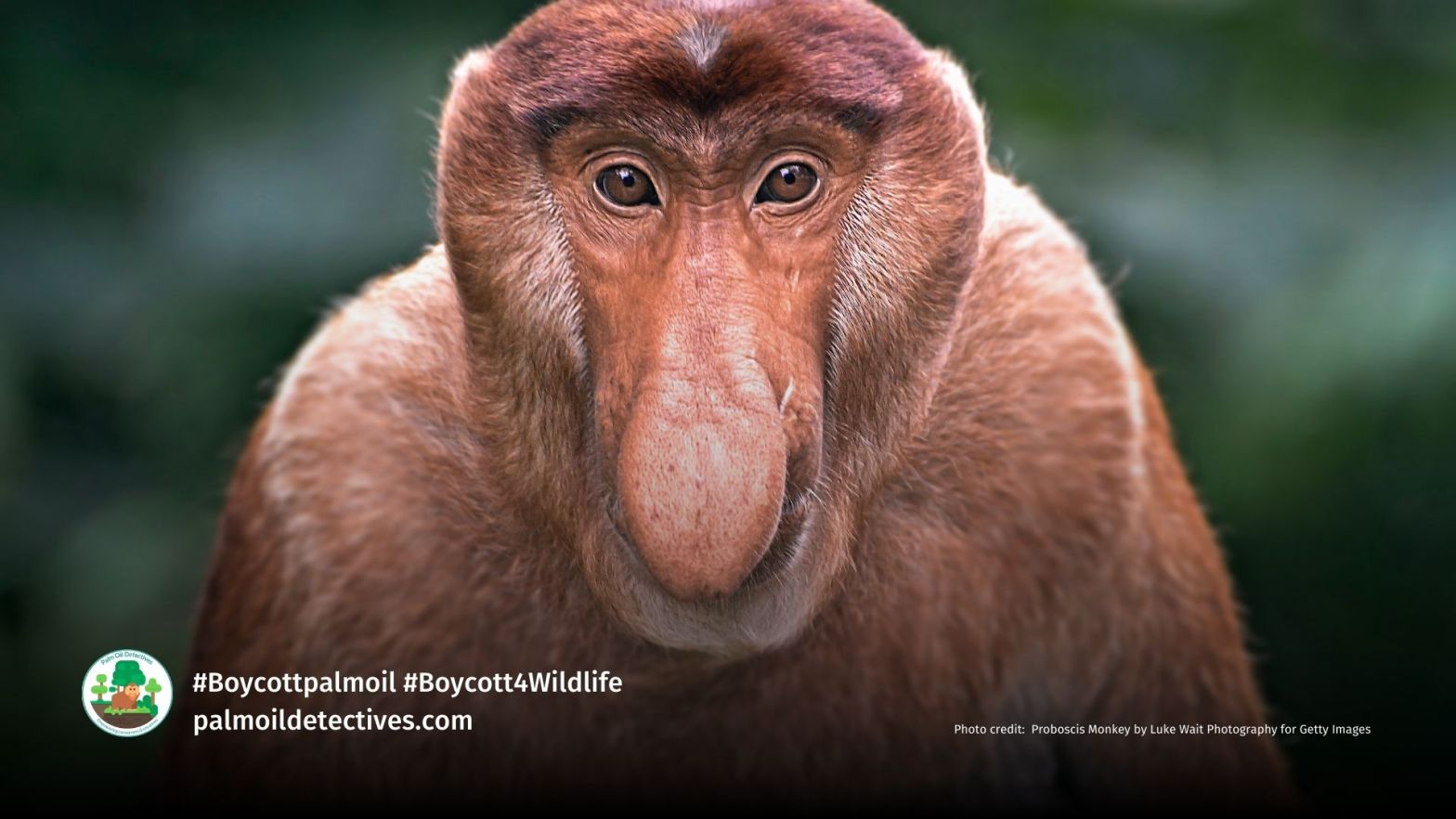
Proboscis Monkeys are known for their large noses and pot bellies. These arboreal monkeys of Borneo are great swimmers, help them when you boycott palm oil
Silvery Pigeon Columba argentina
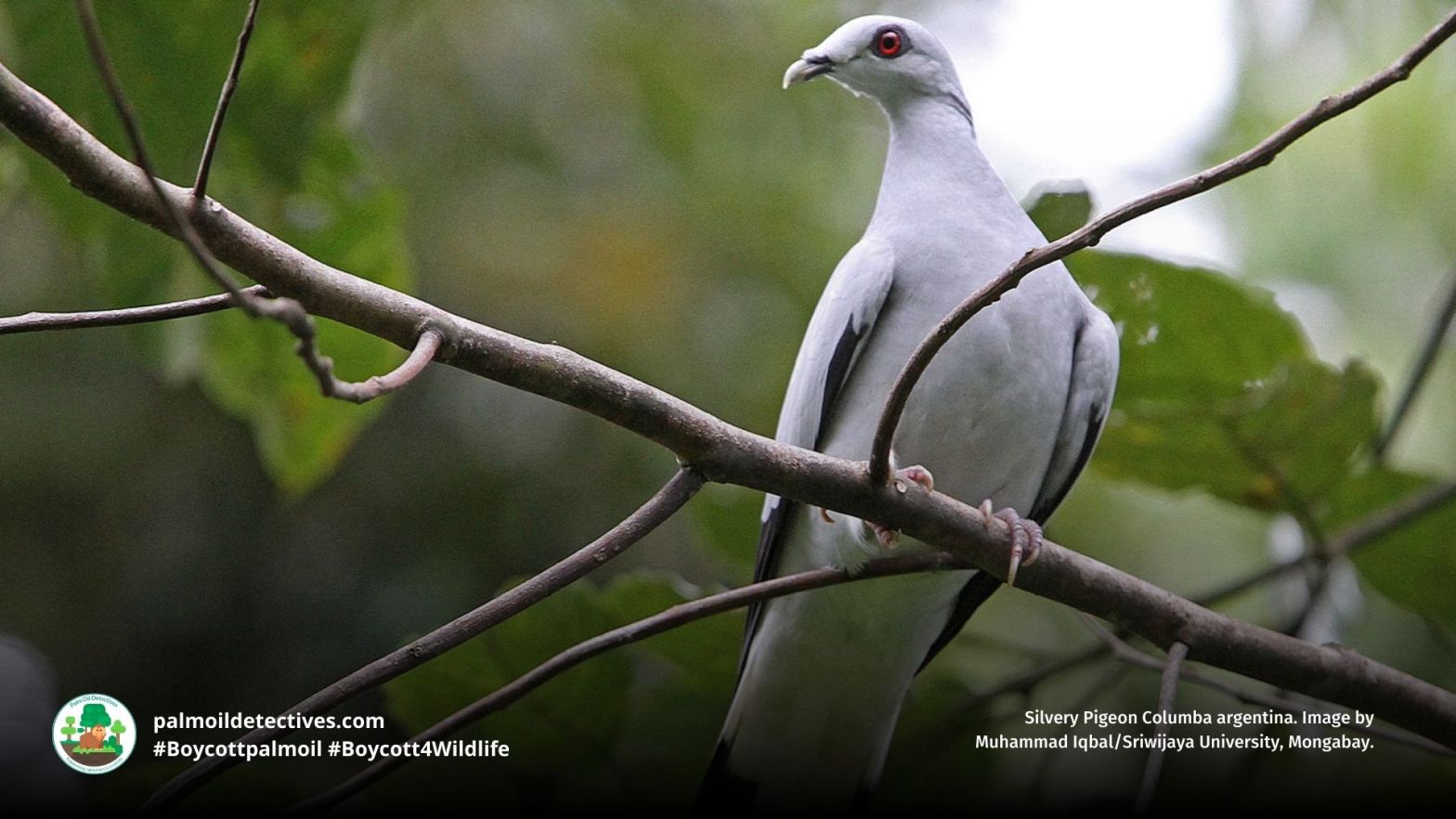
Help save the Silvery Pigeon. One of Southeast Asia’s most enigmatic birds, they are critically endangered, with an estimated population of fewer than 50.
Painted Terrapin Batagur borneoensis
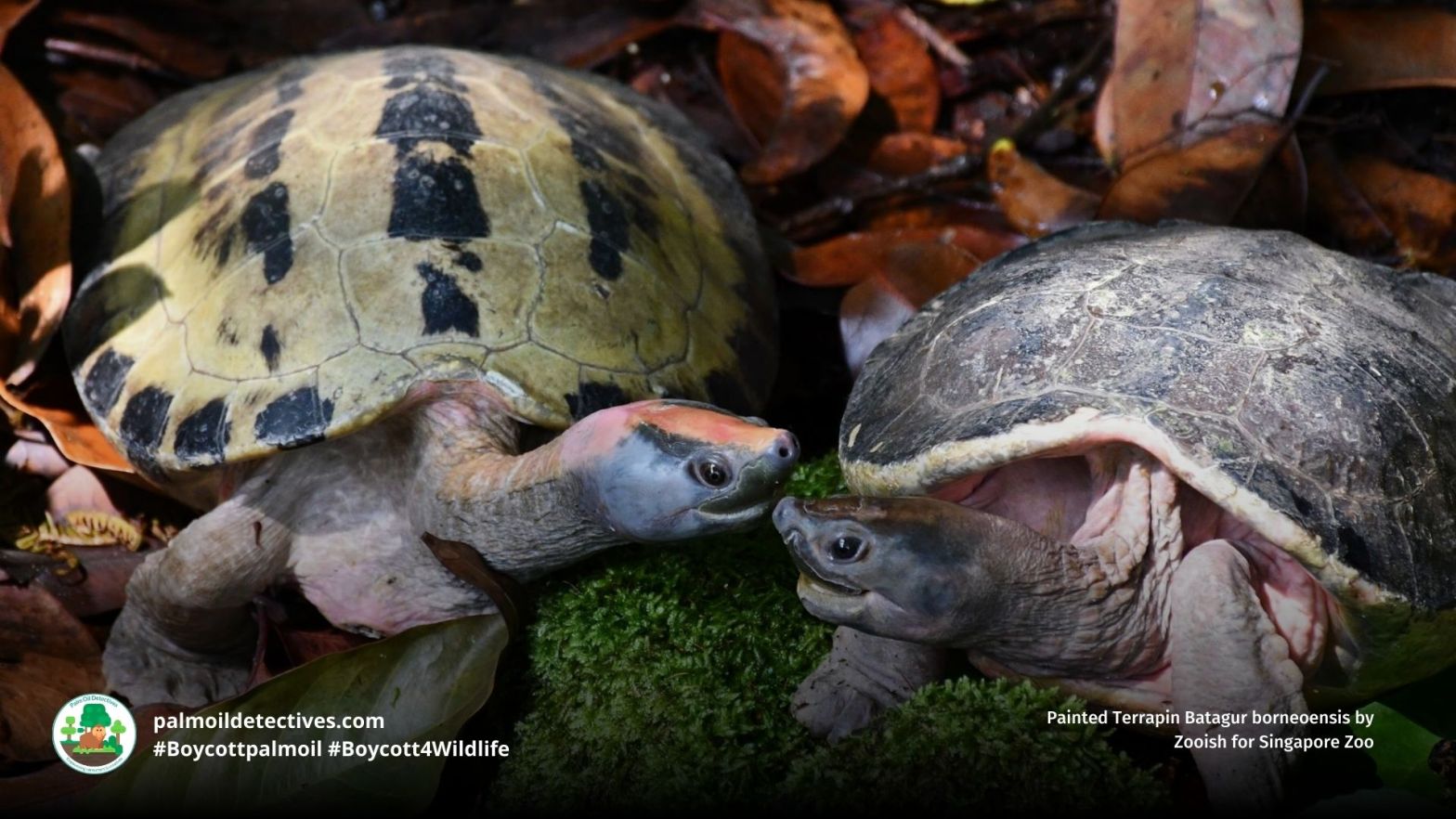
The painted terrapin, or painted river terrapin (Batagur borneoensis), is one of the most beautiful and critically endangered freshwater turtles in the world. Known for the vibrant markings displayed by males during breeding seasons, these terrapins are an integral part of Southeast Asia’s mangrove and river ecosystems.
However, their populations are rapidly declining due to habitat destruction, including deforestation for palm oil plantations, sand mining, and coastal development. With fewer than 1,000 mature individuals left in the wild, immediate action is critical to ensure their survival. Protect these majestic reptiles—boycott palm oil and support conservation efforts. #BoycottPalmOil #Boycott4Wildlife
 Palm Oil Detectives