
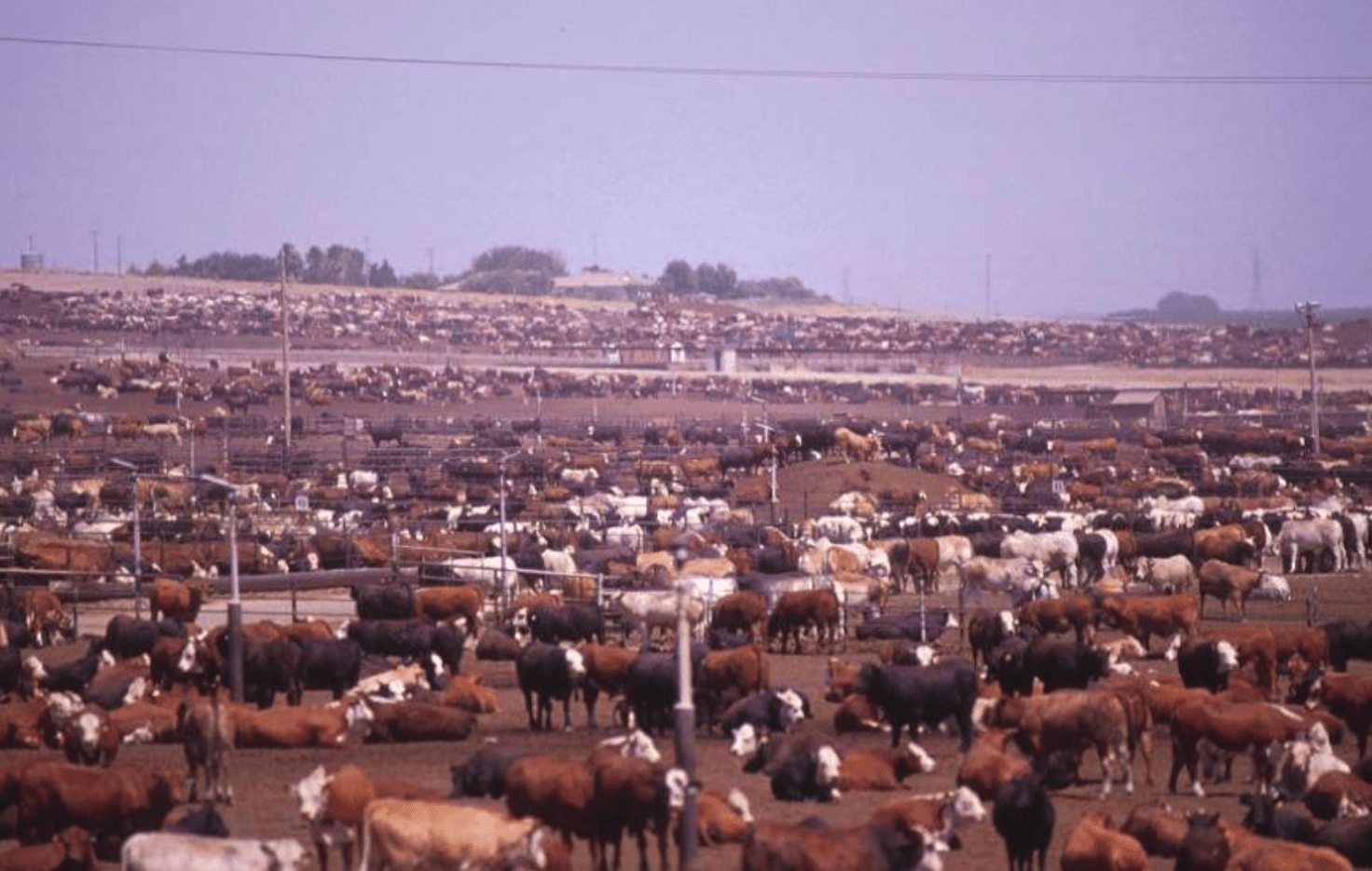
As the global population has doubled to 7.8 billion in about 50 years, industrial agriculture has increased the output from fields and farms to feed humanity. One of the negative outcomes of this transformation has been the extreme simplification of ecological systems, with complex multi-functional landscapes converted to vast swaths of monocultures that lack the complexity of biodiversity found in tropical rainforests. Industrial agriculture is the biggest threat to rare wild animals and rare wild plants in the world. Fight back and resist extinction every time you shop – be #Vegan and #BoycottPalmOil #Boycott4Wildlife
Category Archives: News
Palm Oil Deforestation Threatens Sulawesi’s Macaques

Illegal logging and palm oil destroying rainforests of Sulawesi endangering the island’s critically endangered Sulawesi black-crested macaques. Fight back!
Borneo’s bearded pig: forest gardener and eocosysem protector!
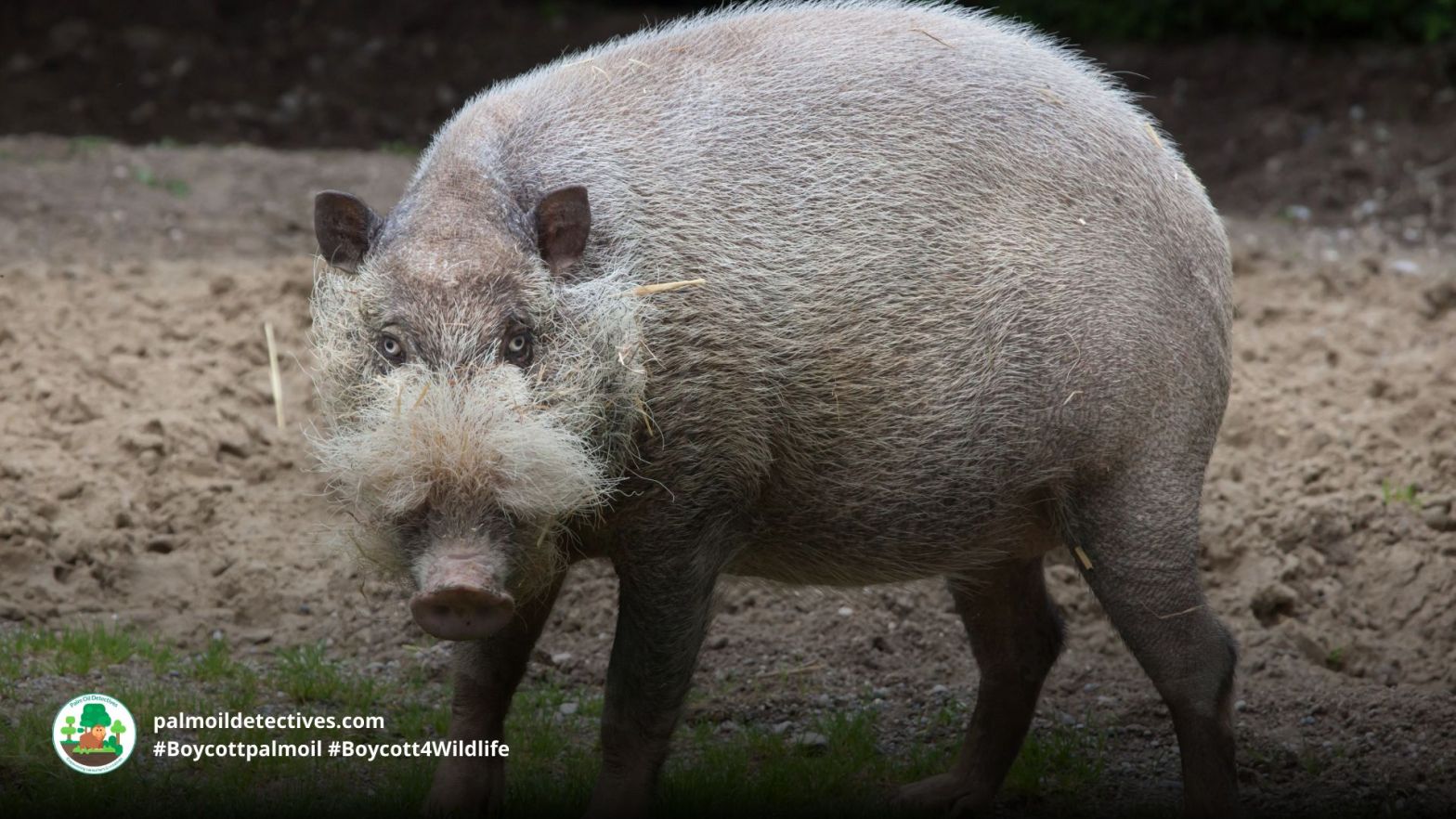
Borneo – fourth-largest island in the world, home to more than 20 million people. With so many well known species on the island like elephants, rhinos and orangutans, one species continues to fly under the radar. Sus barbatus AKA the Borneo Bearded Pig should be the most emblematic animal on the island. This wild boarContinue reading “Borneo’s bearded pig: forest gardener and eocosysem protector!”
Opinion: Seven strategies that offer hope for rainforests

Discover real hope for our planet’s rainforests. Explore seven strategies, from new technologies to innovative financing, that are brightening their future.
Brands Using 100% Deforestation Free Palm Oil

These brands have been proven to have already ceased deforestation for palm oil, soy, meat and timber. Verification of this status has been sought from Greenpeace, Rainforest Action Network and Chain Reaction Research.
Palm Oil Free Brands
Learn how to avoid major brands linked to palm oil land-grabbing, deforestation, human rights abuses, and slavery and instead buy palm oil free in the shops!
Palm Oil Free Haircare

Keep your hair looking beautiful without contributing to tropical deforestation with rainforest-destroying palm oil. If you are ever in doubt look for the prefixes: LAUR, STEAR, GYLC and PALM in the ingredients list on packaging – this is most likely palm oil. Another tip is to shop for locally produced shampoos and conditioners.
Palm Oil Free Chocolate, Candy and Confectionery

Buying chocolate, candy or lollies as a gift or just want to indulge yourself? Then enjoy your chocolate fix without eating rainforest-destroying palm oil! If you are ever in doubt look for the prefixes: LAUR, STEAR, GYLC and PALM in the ingredients list on packaging – this is most likely palm oil. Another tip is to shop for locally produced chocolate and vegan chocolate (if you happen to be vegan).
Also – cocoa is another highly controversial ingredient linked to deforestation and human rights abuses. Mighty Earth create regular guides profiling (big and small) chocolate brands so you can decide which ones to purchase and which to #Boycott4Wildlife based on cocoa and palm oil
Palm Oil Free Biscuits, Cakes and Cookies

Are you wanting some sweet snacks, cookies or biscuits for your next gaming session? Then enjoy your time without eating rainforest-destroying palm oil! Seek out palm oil free biscuits and cookies and other snack foods. If you are ever in doubt look for the prefixes: LAUR, STEAR, GYLC and PALM in the ingredients list on packaging – this is most likely palm oil. Another tip is to shop for locally produced biscuits and cookies that are made with healthier alternatives like olive oil. Or even better – you can make your own and they will be much healthier and palm oil free.
Palm Oil Free Sauces and Condiments

Here are some palm oil free sauces and condiments that do not contain rainforest-destroying palm oil. If you are ever in doubt look for the prefixes: LAUR, STEAR, GYLC and PALM in the ingredients list – this is most likely palm oil. Another tip is to shop for locally produced food instead of mass-produced food.
Palm Oil Free Pet Food & Pet Products

Here are some palm oil free #petfood #brands that DO NOT use rainforest-destroying #palmoil. If you are ever in doubt look for the prefixes: LAUR, STEAR, GYLC and PALM in the ingredients list on packaging – this is most likely palm oil. Another tip is to shop for locally produced products instead of mass-produced pet food.
Palm Oil Free Cooking Oil, Margarine and Spreads
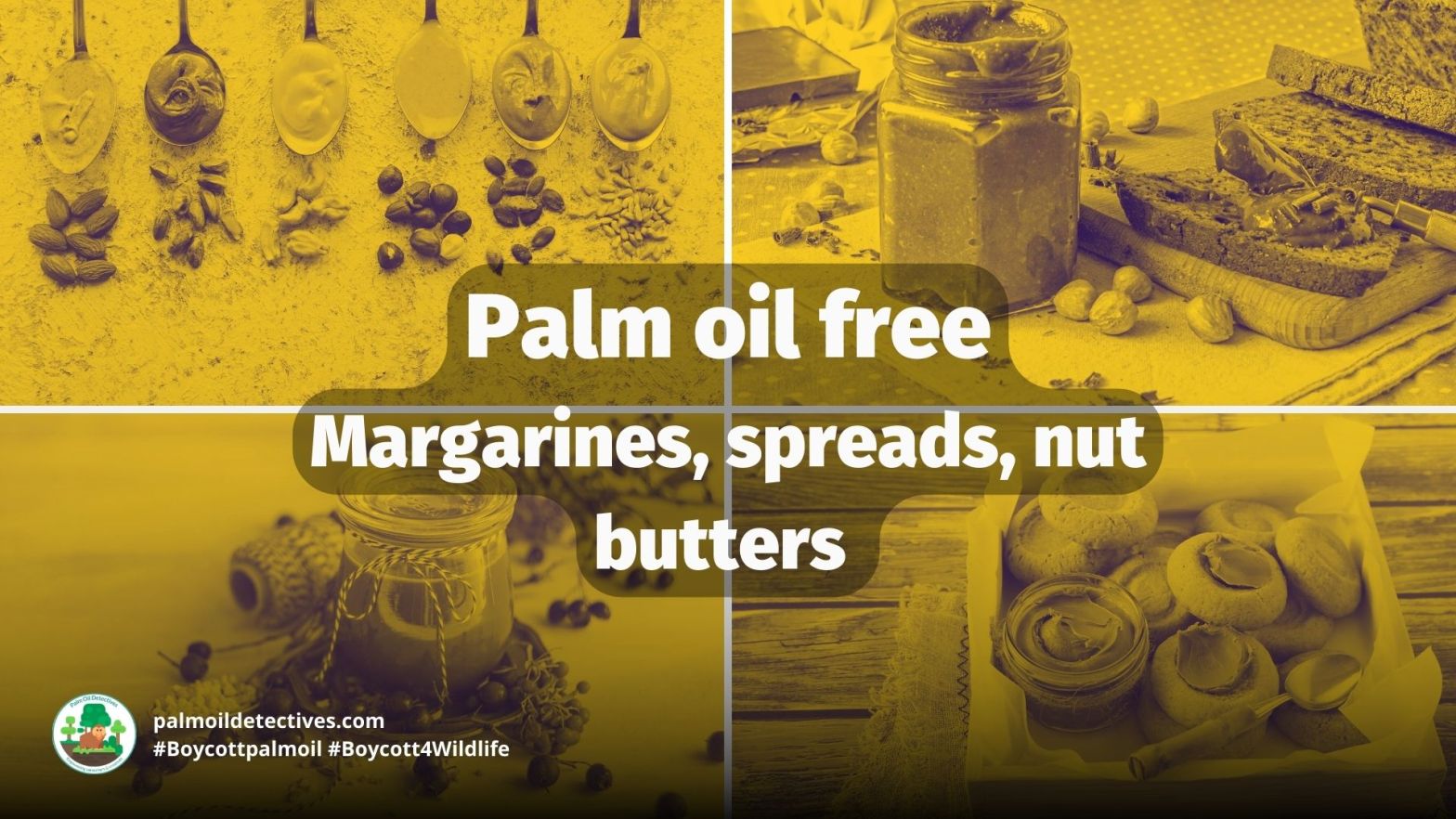
Are you an avid lover of #Nutella and other spreadable butters and #margarines? Consider that many popular brands come tarnished with dirty #palmoil. Why is palm oil dirty? It has destroyed millions of hectares of rainforests all over the world. Firstly in SE Asia and increasingly now in Africa, South and Central America as well as India. Wild animals and indigenous peoples suffer the most. Here’s a helpful guide so that you can AVOID the major supermarket brands and still enjoy your hit of nut butter and chocolate spread WITHOUT Nutella.
By choosing locally produced cooking oils such as olive, sesame or peanut oil and by making your own foods instead of buying convenience foods you’re doing your health and the animals a favour. If you are ever in doubt look for the prefixes: LAUR, STEAR, GYLC and PALM in the ingredients list on packaging – this is most likely palm oil. Take action and buy #PalmOilFree #Vegan and #BoycottPalmOil #Boycott4Wildlife
Palm Oil Free Ice-cream and Frozen Desserts

Here are some palm oil free icecream brands that do not use rainforest-destroying palm oil. If you are ever in doubt look for the prefixes: LAUR, STEAR, GYLC and PALM in the ingredients list on packaging – this is most likely palm oil. Another tip is to shop for locally produced ice cream instead of mass-produced brands.
Palm Oil Free Crisps, Snacks, Convenience Foods

Here are some palm oil free convenience food and snack brands that DO NOT use rainforest-destroying palm oil. If you are ever in doubt look for the prefixes: LAUR, STEAR, GYLC and PALM in the ingredients list on packaging – this is most likely palm oil. Another tip is to shop for locally produced products instead of mass-produced convenience foods. Take action for your health and for wildlife when you go #PalmOilFree and #BoycottPalmOil #Boycott4Wildlife
The biggest lie you were never told: “Sustainable” #RSPO #PalmOil stops #deforestation. It doesn’t! So avoid #snacks by #Mars #Kelloggs #Nestle all the big brands. Instead buy #PalmOilFree snack #food. Learn more 🌴🩸🤯🧐⛔️ #BoycottPalmOil
Palm Oil Free Soap

Here are some palm oil free soaps that do not contain rainforest-destroying palm oil. If you are ever in doubt look for the prefixes: LAUR, STEAR, GYLC and PALM in the ingredients list on packaging – this is most likely palm oil. Another tip is to shop for locally produced soaps instead of mass-produced soap.
Palm Oil Free Skincare products

Here are some palm oil free skincare and beauty products that do not contain rainforest-destroying palm oil. If you are ever in doubt look for the prefixes: LAUR, STEAR, GYLC and PALM in the ingredients list on packaging – this is most likely palm oil. Another tip is to shop for locally produced products instead of mass-produced skincare or beauty brands. How much of your #skincare 🫧🧼😶🌫️ routine contains #palmoil? If you brands like #Aveeno Johnson and Johnson and #Olay you’re lathering #ecocide onto your face. Instead go #PalmOilFree 💡 and #BoycottPalmOil #Boycott4Wildlife 🌴🪔🩸🤢🔥🚫
Palm Oil Free Cleaning Products

Clean your home without palm oil rainforest destruction. Learn how to spot hidden palm oil in cleaning products and find brands that are palm oil-free
Palm Oil Free Breakfast Cereals

It might seem like #palmoilfree #cereals and #breakfast foods are hard to come by. However when you get back to basics with #wholefoods and you poach, bake or fry them, you can create wonderful breakfast dishes that are also super healthy. Look for oats, pearl barley, rye, quinoa and use your favourite plant-based milk, fresh or dried fruit and nuts and you can make a far superior breakfast cereal. Here are some palm oil free cereals for those who want to actively boycott and buycott alternatives. Help wild tropical animals, the environment and indigenous peoples #BoycottPalmOil #Boycott4Wildlife
Palm Oil Free Makeup, Cosmetics and Perfume
Here are some palm oil free makeup, cosmetics and perfume brands that do not use rainforest-destroying palm oil. If you are ever in doubt look for the prefixes: LAUR, STEAR, GYLC and PALM in the ingredients list on packaging – this is most likely palm oil. Another tip is to shop for locally produced products instead of mass-produced cosmetics, beauty and makeup brands. Beauty should never come at the cost of rainforest animals and indigenous peoples. Go #PalmOilFree and #BoycottPalmOil #Boycott4Wildlife
Brands Using Deforestation Palm Oil
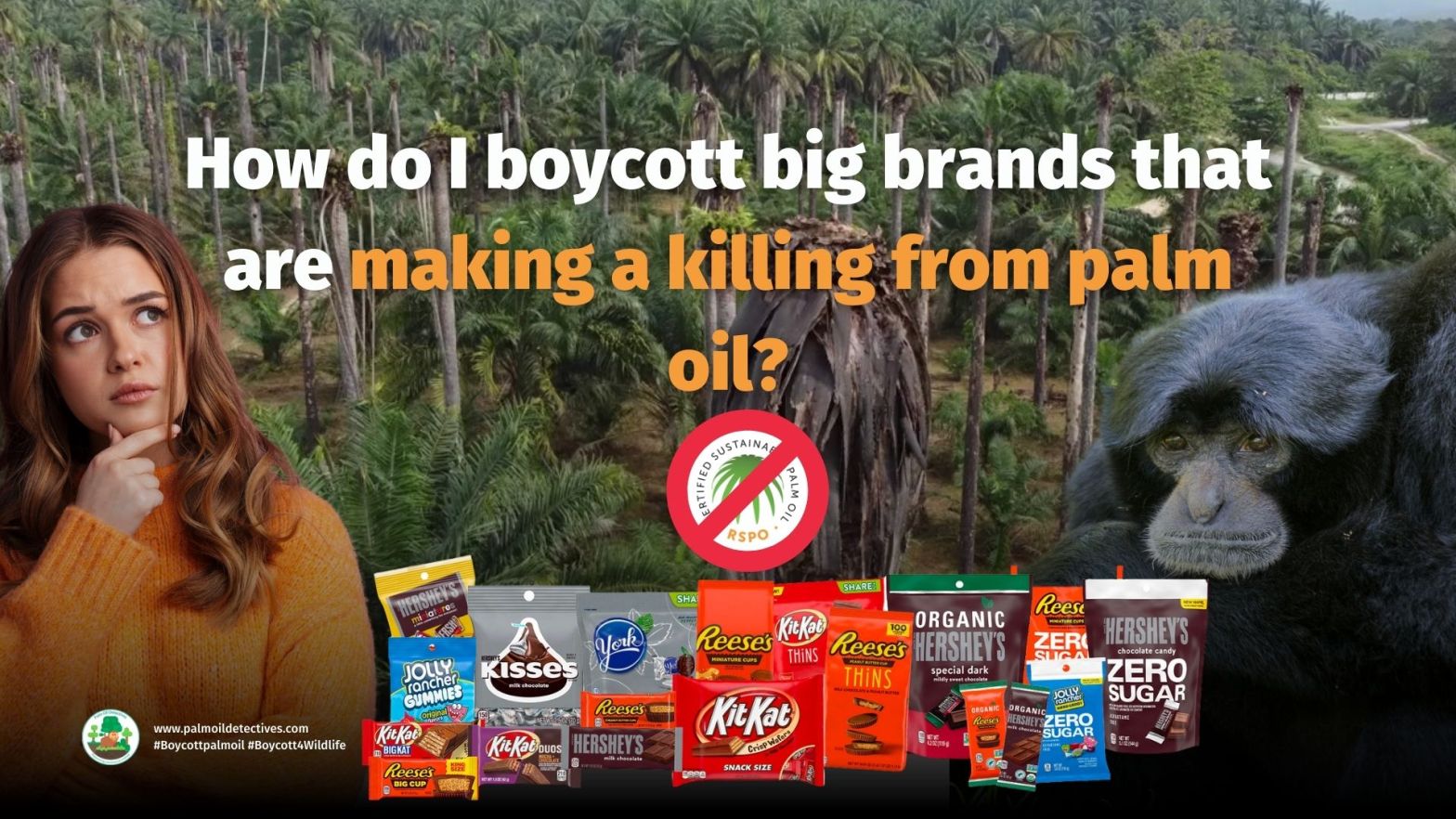
These brands have products that contain palm oil sourced from mills that are responsible for the destruction of precious habitats of endangered species. Just in 2020 alone, these brands (along with many others) contributed to the destruction of 38,000ha of rainforest in Indonesia, SE Asia and Papua New Guinea. Therefore, these brands are directly involved in the extinction of species.
Kelloggs/Kellanova
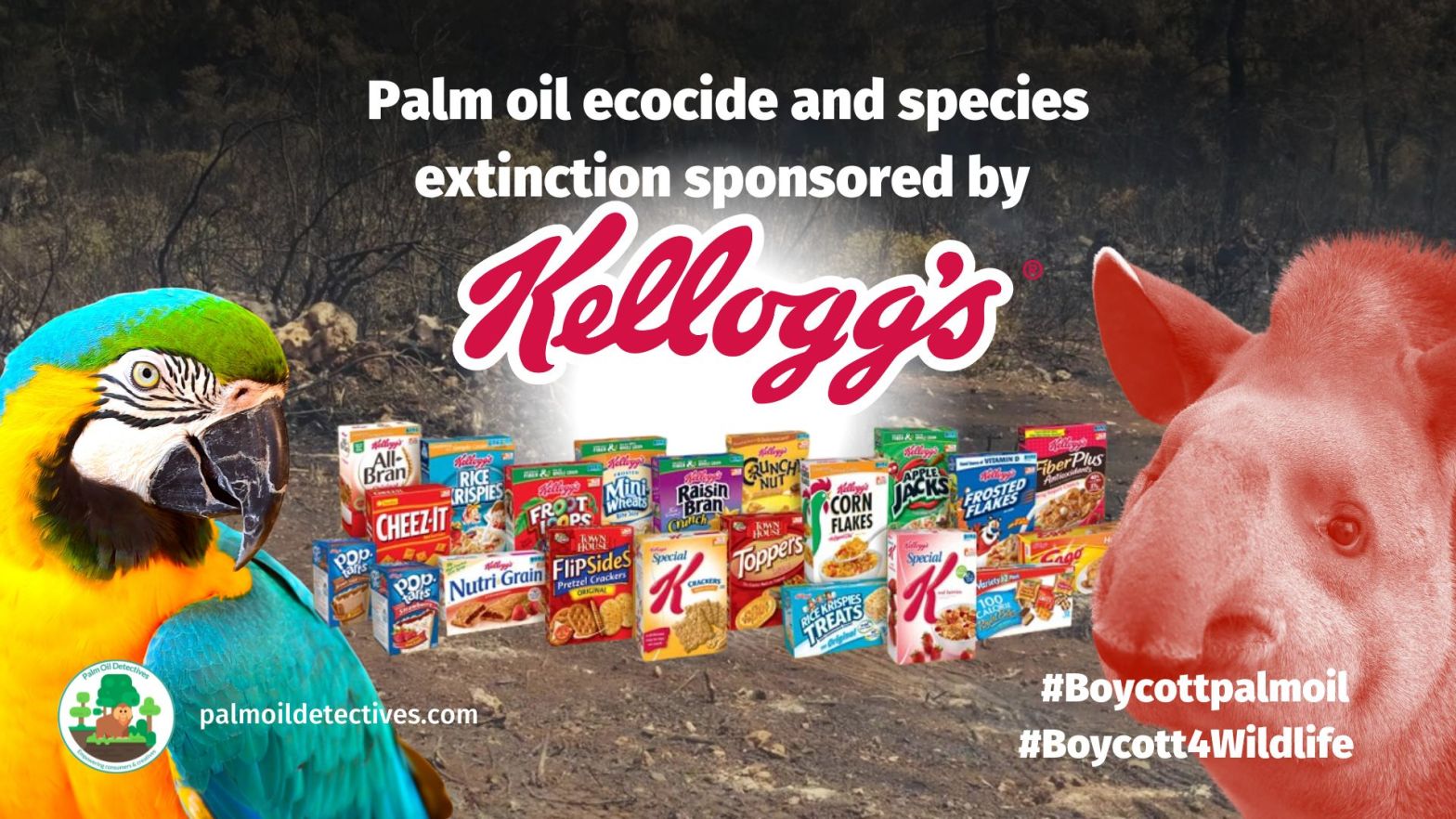
In late 2023, Kelloggs became Kellanova for their US arm. Savvy consumers have been pressuring Kelloggs for decades to cease using deforestation palm oil. Yet they actually haven’t stopped this. From their website: ‘All of the palm oil that is used in our products is sourced from a combination of the Roundtable of Sustainable PalmContinue reading “Kelloggs/Kellanova”
Mondelēz

Mondelez destroys rainforests, sending animals extinct and release mega-tonnes of carbon into air for so-called “sustainable” palm oil. Boycott them!
Johnson & Johnson
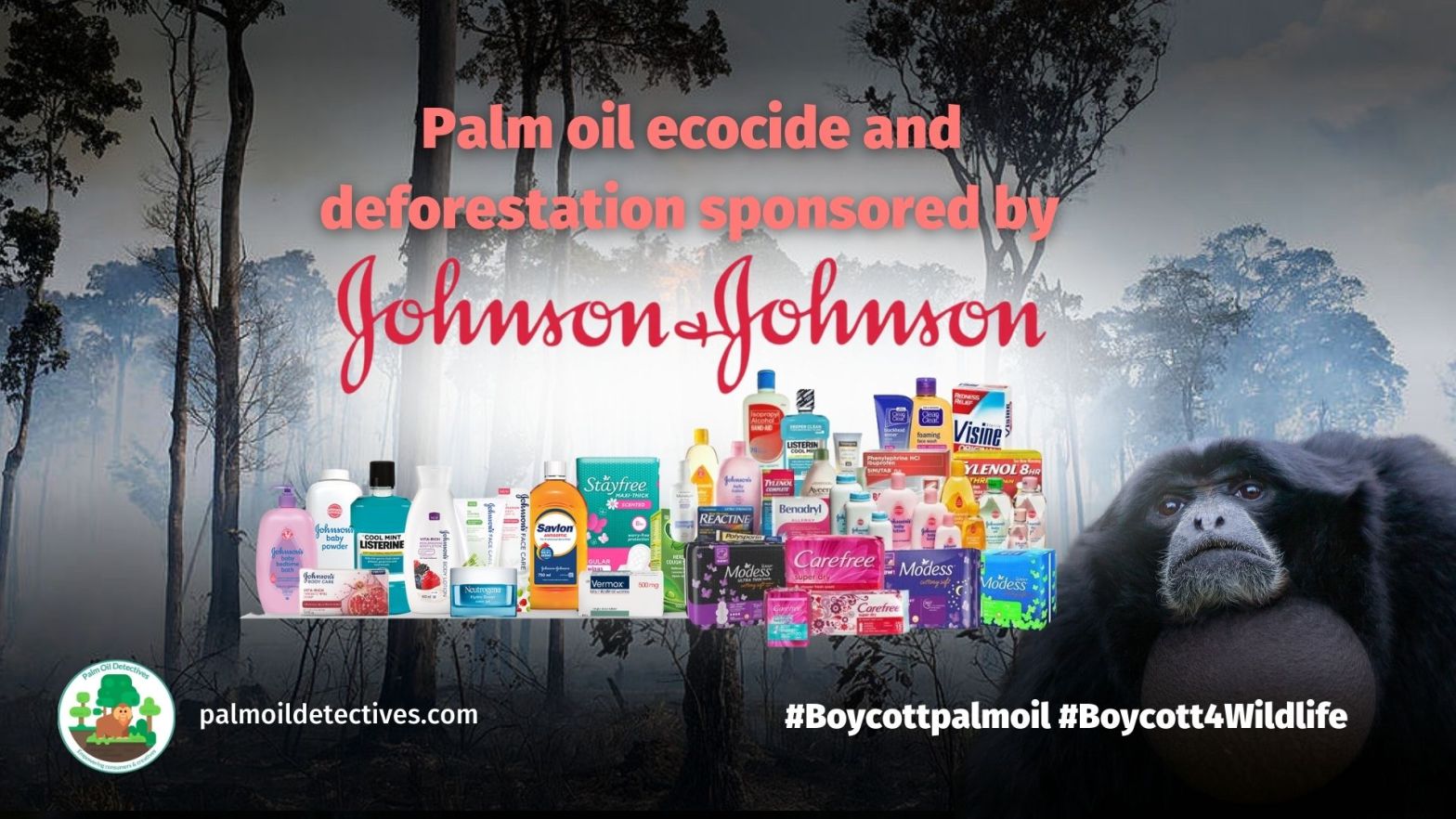
Global mega-brand Johnson & Johnson have issued a position statement on palm oil in 2020. ‘At Johnson & Johnson, we are committed to doing our part to address the unsustainable rate of global deforestation, particularly in precious rain forests.’ ~ Johnson & Johnson However, despite this virtue signalling, the brand’s supply chain continues to slashContinue reading “Johnson & Johnson”
L’Oreal
‘Our goal is by 2020 to have none of our products linked to deforestation.’ L’Oreal’s website statement on palm oil This target has been and gone. Still, enormous environmental and social damage continues to be caused by L’Oreal and its palm oil. Despite being an RSPO member, L’Oreal continues to be involved in human rightsContinue reading “L’Oreal”
Nestlé
Nestlé is destroying rainforests, releasing mega-tonnes of carbon into the atmosphere, and killing hundreds of endangered species. Once these animals are gone – they are gone for good. See Nestlé’s full list of mills where they buy palm oil, six of these are actively destroying forest.
Colgate-Palmolive
Despite global retail giant Colgate-Palmolive forming a coalition with other brands in 2020, virtue-signalling that they will stop all deforestation, they continue to do this – destroying rainforest and releasing mega-tonnes of carbon into the atmosphere, and killing hundreds of endangered species. Once these animals are gone – they are gone for good. Learn how you can boycott Colgate-Palmolive.
Unilever
In 2020, global retail giant Unilever unveiled a deforestation-free supply chain promise. By 2023 they would be deforestation free. This has been and gone and they are still causing deforestation. This brand has a litany of broken promises around deforestation. Unilever is been responsible for 55,000ha of deforestation in their palm oil supply chain sinceContinue reading “Unilever”
Spectral Tarsier Tarsius tarsier
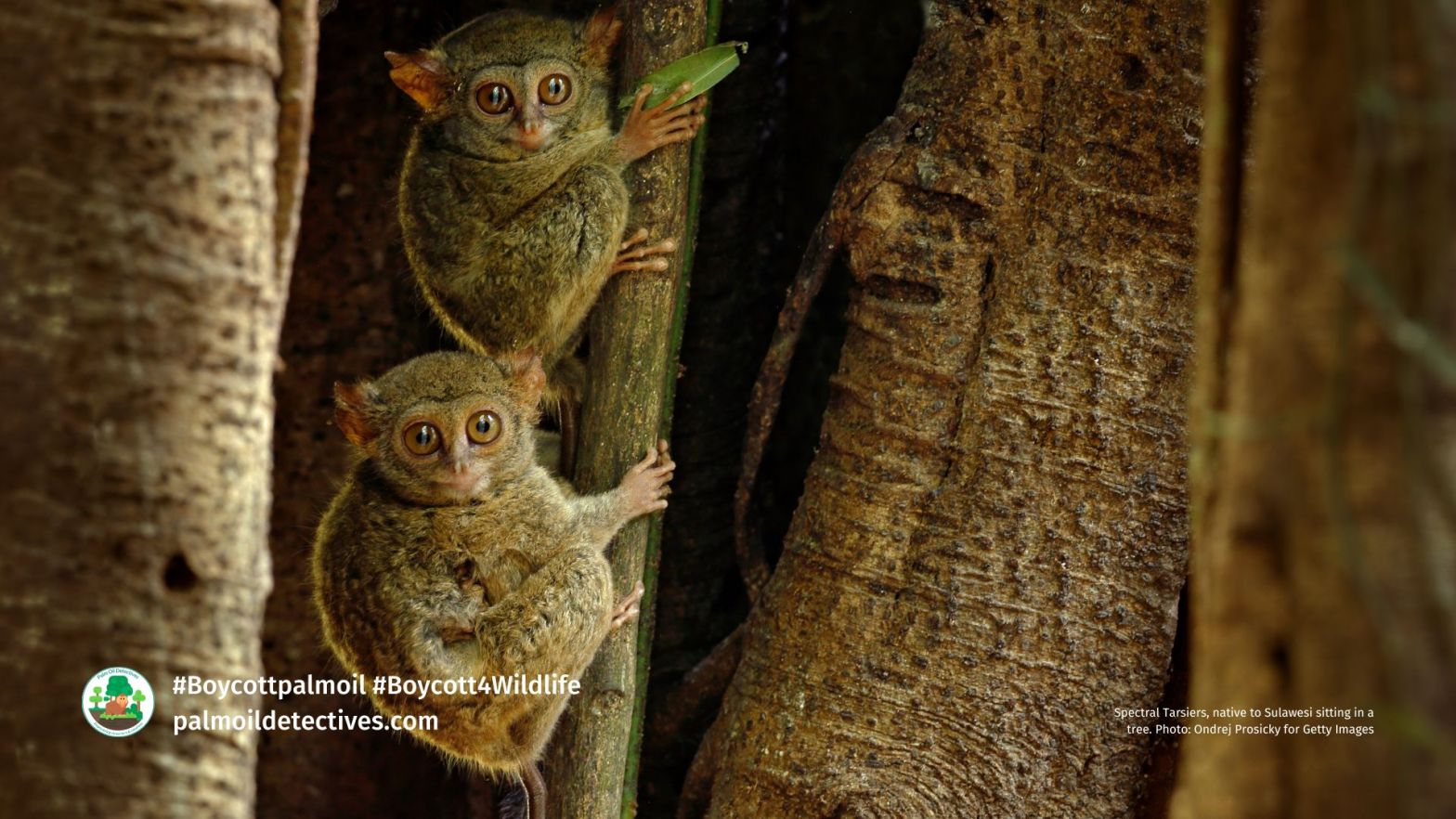
The Spectral Tarsier Tarsius tarsier is one of the smallest and most endearing #primates in the world. With the largest eye-to-body ratio of any #mammal, this wide-eyed, nocturnal #insectivore is found only in #Sulawesi and nearby Indonesian islands. Although they show some tolerance to human-altered landscapes, they are listed as #Vulnerable by the Red List due to rampant #deforestation for #palmoil and #timber agriculture, limestone #mining, #pesticide use and agricultural #pollution and the illegal pet trade. These elusive primates are declining fast. Use your wallet as a weapon: always choose products that are 100% palm oil-free and never support the exotic pet trade.#BoycottPalmOil #Boycott4Wildlife #Vegan
Pileated Gibbon Hylobates pileatus

The charming Pileated Gibbon (Hylobates pileatus) is endangered in Cambodia, Laos. They are threatened by palm oil deforestation. Take action!
Bengal Slow Loris Nycticebus bengalensis

The Bengal Slow Loris’s are wide-eyed beauties that are arboreal and nocturnal and live in tropical evergreen rainforest, semi-evergreen forest, and mixed deciduous forest. They are the largest loris species and feed predominantly on plant sap. They are now endangered in Malaysia and other parts of South East Asia, their primary threats are illegal capture for the pet trade and #palmoil #deforestation throughout their range. Help them every time you shop and #Boycottpalmoil #Boycott4Wildlife
 Palm Oil Detectives