

Tucuxi, small freshwater dolphins of Peru Ecuador Colombia and Brazil are Endangered due to fishing nets, deforestation, mercury poisoning from gold mining.
Tag Archives: Amazon
Beef, Palm Oil and Timber: How Wealthy Nations Fuel Deforestation
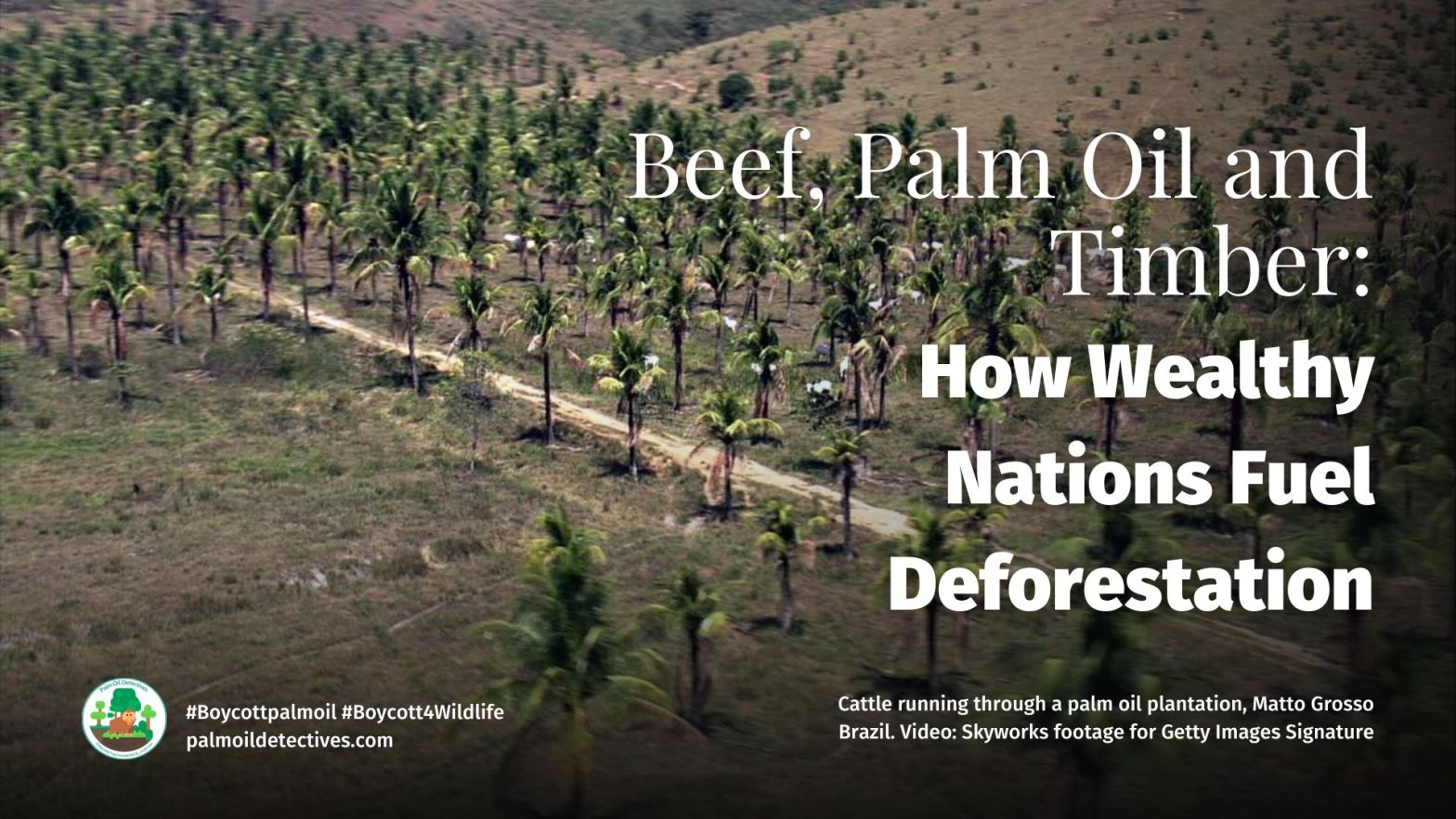
Beef palm oil, and timber consumption in wealthy nations is driving mass deforestation and species extinction in tropical regions. EUDR is vital to stop this!
Climate Change Driving Mass Bird Deaths in the Amazon
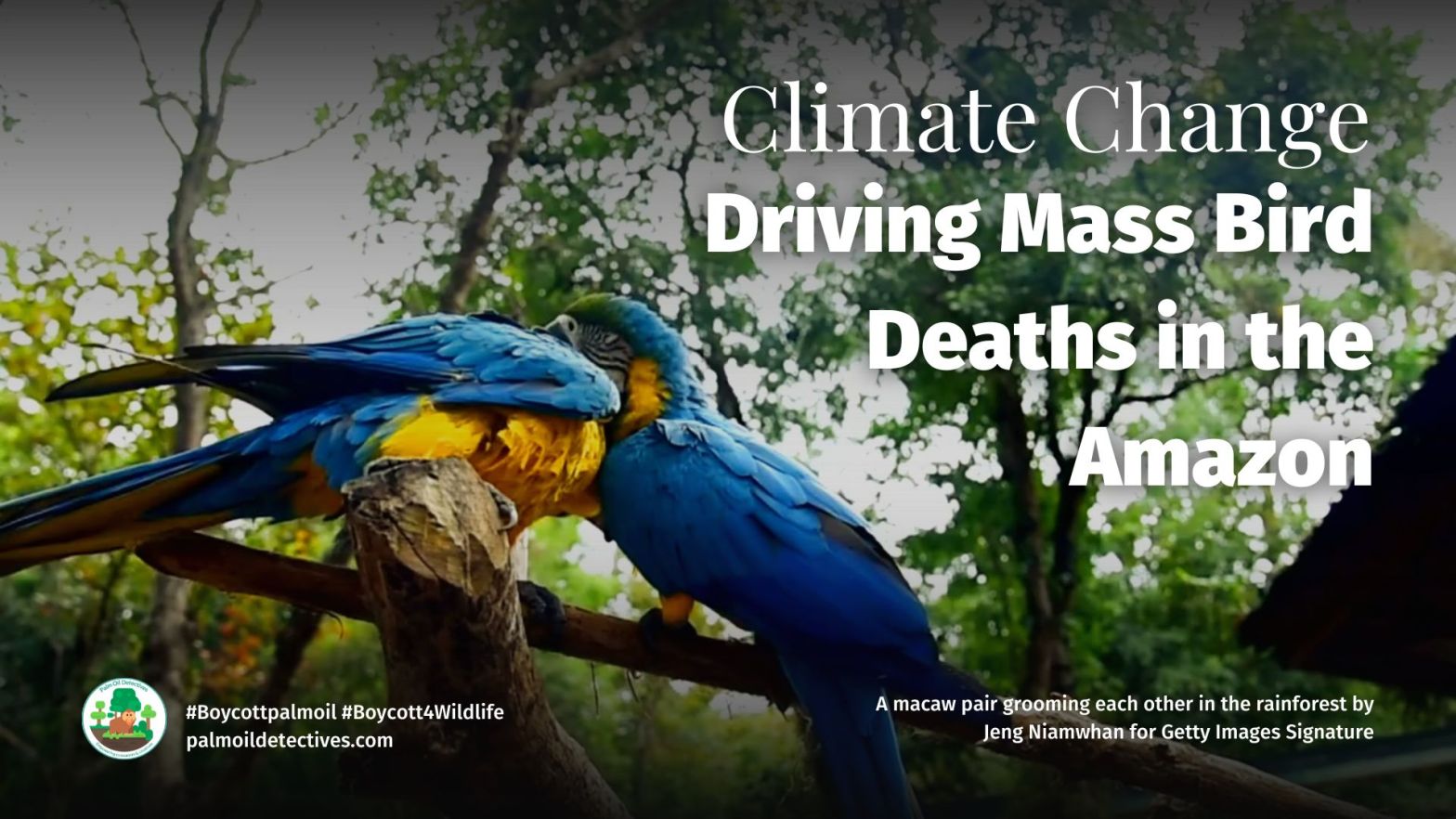
A recent #study has revealed that even in the most isolated parts of the #Amazon, bird #populations are collapsing due to #climatechange. Research published in Science Advances found that a 1°C increase in temperature led to a 63% drop in bird survivability, proving that climate change is pushing avian species towards #extinction. Avoiding deforestation-linked products like #palmoil and #meat is crucial in the fight for their survival. As is calling out corporate greenwashing, be #Vegan and #BoycottPalmOil #Boycott4Wildlife
An Action Plan for Amazon Droughts: The Time is Now!
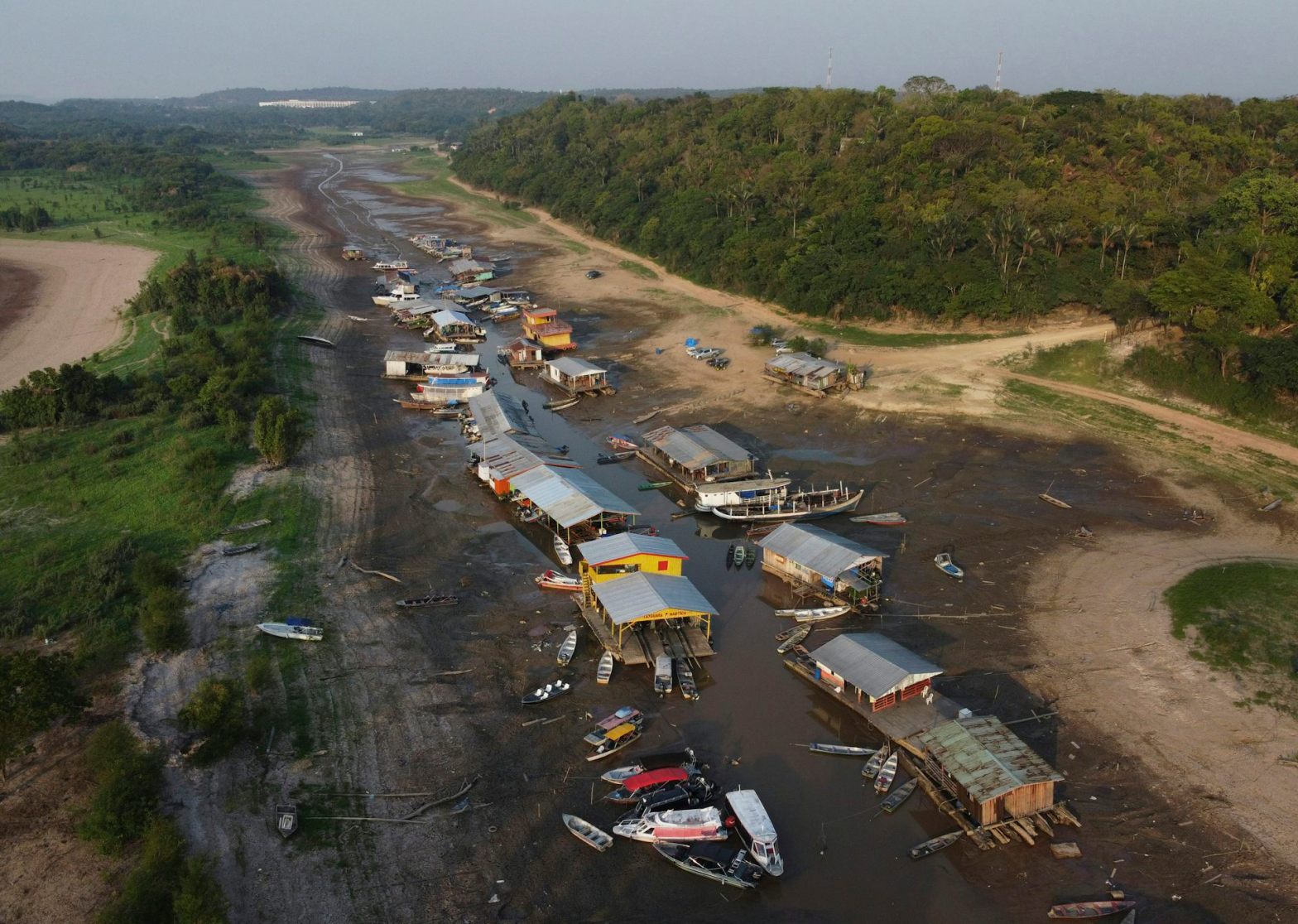
The fertile lungs of our planet, the Amazon jungle faces severe drought due to El Niño, climate change, and deforestation for agriculture like palm oil, soy and meat. This along with gold mining, affects biodiversity and local indigenous communities. To combat this crisis, stronger measures against deforestation and illegal mining are essential. Global and local leaders must act now to protect the Amazon. #BoycottPalmOil #BoycottGold4Yanomami #Boycott4Wildlife.
New Research: Indigenous Communities Reduce Amazon Deforestation by 83%”
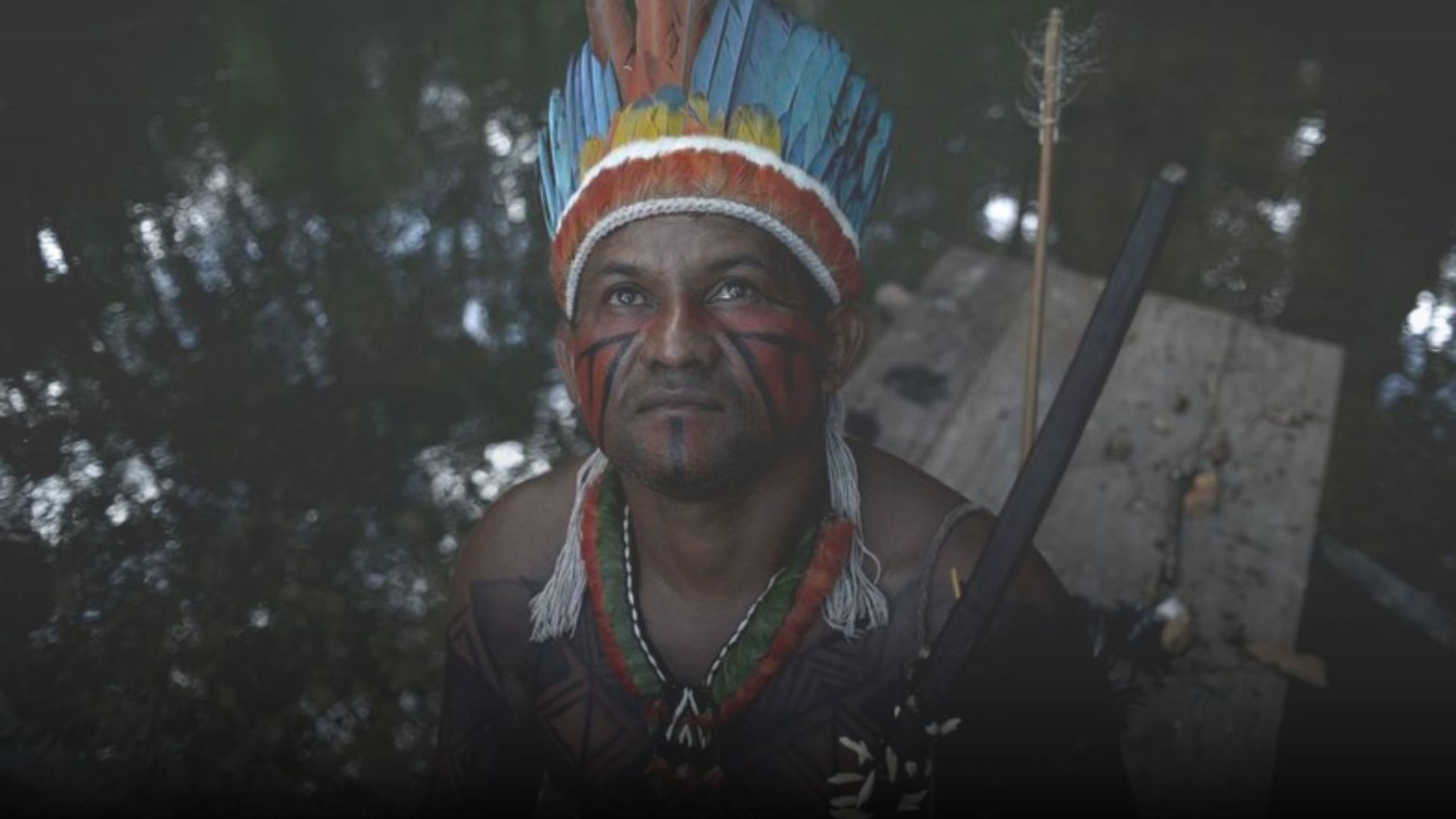
Although #deforestation rates in the Brazilian #Amazon have halved, this globally critical biome is still losing more than 5,000km² every year. That’s an area three times larger than Greater London. By combining satellite imagery for the entire Amazon region with data from the Brazilian national census, our new study found that deforestation in areas protected by #Indigenous communities was up to 83% lower compared to unprotected areas.
Results demonstrate that returning lands to Indigenous communities can be extremely effective at reducing deforestation and boosting #biodiversity to help address #climatechange. Yet, forest conservation should not come at an economic cost to people living in Indigenous-managed lands.
Protected: Private Advocate’s Page
There is no excerpt because this is a protected post.
Amazon Clarion Call: Pandemics Emerging in the Rainforest

The Amazon’s diverse ecosystem is under threat from rampant deforestation, degradation, a biodiversity crisis, and the climate crisis – jeopardising its ability to act as a carbon sink. This degradation increases the likelihood of zoonotic diseases emerging and spreading, posing a significant public health risk for Brazil and the world. #BoycottPalmOil #Boycott4Wildlife
Bird species are facing extinction hundreds of times faster than previously thought
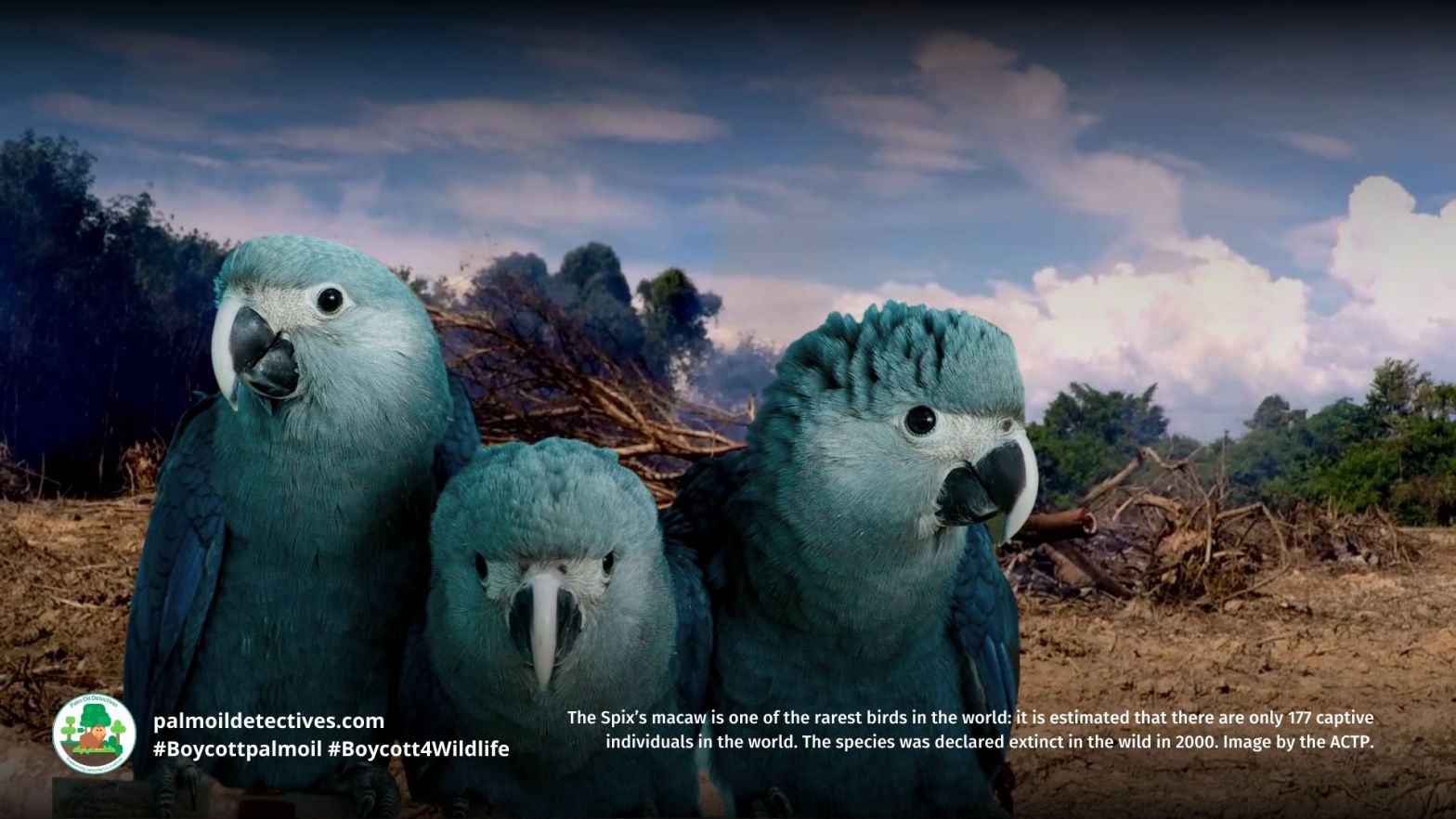
Extinction, or the disappearance of an entire species, is commonplace. Yet evidence suggests that the number of bird species going extinct, and the rate at which they are disappearing, is increasing dramatically. Conserving species at the 11th hour is difficult and expensive, the key is definitely prevention. To go hard and go early and stop species disappearing. Help rainforest animals on the verge of extinction from deforestation by changing your shopping habits. #Boycottmeat #Boycottpalmoil #Boycott4Wildlife
Brown Howler Monkey Alouatta guariba
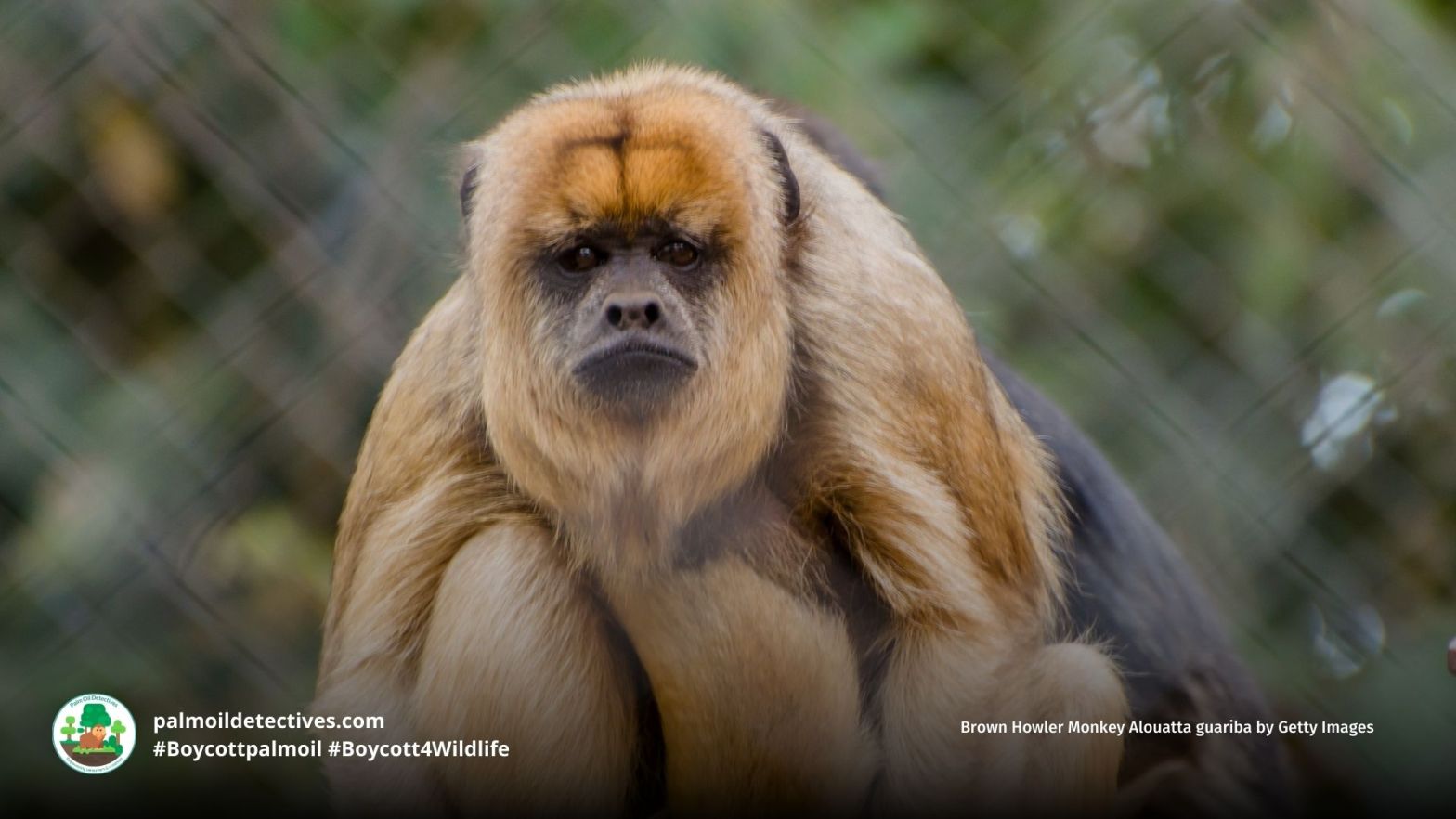
You will hear a Brown Howler #Monkey before you sere one. Heard from several kilometres away these monkeys have a haunting howl that penetrates and rustles the forest canopy. They live in groups between two and eleven individuals and take respite during the heat of the day in the Atlantic forests of #Brazil and #Argentina. Despite their prehensile tails and graceful gait they face enormous threats, mainly from palm oil, soy and meat deforestation, yellow fever virus and human persecution. Help them every time you shop when you #BoycottGold #BoycottPalmOil #Boycott4Wildlife.
Dwindling tropical rainforests mean lost medicines yet to be discovered in their plants
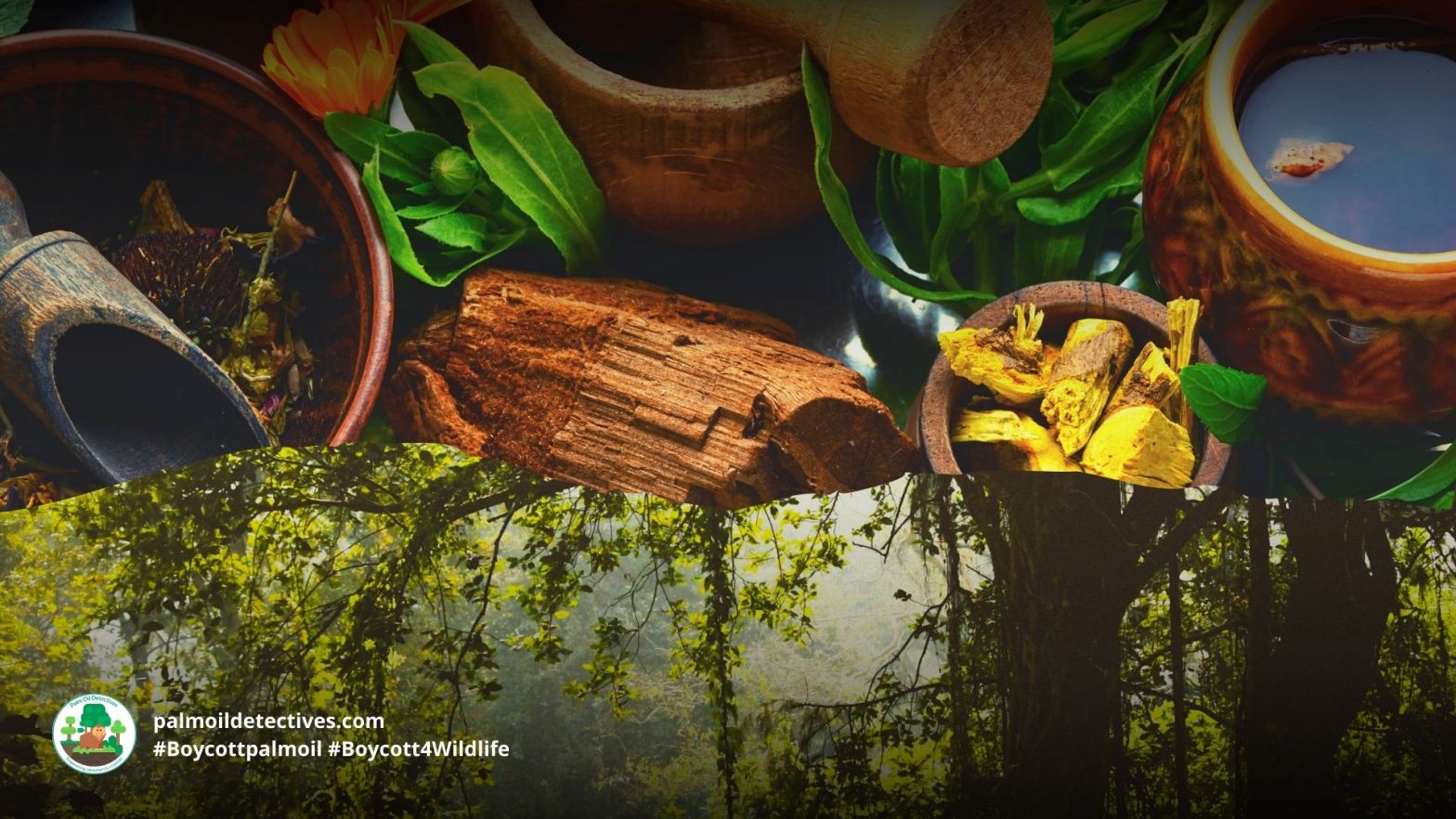
About 80% of the world population relies on compounds derived from plants for medicines to treat various ailments, such as malaria and cancer, and to suppress pain. Our future medicines are likely to come from plants, but how effectively are we protecting these plants from extinction? We aren’t doing enough and we must do more!
Amazon River Dolphin Inia geoffrensis
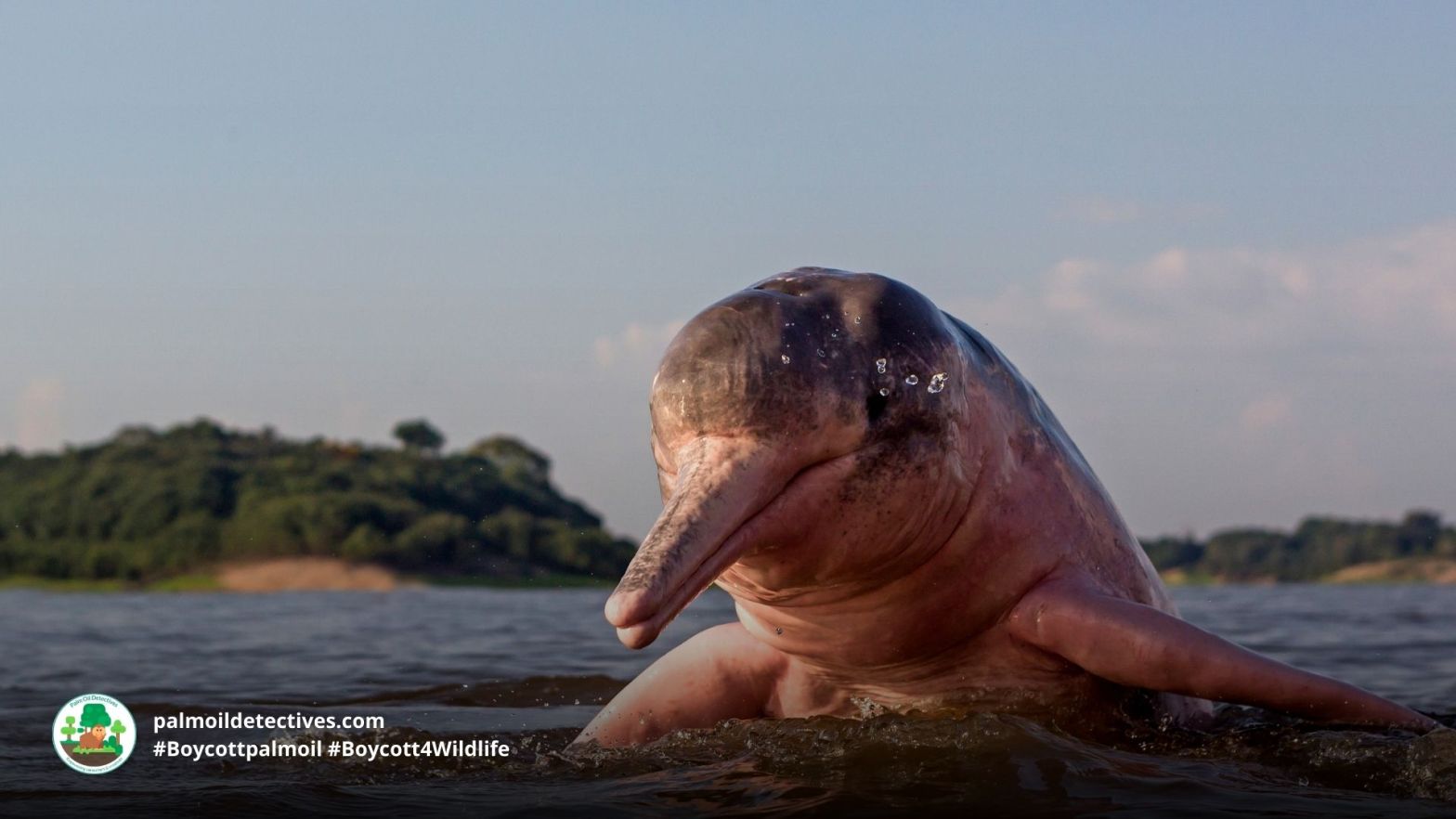
The Amazon River dolphins, also known as the Boto Dolphins or Amazon Pink River Dolphins are playful, curious and intelligent mammals, the largest river dolphin species in the world. Known for their stunning pink coloured skin they are endangered due to human-related threats like #palmoil, #meat and #soy #deforestation, #gold #mining and #pollution. Help them survive each time you shop and use your wallet as a weapon. Be #vegan, #Boycottpalmoil and #Boycott4Wildlife
Giant Otter Pteronura brasiliensis
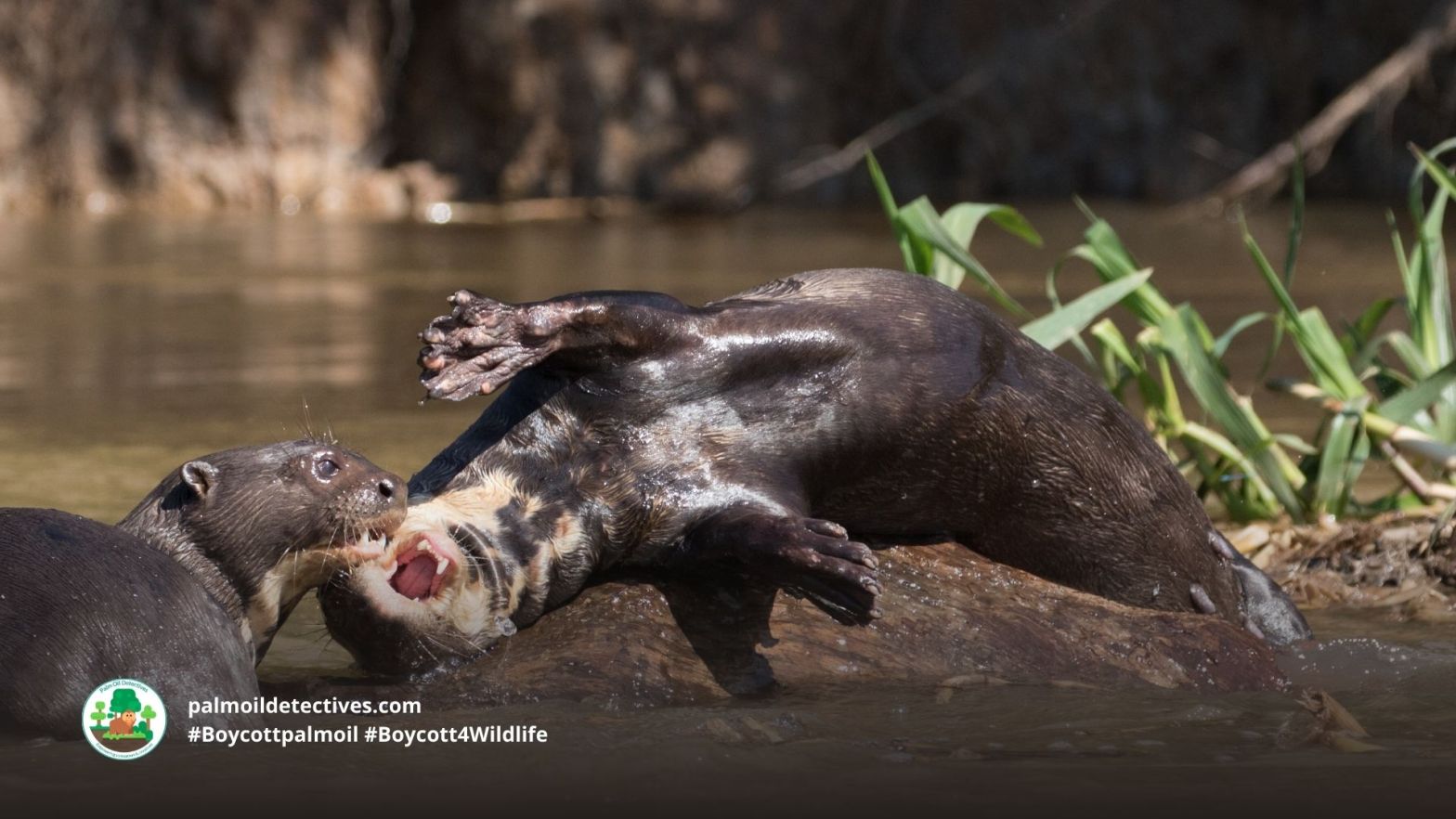
The agile and graceful tumbling Olympians of the Amazonian rivers, Giant #Otters are able to swim 100 metres in less than 30 seconds. They are also known as the Lobo de Rio (the River wolf), Los Lobos del Rio (Wolves of the River) and Ariranha. They are most active in the mornings and evenings and take a siesta during the hottest parts of the day. Known for their striking size and the chorus of whistles and barks echoing through flooded forests, giant otters are social, vocal, and deeply bonded to their family groups. But the rivers they call home are under siege. The most significant threats to giant otters are anthropogenic pressures of deforestation for palm oil, soy and meat, pollution from mining and climate change. They are also illegally hunted and traded for their pelts or killed in retribution by fishermen. Help them and be #vegan, use your wallet as a weapon and #BoycottPalmOil #Boycott4Wildlife.
Artist and Indigenous Rights Advocate Barbara Crane Navarro
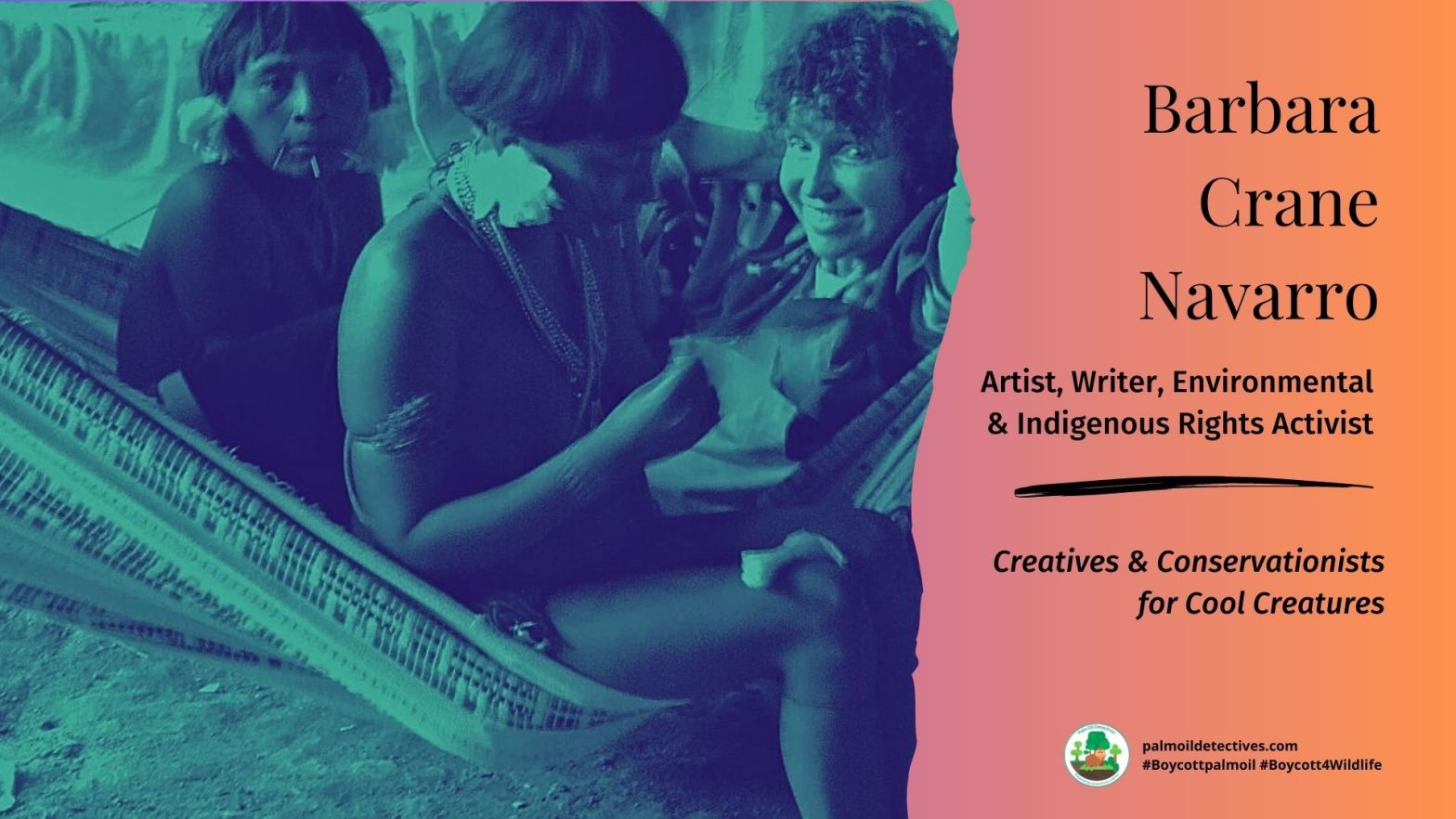
Artist Barbara Crane Navarro merges art and activism to defend the Amazon and Yanomami from destructive gold mining. Support #BoycottGold4Yanomami.
The Amazonian Royal Flycatcher: A flurry of feathers

The Amazonian Royal Flycatcher is a member of a family of birds called the tyrant flycatchers, which occur throughout North and South America. This is the biggest family of birds in the world, with more than 400 species. As the name implies, the majority of tyrant flycatchers are entirely insectivorous (though they do not necessarily specialise in flies), while the ‘tyrant’ part comes from the noisy, aggressively territorial behaviour of some species in the group. Help them to survive every time you shop and #BoycottPalmOil #Boycott4Wildlife.
Africa’s rainforests are different. Why it matters that they’re protected
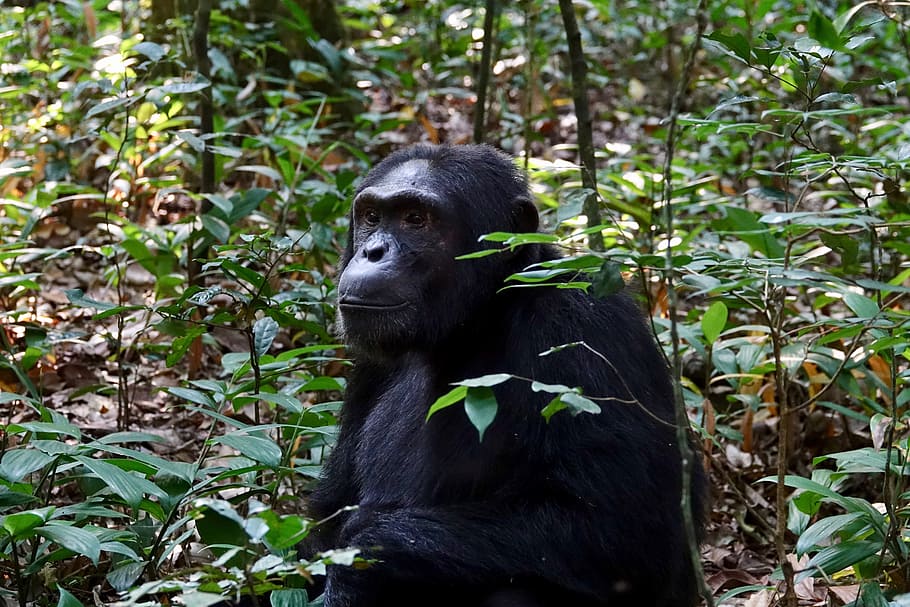
Around 2 million km² of #Africa is covered by tropical #rainforests. They are second only in extent to those in #Amazonia, which cover around 6 million km². Rainforests are home to vast numbers of species of #primates #birds #insects and more. For example, the world’s tropical rainforests are estimated to be home to at least 40,000 tree species, with up to 6,000 in African forests. Protect all rainforests before it’s too late, every time you shop use your wallet as a weapon and be #Vegan #BoycottPalmOil #Boyott4Wildlife
Demand for meat is driving deforestation in Brazil – changing the soy industry could stop it
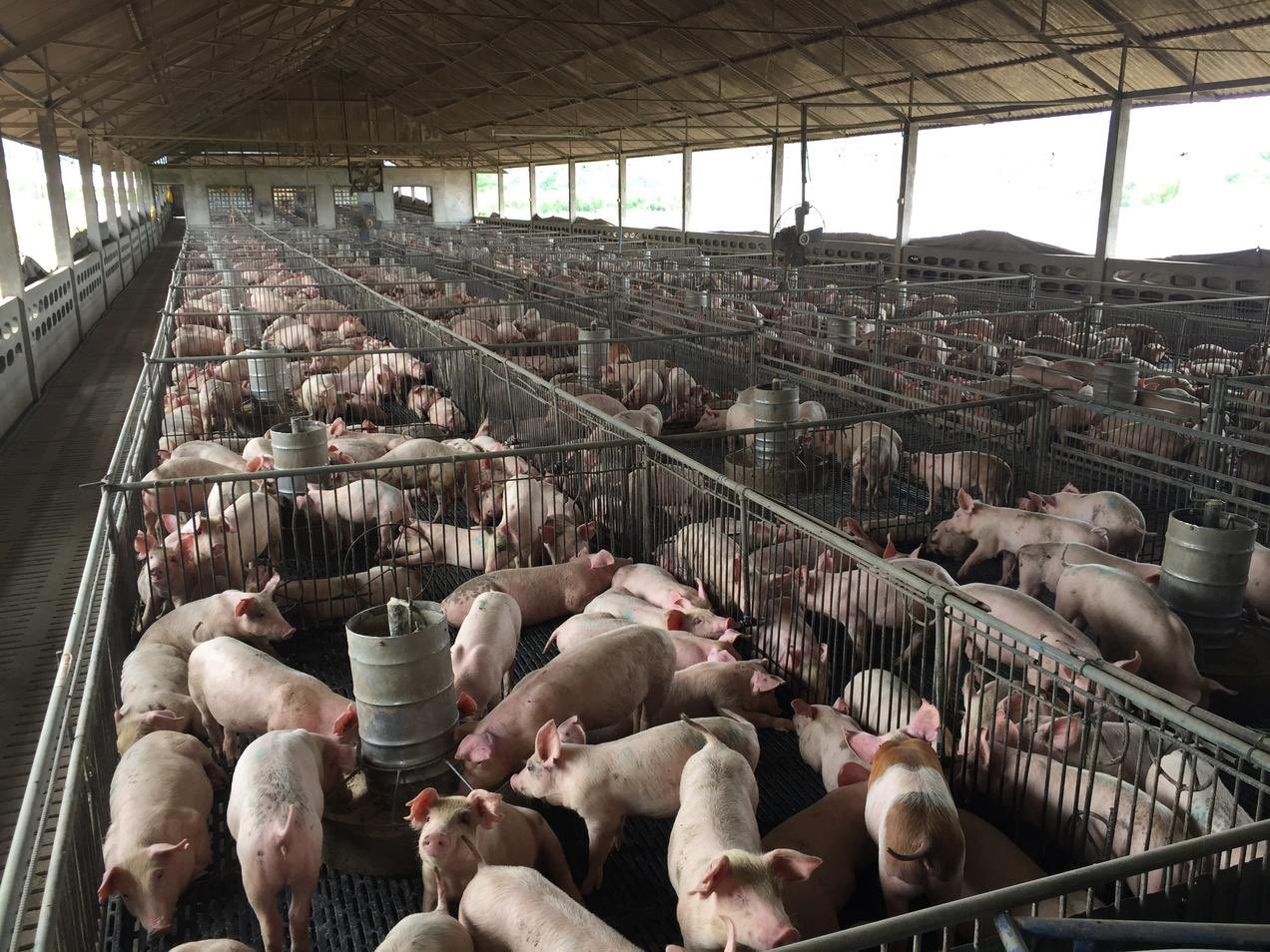
For many people, soy as a commodity has a pretty innocuous reputation thanks to its association with vegan food and meat alternatives. However don’t be fooled – crops of this pale legume are behind much of Brazil’s epidemic of deforestation. Much more #soy is fed to farm animals that people eat than is used in vegan food. Since 2000, #Brazil has doubled its total area of soy plantation to 36 million hectares and become the world’s largest producer. This expansion has erased vast swathes of forest and other habitats in some of the country’s most biodiverse regions. Soy, along with palm oil and meat deforestation are the biggest land-hungry commodities in South America and threaten the world’s largest rainforest biosphere. Help fight against this ecocide every time you shop, be #vegan #BoycottPalmOil #Boycott4Wildlife
Channel-billed Toucan Ramphastos vitellinus
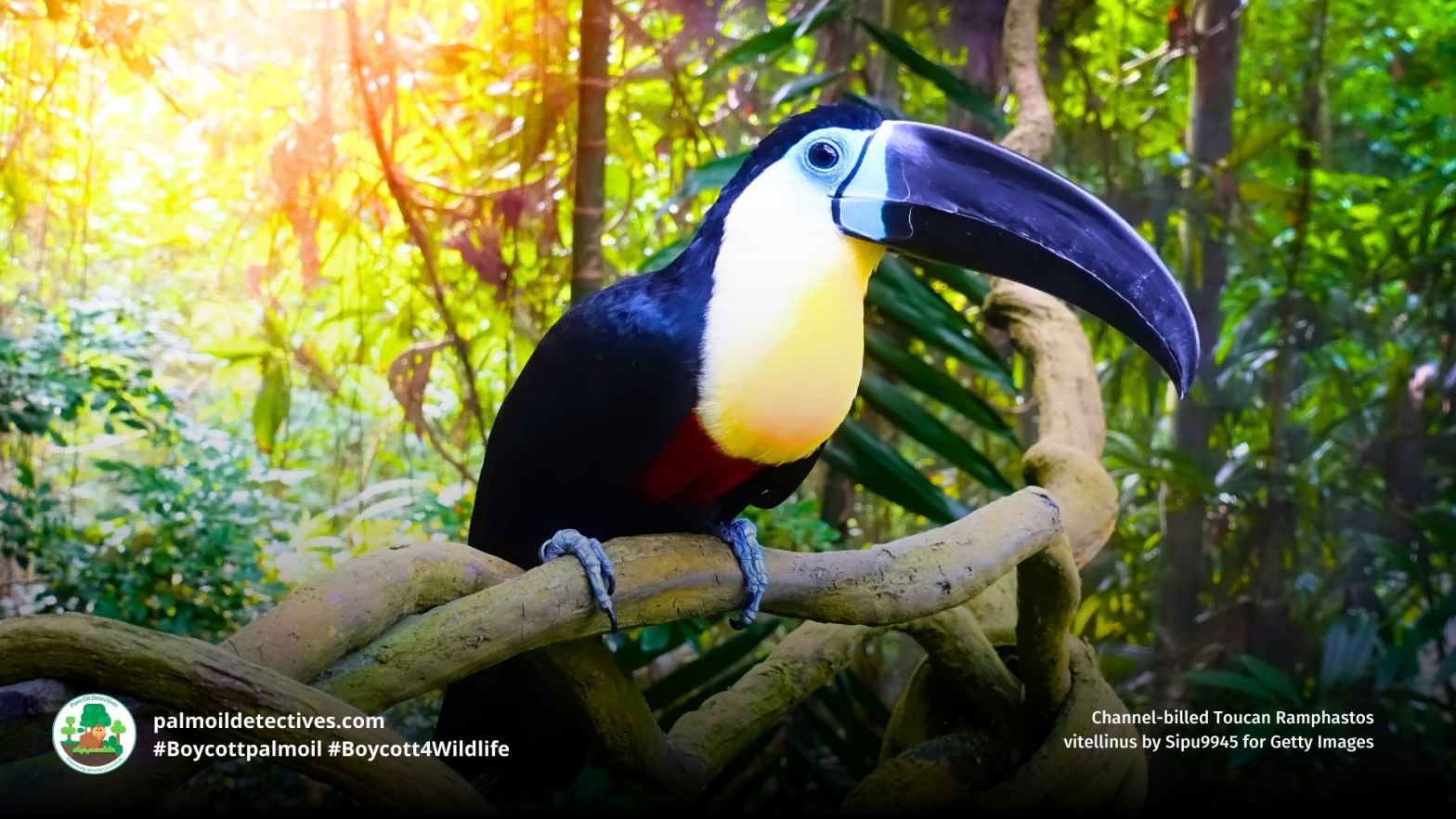
Deep in the heart of the #Amazon rainforest, a flash of vibrant colour moves between the towering canopy trees. The Channel-billed #Toucan Ramphastos vitellinus is a striking bird endemic to #Colombia, #Venezuela, #Ecuador, #Peru, Brazil and #Bolivia with a massive, curved bill and a raucous voice that echoes through the jungle. With their large, expressive eyes and vivid markings, these toucans are more than just symbols of tropical biodiversity—they are crucial players in the rainforest ecosystem, dispersing seeds that sustain the lush vegetation.
But their world is shrinking. The relentless destruction of the Amazon for cattle ranching, soy production, #palmoil and #goldmining is closing in on them. Habitat loss, hunting, and the wildlife trade are pushing them towards localised declines. In some parts of their range, they are disappearing entirely. Use your wallet as a weapon—fight for their survival. #BoycottPalmOil #Boycott4Wildlife
Climate Explained: what would happen if we cut down the Amazon rainforest?
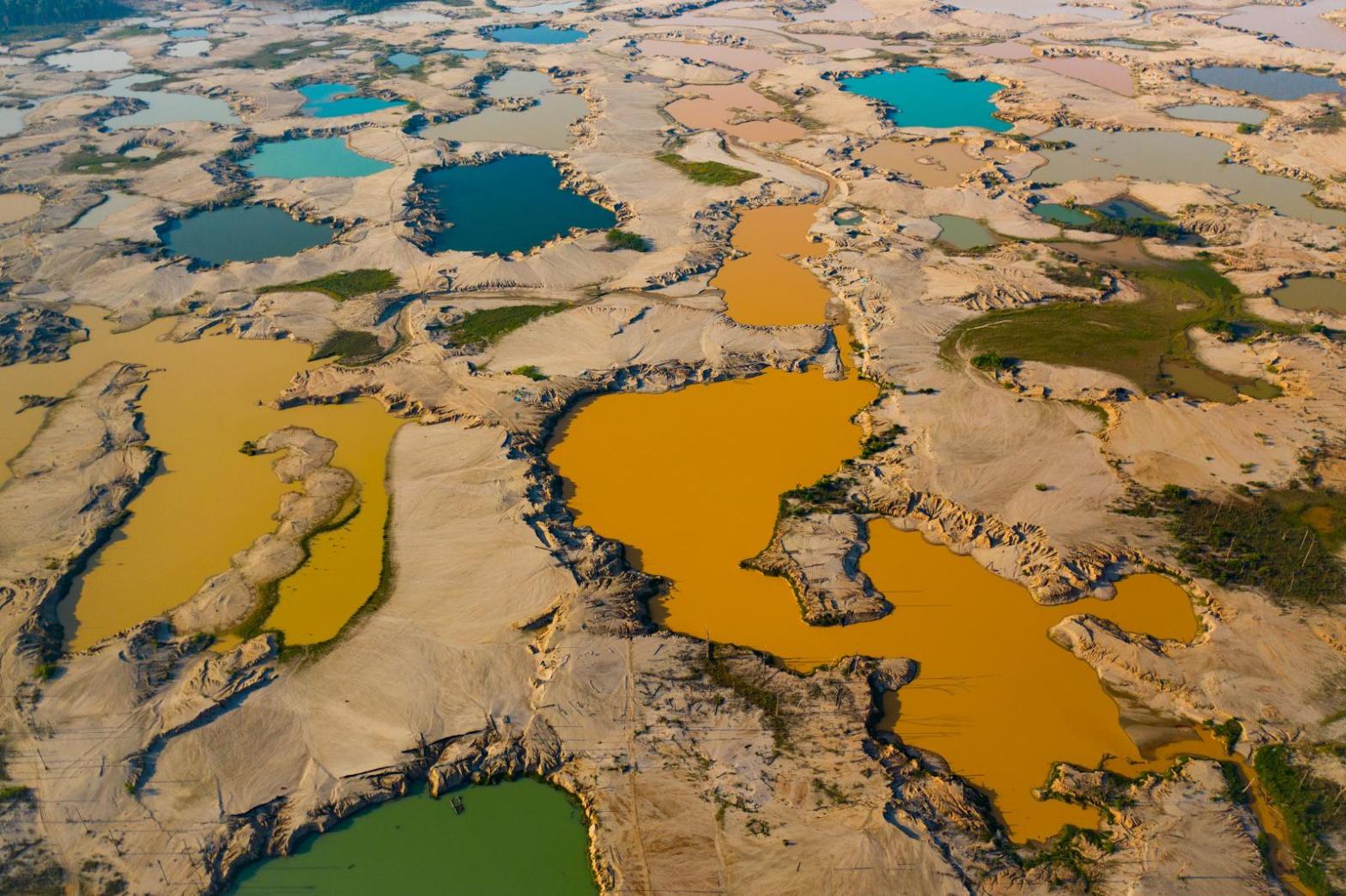
What would happen if we cut down the entire Amazon rainforest? Could it be replaced by an equal amount of reforestation elsewhere? Removing the entire Amazon rainforest would have myriad consequences, with the most obvious ones possibly not the worst. Most people will first think of the carbon currently stored in the Amazon, the world’s largest rainforest. But the consequences would be far-reaching for the climate as well as biodiversity and ecosystems — and, ultimately, people. Fight for animals, indigenous peoples and the planet itself #BoycottPalmOil #BoycottGold and #Boycott4Wildlife
Rainbow Cliffs: Why Parrots in the Amazon Eat Clay
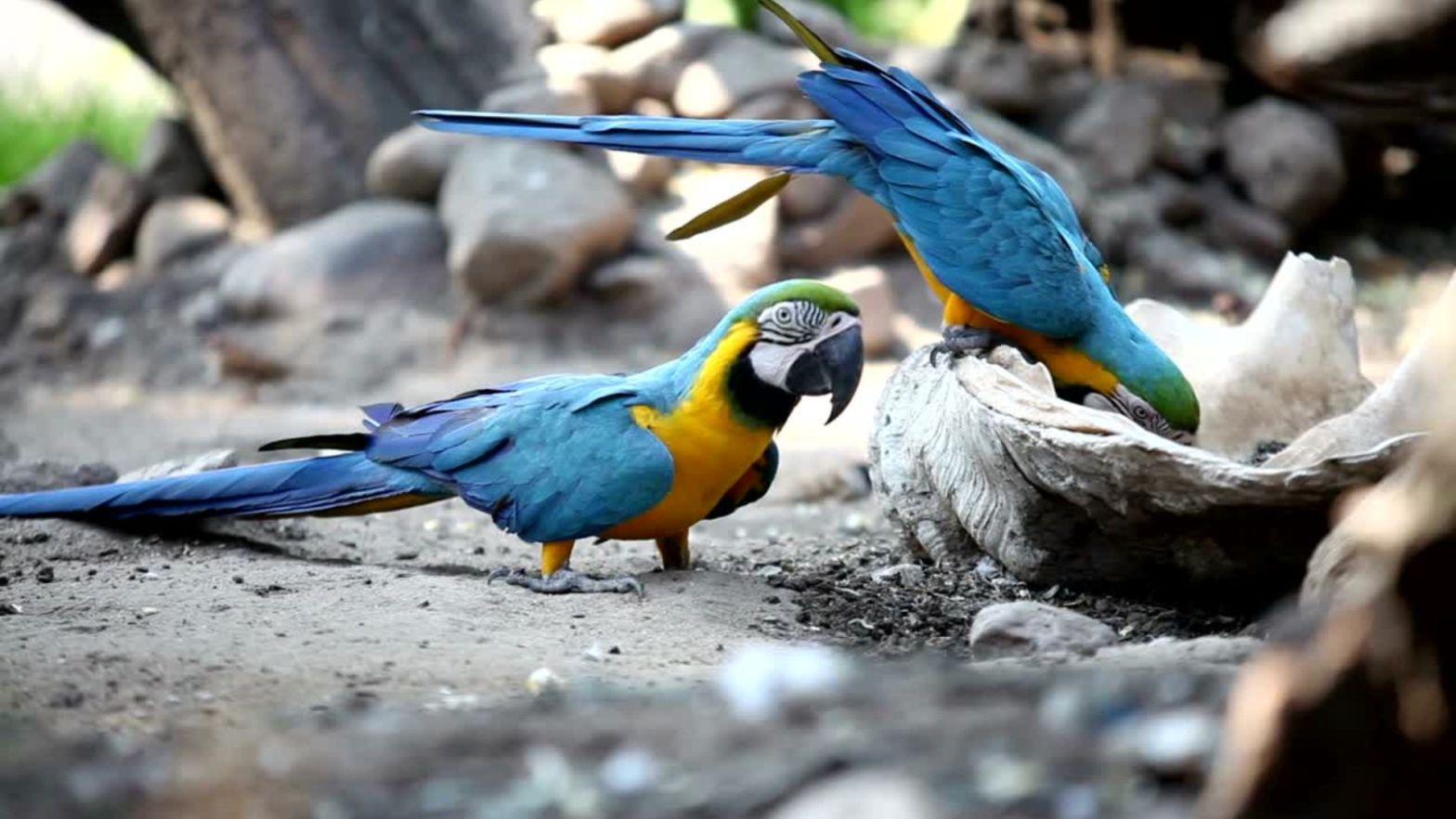
Our world holds a whole host of glorious natural spectacles, from great starling murmurations to the ethereal display of coral reef spawning. But none is more thrilling than catching a glimpse of a majestic #macaw.
Screeching their way through the #Amazon rainforest, leaving scattered fruit, broken branches, and a considerable quantity of parrot poop in their wake, #parrots are simply animals like no other. But high in the treetops, flying far above the dense, dark foliage below, how can you ensure that you see their bright colours? A safe bet is to find a clay lick.
Ariel Toucan Ramphastos ariel
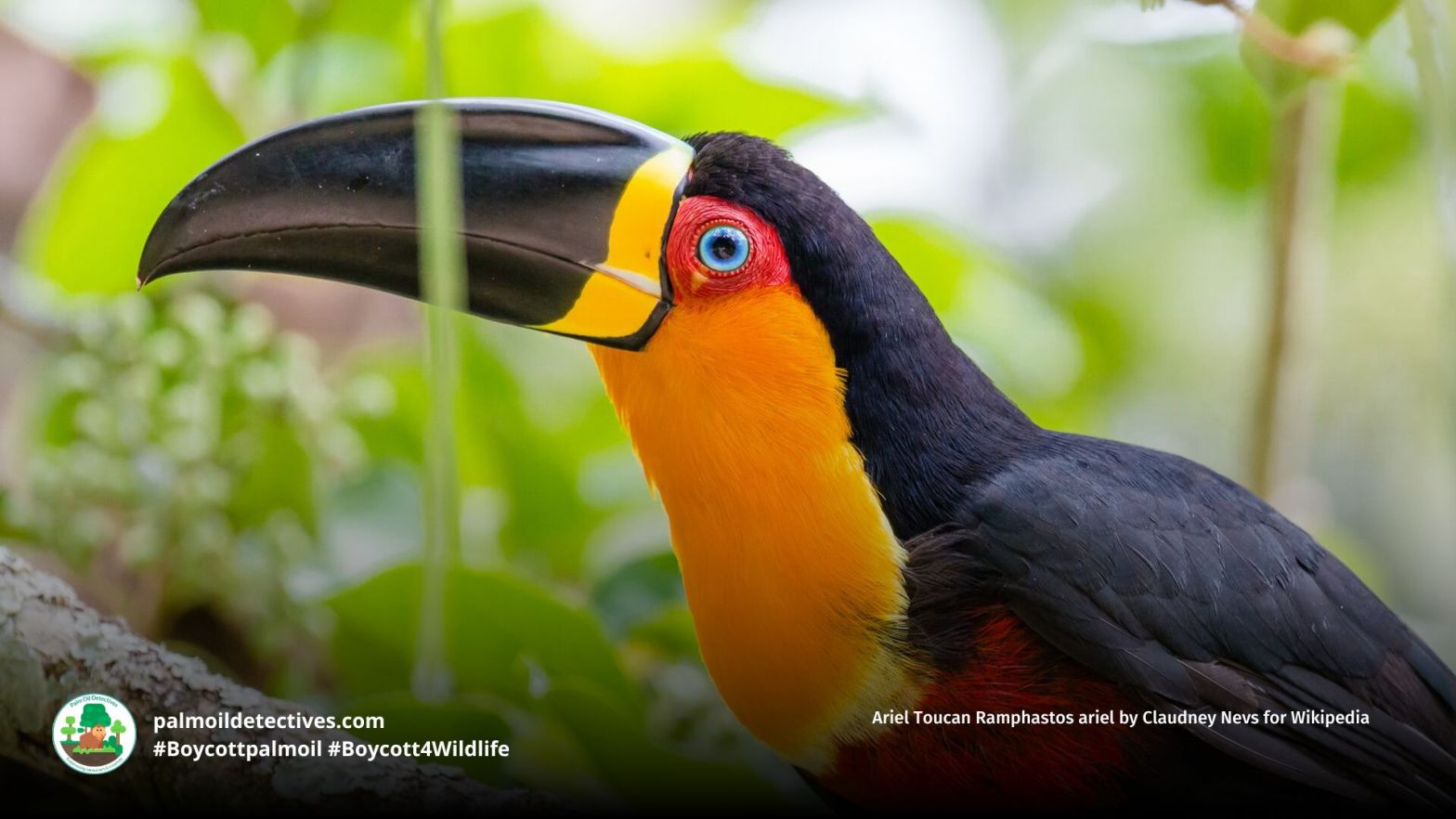
Ariel Toucans are vibrant and charismatic birds of South America under threat from palm oil, soy, meat and gold mining deforestation. Take action for them!
Brown Spider Monkey Ateles hybridus

The enigmatic blue-billed curassow (Crax alberti – local name “Paujil”), endemic to the tropical humid forests of northern Colombia, is the cracid species most threatened with extinction in the wild from #deforestation
Bald-headed Uacari Cacajao calvus

With their long shaggy coats and striking bright red faces, Bald-headed Uacaris are true icons of the Amazon rainforest and are found in #Brazil, #Peru and #Colombia. When a #Uacari has a bright red face this indicates they are in good health. A pale face indicates a sickly physical state. These remarkable #monkeys spend most of the year in the tree tops to avoid the seasonal flooding of their Amazonian habitat. During the dry season, they return to the ground to look for seeds. They face an existential threat from #palmoil, #soy and #meat #deforestation in the #Amazon. Once their unmistakeable scarlet faces were a common sight in the dusky green of the rainforest. Now they are rapidly disappearing, victims of a relentless drive for land, gold, and profit. Listed as Vulnerable, you can help them to survive every time you shop! #BoycottGold be #vegan for them and #BoycottPalmOil #Boycott4Wildlife
 Palm Oil Detectives