
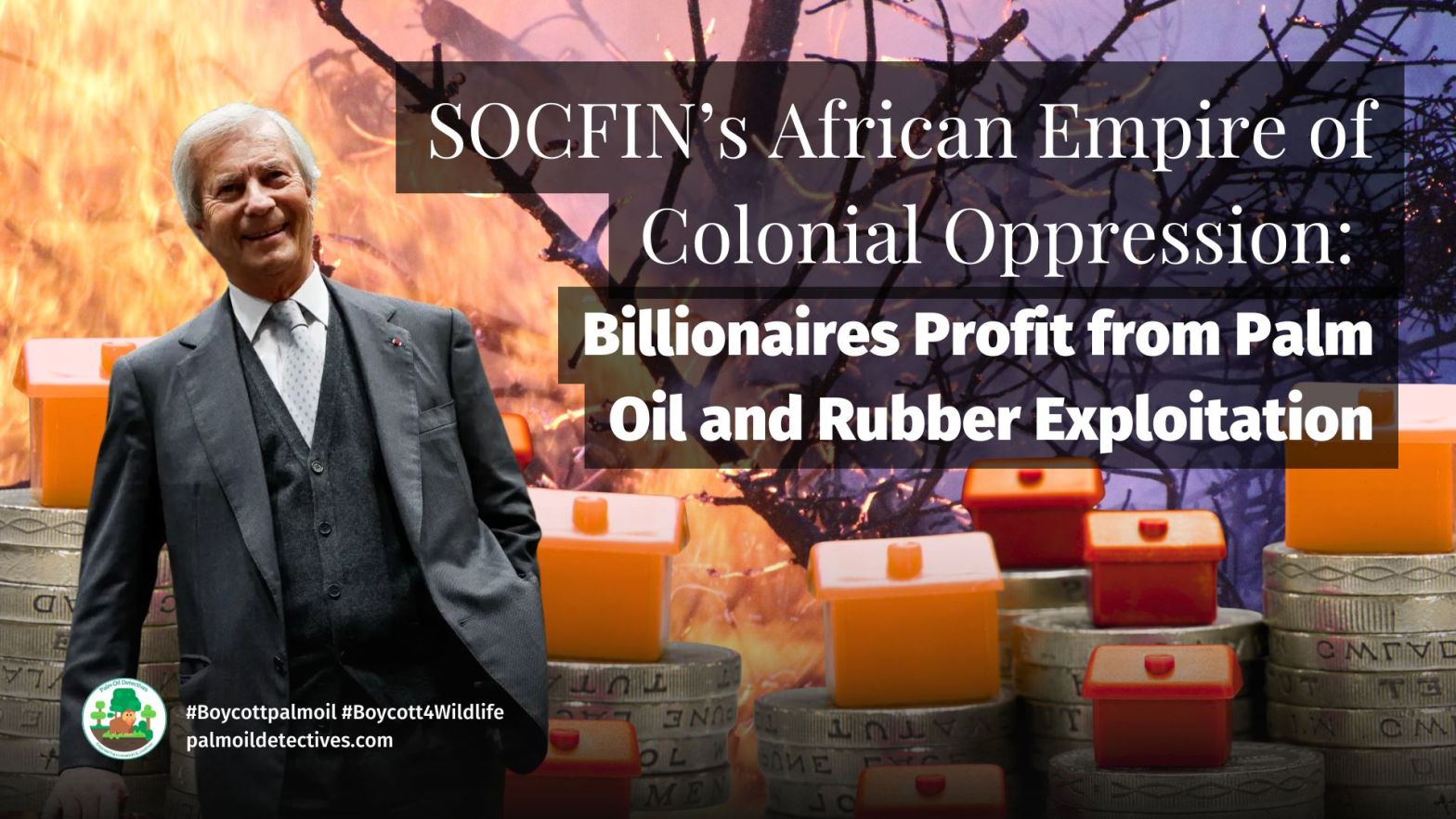
Investigation by Bloomberg exposes that despite being RSPO members, #SOCFIN plantations in #WestAfrica are the epicentre of #humanrights abuses, sexual coercion, environmental destruction, and #landgrabbing. Operating in #Liberia, #Ghana, #Nigeria, and beyond, SOCFIN’s #rubber and #palmoil plantations continue historical colonial legacies of exploitation. Despite widespread evidence of abuse and deforestation, SOCFIN and its partners benefit from weak sustainability certifications such as #FSC and #RSPO. Europe and the US buy products directly linked to these violations, greenwashing the destruction in the process. Indigenous communities and workers are actively resisting this huge injustice —They seek proper redress in the form of stricter #EUDR regulations and better protections of their health, livelihoods and families. Consumers can boycott palm oil and rubber in solidarity. #BoycottPalmOil #Boycott4Wildlife
Tag Archives: Ghana
Palm Oil Workers Exposed to Hazardous Pesticides
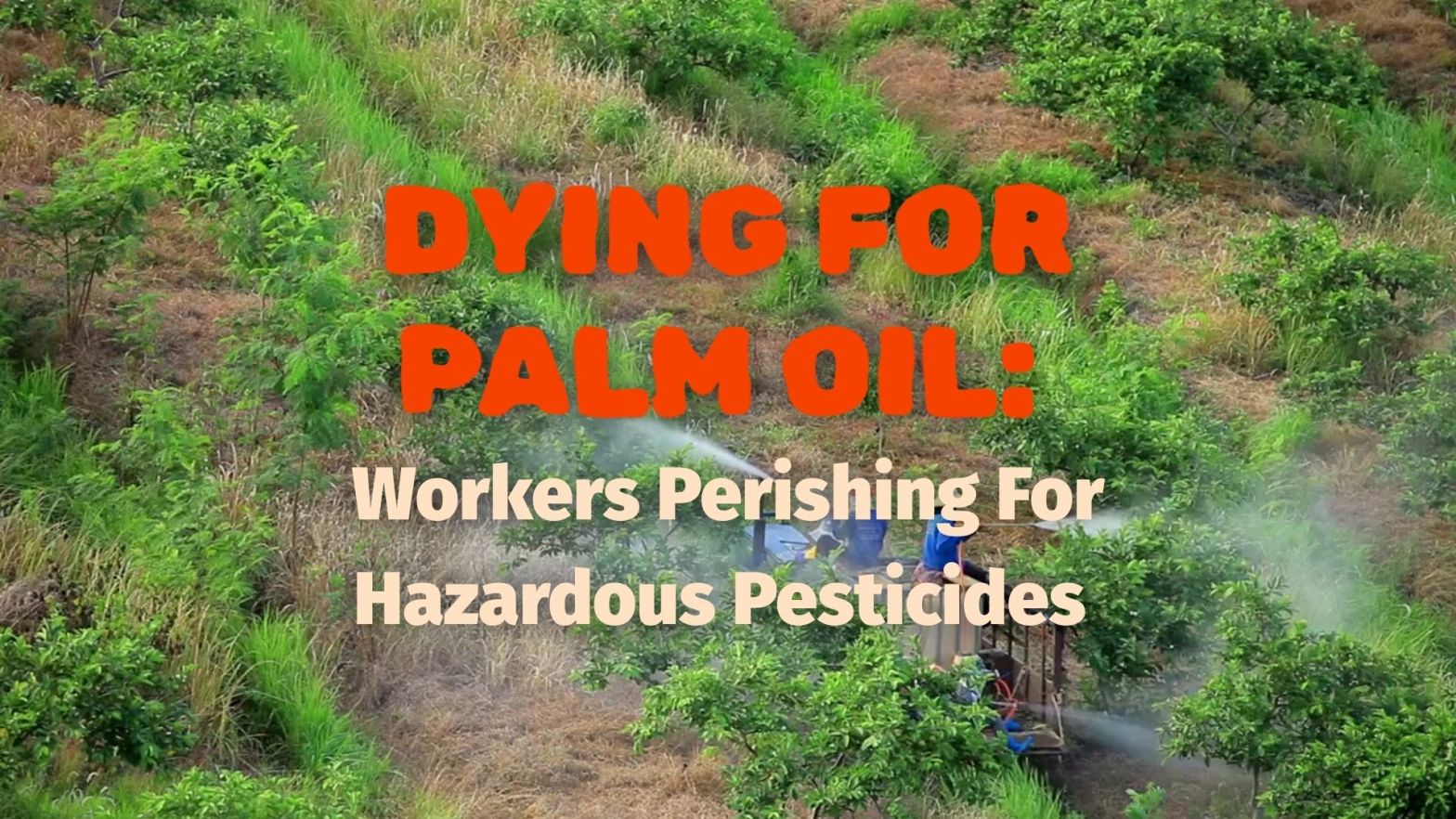
Palm oil workers in Colombia, Ghana, and Indonesia are regularly exposed to hazardous EU-banned pesticides like Paraquat for palm oil. Take action!
Bateleur Eagle Terathopius ecaudatus

Striking raptor Bateleur #Eagle Terathopius ecaudatus soars through #Africa’s skies with powerful red legs, a bright intelligent face and intense eyes. They are famous for their distinctive aerial and soaring skills such as a rocking flight, similar to a tightrope walker. These eagles are known to travel over 300 kilometres a day in search of food. Sadly, their numbers are plummeting due to deforestation, poisoning, and habitat destruction. The loss of their habitat to #palmoil, #mining and #meat #deforestation are some of the biggest threats they face. Help them every time you shop and boycott palm oil and go plant-based. #BoycottPalmOil and #Boycott4Wildlife!
Giant Pangolin Smutsia gigantea

The Giant Pangolin is are the largest and heaviest of the pangolin species weighing up to 35 kilos. These majestic creature are cloaked in keratin armour and embark on nightly quests through Central and West Africa’s lush landscapes. By the light of the moon, they use their keen sense of smell to hunt down ants and termites. As they navigate a world fraught with dangers from habitat destruction, poaching and illegal hunting, the survival of these enigmatic beings hangs in balance, urging us to reflect on our impact on their dwindling world. Help them to survive every single time you shop and #Boycottpalmoil #Boycottmeat, be #vegan and #Boycott4Wildlife
Protected: Private Advocate’s Page
There is no excerpt because this is a protected post.
African Golden Cat Caracal aurata
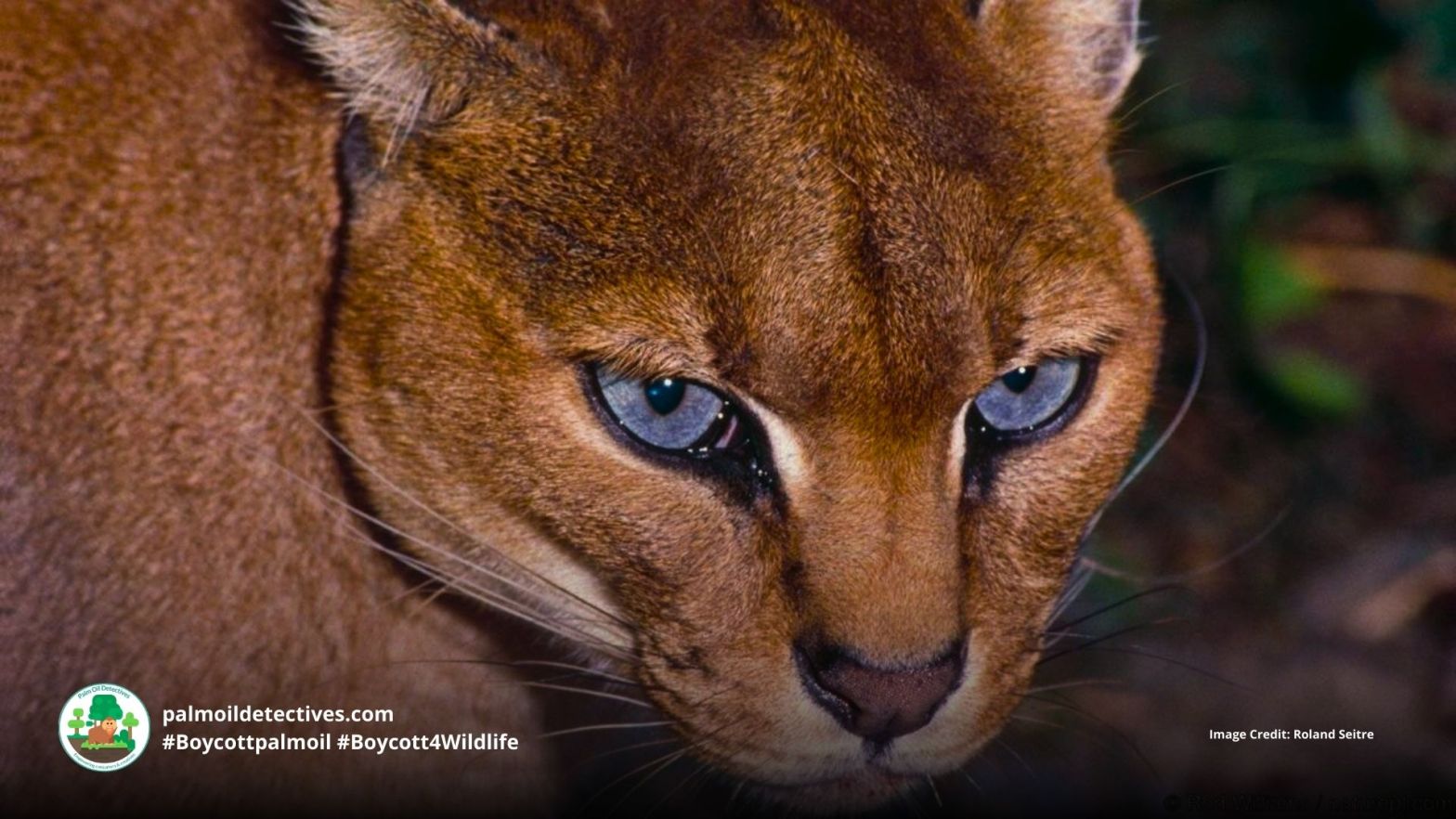
The African golden cat’s striking coat varies from radiant red to elegant gray. They are a symbol of wild grace in the African jungle. This feline enchants a cacophony of sounds, from gentle meows to assertive growls. They are classified as Vulnerable and their population is expected to reduce by 30% as a direct result of palm oil deforestation in their forest home (IUCN Red List). Fight to protect these magnificent animals and their home every day! #BoycottPalmOil and #Boycott4Wildlife in the supermarket!
Unmasking Socfin’s Destructive Palm Oil Empire in Africa
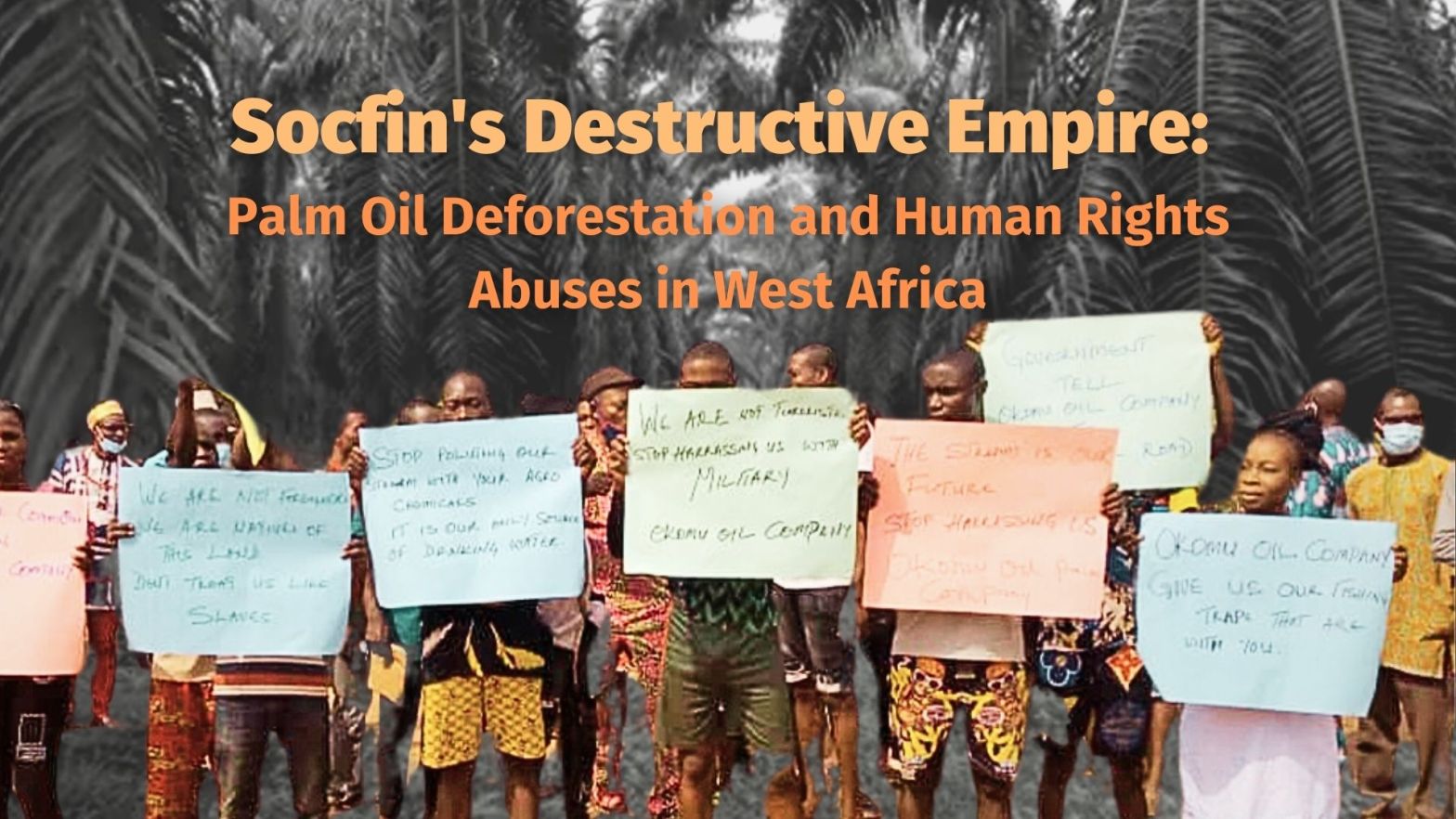
An investigation reveals Socfin’s exploitation of rubber and palm oil in West Africa, leading to deforestation, landgrabbing, and shocking human rights abuses.
Yellow-casqued Hornbill Ceratogymna elata
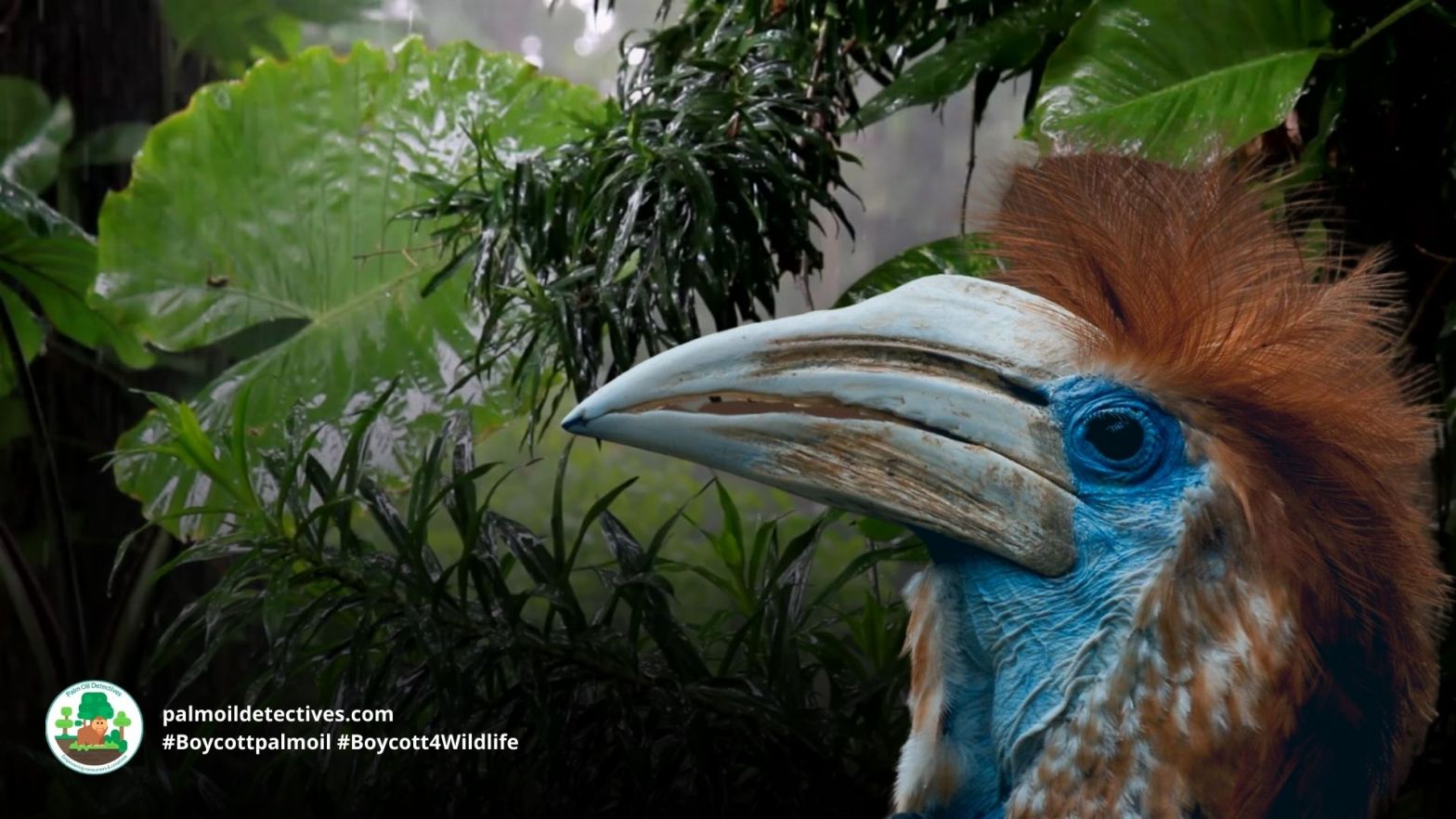
The yellow-casqued hornbill is one of the most remarkable hornbills in the world and one of the largest birds in the rainforests of West Africa weighing up to two kilos. Sporting a shock of russet coloured feathers and a striking blue coloured face, they prefer to live high up in the rainforest canopy in Côte d’Ivoire, #Ghana, #Liberia, Mali and #SierraLeone. Their main threat is hunting and human persecution and they are possibly extinction now in some countries. Recent mass deforestation for #mining, #palmoil, #cocoa and #meat is also a threat and they are now classified as #vulnerable. Help them every time you shop and be #vegan, #Boycottpalmoil, #Boycott4Wildlife
African Dwarf Crocodile Osteolaemus tetraspis

African Dwarf #Crocodiles are timid #nocturnal animals and solitary hunters. They predate mainly on small animals in rivers or nearby to the riverbank. They are also known as the Broad-Snouted Crocodile or the Bony Crocodile are the smallest extant species of crocodile in the world and are typically around 1.5 metres in length. They face persecution by humans and other animals and spend most of their daylight hours resting in burrows they make along riverbanks in #WestAfrica and Central Africa. They are vulnerable from #timber #palmoil #soy #meat #deforestation and hunting. Help them survive and be #vegan, #Boycottpalmoil #Boycott4Wildlife
African Palm Civet Nandinia binotata

African palm civets were once common seed dispersers. Now they face pressure from palm oil-driven deforestation, mining, and hunting for bushmeat – boycott!
Hippopotamus Hippopotamus amphibius
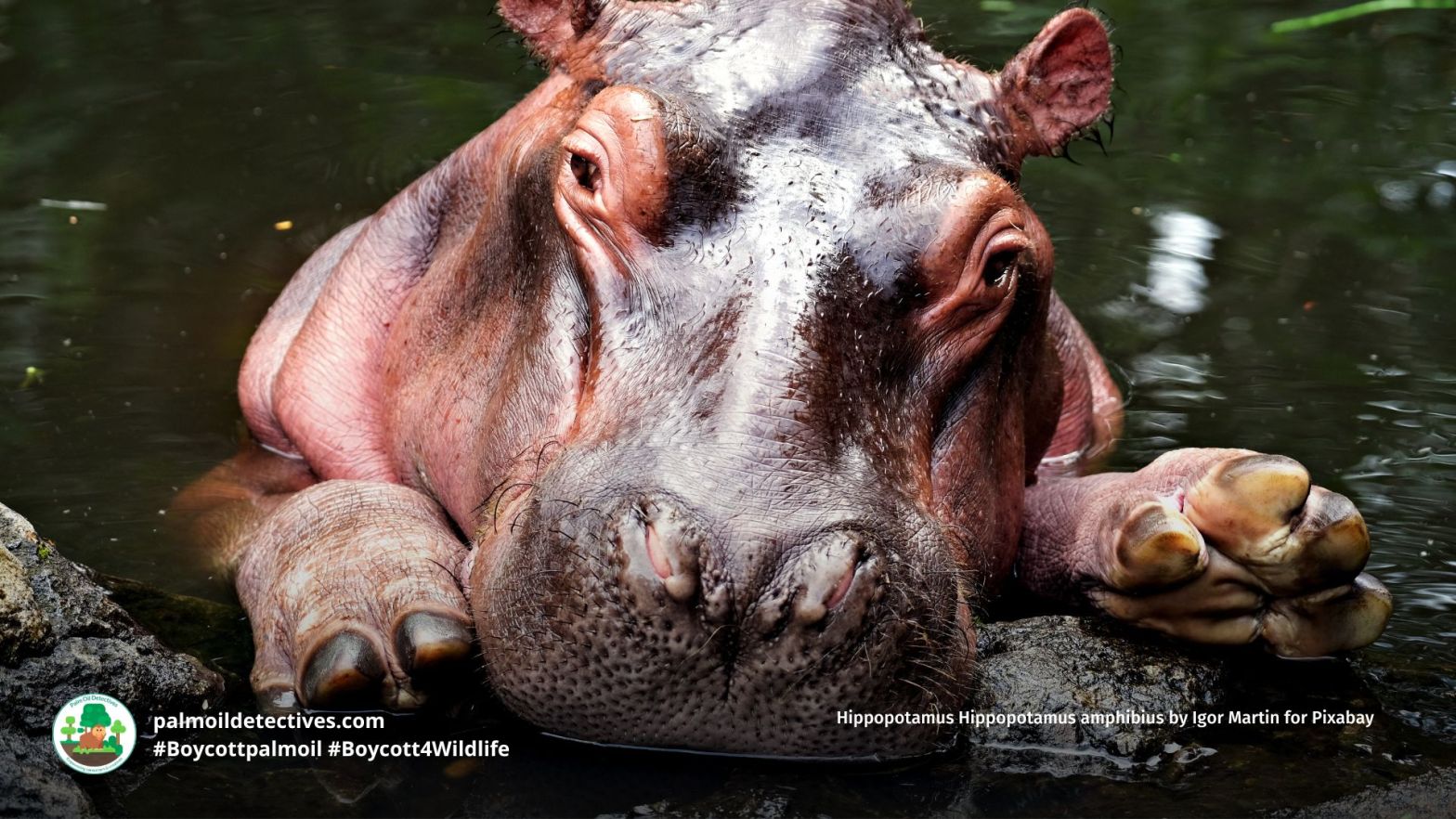
The Common Hippopotamus, or Hippo, is a powerful and enduring symbol of Africa’s rivers and wetlands. Once common throughout all of Africa and the revered subjects of African folklore —their populations are now in peril. Hippo numbers plummeted in the 1990s and early 2000s due to unregulated #hunting and land conversion for #palmoil #cocoa and #tobacco #agriculture and human settlement. Although some strongholds remain in East and Southern Africa, many populations are in decline across #WestAfrica and Central Africa. Hippos are now listed as #Vulnerable on the Red List, with threats from freshwater habitat loss, illegal hunting for meat and ivory, and increasing conflicts with people. Use your voice and your wallet to push for stronger protections for Hippos and their riverine homes. #BoycottPalmOil #Boycott4Wildlife
Chimpanzee Pan troglodytes
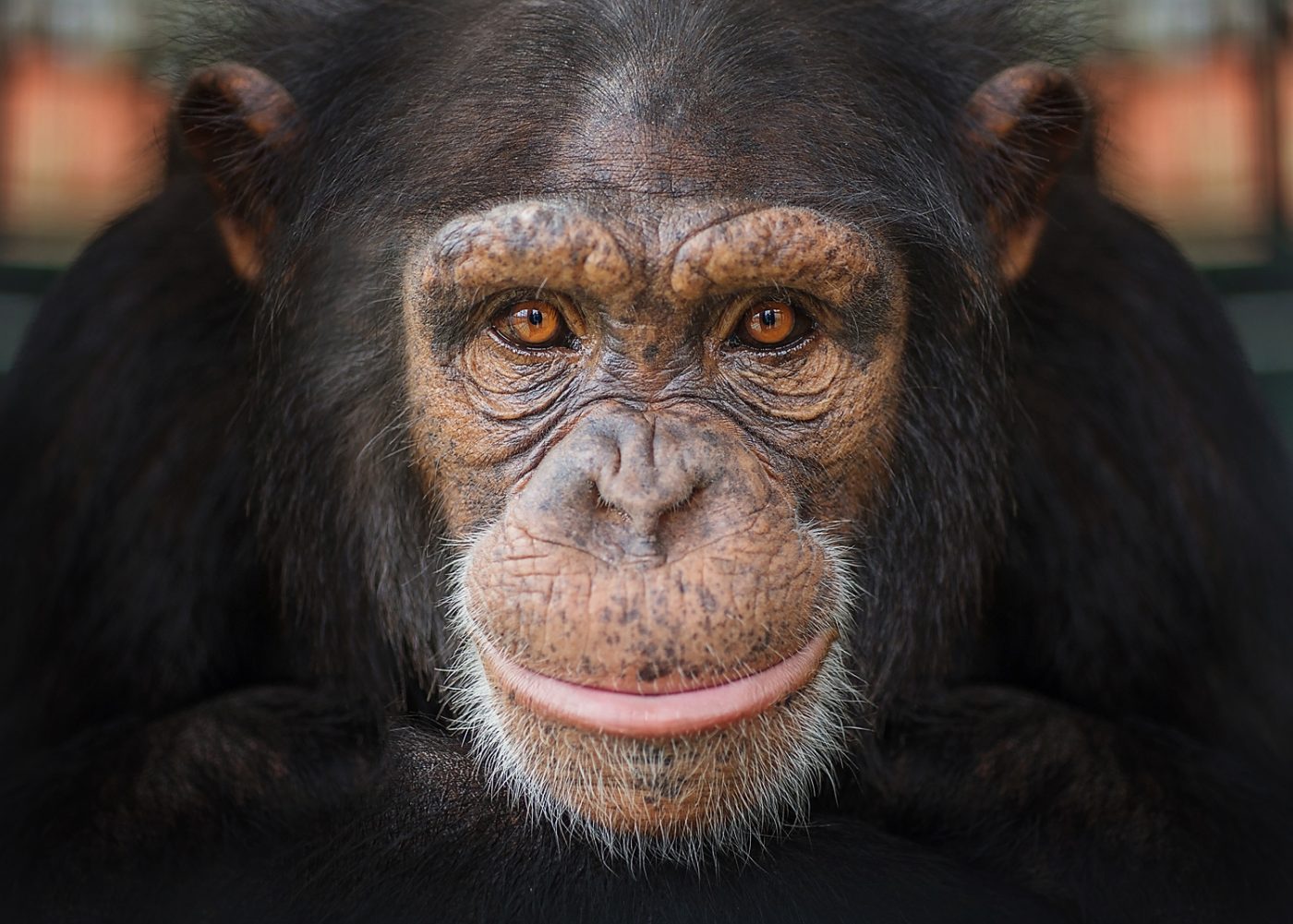
Chimpanzees (Pan troglodytes) are one of humanity’s closest living relatives and the most widespread of all great apes, with a vast historical range stretching across 21 African countries. Despite this, they are now classified as Endangered by the IUCN Red List due to catastrophic declines of more than 50% over a 75-year period, from 1975 to a projected 2050. These losses are driven by a lethal cocktail of threats: rampant poaching, habitat destruction for palm oil and logging, industrial mining, disease outbreaks like Ebola, and illegal trafficking. Subspecies such as P. t. ellioti have been reduced to only a few thousand individuals, while the once widespread P. t. verus is now Critically Endangered. Protecting them means dismantling the extractive industries that are ripping Africa’s forests apart such as the meat industry and palm oil industry. Help them when you #BoycottPalmOil #Boycott4Wildlife and be #Vegan #BoycottMeat
Rüppell’s Vulture Gyps rueppelli
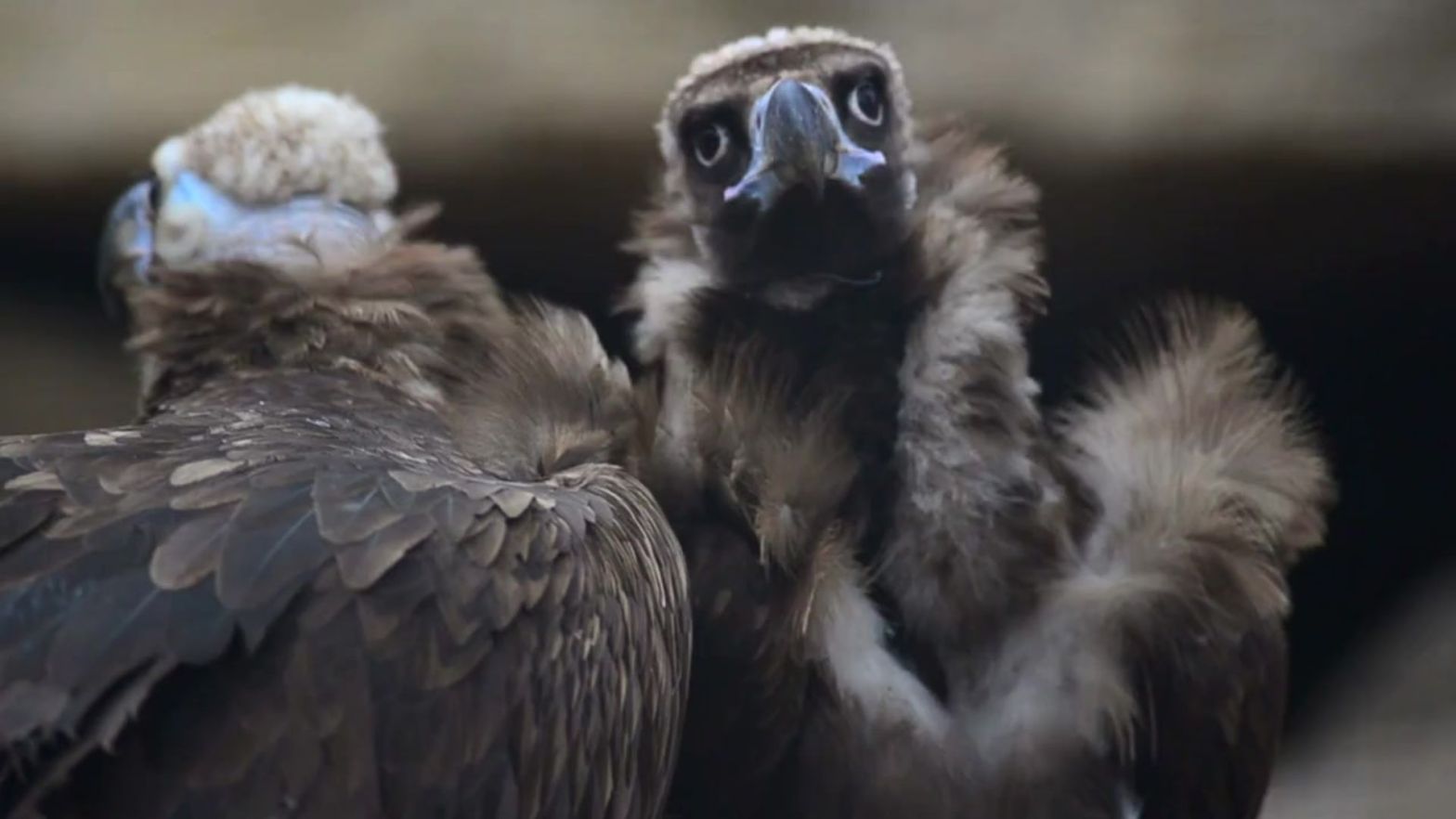
The Rüppell’s Vulture is an enigmatic avian marvel soaring the African and European skies. Their powerful wings carry them aloft on streams of air to altitudes of 11,000 metres. From far above they scan the endless landscapes for sustenance. These remarkable carrion cleaners pose no threat to humans and only eat dead animals. They now teeter on the brink of extinction, fewer than 22,000 individuals remain alive due to the depletion of their prey species, human and wildlife conflict and palm oil deforestation throughout their range. This critically endangered species, are known for their awe-inspiring high altitude flights—reaching heights seen by commercial airlines. They face a grave threat from the insidious palm oil industry, mining along with other destructive industries across their range. Help them to survive and #BoycottPalmOil and #Boycott4Wildlife every time you shop.
White-thighed Colobus Colobus vellerosus
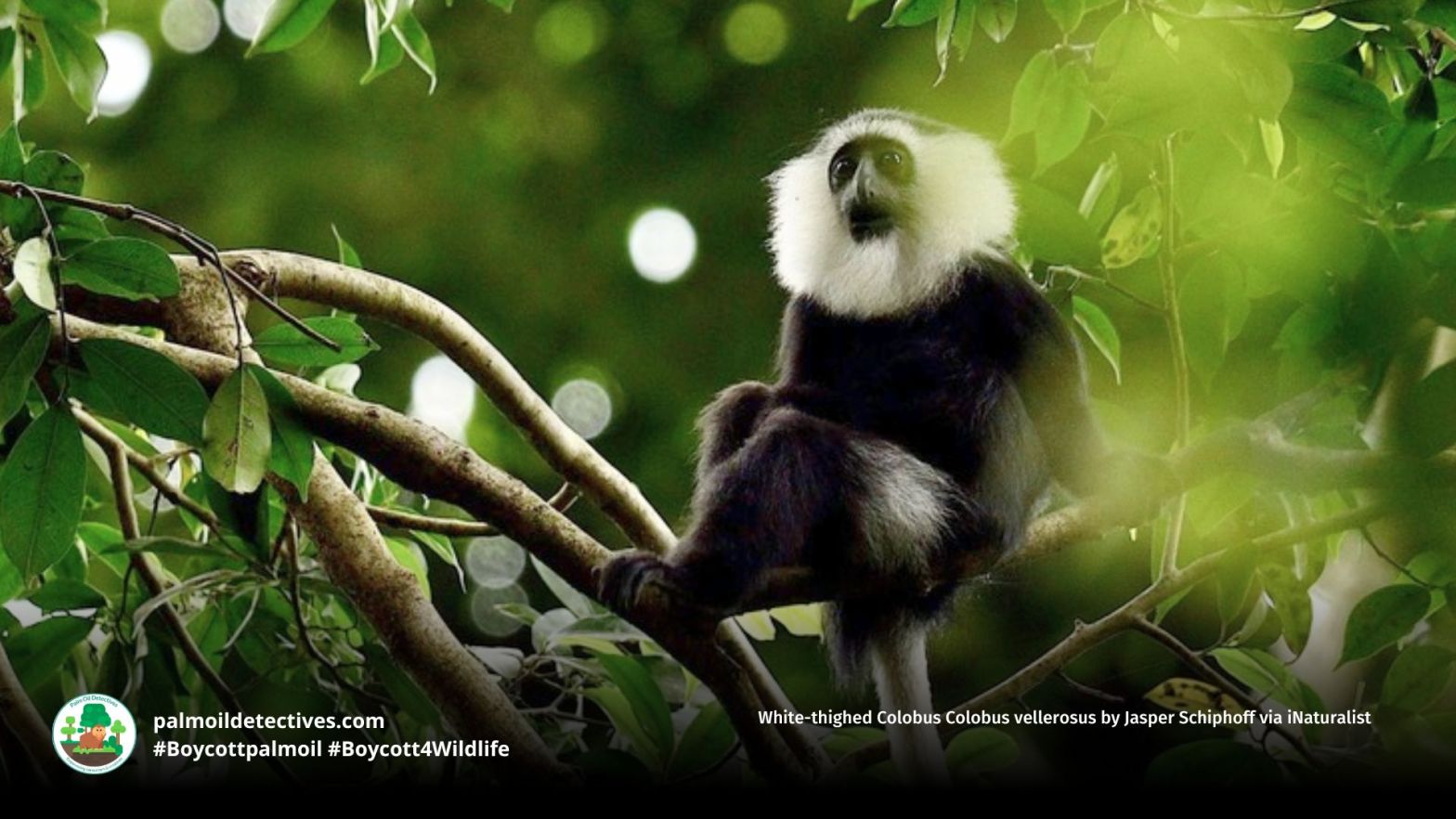
The White-thighed Colobus (Colobus vellerosus), also known as the Ursine Colobus or Geoffroy’s Black-and-White Colobus, is a striking primate of West Africa and is currently listed as Critically Endangered on the IUCN Red List. Their numbers have plummeted by over 80% in just three generations due to rampant deforestation driven by logging, agriculture, and expanding palm oil plantations. Intense bushmeat hunting and weakening traditional taboos have further accelerated their decline. With fewer than 1,500 individuals thought to remain in the wild, urgent action is needed to save them. Use your wallet as a weapon—boycott products that contain palm oil and support ethical, indigenous-led conservation. BoycottPalmOil #Boycott4Wildlife #Vegan #BoycottMeat
Krokosua Squeaking Frog Arthroleptis krokosua
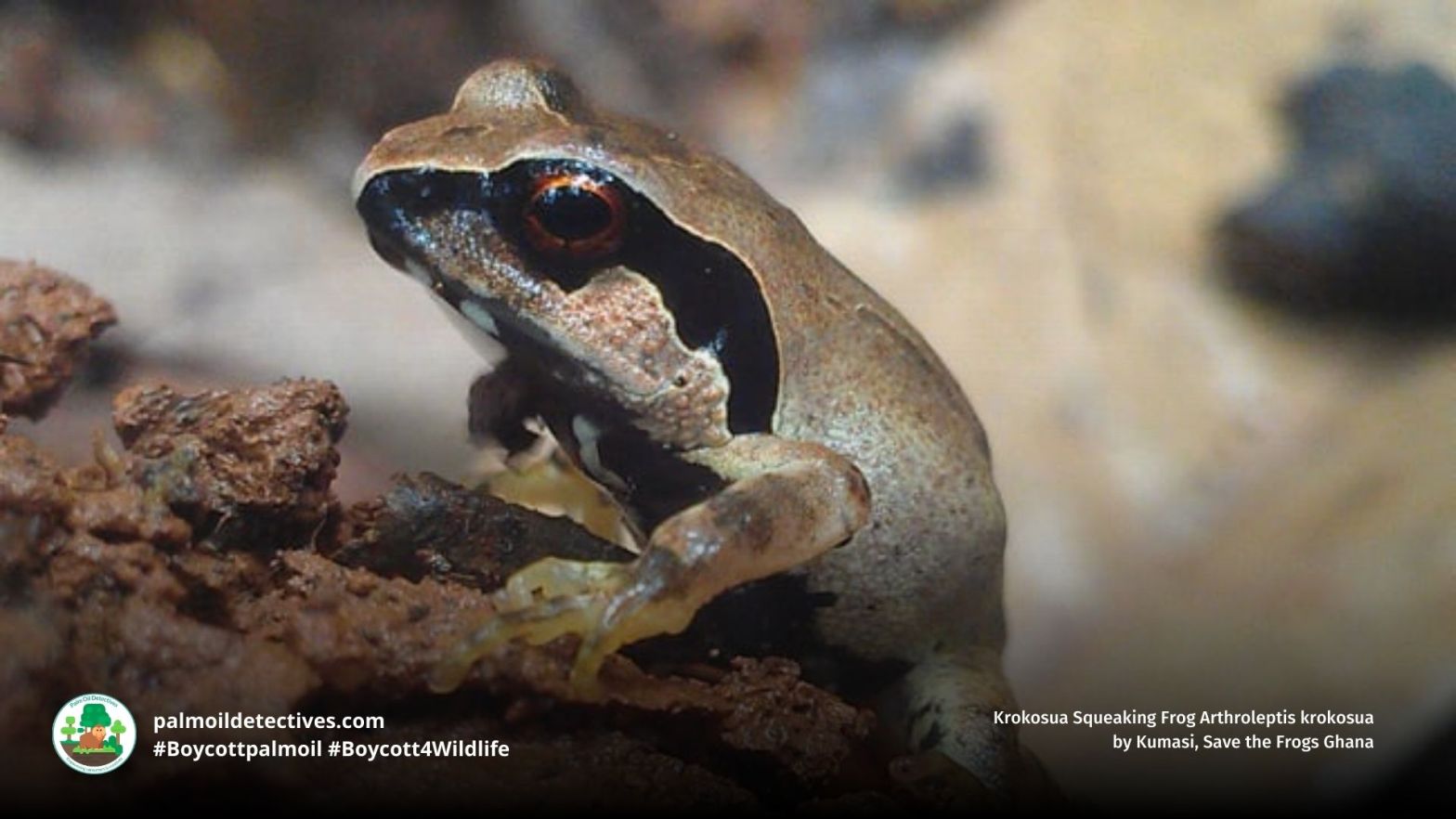
Help save one of Africa’s most endangered amphibians, the Krokosua Squeaking Frog from logging and palm oil deforestation. Take action, boycott palm oil
Roloway Monkey Cercopithecus roloway
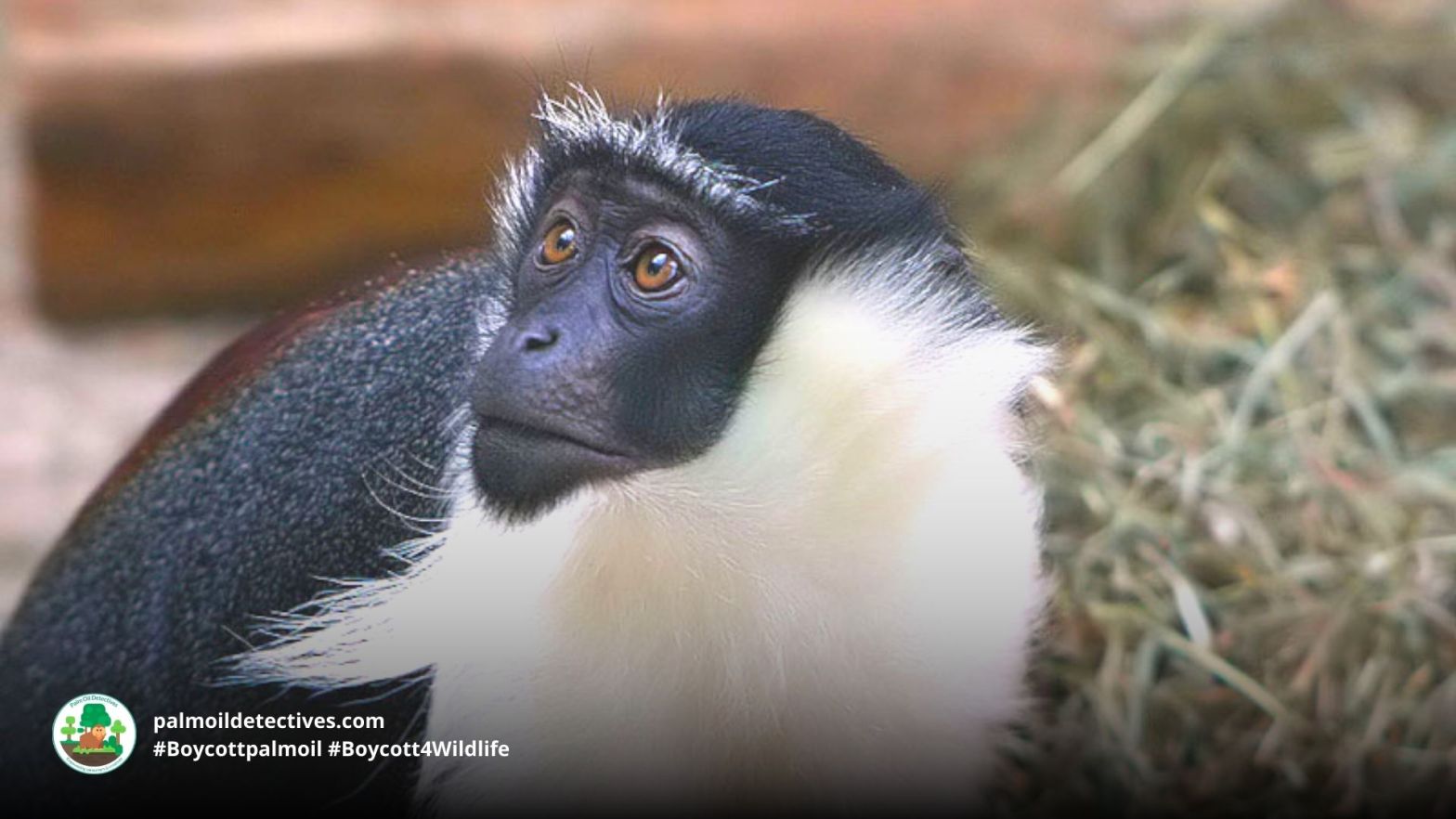
The Roloway Monkey is one of West Africa’s rarest primates, instantly recognisable by their elegant white beard and striking brow band. Once common in the lush rainforests of Ghana and Côte d’Ivoire, the Roloway Monkey now survives only in isolated pockets of old-growth forest. The Roloway Monkey’s world is shrinking rapidly—palm oil, cocoa, and logging companies clear the last ancient trees, while hunters target the Roloway Monkey for bushmeat. The air is thick with the scent of damp earth and the distant echo of chainsaws. With fewer than 2,000 Roloway Monkeys left, their future hangs by a thread. Stand with indigenous communities defending the last forests. Use your wallet as a weapon. #BoycottPalmOil #Boycott4Wildlife #Vegan
Miss Waldron’s Red Colobus Piliocolobus waldroni
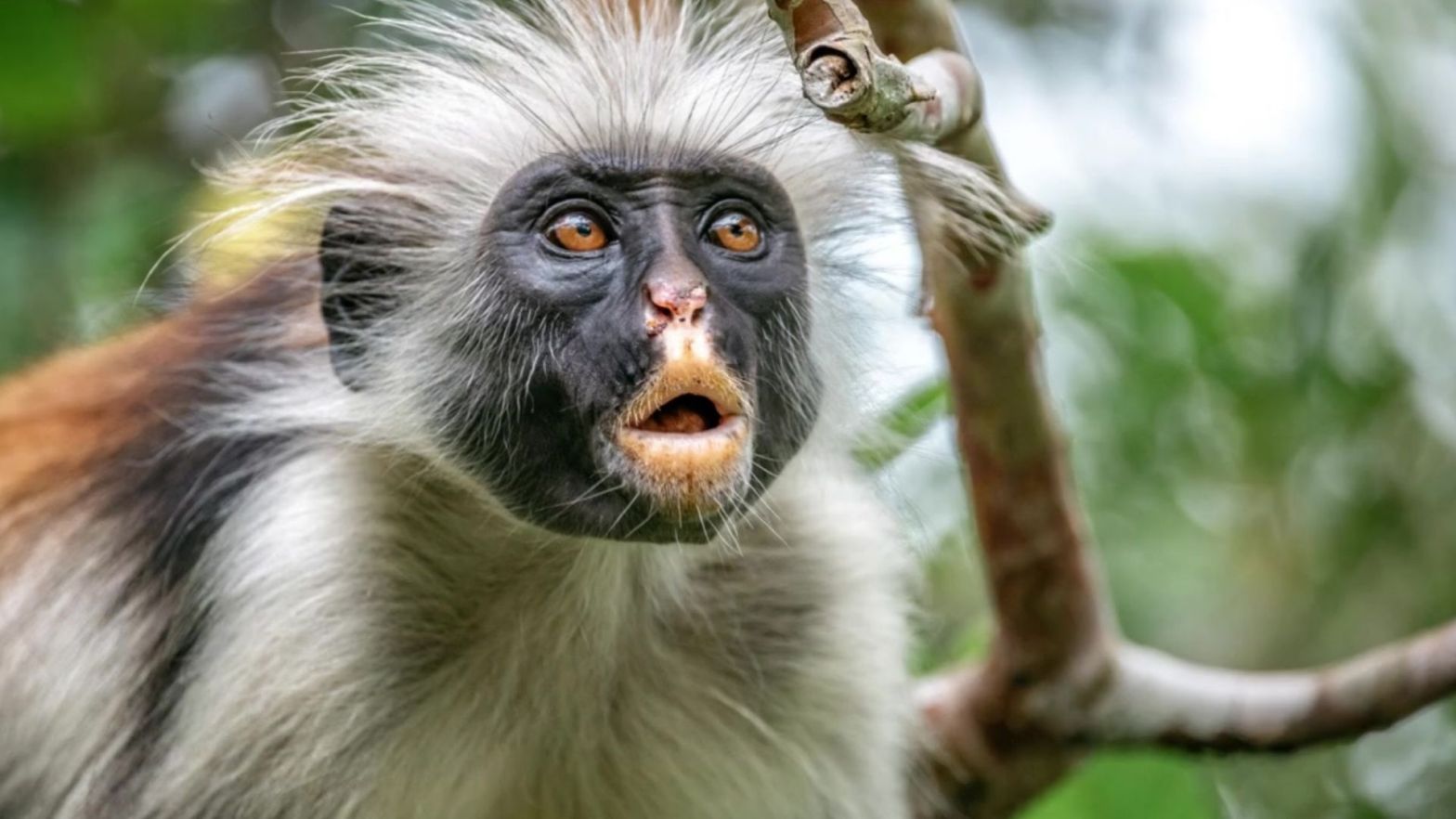
xMiss Waldron’s Red Colobus, a secretive old world primate sport chestnut, black, and white white fur that surrounds their expressive faces. They live in the dense canopies of West Africa’s dwindling forests. Their story is one of ever-increasing fragility, on the edge of survival. Sightings of these magnificent primates have faded away since 1978. The last evidence, a skin, emerged in 2002.
These monkey species have been driven towards the extinction by palm oil, cocoa, and rubber plantations along with hunting for bushmeat. Their calls, once a common cacophony are now nearly permanently silenced. Miss Waldron’s Red Colobus serve as a living warning for forest health. They disappear before most other mammals wherever the forests fall. Support indigenous sovereignty and safeguarding of ecosystems—use your wallet as a weapon and #BoycottPalmOil #Boycott4Wildlife.
Africa: Species Endangered by Palm Oil Deforestation
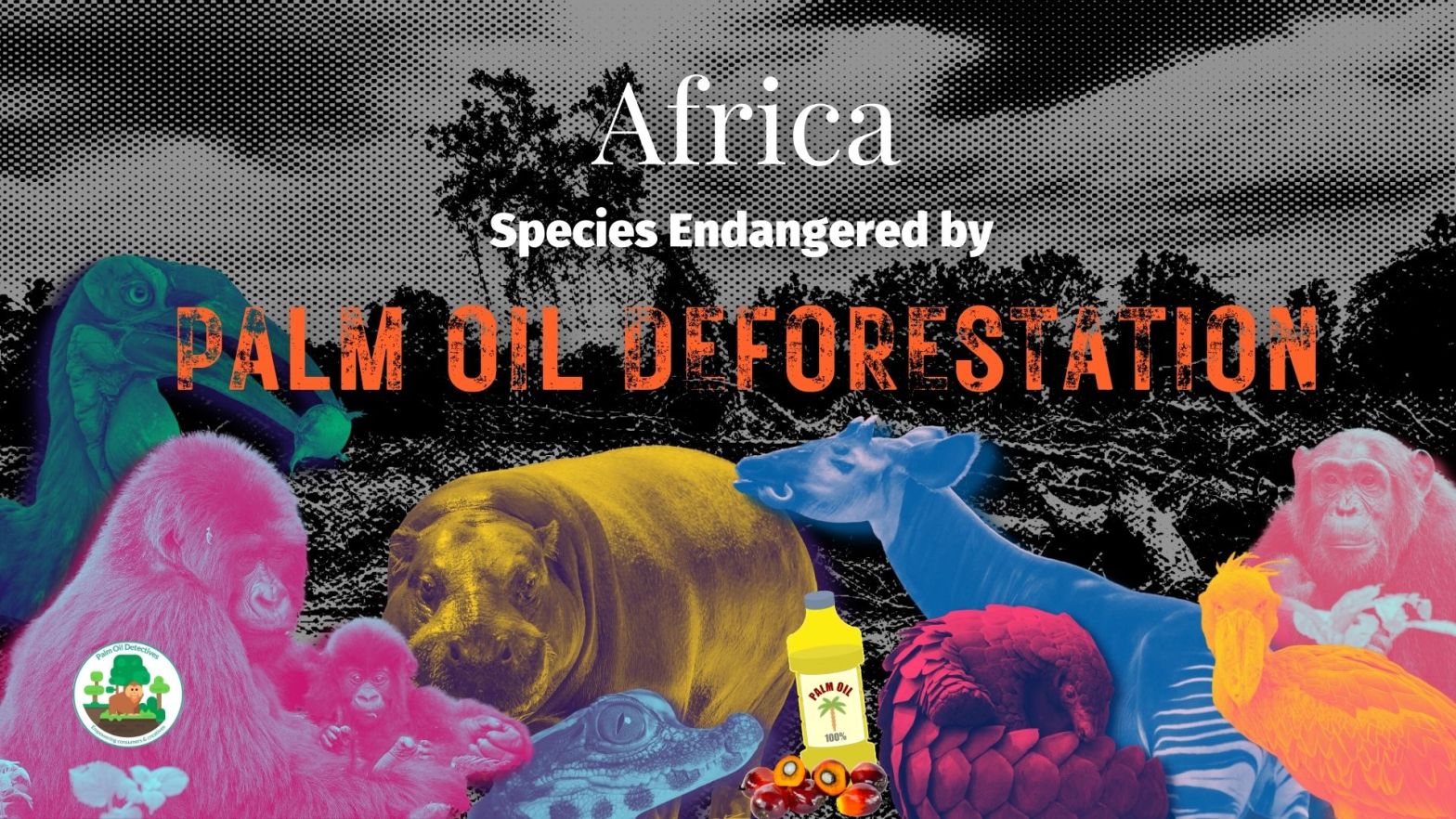
Explore the biodiversity of Africa and discover how palm oil deforestation impacts wildlife. Learn how you can help. #BoycottPalmOil #Boycott4Wildlife
White-bellied Pangolin Phataginus tricuspis
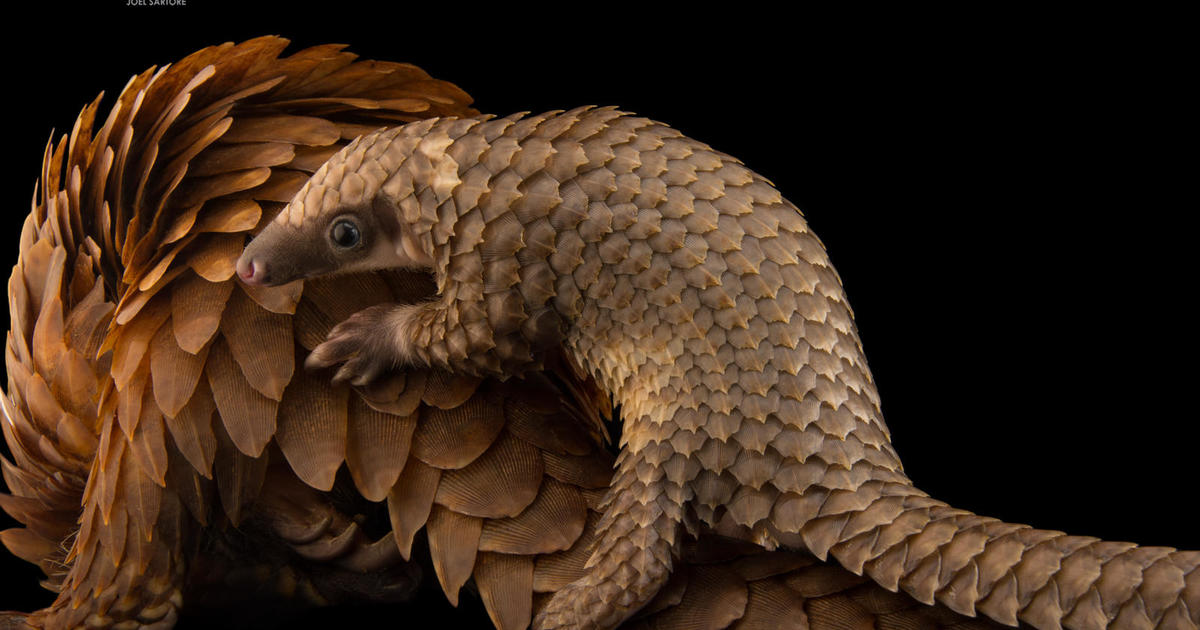
The White-bellied Pangolin also commonly known as the Tree Pangolin are fascinating creatures akin to giant pest controllers, estimated to consume around 70 million insects per year. #Pangolins don’t have teeth, rather they have scales lining their stomachs which aid them in the digestion of food that is swallowed whole. Baby pangolins often ride on their mother’s backs and and are known as pango pups. They are able to use their tails to support their body weight and can walk upright on their hind legs.
They are often captured and killed for the illegal #poaching trade in abandoned palm oil plantations in their native homelands in #WestAfrica. Now classified as #Endangered by the IUCN, White-bellied Pangolins face a terrifying future. The dual threats of industrial-scale trafficking and rampant #deforestation for agriculture—especially #palmoil plantations—are pushing them towards extinction Help them every time you shop and #Boycottpalmoil #Boycott4Wildlife
 Palm Oil Detectives