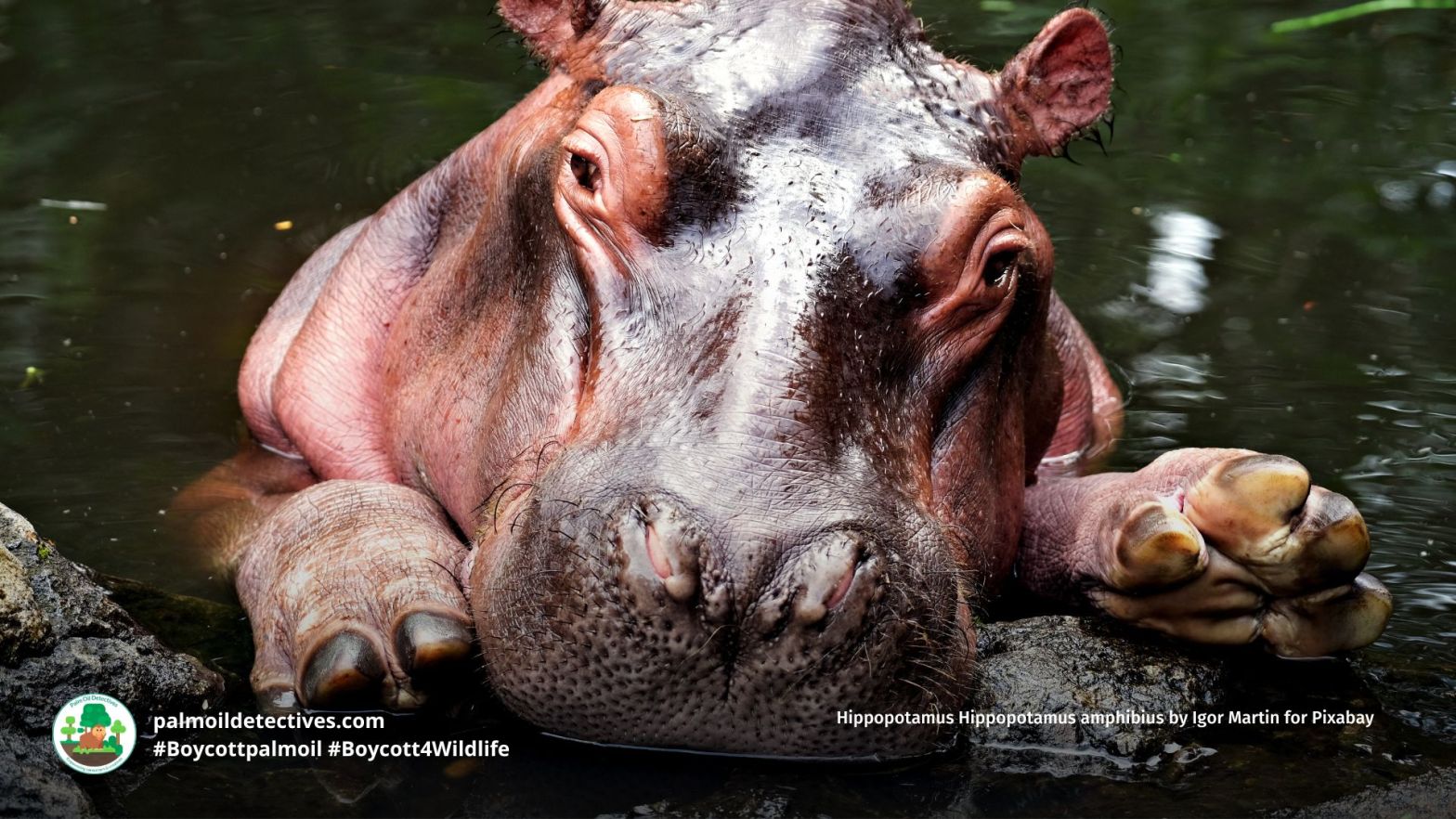
Hippopotamus Hippopotamus amphibius

The Common Hippopotamus, or Hippo, is a powerful and enduring symbol of Africa’s rivers and wetlands. Once common throughout all of Africa and the revered subjects of African folklore —their populations are now in peril. Hippo numbers plummeted in the 1990s and early 2000s due to unregulated #hunting and land conversion for #palmoil #cocoa and #tobacco #agriculture and human settlement. Although some strongholds remain in East and Southern Africa, many populations are in decline across #WestAfrica and Central Africa. Hippos are now listed as #Vulnerable on the Red List, with threats from freshwater habitat loss, illegal hunting for meat and ivory, and increasing conflicts with people. Use your voice and your wallet to push for stronger protections for Hippos and their riverine homes. #BoycottPalmOil #Boycott4Wildlife

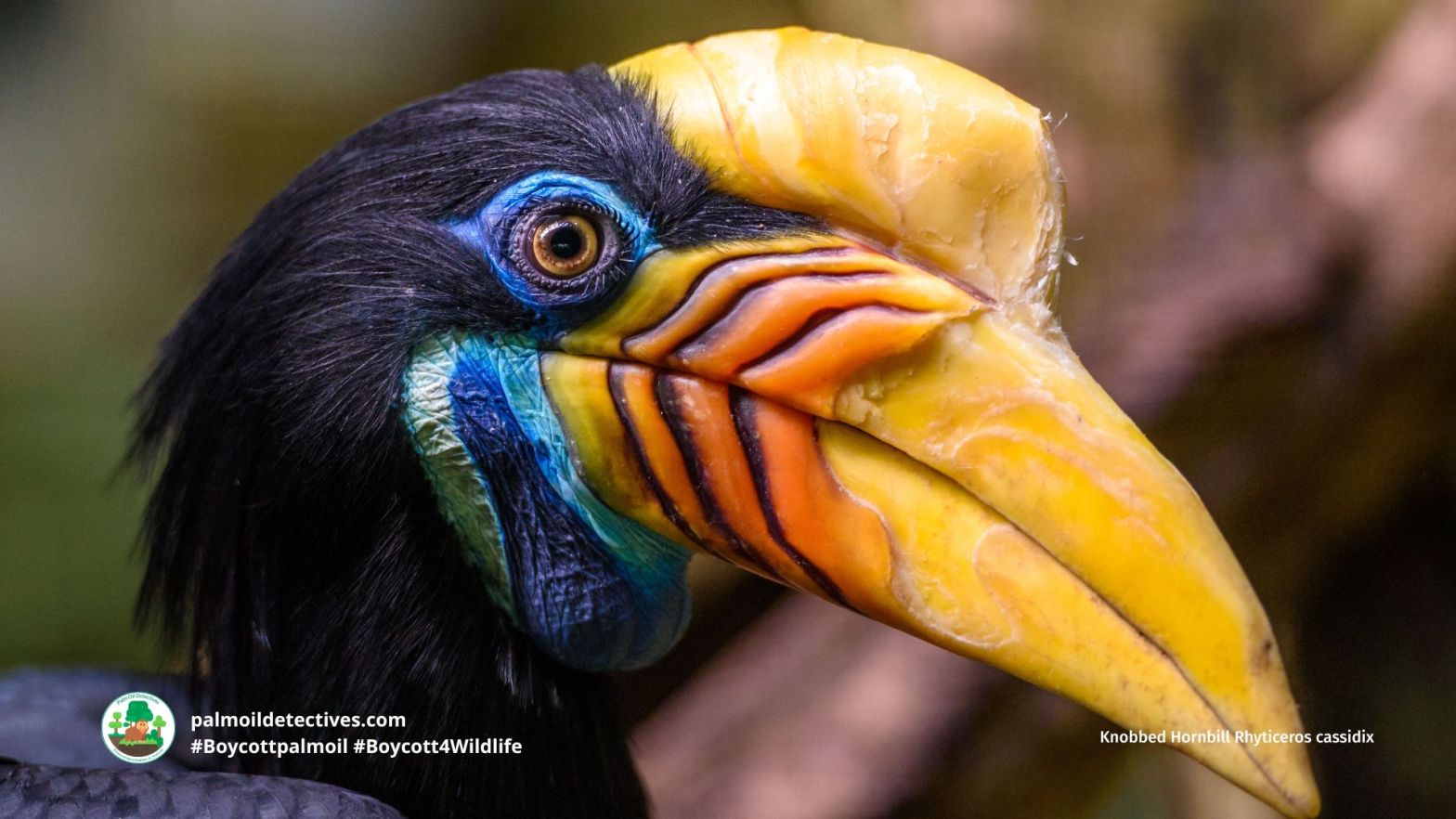
Knobbed Hornbill Rhyticeros cassidix

Knobbed Hornbills are important seed dispersers in Indonesia. Known for their unique social nature, save this striking bird, when you shop boycott palm oil!

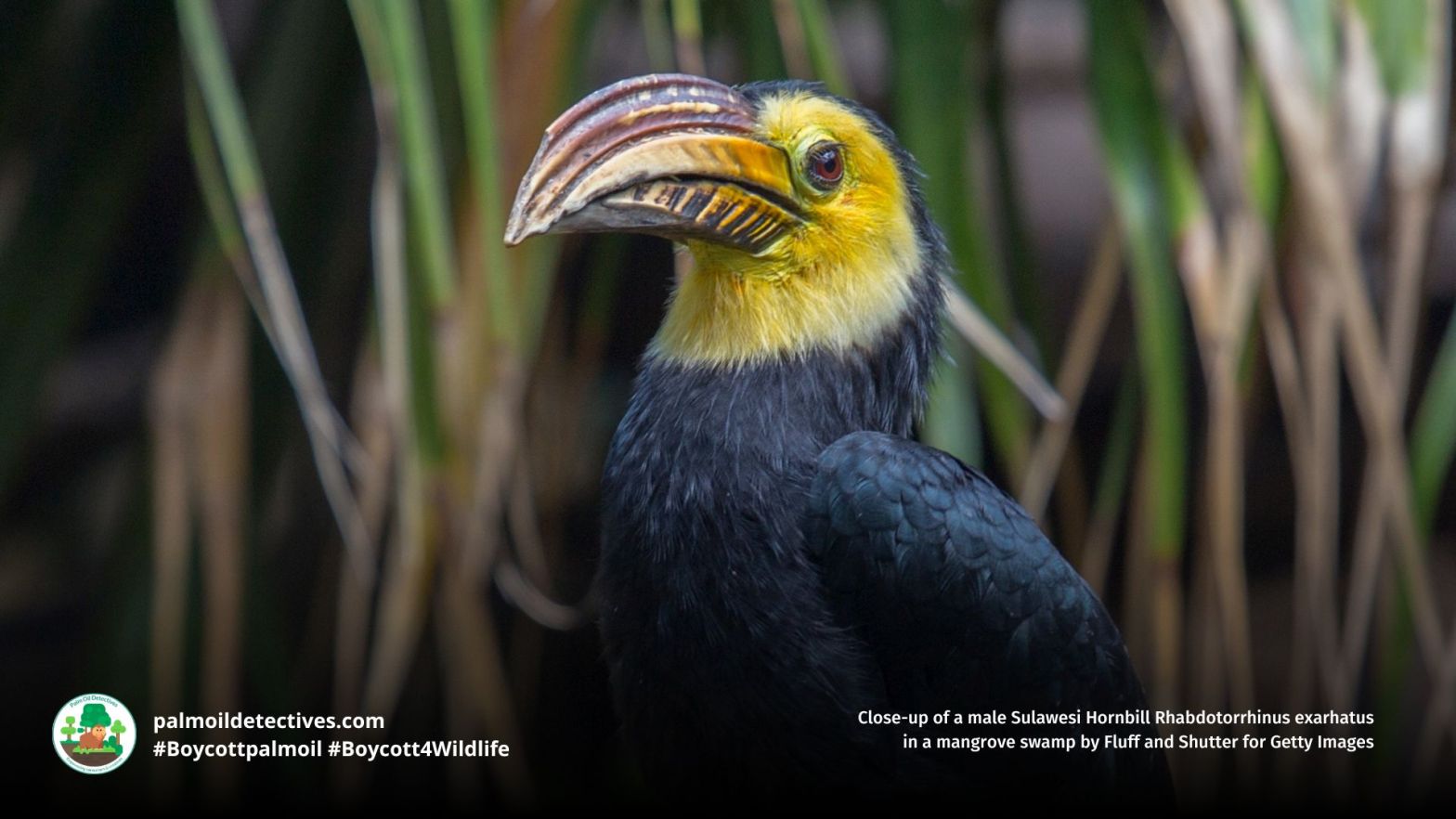
Sulawesi Hornbill Rhabdotorrhinus exarhatus

The Sulawesi hornbill (Rhabdotorrhinus exarhatus) is a striking and large yellow and black bird endemic to Sulawesi, Indonesia. Known for their unique vocalisations and social nature, including communal shared breeding practices, these medium-sized hornbills are integral to the rainforest ecosystem, acting as crucial seed dispersers for many important tree species.

Sadly, the Sulawesi hornbill is classified as Vulnerable due to habitat destruction from logging, agriculture, and palm oil plantations, as well as poaching for the illegal pet trade. Protecting their remaining rainforest habitats is essential to ensuring their survival. Fight for their survival every time you shop. #BoycottPalmOil #Boycott4Wildlife

Pygmy Marmoset Cebuella niveiventris and Cebuella pygmaea

The petite pygmy #marmoset, the world’s tiniest true #monkey, boasts a mix of brownish-gold, grey, and tawny fur. These little wonders, weighing just around 100 grams, communicate uniquely using chemical, vocal, and visual cues to ensure group safety and harmony. Although these #marmosets prefer river-edge forests and can adapt to secondary forests, their homes are under serious threat. Rampant #deforestation for #meat, #goldmining, and #palmoil cultivation are eroding their habitats, pushing the subspecies Cebuella niveiventris towards a “Vulnerable” status. The situation is dire, with an estimated 30% reduction in their population in just 18 years. Protect these delicate creatures and their home – use your wallet as a weapon, be #vegan, #BoycottPalmOil, and #Boycott4Wildlife.🌳🐒

Black Bearded Saki Chiropotes satanas

Beneath the towering canopy of the Amazon’s north-eastern forests, the black bearded saki moves with quiet purpose, their distinctive shaggy beard and robust body a testament to their resilience in a world under siege. The air is thick with the scent of damp earth and the distant calls of unseen creatures, but the forest is changing—#roads, #dams, and #agriculture are carving scars across the landscape, fragmenting the saki’s ancestral home. The black bearded saki’s survival is threatened by relentless deforestation and hunting, their fate bound to the fate of the forest—fight for their survival every time you shop #BoycottPalmOil #Boycott4Wildlife.

Black-Throated monitor Varanus albigularis microstictus

The Black-Throated Monitor is a mighty and large lizard reaching over 2 metres long. They are threatened by agriculture deforestation and #hunting for their leather and meat in Tanzania, Africa. Help them every time you shop and #Boycottpalmoil #Boycott4Wildlife

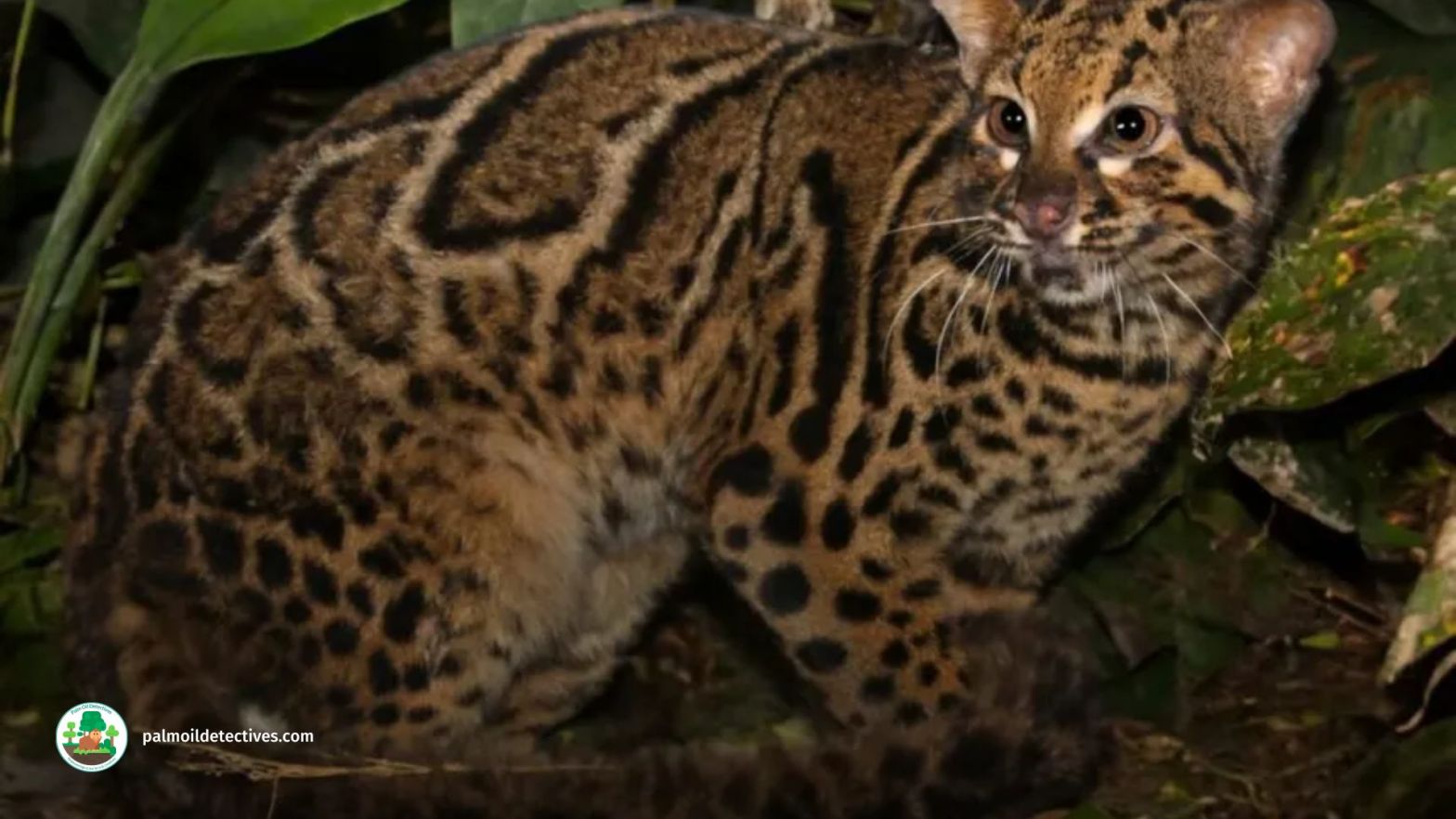
Marbled Cat Pardofelis marmorata

Marbled Cat Pardofelis marmorata IUCN Status: Near Threatened Location: India, Nepal, Bhutan, Bangladesh, Myanmar, Thailand, Laos, Vietnam, Cambodia, Malaysia, Indonesia (Sumatra, Borneo), China (Yunnan, Guangxi, Tibet), Brunei The marbled cat is a small #wildcat that can be found in the eastern part of the Himalayas and southern Asia. They are related to the Asian GoldenContinue reading “Marbled Cat Pardofelis marmorata”

Golden Monkey Cercopithecus mitis kandti

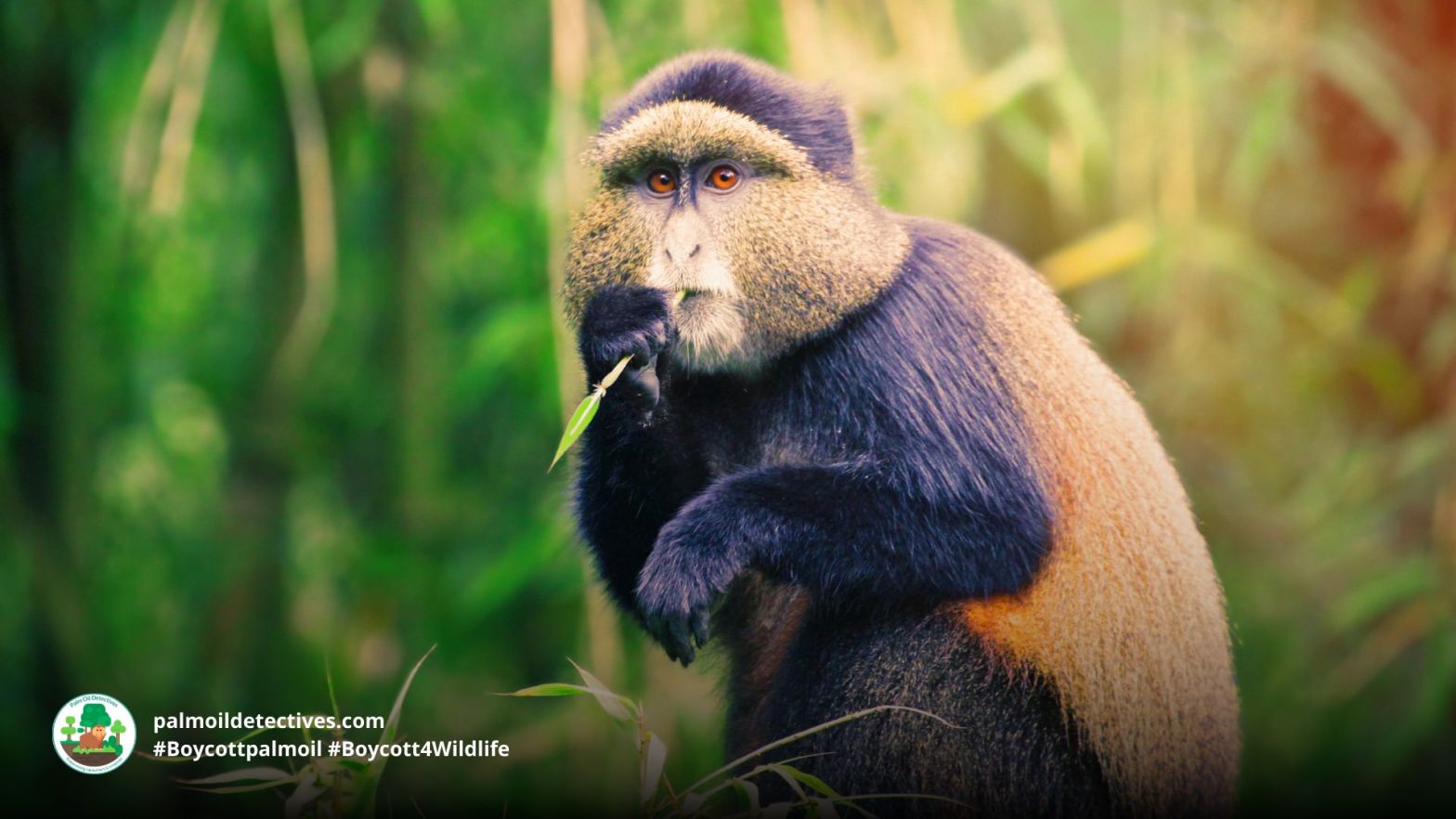
In the mist-laden bamboo forests of the Virunga massif, the golden monkey Cercopithecus mitis kandti darts through dappled sunlight and the tree canopy. This endangered primate is found only in the high-altitude forests of the Albertine Rift, nestled deeply in volcanic mountains. They are found in four national parks: Mgahinga, in south-west Uganda; Volcanoes, in north-west #Rwanda; and Virunga and Kahuzi-Biéga, in the eastern Democratic Republic of #Congo. Like many other animals in the region they are protected and yet human threats including #mining #hunting and #agriculture continue to come dangerously close. Help these sweet-faced and severely threatened #primates every time you shop #BoycottPalmOil #Boycott4Wildlife

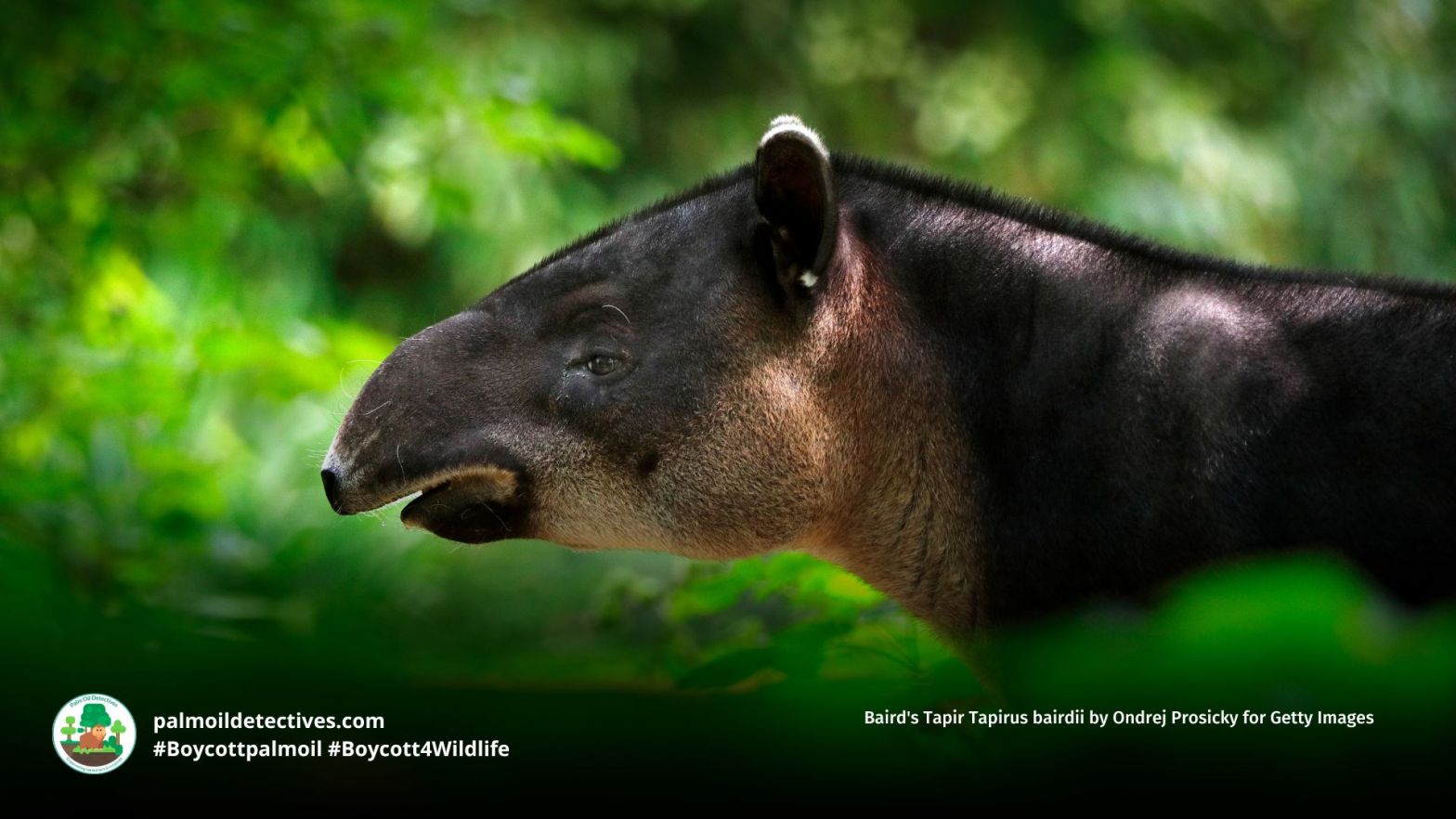
Baird’s Tapir Tapirus bairdii

Baird’s tapirs may look like they are relatives of elephants, but they’re actually closer kin to horses, donkeys, zebras, and rhinoceroses. Also known as the Central American tapir, they are the largest land mammals in Central America and a living relic of an ancient lineage.

Their robust, stocky bodies and distinctive trunk-like snout make them unique among mammals. However, they are now Endangered, with fewer than 5,000 individuals left in the wild.

Tragically, palm oil, soy and meat deforestation, hunting, and human encroachment are driving this species toward extinction. Protecting their habitats is critical to ensuring their survival. Use your wallet as a weapon—boycott palm oil and support conservation initiatives. #BoycottPalmOil #Boycott4Wildlife

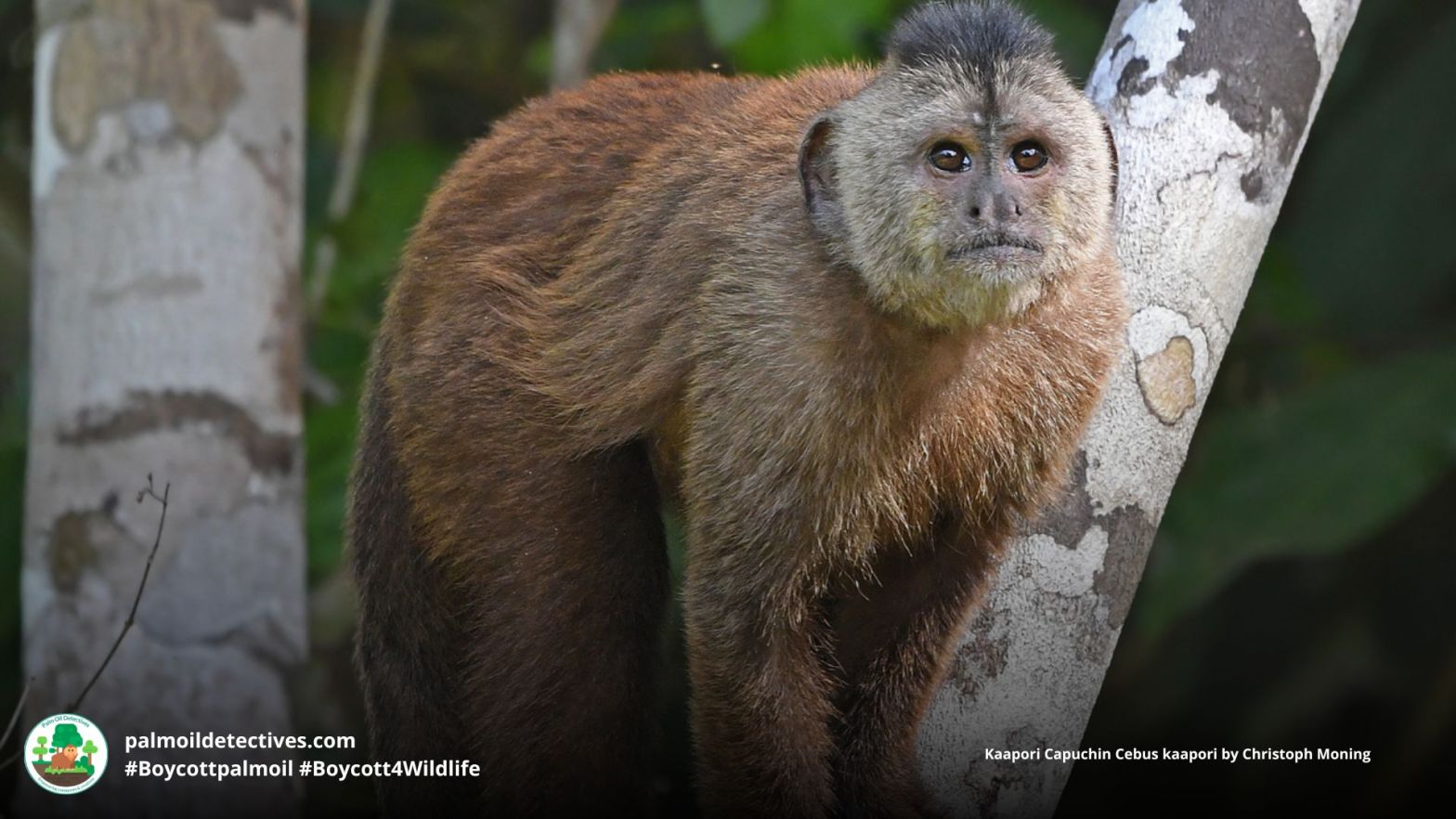
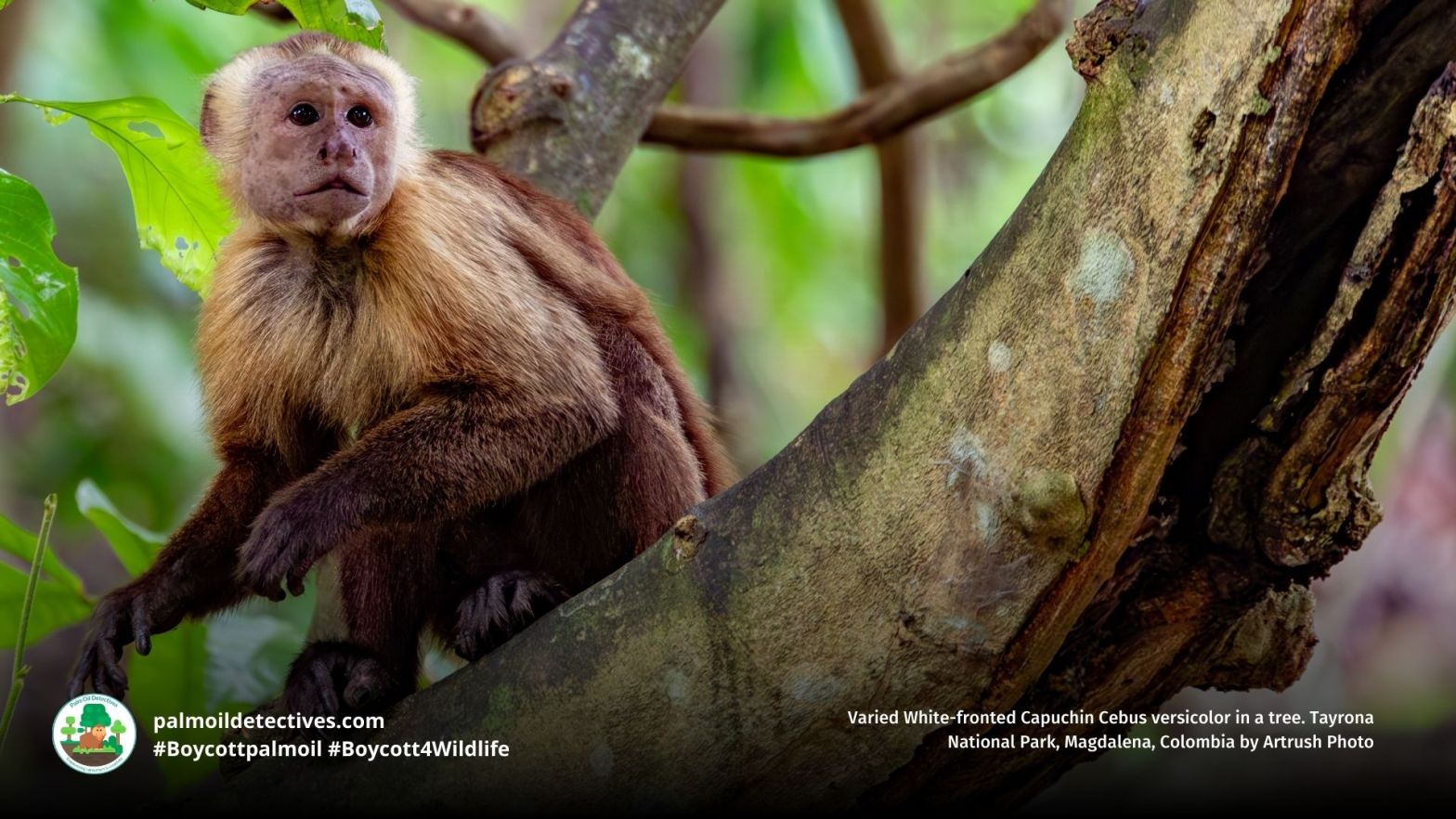
Varied White-fronted Capuchin Cebus versicolor

The Varied White-Fronted Capuchin Cebus versicolor is an intelligent, tenacious and resourceful small primate endemic to the forests of Colombia. With their pale white faces, reddish-gold coats, they are both striking in appearance and crucial to their ecosystems. These capuchins play an essential role in seed dispersal, ensuring the health and regeneration of their forest homes.

Tragically, their populations are declining due to deforestation, hunting, and the illegal wildlife trade. Protecting these forests is critical to their survival. Support indigenous-led conservation, adopt a vegan lifestyle and #BoycottPalmOil and #Boycott4Wildlife to take meaningful action for these incredible primates.

Crested Capuchin Sapajus robustus

Crested Capuchins are one of Brazil’s most endangered primates. A few thousand remain, facing extinction due to palm oil, mining, soy. Take action for them!

Drill Mandrillus leucophaeus

The Drill is one of the most visually arresting, emotionally complex, and endangered #monkeys on Earth. Endemic to a narrow slice of rainforest in #Nigeria, #Cameroon, and Bioko Island, these intelligent primates have lost over 50% of their population in just three decades. They face a terrifying gauntlet of threats: #palmoil plantations, #hunting for the #bushmeat trade, #timber logging, and a tidal wave of new #infrastructure creation. Though rarely seen, Drills are capable of extraordinary behaviour—forming multi-species foraging alliances, mourning their dead, and navigating their crumbling world with grace and resilience. Only a few thousand of these precious #primates remain alive. Take action every time you shop, be #Vegan and #BoycottPalmOil #Boycott4Wildlife

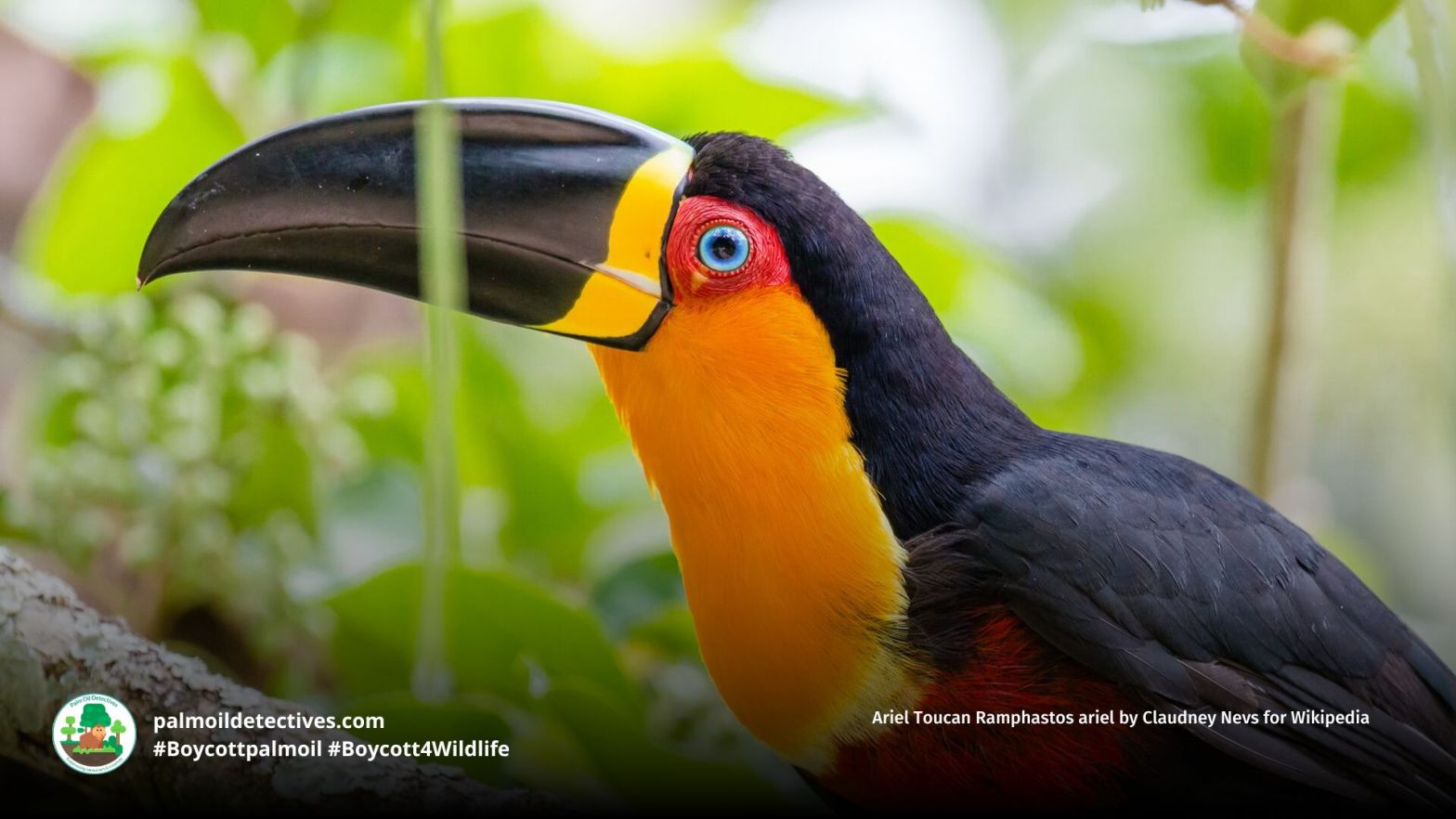
Ariel Toucan Ramphastos ariel

Ariel Toucans are vibrant and charismatic birds of South America under threat from palm oil, soy, meat and gold mining deforestation. Take action for them!

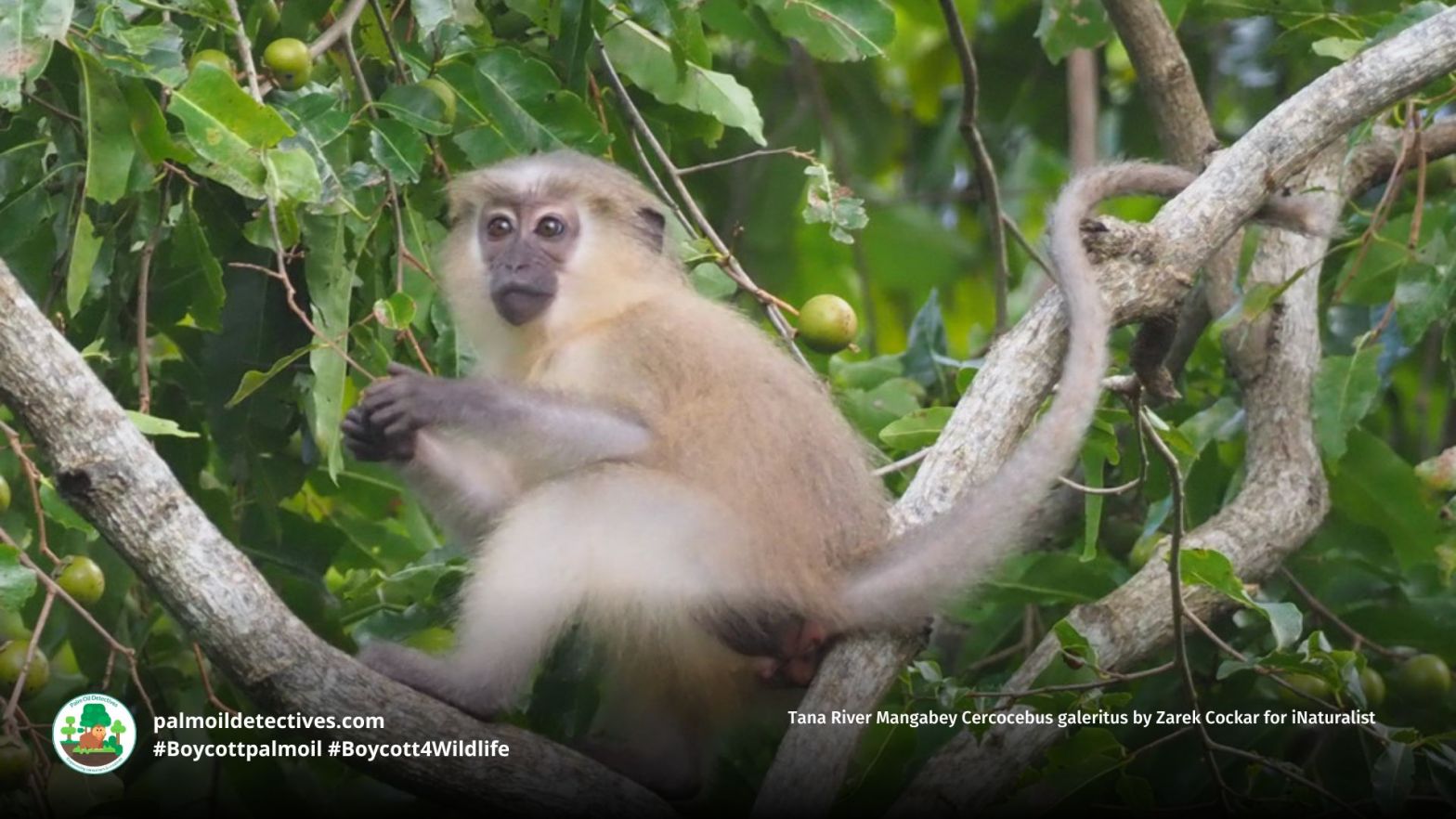
Tana River Mangabey Cercocebus galeritus

The Tana River Mangabey Cercocebus galeritus is a long-faced and slender old world monkey of #Kenya listed as Critically Endangered due to ongoing habitat destruction, dam construction, logging, and the degradation of floodplain forest ecosystems. Once protected by the Tana River #Primate Reserve, these #monkeys despite being key seed dispersers in their ecosystem are now more vulnerable than ever after the legal de-gazetting of their habitat. With only around 1,000 individuals remaining, this highly social and adaptable primate faces a devastating future unless urgent action is taken. Use your wallet as a weapon to end the destruction of their home. #BoycottPalmOil #Boycott4Wildlife #Vegan #BoycottMeat

The Rarest Rhino: The Two Last Northern White Rhinos of Kenya

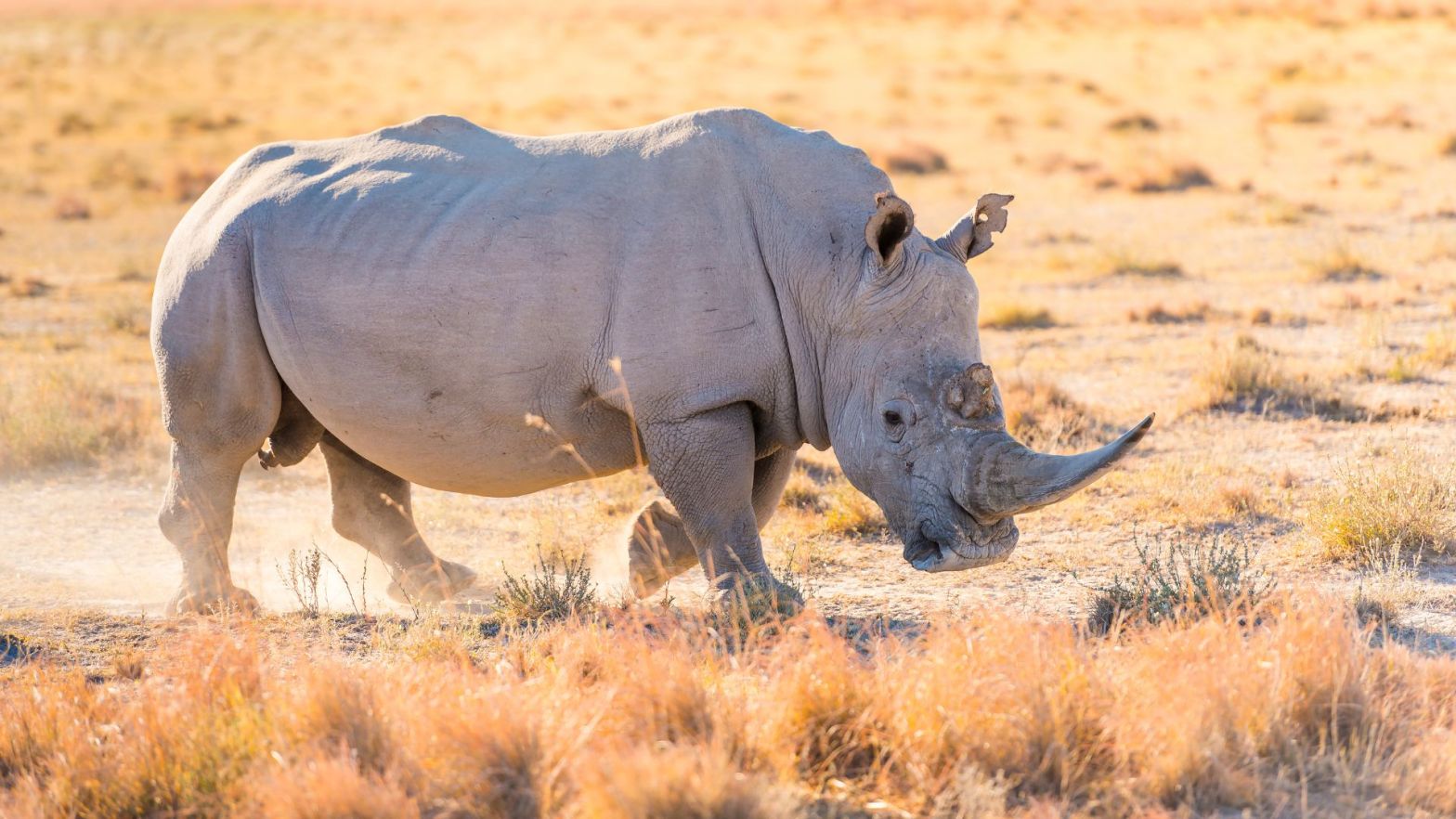
The rarest rhino in the world can be found wallowing in the mud at the Ol Pejeta Nature Conservancy in Kenya. Constantly guarded by vigilant rifle-clad guards, these two animals have no idea that they are the last members of their kind. They are northern white rhinos – the very last northern white rhinos anywhere on Earth. They have been poached to the very edge of extinction, with virtually no hope for recovery. Could this be the saddest story ever told? Likely! Vehemently and strongly oppose all forms of trophy hunting and poaching wherever you see it and #Boycott4Wildlife

Black-faced Lion Tamarin Leontopithecus caissara

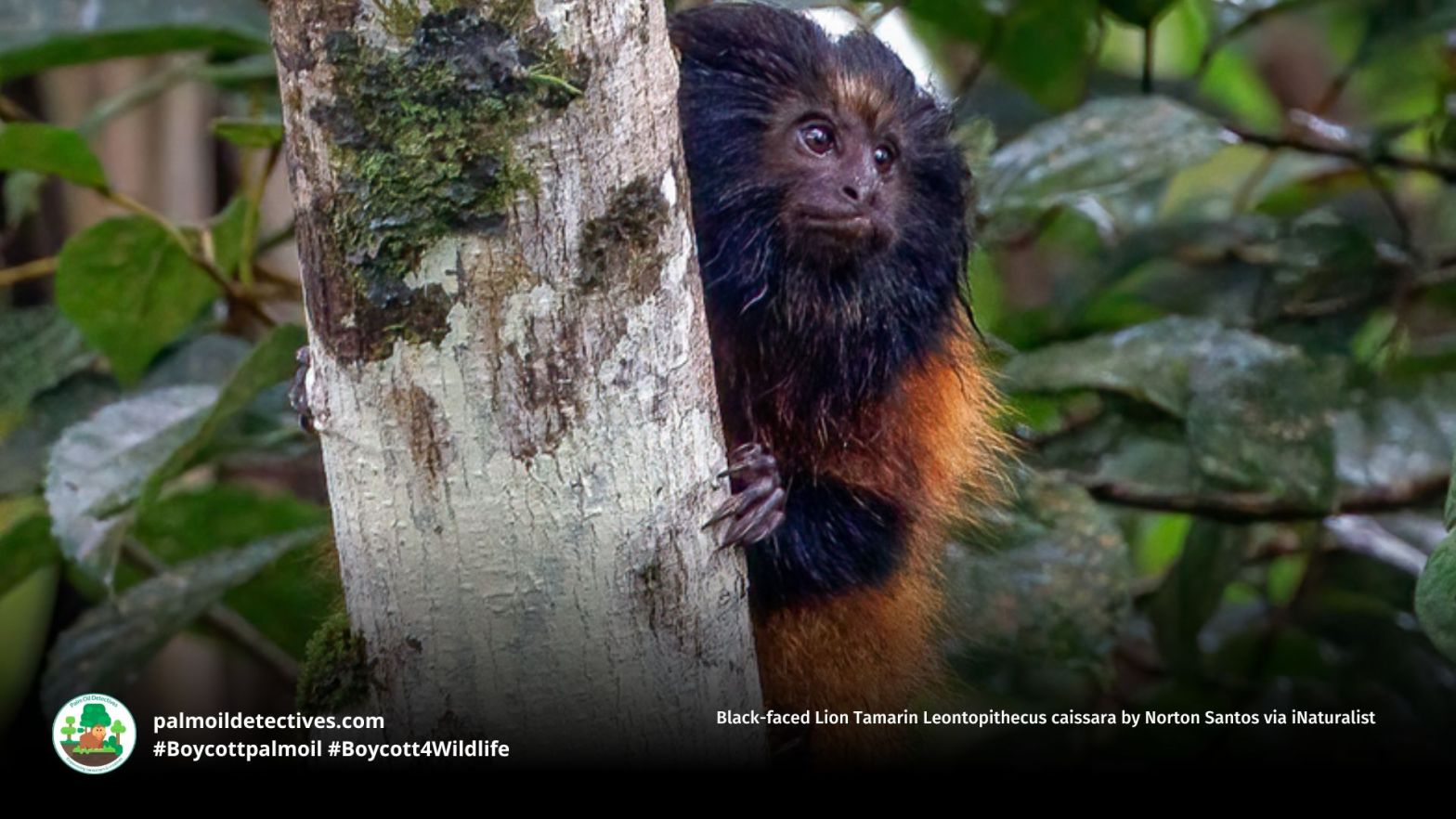
The black-faced lion #tamarin Leontopithecus caissara, also known as the Superagüi lion tamarin, is listed as Critically Endangered on the IUCN Red List. With a total population of fewer than 400 individuals and a fragmented, low-lying coastal habitat of #Brazil, this species is on the edge of extinction. Threats include logging, the illegal #pettrade, palm oil, #soy and #meat deforestation and urban expansion. Conservation efforts have begun, but there is still enormous work to do to protect these irreplaceable #primates. Protect this rare and charismatic #primate by taking urgent action. #BoycottPalmOil #Boycott4Wildlife #Vegan

Chimpanzee Pan troglodytes

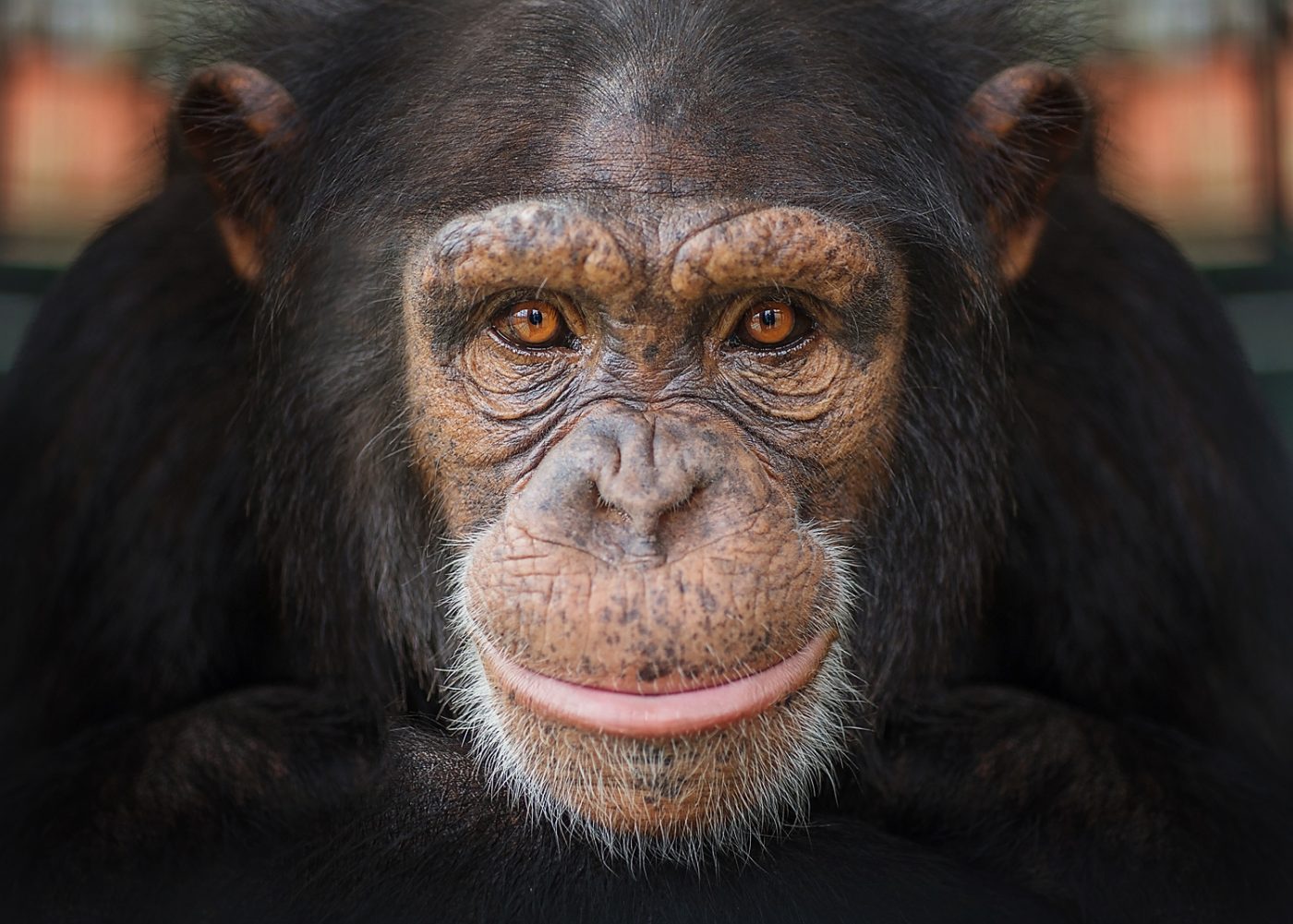
Chimpanzees (Pan troglodytes) are one of humanity’s closest living relatives and the most widespread of all great apes, with a vast historical range stretching across 21 African countries. Despite this, they are now classified as Endangered by the IUCN Red List due to catastrophic declines of more than 50% over a 75-year period, from 1975 to a projected 2050. These losses are driven by a lethal cocktail of threats: rampant poaching, habitat destruction for palm oil and logging, industrial mining, disease outbreaks like Ebola, and illegal trafficking. Subspecies such as P. t. ellioti have been reduced to only a few thousand individuals, while the once widespread P. t. verus is now Critically Endangered. Protecting them means dismantling the extractive industries that are ripping Africa’s forests apart such as the meat industry and palm oil industry. Help them when you #BoycottPalmOil #Boycott4Wildlife and be #Vegan #BoycottMeat

Bald-headed Uacari Cacajao calvus

With their long shaggy coats and striking bright red faces, Bald-headed Uacaris are true icons of the Amazon rainforest and are found in #Brazil, #Peru and #Colombia. When a #Uacari has a bright red face this indicates they are in good health. A pale face indicates a sickly physical state. These remarkable #monkeys spend most of the year in the tree tops to avoid the seasonal flooding of their Amazonian habitat. During the dry season, they return to the ground to look for seeds. They face an existential threat from #palmoil, #soy and #meat #deforestation in the #Amazon. Once their unmistakeable scarlet faces were a common sight in the dusky green of the rainforest. Now they are rapidly disappearing, victims of a relentless drive for land, gold, and profit. Listed as Vulnerable, you can help them to survive every time you shop! #BoycottGold be #vegan for them and #BoycottPalmOil #Boycott4Wildlife

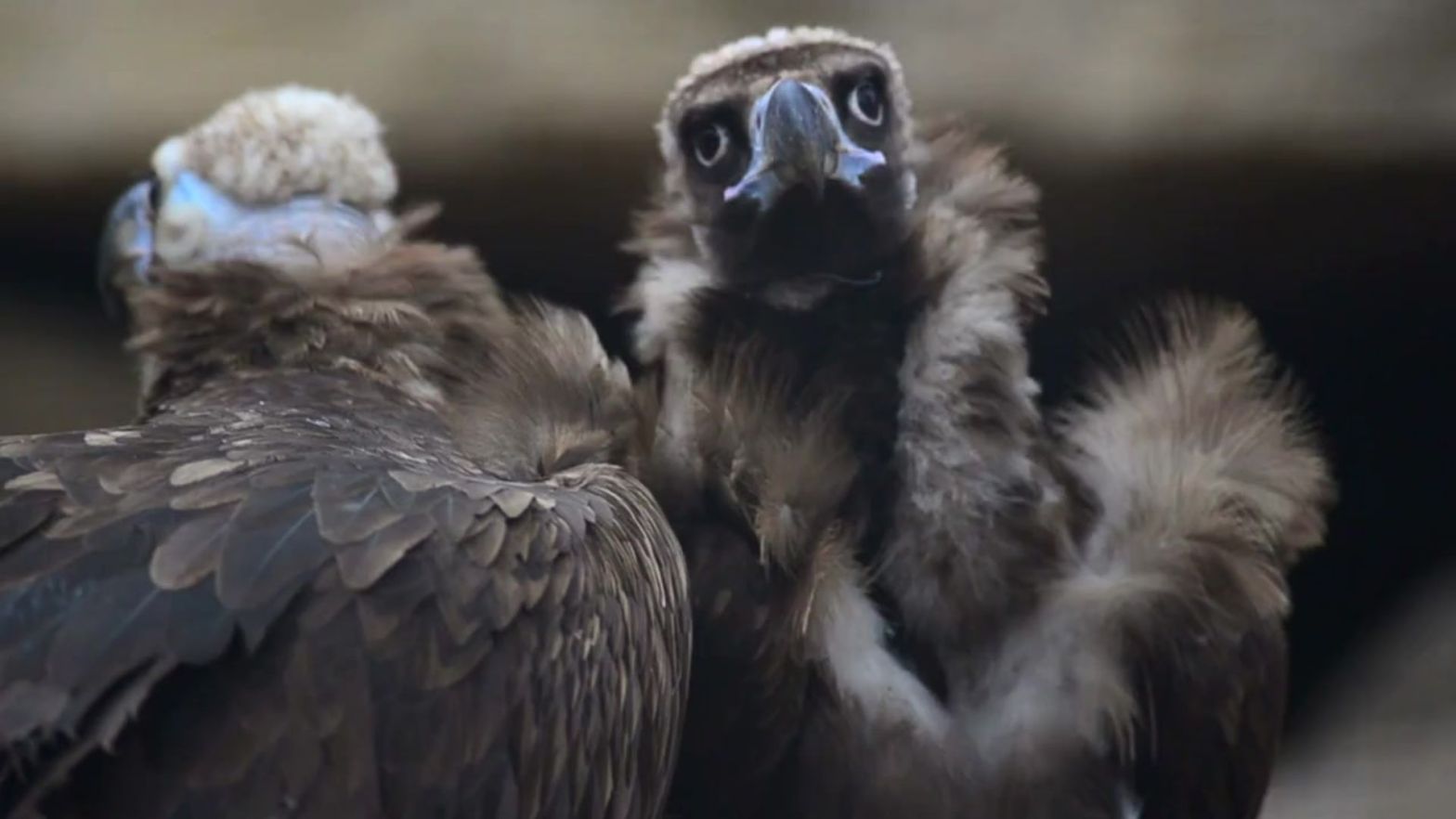
Rüppell’s Vulture Gyps rueppelli

The Rüppell’s Vulture is an enigmatic avian marvel soaring the African and European skies. Their powerful wings carry them aloft on streams of air to altitudes of 11,000 metres. From far above they scan the endless landscapes for sustenance. These remarkable carrion cleaners pose no threat to humans and only eat dead animals. They now teeter on the brink of extinction, fewer than 22,000 individuals remain alive due to the depletion of their prey species, human and wildlife conflict and palm oil deforestation throughout their range. This critically endangered species, are known for their awe-inspiring high altitude flights—reaching heights seen by commercial airlines. They face a grave threat from the insidious palm oil industry, mining along with other destructive industries across their range. Help them to survive and #BoycottPalmOil and #Boycott4Wildlife every time you shop.

Pied Tamarin Saguinus bicolor

Pied #Tamarins are fascinating and vibrant black-faced #monkeys with a shock of white fur around their muzzle and chest and expressive brown eyes. They are found only in the shrinking forests of Manaus, #Brazil. As bulldozers carve roads and cities sprawl, their home is being destroyed for #palmoil, #soy, #beef farming, #gold #mining, and relentless urban expansion. These tamarins also face threats from disease, predators, and the illegal pet trade. Use your wallet as a weapon and BoycottPalmOil, Boycott4Wildlife, BoycottGold4Yanomami, and be #Vegan to help their survival.

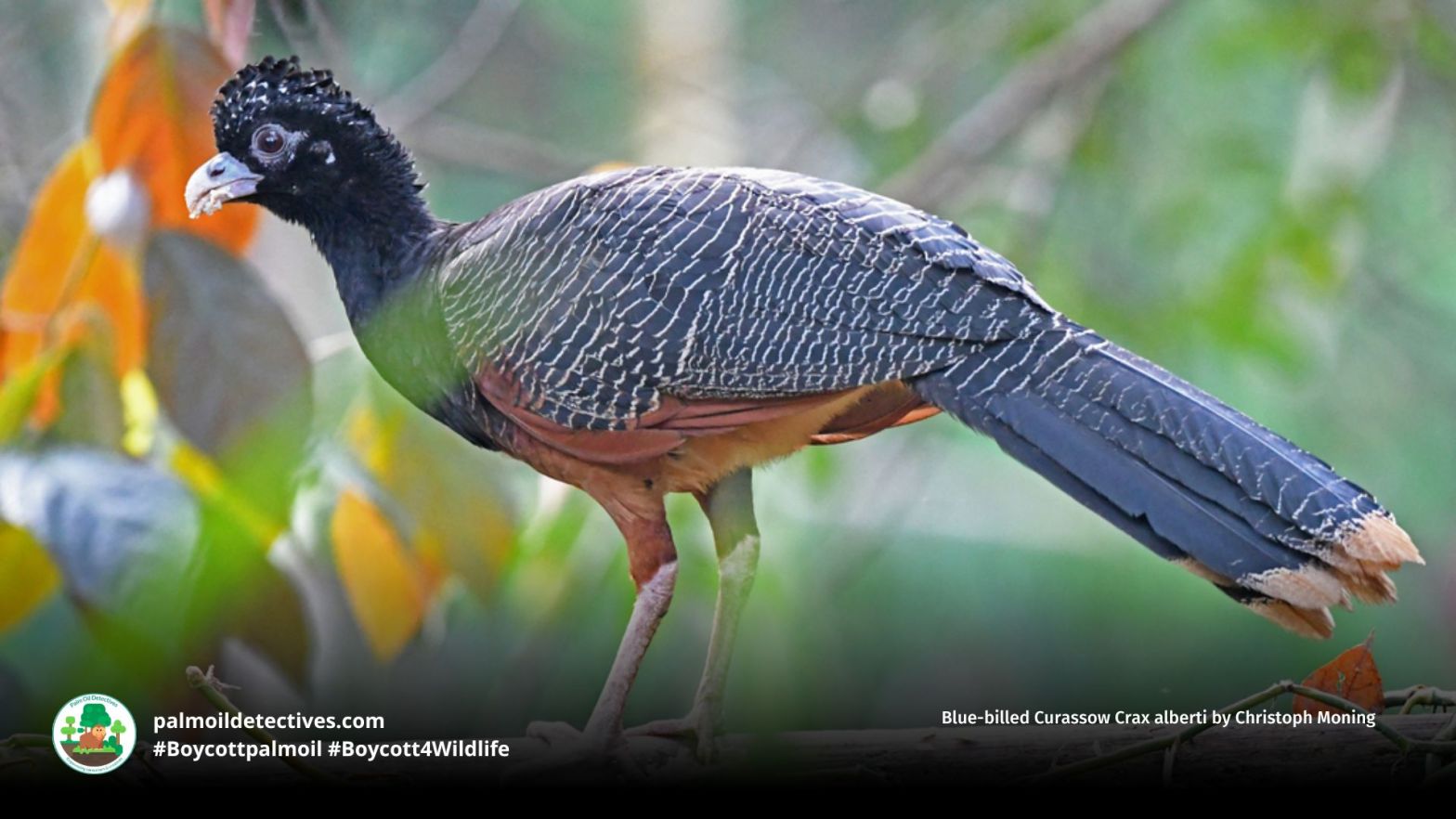
Blue-billed Curassow Crax alberti

Help save Colombia’s Blue-billed Curassow, a critically endangered bird facing extinction from habitat loss due to palm oil and coca plantations!

King Cobra Ophiophagus hannah

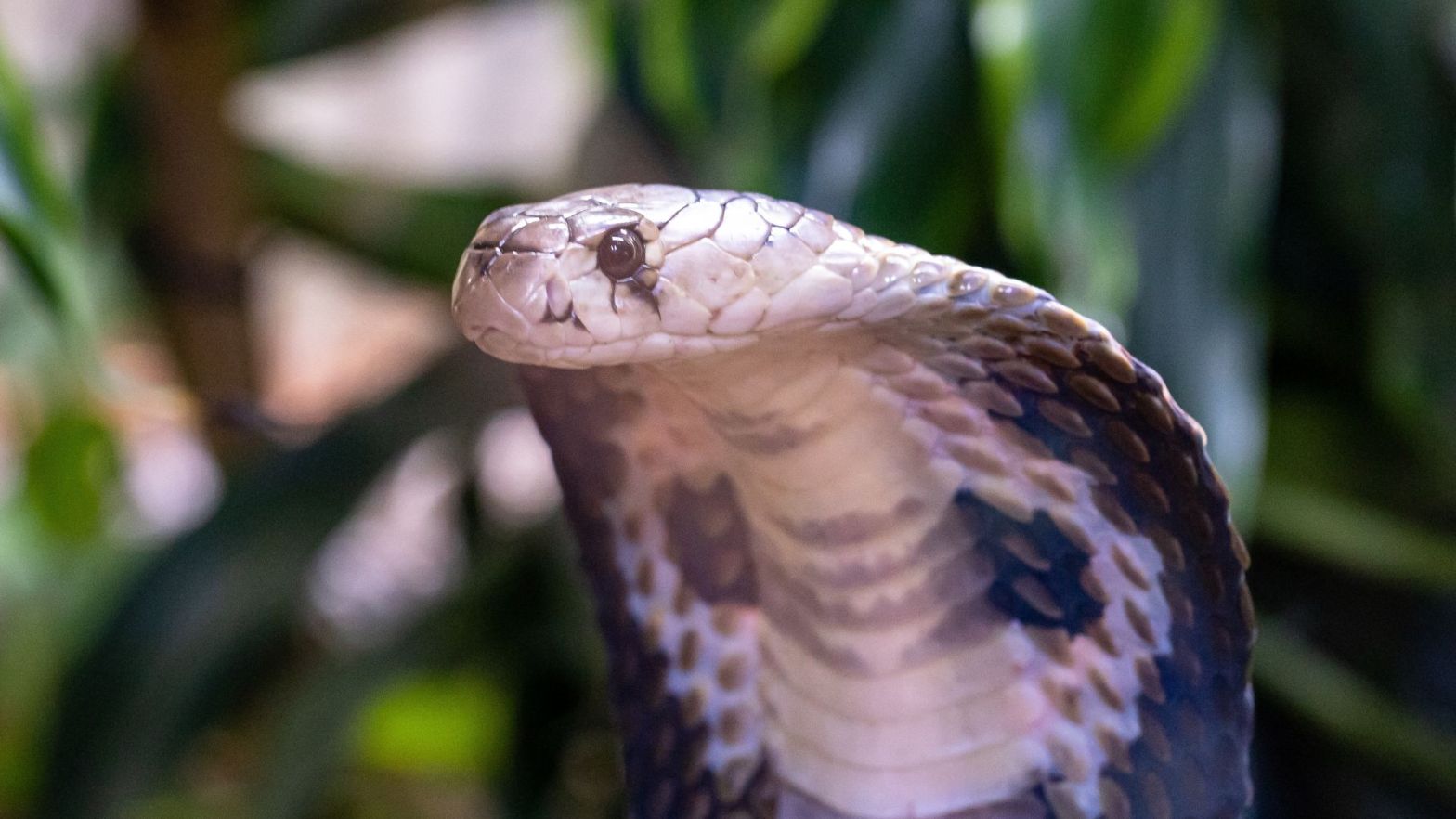
Known as the serpentine king of the jungle in South East Asia, and inspiration for the villain Kaa in the Jungle Book, the King Cobra lives in many different environments, including pristine forests, degraded forests, mangroves, swamps and woodlands of #Thailand, #Cambodia, #Malaysia, #Laos, #Vietnam, #Bangladesh and #India. Their main threat is human-wildlife conflict and ongoing persecution. Palm oil deforestation and other agricultural expansion is also a big threat throughout their range. The world’s largest venomous #snake has a neurotoxic bite powerful enough to kill twenty people or an adult elephant. Sadly, these majestic creatures are persecuted for this reason and do not have adequate protection. Help them every time you shop and #Boycottpalmoil #Boycott4Wildlife
White-thighed Colobus Colobus vellerosus

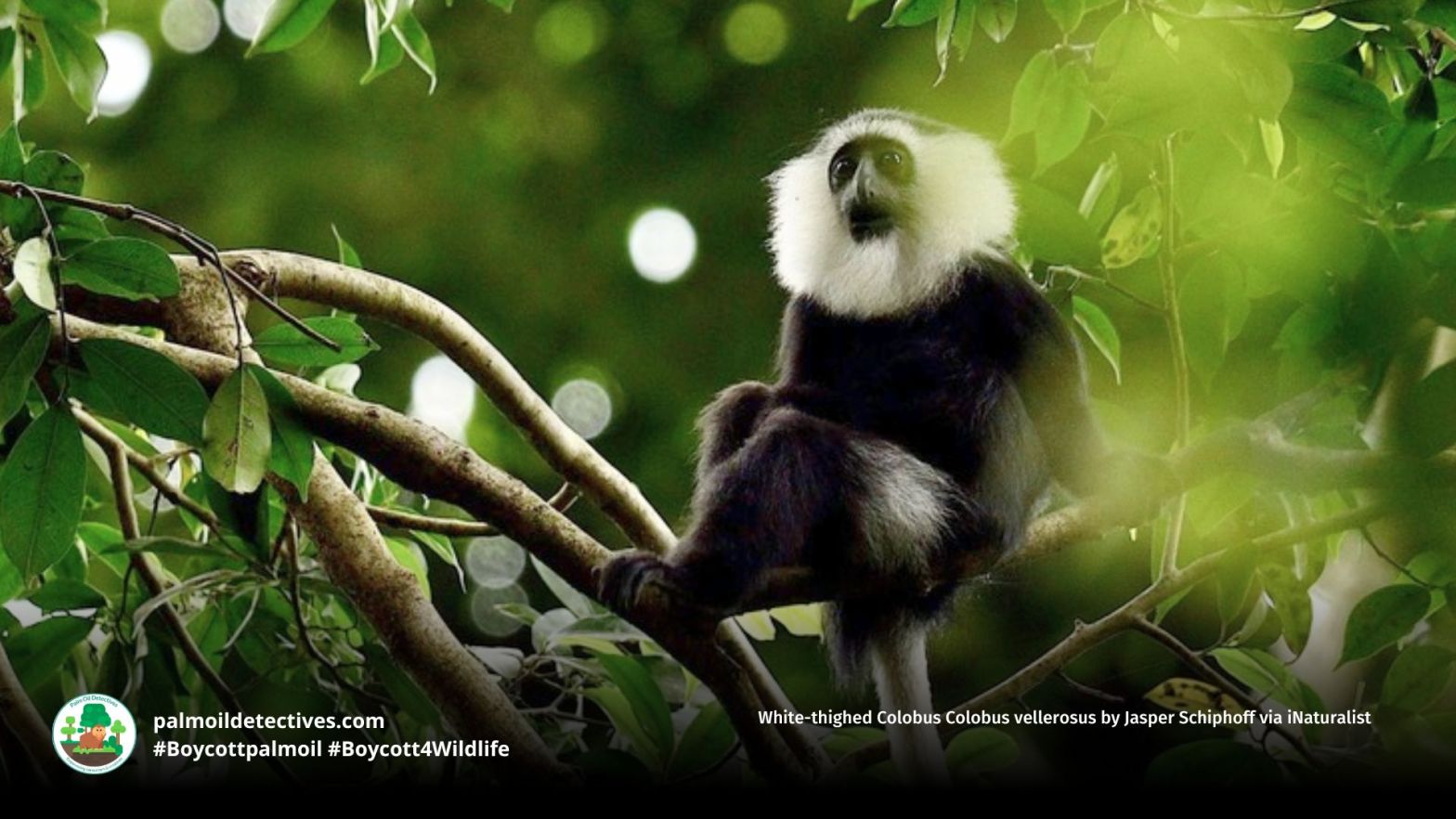
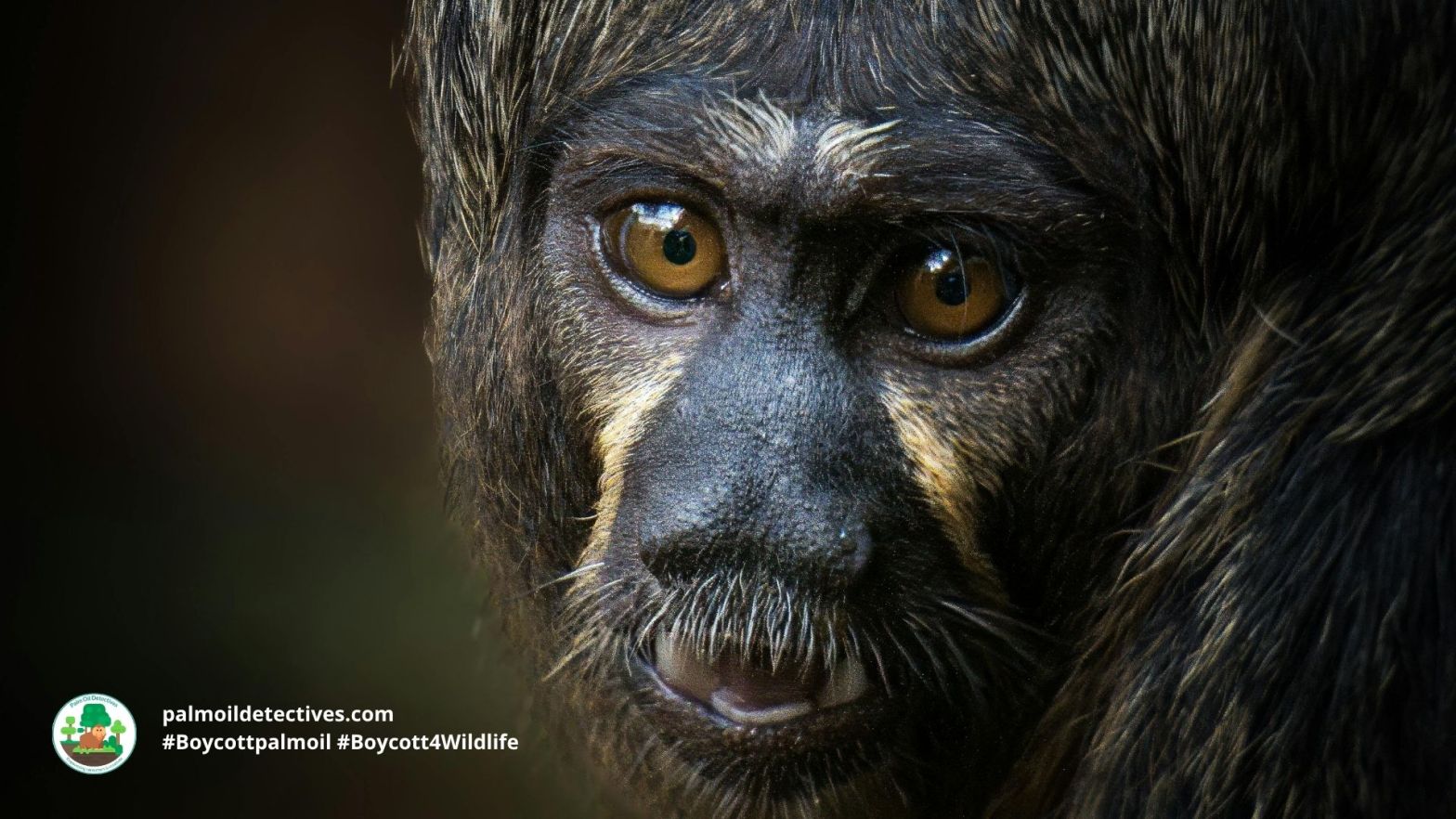
The White-thighed Colobus (Colobus vellerosus), also known as the Ursine Colobus or Geoffroy’s Black-and-White Colobus, is a striking primate of West Africa and is currently listed as Critically Endangered on the IUCN Red List. Their numbers have plummeted by over 80% in just three generations due to rampant deforestation driven by logging, agriculture, and expanding palm oil plantations. Intense bushmeat hunting and weakening traditional taboos have further accelerated their decline. With fewer than 1,500 individuals thought to remain in the wild, urgent action is needed to save them. Use your wallet as a weapon—boycott products that contain palm oil and support ethical, indigenous-led conservation. BoycottPalmOil #Boycott4Wildlife #Vegan #BoycottMeat
Roloway Monkey Cercopithecus roloway

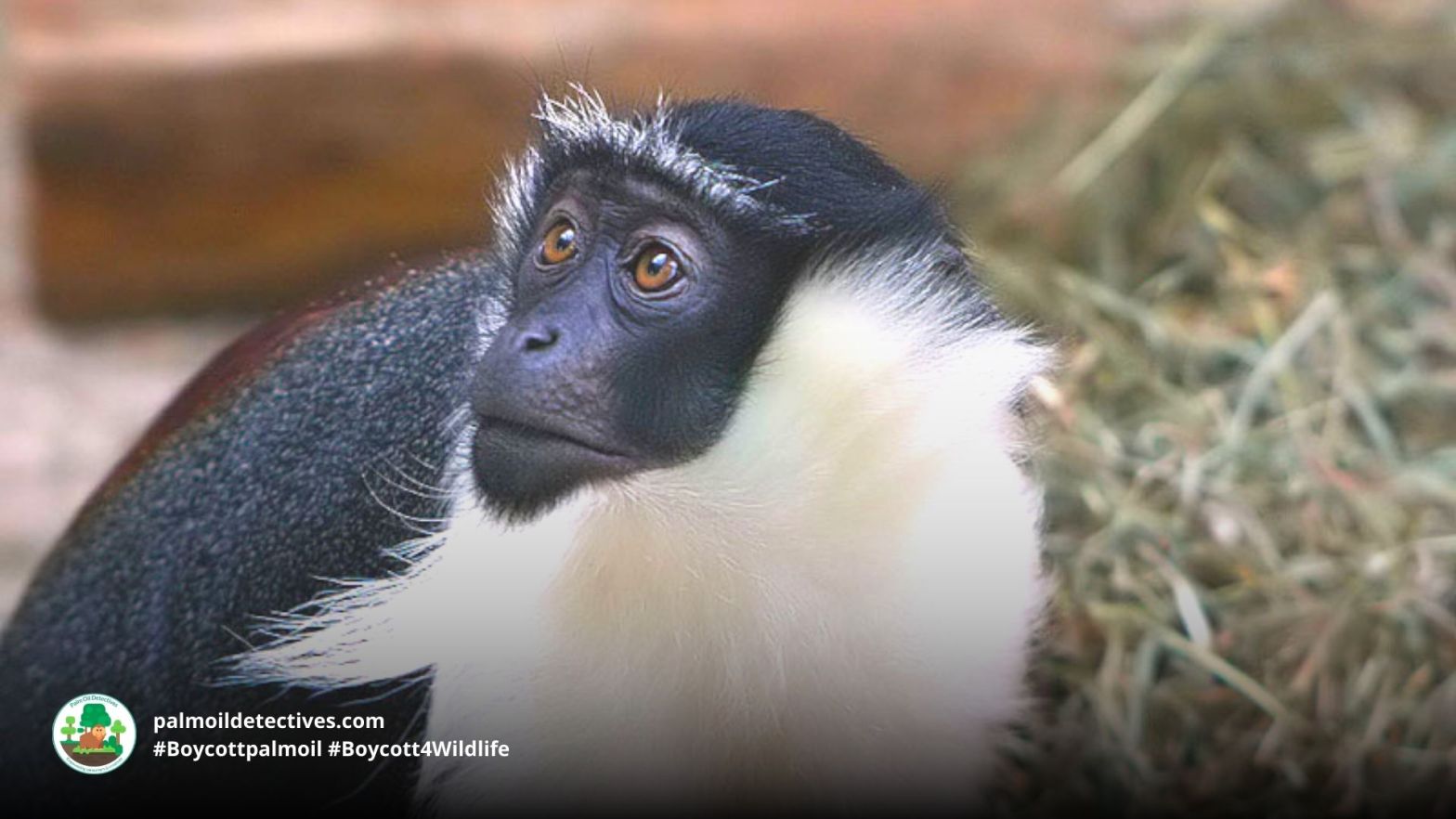
The Roloway Monkey is one of West Africa’s rarest primates, instantly recognisable by their elegant white beard and striking brow band. Once common in the lush rainforests of Ghana and Côte d’Ivoire, the Roloway Monkey now survives only in isolated pockets of old-growth forest. The Roloway Monkey’s world is shrinking rapidly—palm oil, cocoa, and logging companies clear the last ancient trees, while hunters target the Roloway Monkey for bushmeat. The air is thick with the scent of damp earth and the distant echo of chainsaws. With fewer than 2,000 Roloway Monkeys left, their future hangs by a thread. Stand with indigenous communities defending the last forests. Use your wallet as a weapon. #BoycottPalmOil #Boycott4Wildlife #Vegan
Miss Waldron’s Red Colobus Piliocolobus waldroni

xMiss Waldron’s Red Colobus, a secretive old world primate sport chestnut, black, and white white fur that surrounds their expressive faces. They live in the dense canopies of West Africa’s dwindling forests. Their story is one of ever-increasing fragility, on the edge of survival. Sightings of these magnificent primates have faded away since 1978. The last evidence, a skin, emerged in 2002.

These monkey species have been driven towards the extinction by palm oil, cocoa, and rubber plantations along with hunting for bushmeat. Their calls, once a common cacophony are now nearly permanently silenced. Miss Waldron’s Red Colobus serve as a living warning for forest health. They disappear before most other mammals wherever the forests fall. Support indigenous sovereignty and safeguarding of ecosystems—use your wallet as a weapon and #BoycottPalmOil #Boycott4Wildlife.

Palm Oil Deforestation Threatens Sulawesi’s Macaques

Illegal logging and palm oil destroying rainforests of Sulawesi endangering the island’s critically endangered Sulawesi black-crested macaques. Fight back!

Pileated Gibbon Hylobates pileatus

The charming Pileated Gibbon (Hylobates pileatus) is endangered in Cambodia, Laos. They are threatened by palm oil deforestation. Take action!

Skywalker Hoolock Gibbon Hoolock tianxing

Rare Skywalker Hoolock Gibbons are Endangered primates in Myanmar and China’s forests. Described in 2017, help them survive when you shop boycott4wildlife!

Müller’s gibbon Hylobates muelleri

The Bornean Gibbon Hylobates muelleri, also known as Müller’s #gibbon or the Southern Grey Gibbon, is a master of the treetops and a celebrated forest singer. Their haunting duets echo across the rainforest canopy, keeping family bonds strong and warning intruders away. But these calls are growing rarer. The Müller’s gibbon is listed as #Endangered due to relentless forest loss caused by logging, #palmoil expansion, #fire, and #hunting. Their future depends on the survival of Borneo’s rainforests. Take action and use your wallet as a weapon! #BoycottPalmOil #Boycott4Wildlife be #Vegan and #BoycottMeat
Wrinkled Hornbill Rhabdotorrhinus corrugatus

Discover the fascinating world of the Wrinkled Hornbill. These ancient and magnificent birds thriving in lush primary evergreen and swamp forests up to 1,000 meters above sea level. Unfortunately, their habitat faces threats from forest fires and the conversion of lowland forests into large-scale palm oil and rubber plantations, along with small-scale agriculture. These majestic creatures rely on large trees for nesting, putting them at risk due to logging. But we can help! By boycotting palm oil and adopting a #vegan lifestyle, we can protect the Wrinkled Hornbills and their precious home. Let’s come together and make a positive impact for wildlife preservation. 🌳🐦💚 #Boycottpalmoil #Boycott4Wildlife