

Endangered Grey Crowned Cranes are a regal and graceful bird of Uganda, Tanzania, DRC, and Namibia. Help them to survive and join the boycott4wildlife
Tag Archives: Kenya
Protected: Private Advocate’s Page
There is no excerpt because this is a protected post.
African Palm Civet Nandinia binotata

African palm civets were once common seed dispersers. Now they face pressure from palm oil-driven deforestation, mining, and hunting for bushmeat – boycott!
Temminck’s Pangolin Smutsia temminckii
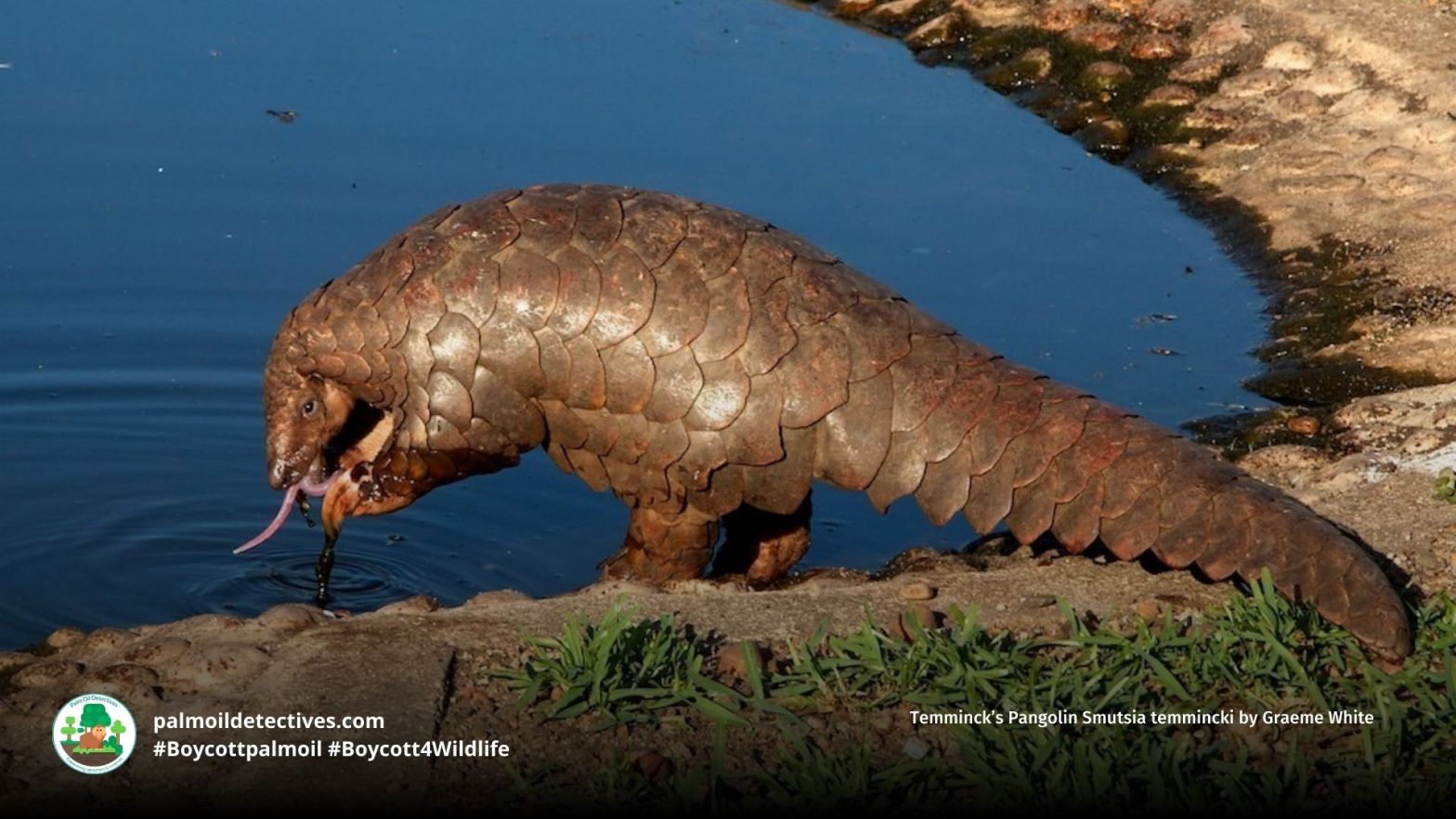
The Temminck’s pangolin Smutsia temminckii is remarkable mammal. They are the second largest of the pangolin species and are reported to weigh between 12.5kg and 21 kilograms. They’re famous for their armour-like keratinous scales and their unique ability to curl into a protective ball when threatened. These elusive creatures are found in the savannahs and woodlands of sub-Saharan Africa and are essential to their ecosystem, controlling insect populations. The word pangolin comes from the Malay word “pengguling” meaning something that rolls up. Owing to their secretive nature and low densities, little is known about the pangolin. The species is killed primarily for Chinese medicine, even though their keratin scales have no medicinal value. All pangolins face a grave threat from trafficking for their meat and scales. Tragically, they are one of the most illegally traded mammals in the world.
Despite their ecological and cultural importance, Temminck’s pangolins are increasingly threatened by habitat destruction and illegal wildlife trade. Habitat loss from palm oil, cocoa and coffee agricultural expansion and mining further compounds their decline. Protect these unique creatures by boycotting palm oil and supporting strong anti-trafficking initiatives. #BoycottPalmOil #Boycott4Wildlife
Southern Patas Monkey Erythrocebus baumstarki
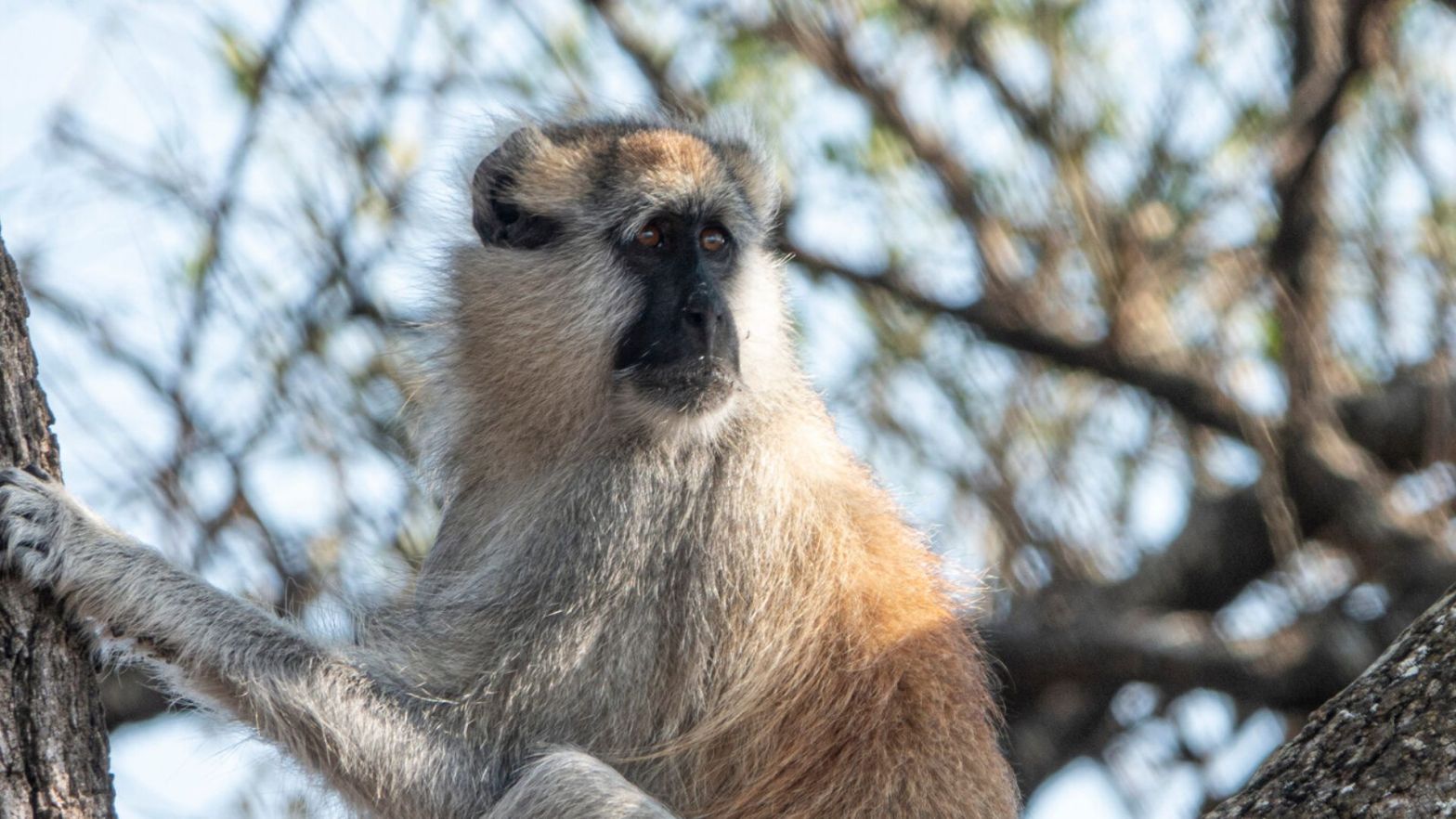
The Southern Patas #Monkey (Erythrocebus baumstarki) is an elusive, long-limbed #primate once common across northern #Tanzania and parts of #Kenya and now on the very edge of #extinction. With a lean, agile body built for speed, they are among the fastest-running primates in the world, capable of reaching speeds up to 55 km/h. Once ranging over approximately 66,000 km², their habitat has been decimated by agriculture, human settlements, and bushmeat hunting, reducing their known range by over 85% in recent decades. By 2021, estimates suggested fewer than 200 individuals remained in the wild, restricted to small populations in western Serengeti National Park and its surroundings (de Jong & Butynski, 2021).
Without urgent intervention, this striking species could be the next primate extinction in Africa. Help them every time you shop and campaign for these rare primates, every time you shop go #vegan and #Boycott4Wildlife!
Saker Falcon Falco cherrug
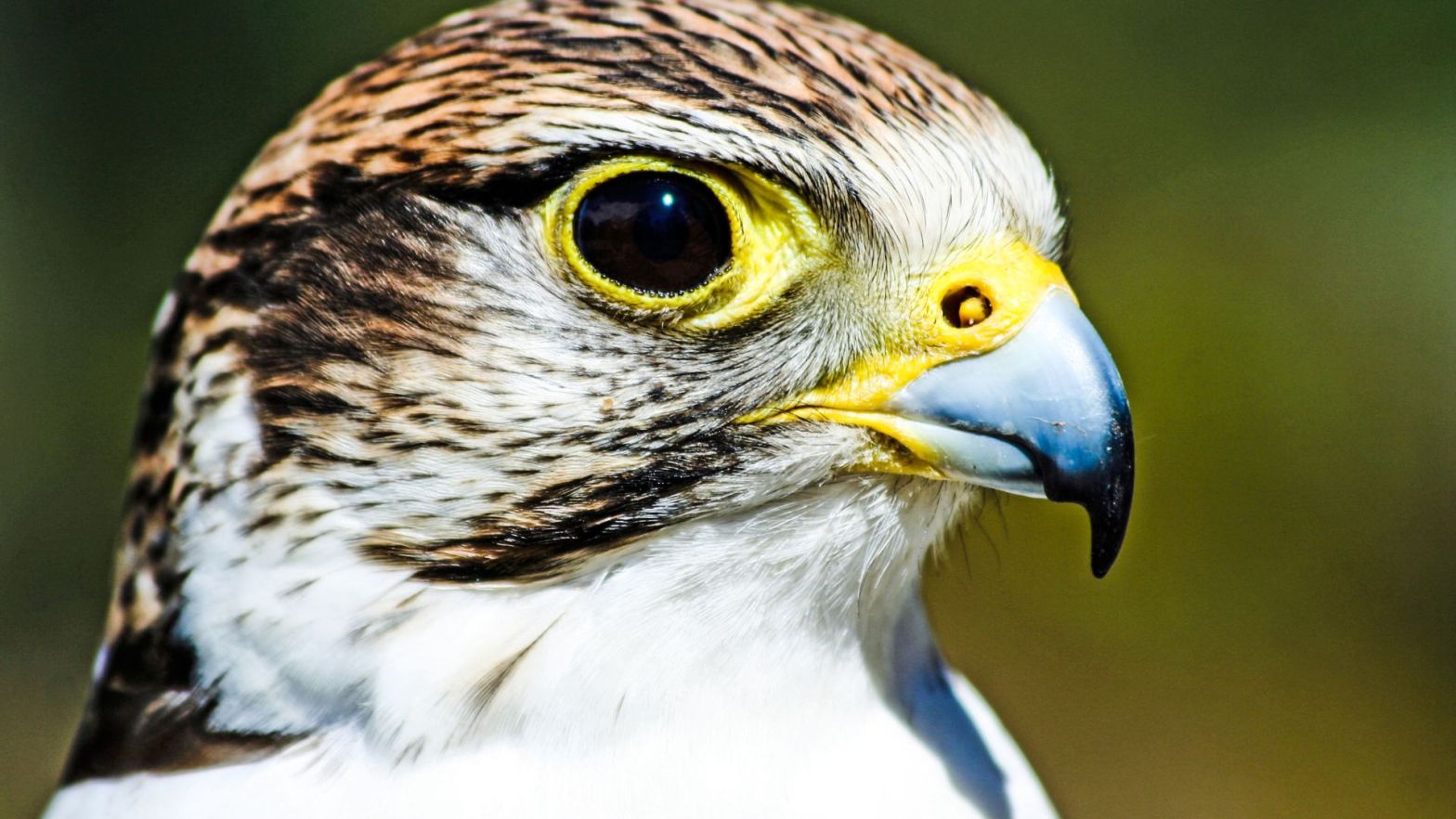
Saker #Falcons are majestic and powerful birds of prey that have a wide range throughout much of Southern Europe, the Middle East and parts of Africa. Their plumage ranges from chocolate brown in colour to a pale sandy with brown bars or streaks and can be snow white and off-white.
This species has been uplisted to Endangered because a revised population trend analysis indicates that they may be undergoing a very rapid decline. This negative trend is a result of a range of anthropogenic factors including electrocution on power lines, unsustainable capture for the falconry and #pettrade, as well as habitat degradation throughout all three continents but especially in Africa. Help them every time you shop and #Boycott4Wildlife
African Greys: How politics killed the parrot
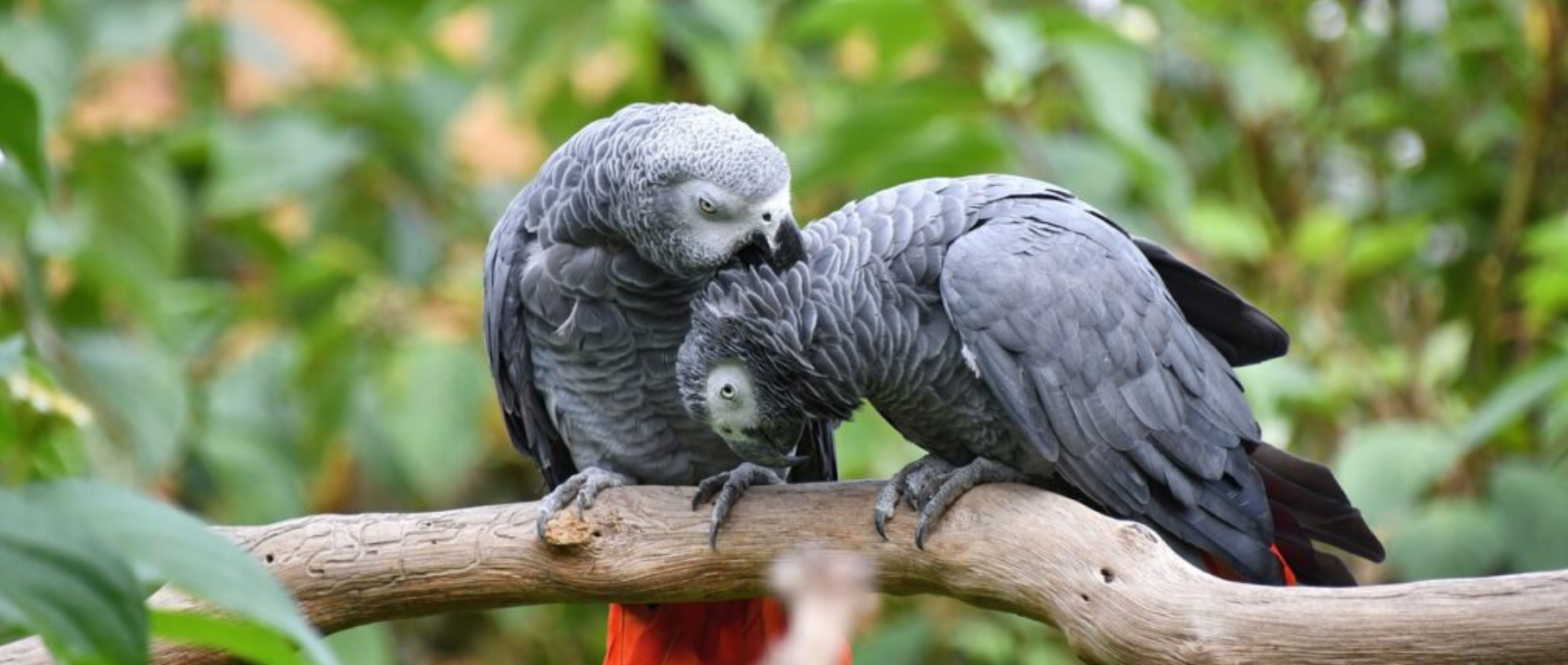
The African Grey Parrot of the Congo is an understated beauty sporting ash-grey plumage, which partially conceals the red flash of their short tails – not to be confused with the smaller and darker Timneh grey parrot. This species is found, as their name suggests, in the Democratic Republic of the Congo (DRC), along with Kenya, Tanzania and parts of Angola. Already globally threatened, any self-described bird lover must understand jus how the political environment in the DRC is threatening this gorgeous parrot. One of the most pervasive threats for these rare birds is poaching for the illegal pet trade, which, in the past 40 years alone, has resulted in almost three million birds being snatched from their homes. That’s three million birds who will never reproduce in the wild and ensure continuity of this species. Help these birds every time you shop and be #Vegan, #BoycottPalmOil #Boycott4Wildlife.
Tana River Mangabey Cercocebus galeritus
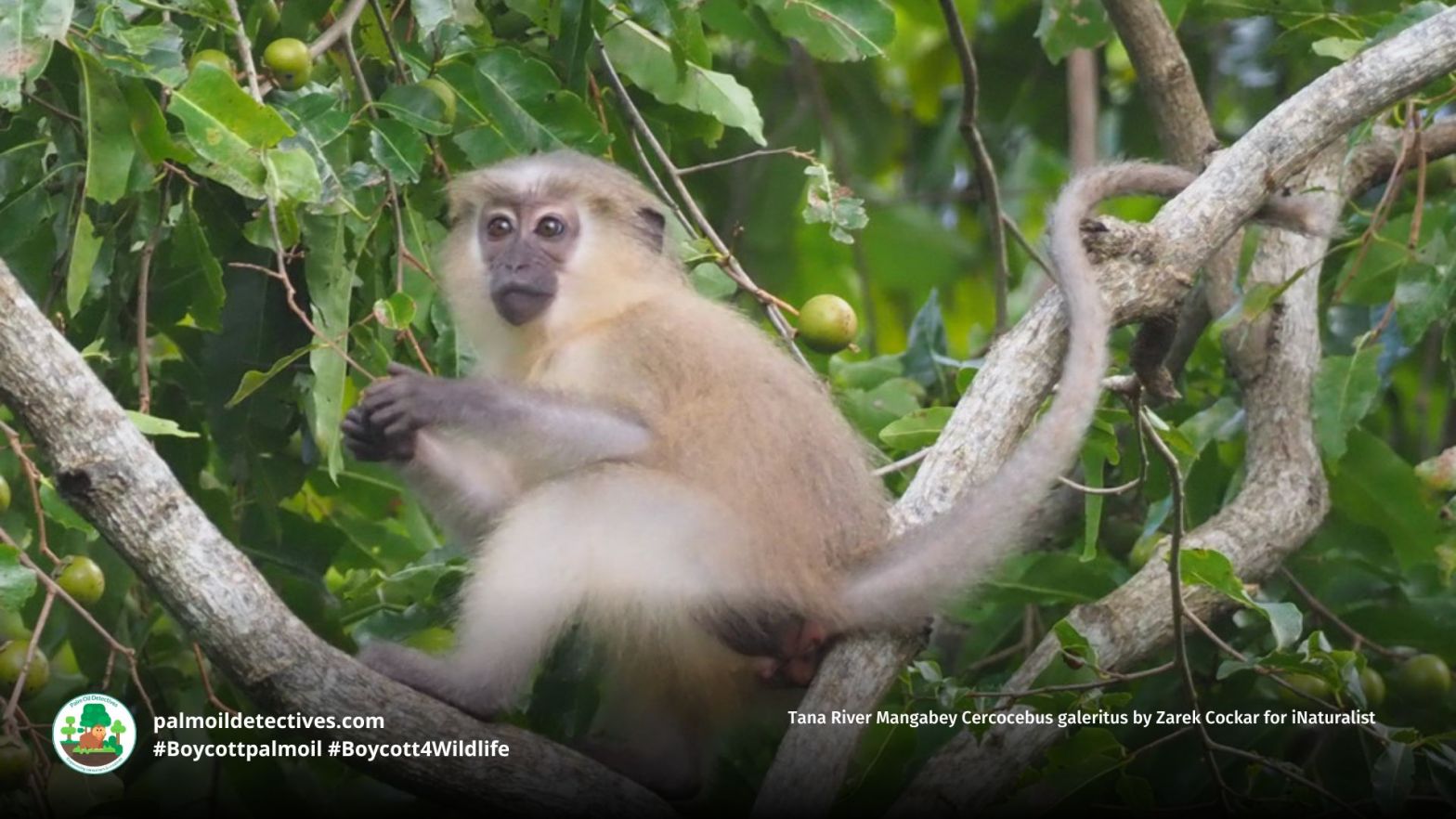
The Tana River Mangabey Cercocebus galeritus is a long-faced and slender old world monkey of #Kenya listed as Critically Endangered due to ongoing habitat destruction, dam construction, logging, and the degradation of floodplain forest ecosystems. Once protected by the Tana River #Primate Reserve, these #monkeys despite being key seed dispersers in their ecosystem are now more vulnerable than ever after the legal de-gazetting of their habitat. With only around 1,000 individuals remaining, this highly social and adaptable primate faces a devastating future unless urgent action is taken. Use your wallet as a weapon to end the destruction of their home. #BoycottPalmOil #Boycott4Wildlife #Vegan #BoycottMeat
On Overcoming Activism Exhaustion and Burn-Out
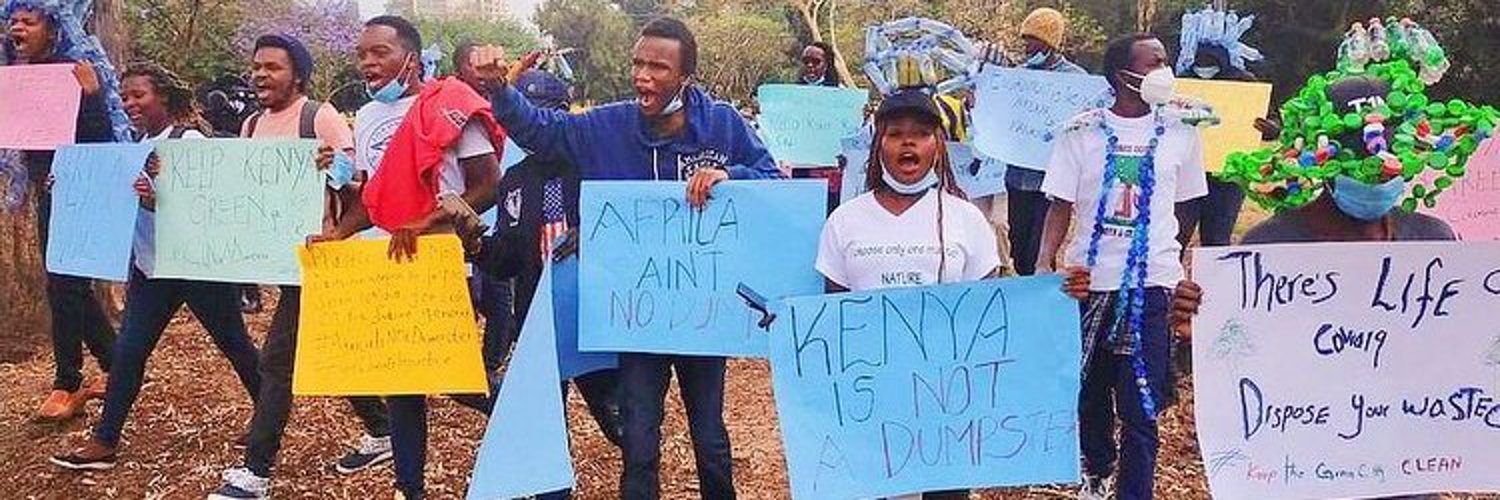
It’s Okay Not To Be Okay, But Not Okay to Remain That Way We all go through stuff that makes us feel no okay, maybe a phase/season/period/stage, etc. It’s okay for this to happen, and our feelings are totally valid. There’s nothing wrong with that. Just allow yourself to outgrow the situations. Remember, you areContinue reading “On Overcoming Activism Exhaustion and Burn-Out”
The Rarest Rhino: The Two Last Northern White Rhinos of Kenya
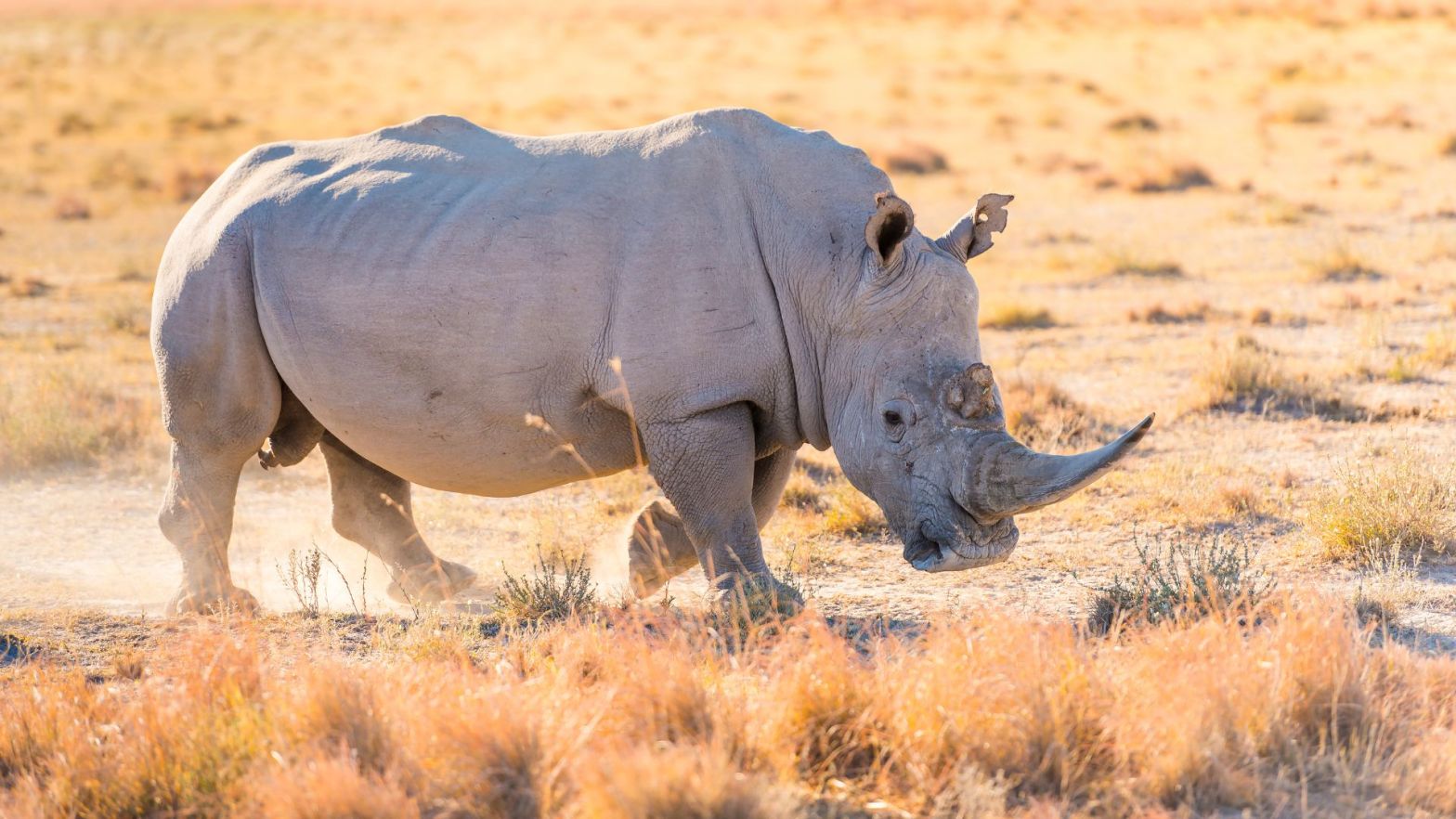
The rarest rhino in the world can be found wallowing in the mud at the Ol Pejeta Nature Conservancy in Kenya. Constantly guarded by vigilant rifle-clad guards, these two animals have no idea that they are the last members of their kind. They are northern white rhinos – the very last northern white rhinos anywhere on Earth. They have been poached to the very edge of extinction, with virtually no hope for recovery. Could this be the saddest story ever told? Likely! Vehemently and strongly oppose all forms of trophy hunting and poaching wherever you see it and #Boycott4Wildlife
Where There’s Smoke There’s Fire: Let’s Sort the Plastic Menace
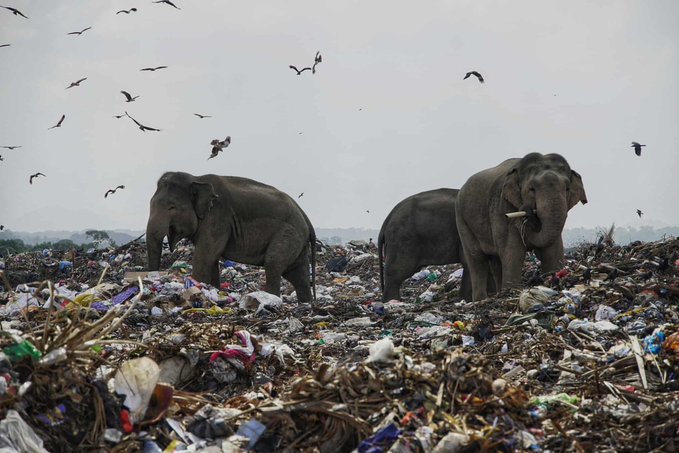
Smoke is a clear sign of something brewing up. The decision taken afterward determines the outcomes. If ignored, the fire may destroy everything. But if we bother to check out, we may save the day. It has been more than a month now since we heard the rumors of Kenya being used as a hubContinue reading “Where There’s Smoke There’s Fire: Let’s Sort the Plastic Menace”
Wildlife and Environmental Advocate Winnie Cheche
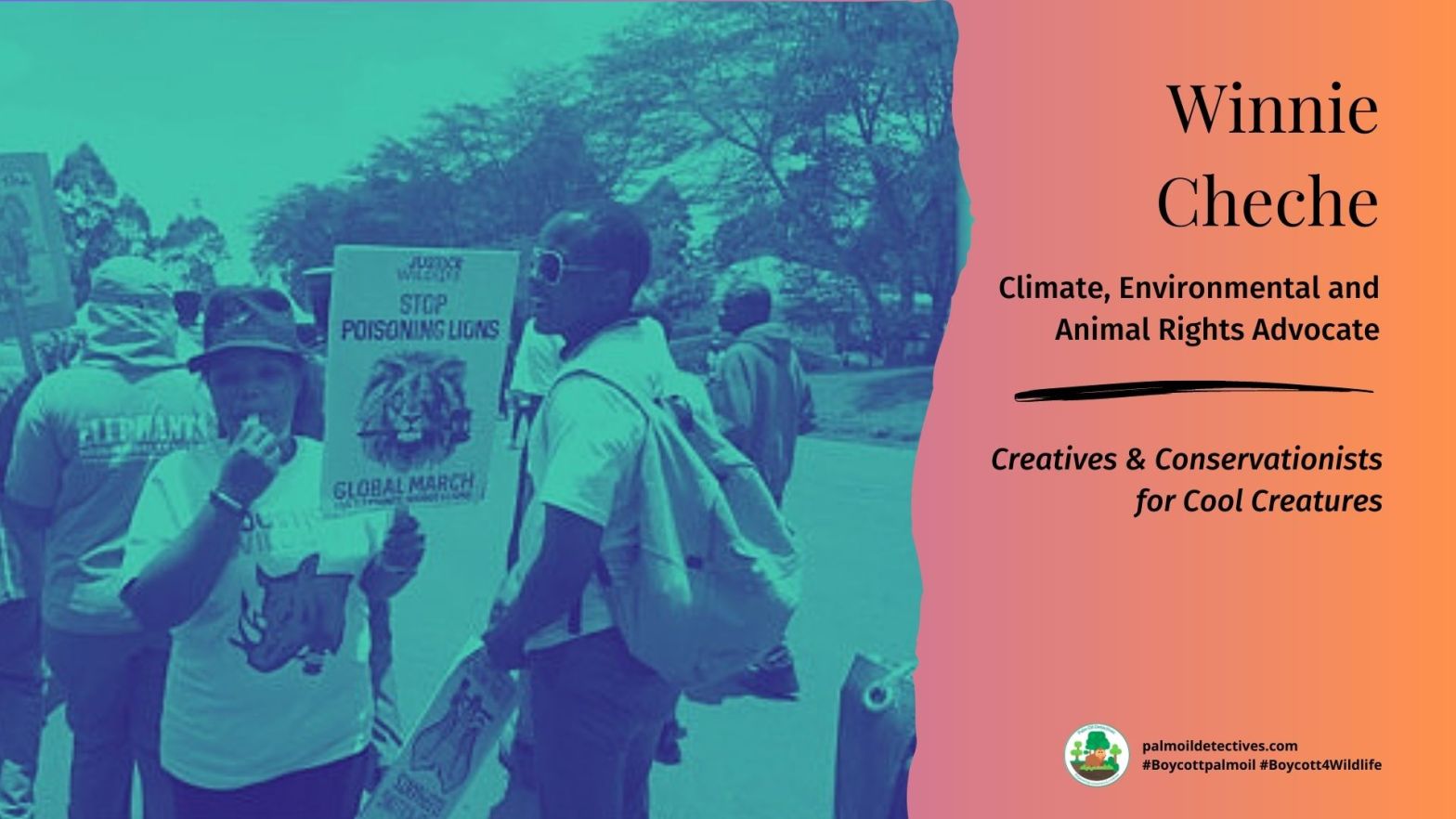
I love wildlife and I am ready to do whatever I can to ensure that future generation get to see animals. Poaching and conservation area encroachment continue to be a threat to wildlife existence, and something needed to be done. Knowledge is power and a good start to ensure things change. Extinction is already taking them away, and humans contribute to that. Helping them know how they play that part will help stop the reaction. If you want to get involved in conservation, look at the many ways that humans are driven crazy out of our greed and selfishness. Then work to find fixes and solutions for that. We can allow our humanity and compassion to guide us towards advocating for the right thing for animals and for the natural world.
Dangers of wildlife mass death in this era
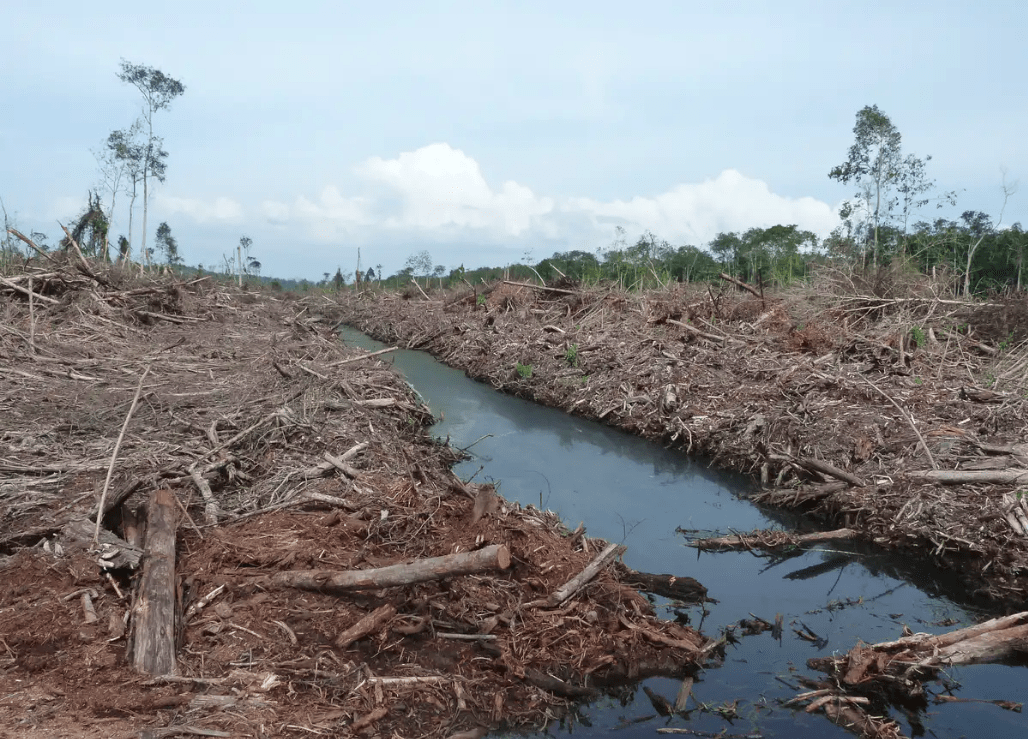
For a while now, we have been labeled as a generation promoting mass extinction of other species as a result of some negative activities we do for developments. We have occupied and displaced these species, as our population continues to expand. Cheche Winnie The mass death of elephants in the Okavango Delta A few daysContinue reading “Dangers of wildlife mass death in this era”
Rüppell’s Vulture Gyps rueppelli
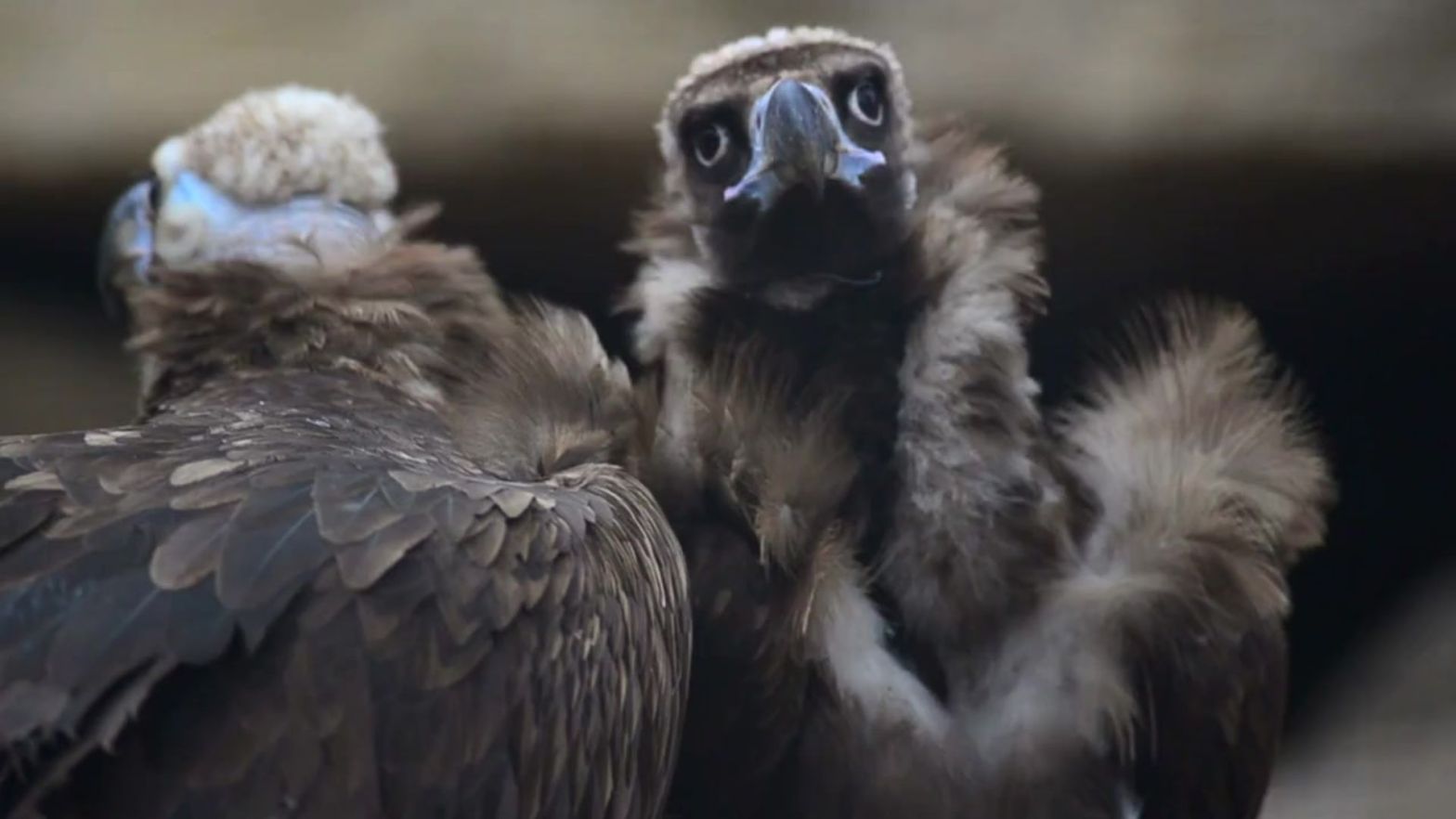
The Rüppell’s Vulture is an enigmatic avian marvel soaring the African and European skies. Their powerful wings carry them aloft on streams of air to altitudes of 11,000 metres. From far above they scan the endless landscapes for sustenance. These remarkable carrion cleaners pose no threat to humans and only eat dead animals. They now teeter on the brink of extinction, fewer than 22,000 individuals remain alive due to the depletion of their prey species, human and wildlife conflict and palm oil deforestation throughout their range. This critically endangered species, are known for their awe-inspiring high altitude flights—reaching heights seen by commercial airlines. They face a grave threat from the insidious palm oil industry, mining along with other destructive industries across their range. Help them to survive and #BoycottPalmOil and #Boycott4Wildlife every time you shop.
Africa: Species Endangered by Palm Oil Deforestation
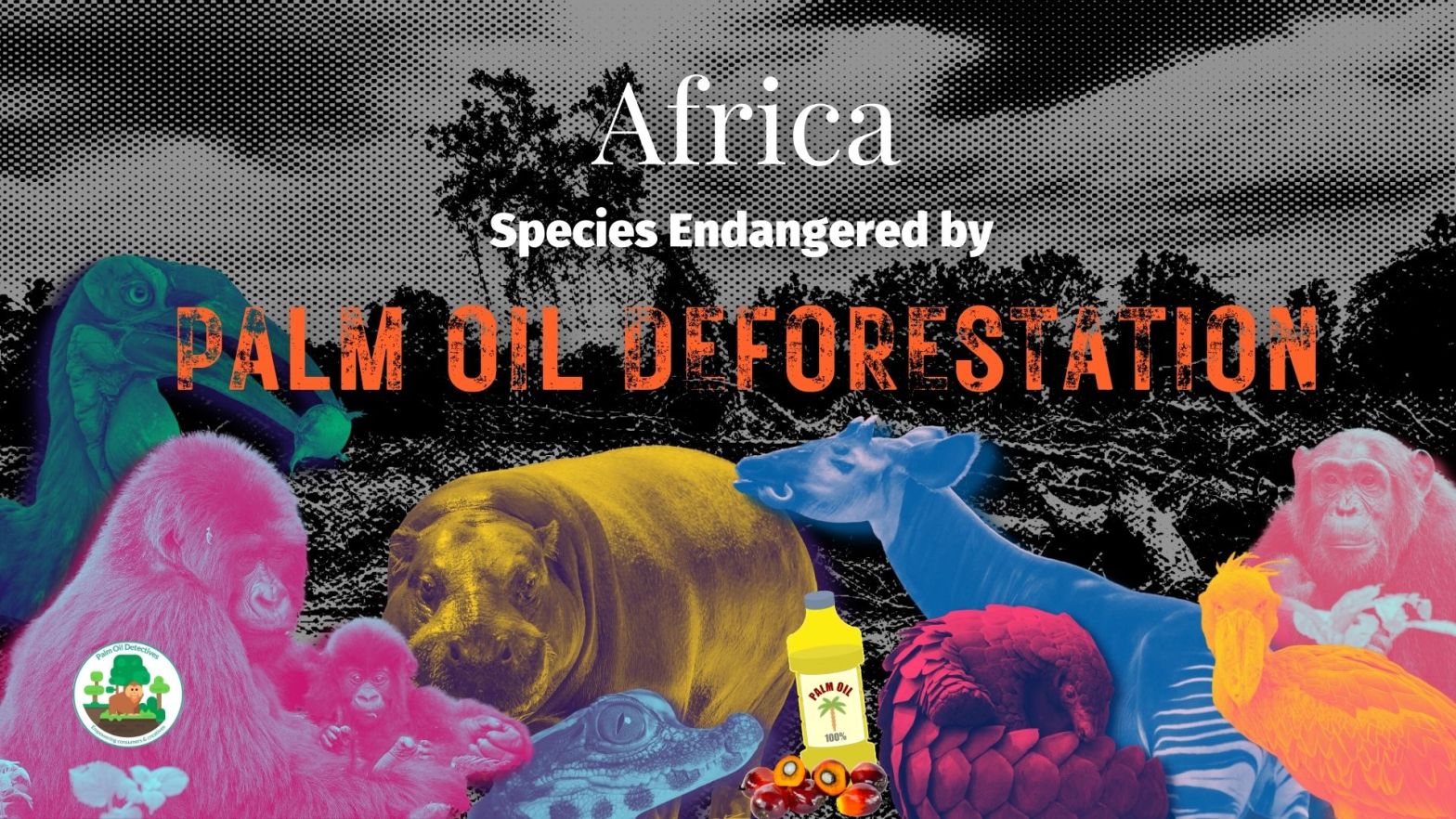
Explore the biodiversity of Africa and discover how palm oil deforestation impacts wildlife. Learn how you can help. #BoycottPalmOil #Boycott4Wildlife
White-bellied Pangolin Phataginus tricuspis
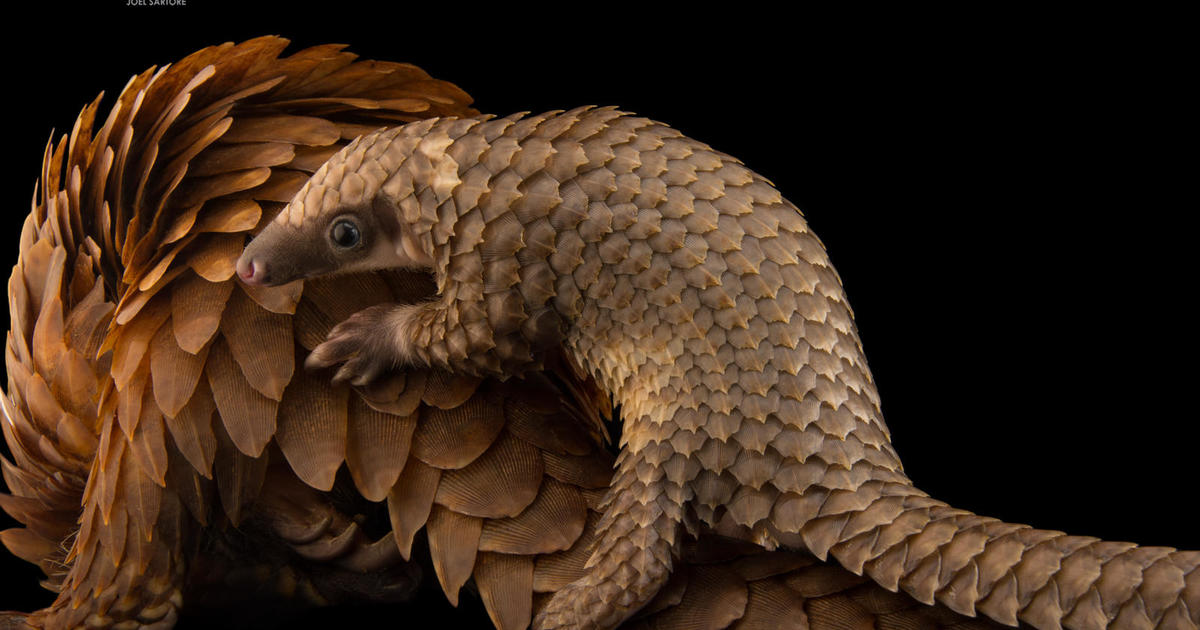
The White-bellied Pangolin also commonly known as the Tree Pangolin are fascinating creatures akin to giant pest controllers, estimated to consume around 70 million insects per year. #Pangolins don’t have teeth, rather they have scales lining their stomachs which aid them in the digestion of food that is swallowed whole. Baby pangolins often ride on their mother’s backs and and are known as pango pups. They are able to use their tails to support their body weight and can walk upright on their hind legs.
They are often captured and killed for the illegal #poaching trade in abandoned palm oil plantations in their native homelands in #WestAfrica. Now classified as #Endangered by the IUCN, White-bellied Pangolins face a terrifying future. The dual threats of industrial-scale trafficking and rampant #deforestation for agriculture—especially #palmoil plantations—are pushing them towards extinction Help them every time you shop and #Boycottpalmoil #Boycott4Wildlife
 Palm Oil Detectives