
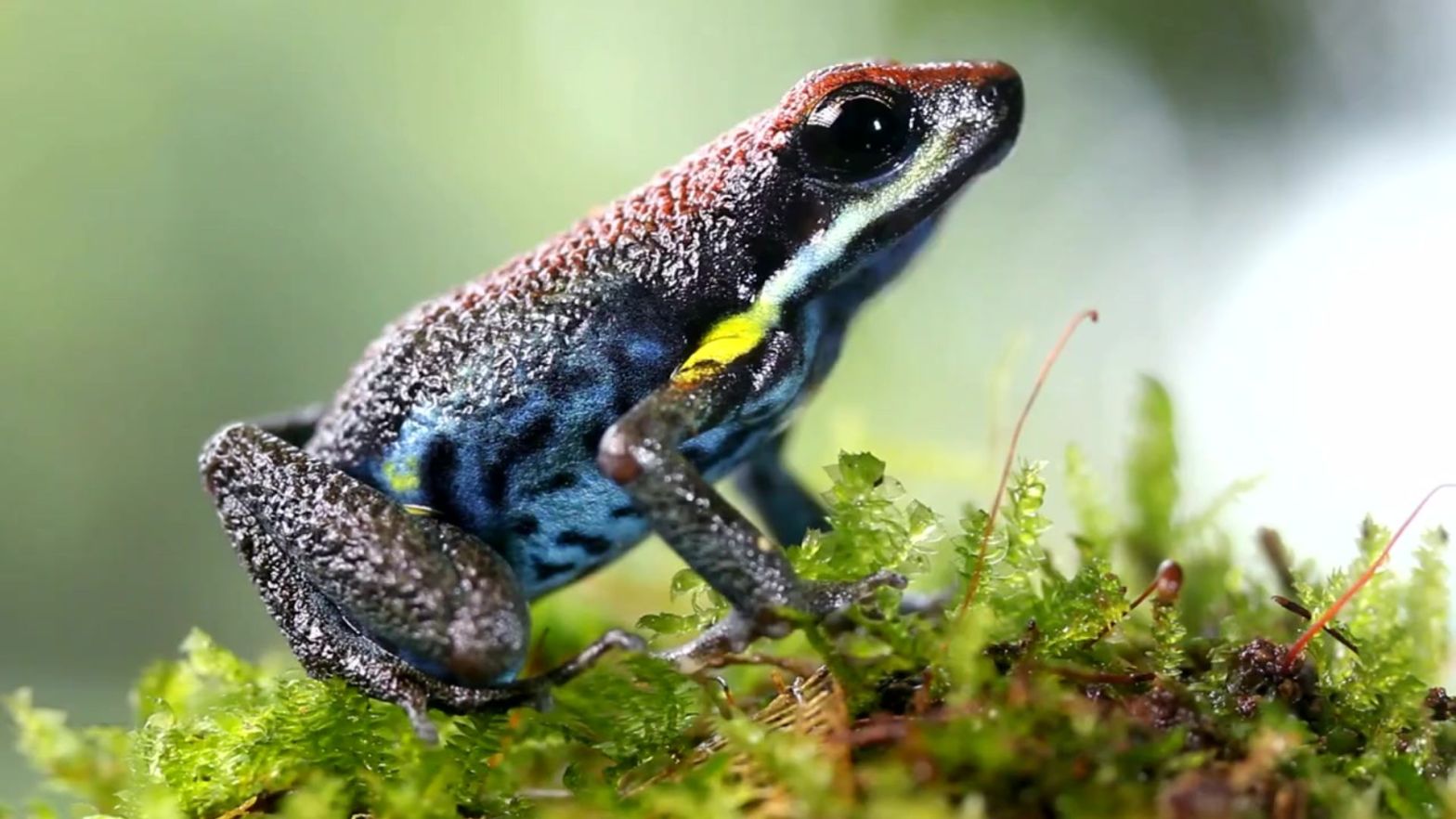
Capturing people’s attention about the #climate and #extinction crises is a challenge. Causes mostly move slowly, without the flashy drama that can focus our minds in the midst of 24-hour news cycles and social media distractions. The Netflix film Don’t Look Up cleverly captures humans’ inability to come together to counter such a common existential threat. To change this, we must develop a “slow memory” that can help us care about and act on slow change. Help to fight against extinction when you shop and #Boycottpalmoil #Boycott4Wildlife
Tag Archives: vegan
Reptiles Facing Extinction: How to Help
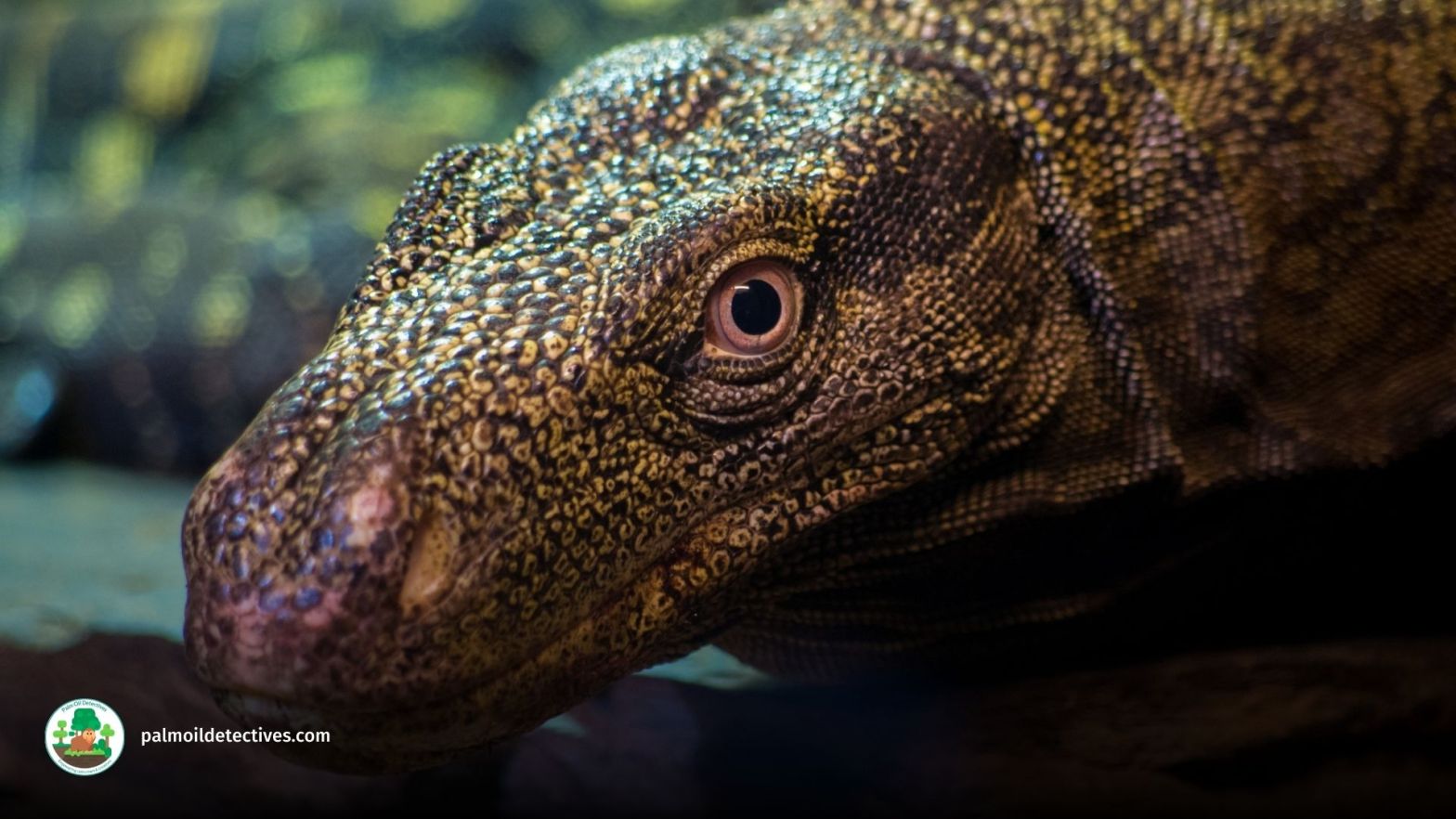
#Reptiles are fascinating creatures who are sadly feared, misunderstood and persecuted by humans. It is high time that we stand up for #lizards, #snakes, #terrapins, #crocodiles, caimans, #turtles and more.
Many of these fascinating creatures are feared by humans and inhabit hard-to-traverse places such as swamps. Compared with birds, amphibians and mammals, there is little data available on the distribution, population size and extinction risk of reptiles. This has meant that wildlife conservationists have largely helped reptiles indirectly in the past by meeting the needs of other animals (for food and habitat for example) living in similar places. Here’s how we stand up for them #Boycottpalmoil #Boycott4Wildlife
Terrifying Tale of Halloween: Palm Oil Ecocide in Your Treats!

This #Halloween, as you revel in terrifying tales and creepy costumes, remember that the most terrifying tale of all isn’t enjoyable folklore—it’s the horrifying truth about palm oil. This ingredient causes #deforestation, #ecocide, #humanrights abuses and #indigenous land-grabbing. The production of #palmoil casts a dark shadow over our planet, as it can only be grown on destroyed tropical rainforests. So-called “sustainable” palm oil used by the world’s biggest food brands like Nestle, Mondelez, Hersheys, Ferrero and Mars is a complete greenwashing lie. So don’t buy any of it! All palm oil threatens the very existence of wildlife, polluting our air and water, accelerates climate change, and tramples on the rights of indigenous communities worldwide. This Halloween, take action and use your wallet as a weapon. 🌍🌳🦍 #Boycottpalmoil #Boycott4Wildlife
Northern Muriqui Brachyteles hypoxanthus
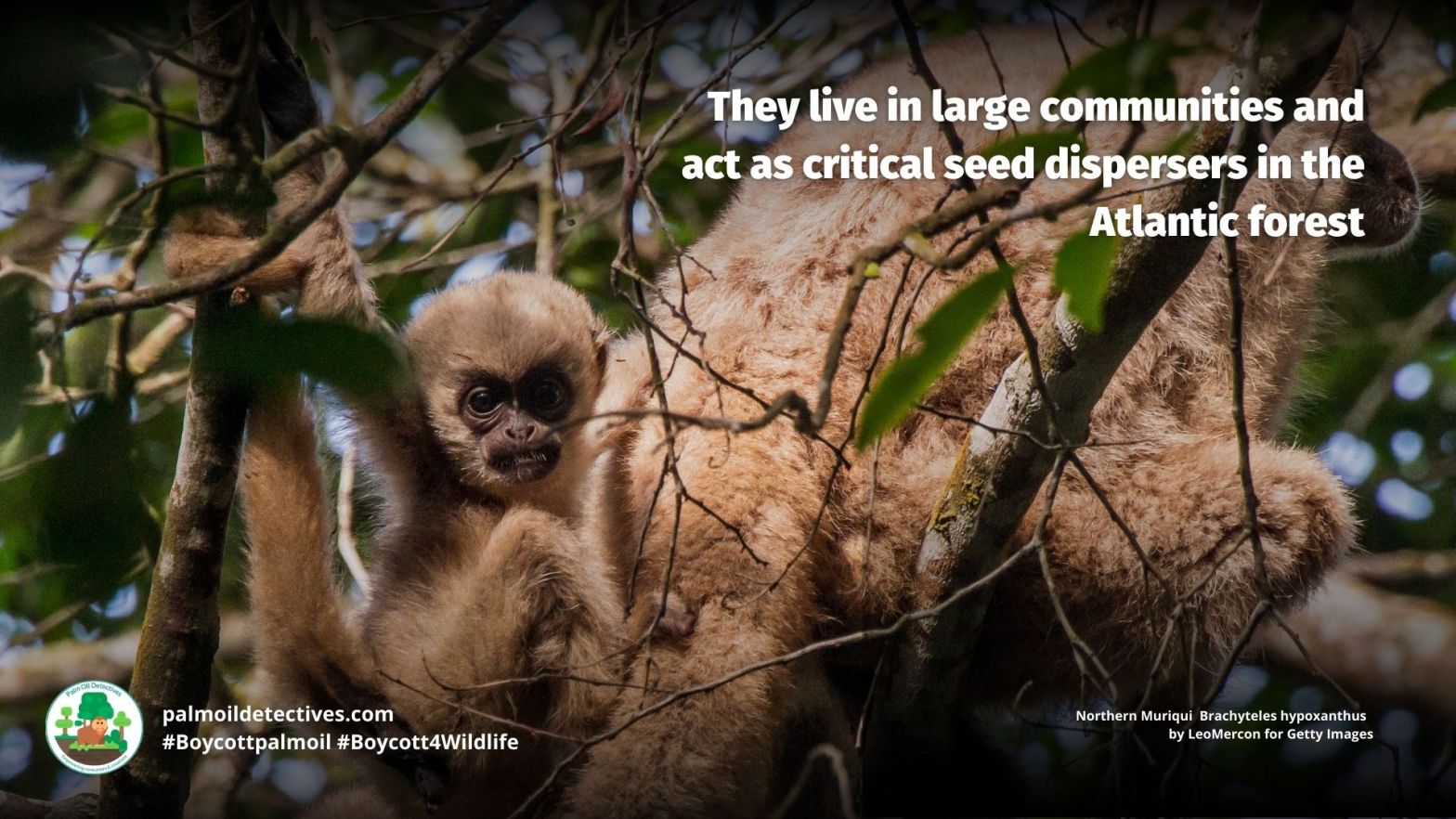
Northern Muriquis (AKA Woolly Spider Monkeys) have a striking light brown and golden fur and are known for their rattling vocalisations. They live in large communities and act as critical seed dispersers in the Atlantic forest. There are fewer than 800 individuals left alive and they are critically endangered. Their main threats are palm oil, meat and soy deforestation in Brazil, along with illegal hunting. Help them every time you shop and be #vegan, #Boycottpalmoil and #Boycott4Wildlife
Yellow-casqued Hornbill Ceratogymna elata
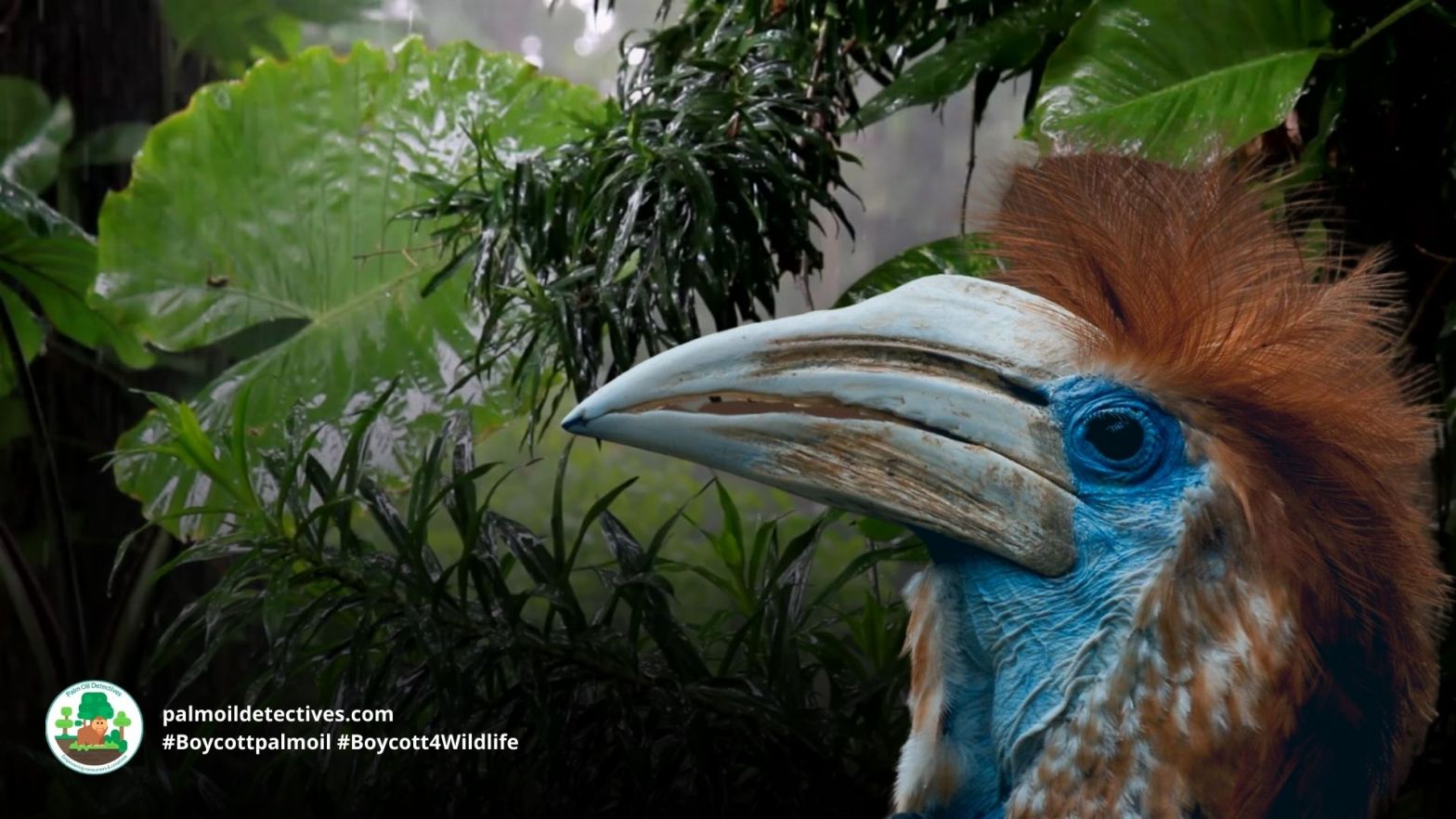
The yellow-casqued hornbill is one of the most remarkable hornbills in the world and one of the largest birds in the rainforests of West Africa weighing up to two kilos. Sporting a shock of russet coloured feathers and a striking blue coloured face, they prefer to live high up in the rainforest canopy in Côte d’Ivoire, #Ghana, #Liberia, Mali and #SierraLeone. Their main threat is hunting and human persecution and they are possibly extinction now in some countries. Recent mass deforestation for #mining, #palmoil, #cocoa and #meat is also a threat and they are now classified as #vulnerable. Help them every time you shop and be #vegan, #Boycottpalmoil, #Boycott4Wildlife
Shoebill Balaeniceps rex
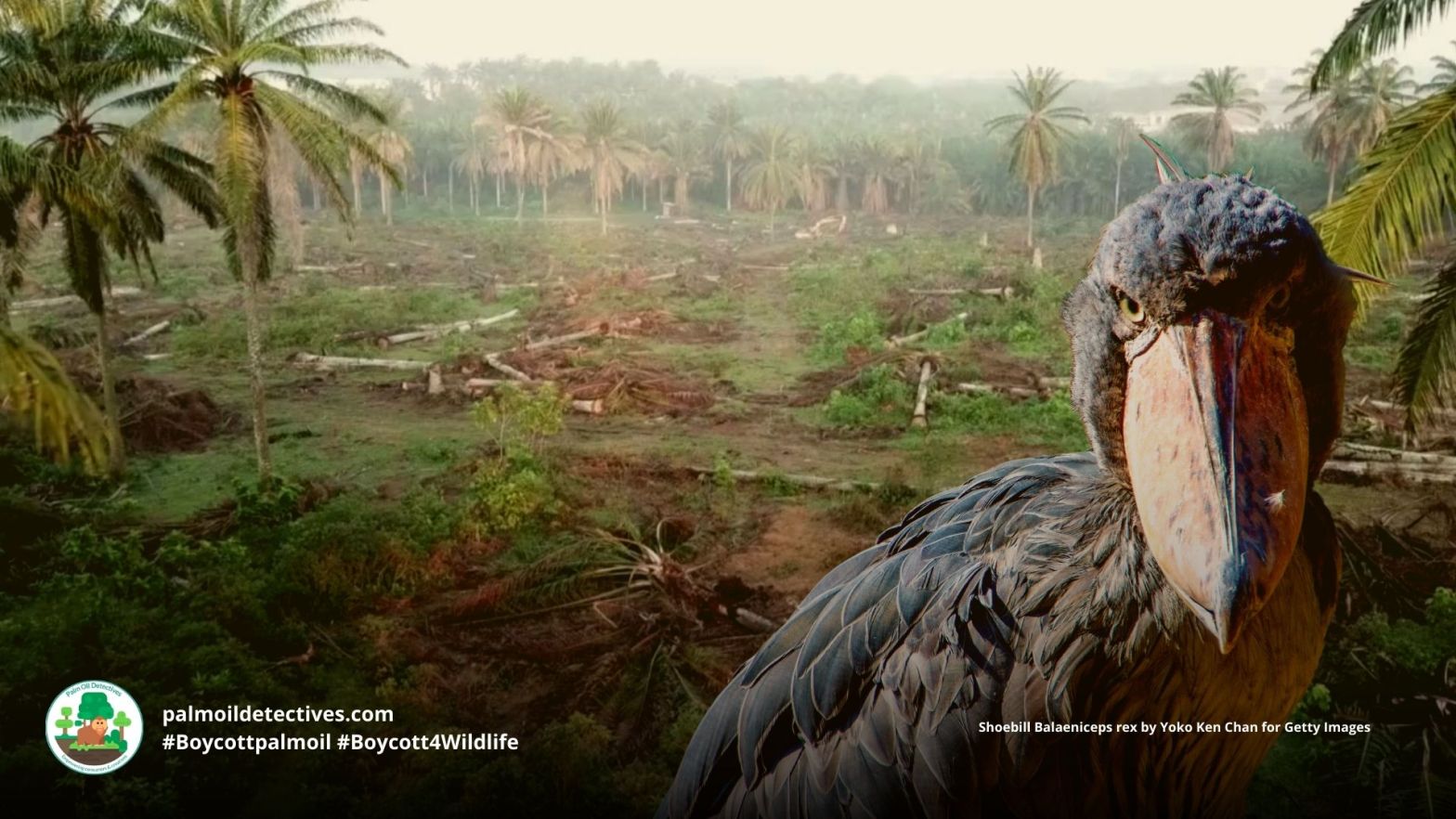
With their intense stare and imposing appearance, prehistoric birds Shoebills number fewer than 8000 in the wild. Save them when you boycott palm oil!
Indian Rhinoceros (Greater One-horned Rhino) Rhinoceros unicornis
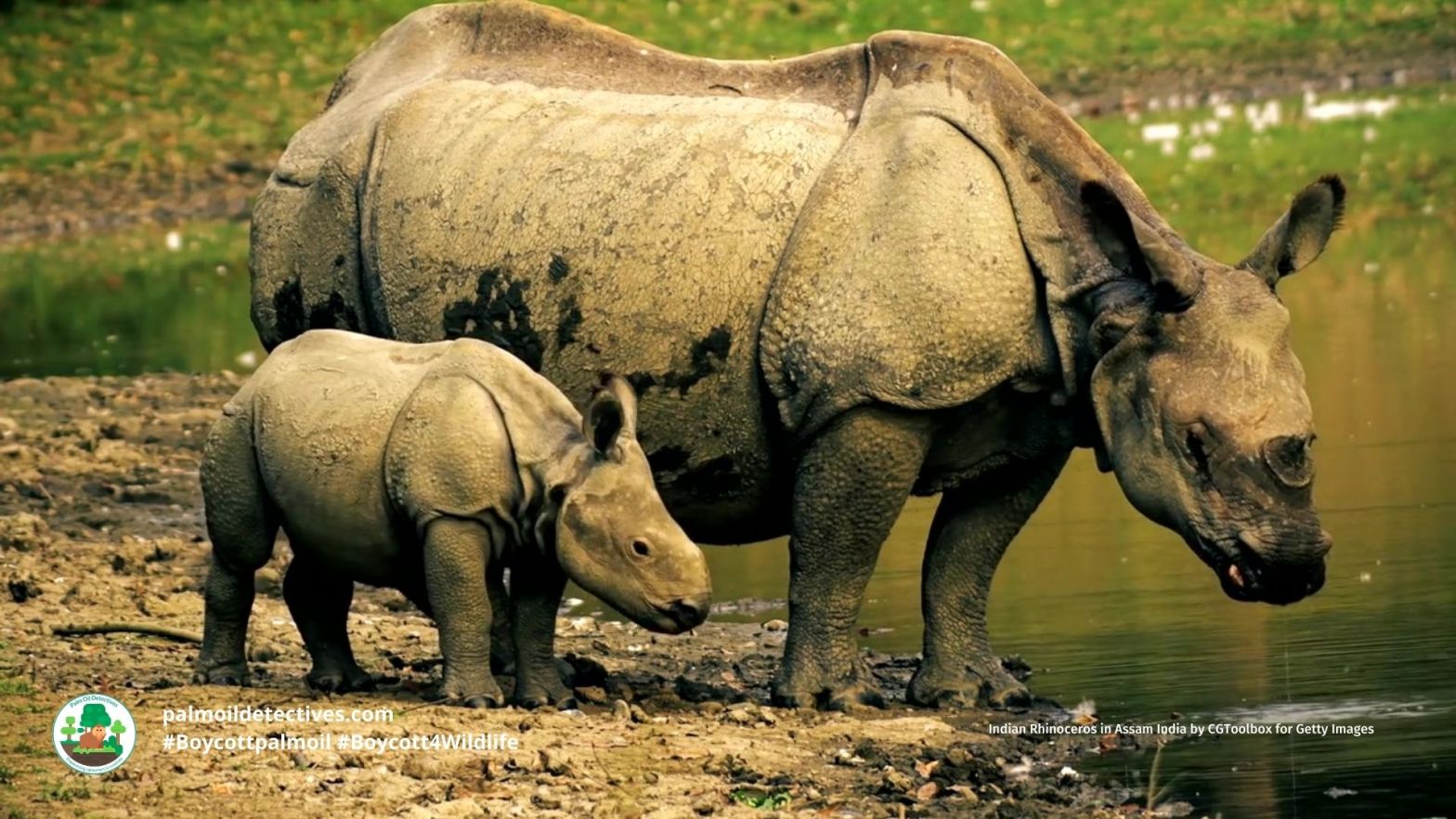
The largest of the three rhino species in Asia, the Indian Rhino has a distinctive and unique armour-plated look which lends them a fairytale quality that has captivated admirers for aeons. Although Indian rhino numbers have climbed over the past decades due to conservation, they are under imminent threat from the expansion of palm oil deforestation in the Assam region of India. A protected national park there is earmarked for destruction. Use your wallet as a weapon every time you shop and #Boycottpalmoil #Boycott4Wildlife
Wildlife Artist Juanchi Pérez
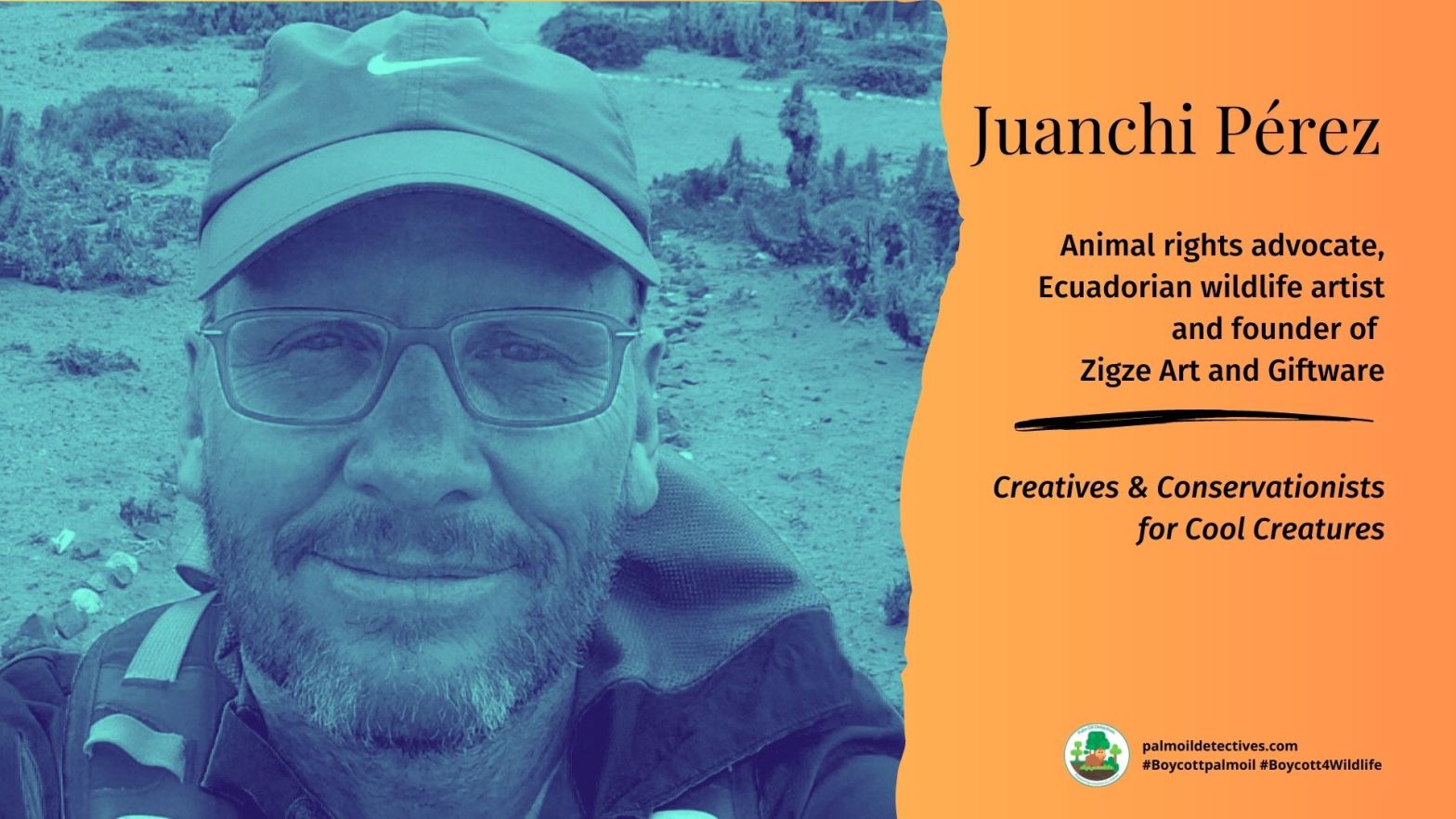
Juanchi Pérez is a talented and well-established designer, illustrator and artist from Ecuador who captures the soulful presence of rare rainforest animals near his home.
He is passionate about sharing the magnificent animals and plants of his bountiful homeland with the world. Together with his beautiful wife and daughter, he founded art and giftware brand Zigze several years ago.
300,000 Trees Tracked: Are Losing Their Power to Help Us
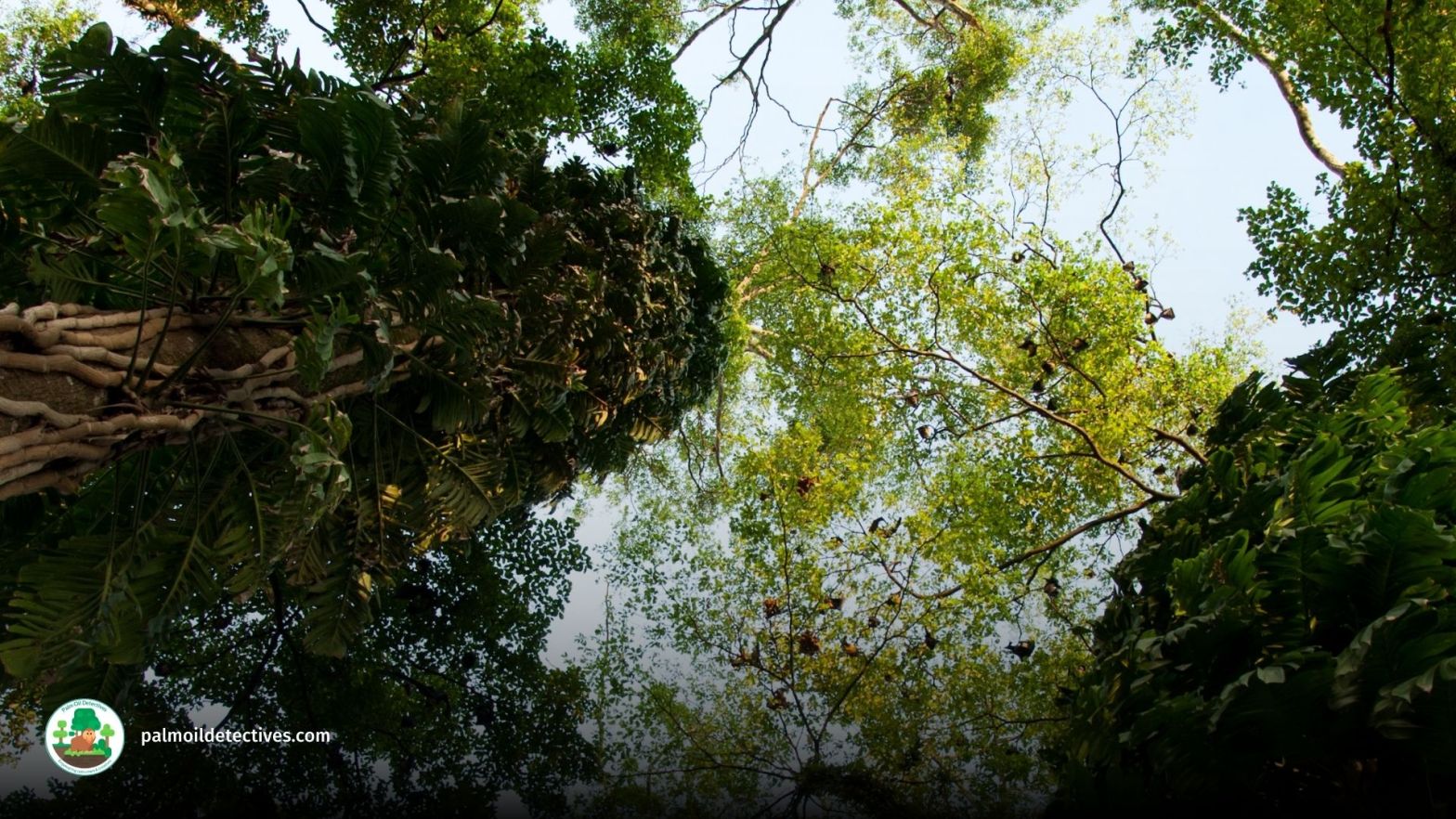
Tropical forests matter to each and every one of us. They suck colossal quantities of carbon out of the atmosphere, providing a crucial brake on the rate of climate change. Yet a statistical model in this study has estimated that by 2030 the African forests’ capacity to remove carbon will decrease by 14%, while Amazonian forests may stop removing carbon dioxide altogether by 2035. What can you do? Use our wallet as a weapon and #Boycottpalmoil #Boycottmeat #Boycott4Wildlife
Bonobo Pan paniscus
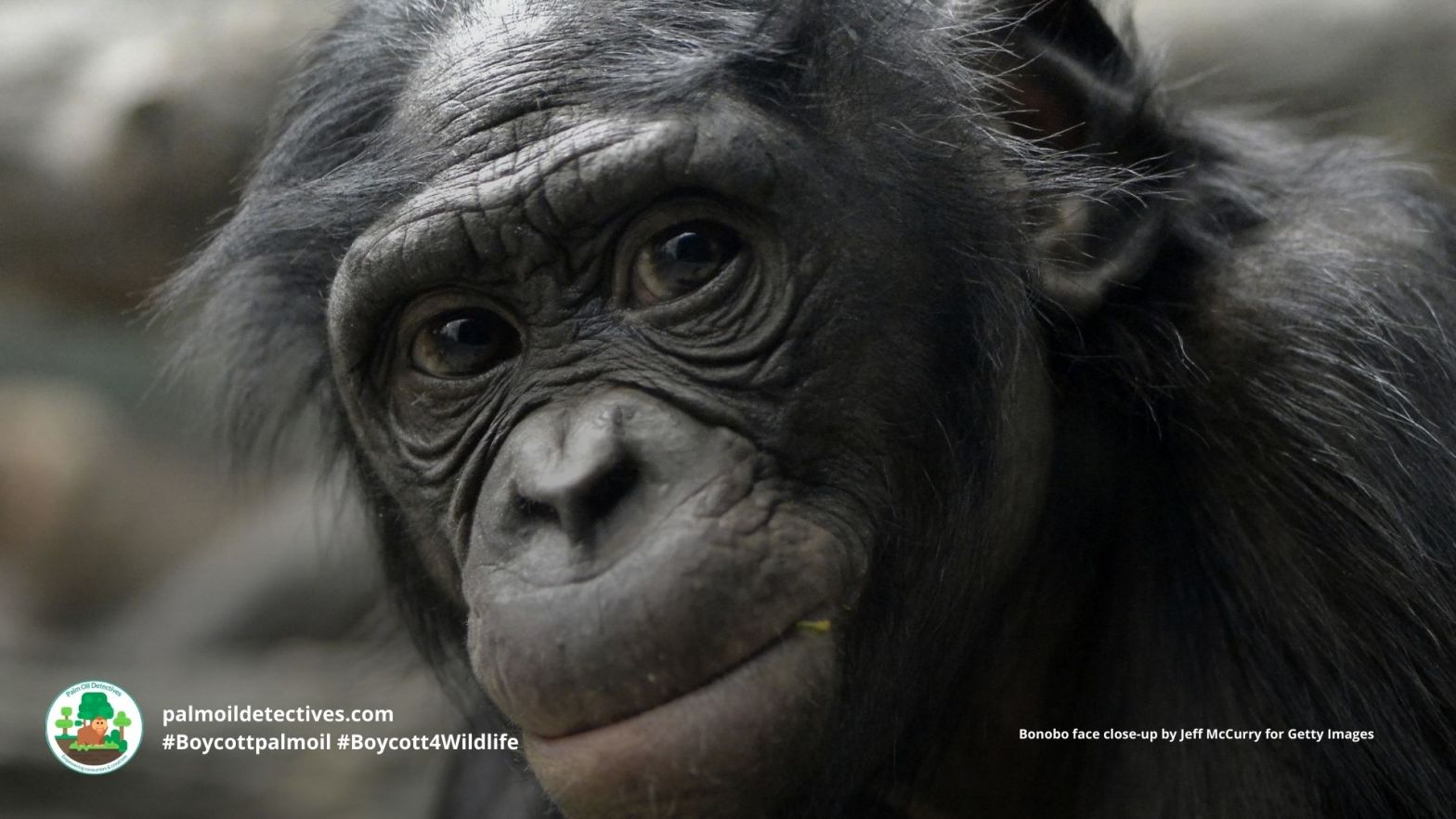
Bonobos share 98% of their DNA with humans and are one of our closest extant relatives. They are complex beings with intricate social relationships, they demonstrate profound intelligence and emotional sensitivity.
It is therefore fitting that 14th of February, Valentine’s Day is also the International Day to celebrate Bonobos – Bonobos provide a potent example to humans for how we can resolve conflicts through love and non-violent conflict resolution. They are endangered in DRC/Congo from infectious diseases, illegal poaching and deforestation for palm oil, cocoa and meat and mining throughout their home range. Help their survival every time you shop – be vegan and #Boycottpalmoil #Boycott4Wildlife.
Africa is becoming the new frontier for oil-palm plantations, which offers excellent economic prospects in countries with appropriate rainfall, soil and temperature conditions (Rival and Levang 2014). A staggering 99.2% of the Bonobo’s range is suitable for oil palm (Wich et al. 2014), highlighting the enormous risk the palm-oil industry will pose unless sustainable management plans are developed and implemented to protect great apes and their habitats (IUCN SSC Primate Specialist Group 2014).
Sunda Pangolin Manis javanica
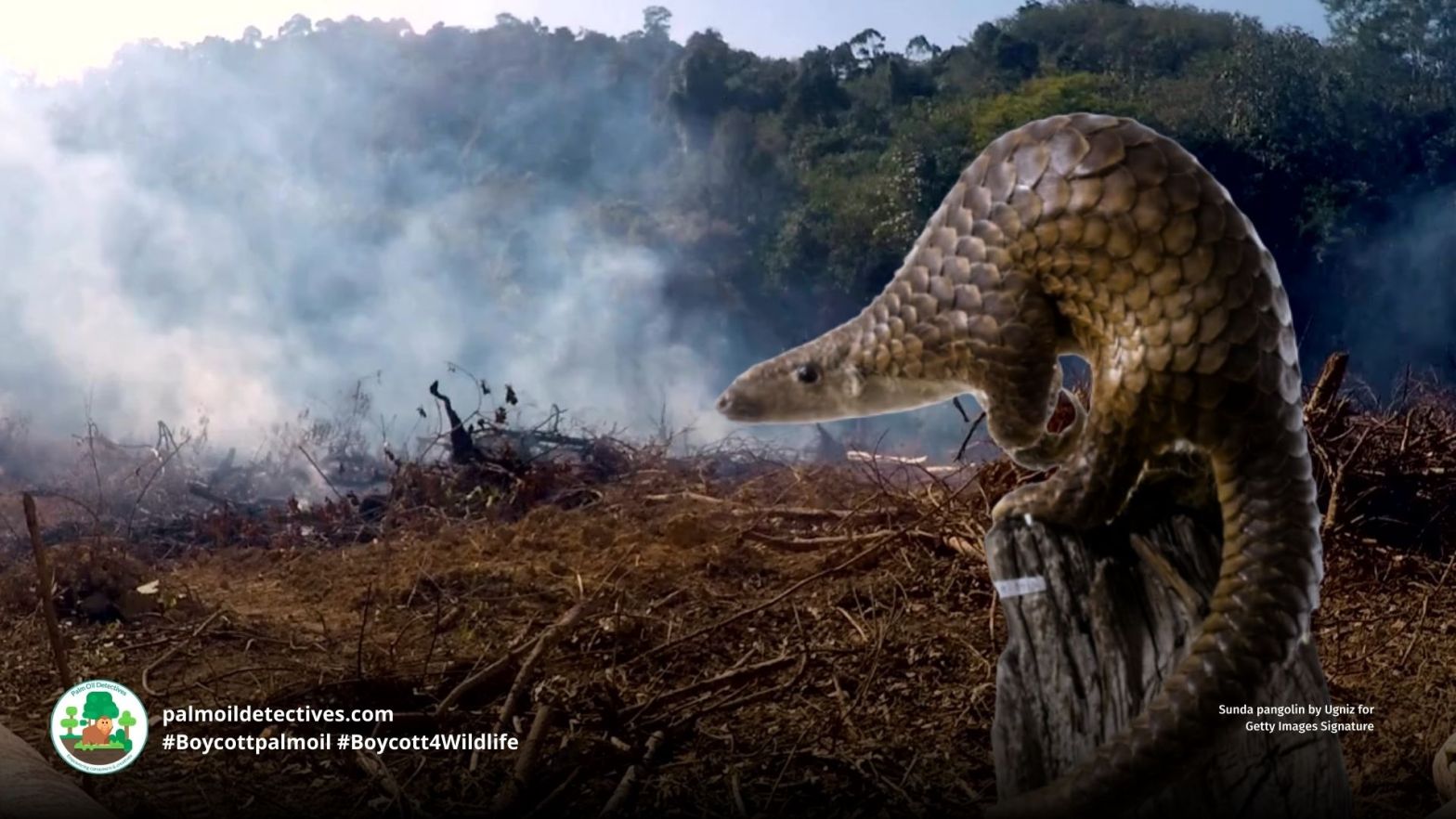
Sunda pangolins AKA Javan pangolins are capable swimmers and curl protective balls, palm oil and hunting exploitation are major threats, boycott palm oil!
Waigeo Cuscus Spilocuscus papuensis
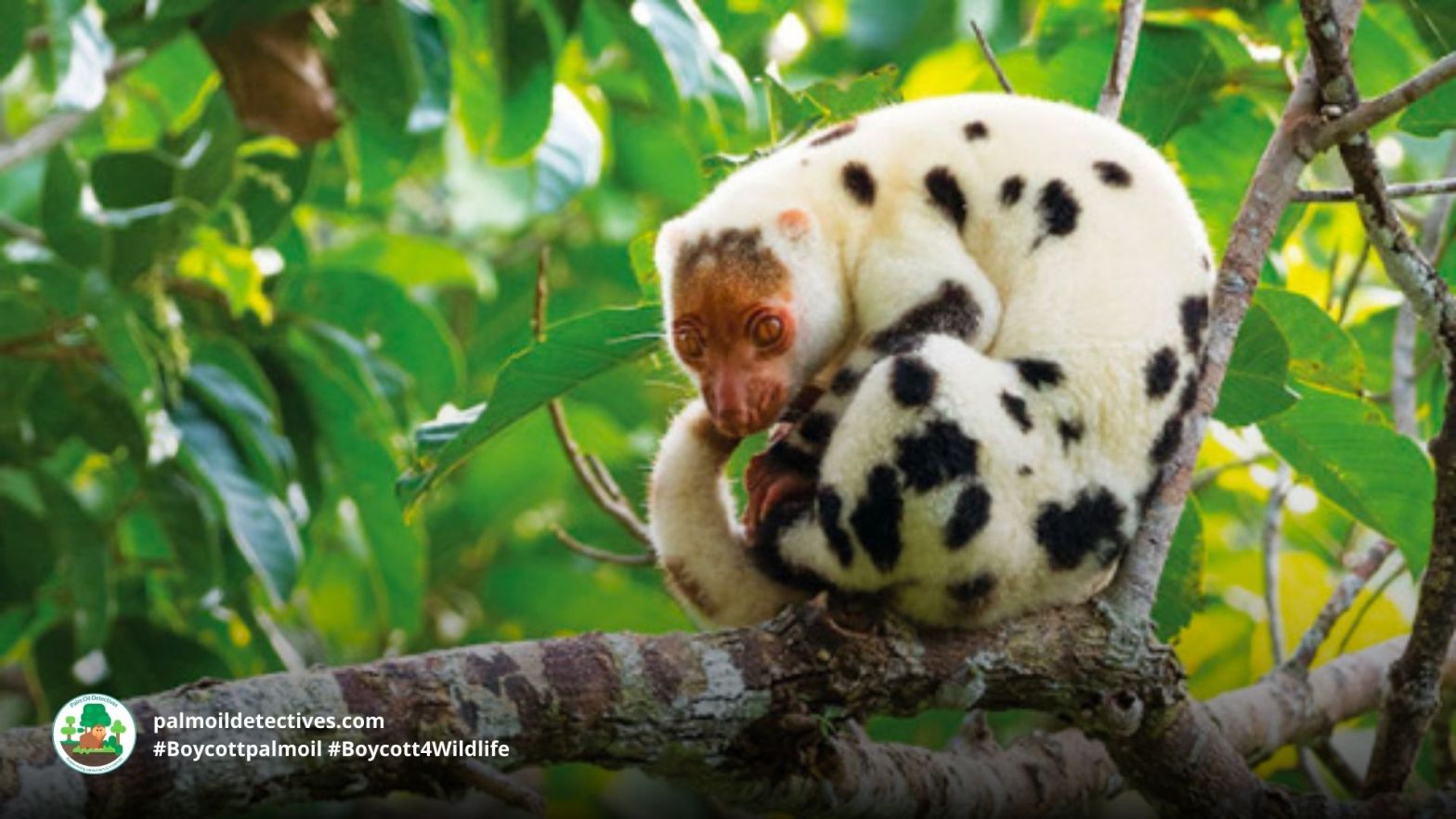
Cryptic and solitary marsupials, Waigeo Cuscuses cling to tree canopies on a Waigeo Island, West Papua. They are classified as vulnerable on IUCN Red List due to palm oil deforestation and mining on the tiny island where they live. Help them each time you shop and be #vegan, #Boycottpalmoil and #Boycott4Wildlife
Andean Night Monkey Aotus miconax
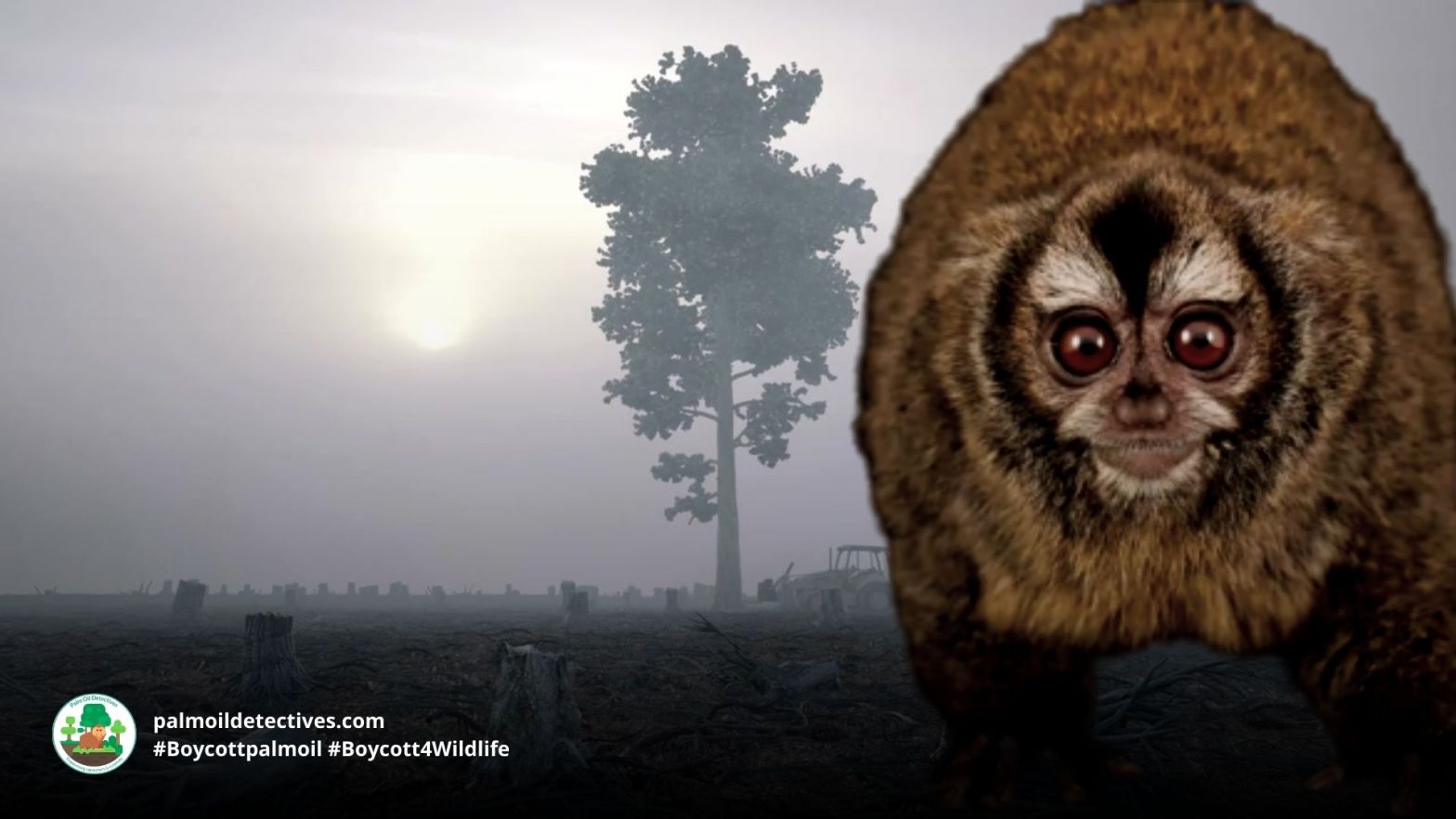
Known for their expressive big eyes, Peruvian Night Monkeys are one of the rarest and most beautiful monkeys in the world. They are critically endangered by mining, palm oil and meat deforestation. Help them every time you shop and be vegan, #Boycottpalmoil #Boycott4Wildlife!
How the humble mushroom could save forests and fight climate change
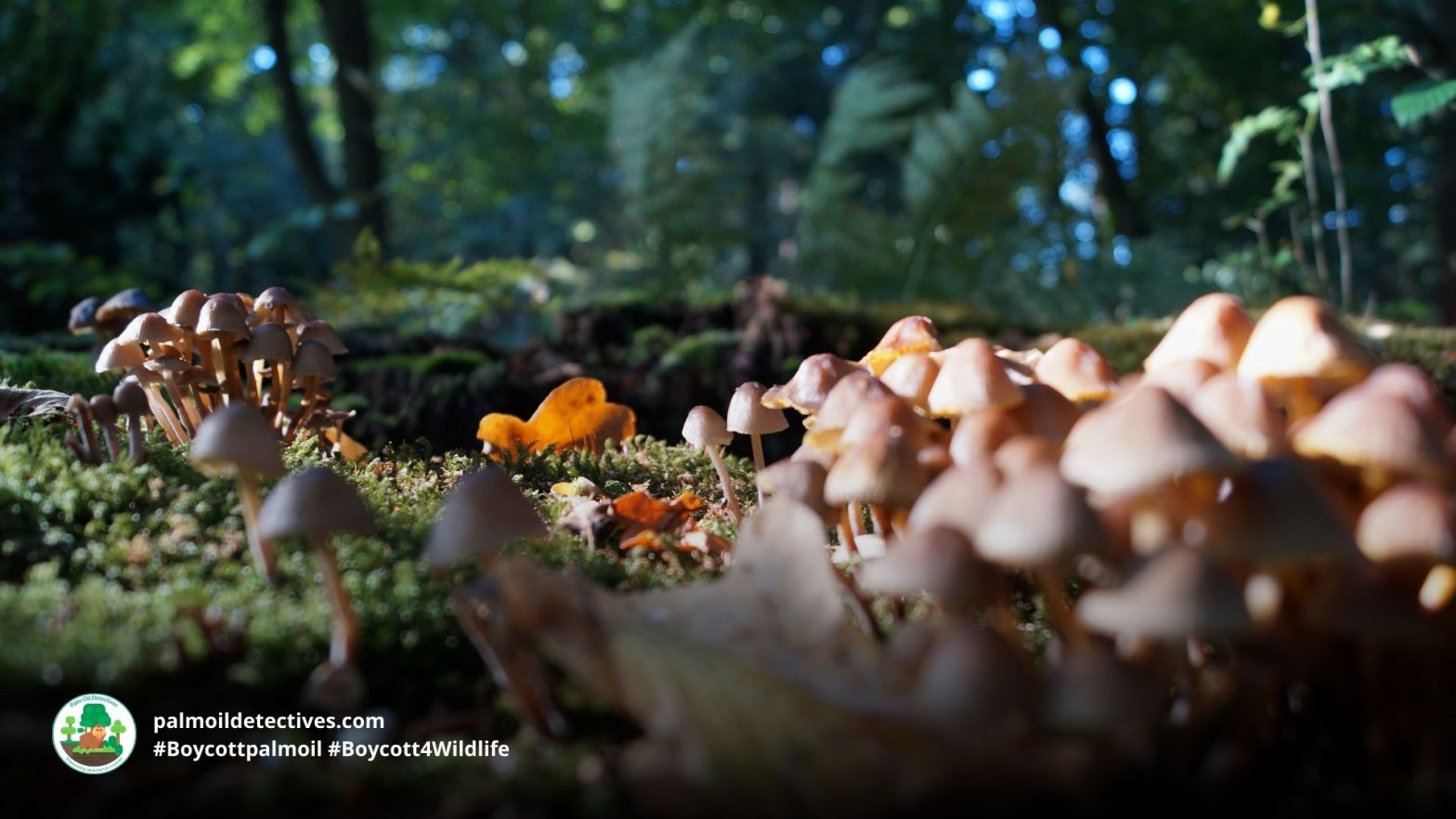
The conversion of forests to agricultural land is happening at a mind-boggling speed. Between 2015 and 2020, the rate of deforestation was estimated at around 10 million hectares every year. From a climate and carbon point of view, we know that cutting down trees at this scale is devastating. But the impacts run deeper: 75% of the world’s accessible fresh water arises from forested watersheds. Want an easy way to fight #climatechange and #deforestation? Stop #eating meat and #dairy and eat #mushrooms 🍄🥦🍅🍌 fruit and veg instead! #Boycottmeat and be #vegan #Boycott4Wildlife
Barasingha Cervus duvauceli
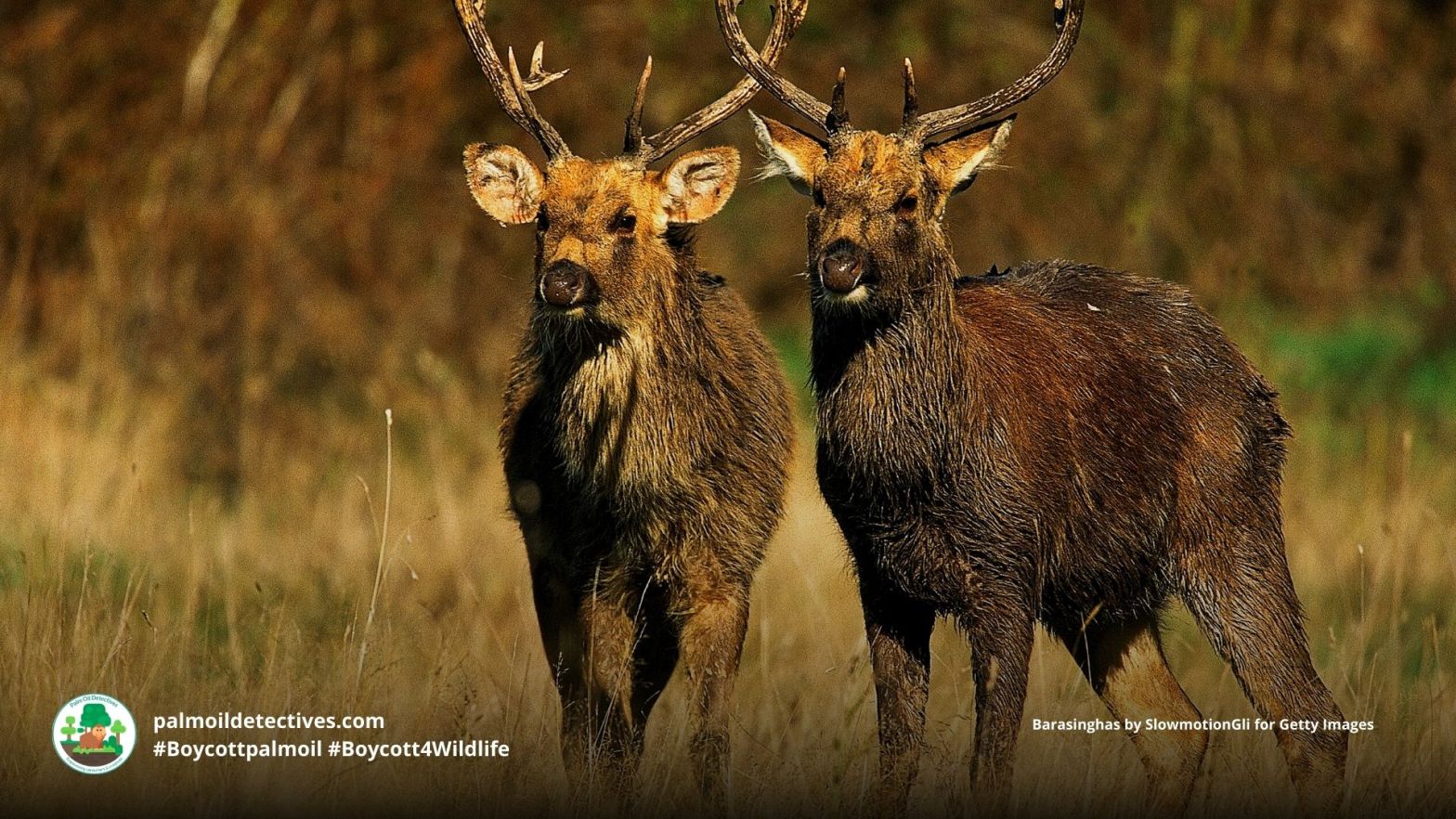
Barasinghas Cervus duvauceli also known as Swamp Deers, are instantly recognisable for their enormous handsome antlers. They can have as many as 12 antlers and their namesake Barasinghas means ’12 antlered deer’ in Hindi. They are now one of the most endangered deer species in the world due to habitat fragmentation for palm oil and beef, along with human persecution and hunting. The only remaining population live in protected sanctuaries in India and Nepal. The herd will be led by a single female and then followed by other females in a procession and then the males follow along at the rear of the group. Despite this, females are not dominant over the herd. These resilient, tough and majestic deer species are classified vulnerable on IUCN Red List. If you want to help them, adopt a #Vegan lifestyle and #BoycottPalmOil #Boycott4Wildlife in the supermarket!
Dryas Monkey Chlorocebus dryas
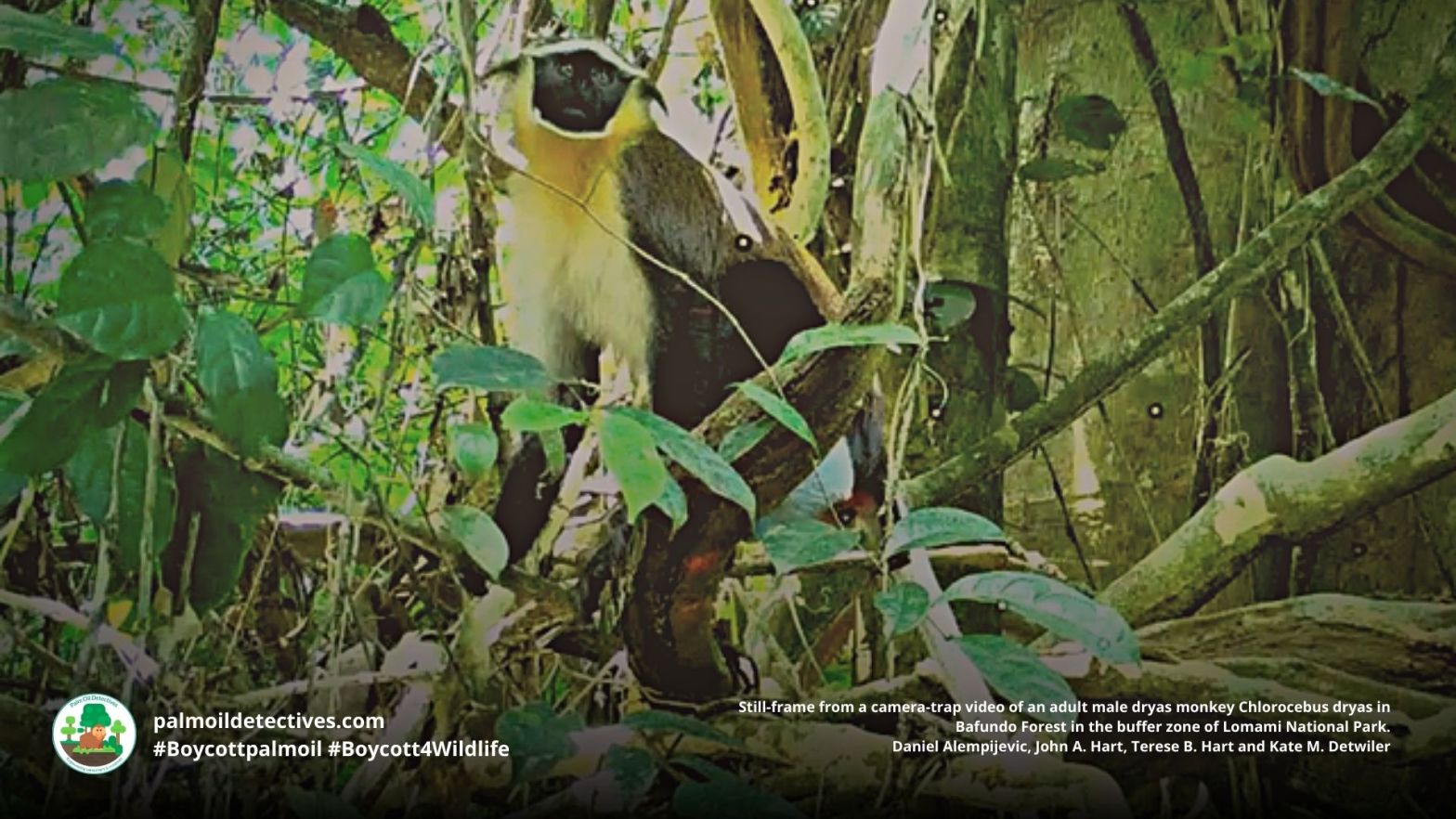
Dryas #Monkeys are secretive and vividly colourful monkeys who hang on to survival in the forests of the #Congo. Tragically, there is estimated to only be 100-250 individual monkeys still alive. They are fruit-eaters and play a critical role in ensuring the dispersion of seeds and therefore the future health of the DRC’s #rainforests. They are preyed upon by leopards in the Congo basin. However, the main threat they face is the illegal poaching and hunting by humans for #bushmeat, along with #deforestation for #palmoil, #mining and other commodities. Fight for their survival every time you shop, be #vegan and #BoycottPalmOil #Boycott4Wildlife
Ultra-processed Foods: Trashing Health and The Planet

Our world is facing a huge challenge: we need to create enough high-quality, diverse and nutritious food to feed a growing population – and do so within the boundaries of our planet. This means significantly reducing the environmental impact of the global food system. Below is information about how you can identify ultra processed foods containing palm oil and other harmful ingredients in order to avoid them – for your own health and the health of the planet. Help the planet, animals and indigenous peoples – #BoycottPalmOil #Boycott4Wildlife
Caring for Siamese crocodiles in Cambodia
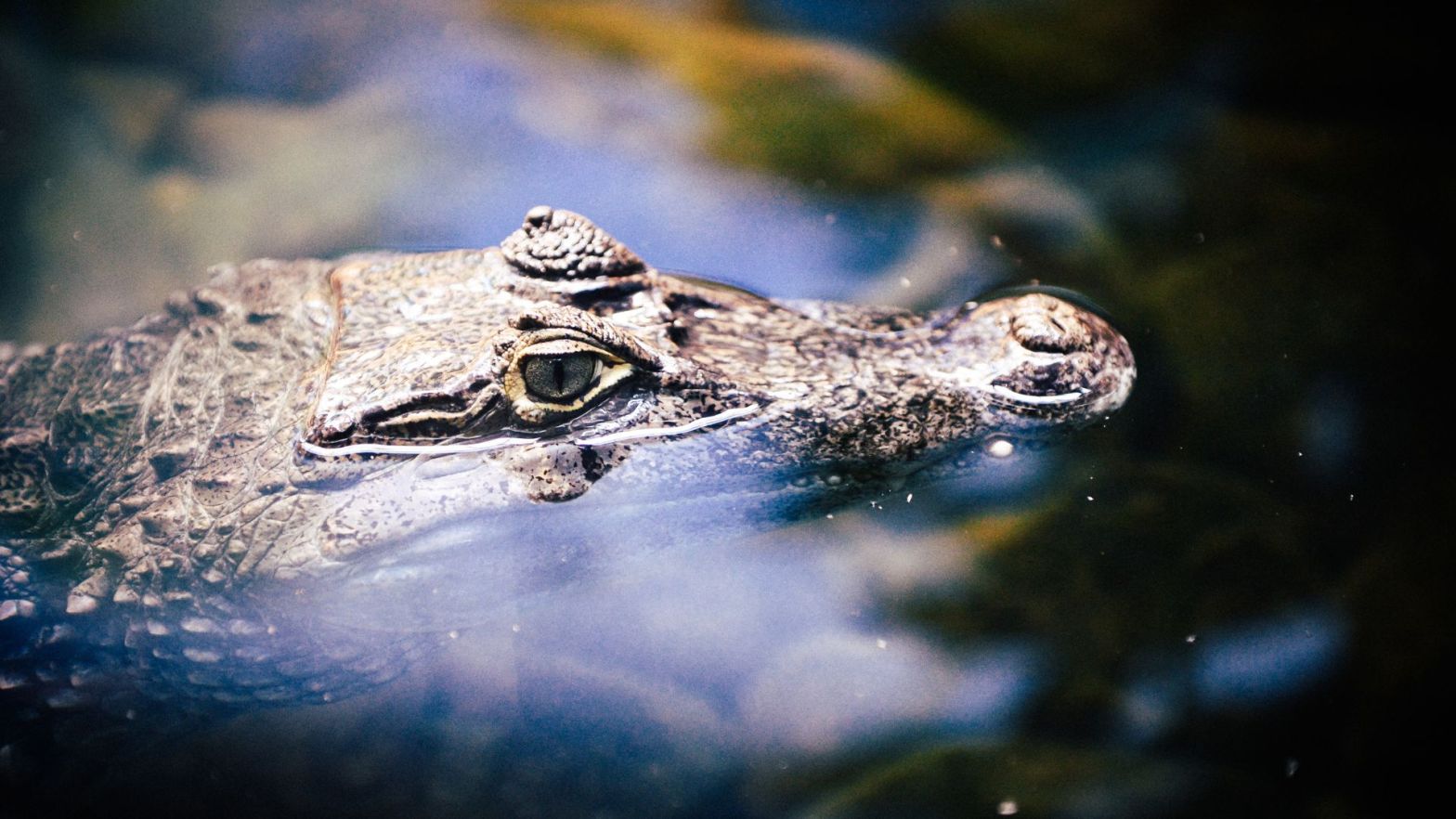
Researchers travel into the remote wilderness of #Cambodia to study the world’s most endangered #crocodile, the placid, cryptic and little-known Siamese crocodile. Help their survival in the supermarket and be #vegan, boycott crocodile leather and #Boycott4Wildlife
Dwindling tropical rainforests mean lost medicines yet to be discovered in their plants
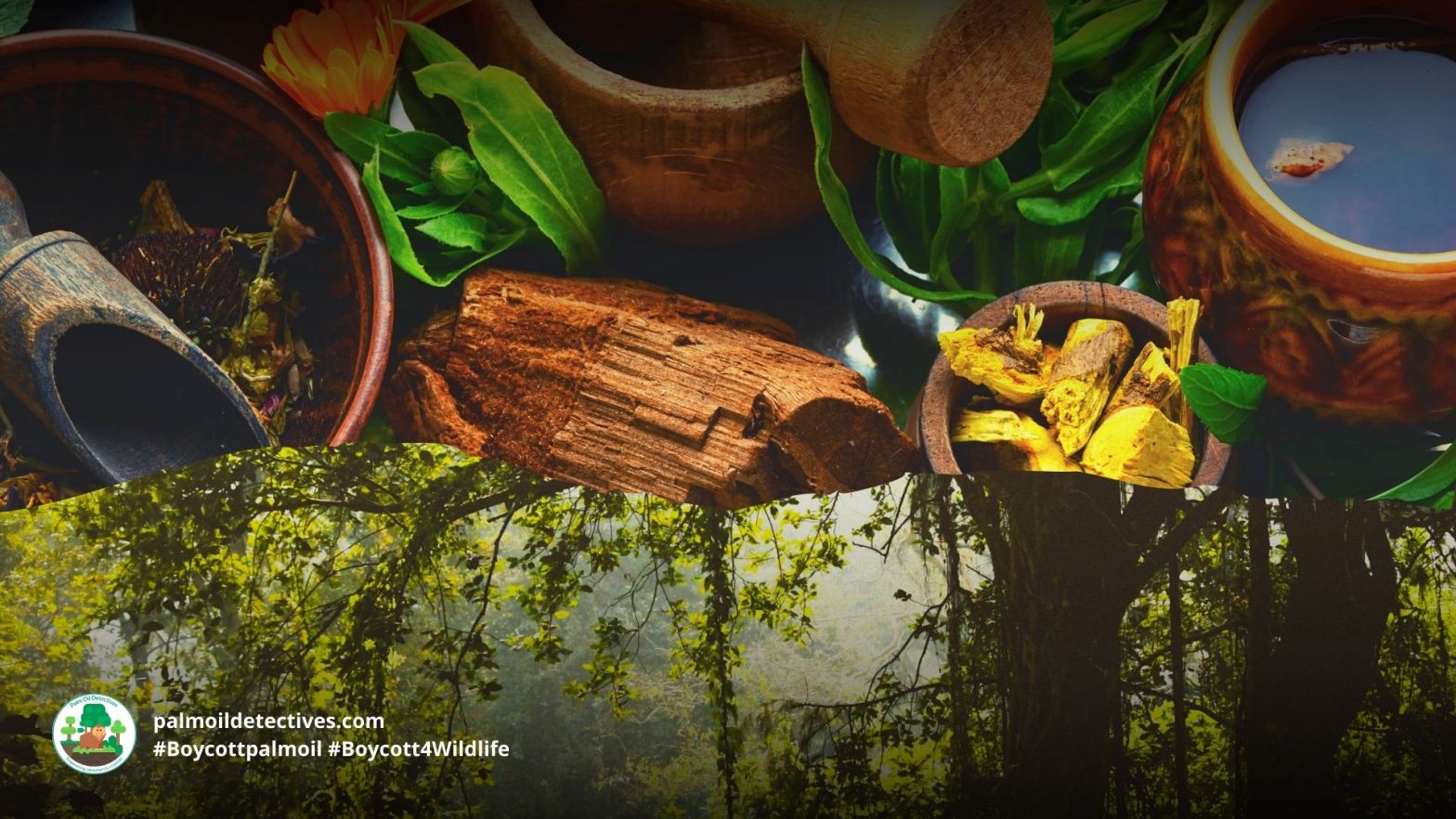
About 80% of the world population relies on compounds derived from plants for medicines to treat various ailments, such as malaria and cancer, and to suppress pain. Our future medicines are likely to come from plants, but how effectively are we protecting these plants from extinction? We aren’t doing enough and we must do more!
Dhole Canis Cuon alpinus
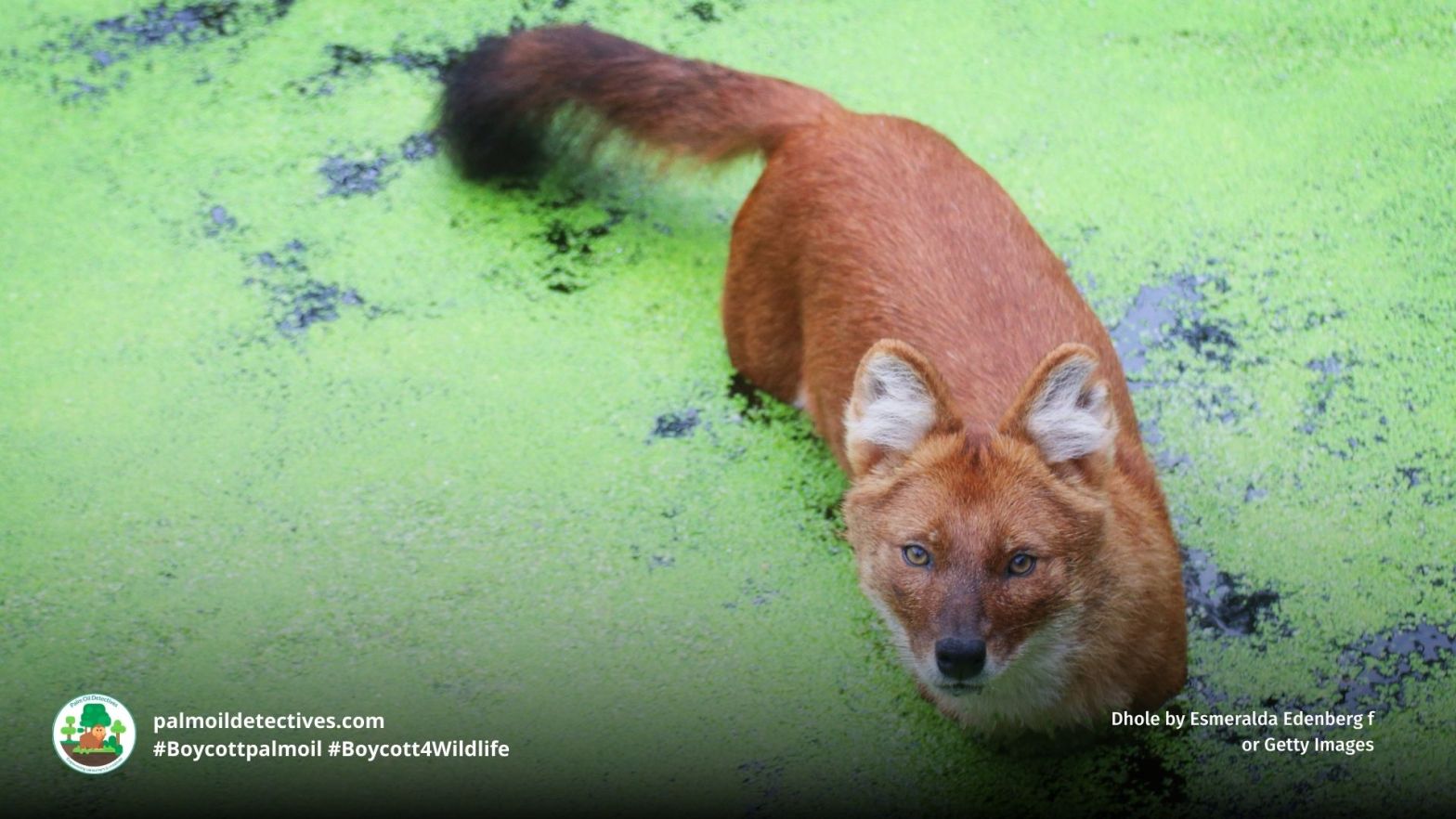
Fiercely protective, elusive and beautiful #Dholes are an ancient species of #wilddog that diverged from other dog species millions of years ago living in #Bangladesh, #Cambodia, #China, #India, #Indonesia, #Laos, #Myanmar, #Nepal and #Thailand. Dholes are also known as Asiatic Wild Dogs, Indian Wild Dogs, Red #Wolves and Mountain Wolves. Once found across the Russian Steppe, China, the Middle East and northern Asia their range has been fractured and reduced dramatically by human-related pressures and threats. Ongoing major threats are #deforestation for #meat and #palmoil along with human persecution. They are now classified as Endangered on IUCN Red List. Help them to survive, every time you shop #BoycottPalmOil #Boycott4Wildlife
Spiny-headed Tree Frog Triprion spinosus
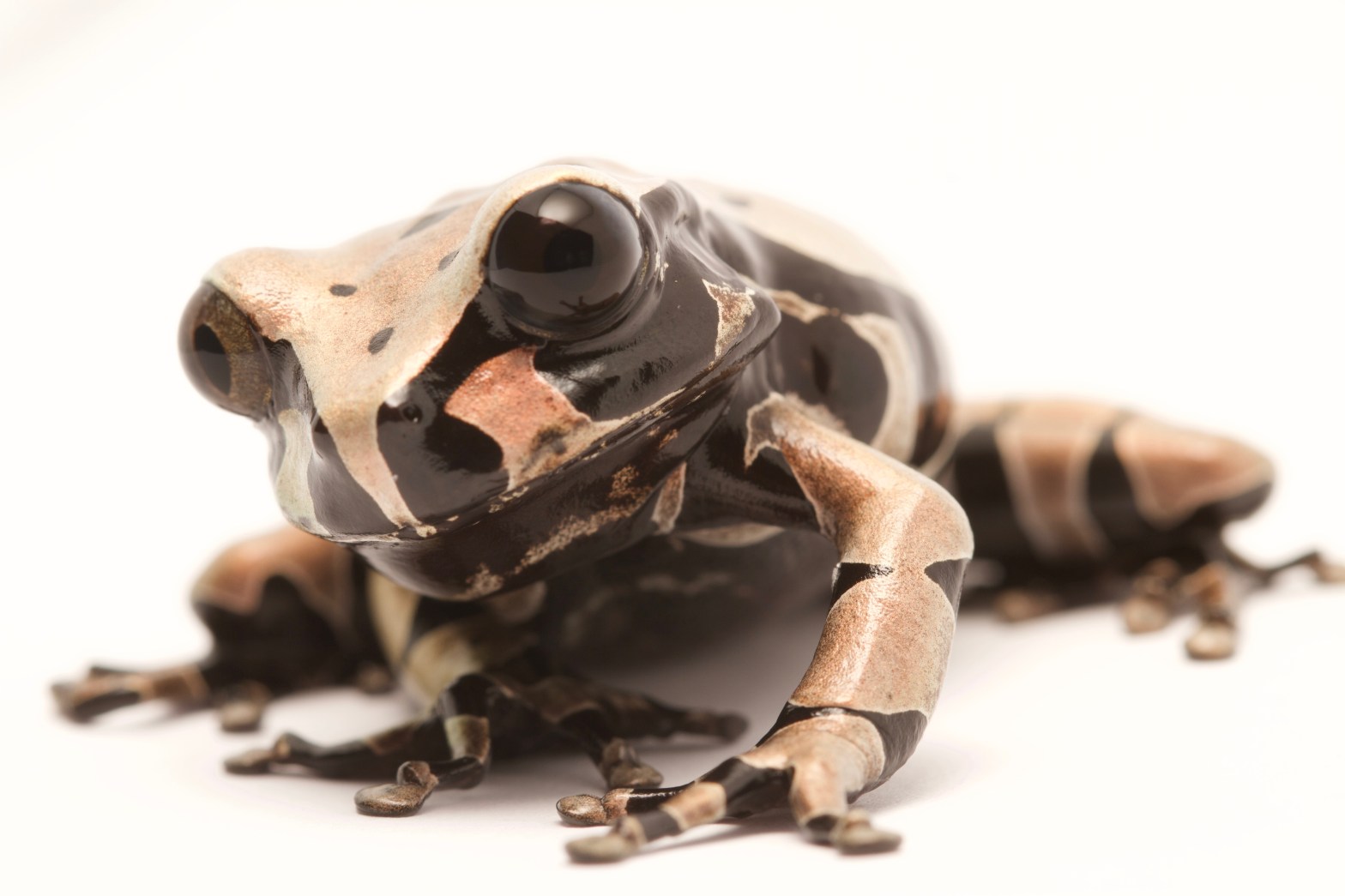
Help save the Spiny-headed Tree Frog, elusive and shy arboreal frogs threatened by deforestation in Mexico and Panama. Boycott palm oil for them!
Golden Langur Trachypithecus geei
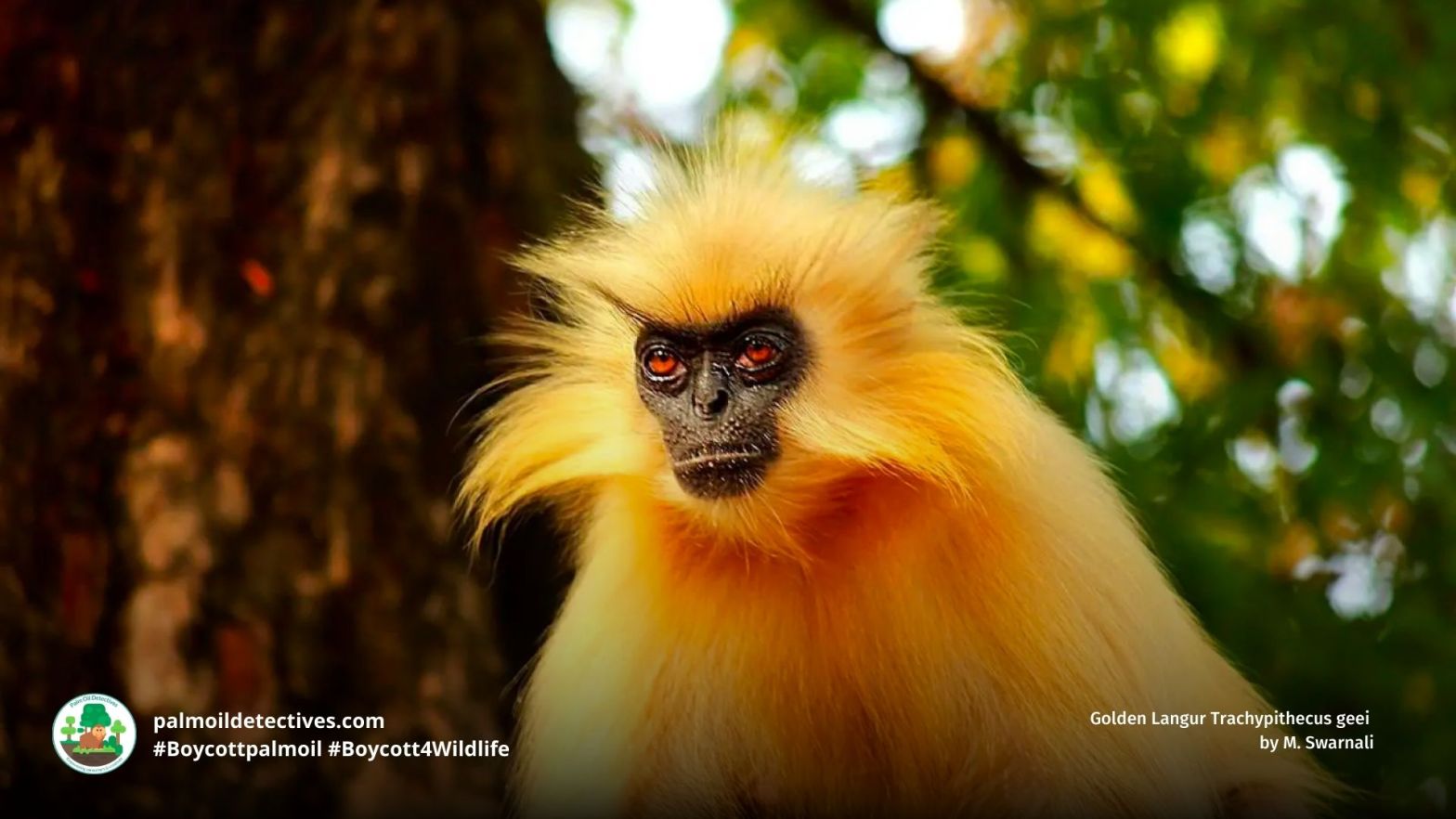
The regal, striking looking Golden #langurs Trachypithecus geei is also known by the common names Gee’s Golden #langur. They are the most endangered primate species in #India and are considered to be sacred to many Himalayan peoples. Once widespread, they are now only found in a handful of fragmented forests straddling India and Bhutan. They are classified as endangered due to #palmoil, #meat and #timber #deforestation and hunting. Golden langurs are known for their expressive eyes and grumpy expressions. This has made them the subject of global fascination and online memes. Help them every time you shop and be #vegan, #Boycottpalmoil and #Boycott4Wildlife
Pygmy Hog Porcula salvania
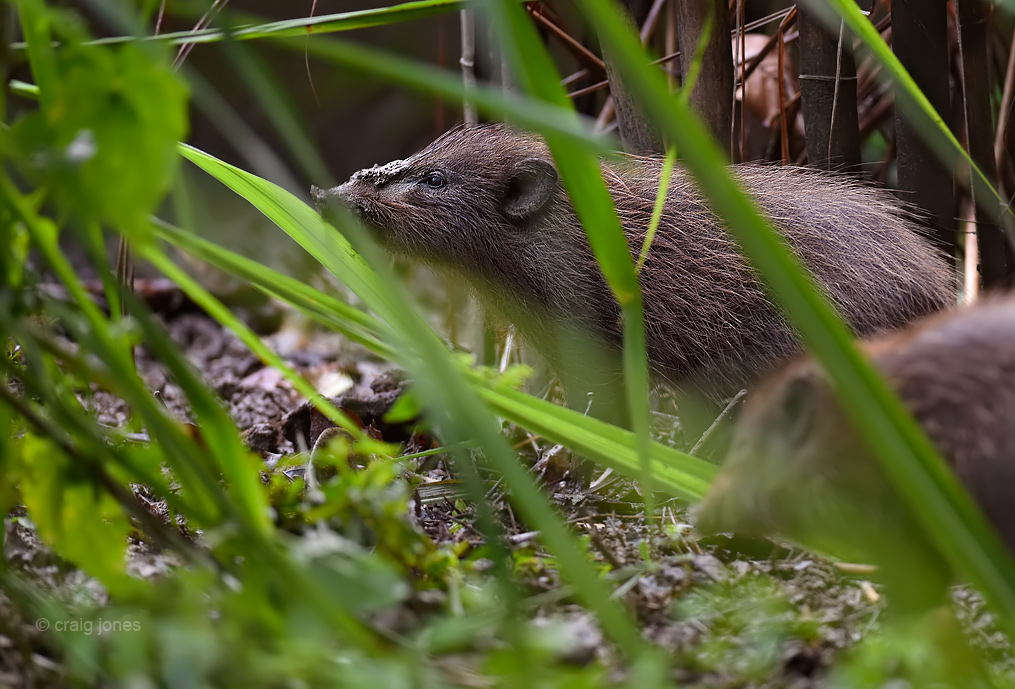
Pygmy hogs are only found in the lush and dense grasslands of Manas National Park, a small protected region in the shadows of the Himalayan mountains. These shy tiny wild pigs are the smallest pigs in the world and also the most endangered, threatened by habitat loss for palm oil and meat agriculture. Help them to survive each time you shop and #BeVegan #Boycottpalmoil and #Boycott4Wildlife
White-Nosed Saki Chiropotes albinasus
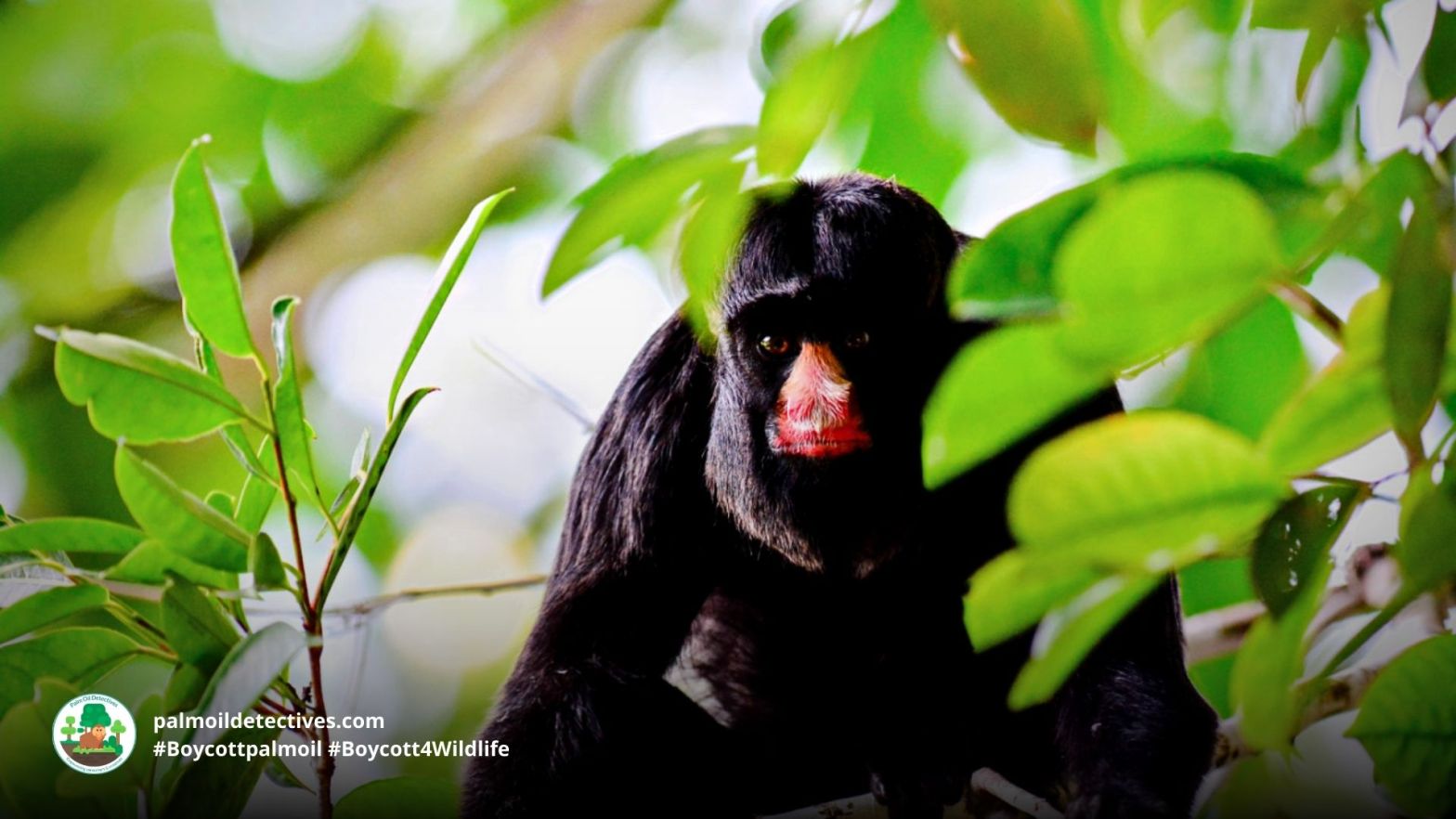
Curious, social and beautiful White-Nosed Sakis are striking and unusual looking #primates. This vulnerable primate is instantly recognisable by their long, silky black fur, reddish-pink noses, and distinctive hair tufts crowning their heads. The white-Nosed Saki’s range spans the shaded forests south-west of the Dos Marmelos river, where they are vulnerable from human-related threats including #palmoil, #soy and #meat #deforestation, #goldmining and human persecution. They deserve us to fight for their survival. Help them every time you shop and be #Vegan #BoycottPalmOil and #Boycott4Wildlife
Amazon River Dolphin Inia geoffrensis
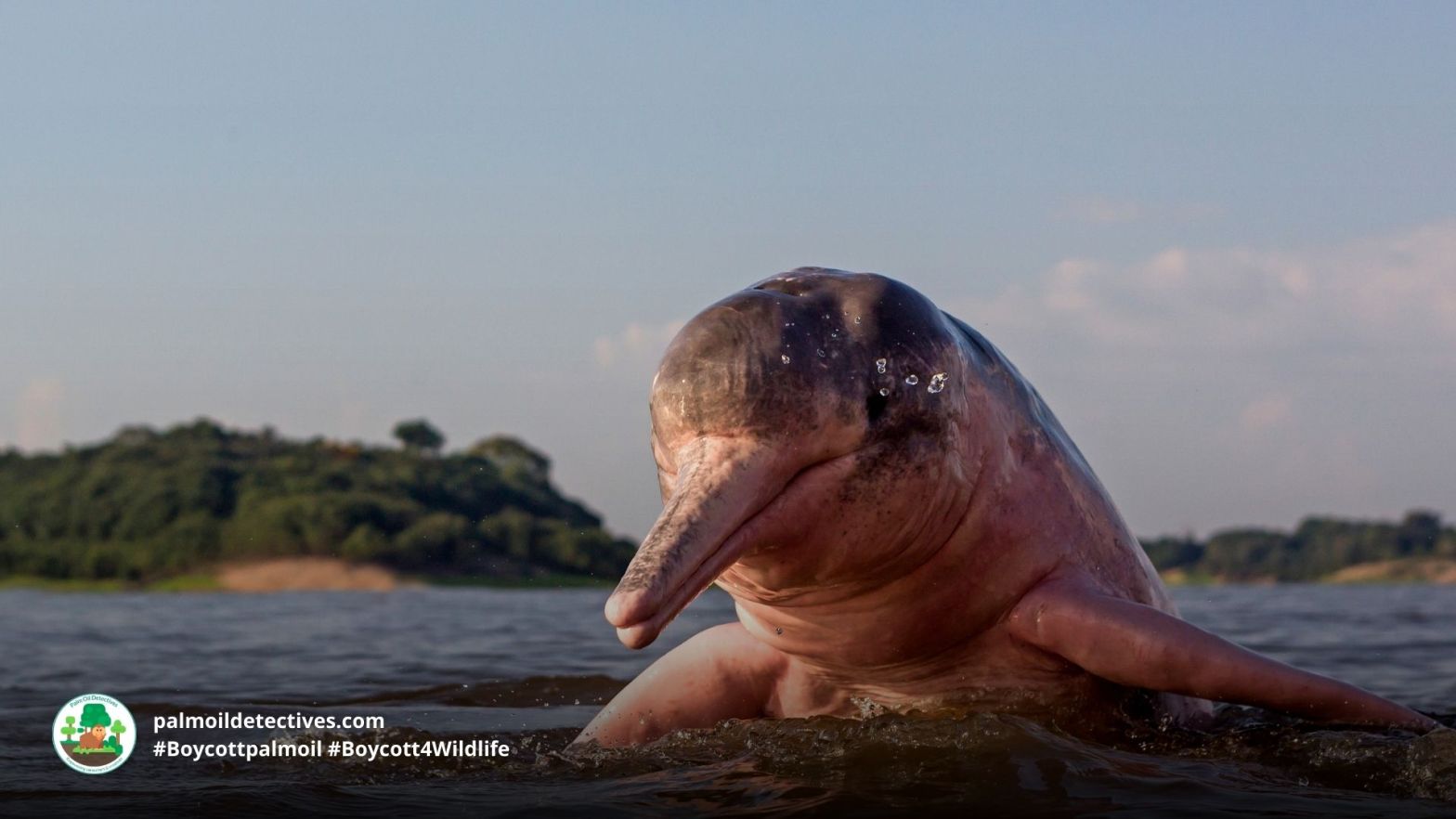
The Amazon River dolphins, also known as the Boto Dolphins or Amazon Pink River Dolphins are playful, curious and intelligent mammals, the largest river dolphin species in the world. Known for their stunning pink coloured skin they are endangered due to human-related threats like #palmoil, #meat and #soy #deforestation, #gold #mining and #pollution. Help them survive each time you shop and use your wallet as a weapon. Be #vegan, #Boycottpalmoil and #Boycott4Wildlife
UN report says up to 850,000 animal viruses could be caught by humans, unless we protect nature
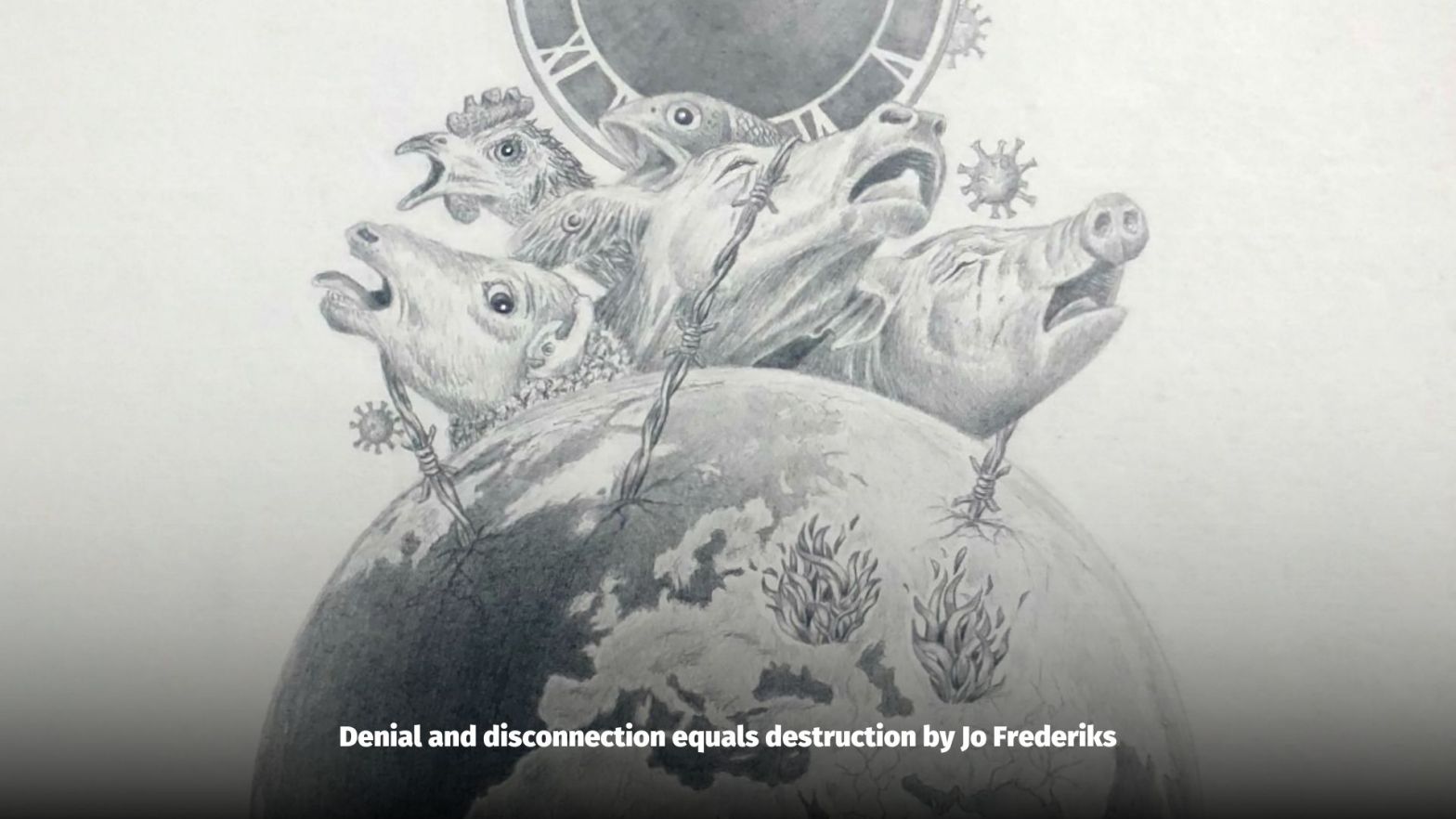
Human damage to biodiversity is leading us into a pandemic era. The virus that causes COVID-19, for example, is linked to similar viruses in bats, which may have been passed to humans via pangolins or another species.
African Dwarf Crocodile Osteolaemus tetraspis

African Dwarf #Crocodiles are timid #nocturnal animals and solitary hunters. They predate mainly on small animals in rivers or nearby to the riverbank. They are also known as the Broad-Snouted Crocodile or the Bony Crocodile are the smallest extant species of crocodile in the world and are typically around 1.5 metres in length. They face persecution by humans and other animals and spend most of their daylight hours resting in burrows they make along riverbanks in #WestAfrica and Central Africa. They are vulnerable from #timber #palmoil #soy #meat #deforestation and hunting. Help them survive and be #vegan, #Boycottpalmoil #Boycott4Wildlife
Humble Algae: The Solution to Palm Oil Ecocide

Consumers, businesses and researchers have shown growing interest in microalgae in recent years. Use of Arthrospira platensis (spirulina) as a food supplement is one example. Others include how microalgae can be used as crop support tools, bioplastics or biofuels. Take action for your health and be #vegan and #BoycottPalmOil #Boycott4Wildlife
Palm Oil Free Christmas
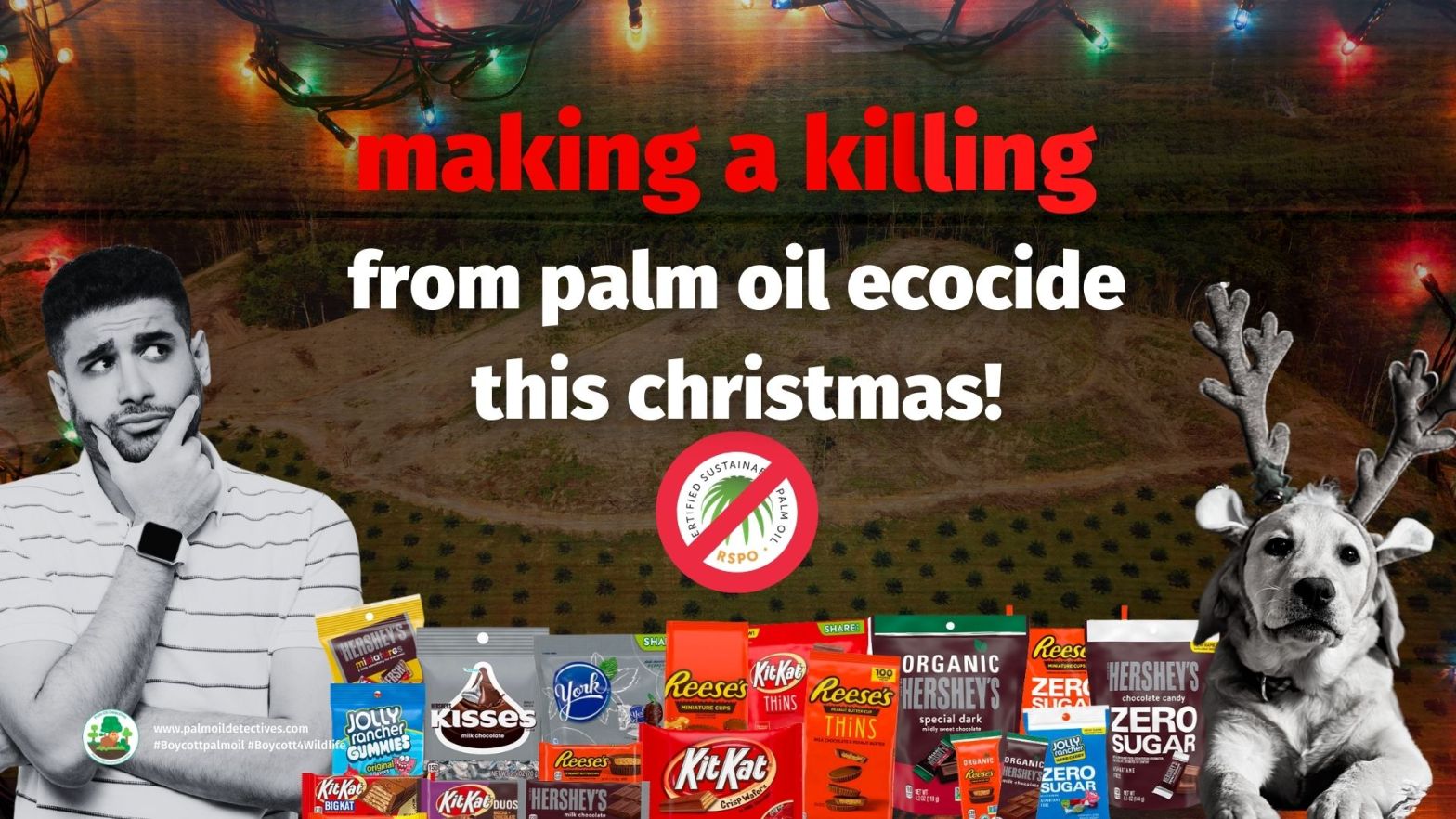
Enjoy the festive season and be reassured that your #Christmas feast is not contributing to #palmoil related rainforest destruction, #humanrights abuses, #extinction and #slavery. Take the fight for animal rights and indigenous rights to your plate this Christmas. Learn how to fill your belly and enjoy yourself without destroying the earth for palm oil below. Use your wallet as a weapon and #BoycottPalmOil #Boycott4Wildlife
Bangka Slow Loris Nycticebus bancanus

Shy and elusive tiny #primates, Bangka Slow Lorises were last reported from the wild in 1937. If the Bangka Slow Loris is still alive then the burning of their habitat and conversion to agriculture (especially palm oil plantations) is their greatest threat.
These diminuitive and sweet-faced primates are critically endangered due to #palmoil #deforestation and the illegal pet trade. Just 20% of their rainforest remains on Bangka island, #Indonesia. Help them every time you shop, be #vegan #Boycottpalmoil #Boycott4Wildlife
 Palm Oil Detectives