
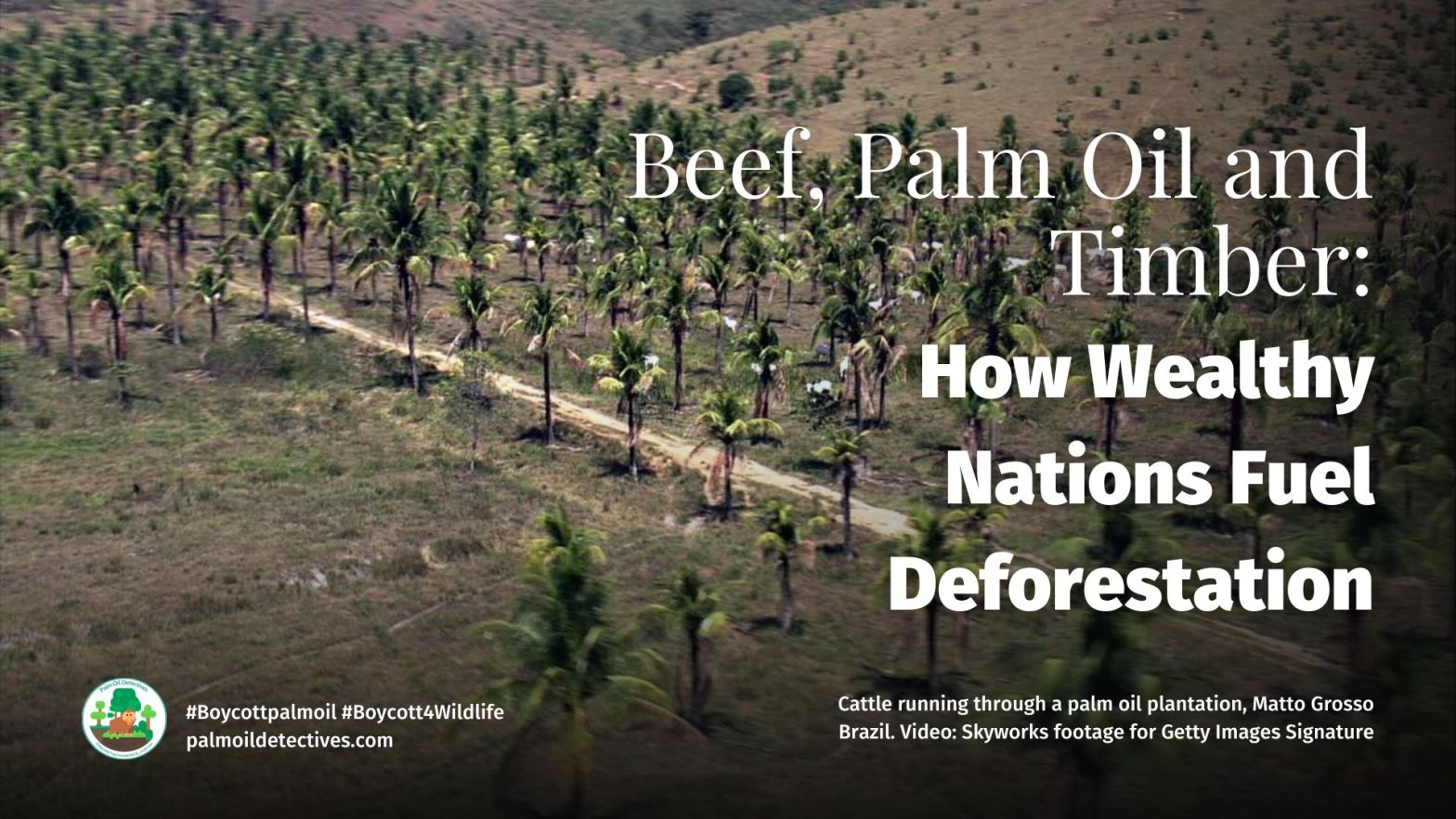
Beef palm oil, and timber consumption in wealthy nations is driving mass deforestation and species extinction in tropical regions. EUDR is vital to stop this!
Tag Archives: animalrights
Marine Biologist and Illustrator Emily Underwood
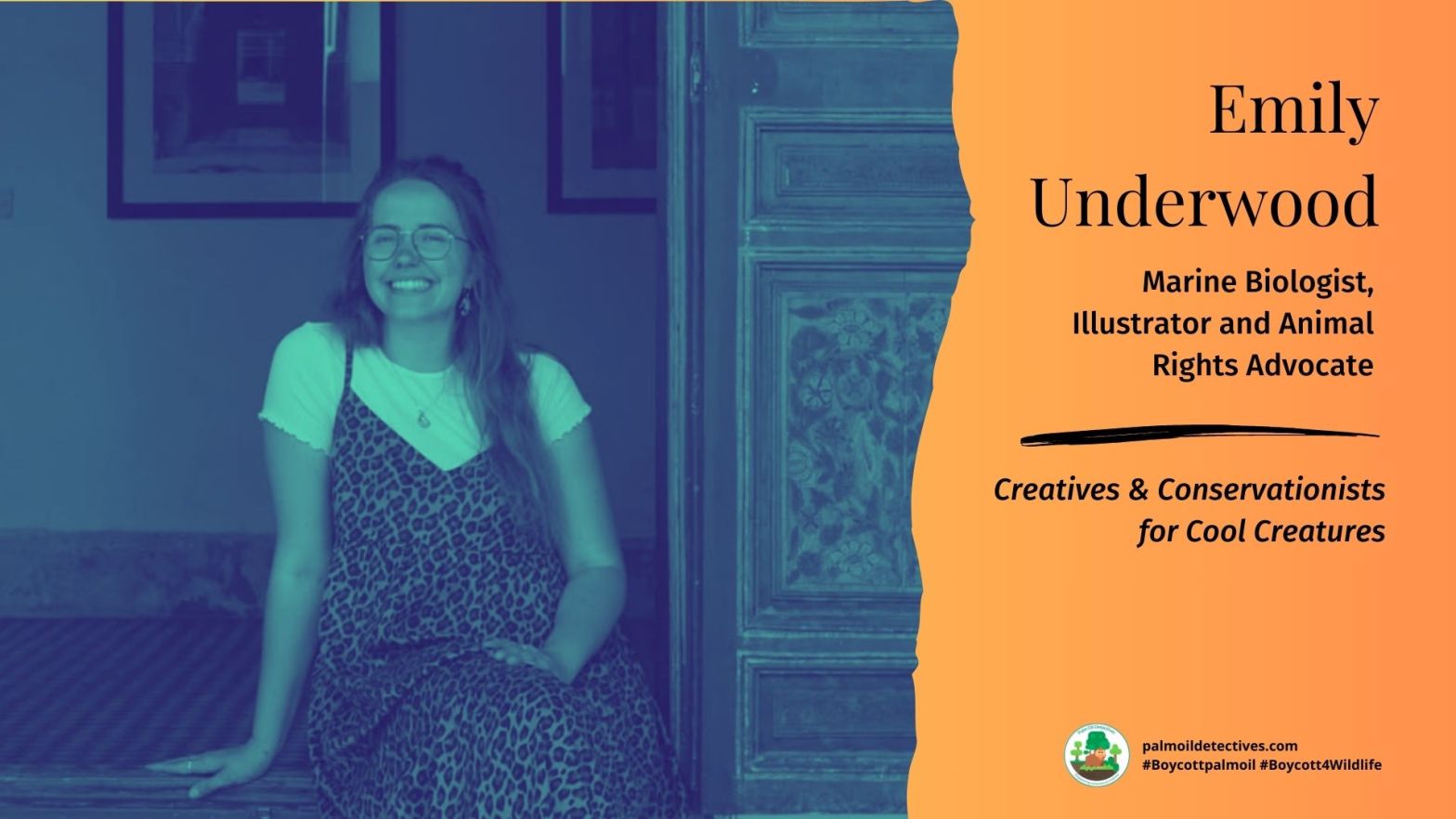
Sussex-based Emily Underwood, a Marine Biologist and Illustrator, uses her art to celebrate lesser-known endangered species. Take action, boycott palm oil!
Protected: Private Advocate’s Page
There is no excerpt because this is a protected post.
Stop Gambling Our Future for Meat Deforestation
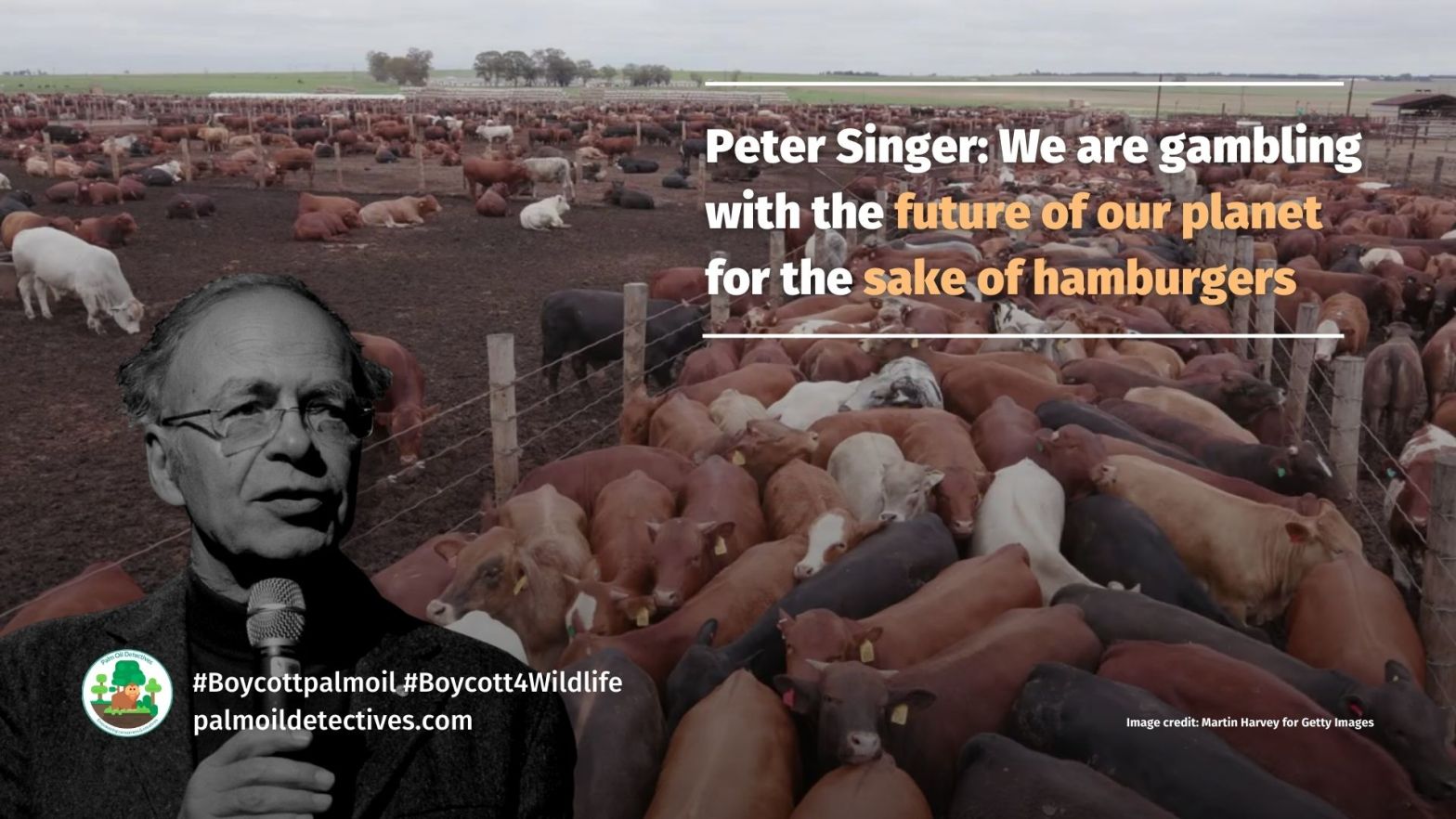
Ethicist Peter Singer warn our consumption of meat and dairy risks the planet’s future driving climate change, food security and animal extinction. Be vegan!
Wildlife Artist Juanchi Pérez
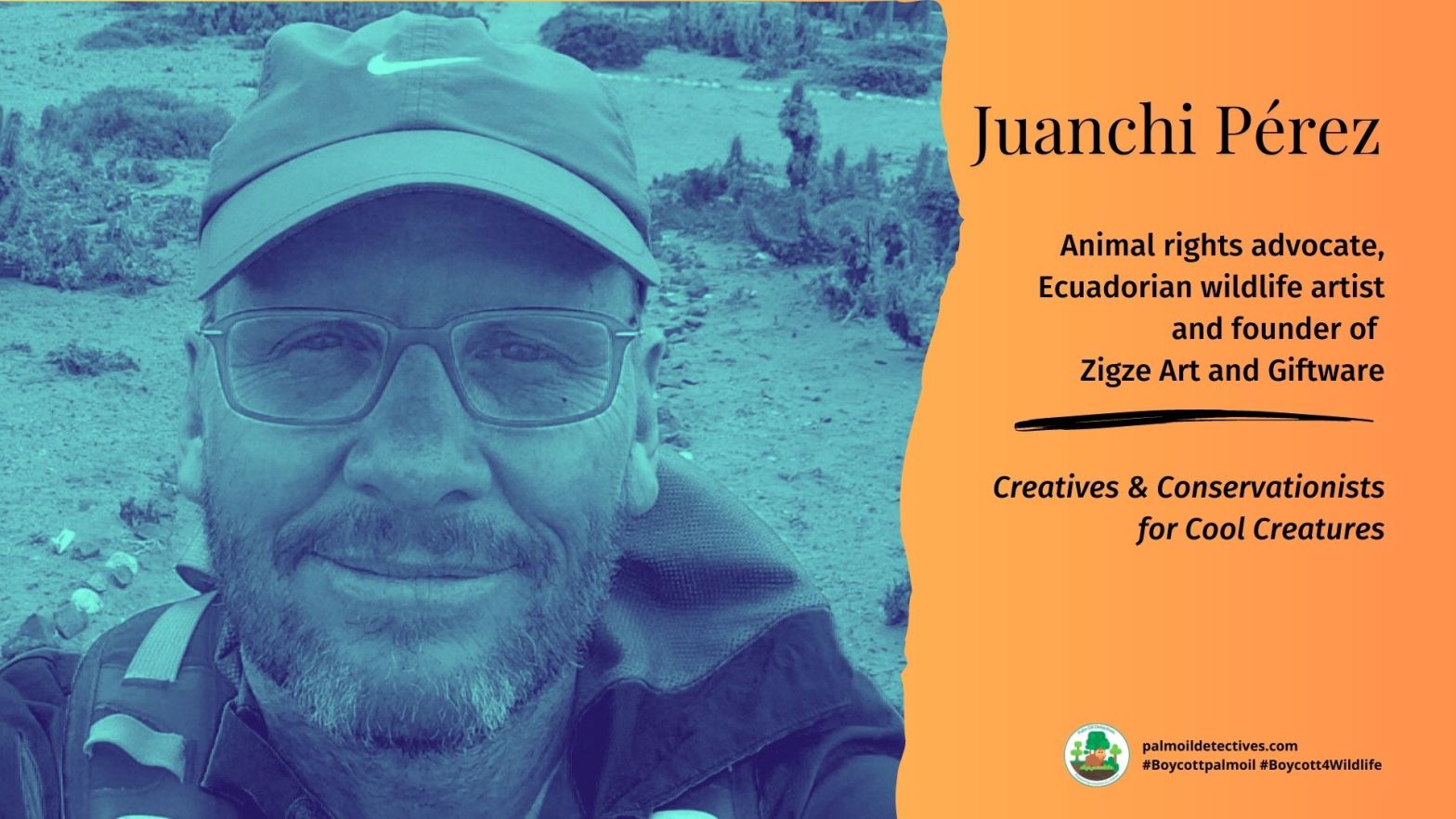
Juanchi Pérez is a talented and well-established designer, illustrator and artist from Ecuador who captures the soulful presence of rare rainforest animals near his home.
He is passionate about sharing the magnificent animals and plants of his bountiful homeland with the world. Together with his beautiful wife and daughter, he founded art and giftware brand Zigze several years ago.
Op-Ed: Preserving a Habitable Earth by Julian Cribb
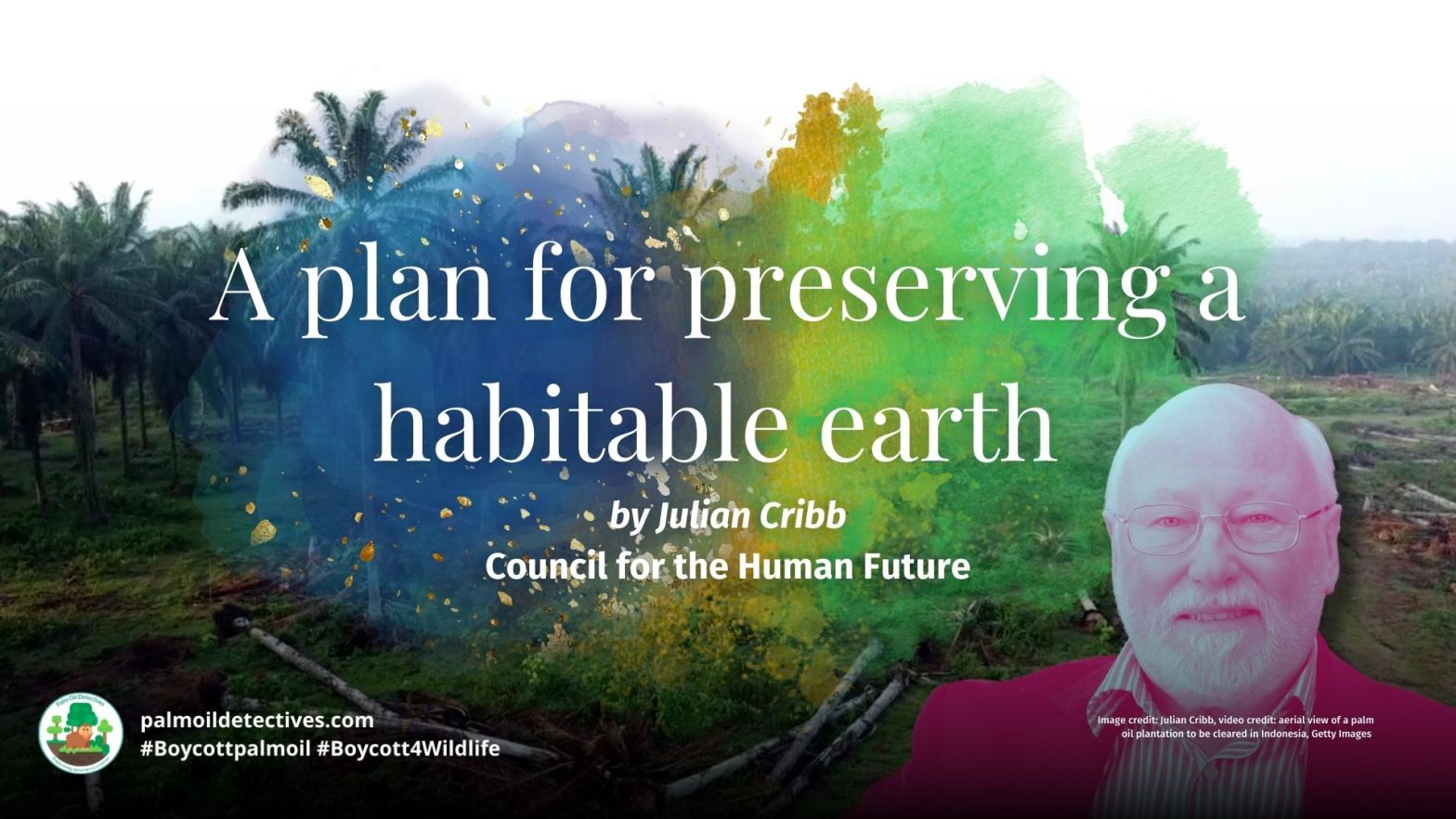
Renowned and prolific science communicator and author Julian Cribb writes this op-ed piece for Palm Oil Detectives. He addresses the world’s most pressing needs for survival as we descend into the pointy end of the Anthropocene era.
Julian outlines a dozen direct and actionable solutions for preserving a healthy and habitable earth. These are taken from his interviews with the world’s brightest minds. For a more in-depth analysis, be sure to grab a copy of his most recent book, published this year – ‘How to Fix a Broken Planet’
A Broken Record on Repeat – Animal Extinction Likely if Palm Oil Expands in North East India

As with the forest kingdoms of Borneo and the Amazon rainforest, the Indian forest kingdom of the Golden Langurs and Pygmy Hogs is under siege by palm oil in the north east of India. The region is home to some of the most endangered wildlife in the world. Situated in the foothills of the Himalayas, the whole area is one of the most fertile and diverse places on the planet. This region is earmarked for destruction for palm oil. Renowned British wildlife photographer Craig Jones went there to photograph pygmy hogs and report on their dwindling home.
Sumatran elephants: Surrounded by palm oil and nobody knows how many are left alive!
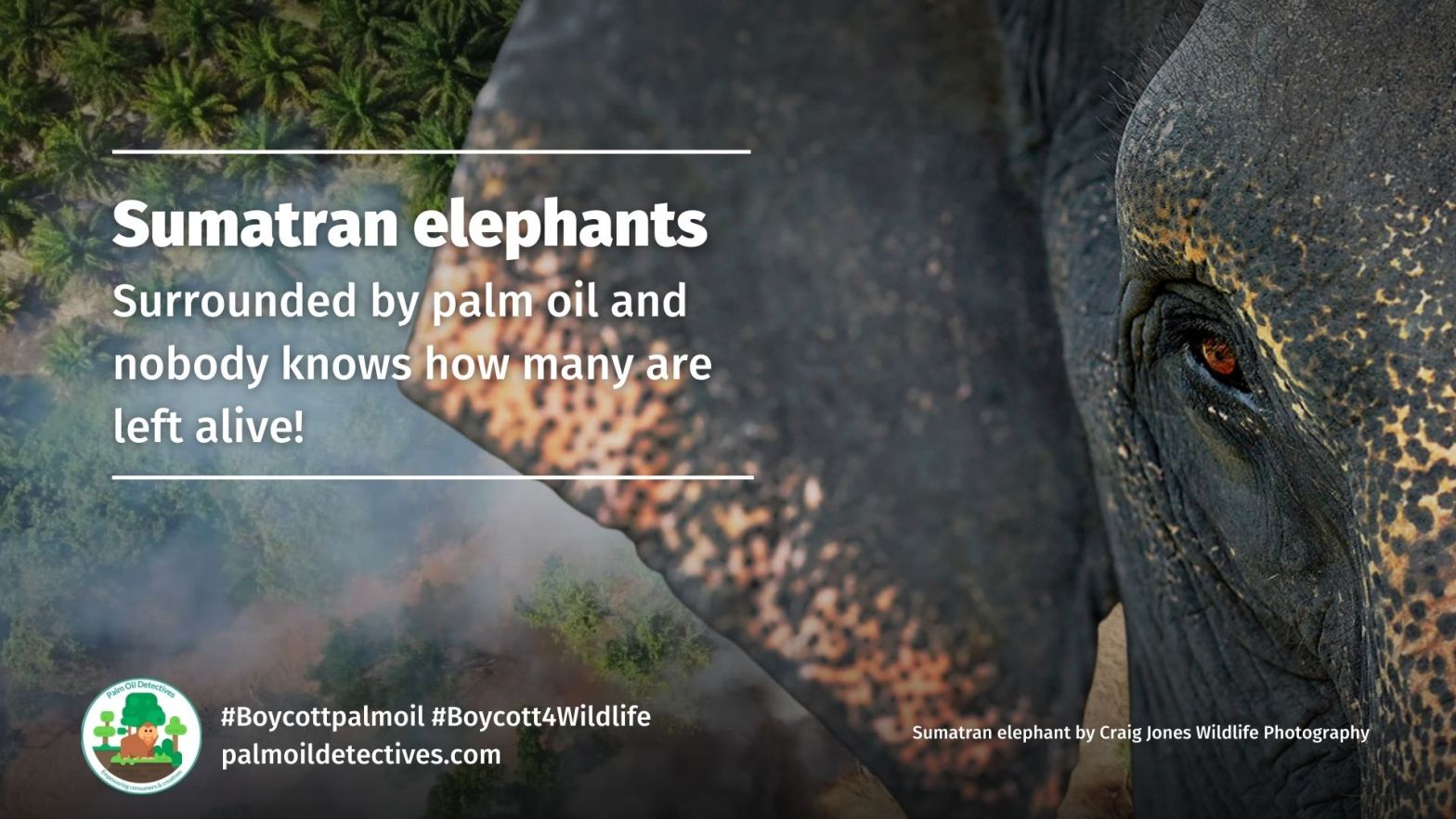
Sumatran elephants in Indonesia’s North Aceh district are being increasingly encircled by shrinking patches of forest. Their home is being destroyed primarily for oil palm plantations.
Ongoing attempts of scientists to take a measure of their population have been hampered and oppressed by the Indonesian government, which has also attempted to prevent media coverage of the issue. Help these irreplacable beings every time you shop, #BoycottPalmOil #Boycott4Wildlife
Conservation activists suing Indonesian zoo could inspire global action on endangered species trade
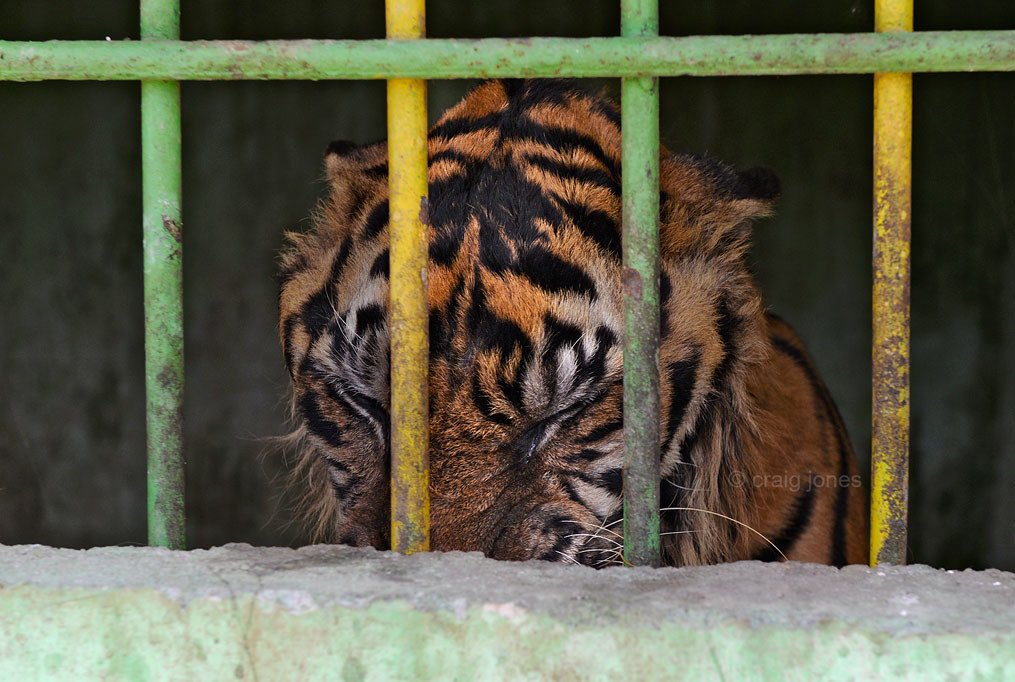
A lawsuit against a Sumatran zoo for illegally exhibiting threatened species like orangutans could inspire global action against the illegal wildlife trade
Ten Tactics of ‘Sustainable’ Palm Oil Greenwashing

Learn ten marketing and PR tactics used for “sustainble” palm oil greenwashing to justify endless growth by the palm oil industry. Boycott palm oil now!
Greenwashing Tactic #6: The Lesser of Two Evils
Claiming that a brand, commodity or industry is greener than others in the same category, in order to excuse ecocide, deforestation, human rights and animal rights abuses. Jump to section Greenwashing: Lesser of Two Evils: Palm Oil Uses Less Land Than Other Crops Greenwashing messaging is pervasive by researchers Greenwashing messaging is pervasive on socialContinue reading “Greenwashing Tactic #6: The Lesser of Two Evils”
Wildlife Vet Dr Richard K Ssuna
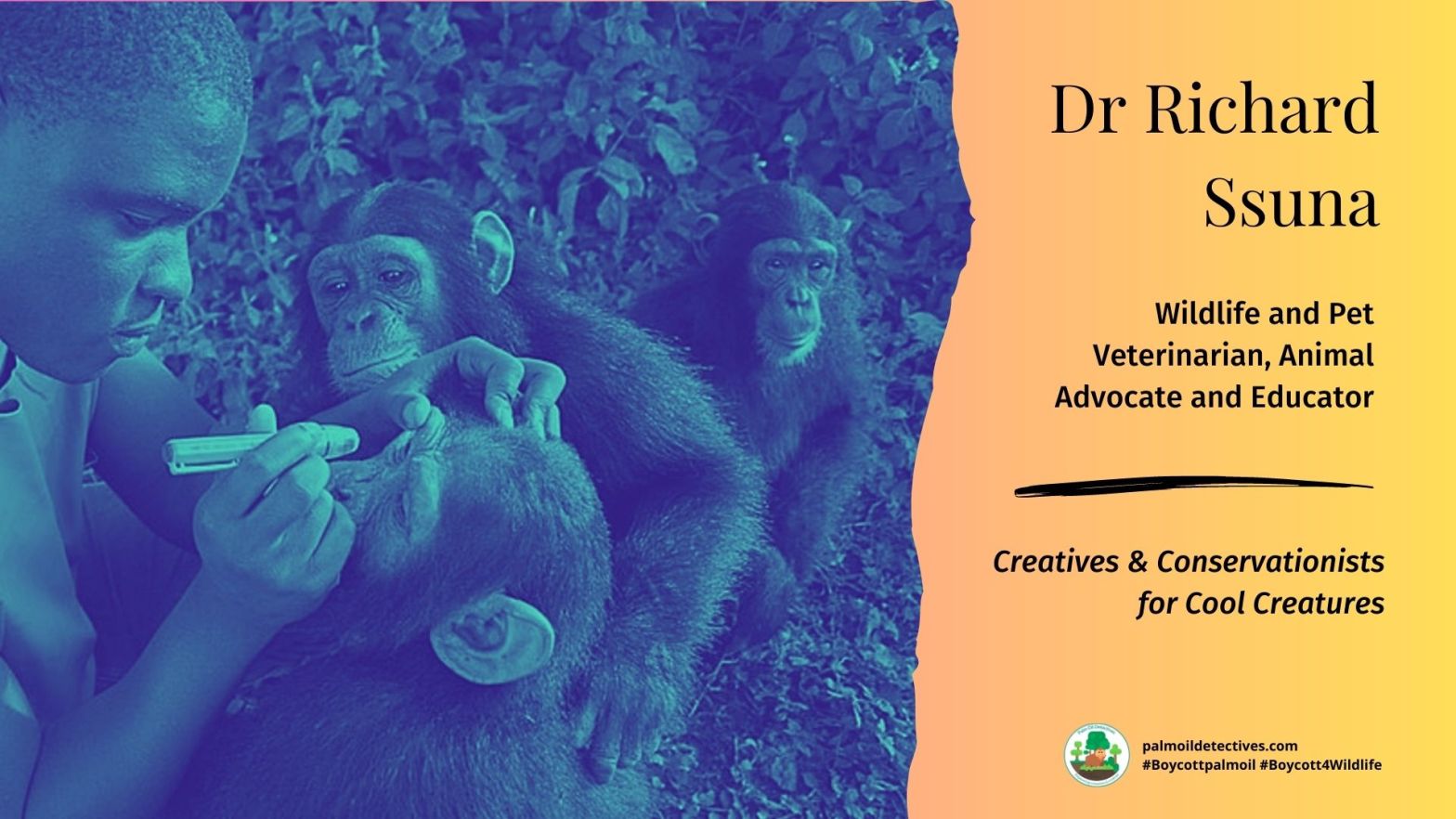
Dr Richard K. Ssuna has been caring for (wild and domesticated) animals as a Veterinarian for over 20 years. In the past he’s worked for the Uganda Society for the Protection and Care of Animals (USPCA), the Jane Goodall Institute and Chimpanzee Sanctuary, Wildlife Conservation Trust on Ngamba Island Chimpanzee Sanctuary and the Lilongwe Wildlife Centre. Dr Ssuna also established the Lilongwe Society and Protection of Animals (LSPCA) and also worked as the technical advisor for the Second Chance Chimpanzee Refuge in Liberia. He is currently the Founder of All Creatures Animal Welfare Trust in Malawi, Lesotho and Uganda.
In a real sense, the public has been hoodwinked into believing that a palm oil certification equates to a more sustainable product and as result, companies fetch even more cash for it. Read more about by Dr Ssuna does advocates for the #Boycottpalmoil #Boycott4Wildlife
Monkey minds: what we can learn from primate personality
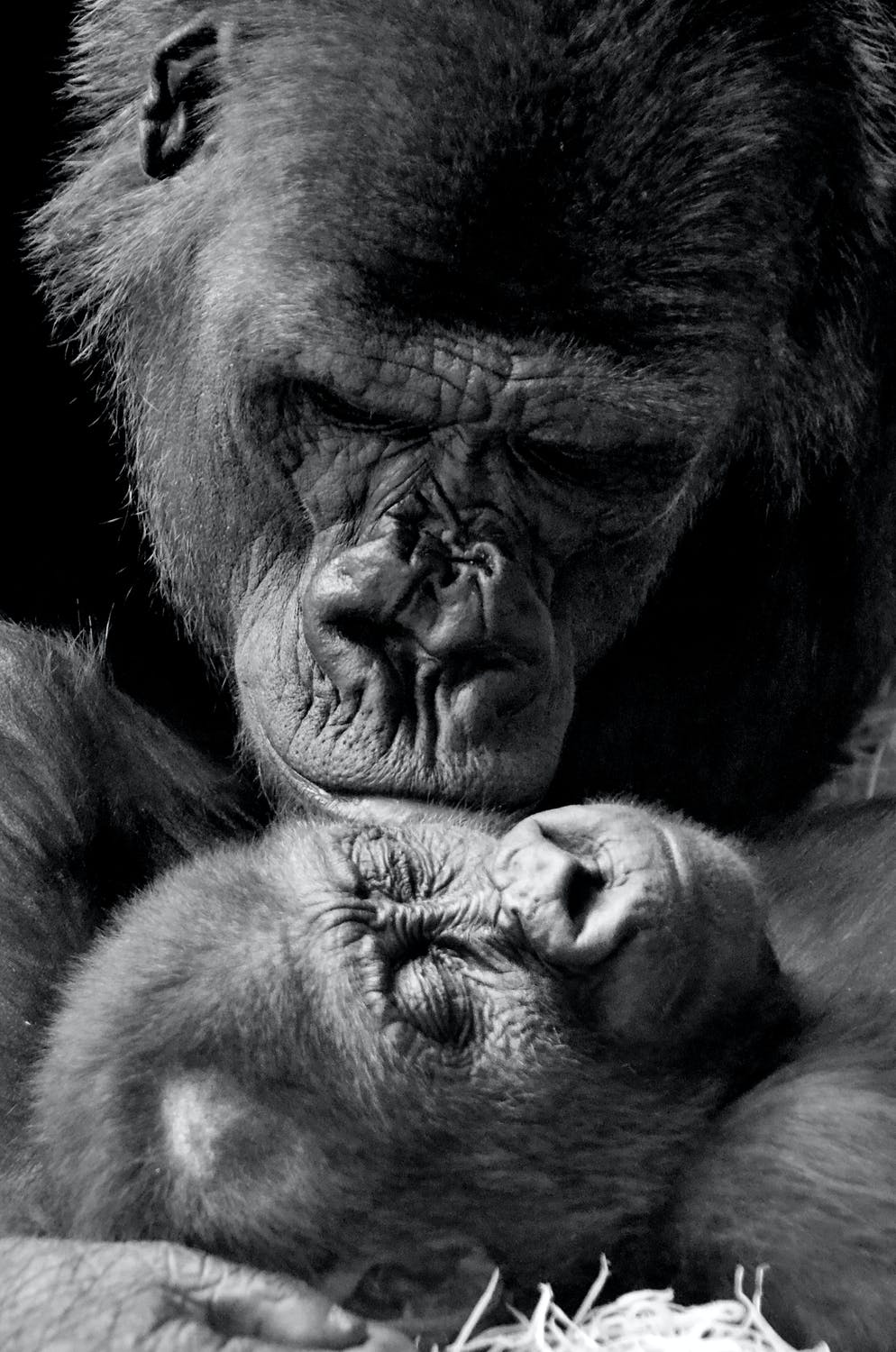
Did you know our primate cousins exhibit similar personality profiles to humans? Explore fascinating evolutionary research on primate social behaviour
Nestlé
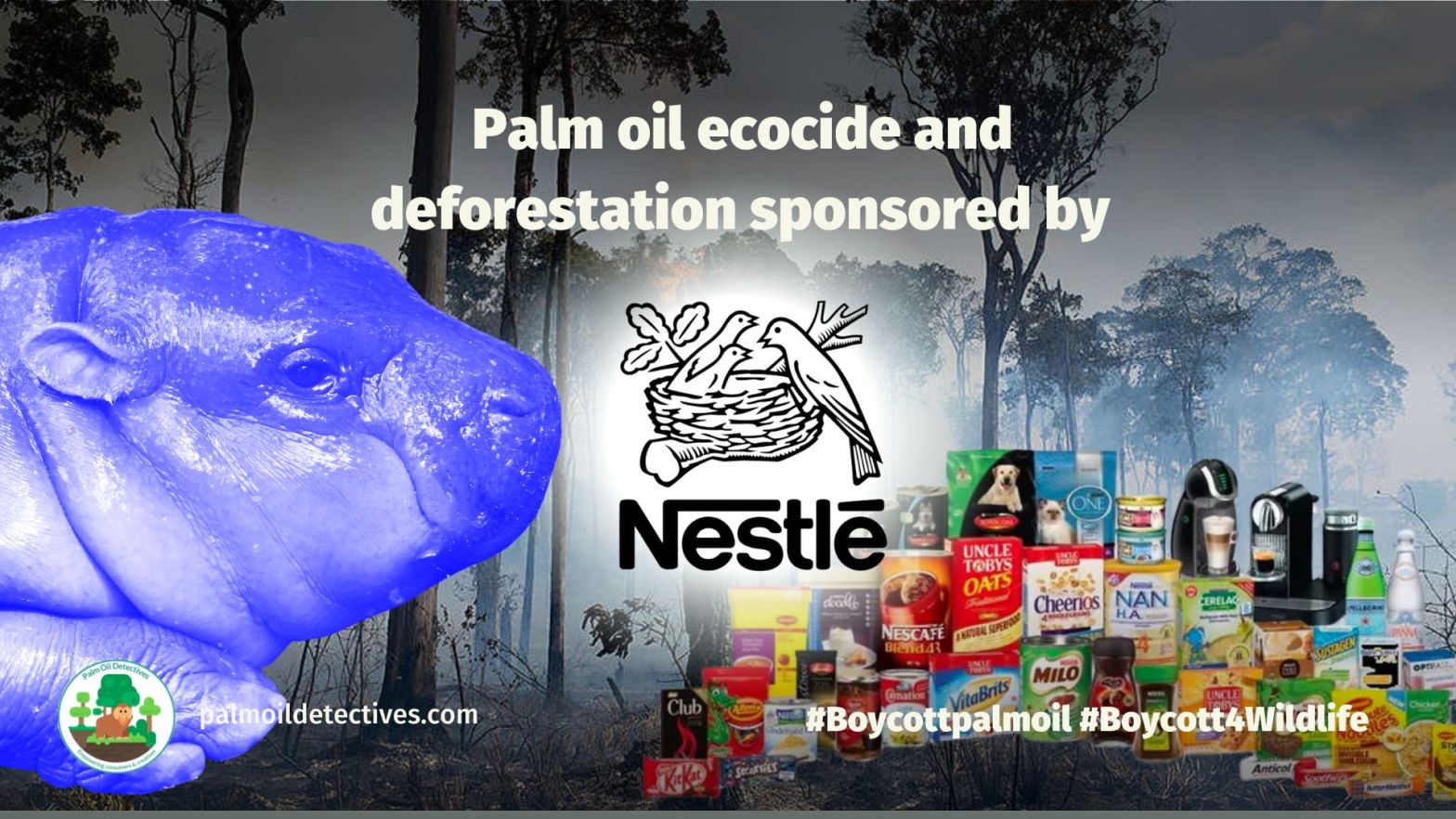
Nestlé is destroying rainforests, releasing mega-tonnes of carbon into the atmosphere, and killing hundreds of endangered species. Once these animals are gone – they are gone for good. See Nestlé’s full list of mills where they buy palm oil, six of these are actively destroying forest.
 Palm Oil Detectives