

The reality of these chocolate and confectionery brands is the spookiest story you will ever hear this Halloween Learn how to boycott with handy lists for the US, Uk and Australia. Discover the spookiest story of #Halloween 🎃👻💀: “sustainable” #palmoil is not sustainable! Major brands continue to buy #palmoil infused with #ecocide. Make sure youContinue reading “Learn how to boycott palm oil this Halloween in America, the UK and Australia”
Tag Archives: Boycott4wildlife
Spectacled Bear Tremarctos ornatus
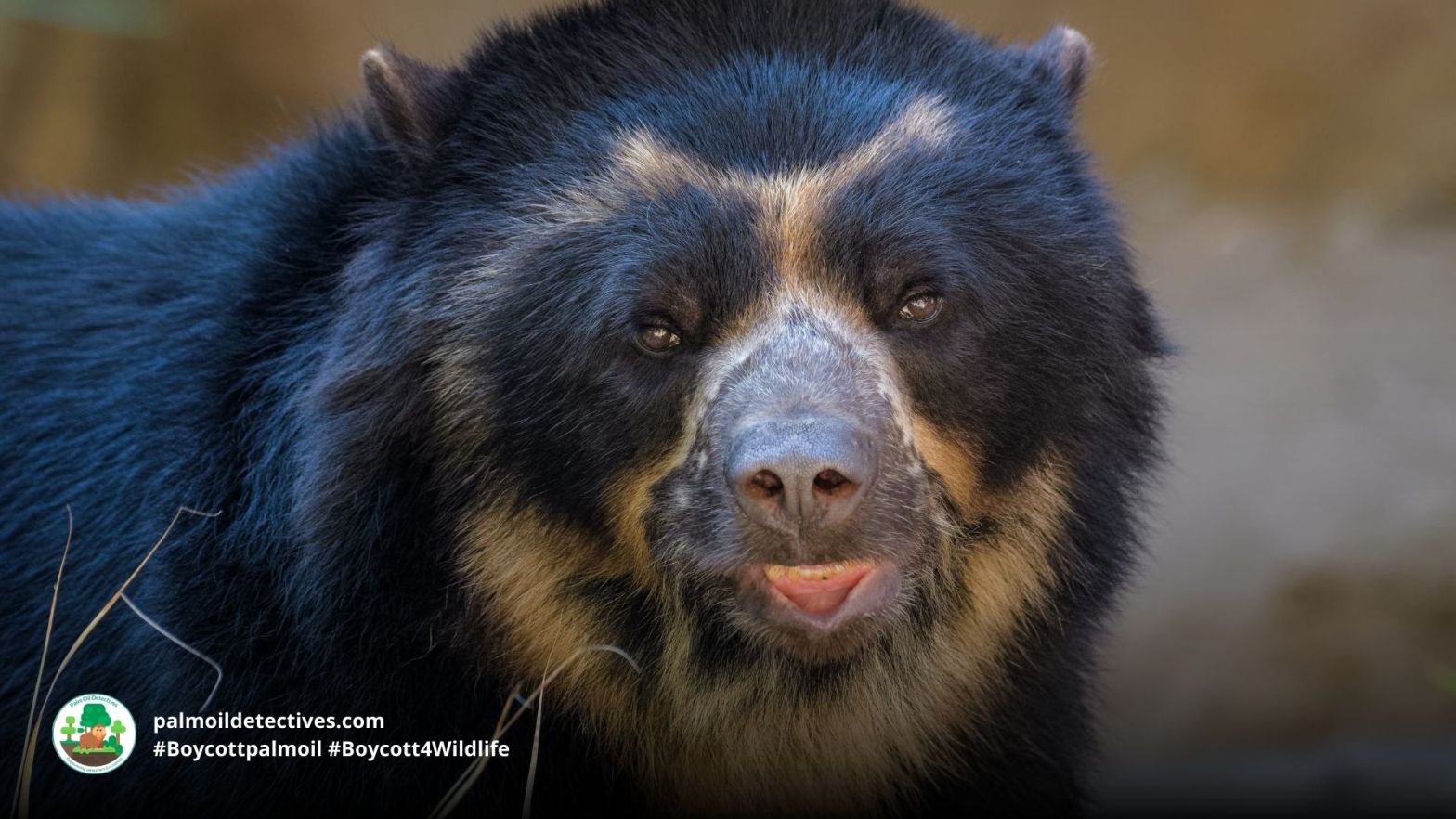
Spectacled #bears are known as the ‘peaceful and gentle bear’. They are the only bear living in the tropics of South America. Like many other animals in tropical ecosystems they are #endangered. They get their name from their eye-catching markings around their eyes, face and neck that resemble spectacles. Each bear has unique markings like a fingerprint and some bears don’t have them at all.
They are found throughout the thin line of Peruvian rainforest and their range stretches across several countries: Bolivia, Ecuador, Peru, Venezuela and Colombia. Their main threats are habitat loss to #gold #mining, timber, #meat, #palmoil and #soy as well as #hunting. Protect them each time you shop by being #boycotting meat, be #vegan #boycottpalmoil #Boycott4Wildlife
Four Things to Know about Cholesterol

Cholesterol is among the most feared substances, but why? You need cholesterol to produce some hormones and to build vital structures in your body. But too much-referred to as high cholesterol-can build up in your arteries and lead to heart attack, stroke, and other cardiovascular diseases. That’s why it’s important to get tested and knowContinue reading “Four Things to Know about Cholesterol”
What is causing the latest outbreak of Ebola in Uganda?
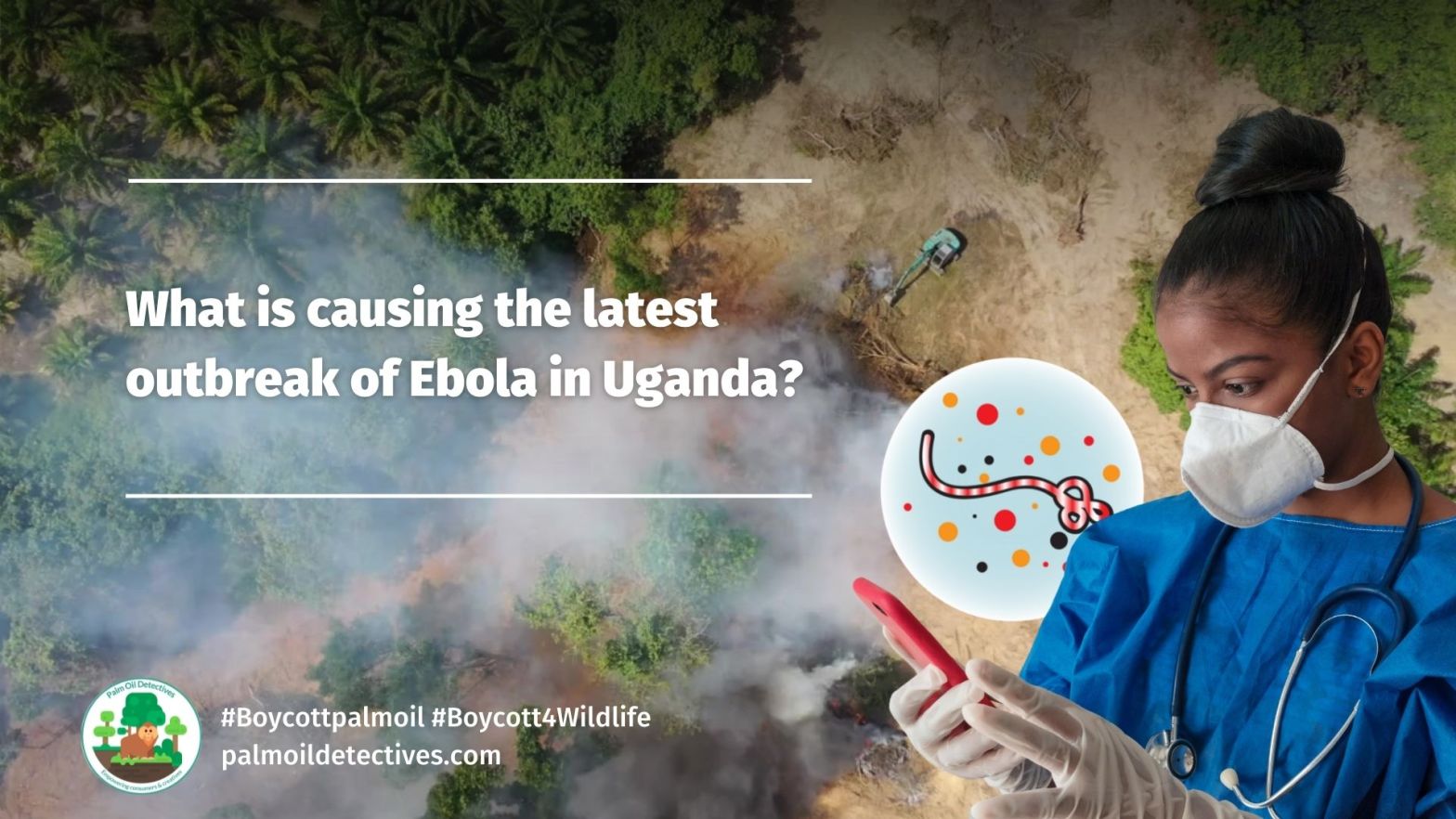
In light of the most recent Ebola outbreak in Uganda (over the past month), many people are experiencing a sense of déjà vu. The rapacious destruction of rainforests for palm oil, soy, meat and dairy by multinational corporations is deeply linked to the spread of infectious zoonotic diseases, such as Ebola. These diseases are becoming more and more commonplace with the destruction of the environment and growth of animal agriculture. This has enormous implications for human #health, food security, animal conservation and planetary health. #BoycottPalmOil #Boycott4Wildlife
Kaapori Capuchin Cebus kaapori
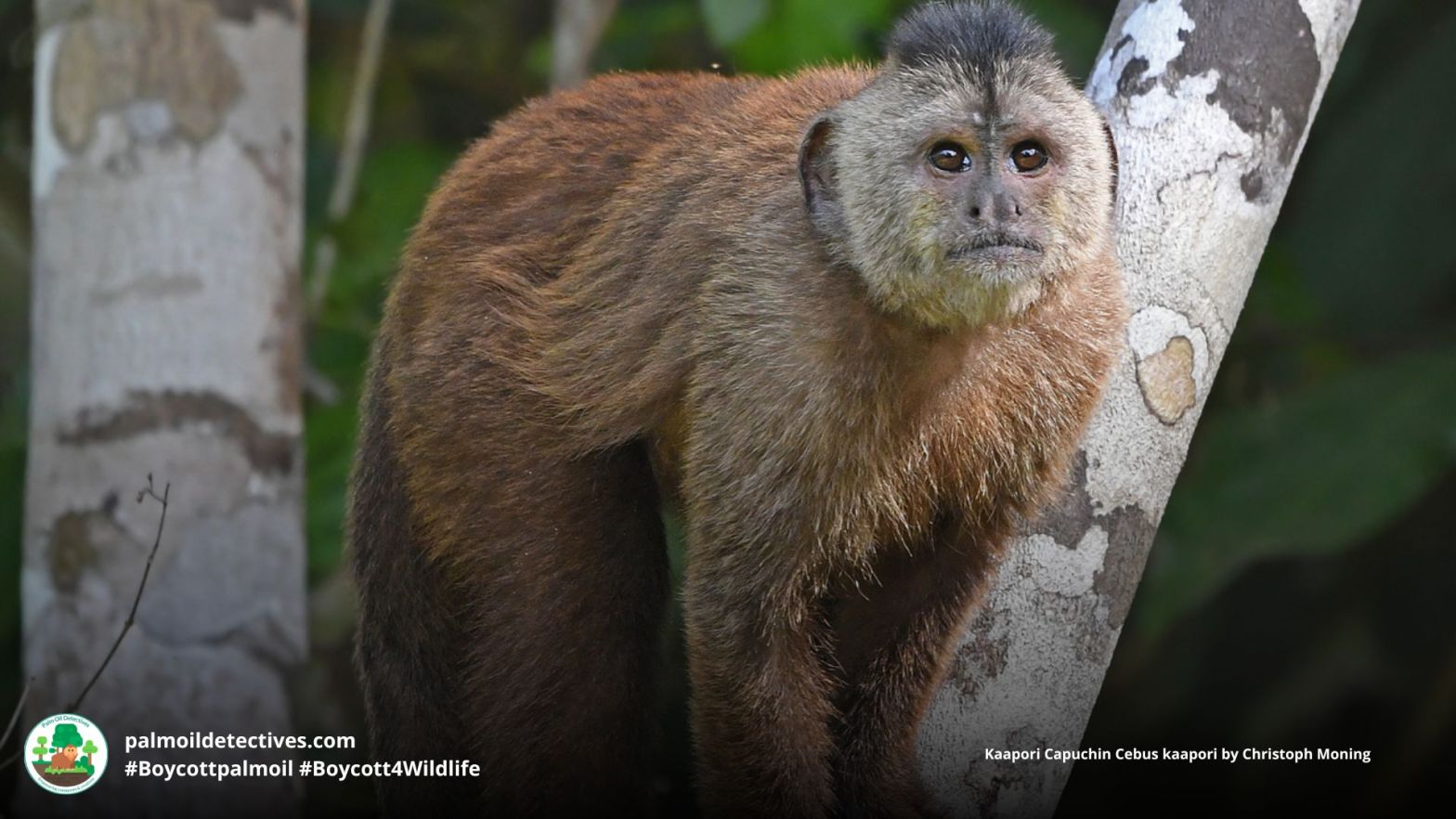
The Kaapori capuchin is a delightful, tenacious and intelligent small monkey species of #Brazil on a knife-edge of survival – they are critically endangered. In 2017 their population had been decimated by 80% due to deforestation for agriculture including soy, cattle grazing and palm oil. They are forgotten animals with no formal protections in place. Fight for them every time you shop and be #vegan #Boycottpalmoil #Boycott4Wildlife
Seaweed is high in vitamins and minerals – but that’s not the only reason westerners should eat more of it

Algae has a yum ‘umami’ flavour and a superb nutrient profile, especially for vegans. It doesn’t cause deforestation. Replace palm oil with algae!
Mel Lumby: Dedicated Devotee to Borneo’s Living Beings
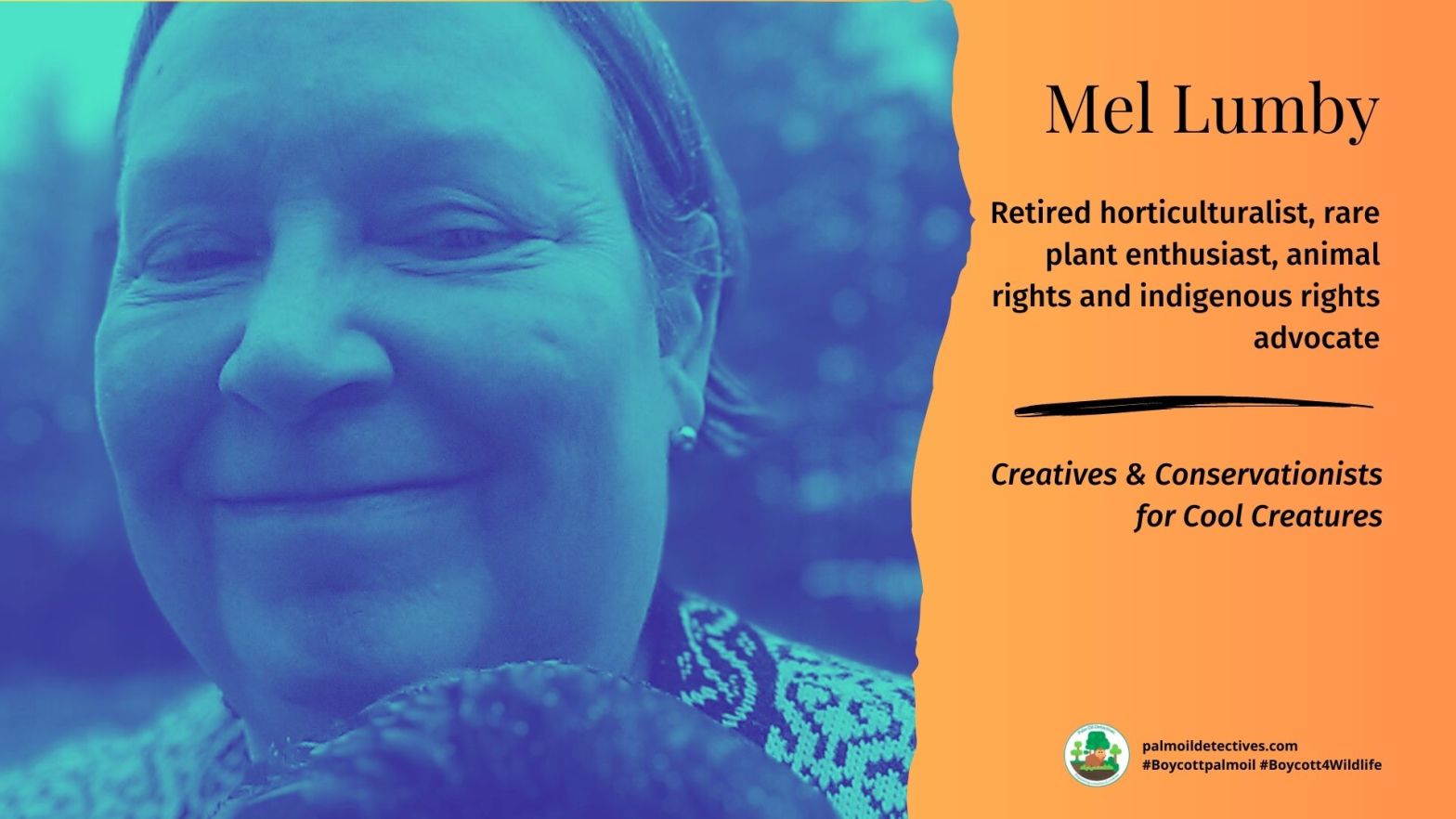
Undiscovered Begonia species in Borneo risk extinction from palm oil bulldozers. Join horticulturist Mel Lumby’s fight to save them. #Boycottpalmoil
Papuan Eagle Harpyopsis novaeguineae

Elusive, forest-dwelling apex predators in New Guinea, Papuan eagles are classified as vulnerable and rapidly declining due to enormous deforestation for mining and palm oil in Papua New Guinea and West Papua along with hunting threats. They are poorly studied birds and therefore estimates of their populations may be severely overestimated, meaning that they are in much more serious strife than we know.
While there have probably never been high densities of the Papuan eagle, evidence indicates that they are declining rapidly. It is possible that the entire population is considerably under 10,000 individuals. There is no evidence that the Papuan eagle is adaptable to the opening of forests and the eagles appear to abandon areas especially where logging roads have been cut into the forests.
Help them every time you shop and be #vegan, #Boycottpalmoil #Boycott4Wildlife
September 21st: International Day of Struggle Against Monoculture Plantations
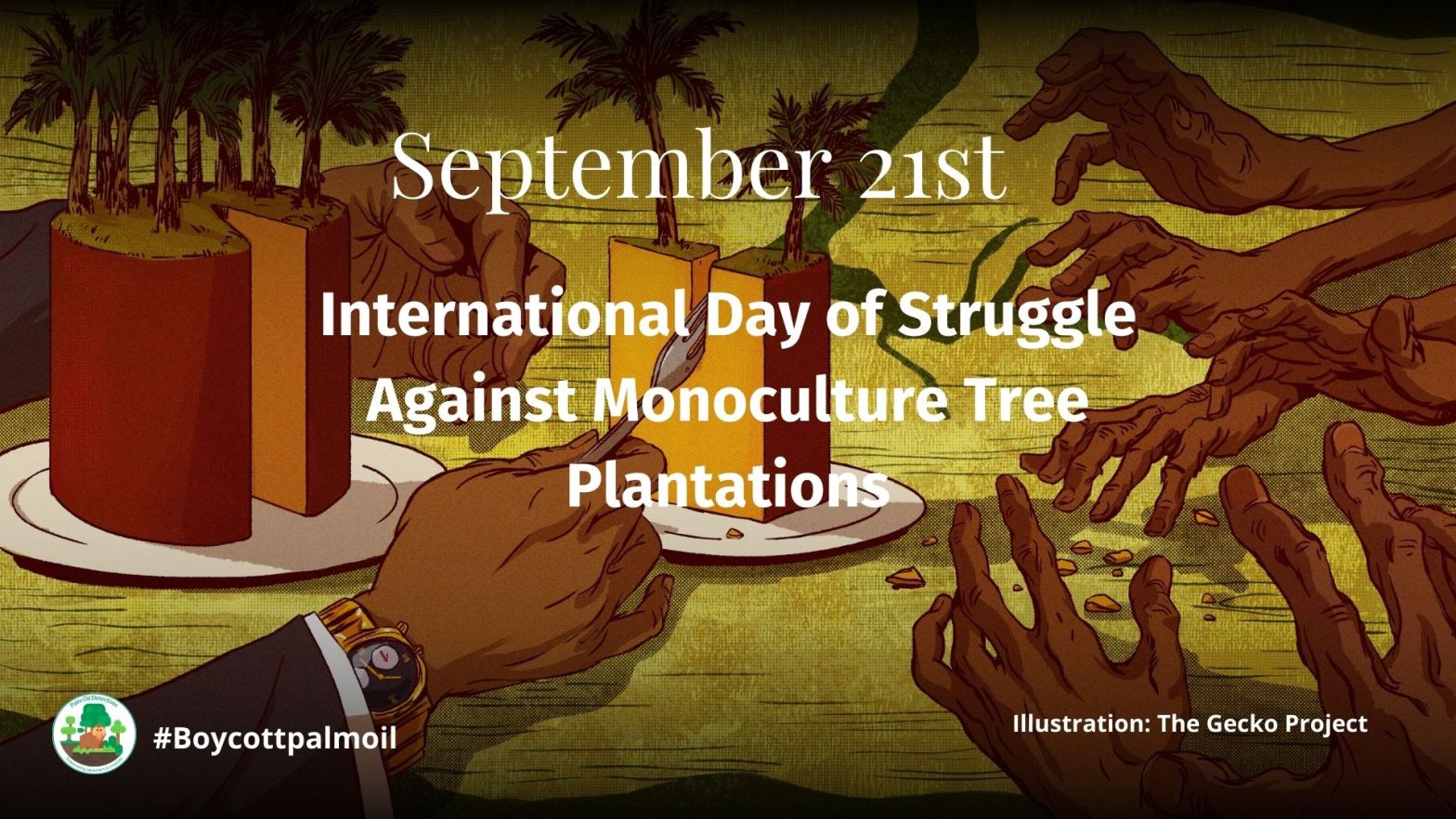
Today is ‘International Day of Struggle Against Monoculture Plantations’. World Rainforest Movement have produced a powerful video to highlight the Ugandan people’s struggle against BIDCO an international company partly owned by global palm oil giant #Wilmar, who are taking land by force from locals by making false promises and using coercion and #violence. They do so under the #greenwashing protection of the #RSPO
Philippine Eagle Pithecophaga jefferyi
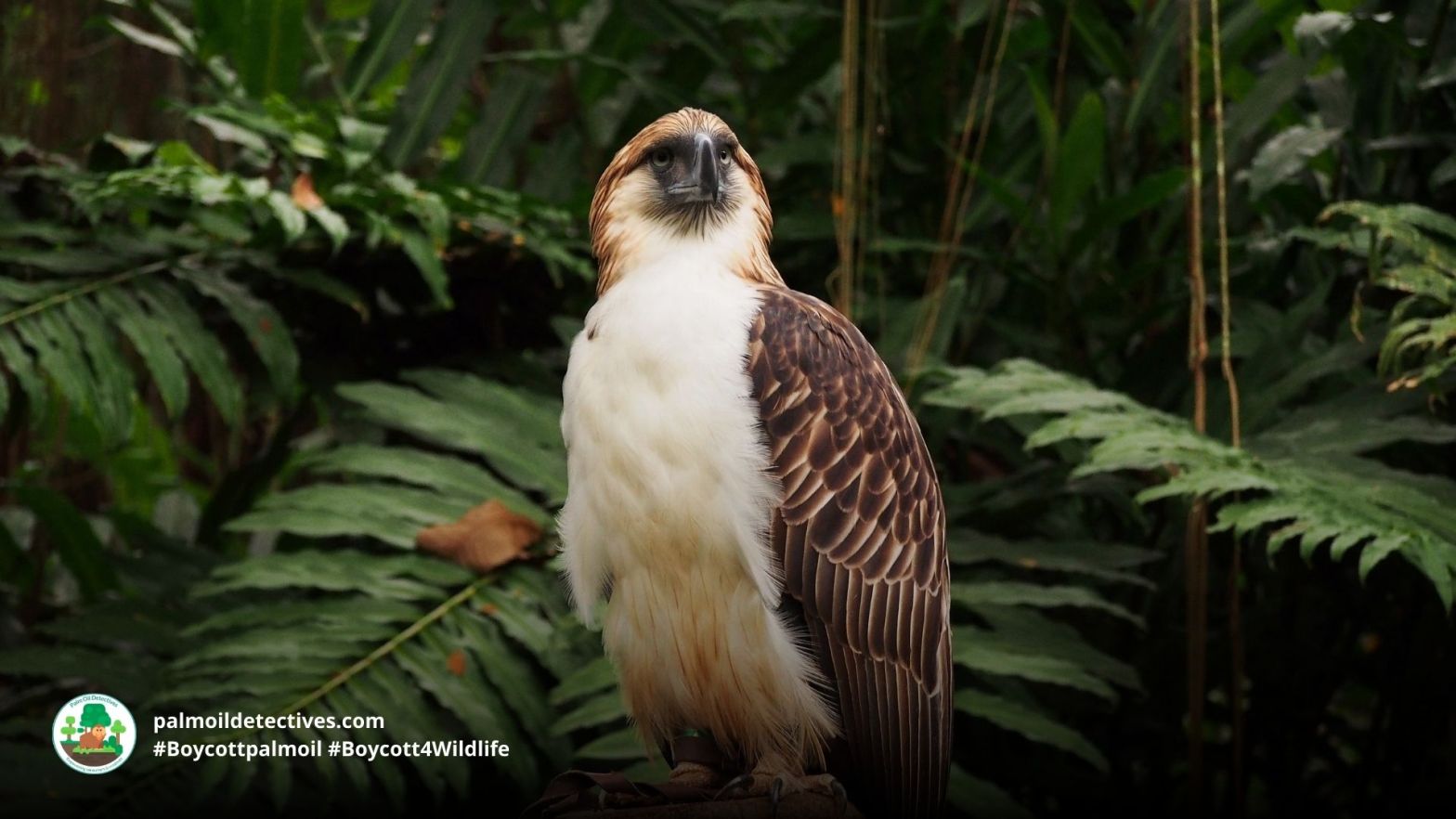
Apex predator and flying royalty of the jungle, Philippine #Eagles are critically endangered from #climatechange, #palmoil, #timber and #cacao #deforestation and illegal #hunting.
There are estimated to be only 180-600 eagles left in the wild. Protecting the Philippine eagle would also protect 780 other plant and animal species in the Philippines. Help them every time you shop and #Boycottpalmoil #Boycott4Wildlife
Reasons to Hope: Palm Oil Alternatives Made Without Deforestation
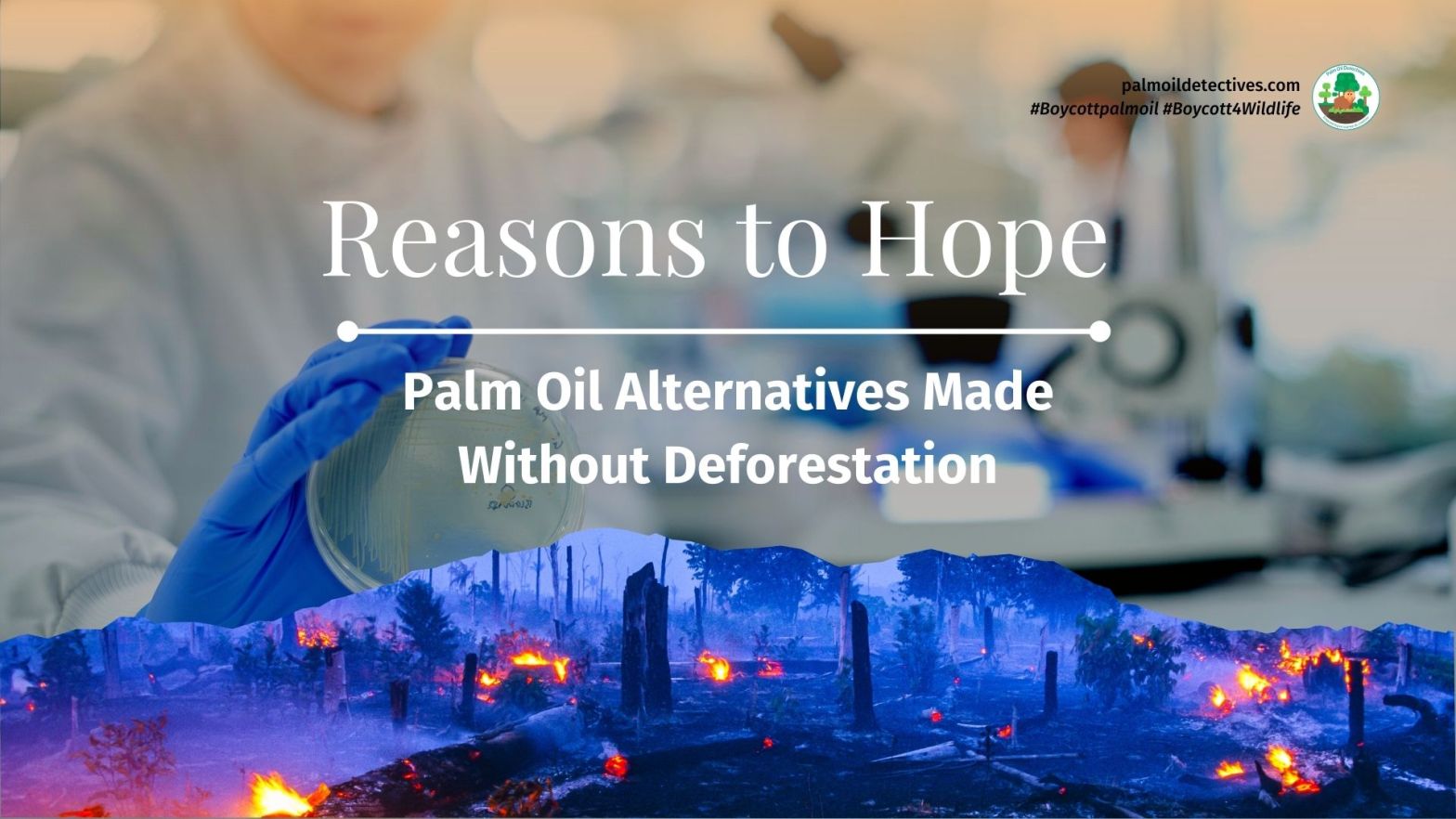
The race is on to find a real solution to stop palm oil ecocide. For several years now, several new #biotech companies have been busy generating alternatives to palm oil that are healthier for human consumption and don’t require the destruction of rainforests sending thousands of species to extinction. Learn more about palm oil grown in labs synthesized from algae, microbes, CO2 and more. #BoycottPalmOil #Boycott4Wildlife
Giant Otter Pteronura brasiliensis
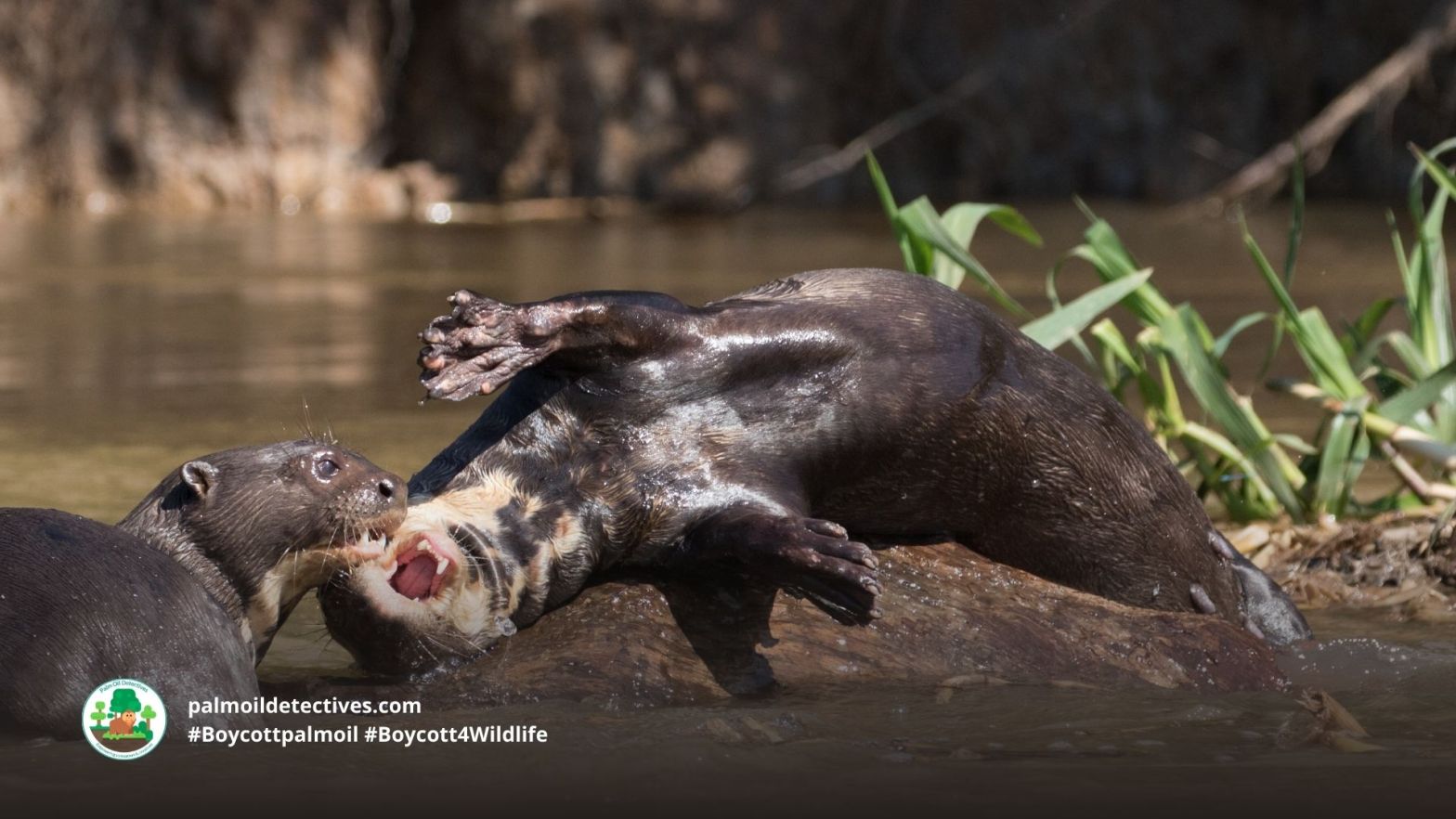
The agile and graceful tumbling Olympians of the Amazonian rivers, Giant #Otters are able to swim 100 metres in less than 30 seconds. They are also known as the Lobo de Rio (the River wolf), Los Lobos del Rio (Wolves of the River) and Ariranha. They are most active in the mornings and evenings and take a siesta during the hottest parts of the day. Known for their striking size and the chorus of whistles and barks echoing through flooded forests, giant otters are social, vocal, and deeply bonded to their family groups. But the rivers they call home are under siege. The most significant threats to giant otters are anthropogenic pressures of deforestation for palm oil, soy and meat, pollution from mining and climate change. They are also illegally hunted and traded for their pelts or killed in retribution by fishermen. Help them and be #vegan, use your wallet as a weapon and #BoycottPalmOil #Boycott4Wildlife.
Jaguar Panthera onca
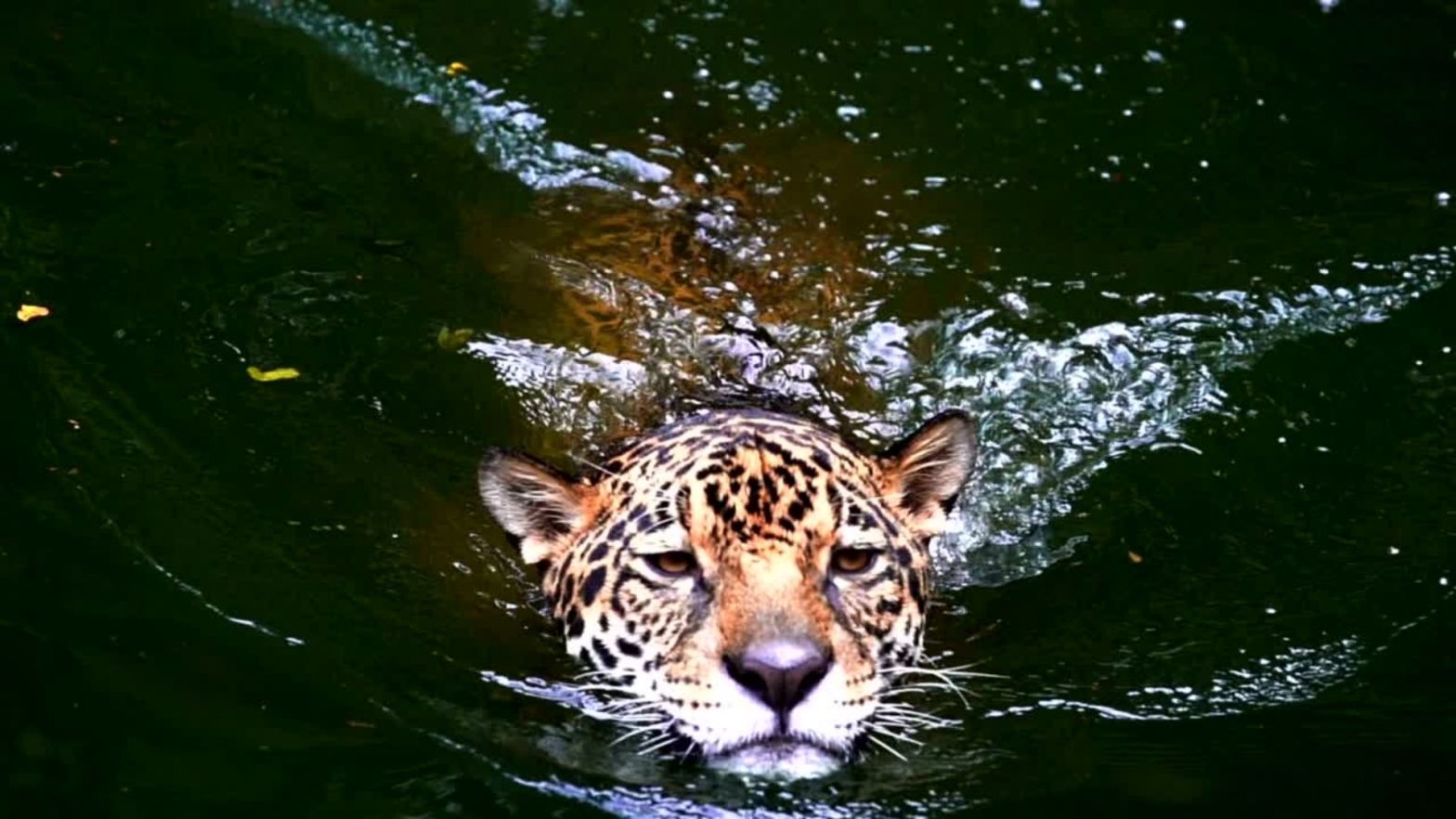
Jaguars, currently deemed Near Threatened, face a substantial habitat reduction of up to 25% in just over two decades. This decline stems from rampant deforestation for palm oil, soy, and meat, as well as illegal poaching for trophies and body parts. These magnificent creatures also suffer from conflicts arising due to livestock depredation and competition with human hunters for food. Aggravating the issue, Latin America’s widespread agricultural industries, like soy, palm oil, and cattle ranching, mainly serve foreign markets rather than local needs. Let’s step up and use our wallets as a weapons! Be #vegan #Boycottpalmoil #Boycott4Wildlife.
A ‘mystery monkey’ in Borneo may be a rare hybrid between a Proboscis Monkey and Silvery Lutung

A new study has found that fragmentation of forests in Malaysian Borneo due to palm oil and mining has pressured two species of monkey (the Proboscis Monkey and Silvered Leaf Monkey/Silvery Lutung) to mate causing an unusual hybrid offspring. This has scientists worried as it indicates the animals are under stress
Without Tropical Forests, The World Would Be 1°c Warmer

#Research reveals the most comprehensive and detailed evidence to date that #forests are more important to the #climate (globally and locally) than we think due to the way in which they physically transform the atmosphere. The first-ever research to pinpoint the local, regional and global non-carbon dioxide benefits of specific forest zones worldwide finds that the entire world gains the most benefits from the band of tropical rainforests spanning Latin America, Central Africa and Southeast Asia. Help #rainforests, rainforest animals and indigenous peoples every time you shop, make sure you #BoycottPalmOil #BoycottGold #Boycott4Wildlife
Anthropologist and Author Dr Sophie Chao
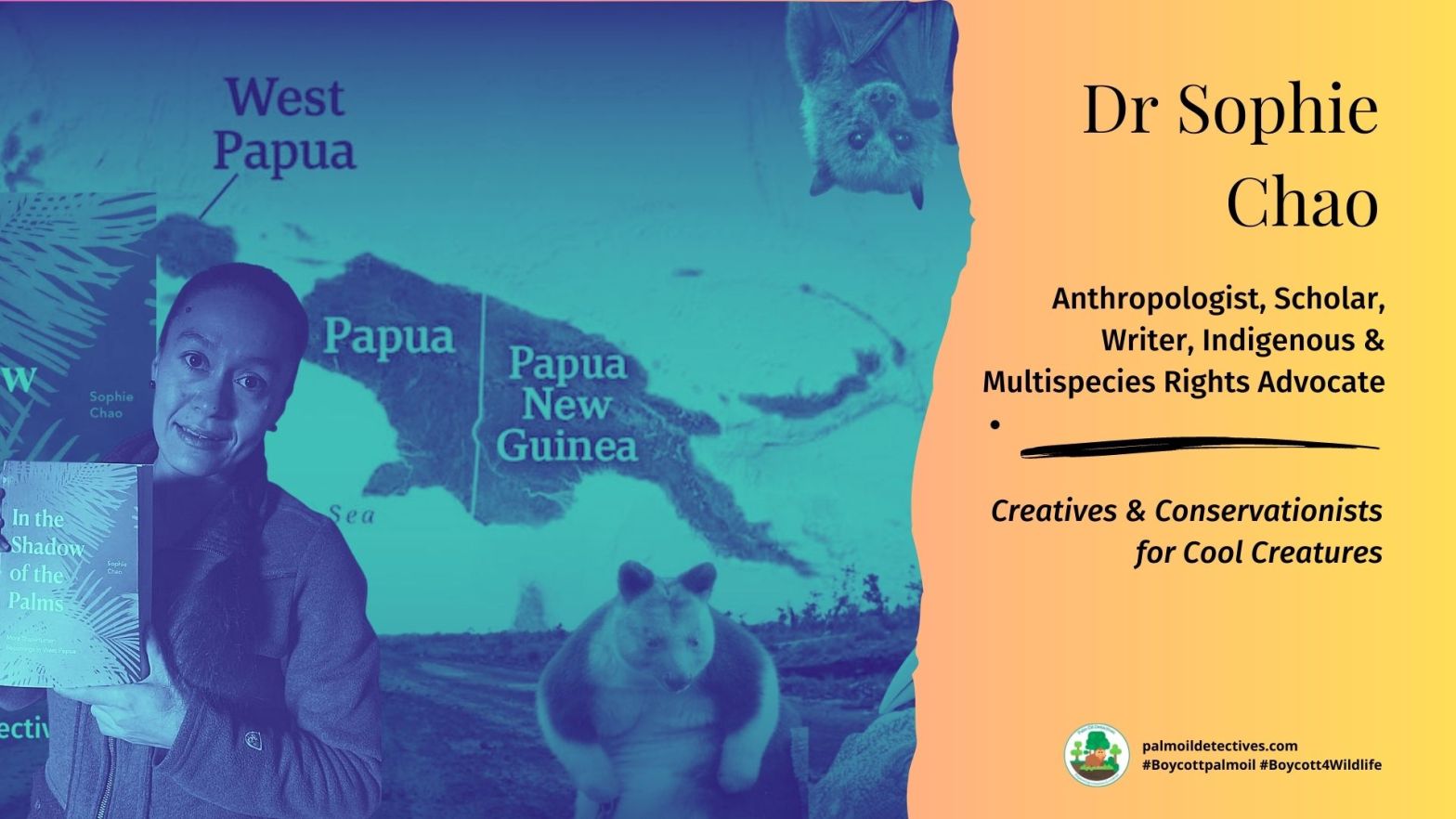
Dr Sophie Chao is an environmental anthropologist and environmental humanities scholar interested in the intersections of capitalism, ecology, Indigeneity, health, and justice in the Pacific.
Palm Oil Detectives is honoured to interview to Dr Sophie Chao about her research into the impacts of palm oil on the daily lives of Marind people and other sentient beings in West Papua.
I wrote In the Shadow of the Palms because I wanted the world to understand how deforestation and industrial oil palm expansion are undermining Indigenous ways of being in West Papua.
WHO: Palm Oil Industry Greenwashing Like Big Tobacco
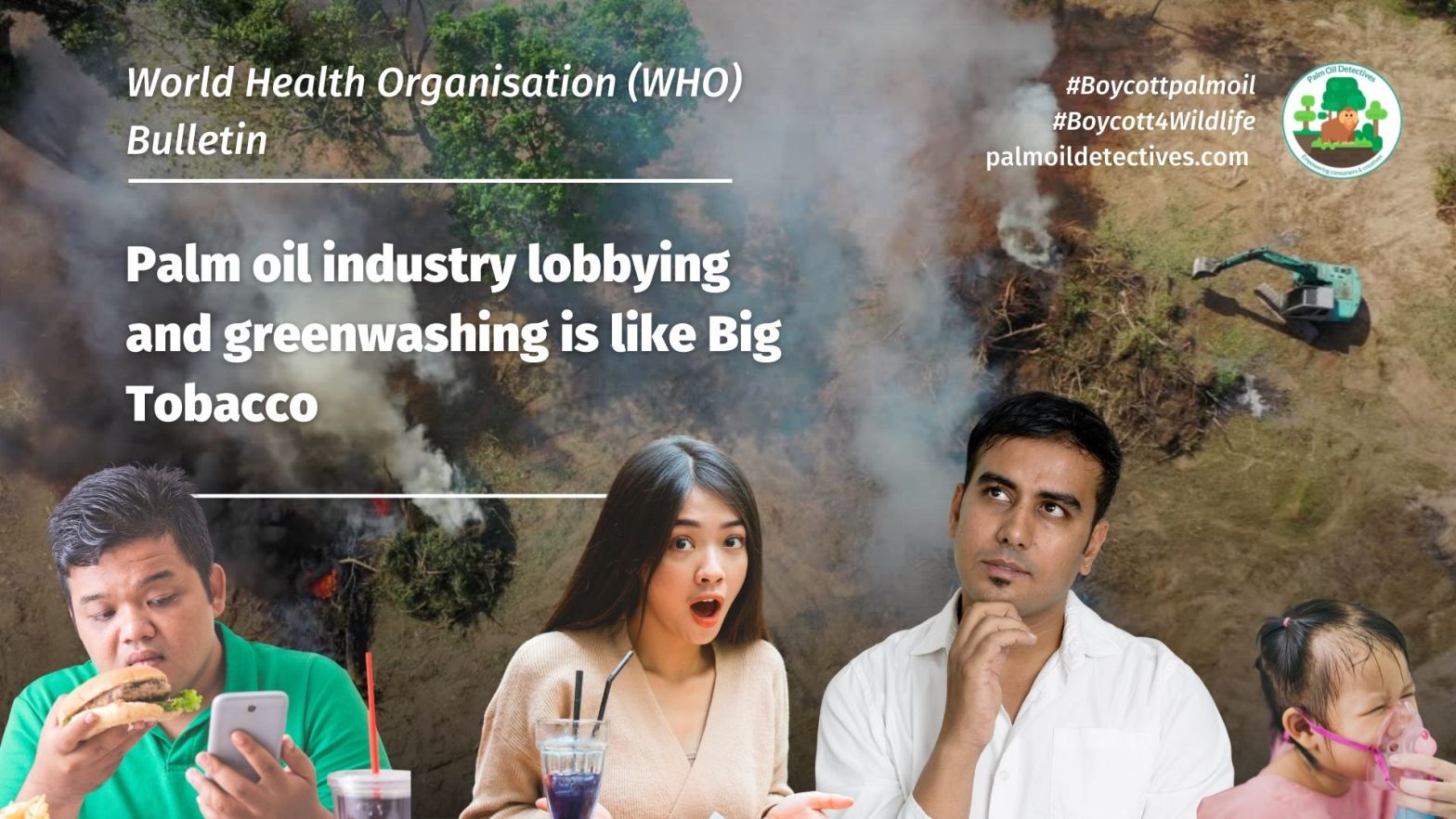
What does the $60 billion USD palm oil industry have in common with Big Tobacco? A lot according to this report by the World Health Organisation. Palm oil industry lobbying tactics are used to influence research into the health impacts of palm oil and also to influence consumer buying habits. The dire health and environmental impacts of palm oil are hidden from consumers by clever marketing. These lobbying, marketing and greenwashing tactics are reminiscent of tobacco and alcohol health lobbying.
Climate change is forcing human and non-human beings to become climate refugees
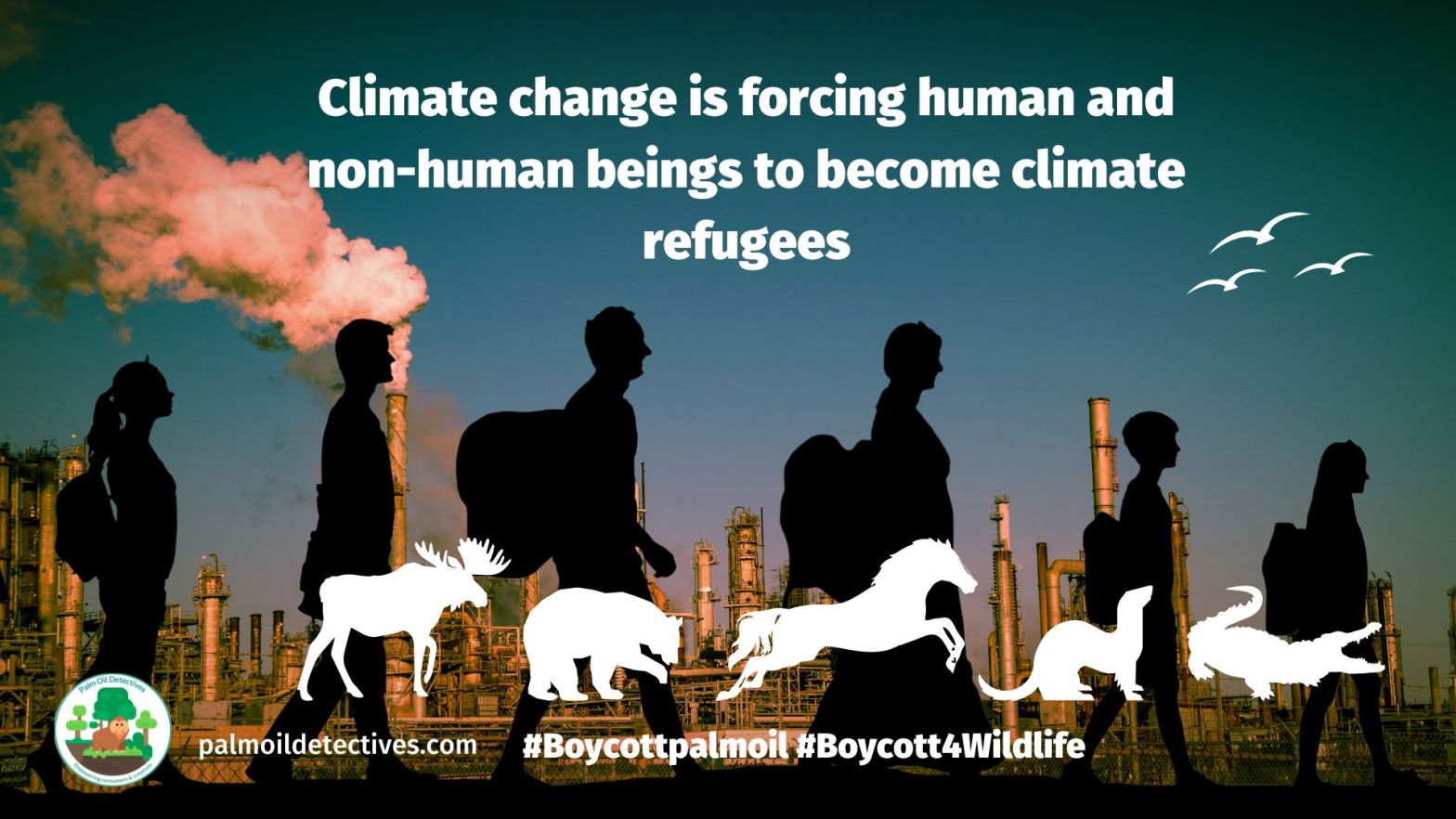
Climate change. Climate denial. Global warming. Call it what you will, the planet is shouting at us. We have ignored the warning signs for decades, but we can no longer ignore what is happening right now.
Indigenous Communities: Key to Nature Conservation
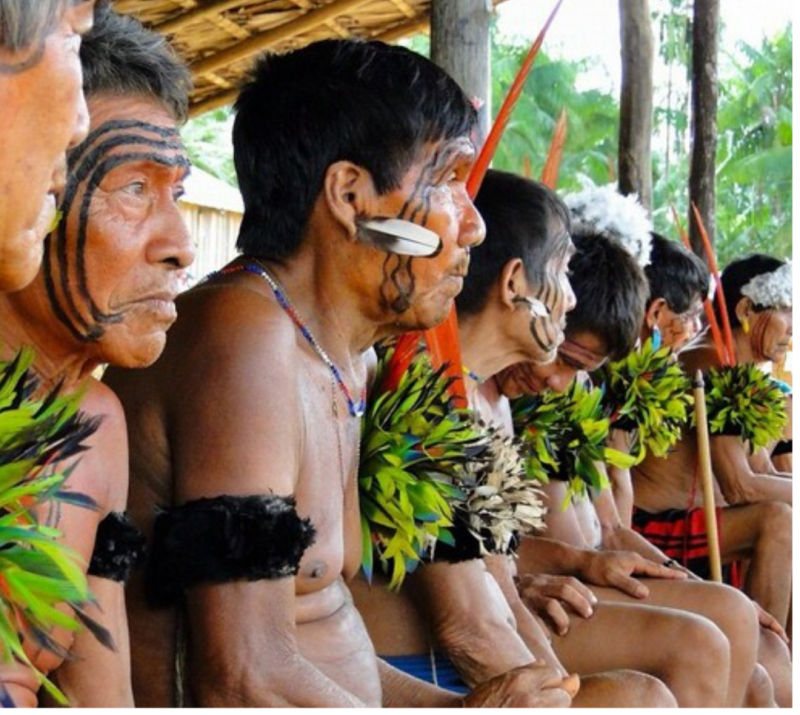
Research finds indigenous communities provide the best long-term conservation outcomes. Support their environmental stewardship and complete autonomy!
What elephants’ unique brain structures suggest about their mental abilities
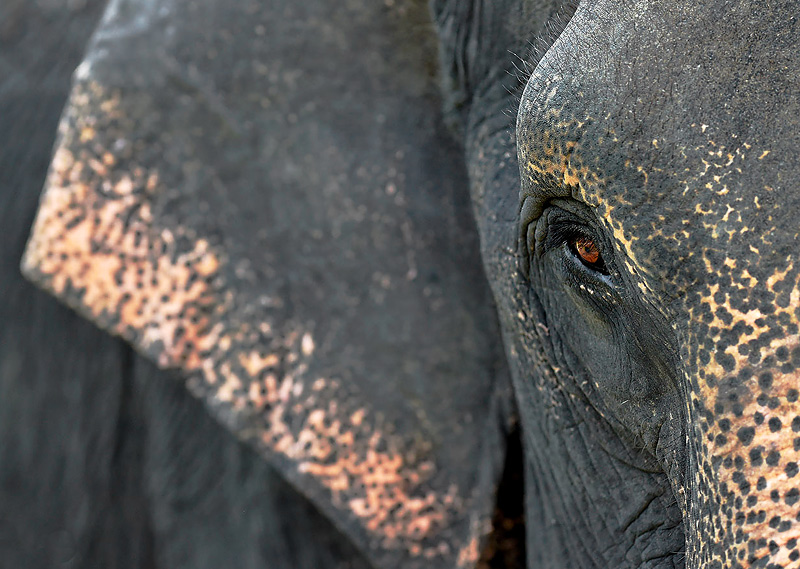
Bob Jacobs, Colorado College Conservationists have designated August 12 as World Elephant Day to raise awareness about conserving these majestic animals. Elephants have many engaging features, from their incredibly dexterous trunks to their memory abilities and complex social lives. But there is much less discussion of their brains, even though it stands to reason thatContinue reading “What elephants’ unique brain structures suggest about their mental abilities”
Back from extinction: a world first effort to return threatened pangolins to the wild
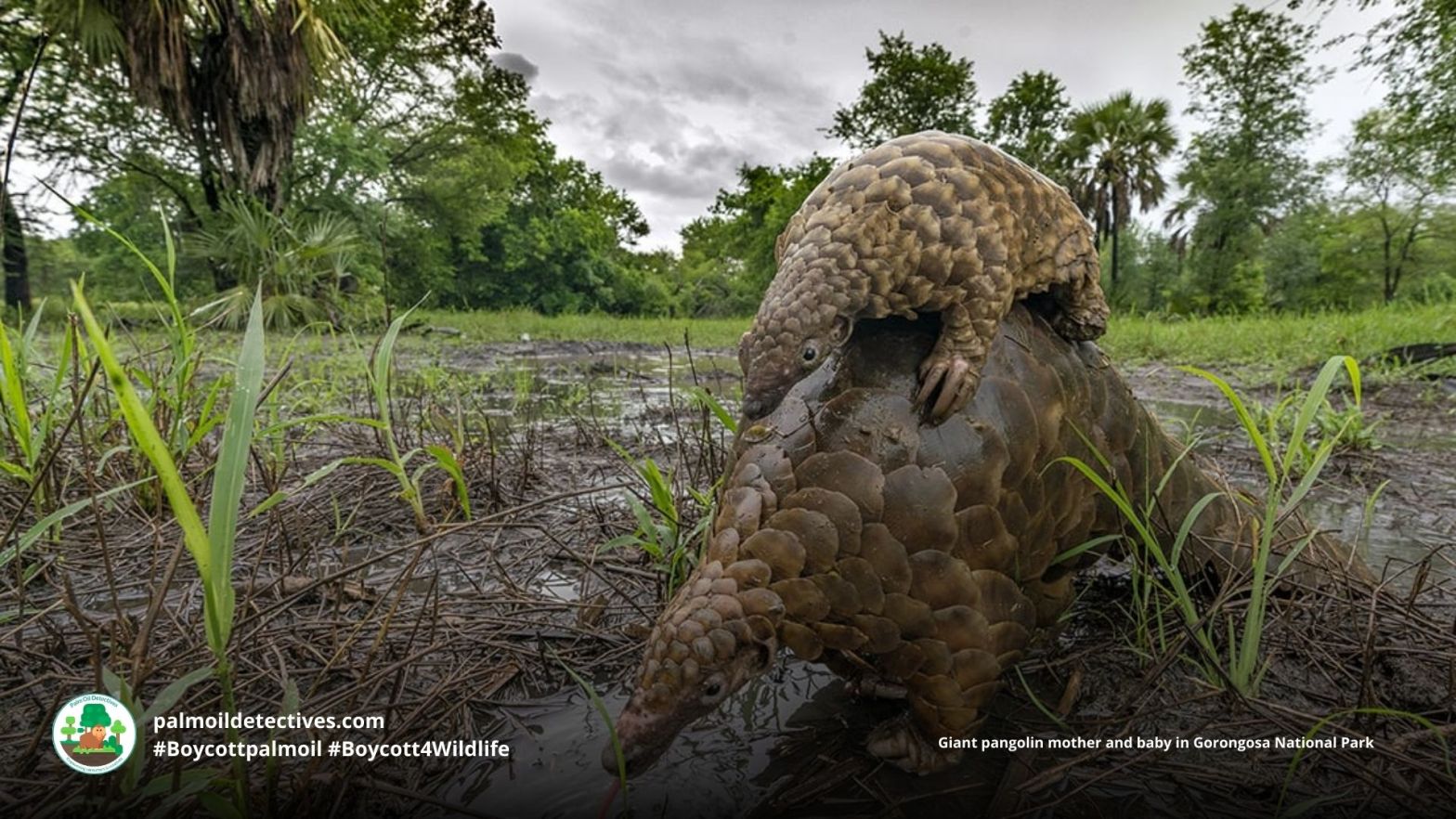
Pangolins are one of the most illegally trafficked animals on the planet and are suspected to be linked to the current coronavirus pandemic. Pangolins are also one of the world’s most threatened species but new efforts are underway to reintroduce pangolins to parts of Africa where the animal has been extinct for decades. Help these remarkable armoured wonders to survive and call out wildlife trafficking when you see it online, also #BoycottPalmOil 🌴🪔🚜🔥☠️⛔️ #Boycott4Wildlife in the supermarket!
Why Peanut Butter Might Trigger the Next Pandemic
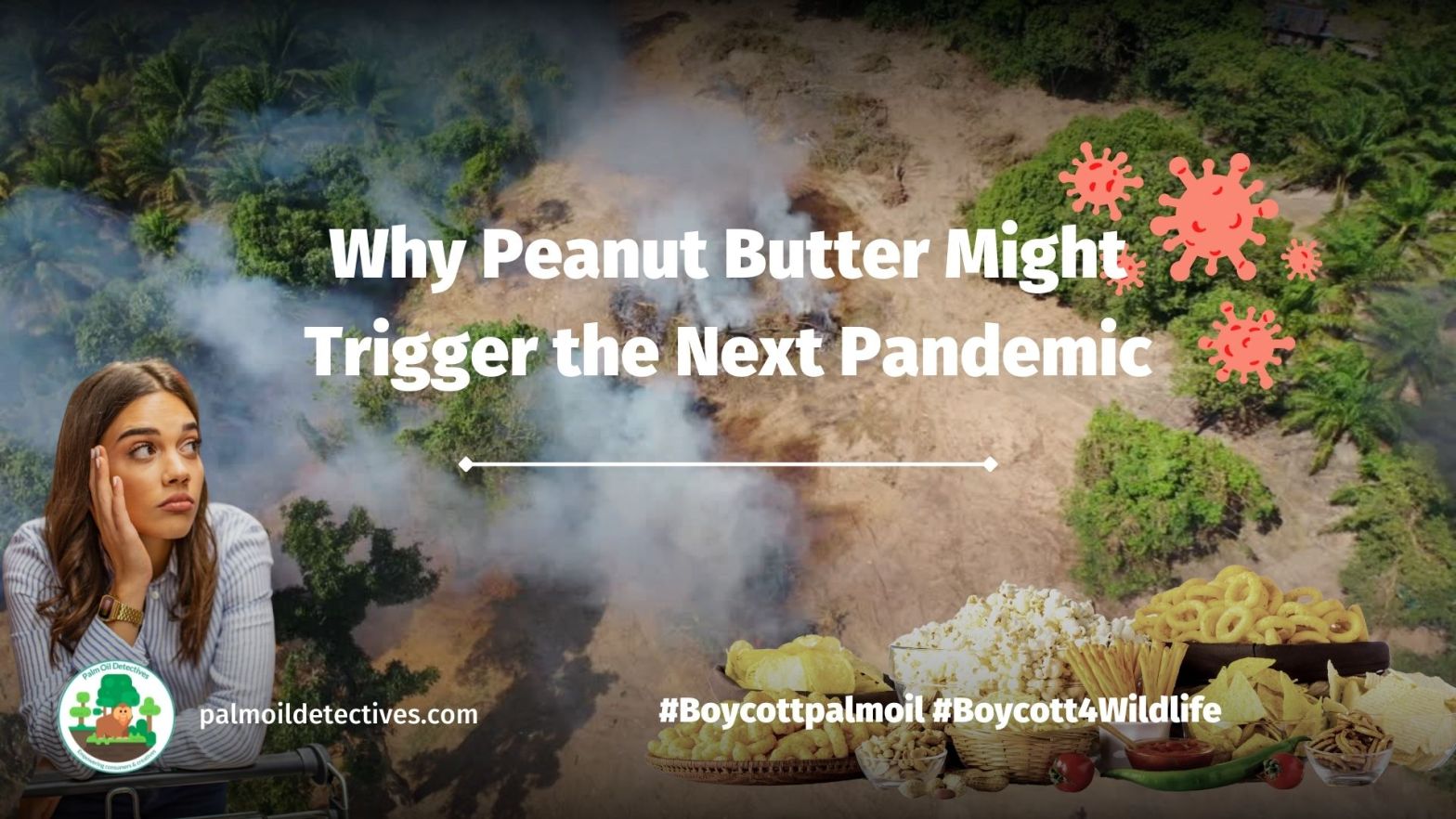
Palm oil is found in roughly 50 percent of packaged household products ranging from peanut butter to lipstick. Now, researchers link its harvesting to disease outbreaks that could spread to humans. This is the first study to examine the cause-and-effect relationship between changes in forest cover and subsequent disease outbreaks on a global scale.
Chimpanzees once helped African rainforests recover from a major collapse
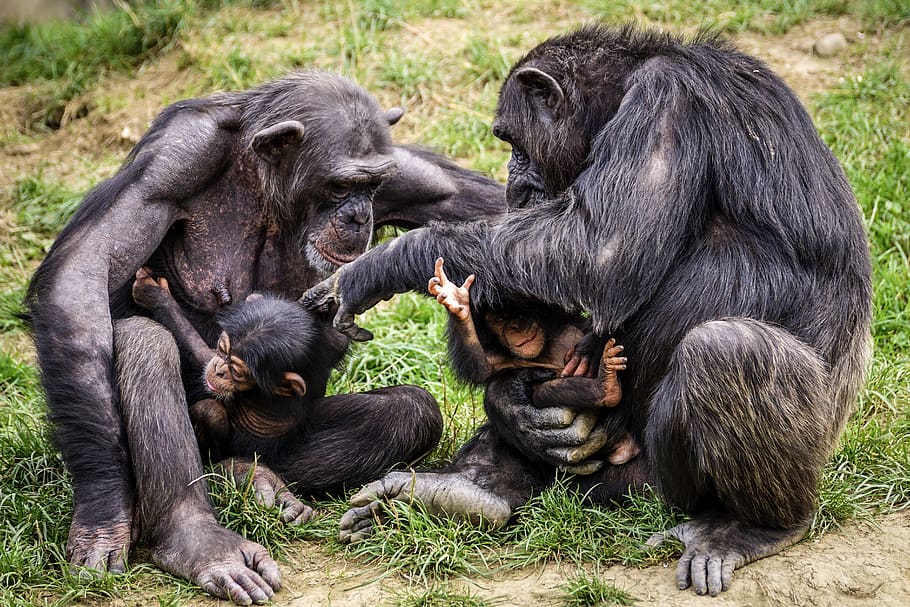
Most people probably think that the rainforest of central and west Africa, the second largest in the world, has been around for millions of years. However recent research suggests that it is mostly just 2,000 or so years old. The forest reached roughly its modern state following five centuries of regeneration after it was massively fragmented when the dry season suddenly became longer some 2,500 years ago. Help #chimpanzees to survive and #Boycottpalmoil #Boycott4Wildlife every time you shop
Hippopotamus Hippopotamus amphibius
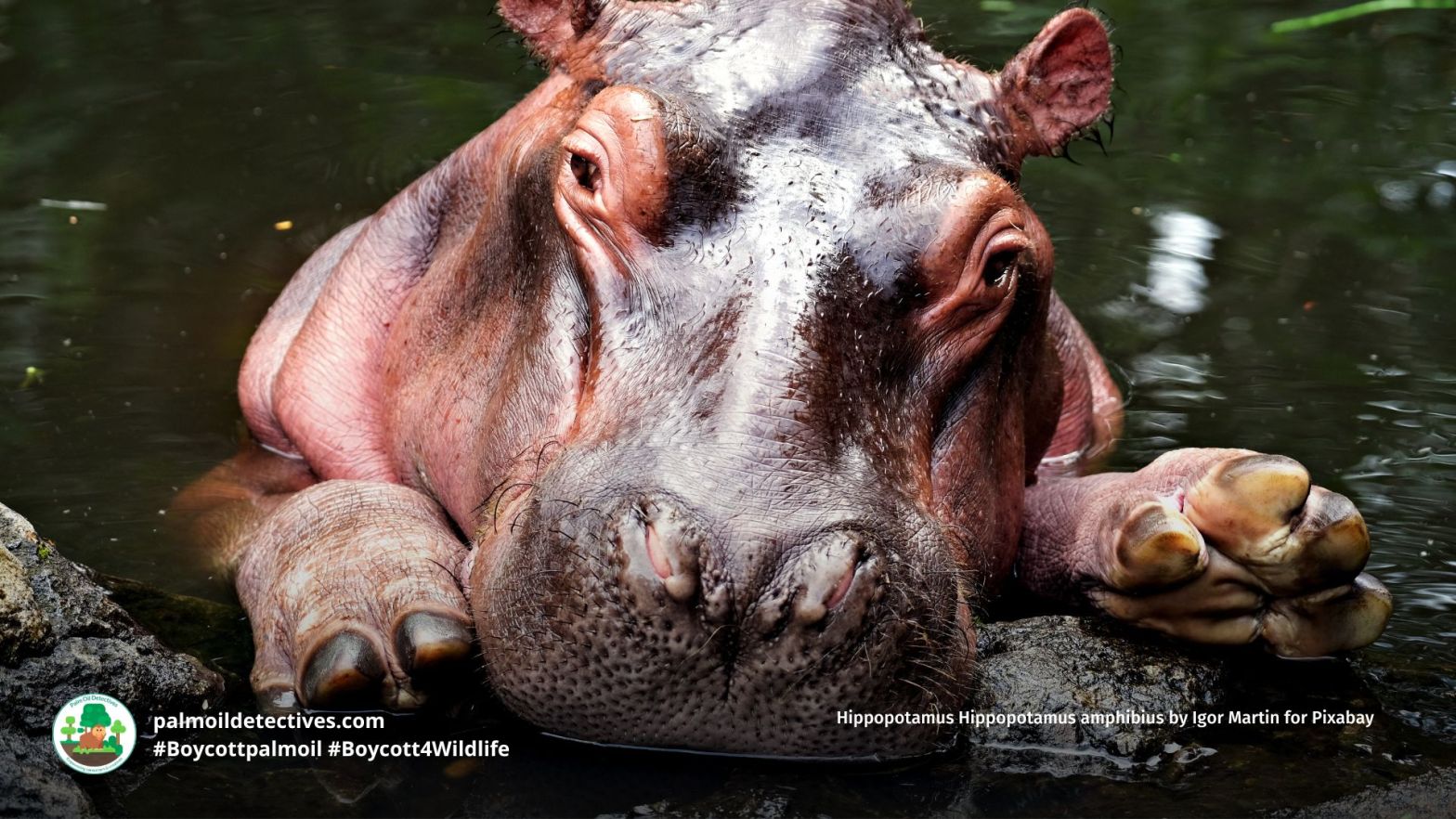
The Common Hippopotamus, or Hippo, is a powerful and enduring symbol of Africa’s rivers and wetlands. Once common throughout all of Africa and the revered subjects of African folklore —their populations are now in peril. Hippo numbers plummeted in the 1990s and early 2000s due to unregulated #hunting and land conversion for #palmoil #cocoa and #tobacco #agriculture and human settlement. Although some strongholds remain in East and Southern Africa, many populations are in decline across #WestAfrica and Central Africa. Hippos are now listed as #Vulnerable on the Red List, with threats from freshwater habitat loss, illegal hunting for meat and ivory, and increasing conflicts with people. Use your voice and your wallet to push for stronger protections for Hippos and their riverine homes. #BoycottPalmOil #Boycott4Wildlife
Treespiracy: Forests are being destroyed against a background of corruption, illegality and apathy

#Deforestation occurs against a background of #crime and #corruption as exposed in the #PanamaPapers @ICIJorg. Brands #Colgate #Danone #Nestle and others buy tainted #palmoil while lying to that it is “sustainable” 🌴⛔@palmoildetect #BoycottPalmOil #Boycott4Wildlife
Insect decline in the Anthropocene: Death by a thousand cuts
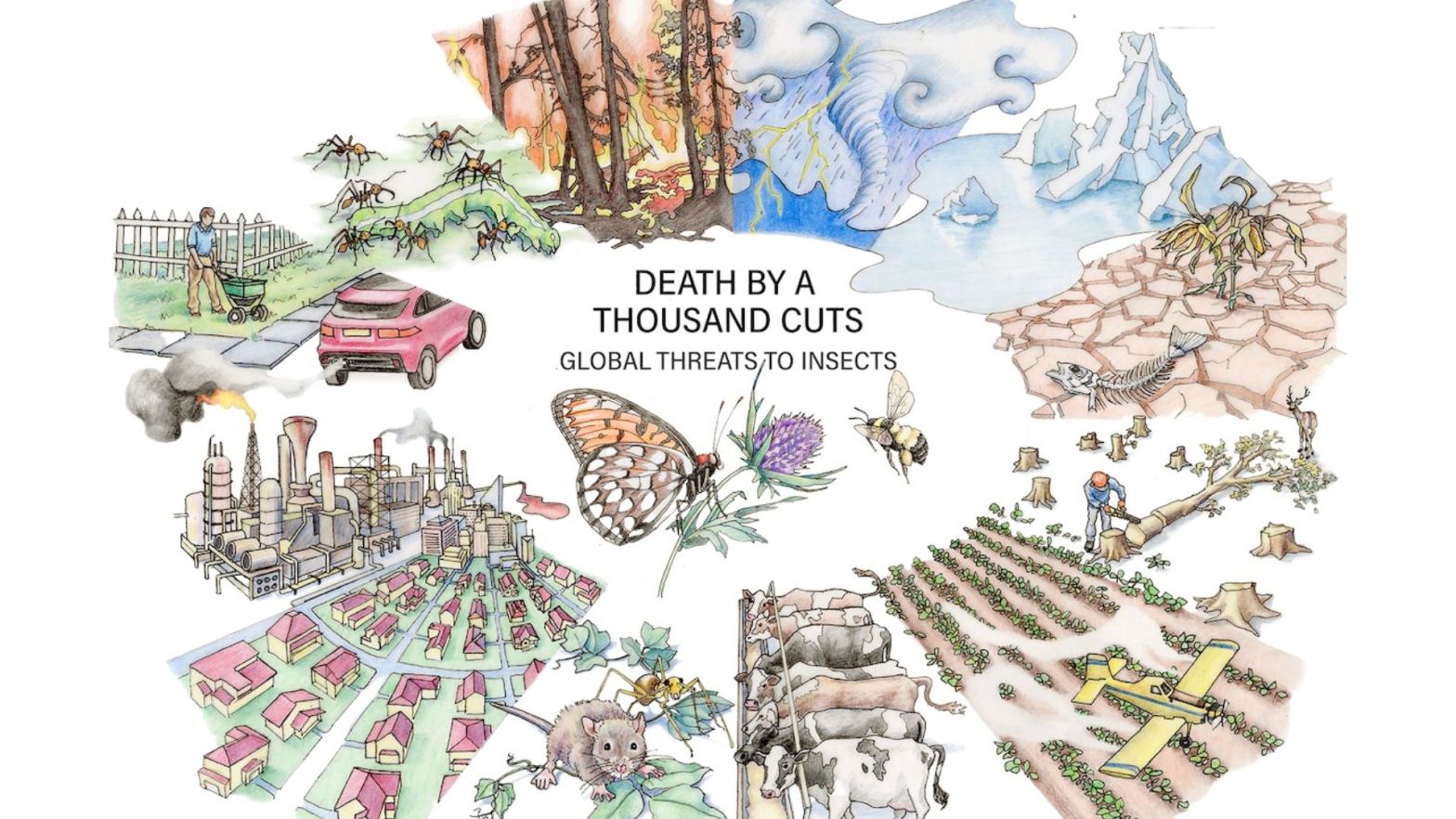
#Insects 🪰🦋🪳🪲🐞🐛💌😻🌿 are the incredible engine room of the planet ensuring ecosystems work. They’re under siege by human-caused #climatechange #deforestation #pollution. Report via @PNASnews. #BoycottPalmOil 🌴⛔️ #Boycott4Wildlife @palmoildetect https://palmoildetectives.com/2022/06/23/insect-decline-in-the-anthropocene-death-by-a-thousand-cuts/
Certification Schemes Fail to Stop Palm Oil Deforestation

71 rights groups warn that certification schemes like RSPO and FSC fail to stop deforestation and abuses. Learn why they are called tools of greenwashing.
Nigeria’s nature reserves need more help to protect biodiversity

Apart from conserving species, #wetlands help to control floods, replenish groundwater, stabilise shorelines, retain nutrients and purify water. The park will join Nigeria’s protected area of 445 forest reserves, 29 game reserves, 12 strict nature reserves, 11 Ramsar sites, 7 national parks and one biosphere reserve.
PepsiCo
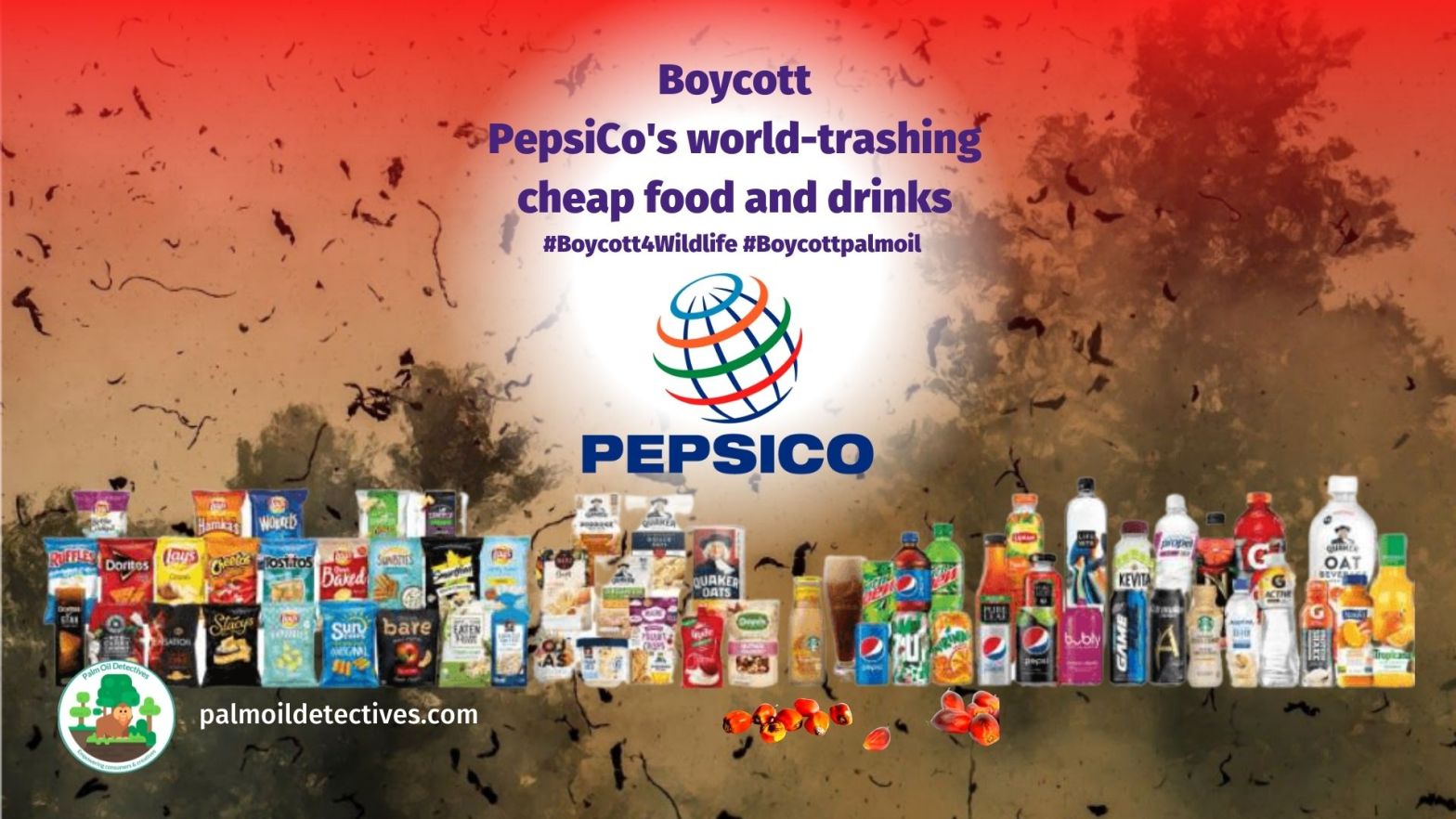
Despite decades of promises to end deforestation for palm oil PepsiCo (owner of crisp brands Frito-Lay, Cheetos and Doritos along with hundreds of other snack food brands) have continued sourcing palm oil that strongly linked to ecocide, indigenous landgrabbing, and the habitat destruction of the rarest animals on earth. All of these animals are onContinue reading “PepsiCo”
Want to avoid palm oil? You need a ‘palm oil free’ label

The most important factor determining whether consumers avoid purchasing a product containing palm oil is not how they feel about orangutans, the environment, or anything else for that matter. It’s whether they know what’s in the product. Melbourne Business School When #consumers are told about #palmoil being in products – they will avoid them accordingContinue reading “Want to avoid palm oil? You need a ‘palm oil free’ label”
 Palm Oil Detectives