
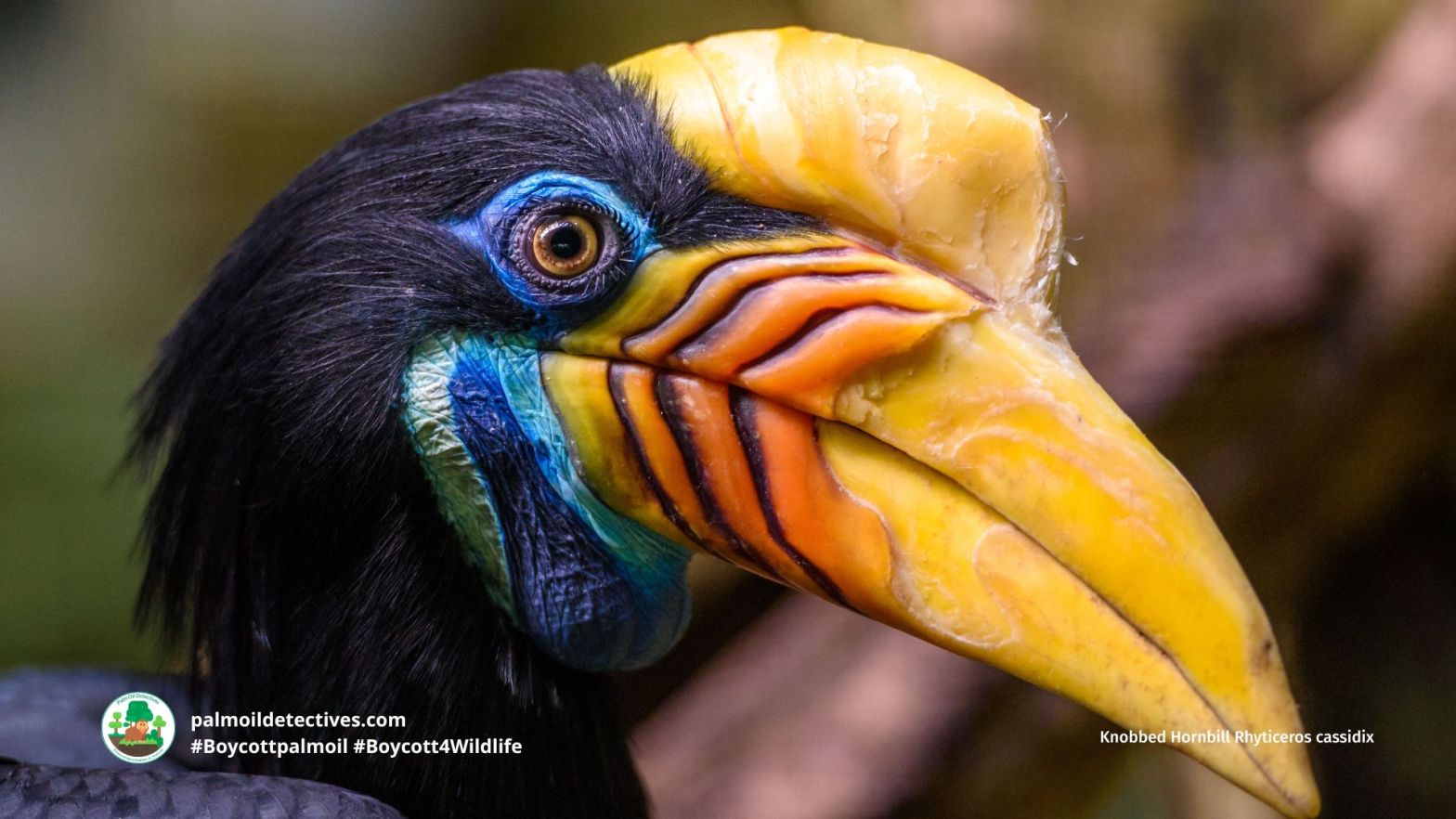
Knobbed Hornbills are important seed dispersers in Indonesia. Known for their unique social nature, save this striking bird, when you shop boycott palm oil!
Tag Archives: deforestation
Ecuadorian White-fronted Capuchin Cebus aequatorialis
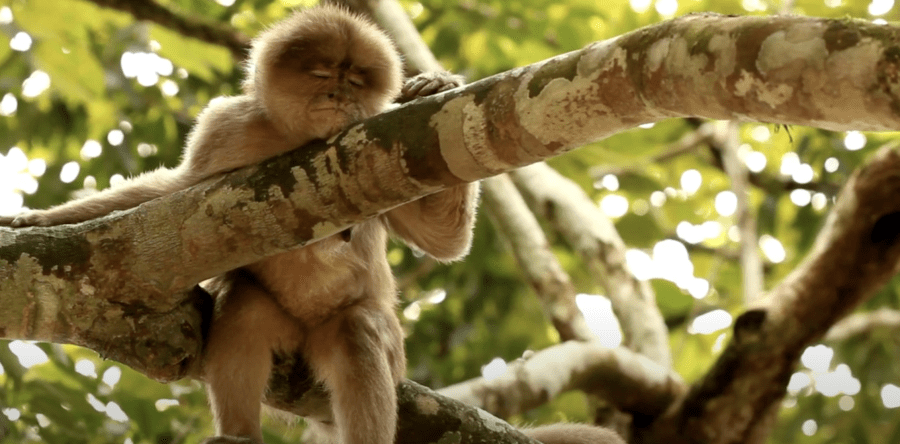
Ecuadorian White-fronted Capuchins face habitat loss to palm oil, hunting, and mining. Less than 10,000 remain. Support forest defenders. #BoycottPalmOil
Ten Tactics of ‘Sustainable’ Palm Oil Greenwashing

Learn ten marketing and PR tactics used for “sustainble” palm oil greenwashing to justify endless growth by the palm oil industry. Boycott palm oil now!
Greenwashing Tactic #4: Fake Labels
Claiming a brand or commodity is green based on unreliable, ineffective endorsements or eco-labels such as the RSPO, Forest Stewardship Council (FSC) or FairTrade coffee and cocoa. Greenwashing: Fake Labels and fake certifications Ecolabels are designed to reassure consumers that they are purchasing green or sustainable products. In reality the environmental standards are no betterContinue reading “Greenwashing Tactic #4: Fake Labels”
Zoologist and TV Presenter Dr George McGavin
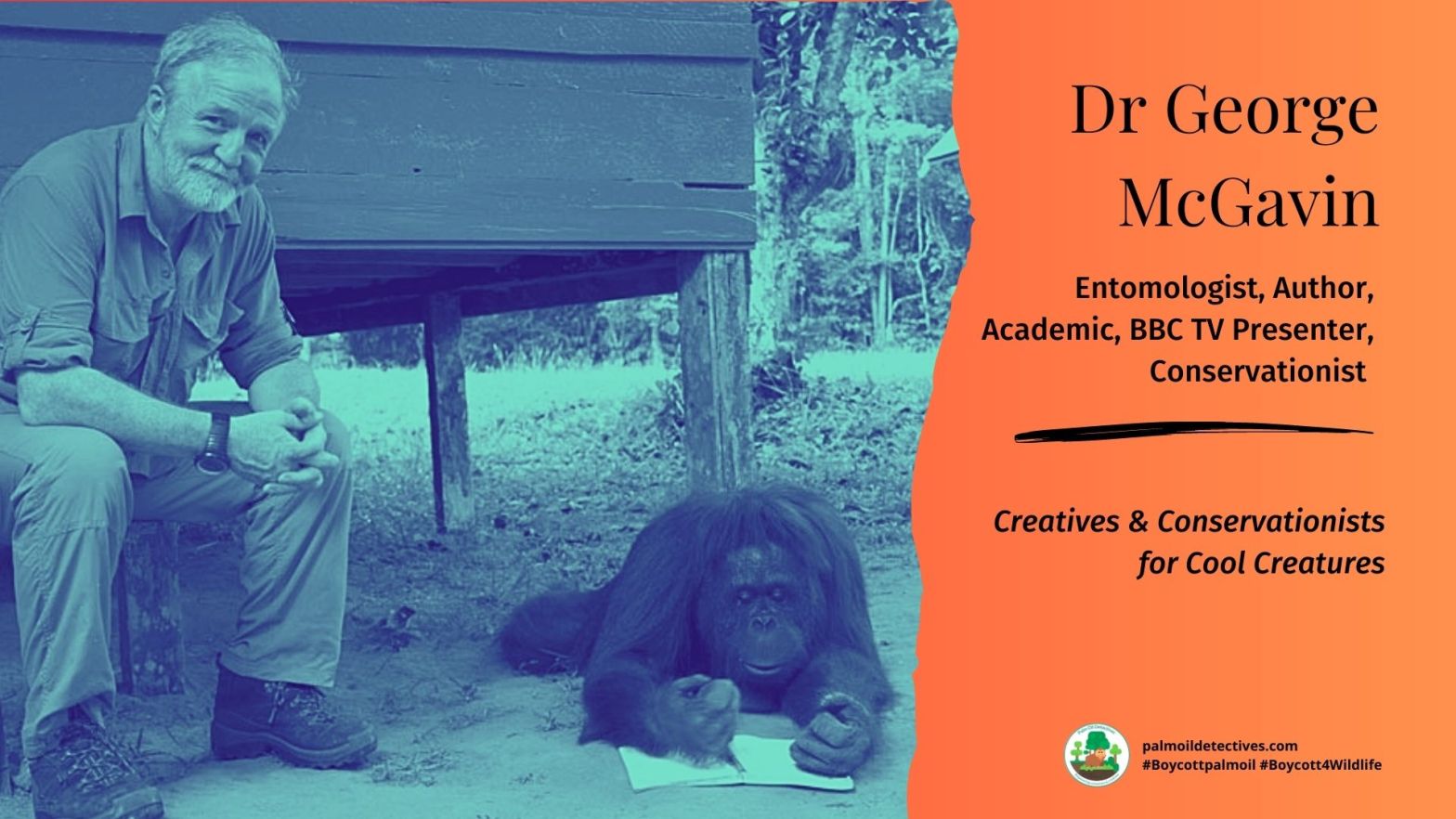
Dr George McGavin FLS FRGS Hon. FSB Hon. FRES studied Zoology at Edinburgh University, followed by a PhD in entomology at Imperial College and the Natural History Museum in London. After 25 years as an academic at Oxford University he became an award-winning television presenter. George is an Honorary Research Associate of the Oxford University Museum of Natural History and an Honorary Principal Research Fellow at Imperial College. George is also a Fellow of the Linnean Society and the Royal Geographical Society, an Honorary Fellow of the Royal Society of Biology and an Honorary Life Fellow of the Royal Entomological Society. As well as his many TV documentaries, George has written numerous books on insects and other animals. In 2019 he became the President of the Dorset Wildlife Trust.
Binturong Arctictis binturong
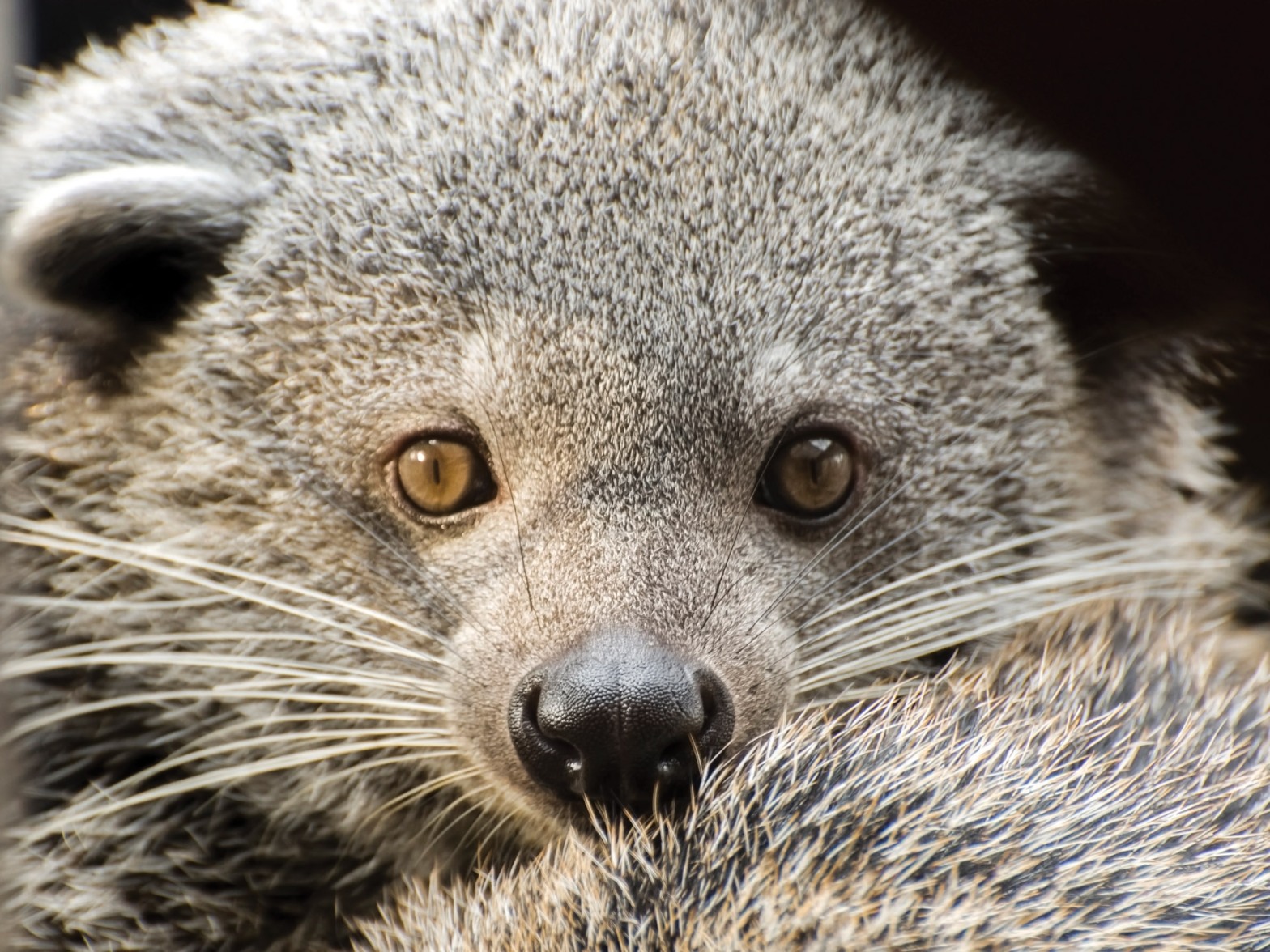
You may smell a Binturong in the forest before you see them. They give off the aroma of buttered popcorn or cheesy crisps due to the a compound in their urine they use to attract mates. The binturong, Arctictis binturong, is a fascinating and rare mammal who roam the dense rainforests of Southeast Asia. Often called the “bearcat” due to their looks, binturongs are neither bears nor cats, but are more closely related to ferrets. With their prehensile tail, thick wiry fur, and a popcorn-like scent, these unique and irreplacible creatures play vital roles as seed dispersers, particularly for strangler figs (Ficus spp.), making them keystone species in their ecosystem.
Despite their ecological significance, the binturong is now classed as Vulnerable. Populations have plummeted due to habitat destruction, particularly for palm oil deforestation; along with illegal hunting, exploitation for the coffee market and the illegal bushmeat and pet trade. Protecting the majestic binturong requires urgent action to safeguard their rainforest home. Fight for them every time you use your wallet! #BoycottPalmOil #Boycott4Wildlife
The Orangutan with the golden hair by Setia Budhi
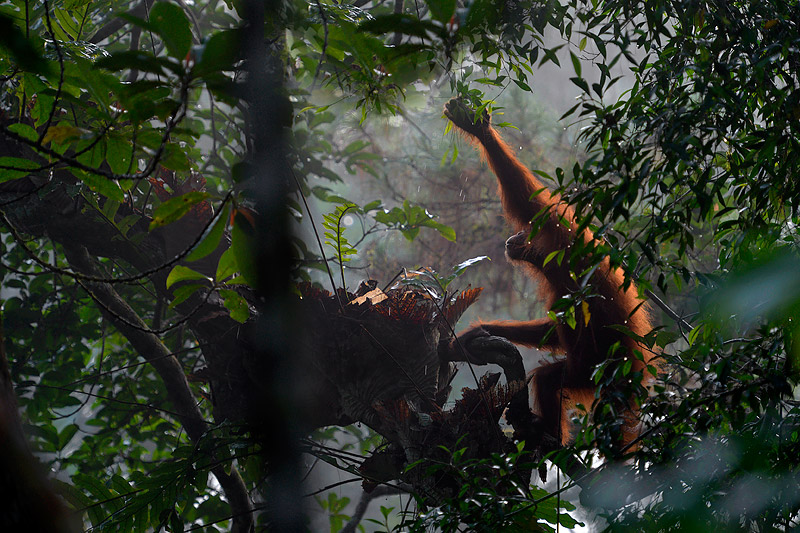
The orangutan 🦧🧡 with the golden hair, a story by Setia Budhi about palm oil pesticides killing people and animals ☠️🤒🤮 Boycott palm oil 🌴🩸🚫🙊
Greenwashing Tactic 9: Partnerships, Sponsorships and Research Funding
Greenwashing Tactic 9. Corporations use NGOs, Zoo partnerships, sponsorships, and research funding to give an industry or brand a ‘green image.
Greenwashing Tactic #3: Vagueness
Claiming a brand or commodity is ‘green’ or ‘sustainable’ based on broad generalisations, unclear language or vague statements Jump to section Greenwashing: Vagueness in Language Greenwashing: Vagueness in certification standards Reality: Auditing of RSPO a failure Quote: EIA: Who Watches the Watchmen 2 (2019) Quote: Greenpeace: Destruction Certified (2021) Quote: EIA: Burning Questions the CredibilityContinue reading “Greenwashing Tactic #3: Vagueness”
Santa Marta White-fronted Capuchin Cebus malitiosus
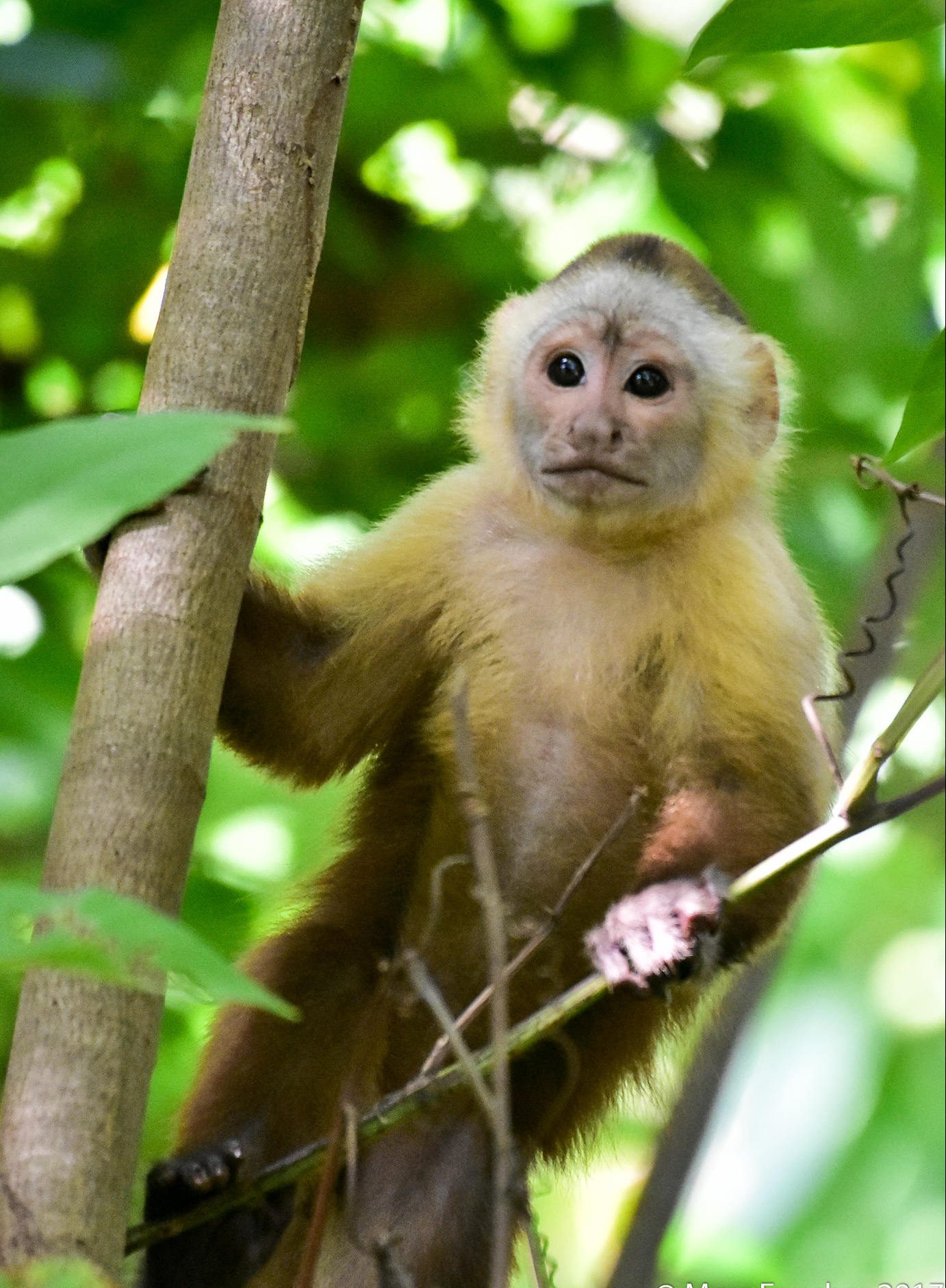
Santa Marta White Fronted Capuchins are Colombian primates threatened by severe habitat loss from cattle ranching and palm oil. Boycott palm oil and meat!
Species Extinction: just how bad is it and why should we care?
This is arguably society’s biggest challenge, and arguably its biggest failure: the continuing loss of species from Earth. The massive impact we are having on the planet has firmly entrenched us in a period of our history commonly called the Anthropocene.
Background or “normal” rates of extinction vary through time but are typically in the order of one to two species per year. Current rates of extinction, however, are estimated to have reached 1000 to 10,000 times this rate. Help animals to survive when you shop and be #Vegan 🌿🍌🍇 #Boycottpalmoil 🌴🩸🤮☠️#Boycott4Wildlife
Sulawesi Hornbill Rhabdotorrhinus exarhatus
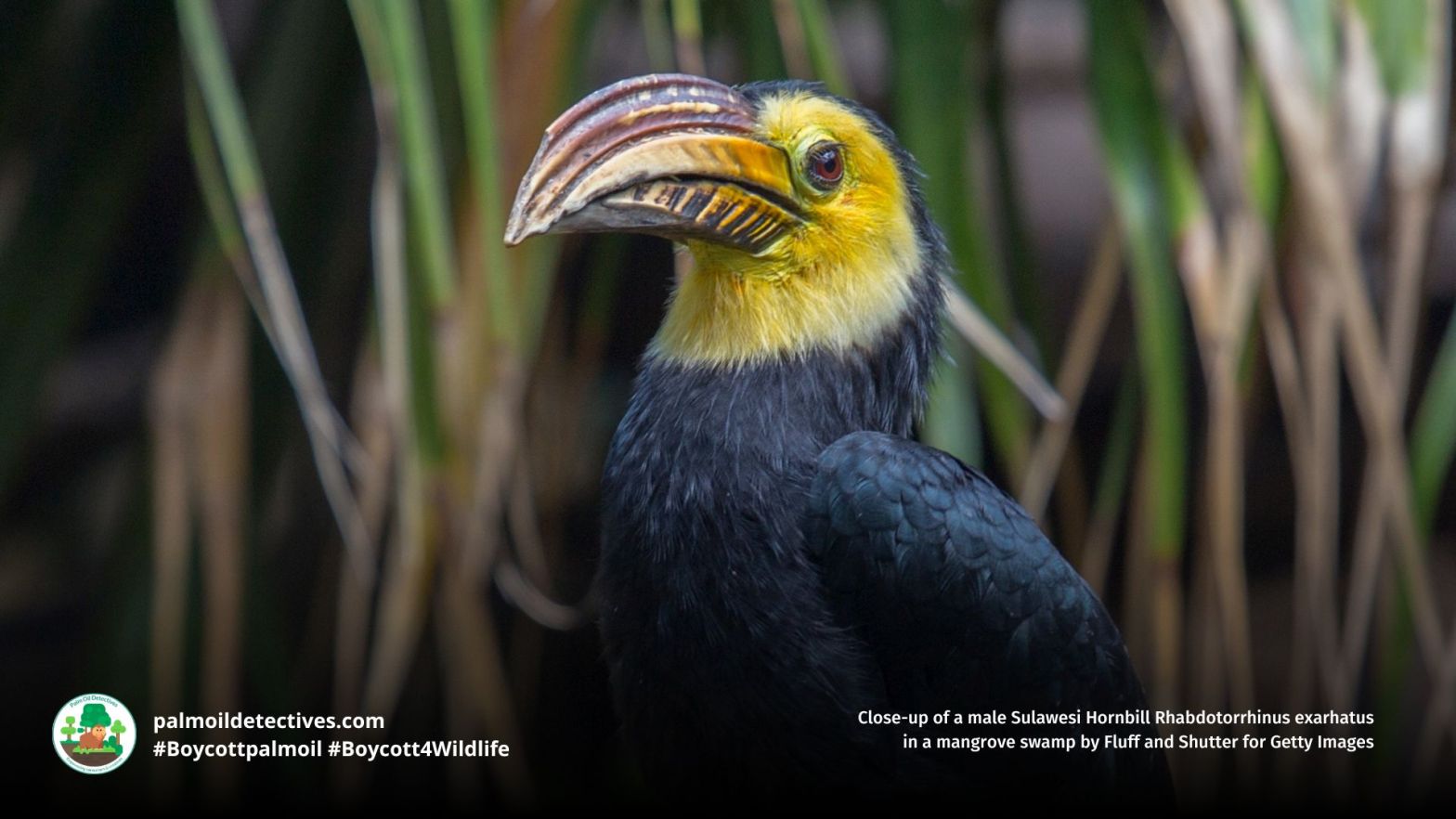
The Sulawesi hornbill (Rhabdotorrhinus exarhatus) is a striking and large yellow and black bird endemic to Sulawesi, Indonesia. Known for their unique vocalisations and social nature, including communal shared breeding practices, these medium-sized hornbills are integral to the rainforest ecosystem, acting as crucial seed dispersers for many important tree species.
Sadly, the Sulawesi hornbill is classified as Vulnerable due to habitat destruction from logging, agriculture, and palm oil plantations, as well as poaching for the illegal pet trade. Protecting their remaining rainforest habitats is essential to ensuring their survival. Fight for their survival every time you shop. #BoycottPalmOil #Boycott4Wildlife
Pygmy Marmoset Cebuella niveiventris and Cebuella pygmaea

The petite pygmy #marmoset, the world’s tiniest true #monkey, boasts a mix of brownish-gold, grey, and tawny fur. These little wonders, weighing just around 100 grams, communicate uniquely using chemical, vocal, and visual cues to ensure group safety and harmony. Although these #marmosets prefer river-edge forests and can adapt to secondary forests, their homes are under serious threat. Rampant #deforestation for #meat, #goldmining, and #palmoil cultivation are eroding their habitats, pushing the subspecies Cebuella niveiventris towards a “Vulnerable” status. The situation is dire, with an estimated 30% reduction in their population in just 18 years. Protect these delicate creatures and their home – use your wallet as a weapon, be #vegan, #BoycottPalmOil, and #Boycott4Wildlife.🌳🐒
Giant Anteater Myrmecophaga tridactyla

Giant Anteaters have a striking and unforgettable appearance. They are covered in wiry, grey and brown fur with a distinctive black and white stripe running along their bodies. Their elongated snouts and long, sticky tongues are perfectly adapted for feeding on ants and termites. With their bushy tails and long, curved claws, they are supremely strange looking creatures, making them captivating to behold.
The Giant Anteater is classed as Vulnerable due to widespread deforestation and #palmoil, soy, meat, sugarcane and gold mining across their range. They are often victims to frequent deliberate and accidentally lit fires in the Amazon. These gentle creatures are becoming increasingly rare. But there’s a lot of actions you can take. Make sure you #Boycottpalmoil #BoycottGold #Boycottmeat and #Boycott4Wildlife to help them every time you shop.
Research: Boycotts Are Worthwhile and Effective

Despite sustained and vigorous attempts by corporates and industry certification schemes like RSPO, MSC and FSC to downplay the impact and effectiveness of consumer boycotts, it turns out that boycotts are impactful and drive social change. They force profit-first and greedy corporations to change their ways and do better. They also create a tangible sense of empowerment and agency for consumer-citizens who want to participate in civil society in a meaningful way in improving the world, both as individuals and in collective groups.
African Forest Elephant Loxodonta cyclotis
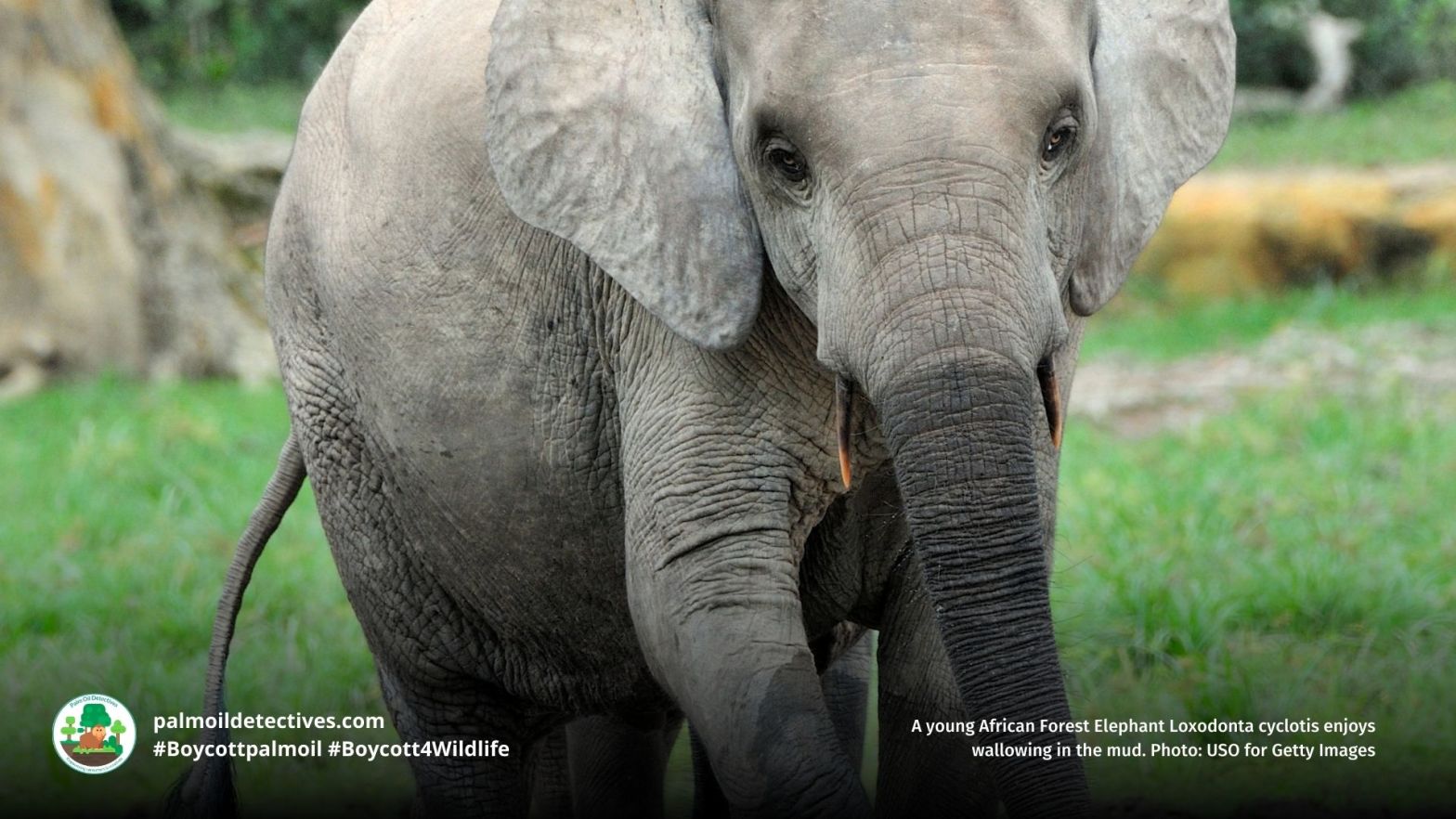
Protect African Forest Elephants! These critically endangered ecosystem engineers are vital for rainforest health but face extinction from poaching, ecocide
Dayak Indigenous Ethnographer Dr Setia Budhi
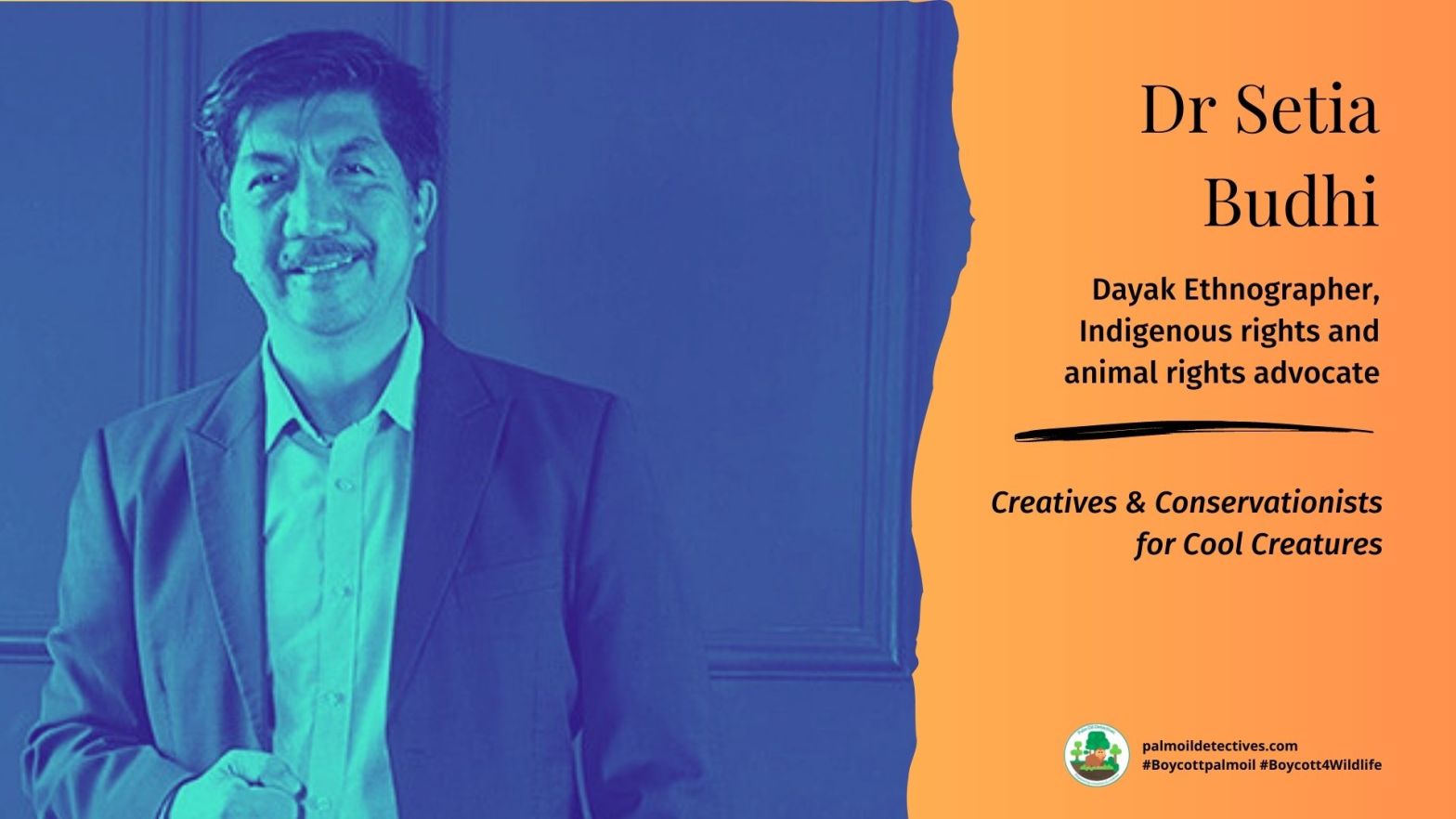
Dr Setia Budhi is a senior lecturer in Anthropology and Sociology at Universitas Lambung Mangkurat. He is an indigenous advocate, forest conservationist and a research specialist in Dayak ethnography in South, Central and East Kalimantan. He completed his PhD in 2010 at UKM Malaysia under the supervision of Prof. Awang Hasmadi Awang Moeis and Prof. Aishah Bt Mohamed. He now serves as Head of the Sociology Department and a member of the Indonesian Anthropology Association of South Kalimantan-Indonesia.
His research relates to the Dayak people and impact of socio-cultural changes, exploitation of natural resources and modernisation on their lives. In particular, he investigates how the depletion of the forest affects the availability of food sources for Indigenous Dayak peoples.
Africa’s rainforests are different. Why it matters that they’re protected
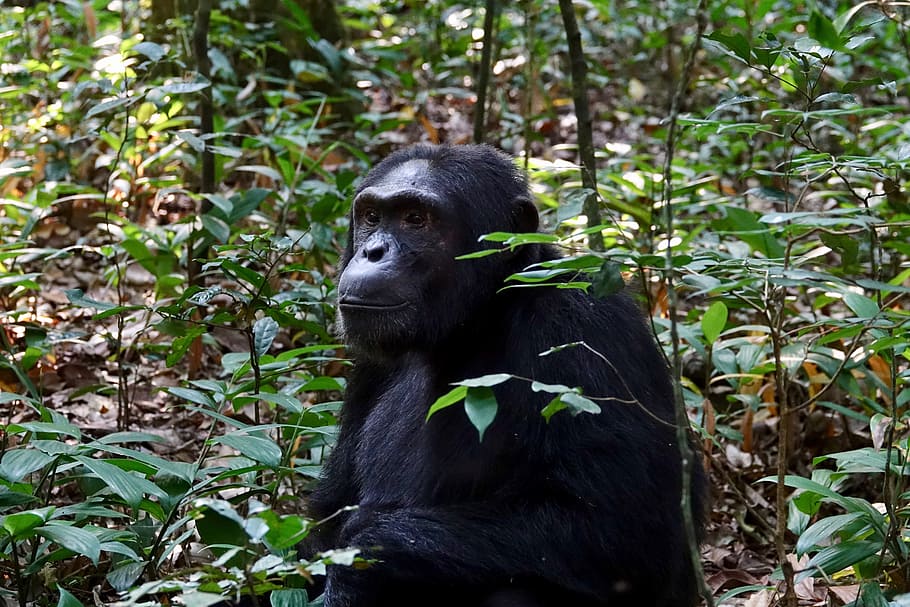
Around 2 million km² of #Africa is covered by tropical #rainforests. They are second only in extent to those in #Amazonia, which cover around 6 million km². Rainforests are home to vast numbers of species of #primates #birds #insects and more. For example, the world’s tropical rainforests are estimated to be home to at least 40,000 tree species, with up to 6,000 in African forests. Protect all rainforests before it’s too late, every time you shop use your wallet as a weapon and be #Vegan #BoycottPalmOil #Boyott4Wildlife
Black Bearded Saki Chiropotes satanas
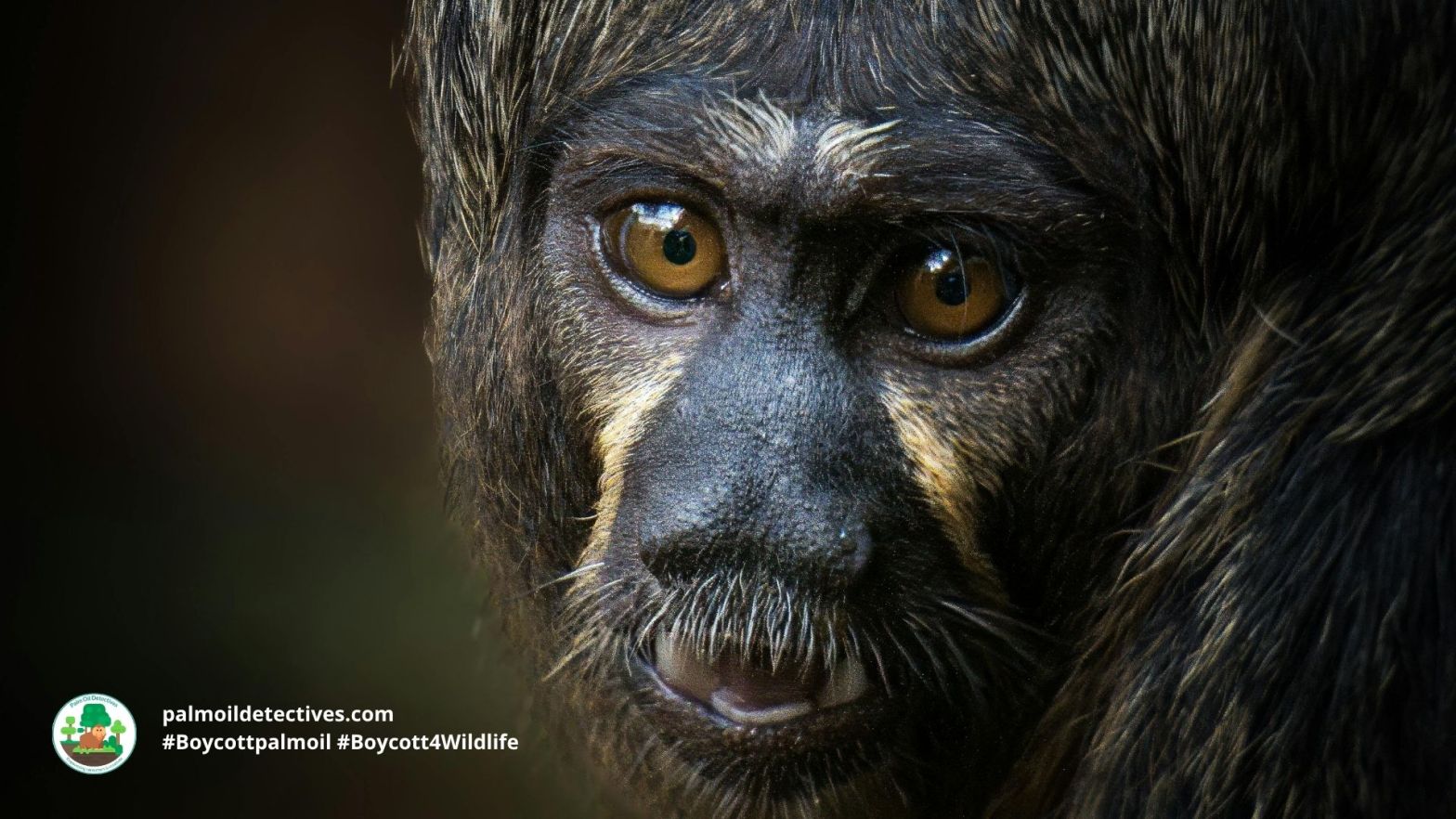
Beneath the towering canopy of the Amazon’s north-eastern forests, the black bearded saki moves with quiet purpose, their distinctive shaggy beard and robust body a testament to their resilience in a world under siege. The air is thick with the scent of damp earth and the distant calls of unseen creatures, but the forest is changing—#roads, #dams, and #agriculture are carving scars across the landscape, fragmenting the saki’s ancestral home. The black bearded saki’s survival is threatened by relentless deforestation and hunting, their fate bound to the fate of the forest—fight for their survival every time you shop #BoycottPalmOil #Boycott4Wildlife.
Demand for meat is driving deforestation in Brazil – changing the soy industry could stop it
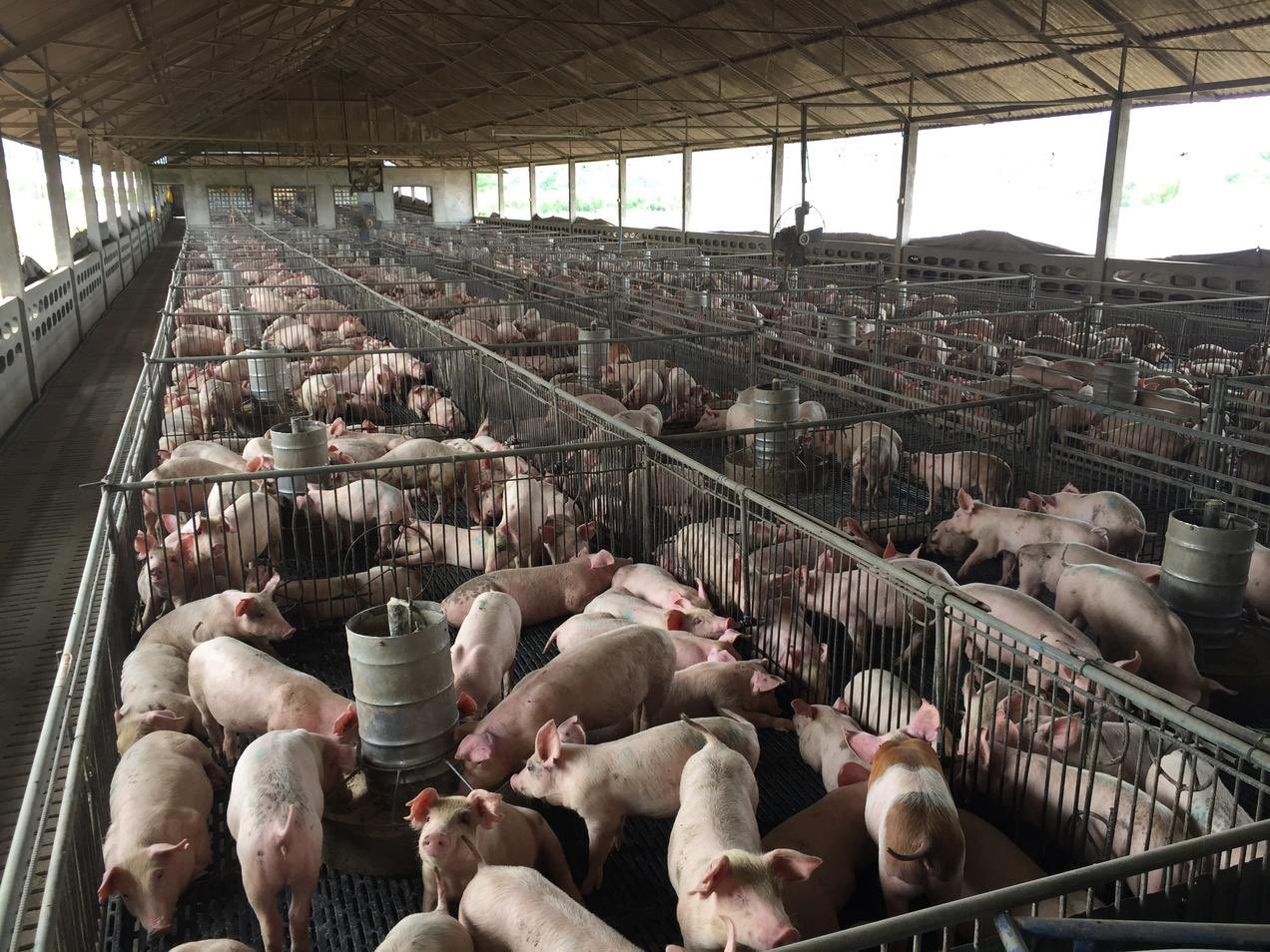
For many people, soy as a commodity has a pretty innocuous reputation thanks to its association with vegan food and meat alternatives. However don’t be fooled – crops of this pale legume are behind much of Brazil’s epidemic of deforestation. Much more #soy is fed to farm animals that people eat than is used in vegan food. Since 2000, #Brazil has doubled its total area of soy plantation to 36 million hectares and become the world’s largest producer. This expansion has erased vast swathes of forest and other habitats in some of the country’s most biodiverse regions. Soy, along with palm oil and meat deforestation are the biggest land-hungry commodities in South America and threaten the world’s largest rainforest biosphere. Help fight against this ecocide every time you shop, be #vegan #BoycottPalmOil #Boycott4Wildlife
Northern Tiger Cat (Oncilla) Leopardus tigrinus
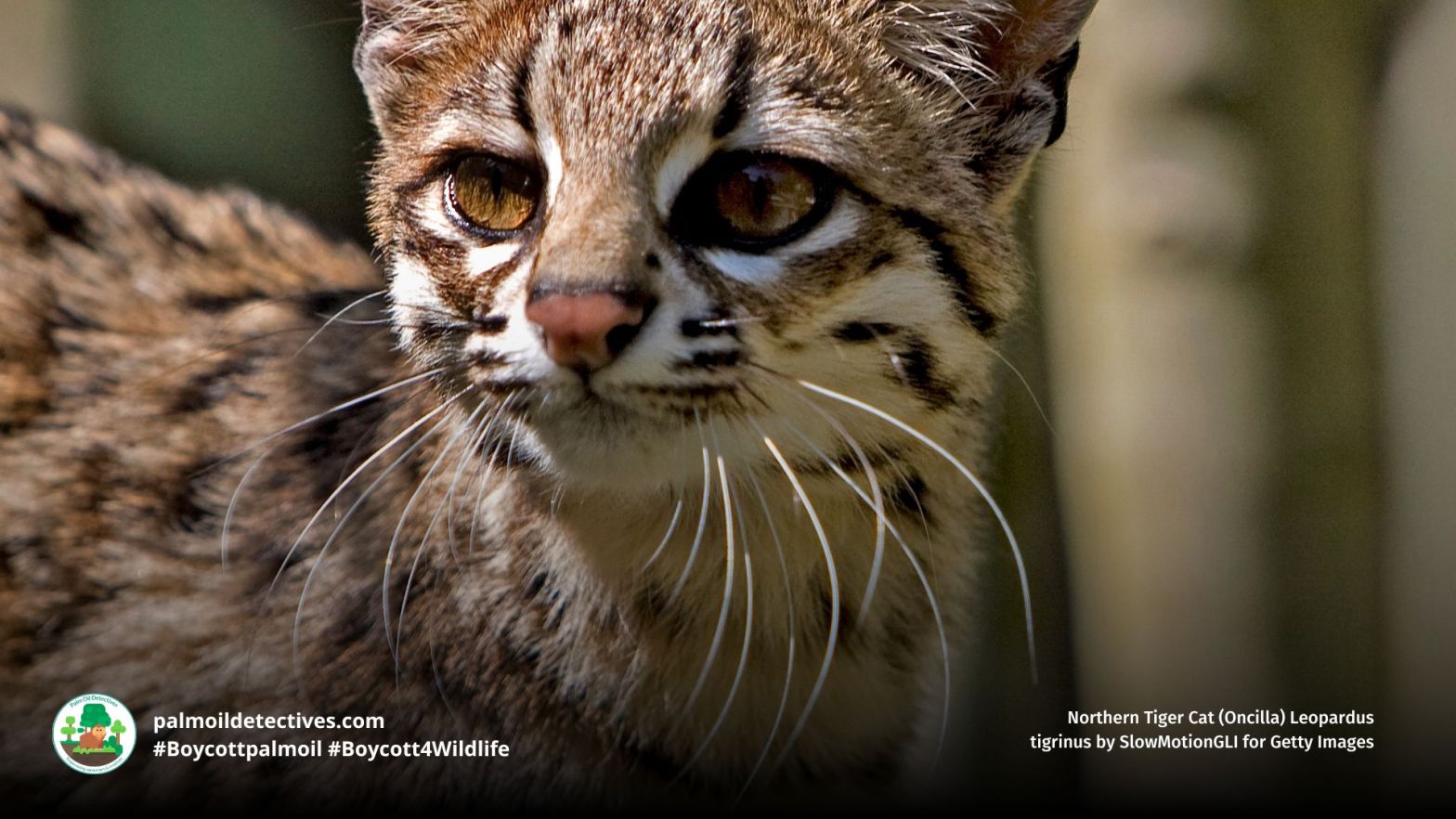
The northern tiger cat, also known as the oncilla (Leopardus tigrinus), is a captivating small wild cat native to Central and South America. Distinguished by their striking, leopard-like coat marked with dark rosettes and a sleek, agile body, this elusive feline is a master of stealth and survival in the dense forests and grasslands they inhabit.
The northern tiger cat is a tiny predator, weighing only 1.5–3 kg, yet they play a significant role in maintaining ecological balance as a keystone predator. These solitary creatures, though mostly ground-dwelling, are adept climbers. They communicate through purring as kittens and have a unique “gurgle” as adults. Their habitats range from the semi-arid Caatinga to the Andean cloud forests. Tragically, this species is classified as Vulnerable, with populations declining due to habitat destruction for palm oil, soy, meat and mining, poaching, and habitat fragmentation. Indigenous-led conservation efforts are vital to protect their remaining habitats. #BoycottPalmOil #Boycott4Wildlife
Black-Throated monitor Varanus albigularis microstictus

The Black-Throated Monitor is a mighty and large lizard reaching over 2 metres long. They are threatened by agriculture deforestation and #hunting for their leather and meat in Tanzania, Africa. Help them every time you shop and #Boycottpalmoil #Boycott4Wildlife
A global juggling act: feeding the world, saving species

Our planet is on the precipice of a sixth mass extinction event. But unlike the five previous mass extinctions, this one is man-made: a global biodiversity crisis in which species are disappearing three to 12 times faster than the “normal” rate of extinction. A massive driver of this extinction is how humans eat. Be #Vegan for the animals #BoycottPalmOil #Boycott4Wildlife
Primatologist Cleve Hicks on Chimpanzee cultures, Palm Oil deforestation

Dr Hicks speaks with Palm Oil Detectives about his chimpanzee research, veganism, deforestation, palm oil and what consumers can do to help the endangered animals of Africa.
What, Why and Where of Black Leopards
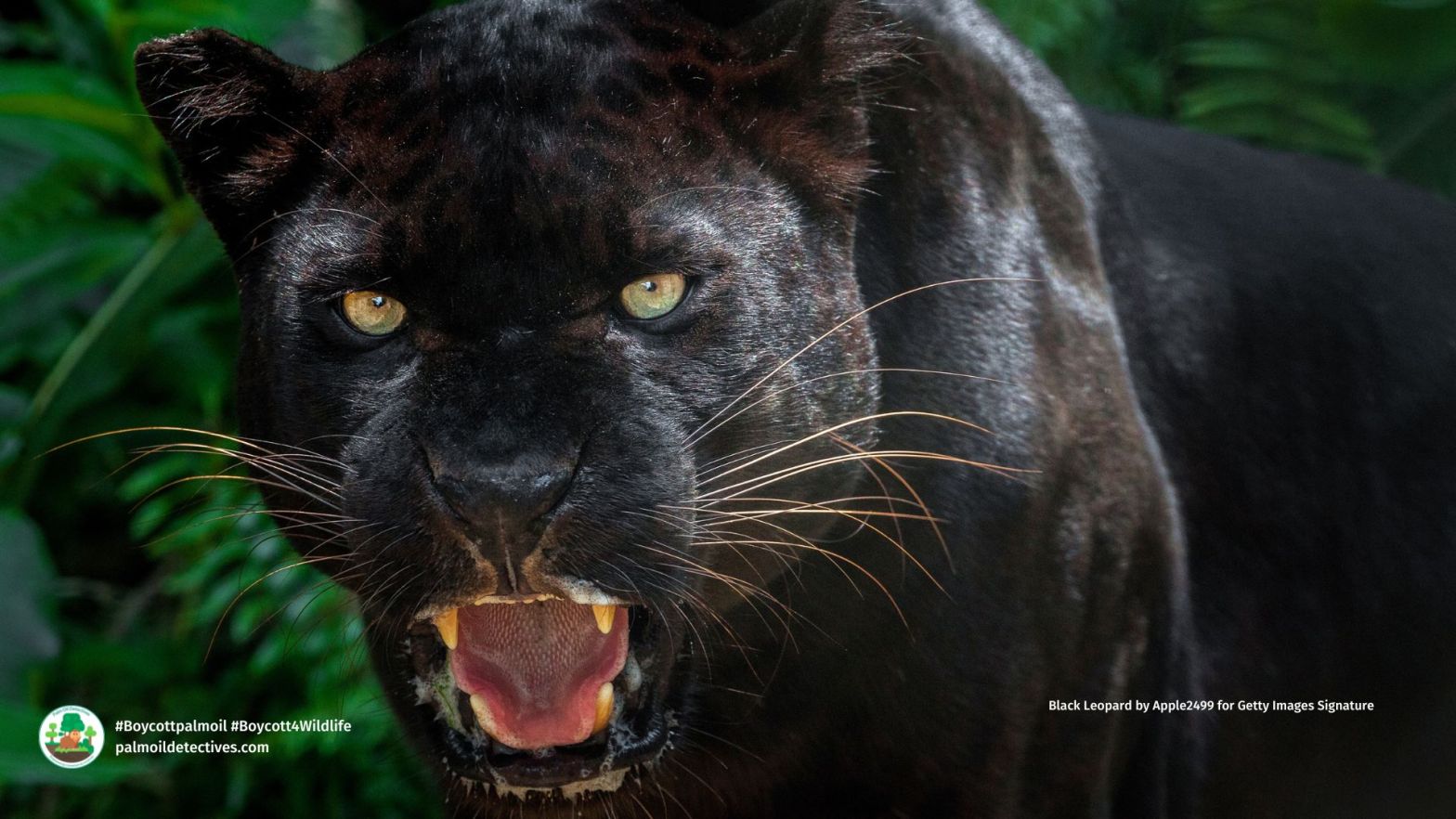
Did you know that Black #leopards only differ from other leopards by the colour of their coat, a genetic variation that’s #recessive also known as melanism? One of their threats is #palmoil #deforestation. Help their survival be #vegan #Boycottpalmoil #Boycott4Wildlife in the supermarket
Palm Oil Lobbyists Getting Caught Lying Orangutan Land Trust and Agropalma
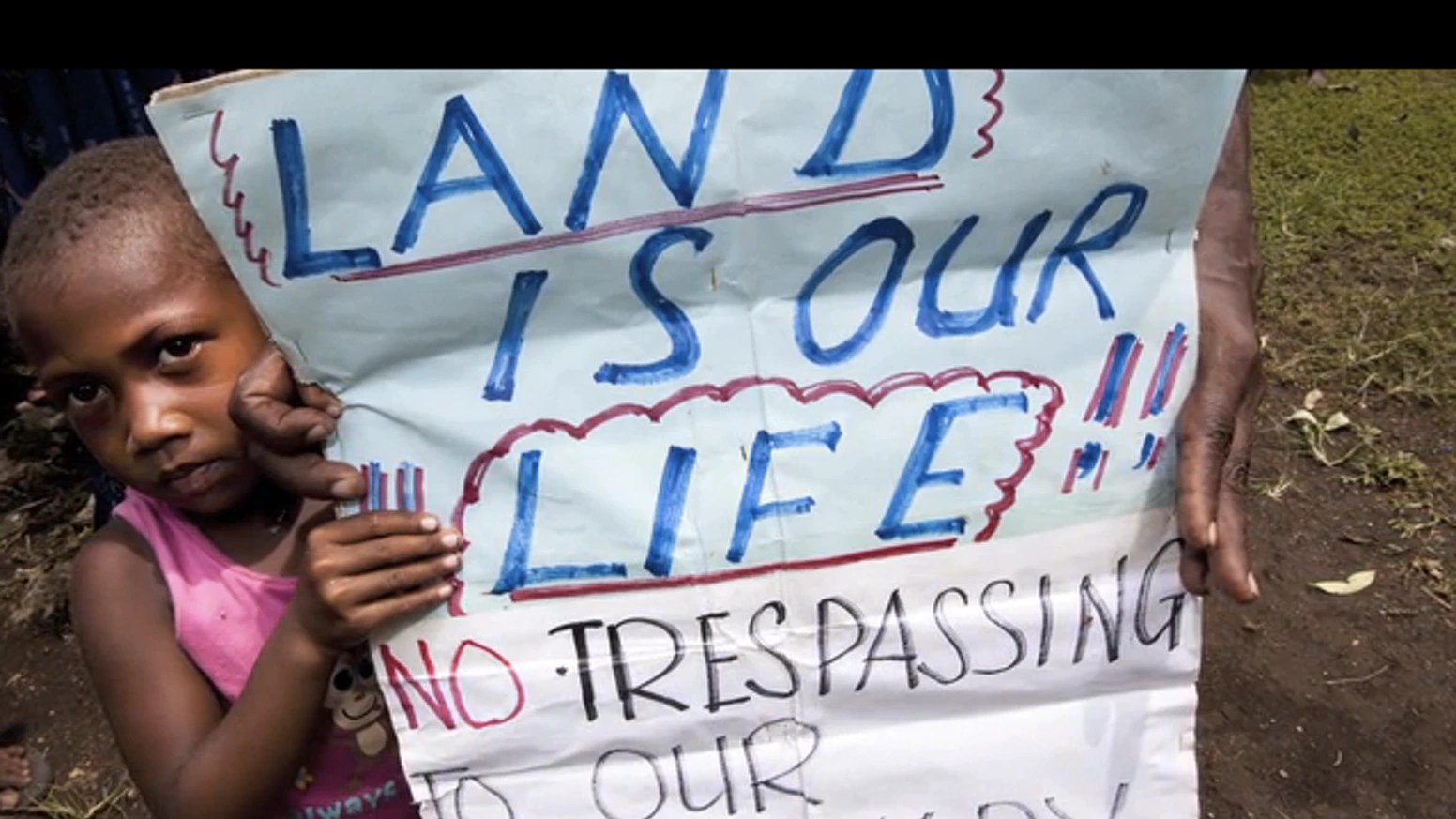
For decades, investigative journalists have been exposing that illegal land grabbing from Indigenous peoples as a regular occurrence in West Papua, South and Central America, Africa and Asia. Indigenous people’s land is being forcibly (and often violently) taken from them by predatory palm oil companies. Major supermarket brands and also palm oil producers that areContinue reading “Palm Oil Lobbyists Getting Caught Lying Orangutan Land Trust and Agropalma”
Marbled Cat Pardofelis marmorata
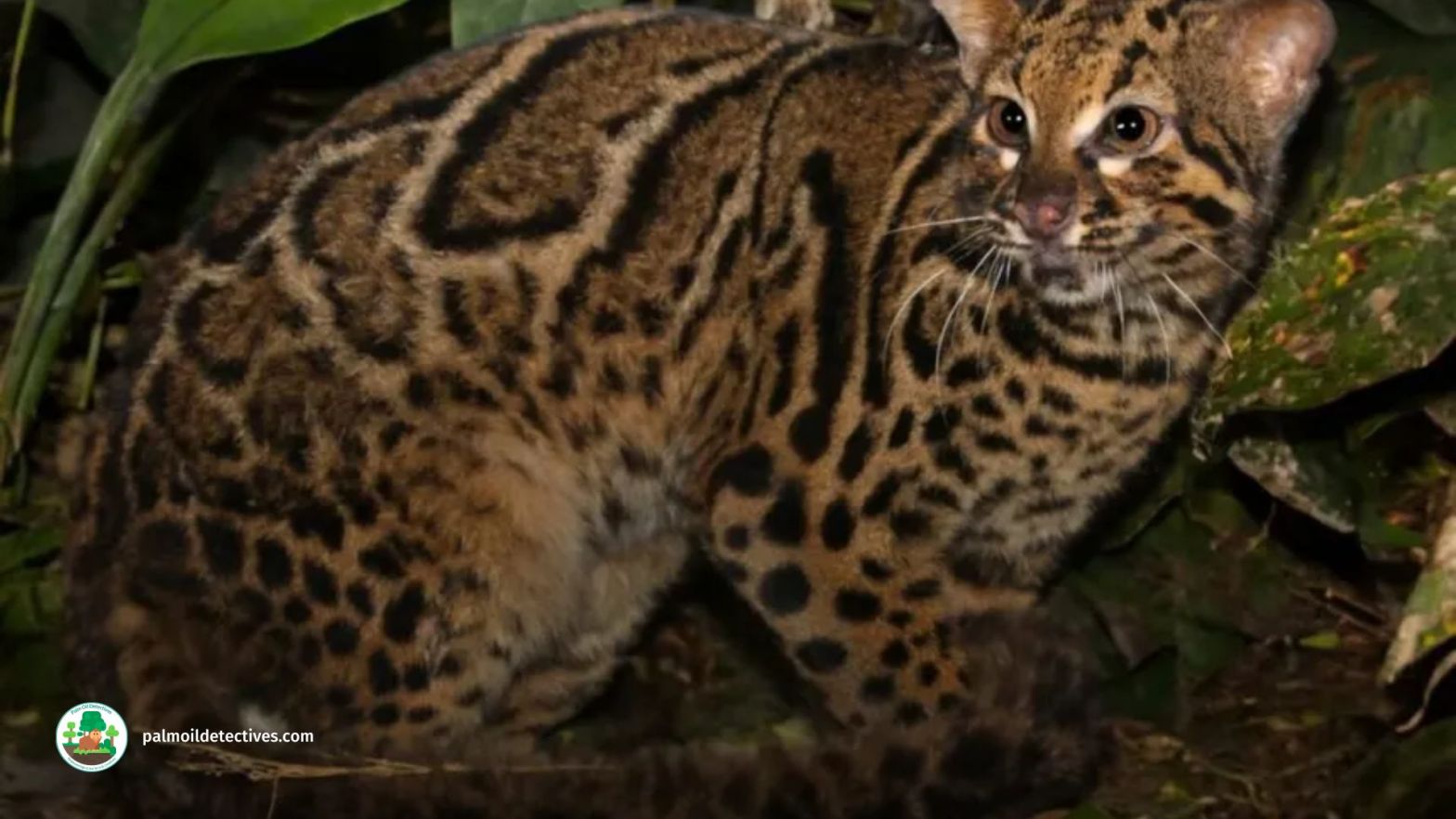
Marbled Cat Pardofelis marmorata IUCN Status: Near Threatened Location: India, Nepal, Bhutan, Bangladesh, Myanmar, Thailand, Laos, Vietnam, Cambodia, Malaysia, Indonesia (Sumatra, Borneo), China (Yunnan, Guangxi, Tibet), Brunei The marbled cat is a small #wildcat that can be found in the eastern part of the Himalayas and southern Asia. They are related to the Asian GoldenContinue reading “Marbled Cat Pardofelis marmorata”
One-fifth of reptiles heading towards extinction

Almost one-fifth of the world’s reptiles are currently threatened with extinction.A recent study assessed 1500 species for extinction risks. From the 19% found to be in danger, 12% were classified as Critically Endangered, 41% as Endangered and 47% Vulnerable. Three of the species listed as being Critically Endangered are believed to be possibly extinct. ThisContinue reading “One-fifth of reptiles heading towards extinction”
Wildlife Photographer Craig Jones
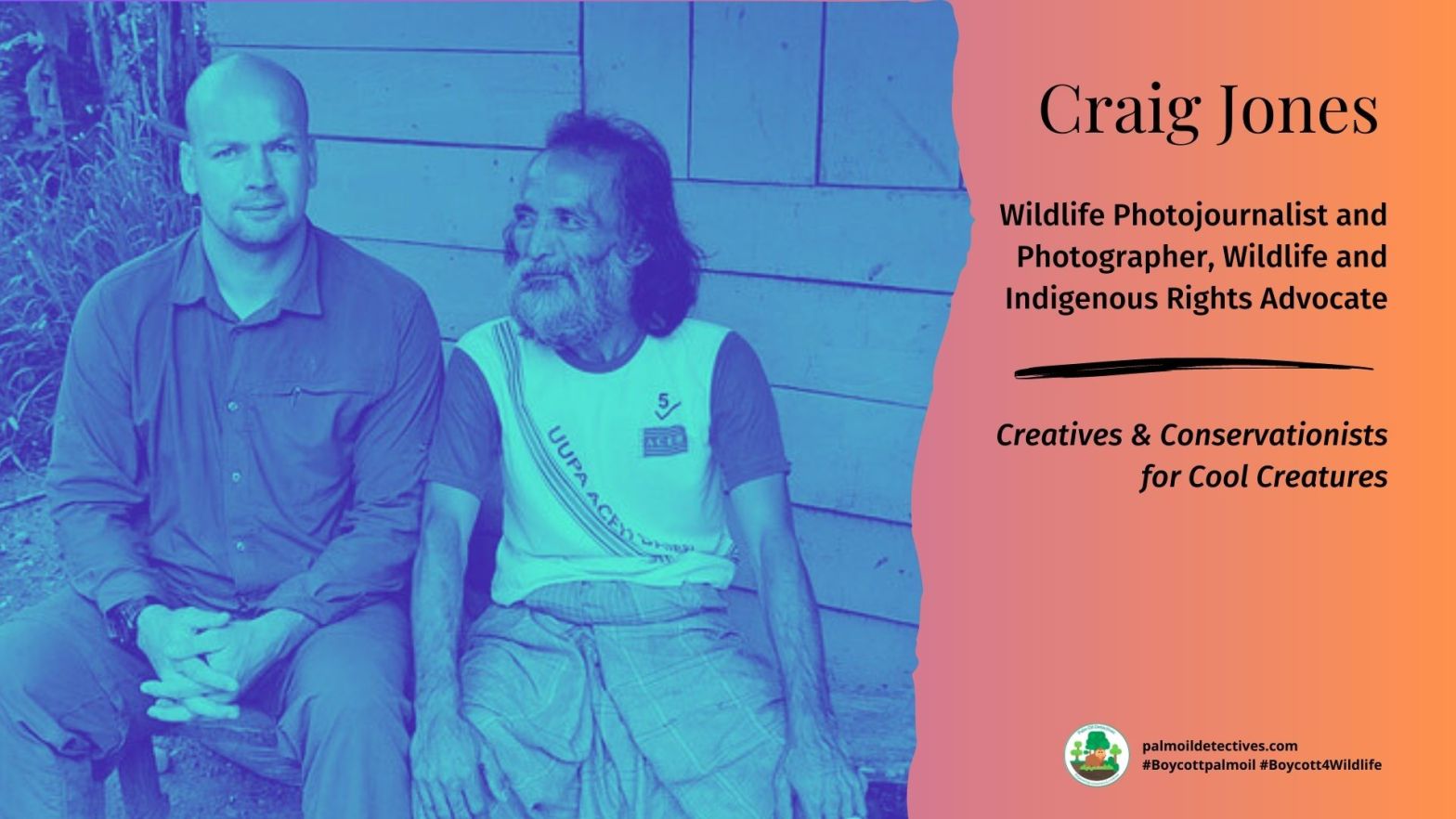
One of Britain’s finest wildlife photographers, Craig Jones uses his own words to bear witness to the awesome love and intelligence of orangutans, and also shares stories of the immense suffering of orangutans and other species within RSPO member palm oil plantations. Craig is an absolute inspiration to photographers, animal lovers and conservationists. It is an honour to showcase his work and stories on Palm Oil Detectives.
Yellow-tailed Woolly Monkey Lagothrix flavicauda

Yellow-tailed Woolly Monkeys are social and active during daylight hours, living in groups with a dominant male, mature males and females, and young monkeys. They communicate through vocalizations like a loud, barking call. Endemic to the Peruvian Andes, they thrive in montane rainforests and cloud forests. They face an existential threat from habitat loss due to palm oil, soy and meat deforestation. Let’s unite to protect these precious creatures by boycotting palm oil, adopting a vegan lifestyle, and raising awareness for them. Together, we can protect the Peruvian Yellow-tailed Woolly Monkeys and their habitat. 🌳🐒💚 #BoycottPalmOil #Boycott4Wildlife
 Palm Oil Detectives