
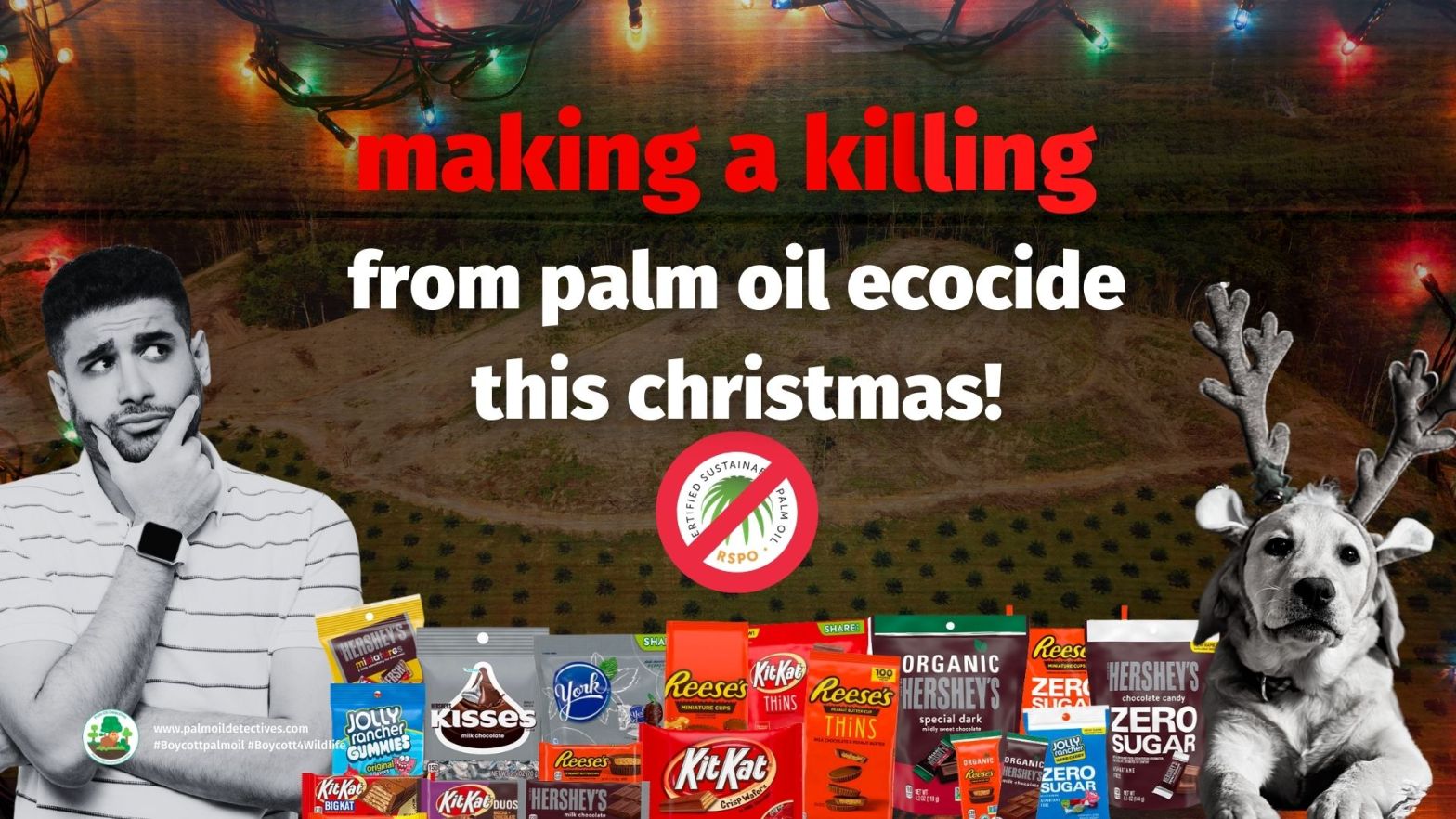
Enjoy the festive season and be reassured that your #Christmas feast is not contributing to #palmoil related rainforest destruction, #humanrights abuses, #extinction and #slavery. Take the fight for animal rights and indigenous rights to your plate this Christmas. Learn how to fill your belly and enjoy yourself without destroying the earth for palm oil below. Use your wallet as a weapon and #BoycottPalmOil #Boycott4Wildlife
Tag Archives: deforestation
Roundtable on Sustainable Palm Oil: 19 years is enough
For nearly two decades now, the RSPO has failed in its mission to make the industrial palm oil sector “sustainable”. Instead, it has been used by the palm oil industry to greenwash environmental destruction, labour and human rights abuses and land grabbing.
Researchers find direct links between deforestation and reduced dietary quality
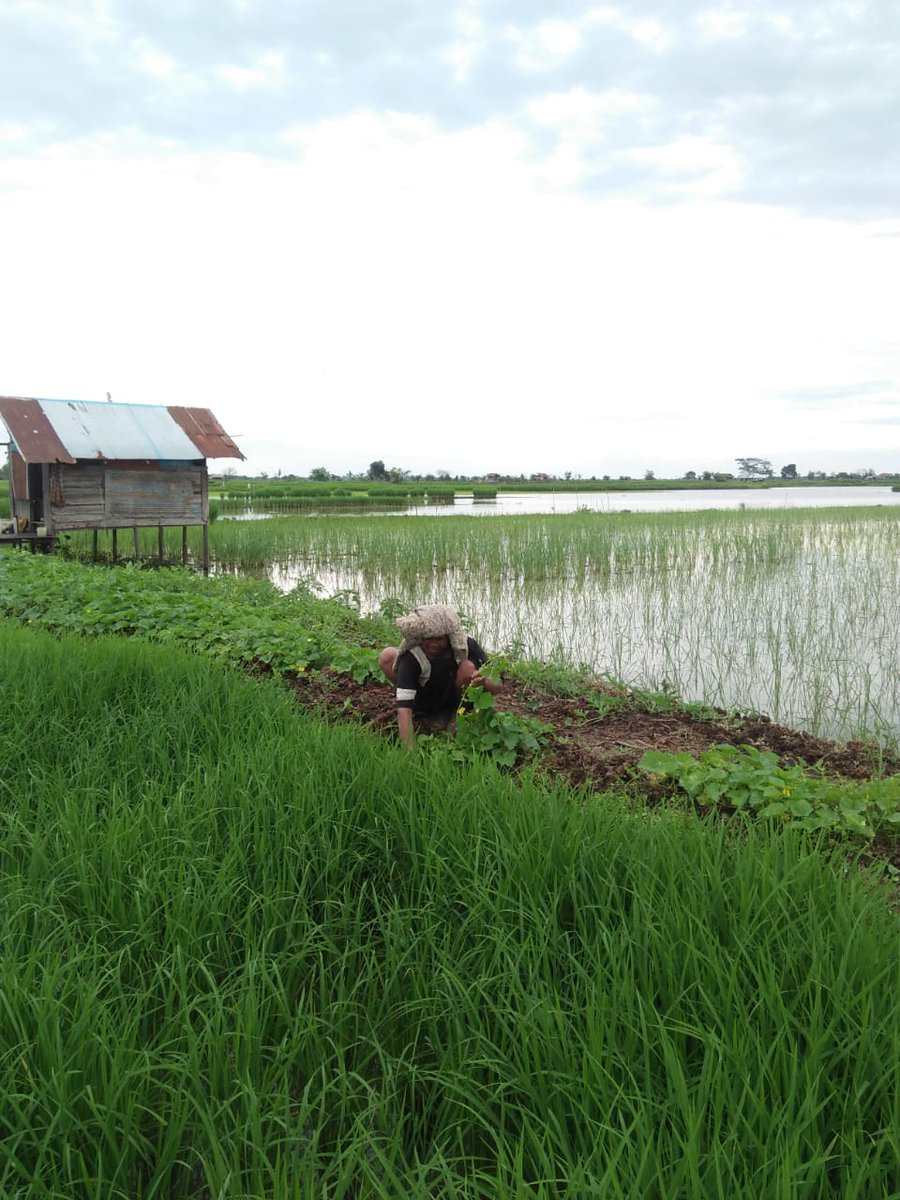
#Forests 🌳🌿🍃play a critical role in helping #indigenous communities who rely on wild #food to diversify their #diet and meet their nutritional needs. Resist in solidarity for them #Boycottpalmoil 🌴🪔🧐⛔️#Boycott4Wildlife
Bangka Slow Loris Nycticebus bancanus

Shy and elusive tiny #primates, Bangka Slow Lorises were last reported from the wild in 1937. If the Bangka Slow Loris is still alive then the burning of their habitat and conversion to agriculture (especially palm oil plantations) is their greatest threat.
These diminuitive and sweet-faced primates are critically endangered due to #palmoil #deforestation and the illegal pet trade. Just 20% of their rainforest remains on Bangka island, #Indonesia. Help them every time you shop, be #vegan #Boycottpalmoil #Boycott4Wildlife
Fishing Cat Prionailurus viverrinus
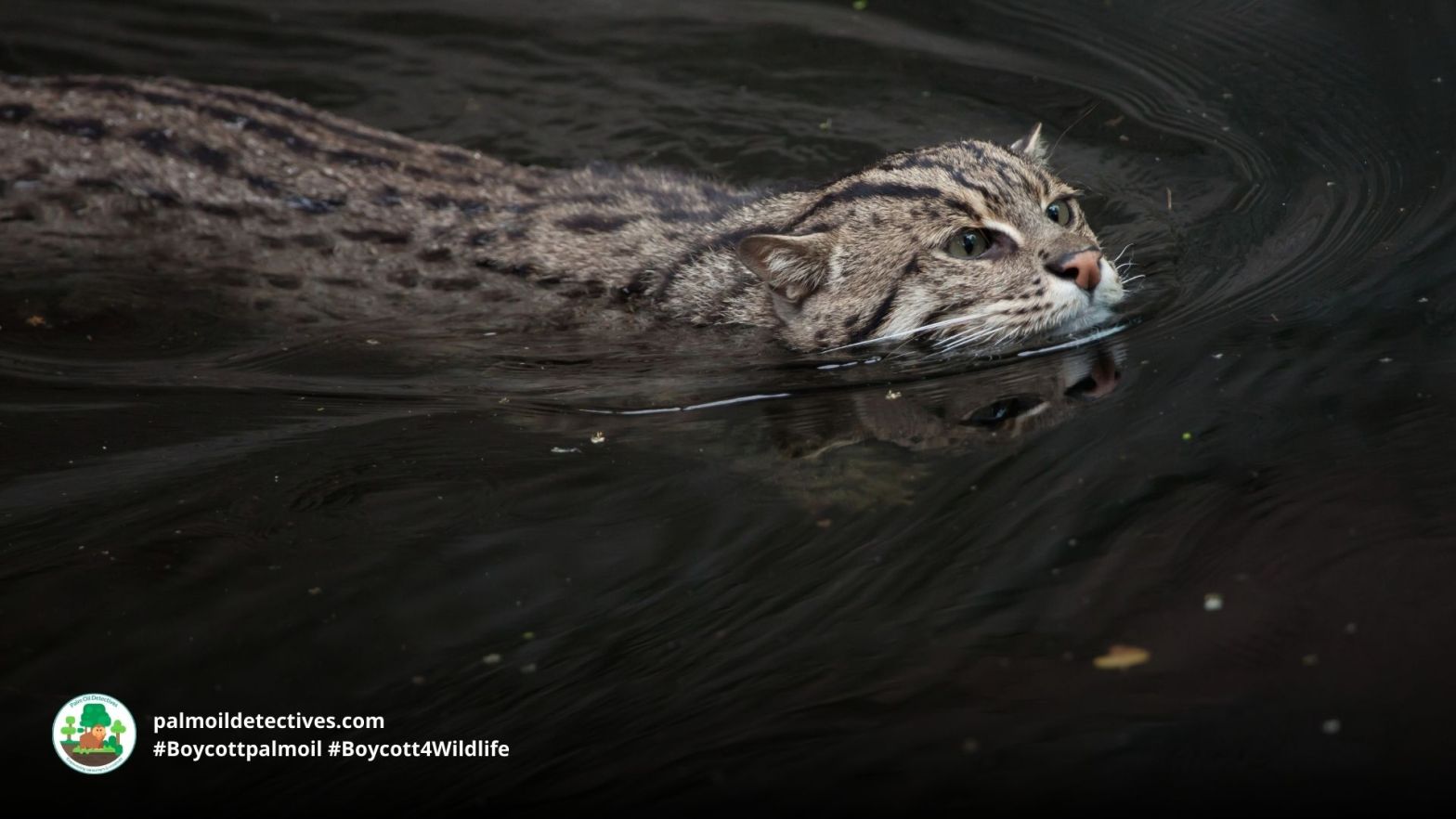
Although they look cute and cuddly, the Fishing #Cat Prionailurus viverrinus has a feisty, firecracker temper. This small to medium sized wild cat can become defensive if approached in the wild. They are around twice the size of a domestic cat and typically weigh around 5-16 kg and have stocky short legs and a short tail.
Their faces are round with elongated noses that gives them a civet-like appearance, which is why their scientific name is viverrine. They are agile and fast hunters and can reach fast speeds in pursuit of prey. They have an average lifespan of approximately 12 years. Ongoing threats include palm oil deforestation, and in Indonesia it is uncertain if their population have remained alive intact due to widespread deforestation and hunting pressures. Help these plucky little #wildcats when you shop and #BoycottPalmOil #Boycott4Wildlife
Amazon Palm Oil: Top Brands Source from Amazon Destroyers

Expose the truth about brands like Nestlé, PepsiCo, and Unilever sourcing “sustainable” palm oil from Brazil linked to violence, abuses and fraud. Shame!
Helmeted Hornbill Rhinoplax vigil

Helmeted #Hornbills are spectacular, large and intelligent #birds native to SE Asia, known for their substantial helmet-like structure on their head called a casque made of ivory. This hefty head accounts for 11% of their 3kg body weight. They are found on the Malay Peninsula: #Sumatra, #Borneo, #Myanmar and #Thailand. They are #criticallyendangered. Their main threats are illegal hunting and wildlife trade for their ivory casques along with palm oil and timber deforestation. Help them each time you shop and #Boycottpalmoil #Boycott4Wildlife
Spoiled Fruit: Land-grabbing, violence and slavery for “sustainable” palm oil
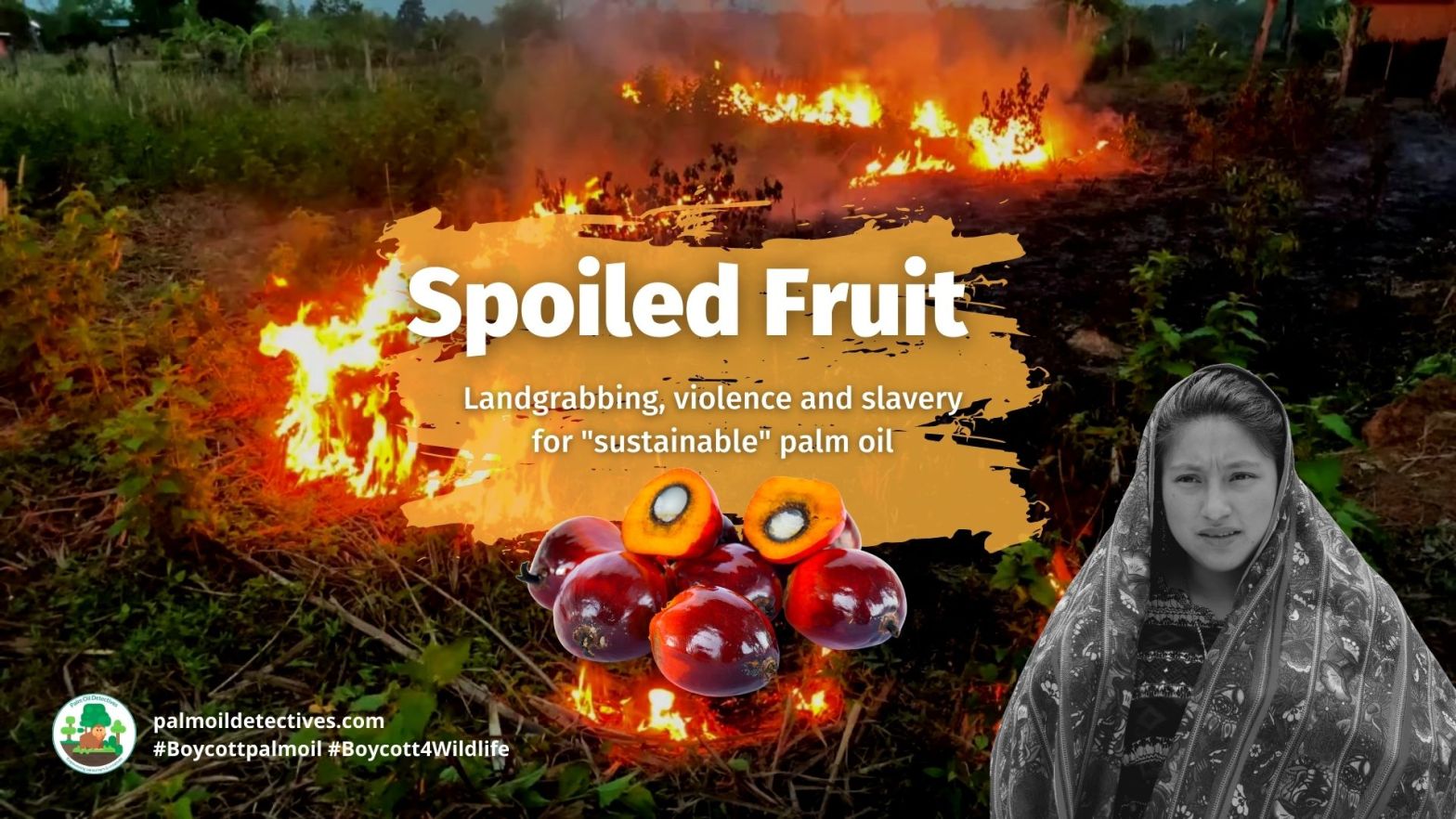
C4ADS analysis shows that the food conglomerates that feed millions—including giants such as Nestlé, Cargill, Adani Wilmar, IOI, Olenex and more —continue to enable forced labor through their indiscriminate import of tainted palm oil associated with slavery, indigenous land-grabbing, deforestation and human misery in the developing world.
Land-grabbing for palm oil and the climate crisis
Corporate monopolies drive land grabbing for palm oil, worsening the climate crisis. Indigenous peoples in Asia resist. Join the fight. #BoycottPalmOil
African Palm Civet Nandinia binotata

African palm civets were once common seed dispersers. Now they face pressure from palm oil-driven deforestation, mining, and hunting for bushmeat – boycott!
Palm oil substitutes can offer beleaguered rainforests a fighting chance
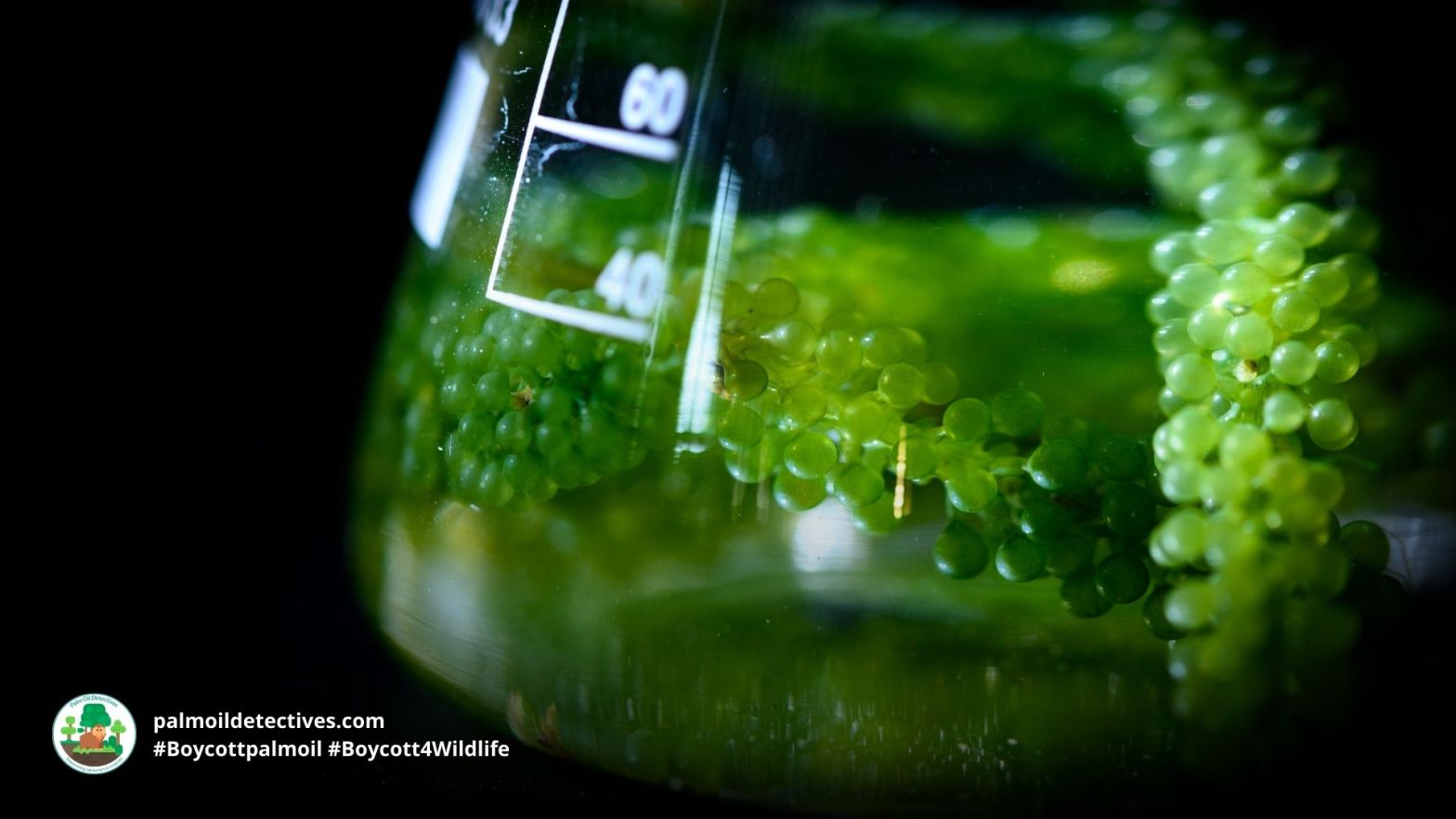
Palm oil is a versatile substance used in a wide range of products from foods to cosmetics. The trouble with it is that the cultivation of oil palm trees has caused massive enviromental harm, especially in Malaysia and Indonesia, which together account for 85% of palm oil production in the world.
But scientists from Nanyang Technological University in Singapore and the University of Malaya in Malaysia say they have an answer as to how we can wean ourselves off palm oil.
Buffy-tufted-ear Marmoset Callithrix aurita

Buffy-tufted-ear Marmosets are enchanting monkeys living in a tiny, isolated region of Brazil’s Atlantic Forest. Fight for them and boycott palm oil!
Learn how to boycott palm oil this Halloween in America, the UK and Australia

The reality of these chocolate and confectionery brands is the spookiest story you will ever hear this Halloween Learn how to boycott with handy lists for the US, Uk and Australia. Discover the spookiest story of #Halloween 🎃👻💀: “sustainable” #palmoil is not sustainable! Major brands continue to buy #palmoil infused with #ecocide. Make sure youContinue reading “Learn how to boycott palm oil this Halloween in America, the UK and Australia”
Spectacled Bear Tremarctos ornatus
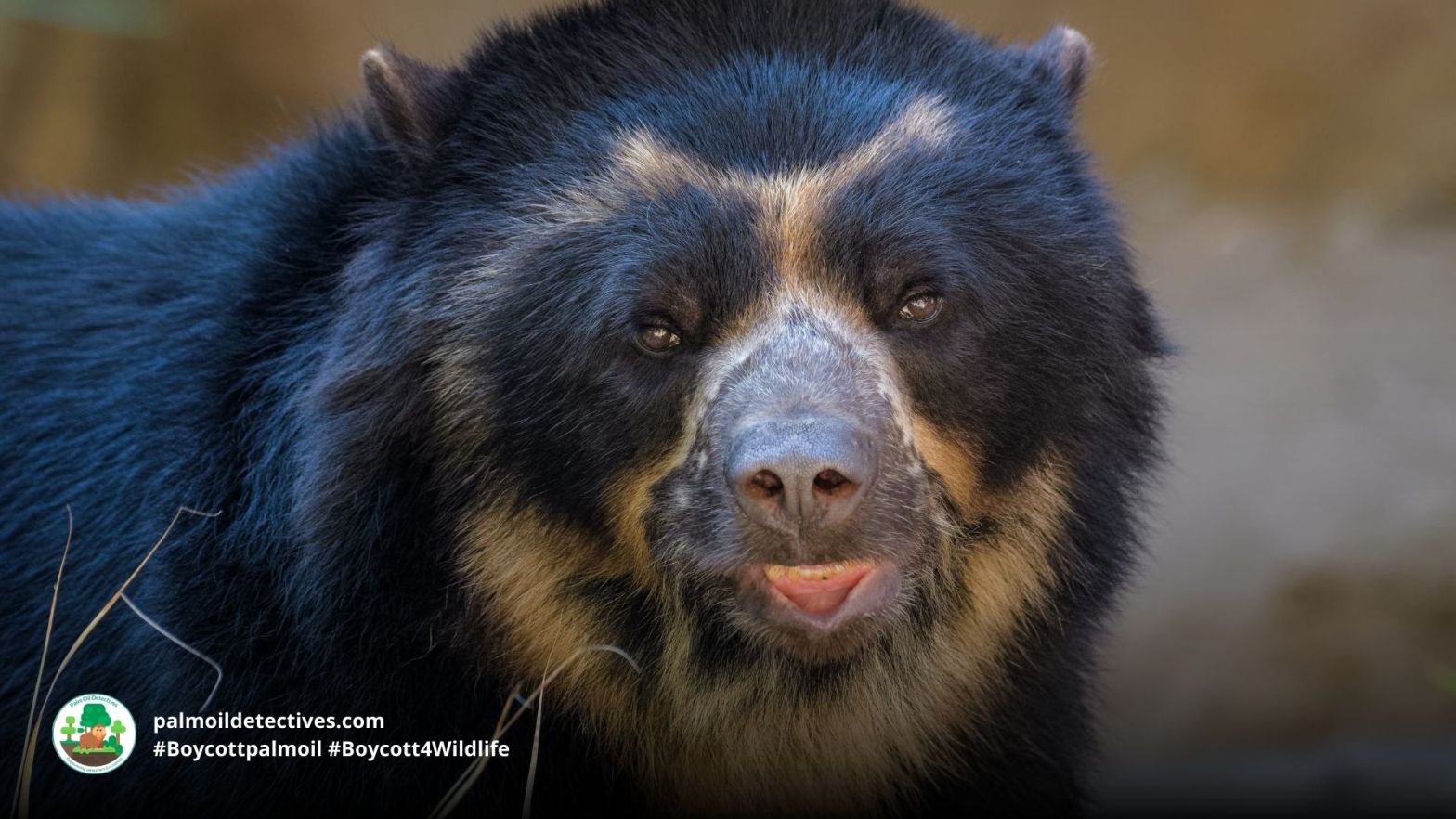
Spectacled #bears are known as the ‘peaceful and gentle bear’. They are the only bear living in the tropics of South America. Like many other animals in tropical ecosystems they are #endangered. They get their name from their eye-catching markings around their eyes, face and neck that resemble spectacles. Each bear has unique markings like a fingerprint and some bears don’t have them at all.
They are found throughout the thin line of Peruvian rainforest and their range stretches across several countries: Bolivia, Ecuador, Peru, Venezuela and Colombia. Their main threats are habitat loss to #gold #mining, timber, #meat, #palmoil and #soy as well as #hunting. Protect them each time you shop by being #boycotting meat, be #vegan #boycottpalmoil #Boycott4Wildlife
What is causing the latest outbreak of Ebola in Uganda?
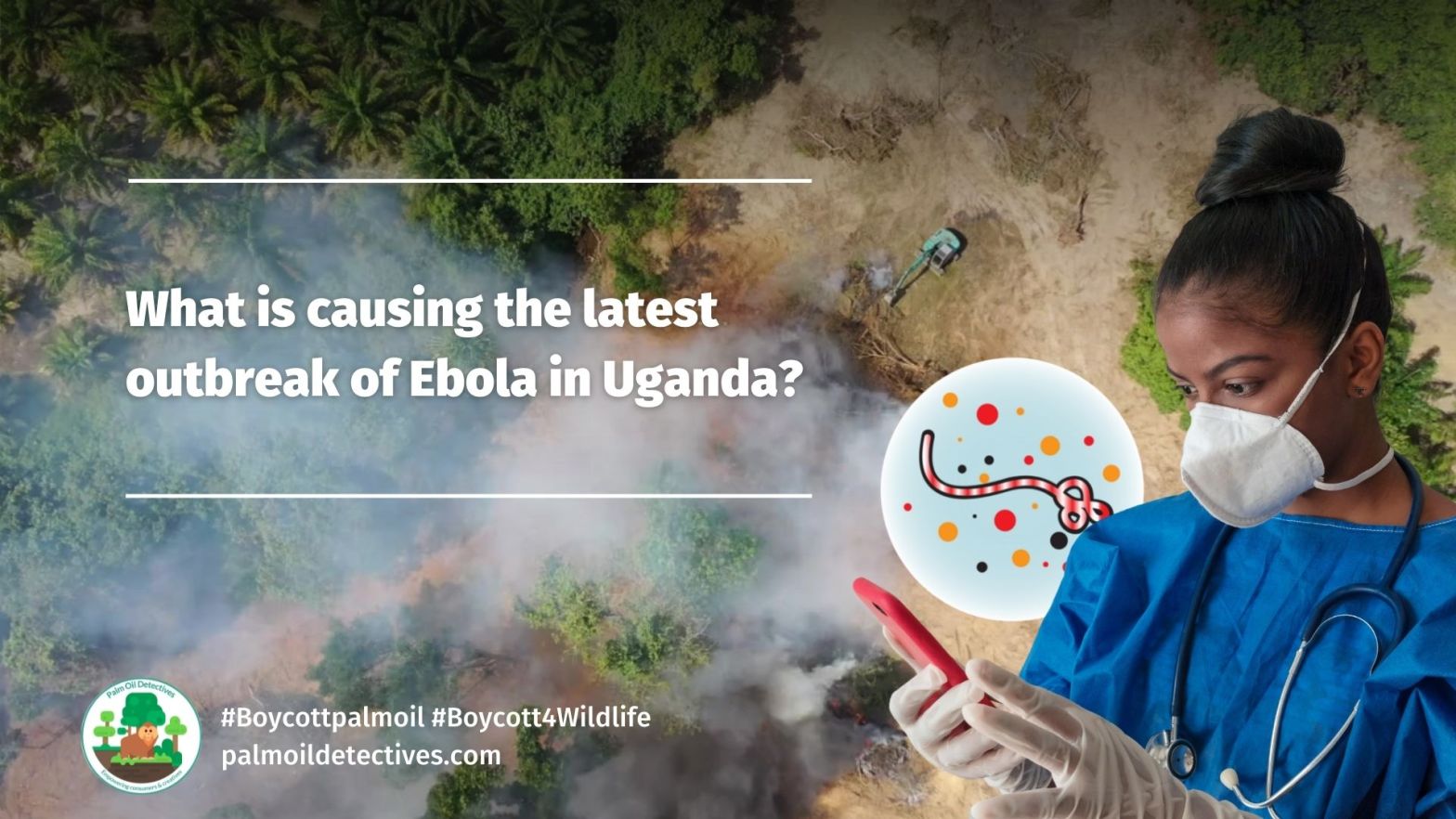
In light of the most recent Ebola outbreak in Uganda (over the past month), many people are experiencing a sense of déjà vu. The rapacious destruction of rainforests for palm oil, soy, meat and dairy by multinational corporations is deeply linked to the spread of infectious zoonotic diseases, such as Ebola. These diseases are becoming more and more commonplace with the destruction of the environment and growth of animal agriculture. This has enormous implications for human #health, food security, animal conservation and planetary health. #BoycottPalmOil #Boycott4Wildlife
Caecilians: Secretive Underground Dwellers
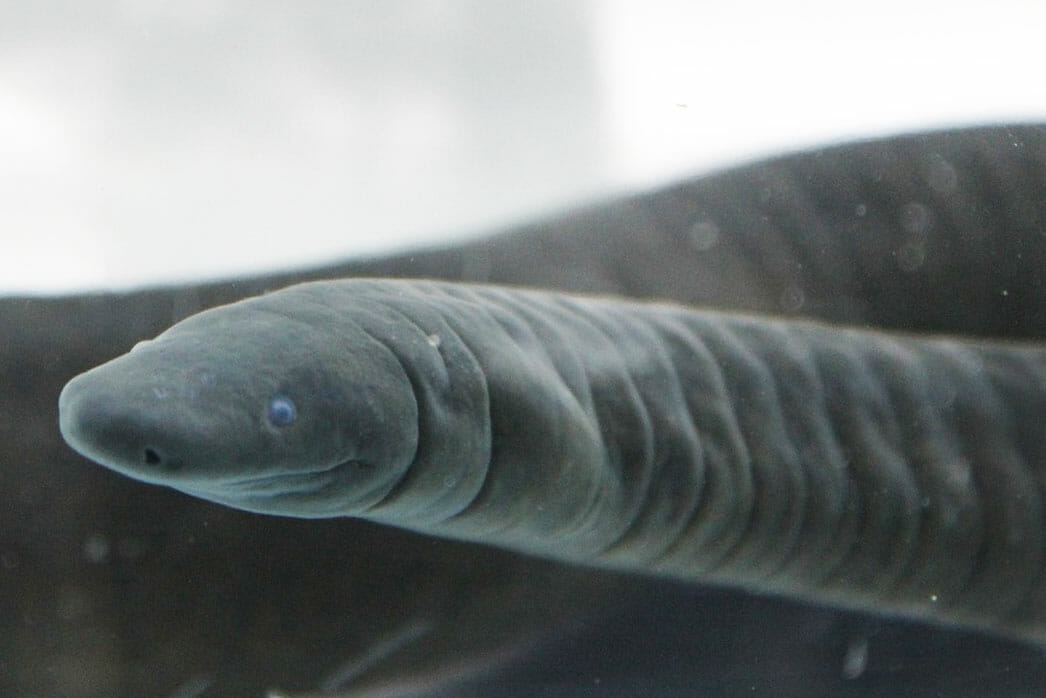
OK, Ok…I know this is quite a scary photo but hear me out. Caecilians are legless, eyeless creatures live secretive, strange lives underground and underwater. Not quite snakes, not quite worms and not quite amphibians either.
Once you know more about them they may still come to you in dreams, but you might just love them too.
They belong to the same group of animals that includes frogs and salamanders. But unlike other amphibians, caecilians lack legs. Some caecilians are as short as a pencil, while others grow as long as a child. Their eyes are tiny and hidden beneath skin and sometimes bone. And they have a pair of tentacles on their face that can sniff out chemicals in the environment.
Kaapori Capuchin Cebus kaapori
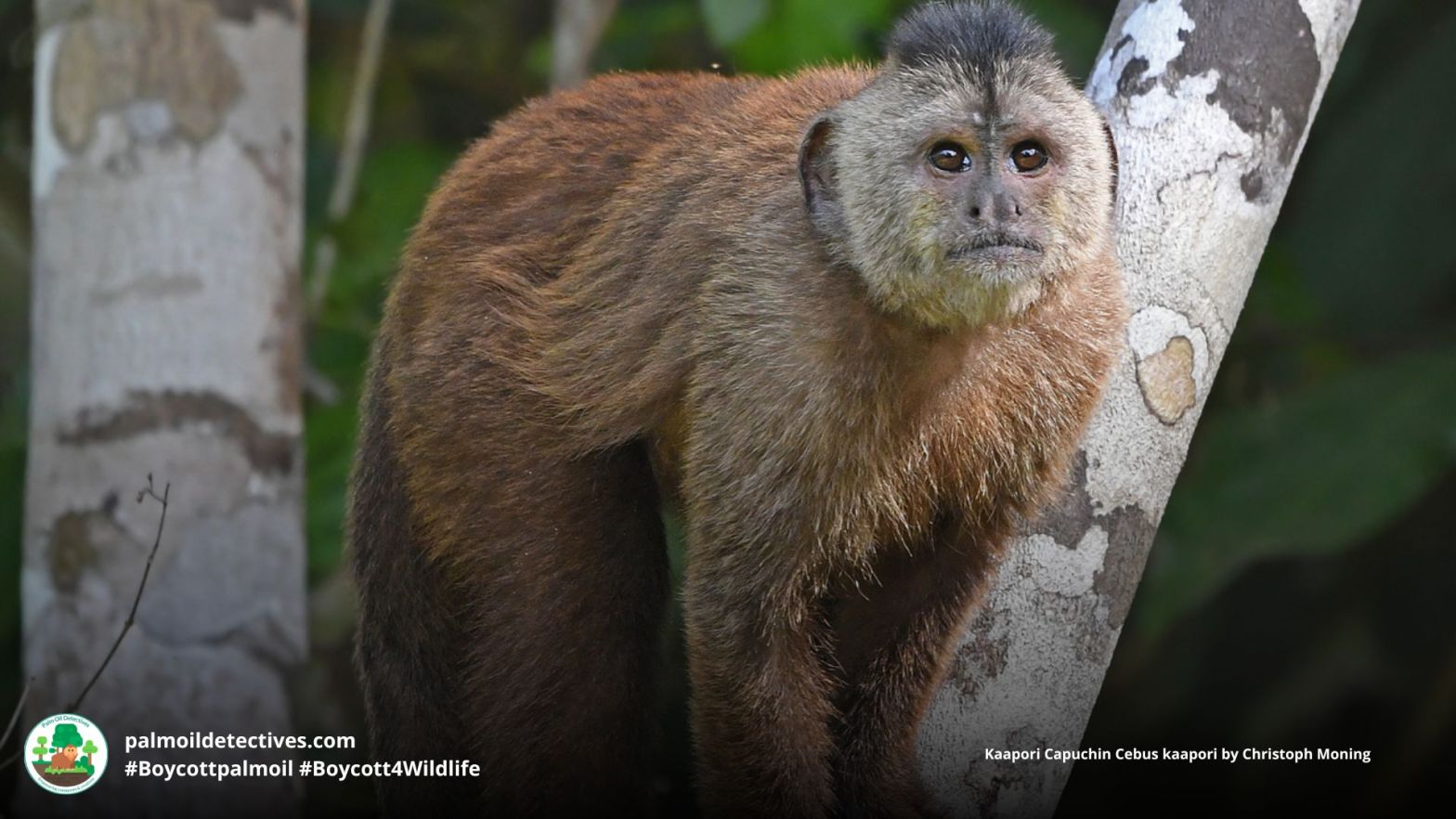
The Kaapori capuchin is a delightful, tenacious and intelligent small monkey species of #Brazil on a knife-edge of survival – they are critically endangered. In 2017 their population had been decimated by 80% due to deforestation for agriculture including soy, cattle grazing and palm oil. They are forgotten animals with no formal protections in place. Fight for them every time you shop and be #vegan #Boycottpalmoil #Boycott4Wildlife
Seaweed is high in vitamins and minerals – but that’s not the only reason westerners should eat more of it

Edible seaweeds and algae – or sea vegetables – are a group of aquatic plants that are found in the ocean. Kelp, dulse, wakame and sea grapes are all types of seaweeds that are used in seaweed-based dishes. Seaweeds are a highly versatile and nutritious food source that can benefit our diet. Seaweeds are often rich in fibre and high in vitamins and minerals. This includes iodine and vitamin B12, which can be lacking in vegetarian and vegan diets.
Mel Lumby: Dedicated Devotee to Borneo’s Living Beings
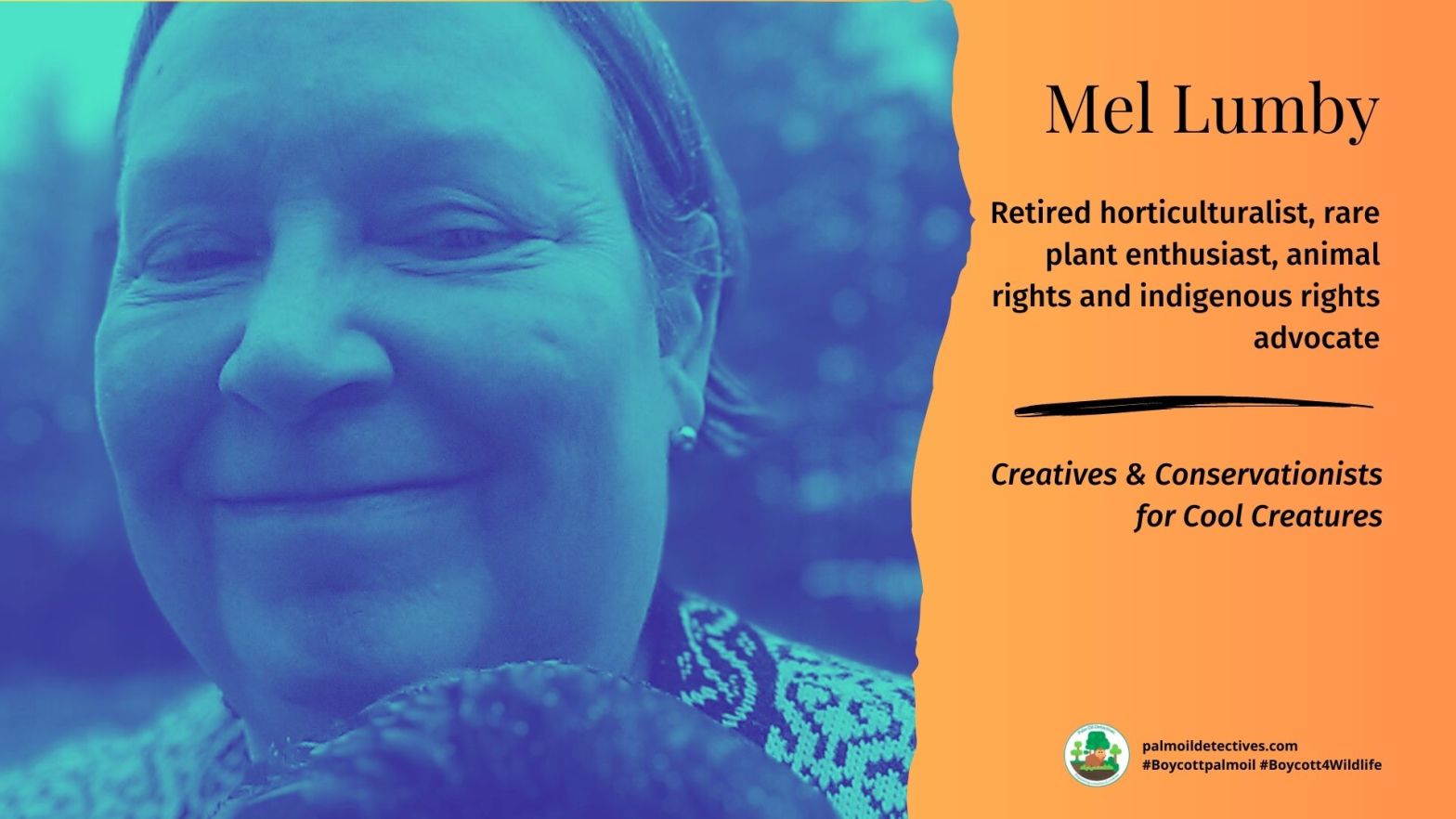
Undiscovered Begonia species in Borneo risk extinction from palm oil bulldozers. Join horticulturist Mel Lumby’s fight to save them. #Boycottpalmoil
Papuan Eagle Harpyopsis novaeguineae

Elusive, forest-dwelling apex predators in New Guinea, Papuan eagles are classified as vulnerable and rapidly declining due to enormous deforestation for mining and palm oil in Papua New Guinea and West Papua along with hunting threats. They are poorly studied birds and therefore estimates of their populations may be severely overestimated, meaning that they are in much more serious strife than we know.
While there have probably never been high densities of the Papuan eagle, evidence indicates that they are declining rapidly. It is possible that the entire population is considerably under 10,000 individuals. There is no evidence that the Papuan eagle is adaptable to the opening of forests and the eagles appear to abandon areas especially where logging roads have been cut into the forests.
Help them every time you shop and be #vegan, #Boycottpalmoil #Boycott4Wildlife
Celebrate #WorldRhinoDay by leaving the forests alone and #Boycottpalmoil in the supermarket to save Rhinos
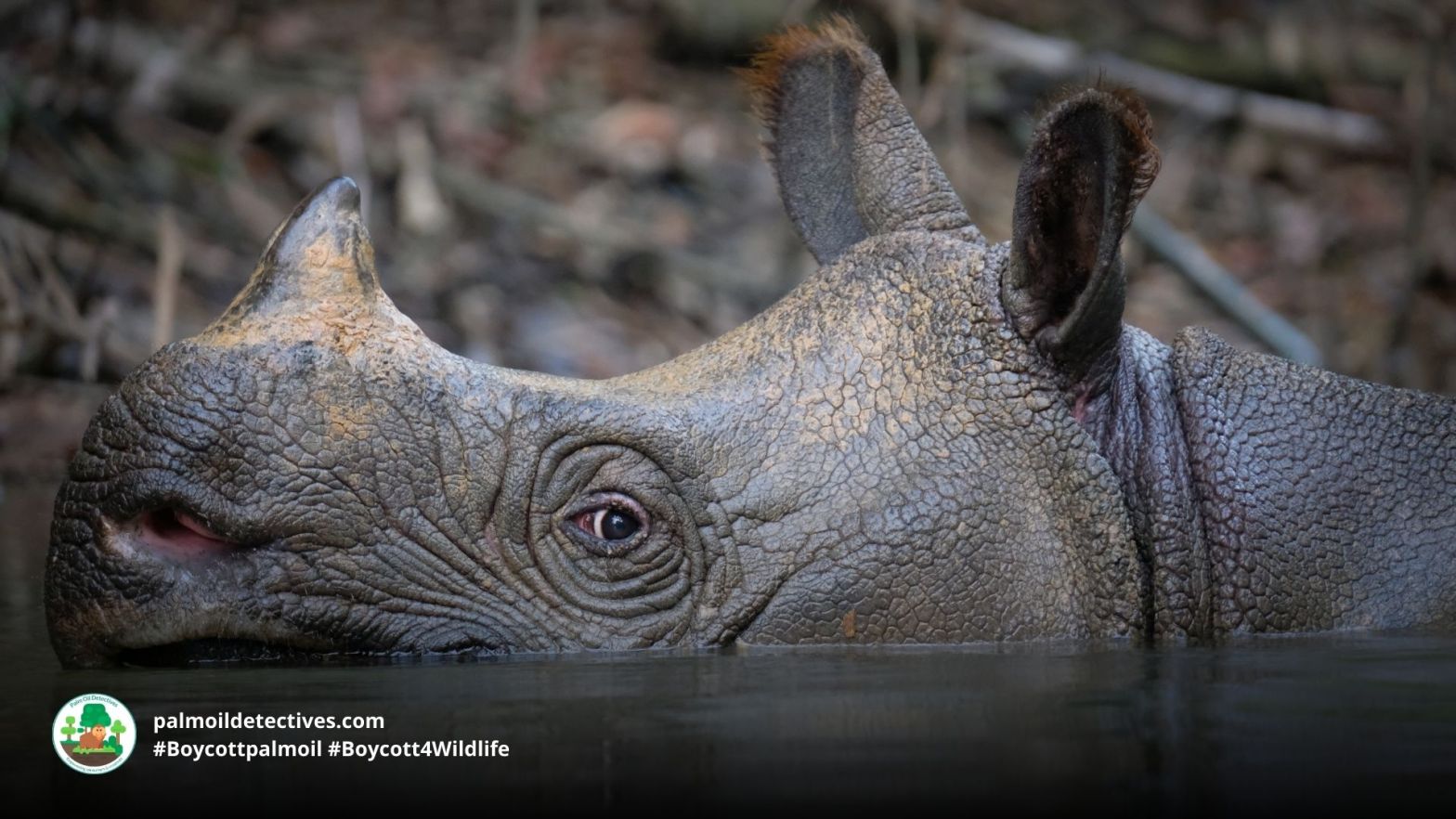
Indonesia is home to two of the world’s five rhinoceros species. Both the Javan rhino Rhinoceros sondaicus and the Sumatran rhino Dicerorhinus sumatrensis still exist today, uniquely only in the country. In India’s north east, the Indian Rhino hangs on to survival. Yet their existence has become increasingly fragile due to the unrelenting growth of palm oil in both of these countries.
#WorldRhinoDay is 22nd Sept. But every day should be World Rhino Day as three of the five species of rhino may go extinct as a result of #palmoil #deforestation and illegal poaching. Fight for them each time you shop and be #vegan and #Boycottpalmoil #Boycott4Wildlife.
Philippine Eagle Pithecophaga jefferyi
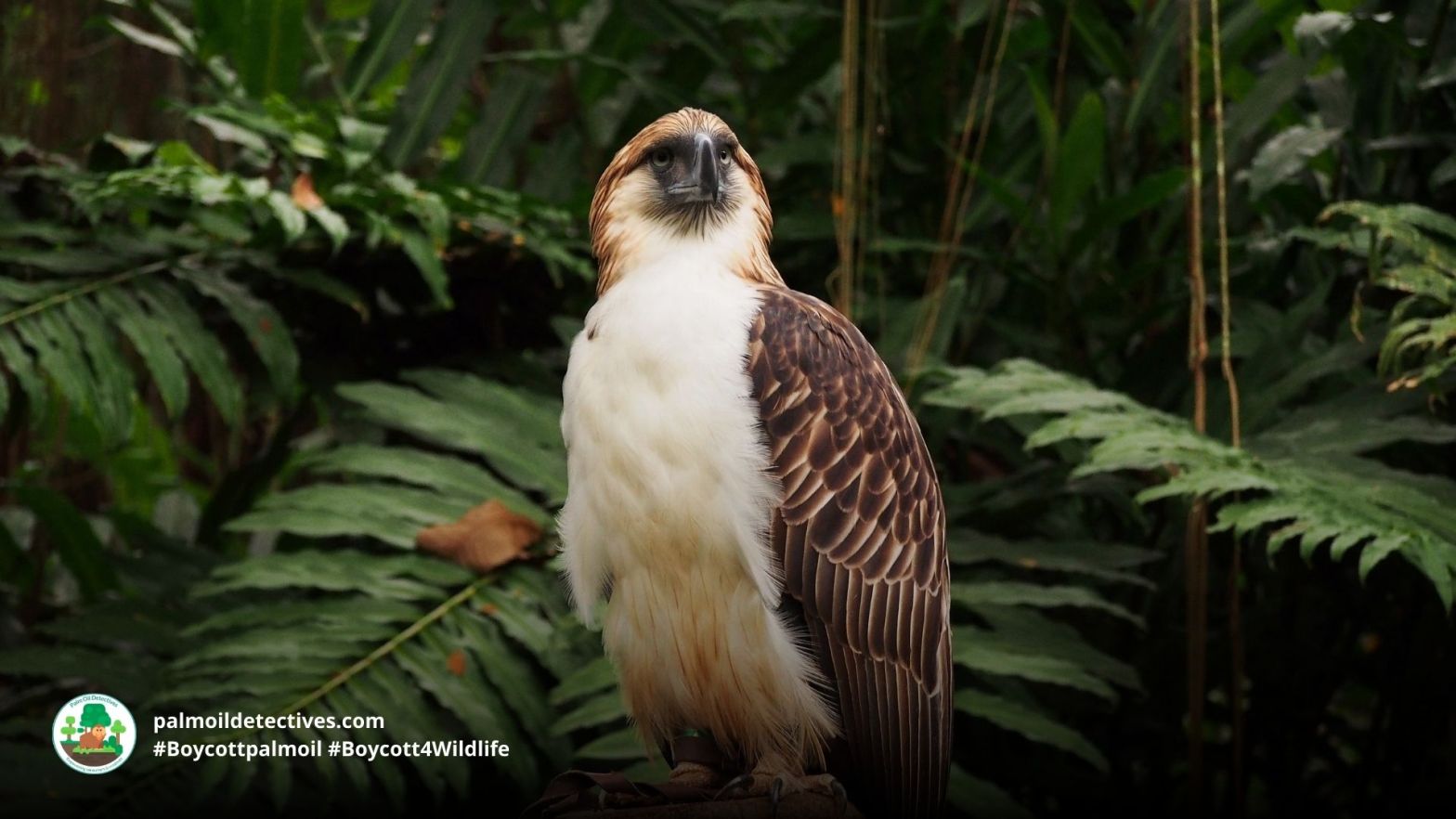
Apex predator and flying royalty of the jungle, Philippine #Eagles are critically endangered from #climatechange, #palmoil, #timber and #cacao #deforestation and illegal #hunting.
There are estimated to be only 180-600 eagles left in the wild. Protecting the Philippine eagle would also protect 780 other plant and animal species in the Philippines. Help them every time you shop and #Boycottpalmoil #Boycott4Wildlife
Reasons to Hope: Palm Oil Alternatives Made Without Deforestation
The race is on to find a real solution to stop palm oil ecocide. For several years now, several new #biotech companies have been busy generating alternatives to palm oil that are healthier for human consumption and don’t require the destruction of rainforests sending thousands of species to extinction. Learn more about palm oil grown in labs synthesized from algae, microbes, CO2 and more. #BoycottPalmOil #Boycott4Wildlife
Jaguar Panthera onca
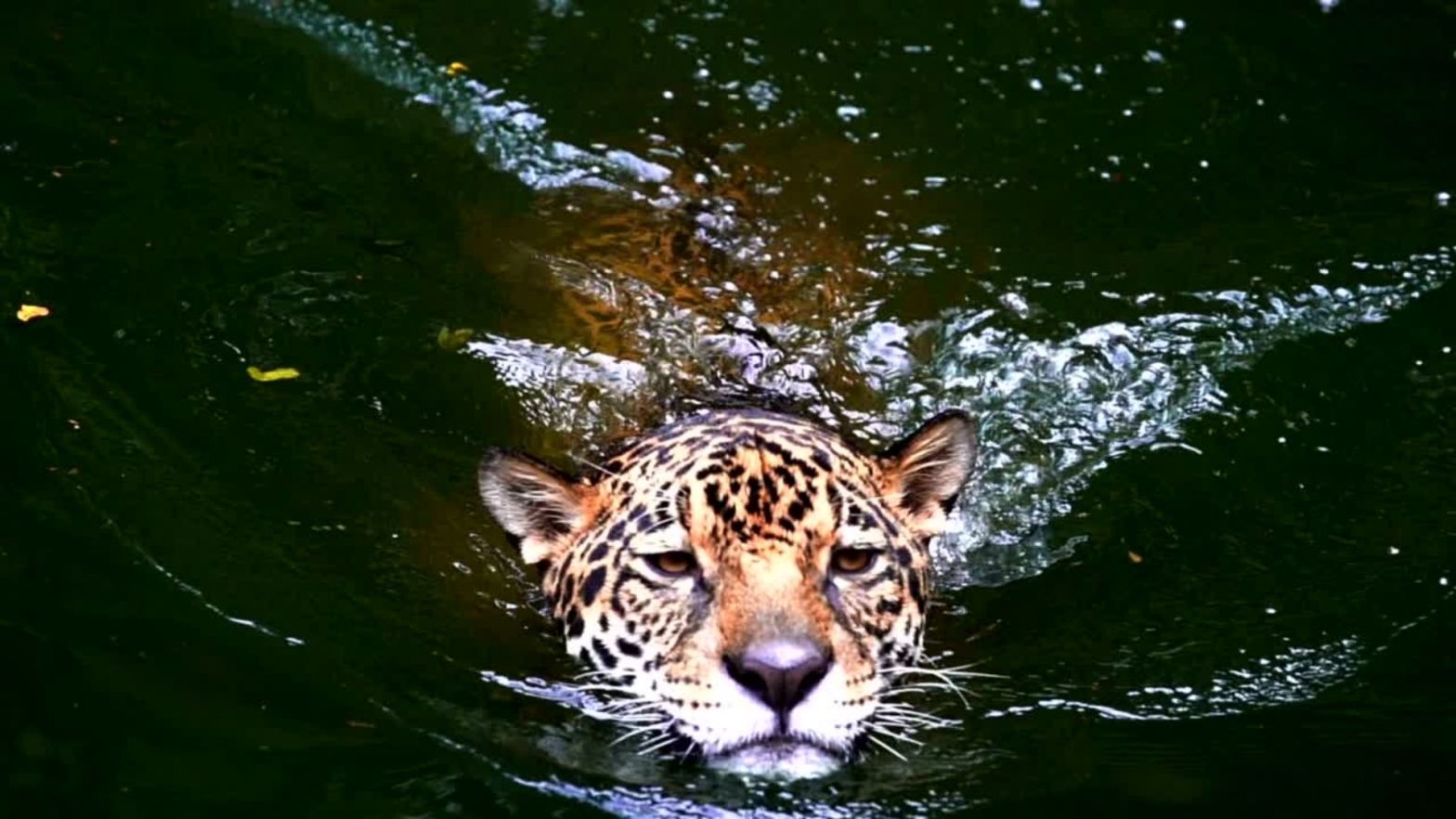
Jaguars, currently deemed Near Threatened, face a substantial habitat reduction of up to 25% in just over two decades. This decline stems from rampant deforestation for palm oil, soy, and meat, as well as illegal poaching for trophies and body parts. These magnificent creatures also suffer from conflicts arising due to livestock depredation and competition with human hunters for food. Aggravating the issue, Latin America’s widespread agricultural industries, like soy, palm oil, and cattle ranching, mainly serve foreign markets rather than local needs. Let’s step up and use our wallets as a weapons! Be #vegan #Boycottpalmoil #Boycott4Wildlife.
A ‘mystery monkey’ in Borneo may be a rare hybrid between a Proboscis Monkey and Silvery Lutung

A new study has found that fragmentation of forests in Malaysian Borneo due to palm oil and mining has pressured two species of monkey (the Proboscis Monkey and Silvered Leaf Monkey/Silvery Lutung) to mate causing an unusual hybrid offspring. This has scientists worried as it indicates the animals are under stress
Without Tropical Forests, The World Would Be 1°c Warmer

#Research reveals the most comprehensive and detailed evidence to date that #forests are more important to the #climate (globally and locally) than we think due to the way in which they physically transform the atmosphere. The first-ever research to pinpoint the local, regional and global non-carbon dioxide benefits of specific forest zones worldwide finds that the entire world gains the most benefits from the band of tropical rainforests spanning Latin America, Central Africa and Southeast Asia. Help #rainforests, rainforest animals and indigenous peoples every time you shop, make sure you #BoycottPalmOil #BoycottGold #Boycott4Wildlife
Anthropologist and Author Dr Sophie Chao
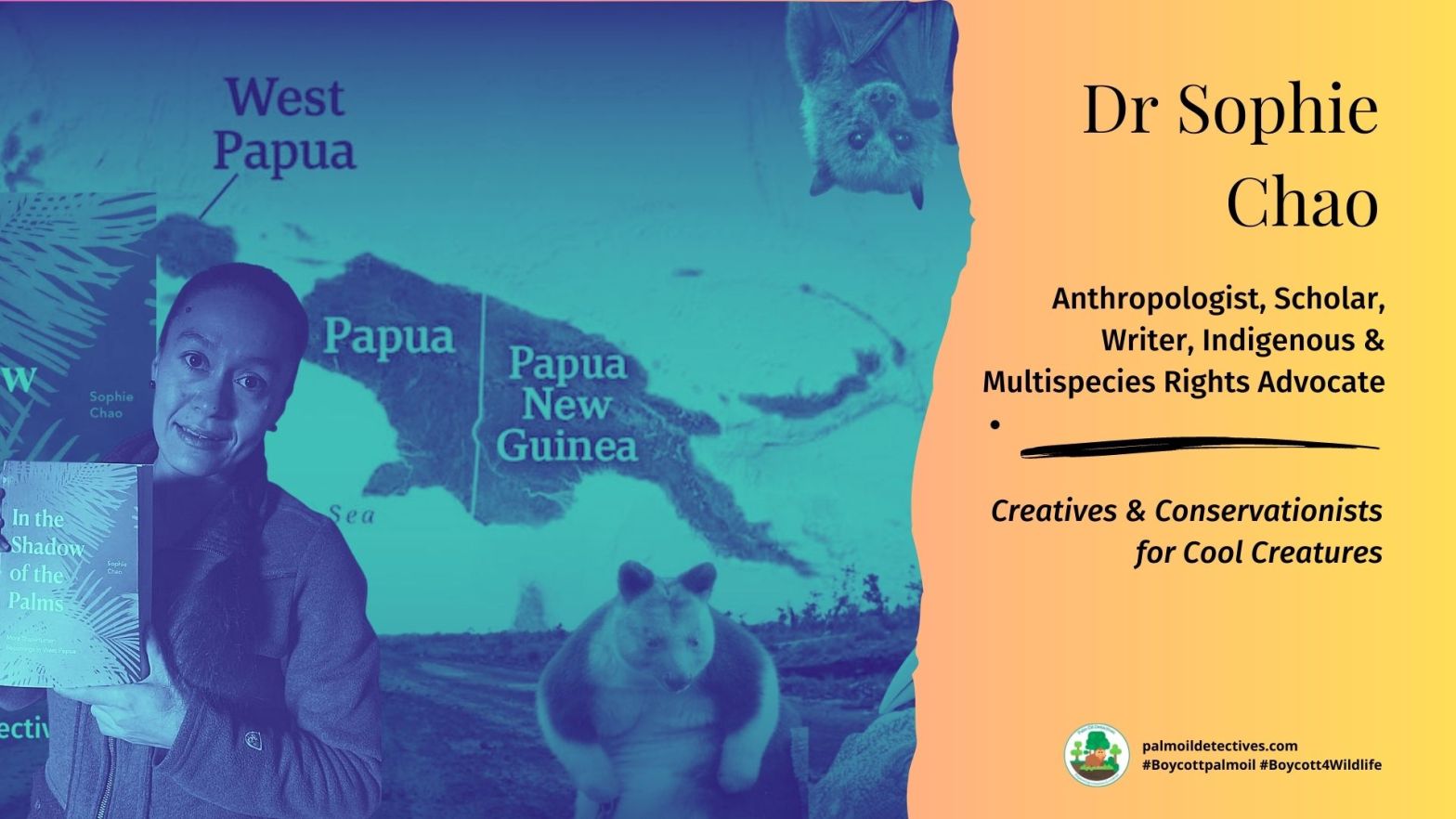
Dr Sophie Chao is an environmental anthropologist and environmental humanities scholar interested in the intersections of capitalism, ecology, Indigeneity, health, and justice in the Pacific.
Palm Oil Detectives is honoured to interview to Dr Sophie Chao about her research into the impacts of palm oil on the daily lives of Marind people and other sentient beings in West Papua.
I wrote In the Shadow of the Palms because I wanted the world to understand how deforestation and industrial oil palm expansion are undermining Indigenous ways of being in West Papua.
WHO: Palm Oil Industry Greenwashing Like Big Tobacco
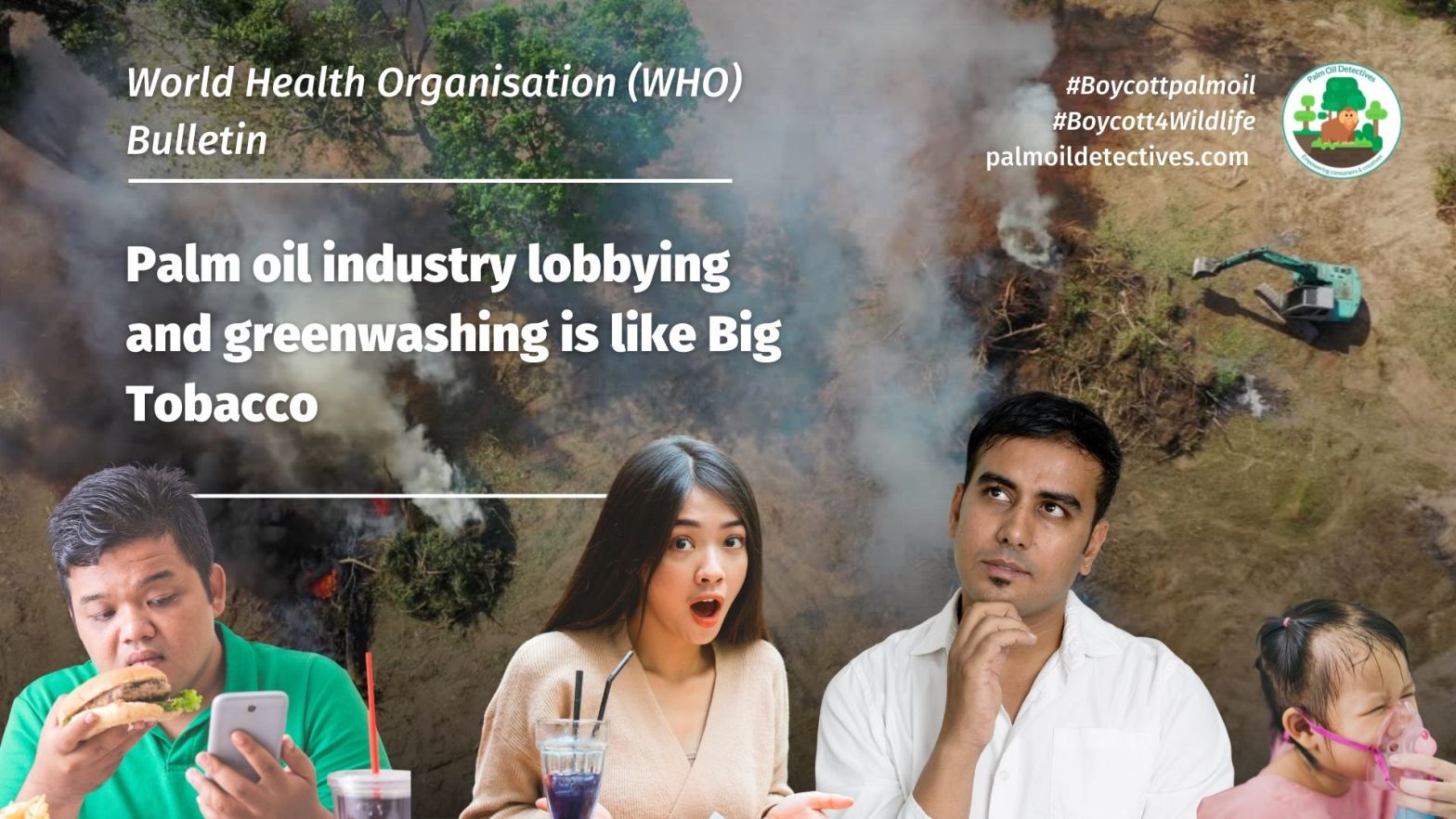
What does the $60 billion USD palm oil industry have in common with Big Tobacco? A lot according to this report by the World Health Organisation. Palm oil industry lobbying tactics are used to influence research into the health impacts of palm oil and also to influence consumer buying habits. The dire health and environmental impacts of palm oil are hidden from consumers by clever marketing. These lobbying, marketing and greenwashing tactics are reminiscent of tobacco and alcohol health lobbying.
Climate change is forcing human and non-human beings to become climate refugees
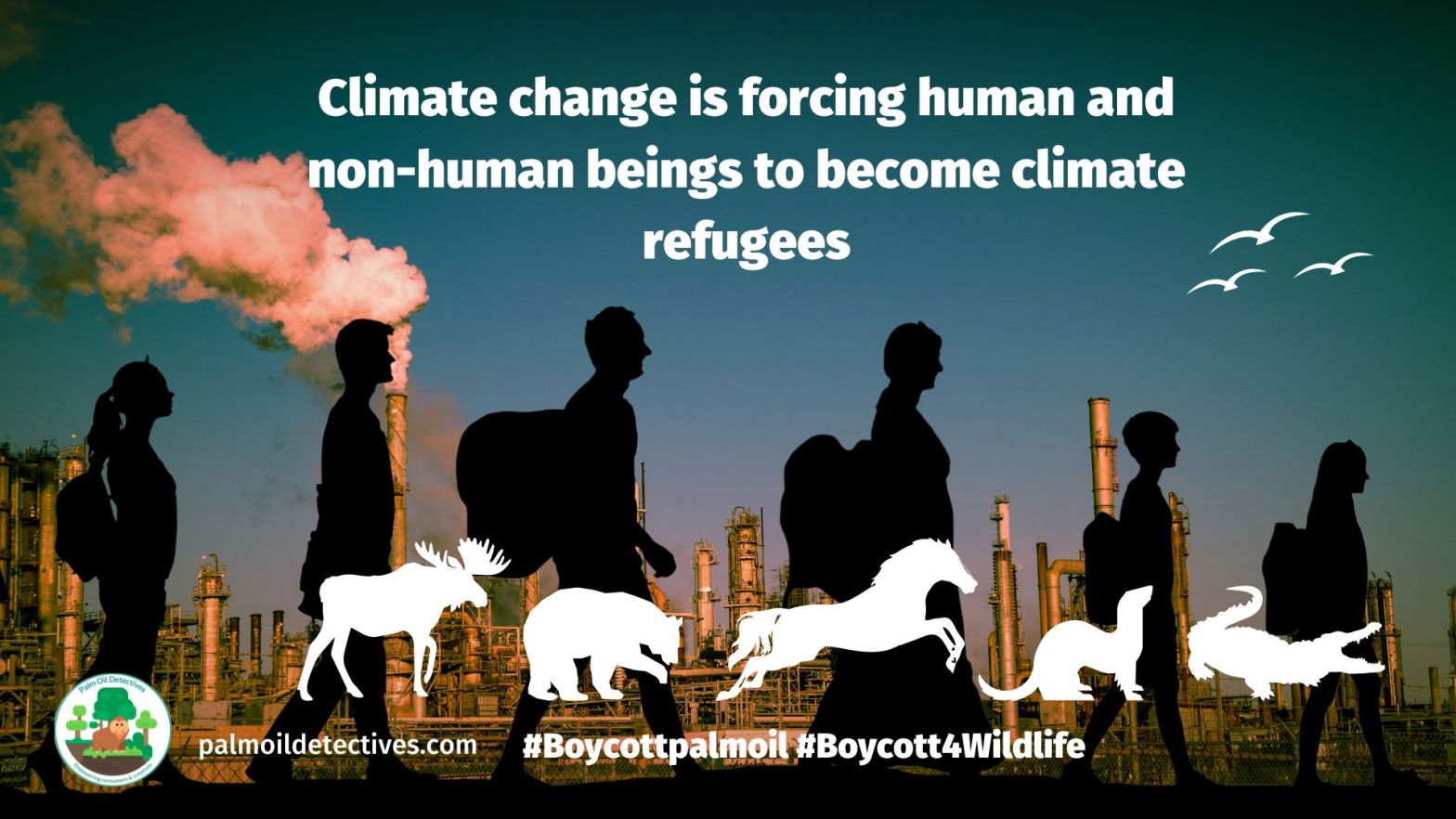
Climate change. Climate denial. Global warming. Call it what you will, the planet is shouting at us. We have ignored the warning signs for decades, but we can no longer ignore what is happening right now.
Why Peanut Butter Might Trigger the Next Pandemic
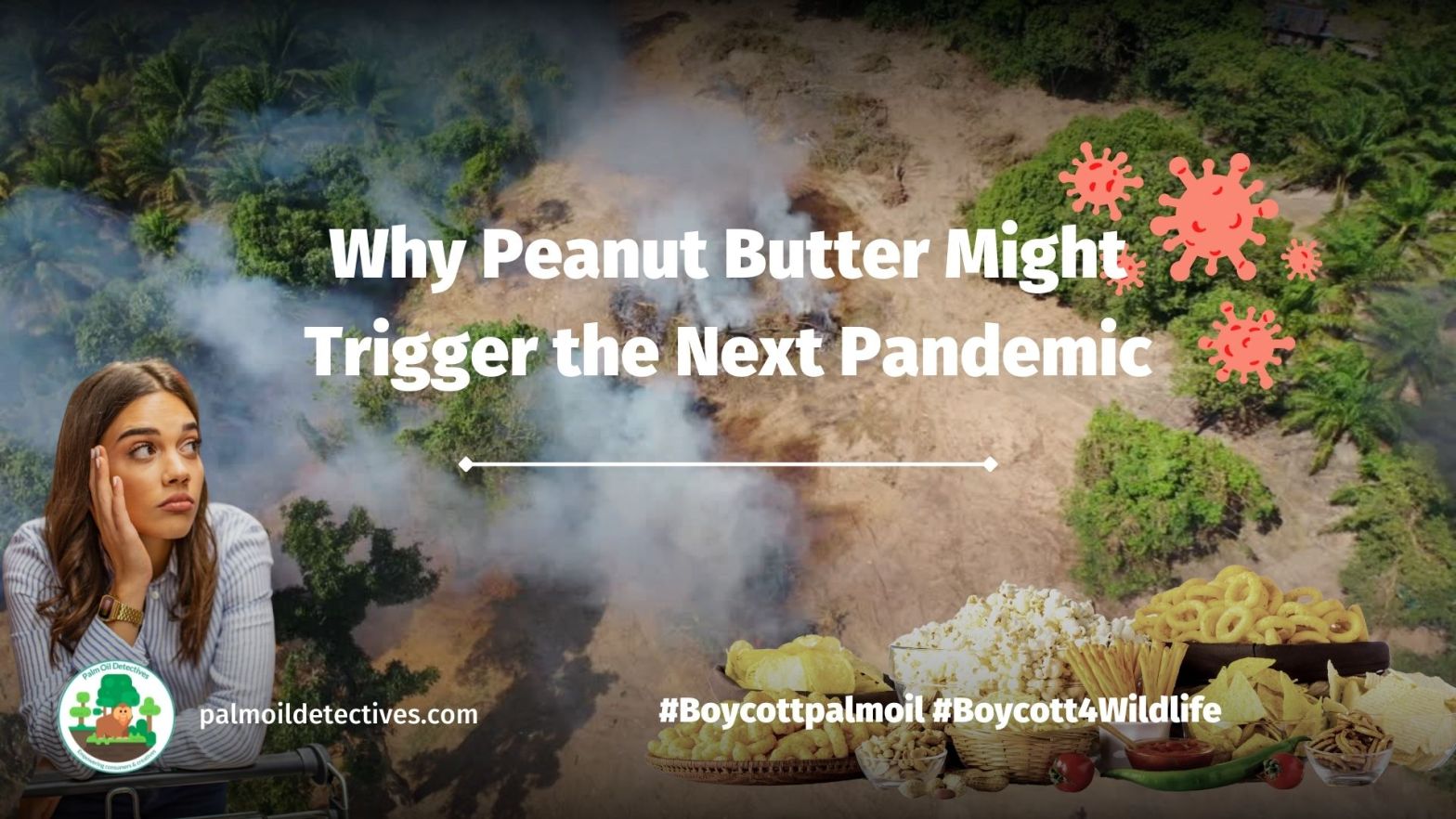
Palm oil is found in roughly 50 percent of packaged household products ranging from peanut butter to lipstick. Now, researchers link its harvesting to disease outbreaks that could spread to humans. This is the first study to examine the cause-and-effect relationship between changes in forest cover and subsequent disease outbreaks on a global scale.
 Palm Oil Detectives