

Forests offer climate protection and safeguard indigenous peoples, endangered animals and rare plants. Deforestation is a major threat. Boycott palm oil!
Tag Archives: endangered
Meat-Stinking Giant Flower Has A Delectable Aroma For Pollinators
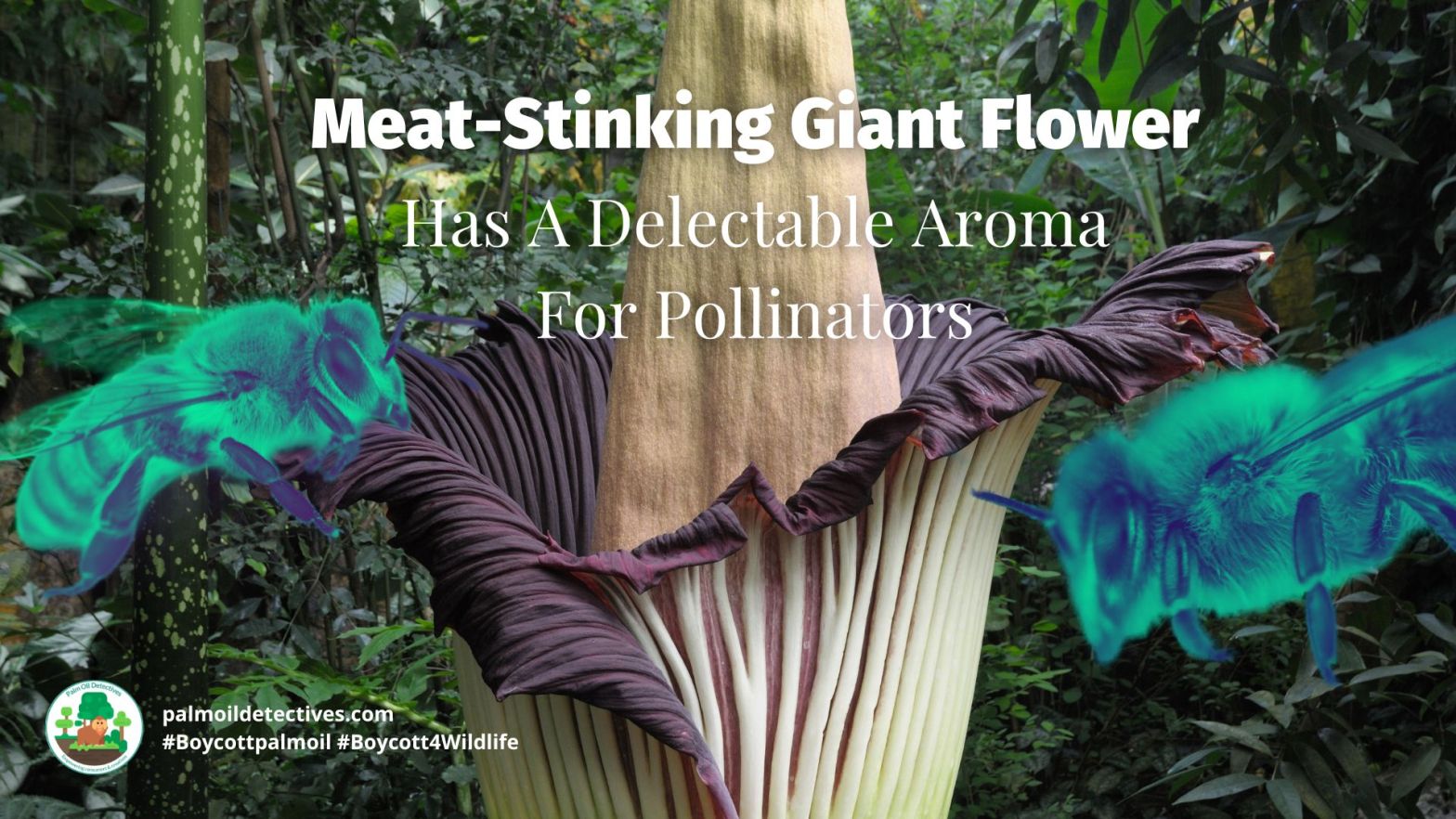
Titan Arum AKA ‘Corpse Flowers’ is famous for its repulsive meat smell. Palm oil agriculture is a massive threat to these rare stinky plants. Take action!
Mountain Tapir Tapirus pinchaque

Mountain Tapirs are the most threatened large mammals of the northern Andes, hunting, climate change and mining are threats, take action and boycott gold!
Tucuxi Sotalia fluviatilis

Tucuxi, small freshwater dolphins of Peru Ecuador Colombia and Brazil are Endangered due to fishing nets, deforestation, mercury poisoning from gold mining.
Ecuadorean Viscacha Lagidium ahuacaense
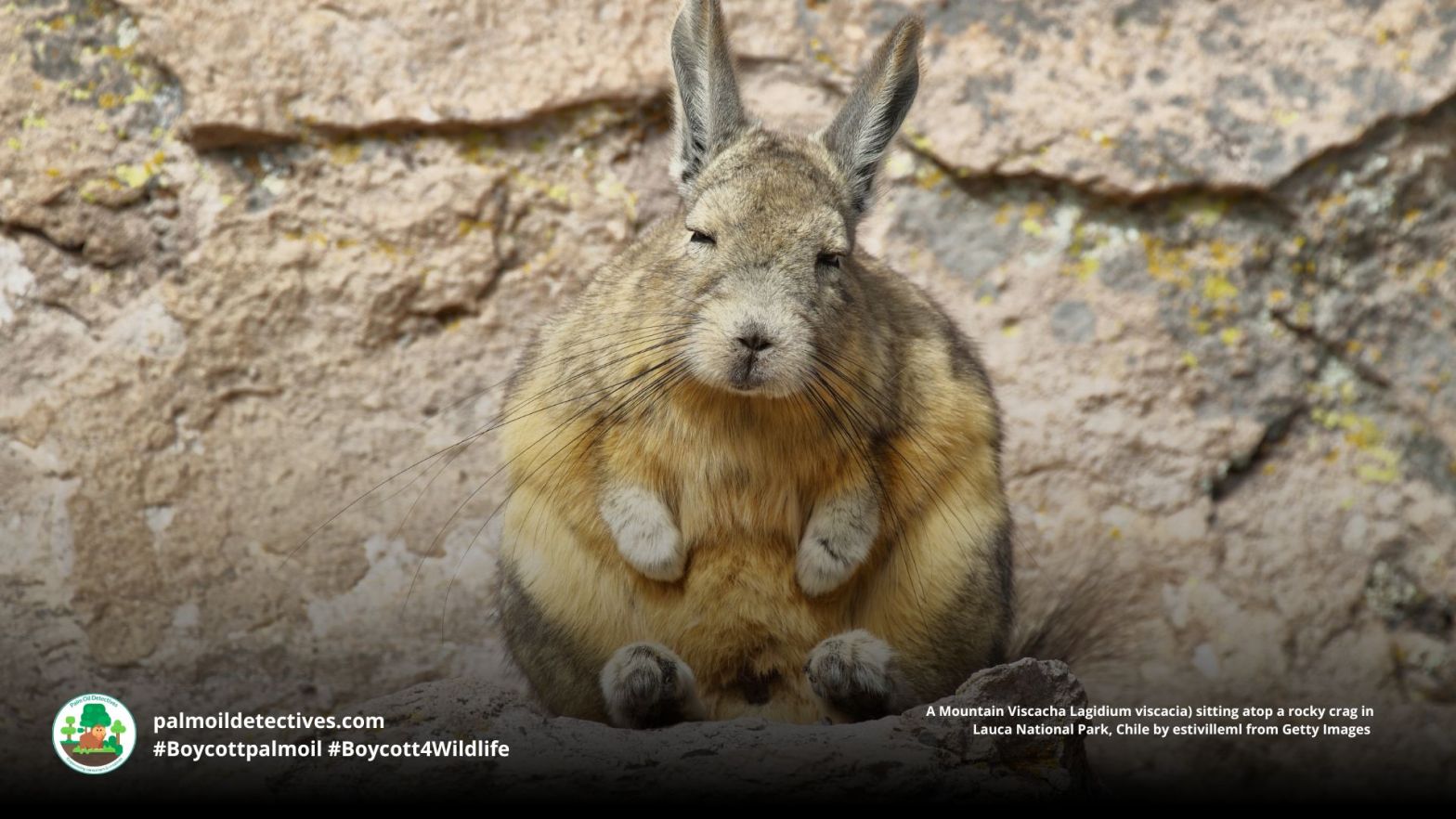
Ecuadorean Viscachas are plump and fluffy rodents with sage-like long whiskers, only a handful of them remain alive. Take action for them and boycott4wildlife!
Blonde Capuchin Sapajus flavius

Only rediscovered in 2006, Blonde Capuchins are highly intelligent critically endangered primates of Brazil threatened by palm oil and meat deforestation
Malayan Flying Fox Pteropus vampyrus
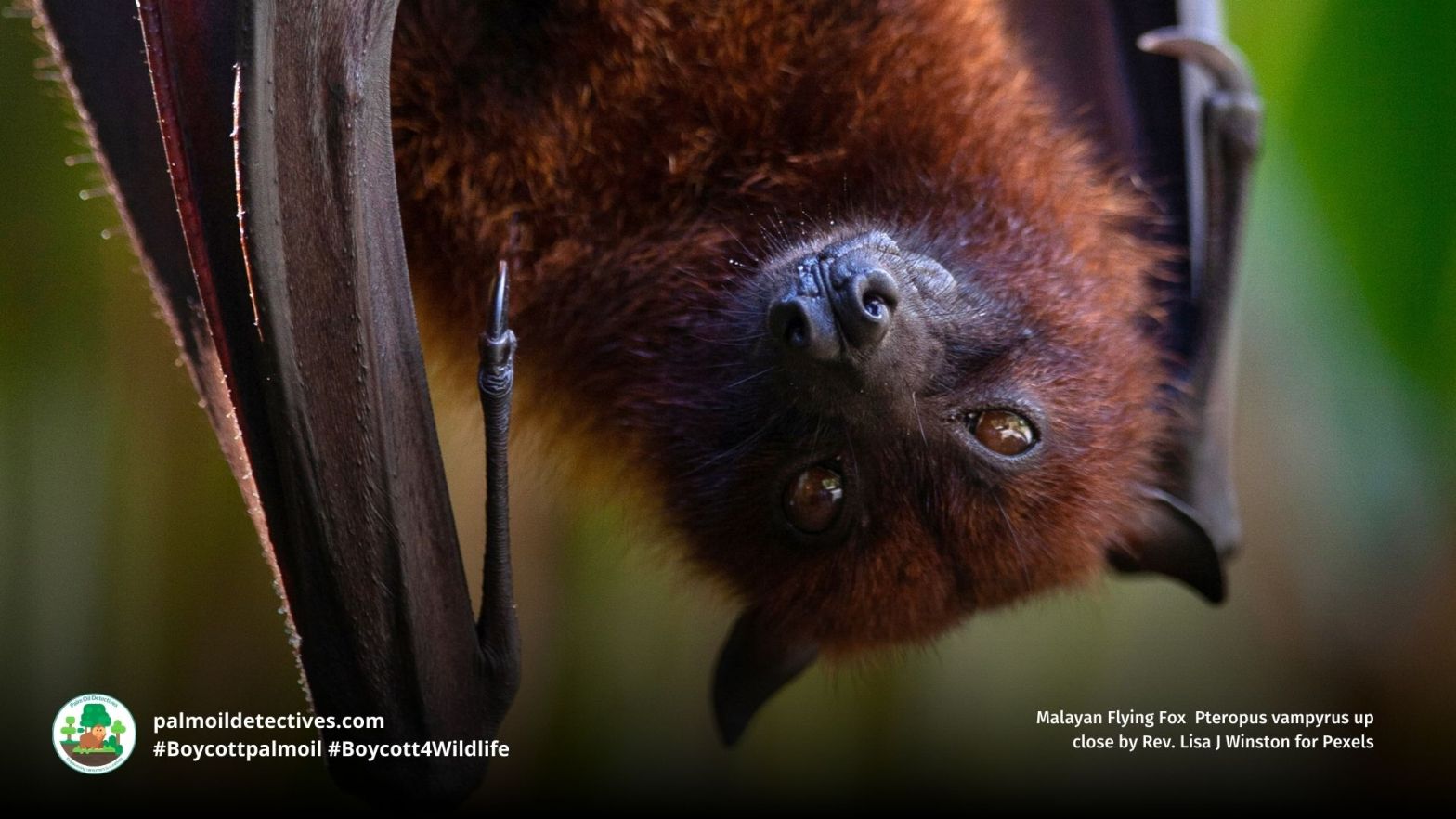
The Malayan Flying Fox, known also as the Large Flying Fox, Giant Fruit Bat, or Kalong, is an ethereal creature of the tropical Asian night. With wingspans reaching 1.7 metres, they are the largest bats in the world and glide silently through the darkness, a graceful presence in South East Asia’s moonlit forests. Their foxy almond shaped eyes and expressive faces are framed by glossy black fur and golden and russet collars, lend them a warm and mythical aura, while their immense wings are awe-inspiring to see in flight.
These nocturnal giants are the architects of tropical forests, scattering seeds and pollinating flowers as they journey across vast landscapes. Yet, despite their importance to ecosystems, they are under siege—hunted mercilessly and displaced by forests that vanish due to palm oil. Their story is a call to action: protect the guardians of the night before it is too late. #BoycottPalmOil #Boycott4Wildlife
Sumatran Tiger Panthera tigris sondaica

The Sumatran tiger Panthera tigris sondaica is a critically endangered big cat, with less than 600 of their species alive in the wild today. Once living in Java and Bali, they are now only found in Sumatra, Indonesia. The smallest tiger species, they possess darker coats and narrower stripes than their mainland counterparts. Each pattern is as unique and distinct as a fingerprint. Sumatran Tigers face serious and grave threats from palm oil habitat destruction, poaching, and human-wildlife conflict. Sumatra’s ongoing deforestation, driven by palm oil and acacia plantations, continues to shrink their habitat. While illegal poaching for the wildlife trade is decimating their population. Conservation efforts are underway, but the future of this magnificent species hangs in the balance. You can help protect the Sumatran tiger every time you shop. Learn how to boycott palm oil on the Palm Oil Detectives website. Raise awareness of them on social media using the hashtags #BoycottPalmOil #Boycott4Wildlife.
Bateleur Eagle Terathopius ecaudatus

Striking raptor Bateleur #Eagle Terathopius ecaudatus soars through #Africa’s skies with powerful red legs, a bright intelligent face and intense eyes. They are famous for their distinctive aerial and soaring skills such as a rocking flight, similar to a tightrope walker. These eagles are known to travel over 300 kilometres a day in search of food. Sadly, their numbers are plummeting due to deforestation, poisoning, and habitat destruction. The loss of their habitat to #palmoil, #mining and #meat #deforestation are some of the biggest threats they face. Help them every time you shop and boycott palm oil and go plant-based. #BoycottPalmOil and #Boycott4Wildlife!
Research: AI Helps Unlock the Curious Secrets of Orangutan Chatter

A groundbreaking and exciting study has started to decode the complex communication of Bornean orangutans, revealing the intricacies of their vocalisations and offering new insights into their rich and mysterious world. All species of orangutans are critically endangered, primarily due to palm oil deforestation. To help these remarkable great apes, you should always #Boycottpalmoil and #Boycott4Wildlife every time you shop. Learn more about how you can take action.
Nancy Ma’s Night Monkey Aotus nancymaae
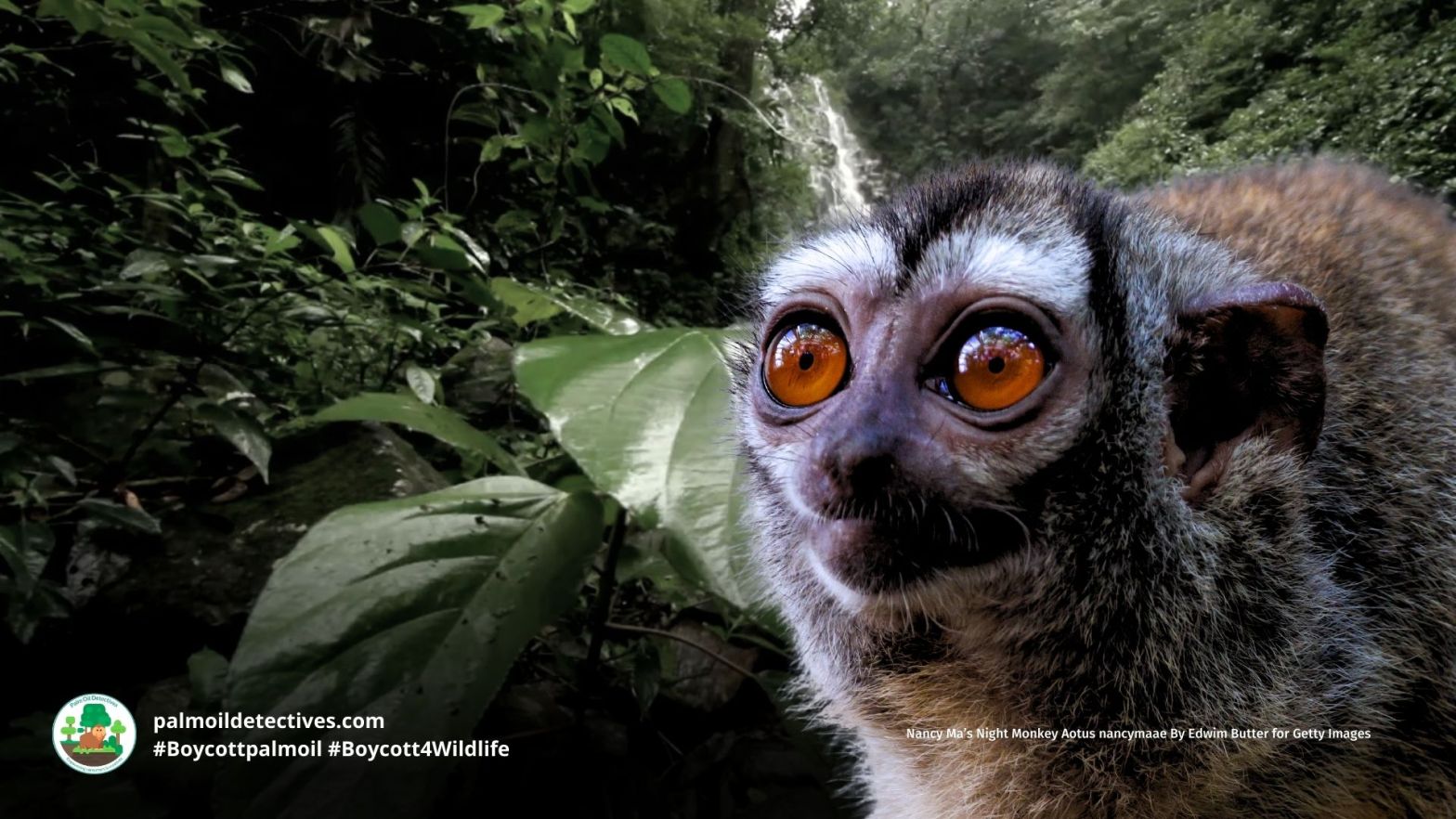
Deep in the heart of the Amazon rainforest, the Nancy Ma’s night monkeys peer out of the trees during the dusk with their large, soulful eyes and striking facial markings. Also known as the Ma’s night monkey or the Peruvian red-necked owl monkey, this nocturnal primate is named in honour of Dr. Nancy Shui-Fong Ma, who played a significant role in their genetic research. They are endemic to Brazil, Peru, and parts of Colombia, these monkeys are an essential part of their ecosystem. They now face direct threats from expansion for palm oil, soy and meat deforestation and are wild captured for scientific research – much of primate research is not even relevant to human health. Help them every time you shop and #BoycottPalmOil, be #vegan and #Boycott4Wildlife!
Phayre’s Leaf Monkey Trachypithecus phayrei
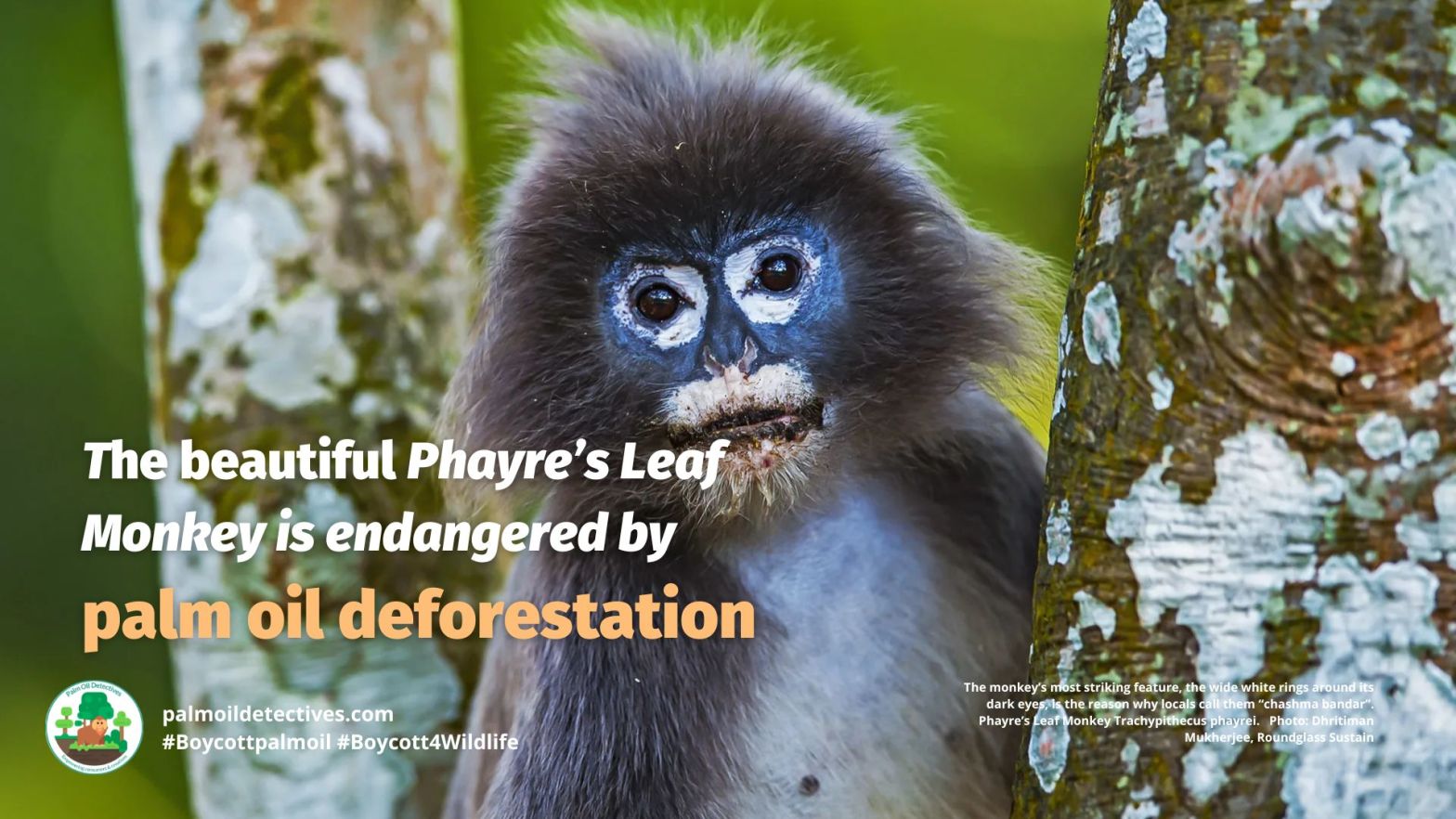
Phayre’s leaf monkey, also known as Phayre’s langur, are remarkable Old World monkeys distinguished by large, white-rimmed eyes that lend them a “spectacled” appearance. Known locally as ‘Chasma bandor’ they live mostly in the lush forests of India, Bangladesh and Myanmar. Major threats to their survival include habitat destruction from palm oil and rubber plantations, illegal hunting for traditional medicine, and habitat encroachment depleting their natural food sources. An emerging threat is interbreeding with other threatened monkey species. Join the fight to protect this unique species: #BoycottPalmOil #Boycott4Wildlife in the supermarket! If you care about animals, consider going #Vegan to protect their habitat and lives.
Giant Pangolin Smutsia gigantea

The Giant Pangolin is are the largest and heaviest of the pangolin species weighing up to 35 kilos. These majestic creature are cloaked in keratin armour and embark on nightly quests through Central and West Africa’s lush landscapes. By the light of the moon, they use their keen sense of smell to hunt down ants and termites. As they navigate a world fraught with dangers from habitat destruction, poaching and illegal hunting, the survival of these enigmatic beings hangs in balance, urging us to reflect on our impact on their dwindling world. Help them to survive every single time you shop and #Boycottpalmoil #Boycottmeat, be #vegan and #Boycott4Wildlife
Protected: Private Advocate’s Page
There is no excerpt because this is a protected post.
Andean Mountain Cat Leopardus jacobita
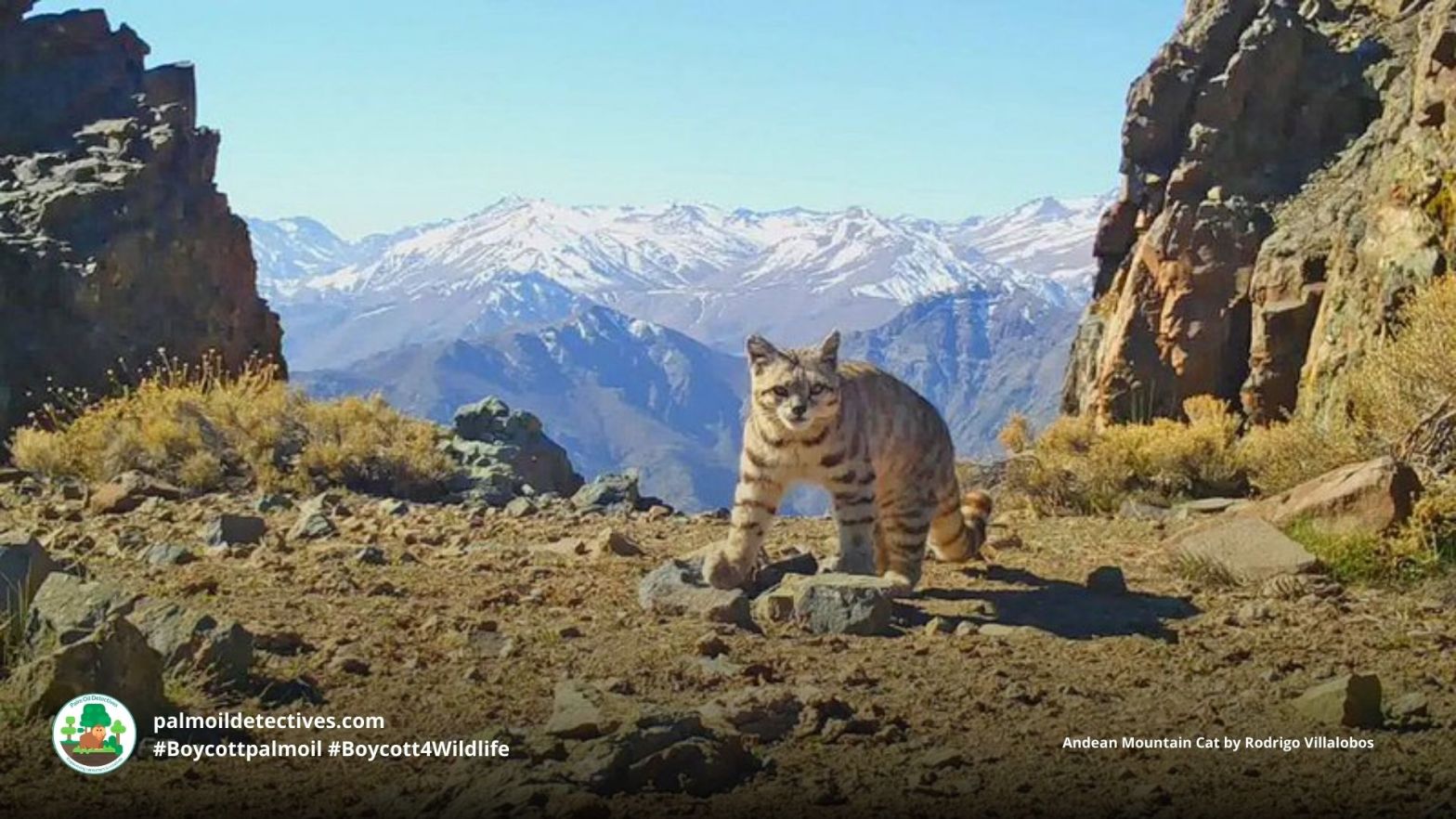
Known affectionately as ‘huana titi’ or ‘the cat from dry places’ by locals, the Andean mountain cat captivates with their mystery and elegance. This cat boasts an exceptional sense of hearing, attributed to their well-developed eardrums. These allow them to detect prey with precision. They skillfully use their long tail, which makes up 70% of their body length, for balance during the swift and unpredictable chases of their prey.
Unlike their larger feline counterparts, Andean mountain cats cannot roar due to the close and hardened structure of the bones in their throats, opting instead for mewls, growls, and screams. Remarkably, they can purr continuously, breathing in and out, showcasing a unique aspect of their vocal repertoire. Together we can protect these magnificent cats and their precious rainforest world. Use your wallet as a weapon and #BoycottMeat, #BoycottPalmOil, and #Boycott4Wildlife every time you shop!
Lion-tailed Macaque Macaca silenus
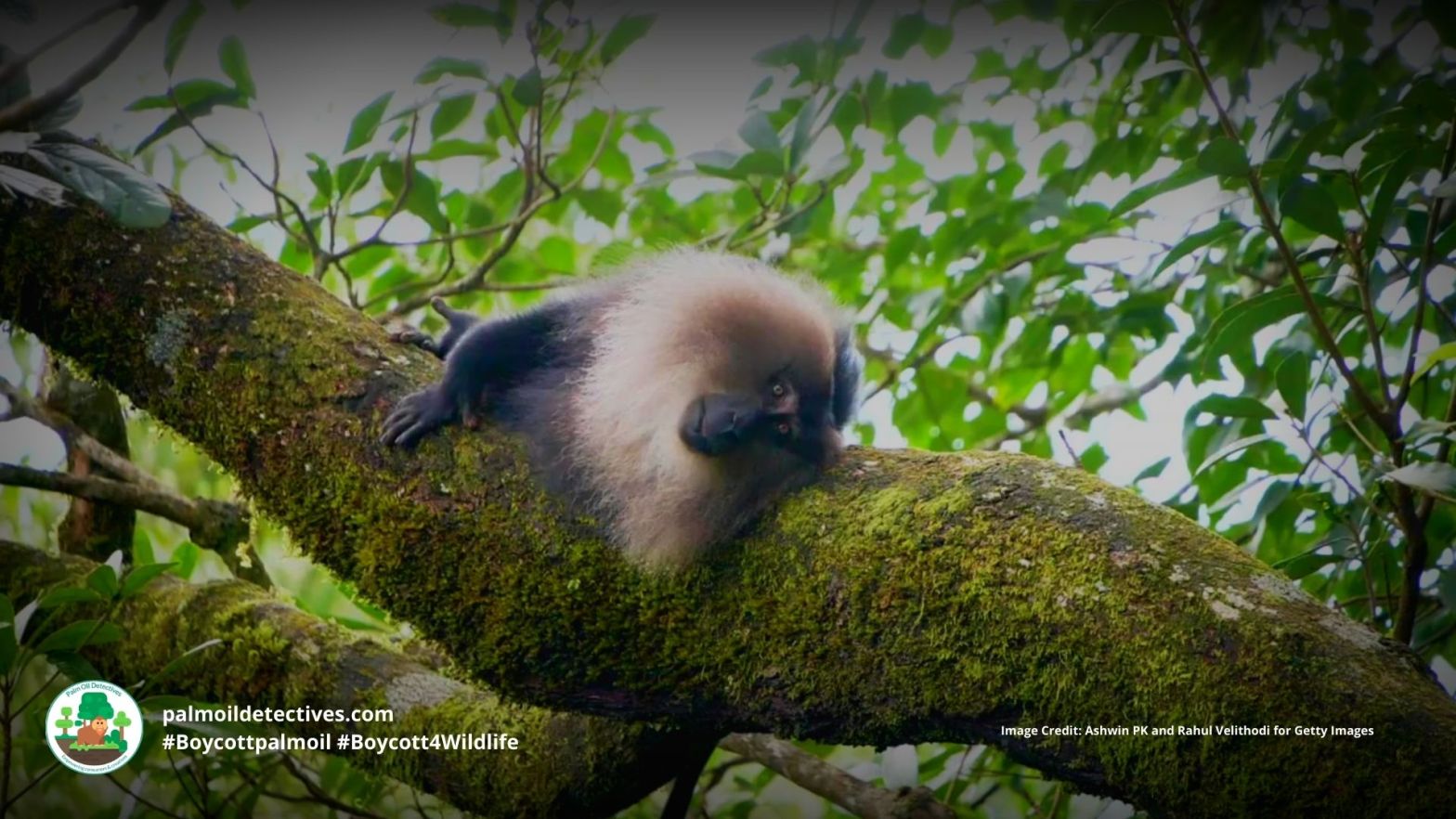
Lion-tailed macaques hold the title of one of the smallest macaque species in the world and sport a majestic lion-esque mane of hair. They exclusively call the Western Ghats in India their home. This area has been decimated in recent years for palm oil. Prior to palm oil’s arrival in the Western Ghats, populations of Lion-tailed macaques were already fragmented. Now these beautiful small macaques are in serious trouble. Read on to discover how you can boycott palm oil every time you shop #Boycottpalmoil #Boycott4Wildlife
Bougainville Monkey-faced Bat Pteralopex anceps
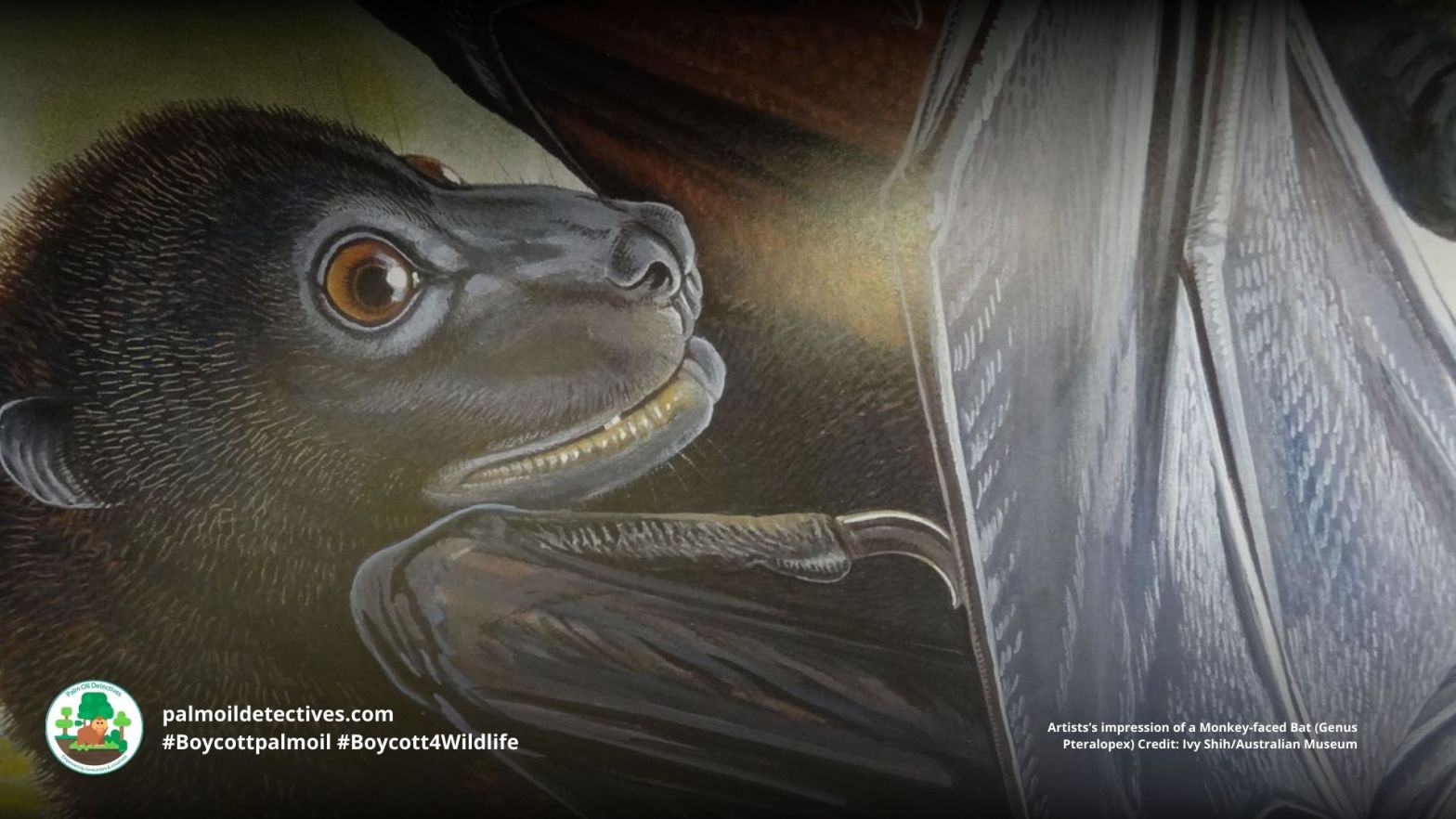
In the verdant, high-altitude forests of Bougainville Island, Papua New Guinea, and Choiseul Island, Solomon Islands, lives an intriguing creature—the Bougainville Monkey-faced bat or, as some call them, the Bougainville Flying Monkey. These bats are the titans of their family, boasting arm spans stretching impressively between 14.1 to 16 cm. They are endangered, mostly from palm oil and mining deforestation and hunting. Help them to survive every time you shop and #Boycottpalmoil #Boycott4Wildlife
Goliath Frog Conraua goliath
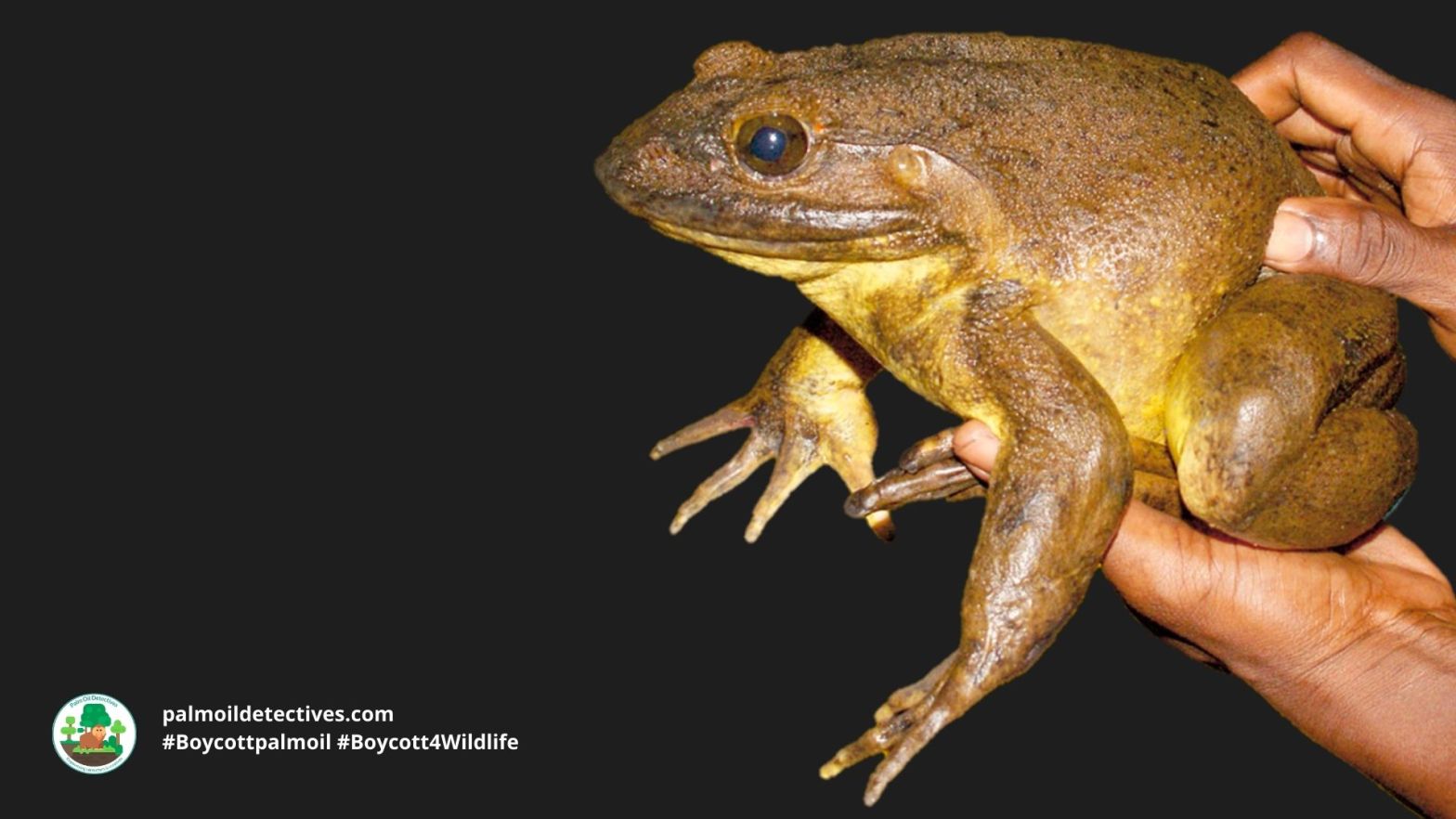
Goliath #Frogs are the largest frog in the world and can grow as large as a domestic cat. These muscle-bound #amphibians lift heavy rocks to build nests and protect their young. They face extinction from #palmoil #deforestation and human persecution including hunting.
Their nesting and reproduction is hugely dependent upon access to clean, fast-flowing rivers – for this reason the encroachment of industrial scale palm oil, cocoa and timber deforestation and p0llution and #pesticides of rivers are direct threats to the existence of the goliath #frog. Help them every time you shop in the supermarket and #Boycottpalmoil #Boycott4Wildlife
Northern Muriqui Brachyteles hypoxanthus
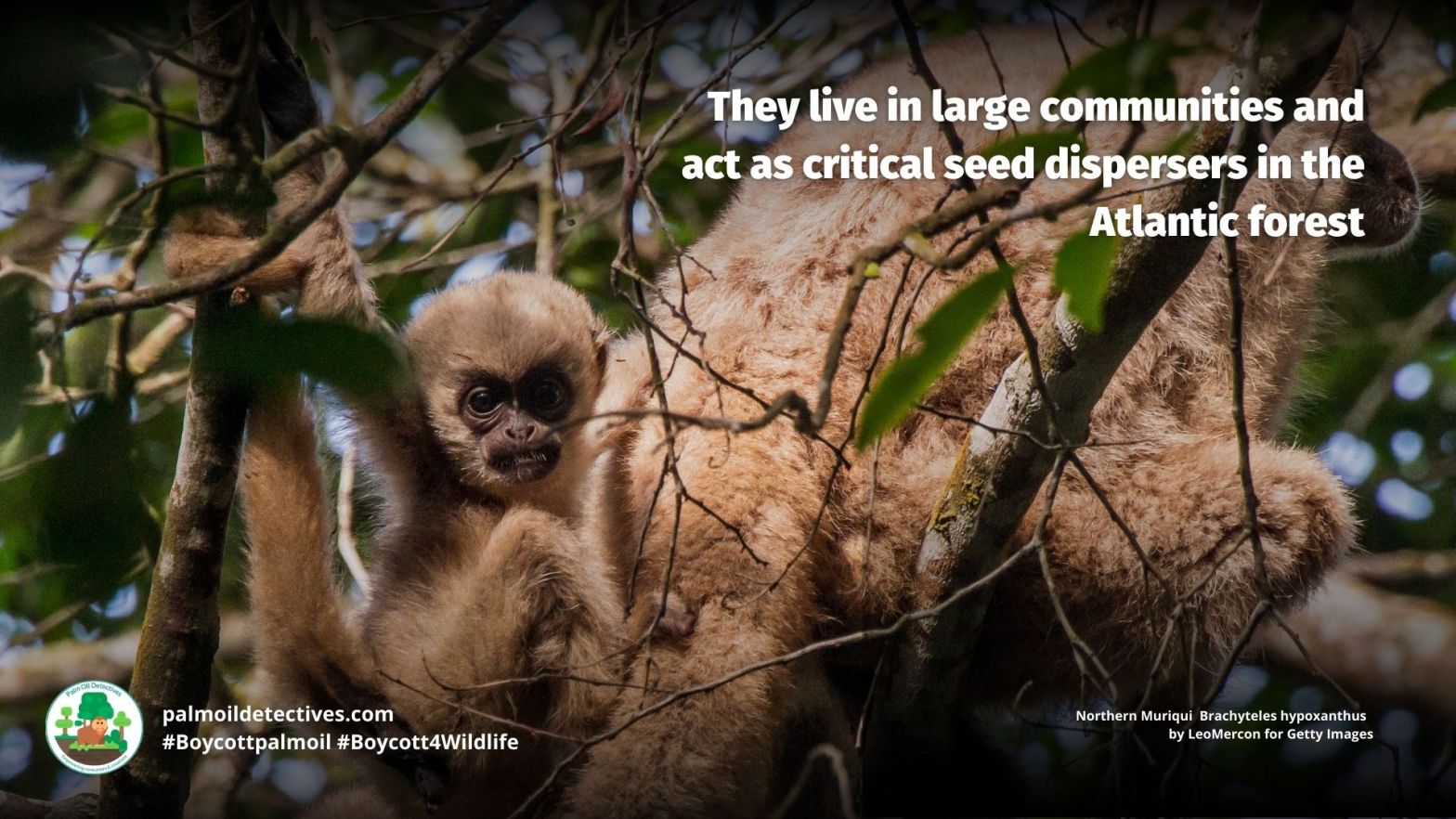
Northern Muriquis (AKA Woolly Spider Monkeys) have a striking light brown and golden fur and are known for their rattling vocalisations. They live in large communities and act as critical seed dispersers in the Atlantic forest. There are fewer than 800 individuals left alive and they are critically endangered. Their main threats are palm oil, meat and soy deforestation in Brazil, along with illegal hunting. Help them every time you shop and be #vegan, #Boycottpalmoil and #Boycott4Wildlife
Sunda Pangolin Manis javanica
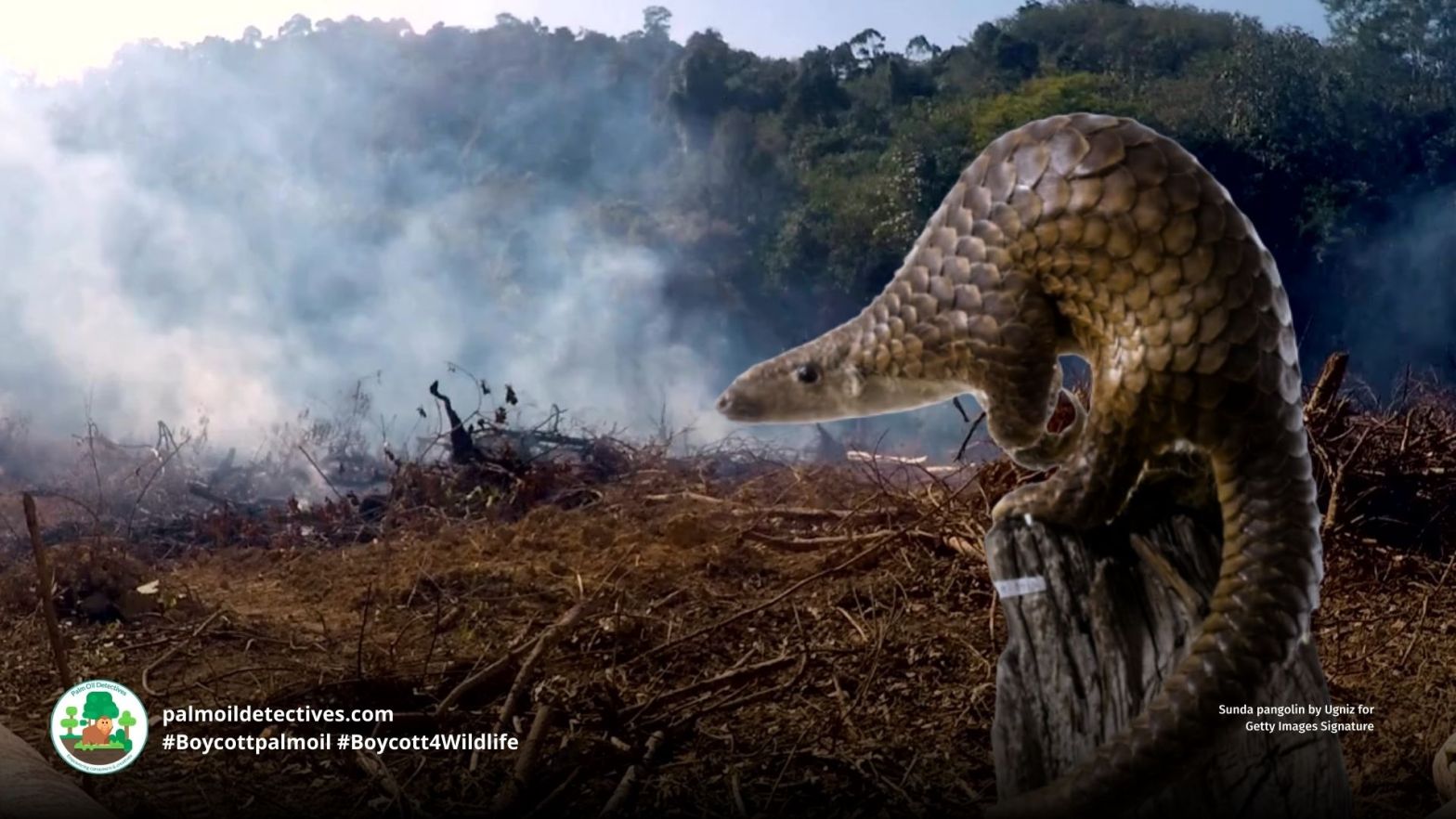
Sunda pangolins AKA Javan pangolins are capable swimmers and curl protective balls, palm oil and hunting exploitation are major threats, boycott palm oil!
Andean Night Monkey Aotus miconax
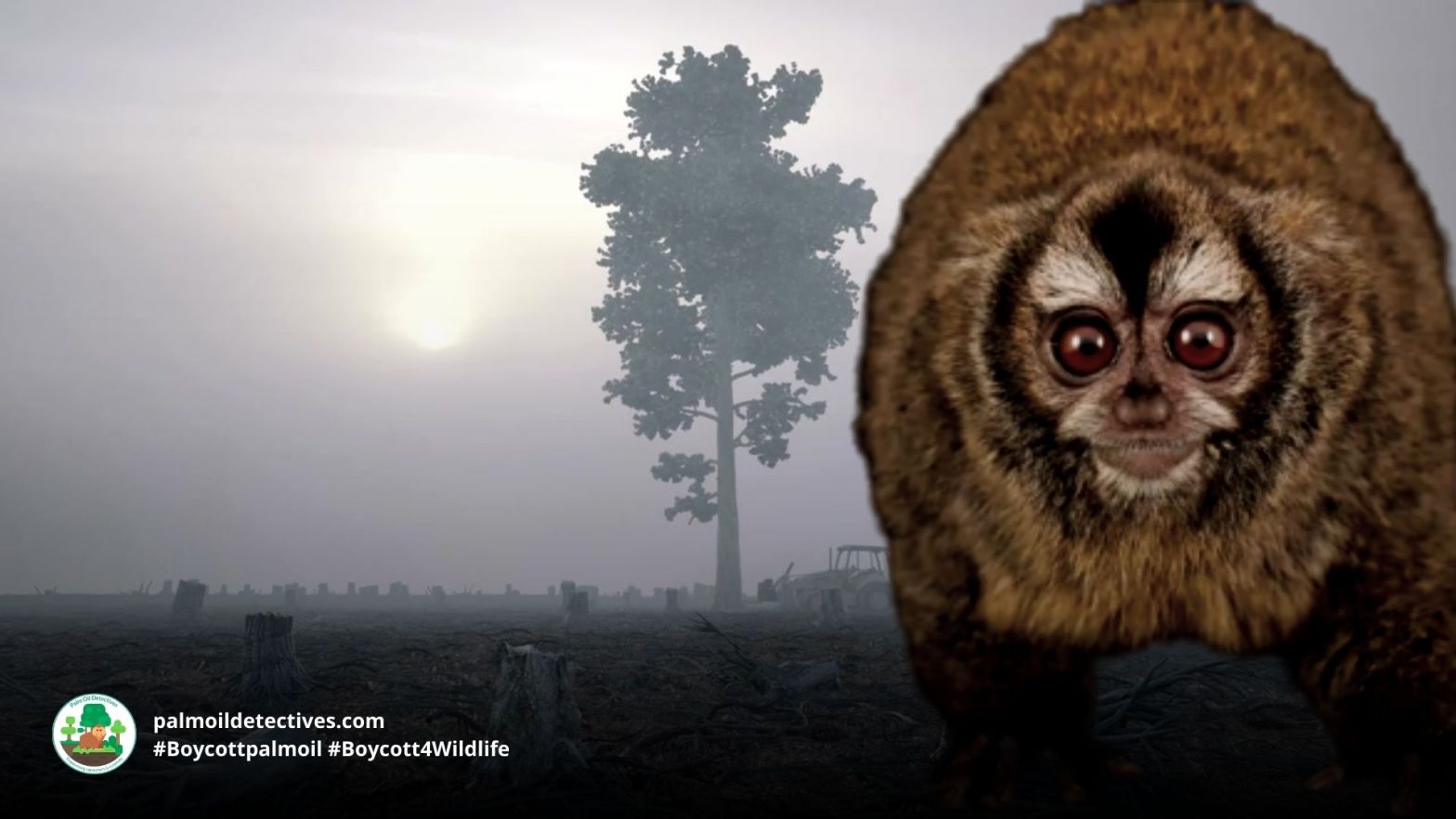
Known for their expressive big eyes, Peruvian Night Monkeys are one of the rarest and most beautiful monkeys in the world. They are critically endangered by mining, palm oil and meat deforestation. Help them every time you shop and be vegan, #Boycottpalmoil #Boycott4Wildlife!
Quince Monitor (Banggai Island Monitor) Varanus melinus
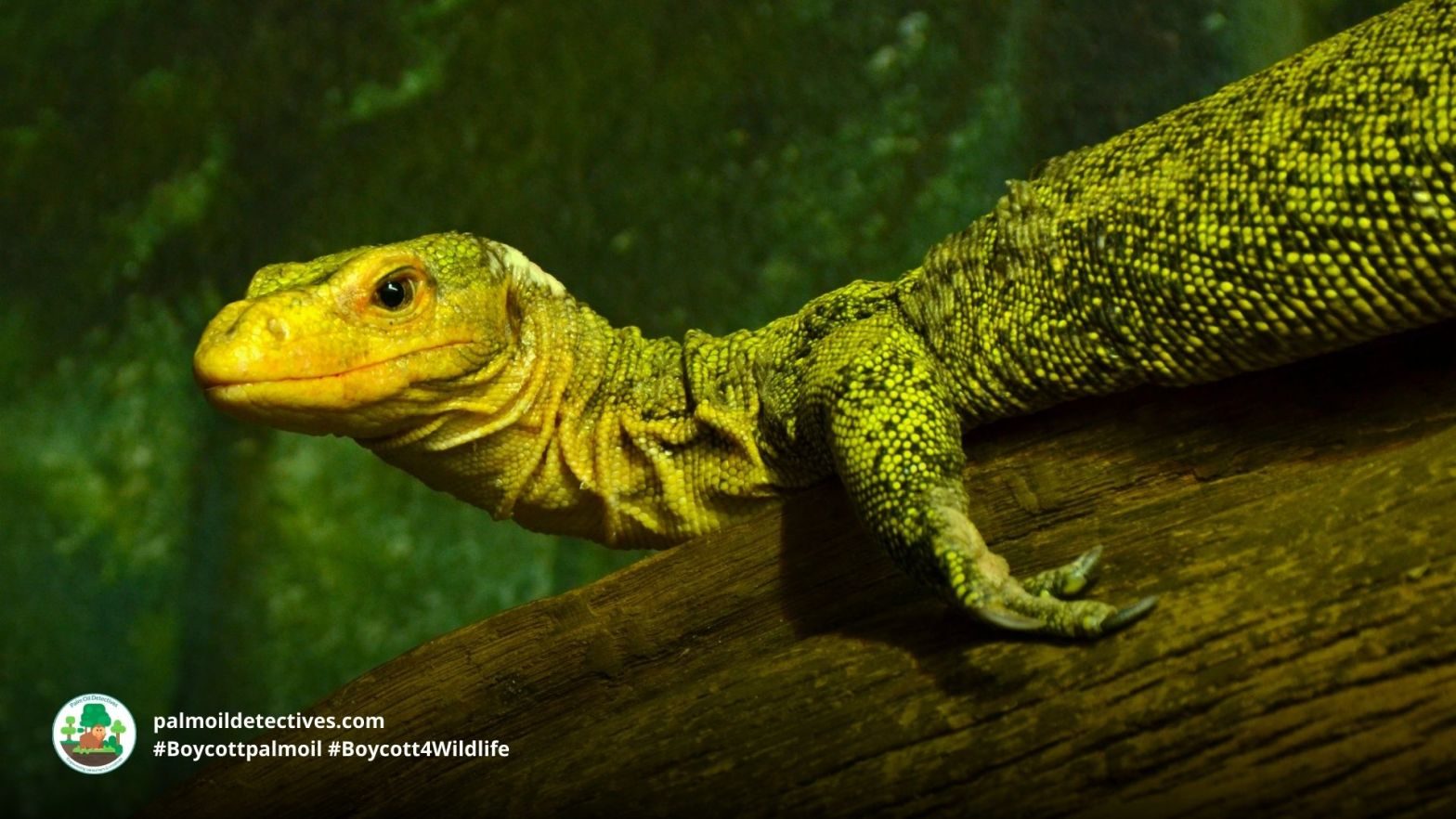
The Quince Monitor Varanus melinus get their name from the spectacular bright yellow of their skin. This is a rare and elusive species of #monitor #lizard that lives in only one location in #Indonesia – the #Maluku Islands. Their muscular, wide stance and ancient dragon-like looks make them fascinating to behold. They are endangered primarily from #palmoil #deforestation throughout their range along with collection for the illegal #pettrade. They have no known protections in place. Help them every time you shop and #BoycottPalmOil #Boycott4Wildlife in the supermarket and don’t buy these lizards as exotic pets as this is sending them extinct!
Dhole Canis Cuon alpinus
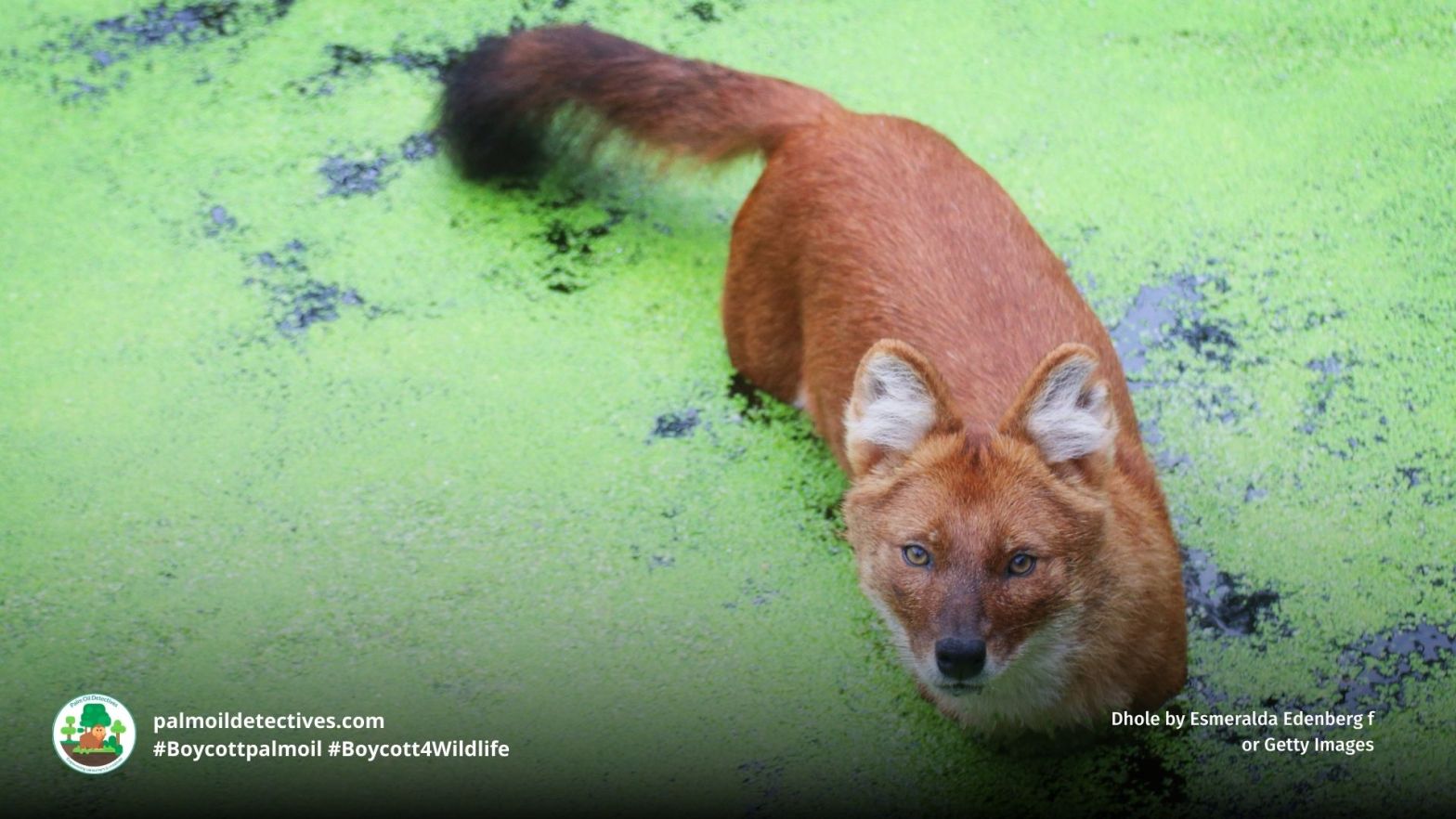
Fiercely protective, elusive and beautiful #Dholes are an ancient species of #wilddog that diverged from other dog species millions of years ago living in #Bangladesh, #Cambodia, #China, #India, #Indonesia, #Laos, #Myanmar, #Nepal and #Thailand. Dholes are also known as Asiatic Wild Dogs, Indian Wild Dogs, Red #Wolves and Mountain Wolves. Once found across the Russian Steppe, China, the Middle East and northern Asia their range has been fractured and reduced dramatically by human-related pressures and threats. Ongoing major threats are #deforestation for #meat and #palmoil along with human persecution. They are now classified as Endangered on IUCN Red List. Help them to survive, every time you shop #BoycottPalmOil #Boycott4Wildlife
Golden Langur Trachypithecus geei
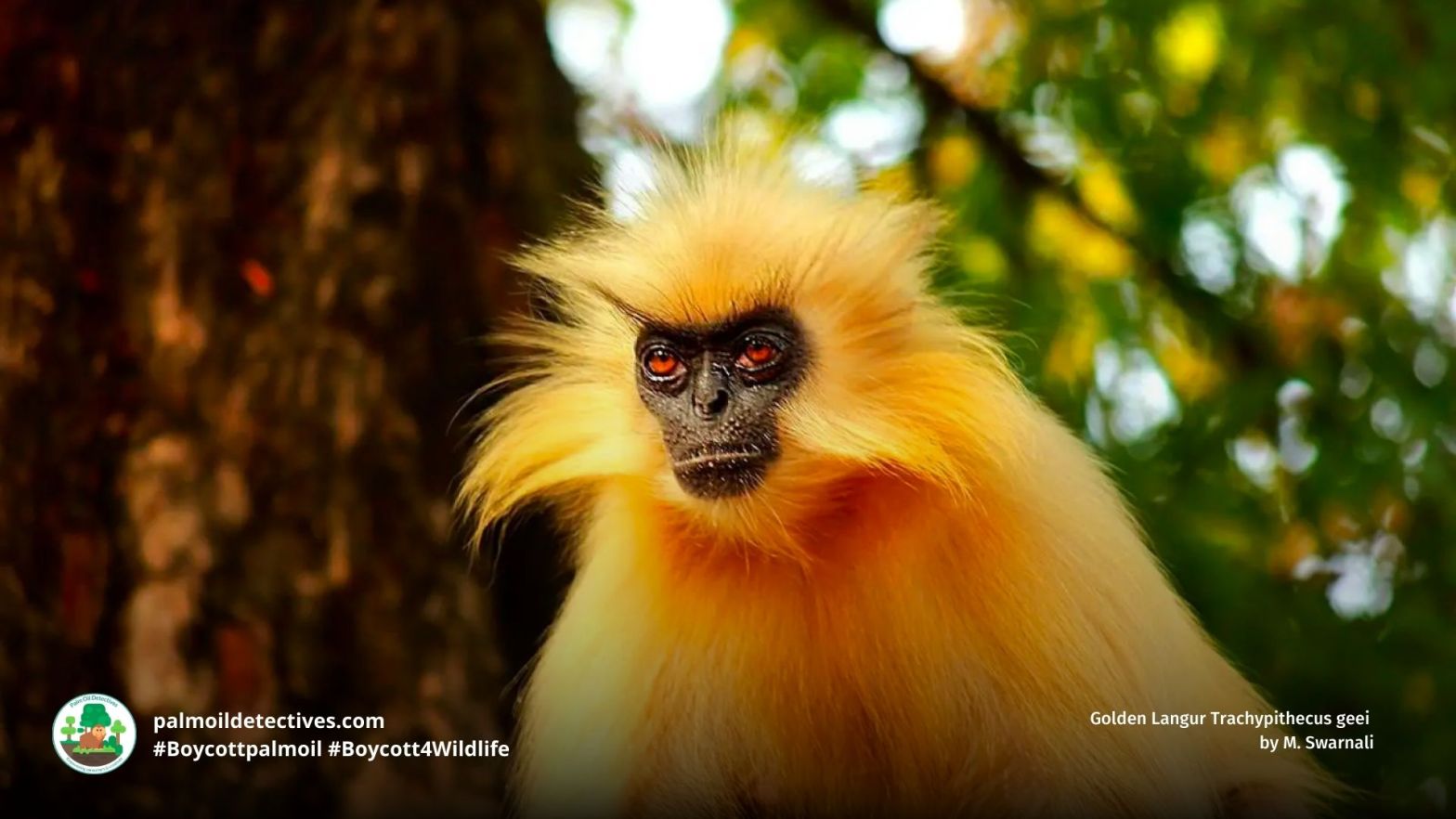
The regal, striking looking Golden #langurs Trachypithecus geei is also known by the common names Gee’s Golden #langur. They are the most endangered primate species in #India and are considered to be sacred to many Himalayan peoples. Once widespread, they are now only found in a handful of fragmented forests straddling India and Bhutan. They are classified as endangered due to #palmoil, #meat and #timber #deforestation and hunting. Golden langurs are known for their expressive eyes and grumpy expressions. This has made them the subject of global fascination and online memes. Help them every time you shop and be #vegan, #Boycottpalmoil and #Boycott4Wildlife
Amazon River Dolphin Inia geoffrensis
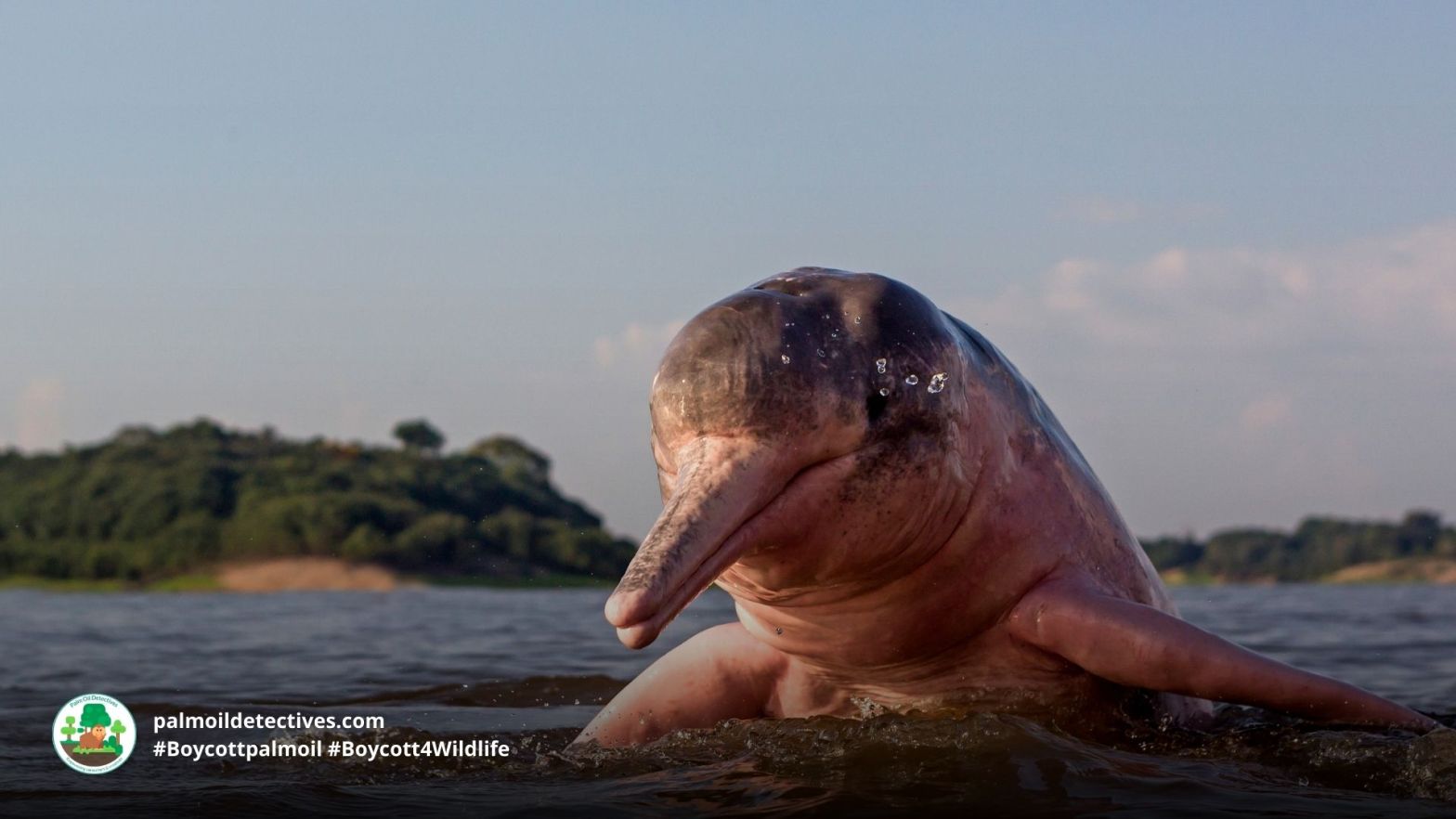
The Amazon River dolphins, also known as the Boto Dolphins or Amazon Pink River Dolphins are playful, curious and intelligent mammals, the largest river dolphin species in the world. Known for their stunning pink coloured skin they are endangered due to human-related threats like #palmoil, #meat and #soy #deforestation, #gold #mining and #pollution. Help them survive each time you shop and use your wallet as a weapon. Be #vegan, #Boycottpalmoil and #Boycott4Wildlife
Helmeted Hornbill Rhinoplax vigil

Helmeted #Hornbills are spectacular, large and intelligent #birds native to SE Asia, known for their substantial helmet-like structure on their head called a casque made of ivory. This hefty head accounts for 11% of their 3kg body weight. They are found on the Malay Peninsula: #Sumatra, #Borneo, #Myanmar and #Thailand. They are #criticallyendangered. Their main threats are illegal hunting and wildlife trade for their ivory casques along with palm oil and timber deforestation. Help them each time you shop and #Boycottpalmoil #Boycott4Wildlife
Buffy-tufted-ear Marmoset Callithrix aurita

Buffy-tufted-ear Marmosets are enchanting monkeys living in a tiny, isolated region of Brazil’s Atlantic Forest. Fight for them and boycott palm oil!
Kaapori Capuchin Cebus kaapori
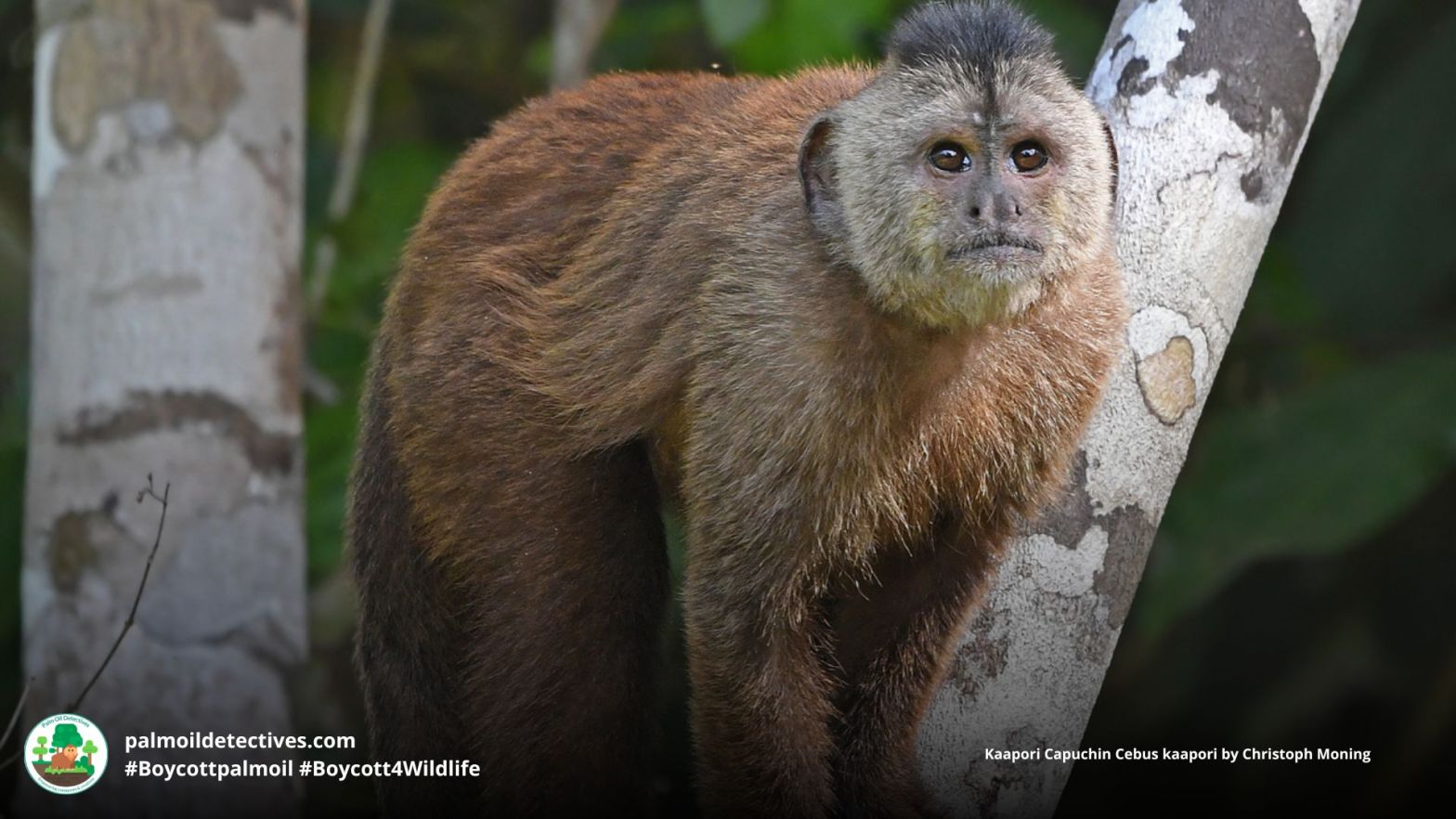
The Kaapori capuchin is a delightful, tenacious and intelligent small monkey species of #Brazil on a knife-edge of survival – they are critically endangered. In 2017 their population had been decimated by 80% due to deforestation for agriculture including soy, cattle grazing and palm oil. They are forgotten animals with no formal protections in place. Fight for them every time you shop and be #vegan #Boycottpalmoil #Boycott4Wildlife
Giant Otter Pteronura brasiliensis
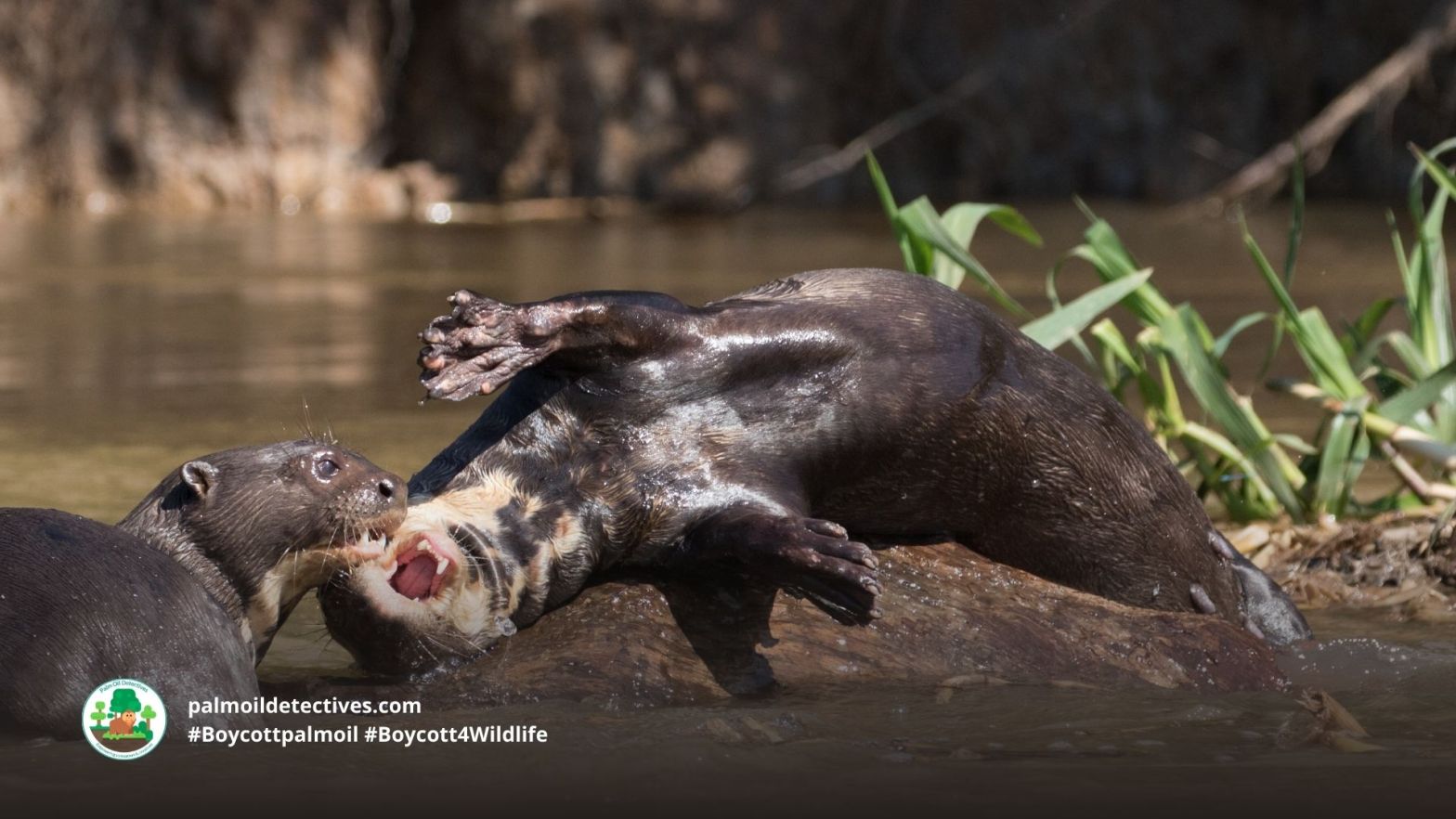
The agile and graceful tumbling Olympians of the Amazonian rivers, Giant #Otters are able to swim 100 metres in less than 30 seconds. They are also known as the Lobo de Rio (the River wolf), Los Lobos del Rio (Wolves of the River) and Ariranha. They are most active in the mornings and evenings and take a siesta during the hottest parts of the day. Known for their striking size and the chorus of whistles and barks echoing through flooded forests, giant otters are social, vocal, and deeply bonded to their family groups. But the rivers they call home are under siege. The most significant threats to giant otters are anthropogenic pressures of deforestation for palm oil, soy and meat, pollution from mining and climate change. They are also illegally hunted and traded for their pelts or killed in retribution by fishermen. Help them and be #vegan, use your wallet as a weapon and #BoycottPalmOil #Boycott4Wildlife.
Up to 90% of Cargill, Wilmar, Musim Mas’ Palm Oil Linked To Deforestation

Research finds that between 15-90% of palm oil processed by global palm oil traders: #Cargill, #MusimMas and #Wilmar is unable to be adequately traced. This is due to opaque indirect sourcing and is linked to deforestation. Palm oil deforestation is sending thousands of rare, #endangered species of #animals and #plants towards #extinction and leads to the violent displacement of indigenous peoples. The loss of carbon sinks from deforestation plays a significant role in global warming and the climate emergency. Take action every time you shop and #BoycottPalmOil #Boycott4Wildlife
 Palm Oil Detectives