
There is no excerpt because this is a protected post.
Tag Archives: Fightgreenwashing
PalmWatch: A Tool to Hold Palm Oil Greenwashers to Account
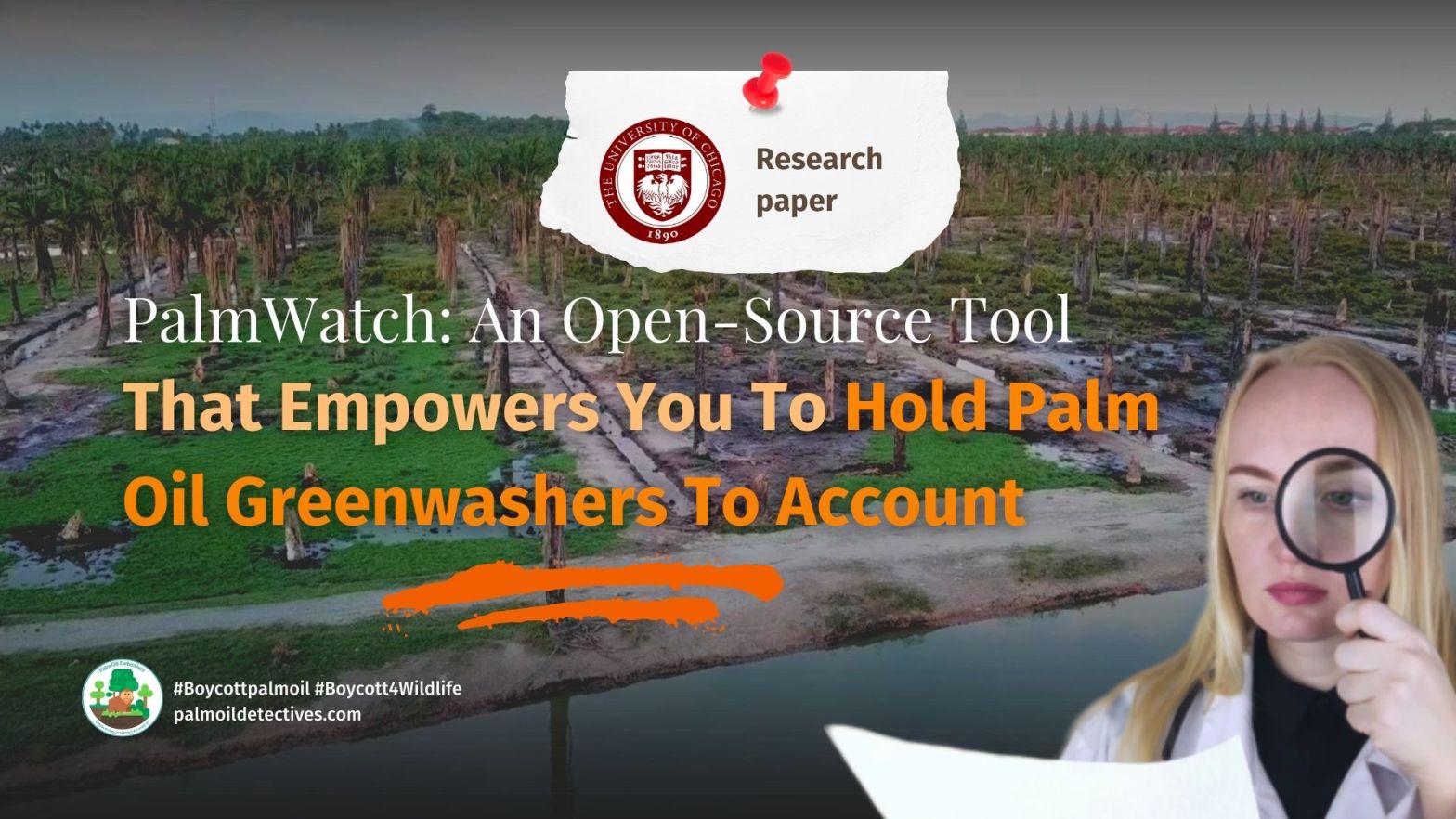
A groundbreaking open-source tool by the University of Chicago called PalmWatch, shines a light on the darkest parts of the palm oil industry.
PalmWatch is a free web-based tool that reveals links between major multinational brands using supposedly “sustainable” palm oil, and palm oil supply chain. This means that concerned consumers, animal rights advocates and human rights advocates can clearly see the toll of palm oil ecocide in their daily supermarket purchases.
Covering hundreds of thousands of kilometres, PalmWatch gives everyone open-source, free and unprecedented access to what “sustainable” palm oil really looks like.
More than simply a tool, PalmWatch is a clarion call to consumers to look carefully at their purchases. And where possible, to boycott brands causing the ecological crisis of tropical deforestation.
Help animals and indigenous peoples and #BoycottPalmOil #Boycott4Wildlife every time you shop!
Oligarchs weaken Indonesia’s fight against corruption
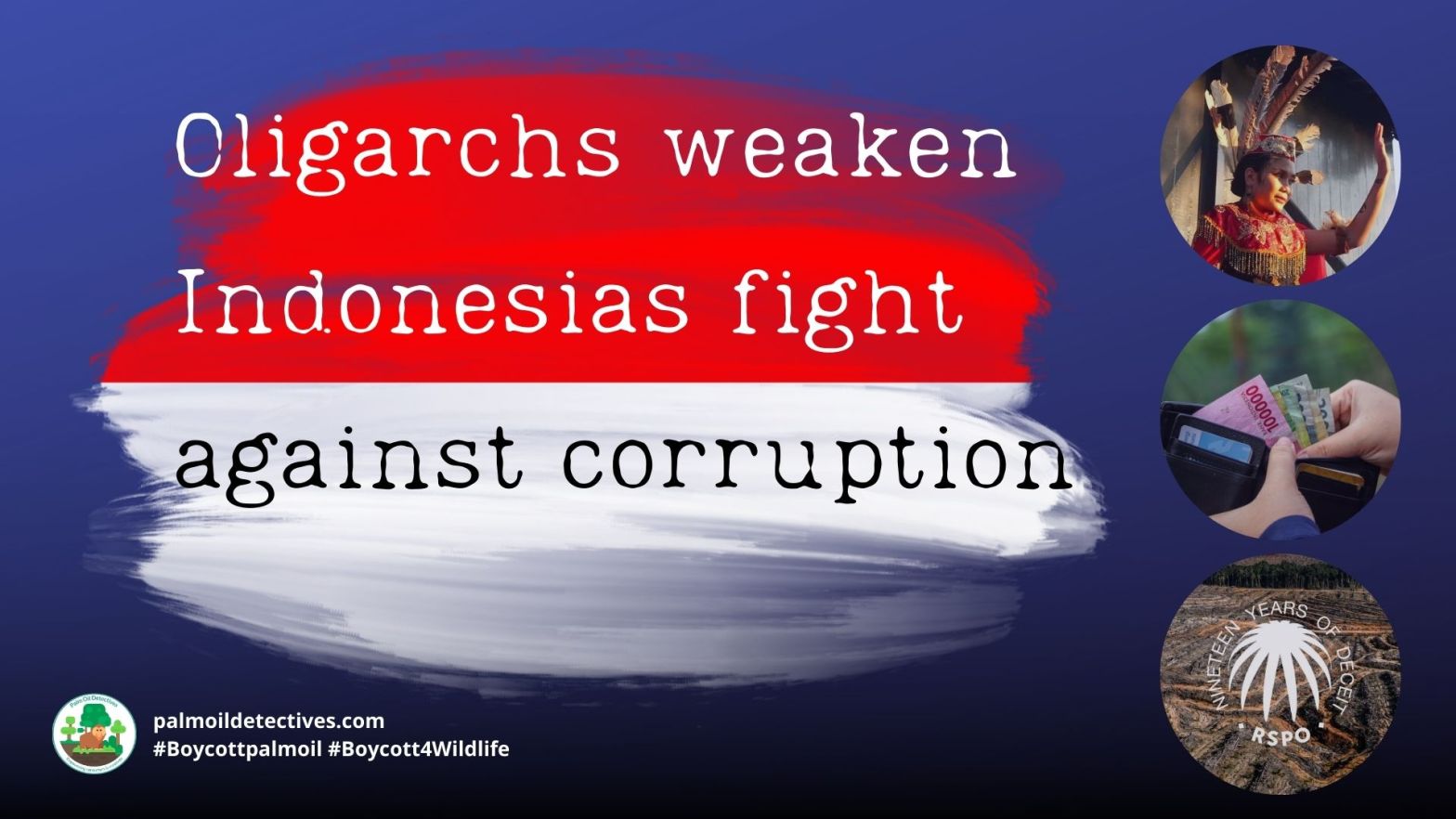
The system is failing. #Indonesia’s own parliament, backed by big business interests, has succeeded in weakening the very system set up to fight corruption. Resist the corruption! #FightGreenwashing #Boycottpalmoil 🌴🩸⛔️ #Boycott4Wildlife
Greenwashing Tactic 10: Gaslighting, Harassment, Stalking and Threats
Gaslighting, harassing or stalking vocal critics of a brand, commodity or industry certification in order to silence these critics – this is greenwashing!
Ten Tactics of ‘Sustainable’ Palm Oil Greenwashing
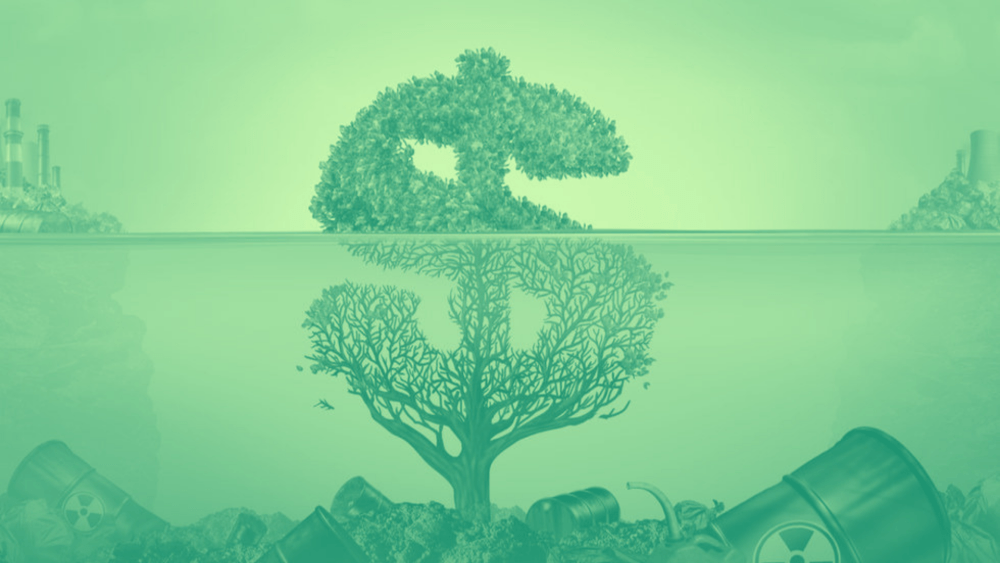
Learn ten marketing and PR tactics used for “sustainble” palm oil greenwashing to justify endless growth by the palm oil industry. Boycott palm oil now!
Greenwashing Tactic #4: Fake Labels
Claiming a brand or commodity is green based on unreliable, ineffective endorsements or eco-labels such as the RSPO, Forest Stewardship Council (FSC) or FairTrade coffee and cocoa. Greenwashing: Fake Labels and fake certifications Ecolabels are designed to reassure consumers that they are purchasing green or sustainable products. In reality the environmental standards are no betterContinue reading “Greenwashing Tactic #4: Fake Labels”
Greenwashing Tactic #6: The Lesser of Two Evils
Claiming that a brand, commodity or industry is greener than others in the same category, in order to excuse ecocide, deforestation, human rights and animal rights abuses. Jump to section Greenwashing: Lesser of Two Evils: Palm Oil Uses Less Land Than Other Crops Greenwashing messaging is pervasive by researchers Greenwashing messaging is pervasive on socialContinue reading “Greenwashing Tactic #6: The Lesser of Two Evils”
Greenwashing Tactic 9: Partnerships, Sponsorships and Research Funding
Greenwashing Tactic 9. Corporations use NGOs, Zoo partnerships, sponsorships, and research funding to give an industry or brand a ‘green image.
Greenwashing Tactic 8: Design & Words
Greenwashing Tactic 8. Companies use design principles and subliminal language to signal ‘greenness’ and trigger unconscious emotional responses in consumers
Greenwashing Tactic #5: Irrelevance and Deflection
Learn how lobbyists use irrelevant information and deflection to shift the conversation away from their environmental harms, e.g. “sustainable” palm oil.
PZ Cussons
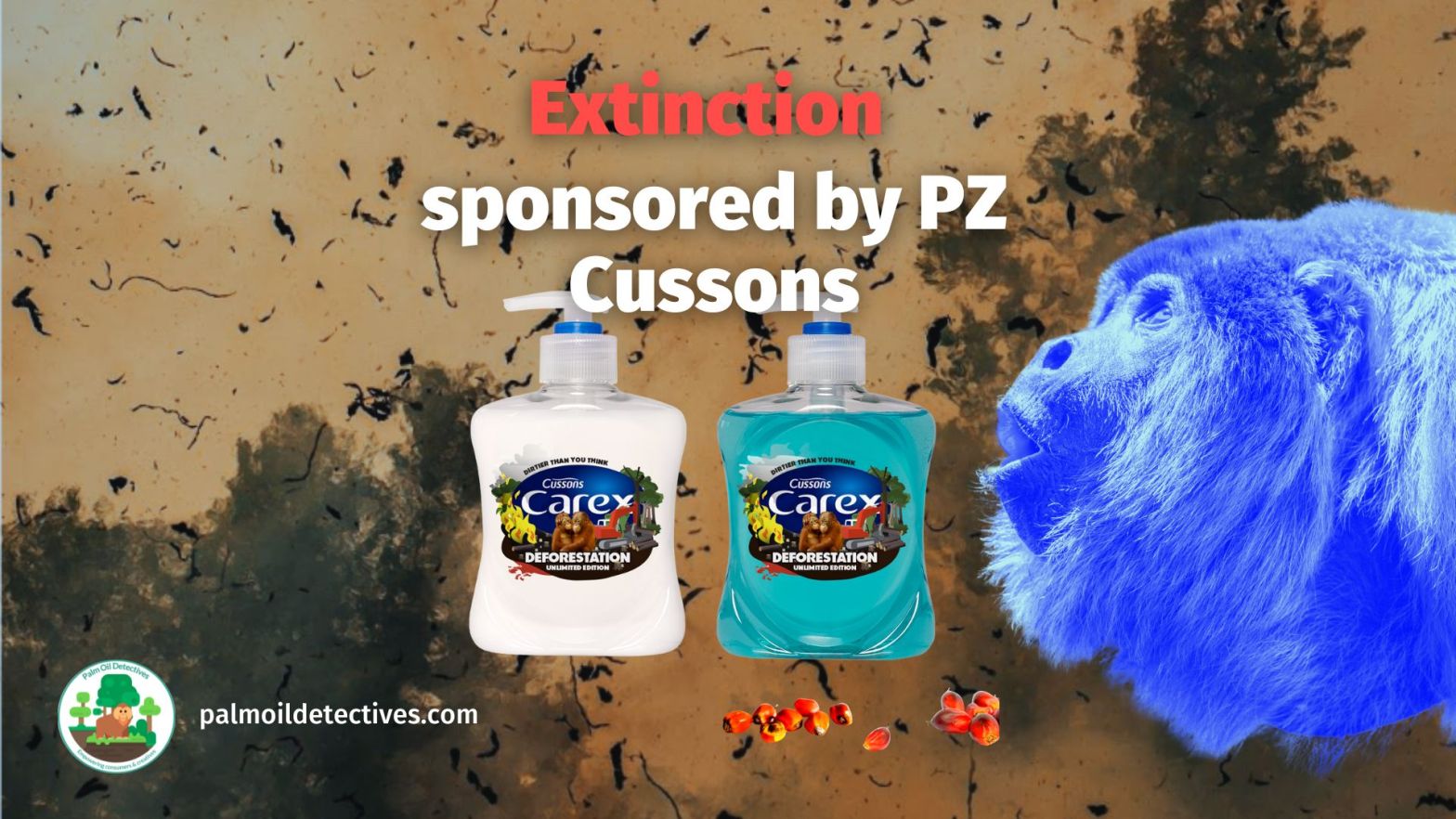
PZ Cussons is a British-owned global retail giant. They own well-known supermarket brands in personal care, cleaning, household goods and toiletries categories, such as Imperial Leather, Morning Fresh, Carex, Radiant laundry powder and more. (See below for full list)
Savvy consumers have been pressuring PZ Cussons to cease using deforestation palm oil. Yet they have failed on this.
Danone
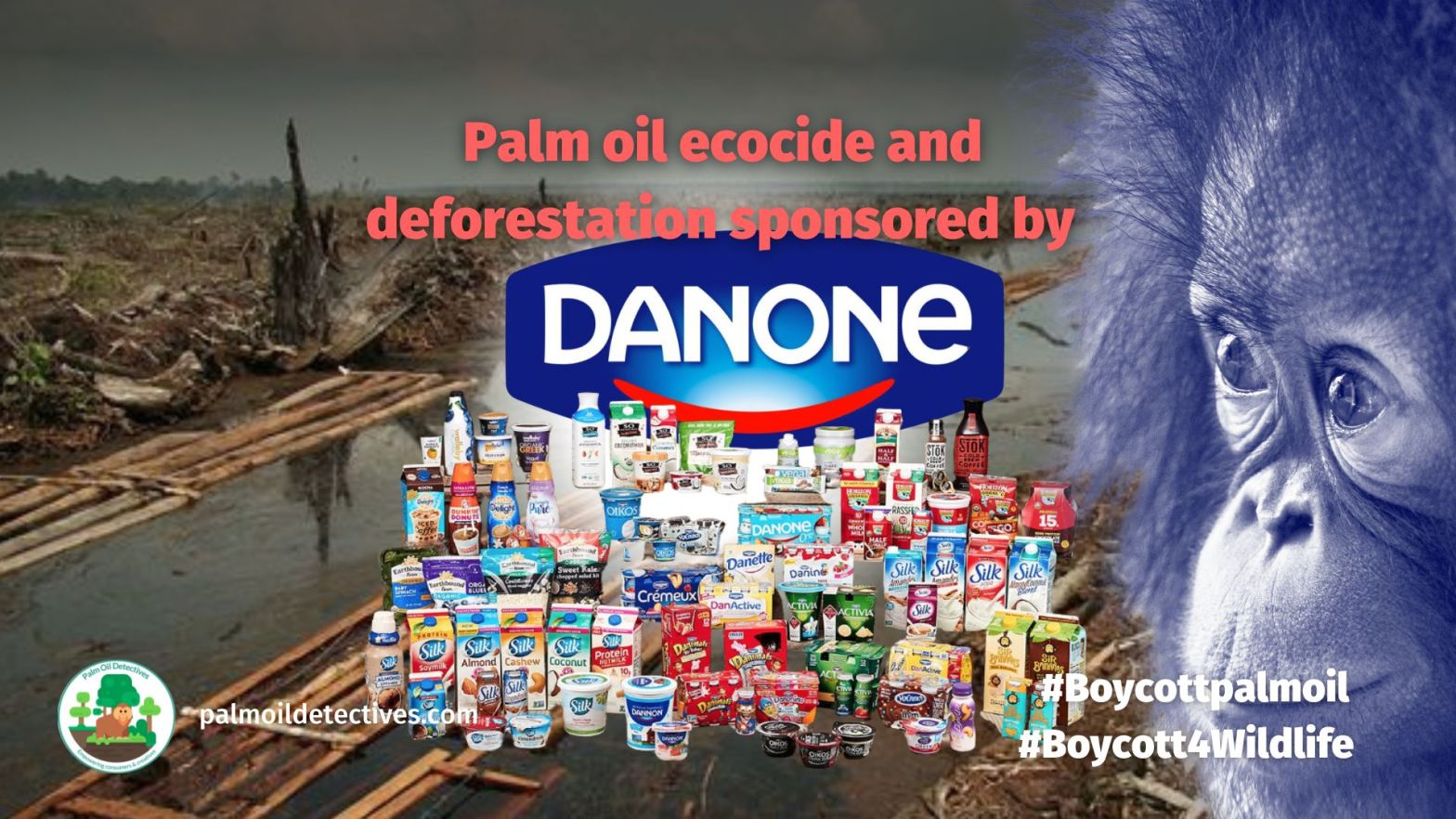
Savvy consumers have been pressuring French Dairy multinational Danone for decades to cease using deforestation palm oil. Yet they actually haven’t stopped this. From their website: ‘Danone is committed to eliminating deforestation from its supply chain by end of 2020, and to the principles of no deforestation, no development on peat, and no exploitation ofContinue reading “Danone”
Kelloggs/Kellanova
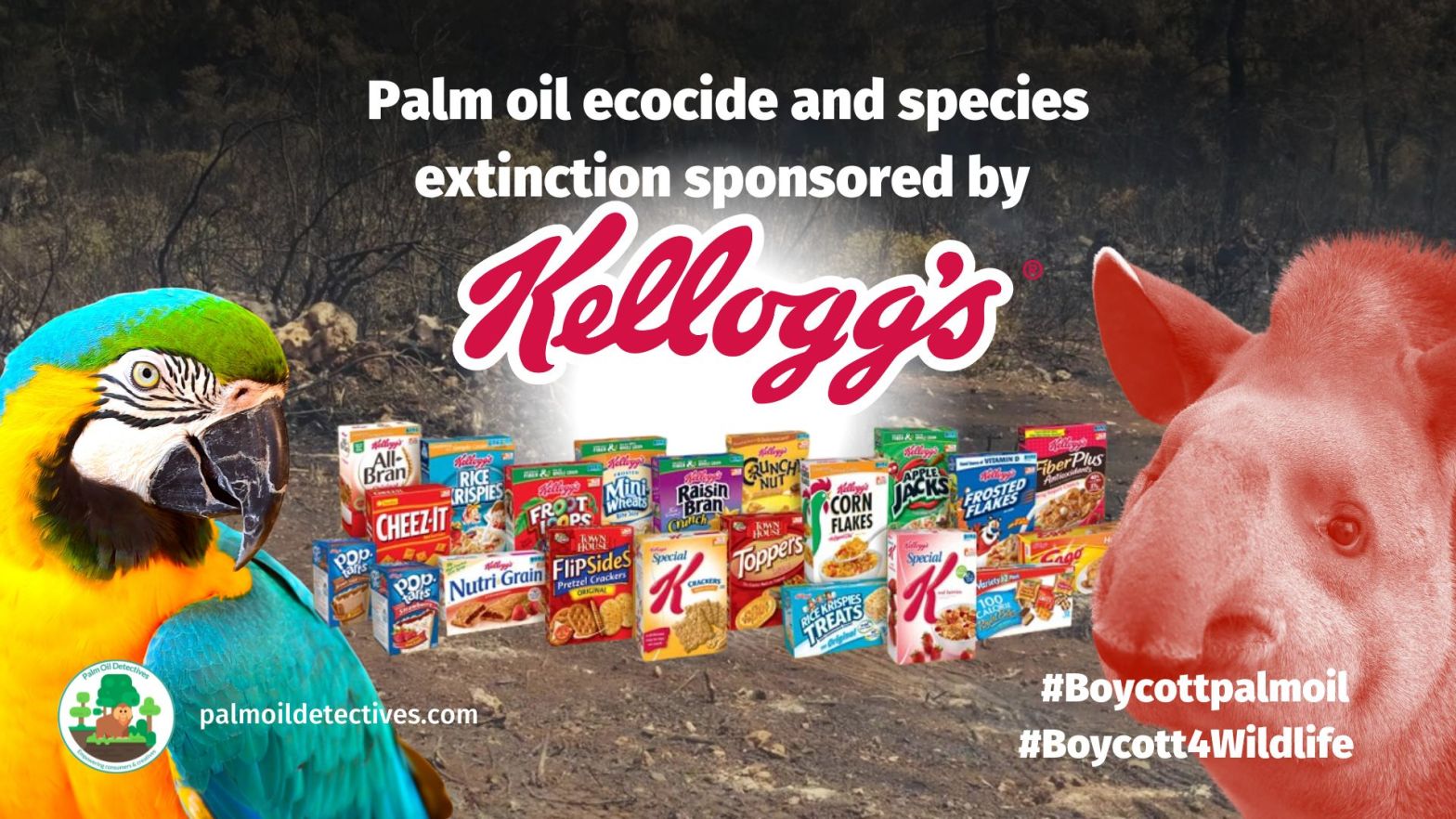
In late 2023, Kelloggs became Kellanova for their US arm. Savvy consumers have been pressuring Kelloggs for decades to cease using deforestation palm oil. Yet they actually haven’t stopped this. From their website: ‘All of the palm oil that is used in our products is sourced from a combination of the Roundtable of Sustainable PalmContinue reading “Kelloggs/Kellanova”
Nestlé
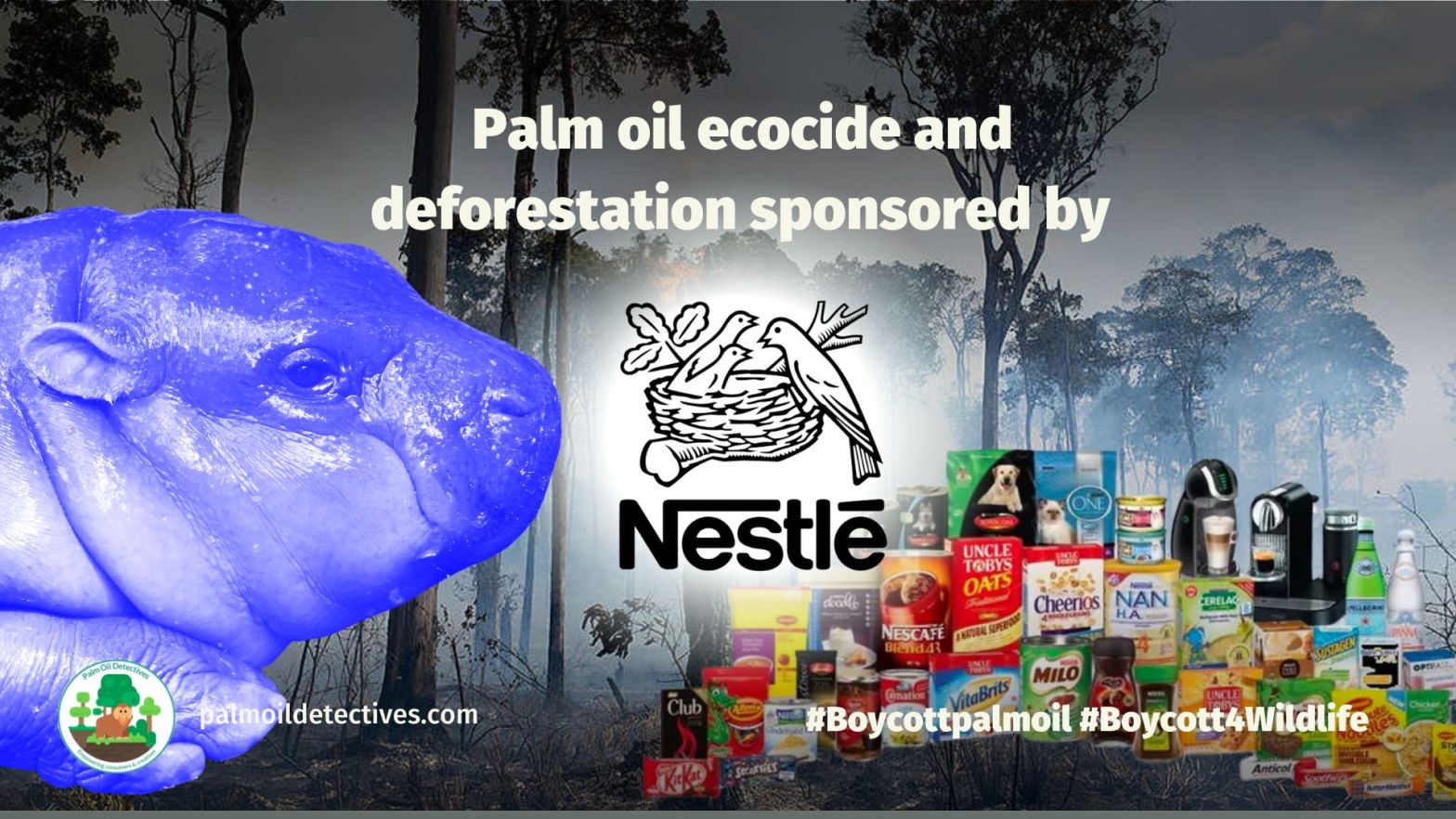
Nestlé is destroying rainforests, releasing mega-tonnes of carbon into the atmosphere, and killing hundreds of endangered species. Once these animals are gone – they are gone for good. See Nestlé’s full list of mills where they buy palm oil, six of these are actively destroying forest.
Papua New Guinea & West Papua: Species Endangered by Palm Oil Deforestation

As the rainforest habitats are destroyed in Indonesia, Indonesian and Chinese oil palm processing companies are switching focus towards Papua New Guinea, Africa and South America to keep up with demand for palm oil.
Asia: Species Endangered by Palm Oil Deforestation
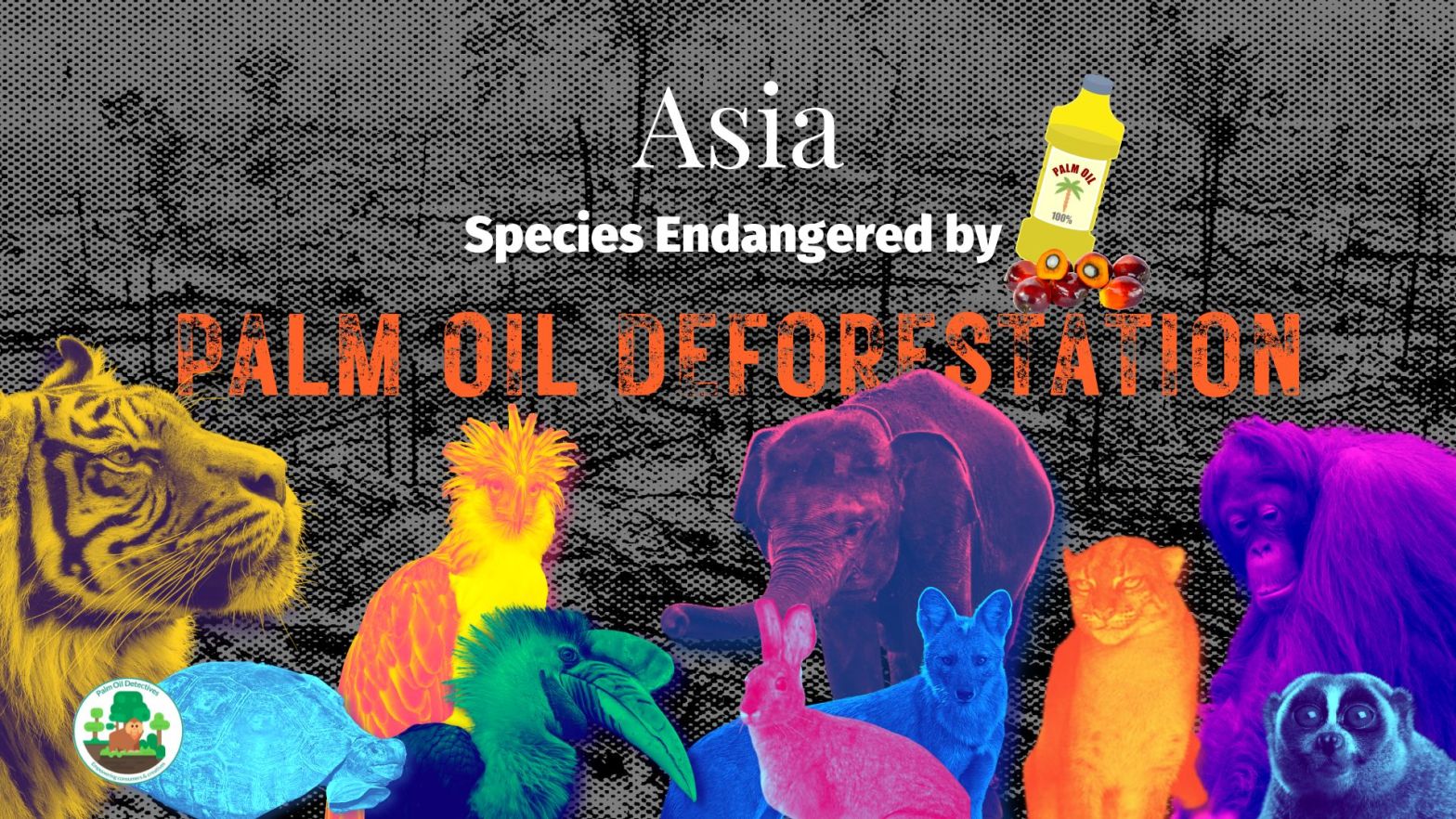
Discover the diverse wildlife of Asia and the devastating effects of palm oil deforestation. Learn how to protect these species and #BoycottPalmOil. #Boycott4Wildlife
Africa: Species Endangered by Palm Oil Deforestation
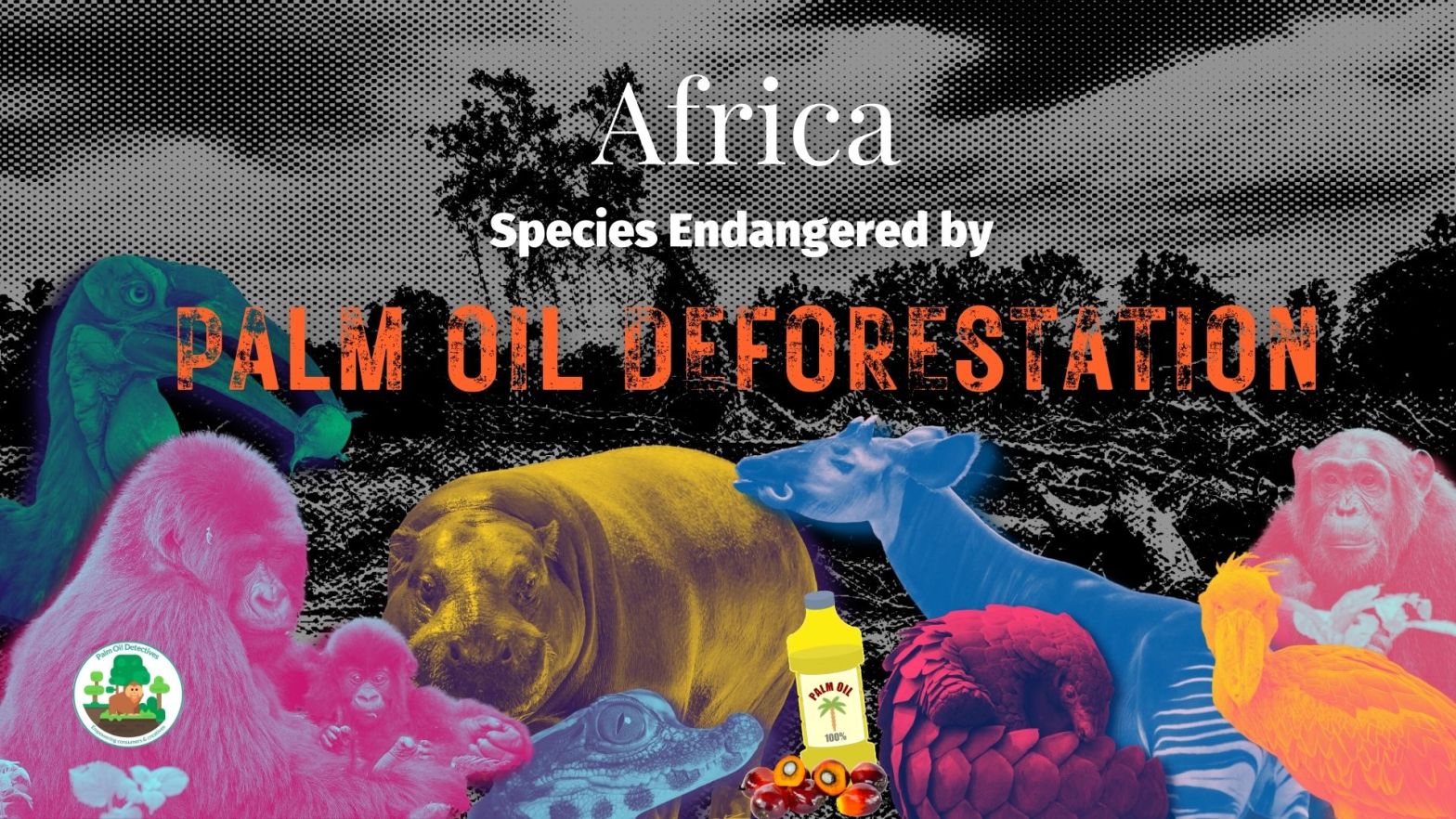
Explore the biodiversity of Africa and discover how palm oil deforestation impacts wildlife. Learn how you can help. #BoycottPalmOil #Boycott4Wildlife
 Palm Oil Detectives