
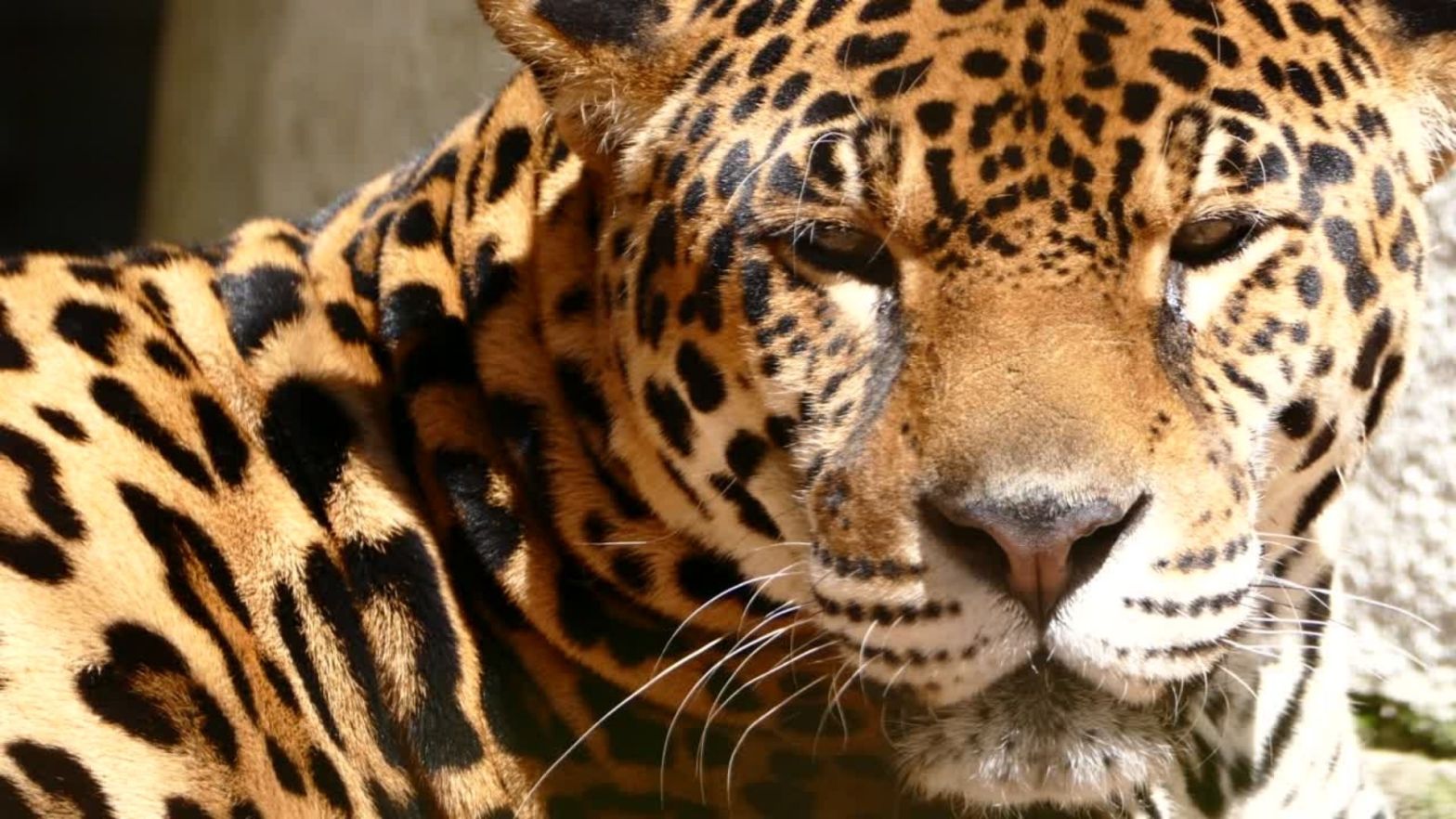
Global Witness report finds JBS, the world’s largest meat company, is directly linked to deforestation in the Amazon and Pantanal putting jaguars at risk
Tag Archives: meat
Jaguars and Pumas Eat More Monkeys in Damaged Forests
In fragmented forests of Mexico, big cats find it hard to locate prey ungulates instead seeking tree-dwelling #monkeys – that’s bad news for primates!
Finance giants fuel $8.9 trillion deforestation economy
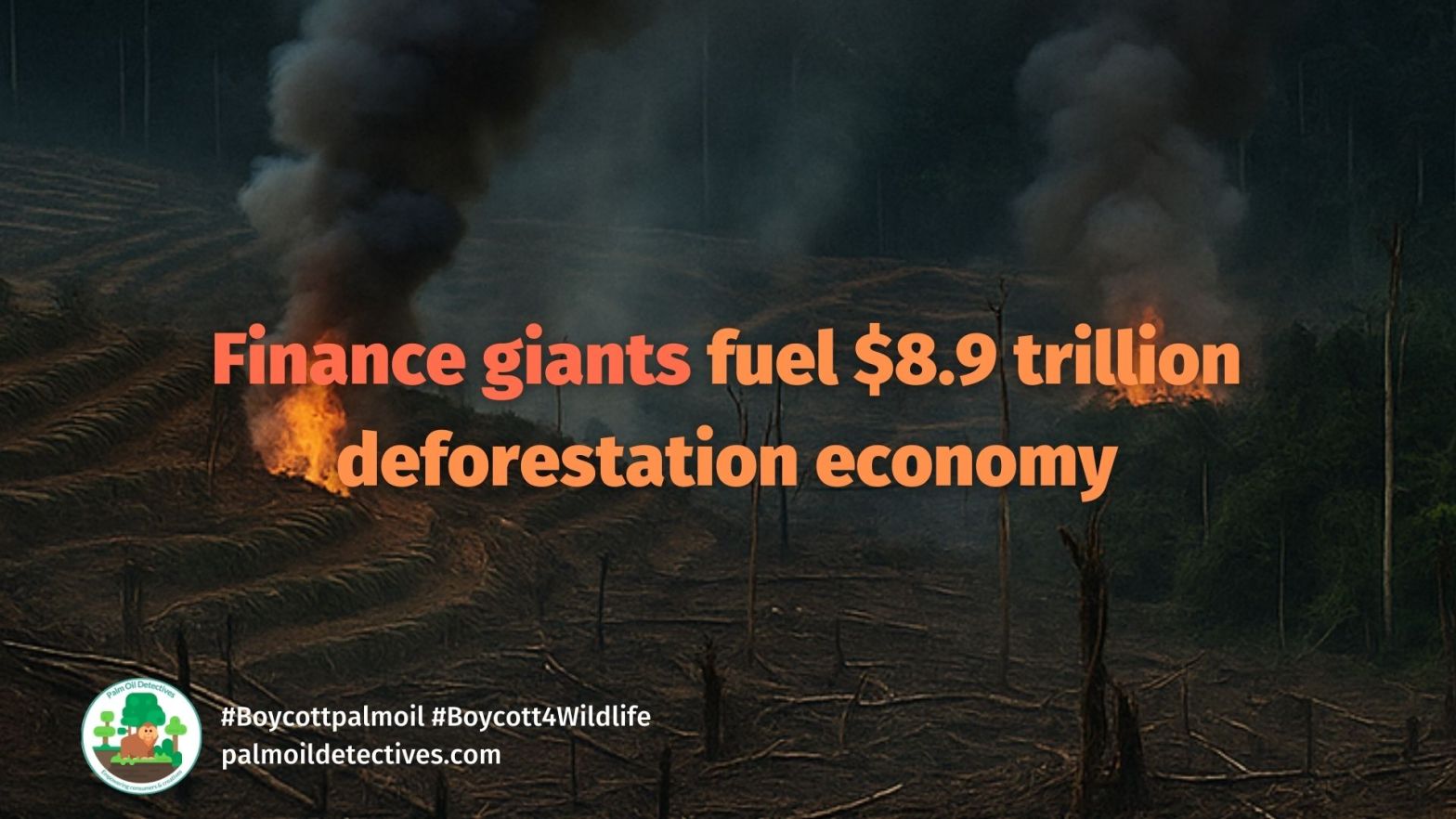
Forest 500 report shows 150 of the world’s largest financial institutions invested nearly $9 trillion in deforestation-linked industries. Support EUDR!
Protecting Peru’s Grasslands Vital for Spectacled Bears
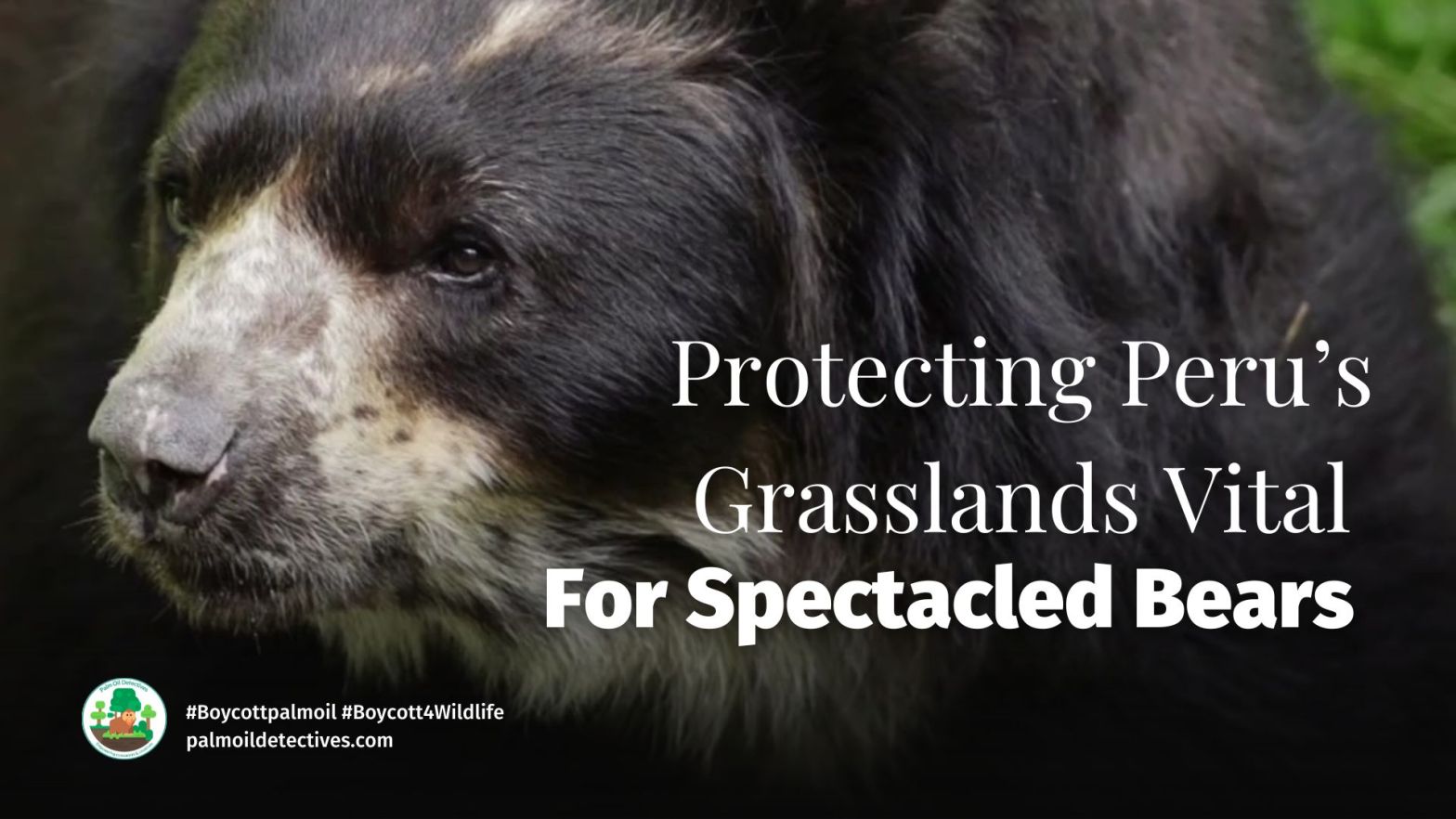
Peru’s alpine puna grasslands supports foraging of vulnerable Andean bears AKA Spectacled Bears. They prefer young bromeliad plants, Take action for them!
Ecuadorean Viscacha Lagidium ahuacaense
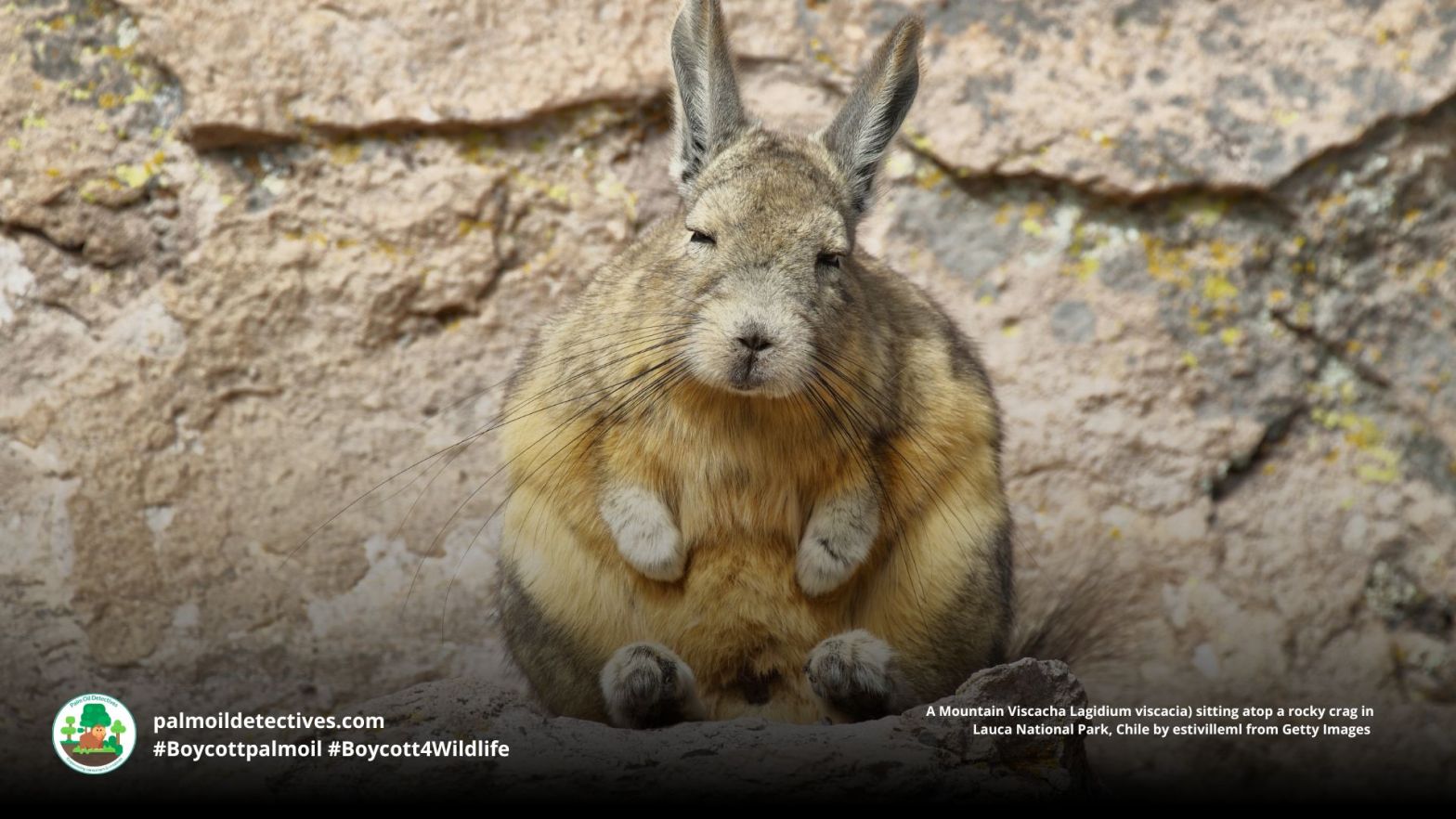
Ecuadorean Viscachas are plump and fluffy rodents with sage-like long whiskers, only a handful of them remain alive. Take action for them and boycott4wildlife!
Climate Change Driving Mass Bird Deaths in the Amazon
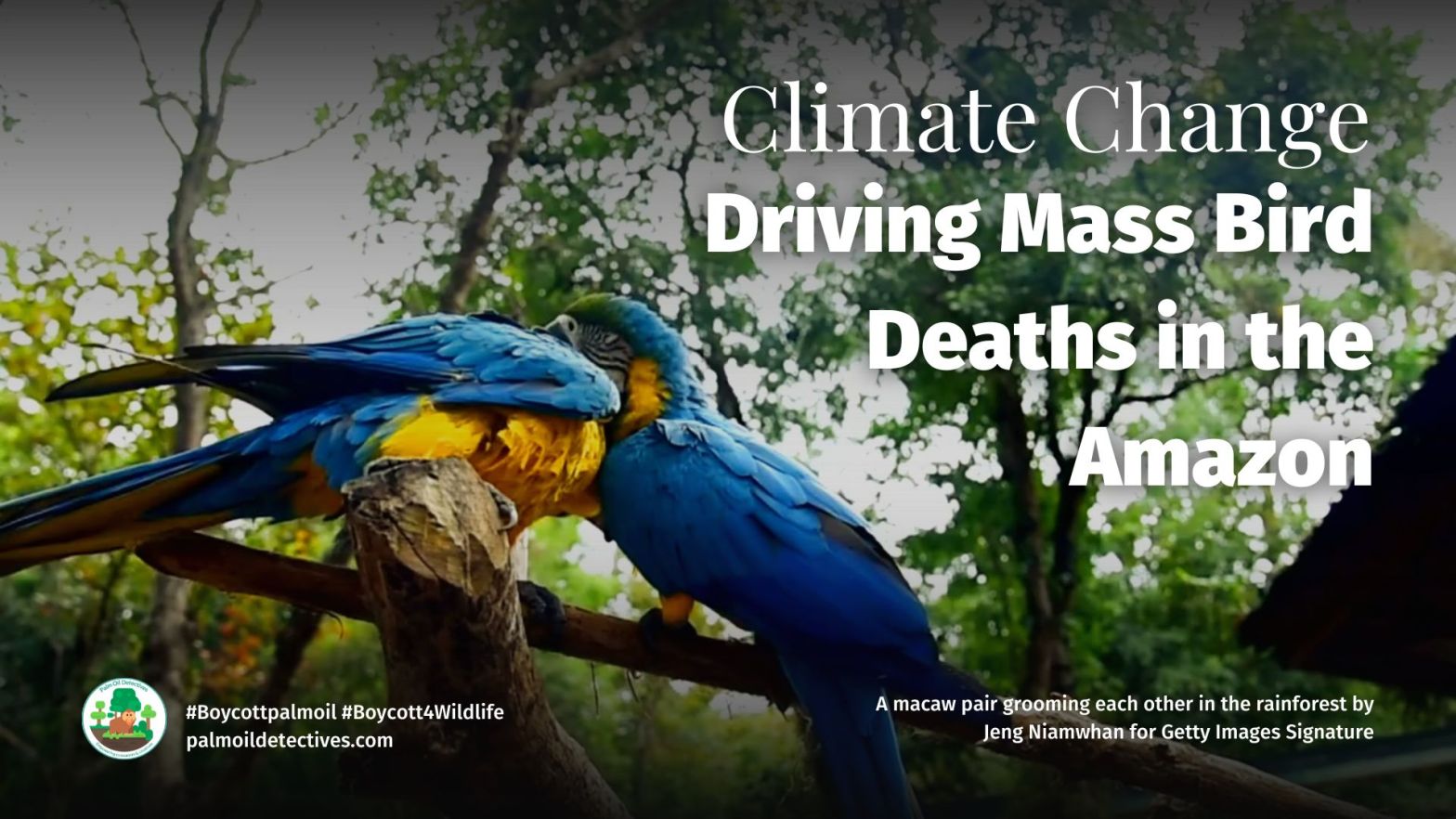
A recent #study has revealed that even in the most isolated parts of the #Amazon, bird #populations are collapsing due to #climatechange. Research published in Science Advances found that a 1°C increase in temperature led to a 63% drop in bird survivability, proving that climate change is pushing avian species towards #extinction. Avoiding deforestation-linked products like #palmoil and #meat is crucial in the fight for their survival. As is calling out corporate greenwashing, be #Vegan and #BoycottPalmOil #Boycott4Wildlife
Declining primate numbers are threatening Brazil’s Atlantic forest
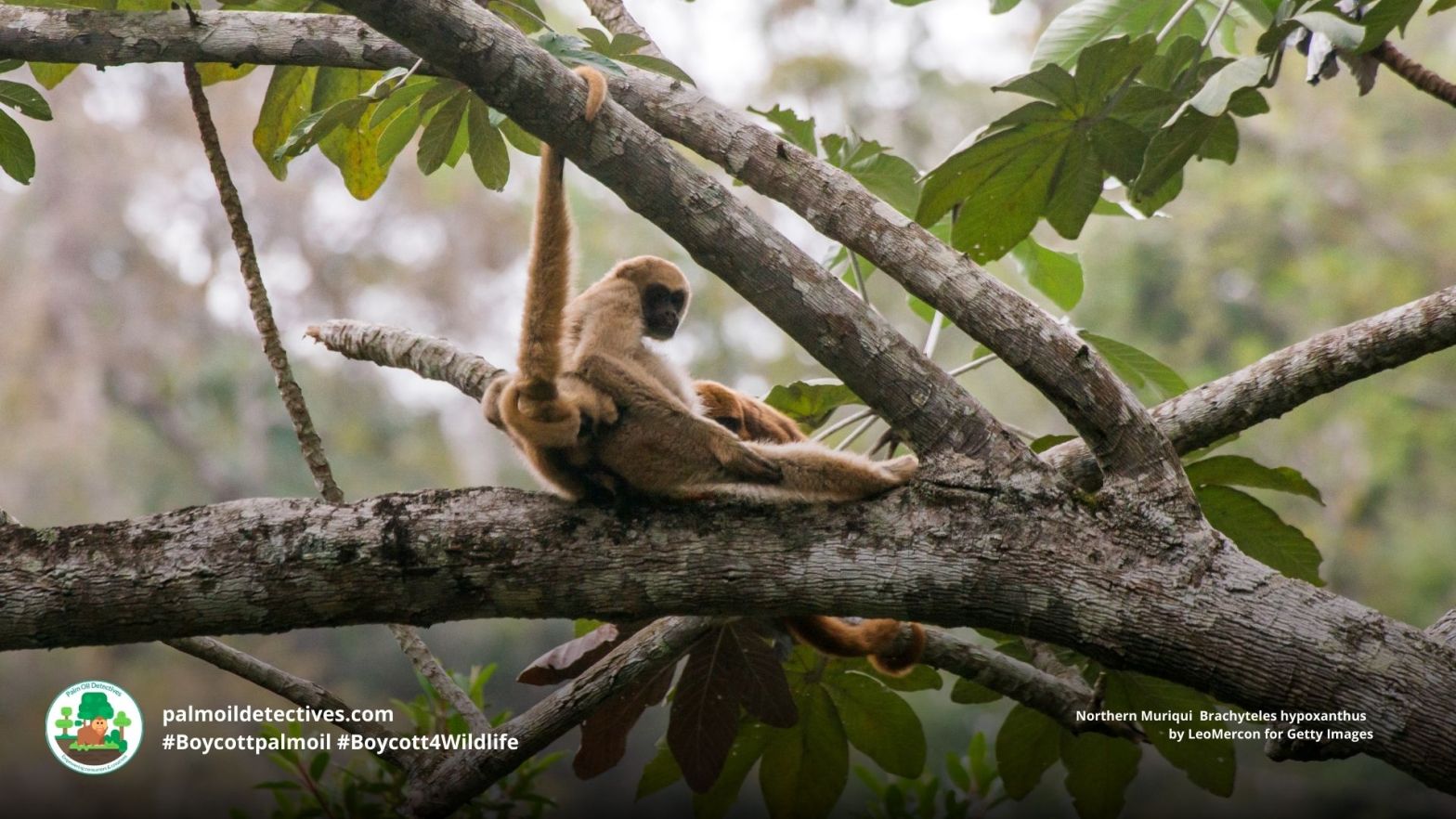
#Brazil’s Atlantic Forest, one of the most biodiverse ecosystems in the world, is facing severe threats due to deforestation and habitat fragmentation. This has led to a sharp decline in primate species, including the critically endangered southern and northern muriqui. The loss of these #primates, essential for seed dispersers in the Atlantic forest, is further destabilising the forest ecosystem. As human-driven deforestation escalates, the #extinction debt continues to rise, endangering both wildlife and the forest itself. You can take action to help their survival. Be #vegan for the animals and forests and #BoycottPalmOil #BoycottGold #Boycott4Wildlife.
Blonde Capuchin Sapajus flavius

Only rediscovered in 2006, Blonde Capuchins are highly intelligent critically endangered primates of Brazil threatened by palm oil and meat deforestation
Savage’s Glass Frog Centrolene savagei
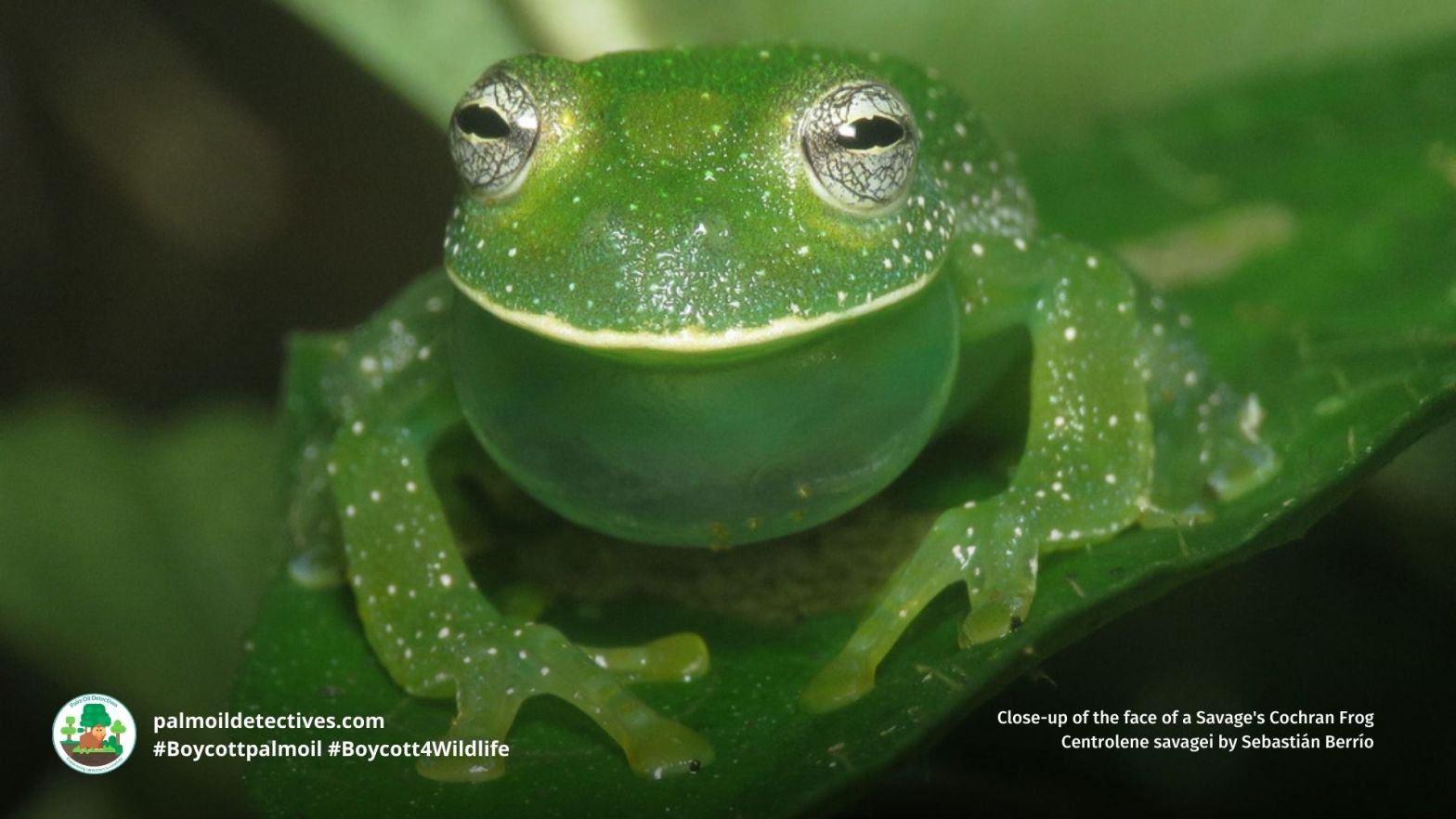
Perched on delicate leaves above rushing mountain streams, Centrolene savagei is a rare frog of wonder. The Savage’s Glass Frog, also known as the Savage’s Cochran Frog has translucent emerald skin that shimmers under moonlight, revealing a celestial map of organs and veins. These appear like a tiny universe of stars glowing beneath their skin. This remarkable adaptation serves as camouflage, allowing them to blend seamlessly into their misty rainforest habitat. Male frogs fiercely protect a clutch of around 30 eggs while females gather food. Tragically these magnificent #frogs face mounting threats from #deforestation for #palmoil #soy #meat along with #climatechange which is disrupting the delicate balance of their cloud forest home. Protecting the cloud forests of #Colombia is essential to ensuring their continued survival. #BoycottPalmOil #Boycott4Wildlife.
Protecting The Rare, Precious Red Colobus Will Safeguard Africa’s Forests
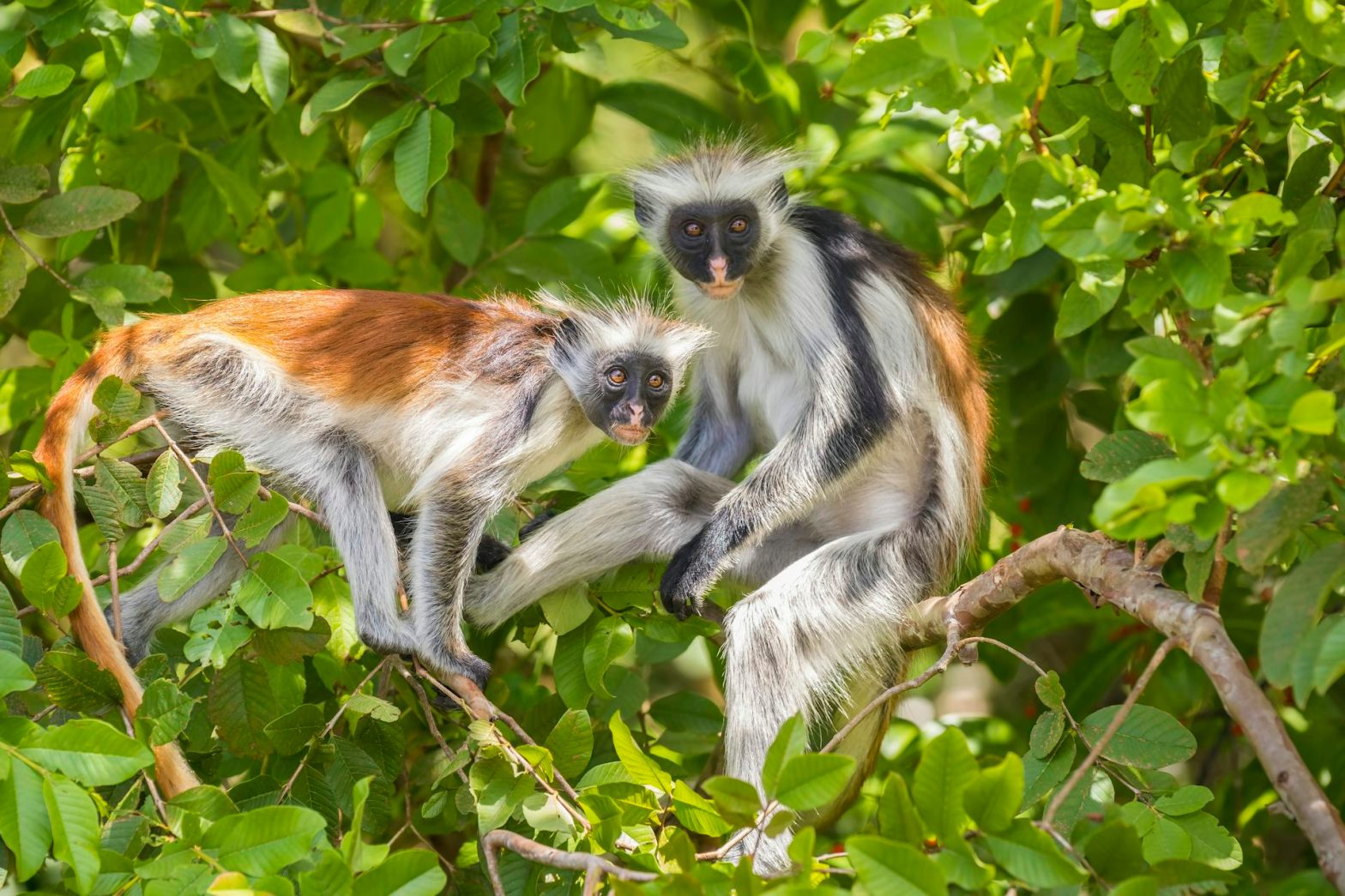
Very few people have heard of the rarest primate in #Africa – The Red Colobus. Featuring funky hairstyles and expressive faces they daringly leap between trees to search for food. Every species of red #colobus is under threat from hunting and rainforest clearing for #palmoil, #cocoa and #meat agriculture. Their disappearance from forests heralds the beginning of the vanishing of other animals: gorillas, chimpanzees and elephants. Another successful conservation effort for the Zanzibar red colobus led to a national park being created to protect this species. Conservationists hope that the same can be done for the Red Colobus species in the form of funding and greater protections. #BoycottPalmOil #Boycott4Wildlife
Andean condor Vultur gryphus

The Andean condor Vultur gryphus is one of the largest flying #birds in the world, with a wingspan of up to 3.3 metres and a body weight of up to 15 kilograms. These amazing birds are able to soar for up to five hours and cruise for over 100 kilometres using wind currents, not flapping. They are primarily scavengers, feeding on carrion from large carcasses such as deer, cattle, and marine mammals. With a striking black plumage and distinct white ruff around their necks, they are iconic symbols of the #Andes mountains. Despite their impressive size and strength, Andean #condors are classified as #Vulnerable from human-related threats including habitat loss for #palmoil, #soy and #meat #deforestation. Farmers persecute these beautiful birds putting poison into animal carcasses. Their slow reproductive rate makes their survival even more challenging. These birds are critical for ecosystems, disposing carrion. Thus they prevent the spread of diseases. Help them to survive by simply changing your diet and buying habits. #BoycottMeat and be #vegan #Boycott4Wildlife
Brazilian three-banded armadillo Tolypeutes tricinctus

The Brazilian three-banded #armadillo Tolypeutes tricinctus, known as “tatu-bola” in Portuguese, is a rare and unique species native to #Brazil. With the ability to roll into a near-impenetrable ball, this endearing behaviour has made them an icon of conservation efforts. They are found in the dry forests and savannahs of Brazil, particularly in the #Cerrado and Caatinga biomes. These fascinating armoured creatures are Vulnerable on the IUCN Red List due to agricultural expansion for #palmoil, #soy and #meat. Fragmentation of their ecosystem is ongoing for infrastructure projects and #goldmining. With their population in sharp decline, efforts to protect their habitats are essential for their survival. Help them every time you shop and adopt a #vegan diet, and #BoycottPalmOil #BoycottGold #Boycott4Wildlife on social media!
Ultra-processed Food: Bad For Our Bodies, Bad For The Environment

Although a lot of research has been published about the direct negative impact of these ultra-processed #foods on our #health, including obesity, cardiovascular diseases and diabetes, little has been said about the impacts of #UPF on the environment. You can help rainforests and keep yourself healthy by limiting or stopping buying and consuming #meat, #dairy, #palmoil every time you shop. #BoycottPalmOil #Boycott4Wildlife
Bateleur Eagle Terathopius ecaudatus

Striking raptor Bateleur #Eagle Terathopius ecaudatus soars through #Africa’s skies with powerful red legs, a bright intelligent face and intense eyes. They are famous for their distinctive aerial and soaring skills such as a rocking flight, similar to a tightrope walker. These eagles are known to travel over 300 kilometres a day in search of food. Sadly, their numbers are plummeting due to deforestation, poisoning, and habitat destruction. The loss of their habitat to #palmoil, #mining and #meat #deforestation are some of the biggest threats they face. Help them every time you shop and boycott palm oil and go plant-based. #BoycottPalmOil and #Boycott4Wildlife!
Orange-breasted Falcon Falco deiroleucus

Help protect the Orange-breasted Falcon, vibrant birds of prey facing significant threats from palm oil, gold mining, and soy deforestation, boycott palm oil!
Glaucous Macaw Anodorhynchus glaucus
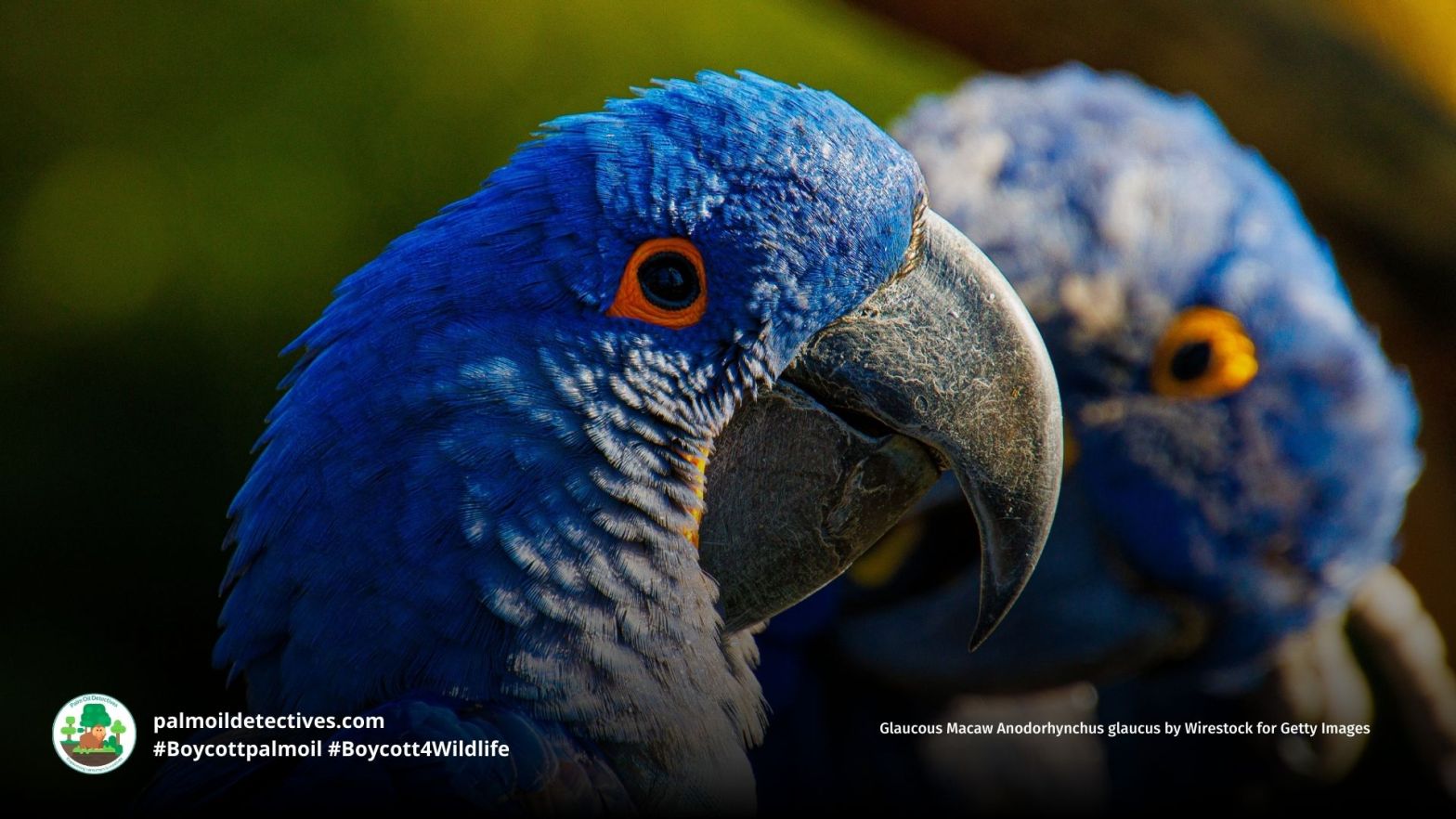
The Glaucous #Macaw stands out not only for their vibrant coloration but also for their vocalisations, which led to its Guaraní name “guaa-obi.” As part of a larger group of neotropical macaws, they are closely related to the Lear’s macaw (A. leari) and the hyacinth macaw (A. hyacinthinus). Although often confused with similar species, the Glaucous Macaw is a unique denizen of South America’s gallery forests and palm savannahs.
Use your wallet as a weapon and help the Glaucous Macaw and other rare #birds. They face many threats to their survival including forest destruction for meat, palm oil, soy and gold. Join the movement to #BoycottPalmOil #BoycottGold and #Boycott4Wildlife. Together we can empower people we know to make conscious supermarket decisions for wildlife survival.
Maned Wolf Chrysocyon brachyurus
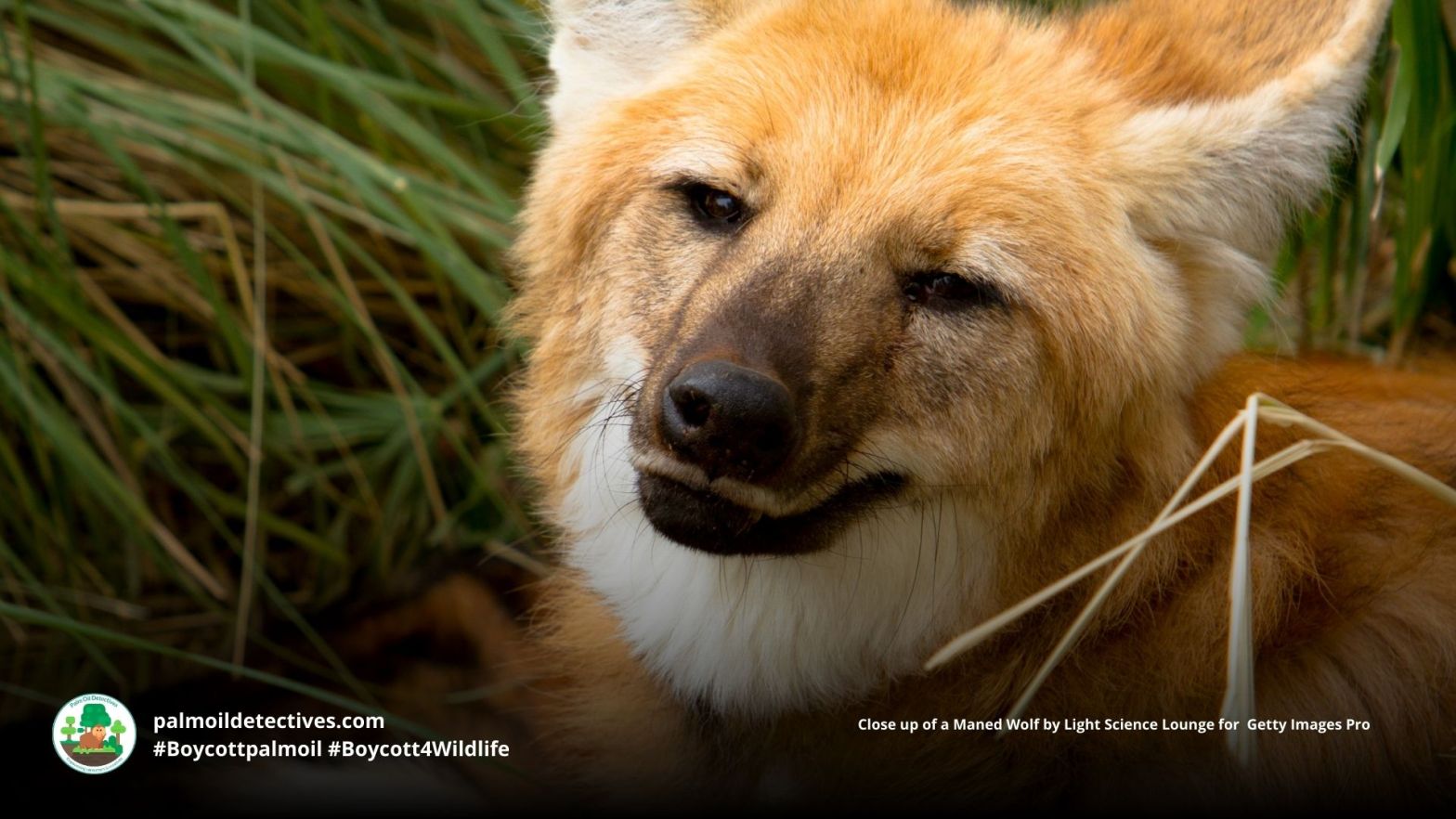
Maned Wolves are captivating “foxes on stilts” roaming South America’s grasslands, but their survival is threatened by habitat loss and human conflict.
Research: Climate Change Collapsing Insect Numbers by 63%
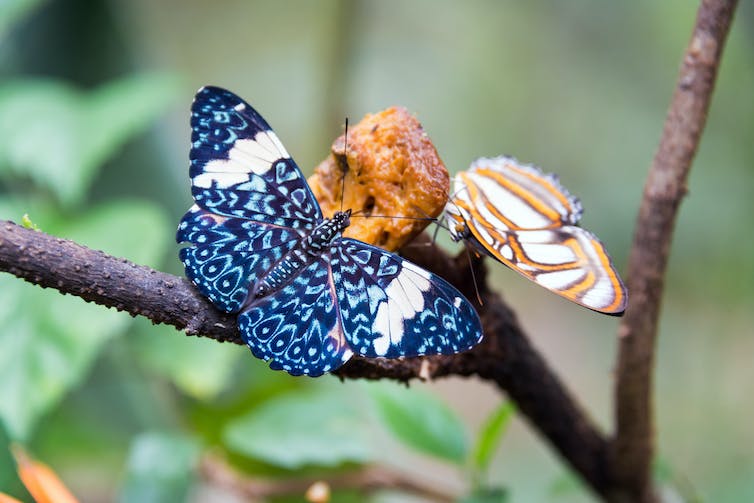
The world may be facing a devastating “hidden” collapse in insect species due to the twin threats of climate change and habitat loss. #Palmoil 🪔 #soy #meat 🥩 and #cocoa 🍫 #agriculture along with #climatechange and #habitatloss in rainforests is driving #insects to the edge of #extinction. Take action by going #vegan and #Boycottpalmoil #Boycott4WildlifeContinue reading “Research: Climate Change Collapsing Insect Numbers by 63%”
How banks and investors are bankrolling extinction and ecocide
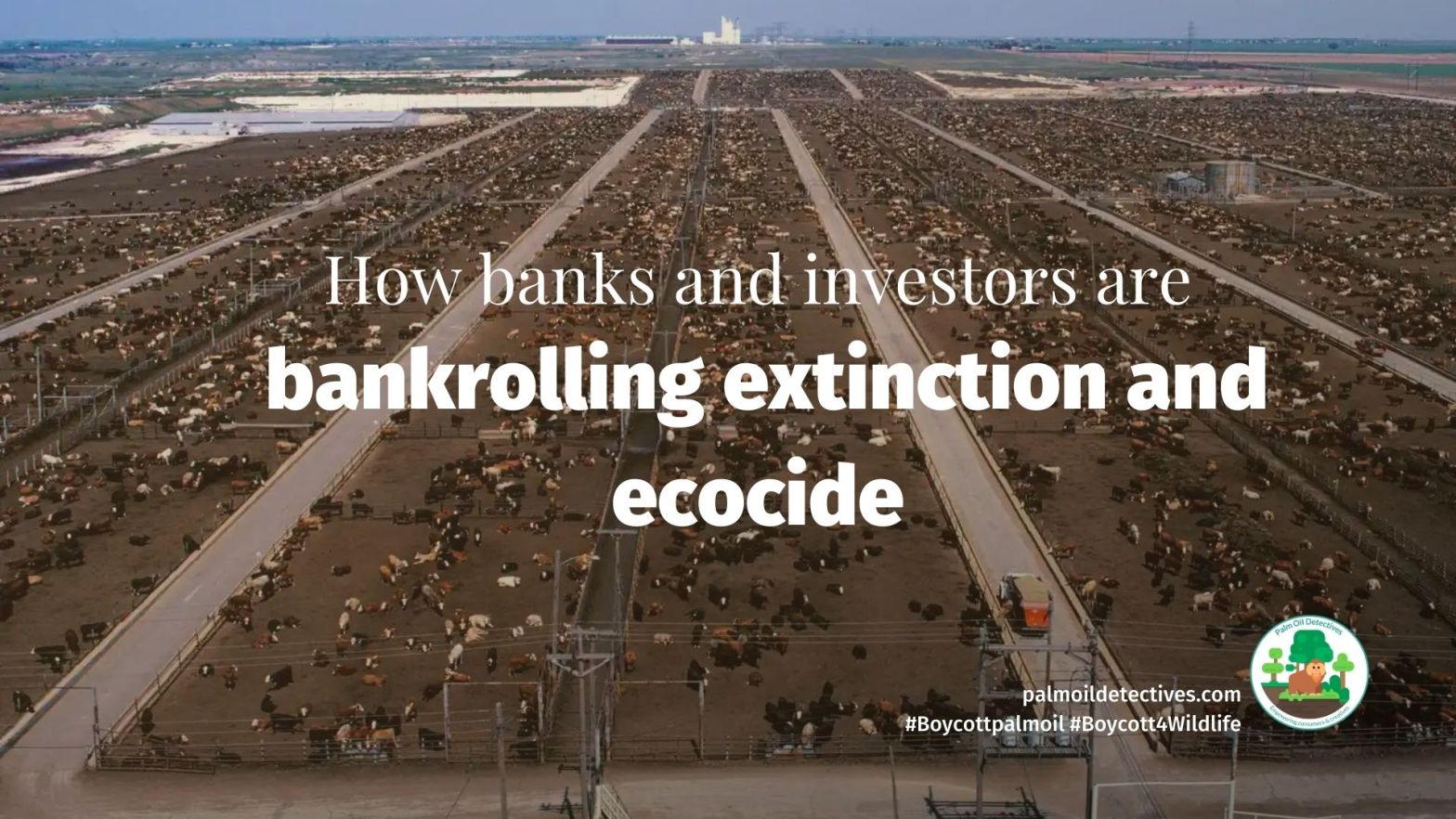
Discover the financial giants fuelling ecocide and deforestation for palm oil, meat, mining and soy in this important report about financial corruption
Protected: Private Advocate’s Page
There is no excerpt because this is a protected post.
Deforestation comes ‘roaring back’ despite 140-country vow to end destruction
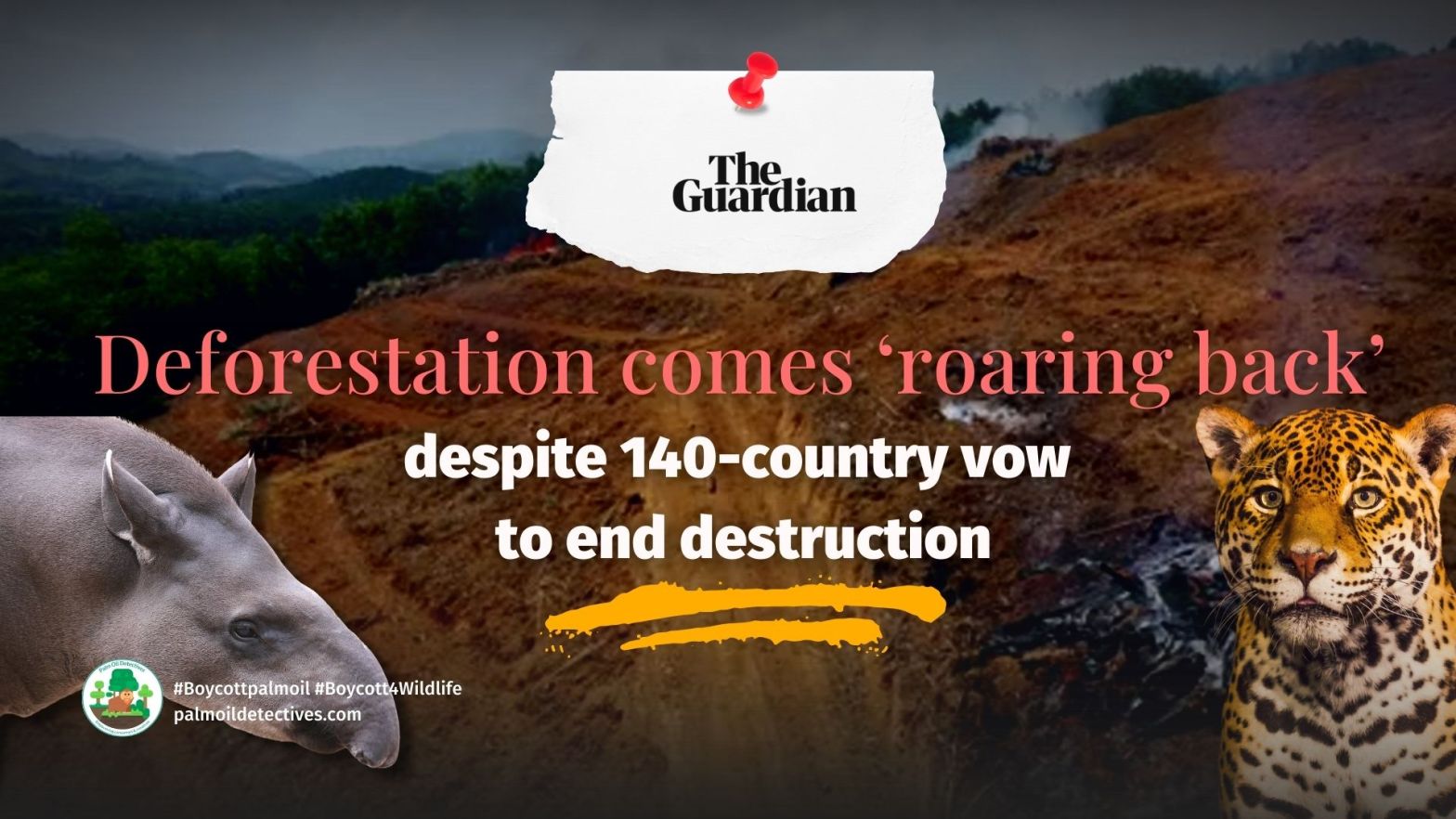
A new report has found that demand for #meat, #soy, #palmoil and nickel #mining is hindering efforts to halt #deforestation by 2030, a global report finds. The destruction of global forests increased in 2023, and is higher than when 140 countries promised three years ago to halt deforestation by the end of the decade.
The rising destruction of the forests puts ambitions to halt #climatechange and stem the huge worldwide #extinction even further from reach, the researchers warn. They found that voluntary certification of commodities alone could not stop deforestation and that strong legislation was needed to stop the ecocide and destruction.
Echoes of the Ancients: The Wisdom and Power of Elephants
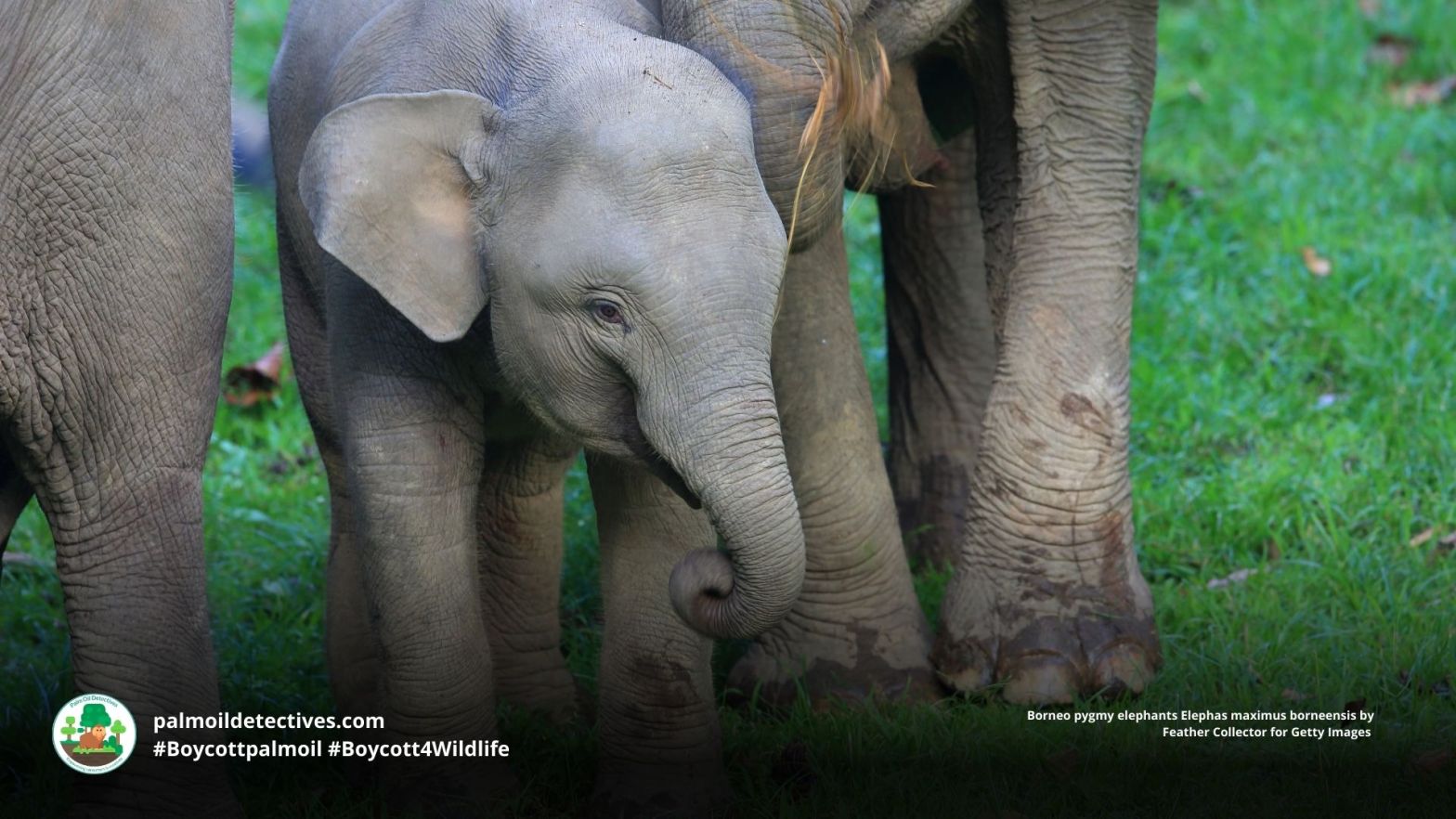
World Elephant Day, celebrated on August 12th, honours the gentle and nurturing giants of Asia and Africa, who are revered for their deep spiritual wisdom, gentle strength, and nurturing natures. Over the past decade, their numbers have plummeted by 62% due to habitat encroachment for palm oil deforestation, other agriculture, infrastructure expansion, mining and the cruel #poaching for ivory. Without radical intervention, these magnificent beings could be near #extinction by the 2060s. Yet, do not despair because hope endures in the form of activism. Explore the extraordinary resilience and intelligence of pachyderms, and discover how you can help safeguard their future with consumer boycotts and supporting organisations fighting wildlife crime. #BoycottPalmOil #Boycott4Wildlife
Bird species are facing extinction hundreds of times faster than previously thought
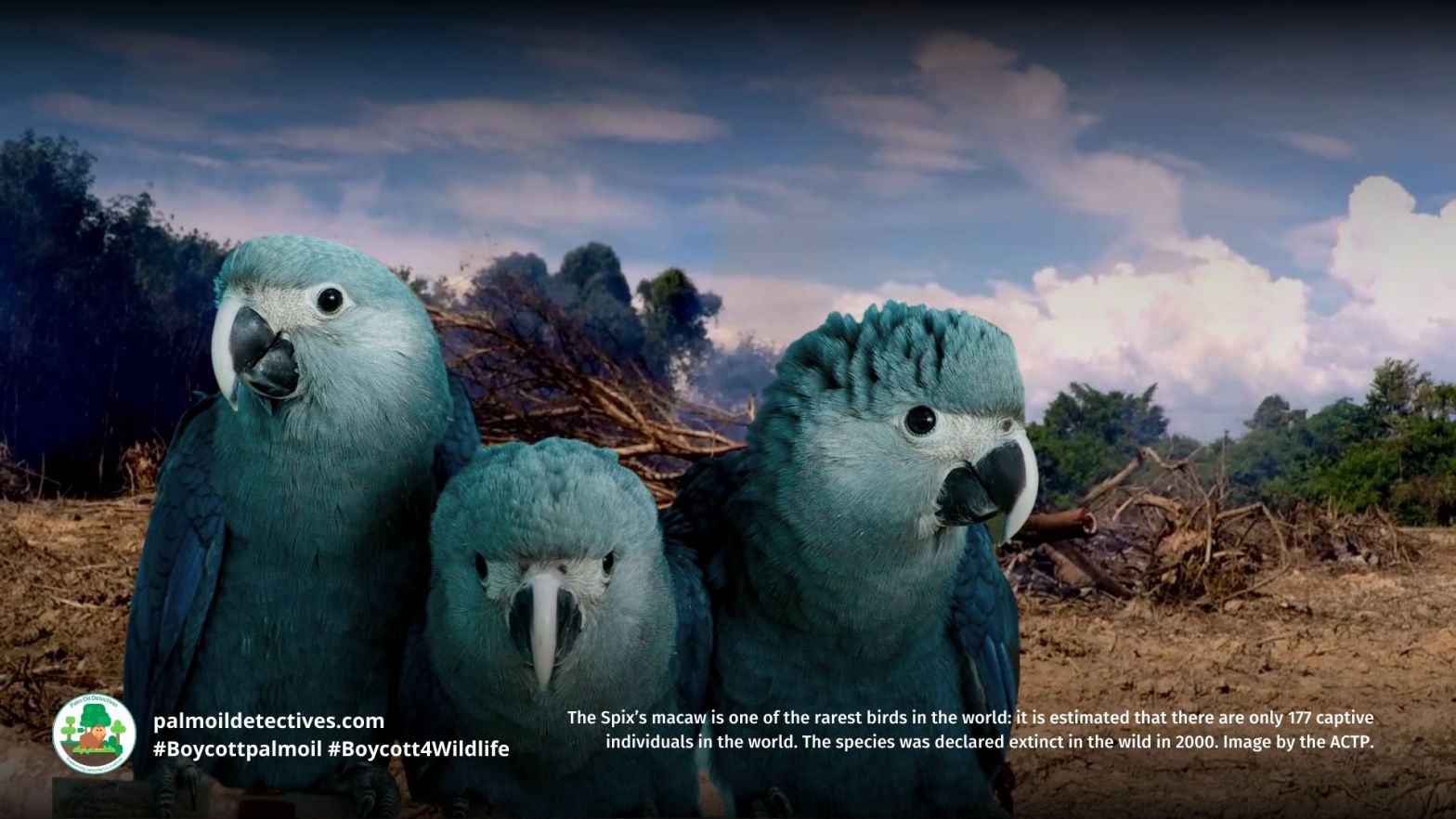
Extinction, or the disappearance of an entire species, is commonplace. Yet evidence suggests that the number of bird species going extinct, and the rate at which they are disappearing, is increasing dramatically. Conserving species at the 11th hour is difficult and expensive, the key is definitely prevention. To go hard and go early and stop species disappearing. Help rainforest animals on the verge of extinction from deforestation by changing your shopping habits. #Boycottmeat #Boycottpalmoil #Boycott4Wildlife
Extinction On Our Plates
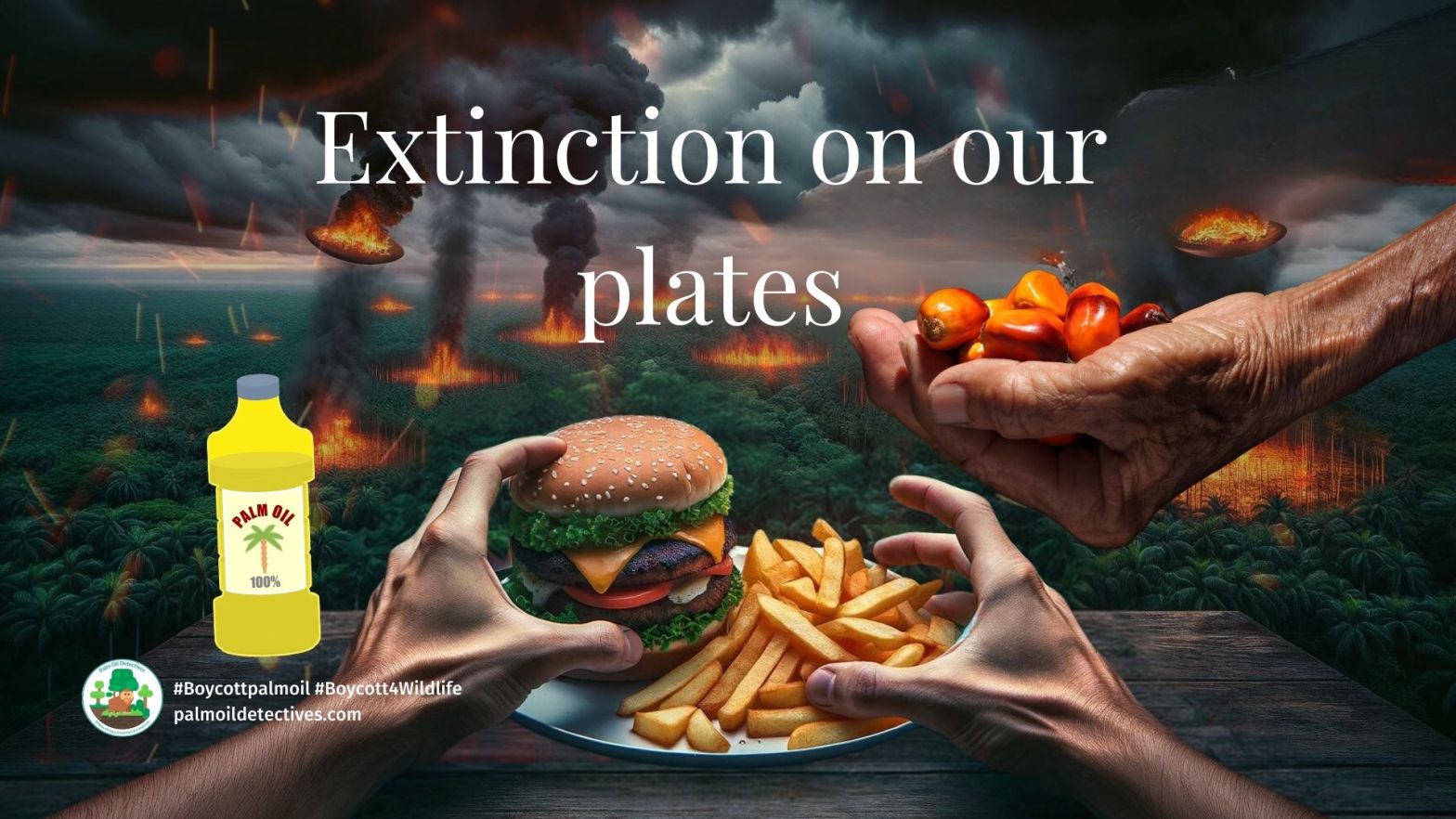
The contents of your fridge and dining table directly impacts the future of rare rainforest and ocean animals. That’s because industrial agriculture and aquaculture for commodities like meat, dairy, fish and palm oil is driving animals in the most biodiverse ecosystems on the planet closer towards extinction.
However, reducing the biodiversity footprint of global food consumption requires more than just consumer intervention. It requires immediate and widespread action from government policy-makers and law-makers as well, writes Ecologist Dr Quentin Read of North Carolina State University for 360info
Marsh Deer Blastocerus dichotomus
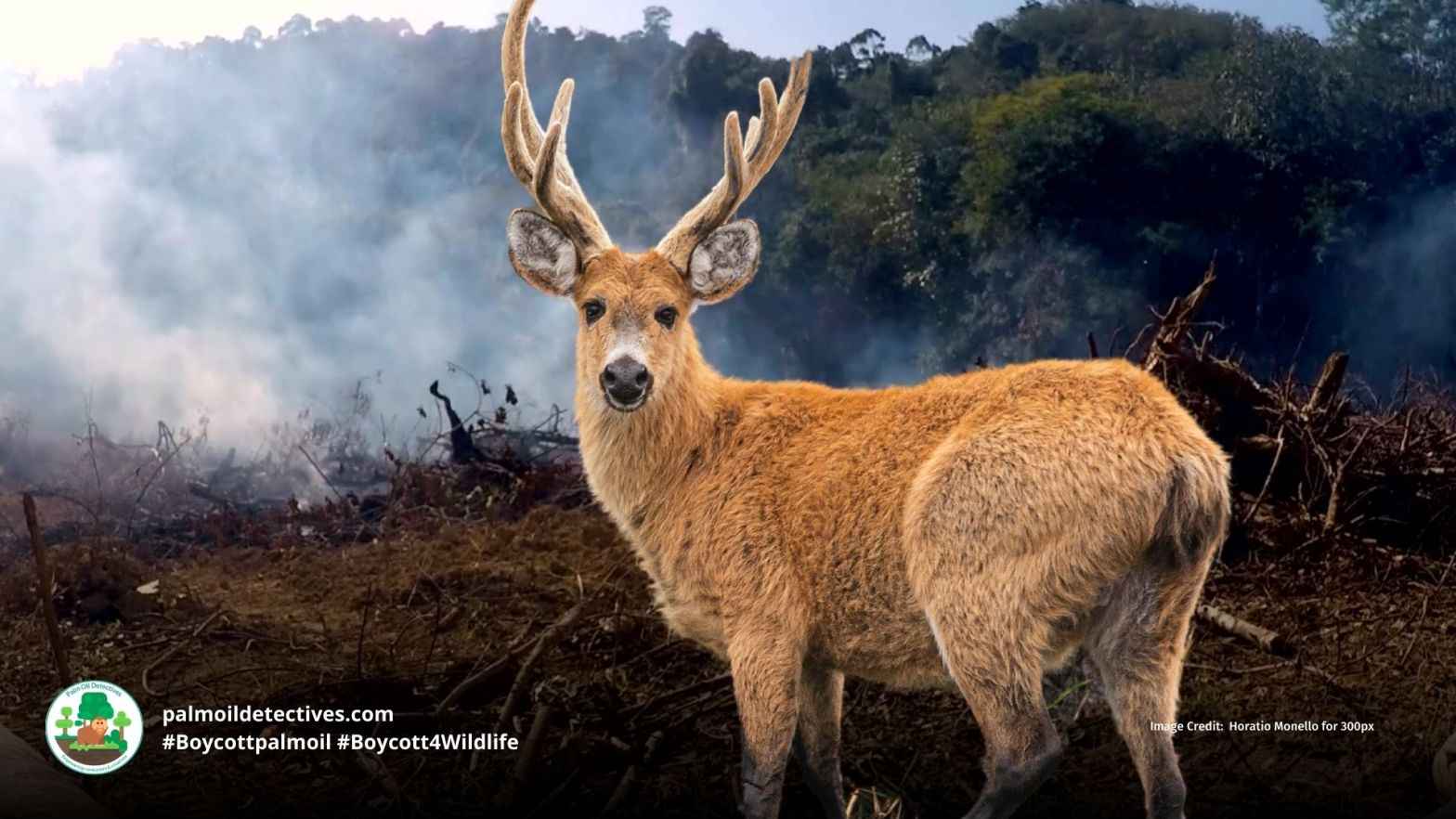
The Marsh deer are South America’s largest deer species, uniquely adapted to wetland life with their web-like hooves and preference for aquatic plants. They are prey animals for jaguars and pumas.
These majestic creatures, once widespread, are now confined to isolated pockets. Their main threat is habitat loss and fragmentation due to palm oil, soy and meat deforestation along with hydroelectric dams and gold mining.
Even as researchers strive to understand their complex and obscure social and mating behaviours, time is running out for these unique creatures. Use your wallet as a weapon and protect the Marsh deer #BoycottPalmOil #BoycottGold4Yanomami #Boycott4Wildlife.
Stop Gambling Our Future for Meat Deforestation
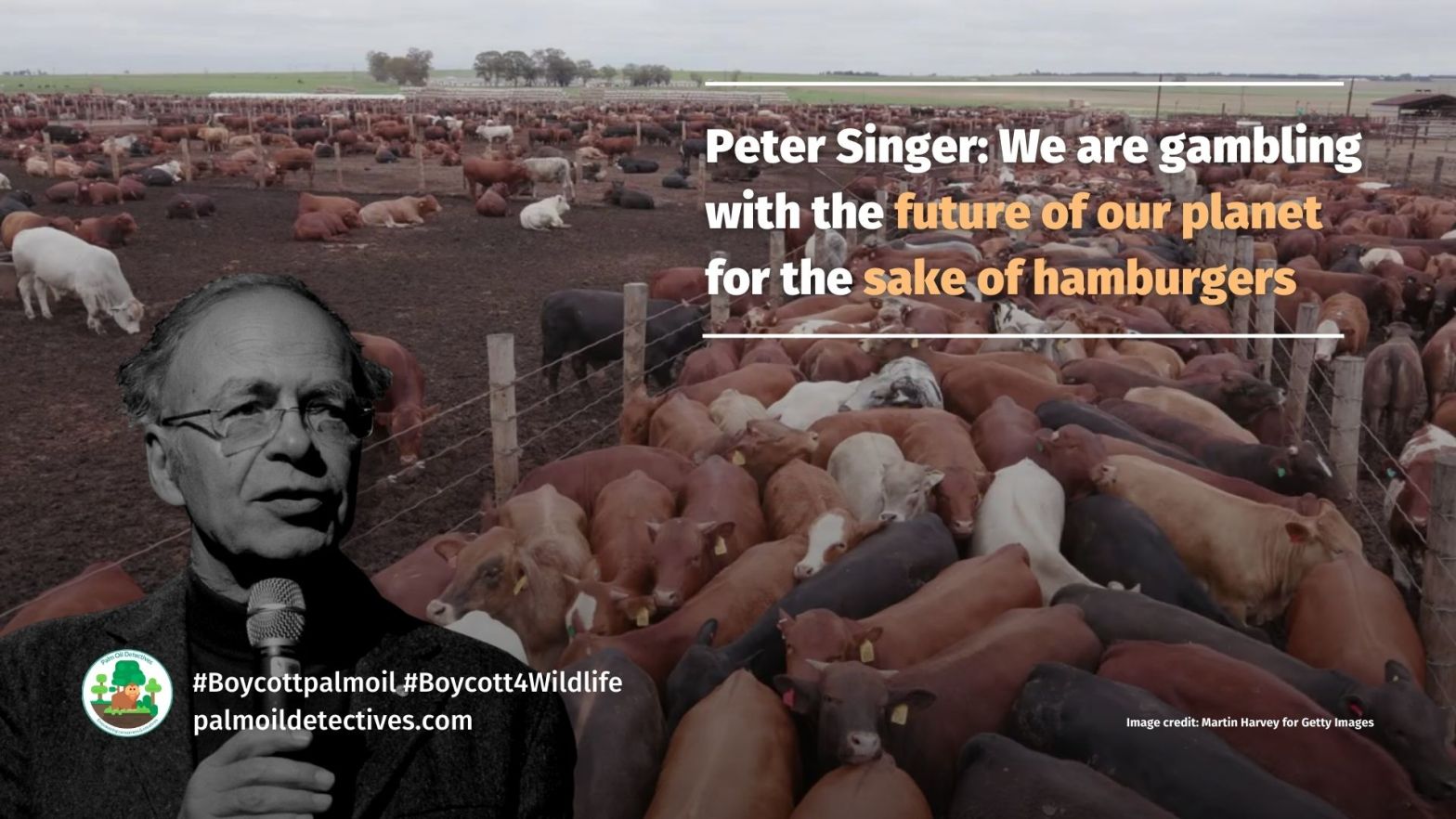
Ethicist Peter Singer warn our consumption of meat and dairy risks the planet’s future driving climate change, food security and animal extinction. Be vegan!
Alta Floresta titi monkey Plecturocebus grovesi

The enchanting Groves Titi Monkey, also referred to as the Alta Floresta titi #monkey or Mato Grosso titi monkey went from being completely unknown to being one of the most critically endangered #primates in #SouthAmerica and the world. They made a remarkable entry into the spotlight only recently in 2016 when they were classified by scientists. They belong to the Eastern Amazonian clade of the red-bellied titi monkey (P. moloch) group and are known for their vividly coloured fur and rowdy rainforest vocalisations. They face multiple anthropogenic threats in #Brazil including hunting, #goldmining, #palmoil, #meat and #soy #deforestation and hydroelectric #dams. Help them to survive each time you shop, be #vegan and #Boycottpalmoil #Boycott4Wildlife
Colombian Red Howler Monkey Alouatta seniculus
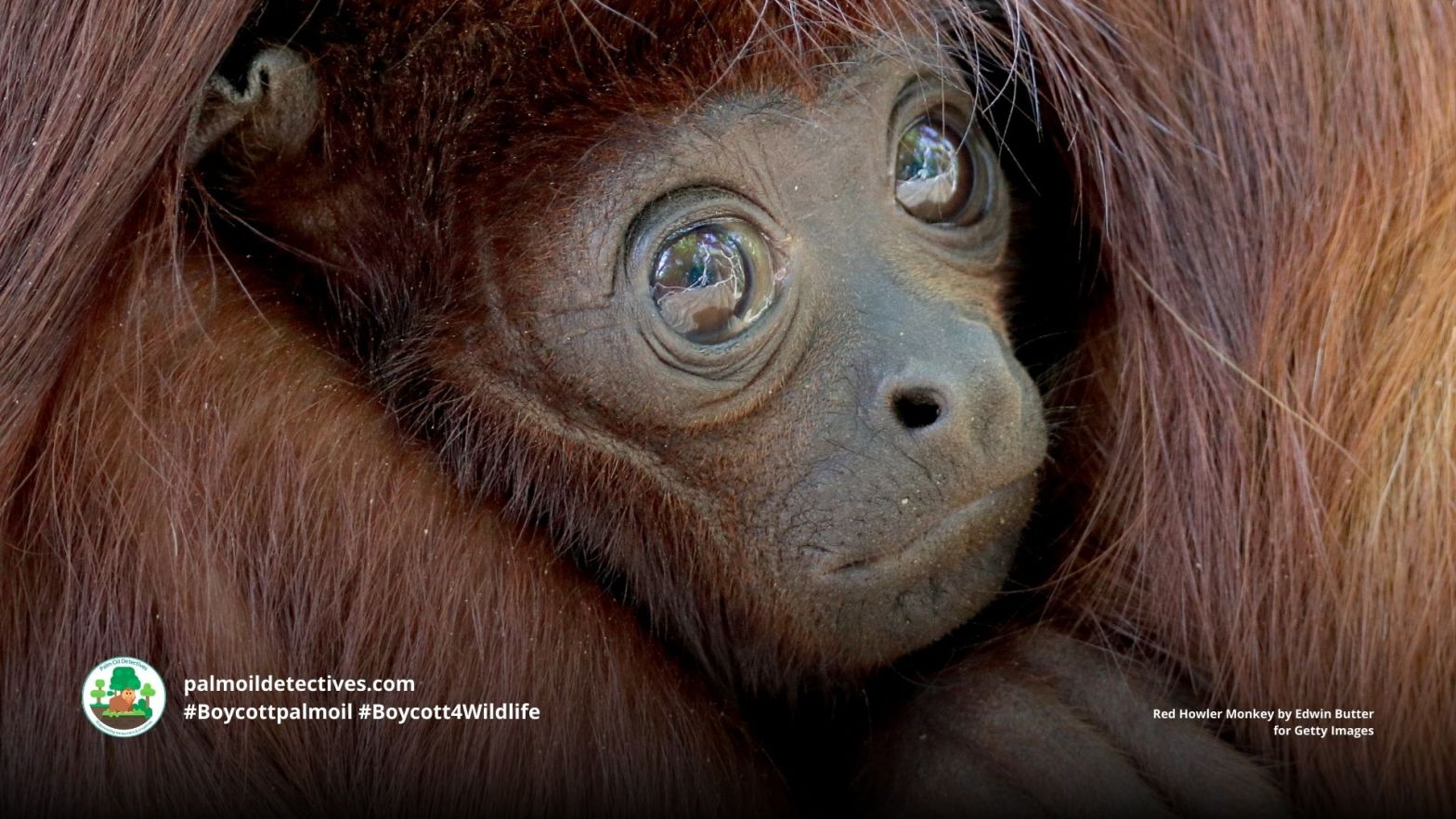
Red howlers are the largest of the howler monkey species. They have dense and vividly coloured fur that ranges from brown to dark red, with gold or bright orange undersides – the colour can vary based on their age and habitat. Their bare, dark faces contrast with the surrounding fur. They have stunning and characterful faces with stubby noses, wide jaws, and thick beards. These beautiful #monkeys face multiple threats including palm oil, soy and meat deforestation, the construction of #hydroelectric dams, #hunting and human persecution. Help them to survive each time you shop, #BoycottGold #Boycottpalmoil #Boycott4Wildlife
Mandrill Mandrillus sphinx
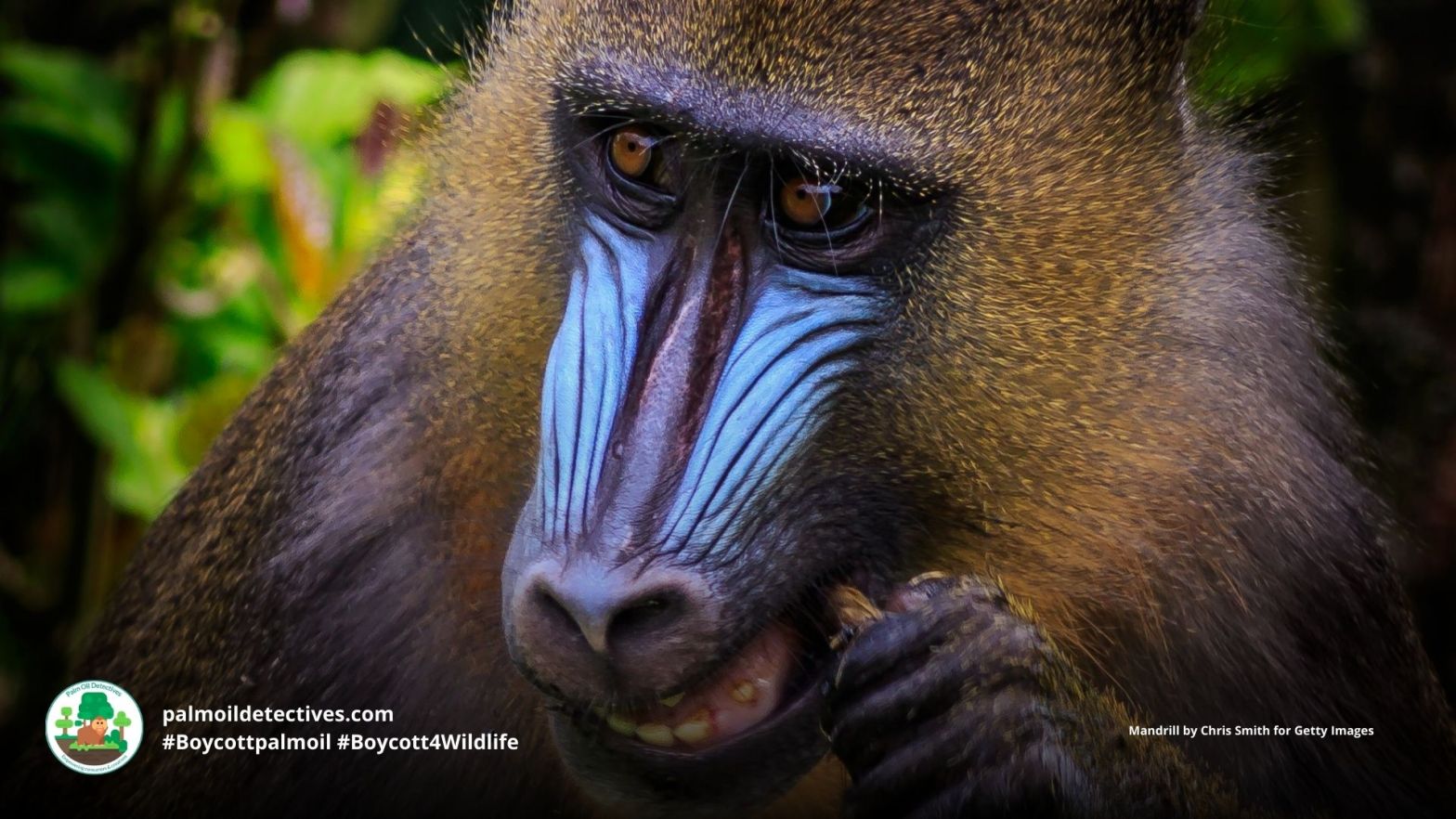
Magnificent #mandrills are undoubtedly one of the world’s most photogenic monkeys – famous for their brightly coloured and expressive appearance. Their bright blue rumps and vivid red, yellow and pink faces become even more deeply colourful when they’re excited. Males use their extra long canines for self-defence, but exposing their teeth can also be a sign of friendliness. Mandrills are important seed dispersers and a critical part of keeping the ecosystem in balance. These beautiful monkeys are vulnerable from palm oil, meat and cocoa deforestation and intensive poaching. Help their survival and #Boycottpalmoil #Boycott4Wildlife
Margay Leopardus wiedii
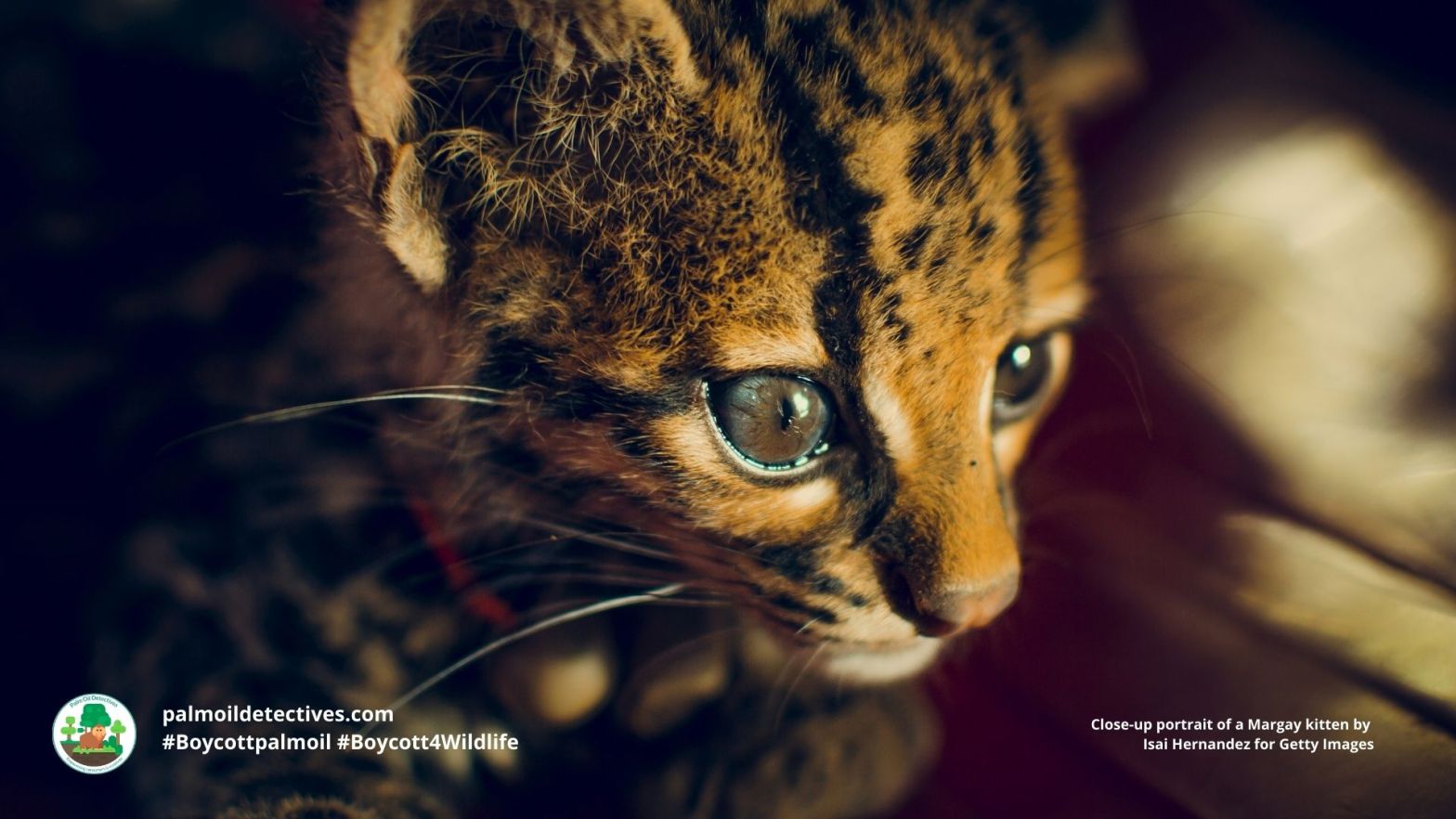
Graceful, athletic and beautiful feline of the Amazon jungle, margays are small wild cats endemic to South and Central America. Every margay has a unique spotted pattern on their coat. They depend heavily on the rainforest canopy for hunting small mammals, reptiles and amphibians and are thought to mimic the call of the pied tamarin in order to hunt for them. Deforestation for #palmoil, soy and meat along with illegal poaching are devastating to them. Help them every time you shop and be #vegan, #Boycottpalmoil #Boycott4Wildlife
 Palm Oil Detectives