
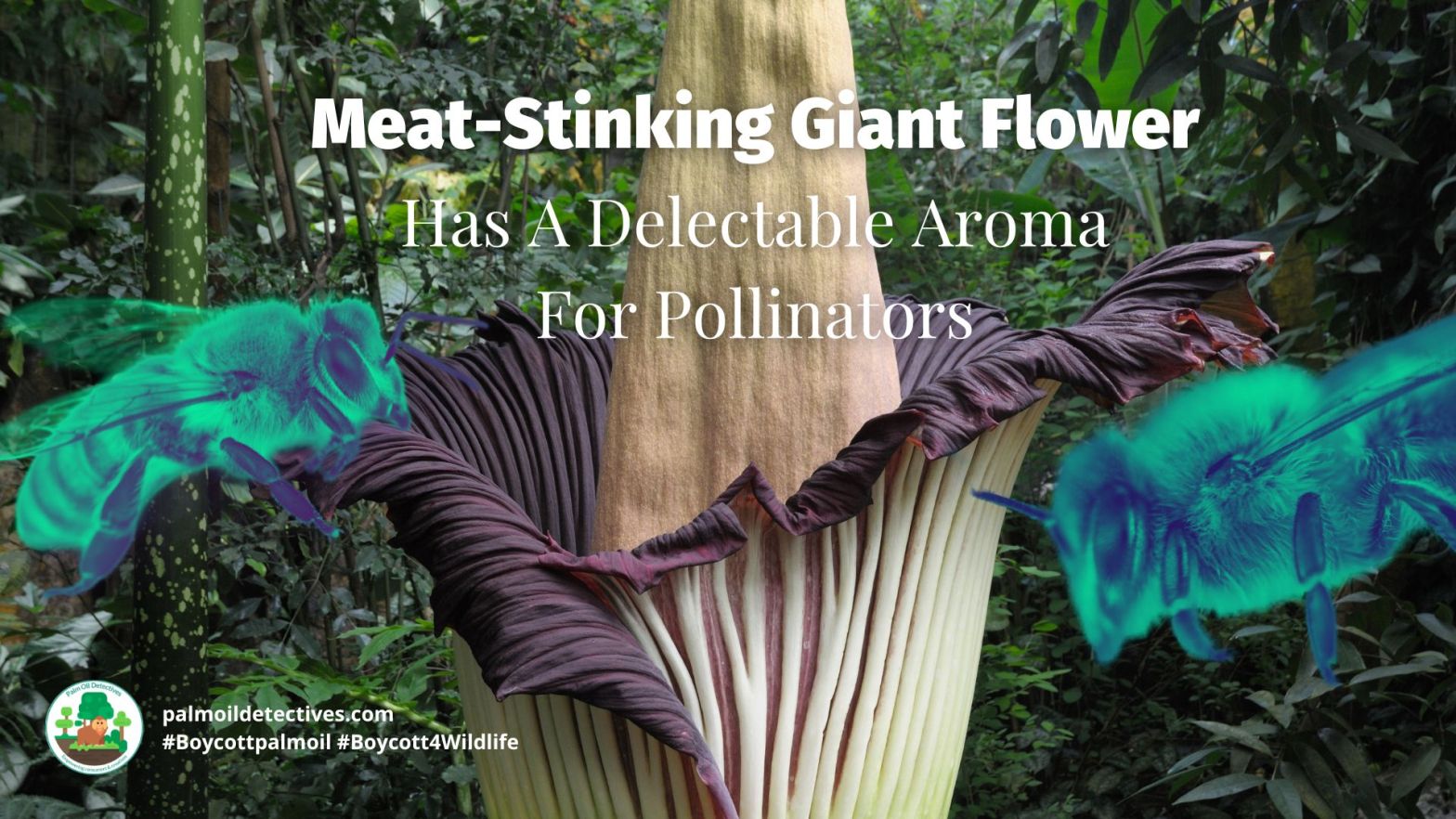
Titan Arum AKA ‘Corpse Flowers’ is famous for its repulsive meat smell. Palm oil agriculture is a massive threat to these rare stinky plants. Take action!
Tag Archives: plants
Deforestation and Mining Threaten Rare Species at Lake Poso
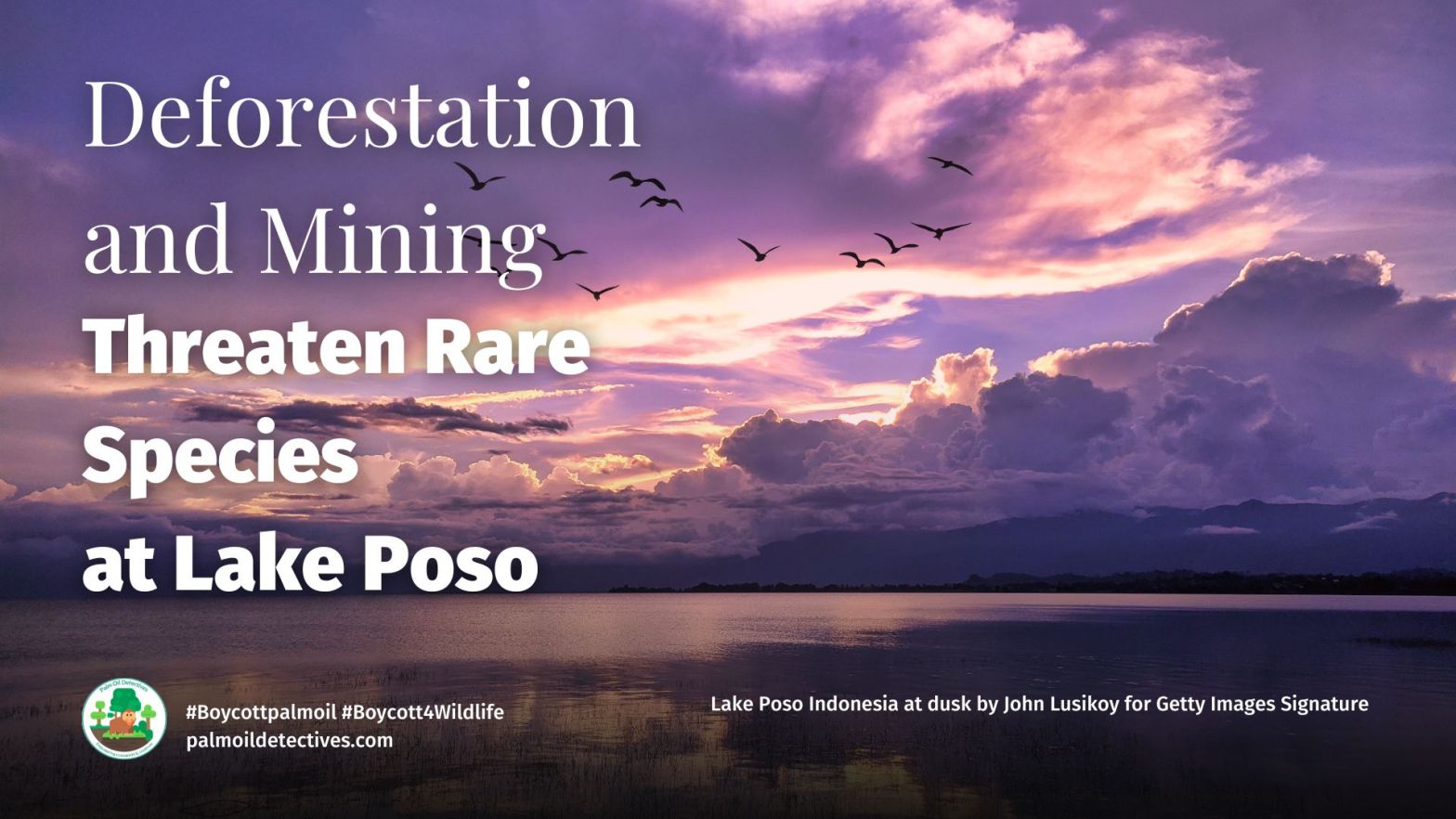
Deforestation, mining, and palm oil expansion are pushing rare endemic species at Indonesia’s Lake Poso to the brink. Urgent action needed, boycott palm oil!
Large herbivores such as elephants contribute to tree diversity

A recent study using satellite data has highlighted the critical role that large herbivores play in promoting tree diversity in forest ecosystems. The research showed that areas with abundant large herbivores had more varied tree cover and more tree diversity. This finding underscores the importance of large herbivores in many ecosystems and that they should have primary importance in conservation strategies, particularly in the context of global efforts to combat climate change and extinction. Help big herbivores every time you shop and #Boycottpalmoil and #Boycott4Wildlife in the supermarket!
Seven practical ways to stop a species wipeout

1 million #plants 🌾🌽🎍🍅 and #animals 🦏🦒🐅 are threatened. #Wildlife and #biodiversity are at a crossroads of #extinction. Here’s 7 practical ways to stop #species wipeout. Help them survive! #Boycottpalmoil 🌴☠️🚫 #Boycott4Wildlife
Protected: Private Advocate’s Page
There is no excerpt because this is a protected post.
Strange Species Could Vanish Before Discovery

Scientists have described around 1.5 million species on Earth – but how many are still out there to be discovered? This is one of the most heated debates in biology. Discounting microbes, plausible estimates range from about half a million to more than 50 million species of unknown animals, plants and fungi.
Our present knowledge is just scratching the surface. Evolution has had billions of years to create biologically active compounds that can combat human diseases, generate genetic diversity that could save our food crops from disastrous pathogens, and spawn ecological innovations that can inspire marvellous new inventions. Help the rarest and most cryptic animals, plants and fungi to survive when you #BoycottPalmOil adopt a #vegan lifestyle and #Boycott4Wildlife
Dwindling tropical rainforests mean lost medicines yet to be discovered in their plants
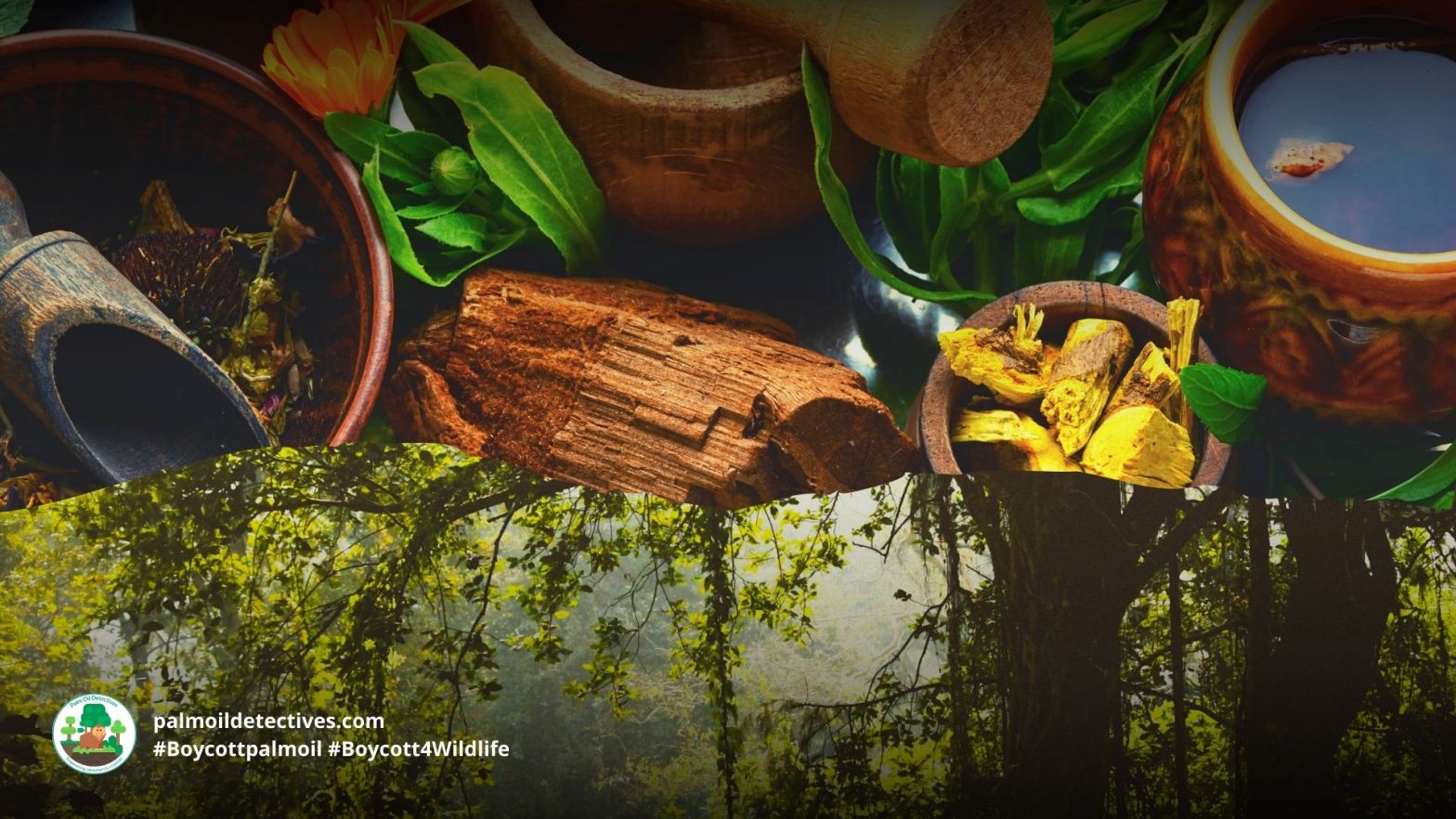
About 80% of the world population relies on compounds derived from plants for medicines to treat various ailments, such as malaria and cancer, and to suppress pain. Our future medicines are likely to come from plants, but how effectively are we protecting these plants from extinction? We aren’t doing enough and we must do more!
Thousands more species at risk of extinction than currently recorded, suggests new study
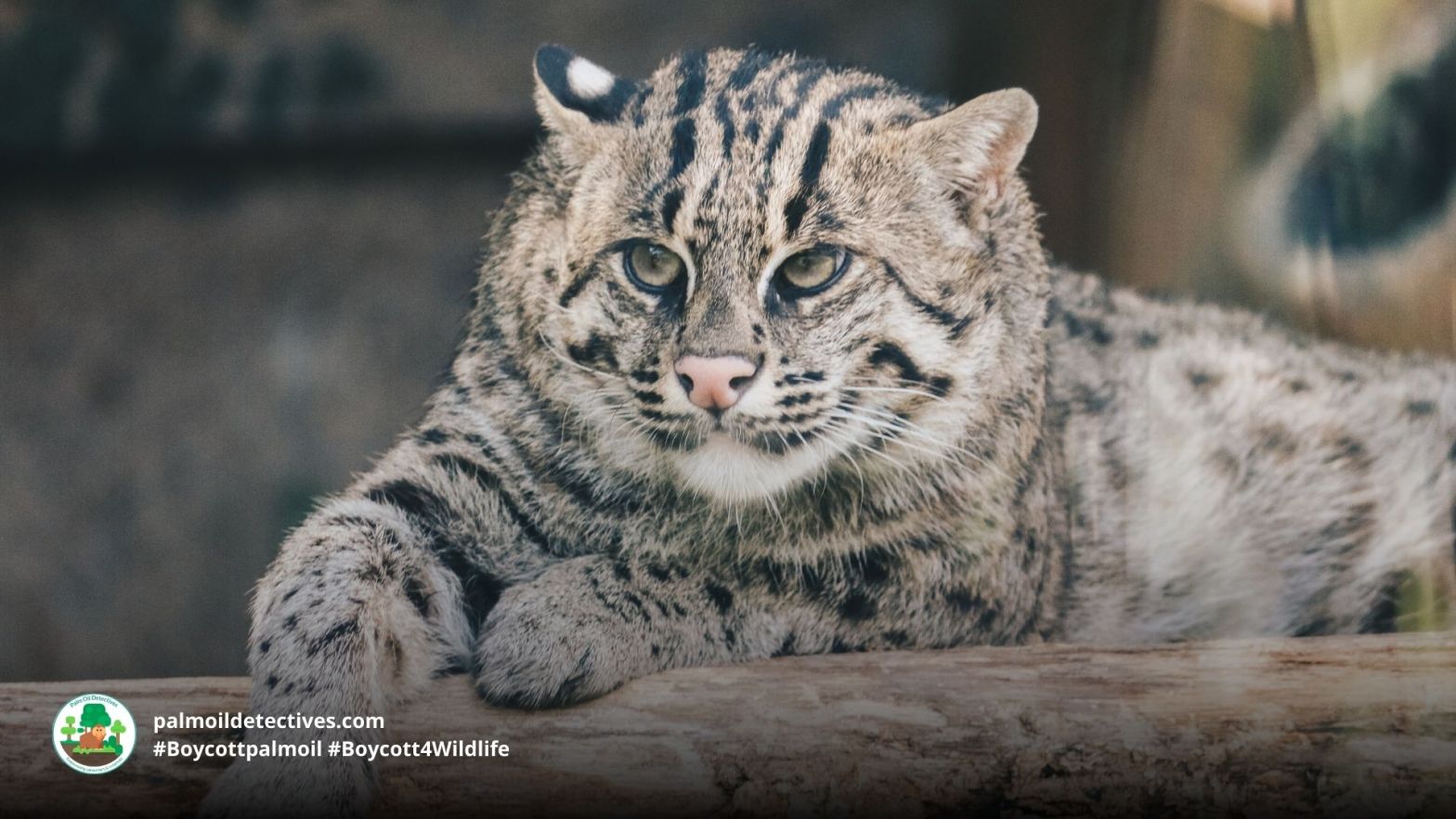
New research suggests the #extinction crisis may be even worse than we thought. More than half of species that have so far evaded any official conservation assessment are threatened with extinction. Some species that are not yet classified and are “data deficient” make up around 17% of the nearly 150,000 species currently assessed. according to predictions by researchers from the Norwegian University of Science and Technology. Help them to survive! #BoycottPalmOil #Boycott4Wildlife
Palm oil substitutes can offer beleaguered rainforests a fighting chance
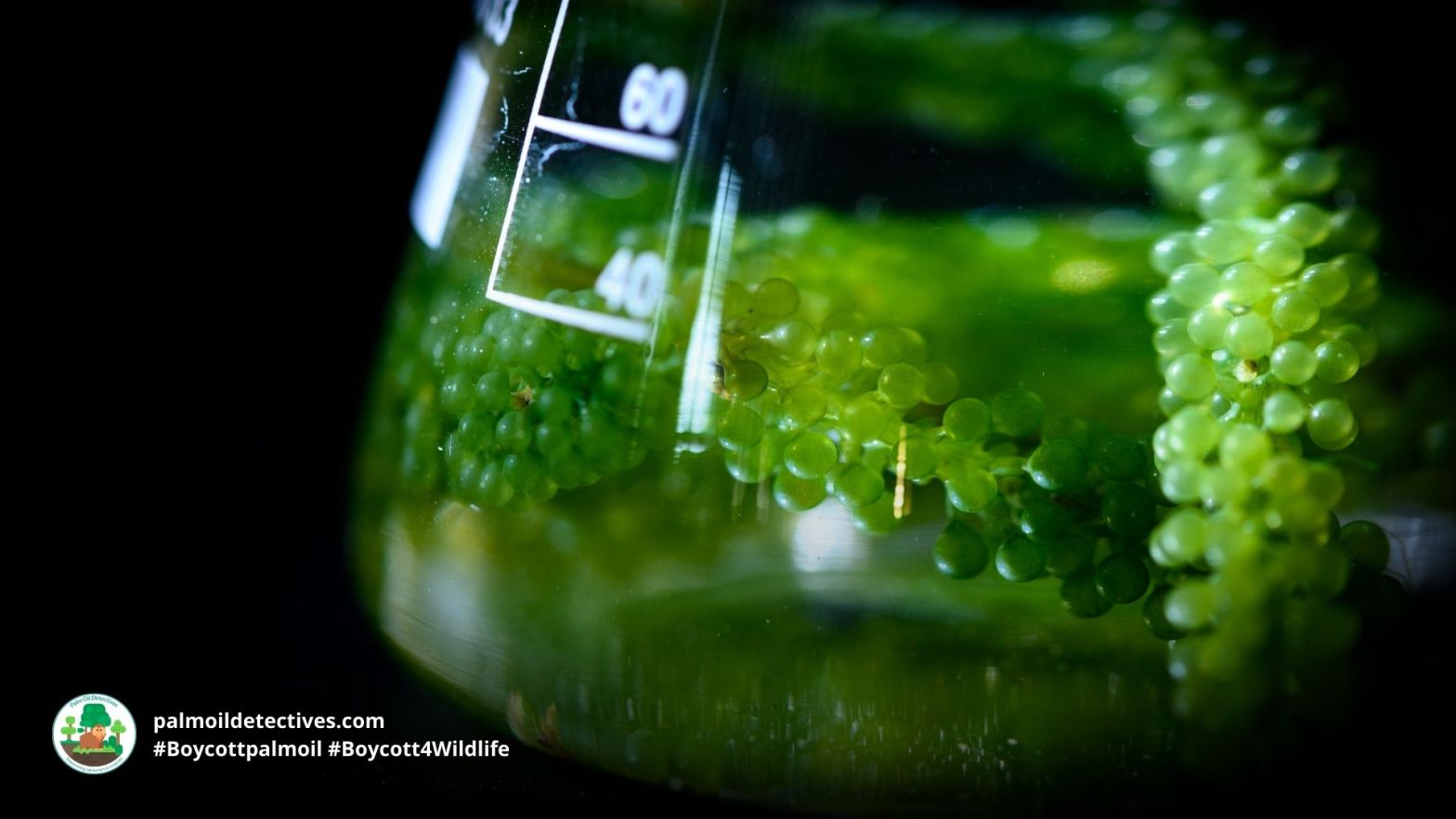
Palm oil is a versatile substance used in a wide range of products from foods to cosmetics. The trouble with it is that the cultivation of oil palm trees has caused massive enviromental harm, especially in Malaysia and Indonesia, which together account for 85% of palm oil production in the world.
But scientists from Nanyang Technological University in Singapore and the University of Malaya in Malaysia say they have an answer as to how we can wean ourselves off palm oil.
Mel Lumby: Dedicated Devotee to Borneo’s Living Beings
Undiscovered Begonia species in Borneo risk extinction from palm oil bulldozers. Join horticulturist Mel Lumby’s fight to save them. #Boycottpalmoil
Up to 90% of Cargill, Wilmar, Musim Mas’ Palm Oil Linked To Deforestation
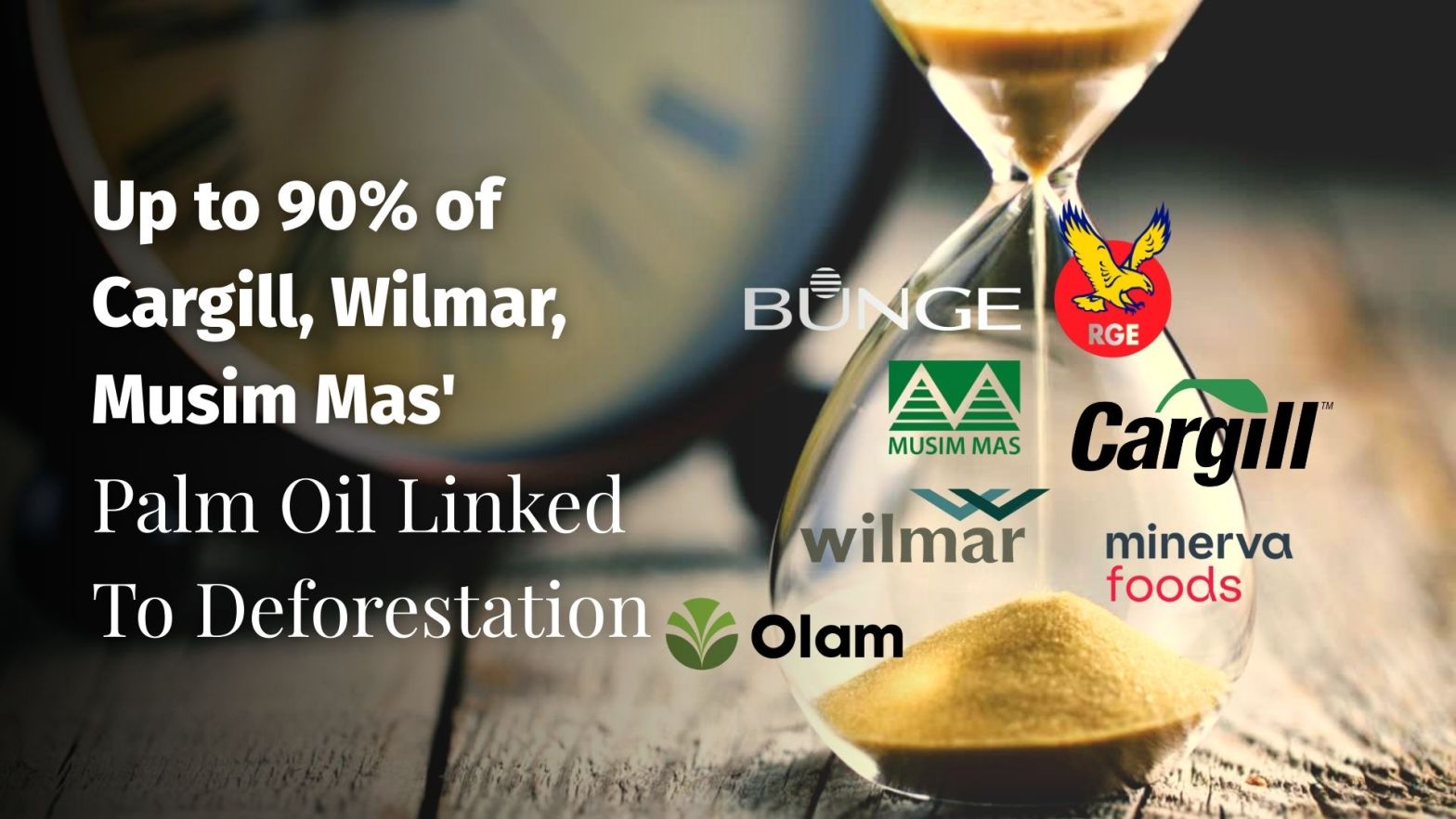
Research finds that between 15-90% of palm oil processed by global palm oil traders: #Cargill, #MusimMas and #Wilmar is unable to be adequately traced. This is due to opaque indirect sourcing and is linked to deforestation. Palm oil deforestation is sending thousands of rare, #endangered species of #animals and #plants towards #extinction and leads to the violent displacement of indigenous peoples. The loss of carbon sinks from deforestation plays a significant role in global warming and the climate emergency. Take action every time you shop and #BoycottPalmOil #Boycott4Wildlife
Climate Explained: what would happen if we cut down the Amazon rainforest?
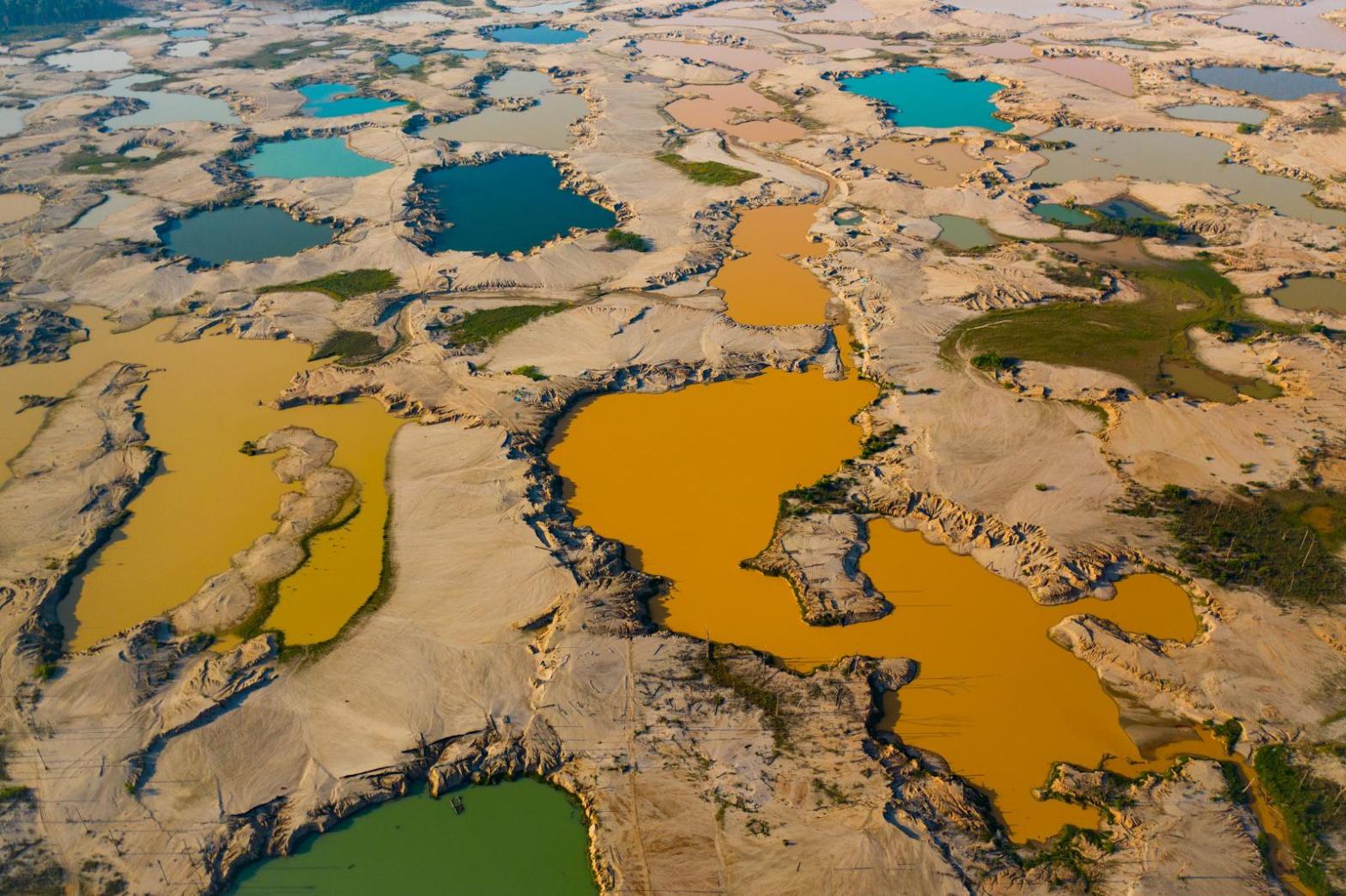
What would happen if we cut down the entire Amazon rainforest? Could it be replaced by an equal amount of reforestation elsewhere? Removing the entire Amazon rainforest would have myriad consequences, with the most obvious ones possibly not the worst. Most people will first think of the carbon currently stored in the Amazon, the world’s largest rainforest. But the consequences would be far-reaching for the climate as well as biodiversity and ecosystems — and, ultimately, people. Fight for animals, indigenous peoples and the planet itself #BoycottPalmOil #BoycottGold and #Boycott4Wildlife
Nature’s Hidden Wealth: Conservation’s Opportunity
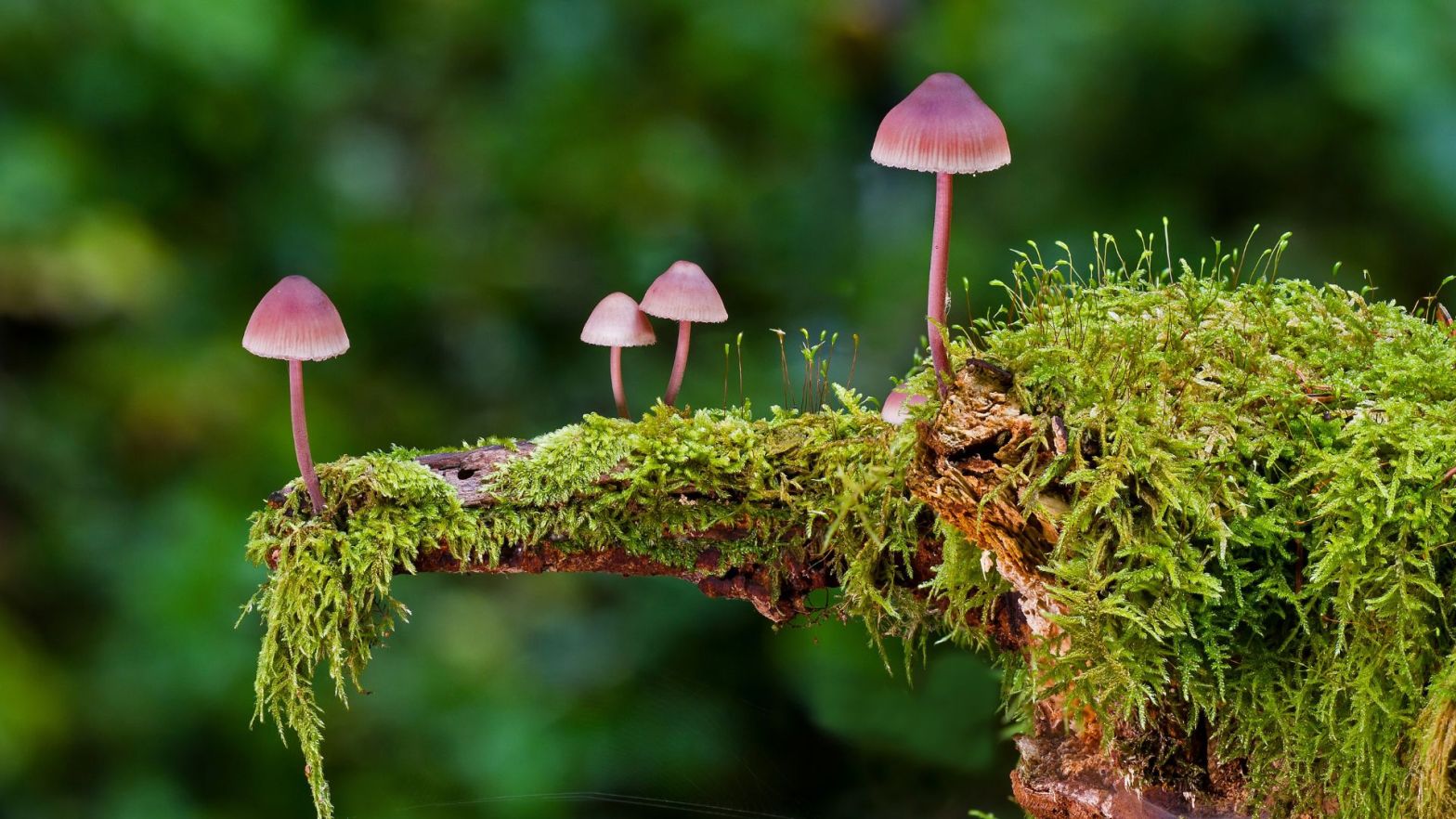
Animals and plants constitute a very small part of our native biodiversity (roughly 5%). The vast majority – fungi, bacteria and the enormous diversity of other microscopic organisms, including invertebrates – is a massive, largely unexplored economic resource.
The best known examples of commercial uses for biodiversity are the thousands of drugs secreted by bacteria and fungi. But others are examples of what is known as “bio-inspiration” and “bio-mimicry”, where wild species provide the blueprints for products. The combination of nature and biotechnology can offer us all a tentative reason to hope for the future.
Palm oil plantations are bad for wildlife great and small: study
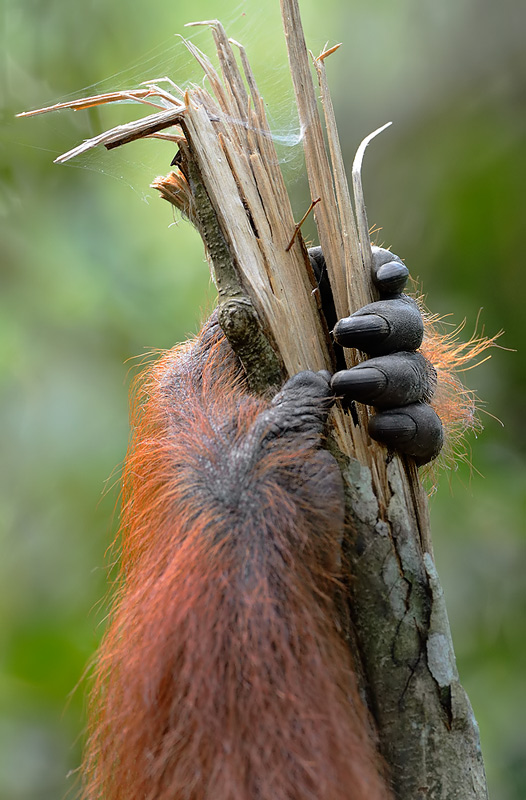
#Palmoil plantations have an overall negative impact on #biodiversity, according to research released this week. The #study, published in Nature Communications, found palm oil plantations are home to fewer insect species than even intensive rubber tree plantations. A forests expert at James Cook University, Bill Laurance, said of the research: “The big message is that oil palm is bad for biodiversity, in every sense of the word — even when compared to damaged rainforests that are regenerating after earlier logging or clearing.” Make sure you take action every time you shop and #BoycottPalmOil #Boycott4Wildlife!
How our food choices cut into forests and put us closer to viruses
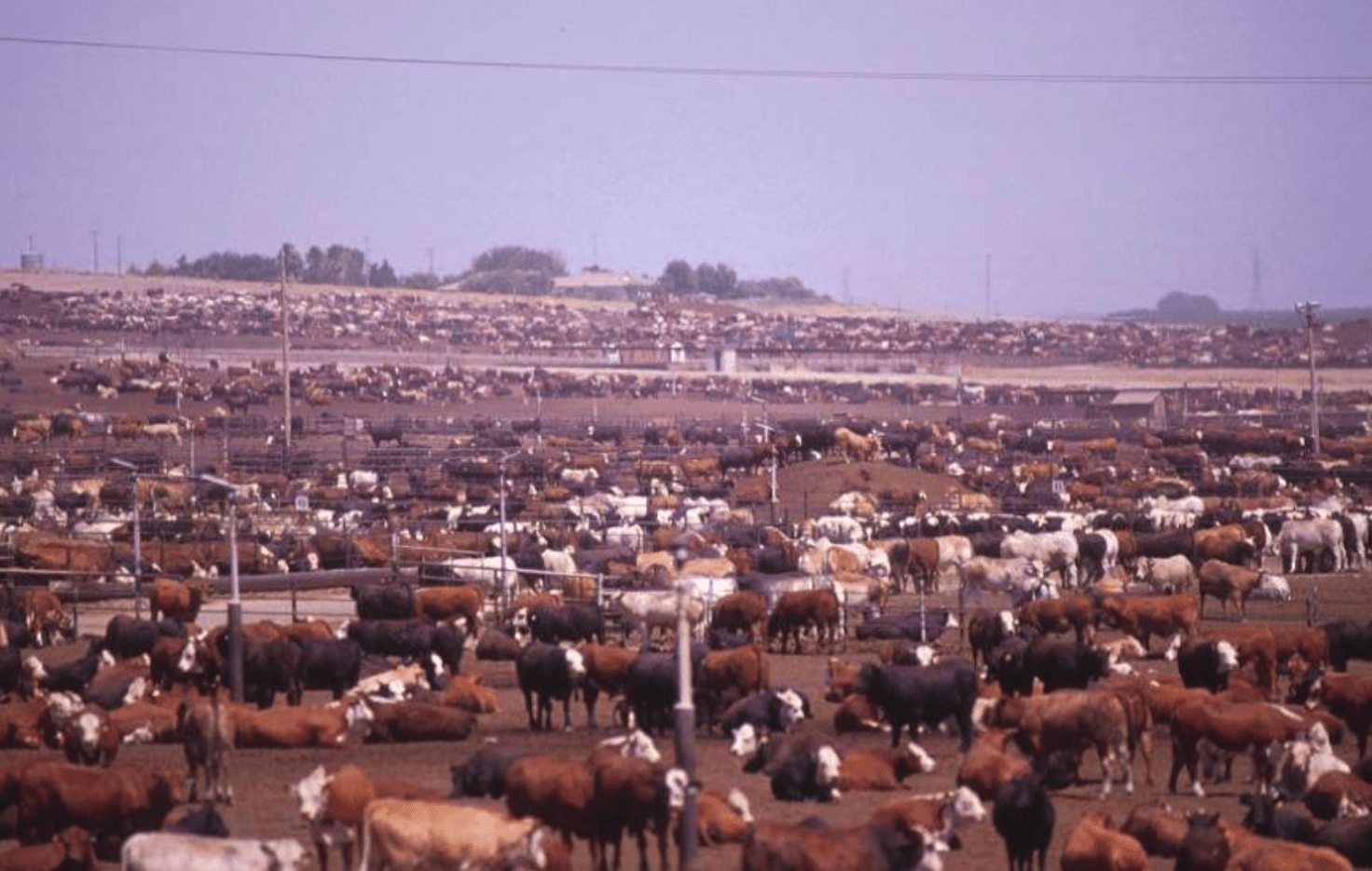
As the global population has doubled to 7.8 billion in about 50 years, industrial agriculture has increased the output from fields and farms to feed humanity. One of the negative outcomes of this transformation has been the extreme simplification of ecological systems, with complex multi-functional landscapes converted to vast swaths of monocultures that lack the complexity of biodiversity found in tropical rainforests. Industrial agriculture is the biggest threat to rare wild animals and rare wild plants in the world. Fight back and resist extinction every time you shop – be #Vegan and #BoycottPalmOil #Boycott4Wildlife
Palm Oil Deforestation Threatens Sulawesi’s Macaques

Illegal logging and palm oil destroying rainforests of Sulawesi endangering the island’s critically endangered Sulawesi black-crested macaques. Fight back!
 Palm Oil Detectives