
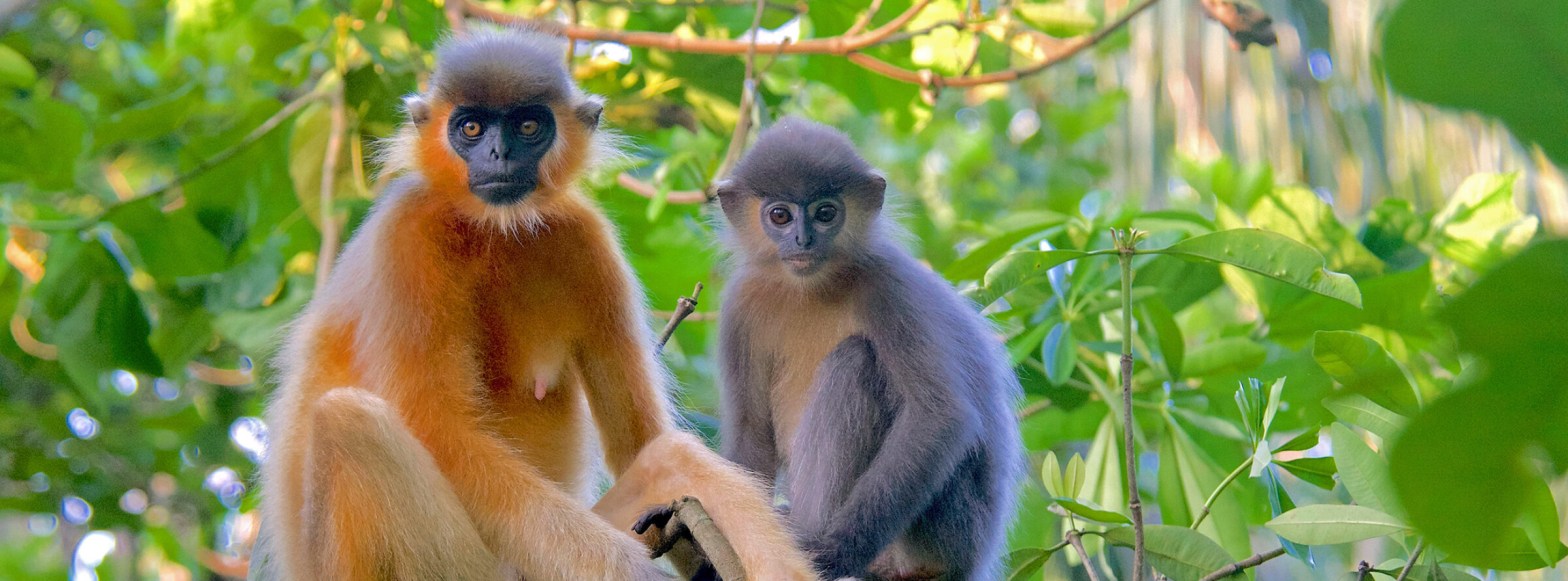
Critically endangered Phayre’s langurs and endangered capped langurs of Bangladesh, are interbreeding raising concerns about their survival, take action!
Tag Archives: research
Songbirds Socialise Mid-Flight During Migration
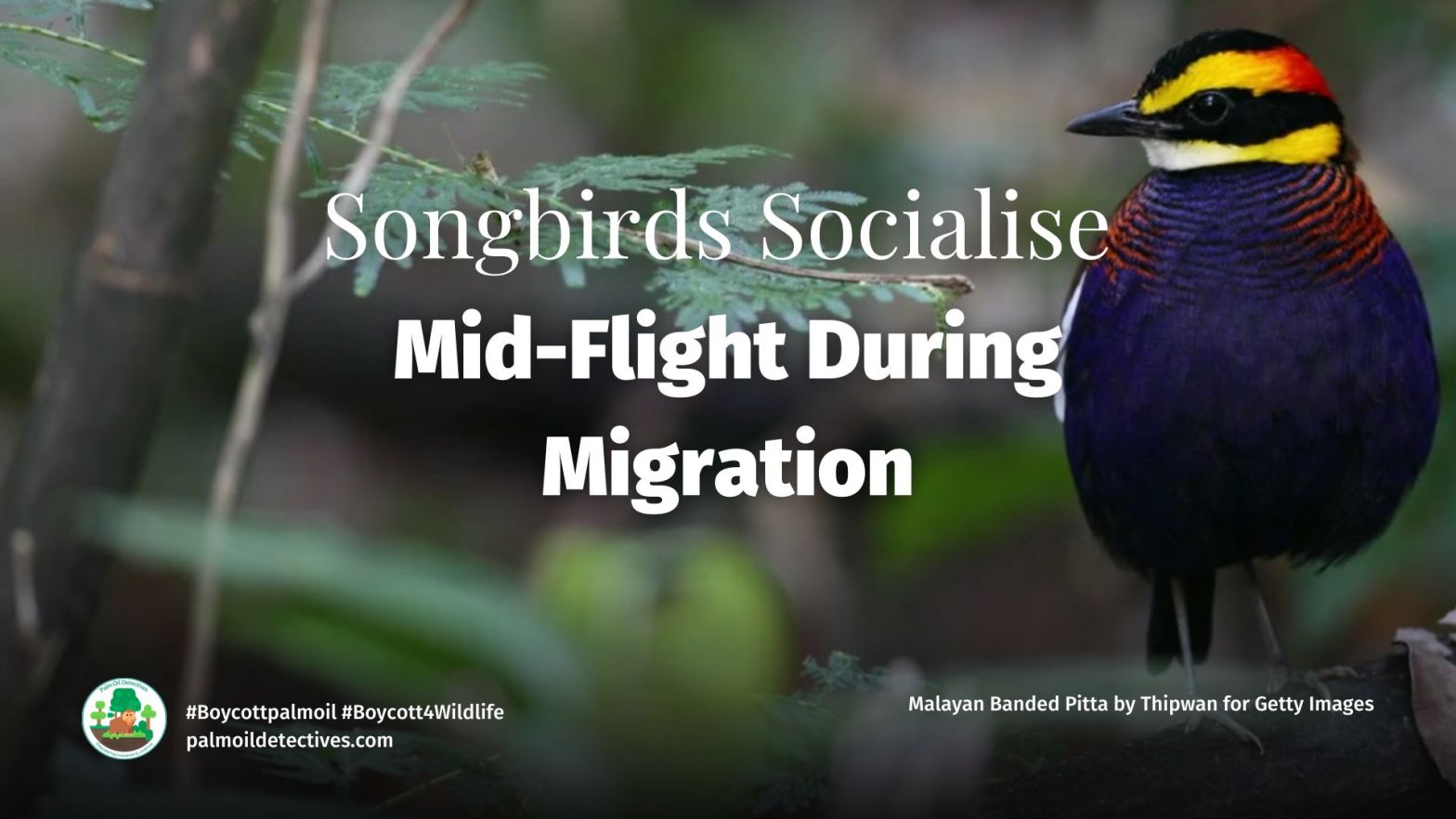
Songbirds communicate with different species during nocturnal flights sharing vital info about navigation and stopover habitats. Save their fascinating world!
Protecting Peru’s Grasslands Vital for Spectacled Bears
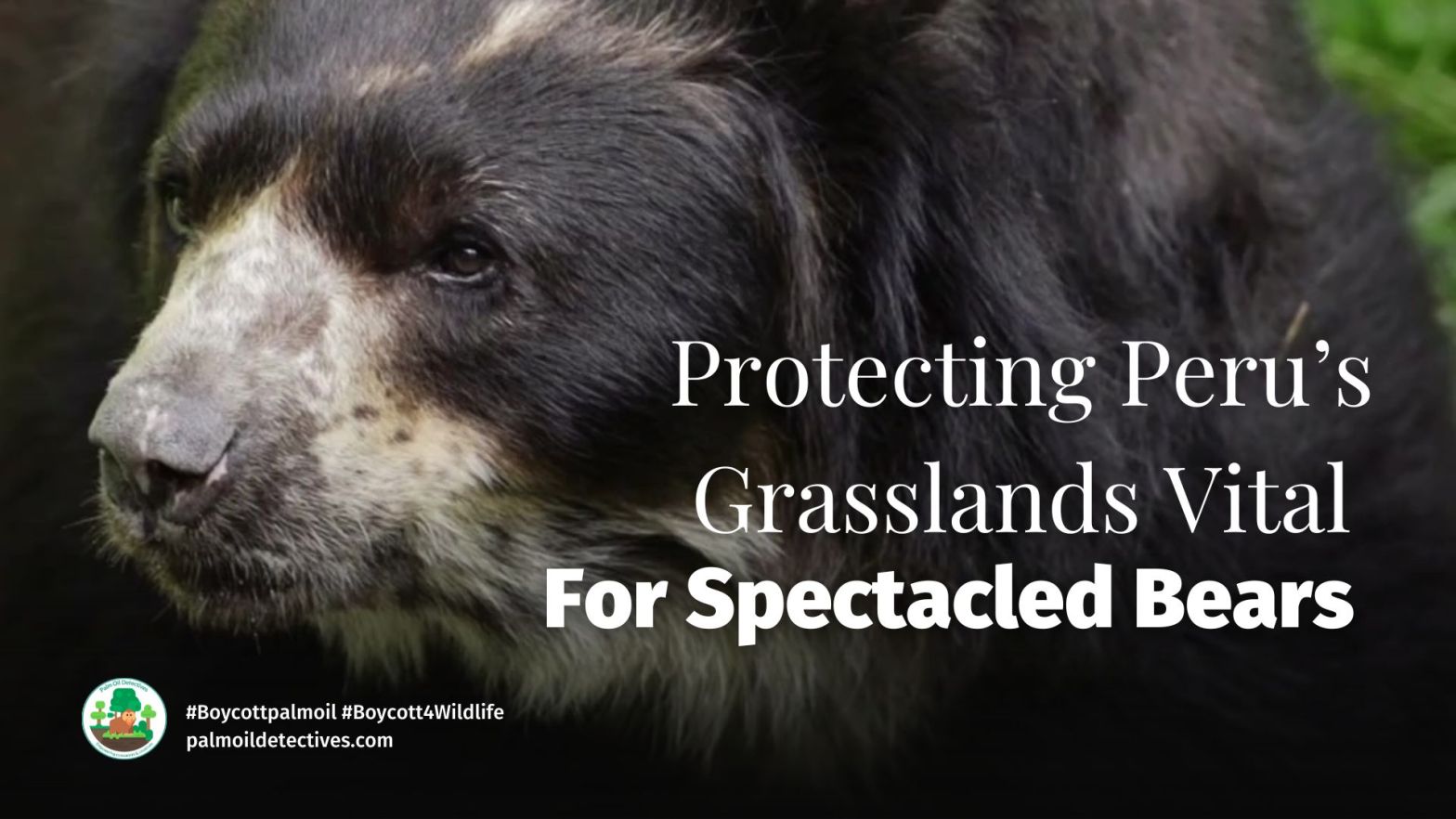
Peru’s alpine puna grasslands supports foraging of vulnerable Andean bears AKA Spectacled Bears. They prefer young bromeliad plants, Take action for them!
Beef, Palm Oil and Timber: How Wealthy Nations Fuel Deforestation
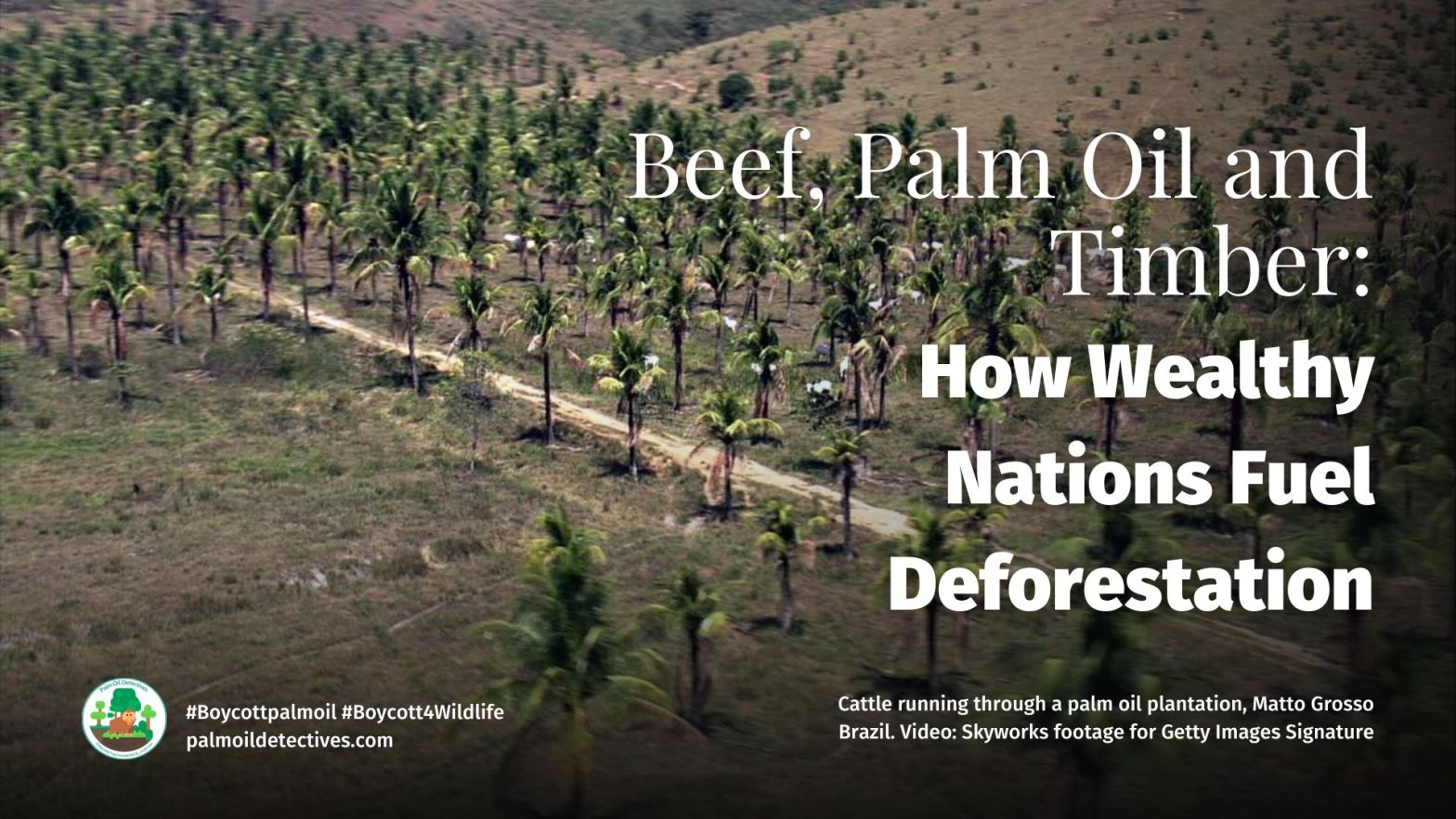
Beef palm oil, and timber consumption in wealthy nations is driving mass deforestation and species extinction in tropical regions. EUDR is vital to stop this!
Leopards’ Roars Are Actually Hidden Big Cat Fingerprints
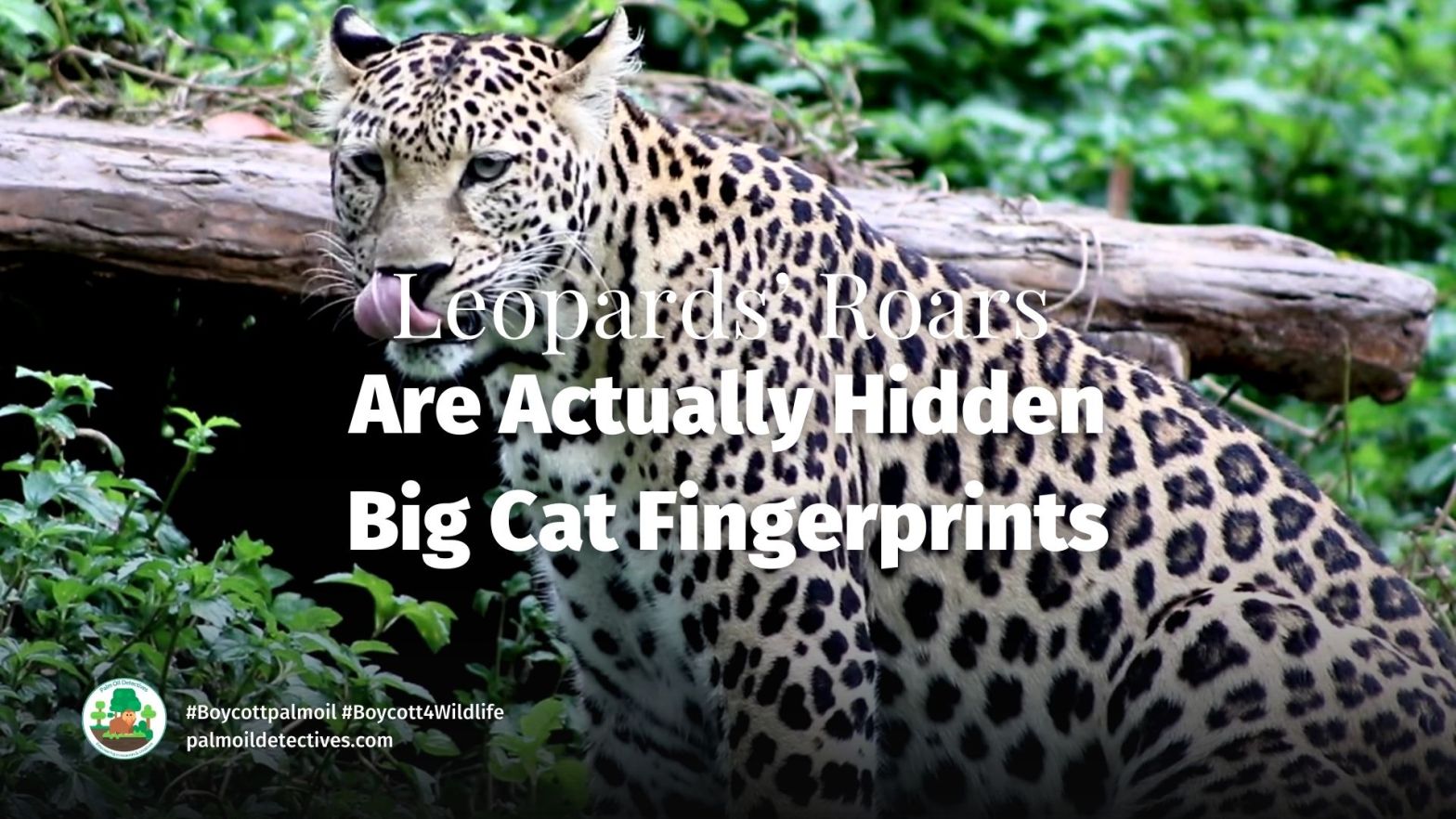
Every leopard possesses a distinctive roar, allowing individual cats to identify each other with 93% accuracy, save these remarkable animals from extinction!
Bird Song Secrets Revealed: How Habitat Shapes Their Melodies
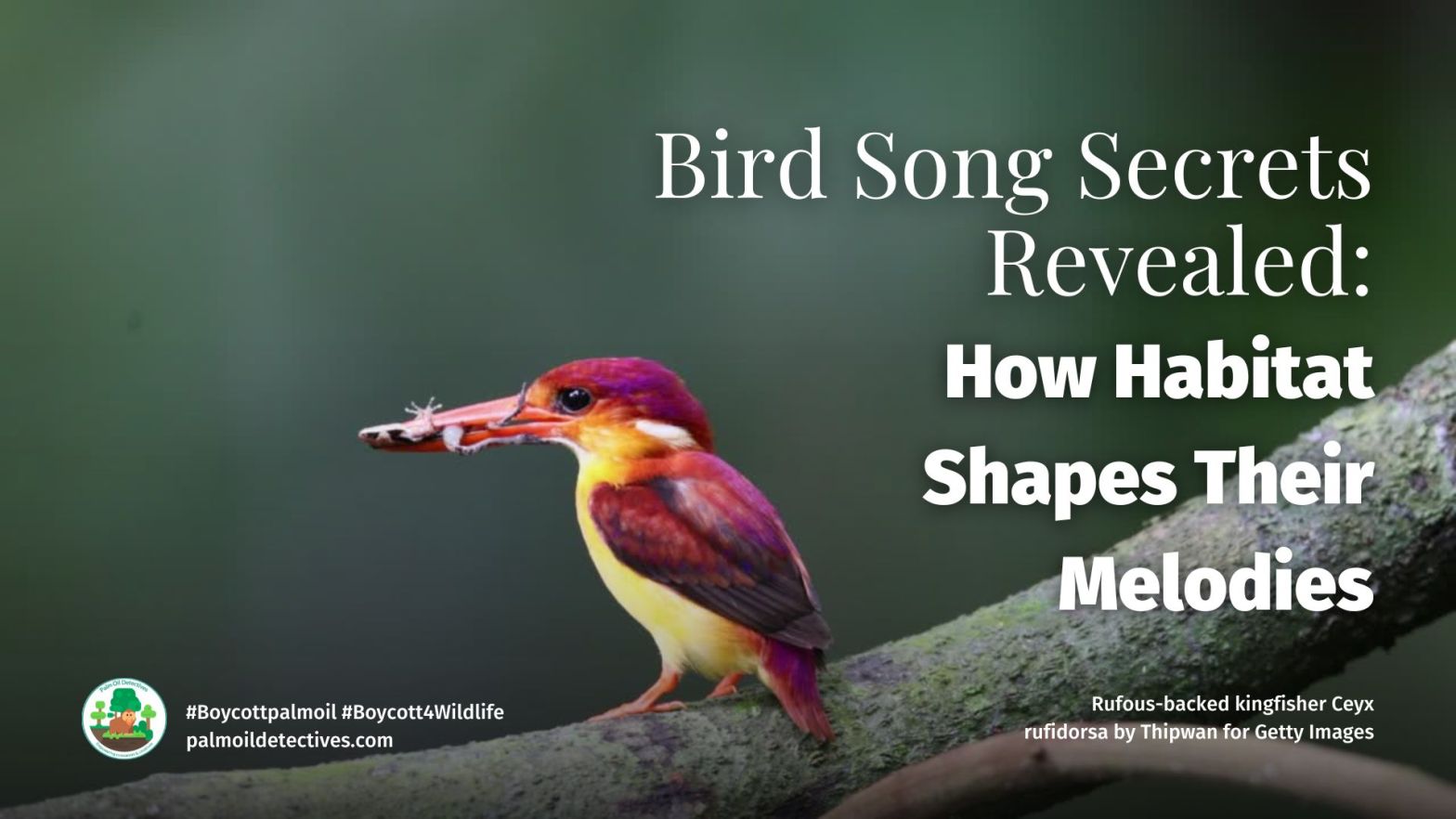
In the vast soundscape of #nature, #birds have evolved intricate ways to make themselves heard. A groundbreaking global study by University of Madison-Wisconsin has found surprising connections between a bird’s habitat, body size, beak shape, and the frequency of their calls—offering new insight into the evolutionary forces that shape and govern their songs and the jungle symphony as a whole. This discovery sheds light on the intricate relationship between nature and animal communication. Help them every time you shop and #BoycottPalmOil #Boycott4Wildlife
Deforestation and Mining Threaten Rare Species at Lake Poso
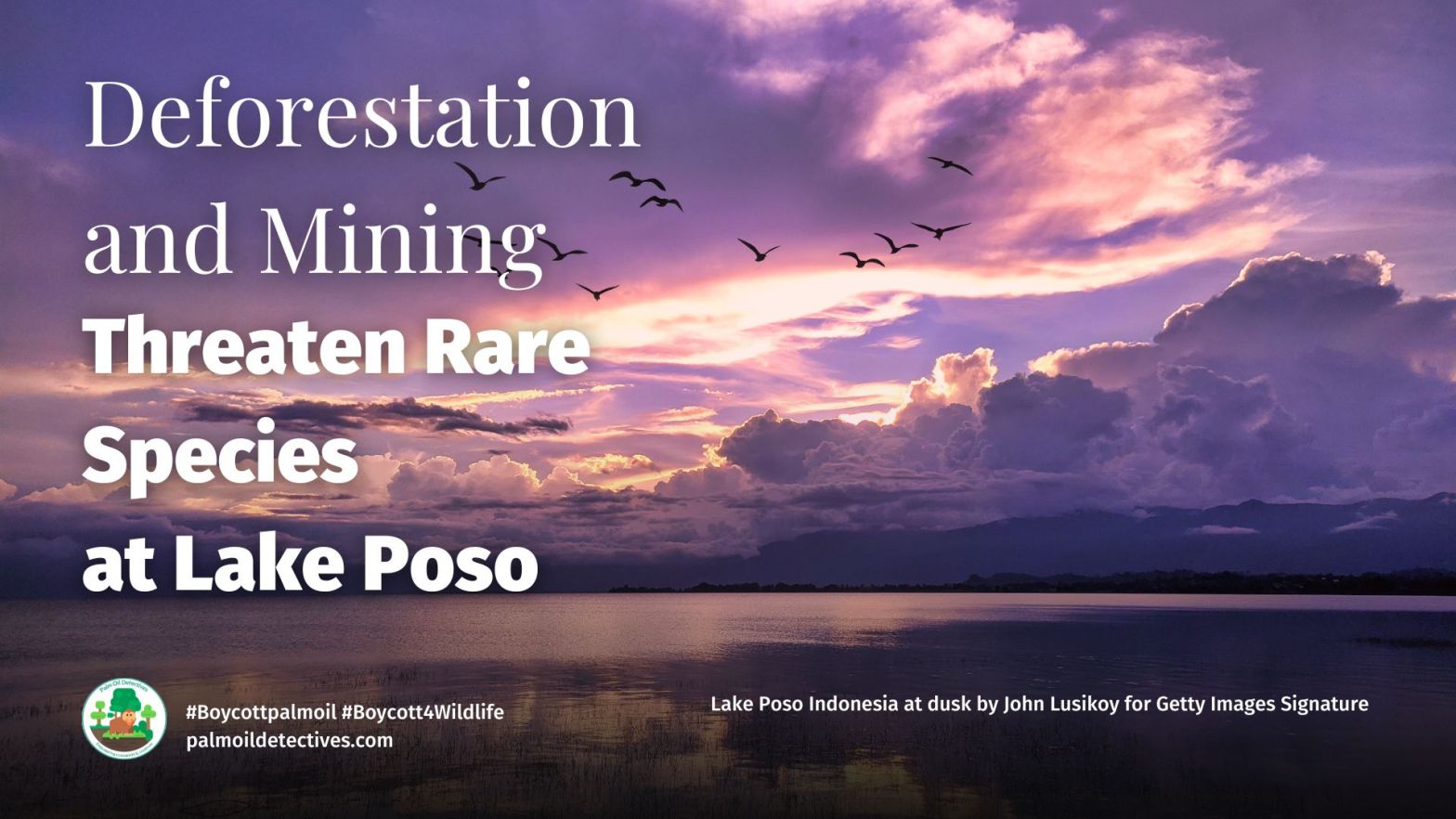
Deforestation, mining, and palm oil expansion are pushing rare endemic species at Indonesia’s Lake Poso to the brink. Urgent action needed, boycott palm oil!
Support Helps Gorilla and Human Child Resilience
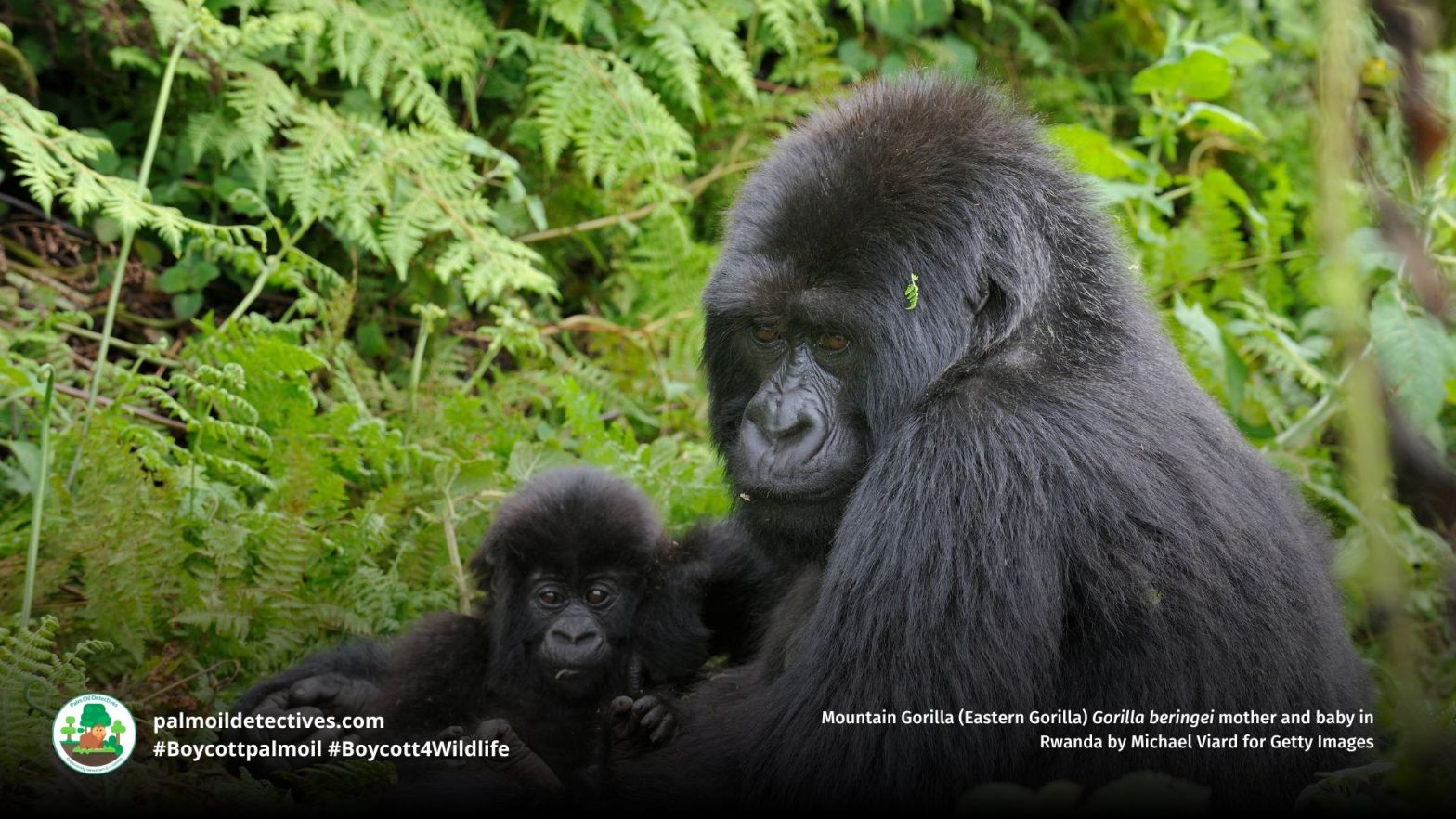
Young gorillas often suffer horrific events in their childhood: the death of their mother or father due to poachers, kidnapping and rough handling for the illegal pet trade. A study of 250 gorillas throughout their lifespans have found they share a lot of needs with human children. And just like their human cousins, they thrive after adverse childhood events when given the right social and economic supports. Help gorillas and 1000’s of other animals to survive when you go plant-based and #BoycottPalmOil #Boycott4Wildlife
Palm Oil Plantations Threaten Indigenous Waterways
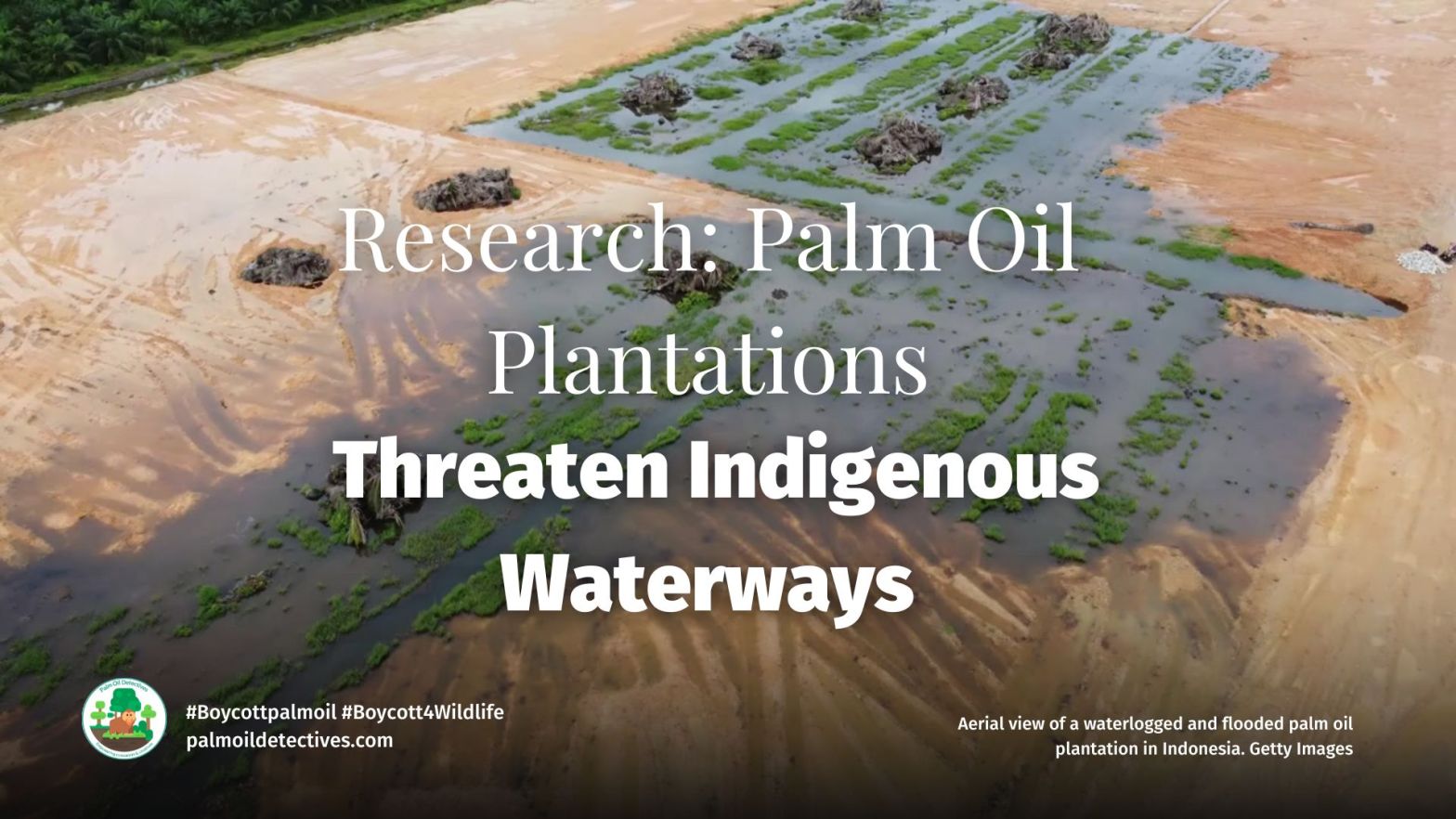
Expansion of palm oil in West Papua’s Kais River watershed degrades water quality, polluting Indigenous waterways. Take action and boycott palm oil
Ultra-processed Food: Bad For Our Bodies, Bad For The Environment

Although a lot of research has been published about the direct negative impact of these ultra-processed #foods on our #health, including obesity, cardiovascular diseases and diabetes, little has been said about the impacts of #UPF on the environment. You can help rainforests and keep yourself healthy by limiting or stopping buying and consuming #meat, #dairy, #palmoil every time you shop. #BoycottPalmOil #Boycott4Wildlife
Logged Forests Thrive, While Palm Oil Leaves Little Alive
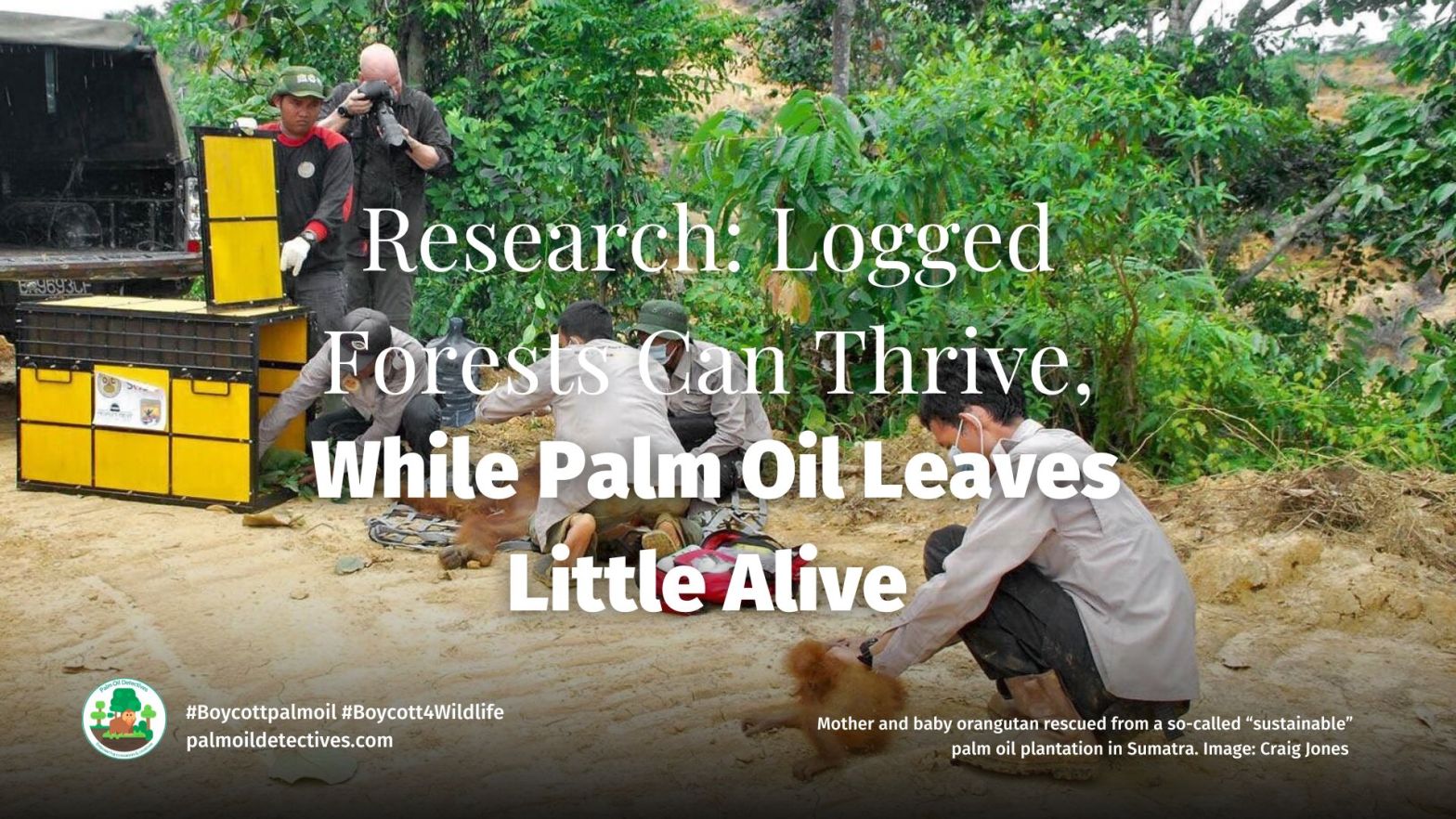
Research finds selective logging alters forest structure, but palm oil conversion causes more severe damage to biodiversity. Take action boycott palm oil!
Demystifying the Strange Beauty of the Proboscis Monkey’s Large Nose
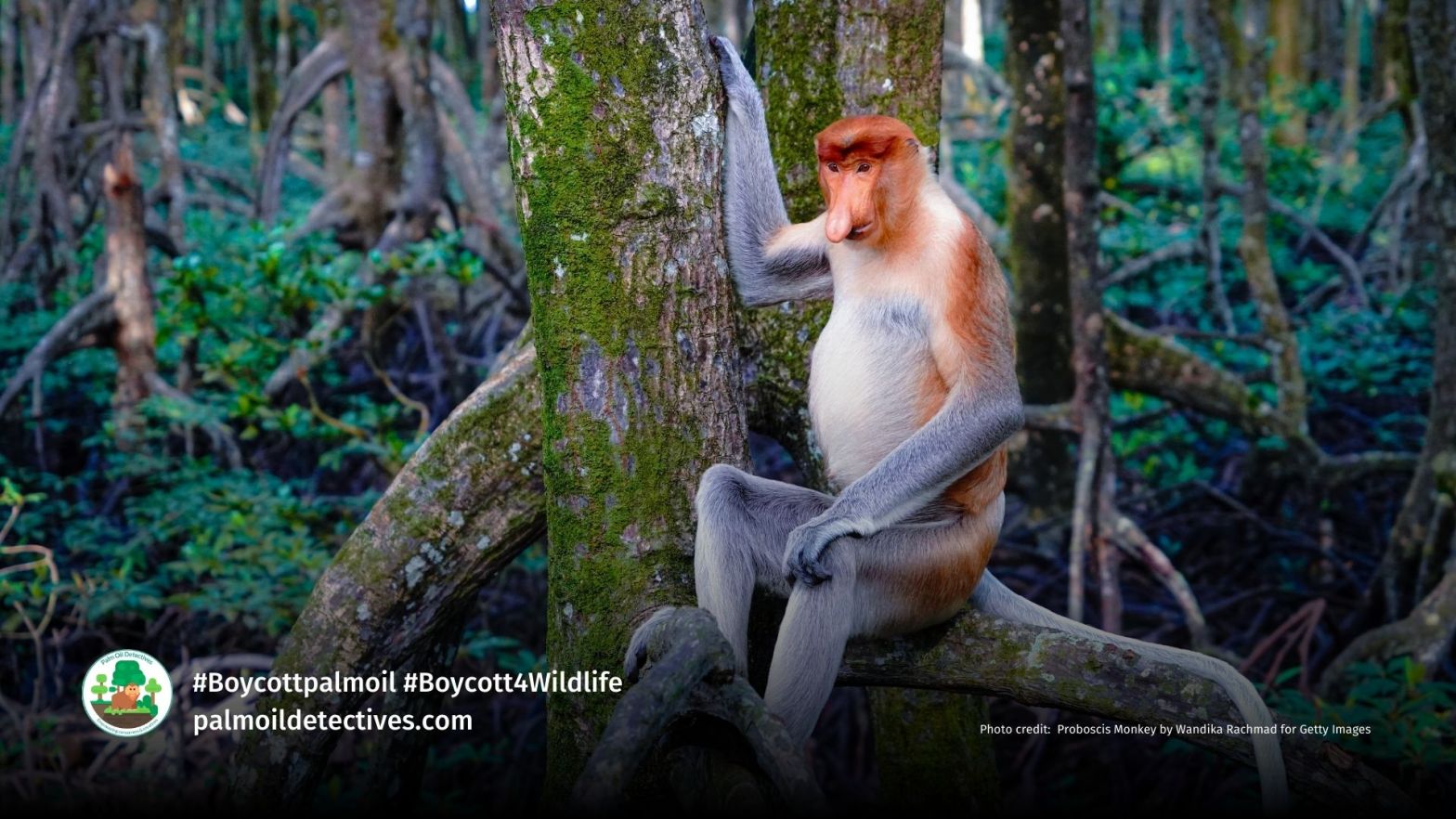
Of all the #monkey species around the world, one stands out with its large, bizarre nose. In male proboscis monkeys, their bulbous noses will often hang past their mouths.
But why did they evolve such a strange feature? Are they a visual sign of health and status to potential female mates, and to other males? Or did they evolve to help the monkeys make honks and other loud sounds? New groundbreaking #research has much to reveal about the mysterious large nose of the Proboscis Monkey!
African Savannah Elephants Use ‘Names’ to Communicate

Research reveals African savannah elephants use unique ‘names’ to call one another. This discovery highlights their advanced brains, deep social bonds.
Research: AI Helps Unlock the Curious Secrets of Orangutan Chatter

A groundbreaking and exciting study has started to decode the complex communication of Bornean orangutans, revealing the intricacies of their vocalisations and offering new insights into their rich and mysterious world. All species of orangutans are critically endangered, primarily due to palm oil deforestation. To help these remarkable great apes, you should always #Boycottpalmoil and #Boycott4Wildlife every time you shop. Learn more about how you can take action.
Large herbivores such as elephants contribute to tree diversity

A recent study using satellite data has highlighted the critical role that large herbivores play in promoting tree diversity in forest ecosystems. The research showed that areas with abundant large herbivores had more varied tree cover and more tree diversity. This finding underscores the importance of large herbivores in many ecosystems and that they should have primary importance in conservation strategies, particularly in the context of global efforts to combat climate change and extinction. Help big herbivores every time you shop and #Boycottpalmoil and #Boycott4Wildlife in the supermarket!
Protected: Private Advocate’s Page
There is no excerpt because this is a protected post.
“Sustainable” Palm Oil No Different in Land Conflicts
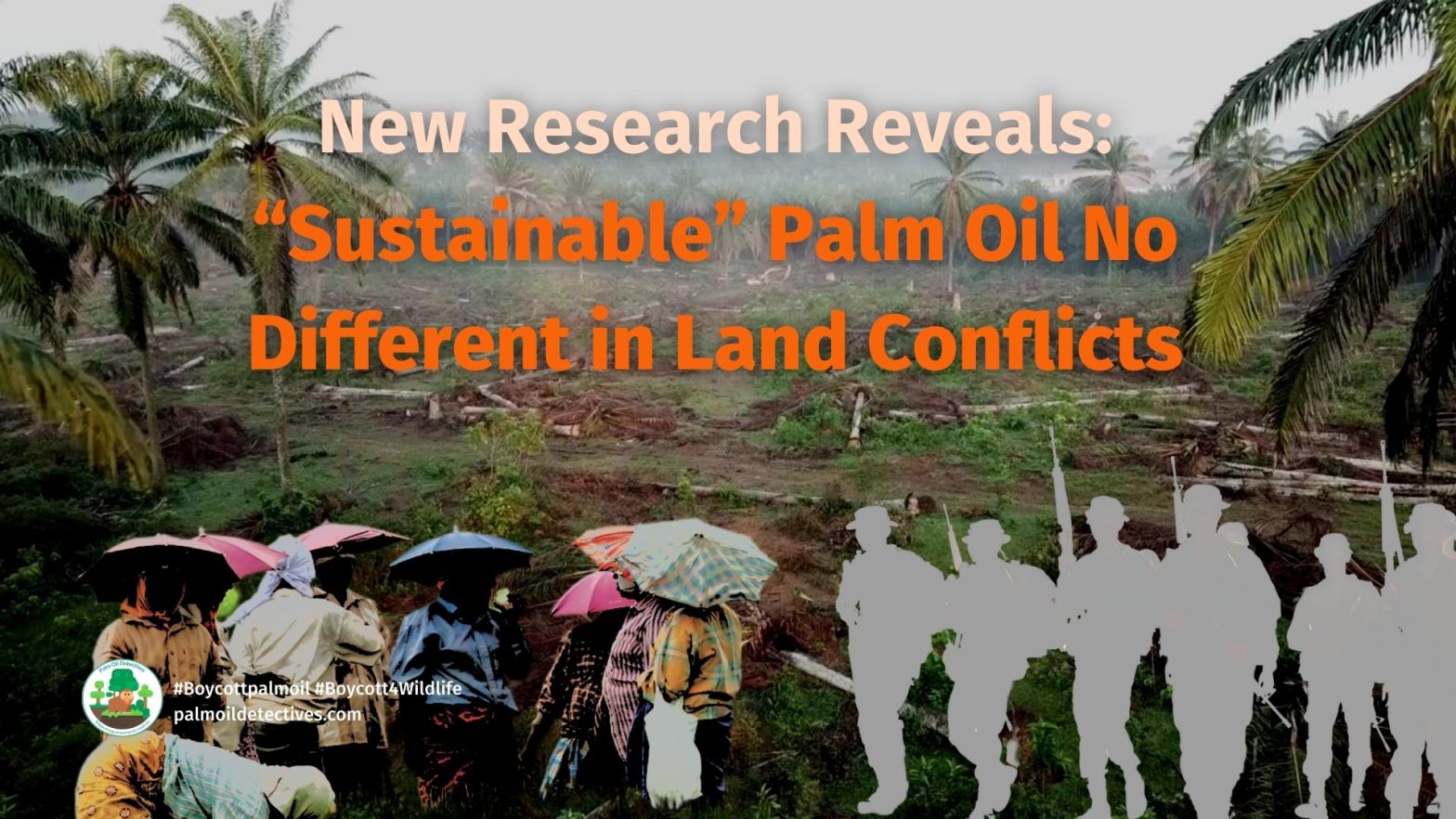
Research reveals no significant difference between RSPO-certified “sustainable” palm oil and non-certified palm in Indonesian land conflicts. Boycott palm oil!
Amphibians Glow in Ways People Can’t See
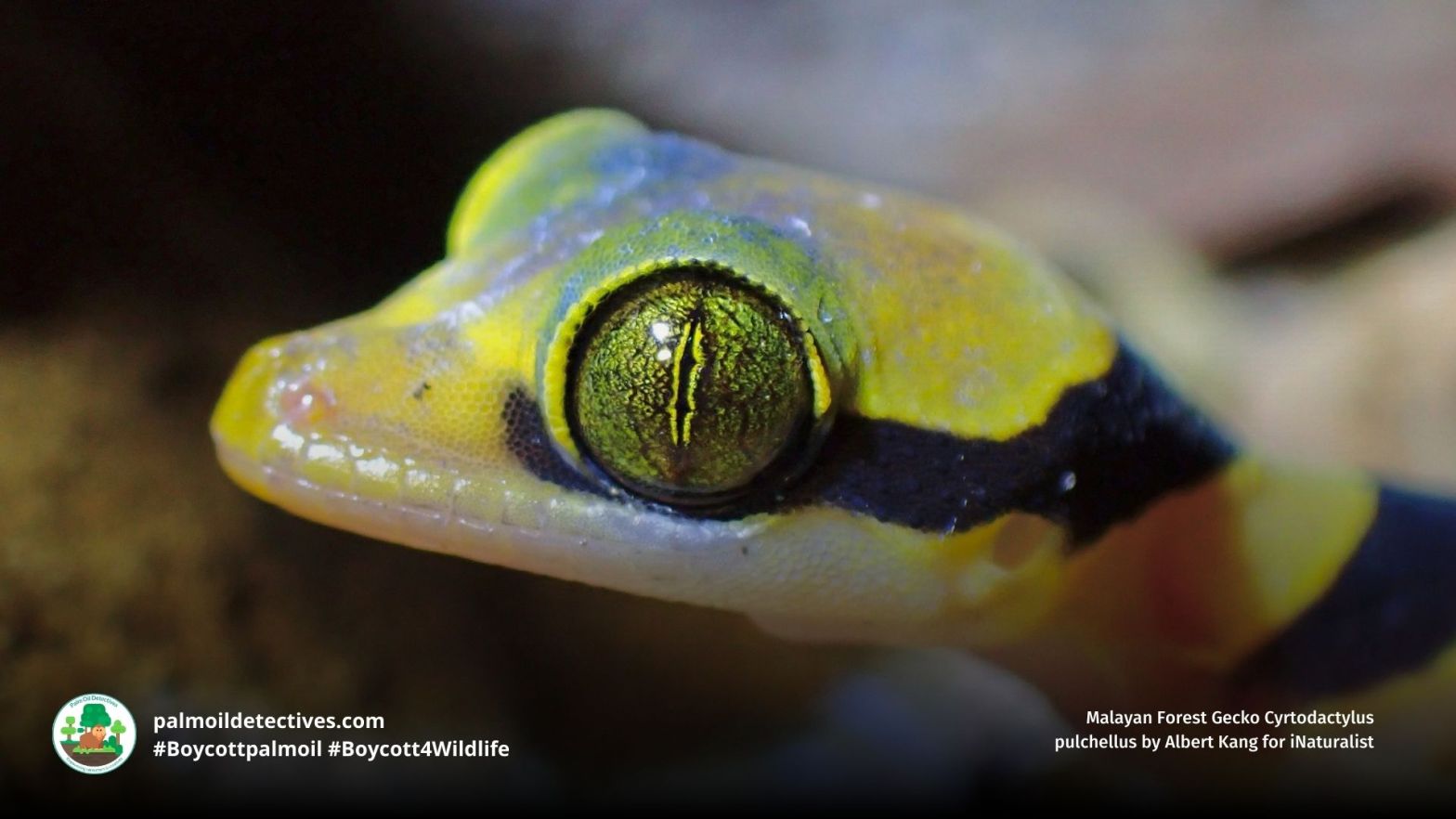
Many animals have a colourful, yet largely hidden, trait. Marine creatures like #fish and corals can glow blue, green or red under certain types of light. So can land animals like penguins and #parrots. But until now, experts knew of only one salamander and a few #frogs that could glow. No longer. Among #amphibians, this ability to glow now appears fairly common — even if you can’t see it. Research has found that most amphibians glow as well – even if it’s not visible to human eyes. Protect amphibians and reptiles every time you shop and #Boycottpalmoil #Boycott4Wildlife
Apes Enjoy Joking and Teasing Each Other
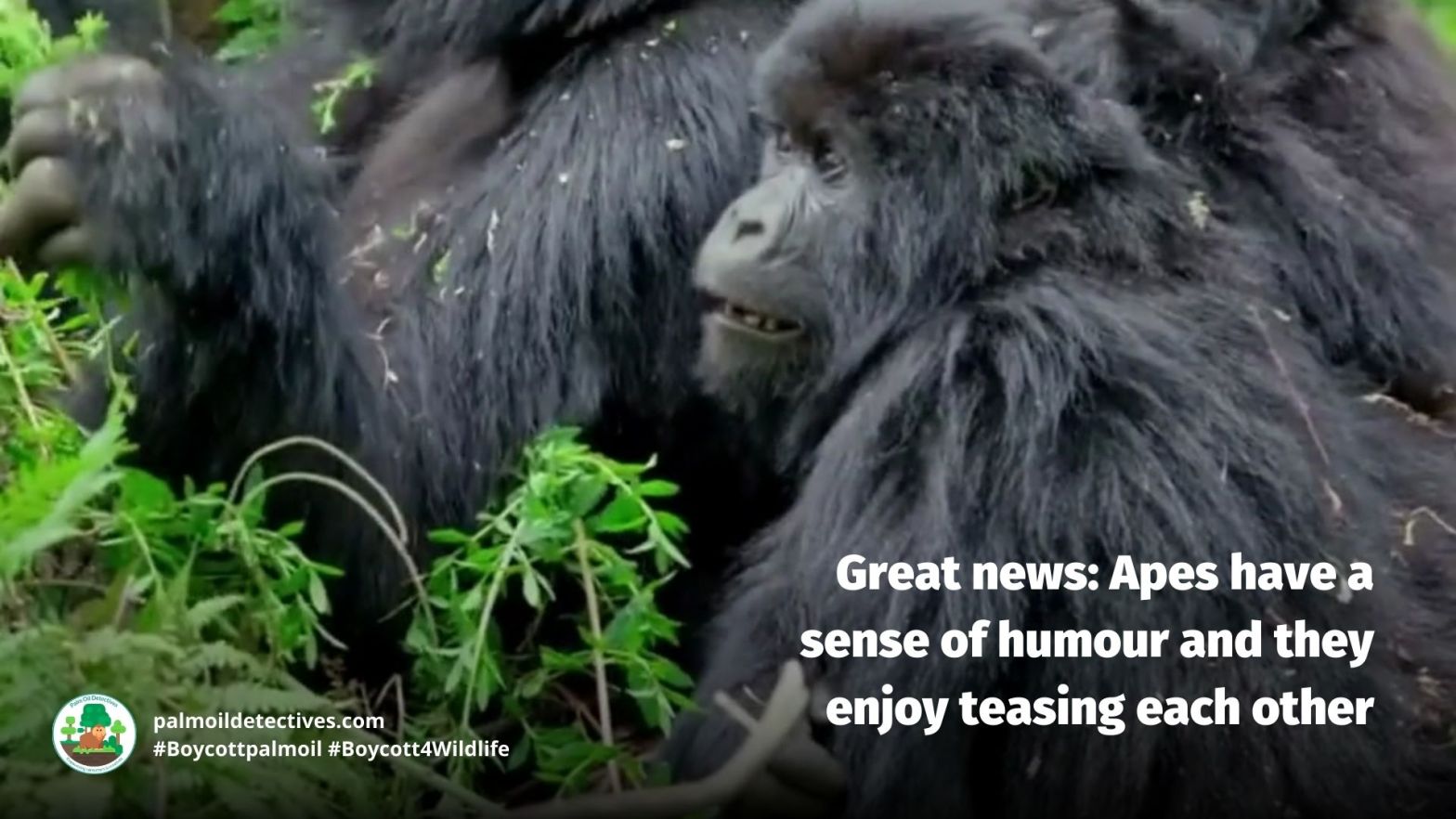
New research finds that it’s not only human babies who love to playfully tease each other. Researchers reasoned that since language is not required for this behaviour, similar kinds of playful teasing might be present in non-human animals such as chimpanzees, bonobos, gorillas and orangutans. Now cognitive biologists and primatologists have documented playful teasing in four species of great apes. Like joking behaviour in humans, ape teasing is provocative, persistent, and includes elements of surprise and play. Because all four great ape species used playful teasing, it is likely that the prerequisites for humour evolved in the human lineage at least 13 million years ago.
Palm Oil Increases Deaths of Baby Macaques
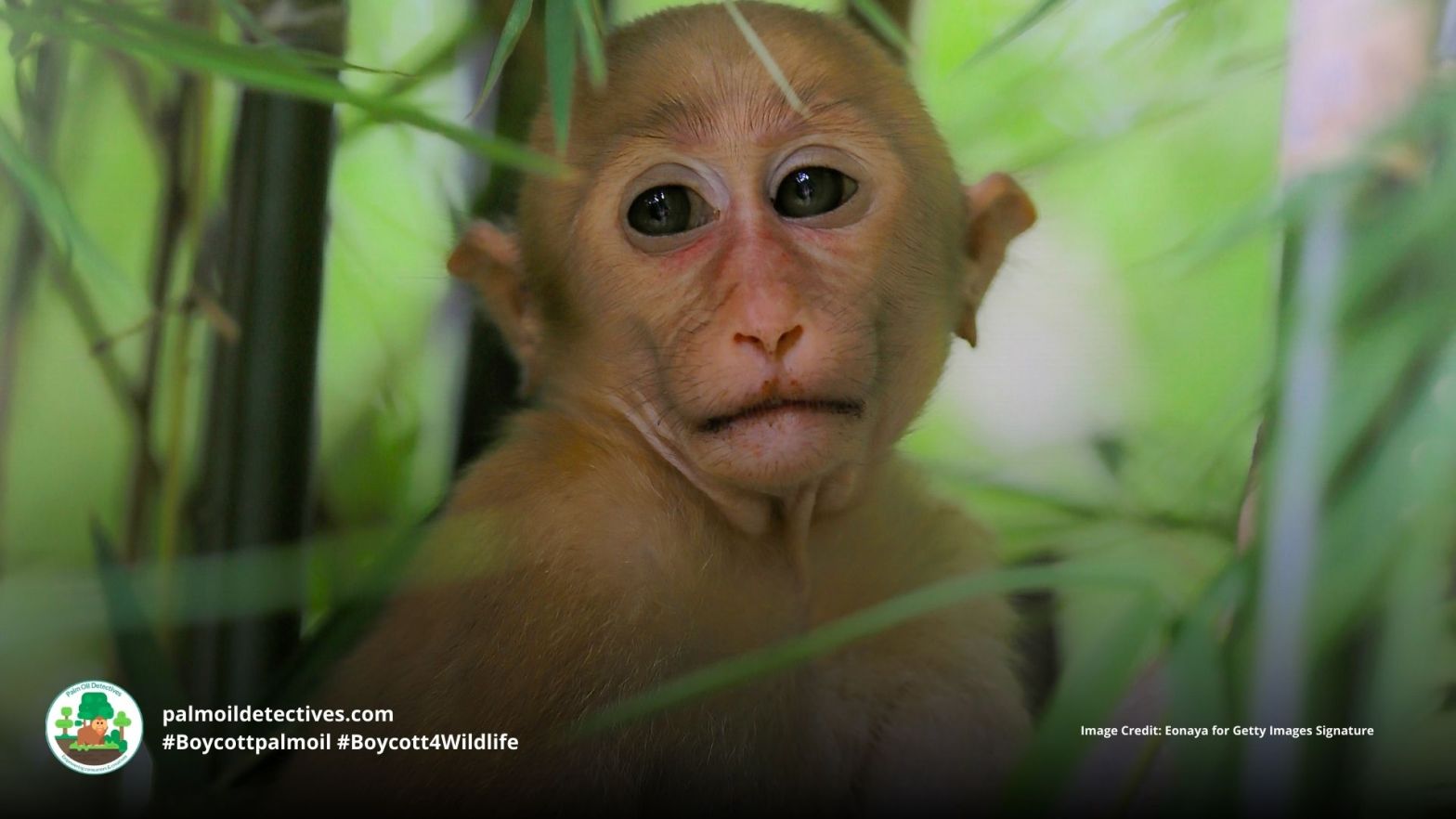
In Peninsular Malaysia, a new study published in Cell Biology by a team led by Dr Anna Holzner of German Centre for Integrative Biodiversity Research (iDiv) Halle-Jena-Leipzig has found that infant mortality rates among wild southern pig-tailed macaques are alarmingly high due to frequent visits to oil palm plantations.
These plantations expose the infants to increased risks from predators, human encounters, and harmful agricultural chemicals, potentially affecting the development and survival of infant macaques. The study, conducted in collaboration of international researchers, observed that prolonged exposure to these plantations during infancy triples the likelihood of death.
The study suggests that pesticides used in agriculture could cross the placental barrier or be transmitted through breastmilk, impacting fetal development and health. This significant research underlines the urgent need for eco-friendly agricultural practices to protect wildlife and human communities near plantations. Take action and join the movement to #Boycottpalmoil and #Boycott4Wildlife every time you shop!
Food Without Agriculture

Researchers argue food can be made without destroying rainforests, using alternative energy sources like microbes, yeast and CO2, saving animals and emissions
Palm Oil Deforestation and Disease-Carrying Mosquitoes
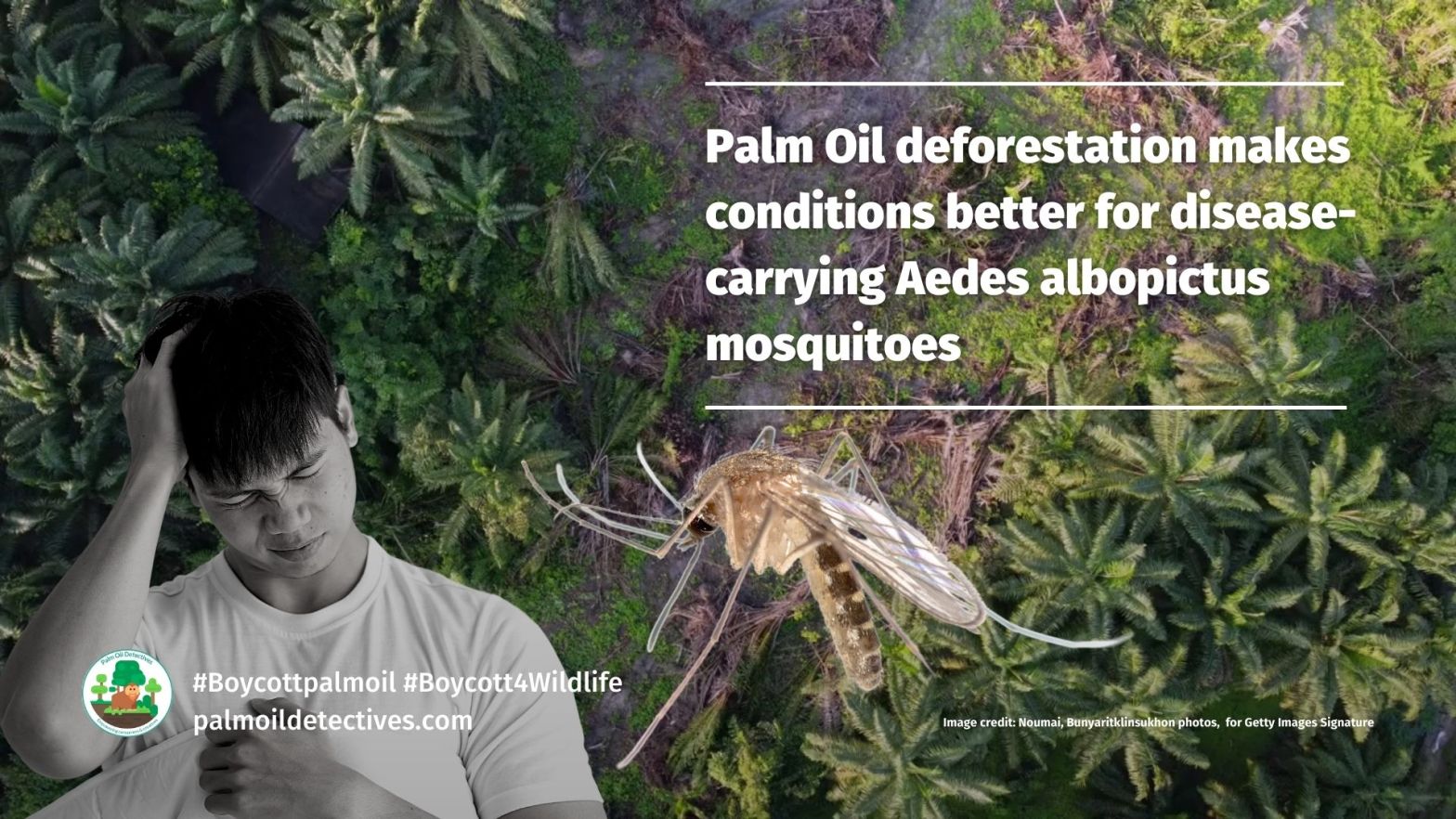
A 2023 study published in Nature has found that cutting down rainforest to grow palm oil makes it easier for certain disease-carrying bugs like Aedes albopictus mosquitoes to thrive.
The study looks at how these changes in land use affect the local weather and environment, which in turn makes it easier for the mosquitoes to complete their life cycle.
Specifically, turning forests into palm oil plantations can increase the chances of these mosquitoes growing by about 11%, which drops to around 5% as the palm oil plants mature. This could lead to more frequent outbreaks of diseases carried by these mosquitoes.
Aedes albopictus is known to transmit pathogens and viruses, such as the Yellow Fever, Dengue Fever, Chikungunya fever and Usutu virus.
The study suggests careful policy-making and planning is urgently needed to assess how we use land, balancing the need for palm oil farming.
There are strong inherent risks to public health from palm oil agriculture and vector-borne diseases. #Boycottpalmoil
300,000 Trees Tracked: Are Losing Their Power to Help Us
Tropical forests matter to each and every one of us. They suck colossal quantities of carbon out of the atmosphere, providing a crucial brake on the rate of climate change. Yet a statistical model in this study has estimated that by 2030 the African forests’ capacity to remove carbon will decrease by 14%, while Amazonian forests may stop removing carbon dioxide altogether by 2035. What can you do? Use our wallet as a weapon and #Boycottpalmoil #Boycottmeat #Boycott4Wildlife
Research: Certifying Palm Oil as “Sustainable” Is No Panacea

University of Michigan research reveals that RSPO certification is associated with deforestation and human rights abuses in Guatemala. Boycott palm oil! The results of this paper show that these plantations were responsible for 28% of the region’s deforestation, and RSPO-certified plantations did not significantly reduce deforestation. The study links this deforestation to the supply chains of major brands: Pepsico, Mondelēz International, and Grupo Bimbo, who rely on RSPO-certified supplies.
As a consumer you can make a difference every time you shop, use your wallet as a weapon and #Boycottpalmoil #Boycott4Wildlife
Do humans really need other species?
Do humans need other #species? Yes! millions of organisms are needed to keep #ecosystems in balance and ensure everyone can survive. Most importantly, #research shows other species make us happy! Be 🐱🐷🐎🐕🐠 #Vegan for the animals 🍅🥦 #BoycottPalmOil #Boycott4Wildlife
Four Things to Know about Cholesterol

Cholesterol is among the most feared substances, but why? You need cholesterol to produce some hormones and to build vital structures in your body. But too much-referred to as high cholesterol-can build up in your arteries and lead to heart attack, stroke, and other cardiovascular diseases. That’s why it’s important to get tested and knowContinue reading “Four Things to Know about Cholesterol”
Reasons to Hope: Palm Oil Alternatives Made Without Deforestation
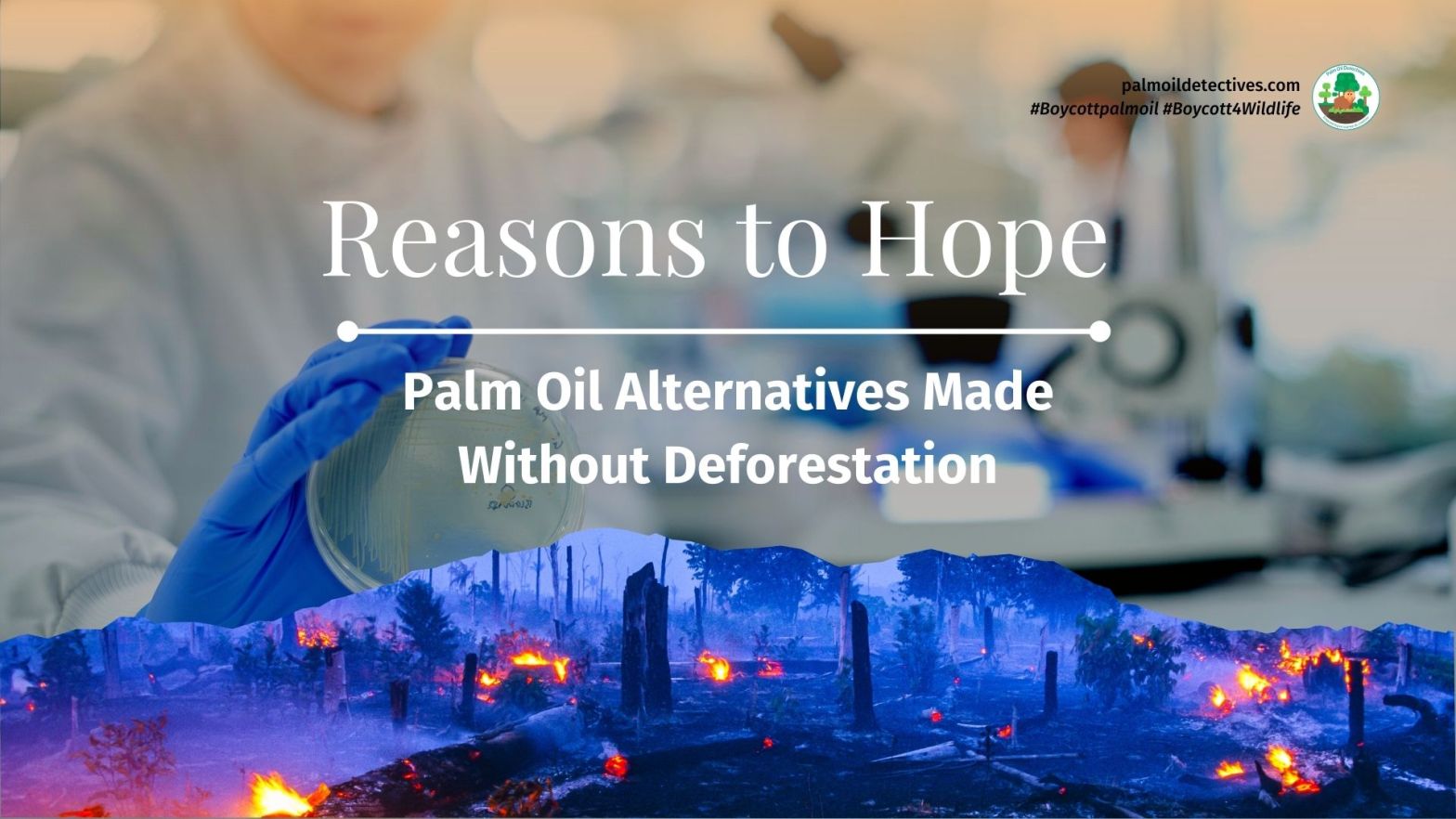
The race is on to find a real solution to stop palm oil ecocide. For several years now, several new #biotech companies have been busy generating alternatives to palm oil that are healthier for human consumption and don’t require the destruction of rainforests sending thousands of species to extinction. Learn more about palm oil grown in labs synthesized from algae, microbes, CO2 and more. #BoycottPalmOil #Boycott4Wildlife
Without Tropical Forests, The World Would Be 1°c Warmer

#Research reveals the most comprehensive and detailed evidence to date that #forests are more important to the #climate (globally and locally) than we think due to the way in which they physically transform the atmosphere. The first-ever research to pinpoint the local, regional and global non-carbon dioxide benefits of specific forest zones worldwide finds that the entire world gains the most benefits from the band of tropical rainforests spanning Latin America, Central Africa and Southeast Asia. Help #rainforests, rainforest animals and indigenous peoples every time you shop, make sure you #BoycottPalmOil #BoycottGold #Boycott4Wildlife
Anthropologist and Author Dr Sophie Chao
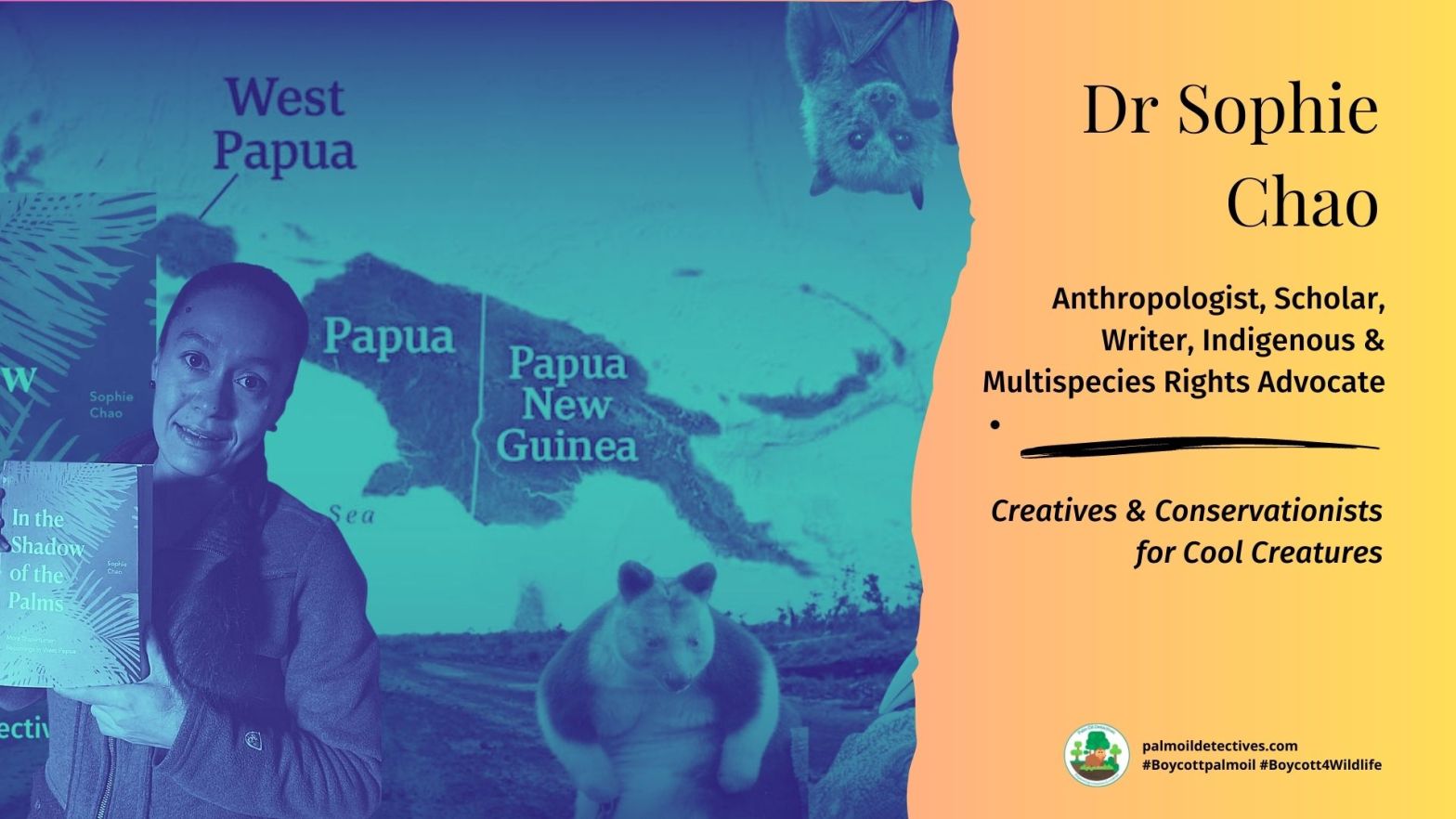
Dr Sophie Chao is an environmental anthropologist and environmental humanities scholar interested in the intersections of capitalism, ecology, Indigeneity, health, and justice in the Pacific.
Palm Oil Detectives is honoured to interview to Dr Sophie Chao about her research into the impacts of palm oil on the daily lives of Marind people and other sentient beings in West Papua.
I wrote In the Shadow of the Palms because I wanted the world to understand how deforestation and industrial oil palm expansion are undermining Indigenous ways of being in West Papua.
WHO: Palm Oil Industry Greenwashing Like Big Tobacco
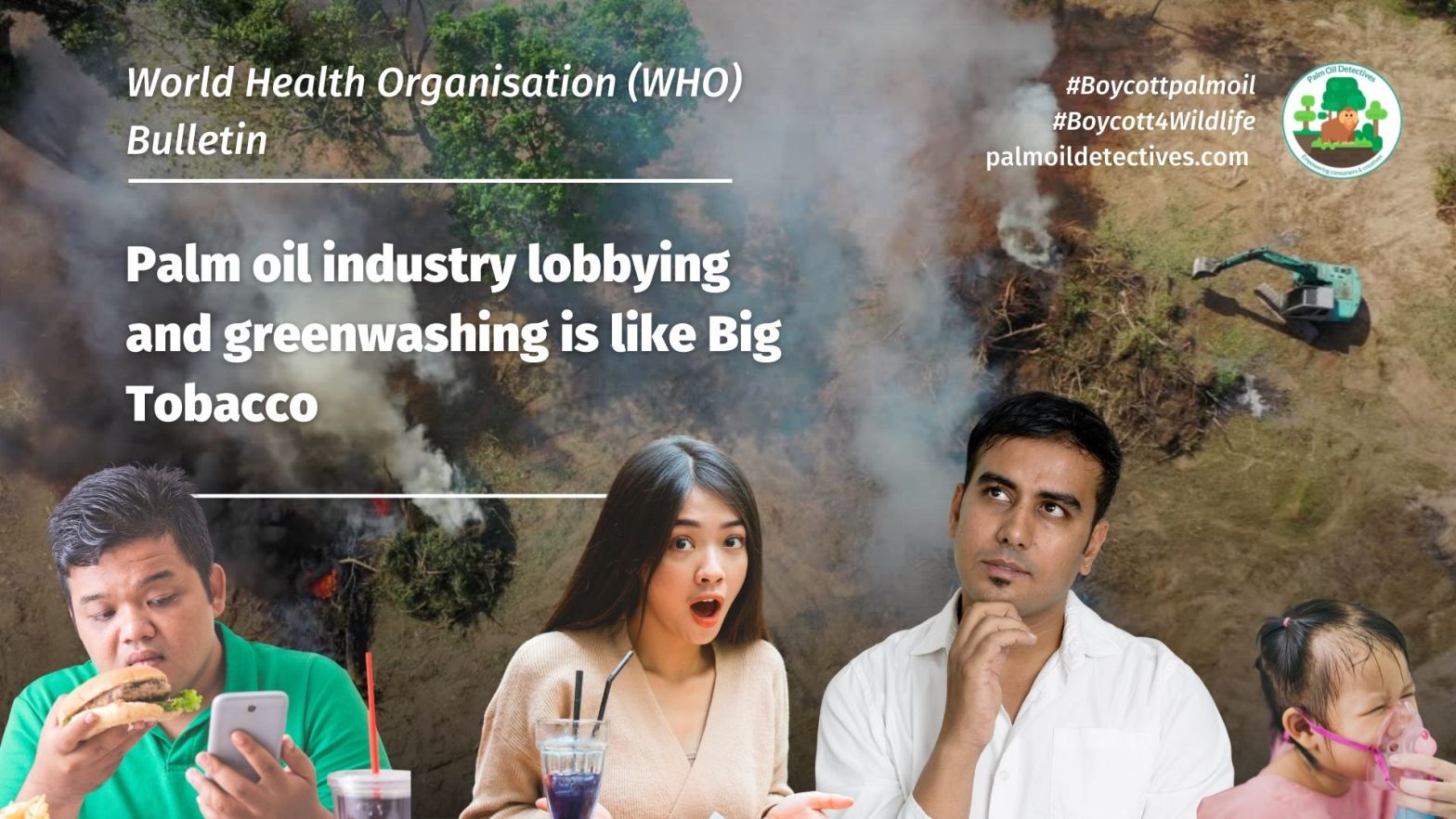
What does the $60 billion USD palm oil industry have in common with Big Tobacco? A lot according to this report by the World Health Organisation. Palm oil industry lobbying tactics are used to influence research into the health impacts of palm oil and also to influence consumer buying habits. The dire health and environmental impacts of palm oil are hidden from consumers by clever marketing. These lobbying, marketing and greenwashing tactics are reminiscent of tobacco and alcohol health lobbying.
 Palm Oil Detectives