
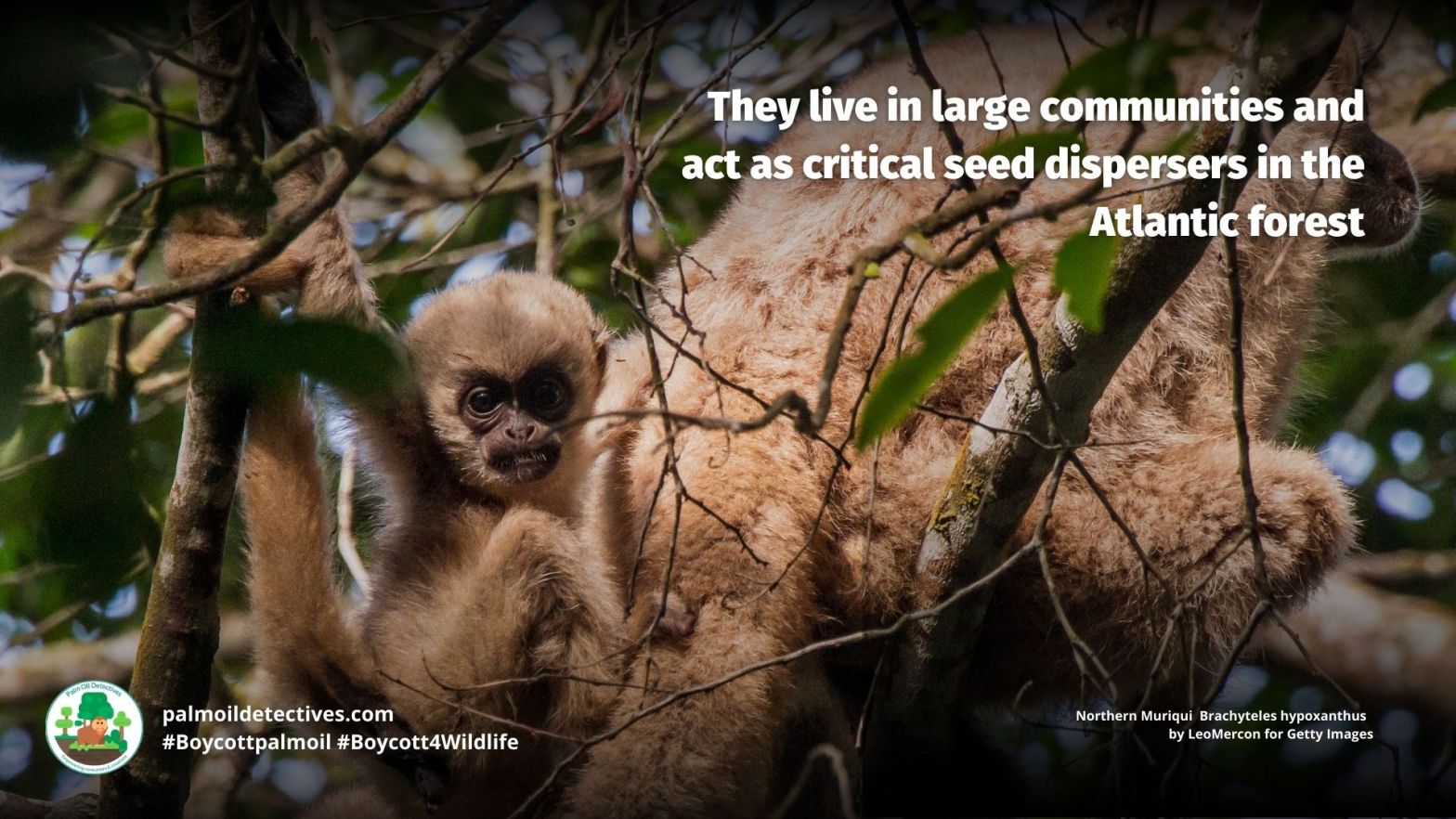
Northern Muriquis (AKA Woolly Spider Monkeys) have a striking light brown and golden fur and are known for their rattling vocalisations. They live in large communities and act as critical seed dispersers in the Atlantic forest. There are fewer than 800 individuals left alive and they are critically endangered. Their main threats are palm oil, meat and soy deforestation in Brazil, along with illegal hunting. Help them every time you shop and be #vegan, #Boycottpalmoil and #Boycott4Wildlife
Tag Archives: meat
Yellow-casqued Hornbill Ceratogymna elata
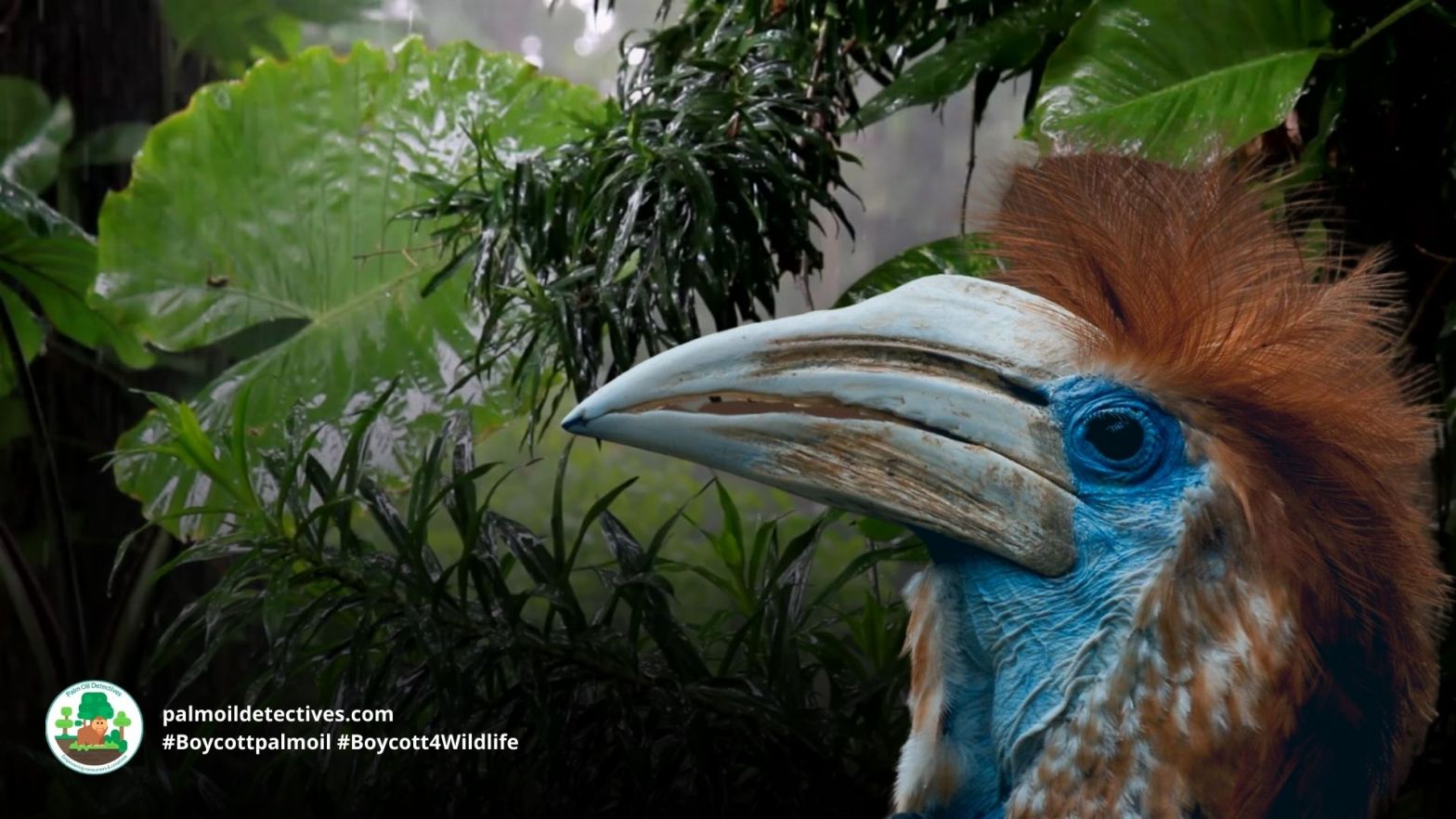
The yellow-casqued hornbill is one of the most remarkable hornbills in the world and one of the largest birds in the rainforests of West Africa weighing up to two kilos. Sporting a shock of russet coloured feathers and a striking blue coloured face, they prefer to live high up in the rainforest canopy in Côte d’Ivoire, #Ghana, #Liberia, Mali and #SierraLeone. Their main threat is hunting and human persecution and they are possibly extinction now in some countries. Recent mass deforestation for #mining, #palmoil, #cocoa and #meat is also a threat and they are now classified as #vulnerable. Help them every time you shop and be #vegan, #Boycottpalmoil, #Boycott4Wildlife
Shoebill Balaeniceps rex
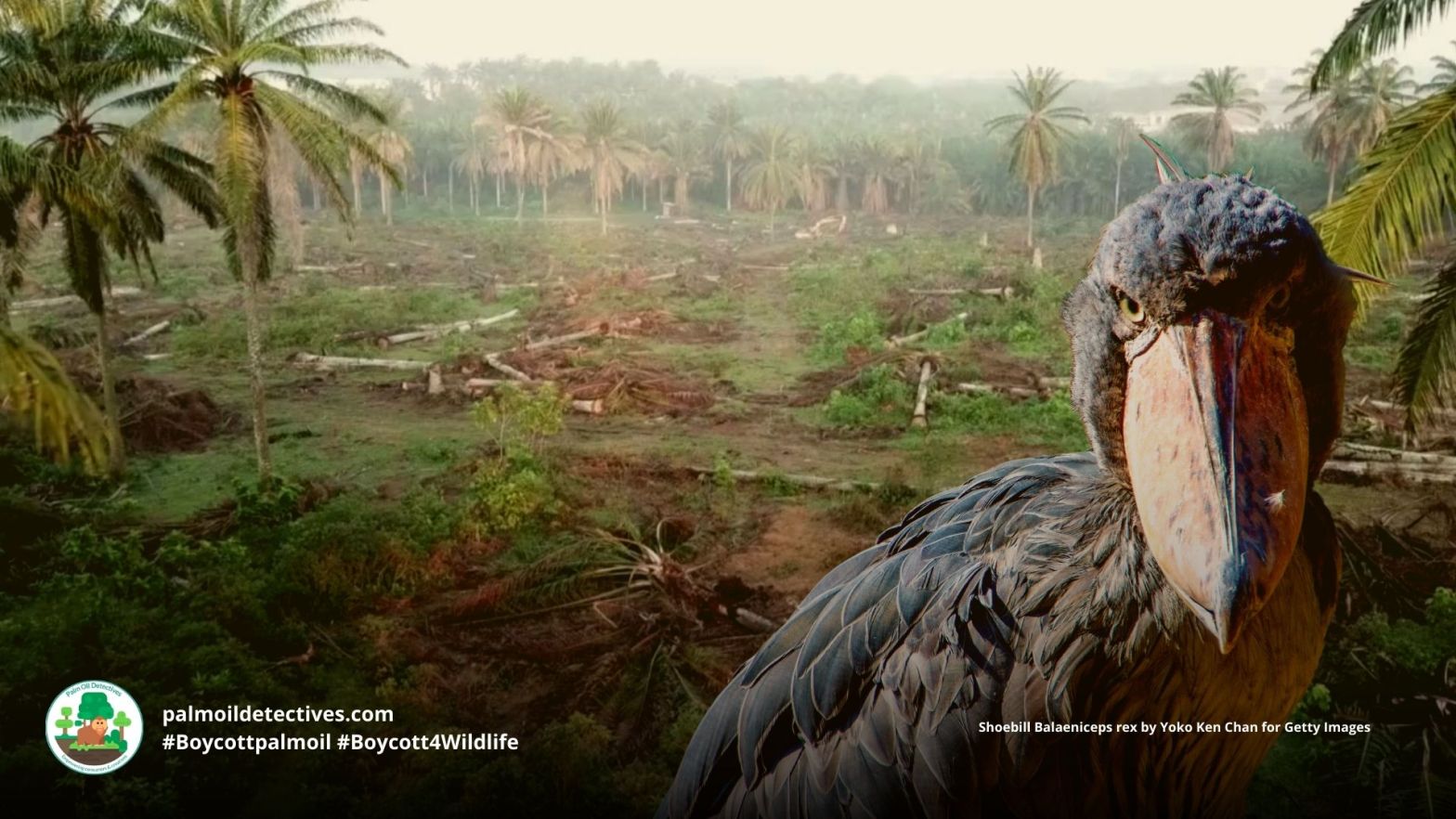
With their intense stare and imposing appearance, prehistoric birds Shoebills number fewer than 8000 in the wild. Save them when you boycott palm oil!
Indian Rhinoceros (Greater One-horned Rhino) Rhinoceros unicornis
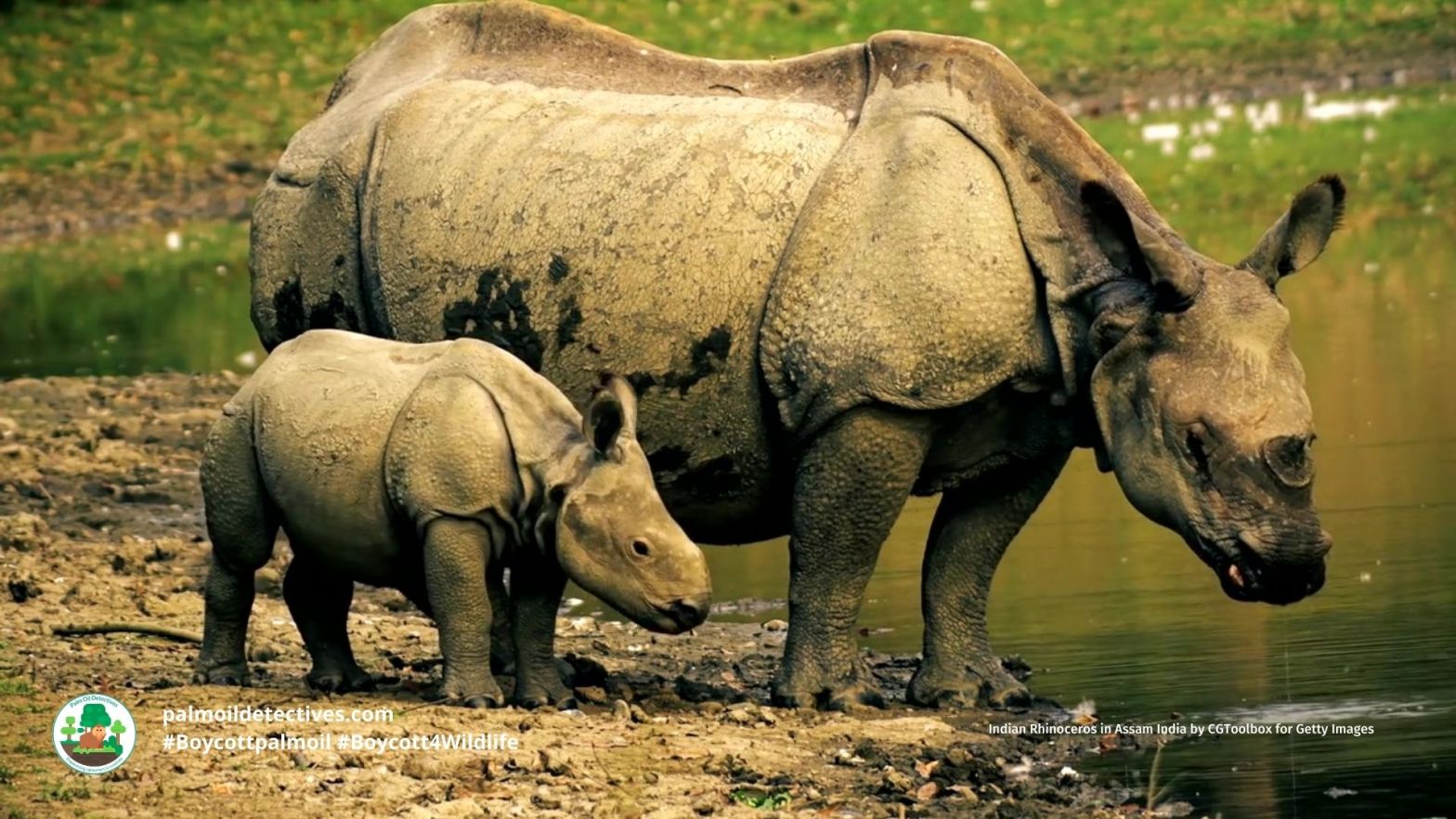
The largest of the three rhino species in Asia, the Indian Rhino has a distinctive and unique armour-plated look which lends them a fairytale quality that has captivated admirers for aeons. Although Indian rhino numbers have climbed over the past decades due to conservation, they are under imminent threat from the expansion of palm oil deforestation in the Assam region of India. A protected national park there is earmarked for destruction. Use your wallet as a weapon every time you shop and #Boycottpalmoil #Boycott4Wildlife
Bonobo Pan paniscus
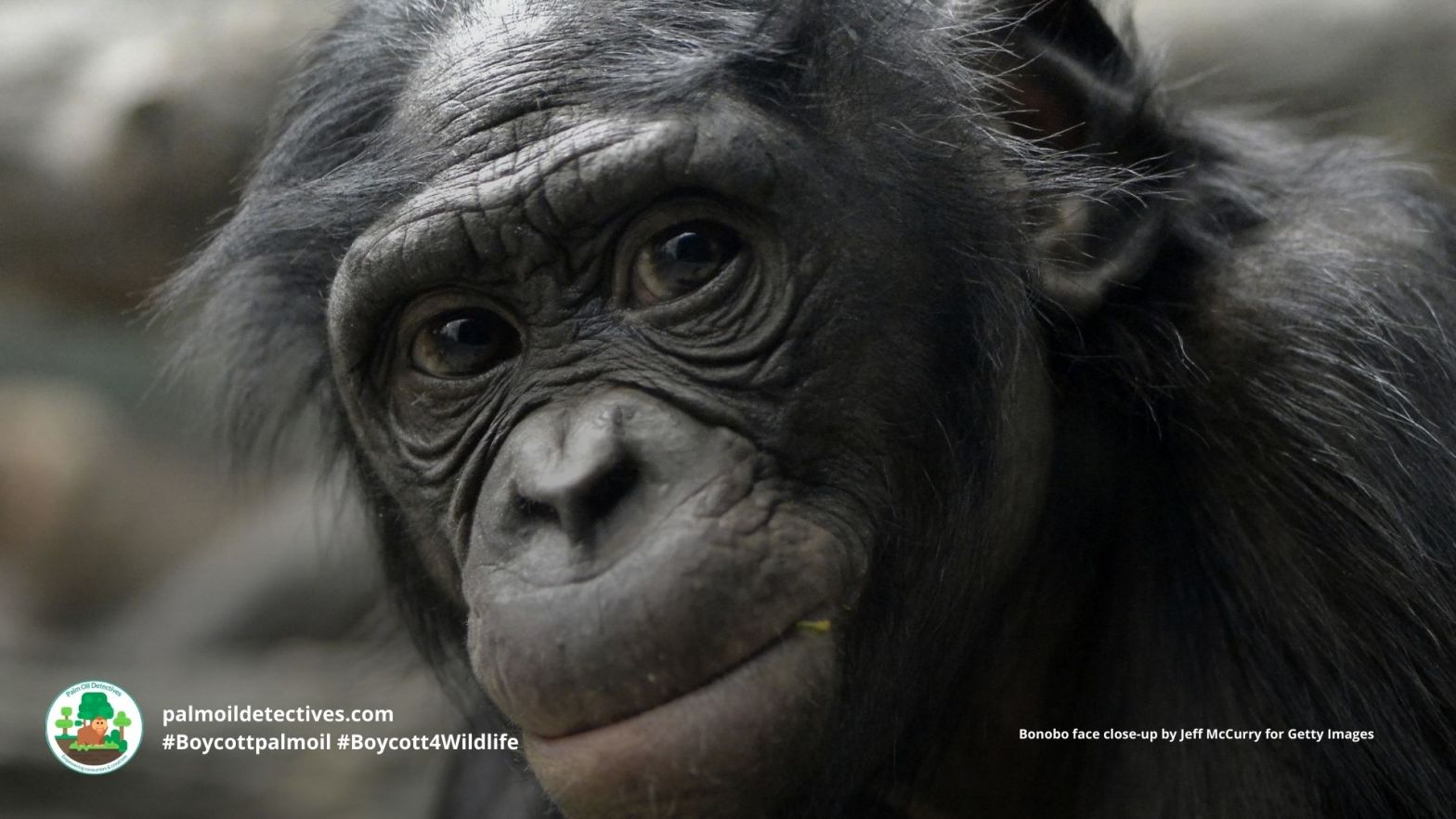
Bonobos share 98% of their DNA with humans and are one of our closest extant relatives. They are complex beings with intricate social relationships, they demonstrate profound intelligence and emotional sensitivity.
It is therefore fitting that 14th of February, Valentine’s Day is also the International Day to celebrate Bonobos – Bonobos provide a potent example to humans for how we can resolve conflicts through love and non-violent conflict resolution. They are endangered in DRC/Congo from infectious diseases, illegal poaching and deforestation for palm oil, cocoa and meat and mining throughout their home range. Help their survival every time you shop – be vegan and #Boycottpalmoil #Boycott4Wildlife.
Africa is becoming the new frontier for oil-palm plantations, which offers excellent economic prospects in countries with appropriate rainfall, soil and temperature conditions (Rival and Levang 2014). A staggering 99.2% of the Bonobo’s range is suitable for oil palm (Wich et al. 2014), highlighting the enormous risk the palm-oil industry will pose unless sustainable management plans are developed and implemented to protect great apes and their habitats (IUCN SSC Primate Specialist Group 2014).
Andean Night Monkey Aotus miconax
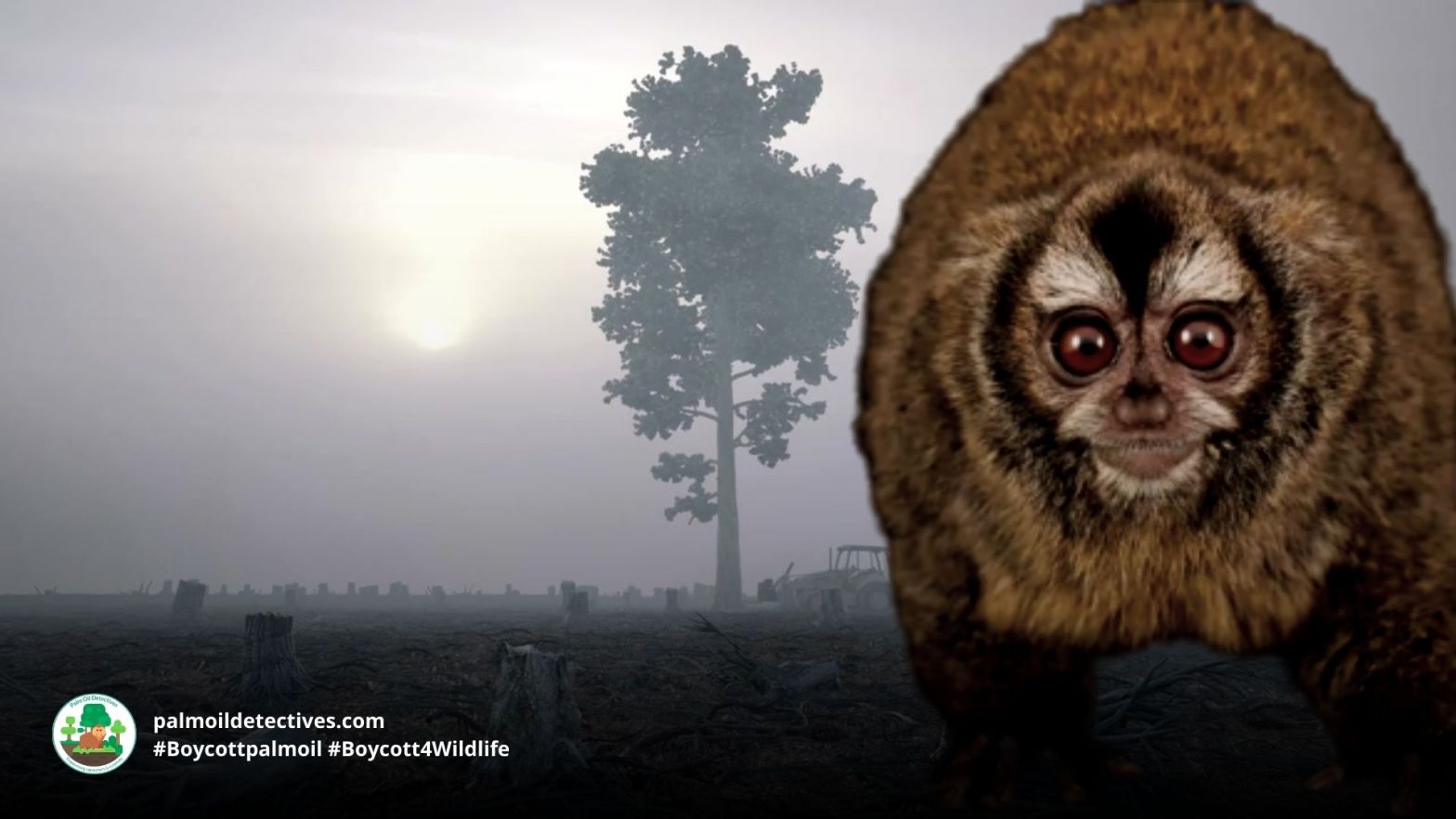
Known for their expressive big eyes, Peruvian Night Monkeys are one of the rarest and most beautiful monkeys in the world. They are critically endangered by mining, palm oil and meat deforestation. Help them every time you shop and be vegan, #Boycottpalmoil #Boycott4Wildlife!
Barasingha Cervus duvauceli
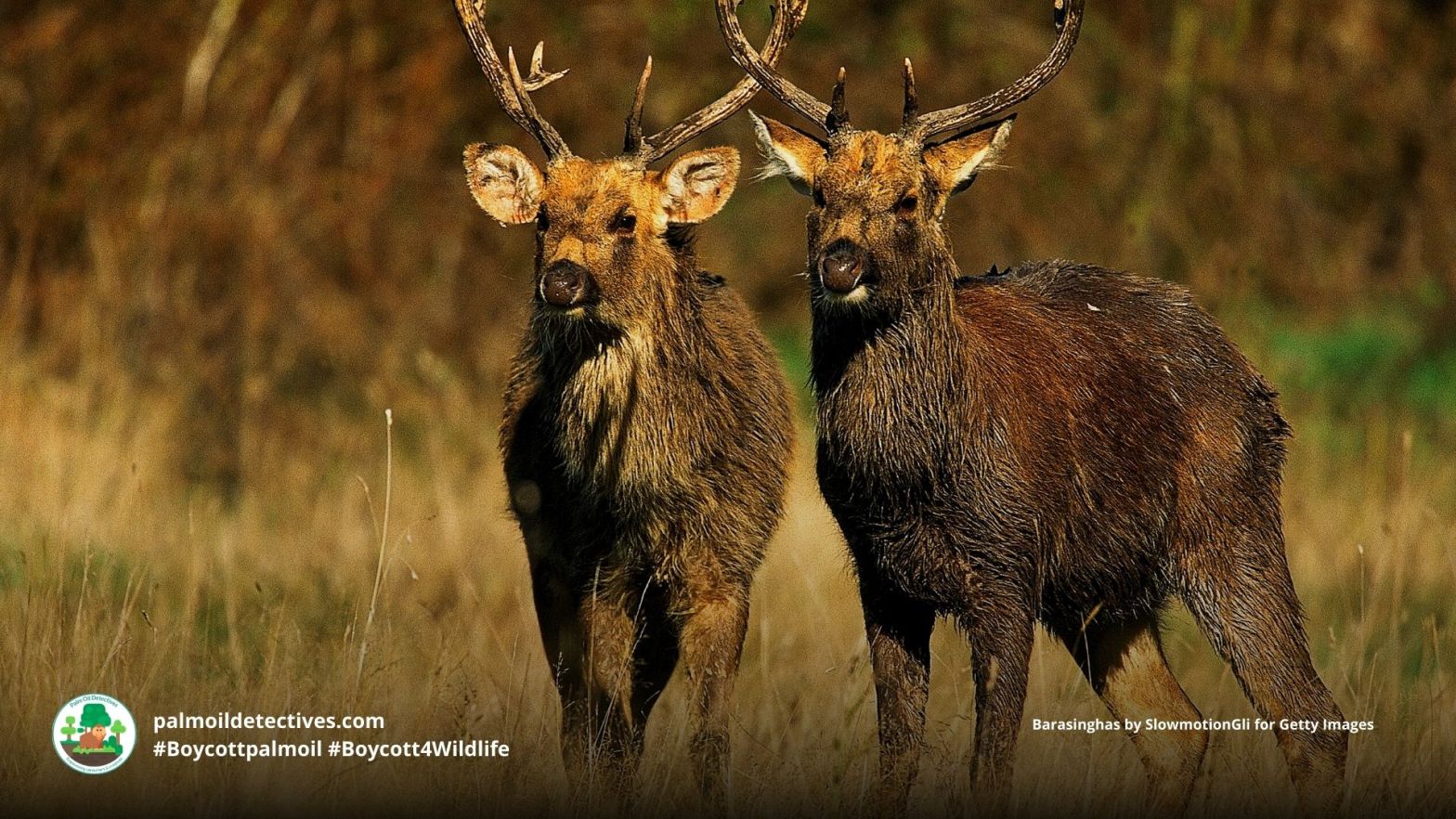
Barasinghas Cervus duvauceli also known as Swamp Deers, are instantly recognisable for their enormous handsome antlers. They can have as many as 12 antlers and their namesake Barasinghas means ’12 antlered deer’ in Hindi. They are now one of the most endangered deer species in the world due to habitat fragmentation for palm oil and beef, along with human persecution and hunting. The only remaining population live in protected sanctuaries in India and Nepal. The herd will be led by a single female and then followed by other females in a procession and then the males follow along at the rear of the group. Despite this, females are not dominant over the herd. These resilient, tough and majestic deer species are classified vulnerable on IUCN Red List. If you want to help them, adopt a #Vegan lifestyle and #BoycottPalmOil #Boycott4Wildlife in the supermarket!
Ultra-processed Foods: Trashing Health and The Planet

Our world is facing a huge challenge: we need to create enough high-quality, diverse and nutritious food to feed a growing population – and do so within the boundaries of our planet. This means significantly reducing the environmental impact of the global food system. Below is information about how you can identify ultra processed foods containing palm oil and other harmful ingredients in order to avoid them – for your own health and the health of the planet. Help the planet, animals and indigenous peoples – #BoycottPalmOil #Boycott4Wildlife
Dhole Canis Cuon alpinus
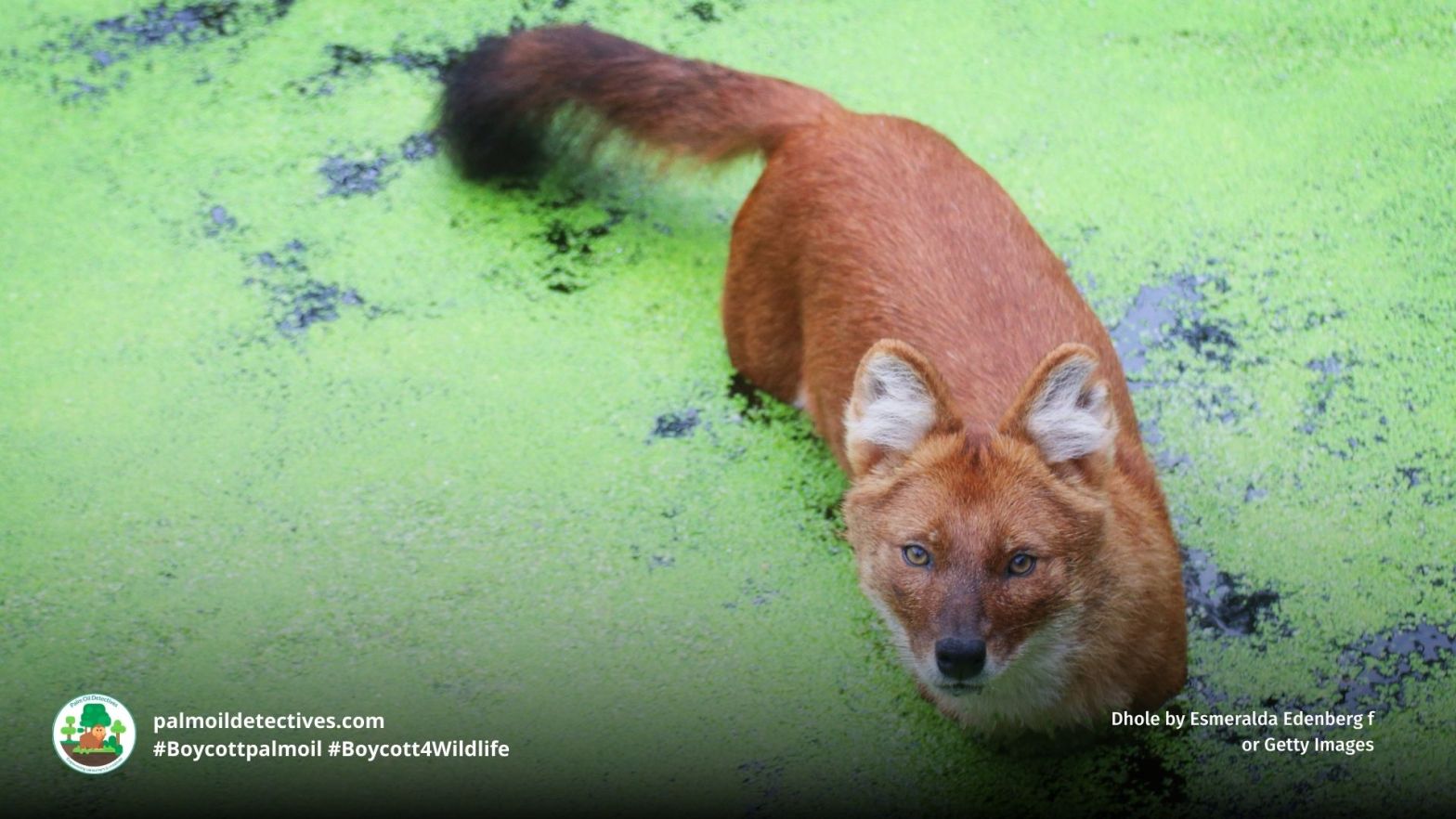
Fiercely protective, elusive and beautiful #Dholes are an ancient species of #wilddog that diverged from other dog species millions of years ago living in #Bangladesh, #Cambodia, #China, #India, #Indonesia, #Laos, #Myanmar, #Nepal and #Thailand. Dholes are also known as Asiatic Wild Dogs, Indian Wild Dogs, Red #Wolves and Mountain Wolves. Once found across the Russian Steppe, China, the Middle East and northern Asia their range has been fractured and reduced dramatically by human-related pressures and threats. Ongoing major threats are #deforestation for #meat and #palmoil along with human persecution. They are now classified as Endangered on IUCN Red List. Help them to survive, every time you shop #BoycottPalmOil #Boycott4Wildlife
Golden Langur Trachypithecus geei
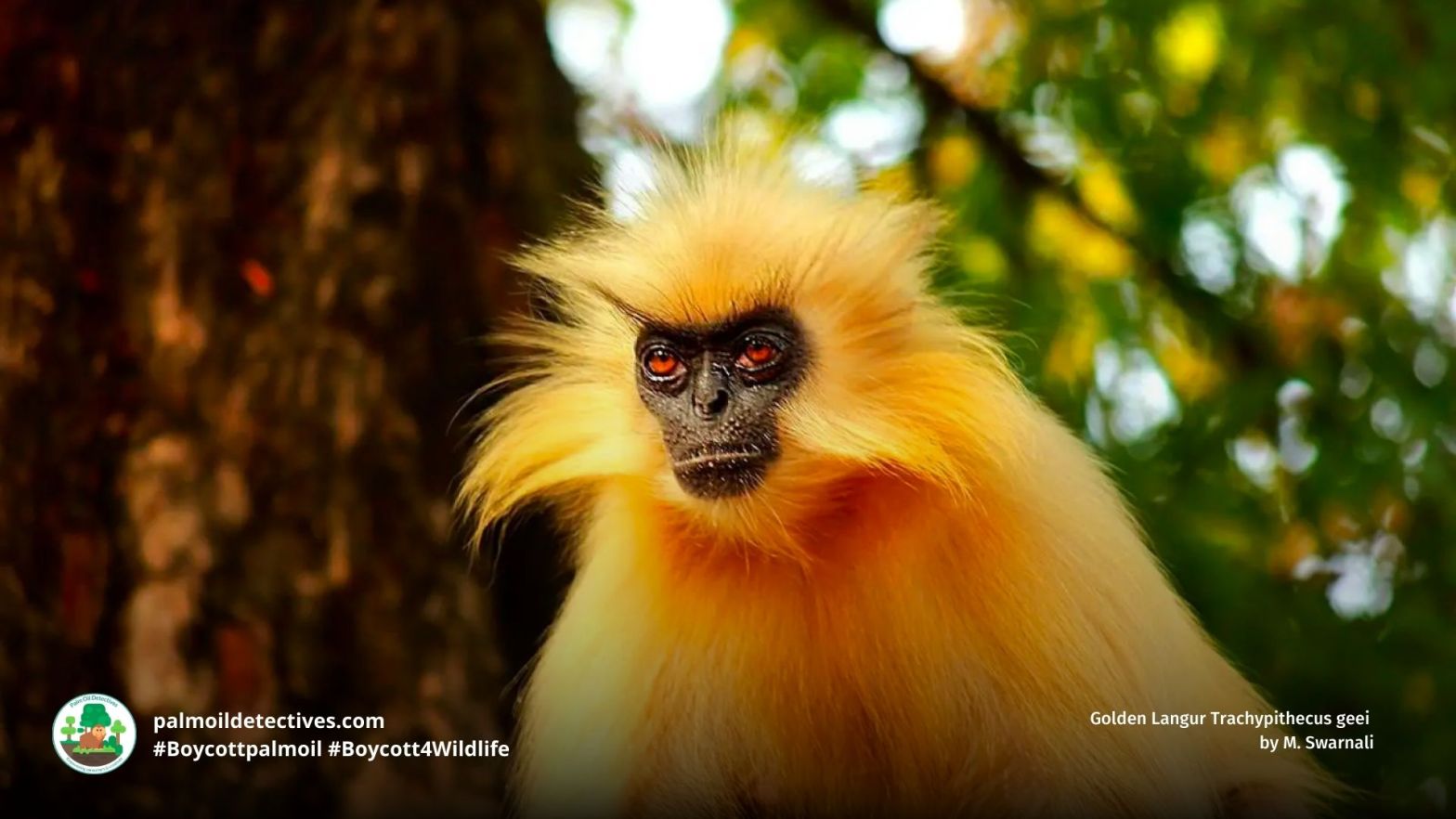
The regal, striking looking Golden #langurs Trachypithecus geei is also known by the common names Gee’s Golden #langur. They are the most endangered primate species in #India and are considered to be sacred to many Himalayan peoples. Once widespread, they are now only found in a handful of fragmented forests straddling India and Bhutan. They are classified as endangered due to #palmoil, #meat and #timber #deforestation and hunting. Golden langurs are known for their expressive eyes and grumpy expressions. This has made them the subject of global fascination and online memes. Help them every time you shop and be #vegan, #Boycottpalmoil and #Boycott4Wildlife
White-Nosed Saki Chiropotes albinasus
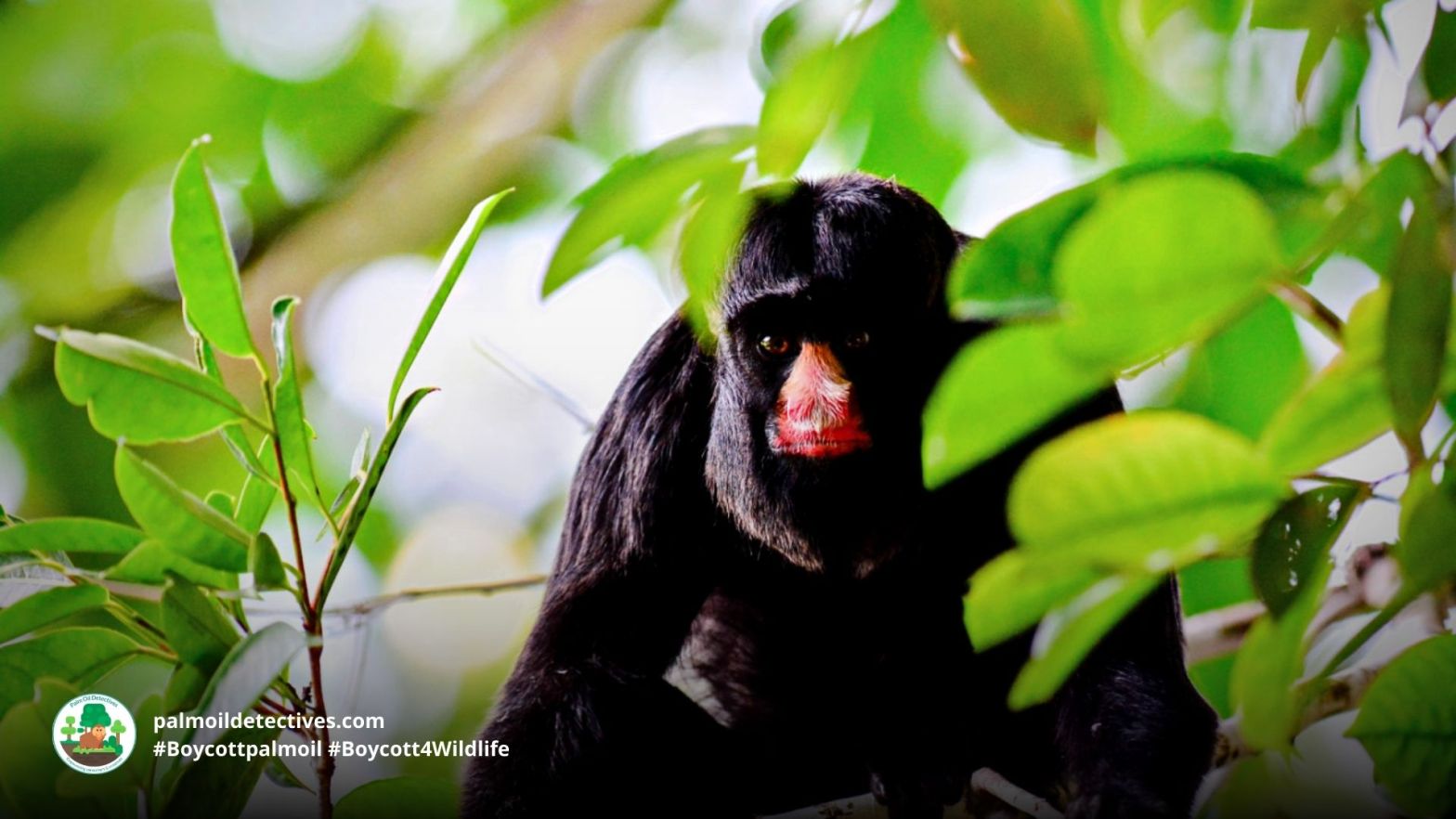
Curious, social and beautiful White-Nosed Sakis are striking and unusual looking #primates. This vulnerable primate is instantly recognisable by their long, silky black fur, reddish-pink noses, and distinctive hair tufts crowning their heads. The white-Nosed Saki’s range spans the shaded forests south-west of the Dos Marmelos river, where they are vulnerable from human-related threats including #palmoil, #soy and #meat #deforestation, #goldmining and human persecution. They deserve us to fight for their survival. Help them every time you shop and be #Vegan #BoycottPalmOil and #Boycott4Wildlife
Amazon River Dolphin Inia geoffrensis
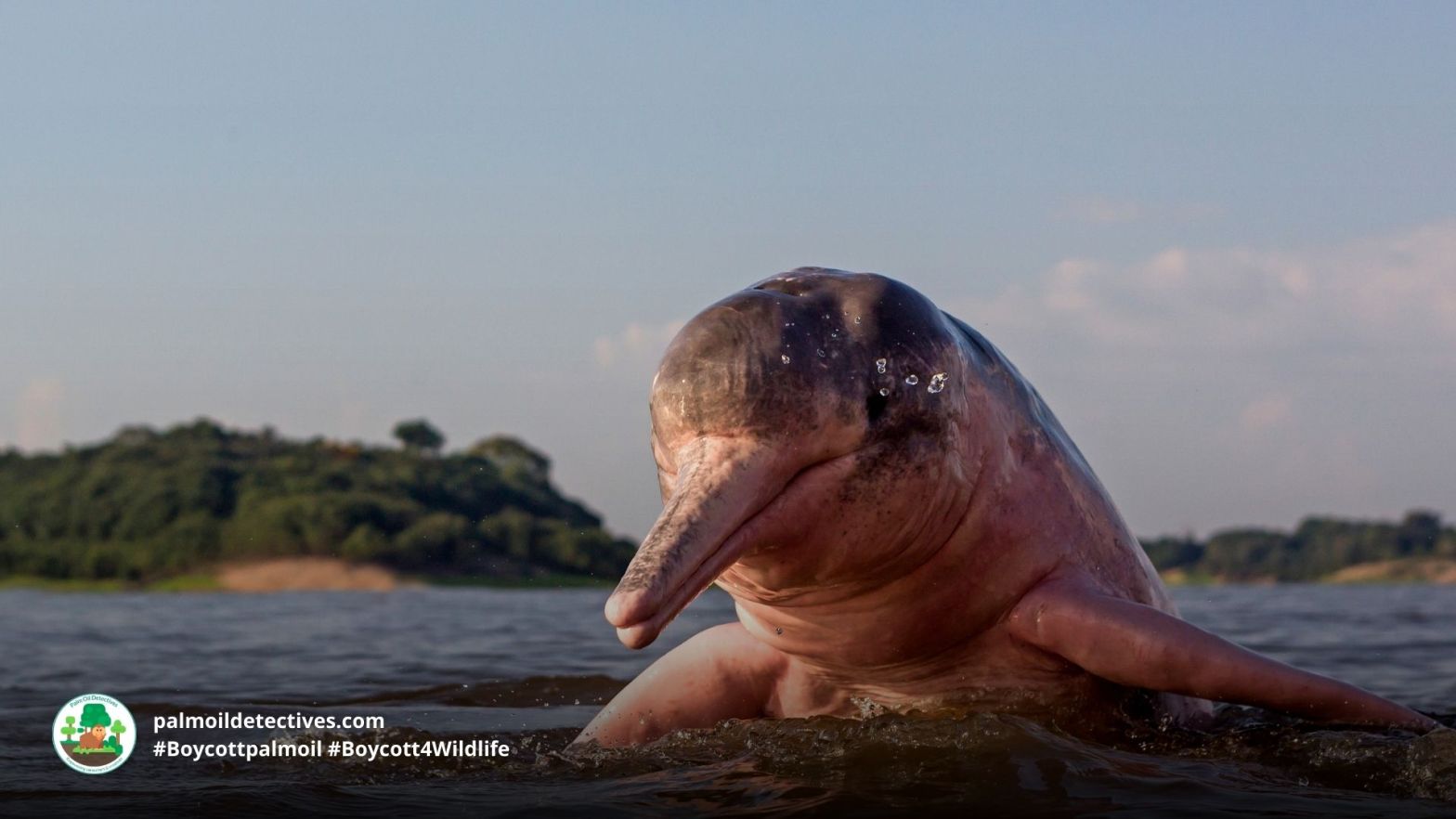
The Amazon River dolphins, also known as the Boto Dolphins or Amazon Pink River Dolphins are playful, curious and intelligent mammals, the largest river dolphin species in the world. Known for their stunning pink coloured skin they are endangered due to human-related threats like #palmoil, #meat and #soy #deforestation, #gold #mining and #pollution. Help them survive each time you shop and use your wallet as a weapon. Be #vegan, #Boycottpalmoil and #Boycott4Wildlife
African Dwarf Crocodile Osteolaemus tetraspis

African Dwarf #Crocodiles are timid #nocturnal animals and solitary hunters. They predate mainly on small animals in rivers or nearby to the riverbank. They are also known as the Broad-Snouted Crocodile or the Bony Crocodile are the smallest extant species of crocodile in the world and are typically around 1.5 metres in length. They face persecution by humans and other animals and spend most of their daylight hours resting in burrows they make along riverbanks in #WestAfrica and Central Africa. They are vulnerable from #timber #palmoil #soy #meat #deforestation and hunting. Help them survive and be #vegan, #Boycottpalmoil #Boycott4Wildlife
Buffy-tufted-ear Marmoset Callithrix aurita

Buffy-tufted-ear Marmosets are enchanting monkeys living in a tiny, isolated region of Brazil’s Atlantic Forest. Fight for them and boycott palm oil!
Spectacled Bear Tremarctos ornatus
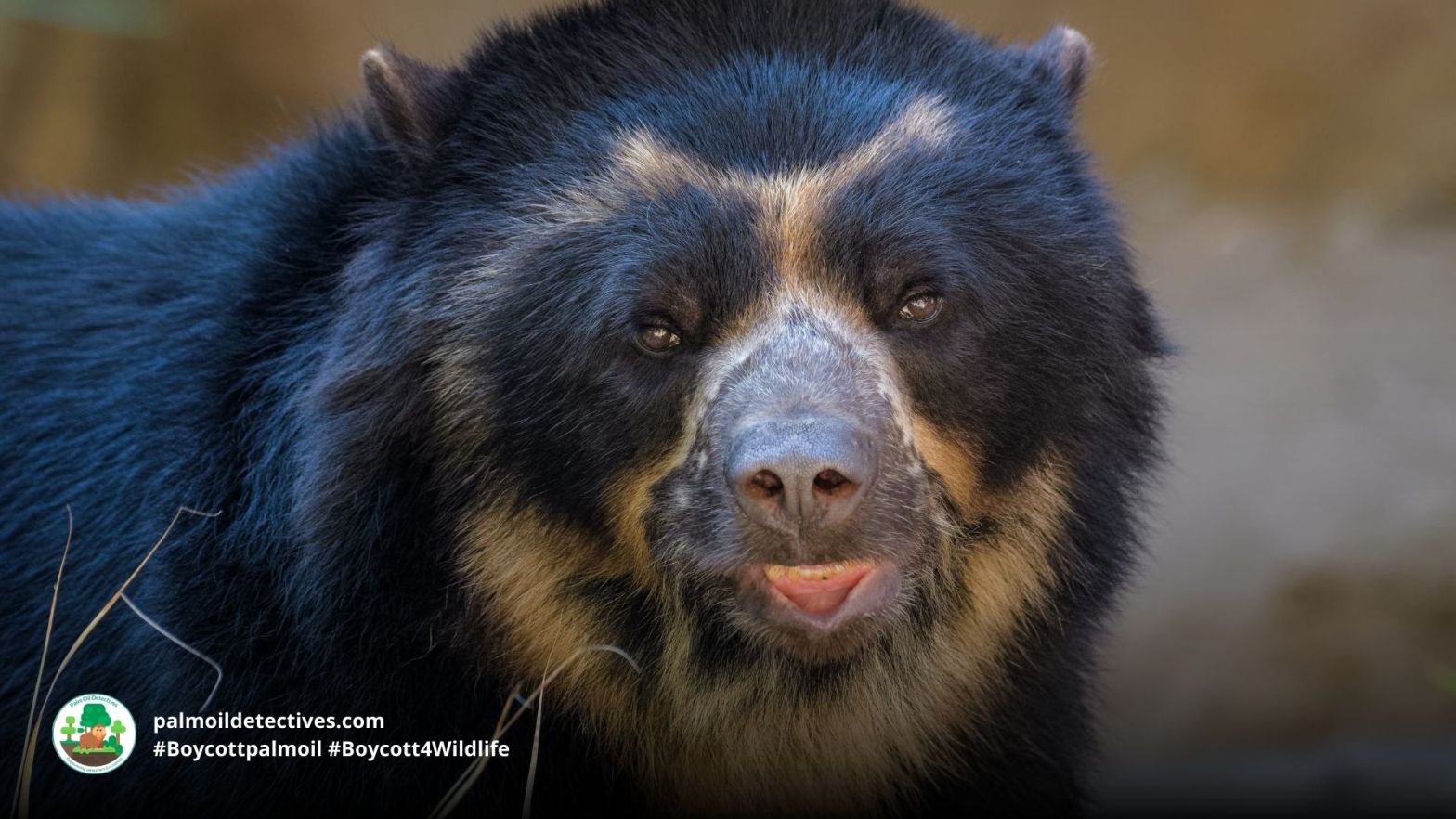
Spectacled #bears are known as the ‘peaceful and gentle bear’. They are the only bear living in the tropics of South America. Like many other animals in tropical ecosystems they are #endangered. They get their name from their eye-catching markings around their eyes, face and neck that resemble spectacles. Each bear has unique markings like a fingerprint and some bears don’t have them at all.
They are found throughout the thin line of Peruvian rainforest and their range stretches across several countries: Bolivia, Ecuador, Peru, Venezuela and Colombia. Their main threats are habitat loss to #gold #mining, timber, #meat, #palmoil and #soy as well as #hunting. Protect them each time you shop by being #boycotting meat, be #vegan #boycottpalmoil #Boycott4Wildlife
Four Things to Know about Cholesterol

Cholesterol is among the most feared substances, but why? You need cholesterol to produce some hormones and to build vital structures in your body. But too much-referred to as high cholesterol-can build up in your arteries and lead to heart attack, stroke, and other cardiovascular diseases. That’s why it’s important to get tested and knowContinue reading “Four Things to Know about Cholesterol”
What is causing the latest outbreak of Ebola in Uganda?
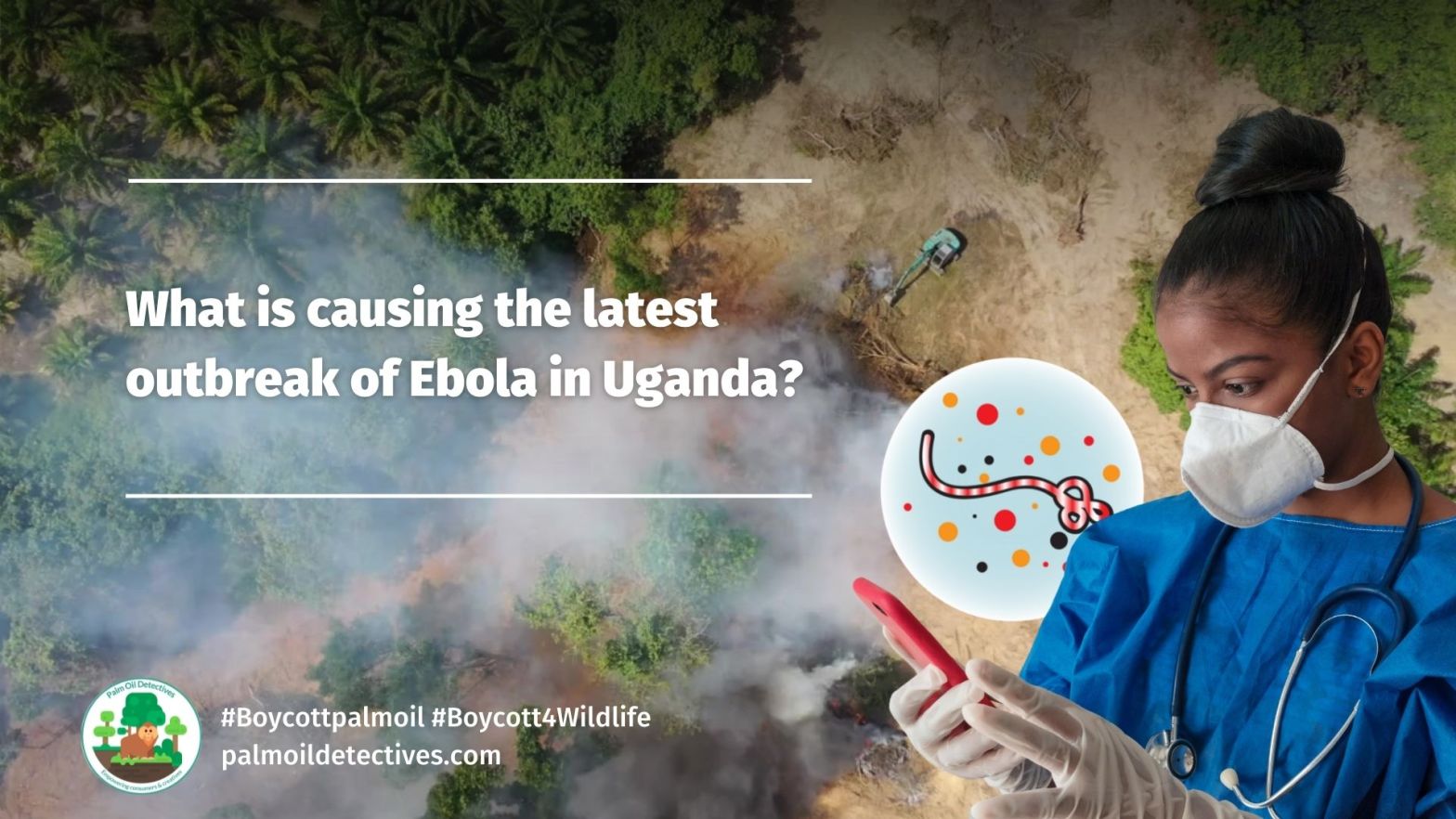
In light of the most recent Ebola outbreak in Uganda (over the past month), many people are experiencing a sense of déjà vu. The rapacious destruction of rainforests for palm oil, soy, meat and dairy by multinational corporations is deeply linked to the spread of infectious zoonotic diseases, such as Ebola. These diseases are becoming more and more commonplace with the destruction of the environment and growth of animal agriculture. This has enormous implications for human #health, food security, animal conservation and planetary health. #BoycottPalmOil #Boycott4Wildlife
Kaapori Capuchin Cebus kaapori
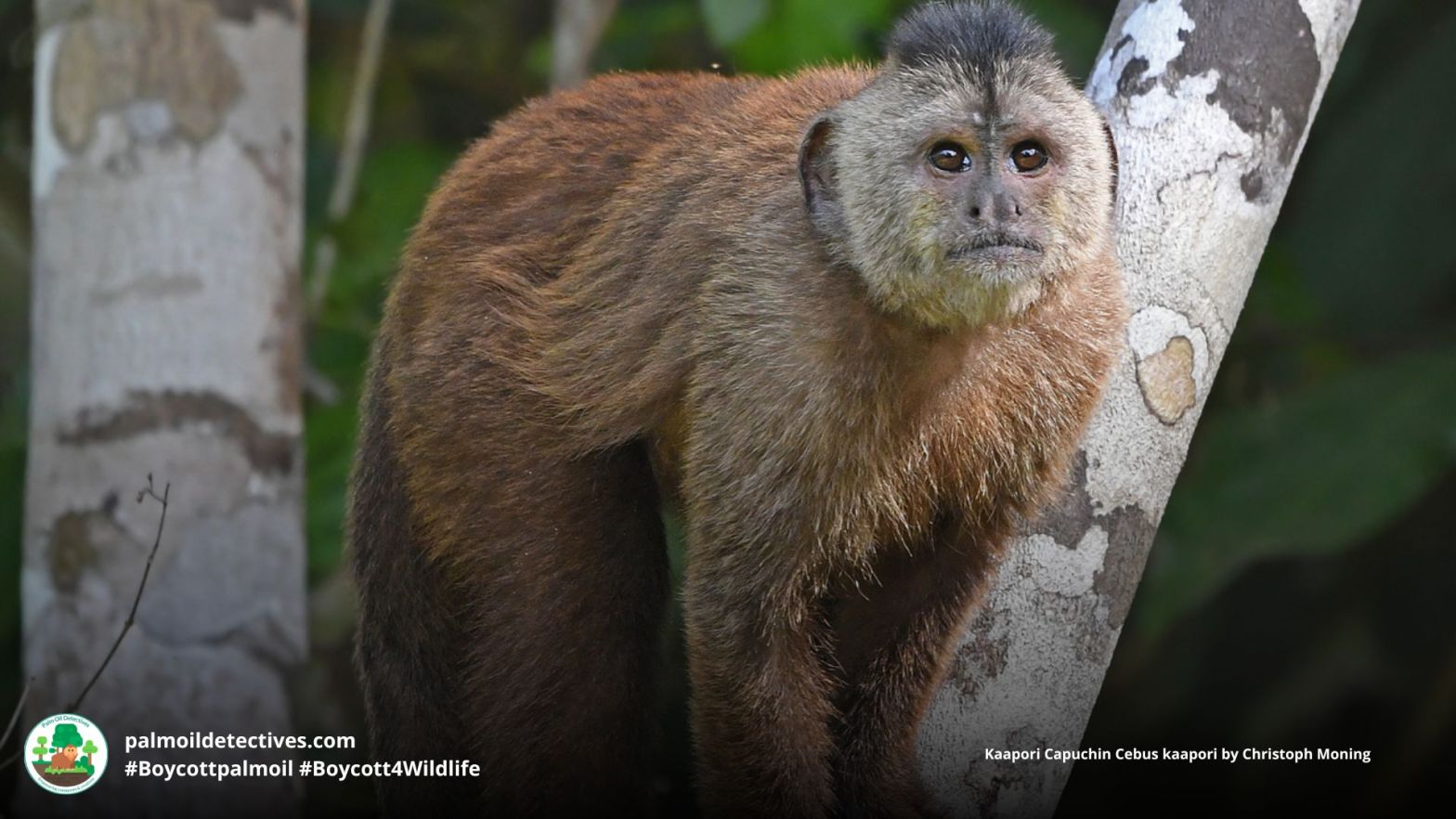
The Kaapori capuchin is a delightful, tenacious and intelligent small monkey species of #Brazil on a knife-edge of survival – they are critically endangered. In 2017 their population had been decimated by 80% due to deforestation for agriculture including soy, cattle grazing and palm oil. They are forgotten animals with no formal protections in place. Fight for them every time you shop and be #vegan #Boycottpalmoil #Boycott4Wildlife
Jaguar Panthera onca
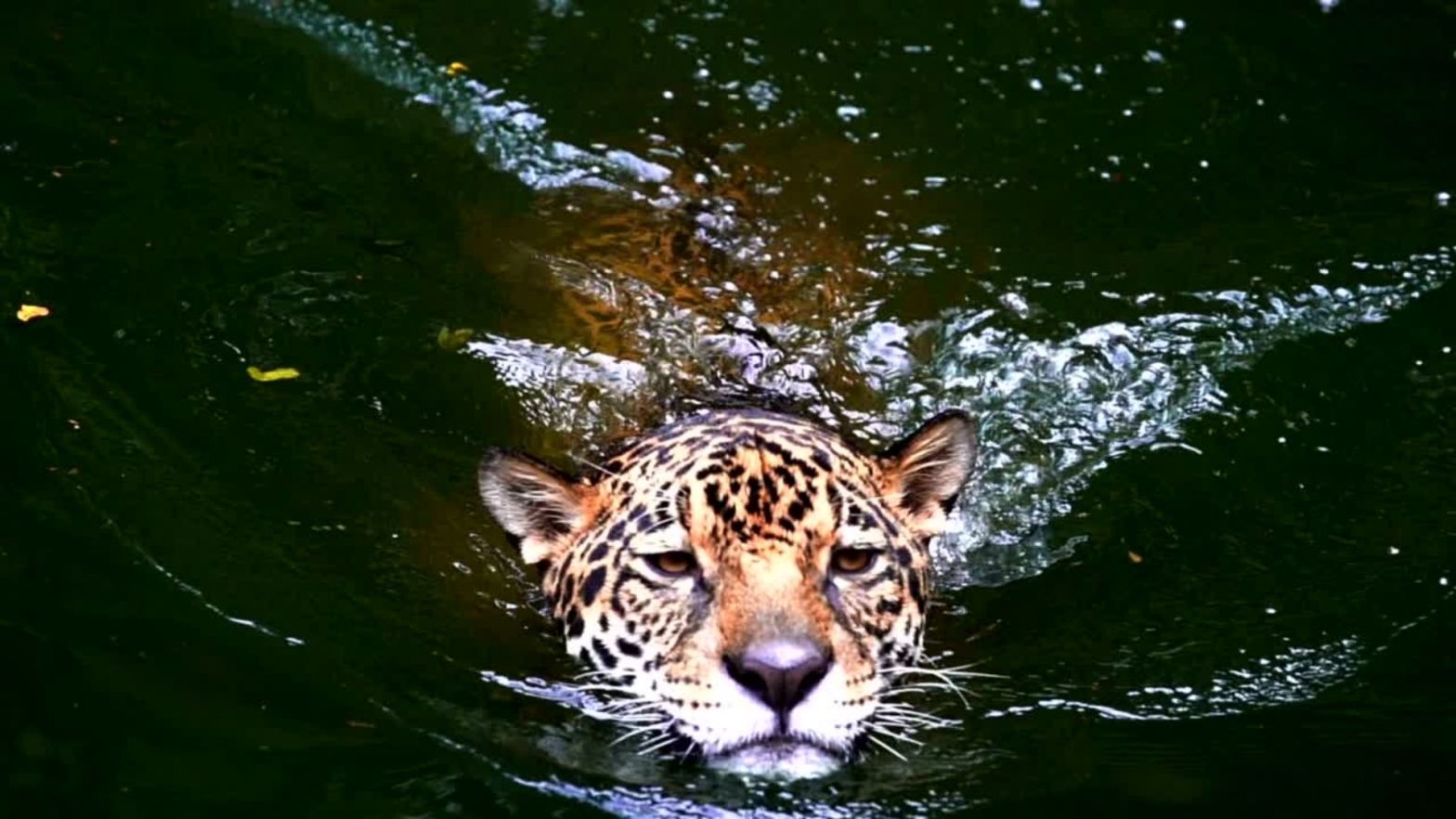
Jaguars, currently deemed Near Threatened, face a substantial habitat reduction of up to 25% in just over two decades. This decline stems from rampant deforestation for palm oil, soy, and meat, as well as illegal poaching for trophies and body parts. These magnificent creatures also suffer from conflicts arising due to livestock depredation and competition with human hunters for food. Aggravating the issue, Latin America’s widespread agricultural industries, like soy, palm oil, and cattle ranching, mainly serve foreign markets rather than local needs. Let’s step up and use our wallets as a weapons! Be #vegan #Boycottpalmoil #Boycott4Wildlife.
Hippopotamus Hippopotamus amphibius
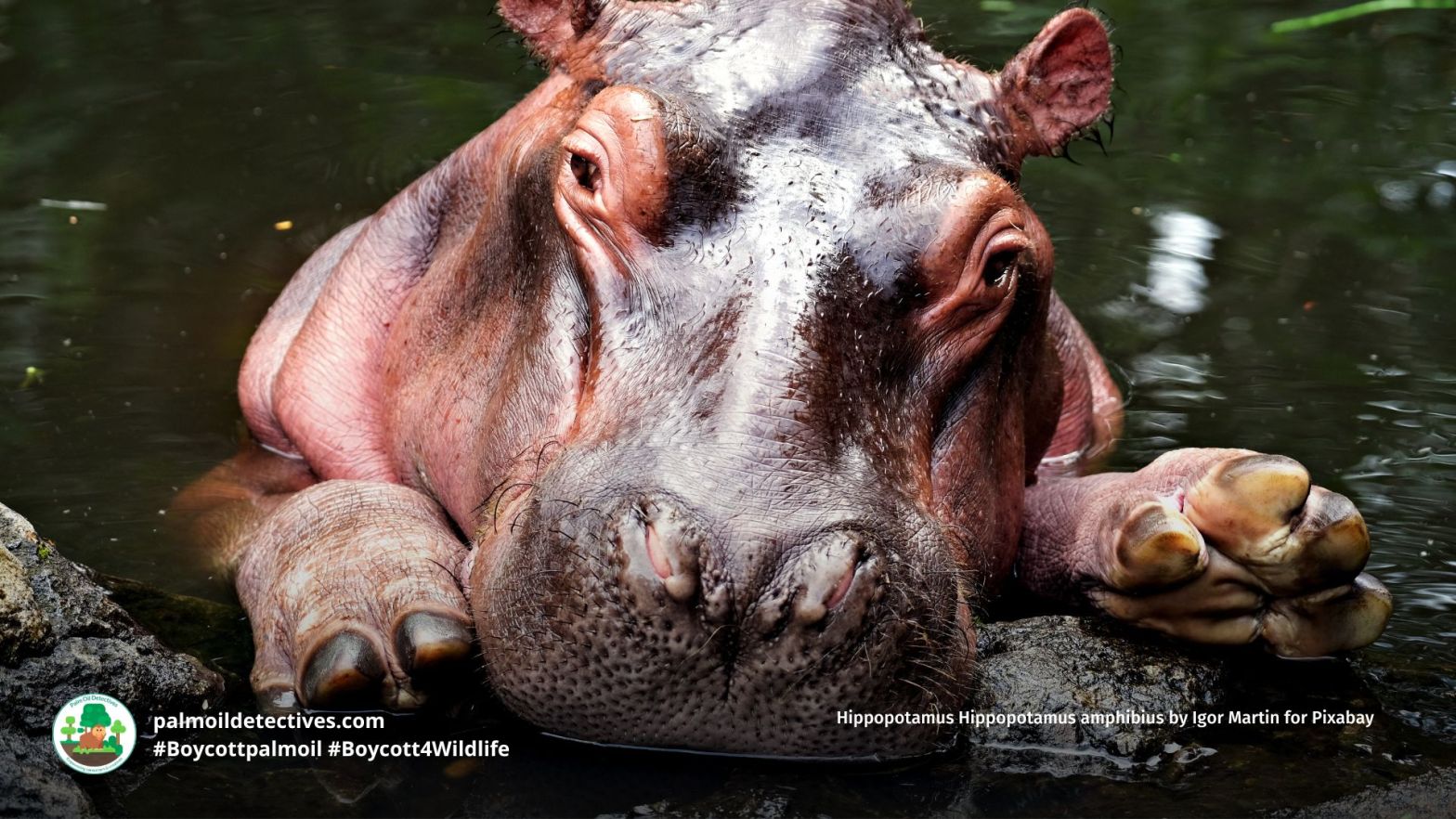
The Common Hippopotamus, or Hippo, is a powerful and enduring symbol of Africa’s rivers and wetlands. Once common throughout all of Africa and the revered subjects of African folklore —their populations are now in peril. Hippo numbers plummeted in the 1990s and early 2000s due to unregulated #hunting and land conversion for #palmoil #cocoa and #tobacco #agriculture and human settlement. Although some strongholds remain in East and Southern Africa, many populations are in decline across #WestAfrica and Central Africa. Hippos are now listed as #Vulnerable on the Red List, with threats from freshwater habitat loss, illegal hunting for meat and ivory, and increasing conflicts with people. Use your voice and your wallet to push for stronger protections for Hippos and their riverine homes. #BoycottPalmOil #Boycott4Wildlife
Health Physician Dr Evan Allen

Bio: Dr Evan Allen Dr. Evan Allen, the author of Oversaturated, believes that a pervasive distortion of the truth ignores decades of established research and has led millions of people to embrace a diet high in saturated fat. Furthermore that this diet results in millions of people suffering the consequences of diabetes, dementia and heart diseaseContinue reading “Health Physician Dr Evan Allen”
Boycotts A Great Weapon to Fight Ecocidal Corporates
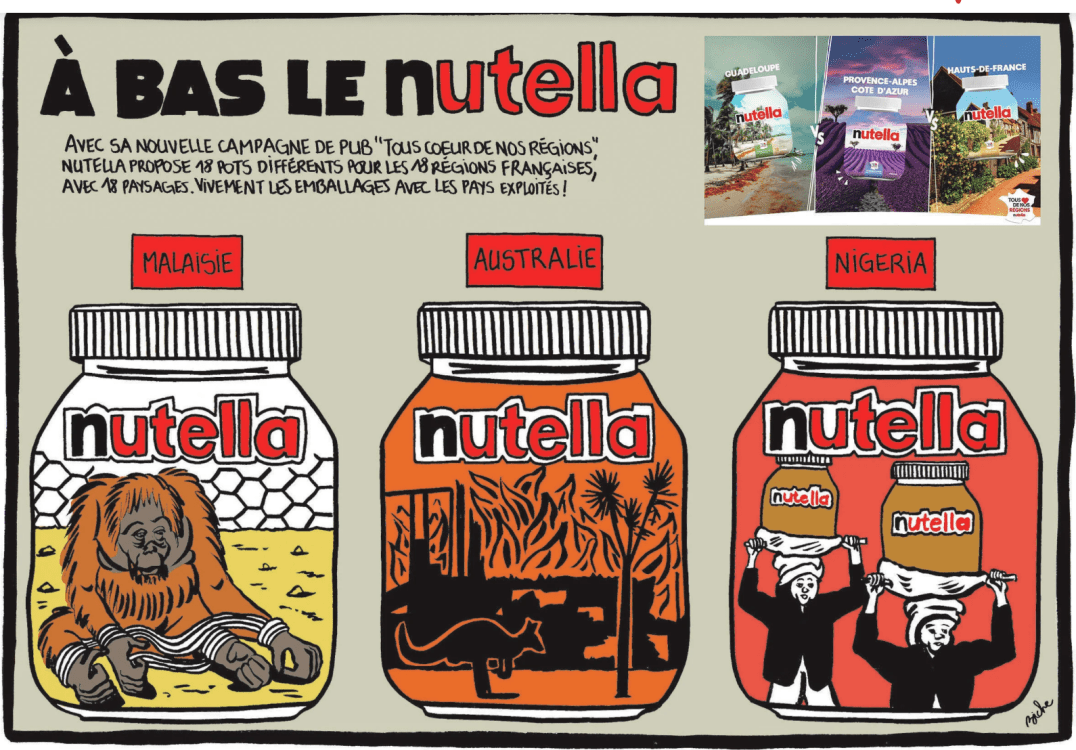
Boycotts against corrupt commodities like palm oil and meat are effective because they hit where it hurts, corporate giants’ profit margins and reputations
In the Atlantic Forest, the lowland tapir is at risk of extinction
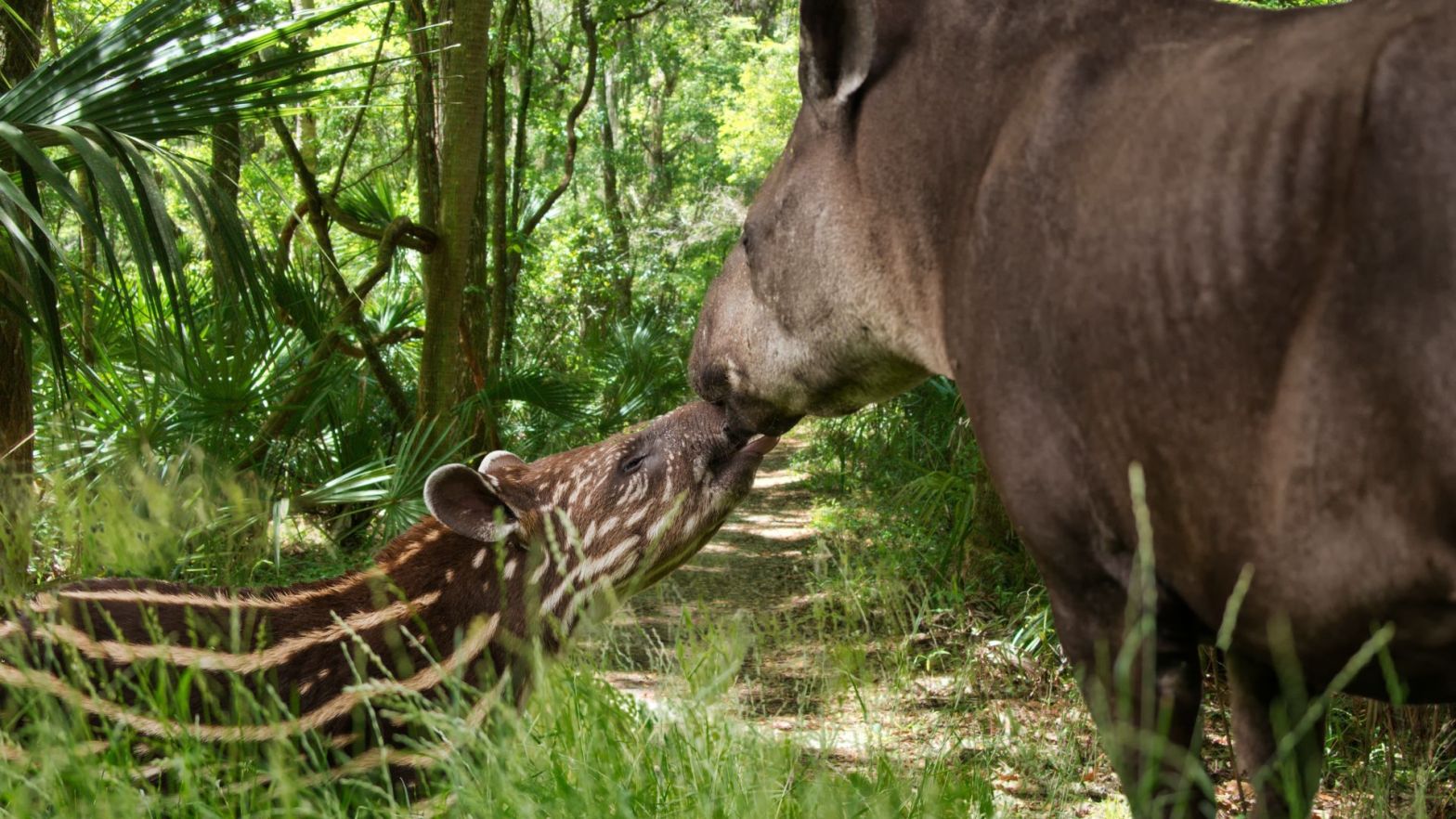
Lowland tapir populations in the Atlantic Forest in South America are at risk of almost complete disappearance, scientists have estimated. Weighing up to 250 kg, the animal can adapt to most habitats in South America—but its populations continue to decline across their range. Take action for these beautiful irreplaceable animals every time you shop, be #vegan for forests, farmed animals and wild animals and #BoycottPalmOil #Boycott4Wildlife
Ecuadorian White-fronted Capuchin Cebus aequatorialis
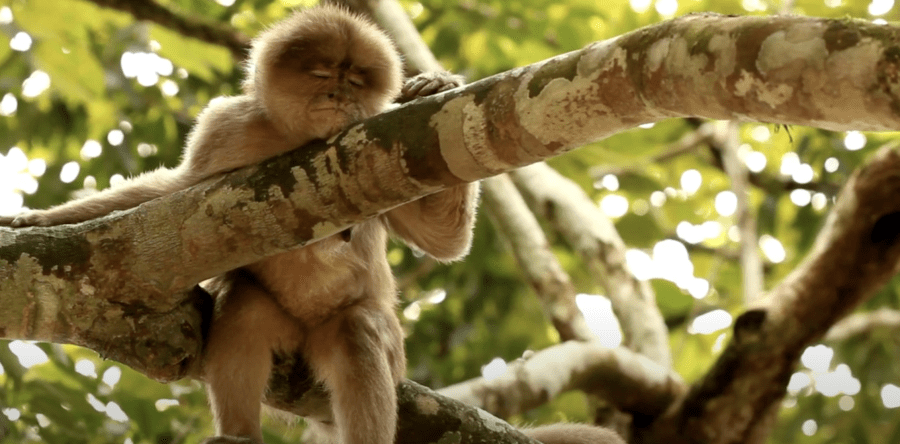
Ecuadorian White-fronted Capuchins face habitat loss to palm oil, hunting, and mining. Less than 10,000 remain. Support forest defenders. #BoycottPalmOil
Greenwashing Tactic 9: Partnerships, Sponsorships and Research Funding
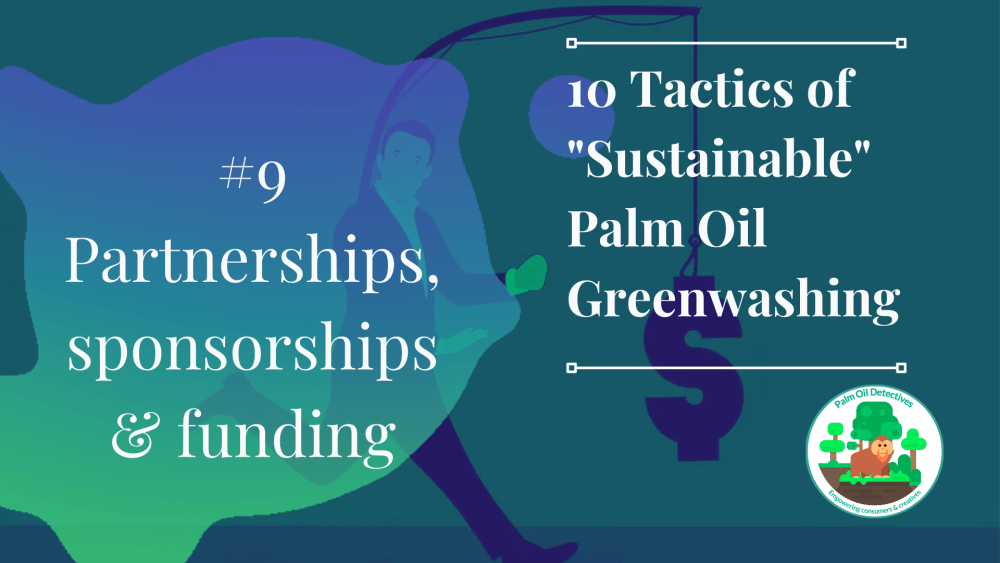
Greenwashing Tactic 9. Corporations use NGOs, Zoo partnerships, sponsorships, and research funding to give an industry or brand a ‘green image.
Santa Marta White-fronted Capuchin Cebus malitiosus
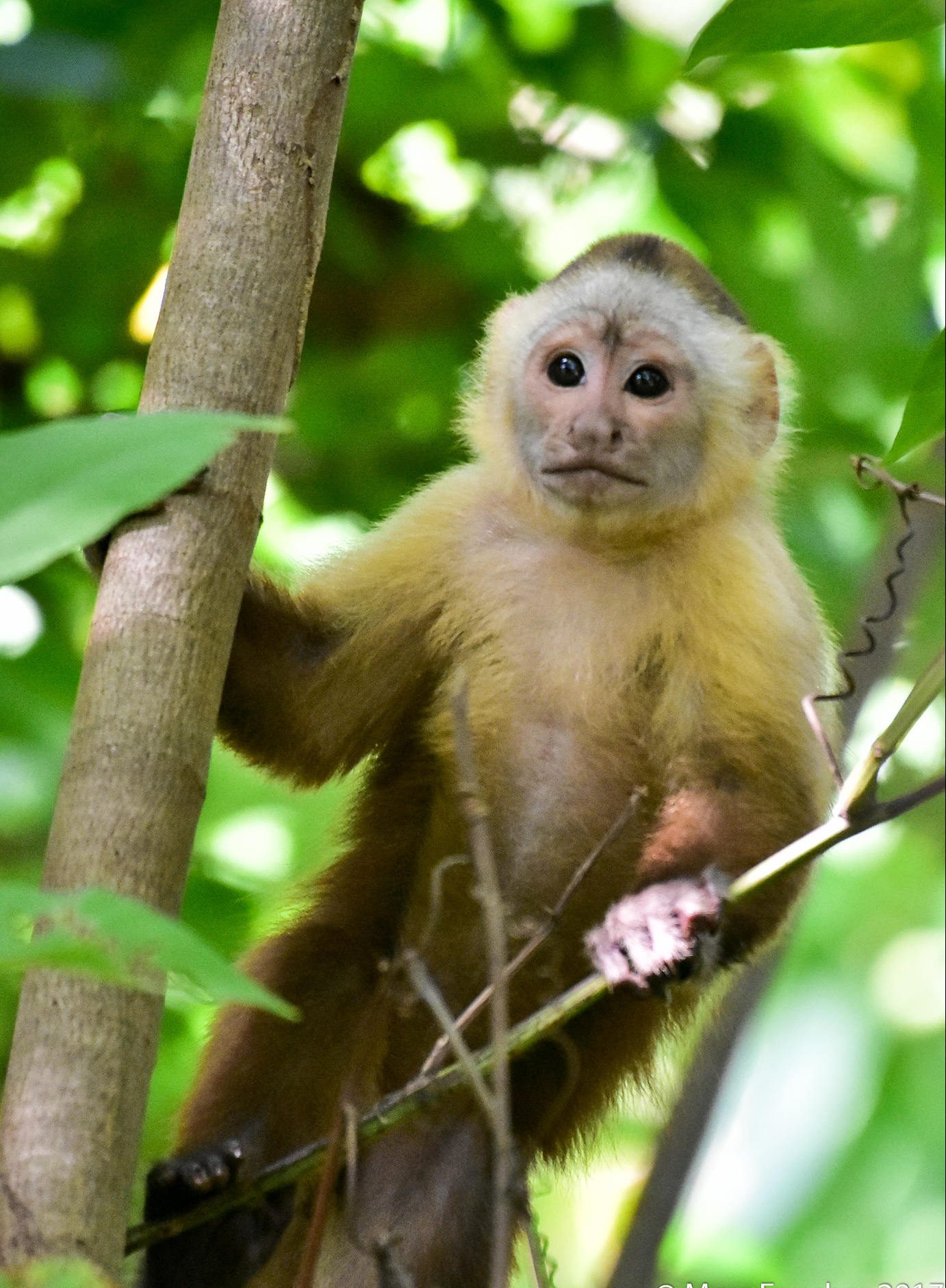
Santa Marta White Fronted Capuchins are Colombian primates threatened by severe habitat loss from cattle ranching and palm oil. Boycott palm oil and meat!
Pygmy Marmoset Cebuella niveiventris and Cebuella pygmaea

The petite pygmy #marmoset, the world’s tiniest true #monkey, boasts a mix of brownish-gold, grey, and tawny fur. These little wonders, weighing just around 100 grams, communicate uniquely using chemical, vocal, and visual cues to ensure group safety and harmony. Although these #marmosets prefer river-edge forests and can adapt to secondary forests, their homes are under serious threat. Rampant #deforestation for #meat, #goldmining, and #palmoil cultivation are eroding their habitats, pushing the subspecies Cebuella niveiventris towards a “Vulnerable” status. The situation is dire, with an estimated 30% reduction in their population in just 18 years. Protect these delicate creatures and their home – use your wallet as a weapon, be #vegan, #BoycottPalmOil, and #Boycott4Wildlife.🌳🐒
Giant Anteater Myrmecophaga tridactyla

Giant Anteaters have a striking and unforgettable appearance. They are covered in wiry, grey and brown fur with a distinctive black and white stripe running along their bodies. Their elongated snouts and long, sticky tongues are perfectly adapted for feeding on ants and termites. With their bushy tails and long, curved claws, they are supremely strange looking creatures, making them captivating to behold.
The Giant Anteater is classed as Vulnerable due to widespread deforestation and #palmoil, soy, meat, sugarcane and gold mining across their range. They are often victims to frequent deliberate and accidentally lit fires in the Amazon. These gentle creatures are becoming increasingly rare. But there’s a lot of actions you can take. Make sure you #Boycottpalmoil #BoycottGold #Boycottmeat and #Boycott4Wildlife to help them every time you shop.
Research: Boycotts Are Worthwhile and Effective

Despite sustained and vigorous attempts by corporates and industry certification schemes like RSPO, MSC and FSC to downplay the impact and effectiveness of consumer boycotts, it turns out that boycotts are impactful and drive social change. They force profit-first and greedy corporations to change their ways and do better. They also create a tangible sense of empowerment and agency for consumer-citizens who want to participate in civil society in a meaningful way in improving the world, both as individuals and in collective groups.
Northern Tiger Cat (Oncilla) Leopardus tigrinus
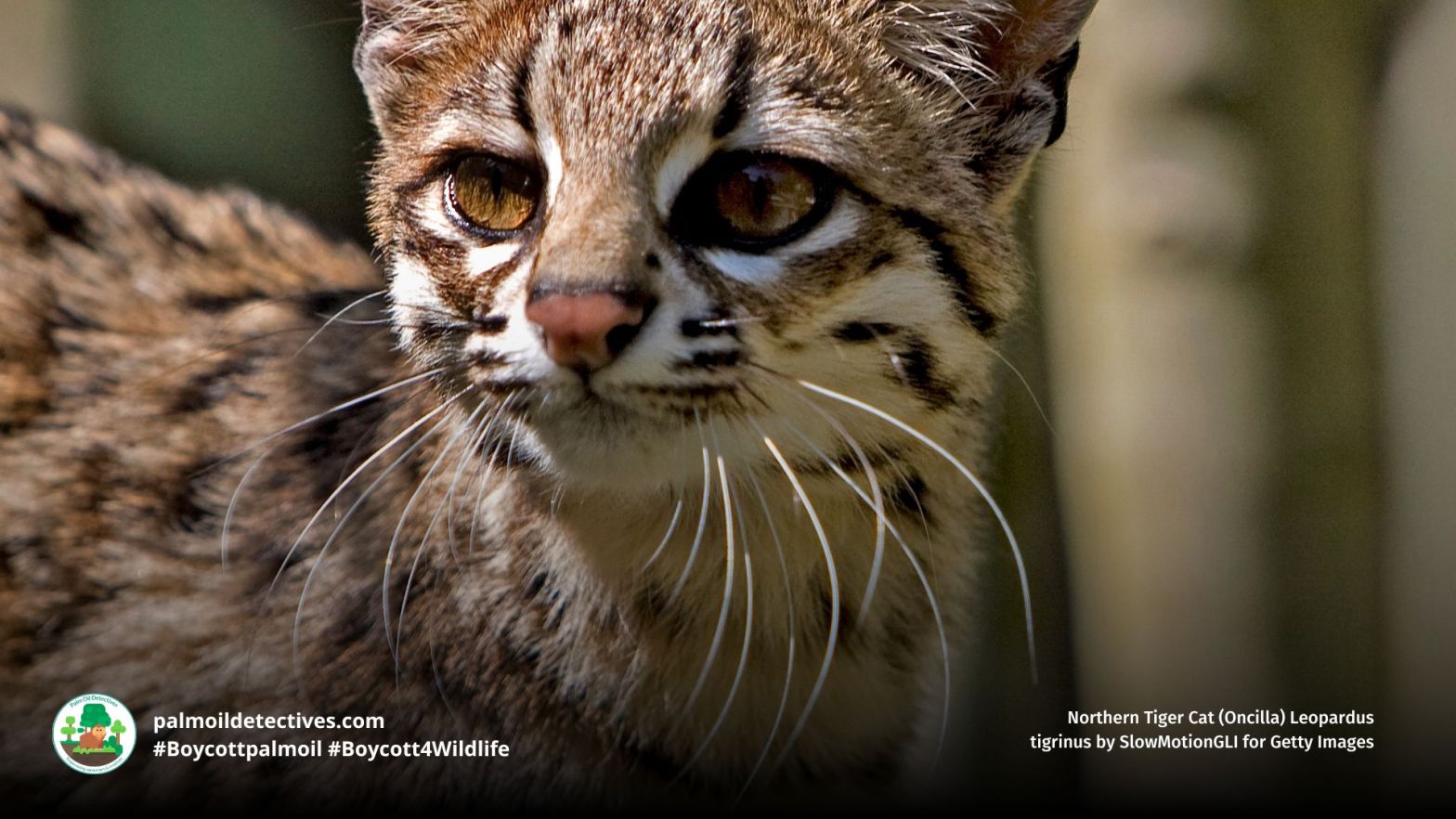
The northern tiger cat, also known as the oncilla (Leopardus tigrinus), is a captivating small wild cat native to Central and South America. Distinguished by their striking, leopard-like coat marked with dark rosettes and a sleek, agile body, this elusive feline is a master of stealth and survival in the dense forests and grasslands they inhabit.
The northern tiger cat is a tiny predator, weighing only 1.5–3 kg, yet they play a significant role in maintaining ecological balance as a keystone predator. These solitary creatures, though mostly ground-dwelling, are adept climbers. They communicate through purring as kittens and have a unique “gurgle” as adults. Their habitats range from the semi-arid Caatinga to the Andean cloud forests. Tragically, this species is classified as Vulnerable, with populations declining due to habitat destruction for palm oil, soy, meat and mining, poaching, and habitat fragmentation. Indigenous-led conservation efforts are vital to protect their remaining habitats. #BoycottPalmOil #Boycott4Wildlife
 Palm Oil Detectives