
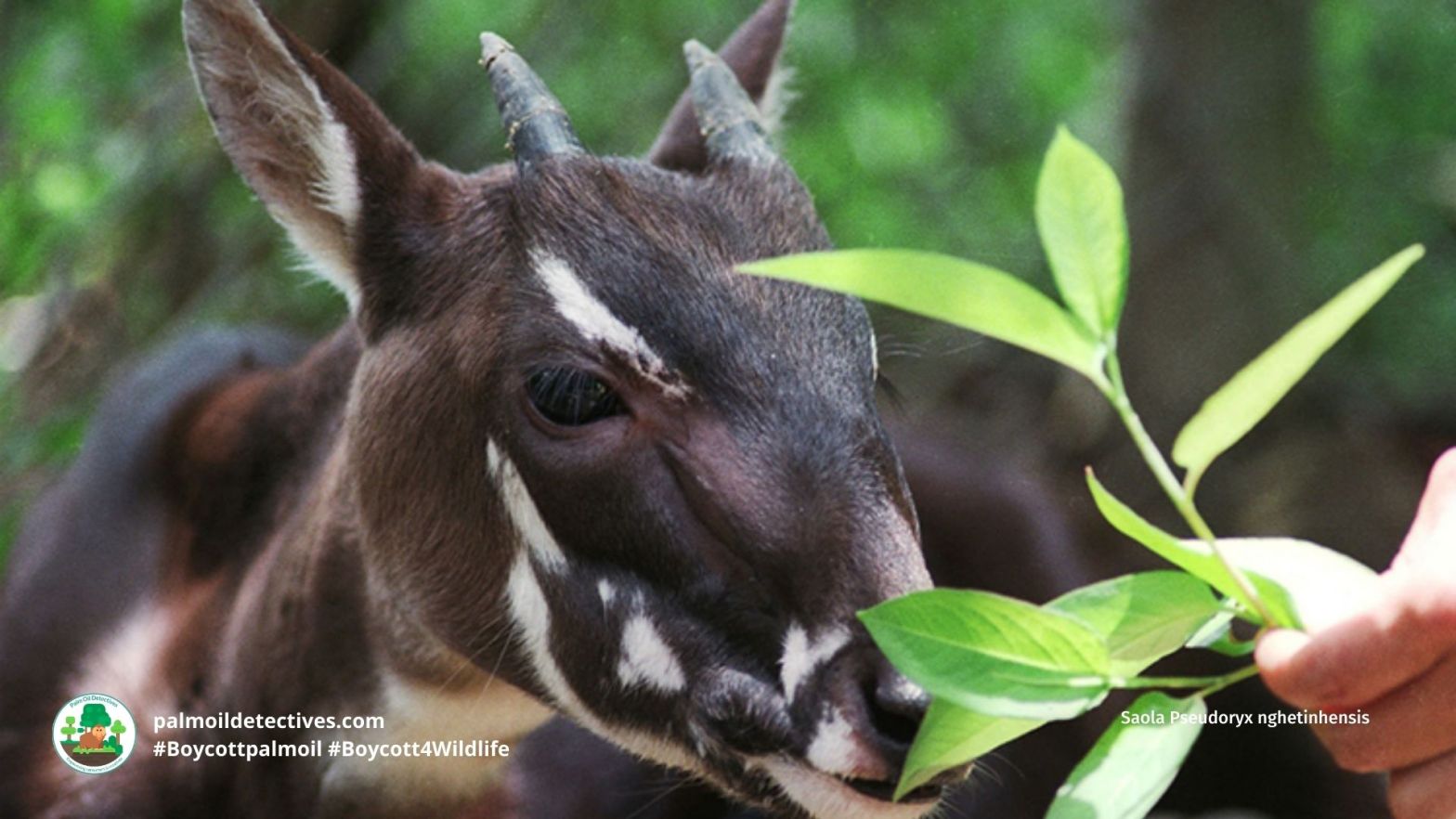
Saolas are rare and considered Southeast Asia’s ‘unicorns’, this Critically Endangered antelope is facing imminent extinction due to hunting and deforestation
Tag Archives: bushmeat
Lax Laws in Indonesia Turn Blind Eye To Animal Trafficking
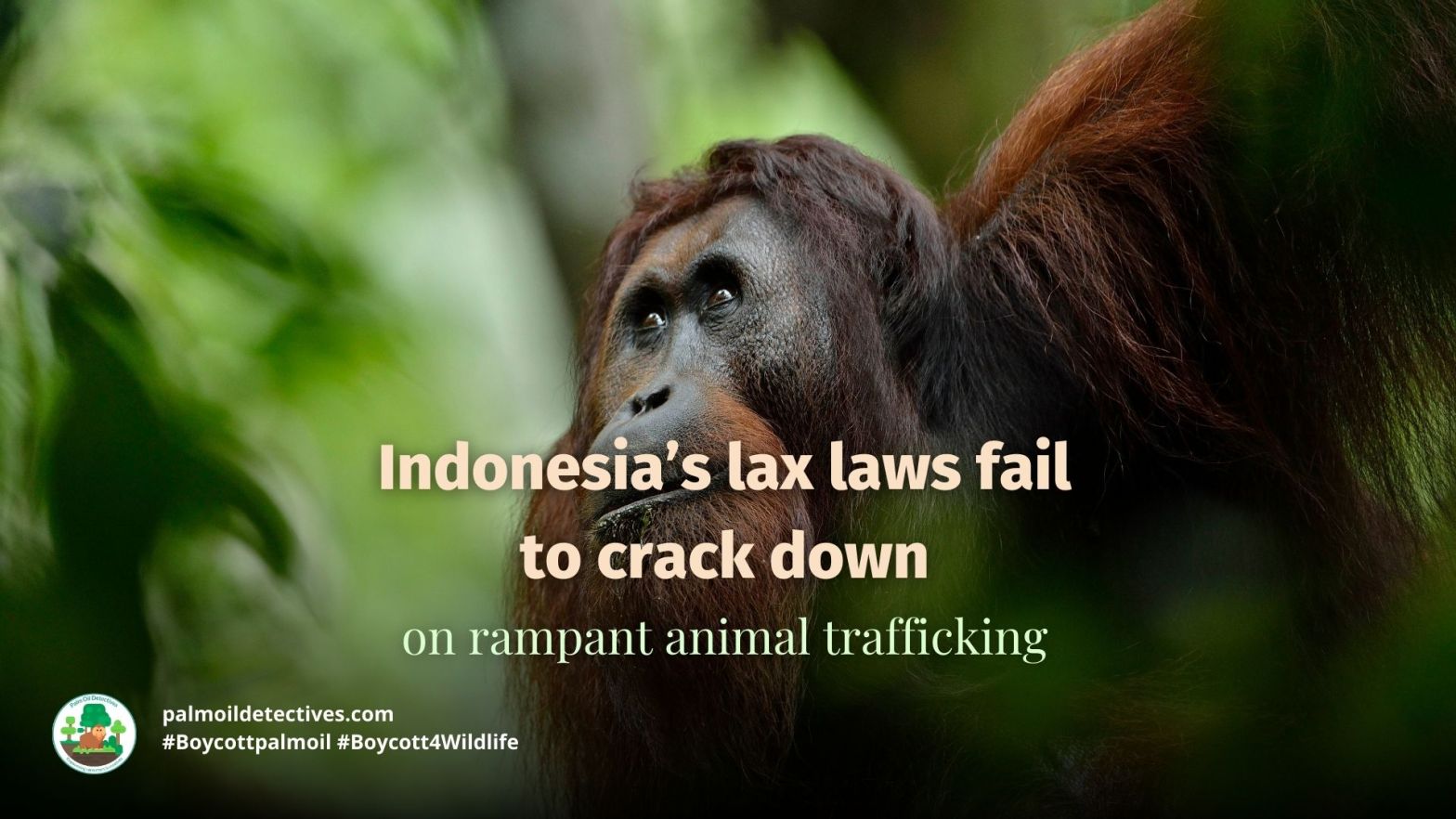
When Indonesian prosecutors went after the leader of an illegal wildlife syndicate operating near the Malacca Strait, they relied on the country’s then relatively new 2019 Quarantine Act to seek a prison sentence.
After being connected to the illegal smuggling of four lion cubs, a leopard, and 58 species of Indian Star tortoises from Malaysia to Indonesia, Irawan Shia received a four-year prison sentence and fine of IDR 1 billion (USD$65,468). If the fine is not paid, the replacement is three months imprisonment.
The sentence was the biggest ever handed out, but falls far short of what it could have been had Indonesia brought its laws in line with global conventions.
Protected: Private Advocate’s Page
There is no excerpt because this is a protected post.
Magnificent Bird of Paradise Cicinnurus magnificus
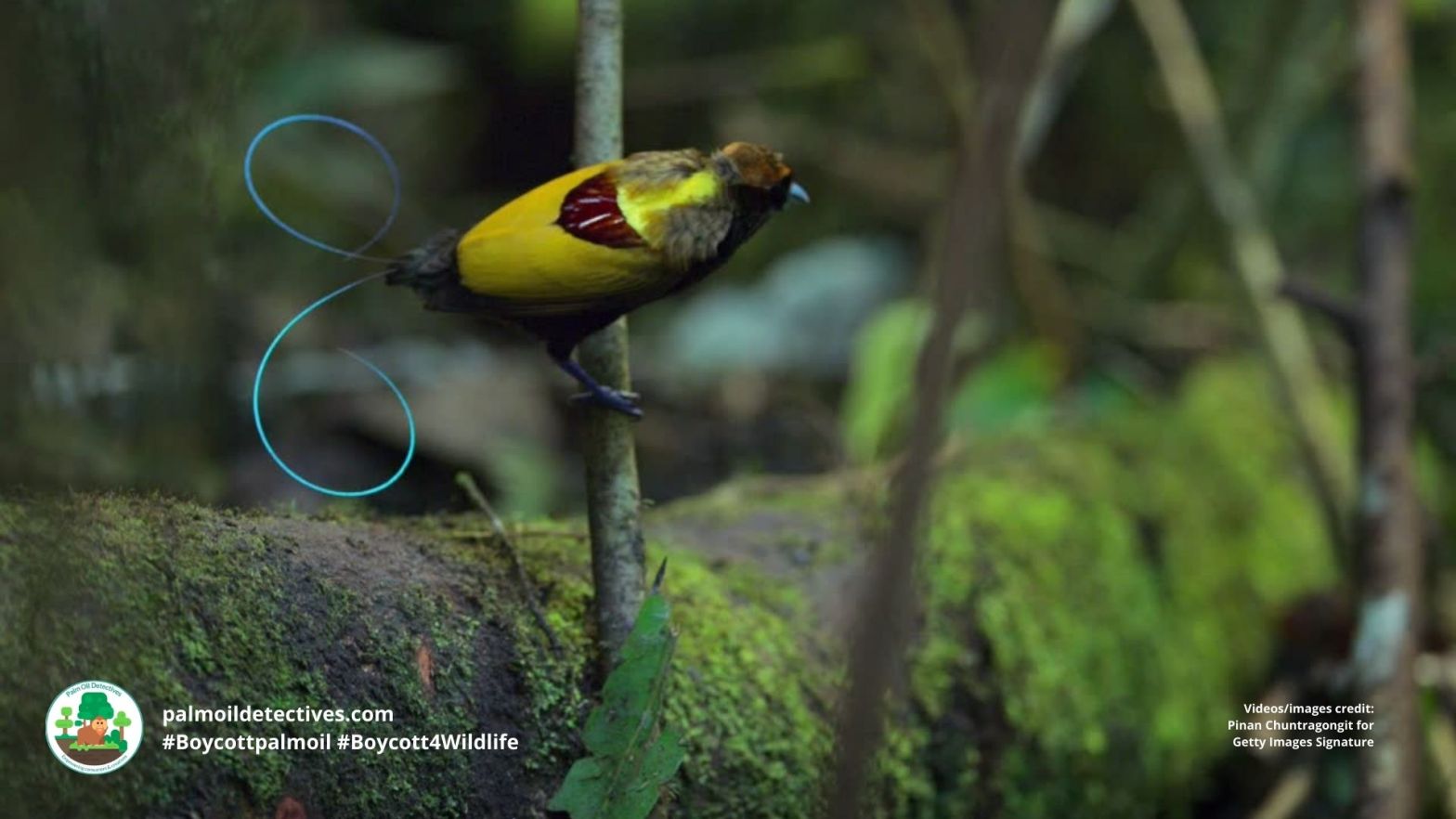
Meet the Magnificent Bird-of-Paradise, a dazzling, theatrical bird from New Guinea’s forests. Their vibrant courtship dances must be protected from palm oil!
Goliath Frog Conraua goliath
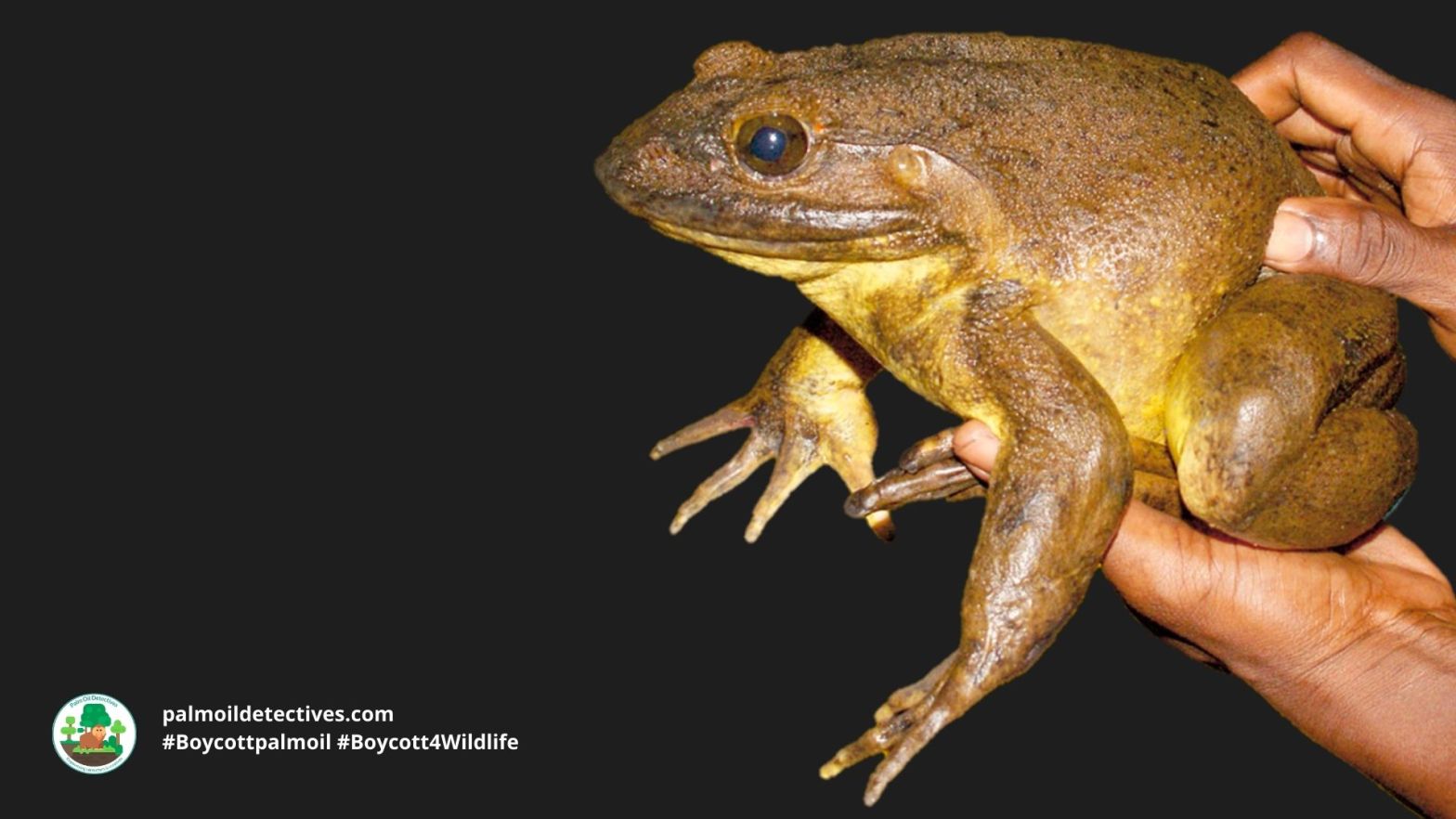
Goliath #Frogs are the largest frog in the world and can grow as large as a domestic cat. These muscle-bound #amphibians lift heavy rocks to build nests and protect their young. They face extinction from #palmoil #deforestation and human persecution including hunting.
Their nesting and reproduction is hugely dependent upon access to clean, fast-flowing rivers – for this reason the encroachment of industrial scale palm oil, cocoa and timber deforestation and p0llution and #pesticides of rivers are direct threats to the existence of the goliath #frog. Help them every time you shop in the supermarket and #Boycottpalmoil #Boycott4Wildlife
Waigeo Cuscus Spilocuscus papuensis
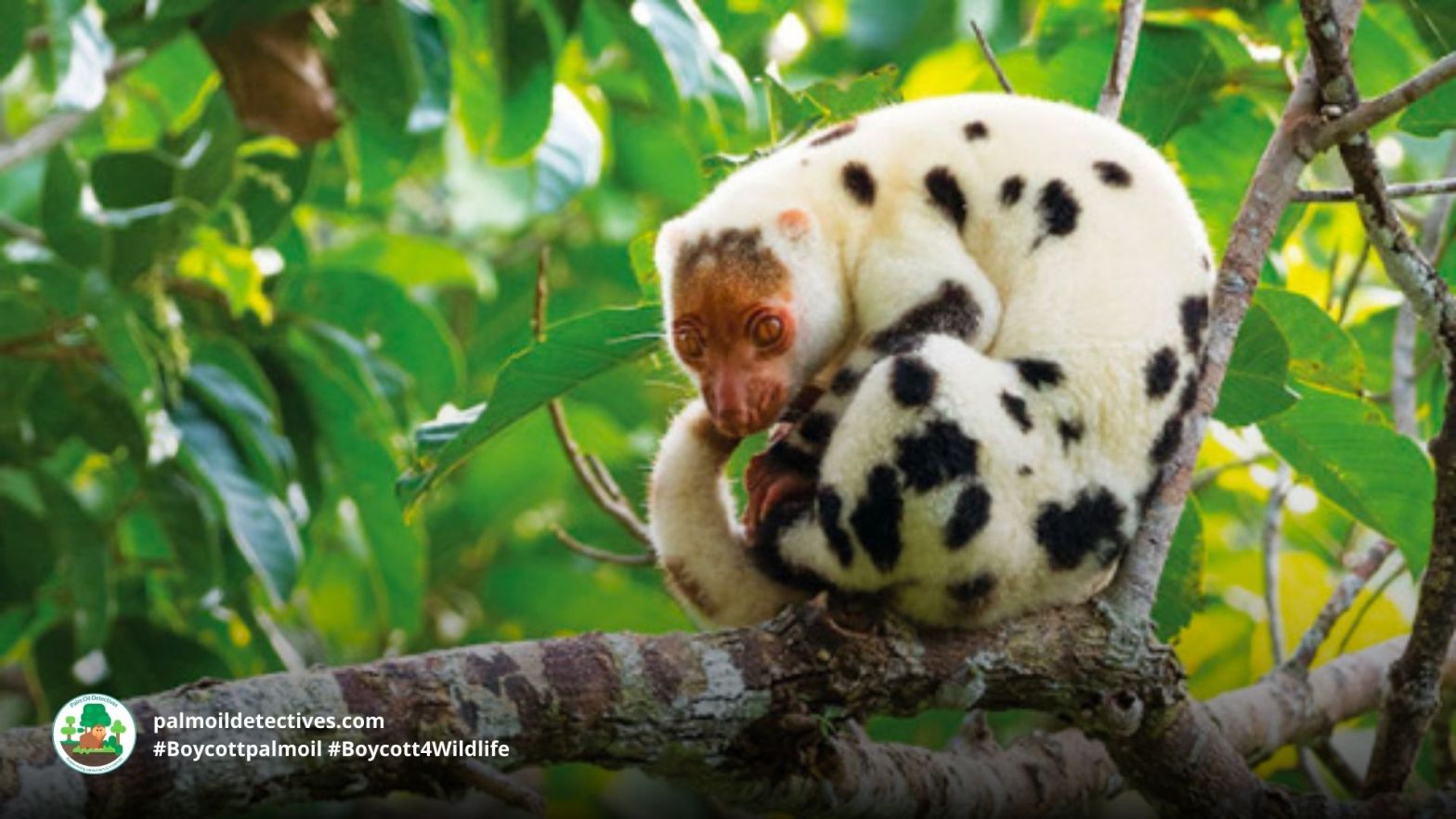
Cryptic and solitary marsupials, Waigeo Cuscuses cling to tree canopies on a Waigeo Island, West Papua. They are classified as vulnerable on IUCN Red List due to palm oil deforestation and mining on the tiny island where they live. Help them each time you shop and be #vegan, #Boycottpalmoil and #Boycott4Wildlife
Dryas Monkey Chlorocebus dryas
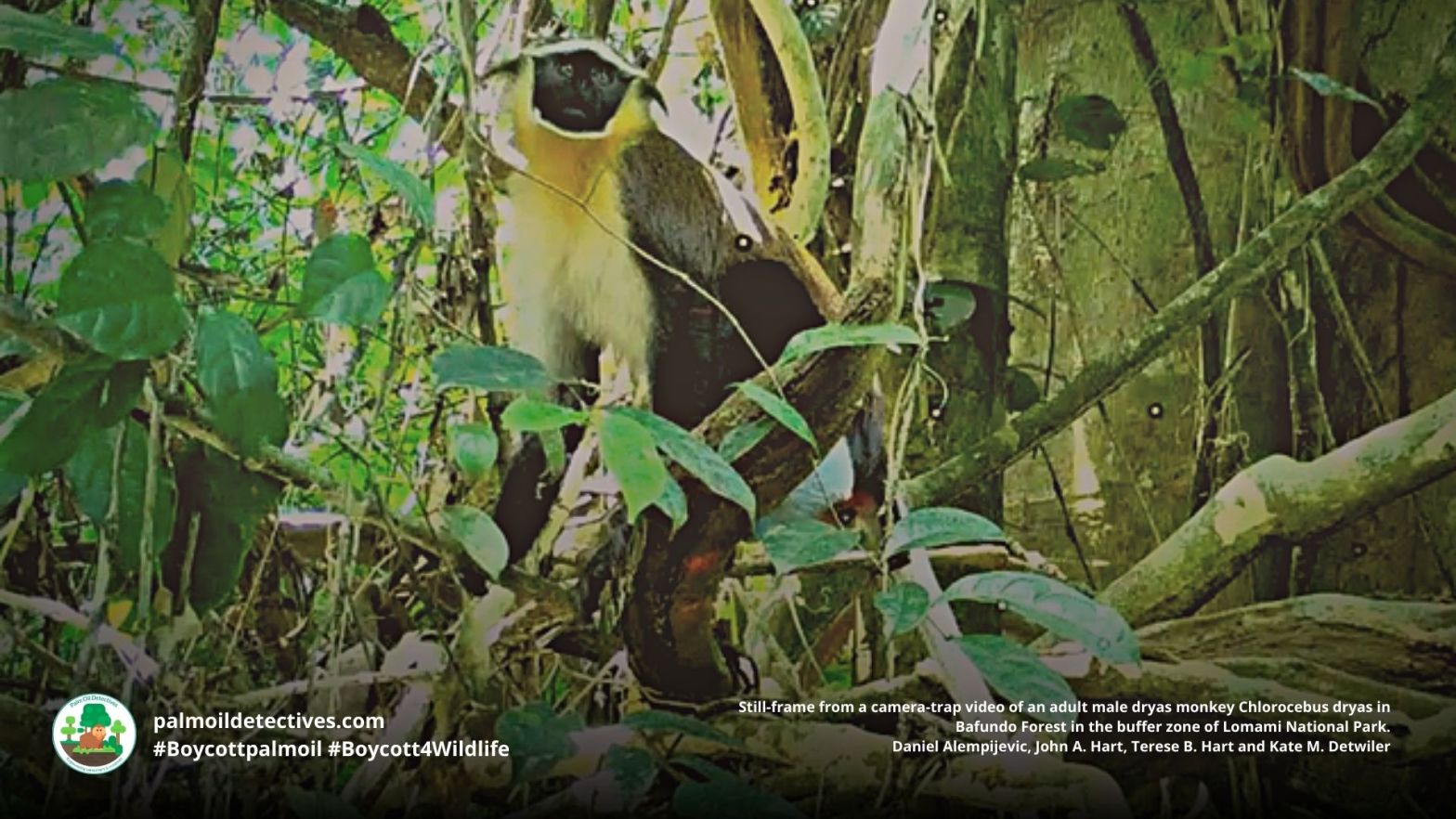
Dryas #Monkeys are secretive and vividly colourful monkeys who hang on to survival in the forests of the #Congo. Tragically, there is estimated to only be 100-250 individual monkeys still alive. They are fruit-eaters and play a critical role in ensuring the dispersion of seeds and therefore the future health of the DRC’s #rainforests. They are preyed upon by leopards in the Congo basin. However, the main threat they face is the illegal poaching and hunting by humans for #bushmeat, along with #deforestation for #palmoil, #mining and other commodities. Fight for their survival every time you shop, be #vegan and #BoycottPalmOil #Boycott4Wildlife
UN report says up to 850,000 animal viruses could be caught by humans, unless we protect nature

Human damage to biodiversity is leading us into a pandemic era. The virus that causes COVID-19, for example, is linked to similar viruses in bats, which may have been passed to humans via pangolins or another species.
African Dwarf Crocodile Osteolaemus tetraspis

African Dwarf #Crocodiles are timid #nocturnal animals and solitary hunters. They predate mainly on small animals in rivers or nearby to the riverbank. They are also known as the Broad-Snouted Crocodile or the Bony Crocodile are the smallest extant species of crocodile in the world and are typically around 1.5 metres in length. They face persecution by humans and other animals and spend most of their daylight hours resting in burrows they make along riverbanks in #WestAfrica and Central Africa. They are vulnerable from #timber #palmoil #soy #meat #deforestation and hunting. Help them survive and be #vegan, #Boycottpalmoil #Boycott4Wildlife
African Palm Civet Nandinia binotata

African palm civets were once common seed dispersers. Now they face pressure from palm oil-driven deforestation, mining, and hunting for bushmeat – boycott!
What is causing the latest outbreak of Ebola in Uganda?
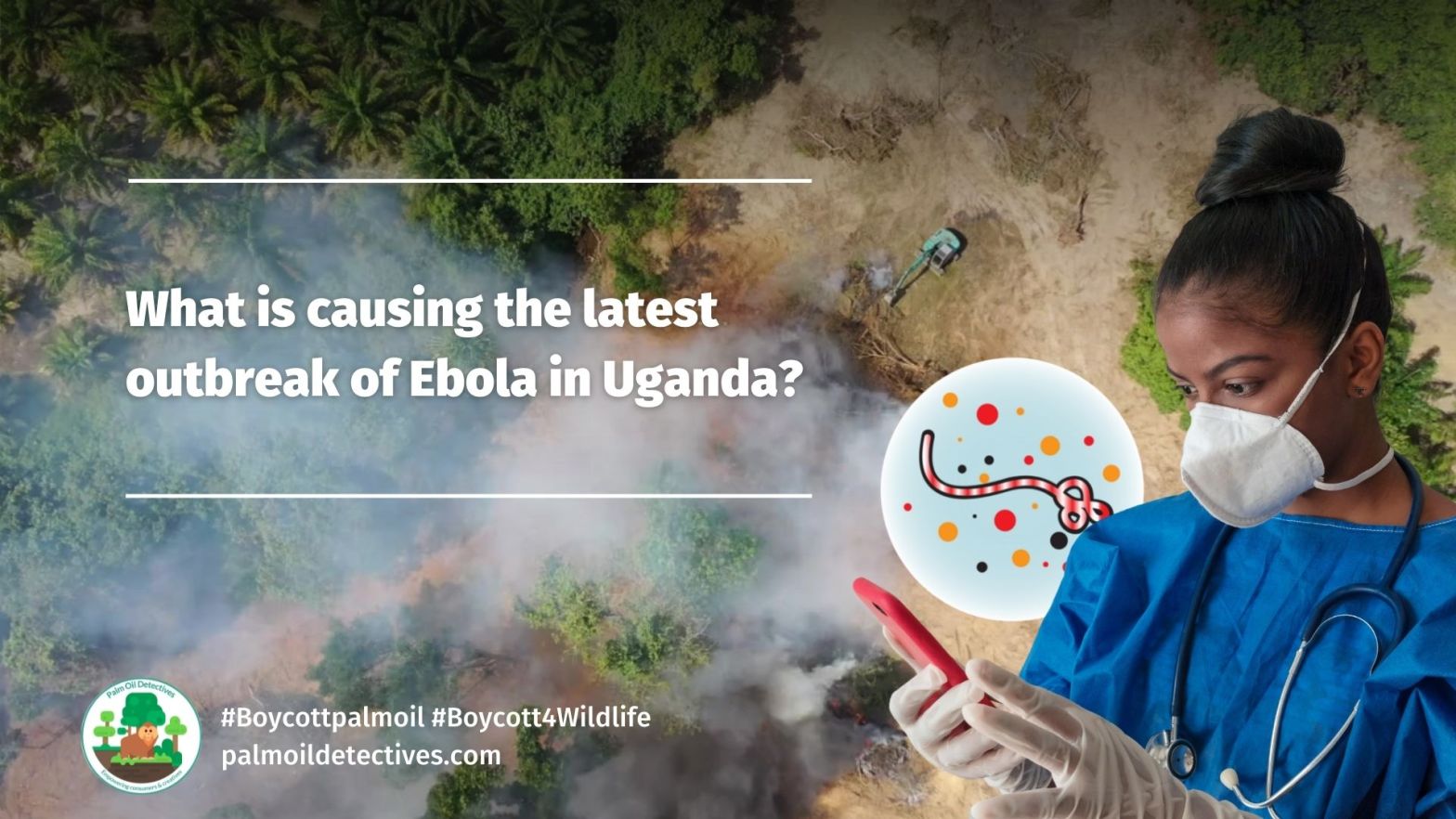
In light of the most recent Ebola outbreak in Uganda (over the past month), many people are experiencing a sense of déjà vu. The rapacious destruction of rainforests for palm oil, soy, meat and dairy by multinational corporations is deeply linked to the spread of infectious zoonotic diseases, such as Ebola. These diseases are becoming more and more commonplace with the destruction of the environment and growth of animal agriculture. This has enormous implications for human #health, food security, animal conservation and planetary health. #BoycottPalmOil #Boycott4Wildlife
Black Bearded Saki Chiropotes satanas
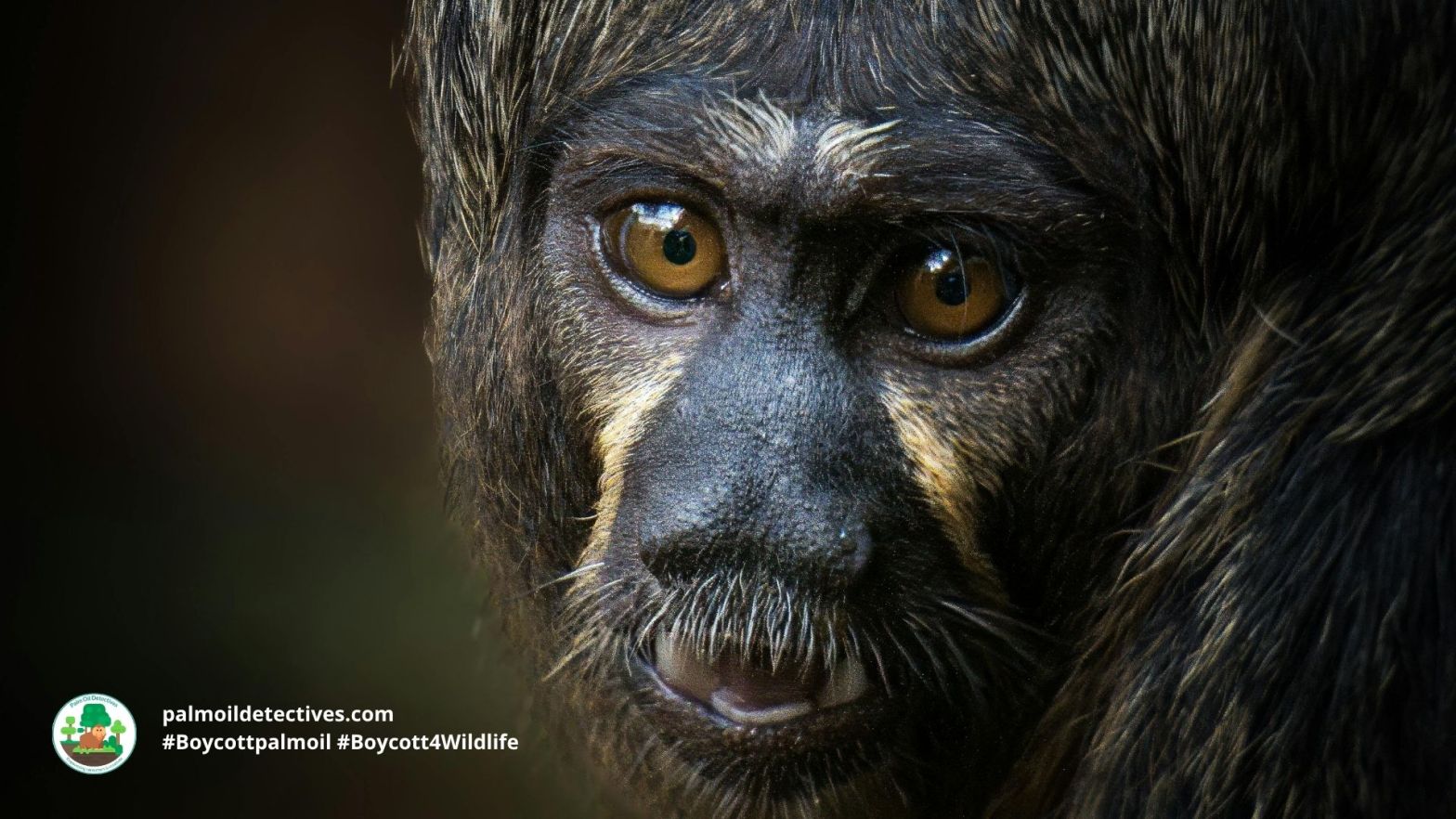
Beneath the towering canopy of the Amazon’s north-eastern forests, the black bearded saki moves with quiet purpose, their distinctive shaggy beard and robust body a testament to their resilience in a world under siege. The air is thick with the scent of damp earth and the distant calls of unseen creatures, but the forest is changing—#roads, #dams, and #agriculture are carving scars across the landscape, fragmenting the saki’s ancestral home. The black bearded saki’s survival is threatened by relentless deforestation and hunting, their fate bound to the fate of the forest—fight for their survival every time you shop #BoycottPalmOil #Boycott4Wildlife.
Crested Capuchin Sapajus robustus
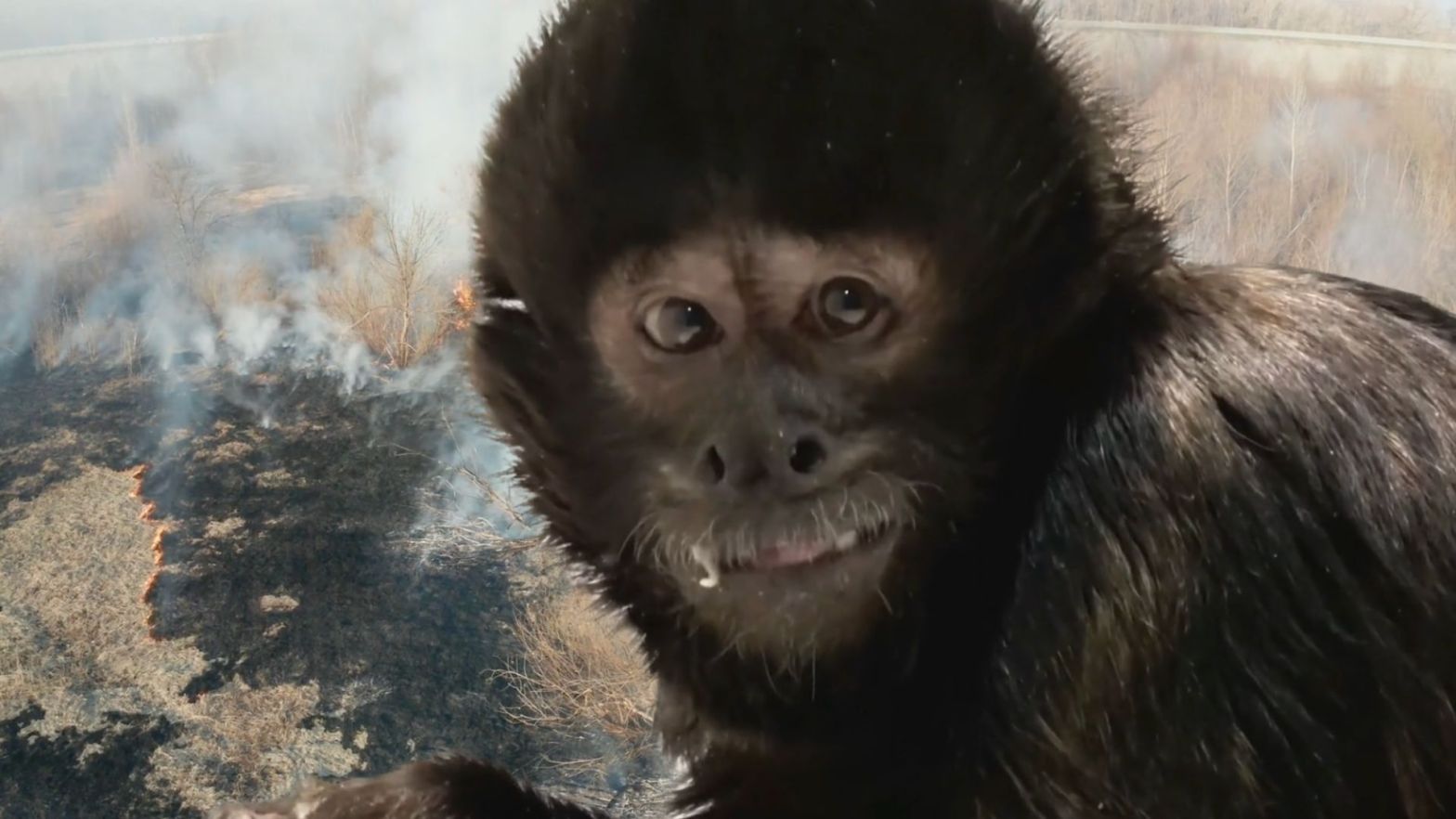
Crested Capuchins are one of Brazil’s most endangered primates. A few thousand remain, facing extinction due to palm oil, mining, soy. Take action for them!
Southern Patas Monkey Erythrocebus baumstarki
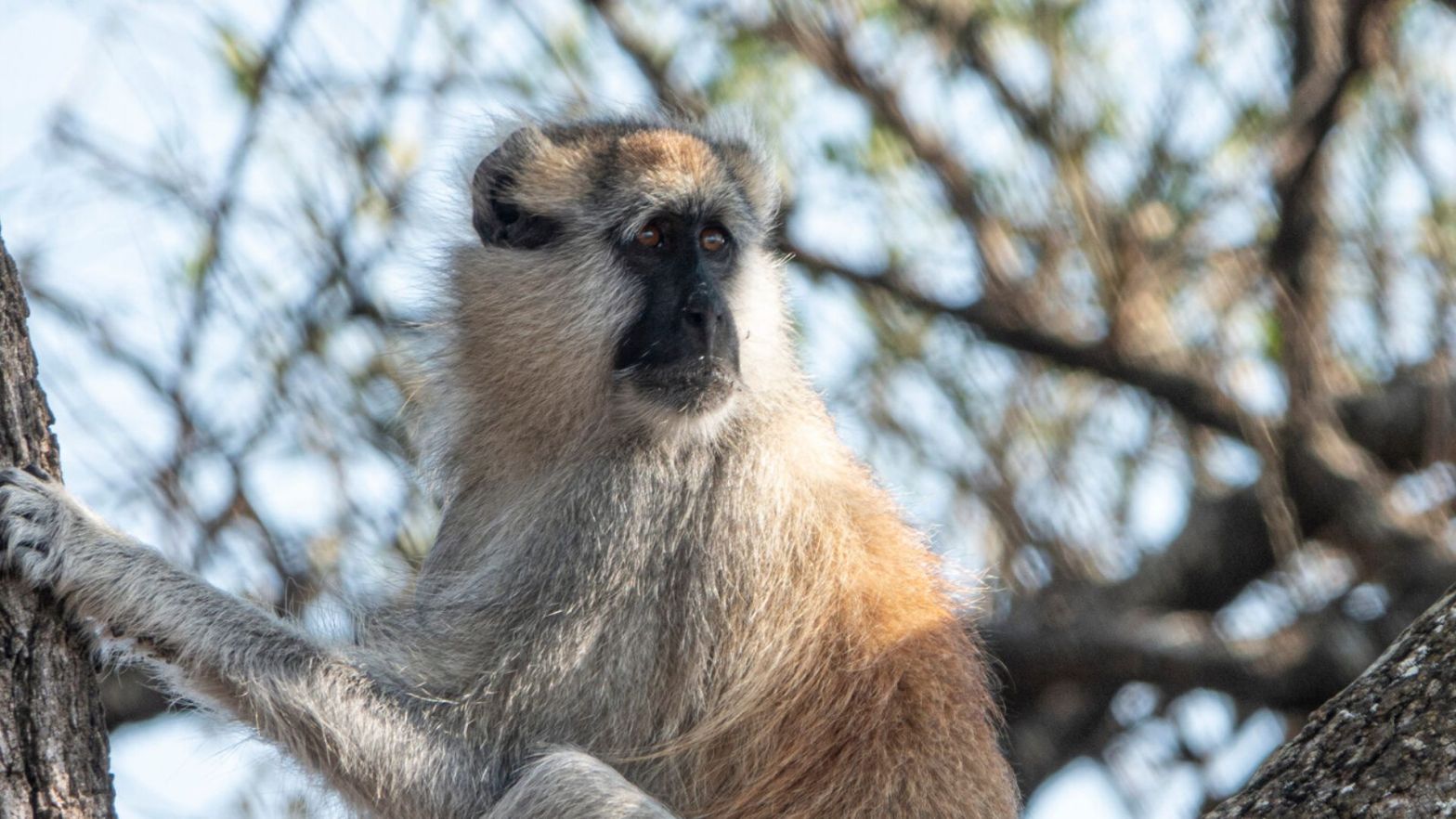
The Southern Patas #Monkey (Erythrocebus baumstarki) is an elusive, long-limbed #primate once common across northern #Tanzania and parts of #Kenya and now on the very edge of #extinction. With a lean, agile body built for speed, they are among the fastest-running primates in the world, capable of reaching speeds up to 55 km/h. Once ranging over approximately 66,000 km², their habitat has been decimated by agriculture, human settlements, and bushmeat hunting, reducing their known range by over 85% in recent decades. By 2021, estimates suggested fewer than 200 individuals remained in the wild, restricted to small populations in western Serengeti National Park and its surroundings (de Jong & Butynski, 2021).
Without urgent intervention, this striking species could be the next primate extinction in Africa. Help them every time you shop and campaign for these rare primates, every time you shop go #vegan and #Boycott4Wildlife!
Golden-bellied Mangabey Cercocebus chrysogaster
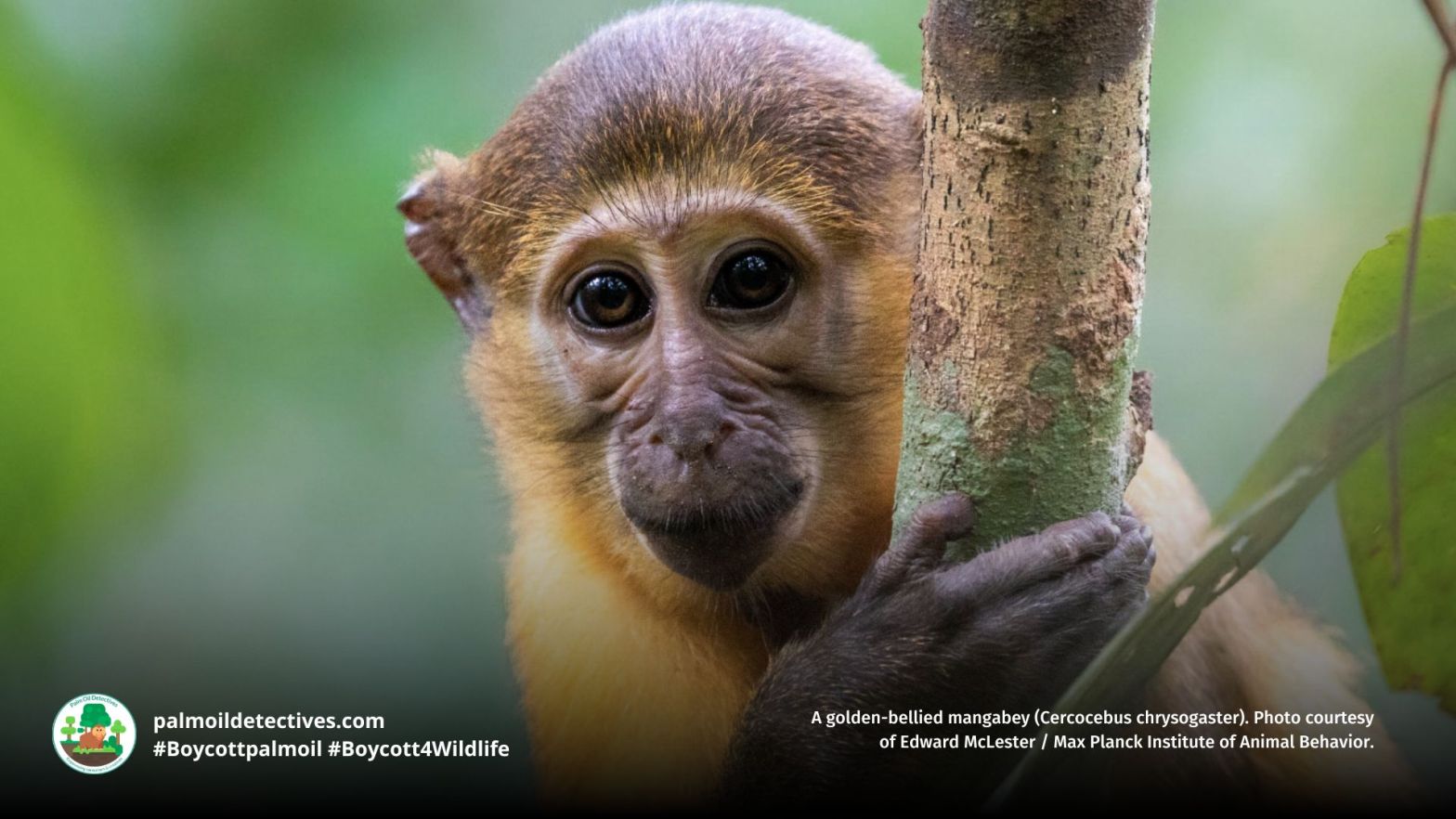
The golden-bellied mangabey (Cercocebus chrysogaster) is an intriguing and elusive monkey endemic to the Democratic Republic of Congo (DRC). Named for the vibrant golden hue of their undersides, these primates are known for their intelligence, complex social behaviours, and unique ecological role. Found in the remote tropical forests along the Congo River Basin, these monkeys remain poorly studied due to their limited range and secretive nature.
Tragically, the golden-bellied mangabey faces mounting threats from habitat destruction, driven by logging, mining, and agricultural expansion, including palm oil plantations. Their population continues to decline due to hunting and habitat fragmentation. Act now to protect their fragile habitat—boycott palm oil and stand against deforestation. #BoycottPalmOil #Boycott4Wildlife
Drill Mandrillus leucophaeus

The Drill is one of the most visually arresting, emotionally complex, and endangered #monkeys on Earth. Endemic to a narrow slice of rainforest in #Nigeria, #Cameroon, and Bioko Island, these intelligent primates have lost over 50% of their population in just three decades. They face a terrifying gauntlet of threats: #palmoil plantations, #hunting for the #bushmeat trade, #timber logging, and a tidal wave of new #infrastructure creation. Though rarely seen, Drills are capable of extraordinary behaviour—forming multi-species foraging alliances, mourning their dead, and navigating their crumbling world with grace and resilience. Only a few thousand of these precious #primates remain alive. Take action every time you shop, be #Vegan and #BoycottPalmOil #Boycott4Wildlife
Western Red Colobus Piliocolobus badius
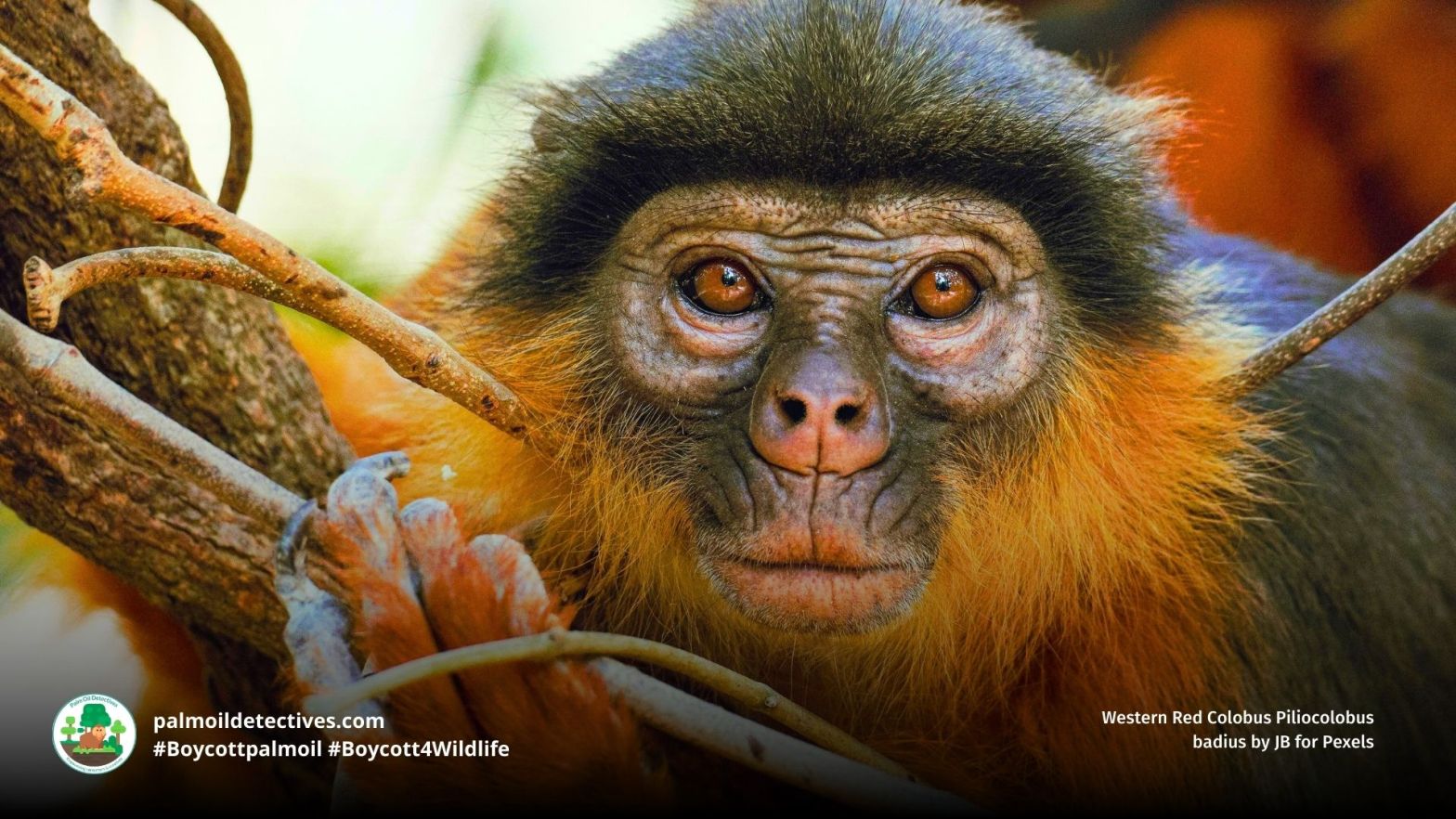
The Western Red Colobus Piliocolobus badius is one of West Africa’s most #endangered #primates, facing an escalating crisis of habitat loss and overhunting. Once abundant in mature forests across the region, they have been driven to the brink of #extinction by rampant deforestation for charcoal, palm oil and mining and the increasing demand for #bushmeat. Widespread clearing of forests for industrial #palmoil plantations, #mining, and #timber has fragmented their habitat, isolating populations and making them more vulnerable to #poaching. Without urgent intervention, their future remains uncertain. Help them every time you shop and be #vegan #BoycottPalmOil #Boycott4Wildlife
Miss Waldron’s Red Colobus Piliocolobus waldroni
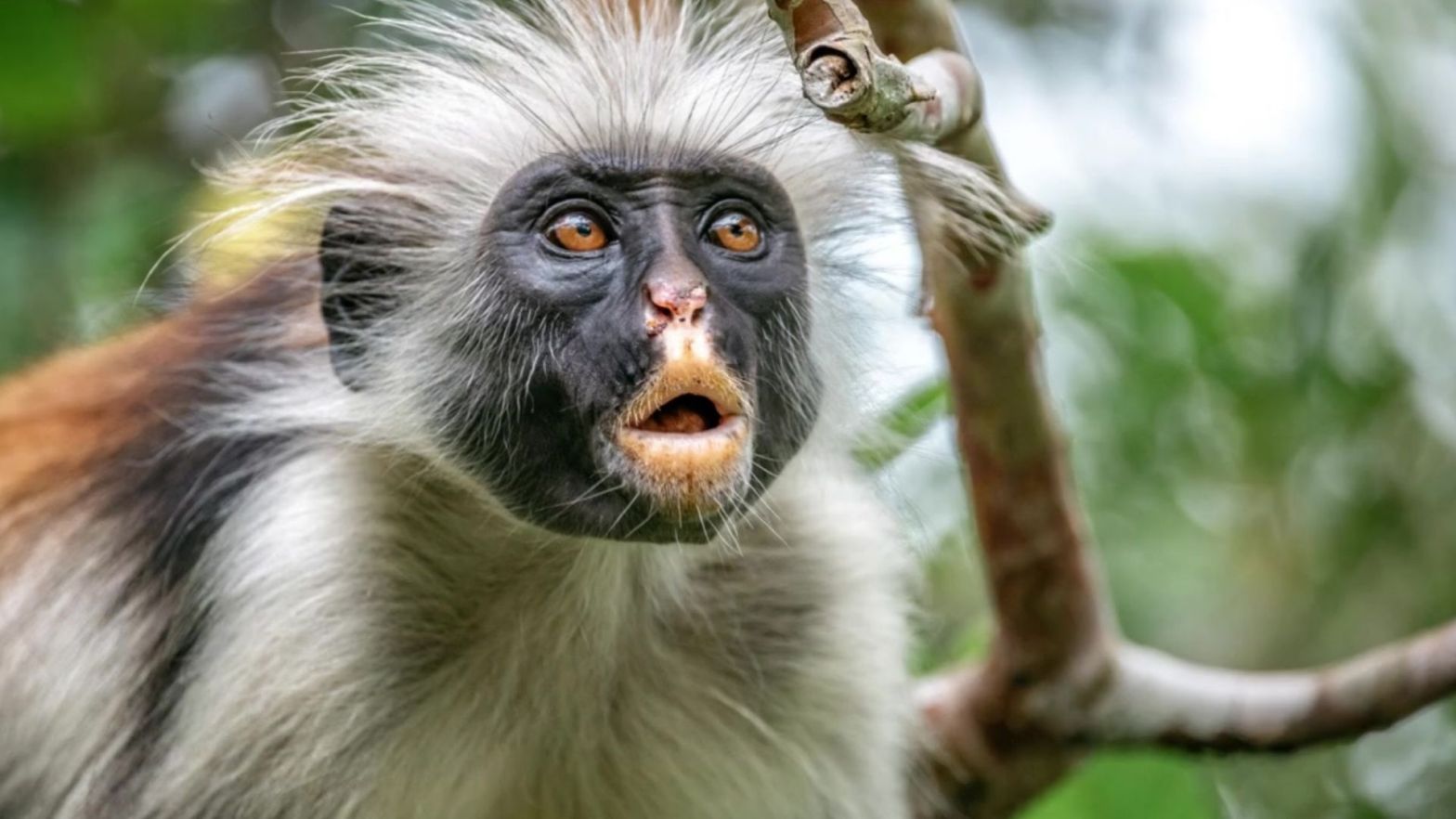
xMiss Waldron’s Red Colobus, a secretive old world primate sport chestnut, black, and white white fur that surrounds their expressive faces. They live in the dense canopies of West Africa’s dwindling forests. Their story is one of ever-increasing fragility, on the edge of survival. Sightings of these magnificent primates have faded away since 1978. The last evidence, a skin, emerged in 2002.
These monkey species have been driven towards the extinction by palm oil, cocoa, and rubber plantations along with hunting for bushmeat. Their calls, once a common cacophony are now nearly permanently silenced. Miss Waldron’s Red Colobus serve as a living warning for forest health. They disappear before most other mammals wherever the forests fall. Support indigenous sovereignty and safeguarding of ecosystems—use your wallet as a weapon and #BoycottPalmOil #Boycott4Wildlife.
Bengal Slow Loris Nycticebus bengalensis

The Bengal Slow Loris’s are wide-eyed beauties that are arboreal and nocturnal and live in tropical evergreen rainforest, semi-evergreen forest, and mixed deciduous forest. They are the largest loris species and feed predominantly on plant sap. They are now endangered in Malaysia and other parts of South East Asia, their primary threats are illegal capture for the pet trade and #palmoil #deforestation throughout their range. Help them every time you shop and #Boycottpalmoil #Boycott4Wildlife
Northern Glider Petaurus abidi
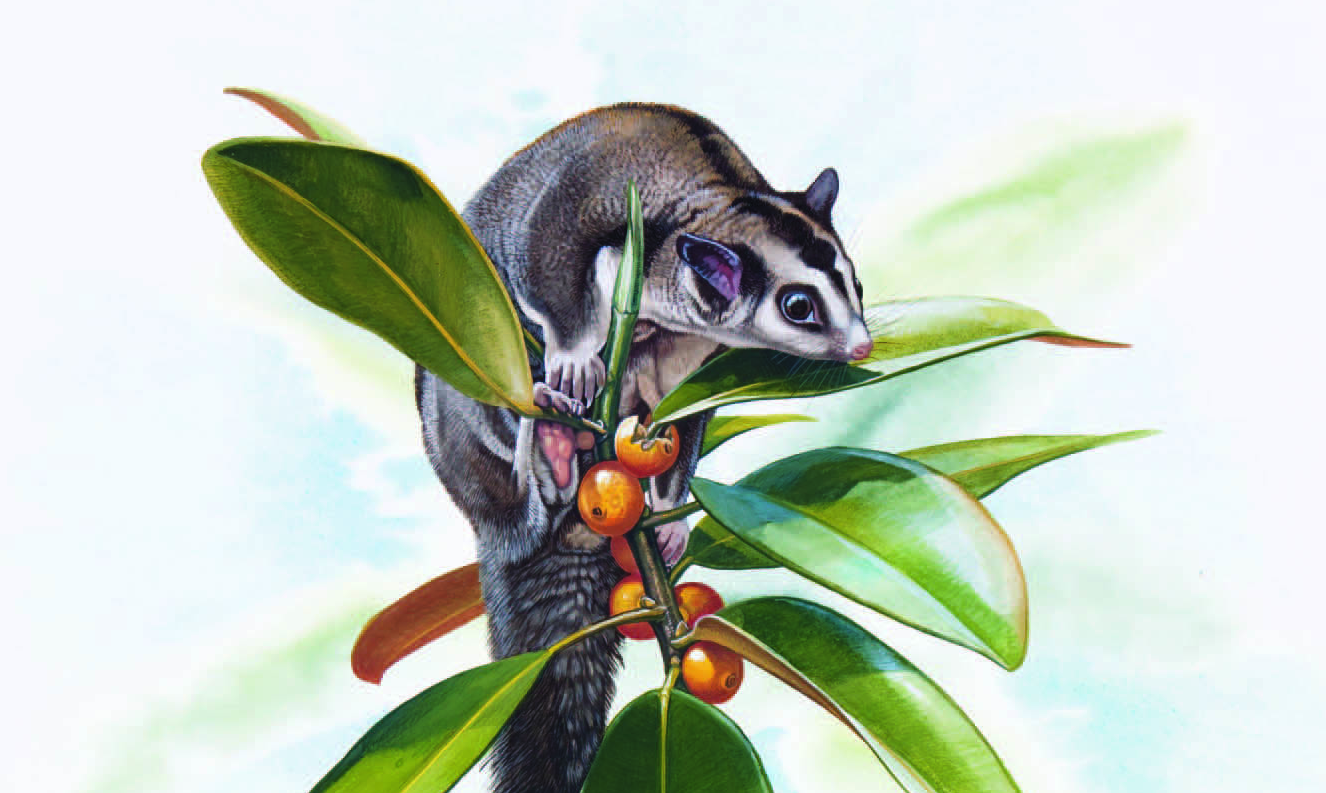
The Northern Glider is a Critically Endangered species of gliding #marsupial found only in the Torricelli Mountains of #PapuaNewGuinea. First described in 1981, they remain one of the rarest and least studied members of the Petauridae family. Their population is in steep decline due to deforestation, habitat destruction for #palmoil, and #hunting for #bushmeat. With an estimated range of less than 100 square kilometres, the Northern Glider is at extreme risk of #extinction unless urgent conservation efforts are made to protect their habitat. Take action and resist for this species every time you shop and go #BoycottPalmOil #Boycott4Wildlife in the supermarket.
Malayan Tapir Tapirus indicus
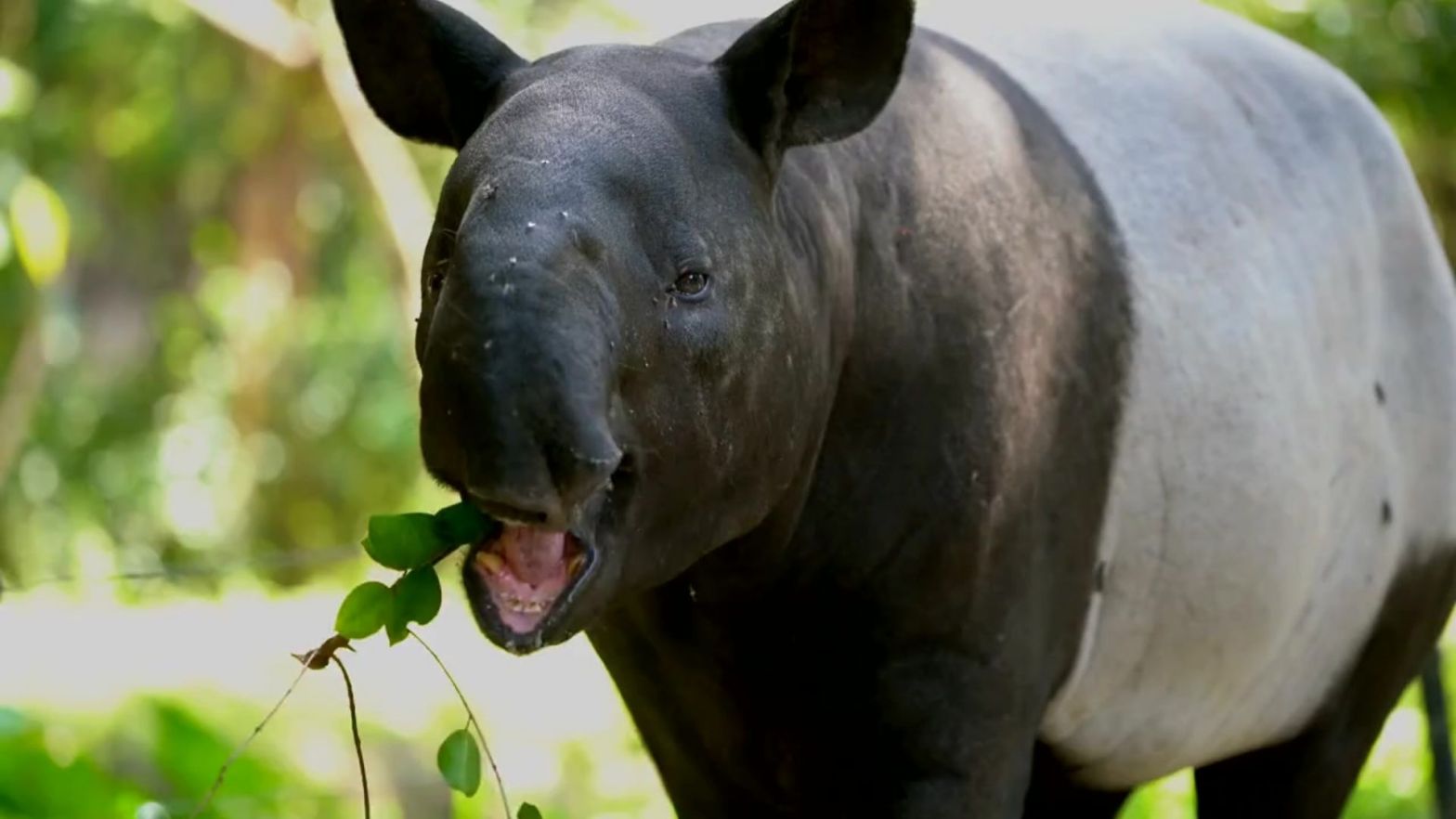
The endangered Malay Tapir faces habitat loss from palm oil plantations, road kills, and snares. Less than 2,500 remain. Support #BoycottPalmOil to save them.
Doria’s Tree Kangaroo Dendrolagus dorianus
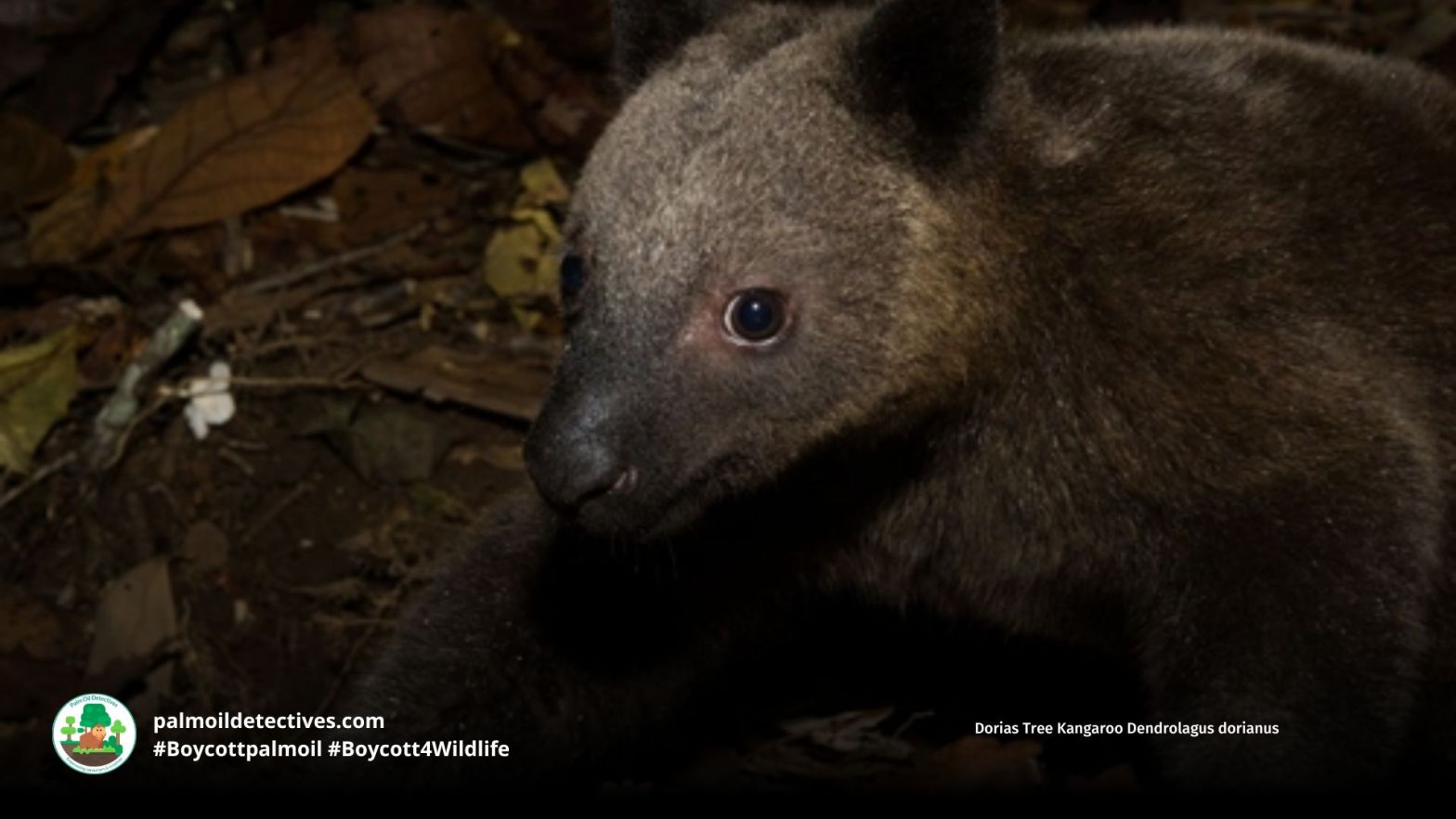
High in the misty mountain rainforests of Papua New Guinea, Doria’s Tree Kangaroo moves with deliberate agility through the dense canopy. With their thick brown fur, powerful limbs, and expressive dark eyes, these marsupials are a striking reminder of the ancient and unique wildlife of New Guinea. Unlike their terrestrial kangaroo cousins, Doria’s Tree Kangaroos have adapted to an arboreal life, leaping through tree canopies with ease and foraging among the leaves.
But their world is rapidly shrinking. Doria’s along with other tree kangaroos in the Dendrolagus genus are hunted mercilessly for bushmeat and threatened by palm oil deforestation, Gas mining and road infrastructure expansion, and land conversion, their numbers are in decline. Despite their elusiveness, they cannot escape the dangers encroaching on their rainforest home. Help them every time you shop and #BoycottPalmOil #Boycott4Wildlife
Grizzled Tree Kangaroo Dendrolagus inustus
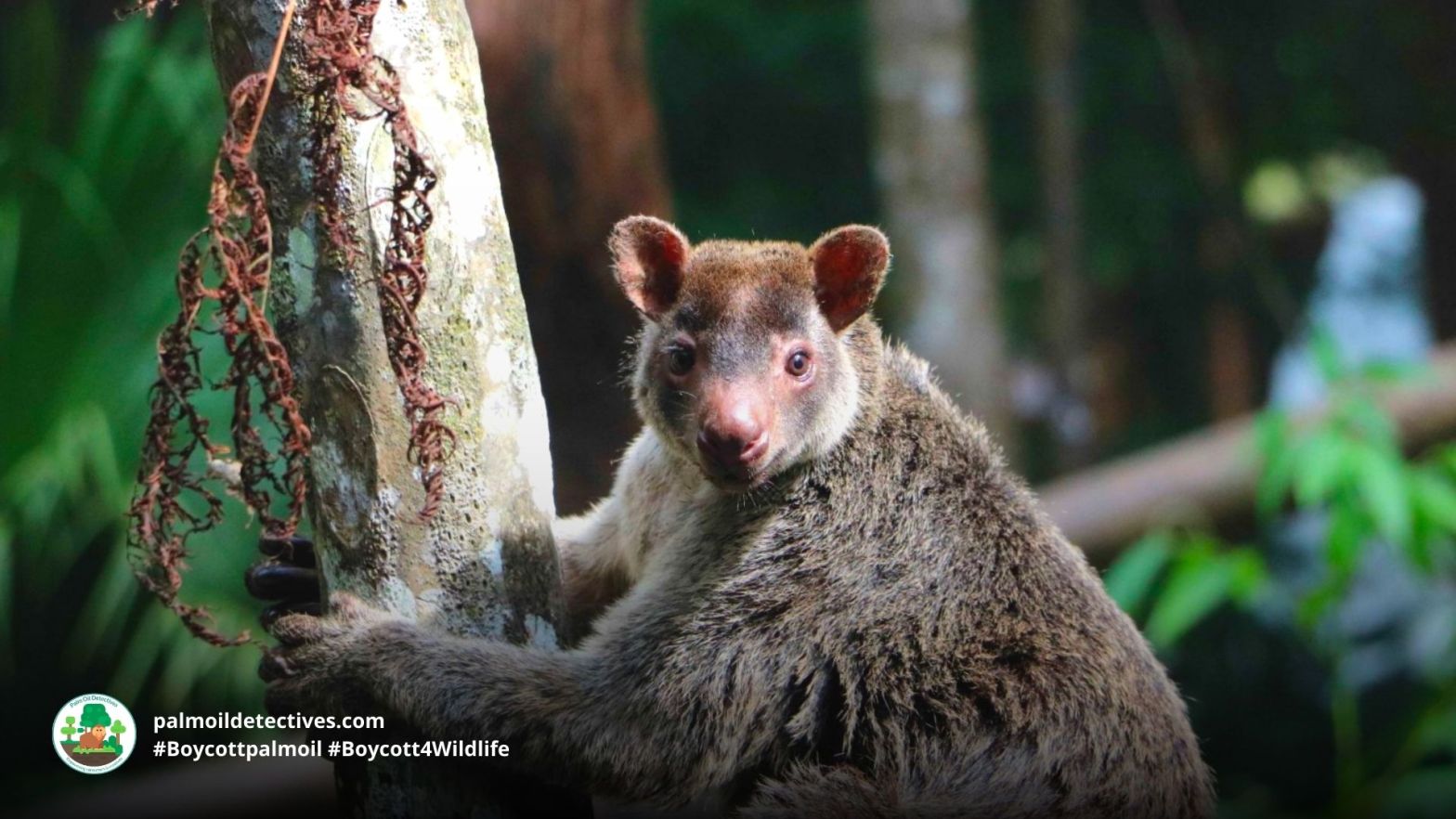
Where the forest rises steeply from the rivers and the mist hangs low over the green spires of the Foja Mountains and the Torricelli Range, the Grizzled Tree Kangaroo moves like a living memory. The Grizzled Tree Kangaroo Dendrolagus inustus and their ash-grey coats and quiet agile movements, are the ghostly figures of New Guinea’s dwindling rainforests. Listed as Vulnerable on the Red List, these rare tree kangaroos now stand at the edge of survival. Hunting dogs track their scent; chainsaws fell their towering homes. Palm oil is rapidly obliterating their forest home. Without urgent action, these shy, elusive creatures will vanish into the mist forever. Boycott palm oil and go #vegan for them. Protect their ancient world. #BoycottPalmOil #Boycott4Wildlife
Talaud Bear Cuscus Ailurops melanotis
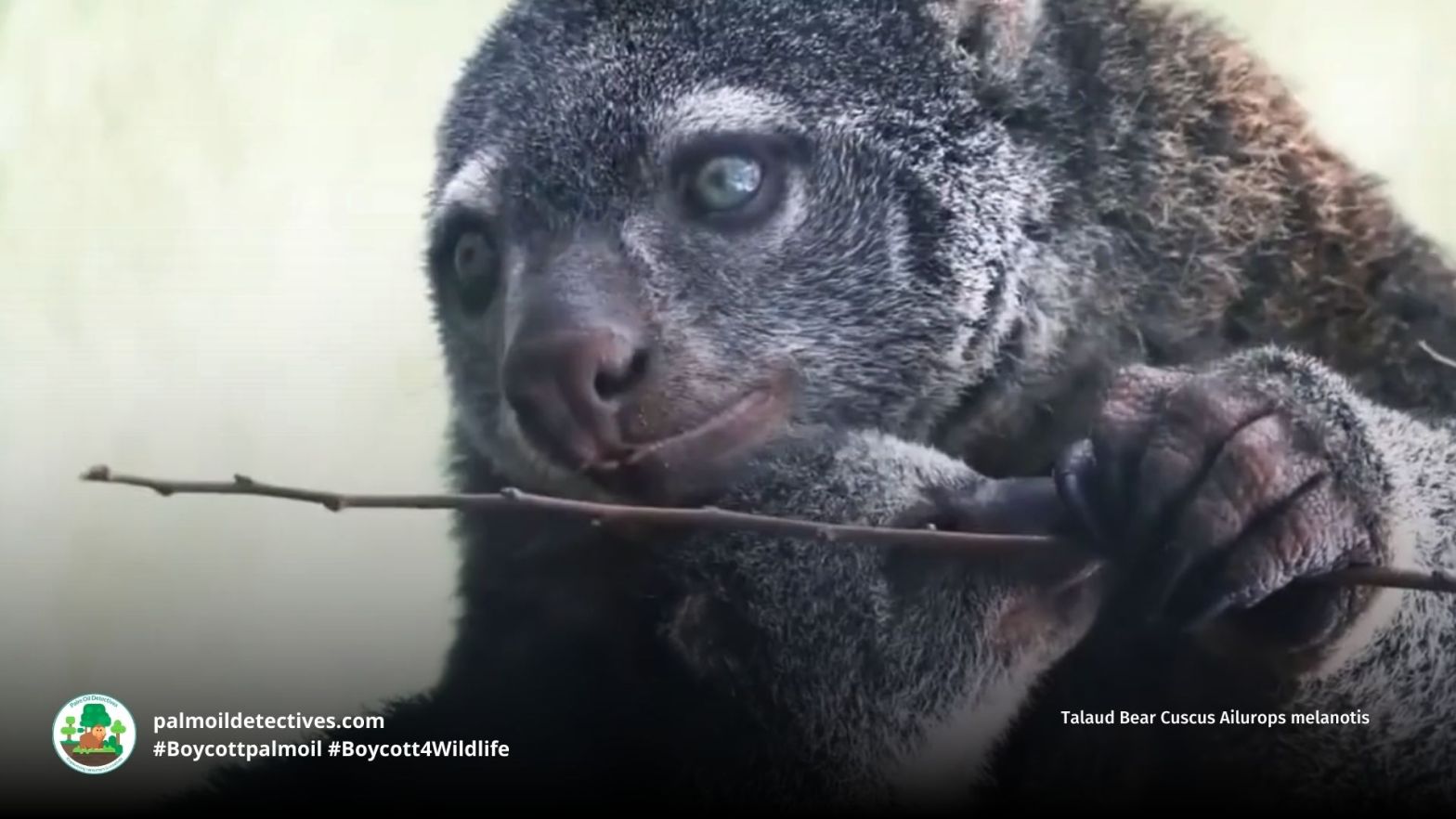
High in the canopies of #Indonesia’s remote northern islands of Salibabu, Nusa, Bukide, and Sangihe, the Talaud Bear #Cuscus Ailurops melanotis moves at a pace so slow they barely disturbs the leaves. With their round, woolly bodies, sleepy expressions, and a temperament as relaxed as a sloth, these tree-dwelling marsupials have long been a mystery to science. Relentless #hunting for #bushmeat along with #palmoil and #timber #deforestation have rendered these gentle marsupials #criticallyendangered and they are nearing #extinction. Conservationists are working alongside local communities to change perceptions of the species, replacing hunting traditions with protection efforts. You can take action every time you shop and shop #PalmOilFree #BoycottPalmOil #Boycott4Wildlife.
Thomas’s Langur Presbytis thomasi
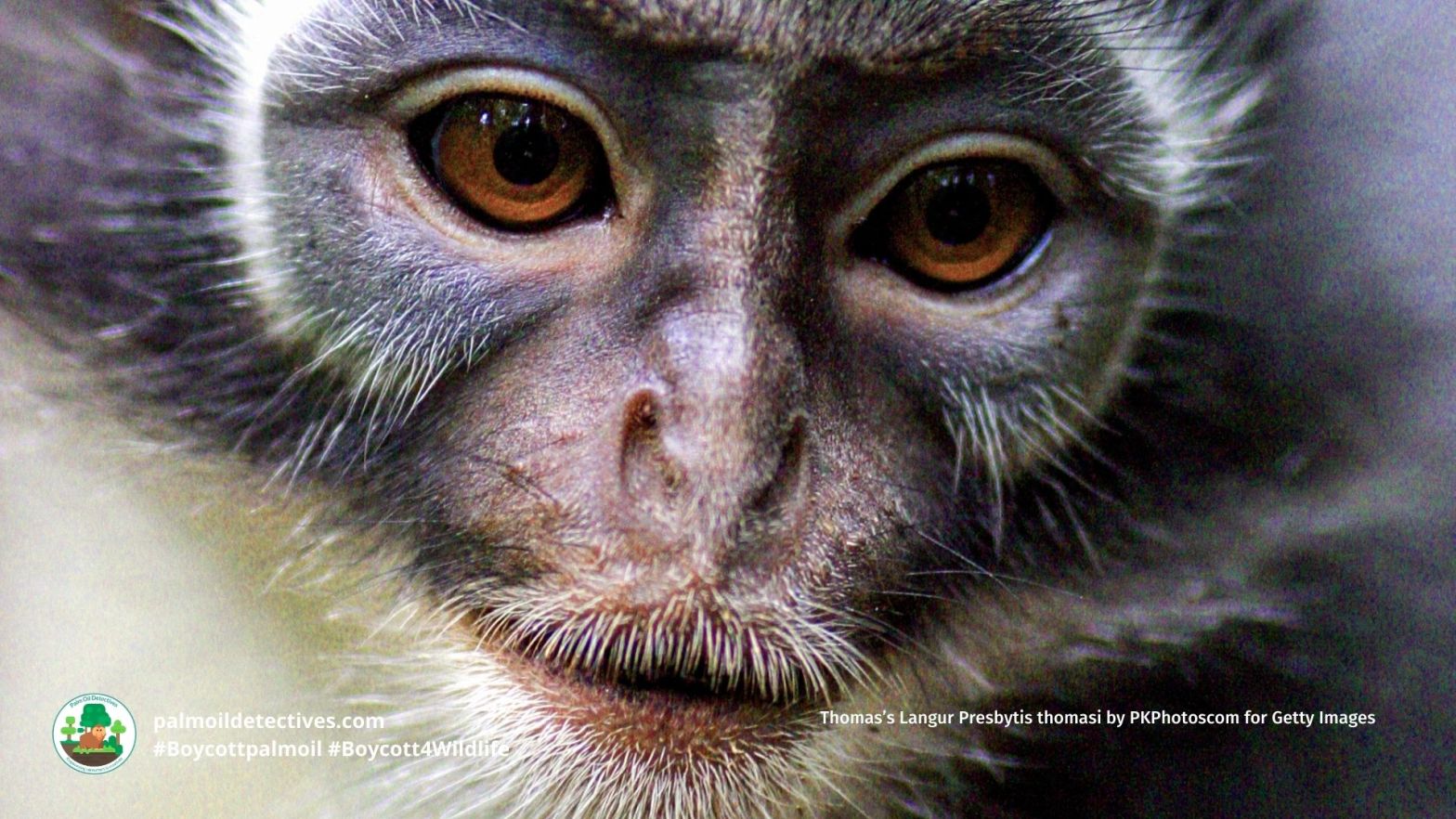
Thomas’s Langur, also known as the North Sumatran Leaf #Monkey is famous for their bold facial stripes giving them a handsome profile. These monkeys are endemic to the lush forests of northern Sumatra, Indonesia. Listed as Vulnerable by the Red List, this striking species is facing serious population declines due to habitat loss, primarily driven by illegal logging and oil palm deforestation. Though not as globally known as some of its neighbours, such as the Sumatran Orangutan, Thomas’s Langur plays an equally vital role in forest regeneration and seed dispersal. You can help protect them by using your consumer power: always choose palm oil-free products.#BoycottPalmOil #Boycott4Wildlife #Vegan
White-bellied Pangolin Phataginus tricuspis
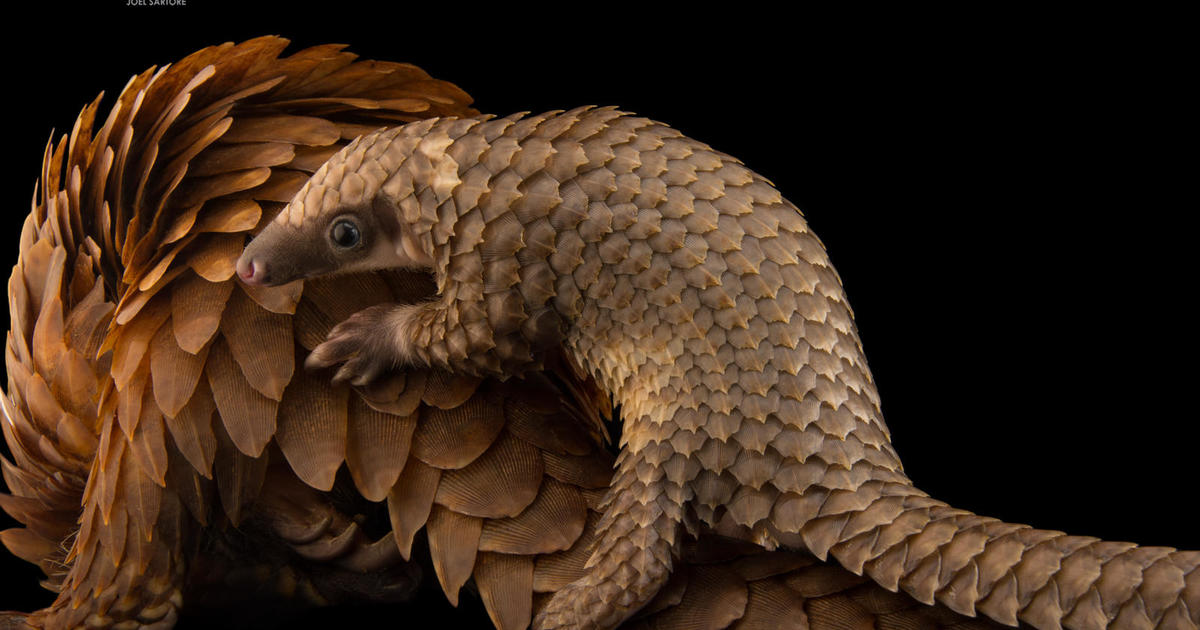
The White-bellied Pangolin also commonly known as the Tree Pangolin are fascinating creatures akin to giant pest controllers, estimated to consume around 70 million insects per year. #Pangolins don’t have teeth, rather they have scales lining their stomachs which aid them in the digestion of food that is swallowed whole. Baby pangolins often ride on their mother’s backs and and are known as pango pups. They are able to use their tails to support their body weight and can walk upright on their hind legs.
They are often captured and killed for the illegal #poaching trade in abandoned palm oil plantations in their native homelands in #WestAfrica. Now classified as #Endangered by the IUCN, White-bellied Pangolins face a terrifying future. The dual threats of industrial-scale trafficking and rampant #deforestation for agriculture—especially #palmoil plantations—are pushing them towards extinction Help them every time you shop and #Boycottpalmoil #Boycott4Wildlife
 Palm Oil Detectives