

In the age of cutesy #mammal sensations like pygmy hippo #MooDeng the chubby, pink-cheeked pygmy #hippo baby – many people believe that social media shares are correlated to cuteness. They are wrong, according to a recent study, more obscure and unusual animals like #insects, #amphibians, #reptiles and #insects can enjoy a generous portion of the social media limelight. Help them every time you shop and #BoycottPalmOil #Boycott4Wildlife
Tag Archives: vegan
Glaucous Macaw Anodorhynchus glaucus
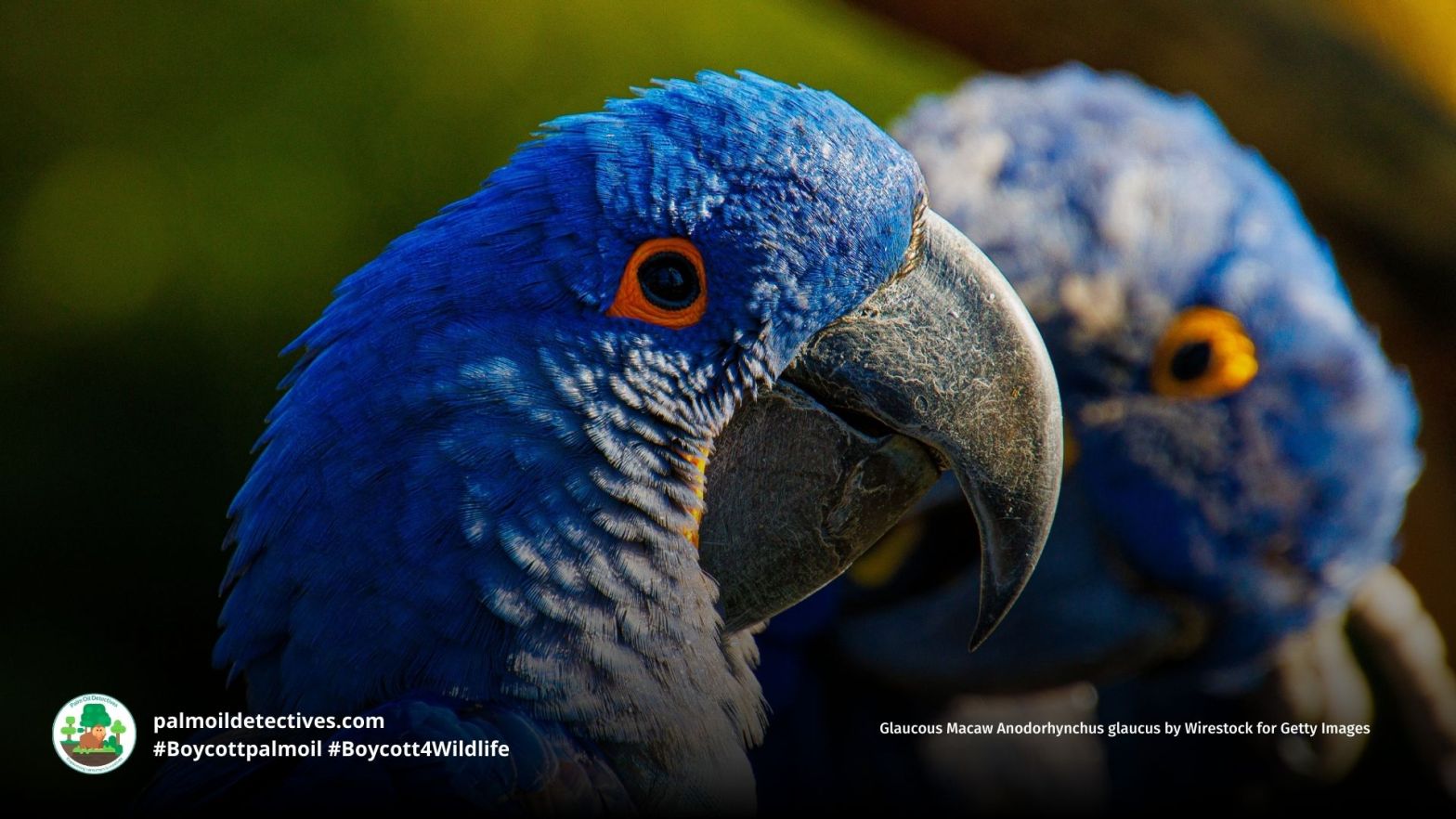
The Glaucous #Macaw stands out not only for their vibrant coloration but also for their vocalisations, which led to its Guaraní name “guaa-obi.” As part of a larger group of neotropical macaws, they are closely related to the Lear’s macaw (A. leari) and the hyacinth macaw (A. hyacinthinus). Although often confused with similar species, the Glaucous Macaw is a unique denizen of South America’s gallery forests and palm savannahs.
Use your wallet as a weapon and help the Glaucous Macaw and other rare #birds. They face many threats to their survival including forest destruction for meat, palm oil, soy and gold. Join the movement to #BoycottPalmOil #BoycottGold and #Boycott4Wildlife. Together we can empower people we know to make conscious supermarket decisions for wildlife survival.
MSC and RSPO Absolutely Untrustworthy, Greenpeace Report
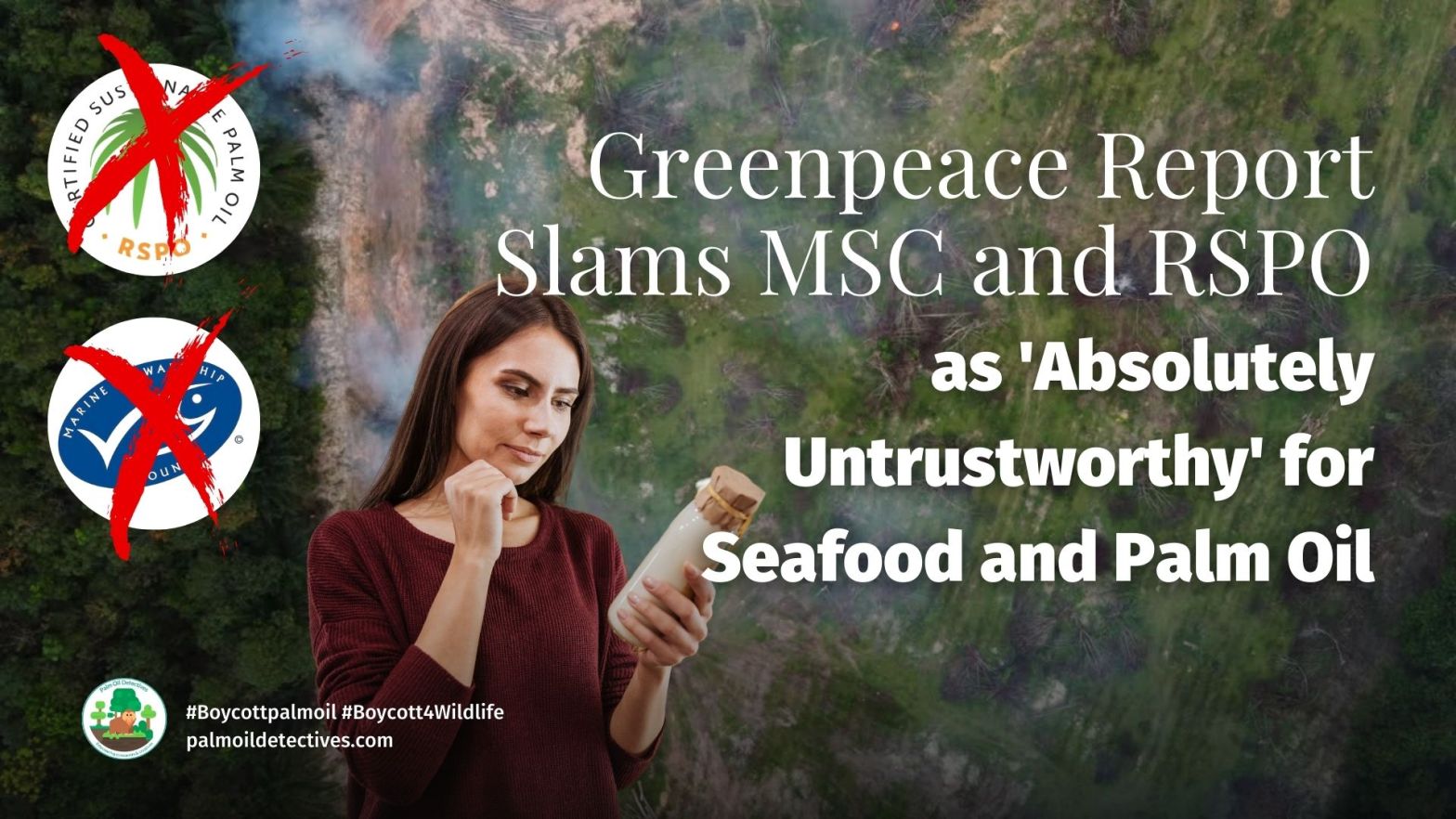
Greenpeace report reveals severe failures of ecolabel RSPO certifying palm oil and FSC certifying seafood. Consumers are being greenwashed. Boycott palm oil!
Nancy Ma’s Night Monkey Aotus nancymaae
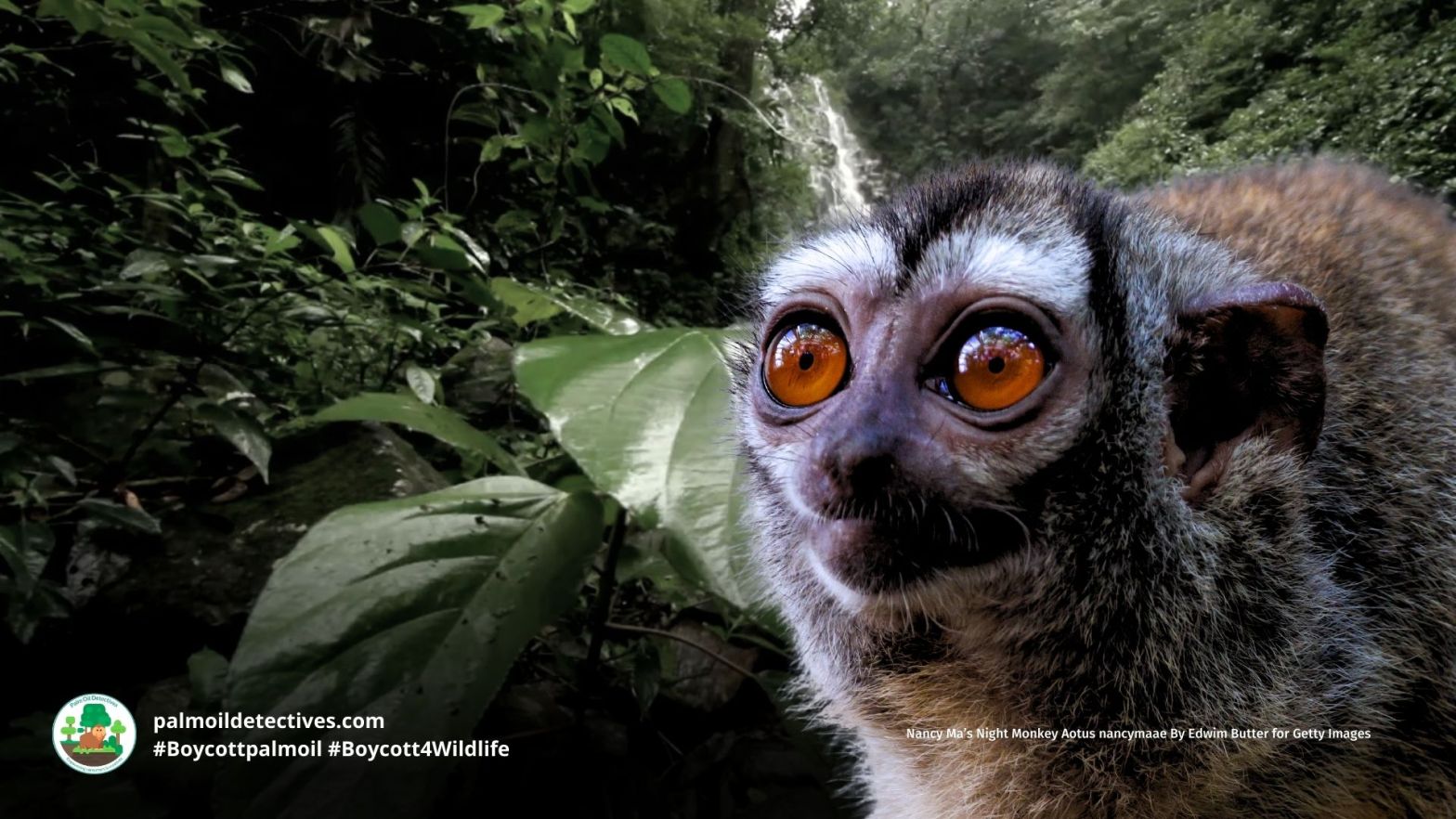
Deep in the heart of the Amazon rainforest, the Nancy Ma’s night monkeys peer out of the trees during the dusk with their large, soulful eyes and striking facial markings. Also known as the Ma’s night monkey or the Peruvian red-necked owl monkey, this nocturnal primate is named in honour of Dr. Nancy Shui-Fong Ma, who played a significant role in their genetic research. They are endemic to Brazil, Peru, and parts of Colombia, these monkeys are an essential part of their ecosystem. They now face direct threats from expansion for palm oil, soy and meat deforestation and are wild captured for scientific research – much of primate research is not even relevant to human health. Help them every time you shop and #BoycottPalmOil, be #vegan and #Boycott4Wildlife!
Dung Beetles Are Rainforests’ Diligent Regrowth Soldiers
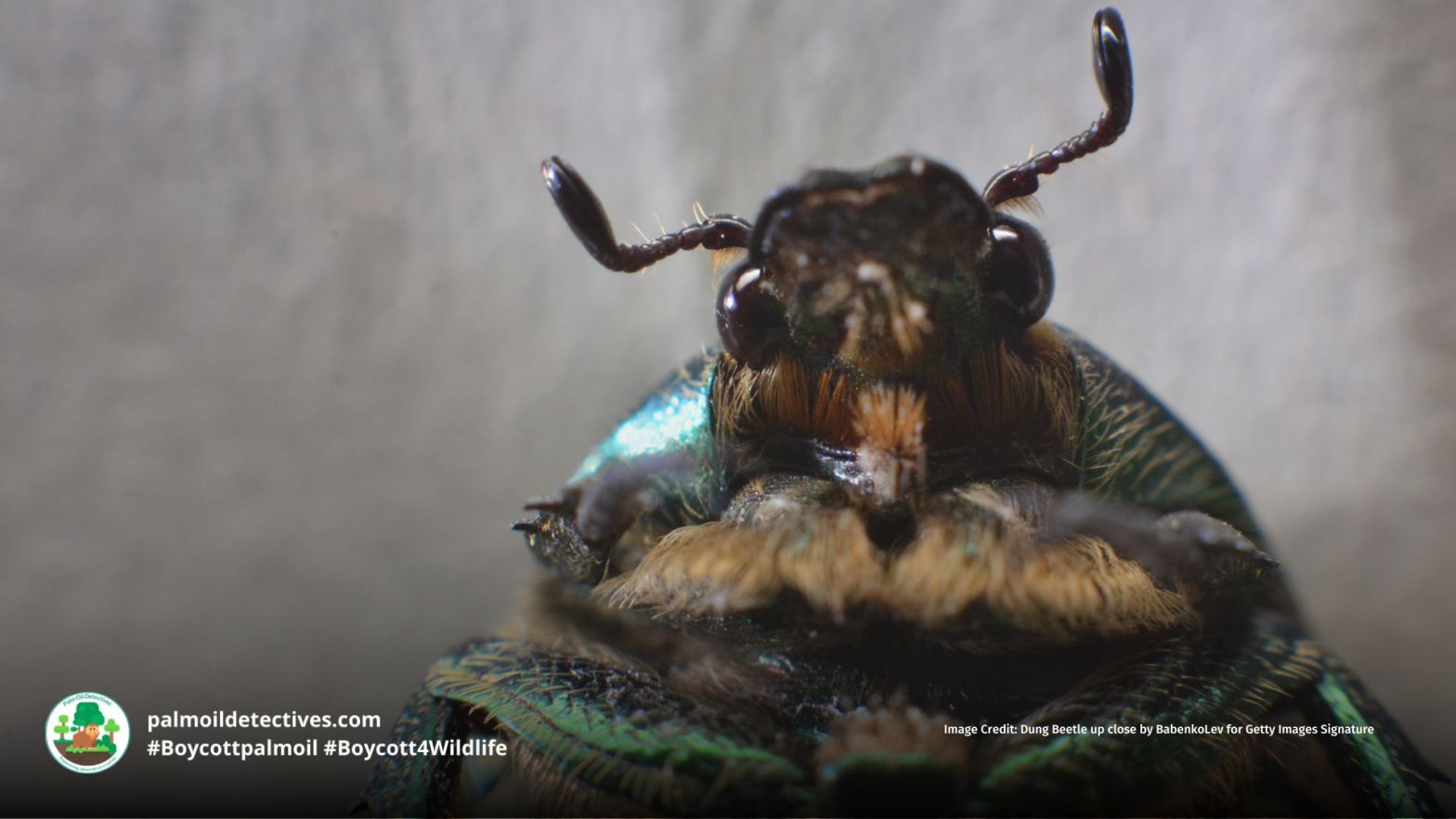
The dung beetle may eat and nest in poop, but their role in nature is anything but humble. These hardshelled scarabs live on every continent except Antarctica, recycling feces and suppressing parasites that could otherwise harm people and animals. Dung beetles also spread both seeds and nutrients into the soil, helping to maintain a healthy ecosystem. Help them and #Boycottpalmoil #BoycottGold and #Boycott4Wildlife
Major Food Giants Sued Over Addictive UPFs Given To Kids

Lawsuit accuses major food companies (Kraft Heinz, PepsiCo, Nestlé) of selling addictive ultra-processed foods (UPFs) targeting children. Boycott palm oil!
Tufted Ground Squirrel Rheithrosciurus macrotis
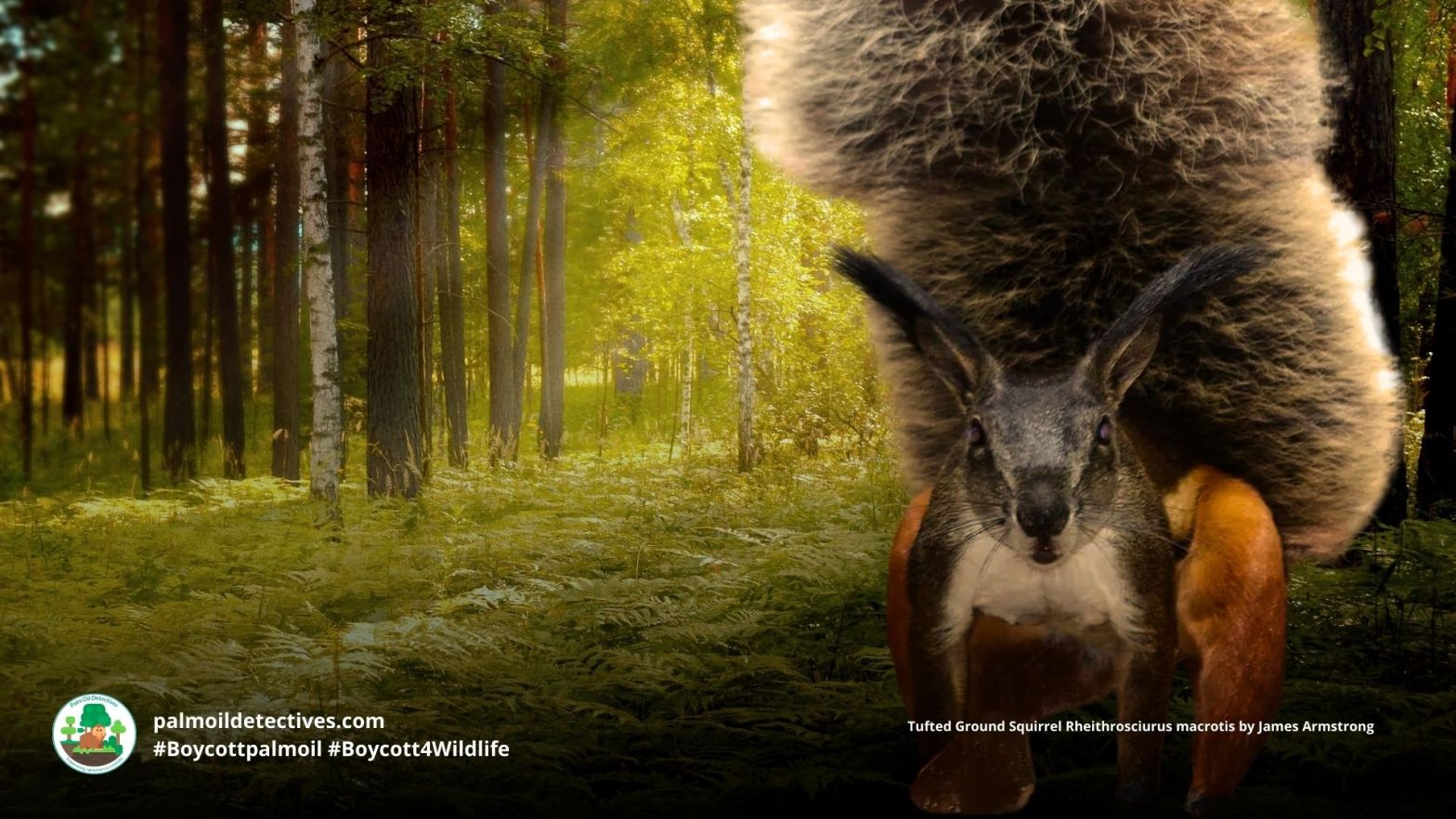
The tufted ground squirrel, or groove-toothed squirrel, is a striking nut-cracking rodent native to the island of Borneo. Sporting a voluminous, club-shaped tail, the tufted ground squirrel carries the largest tail-to-body size ratio of any mammal. Scientists believe the tail could serve to confuse predators or attract mates. They are listed as Vulnerable on the IUCN Red List and are threatened by deforestation, hunting, and forest conversion to palm oil. To protect these charismatic creatures, make sure you #BoycottPalmOil and #Boycott4Wildlife in the supermarket!
Research: Climate Change Collapsing Insect Numbers by 63%
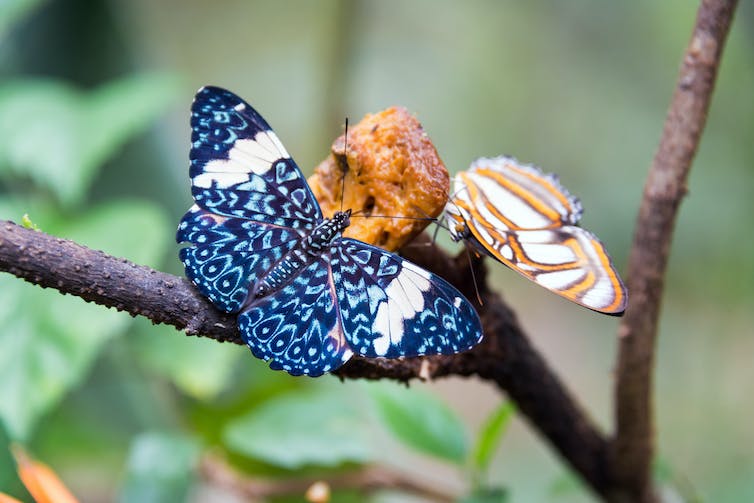
The world may be facing a devastating “hidden” collapse in insect species due to the twin threats of climate change and habitat loss. #Palmoil 🪔 #soy #meat 🥩 and #cocoa 🍫 #agriculture along with #climatechange and #habitatloss in rainforests is driving #insects to the edge of #extinction. Take action by going #vegan and #Boycottpalmoil #Boycott4WildlifeContinue reading “Research: Climate Change Collapsing Insect Numbers by 63%”
Visayan Broadbill Sarcophanops samarensis
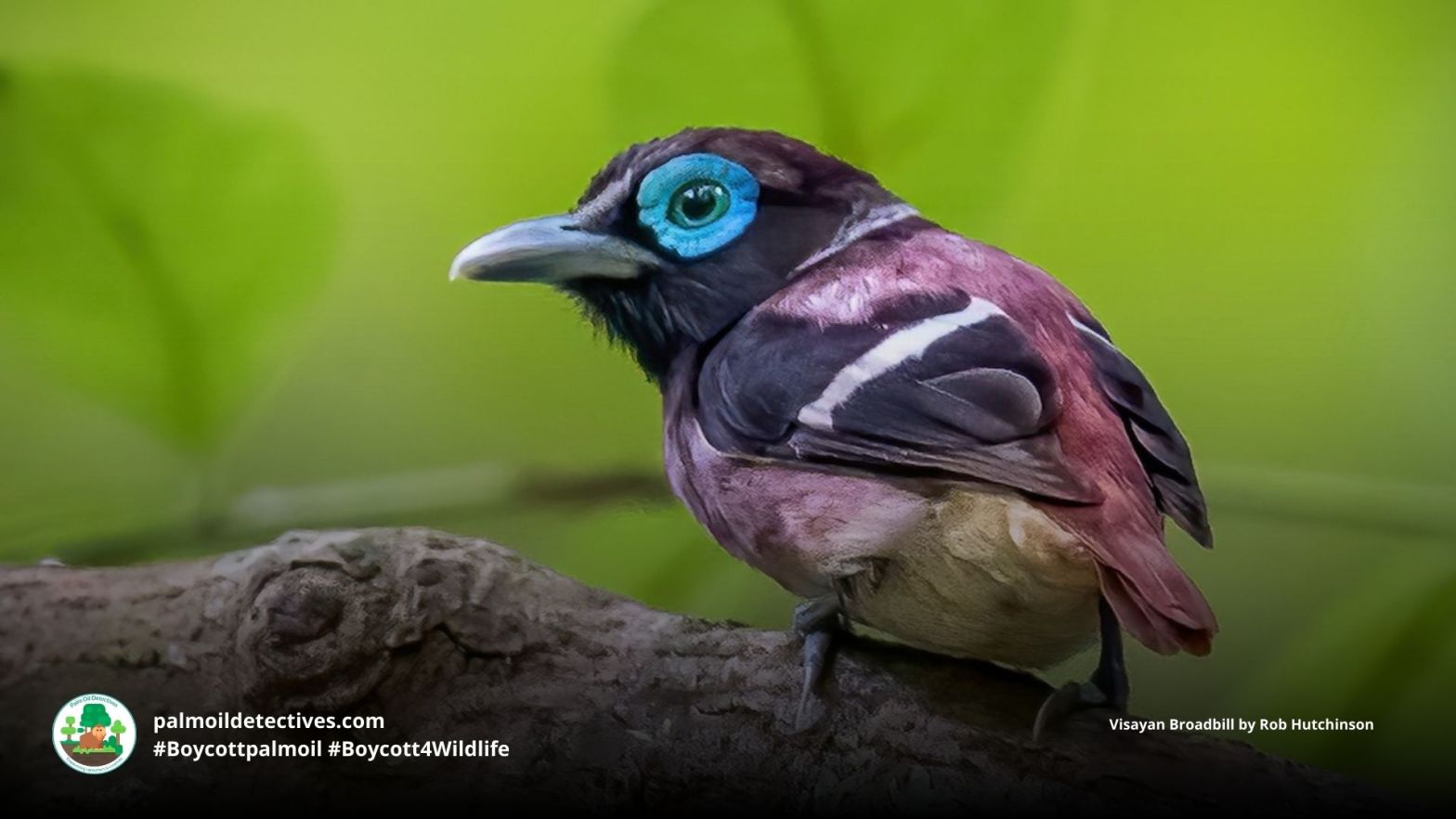
The Visayan broadbill Sarcophanops samarensis is a brightly colored bird endemic to the islands of Samar, Leyte, and Bohol in the central Philippines. Males flaunt striking reddish-pink underparts, while females are marked by a distinctive white belly and collar. Sadly, due to extensive deforestation and habitat loss for palm oil and other commodities in the Philippines, the Visayan broadbill is now classified as “Vulnerable” on the IUCN Red List. There is only an estimated population of 2,500 to 9,999 mature individuals left alive! Therefore urgent conservation measures are needed to protect this unique bird’s lowland forest habitat. Advocate for stricter protections, push back against illegal logging for palm oil #BoycottPalmOil #Boycott4Wildlife to make a difference.
How banks and investors are bankrolling extinction and ecocide
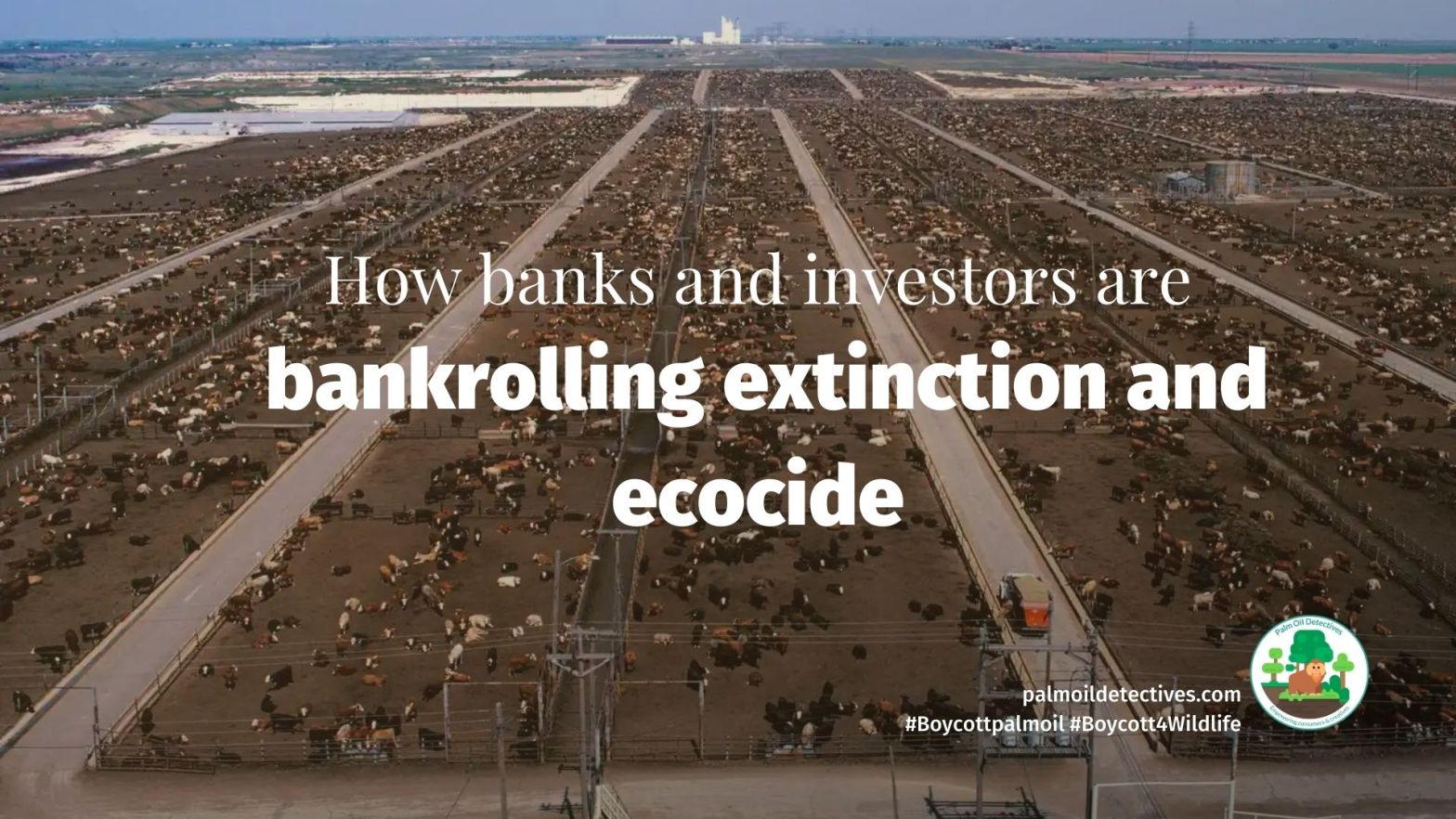
Discover the financial giants fuelling ecocide and deforestation for palm oil, meat, mining and soy in this important report about financial corruption
If You Love Moo Deng, Help to Save Her Home!
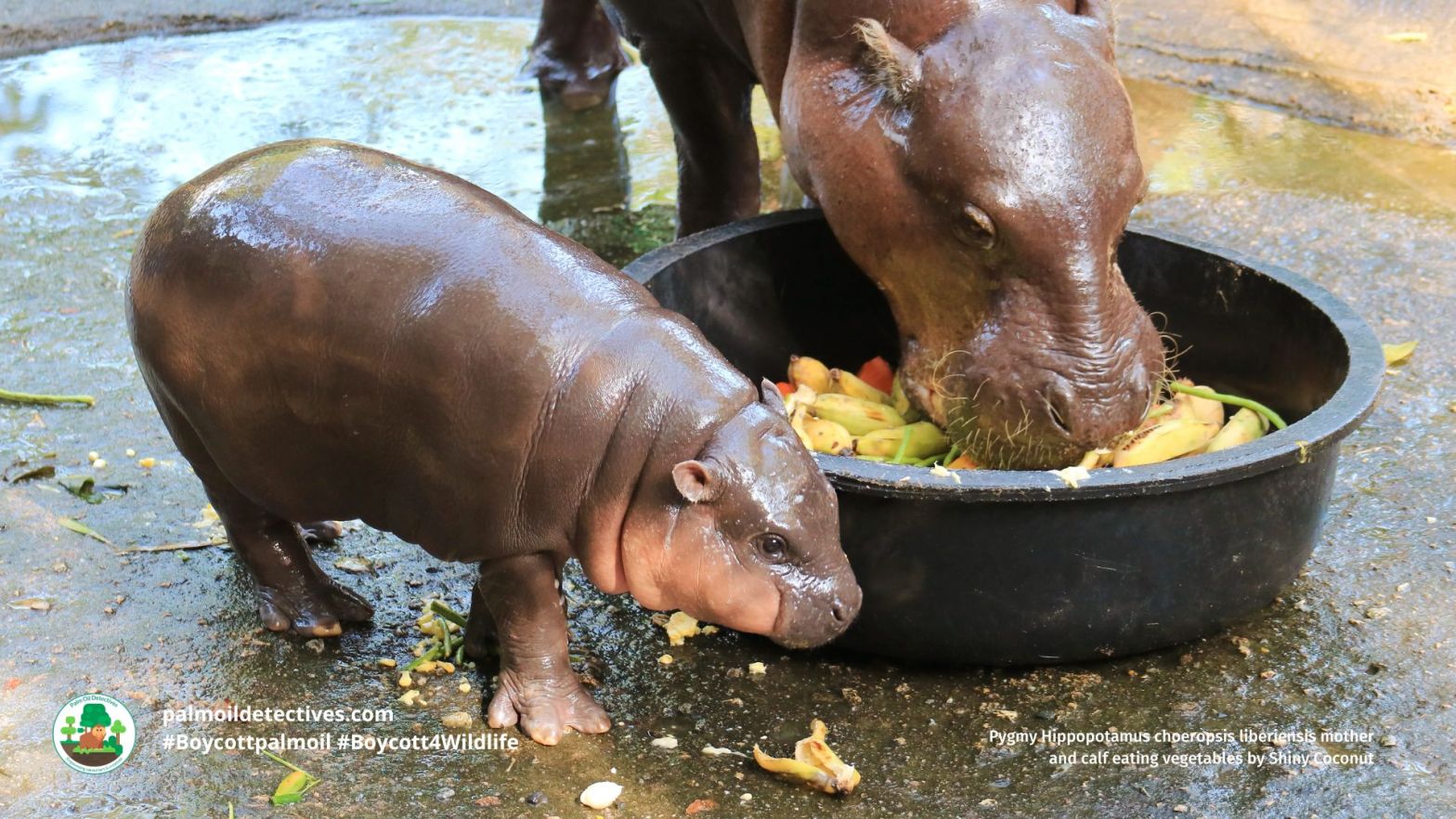
Moo Deng, the chubby, moody and adorable baby pygmy hippo has highlighted the plight of these elusive large mammals living in Africa’s rainforest and mangrove environments. The message to animal lovers is clear, if you love Moo Deng then take action for her home and boycott products coming from African deforestation like palm oil, cocoa and meat. #BoycottPalmOil #Boycott4Wildlife
Phayre’s Leaf Monkey Trachypithecus phayrei
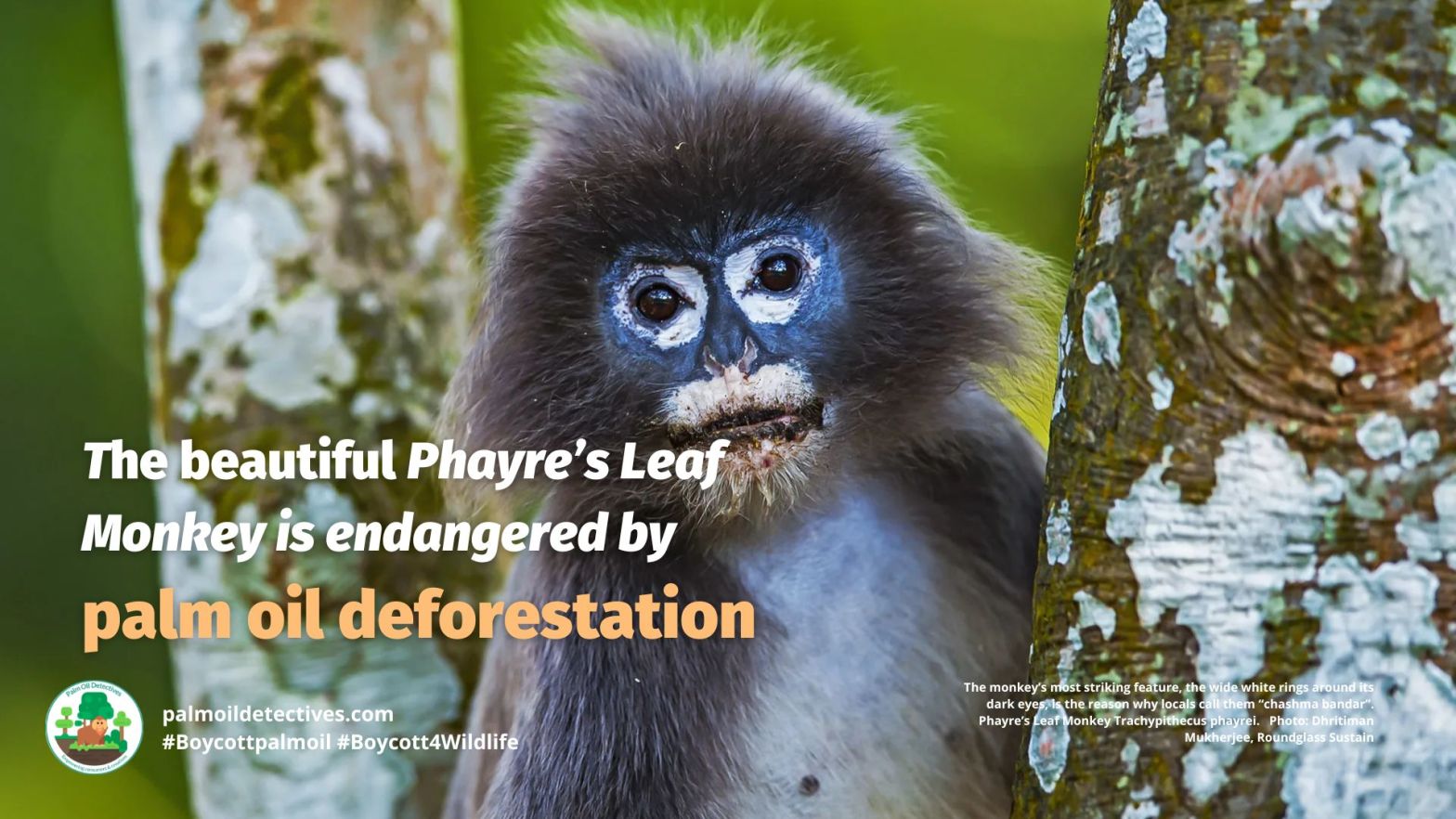
Phayre’s leaf monkey, also known as Phayre’s langur, are remarkable Old World monkeys distinguished by large, white-rimmed eyes that lend them a “spectacled” appearance. Known locally as ‘Chasma bandor’ they live mostly in the lush forests of India, Bangladesh and Myanmar. Major threats to their survival include habitat destruction from palm oil and rubber plantations, illegal hunting for traditional medicine, and habitat encroachment depleting their natural food sources. An emerging threat is interbreeding with other threatened monkey species. Join the fight to protect this unique species: #BoycottPalmOil #Boycott4Wildlife in the supermarket! If you care about animals, consider going #Vegan to protect their habitat and lives.
Giant Pangolin Smutsia gigantea

The Giant Pangolin is are the largest and heaviest of the pangolin species weighing up to 35 kilos. These majestic creature are cloaked in keratin armour and embark on nightly quests through Central and West Africa’s lush landscapes. By the light of the moon, they use their keen sense of smell to hunt down ants and termites. As they navigate a world fraught with dangers from habitat destruction, poaching and illegal hunting, the survival of these enigmatic beings hangs in balance, urging us to reflect on our impact on their dwindling world. Help them to survive every single time you shop and #Boycottpalmoil #Boycottmeat, be #vegan and #Boycott4Wildlife
Protected: Private Advocate’s Page
There is no excerpt because this is a protected post.
Andean Mountain Cat Leopardus jacobita
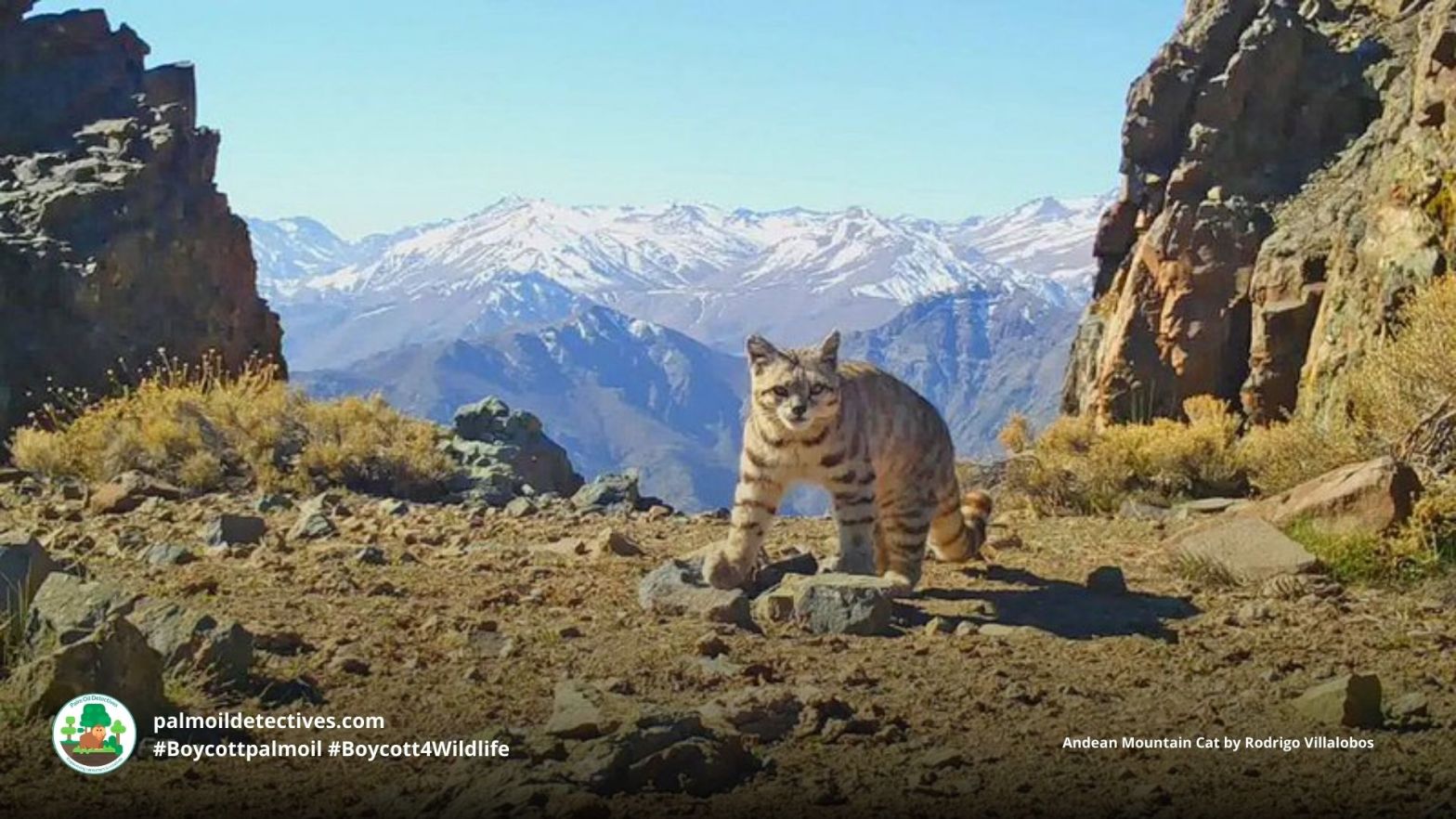
Known affectionately as ‘huana titi’ or ‘the cat from dry places’ by locals, the Andean mountain cat captivates with their mystery and elegance. This cat boasts an exceptional sense of hearing, attributed to their well-developed eardrums. These allow them to detect prey with precision. They skillfully use their long tail, which makes up 70% of their body length, for balance during the swift and unpredictable chases of their prey.
Unlike their larger feline counterparts, Andean mountain cats cannot roar due to the close and hardened structure of the bones in their throats, opting instead for mewls, growls, and screams. Remarkably, they can purr continuously, breathing in and out, showcasing a unique aspect of their vocal repertoire. Together we can protect these magnificent cats and their precious rainforest world. Use your wallet as a weapon and #BoycottMeat, #BoycottPalmOil, and #Boycott4Wildlife every time you shop!
Ecosystems Sell Dirt Cheap for Palm Oil Filled Snickers and KitKat
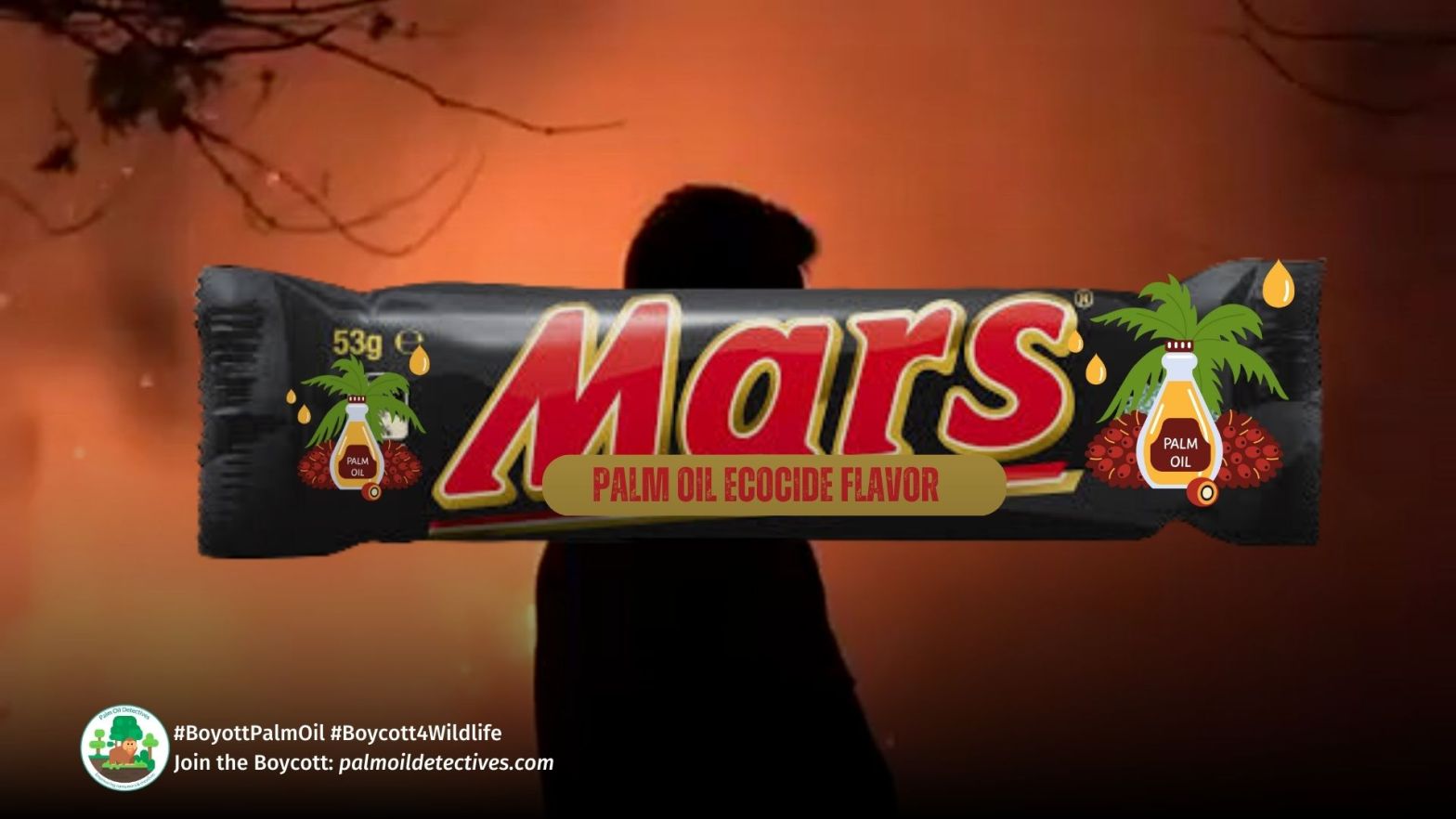
A recent report highlighted by Mongabay uncovers that deforestation-linked palm oil may still be in popular snacks like Snickers and Kit Kat, despite pledges from brands like Mars, Nestlé, and Mondelēz to use only deforestation-free palm oil. The issue lies in the palm oil-based animal feed used for dairy production, which these companies are not being transparent about. Thirteen out of the fourteen largest U.S. dairy processors, including Mars, Nestlé, and Mondelēz, fail to disclose how much palm oil-based animal feed is in their supply chains, raising concerns over hidden deforestation. If you are wanting to be kind to farmed and wild animals and ecosystems, make sure that you be #vegan #BoycottPalmOil #BoycottDairy #Boycott4Wildlife
Irrawaddy Dolphin Orcaella brevirostris
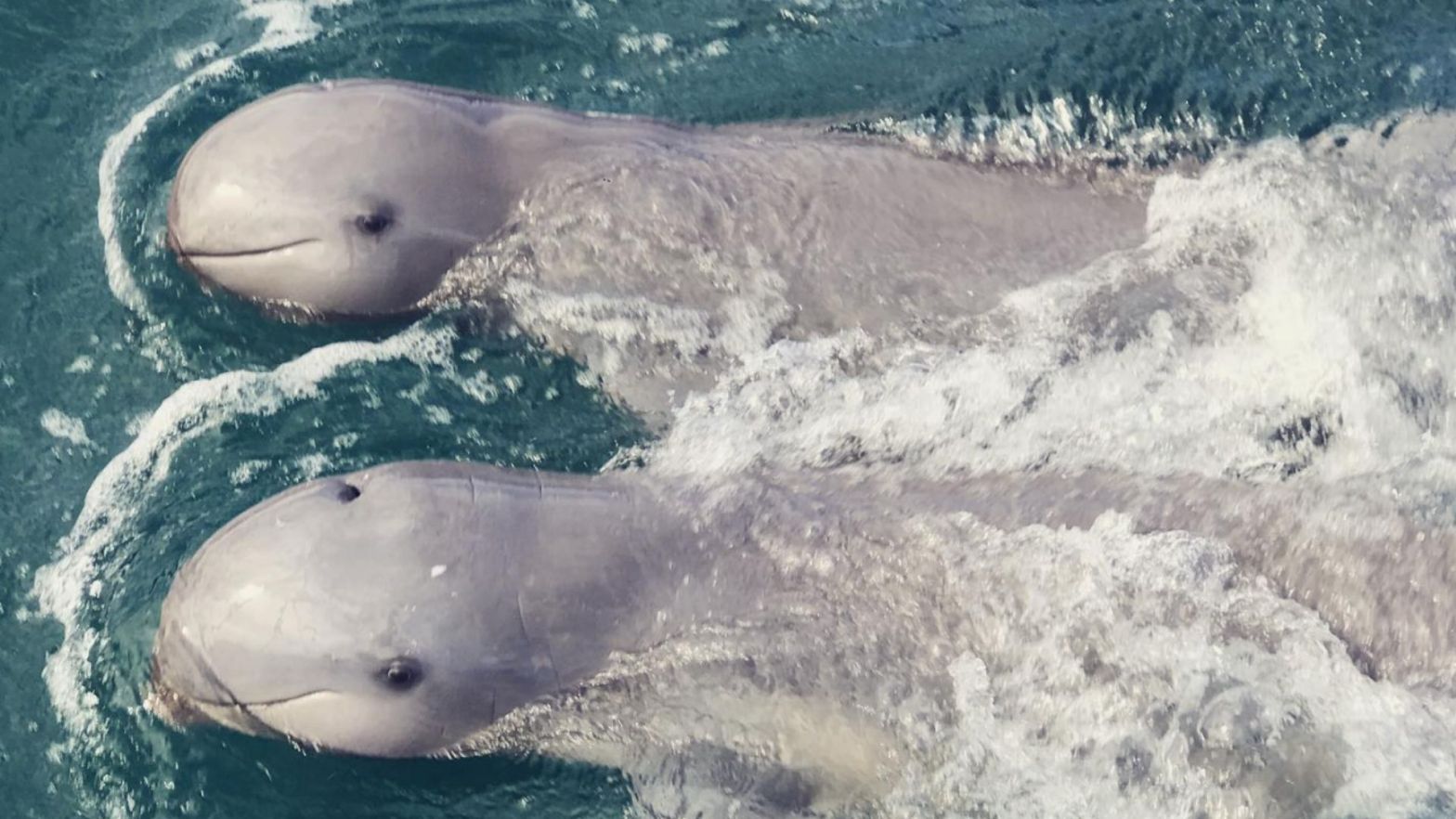
Intelligent and social Irrawaddy dolphins, also known as the Mahakam River dolphins or Ayeyarwady river #dolphins have endearing faces. Only 90 to 300 are estimated to be left living in the wild. Their rounded and expressive looking noses liken them to a baby beluga whale or the Snubfin dolphin of Australia. These shy #cetaceans are found in coastal and freshwater habitats across #SoutheastAsia, they live in small groups. Tragically, Irrawaddy dolphins face many human threats, from entanglement in fishing gear to dam construction. Palm oil deforestation, and #pesticide run-off in rivers is another major threat to their survival.
Protecting the Irrawaddy dolphin is paramount. As a keystone species, they maintain biodiversity in their fragile home. These beautiful animals are classified as endangered on IUCN Red list but are critically endangered in some ecosystems. Fight for their survival when you boycott palm oil and go vegan. Support the Boycott4Wildlife movement by using the hashtags #BoycottPalmOil and #Boycott4Wildlife on social media!
Sambar deer Rusa unicolor
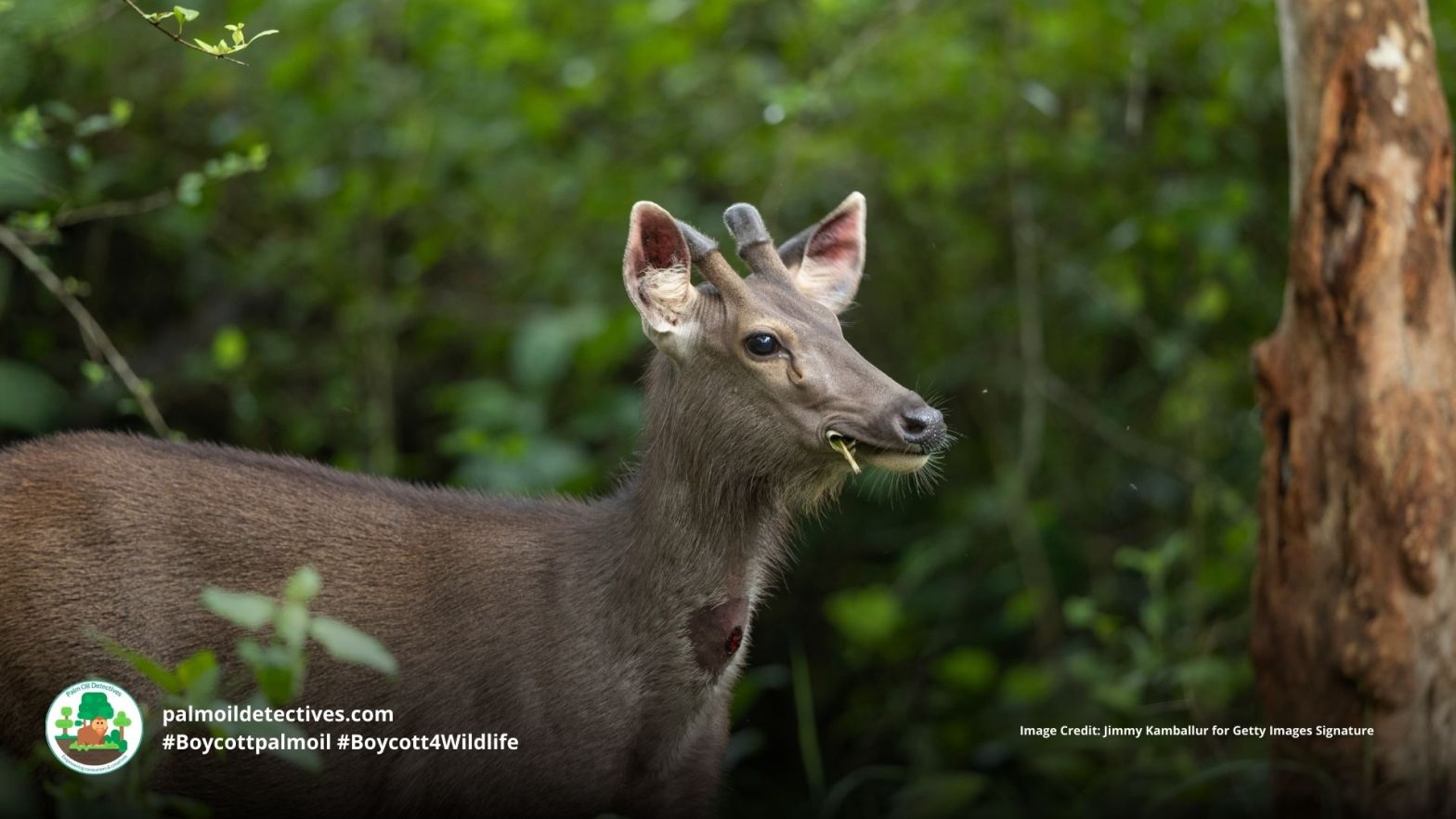
The majestic Sambar deer, cloaked in hues ranging from light brown to dark gray, are distinguished by their rugged antlers and uniquely long tails. Adorned with a coat of coarse hair and marked by a distinctive, blood-red glandular spot on their throats, these deer embody the beauty of the wild. Their adaptability is evident in their alert behavior, silent movements, and the gradual development of their unique spots. Perfectly designed for grazing, these deer use their antlers and feet deftly in defense, relying on their acute senses of hearing and smell to evade predators. To protect these splendid deer and their habitats from the impacts of deforestation and agricultural expansion, especially for palm oil, join the movement: #BoycottPalmOil and #Boycott4Wildlife to aid in their survival.
Bush Dog Speothos venaticus
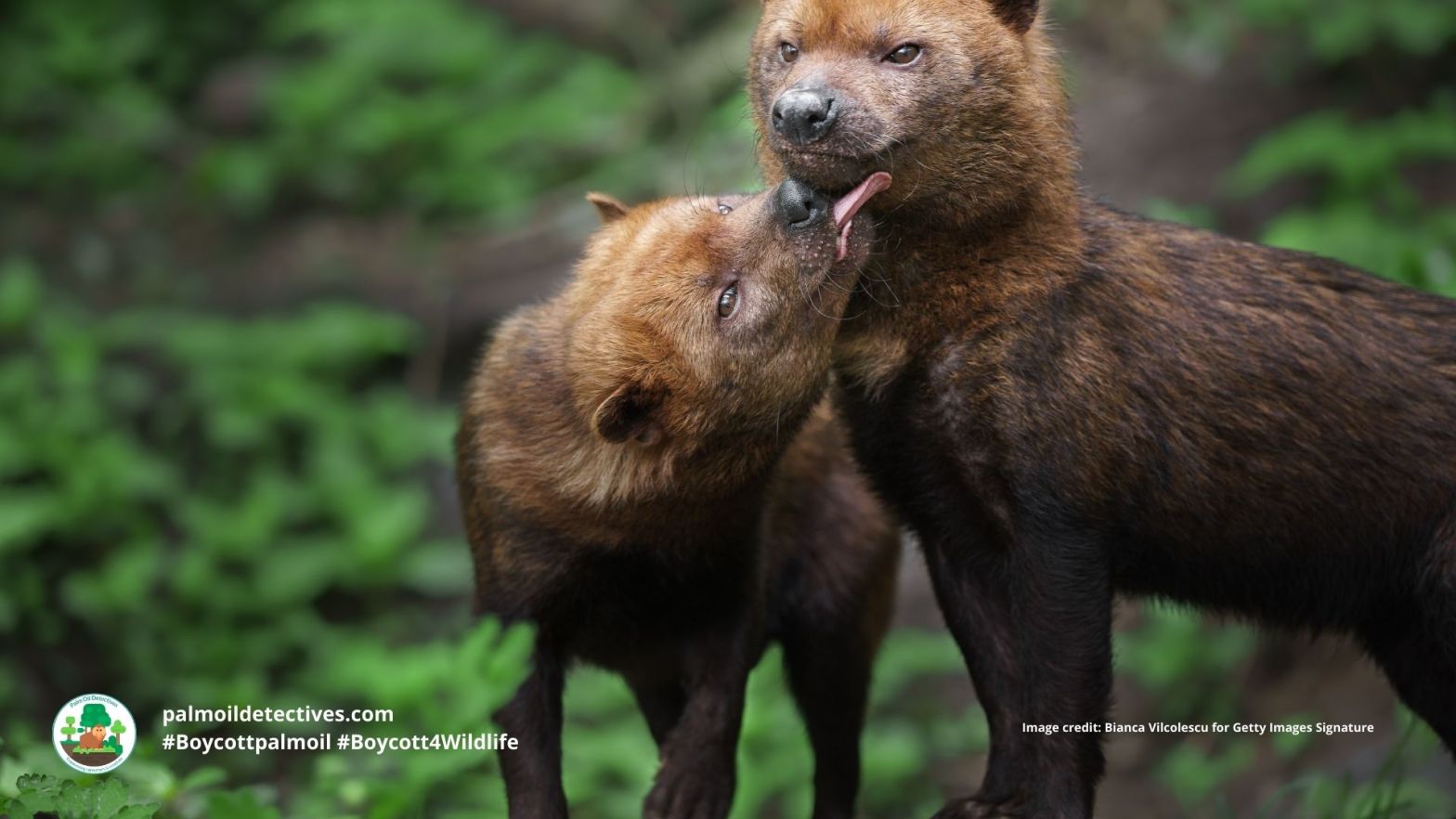
The enigmatic Bush dog was once believed to be extinct, however they have now emerged from the shadows. These elusive canids show remarkable teamwork and intelligence with strategic hunting tactics. They divide into land and water based groups when pursuing elusive prey like the paca. Despite their shy nature, Bush dogs break their silence with peculiar calls, a vocal repertoire that serves as a means of communication and warning within the pack. Adorned in reddish hues, they bear the nickname ‘zorro,’ reminiscent of a fox, while their distinctive vinegar-like scent has earned them the moniker ‘vinegar dog’.
They are classified as Near Threatened due to their range disappearing for cattle grazing, palm oil, soy, eucalytpus and other monoculture crops. Not enough is known yet about their lives to assess the damage. Fight for them every time you shop and be #vegan #Boycottpalmoil #Boycott4Wildlife.
Extinction On Our Plates
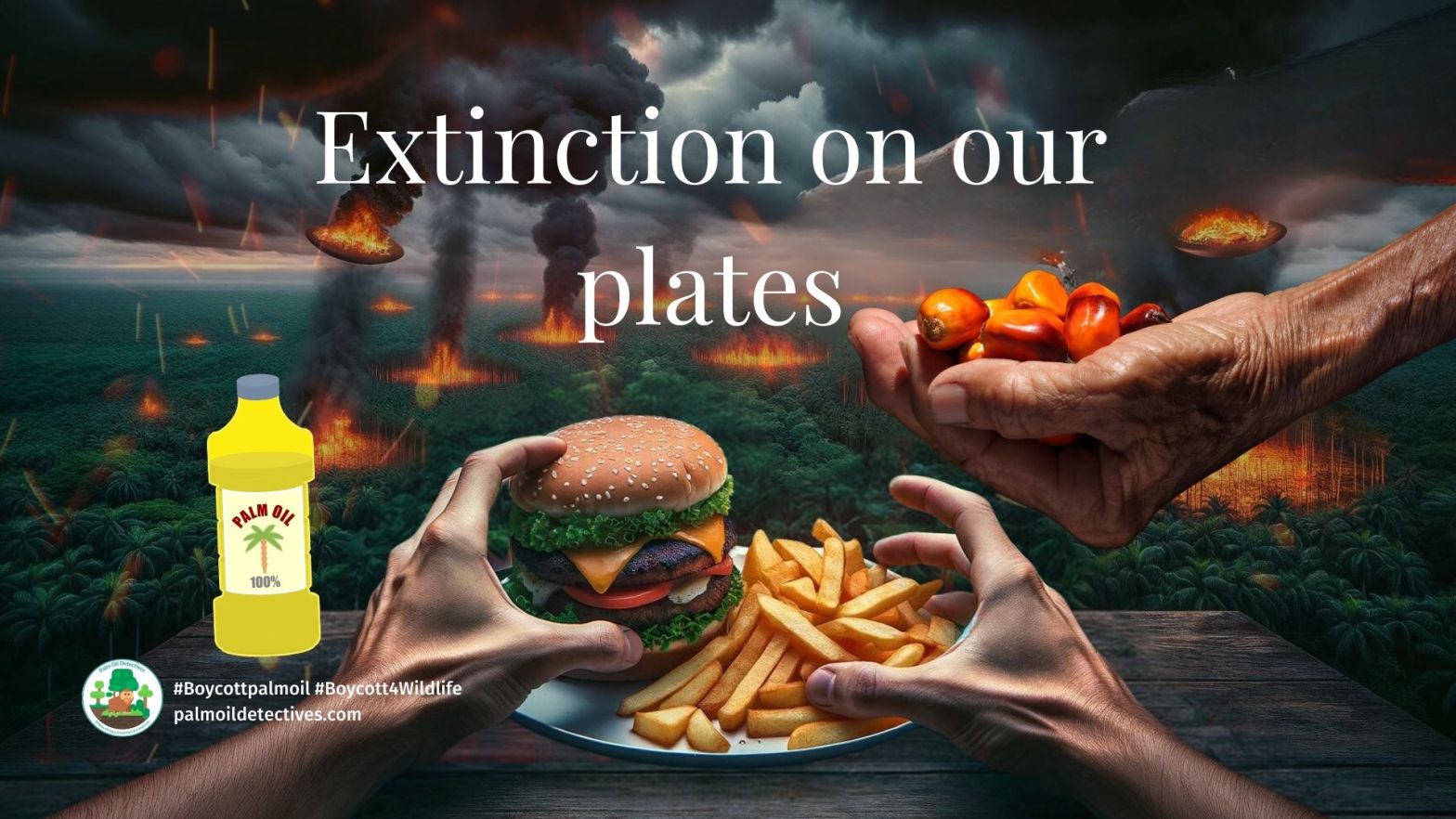
The contents of your fridge and dining table directly impacts the future of rare rainforest and ocean animals. That’s because industrial agriculture and aquaculture for commodities like meat, dairy, fish and palm oil is driving animals in the most biodiverse ecosystems on the planet closer towards extinction.
However, reducing the biodiversity footprint of global food consumption requires more than just consumer intervention. It requires immediate and widespread action from government policy-makers and law-makers as well, writes Ecologist Dr Quentin Read of North Carolina State University for 360info
Victoria crowned pigeon Victoria goura
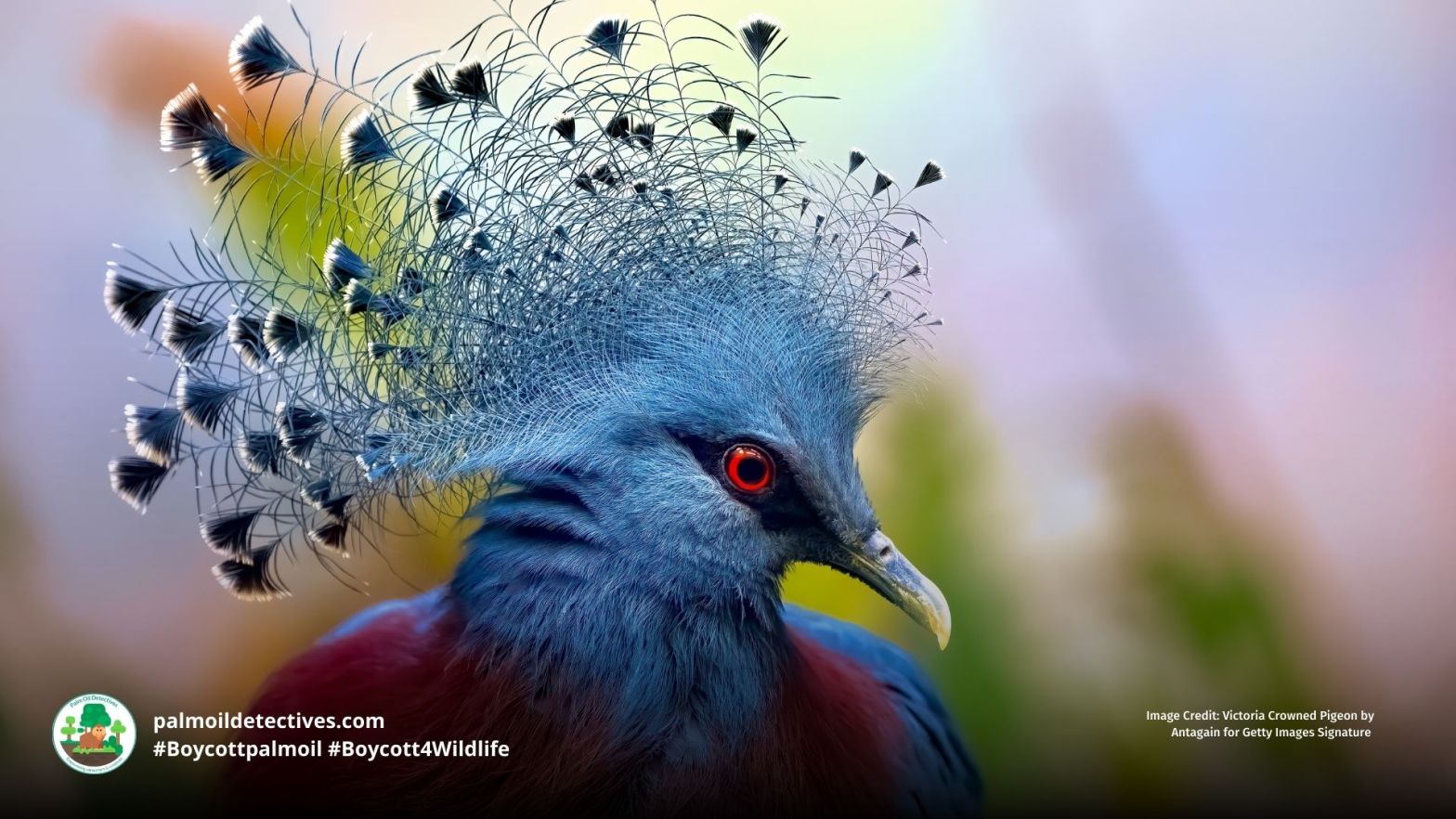
Meet the Victoria crowned pigeon, the world’s largest pigeon species with royal roots and some unique quirks. Not only are they named after Queen Victoria, but they’re also close relatives to the extinct dodo. These lovebirds mate for life and share parenting duties in the most adorable ways—from dancing displays to feeding their chicks a special ‘crop milk.’ Despite their fascinating traits and tight-knit families, these majestic birds face dire threats. Their forest homes are disappearing due to palm oil and timber deforestation, and they’re being hunted. Help keep their love story alive: #BoycottPalmOil and support #Boycott4Wildlife to protect these incredible creatures.
Stop Gambling Our Future for Meat Deforestation
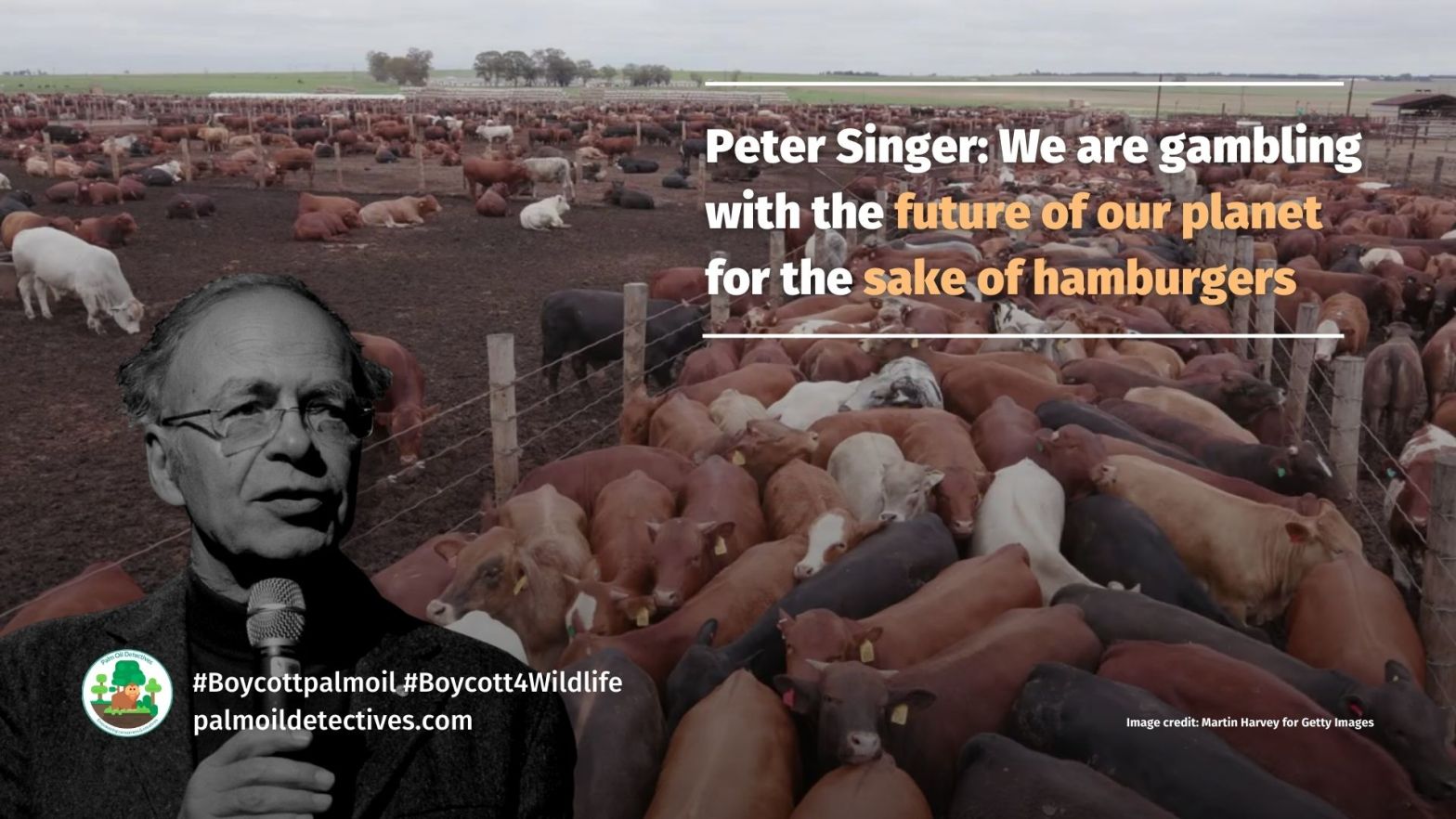
Ethicist Peter Singer warn our consumption of meat and dairy risks the planet’s future driving climate change, food security and animal extinction. Be vegan!
African Forest Elephants Help Fight Climate Change
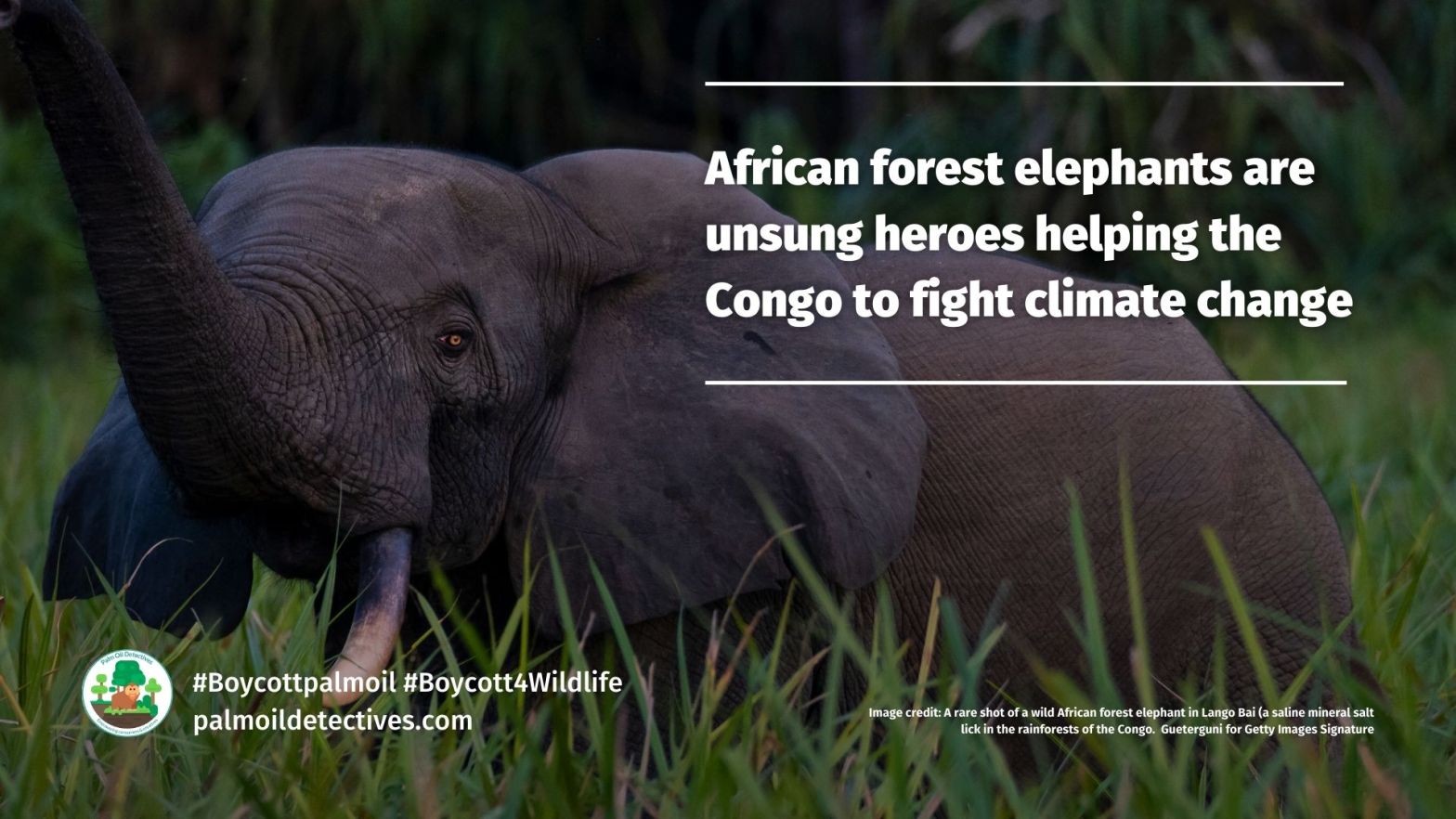
Discover the awe-inspiring role of African forest elephants in the Congo Basin—nature’s master gardeners who literally shape the world around them! These gentle giants roam through muddy, mineral-rich paradises called baïs, fostering the growth of carbon-absorbing trees that make our planet healthier. By tending to these unique landscapes, they are the unsung heroes in the fight against climate change. Want to ensure these ecological architects keep doing their vital work? Join the movement to protect their habitat—say no to palm oil and adopt a vegan lifestyle! 🐘🌳#BoycottPalmOil #BeVegan #Boycott4Wildlife
Strange Species Could Vanish Before Discovery

Scientists have described around 1.5 million species on Earth – but how many are still out there to be discovered? This is one of the most heated debates in biology. Discounting microbes, plausible estimates range from about half a million to more than 50 million species of unknown animals, plants and fungi.
Our present knowledge is just scratching the surface. Evolution has had billions of years to create biologically active compounds that can combat human diseases, generate genetic diversity that could save our food crops from disastrous pathogens, and spawn ecological innovations that can inspire marvellous new inventions. Help the rarest and most cryptic animals, plants and fungi to survive when you #BoycottPalmOil adopt a #vegan lifestyle and #Boycott4Wildlife
Sulawesi Babirusa Babyrousa celebensis
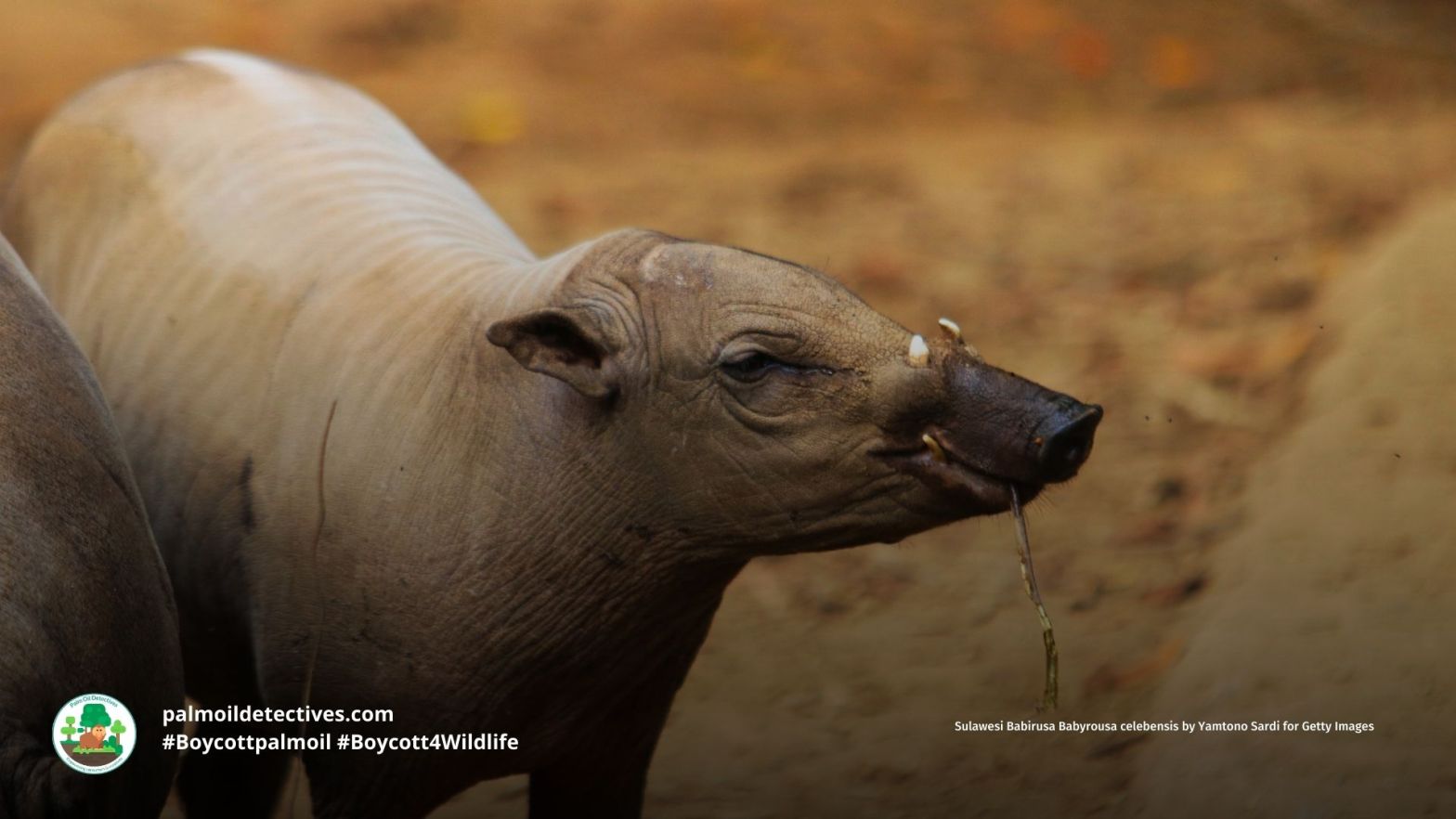
The Sulawesi Babirusa also known as the North Sulawesi Babirusa are wild pigs are found on Sulawesi Island along with nearby islands Lembeh, Buton, and Muna in #Indonesia.
They have a mottled grey-and-brown skin that helps them blend into their forested habitat. One remarkable feature of babirusas is their large tusks. They have two pairs of elongated canine teeth that curve upward and backward towards their heads.
For males, their upper canines grow so long that they protrude through holes in the flesh on the top of their snouts. Sadly, these unique creatures are threatened by deforestation caused by the palm oil and timber industries along with hunting and mining. You can help by making conscious choices. Consider going vegan to support the movement against palm oil, and join the call to boycott palm oil and protect wildlife with the hashtags #Vegan, #Boycottpalmoil, and #Boycott4Wildlife. Together, we can make a difference for the Sulawesi Babirusa and their habitat.
Alta Floresta titi monkey Plecturocebus grovesi

The enchanting Groves Titi Monkey, also referred to as the Alta Floresta titi #monkey or Mato Grosso titi monkey went from being completely unknown to being one of the most critically endangered #primates in #SouthAmerica and the world. They made a remarkable entry into the spotlight only recently in 2016 when they were classified by scientists. They belong to the Eastern Amazonian clade of the red-bellied titi monkey (P. moloch) group and are known for their vividly coloured fur and rowdy rainforest vocalisations. They face multiple anthropogenic threats in #Brazil including hunting, #goldmining, #palmoil, #meat and #soy #deforestation and hydroelectric #dams. Help them to survive each time you shop, be #vegan and #Boycottpalmoil #Boycott4Wildlife
UK Pressuring Forests For Palm Oil and Beef
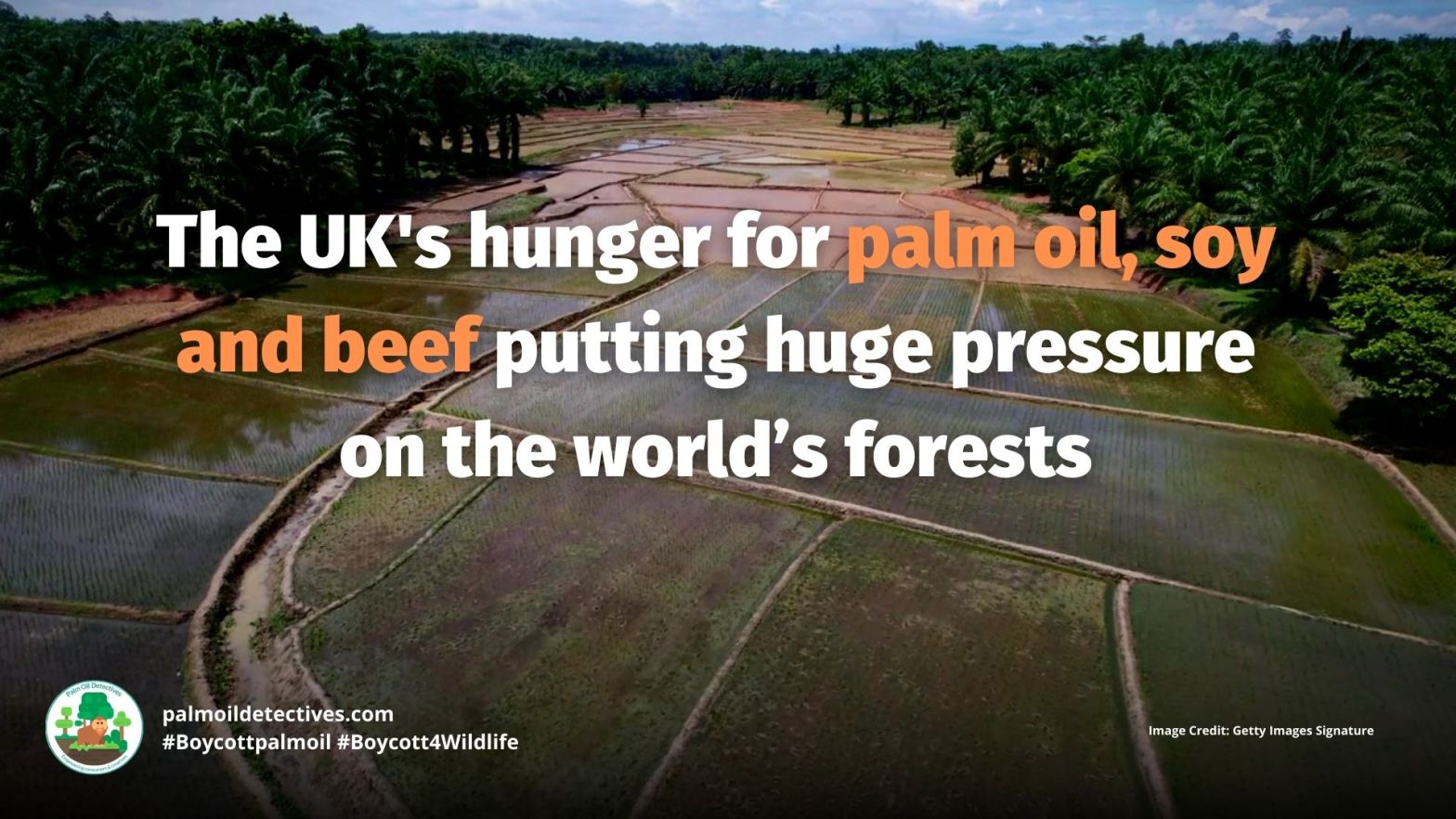
Urgent call to action! 🌍 #UK’s heavy use of #palmoil #soy & #beef fuels global #deforestation. Demand stricter regulations & transparency. Make every purchase count and #Boycottmeat #BoycottPalmOil #Boycott4Wildlife, learn more: https://wp.me/pcFhgU-78V
Green Dragontail Lamproptera meges

Green Dragontails could arguably be called the most exquisite and beautiful butterflies alive.
They flutter through sunlit patches of leaves near to streams and rivers in Indonesia, Malaysia, Thailand, Myanmar, the Philippines, and northeastern India.
They are mostly black and white with a bright turquoise or light green band running roughly parallel to their abdomens.
Their forewings feature a stunning glass-like transparent triangle known as a hyaline. Their tail features a star-like galaxy pattern that glints in sunlight.
It has been over a decade since they were last surveyed, their range overlaps significantly with areas already cleared for palm oil. Help their survival and use your wallet as a weapon! #Boycottpalmoil #Boycott4Wildlife
Mandrill Mandrillus sphinx
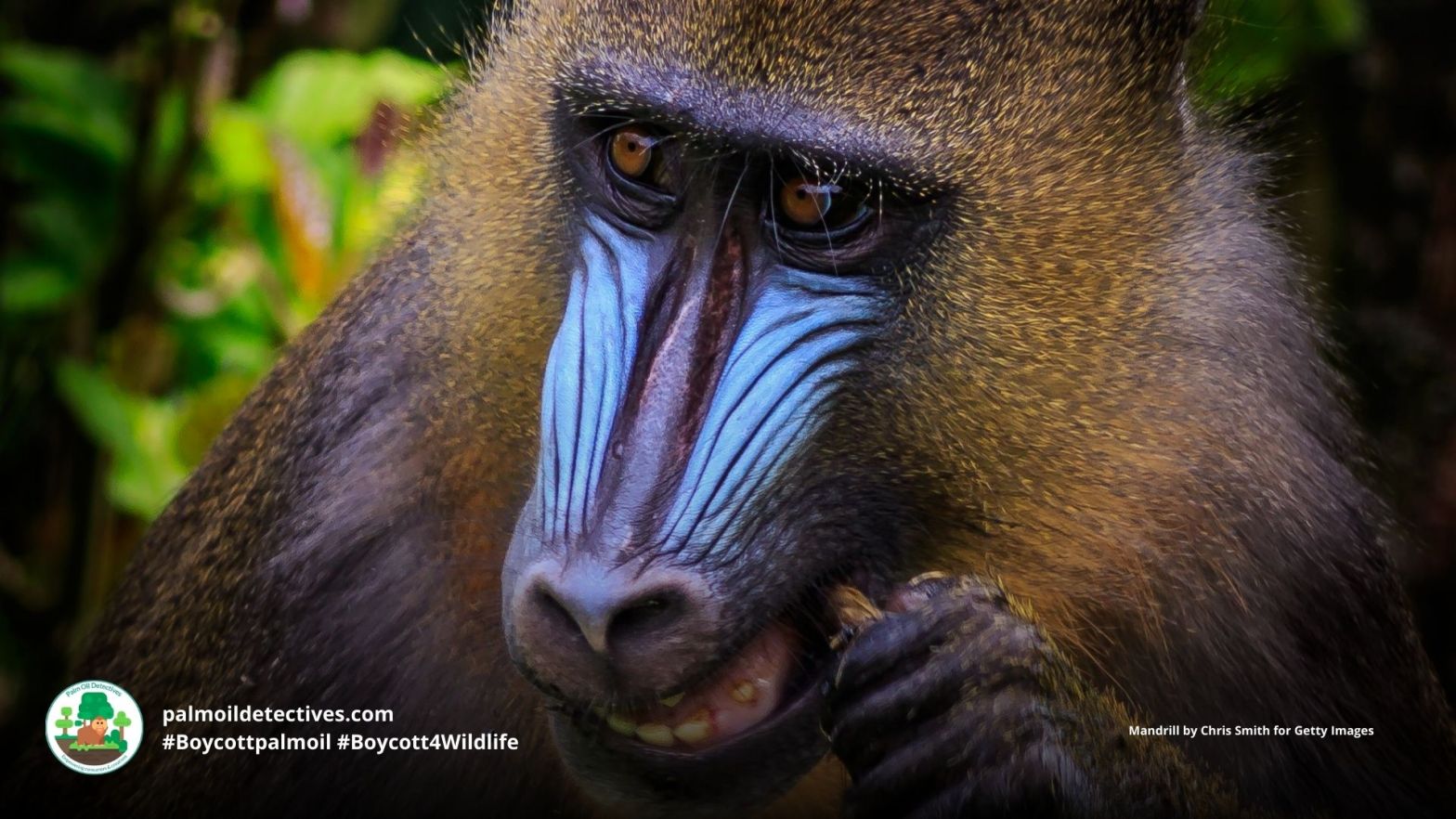
Magnificent #mandrills are undoubtedly one of the world’s most photogenic monkeys – famous for their brightly coloured and expressive appearance. Their bright blue rumps and vivid red, yellow and pink faces become even more deeply colourful when they’re excited. Males use their extra long canines for self-defence, but exposing their teeth can also be a sign of friendliness. Mandrills are important seed dispersers and a critical part of keeping the ecosystem in balance. These beautiful monkeys are vulnerable from palm oil, meat and cocoa deforestation and intensive poaching. Help their survival and #Boycottpalmoil #Boycott4Wildlife
Vegan Palm Oil Free Christmas Recipes

Boycott palm oil this Christmas 🎅🎄 with 10 yummy, #palmoilfree and #Vegan #recipes 🦧🦏🐘🐒🐍 and your #health 🥦🍆 #Boycottpalmoil #Boycott4Wildlife
 Palm Oil Detectives