

The Black-Throated Monitor is a mighty and large lizard reaching over 2 metres long. They are threatened by agriculture deforestation and #hunting for their leather and meat in Tanzania, Africa. Help them every time you shop and #Boycottpalmoil #Boycott4Wildlife
Tag Archives: BoycottPalmOil
A global juggling act: feeding the world, saving species

Our planet is on the precipice of a sixth mass extinction event. But unlike the five previous mass extinctions, this one is man-made: a global biodiversity crisis in which species are disappearing three to 12 times faster than the “normal” rate of extinction. A massive driver of this extinction is how humans eat. Be #Vegan for the animals #BoycottPalmOil #Boycott4Wildlife
Channel-billed Toucan Ramphastos vitellinus
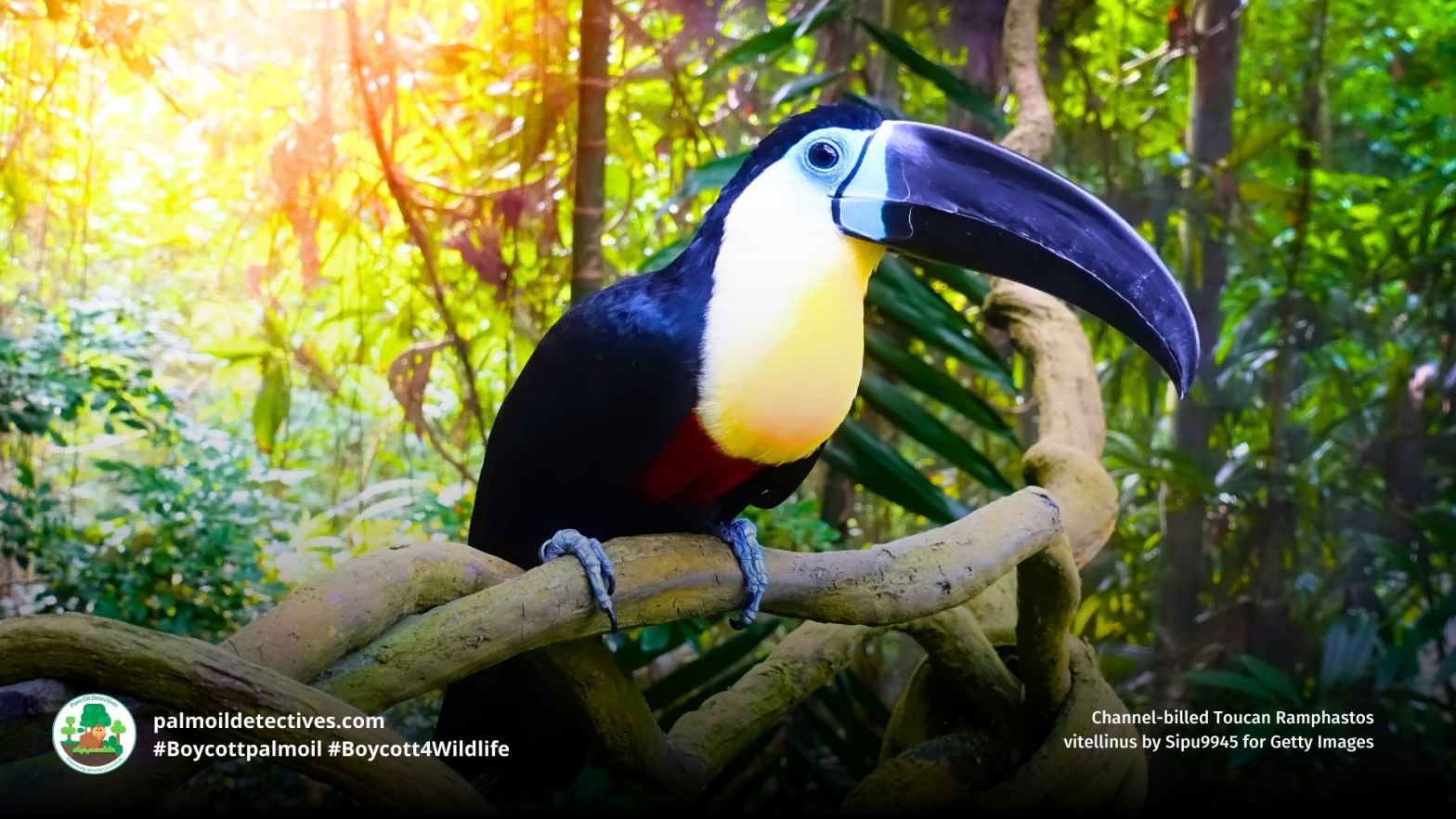
Deep in the heart of the #Amazon rainforest, a flash of vibrant colour moves between the towering canopy trees. The Channel-billed #Toucan Ramphastos vitellinus is a striking bird endemic to #Colombia, #Venezuela, #Ecuador, #Peru, Brazil and #Bolivia with a massive, curved bill and a raucous voice that echoes through the jungle. With their large, expressive eyes and vivid markings, these toucans are more than just symbols of tropical biodiversity—they are crucial players in the rainforest ecosystem, dispersing seeds that sustain the lush vegetation.
But their world is shrinking. The relentless destruction of the Amazon for cattle ranching, soy production, #palmoil and #goldmining is closing in on them. Habitat loss, hunting, and the wildlife trade are pushing them towards localised declines. In some parts of their range, they are disappearing entirely. Use your wallet as a weapon—fight for their survival. #BoycottPalmOil #Boycott4Wildlife
Primatologist Cleve Hicks on Chimpanzee cultures, Palm Oil deforestation

Dr Hicks speaks with Palm Oil Detectives about his chimpanzee research, veganism, deforestation, palm oil and what consumers can do to help the endangered animals of Africa.
What, Why and Where of Black Leopards
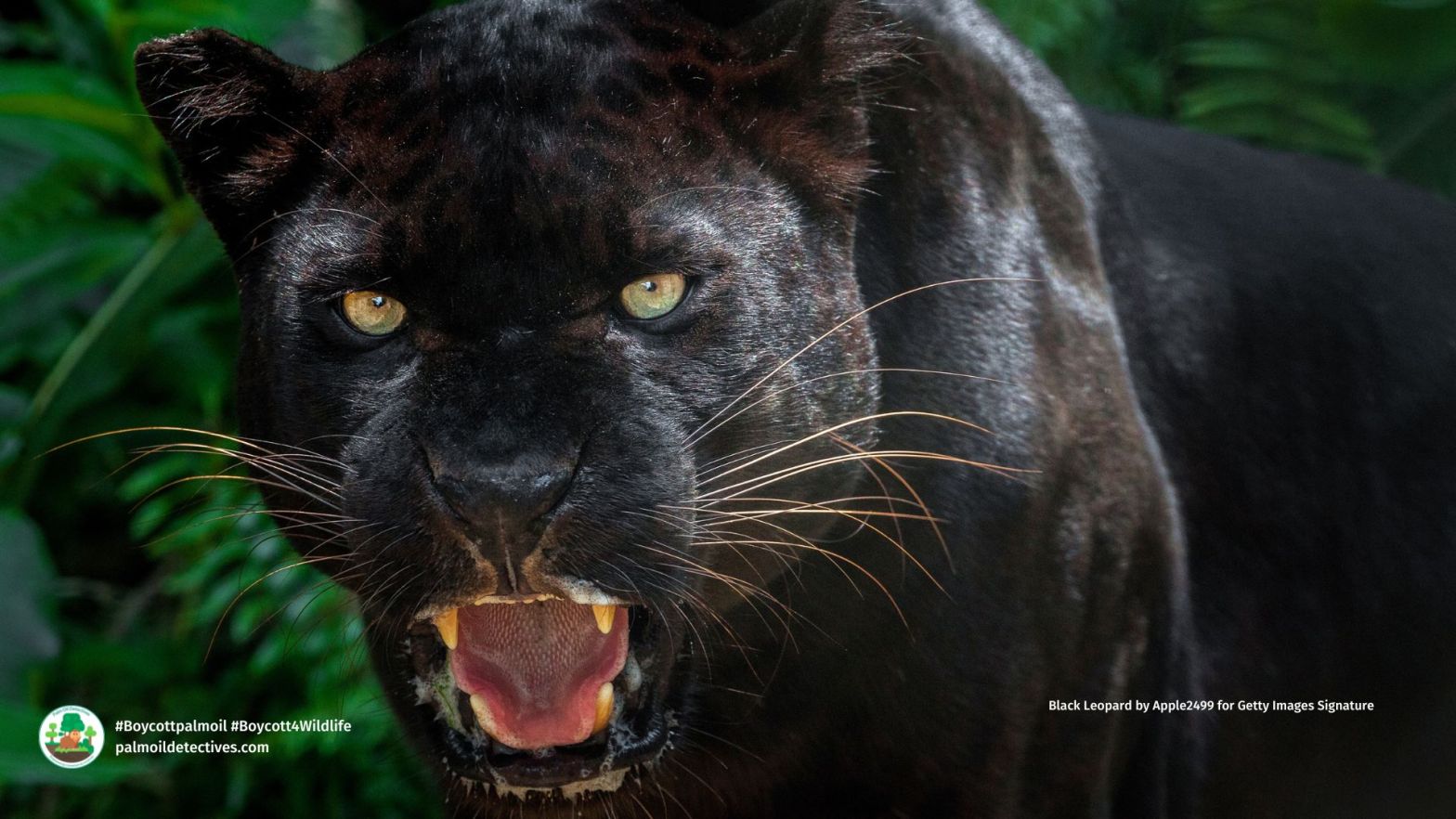
Did you know that Black #leopards only differ from other leopards by the colour of their coat, a genetic variation that’s #recessive also known as melanism? One of their threats is #palmoil #deforestation. Help their survival be #vegan #Boycottpalmoil #Boycott4Wildlife in the supermarket
Marbled Cat Pardofelis marmorata
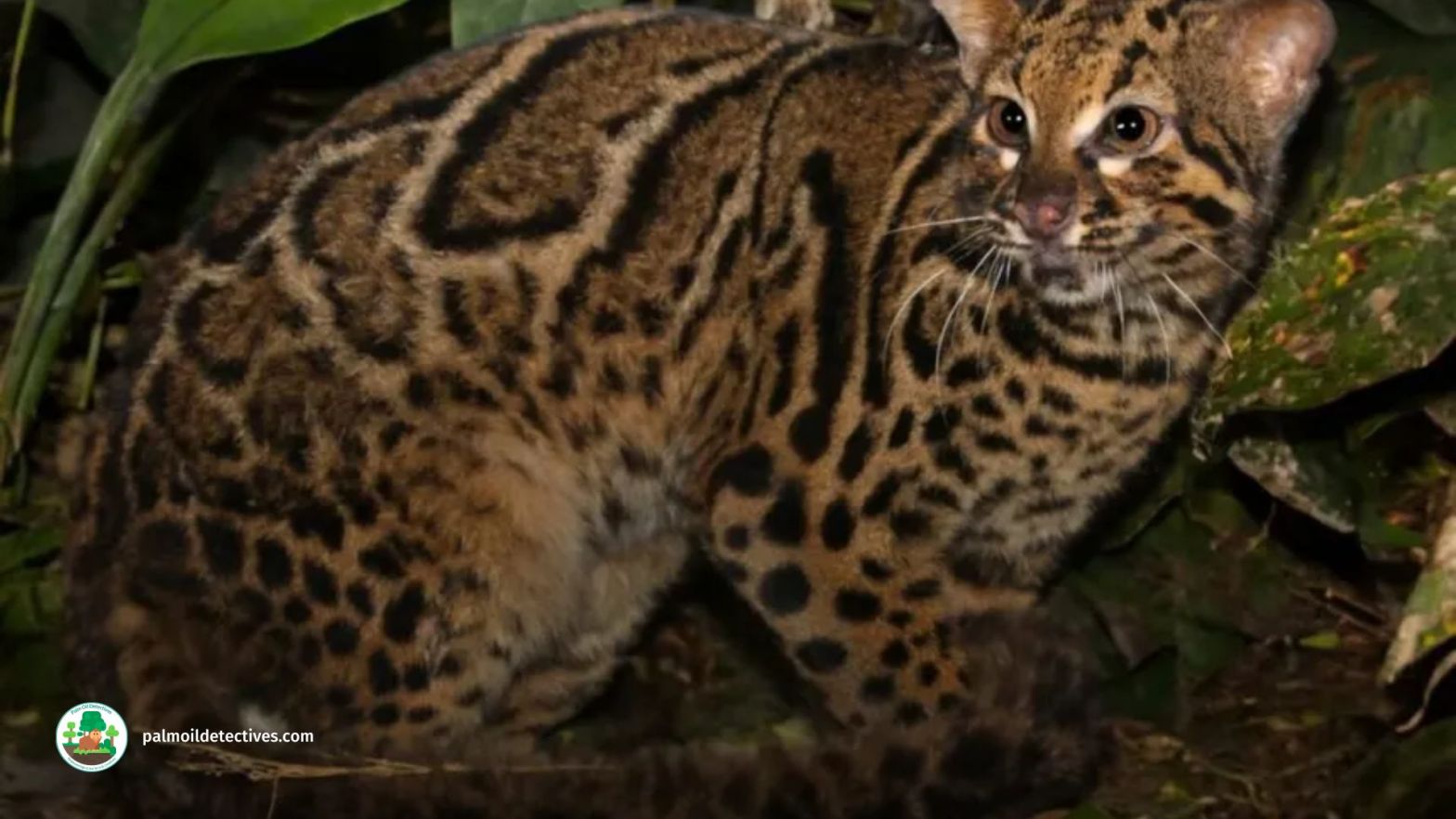
Marbled Cat Pardofelis marmorata IUCN Status: Near Threatened Location: India, Nepal, Bhutan, Bangladesh, Myanmar, Thailand, Laos, Vietnam, Cambodia, Malaysia, Indonesia (Sumatra, Borneo), China (Yunnan, Guangxi, Tibet), Brunei The marbled cat is a small #wildcat that can be found in the eastern part of the Himalayas and southern Asia. They are related to the Asian GoldenContinue reading “Marbled Cat Pardofelis marmorata”
One-fifth of reptiles heading towards extinction

Almost one-fifth of the world’s reptiles are currently threatened with extinction.A recent study assessed 1500 species for extinction risks. From the 19% found to be in danger, 12% were classified as Critically Endangered, 41% as Endangered and 47% Vulnerable. Three of the species listed as being Critically Endangered are believed to be possibly extinct. ThisContinue reading “One-fifth of reptiles heading towards extinction”
Wildlife Photographer Craig Jones
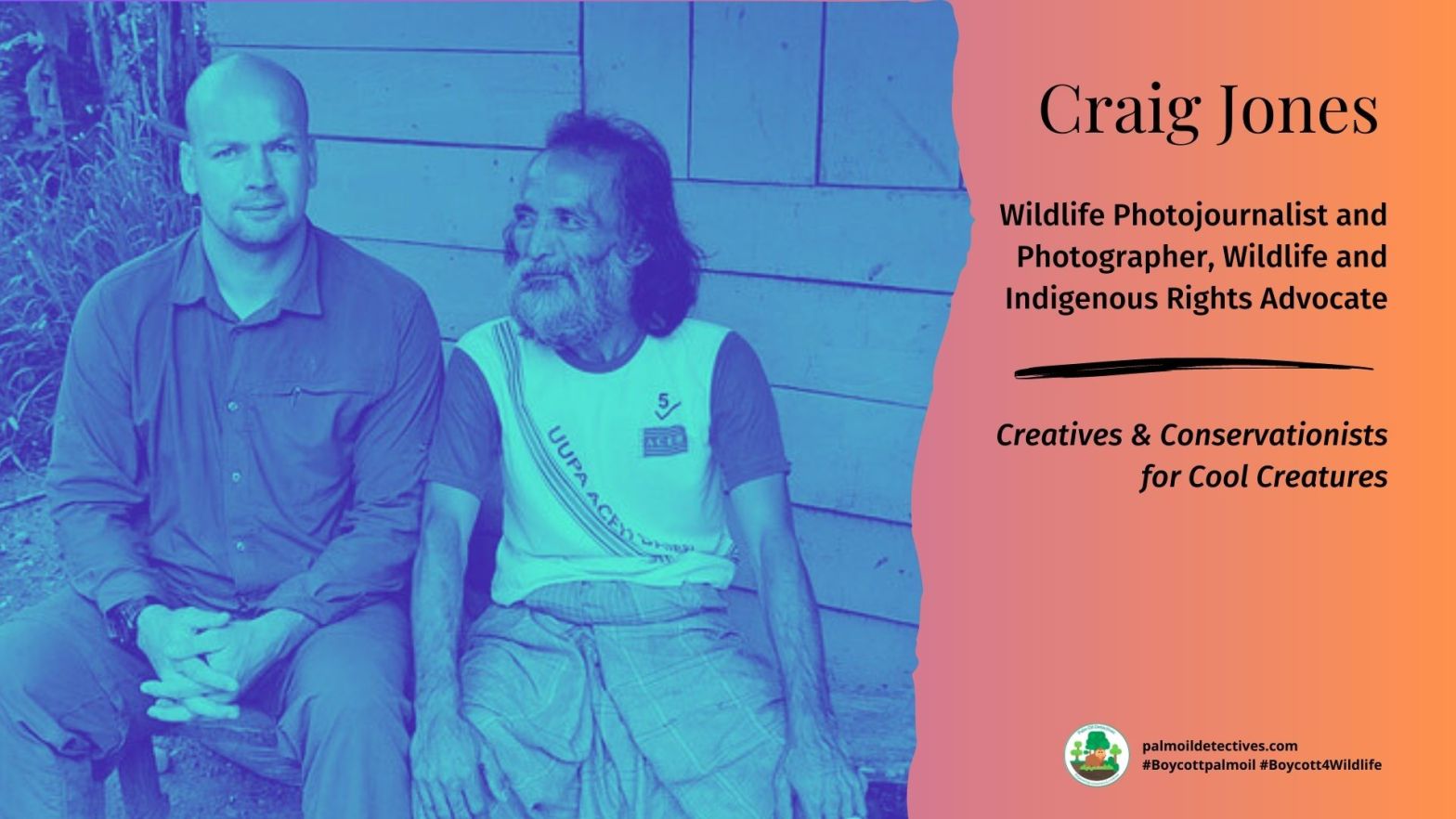
One of Britain’s finest wildlife photographers, Craig Jones uses his own words to bear witness to the awesome love and intelligence of orangutans, and also shares stories of the immense suffering of orangutans and other species within RSPO member palm oil plantations. Craig is an absolute inspiration to photographers, animal lovers and conservationists. It is an honour to showcase his work and stories on Palm Oil Detectives.
Yellow-tailed Woolly Monkey Lagothrix flavicauda

Yellow-tailed Woolly Monkeys are social and active during daylight hours, living in groups with a dominant male, mature males and females, and young monkeys. They communicate through vocalizations like a loud, barking call. Endemic to the Peruvian Andes, they thrive in montane rainforests and cloud forests. They face an existential threat from habitat loss due to palm oil, soy and meat deforestation. Let’s unite to protect these precious creatures by boycotting palm oil, adopting a vegan lifestyle, and raising awareness for them. Together, we can protect the Peruvian Yellow-tailed Woolly Monkeys and their habitat. 🌳🐒💚 #BoycottPalmOil #Boycott4Wildlife
Western Lowland Gorilla Gorilla gorilla
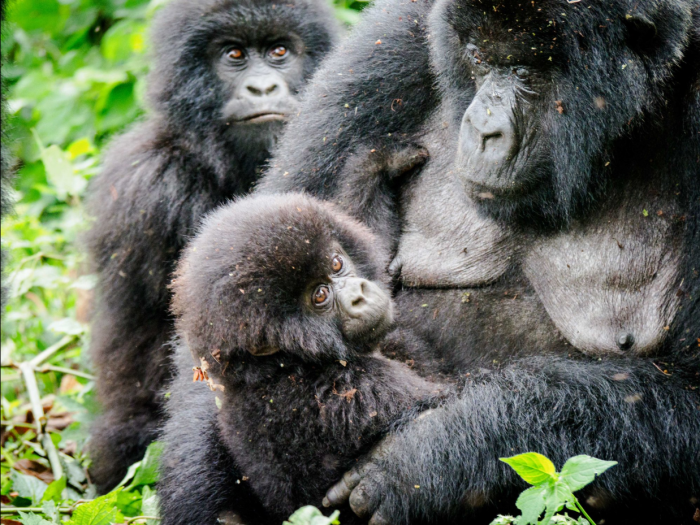
Mighty, intelligent and gentle Western Lowland Gorillas are well-loved apes, they are #critically endangered by #deforestation and habitat loss for #palmoil, cocoa and mining along with disease and illegal poaching in #Congo #Nigeria #Cameroon Help them to survive every time you shop! Join the #Boycott4Wildlife
Forgotten Animals of Secretly Destroyed Forests
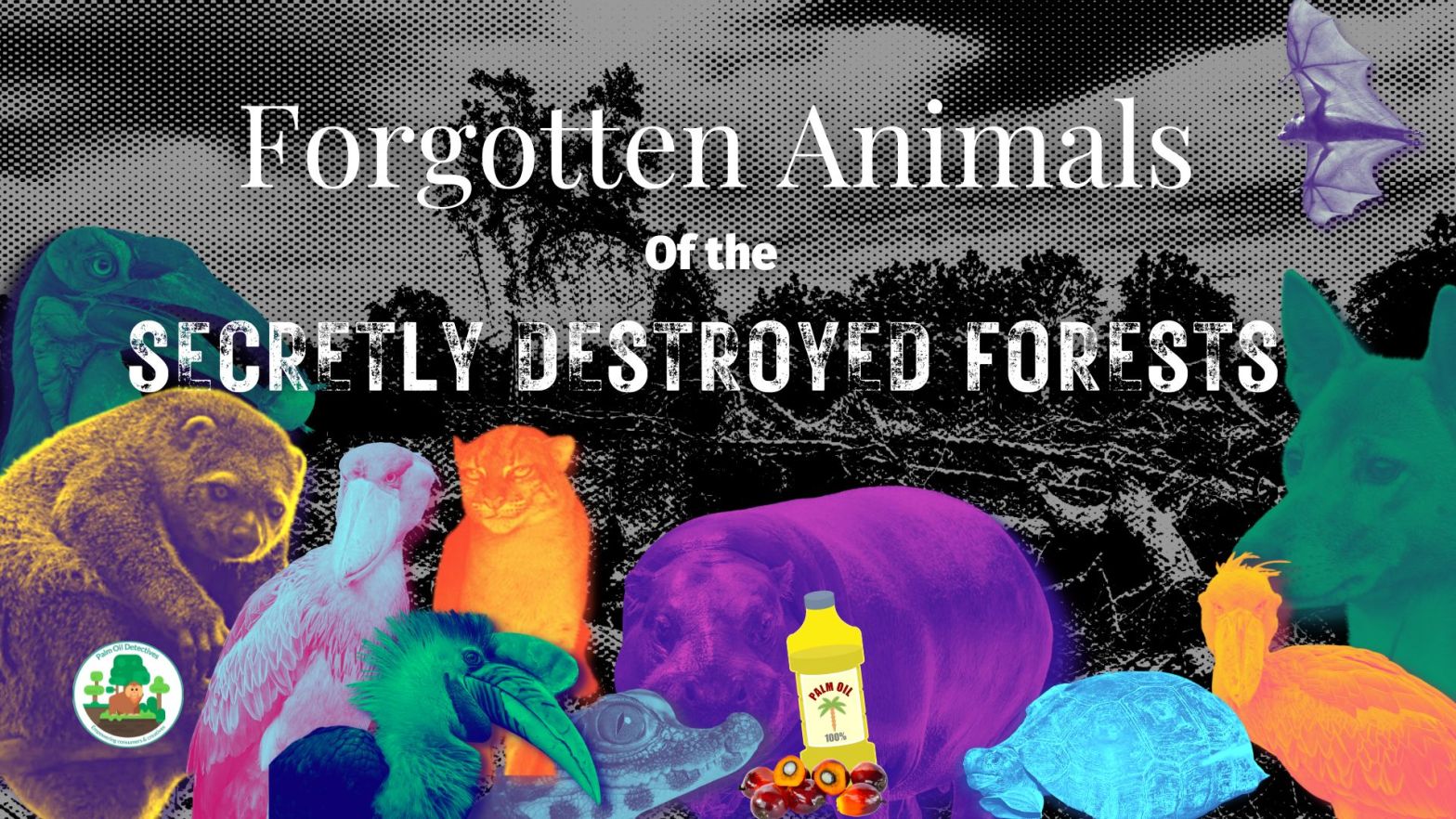
Don’t let the forests go silent! 1000’s of forgotten animals are nearing extinction due to palm oil deforestation. Take action and boycott palm oil today!
The rise of ultra-processed foods and why they’re really bad for our health

Unlike traditionally produced foods humans have been making for many millennia, ultra-processed foods contain ingredients to prolong their shelf-life and artificially augment the food’s taste or texture. This occurs at the expense of nutritional value and as a result, human populations with a high consumption of ultra processed foods like palm oil, saturated fats and refined sugar are at high risk of chronic diseases like diabetes and obesity along with increased mortality risk from cardiovascular disease, #stroke, #dementia and gastrointestinal #cancer. Take action for your #health and #BoycottPalmOil
Golden Monkey Cercopithecus mitis kandti
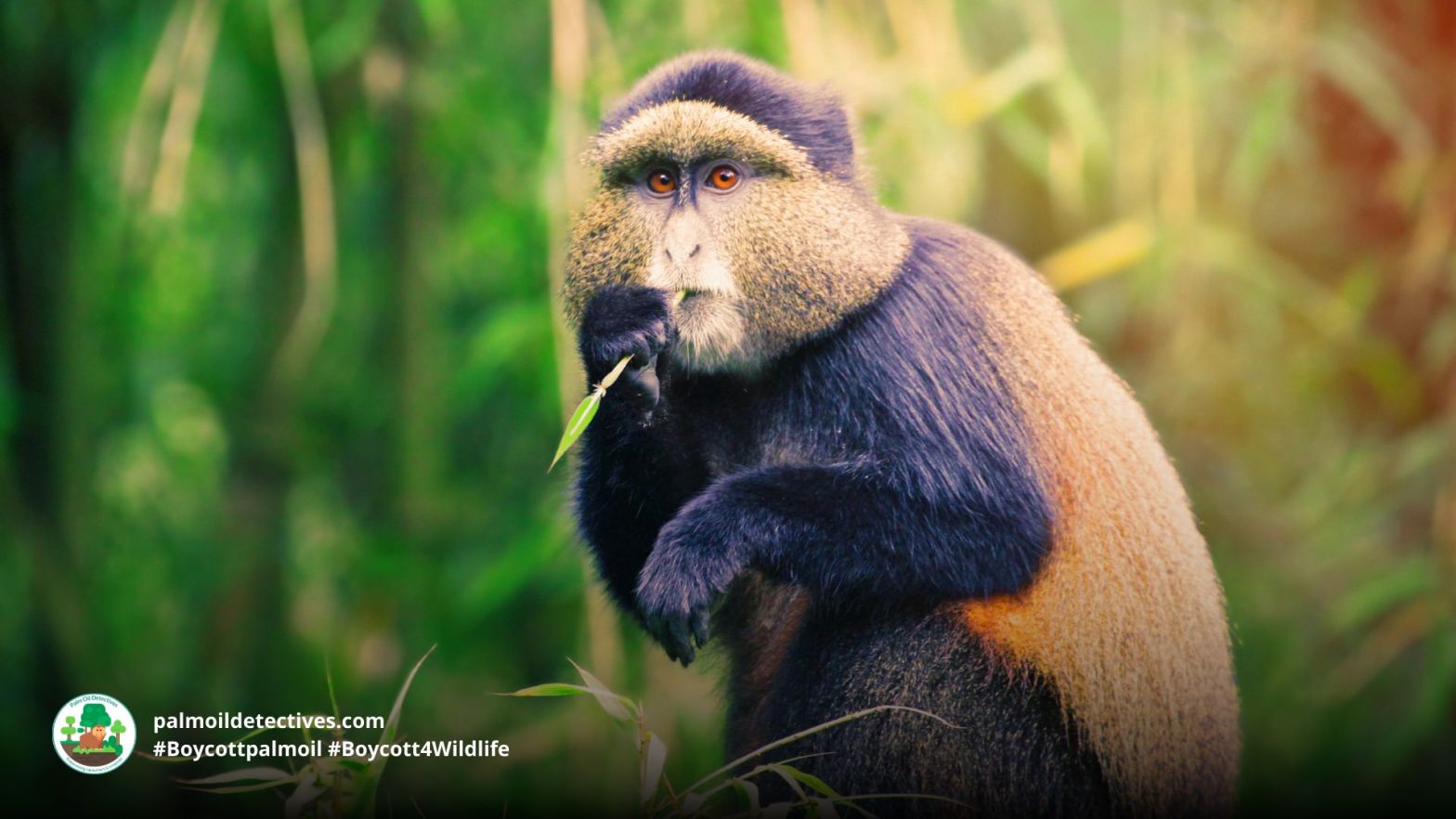
In the mist-laden bamboo forests of the Virunga massif, the golden monkey Cercopithecus mitis kandti darts through dappled sunlight and the tree canopy. This endangered primate is found only in the high-altitude forests of the Albertine Rift, nestled deeply in volcanic mountains. They are found in four national parks: Mgahinga, in south-west Uganda; Volcanoes, in north-west #Rwanda; and Virunga and Kahuzi-Biéga, in the eastern Democratic Republic of #Congo. Like many other animals in the region they are protected and yet human threats including #mining #hunting and #agriculture continue to come dangerously close. Help these sweet-faced and severely threatened #primates every time you shop #BoycottPalmOil #Boycott4Wildlife
Eyewitness by Craig Jones: A mother and baby orangutan are rescued from an RSPO palm oil plantation in Sumatra

Bio: Craig Jones One of Britain’s finest wildlife photographers, Craig Jones is also one of the most humble and down-to-earth guys you will ever meet. His photography and stories capture the lives of endangered rainforest animals that we hold so dearly to our hearts: Sumatran orangutans, Sumatran tigers, Sumatran elephants, Siamangs and more. His workContinue reading “Eyewitness by Craig Jones: A mother and baby orangutan are rescued from an RSPO palm oil plantation in Sumatra”
Dusky Langur Trachypithecus obscurus
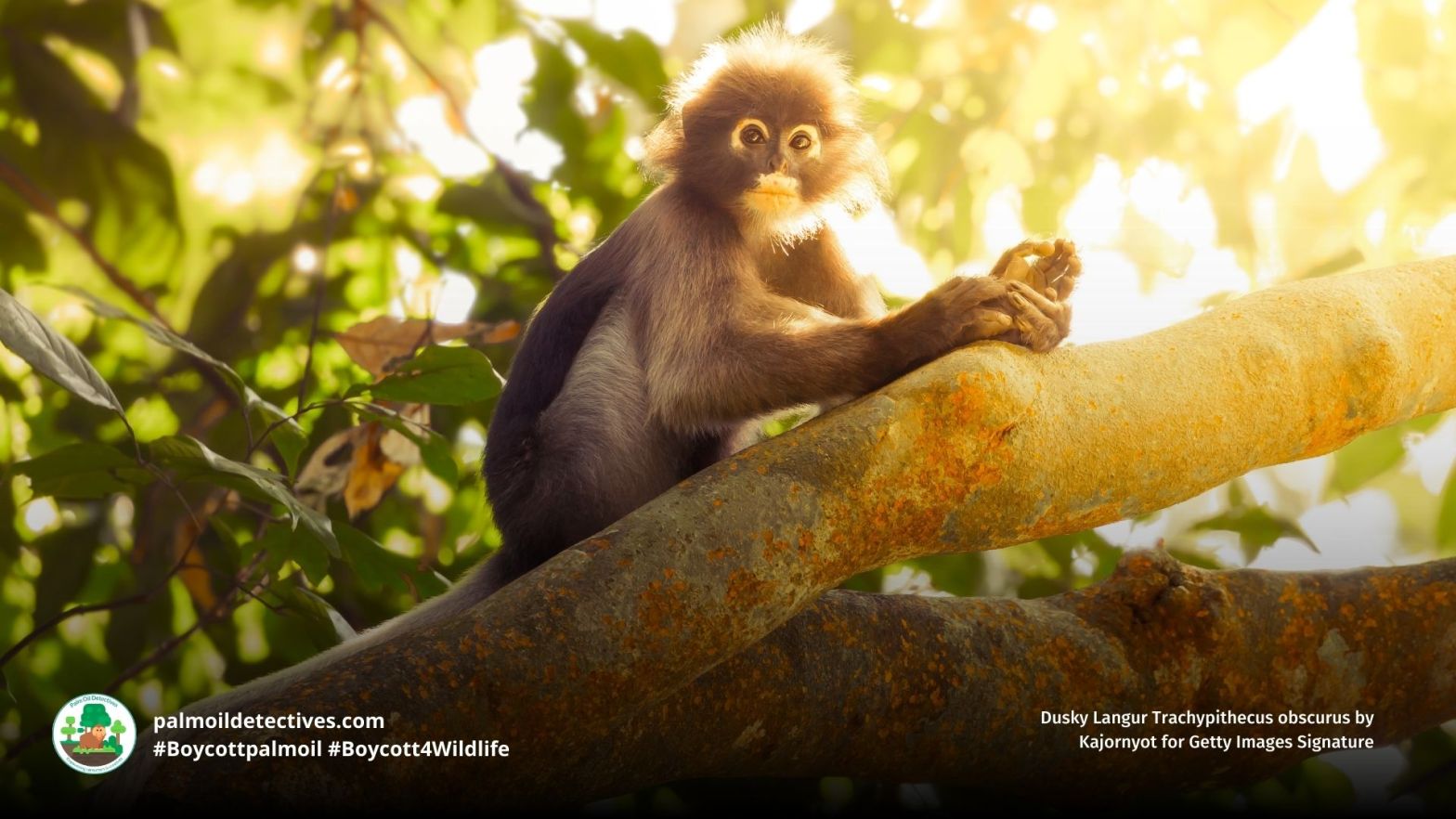
The dusky langur, also known as the spectacled langur or dusky leaf monkey, is one of Southeast Asia’s most charismatic primates. Living in #Thailand, #Myanmar and #Malaysia they have vivid white eye patches that resemble spectacles and a fluffy dark-grey coat, they cut an unmistakable figure against the rustling emerald canopy of the rainforest. These intelligent and agile #monkeys play a crucial role in their ecosystems by dispersing seeds, keeping forests healthy and thriving. Yet, deforestation for agriculture—particularly #palmoil, rubber, and durian plantations—alongside hunting and illegal #wildlifetrade, is pushing them closer to extinction. Without urgent intervention, the forests they call home will be razed, and their populations will continue to plummet. Use your voice to protect them—fight for their survival and #BoycottPalmOil #Boycott4Wildlife every time you shop
Baird’s Tapir Tapirus bairdii
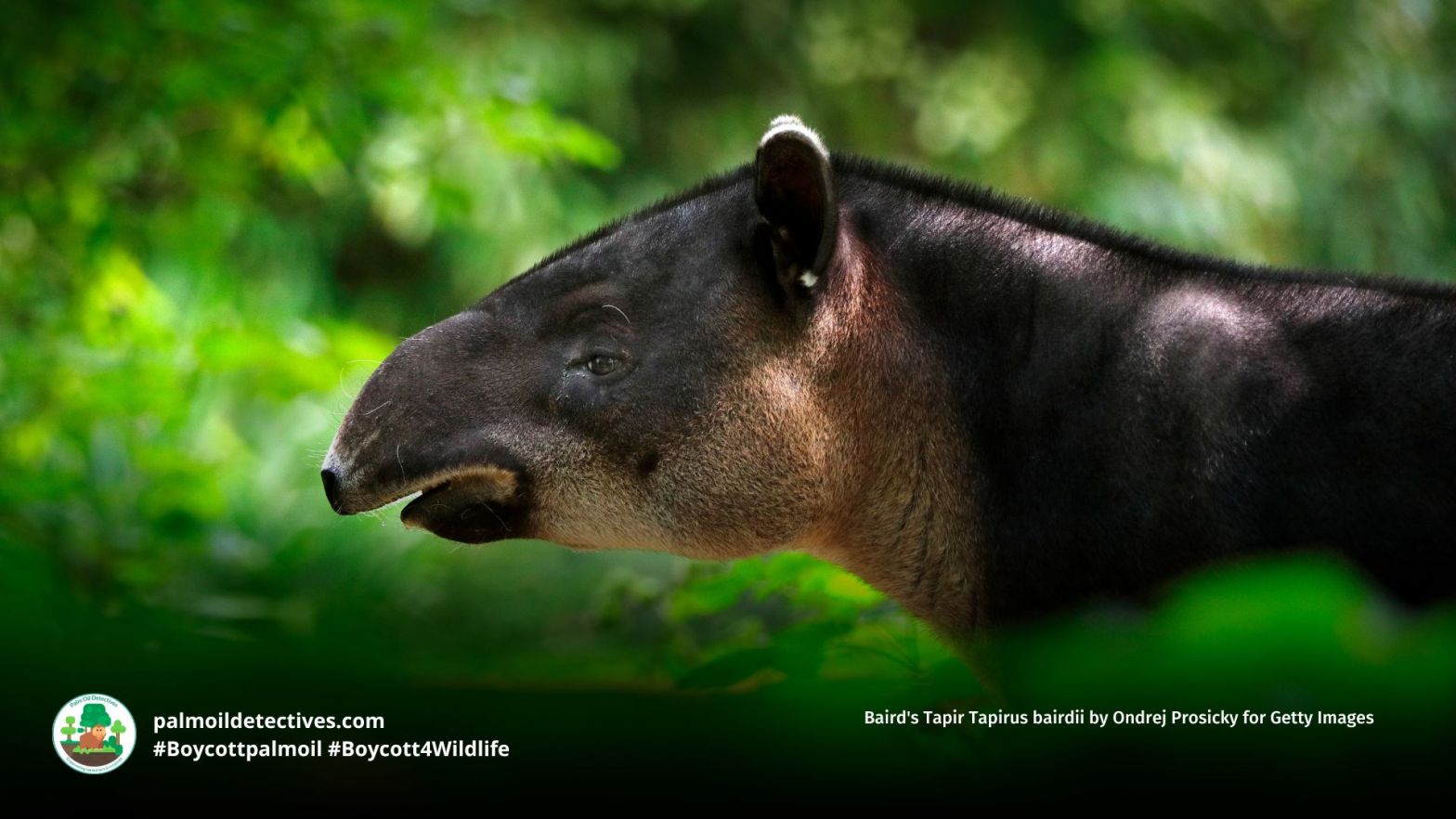
Baird’s tapirs may look like they are relatives of elephants, but they’re actually closer kin to horses, donkeys, zebras, and rhinoceroses. Also known as the Central American tapir, they are the largest land mammals in Central America and a living relic of an ancient lineage.
Their robust, stocky bodies and distinctive trunk-like snout make them unique among mammals. However, they are now Endangered, with fewer than 5,000 individuals left in the wild.
Tragically, palm oil, soy and meat deforestation, hunting, and human encroachment are driving this species toward extinction. Protecting their habitats is critical to ensuring their survival. Use your wallet as a weapon—boycott palm oil and support conservation initiatives. #BoycottPalmOil #Boycott4Wildlife
Climate Explained: what would happen if we cut down the Amazon rainforest?
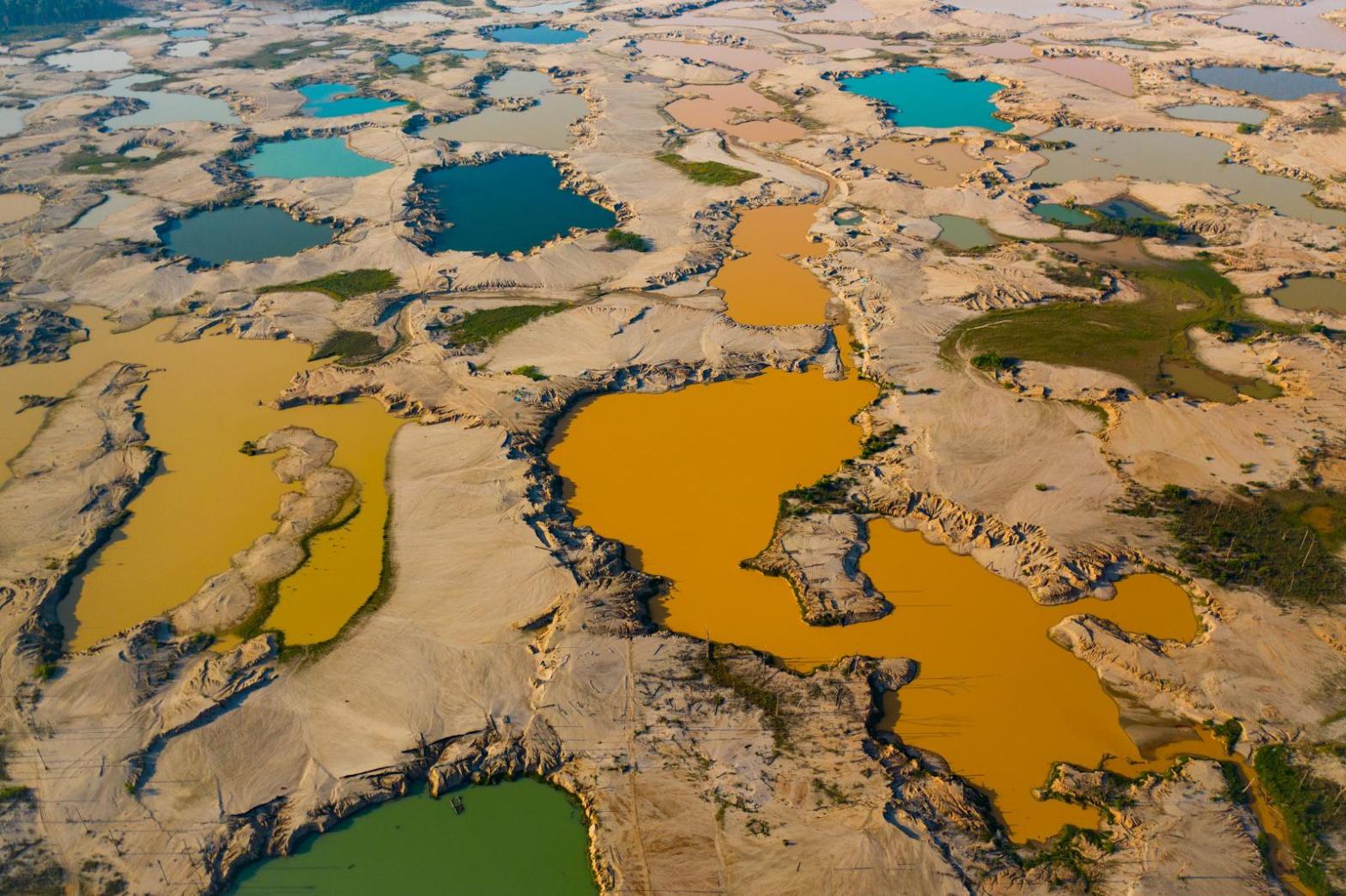
What would happen if we cut down the entire Amazon rainforest? Could it be replaced by an equal amount of reforestation elsewhere? Removing the entire Amazon rainforest would have myriad consequences, with the most obvious ones possibly not the worst. Most people will first think of the carbon currently stored in the Amazon, the world’s largest rainforest. But the consequences would be far-reaching for the climate as well as biodiversity and ecosystems — and, ultimately, people. Fight for animals, indigenous peoples and the planet itself #BoycottPalmOil #BoycottGold and #Boycott4Wildlife
Varied White-fronted Capuchin Cebus versicolor
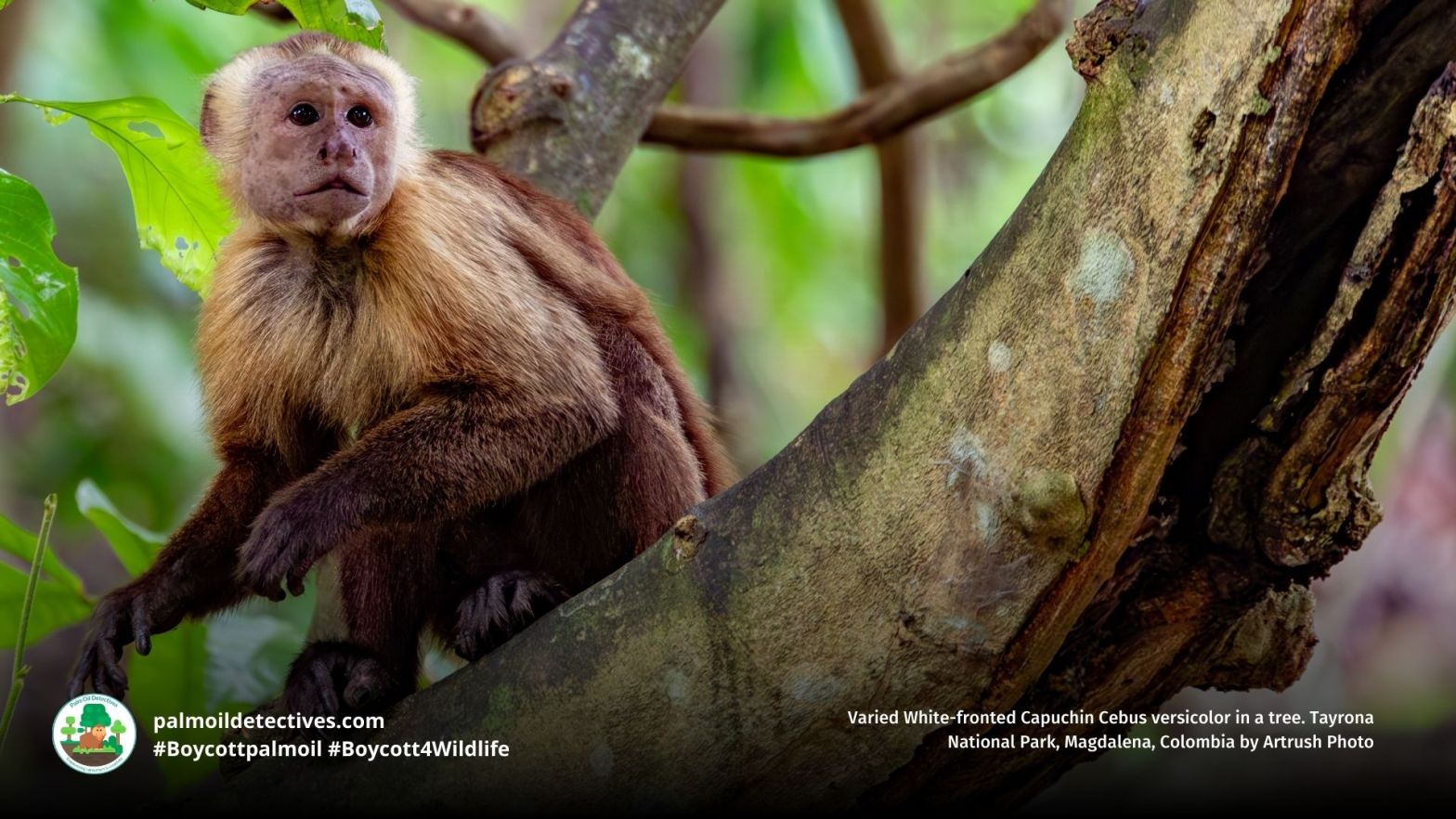
The Varied White-Fronted Capuchin Cebus versicolor is an intelligent, tenacious and resourceful small primate endemic to the forests of Colombia. With their pale white faces, reddish-gold coats, they are both striking in appearance and crucial to their ecosystems. These capuchins play an essential role in seed dispersal, ensuring the health and regeneration of their forest homes.
Tragically, their populations are declining due to deforestation, hunting, and the illegal wildlife trade. Protecting these forests is critical to their survival. Support indigenous-led conservation, adopt a vegan lifestyle and #BoycottPalmOil and #Boycott4Wildlife to take meaningful action for these incredible primates.
Crested Capuchin Sapajus robustus
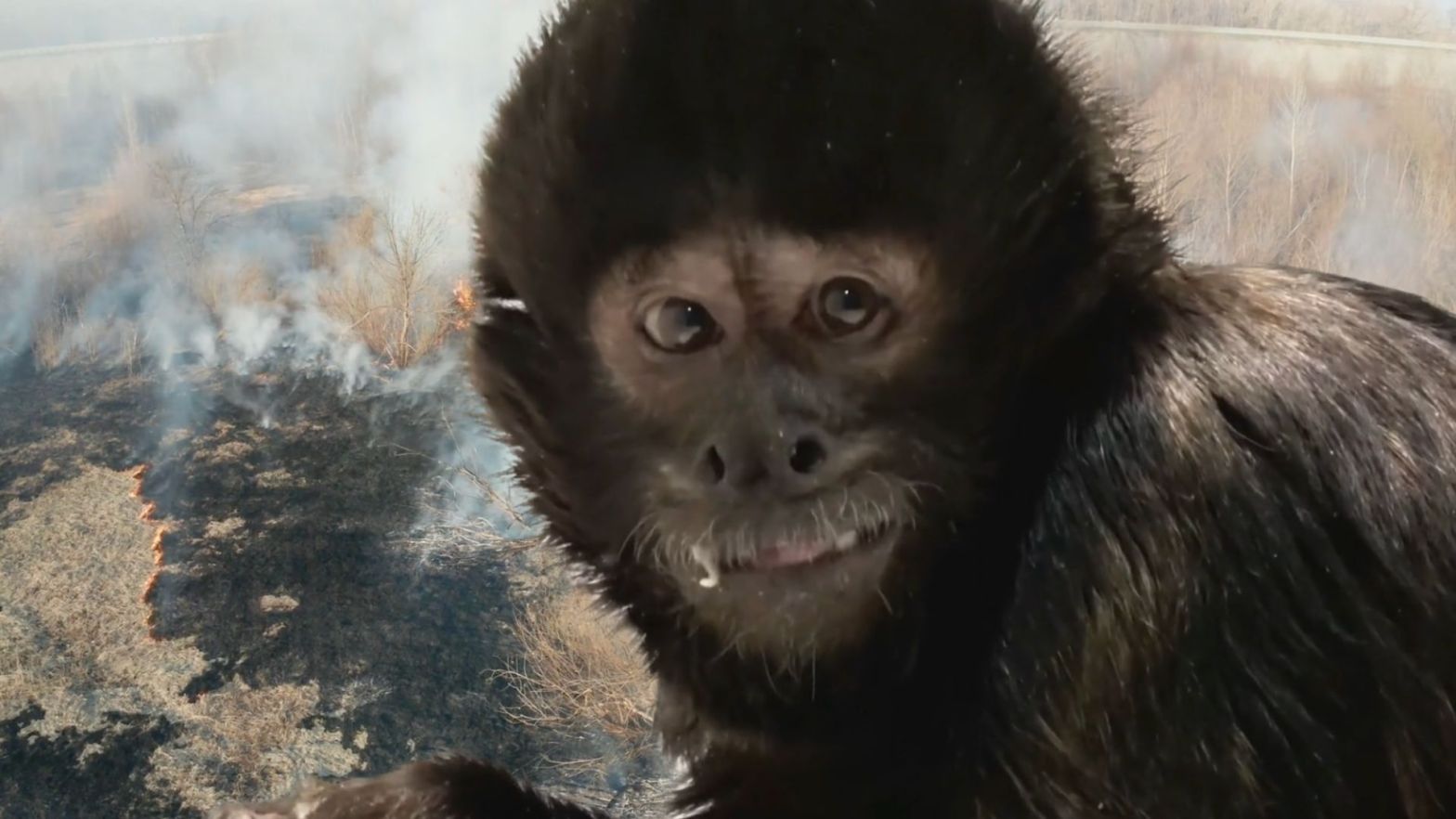
Crested Capuchins are one of Brazil’s most endangered primates. A few thousand remain, facing extinction due to palm oil, mining, soy. Take action for them!
Ecosystems could collapse in less than 50 years
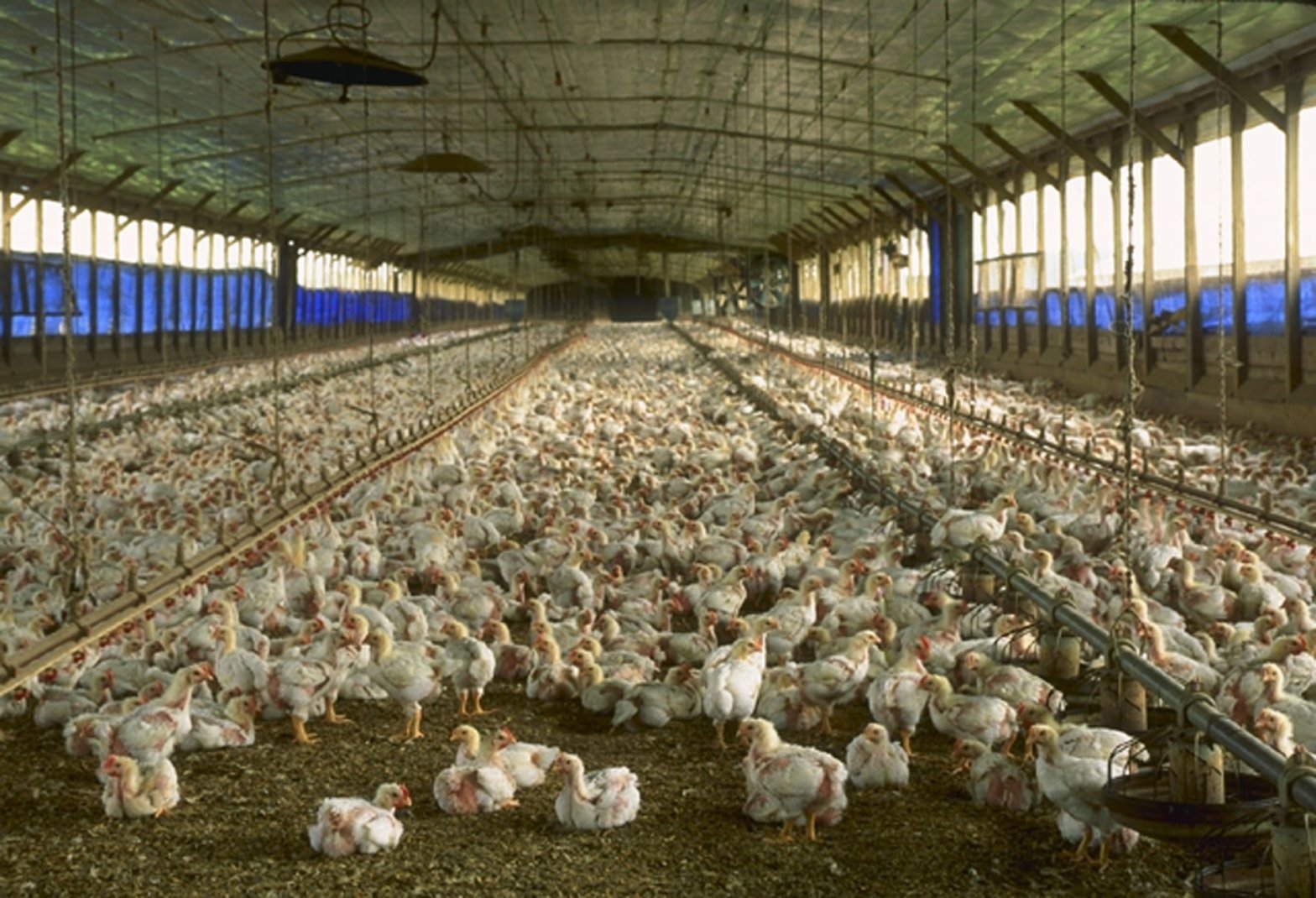
We know that ecosystems under stress can reach a point where they rapidly collapse into something very different. Research published in the journal Nature Communications, shows that the size of the ecosystem is important. Once a “tipping point” is triggered, large ecosystems could collapse much faster than we had thought possible. It’s a finding that has worrying implications for the functioning of our planet. Fight back and resist for nature when you shop be #vegan and #BoycottPalmOil #Boycott4Wildlife
What’s my name? How wild parrots identify their young
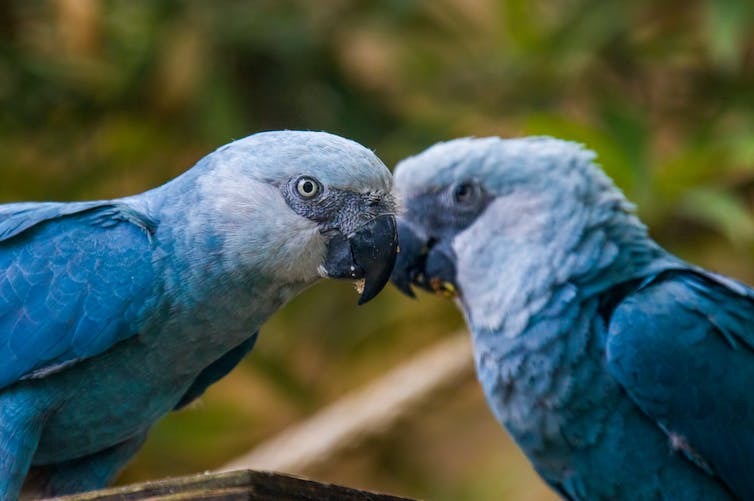
Ground-breaking research has found that wild parrots teach their chicks unique sound signatures so that they can identify their parents. We are only just scratching the surface of knowledge about these immensely intelligent non-human beings, protect them! Be #Vegan and #BoycottPalmOil #Boycott4Wildlife
We don’t know how many mountain gorillas live in the wild. Here’s why
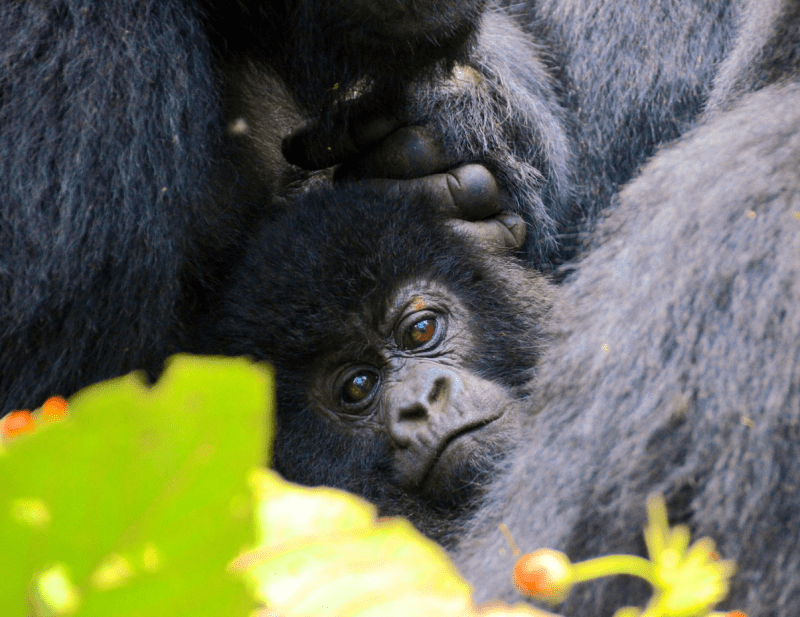
How important are the mountain #gorillas of Uganda’s Bwindi Impenetrable Forest National Park to global populations? Their importance to the health of the forest is immeasurable and irreplacable! Mountain gorillas are one of the two subspecies of eastern gorillas. They are divided into just two populations: one in the Virunga Massif that spans the borders of Uganda, Rwanda and the Democratic Republic of Congo (DRC) and one population that lives in the Bwindi Impenetrable National Park in Uganda and the adjacent Sarambwe Nature Reserve in DRC. Help them to survive, be #vegan and #BoycottPalmOil #Boycott4Wildlife
Southern Patas Monkey Erythrocebus baumstarki
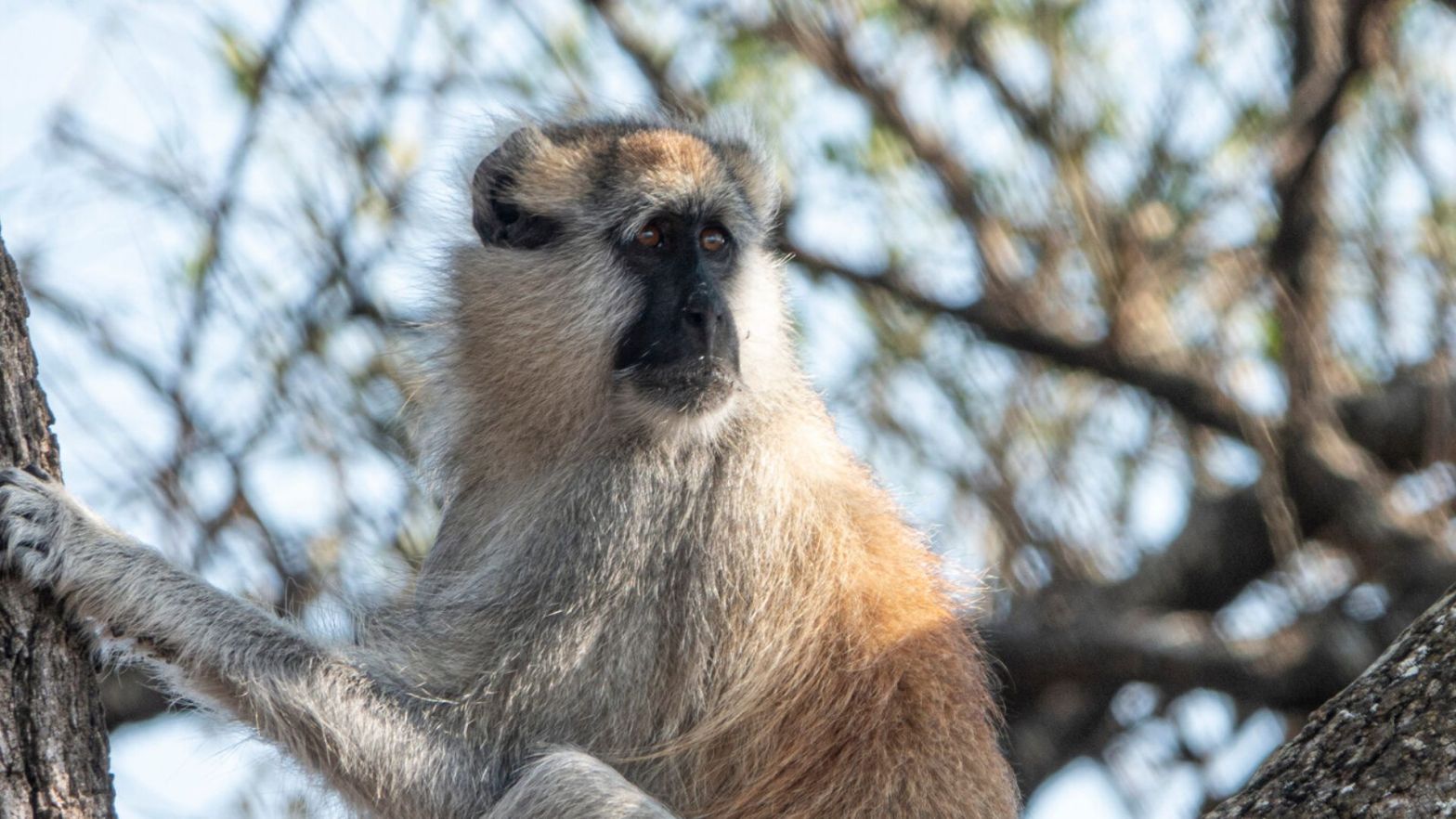
The Southern Patas #Monkey (Erythrocebus baumstarki) is an elusive, long-limbed #primate once common across northern #Tanzania and parts of #Kenya and now on the very edge of #extinction. With a lean, agile body built for speed, they are among the fastest-running primates in the world, capable of reaching speeds up to 55 km/h. Once ranging over approximately 66,000 km², their habitat has been decimated by agriculture, human settlements, and bushmeat hunting, reducing their known range by over 85% in recent decades. By 2021, estimates suggested fewer than 200 individuals remained in the wild, restricted to small populations in western Serengeti National Park and its surroundings (de Jong & Butynski, 2021).
Without urgent intervention, this striking species could be the next primate extinction in Africa. Help them every time you shop and campaign for these rare primates, every time you shop go #vegan and #Boycott4Wildlife!
Golden-bellied Mangabey Cercocebus chrysogaster
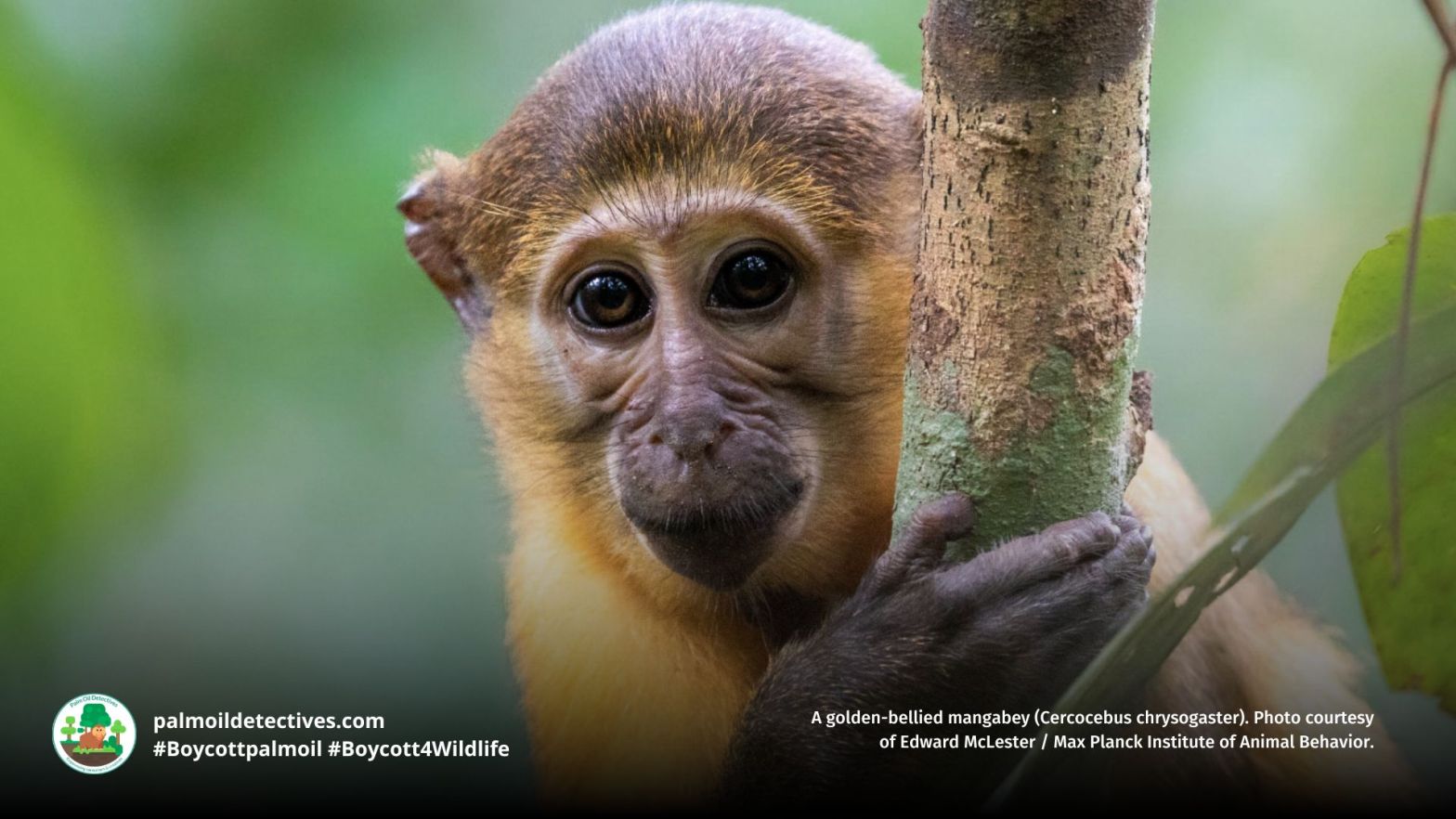
The golden-bellied mangabey (Cercocebus chrysogaster) is an intriguing and elusive monkey endemic to the Democratic Republic of Congo (DRC). Named for the vibrant golden hue of their undersides, these primates are known for their intelligence, complex social behaviours, and unique ecological role. Found in the remote tropical forests along the Congo River Basin, these monkeys remain poorly studied due to their limited range and secretive nature.
Tragically, the golden-bellied mangabey faces mounting threats from habitat destruction, driven by logging, mining, and agricultural expansion, including palm oil plantations. Their population continues to decline due to hunting and habitat fragmentation. Act now to protect their fragile habitat—boycott palm oil and stand against deforestation. #BoycottPalmOil #Boycott4Wildlife
Monkey minds: what we can learn from primate personality
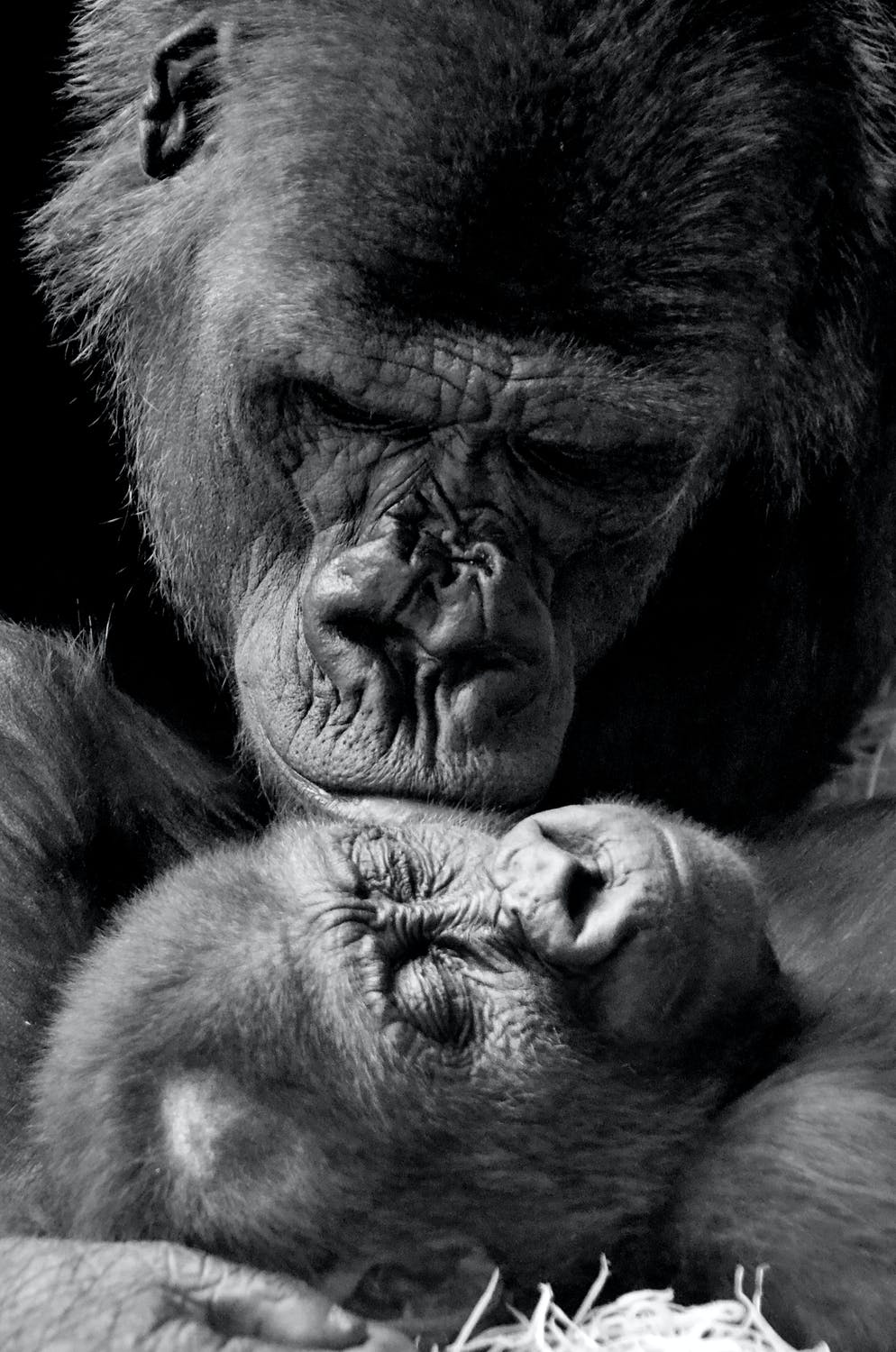
Did you know our primate cousins exhibit similar personality profiles to humans? Explore fascinating evolutionary research on primate social behaviour
Drill Mandrillus leucophaeus

The Drill is one of the most visually arresting, emotionally complex, and endangered #monkeys on Earth. Endemic to a narrow slice of rainforest in #Nigeria, #Cameroon, and Bioko Island, these intelligent primates have lost over 50% of their population in just three decades. They face a terrifying gauntlet of threats: #palmoil plantations, #hunting for the #bushmeat trade, #timber logging, and a tidal wave of new #infrastructure creation. Though rarely seen, Drills are capable of extraordinary behaviour—forming multi-species foraging alliances, mourning their dead, and navigating their crumbling world with grace and resilience. Only a few thousand of these precious #primates remain alive. Take action every time you shop, be #Vegan and #BoycottPalmOil #Boycott4Wildlife
Explainer: What is a tipping point, and why should we care?
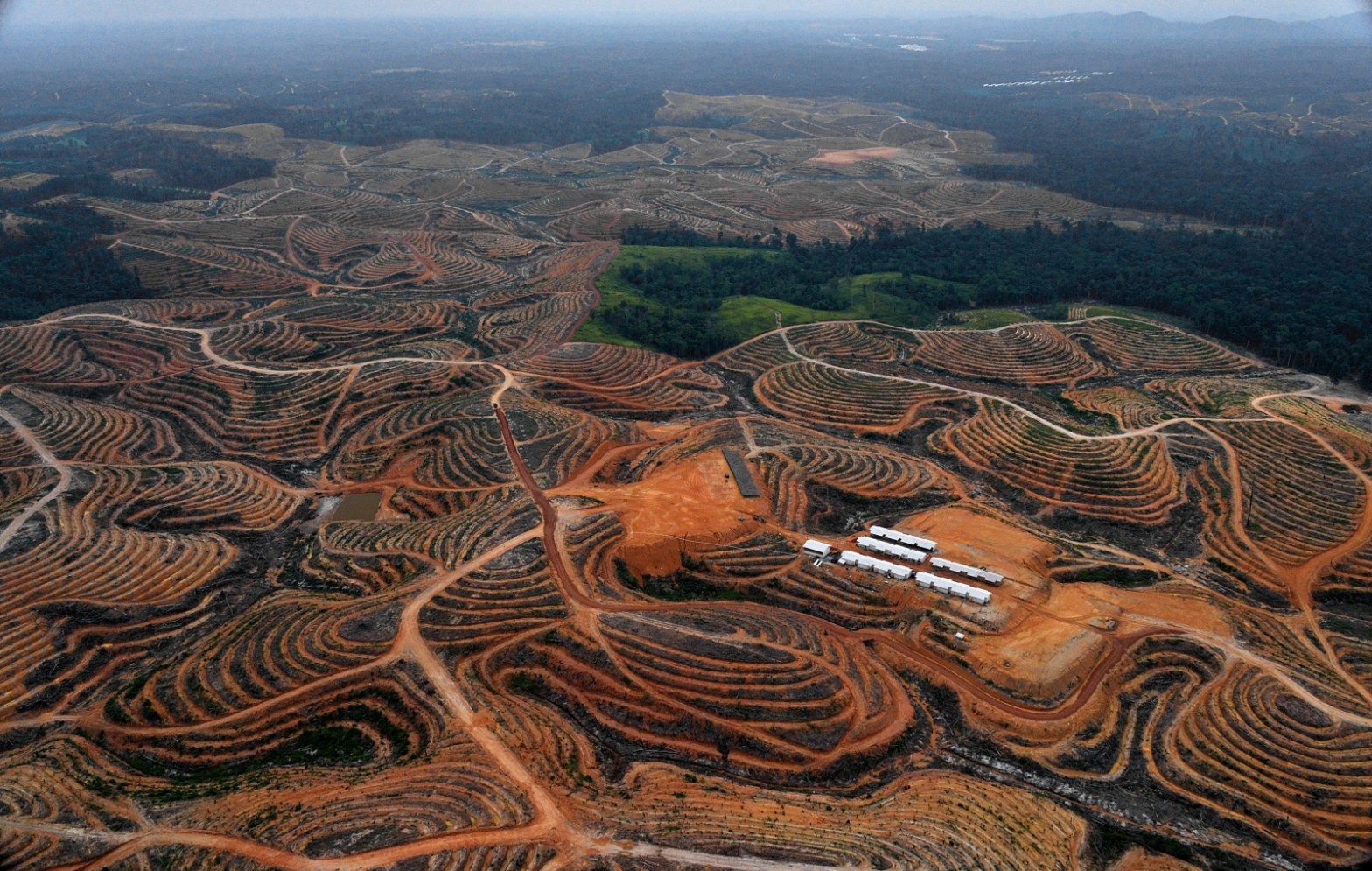
Lately, you may have heard someone say that we have reached a “tipping point.” Recently, we have witnessed dramatic shifts in our social and economic states of being. Our ability to understand and act thoughtfully around this single concept could determine the fate of life on Earth. Help reverse the upheavals and tipping points every time you shop #Boycott4Wildlife
Rainbow Cliffs: Why Parrots in the Amazon Eat Clay
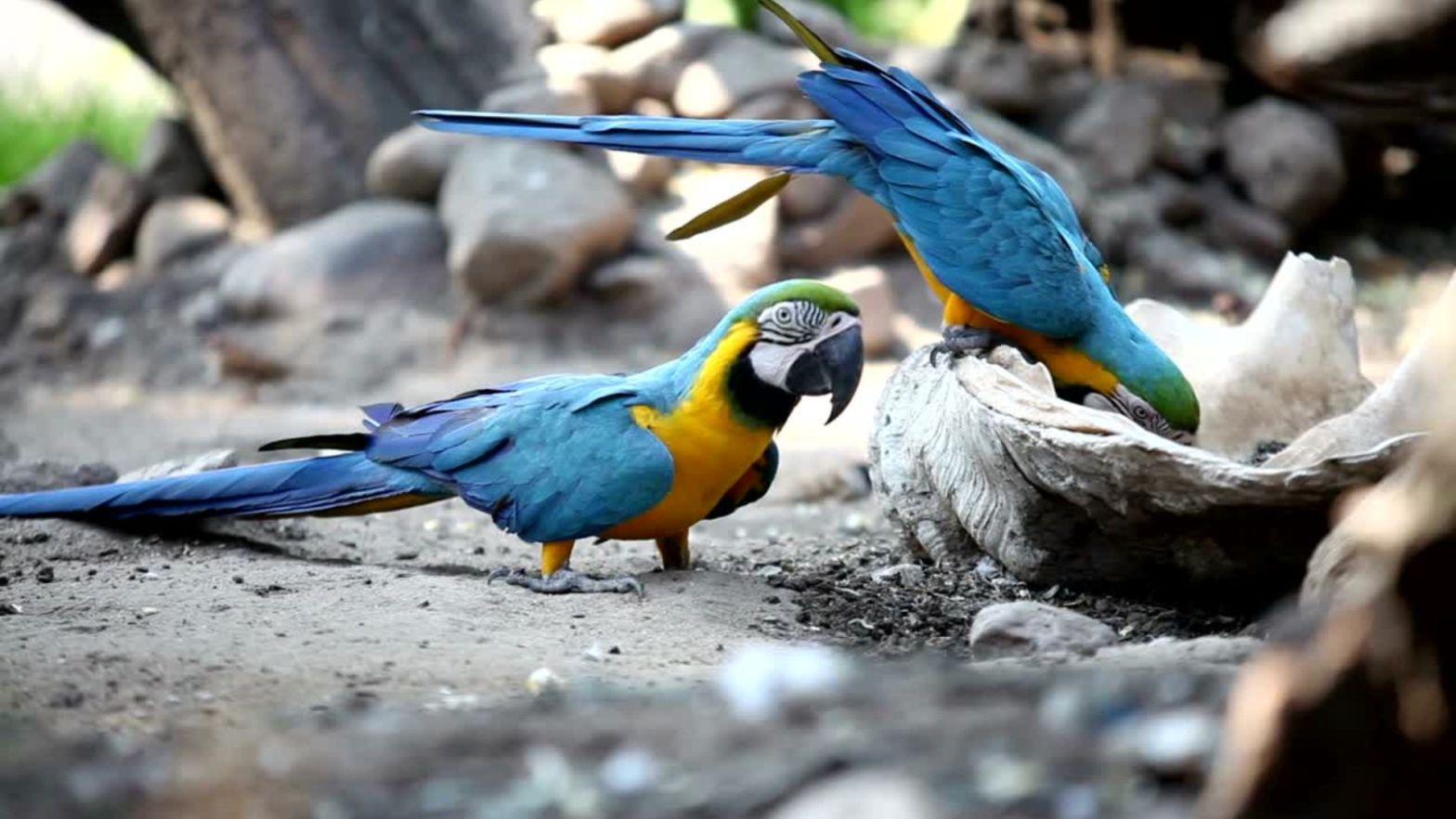
Our world holds a whole host of glorious natural spectacles, from great starling murmurations to the ethereal display of coral reef spawning. But none is more thrilling than catching a glimpse of a majestic #macaw.
Screeching their way through the #Amazon rainforest, leaving scattered fruit, broken branches, and a considerable quantity of parrot poop in their wake, #parrots are simply animals like no other. But high in the treetops, flying far above the dense, dark foliage below, how can you ensure that you see their bright colours? A safe bet is to find a clay lick.
Four-horned Chameleon Trioceros quadricornis
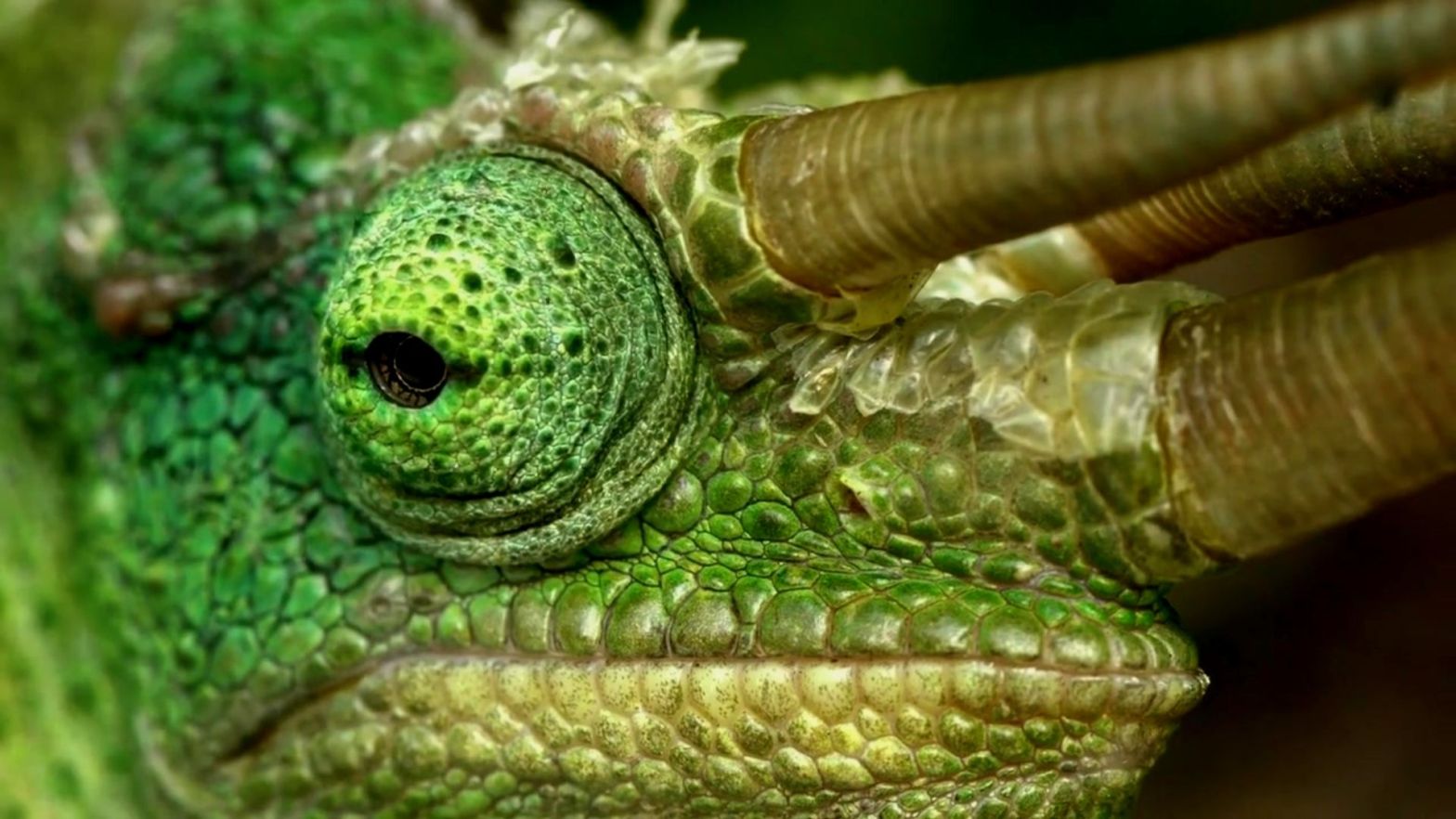
Protect the Four-Horned Chameleons, native to Cameroon’s rainforests, these extraordinary reptiles are now listed as Vulnerable, boycott palm oil for them!
Ariel Toucan Ramphastos ariel
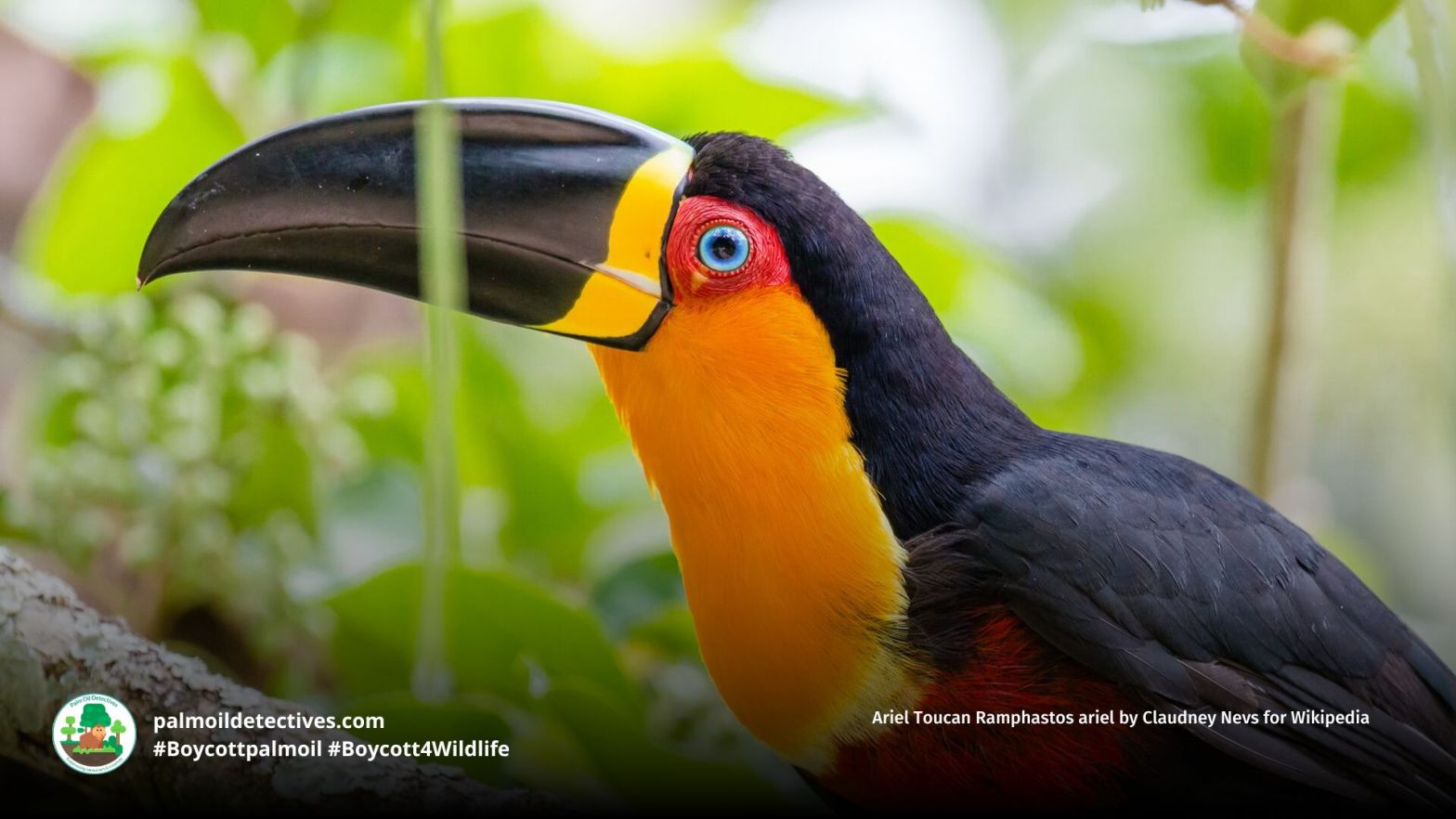
Ariel Toucans are vibrant and charismatic birds of South America under threat from palm oil, soy, meat and gold mining deforestation. Take action for them!
 Palm Oil Detectives